What Is FFS in MTF? A Complete Guide

A portrait of a professional woman with a confident smile, wearing a cream-colored blazer and elegant earrings, posing against a dark background.

For many individuals undergoing a gender transition from male to female (MTF), achieving facial congruence with their gender identity is a deeply personal and significant milestone. The face is often the first aspect of a person observed, and for transgender women, the desire for their facial features to align with their inner sense of self can be incredibly strong. This journey often leads them to explore Facial Feminization Surgery, commonly known as FFS. If you are an MTF trans woman seeking to understand more about FFS and how it can help you achieve a more feminine and attractive face, you’ve come to the right place. This comprehensive guide will delve into the intricacies of FFS, covering everything from what it is and why it’s important, to the various procedures involved, the recovery process, and how to choose the right surgeon.

A smiling woman with dark hair tied in a low ponytail, wearing a light blue top and large gold hoop earrings, standing in a softly lit indoor environment.

Understanding the Importance of Facial Feminization for MTF Trans Women

The desire for an attractive face is not merely about aesthetics; for MTF trans women, it’s often deeply intertwined with their sense of self, their mental well-being, and their ability to navigate the world authentically. Facial features often carry strong gender associations, and incongruence between one’s facial appearance and gender identity can lead to significant distress, known as gender dysphoria. This discomfort can manifest in various ways, including anxiety, depression, social isolation, and a diminished sense of self-worth.

For MTF trans women, FFS can be a transformative step in their transition journey. By addressing masculine facial features and reshaping them to appear more feminine, FFS can help individuals feel more comfortable and confident in their own skin. It can also significantly improve their social interactions, reducing instances of misgendering and increasing their sense of safety and acceptance in public. Ultimately, FFS is about aligning one’s external appearance with their internal identity, contributing to a greater sense of wholeness and well-being, and helping them feel more like their true selves, often leading to the realization of a more attractive face that resonates with their femininity.
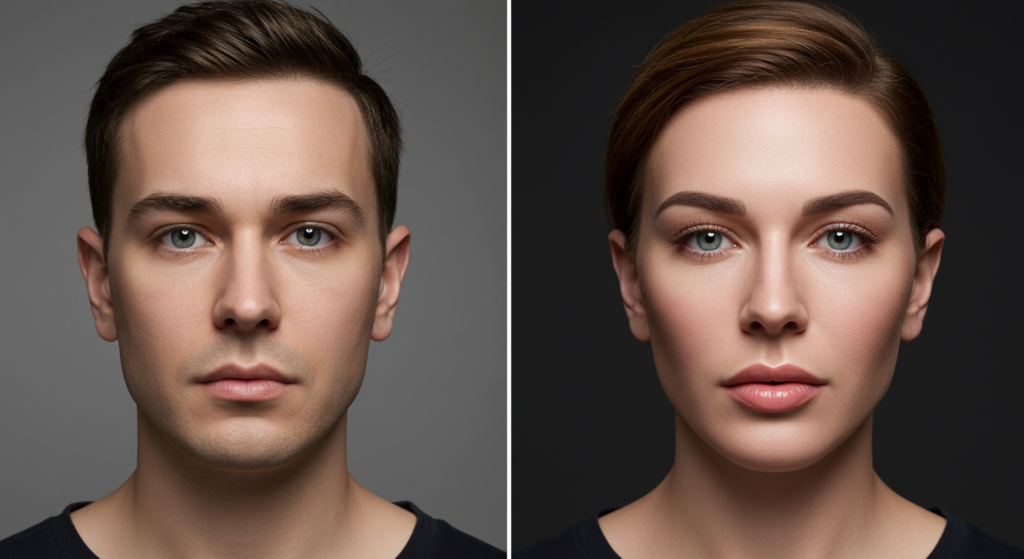
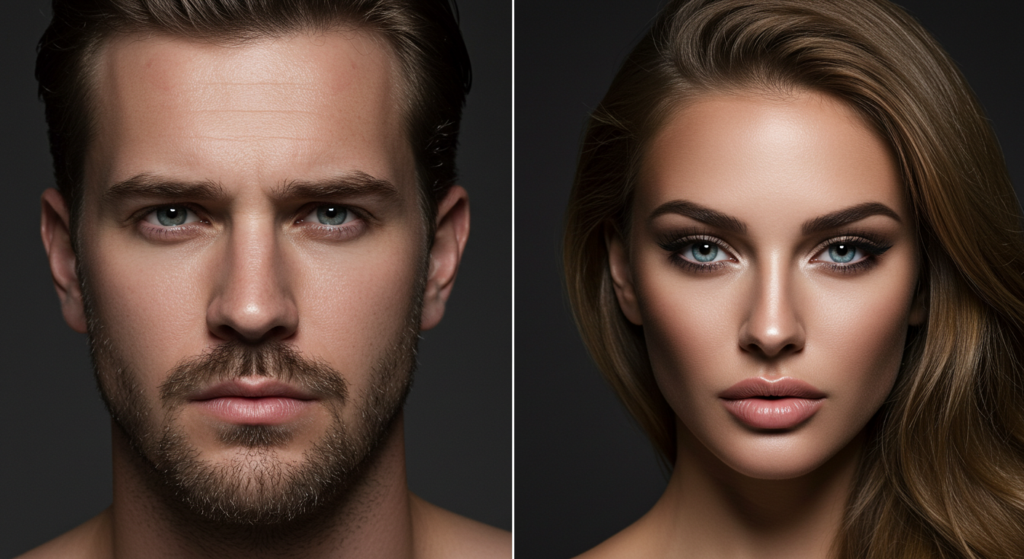
A professional editorial description of the image featuring two hyperrealistic portraits of a male and female face side by side. --- **Camera and Optics:** The image appears to be captured using a high-end, prime lens, likely an **85mm macro lens**, known for its ability to produce sharp, detailed, and distortion-free close-up shots. The level of detail suggests a resolution of **8K or higher**, delivering hyperrealistic textures and lifelike clarity. The depth of field is shallow, ensuring that the subjects' faces are in crisp focus while subtly softening the background. --- **Lighting Design:** The lighting in this image employs a **hard-light technique**, characterized by its sharp, well-defined shadows and bright highlights. The light source seems to originate from a **side angle**, creating a dramatic interplay of light and shadow that accentuates the facial contours. This technique enhances the three-dimensionality of the subjects' features, particularly the cheekbones, jawlines, and brow ridges. The lighting setup avoids flatness, instead emphasizing the sculptural qualities of the faces. --- **Anatomy and Identity:** The image features two subjects, one male and one female, both captured in a neutral, forward-facing pose. The male subject exhibits a **chiseled jawline, defined cheekbones, and a straight nose**, contributing to a strong, masculine aesthetic. The female subject, on the other hand, showcases **high cheekbones, a delicate jawline, and softly arched eyebrows**, exuding a refined, feminine elegance. Both subjects have a symmetrical facial structure, which is often associated with classical beauty standards. --- **Texture and Skin:** The skin texture in the image is rendered with **exceptional detail**, highlighting the natural pores, fine lines, and subtle imperfections that contribute to the hyperrealistic effect. There is a slight **luminescence** on the skin, particularly on the forehead, cheekbones, and nose, suggesting a light sheen or natural moisture. The lighting accentuates the **micro-textures** of the skin, such as the fine vellus hair and the natural oils, without overpowering the overall composition. --- **Clothing and Hardware:** Both subjects are dressed in **minimalistic, form-fitting black attire**, likely made of a **matte, stretchable fabric** such as cotton or a cotton-blend. The simplicity of the clothing ensures that the focus remains on the facial features. There are no visible metal accessories or hardware, maintaining a clean and uncluttered aesthetic. --- **Composition and Background:** The composition of the image is **symmetrical and balanced**, with both subjects positioned centrally and equally framed. The background is a **neutral, gradient gray-to-black tone**, which serves to isolate the subjects and draw attention to their faces. The atmosphere of the image leans towards a **luxurious and minimalist** aesthetic, evoking a sense of sophistication and timelessness. The lack of distractions in the background further emphasizes the hyperrealistic details of the subjects' faces, creating a **noir-inspired** yet modern visual experience.

What Exactly is Facial Feminization Surgery (FFS)?

Facial Feminization Surgery (FFS) is not a single procedure but rather a collection of surgical techniques designed to soften and feminize the facial features of transgender women. The specific procedures involved in FFS are highly individualized and depend on the unique facial structure of each person, as well as their desired aesthetic goals. The aim of FFS is to reduce or reshape features that are typically associated with masculinity, such as a prominent brow bone, a wider jawline, or a more angular chin, and to enhance features that are traditionally considered feminine, such as fuller cheeks, softer contours, and a more delicate nose. The ultimate goal is to create a harmonious and feminine facial appearance that helps the individual feel more comfortable and confident in their gender identity, often resulting in what they perceive as a more attractive face.

Who is a Good Candidate for FFS?

Determining whether FFS is the right step for you is a personal decision that should be made in consultation with qualified medical and mental health professionals. However, some general characteristics and considerations often apply to individuals who are good candidates for FFS:

  • Gender Identity: The primary criterion is a well-established and persistent female gender identity. Individuals typically have been living as women for a significant period and have a strong understanding of their gender identity.
  • Emotional Maturity and Stability: Undergoing any surgical procedure, especially one as significant as FFS, requires emotional maturity and stability. Candidates should have realistic expectations about the outcomes of the surgery and be prepared for the emotional and physical recovery process.
  • Good Physical Health: Candidates should be in good overall physical health to minimize the risks associated with surgery and anesthesia. Any pre-existing medical conditions should be well-managed.
  • Realistic Expectations: It’s crucial to have realistic expectations about what FFS can achieve. While surgery can significantly feminize the face, it may not result in a perfect or idealized image. The goal is to achieve a more feminine and harmonious appearance that aligns with the individual’s gender identity and enhances their sense of self, contributing to a more attractive face in their own eyes.
  • Understanding the Risks and Benefits: Candidates should have a thorough understanding of the potential risks, benefits, and limitations of the specific FFS procedures they are considering. This involves open and honest communication with their surgeon.
  • Desire for Facial Congruence: The primary motivation for seeking FFS is typically a desire to alleviate gender dysphoria related to facial features and to achieve greater congruence between their appearance and their gender identity. Many seek FFS to feel more comfortable and confident in their daily lives and to be perceived by others as the women they are, often contributing to their personal definition of an attractive face.
  • Support System: Having a strong support system of friends, family, or a therapist can be beneficial throughout the FFS journey, from the initial decision-making process to the recovery period.

A joyful woman in a vibrant red dress smiling warmly at the camera, with a stunning sunset and city skyline in the background, creating a serene and uplifting atmosphere.

Common Facial Feminization Surgery Procedures Explained

FFS encompasses a wide range of surgical procedures, and the specific combination of procedures will vary depending on the individual’s facial structure and goals. Here are some of the most common FFS procedures:

Forehead Contouring (Brow Bone Reduction and Forehead Shaping)

The forehead and brow bone are often key areas that contribute to a masculine appearance. Forehead contouring aims to create a smoother, more rounded, and feminine forehead. This typically involves two main techniques:

  • Brow Bone Reduction: In individuals with a prominent brow bone, the surgeon can shave down or reshape the bone to create a flatter and more feminine contour. The approach used depends on the severity of the protrusion and may involve an incision in the hairline or within the scalp.
  • Forehead Shaping: The shape of the forehead itself can also be addressed. A more feminine forehead tends to be smoother and slightly more vertical. In some cases, bone cement or other materials may be used to fill in depressions or create a more rounded shape. This procedure can significantly soften the upper face and contribute to a more attractive face.

Rhinoplasty (Nose Reshaping)

The nose plays a central role in facial aesthetics, and rhinoplasty can significantly impact the overall femininity of the face. Masculine noses tend to be larger, wider, and have a more prominent bridge, while feminine noses are often smaller, narrower, and more delicate. Rhinoplasty in FFS can involve:

  • Reducing the Size of the Nose: This may involve reshaping the nasal bones and cartilage to create a smaller and more refined appearance.
  • Narrowing the Nasal Bridge: A wider nasal bridge can be narrowed to create a more feminine profile.
  • Refining the Nasal Tip: The shape and projection of the nasal tip can be altered to create a more delicate and upturned appearance.
  • Adjusting the Nasolabial Angle: The angle between the nose and the upper lip can be adjusted to create a more feminine profile. A well-executed rhinoplasty can bring balance and harmony to the face, enhancing its overall attractiveness.

Cheek Augmentation

Fuller cheeks are often associated with youthfulness and femininity. Cheek augmentation can enhance the volume and projection of the cheeks, creating a softer and more rounded facial contour. This can be achieved through various methods:

  • Fat Grafting: Fat is harvested from another area of the body (such as the abdomen or thighs) and injected into the cheeks to add volume. This is a natural and long-lasting option.
  • Dermal Fillers: Injectable fillers made of hyaluronic acid or other biocompatible materials can be used to temporarily augment the cheeks. While not permanent, this is a less invasive option.
  • Cheek Implants: Silicone or other biocompatible implants can be surgically placed in the cheek area to provide permanent volume enhancement. Cheek augmentation can create a more youthful and feminine midface, contributing to a more attractive face with softer contours.

Jaw Contouring (Reduction and Shaping)

The jawline is another key feature that often differs between genders. Masculine jawlines tend to be wider and more angular, while feminine jawlines are typically softer, narrower, and more tapered. Jaw contouring in FFS can involve:

  • Jaw Reduction: This typically involves surgically shaving down the corners of the jawbone to create a narrower and more oval or heart-shaped facial structure. The incision is usually made inside the mouth, leaving no visible external scars.
  • Jawline Shaping: In some cases, the overall shape of the jawline can be refined to create a smoother and more feminine contour. Jaw contouring can dramatically soften the lower face and contribute significantly to a more feminine and attractive face.

Chin Contouring (Reduction or Augmentation)

The chin is a central facial feature that can significantly impact the overall gender presentation. Masculine chins tend to be wider, longer, and more square, while feminine chins are often narrower, shorter, and more rounded or pointed. Chin contouring in FFS can involve:

  • Chin Reduction: If the chin is too wide or long, the surgeon can shave down the bone to create a more delicate and feminine shape.
  • Chin Augmentation: In some cases, the chin may be too small or recessed. Chin augmentation using implants or fat grafting can create a more balanced and feminine profile.
  • Chin Shaping: The overall shape of the chin can be refined to achieve a more rounded or pointed appearance, depending on the individual’s facial structure and desired aesthetic. Chin contouring plays a crucial role in harmonizing the lower face and enhancing its femininity, contributing to an attractive face.

Lip Lift and Augmentation

The lips are a prominent feature of the lower face and can significantly contribute to a feminine appearance. Feminine lips tend to be fuller, more defined, and have a shorter distance between the base of the nose and the upper lip. Lip lift and augmentation procedures can enhance these features:

  • Lip Lift: This procedure shortens the distance between the nose and the upper lip, exposing more of the upper teeth when smiling and creating a more youthful and feminine appearance.
  • Lip Augmentation: Fuller lips can be achieved through various methods, including fat grafting and dermal fillers. These techniques add volume and definition to the lips, enhancing their attractiveness.

Tracheal Shave (Adam’s Apple Reduction)

The Adam’s apple, or laryngeal prominence, is a visible protrusion in the neck that is often associated with masculinity. A tracheal shave is a relatively minor surgical procedure that involves reducing the size of this cartilage to create a smoother and more feminine neckline. The incision is typically small and placed in a natural skin crease to minimize scarring.

Hairline Lowering

A higher hairline can sometimes be perceived as more masculine. Hairline lowering surgery, also known as forehead reduction, can bring the hairline down to a more feminine position, creating a smaller forehead and improving facial proportions. This can be achieved through surgical advancement of the scalp or through hair transplantation.

Preparing for Your FFS Journey

Once you’ve decided to pursue FFS, thorough preparation is essential for a smooth and successful experience. This typically involves several steps:

  • Consultations with Your Surgeon: You will have multiple consultations with your chosen surgeon to discuss your goals, assess your facial structure, and determine the most appropriate procedures for you. This is the time to ask all your questions and ensure you have a clear understanding of the surgical plan, potential risks, and expected outcomes.
  • Medical Evaluations: Your surgeon will likely require you to undergo various medical evaluations to ensure you are in good health for surgery. This may include blood tests, an electrocardiogram (ECG), and other tests as needed.
  • Psychological Assessment: Many surgeons and healthcare providers require a psychological assessment from a qualified therapist specializing in gender identity. This assessment helps ensure that you have a clear understanding of your gender identity and realistic expectations about the outcomes of FFS.
  • Hormone Therapy: It is generally recommended that individuals considering FFS have been on feminizing hormone therapy (HRT) for a significant period (typically at least one year). HRT can cause some feminizing changes to the face, and it’s important to allow these changes to occur before undergoing surgery.
  • Lifestyle Adjustments: Your surgeon will provide specific instructions regarding lifestyle adjustments before surgery, such as stopping smoking, avoiding certain medications (like blood thinners), and maintaining a healthy diet.
  • Planning for Recovery: It’s crucial to plan for your recovery period. This includes arranging for time off work or school, having someone to assist you with daily tasks, and preparing a comfortable and supportive environment at home.

What to Expect During the FFS Procedure

The FFS procedure is typically performed under general anesthesia, meaning you will be completely asleep during the surgery. The length of the surgery will vary depending on the number and complexity of the procedures being performed, but it can range from several hours to a full day.

The surgeon will make incisions in strategic locations, often within the hairline, inside the mouth, or in natural skin creases, to minimize visible scarring. The specific techniques used will depend on the individual procedures being performed. For example, in forehead contouring, the surgeon may access the brow bone through an incision in the hairline. In jaw reduction, the incisions are typically made inside the mouth.

Once the necessary reshaping and modifications are complete, the incisions will be closed with sutures. You will likely wake up in a recovery room where you will be closely monitored as you recover from anesthesia.

Recovering After Facial Feminization Surgery

The recovery period after FFS is crucial for optimal healing and achieving the best possible results. It’s important to follow your surgeon’s instructions carefully. Here’s what you can generally expect:

  • Initial Recovery: In the immediate days and weeks after surgery, you will likely experience swelling, bruising, and discomfort. Pain medication will be prescribed to manage any pain. You may also have drains placed to remove excess fluid.
  • Swelling and Bruising: Swelling and bruising are common and can be significant, especially in the first few weeks. Applying cold compresses can help reduce swelling. The majority of the visible swelling and bruising will typically subside within a few weeks, but some subtle swelling may persist for several months.
  • Incision Care: You will need to care for your incisions according to your surgeon’s instructions. This may involve keeping them clean and dry and applying antibiotic ointment.
  • Dietary Restrictions: You may be on a soft or liquid diet for a period, especially if you have had procedures involving the jaw or mouth.
  • Activity Restrictions: You will need to avoid strenuous activities and heavy lifting for several weeks to allow your body to heal properly.
  • Follow-Up Appointments: You will have regular follow-up appointments with your surgeon to monitor your healing progress and address any concerns.
  • Patience is Key: It’s important to be patient during the recovery process. The final results of FFS may not be fully apparent for several months as the swelling gradually subsides and the tissues settle.

Potential Risks and Complications of FFS

As with any surgical procedure, FFS carries potential risks and complications. While these are relatively rare when performed by a qualified and experienced surgeon, it’s important to be aware of them:

  • Infection: Infection at the surgical site is a possibility.
  • Bleeding: Excessive bleeding during or after surgery can occur.
  • Nerve Damage: There is a risk of temporary or permanent nerve damage, which can affect sensation or muscle movement in the face.
  • Poor Wound Healing: Incisions may not heal properly, leading to scarring.
  • Asymmetry: While surgeons strive for symmetry, some degree of asymmetry can occur.
  • Unsatisfactory Results: In some cases, the aesthetic outcome may not meet the patient’s expectations, potentially requiring revision surgery.
  • Anesthesia Risks: There are risks associated with general anesthesia.
  • Specific Risks Related to Individual Procedures: Each specific FFS procedure has its own set of potential risks and complications that your surgeon will discuss with you in detail.

Choosing a highly qualified and experienced FFS surgeon is crucial to minimizing these risks and maximizing the chances of a successful outcome.
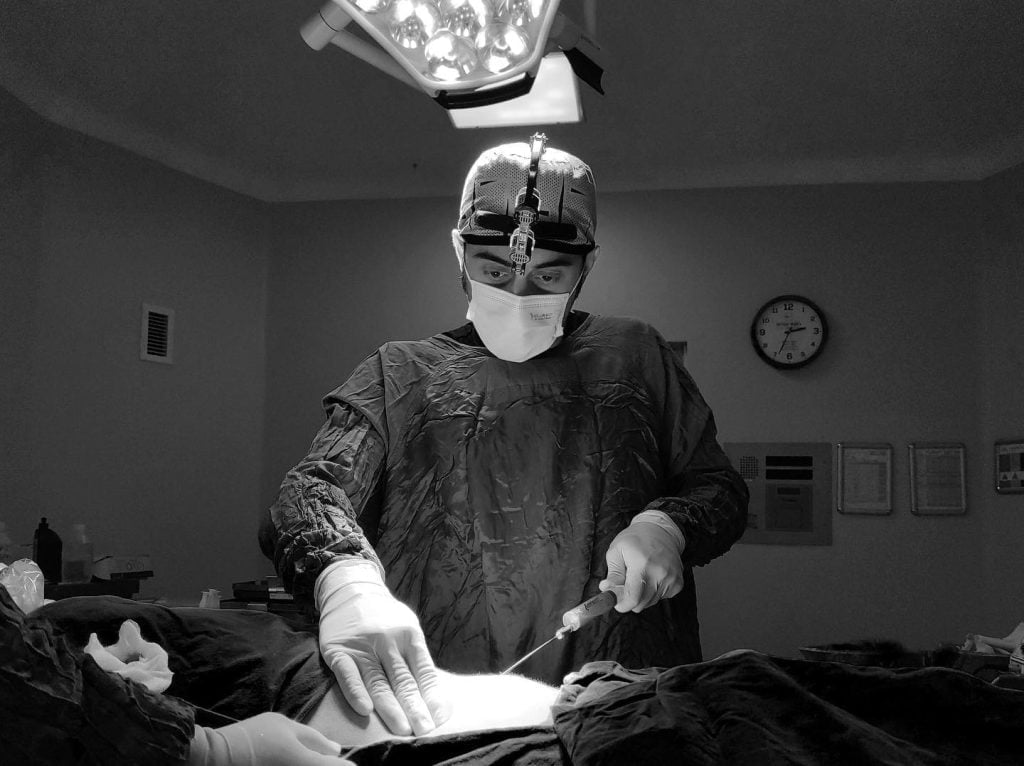
Mehmet Fatih Okyay, MD, FEBOPRAS in Türkiye. FFS Surgeon.

Choosing the Right FFS Surgeon

Selecting the right surgeon is one of the most important decisions you will make in your FFS journey. Here are some key factors to consider when choosing an FFS surgeon:

  • Experience and Specialization: Look for a surgeon who has extensive experience performing FFS specifically for MTF transgender women. Ideally, they should specialize in this area.
  • Board Certification: Ensure that the surgeon is board-certified in a relevant surgical specialty, such as plastic surgery or facial plastic and reconstructive surgery.
  • Before-and-After Photos: Review the surgeon’s portfolio of before-and-after photos of previous FFS patients. This will give you an idea of their aesthetic style and the results they can achieve.
  • Patient Testimonials and Reviews: Read patient testimonials and reviews to get insights into other people’s experiences with the surgeon.
  • Consultation and Communication: Schedule consultations with several surgeons to discuss your goals and assess their communication style. You should feel comfortable and confident in their ability to understand your needs and explain the procedures clearly.
  • Hospital Affiliations: Check the surgeon’s hospital affiliations and ensure they have privileges at reputable medical facilities.
  • Cost and Financing Options: Discuss the cost of the surgery and any available financing options. While cost is a factor, it should not be the primary deciding factor. Prioritize the surgeon’s experience and qualifications.
  • Location and Accessibility: Consider the surgeon’s location and whether it is feasible for you to travel for surgery and follow-up appointments.
  • Cultural Competency and Sensitivity: Choose a surgeon who is culturally competent and sensitive to the needs of transgender patients. They should be respectful, understanding, and supportive of your transition journey.

The Emotional and Psychological Impact of FFS

Beyond the physical changes, FFS can have a profound positive impact on the emotional and psychological well-being of MTF trans women. Many individuals report:

  • Reduced Gender Dysphoria: FFS can significantly alleviate the distress and discomfort associated with facial features that do not align with their gender identity.
  • Increased Self-Confidence: Feeling more comfortable and confident in their appearance can lead to a significant boost in self-esteem.
  • Improved Social Interactions: FFS can reduce instances of misgendering and increase feelings of safety and acceptance in social situations.
  • Enhanced Sense of Self: Aligning their external appearance with their internal identity can lead to a greater sense of wholeness and authenticity.
  • Improved Quality of Life: Overall, FFS can contribute to a significant improvement in the quality of life for MTF trans women.

Achieving a more feminine and attractive face through FFS can be a deeply affirming experience, allowing individuals to live more authentically and confidently as their true selves.

FFS and the Journey to an Attractive Face

For many MTF trans women, the desire for an attractive face is intrinsically linked to their gender identity and their journey of self-discovery and affirmation. FFS plays a crucial role in this journey by providing the means to physically align their facial features with their inner sense of self. By addressing masculine characteristics and enhancing feminine features, FFS can help individuals achieve a facial appearance that feels authentic and reflects their true gender.

The concept of an “attractive face” is subjective and personal. What one person finds attractive may differ for another. However, for MTF trans women undergoing FFS, the goal is often to achieve a facial appearance that they themselves find attractive and that resonates with their femininity. FFS empowers individuals to take control of their physical appearance and create a face that reflects their true identity, leading to increased confidence, reduced dysphoria, and a greater sense of well-being.

Beyond FFS: Complementary Procedures and Treatments

While FFS focuses on surgical procedures to feminize the face, there are other complementary procedures and treatments that can further enhance a feminine appearance:

  • Laser Hair Removal and Electrolysis: Removing facial hair can significantly contribute to a more feminine look.
  • Voice Training: Feminizing one’s voice is another important aspect of gender transition for many MTF individuals.
  • Makeup and Skincare: Learning makeup techniques and establishing a good skincare routine can enhance feminine features and create a more polished appearance.
  • Hair Styling and Wigs: Feminine hairstyles can soften the face and complement the results of FFS. Wigs can be a helpful option during the recovery period or while growing out natural hair.
  • Body Contouring Procedures: Procedures like breast augmentation and liposuction can further enhance the overall feminine physique.

These complementary treatments, combined with the transformative effects of FFS, can help MTF trans women achieve a more complete and congruent presentation of their gender identity.

Navigating the Costs of FFS

The cost of FFS can vary significantly depending on several factors, including the surgeon’s fees, the number and complexity of the procedures performed, anesthesia fees, hospital or surgical facility fees, and post-operative care costs. It’s important to have a clear understanding of the total cost involved and to explore potential financing options.

  • Insurance Coverage: In some regions and with certain insurance plans, coverage for FFS may be available, particularly if it is deemed medically necessary to treat gender dysphoria. It’s crucial to research your insurance policy and understand the requirements for coverage.
  • Financing Options: Many surgeons offer financing options or work with third-party financing companies to help patients manage the cost of surgery.
  • Personal Savings: Many individuals save up for FFS or utilize personal loans or lines of credit.
  • Fundraising: Some individuals may choose to explore fundraising options to help cover the costs of FFS.

It’s important to have open and honest discussions with your chosen surgeon’s office about the cost of the procedures and available payment options.

Finding Community and Support

The journey of gender transition, including undergoing FFS, can be emotionally challenging. Connecting with a supportive community of other transgender individuals can be incredibly beneficial. Online forums, social media groups, and local support groups can provide a safe space to share experiences, ask questions, and receive emotional support. Sharing your journey with others who understand can help you feel less alone and more empowered throughout the process.
Five diverse women standing together, smiling, and posing for a group photo.

Conclusion: Embracing Your Feminine Face

Facial Feminization Surgery is a significant and often life-affirming step for many MTF trans women seeking to align their physical appearance with their gender identity and achieve a more feminine and attractive face. By understanding the various procedures involved, the preparation process, the recovery journey, and the importance of choosing a qualified surgeon, you can make informed decisions about whether FFS is right for you. Remember that the journey is personal, and the goal is to feel more comfortable, confident, and authentic in your own skin. Embracing your feminine face is about embracing your true self and living fully as the woman you are.

Visit Dr.MFO Instagram profile to see real patient transformations! Get a glimpse of the incredible results achieved through facial feminization surgery and other procedures. The profile showcases before-and-after photos that highlight Dr. MFO’s expertise and artistic vision in creating natural-looking, beautiful outcomes.

Ready to take the next step in your journey? Schedule a free consultation with Dr. MFO ( Best Facial Feminization Surgeon for You) today. During the consultation, you can discuss your goals, ask any questions you may have, and learn more about how Dr. MFO can help you achieve your desired look. Don’t hesitate to take advantage of this free opportunity to explore your options and see if Dr. MFO is the right fit for you.

The Role of FFS in Achieving a More Attractive Face and Boosting Confidence for Trans Women

A smiling woman with wavy dark hair, wearing a white top, gold necklace, and earrings, posing against a green background.

For transgender women, the journey of aligning their physical appearance with their inner identity is a deeply personal and often challenging one. While hormone replacement therapy (HRT) plays a significant role in feminizing the body, facial features can often remain a source of dysphoria. The face is, after all, the most visible aspect of a person, and for trans women, masculine facial characteristics can lead to misgendering, social anxiety, and a diminished sense of self-worth. This is where Facial Feminization Surgery (FFS) emerges as a transformative set of procedures, offering the opportunity to achieve a more traditionally feminine and, for many, a more ‘attractive face’ that resonates with their true gender identity, ultimately leading to a profound boost in confidence and overall well-being.

A side profile portrait of a woman with light brown hair, looking slightly downward with a neutral expression. The image is focused on her face, highlighting her features, particularly her nose, against a softly blurred background.

Understanding the Significance of Facial Features in Gender Identity

The human face is an intricate tapestry of features that our brains are remarkably adept at interpreting, often subconsciously, to determine a person’s gender. Aspects such as the shape of the forehead, the prominence of the brow bone, the contour of the jawline, the size and shape of the nose, and the fullness of the lips all contribute to the perception of masculinity or femininity. For transgender women, these very features can become sources of significant distress when they do not align with their gender identity. This discrepancy can lead to what is known as gender dysphoria, a profound sense of discomfort or distress that can arise from a mismatch between one’s biological sex assigned at birth and one’s gender identity.

The desire for congruence between inner identity and outward appearance is a fundamental human need. When a trans woman looks in the mirror and sees a reflection that does not align with her internal sense of self, it can be deeply invalidating and emotionally taxing. This incongruence can manifest in various ways, from feeling uncomfortable in social situations to experiencing anxiety and even depression. The face, being so central to our identity and how we are perceived by others, often bears the brunt of this dysphoria.

A professional editorial analysis of a hyperrealistic portrait image featuring a side-by-side comparison of a male and female subject. **Camera and Optics:** The image appears to be captured using a high-end camera system, likely employing an 85mm macro lens, known for its ability to produce sharp, detailed, and flattering portraits. The resolution is exceptionally high, suggesting an 8K or higher output, which contributes to the hyperrealistic quality of the image. The depth of field is shallow, ensuring that the subjects' facial features are in crisp focus while subtly blurring the background. **Lighting Design:** The lighting setup employs a hard-light technique, creating distinct and dramatic shadows that accentuate the subjects' facial contours. The light source seems to originate from a side angle, likely around 45 degrees, which enhances the three-dimensionality of their features. The male subject’s jawline and cheekbones are sharply defined, while the female subject’s high cheekbones and delicate jawline are highlighted. The shadows under the chin and around the nose add depth, contributing to a sculpted and dramatic aesthetic. **Anatomy and Identity:** The subjects are presented as a male and female pair. The male subject exhibits a strong, angular jawline and a well-defined bone structure, exuding a masculine and confident presence. The female subject, on the other hand, showcases softer yet equally defined features, with high cheekbones, a delicate nose, and full lips. Both subjects have a neutral expression, emphasizing their natural beauty and symmetry. **Texture and Skin:** The skin texture is captured with remarkable detail, showcasing a smooth yet naturally textured surface. There is a subtle luminescence on the skin, particularly on the female subject’s cheekbones and forehead, suggesting a light sheen or natural moisture. The male subject’s skin exhibits a matte finish with minimal shine, emphasizing his rugged features. The hyperrealistic quality of the image allows for the visibility of fine details such as pores and minor imperfections, adding to the authenticity of the portrait. **Clothing and Accessories:** The male subject is dressed in a simple, form-fitting black shirt, likely made of a soft, breathable fabric such as cotton or a cotton blend. The female subject’s attire is not visible in the frame, but her hair is styled in loose waves, adding a touch of elegance and movement to the composition. There are no visible metal accessories or hardware on either subject, keeping the focus solely on their facial features. **Composition and Background:** The composition is a side-by-side comparison, with each subject occupying an equal half of the frame. This balanced arrangement draws attention to the contrasts and similarities between the two subjects. The background is a gradient of neutral tones, transitioning from light gray on the male subject’s side to a darker gray on the female subject’s side. This gradient enhances the dramatic effect of the lighting and adds a sense of depth to the image. The overall atmosphere is one of sophistication and minimalism, with a noir-inspired aesthetic that emphasizes the subjects' features and expressions.

The Challenges Faced by Trans Women Regarding Facial Appearance

Many individuals assigned male at birth develop facial features that are typically considered masculine during puberty due to the influence of testosterone. These features can include a more prominent brow bone, a wider and more angular jawline, a larger and more projecting nose, a flatter and less defined cheek structure, a longer chin, and a more prominent Adam’s apple. While HRT can induce some feminizing changes in the face, such as softening of the skin and redistribution of fat, it often cannot significantly alter the underlying bone structure.

Societal expectations and beauty standards also play a role in the challenges faced by trans women. While beauty is subjective and diverse, there are still prevailing notions of what constitutes a feminine or ‘attractive face’. These notions often emphasize softer contours, smoother lines, and more delicate features. Trans women may feel pressure to conform to these standards, both internally and externally, to feel validated in their gender identity and to navigate social interactions more comfortably.

Furthermore, masculine facial features can unfortunately lead to misgendering, where a trans woman is addressed or referred to using pronouns that do not align with her gender identity. This can be incredibly hurtful and invalidating, reinforcing feelings of dysphoria and making it difficult to live authentically. The constant fear of being misgendered can lead to social anxiety and a reluctance to engage in certain social situations.

The Emotional Toll of Facial Dysphoria

The emotional toll of facial dysphoria can be significant and far-reaching. It can impact various aspects of a trans woman’s life, from her mental health and self-esteem to her social interactions and professional life. The constant awareness of facial features that do not align with her gender identity can lead to chronic anxiety, depression, and a pervasive sense of unease.

Self-esteem and confidence are often deeply intertwined with how we perceive our physical appearance. When a trans woman feels that her face does not reflect her true gender, it can erode her self-confidence and make it difficult to feel comfortable and secure in her own skin. This lack of confidence can manifest in various ways, such as avoiding eye contact, feeling self-conscious in photographs, or limiting social interactions.

The desire for inner and outer congruence is a powerful motivator for many trans women. The feeling of finally having a face that matches their internal sense of self can be incredibly liberating and affirming. It can lead to a profound sense of relief, joy, and empowerment. This congruence is not just about aesthetics; it’s about feeling whole and authentic in one’s own identity.

Introducing Facial Feminization Surgery (FFS) as a Solution

Facial Feminization Surgery (FFS) is a specialized field of plastic surgery that encompasses a range of procedures designed to soften and feminize the facial features of transgender women. It is not a single surgery but rather a combination of procedures tailored to the individual’s unique facial structure and desired outcome. The goal of FFS is to create a more harmonious and feminine appearance that aligns with the individual’s gender identity, ultimately contributing to a more ‘attractive face’ and a significant improvement in their quality of life.

FFS is not simply about making someone look more “pretty” or conforming to societal beauty standards. It is a deeply personal and often medically necessary step in the transition process for many trans women. By addressing specific masculine facial features, FFS can alleviate gender dysphoria, reduce the likelihood of misgendering, and significantly boost self-confidence and self-esteem.

It is important to understand that FFS is a highly individualized process. What might be the right set of procedures for one person may not be the same for another. A skilled and experienced FFS surgeon will work closely with the patient to understand her goals and expectations and to develop a personalized surgical plan that will best achieve those outcomes.

Common FFS Procedures and Their Impact on Facial Femininity

FFS encompasses a wide array of surgical techniques that target different areas of the face. The specific procedures recommended will depend on the individual’s facial structure and the degree of feminization desired. Here are some of the most common FFS procedures and how they contribute to a more feminine appearance:

Forehead Contouring

The forehead is a prominent feature of the face, and its shape and contour can significantly impact the perception of gender. Masculine foreheads often have a more pronounced brow bone (also known as brow bossing) and a flatter, more sloping shape. Forehead contouring aims to reduce the prominence of the brow bone and reshape the forehead to create a smoother, more rounded, and typically more feminine contour. This procedure often involves shaving down or reshaping the bone of the brow ridge and sometimes even filling in the area above the brow to create a more vertical and less sloping forehead. The result is a softer and more feminine upper face.

Brow Lift

The position and shape of the eyebrows also play a crucial role in facial feminization. Feminine eyebrows tend to be higher, more arched, and positioned above the orbital rim. A brow lift, also known as a forehead lift, is a surgical procedure that raises the eyebrows to a more feminine position. This can be achieved through various techniques, such as a coronal lift, an endoscopic lift, or a temporal lift. By elevating the eyebrows, a brow lift can create a more open and youthful appearance to the eyes and contribute to a more feminine upper face.

Rhinoplasty (Nose Reshaping)

The nose is a central feature of the face, and its size and shape can significantly influence the perception of gender. Masculine noses tend to be larger, wider, and have a more prominent nasal bridge and tip. Rhinoplasty, or nose reshaping surgery, is a common FFS procedure that aims to refine the size and shape of the nose to create a more delicate and feminine appearance. This can involve reducing the overall size of the nose, narrowing the nasal bridge, refining the shape of the nasal tip, and adjusting the angle between the nose and the upper lip. A well-executed rhinoplasty can dramatically improve facial harmony and contribute significantly to a more ‘attractive face’.

Cheek Augmentation

Feminine faces often have fuller and more rounded cheeks, which contribute to a youthful and soft appearance. Cheek augmentation is a procedure that aims to enhance the volume and shape of the cheeks. This can be achieved through the use of facial implants (typically made of silicone) or through fat grafting, where fat is harvested from another area of the body and injected into the cheeks. By adding volume to the cheeks, this procedure can create a more defined and feminine mid-face, often resulting in a more youthful and ‘attractive face’.

Jaw Contouring and Reduction

The shape and size of the jawline are significant determinants of perceived gender. Masculine jawlines tend to be wider, more angular, and more prominent, while feminine jawlines are typically softer, narrower, and more V-shaped. Jaw contouring and reduction surgery aims to reshape the jawline to create a more feminine contour. This can involve shaving down the bone at the angles of the jaw to reduce width and create a more tapered appearance. In some cases, the lower border of the jaw may also be reshaped. The result is a softer and more feminine lower face.

Chin Reshaping (Genioplasty)

The chin is another key facial feature that contributes to the perception of gender. Masculine chins tend to be longer, wider, and more square or projecting, while feminine chins are typically shorter, narrower, and more rounded or slightly pointed. Genioplasty, or chin reshaping surgery, aims to alter the size and shape of the chin to create a more feminine appearance. This can involve reducing the height or projection of the chin, narrowing its width, or rounding its shape. The specific techniques used will depend on the individual’s existing chin structure and desired outcome.

Lip Lift and Augmentation

The lips play a subtle but important role in facial feminization. Feminine lips tend to be fuller, more defined, and have a shorter distance between the base of the nose and the upper lip. A lip lift is a surgical procedure that shortens the distance between the nose and the upper lip, exposing more of the upper teeth when the mouth is slightly open, which is often considered a feminine trait. Lip augmentation can be achieved through the injection of fillers (such as hyaluronic acid) or through fat grafting to increase the volume and fullness of the lips. These procedures can contribute to a softer and more ‘attractive face’.

Tracheal Shave (Adam’s Apple Reduction)

The Adam’s apple, or laryngeal prominence, is a cartilage in the neck that is often more prominent in individuals assigned male at birth. While not directly a facial feature, its visibility can be a source of dysphoria for some trans women. A tracheal shave is a relatively simple surgical procedure that reduces the size of the Adam’s apple, creating a smoother and more feminine neckline.

Hairline Lowering

The position and shape of the hairline can also contribute to the perception of gender. Masculine hairlines often recede at the temples, creating an “M” shape, while feminine hairlines tend to be lower and more rounded. Hairline lowering surgery aims to bring the hairline forward to create a more feminine forehead shape. This can be achieved through various techniques, including scalp advancement or hair transplantation.

Voice Feminization Surgery (While not strictly FFS, often considered in the broader context)

While not a surgical procedure that directly alters facial bone or soft tissue, voice feminization surgery is often considered in the broader context of gender affirmation. The voice is a crucial aspect of gender presentation, and for some trans women, achieving a more feminine vocal range and quality is essential for their overall sense of well-being and confidence. Various surgical techniques can be used to raise the pitch and modify the resonance of the voice.

The Journey of FFS: From Consultation to Recovery

Embarking on the journey of FFS is a significant decision that requires careful consideration and planning. Here’s a general overview of what to expect:

Initial Consultation

The first step is to find an experienced and reputable FFS surgeon who specializes in transgender care. During the initial consultation, the surgeon will evaluate your facial structure, discuss your goals and expectations, and explain the various surgical options available to you. It is crucial to be open and honest about your desires and to ask any questions you may have. The surgeon will also assess your overall health and determine if you are a suitable candidate for surgery. This consultation is an opportunity to build rapport with your surgeon and ensure that you feel comfortable and confident in their expertise.

Pre-operative Preparation

Once you have decided to proceed with surgery, you will undergo pre-operative evaluations, which may include blood tests, medical imaging, and consultations with other specialists if necessary. Your surgeon will provide you with detailed instructions on how to prepare for surgery, which may include stopping certain medications, avoiding smoking, and making arrangements for your recovery period.

The Surgical Procedure

FFS procedures are typically performed under general anesthesia. The specific techniques used and the duration of the surgery will depend on the number and complexity of the procedures being performed. FFS can involve multiple procedures performed in a single surgical session or staged over multiple surgeries, depending on the individual’s needs and preferences.

Post-operative Recovery

The recovery period after FFS can vary depending on the procedures performed. You can expect some swelling, bruising, and discomfort in the treated areas. Your surgeon will provide you with detailed post-operative instructions, which may include taking pain medication, applying cold compresses, keeping your head elevated, and following a soft diet. It is crucial to follow these instructions carefully to ensure proper healing and minimize the risk of complications. You will likely have follow-up appointments with your surgeon to monitor your progress. The initial swelling and bruising will gradually subside over several weeks, and the final results of the surgery will become more apparent over several months.

The Psychological Benefits of FFS: Boosting Confidence and Self-Esteem

One of the most significant benefits of FFS for transgender women is the profound positive impact it can have on their psychological well-being. Achieving a more ‘attractive face’ that aligns with their gender identity can lead to a significant reduction in gender dysphoria, anxiety, and depression.

As the face heals and the results of the surgery become apparent, many trans women experience a dramatic increase in self-confidence and self-esteem. Feeling more comfortable and authentic in their appearance can empower them to engage more fully in social situations, pursue personal and professional opportunities with greater confidence, and simply feel more at ease in their daily lives.

FFS can also lead to a significant reduction in the likelihood of being misgendered. When a trans woman’s facial features are more congruent with her gender identity, others are more likely to perceive and address her correctly, which can be incredibly validating and affirming. This can alleviate social anxiety and make it easier to navigate social interactions with greater comfort and confidence.

Ultimately, the psychological benefits of FFS can lead to an improved overall quality of life. Feeling more at peace with one’s physical appearance can have a ripple effect, positively impacting mental health, social relationships, and overall well-being.

FFS and the Journey Towards Self-Acceptance and Authenticity

For many transgender women, FFS is a crucial step in their journey towards self-acceptance and living authentically. It is about more than just changing one’s appearance; it is about aligning the outer self with the inner self and finally feeling comfortable and at home in one’s own body.

The process of undergoing FFS can be a deeply transformative experience. It can be a step towards reclaiming one’s identity and living in a way that feels true and genuine. By addressing facial features that have been a source of distress, FFS can help trans women feel more confident, more visible, and more authentically themselves.

Choosing the Right Surgeon and Clinic for FFS

Selecting the right surgeon and clinic is paramount for a successful FFS outcome. It is essential to find a board-certified plastic surgeon who has extensive experience in performing FFS procedures and who has a deep understanding of the unique needs and goals of transgender patients.

When researching surgeons, look for those who specialize in FFS and who have a significant number of before-and-after photos of their work available for review. Pay attention to the consistency and quality of their results and see if their aesthetic aligns with your own. Reading patient testimonials and reviews can also provide valuable insights into the surgeon’s communication style, bedside manner, and the overall experience at their clinic.

During your consultations, ask detailed questions about the surgeon’s experience with specific FFS procedures, their surgical techniques, potential risks and complications, and their approach to post-operative care. It is crucial to feel comfortable and confident in your surgeon’s abilities and to have a clear understanding of the surgical plan.

Consider the clinic’s overall environment and the support staff. A welcoming and trans-affirming environment can make a significant difference in your overall experience.

Understanding the Costs and Financing Options for FFS

The cost of FFS can vary widely depending on the number and complexity of the procedures involved, the surgeon’s fees, the location of the surgery, and other associated costs. It is important to have a clear understanding of the potential expenses involved and to explore available financing options.

Some health insurance plans may cover certain aspects of FFS, particularly if deemed medically necessary for the treatment of gender dysphoria. It is essential to check with your insurance provider to understand your coverage and any requirements that need to be met.

Other financing options may include personal loans, medical financing companies, or fundraising efforts. It is important to research these options carefully and choose a plan that is financially feasible for you.

Addressing Common Misconceptions About FFS

There are several common misconceptions about FFS that are important to address. One misconception is that FFS is purely cosmetic surgery. While it does aim to improve appearance, for transgender women, it is often a medically necessary procedure to alleviate gender dysphoria and improve mental health.

Another misconception is that FFS will make someone look like a stereotypical “feminine” ideal. In reality, a skilled FFS surgeon will aim to create a natural and harmonious feminization that is tailored to the individual’s unique facial structure and desired outcome. The goal is not to erase the individual’s unique features but rather to soften and feminize them.

It is also important to have realistic expectations about the results of FFS. While the surgery can bring about significant and positive changes, it is not a magic wand. The healing process takes time, and the final results will gradually emerge over several months.

The Long-Term Impact of FFS on the Lives of Trans Women

The long-term impact of FFS on the lives of transgender women can be profound and transformative. Beyond the immediate physical changes, FFS can lead to lasting improvements in confidence, self-esteem, mental health, and social integration.

Many trans women who undergo FFS report feeling more comfortable and authentic in their daily lives, experiencing less anxiety and fear of misgendering, and feeling more empowered to pursue their goals and dreams. FFS can be a life-changing step that allows trans women to finally live fully and authentically as their true selves.

Conclusion: Embracing a More Feminine and Confident Future with FFS

Facial Feminization Surgery plays a vital role in the lives of many transgender women, offering the opportunity to achieve a more ‘attractive face’ that aligns with their gender identity and significantly boosting their confidence and overall well-being. By addressing specific masculine facial features, FFS can alleviate gender dysphoria, reduce the likelihood of misgendering, and empower trans women to live more authentically and confidently. The journey of FFS is a personal one, requiring careful consideration, research, and collaboration with a skilled and compassionate surgeon. However, for those who choose to undergo it, the results can be truly transformative, leading to a more feminine appearance, a greater sense of self-acceptance, and a brighter, more confident future.

Visit Dr.MFO Instagram profile to see real patient transformations! Get a glimpse of the incredible results achieved through facial feminization surgery and other procedures. The profile showcases before-and-after photos that highlight Dr. MFO’s expertise and artistic vision in creating natural-looking, beautiful outcomes.

Ready to take the next step in your journey? Schedule a free consultation with Dr. MFO ( Best Facial Feminization Surgeon for You) today. During the consultation, you can discuss your goals, ask any questions you may have, and learn more about how Dr. MFO can help you achieve your desired look. Don’t hesitate to take advantage of this free opportunity to explore your options and see if Dr. MFO is the right fit for you.

Why FFS is a Key Step in Gender Affirmation for Many Trans Women

A smiling woman with styled hair and makeup, wearing elegant earrings and a light pink sleeveless top, posing in a studio with soft lighting.

For many transgender women, the journey of gender affirmation is a deeply personal and multifaceted process. It involves a complex interplay of social, emotional, and physical transitions aimed at aligning their external presentation with their internal sense of self. While the path is unique for everyone, a significant number of trans women find that Facial Feminization Surgery (FFS) plays a pivotal role in achieving this alignment and alleviating the distress caused by gender dysphoria related to facial features.

A professional medical setting where a doctor in a white lab coat is consulting with a patient, explaining information on a document laid out on the table. The patient is attentively listening, seated across from the doctor in a modern, well-lit office environment.

Understanding Gender Dysphoria and Facial Features

Gender dysphoria, in the context of transgender individuals, refers to the distress and discomfort that arises from a mismatch between their assigned sex at birth and their gender identity. This incongruence can manifest in various ways, and for many trans women, the masculine characteristics of their facial structure can be a significant source of this distress.

Society often associates specific facial features with femininity and masculinity. While these associations are largely social constructs, they nonetheless hold considerable weight in how individuals are perceived and treated. For trans women, having facial features that are predominantly perceived as masculine can lead to a range of negative experiences, including:

  • Misgendering: Being consistently referred to by pronouns and terms that do not align with their gender identity. This can be deeply hurtful and invalidating, reinforcing feelings of dysphoria.
  • Social Anxiety: Fear and discomfort in social situations due to the anticipation of being misgendered or facing negative reactions. This can lead to isolation and avoidance of social interactions.
  • Reduced Self-Esteem: Feeling unattractive or not “feminine enough” due to facial features that do not align with their internal image of themselves. This can significantly impact self-confidence and overall well-being.
  • Difficulty in “Passing”: The term “passing” refers to the ability of a transgender person to be perceived as their correct gender without being identified as transgender. While not the ultimate goal for everyone, the inability to pass can lead to increased vulnerability to discrimination, harassment, and even violence.
  • Emotional Distress: Constant awareness of facial features that feel incongruent with one’s gender identity can lead to chronic feelings of sadness, anxiety, and depression.

The face is often the first thing people notice and the primary basis for making assumptions about someone’s gender. Therefore, for trans women experiencing dysphoria related to their facial features, addressing these features can be a crucial step in alleviating this distress and moving towards a greater sense of self-acceptance and congruence.

A portrait of a woman with long dark hair, wearing elegant earrings and smiling warmly, with soft lighting highlighting her facial features.

The Role of Facial Feminization Surgery (FFS)

Facial Feminization Surgery (FFS) is a collection of surgical procedures designed to soften and feminize the facial features of transgender women. The specific procedures involved in FFS are highly individualized and depend on the patient’s unique facial structure, their desired aesthetic goals, and the surgeon’s recommendations. The overarching aim of FFS is to bring the facial appearance into greater harmony with the patient’s gender identity, thereby reducing gender dysphoria and improving their overall quality of life.

FFS is not simply about cosmetic enhancement; it is a reconstructive and affirming surgery that can have a profound impact on a trans woman’s mental and emotional well-being. By addressing the facial features that cause the most significant dysphoria, FFS can help trans women feel more comfortable and confident in their appearance, allowing them to navigate the world more authentically as their true selves.

Common FFS Procedures and Their Impact

FFS encompasses a wide range of surgical techniques that target different areas of the face. Here are some of the most common procedures and how they contribute to facial feminization:

Forehead Contouring and Brow Bossing Reduction

The forehead and brow bone area often exhibit distinct differences between typical male and female anatomies. Men tend to have a more prominent brow bone (brow bossing), a flatter and more sloped forehead, and a lower hairline. FFS procedures in this area aim to create a smoother, more rounded forehead, reduce or eliminate brow bossing, and potentially lower the hairline.

  • Brow Bossing Reduction: This involves reshaping the underlying bone of the brow ridge to create a softer, more feminine contour. The technique used may vary depending on the extent of the bossing and can involve either shaving down the bone or, in more significant cases, a more complex procedure involving the separation and reshaping of the outer table of the frontal bone.
  • Forehead Contouring: This may involve filling in depressions or smoothing out irregularities in the forehead to create a more rounded and feminine shape.
  • Hairline Lowering (Scalp Advancement): This procedure involves surgically advancing the hairline forward, which can significantly feminize the upper face and create a more balanced facial proportion. This can be done through various techniques, including a direct surgical advancement or through hair transplantation.

The impact of forehead contouring and brow bossing reduction can be significant in feminizing the upper face, creating a more open and softer appearance around the eyes, which are often a focal point of facial perception.

Rhinoplasty (Nose Reshaping)

The nose is a central feature of the face, and subtle differences in its shape and size can contribute to the perception of masculinity or femininity. Masculine noses tend to be larger, wider, and have a more prominent dorsal hump, while feminine noses are often smaller, narrower, and have a smoother profile.

Rhinoplasty in the context of FFS aims to reshape the nose to achieve a more feminine aesthetic. This can involve:

  • Reducing the overall size of the nose.
  • Narrowing the nasal bridge and tip.
  • Refining the shape of the nostrils.
  • Removing a dorsal hump.
  • Adjusting the nasolabial angle (the angle between the nose and the upper lip).

Rhinoplasty is a highly complex procedure that requires meticulous planning and execution. The goal is to create a nose that is in harmony with the other facial features and contributes to an overall feminine appearance without looking unnatural or disproportionate.

Chin and Jaw Contouring

The shape and size of the chin and jawline are often key indicators of perceived gender. Masculine jawlines tend to be wider and more angular, with a more prominent and often squared chin. Feminine jawlines are typically softer, narrower, and more rounded, with a more delicate and often pointed or slightly rounded chin.

FFS procedures targeting the chin and jawline aim to create a more feminine contour through bone reduction and reshaping. This can involve:

  • Jawline Reduction: This procedure involves surgically reducing the width and angularity of the jawbone, typically by removing bone from the posterior angles of the mandible.
  • Chin Reduction and Reshaping: This can involve reducing the overall size and projection of the chin, as well as reshaping it to be more pointed or rounded, depending on the desired aesthetic. Techniques can include bone shaving, osteotomies (cutting and repositioning bone), or the use of implants in some cases to achieve the desired shape.

Contouring the chin and jawline can dramatically soften the lower face and create a more feminine and harmonious facial structure.

Cheek Augmentation

Full and rounded cheeks are often associated with youthfulness and femininity. In contrast, masculine cheeks may appear flatter or more angular. Cheek augmentation in FFS aims to add volume and create a more curved and feminine contour to the midface.

This can be achieved through various methods:

  • Fat Grafting (Lipofilling): This involves harvesting fat from other areas of the body (such as the abdomen or thighs), processing it, and then injecting it into the cheeks to add volume and shape. Fat grafting offers a natural-looking result and can also improve skin texture.
  • Dermal Fillers: Injectable fillers made of hyaluronic acid or other biocompatible materials can be used to temporarily add volume to the cheeks. While less invasive than surgery, the results are not permanent and require periodic maintenance.
  • Cheek Implants: Silicone or other biocompatible implants can be surgically placed over the cheekbones to provide a more permanent increase in volume and definition.

Cheek augmentation can enhance the overall femininity of the face by creating a softer and more youthful appearance.

Lip Lift and Augmentation

The lips play a significant role in facial aesthetics and the perception of femininity. Feminine lips tend to be fuller, particularly the upper lip, and have a more defined Cupid’s bow. A lip lift can also reduce the distance between the nose and the upper lip, which can contribute to a more youthful and feminine appearance.

FFS procedures targeting the lips include:

  • Lip Lift: This surgical procedure shortens the philtrum (the distance between the base of the nose and the upper lip), which can make the upper lip appear fuller and more everted.
  • Lip Augmentation: This can be achieved through fat grafting, dermal fillers, or the placement of implants to increase the volume of the lips.

Fuller and well-defined lips can significantly enhance the femininity and attractiveness of the face.

Tracheal Shave (Adam’s Apple Reduction)

The Adam’s apple, or laryngeal prominence, is a visible protrusion in the neck caused by the thyroid cartilage surrounding the larynx. While present in both sexes, it is typically more prominent in men due to the effects of testosterone during puberty. For many trans women, the presence of a visible Adam’s apple can be a significant source of dysphoria.

A tracheal shave is a relatively straightforward surgical procedure that involves reducing the size of the thyroid cartilage to create a smoother neck contour. This procedure can significantly improve a trans woman’s comfort and confidence, particularly in situations where the neck is visible.

Other FFS Procedures

In addition to the procedures mentioned above, other FFS techniques may be considered depending on the individual’s needs and goals. These can include:

  • Jawline Sculpting with Fillers or Implants: To further refine the jawline in cases where bone surgery may not be desired or necessary.
  • Temporal Fossa Augmentation: Filling in the hollow areas on the sides of the forehead (temporal fossae) to create a smoother and more rounded contour.
  • Canthoplasty (Eye Shape Modification): In rare cases, surgery to subtly alter the shape of the eyes may be considered.
  • Voice Feminization Surgery: While not strictly a facial procedure, surgery to raise the pitch of the voice is often considered part of the broader gender affirmation process.
A woman walks along a sandy beach at sunset, her hair flowing in the breeze, with the ocean waves gently rolling in the background.

The Emotional and Psychological Impact of FFS

The decision to undergo FFS is a significant one, and the potential emotional and psychological benefits are often the primary motivation for trans women seeking these procedures. The positive impacts of FFS can be profound and far-reaching, including:

  • Reduced Gender Dysphoria: By addressing the facial features that cause the most distress, FFS can significantly alleviate feelings of incongruence and discomfort related to one’s gender identity.
  • Increased Self-Confidence and Self-Esteem: Feeling more comfortable and authentic in one’s appearance can lead to a significant boost in self-confidence and overall self-esteem.
  • Improved Social Interactions: With a more feminine facial appearance, trans women may experience less misgendering and more positive social interactions, leading to greater ease and comfort in social settings.
  • Enhanced Ability to “Pass”: For those who desire it, FFS can significantly improve their ability to be perceived as their correct gender, which can reduce the risk of discrimination and harassment.
  • Greater Sense of Authenticity and Congruence: FFS can help trans women feel more aligned with their internal sense of self, leading to a greater sense of peace and well-being.
  • Improved Mental Health: Studies have shown that FFS can lead to significant improvements in mental health outcomes, including reductions in anxiety, depression, and suicidal ideation among transgender individuals.
  • Increased Quality of Life: Overall, FFS can contribute to a significant improvement in the quality of life for trans women by reducing distress, increasing confidence, and facilitating greater social integration.

It is important to note that FFS is not a magic bullet and does not solve all the challenges that transgender individuals may face. However, for many trans women, it is a crucial step in their journey of self-discovery and affirmation, allowing them to live more fully and authentically as their true selves.

Navigating the Decision-Making Process for FFS

Deciding to undergo FFS is a personal and complex process that requires careful consideration. Here are some important factors to keep in mind:

Finding a Qualified and Experienced Surgeon

Choosing a surgeon who is board-certified in a relevant specialty (such as plastic surgery, facial plastic and reconstructive surgery, or craniofacial surgery) and has extensive experience performing FFS is paramount. Look for a surgeon who:

  • Has a deep understanding of transgender anatomy and aesthetics.
  • Has a proven track record of successful FFS outcomes.
  • Is sensitive to the unique needs and goals of transgender patients.
  • Is willing to listen to your concerns and answer your questions thoroughly.
  • Can provide before-and-after photos of their previous FFS patients.
  • Is affiliated with reputable medical facilities.

It is often helpful to seek recommendations from other transgender individuals and to have consultations with multiple surgeons before making a decision.

Understanding the Different Procedures and Their Suitability

During your consultations, your surgeon will assess your facial structure and discuss the various FFS procedures that may be appropriate for you based on your goals and their professional opinion. Be sure to ask detailed questions about each recommended procedure, including:

  • What the procedure involves.
  • The potential risks and complications.
  • The expected recovery time.
  • The anticipated results.
  • The cost of the procedure.

It is important to have realistic expectations about the outcomes of FFS. While the goal is to feminize the face, the results will vary from person to person depending on their individual anatomy and the extent of the surgery performed.

Considering the Costs and Insurance Coverage

FFS can be a significant financial investment. The total cost will vary depending on the number and complexity of the procedures performed, the surgeon’s fees, anesthesia fees, and facility fees.

Insurance coverage for FFS varies widely depending on the insurance provider and the specific plan. Some insurance companies may cover certain FFS procedures if they are deemed medically necessary to treat gender dysphoria. It is essential to check with your insurance provider to understand your coverage options. Many individuals also explore financing options or personal savings to cover the costs of FFS.

Preparing for Surgery and Recovery

Before undergoing FFS, you will need to undergo a thorough medical evaluation and follow your surgeon’s pre-operative instructions, which may include stopping certain medications and avoiding smoking.

The recovery period after FFS can vary depending on the procedures performed. You can expect some swelling, bruising, and discomfort in the initial days and weeks after surgery. Your surgeon will provide you with detailed post-operative instructions, including guidelines for pain management, wound care, and activity restrictions. It is crucial to follow these instructions carefully to ensure proper healing and minimize the risk of complications.

Managing Expectations and Emotional Well-being

Undergoing FFS is a significant physical and emotional journey. It is important to have realistic expectations about the timeline for seeing the final results, as it can take several months for swelling to subside completely and for the tissues to settle.

It is also essential to have a strong support system in place, including friends, family, or support groups, to help you through the process. Connecting with other transgender individuals who have undergone FFS can also be incredibly helpful in sharing experiences and gaining valuable insights.

FFS as Part of a Broader Gender Affirmation Journey

While FFS can be a transformative step for many trans women, it is important to remember that it is often just one part of a larger gender affirmation journey. This journey may also include:

  • Hormone Therapy (HRT): Hormone therapy can induce significant physical changes, such as breast development, fat redistribution, and skin softening, which can contribute to a more feminine appearance.
  • Voice Training: Many trans women pursue voice training to develop a more feminine vocal pitch and intonation.
  • Hair Removal: Electrolysis or laser hair removal can help to eliminate unwanted facial and body hair.
  • Social Transition: This involves adopting a feminine gender expression in terms of clothing, makeup, and mannerisms, and using feminine pronouns and a chosen name.
  • Legal Gender Change: Updating legal documents, such as driver’s licenses and passports, to reflect one’s gender identity.

The order and importance of these different aspects of gender affirmation vary for each individual. FFS may be a priority for some trans women early in their transition, while others may choose to pursue it later or not at all. The key is to create a transition plan that aligns with one’s individual needs and goals.

Addressing Misconceptions and Concerns about FFS

There are some common misconceptions and concerns surrounding FFS that are important to address:

  • FFS is purely cosmetic: While FFS does aim to improve appearance, for transgender individuals, it is a medically necessary procedure to alleviate gender dysphoria and improve mental health. It is not simply about vanity.
  • FFS will make someone look like a specific ideal of femininity: The goal of FFS is to feminize an individual’s unique facial structure in a way that is harmonious and natural-looking, not to create a generic or idealized feminine face.
  • FFS is a quick fix for all transgender issues: FFS can significantly improve a trans woman’s well-being and reduce dysphoria related to facial features, but it does not address all the challenges that transgender individuals may face, such as societal discrimination or mental health issues unrelated to facial appearance.
  • FFS is only for those who want to “pass”: While FFS can help with passing, the primary motivation for many trans women is to feel more comfortable and authentic in their own skin, regardless of how others perceive them.

It is crucial to approach the topic of FFS with sensitivity and understanding, recognizing the profound impact it can have on the lives of transgender women.

A pregnant woman in a red dress standing in a softly lit room

Conclusion: FFS as a Vital Step Towards Self-Affirmation

For many transgender women, Facial Feminization Surgery is not merely a cosmetic procedure but a vital step in their journey of gender affirmation. By addressing the masculine characteristics of their facial features that can cause significant gender dysphoria, FFS can lead to profound improvements in mental health, self-confidence, and overall quality of life. It allows trans women to feel more authentic in their appearance, navigate social interactions with greater ease, and ultimately live more fully as their true selves.

While the decision to undergo FFS is a personal one, and the journey involves careful consideration and planning, the transformative potential of these procedures makes them a key component of gender affirmation for many trans women seeking congruence between their inner identity and their outward presentation. By understanding the procedures involved, the potential benefits, and the importance of finding qualified care, transgender women can make informed decisions about whether FFS is the right step for them on their unique path to self-discovery and affirmation.

Visit Dr.MFO Instagram profile to see real patient transformations! Get a glimpse of the incredible results achieved through facial feminization surgery and other procedures. The profile showcases before-and-after photos that highlight Dr. MFO’s expertise and artistic vision in creating natural-looking, beautiful outcomes.

Ready to take the next step in your journey? Schedule a free consultation with Dr. MFO ( Best Facial Feminization Surgeon for You) today. During the consultation, you can discuss your goals, ask any questions you may have, and learn more about how Dr. MFO can help you achieve your desired look. Don’t hesitate to take advantage of this free opportunity to explore your options and see if Dr. MFO is the right fit for you.
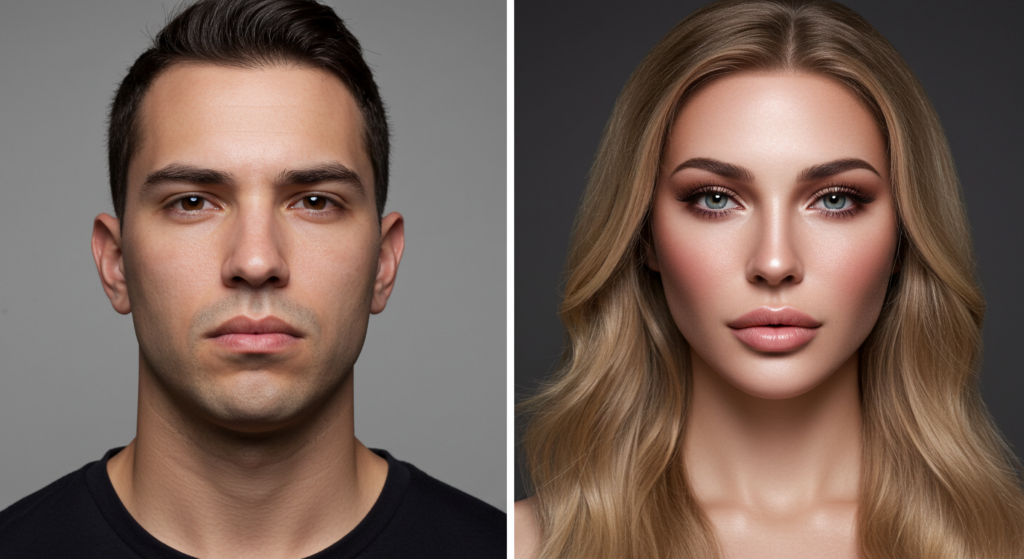
The Most Important FFS Procedures: A Tiered Guide for Trans Women

A close-up photo of a woman with long brown hair looking thoughtful by a window.

For many transgender women, achieving congruence between their inner identity and outward appearance is a deeply personal and significant journey. While various aspects contribute to this transition, the face often plays a pivotal role in how individuals are perceived and how they see themselves. Facial features carry significant social weight in terms of gender recognition, and for trans women, facial dysphoria can be a persistent source of distress. The desire to have facial features that align with their gender identity is a common and valid aspiration.

Navigating the landscape of medical procedures aimed at facial feminization can feel overwhelming. There’s a wealth of information available, and understanding which procedures might be most impactful for individual goals can be challenging. Many trans women find themselves researching various surgical options, trying to discern the best path forward to achieve a more feminine facial aesthetic. This journey often involves considering not only the aesthetic outcomes but also the financial investment, recovery time, and potential risks associated with each procedure. The emotional weight of this decision-making process can be significant, as individuals seek to align their physical appearance with their deeply felt sense of self.

Facial Feminization Surgery (FFS) offers a comprehensive set of surgical procedures designed to soften masculine facial features and create a more feminine appearance. These procedures address the underlying skeletal structure and soft tissues of the face, bringing them into harmony with societal perceptions of femininity. Understanding the different types of FFS procedures and their typical impact can empower trans women to make informed decisions about their transition journey. This guide aims to provide a tiered overview of the most important FFS procedures, offering insights into their purpose and potential benefits. By categorizing these procedures, we hope to create a clearer and more accessible understanding of the options available, helping individuals prioritize and plan their FFS journey with greater confidence.

A close-up portrait of a woman with soft curls in her hair, wearing subtle smoky eye makeup, nude lipstick, and diamond earrings, with a smooth skin texture and natural lighting enhancing her features.

Tier 1: Foundational FFS Procedures

These procedures are often considered foundational as they address key facial features that significantly contribute to perceived masculinity. They tend to have a noticeable impact on overall facial appearance and are frequently prioritized by individuals seeking FFS.

Forehead Contouring

The forehead is a prominent facial feature that often exhibits distinct differences between cisgender men and women. Masculine foreheads tend to be more sloped, with a pronounced brow bossing (the bony ridge above the eyebrows). Feminine foreheads, on the other hand, are typically smoother, more vertical, and have a less prominent or absent brow bossing. Forehead contouring is a cornerstone of FFS, aiming to reshape the forehead to achieve a more feminine contour.

There are several techniques involved in forehead contouring, often categorized into three types:

  • Type 1 Forehead Contouring: This technique is suitable for individuals with minimal brow bossing. It involves shaving down the bony prominence to create a smoother contour. This approach is less invasive and ideal for those whose primary concern is a slightly sloped forehead.
  • Type 2 Forehead Contouring: This method addresses a more significant brow bossing, often involving the removal and reshaping of the outer table of the frontal bone. The bone is carefully contoured and then reattached with screws or plates, resulting in a smoother and more feminine forehead. This technique allows for a more substantial reduction of the brow bossing.
  • Type 3 Forehead Contouring: This is the most comprehensive approach and is typically recommended for individuals with a very prominent brow bossing and a receding hairline. It involves making an incision along the hairline (or within the existing hairline if it’s high), removing the entire brow bossing, and reshaping the frontal bone. This allows for significant contouring and can also involve repositioning the hairline. In some cases, a bone graft may be used to fill any gaps and create a smooth, feminine curve.

The choice of forehead contouring technique depends on the individual’s anatomy and desired outcome. A skilled FFS surgeon will assess the patient’s forehead structure and recommend the most appropriate approach to achieve a natural and feminine result. Forehead contouring can dramatically soften the upper face, creating a more harmonious and feminine overall appearance.

Rhinoplasty (Nose Reshaping)

The nose is a central facial feature that significantly influences overall facial balance and aesthetics. While there is no single “feminine” nose shape, masculine noses tend to be larger, wider, and may have a more prominent dorsal hump (the bump along the bridge of the nose). Feminine noses are often perceived as being more delicate, narrower, and having a smoother profile. Rhinoplasty, or nose reshaping surgery, is another frequently sought-after FFS procedure aimed at creating a more feminine nasal appearance.

FFS rhinoplasty differs from traditional cosmetic rhinoplasty in its focus on feminization. The surgeon will consider the patient’s overall facial structure and aims to create a nose that is in harmony with their other feminized features. Common goals of FFS rhinoplasty include:

  • Reducing the overall size of the nose: This can involve narrowing the nasal bridge and tip.
  • Refining the nasal tip: Creating a more defined and slightly upturned tip.
  • Smoothing the dorsal hump: Removing or reducing the bump along the bridge of the nose.
  • Narrowing the nostrils: Creating a more delicate appearance.

The specific techniques used in rhinoplasty will depend on the individual’s anatomy and desired outcome. The surgery typically involves making incisions inside the nostrils, although an open rhinoplasty approach (with a small incision across the columella, the skin between the nostrils) may be necessary for more complex cases. The underlying bone and cartilage are then reshaped to achieve the desired contour.

Rhinoplasty can have a significant impact on facial feminization, bringing the nose into better proportion with other feminine features and contributing to a softer and more harmonious overall appearance.

Chin and Jaw Contouring

The shape and size of the chin and jawline are key determinants of perceived facial masculinity and femininity. Masculine jawlines tend to be wider and more angular, with a prominent chin that is often square or cleft. Feminine jawlines are typically softer, more rounded, and narrower, with a more pointed or gently rounded chin. Chin and jaw contouring procedures aim to reshape these bony structures to create a more feminine lower face.

Several techniques can be used to achieve chin and jaw feminization:

  • Chin Reduction (Genioplasty): This procedure involves reducing the size and projection of a prominent or square chin. This can be achieved by either shaving down the excess bone or by making a cut in the chin bone and repositioning a smaller segment forward or backward.
  • Jawline Reduction (Mandibular Contouring): This procedure focuses on narrowing the width and reducing the angularity of the jawline. This typically involves shaving down the outer edges of the mandible (lower jaw bone) at the angles. In some cases, a portion of the jawbone may be removed to achieve a more significant reduction.
  • Chin Augmentation (Less Common for Feminization): While less common in the context of feminization, in some cases, a chin implant or bone grafting may be used to create a more defined or subtly projected chin that complements other feminized features.

The specific techniques used will depend on the individual’s bone structure and desired outcome. These procedures can dramatically soften the lower face, creating a more elegant and feminine jawline and chin. The results can significantly impact the overall perception of facial femininity.

A person with curly hair looking at their reflection in a round mirror.

Tier 2: Refinement FFS Procedures

These procedures often focus on adding subtle yet significant refinements to the face, enhancing the overall feminine aesthetic achieved through the foundational procedures. While they might not be as dramatically transformative as the Tier 1 procedures, they play a crucial role in achieving a more complete and harmonious feminine appearance.

Cheek Augmentation

Full and rounded cheeks are often associated with youthfulness and femininity. Masculine faces may have flatter or more angular cheeks. Cheek augmentation aims to enhance the volume and projection of the cheeks, creating a softer and more feminine midface.

Several methods can be used for cheek augmentation:

  • Fat Grafting (Autologous Fat Transfer): This involves harvesting fat from another area of the body (such as the abdomen or thighs) through liposuction, processing it, and then injecting it into the cheeks to add volume. Fat grafting offers a natural-looking result and has the added benefit of using the patient’s own tissue. However, some of the injected fat may be reabsorbed by the body over time, and multiple sessions may be needed to achieve the desired long-term result.
  • Dermal Fillers: Injectable dermal fillers made of hyaluronic acid or other biocompatible materials can be used to temporarily add volume to the cheeks. Fillers offer a non-surgical option with immediate results, but the effects are temporary and typically last from several months to a year or more, depending on the type of filler used.
  • Cheek Implants: Silicone or other biocompatible implants can be surgically placed over the cheekbones to provide a permanent increase in volume and projection. Implants offer a more predictable and long-lasting result but involve a surgical procedure with associated risks.

The choice of cheek augmentation method depends on the individual’s desired outcome, budget, and tolerance for surgical procedures. Well-placed cheek augmentation can create a more youthful, softer, and feminine midface, enhancing the overall facial harmony.

Lip Lift and Augmentation

The lips play a significant role in facial aesthetics and gender perception. Feminine lips are often perceived as being fuller, more defined, and having a shorter distance between the base of the nose and the upper lip. Masculine lips may be thinner and the distance between the nose and upper lip may be longer. Lip lift and augmentation procedures aim to create a more feminine and attractive lip appearance.

  • Lip Lift: This surgical procedure shortens the distance between the base of the nose and the upper lip, exposing more of the upper teeth when the mouth is slightly open. This creates a more youthful and feminine appearance. There are several types of lip lift techniques, including the subnasal bullhorn lift (where a small incision is made just below the nose), the central lip lift, and the corner lip lift.
  • Lip Augmentation: This procedure aims to increase the volume and fullness of the lips. Common methods include:
    • Dermal Fillers: Hyaluronic acid fillers are the most common method for lip augmentation, offering immediate and customizable results that typically last for several months.
    • Fat Grafting: Similar to cheek augmentation, fat can be harvested from another area of the body and injected into the lips for a natural-looking and longer-lasting result.
    • Lip Implants: Silicone or other biocompatible implants can be surgically placed in the lips for a permanent increase in volume.

Combining a lip lift with lip augmentation can create a significant feminizing effect, resulting in fuller, more defined, and more youthful-looking lips.

Adam’s Apple Reduction (Tracheal Shave)

The Adam’s apple, or laryngeal prominence, is the protrusion in the front of the neck formed by the thyroid cartilage. It is typically more prominent in men than in women due to hormonal differences during puberty. While the presence or absence of an Adam’s apple does not solely define gender, its prominence can be a source of dysphoria for some trans women. Adam’s apple reduction, also known as tracheal shave, is a surgical procedure to reduce the size of this protrusion.

The procedure involves making a small incision in the neck, usually in a natural skin crease to minimize scarring. The surgeon then carefully shaves down the excess cartilage to create a smoother neckline. The procedure is typically performed under local or general anesthesia and is considered relatively straightforward.

While Adam’s apple reduction does not directly alter facial features, it contributes to a more feminine overall appearance by addressing a prominent masculine characteristic in the neck area. This can significantly improve confidence and reduce dysphoria for many trans women.

A confident woman with long dark hair wearing a blue blazer, posing against a grey and pink background.

Tier 3: Additional FFS Considerations

These procedures address other aspects of the face and hairline that can contribute to a more feminine appearance. They may be considered depending on individual needs and preferences.

Hairline Lowering

A high hairline or a receding hairline is often associated with masculinity. Hairline lowering, also known as forehead reduction, is a surgical procedure to bring the hairline forward, creating a smaller and more feminine forehead.

There are several techniques for hairline lowering:

  • Surgical Hairline Advancement: This involves making an incision along the hairline, carefully dissecting the scalp, and pulling it forward to the desired position. Excess forehead skin is then removed, and the scalp is stitched into its new position. This method provides an immediate and significant reduction in forehead height.
  • Hair Transplantation: This involves transplanting hair follicles from the back or sides of the scalp to the frontal hairline to create a lower and denser hairline. This is a less invasive option but requires time for the transplanted hair to grow in fully and may require multiple sessions.

The choice of technique depends on the individual’s hair density, scalp elasticity, and desired outcome. Hairline lowering can significantly impact facial proportions and create a more feminine frame for the face.

Brow Lift

The position and shape of the eyebrows also contribute to gender perception. Feminine eyebrows typically have a higher arch and are positioned above the orbital rim (the bony ridge above the eye socket). Masculine eyebrows tend to be straighter and positioned lower. A brow lift, also known as a forehead lift, is a surgical procedure to raise the eyebrows to a more feminine position and smooth out wrinkles on the forehead.

There are several brow lift techniques, including:

  • Coronal Brow Lift: This involves making an incision across the top of the head, lifting the forehead skin and underlying tissues, and removing any excess skin. This technique provides a significant lift but can result in a longer scar.
  • Endoscopic Brow Lift: This minimally invasive technique involves making several small incisions in the scalp and using an endoscope (a thin tube with a camera) to guide the surgeon in lifting and repositioning the brow tissues. This method results in smaller scars and a quicker recovery.
  • Temporal Brow Lift (Lateral Brow Lift): This focuses on lifting the outer portion of the eyebrows, which is often where drooping is most noticeable. Small incisions are made near the temples.

A brow lift can create a more open and youthful appearance to the eyes and contribute to a more feminine overall facial expression.

Dental Feminization

While not strictly a surgical procedure on the facial bones or soft tissues, dental feminization encompasses various cosmetic dental treatments that can contribute to a more feminine smile. These may include:

  • Veneers: Thin porcelain shells bonded to the front surface of the teeth to improve their shape, size, and color. Veneers can create a more delicate and feminine smile.
  • Teeth Whitening: Brightening the teeth can enhance the overall aesthetic appeal of the smile.
  • Orthodontics (Braces or Aligners): Correcting misaligned teeth can improve the overall harmony and appearance of the smile.
  • Gingivoplasty: Reshaping the gum line to create a more aesthetically pleasing and feminine appearance.

While dental treatments may seem less impactful than surgical FFS procedures, they can significantly contribute to overall facial feminization and boost confidence.

Voice Feminization

While not a facial procedure, voice feminization is an important aspect of the overall transition for many trans women. The voice is a key identifier of gender, and voice dysphoria can be a significant source of distress. Voice therapy with a qualified speech-language pathologist can help individuals learn to speak with a more feminine vocal range, resonance, and intonation. In some cases, surgical procedures on the vocal cords may also be considered. While not directly addressing facial features, voice feminization is an integral part of the journey towards gender congruence for many trans women.

Choosing the Right Procedures and Surgeon

Navigating the world of FFS can be complex, and it’s crucial to work with experienced and qualified surgeons who specialize in facial feminization for transgender individuals. The best FFS procedures for each individual will depend on their unique facial anatomy, personal goals, and budget.

Here are some important considerations when choosing procedures and a surgeon:

  • Consultations: Schedule consultations with multiple surgeons who have extensive experience in FFS. This will allow you to discuss your goals, understand the different surgical options, and get personalized recommendations.
  • Surgeon’s Expertise and Experience: Look for surgeons who are board-certified in relevant specialties (such as plastic surgery, facial plastic and reconstructive surgery, or maxillofacial surgery) and have a significant track record of successful FFS procedures. Ask to see before-and-after photos of their previous patients.
  • Communication and Comfort Level: Choose a surgeon with whom you feel comfortable and who listens carefully to your concerns and desires. Clear communication is essential for achieving the best possible outcome.
  • Surgical Facility and Safety: Ensure that the surgical procedures will be performed in an accredited and safe medical facility.
  • Cost and Financing Options: FFS can be a significant financial investment. Discuss the costs of the procedures, including surgeon’s fees, anesthesia fees, and facility fees, and explore any available financing options.
  • Recovery and Aftercare: Understand the recovery process for each procedure, including potential risks and complications, and ensure that you have adequate support for the recovery period.

During your consultations, be prepared to discuss your specific concerns and the facial features you would like to feminize. Your surgeon will evaluate your facial structure and recommend a personalized treatment plan that aligns with your goals. It’s important to have realistic expectations about the outcomes of FFS and to understand that the goal is to create a more feminine appearance that is harmonious with your overall features.

Recovery and Aftercare

The recovery process after FFS varies depending on the specific procedures performed. Generally, there will be some swelling, bruising, and discomfort in the treated areas. Pain medication can help manage discomfort. It’s crucial to follow your surgeon’s post-operative instructions carefully to ensure proper healing and minimize the risk of complications.

Common aspects of FFS recovery may include:

  • Rest and Limited Activity: Getting plenty of rest and avoiding strenuous activities for several weeks.
  • Head Elevation: Keeping your head elevated, especially during sleep, to help reduce swelling.
  • Cold Compresses: Applying cold compresses to the face to minimize swelling and bruising.
  • Soft Diet: Following a soft diet if procedures involving the mouth or jaw were performed.
  • Medications: Taking prescribed antibiotics to prevent infection and pain medication as needed.
  • Follow-Up Appointments: Attending all scheduled follow-up appointments with your surgeon to monitor your healing progress.
  • Avoiding Sun Exposure: Protecting your face from direct sun exposure to prevent hyperpigmentation of scars.

The initial swelling and bruising will gradually subside over several weeks to months. The final results of some procedures, such as rhinoplasty, may take up to a year or more to fully manifest. Patience is key during the recovery process.

Conclusion

Facial Feminization Surgery is a transformative journey that can significantly improve the lives and well-being of transgender women by helping them achieve facial congruence and alleviate dysphoria. By understanding the different types of FFS procedures, their potential impact, and the importance of choosing a qualified surgeon, trans women can make informed decisions about their transition journey.

This tiered guide provides a framework for understanding the most important FFS procedures, from foundational changes to subtle refinements. Remember that every individual’s journey is unique, and the best approach will be tailored to your specific needs and goals. Embracing this process with knowledge and support can lead to greater self-acceptance, confidence, and a profound sense of alignment between your inner self and outward appearance.

Visit Dr.MFO Instagram profile to see real patient transformations! Get a glimpse of the incredible results achieved through facial feminization surgery and other procedures. The profile showcases before-and-after photos that highlight Dr. MFO’s expertise and artistic vision in creating natural-looking, beautiful outcomes.

Ready to take the next step in your journey? Schedule a free consultation with Dr. MFO ( Best Facial Feminization Surgeon for You) today. During the consultation, you can discuss your goals, ask any questions you may have, and learn more about how Dr. MFO can help you achieve your desired look. Don’t hesitate to take advantage of this free opportunity to explore your options and see if Dr. MFO is the right fit for you.

Type 3 Facial Feminization Surgery: The Ultimate Guide for 2025

A portrait of a woman with a beige turtleneck sweater against a blue sky background.

For individuals transitioning or seeking a more feminine facial appearance, the forehead and brow bone often play a significant role in how their gender is perceived. A prominent brow bone and a sloping, less curved forehead can contribute to a more masculine appearance, potentially causing distress and impacting self-confidence. Fortunately, advancements in facial feminization surgery (FFS) offer effective solutions, and among these, Type 3 FFS stands out as a powerful technique for comprehensive forehead and brow bone reshaping.

As we move towards 2025, understanding the nuances of Type 3 FFS is crucial for anyone considering this transformative procedure. This ultimate guide will delve deep into the intricacies of Type 3 FFS, exploring its benefits, the surgical process, recovery expectations, potential risks, and what to consider when making this life-affirming decision. Whether you’re just beginning your research or are ready to take the next step, this comprehensive resource aims to provide you with the knowledge and insights you need to navigate the journey with confidence.

A close-up image of a person's face focusing on a well-groomed eyebrow with smooth, glowing skin.

The Significance of the Forehead in Facial Gender Perception

The human face is a complex tapestry of features, and each element contributes to the overall perception of gender. While many factors are at play, the forehead and brow bone are particularly influential. In general, feminine foreheads tend to be smoother, more vertical, and have a less prominent brow bone compared to masculine foreheads, which often exhibit a more pronounced brow ridge and a receding hairline.

This distinction is deeply ingrained in societal perceptions of gender, and for transgender women and non-binary individuals seeking to align their physical appearance with their gender identity, addressing the forehead can be a pivotal step. A masculine forehead can be a source of dysphoria, a feeling of unease or dissatisfaction with one’s assigned gender. It can also lead to social challenges and a feeling of being misgendered.

Therefore, achieving a more feminine forehead through surgical intervention can have a profound impact on an individual’s psychological well-being, self-esteem, and overall quality of life. Type 3 FFS is specifically designed to address these concerns by directly reshaping the underlying bone structure of the forehead and brow bone.

Side profile of a woman with clear skin, looking to the right, with a neutral expression and long dark hair.

Understanding Type 3 FFS: A Deeper Dive

Type 3 Facial Feminization Surgery is a sophisticated surgical technique focused on reshaping the forehead and brow bone to create a more feminine contour. It differs from other forehead feminization methods (Type 1 and Type 2) in its approach to addressing the prominent brow bone.

Type 1 FFS: This technique involves burring down the brow bone to reduce its projection. It is typically suitable for individuals with moderately prominent brow bones where the frontal sinus (an air-filled cavity behind the brow bone) is not significantly large.

Type 2 FFS: This method targets the upper orbital rim (the bone above the eye socket) and involves contouring this area to create a softer, more feminine appearance. It doesn’t directly address the projection of the main brow bone itself.

Type 3 FFS: This is the most comprehensive approach and is often recommended for individuals with a significantly prominent brow bone or a large frontal sinus. The procedure involves making an incision (typically along the hairline or within the hair), carefully separating the forehead skin and soft tissues from the underlying bone, and then removing the outer layer of the frontal bone that forms the brow ridge. This bone is then reshaped and often set back or contoured to create a smoother, more vertical forehead. The frontal sinus is carefully preserved during this process. In some cases, the upper orbital rims may also be addressed during a Type 3 procedure for a more harmonious result.

Key Aspects of Type 3 FFS:

  • Bone Reshaping: The primary goal is to reduce the projection of the brow bone and create a more feminine slope to the forehead.
  • Frontal Sinus Management: The surgeon takes meticulous care to protect the frontal sinus during the bone reshaping process.
  • Customization: The extent of bone removal and reshaping is tailored to the individual’s anatomy and desired outcome.
  • Incision Placement: Incisions are strategically placed to minimize visible scarring, often along the hairline or within the hair-bearing scalp.
  • Potential for Additional Procedures: Type 3 FFS can be combined with other FFS procedures, such as hairline lowering (foreheadplasty) or brow lift, to achieve a more comprehensive facial feminization.
An operating room with surgical instruments laid out on a green surgical drape, including forceps, scissors, and scalpels, under bright surgical lights.

Who is a Good Candidate for Type 3 FFS in 2025?

Determining candidacy for Type 3 FFS involves a thorough evaluation by a qualified and experienced facial feminization surgeon. However, some general characteristics and considerations make an individual a potentially good candidate:

  • Significant Brow Bone Prominence: Individuals with a noticeably projecting brow bone that contributes to a masculine appearance.
  • Sloping Forehead: Those who desire a more vertical and less angled forehead contour.
  • Large Frontal Sinus: If the frontal sinus is large, Type 3 FFS is often the most effective way to address the brow bone projection.
  • Desire for Facial Feminization: Individuals who are seeking to feminize their facial features to better align with their gender identity.
  • Realistic Expectations: Understanding the potential outcomes and limitations of the surgery is crucial.
  • Good Physical and Mental Health: Candidates should be in good overall health and have a stable mental and emotional state.
  • Commitment to the Recovery Process: Following post-operative instructions is essential for optimal healing and results.
  • Age Considerations: While there isn’t a strict age limit, the surgeon will assess the individual’s overall health and skin elasticity.
  • Hormone Therapy: For transgender women, being on hormone replacement therapy (HRT) for a sufficient period (typically at least a year) is often recommended before undergoing FFS, as HRT can cause some soft tissue changes.

It’s important to note that each individual’s anatomy and goals are unique. A detailed consultation with a skilled surgeon is necessary to determine if Type 3 FFS is the most appropriate procedure.

The Type 3 FFS Procedure: A Step-by-Step Guide for 2025

While the specifics of the procedure can vary slightly depending on the surgeon’s technique and the individual’s needs, here’s a general overview of what you can expect during Type 3 Facial Feminization Surgery in 2025:

1. Anesthesia: The surgery is typically performed under general anesthesia, ensuring the patient is completely asleep and comfortable throughout the procedure.

2. Incision: The surgeon will make an incision, the location of which is carefully planned to minimize visible scarring. Common incision sites include:

  • Coronal Incision: This incision runs across the top of the head, from ear to ear, usually hidden within the hairline. This provides excellent access to the forehead and brow bone.
  • Pre-trichial Incision (Hairline Incision): This incision is made along the natural hairline. It can be a good option for individuals who also desire hairline lowering.
  • Mid-forehead Incision: In some cases, an incision may be made in a natural crease in the forehead, although this is less common for primary Type 3 FFS.

3. Tissue Dissection: Once the incision is made, the surgeon will carefully lift and separate the skin and soft tissues of the forehead from the underlying bone. This provides access to the frontal bone and brow bone.

4. Bone Reshaping: This is the core of the Type 3 procedure. The surgeon will use specialized surgical instruments, such as saws and burrs, to carefully remove the outer layer of the frontal bone that forms the prominent brow ridge.

5. Frontal Bone Osteotomy and Setback: In many cases, after removing the outer layer of bone, the surgeon will reshape it and potentially set it back slightly to create a more vertical and feminine forehead contour. This may involve making precise cuts (osteotomies) in the bone.

6. Upper Orbital Rim Contouring (Optional): Depending on the individual’s anatomy and desired outcome, the surgeon may also contour the upper orbital rims (the bone above the eye sockets) to further enhance the feminine appearance.

7. Frontal Sinus Management: Throughout the bone reshaping process, the surgeon takes extreme care to protect the delicate frontal sinus.

8. Smoothing and Contouring: After the major bone reshaping is complete, the surgeon will smooth any rough edges and ensure a natural-looking contour.

9. Closure: Once the desired forehead and brow bone shape is achieved, the skin and soft tissues are redraped, and the incision is closed with sutures or surgical staples.

10. Bandaging and Dressing: A sterile dressing and bandage will be applied to the forehead to protect the surgical site and help minimize swelling.

The duration of the surgery can vary depending on the complexity of the case and whether other procedures are being performed simultaneously, but it typically takes several hours.

Benefits of Type 3 Facial Feminization Surgery in 2025

Undergoing Type 3 FFS can offer a multitude of benefits, both physical and emotional, for individuals seeking a more feminine facial appearance:

  • Significant Brow Bone Reduction: The most prominent benefit is the noticeable reduction in the projection of the brow bone, creating a smoother and more feminine upper face.
  • More Vertical Forehead: Type 3 FFS can transform a sloping or receding forehead into a more vertical and aesthetically feminine contour.
  • Enhanced Facial Harmony: By feminizing the forehead and brow bone, the overall balance and harmony of the facial features can be significantly improved.
  • Increased Self-Confidence: Feeling more comfortable and confident in one’s appearance can have a profound positive impact on self-esteem and overall well-being.
  • Reduced Gender Dysphoria: For transgender individuals, feminizing the forehead can alleviate feelings of dysphoria associated with masculine facial features.
  • Improved Social Interactions: A more feminine appearance can lead to more positive and affirming social interactions.
  • Greater Authenticity: Aligning one’s external appearance with their internal gender identity can foster a greater sense of authenticity and self-acceptance.
  • Long-Lasting Results: The changes achieved through Type 3 FFS are generally permanent.
  • Potential for Combined Procedures: Type 3 FFS can be combined with other FFS procedures to achieve a comprehensive facial feminization outcome.

Preparing for Your Type 3 FFS Journey in 2025

Embarking on the journey of Type 3 FFS requires careful planning and preparation. Here are some key steps to consider in 2025:

  • Thorough Research: Educate yourself about Type 3 FFS, its benefits, risks, and the recovery process. This guide is a great starting point.
  • Consultations with Experienced Surgeons: Schedule consultations with multiple board-certified facial feminization surgeons who have extensive experience performing Type 3 FFS. This will allow you to discuss your goals, ask questions, and assess their expertise and approach.
  • Discuss Your Goals and Expectations: Be clear and honest with your surgeon about your desired outcomes and expectations. They will be able to assess what is realistically achievable.
  • Medical Evaluation: Your surgeon will conduct a thorough medical evaluation to ensure you are a suitable candidate for surgery. This may include blood tests and other assessments.
  • Quit Smoking: If you smoke, you will be advised to quit several weeks before surgery, as smoking can impair healing.
  • Medication Review: Inform your surgeon about all medications, supplements, and herbal remedies you are taking. Some may need to be stopped before surgery.
  • Arrange for Support: Plan for someone to assist you during the initial recovery period, as you may need help with daily tasks.
  • Prepare Your Home: Create a comfortable and supportive environment for your recovery. This may include having soft foods available, comfortable pillows, and entertainment options.
  • Financial Planning: Understand the costs associated with the surgery, including surgeon’s fees, anesthesia fees, facility fees, and potential travel and accommodation expenses. Explore financing options if needed.
  • Mental and Emotional Preparation: Undergoing surgery can be a significant experience. Ensure you have a strong support system and consider seeking counseling if needed.

Recovery After Type 3 FFS: What to Expect in 2025

The recovery period after Type 3 FFS is crucial for achieving optimal results. Here’s what you can generally expect in 2025:

Immediate Post-Operative Period (First Few Days):

  • Swelling and Bruising: Significant swelling and bruising around the forehead, eyes, and cheeks are common. This will gradually subside over several weeks.
  • Pain and Discomfort: You will likely experience some pain and discomfort, which can be managed with prescribed pain medication.
  • Head Dressing: A bulky dressing will be applied to your forehead to provide support and minimize swelling.
  • Limited Mobility: You may feel tired and restricted in your movements.
  • Sleeping Position: You will likely be advised to sleep with your head elevated to help reduce swelling.

First Few Weeks:

  • Swelling and Bruising Continue to Subside: While still present, the swelling and bruising will gradually decrease.
  • Suture Removal: Sutures or staples will typically be removed within 1-2 weeks.
  • Numbness and Tingling: You may experience numbness or tingling in the forehead and scalp, which can take several months to fully resolve.
  • Restricted Activities: You will need to avoid strenuous activities, heavy lifting, and any activities that could put pressure on your forehead.
  • Follow-Up Appointments: You will have regular follow-up appointments with your surgeon to monitor your healing progress.

First Few Months:

  • Continued Healing: The internal healing process will continue, and the final results will gradually become more apparent.
  • Return to Normal Activities: You will likely be able to return to most of your normal activities, but your surgeon will provide specific guidelines.
  • Scar Management: Your surgeon may recommend strategies for minimizing the appearance of scars, such as silicone sheets or massage.

Long-Term Recovery (Up to a Year or More):

  • Final Results Emerge: It can take several months to a year or even longer for all swelling to completely resolve and for the final contours of your forehead to become fully apparent.
  • Scar Fading: Scars will continue to fade over time.
  • Ongoing Follow-Up: You may have occasional follow-up appointments with your surgeon to ensure long-term satisfaction with your results.

It’s essential to follow your surgeon’s post-operative instructions carefully to ensure proper healing and minimize the risk of complications. Be patient with the recovery process, as it takes time for the final results to fully manifest.

Potential Risks and Complications of Type 3 FFS

As with any surgical procedure, Type 3 FFS carries potential risks and complications. While these are relatively rare when the surgery is performed by an experienced and qualified surgeon, it’s important to be aware of them:

  • Infection: Infection at the surgical site is a possibility, but it can usually be treated with antibiotics.
  • Bleeding and Hematoma: Excessive bleeding or the formation of a hematoma (a collection of blood under the skin) may require further intervention.
  • Nerve Damage: There is a risk of temporary or, in rare cases, permanent nerve damage, which could affect sensation in the forehead or scalp, or potentially impact facial muscle movement.
  • Scarring: While surgeons take great care to minimize scarring, some visible scarring is inevitable. The extent and appearance of scars can vary.
  • Asymmetry: Achieving perfect symmetry can be challenging, and minor asymmetries may occur.
  • Frontal Sinus Issues: Although rare, complications involving the frontal sinus, such as infection or leakage, can occur.
  • Hair Loss: Temporary hair loss around the incision site is possible, and in some cases, it may be permanent.
  • Anesthesia Risks: There are inherent risks associated with general anesthesia.
  • Dissatisfaction with Results: While surgeons strive to achieve the patient’s desired outcome, there is a possibility of dissatisfaction with the final results, which may necessitate revision surgery.

It’s crucial to discuss these potential risks and complications in detail with your surgeon during your consultation. They will be able to assess your individual risk factors and provide you with a comprehensive understanding of what to expect.

Choosing the Right Surgeon for Your Type 3 FFS in 2025

Selecting a highly skilled and experienced facial feminization surgeon is paramount for a successful Type 3 FFS outcome. Here are some key factors to consider when making your choice in 2025:

  • Board Certification: Ensure your surgeon is board-certified in a relevant specialty, such as plastic surgery or facial plastic and reconstructive surgery.
  • Extensive Experience with Type 3 FFS: Look for a surgeon who has a significant track record of performing Type 3 FFS specifically. Ask about their experience and the number of procedures they have performed.
  • Specialization in Facial Feminization Surgery: Ideally, choose a surgeon whose practice is primarily focused on FFS. This indicates a high level of expertise and understanding of the unique needs of transgender and gender-nonconforming individuals.
  • Before and After Photos: Review the surgeon’s before and after photos of previous Type 3 FFS patients. This will give you an idea of their aesthetic style and the results they can achieve.
  • Patient Testimonials and Reviews: Read online reviews and testimonials from other patients to get insights into their experiences with the surgeon.
  • Comfort and Communication: Choose a surgeon with whom you feel comfortable and who communicates clearly and openly with you. You should feel heard and understood.
  • Facility Accreditation: Ensure the surgical facility where the procedure will be performed is accredited and meets high safety standards.
  • Ethical Considerations: Select a surgeon who demonstrates empathy, respect, and a genuine commitment to your well-being.

Don’t hesitate to ask potential surgeons detailed questions about their training, experience, techniques, and complication rates. Your consultation is an opportunity to assess their expertise and determine if they are the right fit for you.

What to Expect During Your Consultation for Type 3 FFS

Your consultation for Type 3 FFS is a crucial step in the process. Here’s what you can typically expect:

  • Discussion of Your Goals: The surgeon will ask you about your desired facial feminization outcomes and specifically what you hope to achieve with Type 3 FFS.
  • Medical History Review: You will be asked to provide a detailed medical history, including any past surgeries, medical conditions, and medications you are taking.
  • Physical Examination: The surgeon will perform a physical examination of your face, paying close attention to your forehead and brow bone structure.
  • Assessment of Candidacy: Based on your medical history and physical examination, the surgeon will assess whether you are a suitable candidate for Type 3 FFS.
  • Explanation of the Procedure: The surgeon will explain the Type 3 FFS procedure in detail, including the surgical techniques they use, the incision options, and what to expect during and after surgery.
  • Discussion of Risks and Benefits: The surgeon will discuss the potential risks and complications associated with the procedure, as well as the expected benefits.
  • Review of Before and After Photos: You will likely be shown before and after photos of previous patients who have undergone Type 3 FFS with the surgeon.
  • Answering Your Questions: This is your opportunity to ask any questions you have about the procedure, recovery, risks, or anything else.
  • Development of a Personalized Surgical Plan: If you are a good candidate and decide to proceed, the surgeon will develop a personalized surgical plan tailored to your individual anatomy and goals.
  • Information on Cost and Scheduling: You will receive information about the cost of the surgery and the scheduling process.

Come prepared with a list of questions you want to ask your surgeon. Taking notes during the consultation can also be helpful.

The Cost of Type 3 Facial Feminization Surgery in 2025

The cost of Type 3 Facial Feminization Surgery in 2025 can vary significantly depending on several factors, including:

  • Surgeon’s Fees: The surgeon’s experience, reputation, and the complexity of the procedure will influence their fees.
  • Anesthesia Fees: The cost of anesthesia will depend on the type of anesthesia used and the duration of the surgery.
  • Facility Fees: The fees charged by the hospital or surgical center where the procedure is performed can vary.
  • Geographic Location: The cost of surgery can differ depending on the location of the surgeon and the surgical facility.
  • Additional Procedures: If Type 3 FFS is combined with other FFS procedures, the overall cost will be higher.
  • Pre- and Post-Operative Care: This may include consultations, follow-up appointments, and medications.

It’s important to have a clear understanding of the total cost of the surgery, including all associated fees, before making a decision. Discuss payment options and financing possibilities with your surgeon’s office. While cost is a factor, prioritize choosing a highly qualified and experienced surgeon over solely focusing on the lowest price.

Advancements in Type 3 FFS for 2025

As we look towards 2025, the field of facial feminization surgery continues to evolve. While the fundamental principles of Type 3 FFS remain the same, we may see advancements in:

  • Surgical Techniques: Surgeons may refine their techniques to achieve even more natural-looking and aesthetically pleasing results with less invasive approaches.
  • Imaging Technology: Improved pre-operative imaging, such as 3D CT scans, can provide surgeons with more detailed anatomical information, allowing for more precise surgical planning.
  • Materials and Implants: While Type 3 FFS primarily involves reshaping existing bone, advancements in biocompatible materials and implants could potentially be used in conjunction with the procedure in specific cases to enhance contouring.
  • Recovery Protocols: Ongoing research and clinical experience may lead to refinements in post-operative care protocols, potentially resulting in faster and more comfortable recovery.
  • Increased Accessibility: As societal awareness and acceptance of transgender and gender-nonconforming individuals grow, we may see increased accessibility to FFS procedures.

Staying informed about the latest advancements in the field can help you make the most informed decisions about your surgical journey.

Two side-by-side images of the same woman with short brown hair, demonstrating a before-and-after comparison of a cosmetic procedure or makeup application. Both images show her smiling, with subtle differences in facial features, particularly around the eyes and cheeks.

Combining Type 3 FFS with Other Feminization Procedures

Type 3 FFS can be a powerful standalone procedure for feminizing the upper face. However, many individuals choose to combine it with other facial feminization procedures to achieve a more comprehensive and harmonious overall result. Some common procedures that are often combined with Type 3 FFS include:

  • Hairline Lowering (Foreheadplasty): This procedure lowers the hairline to create a more feminine forehead shape and proportion. It can often be performed through the same incision as Type 3 FFS.
  • Brow Lift: A brow lift can elevate the eyebrows to a more feminine position, creating a softer and more youthful appearance.
  • Rhinoplasty (Nose Reshaping): Reshaping the nose can significantly impact the overall balance and femininity of the face.
  • Cheek Augmentation: Adding volume to the cheeks can create a more youthful and feminine contour.
  • Jaw Contouring and Reduction: Reshaping the jawline to be softer and more tapered can enhance facial femininity.
  • Chin Feminization (Genioplasty): Reshaping the chin to be more delicate and feminine can improve facial harmony.
  • Lip Lift and Augmentation: These procedures can enhance the appearance of the lips, contributing to a more feminine smile.

The decision to combine Type 3 FFS with other procedures will depend on your individual facial features, your desired outcome, and your surgeon’s recommendations. A comprehensive consultation will help you determine the most appropriate combination of procedures to achieve your aesthetic goals.

The Psychological Impact of Type 3 FFS

Undergoing Type 3 Facial Feminization Surgery can have a profound and positive psychological impact on individuals seeking a more feminine appearance. Beyond the physical changes, many patients report:

  • Increased Self-Esteem and Confidence: Feeling more comfortable and aligned with their appearance can significantly boost self-confidence and self-worth.
  • Reduced Gender Dysphoria: For transgender individuals, feminizing the forehead can alleviate feelings of distress and discomfort associated with masculine facial features.
  • Improved Body Image: Feeling more satisfied with their facial appearance can lead to a more positive body image.
  • Greater Social Comfort: A more feminine appearance can lead to more affirming and comfortable social interactions.
  • Enhanced Quality of Life: Overall well-being and quality of life can improve as individuals feel more authentic and confident in their identity.
  • Increased Sense of Self: Aligning their external appearance with their internal gender identity can foster a stronger sense of self and authenticity.

It’s important to have realistic expectations about the psychological impact of surgery. While it can be transformative, it’s not a substitute for mental health support. Many individuals find it helpful to connect with therapists or support groups throughout their transition journey.

Finding Support and Resources for Type 3 FFS

Navigating the process of considering and undergoing Type 3 FFS can be both exciting and overwhelming. Fortunately, there are numerous support systems and resources available:

  • Facial Feminization Surgery Support Groups: Online and in-person support groups can provide a safe and supportive space to connect with others who are considering, undergoing, or have undergone FFS.
  • Transgender and Gender Non-Conforming Organizations: Many organizations offer resources, information, and support for transgender and gender-nonconforming individuals, including those interested in FFS.
  • Mental Health Professionals: Therapists and counselors specializing in gender identity can provide valuable support and guidance throughout your transition journey.
  • Online Forums and Communities: Online forums and communities dedicated to FFS can be a great source of information and peer support.
  • Your Surgeon’s Office: Your surgeon’s team can provide valuable information and support throughout the process.

Connecting with these resources can provide you with emotional support, practical advice, and a sense of community as you embark on your Type 3 FFS journey.

Looking Ahead: The Future of Type 3 FFS

The field of facial feminization surgery is continuously evolving, driven by advancements in surgical techniques, technology, and a growing understanding of the needs of transgender and gender-nonconforming individuals. As we look to the future, we can expect:

  • Continued Refinement of Techniques: Surgeons will likely continue to refine their techniques for Type 3 FFS, aiming for even more natural and aesthetically pleasing outcomes with reduced recovery times and fewer complications.
  • Integration of New Technologies: Advancements in areas like 3D printing, virtual surgical planning, and minimally invasive techniques may be further integrated into Type 3 FFS procedures.
  • Increased Access and Affordability: As societal acceptance grows and the demand for FFS increases, we may see greater access to and potentially more affordable options for these life-affirming procedures.
  • More Comprehensive Care Models: Healthcare providers may develop more comprehensive care models that integrate FFS with other aspects of transition, such as hormone therapy and mental health support.
  • Greater Emphasis on Individualized Care: The focus will likely continue to be on providing highly individualized surgical plans that address the unique needs and goals of each patient.

The future of Type 3 FFS is bright, offering hope and transformative possibilities for individuals seeking to align their physical appearance with their gender identity.

A woman with short blonde hair and pearl earrings smiling warmly, wearing a white blouse, with a soft focus background.

Conclusion: Embracing Your Feminine Forehead with Type 3 FFS in 2025

Type 3 Facial Feminization Surgery is a powerful and transformative procedure that can significantly feminize the forehead and brow bone, leading to increased self-confidence, reduced gender dysphoria, and a greater sense of authenticity. As we move into 2025, understanding the intricacies of this surgery, from the procedure itself to the recovery process and potential risks, is crucial for anyone considering this life-affirming step.

By choosing a qualified and experienced surgeon, preparing thoroughly for the journey, and having realistic expectations, you can embark on your Type 3 FFS experience with confidence. Remember to prioritize your well-being, seek support when needed, and celebrate the journey towards embracing your true, feminine self. This ultimate guide has aimed to provide you with the knowledge and insights necessary to navigate the world of Type 3 FFS in 2025 and make informed decisions that align with your personal goals and aspirations.

Visit Dr.MFO Instagram profile to see real patient transformations! Get a glimpse of the incredible results achieved through facial feminization surgery and other procedures. The profile showcases before-and-after photos that highlight Dr. MFO’s expertise and artistic vision in creating natural-looking, beautiful outcomes.

Ready to take the next step in your journey? Schedule a free consultation with Dr. MFO ( Best Facial Feminization Surgeon for You) today. During the consultation, you can discuss your goals, ask any questions you may have, and learn more about how Dr. MFO can help you achieve your desired look. Don’t hesitate to take advantage of this free opportunity to explore your options and see if Dr. MFO is the right fit for you.

Body Feminization Surgery: Empowering Transgender and Gender Non-Conforming Individuals

A woman in a backlit silhouette posing confidently at sunset with long hair flowing and a city skyline in the background.

For transgender and gender non-conforming individuals, the journey of self-discovery and affirmation is a deeply personal and often complex one. Aligning one’s physical appearance with their inner sense of self is a crucial aspect of this journey, contributing significantly to mental well-being, self-esteem, and overall quality of life. Body Feminization Surgery (BFS) encompasses a range of surgical procedures designed to help individuals achieve a more feminine physical presentation, thereby fostering a greater sense of congruence and authenticity. This comprehensive guide delves into the intricacies of BFS, exploring its various facets, benefits, considerations, and the empowering impact it can have on the lives of those who choose to undergo it. To understand customized silhouette contouring and feminine proportions, review our detailed overview of body feminization surgery.

A close-up portrait of a woman with striking green eyes, wearing subtle makeup, gold hoop earrings, and a delicate gold necklace. She has wavy dark hair and is dressed in a black lace top.

Understanding Gender Identity and the Importance of Alignment

Gender identity is an individual’s internal sense of being male, female, both, neither, or somewhere else along the gender spectrum. It’s a deeply personal experience that may or may not align with the sex assigned at birth. For many transgender and gender non-conforming individuals, there can be a significant disconnect between their gender identity and their physical characteristics. This incongruence, often referred to as gender dysphoria, can lead to considerable emotional distress, anxiety, and depression.

The desire to align one’s physical appearance with their gender identity is a fundamental aspect of transitioning. This alignment can involve various forms of expression, including changes in clothing, hair, voice, and, for many, medical interventions such as hormone therapy and surgery. Body Feminization Surgery plays a vital role in this process by addressing specific physical features that may contribute to feelings of dysphoria and hinder an individual’s ability to authentically express their gender.

What is Body Feminization Surgery (BFS)?

Body Feminization Surgery is not a single procedure but rather a collection of surgical options tailored to meet the individual needs and goals of transgender women, transfeminine individuals, and others seeking a more feminine physical presentation. The specific procedures involved in BFS can vary widely depending on the individual’s anatomy, personal preferences, and the recommendations of their surgical team. The overarching aim of BFS is to modify physical characteristics to better align with the individual’s gender identity, fostering a greater sense of comfort, confidence, and self-acceptance.

A close-up portrait of a woman with dark hair, wearing a sheer black top, posing confidently with her arms crossed, showcasing a stylish and elegant appearance.

The Disconnect Between Body and Identity

Imagine living in a body that feels foreign, a vessel that doesn’t accurately reflect the person you know yourself to be. This is the daily reality for many transgender and gender non-conforming individuals. Specific physical characteristics, often those associated with the sex assigned at birth, can be significant sources of distress and dysphoria. These features can range from facial structure and body shape to the presence or absence of breasts and other secondary sex characteristics.

For individuals seeking a more feminine presentation, features such as a prominent brow bone, a wider jawline, a more angular chin, or a lack of breast development can be constant reminders of the incongruence they feel. These physical attributes can lead to feelings of anxiety, self-consciousness, and a reluctance to engage in social situations where they may feel misgendered or misunderstood. The emotional toll of this disconnect can be profound, impacting mental health, relationships, and overall well-being.

The Limitations of Non-Surgical Feminization and the Desire for Change

While non-surgical methods such as hormone therapy, clothing, makeup, and voice training can play a significant role in feminization, they may not be sufficient to address all aspects of physical appearance that cause dysphoria. Hormone therapy, for instance, can lead to changes in fat distribution, skin texture, and some breast development, but it cannot alter bone structure or significantly reduce the size of certain facial features.

For many individuals, the limitations of non-surgical methods can be a source of frustration. They may find themselves constantly trying to compensate for features they wish to change, leading to exhaustion and a persistent feeling that they are not being seen for who they truly are. This is where Body Feminization Surgery can offer a more comprehensive and lasting solution, providing the opportunity to address specific physical characteristics that contribute to gender dysphoria and facilitate a greater sense of self-acceptance and authenticity. The desire for a body that truly reflects one’s inner self is a powerful motivator for exploring surgical options.

A silhouette of a person stretching on a beach at sunset, with the sun casting a golden glow over the waves and the distant city skyline.

Exploring the Spectrum of Body Feminization Procedures

Body Feminization Surgery encompasses a diverse range of procedures, each designed to address specific aspects of physical appearance. The most common categories of BFS include Facial Feminization Surgery (FFS), breast augmentation, and body contouring procedures. Let’s delve into each of these in more detail:

Facial Feminization Surgery (FFS)

Facial Feminization Surgery is a cornerstone of BFS for many individuals, as the face is often the most visible aspect of one’s gender presentation. FFS involves a variety of procedures aimed at softening masculine facial features and creating a more feminine appearance. The specific procedures performed during FFS are highly individualized and depend on the patient’s unique facial structure and desired outcome. Some of the most common FFS procedures include:

Forehead Contouring

Forehead contouring is often considered a key element of FFS, as the shape and size of the forehead can significantly impact the perceived masculinity or femininity of the face. This procedure typically involves reducing the prominence of the brow bone, which tends to be more pronounced in individuals assigned male at birth. The surgeon may also reshape the forehead and address the hairline, potentially lowering it to create a more feminine contour.

Rhinoplasty (Nose Reshaping)

The nose plays a central role in facial aesthetics, and subtle changes to its shape and size can have a significant feminizing effect. Rhinoplasty can be performed to refine the nasal bridge, narrow the nostrils, and create a more delicate and feminine nasal profile.

Cheek Augmentation

Fuller cheeks are often associated with femininity. Cheek augmentation can be achieved through the use of facial implants or fat grafting. Implants provide a permanent solution for adding volume to the cheekbones, while fat grafting involves harvesting fat from other areas of the body and injecting it into the cheeks to create a more rounded and youthful appearance.

Jaw Contouring and Reduction

A wider, more angular jawline is often considered a masculine trait. Jaw contouring and reduction surgery aims to soften the jawline by reshaping the bone, creating a more tapered and feminine appearance. This procedure can involve shaving down the corners of the jawbone or, in some cases, a more extensive surgical reshaping.

Chin Reshaping

Similar to the jawline, the shape and size of the chin can influence the perceived gender of the face. Chin reshaping, or genioplasty, can involve reducing the height and width of the chin, rounding out a square or pointed chin, or bringing the chin forward or backward to create a more harmonious facial balance.

Lip Lift and Augmentation

Fuller lips with a more defined upper lip can contribute to a feminine appearance. A lip lift can shorten the distance between the nose and the upper lip, exposing more of the upper teeth and creating a more youthful and feminine smile. Lip augmentation can be achieved through the use of fillers or fat grafting to add volume to the lips.

Tracheal Shave (Adam’s Apple Reduction)

The Adam’s apple, or laryngeal prominence, is a visible protrusion in the neck that is often associated with masculinity. A tracheal shave is a relatively straightforward procedure that involves reducing the size of the Adam’s apple, creating a smoother and more feminine neckline.

Top Surgery: Breast Augmentation

For many transgender women and transfeminine individuals, the development of breasts is a crucial step in their transition and a significant factor in feeling feminine. While hormone therapy can lead to some breast growth, the extent of this growth can vary significantly. Breast augmentation surgery involves the placement of silicone or saline implants to create breasts of a desired size and shape, helping individuals achieve a more feminine chest contour and alleviate dysphoria related to their chest.

The choice of implant type, size, and placement will be discussed in detail with the surgeon, taking into account the individual’s body type, desired outcome, and personal preferences. Breast augmentation can have a profound impact on an individual’s self-confidence and their ability to feel comfortable and affirmed in their gender identity.

Body Contouring

Body contouring procedures aim to reshape the overall silhouette to create a more feminine body shape. These procedures can involve liposuction to remove excess fat from areas such as the waist, hips, and thighs, as well as fat grafting to enhance curves in areas like the buttocks (often referred to as a Brazilian Butt Lift or BBL) or hips.

Liposuction and Fat Grafting (Brazilian Butt Lift – BBL)

Liposuction is a surgical technique used to remove localized deposits of fat from specific areas of the body. In the context of BFS, liposuction can be used to create a more defined waistline and remove fat from areas where it tends to accumulate in a more masculine pattern. The fat removed during liposuction can then be processed and injected into other areas, such as the buttocks or hips, to create a more curvaceous and feminine silhouette. This combination of liposuction and fat grafting is often referred to as a Brazilian Butt Lift (BBL).

Hip Augmentation with Implants

For individuals who desire wider hips but may not have enough fat for grafting, hip implants can be an option. Silicone implants are placed through small incisions to create a more pronounced and feminine hip shape.

Waist Reduction

In some cases, surgical procedures can be performed to narrow the waistline, creating a more hourglass figure. These procedures may involve removing ribs or tightening the abdominal muscles, and they are typically considered more invasive and require careful consideration.

Voice Feminization Surgery

While not strictly a body contouring procedure, voice feminization surgery is an important consideration for many transgender women and transfeminine individuals. The voice is a key aspect of gender presentation, and surgical procedures can be performed to raise the pitch and modify the resonance of the voice to sound more feminine.

Genital Reconstruction Surgery (Bottom Surgery)

Genital Reconstruction Surgery, also known as gender confirmation surgery or bottom surgery, is a separate and often later stage of transition for many transgender individuals. For transfeminine individuals, this typically involves vaginoplasty, the creation of a vagina. While a significant aspect of overall feminization, it is distinct from the procedures generally categorized under Body Feminization Surgery, which primarily focus on the face, chest, and body contours.

The Benefits of Body Feminization Surgery: A Transformative Impact

Undergoing Body Feminization Surgery can have a profound and positive impact on the lives of transgender and gender non-conforming individuals. The benefits extend far beyond mere physical changes, encompassing significant improvements in mental health, self-esteem, and overall well-being. Some of the key benefits of BFS include:

Improved Self-Esteem and Confidence

When an individual’s physical appearance aligns more closely with their gender identity, it can lead to a significant boost in self-esteem and confidence. Feeling comfortable and authentic in one’s own skin can empower individuals to engage more fully in social situations, pursue their goals with greater conviction, and experience a greater sense of self-worth.

Reduction in Gender Dysphoria

One of the primary goals of BFS is to alleviate gender dysphoria, the distress caused by the incongruence between one’s gender identity and their physical characteristics. By addressing specific physical features that contribute to this distress, BFS can significantly reduce feelings of anxiety, depression, and discomfort associated with gender identity.

Enhanced Sense of Self and Authenticity

Body Feminization Surgery can help individuals feel more authentically themselves. When their external appearance reflects their internal sense of gender, it fosters a greater sense of wholeness and congruence, allowing them to live more fully and genuinely in their affirmed gender.

Increased Comfort in Social Situations

For many transgender individuals, the fear of being misgendered or facing discrimination based on their appearance can lead to anxiety and avoidance of social situations. BFS can help individuals feel more confident and comfortable in public, reducing the likelihood of being misgendered and facilitating more positive social interactions.

Improved Mental Health and Overall Well-being

The cumulative effect of improved self-esteem, reduced dysphoria, and increased comfort in social situations can lead to significant improvements in mental health and overall well-being. Individuals who undergo BFS often report a greater sense of happiness, peace, and satisfaction with their lives.

Navigating the Process: From Consultation to Recovery

The journey of undergoing Body Feminization Surgery involves several key steps, starting with the initial consultation and extending through the recovery period. It’s crucial to approach this process with realistic expectations, a thorough understanding of the procedures involved, and the support of a qualified and experienced medical team.

Finding a Qualified and Experienced Surgeon

Choosing the right surgeon is paramount to a successful outcome. Look for a board-certified plastic surgeon or facial plastic surgeon who has extensive experience performing Body Feminization Surgery and a deep understanding of the specific needs and goals of transgender and gender non-conforming individuals. Review their credentials, before-and-after photos of previous patients, and testimonials. Schedule consultations with multiple surgeons to find someone you feel comfortable with and who understands your vision.

The Initial Consultation: Discussing Goals and Expectations

The initial consultation is an opportunity to discuss your goals, expectations, and concerns with the surgeon. Be prepared to talk about the specific features you wish to feminize and what you hope to achieve through surgery. The surgeon will evaluate your anatomy, discuss the available options, explain the risks and benefits of each procedure, and help you develop a personalized surgical plan.

Pre-Operative Preparation

Once you have decided to proceed with surgery, you will receive detailed instructions on how to prepare. This may include undergoing medical evaluations, adjusting or stopping certain medications, and making arrangements for your recovery period. It’s important to follow these instructions carefully to minimize the risk of complications.

The Surgical Procedure Itself

The specific surgical techniques used will depend on the procedures you are undergoing. BFS is typically performed under general anesthesia. The duration of the surgery can vary depending on the number and complexity of the procedures involved.

Post-Operative Care and Recovery

The recovery period after BFS is crucial for healing and achieving the best possible results. You will receive detailed instructions on wound care, pain management, and activity restrictions. It’s important to follow these instructions diligently and attend all follow-up appointments with your surgeon. Swelling, bruising, and discomfort are common after surgery and will gradually subside over time. The timeline for full recovery can vary depending on the individual and the extent of the procedures performed.

Potential Risks and Complications

As with any surgical procedure, Body Feminization Surgery carries potential risks and complications. These can include infection, bleeding, adverse reactions to anesthesia, nerve damage, scarring, and asymmetry. It’s important to discuss these risks with your surgeon during the consultation process so that you have a clear understanding of the potential complications and how they are managed. Choosing an experienced and qualified surgeon can help minimize these risks.

The Importance of Psychological Support

While Body Feminization Surgery can be a transformative step in aligning one’s physical appearance with their gender identity, it’s essential to recognize the importance of psychological support throughout the transition journey. Therapy and counseling can provide a safe and supportive space to explore feelings about gender identity, navigate the emotional aspects of transitioning, and develop coping strategies for any challenges that may arise. Connecting with support groups and other transgender individuals can also provide valuable peer support and a sense of community.

A confident woman standing with one hand on her hip, wearing a light pink fitted dress and high heels, posing against a vibrant orange and red gradient background.

Body Feminization Surgery: An Investment in Yourself

Undergoing Body Feminization Surgery is a significant investment, both emotionally and financially. The costs associated with BFS can vary widely depending on the specific procedures involved, the surgeon’s fees, and the location of the surgery. It’s important to have a clear understanding of the financial implications and explore available options for funding, such as insurance coverage or financing plans. While the financial investment can be substantial, the long-term benefits in terms of improved mental health, self-esteem, and overall quality of life can be invaluable.

Conclusion: Embracing Your Authentic Self Through Body Feminization Surgery

Body Feminization Surgery offers a powerful and empowering pathway for transgender and gender non-conforming individuals to align their physical appearance with their inner sense of self. By addressing specific physical features that contribute to gender dysphoria, BFS can lead to significant improvements in self-esteem, confidence, and overall well-being.

While the decision to undergo BFS is a deeply personal one, for many, it represents a crucial step in their journey of self-discovery and affirmation, allowing them to embrace their authentic selves and live more fully and genuinely in their affirmed gender. The transformative impact of BFS extends far beyond the physical, fostering a greater sense of congruence, peace, and happiness in the lives of those who choose to embark on this empowering journey.

Visit Dr.MFO Instagram profile to see real patient transformations! Get a glimpse of the incredible results achieved through facial feminization surgery and other procedures. The profile showcases before-and-after photos that highlight Dr. MFO’s expertise and artistic vision in creating natural-looking, beautiful outcomes.

Ready to take the next step in your journey? Schedule a free consultation with Dr. MFO ( Best Facial Feminization Surgeon for You) today. During the consultation, you can discuss your goals, ask any questions you may have, and learn more about how Dr. MFO can help you achieve your desired look. Don’t hesitate to take advantage of this free opportunity to explore your options and see if Dr. MFO is the right fit for you.

Combining FFS and BFS: Benefits and Considerations

A close-up portrait of a woman with long hair, wearing large gold hoop earrings and glamorous makeup. The lighting emphasizes her facial features, and she has a serious expression.

For individuals embarking on a gender transition journey, achieving congruence between their internal identity and external presentation is a profound and deeply personal endeavor. Facial Feminization Surgery (FFS) and Body Feminization Surgery (BFS) represent two powerful categories of surgical procedures that play a crucial role in this process. While each focuses on distinct aspects of physical transformation, combining FFS and BFS can offer a more comprehensive and harmonious path towards embodying one’s authentic self.

This in-depth guide explores the benefits and considerations of undergoing both FFS and BFS, delving into the intricacies of each, the potential synergies they offer, and the crucial factors individuals should weigh when contemplating this significant step. Whether you are just beginning to explore your options or are further along in your transition, understanding the possibilities and challenges of combining these surgeries is essential for making informed decisions that align with your unique goals and aspirations.

Close-up portrait of a young woman with flawless skin, emphasizing natural beauty and glowing complexion. The image likely focuses on the face, highlighting smooth texture and a radiant appearance, suggesting themes of skincare, cosmetics, or beauty.

Understanding Facial Feminization Surgery (FFS): Sculpting the Feminine Face

Facial Feminization Surgery (FFS) encompasses a range of procedures designed to soften and feminize the masculine features of the face. The face is often the first aspect of a person’s appearance that others perceive, making FFS a pivotal step for many transgender women and gender non-conforming individuals seeking to align their facial characteristics with their gender identity.

Goals of FFS

The primary goals of FFS are multifaceted and extend beyond mere aesthetic changes. They include:

  • Softening Masculine Features: Reducing the prominence of features typically associated with male facial structures, such as a strong jawline, prominent brow bone, and larger nose.
  • Enhancing Feminine Features: Accentuating features often considered feminine, such as fuller cheeks, a more delicate chin, and softer contours around the eyes.
  • Achieving Gender Congruence: Creating a facial appearance that aligns with the individual’s internal sense of gender, leading to greater comfort and confidence in their identity.
  • Improving Social Acceptance and Reducing Misgendering: Facilitating social interactions where the individual is recognized and treated in accordance with their gender identity.
  • Boosting Self-Esteem and Reducing Gender Dysphoria: Alleviating the distress and discomfort that can arise from a mismatch between one’s perceived gender and physical appearance.
A close-up portrait of a woman with dark hair and striking green eyes, wearing subtle makeup that highlights her natural beauty, set against a warm brown background.

Common FFS Procedures

FFS is not a one-size-fits-all approach. The specific procedures involved are tailored to the individual’s unique facial anatomy and their desired outcomes. Some of the most common FFS procedures include:

  • Forehead Contouring (Brow Bone Reduction): This procedure aims to reduce the prominence of the brow bone, creating a smoother and more feminine forehead. It often involves reshaping the bone and sometimes includes a brow lift to elevate the eyebrows to a more feminine position.
  • Rhinoplasty (Nose Reshaping): Reshaping the nose to be narrower, smaller, and more refined is a common goal of FFS. The surgeon may address the bridge, tip, and nostrils to achieve a more feminine aesthetic.
  • Chin and Jaw Contouring: Masculine faces often have a wider, more square jawline and a broader, more projected chin. FFS can involve reducing the width and angle of the jawbone and reshaping the chin to be more pointed, rounded, or narrower.
  • Cheek Augmentation: Enhancing the volume and projection of the cheeks can create a more youthful and feminine appearance. This can be achieved through the use of implants or fat grafting.
  • Lip Lift: This procedure shortens the distance between the base of the nose and the upper lip, exposing more of the upper teeth and creating a fuller, more feminine upper lip.
  • Hairline Lowering: Lowering the hairline can create a more feminine facial frame. This can be done through surgical advancement of the scalp or through hair transplantation.
  • Tracheal Shave (Laryngeal Reduction): This procedure reduces the size of the Adam’s apple, a prominent feature often associated with male anatomy.
  • Voice Feminization Surgery: While not strictly considered part of facial surgery, voice feminization surgery is often discussed in conjunction with FFS as the voice is a crucial aspect of gender presentation.
  • Other Procedures: Depending on individual needs, other procedures like blepharoplasty (eyelid surgery), otoplasty (ear surgery), and facial fat grafting may also be considered.

The Importance of Facial Features in Gender Affirmation

The face plays a significant role in how individuals are perceived and gendered by others. For transgender individuals, achieving facial congruence can be a critical step in their transition, leading to increased comfort in social situations, reduced instances of misgendering, and a greater sense of self-acceptance. FFS can be a transformative experience, allowing individuals to see their internal identity reflected in their external appearance.

A woman in a colorful bikini walking along a sandy beach with the ocean in the background.

Understanding Body Feminization Surgery (BFS): Shaping the Feminine Form

Body Feminization Surgery (BFS) encompasses a range of surgical procedures aimed at reshaping the body to align with a feminine aesthetic. While FFS focuses on the face, BFS addresses the contours and proportions of the torso, hips, and other areas to create a more traditionally feminine silhouette.

Goals of BFS

The primary goals of BFS are to:

  • Reshape Body Contours: Modify the distribution of fat and tissue to create curves and proportions typically associated with the female form.
  • Enhance Feminine Features: Accentuate areas like the breasts, hips, and buttocks to achieve a more feminine silhouette.
  • Reduce Masculine Features: Address areas where fat distribution or muscle mass may contribute to a more masculine appearance.
  • Improve Body Image and Self-Confidence: Help individuals feel more comfortable and confident in their bodies, reducing body dysphoria.
  • Facilitate Clothing Choices and Social Comfort: Enable individuals to wear clothing that aligns with their gender identity and feel more comfortable in various social settings.
A woman in a blue swimsuit standing at the beach with the ocean in the background.

Common BFS Procedures

Similar to FFS, the specific BFS procedures chosen will depend on the individual’s body type, goals, and the recommendations of their surgeon. Some common BFS procedures include:

  • Breast Augmentation: This is one of the most common BFS procedures, involving the placement of implants (saline or silicone) to increase breast size and create a more feminine chest contour. Fat grafting can also be used for breast augmentation, often in conjunction with implants or for more subtle enhancement.
  • Liposuction and Fat Grafting: Liposuction can be used to remove excess fat from areas like the abdomen, flanks, and back, while fat grafting involves taking this harvested fat and injecting it into areas like the hips and buttocks to create a more curvaceous figure. This combination is often used to achieve an “hourglass” shape.
  • Buttock Augmentation: Enhancing the size and shape of the buttocks can be achieved through implants or fat grafting (Brazilian Butt Lift). Fat grafting is often preferred as it uses the individual’s own tissue and can create a more natural-looking result.
  • Orchiectomy: This surgical procedure involves the removal of the testicles, which can reduce testosterone production and contribute to a more feminine hormonal profile. It is also a necessary step for individuals considering vaginoplasty.
  • Vaginoplasty: This complex surgical procedure creates a vagina and vulva. While often considered a separate and significant surgery, it is a crucial aspect of body feminization for many transgender women. It is often performed at a later stage than other BFS procedures.
  • Hysterectomy: The removal of the uterus and ovaries may be considered by some individuals as part of their transition, often for medical or personal reasons.
  • Body Lift Procedures: In some cases, individuals may opt for body lift procedures like a tummy tuck (abdominoplasty) or thigh lift to remove excess skin and tissue after significant weight loss or to further refine body contours.

The Importance of Body Shape in Gender Affirmation

Body shape plays a significant role in how individuals perceive their own gender and how they are perceived by others. For transgender individuals, achieving a feminine body shape can be a crucial step in feeling comfortable and authentic in their bodies. BFS can help individuals achieve the curves and proportions that align with their gender identity, leading to increased self-confidence and a greater sense of well-being.

A woman in a turquoise bikini standing on a sandy beach with palm trees in the background, posing with one hand on her head and the other by her side.

Benefits of Combining FFS and BFS: A Synergistic Approach to Feminization

Undergoing both FFS and BFS can offer a multitude of benefits, creating a more holistic and comprehensive feminization experience. By addressing both the face and body, individuals can achieve a greater sense of congruence and authenticity in their overall appearance.

Comprehensive Feminization for Enhanced Congruence

The most significant benefit of combining FFS and BFS is the achievement of a more complete and harmonious feminine transformation. Addressing both the face and body ensures that all visible aspects of physical appearance align with the individual’s gender identity. This comprehensive approach can lead to a deeper sense of congruence and reduce the likelihood of feeling that certain features do not match their internal sense of self.

Enhanced Psychological Well-being and Reduced Gender Dysphoria

The combined impact of FFS and BFS can have a profound positive effect on psychological well-being. Achieving a more feminine face and body can significantly reduce gender dysphoria, the distress caused by a mismatch between one’s assigned sex at birth and their gender identity. This reduction in dysphoria can lead to increased self-esteem, confidence, and overall mental health. Individuals may feel more comfortable and authentic in their daily lives, leading to improved social interactions and a greater sense of peace.

Improved Social Congruence and Reduced Misgendering

When both the face and body present in a feminine manner, individuals are more likely to be recognized and treated in accordance with their gender identity. This can significantly reduce instances of misgendering, which can be a source of significant distress and invalidation for transgender individuals. Improved social congruence can lead to greater ease and comfort in social situations, reducing anxiety and fostering a greater sense of belonging.

Potentially Streamlined Recovery and Fewer Separate Surgical Episodes

While the overall recovery from combined FFS and BFS can be extensive, undergoing multiple procedures in a shorter timeframe can potentially streamline the overall surgical journey. Instead of undergoing separate recovery periods for each set of surgeries, individuals may experience one longer recovery period. This can mean fewer disruptions to their lives and a quicker overall progression towards their desired appearance. However, the feasibility and benefits of simultaneous versus staged procedures should be discussed thoroughly with the surgical team.

Potential for Reduced Overall Costs (Depending on Staging)

In some cases, combining certain FFS and BFS procedures during a single surgical episode may potentially lead to some cost savings. This could include reduced anesthesia fees, facility fees, and potentially travel and accommodation expenses if procedures are performed by the same surgical team in the same location. However, this is highly dependent on the specific procedures chosen, the surgeons involved, and the individual’s circumstances. A detailed cost breakdown should be obtained from the surgical team.

Greater Sense of Authenticity and Embodiment

Ultimately, combining FFS and BFS can contribute to a greater sense of authenticity and embodiment. When both the face and body align with one’s gender identity, individuals may feel more at home in their own skin, leading to a deeper sense of self-acceptance and well-being. This can be a transformative experience, allowing individuals to live more fully and authentically in their true gender.

A woman with long wavy brown hair wearing a bright yellow bikini top standing on a beach with turquoise water in the background, illuminated by soft sunlight.

Considerations and Potential Challenges of Combining FFS and BFS

While the benefits of combining FFS and BFS are significant, it is crucial to acknowledge the potential considerations and challenges involved in this comprehensive approach. Individuals considering this path should carefully weigh these factors to make informed decisions that are right for them.

Financial Implications: A Significant Investment

Undergoing both FFS and BFS represents a significant financial investment. Each set of procedures can be costly, and combining them can substantially increase the overall expense. Individuals need to carefully consider the financial implications and explore options for funding these surgeries, such as personal savings, loans, or potential insurance coverage (depending on the procedures and location).

Extensive Recovery Period: A Commitment to Healing

The recovery period after combined FFS and BFS can be extensive and require significant time and commitment. Individuals may experience swelling, bruising, pain, and limitations in their activities for several weeks or even months. It is crucial to have a strong support system in place and to be prepared for a potentially challenging recovery process. Adequate time off from work or other responsibilities will also be necessary.

Physical Demands: The Body Undergoing Significant Changes

Undergoing multiple surgical procedures simultaneously or in close succession can place significant physical demands on the body. Individuals need to be in good overall health to be considered good candidates for combined surgeries. Pre-existing medical conditions may need to be carefully managed, and the surgical team will assess the individual’s physical fitness before proceeding.

Finding Qualified and Experienced Surgeons: A Crucial Step

Choosing qualified and experienced surgeons for both FFS and BFS is paramount. It is ideal to find surgeons who specialize in transgender surgery and have a deep understanding of the nuances of facial and body feminization. If considering combining procedures, it may be beneficial to find a team of surgeons who can collaborate and coordinate the surgical plan. Thorough research, consultations, and reviewing before-and-after photos are essential steps in this process.

Potential for Increased Risk of Complications: A Factor to Consider

While surgical complications are rare, undergoing multiple procedures can potentially increase the overall risk. It is important to discuss the potential risks and complications associated with each specific procedure and the combined approach with the surgical team. Understanding these risks allows individuals to make informed decisions and be aware of potential issues during and after surgery.

Psychological Preparedness: A Journey of Transformation

Undergoing such significant physical transformations can also have a profound psychological impact. Individuals need to be mentally and emotionally prepared for the changes they will experience and have realistic expectations about the outcomes of surgery. Seeking support from therapists or counselors specializing in gender transition can be invaluable throughout this process.

Staged vs. Simultaneous Procedures: Weighing the Pros and Cons

A key consideration is whether to undergo FFS and BFS simultaneously in one surgical episode or to stage them with separate recovery periods. Simultaneous procedures may offer the benefit of a single recovery period and potentially reduced overall costs, but they can also be more physically demanding and carry a higher risk of complications. Staging the procedures allows for focused recovery after each stage and may be a better option for individuals with certain health conditions or those seeking a more gradual transformation. This decision should be made in consultation with the surgical team.

Individual Needs and Goals: A Personalized Approach

The decision to combine FFS and BFS is highly personal and should be based on the individual’s unique needs, goals, and circumstances. What one person seeks to achieve through feminization surgery may differ significantly from another. A thorough understanding of one’s own desires and expectations is crucial for developing a surgical plan that aligns with their individual journey.

Realistic Expectations: Understanding the Limits of Surgery

It is important to have realistic expectations about the outcomes of FFS and BFS. While surgery can create significant and positive changes, it may not be possible to achieve a perfect or idealized image. Open communication with the surgeons about desired outcomes and understanding the limitations of surgical techniques are essential for managing expectations and achieving satisfaction with the results.

Planning Your Combined FFS and BFS Journey: A Step-by-Step Guide

Embarking on a journey that combines FFS and BFS requires careful planning and consideration. Here is a step-by-step guide to help individuals navigate this process:

Self-Reflection and Goal Setting: Defining Your Vision

The first step is to engage in deep self-reflection and clearly define your feminization goals. What specific facial and body features do you wish to change? What are your desired outcomes? Having a clear understanding of your vision will help you communicate effectively with potential surgeons and develop a surgical plan that aligns with your aspirations.

Consultations with Experienced Surgeons: Gathering Expert Advice

Schedule consultations with experienced surgeons who specialize in both FFS and BFS, or with separate surgeons who have a track record of successful outcomes in their respective fields. During these consultations, discuss your goals, ask questions about the procedures, recovery process, potential risks and complications, and review before-and-after photos of their previous patients.

Developing a Comprehensive Treatment Plan: A Collaborative Approach

Work closely with your chosen surgeons to develop a comprehensive treatment plan that addresses your specific needs and goals. This plan should outline the specific procedures involved, the order in which they will be performed (if staged), and the expected outcomes. Ensure that you understand all aspects of the plan and feel comfortable with the proposed approach.

Financial Planning and Insurance: Addressing the Costs

Develop a detailed financial plan to cover the costs of the surgeries, including surgeon’s fees, anesthesia fees, facility fees, medications, and any potential travel and accommodation expenses. Explore whether any of the procedures may be covered by your insurance, although coverage for cosmetic procedures is often limited. Investigate options for financing or loans if needed.

Mental Health Support: Nurturing Your Well-being

Engage with a therapist or counselor specializing in gender transition to provide emotional support and guidance throughout your surgical journey. They can help you process your feelings, manage expectations, and navigate any psychological challenges that may arise.

Building a Support Network: Leaning on Loved Ones

Build a strong support network of friends, family, or other individuals who understand and support your transition. Having a reliable support system is crucial for both the emotional and practical aspects of preparing for and recovering from surgery.

Pre- and Post-Operative Care: Preparing for and Recovering from Surgery

Follow all pre-operative instructions provided by your surgical team, which may include lifestyle modifications, medication adjustments, and specific preparations for the day of surgery. After surgery, adhere strictly to the post-operative care instructions to ensure proper healing and minimize the risk of complications. This may involve rest, pain management, wound care, and restrictions on certain activities.

Conclusion: Embracing Your Authentic Self Through Comprehensive Feminization

Combining Facial Feminization Surgery and Body Feminization Surgery represents a powerful and transformative approach for individuals seeking a more complete and harmonious alignment between their physical appearance and their gender identity. The benefits of this comprehensive approach, including enhanced congruence, improved psychological well-being, and greater social acceptance, can be life-changing.

However, it is crucial to carefully consider the potential challenges and considerations involved, such as the financial implications, extensive recovery period, and the importance of finding qualified surgeons. Thorough planning, realistic expectations, and a strong support system are essential for navigating this journey successfully.

Ultimately, the decision to combine FFS and BFS is a deeply personal one that should be made in consultation with experienced surgeons and with a clear understanding of one’s own goals and aspirations. By carefully weighing the benefits and considerations, individuals can make informed choices that empower them to embrace their authentic selves and live more fully in their true gender.

Visit Dr.MFO Instagram profile to see real patient transformations! Get a glimpse of the incredible results achieved through facial feminization surgery and other procedures. The profile showcases before-and-after photos that highlight Dr. MFO’s expertise and artistic vision in creating natural-looking, beautiful outcomes.

Ready to take the next step in your journey? Schedule a free consultation with Dr. MFO ( Best Facial Feminization Surgeon for You) today. During the consultation, you can discuss your goals, ask any questions you may have, and learn more about how Dr. MFO can help you achieve your desired look. Don’t hesitate to take advantage of this free opportunity to explore your options and see if Dr. MFO is the right fit for you.

Downward Canthal Tilt: Exploring the Visual Impact and Common Traits

A close-up portrait of a woman with striking brown eyes, long dark hair, and defined eyebrows, captured in soft lighting with a natural makeup look.

As a surgeon deeply involved in the intricacies of facial aesthetics, I’ve always been captivated by the subtle yet profound impact of the eyes on overall appearance. The eyes, often referred to as the windows to the soul, communicate a wealth of emotions and contribute significantly to our perception of beauty and character. Among the many nuances of ocular aesthetics, the canthal tilt – the angle of the line connecting the inner and outer corners of the eye – plays a particularly fascinating role.

In this comprehensive exploration, we will delve into the concept of downward canthal tilt. This specific orientation, where the outer corner of the eye sits lower than the inner corner, can impart a unique set of characteristics to the face. We will examine its visual impact, discuss the common traits associated with it, and touch upon the factors that contribute to its presence. Understanding downward canthal tilt is crucial not only for those considering cosmetic enhancements but also for anyone interested in the art and science of facial harmony.

A close-up portrait of a young woman with striking blue eyes, long dark hair, and professionally applied makeup. She has a natural yet confident expression, with perfectly shaped eyebrows, subtle eyeshadow, and glossy lips. The background is softly blurred, keeping the focus on her face, highlighting her beauty and elegance.

Defining Canthal Tilt: A Fundamental Aspect of Eye Shape

Before we focus specifically on the downward tilt, it’s essential to establish a clear understanding of what canthal tilt encompasses. Imagine a straight line drawn from the medial canthus (the inner corner where the upper and lower eyelids meet near the nose) to the lateral canthus (the outer corner where the upper and lower eyelids meet towards the temple). The angle of this line relative to a horizontal plane determines the canthal tilt.

There are generally three categories of canthal tilt:

  • Upturned Canthal Tilt: In this configuration, the lateral canthus is positioned higher than the medial canthus, creating an upward slant to the eyes. This is often associated with a youthful, energetic, and sometimes almond-shaped appearance.
  • Neutral Canthal Tilt: Here, the medial and lateral canthi are roughly at the same horizontal level. This is considered a balanced and harmonious eye shape.
  • Downward Canthal Tilt: This is the focus of our discussion. In this case, the lateral canthus sits lower than the medial canthus, resulting in a downward slope of the eye.
A close-up portrait of a woman with dark hair, wearing large gold hoop earrings, with a neutral expression on her face.

The Visual Impact of Downward Canthal Tilt: More Than Meets the Eye

Downward canthal tilt can significantly influence the perceived emotions and overall aesthetic of the face. While beauty is subjective and varies across cultures, certain visual cues associated with this eye shape are often observed:

  • A Sense of Seriousness or Melancholy: The downward slant can sometimes be interpreted as conveying a sense of pensiveness, seriousness, or even a hint of sadness. This is partly due to the natural association of downward lines with expressions of sorrow or fatigue.
  • A Softer or More Gentle Appearance: Conversely, the downward curve can also contribute to a softer, more gentle, and sometimes more approachable appearance. The lack of an upward lift might be perceived as less assertive or intense.
  • A Look of Fatigue or Tiredness: In some instances, particularly when combined with other factors like under-eye bags or dark circles, a pronounced downward canthal tilt can contribute to the perception of tiredness or fatigue. This is because the downward slope can mimic the natural sagging that occurs with age and loss of skin elasticity.
  • A Unique and Distinctive Feature: While not always considered a conventional beauty ideal in all cultures, a downward canthal tilt can also be a distinctive and memorable feature, adding character and uniqueness to an individual’s appearance.
  • Influence on Overall Facial Harmony: The canthal tilt interacts with other facial features, such as the eyebrows, cheekbones, and jawline, to create overall facial harmony. A downward tilt can either complement or contrast with these features, influencing the overall aesthetic balance.

It’s crucial to remember that the visual impact of downward canthal tilt is not solely determined by the angle itself. Other factors, such as the size and shape of the eyes, the prominence of the eyelids, the presence of epicanthal folds (skin folds covering the inner corner of the eye), and the overall facial structure, all play a significant role in the final perception.

Detailed portrait of a woman with flawless skin and natural makeup.

Common Traits Associated with Downward Canthal Tilt: Exploring the Underlying Factors

Downward canthal tilt is not a rare occurrence, and it can be observed across various populations and age groups. Several factors can contribute to its presence:

1. Genetics and Inherited Traits

Like many other facial features, the shape and tilt of our eyes are largely determined by our genetic makeup. Individuals may inherit a downward canthal tilt from their parents or ancestors. This is simply a natural variation in human anatomy and can be a familial trait.

2. Age-Related Changes

As we age, the skin and underlying tissues around the eyes naturally lose elasticity and collagen. This can lead to a gradual descent of the outer corners of the eyes, resulting in a more pronounced downward canthal tilt over time. The weakening of the canthal tendons, which support the eyelids, can also contribute to this phenomenon.

3. Facial Muscle Activity and Expression

The muscles surrounding the eyes, particularly the orbicularis oculi muscle, play a role in our facial expressions. Repeated muscle contractions over time can influence the shape and position of the eyelids and the canthi. While not a direct cause of downward tilt, certain habitual expressions might subtly contribute to its appearance.

4. Skeletal Structure of the Face

The underlying bony structure of the face, particularly the shape of the eye sockets (orbits), can also influence the canthal tilt. The way the bones are shaped can naturally position the eyes with a slight downward slant.

5. Certain Medical Conditions and Syndromes

In some cases, a downward canthal tilt can be associated with certain medical conditions or genetic syndromes. For instance, some neurological disorders or congenital syndromes might manifest with distinctive facial features, including the shape and tilt of the eyes. However, it’s important to note that a naturally occurring downward canthal tilt in an otherwise healthy individual is not indicative of a medical problem.

6. Ethnic and Ancestral Variations

Eye shape and canthal tilt can vary across different ethnic and ancestral groups. Certain populations may have a higher prevalence of individuals with a naturally occurring downward canthal tilt as a part of their distinct facial characteristics.

Distinguishing Downward Canthal Tilt from Other Eye Conditions

It’s important to differentiate a natural downward canthal tilt from other conditions that might cause a similar appearance:

  • Ptosis: This refers to the drooping of the upper eyelid. While it can make the eye appear smaller and potentially contribute to a perceived downward slant, the primary issue is the position of the upper eyelid, not necessarily the angle of the canthi.
  • Eyelid Retraction: This is the opposite of ptosis, where the eyelid is pulled back, revealing more of the white of the eye. This condition doesn’t directly impact the canthal tilt.
  • Lagophthalmos: This is the inability to close the eyelids completely. While it can affect the overall appearance of the eyes, it’s a functional issue rather than a change in the canthal tilt itself.
  • Facial Palsy: Conditions like Bell’s palsy can cause weakness or paralysis of the facial muscles, which can lead to asymmetry in the position of the eyelids and the canthi. In such cases, the downward tilt might be more pronounced on the affected side.

A thorough examination by a qualified medical professional is necessary to accurately diagnose any underlying eye conditions.

Cultural and Aesthetic Perceptions of Downward Canthal Tilt

The perception of beauty and the significance attributed to different facial features can vary considerably across cultures and throughout history. While an upturned canthal tilt is often associated with youthfulness and attractiveness in many Western cultures, downward canthal tilt has also been appreciated for its unique qualities.

In some cultures, a slight downward slant to the eyes might be seen as conveying maturity, wisdom, or a gentle demeanor. The interpretation of this feature is often influenced by broader cultural beauty standards and the overall context of the face.

Cosmetic Considerations and Addressing Downward Canthal Tilt

For individuals who are self-conscious about a pronounced downward canthal tilt, or for those experiencing age-related descent of the outer corners of the eyes, various cosmetic options are available. It’s crucial to approach such considerations with realistic expectations and a thorough understanding of the potential outcomes and risks involved.

Non-Surgical Options

  • Botulinum Toxin (Botox): In some cases, strategically placed injections of botulinum toxin can help to subtly lift the outer corners of the eyes by relaxing the muscles that pull them downward. This is a temporary solution that typically lasts for several months.
  • Dermal Fillers: Injectable dermal fillers can be used to add volume to the upper eyelids or the area around the outer corners of the eyes, which can indirectly create a more lifted appearance.
  • Thread Lifts: These minimally invasive procedures involve inserting dissolvable threads under the skin to lift and tighten sagging tissues, including around the eyes. This can provide a subtle lift to the outer canthi.
  • Makeup Techniques: Skilled makeup application can effectively alter the perceived shape and tilt of the eyes. Techniques like using eyeliner and eyeshadow to create an upward flick at the outer corner can visually lift the eyes.

Surgical Options

  • Canthoplasty: This surgical procedure specifically targets the lateral canthal tendon. It involves repositioning and tightening the tendon to elevate the outer corner of the eye, creating an upturned or more neutral canthal tilt.
  • Canthopexy: This procedure is similar to canthoplasty but typically involves less extensive manipulation of the canthal tendon. It aims to stabilize and support the lower eyelid and can provide a subtle lift to the outer canthus.
  • Blepharoplasty (Eyelid Surgery): While primarily focused on removing excess skin and fat from the upper and lower eyelids, blepharoplasty can sometimes indirectly improve the appearance of the canthal tilt by addressing sagging and drooping in the surrounding areas.

It’s essential for anyone considering cosmetic procedures to consult with a board-certified and experienced surgeon who specializes in facial aesthetics. A comprehensive evaluation, including a discussion of the individual’s goals and expectations, is crucial to determine the most appropriate treatment plan.

The Importance of Individuality and Facial Harmony

While understanding the characteristics and potential cosmetic interventions related to downward canthal tilt is valuable, it’s crucial to emphasize the importance of individual beauty and facial harmony. Our unique combination of facial features is what makes us distinct and interesting.

A downward canthal tilt, like any other natural variation in eye shape, can be a beautiful and expressive feature. Rather than striving for a uniform ideal, appreciating and enhancing our individual features while maintaining overall facial balance should be the primary goal.

Conclusion: Embracing the Nuances of Ocular Aesthetics

The canthal tilt, particularly the downward orientation, is a fascinating aspect of facial aesthetics that contributes significantly to the overall visual impact of the eyes. Understanding its characteristics, the factors that influence it, and the common traits associated with it allows for a deeper appreciation of the nuances of human beauty.

As a surgeon, I believe in empowering individuals with knowledge about their anatomy and the available options for enhancement. Whether you possess a natural downward canthal tilt or have noticed age-related changes, understanding this feature can help you make informed decisions about your aesthetic goals.

Ultimately, the most important aspect of facial aesthetics is to feel confident and comfortable in your own skin. Embracing our individual features, including the unique shape and tilt of our eyes, is key to fostering a positive self-image and appreciating the diverse beauty that exists in the world.

Thank you for joining me on this exploration of downward canthal tilt.

Visit Dr.MFO Instagram profile to see real patient transformations! Get a glimpse of the incredible results achieved through facial feminization surgery and other procedures. The profile showcases before-and-after photos that highlight Dr. MFO’s expertise and artistic vision in creating natural-looking, beautiful outcomes.

Ready to take the next step in your journey? Schedule a free consultation with Dr. MFO ( Best Facial Feminization Surgeon for You) today. During the consultation, you can discuss your goals, ask any questions you may have, and learn more about how Dr. MFO can help you achieve your desired look. Don’t hesitate to take advantage of this free opportunity to explore your options and see if Dr. MFO is the right fit for you.

Upward Canthal Tilt: Characteristics and Perceptions of Beauty

Close-up portrait of a young woman with striking brown eyes, defined eyebrows, and subtle makeup, focusing on her facial features and expression.

As a facial plastic and reconstructive surgeon, I spend a significant amount of time analyzing the intricate details of the human face. Each feature, from the curve of the nose to the fullness of the lips, contributes to the overall harmony and aesthetic appeal we perceive as beauty. Among these features, the eyes hold a particular fascination. They are often described as the windows to the soul, and their shape and orientation play a crucial role in conveying emotions and attracting attention.

One specific characteristic of the eyes that has garnered increasing interest in both the medical and aesthetic realms is the upward canthal tilt. This refers to the upward slant of the line connecting the inner corner (medial canthus) and the outer corner (lateral canthus) of the eye. While seemingly a subtle detail, the upward canthal tilt can significantly impact the overall perception of attractiveness, youthfulness, and even vitality.

In this comprehensive blog post, we will delve deep into the fascinating world of upward canthal tilt. We will explore its anatomical basis, discuss its prevalence across different populations, examine its historical and cultural significance in the context of beauty, and analyze the reasons why it is often associated with an appealing and captivating look. Furthermore, we will touch upon the surgical and non-surgical approaches available to those who desire to enhance or create this specific eye shape.

This is not intended to be a guide for self-diagnosis or treatment. The information provided here is for educational purposes only and should not replace a consultation with a qualified medical professional. If you are considering any cosmetic procedures, it is crucial to seek personalized advice from an experienced surgeon who can assess your individual anatomy and discuss the potential risks and benefits involved.

This image features a hyperrealistic close-up portrait of a woman, meticulously captured to emphasize her facial features and skin texture. **Camera and Optics:** The image appears to be captured using a high-resolution camera, likely with an 85mm macro lens, known for its ability to capture fine details and produce a shallow depth of field. The image quality suggests a resolution of at least 8K, delivering hyperrealistic clarity and precision in every detail, from individual eyelashes to the subtlest variations in skin texture. **Lighting Design:** The lighting design employs a hard-light technique, characterized by sharp and defined shadows. The light source seems to be positioned at a side angle, creating dramatic contrasts that accentuate the facial contours. This technique enhances the three-dimensionality of the face, emphasizing the cheekbones, jawline, and the bridge of the nose, while casting subtle yet striking shadows that add depth and dimension. **Anatomy and Identity:** The subject is a woman with a symmetrical and well-defined facial structure. Her posture is neutral, with a slight forward tilt of the head, allowing for a clear view of her facial features. The image focuses on her eyes, eyebrows, and lips, which are the most prominent elements. The eyebrows are meticulously groomed, and the lips are naturally full, contributing to a balanced and harmonious facial composition. **Texture and Skin:** The skin texture is a focal point of this image, showcasing a flawless yet natural appearance. There is a subtle luminescence on the skin, likely due to the interplay of light and a light moisturizer or highlighter. The image captures the fine details of the skin, including the natural oils and a slight sheen, which adds to the lifelike quality. The pores, fine lines, and the natural texture of the skin are visible, contributing to the hyperrealistic effect. **Clothing and Accessories:** The subject is not wearing any visible clothing or accessories in this close-up shot. The focus remains entirely on her facial features and skin texture. **Composition and Background:** The composition centers on the subject’s face, with a tight crop that excludes any distractions. The background is a neutral, gradient tone, likely achieved through professional studio lighting or post-processing techniques. This creates a soft yet sophisticated atmosphere, ensuring that the viewer’s attention remains solely on the subject’s facial details. The overall mood is one of elegance and refinement, with a slight noir influence due to the dramatic lighting and shadows.

The Anatomy of the Eyelid and Canthus: Laying the Foundation

To truly understand the significance of the upward canthal tilt, it’s essential to have a basic grasp of the underlying anatomy of the eyelids and the canthal regions. The term “canthus” refers to the angle where the upper and lower eyelids meet. We have two canthi:

  • Medial Canthus: This is the inner corner of the eye, located closer to the nose.
  • Lateral Canthus: This is the outer corner of the eye, situated further away from the nose, towards the temples.

The position of these two points relative to each other determines the canthal tilt. When the lateral canthus sits slightly higher than the medial canthus, we perceive an upward canthal tilt. Conversely, if the lateral canthus is lower, it’s referred to as a downward canthal tilt. If they are at roughly the same level, the tilt is considered neutral or horizontal.

The shape and position of the eyelids themselves are influenced by a complex interplay of muscles, tendons, and ligaments. Key structures involved include:

  • Orbicularis Oculi Muscle: This circular muscle surrounds the eye and is responsible for closing the eyelids. Its tone and position play a role in the overall shape of the eye area.
  • Tarsal Plates: These are dense connective tissue structures within the eyelids that provide support and maintain their shape.
  • Canthal Tendons: These are fibrous bands that attach the tarsal plates to the bones of the orbit (eye socket). The medial canthal tendon connects to the nasal bone, while the lateral canthal tendon attaches to the zygomatic bone. The integrity and tension of these tendons are crucial in determining the position of the canthi.
  • Suspensory Ligaments: These ligaments, such as Whitnall’s ligament and Lockwood’s ligament, provide further support to the eyelids and the globe of the eye.

The subtle differences in the length, elasticity, and attachments of these structures contribute to the wide variation in eye shapes and canthal tilts we observe among individuals.

Defining Upward Canthal Tilt: The Angle of Beauty

While the concept of an upward canthal tilt is intuitively understood, it can also be defined more objectively by measuring the angle formed by a horizontal line passing through the medial canthus and a line connecting the medial and lateral canthi.

There isn’t a universally agreed-upon “ideal” angle for an upward canthal tilt, as perceptions of beauty are subjective and influenced by cultural factors. However, studies and aesthetic observations suggest that a slight upward tilt, typically ranging from 2 to 10 degrees, is often considered aesthetically pleasing.

It’s important to note that the perceived canthal tilt can also be influenced by other factors, such as the presence of upper eyelid hooding, the prominence of the cheekbones, and the overall shape of the face. For instance, even with a relatively neutral canthal tilt, well-defined cheekbones can create the illusion of an upward slant due to the way they lift and support the lower eyelid.

A close-up portrait of a woman with voluminous curly hair, wearing large hoop earrings, and looking directly at the camera.

Prevalence and Cultural Variations: A Global Perspective

The occurrence and prevalence of upward canthal tilt vary across different ethnic groups and populations. It is often observed as a natural characteristic in individuals of East Asian descent, particularly in certain subgroups. In these cultures, the upward slanting eyes are often associated with beauty and are sometimes even referred to poetically.

However, upward canthal tilt is not exclusive to any single ethnicity. It can be found in individuals of various backgrounds, although the degree of the tilt may differ. Genetic factors play a significant role in determining an individual’s natural canthal tilt.

Interestingly, the perception and desirability of an upward canthal tilt can also vary across cultures and time periods. What is considered beautiful in one culture or era may not be in another. However, the association of an upward canthal tilt with youthfulness and vitality seems to be a relatively consistent theme across different societies.

Historical Perspectives on Beauty and the Eyes: A Journey Through Time

Throughout history, the eyes have been a central focus in artistic representations and discussions of beauty. Ancient civilizations often depicted idealized figures with specific eye shapes that were considered attractive.

In ancient Egypt, for example, elongated eyes with a defined shape were highly prized, as evidenced by the iconic depictions in their art and hieroglyphs. The application of kohl eyeliner further accentuated the shape and could have created the illusion of a more pronounced canthal tilt.

In classical Greek and Roman art, idealized beauty often featured symmetrical facial features and well-proportioned eyes. While the emphasis may not have been solely on the upward tilt, the overall harmony of the eye area was considered crucial.

During the Renaissance, artists continued to explore the nuances of facial beauty, and the eyes remained a focal point. Paintings from this era often depict figures with expressive eyes that contribute significantly to their overall allure.

In more recent times, the rise of photography and cinema has further shaped our perceptions of beauty, and the upward canthal tilt has often been highlighted as a desirable feature, particularly in models and actresses who are considered to possess captivating eyes.

The Upward Canthal Tilt as a Feature of Attractiveness: Unpacking the Appeal

Why is an upward canthal tilt so often associated with attractiveness? Several factors may contribute to this perception:

  • Youthfulness: As we age, the tissues around the eyes tend to lose elasticity, and the lateral canthus can droop slightly, leading to a more neutral or even downward canthal tilt. Therefore, an upward tilt can be subconsciously associated with youth and vitality.
  • Alertness and Energy: The upward slant of the eyes can convey a sense of alertness, energy, and enthusiasm. This can make an individual appear more engaging and approachable.
  • Femininity: In many cultures, an upward canthal tilt is often considered a feminine trait, contributing to a softer and more alluring appearance.
  • Exoticism and Uniqueness: Depending on an individual’s overall features and ethnic background, an upward canthal tilt can add a touch of exoticism and make their appearance more distinctive and memorable.
  • Emotional Expression: The shape and tilt of the eyes play a crucial role in conveying emotions. An upward tilt can contribute to a look that is perceived as happy, playful, or even slightly mischievous.

From an evolutionary perspective, certain facial features, including those around the eyes, may have signaled health, fertility, and genetic fitness to potential mates. While the specific role of canthal tilt in this context is not fully understood, it’s possible that the association with youthfulness and vitality played a part in its perceived attractiveness.

Factors Influencing Canthal Tilt: Nature and Nurture

An individual’s canthal tilt is primarily determined by their genetics. The inherited variations in the shape of the skull, the position of the orbital bones, and the attachments of the canthal tendons all contribute to the natural slant of the eyes.

While genetics is the primary factor, certain conditions and lifestyle choices can also influence the perceived or actual canthal tilt over time:

  • Aging: As mentioned earlier, the natural aging process can lead to a weakening of the supporting tissues around the eyes, causing the lateral canthus to droop.
  • Gravity: The constant pull of gravity can also contribute to the downward migration of the soft tissues around the eyes.
  • Sun Exposure: Chronic sun exposure can damage the collagen and elastin in the skin, leading to laxity and potentially affecting the position of the eyelids and canthi.
  • Certain Medical Conditions: Some medical conditions, such as thyroid eye disease or facial nerve palsy, can affect the position and movement of the eyelids and may impact the canthal tilt.
  • Trauma: Injury to the eye area can also alter the position of the canthi.

It’s important to differentiate between the natural, genetically determined canthal tilt and any changes that may occur due to these external factors.

Close-up of a person's face, focusing on the eyes with detailed makeup, including eyeliner and mascara, and well-groomed eyebrows.

Surgical and Non-Surgical Approaches to Modifying Canthal Tilt: Options for Enhancement

For individuals who desire to alter their canthal tilt for cosmetic reasons, both surgical and non-surgical options are available. The most appropriate approach will depend on the individual’s specific anatomy, the desired outcome, and their tolerance for downtime and potential risks.

Surgical Options: The Precision of Canthoplasty and Canthopexy

The two primary surgical procedures that directly address the canthal tilt are canthoplasty and canthopexy. While the names sound similar, they involve slightly different techniques and achieve different outcomes.

Canthoplasty: Reshaping the Outer Corner

Canthoplasty is a more invasive surgical procedure that involves repositioning the lateral canthal tendon. This allows the surgeon to actually change the shape and angle of the outer corner of the eye.

The procedure typically involves the following steps:

  1. Anesthesia: The surgery is usually performed under local anesthesia with sedation or general anesthesia, depending on the extent of the procedure and the patient’s preference.
  2. Incision: A small incision is made in the natural crease of the upper eyelid, extending slightly beyond the lateral canthus.
  3. Tendon Release: The lateral canthal tendon is carefully identified and released from its attachment to the orbital bone.
  4. Repositioning and Fixation: The tendon is then repositioned at a higher and more desirable location. It is secured to the periosteum (the outer layer of bone) using sutures.
  5. Closure: The skin incision is closed with fine sutures.

Canthoplasty can effectively create a more pronounced upward canthal tilt and can also address issues such as a round or hooded outer eye shape. It is often performed in conjunction with other eyelid surgeries, such as blepharoplasty (eyelid lift), to achieve a more comprehensive rejuvenation of the eye area.

Canthopexy: Supporting the Outer Corner

Canthopexy, on the other hand, is a less invasive procedure that focuses on tightening and supporting the lateral canthal tendon without actually detaching and repositioning it.

The typical steps involved in canthopexy are:

  1. Anesthesia: Similar to canthoplasty, local anesthesia with sedation or general anesthesia may be used.
  2. Incision: A small incision is made near the lateral canthus.
  3. Tendon Tightening: The lateral canthal tendon is identified and tightened by placing sutures that anchor it to the periosteum at a slightly higher position.
  4. Closure: The skin incision is closed with sutures.

Canthopexy is often used to address mild lateral canthal drooping or to provide additional support to the lower eyelid during lower blepharoplasty. While it can create a subtle lift in the outer corner of the eye, the change in the canthal tilt is typically less dramatic compared to canthoplasty.

Non-Surgical Options: Creating the Illusion of Lift

While surgery is the only way to permanently alter the canthal tilt, non-surgical treatments can be used to create the illusion of an upward slant or to address factors that may be contributing to a downward tilt.

  • Botulinum Toxin (Botox): Strategic injections of Botox around the outer corner of the eye can help to relax the muscles that pull the lateral canthus downwards. This can result in a subtle lift and the appearance of a more upward tilt.
  • Dermal Fillers: Injectable fillers can be used to add volume to the upper cheek area, providing support to the lower eyelid and potentially lifting the outer corner of the eye. Fillers can also be used to subtly augment the area around the lateral canthus to create a more defined and lifted appearance.
  • Thread Lifts: Absorbable threads with small barbs can be inserted under the skin to lift and tighten the tissues around the eyes, including the outer corners. While the results are temporary, thread lifts can provide a noticeable improvement in the canthal tilt for some individuals.
  • Makeup Techniques: Skilled use of makeup, such as eyeliner and eyeshadow, can create a visual illusion of an upward canthal tilt. By extending the eyeliner slightly upwards at the outer corner and using strategic shading, the eyes can appear more slanted.

It’s important to have realistic expectations regarding the results of non-surgical treatments, as they are temporary and the degree of change may be limited compared to surgical options.

Close-up of a woman with curly hair, wearing large gold hoop earrings, and posing with her hand under her chin.

Considerations Before Seeking Treatment: Making Informed Decisions

If you are considering any surgical or non-surgical procedures to modify your canthal tilt, it is crucial to approach the decision-making process with careful consideration and realistic expectations.

Here are some important factors to keep in mind:

  • Consultation with a Qualified Surgeon: Seek a consultation with a board-certified facial plastic surgeon or oculoplastic surgeon who has extensive experience in performing canthoplasty and canthopexy. Discuss your goals, expectations, and any underlying medical conditions you may have.
  • Realistic Expectations: Understand that while surgery can enhance the upward canthal tilt, it may not be possible to achieve the exact look you desire. Your surgeon will assess your individual anatomy and explain what is realistically achievable.
  • Potential Risks and Complications: All surgical procedures carry some risks, including infection, bleeding, scarring, asymmetry, and changes in sensation. Be sure to discuss these potential complications with your surgeon and understand the measures that will be taken to minimize them.
  • Downtime and Recovery: Surgical procedures will require some downtime for healing. Be prepared for potential swelling, bruising, and discomfort in the initial recovery period. Follow your surgeon’s post-operative instructions carefully to ensure proper healing.
  • Cost: The cost of surgical and non-surgical procedures can vary depending on the extent of the treatment and the surgeon’s fees. Discuss the costs involved upfront and ensure you have a clear understanding of the financial commitment.
  • Non-Surgical Limitations: Remember that non-surgical treatments are temporary and will require periodic maintenance to sustain the results.

Ultimately, the decision to undergo any cosmetic procedure is a personal one. It’s essential to be well-informed, have realistic expectations, and choose a qualified and experienced practitioner to ensure the best possible outcome.

The Role of Upward Canthal Tilt in Facial Harmony: A Holistic Perspective

While the upward canthal tilt can be an attractive feature on its own, its impact is also influenced by its relationship with other facial features. Facial harmony is achieved when all the different elements of the face are in balance and proportion.

An upward canthal tilt can complement other features such as high cheekbones, a defined jawline, and a well-proportioned nose. The overall effect can be a more youthful, vibrant, and aesthetically pleasing appearance.

However, it’s important to consider the face as a whole. An overly pronounced upward canthal tilt may not be in harmony with other features and could potentially look unnatural. The goal of any cosmetic procedure should be to enhance the natural beauty of the individual while maintaining facial balance and proportion.

A skilled surgeon will take into account the patient’s entire facial structure when planning any procedure to modify the canthal tilt. They will assess the relationship between the eyes and other features to ensure a natural and harmonious result.

Debunking Misconceptions: Separating Fact from Fiction

There are several misconceptions surrounding upward canthal tilt and the procedures used to modify it. Let’s address some of the common ones:

  • Myth: Upward canthal tilt is only desirable in women.
    • Fact: While often associated with femininity, an upward canthal tilt can also be an attractive feature in men, contributing to a more alert and youthful appearance.
  • Myth: Canthoplasty and canthopexy are purely cosmetic procedures.
    • Fact: While often performed for cosmetic reasons, these procedures can also be used to address functional issues such as lower eyelid laxity or retraction, which can cause dry eyes and discomfort.
  • Myth: Non-surgical treatments can achieve the same results as surgery for canthal tilt.
    • Fact: Non-surgical treatments can create the illusion of a lift or address mild drooping, but they cannot permanently alter the underlying anatomical structure of the canthal tilt in the same way that surgery can.
  • Myth: Any surgeon can perform canthoplasty or canthopexy effectively.
    • Fact: These are delicate surgical procedures that require specialized knowledge and experience in facial anatomy and surgical techniques. It’s crucial to choose a board-certified surgeon with specific expertise in this area.
  • Myth: Upward canthal tilt is a sign of a particular personality trait.
    • Fact: The shape and tilt of the eyes are primarily determined by genetics and do not indicate any specific personality traits.

By understanding the facts and separating them from common misconceptions, individuals can make more informed decisions about whether or not to pursue any treatments to modify their canthal tilt.

Conclusion: Embracing Individual Beauty and Informed Choices

The upward canthal tilt is a fascinating facial feature that has been associated with beauty and attractiveness across various cultures and throughout history. While a slight upward slant of the eyes is often considered aesthetically pleasing, it’s important to remember that beauty is subjective and what one person finds attractive, another may not.

The decision to pursue surgical or non-surgical treatments to modify the canthal tilt is a personal one that should be made after careful consideration, thorough research, and consultation with a qualified medical professional. It’s crucial to have realistic expectations, understand the potential risks and benefits involved, and prioritize your overall facial harmony and well-being.

As a surgeon, my goal is to help my patients enhance their natural beauty and achieve their aesthetic goals in a safe and effective manner. Whether you are considering a subtle non-surgical enhancement or a more significant surgical correction, the key is to make informed choices and work with an experienced practitioner who understands your individual needs and desires.

Ultimately, the most important aspect of beauty is confidence and self-acceptance. While cosmetic procedures can help to enhance certain features, true beauty radiates from within. Embrace your unique features and celebrate your individuality.

Thank you for taking the time to learn more about the characteristics and perceptions of beauty related to the upward canthal tilt. If you have any further questions or would like to schedule a consultation, please do not hesitate to contact my office.

Visit Dr.MFO Instagram profile to see real patient transformations! Get a glimpse of the incredible results achieved through facial feminization surgery and other procedures. The profile showcases before-and-after photos that highlight Dr. MFO’s expertise and artistic vision in creating natural-looking, beautiful outcomes.

Ready to take the next step in your journey? Schedule a free consultation with Dr. MFO ( Best Facial Feminization Surgeon for You) today. During the consultation, you can discuss your goals, ask any questions you may have, and learn more about how Dr. MFO can help you achieve your desired look. Don’t hesitate to take advantage of this free opportunity to explore your options and see if Dr. MFO is the right fit for you.

Affordable FFS Surgery: Top European Countries for Budget-Friendly Options

A close-up portrait of a woman with striking blue eyes, long brown hair, and natural makeup, looking directly at the camera against a plain background.
As a surgeon specializing in Facial Feminization Surgery (FFS), I’ve had the privilege of witnessing firsthand the profound impact this set of procedures can have on an individual’s life. For transgender women and gender non-binary individuals, FFS is often a crucial step in aligning their physical appearance with their gender identity, fostering greater confidence, well-being, and authenticity.

The desire for FFS is universal, but the financial realities can often present a significant hurdle. The cost of these intricate and highly personalized procedures can be substantial, leading many to feel discouraged or to seek options that might compromise on quality and safety.

However, the landscape of FFS is evolving, and Europe has emerged as a continent offering a compelling blend of skilled surgeons, advanced medical facilities, and, importantly, more affordable options compared to some other regions. This blog post aims to be your comprehensive guide to navigating the world of budget-friendly FFS in Europe. We’ll delve into the top countries known for their affordability, discuss the factors influencing costs, and provide essential advice on choosing the right surgeon and planning your journey.

My goal is to empower you with the knowledge to make informed decisions, ensuring you can access high-quality FFS that aligns with your financial possibilities. Remember, investing in yourself and your well-being is invaluable, and finding an affordable path to your authentic self is absolutely achievable.

Studio portrait of a man and a woman, both with serious expressions, against a dark background.

What Exactly is Facial Feminization Surgery (FFS)?

Before we delve into the specifics of affordability, let’s clarify what FFS entails. It’s not a single surgery but rather a collection of procedures designed to soften and feminize facial features. The specific procedures involved are highly individualized, tailored to each person’s unique anatomy and desired outcome. Some of the most common FFS procedures include:

  • Forehead Contouring (Brow Bone Reduction and Foreheadplasty): This involves reshaping the bony ridge above the eyes to create a smoother, more feminine contour. It may also include hairline lowering.
  • Rhinoplasty (Nose Reshaping): Refining the size and shape of the nose to achieve a more delicate and feminine appearance.
  • Cheek Augmentation: Enhancing the volume and projection of the cheeks, often using implants or fat grafting, to create a softer, more youthful look.
  • Lip Lift and Augmentation: Elevating the upper lip to show more teeth and adding volume to the lips through fillers or fat grafting.
  • Chin and Jaw Contouring (Genioplasty and Mandibuloplasty): Reshaping the chin and jawline to create a narrower, more V-shaped or oval facial structure. This can involve reducing the width and prominence of the jawbone and refining the shape of the chin.
  • Tracheal Shave (Adam’s Apple Reduction): Reducing the size of the Adam’s apple for a smoother neckline.
  • Hairline Lowering: Bringing the hairline forward to create a more feminine forehead shape.
  • Voice Feminization Surgery: While not strictly a facial procedure, it’s often considered part of the overall feminization process and aims to raise the pitch and resonance of the voice.
  • Facelift: In some cases, a facelift might be recommended to address sagging skin and further enhance a youthful and feminine appearance.

It’s crucial to understand that not everyone will require all of these procedures. The best approach involves a thorough consultation with an experienced FFS surgeon who can assess your facial structure, discuss your goals, and recommend a personalized surgical plan.

Three young women standing side by side outdoors, each with a different hairstyle and clothing. The woman on the left has long brown hair and wears a floral dress. The middle woman has her hair in a bun and is dressed in a white top with a black leather jacket. The woman on the right has blonde wavy hair and is wearing a blue dress.

Why Consider Europe for Your FFS Journey?

Europe has become an increasingly attractive destination for individuals seeking FFS for several compelling reasons:

  • Cost-Effectiveness: This is the primary driver for many. Compared to countries like the United States or some parts of Western Europe, many European nations offer significantly more affordable FFS options without necessarily compromising on the quality of care.
  • Highly Skilled Surgeons: Europe boasts a wealth of experienced and highly skilled surgeons who specialize in FFS. Many have undergone extensive training and have a deep understanding of the nuances of facial feminization.
  • Advanced Medical Facilities: European hospitals and clinics often have state-of-the-art facilities and adhere to high medical standards, ensuring a safe and comfortable surgical experience.
  • Cultural Understanding and Acceptance: Many European countries have a growing understanding and acceptance of transgender individuals, which can contribute to a more welcoming and supportive environment throughout your journey.
  • Accessibility and Travel: Europe is generally well-connected with relatively affordable travel options, making it accessible for individuals from various parts of the world.
  • Variety of Options: Different European countries offer varying price points and specializations, allowing you to explore a range of options to find the best fit for your needs and budget.

Factors That Influence the Cost of FFS

Understanding the factors that contribute to the overall cost of FFS is essential for effective budgeting and decision-making. These factors include:

  • The Extent of Procedures: The more procedures you opt for, the higher the overall cost will be. A comprehensive FFS plan involving multiple complex surgeries will naturally be more expensive than a plan focusing on just one or two procedures.
  • Surgeon’s Fees: The surgeon’s expertise, reputation, and the complexity of the procedures they perform will significantly impact their fees. Highly sought-after surgeons with extensive experience may charge more.
  • Anesthesia Fees: The type of anesthesia used (local, sedation, or general) and the duration of the surgery will influence the anesthesia fees. General anesthesia, which is common for more extensive FFS procedures, typically incurs higher costs.
  • Hospital or Clinic Fees: The fees charged by the hospital or surgical clinic will vary depending on the location, the facility’s reputation, and the level of amenities offered. Private clinics in major cities may be more expensive than public hospitals or clinics in smaller towns.
  • Pre-operative and Post-operative Care: Costs associated with consultations, medical tests, medications, follow-up appointments, and any potential complications should be factored in.
  • Accommodation and Travel Expenses: If you are traveling to a different country or city for your surgery, you will need to budget for accommodation, flights, transportation, and living expenses during your stay.
  • Insurance Coverage: Unfortunately, in many parts of the world, insurance coverage for FFS is limited or non-existent, as it is often classified as cosmetic surgery. However, it’s worth exploring your insurance options and any potential coverage available in your region or the country where you plan to undergo surgery.
  • Country and Region: As we will discuss in detail, the cost of FFS can vary significantly between different European countries and even between different regions within the same country.

Top European Countries for Affordable FFS: Your Guide

Based on research and anecdotal evidence from individuals who have undergone FFS in Europe, here are some of the countries that consistently emerge as offering more budget-friendly options without sacrificing quality:

A woman in a pink bikini smiling on a sunny beach with turquoise water.

1. Turkey

  • General Cost Range: Turkey, geographically located at the crossroads of Europe and Asia, has become a prominent destination for medical tourism, particularly for FFS. The cost of a comprehensive FFS package in Turkey can range from €6,000 to €18,000 or even less depending on the complexity and the chosen surgeon and clinic. This can often include accommodation and some aftercare.
  • Quality of Surgeons and Clinics: Turkey boasts a growing number of highly skilled and experienced surgeons specializing in FFS. Many have international training and affiliations, and the clinics and hospitals often feature modern facilities and adhere to international standards of care. Especially in cities like Istanbul and Ankara, you can find reputable surgeons with extensive experience.
  • Potential Advantages:
    • Competitive Pricing: Offers significant cost savings compared to many Western European or North American countries.
    • Experienced Surgeons: A growing pool of surgeons with specialized expertise in FFS.
    • Modern Facilities: Hospitals and clinics often have state-of-the-art technology.
    • Convenient Location for Many: Its geographical location makes it relatively accessible for individuals from both Europe and Asia.
    • Cultural and Historical Attractions: Turkey offers a rich cultural and historical backdrop for recovery and potential sightseeing.
  • Potential Disadvantages:
    • Language Barrier: While many medical professionals in larger cities speak English, language barriers might be encountered in some situations.
    • Varying Standards: As with any destination, it’s crucial to thoroughly research and choose a reputable surgeon and clinic.

2. Czech Republic

  • General Cost Range: The Czech Republic has become a popular destination for medical tourism, including FFS. The cost of FFS procedures here can range from €5,000 to €15,000 for a set of procedures, making it significantly more affordable than many Western European countries.
  • Quality of Surgeons and Clinics: The Czech Republic has a good reputation for medical care, with skilled surgeons and modern clinics, particularly in cities like Prague. Many surgeons have international training and experience.
  • Potential Advantages:
    • Affordable Prices: Offers a good balance between quality and cost-effectiveness.
    • Central European Location: Relatively easy to travel to for many Europeans.
    • Reputable Medical Facilities: Modern clinics with good standards of care.
    • Beautiful Country for Recovery: The Czech Republic offers a pleasant environment for post-operative recovery.
  • Potential Disadvantages:
    • Language Barrier: While many medical professionals speak English, language barriers might be a concern in some situations.
    • Less Specialization Compared to Turkey (potentially): While skilled, the number of surgeons exclusively specializing in FFS might be smaller compared to Turkey.

3. Spain

  • General Cost Range: Spain offers a range of FFS options, with costs generally falling in the €8,000 to €20,000+ range for a comprehensive set of procedures. While not the absolute cheapest, it can still be more affordable than some other Western European countries like the UK or Netherlands.
  • Quality of Surgeons and Clinics: Spain has a well-developed healthcare system with highly qualified surgeons and modern medical facilities, particularly in major cities like Barcelona and Madrid.
  • Potential Advantages:
    • High Quality of Medical Care: Spain is known for its excellent healthcare system.
    • Experienced Surgeons: Many skilled surgeons with experience in FFS.
    • Pleasant Climate and Culture: Spain offers a welcoming environment and a pleasant climate for recovery.
    • Relatively Accessible: Good transport links within Europe.
  • Potential Disadvantages:
    • Potentially Higher Costs than Eastern Europe and Turkey: While more affordable than some, it might be more expensive than countries like the Czech Republic, Poland, or Turkey.
    • Language Barrier: While English is spoken in tourist areas and by many medical professionals, knowing some Spanish can be helpful.

4. Poland

  • General Cost Range: Poland has emerged as another attractive destination for medical tourism, offering competitive prices for FFS. The cost for a set of procedures can range from €6,000 to €16,000, making it a budget-friendly option within Europe.
  • Quality of Surgeons and Clinics: Poland has a growing number of skilled surgeons and modern clinics, particularly in cities like Warsaw and Krakow. The quality of medical care is generally high.
  • Potential Advantages:
    • Affordable Prices: Offers significant cost savings compared to Western Europe.
    • Increasing Number of Experienced Surgeons: The number of surgeons specializing in FFS is growing.
    • Modern Medical Facilities: Clinics are often well-equipped and meet international standards.
    • Relatively Central Location: Accessible for many Europeans.
  • Potential Disadvantages:
    • Language Barrier: While English is increasingly spoken, language might be a barrier in some situations.
    • Still Developing Specialization: While growing, the specialization in FFS might not be as established as in some other countries like Turkey or Spain.

5. Serbia

  • General Cost Range: Serbia is often cited as one of the most affordable options for FFS in Europe. Costs for a comprehensive set of procedures can range from €4,000 to €12,000, making it a very budget-friendly choice.
  • Quality of Surgeons and Clinics: While perhaps not as widely known as some other destinations, Serbia has skilled surgeons and clinics offering FFS. It’s crucial to do thorough research to find qualified professionals.
  • Potential Advantages:
    • Very Affordable: Offers the most significant cost savings in Europe.
    • Potentially Shorter Waiting Times: Waiting times for surgery might be shorter compared to some other countries.
  • Potential Disadvantages:
    • Less Established Medical Tourism Infrastructure: The medical tourism infrastructure might not be as developed as in other countries.
    • Importance of Thorough Research: Due diligence in finding qualified and reputable surgeons is paramount.
    • Language Barrier: English might not be as widely spoken as in Western Europe.

Other European Countries to Consider:

  • Hungary: Offers competitive pricing and skilled surgeons.
  • Ukraine (Consider current geopolitical situation): Historically offered affordable options, but the current situation makes it a less viable choice for the foreseeable future.
  • Lithuania and Latvia: Emerging as potential destinations with competitive pricing.

Important Note: The cost ranges provided are estimates and can vary significantly based on the specific procedures involved, the surgeon’s fees, the clinic’s location and reputation, and other factors. It’s essential to get personalized quotes from surgeons and clinics to get an accurate understanding of the costs involved in your specific case.

Mehmet Fatih Okyay, MD, FEBOPRAS in Türkiye. FFS Surgeon.

Choosing the Right Surgeon and Clinic: Prioritizing Safety and Quality

While affordability is a crucial factor, it should never come at the expense of safety and quality. Choosing the right surgeon and clinic is paramount for a successful FFS outcome. Here’s a guide to help you make informed decisions:

  • Research and Credentials: Thoroughly research potential surgeons and clinics. Look for board certifications, relevant experience in FFS, and specialized training. Check their credentials and ensure they are qualified to perform the procedures you are considering.
  • Before and After Photos: Review before and after photos of the surgeon’s previous patients. This will give you an idea of their aesthetic style and the results they can achieve. Pay attention to patients with similar facial structures to yours.
  • Patient Testimonials and Reviews: Read patient testimonials and reviews online. Look for patterns in feedback regarding the surgeon’s skill, bedside manner, and the overall experience at the clinic. Be cautious of overly positive or negative reviews and try to get a balanced perspective.
  • Consultations: Schedule consultations with a few different surgeons. This is your opportunity to discuss your goals, ask questions,1 and get a personalized surgical plan and cost estimate. Pay attention to how comfortable you feel with the surgeon and their communication style.
  • Ask the Right Questions: During your consultations, don’t hesitate to ask detailed questions about the surgeon’s experience with specific FFS procedures, the techniques they use, the risks and potential complications, the anesthesia process, and the post-operative care plan.
  • Evaluate the Clinic or Hospital: If possible, research the clinic or hospital where the surgery will be performed. Ensure it has modern facilities, adheres to high safety standards, and has a good reputation.
  • Consider Their Specialization: Some surgeons specialize specifically in FFS, while others may perform a broader range of cosmetic surgeries. A surgeon with a dedicated focus on FFS is often preferable due to their deeper understanding of the nuances involved.
  • Trust Your Gut Feeling: Ultimately, choose a surgeon and clinic where you feel comfortable, confident, and well-informed. Your intuition can be a valuable guide in this important decision.
  • Don’t Solely Focus on Price: While budget is important, prioritize the surgeon’s qualifications, experience, and safety record above all else. Choosing a less experienced surgeon solely based on a lower price can lead to unsatisfactory results or complications.

Preparing for Your FFS Journey: Physically and Mentally

Once you have chosen your surgeon and scheduled your surgery, there are several steps you can take to prepare yourself physically and mentally for the journey ahead:

  • Medical Evaluation: Your surgeon will likely require a thorough medical evaluation to ensure you are a suitable candidate for surgery. This may include blood tests, ECG, and other assessments.
  • Quit Smoking: If you smoke, you will be advised to quit several weeks or months before surgery, as smoking can impair healing and increase the risk of complications.
  • Medication Review: Inform your surgeon about all medications, supplements, and herbal remedies you are currently taking.2 Some may need to be stopped before surgery.
  • Healthy Lifestyle: Maintain a healthy lifestyle with a balanced diet and regular exercise to optimize your physical3 condition for surgery and recovery.
  • Mental and Emotional Preparation: FFS is a significant undertaking, both physically and emotionally. It’s important to have realistic expectations and a strong support system in place. Consider talking to a therapist or counselor to address any anxieties or concerns you may have. Connecting with other individuals who have undergone FFS can also be incredibly helpful.
  • Plan Your Accommodation and Travel: If you are traveling for surgery, make arrangements for accommodation that is comfortable and conducive to recovery. Plan your travel well in advance to avoid stress.
  • Gather Necessary Supplies: Prepare for your recovery period by gathering comfortable clothing, soft foods, any prescribed medications, and entertainment to keep you occupied during downtime.
  • Arrange for Support: If possible, arrange for a friend or family member to accompany you during your surgery and the initial recovery period. Having someone to provide practical and emotional support can be invaluable.

Recovery and Aftercare: Patience and Diligence are Key

The recovery period after FFS is crucial for achieving optimal results. It’s essential to follow your surgeon’s instructions carefully and be patient with the healing process. Here’s what you can generally expect:

  • Immediate Post-Surgery: You will likely experience swelling, bruising, and discomfort in the treated areas. Pain medication will be prescribed to manage discomfort. You may also have drains in place to remove excess fluid.
  • First Few Weeks: Swelling and bruising will gradually subside over the first few weeks. You will need to rest and avoid strenuous activities. Your surgeon will provide specific instructions regarding wound care, dressings, and showering.
  • Follow-Up Appointments: You will have regular follow-up appointments with your surgeon to monitor your healing progress and address any concerns.
  • Restrictions: You will likely need to avoid certain activities, such as heavy lifting, strenuous exercise, and sun exposure, for several weeks or months.
  • Patience with Results: It’s important to understand that the final results of FFS can take several months to a year or even longer to fully manifest as swelling completely resolves and tissues settle. Be patient and trust the process.
  • Potential Temporary Sensations: You may experience temporary numbness, tingling, or changes in sensation4 in the treated areas. These usually resolve over time.
  • Emotional Well-being: The recovery period can be emotionally challenging. Be kind to yourself, allow yourself time to heal, and reach out to your support system if needed.

Financial Considerations and Planning: Making it a Reality

Planning for the financial aspects of FFS is crucial. Here are some tips to help you make your dream a reality:

  • Get Multiple Quotes: Obtain detailed quotes from several surgeons and clinics in different countries to compare costs.
  • Factor in All Expenses: Remember to include all associated costs, such as surgeon’s fees, anesthesia fees, hospital fees, pre-operative tests, post-operative medications, accommodation, travel, and living expenses.
  • Explore Financing Options: Research potential financing options, such as medical loans or personal loans. Some clinics may also offer financing plans.
  • Consider Medical Tourism Agencies: Medical tourism agencies can sometimes help you find affordable options and coordinate your travel and accommodation, but be sure to research their reputation and fees.
  • Start Saving Early: If possible, start saving for your surgery well in advance to reduce the need for extensive borrowing.
  • Be Realistic About Costs: Understand that high-quality FFS is an investment in yourself. Be wary of significantly low prices that may indicate compromised quality or safety.
  • Prioritize Procedures: If your budget is limited, work with your surgeon to prioritize the procedures that will have the most significant impact on your facial feminization goals. You may be able to stage the procedures over time if needed.

The Emotional Journey: Embracing Your Transformation

Undergoing FFS is not just a physical transformation; it’s also a profound emotional journey. It’s a step towards greater self-acceptance, authenticity, and alignment with your true gender identity. Embrace this journey with courage and self-compassion. Celebrate the milestones along the way and allow yourself time to adjust to the changes. Remember that you are not alone, and there is a supportive community of individuals who have gone through similar experiences.

Conclusion: Affordable FFS is Within Reach

The journey to facial feminization surgery can feel daunting, especially when considering the financial aspects. However, as we’ve explored, Europe offers a range of countries where you can find more affordable options for high-quality FFS. By doing thorough research, prioritizing safety and quality, and carefully planning your finances, you can make your dream of aligning your physical appearance with your gender identity a reality without breaking the bank.

Remember to consult with experienced FFS surgeons, ask questions, and trust your instincts. Your well-being and your journey towards your authentic self are paramount. Affordable FFS in Europe is not just a possibility; it’s an achievable goal for many. Take the first step, explore your options, and embark on this transformative journey with confidence and hope.

Disclaimer: This blog post provides general information about affordable FFS options in Europe and should not be considered medical advice. It is essential to consult with qualified and experienced surgeons for personalized recommendations and to make informed decisions about your surgical care. The cost ranges provided are estimates and may vary.

Visit Dr.MFO Instagram profile to see real patient transformations! Get a glimpse of the incredible results achieved through facial feminization surgery and other procedures. The profile showcases before-and-after photos that highlight Dr. MFO’s expertise and artistic vision in creating natural-looking, beautiful outcomes.

Ready to take the next step in your journey? Schedule a free consultation with Dr. MFO ( Best Facial Feminization Surgeon for You) today. During the consultation, you can discuss your goals, ask any questions you may have, and learn more about how Dr. MFO can help you achieve your desired look. Don’t hesitate to take advantage of this free opportunity to explore your options and see if Dr. MFO is the right fit for you.