Can a Biological Females Get Facial Feminization Surgery? Everything You Need to Know!

A woman with her hands gently touching her face, showcasing smooth skin and a serene expression, against a neutral background.

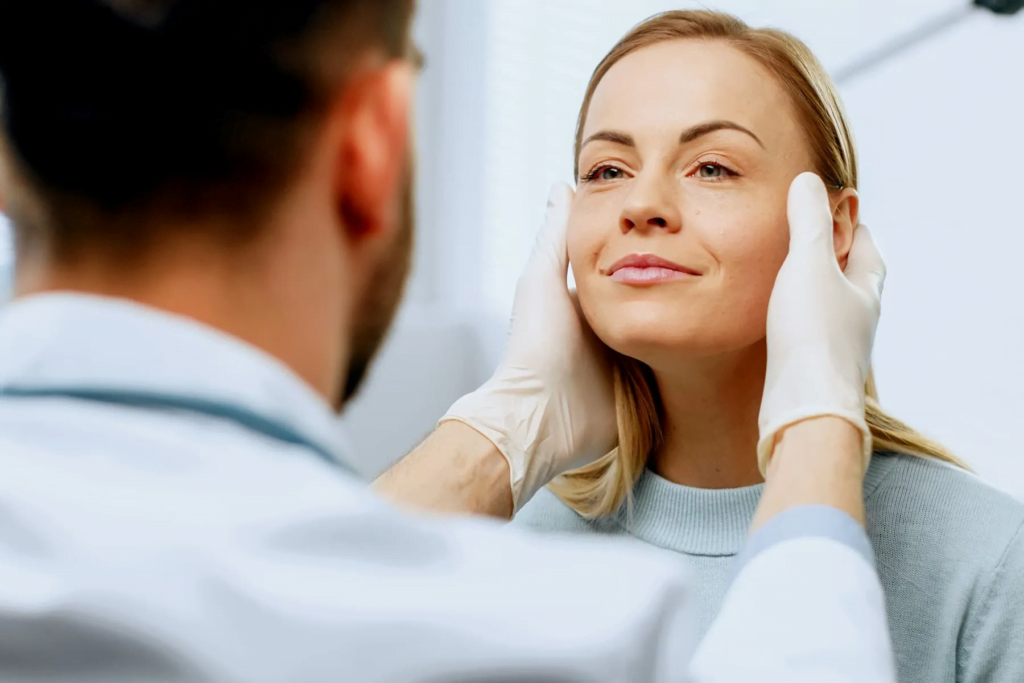
Facial feminization surgery (FFS) is a set of cosmetic procedures designed to alter facial features to appear more traditionally feminine. While often associated with transgender women, biological females also seek FFS for various reasons. This blog explores the benefits, procedures, differences, risks, and recovery aspects of FFS for biological females.

Benefits of Facial Feminization Surgery for Biological Females

Facial feminization surgery offers numerous benefits for biological females. These include enhancing facial harmony, boosting self-confidence, and achieving a more youthful appearance. FFS addresses specific concerns such as a prominent jawline or brow ridge, helping individuals feel more comfortable and aligned with their desired aesthetic. By refining facial features, FFS can significantly improve one’s overall sense of well-being and self-esteem.

Side profile of a woman with long blonde hair tied in a low ponytail, looking ahead with a neutral expression. The background is plain and light-colored, emphasizing her facial features and the simplicity of the setting.

Specific Facial Feminization Procedures for Biological Females

Several procedures fall under the umbrella of facial feminization surgery. Common ones include:

  • Forehead contouring: Surgeons reduce the brow ridge and reshape the forehead to create a smoother, more feminine appearance. This procedure often involves shaving down the bone and repositioning the hairline.
  • Rhinoplasty: This procedure refines the nose to appear more delicate and proportionate to the rest of the face. Surgeons may narrow the nasal bridge, adjust the tip, and reduce the overall size.
  • Cheek augmentation: Enhancing cheekbones involves adding volume through implants or fat grafting. This creates a fuller, more feminine look and improves facial symmetry.
  • Lip lift and augmentation: Creating fuller, more defined lips involves lifting the upper lip and adding volume through fillers or implants. This enhances the overall femininity of the face.
  • Jaw and chin contouring: Softening the jawline and chin involves reducing the width and reshaping the chin to achieve a more oval shape. This procedure often includes shaving down the jawbone and repositioning the chin.

Each procedure is tailored to the individual’s facial structure and aesthetic goals, ensuring a personalized approach to achieving the desired results.

Differences in Facial Feminization Surgery for Biological Females vs. Transgender Individuals

While the core techniques of FFS are similar for both biological females and transgender individuals, the goals and starting points differ. Biological females might seek subtle enhancements to already feminine features, whereas transgender individuals often aim for more significant changes to transition from masculine to feminine features. Surgeons consider these differences to ensure the results align with each patient’s unique needs.

For transgender individuals, FFS often involves more extensive procedures to alter masculine features. This may include more aggressive bone reduction and reshaping. In contrast, biological females typically require less drastic changes, focusing on refining and enhancing existing features. Understanding these distinctions helps surgeons provide the most effective and appropriate treatments for each patient.

A woman with medical bandages wrapped around her head and neck, post-surgery, with visible bruising and a nasal dressing.

Risks and Recovery Times for Facial Feminization Surgery in Biological Females

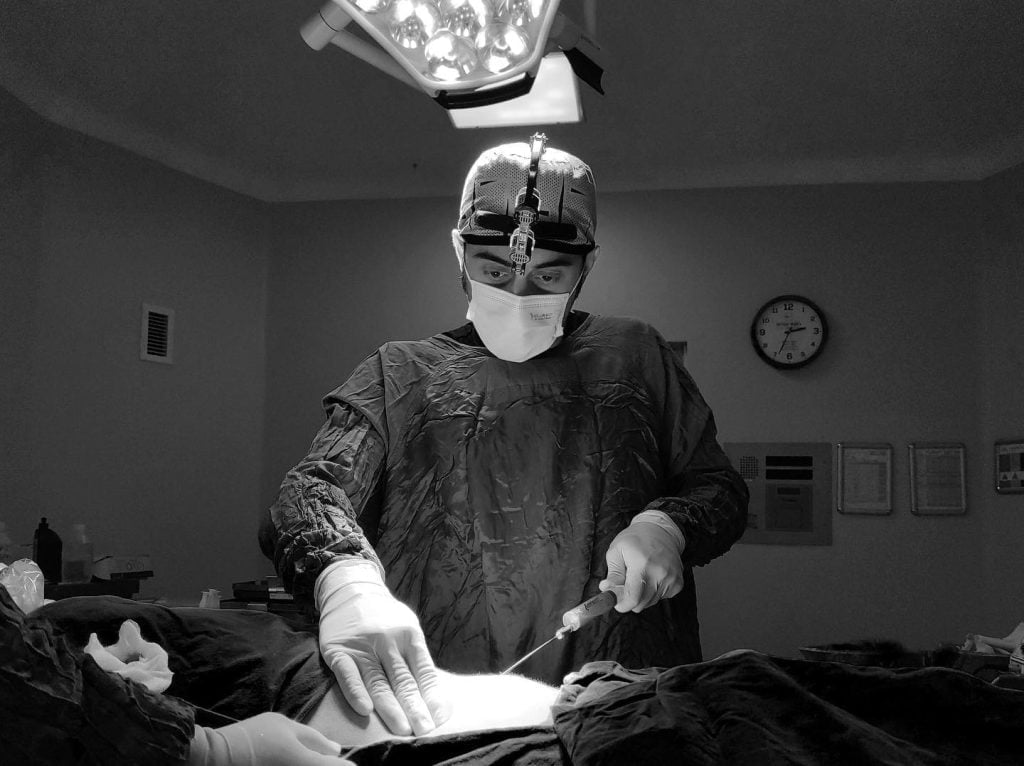
As with any surgical procedure, FFS carries risks such as infection, scarring, and anesthesia complications. However, these risks are generally low when performed by an experienced surgeon. Recovery times vary depending on the extent of the surgery but typically range from two to six weeks. Swelling and bruising are common initially, with most patients returning to normal activities within a few weeks.

During the recovery period, patients must follow their surgeon’s post-operative care instructions closely. This includes keeping the surgical sites clean, taking prescribed medications, and avoiding strenuous activities. Proper care and attention during recovery can significantly reduce the risk of complications and ensure optimal healing.

Achieving a More Youthful Appearance with Facial Feminization Surgery

Facial feminization surgery can also help biological females achieve a more youthful appearance. Procedures like brow lifts, eyelid surgery, and skin resurfacing reduce signs of aging, such as wrinkles and sagging skin. By enhancing facial contours and skin texture, FFS provides a refreshed and rejuvenated look.

Brow lifts elevate the eyebrows and smooth out forehead wrinkles, creating a more youthful and alert appearance. Eyelid surgery removes excess skin and fat from the upper and lower eyelids, reducing puffiness and drooping. Skin resurfacing techniques, such as laser treatments or chemical peels, improve skin texture and tone, reducing the appearance of fine lines and age spots.

A close-up portrait of a woman with long, straight brown hair and subtle makeup. She is smiling gently and resting her chin on her hand, with a beige background behind her.

Conclusion

Facial feminization surgery offers a range of benefits for biological females, from enhancing facial harmony to achieving a more youthful appearance. Understanding the specific procedures, differences, risks, and recovery times helps individuals make informed decisions about their cosmetic goals. Whether seeking subtle enhancements or more significant changes, FFS can be a transformative experience, helping individuals feel more confident and aligned with their desired aesthetic.

By exploring the various aspects of FFS, biological females can better understand how these procedures can enhance their natural beauty and improve their overall quality of life. With the right information and guidance, anyone considering FFS can embark on their journey with confidence and clarity.

Visit Dr.MFO Instagram profile to see real patient transformations! Get a glimpse of the incredible results achieved through facial feminization surgery and other procedures. The profile showcases before-and-after photos that highlight Dr. MFO’s expertise and artistic vision in creating natural-looking, beautiful outcomes.

Ready to take the next step in your journey? Schedule a free consultation with Dr. MFO today. During the consultation, you can discuss your goals, ask any questions you may have, and learn more about how Dr. MFO can help you achieve your desired look. Don’t hesitate to take advantage of this free opportunity to explore your options and see if Dr. MFO is the right fit for you.

FAQ: Facial Feminization Surgery for Biological Females

What are the benefits of facial feminization surgery for biological females?

Facial feminization surgery offers numerous benefits, including enhancing facial harmony, boosting self-confidence, and achieving a more youthful appearance. It addresses specific concerns such as a prominent jawline or brow ridge, helping individuals feel more comfortable and aligned with their desired aesthetic.

What specific facial feminization procedures are available for biological females?

Several procedures fall under the umbrella of facial feminization surgery, including:

  • Forehead contouring: Reducing the brow ridge and reshaping the forehead.
  • Rhinoplasty: Refining the nose to appear more delicate.
  • Cheek augmentation: Enhancing cheekbones for a fuller, more feminine look.
  • Lip lift and augmentation: Creating fuller, more defined lips.
  • Jaw and chin contouring: Softening the jawline and chin for a more oval shape.

Each procedure is tailored to the individual’s facial structure and aesthetic goals.

How does facial feminization surgery differ for biological females compared to transgender individuals?

While the core techniques of FFS are similar for both biological females and transgender individuals, the goals and starting points differ. Biological females might seek subtle enhancements to already feminine features, whereas transgender individuals often aim for more significant changes to transition from masculine to feminine features. Surgeons consider these differences to ensure the results align with each patient’s unique needs.

What are the risks and recovery times for facial feminization surgery in biological females?

Facial feminization surgery carries risks such as infection, scarring, and anesthesia complications. However, these risks are generally low when performed by an experienced surgeon. Recovery times typically range from two to six weeks, with most patients returning to normal activities within a few weeks. Proper post-operative care is crucial for optimal healing.

Can facial feminization surgery help biological females achieve a more youthful appearance?

Yes, facial feminization surgery can help biological females achieve a more youthful appearance. Procedures like brow lifts, eyelid surgery, and skin resurfacing reduce signs of aging, such as wrinkles and sagging skin. By enhancing facial contours and skin texture, FFS provides a refreshed and rejuvenated look.


Understanding Facial Surgery for Transgender People

Unveiling Your True Self: A Comprehensive Guide to M2F Procedures in 2024

Facial surgery for transgender individuals, often referred to as facial gender-affirming surgery, plays a crucial role in aligning one’s physical appearance with their gender identity. This type of surgery can significantly impact a person’s self-esteem and overall well-being. In this blog, we’ll explore various aspects of facial surgery for transgender people, answering common questions and providing insights into the procedures, benefits, and considerations involved.

What Procedures Are Included in Facial Feminization Surgery (FFS)?

Facial feminization surgery (FFS) encompasses a variety of procedures aimed at altering masculine facial features to create a more feminine appearance. Common procedures include:

  • Forehead contouring: This involves reducing the brow bone and reshaping the forehead to create a smoother, more feminine contour. The brow bone is often more pronounced in males, and reducing it can significantly soften the overall facial appearance.
  • Rhinoplasty: Also known as a nose job, rhinoplasty in FFS aims to reshape the nose to achieve a more delicate and feminine profile. This can involve reducing the size of the nose, refining the tip, and narrowing the nostrils.
  • Cheek augmentation: Enhancing the cheeks can create a fuller, more youthful, and feminine look. This is often achieved using implants or fat grafting to add volume to the cheekbones.
  • Lip lift and augmentation: Creating fuller lips and reducing the distance between the nose and upper lip can enhance femininity. This can be done through surgical lifts or injectable fillers.
  • Chin and jaw contouring: Softening the jawline and reducing the size of the chin can help achieve a more oval and feminine face shape. This may involve shaving down the bone or using implants to alter the contour.
  • Tracheal shave: Reducing the size of the Adam’s apple, or tracheal shave, is a common procedure to achieve a smoother neck profile, which is typically more feminine.

How Does Facial Masculinization Surgery Differ from Facial Feminization Surgery?

Facial masculinization surgery (FMS) focuses on enhancing masculine features rather than softening them. Procedures may include:

  • Forehead lengthening: Creating a more prominent brow ridge can give a stronger, more masculine appearance. This often involves adding bone or using implants.
  • Rhinoplasty: In FMS, rhinoplasty aims to create a more robust and angular nose. This can involve increasing the size of the nose or altering its shape to be more traditionally masculine.
  • Cheek reduction: Reducing the fullness of the cheeks can help achieve a more chiseled and masculine look. This may involve removing fat or reshaping the cheekbones.
  • Jaw augmentation: Enhancing the jawline for a more angular appearance is a key aspect of FMS. This can be done using implants or bone grafting to create a stronger jawline.
  • Chin augmentation: Increasing the size and prominence of the chin can help achieve a more masculine profile. This often involves implants or bone reshaping.

What Are the Benefits of Facial Gender-Affirming Surgery for Transgender Individuals?

Facial gender-affirming surgery offers numerous benefits, including:

  • Improved self-esteem: Aligning physical appearance with gender identity can boost confidence and self-worth. Many individuals report feeling more comfortable in their skin and more confident in their daily interactions.
  • Reduced gender dysphoria: Alleviating the distress associated with a mismatch between one’s gender identity and physical appearance can significantly improve mental health. This can lead to a reduction in anxiety, depression, and other mental health issues.
  • Enhanced social interactions: Feeling more comfortable and authentic in social settings can improve relationships and social experiences. This can lead to a more fulfilling social life and better overall well-being.
  • Better mental health: Overall improvement in mental well-being and quality of life is a common outcome of facial gender-affirming surgery. Many individuals report a significant reduction in mental health issues and an overall improvement in their quality of life.
Person undergoing cosmetic surgery with facial markings and a healthcare professional wearing blue gloves.

What Is the Recovery Process Like After Facial Feminization Surgery?

Recovery from facial feminization surgery varies depending on the procedures performed. Generally, patients can expect:

  • Initial recovery: Swelling and bruising are common in the first few weeks. Pain and discomfort can be managed with medication. It’s important to follow the surgeon’s instructions carefully to ensure proper healing.
  • Follow-up care: Regular check-ups with the surgeon to monitor healing and address any concerns are crucial. These appointments allow the surgeon to ensure that the healing process is progressing as expected and to address any complications that may arise.
  • Long-term recovery: Full recovery can take several months, with final results becoming more apparent as swelling subsides. It’s important to be patient and allow the body time to heal fully.

How Do Surgeons Determine Which Facial Features to Alter in Gender-Affirming Surgery?

Surgeons work closely with patients to understand their goals and expectations. They consider factors such as:

  • Facial structure: Assessing the patient’s existing facial features and bone structure helps the surgeon determine which procedures will be most effective in achieving the desired outcome.
  • Desired outcome: Discussing the patient’s vision for their appearance is crucial. This helps the surgeon understand the patient’s goals and tailor the surgery to meet their specific needs.
  • Medical history: Taking into account any previous surgeries or medical conditions is important to ensure the patient’s safety and to plan the surgery effectively.
  • Personal preferences: Ensuring the patient’s preferences and comfort are prioritized is essential. The surgeon works with the patient to create a surgical plan that aligns with their goals and expectations.

What Are the Risks and Complications Associated with Facial Gender-Affirming Surgery?

As with any surgery, facial gender-affirming surgery carries risks, including:

  • Infection: Potential for infection at the surgical sites. It’s important to follow post-operative care instructions carefully to minimize this risk.
  • Scarring: Visible scars, although surgeons aim to minimize them. Proper wound care and following the surgeon’s instructions can help reduce the appearance of scars.
  • Nerve damage: Risk of temporary or permanent nerve damage affecting sensation or movement. This is a rare but possible complication that should be discussed with the surgeon.
  • Unsatisfactory results: Possibility of not achieving the desired outcome, which may require additional procedures. It’s important to have realistic expectations and to discuss potential outcomes with the surgeon.

How Long Does It Take to See the Final Results of Facial Feminization Surgery?

The timeline for seeing final results varies, but generally:

  • Initial results: Visible within a few weeks as swelling decreases. Patients can expect to see significant changes in their appearance during this time.
  • Final results: Typically seen within 6 to 12 months, as the face fully heals and settles into its new shape. It’s important to be patient and allow the body time to heal fully.

What Is the Cost of Facial Gender-Affirming Surgery, and Is It Covered by Insurance?

The cost of facial gender-affirming surgery can vary widely based on the procedures performed and the surgeon’s expertise. It can range from several thousand to tens of thousands of dollars. Insurance coverage depends on the provider and policy. Some insurance plans may cover part or all of the costs if the surgery is deemed medically necessary. It’s important to check with your insurance provider to understand your coverage options.

How Do Patients Prepare for Facial Gender-Affirming Surgery?

Preparation for surgery involves several steps:

  • Consultation: Meeting with the surgeon to discuss goals, procedures, and expectations. This is an important step to ensure that the patient and surgeon are on the same page.
  • Medical evaluation: Undergoing a thorough medical assessment to ensure fitness for surgery. This may include blood tests, imaging studies, and other evaluations.
  • Pre-surgery instructions: Following guidelines on medications, diet, and lifestyle changes. This may include stopping certain medications, avoiding smoking, and following a specific diet.
  • Mental preparation: Seeking support from mental health professionals, friends, or support groups. This can help patients prepare for the emotional and psychological aspects of surgery.

What Psychological Impacts Can Facial Gender-Affirming Surgery Have on Transgender Individuals?

Facial gender-affirming surgery can have profound psychological impacts, including:

  • Increased confidence: Feeling more aligned with one’s gender identity can boost confidence and self-esteem. Many individuals report feeling more comfortable in their skin and more confident in their daily interactions.
  • Reduced anxiety and depression: Alleviating the mental health challenges associated with gender dysphoria can significantly improve overall well-being. This can lead to a reduction in anxiety, depression, and other mental health issues.
  • Improved social interactions: Feeling more comfortable and authentic in social settings can improve relationships and social experiences. This can lead to a more fulfilling social life and better overall well-being.
  • Overall well-being: Enhancing quality of life and mental health is a common outcome of facial gender-affirming surgery. Many individuals report a significant reduction in mental health issues and an overall improvement in their quality of life.
Turkey for facial feminization surgery

Conclusion: Understanding Facial Surgery

Facial gender-affirming surgery is a significant step for many transgender individuals in their journey toward aligning their physical appearance with their gender identity. Understanding the procedures, benefits, and considerations involved can help individuals make informed decisions and prepare for the transformative impact of these surgeries. If you’re considering facial gender-affirming surgery, consult with experienced surgeons and seek support from healthcare professionals to ensure the best possible outcomes. This journey, while challenging, can lead to profound improvements in self-esteem, mental health, and overall quality of life.

Visit Dr.MFO Instagram profile to see real patient transformations! Get a glimpse of the incredible results achieved through facial feminization surgery and other procedures. The profile showcases before-and-after photos that highlight Dr. MFO’s expertise and artistic vision in creating natural-looking, beautiful outcomes.

Ready to take the next step in your journey? Schedule a free consultation with Dr. MFO today. During the consultation, you can discuss your goals, ask any questions you may have, and learn more about how Dr. MFO can help you achieve your desired look. Don’t hesitate to take advantage of this free opportunity to explore your options and see if Dr. MFO is the right fit for you.

MTF Transition: Facial Changes Explained

A thoughtful woman with red lipstick and blue nail polish touching her face, set against a vibrant red background.

How Does Facial Feminization Surgery (FFS) Alter Facial Features?

Facial Feminization Surgery (FFS) is a comprehensive set of procedures designed to transform masculine facial features into a more traditionally feminine appearance. This transformation is achieved through a variety of surgical techniques that target specific areas of the face. For instance, a brow lift can raise and reshape the eyebrows to create a more feminine arch, while rhinoplasty can refine the nose to make it smaller and more delicate. Cheek augmentation adds volume to the cheeks, giving the face a fuller, softer look. Jaw contouring reduces the width and prominence of the jawline, and a lip lift shortens the upper lip to enhance lip fullness. Each of these procedures works together to create a harmonious and feminine facial appearance.

Woman Wearing Pink Top Close-up Photography

Risks and Benefits of Undergoing Facial Surgeries for MTF Transition

Benefits

The benefits of facial surgeries for MTF individuals are multifaceted. One of the most significant advantages is the enhancement of self-esteem. Many individuals report feeling more confident and comfortable in their appearance after surgery. This boost in confidence can also translate to better social integration, as a more feminine appearance can reduce instances of misgendering and help individuals feel more accepted in social situations. Additionally, aligning one’s physical appearance with their gender identity can have profound psychological benefits, improving overall mental health and well-being.

Risks

However, like any surgical procedure, facial feminization surgeries come with risks. Surgical complications such as infection, bleeding, and adverse reactions to anesthesia are possible. Scarring is another potential risk, although skilled surgeons often take great care to minimize visible scars. The recovery process can also be lengthy, requiring significant downtime and patience as the body heals. It’s important for individuals to weigh these risks against the potential benefits and to have realistic expectations about the outcomes.

A thoughtful woman with blonde hair wearing a black shirt and a smartwatch, leaning on her elbow with a contemplative expression.

Impact of Different Facial Surgeries on Overall Appearance

Each type of facial surgery has a unique impact on the overall appearance of MTF individuals. A brow lift, for example, can significantly alter the upper face by raising and reshaping the eyebrows, creating a more open and feminine expression. Rhinoplasty can refine the nose, making it more proportionate and delicate, which is a key feature of a feminine face. Cheek augmentation adds volume to the mid-face, enhancing facial symmetry and creating a youthful, feminine contour. Jaw contouring reduces the width and prominence of the jawline, softening the overall facial structure. A lip lift can enhance the fullness and shape of the lips, contributing to a more feminine smile. Each of these procedures plays a crucial role in achieving a cohesive and feminine facial appearance.

Can you talk after FFS?

Recovery Process After Facial Feminization Surgery

The recovery process after facial feminization surgery varies depending on the specific procedures performed. Generally, patients can expect initial swelling and bruising in the first few weeks. It’s important to follow the surgeon’s post-operative care instructions closely to ensure proper healing. Regular follow-up appointments with the surgeon are essential to monitor progress and address any concerns. Full recovery can take several months, during which time the final results will gradually become more apparent as swelling subsides. Patience and adherence to post-operative care guidelines are key to achieving the best possible outcome.

Types of Facial Feminization Surgeries Available

Facial feminization surgery encompasses a range of procedures, each targeting different aspects of the face. Common surgeries include:

  • Brow Lift: Raises and reshapes the eyebrows for a more feminine arch.
  • Rhinoplasty: Refines the nose shape and size.
  • Cheek Augmentation: Adds volume to the cheeks for a softer look.
  • Jaw Contouring: Reduces the width and prominence of the jawline.
  • Lip Lift: Shortens the upper lip and increases lip fullness.
  • Forehead Contouring: Reshapes the forehead bone to reduce the prominence of the brow ridge.
  • Tracheal Shave: Reduces the size of the Adam’s apple for a smoother neck appearance.

Jaw Contouring Surgery in MTF Transition

Jaw contouring surgery is a critical component of facial feminization for many MTF individuals. This procedure involves reshaping the jawbone to create a narrower, more tapered appearance. By reducing the width and prominence of the jawline, jaw contouring can significantly soften the face and enhance overall femininity. The surgery typically involves making incisions inside the mouth to access the jawbone, allowing the surgeon to reshape it without leaving visible scars. The result is a more delicate and feminine jawline that complements other facial features.

Role of Rhinoplasty in Facial Feminization

Rhinoplasty, commonly known as a nose job, plays a vital role in facial feminization. The nose is a central feature of the face, and its shape and size can greatly influence overall facial harmony. In facial feminization, rhinoplasty aims to refine the nose to make it smaller, more proportionate, and delicate. This can involve reducing the size of the nasal bridge, reshaping the tip, and narrowing the nostrils. The goal is to create a nose that blends seamlessly with other feminine facial features, contributing to a cohesive and attractive appearance.

Cheek Augmentation Procedures

Cheek augmentation is another important procedure in facial feminization. This surgery involves adding volume to the cheeks using implants or fat grafting. Fuller cheeks are a hallmark of a youthful and feminine face, and cheek augmentation can enhance facial symmetry and contour. The procedure typically involves making small incisions inside the mouth or along the lower eyelid to insert implants or inject fat. The result is a more balanced and harmonious facial appearance, with enhanced cheekbones that contribute to a softer and more feminine look.

Considerations for Forehead Contouring Surgery

Forehead contouring is a procedure that reshapes the forehead bone to create a smoother, more rounded appearance. This surgery is particularly important for MTF individuals with a prominent brow ridge, which is a common masculine feature. By reducing the prominence of the brow ridge and reshaping the forehead, this procedure can significantly enhance facial femininity. The surgery typically involves making an incision along the hairline to access the forehead bone, allowing the surgeon to reshape it and create a more feminine contour. The result is a smoother, more delicate forehead that complements other facial features.

Tracheal Shave Surgery

A tracheal shave, also known as a chondrolaryngoplasty, is a procedure that reduces the size of the Adam’s apple. This surgery is important for MTF individuals who want to achieve a smoother and more feminine neck appearance. The procedure involves making a small incision in the neck to access the thyroid cartilage, which is then shaved down to reduce its size. The result is a less prominent Adam’s apple, which can significantly impact the overall appearance of the neck and face, contributing to a more feminine look.

Potential Complications of Facial Feminization Surgeries

While facial feminization surgeries can offer significant benefits, they also come with potential complications. Common risks include infection, scarring, nerve damage, asymmetry, and prolonged swelling. It’s important for individuals to discuss these risks with their surgeon and to have realistic expectations about the outcomes. Choosing a skilled and experienced surgeon can help minimize these risks and ensure the best possible results.

Determining the Best Surgical Plan

Determining the best surgical plan for facial feminization involves a thorough consultation with a skilled surgeon. During this consultation, the surgeon will assess the patient’s facial structure, discuss their goals and expectations, and develop a personalized surgical plan. Imaging technology may be used to simulate potential outcomes and help the patient visualize the results. The goal is to create a surgical plan that addresses the patient’s unique needs and enhances their overall facial femininity.

Costs Associated with Facial Feminization Surgeries

The costs of facial feminization surgeries can vary widely depending on the procedures chosen, the surgeon’s expertise, and the location of the surgery. It’s important for individuals to discuss all potential costs during the consultation, including surgery, anesthesia, and post-operative care. Some procedures may be covered by insurance, while others may require out-of-pocket expenses. Understanding the costs involved can help individuals plan and budget for their surgeries.

Patient Satisfaction After Facial Feminization Surgery

Most patients report high levels of satisfaction with their results after facial feminization surgery. Many individuals experience significant improvements in self-esteem and social interactions, feeling more confident and comfortable in their appearance. However, it’s important to have realistic expectations and to understand that results can vary. Regular follow-up appointments with the surgeon can help ensure the best possible outcome and address any concerns that may arise during the recovery process.

Conclusion: How long does FFS take to heal?

Conclusion

Facial feminization surgery (FFS) offers a transformative opportunity for MTF individuals to align their physical appearance with their gender identity. Through a variety of procedures such as brow lifts, rhinoplasty, cheek augmentation, jaw contouring, and more, FFS can significantly enhance facial femininity and boost self-esteem. While the journey involves careful consideration of risks, benefits, and recovery processes, the potential for improved psychological well-being and social integration makes it a valuable option for many.

Understanding the different types of surgeries, their impacts, and the recovery involved is crucial for making informed decisions. Consulting with experienced surgeons to develop a personalized surgical plan can help achieve the best possible outcomes. Despite the potential complications and costs, many patients find the results of FFS to be life-changing, leading to greater confidence and satisfaction in their appearance.

If you have any more questions or need further information, feel free to reach out!

Mehmet Fatih Okyay, MD, FEBOPRAS in Türkiye. FFS Surgeon.

Visit Dr.MFO Instagram profile to see real patient transformations! Get a glimpse of the incredible results achieved through facial feminization surgery and other procedures. The profile showcases before-and-after photos that highlight Dr. MFO’s expertise and artistic vision in creating natural-looking, beautiful outcomes.

Ready to take the next step in your journey? Schedule a free consultation with Dr. MFO today. During the consultation, you can discuss your goals, ask any questions you may have, and learn more about how Dr. MFO can help you achieve your desired look. Don’t hesitate to take advantage of this free opportunity to explore your options and see if Dr. MFO is the right fit for you.

What is FFS in MTF? Explore the comprehensive guide

transgender male to female surgery MTF

Facial Feminization Surgery (FFS) is a crucial aspect of the male-to-female (MTF) transition for many transgender women. This blog will explore the various facets of FFS, answering common questions and providing insights into the procedures, benefits, risks, and recovery process.

What Procedures Are Included in Facial Feminization Surgery for Transgender Women?

Facial Feminization Surgery encompasses a variety of procedures aimed at altering masculine facial features to create a more feminine appearance. Common procedures include:

  • Forehead Contouring: This involves reshaping the forehead to reduce the prominence of the brow ridge, which is typically more pronounced in males. The procedure may include bone reduction and repositioning to achieve a smoother, more rounded forehead.
  • Rhinoplasty: Often referred to as a “nose job,” rhinoplasty in FFS focuses on refining the nose to achieve a more delicate and feminine shape. This can involve reducing the size of the nose, altering the shape of the nostrils, and refining the nasal tip.
  • Cheek Augmentation: Enhancing the cheeks can create a fuller, more youthful appearance. This is typically achieved through implants or fat grafting, which adds volume to the cheek area.
  • Jaw and Chin Contouring: Softening the jawline and chin is crucial for reducing the angularity that is often associated with a masculine appearance. This can involve shaving down the jawbone, reducing the size of the chin, and reshaping these areas to create a more tapered look.
  • Tracheal Shave: Also known as Adam’s apple reduction, this procedure reduces the size of the thyroid cartilage to create a smoother neck profile.
A young woman with long brown hair looking directly at the camera, wearing a sleeveless top, against a plain light-colored background.

How Does Facial Feminization Surgery Impact the Appearance of MTF Individuals?

FFS can significantly impact the appearance of MTF individuals by aligning their facial features with their gender identity. The changes can enhance self-esteem and social interactions by reducing gender dysphoria. The results vary depending on the individual’s facial structure and the specific procedures performed, but the overall goal is to achieve a natural and harmonious feminine appearance.

The psychological benefits of FFS are profound. Many transgender women report a significant reduction in gender dysphoria, which is the distress caused by a discrepancy between a person’s gender identity and their assigned sex at birth. By aligning their physical appearance with their gender identity, individuals often experience a boost in self-confidence and a greater sense of authenticity. This can lead to improved mental health and a better quality of life.

What Are the Benefits and Risks of FFS for Transgender Women?

Benefits

  • Improved Self-Esteem: Many individuals experience a boost in confidence and comfort in their appearance. This newfound confidence can positively impact various aspects of life, including personal relationships and professional opportunities.
  • Reduced Gender Dysphoria: Aligning physical appearance with gender identity can alleviate feelings of dysphoria. This can lead to a significant improvement in mental health and overall well-being.
  • Enhanced Social Interactions: A more feminine appearance can lead to more positive social experiences and acceptance. This can be particularly important in social and professional settings, where appearance can influence how individuals are perceived and treated.

Risks

  • Surgical Complications: As with any surgery, there are risks of infection, bleeding, and adverse reactions to anesthesia. It’s important to discuss these risks with your surgeon and understand the potential complications.
  • Scarring: Some procedures may result in visible scars, although surgeons aim to minimize this. The location and extent of scarring can vary depending on the specific procedures performed and the individual’s healing process.
  • Recovery Challenges: The recovery process can be lengthy and may involve discomfort and swelling. It’s important to have realistic expectations and be prepared for the physical and emotional challenges of recovery.
A close-up portrait of a woman with long blonde hair and red nail polish, looking contemplative against a dark background.

How Do Surgeons Determine the Best FFS Procedures for MTF Patients?

Surgeons determine the best FFS procedures through a comprehensive evaluation of the patient’s facial structure, skin type, and aesthetic goals. This process typically involves:

  • Consultation: Discussing the patient’s goals and expectations. This initial consultation is crucial for understanding the patient’s desires and developing a personalized surgical plan.
  • Facial Analysis: Assessing the facial features that contribute to a masculine appearance. This may involve taking photographs and measurements to create a detailed analysis of the patient’s facial structure.
  • Customized Plan: Creating a tailored surgical plan that addresses the specific needs and desires of the patient. This plan may include a combination of procedures designed to achieve the desired feminine appearance.

Surgeons also consider the patient’s overall health and medical history when planning FFS. It’s important for patients to be open and honest about their health and any previous surgeries or medical conditions. This information helps the surgeon develop a safe and effective surgical plan.

Can you talk after FFS?

What Is the Recovery Process Like After Undergoing FFS for MTF Individuals?

The recovery process after FFS varies depending on the extent of the procedures performed. Generally, patients can expect:

  • Initial Recovery: The first few weeks involve significant swelling and bruising. Pain management and rest are crucial during this period. Patients may need to take time off work and avoid strenuous activities to allow their bodies to heal.
  • Follow-Up Appointments: Regular check-ups with the surgeon to monitor healing and address any concerns. These appointments are important for ensuring that the recovery is progressing as expected and for addressing any potential complications.
  • Long-Term Healing: Full recovery can take several months, with gradual improvements in appearance and comfort. Patients may experience changes in sensation and movement as their bodies heal and adjust to the surgical changes.

Patients are advised to follow their surgeon’s post-operative care instructions closely to ensure optimal healing and results. This may include taking prescribed medications, avoiding certain activities, and attending all follow-up appointments.

Facial Feminization Surgery is a transformative process that can greatly enhance the quality of life for transgender women. By understanding the procedures, benefits, risks, and recovery involved, individuals can make informed decisions about their journey towards a more authentic self. If you have any more questions or need further information, feel free to reach out!

Mehmet Fatih Okyay, MD, FEBOPRAS in Türkiye. FFS Surgeon.

Visit Dr.MFO Instagram profile to see real patient transformations! Get a glimpse of the incredible results achieved through facial feminization surgery and other procedures. The profile showcases before-and-after photos that highlight Dr. MFO’s expertise and artistic vision in creating natural-looking, beautiful outcomes.

Ready to take the next step in your journey? Schedule a free consultation with Dr. MFO today. During the consultation, you can discuss your goals, ask any questions you may have, and learn more about how Dr. MFO can help you achieve your desired look. Don’t hesitate to take advantage of this free opportunity to explore your options and see if Dr. MFO is the right fit for you.

We asked Dr. MFO: Can FFS go wrong?

What can I eat after FFS?

Facial Feminization Surgery (FFS) is a transformative procedure that can significantly impact the lives of transgender women and non-binary individuals. However, like any surgical procedure, it comes with its own set of risks and considerations. We sat down with Dr. MFO, a renowned surgeon specializing in FFS, to discuss the potential complications, how to minimize risks, and what patients can do to ensure the best possible outcomes.

What are the potential risks and complications of facial feminization surgery (FFS)?

Dr. MFO: Every surgical procedure carries inherent risks, and FFS is no exception. Some potential complications include infection, bleeding, scarring, and asymmetry. There can also be issues related to anesthesia, nerve damage leading to numbness or changes in sensation, and dissatisfaction with the aesthetic results. It’s crucial for patients to have a thorough understanding of these risks before undergoing surgery.

Infection, while rare, can occur if proper sterile techniques are not followed or if postoperative care is neglected. Bleeding is another risk, particularly in surgeries involving bone work, such as forehead contouring or jaw reshaping. Scarring is an inevitable part of any surgery, but skilled surgeons can place incisions in less visible areas and provide guidance on scar management to minimize their appearance.

Asymmetry is a concern in any cosmetic procedure. While perfect symmetry is impossible, experienced surgeons strive to achieve a balanced and harmonious look. Nerve damage, though uncommon, can result in temporary or permanent changes in sensation. This is particularly relevant in procedures involving the forehead, nose, and jaw, where nerves are more likely to be affected.

How often do patients experience negative outcomes from FFS?

Dr. MFO: Negative outcomes are relatively rare, especially when the surgery is performed by an experienced and skilled surgeon. However, it’s important to note that no surgery is without risk. Complications can occur, but with proper preoperative planning, surgical technique, and postoperative care, the likelihood of severe negative outcomes can be minimized. Most patients are satisfied with their results and experience significant improvements in their quality of life.

Studies have shown that the majority of FFS patients report high levels of satisfaction with their results. The psychological benefits, including improved self-esteem and reduced gender dysphoria, often outweigh the physical risks. Nonetheless, it’s essential for patients to have realistic expectations and understand that the healing process can be lengthy, with final results sometimes taking up to a year to fully manifest.

Conclusion: How long does FFS take to heal?

What should I consider when choosing a surgeon for FFS to minimize risks?

Dr. MFO: Choosing the right surgeon is one of the most critical decisions you’ll make. Look for a surgeon who is board-certified and has extensive experience specifically in FFS. Review their before-and-after photos, read patient testimonials, and ask about their complication rates. It’s also important to feel comfortable with your surgeon and confident in their ability to understand and achieve your aesthetic goals. Don’t hesitate to seek multiple consultations to find the best fit for you.

In addition to credentials and experience, consider the surgeon’s approach to patient care. A good surgeon will take the time to understand your goals, answer your questions, and provide a comprehensive plan tailored to your needs. They should also offer a clear explanation of the risks and benefits, as well as detailed pre- and postoperative instructions. Building a trusting relationship with your surgeon is key to a successful outcome.

Are there common side effects or issues that arise after FFS?

Dr. MFO: Common side effects after FFS include swelling, bruising, and discomfort, which are typical of any surgical procedure. These usually subside within a few weeks. Some patients may experience temporary numbness or changes in sensation, particularly in areas where nerves have been affected. Scarring is another consideration, but with proper care, scars can become less noticeable over time. It’s essential to follow your surgeon’s postoperative instructions closely to manage these side effects effectively.

Swelling and bruising are most pronounced in the first few days post-surgery and gradually decrease over time. Keeping the head elevated, applying cold compresses, and following a prescribed medication regimen can help manage these symptoms. Numbness is often temporary, but in some cases, it can persist for several months. Patients should be patient and allow their bodies time to heal.

Scarring can be minimized by following your surgeon’s advice on wound care, avoiding sun exposure, and using recommended scar treatments. It’s also important to attend all follow-up appointments so your surgeon can monitor your healing progress and address any concerns promptly.

Can you talk after FFS?

How can I ensure the best possible results from my FFS procedure?

Dr. MFO: Ensuring the best possible results starts with thorough preparation. Follow all preoperative instructions provided by your surgeon, such as avoiding certain medications and quitting smoking. Postoperatively, adhere to all care guidelines, attend follow-up appointments, and communicate any concerns to your surgeon promptly. Maintaining a healthy lifestyle, including proper nutrition and avoiding stress, can also aid in your recovery and overall satisfaction with the results. Remember, healing is a gradual process, and patience is key.

Preoperative preparation might include stopping certain medications that can increase bleeding risk, such as aspirin or other blood thinners. Smoking cessation is crucial, as smoking can impair healing and increase the risk of complications. Postoperative care involves keeping the surgical sites clean, taking prescribed medications, and avoiding strenuous activities that could disrupt the healing process.

Nutrition plays a vital role in recovery. A balanced diet rich in vitamins and minerals supports the body’s healing processes. Staying hydrated and getting adequate rest are equally important. Emotional support from friends, family, or support groups can also be beneficial during the recovery period.

What are the options for correcting a botched facial feminization surgery?

Dr. MFO: When a patient is unhappy with their initial FFS results, there are several options available. The first step is a thorough consultation to understand the specific concerns and desired outcomes. Depending on the issues, revision surgery can address asymmetry, scarring, or other aesthetic concerns. Techniques may include bone contouring, soft tissue adjustments, or even fat grafting to achieve a more harmonious appearance.

How successful are revisions for unsatisfactory FFS results?

Dr. MFO: The success of revision surgeries largely depends on the nature of the initial issues and the patient’s overall health. Generally, revisions can be highly successful, especially when performed by an experienced surgeon. It’s important to set realistic expectations and understand that while improvements can be significant, perfection is not always achievable. Each case is unique, and a personalized approach is essential.

Can complications from FFS be addressed in subsequent surgeries?

Dr. MFO: Yes, complications from FFS can often be addressed in subsequent surgeries. Common complications such as nerve damage, infection, or unsatisfactory scarring can be managed with appropriate surgical techniques. For instance, nerve damage might require microsurgical repair, while scarring can be minimized with advanced wound care and revision techniques. The key is early intervention and a tailored treatment plan.

What should I do if I’m unhappy with my FFS outcome?

Dr. MFO: If you’re unhappy with your FFS outcome, the first step is to communicate your concerns with your surgeon. Open and honest dialogue is crucial. If you’re not comfortable with your original surgeon, seeking a second opinion from a specialist in FFS revisions can provide new insights and options. Documenting your concerns and desired changes can also help in planning the revision surgery.

Are there specialists who focus on fixing previous FFS surgeries?

Dr. MFO: Absolutely, there are specialists who focus on FFS revisions. These surgeons have extensive experience in addressing the unique challenges of revision surgery. They understand the complexities involved and are skilled in techniques that can correct and enhance previous results. When choosing a specialist, it’s important to review their credentials, experience, and patient testimonials to ensure you’re in capable hands.

Conclusion

Facial Feminization Surgery can be life-changing, offering profound benefits for those seeking to align their physical appearance with their gender identity. By understanding the risks, choosing a qualified surgeon, and following all pre- and postoperative care instructions, patients can maximize their chances of a successful outcome. Dr. MFO’s insights highlight the importance of informed decision-making and careful planning in achieving the best possible results from FFS.

Mehmet Fatih Okyay, MD, FEBOPRAS in Türkiye.

Visit Dr.MFO Instagram profile to see real patient transformations! Get a glimpse of the incredible results achieved through facial feminization surgery and other procedures. The profile showcases before-and-after photos that highlight Dr. MFO’s expertise and artistic vision in creating natural-looking, beautiful outcomes.

Ready to take the next step in your journey? Schedule a free consultation with Dr. MFO today. During the consultation, you can discuss your goals, ask any questions you may have, and learn more about how Dr. MFO can help you achieve your desired look. Don’t hesitate to take advantage of this free opportunity to explore your options and see if Dr. MFO is the right fit for you.

Most Common Questions About FFS and Its Change in Face Shape

How Much is Forehead Reduction Surgery?

Facial Feminization Surgery (FFS) encompasses a variety of procedures aimed at transforming masculine facial features into a more feminine appearance. Let’s dive into some common questions about FFS and how it can impact your facial structure.

What Procedures Are Included in Facial Feminization Surgery (FFS)?

FFS can include a range of procedures such as:

  • Forehead contouring: Reducing the brow ridge and reshaping the forehead.
  • Rhinoplasty: Refining the nose shape.
  • Chin and jaw contouring: Softening and reshaping the chin and jawline.
  • Tracheal shave: Reducing the size of the Adam’s apple.
  • Lip lift and augmentation: Enhancing the lips for a fuller appearance.

Each of these procedures targets specific facial features to create a more traditionally feminine look. For example, forehead contouring involves reshaping the bone structure to reduce the prominence of the brow ridge, which is typically more pronounced in male faces. Rhinoplasty, or nose surgery, can refine the nose to make it smaller and more delicate, aligning it with other feminine facial features.

How Does FFS Alter the Jawline and Chin?

FFS can significantly alter the jawline and chin by:

  • Jaw reduction: Shaving down the jawbone to create a narrower, more tapered appearance.
  • Chin reshaping: Reducing and reshaping the chin to appear smaller and more rounded.

These changes are crucial for achieving a softer, more feminine facial contour. The jawline and chin are often key indicators of gender, and by reducing the width and prominence of these areas, FFS can help create a more balanced and feminine profile. This can involve complex surgical techniques to ensure that the new shape is both aesthetically pleasing and structurally sound.

Can FFS Reduce the Size of the Forehead?

Yes, FFS can reduce the size of the forehead through:

  • Forehead reduction: Lowering the hairline and reshaping the forehead to appear smaller and more feminine.

Forehead reduction is particularly effective for individuals with a high hairline or a prominent brow ridge. By lowering the hairline and smoothing out the forehead, surgeons can create a more youthful and feminine appearance. This procedure often involves careful planning and precision to ensure that the results are natural-looking and harmonious with the rest of the face.

What Is the Recovery Time for FFS?

Recovery time varies, but generally:

  • Initial recovery: 2-3 weeks for swelling and bruising to subside.
  • Full recovery: 6-12 months for all swelling to resolve and final results to be visible.

During the initial recovery period, patients may experience significant swelling and bruising, which can obscure the final results. It’s important to follow post-operative care instructions closely to minimize complications and promote healing. Full recovery can take several months, during which time the tissues will gradually settle into their new shape, revealing the final outcome of the surgery.

Are the Results of FFS Permanent?

Yes, the results of FFS are permanent. However, natural aging will continue to affect your appearance over time.

While the structural changes made during FFS are permanent, it’s important to remember that the face will continue to age naturally. This means that over time, you may notice changes in your appearance due to factors such as skin elasticity and gravity. However, the foundational changes made during FFS will remain, providing a lasting feminine contour.

How Does FFS Create a More Feminine Appearance?

FFS creates a more feminine appearance by:

  • Softening angular features: Reducing the prominence of masculine traits like a strong jawline or brow ridge.
  • Enhancing feminine features: Augmenting areas like the lips and cheeks to appear fuller and more delicate.

The goal of FFS is to create a harmonious and balanced facial appearance that aligns with traditional feminine aesthetics. This involves not only reducing masculine features but also enhancing feminine ones. For example, lip augmentation can add fullness and definition to the lips, while cheek augmentation can create a more youthful and rounded facial contour.

Can FFS Address a Prominent Brow Ridge?

Yes, FFS can address a prominent brow ridge through:

  • Brow bone reduction: Shaving down the bone to create a smoother, more feminine forehead.

A prominent brow ridge is a common masculine feature that can be effectively reduced through FFS. By shaving down the bone, surgeons can create a smoother and more feminine forehead. This procedure is often combined with other facial contouring techniques to achieve a cohesive and natural-looking result.

What Are the Risks Associated with FFS?

As with any surgery, FFS carries risks such as:

  • Infection
  • Scarring
  • Nerve damage
  • Asymmetry

It’s important to discuss these risks with your surgeon during the consultation process. While complications are relatively rare, being informed about potential risks can help you make a more educated decision about undergoing FFS. Your surgeon will also provide detailed post-operative care instructions to minimize the risk of complications and ensure a smooth recovery.

How Much Does FFS Cost on Average?

The cost of FFS varies widely but typically ranges from:

  • $20,000 to $50,000 depending on the number and complexity of procedures.

The cost of FFS can be a significant investment, but many patients find that the benefits far outweigh the expense. It’s important to consider not only the financial cost but also the potential impact on your quality of life and self-esteem. Some surgeons offer financing options to help make the cost more manageable.

facial Symmetry. face Symmetry.

Can FFS Improve Facial Symmetry?

Yes, FFS can improve facial symmetry by:

  • Balancing features: Adjusting the size and shape of facial structures to create a more harmonious appearance.

Facial symmetry is a key component of aesthetic appeal, and FFS can help enhance symmetry by addressing imbalances in facial features. For example, if one side of the jaw is more prominent than the other, jaw contouring can create a more balanced appearance. Similarly, rhinoplasty can refine the nose to better align with other facial features.

What Is the Difference Between FFS and Other Cosmetic Surgeries?

FFS is specifically tailored to feminize facial features, whereas other cosmetic surgeries may focus on general aesthetic improvements without a gender-specific goal.

While many cosmetic surgeries aim to enhance appearance, FFS is unique in its focus on gender-specific changes. This means that the procedures are designed to address the specific needs and goals of individuals seeking a more feminine appearance. This specialized approach requires a deep understanding of facial anatomy and aesthetics, as well as experience in performing gender-affirming surgeries.

Does facial feminization leave scars? ffs

How Long Does It Take to See the Final Results of FFS?

Final results can take:

  • 6-12 months as swelling fully subsides and tissues settle into their new shape.

Patience is key when it comes to seeing the final results of FFS. While initial improvements may be visible within a few weeks, it can take several months for all swelling to subside and for the tissues to fully settle. During this time, it’s important to follow your surgeon’s post-operative care instructions and attend follow-up appointments to monitor your progress.

Can FFS Help with Gender Dysphoria?

Yes, FFS can help alleviate gender dysphoria by:

  • Aligning physical appearance with gender identity: Helping individuals feel more comfortable and confident in their appearance.

For many individuals, FFS is a crucial step in their gender transition journey. By aligning their physical appearance with their gender identity, FFS can help reduce feelings of gender dysphoria and improve overall well-being. This can lead to increased confidence, self-esteem, and a greater sense of authenticity.

What Are the Most Common FFS Procedures?

Common FFS procedures include:

  • Forehead contouring
  • Rhinoplasty
  • Chin and jaw contouring
  • Tracheal shave
  • Lip lift and augmentation

These procedures are often performed in combination to achieve a comprehensive feminization of the face. Each procedure targets specific areas to create a more cohesive and balanced appearance. For example, forehead contouring and rhinoplasty can work together to refine the upper face, while chin and jaw contouring can enhance the lower face.

How Does FFS Affect Facial Proportions?

FFS affects facial proportions by:

  • Creating balance: Adjusting the size and shape of facial features to achieve a more traditionally feminine proportion.

Facial proportions play a crucial role in determining overall aesthetic appeal. FFS aims to create a more balanced and harmonious facial appearance by adjusting the size and shape of various features. This can involve reducing the prominence of masculine traits and enhancing feminine ones to create a more cohesive and attractive appearance.

Can FFS Be Combined with Other Surgeries?

Yes, FFS can be combined with other surgeries such as:

Combining FFS with other gender-affirming surgeries can help individuals achieve a more comprehensive transformation. For example, breast augmentation can enhance the overall feminine appearance, while body contouring can refine the body’s shape. It’s important to discuss your goals with your surgeon to determine the best approach for your unique needs.

Rhinoplasty concept. Doctor making marks on patient's face, young caucasian lady on consultation at surgeon, standing on beige background. Facial plastic surgery concept
Rhinoplasty concept. Doctor making marks on patient’s face, young caucasian lady on consultation at surgeon, standing on beige background. Facial plastic surgery concept

What Should I Expect During an FFS Consultation?

During an FFS consultation, you can expect:

  • Evaluation of facial features: The surgeon will assess your facial structure and discuss your goals.
  • Discussion of procedures: The surgeon will recommend specific procedures to achieve your desired results.
  • Explanation of risks and recovery: You will be informed about the potential risks and the recovery process.

The consultation is a crucial step in the FFS process. It allows you to discuss your goals and concerns with your surgeon, who will provide personalized recommendations based on your unique facial structure. This is also an opportunity to ask questions and gain a better understanding of what to expect before, during, and after surgery.

Mehmet Fatih Okyay, MD, FEBOPRAS in Türkiye.

How Do I Choose a Qualified FFS Surgeon?

To choose a qualified FFS surgeon:

  • Research credentials: Look for board certification and specialized training in FFS.
  • Review before-and-after photos: Assess the surgeon’s previous work.
  • Read patient reviews: Consider the experiences of other patients.

Choosing the right surgeon is crucial for achieving the best possible results. It’s important to find a surgeon who has extensive experience in FFS and a track record of successful outcomes. Reviewing before-and-after photos can give you a sense of the surgeon’s skill and aesthetic style, while patient reviews can provide insights into the surgeon’s bedside manner and overall patient satisfaction.

ethnic rhinoplasty in turkey

Can FFS Change the Shape of the Nose?

Yes, FFS can change the shape of the nose through:

  • Rhinoplasty: Refining the nose to appear smaller, more delicate, and in harmony with other facial features.

Rhinoplasty is a common component of FFS and can have a significant impact on the overall facial appearance. By refining the nose, surgeons can create a more delicate and feminine profile. This procedure can address various concerns, such as reducing the size of the nose, reshaping the tip, and narrowing the nostrils to achieve a more balanced look.

What Are the Benefits of FFS Beyond Facial Size Reduction?

Beyond facial size reduction, FFS offers benefits such as:

  • Enhanced confidence: Improved self-esteem and comfort in one’s appearance.
  • Alignment with gender identity: Helping individuals feel more congruent with their gender identity.

The psychological benefits of FFS can be profound. Many individuals report feeling more confident and comfortable in their skin after surgery. By aligning their physical appearance with their gender identity, FFS can help reduce feelings of gender dysphoria and improve overall mental health and well-being.

Conclusion

Facial Feminization Surgery (FFS) is a transformative set of procedures designed to help individuals achieve a more traditionally feminine facial appearance. By addressing various aspects of facial structure, FFS can significantly enhance facial harmony, improve symmetry, and align physical appearance with gender identity. While the journey through FFS involves careful consideration, consultation, and recovery, the results can be life-changing, offering both aesthetic and psychological benefits. If you’re considering FFS, it’s crucial to consult with a qualified surgeon to discuss your goals, understand the procedures, and ensure the best possible outcome for your unique needs.

FFS is not just about altering physical features; it’s about enhancing one’s sense of self and confidence. The decision to undergo FFS is deeply personal and can have a profound impact on an individual’s life. By choosing a skilled and experienced surgeon, you can embark on this journey with confidence, knowing that you are taking a significant step towards achieving your desired appearance and improving your quality of life.

Visit Dr.MFO Instagram profile to see real patient transformations! Get a glimpse of the incredible results achieved through facial feminization surgery and other procedures. The profile showcases before-and-after photos that highlight Dr. MFO’s expertise and artistic vision in creating natural-looking, beautiful outcomes.

Ready to take the next step in your journey? Schedule a free consultation with Dr. MFO today. During the consultation, you can discuss your goals, ask any questions you may have, and learn more about how Dr. MFO can help you achieve your desired look. Don’t hesitate to take advantage of this free opportunity to explore your options and see if Dr. MFO is the right fit for you.

An Interview with Dr. MFO: Insights on Facial Feminization Surgery

Can Biological Females Get Facial Feminization Surgery?

Facial feminization surgery (FFS) is a transformative procedure that many individuals consider to align their physical appearance with their gender identity. We had the opportunity to sit down with Dr. MFO, a renowned surgeon specializing in FFS, to discuss the risks, pain management, and overall experience of this surgery.

Understanding the Risks

What are the common risks associated with facial feminization surgery?

Facial feminization surgery, like any surgical procedure, carries certain risks. These can include infection, bleeding, scarring, and adverse reactions to anesthesia. However, with proper preoperative planning and postoperative care, these risks can be minimized.

How can one minimize the risks of facial feminization surgery?

Minimizing risks involves thorough preoperative assessments, choosing a qualified and experienced surgeon, and following all pre- and postoperative instructions carefully. It’s also crucial to maintain open communication with your surgical team and report any concerns immediately.

Are there long-term side effects of facial feminization surgery?

Long-term side effects are relatively rare but can include persistent swelling, numbness, or asymmetry. Most patients, however, find that these issues resolve over time and are outweighed by the benefits of the surgery.

Can you talk after FFS?

Pain Management and Recovery

What is the typical pain level experienced after facial feminization surgery?

Pain levels can vary depending on the specific procedures performed. Generally, patients experience moderate discomfort, which can be effectively managed with prescribed pain medications. Most patients report that the pain is manageable and diminishes significantly within the first week.

How do patients manage pain during the recovery period of facial feminization surgery?

Pain management typically involves a combination of prescribed pain medications, cold compresses, and rest. It’s important to follow the surgeon’s guidelines on medication and activity levels to ensure a smooth recovery.

Are there specific procedures in facial feminization surgery that are more painful than others?

Some procedures, such as jaw contouring or forehead reconstruction, may cause more discomfort due to the extensive bone work involved. However, pain management strategies are in place to help patients through the recovery process.

Safety and Success Rates

What should patients know about the safety of facial feminization surgery?

Patients should understand that while FFS is generally safe, it is still a major surgery. Choosing a board-certified surgeon with extensive experience in FFS is crucial. Additionally, adhering to all pre- and postoperative instructions significantly enhances safety and outcomes.

How do surgeons manage complications during facial feminization surgery?

Surgeons are trained to handle complications swiftly and effectively. This includes having a comprehensive plan in place for managing any unexpected issues that arise during surgery. Postoperative follow-ups are also essential to monitor healing and address any concerns promptly.

Facial Feminization Surgery

Conclusion

Facial feminization surgery is a significant step for many individuals in their gender affirmation journey. While it carries some risks and involves a recovery period, the outcomes can be life-changing. Dr. MFO emphasizes the importance of choosing an experienced surgeon and following all medical advice to ensure the best possible results. If you’re considering FFS, thorough research and consultation with a qualified professional are key to a successful and satisfying experience.

Visit Dr.MFO Instagram profile to see real patient transformations! Get a glimpse of the incredible results achieved through facial feminization surgery and other procedures. The profile showcases before-and-after photos that highlight Dr. MFO’s expertise and artistic vision in creating natural-looking, beautiful outcomes.

Ready to take the next step in your journey? Schedule a free consultation with Dr. MFO today. During the consultation, you can discuss your goals, ask any questions you may have, and learn more about how Dr. MFO can help you achieve your desired look. Don’t hesitate to take advantage of this free opportunity to explore your options and see if Dr. MFO is the right fit for you.

Your Face, Your Identity: A Guide to Facial Feminization Surgery

facial feminization surgery

For many transgender women and non-binary individuals, the journey of gender affirmation involves aligning their physical appearance with their inner sense of self. Facial feminization surgery (FFS) is a powerful tool in this journey, offering a way to reshape facial features and create a more traditionally feminine appearance. However, despite its increasing popularity, there’s still a lot of mystery surrounding FFS. Many people are unsure about what it entails, the range of procedures involved, and what results they can realistically expect.

This lack of information can create confusion and anxiety, making it difficult to navigate the process and make informed decisions. So let’s shed some light on this transformative surgery and explore the possibilities it offers.

Introduction to Facial Feminization Surgery

Facial feminization surgery is a set of procedures designed to soften and refine facial features to create a more traditionally feminine appearance. It’s not about fitting into a narrow definition of beauty but rather about helping individuals feel more comfortable and confident in their own skin. Facial feminization surgery aims to create a harmonious balance between facial features, resulting in a more feminine and aesthetically pleasing look.

The Importance of Facial Feminization Surgery for Transgender and Non-Binary Individuals

For many transgender women and non-binary individuals, facial features can be a source of gender dysphoria, a feeling of distress or discomfort because there’s a mismatch between their gender identity and their physical appearance. Facial feminization surgery can be a deeply affirming experience, allowing individuals to finally see a reflection that aligns with their true selves. This can lead to a significant increase in self-esteem, confidence, and overall well-being.

Common Procedures in Facial Feminization Surgery

Facial feminization surgery is highly individualized, and the specific procedures chosen depend on each patient’s unique facial structure, goals, and preferences. Here are some of the most common procedures included in facial feminization surgery:

Forehead Contouring: Reshaping the Forehead and Brow Bone

Forehead contouring is a key aspect of facial feminization surgery. The forehead is a prominent feature of the face and plays a crucial role in overall facial harmony. The goals of forehead contouring are to:

  • Create a More Rounded Forehead: Traditionally, feminine foreheads tend to be smoother and more rounded, with a less prominent brow bone.
  • Reduce the Appearance of the Brow Bossing: Brow bossing is a bony prominence above the eyebrows that is more common in men. Facial feminization surgery addresses brow bossing to create a softer brow ridge, which can significantly enhance a more feminine look.

Rhinoplasty: Refining the Nose Shape

The nose is a central feature of the face, and even subtle changes to its shape can have a significant impact on overall facial appearance. Rhinoplasty, commonly known as a nose job, is a versatile procedure that can be incorporated into facial feminization surgery to:

  • Reduce the Size of the Nose: Traditionally, feminine noses tend to be smaller and more delicate than masculine noses. Facial feminization surgery can reduce the overall size of the nose, including its width, projection, and tip.
  • Refine the Shape of the Nose: Facial feminization surgery can create a more feminine nose shape by addressing the bridge, tip, and nostrils.

Cheek Augmentation: Enhancing Cheekbones

Cheeks play a key role in facial feminization surgery, contributing to a more youthful and feminine appearance. Cheek augmentation aims to:

  • Add Volume and Definition to the Cheeks: Fuller, more prominent cheeks are often associated with femininity. Facial feminization surgery can achieve this through various techniques like cheek implants, fat grafting, or dermal fillers.
  • Create a More Heart-Shaped Face: Facial feminization surgery often aims to achieve a more heart-shaped facial structure, which is typically considered more feminine. Cheek augmentation can help create this shape by adding volume to the upper part of the cheeks.

Lip Lift and Augmentation: Creating Fuller Lips

Full, well-defined lips are often considered a sign of femininity. Facial feminization surgery can enhance the lips to create a more alluring and youthful appearance:

  • Lip Lift: A lip lift shortens the space between the nose and the upper lip, creating the illusion of fuller lips.
  • Lip Augmentation: This procedure uses fillers (such as hyaluronic acid) or fat grafting to add volume and definition to the lips.

Jaw and Chin Contouring: Softening the Jawline and Chin

Jaw and chin contouring is a critical part of facial feminization surgery. It aims to:

  • Create a More Oval or Heart-Shaped Facial Structure: Facial feminization surgery often aims to achieve a more oval or heart-shaped facial shape, which are typically considered more feminine than a square jawline.
  • Reduce the Appearance of a Prominent Jaw Angle: Facial feminization surgery can soften a square or angular jawline by reshaping the jaw bone or reducing the size of the masseter muscle, which is responsible for chewing.
  • Refine the Chin: Facial feminization surgery can address a prominent or receding chin, creating a more balanced and feminine profile.

Tracheal Shave: Reducing the Adam’s Apple

The Adam’s apple is a prominent feature of the neck that is often associated with masculinity. A tracheal shave, also known as a chondrolaryngoplasty, is a procedure that:

  • Reduces the Size of the Adam’s Apple: This procedure involves shaving down the cartilage of the Adam’s apple, creating a smoother and more feminine neckline.

Additional Procedures in Facial Feminization Surgery

In addition to the core procedures described above, facial feminization surgery can also include these procedures to further enhance the results:

Hairline Advancement: Lowering the Hairline

A lower hairline can create a more feminine facial proportion. Hairline advancement involves:

  • Lowering the Hairline: This procedure repositions the hairline, creating a more rounded and feminine forehead shape.

Facial Hair Removal: Laser Hair Removal Options

Facial hair can be a source of distress for transgender women and some non-binary individuals. Facial hair removal aims to:

  • Permanently Reduce or Eliminate Facial Hair: Facial feminization surgery often incorporates laser hair removal to achieve smoother and more feminine skin.
Turkey for facial feminization surgery

The Surgical Process for Facial Feminization Surgery: A Personalized Journey

Facial feminization surgery is a highly personalized process, and the journey begins with a consultation with a qualified surgeon.

Pre-Surgery Consultations and Assessments

During the initial consultation, the surgeon will:

  • Discuss Your Goals and Expectations: It’s crucial to clearly communicate your desired outcomes and what you hope to achieve with facial feminization surgery.
  • Evaluate Your Facial Structure: The surgeon will carefully assess your facial anatomy, taking into account your bone structure, soft tissues, and overall facial proportions.
  • Review Your Medical History: This includes any past surgeries, allergies, medications, and any underlying health conditions.

Customizing the Facial Feminization Surgery Plan

Based on the initial consultation and assessments, the surgeon will:

  • Develop a Personalized Surgical Plan: This plan will outline the specific procedures that will be performed to achieve your desired results.
  • Discuss Potential Risks and Benefits: The surgeon will explain the potential benefits and risks of each procedure and the overall surgery.

Recovery and Aftercare for Facial Feminization Surgery

Recovery from facial feminization surgery varies depending on the specific procedures performed. However, in general, you can expect:

  • Swelling and Bruising: Swelling and bruising are common after surgery and will gradually subside over time.
  • Pain Management: Your surgeon will prescribe pain medication to help manage any discomfort.
  • Follow-Up Appointments: You’ll have regular follow-up appointments with your surgeon to monitor your healing progress.
Facial Feminization Surgery in Turkey

Expected Outcomes and Benefits of Facial Feminization Surgery: A New Reflection

Facial feminization surgery can have a profound impact on both physical appearance and emotional well-being.

Physical and Psychological Benefits: A Transformation Inside and Out

  • A More Feminine Appearance: Facial feminization surgery can create a more harmonious and balanced facial structure that is consistent with your gender identity.
  • Increased Confidence and Self-Esteem: Feeling more comfortable and confident in your appearance can have a positive impact on your self-esteem and how you interact with the world.
  • Reduced Gender Dysphoria: For transgender women and some non-binary individuals, aligning their facial features with their gender identity can significantly reduce or even eliminate gender dysphoria.

Realistic Expectations for Facial Feminization Surgery: Understanding the Process

It’s important to have realistic expectations for facial feminization surgery:

  • Individualized Results: The outcomes of facial feminization surgery vary from person to person, depending on individual facial structure, the specific procedures performed, and the healing process.
  • A Journey of Transformation: Facial feminization surgery is often a process that involves multiple procedures performed over time.

Risks and Considerations: Making Informed Decisions

As with any surgical procedure, facial feminization surgery carries potential risks and considerations:

Potential Complications: Understanding the Risks

  • Infection: Any surgical procedure carries a risk of infection.
  • Bleeding: Bleeding is a potential complication of any surgery.
  • Nerve Damage: Facial nerves are delicate and can be damaged during surgery, although this is uncommon.
  • Scarring: Scarring is inevitable with any surgical procedure, but skilled surgeons use techniques to minimize the appearance of scars.

The Importance of Choosing a Qualified Surgeon for Facial Feminization Surgery

Choosing a qualified and experienced surgeon is essential for a successful outcome. Look for a surgeon who:

  • Specializes in Facial Feminization Surgery: Choose a surgeon who has a deep understanding of the nuances of facial feminization surgery for transgender women and non-binary individuals.
  • Has Extensive Experience: An experienced surgeon will have performed many facial feminization procedures and will have a strong understanding of the potential risks and complications.
  • Provides Comprehensive Care: Choose a surgeon who is committed to providing comprehensive care, including pre-surgery consultations, post-operative care, and ongoing support.

Facial Feminization Surgery: Embracing Your True Self

Facial feminization surgery can be a transformative journey for transgender women and non-binary individuals, helping them align their physical appearance with their gender identity and embrace their true selves. It’s essential to approach this journey with realistic expectations, a clear understanding of the process, and a commitment to finding a qualified and experienced surgeon who can guide you every step of the way. If you’re considering facial feminization surgery, take the time to research your options, consult with a surgeon, and ask any questions you may have. This is a personal decision, and it’s important to feel comfortable and confident in your choices.

Mehmet Fatih Okyay, MD, FEBOPRAS in Türkiye.

Visit Dr.MFO Instagram profile to see real patient transformations! Get a glimpse of the incredible results achieved through facial feminization surgery and other procedures. The profile showcases before-and-after photos that highlight Dr. MFO’s expertise and artistic vision in creating natural-looking, beautiful outcomes.

Ready to take the next step in your journey? Schedule a free consultation with Dr. MFO today. During the consultation, you can discuss your goals, ask any questions you may have, and learn more about how Dr. MFO can help you achieve your desired look. Don’t hesitate to take advantage of this free opportunity to explore your options and see if Dr. MFO is the right fit for you.

What Is Facial Feminization Surgery?

Facial feminization surgery (FFS) is a set of surgical procedures designed to soften and refine facial features to create a more traditionally feminine appearance. It’s not about fitting into a narrow definition of beauty, but rather about helping individuals feel more comfortable and confident in their own skin. Facial feminization surgery aims to create a harmonious balance between facial features, resulting in a more feminine and aesthetically pleasing look.

Who Is a Good Candidate for Facial Feminization Surgery?

Facial feminization surgery is often sought by transgender women and non-binary individuals who are seeking to align their facial features with their gender identity. It’s also a good option for cisgender women who may feel that certain facial features are too masculine and want to achieve a softer, more feminine look.

What Are the Most Common Procedures in Facial Feminization Surgery?

Facial feminization surgery is highly individualized, and the specific procedures chosen depend on each patient’s unique facial structure, goals, and preferences. Here are some of the most common procedures:

  • Forehead Contouring: This procedure reshapes the forehead and brow bone to create a smoother and more rounded appearance.
  • Rhinoplasty: This procedure refines the shape of the nose to make it smaller and more delicate.
  • Cheek Augmentation: This procedure enhances the cheekbones to create a fuller and more feminine look.
  • Lip Lift and Augmentation: These procedures create fuller and more defined lips.
  • Jaw and Chin Contouring: These procedures soften the jawline and chin for a more feminine profile.
  • Tracheal Shave: This procedure reduces the size of the Adam’s apple for a smoother neckline.

What Should I Expect During the Facial Feminization Surgery Process?

The facial feminization surgery process typically involves:

  • Consultation: You’ll meet with a qualified facial feminization surgeon to discuss your goals, have your facial structure assessed, and review your medical history.
  • Surgical Plan: Your surgeon will develop a personalized surgical plan that outlines the specific procedures to be performed.
  • Surgery: The surgery is usually performed under general anesthesia and can take several hours.
  • Recovery: Recovery time varies depending on the specific procedures performed, but you can expect swelling, bruising, and some discomfort. You’ll need to follow your surgeon’s instructions for post-operative care.

What Are the Risks and Considerations of Facial Feminization Surgery?

As with any surgery, facial feminization surgery carries potential risks and considerations:

  • Infection
  • Bleeding
  • Nerve Damage
  • Scarring
  • Anesthesia Risks

It’s crucial to choose a qualified and experienced surgeon who specializes in facial feminization surgery to minimize these risks.

How Do I Choose a Qualified Facial Feminization Surgeon?

Look for a surgeon who:

  • Specializes in Facial Feminization Surgery
  • Has Extensive Experience
  • Provides Comprehensive Care
  • Has a Strong Track Record of Positive Patient Outcomes
  • Makes You Feel Comfortable and Confident

You can research surgeons online, read patient reviews, and ask for referrals from other transgender women or non-binary individuals who have undergone facial feminization surgery.

What Results Can I Expect from Facial Feminization Surgery?

Facial feminization surgery can create a more harmonious and feminine facial structure that aligns with your gender identity. This can lead to:

  • Increased Confidence and Self-Esteem
  • Reduced Gender Dysphoria
  • A More Positive Self-Image
  • Improved Social Interactions

Remember that results vary from person to person, and it’s important to have realistic expectations.

Adam’s Apple Reduction for Trans Women: For a More Feminine Neck

Adam's Apple Reduction for Trans Women

For many transgender women, the journey of gender affirmation includes achieving a more feminine appearance. And for many, this includes addressing the prominence of the Adam’s apple. This prominent cartilage in the throat is often associated with a more masculine appearance, which can be a source of discomfort and dysphoria for transgender women seeking to align their outward appearance with their inner sense of self.

Adam's Apple Reduction for Trans Women

Understanding the Adam’s Apple

The Adam’s apple, also known as the laryngeal prominence, is a cartilaginous structure in the front of the neck. It’s larger and more prominent in men due to hormonal changes during puberty. While the Adam’s apple is perfectly natural, it can create a visual dissonance for transgender women who are seeking a more feminine appearance.

The Anatomy of the Adam’s Apple

The Adam’s apple is made up of cartilage, a strong and flexible tissue that provides support for the larynx, which is the voice box. The cartilage surrounding the larynx, including the Adam’s apple, can vary in size and shape from person to person.

How It Impacts Facial Feminization

The Adam’s apple can be a significant visual aspect of the neck, often creating a more masculine and angular appearance. For many transgender women, reducing the prominence of the Adam’s apple is an essential step in achieving a more feminine facial contour.

Why It Matters for Trans Women

For transgender women, the Adam’s apple can be a source of discomfort and dysphoria, as it often clashes with their gender identity and their desired appearance. Reducing the prominence of the Adam’s apple can help them feel more comfortable and confident in their own bodies. This can contribute to a more harmonious and balanced facial aesthetic, enhancing their overall sense of well-being.

The Procedure: Adam’s Apple Reduction (Chondrolaryngoplasty)

Adam’s apple reduction, also known as chondrolaryngoplasty, is a surgical procedure that involves reducing the size of the Adam’s apple by carefully removing some of the cartilage. This procedure can create a smoother, more feminine neckline.

What Happens During the Procedure: A Step-by-Step Guide

  1. Anesthesia: The procedure is typically performed under general anesthesia, ensuring the patient’s comfort and minimizing discomfort.
  2. Incision: The surgeon makes a small incision in the lower part of the neck, usually within the natural crease of the neck.
  3. Removing Cartilage: The surgeon carefully removes some of the cartilage from the thyroid cartilage (the Adam’s apple) using precise techniques to reshape the neck contour.
  4. Closing the Incision: The incision is closed with sutures, which dissolve over time.
  5. Recovery: The patient is typically monitored for a short period after the procedure and then discharged home.

The Surgical Technique: Minimally Invasive or Open Approach

Depending on the patient’s individual needs and the surgeon’s preference, the procedure can be performed using either a minimally invasive technique or an open approach.

  • Minimally Invasive Technique: This technique uses a smaller incision and specialized tools to minimize the impact on surrounding tissues. This approach often results in faster healing and less scarring.
  • Open Approach: This technique involves a larger incision to allow the surgeon greater access to the Adam’s apple. While this approach may involve a longer recovery time and potentially more scarring, it can be the best option for more complex cases.

Anesthesia: Local or General

  • General Anesthesia: This is the most common type of anesthesia used for Adam’s apple reduction, ensuring the patient is fully asleep and pain-free during the procedure.
  • Local Anesthesia: This option numbs the area around the Adam’s apple, allowing the patient to remain awake during the procedure. Local anesthesia is often used for smaller procedures.

Recovery: What to Expect After Surgery

  • Hospital Stay: Most Adam’s apple reduction surgeries are performed on an outpatient basis, meaning you can go home the same day.
  • Discomfort: You can expect some swelling, bruising, and tenderness after surgery. Your surgeon will prescribe pain medication to help manage discomfort.
  • Recovery Time: The healing process for an Adam’s apple reduction surgery is typically around two weeks. Most patients can return to their normal activities within a few weeks.
  • Voice: It’s important to follow your surgeon’s instructions for voice rest during the recovery period.
  • Scarring: Minimally invasive techniques typically result in less noticeable scars. Scars are usually hidden in the natural crease of the neck.
Adam's Apple Reduction for Trans Women

Benefits of Adam’s Apple Reduction

Adam’s apple reduction can be a transformative procedure for transgender women, offering both aesthetic and emotional benefits.

Achieving a More Feminine Neckline: A Softer, More Delicate Appearance

Adam’s apple reduction can create a smoother, more graceful neckline. This can enhance the overall feminine appearance of the face and neck, creating a more harmonious and balanced look.

Increased Confidence: Feeling More Aligned with Your Gender Identity

For many transgender women, a prominent Adam’s apple can feel like a disconnect between their inner sense of self and their physical appearance. This can lead to a lack of confidence and self-esteem. By reducing the Adam’s apple, many transgender women report feeling more comfortable and confident in their bodies, as their outward appearance is more congruent with their gender identity.

Enhanced Facial Harmony: Creating a More Balanced and Feminine Look

Reducing the Adam’s apple can contribute to a more balanced and feminine facial profile. It can accentuate other facial features, such as the cheekbones and jawline, and create a more harmonious and aesthetically pleasing overall appearance.

Potential for Improved Voice Quality: In Some Cases, a Smoother Neckline Can Help with Voice Projection

While the primary purpose of Adam’s apple reduction is aesthetic, some transgender women find that a smoother neckline can actually contribute to improved voice projection and resonance. This can be a welcome side benefit.

Facial Feminization Surgery in Antalya Turkey

Cost Comparison: Adam’s Apple Reduction in Different Countries

The cost of Adam’s apple reduction surgery can vary significantly depending on the surgeon’s experience, the facility where the surgery is performed, and the location. Here is a general comparison of average costs in the U.S., U.K., and Turkey:

CountryAverage Cost (USD)
United States$6,000 – $10,000
United Kingdom£4,000 – £7,000
Turkey$2,500 – $5,000

Key Factors Affecting Cost:

  • Surgeon Experience: Highly skilled and experienced surgeons often command higher fees.
  • Facility: Surgery performed in specialized clinics or hospitals may have higher costs associated with the facility.
  • Location: The cost of living and healthcare costs in a particular region can impact the overall price of surgery.
Brazilian butt lift in Antalya

Turkey’s Health Tourism Programme: A Cost-Effective Option

Turkey has become a popular destination for medical tourism, particularly for aesthetic surgery and facial feminization procedures. The country offers a number of advantages for international patients seeking these procedures:

  • Overview of the Programme: Turkey’s health tourism programme offers a streamlined and efficient experience for international patients. It includes services such as airport transfers, accommodation assistance, and even language translation support.
  • Access to Highly Skilled Surgeons: Turkey is home to many highly skilled and experienced surgeons who specialize in facial feminization surgery.
  • State-of-the-Art Facilities: Turkey has a number of modern hospitals and clinics that meet international standards for patient care and safety.
  • Cost Savings: The cost of facial feminization surgery in Turkey is often significantly lower than in Western countries, making it a cost-effective option for many international patients.

Finding the Right Surgeon: Key Considerations for Trans Women

Choosing the right surgeon is crucial for achieving successful and satisfying results from Adam’s apple reduction surgery. Here are some key considerations:

  • Experience and Expertise in Facial Feminization: Look for surgeons who have extensive experience and specialization in facial feminization surgery for transgender women. This ensures that the surgeon has a deep understanding of your specific needs and goals.
  • Understanding Your Goals: It’s important to communicate your desired outcomes clearly with the surgeon. Be specific about what you hope to achieve and the kind of neck contour you desire.

Consultation and Planning

Before surgery, it’s essential to have a detailed consultation with your surgeon. This is a chance to discuss your medical history, your goals, and any concerns you may have.

  • What to Expect in a Consultation: During the consultation, the surgeon will ask questions about your medical history, any medications you are taking, and your surgical history. They will also examine your neck and discuss your desired outcome.
  • Discussing Your Goals and Expectations: Be specific about what kind of neckline you want to achieve. Discuss your concerns and ask any questions you have about the procedure.
  • The Surgical Plan and Recovery: Your surgeon will develop a personalized surgical plan that addresses your unique needs. They will explain the procedure in detail, including the surgical technique, anesthesia, recovery, and potential risks and complications.

Complementary Procedures for a More Comprehensive Transformation

Adam’s apple reduction is often a part of a more comprehensive facial feminization plan. These complementary procedures can help create a more harmonious and balanced feminine appearance.

  • Cheek Augmentation: Adding volume to the cheeks can enhance the overall balance of the face, creating a more feminine profile.
  • Facial Liposuction: This procedure can refine the neck and jawline, further enhancing a feminine appearance.
  • Rhinoplasty: Reshaping the nose can also contribute to a more feminine appearance, creating a softer and more delicate look.

Final Thoughts

Adam’s apple reduction surgery is a significant step in the journey of gender affirmation for many transgender women. This procedure can help them feel more confident and comfortable in their own bodies, leading to a more harmonious and feminine appearance. If you are considering Adam’s apple reduction, be sure to choose a surgeon with experience and expertise in facial feminization surgery. Take your time, ask questions, and find a surgeon who understands your unique goals.

I hope this information has been helpful. Remember, the journey of gender affirmation is a personal one. Take the time to educate yourself about your options, and find the right healthcare professionals to support you along the way.

Visit Dr.MFO Instagram profile to see real patient transformations! Get a glimpse of the incredible results achieved through facial feminization surgery and other procedures. The profile showcases before-and-after photos that highlight Dr. MFO’s expertise and artistic vision in creating natural-looking, beautiful outcomes.

Ready to take the next step in your journey? Schedule a free consultation with Dr. MFO today. During the consultation, you can discuss your goals, ask any questions you may have, and learn more about how Dr. MFO can help you achieve your desired look. Don’t hesitate to take advantage of this free opportunity to explore your options and see if Dr. MFO is the right fit for you.

Facial Feminization and Transgender Facial Surgery: Cheek Augmentation and Facial Liposuction

A young woman with short hair wearing a striped shirt stands outdoors in an urban setting with high-rise buildings in the background.

Facial feminization is more than just a surgical procedure; it’s a powerful step in a transgender woman’s journey toward self-acceptance and a more congruent appearance with their gender identity. Imagine a woman who, despite feeling feminine within, might feel a disconnect between her outward appearance and her internal sense of self. Facial feminization offers a chance to bridge that gap, to align the outside with the inside, and to feel truly comfortable in one’s own skin.

Understanding the Process

Facial feminization surgery encompasses a range of procedures, all designed to achieve a softer, more feminine look. It’s a delicate and personalized approach, with each procedure carefully chosen to address specific areas of concern.

The Symphony of Facial Features

Imagine a symphony where each instrument plays a role, creating a harmonious and beautiful whole. That’s what facial feminization surgery is all about – harmonizing the individual features of the face to create a cohesive and feminine aesthetic. This could involve procedures like:

  • Cheek Augmentation: This procedure adds volume to the cheeks, giving them a fuller, rounder shape. It can also help soften the jawline and create a more youthful appearance.
  • Chin Contouring: This procedure reshapes the chin to create a more feminine angle. It can involve reducing the chin’s size, smoothing out any prominent angles, or even adding volume to the chin.
  • Rhinoplasty (Nose Reshaping): This procedure can refine the shape of the nose, making it more delicate and feminine.
  • Brow Lift: This procedure lifts the eyebrows to create a more open and expressive look.
  • Hairline Correction: This procedure can create a more feminine hairline by lowering the hairline, filling in gaps, or softening the edges.

The Importance of Choosing the Right Surgeon

Finding a surgeon who deeply understands the nuances of facial feminization and has a specialized approach is crucial. This means more than just technical skill; it requires a surgeon who is sensitive to the emotional journey of transgender women and who is committed to providing the best possible results.

Cheek Augmentation: Adding Volume and Femininity

Think of the cheekbones as the framing of a portrait. They define the structure of the face and create a sense of balance. In facial feminization, cheek augmentation can enhance this framing, softening the lines and adding a gentle fullness that is characteristic of feminine features.

Cheek Augmentation Techniques Explained

To achieve this delicate enhancement, surgeons use a variety of techniques:

  • Cheek Implants: Cheek implants are like custom-designed pieces that are placed beneath the cheekbones to add volume and definition. These implants are usually made of medical-grade silicone or porous polyethylene and can be designed to fit your unique facial structure.
  • Fat Grafting: Imagine using your own body’s natural beauty to create a more feminine look. That’s what fat grafting does. Fat is harvested from a donor site, typically the abdomen, thighs, or buttocks, and then carefully injected into the cheeks. It’s like using a natural filler to achieve a subtle and harmonious result.
  • Fillers: Injectable fillers, such as hyaluronic acid, are non-surgical options that can add volume and contour to the cheeks. While fillers don’t offer permanent results, they are a great way to see how cheek augmentation might look and to explore your options before committing to a more permanent procedure.

The Benefits of Cheek Augmentation

Beyond the aesthetic enhancement, cheek augmentation can bring:

  • A Softer, More Youthful Look: The added volume can diminish the appearance of fine lines and wrinkles, creating a smoother, more youthful appearance.
  • Balanced Facial Proportions: Cheek augmentation can help balance the overall proportions of the face, creating a more harmonious and feminine look.
  • Increased Confidence: By achieving a facial appearance that is more aligned with their gender identity, many transgender women report increased confidence and self-esteem.

Considerations for Cheek Augmentation

As with any surgical procedure, cheek augmentation comes with potential risks and considerations:

  • Finding the Right Surgeon: It’s crucial to choose a surgeon who is skilled and experienced in facial feminization and cheek augmentation techniques.
  • Recovery: You can expect some swelling, bruising, and discomfort after surgery. These side effects will gradually subside over time.
  • Potential Risks and Side Effects: It’s important to discuss any potential risks or side effects with your surgeon.
A woman with long brown hair wearing a black dress standing against a gray background.

Facial Liposuction: Sculpting a Feminine Silhouette

Facial liposuction refines the contours of the face by carefully removing excess fat from specific areas. It helps to achieve a more defined jawline, a more sculpted cheekbone structure, and a more delicate overall appearance.

Understanding the Techniques

There are several techniques used for facial liposuction:

  • Tumescent Liposuction: This technique involves injecting the area with a special solution that numbs the area, reduces bleeding, and makes the fat easier to remove.
  • Laser Liposuction: This technique uses lasers to liquefy the fat before it’s removed.

The Benefits of Facial Liposuction

Beyond achieving a more refined facial shape, facial liposuction can bring:

  • A More Defined Jawline: Facial liposuction can refine the jawline, creating a more delicate and feminine profile.
  • Improved Facial Symmetry: Facial liposuction can help correct any asymmetry in the face, resulting in a more balanced and symmetrical appearance.
  • Enhanced Facial Features: Facial liposuction can accentuate other facial features, such as the cheekbones and the eyes, resulting in a more striking and feminine look.
  • Increased Confidence: As with cheek augmentation, many transgender women report a significant increase in confidence after facial liposuction, feeling more comfortable and happy with their appearance.

Considerations for Facial Liposuction

Facial liposuction, like any surgical procedure, has associated risks and considerations:

  • Finding the Right Surgeon: It’s crucial to choose a surgeon who is experienced and skilled in facial liposuction and who has a good understanding of facial feminization.
  • Recovery: You can expect some swelling, bruising, and discomfort after surgery. These side effects will gradually subside over time.
  • Potential Risks and Side Effects: It’s important to discuss any potential risks or side effects with your surgeon.
Turkey for facial feminization surgery

Combining Cheek Augmentation and Facial Liposuction for Harmonious Results

Imagine a sculptor carefully shaping clay to create a masterpiece. That’s how cheek augmentation and facial liposuction can work together to achieve a truly feminine facial profile.

A Balanced Approach for Stunning Results

Cheek augmentation adds volume, creating a fuller, more feminine shape. Facial liposuction sculpts the face, refining the contours and creating a more defined look. Together, these procedures can:

  • Create a More Balanced and Proportional Face: They work together to balance out any areas where there is too much or too little volume, resulting in a more harmonious and feminine appearance.
  • Achieve a More Natural-Looking Result: By using both techniques, surgeons can create a more natural-looking transformation, avoiding any overly dramatic or artificial results.
  • Shorten Recovery Time: Sometimes, combining these procedures can shorten the overall recovery time, since they can be performed during the same surgical procedure.

Choosing the Right Approach for You

The best approach for you will depend on your individual facial features, your goals, and your preferences. It’s important to have a detailed consultation with a facial feminization surgeon who can help you understand the benefits and risks of each procedure and determine the best course of action for you.

Facing the Future with Confidence

The journey of facial feminization is a journey of self-discovery, self-acceptance, and self-love. It’s about embracing your true self and celebrating your unique beauty. While the decision to undergo facial feminization surgery is a personal one, it can be a powerful step in achieving a more congruent and comfortable relationship with your own reflection.

If you are a transgender woman considering facial feminization surgery, I encourage you to reach out to a qualified and experienced facial feminization surgeon to learn more about the process and its potential benefits.

Visit Dr.MFO Instagram profile to see real patient transformations! Get a glimpse of the incredible results achieved through facial feminization surgery and other procedures. The profile showcases before-and-after photos that highlight Dr. MFO’s expertise and artistic vision in creating natural-looking, beautiful outcomes.

Ready to take the next step in your journey? Schedule a free consultation with Dr. MFO today. During the consultation, you can discuss your goals, ask any questions you may have, and learn more about how Dr. MFO can help you achieve your desired look. Don’t hesitate to take advantage of this free opportunity to explore your options and see if Dr. MFO is the right fit for you.