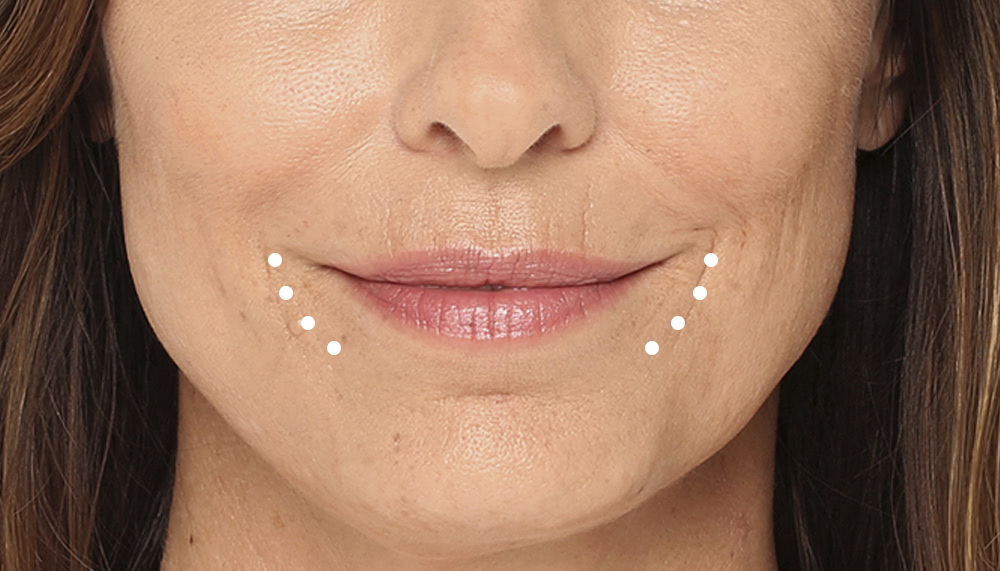
Facial feminization surgery (FFS) is a transformative procedure that many individuals consider to align their physical appearance with their gender identity. We had the opportunity to sit down with Dr. MFO, a renowned surgeon specializing in FFS, to discuss the risks, pain management, and overall experience of this surgery.
Understanding the Risks
What are the common risks associated with facial feminization surgery?
Facial feminization surgery, like any surgical procedure, carries certain risks. These can include infection, bleeding, scarring, and adverse reactions to anesthesia. However, with proper preoperative planning and postoperative care, these risks can be minimized.
How can one minimize the risks of facial feminization surgery?
Minimizing risks involves thorough preoperative assessments, choosing a qualified and experienced surgeon, and following all pre- and postoperative instructions carefully. It’s also crucial to maintain open communication with your surgical team and report any concerns immediately.
Are there long-term side effects of facial feminization surgery?
Long-term side effects are relatively rare but can include persistent swelling, numbness, or asymmetry. Most patients, however, find that these issues resolve over time and are outweighed by the benefits of the surgery.
Pain Management and Recovery
What is the typical pain level experienced after facial feminization surgery?
Pain levels can vary depending on the specific procedures performed. Generally, patients experience moderate discomfort, which can be effectively managed with prescribed pain medications. Most patients report that the pain is manageable and diminishes significantly within the first week.
How do patients manage pain during the recovery period of facial feminization surgery?
Pain management typically involves a combination of prescribed pain medications, cold compresses, and rest. It’s important to follow the surgeon’s guidelines on medication and activity levels to ensure a smooth recovery.
Are there specific procedures in facial feminization surgery that are more painful than others?
Some procedures, such as jaw contouring or forehead reconstruction, may cause more discomfort due to the extensive bone work involved. However, pain management strategies are in place to help patients through the recovery process.
Safety and Success Rates
What should patients know about the safety of facial feminization surgery?
Patients should understand that while FFS is generally safe, it is still a major surgery. Choosing a board-certified surgeon with extensive experience in FFS is crucial. Additionally, adhering to all pre- and postoperative instructions significantly enhances safety and outcomes.
How do surgeons manage complications during facial feminization surgery?
Surgeons are trained to handle complications swiftly and effectively. This includes having a comprehensive plan in place for managing any unexpected issues that arise during surgery. Postoperative follow-ups are also essential to monitor healing and address any concerns promptly.
Conclusion
Facial feminization surgery is a significant step for many individuals in their gender affirmation journey. While it carries some risks and involves a recovery period, the outcomes can be life-changing. Dr. MFO emphasizes the importance of choosing an experienced surgeon and following all medical advice to ensure the best possible results. If you’re considering FFS, thorough research and consultation with a qualified professional are key to a successful and satisfying experience.
Visit Dr.MFO Instagram profile to see real patient transformations! Get a glimpse of the incredible results achieved through facial feminization surgery and other procedures. The profile showcases before-and-after photos that highlight Dr. MFO’s expertise and artistic vision in creating natural-looking, beautiful outcomes.
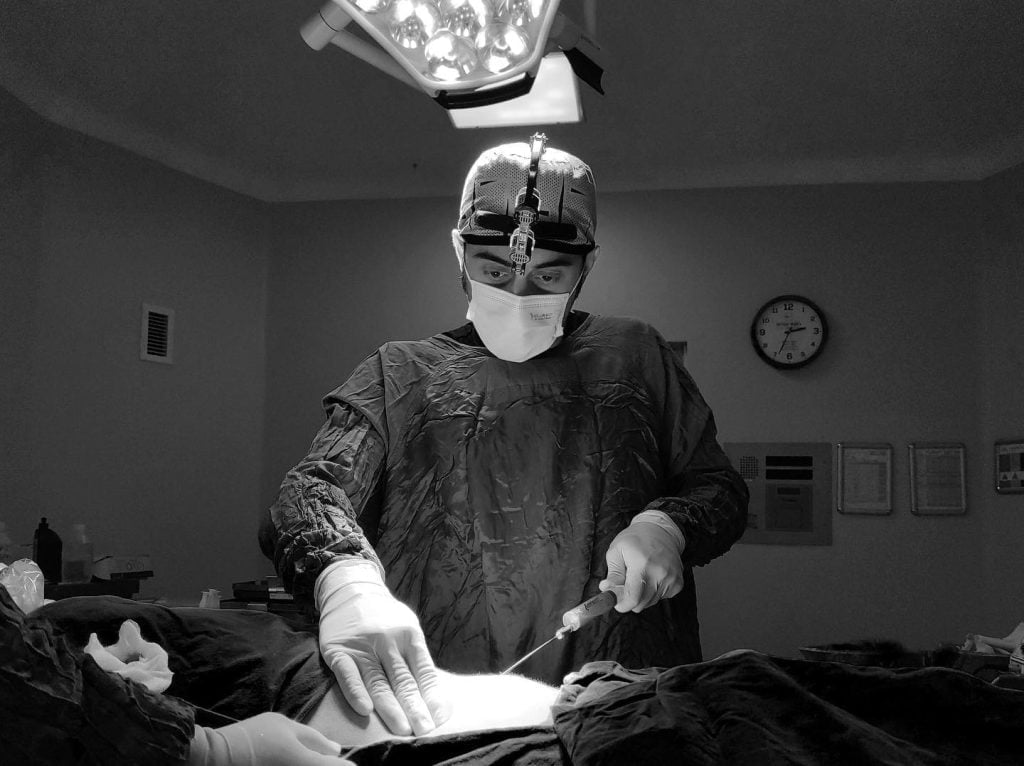
Ready to take the next step in your journey? Schedule a free consultation with Dr. MFO today. During the consultation, you can discuss your goals, ask any questions you may have, and learn more about how Dr. MFO can help you achieve your desired look. Don’t hesitate to take advantage of this free opportunity to explore your options and see if Dr. MFO is the right fit for you.
For many transgender women and non-binary individuals, the journey of gender affirmation involves aligning their physical appearance with their inner sense of self. Facial feminization surgery (FFS) is a powerful tool in this journey, offering a way to reshape facial features and create a more traditionally feminine appearance. However, despite its increasing popularity, there’s still a lot of mystery surrounding FFS. Many people are unsure about what it entails, the range of procedures involved, and what results they can realistically expect.
This lack of information can create confusion and anxiety, making it difficult to navigate the process and make informed decisions. So let’s shed some light on this transformative surgery and explore the possibilities it offers.
Introduction to Facial Feminization Surgery
Facial feminization surgery is a set of procedures designed to soften and refine facial features to create a more traditionally feminine appearance. It’s not about fitting into a narrow definition of beauty but rather about helping individuals feel more comfortable and confident in their own skin. Facial feminization surgery aims to create a harmonious balance between facial features, resulting in a more feminine and aesthetically pleasing look.
The Importance of Facial Feminization Surgery for Transgender and Non-Binary Individuals
For many transgender women and non-binary individuals, facial features can be a source of gender dysphoria, a feeling of distress or discomfort because there’s a mismatch between their gender identity and their physical appearance. Facial feminization surgery can be a deeply affirming experience, allowing individuals to finally see a reflection that aligns with their true selves. This can lead to a significant increase in self-esteem, confidence, and overall well-being.
Common Procedures in Facial Feminization Surgery
Facial feminization surgery is highly individualized, and the specific procedures chosen depend on each patient’s unique facial structure, goals, and preferences. Here are some of the most common procedures included in facial feminization surgery:
Forehead Contouring: Reshaping the Forehead and Brow Bone
Forehead contouring is a key aspect of facial feminization surgery. The forehead is a prominent feature of the face and plays a crucial role in overall facial harmony. The goals of forehead contouring are to:
Create a More Rounded Forehead: Traditionally, feminine foreheads tend to be smoother and more rounded, with a less prominent brow bone.
Reduce the Appearance of the Brow Bossing: Brow bossing is a bony prominence above the eyebrows that is more common in men. Facial feminization surgery addresses brow bossing to create a softer brow ridge, which can significantly enhance a more feminine look.
Rhinoplasty: Refining the Nose Shape
The nose is a central feature of the face, and even subtle changes to its shape can have a significant impact on overall facial appearance. Rhinoplasty, commonly known as a nose job, is a versatile procedure that can be incorporated into facial feminization surgery to:
Reduce the Size of the Nose: Traditionally, feminine noses tend to be smaller and more delicate than masculine noses. Facial feminization surgery can reduce the overall size of the nose, including its width, projection, and tip.
Refine the Shape of the Nose: Facial feminization surgery can create a more feminine nose shape by addressing the bridge, tip, and nostrils.
Cheek Augmentation: Enhancing Cheekbones
Cheeks play a key role in facial feminization surgery, contributing to a more youthful and feminine appearance. Cheek augmentation aims to:
Add Volume and Definition to the Cheeks: Fuller, more prominent cheeks are often associated with femininity. Facial feminization surgery can achieve this through various techniques like cheek implants, fat grafting, or dermal fillers.
Create a More Heart-Shaped Face: Facial feminization surgery often aims to achieve a more heart-shaped facial structure, which is typically considered more feminine. Cheek augmentation can help create this shape by adding volume to the upper part of the cheeks.
Lip Lift and Augmentation: Creating Fuller Lips
Full, well-defined lips are often considered a sign of femininity. Facial feminization surgery can enhance the lips to create a more alluring and youthful appearance:
Lip Lift: A lip lift shortens the space between the nose and the upper lip, creating the illusion of fuller lips.
Lip Augmentation: This procedure uses fillers (such as hyaluronic acid) or fat grafting to add volume and definition to the lips.
Jaw and Chin Contouring: Softening the Jawline and Chin
Jaw and chin contouring is a critical part of facial feminization surgery. It aims to:
Create a More Oval or Heart-Shaped Facial Structure: Facial feminization surgery often aims to achieve a more oval or heart-shaped facial shape, which are typically considered more feminine than a square jawline.
Reduce the Appearance of a Prominent Jaw Angle: Facial feminization surgery can soften a square or angular jawline by reshaping the jaw bone or reducing the size of the masseter muscle, which is responsible for chewing.
Refine the Chin: Facial feminization surgery can address a prominent or receding chin, creating a more balanced and feminine profile.
Tracheal Shave: Reducing the Adam’s Apple
The Adam’s apple is a prominent feature of the neck that is often associated with masculinity. A tracheal shave, also known as a chondrolaryngoplasty, is a procedure that:
Reduces the Size of the Adam’s Apple: This procedure involves shaving down the cartilage of the Adam’s apple, creating a smoother and more feminine neckline.
Additional Procedures in Facial Feminization Surgery
In addition to the core procedures described above, facial feminization surgery can also include these procedures to further enhance the results:
Hairline Advancement: Lowering the Hairline
A lower hairline can create a more feminine facial proportion. Hairline advancement involves:
Lowering the Hairline: This procedure repositions the hairline, creating a more rounded and feminine forehead shape.
Facial Hair Removal: Laser Hair Removal Options
Facial hair can be a source of distress for transgender women and some non-binary individuals. Facial hair removal aims to:
Permanently Reduce or Eliminate Facial Hair: Facial feminization surgery often incorporates laser hair removal to achieve smoother and more feminine skin.
The Surgical Process for Facial Feminization Surgery: A Personalized Journey
Facial feminization surgery is a highly personalized process, and the journey begins with a consultation with a qualified surgeon.
Pre-Surgery Consultations and Assessments
During the initial consultation, the surgeon will:
Discuss Your Goals and Expectations: It’s crucial to clearly communicate your desired outcomes and what you hope to achieve with facial feminization surgery.
Evaluate Your Facial Structure: The surgeon will carefully assess your facial anatomy, taking into account your bone structure, soft tissues, and overall facial proportions.
Review Your Medical History: This includes any past surgeries, allergies, medications, and any underlying health conditions.
Customizing the Facial Feminization Surgery Plan
Based on the initial consultation and assessments, the surgeon will:
Develop a Personalized Surgical Plan: This plan will outline the specific procedures that will be performed to achieve your desired results.
Discuss Potential Risks and Benefits: The surgeon will explain the potential benefits and risks of each procedure and the overall surgery.
Recovery and Aftercare for Facial Feminization Surgery
Recovery from facial feminization surgery varies depending on the specific procedures performed. However, in general, you can expect:
Swelling and Bruising: Swelling and bruising are common after surgery and will gradually subside over time.
Pain Management: Your surgeon will prescribe pain medication to help manage any discomfort.
Follow-Up Appointments: You’ll have regular follow-up appointments with your surgeon to monitor your healing progress.
Expected Outcomes and Benefits of Facial Feminization Surgery: A New Reflection
Facial feminization surgery can have a profound impact on both physical appearance and emotional well-being.
Physical and Psychological Benefits: A Transformation Inside and Out
A More Feminine Appearance: Facial feminization surgery can create a more harmonious and balanced facial structure that is consistent with your gender identity.
Increased Confidence and Self-Esteem: Feeling more comfortable and confident in your appearance can have a positive impact on your self-esteem and how you interact with the world.
Reduced Gender Dysphoria: For transgender women and some non-binary individuals, aligning their facial features with their gender identity can significantly reduce or even eliminate gender dysphoria.
Realistic Expectations for Facial Feminization Surgery: Understanding the Process
It’s important to have realistic expectations for facial feminization surgery:
Individualized Results: The outcomes of facial feminization surgery vary from person to person, depending on individual facial structure, the specific procedures performed, and the healing process.
A Journey of Transformation: Facial feminization surgery is often a process that involves multiple procedures performed over time.
Risks and Considerations: Making Informed Decisions
As with any surgical procedure, facial feminization surgery carries potential risks and considerations:
Potential Complications: Understanding the Risks
Infection: Any surgical procedure carries a risk of infection.
Bleeding: Bleeding is a potential complication of any surgery.
Nerve Damage: Facial nerves are delicate and can be damaged during surgery, although this is uncommon.
Scarring: Scarring is inevitable with any surgical procedure, but skilled surgeons use techniques to minimize the appearance of scars.
The Importance of Choosing a Qualified Surgeon for Facial Feminization Surgery
Choosing a qualified and experienced surgeon is essential for a successful outcome. Look for a surgeon who:
Specializes in Facial Feminization Surgery: Choose a surgeon who has a deep understanding of the nuances of facial feminization surgery for transgender women and non-binary individuals.
Has Extensive Experience: An experienced surgeon will have performed many facial feminization procedures and will have a strong understanding of the potential risks and complications.
Provides Comprehensive Care: Choose a surgeon who is committed to providing comprehensive care, including pre-surgery consultations, post-operative care, and ongoing support.
Facial Feminization Surgery: Embracing Your True Self
Facial feminization surgery can be a transformative journey for transgender women and non-binary individuals, helping them align their physical appearance with their gender identity and embrace their true selves. It’s essential to approach this journey with realistic expectations, a clear understanding of the process, and a commitment to finding a qualified and experienced surgeon who can guide you every step of the way. If you’re considering facial feminization surgery, take the time to research your options, consult with a surgeon, and ask any questions you may have. This is a personal decision, and it’s important to feel comfortable and confident in your choices.
Visit Dr.MFO Instagram profile to see real patient transformations! Get a glimpse of the incredible results achieved through facial feminization surgery and other procedures. The profile showcases before-and-after photos that highlight Dr. MFO’s expertise and artistic vision in creating natural-looking, beautiful outcomes.
Ready to take the next step in your journey? Schedule a free consultation with Dr. MFO today. During the consultation, you can discuss your goals, ask any questions you may have, and learn more about how Dr. MFO can help you achieve your desired look. Don’t hesitate to take advantage of this free opportunity to explore your options and see if Dr. MFO is the right fit for you.
What Is Facial Feminization Surgery?
Facial feminization surgery (FFS) is a set of surgical procedures designed to soften and refine facial features to create a more traditionally feminine appearance. It’s not about fitting into a narrow definition of beauty, but rather about helping individuals feel more comfortable and confident in their own skin. Facial feminization surgery aims to create a harmonious balance between facial features, resulting in a more feminine and aesthetically pleasing look.
Who Is a Good Candidate for Facial Feminization Surgery?
Facial feminization surgery is often sought by transgender women and non-binary individuals who are seeking to align their facial features with their gender identity. It’s also a good option for cisgender women who may feel that certain facial features are too masculine and want to achieve a softer, more feminine look.
What Are the Most Common Procedures in Facial Feminization Surgery?
Facial feminization surgery is highly individualized, and the specific procedures chosen depend on each patient’s unique facial structure, goals, and preferences. Here are some of the most common procedures:
Forehead Contouring: This procedure reshapes the forehead and brow bone to create a smoother and more rounded appearance.
Rhinoplasty: This procedure refines the shape of the nose to make it smaller and more delicate.
Cheek Augmentation: This procedure enhances the cheekbones to create a fuller and more feminine look.
Lip Lift and Augmentation: These procedures create fuller and more defined lips.
Jaw and Chin Contouring: These procedures soften the jawline and chin for a more feminine profile.
Tracheal Shave: This procedure reduces the size of the Adam’s apple for a smoother neckline.
What Should I Expect During the Facial Feminization Surgery Process?
The facial feminization surgery process typically involves:
Consultation: You’ll meet with a qualified facial feminization surgeon to discuss your goals, have your facial structure assessed, and review your medical history.
Surgical Plan: Your surgeon will develop a personalized surgical plan that outlines the specific procedures to be performed.
Surgery: The surgery is usually performed under general anesthesia and can take several hours.
Recovery: Recovery time varies depending on the specific procedures performed, but you can expect swelling, bruising, and some discomfort. You’ll need to follow your surgeon’s instructions for post-operative care.
What Are the Risks and Considerations of Facial Feminization Surgery?
As with any surgery, facial feminization surgery carries potential risks and considerations:
Infection
Bleeding
Nerve Damage
Scarring
Anesthesia Risks
It’s crucial to choose a qualified and experienced surgeon who specializes in facial feminization surgery to minimize these risks.
How Do I Choose a Qualified Facial Feminization Surgeon?
Look for a surgeon who:
Specializes in Facial Feminization Surgery
Has Extensive Experience
Provides Comprehensive Care
Has a Strong Track Record of Positive Patient Outcomes
Makes You Feel Comfortable and Confident
You can research surgeons online, read patient reviews, and ask for referrals from other transgender women or non-binary individuals who have undergone facial feminization surgery.
What Results Can I Expect from Facial Feminization Surgery?
Facial feminization surgery can create a more harmonious and feminine facial structure that aligns with your gender identity. This can lead to:
Increased Confidence and Self-Esteem
Reduced Gender Dysphoria
A More Positive Self-Image
Improved Social Interactions
Remember that results vary from person to person, and it’s important to have realistic expectations.
For many transgender women, the journey of gender affirmation includes achieving a more feminine appearance. And for many, this includes addressing the prominence of the Adam’s apple. This prominent cartilage in the throat is often associated with a more masculine appearance, which can be a source of discomfort and dysphoria for transgender women seeking to align their outward appearance with their inner sense of self.
Understanding the Adam’s Apple
The Adam’s apple, also known as the laryngeal prominence, is a cartilaginous structure in the front of the neck. It’s larger and more prominent in men due to hormonal changes during puberty. While the Adam’s apple is perfectly natural, it can create a visual dissonance for transgender women who are seeking a more feminine appearance.
The Anatomy of the Adam’s Apple
The Adam’s apple is made up of cartilage, a strong and flexible tissue that provides support for the larynx, which is the voice box. The cartilage surrounding the larynx, including the Adam’s apple, can vary in size and shape from person to person.
How It Impacts Facial Feminization
The Adam’s apple can be a significant visual aspect of the neck, often creating a more masculine and angular appearance. For many transgender women, reducing the prominence of the Adam’s apple is an essential step in achieving a more feminine facial contour.
Why It Matters for Trans Women
For transgender women, the Adam’s apple can be a source of discomfort and dysphoria, as it often clashes with their gender identity and their desired appearance. Reducing the prominence of the Adam’s apple can help them feel more comfortable and confident in their own bodies. This can contribute to a more harmonious and balanced facial aesthetic, enhancing their overall sense of well-being.
The Procedure: Adam’s Apple Reduction (Chondrolaryngoplasty)
Adam’s apple reduction, also known as chondrolaryngoplasty, is a surgical procedure that involves reducing the size of the Adam’s apple by carefully removing some of the cartilage. This procedure can create a smoother, more feminine neckline.
What Happens During the Procedure: A Step-by-Step Guide
Anesthesia: The procedure is typically performed under general anesthesia, ensuring the patient’s comfort and minimizing discomfort.
Incision: The surgeon makes a small incision in the lower part of the neck, usually within the natural crease of the neck.
Removing Cartilage: The surgeon carefully removes some of the cartilage from the thyroid cartilage (the Adam’s apple) using precise techniques to reshape the neck contour.
Closing the Incision: The incision is closed with sutures, which dissolve over time.
Recovery: The patient is typically monitored for a short period after the procedure and then discharged home.
The Surgical Technique: Minimally Invasive or Open Approach
Depending on the patient’s individual needs and the surgeon’s preference, the procedure can be performed using either a minimally invasive technique or an open approach.
Minimally Invasive Technique: This technique uses a smaller incision and specialized tools to minimize the impact on surrounding tissues. This approach often results in faster healing and less scarring.
Open Approach: This technique involves a larger incision to allow the surgeon greater access to the Adam’s apple. While this approach may involve a longer recovery time and potentially more scarring, it can be the best option for more complex cases.
Anesthesia: Local or General
General Anesthesia: This is the most common type of anesthesia used for Adam’s apple reduction, ensuring the patient is fully asleep and pain-free during the procedure.
Local Anesthesia: This option numbs the area around the Adam’s apple, allowing the patient to remain awake during the procedure. Local anesthesia is often used for smaller procedures.
Recovery: What to Expect After Surgery
Hospital Stay: Most Adam’s apple reduction surgeries are performed on an outpatient basis, meaning you can go home the same day.
Discomfort: You can expect some swelling, bruising, and tenderness after surgery. Your surgeon will prescribe pain medication to help manage discomfort.
Recovery Time: The healing process for an Adam’s apple reduction surgery is typically around two weeks. Most patients can return to their normal activities within a few weeks.
Voice: It’s important to follow your surgeon’s instructions for voice rest during the recovery period.
Scarring: Minimally invasive techniques typically result in less noticeable scars. Scars are usually hidden in the natural crease of the neck.
Benefits of Adam’s Apple Reduction
Adam’s apple reduction can be a transformative procedure for transgender women, offering both aesthetic and emotional benefits.
Achieving a More Feminine Neckline: A Softer, More Delicate Appearance
Adam’s apple reduction can create a smoother, more graceful neckline. This can enhance the overall feminine appearance of the face and neck, creating a more harmonious and balanced look.
Increased Confidence: Feeling More Aligned with Your Gender Identity
For many transgender women, a prominent Adam’s apple can feel like a disconnect between their inner sense of self and their physical appearance. This can lead to a lack of confidence and self-esteem. By reducing the Adam’s apple, many transgender women report feeling more comfortable and confident in their bodies, as their outward appearance is more congruent with their gender identity.
Enhanced Facial Harmony: Creating a More Balanced and Feminine Look
Reducing the Adam’s apple can contribute to a more balanced and feminine facial profile. It can accentuate other facial features, such as the cheekbones and jawline, and create a more harmonious and aesthetically pleasing overall appearance.
Potential for Improved Voice Quality: In Some Cases, a Smoother Neckline Can Help with Voice Projection
While the primary purpose of Adam’s apple reduction is aesthetic, some transgender women find that a smoother neckline can actually contribute to improved voice projection and resonance. This can be a welcome side benefit.
Cost Comparison: Adam’s Apple Reduction in Different Countries
The cost of Adam’s apple reduction surgery can vary significantly depending on the surgeon’s experience, the facility where the surgery is performed, and the location. Here is a general comparison of average costs in the U.S., U.K., and Turkey:
Country
Average Cost (USD)
United States
$6,000 – $10,000
United Kingdom
£4,000 – £7,000
Turkey
$2,500 – $5,000
Key Factors Affecting Cost:
Surgeon Experience: Highly skilled and experienced surgeons often command higher fees.
Facility: Surgery performed in specialized clinics or hospitals may have higher costs associated with the facility.
Location: The cost of living and healthcare costs in a particular region can impact the overall price of surgery.
Turkey’s Health Tourism Programme: A Cost-Effective Option
Turkey has become a popular destination for medical tourism, particularly for aesthetic surgery and facial feminization procedures. The country offers a number of advantages for international patients seeking these procedures:
Overview of the Programme: Turkey’s health tourism programme offers a streamlined and efficient experience for international patients. It includes services such as airport transfers, accommodation assistance, and even language translation support.
Access to Highly Skilled Surgeons: Turkey is home to many highly skilled and experienced surgeons who specialize in facial feminization surgery.
State-of-the-Art Facilities: Turkey has a number of modern hospitals and clinics that meet international standards for patient care and safety.
Cost Savings: The cost of facial feminization surgery in Turkey is often significantly lower than in Western countries, making it a cost-effective option for many international patients.
Finding the Right Surgeon: Key Considerations for Trans Women
Choosing the right surgeon is crucial for achieving successful and satisfying results from Adam’s apple reduction surgery. Here are some key considerations:
Experience and Expertise in Facial Feminization: Look for surgeons who have extensive experience and specialization in facial feminization surgery for transgender women. This ensures that the surgeon has a deep understanding of your specific needs and goals.
Understanding Your Goals: It’s important to communicate your desired outcomes clearly with the surgeon. Be specific about what you hope to achieve and the kind of neck contour you desire.
Consultation and Planning
Before surgery, it’s essential to have a detailed consultation with your surgeon. This is a chance to discuss your medical history, your goals, and any concerns you may have.
What to Expect in a Consultation: During the consultation, the surgeon will ask questions about your medical history, any medications you are taking, and your surgical history. They will also examine your neck and discuss your desired outcome.

Discussing Your Goals and Expectations: Be specific about what kind of neckline you want to achieve. Discuss your concerns and ask any questions you have about the procedure.
The Surgical Plan and Recovery: Your surgeon will develop a personalized surgical plan that addresses your unique needs. They will explain the procedure in detail, including the surgical technique, anesthesia, recovery, and potential risks and complications.
Complementary Procedures for a More Comprehensive Transformation
Adam’s apple reduction is often a part of a more comprehensive facial feminization plan. These complementary procedures can help create a more harmonious and balanced feminine appearance.
Cheek Augmentation: Adding volume to the cheeks can enhance the overall balance of the face, creating a more feminine profile.
Facial Liposuction: This procedure can refine the neck and jawline, further enhancing a feminine appearance.
Rhinoplasty: Reshaping the nose can also contribute to a more feminine appearance, creating a softer and more delicate look.
Final Thoughts
Adam’s apple reduction surgery is a significant step in the journey of gender affirmation for many transgender women. This procedure can help them feel more confident and comfortable in their own bodies, leading to a more harmonious and feminine appearance. If you are considering Adam’s apple reduction, be sure to choose a surgeon with experience and expertise in facial feminization surgery. Take your time, ask questions, and find a surgeon who understands your unique goals.
I hope this information has been helpful. Remember, the journey of gender affirmation is a personal one. Take the time to educate yourself about your options, and find the right healthcare professionals to support you along the way.
Visit Dr.MFO Instagram profile to see real patient transformations! Get a glimpse of the incredible results achieved through facial feminization surgery and other procedures. The profile showcases before-and-after photos that highlight Dr. MFO’s expertise and artistic vision in creating natural-looking, beautiful outcomes.
Ready to take the next step in your journey? Schedule a free consultation with Dr. MFO today. During the consultation, you can discuss your goals, ask any questions you may have, and learn more about how Dr. MFO can help you achieve your desired look. Don’t hesitate to take advantage of this free opportunity to explore your options and see if Dr. MFO is the right fit for you.
Facial feminization is more than just a surgical procedure; it’s a powerful step in a transgender woman’s journey toward self-acceptance and a more congruent appearance with their gender identity. Imagine a woman who, despite feeling feminine within, might feel a disconnect between her outward appearance and her internal sense of self. Facial feminization offers a chance to bridge that gap, to align the outside with the inside, and to feel truly comfortable in one’s own skin.
Understanding the Process
Facial feminization surgery encompasses a range of procedures, all designed to achieve a softer, more feminine look. It’s a delicate and personalized approach, with each procedure carefully chosen to address specific areas of concern.
The Symphony of Facial Features
Imagine a symphony where each instrument plays a role, creating a harmonious and beautiful whole. That’s what facial feminization surgery is all about – harmonizing the individual features of the face to create a cohesive and feminine aesthetic. This could involve procedures like:
Cheek Augmentation: This procedure adds volume to the cheeks, giving them a fuller, rounder shape. It can also help soften the jawline and create a more youthful appearance.
Chin Contouring: This procedure reshapes the chin to create a more feminine angle. It can involve reducing the chin’s size, smoothing out any prominent angles, or even adding volume to the chin.
Rhinoplasty (Nose Reshaping): This procedure can refine the shape of the nose, making it more delicate and feminine.
Brow Lift: This procedure lifts the eyebrows to create a more open and expressive look.
Hairline Correction: This procedure can create a more feminine hairline by lowering the hairline, filling in gaps, or softening the edges.
The Importance of Choosing the Right Surgeon
Finding a surgeon who deeply understands the nuances of facial feminization and has a specialized approach is crucial. This means more than just technical skill; it requires a surgeon who is sensitive to the emotional journey of transgender women and who is committed to providing the best possible results.
Cheek Augmentation: Adding Volume and Femininity
Think of the cheekbones as the framing of a portrait. They define the structure of the face and create a sense of balance. In facial feminization, cheek augmentation can enhance this framing, softening the lines and adding a gentle fullness that is characteristic of feminine features.
Cheek Augmentation Techniques Explained
To achieve this delicate enhancement, surgeons use a variety of techniques:
Cheek Implants: Cheek implants are like custom-designed pieces that are placed beneath the cheekbones to add volume and definition. These implants are usually made of medical-grade silicone or porous polyethylene and can be designed to fit your unique facial structure.
Fat Grafting: Imagine using your own body’s natural beauty to create a more feminine look. That’s what fat grafting does. Fat is harvested from a donor site, typically the abdomen, thighs, or buttocks, and then carefully injected into the cheeks. It’s like using a natural filler to achieve a subtle and harmonious result.
Fillers: Injectable fillers, such as hyaluronic acid, are non-surgical options that can add volume and contour to the cheeks. While fillers don’t offer permanent results, they are a great way to see how cheek augmentation might look and to explore your options before committing to a more permanent procedure.
The Benefits of Cheek Augmentation
Beyond the aesthetic enhancement, cheek augmentation can bring:
A Softer, More Youthful Look: The added volume can diminish the appearance of fine lines and wrinkles, creating a smoother, more youthful appearance.
Balanced Facial Proportions: Cheek augmentation can help balance the overall proportions of the face, creating a more harmonious and feminine look.
Increased Confidence: By achieving a facial appearance that is more aligned with their gender identity, many transgender women report increased confidence and self-esteem.
Considerations for Cheek Augmentation
As with any surgical procedure, cheek augmentation comes with potential risks and considerations:
Finding the Right Surgeon: It’s crucial to choose a surgeon who is skilled and experienced in facial feminization and cheek augmentation techniques.
Recovery: You can expect some swelling, bruising, and discomfort after surgery. These side effects will gradually subside over time.
Potential Risks and Side Effects: It’s important to discuss any potential risks or side effects with your surgeon.
Facial Liposuction: Sculpting a Feminine Silhouette
Facial liposuction refines the contours of the face by carefully removing excess fat from specific areas. It helps to achieve a more defined jawline, a more sculpted cheekbone structure, and a more delicate overall appearance.
Understanding the Techniques
There are several techniques used for facial liposuction:
Tumescent Liposuction: This technique involves injecting the area with a special solution that numbs the area, reduces bleeding, and makes the fat easier to remove.
Laser Liposuction: This technique uses lasers to liquefy the fat before it’s removed.
The Benefits of Facial Liposuction
Beyond achieving a more refined facial shape, facial liposuction can bring:
A More Defined Jawline: Facial liposuction can refine the jawline, creating a more delicate and feminine profile.
Improved Facial Symmetry: Facial liposuction can help correct any asymmetry in the face, resulting in a more balanced and symmetrical appearance.
Enhanced Facial Features: Facial liposuction can accentuate other facial features, such as the cheekbones and the eyes, resulting in a more striking and feminine look.
Increased Confidence: As with cheek augmentation, many transgender women report a significant increase in confidence after facial liposuction, feeling more comfortable and happy with their appearance.
Considerations for Facial Liposuction
Facial liposuction, like any surgical procedure, has associated risks and considerations:
Finding the Right Surgeon: It’s crucial to choose a surgeon who is experienced and skilled in facial liposuction and who has a good understanding of facial feminization.
Recovery: You can expect some swelling, bruising, and discomfort after surgery. These side effects will gradually subside over time.
Potential Risks and Side Effects: It’s important to discuss any potential risks or side effects with your surgeon.
Combining Cheek Augmentation and Facial Liposuction for Harmonious Results
Imagine a sculptor carefully shaping clay to create a masterpiece. That’s how cheek augmentation and facial liposuction can work together to achieve a truly feminine facial profile.
A Balanced Approach for Stunning Results
Cheek augmentation adds volume, creating a fuller, more feminine shape. Facial liposuction sculpts the face, refining the contours and creating a more defined look. Together, these procedures can:
Create a More Balanced and Proportional Face: They work together to balance out any areas where there is too much or too little volume, resulting in a more harmonious and feminine appearance.
Achieve a More Natural-Looking Result: By using both techniques, surgeons can create a more natural-looking transformation, avoiding any overly dramatic or artificial results.
Shorten Recovery Time: Sometimes, combining these procedures can shorten the overall recovery time, since they can be performed during the same surgical procedure.
Choosing the Right Approach for You
The best approach for you will depend on your individual facial features, your goals, and your preferences. It’s important to have a detailed consultation with a facial feminization surgeon who can help you understand the benefits and risks of each procedure and determine the best course of action for you.
Facing the Future with Confidence
The journey of facial feminization is a journey of self-discovery, self-acceptance, and self-love. It’s about embracing your true self and celebrating your unique beauty. While the decision to undergo facial feminization surgery is a personal one, it can be a powerful step in achieving a more congruent and comfortable relationship with your own reflection.
If you are a transgender woman considering facial feminization surgery, I encourage you to reach out to a qualified and experienced facial feminization surgeon to learn more about the process and its potential benefits.
Visit Dr.MFO Instagram profile to see real patient transformations! Get a glimpse of the incredible results achieved through facial feminization surgery and other procedures. The profile showcases before-and-after photos that highlight Dr. MFO’s expertise and artistic vision in creating natural-looking, beautiful outcomes.
Ready to take the next step in your journey? Schedule a free consultation with Dr. MFO today. During the consultation, you can discuss your goals, ask any questions you may have, and learn more about how Dr. MFO can help you achieve your desired look. Don’t hesitate to take advantage of this free opportunity to explore your options and see if Dr. MFO is the right fit for you.
What is Facial Feminization? Facial Feminization is a comprehensive surgical approach designed to enhance specific facial features, making them appear more traditionally feminine. This procedure is sought after by individuals who identify as cisgender and desire a more feminine facial aesthetic.
Why Cisgender Individuals Opt for Facial Feminization Cisgender individuals may choose to undergo Facial Feminization for a variety of reasons. These can range from personal desire to enhance their appearance to seeking to feel more aligned with their gender identity. Additionally, Facial Feminization can boost confidence and self-esteem.
Key Facial Features in Feminization Facial Feminization surgeries focus on altering various facial features, including the forehead, nose, cheeks, chin, and jawline. The goal is to create a softer, more delicate and feminine appearance. One of the most impactful and visible changes comes from enhancing the appearance of the eyelids.
The Role of Eyelids in Facial Feminization
Importance of Eyelid Appearance Eyelids play a crucial role in shaping the overall appearance of the face. They frame the eyes, and their shape and size directly impact the overall expression. Eyelids that are too heavy, hooded, or have excess skin can create a tired or aged look. This can make achieving a feminine facial aesthetic more challenging.
Common Eyelid Concerns Addressed in Feminization Common eyelid concerns addressed in Facial Feminization include:
Hooded Eyes: Excess skin and fat above the crease can make the eyes appear smaller and create a hooded appearance.
Drooping Upper Eyelids: Age, genetics, and weight fluctuations can lead to drooping upper eyelids, making the eyes appear tired and smaller.
Excess Skin on Lower Eyelids: Excess skin on the lower eyelids can create a ‘baggy’ appearance, giving the impression of being tired or older.
Blepharoplasty: A Key Procedure
What is Blepharoplasty? Blepharoplasty, commonly known as eyelid surgery, is a surgical procedure that focuses on enhancing the appearance of the eyelids. It involves removing excess skin, fat, or muscle to create a more youthful and feminine appearance.
Types of Blepharoplasty Blepharoplasty can be performed on the upper eyelids, the lower eyelids, or both.
Upper Blepharoplasty: This procedure focuses on removing excess skin and fat from the upper eyelids, creating a more defined and open eye.
Lower Blepharoplasty: This procedure focuses on removing excess skin and fat from the lower eyelids, reducing the appearance of bags and wrinkles.
Double Eyelid Surgery: This procedure, also known as ‘Epicanthoplasty,’ is performed to create a crease in the upper eyelid, for individuals who desire a more defined and Western-style eyelid appearance.
Benefits of Blepharoplasty in Facial Feminization Blepharoplasty is a valuable tool for achieving a more feminine facial appearance. It can:
Enhance Eyelid Shape: Blepharoplasty can create a more defined and symmetrical eyelid shape, making the eyes appear larger and more open.
Reduce Signs of Aging: Blepharoplasty can effectively address signs of aging around the eyes, such as hooded eyelids, drooping eyelids, and bags under the eyes.
Boost Confidence: Feeling good about one’s appearance can significantly boost self-esteem and confidence, leading to a more positive outlook on life.
The Procedure and Recovery
Pre-Surgery Preparations Before your Blepharoplasty procedure, your surgeon will conduct a thorough consultation and examination to discuss your specific needs and goals. You will be required to undergo blood tests and potentially other medical assessments. It is crucial to avoid smoking for at least two weeks before the surgery. Additionally, you will need to stop taking blood thinners like aspirin a week or two before surgery.
The Blepharoplasty Procedure: Step-by-Step The Blepharoplasty procedure is typically performed as an outpatient procedure under local anesthesia.
Marking and Anesthesia: Your surgeon will mark the areas to be treated and administer local anesthesia to numb the eyelids.
Incisions: Your surgeon will make incisions in the upper or lower eyelids, depending on the type of Blepharoplasty being performed.
Excision: Excess skin, fat, or muscle will be carefully removed through these incisions.
Closure: Your surgeon will meticulously close the incisions with fine sutures.
Post-Surgery Care and Recovery Tips After your Blepharoplasty procedure, your surgeon will provide detailed instructions for post-operative care.
Expect Some Swelling and Bruising: Swelling and bruising are common after Blepharoplasty and should subside gradually over a few weeks.
Apply Cold Compresses: Applying cold compresses to the eyelids can help reduce swelling.
Keep Your Head Elevated: Sleeping with your head elevated can also help minimize swelling.
Avoid Rubbing Your Eyes: It is essential to avoid rubbing or touching your eyes, as this can irritate the incisions.
Follow Your Surgeon’s Instructions: Follow your surgeon’s instructions for medication, wound care, and follow-up appointments carefully.
Results and Expectations
Before and After: Realistic Expectations It is important to have realistic expectations about the outcome of your Blepharoplasty. Your surgeon will discuss your individual goals and provide you with a realistic assessment of what you can expect. Remember, the aim is to create a more youthful, refreshed, and feminine eyelid appearance, not to completely transform your features.
Long-Term Benefits of Blepharoplasty Blepharoplasty can provide long-term benefits for improving eyelid appearance, boosting confidence, and enhancing overall facial aesthetics. These benefits can last for several years, and many individuals experience a significant improvement in their quality of life after the procedure.
Patient Testimonials and Success Stories Reading patient testimonials and success stories can be a powerful source of inspiration and reassurance. Sharing the experiences of others who have undergone the same procedure can help you understand the process and potential outcomes better.
Choosing the Right Surgeon
What to Look for in a Facial Feminization Surgeon Choosing the right surgeon is crucial for a successful and safe outcome.
Experience: Look for a surgeon with extensive experience in Facial Feminization and Blepharoplasty specifically.
Specialization: Choose a surgeon who specializes in facial aesthetics and cosmetic surgery, particularly Facial Feminization.
Credentials: Ensure that your surgeon is board-certified by the American Board of Facial Plastic and Reconstructive Surgery (ABFPRS) or the American Board of Plastic Surgery (ABPS).
Questions to Ask During Consultation During your consultation, be sure to ask your surgeon:
What is your experience with Facial Feminization and Blepharoplasty?
What are the risks and potential complications of the procedure?
What is the recovery process like?
How long will it take for the results to be visible?
What is the cost of the procedure?
What payment options are available?
How many other Facial Feminization procedures have you performed?
Certifications and Experience Make sure that your surgeon has the necessary certifications and experience to perform your procedure safely and effectively. You can check the ABFPRS and ABPS websites for information about board-certified surgeons in your area.
Conclusion
Cisgender Facial Feminization, particularly when combined with Blepharoplasty, can be a transformative experience, helping individuals achieve a more feminine facial appearance and boost their confidence. It’s important to thoroughly research and understand the procedure, choose a qualified surgeon, and have realistic expectations about the results. With careful planning and skilled execution, Cisgender Facial Feminization, with Blepharoplasty, can be a life-changing decision, enhancing both your outward appearance and your inner sense of self.
Visit Dr.MFO Instagram profile to see real patient transformations! Get a glimpse of the incredible results achieved through facial feminization surgery and other procedures. The profile showcases before-and-after photos that highlight Dr. MFO’s expertise and artistic vision in creating natural-looking, beautiful outcomes.
Ready to take the next step in your journey? Schedule a free consultation with Dr. MFO today. During the consultation, you can discuss your goals, ask any questions you may have, and learn more about how Dr. MFO can help you achieve your desired look. Don’t hesitate to take advantage of this free opportunity to explore your options and see if Dr. MFO is the right fit for you.
Frequently Asked Questions About Cisgender Facial Feminization
What is Cisgender Facial Feminization?
Cisgender Facial Feminization is a specialized surgical approach that focuses on enhancing specific facial features, making them appear more traditionally feminine. It is a popular choice for cisgender individuals who desire a more feminine facial aesthetic, aligning their appearance with their gender identity. This procedure involves a series of surgical techniques that address various facial features, including the forehead, nose, cheeks, chin, and jawline, to create a softer, more delicate and feminine appearance.
Why do Cisgender Individuals Opt for Facial Feminization?
Cisgender individuals choose to undergo Facial Feminization for a variety of personal reasons. Many seek to enhance their appearance and feel more confident in their own skin. Some desire to feel more aligned with their gender identity, while others may simply wish to achieve a more youthful and refreshed look. Whatever the motivation, Facial Feminization can be a transformative experience, boosting self-esteem and improving overall quality of life.
What are the Key Facial Features Targeted in Facial Feminization?
Facial Feminization procedures often address multiple facial features to achieve a harmonious and feminine appearance. Some common areas of focus include:
Forehead: Reducing a prominent forehead can create a softer and more delicate appearance.
Nose: Reshaping the nose to create a narrower bridge and more refined tip can enhance feminine facial features.
Cheeks: Adding volume to the cheeks can create a more youthful and full appearance, emphasizing feminine contours.
Chin: Reshaping the chin can create a more delicate and defined jawline.
Jawline: Contouring the jawline to create a softer and less angular appearance can further enhance feminine facial features.
What are the Common Eyelid Concerns Addressed in Facial Feminization?
While Facial Feminization addresses a variety of facial features, the eyelids play a crucial role in achieving a feminine look. Some common eyelid concerns addressed during Facial Feminization include:
Hooded Eyes: Excess skin and fat above the crease can make the eyes appear smaller and create a hooded appearance. This can often create a tired or aged look.
Drooping Upper Eyelids: Age, genetics, and weight fluctuations can lead to drooping upper eyelids, making the eyes appear tired and smaller.
Excess Skin on Lower Eyelids: Excess skin on the lower eyelids can create a ‘baggy’ appearance, giving the impression of being tired or older.
These concerns are often addressed through Blepharoplasty, a surgical procedure specifically designed to enhance the appearance of the eyelids.
How Can Facial Feminization Enhance Eyelid Appearance?
Blepharoplasty, commonly known as eyelid surgery, is a key procedure in Facial Feminization, playing a vital role in achieving a more feminine and youthful look. Blepharoplasty involves removing excess skin, fat, or muscle from the upper or lower eyelids, depending on the individual’s needs and desired outcome. It can effectively:
Enhance Eyelid Shape: Create a more defined and symmetrical eyelid shape, making the eyes appear larger and more open.
Reduce Signs of Aging: Address signs of aging around the eyes, such as hooded eyelids, drooping eyelids, and bags under the eyes.
Boost Confidence: Feeling good about one’s appearance can significantly boost self-esteem and confidence, leading to a more positive outlook on life.
What are Some Benefits of Facial Feminization?
Facial Feminization can have significant benefits for cisgender individuals seeking a more feminine appearance, including:
Enhanced Facial Aesthetics: Facial Feminization can create a more balanced, harmonious, and feminine facial aesthetic, leading to a more youthful and refreshed appearance.
Increased Self-Confidence: Feeling more aligned with one’s appearance can significantly boost self-esteem and confidence. This can positively impact various aspects of life, from personal relationships to career opportunities.
Improved Quality of Life: Achieving a more feminine facial appearance can lead to a more positive outlook on life, contributing to overall well-being and happiness.
Is Facial Feminization a Safe Procedure?
Facial Feminization is generally considered a safe procedure when performed by a qualified and experienced surgeon. As with any surgical procedure, there are risks and potential complications. It is crucial to discuss these with your surgeon during your consultation to make informed decisions about your treatment.
How Can I Choose the Right Surgeon for Facial Feminization?
Choosing the right surgeon for Facial Feminization is crucial for a successful and safe outcome. Here are some factors to consider:
Experience: Look for a surgeon with extensive experience in Facial Feminization and Blepharoplasty specifically.
Specialization: Choose a surgeon who specializes in facial aesthetics and cosmetic surgery, particularly Facial Feminization.
Credentials: Ensure that your surgeon is board-certified by the American Board of Facial Plastic and Reconstructive Surgery (ABFPRS) or the American Board of Plastic Surgery (ABPS).
What Should I Ask My Surgeon During Consultation?
During your consultation, be sure to ask your surgeon:
What is your experience with Facial Feminization and Blepharoplasty?
What are the risks and potential complications of the procedure?
What is the recovery process like?
How long will it take for the results to be visible?
What is the cost of the procedure?
What payment options are available?
How many other Facial Feminization procedures have you performed?
By carefully considering these factors, you can increase the likelihood of finding a qualified and experienced surgeon who can help you achieve your desired results.
Understanding the factors that influence the cost of Facial Feminization Surgery (FFS) is crucial for anyone considering this transformative procedure. This blog post will delve into the various elements that contribute to FFS cost, providing a comprehensive overview.
The Role of Surgical Complexity
Types of Procedures Involved
FFS encompasses a range of procedures, each with its own complexity and cost. Common surgeries include forehead contouring, rhinoplasty, and jaw reshaping. The more complex the procedure, the higher the FFS cost. Surgeons must consider the intricacies of each operation, which directly impacts the overall expense.
Surgeon’s Expertise and Experience
A surgeon’s expertise significantly influences FFS cost. Highly experienced surgeons with specialized training in FFS often charge more due to their advanced skills and successful track records. Patients should prioritize quality and experience to ensure optimal results.
Geographic Location and Facility Quality
Regional Cost Variations
Geographic location plays a pivotal role in determining FFS cost. Urban areas with higher living costs typically see elevated surgical fees. Conversely, rural areas may offer lower prices. However, patients must weigh the benefits of traveling to a reputable surgeon against potential cost savings.
Quality of Medical Facilities
The quality of the medical facility also affects FFS cost. State-of-the-art clinics with advanced technology and comprehensive care services tend to charge more. Patients should consider the facility’s reputation and the level of post-operative care provided.
Pre-Operative and Post-Operative Care
Initial Consultations and Assessments
Initial consultations and assessments form a significant part of the FFS cost. These sessions involve detailed evaluations and planning, ensuring the surgeon understands the patient’s goals and medical history. Comprehensive assessments lead to personalized surgical plans, enhancing the likelihood of satisfactory outcomes.
Follow-Up Appointments and Recovery
Post-operative care, including follow-up appointments and recovery support, adds to the FFS cost. Effective recovery plans and regular check-ups are essential for monitoring progress and addressing any complications. Investing in thorough post-operative care ensures long-term success and patient satisfaction.
Additional Factors Influencing FFS Cost
Anesthesia and Operating Room Fees
Anesthesia and operating room fees constitute a substantial portion of the FFS cost. The type of anesthesia used and the duration of the surgery impact these fees. Patients should discuss these aspects with their surgeon to understand the full scope of costs involved.
Ancillary Services and Support
Ancillary services, such as psychological support and nutritional counseling, also influence FFS cost. These services provide holistic care, addressing the patient’s mental and physical well-being. Comprehensive support services contribute to a smoother surgical journey and better overall outcomes.
To provide a clearer picture of the potential costs, here is a comparison table of typical FFS costs based on various factors:
Factor
Low Range (USD)
High Range (USD)
Surgeon’s Fees
$10,000
$50,000
Geographic Location
$8,000
$45,000
Type of Procedures
$5,000
$40,000
Facility Fees and Anesthesia
$3,000
$15,000
Pre- and Post-Operative Care
$2,000
$10,000
Additional Costs
$1,000
$5,000
Conclusion
Understanding the various factors that influence FFS cost helps patients make informed decisions. By considering surgical complexity, geographic location, facility quality, and additional care services, individuals can better plan for their FFS journey. Prioritizing experienced surgeons and comprehensive care ensures the best possible results, making the investment in FFS worthwhile.
Visit Dr.MFO Instagram profile to see real patient transformations! Get a glimpse of the incredible results achieved through facial feminization surgery and other procedures. The profile showcases before-and-after photos that highlight Dr. MFO’s expertise and artistic vision in creating natural-looking, beautiful outcomes.
Ready to take the next step in your journey? Schedule a free consultation with Dr. MFO today. During the consultation, you can discuss your goals, ask any questions you may have, and learn more about how Dr. MFO can help you achieve your desired look. Don’t hesitate to take advantage of this free opportunity to explore your options and see if Dr. MFO is the right fit for you.
FAQ: Breaking Down the Basics: What Influences FFS Cost?
How does the surgeon’s expertise and reputation affect FFS cost?
The surgeon’s expertise and reputation significantly impact FFS cost. Highly experienced surgeons with a strong reputation often charge higher fees due to their extensive training, years of practice, and successful track records. Prioritizing quality and safety over cost is crucial when selecting a surgeon.
Why does geographic location influence FFS cost?
Geographic location plays a vital role in determining FFS cost. Procedures performed in metropolitan areas or regions with a high cost of living tend to be more expensive. Conversely, surgeries in less populated or rural areas may be more affordable. Travel expenses should also be considered when evaluating overall costs.
What types of procedures are included in FFS, and how do they affect the cost?
Common procedures in FFS include forehead contouring, rhinoplasty, and jaw reshaping. Each procedure has its own cost, and combining multiple procedures can increase the overall expense. Discussing goals with the surgeon helps determine the most cost-effective approach.
How do facility fees and anesthesia costs contribute to the overall FFS cost?
Facility fees and anesthesia costs cover the use of the surgical facility, medical staff, and anesthesia services. High-quality facilities with advanced equipment and experienced staff may charge higher fees. Patients should inquire about these costs during their consultation.
What is included in pre- and post-operative care, and how does it influence FFS cost?
Pre-operative care includes consultations, medical evaluations, and necessary tests. Post-operative care involves follow-up visits, medications, and potential additional treatments. Comprehensive care ensures optimal results and patient safety, influencing the total cost.
Can insurance coverage reduce FFS cost?
Insurance coverage can significantly impact FFS cost. Some insurance plans may cover part or all of the procedure, reducing out-of-pocket expenses. However, coverage varies widely, so patients should thoroughly review their insurance policies and consult with their providers to understand their benefits.
What additional costs should patients consider when planning for FFS?
Patients should consider additional costs such as travel, accommodation, and time off work. These expenses can add up quickly and should be factored into the overall budget. Planning ahead and budgeting for these costs can help alleviate financial stress.
What financing options are available to manage FFS cost?
A8: Many patients explore financing options such as payment plans, medical loans, and credit options to manage FFS cost. Researching and comparing financing options can help patients find the best solution for their financial situation.
The quest for achieving captivating, almond-shaped eyes often leads individuals to explore the transformative power of the cat eye lift. This sought-after procedure, frequently combined with other facial feminization surgery (FFS) techniques, can dramatically enhance your facial aesthetics. This comprehensive guide delves into the intricacies of the cat eye lift, the comprehensive approach of FFS, and the compelling reasons why combining these procedures can elevate your look and boost your confidence.
1. Understanding the Cat Eye Lift: Unveiling the Secrets of Enchanting Eyes
What is a Cat Eye Lift?
The cat eye lift, also known as canthoplasty or lateral canthopexy, is a surgical procedure designed to reshape the outer corner of the eye, creating a more elongated and upturned appearance often associated with femininity and allure.
The Benefits of a Cat Eye Lift: Why Choose This Procedure?
The cat eye lift offers a multitude of benefits, including:
Elevated and Youthful Appearance: By lifting the outer corner of the eye, canthoplasty combats drooping eyelids, creating a more youthful and alert appearance.
Enhanced Femininity: The almond-shaped eye achieved through canthoplasty is often perceived as a hallmark of femininity, enhancing the overall appeal of the face.
Balanced Eye Shape: By reducing scleral show (the white showing below the iris), canthoplasty creates a more balanced and harmonious eye shape, improving symmetry and aesthetics.
The Cat Eye Lift Recovery Process: Embracing the Transformation
Following the procedure, you can expect:
Swelling and Bruising: Common and temporary side effects that gradually subside over the following weeks.
Discomfort: Typically minimal and managed with pain medication.
Sutures: These will be removed within a week or two.
Cat Eye Lift Before and After Photos: Visualizing the Transformation
Reviewing before-and-after photos of previous patients can help you visualize the potential outcomes of the cat eye lift and see how it can enhance your unique features.
Is a Cat Eye Lift Right for You?
If you desire a more elongated, upturned, and feminine eye shape, and you’re in good overall health, a cat eye lift might be the perfect solution for you. Consult with a qualified surgeon to determine your candidacy and discuss your goals.
2. Understanding Facial Feminization Surgery (FFS): A Comprehensive Approach
Facial feminization surgery (FFS) encompasses a collection of procedures designed to soften and refine masculine facial features, creating a more harmonious and feminine facial appearance.
What is Facial Feminization Surgery?
FFS involves reshaping the facial bones and soft tissues to achieve a more balanced and aesthetically pleasing feminine look.
FFS Procedures: A Breakdown of Transformative Techniques
FFS typically includes procedures that target:
Forehead:Forehead contouring (brow bone reduction) creates a smoother and more feminine forehead, often considered a hallmark of femininity.
Nose:Rhinoplasty refines the nose, reducing its size, refining the tip, and adjusting the angle for a more delicate and feminine look.
Cheeks:Cheek augmentation using implants or fat grafting creates fuller and more prominent cheeks, often associated with femininity.
Jawline:Jaw reduction surgery softens the jawline, creating a more oval and feminine facial shape.
Chin:Chin reduction or augmentation balances the chin with other facial features, creating a more harmonious profile.
The Benefits of FFS: Embracing a More Feminine You
FFS offers profound benefits, including:
Enhanced Femininity: By refining and balancing facial features, FFS creates a more distinctly feminine appearance.
Improved Self-Confidence: Achieving a desired look can significantly boost self-esteem and confidence.
Harmonious Facial Balance: FFS creates a more balanced and aesthetically pleasing face, enhancing overall attractiveness.
FFS Recovery Process: Embracing the Transformation
Recovery from FFS varies depending on the specific procedures performed, but generally involves:
Swelling and Bruising: These are common side effects and gradually subside over the following weeks.
Pain Management: Your surgeon will prescribe pain medication to manage discomfort.
Downtime: Expect some downtime for healing, with a gradual return to activities as you recover.
Is FFS Right for You?
If you desire a more feminine facial appearance and are in good overall health, FFS may be the right solution for you. Consult with a qualified surgeon to discuss your goals and determine the best approach for your unique needs.
3. Combining Cat Eye Lift and FFS: A Powerful Synergy for Facial Harmony
Combining the cat eye lift with other FFS procedures creates a synergistic effect, enhancing overall facial harmony and achieving a more comprehensive transformation.
The Benefits of Combining Procedures: Why Consider This Approach?
Enhanced Femininity: The combined procedures create a more cohesive and balanced feminine look.
Streamlined Recovery: Combining procedures allows for a single anesthesia session and recovery period, minimizing downtime.
Planning Your Combined Procedure: A Personalized Approach
Your surgeon will work closely with you to create a customized surgical plan, integrating canthoplasty with other FFS procedures tailored to your unique anatomy and desired outcomes.
Recovery: Embracing the Transformation
Recovery from combined procedures may involve slightly longer downtime, but the overall process is similar to that of individual procedures.
Results: Unveiling Your New Look
The combined effects of cat eye lift and FFS create a more harmonious and feminine facial appearance, enhancing your overall beauty and boosting your confidence.
Tips for a Successful Combined Procedure: Maximizing Your Outcomes
Choose a Qualified Surgeon: Expertise in both canthoplasty and FFS is crucial.
Communicate Openly: Share your aesthetic goals and expectations clearly with your surgeon.
Follow Instructions Diligently: Adhere to pre- and post-operative instructions for optimal healing and results.
4. Choosing the Right Surgeon: Your Partner in Transformation
Qualifications: Expertise and Artistry
Essential qualifications to look for in a surgeon:
Board Certification: Ensures the surgeon has met rigorous training standards and demonstrates a commitment to ethical practice.
Specialized Expertise: Look for a surgeon who specializes in facial feminization surgery and canthoplasty.
Aesthetic Eye: Assess the surgeon’s aesthetic style by reviewing before-and-after photos of previous patients.
Researching Surgeons in Turkey: Finding the Best Fit
Online Resources: Utilize resources like RealSelf, Google Reviews, and the surgeon’s website to research their credentials, experience, and patient testimonials.
Professional Organizations: Check if the surgeon is a member of reputable organizations like the International Society of Aesthetic Plastic Surgery (ISAPS).
Referrals: Seek referrals from friends, family, or other healthcare professionals.
Consultation: A Vital Step in Your Journey
During your consultation:
Discuss Your Goals and Concerns: Openly communicate your desired outcomes and any concerns you may have.
Review Before-and-After Photos: Discuss the surgeon’s aesthetic approach and ask to see examples of their previous work.
Ask Questions: Don’t hesitate to ask about the procedure, risks, recovery, and costs.
Choosing Your Surgeon: Trust and Expertise
Ultimately, choosing the right surgeon is a personal decision. Look for a surgeon who:
Understands your vision
Makes you feel comfortable and confident
Has a proven track record of successful results
Patient Reviews and Testimonials: Real Voices, Real Experiences
Reading reviews and testimonials from previous patients can provide valuable insights into the surgeon’s expertise, bedside manner, and overall patient satisfaction.
5. Preparing for Your Procedure: Setting the Stage for Success
Pre-Procedure Consultations: Planning Your Journey
Your consultations will involve:
Medical History Review: Discuss your health history, current medications, and any allergies.
Facial Analysis: The surgeon will assess your facial structure, skin tone, and existing features.
Surgical Plan Discussion: The surgeon will present a detailed surgical plan, including the specific techniques and expected outcomes.
Pre-Procedure Tests and Examinations: Ensuring Your Safety
You’ll undergo necessary tests to assess your overall health and suitability for surgery. These may include:
Blood Work: To check for any underlying medical conditions.
Imaging Studies: X-rays or CT scans to assess bone structure.
Electrocardiogram (ECG): To assess heart health.
Preparing Your Body for Surgery: Promoting Optimal Healing
Your surgeon will provide specific pre-operative instructions, including:
Dietary guidelines: What to eat and drink in the days leading up to surgery.
Medication adjustments: You may need to stop or adjust certain medications, like blood thinners, before surgery.
Lifestyle modifications: Quitting smoking is crucial for optimal healing.
Managing Pre-Procedure Anxiety: Finding Calm and Confidence
It’s normal to feel anxious before surgery. Practice relaxation techniques, such as:
Deep Breathing: Slow, deep breaths can calm your nervous system.
Meditation: Mindfulness meditation can help to reduce anxiety.
Visualization: Visualize a successful surgery and a smooth recovery.
What to Expect on the Day of Surgery: A Step-by-Step Guide
Your surgeon will provide a detailed timeline of what to expect on the day of surgery, including:
Arrival time and check-in procedures
Anesthesia administration
Surgical process
Post-operative care and recovery
6. Aftercare and Recovery: Embracing the Transformation
Post-Surgery Care Instructions: Your Guide to Optimal Healing
Your surgeon will provide detailed post-operative instructions, including:
Wound Care: How to clean and care for the incisions.
Medications: Instructions on taking prescribed medications for pain management and to prevent infection.
Activity Restrictions: Guidelines on activities to avoid during recovery, such as strenuous exercise or heavy lifting.
Managing Pain and Discomfort: Prioritizing Your Well-Being
You’ll be prescribed pain medication to manage any discomfort during the recovery period. Additionally, applying cold compresses to the surgical areas can help to minimize swelling and pain.
Recovery Timeline: A Gradual Return to Normal
Recovery time varies depending on the extent of the procedures performed.
Initial Healing: Most swelling and bruising will subside within the first few weeks.
Return to Activities: You can typically return to work and most activities within two weeks, with a gradual return to more strenuous activities as you heal.
Final Results: The full effects of the surgery, including the results of canthoplasty, will become apparent within a few months as the swelling completely resolves and the tissues settle.
When to Contact Your Surgeon: Staying Vigilant for Optimal Recovery
It’s crucial to be mindful of any unusual symptoms or signs of complications. Contact your surgeon immediately if you experience:
Increased swelling, pain, or redness
Drainage from the incisions
Fever
Vision changes
Any other concerning symptoms
Combining the cat eye lift with facial feminization surgery offers a powerful path to achieving facial harmony and enhancing feminine features. By choosing a qualified surgeon, preparing thoroughly, and understanding the recovery process, you can maximize the benefits of these transformative procedures.
Visit Dr.MFO Instagram profile to see real patient transformations! Get a glimpse of the incredible results achieved through facial feminization surgery and other procedures. The profile showcases before-and-after photos that highlight Dr. MFO’s expertise and artistic vision in creating natural-looking, beautiful outcomes.
Ready to take the next step in your journey? Schedule a free consultation with Dr. MFO today. During the consultation, you can discuss your goals, ask any questions you may have, and learn more about how Dr. MFO can help you achieve your desired look. Don’t hesitate to take advantage of this free opportunity to explore your options and see if Dr. MFO is the right fit for you.
Frequently Asked Questions About Cat Eye Lift and Facial Feminization Surgery
Q: What is the difference between a cat eye lift and a blepharoplasty?
A: A cat eye lift, or canthoplasty, focuses on reshaping the outer corner of the eye to create an elongated, upturned look. A blepharoplasty, on the other hand, removes excess skin and fat from the upper and/or lower eyelids to address sagging and puffiness.
Q: Is a cat eye lift painful?
A: The procedure is performed under anesthesia, so you won’t feel any pain during surgery. You may experience some discomfort and swelling after the procedure, which is typically managed with pain medication.
Q: How long does it take to recover from a cat eye lift?
A: Most of the swelling and bruising subside within a few weeks. You can usually return to work and most activities within two weeks, but it’s essential to avoid strenuous activities for several weeks.
Q: What is involved in facial feminization surgery?
A: Facial feminization surgery (FFS) is a collection of procedures tailored to create a more feminine facial appearance. This can include procedures like forehead contouring, rhinoplasty, cheek augmentation, jaw contouring, and chin refinement.
Q: Can I combine a cat eye lift with other facial feminization surgery procedures?
A: Yes, combining canthoplasty with other FFS procedures is common and can create a more harmonious and balanced feminine look. Your surgeon will help you determine the best combination of procedures based on your goals and facial anatomy.
Q: How long do the results of a cat eye lift last?
A: The results of canthoplasty are generally long-lasting, but the natural aging process will continue. Maintaining a healthy lifestyle and protecting your skin from sun damage can help to prolong your results.
Q: How much does a cat eye lift and facial feminization surgery cost in Turkey?
A: The cost varies depending on the surgeon’s fees, the complexity of the procedures, and the specific clinic or hospital. However, Turkey is known for offering affordable options compared to many Western countries.
Q: How do I choose the right surgeon for a cat eye lift and facial feminization surgery in Turkey?
A: Look for a board-certified plastic surgeon with experience in both canthoplasty and FFS. Research the surgeon’s credentials, review before-and-after photos of their patients, and read patient testimonials. Schedule a consultation to discuss your goals and ask questions about the procedures, risks, and recovery.
Q: What are the risks of canthoplasty and facial feminization surgery?
A: Like any surgery, these procedures carry potential risks, such as infection, bleeding, nerve damage, and asymmetry. However, choosing a qualified and experienced surgeon and following their pre- and post-operative instructions carefully can minimize these risks.
Q: What are the benefits of going to Turkey for these procedures?
A: Turkey is a popular destination for medical tourism due to its skilled surgeons, advanced medical facilities, and affordable prices. Additionally, Turkey offers a rich cultural experience, making it a desirable destination for combining surgery with a vacation.
Jaw surgery, a transformative procedure for those seeking to correct jaw misalignment or enhance facial aesthetics, can significantly impact your budget. This comprehensive guide delves into the cost factors associated with jaw surgery in Turkey, explores budgeting strategies, and sheds light on how combining jaw surgery with facial feminization surgery can lead to cost-effective solutions and remarkable results.
1. Understanding the Breakdown of Jaw Surgery Costs in Turkey
Jaw surgery cost in Turkey, like in any other country, comprises several components. Understanding these components can help you plan and manage your budget effectively.
Surgeon’s Fees: Expertise and Experience
The surgeon’s fee is a significant portion of the overall cost and reflects their experience, expertise, and reputation. Highly sought-after surgeons with extensive experience in complex jaw surgeries may command higher fees.
Hospital Charges: Facility and Care
Hospital charges encompass:
Operating room fees: Costs associated with using the operating room, equipment, and surgical team.
Anesthesia fees: Cover the anesthesiologist’s services.
Hospital stay: Costs for your hospital room and nursing care, which may vary based on the length of your stay.
Post-Operative Care: Essential for Healing
Post-operative care costs include:
Medications: Pain relievers, antibiotics, and other medications prescribed by your surgeon.
Follow-up appointments: Regular check-ups with your surgeon to monitor healing progress and address any concerns.
Compression garments: Specialized garments to minimize swelling and support the jaw during healing.
Country
Average Jaw Surgery Cost (USD)
United States
$20,000 – $40,000
United Kingdom
$15,000 – $30,000
Germany
$10,000 – $25,000
Japan
$15,000 – $35,000
Turkey
$5,000 – $10,000
Australia
$20,000 – $35,000
Canada
$15,000 – $30,000
France
$10,000 – $25,000
India
$3,000 – $8,000
Brazil
$5,000 – $12,000
2. Budgeting for Jaw Surgery: Planning for a Smooth Financial Journey
Planning your finances is crucial for ensuring a stress-free surgical experience.
Budgeting Tips: Setting Financial Goals
Start Early: Begin saving for your surgery as early as possible to spread the costs over time.
Track Your Expenses: Analyze your monthly income and expenses to identify areas where you can cut back and save more.
Create a Realistic Budget: Outline all anticipated costs, including travel, accommodation, and post-operative care.
Seek Financial Advice: Consider consulting a financial advisor to explore savings plans, investment options, or loan possibilities.
Leveraging Strategies: Maximizing Savings
Medical Tourism: Countries like Turkey offer high-quality care at significantly lower costs than many Western countries.
Combining Procedures: Bundling jaw surgery with other procedures, such as facial feminization surgery, can lead to discounted package prices.
Negotiating with Surgeons: Don’t hesitate to discuss payment options and potential discounts with your surgeon.
3. Combining Jaw Surgery with Facial Feminization: A Harmonious Transformation
Cost Benefits: A Smarter Approach
Combining jaw surgery with facial feminization surgery can be a cost-effective approach.
Bundled Services: Many surgeons offer discounted package prices for patients undergoing multiple procedures.
Reduced Anesthesia and Facility Fees: Combining procedures requires only one anesthesia session and operating room usage, potentially reducing overall costs.
Enhanced Results: A More Balanced and Feminine Look
Combining procedures offers synergistic benefits, creating a more harmonious and feminine facial appearance.
Jawline Refinement: Jaw surgery can address functional issues like bite misalignment while also creating a more defined and feminine jawline.
Complementary Procedures: FFS procedures like rhinoplasty, cheek augmentation, and chin contouring can further enhance the results of jaw surgery, creating a more balanced and feminine look.
4. Financing Options: Making Your Dreams a Reality
Payment Plans: Spreading Out the Costs
Many surgeons and clinics in Turkey offer flexible payment plans, allowing you to pay for your surgery in installments.
Medical Loans: Dedicated Financing
Specialized medical loans are designed to cover elective procedures like jaw surgery and FFS. These loans may offer lower interest rates and longer repayment terms than traditional personal loans.
Insurance Coverage: Exploring Your Options
In some cases, health insurance may cover part or all of the jaw surgery cost if it’s deemed medically necessary to correct a functional issue.
Conclusion: Embark on Your Transformation Journey
Jaw surgery and facial feminization surgery in Turkey offer a transformative path to achieving facial harmony and a more feminine appearance. Understanding the jaw surgery cost breakdown, exploring budgeting strategies, considering combined procedures, and investigating financing options will empower you to embark on this journey with confidence. Real patient stories provide inspiration and real-life insights into managing costs and achieving remarkable results.
Visit Dr.MFO Instagram profile to see real patient transformations! Get a glimpse of the incredible results achieved through facial feminization surgery and other procedures. The profile showcases before-and-after photos that highlight Dr. MFO’s expertise and artistic vision in creating natural-looking, beautiful outcomes.
Ready to take the next step in your journey? Schedule a free consultation with Dr. MFO today. During the consultation, you can discuss your goals, ask any questions you may have, and learn more about how Dr. MFO can help you achieve your desired look. Don’t hesitate to take advantage of this free opportunity to explore your options and see if Dr. MFO is the right fit for you.
For those seeking facial harmony and a more feminine appearance, forehead reduction combined with facial feminization surgery (FFS) can be a transformative experience. This article will guide you through these procedures, emphasizing their combined power to create a balanced and refined look. We’ll also explore the advantages of choosing Turkey for your surgery, highlighting crucial considerations for maximizing your surgical journey.
1. Understanding the Procedures: Your Guide to Facial Refinement
What is Forehead Reduction Surgery?
Forehead reduction surgery, also known as hairline lowering surgery, addresses a prominent or high forehead. It involves lowering the hairline and often reshaping the brow bone to create a more balanced and aesthetically pleasing facial profile. This procedure is especially beneficial for individuals seeking a more feminine appearance, as a high forehead is often perceived as a masculine trait.
What is Facial Feminization Surgery?
Facial Feminization Surgery (FFS) encompasses a range of surgical procedures designed to soften and refine masculine facial features, creating a more feminine look. These procedures target various areas of the face, including:
Brow Lift: Raises the eyebrows, opening up the eyes and creating a more youthful and alert appearance.
Rhinoplasty: Reshapes the nose, often involving reducing the size, refining the tip, and adjusting the angle for a more delicate and feminine appearance.
Cheek Augmentation: Adds volume to the cheeks using implants or fat grafting, creating fuller, more prominent cheeks, often associated with femininity.
Jaw Contouring: Softens the jawline, reducing a square or prominent jaw angle for a more oval and feminine facial shape.
Chin Augmentation or Reduction: Reshapes the chin to create a more balanced and harmonious profile.
Key Differences and Similarities: Tailoring Your Transformation
Forehead reduction and FFS share common goals and techniques but differ in their specific focus:
Differences:
Scope: Forehead reduction specifically targets the forehead, while FFS encompasses a broader range of procedures targeting various facial features.
Purpose: Forehead reduction primarily focuses on lowering the hairline and reshaping the forehead, while FFS aims to feminize the overall facial appearance.
Similarities:
Aesthetic Goals: Both procedures aim to achieve facial harmony and create a more balanced and aesthetically pleasing appearance.
Surgical Techniques: Both may involve similar surgical techniques, such as bone contouring (for forehead reduction and jaw contouring), soft tissue modification, and liposuction.
Recovery Process: Both require careful post-operative care, including managing swelling, promoting healing, and attending follow-up appointments for optimal results.
2. Selecting a Qualified Surgeon: Expertise and Experience Matter
Choosing the right surgeon is crucial for a successful outcome, especially when considering forehead reduction, a technically demanding procedure. Turkey has become a popular destination for facial feminization surgery, attracting patients worldwide with its skilled surgeons and affordable prices.
Researching Surgeons: Finding the Right Fit
Board Certification: Ensure your surgeon is board-certified in plastic surgery, demonstrating they have met rigorous training standards and ethical requirements.
Specialized Expertise: Look for surgeons with specific experience in both forehead reduction and FFS, ensuring they understand the nuances of feminizing facial features.
Patient Testimonials and Reviews: Real patient experiences offer invaluable insights. Seek out reviews on platforms like RealSelf, Google Reviews, and the surgeon’s website.
Before-and-After Photos: Reviewing before-and-after photos of previous patients can help you assess the surgeon’s aesthetic style and expertise in forehead reduction and FFS.
3. Preparing for Surgery: Your Roadmap to a Smooth Experience
Thorough preparation is essential for a successful surgical journey.
Pre-Surgery Consultations: Your Vision, Your Surgeon’s Expertise
During your consultations, your surgeon will:
Evaluate Your Facial Anatomy: Assess your bone structure, skin elasticity, and overall facial harmony to determine the best approach for your forehead reduction and FFS.
Discuss Your Goals and Expectations: Open communication is key. Share your desired outcomes, and your surgeon will provide realistic insights into what’s achievable through surgery.
Develop a Personalized Surgical Plan: Your surgeon will create a tailored plan outlining the specific procedures, techniques, and materials best suited for your unique needs.
Medical Evaluations: Ensuring Your Safety
Before surgery, you’ll undergo medical evaluations to assess your overall health and ensure you’re a suitable candidate. These may include:
Blood work: To check for any underlying medical conditions.
Imaging studies: X-rays or CT scans to assess bone structure.
Electrocardiogram (ECG): To assess heart health.
Setting Realistic Expectations: The Foundation for Satisfaction
Understand that forehead reduction and FFS can create beautiful results but won’t completely change your identity. Having realistic expectations about the outcome of the surgery is vital for your overall satisfaction.
4. Combining Procedures: A Holistic Approach to Facial Harmony
Combining forehead reduction with other FFS procedures offers several advantages:
Enhanced Facial Harmony: By addressing multiple areas, a more balanced and natural-looking feminine appearance is achieved.
Single Anesthesia and Recovery: Combining procedures allows for a single anesthesia session and recovery period, minimizing downtime and discomfort.
5. Post-Operative Care: Supporting Your Healing Journey
Immediate Post-Surgery Care: Focus on Comfort and Healing
Pain Management: Take prescribed pain medications as directed.
Swelling and Bruising: Apply cold compresses regularly to the surgical area and keep your head elevated while sleeping.
Rest: Prioritize rest and avoid strenuous activities.
Wound Care: Follow your surgeon’s instructions for wound care diligently.
Long-Term Recovery: Embracing the Transformation
Gradually Increase Activity: As you heal, gradually increase your activity levels, following your surgeon’s guidance.
Sun Protection: Protect your skin from sun damage by wearing sunscreen, a hat, and sunglasses, especially on the surgical area.
Healthy Lifestyle: Maintain a healthy lifestyle, including a balanced diet, adequate hydration, and stress management, to promote optimal healing and long-term results.
6. Benefits of Medical Tourism in Turkey: Affordable Excellence
Turkey has emerged as a leading destination for forehead reduction and FFS due to:
Experienced Surgeons: Turkey boasts a high concentration of skilled and experienced plastic surgeons specializing in these procedures.
Advanced Facilities: Many Turkish hospitals and clinics are equipped with cutting-edge technology and adhere to international safety standards.
Cost Savings: Surgery costs in Turkey are often significantly lower compared to many Western countries, making it a more affordable option for many patients.
7. Potential Risks and Complications: Staying Informed
Understanding Potential Risks: Knowledge is Power
Like any surgery, forehead reduction and FFS carry inherent risks, although complications are rare:
Infection: Treatable with antibiotics, but prevention through proper wound care is crucial.
Bleeding: Usually minimal and controlled during surgery.
Nerve Damage: Rare, but can cause temporary or permanent numbness or weakness in the forehead or scalp.
Asymmetry: Surgeons strive for symmetry, but slight variations in the brow bone or other facial features are possible.
Scarring: Varies based on individual healing and incision placement, but surgeons aim to minimize visible scarring.
Minimizing Risks: Proactive Steps You Can Take
Choose a Qualified Surgeon: Expertise and experience play a vital role in minimizing risks.
Follow Instructions Diligently: Adhering to your surgeon’s pre- and post-operative instructions is crucial.
Maintain a Healthy Lifestyle: Quitting smoking, eating a balanced diet, managing stress, and getting enough sleep are essential for optimal healing.
When to Contact Your Surgeon: Prompt Communication is Key
Contact your surgeon immediately if you experience:
Increased swelling or pain
Redness, warmth, or drainage from the incisions
Fever
Any unusual or concerning symptoms
8. Cost Considerations: Planning Your Investment
Understanding the Costs: Transparency is Essential
The total cost of forehead reduction and FFS varies widely based on factors such as:
Surgeon’s Fees: Vary depending on experience, reputation, and complexity of the procedures.
Anesthesia Fees: Based on the type of anesthesia used.
Facility Fees: Include operating room charges, potential overnight stay costs, and medications.
Exploring Financing Options: Making Surgery Accessible
Payment Plans: Many surgeons offer flexible payment plans.
Medical Loans: Loans specifically designed to cover elective procedures.
Health Insurance: May cover part or all of the costs if deemed medically necessary.
Credit Cards: An option, but be mindful of interest rates.
Cost Comparison: Turkey’s Affordability Advantage
Revision rhinoplasty prices Turkey, along with costs for forehead reduction and other FFS procedures, are often significantly lower than in many Western countries, making Turkey a popular destination for those seeking high-quality care at a more affordable price.
9. Maintaining Results: A Lifelong Commitment to Your New Look
Long-Term Care: Preserving Your Investment
Sun Protection: Shield your skin from the sun’s harmful UV rays with sunscreen, hats, and sunglasses, especially on the surgical area.
Skincare Routine: Adopt a consistent skincare routine using products tailored to your skin type, promoting long-term skin health.
Healthy Lifestyle: A balanced diet, regular exercise, adequate hydration, and stress management contribute to both overall health and skin health.
Follow-Up Appointments: Monitoring Your Progress
Attend all scheduled follow-up appointments to allow your surgeon to monitor your healing progress, address any concerns, and ensure optimal results.
Avoid Smoking: Smoking hinders healing and accelerates aging.
Moderate Alcohol Consumption: Excessive alcohol intake can dehydrate the skin and contribute to premature aging.
Manage Stress: Chronic stress can negatively impact skin health and accelerate aging.
10. Legal and Ethical Considerations: Navigating Medical Tourism
Medical Tourism Regulations: Understanding the Landscape
Research and understand the regulations surrounding medical tourism in Turkey before making any decisions.
Ethical Practices: Choosing Responsible Care
Choose a surgeon and clinic that prioritize patient safety, well-being, and informed consent.
Patient Rights: Knowing Your Protections
As a patient, you have the right to be fully informed about the procedures, potential risks, and expected outcomes. Advocate for your needs and ask questions throughout the process.
11. Cultural Insights: Enriching Your Experience
Exploring Turkish Culture: Beyond the Surgery
Embrace the opportunity to experience Turkey’s rich history, vibrant culture, and warm hospitality.
Combining Surgery with Tourism: A Rewarding Experience
Extend your trip to explore Turkey’s stunning landscapes, ancient ruins, and bustling cities.
Local Support: Finding Guidance and Connection
Connect with local support networks or expat communities for assistance and guidance during your stay.
12. Diet and Nutrition: Fueling Your Recovery
Pre-Surgery Nutrition: Preparing Your Body
Focus on a balanced diet rich in fruits, vegetables, lean protein, and healthy fats. Stay hydrated.
Post-Surgery Diet: Supporting Healing
Follow your surgeon’s dietary recommendations, focusing on nutrient-rich foods that promote healing.
Supplements: Boosting Your Recovery
Your surgeon may recommend supplements like vitamin C, zinc, or bromelain to aid in healing.
13. Exercise and Physical Activity: A Gradual Return
Post-Surgery Exercise: Starting Slowly and Safely
Engage in light activities like walking during the initial recovery phase, as directed by your surgeon.
Gradual Progression: Listening to Your Body
Gradually increase your activity level as you heal, avoiding strenuous activities or heavy lifting until cleared by your surgeon.
14. Mental and Emotional Preparation: Embracing Your Transformation
Managing Anxiety: Finding Calm and Confidence
Feeling anxious before surgery is normal. Practice relaxation techniques, such as deep breathing, meditation, or visualization, and talk to your surgeon about your concerns.
Embracing the Transformation: The Psychological Impact
Forehead reduction and FFS can have a profound impact on self-esteem and body image. Embrace the positive changes and allow yourself time to adjust to your new look.
Support Systems: Seeking Guidance and Connection
Connect with support groups, friends, or family members who can offer emotional support and encouragement throughout your journey.
15. Innovations in Forehead Reduction and FFS: The Cutting Edge
Advanced Techniques: Minimizing Discomfort and Downtime
The field of facial cosmetic surgery is constantly evolving. New techniques and approaches are being developed to minimize invasiveness, reduce recovery time, and enhance results.
Technological Advancements: Precision and Customization
3D imaging, computer-aided design, and other technologies enable surgeons to plan and execute procedures with greater precision, customizing the approach for each individual.
Future Trends: The Evolution of Facial Contouring
The future of forehead reduction and FFS promises even more refined, natural-looking results through innovations in techniques, materials, and technologies.
16. Customizing Your Facial Feminization Journey: Your Vision, Your Plan
Personalized Surgical Plans: Tailoring to Your Unique Needs
Your surgeon will create a personalized surgical plan based on your individual anatomy, desired outcomes, and aesthetic preferences, carefully selecting the most appropriate forehead reduction and FFS techniques.
The Importance of Communication: A Collaborative Approach
Open and honest communication with your surgeon is paramount. Share your goals, ask questions, and express any concerns to ensure your vision aligns with the surgical plan.
17. Understanding the Healing Process: A Journey of Transformation
Stages of Healing: A Gradual Unveiling
Inflammation: The initial phase involves redness, swelling, and tenderness as your body begins to heal.
Proliferation: New tissue forms, building the foundation for the new contour.
Maturation: The final phase involves the gradual remodeling and strengthening of the new tissues, revealing the final results.
Supporting Optimal Healing: Your Role in Recovery
Following your surgeon’s instructions meticulously, including wound care, medication use, and activity restrictions, is vital for a smooth recovery.
Recognizing Complications: Staying Vigilant
Be aware of potential complications like infection, excessive bleeding, or delayed healing. Contact your surgeon immediately if you experience any concerning symptoms.
18. FAQs: Addressing Common Questions
Your Questions Answered: Clarity for Peace of Mind
Is brow bone reduction painful?
You’ll receive anesthesia, and pain medication will be prescribed to manage any discomfort during recovery.
How long is the recovery time?
Most patients return to work within two weeks, but strenuous activities should be avoided for several weeks. Full recovery can take a few months.
Will I have visible scars?
Incisions are strategically placed to minimize scarring.
How long do the results last?
Forehead reduction results are long-lasting, but the natural aging process will continue.
Separating Myths from Facts: Accurate Information Matters
Your surgeon will address any misconceptions you may have about forehead reduction and FFS, providing you with accurate information to make informed decisions.
Expert Insights: Guidance for Your Journey
Seeking guidance from a qualified and experienced surgeon is crucial for understanding the procedures, addressing your concerns, and creating a personalized surgical plan that aligns with your goals.
Forehead reduction and facial feminization surgery in Turkey offer a transformative path to achieving facial harmony and enhancing feminine features. This guide, combined with a thorough consultation with a qualified surgeon, will empower you to make informed choices and embark on your journey toward achieving your desired look.
Visit Dr.MFO Instagram profile to see real patient transformations! Get a glimpse of the incredible results achieved through facial feminization surgery and other procedures. The profile showcases before-and-after photos that highlight Dr. MFO’s expertise and artistic vision in creating natural-looking, beautiful outcomes.
Ready to take the next step in your journey? Schedule a free consultation with Dr. MFO today. During the consultation, you can discuss your goals, ask any questions you may have, and learn more about how Dr. MFO can help you achieve your desired look. Don’t hesitate to take advantage of this free opportunity to explore your options and see if Dr. MFO is the right fit for you.
For individuals seeking to enhance their feminine features, canthoplasty has become an increasingly popular procedure. It is often combined with other facial feminization surgery techniques for a more comprehensive transformation. This article delves into the benefits of canthoplasty, its role in facial feminization surgery, and why Turkey is emerging as a prime destination for these procedures.
1. Understanding Canthoplasty: Reshaping the Eyes for a More Feminine Look
Canthoplasty, also known as lateral canthopexy, is a surgical procedure that reshapes the outer corner of the eye. It involves tightening the canthal tendon, which supports the lower eyelid, and repositioning it for a more lifted and almond-shaped appearance.
Why Choose Canthoplasty?
This procedure addresses a range of concerns:
Drooping lower eyelids: Canthoplasty lifts and tightens the lower eyelids, creating a more youthful and alert look.
Rounded or down-turned eyes: It reshapes the eye’s outer corner, creating a more almond-shaped and upturned appearance, often associated with femininity.
Excessive scleral show: Canthoplasty can reduce the amount of white showing below the iris (scleral show), resulting in a more balanced and harmonious eye shape.
2. Canthoplasty and Facial Feminization: Enhancing Feminine Features
The eyes play a crucial role in conveying gender identity, and canthoplasty contributes significantly to a more feminine appearance.
Achieving Facial Harmony
Elongated and Upturned Eyes: Canthoplasty creates a more almond-shaped and upturned eye, a feature often perceived as feminine. This subtly shifts the focus upward, creating a more youthful and attractive look.
Reduced Scleral Show: Excessive scleral show, or the amount of white showing below the iris, can make the eyes appear tired or sad. Canthoplasty reduces scleral show, creating a more balanced and harmonious eye shape.
Enhanced Facial Harmony: When combined with other facial feminization procedures, canthoplasty contributes to overall facial harmony, enhancing the feminine characteristics of the face.
3. Facial Feminization Surgery: The Path to Transformation
Facial feminization surgery (FFS) encompasses a range of procedures designed to create a more feminine facial appearance. It involves reshaping the facial bones and soft tissues to achieve a more harmonious and balanced look.
Key Components of FFS
FFS typically includes procedures that address:
Forehead:Forehead contouring (brow bone reduction) to create a smoother and more feminine forehead.
Nose:Rhinoplasty to feminize the nose, often involving reducing the size, refining the tip, and adjusting the angle.
Jawline:Jaw reduction surgery to soften the jawline and create a more oval facial shape.
Chin: Chin reduction or augmentation to create a more balanced and feminine chin profile.
4. Combining Canthoplasty with FFS: A Holistic Approach
Integrating canthoplasty with other facial feminization surgery procedures offers several benefits:
Enhanced Results
Synergistic Effects: The combined procedures work synergistically to create a more comprehensive and harmonious feminine transformation.
Balanced Proportions: Canthoplasty complements other FFS procedures, ensuring balanced proportions and a more natural-looking outcome.
Streamlined Recovery
Single Anesthesia: Combining procedures allows for a single anesthesia and recovery period, minimizing downtime and discomfort.
5. Choosing Turkey for Your Transformation: Benefits and Expertise
Turkey is emerging as a leading destination for facial feminization surgery, including canthoplasty, for several compelling reasons:
Cost-Effective Care
Lower Costs: Surgery costs in Turkey are significantly lower than in many Western countries, making it a more affordable option.
Surgical Expertise
Highly Skilled Surgeons: Turkey is home to world-renowned plastic surgeons who specialize in FFS and canthoplasty.
State-of-the-Art Facilities: Many hospitals and clinics in Turkey are equipped with advanced technology and facilities, providing a high standard of care.
6. Preparing for Surgery: Your Journey Begins with Planning
Consultation and Planning: Mapping Your Transformation
Your initial consultation with a surgeon in Turkey is crucial for:
Assessing Your Candidacy: The surgeon will evaluate your facial anatomy, medical history, and goals.
Creating a Customized Plan: A personalized surgical plan will be developed based on your individual needs and desired outcomes.
Addressing Concerns: This is the opportunity to discuss any questions or concerns you have.
Pre-Surgery Checklist: Preparing for a Smooth Experience
Before your surgery, you’ll need to:
Undergo Medical Tests: Blood work, imaging studies, or other tests will ensure you’re healthy enough for surgery.
Medication Adjustments: You may need to adjust or discontinue certain medications, like blood thinners, before surgery.
Lifestyle Modifications: Quitting smoking and limiting alcohol consumption will promote healing.
Travel Arrangements: Plan your travel and accommodation in Turkey, allowing ample time for recovery.
7. The Surgical Process: Precision and Artistry in Action
Canthoplasty: Reshaping the Eye’s Contour
Anesthesia: You’ll receive either general anesthesia or local anesthesia with sedation.
Incision: The surgeon will make a small incision at the outer corner of the eye.
Canthal Tendon Tightening: The canthal tendon, which supports the lower eyelid, is tightened and repositioned for a lifted look.
Excess Skin Removal: If necessary, the surgeon will remove excess skin to create a smoother contour.
Closure: The incision is closed with sutures.
Facial Feminization Surgery: A Symphony of Refinements
The specifics of the FFS procedures will vary based on your personalized surgical plan. However, generally, these procedures involve reshaping the facial bones and soft tissues through various techniques like osteotomies, implants, fat grafting, and liposuction.
8. Recovery and Aftercare: Embracing the Transformation
Post-Surgery Care: Gentle Steps for Optimal Healing
After surgery, you can expect:
Swelling and Bruising: Common and temporary, these will gradually subside over the following weeks.
Pain Management: You’ll be prescribed pain medication to manage any discomfort.
Cold Compresses: Applying cold compresses will help to minimize swelling.
Eye Drops: Lubricating eye drops will help to keep the eyes moist and comfortable.
Recovery Timeline: Unveiling Your New Look
Initial Healing: Most of the swelling and bruising will subside within the first few weeks.
Return to Activities: You can typically return to work and most activities within two weeks, gradually resuming more strenuous activities as you heal.
Final Results: The full impact of the surgery, including the results of canthoplasty, will become apparent within a few months as the swelling completely resolves.
9. Frequently Asked Questions: Addressing Your Concerns
Common Questions: Clarity for Peace of Mind
Is canthoplasty painful?
You’ll receive anesthesia during the procedure, minimizing discomfort. Pain medication will be provided for post-operative pain management.
What is the downtime for canthoplasty and FFS?
You can typically return to work and most activities within two weeks, with a full recovery within a few months.
Will I have visible scars after canthoplasty?
The incision is typically made at the outer corner of the eye, minimizing visible scarring.
How long do the results of brow bone surgery last?
While results are long-lasting, the natural aging process will continue. Maintaining a healthy lifestyle and practicing good skincare can help to preserve those results.
What are the costs involved in canthoplasty and FFS in Turkey?
Costs vary depending on the complexity of the procedures and the surgeon’s fees. However, Turkey generally offers more affordable options compared to many Western countries.
Combining canthoplasty with facial feminization surgery in Turkey provides a comprehensive approach to achieving facial harmony and enhancing feminine features. With skilled surgeons, advanced facilities, and cost-effective care, Turkey is a leading destination for those seeking facial transformation. This guide offers valuable insights, empowering you to make informed decisions and embark on your journey towards achieving your desired look.
Visit Dr.MFO Instagram profile to see real patient transformations! Get a glimpse of the incredible results achieved through facial feminization surgery and other procedures. The profile showcases before-and-after photos that highlight Dr. MFO’s expertise and artistic vision in creating natural-looking, beautiful outcomes.
Ready to take the next step in your journey? Schedule a free consultation with Dr. MFO today. During the consultation, you can discuss your goals, ask any questions you may have, and learn more about how Dr. MFO can help you achieve your desired look. Don’t hesitate to take advantage of this free opportunity to explore your options and see if Dr. MFO is the right fit for you.