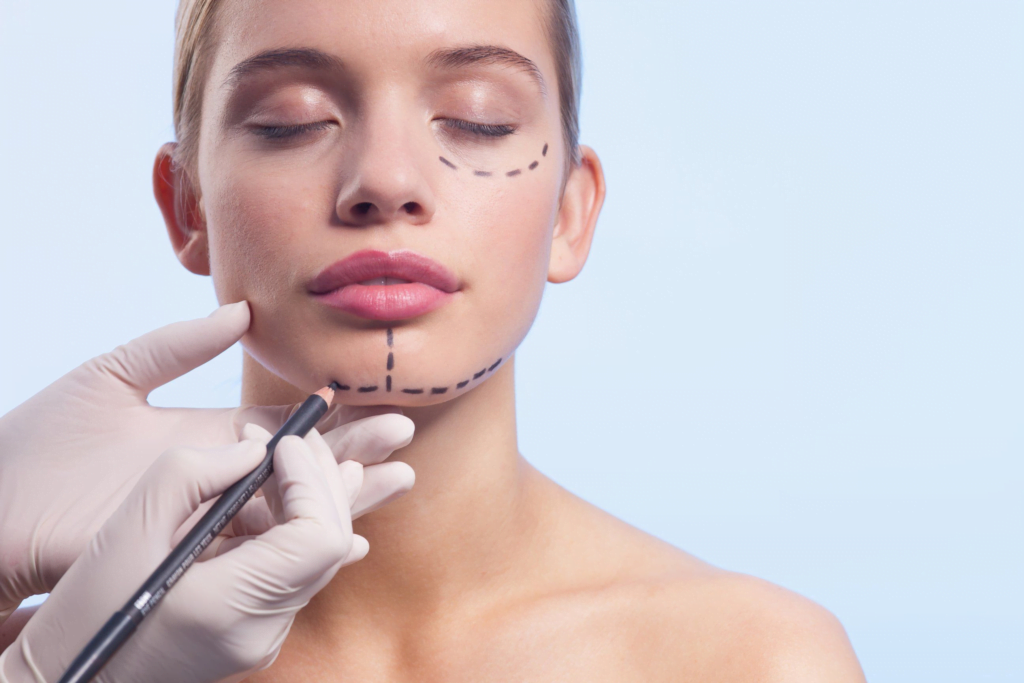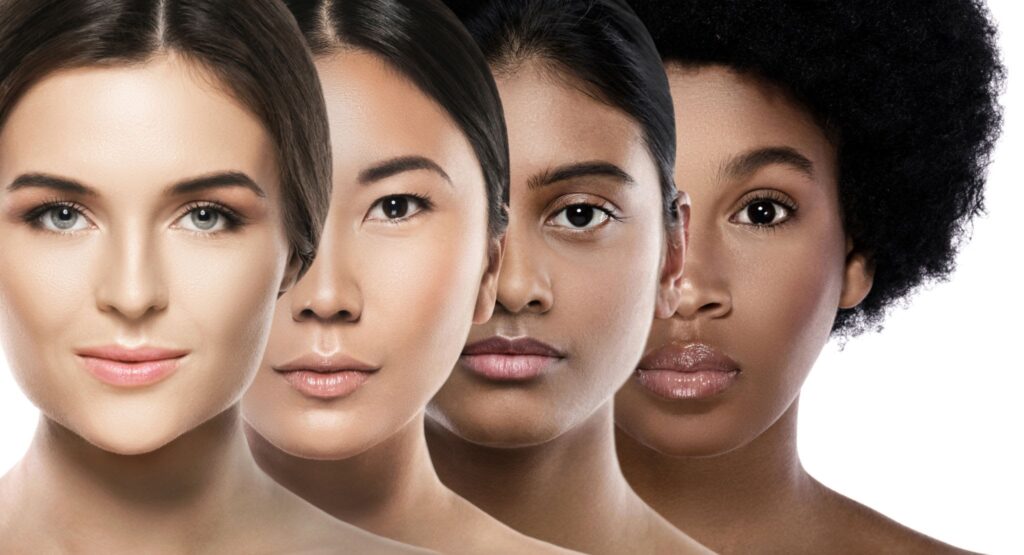
Fox eye surgery is a cosmetic procedure that aims to create a more lifted and elongated eye shape, similar to that of a fox. It is also known as foxy eyes procedure or fox eye thread lift. This surgery can enhance the appearance of the eyes and make them look more alert and attractive. However, fox eye surgery is not a cheap or simple operation. It involves risks, complications, and variations in quality and price depending on the country and the surgeon.
In this article, we will compare the fox eye surgery costs in different countries, and explore the factors that affect the price. We will also discuss the benefits and drawbacks of getting fox eye surgery abroad, and provide some tips on how to choose the best surgeon and clinic for your needs.
What is Fox Eye Surgery and How Does It Work?
Fox eye surgery is a type of facial feminization surgery that modifies the shape and position of the eyebrows and the eyelids. It can be done in two ways: surgical or non-surgical.
The surgical method involves making incisions along the hairline and the temples, and lifting the skin and the muscles to create a more slanted and arched brow. The excess skin and fat are removed, and the incisions are closed with sutures. The surgical method can also include blepharoplasty, which is the removal of excess skin and fat from the upper and lower eyelids, to create a more almond-shaped eye.
The non-surgical method involves inserting thin threads under the skin, and pulling them to lift the eyebrows and the eyelids. The threads are made of absorbable material, and they dissolve over time. The non-surgical method is less invasive and has a shorter recovery time, but it also has less lasting results and may require repeated treatments.
Both methods of fox eye surgery can achieve a similar effect, but they have different advantages and disadvantages. The surgical method can provide more dramatic and permanent results, but it also has more risks, such as scarring, infection, bleeding, nerve damage, asymmetry, and loss of sensation. The non-surgical method can provide more natural and subtle results, but it also has less durability and may cause complications, such as inflammation, infection, migration, or breakage of the threads.
How Much Does Fox Eye Surgery Cost in Different Countries?
The cost of fox eye surgery can vary widely depending on the country and the surgeon. The price can range from $1,000 to $10,000 or more, depending on the method, the complexity, the location, the reputation, and the experience of the surgeon.
Here are some examples of the average fox eye surgery costs in different countries, based on the data from various online sources:
Turkey: Turkey is one of the most popular destinations for medical tourism, especially for cosmetic surgery. Turkey offers high-quality and affordable fox eye surgery, with an average cost of $2,000 for the surgical method, and $1,000 for the non-surgical method. Turkey also has a rich culture and history, and a beautiful landscape, making it an attractive place to visit and recover. However, Turkey also has some drawbacks, such as language barriers, safety issues, and lack of regulation and accreditation of some clinics and surgeons. Therefore, it is important to do thorough research and choose a reputable and certified surgeon and clinic in Turkey.
South Korea: South Korea is another popular destination for medical tourism, especially for eye surgery. South Korea has a high standard and expertise in cosmetic surgery, and offers a variety of options and techniques for fox eye surgery. The average cost of fox eye surgery in South Korea is $3,000 for the surgical method, and $1,500 for the non-surgical method. South Korea also has a modern and vibrant culture, and a diverse and delicious cuisine, making it an enjoyable place to visit and recover. However, South Korea also has some drawbacks, such as language barriers, cultural differences, and potential risks of overcorrection or unnatural results. Therefore, it is important to communicate clearly and choose a qualified and experienced surgeon and clinic in South Korea.
USA: The USA is one of the most expensive countries for cosmetic surgery, but it also has some of the best surgeons and facilities in the world. The average cost of fox eye surgery in the USA is $6,000 for the surgical method, and $3,000 for the non-surgical method. The USA also has a diverse and multicultural society, and a wide range of attractions and activities, making it an exciting place to visit and recover. However, the USA also has some drawbacks, such as high travel and accommodation costs, long waiting times, and strict visa requirements. Therefore, it is important to plan ahead and choose a board-certified and reputable surgeon and clinic in the USA.
UK: The UK is another expensive country for cosmetic surgery, but it also has some of the most skilled and experienced surgeons and facilities in Europe. The average cost of fox eye surgery in the UK is $7,000 for the surgical method, and $3,500 for the non-surgical method. The UK also has a rich and diverse culture and history, and a scenic and charming landscape, making it a lovely place to visit and recover. However, the UK also has some drawbacks, such as high travel and accommodation costs, long waiting times, and potential risks of Brexit-related complications. Therefore, it is important to book early and choose a registered and reputable surgeon and clinic in the UK.
What are the Benefits and Drawbacks of Getting Fox Eye Surgery Abroad?
Getting fox eye surgery abroad can have some benefits and drawbacks, depending on the country and the surgeon. Here are some of the pros and cons of getting fox eye surgery abroad:
Pros
Lower cost: Getting fox eye surgery abroad can save you a lot of money, as the price can be significantly lower than in your home country. This can make fox eye surgery more affordable and accessible for many people who want to enhance their appearance and confidence.
Higher quality: Getting fox eye surgery abroad can also provide you with higher quality and expertise, as some countries and surgeons have more experience and specialization in this procedure. This can ensure that you get the best results and satisfaction from your fox eye surgery.
Travel opportunity: Getting fox eye surgery abroad can also give you a chance to travel and explore a new country and culture. You can combine your fox eye surgery with a vacation and enjoy the sights, sounds, and tastes of a different place. This can make your fox eye surgery more fun and memorable.
Cons
Higher risk: Getting fox eye surgery abroad can also involve higher risk and uncertainty, as you may not be familiar with the standards and regulations of the country and the surgeon. You may also face some challenges and complications, such as language barriers, cultural differences, travel issues, infection, or dissatisfaction. Therefore, you need to be careful and cautious when choosing a country and a surgeon for your fox eye surgery abroad.
Longer recovery: Getting fox eye surgery abroad can also require longer recovery and follow-up, as you may need to stay in the country for a few days or weeks after the procedure. You may also need to travel back to the country for any revisions or corrections, which can be costly and inconvenient. Therefore, you need to be prepared and patient when getting fox eye surgery abroad.
Less support: Getting fox eye surgery abroad can also mean less support and comfort, as you may not have your family and friends around you during and after the procedure. You may also feel lonely and isolated in a foreign country, and have difficulty finding reliable and trustworthy information and assistance. Therefore, you need to be independent and resourceful when getting fox eye surgery abroad.
How to Choose the Best Surgeon and Clinic for Fox Eye Surgery?
Choosing the best surgeon and clinic for fox eye surgery is crucial, as it can affect the outcome and satisfaction of your procedure. Here are some tips on how to choose the best surgeon and clinic for fox eye surgery:
Do your research: Before you decide on a country and a surgeon for your fox eye surgery, you should do your research and compare the options and prices. You should look for reliable and credible sources, such as online reviews, testimonials, ratings, portfolios, and certifications. You should also contact the surgeons and clinics directly, and ask them questions about their qualifications, experience, methods, results, and risks.
Check the credentials: When you choose a surgeon and a clinic for your fox eye surgery, you should check their credentials and verify their legitimacy and reputation. You should look for evidence of their education, training, certification, accreditation, and membership in professional associations. You should also look for evidence of their safety, hygiene, and quality standards, such as licenses, inspections, and audits.
Consult the surgeon: Before you book your fox eye surgery, you should consult the surgeon and have a face-to-face or online consultation. You should discuss your expectations, goals, preferences, and concerns with the surgeon, and listen to their recommendations and advice. You should also ask them to show you some before and after photos of their previous fox eye surgery patients, and explain the procedure, the recovery, and the potential complications to you. You should also ask them about the cost, the payment methods, and the warranty of the procedure.
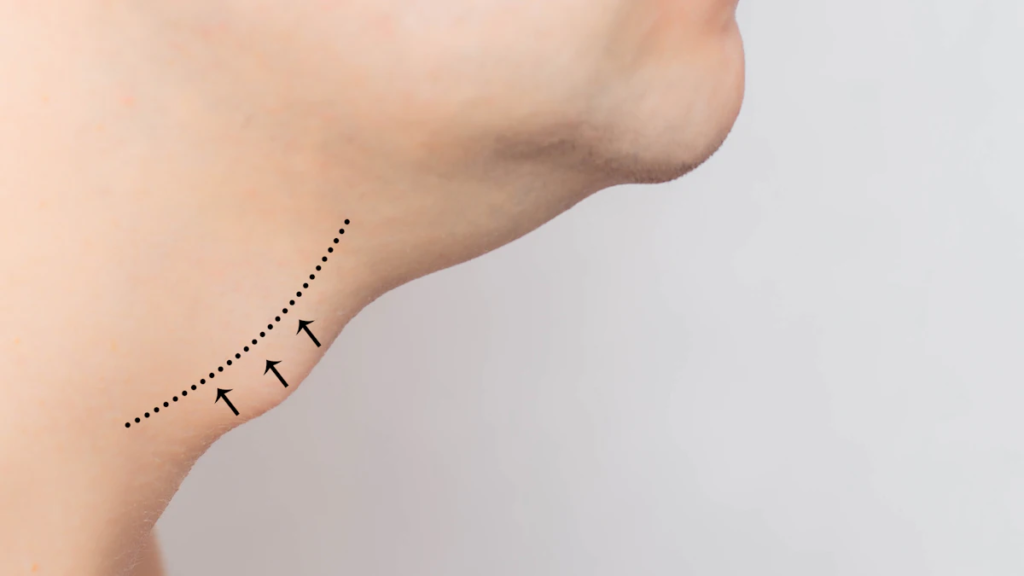
Trust your instincts: Finally, when you choose a surgeon and a clinic for your fox eye surgery, you should trust your instincts and follow your gut feeling. You should choose a surgeon and a clinic that make you feel comfortable, confident, and respected. You should also avoid any surgeon and clinic that make you feel pressured, rushed, or doubtful. You should remember that fox eye surgery is a personal and important decision, and you should only do it if you are fully satisfied and ready.
Why Choose Dr. MFO for Fox Eye Surgery?
When it comes to Fox Eye Surgery, the choice of surgeon is crucial. Dr. MFO, with his extensive experience and expertise, is a leading choice for those seeking to enhance their natural beauty.
Expertise in Fox Eye Surgery
Dr. MFO specializes in Fox Eye Surgery, a procedure that aims to make the eyes more raised and upwards. This surgical technique involves the repositioning of the eyelid skin and eyebrow structure to achieve a more lifted look.
Comprehensive and Personalized Approach
Dr. MFO’s approach to Fox Eye Surgery is comprehensive and personalized. The surgery typically consists of a specific number of procedures, varying according to the patient’s wishes. It can include different procedure combinations, such as brow lift, forehead shaping, rhinoplasty, cheekbone reduction, chin reduction, tracheal shave, and more.
Welcoming All Individuals
Fox Eye Surgery can be performed on both men and women who wish to enhance the natural beauty of their eyes. Dr. MFO welcomes all individuals and takes pride in performing gender-affirming surgeries.
Patient-Centric Care
Dr. MFO and his plastic surgery team use a highly personalized approach to create the most suitable plan for the patient’s needs and preferences. They discuss with the patient what they want and how they want it, eventually planning a procedure or a series of procedures.
Trust and Transparency
With Dr. MFO, there are no hidden costs or agents involved. The price is direct, and the clinic is an authorized international health tourism center.
Choosing Dr. MFO for your Fox Eye Surgery means choosing expertise, personalized care, and a commitment to helping you achieve the appearance that aligns with your identity. Book your consultation now and take the first step towards your transformation.
Conclusion: Fox Eye Surgery Costs Comparison
Fox eye surgery is a cosmetic procedure that can create a more lifted and elongated eye shape, similar to that of a fox. It can improve the appearance and the confidence of the people who undergo it, but it also involves some challenges and costs. Therefore, it is important to compare the fox eye surgery costs in different countries, and weigh the pros and cons of getting fox eye surgery abroad. It is also important to choose the best surgeon and clinic for fox eye surgery, and follow some tips on how to do so. By doing these steps, you can ensure that you get the best results and satisfaction from your fox eye surgery.
Facial feminization surgery (FFS) is a set of surgical procedures that aim to modify the facial features of a person to make them more feminine. FFS is often sought by transgender women who want to align their appearance with their gender identity, but it can also be done for cisgender women who want to enhance their femininity or correct facial deformities.
FFS can involve various operations on different parts of the face, such as the forehead, brow, nose, cheek, jaw, chin, hairline, and trachea. The results of FFS can vary depending on the individual’s facial anatomy, goals, expectations, and surgeon’s skill and experience.
In this article, we will answer some of the most common questions that people have about FFS, such as:
What are the benefits and risks of FFS?
How much does FFS cost and where can I get it done?
How do I choose a good surgeon for FFS?
What are the different types of FFS procedures and how are they done?
How long is the recovery process and what should I expect after FFS?
What are the benefits and risks of FFS?
The main benefit of FFS is that it can improve the psychological well-being and quality of life of people who are unhappy with their facial features. FFS can help them feel more comfortable and confident in their own skin, and reduce the stress and anxiety that they may face due to social stigma, discrimination, or harassment. FFS can also help them pass more easily as their desired gender, which can increase their safety and social acceptance.
Some of the risks of FFS include:
Infection, bleeding, bruising, swelling, scarring, nerve damage, or loss of sensation in the operated areas
Asymmetry, overcorrection, undercorrection, or dissatisfaction with the aesthetic outcome
Complications related to anesthesia, such as allergic reactions, nausea, vomiting, or respiratory problems
Need for revision surgery, either to correct complications or to achieve better results
The risks of FFS can be minimized by choosing a qualified and experienced surgeon, following the preoperative and postoperative instructions, and having realistic expectations.
How much does FFS cost and where can I get it done?
The cost of FFS depends on several factors, such as:
The number and type of procedures involved
The location and reputation of the clinic and the surgeon
The complexity and duration of the surgery
The anesthesia and hospital fees
The medication and aftercare expenses
The average cost of FFS can range from $20,000 to $50,000 USD, but it can be higher or lower depending on the individual case. FFS is not usually covered by insurance, unless it is deemed medically necessary by a mental health professional.
FFS can be done in many countries around the world, but some of the most popular destinations are:
Turkey: Turkey is one of the leading countries in cosmetic surgery, offering high-quality services at affordable prices. Turkey has many skilled and experienced surgeons who specialize in FFS, and many modern and accredited clinics that cater to international patients. Turkey is also a beautiful and diverse country that offers a rich cultural and historical heritage, as well as stunning natural scenery. One of the best cities to get FFS in Turkey is Antalya, which is located on the Mediterranean coast and is known for its sunny weather, sandy beaches, and ancient ruins.
Thailand: Thailand is another popular destination for cosmetic surgery, especially for transgender patients. Thailand has a long history and tradition of gender diversity and acceptance, and many surgeons who are experts in FFS. Thailand also has a vibrant and exotic culture, a friendly and hospitable people, and a tropical climate. One of the best cities to get FFS in Thailand is Bangkok, which is the capital and the largest city of the country, and offers a mix of modern and traditional attractions, as well as a lively nightlife and entertainment scene.
Spain: Spain is a European country that offers high standards of medical care and safety, as well as a diverse and attractive culture and lifestyle. Spain has many renowned and reputable surgeons who perform FFS, and many state-of-the-art and comfortable clinics that provide excellent patient care. Spain is also a sunny and warm country that boasts a rich artistic and architectural heritage, a delicious cuisine, and a festive and relaxed atmosphere. One of the best cities to get FFS in Spain is Barcelona, which is located on the Mediterranean coast and is known for its cosmopolitan and creative vibe, its stunning landmarks designed by Gaudi, and its lively and colorful festivals.
How do I choose a good surgeon for FFS?
Choosing a good surgeon for FFS is one of the most important decisions that you will make, as it will affect the outcome and the safety of your surgery. Here are some tips to help you choose a good surgeon for FFS:
Do your research: Look for information about the surgeon’s qualifications, experience, reputation, and results. You can check their website, social media, online reviews, testimonials, before and after photos, and videos. You can also ask for referrals from other patients who have had FFS with them.
Consult with them: Schedule a consultation with the surgeon to discuss your goals, expectations, and concerns. You can ask them questions about their approach, technique, and recommendations for your case. You can also ask them about the risks, complications, and recovery process of FFS. You should feel comfortable and confident with the surgeon, and they should listen to you and respect your wishes.
Compare your options: You can consult with more than one surgeon to compare their opinions, prices, and services. You can also compare the clinics, facilities, and staff that they work with. You should choose the surgeon and the clinic that offer the best value for your money, and that meet your needs and preferences.
What are the different types of FFS procedures and how are they done?
FFS can involve different types of procedures, depending on the facial features that you want to feminize. Some of the most common FFS procedures are:
Forehead lift/recontouring: This procedure aims to smooth and flatten the forehead, and reduce the brow ridge, which are typically more prominent and angular in men. The surgeon makes an incision along the hairline, lifts the skin and the muscles, and reshapes the underlying bone using a burr or a saw. The surgeon may also perform a brow lift/shaping, which raises and arches the eyebrows to create a more feminine and expressive look. The incision is then closed with sutures or staples, and the excess skin is trimmed.
Rhinoplasty (nose surgery): This procedure aims to refine and feminize the nose, which is usually larger and wider in men. The surgeon makes an incision either inside the nostrils or across the base of the nose, and modifies the cartilage and the bone to change the shape, size, and angle of the nose. The surgeon may also improve the breathing function of the nose by correcting any deviated septum or enlarged turbinates. The incision is then closed with sutures or tape, and a splint is applied to support the nose.
Cheek augmentation/repositioning: This procedure aims to enhance and feminize the cheekbones, which are usually flatter and lower in men. The surgeon makes an incision either inside the mouth or below the lower eyelashes, and inserts an implant or a fat graft to add volume and projection to the cheeks. The surgeon may also lift and reposition the soft tissues of the cheeks to create a more defined and youthful contour. The incision is then closed with sutures or glue, and a bandage is applied to protect the cheeks.
Jawline reduction/reshaping: This procedure aims to slim and feminize the jawline, which is usually wider and squarer in men. The surgeon makes an incision either inside the mouth or behind the ear, and removes or shaves off the excess bone and muscle from the lower jaw. The surgeon may also tighten and lift the skin and the soft tissues of the lower face and neck to create a more smooth and elegant jawline. The incision is then closed with sutures or clips, and a compression garment is applied to reduce the swelling and bruising.
Chin reshaping/reduction: This procedure aims to soften and feminize the chin, which is usually larger and more protruding in men. The surgeon makes an incision either inside the mouth or under the chin, and modifies the shape and size of the chin bone using a burr or a saw. The surgeon may also perform a genioplasty, which moves the chin forward or backward to improve the facial balance and harmony. The incision is then closed with sutures or glue, and a bandage is applied to protect the chin.
Hairline lowering: This procedure aims to lower and feminize the hairline, which is usually higher and more receding in men. The surgeon makes an incision along the hairline, and removes a strip of skin and hair from the forehead. The surgeon then pulls the scalp forward and downward, and attaches it to the remaining skin with sutures or staples. The surgeon may also perform a hair transplant, which transfers hair follicles from the back or the sides of the head to the front or the top of the head to fill in any bald or thinning areas.
Tracheal shave (Adam’s apple reduction): This procedure aims to reduce and feminize the trachea, which is usually larger and more visible in men. The surgeon makes an incision either in a natural crease of the neck or behind the ear, and exposes the trachea. The surgeon then shaves off the excess cartilage from the trachea, and smooths the surface to create a more flat and feminine appearance. The incision is then closed with sutures or glue, and a bandage is applied to protect the neck.
How long is the recovery process and what should I expect after FFS?
The recovery process after FFS varies depending on the type and number of procedures performed, the individual’s healing ability, and the surgeon’s instructions. In general, the recovery process can be divided into three phases:
The immediate postoperative phase: This phase lasts for about one to two weeks after the surgery, and is the most critical and uncomfortable period. During this phase, the patient may experience pain, swelling, bruising, numbness, tightness, or itching in the operated areas. The patient may also have difficulty breathing, eating, talking, or sleeping. The patient will need to take antibiotics, painkillers, and anti-inflammatory drugs to prevent infection and reduce discomfort. The patient will also need to wear bandages, splints, or compression garments to support and protect the face. The patient will need to avoid any strenuous activity, smoking, alcohol, sun exposure, or makeup. The patient will need to visit the surgeon regularly for check-ups and dressing changes.
The intermediate postoperative phase: This phase lasts for about two to three months after the surgery, and is the period when the swelling and bruising gradually subside and the results become more visible. During this phase, the patient may still feel some discomfort, numbness, or tightness in the face, but they will be able to resume most of their normal activities. The patient will need to continue taking care of the incisions and scars, and apply moisturizer, sunscreen, and scar gel to promote healing and prevent hyperpigmentation. The patient will also need to massage the face gently to improve blood circulation and reduce stiffness. The patient may still need to wear some bandages, splints, or compression garments for some time, depending on the surgeon’s advice.

The final postoperative phase: This phase lasts for about six to twelve months after the surgery, and is the period when the face fully heals and settles into its final shape. During this phase, the patient may still experience some minor changes in the face, such as slight swelling, numbness, or sensitivity, but they will be mostly resolved. The patient will be able to enjoy the full benefits and effects of FFS, and feel more confident and happy with their appearance. The patient will need to maintain a healthy lifestyle, and protect the face from any trauma or damage. The patient will also need to follow up with the surgeon periodically to monitor the long-term outcome and satisfaction.
Conclusion
FFS is a complex and personalized surgery that can transform the facial features of a person to make them more feminine and congruent with their gender identity. FFS can have a positive impact on the psychological and social well-being of the patient, as well as their aesthetic and functional aspects. FFS can involve different types of procedures, such as forehead lift, brow lift, rhinoplasty, cheek augmentation, jaw reduction, chin reshaping, hairline lowering, and tracheal shave. FFS can be done in various countries, such as Turkey, Thailand, and Spain, where there are many qualified and experienced surgeons who offer high-quality and affordable services. FFS requires a careful and thorough preparation, consultation, and selection of the surgeon and the clinic, as well as a proper and diligent recovery and aftercare process. FFS can have some risks and complications, such as infection, bleeding, scarring, nerve damage, asymmetry, dissatisfaction, or need for revision surgery, but they can be minimized by following the surgeon’s instructions and having realistic expectations. FFS can be a life-changing and rewarding surgery for many people who want to achieve a more feminine and harmonious facial appearance.
What is the difference between FFS and gender confirmation surgery?
FFS is a type of cosmetic surgery that focuses on the facial features, while gender confirmation surgery (GCS) is a type of reconstructive surgery that focuses on the genitalia. FFS and GCS have different goals and outcomes, and they are not mutually exclusive. Some transgender people may choose to have both FFS and GCS, some may choose to have only one of them, and some may choose to have neither of them.
How do I know if I need FFS?
There is no definitive answer to this question, as it depends on your personal feelings, preferences, and expectations. Some transgender people may feel that their facial features are already feminine enough, or that they do not want to alter their natural appearance. Some transgender people may feel that their facial features are a source of dysphoria, or that they want to improve their femininity and passing ability. The decision to have FFS is a personal one, and you should consult with a mental health professional and a surgeon to explore your options and motivations.
Am I too old or too young for FFS?
There is no age limit for FFS, as long as you are in good physical and mental health, and you have realistic expectations. However, some factors may affect the timing and the outcome of FFS, such as:
Hormone therapy: Hormone therapy can have some effects on the facial features, such as fat redistribution, skin texture, and hair growth. It is recommended to wait at least one year after starting hormone therapy before having FFS, to allow the hormones to stabilize and to see the changes that they may produce.
Bone growth: Bone growth can affect the shape and size of the facial features, especially the forehead, brow, nose, jaw, and chin. It is recommended to wait until the bone growth is complete before having FFS, to avoid any potential complications or revisions. Bone growth usually stops around the age of 18 for females and 21 for males, but it may vary depending on the individual.
Psychosocial development: Psychosocial development can affect the emotional and cognitive maturity, as well as the identity formation and expression, of a person. It is recommended to wait until the psychosocial development is stable and consistent before having FFS, to ensure that the decision is well-informed and voluntary. Psychosocial development usually continues until the mid-20s, but it may vary depending on the individual.
How do I prepare for FFS?
There are some steps that you can take to prepare for FFS, such as:
Do your research: Learn as much as you can about FFS, the procedures involved, the risks and benefits, the costs and financing, and the surgeons and clinics available. You can use various sources of information, such as websites, books, articles, videos, forums, blogs, and social media. You can also talk to other people who have had FFS, and ask them about their experiences and advice.
Consult with a surgeon: Find a qualified and experienced surgeon who specializes in FFS, and schedule a consultation with them. During the consultation, you can discuss your goals, expectations, and concerns, and ask them any questions that you may have. You can also ask them to show you their portfolio, credentials, and reviews, and to perform a facial analysis and a simulation of the expected results. You should feel comfortable and confident with the surgeon, and they should listen to you and respect your wishes.
Get a letter of recommendation: Depending on the surgeon and the clinic, you may need to get a letter of recommendation from a mental health professional, such as a psychologist, psychiatrist, or therapist, who can attest to your gender identity, dysphoria, and readiness for FFS. You may also need to get a letter of clearance from your primary care physician, who can confirm your physical health and medical history.
Follow the preoperative instructions: Before the surgery, you will need to follow some preoperative instructions given by the surgeon, such as:
Stop smoking, drinking alcohol, and taking any drugs or supplements that may interfere with the surgery or the anesthesia, such as aspirin, ibuprofen, vitamin E, or herbal remedies, at least two weeks before the surgery.
Arrange for someone to accompany you to the clinic, and to stay with you for at least 24 hours after the surgery, to help you with your recovery and transportation.

Pack a bag with some essentials, such as your identification, insurance, medication, toiletries, comfortable clothes, pillows, ice packs, books, or music.
Do not eat or drink anything, except for a sip of water with your medication, for at least eight hours before the surgery.
Wash your face and hair with a mild soap or shampoo, and do not apply any makeup, lotion, or perfume, on the day of the surgery.
What happens during FFS?
FFS is usually performed under general anesthesia, which means that you will be asleep and unaware of the surgery. The duration of the surgery depends on the number and type of procedures involved, but it can range from two to eight hours. During the surgery, the surgeon will make incisions in strategic locations, such as along the hairline, inside the mouth, or behind the ear, to access the facial structures. The surgeon will then modify the bone, cartilage, muscle, fat, and skin of the face, using various techniques and instruments, such as a burr, a saw, a scalpel, a scissors, a needle, or a syringe. The surgeon will then close the incisions with sutures, staples, tape, or glue, and apply bandages, splints, or compression garments to protect and support the face. The surgeon will then transfer you to a recovery room, where you will be monitored by a medical staff until you wake up.
What should I expect after FFS?
After FFS, you will need to follow some postoperative instructions given by the surgeon, such as:
Take your medication as prescribed, such as antibiotics, painkillers, and anti-inflammatory drugs, to prevent infection and reduce discomfort.
Keep your head elevated and apply ice packs to your face to reduce the swelling and bruising.
Avoid any strenuous activity, smoking, alcohol, sun exposure, or makeup, for at least two weeks after the surgery.
Clean your incisions and scars gently with a mild soap or saline solution, and apply moisturizer, sunscreen, and scar gel as directed by the surgeon.
Massage your face gently to improve blood circulation and reduce stiffness, as instructed by the surgeon.
Wear your bandages, splints, or compression garments as long as the surgeon recommends, and change them as needed.
Visit the surgeon regularly for check-ups and dressing changes, and contact them if you have any signs of infection, bleeding, or complications, such as fever, pus, redness, or severe pain.
Be patient and optimistic, as the final results of FFS may take several months to appear, and you may experience some changes in your face, such as slight swelling, numbness, or sensitivity, until then.
How will FFS affect my voice?
FFS will not directly affect your voice, as it does not involve any surgery on the vocal cords or the larynx. However, FFS may indirectly affect your voice, as it may change the shape and size of your oral and nasal cavities, which can affect the resonance and quality of your voice. FFS may also affect your voice temporarily, as you may experience some swelling, bruising, or pain in your face, which can make it difficult to speak or sing. These effects are usually minor and temporary, and they will resolve as your face heals and settles. If you want to change your voice to make it more feminine, you may need to undergo a separate procedure called voice feminization surgery (VFS), or to practice some voice therapy exercises.
How will FFS affect my facial expressions and emotions?
FFS will not affect your facial expressions and emotions, as it does not alter the function or the sensation of your facial muscles or nerves. However, FFS may affect your facial expressions and emotions temporarily, as you may experience some swelling, bruising, numbness, or tightness in your face, which can limit your ability to smile, frown, or show other emotions. These effects are usually minor and temporary, and they will resolve as your face heals and settles. FFS may also affect your facial expressions and emotions positively, as it may improve your self-esteem, confidence, and happiness, and make you feel more comfortable and expressive with your face.
How will FFS affect my relationships and social life?
FFS may affect your relationships and social life in various ways, depending on your personal situation and expectations. Some of the possible effects are:
FFS may improve your relationships and social life, as it may make you feel more confident and attractive, and reduce the stress and anxiety that you may face due to social stigma, discrimination, or harassment. FFS may also help you pass more easily as your desired gender, which can increase your safety and social acceptance.
FFS may change your relationships and social life, as it may alter your appearance and identity, and make you look different from your previous self. FFS may also make you more visible and noticeable, and attract more attention and curiosity from others. FFS may require you to adjust to your new face, and to explain or disclose your transition to your family, friends, partners, or colleagues.
FFS may challenge your relationships and social life, as it may cause some conflicts or misunderstandings with your loved ones, who may not support or accept your decision to have FFS. FFS may also expose you to some negative or hostile reactions from others, who may not respect or appreciate your new face. FFS may require you to cope with some emotional or social issues, such as isolation, rejection, or discrimination.
FFS is a personal and individual decision, and you should not let others influence or pressure you to have or not to have FFS. You should also seek support and guidance from a mental health professional, a support group, or a trusted person, who can help you with your transition and your relationships and social life.
How long do the results of FFS last?
The results of FFS are permanent, as they involve changes in the bone, cartilage, muscle, fat, and skin of the face. However, the results of FFS may be affected by some factors, such as:
Aging: Aging can cause some changes in the face, such as sagging, wrinkling, or thinning of the skin, loss of volume or elasticity of the tissues, or shifting of the implants or the fat grafts. Aging can affect the appearance and the quality of the results of FFS, and may require some maintenance or revision procedures, such as facelift, neck lift, or filler injections.
Weight fluctuations: Weight fluctuations can cause some changes in the face, such as gain or loss of fat, muscle, or water in the cheeks, chin, or neck. Weight fluctuations can affect the shape and size of the face, and may alter the balance and harmony of the results of FFS, and may require some adjustment or correction procedures, such as liposuction, fat transfer, or implant removal or replacement.
Hormone therapy: Hormone therapy can have some effects on the face, such as fat redistribution, skin texture, or hair growth. Hormone therapy can enhance or complement the results of FFS, and may improve the femininity and passing ability of the patient. However, hormone therapy can also have some side effects, such as acne, dryness, or sensitivity of the skin, which may require some treatment or care.
How do I finance FFS?
FFS is a costly surgery, and it is not usually covered by insurance, unless it is deemed medically necessary by a mental health professional. Therefore, many patients may need to find alternative ways to finance FFS, such as:
Saving: Saving is the most straightforward and reliable way to finance FFS, as it does not involve any interest, fees, or debt. However, saving may take a long time and require a lot of discipline and sacrifice, and it may not be feasible for some patients who have low income or high expenses.
Crowdfunding: Crowdfunding is a way to raise money from a large number of people, usually through online platforms, such as GoFundMe, Kickstarter, or Indiegogo. Crowdfunding can be a fast and easy way to finance FFS, as it can reach a wide audience and generate a lot of support and donations. However, crowdfunding may also involve some challenges and risks, such as competition, fraud, taxes, or fees, and it may not guarantee the full amount or the timely delivery of the funds.
Loans: Loans are a way to borrow money from a bank, a credit union, or a private lender, usually with some interest, fees, and repayment terms. Loans can be a convenient and flexible way to finance FFS, as they can provide a large amount of money in a short time and allow the patient to choose the best surgeon and clinic for their case. However, loans may also involve some drawbacks and dangers, such as high interest rates, hidden charges, strict conditions, or debt problems, and they may depend on the patient’s credit score, income, and assets.
How do I find a support group for FFS?
Finding a support group for FFS can be beneficial for the patient, as it can provide them with information, advice, encouragement, and companionship from other people who have had or are planning to have FFS. Finding a support group for FFS can be done in various ways, such as:
Online: Online support groups are groups that communicate through the internet, using websites, forums, blogs, social media, or chat rooms. Online support groups can be accessible and convenient, as they can be joined from anywhere and anytime, and they can offer a large and diverse community of members. However, online support groups may also have some limitations and risks, such as lack of privacy, security, or moderation, or potential for misinformation, harassment, or trolling.
Offline: Offline support groups are groups that meet in person, usually in a local area, using venues, events, or activities. Offline support groups can be personal and interactive, as they can allow face-to-face contact and direct feedback from the members. However, offline support groups may also have some challenges and barriers, such as availability, accessibility, or compatibility, or potential for discrimination, judgment, or conflict.
Facial feminization surgery (FFS) is a set of surgical procedures that aim to modify the facial features of transgender women or non-binary people who want to have a more feminine appearance. FFS can help reduce gender dysphoria and improve the quality of life of those who seek it. However, FFS is not a one-size-fits-all solution and it requires careful planning, preparation, and recovery. In this article, we will share some tips and advice on how to get the best results from FFS and what to expect from the process.
What is FFS and what does it involve?
FFS is a term that covers a variety of surgical techniques that can alter the shape and size of the forehead, brow, nose, cheek, jaw, chin, hairline, and Adam’s apple. The goal of FFS is to create a more harmonious and balanced facial appearance that matches the person’s gender identity and expression. FFS can also enhance the facial femininity by reducing the angularity and prominence of the masculine features and increasing the softness and roundness of the feminine features.

FFS is usually performed under general anesthesia and it can take several hours or even a whole day depending on the number and complexity of the procedures. Some of the most common procedures that are part of FFS are:
Forehead lift/recontouring: This procedure involves lifting the skin of the forehead and reshaping the underlying bone to create a smoother and flatter forehead. It can also reduce the brow ridge and lower the hairline if needed.
Brow lift/shaping: This procedure involves elevating the position of the eyebrows and creating a more arched and feminine shape. It can also reduce the horizontal wrinkles and frown lines on the forehead.
Rhinoplasty (nose surgery): This procedure involves reshaping the nose to make it more proportional and symmetrical to the rest of the face. It can also reduce the size and width of the nose, refine the tip and the nostrils, and create a more delicate and feminine profile.
Cheek augmentation/repositioning: This procedure involves enhancing the volume and projection of the cheekbones to create a more prominent and defined cheek contour. It can also reposition the fat pads of the cheeks to create a more youthful and lifted appearance.
Jawline reduction/reshaping: This procedure involves reducing the width and length of the jawbone to create a more slender and tapered jawline. It can also smooth out the angles and corners of the jaw and create a more curved and feminine shape.
Chin reshaping/reduction: This procedure involves modifying the shape and size of the chin to make it more compatible with the rest of the face. It can also reduce the height and width of the chin, create a more pointed and narrow chin, and correct any asymmetry or irregularity of the chin.
Hairline lowering: This procedure involves advancing the hairline to reduce the size of the forehead and create a more feminine hairline shape. It can also fill in any receding or balding areas of the hairline with hair grafts or flaps.
Tracheal shave (Adam’s apple reduction): This procedure involves shaving off the excess cartilage of the thyroid gland that forms the Adam’s apple. It can also reduce the size and prominence of the voice box and create a smoother and flatter neck contour.
Lip augmentation/repositioning: This procedure involves increasing the fullness and plumpness of the lips to create a more sensual and feminine mouth. It can also reposition the lips to create a more upward and smiling expression.

How to choose a surgeon and a clinic for FFS?
Choosing a surgeon and a clinic for FFS is one of the most important decisions that you will make in your FFS journey. You want to find a surgeon who is experienced, skilled, and reputable in performing FFS and who can understand your goals and expectations. You also want to find a clinic that is safe, comfortable, and affordable for your FFS. Here are some tips and advice on how to choose a surgeon and a clinic for FFS:
Do your research: Before you contact any surgeon or clinic, you should do some research on the internet and look for information, reviews, testimonials, before and after photos, and videos of their FFS work. You should also check their credentials, qualifications, certifications, and affiliations and make sure they are board-certified and accredited by reputable organizations. You should also compare their prices, services, and facilities and see what they offer and what they include in their FFS packages.
Consult with multiple surgeons: After you narrow down your list of potential surgeons and clinics, you should schedule a consultation with each of them and discuss your FFS goals and expectations. You should ask them about their FFS philosophy, approach, techniques, and outcomes and see how they can help you achieve your desired results. You should also ask them about the risks, complications, and side effects of FFS and how they handle them. You should also ask them about the recovery process and the aftercare and follow-up services that they provide. You should also ask to see their portfolio of FFS cases and see if you like their style and results. You should also ask for references and contact their previous FFS patients and see if they are satisfied with their FFS experience and results.
Choose a surgeon and a clinic that you trust and feel comfortable with: After you consult with multiple surgeons and clinics, you should compare and evaluate their FFS proposals and see which one suits your needs and preferences the best. You should also consider your rapport and communication with the surgeon and the clinic staff and see if you trust and feel comfortable with them. You should also consider the location and accessibility of the clinic and see if you can travel and stay there easily and conveniently. You should also consider the quality and safety of the clinic and see if they have the necessary equipment, facilities, and standards for FFS. You should also consider the cost and value of the FFS and see if you can afford it and if it is worth it.
Why choose Turkey and Antalya for FFS?
Turkey is one of the most popular destinations for FFS in the world. Turkey offers high-quality and affordable FFS services with experienced and reputable surgeons and clinics. Turkey also offers a rich and diverse cultural and natural heritage that can make your FFS trip more enjoyable and memorable. Antalya is one of the most beautiful and attractive cities in Turkey that is famous for its sunny and warm climate, stunning beaches, historical sites, and modern amenities. Antalya is also home to some of the best FFS surgeons and clinics in Turkey that can provide you with excellent FFS results and care. Here are some of the reasons why you should choose Turkey and Antalya for FFS:
High-quality and affordable FFS: Turkey and Antalya offer high-quality and affordable FFS services with state-of-the-art technology, equipment, and facilities. The FFS surgeons and clinics in Turkey and Antalya are highly qualified, certified, and experienced in performing FFS and they can deliver natural and harmonious FFS results that match your facial anatomy and gender identity. The FFS prices in Turkey and Antalya are also much lower than in other countries and they include all the necessary expenses such as the surgery fees, anesthesia fees, hospital fees, medication fees, and aftercare fees. You can save up to 70% on your FFS costs by choosing Turkey and Antalya for FFS.
Rich and diverse cultural and natural heritage: Turkey and Antalya offer a rich and diverse cultural and natural heritage that can make your FFS trip more enjoyable and memorable. Turkey has a long and fascinating history that spans several civilizations and cultures such as the Anatolian, Roman, Byzantine, Ottoman, and Turkish. Turkey has many historical and cultural sites that reflect its diverse and colorful past such as the Hagia Sophia, the Blue Mosque, the Topkapi Palace, the Grand Bazaar, and the Cappadocia. Turkey also has a vibrant and modern culture that blends the traditional and the contemporary in its music, art, cuisine, and lifestyle. Antalya is one of the most beautiful and attractive cities in Turkey that is famous for its sunny and warm climate, stunning beaches, historical sites, and modern amenities. Antalya has many natural and cultural attractions that you can explore and enjoy such as the Duden Waterfalls, the Konyaalti Beach, the Kaleici Old Town, the Antalya Museum, and the Aspendos Theater. Antalya also has a lively and cosmopolitan atmosphere that offers many entertainment and leisure options such as shopping, dining, nightlife, and sports.
Friendly and hospitable people: Turkey and Antalya have friendly and hospitable people who are welcoming and respectful of the FFS patients and visitors. The FFS surgeons and clinic staff in Turkey and Antalya are professional and courteous and they can provide you with personalized and attentive FFS care and service. They can also communicate with you in English or other languages and help you with any questions or concerns that you may have. The FFS patients and visitors in Turkey and Antalya can also enjoy the warm and generous hospitality of the Turkish people and culture and experience their kindness and generosity.
Why You Should Choose Dr. MFO for Facial Feminization Surgery?
When it comes to Facial Feminization Surgery (FFS), Dr. MFO stands out as a world-renowned plastic surgeon and artist. Here are some reasons why you should consider Dr. MFO for your FFS:
Experience and Expertise: With over 10 years of plastic surgery experience, Dr. MFO has performed thousands of successful surgeries. He is intensely interested in body aesthetics, facial aesthetics, and breast aesthetic surgeries.
Specialization in FFS: Dr. MFO is specialized in FFS, which aims to achieve a more feminine appearance. The procedures can include forehead shaping, brow lift, rhinoplasty, buccal fat removal, chin reduction, tracheal shave, and more.
Personalized Approach: Dr. MFO and his plastic surgery team use a highly personalized approach to create the most suitable plan for each patient. They discuss with the patient about their desires and how to achieve them.
All-Inclusive Packages: Dr. MFO offers all-inclusive packages that cover flight, hotel, private personal nurse, medication, ground services, insurance, and more.
Certifications and Accreditations: Dr. MFO is a European & Turkish Board Certified Plastic Surgeon and operates from an Authorized International Health Tourism Center.
Transparency: There are no agents or hidden costs with Dr. MFO. The price you see is the direct price.
Welcomes All: Dr. MFO welcomes all individuals, including transgender individuals, cisgender women desiring a more feminine appearance, and non-binary individuals.
Choosing Dr. MFO for your Facial Feminization Surgery means choosing expertise, experience, and a commitment to your personal journey towards expressing your true self. Make an appointment now.
How to prepare for FFS?
Preparing for FFS is an essential step that can help you get the best results from FFS and avoid any complications or problems. Preparing for FFS involves both physical and mental preparation and it requires some time and effort. Here are some tips and advice on how to prepare for FFS:
Follow the pre-operative instructions: Your surgeon and clinic will give you some pre-operative instructions that you should follow carefully before your FFS. These instructions may include:
Stop smoking and drinking alcohol at least two weeks before your FFS, as they can impair your healing and increase your risk of bleeding and infection.

Stop taking any medications or supplements that can interfere with your blood clotting or anesthesia, such as aspirin, ibuprofen, vitamin E, and herbal remedies, at least a week before your FFS. Consult your surgeon and clinic about any medications or supplements that you are taking and whether you need to adjust or stop them before your FFS.

Get a medical clearance from your primary care physician and have some blood tests and other exams to make sure you are healthy and fit for FFS. Inform your surgeon and clinic about any medical conditions or allergies that you have and how they are managed.
Arrange for someone to accompany you to the clinic and drive you home after your FFS, as you will not be able to drive yourself. You may also need someone to stay with you for the first few days after your FFS, as you will need some assistance and support during your recovery.
Pack a bag with some essentials that you will need for your FFS trip, such as your passport, visa, travel documents, insurance papers, medical records, medications, toiletries, comfortable clothes, sunglasses, hat, scarf, pillow, and entertainment items. You may also want to bring some photos of your desired FFS results and some personal items that can make you feel more comfortable and relaxed.
Prepare your mind and emotions: FFS is not only a physical transformation, but also a psychological and emotional one. FFS can have a significant impact on your self-image, self-esteem, and identity. Therefore, you should prepare your mind and emotions for FFS and cope with any stress, anxiety, or fear that you may have. Here are some tips and advice on how to prepare your mind and emotions for FFS:
Have realistic and clear expectations about your FFS results and outcomes. FFS can improve your facial femininity and harmony, but it cannot change your entire appearance or personality. FFS can also have some limitations and risks that you should be aware of and accept. You should also understand that your FFS results may take some time to settle and become visible, and that you may need some revisions or touch-ups to achieve your optimal results.
Seek professional and peer support before and after your FFS. You may benefit from talking to a therapist, counselor, or coach who can help you deal with your FFS emotions and challenges. You may also benefit from joining a support group or a community of FFS patients and candidates who can share their FFS experiences and insights with you. You may also benefit from having some friends and family members who can support you and encourage you during your FFS journey.
Practice some self-care and relaxation techniques before and after your FFS. You may want to engage in some activities that can make you feel happy and calm, such as meditation, yoga, breathing exercises, music, reading, writing, or hobbies. You may also want to pamper yourself with some treatments that can make you feel good and confident, such as a massage, a facial, a manicure, or a haircut. You may also want to avoid any triggers that can make you feel stressed or depressed, such as negative news, social media, or toxic people.
How to recover from FFS?
Recovering from FFS is another crucial step that can help you get the best results from FFS and avoid any complications or problems. Recovering from FFS involves both physical and mental recovery and it requires some patience and care. Here are some tips and advice on how to recover from FFS:
Follow the post-operative instructions: Your surgeon and clinic will give you some post-operative instructions that you should follow carefully after your FFS. These instructions may include:
Take your prescribed medications and antibiotics as directed by your surgeon and clinic to prevent infection and pain. You may also need to take some anti-inflammatory and anti-swelling medications to reduce the swelling and bruising of your face.
Keep your head elevated and avoid bending or lifting heavy objects for the first few weeks after your FFS, as this can increase the pressure and blood flow to your face and delay your healing.
Apply cold compresses or ice packs to your face for the first few days after your FFS, as this can help reduce the swelling and inflammation of your face. You may also need to wear some compression garments or bandages to support your face and minimize the swelling and bleeding.
Clean and care for your incisions and wounds as instructed by your surgeon and clinic to prevent infection and scarring. You may need to use some antiseptic solutions, ointments, or creams to keep your incisions and wounds clean and moist. You may also need to change your dressings and gauzes regularly and monitor your incisions and wounds for any signs of infection or complications, such as redness, pus, fever, or pain.
Avoid any activities that can irritate or damage your face, such as smoking, drinking alcohol, sun exposure, makeup, hair dye, shaving, or scratching. You may also need to avoid any activities that can strain your facial muscles, such as chewing, smiling, laughing, or talking. You may also need to avoid any activities that can increase your blood pressure or heart rate, such as exercise, sex, or stress.
Visit your surgeon and clinic for regular check-ups and follow-ups to monitor your FFS progress and results. You may need to have some stitches, drains, or splints removed or adjusted by your surgeon and clinic. You may also need to have some scans or tests to evaluate your FFS results and outcomes. You may also need to have some revisions or touch-ups to improve your FFS results and satisfaction.
Recover your mind and emotions: FFS is not only a physical transformation, but also a psychological and emotional one. FFS can have a significant impact on your self-image, self-esteem, and identity. Therefore, you should recover your mind and emotions from FFS and cope with any stress, anxiety, or fear that you may have. Here are some tips and advice on how to recover your mind and emotions from FFS:
Be patient and positive about your FFS results and outcomes. FFS can take some time to heal and settle and your FFS results may not be visible or noticeable right away. You may also experience some swelling, bruising, numbness, or tightness of your face that can affect your appearance and sensation. You may also experience some changes or fluctuations in your FFS results as your face adapts and adjusts to the new shape and size. You should not judge or criticize your FFS results too soon or too harshly and you should give yourself some time and space to heal and adapt. You should also focus on the positive aspects and benefits of your FFS and celebrate your FFS achievements and milestones.
Seek professional and peer support before and after your FFS. You may benefit from talking to a therapist, counselor, or coach who can help you deal with your FFS emotions and challenges. You may also benefit from joining a support group or a community of FFS patients and candidates who can share their FFS experiences and insights with you. You may also benefit from having some friends and family members who can support you and encourage you during your FFS journey.
Practice some self-care and relaxation techniques before and after your FFS. You may want to engage in some activities that can make you feel happy and calm, such as meditation, yoga, breathing exercises, music, reading, writing, or hobbies. You may also want to pamper yourself with some treatments that can make you feel good and confident, such as a massage, a facial, a manicure, or a haircut. You may also want to avoid any triggers that can make you feel stressed or depressed, such as negative news, social media, or toxic people.
Conclusion
FFS is a life-changing and rewarding procedure that can help you achieve your facial femininity and harmony. FFS can also help you reduce your gender dysphoria and improve your quality of life. However, FFS is not a simple or easy procedure and it requires careful planning, preparation, and recovery. In this article, we have shared some tips and advice on how to get the best results from FFS and what to expect from the process. We hope that this article has been helpful and informative for you and that you have learned something new and useful about FFS. If you have any questions or comments about FFS, please feel free to contact us or leave a comment below. We would love to hear from you and help you with your FFS journey. Thank you for reading and have a wonderful day!
Can Jaw Surgery Change Your Face? Have you ever wondered how jaw surgery can change your face? Jaw surgery, also known as orthognathic surgery or corrective jaw surgery, is a type of facial bone surgery that aims to correct the alignment and function of the jaws and teeth. Jaw surgery can improve your bite, speech, breathing, chewing, and appearance. It can also enhance your self-confidence and quality of life.
But jaw surgery is not only for functional purposes. It can also be used for cosmetic reasons, such as to achieve a more feminine or masculine look. This is especially important for transgender and non-binary people who want to align their physical appearance with their gender identity. For them, jaw surgery can be part of a broader process of gender-affirming surgery (GAS) or gender confirmation surgery (GCS).
In this article, we will explore how jaw surgery can change your face and what are the benefits and risks of undergoing this procedure. We will also introduce you to a specific type of jaw surgery that is designed to create a more feminine facial shape: facial feminization surgery (FFS).
What is Facial Feminization Surgery?
Facial feminization surgery is a type of esthetic facial surgery that aims to modify the facial features of transgender women and non-binary people who want to have a more feminine appearance. FFS can include various procedures, such as forehead reduction, brow lift, rhinoplasty, cheek augmentation, lip lift, chin reduction, and jaw contouring.
Jaw contouring is one of the most common and impactful procedures in FFS. It involves reshaping the lower jaw to create a more slender and delicate profile. Jaw contouring can reduce the width, height, and projection of the jaw, as well as the size and shape of the chin. Jaw contouring can also smooth out the jawline and the angle of the jaw, making it less prominent and angular.
Jaw contouring can be performed in different ways, depending on the individual’s anatomy and goals. Some of the techniques used in jaw contouring are:
Mandibular advancement: This technique moves the lower jaw forward to correct a receding chin and create a more balanced facial proportion. Mandibular advancement can also improve the bite and the airway. Mandibular advancement is also known as mandible advancement or genioplasty (chin surgery).
Le Fort osteotomy: This technique moves the upper jaw forward or backward to correct a protruding or receding upper jaw. Le Fort osteotomy can also change the shape and position of the nose and the upper lip. Le Fort osteotomy is also known as facial advancement or maxillary osteotomy.
Bimaxillary surgery: This technique combines mandibular advancement and Le Fort osteotomy to correct both the upper and lower jaws. Bimaxillary surgery can create a more harmonious facial structure and improve the function of the jaws and teeth. Bimaxillary surgery is also known as upper and lower jaw surgery or double jaw surgery.
Jaw shaving: This technique removes excess bone from the sides and the back of the lower jaw to reduce its width and angle. Jaw shaving can create a more tapered and feminine jawline. Jaw shaving is also known as jaw reduction or jaw slimming.
Chin shaving: This technique removes excess bone from the front and the bottom of the chin to reduce its size and projection. Chin shaving can create a more rounded and feminine chin shape. Chin shaving is also known as chin reduction or chin contouring.
Why Do People Choose Jaw Surgery?
Jaw surgery can have various benefits for people who want to change their facial appearance or improve their jaw function. Some of the reasons why people choose jaw surgery are:
To correct a misaligned bite or a malocclusion. A misaligned bite can cause problems such as difficulty chewing, speaking, breathing, swallowing, and sleeping. It can also lead to dental issues, such as tooth decay, gum disease, and tooth loss. Jaw surgery can align the jaws and the teeth, improving the function and the health of the mouth.
To treat a jaw deformity or a facial asymmetry. A jaw deformity or a facial asymmetry can be caused by genetics, trauma, disease, or aging. It can affect the appearance and the self-esteem of the person, as well as the function of the jaws and the teeth. Jaw surgery can correct the shape and the position of the jaws, creating a more symmetrical and aesthetic facial profile.
To enhance the facial harmony and the attractiveness. The shape and the size of the jaws and the chin can have a significant impact on the overall facial appearance. They can affect the balance and the proportion of the facial features, as well as the expression and the mood of the person. Jaw surgery can modify the jaws and the chin, creating a more pleasing and attractive facial contour.
To achieve a more feminine or masculine facial shape. The shape and the size of the jaws and the chin can also influence the perception of the gender of the person. Generally, a wider, taller, and more prominent jaw and chin are associated with a more masculine look, while a narrower, shorter, and more delicate jaw and chin are associated with a more feminine look. Jaw surgery can alter the jaws and the chin, creating a more gender-congruent facial shape.
What are the Risks and Complications of Jaw Surgery?
Jaw surgery is a major surgical procedure that involves cutting and moving the bones of the face. As such, it carries some risks and complications that should be considered before deciding to undergo this operation. Some of the risks and complications of jaw surgery are:
Infection: As with any surgery, there is a risk of infection at the surgical site or in the bloodstream. Infection can cause fever, pain, swelling, redness, and pus. Infection can be treated with antibiotics, but in some cases, it may require additional surgery or hospitalization.
Bleeding: There is a risk of bleeding during or after the surgery. Bleeding can cause bruising, hematoma, or blood loss. Bleeding can be controlled with pressure, sutures, or blood transfusion, but in some cases, it may require additional surgery or hospitalization.
Nerve damage: There is a risk of nerve damage during the surgery. Nerve damage can cause numbness, tingling, or weakness in the face, lips, tongue, or teeth. Nerve damage can be temporary or permanent, depending on the extent and the location of the injury.
Relapse: There is a risk of relapse after the surgery. Relapse means that the bones of the face move back to their original position or shift to a new position. Relapse can affect the appearance and the function of the jaws and the teeth. Relapse can be prevented or corrected with braces, retainers, or additional surgery.
Unsatisfactory results: There is a risk of unsatisfactory results after the surgery. Unsatisfactory results mean that the person is not happy with the outcome of the surgery, either because it does not meet their expectations or because it causes new problems. Unsatisfactory results can be improved or revised with additional surgery, but in some cases, they may be irreversible.
How to Prepare for Jaw Surgery?
Jaw surgery requires careful planning and preparation before the operation. Some of the steps to prepare for jaw surgery are:
Consultation: The first step is to consult with a qualified surgeon who specializes in facial contouring surgery or craniofacial surgery. The surgeon will evaluate your medical history, your facial anatomy, your jaw function, and your goals. The surgeon will also explain the procedure, the risks, the benefits, and the alternatives. The surgeon will then design a customized treatment plan for you, which may include pre-surgical orthodontics, imaging tests, and computer simulations.
Pre-surgical orthodontics: The second step is to undergo pre-surgical orthodontics, if needed. Pre-surgical orthodontics is the process of wearing braces or other devices to align the teeth and prepare the jaws for the surgery. Pre-surgical orthodontics can take several months or years, depending on the complexity of the case.
Imaging tests: The third step is to undergo imaging tests, such as X-rays, CT scans, or MRI scans, to obtain detailed information about the structure and the position of the bones of the face. Imaging tests can help the surgeon plan the surgery more accurately and safely.
Computer simulations: The fourth step is to undergo computer simulations, if available. Computer simulations are the process of using software to create a virtual model of the face and simulate the changes that will occur after the surgery. Computer simulations can help the person visualize the expected results and communicate their preferences to the surgeon.
Pre-operative instructions: The fifth step is to follow the pre-operative instructions given by the surgeon. Pre-operative instructions may include stopping smoking, avoiding certain medications, fasting, and arranging for transportation and recovery. Pre-operative instructions can help the person prepare physically and mentally for the surgery and reduce the risk of complications.
Sure, I will continue writing the section on what to expect during and after jaw surgery. Here is the rest of the article:
What to Expect During and After Jaw Surgery?
Jaw surgery is usually performed under general anesthesia, which means that the person will be asleep and unaware of the procedure. The duration of the surgery can vary from one to several hours, depending on the type and the extent of the surgery.
During the surgery, the surgeon will make incisions inside the mouth or under the chin to access the bones of the face. The surgeon will then cut and move the bones according to the treatment plan, using plates, screws, wires, or other devices to secure them in place. The surgeon will also adjust the soft tissues, such as the skin, the muscles, and the fat, to create a smooth and natural appearance. The surgeon will then close the incisions with sutures or glue.
After the surgery, the person will be transferred to a recovery room, where they will be monitored for any signs of complications. The person may experience some pain, swelling, bruising, bleeding, or numbness in the face, which can be managed with medication and ice packs. The person may also have difficulty speaking, eating, or breathing, which can be improved with exercises and devices. The person may have to wear a splint, a bandage, or an elastic wrap around the face to protect and support the bones as they heal.
The person will usually stay in the hospital for one to three days, depending on the type and the extent of the surgery. The person will then be discharged with a set of post-operative instructions, which may include:
Taking antibiotics and painkillers as prescribed by the surgeon
Eating a soft or liquid diet for several weeks
Avoiding strenuous activities, smoking, alcohol, and spicy foods for several weeks
Keeping the mouth and the incisions clean and dry
Applying ice packs or warm compresses to reduce swelling and discomfort
Sleeping with the head elevated to reduce swelling and bleeding
Visiting the surgeon for regular follow-up appointments and check-ups
The recovery time from jaw surgery can vary from person to person, depending on the type and the extent of the surgery, the individual’s health, and the compliance with the post-operative instructions. Generally, it can take six to twelve weeks for the bones to heal and fuse, and up to a year for the swelling to subside and the final results to be visible.
Conclusion: Can Jaw Surgery Change Your Face?
Jaw surgery can change your face in many ways, both functionally and aesthetically. It can improve your bite, speech, breathing, chewing, and appearance. It can also enhance your self-confidence and quality of life. For transgender and non-binary people, jaw surgery can be part of a process of gender-affirming surgery, which can help them align their physical appearance with their gender identity.
Jaw surgery is a major surgical procedure that involves cutting and moving the bones of the face. It requires careful planning and preparation before the operation, and a long and gradual recovery after the operation. It also carries some risks and complications that should be weighed against the benefits and expectations.
If you are interested in jaw surgery, you should consult with a qualified surgeon who specializes in facial contouring surgery or craniofacial surgery. The surgeon will evaluate your case and design a customized treatment plan for you. The surgeon will also explain the procedure, the risks, the benefits, and the alternatives. You should always ask questions and express your concerns to the surgeon, and make an informed and confident decision.
Jaw surgery can change your face, but it can also change your life. It can help you achieve a more feminine or masculine facial shape, and a more harmonious and attractive facial contour. It can also help you feel more comfortable and confident in your own skin. Jaw surgery can be a life-changing experience for many people, and it may be the right choice for you.
How Does Female to Male Surgery Work? Female to male surgery, also known as gender-affirming surgery (GAS) or gender confirmation surgery (GCS), is a term that encompasses a variety of surgical procedures that aim to align a person’s physical appearance with their gender identity. For transgender men or non-binary people who were assigned female at birth, this may involve changing the shape and size of their chest, genitals, and facial features to create a more masculine appearance.
In this article, we will explore the different types of female to male surgery, how they work, what to expect from the recovery process, and what are the potential risks and complications. We will also discuss the mental health considerations, cost and insurance coverage, and medical tourism options for people who are interested in undergoing female to male surgery.
What are the Types of Female to Male Surgery?
Female to male surgery can be divided into three main categories: top surgery, bottom surgery, and facial feminization surgery. Each category has different procedural techniques, outcomes, and requirements. Depending on the individual’s goals and preferences, they may choose to have one or more of these surgeries, or none at all.
Top Surgery
Top surgery, also known as chest masculinization, is a procedure that removes breast tissue and excess skin, and reshapes the chest to create a flat and contoured appearance. This can help reduce gender dysphoria, improve self-esteem, and make it easier to wear clothing and participate in physical activities.
There are several techniques for performing top surgery, such as:
Double incision: This is the most common technique, especially for people with larger chests. It involves making two horizontal incisions along the lower edge of the pectoral muscles, and removing the breast tissue, nipple, and areola. The nipple and areola are then resized and grafted to a new position on the chest. This technique results in a flat chest, but also leaves visible scars and may reduce nipple sensation.
Keyhole: This is a less invasive technique, suitable for people with smaller chests. It involves making a small incision around the areola, and removing the breast tissue through liposuction. The nipple and areola are left intact, and the skin is tightened to create a smooth chest. This technique preserves nipple sensation, but may not achieve a completely flat chest or remove excess skin.
Peri-areolar: This is a hybrid technique, suitable for people with medium-sized chests. It involves making two circular incisions around the areola, and removing the breast tissue and excess skin. The nipple and areola are then repositioned and resized to create a more masculine appearance. This technique reduces scarring and preserves some nipple sensation, but may not achieve a completely flat chest or remove all excess skin.
The choice of technique depends on several factors, such as the size and shape of the chest, the elasticity of the skin, the desired outcome, and the surgeon’s expertise. The surgery usually takes 2 to 4 hours, and is performed under general anesthesia. The recovery time varies from 2 to 6 weeks, depending on the technique and the individual’s healing process.
Bottom Surgery
Bottom surgery, also known as genital reconstruction, is a procedure that creates male genitalia from existing female genitalia. This can help improve sexual function, sensation, and satisfaction, as well as reduce gender dysphoria and urinary discomfort.
There are two main types of bottom surgery: phalloplasty and metoidioplasty. Both procedures require multiple stages, and may involve additional surgeries, such as hysterectomy (removal of the uterus and ovaries), oophorectomy (removal of the ovaries), vaginectomy (removal of the vagina), urethroplasty (extension of the urethra), scrotoplasty (creation of a scrotum), and testicular implants (insertion of silicone prostheses into the scrotum).
Phalloplasty: This is a procedure that creates a penis from a skin graft taken from another part of the body, such as the arm, leg, or abdomen. The skin graft is rolled into a tube and attached to the pubic area, where it is connected to the blood vessels and nerves. The clitoris is preserved and buried under the skin graft, where it can provide sensation and stimulation. The surgery usually takes 6 to 10 hours, and is performed under general anesthesia. The recovery time varies from 3 to 6 months, depending on the number and complexity of the stages. Phalloplasty can result in a realistic-looking and functional penis, but also carries a high risk of complications, such as infection, bleeding, graft failure, urethral stricture, fistula, and erectile dysfunction.
Metoidioplasty: This is a procedure that enhances the size and shape of the clitoris, which has been enlarged by testosterone therapy, to create a small penis. The clitoris is released from its ligaments and repositioned to a more forward location, where it can be used for urination and sexual intercourse. The labia minora are used to create a scrotum, and the labia majora are reduced or removed. The surgery usually takes 2 to 4 hours, and is performed under general or local anesthesia. The recovery time varies from 2 to 4 weeks, depending on the number and complexity of the stages. Metoidioplasty can preserve the sensation and function of the clitoris, but may not achieve a satisfactory size or appearance of the penis, or allow for penetration.
The choice of procedure depends on several factors, such as the individual’s goals and expectations, the availability and quality of the skin graft, the cost and insurance coverage, and the surgeon’s expertise.
Facial Feminization Surgery
Facial feminization surgery, also known as FFS, is a procedure that modifies the facial features to create a more feminine appearance. This can help reduce gender dysphoria, improve self-confidence, and make it easier to pass as a woman in social situations.
There are many techniques for performing facial feminization surgery, such as:
Forehead contouring: This is a technique that reduces the prominence of the brow ridge, smooths the forehead, and raises the hairline. It involves making an incision along the hairline, lifting the skin, and shaving or reshaping the underlying bone. The skin is then redraped and sutured. This technique can create a softer and more feminine forehead, but may also result in visible scars, hair loss, nerve damage, and infection.
Brow lift: This is a technique that elevates the eyebrows to a higher and more arched position. It involves making small incisions along the hairline, temples, or eyelids, and tightening the muscles and tissues that support the eyebrows. The excess skin is then trimmed and sutured. This technique can create a more alert and expressive look, but may also result in asymmetry, numbness, bruising, and swelling.
Rhinoplasty: This is a technique that reshapes the nose to create a more feminine profile. It involves making incisions inside or outside the nostrils, and altering the cartilage and bone that form the nasal structure. The skin is then redraped and sutured. This technique can create a smaller and more refined nose, but may also result in breathing difficulties, bleeding, infection, and dissatisfaction with the outcome.
Cheek augmentation: This is a technique that enhances the volume and projection of the cheekbones. It involves inserting implants or fat grafts into the cheeks through small incisions inside the mouth or lower eyelids. The implants or fat grafts are then positioned and secured. This technique can create a fuller and more youthful face, but may also result in infection, implant displacement, asymmetry, and scarring.
Lip lift: This is a technique that shortens the distance between the nose and the upper lip, and increases the visibility of the upper teeth. It involves making an incision along the base of the nose, removing a strip of skin, and lifting the upper lip. The skin is then sutured. This technique can create a more feminine and sensual mouth, but may also result in visible scars, numbness, stiffness, and asymmetry.
Chin contouring: This is a technique that reduces the size and prominence of the chin. It involves making an incision inside the mouth or under the chin, and shaving or reshaping the underlying bone. The skin is then redraped and sutured. This technique can create a more delicate and balanced chin, but may also result in nerve damage, infection, bleeding, and dissatisfaction with the outcome.
Jaw contouring: This is a technique that narrows and softens the jawline. It involves making an incision inside the mouth or under the chin, and shaving or reshaping the underlying bone. The skin is then redraped and sutured. This technique can create a more feminine and oval-shaped face, but may also result in nerve damage, infection, bleeding, and dissatisfaction with the outcome.
Adam’s apple reduction: This is a technique that reduces the prominence of the thyroid cartilage, also known as the Adam’s apple. It involves making a small incision along a natural crease in the neck, and shaving or removing the excess cart. The skin is then redraped and sutured. This technique can create a more feminine and smooth neck, but may also result in visible scars, voice changes, infection, and bleeding.
What are the Recovery Process, Risks, and Complications of Female to Male Surgery?
The recovery process, risks, and complications of female to male surgery vary depending on the type, technique, and extent of the surgery, as well as the individual’s health condition, healing ability, and adherence to post-operative care. In general, some common aspects of the recovery process are:
Taking prescribed painkillers, antibiotics, and anti-inflammatory drugs to manage pain, prevent infection, and reduce swelling.
Wearing compression garments, bandages, drains, and splints to support the surgical site and prevent fluid accumulation.
Avoiding strenuous activities, smoking, alcohol, and blood-thinning medications to promote healing and prevent bleeding.
Following the surgeon’s instructions on wound care, hygiene, diet, and exercise.
Attending regular follow-up appointments to monitor the healing progress, remove stitches, and address any concerns or complications.
Some common risks and complications of female to male surgery are:
Infection: This is a condition where bacteria or other microorganisms enter the surgical site and cause inflammation, pain, redness, pus, fever, and malaise. Infection can be prevented by taking antibiotics, keeping the surgical site clean and dry, and avoiding contact with contaminated objects or people. Infection can be treated by increasing the dose of antibiotics, draining the pus, and in severe cases, performing a revision surgery.
Bleeding: This is a condition where blood leaks from the blood vessels and accumulates under the skin or in the tissues. Bleeding can be prevented by avoiding blood-thinning medications, smoking, alcohol, and strenuous activities. Bleeding can be treated by applying pressure, elevating the affected area, and in severe cases, performing a revision surgery or a blood transfusion.
Scarring: This is a condition where the body produces excess collagen to repair the damaged skin, resulting in raised, thick, or discolored marks on the skin. Scarring can be prevented by minimizing the tension on the skin, using silicone sheets or gels, and avoiding sun exposure. Scarring can be treated by using steroid injections, laser therapy, or surgical revision.
Nerve damage: This is a condition where the nerves that supply sensation or movement to the skin or muscles are injured or severed, resulting in numbness, tingling, pain, or weakness. Nerve damage can be prevented by using a skilled and experienced surgeon, avoiding excessive traction or compression on the nerves, and protecting the nerves during the surgery. Nerve damage can be treated by using nerve grafts, nerve transfers, or electrical stimulation.
Graft failure: This is a condition where the skin graft or fat graft that is used to create the penis or the cheeks does not survive, resulting in necrosis, infection, or deformation. Graft failure can be prevented by using a healthy and well-vascularized donor site, ensuring adequate blood supply and oxygenation to the graft, and avoiding infection or trauma to the graft. Graft failure can be treated by removing the dead or infected tissue, applying topical or systemic antibiotics, and performing a revision surgery.
Urethral stricture: This is a condition where the urethra, the tube that carries urine from the bladder to the outside, becomes narrowed or blocked, resulting in difficulty or pain in urinating, urinary tract infections, or urinary retention. Urethral stricture can be prevented by using a gentle and precise technique to extend the urethra, avoiding infection or trauma to the urethra, and dilating the urethra regularly. Urethral stricture can be treated by using a catheter, a balloon, or a stent to widen the urethra, or performing a revision surgery.
Fistula: This is a condition where an abnormal connection forms between two organs or tissues, such as the urethra and the skin, the bladder and the vagina, or the rectum and the vagina, resulting in leakage of urine, feces, or gas. Fistula can be prevented by using a meticulous and sterile technique to create the genitalia, avoiding infection or trauma to the genitalia, and maintaining good hygiene and nutrition. Fistula can be treated by using antibiotics, drainage, or surgical closure.
Erectile dysfunction: This is a condition where the penis does not become hard or stay hard enough for sexual intercourse, resulting in reduced sexual satisfaction and performance. Erectile dysfunction can be prevented by using a reliable and functional technique to create the penis, preserving the sensation and blood supply to the penis, and avoiding psychological or physical factors that may impair sexual function. Erectile dysfunction can be treated by using oral medications, injections, vacuum devices, or penile implants.
What are the Mental Health Considerations of Female to Male Surgery?
Female to male surgery can have a significant impact on the mental health of the individual, as well as their partner, family, and friends. Some of the mental health considerations of female to male surgery are:
Psychological evaluation: This is a process where a qualified mental health professional assesses the individual’s readiness, motivation, expectations, and potential outcomes of female to male surgery. Psychological evaluation can help the individual to explore their gender identity, understand the benefits and risks of female to male surgery, and address any underlying mental health issues, such as depression, anxiety, or trauma. Psychological evaluation can also help the surgeon to determine the best surgical plan for the individual, and provide them with informed consent and support.
Gender dysphoria: This is a condition where the individual feels a mismatch between their assigned sex at birth and their gender identity, resulting in distress, discomfort, or dissatisfaction with their body or social role. Gender dysphoria can be alleviated by female to male surgery, as it can help the individual to align their physical appearance with their gender identity, and improve their self-esteem, confidence, and quality of life. However, gender dysphoria may not be completely resolved by female to male surgery, as the individual may still face social stigma, discrimination, or violence, or have unrealistic or unmet expectations of the surgery. Therefore, the individual should continue to receive psychological counseling, hormone therapy, and social support after the surgery, to cope with any remaining or emerging challenges.
Body image: This is a term that refers to how the individual perceives, feels, and thinks about their own body. Body image can be improved by female to male surgery, as it can help the individual to achieve a more masculine and attractive appearance, and feel more comfortable and authentic in their body. However, body image may also be affected by female to male surgery, as the individual may experience scarring, swelling, bruising, or asymmetry, or have complications or dissatisfaction with the surgery. Therefore, the individual should have realistic and flexible expectations of the surgery, and focus on the positive aspects of their body, rather than the negative ones.
Sexual function and satisfaction: This is a term that refers to how the individual performs, feels, and enjoys sexual activities. Sexual function and satisfaction can be enhanced by female to male surgery, as it can help the individual to have a more functional and sensitive penis, and engage in sexual intercourse and orgasm. However, sexual function and satisfaction may also be impaired by female to male surgery, as the individual may experience pain, bleeding, infection, or erectile dysfunction, or have difficulty or discomfort with penetration or ejaculation. Therefore, the individual should communicate openly and honestly with their partner, use lubricants and condoms, and explore different ways of expressing intimacy and pleasure.
Social and relational adjustment: This is a term that refers to how the individual interacts and relates with other people, such as their partner, family, friends, co-workers, or strangers. Social and relational adjustment can be facilitated by female to male surgery, as it can help the individual to pass as a man in public, and feel more accepted and respected by others. However, social and relational adjustment may also be hindered by female to male surgery, as the individual may face rejection, hostility, or violence from others, or have conflicts or misunderstandings with their partner, family, or friends. Therefore, the individual should seek and maintain supportive and affirming relationships, educate and inform others about their gender identity and transition, and avoid or confront discrimination and harassment.
What are the Cost and Insurance Coverage of Female to Male Surgery?
The cost and insurance coverage of female to male surgery vary depending on the type, technique, and extent of the surgery, as well as the location, reputation, and experience of the surgeon and the hospital. In general, some common aspects of the cost and insurance coverage are:
Cost: The cost of female to male surgery can range from $5,000 to $150,000, depending on the number and complexity of the procedures, the anesthesia and hospital fees, the post-operative care and medications, and the travel and accommodation expenses. The cost of female to male surgery can be a significant financial burden for many individuals, as it may not be covered by their insurance or health care system, or may require a long waiting time or a strict eligibility criteria. Therefore, the individual should research and compare different surgeons and hospitals, and plan and save for their surgery accordingly.
Sure, I will continue writing the section on insurance coverage.
Insurance coverage: The insurance coverage of female to male surgery can vary from full to partial to none, depending on the policy and provider of the insurance, the diagnosis and documentation of the individual, and the medical necessity and efficacy of the surgery. The insurance coverage of female to male surgery can be a significant challenge for many individuals, as they may face denial, delay, or limitation of their claims, or have to pay high deductibles, co-payments, or out-of-pocket expenses. Therefore, the individual should review and understand their insurance policy, consult with their insurance company and surgeon, and appeal or negotiate their claims if needed.
What are the Medical Tourism Options for Female to Male Surgery?
Medical tourism is a term that refers to traveling to another country or region for medical care, usually to seek lower costs, higher quality, or faster access. Medical tourism can be an attractive option for many individuals who are interested in female to male surgery, as they may find more affordable, experienced, or available surgeons and hospitals in other countries or regions.
Some of the most popular destinations for female to male surgery are:
Turkey: Turkey is a country that offers high-quality and low-cost female to male surgery, as well as a rich and diverse culture and history. Turkey has many qualified and reputable surgeons and hospitals that specialize in female to male surgery, especially in the cities of Istanbul and Antalya. Turkey also has a favorable exchange rate, a convenient location, and a friendly and hospitable people. However, Turkey also has some drawbacks, such as language barriers, cultural differences, political instability, and security risks.
India: India is a country that offers low-cost and experienced female to male surgery, as well as a vibrant and colorful culture and heritage. India has many skilled and renowned surgeons and hospitals that perform female to male surgery, especially in the cities of Mumbai, Delhi, and Bangalore. India also has a large and supportive transgender community, a diverse and exotic cuisine, and a spiritual and mystical atmosphere. However, India also has some drawbacks, such as poor sanitation, pollution, traffic, and corruption.
Thailand: Thailand is a country that offers high-quality and affordable female to male surgery, as well as a beautiful and tropical scenery and climate. Thailand has many proficient and respected surgeons and hospitals that offer female to male surgery, especially in the cities of Bangkok, Chiang Mai, and Phuket. Thailand also has a tolerant and accepting attitude towards transgender people, a lively and fun nightlife, and a delicious and spicy food. However, Thailand also has some drawbacks, such as long waiting times, visa requirements, and political unrest.
Poland: Poland is a country that offers low-cost and reliable female to male surgery, as well as a rich and diverse culture and history. Poland has many competent and trustworthy surgeons and hospitals that provide female to male surgery, especially in the cities of Warsaw, Krakow, and Gdansk. Poland also has a favorable exchange rate, a convenient location, and a friendly and hospitable people. However, Poland also has some drawbacks, such as language barriers, cultural differences, and cold weather.
Hungary: Hungary is a country that offers low-cost and high-quality female to male surgery, as well as a beautiful and historic scenery and architecture. Hungary has many skilled and reputable surgeons and hospitals that perform female to male surgery, especially in the city of Budapest. Hungary also has a favorable exchange rate, a convenient location, and a friendly and hospitable people. However, Hungary also has some drawbacks, such as language barriers, cultural differences, and political instability.
Mexico: Mexico is a country that offers low-cost and experienced female to male surgery, as well as a vibrant and colorful culture and heritage. Mexico has many qualified and renowned surgeons and hospitals that offer female to male surgery, especially in the cities of Mexico City, Guadalajara, and Monterrey. Mexico also has a large and supportive transgender community, a diverse and exotic cuisine, and a warm and sunny weather. However, Mexico also has some drawbacks, such as poor sanitation, pollution, crime, and violence.
Spain: Spain is a country that offers high-quality and affordable female to male surgery, as well as a beautiful and diverse scenery and climate. Spain has many proficient and respected surgeons and hospitals that provide female to male surgery, especially in the cities of Madrid, Barcelona, and Valencia. Spain also has a tolerant and accepting attitude towards transgender people, a lively and fun nightlife, and a delicious and varied food. However, Spain also has some drawbacks, such as long waiting times, visa requirements, and political unrest.
Belgium: Belgium is a country that offers high-quality and reliable female to male surgery, as well as a rich and diverse culture and history. Belgium has many competent and trustworthy surgeons and hospitals that perform female to male surgery, especially in the cities of Brussels, Antwerp, and Ghent. Belgium also has a favorable exchange rate, a convenient location, and a friendly and hospitable people. However, Belgium also has some drawbacks, such as language barriers, cultural differences, and cold weather.
Germany: Germany is a country that offers high-quality and experienced female to male surgery, as well as a beautiful and historic scenery and architecture. Germany has many skilled and reputable surgeons and hospitals that offer female to male surgery, especially in the cities of Berlin, Munich, and Hamburg. Germany also has a large and supportive transgender community, a diverse and modern cuisine, and a stable and efficient system. However, Germany also has some drawbacks, such as high costs, visa requirements, and strict regulations.
USA: USA is a country that offers high-quality and experienced female to male surgery, as well as a diverse and dynamic culture and society. USA has many qualified and renowned surgeons and hospitals that perform female to male surgery, especially in the cities of New York, Los Angeles, and San Francisco. USA also has a large and supportive transgender community, a diverse and innovative cuisine, and a vibrant and creative atmosphere. However, USA also has some drawbacks, such as high costs, insurance issues, and social stigma.
United Kingdom: United Kingdom is a country that offers high-quality and reliable female to male surgery, as well as a rich and diverse culture and history. United Kingdom has many competent and trustworthy surgeons and hospitals that provide female to male surgery, especially in the cities of London, Manchester, and Edinburgh. United Kingdom also has a tolerant and accepting attitude towards transgender people, a lively and fun nightlife, and a delicious and varied food. However, United Kingdom also has some drawbacks, such as long waiting times, visa requirements, and cold weather.
Conclusion
Female to male surgery is a complex and life-changing process that involves various surgical procedures to create a more masculine appearance. Female to male surgery can have many benefits, such as improving the physical, psychological, and social well-being of the individual, but also many challenges, such as facing the risks, complications, and costs of the surgery. Therefore, the individual should carefully weigh the pros and cons of female to male surgery, and seek professional guidance and support before, during, and after the surgery. Female to male surgery can be a rewarding and fulfilling experience for many individuals, as it can help them to achieve their desired gender identity and expression.
Which Country is Best for Hair Transplant? Hair transplant is a hair restoration surgery that involves moving hair follicles from one part of the body to another, usually from the back or sides of the head to the balding areas. It is a popular and effective hair loss treatment for people who suffer from alopecia, or baldness. Hair transplant can improve the appearance and confidence of people who are unhappy with their hair.
However, hair transplant is not a simple or cheap procedure. It requires a lot of skill, experience, and equipment to perform successfully. The quality and cost of hair transplant can vary greatly depending on the country, clinic, and surgeon you choose. Therefore, it is important to do your research and compare your options before deciding where to get your hair transplant.
In this article, we will explore some of the factors that you should consider when choosing a country for hair transplant, such as:
The types and techniques of hair transplant available
The cost and quality of care
The surgeon experience and qualifications
The clinic accreditation and reputation
The language spoken and communication barriers
The travel time and logistics
The medical tourism and vacation opportunities
We will also review some of the most popular and reputable countries for hair transplant in the world, such as:
Turkey
India
Thailand
Poland
Hungary
Mexico
Spain
Belgium
Germany
USA
United Kingdom
By the end of this article, you will have a better idea of which country is best for hair transplant according to your needs, preferences, and budget. Let’s get started!
Types and Techniques of Hair Transplant
One of the first things you should know about hair transplant is that there are different types and techniques of hair transplant available, and each one has its own advantages and disadvantages. The most common types of hair transplant are:
Follicular unit transplantation (FUT): This is also known as strip harvesting, and it involves removing a strip of skin from the donor area, usually the back of the head, and dividing it into small grafts containing one to four hair follicles each. These grafts are then implanted into the recipient area, where tiny incisions are made. This technique can produce a high number of grafts in one session, but it also leaves a linear scar on the donor area, which can be visible if the hair is short or thin. It also requires a longer recovery time and more post-operative care.
Follicular unit extraction (FUE): This is also known as micro FUE, and it involves extracting individual hair follicles from the donor area using a small punch device, and implanting them into the recipient area, where tiny incisions are made. This technique does not leave a visible scar on the donor area, and it allows for more flexibility in choosing the donor area, such as the beard, chest, or body hair. It also has a shorter recovery time and less post-operative care. However, it can be more time-consuming and expensive than FUT, and it may require multiple sessions to achieve the desired results.
Direct hair implantation (DHI): This is a variation of FUE, and it involves using a special device called a choi implanter pen to extract and implant the hair follicles in one step, without making any incisions. This technique can provide more precision and control over the angle, depth, and direction of the hair follicles, and it can result in a more natural and dense look. However, it can also be more costly and require more skill and experience from the surgeon.
Robotic hair transplant: This is a new and advanced technique that uses a robotic system to perform FUE or DHI. The robotic system can scan the scalp, identify the best donor and recipient areas, and extract and implant the hair follicles with high accuracy and speed. This technique can reduce the human error and fatigue, and increase the efficiency and consistency of the procedure. However, it can also be very expensive and not widely available.
These are some of the main types and techniques of hair transplant, but there may be other variations and innovations depending on the country, clinic, and surgeon you choose. Therefore, it is important to consult with your surgeon and understand the pros and cons of each option before making a decision.
Cost and Quality of Care
Another important factor to consider when choosing a country for hair transplant is the cost and quality of care. The cost of hair transplant can vary significantly depending on the country, clinic, and surgeon you choose, as well as the type and technique of hair transplant, the number of grafts, the complexity of the procedure, and the additional services and fees involved. The quality of care can also vary depending on the standards, regulations, and practices of the country, clinic, and surgeon you choose, as well as the equipment, facilities, and staff available.
Generally speaking, the cost and quality of care are inversely proportional, meaning that the lower the cost, the lower the quality, and vice versa. However, this is not always the case, as there may be exceptions and outliers depending on the specific situation. Therefore, it is important to do your research and compare your options carefully before choosing a country for hair transplant.
To give you an idea of the cost and quality of care of hair transplant in different countries, here is a table that summarizes some of the average prices and ratings of hair transplant in 10 popular and reputable countries, based on data from various sources. Please note that these are only estimates and they may not reflect the actual prices and ratings of hair transplant in each country, as they may vary depending on the source, date, exchange rate, and other factors. Therefore, please use this table as a reference only and not as a definitive guide.
Country
Average Price per Graft (USD)
Average Rating (out of 5)
Turkey
1.5
4.8
India
1.2
4.6
Thailand
3.5
4.5
Poland
2.5
4.4
Hungary
2.8
4.3
Mexico
2.2
4.2
Spain
4.0
4.1
Belgium
4.5
4.0
Germany
5.0
3.9
USA
6.0
3.8
UK
6.5
3.7
As you can see from the table, Turkey has the lowest average price per graft and the highest average rating among the 10 countries, making it one of the most attractive and competitive destinations for hair transplant in the world. India also has a very low average price per graft and a high average rating, making it another popular and affordable option for hair transplant. Thailand, Poland, and Hungary have moderate average prices per graft and high average ratings, making them good choices for hair transplant with a balance of cost and quality. Mexico and Spain have slightly higher average prices per graft and lower average ratings, making them less appealing but still reasonable options for hair transplant. Belgium, Germany, USA, and UK have the highest average prices per graft and the lowest average ratings among the 10 countries, making them the most expensive and least attractive destinations for hair transplant.
Of course, these are only general trends and they may not apply to every case. There may be some clinics and surgeons in each country that offer higher or lower prices and quality than the average. Therefore, it is important to do your research and compare your options carefully before choosing a country for hair transplant.
Surgeon Experience and Qualifications
Another important factor to consider when choosing a country for hair transplant is the surgeon experience and qualifications. The surgeon is the one who performs the hair transplant procedure, and their skill, expertise, and reputation can make a big difference in the outcome and satisfaction of the patient. Therefore, it is essential to choose a surgeon who has:
A valid license and certification to practice hair transplant in their country
A high level of training and education in hair transplant and related fields
A long and successful track record of performing hair transplant procedures
A good reputation and reviews from previous patients and peers
A membership and recognition from reputable professional associations and organizations
A specialization and proficiency in the type and technique of hair transplant you prefer
A clear and honest communication style and a good rapport with you
To find out the surgeon experience and qualifications, you can do some research online and offline, such as:
Visiting the surgeon’s website and social media accounts
Reading the surgeon’s biography, credentials, awards, and publications
Checking the surgeon’s before and after photos and videos of their work
Reading the surgeon’s testimonials and reviews from their patients
Contacting the surgeon’s clinic and asking for more information and references
Consulting with the surgeon personally and asking them questions about their experience and qualifications
Comparing the surgeon’s experience and qualifications with other surgeons in the same country and abroad
By doing this, you can get a better idea of the surgeon’s experience and qualifications, and choose the one who meets your expectations and needs.
However, you should also be aware that some surgeons may not be as honest and reliable as they claim to be, and they may use deceptive or unethical practices to attract and deceive patients, such as:
Falsifying or exaggerating their license, certification, training, education, track record, reputation, or membership
Using fake or stolen before and after photos and videos of their work
Writing or paying for fake or biased testimonials and reviews from their patients
Hiding or lying about the risks, complications, side effects, or failures of their procedures
Charging hidden or extra fees or expenses for their procedures
Performing substandard or unsafe procedures with low-quality or outdated equipment, facilities, or staff
Using unqualified or inexperienced assistants or technicians to perform or assist in their procedures
Violating the patient’s privacy, consent, or rights
Therefore, it is important to be careful and vigilant when choosing a surgeon, and to verify and validate their experience and qualifications from multiple and credible sources. You should also avoid choosing a surgeon based on price alone, as the cheapest option may not be the best or safest option. You should also avoid choosing a surgeon based on pressure, impulse, or emotion, as you may regret your decision later. You should always choose a surgeon based on facts, logic, and evidence, and make an informed and rational decision.
Choosing a surgeon is one of the most crucial and personal decisions you will make when getting a hair transplant, and it can have a lasting impact on your appearance, health, and happiness. Therefore, you should take your time and do your homework before choosing a surgeon, and choose the one who has the best experience and qualifications for your hair transplant.
Clinic Accreditation and Reputation
Another important factor to consider when choosing a country for hair transplant is the clinic accreditation and reputation. The clinic is the place where the hair transplant procedure is performed, and its quality, safety, and reliability can affect the outcome and satisfaction of the patient. Therefore, it is essential to choose a clinic that has:
A valid license and accreditation to operate as a hair transplant clinic in their country
A high standard of hygiene, sterilization, and infection control
A modern and well-equipped facility with the latest technology and equipment
A professional and friendly staff with adequate training and experience
A good reputation and reviews from previous patients and peers
A transparent and fair pricing and payment policy
A comprehensive and personalized consultation and aftercare service
A convenient and accessible location and transportation
To find out the clinic accreditation and reputation, you can do some research online and offline, such as:
Visiting the clinic’s website and social media accounts
Reading the clinic’s profile, credentials, awards, and publications
Checking the clinic’s before and after photos and videos of their work
Reading the clinic’s testimonials and reviews from their patients
Contacting the clinic and asking for more information and references
Visiting the clinic personally and inspecting their facility and equipment
Comparing the clinic’s accreditation and reputation with other clinics in the same country and abroad
By doing this, you can get a better idea of the clinic’s accreditation and reputation, and choose the one who meets your expectations and needs.
However, you should also be aware that some clinics may not be as honest and reliable as they claim to be, and they may use deceptive or unethical practices to attract and deceive patients, such as:
Falsifying or exaggerating their license, accreditation, standard, or reputation
Using fake or stolen before and after photos and videos of their work
Writing or paying for fake or biased testimonials and reviews from their patients
Hiding or lying about the risks, complications, side effects, or failures of their procedures
Charging hidden or extra fees or expenses for their procedures
Performing substandard or unsafe procedures with low-quality or outdated equipment, facilities, or staff
Violating the patient’s privacy, consent, or rights
Therefore, it is important to be careful and vigilant when choosing a clinic, and to verify and validate their accreditation and reputation from multiple and credible sources. You should also avoid choosing a clinic based on price alone, as the cheapest option may not be the best or safest option. You should also avoid choosing a clinic based on pressure, impulse, or emotion, as you may regret your decision later. You should always choose a clinic based on facts, logic, and evidence, and make an informed and rational decision.
Choosing a clinic is another crucial and personal decision you will make when getting a hair transplant, and it can have a lasting impact on your appearance, health, and happiness. Therefore, you should take your time and do your homework before choosing a clinic, and choose the one who has the best accreditation and reputation for your hair transplant.
Language Spoken and Communication Barriers
Another important factor to consider when choosing a country for hair transplant is the language spoken and communication barriers. The language spoken is the medium of communication between you and the surgeon, the clinic staff, and the local people. Communication barriers are the obstacles or difficulties that may arise due to language differences, cultural differences, or technical issues. Language spoken and communication barriers can affect the quality and safety of your hair transplant, as well as your overall experience and satisfaction. Therefore, it is essential to choose a country where you can communicate effectively and comfortably with the people involved in your hair transplant, such as:
The surgeon: You need to communicate with the surgeon before, during, and after the hair transplant procedure, to discuss your expectations, needs, preferences, medical history, risks, complications, results, and follow-up care. You need to understand the surgeon’s instructions, explanations, recommendations, and feedback, and you need to ask questions, express concerns, and give consent. You need to have a clear and honest communication with the surgeon, and trust their judgment and expertise.
The clinic staff: You need to communicate with the clinic staff before, during, and after the hair transplant procedure, to arrange your appointment, payment, transportation, accommodation, and aftercare. You need to understand the clinic staff’s information, guidance, assistance, and support, and you need to ask questions, express concerns, and give feedback. You need to have a friendly and professional communication with the clinic staff, and appreciate their service and hospitality.
The local people: You may need to communicate with the local people during your stay in the country, to get directions, buy goods, order food, exchange money, seek help, or socialize. You need to understand the local people’s language, culture, customs, and etiquette, and you need to ask questions, express gratitude, and show respect. You need to have a respectful and enjoyable communication with the local people, and experience their country and culture.
To communicate effectively and comfortably with the people involved in your hair transplant, you can do some preparation and research, such as:
Learning the official or common language of the country, or at least some basic words and phrases, such as greetings, numbers, directions, and emergencies
Bringing a dictionary, a translator app, or a translation device to help you translate words, sentences, or speech
Choosing a surgeon, a clinic, or a local guide who can speak your language, or provide an interpreter or a translator service
Studying the culture, customs, and etiquette of the country, and learning how to behave, dress, and interact appropriately and respectfully
Being open-minded, patient, and flexible when facing communication barriers, and trying to overcome them with gestures, expressions, or humor
By doing this, you can communicate effectively and comfortably with the people involved in your hair transplant, and avoid or minimize communication barriers.
However, you should also be aware that some communication barriers may be unavoidable or unpredictable, and they may cause misunderstandings, confusion, frustration, or conflict, such as:
Language barriers: You may encounter people who do not speak your language, or speak it poorly or differently, and you may have difficulty understanding or being understood by them. You may also encounter words, phrases, or idioms that do not have a direct or clear translation, or that have a different meaning or connotation in different contexts or cultures.
Cultural barriers: You may encounter people who have different values, beliefs, norms, or habits from yours, and you may have difficulty accepting or respecting them. You may also encounter situations, events, or symbols that have a different significance or interpretation in different cultures or religions.
Technical barriers: You may encounter problems or failures with your communication devices, tools, or services, such as your phone, internet, app, or device, and you may have difficulty accessing or using them. You may also encounter interference, noise, or distortion that may affect the quality or clarity of your communication.
Therefore, it is important to be prepared and aware of the potential communication barriers, and to try to prevent or resolve them as soon as possible. You should also avoid making assumptions, judgments, or generalizations based on your communication barriers, and instead seek clarification, confirmation, or correction when in doubt. You should also avoid being rude, arrogant, or aggressive when facing communication barriers, and instead be polite, humble, and cooperative.
Communication is one of the most essential and challenging aspects of getting a hair transplant in another country, and it can have a lasting impact on your appearance, health, and happiness. Therefore, you should take your time and do your preparation and research before choosing a country for hair transplant, and choose the one where you can communicate effectively and comfortably with the people involved in your hair transplant.
Travel Time and Logistics
Another important factor to consider when choosing a country for hair transplant is the travel time and logistics. The travel time and logistics are the practical aspects of traveling to and from the country, and staying in the country during your hair transplant. They can affect the convenience, comfort, and cost of your hair transplant, as well as your overall experience and satisfaction. Therefore, it is essential to choose a country where you can travel and stay easily and comfortably, such as:
The distance and duration of the flight: You need to consider how far and how long you need to fly to reach the country, and how many stops or layovers you need to make. You also need to consider the time difference and the jet lag that may affect your sleep and mood. You need to choose a country that is close enough and convenient enough for you to fly to and from, and that does not cause you too much fatigue or discomfort.
The visa and passport requirements: You need to consider what kind of visa and passport you need to enter and exit the country, and how easy or difficult it is to obtain them. You also need to consider the validity and expiration of your visa and passport, and the fees and documents involved. You need to choose a country that has a simple and fast visa and passport process, and that does not cause you too much hassle or expense.
The transportation and accommodation options: You need to consider what kind of transportation and accommodation options are available in the country, and how easy or difficult it is to access and use them. You also need to consider the quality, safety, and reliability of the transportation and accommodation options, and the fees and services involved. You need to choose a country that has a variety of and affordable transportation and accommodation options, and that does not cause you too much trouble or risk.
The climate and weather conditions: You need to consider what kind of climate and weather conditions are present in the country, and how they may affect your health and comfort. You also need to consider the season and the temperature of the country, and the clothing and accessories you need to bring. You need to choose a country that has a pleasant and suitable climate and weather conditions, and that does not cause you too much discomfort or harm.
To travel and stay easily and comfortably in the country, you can do some preparation and research, such as:
Booking your flight and visa in advance, and comparing different airlines, routes, and prices
Checking your passport validity and expiration, and renewing or applying for a new one if needed
Packing your luggage and documents, and following the baggage and security regulations
Arranging your transportation and accommodation in advance, and comparing different options and prices
Checking the climate and weather forecast of the country, and packing appropriate clothing and accessories
Bringing some cash and credit cards, and exchanging some money to the local currency
Bringing some medicines and first aid kits, and getting some vaccinations if needed
Bringing some entertainment and communication devices, and getting some adapters and chargers if needed
By doing this, you can travel and stay easily and comfortably in the country, and avoid or minimize travel and logistics problems.
However, you should also be aware that some travel and logistics problems may be unavoidable or unpredictable, and they may cause delays, cancellations, losses, damages, or injuries, such as:
Flight problems: You may encounter problems with your flight, such as delays, cancellations, overbooking, missed connections, lost or damaged baggage, or poor service.
Visa and passport problems: You may encounter problems with your visa and passport, such as denial, rejection, expiration, loss, theft, or damage.
Transportation and accommodation problems: You may encounter problems with your transportation and accommodation, such as unavailability, uncleanliness, unsafety, unreliability, or poor service.
Climate and weather problems: You may encounter problems with the climate and weather, such as extreme heat, cold, rain, snow, wind, or storms.
Therefore, it is important to be prepared and aware of the potential travel and logistics problems, and to try to prevent or resolve them as soon as possible. You should also avoid traveling or staying in the country during peak seasons, holidays, or events, as they may cause more congestion, demand, or price. You should also avoid traveling or staying in the country during unstable or unsafe situations, such as political unrest, civil war, terrorism, or natural disasters.
Travel time and logistics are one of the most practical and challenging aspects of getting a hair transplant in another country, and they can have a lasting impact on your appearance, health, and happiness. Therefore, you should take your time and do your preparation and research before choosing a country for hair transplant, and choose the one where you can travel and stay easily and comfortably.
Medical Tourism and Vacation Opportunities
Another important factor to consider when choosing a country for hair transplant is the medical tourism and vacation opportunities. Medical tourism is the practice of traveling to another country for medical treatment, usually for lower cost, higher quality, or greater availability. Vacation is the practice of traveling to another country for leisure, relaxation, or sightseeing. Medical tourism and vacation opportunities can enhance the value and enjoyment of your hair transplant, as well as your overall experience and satisfaction. Therefore, it is essential to choose a country where you can combine your hair transplant with a medical tourism and vacation opportunity, such as:
The availability and affordability of medical tourism packages: You need to consider if the country offers medical tourism packages that include your hair transplant procedure, as well as other services and benefits, such as transportation, accommodation, consultation, aftercare, insurance, and tourism. You also need to consider the cost and quality of the medical tourism packages, and how they compare to other countries and options. You need to choose a country that offers a variety of and affordable medical tourism packages, and that meets your expectations and needs.
The attractiveness and diversity of tourism destinations: You need to consider what kind of tourism destinations are available in the country, and how attractive and diverse they are. You also need to consider the distance and accessibility of the tourism destinations from your clinic, and the time and budget you have to visit them. You need to choose a country that has a lot of and diverse tourism destinations, and that suits your interests and preferences.
The compatibility and convenience of the tourism activities: You need to consider what kind of tourism activities are available in the country, and how compatible and convenient they are with your hair transplant procedure. You also need to consider the safety and suitability of the tourism activities for your health and comfort, and the advice and guidance of your surgeon and clinic. You need to choose a country that has a lot of and convenient tourism activities, and that does not interfere with your hair transplant procedure.
To combine your hair transplant with a medical tourism and vacation opportunity, you can do some preparation and research, such as:
Searching for and comparing different medical tourism packages and providers, and reading their reviews and ratings
Booking your medical tourism package in advance, and confirming the details and terms of the package
Checking the visa and passport requirements, and the travel advisories and warnings of the country
Studying the culture, history, and geography of the country, and learning about the tourism destinations and activities
Planning your itinerary and budget, and choosing the tourism destinations and activities that you want to visit and do
Packing your luggage and documents, and following the baggage and security regulations
Following the instructions and recommendations of your surgeon and clinic, and taking care of your health and hygiene
Enjoying your medical tourism and vacation opportunity, and making the most of your time and money
By doing this, you can combine your hair transplant with a medical tourism and vacation opportunity, and enjoy the best of both worlds.
However, you should also be aware that some medical tourism and vacation problems may be unavoidable or unpredictable, and they may cause dissatisfaction, disappointment, or regret, such as:
Medical tourism problems: You may encounter problems with your medical tourism package or provider, such as miscommunication, misunderstanding, fraud, scam, or breach of contract.
Tourism problems: You may encounter problems with your tourism destinations or activities, such as overcrowding, unavailability, uncleanliness, unsafety, or poor service.
Health problems: You may encounter problems with your health or hygiene, such as infection, inflammation, bleeding, swelling, pain, or scarring.
Travel problems: You may encounter problems with your travel or logistics, such as delays, cancellations, losses, damages, or injuries.
Therefore, it is important to be prepared and aware of the potential medical tourism and vacation problems, and to try to prevent or resolve them as soon as possible. You should also avoid combining your hair transplant with a medical tourism and vacation opportunity that is too risky, too expensive, or too incompatible with your hair transplant procedure. You should also avoid combining your hair transplant with a medical tourism and vacation opportunity that is too short, too long, or too far from your clinic. You should always combine your hair transplant with a medical tourism and vacation opportunity that is balanced, reasonable, and suitable for your hair transplant procedure.
Medical tourism and vacation opportunities are one of the most enjoyable and rewarding aspects of getting a hair transplant in another country, and they can have a lasting impact on your appearance, health, and happiness. Therefore, you should take your time and do your preparation and research before choosing a country for hair transplant, and choose the one where you can combine your hair transplant with a medical tourism and vacation opportunity.
Global Hotspots for Hair Transplant: A Comparative Analysis
Turkey: A Leading Hub for Medical Tourism
Turkey has emerged as a global leader in the field of hair restoration, attracting individuals worldwide. The country offers a winning combination of skilled surgeons, state-of-the-art clinics, and competitive costs. Furthermore, the picturesque city of Antalya adds a touch of vacation to the medical tourism experience.
India: Affordable Excellence
India stands out for its affordability without compromising on the quality of care. Renowned for experienced surgeons and world-class facilities, India has become a preferred destination for those seeking cost-effective hair transplants.
Thailand: Exotic Appeal with Medical Expertise
The allure of a tropical paradise combined with advanced medical facilities makes Thailand an attractive option. With English widely spoken and a range of modern clinics, the country offers a unique blend of relaxation and quality healthcare.
Poland and Hungary: European Excellence
Eastern European countries like Poland and Hungary boast reputable clinics, experienced surgeons, and adherence to international standards. These locations provide a European experience with a more affordable price tag compared to Western counterparts.
Mexico and Spain: Bridging Quality and Affordability
Mexico and Spain have positioned themselves as desirable destinations, offering a balance between cost and quality of care. Spanish-speaking surgeons and picturesque settings enhance the overall experience for international patients.
Belgium and Germany: Precision and Accreditation
Known for their commitment to healthcare excellence, Belgium and Germany stand out in terms of clinic accreditation and surgeon expertise. While costs may be higher, the emphasis on quality attracts those prioritizing medical standards.
USA and United Kingdom: High Standards at a Premium
For individuals seeking the pinnacle of surgeon experience and clinic accreditation, the USA and the United Kingdom set the bar high. However, this excellence often comes with a higher cost. Language is rarely a barrier in these English-speaking countries.
Choosing Your Ideal Destination: Factors Beyond Surgery
Travel Time and Logistics
Considering the travel time and logistics is crucial, especially for those opting for international medical tourism. Understanding the journey and post-surgery requirements ensures a smoother overall experience.
Language Spoken: Breaking Communication Barriers
Clear communication with medical professionals is essential. Opting for a country where the language spoken aligns with your preferences can enhance the consultation and aftercare process.
Conclusion
Selecting the best country for a hair transplant involves a careful balance of factors, including cost, quality of care, surgeon experience, and clinic accreditation. Each destination offers a unique blend of advantages, catering to diverse preferences and needs. Whether it’s the vibrant medical tourism scene in Turkey, the affordability in India, or the precision in Germany, individuals have the opportunity to reclaim their confidence and restore their hair in a setting that aligns with their priorities. As the world of hair restoration continues to evolve, exploring these global hotspots ensures a well-informed decision tailored to individual preferences.
Is M Shaped Hairline Normal? A hairline is the line of hair that grows on the forehead, usually above the eyebrows. The shape and position of the hairline can vary from person to person, depending on factors such as genetics, age, hormones, and hair loss. Some people have a straight hairline, while others have a curved, V-shaped, or M-shaped hairline.
An M-shaped hairline, also known as a widow’s peak, is a type of receding hairline that forms a point in the center of the forehead. It is more common in men than in women, and it can be a sign of male pattern baldness, a hereditary condition that causes hair follicles to shrink and stop producing hair. However, not all M-shaped hairlines are caused by hair loss. Some people are born with an M-shaped hairline, and it can also be a normal part of aging.
Is M Shaped Hairline Normal?
There is no definitive answer to whether an M-shaped hairline is normal or not. It depends on the individual’s preferences, expectations, and self-image. Some people may like their M-shaped hairline and consider it a distinctive feature of their appearance. Others may dislike their M-shaped hairline and feel insecure or unhappy about it. There is no right or wrong way to feel about your hairline, as long as it does not affect your mental health or quality of life.
However, if you are concerned about your M-shaped hairline, you may want to consult a dermatologist or a trichologist, a specialist in hair and scalp disorders. They can examine your hairline and determine the cause and severity of your hair loss, if any. They can also advise you on the best treatment options for your condition, such as medications, topical solutions, laser therapy, or hair transplantation.
What is Hairline Lowering Surgery?
If you are not happy with your hairline, you may consider hairline lowering surgery, also known as forehead reduction, scalp advancement, or frontal hairline advancement. This is a cosmetic procedure that lowers the hairline by removing a strip of skin from the forehead and pulling the scalp forward. The result is a shorter forehead and a more balanced facial proportion.
Hairline lowering surgery can be performed on both men and women, but it is more suitable for those who have a high or receding hairline, a thick and dense hair, and a good scalp elasticity. It is not recommended for those who have a thin or fine hair, a low or irregular hairline, or a history of keloid or hypertrophic scarring.
How is Hairline Lowering Surgery Performed?
Hairline lowering surgery is usually performed under local anesthesia with sedation or general anesthesia, depending on the patient’s preference and the surgeon’s recommendation. The surgery takes about one to two hours, and it involves the following steps:
The surgeon marks the new hairline and the incision line on the forehead, following the natural shape and direction of the hair.
The surgeon makes a horizontal incision along the incision line, which is usually hidden within the hair or at the hairline. The incision may extend from ear to ear, or it may be shorter, depending on the amount of skin to be removed.
The surgeon removes a strip of skin from the forehead, usually about 2 to 3 cm wide, and lifts the scalp from the underlying tissue.
The surgeon pulls the scalp forward and downward, and sutures it to the remaining skin on the forehead, creating a new hairline.
The surgeon closes the incision with stitches or staples, and covers it with a bandage or a surgical cap.
What are the Benefits of Hairline Lowering Surgery?
Hairline lowering surgery can offer several benefits for those who are unhappy with their hairline, such as:
A more youthful and feminine appearance, especially for women who have a high or masculine hairline.
A more harmonious and symmetrical facial proportion, especially for those who have a large or prominent forehead.
A more natural and permanent result, compared to other methods of hairline correction, such as hairpieces, wigs, or microblading.
A more confident and positive self-image, as well as a higher self-esteem and social acceptance.
What are the Risks and Complications of Hairline Lowering Surgery?
As with any surgery, hairline lowering surgery carries some risks and complications, such as:
Scarring: The incision may leave a visible scar on the forehead, which can be noticeable when the hair is wet, parted, or pulled back. The scar may fade over time, but it may not disappear completely. Some people may develop keloid or hypertrophic scars, which are raised, red, or dark scars that can be itchy or painful.
Hair loss: The surgery may cause temporary or permanent hair loss along the incision line or the new hairline, due to the trauma or tension on the scalp. The hair loss may be more noticeable in those who have a thin or fine hair, or a history of hair loss.
Nerve damage: The surgery may damage the nerves that supply the forehead, eyebrows, or scalp, resulting in numbness, tingling, or reduced sensation. The nerve damage may be temporary or permanent, and it may affect the facial expression or movement.
Infection: The surgery may cause infection in the wound or the scalp, which can lead to swelling, redness, pain, fever, or pus. The infection may require antibiotics or additional surgery to treat.
Unnatural appearance: The surgery may create an unnatural or artificial appearance of the hairline, especially if the new hairline is too low, too straight, or too symmetrical. The surgery may also alter the shape or position of the eyebrows, which can affect the facial expression or balance.
How to Prepare for Hairline Lowering Surgery?
If you decide to undergo hairline lowering surgery, you should prepare yourself physically and mentally for the procedure. Here are some tips on how to prepare for hairline lowering surgery:
Choose a qualified and experienced surgeon who specializes in hairline lowering surgery. Ask for before and after photos of their previous patients, and discuss your expectations and goals with them. Make sure you understand the risks and benefits of the surgery, and the possible outcomes and complications.
Stop smoking at least two weeks before the surgery, as smoking can impair the healing process and increase the risk of infection and scarring.
Avoid taking aspirin, ibuprofen, or other blood-thinning medications or supplements at least one week before the surgery, as they can increase the bleeding and bruising during and after the surgery.
Wash your hair with a mild shampoo the night before or the morning of the surgery, and do not apply any hair products, such as gel, spray, or dye.
Arrange for someone to drive you to and from the surgery, and to stay with you for the first 24 hours after the surgery, as you may feel groggy or dizzy from the anesthesia or sedation.
Pack a bag with some essentials, such as your identification, insurance card, medication, comfortable clothes, pillow, and ice packs.
How to Recover from Hairline Lowering Surgery?
The recovery from hairline lowering surgery may vary from person to person, depending on the extent of the surgery, the healing ability, and the post-operative care. Here are some general guidelines on how to recover from hairline lowering surgery:
Follow the surgeon’s instructions on how to care for the wound, such as cleaning, dressing, and applying ointment or antibiotic cream. Keep the wound dry and clean, and avoid touching or scratching it.
Take the prescribed painkillers, antibiotics, or anti-inflammatory drugs as directed by the surgeon, and avoid taking any other medications or supplements without consulting the surgeon.
Apply ice packs or cold compresses to the forehead and scalp for the first 48 hours after the surgery, to reduce the swelling, bruising, and discomfort. Elevate your head with pillows when lying down, and avoid bending or stooping.
Avoid washing your hair for the first week after the surgery, or until the surgeon removes the stitches or staples. When washing your hair, use a gentle shampoo and lukewarm water, and avoid rubbing or pulling the hair. Pat the hair dry with a soft towel, and do not use a hairdryer, curling iron, or straightener.
Avoid strenuous activities, such as exercise, sports, or lifting heavy objects, for at least two weeks after the surgery, or until the surgeon clears you. Resume your normal activities gradually, and listen to your body.
Avoid sun exposure, heat, or cold for at least six months after the surgery, as they can affect the healing and scarring of the wound. Wear a hat, scarf, or sunscreen when going outdoors, and protect your hair from wind or dust.
Be patient and realistic with the results of the surgery, as they may take several months to become apparent. The swelling and bruising may subside within a few weeks, but the scar may take up to a year to fade. The hair may grow back slowly, and it may have a different texture or color. The final outcome of the surgery may depend on the individual’s hair quality, density, and growth pattern.
Why Choose Turkey for Hairline Lowering Surgery?
If you are looking for a destination to have hairline lowering surgery, you may want to consider Turkey as an option. Turkey is one of the leading countries in the world for medical tourism, especially for cosmetic procedures such as hairline lowering surgery. Here are some of the reasons why you should choose Turkey for hairline lowering surgery:
Quality: Turkey has a high standard of medical care, with modern facilities, advanced technology, and qualified surgeons. Many Turkish surgeons are internationally trained and certified, and they have extensive experience in hairline lowering surgery. They also follow the latest techniques and trends in the field, and they can customize the surgery according to the patient’s needs and preferences.
Cost: Turkey offers affordable prices for hairline lowering surgery, compared to other countries in Europe or North America. The average cost of hairline lowering surgery in Turkey is around $3,000, while the same procedure can cost up to $10,000 in the US or $8,000 in the UK. The low cost of hairline lowering surgery in Turkey does not compromise the quality, as it reflects the lower cost of living and labor in the country. Moreover, the cost of hairline lowering surgery in Turkey usually includes the consultation, anesthesia, surgery, hospital stay, medication, and aftercare, as well as the travel and accommodation expenses.
Vacation: Turkey is a beautiful and diverse country, with a rich history, culture, and nature. You can enjoy a relaxing and enjoyable vacation in Turkey, before or after your hairline lowering surgery. You can visit the stunning attractions of Istanbul, the capital city of Turkey, such as the Hagia Sophia, the Blue Mosque, the Grand Bazaar, and the Bosphorus. You can also explore the other regions of Turkey, such as the Mediterranean coast, where you can find the city of Antalya, a popular destination for sun, sea, and sand. Antalya is also home to some of the best clinics and hospitals for hairline lowering surgery, where you can combine your treatment with a holiday.
Recovery: Turkey offers a comfortable and convenient recovery for hairline lowering surgery patients, with a warm and sunny climate, a friendly and hospitable people, and a delicious and healthy cuisine. You can recover from your hairline lowering surgery in a private and peaceful environment, with the support and guidance of the medical staff and the surgeon. You can also enjoy the natural and cultural beauty of Turkey, which can help you heal faster and better.
Conclusion
An M-shaped hairline is a type of hairline that forms a point in the center of the forehead. It can be a normal variation of the hairline, or it can be a sign of hair loss. If you are not happy with your M-shaped hairline, you may consider hairline lowering surgery, a cosmetic procedure that lowers the hairline by removing a strip of skin from the forehead and pulling the scalp forward. Hairline lowering surgery can improve your appearance, confidence, and self-esteem, but it also has some risks and complications, such as scarring, hair loss, nerve damage, infection, and unnatural appearance. Therefore, you should consult a dermatologist or a trichologist before deciding to have hairline lowering surgery, and choose a qualified and experienced surgeon who can perform the surgery safely and effectively. You may also want to choose Turkey as your destination for hairline lowering surgery, as Turkey offers quality, cost, vacation, and recovery advantages for hairline lowering surgery patients. Turkey is one of the best countries in the world for medical tourism, especially for cosmetic procedures such as hairline lowering surgery.
How to Look 10 Years Younger with Fillers? Fillers, also known as dermal fillers or injectable fillers, are a type of cosmetic surgery that aims to restore the volume, smoothness, and contour of the face. They are gel-like substances that are injected under the skin, to fill in the wrinkles, folds, and hollows that appear due to aging, weight loss, or sun damage. They can also enhance the shape and size of the lips, cheeks, chin, nose, and jawline, creating a more youthful and attractive appearance.
Benefits of Fillers
Fillers can offer several benefits for people who want to look 10 years younger, such as:
Reducing the signs of aging, such as fine lines, deep wrinkles, sagging, and drooping of the skin
Restoring the volume and plumpness of the face, which can make the face look more lifted and firm
Improving the symmetry and proportion of the face, which can balance the facial features and create a more harmonious look
Enhancing the definition and projection of the face, which can accentuate the facial angles and curves
Boosting the self-confidence and satisfaction with one’s appearance
Types of Fillers
There are many types of fillers available, each with different properties, effects, and durations. The most common types of fillers are:
Hyaluronic acid fillers: These are the most popular type of fillers, which are made of a natural substance that is found in the skin, joints, and eyes. Hyaluronic acid fillers can hydrate and plump the skin, as well as stimulate the production of collagen, the protein that keeps the skin elastic and firm. Hyaluronic acid fillers can last from 6 to 18 months, depending on the type and the area treated. Some examples of hyaluronic acid fillers are Juvederm, Restylane, Belotero, and Teosyal.
Calcium hydroxylapatite fillers: These are fillers that are made of a synthetic substance that resembles the mineral found in the bones and teeth. Calcium hydroxylapatite fillers can provide a more solid and stable structure to the skin, as well as stimulate the production of collagen. Calcium hydroxylapatite fillers can last from 12 to 18 months, depending on the type and the area treated. An example of calcium hydroxylapatite filler is Radiesse.
Poly-L-lactic acid fillers: These are fillers that are made of a synthetic substance that is biodegradable and biocompatible. Poly-L-lactic acid fillers can stimulate the production of collagen, as well as replace the lost fat and tissue in the face. Poly-L-lactic acid fillers can last from 18 to 24 months, depending on the type and the area treated. An example of poly-L-lactic acid filler is Sculptra.
Polymethylmethacrylate fillers: These are fillers that are made of a synthetic substance that is non-biodegradable and non-biocompatible. Polymethylmethacrylate fillers can provide a permanent and rigid structure to the skin, as well as fill in the deep scars and defects in the face. Polymethylmethacrylate fillers can last indefinitely, but they can also cause adverse reactions and complications. An example of polymethylmethacrylate filler is Bellafill.
How are Fillers Performed?
Fillers are performed as an outpatient procedure, meaning that the patient can go home the same day. The procedure usually involves the following steps:
The surgeon consults with the patient and evaluates the condition and goals of the patient. The surgeon determines the type, amount, and location of the fillers to be used, and explains the risks and benefits of the procedure.
The surgeon marks the injection sites on the face, and applies a topical anesthetic or a cold pack to numb the area and prevent any discomfort.
The surgeon injects the fillers under the skin, using a fine needle or a cannula. The surgeon may also massage the area to distribute the fillers evenly and avoid any lumps or bumps.
The surgeon applies a dressing or a bandage to the injection sites, and monitors the patient for any complications.
Recovery and Results of Fillers
The recovery from fillers is relatively quick and easy, compared to other types of cosmetic surgery. The patient may experience some swelling, bruising, redness, or tenderness of the face, which can be managed with ice packs, painkillers, and antibiotics. The patient should avoid touching, rubbing, or applying pressure to the face, as well as wearing makeup, contact lenses, or glasses, for at least a day. The patient should also avoid direct sunlight, heat, and alcohol, for at least a week. The patient should follow the surgeon’s instructions and attend the follow-up appointments, to monitor the healing process and prevent any infections or complications.
The results of fillers are usually visible immediately, and improve over time, as the fillers settle and integrate with the skin. The results are expected to last for several months or years, depending on the type and the area treated. The patient may need to repeat the procedure in the future, if they wish to maintain the results or enhance them further.
Risks and Complications of Fillers
Fillers are considered a safe and effective procedure, with minimal risks and complications. However, as with any surgery, there are some potential side effects and complications that the patient should be aware of, such as:
Infection, bleeding, or scarring of the skin
Allergic reaction to the fillers or the anesthetic
Nerve damage, which can cause numbness, tingling, or loss of sensation on the face
Vascular occlusion, which can cause skin necrosis, blindness, or stroke, due to the fillers blocking the blood vessels
Migration, granuloma, or cyst formation, due to the fillers moving or accumulating in the wrong place
Asymmetry, overcorrection, or undercorrection of the face
Dissatisfaction with the results or the appearance of the face
These risks and complications are rare, and can be prevented or treated by choosing a qualified and experienced surgeon, following the preoperative and postoperative instructions, and reporting any problems or concerns to the surgeon as soon as possible.
Costs and Medical Tourism of Fillers
The costs of fillers can vary depending on several factors, such as the location, the surgeon, the type, and the amount of the fillers used. The average cost of fillers in the United Kingdom is about £200 to £500 per syringe, which may or may not include the fees for the anesthesia, the facility, and the follow-up care. The procedure is usually not covered by the NHS, unless it is medically necessary to treat a congenital or acquired deformity of the face.
However, many people choose to travel abroad to have fillers, as they can find more affordable and quality options in other countries. One of the most popular destinations for medical tourism is Turkey, which offers high standards of care, modern facilities, and experienced surgeons, at a fraction of the cost in the United Kingdom. For example, the average cost of fillers in Turkey is about £100 to £300 per syringe, which includes the fees for the anesthesia, the facility, the follow-up care, and the accommodation and transportation. The procedure is performed in accredited hospitals and clinics, using the latest technology and equipment. The surgeons are board-certified and have extensive training and experience in performing fillers and other types of cosmetic surgery.
One of the most popular cities for medical tourism in Turkey is Antalya, which is located on the Mediterranean coast. Antalya is known for its beautiful beaches, historical sites, and cultural attractions, as well as its medical facilities and services. Antalya offers a variety of options for fillers, including hyaluronic acid fillers, calcium hydroxylapatite fillers, poly-L-lactic acid fillers, and polymethylmethacrylate fillers. Antalya also offers other types of cosmetic surgery, such as rhinoplasty, facelift, liposuction, and breast augmentation. Antalya is a great place to combine fillers with a relaxing and enjoyable vacation, as the patient can recover in a comfortable and scenic environment, and explore the city and its surroundings.
Conclusion: How to Look 10 Years Younger with Fillers?
Fillers are a type of cosmetic surgery that can restore the volume, smoothness, and contour of the face, and make the patient look 10 years younger. They are gel-like substances that are injected under the skin, to fill in the wrinkles, folds, and hollows that appear due to aging, weight loss, or sun damage. They can also enhance the shape and size of the lips, cheeks, chin, nose, and jawline, creating a more youthful and attractive appearance. The procedure involves choosing the type, amount, and location of the fillers, and injecting them under the skin, using a fine needle or a cannula. The procedure is performed as an outpatient procedure, and the recovery is relatively quick and easy. The results are usually visible immediately, and last for several months or years. The procedure is considered safe and effective, with minimal risks and complications. The costs of fillers can vary depending on the location, the surgeon, and the extent of the correction. However, many people choose to travel abroad to have fillers, as they can find more affordable and quality options in other countries. One of the most popular destinations for medical tourism is Turkey, which offers high standards of care, modern facilities, and experienced surgeons, at a fraction of the cost in the United Kingdom. One of the most popular cities for medical tourism in Turkey is Antalya, which offers a variety of options for fillers, including hyaluronic acid fillers, calcium hydroxylapatite fillers, poly-L-lactic acid fillers, and polymethylmethacrylate fillers. Antalya also offers other types of cosmetic surgery, such as rhinoplasty, facelift, liposuction, and breast augmentation. Antalya is a great place to combine fillers with a relaxing and enjoyable vacation, as the patient can recover in a comfortable and scenic environment, and explore the city and its surroundings.
Fillers are a type of cosmetic surgery that can restore the volume, smoothness, and contour of the face, and make the patient look 10 years younger. They are gel-like substances that are injected under the skin, to fill in the wrinkles, folds, and hollows that appear due to aging, weight loss, or sun damage. They can also enhance the shape and size of the lips, cheeks, chin, nose, and jawline, creating a more youthful and attractive appearance. The procedure involves choosing the type, amount, and location of the fillers, and injecting them under the skin, using a fine needle or a cannula. The procedure is performed as an outpatient procedure, and the recovery is relatively quick and easy. The results are usually visible immediately, and last for several months or years. The procedure is considered safe and effective, with minimal risks and complications. The costs of fillers can vary depending on the location, the surgeon, and the extent of the correction. However, many people choose to travel abroad to have fillers, as they can find more affordable and quality options in other countries. One of the most popular destinations for medical tourism is Turkey, which offers high standards of care, modern facilities, and experienced surgeons, at a fraction of the cost in the United Kingdom. One of the most popular cities for medical tourism in Turkey is Antalya, which offers a variety of options for fillers and other types of cosmetic surgery, as well as a beautiful and cultural environment to recover and enjoy.
Why Dr. MFO is Your Best Choice for Face Fillers in Antalya
When it comes to achieving a rejuvenated and youthful appearance with face fillers, Dr. MFO is the best choice in Antalya. His expertise, dedication, and artistic vision make him a trusted name in the field of plastic surgery.
Unmatched Expertise
Dr. MFO has over 10 years of experience in plastic surgery and has performed thousands of successful surgeries. He is a European & Turkish Board Certified Plastic Surgeon and an Authorized International Health Tourism Center. His vast experience and deep understanding of the human anatomy enable him to provide top-notch surgical solutions that cater to the unique needs of each patient.
Specialization in Face Fillers
Dr. MFO specializes in face fillers, a type of injectable cosmetic treatment that can help improve the appearance of your face by smoothing out wrinkles, adding volume, enhancing contours, lifting sagging skin, correcting asymmetries, or restoring lost facial fat. These minimally invasive procedures can help you achieve a natural-looking and long-lasting improvement in your facial aesthetics.
Comprehensive Care
Dr. MFO offers all-inclusive packages that cover everything from flight and hotel bookings to medication and ground services. He also provides a private personal nurse to ensure that patients receive the best care possible.
No Hidden Costs
With Dr. MFO, what you see is what you get. He maintains transparency in his pricing, ensuring that there are no hidden costs.
World-Renowned Plastic Surgeon and Artist
Dr. MFO is not just a surgeon; he is also an artist. He combines his surgical skills with his artistic vision to create results that are not only medically sound but also aesthetically pleasing.
Choosing Dr. MFO for your face fillers means choosing expertise, comprehensive care, and a commitment to your personal journey. Make an appointment now and take the first step towards your transformation.
Hairline lowering surgery, also known as forehead reduction surgery, scalp advancement flap, coronal flap surgery, or trichofrontale advancement, is a type of cosmetic surgery that aims to reduce the size of the forehead and create a more natural-looking hairline. It is a procedure that can benefit people who have a high or receding hairline, either due to genetics, aging, or hair loss. It can also improve the proportion and harmony of the face, creating a more balanced and youthful appearance.
What is Hairline Lowering Surgery?
Hairline lowering surgery is a procedure that involves moving the hairline forward by removing a strip of skin from the forehead and advancing the scalp. The procedure can be performed in two ways:
Hairline advancement: This is the most common method, which involves making an incision along the hairline, removing a strip of skin from the forehead, and pulling the scalp forward to close the gap. The incision is then sutured or stapled, leaving a thin scar that is hidden by the hair. This method can lower the hairline by about 2 to 5 cm, depending on the elasticity and flexibility of the scalp. The procedure can be done under local or general anesthesia, and takes about 1 to 2 hours to complete.
Hairline transplant: This is an alternative method, which involves harvesting hair follicles from the back or sides of the head, and transplanting them to the front of the scalp, creating a new hairline. This method can lower the hairline by about 1 to 2 cm, depending on the number and quality of the grafts. The procedure can be done under local anesthesia, and takes about 3 to 6 hours to complete.
Benefits of Hairline Lowering Surgery
Hairline lowering surgery can offer several benefits for people who want to improve the look of their forehead and hairline, such as:
Reducing the size of the forehead, which can make the face look more proportionate and feminine
Creating a more natural-looking hairline, which can enhance the facial features and frame the face
Improving the self-confidence and satisfaction with one’s appearance
Correcting the effects of aging, hair loss, or trauma on the hairline
Concealing any scars or irregularities on the forehead or hairline
How is Hairline Lowering Surgery Performed?
Hairline lowering surgery is performed as an outpatient procedure, meaning that the patient can go home the same day. The procedure usually involves the following steps:
The surgeon marks the desired position of the new hairline on the forehead, and draws the incision line along the existing hairline
The surgeon administers local or general anesthesia to the patient, depending on the method and the preference of the patient
The surgeon makes the incision along the hairline, and removes a strip of skin from the forehead, measuring about 1 to 3 cm in width and 10 to 15 cm in length
The surgeon pulls the scalp forward to cover the gap, and secures it with sutures or staples
The surgeon may also perform a forehead lift or a brow lift at the same time, to elevate the brows and smooth the wrinkles on the forehead
The surgeon applies a dressing and a bandage to the incision site, and monitors the patient for any complications
Recovery and Results of Hairline Lowering Surgery
The recovery from hairline lowering surgery is relatively quick and easy, compared to other types of cosmetic surgery. The patient may experience some pain, swelling, bruising, numbness, or itching of the scalp, which can be managed with painkillers, ice packs, and antibiotics. The patient should avoid washing, brushing, or styling the hair for at least a week, and avoid any activities that can cause tension or pressure on the scalp, such as wearing hats, helmets, or headbands, for at least a month. The patient should also avoid direct sunlight, heat, and smoking, for at least two months. The patient should follow the surgeon’s instructions and attend the follow-up appointments, to monitor the healing process and prevent any infections or complications.
The results of hairline lowering surgery are usually visible within a few weeks, and improve over time, as the swelling subsides and the hair grows. The results are expected to be permanent, unless the patient experiences further hair loss or aging. The patient may need to repeat the procedure in the future, if they wish to lower the hairline further or enhance the results. The patient may also need to undergo a hairline transplant to fill in any gaps or thin areas on the hairline, or to improve the density and scar concealment.
Risks and Complications of Hairline Lowering Surgery
Hairline lowering surgery is considered a safe and effective procedure, with minimal risks and complications. However, as with any surgery, there are some potential side effects and complications that the patient should be aware of, such as:
Infection, bleeding, or scarring of the scalp
Nerve damage, which can cause numbness, tingling, or loss of sensation on the forehead or scalp
Hair loss, which can occur along the incision line or in the donor area, due to trauma or shock
Asymmetry, overcorrection, or undercorrection of the hairline
Tension, tightness, or discomfort of the scalp
Recurrence of the high or receding hairline, due to further hair loss or aging
Dissatisfaction with the results or the appearance of the hairline
These risks and complications are rare, and can be prevented or treated by choosing a qualified and experienced surgeon, following the preoperative and postoperative instructions, and reporting any problems or concerns to the surgeon as soon as possible.
Costs and Medical Tourism of Hairline Lowering Surgery
The costs of hairline lowering surgery can vary depending on several factors, such as the location, the surgeon, the method, and the extent of the correction. The average cost of hairline lowering surgery in the United Kingdom is about £4,000 to £6,000, which may or may not include the fees for the anesthesia, the facility, and the follow-up care. The procedure is usually not covered by the NHS, unless it is medically necessary to treat a congenital or acquired deformity of the scalp.
However, many people choose to travel abroad to have hairline lowering surgery, as they can find more affordable and quality options in other countries. One of the most popular destinations for medical tourism is Turkey, which offers high standards of care, modern facilities, and experienced surgeons, at a fraction of the cost in the United Kingdom. For example, the average cost of hairline lowering surgery in Turkey is about £1,000 to £2,000, which includes the fees for the anesthesia, the facility, the follow-up care, and the accommodation and transportation. The procedure is performed in accredited hospitals and clinics, using the latest technology and equipment. The surgeons are board-certified and have extensive training and experience in performing hairline lowering surgery and other types of cosmetic surgery.
One of the most popular cities for medical tourism in Turkey is Antalya, which is located on the Mediterranean coast. Antalya is known for its beautiful beaches, historical sites, and cultural attractions, as well as its medical facilities and services. Antalya offers a variety of options for hairline lowering surgery, including hairline advancement, hairline transplant, forehead lift, and brow lift. Antalya also offers other types of cosmetic surgery, such as rhinoplasty, facelift, liposuction, and breast augmentation. Antalya is a great place to combine hairline lowering surgery with a relaxing and enjoyable vacation, as the patient can recover in a comfortable and scenic environment, and explore the city and its surroundings.
Conclusion
Hairline lowering surgery is a type of cosmetic surgery that can reduce the size of the forehead and create a more natural-looking hairline. It is a procedure that can benefit people who have a high or receding hairline, either due to genetics, aging, or hair loss. It can also improve the proportion and harmony of the face, creating a more balanced and youthful appearance. The procedure involves moving the hairline forward by removing a strip of skin from the forehead and advancing the scalp. The procedure can be performed in two ways: hairline advancement or hairline transplant. The procedure is performed as an outpatient procedure, and the recovery is relatively quick and easy. The results are usually visible within a few weeks, and last for several years. The procedure is considered safe and effective, with minimal risks and complications. The costs of hairline lowering surgery can vary depending on the location, the surgeon, and the extent of the correction. However, many people choose to travel abroad to have hairline lowering surgery, as they can find more affordable and quality options in other countries. One of the most popular destinations for medical tourism is Turkey, which offers high standards of care, modern facilities, and experienced surgeons, at a fraction of the cost in the United Kingdom. One of the most popular cities for medical tourism in Turkey is Antalya, which offers a variety of options for hairline lowering surgery and other types of cosmetic surgery, as well as a beautiful and cultural environment to recover and enjoy.
Why Dr. MFO is Your Best Choice for Hairline Lowering Surgery in Antalya
When it comes to achieving a more proportionate facial appearance with Hairline Lowering Surgery, Dr. MFO is the best choice in Antalya. His expertise, dedication, and artistic vision make him a trusted name in the field of plastic surgery.
Unmatched Expertise
Dr. MFO has over 10 years of experience in plastic surgery and has performed thousands of successful surgeries. He is a European & Turkish Board Certified Plastic Surgeon and an Authorized International Health Tourism Center. His vast experience and deep understanding of the human anatomy enable him to provide top-notch surgical solutions that cater to the unique needs of each patient.
Specialization in Hairline Lowering Surgery
Dr. MFO specializes in Hairline Lowering Surgery, also known as Forehead Reduction. This procedure is designed to correct a wide, large, or long forehead, misshapen forehead hairline, baldness on the forehead, forehead hairline asymmetry, or a high forehead hairline. It can also be part of Facial Feminization Surgery (FFS) to obtain a rounded feminine hairline. The surgery can provide an ideal solution to correct the length and width of the forehead area and give satisfactory results in people whose forehead area is longer and wider than normal.
Comprehensive Care
Dr. MFO offers all-inclusive packages that cover everything from flight and hotel bookings to medication and ground services. He also provides a private personal nurse to ensure that patients receive the best care possible.
No Hidden Costs
With Dr. MFO, what you see is what you get. He maintains transparency in his pricing, ensuring that there are no hidden costs.
World-Renowned Plastic Surgeon and Artist
Dr. MFO is not just a surgeon; he is also an artist. He combines his surgical skills with his artistic vision to create results that are not only medically sound but also aesthetically pleasing.
Choosing Dr. MFO for your Hairline Lowering Surgery means choosing expertise, comprehensive care, and a commitment to your personal journey. Make an appointment now and take the first step towards your transformation.
A Madonna eye lift is a type of cosmetic surgery that aims to rejuvenate the appearance of the eyes by tightening the skin around them. It is named after the pop star Madonna, who is known for her youthful and expressive eyes. The procedure involves using a laser to create tiny incisions in the upper and lower eyelids, which stimulate the production of collagen and elastin, the proteins that keep the skin firm and elastic. The result is a smoother, firmer, and more lifted look of the eyes, without the need for stitches or scars.
Benefits of a Madonna Eye Lift
A Madonna eye lift can offer several benefits for people who want to improve the look of their eyes, such as:
Reducing the signs of aging, such as wrinkles, sagging, and drooping of the eyelids
Correcting the condition of ptosis, which is the drooping of the upper eyelid that can impair vision and cause a tired or sad expression
Enhancing the shape and size of the eyes, making them appear more open and alert
Lifting the brows and forehead, creating a more youthful and refreshed appearance
Boosting the self-confidence and satisfaction with one’s appearance
How is a Madonna Eye Lift Performed?
A Madonna eye lift is performed as an outpatient procedure, meaning that the patient can go home the same day. The procedure usually takes about 15 to 30 minutes per eye, depending on the extent of the correction needed. The steps involved are:
The surgeon applies a topical anesthetic to the eyelids to numb the area and prevent any discomfort
The surgeon uses a laser device to create tiny incisions in the upper and lower eyelids, which are invisible to the naked eye
The laser energy heats up the underlying tissue, causing it to contract and produce more collagen and elastin
The surgeon may also use the laser to remove excess skin or fat from the eyelids, if necessary
The surgeon applies a protective ointment and bandages to the eyes, which are removed after a few hours
Recovery and Results of a Madonna Eye Lift
The recovery from a Madonna eye lift is relatively quick and easy, compared to other types of eyelid surgery. The patient may experience some swelling, bruising, redness, and dryness of the eyes, which can be managed with ice packs, eye drops, and painkillers. The patient should avoid rubbing or touching the eyes, as well as wearing makeup, contact lenses, or sunglasses, for at least a week. The patient should also avoid direct sunlight, heat, and strenuous activities, for at least two weeks. The patient should follow the surgeon’s instructions and attend the follow-up appointments, to monitor the healing process and prevent any complications.
The results of a Madonna eye lift are usually visible within a few days, and improve over time, as the skin heals and tightens. The results are expected to last for several years, depending on the patient’s skin quality, lifestyle, and aging process. The patient may need to repeat the procedure in the future, if they wish to maintain the results or enhance them further.
Risks and Complications of a Madonna Eye Lift
A Madonna eye lift is considered a safe and effective procedure, with minimal risks and complications. However, as with any surgery, there are some potential side effects and complications that the patient should be aware of, such as:
Infection, bleeding, or scarring of the eyelids
Dryness, irritation, or sensitivity of the eyes
Changes in the vision, such as blurriness, double vision, or loss of vision
Damage to the muscles, nerves, or blood vessels of the eyes
Asymmetry, overcorrection, or undercorrection of the eyelids
Allergic reaction to the anesthetic or the laser
Dissatisfaction with the results or the appearance of the eyes
These risks and complications are rare, and can be prevented or treated by choosing a qualified and experienced surgeon, following the preoperative and postoperative instructions, and reporting any problems or concerns to the surgeon as soon as possible.
Costs and Medical Tourism of a Madonna Eye Lift
The costs of a Madonna eye lift can vary depending on several factors, such as the location, the surgeon, the extent of the correction, and the type of laser used. The average cost of a Madonna eye lift in the United States is about $3,000 to $5,000 per eye, which may or may not include the fees for the anesthesia, the facility, and the follow-up care. The procedure is usually not covered by insurance, unless it is medically necessary to treat ptosis or other vision problems.
However, many people choose to travel abroad to have a Madonna eye lift, as they can find more affordable and quality options in other countries. One of the most popular destinations for medical tourism is Turkey, which offers high standards of care, modern facilities, and experienced surgeons, at a fraction of the cost in the United States. For example, the average cost of a Madonna eye lift in Turkey is about $1,000 to $2,000 per eye, which includes the fees for the anesthesia, the facility, the follow-up care, and the accommodation and transportation. The procedure is performed in accredited hospitals and clinics, using the latest technology and equipment. The surgeons are board-certified and have extensive training and experience in performing eyelid surgery and other types of facial rejuvenation.
One of the most popular cities for medical tourism in Turkey is Antalya, which is located on the Mediterranean coast. Antalya is known for its beautiful beaches, historical sites, and cultural attractions, as well as its medical facilities and services. Antalya offers a variety of options for eyelid surgery, including the Madonna eye lift, blepharoplasty, oculoplasty, ptosis repair, eyelid correction, canthoplasty, canthopexy, brow lift, and forehead lift. Antalya also offers other types of cosmetic surgery, such as rhinoplasty, facelift, liposuction, and breast augmentation. Antalya is a great place to combine a Madonna eye lift with a relaxing and enjoyable vacation, as the patient can recover in a comfortable and scenic environment, and explore the city and its surroundings.
Conclusion
A Madonna eye lift is a type of cosmetic surgery that can improve the appearance of the eyes by tightening the skin around them. It is a minimally invasive procedure that uses a laser to create tiny incisions in the eyelids, which stimulate the production of collagen and elastin. The result is a smoother, firmer, and more lifted look of the eyes, without the need for stitches or scars. A Madonna eye lift can offer several benefits, such as reducing the signs of aging, correcting ptosis, enhancing the shape and size of the eyes, lifting the brows and forehead, and boosting the self-confidence and satisfaction with one’s appearance. The procedure is performed as an outpatient procedure, and the recovery is relatively quick and easy. The results are usually visible within a few days, and last for several years. The procedure is considered safe and effective, with minimal risks and complications. The costs of a Madonna eye lift can vary depending on the location, the surgeon, and the extent of the correction. However, many people choose to travel abroad to have a Madonna eye lift, as they can find more affordable and quality options in other countries. One of the most popular destinations for medical tourism is Turkey, which offers high standards of care, modern facilities, and experienced surgeons, at a fraction of the cost in the United States. One of the most popular cities for medical tourism in Turkey is Antalya, which offers a variety of options for eyelid surgery and other types of facial rejuvenation, as well as a beautiful and cultural environment to recover and enjoy.
Why Dr. MFO is Your Best Choice for Madonna Eye Lift Surgery in Antalya
When it comes to achieving a youthful and rejuvenated look with Madonna Eye Lift Surgery, Dr. MFO is the best choice in Antalya. His expertise, dedication, and artistic vision make him a trusted name in the field of plastic surgery.
Unmatched Expertise
Dr. MFO has over 10 years of experience in plastic surgery and has performed thousands of successful surgeries. He is a European & Turkish Board Certified Plastic Surgeon and an Authorized International Health Tourism Center. His vast experience and deep understanding of the human anatomy enable him to provide top-notch surgical solutions that cater to the unique needs of each patient.
Specialization in Madonna Eye Lift Surgery
Dr. MFO specializes in Madonna Eye Lift Surgery, a non-surgical procedure that uses laser treatments to rejuvenate your skin and promote the production of new collagen. This procedure improves wrinkles around the eyes, tightens eyelid skin, improves skin texture, and can elevate eyebrows, giving you a more youthful and refreshed appearance.
Comprehensive Care
Dr. MFO offers all-inclusive packages that cover everything from flight and hotel bookings to medication and ground services. He also provides a private personal nurse to ensure that patients receive the best care possible.
No Hidden Costs
With Dr. MFO, what you see is what you get. He maintains transparency in his pricing, ensuring that there are no hidden costs.
World-Renowned Plastic Surgeon and Artist
Dr. MFO is not just a surgeon; he is also an artist. He combines his surgical skills with his artistic vision to create results that are not only medically sound but also aesthetically pleasing.
Choosing Dr. MFO for your Madonna Eye Lift Surgery means choosing expertise, comprehensive care, and a commitment to your personal journey. Make an appointment now and take the first step towards your transformation.