Budgeting for Change: A Closer Look at Average Top Surgery Costs

Shirtless Man Leaning On Glass Window

How Much Does Average Top Surgery Costs? Top surgery, also known as chest reconstruction or chest masculinization, is a surgical procedure that alters the appearance of the chest to align with one’s gender identity. It is one of the most common and desired gender-affirming surgeries for transgender and non-binary individuals who want to achieve a more masculine or androgynous look.

However, top surgery is not only a matter of personal preference and expression. It can also have significant benefits for one’s mental health, well-being, and quality of life. Studies have shown that top surgery can reduce gender dysphoria, improve body satisfaction, enhance self-esteem, and lower the risk of depression and suicide .

But how much does top surgery cost? And how can one afford it? These are some of the questions that many people who are considering top surgery may have. In this article, we will explore the average top surgery costs in different countries, the factors that affect the price, and the options for financing and saving money on this life-changing procedure.

A shirtless man with defined muscles, short dark hair, and a beard, posing against a plain background.

What Factors Affect the Average Top Surgery Costs?

The average top surgery costs can vary widely depending on several factors, such as:

  • The type of top surgery: There are different techniques for performing top surgery, such as double incision, periareolar, keyhole, and buttonhole. Each technique has its own advantages and disadvantages, and the choice depends on the size, shape, and elasticity of the chest tissue, as well as the desired outcome. The type of top surgery can affect the complexity, duration, and recovery of the surgery, and thus the cost.
  • The surgeon’s experience and reputation: Top surgery is a specialized and delicate procedure that requires a skilled and experienced surgeon. The surgeon’s expertise and reputation can influence the quality and safety of the surgery, as well as the satisfaction and confidence of the patient. Therefore, the surgeon’s fees may vary depending on their level of training, certification, and recognition in the field.
  • The location of the surgery: The cost of top surgery can also depend on the country, state, or city where the surgery is performed. Different regions may have different standards of living, economic conditions, and health care systems, which can affect the price of medical services and supplies. Additionally, some locations may have more or less demand and competition for top surgery, which can influence the availability and affordability of the procedure.
  • The additional expenses: Besides the surgeon’s fees, there are other expenses that are associated with top surgery, such as anesthesia, hospital or clinic fees, medication, post-operative care, compression garments, and travel and accommodation costs. These expenses can add up to the total cost of the surgery, and they may vary depending on the individual needs and circumstances of the patient.

A gloved hand holding a scalpel against a light blue background. The image emphasizes medical precision and sterility, highlighting surgical procedures or medical interventions.

How Much Does Top Surgery Cost Around the World?

The average top surgery costs can range from $3,000 to $10,000 USD or more, depending on the factors mentioned above. However, this is a rough estimate, and the actual cost may differ from one case to another. To give you a better idea of the price range, here is a table that compares the average top surgery costs in some of the most popular countries for this procedure:

CountryAverage Top Surgery Cost (USD)
USA$6,000 – $10,000
Canada$2,000 – $8,000
UK$6,500 – $9,500
Australia$6,000 – $12,000
Thailand$3,000 – $7,000
Turkey$2,500 – $4,500

As you can see, the average top surgery costs vary significantly from one country to another. Some of the reasons for this variation are the differences in currency exchange rates, health care systems, and medical standards. However, the cost is not the only factor that one should consider when choosing a country for top surgery. There are also other aspects, such as the quality and safety of the surgery, the legal and social acceptance of transgender and non-binary people, and the availability and accessibility of post-operative care and support.
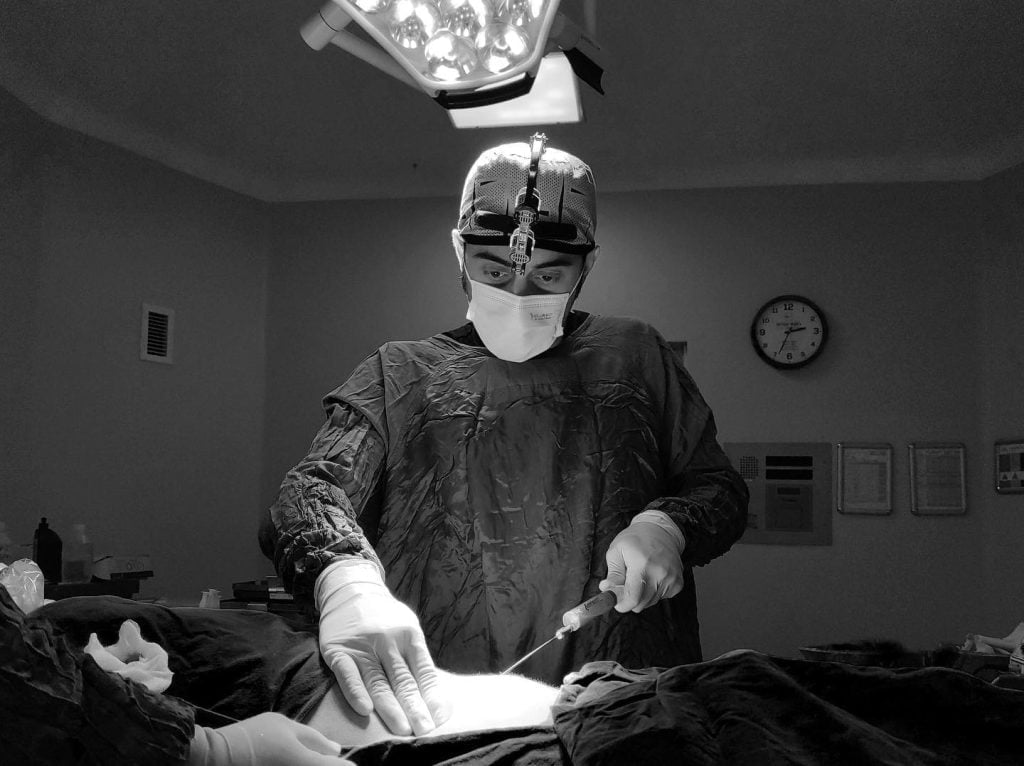
Mehmet Fatih Okyay, MD, FEBOPRAS in Türkiye.

Why is Turkey a Good Option for Top Surgery?

One of the countries that stands out for its low average top surgery costs and high-quality medical services is Turkey. Turkey is a popular destination for medical tourism, especially for cosmetic and plastic surgery. According to the International Medical Travel Journal, Turkey ranked among the top 10 countries for medical tourism in 2019, with more than 1 million international patients.

But what makes Turkey a good option for top surgery? Here are some of the reasons:

  • Turkey has a large and diverse pool of qualified and experienced surgeons who specialize in top surgery and other gender-affirming procedures. Many of them have received training and certification from prestigious international institutions, such as the American Board of Plastic Surgery, the European Board of Plastic Surgery, and the International Society of Aesthetic Plastic Surgery.
  • Turkey offers state-of-the-art facilities and equipment for top surgery, as well as high standards of hygiene and safety. Turkey has more than 50 hospitals that are accredited by the Joint Commission International, which is the gold standard for quality and safety in health care.
  • Turkey provides affordable and comprehensive packages for top surgery, which include the surgeon’s fees, anesthesia, hospital or clinic fees, medication, post-operative care, compression garments, and travel and accommodation costs. The packages are customized according to the individual needs and preferences of the patient, and they offer a transparent and fixed price with no hidden fees.
  • Turkey offers a pleasant and comfortable experience for medical tourists, with a rich and diverse culture, history, and cuisine. Turkey is also known for its hospitality and warmth, and it has a vibrant and supportive LGBTQ+ community. Turkey has several organizations and events that cater to the needs and interests of transgender and non-binary people, such as Trans Istanbul, Pink Life, and Istanbul Pride .

How to Save Money on Top Surgery?

Top surgery is a major investment, both financially and emotionally. However, there are ways to save money on this procedure, without compromising on the quality and safety of the surgery. Here are some tips on how to reduce the average top surgery costs:

  • Do your research: Before deciding on a country, a surgeon, or a technique for top surgery, do your research and compare the options available. Look for reliable and unbiased sources of information, such as reviews, testimonials, and before-and-after photos from previous patients. Ask questions and seek advice from reputable forums and groups, such as Transbucket, FTM Top Surgery Group, and Top Surgery Support .
  • Plan ahead: Planning ahead can help you save money on travel and accommodation costs, as well as avoid unnecessary delays and complications. Book your flights and hotels in advance, and look for deals and discounts. Choose a convenient and accessible location for your surgery, and arrange your transportation and transfers. Prepare a checklist of the documents and items that you need to bring, and pack light and smart. Also, make sure to have a contingency plan in case of emergencies or changes.
  • Seek financial assistance: There are several ways to seek financial assistance for top surgery, such as insurance coverage, crowdfunding, grants, and loans. Some insurance companies may cover part or all of the cost of top surgery, depending on the policy and the criteria. However, insurance coverage may not be available or sufficient for everyone, especially for those who live in countries where top surgery is not recognized or covered by the health care system. In that case, crowdfunding platforms, such as GoFundMe, YouCaring, and Fundly, can be a useful way to raise money from friends, family, and strangers who support your cause. Alternatively, you can apply for grants or scholarships from organizations that offer financial aid for transgender and non-binary people, such as Point of Pride, Jim Collins Foundation, and Trans Relief Project . Lastly, you can also consider taking a loan from a bank or a credit union, or using a credit card, to pay for your surgery. However, be careful and responsible with your debt, and make sure to read and understand the terms and conditions of the loan or the credit card.
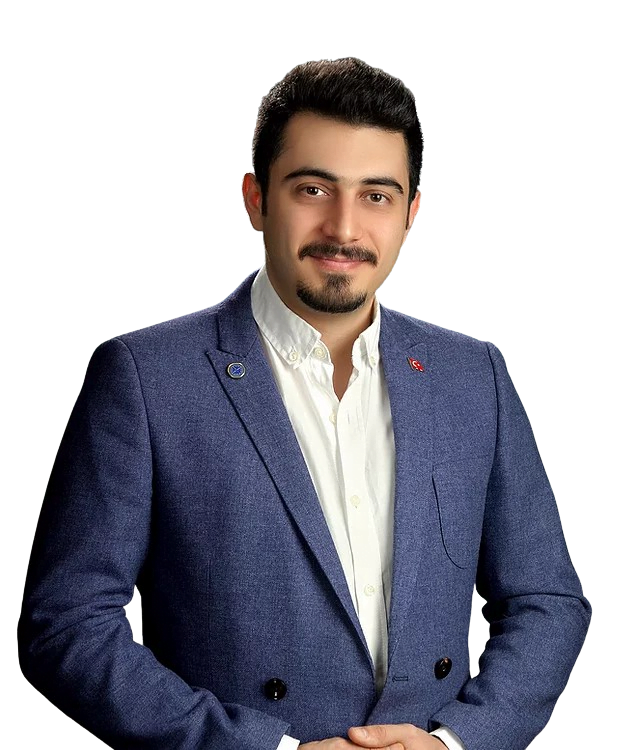
A professional portrait of a man in a blue blazer, white dress shirt, and a well-groomed beard, posing with hands clasped in front of him against a plain background.

Why Choose Dr. MFO (Mehmet Fatih Okyay) for Top Surgery?

Exceptional Expertise:
Ranked 8th in his term in the Turkish Medical Specialization Examination, Dr. MFO holds a Plastic, Reconstructive, and Aesthetic Surgery residency from Istanbul University, Cerrahpaşa Faculty of Medicine, ensuring top-notch skills and training.

International Recognition:
As a Fellow of the European Board of Plastic, Reconstructive, and Aesthetic Surgeons (FEBOPRAS), Dr. MFO has gained global acknowledgment. He was also honored with the Fellow of the Turkish Board of Plastic, Reconstructive, and Aesthetic Surgeons award.

Cutting-Edge Research:
Dr. MFO’s contributions to scientific journals on topics like fat graft survival and insulin effects demonstrate his commitment to incorporating the latest advancements into his practice.

Founder of Dr. MFO Clinic:
Establishing Dr. MFO Clinic in 2021, Dr. MFO is dedicated to providing excellent care as the clinic owner, prioritizing patient well-being and maintaining the highest standards.

Multilingual Communication:
Dr. MFO communicates fluently in academic degree English, Spanish, and has an intermediate-level proficiency in French, ensuring clear and effective communication with his patients.

Active Member of Professional Associations:
As a permanent member of ISAPS, TSPRAS, and TSAPS, Dr. MFO remains at the forefront of industry trends and developments, ensuring the highest quality of care for his patients.

Holistic Approach to Aesthetics:
With a decade of plastic surgery experience, Dr. MFO specializes in various aesthetic procedures, including facelift, nose aesthetics, facial feminization surgeries, tummy tuck, liposuction, body shaping, and breast aesthetic surgeries.

Passion Beyond Surgery:
Dr. MFO is not only a skilled surgeon but also a songwriter, poet, and musician, playing classical guitar, ney, and electric guitar. His passion for the arts reflects his dedication to creativity and precision.

Family-Centric Care:
A family man himself, Dr. MFO understands the importance of trust and compassion in medical care. With a commitment to personalized attention, he ensures every patient feels supported throughout their surgical journey.

Choose Excellence, Choose Dr. MFO for Top Surgery!
Experience the artistry of aesthetic surgery with Dr. MFO, where expertise meets compassion for a transformative journey towards your desired self. Book your consultation today!

Conclusion

Top surgery is a life-changing procedure that can have a positive impact on one’s physical, mental, and social well-being. However, it can also be a costly and challenging process, especially for those who live in countries where top surgery is not accessible or affordable. Therefore, it is important to do your research, plan ahead, and seek financial assistance, to make your top surgery journey as smooth and successful as possible.

One of the options that you may consider is medical tourism in Antalya, Turkey. Turkey is a popular destination for medical tourism in Antalya, especially for cosmetic and plastic surgery. Turkey offers low average top surgery costs, high-quality medical services, and a pleasant and comfortable experience for medical tourists. Turkey has a large and diverse pool of qualified and experienced surgeons who specialize in top surgery and other gender-affirming procedures. Many of them have received training and certification from prestigious international institutions, such as the American Board of Plastic Surgery, the European Board of Plastic Surgery, and the International Society of Aesthetic Plastic Surgery.

Turkey offers state-of-the-art facilities and equipment for top surgery, as well as high standards of hygiene and safety. Turkey has more than 50 hospitals that are accredited by the Joint Commission International, which is the gold standard for quality and safety in health care.

Turkey provides affordable and comprehensive packages for top surgery, which include the surgeon’s fees, anesthesia, hospital or clinic fees, medication, post-operative care, compression garments, and travel and accommodation costs. The packages are customized according to the individual needs and preferences of the patient, and they offer a transparent and fixed price with no hidden fees.

Turkey offers a pleasant and comfortable experience for medical tourists, with a rich and diverse culture, history, and cuisine. Turkey is also known for its hospitality and warmth, and it has a vibrant and supportive LGBTQ+ community. Turkey has several organizations and events that cater to the needs and interests of transgender and non-binary people, such as Trans Istanbul, Pink Life, and Istanbul Pride.

One of the best places to have top surgery in Turkey is Antalya, a beautiful and modern city on the Mediterranean coast. Antalya is a popular destination for medical tourism in Antalya, as it combines the advantages of Turkey’s medical services with the attractions of a seaside resort. Antalya has a mild and sunny climate, stunning beaches, historical sites, and natural wonders. Antalya also has a wide range of accommodation options, from luxury hotels to cozy guesthouses, to suit every budget and taste.

Top surgery is a big decision, and it requires careful planning and preparation. However, it can also be an exciting and rewarding journey, especially if you choose a country and a surgeon that can offer you the best quality and value for your money. Turkey, and especially Antalya, is one of the options that you may consider, as it offers low average top surgery costs, high-quality medical services, and a pleasant and comfortable experience for medical tourists. Turkey is a country that welcomes and respects transgender and non-binary people, and it can help you achieve your desired chest and your true self.

Visit the Dr.MFO Instagram profile for examples of successful Surgeries. Contact for free consultation.

FAQ

What is the average cost of top surgery in the United States?

The average cost in the U.S. ranges from $5,000 to $10,000, depending on factors like location, surgeon, and procedure type.

How does the average cost of top surgery vary depending on location?

Costs can significantly vary by region. Urban areas and coastal regions tend to have higher average costs compared to more rural or inland locations.

What are the main factors that influence the cost of top surgery?

Surgeon’s experience, geographical location, facility fees, anesthesia, and the chosen surgical technique are key factors influencing costs.

Does the type of top surgery procedure (double incision, nipple-sparing, etc.) affect the average cost?

Yes, the complexity and time required for different procedures impact costs. For instance, nipple-sparing techniques may be more expensive due to their intricacy.

How do additional fees, such as anesthesia and hospital stay, contribute to the overall cost?

These fees are separate from the surgeon’s fee and can significantly contribute to the total cost. Anesthesia, facility fees, and postoperative care costs are common additional expenses.

How much does the average cost of top surgery differ internationally?

International costs vary widely. Some countries may offer lower costs, but factors like travel, accommodation, and postoperative care should be considered.

What are some alternative locations for top surgery with potentially lower costs?

Considering surgery in regions with lower living costs or medical tourism destinations might offer more affordable options.

How do the average costs of different types of top surgery compare (FTM, MTN, MTF)?

Costs vary based on the chosen procedure. Generally, FTM top surgery tends to be more common and may have a broader range of available options.

What percentage of top surgery costs is typically covered by insurance?

Insurance coverage varies, but some plans cover a significant portion of the costs, especially if the procedure is deemed medically necessary.

Are there any grant programs or financial assistance options available for individuals seeking top surgery?

Yes, several organizations offer grants and financial assistance for transgender individuals seeking top surgery. Research local and national programs.

What are some creative ways to save money for top surgery (e.g., fundraising, crowdfunding)?

Consider crowdfunding platforms, fundraising events, or creating a dedicated savings account to gather community support and save for the procedure.

How can I compare the value of different surgeons’ fees relative to their experience and expertise?

Look beyond the fee itself and consider the surgeon’s reputation, experience, and before-and-after photos. Read reviews and seek recommendations.

How can I understand the full costs associated with top surgery beyond the surgeon’s fee?

Request a breakdown of all associated costs, including anesthesia, facility fees, and postoperative care. This ensures you have a comprehensive understanding.

What questions should I ask a surgeon about their fees and billing practices?

Inquire about the total cost breakdown, payment plans, accepted insurance, and any potential additional fees. Clarity on billing practices is crucial.

How can I balance the cost of top surgery with other financial priorities?

Create a budget, explore financing options, and prioritize savings. Consider the long-term impact on your overall well-being when evaluating financial trade-offs.

Is it ethical or advisable to consider financing for top surgery?

Financing is a personal choice. While it provides accessibility, carefully assess interest rates and terms to ensure it aligns with your financial well-being and goals.


FTM Top Surgery: A Comprehensive Guide for Trans & Non-Binary Individuals

A shirtless man with a beard and short hair, standing with one hand on his head, looking directly at the camera against a plain white background.

Introduction

Gender identity is a complex and personal aspect of one’s identity, and for some people, it does not match their assigned sex at birth. This can cause a lot of distress and discomfort, especially when it comes to one’s physical appearance and body image. For transgender men, or those who identify as male but were assigned female at birth, one of the most common ways to align their body with their gender identity is to undergo female to male top surgery.

Female to male top surgery, also known as FTM top surgery, chest masculinization surgery, or chest reconstruction surgery, is a surgical procedure that removes breast tissue and reshapes the chest to create a more masculine appearance. It can also involve nipple and areola reduction, relocation, or grafting, depending on the patient’s preferences and goals. FTM top surgery can have a significant impact on one’s self-esteem, confidence, and quality of life, as well as reduce gender dysphoria and improve mental health.

However, FTM top surgery is not a simple or easy decision to make. It involves a lot of preparation, research, consultation, and recovery, as well as potential risks and complications. It also requires a lot of financial, emotional, and social support, as well as legal and medical documentation. Therefore, it is important to understand the journey of FTM top surgery, from the initial steps to the final results, and what to expect along the way.

In this article, we will explore the journey of FTM top surgery, including the following topics:

  • The benefits and challenges of FTM top surgery
  • The different types and techniques of FTM top surgery
  • The eligibility and requirements for FTM top surgery
  • The cost and financing options for FTM top surgery
  • The pre-operative and post-operative care for FTM top surgery
  • The results and satisfaction rates of FTM top surgery
  • The role of Turkey as a popular destination for FTM top surgery

By the end of this article, you will have a better understanding of what FTM top surgery entails, and whether it is right for you or someone you know. You will also learn about the advantages and disadvantages of choosing Turkey as your FTM top surgery destination, and how to find the best surgeon and clinic for your needs.

A close-up image of two gloved hands, one passing a pair of surgical scissors to the other, representing a sterile medical procedure.

The Benefits and Challenges of FTM Top Surgery

FTM top surgery can have many benefits for transgender men, both physically and psychologically. Some of the benefits include:

  • Achieving a more masculine and natural-looking chest that matches one’s gender identity and expression
  • Eliminating the need to bind, which can be uncomfortable, painful, and harmful to one’s health
  • Increasing one’s comfort and confidence in wearing different types of clothing, such as shirts, swimwear, and formal wear
  • Enhancing one’s social and sexual relationships, as well as one’s intimacy and pleasure
  • Reducing or eliminating gender dysphoria, which is the distress and discomfort caused by the incongruence between one’s gender identity and assigned sex
  • Improving one’s mental health and well-being, such as reducing depression, anxiety, stress, and suicidal thoughts
  • Affirming one’s identity and validating one’s transition

However, FTM top surgery also comes with some challenges and drawbacks, such as:

  • The possibility of surgical complications, such as infection, bleeding, hematoma, seroma, scarring, nerve damage, loss of sensation, asymmetry, contour irregularities, and unsatisfactory aesthetic results
  • The need for revision surgery, either to correct complications or to improve the appearance of the chest
  • The risk of regret or dissatisfaction, especially if one’s expectations are unrealistic or not met by the surgeon
  • The cost and availability of FTM top surgery, which can vary depending on the country, the surgeon, the technique, and the insurance coverage
  • The legal and medical hurdles, such as obtaining a diagnosis of gender dysphoria, a letter of recommendation from a mental health professional, and a consent form from a parent or guardian (if under 18)
  • The social and emotional challenges, such as facing stigma, discrimination, harassment, or violence from others, or losing support from family, friends, or partners
  • The recovery process, which can be long, painful, and inconvenient, and require a lot of care and assistance

Therefore, FTM top surgery is not a decision to be taken lightly, and one should weigh the pros and cons carefully before proceeding. It is also advisable to seek professional guidance and support from qualified and experienced medical and mental health providers, as well as from other transgender men who have undergone FTM top surgery or are planning to do so.

A muscular man with a well-defined physique, showcasing his chest, shoulders, and abdominal muscles. He is shirtless, wearing only white underwear. The image highlights his toned body and muscular build.

The Different Types and Techniques of FTM Top Surgery

FTM top surgery can be performed using different types and techniques, depending on the size, shape, and elasticity of the breasts, as well as the patient’s preferences and goals. The main types of FTM top surgery are:

  • Subcutaneous mastectomy, which involves removing the breast tissue through a small incision along the lower edge of the areola. This technique preserves the nipple and areola, and results in minimal scarring and natural-looking nipples. However, it is only suitable for patients with small and firm breasts, and may not achieve enough chest flattening or contouring.
  • Double incision mastectomy, which involves removing the breast tissue through two horizontal incisions along the upper and lower edges of the chest. This technique allows for maximum chest flattening and contouring, and can accommodate any breast size and shape. However, it also removes the nipple and areola, which are then grafted back onto the chest in a smaller and higher position. This results in more visible scarring and possible loss of sensation or viability of the nipples.
  • Keyhole mastectomy, which involves removing the breast tissue through a circular incision around the areola. This technique preserves the nipple and areola, and results in minimal scarring and natural-looking nipples. However, it is only suitable for patients with small and elastic breasts, and may not achieve enough chest flattening or contouring.
  • Periareolar mastectomy, which involves removing the breast tissue through two concentric circular incisions around the areola. This technique preserves the nipple and areola, and allows for some chest flattening and contouring. It also reduces the size of the areola, and results in less visible scarring than the double incision technique. However, it may not be suitable for patients with large or sagging breasts, and may require more than one surgery to achieve the desired results.

The choice of the type and technique of FTM top surgery depends on several factors, such as the patient’s anatomy, expectations, and budget, as well as the surgeon’s expertise and recommendations. Therefore, it is important to consult with a qualified and experienced surgeon who can assess the patient’s suitability and offer the best option for their needs.

The Eligibility and Requirements for FTM Top Surgery

FTM top surgery is not a procedure that anyone can undergo without meeting certain eligibility and requirements. These are usually based on the standards of care and guidelines established by the World Professional Association for Transgender Health (WPATH), which is an international organization that promotes the health and well-being of transgender people. According to the WPATH standards of care, the eligibility and requirements for FTM top surgery are:

  • The patient must be at least 18 years old, or have the consent of a parent or guardian if under 18
  • The patient must have a diagnosis of gender dysphoria, which is confirmed by a qualified mental health professional
  • The patient must have a letter of recommendation from a qualified mental health professional, which states that the patient is ready and able to undergo FTM top surgery
  • The patient must have lived in their desired gender role for at least 12 months, and have received hormone therapy for at least 12 months, unless there are medical contraindications or personal reasons
  • The patient must be in good physical and mental health, and have no medical conditions or medications that could interfere with the surgery or the recovery
  • The patient must be aware of the benefits and risks of FTM top surgery, and have realistic expectations and goals
  • The patient must be able to afford the cost of FTM top surgery, and have access to a qualified and experienced surgeon and clinic

These eligibility and requirements are not absolute, and may vary depending on the country, the surgeon, the clinic, and the patient. Therefore, it is advisable to check with the specific surgeon and clinic that one is considering for FTM top surgery, and to follow their instructions and recommendations.

The Cost and Financing Options for FTM Top Surgery

FTM top surgery is not a cheap or easy procedure to afford, as it can cost anywhere from $3,000 to $10,000 USD, depending on the country, the surgeon, the technique, and the clinic. The cost of FTM top surgery usually includes the following expenses:

  • The surgeon’s fee, which covers the consultation, the surgery, and the follow-up visits
  • The anesthesia fee, which covers the administration of general or local anesthesia during the surgery
  • The hospital or clinic fee, which covers the use of the operating room, the equipment, and the staff
  • The medication fee, which covers the prescription of antibiotics, painkillers, and anti-inflammatory drugs after the surgery
  • The garment fee, which covers the purchase of a compression vest or binder to wear after the surgery
  • The travel and accommodation fee, which covers the transportation and lodging costs for the patient and their companion, if they choose to have FTM top surgery abroad
  • The miscellaneous fee, which covers any additional expenses, such as taxes, tips, food, or entertainment

The total cost of FTM top surgery can vary widely depending on the location and quality of the service, and it may not include all of the expenses mentioned above. Therefore, it is advisable to ask for a detailed and transparent breakdown of the cost from the surgeon and clinic before booking the surgery.

Unfortunately, FTM top surgery is not always covered by insurance, as some insurance companies may consider it a cosmetic or elective procedure, rather than a medically necessary one. However, this is changing as more and more countries and states are recognizing the importance and legitimacy of FTM top surgery for transgender men, and are requiring insurance companies to cover it. Therefore, it is advisable to check with one’s insurance provider and policy before seeking FTM top surgery, and to obtain a pre-authorization letter if possible.

If FTM top surgery is not covered by insurance, or if the insurance coverage is insufficient, there are other financing options available for transgender men who wish to undergo FTM top surgery, such as:

  • Personal savings, which involves setting aside a portion of one’s income or assets for FTM top surgery. This is the most straightforward and reliable way to finance FTM top surgery, but it may take a long time and require a lot of discipline and sacrifice.
  • Personal loans, which involve borrowing money from a bank, a credit union, or a private lender for FTM top surgery. This can be a quick and convenient way to finance FTM top surgery, but it may also incur high interest rates, fees, and penalties, and affect one’s credit score and debt-to-income ratio.
  • Crowdfunding, which involves raising money from online platforms, such as GoFundMe, Kickstarter, or Indiegogo, for FTM top surgery. This can be a creative and effective way to finance FTM top surgery, but it may also require a lot of marketing, promotion, and transparency, and depend on the generosity and support of strangers.
  • Grants and scholarships, which involve applying for and receiving financial aid from organizations, foundations, or individuals that support transgender health and well-being, such as the Jim Collins Foundation, the Transgender Foundation of America, or the Point of Pride Annual Transgender Surgery Fund. This can be a rewarding and empowering way to finance FTM top surgery, but it may also be very competitive, selective, and limited, and require a lot of documentation and eligibility criteria.

The choice of the financing option for FTM top surgery depends on several factors, such as the patient’s financial situation, credit history, and urgency, as well as the availability and accessibility of the option. Therefore, it is important to research and compare the different financing options for FTM top surgery, and to choose the one that best suits one’s needs and goals.

The Pre-Operative and Post-Operative Care for FTM Top Surgery

FTM top surgery is not a one-time procedure that ends after the surgery is done. It requires a lot of care and attention before and after the surgery, to ensure a smooth and successful recovery and outcome. The pre-operative and post-operative care for FTM top surgery usually involves the following steps:

  • The pre-operative consultation, which involves meeting with the surgeon and the anesthesiologist before the surgery, to discuss the details, expectations, and risks of the surgery, and to answer any questions or concerns that the patient may have. The surgeon may also take some measurements, photographs, and blood tests, and prescribe some medications to prepare the patient for the surgery.
  • The pre-operative preparation, which involves following the surgeon’s instructions and recommendations before the surgery, such as stopping smoking, drinking, and taking certain medications or supplements, avoiding certain foods and drinks, and arranging for transportation and accommodation. The patient may also need to wash their chest and hair with a special soap, and shave their chest if needed.
  • The surgery day, which involves arriving at the hospital or clinic at the scheduled time, and checking in with the staff. The patient may need to sign some consent forms, and change into a gown and a cap. The anesthesiologist will administer general or local anesthesia, and the surgeon will perform the surgery using the chosen technique. The surgery may take anywhere from one to four hours, depending on the complexity and extent of the procedure.
  • The post-operative recovery, which involves staying at the hospital or clinic for a few hours or days, depending on the surgeon’s advice and the patient’s condition. The patient may experience some pain, swelling, bruising, bleeding, and numbness in their chest, and may have some drains, bandages, and stitches. The patient may also need to wear a compression vest or binder to support and protect their chest, and to take some medications to prevent infection, inflammation, and pain.
  • The post-operative follow-up, which involves visiting the surgeon and the clinic for regular check-ups and evaluations, to monitor the healing and progress of the chest, and to remove the drains, bandages, and stitches. The surgeon may also provide some instructions and tips on how to care for the chest at home, such as how to clean, dress, and massage the chest, and what activities to avoid or limit, such as lifting, stretching, exercising, and sleeping. The patient may also need to continue wearing the compression vest or binder for a few weeks or months, depending on the surgeon’s advice and the patient’s comfort.
  • The post-operative results, which involve seeing and enjoying the final outcome of the chest, which may take several months or even years to fully settle and mature. The patient may notice some changes and improvements in their chest, such as reduced size, improved shape, and relocated nipples. The patient may also notice some scars and loss of sensation in their chest, which may fade and improve over time, but may not completely disappear. The patient may also feel some emotions and reactions, such as happiness, relief, gratitude, or regret, which are normal and valid, and may require some support and counseling.

The pre-operative and post-operative care for FTM top surgery is an essential and integral part of the journey, and it can affect the quality and satisfaction of the surgery. Therefore, it is important to follow the surgeon’s and the clinic’s instructions and recommendations, and to seek help and support from qualified and experienced medical and mental health providers, as well as from other transgender men who have undergone FTM top surgery or are planning to do so.

The Results and Satisfaction Rates of FTM Top Surgery

FTM top surgery is a life-changing procedure that can have a profound impact on one’s appearance, identity, and well-being. The results and satisfaction rates of FTM top surgery are generally high and positive, as most transgender men report improved self-esteem, confidence, and quality of life after the surgery. However, the results and satisfaction rates of FTM top surgery can also vary depending on several factors, such as the patient’s expectations, goals, and preferences, as well as the surgeon’s skill, experience, and technique.

The results of FTM top surgery can be evaluated using different criteria, such as:

  • The aesthetic outcome, which refers to how the chest looks after the surgery, in terms of size, shape, symmetry, contour, and nipple position. The aesthetic outcome can be influenced by the patient’s anatomy, the type and technique of the surgery, and the healing process. The aesthetic outcome can be measured using objective tools, such as photographs, scales, and ratings, or subjective tools, such as surveys, interviews, and feedback.
  • The functional outcome, which refers to how the chest feels and performs after the surgery, in terms of sensation, mobility, and comfort. The functional outcome can be influenced by the patient’s physiology, the type and technique of the surgery, and the recovery process. The functional outcome can be measured using objective tools, such as tests, exams, and assessments, or subjective tools, such as surveys, interviews, and feedback.
  • The psychological outcome, which refers to how the chest affects one’s mental and emotional health and well-being after the surgery, in terms of gender dysphoria, depression, anxiety, stress, and satisfaction. The psychological outcome can be influenced by the patient’s psychology, the type and technique of the surgery, and the support system. The psychological outcome can be measured using objective tools, such as scales, questionnaires, and inventories, or subjective tools, such as surveys, interviews, and feedback.

The satisfaction rates of FTM top surgery can be calculated using different methods, such as:

  • The percentage of patients who report being satisfied or very satisfied with their chest after the surgery, based on the criteria mentioned above
  • The percentage of patients who report being dissatisfied or very dissatisfied with their chest after the surgery, based on the criteria mentioned above
  • The percentage of patients who report having no regrets or minimal regrets about undergoing the surgery, based on the criteria mentioned above
  • The percentage of patients who report having revision surgery or requesting revision surgery after the surgery, based on the criteria mentioned above

According to the existing literature and studies, the results and satisfaction rates of FTM top surgery are generally high and positive, ranging from 80% to 95%, depending on the source and the method. However, these numbers may not reflect the diversity and complexity of the transgender population and their experiences, and may not account for the individual and contextual factors that affect the results and satisfaction rates of FTM top surgery. Therefore, it is important to acknowledge and respect the variability and subjectivity of the results and satisfaction rates of FTM top surgery, and to seek professional guidance and support from qualified and experienced medical and mental health providers, as well as from other transgender men who have undergone FTM top surgery or are planning to do so.

Cosmetic Surgery in Antalya

The Role of Turkey as a Popular Destination for FTM Top Surgery

Turkey is a country that is located at the crossroads of Europe and Asia, and has a rich and diverse culture, history, and geography. Turkey is also a country that is emerging as a popular destination for FTM top surgery, as it offers several advantages and opportunities for transgender men who wish to undergo FTM top surgery, such as:

  • The quality and affordability of FTM top surgery, which can be comparable or even superior to other countries, such as the US, the UK, or Thailand. Turkey has a large and growing number of qualified, experienced, and trans-friendly plastic surgeons who use the latest techniques and technologies to perform FTM top surgery. Turkey also has a low cost of living and a favorable exchange rate, which makes FTM top surgery more accessible and budget-friendly for transgender men from different countries and backgrounds.
  • The availability and accessibility of FTM top surgery, which can be easier and faster than other countries, such as the US, the UK, or Thailand. Turkey has a relaxed and flexible legal and medical system, which does not require a diagnosis of gender dysphoria, a letter of recommendation, or a period of hormone therapy or living in the desired gender role for FTM top surgery. Turkey also has a convenient and frequent transportation network, which connects Turkey to many countries and regions, and makes FTM top surgery more convenient and hassle-free for transgender men from different countries and backgrounds.
  • The attractiveness and diversity of Turkey, which can be enjoyable and rewarding for transgender men who wish to undergo FTM top surgery. Turkey has a lot to offer in terms of tourism, culture, cuisine, and entertainment, which can make FTM top surgery more enjoyable and memorable for transgender men and their companions. Turkey also has a lot to offer in terms of diversity, tolerance, and acceptance, which can make FTM top surgery more comfortable and safe for transgender men and their companions.

However, Turkey is not a perfect or ideal destination for FTM top surgery, as it also has some disadvantages and challenges for transgender men who wish to undergo FTM top surgery, such as:

  • The possibility and probability of complications, which can be higher or lower than other countries, depending on the surgeon, the clinic, and the patient. FTM top surgery is a major and invasive procedure, which carries some inherent risks and complications, such as infection, bleeding, hematoma, seroma, scarring, nerve damage, loss of sensation, asymmetry, contour irregularities, and unsatisfactory aesthetic results. These risks and complications can be minimized or avoided by choosing a qualified and experienced surgeon and clinic, and by following the pre-operative and post-operative care instructions. However, they can also be exacerbated or aggravated by choosing a unqualified or inexperienced surgeon and clinic, or by neglecting the pre-operative and post-operative care instructions.
  • The need and cost of revision surgery, which can be higher or lower than other countries, depending on the surgeon, the clinic, and the patient. FTM top surgery is a complex and subjective procedure, which may not always achieve the desired or expected results, or may cause some complications that require correction or improvement. Revision surgery is a secondary or additional procedure that aims to correct or improve the results or complications of the primary procedure. Revision surgery can be necessary or optional, depending on the severity and impact of the results or complications. Revision surgery can also be costly and inconvenient, depending on the availability and accessibility of the surgeon and clinic, and the patient’s financial and physical situation.
  • The social and cultural barriers, which can be higher or lower than other countries, depending on the location, the time, and the people. Turkey is a country that has a diverse and dynamic society and culture, which can be welcoming and supportive, or hostile and oppressive, depending on the location, the time, and the people. Turkey is a country that has a secular and democratic government, but also a conservative and religious population, which can create some conflicts and tensions, especially regarding gender and sexuality issues. Turkey is a country that has a progressive and modern outlook, but also a traditional and patriarchal structure, which can create some challenges and difficulties, especially for transgender and non-binary individuals.

Therefore, Turkey is a country that has a lot of potential and promise, but also a lot of pitfalls and problems, for transgender men who wish to undergo FTM top surgery. It is important to do a lot of research and consultation, and to weigh the pros and cons carefully, before choosing Turkey as one’s FTM top surgery destination. It is also advisable to seek professional guidance and support from qualified and experienced medical and mental health providers, as well as from other transgender men who have undergone FTM top surgery or are planning to do so in Turkey.

Conclusion

FTM top surgery is a surgical procedure that removes breast tissue and reshapes the chest to create a more masculine appearance. It can have a significant impact on one’s self-esteem, confidence, and quality of life, as well as reduce gender dysphoria and improve mental health. However, FTM top surgery is not a simple or easy decision to make, as it involves a lot of preparation, research, consultation, and recovery, as well as potential risks and complications. Therefore, it is important to understand the journey of FTM top surgery, from the initial steps to the final results, and what to expect along the way.

In this article, we have explored the journey of FTM top surgery, including the benefits and challenges, the different types and techniques, the eligibility and requirements, the cost and financing options, the pre-operative and post-operative care, the results and satisfaction rates, and the role of Turkey as a popular destination. By the end of this article, you should have a better understanding of what FTM top surgery entails, and whether it is right for you or someone you know. You should also have learned about the advantages and disadvantages of choosing Turkey as your FTM top surgery destination, and how to find the best surgeon and clinic for your needs.

We hope that this article has been informative and helpful for you, and that it has inspired you to pursue your empowering transformation. If you have any questions or comments, please feel free to contact us or leave a comment below. We would love to hear from you and support you in your journey. Thank you for reading, and we wish you all the best.

Visit the Dr.MFO Instagram profile for examples of successful Surgeries. Contact for free consultation.

FAQ

What are the different types of FTM top surgery available?

There are various types, including double incision, periareolar, and keyhole/top surgery, each catering to different chest sizes and preferences.

What are the risks and benefits of each type of FTM top surgery?

Risks and benefits depend on the chosen procedure. Double incision offers more comprehensive results but involves longer scarring, while periareolar and keyhole have less scarring but may not be suitable for larger chests.

How do I know if I’m a good candidate for FTM top surgery?

A consultation with a qualified surgeon is essential. Generally, good candidates are in good health, have realistic expectations, and are emotionally prepared for the process.

What is the recovery process like after FTM top surgery?

Recovery varies but typically involves wearing a compression binder, limiting physical activity, and gradually resuming normal activities over a few weeks. Full recovery may take several months.

How much does FTM top surgery cost?

Cost varies based on factors like location, surgeon’s experience, and the type of procedure. On average, it can range from several thousand to tens of thousands of dollars.

How do I find a qualified surgeon for FTM top surgery?

Research surgeons with experience in transgender healthcare, read reviews, and ask for recommendations from LGBTQ+ communities. Ensure the surgeon is board-certified and has a positive track record.

What are some resources available to support me through the FTM top surgery process?

Seek support from local LGBTQ+ organizations, online forums, and mental health professionals. Many organizations provide information, counseling, and assistance throughout the FTM top surgery journey.

Do Lip Fillers Go Away? A Comprehensive Guide

A blonde woman with curly hair making a kissing gesture against a pink background.

Do Lip Fillers Go Away? Lip fillers are one of the most popular cosmetic procedures in the world. They can enhance the shape, size, and volume of your lips, giving you a more attractive and youthful appearance. But do lip fillers go away? How long do they last? What are the risks and benefits of getting lip fillers? And how much do they cost in different countries? In this article, we will answer all these questions and more, so you can make an informed decision about whether lip fillers are right for you.

A close-up image of a syringe needle with a drop of liquid at the tip, positioned near red lips, suggesting a cosmetic injection procedure.

What are Lip Fillers?

Lip fillers are injectable substances that are used to augment the lips. They are also known as lip augmentation, lip enhancement, or lip plumping. Lip fillers can be made of natural or synthetic materials, such as hyaluronic acid, collagen, fat, or silicone. The most common type of lip filler is hyaluronic acid, which is a substance that is naturally found in the skin and helps retain moisture and elasticity. Hyaluronic acid lip fillers are also called dermal fillers or soft tissue fillers.

Lip fillers are administered by a qualified cosmetic practitioner, who injects the filler into the lips using a fine needle or a cannula. The procedure is usually done under local anesthesia and takes about 15 to 30 minutes. The results are immediate and can last from six months to two years, depending on the type and amount of filler used, the skill of the practitioner, and the metabolism of the individual.

A close-up portrait of a woman with smooth skin, lightly touching her lips with her fingertips. She has natural makeup, well-groomed eyebrows, and a serene expression, posing against a soft blue background.

Do Lip Fillers Go Away?

The answer to the question “do lip fillers go away?” is yes, but not completely. Lip fillers are not permanent and will gradually dissolve over time. The rate of dissolution depends on several factors, such as the type and amount of filler used, the skill of the practitioner, and the metabolism of the individual. Generally speaking, hyaluronic acid lip fillers last longer than collagen lip fillers, and fat lip fillers last longer than both. Silicone lip fillers are considered permanent, but they are not recommended due to the high risk of complications and adverse reactions.

Hyaluronic acid lip fillers typically last from six months to two years, depending on the brand and formulation of the filler. Some of the most popular brands of hyaluronic acid lip fillers are Juvederm, Restylane, Belotero, and Teosyal. These fillers have different viscosities and cross-linking properties, which affect their longevity and effect. For example, Juvederm Volbella is a thin and smooth filler that is ideal for subtle lip enhancement and lasts up to 12 months. Juvederm Ultra XC is a thicker and firmer filler that is ideal for more dramatic lip augmentation and lasts up to 18 months.

Collagen lip fillers typically last from three to six months, depending on the source and quality of the collagen. Collagen is a protein that is naturally found in the skin and provides structure and support. Collagen lip fillers can be derived from human, bovine, or porcine sources, or they can be synthetically produced. Some of the most popular brands of collagen lip fillers are Cosmoderm, Zyderm, Zyplast, and Evolence. These fillers have different purity and compatibility levels, which affect their safety and efficacy. For example, Cosmoderm is a human-derived collagen filler that is highly compatible and safe, but has a shorter duration than Zyderm, which is a bovine-derived collagen filler that requires an allergy test before use.

Fat lip fillers typically last from six months to several years, depending on the technique and amount of fat used. Fat lip fillers are also known as fat transfer, fat grafting, or lipofilling. Fat lip fillers involve harvesting fat from another part of the body, such as the abdomen, thighs, or buttocks, and injecting it into the lips. The procedure is more invasive and complex than other types of lip fillers, and requires general anesthesia and a longer recovery time. The results are more natural and long-lasting, but there is a risk of infection, scarring, and unevenness.

Silicone lip fillers typically last forever, but they are not recommended due to the high risk of complications and adverse reactions. Silicone is a synthetic material that is not biodegradable and can cause inflammation, infection, granulomas, migration, and deformation of the lips. Silicone lip fillers are also illegal in many countries, and are only approved for certain medical conditions, such as HIV-related facial wasting. Silicone lip fillers are also known as liquid silicone, silicone oil, or silicone gel.

What are the Risks and Benefits of Lip Fillers?

Lip fillers have both risks and benefits, and you should weigh them carefully before deciding to get them. The benefits of lip fillers include:

  • Enhancing the shape, size, and volume of your lips
  • Improving the symmetry and balance of your facial features
  • Boosting your self-confidence and self-esteem
  • Reversing the signs of aging and restoring the youthful appearance of your lips
  • Having a quick and minimally invasive procedure with minimal downtime and discomfort
  • Having a customizable and adjustable procedure that can suit your preferences and expectations
  • Having a temporary and reversible procedure that can be dissolved or removed if you are unhappy with the results

The risks of lip fillers include:

  • Having an allergic reaction or infection from the filler or the injection
  • Having bruising, swelling, bleeding, or pain at the injection site
  • Having lumps, bumps, nodules, or irregularities in the lips
  • Having asymmetry, overcorrection, or undercorrection of the lips
  • Having vascular occlusion, necrosis, or ulceration of the lips due to the filler blocking the blood supply
  • Having nerve damage, numbness, or paralysis of the lips due to the filler compressing the nerves
  • Having migration, extrusion, or leakage of the filler from the lips
  • Having dissatisfaction or disappointment with the results

How Much Do Lip Fillers Cost in Different Countries?

Lip fillers cost vary depending on the type and amount of filler used, the skill and experience of the practitioner, and the location and reputation of the clinic. The following table shows the average price comparison of lip fillers in different countries, based on the data from RealSelf, a website that provides reviews and ratings of cosmetic procedures and practitioners.

CountryAverage Cost of Lip Fillers (USD)
USA$600
UK$500
Canada$450
Australia$400
Türkiye$300

As you can see, Türkiye is one of the most affordable countries to get lip fillers, with an average cost of $300. This is because Türkiye has a high demand and supply of cosmetic procedures, as well as a low cost of living and labor. Türkiye also has a high standard of quality and safety, as well as a high level of customer satisfaction. According to a report by the International Society of Aesthetic Plastic Surgery (ISAPS), Türkiye ranked among the top 10 countries in the world for the number of cosmetic procedures performed in 2019, with more than 1 million procedures. Türkiye also ranked among the top 5 countries in the world for the number of lip augmentation procedures performed in 2019, with more than 50,000 procedures.

Why Choose Türkiye for Lip Fillers?

Türkiye is not only a cheap and convenient destination for lip fillers, but also a beautiful and diverse country that offers a lot of attractions and experiences for tourists. Türkiye is located at the crossroads of Europe and Asia, and has a rich and varied culture, history, and cuisine. Türkiye is also home to some of the most stunning natural and architectural wonders in the world, such as the fairy chimneys of Cappadocia, the ancient city of Ephesus, the blue waters of the Mediterranean, and the majestic Hagia Sophia. Türkiye is also a friendly and hospitable country, where you can enjoy the warmth and generosity of the Turkish people.

If you are planning to get lip fillers in Türkiye, you can combine your cosmetic procedure with a memorable vacation. You can explore the vibrant and cosmopolitan city of Istanbul, where you can visit the iconic landmarks, such as the Blue Mosque, the Grand Bazaar, and the Topkapi Palace. You can also indulge in the delicious and diverse Turkish cuisine, such as kebabs, baklava, and Turkish coffee. You can also relax and rejuvenate in the traditional Turkish baths, or hamams, where you can enjoy a steamy and soothing massage. You can also travel to other parts of Türkiye, such as Ankara, Izmir, Antalya, or Bodrum, where you can experience the different regions and cultures of Türkiye.

How to Choose the Best Practitioner and Clinic for Lip Fillers in Türkiye?

If you are interested in getting lip fillers in Türkiye, you should do your research and choose the best practitioner and clinic for your needs. Here are some tips and factors to consider when choosing the best practitioner and clinic for lip fillers in Türkiye:

  • Check the credentials and qualifications of the practitioner. Make sure they are certified and licensed by the relevant authorities, such as the Turkish Society of Plastic, Reconstructive and Aesthetic Surgeons (TPRECD), the Turkish Society of Aesthetic Dermatology (TED), or the International Society of Aesthetic Plastic Surgery (ISAPS). You can also check their education, training, and experience in lip fillers and other cosmetic procedures.
  • Check the reputation and reviews of the practitioner and the clinic. You can look for online reviews and ratings from previous customers, or ask for referrals from friends or family who have had lip fillers in Türkiye. You can also look for before and after photos and videos of their work, and see if you like the results and style of the practitioner. You can also contact the practitioner and the clinic and ask for a consultation, where you can discuss your goals, expectations, and concerns, and get a personalized quote and treatment plan.
  • Check the facilities and equipment of the clinic. You should choose a clinic that has a clean, comfortable, and safe environment, and that follows the highest standards of hygiene and sterilization. You should also choose a clinic that has the latest and most advanced technology and equipment for lip fillers, such as ultrasound, laser, or radiofrequency devices, which can enhance the accuracy, efficiency, and outcome of the procedure.
  • Check the price and value of the lip fillers. You should compare the prices of different practitioners and clinics, and see which one offers the best value for your money. You should also consider the quality and quantity of the filler, the skill and experience of the practitioner, and the aftercare and follow-up services that are included in the price. You should also be aware of any hidden fees or extra charges that may apply, such as taxes, anesthesia, or medication. You should also look for any discounts, promotions, or packages that may be available, especially if you are planning to combine your lip fillers with other cosmetic procedures or travel expenses.

By following these tips and factors, you can find the best practitioner and clinic for lip fillers in Türkiye, and enjoy the benefits of having fuller and more beautiful lips.

A close-up portrait of a woman with long dark hair, looking directly at the camera with a neutral expression. She is wearing subtle makeup, including eyeshadow and lip gloss, and has her hair styled in loose waves. Her hands are gently placed near her neck, showcasing her manicured nails.

How to Prepare for Lip Fillers in Türkiye?

If you have decided to get lip fillers in Türkiye, you should prepare yourself physically and mentally for the procedure. Here are some tips and steps to follow before getting lip fillers in Türkiye:

  • Do your research and choose the best practitioner and clinic for your needs. You can use the tips and factors that we discussed in the previous section, or you can ask for recommendations from your friends, family, or travel agent. You should also book your appointment and confirm your travel arrangements in advance, to avoid any last-minute hassle or confusion.
  • Consult your doctor and inform them about your medical history and current medications. You should also get a blood test and a dental check-up before getting lip fillers, to rule out any infections or diseases that may affect the procedure or the healing process. You should also inform your practitioner about any allergies or sensitivities that you may have, especially to the filler or the anesthesia.
  • Stop taking any blood-thinning medications or supplements, such as aspirin, ibuprofen, vitamin E, or fish oil, at least a week before getting lip fillers. These substances can increase the risk of bleeding, bruising, and swelling after the procedure. You should also avoid alcohol, tobacco, and caffeine, as they can dehydrate your body and impair your blood circulation.
  • Hydrate your body and moisturize your lips before getting lip fillers. You should drink plenty of water and apply a lip balm or a moisturizer to your lips, to keep them soft and supple. This can also help the filler to spread evenly and smoothly in your lips, and prevent any dryness or cracking after the procedure.
  • Eat a light and healthy meal before getting lip fillers. You should avoid eating anything heavy, spicy, or greasy, as they can upset your stomach and cause nausea or vomiting. You should also avoid eating anything that can stain your lips, such as berries, chocolate, or red wine. You should also brush your teeth and rinse your mouth thoroughly before getting lip fillers, to prevent any bacteria or food particles from entering your lips.
  • Bring a friend or a family member with you when getting lip fillers. You may feel nervous, anxious, or excited before getting lip fillers, and having someone to support you and comfort you can make a big difference. You may also need someone to drive you home or accompany you to your hotel after getting lip fillers, as you may feel dizzy, tired, or sore. You may also want someone to take pictures of your before and after results, and share your experience with.

By following these tips and steps, you can prepare yourself for lip fillers in Türkiye, and have a smooth and successful procedure.

How to Care for Your Lips After Getting Lip Fillers in Türkiye?

After getting lip fillers in Türkiye, you should follow some tips and instructions to care for your lips and ensure the best results. Here are some tips and steps to follow after getting lip fillers in Türkiye:

  • Apply ice packs or cold compresses to your lips to reduce the swelling, bruising, and pain. You can wrap some ice cubes or frozen peas in a clean cloth and gently press them against your lips for 10 to 15 minutes at a time, several times a day. You should avoid applying direct pressure or rubbing your lips, as this can displace the filler or cause more damage.
  • Take painkillers or anti-inflammatory medications as prescribed by your practitioner. You should avoid taking any blood-thinning medications or supplements, such as aspirin, ibuprofen, vitamin E, or fish oil, as they can increase the risk of bleeding, bruising, and swelling. You should also avoid alcohol, tobacco, and caffeine, as they can dehydrate your body and impair your blood circulation.
  • Keep your lips hydrated and moisturized after getting lip fillers. You should drink plenty of water and apply a lip balm or a moisturizer to your lips, to keep them soft and supple. This can also help the filler to settle and integrate with your lips, and prevent any dryness or cracking. You should avoid using any products that contain alcohol, menthol, or fragrance, as they can irritate your lips.
  • Avoid any heat or sun exposure to your lips after getting lip fillers. You should avoid any activities that can raise your body temperature, such as sauna, steam room, hot shower, or exercise, as they can increase the swelling and inflammation of your lips. You should also avoid any sun exposure or tanning, as they can damage your skin and cause pigmentation or discoloration of your lips. You should wear a sunscreen or a lip balm with SPF to protect your lips from the UV rays.
  • Avoid any food or drinks that can stain your lips after getting lip fillers. You should avoid eating anything that can stain your lips, such as berries, chocolate, or red wine. You should also avoid drinking anything that can cause suction or pressure on your lips, such as straws, bottles, or cups. You should eat and drink carefully and gently, and use a spoon or a fork to avoid contact with your lips.
  • Avoid any kissing or oral activities after getting lip fillers. You should avoid any kissing or oral activities for at least 24 hours after getting lip fillers, as they can cause infection, inflammation, or displacement of the filler. You should also avoid any biting, licking, or sucking of your lips, as they can damage your lips and affect the results.
  • Follow the aftercare and follow-up instructions given by your practitioner. You should follow the aftercare and follow-up instructions given by your practitioner, and contact them if you have any questions or concerns. You should also schedule a follow-up appointment with your practitioner, usually after two weeks, to check the results and make any adjustments or corrections if needed.

By following these tips and steps, you can care for your lips after getting lip fillers in Türkiye, and enjoy the results for a long time.

A close-up image of a person undergoing a cosmetic injection procedure, with gloved hands holding a syringe near the lips.

What are the Results and Expectations of Lip Fillers in Türkiye?

Lip fillers in Türkiye can give you the results and expectations that you desire, as long as you choose the right practitioner and clinic, and follow the proper preparation and aftercare. Here are some of the results and expectations that you can expect from lip fillers in Türkiye:

  • The results of lip fillers are immediate and visible, but they are not final and stable until two weeks after the procedure. You may experience some swelling, bruising, and pain in the first few days, which will subside gradually. You may also notice some asymmetry, unevenness, or lumpiness in your lips, which will smooth out over time. You should wait for at least two weeks before judging the final results and making any changes or corrections.
  • The results of lip fillers are temporary and reversible, but they can last for a long time depending on the type and amount of filler used, the skill and experience of the practitioner, and the metabolism of the individual. Hyaluronic acid lip fillers typically last from six months to two years, collagen lip fillers typically last from three to six months, fat lip fillers typically last from six months to several years, and silicone lip fillers typically last forever. You can maintain the results of lip fillers by getting touch-ups or refills every few months or years, or you can dissolve or remove them if you are unhappy with the results.
  • The results of lip fillers are customizable and adjustable, but they are also limited and realistic. You can choose the type and amount of filler, the shape and size of your lips, and the style and effect of your lip enhancement, according to your preferences and expectations. You can also make any adjustments or corrections if you are not satisfied with the initial results. However, you should also be aware of the limitations and risks of lip fillers, and have realistic expectations of what they can and cannot do. You should not expect lip fillers to change your entire appearance or personality, or to solve any underlying issues or insecurities that you may have.

By understanding the results and expectations of lip fillers in Türkiye, you can enjoy the benefits of having fuller and more beautiful lips.

A close-up image of a person's lips with a syringe needle touching the lower lip, likely during a lip enhancement procedure.

Conclusion

Lip fillers are a popular and effective way to enhance the shape, size, and volume of your lips, and improve your appearance and confidence. However, lip fillers are not a simple or risk-free procedure, and you should do your research and preparation before getting them. You should also choose the best practitioner and clinic for your needs, and follow the proper aftercare and follow-up instructions after getting them. You should also have realistic expectations and be aware of the results and limitations of lip fillers.

Türkiye is one of the best destinations to get lip fillers, as it offers high-quality and affordable services, as well as a beautiful and diverse country to explore and enjoy. Türkiye has a high demand and supply of cosmetic procedures, as well as a high standard of quality and safety, and a high level of customer satisfaction. Türkiye also has a rich and varied culture, history, and cuisine, as well as stunning natural and architectural wonders, that you can experience and appreciate.

If you are interested in getting lip fillers in Türkiye, you can contact us and we will help you find the best practitioner and clinic for your needs. We will also help you plan your travel and accommodation, and provide you with any support and guidance that you may need. We hope that this article has given you some useful information and tips on how to prepare for lip fillers in Türkiye, and we look forward to hearing from you soon. Thank you for reading.

Visit the Dr.MFO Instagram profile for examples of successful Surgeries. Contact for free consultation.

How Much Does Top Surgery Cost UK?

A medical professional wrapping a patient's chest with bandages after surgery.

How Much Does Top Surgery Cost UK? Top surgery is a term that refers to the surgical procedures that transgender or non-binary people undergo to align their chest with their gender identity. Top surgery can involve breast augmentation, breast reduction, or chest reconstruction, depending on the individual’s goals and preferences. Top surgery is often a vital step in the transition process, as it can improve one’s self-esteem, mental health, and quality of life.

However, top surgery is not always easy to access or afford, especially in the UK. In this article, we will explore the different options, costs, and factors that affect the availability and affordability of top surgery in the UK. We will also compare the UK with other countries, such as Turkey, Korea, New Zealand, and Australia, where top surgery is more popular or cheaper. We hope that this article will help you understand the challenges and opportunities of getting top surgery in the UK and abroad.

How Much Does Top Surgery Cost UK?

How to Get Top Surgery in the UK?

There are two main ways to get top surgery in the UK: through the National Health Service (NHS) or privately. Each option has its own advantages and disadvantages, which we will discuss below.

NHS

The NHS is the public health system that provides free or low-cost health care to UK residents. The NHS covers the cost of top surgery for transgender or non-binary people who meet certain criteria and have a diagnosis of gender dysphoria from a Gender Identity Clinic (GIC). However, getting top surgery through the NHS can be very difficult and time-consuming, for several reasons:

  • There is a long waiting list for GIC appointments, which can take up to several years. According to a 2020 report by Stonewall, the average waiting time for a first GIC appointment was 18 months, and some people waited up to four years.
  • There is a shortage of GICs and surgeons who perform top surgery in the UK. There are only seven GICs in England, one in Scotland, and none in Wales or Northern Ireland. There are also only a handful of surgeons who are qualified and experienced in top surgery, and they often have limited availability and high demand.
  • There are strict eligibility criteria and requirements for top surgery on the NHS. These include having a diagnosis of gender dysphoria, living in the preferred gender role for at least one year, having regular hormone therapy for at least one year, and having two referrals from GIC clinicians. Some people may not meet these criteria or may not want to follow these steps, which can limit their access to top surgery on the NHS.
  • There is a lack of standardisation and consistency in the quality and outcomes of top surgery on the NHS. Different GICs and surgeons may have different protocols, techniques, and results, which can affect the satisfaction and safety of the patients. Some people may not be happy with the results of their top surgery on the NHS, and may need revisions or corrections, which can incur additional costs and risks.

Private

The alternative to getting top surgery on the NHS is to go privately, which means paying for the surgery out of pocket or with the help of insurance or crowdfunding. Going privately can offer more flexibility, choice, and control over the top surgery process, but it also comes with higher costs and challenges, such as:

  • The cost of top surgery in the UK can vary depending on the type of surgery, the surgeon, the clinic, and the location. According to a 2020 survey by Transgender Surgery Support, the average cost of top surgery in the UK was £6,900, ranging from £4,000 to £10,000. This does not include the costs of consultations, travel, accommodation, aftercare, and potential complications or revisions.
  • The availability and quality of private top surgery in the UK can also vary depending on the surgeon and the clinic. Some surgeons and clinics may have longer waiting lists, higher prices, or lower standards than others. It is important to do thorough research and compare different options before choosing a private top surgery provider in the UK.
  • The accessibility and affordability of private top surgery in the UK can be limited by the lack of insurance coverage or financial support. Most insurance companies in the UK do not cover the cost of top surgery, as they consider it a cosmetic or elective procedure. Some people may resort to crowdfunding platforms, such as GoFundMe, to raise money for their top surgery, but this can be challenging and stressful, as it depends on the generosity and awareness of the donors.
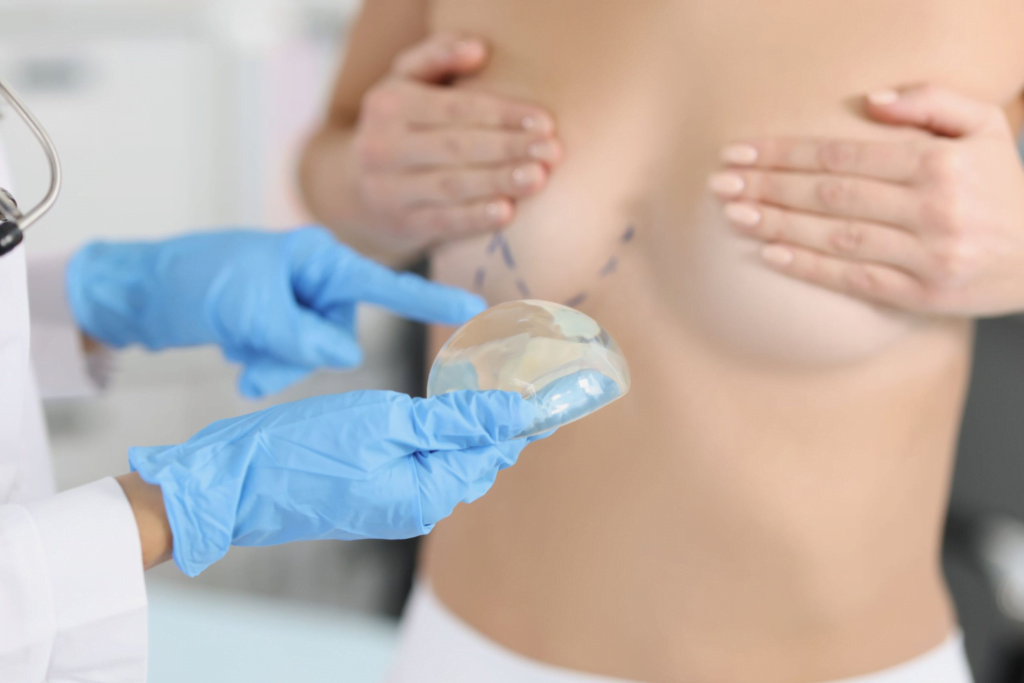
A medical professional with plastic gloves holding a breast implant, demonstrating it to a patient during a consultation.

How to Get Top Surgery Abroad?

Another option for getting top surgery is to travel abroad, where top surgery may be more accessible, affordable, or desirable, depending on the country and the individual. Some of the most popular destinations for top surgery abroad are Turkey, Korea, New Zealand, and Australia, which we will compare with the UK in terms of the cost, quality, and availability of top surgery.

antalya

Turkey

Turkey is one of the most popular and affordable destinations for top surgery abroad, especially for people from Europe and the Middle East. Turkey has a booming medical tourism industry, which offers high-quality and low-cost health care services to international patients. According to a 2019 report by the Turkish Healthcare Travel Council, Turkey hosted more than one million medical tourists, generating more than $1.5 billion in revenue.

One of the main attractions of Turkey for top surgery is the cost, which is significantly lower than in the UK or other European countries. According to a 2020 survey by Transgender Surgery Support, the average cost of top surgery in Turkey was £2,600, ranging from £1,500 to £4,000. This is less than half of the average cost of top surgery in the UK, and it often includes the costs of travel, accommodation, and aftercare.

Another attraction of Turkey for top surgery is the quality, which is comparable or superior to that of the UK or other European countries. Turkey has a large number of qualified and experienced surgeons who specialise in top surgery, as well as modern and accredited clinics and hospitals that adhere to international standards and regulations. Turkey also offers a variety of top surgery techniques and options, such as periareolar, double incision, keyhole, and buttonhole, which can suit different preferences and needs.

However, getting top surgery in Turkey also has some drawbacks and risks, such as:

  • The language barrier, which can make communication and understanding difficult or confusing. Although many surgeons and clinics in Turkey speak English or offer translation services, some may not, which can affect the quality and safety of the top surgery process.
  • The cultural and legal differences, which can make travelling and staying in Turkey uncomfortable or dangerous. Turkey is a predominantly Muslim country, which has conservative and traditional views on gender and sexuality. Transgender or non-binary people may face discrimination, harassment, or violence in Turkey, especially if they do not pass or blend in with the local population. Turkey also has restrictive and ambiguous laws on transgender rights, which can affect the access and protection of transgender or non-binary people in Turkey.
  • The potential complications or revisions, which can be costly and inconvenient to deal with abroad. Although top surgery in Turkey is generally safe and effective, some people may experience complications or dissatisfaction with their results, which may require further treatment or correction. However, travelling back to Turkey for revisions or follow-ups can be expensive and impractical, and finding a local surgeon who can fix the problem can be difficult and risky.
A close-up photo of a woman with her hand partially covering her face, showcasing clear skin and detailed facial features, likely for a skincare or beauty context.

Korea

Korea is another popular and affordable destination for top surgery abroad, especially for people from Asia and America. Korea has a reputation for being a global leader in cosmetic and plastic surgery, which attracts millions of medical tourists every year. According to a 2019 report by the Korea Health Industry Development Institute, Korea hosted more than 380,000 medical tourists, generating more than $1 billion in revenue.

One of the main attractions of Korea for top surgery is the cost, which is also lower than in the UK or other Western countries. According to a 2020 survey by Transgender Surgery Support, the average cost of top surgery in Korea was £3,300, ranging from £2,000 to £5,000. This is still cheaper than the average cost of top surgery in the UK, and it often includes the costs of travel, accommodation, and aftercare.

Another attraction of Korea for top surgery is the quality, which is also comparable or superior to that of the UK or other Western countries. Korea has a large number of qualified and experienced surgeons who specialise in top surgery, as well as modern and accredited clinics and hospitals that adhere to international standards and regulations. Korea also offers a variety of top surgery techniques and options, such as periareolar, double incision, keyhole, and buttonhole, which can suit different preferences and needs.

However, getting top surgery in Korea also has some drawbacks and risks, such as:

  • The language barrier, which can make communication and understanding difficult or confusing. Although many surgeons and clinics in Korea speak English or offer translation services, some may not, which can affect the quality and safety of the top surgery process.
  • The cultural and legal differences, which can make travelling and staying in Korea uncomfortable or dangerous. Korea is a predominantly Confucian country, which has conservative and traditional views on gender and sexuality. Transgender or non-binary people may face discrimination, harassment, or violence in Korea, especially if they do not pass or blend in with the local population.
A panoramic view of a city nestled between mountains and a lake, with a modern glass building overlooking the scene. The city lights glow warmly against the backdrop of dramatic cloudy skies and rugged mountain peaks, creating a serene and picturesque landscape.

New Zealand

New Zealand is another popular and affordable destination for top surgery abroad, especially for people from Australia and Oceania. New Zealand has a progressive and inclusive culture, which supports and respects transgender and non-binary people. According to a 2018 report by ILGA, New Zealand ranked sixth in the world for LGBT rights and equality.

One of the main attractions of New Zealand for top surgery is the cost, which is also lower than in the UK or other Western countries. According to a 2020 survey by Transgender Surgery Support, the average cost of top surgery in New Zealand was £4,000, ranging from £3,000 to £5,000. This is still cheaper than the average cost of top surgery in the UK, and it often includes the costs of travel, accommodation, and aftercare.

Another attraction of New Zealand for top surgery is the quality, which is also comparable or superior to that of the UK or other Western countries. New Zealand has a number of qualified and experienced surgeons who specialise in top surgery, as well as modern and accredited clinics and hospitals that adhere to international standards and regulations. New Zealand also offers a variety of top surgery techniques and options, such as periareolar, double incision, keyhole, and buttonhole, which can suit different preferences and needs.

However, getting top surgery in New Zealand also has some drawbacks and risks, such as:

  • The distance and travel time, which can make travelling and staying in New Zealand expensive and exhausting. New Zealand is located in the South Pacific, which is far away from most parts of the world. The flight time from the UK to New Zealand is about 24 hours, and the time difference is about 12 hours. This can affect the health and comfort of the travellers, as well as the cost and availability of the flights and accommodation.
  • The availability and accessibility of top surgery in New Zealand, which can be limited by the demand and supply of the service. New Zealand has a relatively small population and market for top surgery, which means that there are fewer surgeons and clinics that offer top surgery, and they may have longer waiting lists, higher prices, or lower standards than other countries. It is important to do thorough research and compare different options before choosing a top surgery provider in New Zealand.
  • The potential complications or revisions, which can be costly and inconvenient to deal with abroad. Although top surgery in New Zealand is generally safe and effective, some people may experience complications or dissatisfaction with their results, which may require further treatment or correction. However, travelling back to New Zealand for revisions or follow-ups can be expensive and impractical, and finding a local surgeon who can fix the problem can be difficult and risky.
Aerial view of Sydney Harbour featuring the iconic Sydney Opera House, Sydney Harbour Bridge, and the city skyline with clear blue skies and water.

Australia

Australia is another popular and affordable destination for top surgery abroad, especially for people from Oceania and Asia. Australia has a diverse and multicultural society, which welcomes and celebrates transgender and non-binary people. According to a 2018 report by ILGA, Australia ranked eighth in the world for LGBT rights and equality.

One of the main attractions of Australia for top surgery is the cost, which is also lower than in the UK or other Western countries. According to a 2020 survey by Transgender Surgery Support, the average cost of top surgery in Australia was £4,500, ranging from £3,500 to £6,000. This is still cheaper than the average cost of top surgery in the UK, and it often includes the costs of travel, accommodation, and aftercare.

Another attraction of Australia for top surgery is the quality, which is also comparable or superior to that of the UK or other Western countries. Australia has a large number of qualified and experienced surgeons who specialise in top surgery, as well as modern and accredited clinics and hospitals that adhere to international standards and regulations. Australia also offers a variety of top surgery techniques and options, such as periareolar, double incision, keyhole, and buttonhole, which can suit different preferences and needs.

However, getting top surgery in Australia also has some drawbacks and risks, such as:

  • The distance and travel time, which can make travelling and staying in Australia expensive and exhausting. Australia is located in the Southern Hemisphere, which is far away from most parts of the world. The flight time from the UK to Australia is about 22 hours, and the time difference is about 10 hours. This can affect the health and comfort of the travellers, as well as the cost and availability of the flights and accommodation.
  • The availability and accessibility of top surgery in Australia, which can be limited by the demand and supply of the service. Australia has a relatively large population and market for top surgery, which means that there are more surgeons and clinics that offer top surgery, but they may also have longer waiting lists, higher prices, or lower standards than other countries. It is important to do thorough research and compare different options before choosing a top surgery provider in Australia.
  • The potential complications or revisions, which can be costly and inconvenient to deal with abroad. Although top surgery in Australia is generally safe and effective, some people may experience complications or dissatisfaction with their results, which may require further treatment or correction. However, travelling back to Australia for revisions or follow-ups can be expensive and impractical, and finding a local surgeon who can fix the problem can be difficult and risky.
A woman with her chest wrapped in white bandages, isolated on a light background.

Conclusion: How Much Does Top Surgery Cost UK?

In conclusion, top surgery is a life-changing and affirming procedure for many transgender and non-binary people, but it can also be challenging and costly to access and afford, especially in the UK. There are different options and factors to consider when choosing where and how to get top surgery, such as the cost, quality, availability, and accessibility of the service, as well as the personal preferences and needs of the individual.

Some people may opt to get top surgery in the UK, either through the NHS or privately, but they may face long waiting lists, high prices, strict criteria, or inconsistent outcomes. Some people may opt to get top surgery abroad, in countries such as Turkey, Korea, New Zealand, or Australia, where top surgery may be more accessible, affordable, or desirable, but they may face language barriers, cultural differences, travel difficulties, or potential complications.

Ultimately, the decision of where and how to get top surgery is a personal and complex one, which requires careful research, planning, and consultation. We hope that this article has provided some useful and interesting information and insights on the topic of top surgery in the UK and abroad. We also hope that you have enjoyed reading this article, and that you have learned something new and valuable. Thank you for your attention and interest.

Visit the Dr.MFO Instagram profile for examples of successful Surgeries. Contact for free consultation.

Mehmet Fatih Okyay, MD, FEBOPRAS in Türkiye.

Why Dr. MFO is Your Best Choice for Facial Feminization Surgery in Antalya

When it comes to Facial Feminization Surgery (FFS), Dr. MFO stands out as the best choice in Antalya. His expertise, dedication, and artistic vision make him a trusted name in the field of plastic surgery.

Unmatched Expertise

Dr. MFO has over 10 years of experience in plastic surgery and has performed thousands of successful surgeries. He is a European & Turkish Board Certified Plastic Surgeon and an Authorized International Health Tourism Center. His vast experience and deep understanding of the human anatomy enable him to provide top-notch surgical solutions that cater to the unique needs of each patient.

Specialization in Facial Feminization Surgery

Dr. MFO specializes in FFS, a type of gender-affirming surgery that aims to create a more feminine appearance for transgender women who were assigned male at birth (AMAB). It involves reshaping and enhancing feminine facial cues, creating a softer jawline, rounder cheekbones, and a less prominent Adam’s apple.

Comprehensive Care

Dr. MFO offers all-inclusive packages that cover everything from flight and hotel bookings to medication and ground services. He also provides a private personal nurse to ensure that patients receive the best care possible.

No Hidden Costs

With Dr. MFO, what you see is what you get. He maintains transparency in his pricing, ensuring that there are no hidden costs.

World-Renowned Plastic Surgeon and Artist

Dr. MFO is not just a surgeon; he is also an artist. He combines his surgical skills with his artistic vision to create results that are not only medically sound but also aesthetically pleasing.

Choosing Dr. MFO for your Facial Feminization Surgery means choosing expertise, comprehensive care, and a commitment to your personal journey. Make an appointment now and take the first step towards your transformation.

How much does vline surgery cost in Korea? Is Türkiye an alternative?

How much does vline surgery cost in Korea? Is Türkiye an alternative?

How much does vline surgery cost in Korea? Vline surgery, also known as v shape face surgery or v line jaw surgery, is a cosmetic procedure that aims to create a more defined and slim jawline. It involves reducing the width and length of the lower jaw bone, as well as removing excess fat and skin from the chin and neck area. The result is a more feminine and attractive facial contour that resembles the letter V.

Vline surgery is very popular in Korea, where many people desire to have a small and delicate face. According to a survey by the Korean Society of Plastic and Reconstructive Surgeons, vline surgery was the second most common facial bone surgery in 2019, with 16,731 cases performed. However, vline surgery is not only popular among Koreans, but also among foreigners who visit Korea for medical tourism. In fact, Korea is the world’s leading destination for vline surgery, with more than 50,000 foreign patients undergoing the procedure every year.

But how much does vline surgery cost in Korea? And is there a cheaper and better alternative in Türkiye? In this article, we will answer these questions and provide you with some useful information about vline surgery.

Vline surgery cost in Korea

The cost of vline surgery in Korea varies depending on several factors, such as the surgeon’s experience, the clinic’s reputation, the extent of the surgery, and the type of anesthesia used. However, according to the Korea Health Industry Development Institute, the average cost of vline surgery in Korea was 8.9 million won (about 7,500 USD) in 2019. This is much higher than the average cost of other facial bone surgeries, such as cheekbone reduction (6.4 million won) or chin augmentation (3.5 million won).

However, the average cost does not reflect the actual price that each patient pays, as there may be additional fees for consultation, preoperative tests, postoperative care, medication, and revision surgery. Moreover, the cost of vline surgery in Korea may vary depending on the exchange rate, the season, and the demand. Therefore, it is advisable to consult with several clinics and compare their prices and services before making a decision.

How much does vline surgery cost in Korea? Is Türkiye an alternative?

Vline surgery cost in Türkiye

Türkiye is another popular destination for medical tourism, especially for cosmetic surgery. Türkiye offers high-quality medical services, experienced and certified surgeons, modern facilities, and affordable prices. According to the Turkish Healthcare Travel Council, Türkiye hosted more than 1 million medical tourists in 2019, generating 1.5 billion USD in revenue. Among the most sought-after cosmetic procedures in Türkiye are rhinoplasty, breast augmentation, liposuction, hair transplantation, and vline surgery.

But how much does vline surgery cost in Türkiye? According to the Turkish Society of Aesthetic Plastic Surgery, the average cost of vline surgery in Türkiye was 25,000 TL (about 3,000 USD) in 2019. This is more than 50% cheaper than the average cost of vline surgery in Korea. Moreover, the cost of vline surgery in Türkiye includes all the expenses related to the surgery, such as consultation, preoperative tests, anesthesia, hospitalization, postoperative care, medication, and revision surgery. Therefore, there are no hidden fees or extra charges for the patients.

A female healthcare professional in blue scrubs holding a clipboard and smiling, standing in a brightly lit hospital corridor with other medical staff in the background.

Why choose Türkiye for vline surgery?

Besides the lower cost, there are many other reasons why Türkiye is a better alternative to Korea for vline surgery. Here are some of them:

  • Türkiye has a large number of qualified and experienced surgeons who specialize in vline surgery. According to the Turkish Society of Aesthetic Plastic Surgery, there are more than 1,000 board-certified plastic surgeons in Türkiye, many of whom have received training and certification from international organizations, such as the International Society of Aesthetic Plastic Surgery or the European Board of Plastic, Reconstructive and Aesthetic Surgery.
  • Türkiye has a high standard of medical care and safety, as well as a strict regulation of cosmetic surgery. All the clinics and hospitals that offer vline surgery in Türkiye are accredited by the Ministry of Health, the Turkish Medical Association, and the Turkish Society of Aesthetic Plastic Surgery. Moreover, Türkiye follows the guidelines and protocols of the World Health Organization and the European Union for infection control and quality assurance.
  • Türkiye has a rich and diverse culture, history, and nature, which makes it an ideal destination for tourism and relaxation. Türkiye is home to 18 UNESCO World Heritage Sites, such as the Hagia Sophia, the Ephesus, and the Cappadocia. Türkiye also has a variety of natural attractions, such as the Mediterranean Sea, the Black Sea, the Taurus Mountains, and the Pamukkale. Türkiye also offers a delicious and healthy cuisine, a vibrant and colorful nightlife, and a warm and hospitable people.
  • Türkiye is easily accessible and convenient for travel, as it is located at the crossroads of Europe, Asia, and Africa. Türkiye has 56 international airports, which connect it to more than 200 countries and regions. Moreover, Türkiye offers visa-free or visa-on-arrival entry to citizens of more than 100 countries, including the United States, the United Kingdom, Canada, Australia, and most of the European Union. Türkiye also has a favorable climate, with mild winters and hot summers.

Why Choose Dr. MFO for Vline Surgery?

When it comes to achieving a more feminine and slender jawline, Dr. MFO is the go-to expert. With his extensive experience and expertise in Vline Surgery, he has helped countless individuals transform their appearance and boost their self-confidence.

Mehmet Fatih Okyay, MD, FEBOPRAS in Türkiye.

Who is Dr. MFO?

Dr. Mehmet Fatih Okyay, popularly known as Dr. MFO, is a distinguished plastic surgeon based in Antalya, Turkey. He ranked 8th in his term in the Turkish Medical Specialization Examination and completed his residency at the globally recognized Istanbul University, Cerrahpaşa Faculty of Medicine.

In 2018, he was awarded the Fellow of the European Board of Plastic, Reconstructive and Aesthetic Surgeons (FEBOPRAS) award, given by the European Association of Medical Specialists. This prestigious award is a testament to his expertise and dedication to the field of plastic surgery.

Expertise in Vline Surgery

Vline Surgery, also known as jaw reduction surgery, is a cosmetic procedure that reshapes the lower face and creates a more feminine and slender jawline. Many people who are unhappy with their square or angular jaw may consider this surgery to achieve their desired facial contour.

Dr. MFO’s expertise in Vline Surgery ensures that you’re in safe hands. His meticulous approach and attention to detail ensure that each patient achieves the desired results, enhancing their natural beauty and boosting their self-confidence.

Why Choose Dr. MFO?

Choosing Dr. MFO for your Vline Surgery means choosing a surgeon with a proven track record of success. His extensive experience and commitment to patient satisfaction set him apart from others in the field.

Moreover, Dr. MFO is a permanent member of the International Society of Aesthetic Surgeons (ISAPS), Turkish Plastic Surgery Association (TSPRAS), and Turkish Aesthetic Plastic Surgery Association (TSAPS). These memberships further attest to his expertise and dedication to the field of aesthetic surgery.

In conclusion, if you’re considering Vline Surgery, Dr. MFO is an excellent choice. His expertise, dedication, and commitment to patient satisfaction make him a leader in the field. Experience the magic of Vline Surgery with Dr. MFO today.

Conclusion

Vline surgery is a cosmetic procedure that aims to create a more defined and slim jawline. It is very popular in Korea, where it costs an average of 7,500 USD. However, Türkiye is a cheaper and better alternative to Korea for vline surgery, as it offers high-quality medical services, experienced and certified surgeons, modern facilities, and affordable prices. Moreover, Türkiye is a great destination for tourism and relaxation, as it has a rich and diverse culture, history, and nature, as well as a convenient and easy access. Therefore, if you are considering vline surgery, you should definitely consider Türkiye as your first choice.

Visit the Dr.MFO Instagram profile for examples of successful Surgeries. Contact for free consultation.

FAQ

What are the typical cost components of vline surgery in Korea?

Cost components typically include surgeon fees, anesthesia, facility fees, pre-operative tests, and post-operative consultations.

How does the cost of vline surgery vary depending on the complexity of the procedure?

Complexity, such as additional procedures or customized adjustments, can increase costs. Surgeon experience and clinic reputation also play a role.

Are there any additional costs I should be aware of, such as medication or post-operative care?

Yes, additional costs may include medications, post-operative garments, follow-up appointments, and unexpected complications.

Do Korean clinics offer financing options for vline surgery?

Many clinics offer financing plans, allowing patients to pay for the procedure over time. Inquire about available options during consultations.

What are the non-surgical alternatives to vline surgery in Korea, and how do their costs compare?

Non-surgical alternatives like fillers or thread lifts exist. Costs vary, but they generally tend to be lower than surgical procedures.

How does the cost of vline surgery in Korea compare to other countries like Thailand or Brazil?

Korean vline surgery costs are competitive globally, with factors like the surgeon’s expertise and clinic reputation influencing price differences.

What are the pros and cons of choosing vline surgery in Korea compared to other countries?

Korea offers advanced techniques and experienced surgeons. Language barriers and cultural differences may be challenges for international patients.

What is the average cost of vline surgery at the top 5 cosmetic clinics in Korea?

Average costs can range from $8,000 to $15,000, depending on the clinic’s prestige, location, and the surgeon’s experience.

How much does a mini v-line surgery cost compared to a full v-line surgery in Korea?

Mini v-line surgery costs less, usually ranging from $5,000 to $8,000, while full v-line surgery can range from $8,000 to $15,000.

Are there any specialized surgeons in Korea known for their expertise in vline surgery, and how might their fees differ?

Some surgeons specialize in vline procedures. Fees vary based on experience, reputation, and demand for their services.

What factors should I consider when budgeting for vline surgery in Korea beyond the initial cost?

Consider post-operative care, travel expenses, accommodation, and potential time off work when budgeting for vline surgery in Korea.

Is it safe to travel to Korea for vline surgery, and what are the associated costs?

Korea has reputable clinics, but safety depends on thorough research. Associated costs include travel, accommodation, and potential post-operative stay.

How can I find reliable information and reviews about vline surgery clinics in Korea?

Research clinics online, read patient testimonials, and seek forums or social media groups discussing experiences with vline surgery in Korea.

Cat Eye Surgery Prices in Turkey: Why Should You Choose Turkey?

Cat Eye Surgery Prices in Turkey: Why Should You Choose Turkey?

Cat eye surgery, also known as lateral canthoplasty, is a cosmetic procedure that aims to create a more attractive and youthful appearance of the eyes by lifting the outer corners and reducing the sagging of the eyelids. This surgery can enhance the shape and size of the eyes, making them look more alert, expressive, and exotic. Cat eye surgery can also correct some functional problems, such as dry eyes, excessive tearing, or impaired vision caused by droopy eyelids.

Cat eye surgery is a popular choice among many celebrities and influencers, who want to achieve a more glamorous and distinctive look. However, this surgery can be quite expensive and risky in some countries, especially if it is not performed by a qualified and experienced surgeon. That is why many people are looking for alternative destinations that offer high-quality and affordable cat eye surgery.

One of the best options for cat eye surgery is Turkey, a country that has become a global leader in medical tourism and cosmetic surgery. Turkey offers many advantages for those who want to undergo cat eye surgery, such as:

  • Low cat eye surgery prices: Turkey has a competitive and dynamic healthcare system, which allows it to offer cat eye surgery at much lower prices than other countries. According to a report by the International Society of Aesthetic Plastic Surgery (ISAPS), the average cat eye surgery price in Turkey is around $1,500, while in the US it can cost up to $6,000, and in the UK up to $4,000. This means that you can save up to 75% by choosing Turkey for your cat eye surgery.
  • High-quality cat eye surgery: Turkey has a large number of accredited and modern hospitals and clinics, which are equipped with the latest technology and adhere to the highest standards of safety and hygiene. Turkey also has a pool of talented and skilled surgeons, who have extensive training and experience in performing cat eye surgery. Many of them are members of prestigious international associations, such as ISAPS, the European Society of Plastic, Reconstructive and Aesthetic Surgery (ESPRAS), or the Turkish Society of Plastic, Reconstructive and Aesthetic Surgeons (TPRCD). They use advanced techniques and methods to ensure optimal results and minimal complications for their patients.
  • Excellent customer service and aftercare: Turkey is known for its hospitality and friendly culture, which makes it a welcoming and comfortable destination for medical tourists. The staff at the hospitals and clinics are fluent in English and other languages, and they provide personalized and attentive care for their patients. They also offer comprehensive aftercare and follow-up services, such as dressing changes, medication, wound care, and post-operative check-ups. They can also arrange transportation, accommodation, and sightseeing for their patients, who can enjoy the beauty and diversity of Turkey during their recovery period.
  • Stunning location and attractions: Turkey is a country that combines the best of both worlds: the rich history and culture of the East, and the modernity and sophistication of the West. Turkey has a lot to offer for its visitors, from the majestic mosques and palaces of Istanbul, to the breathtaking beaches and resorts of Antalya, to the ancient ruins and natural wonders of Cappadocia. Turkey is a perfect place to relax and rejuvenate after your cat eye surgery, as you can explore its amazing scenery, cuisine, art, and entertainment.

How to Prepare for Cat Eye Surgery in Turkey?

If you are interested in having cat eye surgery in Turkey, you need to do some research and planning before you book your trip. Here are some steps that you should follow to prepare for your cat eye surgery in Turkey:

  • Find a reputable and reliable medical tourism agency: A medical tourism agency can help you find the best hospital and surgeon for your cat eye surgery in Turkey, as well as arrange all the details of your travel and stay. They can also provide you with useful information and advice on how to prepare for your surgery, what to expect during and after your surgery, and how to deal with any potential issues or complications. You should look for a medical tourism agency that has experience and expertise in cat eye surgery, and that has positive reviews and testimonials from previous customers.
  • Consult with your surgeon: Once you have chosen your hospital and surgeon, you should have an online or phone consultation with them, where they will evaluate your medical history, eye condition, and expectations. They will also explain the procedure, the risks, the benefits, and the recovery process of cat eye surgery. They will also answer any questions or concerns that you may have, and give you some instructions on how to prepare for your surgery, such as avoiding smoking, alcohol, blood thinners, and certain medications before your surgery.
  • Get ready for your trip: You should pack your essentials, such as your passport, visa, medical records, prescriptions, and personal items. You should also bring some comfortable and loose clothing, sunglasses, eye drops, and painkillers for your post-operative care. You should also arrange your flight, accommodation, and transportation in advance, and confirm your appointment with your surgeon and your medical tourism agency. You should also inform your family and friends about your trip, and have someone to accompany you or to contact in case of emergency.
  • Arrive in Turkey and have your surgery: You should arrive in Turkey at least one day before your surgery, and check in at your hotel or hospital. You should meet your surgeon and your medical tourism agency representative, who will guide you through the process and assist you with any needs. You should have your cat eye surgery on the scheduled date, which usually takes about one hour and is performed under local anesthesia. You will stay at the hospital or clinic for a few hours after your surgery, and then you will be transferred to your hotel or recovery center, where you will rest and recover.

What to Expect After Cat Eye Surgery in Turkey?

After your cat eye surgery in Turkey, you should follow some tips and recommendations to ensure a smooth and successful recovery. Here are some things that you should expect and do after your cat eye surgery in Turkey:

  • Expect some swelling, bruising, and discomfort: It is normal to experience some swelling, bruising, and discomfort around your eyes for the first few days after your surgery. This will gradually subside and improve over time, as your eyes heal and adjust to their new shape. You can apply cold compresses, elevate your head, and take painkillers to reduce the inflammation and pain. You should also avoid rubbing, scratching, or touching your eyes, as this can cause infection or damage to the sutures.
  • Follow your surgeon’s instructions: Your surgeon will give you some specific instructions on how to care for your eyes after your surgery, such as how to clean, moisturize, and protect them. You should follow these instructions carefully and diligently, as they will help you prevent any complications and speed up your healing process. You should also attend your post-operative check-ups, where your surgeon will monitor your progress and remove your sutures if necessary. You should also report any signs of infection, bleeding, or abnormality to your surgeon immediately.
  • Limit your activities and exposure: You should limit your physical activities and exposure to sunlight, dust, wind, and water for the first few weeks after your surgery, as these can irritate or harm your eyes. You should avoid strenuous exercise, swimming, driving, reading, watching TV, or using computers or phones for the first few days after your surgery. You should also wear sunglasses, sunscreen, and a hat when you go outside, and avoid wearing makeup, contact lenses, or eye accessories until your surgeon advises you otherwise.
  • Enjoy your results and your stay: You should start to see the results of your cat eye surgery after about two weeks, when the swelling and bruising subside and your eyes settle into their new position. You will notice a significant improvement in the appearance and function of your eyes, as they will look more lifted, open, and attractive. You will also feel more confident and happy with your new look. You can also enjoy your stay in Turkey, as you can visit some of its amazing attractions and experience its culture and hospitality.
Mehmet Fatih Okyay, MD, FEBOPRAS in Türkiye.

Why Choose Dr. MFO for Cat Eye Surgery?

Cat eye surgery, also known as canthoplasty, is a procedure that modifies the shape and size of the eyes, giving them a more attractive, cat-like appearance. This surgery can be a great option for those looking for a long-lasting natural solution.

Choosing the right surgeon for this procedure is crucial, and here’s why Dr. MFO could be the right choice for you:

  1. Experience and Expertise: Dr. MFO has over 10 years of experience in plastic surgery and has performed thousands of successful surgeries. He is a European & Turkish Board Certified Plastic Surgeon and is intensely interested in body aesthetics, facial aesthetics, and breast aesthetic surgeries.
  2. Highly Rated: Dr. MFO has received excellent reviews from his patients, who commend his professionalism, sincerity, and the quality of his work.
  3. Comprehensive Care: Dr. MFO’s clinic offers all-inclusive packages that cover flight, hotel, private personal nurse, medication, ground services, insurance, and more.
  4. Welcoming Environment: Dr. MFO’s clinic welcomes Pride with gender-affirming surgeries including Facial Feminization Surgery (FFS), Top Surgery, and more.
  5. No Hidden Costs: With Dr. MFO, there are no agents involved, and there are no hidden costs. You get a direct price.
  6. Artistic Approach: Dr. MFO is not only a surgeon but also an artist. This unique combination allows him to bring an artistic perspective to his surgical procedures, enhancing the results.

Remember, choosing a surgeon is a personal decision, and it’s important to do your research and choose a surgeon who you feel comfortable with and who meets your specific needs. Visit Dr. MFO’s website for more information.

A close-up photograph of a person's eyes with long eyelashes, winged eyeliner, and natural-looking eyebrows. The eyes are a shade of green with a hint of brown, and the skin around the eyes is smooth and well-moisturized.

Conclusion

Cat eye surgery is a cosmetic procedure that can enhance the beauty and youthfulness of your eyes, by lifting the outer corners and reducing the sagging of the eyelids. Cat eye surgery can also improve some functional issues, such as dry eyes, excessive tearing, or impaired vision caused by droopy eyelids.

Cat eye surgery can be quite expensive and risky in some countries, but Turkey offers a great alternative for those who want to have this surgery. Turkey has low cat eye surgery prices, high-quality cat eye surgery, excellent customer service and aftercare, and stunning location and attractions. Turkey is a perfect destination for cat eye surgery, as you can achieve your desired results and enjoy your recovery in a beautiful and friendly country.

If you are interested in having cat eye surgery in Turkey, you should contact a reputable and reliable medical tourism agency, who can help you find the best hospital and surgeon for your surgery, and arrange all the details of your travel and stay. You should also consult with your surgeon, who will evaluate your suitability and expectations for the surgery, and explain the procedure, the risks, the benefits, and the recovery process. You should also prepare for your trip, and follow the tips and recommendations for your post-operative care.

Cat eye surgery in Turkey can transform your eyes and your life, by giving you a more attractive and youthful look, and a more positive and confident attitude. Cat eye surgery in Turkey can make you feel like a star, and help you shine like one.

Visit the Dr.MFO Instagram profile for examples of successful Surgeries. Contact for free consultation.

Fox Eye Surgery Costs Comparison Country by Country

Fox Eye Surgery Costs Comparison Country by Country

Fox eye surgery is a cosmetic procedure that aims to create a more lifted and elongated eye shape, similar to that of a fox. It is also known as foxy eyes procedure or fox eye thread lift. This surgery can enhance the appearance of the eyes and make them look more alert and attractive. However, fox eye surgery is not a cheap or simple operation. It involves risks, complications, and variations in quality and price depending on the country and the surgeon.

In this article, we will compare the fox eye surgery costs in different countries, and explore the factors that affect the price. We will also discuss the benefits and drawbacks of getting fox eye surgery abroad, and provide some tips on how to choose the best surgeon and clinic for your needs.

fox eye surgery in turkey

What is Fox Eye Surgery and How Does It Work?

Fox eye surgery is a type of facial feminization surgery that modifies the shape and position of the eyebrows and the eyelids. It can be done in two ways: surgical or non-surgical.

The surgical method involves making incisions along the hairline and the temples, and lifting the skin and the muscles to create a more slanted and arched brow. The excess skin and fat are removed, and the incisions are closed with sutures. The surgical method can also include blepharoplasty, which is the removal of excess skin and fat from the upper and lower eyelids, to create a more almond-shaped eye.

The non-surgical method involves inserting thin threads under the skin, and pulling them to lift the eyebrows and the eyelids. The threads are made of absorbable material, and they dissolve over time. The non-surgical method is less invasive and has a shorter recovery time, but it also has less lasting results and may require repeated treatments.

Both methods of fox eye surgery can achieve a similar effect, but they have different advantages and disadvantages. The surgical method can provide more dramatic and permanent results, but it also has more risks, such as scarring, infection, bleeding, nerve damage, asymmetry, and loss of sensation. The non-surgical method can provide more natural and subtle results, but it also has less durability and may cause complications, such as inflammation, infection, migration, or breakage of the threads.

How Much Does Fox Eye Surgery Cost in Different Countries?

The cost of fox eye surgery can vary widely depending on the country and the surgeon. The price can range from $1,000 to $10,000 or more, depending on the method, the complexity, the location, the reputation, and the experience of the surgeon.

Here are some examples of the average fox eye surgery costs in different countries, based on the data from various online sources:

  • Turkey: Turkey is one of the most popular destinations for medical tourism, especially for cosmetic surgery. Turkey offers high-quality and affordable fox eye surgery, with an average cost of $2,000 for the surgical method, and $1,000 for the non-surgical method. Turkey also has a rich culture and history, and a beautiful landscape, making it an attractive place to visit and recover. However, Turkey also has some drawbacks, such as language barriers, safety issues, and lack of regulation and accreditation of some clinics and surgeons. Therefore, it is important to do thorough research and choose a reputable and certified surgeon and clinic in Turkey.
  • South Korea: South Korea is another popular destination for medical tourism, especially for eye surgery. South Korea has a high standard and expertise in cosmetic surgery, and offers a variety of options and techniques for fox eye surgery. The average cost of fox eye surgery in South Korea is $3,000 for the surgical method, and $1,500 for the non-surgical method. South Korea also has a modern and vibrant culture, and a diverse and delicious cuisine, making it an enjoyable place to visit and recover. However, South Korea also has some drawbacks, such as language barriers, cultural differences, and potential risks of overcorrection or unnatural results. Therefore, it is important to communicate clearly and choose a qualified and experienced surgeon and clinic in South Korea.
  • USA: The USA is one of the most expensive countries for cosmetic surgery, but it also has some of the best surgeons and facilities in the world. The average cost of fox eye surgery in the USA is $6,000 for the surgical method, and $3,000 for the non-surgical method. The USA also has a diverse and multicultural society, and a wide range of attractions and activities, making it an exciting place to visit and recover. However, the USA also has some drawbacks, such as high travel and accommodation costs, long waiting times, and strict visa requirements. Therefore, it is important to plan ahead and choose a board-certified and reputable surgeon and clinic in the USA.
  • UK: The UK is another expensive country for cosmetic surgery, but it also has some of the most skilled and experienced surgeons and facilities in Europe. The average cost of fox eye surgery in the UK is $7,000 for the surgical method, and $3,500 for the non-surgical method. The UK also has a rich and diverse culture and history, and a scenic and charming landscape, making it a lovely place to visit and recover. However, the UK also has some drawbacks, such as high travel and accommodation costs, long waiting times, and potential risks of Brexit-related complications. Therefore, it is important to book early and choose a registered and reputable surgeon and clinic in the UK.

What are the Benefits and Drawbacks of Getting Fox Eye Surgery Abroad?

Getting fox eye surgery abroad can have some benefits and drawbacks, depending on the country and the surgeon. Here are some of the pros and cons of getting fox eye surgery abroad:

Pros

  • Lower cost: Getting fox eye surgery abroad can save you a lot of money, as the price can be significantly lower than in your home country. This can make fox eye surgery more affordable and accessible for many people who want to enhance their appearance and confidence.
  • Higher quality: Getting fox eye surgery abroad can also provide you with higher quality and expertise, as some countries and surgeons have more experience and specialization in this procedure. This can ensure that you get the best results and satisfaction from your fox eye surgery.
  • Travel opportunity: Getting fox eye surgery abroad can also give you a chance to travel and explore a new country and culture. You can combine your fox eye surgery with a vacation and enjoy the sights, sounds, and tastes of a different place. This can make your fox eye surgery more fun and memorable.

Cons

  • Higher risk: Getting fox eye surgery abroad can also involve higher risk and uncertainty, as you may not be familiar with the standards and regulations of the country and the surgeon. You may also face some challenges and complications, such as language barriers, cultural differences, travel issues, infection, or dissatisfaction. Therefore, you need to be careful and cautious when choosing a country and a surgeon for your fox eye surgery abroad.
  • Longer recovery: Getting fox eye surgery abroad can also require longer recovery and follow-up, as you may need to stay in the country for a few days or weeks after the procedure. You may also need to travel back to the country for any revisions or corrections, which can be costly and inconvenient. Therefore, you need to be prepared and patient when getting fox eye surgery abroad.
  • Less support: Getting fox eye surgery abroad can also mean less support and comfort, as you may not have your family and friends around you during and after the procedure. You may also feel lonely and isolated in a foreign country, and have difficulty finding reliable and trustworthy information and assistance. Therefore, you need to be independent and resourceful when getting fox eye surgery abroad.

How to Choose the Best Surgeon and Clinic for Fox Eye Surgery?

Choosing the best surgeon and clinic for fox eye surgery is crucial, as it can affect the outcome and satisfaction of your procedure. Here are some tips on how to choose the best surgeon and clinic for fox eye surgery:

  • Do your research: Before you decide on a country and a surgeon for your fox eye surgery, you should do your research and compare the options and prices. You should look for reliable and credible sources, such as online reviews, testimonials, ratings, portfolios, and certifications. You should also contact the surgeons and clinics directly, and ask them questions about their qualifications, experience, methods, results, and risks.
  • Check the credentials: When you choose a surgeon and a clinic for your fox eye surgery, you should check their credentials and verify their legitimacy and reputation. You should look for evidence of their education, training, certification, accreditation, and membership in professional associations. You should also look for evidence of their safety, hygiene, and quality standards, such as licenses, inspections, and audits.
  • Consult the surgeon: Before you book your fox eye surgery, you should consult the surgeon and have a face-to-face or online consultation. You should discuss your expectations, goals, preferences, and concerns with the surgeon, and listen to their recommendations and advice. You should also ask them to show you some before and after photos of their previous fox eye surgery patients, and explain the procedure, the recovery, and the potential complications to you. You should also ask them about the cost, the payment methods, and the warranty of the procedure.
  • Trust your instincts: Finally, when you choose a surgeon and a clinic for your fox eye surgery, you should trust your instincts and follow your gut feeling. You should choose a surgeon and a clinic that make you feel comfortable, confident, and respected. You should also avoid any surgeon and clinic that make you feel pressured, rushed, or doubtful. You should remember that fox eye surgery is a personal and important decision, and you should only do it if you are fully satisfied and ready.
Mehmet Fatih Okyay, MD, FEBOPRAS in Türkiye.

Why Choose Dr. MFO for Fox Eye Surgery?

When it comes to Fox Eye Surgery, the choice of surgeon is crucial. Dr. MFO, with his extensive experience and expertise, is a leading choice for those seeking to enhance their natural beauty.

Expertise in Fox Eye Surgery

Dr. MFO specializes in Fox Eye Surgery, a procedure that aims to make the eyes more raised and upwards. This surgical technique involves the repositioning of the eyelid skin and eyebrow structure to achieve a more lifted look.

Comprehensive and Personalized Approach

Dr. MFO’s approach to Fox Eye Surgery is comprehensive and personalized. The surgery typically consists of a specific number of procedures, varying according to the patient’s wishes. It can include different procedure combinations, such as brow lift, forehead shaping, rhinoplasty, cheekbone reduction, chin reduction, tracheal shave, and more.

Welcoming All Individuals

Fox Eye Surgery can be performed on both men and women who wish to enhance the natural beauty of their eyes. Dr. MFO welcomes all individuals and takes pride in performing gender-affirming surgeries.

Patient-Centric Care

Dr. MFO and his plastic surgery team use a highly personalized approach to create the most suitable plan for the patient’s needs and preferences. They discuss with the patient what they want and how they want it, eventually planning a procedure or a series of procedures.

Trust and Transparency

With Dr. MFO, there are no hidden costs or agents involved. The price is direct, and the clinic is an authorized international health tourism center.

Choosing Dr. MFO for your Fox Eye Surgery means choosing expertise, personalized care, and a commitment to helping you achieve the appearance that aligns with your identity. Book your consultation now and take the first step towards your transformation.

Fox Eye Surgery Costs Comparison Country by Country

Conclusion: Fox Eye Surgery Costs Comparison

Fox eye surgery is a cosmetic procedure that can create a more lifted and elongated eye shape, similar to that of a fox. It can improve the appearance and the confidence of the people who undergo it, but it also involves some challenges and costs. Therefore, it is important to compare the fox eye surgery costs in different countries, and weigh the pros and cons of getting fox eye surgery abroad. It is also important to choose the best surgeon and clinic for fox eye surgery, and follow some tips on how to do so. By doing these steps, you can ensure that you get the best results and satisfaction from your fox eye surgery.

Visit the Dr.MFO Instagram profile for examples of successful Surgeries. Contact for free consultation.

Questions and Answers about Facial Feminization Surgery

A medical professional in blue gloves marks a patient's face with lines, likely preparing for a cosmetic procedure such as facial surgery.

Facial feminization surgery (FFS) is a set of surgical procedures that aim to modify the facial features of a person to make them more feminine. FFS is often sought by transgender women who want to align their appearance with their gender identity, but it can also be done for cisgender women who want to enhance their femininity or correct facial deformities.

FFS can involve various operations on different parts of the face, such as the forehead, brow, nose, cheek, jaw, chin, hairline, and trachea. The results of FFS can vary depending on the individual’s facial anatomy, goals, expectations, and surgeon’s skill and experience.

In this article, we will answer some of the most common questions that people have about FFS, such as:

  • What are the benefits and risks of FFS?
  • How much does FFS cost and where can I get it done?
  • How do I choose a good surgeon for FFS?
  • What are the different types of FFS procedures and how are they done?
  • How long is the recovery process and what should I expect after FFS?
Questions and Answers about Facial Feminization Surgery

What are the benefits and risks of FFS?

The main benefit of FFS is that it can improve the psychological well-being and quality of life of people who are unhappy with their facial features. FFS can help them feel more comfortable and confident in their own skin, and reduce the stress and anxiety that they may face due to social stigma, discrimination, or harassment. FFS can also help them pass more easily as their desired gender, which can increase their safety and social acceptance.

Some of the risks of FFS include:

  • Infection, bleeding, bruising, swelling, scarring, nerve damage, or loss of sensation in the operated areas
  • Asymmetry, overcorrection, undercorrection, or dissatisfaction with the aesthetic outcome
  • Complications related to anesthesia, such as allergic reactions, nausea, vomiting, or respiratory problems
  • Need for revision surgery, either to correct complications or to achieve better results

The risks of FFS can be minimized by choosing a qualified and experienced surgeon, following the preoperative and postoperative instructions, and having realistic expectations.

How much does FFS cost and where can I get it done?

The cost of FFS depends on several factors, such as:

  • The number and type of procedures involved
  • The location and reputation of the clinic and the surgeon
  • The complexity and duration of the surgery
  • The anesthesia and hospital fees
  • The medication and aftercare expenses

The average cost of FFS can range from $20,000 to $50,000 USD, but it can be higher or lower depending on the individual case. FFS is not usually covered by insurance, unless it is deemed medically necessary by a mental health professional.

FFS can be done in many countries around the world, but some of the most popular destinations are:

  • Turkey: Turkey is one of the leading countries in cosmetic surgery, offering high-quality services at affordable prices. Turkey has many skilled and experienced surgeons who specialize in FFS, and many modern and accredited clinics that cater to international patients. Turkey is also a beautiful and diverse country that offers a rich cultural and historical heritage, as well as stunning natural scenery. One of the best cities to get FFS in Turkey is Antalya, which is located on the Mediterranean coast and is known for its sunny weather, sandy beaches, and ancient ruins.
  • Thailand: Thailand is another popular destination for cosmetic surgery, especially for transgender patients. Thailand has a long history and tradition of gender diversity and acceptance, and many surgeons who are experts in FFS. Thailand also has a vibrant and exotic culture, a friendly and hospitable people, and a tropical climate. One of the best cities to get FFS in Thailand is Bangkok, which is the capital and the largest city of the country, and offers a mix of modern and traditional attractions, as well as a lively nightlife and entertainment scene.
  • Spain: Spain is a European country that offers high standards of medical care and safety, as well as a diverse and attractive culture and lifestyle. Spain has many renowned and reputable surgeons who perform FFS, and many state-of-the-art and comfortable clinics that provide excellent patient care. Spain is also a sunny and warm country that boasts a rich artistic and architectural heritage, a delicious cuisine, and a festive and relaxed atmosphere. One of the best cities to get FFS in Spain is Barcelona, which is located on the Mediterranean coast and is known for its cosmopolitan and creative vibe, its stunning landmarks designed by Gaudi, and its lively and colorful festivals.
Mehmet Fatih Okyay, MD, FEBOPRAS in Türkiye.

How do I choose a good surgeon for FFS?

Choosing a good surgeon for FFS is one of the most important decisions that you will make, as it will affect the outcome and the safety of your surgery. Here are some tips to help you choose a good surgeon for FFS:

  • Do your research: Look for information about the surgeon’s qualifications, experience, reputation, and results. You can check their website, social media, online reviews, testimonials, before and after photos, and videos. You can also ask for referrals from other patients who have had FFS with them.
  • Consult with them: Schedule a consultation with the surgeon to discuss your goals, expectations, and concerns. You can ask them questions about their approach, technique, and recommendations for your case. You can also ask them about the risks, complications, and recovery process of FFS. You should feel comfortable and confident with the surgeon, and they should listen to you and respect your wishes.
  • Compare your options: You can consult with more than one surgeon to compare their opinions, prices, and services. You can also compare the clinics, facilities, and staff that they work with. You should choose the surgeon and the clinic that offer the best value for your money, and that meet your needs and preferences.

What are the different types of FFS procedures and how are they done?

FFS can involve different types of procedures, depending on the facial features that you want to feminize. Some of the most common FFS procedures are:

  • Forehead lift/recontouring: This procedure aims to smooth and flatten the forehead, and reduce the brow ridge, which are typically more prominent and angular in men. The surgeon makes an incision along the hairline, lifts the skin and the muscles, and reshapes the underlying bone using a burr or a saw. The surgeon may also perform a brow lift/shaping, which raises and arches the eyebrows to create a more feminine and expressive look. The incision is then closed with sutures or staples, and the excess skin is trimmed.
  • Rhinoplasty (nose surgery): This procedure aims to refine and feminize the nose, which is usually larger and wider in men. The surgeon makes an incision either inside the nostrils or across the base of the nose, and modifies the cartilage and the bone to change the shape, size, and angle of the nose. The surgeon may also improve the breathing function of the nose by correcting any deviated septum or enlarged turbinates. The incision is then closed with sutures or tape, and a splint is applied to support the nose.
  • Cheek augmentation/repositioning: This procedure aims to enhance and feminize the cheekbones, which are usually flatter and lower in men. The surgeon makes an incision either inside the mouth or below the lower eyelashes, and inserts an implant or a fat graft to add volume and projection to the cheeks. The surgeon may also lift and reposition the soft tissues of the cheeks to create a more defined and youthful contour. The incision is then closed with sutures or glue, and a bandage is applied to protect the cheeks.
  • Jawline reduction/reshaping: This procedure aims to slim and feminize the jawline, which is usually wider and squarer in men. The surgeon makes an incision either inside the mouth or behind the ear, and removes or shaves off the excess bone and muscle from the lower jaw. The surgeon may also tighten and lift the skin and the soft tissues of the lower face and neck to create a more smooth and elegant jawline. The incision is then closed with sutures or clips, and a compression garment is applied to reduce the swelling and bruising.
  • Chin reshaping/reduction: This procedure aims to soften and feminize the chin, which is usually larger and more protruding in men. The surgeon makes an incision either inside the mouth or under the chin, and modifies the shape and size of the chin bone using a burr or a saw. The surgeon may also perform a genioplasty, which moves the chin forward or backward to improve the facial balance and harmony. The incision is then closed with sutures or glue, and a bandage is applied to protect the chin.
  • Hairline lowering: This procedure aims to lower and feminize the hairline, which is usually higher and more receding in men. The surgeon makes an incision along the hairline, and removes a strip of skin and hair from the forehead. The surgeon then pulls the scalp forward and downward, and attaches it to the remaining skin with sutures or staples. The surgeon may also perform a hair transplant, which transfers hair follicles from the back or the sides of the head to the front or the top of the head to fill in any bald or thinning areas.
  • Tracheal shave (Adam’s apple reduction): This procedure aims to reduce and feminize the trachea, which is usually larger and more visible in men. The surgeon makes an incision either in a natural crease of the neck or behind the ear, and exposes the trachea. The surgeon then shaves off the excess cartilage from the trachea, and smooths the surface to create a more flat and feminine appearance. The incision is then closed with sutures or glue, and a bandage is applied to protect the neck.

How long is the recovery process and what should I expect after FFS?

The recovery process after FFS varies depending on the type and number of procedures performed, the individual’s healing ability, and the surgeon’s instructions. In general, the recovery process can be divided into three phases:

  • The immediate postoperative phase: This phase lasts for about one to two weeks after the surgery, and is the most critical and uncomfortable period. During this phase, the patient may experience pain, swelling, bruising, numbness, tightness, or itching in the operated areas. The patient may also have difficulty breathing, eating, talking, or sleeping. The patient will need to take antibiotics, painkillers, and anti-inflammatory drugs to prevent infection and reduce discomfort. The patient will also need to wear bandages, splints, or compression garments to support and protect the face. The patient will need to avoid any strenuous activity, smoking, alcohol, sun exposure, or makeup. The patient will need to visit the surgeon regularly for check-ups and dressing changes.
  • The intermediate postoperative phase: This phase lasts for about two to three months after the surgery, and is the period when the swelling and bruising gradually subside and the results become more visible. During this phase, the patient may still feel some discomfort, numbness, or tightness in the face, but they will be able to resume most of their normal activities. The patient will need to continue taking care of the incisions and scars, and apply moisturizer, sunscreen, and scar gel to promote healing and prevent hyperpigmentation. The patient will also need to massage the face gently to improve blood circulation and reduce stiffness. The patient may still need to wear some bandages, splints, or compression garments for some time, depending on the surgeon’s advice.
  • The final postoperative phase: This phase lasts for about six to twelve months after the surgery, and is the period when the face fully heals and settles into its final shape. During this phase, the patient may still experience some minor changes in the face, such as slight swelling, numbness, or sensitivity, but they will be mostly resolved. The patient will be able to enjoy the full benefits and effects of FFS, and feel more confident and happy with their appearance. The patient will need to maintain a healthy lifestyle, and protect the face from any trauma or damage. The patient will also need to follow up with the surgeon periodically to monitor the long-term outcome and satisfaction.

Conclusion

FFS is a complex and personalized surgery that can transform the facial features of a person to make them more feminine and congruent with their gender identity. FFS can have a positive impact on the psychological and social well-being of the patient, as well as their aesthetic and functional aspects. FFS can involve different types of procedures, such as forehead lift, brow lift, rhinoplasty, cheek augmentation, jaw reduction, chin reshaping, hairline lowering, and tracheal shave. FFS can be done in various countries, such as Turkey, Thailand, and Spain, where there are many qualified and experienced surgeons who offer high-quality and affordable services. FFS requires a careful and thorough preparation, consultation, and selection of the surgeon and the clinic, as well as a proper and diligent recovery and aftercare process. FFS can have some risks and complications, such as infection, bleeding, scarring, nerve damage, asymmetry, dissatisfaction, or need for revision surgery, but they can be minimized by following the surgeon’s instructions and having realistic expectations. FFS can be a life-changing and rewarding surgery for many people who want to achieve a more feminine and harmonious facial appearance.

Visit the Dr.MFO Instagram profile for examples of successful Surgeries. Contact for free consultation.

FAQ

What is the difference between FFS and gender confirmation surgery?

FFS is a type of cosmetic surgery that focuses on the facial features, while gender confirmation surgery (GCS) is a type of reconstructive surgery that focuses on the genitalia. FFS and GCS have different goals and outcomes, and they are not mutually exclusive. Some transgender people may choose to have both FFS and GCS, some may choose to have only one of them, and some may choose to have neither of them.

How do I know if I need FFS?

There is no definitive answer to this question, as it depends on your personal feelings, preferences, and expectations. Some transgender people may feel that their facial features are already feminine enough, or that they do not want to alter their natural appearance. Some transgender people may feel that their facial features are a source of dysphoria, or that they want to improve their femininity and passing ability. The decision to have FFS is a personal one, and you should consult with a mental health professional and a surgeon to explore your options and motivations.

Am I too old or too young for FFS?

There is no age limit for FFS, as long as you are in good physical and mental health, and you have realistic expectations. However, some factors may affect the timing and the outcome of FFS, such as:

  • Hormone therapy: Hormone therapy can have some effects on the facial features, such as fat redistribution, skin texture, and hair growth. It is recommended to wait at least one year after starting hormone therapy before having FFS, to allow the hormones to stabilize and to see the changes that they may produce.
  • Bone growth: Bone growth can affect the shape and size of the facial features, especially the forehead, brow, nose, jaw, and chin. It is recommended to wait until the bone growth is complete before having FFS, to avoid any potential complications or revisions. Bone growth usually stops around the age of 18 for females and 21 for males, but it may vary depending on the individual.
  • Psychosocial development: Psychosocial development can affect the emotional and cognitive maturity, as well as the identity formation and expression, of a person. It is recommended to wait until the psychosocial development is stable and consistent before having FFS, to ensure that the decision is well-informed and voluntary. Psychosocial development usually continues until the mid-20s, but it may vary depending on the individual.

How do I prepare for FFS?

There are some steps that you can take to prepare for FFS, such as:

  • Do your research: Learn as much as you can about FFS, the procedures involved, the risks and benefits, the costs and financing, and the surgeons and clinics available. You can use various sources of information, such as websites, books, articles, videos, forums, blogs, and social media. You can also talk to other people who have had FFS, and ask them about their experiences and advice.
  • Consult with a surgeon: Find a qualified and experienced surgeon who specializes in FFS, and schedule a consultation with them. During the consultation, you can discuss your goals, expectations, and concerns, and ask them any questions that you may have. You can also ask them to show you their portfolio, credentials, and reviews, and to perform a facial analysis and a simulation of the expected results. You should feel comfortable and confident with the surgeon, and they should listen to you and respect your wishes.
  • Get a letter of recommendation: Depending on the surgeon and the clinic, you may need to get a letter of recommendation from a mental health professional, such as a psychologist, psychiatrist, or therapist, who can attest to your gender identity, dysphoria, and readiness for FFS. You may also need to get a letter of clearance from your primary care physician, who can confirm your physical health and medical history.
  • Follow the preoperative instructions: Before the surgery, you will need to follow some preoperative instructions given by the surgeon, such as:
    • Stop smoking, drinking alcohol, and taking any drugs or supplements that may interfere with the surgery or the anesthesia, such as aspirin, ibuprofen, vitamin E, or herbal remedies, at least two weeks before the surgery.
    • Arrange for someone to accompany you to the clinic, and to stay with you for at least 24 hours after the surgery, to help you with your recovery and transportation.
    • Pack a bag with some essentials, such as your identification, insurance, medication, toiletries, comfortable clothes, pillows, ice packs, books, or music.
    • Do not eat or drink anything, except for a sip of water with your medication, for at least eight hours before the surgery.
    • Wash your face and hair with a mild soap or shampoo, and do not apply any makeup, lotion, or perfume, on the day of the surgery.

What happens during FFS?

FFS is usually performed under general anesthesia, which means that you will be asleep and unaware of the surgery. The duration of the surgery depends on the number and type of procedures involved, but it can range from two to eight hours. During the surgery, the surgeon will make incisions in strategic locations, such as along the hairline, inside the mouth, or behind the ear, to access the facial structures. The surgeon will then modify the bone, cartilage, muscle, fat, and skin of the face, using various techniques and instruments, such as a burr, a saw, a scalpel, a scissors, a needle, or a syringe. The surgeon will then close the incisions with sutures, staples, tape, or glue, and apply bandages, splints, or compression garments to protect and support the face. The surgeon will then transfer you to a recovery room, where you will be monitored by a medical staff until you wake up.

What should I expect after FFS?

After FFS, you will need to follow some postoperative instructions given by the surgeon, such as:

  • Take your medication as prescribed, such as antibiotics, painkillers, and anti-inflammatory drugs, to prevent infection and reduce discomfort.
  • Keep your head elevated and apply ice packs to your face to reduce the swelling and bruising.
  • Avoid any strenuous activity, smoking, alcohol, sun exposure, or makeup, for at least two weeks after the surgery.
  • Clean your incisions and scars gently with a mild soap or saline solution, and apply moisturizer, sunscreen, and scar gel as directed by the surgeon.
  • Massage your face gently to improve blood circulation and reduce stiffness, as instructed by the surgeon.
  • Wear your bandages, splints, or compression garments as long as the surgeon recommends, and change them as needed.
  • Visit the surgeon regularly for check-ups and dressing changes, and contact them if you have any signs of infection, bleeding, or complications, such as fever, pus, redness, or severe pain.
  • Be patient and optimistic, as the final results of FFS may take several months to appear, and you may experience some changes in your face, such as slight swelling, numbness, or sensitivity, until then.

How will FFS affect my voice?

FFS will not directly affect your voice, as it does not involve any surgery on the vocal cords or the larynx. However, FFS may indirectly affect your voice, as it may change the shape and size of your oral and nasal cavities, which can affect the resonance and quality of your voice. FFS may also affect your voice temporarily, as you may experience some swelling, bruising, or pain in your face, which can make it difficult to speak or sing. These effects are usually minor and temporary, and they will resolve as your face heals and settles. If you want to change your voice to make it more feminine, you may need to undergo a separate procedure called voice feminization surgery (VFS), or to practice some voice therapy exercises.

How will FFS affect my facial expressions and emotions?

FFS will not affect your facial expressions and emotions, as it does not alter the function or the sensation of your facial muscles or nerves. However, FFS may affect your facial expressions and emotions temporarily, as you may experience some swelling, bruising, numbness, or tightness in your face, which can limit your ability to smile, frown, or show other emotions. These effects are usually minor and temporary, and they will resolve as your face heals and settles. FFS may also affect your facial expressions and emotions positively, as it may improve your self-esteem, confidence, and happiness, and make you feel more comfortable and expressive with your face.

How will FFS affect my relationships and social life?

FFS may affect your relationships and social life in various ways, depending on your personal situation and expectations. Some of the possible effects are:

  • FFS may improve your relationships and social life, as it may make you feel more confident and attractive, and reduce the stress and anxiety that you may face due to social stigma, discrimination, or harassment. FFS may also help you pass more easily as your desired gender, which can increase your safety and social acceptance.
  • FFS may change your relationships and social life, as it may alter your appearance and identity, and make you look different from your previous self. FFS may also make you more visible and noticeable, and attract more attention and curiosity from others. FFS may require you to adjust to your new face, and to explain or disclose your transition to your family, friends, partners, or colleagues.
  • FFS may challenge your relationships and social life, as it may cause some conflicts or misunderstandings with your loved ones, who may not support or accept your decision to have FFS. FFS may also expose you to some negative or hostile reactions from others, who may not respect or appreciate your new face. FFS may require you to cope with some emotional or social issues, such as isolation, rejection, or discrimination.

FFS is a personal and individual decision, and you should not let others influence or pressure you to have or not to have FFS. You should also seek support and guidance from a mental health professional, a support group, or a trusted person, who can help you with your transition and your relationships and social life.

How long do the results of FFS last?

The results of FFS are permanent, as they involve changes in the bone, cartilage, muscle, fat, and skin of the face. However, the results of FFS may be affected by some factors, such as:

  • Aging: Aging can cause some changes in the face, such as sagging, wrinkling, or thinning of the skin, loss of volume or elasticity of the tissues, or shifting of the implants or the fat grafts. Aging can affect the appearance and the quality of the results of FFS, and may require some maintenance or revision procedures, such as facelift, neck lift, or filler injections.
  • Weight fluctuations: Weight fluctuations can cause some changes in the face, such as gain or loss of fat, muscle, or water in the cheeks, chin, or neck. Weight fluctuations can affect the shape and size of the face, and may alter the balance and harmony of the results of FFS, and may require some adjustment or correction procedures, such as liposuction, fat transfer, or implant removal or replacement.
  • Hormone therapy: Hormone therapy can have some effects on the face, such as fat redistribution, skin texture, or hair growth. Hormone therapy can enhance or complement the results of FFS, and may improve the femininity and passing ability of the patient. However, hormone therapy can also have some side effects, such as acne, dryness, or sensitivity of the skin, which may require some treatment or care.

How do I finance FFS?

FFS is a costly surgery, and it is not usually covered by insurance, unless it is deemed medically necessary by a mental health professional. Therefore, many patients may need to find alternative ways to finance FFS, such as:

  • Saving: Saving is the most straightforward and reliable way to finance FFS, as it does not involve any interest, fees, or debt. However, saving may take a long time and require a lot of discipline and sacrifice, and it may not be feasible for some patients who have low income or high expenses.
  • Crowdfunding: Crowdfunding is a way to raise money from a large number of people, usually through online platforms, such as GoFundMe, Kickstarter, or Indiegogo. Crowdfunding can be a fast and easy way to finance FFS, as it can reach a wide audience and generate a lot of support and donations. However, crowdfunding may also involve some challenges and risks, such as competition, fraud, taxes, or fees, and it may not guarantee the full amount or the timely delivery of the funds.
  • Loans: Loans are a way to borrow money from a bank, a credit union, or a private lender, usually with some interest, fees, and repayment terms. Loans can be a convenient and flexible way to finance FFS, as they can provide a large amount of money in a short time and allow the patient to choose the best surgeon and clinic for their case. However, loans may also involve some drawbacks and dangers, such as high interest rates, hidden charges, strict conditions, or debt problems, and they may depend on the patient’s credit score, income, and assets.

How do I find a support group for FFS?

Finding a support group for FFS can be beneficial for the patient, as it can provide them with information, advice, encouragement, and companionship from other people who have had or are planning to have FFS. Finding a support group for FFS can be done in various ways, such as:

  • Online: Online support groups are groups that communicate through the internet, using websites, forums, blogs, social media, or chat rooms. Online support groups can be accessible and convenient, as they can be joined from anywhere and anytime, and they can offer a large and diverse community of members. However, online support groups may also have some limitations and risks, such as lack of privacy, security, or moderation, or potential for misinformation, harassment, or trolling.
  • Offline: Offline support groups are groups that meet in person, usually in a local area, using venues, events, or activities. Offline support groups can be personal and interactive, as they can allow face-to-face contact and direct feedback from the members. However, offline support groups may also have some challenges and barriers, such as availability, accessibility, or compatibility, or potential for discrimination, judgment, or conflict.

Tips and Advice on Facial Feminization Surgery

facial feminization surgery

Facial feminization surgery (FFS) is a set of surgical procedures that aim to modify the facial features of transgender women or non-binary people who want to have a more feminine appearance. FFS can help reduce gender dysphoria and improve the quality of life of those who seek it. However, FFS is not a one-size-fits-all solution and it requires careful planning, preparation, and recovery. In this article, we will share some tips and advice on how to get the best results from FFS and what to expect from the process.

Tips and Advice on Facial Feminization Surgery

What is FFS and what does it involve?

FFS is a term that covers a variety of surgical techniques that can alter the shape and size of the forehead, brow, nose, cheek, jaw, chin, hairline, and Adam’s apple. The goal of FFS is to create a more harmonious and balanced facial appearance that matches the person’s gender identity and expression. FFS can also enhance the facial femininity by reducing the angularity and prominence of the masculine features and increasing the softness and roundness of the feminine features.

FFS is usually performed under general anesthesia and it can take several hours or even a whole day depending on the number and complexity of the procedures. Some of the most common procedures that are part of FFS are:

  • Forehead lift/recontouring: This procedure involves lifting the skin of the forehead and reshaping the underlying bone to create a smoother and flatter forehead. It can also reduce the brow ridge and lower the hairline if needed.
  • Brow lift/shaping: This procedure involves elevating the position of the eyebrows and creating a more arched and feminine shape. It can also reduce the horizontal wrinkles and frown lines on the forehead.
  • Rhinoplasty (nose surgery): This procedure involves reshaping the nose to make it more proportional and symmetrical to the rest of the face. It can also reduce the size and width of the nose, refine the tip and the nostrils, and create a more delicate and feminine profile.
  • Cheek augmentation/repositioning: This procedure involves enhancing the volume and projection of the cheekbones to create a more prominent and defined cheek contour. It can also reposition the fat pads of the cheeks to create a more youthful and lifted appearance.
  • Jawline reduction/reshaping: This procedure involves reducing the width and length of the jawbone to create a more slender and tapered jawline. It can also smooth out the angles and corners of the jaw and create a more curved and feminine shape.
  • Chin reshaping/reduction: This procedure involves modifying the shape and size of the chin to make it more compatible with the rest of the face. It can also reduce the height and width of the chin, create a more pointed and narrow chin, and correct any asymmetry or irregularity of the chin.
  • Hairline lowering: This procedure involves advancing the hairline to reduce the size of the forehead and create a more feminine hairline shape. It can also fill in any receding or balding areas of the hairline with hair grafts or flaps.
  • Tracheal shave (Adam’s apple reduction): This procedure involves shaving off the excess cartilage of the thyroid gland that forms the Adam’s apple. It can also reduce the size and prominence of the voice box and create a smoother and flatter neck contour.
  • Lip augmentation/repositioning: This procedure involves increasing the fullness and plumpness of the lips to create a more sensual and feminine mouth. It can also reposition the lips to create a more upward and smiling expression.

How to choose a surgeon and a clinic for FFS?

Choosing a surgeon and a clinic for FFS is one of the most important decisions that you will make in your FFS journey. You want to find a surgeon who is experienced, skilled, and reputable in performing FFS and who can understand your goals and expectations. You also want to find a clinic that is safe, comfortable, and affordable for your FFS. Here are some tips and advice on how to choose a surgeon and a clinic for FFS:

  • Do your research: Before you contact any surgeon or clinic, you should do some research on the internet and look for information, reviews, testimonials, before and after photos, and videos of their FFS work. You should also check their credentials, qualifications, certifications, and affiliations and make sure they are board-certified and accredited by reputable organizations. You should also compare their prices, services, and facilities and see what they offer and what they include in their FFS packages.
  • Consult with multiple surgeons: After you narrow down your list of potential surgeons and clinics, you should schedule a consultation with each of them and discuss your FFS goals and expectations. You should ask them about their FFS philosophy, approach, techniques, and outcomes and see how they can help you achieve your desired results. You should also ask them about the risks, complications, and side effects of FFS and how they handle them. You should also ask them about the recovery process and the aftercare and follow-up services that they provide. You should also ask to see their portfolio of FFS cases and see if you like their style and results. You should also ask for references and contact their previous FFS patients and see if they are satisfied with their FFS experience and results.
  • Choose a surgeon and a clinic that you trust and feel comfortable with: After you consult with multiple surgeons and clinics, you should compare and evaluate their FFS proposals and see which one suits your needs and preferences the best. You should also consider your rapport and communication with the surgeon and the clinic staff and see if you trust and feel comfortable with them. You should also consider the location and accessibility of the clinic and see if you can travel and stay there easily and conveniently. You should also consider the quality and safety of the clinic and see if they have the necessary equipment, facilities, and standards for FFS. You should also consider the cost and value of the FFS and see if you can afford it and if it is worth it.

Why choose Turkey and Antalya for FFS?

Turkey is one of the most popular destinations for FFS in the world. Turkey offers high-quality and affordable FFS services with experienced and reputable surgeons and clinics. Turkey also offers a rich and diverse cultural and natural heritage that can make your FFS trip more enjoyable and memorable. Antalya is one of the most beautiful and attractive cities in Turkey that is famous for its sunny and warm climate, stunning beaches, historical sites, and modern amenities. Antalya is also home to some of the best FFS surgeons and clinics in Turkey that can provide you with excellent FFS results and care. Here are some of the reasons why you should choose Turkey and Antalya for FFS:

  • High-quality and affordable FFS: Turkey and Antalya offer high-quality and affordable FFS services with state-of-the-art technology, equipment, and facilities. The FFS surgeons and clinics in Turkey and Antalya are highly qualified, certified, and experienced in performing FFS and they can deliver natural and harmonious FFS results that match your facial anatomy and gender identity. The FFS prices in Turkey and Antalya are also much lower than in other countries and they include all the necessary expenses such as the surgery fees, anesthesia fees, hospital fees, medication fees, and aftercare fees. You can save up to 70% on your FFS costs by choosing Turkey and Antalya for FFS.
  • Rich and diverse cultural and natural heritage: Turkey and Antalya offer a rich and diverse cultural and natural heritage that can make your FFS trip more enjoyable and memorable. Turkey has a long and fascinating history that spans several civilizations and cultures such as the Anatolian, Roman, Byzantine, Ottoman, and Turkish. Turkey has many historical and cultural sites that reflect its diverse and colorful past such as the Hagia Sophia, the Blue Mosque, the Topkapi Palace, the Grand Bazaar, and the Cappadocia. Turkey also has a vibrant and modern culture that blends the traditional and the contemporary in its music, art, cuisine, and lifestyle. Antalya is one of the most beautiful and attractive cities in Turkey that is famous for its sunny and warm climate, stunning beaches, historical sites, and modern amenities. Antalya has many natural and cultural attractions that you can explore and enjoy such as the Duden Waterfalls, the Konyaalti Beach, the Kaleici Old Town, the Antalya Museum, and the Aspendos Theater. Antalya also has a lively and cosmopolitan atmosphere that offers many entertainment and leisure options such as shopping, dining, nightlife, and sports.
  • Friendly and hospitable people: Turkey and Antalya have friendly and hospitable people who are welcoming and respectful of the FFS patients and visitors. The FFS surgeons and clinic staff in Turkey and Antalya are professional and courteous and they can provide you with personalized and attentive FFS care and service. They can also communicate with you in English or other languages and help you with any questions or concerns that you may have. The FFS patients and visitors in Turkey and Antalya can also enjoy the warm and generous hospitality of the Turkish people and culture and experience their kindness and generosity.
Mehmet Fatih Okyay, MD, FEBOPRAS in Türkiye.

Why You Should Choose Dr. MFO for Facial Feminization Surgery?

When it comes to Facial Feminization Surgery (FFS), Dr. MFO stands out as a world-renowned plastic surgeon and artist. Here are some reasons why you should consider Dr. MFO for your FFS:

  1. Experience and Expertise: With over 10 years of plastic surgery experience, Dr. MFO has performed thousands of successful surgeries. He is intensely interested in body aesthetics, facial aesthetics, and breast aesthetic surgeries.
  2. Specialization in FFS: Dr. MFO is specialized in FFS, which aims to achieve a more feminine appearance. The procedures can include forehead shaping, brow lift, rhinoplasty, buccal fat removal, chin reduction, tracheal shave, and more.
  3. Personalized Approach: Dr. MFO and his plastic surgery team use a highly personalized approach to create the most suitable plan for each patient. They discuss with the patient about their desires and how to achieve them.
  4. All-Inclusive Packages: Dr. MFO offers all-inclusive packages that cover flight, hotel, private personal nurse, medication, ground services, insurance, and more.
  5. Certifications and Accreditations: Dr. MFO is a European & Turkish Board Certified Plastic Surgeon and operates from an Authorized International Health Tourism Center.
  6. Transparency: There are no agents or hidden costs with Dr. MFO. The price you see is the direct price.
  7. Welcomes All: Dr. MFO welcomes all individuals, including transgender individuals, cisgender women desiring a more feminine appearance, and non-binary individuals.

Choosing Dr. MFO for your Facial Feminization Surgery means choosing expertise, experience, and a commitment to your personal journey towards expressing your true self. Make an appointment now.

How to prepare for FFS?

Preparing for FFS is an essential step that can help you get the best results from FFS and avoid any complications or problems. Preparing for FFS involves both physical and mental preparation and it requires some time and effort. Here are some tips and advice on how to prepare for FFS:

  • Follow the pre-operative instructions: Your surgeon and clinic will give you some pre-operative instructions that you should follow carefully before your FFS. These instructions may include:
    • Stop smoking and drinking alcohol at least two weeks before your FFS, as they can impair your healing and increase your risk of bleeding and infection.
    • Stop taking any medications or supplements that can interfere with your blood clotting or anesthesia, such as aspirin, ibuprofen, vitamin E, and herbal remedies, at least a week before your FFS. Consult your surgeon and clinic about any medications or supplements that you are taking and whether you need to adjust or stop them before your FFS.
    • Get a medical clearance from your primary care physician and have some blood tests and other exams to make sure you are healthy and fit for FFS. Inform your surgeon and clinic about any medical conditions or allergies that you have and how they are managed.
    • Arrange for someone to accompany you to the clinic and drive you home after your FFS, as you will not be able to drive yourself. You may also need someone to stay with you for the first few days after your FFS, as you will need some assistance and support during your recovery.
    • Pack a bag with some essentials that you will need for your FFS trip, such as your passport, visa, travel documents, insurance papers, medical records, medications, toiletries, comfortable clothes, sunglasses, hat, scarf, pillow, and entertainment items. You may also want to bring some photos of your desired FFS results and some personal items that can make you feel more comfortable and relaxed.
  • Prepare your mind and emotions: FFS is not only a physical transformation, but also a psychological and emotional one. FFS can have a significant impact on your self-image, self-esteem, and identity. Therefore, you should prepare your mind and emotions for FFS and cope with any stress, anxiety, or fear that you may have. Here are some tips and advice on how to prepare your mind and emotions for FFS:
    • Have realistic and clear expectations about your FFS results and outcomes. FFS can improve your facial femininity and harmony, but it cannot change your entire appearance or personality. FFS can also have some limitations and risks that you should be aware of and accept. You should also understand that your FFS results may take some time to settle and become visible, and that you may need some revisions or touch-ups to achieve your optimal results.
    • Seek professional and peer support before and after your FFS. You may benefit from talking to a therapist, counselor, or coach who can help you deal with your FFS emotions and challenges. You may also benefit from joining a support group or a community of FFS patients and candidates who can share their FFS experiences and insights with you. You may also benefit from having some friends and family members who can support you and encourage you during your FFS journey.
    • Practice some self-care and relaxation techniques before and after your FFS. You may want to engage in some activities that can make you feel happy and calm, such as meditation, yoga, breathing exercises, music, reading, writing, or hobbies. You may also want to pamper yourself with some treatments that can make you feel good and confident, such as a massage, a facial, a manicure, or a haircut. You may also want to avoid any triggers that can make you feel stressed or depressed, such as negative news, social media, or toxic people.

How to recover from FFS?

Recovering from FFS is another crucial step that can help you get the best results from FFS and avoid any complications or problems. Recovering from FFS involves both physical and mental recovery and it requires some patience and care. Here are some tips and advice on how to recover from FFS:

  • Follow the post-operative instructions: Your surgeon and clinic will give you some post-operative instructions that you should follow carefully after your FFS. These instructions may include:
    • Take your prescribed medications and antibiotics as directed by your surgeon and clinic to prevent infection and pain. You may also need to take some anti-inflammatory and anti-swelling medications to reduce the swelling and bruising of your face.
    • Keep your head elevated and avoid bending or lifting heavy objects for the first few weeks after your FFS, as this can increase the pressure and blood flow to your face and delay your healing.
    • Apply cold compresses or ice packs to your face for the first few days after your FFS, as this can help reduce the swelling and inflammation of your face. You may also need to wear some compression garments or bandages to support your face and minimize the swelling and bleeding.
    • Clean and care for your incisions and wounds as instructed by your surgeon and clinic to prevent infection and scarring. You may need to use some antiseptic solutions, ointments, or creams to keep your incisions and wounds clean and moist. You may also need to change your dressings and gauzes regularly and monitor your incisions and wounds for any signs of infection or complications, such as redness, pus, fever, or pain.
    • Avoid any activities that can irritate or damage your face, such as smoking, drinking alcohol, sun exposure, makeup, hair dye, shaving, or scratching. You may also need to avoid any activities that can strain your facial muscles, such as chewing, smiling, laughing, or talking. You may also need to avoid any activities that can increase your blood pressure or heart rate, such as exercise, sex, or stress.
    • Visit your surgeon and clinic for regular check-ups and follow-ups to monitor your FFS progress and results. You may need to have some stitches, drains, or splints removed or adjusted by your surgeon and clinic. You may also need to have some scans or tests to evaluate your FFS results and outcomes. You may also need to have some revisions or touch-ups to improve your FFS results and satisfaction.
  • Recover your mind and emotions: FFS is not only a physical transformation, but also a psychological and emotional one. FFS can have a significant impact on your self-image, self-esteem, and identity. Therefore, you should recover your mind and emotions from FFS and cope with any stress, anxiety, or fear that you may have. Here are some tips and advice on how to recover your mind and emotions from FFS:
    • Be patient and positive about your FFS results and outcomes. FFS can take some time to heal and settle and your FFS results may not be visible or noticeable right away. You may also experience some swelling, bruising, numbness, or tightness of your face that can affect your appearance and sensation. You may also experience some changes or fluctuations in your FFS results as your face adapts and adjusts to the new shape and size. You should not judge or criticize your FFS results too soon or too harshly and you should give yourself some time and space to heal and adapt. You should also focus on the positive aspects and benefits of your FFS and celebrate your FFS achievements and milestones.
    • Seek professional and peer support before and after your FFS. You may benefit from talking to a therapist, counselor, or coach who can help you deal with your FFS emotions and challenges. You may also benefit from joining a support group or a community of FFS patients and candidates who can share their FFS experiences and insights with you. You may also benefit from having some friends and family members who can support you and encourage you during your FFS journey.
    • Practice some self-care and relaxation techniques before and after your FFS. You may want to engage in some activities that can make you feel happy and calm, such as meditation, yoga, breathing exercises, music, reading, writing, or hobbies. You may also want to pamper yourself with some treatments that can make you feel good and confident, such as a massage, a facial, a manicure, or a haircut. You may also want to avoid any triggers that can make you feel stressed or depressed, such as negative news, social media, or toxic people.

Conclusion

FFS is a life-changing and rewarding procedure that can help you achieve your facial femininity and harmony. FFS can also help you reduce your gender dysphoria and improve your quality of life. However, FFS is not a simple or easy procedure and it requires careful planning, preparation, and recovery. In this article, we have shared some tips and advice on how to get the best results from FFS and what to expect from the process. We hope that this article has been helpful and informative for you and that you have learned something new and useful about FFS. If you have any questions or comments about FFS, please feel free to contact us or leave a comment below. We would love to hear from you and help you with your FFS journey. Thank you for reading and have a wonderful day!

Visit the Dr.MFO Instagram profile for examples of successful Surgeries. Contact for free consultation.

Can Jaw Surgery Change Your Face?

A close-up image of a person's face with dotted lines marking the chin and neck area, suggesting preparation for a cosmetic procedure.

Can Jaw Surgery Change Your Face? Have you ever wondered how jaw surgery can change your face? Jaw surgery, also known as orthognathic surgery or corrective jaw surgery, is a type of facial bone surgery that aims to correct the alignment and function of the jaws and teeth. Jaw surgery can improve your bite, speech, breathing, chewing, and appearance. It can also enhance your self-confidence and quality of life.

But jaw surgery is not only for functional purposes. It can also be used for cosmetic reasons, such as to achieve a more feminine or masculine look. This is especially important for transgender and non-binary people who want to align their physical appearance with their gender identity. For them, jaw surgery can be part of a broader process of gender-affirming surgery (GAS) or gender confirmation surgery (GCS).

In this article, we will explore how jaw surgery can change your face and what are the benefits and risks of undergoing this procedure. We will also introduce you to a specific type of jaw surgery that is designed to create a more feminine facial shape: facial feminization surgery (FFS).

What is Facial Feminization Surgery?

Facial feminization surgery is a type of esthetic facial surgery that aims to modify the facial features of transgender women and non-binary people who want to have a more feminine appearance. FFS can include various procedures, such as forehead reduction, brow lift, rhinoplasty, cheek augmentation, lip lift, chin reduction, and jaw contouring.

Jaw contouring is one of the most common and impactful procedures in FFS. It involves reshaping the lower jaw to create a more slender and delicate profile. Jaw contouring can reduce the width, height, and projection of the jaw, as well as the size and shape of the chin. Jaw contouring can also smooth out the jawline and the angle of the jaw, making it less prominent and angular.

Jaw contouring can be performed in different ways, depending on the individual’s anatomy and goals. Some of the techniques used in jaw contouring are:
  • Mandibular advancement: This technique moves the lower jaw forward to correct a receding chin and create a more balanced facial proportion. Mandibular advancement can also improve the bite and the airway. Mandibular advancement is also known as mandible advancement or genioplasty (chin surgery).
  • Le Fort osteotomy: This technique moves the upper jaw forward or backward to correct a protruding or receding upper jaw. Le Fort osteotomy can also change the shape and position of the nose and the upper lip. Le Fort osteotomy is also known as facial advancement or maxillary osteotomy.
  • Bimaxillary surgery: This technique combines mandibular advancement and Le Fort osteotomy to correct both the upper and lower jaws. Bimaxillary surgery can create a more harmonious facial structure and improve the function of the jaws and teeth. Bimaxillary surgery is also known as upper and lower jaw surgery or double jaw surgery.
  • Jaw shaving: This technique removes excess bone from the sides and the back of the lower jaw to reduce its width and angle. Jaw shaving can create a more tapered and feminine jawline. Jaw shaving is also known as jaw reduction or jaw slimming.
  • Chin shaving: This technique removes excess bone from the front and the bottom of the chin to reduce its size and projection. Chin shaving can create a more rounded and feminine chin shape. Chin shaving is also known as chin reduction or chin contouring.
Close-up of a woman's face with pre-surgical markings on her chin and neck area for a cosmetic procedure.

Why Do People Choose Jaw Surgery?

Jaw surgery can have various benefits for people who want to change their facial appearance or improve their jaw function. Some of the reasons why people choose jaw surgery are:

  • To correct a misaligned bite or a malocclusion. A misaligned bite can cause problems such as difficulty chewing, speaking, breathing, swallowing, and sleeping. It can also lead to dental issues, such as tooth decay, gum disease, and tooth loss. Jaw surgery can align the jaws and the teeth, improving the function and the health of the mouth.
  • To treat a jaw deformity or a facial asymmetry. A jaw deformity or a facial asymmetry can be caused by genetics, trauma, disease, or aging. It can affect the appearance and the self-esteem of the person, as well as the function of the jaws and the teeth. Jaw surgery can correct the shape and the position of the jaws, creating a more symmetrical and aesthetic facial profile.
  • To enhance the facial harmony and the attractiveness. The shape and the size of the jaws and the chin can have a significant impact on the overall facial appearance. They can affect the balance and the proportion of the facial features, as well as the expression and the mood of the person. Jaw surgery can modify the jaws and the chin, creating a more pleasing and attractive facial contour.
  • To achieve a more feminine or masculine facial shape. The shape and the size of the jaws and the chin can also influence the perception of the gender of the person. Generally, a wider, taller, and more prominent jaw and chin are associated with a more masculine look, while a narrower, shorter, and more delicate jaw and chin are associated with a more feminine look. Jaw surgery can alter the jaws and the chin, creating a more gender-congruent facial shape.

What are the Risks and Complications of Jaw Surgery?

Jaw surgery is a major surgical procedure that involves cutting and moving the bones of the face. As such, it carries some risks and complications that should be considered before deciding to undergo this operation. Some of the risks and complications of jaw surgery are:

  • Infection: As with any surgery, there is a risk of infection at the surgical site or in the bloodstream. Infection can cause fever, pain, swelling, redness, and pus. Infection can be treated with antibiotics, but in some cases, it may require additional surgery or hospitalization.
  • Bleeding: There is a risk of bleeding during or after the surgery. Bleeding can cause bruising, hematoma, or blood loss. Bleeding can be controlled with pressure, sutures, or blood transfusion, but in some cases, it may require additional surgery or hospitalization.
  • Nerve damage: There is a risk of nerve damage during the surgery. Nerve damage can cause numbness, tingling, or weakness in the face, lips, tongue, or teeth. Nerve damage can be temporary or permanent, depending on the extent and the location of the injury.
  • Relapse: There is a risk of relapse after the surgery. Relapse means that the bones of the face move back to their original position or shift to a new position. Relapse can affect the appearance and the function of the jaws and the teeth. Relapse can be prevented or corrected with braces, retainers, or additional surgery.
  • Unsatisfactory results: There is a risk of unsatisfactory results after the surgery. Unsatisfactory results mean that the person is not happy with the outcome of the surgery, either because it does not meet their expectations or because it causes new problems. Unsatisfactory results can be improved or revised with additional surgery, but in some cases, they may be irreversible.

How to Prepare for Jaw Surgery?

Jaw surgery requires careful planning and preparation before the operation. Some of the steps to prepare for jaw surgery are:

  • Consultation: The first step is to consult with a qualified surgeon who specializes in facial contouring surgery or craniofacial surgery. The surgeon will evaluate your medical history, your facial anatomy, your jaw function, and your goals. The surgeon will also explain the procedure, the risks, the benefits, and the alternatives. The surgeon will then design a customized treatment plan for you, which may include pre-surgical orthodontics, imaging tests, and computer simulations.
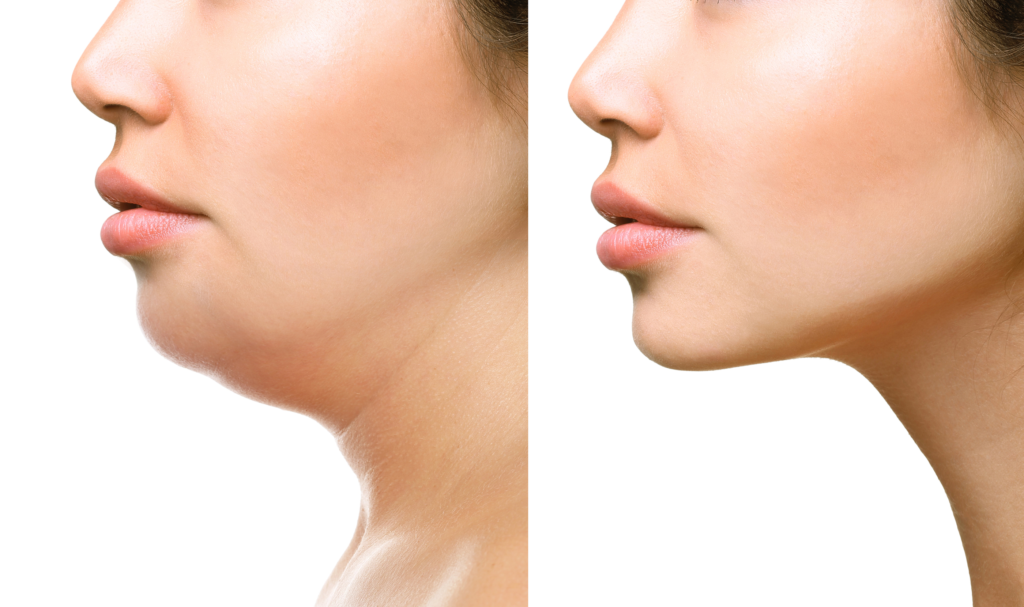
  • Pre-surgical orthodontics: The second step is to undergo pre-surgical orthodontics, if needed. Pre-surgical orthodontics is the process of wearing braces or other devices to align the teeth and prepare the jaws for the surgery. Pre-surgical orthodontics can take several months or years, depending on the complexity of the case.
  • Imaging tests: The third step is to undergo imaging tests, such as X-rays, CT scans, or MRI scans, to obtain detailed information about the structure and the position of the bones of the face. Imaging tests can help the surgeon plan the surgery more accurately and safely.
  • Computer simulations: The fourth step is to undergo computer simulations, if available. Computer simulations are the process of using software to create a virtual model of the face and simulate the changes that will occur after the surgery. Computer simulations can help the person visualize the expected results and communicate their preferences to the surgeon.
  • Pre-operative instructions: The fifth step is to follow the pre-operative instructions given by the surgeon. Pre-operative instructions may include stopping smoking, avoiding certain medications, fasting, and arranging for transportation and recovery. Pre-operative instructions can help the person prepare physically and mentally for the surgery and reduce the risk of complications.

Sure, I will continue writing the section on what to expect during and after jaw surgery. Here is the rest of the article:

What to Expect During and After Jaw Surgery?

Jaw surgery is usually performed under general anesthesia, which means that the person will be asleep and unaware of the procedure. The duration of the surgery can vary from one to several hours, depending on the type and the extent of the surgery.

During the surgery, the surgeon will make incisions inside the mouth or under the chin to access the bones of the face. The surgeon will then cut and move the bones according to the treatment plan, using plates, screws, wires, or other devices to secure them in place. The surgeon will also adjust the soft tissues, such as the skin, the muscles, and the fat, to create a smooth and natural appearance. The surgeon will then close the incisions with sutures or glue.

After the surgery, the person will be transferred to a recovery room, where they will be monitored for any signs of complications. The person may experience some pain, swelling, bruising, bleeding, or numbness in the face, which can be managed with medication and ice packs. The person may also have difficulty speaking, eating, or breathing, which can be improved with exercises and devices. The person may have to wear a splint, a bandage, or an elastic wrap around the face to protect and support the bones as they heal.

The person will usually stay in the hospital for one to three days, depending on the type and the extent of the surgery. The person will then be discharged with a set of post-operative instructions, which may include:

  • Taking antibiotics and painkillers as prescribed by the surgeon
  • Eating a soft or liquid diet for several weeks
  • Avoiding strenuous activities, smoking, alcohol, and spicy foods for several weeks
  • Keeping the mouth and the incisions clean and dry
  • Applying ice packs or warm compresses to reduce swelling and discomfort
  • Sleeping with the head elevated to reduce swelling and bleeding
  • Visiting the surgeon for regular follow-up appointments and check-ups

The recovery time from jaw surgery can vary from person to person, depending on the type and the extent of the surgery, the individual’s health, and the compliance with the post-operative instructions. Generally, it can take six to twelve weeks for the bones to heal and fuse, and up to a year for the swelling to subside and the final results to be visible.

A side-by-side comparison image showing a woman's profile before and after a cosmetic procedure, likely a neck lift. The 'before' image on the left shows loose skin and a less defined jawline, while the 'after' image on the right displays a smoother, tighter neck and a more contoured jawline.

Conclusion: Can Jaw Surgery Change Your Face?

Jaw surgery can change your face in many ways, both functionally and aesthetically. It can improve your bite, speech, breathing, chewing, and appearance. It can also enhance your self-confidence and quality of life. For transgender and non-binary people, jaw surgery can be part of a process of gender-affirming surgery, which can help them align their physical appearance with their gender identity.

Jaw surgery is a major surgical procedure that involves cutting and moving the bones of the face. It requires careful planning and preparation before the operation, and a long and gradual recovery after the operation. It also carries some risks and complications that should be weighed against the benefits and expectations.

If you are interested in jaw surgery, you should consult with a qualified surgeon who specializes in facial contouring surgery or craniofacial surgery. The surgeon will evaluate your case and design a customized treatment plan for you. The surgeon will also explain the procedure, the risks, the benefits, and the alternatives. You should always ask questions and express your concerns to the surgeon, and make an informed and confident decision.

Jaw surgery can change your face, but it can also change your life. It can help you achieve a more feminine or masculine facial shape, and a more harmonious and attractive facial contour. It can also help you feel more comfortable and confident in your own skin. Jaw surgery can be a life-changing experience for many people, and it may be the right choice for you.

Visit the Dr.MFO Instagram profile for examples of successful Surgeries. Contact for free consultation.