Single vs. Multiple Body Feminization Surgeries: 2026 Expert Guide

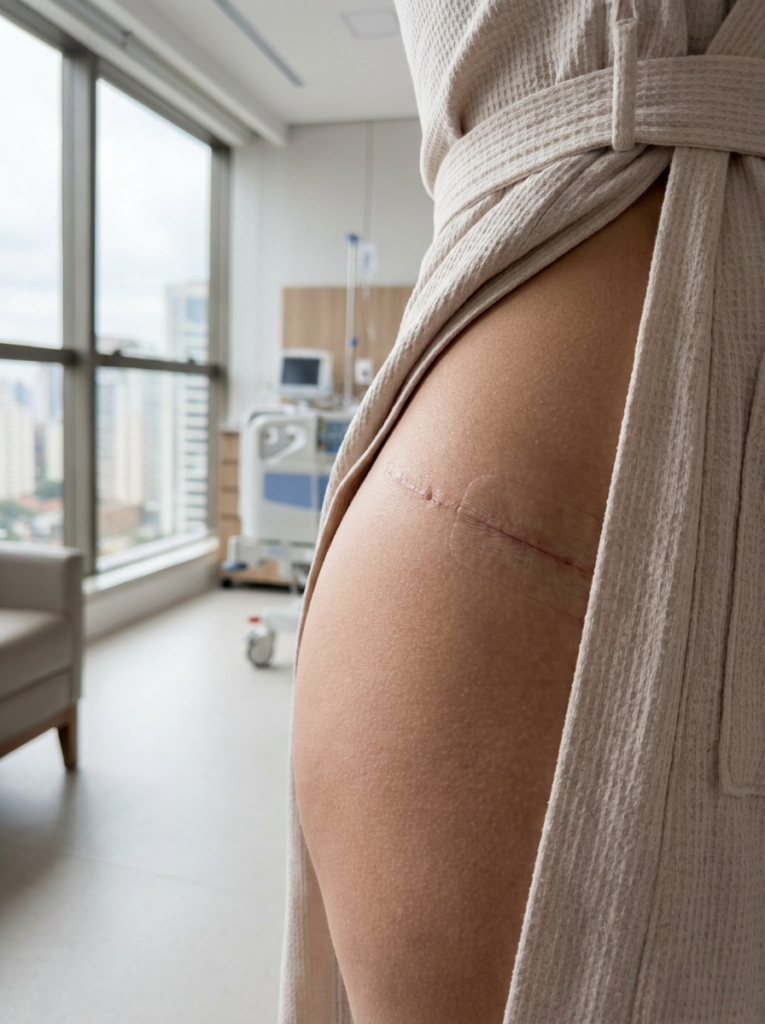
A hyper-realistic 8K editorial photograph captured with an 85mm macro lens, focusing on the refined silhouette of a woman perched on the edge of a dark marble bathtub. The composition utilizes dramatic, directional side-lighting that carves out her form, accentuating a snatched waist and curvaceous anatomy. Her skin, possessing a subtle luminescence, is delicately traced with micro-beads of moisture. She is adorned in an emerald green lace lingerie set, with intricate floral embroidery detailing the fabric. The setting evokes a sophisticated, moody, noir-inspired luxury, with the deep-toned, veined marble tiles of the background softening into a shallow depth of field, centering all attention on the tactile interplay of light, skin texture, and textile.

Body feminization surgeries represent a transformative journey for many transgender women and non-binary individuals seeking to align their physical appearance with their gender identity. One of the most critical decisions in this process is choosing between single and multiple procedures. This choice impacts not only the aesthetic outcome but also recovery time, risks, and overall patient experience. In this comprehensive guide, we delve into the benefits, risks, and suitability of each approach, empowering you to make an informed decision tailored to your body goals.

A hyper-realistic, 8k editorial portrait captured with an 85mm prime lens, focusing on a woman reflected in a classic vanity mirror. The lighting is warm and cinematic, utilizing the soft glow of multiple candles to create an intimate, luxurious atmosphere with gentle, flattering highlights on her skin. She is adorned in a rich, emerald green velvet robe with intricate tonal embroidery, exuding elegance. The composition emphasizes her graceful posture, with the vanity surface displaying delicate perfume bottles and a glass of water, all contributing to a serene, high-end sanctuary aesthetic. The focus is razor-sharp on her expression, while the background bathroom interior is elegantly blurred, maintaining a sophisticated depth of field.

Understanding Body Feminization Surgeries

Body feminization surgeries encompass a range of procedures designed to create a more traditionally feminine silhouette. These may include breast augmentation, liposuction, buttock augmentation, jaw reduction, and hip enhancement. Each procedure addresses specific areas of the body, contributing to an overall harmonious and feminine appearance.

The decision to undergo a single procedure or multiple procedures simultaneously depends on various factors, including individual anatomy, desired outcomes, and medical considerations. Understanding these factors is crucial for achieving optimal results while minimizing risks.

A hyper-realistic, 8k editorial photograph shot with a professional 85mm portrait lens, capturing a woman in a minimalist white leotard standing in a light-drenched, opulent marble corridor. The lighting is characterized by dramatic, hard-light side illumination streaming through floor-to-ceiling windows, creating sharp shadows that accentuate her athletic and toned physique, particularly her sculpted legs and defined waist. Her skin exhibits a subtle, natural luminescence, while her hair is styled in a slicked-back, damp aesthetic. The composition centers the subject against the cold, grey-veined marble textures, blending a high-fashion, luxurious atmosphere with a clean, architectural, and modern aesthetic. She wears white high-fashion athletic sneakers, adding a touch of contemporary contrast to the sleek, fitted bodysuit.

Single Procedure: Focused Transformation

Opting for a single body feminization procedure allows for a focused transformation. This approach is ideal for individuals who have specific concerns or wish to address one area at a time. For example, a patient may choose to undergo breast augmentation as a standalone procedure to enhance their bust line without altering other parts of their body.

Benefits of a Single Procedure

  • Targeted Results: Focus on one specific area ensures precision and allows the surgeon to tailor the procedure to your unique anatomy.
  • Shorter Recovery Time: Recovering from one procedure is generally quicker and less physically demanding than recovering from multiple surgeries.
  • Lower Risk of Complications: Fewer procedures mean fewer opportunities for complications such as infections or adverse reactions to anesthesia.
  • Cost-Effective: Single procedures often come with a lower upfront cost compared to multiple surgeries performed simultaneously.

Potential Drawbacks

  • Limited Transformation: Addressing only one area may not fully align with your overall body goals, requiring additional procedures in the future.
  • Multiple Recovery Periods: If you plan to undergo more procedures later, you will need to go through separate recovery phases.
  • Extended Timeline: Achieving your desired look may take longer if you space out procedures over months or years.
A hyper-realistic, 8k editorial close-up shot captured with an 85mm prime lens, focusing on the refined silhouette of a female figure. The lighting is characterized by a warm, golden-hour side light that creates soft, natural shadows, elegantly accentuating the curves and smooth anatomy of the hip and gluteal region. The skin texture is captured in high fidelity, displaying a natural, supple finish with subtle, healthy luminescence under the Mediterranean sun. The subject wears a minimalist olive-green bikini bottom crafted from a textured, braided fabric that sits comfortably against the skin. The composition utilizes a shallow depth of field, rendering the sun-drenched, rustic villa background into a soft, luxurious bokeh, evoking an atmosphere of serene, high-end summer leisure.

Multiple Procedures: Comprehensive Transformation

Undergoing multiple body feminization procedures simultaneously offers a comprehensive transformation. This approach is ideal for individuals seeking a more dramatic change or those who wish to minimize downtime by combining surgeries. For example, a patient may choose to undergo breast augmentation, liposuction, and buttock augmentation in a single session to achieve a more feminine silhouette.

Benefits of Multiple Procedures

  • Holistic Results: Addressing multiple areas at once ensures a more balanced and harmonious outcome.
  • Single Recovery Period: Combining procedures allows you to recover from all surgeries simultaneously, reducing overall downtime.
  • Cost Savings: While the upfront cost may be higher, combining procedures can be more cost-effective in the long run due to shared surgical and anesthesia fees.
  • Convenience: Fewer surgical sessions mean less disruption to your daily life and a quicker path to your desired appearance.

Potential Drawbacks

  • Increased Risk of Complications: Multiple procedures performed at once carry a higher risk of complications such as infections, blood loss, or adverse reactions to anesthesia.
  • Longer Recovery Time: Recovering from multiple surgeries simultaneously can be more physically demanding and may require a longer recovery period.
  • Higher Upfront Cost: The combined cost of multiple procedures can be significant, although it may be more cost-effective in the long term.
  • More Demanding Post-Operative Care: Managing recovery from multiple procedures may require additional support and care.
A high-fashion, hyper-realistic editorial shot captured with an 85mm prime lens for shallow depth of field, rendering an 8k resolution image. The composition features a woman with a sculpted, athletic physique and a 'snatched' waistline, captured in a dynamic over-the-shoulder pose. She is styled in a high-gloss, black latex two-piece set detailed with rugged, industrial-style tactical metal buckles and nylon straps. Her skin exhibits a wet, luminescent quality, accentuated by dramatic, high-contrast hard lighting from a side angle that carves out her muscular definition and highlights the moisture on her slicked-back hair and skin. The setting is a raw, brutalist concrete stairwell, creating an edgy, neo-noir industrial atmosphere where the monochromatic tones emphasize the textures of the latex, the grain of the concrete, and the sharp geometry of the architecture.

Key Considerations for Choosing Between Single and Multiple Procedures

Deciding between single and multiple procedures requires careful consideration of several factors. Here are the key aspects to evaluate:

1. Body Goals and Desired Outcomes

Begin by defining your body goals. Are you looking for subtle enhancements or a dramatic transformation? If your goals are limited to one area, a single procedure may suffice. However, if you seek a more comprehensive change, multiple procedures may be more appropriate.

2. Medical Suitability

Consult with a qualified surgeon to assess your medical suitability for single or multiple procedures. Factors such as overall health, body mass index (BMI), and pre-existing conditions will influence the recommendation. For instance, patients with certain health conditions may be advised to undergo single procedures to minimize risks.

3. Recovery Time and Lifestyle

Consider your lifestyle and how much time you can dedicate to recovery. Multiple procedures may require an extended recovery period, during which you may need to take time off work or daily activities. If your schedule is flexible, combining procedures may be a viable option. However, if you have limited downtime, single procedures may be more manageable.

4. Budget and Financial Planning

Evaluate your budget and financial planning. While multiple procedures may offer long-term cost savings, the upfront cost can be substantial. Ensure you have a clear understanding of the total expenses, including surgical fees, anesthesia, post-operative care, and potential follow-up treatments.

5. Surgeon’s Expertise and Recommendations

Choose a surgeon with extensive experience in body feminization surgeries. A skilled surgeon will provide personalized recommendations based on your anatomy, goals, and medical history. They will also guide you on the safest and most effective approach, whether it’s a single procedure or a combination of surgeries.

Patient Experiences: Real-Life Insights

Hearing from individuals who have undergone body feminization surgeries can provide valuable insights. Many patients report high satisfaction with both single and multiple procedures, emphasizing the importance of personalized planning. For example, some patients appreciate the convenience of combining surgeries, while others prefer the gradual approach of single procedures.

It’s essential to discuss your expectations and concerns with your surgeon. They can connect you with former patients or provide testimonials to help you make an informed decision. Additionally, reviewing before-and-after galleries can give you a realistic idea of the potential outcomes.

Medical Considerations and Risks

Both single and multiple procedures carry inherent risks, including infections, scarring, and anesthesia-related complications. However, the risks are generally higher with multiple procedures due to the extended surgical time and increased physical stress on the body. It’s crucial to discuss these risks with your surgeon and ensure you are fully prepared for the recovery process.

Your surgeon will provide detailed pre-operative and post-operative instructions to minimize risks. Following these guidelines meticulously is essential for a smooth recovery and optimal results. Regular follow-up appointments will allow your surgeon to monitor your progress and address any concerns promptly.

Choosing the Right Surgeon

Selecting the right surgeon is one of the most critical decisions in your body feminization journey. Look for a board-certified surgeon with specialized experience in transgender and non-binary surgeries. Review their credentials, patient testimonials, and before-and-after photos to ensure they align with your goals.

During your consultation, ask about their approach to single versus multiple procedures. A reputable surgeon will prioritize your safety and satisfaction, providing honest recommendations based on your unique needs. They will also discuss potential risks, recovery expectations, and long-term outcomes.

Frequently Asked Questions

What is the main difference between single and multiple body feminization procedures?

The main difference lies in the scope of transformation. Single procedures focus on one specific area, offering targeted results with a shorter recovery time. Multiple procedures address several areas simultaneously, providing a more comprehensive transformation but requiring a longer recovery period.

How do I know if I’m a good candidate for multiple procedures?

Your suitability for multiple procedures depends on factors such as overall health, body goals, and medical history. A qualified surgeon will assess your individual case and recommend the safest and most effective approach tailored to your needs.

What are the risks associated with multiple body feminization procedures?

Multiple procedures carry higher risks due to extended surgical time and increased physical stress. Potential risks include infections, blood loss, adverse reactions to anesthesia, and longer recovery periods. Discuss these risks with your surgeon to make an informed decision.

How long does recovery take for single vs. multiple procedures?

Recovery time varies depending on the procedures performed. Single procedures typically require a shorter recovery period, often a few weeks. Multiple procedures may necessitate several weeks to months for full recovery, depending on the extent of the surgeries.

Can I combine body feminization procedures with facial feminization surgeries?

Yes, it is possible to combine body and facial feminization procedures, but this approach requires careful planning and consideration of risks. Consult with your surgeon to determine the safest and most effective combination for your goals.

What should I consider when choosing a surgeon for body feminization surgeries?

When choosing a surgeon, prioritize board certification, specialized experience in transgender surgeries, and a strong portfolio of before-and-after results. Additionally, seek a surgeon who prioritizes patient safety, provides transparent communication, and offers personalized recommendations.

Chondrolaryngoplasty 2026: Safety, Efficacy & Patient Outcomes in Gender-Affirming Care

A high-resolution, hyper-realistic editorial portrait captured with an 85mm portrait lens, featuring a close-up profile shot of a young woman. The composition utilizes soft, natural side-lighting that gently illuminates her facial features and smooth skin texture, highlighting the subtle, clean post-surgical scar line across her neck with clinical precision. Her expression is serene and contemplative, looking away from the camera. The focus is sharp on her jawline and neck, emphasizing her natural anatomy, while the background remains a soft, out-of-focus, neutral interior setting, creating a clean, professional, and tranquil aesthetic. She wears a simple, dark-colored matte fabric garment, adding a minimalist contrast to the bright, soft-focus environment.

Chondrolaryngoplasty, commonly referred to as a tracheal shave, is a pivotal procedure in gender-affirming care for transgender women. By reducing the prominence of the Adam’s apple (thyroid cartilage), this surgery aligns facial features with feminine aesthetics, enhancing both physical appearance and psychological well-being. However, as with any surgical intervention, safety, efficacy, and long-term outcomes remain paramount. This guide explores the latest advancements, risks, and best practices in chondrolaryngoplasty, ensuring patients and practitioners alike are equipped with the knowledge needed for informed decision-making.

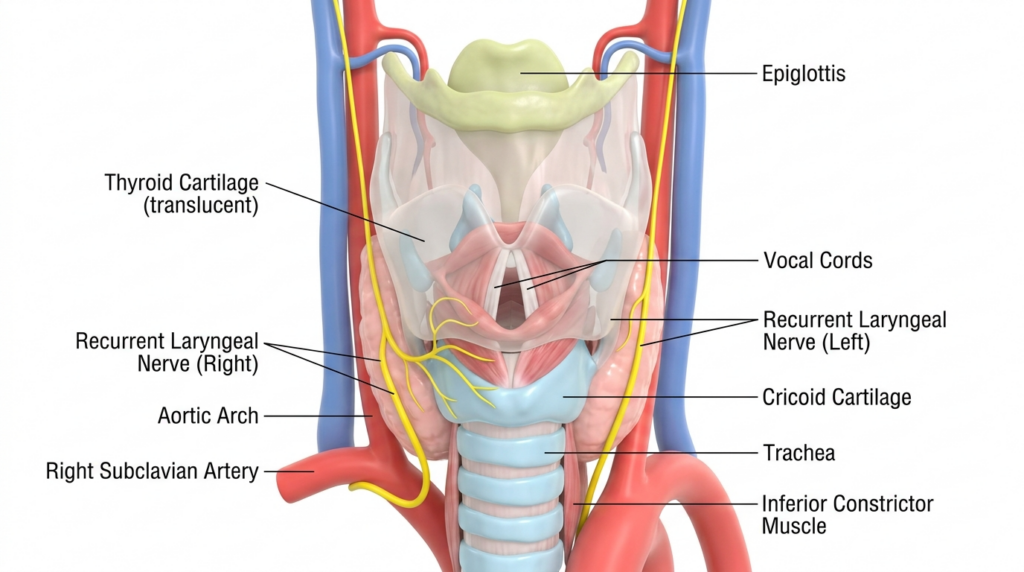
A high-resolution, 3D medical illustration of the human laryngeal anatomy. The composition is captured with clinical precision, reminiscent of a high-end macro lens at a 100mm focal length, rendering the structures with hyper-realistic clarity and depth. The lighting is sterile and studio-grade, utilizing soft, diffuse illumination to ensure uniform clarity across all anatomical features, effectively highlighting the delicate textures of the cartilages and the intricate pathways of the nerves and vascular system. The image features a meticulous rendering of the epiglottis, vocal cords, thyroid cartilage (depicted with a translucent quality), cricoid cartilage, and trachea. The nerves are presented in a vibrant yellow, while arteries and veins are distinguished by classic red and blue tones. The tissue surfaces exhibit a smooth, slightly matte biological texture, avoiding artificial glare. The composition is perfectly centered against a clean, neutral white background, creating an educational, clinical atmosphere that emphasizes scientific accuracy and pedagogical clarity.

The Anatomy of the Adam’s Apple and Surgical Objectives

The Adam’s apple, or thyroid cartilage, is a prominent feature of the male neck, resulting from testosterone-induced growth during puberty. For transgender women, its reduction is often a critical step in achieving a more feminine neck contour. The primary goal of chondrolaryngoplasty is to reduce the anterior projection of the thyroid cartilage while preserving vocal cord function and minimizing scarring. This requires a deep understanding of laryngeal anatomy and meticulous surgical precision.

Key anatomical considerations include:

  1. Thyroid Cartilage: The largest cartilage of the larynx, forming the Adam’s apple. Its reduction must avoid damage to the vocal cords.
  2. Cricoid Cartilage: Located below the thyroid cartilage, it plays a role in airway protection and must remain intact.
  3. Recurrent Laryngeal Nerve: A critical nerve that controls vocal cord movement. Injury to this nerve can result in voice changes or breathing difficulties.

Surgical Techniques: Balancing Aesthetics and Safety

Modern chondrolaryngoplasty employs advanced techniques to ensure both aesthetic success and patient safety. The procedure typically involves:

1. Preoperative Planning: High-resolution imaging, such as CT scans, maps the thyroid cartilage’s structure and its relationship with surrounding tissues. This step is crucial for identifying potential risks and tailoring the surgical approach.

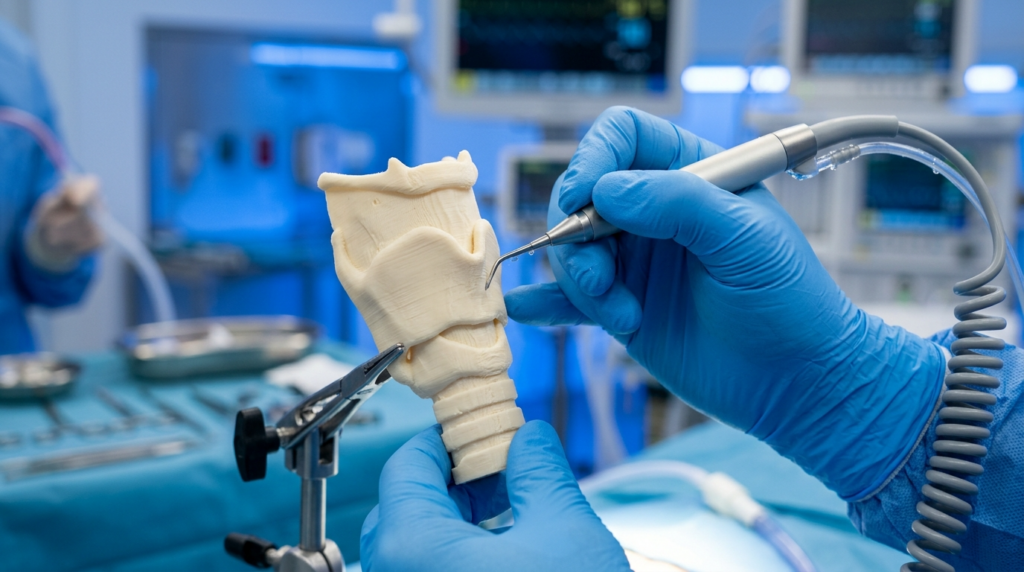
2. Surgical Approach: A small horizontal incision is made in a natural skin crease to minimize visible scarring. The thyroid cartilage is then carefully reshaped using specialized instruments, such as piezoelectric devices, which reduce the risk of thermal damage to surrounding tissues.

3. Vocal Cord Protection: The procedure avoids deep incisions near the vocal cords. Surgeons use intraoperative nerve monitoring to ensure the recurrent laryngeal nerve remains unharmed, preserving voice quality.

4. Closure and Recovery: The incision is closed with dissolvable sutures, and patients are provided with detailed post-operative care instructions to promote healing and minimize complications.

A hyper-realistic 8K close-up shot capturing a surgical procedure on a 3D-printed anatomical model of a human larynx. Captured with a macro lens, the composition highlights a pair of gloved hands in vibrant blue nitrile, one precisely maneuvering a medical irrigation handpiece with visible water droplets, while the other stabilizes the textured, off-white laryngeal model held by a metallic surgical clamp. The lighting is clinical and cool-toned, mimicking the bright, shadowless environment of an operating room, which emphasizes the fine, stratified 3D-printing texture of the model and the synthetic surface of the medical equipment. The shallow depth of field softly blurs the background, which features out-of-focus surgical monitors and equipment, reinforcing the high-tech, sterile, and professional medical atmosphere of a contemporary OR.

Risks and Complications: What Patients Need to Know

While chondrolaryngoplasty is generally safe, it is not without risks. Understanding these potential complications is essential for patients considering the procedure:

1. Voice Changes: Temporary hoarseness or pitch alterations may occur due to swelling or minor nerve irritation. These changes typically resolve within weeks.

2. Nerve Injury: Although rare, damage to the recurrent laryngeal nerve can lead to permanent voice changes or breathing difficulties. Choosing an experienced surgeon significantly reduces this risk.

3. Scarring: While incisions are placed in natural skin folds, individual healing responses vary. Proper wound care and silicone gel application can minimize scar visibility.

4. Infection and Hematoma: As with any surgery, there is a risk of infection or bleeding. Adhering to post-operative care instructions and attending follow-up appointments mitigates these risks.

A professional editorial portrait captured with an 85mm prime lens, offering a shallow depth of field that emphasizes the subject's profile. The image quality is hyper-realistic and 8k, rendering skin textures with lifelike precision. Golden-hour side lighting creates a dramatic contrast, highlighting the graceful contours of the woman's neck and jawline while leaving the background in a soft, atmospheric blur. The subject, a woman with refined features and dark wavy hair, wears a sophisticated taupe-toned sweater with an integrated silk-blend scarf, exuding an air of quiet luxury. The background is a warm, modern, high-end interior, likely a wellness or clinical space, characterized by soft ambient lighting, clean lines, and blurred figures that enhance the professional, serene mood of the composition. The lighting accentuates the subtle luminescence of her skin, creating a natural and elegant glow.

Post-Operative Care: Ensuring Optimal Recovery

Recovery from chondrolaryngoplasty is typically smooth, but adherence to post-operative guidelines is critical for optimal outcomes. Patients should:

  • Avoid Straining the Neck: Refrain from heavy lifting or vigorous activities for at least two weeks to prevent tension on the incision.
  • Follow a Soft Diet: Consume cool, soft foods to minimize discomfort and reduce swelling.
  • Monitor for Complications: Report any signs of infection, excessive swelling, or voice changes to the surgical team immediately.
  • Attend Follow-Up Appointments: Regular check-ups allow the surgeon to assess healing progress and address any concerns.

Most patients resume normal activities within 7–10 days, with full recovery achieved in 4–6 weeks.

Mehmet Fatih Okyay, MD, FEBOPRAS in Türkiye. FFS Surgeon.

Choosing the Right Surgeon: Why Experience Matters

Selecting a surgeon with specialized experience in gender-affirming procedures is the most critical factor in achieving safe and satisfactory outcomes. An expert surgeon will:

  • Utilize Advanced Imaging: Employ 3D CT scans to map the thyroid cartilage and surrounding structures, ensuring precise surgical planning.
  • Prioritize Nerve Protection: Use intraoperative nerve monitoring and piezoelectric instruments to safeguard the recurrent laryngeal nerve.
  • Provide Transparent Communication: Discuss potential risks, expected outcomes, and recovery protocols in detail during the consultation.
  • Offer Comprehensive Aftercare: Provide personalized post-operative care plans and remain accessible for follow-up questions or concerns.

Patients are encouraged to review before-and-after galleries, such as those found on Dr. MFO’s FFS Gallery, and seek consultations to ensure their surgeon’s expertise aligns with their goals.

Frequently Asked Questions

What is the primary goal of chondrolaryngoplasty?

The primary goal of chondrolaryngoplasty is to reduce the prominence of the Adam’s apple (thyroid cartilage) to create a more feminine neck contour while preserving vocal cord function and minimizing scarring.

How long does recovery take after chondrolaryngoplasty?

Most patients resume normal activities within 7–10 days, with full recovery typically achieved in 4–6 weeks. Adherence to post-operative care instructions is essential for optimal healing.

Are there risks of permanent voice changes after the procedure?

While temporary voice changes are common, permanent alterations are rare. Choosing an experienced surgeon who prioritizes nerve protection significantly reduces this risk.

What can I do to minimize scarring after surgery?

Proper wound care, including the use of silicone gel and avoiding sun exposure, can minimize scar visibility. Following your surgeon’s post-operative instructions is crucial.

Why is it important to choose a surgeon with experience in gender-affirming care?

A surgeon with specialized experience in gender-affirming procedures understands the unique anatomical and psychological considerations involved. This expertise ensures safer, more effective outcomes tailored to the patient’s goals.

2026 Transgender Surgery Costs: Pricing Breakdown & Budgeting Tips

A hyper-realistic, 8k editorial photograph captured with an 85mm macro lens, focusing on the refined profile of a woman’s torso. The lighting is masterfully diffused, utilizing a side-angle to create subtle, dramatic shadows that emphasize a snatched waistline and naturally sculpted, volumetric curves. The skin is rendered with exquisite detail, exhibiting a delicate, luminous glow and a subtle hydration that catches the light, highlighting the soft texture and impeccable skin tone. The subject is partially draped in a luxurious, heavy-weight beige fabric with a matte, textured finish that contrasts with the softness of the skin. The composition is clean and minimalist, set against a blurred, spa-like interior background with warm, neutral tones, evoking an atmosphere of refined elegance and serenity.

Gender-affirming surgeries represent a life-changing step for many transgender individuals, offering alignment between physical appearance and gender identity. However, navigating the financial aspects of these procedures can feel overwhelming. This guide provides a transparent breakdown of transgender surgery costs in 2026, including surgeon fees, facility charges, and hidden expenses, while offering actionable strategies to budget effectively and avoid financial surprises.

A professional editorial shot captured with an 85mm macro lens, showcasing an 8k hyper-realistic perspective of a female subject's torso and hip. The composition employs a sophisticated soft-studio lighting setup, with a subtle side-angle that creates gentle, flattering shadows to accentuate the natural contours of the waist and hips. The subject wears a simple olive green crop top paired with dark navy blue, high-cut textured swimwear bottoms. The skin texture is rendered with exquisite detail, showing natural luminescence and subtle skin pores, devoid of artificial sheen or sweat. The background is a blurred, neutral-toned spa or wellness environment, creating an elegant, clean, and tranquil atmosphere that emphasizes the focus on the subject's physique.

Understanding the Cost Spectrum of Gender-Affirming Surgeries

Gender-affirming surgeries encompass a wide range of procedures, each with distinct cost structures. Below, we outline the average price ranges for common surgeries in 2026, based on surgeon expertise, facility accreditation, and geographic location. Note that these figures are estimates; actual costs may vary.

ProcedureAverage Cost (USD)Key Cost Factors
Facial Feminization Surgery (FFS)$20,000 – $50,000Number of procedures (e.g., forehead contouring, jaw reduction), surgeon reputation, anesthesia fees
Top Surgery (Masculinizing or Feminizing)$8,000 – $15,000Surgical technique (e.g., double incision, periareolar), hospital stay, post-op garments
Bottom Surgery (Vaginoplasty or Phalloplasty)$25,000 – $50,000+Complexity of procedure, length of hospital stay, additional revisions
Body Contouring (Liposuction, BBL, etc.)$5,000 – $15,000Number of areas treated, surgeon experience, facility fees
Hair Transplant (FUE or FUT)$4,000 – $12,000Number of grafts, technique used, clinic location

These costs reflect the base price of procedures. Additional expenses—such as travel, accommodations, and post-operative care—can significantly increase the total budget. Let’s explore these hidden costs in detail.

Hidden Costs: What’s Not Included in the Surgical Quote

Many patients overlook indirect expenses that accumulate before, during, and after surgery. Failing to account for these can lead to financial strain. Below, we highlight the most common hidden costs:

  1. Consultation Fees: Some surgeons charge $100–$500 for initial consultations, especially for international patients.
  2. Pre-Operative Tests: Blood work, EKGs, and psychological evaluations may cost $500–$1,500, depending on your healthcare provider.
  3. Travel and Accommodation: Medical tourism is popular for gender-affirming surgeries, but flights, hotels, and local transportation can add $2,000–$10,000 to your budget.
  4. Post-Operative Medications: Pain relievers, antibiotics, and hormone therapy adjustments may cost $200–$800.
  5. Compression Garments: Essential for recovery, these can range from $100–$500, depending on the procedure.
  6. Follow-Up Visits: Post-op check-ups, especially if complications arise, may incur additional fees.
  7. Lost Wages: Time off work for recovery can result in lost income, particularly for those without paid leave.

To avoid financial surprises, request a detailed quote from your surgeon that includes all potential expenses. If traveling abroad, factor in currency exchange rates and emergency funds.

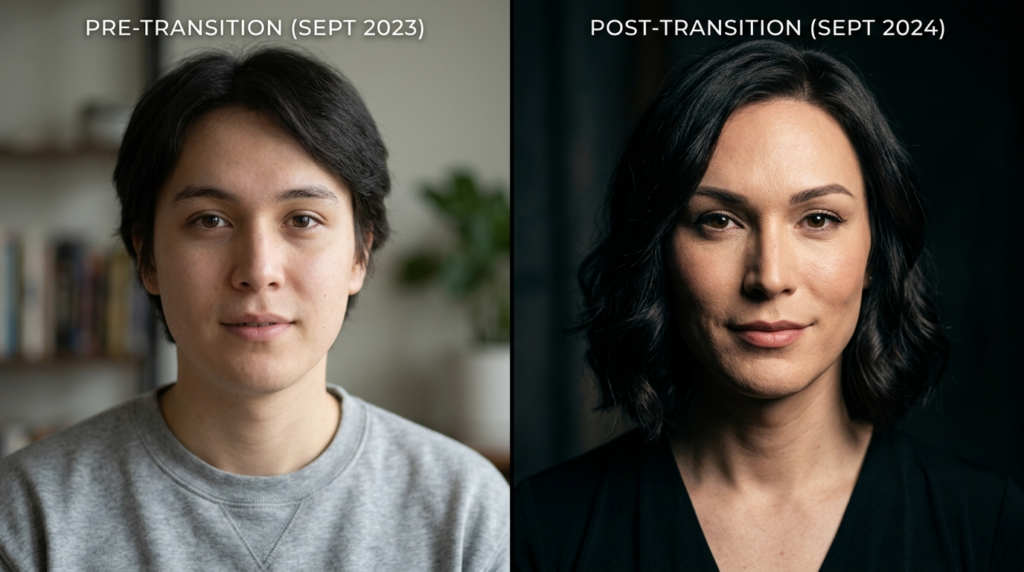
A high-resolution, split-screen side-by-side comparison titled 'Pre-Transition' and 'Post-Transition'. The left image features an individual in natural, soft indoor lighting with a shallow depth of field, focused on a casual, everyday aesthetic. The right image presents a sophisticated, hyper-realistic studio portrait captured with an 85mm lens, showcasing dramatic chiaroscuro lighting that emphasizes sculpted facial features. The lighting design uses a sharp side-angle to create depth and contour, highlighting skin texture and a natural glow. The subject exhibits a confident, refined demeanor with elegant hair and minimalist attire against a dark, moody background, reflecting a transition to a high-end editorial style. The overall image quality is 8k, characterized by precise focus, balanced contrast, and a professional, cinematic atmosphere.

Factors Influencing the Total Cost of Transgender Surgery

The total cost of gender-affirming surgery depends on multiple variables. Understanding these factors empowers you to make informed decisions and potentially reduce expenses.

1. Surgeon Experience and Reputation

Highly experienced surgeons with a proven track record in gender-affirming procedures often charge premium fees. While their expertise may come at a higher cost, it can minimize risks and improve outcomes. Research surgeons thoroughly—review before-and-after galleries, patient testimonials, and professional credentials.

For example, a board-certified surgeon specializing in Facial Feminization Surgery (FFS) may charge 20–30% more than a general plastic surgeon. However, their precision in procedures like forehead contouring or jaw reduction can significantly enhance results.

2. Facility Accreditation and Location

Accredited surgical facilities adhere to strict safety and hygiene standards, which can increase costs. Procedures performed in JCI-accredited hospitals or specialized clinics may cost more but offer higher safety margins. Additionally, geographic location plays a role: surgeries in major cities (e.g., New York, Los Angeles) or countries with high healthcare costs (e.g., USA, UK) are typically more expensive than those in medical tourism hubs like Turkey or Thailand.

3. Anesthesia and Operating Room Fees

Anesthesia fees vary based on the type (local vs. general) and duration of the procedure. General anesthesia, required for most gender-affirming surgeries, can cost $1,000–$3,000. Operating room fees, which cover equipment, staff, and facility usage, may add another $2,000–$5,000 to the total bill.

4. Post-Operative Care and Revisions

Post-operative care, including follow-up visits, medications, and physical therapy, is often overlooked in initial cost estimates. Additionally, some patients require revision surgeries to address complications or refine results. These can cost 20–50% of the original procedure price. Always discuss revision policies with your surgeon upfront.

A striking, high-contrast, hyper-realistic 8K editorial portrait of a woman with a powerful, commanding gaze, captured with an 85mm prime lens. The lighting is masterfully executed with hard, directional side lighting that carves out her chiseled, high-fashion facial anatomy, emphasizing her sharp cheekbones and defined jawline with dramatic shadows. Her skin texture is rendered with impeccable micro-detail, displaying a subtle, natural luminescence and a sleek, dewy finish that catches the light. She is styled with her hair slicked back in a minimalist aesthetic, wearing a dark, matte-textured garment that keeps the focus entirely on her face. The background is a moody, textured, dark industrial surface, creating a sophisticated noir-inspired atmosphere that exudes strength, elegance, and raw intensity.

Budgeting for Your Surgery: A Step-by-Step Guide

Planning for gender-affirming surgery requires careful financial preparation. Follow this step-by-step guide to create a realistic budget and explore funding options.

Step 1: Research and Prioritize Procedures

Begin by identifying which procedures align with your gender affirmation goals. Consult with a qualified surgeon to determine the most effective treatments for your needs. Prioritize based on urgency, cost, and recovery time.

Step 2: Obtain Detailed Quotes

Contact multiple surgeons to request itemized quotes that include all potential fees. Compare costs, but prioritize quality and safety over price. Ask about financing plans or discounts for bundled procedures.

Step 3: Calculate Hidden and Indirect Costs

Use the list of hidden costs provided earlier to estimate additional expenses. Create a spreadsheet to track travel, accommodation, medications, and lost wages. Add a 10–15% buffer for unexpected costs.

Step 4: Explore Insurance Coverage

Insurance coverage for gender-affirming surgeries varies widely. In 2026, many U.S. insurers cover at least partial costs for medically necessary procedures. Review your policy or consult an insurance advocate to understand your benefits. Be prepared to appeal denials with supporting documentation from your healthcare provider.

Step 5: Consider Financing Options

If savings are insufficient, explore financing options such as:

  • Medical Loans: Many financial institutions offer low-interest loans specifically for healthcare expenses.
  • Crowdfunding: Platforms like GoFundMe allow you to raise funds from friends, family, and supportive communities.
  • Payment Plans: Some surgeons and clinics offer installment plans with little to no interest.
  • Grants and Scholarships: Organizations like the Trans Lifeline and Point of Pride provide financial assistance for transgender individuals.

Step 6: Plan for Recovery

Recovery timelines vary by procedure. For example, top surgery may require 2–4 weeks off work, while Facial Feminization Surgery (FFS) could necessitate 4–6 weeks. Plan for lost income and additional support (e.g., caregivers, home assistance) during this period.

A hyper-realistic 8K editorial portrait captured with an 85mm prime lens, showcasing a sharp profile shot of a woman with a clean, pulled-back hairstyle. The lighting is masterfully executed with a crisp, hard-light rim effect that defines her facial contours and hair texture against a stark, minimalist black background. The skin texture is rendered in exquisite detail, showing natural luminescence and subtle pores, while a faint moisture adds a touch of freshness. The subject's posture is elegant and composed, emphasizing a sharp jawline and refined features. The overall atmosphere is sophisticated and high-fashion, with a focus on precision, texture, and dramatic contrast.

Medical Tourism: Weighing the Pros and Cons

Medical tourism—traveling abroad for surgery—has become a popular option for transgender individuals seeking high-quality care at lower costs. Countries like Turkey, Thailand, and Mexico offer competitive pricing, often 30–50% less than in the U.S. or Europe. However, this approach comes with unique considerations.

Pros of Medical Tourism

  • Cost Savings: Lower surgical fees, facility costs, and anesthesia expenses.
  • Access to Specialists: Some countries have surgeons who specialize in gender-affirming procedures and perform them regularly.
  • Comprehensive Packages: Many clinics offer all-inclusive packages covering surgery, accommodation, and post-op care.

Cons of Medical Tourism

  • Travel Risks: Long flights post-surgery can increase the risk of complications like blood clots.
  • Follow-Up Care: Managing post-op complications from abroad can be challenging.
  • Legal and Ethical Concerns: Ensure the clinic adheres to international medical standards and ethical practices.

If considering medical tourism, research extensively. Verify the surgeon’s credentials, read patient reviews, and confirm the clinic’s accreditation. Plan for an extended stay to allow for adequate recovery before traveling home.

Insurance and Legal Considerations in 2026

Insurance coverage for gender-affirming surgeries has improved significantly in recent years, but navigating policies remains complex. Below, we outline key considerations for 2026.

Understanding Your Policy

Review your insurance policy for exclusions and requirements. Many insurers require:

  1. A formal diagnosis of gender dysphoria from a qualified mental health professional.
  2. Documentation of ongoing hormone therapy (if applicable).
  3. Pre-authorization for procedures deemed medically necessary.

Appealing Denials

If your claim is denied, you have the right to appeal. Work with your healthcare provider to gather supporting documentation, including:

  • Letters of medical necessity from your surgeon and therapist.
  • Peer-reviewed studies demonstrating the efficacy of the procedure.
  • Personal statements detailing how gender dysphoria impacts your daily life.

Legal Protections

In 2026, many countries and U.S. states have enacted laws protecting transgender individuals’ access to healthcare. Familiarize yourself with local regulations and seek legal counsel if you encounter discrimination or unfair denials.

Patient Advocacy: Resources and Support

Navigating the financial and emotional aspects of gender-affirming surgery can be daunting. Fortunately, numerous organizations and communities offer support:

  • Trans Lifeline: Provides peer support and financial assistance for transgender individuals. (translifeline.org)
  • Point of Pride: Offers grants for gender-affirming surgeries and electrolysis. (pointofpride.org)
  • World Professional Association for Transgender Health (WPATH): Publishes standards of care and resources for patients and providers. (wpath.org)
  • Local LGBTQ+ Centers: Many offer support groups, legal clinics, and financial planning workshops.

Engage with these resources early in your journey. They can provide guidance, emotional support, and practical tools to help you achieve your goals.

A hyper-realistic, 8k close-up macro shot focusing on the lower face of a woman, captured with an 85mm prime lens to achieve shallow depth of field. The lighting is masterfully orchestrated with a dual-tone palette: a vivid, electric magenta rim light tracing the left side of the jaw, contrasted by a warm, golden-amber fill light illuminating the right cheek and chin. The skin texture is rendered with clinical precision, revealing micro-pores, peach fuzz, and subtle natural luminescence, emphasizing the organic reality of the dermis. The lips are soft and defined, catching subtle highlights that suggest a hydrating, natural finish. The background is plunged into deep, moody shadow, creating a high-contrast, noir-inspired atmosphere that isolates the subject and focuses the viewer's attention on the intricate anatomical details of the jawline and mouth.

Final Checklist: Preparing for Your Surgery

Before proceeding with surgery, ensure you’ve addressed the following:

  1. Consulted with a qualified surgeon and received a detailed treatment plan.
  2. Obtained itemized cost estimates, including hidden fees.
  3. Secured financing or insurance coverage.
  4. Arranged time off work and post-operative support.
  5. Prepared for travel and accommodation (if applicable).
  6. Reviewed and signed all consent forms.
  7. Packed essential recovery items (e.g., compression garments, medications).

By addressing these steps, you’ll enter your surgical journey with confidence and clarity.


Frequently Asked Questions

What is the average cost of Facial Feminization Surgery (FFS) in 2026?

The average cost of FFS ranges from $20,000 to $50,000, depending on the number of procedures performed, surgeon expertise, and facility fees. Procedures like forehead contouring or jaw reduction may incur additional costs.

Does insurance cover gender-affirming surgeries?

Many insurance providers in 2026 cover at least partial costs for medically necessary gender-affirming surgeries. However, coverage varies by policy and location. Review your plan or consult an insurance advocate for details.

What are the hidden costs of transgender surgery?

Hidden costs include consultation fees, pre-operative tests, travel and accommodation, post-operative medications, compression garments, and lost wages. Always request a detailed quote from your surgeon.

How can I finance my gender-affirming surgery?

Financing options include medical loans, crowdfunding, payment plans offered by clinics, and grants from organizations like Point of Pride or Trans Lifeline.

Is medical tourism safe for transgender surgeries?

Medical tourism can be safe if you choose accredited facilities and experienced surgeons. Research thoroughly, verify credentials, and plan for extended recovery time abroad.

How long is the recovery period for gender-affirming surgeries?

Recovery timelines vary by procedure. For example, top surgery may require 2–4 weeks, while FFS could necessitate 4–6 weeks. Follow your surgeon’s post-op instructions closely.

BBL Costs 2026: US vs. Turkey – Price & Safety Guide | Expert Analysis

A hyper-realistic, 8k editorial portrait captured with an 85mm prime lens, focusing on the graceful silhouette of a woman standing against a window bathed in golden hour sunlight. The lighting is soft yet directional, emphasizing the contours of her back and lower body with a warm, ethereal glow. She is wearing a delicate, cream-colored silk camisole trimmed with intricate lace, which catches the light and highlights the smooth texture of the fabric against her skin. The focus is precise, capturing the subtle luminescence of her skin and the gentle play of light and shadow, creating a luxurious and intimate atmosphere. The background consists of sheer, flowing curtains that diffuse the incoming light, enhancing the dreamlike, serene aesthetic of the composition.

The Brazilian Butt Lift (BBL) remains one of the most sought-after cosmetic procedures globally, combining liposuction and fat grafting to enhance the buttocks’ shape and volume. However, the cost of BBL varies dramatically depending on geographic location, surgical expertise, and facility standards. In 2026, patients face a critical decision: undergo the procedure in the United States, where costs are sky-high but regulations are stringent, or opt for Turkey, a global hub for medical tourism offering competitive pricing without compromising quality. This guide provides a meticulous breakdown of BBL costs in both countries, ensuring you make an informed financial and medical decision.

Why BBL Costs Differ Between the US and Turkey

The disparity in BBL pricing stems from multiple factors, including surgical facility fees, anesthesia costs, surgeon expertise, and post-operative care standards. In the US, overhead expenses such as malpractice insurance, advanced medical technology, and stringent regulatory compliance drive up costs. Conversely, Turkey’s thriving medical tourism industry allows clinics to offer lower prices while maintaining high standards, thanks to government incentives and a competitive market.

Here’s a breakdown of the key cost drivers:

  1. Surgeon’s Fees: In the US, board-certified plastic surgeons charge between $8,000 and $15,000 for BBL procedures, reflecting their extensive training and liability costs. In Turkey, equally qualified surgeons typically charge $3,000 to $6,000 due to lower operational expenses.
  2. Anesthesia Costs: Anesthesia in the US can add $1,500 to $3,000 to the total bill, while in Turkey, it ranges from $500 to $1,200.
  3. Facility Fees: US surgical centers charge $2,000 to $5,000 for operating room usage, whereas Turkish clinics offer similar facilities for $800 to $2,000.
  4. Post-Operative Care: Follow-up visits, compression garments, and medications in the US can cost an additional $1,000 to $2,500. In Turkey, these are often included in the package or cost significantly less.
Close-up of a woman's hip wearing elegant white lace lingerie and a silk robe.

BBL Cost Comparison: US vs. Turkey in 2026

Cost FactorUnited States (USD)Turkey (USD)
Surgeon’s Fee$8,000 – $15,000$3,000 – $6,000
Anesthesia$1,500 – $3,000$500 – $1,200
Facility Fees$2,000 – $5,000$800 – $2,000
Post-Operative Care$1,000 – $2,500Included or $300 – $800
Total Estimated Cost$12,500 – $25,500$4,300 – $10,000

As the table illustrates, undergoing a BBL in Turkey can save patients 50% to 70% compared to the US, without sacrificing quality or safety. However, cost should not be the sole deciding factor. Patients must also consider the surgeon’s credentials, facility accreditation, and post-operative support.

A young woman with an elegant updo hairstyle wearing a stylish black sheer dress, posing in a sophisticated and luxurious interior room with dark curtains and classic decor.

Safety and Quality Standards: US vs. Turkey

While cost is a significant factor, safety and quality are paramount. The US boasts rigorous regulatory frameworks, with surgeons required to adhere to strict guidelines set by the American Board of Plastic Surgery. Turkish clinics, particularly those catering to international patients, often meet or exceed these standards, with many surgeons trained in Europe or the US.

Key considerations for safety and quality include:

  • Surgeon Credentials: Ensure your surgeon is board-certified and has extensive experience in BBL procedures. In Turkey, look for certifications from the Turkish Plastic, Reconstructive, and Aesthetic Surgery Association (TPRECD).
  • Facility Accreditation: Opt for clinics accredited by international bodies such as JCI (Joint Commission International) or ISO.
  • Patient Reviews: Research patient testimonials and before-and-after galleries to gauge the surgeon’s expertise and patient satisfaction.
  • Medical Travel Insurance: If traveling to Turkey, secure comprehensive medical travel insurance to cover potential complications or unexpected expenses.

Hidden Costs to Consider

Beyond the base price of the procedure, patients must account for additional expenses that can significantly impact the total cost:

  • Travel and Accommodation: For patients traveling to Turkey, flights, hotel stays, and local transportation can add $1,500 to $3,000 to the total budget.
  • Recovery Time: BBL recovery typically requires 2 to 4 weeks of downtime. Patients traveling abroad must factor in extended stays or follow-up visits.
  • Complications and Revisions: While rare, complications such as infections or asymmetry may require additional treatments, increasing costs.
  • Currency Exchange Rates: Fluctuations in exchange rates can affect the final price for international patients.

Choosing the Right Destination for Your BBL

Deciding between the US and Turkey for your BBL hinges on balancing cost, safety, and convenience. Here’s a step-by-step guide to help you make the right choice:

  1. Research Surgeons: Prioritize board-certified surgeons with a proven track record in BBL procedures. Review their portfolios and patient testimonials.
  2. Compare Facilities: Ensure the clinic or hospital is accredited and equipped with advanced medical technology.
  3. Evaluate Costs: Request detailed quotes that include all potential fees, from anesthesia to post-operative care.
  4. Plan for Recovery: Consider the logistics of recovery, especially if traveling abroad. Ensure you have access to quality post-operative care.
  5. Consult Multiple Surgeons: Schedule consultations with at least two or three surgeons to compare approaches, costs, and outcomes.
Close-up of a person wearing white bikini bottoms, highlighting skin texture.

Frequently Asked Questions

Is a BBL in Turkey as safe as in the US?

Yes, provided you choose a board-certified surgeon and an accredited facility. Many Turkish clinics adhere to international safety standards and employ surgeons trained in Europe or the US.

How much can I save by getting a BBL in Turkey?

Patients can save between 50% to 70% by opting for a BBL in Turkey compared to the US, with total costs ranging from $4,300 to $10,000 in Turkey versus $12,500 to $25,500 in the US.

What are the risks of traveling abroad for a BBL?

Risks include complications during travel, limited access to follow-up care, and potential language barriers. However, these risks can be mitigated by choosing reputable clinics and securing medical travel insurance.

How long should I stay in Turkey for recovery after a BBL?

Most surgeons recommend staying in Turkey for at least 10 to 14 days post-surgery to ensure proper recovery and follow-up care.

Are there financing options for BBL procedures?

Many clinics in both the US and Turkey offer financing plans or partnerships with medical loan providers. It’s best to inquire directly with the clinic.

What should I look for in a BBL surgeon?

Prioritize board certification, extensive experience with BBL procedures, positive patient reviews, and a portfolio of before-and-after photos.

Hip vs Buttock Augmentation 2026: Which Procedure Delivers the Best Feminine Silhouette?

A close-up view of a woman's lower back and hips, highlighting the skin texture and the details of a delicate, floral-embroidered thong.

For transgender women and cisgender women seeking a more pronounced feminine silhouette, body contouring procedures like hip augmentation and buttock augmentation offer transformative results. However, choosing between these two procedures—or deciding to combine them—requires a deep understanding of surgical techniques, recovery expectations, and long-term outcomes. This guide provides a data-driven comparison of hip augmentation and buttock augmentation, focusing on their ability to enhance femininity, body proportions, and patient satisfaction in 2026.

A hyper-realistic, 8k editorial photograph captured with an 85mm macro lens, focusing on the intimate anatomy of a woman reclining on a bed. The composition utilizes dramatic, warm side-lighting filtering through a sheer window curtain, creating soft shadows that accentuate the voluptuous curves of her hips and a snatched waist. Her skin possesses a natural, subtle luminescence, highlighted by a delicate dewiness. She is wearing high-waisted, cream-colored lingerie crafted from a blend of matte silk and sheer mesh, detailed with intricate floral embroidery that traces the fabric. The overall atmosphere is one of serene, boudoir luxury, with the shallow depth of field drawing sharp attention to the texture of the lace and the smooth, sun-kissed contour of her skin against the soft, rumpled linens of the background.

Understanding the Feminine Silhouette: Why Proportions Matter

The ideal feminine silhouette is characterized by a waist-to-hip ratio of 0.7 or lower, where the hips are wider than the waist, creating an hourglass shape. This proportion is not only aesthetically pleasing but also psychologically affirming for many women. Both hip and buttock augmentation aim to achieve this ratio, but they do so through different anatomical enhancements:

  • Hip augmentation focuses on widening the lateral hips and upper buttocks, creating a shelf-like appearance that accentuates the waist.
  • Buttock augmentation (often referred to as a Brazilian Butt Lift or BBL) enhances the volume and projection of the buttocks, providing a fuller, rounded look.

While both procedures contribute to a feminine silhouette, their outcomes differ in terms of body harmony, surgical complexity, and maintenance requirements.

Hip Augmentation: Techniques, Benefits, and Considerations

Hip augmentation is designed to create a wider, more pronounced hip structure, which is a hallmark of feminine body contours. This procedure is particularly popular among transgender women and cisgender women with naturally narrow hips. The two primary techniques used are:

1. Fat Transfer (Autologous Hip Augmentation)

Fat transfer involves harvesting fat from areas like the abdomen, thighs, or flanks via liposuction, processing it, and injecting it into the hips. This method offers several advantages:

  • Natural look and feel: Since the augmentation uses the patient’s own fat, the results are soft and natural.
  • Dual benefit: Liposuction contours other areas of the body while providing fat for the hips.
  • Lower risk of rejection: Autologous fat has minimal risk of allergic reaction or implant complications.

Recovery time typically ranges from 2 to 4 weeks, with full results visible after 3 to 6 months as the fat settles. However, not all transferred fat survives, and some patients may require touch-up procedures.

2. Silicone Implants

For patients with limited fat reserves, silicone hip implants provide a permanent solution. These implants are placed through incisions near the hip bones and positioned to create a natural contour. Key considerations include:

  • Immediate results: Unlike fat transfer, implants offer instant volume and shape.
  • Long-term durability: Implants do not require replacement unless complications arise.
  • Higher risk of complications: Potential issues include implant shifting, capsular contracture, or infection.

Recovery from hip implant surgery is generally longer than fat transfer, with patients needing 4 to 6 weeks to resume normal activities.

A close-up view of a person wearing ivory-colored, floral-embroidered lingerie, with intricate patterned sunlight casting shadows across their skin in a warm, artistic setting.

Buttock Augmentation: Techniques, Benefits, and Considerations

Buttock augmentation, particularly the Brazilian Butt Lift (BBL), is one of the most sought-after procedures for achieving a curvier, more feminine lower body. The procedure involves enhancing the buttocks’ size and shape, either through fat transfer or implants.

1. Fat Transfer (Brazilian Butt Lift)

The BBL uses fat harvested from other body areas (e.g., abdomen, love handles) to augment the buttocks. This method is favored for its ability to:

  • Create a natural, soft contour: Fat transfer avoids the artificial look that implants can sometimes produce.
  • Enhance overall body proportions: Liposuction sculpts the waist, accentuating the hourglass effect.
  • Lower risk of rejection: Autologous fat integrates seamlessly with the body.

Recovery typically takes 4 to 6 weeks, with patients advised to avoid sitting directly on their buttocks for at least 2 weeks to ensure fat survival. Results are long-lasting but may require maintenance if weight fluctuations occur.

2. Buttock Implants

For patients lacking sufficient fat reserves, buttock implants offer an alternative. These implants are placed within the gluteal muscles to create volume and projection. Key points include:

  • Immediate, dramatic results: Implants provide instant enhancement.
  • Permanent solution: Unlike fat transfer, implants do not require touch-ups.
  • Higher risk of complications: Potential issues include implant displacement, infection, or capsular contracture.

Recovery from buttock implant surgery is more intensive, with patients requiring 6 to 8 weeks to fully heal.

Comparing Hip and Buttock Augmentation: Which Is Right for You?

FactorHip AugmentationButtock Augmentation
Primary GoalWiden hips for an hourglass shapeEnhance buttock volume and projection
Best ForTransgender women, narrow-hipped individualsThose seeking a fuller, rounded buttock appearance
TechniquesFat transfer, silicone implantsFat transfer (BBL), silicone implants
Recovery Time2-6 weeks4-8 weeks
Long-Term MaintenanceMinimal (unless fat reabsorption occurs)Moderate (weight fluctuations may affect results)
RisksFat necrosis, implant shiftingFat embolism, implant complications
Cost (2026 Estimates)$8,000 – $15,000$10,000 – $20,000

Choosing between hip and buttock augmentation depends on your body goals, existing anatomy, and tolerance for recovery. For example:

  • If your goal is to create a wider hip structure to balance broad shoulders, hip augmentation may be ideal.
  • If you desire a fuller, lifted buttock appearance, buttock augmentation (BBL) is likely the better choice.
  • For a comprehensive transformation, combining both procedures can achieve a harmonious, ultra-feminine silhouette.

Non-Surgical Alternatives: Are They Worth It?

For those hesitant about surgery, non-surgical options like fillers, sculpting treatments, and fat-freezing procedures offer temporary enhancements. However, these methods have limitations:

  • Dermal fillers (e.g., Sculptra, Radiesse) can add subtle volume to the hips or buttocks but require frequent touch-ups and lack the dramatic results of surgery.
  • CoolSculpting or EMSculpt can enhance muscle tone and reduce fat in surrounding areas, but they do not provide the same level of augmentation as surgical procedures.
  • Non-surgical BBL alternatives (e.g., Renuvion) use radiofrequency energy to tighten skin and stimulate collagen, but results are modest compared to fat transfer.

While non-surgical options are less invasive and require no downtime, they are best suited for individuals seeking minor enhancements rather than a complete transformation.

Complementary Procedures for a Complete Feminine Transformation

Hip and buttock augmentation are often part of a broader body feminization journey. Combining these procedures with others can enhance overall results:

  • Waist Liposuction: Removing excess fat from the waist accentuates the hourglass shape created by hip augmentation.
  • Thigh Lift or Liposuction: Slimming the thighs can further emphasize the curves of the hips and buttocks.
  • Facial Feminization Surgery (FFS): Procedures like FFS harmonize facial features with the new body contours, creating a cohesive feminine appearance.
  • Breast Augmentation: Enhancing the bustline complements the lower body’s curves, achieving a balanced silhouette.

Consulting with a board-certified plastic surgeon who specializes in gender-affirming procedures ensures that your treatment plan is tailored to your unique anatomy and goals.

Recovery and Post-Operative Care: What to Expect

Recovery from hip or buttock augmentation varies depending on the technique used. However, general guidelines include:

  1. First 48 Hours: Rest is critical. Patients should avoid sitting or lying directly on the augmented areas to prevent fat displacement or implant shifting.
  2. First 2 Weeks: Swelling and bruising are common. Compression garments help reduce swelling and support healing.
  3. Weeks 3-6: Gradual return to normal activities, but strenuous exercise should be avoided until cleared by your surgeon.
  4. Long-Term Care: Maintain a stable weight to preserve results. For fat transfer patients, follow-up sessions may be needed if fat reabsorption occurs.

Scarring is minimal, as incisions are strategically placed in natural body creases. However, proper wound care is essential to minimize visible scars.

Risks and Complications: What You Need to Know

As with any surgical procedure, hip and buttock augmentation carry potential risks. These include:

  • Infection: Rare but possible, particularly with implants.
  • Fat embolism: A serious risk with fat transfer procedures, where fat enters the bloodstream.
  • Implant complications: Shifting, rupture, or capsular contracture (hardening around the implant).
  • Asymmetry: Uneven results may require revision surgery.
  • Nerve damage: Temporary or permanent numbness in the treated areas.

Choosing a highly experienced surgeon who specializes in body feminization procedures significantly reduces these risks. Always discuss potential complications during your consultation.

A person with dark skin tone wearing dark grey silk underwear featuring a subtle black embroidered logo on the back, shown from a rear perspective against a neutral background.

Cost Comparison: Investing in Your Feminine Silhouette

The cost of hip and buttock augmentation varies based on the technique, surgeon’s expertise, and geographic location. In 2026, average price ranges are as follows:

ProcedureFat TransferImplants
Hip Augmentation$8,000 – $12,000$12,000 – $15,000
Buttock Augmentation (BBL)$10,000 – $15,000$15,000 – $20,000
Combined Hip & Buttock Augmentation$18,000 – $25,000$25,000 – $35,000

While these costs may seem substantial, many patients find the long-term confidence and quality-of-life improvements well worth the investment. Financing options and payment plans are often available through clinics.

Patient Satisfaction and Long-Term Results

Studies on body feminization procedures consistently show high patient satisfaction rates, particularly among transgender women. Key findings include:

  1. Improved body image: Over 90% of patients report increased confidence and reduced gender dysphoria post-surgery.
  2. Natural-looking results: Fat transfer procedures, in particular, yield results that feel and look natural.
  3. Long-lasting effects: With proper care, results can last a decade or more, especially with implants.

Before-and-after galleries, such as those found in body feminization surgery portfolios, provide real-world examples of the transformations achievable through these procedures.

Choosing the Right Surgeon: What to Look For

Selecting a surgeon for hip or buttock augmentation is a critical decision. Prioritize the following:

  • Board certification in plastic surgery, with a focus on gender-affirming procedures.
  • Extensive experience in hip and buttock augmentation, particularly for transgender patients.
  • Before-and-after portfolio showcasing natural, feminine results.
  • Transparent communication about risks, recovery, and expected outcomes.
  • Patient testimonials and satisfaction surveys, such as those found on reputable clinic websites.

A consultation with your surgeon should include a detailed discussion of your goals, anatomical assessment, and personalized treatment plan.

Frequently Asked Questions

Which procedure is better for creating an hourglass shape?

Hip augmentation is ideal for widening the hips to create an hourglass silhouette, while buttock augmentation enhances the buttocks’ projection. Combining both procedures often yields the most dramatic results.

How long do the results of fat transfer last?

Fat transfer results are long-lasting, but some fat reabsorption may occur within the first 6 months. Maintaining a stable weight helps preserve the results.

Are there non-surgical alternatives to hip or buttock augmentation?

Non-surgical options like fillers or radiofrequency treatments provide temporary enhancements but lack the dramatic, permanent results of surgery.

What is the recovery time for hip or buttock augmentation?

Recovery typically ranges from 2 to 8 weeks, depending on the technique. Fat transfer procedures generally have shorter recovery times than implants.

Can I combine hip and buttock augmentation with other procedures?

Yes, many patients combine these procedures with waist liposuction, thigh contouring, or breast augmentation for a comprehensive transformation.

What are the risks of hip or buttock augmentation?

Potential risks include infection, fat embolism, implant complications, asymmetry, and nerve damage. Choosing an experienced surgeon minimizes these risks.

Breast Augmentation vs. Body Feminization Surgery: 2026 Guide for Trans Women

A black and white portrait of a confident woman with a natural look, wearing an elegant floral lace bodysuit.

For transgender women, the journey toward aligning physical appearance with gender identity often involves surgical interventions. Two of the most transformative procedures—breast augmentation and body feminization surgery—serve distinct yet complementary roles in this journey. While breast augmentation focuses on enhancing the chest to achieve a more traditionally feminine silhouette, body feminization surgery reshapes the waist, hips, and buttocks to create a naturally curved, hourglass figure. This guide explores the differences, benefits, risks, and outcomes of these procedures, empowering transgender women to make informed decisions about their transformation.

A confident woman with curly hair wearing a vibrant green satin lingerie set, standing in a cozy, sunlit living room with house plants and a tapestry in the background.

Understanding the Procedures: What Each Surgery Entails

Breast augmentation involves the placement of silicone or saline implants—or, in some cases, fat transfer—to enhance the size and shape of the chest. For transgender women, this procedure is often a cornerstone of gender-affirming care, providing a more feminine upper body contour. The surgery typically takes 1-2 hours and can be performed under general anesthesia. Recovery ranges from 4 to 6 weeks, with full results visible after several months as swelling subsides.

Body feminization surgery, on the other hand, is a broader term encompassing procedures like liposuction, Brazilian Butt Lift (BBL), and waist contouring. These surgeries aim to redistribute fat and sculpt the body to emphasize a more traditionally feminine shape—wider hips, a narrower waist, and a fuller buttocks. Recovery varies depending on the extent of the procedures but generally spans 6 to 8 weeks, with final results becoming apparent after 3 to 6 months.

A woman posing elegantly in a cream-colored lingerie set and a flowing sheer robe, standing in a historic hallway with stone columns.

Key Differences: Breast Augmentation vs. Body Feminization Surgery

AspectBreast AugmentationBody Feminization Surgery
Primary GoalEnhance chest size and shapeReshape waist, hips, and buttocks for a feminine silhouette
Common TechniquesImplants (silicone/saline) or fat transferLiposuction, fat grafting, waist/hip contouring
Recovery Time4-6 weeks6-8 weeks
Results TimelineVisible after 3-6 monthsVisible after 3-6 months
RisksImplant rupture, capsular contracture, infectionFat embolism, asymmetry, infection, nerve damage
A beautiful woman with long black hair wearing a navy blue lace-trimmed slip dress, sitting by a rainy window in a cozy room with houseplants.

Benefits: How Each Procedure Enhances Feminine Features

Breast Augmentation Benefits

Breast augmentation offers immediate and noticeable changes to the upper body, providing:

  • Enhanced Feminine Silhouette: Achieves a more traditionally feminine chest, improving body proportions.
  • Boosted Self-Esteem: Many transgender women report increased confidence and reduced gender dysphoria post-surgery.
  • Customizable Results: Implants come in various sizes and shapes, allowing for personalized outcomes.

Body Feminization Surgery Benefits

Body feminization surgery transforms the lower body, offering:

  • Natural-Looking Curves: Creates an hourglass figure by enhancing hips and buttocks while narrowing the waist.
  • Improved Body Proportions: Balances the upper and lower body for a harmonious appearance.
  • Long-Lasting Results: Fat transfer and contouring provide permanent changes, assuming a stable weight is maintained.

Risks and Considerations: What You Need to Know

Both procedures carry risks, though they differ in nature and severity. Understanding these risks is crucial for making an informed decision.

Breast Augmentation Risks

Potential complications include:

  • Capsular Contracture: Scarring around the implant, causing hardness or discomfort.
  • Implant Rupture: Rare but possible, requiring surgical intervention.
  • Infection: Typically manageable with antibiotics but may necessitate implant removal in severe cases.

Body Feminization Surgery Risks

Potential complications include:

  • Fat Embolism: A rare but serious risk during fat transfer procedures.
  • Asymmetry: Uneven results may require revision surgery.
  • Nerve Damage: Temporary or permanent numbness in treated areas.
A woman with braided hair wearing a rust-colored bikini, sitting on a stone patio overlooking the sea during sunset.

Recovery and Aftercare: What to Expect

Recovery is a critical phase in achieving optimal results. Here’s what to expect:

Breast Augmentation Recovery

Post-surgery, patients typically experience swelling and discomfort for the first few days. Key aftercare steps include:

  • Wearing a supportive surgical bra for 4-6 weeks.
  • Avoiding strenuous activities for at least 6 weeks.
  • Attending follow-up appointments to monitor healing.

Body Feminization Surgery Recovery

Recovery from body feminization surgery is more involved due to the extent of the procedures. Patients should:

  • Wear compression garments for 6-8 weeks to reduce swelling.
  • Avoid sitting directly on the buttocks for 2-3 weeks post-BBL.
  • Follow a balanced diet and stay hydrated to support healing.

Choosing the Right Surgeon: Why Expertise Matters

Selecting a board-certified surgeon with extensive experience in transgender surgeries is paramount. Look for:

  • Specialization in Gender-Affirming Care: Surgeons who focus on transgender health understand the unique needs and goals of their patients.
  • Before-and-After Portfolios: Reviewing past results helps gauge the surgeon’s skill and aesthetic sensibility.
  • Patient Testimonials: Feedback from previous patients provides insight into the surgeon’s approach and outcomes.
A woman with curly hair wearing a delicate, white floral lace lingerie set, standing in a softly lit room.

Frequently Asked Questions

Can I combine breast augmentation and body feminization surgery?

Yes, many transgender women opt to combine these procedures for a more comprehensive transformation. However, this approach may extend recovery time and requires careful planning with your surgeon.

How long do the results of these surgeries last?

Breast augmentation results are long-lasting, though implants may need replacement after 10-15 years. Body feminization surgery results are permanent, provided you maintain a stable weight.

What are the alternatives to surgical body feminization?

Non-surgical options include hormone therapy, which can redistribute fat naturally over time, and targeted exercises to enhance curves. However, these methods offer less dramatic results compared to surgery.

Is body feminization surgery painful?

Discomfort is manageable with prescribed pain medication. Most patients report that the pain subsides significantly within the first week.

How do I prepare for these surgeries?

Preparation involves medical evaluations, lab tests, and following your surgeon’s guidelines, such as quitting smoking and avoiding certain medications. Mental preparation and support systems are equally important.

Are these surgeries covered by insurance?

Coverage varies by provider and policy. Some insurance plans cover gender-affirming surgeries, but it’s essential to verify with your insurer and surgeon’s office.

FFS vs Body Feminization Surgeries: Which is Right for You in 2026?

A beautiful woman in a metallic bikini and a sheer, ruffled cover-up posing by a turquoise sea surrounded by rocky cliffs.

Choosing between Facial Feminization Surgery (FFS) and Body Feminization Surgeries is a deeply personal decision for transgender women. Both procedures play a pivotal role in gender affirmation, yet they address distinct aspects of physical transformation. This guide provides a comprehensive comparison of FFS and body contouring, focusing on recovery times, costs, expected results, and key considerations to help you make an informed choice.

A woman with dark hair posing in a black lace bodysuit against a backdrop of vintage curtains and a window.

Understanding Facial Feminization Surgery (FFS)

FFS is a collection of surgical procedures designed to soften and feminize facial features. It often includes forehead contouring, jaw reduction, rhinoplasty, and chin reshaping. The goal is to align facial proportions with traditionally feminine aesthetics, enhancing self-confidence and social recognition.

FFS is not a one-size-fits-all solution. Each procedure is tailored to the individual’s unique facial structure and goals. For example, forehead contouring can reduce a prominent brow ridge, while jaw reduction softens a strong jawline. These changes contribute to a more harmonious and feminine appearance.

Key Benefits of FFS

  • Enhanced Facial Harmony: FFS addresses specific masculine features, creating a balanced and feminine look.
  • Boosted Self-Confidence: Many transgender women report improved mental well-being and social interactions post-surgery.
  • Permanent Results: Unlike non-surgical options, FFS provides lasting changes that align with your gender identity.

Recovery and Considerations

Recovery from FFS varies depending on the procedures performed. Generally, patients can expect:

  • Initial Swelling and Bruising: Visible for 2-3 weeks, with gradual improvement over 3-6 months.
  • Downtime: Most patients return to work within 2-3 weeks, though full recovery may take up to a year.
  • Potential Risks: Temporary numbness, infection, or asymmetry are rare but possible complications.

Exploring Body Feminization Surgeries

Body feminization surgeries focus on reshaping the body to achieve a more traditionally feminine silhouette. Common procedures include breast augmentation, liposuction, Brazilian Butt Lift (BBL), and hip augmentation. These surgeries complement FFS by addressing areas below the neck, creating a cohesive and feminine appearance.

For many transgender women, body contouring is a crucial step in their transition journey. Procedures like breast augmentation and Brazilian Butt Lift enhance curves and proportions, aligning physical traits with gender identity.

Key Benefits of Body Feminization

  • Enhanced Body Proportions: Achieve a more hourglass-like figure, emphasizing feminine curves.
  • Improved Clothing Fit: Clothes designed for women fit better, enhancing comfort and style.
  • Long-Lasting Results: Surgical changes are permanent, unlike temporary solutions like padding or shapewear.

Recovery and Considerations

Recovery from body feminization surgeries depends on the specific procedures performed. Here’s what to expect:

  • Initial Discomfort: Swelling and bruising are common, typically subsiding within 2-4 weeks.
  • Downtime: Most patients resume light activities within 1-2 weeks, with full recovery in 2-3 months.
  • Potential Risks: Infection, scarring, or asymmetry are rare but possible complications.
A woman wearing a green lace bodysuit posing on a balcony during golden hour, with her reflection visible in the glass door.

FFS vs Body Feminization: A Detailed Comparison

FactorFacial Feminization Surgery (FFS)Body Feminization Surgeries
Primary FocusFacial features (forehead, jaw, nose, chin)Body proportions (breasts, hips, buttocks, waist)
Recovery Time2-3 weeks (initial), up to 1 year (full)1-2 weeks (initial), 2-3 months (full)
Cost Range (2026)$20,000 – $50,000 (varies by procedures)$10,000 – $30,000 (varies by procedures)
Expected ResultsPermanent facial feminization, improved harmonyEnhanced body curves, permanent contouring
Best ForTransgender women seeking facial harmonyTransgender women aiming for feminine body proportions

Which Procedure is Right for You?

Deciding between FFS and body feminization surgeries depends on your personal goals, budget, and recovery timeline. Here’s how to choose:

  • Prioritize FFS if: Your primary concern is facial features that don’t align with your gender identity. FFS provides transformative results for the face, boosting confidence in social and professional settings.
  • Opt for Body Feminization if: You seek a more feminine silhouette. Procedures like breast augmentation and BBL create curves that enhance your overall appearance.
  • Consider Both if: You want a comprehensive transformation. Many transgender women combine FFS and body feminization for a cohesive and harmonious result.
A woman wearing a black lace bodysuit standing by the sea during a golden hour sunset.

Cost and Financing Options

Both FFS and body feminization surgeries represent significant investments. In 2026, costs vary based on the surgeon’s expertise, geographic location, and the complexity of procedures. Here’s a breakdown:

  • FFS Costs: $20,000 – $50,000, depending on the number of procedures.
  • Body Feminization Costs: $10,000 – $30,000, depending on the areas treated.
  • Financing Options: Many clinics offer payment plans, and some insurance providers cover gender-affirming surgeries. Consult with your surgeon and insurance provider for details.

Recovery and Aftercare

Recovery is a critical phase of your transformation journey. Follow these guidelines for optimal healing:

  • Follow Post-Op Instructions: Your surgeon will provide detailed aftercare guidelines, including wound care, medication, and activity restrictions.
  • Attend Follow-Up Appointments: Regular check-ups ensure proper healing and allow your surgeon to address any concerns.
  • Be Patient: Full results may take months to manifest. Trust the process and give your body time to heal.

Choosing the Right Surgeon

Selecting a qualified and experienced surgeon is paramount. Here’s what to look for:

  • Board Certification: Ensure your surgeon is certified by reputable organizations like the American Board of Plastic Surgery.
  • Experience with Transgender Patients: Choose a surgeon who specializes in gender-affirming procedures and has a proven track record.
  • Before-and-After Gallery: Review the surgeon’s portfolio to assess their aesthetic style and results.
  • Patient Testimonials: Read reviews and speak with former patients to gauge satisfaction and outcomes.

Frequently Asked Questions

What is the main difference between FFS and body feminization surgeries?

FFS focuses on feminizing facial features, while body feminization surgeries enhance body proportions like breasts, hips, and buttocks.

How long does recovery take for FFS?

Initial recovery takes 2-3 weeks, but full results may take up to a year as swelling subsides and tissues settle.

Can I combine FFS and body feminization surgeries?

Yes, many transgender women opt for both to achieve a comprehensive transformation. However, your surgeon may recommend staging the procedures for safety and optimal recovery.

Are these surgeries covered by insurance?

Some insurance providers cover gender-affirming surgeries. Check with your provider and consult your surgeon’s office for assistance with claims.

What are the risks of FFS and body feminization surgeries?

Risks include infection, scarring, asymmetry, and temporary numbness. Choosing an experienced surgeon minimizes these risks.

How do I choose between FFS and body feminization?

Consider your personal goals. If facial features are your primary concern, opt for FFS. If you seek a more feminine body shape, body feminization may be ideal. Many choose both for a complete transformation.

FFS vs. Body Feminization Surgeries: A 2026 Guide for Transgender Women

A beautiful Black woman with curly hair wearing a black lace bodysuit posing elegantly in a vintage-style room with gold-framed mirrors and warm golden lighting.

For many transgender women, the journey toward authentic self-expression often includes considering gender affirmation surgical procedures. Two primary pathways emerge: Facial Feminization Surgery (FFS) and Body Feminization Surgeries. Each offers distinct transformations, addressing different aspects of physical presentation. Understanding the profound differences between these surgical approaches is crucial for making an informed decision that aligns with individual goals and desired outcomes.

This comprehensive guide, updated for 2026, meticulously compares FFS and various body contouring options. We will delve into the specific procedures, analyze typical recovery time, provide a clear cost comparison, and outline the expected results. Our aim is to empower you with the knowledge necessary to navigate these complex choices, ensuring your path to gender affirmation is clear and confident. We explore how these interventions complement or differ from hormone therapy, offering a holistic view of modern plastic surgery advancements.

A confident person with a shaved head wearing a black bodysuit posing on a rooftop with a city skyline in the background.

Facial Feminization Surgery (FFS): Sculpting Core Identity

Facial Feminization Surgery (FFS) encompasses a suite of highly specialized surgical procedures designed to soften masculine facial features and enhance feminine characteristics. The face often serves as the primary identifier of gender, making FFS a cornerstone of gender affirmation for many transgender women. These interventions directly address bone structure and soft tissues, creating a harmonious and authentically feminine appearance.

Key FFS Procedures and Their Impact

  • Forehead Contouring: This procedure reduces the brow bone prominence, reshapes the forehead, and often includes a hairline advancement to create a softer, more rounded frontal profile.
  • Jaw and Chin Reshaping: Techniques like jaw reduction and genioplasty surgery (chin reshaping) refine the lower face, reducing angularity and creating a more delicate, oval or heart-shaped contour.
  • Rhinoplasty (Nose Job): Feminizing rhinoplasty refines the nasal bridge, tip, and nostrils, achieving a smaller, more elegant nose that complements other facial features.
  • Lip Lift and Augmentation: Enhancing lip volume and shortening the upper lip distance contributes significantly to a more youthful and feminine mouth area.
  • Tracheal Shave (Adam’s Apple Reduction): This procedure reduces the prominence of the thyroid cartilage, a key masculine feature in the neck.

The benefits of FFS extend beyond mere aesthetics; they profoundly impact self-perception and social interaction. Patients report increased confidence and a greater sense of congruence between their inner identity and outer presentation. The expected results are a more feminine facial structure that aligns with the individual’s gender identity, often leading to a significant reduction in gender dysphoria.

FFS Recovery and Cost Considerations

The recovery time for FFS varies depending on the extent of the procedures performed. Generally, initial swelling and bruising subside within a few weeks, though complete healing and final results can take several months to a year. Patients must adhere to post-operative care instructions diligently to ensure optimal outcomes.

The cost comparison for FFS is complex, influenced by the number of procedures, the surgeon’s expertise, geographic location, and facility fees. FFS represents a significant investment in one’s gender affirmation journey, with prices reflecting the intricate nature and specialized skill required for these plastic surgery interventions. Prospective patients must consult with their chosen surgeon for a detailed, personalized estimate.

A woman with braids wearing a sheer brown robe, sitting on sand dunes at sunset with a spotlight in the background.

Body Feminization Surgeries: Crafting a Feminine Silhouette

Body Feminization Surgeries focus on reshaping the torso and limbs to create a more traditionally feminine physique. These body contouring procedures are vital for many transgender women seeking to align their physical form with their gender identity, particularly when hormone therapy alone does not achieve desired results. The goal is to enhance curves, reduce masculine bulk, and redistribute fat to create a softer, more hourglass-like figure.

Common Body Feminization Procedures

  • Breast Augmentation: This procedure uses implants to increase breast size and enhance projection, creating a fuller, more feminine chest contour.
  • Liposuction and Fat Grafting: Strategic liposuction removes fat from masculine areas (e.g., abdomen, flanks, back) while fat grafting (e.g., Brazilian Butt Lift – BBL) adds volume to feminine areas like the hips and buttocks, enhancing curves.
  • Tummy Tuck (Abdominoplasty): A tummy tuck removes excess skin and fat from the abdomen, tightening underlying muscles to create a flatter, more toned midsection.
  • Thigh and Arm Lifts: These procedures address loose skin and excess fat in the upper arms and thighs, refining their contours.

The benefits of body feminization are profound, contributing significantly to a patient’s overall sense of well-being and confidence. Achieving a body shape that reflects one’s true gender can alleviate significant dysphoria and improve body image. The expected results are a more curvaceous and feminine silhouette, complementing the facial changes achieved through FFS or enhancing the effects of hormone therapy.

Body Feminization Recovery and Cost

Recovery time for body feminization surgeries varies widely based on the specific procedures. Breast augmentation typically involves a shorter recovery than extensive body contouring like a BBL or tummy tuck. Patients must anticipate several weeks of restricted activity and follow all post-operative instructions, including wearing compression garments, to support healing and optimize results.

The cost comparison for body feminization is highly individualized. Factors include the number and complexity of surgical procedures, the surgeon’s fees, anesthesia costs, and facility charges. As with FFS, these plastic surgery interventions represent a substantial investment in one’s gender affirmation journey. Detailed consultations provide precise financial estimates.

A woman with a short bob haircut posing in a sheer grey lingerie top with black lace detailing against a concrete wall.

FFS vs. Body Feminization: A Critical Comparison

Deciding between FFS and Body Feminization Surgeries, or pursuing both, requires a clear understanding of their distinct focuses and impacts. While both contribute to gender affirmation, their primary targets differ significantly.

FeatureFacial Feminization Surgery (FFS)Body Feminization Surgeries
Primary FocusFacial bone structure and soft tissuesTorso and limb contours, fat distribution
Key GoalSoften masculine facial features, enhance feminine facial identityCreate a curvaceous, feminine body silhouette
VisibilityHighly visible, impacts immediate gender perceptionVisible with clothing, impacts overall body shape
Impact on DysphoriaOften addresses core gender dysphoria related to facial recognitionAddresses dysphoria related to body shape and proportions
Interaction with Hormone TherapyComplements and often enhances effects of hormone therapy on facial soft tissuesBuilds upon and enhances effects of hormone therapy on fat redistribution and muscle mass
Recovery TimeVaries by procedure, typically weeks for initial healing, months for full resolutionVaries significantly by procedure, from weeks to several months
Cost ComparisonSignificant investment, highly specialized proceduresSignificant investment, varies widely based on number and complexity of procedures

The choice often hinges on which aspects of physical presentation cause the most distress or misalignment with one’s gender identity. Many transgender women opt for a staged approach, prioritizing FFS first due to its immediate impact on social recognition and self-perception, then considering body contouring procedures.

Making the Right Choice: Your Personalized Gender Affirmation Journey

The decision to undergo Facial Feminization Surgery or Body Feminization Surgeries is deeply personal. It demands careful consideration of individual goals, emotional well-being, and realistic expected results. Your journey toward gender affirmation is unique, and the surgical path must reflect that individuality.

The Role of Expert Consultation

A comprehensive consultation with a highly experienced plastic surgery specialist in gender affirmation is paramount. This expert will assess your anatomy, discuss your aesthetic goals, and outline the most suitable surgical procedures. They will provide a clear understanding of the benefits, risks, recovery time, and cost comparison for each option. This collaborative approach ensures an informed decision.

Consider reviewing gender transformation results with Dr. MFO to visualize potential outcomes and understand the caliber of work involved. An experienced surgeon prioritizes patient safety and delivers results that align with your vision of femininity.

Integrating Hormone Therapy and Surgical Planning

For many, hormone therapy plays a foundational role in feminization, influencing fat redistribution, skin texture, and muscle mass. Surgical planning must account for the changes achieved through hormones. Surgeons often recommend a period of hormone therapy before certain body contouring procedures to optimize results and ensure stability in tissue composition. This integrated approach maximizes the overall impact of your gender affirmation journey.

A woman with wet hair wearing a green lace bralette, posing against a marble wall in a bathroom with an arched window.

Conclusion: Empowering Your Transformation

The choice between FFS and Body Feminization Surgeries represents a pivotal step in the gender affirmation journey for transgender women. Both pathways offer profound transformations, each addressing distinct aspects of physical presentation. FFS refines facial features, while body feminization sculpts a feminine silhouette. Understanding the nuances of each, from surgical procedures and recovery time to cost comparison and expected results, empowers you to make decisions that resonate with your deepest sense of self.

Ultimately, a personalized approach guided by an expert plastic surgery team ensures your journey is safe, effective, and leads to the authentic self you envision. Embrace the power of informed choice as you navigate these transformative opportunities.


Frequently Asked Questions

What is the primary difference between FFS and Body Feminization Surgeries?

FFS (Facial Feminization Surgery) focuses on reshaping facial features to appear more feminine, while Body Feminization Surgeries target the torso and limbs to create a more feminine body silhouette through procedures like breast augmentation and body contouring.

Can I undergo FFS and Body Feminization Surgeries simultaneously?

While some minor procedures might be combined, extensive FFS and Body Feminization Surgeries are typically performed in separate stages due to the complexity, recovery time, and patient safety considerations. Your surgeon will advise on the optimal surgical plan.

How does hormone therapy impact these surgical procedures?

Hormone therapy plays a crucial role by influencing fat redistribution and soft tissue changes. Surgeons often recommend a period of hormone therapy before certain feminization surgeries to optimize results and ensure stable tissue composition for better surgical outcomes.

What is the typical recovery time for these surgeries?

Recovery time varies significantly. For FFS, initial healing takes weeks, with full resolution over several months. Body Feminization Surgeries also have varied recovery periods, ranging from weeks for breast augmentation to several months for more extensive body contouring procedures.

How do I choose the right surgeon for my gender affirmation journey?

Selecting a highly experienced plastic surgeon specializing in gender affirmation procedures is critical. Look for a surgeon with extensive expertise in FFS and/or body feminization, a strong portfolio of results, and a commitment to personalized patient care and safety.

What are the expected results from these feminization surgeries?

FFS aims for a softer, more harmonious feminine facial structure, reducing masculine features. Body Feminization Surgeries target a more curvaceous, feminine body silhouette. Both contribute significantly to gender affirmation, enhancing congruence between inner identity and outer presentation.

2026 Natural Hourglass Trends: Sculpting Athletic Curves, Not Ant-Bodies

A woman wearing a green lace corset and matching underwear, posing in a luxurious marble bathroom.

The pursuit of an hourglass figure has long captivated aesthetic aspirations, yet 2026 marks a definitive shift. The era of exaggerated, “ant-body” proportions is unequivocally over. Today, the focus has transitioned to sculpting a silhouette that celebrates natural elegance, athletic definition, and anatomical harmony. Patients now demand results that appear inherently their own, not overtly constructed. This evolution in aesthetic philosophy prioritizes subtle enhancements, ensuring the body’s natural lines are respected and amplified, rather than distorted.

Achieving this refined hourglass requires a profound understanding of individual anatomy and advanced surgical artistry. Surgeons are now masters of precision, employing techniques that create a balanced, proportionate physique. The goal is to enhance the waist-to-hip ratio with grace, fostering a powerful yet feminine form. This guide explores the five pivotal trends defining the natural hourglass revolution in 2026, ensuring your aesthetic journey aligns with the most sophisticated and enduring standards.

A fit woman in a beige lace lingerie set standing in a pilates studio.

1. Anatomy-First Design: Tailoring to Your Unique Blueprint

The foundational principle of the 2026 hourglass trend is an unwavering commitment to anatomy-first design. This approach rejects a one-size-fits-all model, instead meticulously analyzing each patient’s skeletal structure, muscle mass, and fat distribution. A truly natural hourglass emerges from enhancing what is inherently present, not imposing an artificial ideal. Surgeons conduct comprehensive 3D imaging and biometric assessments to understand the body’s unique contours.

This personalized blueprint guides every surgical decision. It ensures that waist reduction and gluteal augmentation complement the patient’s natural frame, creating a harmonious flow rather than abrupt transitions. The objective is to achieve a silhouette that appears effortlessly sculpted, as if it were always meant to be. This meticulous planning minimizes risks of over-projection and guarantees results that stand the test of time, both aesthetically and functionally.

The Imperative of Individualized Assessment

Expert practitioners recognize that true beauty lies in individuality. They prioritize extensive consultations, discussing patient aspirations while setting realistic, anatomically sound expectations. This collaborative process ensures the final outcome reflects the patient’s desires within the bounds of natural possibility. The focus remains on enhancing the body’s inherent strengths, creating a powerful and confident presence.

A beautiful young woman with wavy hair posing in a sage green lingerie set by a sunlit industrial window.

2. The Rise of Athletic Curves: Defining Core and Glutes with Precision

Gone are the days of soft, undefined curves. The 2026 hourglass aesthetic champions an athletic, toned appearance. This trend emphasizes subtle muscle definition, particularly in the core and gluteal regions, to create a dynamic and strong silhouette. It is about sculpting a body that looks fit and vibrant, not merely curvaceous. This approach often integrates advanced liposculpture techniques with strategic fat grafting.

Surgeons meticulously define the abdominal obliques and enhance the gluteal muscles’ natural projection, avoiding excessive volume. The result is a firm, lifted appearance that exudes health and vitality. This focus on athletic curves ensures the hourglass figure is not only visually appealing but also conveys a sense of strength and well-being. It represents a shift towards a more empowered and active aesthetic.

Sculpting Dynamic Contours

Achieving these dynamic contours demands a surgeon’s keen eye for detail and profound understanding of muscle anatomy. They utilize specialized techniques to create subtle indentations and elevations, mimicking the effects of rigorous training. This precision ensures the body appears naturally toned, with curves that flow seamlessly into defined musculature. The outcome is a powerful, yet elegantly feminine form.

3. Precision Liposculpture: Strategic Fat Removal and Grafting

Precision liposculpture forms the cornerstone of the natural hourglass transformation in 2026. This is not merely about removing fat; it is about strategically reshaping the body through both extraction and augmentation. Liposuction targets specific areas to refine the waistline and flanks, creating a more defined core. The removed fat then undergoes purification for strategic fat grafting to enhance the hips and glutes.

The key lies in the judicious placement of fat, ensuring natural transitions and avoiding any “shelf-like” appearance. Surgeons prioritize micro-grafting techniques, distributing small, precise amounts of fat to achieve smooth, organic curves. This method significantly reduces the risk of irregularities and promotes better fat survival, leading to more predictable and enduring results. The goal is subtle volume, not overt enlargement.

The Art of Fat Redistribution

The success of precision liposculpture hinges on the surgeon’s artistic vision and technical mastery. They must visualize the body in three dimensions, understanding how fat redistribution will impact the overall silhouette. This intricate process transforms the body into a work of art, where every curve and contour contributes to a cohesive, natural aesthetic. It is a testament to the evolution of body feminization surgery.

4. Holistic Body Harmony: Ensuring Balance Across All Features

A truly natural hourglass extends beyond the waist and hips; it encompasses holistic body harmony. This trend emphasizes ensuring that the newly sculpted figure integrates seamlessly with the patient’s upper body, thighs, and overall proportions. Disregarding this balance can lead to an unnatural or disproportionate appearance, undermining the entire aesthetic goal. Surgeons assess the entire physique to guarantee a cohesive outcome.

This comprehensive approach considers shoulder width, breast projection, and thigh contouring to create a fluid, balanced silhouette. For instance, if the waist is significantly reduced, but the shoulders remain broad, the overall effect can appear jarring. Expert practitioners meticulously plan each procedure to ensure every element contributes to a unified and elegant form. The body must tell a consistent story of natural beauty.

The Symphony of Proportions

Achieving this symphony of proportions requires an unparalleled understanding of human aesthetics. The surgeon acts as a conductor, orchestrating various procedures to create a masterpiece of balance and flow. Every curve, every line, must resonate with the others, culminating in a silhouette that is both striking and inherently natural. This holistic perspective defines the pinnacle of modern body contouring.

A glamorous woman in blue velvet lingerie and a silk robe standing on a balcony overlooking a city skyline at night.

5. Long-Term Sustainability: Focusing on Lasting, Healthy Results

The final, yet crucial, trend for 2026 is the emphasis on long-term sustainability. Patients seek results that are not only beautiful immediately but also endure over time and support a healthy lifestyle. This involves educating patients on maintaining their results through proper diet, exercise, and post-operative care. The goal is to empower individuals to preserve their sculpted physique for years to come.

Surgeons provide detailed guidance on nutrition and fitness, recognizing that surgical intervention is merely the first step in a lifelong journey of body maintenance. They also prioritize techniques that minimize scarring and promote rapid healing, ensuring the body recovers optimally. This commitment to lasting outcomes underscores the ethical and patient-centric approach of leading aesthetic practices. A beautiful body is a healthy body.

Empowering Post-Operative Wellness

Post-operative wellness protocols are integral to this trend. Patients receive tailored recovery plans, including recommendations for lymphatic drainage, compression garments, and activity restrictions. This comprehensive aftercare ensures optimal healing and helps solidify the surgical results. The partnership between patient and surgeon extends far beyond the operating room, fostering enduring beauty and health.

A stylish woman with sleek hair and dramatic eyeliner poses against a textured concrete wall, wearing a structured white long-sleeve bodysuit.

Choosing Your Expert: The Critical Role of Surgeon Expertise

Navigating the nuances of natural hourglass contouring demands an exceptionally skilled and experienced surgeon. Selecting a practitioner with a proven track record in subtle, anatomy-first body sculpting is paramount. Their expertise ensures not only aesthetic excellence but also patient safety and long-term satisfaction. A true expert understands the delicate balance between enhancement and preservation of natural form.

An expert surgeon prioritizes transparent communication, detailing every aspect of the procedure, potential outcomes, and recovery process. They possess an artistic eye combined with profound medical knowledge, allowing them to translate your vision into a naturally beautiful reality. This critical choice dictates the success of your aesthetic journey, ensuring results that are both stunning and authentically you.


Frequently Asked Questions

What defines the “natural hourglass” trend in 2026?

The 2026 natural hourglass trend emphasizes subtle, anatomy-first body sculpting, prioritizing athletic curves and harmonious proportions over exaggerated or artificial results. The goal is a refined, elegant silhouette that appears inherently natural.


How do surgeons achieve “athletic curves” in body contouring?

Surgeons achieve athletic curves through precision liposculpture, strategically defining the core and enhancing gluteal projection with judicious fat grafting. This creates a toned, dynamic appearance that complements the body’s natural musculature.

Is fat grafting used in the natural hourglass approach?

Yes, strategic fat grafting is a key component. Fat removed via liposuction is purified and meticulously placed to enhance hips and glutes, ensuring natural transitions and avoiding excessive volume. Micro-grafting techniques are often employed for smooth results.

Why is “holistic body harmony” important for a natural hourglass?

Holistic body harmony ensures that the sculpted waist and hips integrate seamlessly with the rest of the body, including the upper body and thighs. This comprehensive approach prevents disproportionate results and creates a unified, elegant silhouette.

What is the role of surgeon expertise in achieving natural results?

Surgeon expertise is critical. An experienced practitioner possesses the artistic vision and medical knowledge to understand individual anatomy, plan precise procedures, and execute techniques that deliver subtle, natural, and long-lasting hourglass results, prioritizing patient safety and satisfaction.

How can I maintain my natural hourglass results long-term?

Maintaining natural hourglass results involves adhering to post-operative care instructions, adopting a healthy diet, and engaging in regular exercise. Your surgeon will provide guidance on lifestyle choices to preserve your sculpted physique over time.

Breast Augmentation for Hourglass Figure: 5 Steps to Proportional Harmony

A beautiful woman posing in elegant floral lace lingerie set, standing outdoors in a Mediterranean-style setting with warm sunlight and soft shadows.

The pursuit of the hourglass silhouette, a timeless symbol of feminine allure, often centers on achieving harmonious body proportions. While a slender waist is crucial, the strategic enhancement of the upper body, particularly through breast augmentation, plays an equally vital role. This guide delves into how precise breast implant selection and placement create the essential “top half” of the hourglass, ensuring a balanced, aesthetically pleasing figure that complements your natural hip width.

A confident woman with curly hair wearing an elegant cream-colored lace lingerie set, standing in a bright, modern room with large windows.

Understanding the Hourglass Ideal: Beyond the Waistline

The hourglass figure is defined by a specific ratio: a well-defined waist, balanced by equally proportionate bust and hip measurements. Many focus solely on waist reduction, yet neglecting the upper body can lead to an imbalanced, bottom-heavy appearance. The “X” shape, or hourglass, demands a sculpted upper torso that visually mirrors the curves of the hips.

Breast augmentation is not merely about increasing cup size; it is a sophisticated art of volume distribution. When performed with an understanding of overall body aesthetics, it sculpts the upper body to create the necessary width and projection, completing the coveted hourglass form. This surgical approach ensures that the bustline harmonizes with the hips, establishing a fluid, feminine contour.

The Critical Role of Upper Body Volume

Without adequate upper body volume, even a significantly narrowed waist can appear disproportionate. The visual weight of the hips requires a counterbalancing presence in the chest area. Breast augmentation provides this essential counterpoint, creating a symmetrical and visually appealing silhouette. It is the cornerstone of achieving true proportional harmony.

Surgeons meticulously assess a patient’s existing frame, including shoulder width, rib cage structure, and natural breast tissue, to determine the optimal implant size and shape. This comprehensive evaluation ensures that the augmentation enhances, rather than overwhelms, the natural physique. The goal is always a result that appears inherently balanced and natural.

A confident woman with long brown hair, wearing a sleek champagne-colored long-sleeve bodysuit, posing against a soft beige background with a circular spotlight behind her.

Step 1: Strategic Implant Selection for Proportional Balance

Choosing the correct breast implant size is paramount for achieving a balanced hourglass silhouette. This decision extends beyond personal preference; it requires a deep understanding of anatomical constraints and aesthetic principles. The implant must complement your existing hip width, ensuring the body does not appear bottom-heavy or top-heavy.

A surgeon considers several factors: your current hip measurement, shoulder width, torso length, and skin elasticity. Implants that are too large for a narrow hip structure can create an unnatural, top-heavy look, disrupting the desired “X” shape. Conversely, implants that are too small may fail to provide the necessary upper body volume to balance wider hips.

Measuring for Harmony: Hip-to-Bust Ratio

The hip-to-bust ratio is a critical metric in surgical planning. An ideal hourglass figure typically exhibits a bust measurement that is roughly equal to or slightly larger than the hip measurement, with a significantly smaller waist. Surgeons utilize advanced 3D imaging and measurement tools to simulate various implant sizes and their impact on your overall silhouette.

This meticulous planning ensures that the chosen implants create a harmonious visual flow from the shoulders to the hips. The objective is to achieve a natural-looking enhancement that integrates seamlessly with your body’s unique contours, rather than standing out as an isolated feature. This personalized approach is fundamental to successful breast augmentation.

A woman wearing a beige ribbed scoop-neck bodysuit, posing against a neutral textured background.

Step 2: Avoiding a Bottom-Heavy Appearance with Precise Volume Distribution

One of the primary concerns in achieving an hourglass figure is preventing a disproportionate, bottom-heavy aesthetic. This occurs when the hips and lower body dominate the silhouette, lacking adequate upper body volume to create balance. Strategic breast augmentation directly addresses this by redistributing visual weight.

The goal is to create an optical illusion of balance. By enhancing the bustline, the eye is drawn upwards, creating a more symmetrical and aesthetically pleasing overall shape. This careful volume distribution ensures that the body’s curves flow harmoniously, rather than appearing concentrated in one area.

The Science of Visual Harmony

Modern surgical techniques focus on achieving natural-looking results that complement the patient’s unique anatomy. Surgeons consider factors such as implant projection, width, and profile to ensure the augmented breasts integrate seamlessly with the chest wall. This precision prevents an artificial or “stuck-on” appearance, which can detract from overall body harmony.

The choice between round and anatomical (teardrop) implants also plays a role. Round implants often provide more upper pole fullness, contributing to a more dramatic hourglass effect, while anatomical implants offer a more natural slope. The decision is made collaboratively between the patient and surgeon, based on desired outcomes and existing body shape. This is a key aspect of body feminization surgery.

Step 3: Personalized Consultation and 3D Imaging for Predictable Outcomes

A comprehensive consultation is the cornerstone of successful breast augmentation for an hourglass silhouette. During this crucial step, your surgeon will discuss your aesthetic goals, assess your physical characteristics, and explain the various implant options. This collaborative process ensures that your expectations align with achievable surgical outcomes.

Advanced 3D imaging technology, a hallmark of modern plastic surgery, allows for precise preoperative planning. These systems capture detailed images of your body, enabling the surgeon to simulate different implant sizes and shapes. You can visualize the potential results, providing a clear understanding of how the augmentation will impact your overall proportions.

Visualizing Your Ideal Silhouette

The ability to see your potential “after” photos before surgery is invaluable. It empowers you to make informed decisions about implant size and placement, ensuring the final result aligns with your vision of a balanced hourglass figure. This technology minimizes guesswork and enhances patient satisfaction, leading to more predictable and aesthetically pleasing outcomes.

Your surgeon will also discuss incision options, implant placement (above or below the muscle), and potential risks and benefits. A transparent and thorough discussion ensures you are fully prepared for the surgical journey. This meticulous planning is essential for achieving the desired beauty and balance.

FactorImpact on Hourglass SilhouetteSurgical ConsiderationOutcome Goal
Hip WidthDetermines required bust volume for balancePrecise measurement and ratio calculationSymmetrical “X” shape
Implant SizeDirectly influences upper body width and projection3D imaging, patient preference, anatomical limitsHarmonious bust-to-hip ratio
Implant ProfileAffects projection and overall fullnessHigh, moderate, or low profile selectionNatural, proportionate curves
Skin ElasticityInfluences ability to accommodate implant volumePreoperative assessment, potential for liftSmooth, aesthetically pleasing contour

Step 4: Surgical Precision and Post-Operative Care for Lasting Results

The surgical phase of breast augmentation demands exceptional precision and expertise. Surgeons utilize advanced techniques to ensure accurate implant placement, minimal scarring, and optimal aesthetic outcomes. The focus remains on creating a natural-looking, balanced bustline that enhances the overall hourglass silhouette.

Post-operative care is equally vital for achieving lasting results and a smooth recovery. Following your surgeon’s instructions meticulously is crucial for minimizing complications and ensuring the implants settle beautifully. This includes wearing supportive garments, managing discomfort, and adhering to activity restrictions.

Ensuring a Smooth Recovery and Optimal Healing

Most patients experience some swelling and bruising after breast augmentation, which gradually subsides over several weeks. Regular follow-up appointments allow your surgeon to monitor your healing progress and address any concerns promptly. Patience during the recovery period is essential, as the final results become apparent as swelling resolves and tissues settle.

Maintaining a healthy lifestyle, including a balanced diet and regular exercise (once cleared by your surgeon), contributes to the longevity of your results. Protecting your skin from sun exposure and staying hydrated also supports overall tissue health. These practices ensure your enhanced figure remains vibrant and proportionate for years to come.

A glamorous woman wearing a blue lingerie set standing on a luxury high-rise balcony at night, overlooking a city skyline.

Step 5: Choosing Your Expert Surgeon for Hourglass Perfection

Selecting a highly experienced and board-certified plastic surgeon is the most critical decision in your journey towards an hourglass silhouette. An expert surgeon possesses not only the technical skill but also the artistic vision to understand and create balanced body proportions. Their extensive experience in breast augmentation ensures predictable, natural-looking results.

A reputable surgeon prioritizes patient safety, transparent communication, and personalized care. They will conduct a thorough assessment, discuss all available options, and provide realistic expectations. This commitment to excellence ensures that your breast augmentation enhances your natural beauty and contributes to your desired hourglass figure with confidence.


Frequently Asked Questions

How does breast augmentation contribute to an hourglass figure?

Breast augmentation enhances the upper body volume, creating a balanced proportion with the hips and a defined waistline. This strategic enhancement completes the ‘X’ shape, which is essential for the hourglass silhouette.

What is the most important factor in choosing implant size for an hourglass shape?

The most important factor is selecting an implant size that complements your existing hip width and overall body frame. This ensures proportional harmony and prevents a top-heavy or bottom-heavy appearance.

Can breast augmentation correct a bottom-heavy body shape?

Yes, strategic breast augmentation can effectively correct a bottom-heavy body shape by adding volume to the upper body. This redistributes visual weight, creating a more balanced and aesthetically pleasing silhouette.

What role does 3D imaging play in breast augmentation planning?

3D imaging allows surgeons to simulate different implant sizes and shapes, enabling patients to visualize potential results before surgery. This technology ensures precise planning and helps achieve desired proportional outcomes.

How long is the recovery period after breast augmentation for an hourglass figure?

Most patients experience initial recovery within a few weeks, with swelling gradually subsiding. Full recovery and the final results typically become apparent over several months as the implants settle and tissues heal.

How do I choose the right surgeon for breast augmentation for an hourglass silhouette?

Choose a highly experienced, board-certified plastic surgeon with a strong portfolio in breast augmentation and body contouring. Look for a surgeon who prioritizes personalized consultations, uses advanced planning tools, and has an artistic eye for proportional balance.