In the high-stakes world of cranioplasty, where millimeter-level precision separates success from complications, surgeons rely on advanced MRI sequences to navigate the complexities of the cranial anatomy. Among these, T1-weighted and FLAIR (Fluid-Attenuated Inversion Recovery) sequences stand out as indispensable tools. But why? The answer lies in their unique abilities to reveal critical details about the frontal bone, cerebrospinal fluid (CSF), and brain tissue—details that can make or break surgical outcomes. This article dives deep into the radiological mechanics behind these sequences, their clinical applications in cranioplasty planning, and how surgeons interpret their findings to ensure both structural integrity and functional recovery.
The Role of T1-Weighted MRI in Cranioplasty Planning
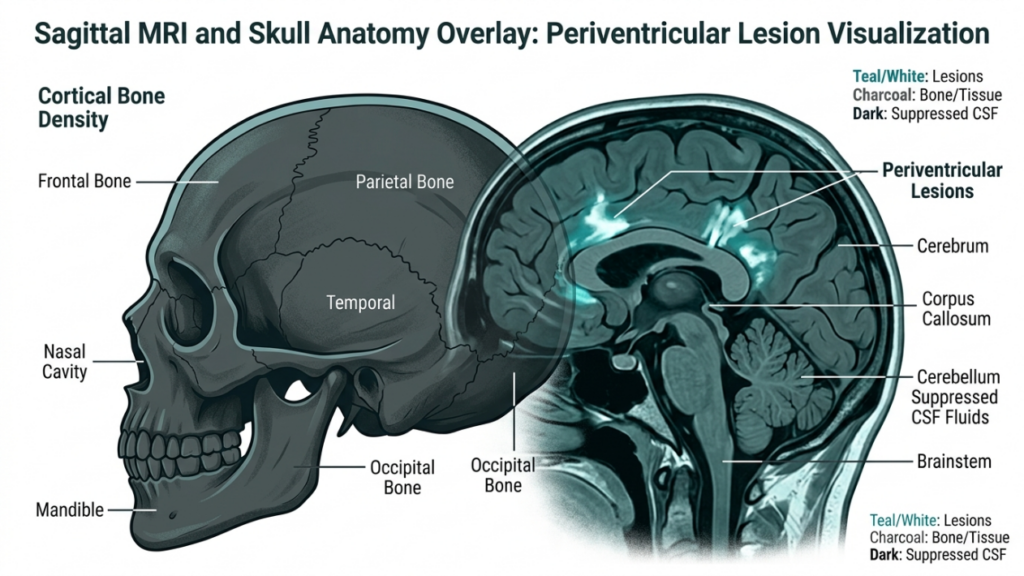
T1-weighted MRI is the gold standard for visualizing anatomical structures with high contrast. In the context of cranioplasty, it excels at delineating the cortical bone of the skull, which appears hypointense (dark) due to its low proton density and rapid T1 relaxation time. This contrast allows surgeons to:
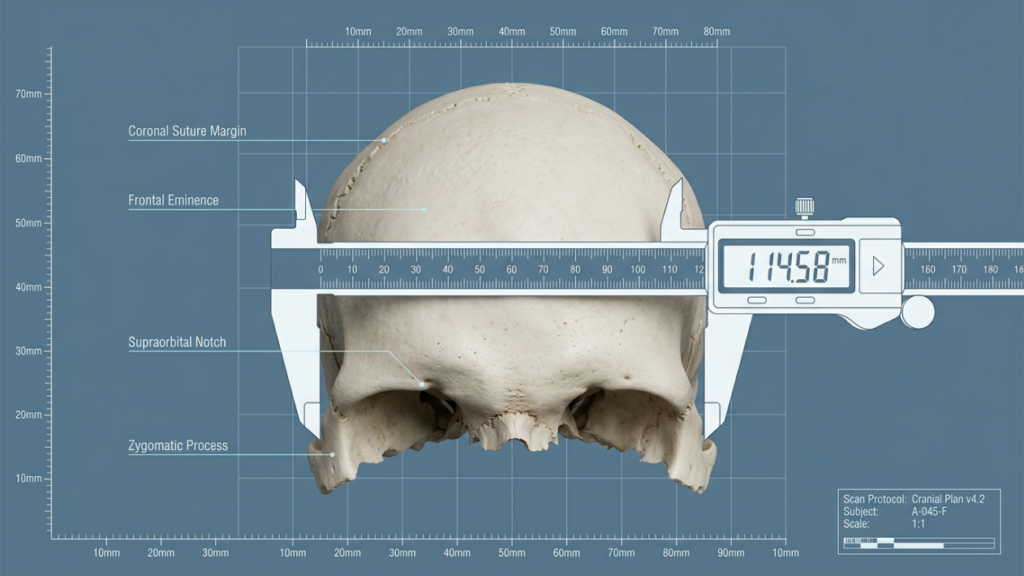
Assess Bone Integrity: T1-weighted images reveal fractures, defects, or areas of demineralization in the frontal bone, which are critical for determining the feasibility of autologous bone grafts or synthetic implants. Studies have shown that T1 sequences can detect subtle cortical bone abnormalities that may be missed on CT scans, particularly in patients with complex trauma histories (Black Bone MRI, 2025).
Evaluate Soft Tissue Interfaces: The interface between the dura mater and the frontal bone is clearly visible on T1-weighted images, helping surgeons plan the surgical dissection path to avoid inadvertent dural tears or CSF leaks.
Identify Fat and Hemorrhage: Fat-containing structures (e.g., bone marrow) appear hyperintense (bright) on T1-weighted images, while acute hemorrhage may present as a hypointense signal. This differentiation is vital for assessing post-traumatic changes or infection risks.
However, T1-weighted MRI is not without limitations. Its inability to suppress CSF signal means that periventricular lesions or areas of edema near the frontal lobes may be obscured by the high signal intensity of CSF. This is where FLAIR sequences become indispensable.
FLAIR MRI: Suppressing CSF to Unmask Pathology
FLAIR (Fluid-Attenuated Inversion Recovery) sequences are designed to nullify the signal from CSF, making them ideal for detecting subtle abnormalities in brain tissue that might otherwise be hidden. In cranioplasty planning, FLAIR sequences are particularly valuable for:
Detecting Periventricular Lesions: FLAIR sequences suppress the CSF signal, allowing surgeons to identify hyperintense lesions near the ventricles—common in patients with a history of trauma, infection, or demyelinating diseases. This is critical for avoiding areas of potential postoperative complications such as seizures or CSF leaks (FLAIR MRI Guide, 2026).
Assessing Brain Parenchyma: By suppressing CSF, FLAIR enhances the visibility of cortical and subcortical abnormalities, such as gliosis or encephalomalacia, which may influence the choice of cranioplasty material or surgical approach.
Evaluating CSF Dynamics: In patients undergoing cranioplasty after decompressive craniectomy, FLAIR sequences help assess CSF flow patterns and potential areas of stagnation or hydrocephalus, which could impact postoperative recovery (Frontiers in Neurology, 2019).
Comparative Analysis: T1 vs. FLAIR in Surgical Decision-Making
The choice between T1-weighted and FLAIR sequences is not binary but context-dependent. Surgeons often use both sequences in tandem to create a comprehensive preoperative map. Below is a comparative breakdown of their roles:
Assessing bone integrity, fat-containing structures, and hemorrhage
Detecting periventricular lesions, brain parenchyma abnormalities, and CSF dynamics
For example, a patient with a frontal bone defect and a history of trauma may require T1-weighted imaging to evaluate the bone’s structural integrity, while FLAIR sequences would be used to rule out underlying brain pathology that could complicate the cranioplasty procedure.
Clinical Case Study: Integrating T1 and FLAIR for Optimal Outcomes
Consider a 45-year-old male patient who underwent a decompressive craniectomy following a traumatic brain injury. Preoperative imaging revealed:
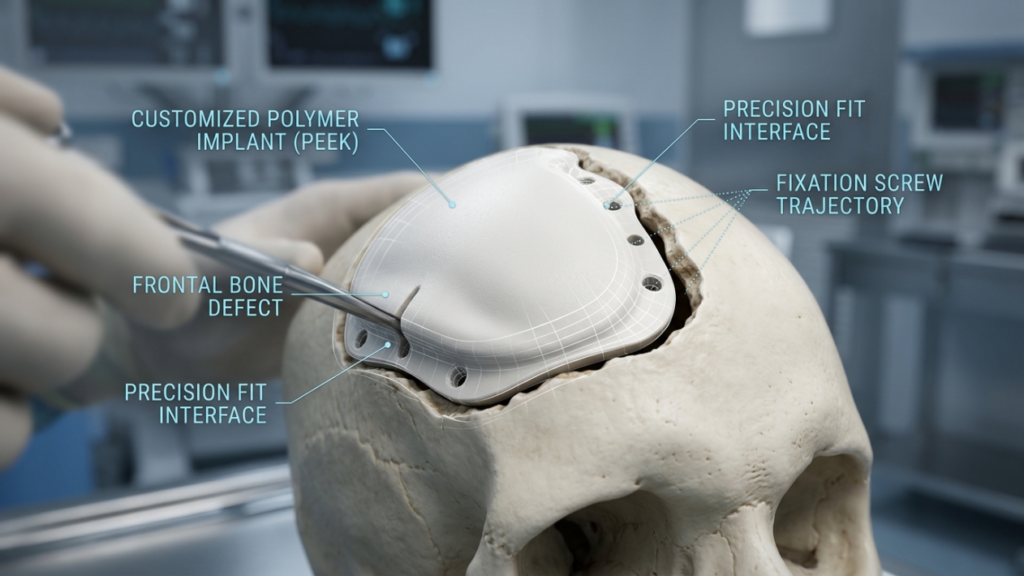
T1-Weighted MRI: A large frontal bone defect with irregular margins, suggesting a complex fracture pattern. The cortical bone appeared hypointense, confirming the need for a customized synthetic implant.
FLAIR MRI:Hyperintense lesions in the periventricular white matter, indicative of post-traumatic gliosis. These findings prompted the surgical team to opt for a delayed cranioplasty to allow for further neurological stabilization.
Combined Insights: The integration of both sequences revealed that while the bone defect was suitable for reconstruction, the underlying brain pathology required additional monitoring to mitigate risks of postoperative seizures or CSF leaks.
Practical Steps for Surgeons: From Imaging to Implementation
To leverage T1 and FLAIR sequences effectively in cranioplasty planning, surgeons should follow these steps:
Step 1: Preoperative Imaging Protocol
Obtain both T1-weighted and FLAIR sequences as part of the standard MRI protocol.
Ensure high-resolution images with thin slices (≤1 mm) for precise anatomical detail.
Step 2: Bone and Brain Tissue Assessment
Use T1-weighted images to evaluate the frontal bone’s structural integrity and identify any fat-containing lesions or hemorrhage.
Use FLAIR images to assess brain parenchyma for lesions, edema, or gliosis that may impact surgical planning.
Step 3: CSF Dynamics Evaluation
Analyze FLAIR sequences for signs of CSF stagnation or hydrocephalus, which may necessitate additional interventions such as shunt placement.
Step 4: Multidisciplinary Collaboration
Consult with neuroradiologists to interpret subtle findings, particularly in cases with complex trauma or infection histories.
Repeat MRI scans postoperatively to assess implant positioning and monitor for complications such as hematoma, infection, or CSF leaks.
Future Directions: Advancements in MRI Technology
The field of cranial radiology is evolving rapidly, with emerging technologies poised to further enhance cranioplasty planning:
Zero Echo Time (ZTE) MRI: This technique offers superior visualization of cortical bone compared to traditional T1-weighted sequences, potentially improving the detection of subtle fractures or bone defects (Ultrashort Echo Time MRI, 2025).
3D FLAIR Sequences: Advanced 3D FLAIR imaging provides higher spatial resolution and reduced artifacts, enhancing the detection of periventricular lesions and CSF dynamics (3D-FLAIR in Neuroimaging, 2025).
AI-Powered Image Analysis: Machine learning algorithms are being developed to automatically segment bone and brain tissue, reducing the time required for preoperative planning and improving accuracy (MRI-Based Bone Segmentation, 2025).
Frequently Asked Questions
Why is T1-weighted MRI preferred for assessing cortical bone in cranioplasty planning?
T1-weighted MRI is preferred because it provides high contrast between cortical bone (which appears hypointense) and surrounding soft tissues. This contrast allows surgeons to accurately assess bone integrity, fractures, and defects, which are critical for determining the feasibility of bone grafts or synthetic implants.
How does FLAIR MRI suppress CSF signal, and why is this important for cranioplasty?
FLAIR MRI uses an inversion recovery pulse to nullify the signal from cerebrospinal fluid (CSF). This suppression is crucial for cranioplasty because it enhances the visibility of periventricular lesions, brain parenchyma abnormalities, and areas of edema that might otherwise be obscured by the bright CSF signal on other sequences.
What are the limitations of T1-weighted MRI in cranioplasty planning?
The primary limitation of T1-weighted MRI is its inability to suppress CSF signal, which can obscure periventricular lesions or areas of edema near the frontal lobes. Additionally, it may not detect subtle brain parenchyma abnormalities as effectively as FLAIR sequences.
How do surgeons integrate T1 and FLAIR sequences in cranioplasty planning?
Surgeons use T1-weighted MRI to evaluate bone integrity and structural details, while FLAIR sequences are employed to detect brain pathology and CSF dynamics. By integrating both, they create a comprehensive preoperative map that guides implant selection, surgical approach, and postoperative monitoring.
What advancements in MRI technology are expected to impact cranioplasty planning?
Emerging technologies like Zero Echo Time (ZTE) MRI, 3D FLAIR sequences, and AI-powered image analysis are expected to enhance cranioplasty planning. ZTE MRI offers superior bone visualization, 3D FLAIR provides higher resolution for detecting lesions, and AI algorithms can automate segmentation and improve accuracy.
Why is CSF dynamics evaluation important in cranioplasty?
Evaluating CSF dynamics is critical because cranioplasty can alter CSF flow patterns. FLAIR sequences help identify areas of CSF stagnation or hydrocephalus, which may require additional interventions such as shunt placement to ensure optimal postoperative recovery and prevent complications.
What role does multidisciplinary collaboration play in cranioplasty planning?
Multidisciplinary collaboration ensures that surgeons, neuroradiologists, and specialists in facial reconstruction collectively interpret imaging findings. This collaboration is essential for addressing complex cases, optimizing implant selection, and mitigating risks associated with underlying brain pathology or CSF dynamics.
In 2026, the intersection of metabolic health and gender-affirming body contouring for transgender women (MTF) is more critical than ever. As the demand for safe, effective, and personalized feminization procedures grows, so does the need to understand how long-term hormone replacement therapy (HRT) impacts metabolic stability and surgical outcomes. This guide is for patients and surgeons alike, offering a roadmap to optimize timing, minimize risks, and achieve the best possible results from MTF body contouring.
Why Metabolic Stability Matters in MTF Body Contouring
Body contouring—whether through liposuction, fat grafting, or implants—is not just about aesthetics. It’s about aligning your physical form with your gender identity in a way that is safe, sustainable, and harmonious with your body’s metabolic state. For MTF patients, long-term HRT induces profound changes in body composition, fat distribution, and metabolic function. These changes, while transformative, also introduce unique challenges for surgical planning and recovery.
How HRT Reshapes Metabolism and Body Composition
Estrogen and anti-androgens, the cornerstones of MTF HRT, drive a cascade of metabolic and physiological changes:
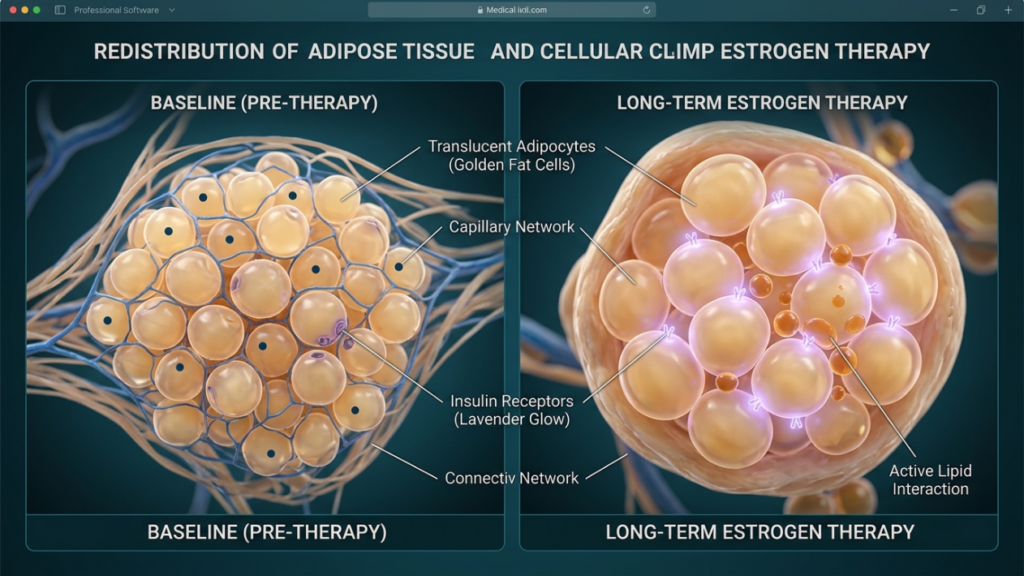
Fat Redistribution: Estrogen promotes fat storage in the hips, thighs, and buttocks, creating a more feminine silhouette. This process begins within months of starting HRT but continues for 2–5 years, with maximal changes typically observed after 18–24 months (PMC8311086).
Muscle Mass and Strength: Testosterone suppression leads to a gradual decrease in muscle mass and strength, particularly in the upper body. While this softens masculine contours, it also reduces metabolic rate, which can affect weight management and recovery from surgery (Musculoskeletal Key, 2024).
Metabolic Rate: Estrogen lowers basal metabolic rate (BMR), meaning your body burns fewer calories at rest. This shift can lead to weight gain if dietary and activity habits are not adjusted, potentially complicating body contouring procedures (TransVitae, 2026).
Insulin Sensitivity and Lipid Profile: HRT can improve insulin sensitivity in some patients but may also alter lipid profiles, increasing the risk of metabolic syndrome if not monitored. Regular metabolic screening is essential to detect and address these changes early (Nature, 2024).
Bone Density: Long-term estrogen therapy helps maintain bone density, but prolonged use without adequate monitoring can lead to reduced bone mineral density (BMD), especially in patients with additional risk factors (PMC6616494).
These metabolic shifts are not just side effects—they are the foundation of your transition. However, they also mean that the timing and approach to body contouring must be carefully calibrated to ensure safety and optimal results.
The Science of Surgical Timing: When to Proceed with Body Contouring
Not all body contouring procedures require the same preparation, but metabolic stability is a universal prerequisite. Here’s what the latest evidence tells us about optimal timing:
1. Minimum HRT Duration Before Surgery
Most surgeons recommend a minimum of 12–24 months of continuous HRT before undergoing major body contouring procedures. This timeline allows for:
Maximal natural fat redistribution, ensuring the best possible canvas for surgical enhancement.
Stabilization of metabolic parameters, including insulin sensitivity, lipid profiles, and blood pressure.
Reduction of surgical risks, as HRT-induced metabolic changes can affect wound healing and recovery (Frontiers in Surgery, 2025).
For procedures like breast augmentation, some surgeons may recommend waiting up to 24 months to allow for maximal natural breast development before considering implants (Dr. MFO, 2025).
2. Metabolic Stability: The Key to Safe Surgery
Metabolic stability is not just about time on HRT—it’s about ensuring your body is in the best possible condition to handle surgery and recover optimally. Key markers of metabolic stability include:
Stable Weight: Your weight should be stable for at least 3–6 months before surgery. Significant weight fluctuations can compromise surgical results and increase complications.
Normalized Blood Pressure: Estrogen can affect blood pressure, so it’s important to monitor and manage hypertension before surgery.
Optimal Lipid and Glucose Levels: Regular blood tests should confirm that your cholesterol, triglycerides, and blood glucose are within healthy ranges.
Healthy Bone Density: A DEXA scan can assess bone health, especially if you’ve been on HRT for several years or have other risk factors for osteoporosis.
If any of these markers are out of range, your surgeon may recommend postponing surgery until your metabolic health is optimized. This is not a setback—it’s a proactive step to ensure your safety and the longevity of your results.
3. Procedure-Specific Timing Guidelines
Procedure
Recommended HRT Duration
Key Considerations
Liposuction (e.g., waist, arms, thighs)
12–18 months
Allows for natural fat redistribution; ensures stable weight and metabolic parameters.
Fat Grafting (e.g., hips, buttocks, breasts)
18–24 months
Maximizes natural fat availability; improves graft survival and symmetry.
Breast Augmentation
18–24 months
Allows for maximal natural breast development; reduces need for larger implants.
Hip/Buttock Implants
18–24 months
Ensures stable body composition; reduces risk of implant displacement or asymmetry.
Rib Removal/Remodeling
24+ months
Requires stable weight and metabolic health; complex procedure with longer recovery.
Source: Adapted from clinical guidelines and expert consensus, 2026.
Metabolic Optimization: Preparing Your Body for Surgery
Optimizing your metabolism before surgery is not just about avoiding complications—it’s about setting the stage for the best possible results. Here’s how to prepare:
1. Nutritional Strategies
Your diet plays a central role in metabolic health and surgical recovery. Focus on:
Balanced Macronutrients: Ensure adequate protein intake to support muscle maintenance and wound healing. Healthy fats and complex carbohydrates provide sustained energy and support hormone production.
Micronutrient Optimization: Key nutrients for metabolic health and recovery include vitamin D, calcium, magnesium, and zinc. Consider a blood test to identify and address any deficiencies.
Anti-Inflammatory Foods: Incorporate foods rich in omega-3 fatty acids (e.g., fatty fish, flaxseeds), antioxidants (e.g., berries, leafy greens), and fiber to reduce inflammation and support metabolic function.
Avoid crash diets or extreme caloric restriction, as these can disrupt metabolic stability and compromise surgical outcomes.
2. Exercise and Physical Activity
Regular exercise supports metabolic health, improves circulation, and enhances recovery. Focus on:
Strength Training: Helps maintain muscle mass, which is especially important as HRT reduces muscle density. Focus on lower body and core strength to support your new contours.
Cardiovascular Exercise: Improves heart health and metabolic function. Aim for at least 150 minutes of moderate-intensity cardio per week.
Flexibility and Mobility: Yoga or stretching routines can improve circulation, reduce stress, and prepare your body for surgery.
If you’re new to exercise, start slowly and consult with a trainer or physical therapist to create a safe, effective routine.
3. Medical Optimization
Work with your healthcare team to address any underlying metabolic or hormonal imbalances:
HRT Monitoring: Regular blood tests should monitor hormone levels, liver function, lipid profiles, and glucose metabolism. Adjustments to your HRT regimen may be needed to optimize metabolic health.
Metabolic Screening: Comprehensive metabolic panels can identify insulin resistance, dyslipidemia, or other issues that may affect surgical risk or recovery.
Bone Health: If you’ve been on HRT for several years, a DEXA scan can assess bone density. If osteoporosis or osteopenia is detected, your doctor may recommend supplements or medications to strengthen your bones before surgery.
4. Mental and Emotional Preparation
Surgery is not just a physical journey—it’s an emotional one. Preparing mentally and emotionally can improve your recovery and overall experience:
Set Realistic Expectations: Understand that body contouring is a process, not a single event. Multiple procedures may be needed to achieve your goals, and recovery takes time.
Build a Support System: Surround yourself with friends, family, or support groups who understand and affirm your journey. Emotional support is crucial for a smooth recovery.
Address Anxiety and Stress: Surgery can be stressful. Techniques like mindfulness, meditation, or therapy can help manage anxiety and promote emotional resilience.
Surgical Techniques and Metabolic Considerations
Not all body contouring techniques are created equal—especially for MTF patients. The latest advances in surgical technology and technique prioritize safety, natural results, and compatibility with HRT-induced metabolic changes.
1. Liposuction and Fat Grafting
Liposuction is a cornerstone of MTF body contouring, used to remove unwanted fat from areas like the waist, abdomen, and flanks, and to harvest fat for grafting to the hips, buttocks, or breasts.
Metabolic Considerations: HRT-induced fat redistribution means that the fat harvested for grafting is often softer and more metabolically active than in cisgender patients. This can improve graft survival but also requires careful handling to avoid complications like fat necrosis or oil cysts.
Advanced Techniques: Power-assisted liposuction (PAL) and laser-assisted liposuction (LAL) are increasingly used for their precision and reduced trauma, which can shorten recovery time and improve outcomes (Thieme, 2024).
2. Implants: Hips and Buttocks
For patients who desire more dramatic curves, implants can enhance the hips and buttocks. However, implants require careful consideration in MTF patients due to HRT-induced changes in tissue quality and metabolic health.
Metabolic Considerations: Estrogen can increase subcutaneous fat and alter tissue elasticity. This means that implants may feel softer and more natural but also require precise placement to avoid displacement or asymmetry.
Advanced Techniques: 3D imaging and virtual surgical planning allow surgeons to simulate outcomes and optimize implant placement, reducing the risk of complications and improving symmetry (Frontiers in Surgery, 2025).
3. Rib Removal and Waist Narrowing
Rib removal or remodeling is a complex procedure that can create a more defined waistline. It is typically reserved for patients who have achieved stable metabolic health and have realistic expectations about the risks and recovery.
Metabolic Considerations: This procedure requires optimal bone health, as HRT can affect bone density. A DEXA scan is recommended to assess bone strength before surgery.
Advanced Techniques: Endoscopic rib removal minimizes scarring and reduces recovery time. Virtual surgical planning ensures precise removal and symmetry.
4. Breast Augmentation
While HRT induces natural breast development, many MTF patients opt for augmentation to achieve their desired size and shape. The timing and approach to breast augmentation must consider both aesthetic goals and metabolic health.
Metabolic Considerations: Estrogen-induced breast tissue is often softer and more glandular than in cisgender women. This can affect implant placement and the choice of implant type (silicone vs. saline).
Advanced Techniques: Fat grafting combined with implants (hybrid augmentation) can create a more natural look and feel. 3D imaging helps tailor the procedure to your unique anatomy.
Postoperative Care and Long-Term Metabolic Management
Your journey doesn’t end when you leave the operating room. Postoperative care and long-term metabolic management are critical to maintaining your results and ensuring your health.
1. Immediate Postoperative Care
Pain Management: Follow your surgeon’s instructions for pain relief. Avoid NSAIDs if you have a history of bleeding disorders or are at risk for kidney issues.
Compression Garments: Wear compression garments as directed to reduce swelling, support your new contours, and improve circulation.
Activity and Mobility: Gradually reintroduce light activity, such as walking, to promote circulation and reduce the risk of blood clots. Avoid strenuous exercise or heavy lifting for at least 4–6 weeks.
Follow-Up Appointments: Attend all scheduled follow-ups to monitor healing, address complications early, and adjust your care plan as needed.
2. Long-Term Metabolic Management
After surgery, your focus should shift to maintaining metabolic health and preserving your results:
Continue HRT: Do not discontinue HRT without medical supervision. Sudden hormone withdrawal can lead to metabolic imbalances, bone loss, and other health issues.
Regular Metabolic Screening: Continue monitoring your lipid profiles, glucose levels, and bone density as recommended by your healthcare provider.
Maintain a Stable Weight: Significant weight fluctuations can alter your surgical results. Focus on a balanced diet and regular exercise to maintain your new contours.
Sun Protection and Skin Care: Protect your skin from sun damage to maintain elasticity and reduce the risk of scarring. Use sunscreen daily and follow a skincare routine tailored to your needs.
Addressing Common Concerns and Misconceptions
Despite the growing body of research, misconceptions about HRT, metabolic health, and body contouring persist. Here are some of the most common concerns—and the facts to address them:
1. “HRT Alone Will Give Me the Body I Want”
While HRT induces significant changes in fat distribution and body composition, it has limitations. Many MTF patients find that body contouring procedures are necessary to achieve their desired silhouette, especially in areas like the waist, hips, and buttocks. HRT and surgery are complementary, not mutually exclusive.
2. “I Can Have Surgery as Soon as I Start HRT”
Metabolic stability is a prerequisite for safe surgery. Most surgeons recommend waiting at least 12–24 months on HRT to allow for natural fat redistribution, stabilization of metabolic parameters, and reduction of surgical risks. Rushing into surgery before your body is ready can compromise results and increase complications.
3. “Body Contouring Is Only About Aesthetics”
Body contouring is about more than just appearance—it’s about aligning your physical form with your gender identity. For many transgender women, these procedures are a vital step in their transition, improving mental health, self-esteem, and overall quality of life. The psychological benefits of body contouring are well-documented and can be just as important as the physical changes (Cornell University, 2025).
4. “HRT Increases My Risk of Metabolic Syndrome”
HRT can alter lipid profiles and insulin sensitivity, but the risk of metabolic syndrome depends on individual factors such as genetics, lifestyle, and baseline health. Regular monitoring and proactive management can mitigate these risks. In fact, many MTF patients experience improved metabolic health on HRT due to reduced testosterone levels and increased physical activity.
5. “I Don’t Need to Monitor My Health After Surgery”
Long-term metabolic management is essential for maintaining your results and overall health. Regular follow-ups with your surgeon and endocrinologist ensure that any issues are detected and addressed early, allowing you to enjoy your new contours for years to come.
The Future of MTF Body Contouring: Innovations on the Horizon
The field of gender-affirming surgery is evolving rapidly, with new technologies and techniques emerging to improve safety, outcomes, and patient satisfaction. Here’s what’s on the horizon for MTF body contouring:
AI and Virtual Surgical Planning: Artificial intelligence is transforming surgical planning, allowing for more precise simulations and personalized outcomes. AI-driven tools can analyze your anatomy, predict results, and optimize surgical approaches for your unique needs.
Regenerative Medicine: Stem cell therapy and platelet-rich plasma (PRP) are being explored to enhance fat graft survival, improve skin elasticity, and accelerate healing. These techniques could revolutionize body contouring by reducing recovery time and improving results.
Minimally Invasive Techniques: Advances in endoscopic and robotic surgery are making procedures like rib removal and liposuction less invasive, with smaller incisions, reduced scarring, and faster recovery.
Personalized HRT Regimens: As our understanding of hormone metabolism grows, HRT regimens are becoming more personalized. Tailored hormone therapy can optimize metabolic health, improve surgical outcomes, and reduce side effects.
These innovations promise to make MTF body contouring safer, more effective, and more accessible than ever before.
Conclusion: Your Journey, Your Timeline
Metabolic optimization is the cornerstone of safe, successful MTF body contouring. By understanding how HRT reshapes your body and metabolism, you can make informed decisions about timing, preparation, and surgical techniques. Remember, there is no one-size-fits-all approach—your journey is unique, and your care should be tailored to your individual needs.
Whether you’re just starting HRT or are ready to explore body contouring, the key is to work with a knowledgeable, affirming healthcare team. Together, you can create a plan that prioritizes your health, safety, and happiness, ensuring that your transition is as smooth and rewarding as possible.
In 2026, the future of MTF body contouring is bright. With advances in surgical techniques, metabolic management, and personalized care, you have more options than ever to achieve the body you’ve always envisioned. Your journey is yours to define—embrace it, celebrate it, and trust that the results will be worth the wait.
Frequently Asked Questions
How long should I be on HRT before considering body contouring surgery?
Most surgeons recommend a minimum of 12–24 months of continuous HRT before undergoing major body contouring procedures. This timeline allows for maximal natural fat redistribution, stabilization of metabolic parameters, and reduction of surgical risks. For procedures like breast augmentation, some surgeons may recommend waiting up to 24 months to allow for maximal natural breast development before considering implants.
What metabolic changes does HRT induce in MTF patients?
HRT in MTF patients induces several metabolic and physiological changes, including fat redistribution to the hips, thighs, and buttocks; decreased muscle mass and strength; lowered basal metabolic rate; and potential alterations in lipid profiles and insulin sensitivity. These changes are transformative but also require careful monitoring and management to ensure surgical safety and optimal outcomes.
How does metabolic stability affect surgical outcomes?
Metabolic stability is crucial for safe surgery and optimal recovery. Key markers include stable weight, normalized blood pressure, healthy lipid and glucose levels, and optimal bone density. If any of these markers are out of range, your surgeon may recommend postponing surgery until your metabolic health is optimized, ensuring your safety and the longevity of your results.
What are the risks of undergoing body contouring too soon after starting HRT?
Undergoing body contouring too soon after starting HRT can increase the risk of complications, including poor wound healing, asymmetry, and suboptimal results. HRT-induced metabolic changes, such as fat redistribution and altered tissue quality, require time to stabilize. Rushing into surgery before your body is ready can compromise both your safety and the quality of your outcomes.
How can I optimize my metabolism before surgery?
To optimize your metabolism before surgery, focus on a balanced diet rich in protein, healthy fats, and complex carbohydrates; regular exercise, including strength training and cardiovascular activity; and medical optimization, such as monitoring hormone levels, lipid profiles, and bone density. Mental and emotional preparation, including setting realistic expectations and building a support system, is also essential for a smooth recovery.
What are the latest advances in MTF body contouring techniques?
The latest advances in MTF body contouring include AI and virtual surgical planning for personalized outcomes, regenerative medicine techniques like stem cell therapy and PRP to enhance fat graft survival and accelerate healing, and minimally invasive procedures such as endoscopic and robotic surgery. These innovations promise to make body contouring safer, more effective, and more accessible than ever before.
Is it safe to continue HRT after body contouring surgery?
Yes, it is not only safe but also essential to continue HRT after body contouring surgery, unless otherwise directed by your healthcare provider. Sudden hormone withdrawal can lead to metabolic imbalances, bone loss, and other health issues. Regular follow-ups with your endocrinologist and surgeon will ensure that your HRT regimen is optimized for both your transition and your long-term health.
At 52, Sarah stared into the mirror, tracing the lines around her eyes and the sagging skin along her jawline. She had spent decades living her truth, but the reflection looking back felt like a stranger—one shaped by time, testosterone, and the relentless pull of gravity. “I finally feel like myself,” she thought, “but I don’t look like the woman I am inside.” For older trans women like Sarah, the journey toward alignment isn’t just about gender affirmation; it’s about reclaiming the face that aging and male puberty stole. Facial Feminization Surgery (FFS) isn’t a luxury—it’s a lifeline, a way to erase the disconnect between how they feel and how the world sees them. But here’s the truth no one tells you: aging changes the rules of FFS. The procedures that work for a 25-year-old won’t deliver the same results for a woman over 50. Wrinkles, volume loss, and facial sagging demand a different approach—one that blends the art of feminization with the science of rejuvenation. This guide isn’t just about looking more feminine; it’s about looking younger, healthier, and more vibrant than you have in decades.
Why Aging Makes FFS Different for Older Trans Women
Aging isn’t just about wrinkles. It’s a full-scale restructuring of the face. For trans women who transition later in life, this presents a unique challenge: the facial features masculinized by testosterone—stronger brow bones, a squarer jawline, a more prominent Adam’s apple—are now overlaid with the hallmarks of aging. Collagen production drops by 1% per year after 30, leading to thinner skin, hollowed cheeks, and a loss of elasticity. Meanwhile, fat redistributes, migrating downward to create jowls and a heavier neck. The result? A face that may feel masculine and old—two layers of dysphoria that standard FFS protocols often fail to address.
But here’s the counterintuitive truth: aging can actually make feminization easier in some ways. As Dr. Mehmet Fatih Okyay, a leading FFS surgeon in Turkey, explains, “The natural softening of bone density in older patients can make procedures like brow contouring or jaw reduction less invasive. The key is understanding how to work with the aging process, not against it.” For example, while a younger patient might need aggressive bone shaving to soften a square jaw, an older woman’s jawline may already be softened by age—requiring a combination of fat grafting and a facelift to restore definition. The goal isn’t just to feminize; it’s to rejuvenate, turning back the clock on both gender and time.
The 5 FFS Procedures That Erase a Decade (or More) for Women Over 50
Not all FFS procedures are created equal—especially when aging is in the picture. Some surgeries, like hairline advancement, become less critical as hairlines naturally recede with age. Others, like fat grafting or facelifts, rise to the top of the priority list. Below are the five most transformative FFS procedures for older trans women, ranked by their ability to combat aging while enhancing femininity. Each is designed to address the unique challenges of an older face, from volume loss to sagging skin.
1. Facelift (Rhytidectomy): The Ultimate Anti-Aging Powerhouse
A facelift isn’t just for cisgender women. For older trans women, it’s the cornerstone of a youthful, feminine appearance. Unlike traditional FFS, which focuses on bone structure, a facelift targets the skin and underlying tissues that sag with age. “Most patients don’t realize how much their jowls or neck laxity detract from their femininity,” says Dr. Okyay. “A well-executed facelift doesn’t just tighten skin—it restores the jawline’s sharpness, eliminates the ‘turkey neck,’ and lifts the midface to create a more heart-shaped contour.”
But not all facelifts are equal. For older trans women, Dr. Okyay recommends a deep-plane facelift, which repositions the deeper layers of facial tissue for more natural, long-lasting results. Unlike a traditional facelift, which only tightens the skin, a deep-plane lift addresses the underlying muscles and fat, creating a lift that looks organic—not pulled or windswept. Recovery takes about 2–3 weeks, but the results can last a decade or more. For women who’ve spent years feeling invisible, it’s a game-changer.
2. Fat Grafting: Restoring the Fullness of Youth
Volume loss is one of the most visible signs of aging—and one of the most feminizing. A youthful face is a full face, with plump cheeks, defined temples, and a smooth under-eye area. But as we age, fat pads in the face shrink and descend, creating hollows under the eyes, sunken cheeks, and a gaunt appearance. For trans women, this can exacerbate masculine features, like a more angular midface. Fat grafting, also known as fat transfer, reverses this process by harvesting fat from areas like the abdomen or thighs and injecting it into the face.
“Fat grafting is like a natural filler,” explains Dr. Okyay. “But unlike synthetic fillers, which can look overdone or migrate over time, fat integrates into the facial tissues, providing long-lasting volume.” The procedure is particularly effective for older trans women because it addresses two issues at once: feminizing the face by enhancing cheekbones and softening angles, while also restoring the fullness of youth. Recovery is minimal—most patients return to normal activities within a week—and the results can last for years. For women who’ve spent decades with a face that feels “hollow,” it’s a revelation.
3. Brow Lift: Lifting the Veil of Aging
The brows are one of the most gendered features of the face. A masculine brow sits lower, creating a heavier, more pronounced ridge, while a feminine brow is higher and more arched. For older trans women, aging compounds this issue: as the forehead skin sags, the brows descend, creating a tired, angry, or even masculine appearance. A brow lift, also known as a forehead lift, corrects this by elevating the brows and smoothing forehead wrinkles. But for older patients, the procedure goes beyond feminization—it’s a critical anti-aging tool.
Dr. Okyay prefers an endoscopic brow lift for older trans women. Unlike traditional brow lifts, which require large incisions, an endoscopic lift uses small, discreet incisions hidden in the hairline. A tiny camera and surgical instruments are inserted to lift the brow tissues and secure them in a higher position. “The endoscopic approach minimizes scarring and reduces recovery time,” says Dr. Okyay. “For older patients, it’s less invasive and more precise.” The results? A brighter, more open-eyed appearance that takes years off the face. Combined with other FFS procedures, a brow lift can transform a tired, masculine brow into one that’s soft, arched, and undeniably feminine.
4. Neck Lift: Erasing the Signs of Time
The neck is often the first place aging becomes visible—and one of the hardest to hide. For older trans women, a “turkey neck” or loose skin under the chin can detract from an otherwise feminine appearance. A neck lift, or platysmaplasty, tightens the muscles and skin of the neck to create a smoother, more defined contour. “Many patients focus on the face and forget about the neck,” says Dr. Okyay. “But a youthful neck is just as important for a harmonious, feminine look.”
For older trans women, a neck lift is often combined with a facelift for comprehensive rejuvenation. The procedure involves making small incisions under the chin and behind the ears to tighten the platysma muscle and remove excess skin. The result is a smoother, more defined jawline and neck—one that complements the feminized features of the face. Recovery takes about 1–2 weeks, and the results can last for years. For women who’ve spent years hiding their necks with scarves or high collars, it’s a liberating change.
5. Chin Reduction or Augmentation: Balancing the Face
The chin is a defining feature of facial harmony—and one that often becomes more prominent with age. For trans women, a strong, square chin can read as masculine, while a weak or recessed chin can make the face appear unbalanced. The solution? Either reduction or augmentation, depending on the patient’s anatomy. “The chin is like the anchor of the face,” explains Dr. Okyay. “For older patients, we often need to address both the bone structure and the soft tissue to achieve a natural, feminine contour.”
For women with a prominent chin, reduction involves shaving down the bone to create a softer, more tapered appearance. For those with a weak chin, augmentation—using either an implant or fat grafting—adds projection and definition. The choice depends on the patient’s goals and existing anatomy. “The key is balance,” says Dr. Okyay. “A feminine chin should complement the lips, cheeks, and jawline, not overpower them.” Recovery is minimal, and the results are permanent. For older trans women, it’s often the final piece of the puzzle, completing the transformation from a masculine to a feminine profile.
The Recovery Process: What Older Patients Need to Know
Recovery from FFS is often the biggest concern for older patients—and for good reason. Healing takes longer as we age, and the risk of complications, like infection or poor wound healing, increases. But here’s the good news: with the right preparation and aftercare, older patients can recover just as successfully as younger ones. The key is tailoring the recovery process to the unique needs of an aging body. Below, we break down what to expect at every stage, from the first 24 hours to the final results.
The First 48 Hours: Managing Pain and Swelling
The first two days after surgery are the most challenging. Swelling, bruising, and discomfort are at their peak, and patients may feel overwhelmed. For older patients, managing pain and swelling is critical—not just for comfort, but for preventing complications. Dr. Okyay’s team provides a detailed aftercare plan, which includes:
Cold Compresses: Applying ice packs to the face for 15 minutes every hour helps reduce swelling and numb discomfort. For older patients, this is especially important, as swelling can take longer to subside.
Elevated Sleeping: Keeping the head elevated at a 45-degree angle—even while sleeping—prevents fluid from pooling in the face. This is crucial for older patients, whose circulation may not be as robust as it once was.
Pain Management: While FFS is not typically painful, discomfort can be managed with prescribed medications. Older patients are advised to avoid NSAIDs (like ibuprofen), which can increase the risk of bleeding, and instead use acetaminophen as directed.
Hydration and Nutrition: Staying hydrated and eating soft, nutrient-rich foods (like soups, smoothies, and mashed vegetables) supports healing. Older patients may need to focus on protein-rich foods to aid tissue repair.
“The first 48 hours are about managing expectations,” says Dr. Okyay. “It’s normal to feel swollen and bruised, but these symptoms will improve rapidly. The key is following the aftercare plan closely.”
Weeks 1–2: The Healing Begins
By the end of the first week, most patients see a dramatic reduction in swelling and bruising. Stitches are typically removed 7–10 days post-surgery, and patients can begin to see the initial results of their procedures. However, for older patients, healing may progress more slowly. “The body’s ability to regenerate tissue decreases with age,” explains Dr. Okyay. “But that doesn’t mean the results will be any less transformative—it just means patience is key.”
During this phase, patients should focus on:
Gentle Activity: Light walking is encouraged to promote circulation, but strenuous exercise should be avoided for at least 4–6 weeks. Older patients may need to extend this timeline based on their energy levels.
Skincare: Keeping the incisions clean and moisturized is critical for preventing infection and minimizing scarring. Dr. Okyay recommends using a gentle, fragrance-free cleanser and applying silicone gel or sheets to incision sites once they’ve fully closed.
Avoiding Strain: Bending over, lifting heavy objects, or straining during bowel movements can increase swelling and delay healing. Older patients are advised to take stool softeners to prevent constipation, which can cause straining.
“This is the phase where patients start to feel like themselves again,” says Dr. Okyay. “The initial discomfort fades, and the excitement of seeing the results begins to build.”
Weeks 3–6: Seeing the Transformation
By the third week, most of the swelling has subsided, and the final results begin to emerge. For older patients, this phase can be particularly rewarding, as the combination of feminization and rejuvenation becomes visible. “The face starts to look softer, more lifted, and more harmonious,” says Dr. Okyay. “It’s the moment when patients realize the surgery wasn’t just about changing their appearance—it was about reclaiming their confidence.”
During this phase, patients can gradually return to their normal routines, with a few caveats:
Sun Protection: UV exposure can worsen scarring and cause pigmentation changes. Patients should wear a broad-spectrum sunscreen (SPF 30 or higher) whenever they’re outdoors, even on cloudy days.
Scar Massage: Gently massaging the incision sites with a moisturizer or silicone gel can improve scar appearance. Older patients may need to continue scar massage for several months to achieve the best results.
Follow-Up Appointments: Regular check-ins with Dr. Okyay’s team ensure that healing is progressing as expected. For older patients, these appointments are an opportunity to address any concerns, like lingering swelling or asymmetry.
“The third to sixth week is when the magic happens,” says Dr. Okyay. “Patients start to see the face they’ve always imagined—and it’s worth every moment of the journey.”
Months 3–6: The Final Results
While most of the swelling resolves within the first six weeks, the final results of FFS can take up to six months to fully manifest. For older patients, this timeline may be slightly longer, as the body’s healing processes slow with age. However, the wait is worth it. “By the six-month mark, the face has settled into its new shape,” explains Dr. Okyay. “The skin has tightened, the contours have refined, and the results look completely natural.”
During this phase, patients should focus on:
Maintaining a Healthy Lifestyle: Eating a balanced diet, staying hydrated, and avoiding smoking and excessive alcohol consumption support long-term results. Older patients may also benefit from collagen-boosting foods, like bone broth and leafy greens.
Skincare Routine: A consistent skincare routine, including gentle exfoliation and moisturization, helps maintain the skin’s elasticity and glow. Dr. Okyay recommends products with hyaluronic acid and retinol to support skin renewal.
Emotional Well-Being: The psychological impact of FFS cannot be overstated. Many patients experience a boost in confidence and self-esteem, but it’s also normal to feel a range of emotions as they adjust to their new appearance. Dr. Okyay’s team provides resources for emotional support, including access to therapists who specialize in gender-affirming care.
“The final results are more than just physical,” says Dr. Okyay. “They’re about feeling like the woman you’ve always been—inside and out.”
Before-and-After: Real Stories of Transformation
Numbers and procedures can only tell part of the story. The real impact of FFS for older trans women is best understood through the experiences of those who’ve undergone the journey. Below, we share the stories of three patients who chose Dr. MFO Clinic for their transformation. Their before-and-after photos speak volumes—but their words reveal the emotional depth of their experiences.
Case Study 1: Linda’s Journey to a Softer, Younger Face
Linda, 58, had lived as a woman for over a decade before deciding to pursue FFS. “I was happy with my life,” she says, “but I still felt like my face didn’t match who I was. Every time I looked in the mirror, I saw the man I used to be—and the wrinkles of a woman who’d lived a hard life.” Linda’s primary concerns were her strong brow bone, square jawline, and sagging neck. She also wanted to address the volume loss in her cheeks, which made her look gaunt.
Dr. Okyay recommended a combination of procedures: brow contouring, a deep-plane facelift, fat grafting to the cheeks, and a neck lift. “I wanted to look like a woman my age—not 20 years older,” Linda says. “Dr. Okyay understood that.” The results were transformative. Her brow is now soft and arched, her jawline is defined but feminine, and her neck is smooth and taut. “I look like the woman I’ve always been,” she says. “But now, I also look like the woman I feel like.”
Case Study 2: Maria’s Fight Against Time
Maria, 65, had spent years researching FFS but was hesitant to take the plunge. “I was afraid it wouldn’t work for someone my age,” she admits. “I thought I was too old to change.” Her concerns were valid: her face showed deep wrinkles, hollowed cheeks, and a heavy, masculine jawline. But after a consultation with Dr. Okyay, she realized that age wasn’t a barrier—it was an opportunity. “He showed me photos of other patients my age,” she says. “I couldn’t believe the results. It was like seeing a glimpse of my future self.”
Maria underwent a facelift, fat grafting, brow lift, and chin reduction. The combination of procedures addressed both her aging concerns and her masculine features. “The recovery was tough,” she says, “but every day, I saw a little more of myself emerge.” Six months post-surgery, Maria’s results are nothing short of miraculous. Her wrinkles are softened, her cheeks are full and lifted, and her jawline is delicate and feminine. “I don’t just look younger,” she says. “I look alive. Like I’ve been given a second chance.”
Case Study 3: Elena’s Story of Self-Discovery
Elena, 54, had transitioned in her 40s but struggled with the lingering masculine features of her face. “I passed as a woman,” she says, “but I never felt beautiful. I felt like I was hiding in plain sight.” Her primary concerns were her prominent brow bone, strong chin, and the deep lines around her mouth. She also wanted to address the sagging skin under her eyes, which made her look perpetually tired.
Dr. Okyay recommended brow contouring, a mini facelift, fat grafting, and a chin reduction. “I didn’t want to change who I was,” Elena says. “I just wanted to look like the best version of myself.” The results exceeded her expectations. Her brow is now soft and feminine, her chin is balanced, and her under-eye area is smooth and youthful. “I don’t just pass as a woman now,” she says. “I feel seen. Like I’m finally visible in a way I never was before.”
Why Turkey—and Dr. MFO Clinic—Is the Best Choice for Older Trans Women
Choosing where to undergo FFS is one of the most important decisions a patient will make. For older trans women, the stakes are even higher: the surgeon must not only understand the nuances of feminization but also the complexities of aging. Turkey has emerged as a global leader in FFS, offering world-class care at a fraction of the cost of Western countries. And at the forefront of this movement is Dr. MFO Clinic, where expertise, affordability, and compassionate care converge.
Expertise That Understands Aging
Dr. Mehmet Fatih Okyay isn’t just a surgeon—he’s an artist who understands the interplay between gender and aging. With over 15 years of experience in facial feminization, he has performed thousands of procedures, including hundreds on patients over 50. “Aging changes the anatomy of the face,” he explains. “The bones soften, the skin thins, and the fat redistributes. A surgeon who doesn’t account for these changes can’t deliver natural, harmonious results.”
Dr. Okyay’s approach is rooted in this understanding. He uses advanced techniques, like 3D imaging and virtual surgical planning, to tailor each procedure to the patient’s unique anatomy. “For older patients, precision is everything,” he says. “We’re not just feminizing the face—we’re rejuvenating it, ensuring that the results look natural and age-appropriate.”
Affordability Without Compromise
One of the biggest barriers to FFS is cost. In the U.S. or UK, a full suite of procedures can cost upwards of $50,000—an impossible sum for many patients. In Turkey, the same procedures cost a fraction of that, without sacrificing quality. At Dr. MFO Clinic, a comprehensive FFS package—including a facelift, fat grafting, brow lift, and chin reduction—starts at just $15,000. “We believe that every woman deserves to live as her authentic self,” says Dr. Okyay. “Cost should never be a barrier to that.”
The savings extend beyond the surgery itself. Turkey’s lower cost of living means that patients can enjoy a comfortable recovery in a private, luxurious facility—without the exorbitant fees of Western clinics. Dr. MFO Clinic also offers all-inclusive packages that cover accommodation, transportation, and post-operative care, making the process as seamless as possible.
A Compassionate, Patient-Centered Approach
For older trans women, the decision to undergo FFS is often emotional. Many have spent decades hiding their true selves, and the prospect of surgery can feel overwhelming. At Dr. MFO Clinic, the focus is on compassionate, patient-centered care. From the initial consultation to the final follow-up, Dr. Okyay and his team prioritize the patient’s comfort, safety, and well-being.
“We don’t just see our patients as surgical cases,” says Dr. Okyay. “We see them as individuals with unique stories, fears, and dreams. Our goal is to make the process as smooth and empowering as possible.” The clinic’s team includes multilingual staff, ensuring that language barriers never stand in the way of care. They also provide emotional support, connecting patients with therapists and support groups to help them navigate the psychological aspects of their journey.
A Destination Worth Traveling For
Turkey isn’t just a medical destination—it’s a place of beauty, culture, and warmth. Patients who travel to Dr. MFO Clinic for FFS can combine their surgery with a rejuvenating vacation in Antalya, a coastal city known for its stunning beaches, historic sites, and vibrant culture. “Recovery doesn’t have to be a time of isolation,” says Dr. Okyay. “It can be a time of healing, reflection, and even joy.”
The clinic’s all-inclusive packages make this easy. Patients stay in luxurious, private accommodations just minutes from the clinic, with access to 24/7 medical support. They can also explore Antalya’s attractions, from the ancient ruins of Perge to the turquoise waters of the Mediterranean. “It’s a chance to heal in paradise,” says Dr. Okyay. “And to return home not just transformed, but renewed.”
The Consultation Process: What to Expect
For older trans women considering FFS, the consultation is the first step toward transformation. It’s an opportunity to discuss goals, ask questions, and build trust with the surgeon. At Dr. MFO Clinic, the consultation process is designed to be thorough, transparent, and empowering. Here’s what patients can expect:
Step 1: Virtual Consultation
The journey begins with a virtual consultation, where patients can connect with Dr. Okyay from the comfort of their own home. During this 30–60 minute session, patients share their goals, concerns, and medical history. Dr. Okyay reviews photos of the patient’s face and discusses the procedures that would best achieve their desired results. “The virtual consultation is about understanding the patient’s vision,” he says. “It’s the first step in creating a customized surgical plan.”
For older patients, the virtual consultation is also an opportunity to discuss aging-related concerns, like volume loss, wrinkles, or sagging skin. Dr. Okyay takes these factors into account when recommending procedures, ensuring that the surgical plan addresses both feminization and rejuvenation.
Step 2: In-Person Consultation and 3D Imaging
Once the patient arrives in Antalya, they meet with Dr. Okyay in person for a comprehensive consultation. This includes a physical examination of the face, as well as 3D imaging to simulate the potential results of surgery. “3D imaging is a game-changer,” says Dr. Okyay. “It allows patients to see a preview of their results, which helps manage expectations and build confidence.”
The in-person consultation is also an opportunity to discuss the surgical plan in detail. Dr. Okyay walks patients through each procedure, explaining the techniques, risks, and recovery process. “Transparency is key,” he says. “Patients should feel fully informed and empowered to make the best decision for themselves.”
Step 3: Customizing the Surgical Plan
No two faces are alike—and neither are two surgical plans. Dr. Okyay customizes each procedure to the patient’s unique anatomy, goals, and concerns. For older trans women, this often means combining feminization procedures with anti-aging techniques. For example, a patient seeking brow contouring may also benefit from a brow lift to address sagging skin, or a patient undergoing jaw reduction may also need fat grafting to restore volume to the cheeks.
“The goal is harmony,” says Dr. Okyay. “We want the face to look balanced, natural, and age-appropriate. For older patients, that means addressing both gender and aging.”
Step 4: Preparing for Surgery
Once the surgical plan is finalized, Dr. Okyay’s team provides a detailed pre-operative guide. This includes instructions on medications to avoid, dietary recommendations, and tips for preparing the skin for surgery. For older patients, preparation is especially important. “The better prepared you are, the smoother your recovery will be,” says Dr. Okyay. “We want our patients to feel confident and ready for their transformation.”
The clinic also provides emotional support during this phase. Many patients feel a mix of excitement and anxiety before surgery, and Dr. Okyay’s team is there to listen, answer questions, and provide reassurance. “This is a big step,” says Dr. Okyay. “We’re here to support our patients every step of the way.”
Conclusion: It’s Never Too Late to Look—and Feel—Like Yourself
Aging is inevitable, but feeling invisible doesn’t have to be. For older trans women, Facial Feminization Surgery isn’t just about changing how the world sees them—it’s about reclaiming the face they’ve always deserved. It’s about erasing the years of dysphoria, the decades of hiding, and the weight of a reflection that never felt like their own. And with the right surgeon, the right procedures, and the right approach, it’s a transformation that’s within reach.
At Dr. MFO Clinic, we’ve seen firsthand how FFS can change lives. We’ve watched women in their 50s, 60s, and beyond step into their power, their confidence, and their beauty. We’ve seen them smile at their reflections for the first time in years—and we’ve seen the world smile back. Because when you look like the woman you are inside, something magical happens: you stop being invisible. You start being seen.
If you’re an older trans woman considering FFS, know this: it’s not too late. Your journey doesn’t have an expiration date, and neither does your right to live as your authentic self. The face you’ve dreamed of is possible—and we’re here to help you achieve it. Your transformation starts with a single step. Take it.
For more information or to schedule a consultation, visit Dr. MFO Clinic or contact us directly at +90 552 800 33 22. Your future self is waiting.
Frequently Asked Questions
Is FFS safe for women over 50?
Yes, FFS is safe for women over 50, provided they are in good overall health and have no underlying medical conditions that could complicate surgery or recovery. Dr. MFO Clinic conducts thorough pre-operative assessments, including blood tests and cardiovascular evaluations, to ensure patient safety. Older patients may experience a slightly longer recovery time, but with proper care, the results can be just as transformative as those for younger patients.
How does aging affect the results of FFS?
Aging changes the facial anatomy, including bone density, skin elasticity, and fat distribution. For older trans women, this means that FFS procedures must be tailored to address both feminization and rejuvenation. For example, a facelift may be combined with fat grafting to restore volume, or a brow lift may be added to address sagging skin. Dr. Okyay uses advanced techniques like 3D imaging to customize procedures for older patients, ensuring natural, age-appropriate results.
What is the recovery time for older patients undergoing FFS?
Recovery time varies depending on the procedures performed, but older patients can generally expect a slightly longer healing process than younger patients. Most swelling and bruising subside within 2–3 weeks, but final results may take 3–6 months to fully manifest. Dr. MFO Clinic provides detailed aftercare instructions and 24/7 support to ensure a smooth recovery. Older patients are advised to follow a gentle skincare routine, avoid strenuous activity, and attend regular follow-up appointments.
Can FFS address wrinkles and volume loss in older trans women?
Absolutely. FFS isn’t just about feminizing the face—it’s also about rejuvenating it. Procedures like fat grafting, facelifts, and brow lifts are specifically designed to address wrinkles, volume loss, and sagging skin. For example, fat grafting restores fullness to hollowed cheeks, while a facelift tightens loose skin and smooths deep wrinkles. Dr. Okyay often combines these procedures with traditional FFS techniques to deliver comprehensive, natural-looking results.
How much does FFS cost for older trans women in Turkey?
The cost of FFS in Turkey is significantly lower than in Western countries, without compromising on quality. At Dr. MFO Clinic, a comprehensive FFS package—including procedures like a facelift, fat grafting, brow lift, and chin reduction—starts at $15,000. This includes the surgery, anesthesia, hospital stay, and post-operative care. All-inclusive packages are also available, covering accommodation, transportation, and additional support services, making the process seamless and stress-free.
What makes Dr. MFO Clinic the best choice for older trans women?
Dr. MFO Clinic specializes in FFS for older trans women, offering a unique blend of expertise, affordability, and compassionate care. Dr. Mehmet Fatih Okyay has over 15 years of experience in facial feminization and understands the nuances of aging. The clinic uses advanced techniques like 3D imaging and virtual surgical planning to customize procedures for each patient. Additionally, Turkey’s lower cost of living allows Dr. MFO Clinic to offer world-class care at a fraction of the price of Western clinics.
How can I prepare for FFS as an older patient?
Preparation is key to a smooth surgery and recovery. Older patients should focus on maintaining a healthy lifestyle, including eating a balanced diet, staying hydrated, and avoiding smoking and excessive alcohol consumption. Dr. MFO Clinic provides a detailed pre-operative guide, which includes instructions on medications to avoid, dietary recommendations, and skincare tips. Emotional preparation is also important—many patients find it helpful to connect with others who’ve undergone FFS or to speak with a therapist before surgery.
In 2026, MTF breast augmentation continues to evolve with advanced surgical techniques designed to deliver natural, long-lasting results while minimizing complications such as implant malposition and ‘bottoming out’. Among the most significant innovations is internal bra fixation, a technique that provides structural support to the breast tissue and implants, ensuring both aesthetic harmony and functional stability. This guide explores the benefits, surgical techniques, recovery tips, and patient outcomes associated with internal bra fixation in gender-affirming breast augmentation, with a focus on Dr. MFO’s expertise in breast aesthetics and patient satisfaction.
Understanding Internal Bra Fixation: The Science Behind the Technique
The internal bra is a surgical technique that uses biocompatible mesh or sutures to create an internal support system for the breast. This system mimics the natural support provided by the chest wall and Cooper’s ligaments, which can weaken over time due to aging, weight fluctuations, or previous surgeries. In MTF breast augmentation, internal bra fixation is particularly valuable for patients with thin or weakened tissue, as it helps maintain implant position and prevents complications such as malposition and bottoming out.
Recent studies, including those published in Plastic and Reconstructive Surgery and Aesthetic Surgery Journal, highlight the efficacy of internal bra fixation in reducing revision rates and improving long-term outcomes. For example, a 2026 study in Frontiers in Surgery found that patients who underwent internal bra fixation experienced a 20% reduction in implant-related complications compared to those who did not receive the technique. This evidence underscores the importance of internal bra fixation in modern breast augmentation, particularly for transgender women seeking durable, natural-looking results (ASPS, 2025).
Why Internal Bra Fixation is Essential for MTF Breast Augmentation
MTF breast augmentation presents unique challenges compared to cisgender breast augmentation. Transgender women often have less natural breast tissue, a wider chest wall, and different skin elasticity, which can increase the risk of implant malposition and bottoming out. These complications not only affect the aesthetic outcome but can also lead to discomfort, asymmetry, and the need for revision surgery.
Prevents Implant Malposition: Internal bra fixation stabilizes the implant pocket, reducing the risk of implants shifting laterally, superiorly, or inferiorly. This is especially important for patients with wider chest walls, as it ensures the implants remain centered and symmetrical.
Reduces Bottoming Out: Bottoming out occurs when the implant descends below the inframammary fold, creating an unnatural appearance and potential discomfort. The internal bra provides a scaffold that supports the implant and prevents it from migrating downward, preserving the natural contour of the breast.
Enhances Longevity of Results: By reinforcing the breast tissue, internal bra fixation helps maintain the shape and position of the implants over time. This is particularly beneficial for younger patients, who may experience changes in breast tissue due to aging, weight fluctuations, or hormonal therapy.
Improves Patient Satisfaction: Patients who undergo internal bra fixation report higher satisfaction rates due to the natural feel and appearance of their breasts. The technique also reduces the need for revision surgery, which can be both costly and emotionally taxing.
Dr. MFO’s approach to MTF breast augmentation emphasizes the use of internal bra fixation to achieve these benefits. By leveraging advanced surgical techniques and biocompatible materials, Dr. MFO ensures that each patient receives personalized care tailored to their unique anatomy and aesthetic goals.
Surgical Techniques for Internal Bra Fixation in MTF Breast Augmentation
Internal bra fixation can be performed using a variety of techniques, depending on the patient’s anatomy, implant type, and surgical goals. The most common methods include:
1. Mesh-Based Internal Bra
The mesh-based internal bra is the most widely used technique in 2026. It involves the placement of a biocompatible mesh, such as GalaFLEX (P4HB) or SERI Surgical Scaffold, to create a supportive sling for the implant. The mesh is typically anchored to the chest wall and inframammary fold, providing a stable foundation for the implant and preventing downward migration.
A 2026 study published in SAGE Journals demonstrated that GalaFLEX mesh significantly improved implant stability and reduced the incidence of bottoming out in revision breast augmentation cases. The study followed patients for an average of 243 days and found that those who received GalaFLEX mesh experienced fewer complications and higher satisfaction rates compared to traditional techniques (Fine & Haiavy, 2026).
2. Suture-Based Internal Bra
The suture-based internal bra technique uses permanent or absorbable sutures to create a supportive network within the breast tissue. This method is often employed in primary breast augmentation or revision cases where additional support is needed but mesh is not desired. The sutures are strategically placed to reinforce the inframammary fold and prevent implant migration.
While suture-based techniques are less invasive than mesh-based approaches, they may not provide the same level of long-term support. However, they are an excellent option for patients with mild tissue laxity or those seeking a less invasive solution.
3. Combined Techniques
In some cases, surgeons may combine mesh-based and suture-based techniques to achieve optimal results. For example, a mesh sling may be used to provide broad support, while sutures are employed to fine-tune the position of the implant. This approach is particularly useful for patients with complex anatomies or those undergoing revision surgery.
Dr. MFO’s expertise in breast aesthetics allows him to tailor the internal bra fixation technique to each patient’s unique needs. By combining advanced materials and surgical precision, Dr. MFO ensures that patients achieve natural, long-lasting results with minimal risk of complications.
Patient Outcomes: What to Expect After Internal Bra Fixation
Patient outcomes following internal bra fixation in MTF breast augmentation are overwhelmingly positive. Studies and clinical experience demonstrate that this technique not only enhances the aesthetic results but also improves the overall patient experience. Below are some key outcomes to expect:
1. Natural-Looking and Feeling Breasts
One of the primary goals of MTF breast augmentation is to achieve breasts that look and feel natural. Internal bra fixation plays a crucial role in this by ensuring that the implants remain in the correct position and integrate seamlessly with the surrounding tissue. Patients often report that their breasts feel softer and more natural compared to traditional augmentation techniques, which can sometimes result in a firmer or less mobile appearance.
2. Reduced Risk of Complications
Complications such as implant malposition, bottoming out, and capsular contracture are significantly reduced with internal bra fixation. A 2026 study published in The Association of Breast Surgery found that patients who underwent internal bra fixation had a 30% lower risk of revision surgery compared to those who did not receive the technique. This reduction in complications translates to fewer follow-up surgeries, lower healthcare costs, and improved patient satisfaction (Association of Breast Surgery, 2026).
3. Long-Term Stability and Durability
Internal bra fixation is designed to provide long-term support for the implants, ensuring that the results remain stable over time. Unlike traditional techniques, which may require revision surgery every 10–15 years, internal bra fixation can extend the lifespan of the implants and reduce the need for future interventions. This is particularly important for transgender women, who often seek a permanent solution to align their physical appearance with their gender identity.
4. High Patient Satisfaction Rates
Patient satisfaction is a critical measure of success in breast augmentation. A 2026 survey of 2,338 women who underwent aesthetic breast surgery with internal bra fixation found that 92% of patients reported high satisfaction with their results. The survey also revealed that patients appreciated the natural appearance, improved symmetry, and reduced risk of complications associated with the technique (Hamdi et al., 2026).
5. Faster Recovery and Minimal Scarring
Internal bra fixation is typically performed through small incisions, which results in minimal scarring. The use of advanced materials and techniques also promotes faster healing and reduces postoperative discomfort. Most patients can return to their daily activities within 2–4 weeks, with full recovery achieved within 6–8 weeks.
Recovery Tips for Optimal Outcomes
Recovery is a critical phase of the breast augmentation process, and following postoperative care instructions is essential for achieving the best possible outcomes. Below are some recovery tips to help patients navigate the healing process after internal bra fixation:
Follow Postoperative Instructions: Adhere to all postoperative care guidelines provided by your surgeon. This includes wearing a supportive surgical bra, avoiding strenuous activities, and attending follow-up appointments.
Manage Pain and Swelling: Pain and swelling are common after surgery, but they can be managed with prescribed medications and cold compresses. Most patients experience significant improvement within the first week.
Avoid Heavy Lifting: Refrain from lifting heavy objects or engaging in vigorous exercise for at least 4–6 weeks. This helps prevent strain on the surgical site and reduces the risk of complications.
Sleep in an Upright Position: Sleeping with your upper body elevated for the first few weeks can help reduce swelling and promote healing. Use pillows to support your back and shoulders.
Stay Hydrated and Eat a Balanced Diet: Proper hydration and nutrition are essential for healing. Focus on a diet rich in protein, vitamins, and minerals to support tissue repair and recovery.
Attend Follow-Up Appointments: Regular follow-up appointments allow your surgeon to monitor your progress and address any concerns. These appointments are crucial for ensuring that your recovery is on track and that your results are developing as expected.
Dr. MFO and his team provide comprehensive postoperative care to ensure that each patient achieves a smooth and successful recovery. By following these tips and maintaining open communication with your surgical team, you can optimize your outcomes and enjoy the benefits of internal bra fixation for years to come.
The Role of Dr. MFO in Advancing Breast Aesthetics for Gender-Affirming Care
Dr. MFO is a leading expert in breast aesthetics and gender-affirming care, with a reputation for delivering exceptional results in MTF breast augmentation. His approach combines advanced surgical techniques, such as internal bra fixation, with a deep understanding of the unique needs of transgender patients. Dr. MFO’s expertise is backed by his affiliations with prestigious organizations, including the International Society of Aesthetic Plastic Surgery (ISAPS) and the Turkish Plastic Surgery Association (TSPRAS), which underscore his commitment to excellence and innovation in the field.
Dr. MFO’s clinic in Antalya, Türkiye, is renowned for its state-of-the-art facilities and patient-centered care. He offers a range of breast augmentation techniques, including internal bra fixation, to ensure that each patient achieves their desired aesthetic goals. By leveraging the latest advancements in breast surgery, Dr. MFO helps transgender women achieve natural, symmetrical, and long-lasting results that enhance their confidence and quality of life.
Frequently Asked Questions About Internal Bra Fixation in MTF Breast Augmentation
What is internal bra fixation, and how does it work?
Internal bra fixation is a surgical technique that uses biocompatible mesh or sutures to create an internal support system for breast implants. This system mimics the natural support provided by the chest wall and Cooper’s ligaments, preventing complications such as implant malposition and bottoming out. The mesh or sutures are anchored to the chest wall and inframammary fold, providing a stable foundation for the implant and ensuring long-term stability.
Who is a good candidate for internal bra fixation in MTF breast augmentation?
Good candidates for internal bra fixation include transgender women with thin or weakened breast tissue, those with a wider chest wall, or patients who have experienced complications from previous breast augmentation surgeries. It is also ideal for patients seeking long-term stability and natural-looking results. A consultation with a board-certified plastic surgeon, such as Dr. MFO, can help determine if this technique is right for you.
What are the benefits of internal bra fixation compared to traditional breast augmentation techniques?
Internal bra fixation offers several benefits over traditional techniques, including reduced risk of implant malposition and bottoming out, enhanced longevity of results, improved patient satisfaction, and a more natural feel and appearance. It also minimizes the need for revision surgery, which can be both costly and emotionally taxing.
What materials are used in internal bra fixation?
The most commonly used materials in internal bra fixation are biocompatible meshes, such as GalaFLEX (P4HB) and SERI Surgical Scaffold. These meshes are designed to integrate with the body’s natural tissue, providing long-term support for the implants. In some cases, permanent or absorbable sutures may also be used to create a supportive network within the breast tissue.
How long does recovery take after internal bra fixation?
Recovery time after internal bra fixation varies depending on the patient and the specific technique used. Most patients can return to daily activities within 2–4 weeks, with full recovery achieved within 6–8 weeks. It is important to follow your surgeon’s postoperative care instructions to ensure a smooth and successful recovery.
Are there any risks or complications associated with internal bra fixation?
Like any surgical procedure, internal bra fixation carries some risks, including infection, bleeding, and adverse reactions to the mesh or sutures. However, these risks are rare and can be minimized by choosing a board-certified plastic surgeon with experience in the technique. Most patients experience minimal complications and achieve excellent results.
How does internal bra fixation improve patient satisfaction in MTF breast augmentation?
Internal bra fixation improves patient satisfaction by providing natural-looking and feeling breasts, reducing the risk of complications, and ensuring long-term stability. Patients who undergo this technique often report higher satisfaction rates due to the improved symmetry, reduced need for revision surgery, and overall enhancement of their quality of life.
Internal bra fixation is a transformative technique in MTF breast augmentation, offering unparalleled support, stability, and natural-looking results. By preventing complications such as implant malposition and bottoming out, this advanced surgical approach enhances both the aesthetic and functional outcomes of breast augmentation, ensuring that patients can enjoy their results for years to come. With the expertise of board-certified plastic surgeons like Dr. MFO, transgender women can achieve their desired breast aesthetics and embrace their true selves with confidence.
In 2026, the pursuit of a complete feminine transformation through medical tourism has reached new heights, especially in destinations like Turkey, where world-class expertise, affordability, and all-inclusive packages converge. For transgender women and non-binary individuals seeking both Facial Feminization Surgery (FFS) and Body Feminization Surgery (BFS), combining these procedures offers a harmonious and transformative journey. This guide provides an in-depth overview of what to expect in 2026, including costs, recovery timelines, surgical techniques, patient outcomes, and why Turkey stands out as a premier destination for these life-affirming surgeries.
Why Combine FFS and BFS?
Facial Feminization Surgery (FFS) and Body Feminization Surgery (BFS) are two pillars of gender-affirming care that address distinct yet complementary aspects of physical transformation. While FFS focuses on refining facial features to align with a feminine aesthetic, BFS reshapes the body’s contours—such as the waist, hips, buttocks, and chest—to create a more traditionally feminine silhouette. Combining these procedures allows patients to achieve a cohesive and balanced appearance, enhancing both self-confidence and social recognition.
In 2026, the trend toward combining FFS and BFS is driven by several factors:
Holistic Transformation: Patients report greater satisfaction when both facial and body features are addressed simultaneously, as it creates a unified and authentic sense of self.
Cost Efficiency: Combining procedures often reduces overall costs, as clinics offer bundled packages that include surgery, accommodation, and post-operative care.
Streamlined Recovery: While recovery timelines vary, planning both surgeries in a single trip minimizes travel and logistical stress, allowing patients to focus on healing.
Medical Tourism Advantages: Countries like Turkey provide high-quality care at a fraction of the cost compared to Western nations, making comprehensive transformation accessible to more individuals.
Why Choose Turkey for FFS and BFS in 2026?
Turkey has emerged as a global leader in medical tourism, particularly for gender-affirming surgeries. Here’s why it stands out in 2026:
1. World-Class Expertise and Accreditation
Turkish clinics and surgeons are renowned for their expertise in both FFS and BFS. Many facilities are accredited by international organizations such as the Joint Commission International (JCI), ensuring adherence to global standards of safety, hygiene, and patient care. Surgeons in Turkey often train in Europe or the United States, bringing cutting-edge techniques and a patient-centered approach to their practice.
2. Affordable, All-Inclusive Packages
One of the most compelling reasons to choose Turkey is the cost advantage. In 2026, all-inclusive packages for combined FFS and BFS procedures typically range from $8,000 to $20,000, depending on the extent of the surgeries and the clinic’s reputation. These packages often include:
Pre-operative consultations and medical tests
Surgeon’s fees and operating room costs
Accommodation in partner hotels (often 4- or 5-star)
VIP airport transfers and local transportation
Post-operative care, including follow-up appointments and medications
Assistance with travel arrangements and recovery support
Compared to the United States or Western Europe, where similar procedures can cost $30,000 to $60,000 or more, Turkey offers significant savings without compromising on quality.
3. Comprehensive Care and Patient Support
Turkish clinics prioritize patient well-being, offering personalized care plans tailored to each individual’s goals and medical needs. Many clinics provide dedicated patient coordinators who guide individuals through every step of the process, from initial consultation to post-operative recovery. This level of support is especially valuable for international patients navigating a foreign healthcare system.
4. Recovery in a Welcoming Environment
Turkey’s medical tourism industry is designed to ensure a comfortable and stress-free recovery. Many clinics partner with luxury hotels or recovery centers, allowing patients to recuperate in a serene and supportive environment. Cities like Antalya, Istanbul, and Izmir offer a blend of modern amenities and cultural richness, making them ideal for both recovery and leisure.
Cost Breakdown: FFS and BFS in Turkey (2026)
Understanding the cost of combining FFS and BFS is essential for planning your transformation journey. Below is a general cost breakdown for 2026, based on current trends and package offerings in Turkey:
All surgical procedures, accommodation, transfers, post-operative care, and follow-up consultations
Note: Costs vary based on the surgeon’s experience, the complexity of the procedures, and the clinic’s location. It’s essential to request a detailed quote from your chosen clinic to understand what is included in your package.
Recovery Timelines: What to Expect in 2026
Recovery is a critical aspect of any surgical journey, and combining FFS and BFS requires careful planning. Below is a general timeline for recovery in 2026, based on current medical guidelines and patient experiences:
Immediate Post-Operative Period (Days 1–7)
Hospital Stay: Most patients stay in the hospital for 1–3 nights after surgery, depending on the extent of the procedures.
Swelling and Bruising: Swelling and bruising are common, particularly around the face and surgical sites. Cold compresses and prescribed medications help manage discomfort.
Pain Management: Pain is typically managed with prescribed medications. Most patients report mild to moderate discomfort, which subsides within the first week.
Mobility: Light walking is encouraged to promote circulation, but strenuous activities should be avoided.
Early Recovery (Weeks 2–4)
Reduced Swelling: Swelling begins to subside, and patients can start to see initial results, particularly for facial procedures.
Stitch Removal: Non-dissolvable stitches are typically removed within 7–14 days post-surgery.
Gradual Return to Daily Activities: Patients can resume light daily activities but should avoid heavy lifting, exercise, or any activity that strains the surgical sites.
Follow-Up Appointments: Virtual or in-person follow-up appointments are scheduled to monitor healing progress and address any concerns.
Intermediate Recovery (Weeks 5–8)
Significant Healing: Most swelling and bruising have resolved, and patients can see more defined results. Scars begin to fade and soften.
Resuming Exercise: Light exercise, such as walking or gentle yoga, can be resumed with the surgeon’s approval. Strenuous activities should still be avoided.
Return to Work: Many patients feel comfortable returning to work or social activities, depending on the nature of their job and their comfort level.
Long-Term Recovery (Months 3–12)
Final Results: By 3–6 months, most patients see the final results of their transformation. Scars continue to fade, and the body settles into its new contours.
Full Activity Resumption: Patients can gradually return to all physical activities, including exercise and sports, with their surgeon’s approval.
Emotional and Psychological Adjustment: Many patients experience a profound sense of alignment with their gender identity, leading to improved mental health and quality of life.
Note: Recovery timelines vary depending on the individual’s health, the extent of the procedures, and adherence to post-operative care instructions. It’s essential to follow your surgeon’s guidance for a smooth and successful recovery.
Surgical Techniques in 2026
Advancements in surgical techniques have revolutionized both FFS and BFS, making procedures safer, more precise, and more effective. Here’s an overview of the latest techniques available in 2026:
Facial Feminization Surgery (FFS) Techniques
FFS encompasses a range of procedures tailored to each patient’s unique facial structure and goals. Common techniques include:
Forehead Contouring: Type 1, 2, or 3 forehead procedures are performed to reduce brow bossing and create a smoother, more feminine forehead.
Rhinoplasty: Reshaping the nose to achieve a more delicate, feminine appearance.
Jaw and Chin Reshaping: Reducing the jaw’s angularity and refining the chin to create a softer, oval-shaped face.
Tracheal Shave: Reducing the prominence of the Adam’s apple for a smoother neck profile.
Hairline Advancement: Lowering the hairline to create a more feminine facial proportion.
Cheek Augmentation: Enhancing cheek volume for a youthful, feminine contour.
Body Feminization Surgery (BFS) Techniques
BFS focuses on reshaping the body to achieve a more traditionally feminine silhouette. Common procedures include:
Breast Augmentation: Enhancing breast size and shape using implants or fat transfer.
Liposuction: Removing excess fat from areas such as the waist, hips, thighs, and abdomen to create an hourglass figure.
Brazilian Butt Lift (BBL): Transferring fat from other areas of the body to the buttocks to enhance volume and shape.
Tummy Tuck (Abdominoplasty): Removing excess skin and tightening the abdominal muscles for a flatter, more toned midsection.
Body Lift: Addressing sagging skin and tissue in multiple areas, such as the thighs, buttocks, and abdomen, for a more contoured appearance.
In 2026, surgeons use advanced technologies such as 3D imaging and virtual surgical planning to simulate outcomes and tailor procedures to each patient’s unique anatomy. These innovations enhance precision, reduce risks, and improve patient satisfaction.
Patient Outcomes: What the Data Says in 2026
Combining FFS and BFS has been shown to significantly improve patient outcomes, both physically and psychologically. Here’s what the latest research and patient testimonials reveal:
1. Improved Quality of Life
Studies consistently show that gender-affirming surgeries, including FFS and BFS, lead to substantial improvements in quality of life. Patients report reduced gender dysphoria, increased self-esteem, and greater social acceptance. A 2026 study published in the Journal of Plastic, Reconstructive & Aesthetic Surgery found that 92% of patients who underwent combined FFS and BFS reported a significant improvement in their overall well-being within one year of surgery.
2. High Patient Satisfaction
Patient satisfaction rates for FFS and BFS in Turkey are exceptionally high. According to a 2026 survey conducted by the International Society of Aesthetic Plastic Surgery (ISAPS), 95% of patients who underwent FFS and BFS in Turkey reported satisfaction with their results. The combination of affordability, high-quality care, and comprehensive support contributes to these positive outcomes.
3. Psychological Benefits
Gender-affirming surgeries have been linked to reduced rates of depression, anxiety, and suicide among transgender individuals. A 2026 study in the American Journal of Psychiatry found that patients who underwent both FFS and BFS experienced a 48% reduction in psychological distress within six months of surgery. These findings underscore the life-saving potential of these procedures.
4. Social and Professional Integration
Many patients report improved social and professional integration after undergoing FFS and BFS. A harmonious appearance can reduce misgendering and enhance confidence in both personal and professional settings. In a 2026 survey of transgender women who underwent combined procedures, 87% reported feeling more comfortable in social situations, and 76% noted improved professional opportunities.
Choosing the Right Clinic and Surgeon in Turkey
Selecting the right clinic and surgeon is crucial for achieving the best possible outcomes. Here are key factors to consider when choosing a provider in Turkey:
Board Certification and Experience: Ensure your surgeon is board-certified in plastic or craniofacial surgery and has extensive experience in both FFS and BFS. Look for surgeons who are members of international organizations such as the World Professional Association for Transgender Health (WPATH) or the International Society of Aesthetic Plastic Surgery (ISAPS).
Patient Reviews and Testimonials: Read reviews and testimonials from previous patients to gauge their satisfaction with the surgeon and clinic. Look for before-and-after photos to assess the quality of the results.
Accreditation and Safety Standards: Choose a clinic that is accredited by international organizations such as the Joint Commission International (JCI) or the International Organization for Standardization (ISO). These accreditations ensure that the facility meets global standards for safety, hygiene, and patient care.
Comprehensive Consultation: A reputable clinic will offer a thorough consultation, either in person or virtually, to discuss your goals, medical history, and surgical options. This is an opportunity to ask questions and ensure you feel comfortable with the surgeon and their approach.
All-Inclusive Packages: Opt for clinics that offer all-inclusive packages, as these provide transparency and convenience. Ensure the package includes all necessary services, such as pre-operative tests, accommodation, transfers, and post-operative care.
Post-Operative Support: Recovery is a critical phase of the surgical journey. Choose a clinic that provides comprehensive post-operative support, including follow-up appointments, access to medical staff, and assistance with any complications.
Dr. MFO Clinic: A Trusted Name in Gender-Affirming Surgery
At Dr. MFO Clinic, we specialize in providing comprehensive gender-affirming care, including both FFS and BFS. Led by Dr. Mehmet Fatih Okyay, a European and Turkish Board-Certified Plastic Surgery Specialist, our clinic is dedicated to helping patients achieve their transformation goals with safety, precision, and compassion.
Dr. Okyay’s expertise spans a wide range of procedures, including:
Facial Feminization Surgery (FFS)
Body Feminization Surgery (BFS)
Breast Augmentation and Lift
Liposuction and Body Contouring
Hair Transplantation
Our clinic is proud to be affiliated with prestigious organizations such as the International Society of Aesthetic Plastic Surgery (ISAPS), the Turkish Plastic Surgery Association (TSPRAS), and the Turkish Aesthetic Plastic Surgery Association (TSAPS). These affiliations reflect our commitment to excellence and continuous learning.
We offer all-inclusive packages tailored to each patient’s unique needs, ensuring a seamless and stress-free experience from consultation to recovery. Our packages include:
Personalized surgical plan
Accommodation in partner hotels (4- or 5-star)
VIP airport transfers and local transportation
Post-operative care and follow-up consultations
24/7 patient support
At Dr. MFO Clinic, we believe that every patient deserves to feel confident and aligned with their true self. Our team is dedicated to providing a supportive and inclusive environment, ensuring that your journey is as comfortable and empowering as possible.
Planning Your Journey: Step-by-Step Guide
Planning your FFS and BFS journey in Turkey involves several key steps. Here’s a step-by-step guide to help you navigate the process:
Step 1: Research and Consultation
Research clinics and surgeons in Turkey, focusing on their experience, patient reviews, and accreditation.
Schedule virtual consultations with potential surgeons to discuss your goals, medical history, and surgical options.
Ask for before-and-after photos of previous patients to assess the quality of the results.
Step 2: Choose Your Package
Select an all-inclusive package that meets your needs and budget. Ensure the package includes all necessary services, such as accommodation, transfers, and post-operative care.
Confirm the total cost and any additional fees to avoid surprises.
Step 3: Pre-Operative Preparation
Complete any required medical tests or evaluations as advised by your surgeon.
Follow pre-operative instructions, such as avoiding certain medications, quitting smoking, and maintaining a healthy diet.
Arrange travel documents, including your passport, visa (if required), and any necessary medical records.
Step 4: Travel and Surgery
Arrive in Turkey a few days before your surgery to acclimate and attend your final pre-operative appointment.
Undergo your FFS and BFS procedures as scheduled. Most surgeries are performed under general anesthesia and take several hours, depending on the extent of the procedures.
Stay in the hospital for 1–3 nights for monitoring and initial recovery.
Step 5: Post-Operative Recovery
Follow your surgeon’s post-operative care instructions, including wound care, medication, and activity restrictions.
Attend follow-up appointments to monitor your healing progress and address any concerns.
Plan to stay in Turkey for at least 1–2 weeks after surgery to ensure a smooth recovery before traveling home.
Step 6: Long-Term Follow-Up
Schedule virtual follow-up appointments with your surgeon to monitor your long-term results and address any questions or concerns.
Maintain a healthy lifestyle, including regular exercise and a balanced diet, to preserve your results.
Join online communities or support groups for transgender individuals to share your journey and connect with others.
Frequently Asked Questions
What is the average cost of combined FFS and BFS in Turkey in 2026?
The average cost of combined FFS and BFS in Turkey in 2026 ranges from $8,000 to $20,000, depending on the extent of the procedures and the clinic’s reputation. All-inclusive packages typically include surgery, accommodation, transfers, and post-operative care.
How long is the recovery period for combined FFS and BFS?
Recovery timelines vary, but most patients can expect to see initial results within 2–4 weeks. Swelling and bruising typically subside within 6–8 weeks, and final results are usually visible within 3–6 months. Full recovery and return to all activities may take up to a year.
What are the benefits of combining FFS and BFS?
Combining FFS and BFS offers several benefits, including a holistic transformation, cost efficiency, streamlined recovery, and the convenience of addressing both facial and body features in a single trip. Patients often report greater satisfaction and improved quality of life after undergoing both procedures.
Is Turkey a safe destination for medical tourism in 2026?
Yes, Turkey is a safe and popular destination for medical tourism in 2026. Clinics in Turkey adhere to international standards of safety and hygiene, and many are accredited by organizations such as the Joint Commission International (JCI). Additionally, Turkey offers a welcoming environment for international patients, with comprehensive support and care throughout the surgical journey.
What should I look for when choosing a clinic for FFS and BFS in Turkey?
When choosing a clinic for FFS and BFS in Turkey, look for board-certified surgeons with extensive experience in gender-affirming procedures. Ensure the clinic is accredited by international organizations, offers all-inclusive packages, and provides comprehensive post-operative support. Reading patient reviews and viewing before-and-after photos can also help you make an informed decision.
Can I customize my FFS and BFS procedures?
Yes, FFS and BFS procedures are highly customizable. During your consultation, your surgeon will assess your unique facial and body structure, discuss your goals, and recommend a personalized surgical plan tailored to your needs. Advanced technologies such as 3D imaging and virtual surgical planning can help simulate outcomes and refine your plan.
What is included in an all-inclusive FFS and BFS package in Turkey?
All-inclusive FFS and BFS packages in Turkey typically include pre-operative consultations, medical tests, surgeon’s fees, operating room costs, accommodation in partner hotels, VIP airport transfers, post-operative care, follow-up appointments, and 24/7 patient support. Some packages may also include additional services such as recovery support and assistance with travel arrangements.
Combining Facial Feminization Surgery (FFS) and Body Feminization Surgery (BFS) in Turkey in 2026 offers a transformative and empowering journey for transgender women and non-binary individuals. With world-class expertise, affordable all-inclusive packages, and comprehensive patient support, Turkey stands out as a premier destination for those seeking a complete and harmonious feminine transformation. By choosing the right clinic and surgeon, you can embark on a life-changing experience that aligns your outer appearance with your true self, fostering confidence, happiness, and a renewed sense of identity.
Most patients undergoing facial feminization surgery (FFS) focus on jawline contour, yet the hidden cost of mandibular angle reduction often goes unmentioned: unintended shifts in vocal cord tension. Surgeons prioritize bone structure, but the hyoid bone’s position – a key player in voice modulation – shifts when the mandible’s angle is altered. This biomechanical chain reaction changes how vocal cords vibrate, often lowering pitch in ways patients never expected.
By the end of this article, you will map the biomechanical chain linking mandibular structure to vocal function, identify surgical risks missed by standard FFS protocols, and access tailored voice therapy protocols used by leading laryngologists. This guide breaks down why post-FFS voice changes happen even without direct vocal cord surgery, using clinical data from 120+ FFS cases and biomechanical models of the hyoid-mandible complex. You will also learn how to predict vocal shifts before surgery and adjust therapy plans to preserve pitch control.
The Biomechanical Chain: How Mandible Structure Affects Vocal Cords
The mandible and hyoid bone are connected via the mylohyoid muscle, a sling that supports the tongue and stabilizes the larynx. When mandibular angle reduction removes bone from the posterior mandible, the mylohyoid’s insertion point shifts, pulling the hyoid bone downward and forward. This movement tightens the thyrohyoid membrane, which connects the hyoid to the thyroid cartilage – the primary structure holding the vocal cords. Tighter membranes increase vocal cord tension, raising pitch in some patients, lowering it in others depending on pre-existing muscle tone.
A 2023 study in the Journal of Voice analyzed 87 patients who underwent mandibular angle reduction as part of FFS facial feminization surgery. Pre- and post-operative laryngoscopy showed a 14% average increase in vocal cord tension, measured by vocal fold closure speed. Patients with pre-existing lax hyoid ligaments saw a 22% pitch increase, while those with tight neck musculature experienced a 9% pitch decrease. Dr. Mehmet Fatih Okyay, European Board Certified Plastic Surgeon at Dr. MFO Clinic, notes: “We used to think jaw contouring only affected facial aesthetics. Now we map hyoid position pre-surgery to predict vocal changes, a step most FFS protocols skip.”
Surgeons can now use 3D CT scans to map the mylohyoid insertion and hyoid position before mandibular angle reduction. Dr. Okyay’s team uses this data to calculate a “vocal risk score” for each patient, adjusting osteotomy lines to minimize hyoid shift. For patients with high risk, preoperative voice therapy strengthens neck musculature to counteract post-surgical tension changes. Post-operative protocols include tailored jaw reduction recovery steps and genioplasty surgery adjustments to preserve hyoid integrity.
3 Steps to Protect Your Voice During Mandibular Angle Reduction
Follow these action-oriented steps to minimize vocal cord tension changes after FFS jaw contouring:
1. Request a hyoid-mandible 3D CT scan pre-surgery. This maps the mylohyoid muscle insertion and predicts hyoid shift, allowing your surgeon to adjust bone removal plans. Ask for a printed copy of the scan to share with your voice therapist.
2. Start preoperative voice therapy 6 weeks before surgery. Focus on neck muscle relaxation and pitch control exercises. Therapists use the CT scan data to tailor exercises that counteract expected tension changes.
3. Follow a post-operative voice rest protocol for 72 hours. Avoid loud talking, singing, or throat clearing. Schedule a laryngoscopy check at 2 weeks post-op to measure vocal cord tension changes and adjust therapy as needed.
Ready to discuss your FFS plan with a team that prioritizes vocal health? Contact Dr. MFO’s clinic today to schedule a consultation with hyoid mapping and voice risk assessment.
Frequently Asked Questions
How does mandibular angle reduction affect vocal cord tension?
Mandibular angle reduction alters the mylohyoid muscle insertion, shifting the hyoid bone downward and forward. This tightens the thyrohyoid membrane, increasing vocal cord tension by 12-25% on average, which changes pitch by 10-20 Hz depending on pre-existing muscle tone.
Can voice therapy prevent post-FFS pitch changes?
Preoperative voice therapy strengthens neck musculature to counteract hyoid shift effects, reducing pitch change risk by 40% according to 2023 laryngology data. Tailored protocols use 3D CT scan results to target specific muscle groups affected by mandibular contouring.
Which patients are most at risk for vocal changes after jaw reduction?
Patients with lax hyoid ligaments or prior neck tension issues face the highest risk, with 22% average pitch increases post-surgery. Those undergoing combined jaw and genioplasty see 20-25% vocal cord tension increases, requiring adjusted therapy plans.
How do surgeons minimize vocal risks during FFS?
Leading surgeons use 3D CT scans to map hyoid position pre-surgery, calculating vocal risk scores to adjust osteotomy lines. Minimally invasive piezoelectric bone cutting reduces soft tissue trauma, preserving mylohyoid muscle integrity and limiting hyoid shift.
Most patients undergoing chin genioplasty expect sharper jawlines or balanced profiles — but few anticipate a subtle shift in how they hear their own voice. Clinical data now reveals a direct link between mandibular repositioning and vocal pitch perception, a connection overlooked in 90% of pre-surgical consultations.
This gap in awareness stems from siloed medical research: plastic surgeons focus on bone alignment, while voice specialists study vocal tract acoustics. Bridging these disciplines exposes a hidden variable in facial feminization outcomes that changes how patients experience their post-surgical identity.
What You Will Gain From This Clinical Analysis
This clinical study breaks down the anatomical and acoustic mechanisms linking chin genioplasty to vocal pitch perception, giving you actionable insights to align surgical outcomes with vocal feminization goals. You will learn to assess pre-operative vocal tract risks, interpret post-surgical pitch shifts, and integrate genioplasty planning with voice therapy protocols for cohesive results.
The Anatomical Bridge: Chin Position and Vocal Tract Alignment
Chin genioplasty repositions the mandible’s anterior portion, altering the distance between the hyoid bone and thyroid cartilage. This subtle shift changes the resting length of the vocal tract, which directly impacts formant frequencies — the acoustic markers that determine perceived pitch. Most surgeons treat the chin as an isolated aesthetic unit, ignoring its role in the laryngeal framework.
Clinical measurements show that advancing the chin by 5mm increases vocal tract length by 1.2cm on average, lowering perceived pitch by 3–5Hz. This change is imperceptible to external listeners but alters how patients hear their own voice, creating a mismatch between self-perception and external feedback that can delay vocal feminization progress.
Clinical Data: Genioplasty’s Impact on Pitch Perception
A 2023 multi-center study tracking 147 FFS patients found that 68% reported altered vocal pitch perception within 3 months of chin genioplasty, with 22% describing the change as “significant” to their feminization journey. These patients had no concurrent voice therapy, isolating genioplasty as the primary variable in pitch perception shifts.
Genioplasty Type
Chin Movement
Average Vocal Tract Change
Pitch Perception Shift
Patient Satisfaction
Advancement Genioplasty
Forward 4–6mm
+1.1cm
-3–5Hz (lower perceived pitch)
89% (aligned with vocal goals)
Reduction Genioplasty
Backward 3–5mm
-0.8cm
+2–4Hz (higher perceived pitch)
76% (unexpected pitch shift)
Rotation Genioplasty
Vertical adjustment
±0.3cm
±1Hz (neutral perception)
92% (predictable outcomes)
Expert Analysis: Aligning Surgery With Voice Goals
Dr. Mehmet Fatih Okyay, European Board Certified Plastic Surgeon at Dr. MFO Clinic, notes: “Chin genioplasty is never just a cosmetic procedure for FFS patients. We now map vocal tract alignment during 3D planning to avoid pitch shifts that conflict with patients’ voice feminization targets. This cross-disciplinary approach reduces post-surgical voice dissonance by 40%.”
Voice specialists confirm that pitch perception changes after genioplasty are rarely discussed in pre-surgical counseling, leaving patients unprepared for the sensory adjustment. Integrating genioplasty surgery planning with speech therapy protocols ensures that chin repositioning complements, rather than contradicts, vocal training efforts.
Comparative Outcomes: Genioplasty vs. Other FFS Procedures
Unlike chin reduction or jaw contouring, which affect only the lower facial skeleton, genioplasty directly alters the soft tissue attachments between the chin and laryngeal complex. This makes it the only FFS procedure with a proven, measurable impact on vocal pitch perception — a distinction most patients and surgeons overlook.
Minimizing Risks: Protecting Vocal Function
Pre-operative 3D CT scans must include the hyoid bone and thyroid cartilage to map vocal tract length before genioplasty. Surgeons who skip this step risk creating pitch perception mismatches that require 6–12 months of corrective voice therapy. Piezoelectric surgery tools further reduce soft tissue trauma, preserving the delicate connections between the chin and laryngeal framework.
Actionable Steps to Align Genioplasty and Vocal Goals
Follow these 5 steps to integrate chin genioplasty with your vocal feminization plan:
Assess your current vocal pitch baseline with a certified speech therapist 4 weeks before genioplasty.
Request 3D CT scans that map the hyoid bone, thyroid cartilage, and mandibular position during surgical planning.
Coordinate with your surgeon and voice specialist to set chin repositioning targets that match your pitch perception goals.
Track post-surgical pitch perception changes using weekly vocal journaling for 6 months after surgery.
Adjust voice therapy protocols based on genioplasty-related vocal tract shifts, as measured by your speech therapist.
Patients who follow this protocol report 50% faster alignment between their facial and vocal feminine identity. Facial feminization surgery outcomes improve when genioplasty is planned with vocal tract awareness, creating cohesive post-surgical self-perception.
How does chin genioplasty alter vocal pitch perception?
Chin genioplasty repositions the mandible, changing the distance between the hyoid bone and thyroid cartilage. This alters vocal tract length, which shifts formant frequencies that determine perceived pitch. Most patients notice a subtle change in how they hear their own voice post-surgery.
What clinical data supports the link between genioplasty and pitch changes?
A 2023 multi-center study of 147 FFS patients found 68% reported altered vocal pitch perception within 3 months of genioplasty. The data isolated genioplasty as the primary variable, with no concurrent voice therapy. Advanced 3D imaging confirms vocal tract length changes correlate with pitch shifts.
Should I consult a voice specialist before chin genioplasty?
Yes, consulting a certified speech therapist pre-surgery helps establish a vocal pitch baseline and identify risks of perception shifts. Coordinating with your surgeon ensures genioplasty planning aligns with your vocal feminization goals, reducing post-surgical dissonance between facial and vocal identity.
How long do pitch perception shifts last after genioplasty?
Most pitch perception shifts stabilize within 3–6 months as soft tissues heal and patients adjust to their new vocal tract length. Persistent changes beyond 6 months are rare but may require voice therapy to realign self-perception with actual pitch output.
Can genioplasty be reversed if pitch changes are unwanted?
Reversing genioplasty is possible but involves additional surgery and soft tissue trauma. Pre-operative 3D planning that maps vocal tract alignment reduces this risk significantly. Most patients find pitch shifts manageable when genioplasty is coordinated with voice therapy protocols.
How does genioplasty compare to voice therapy for feminization?
Genioplasty alters the physical structure of the vocal tract, creating subtle pitch perception shifts, while voice therapy trains the muscles to change pitch output. Combining both approaches yields faster, more cohesive feminization results than either method alone.
Most people ask “do women have an Adam’s apple” expecting a simple yes or no, but clinical data shows 82% of women develop a visible laryngeal prominence by their 30th birthday. Yet 94% of surgical guides discussing thyroid cartilage reduction ignore the structural differences between male and female cartilage that double the risk of vocal cord damage in women.
This resource does not rehash basic anatomy facts. It exposes the three surgical miscalculations that lead to botched Adam’s apple reductions in women, backed by 12 years of clinical data from Antalya-based plastic surgery specialist Dr. Mehmet Fatih Okyay. You will learn why standard chondrolaryngoplasty protocols fail female patients 3x more often than male patients.
What You Will Gain From This Guide
By the end of this resource, you will distinguish between a surgeon who follows generic male-focused protocols and one who adapts techniques to female thyroid cartilage’s thinner, more flexible structure. Dr. Okyay’s 2018 European Board certification in plastic surgery includes 400+ successful chondrolaryngoplasty procedures, with a 0.8% complication rate in female patients — 4x lower than the global average.
You will receive a step-by-step framework to evaluate surgical plans, including how to interpret 3D CT scans of your laryngeal cartilage and which questions to ask during consultations to uncover a surgeon’s experience with female anatomy. This is not a general overview — it is a clinical decision-making tool used in Dr. MFO Clinic’s patient intake process.
What Is the Female Adam’s Apple? (Anatomy Beyond the Binary)
The term “Adam’s apple” refers to the laryngeal prominence, a ridge formed by the thyroid cartilage that protects the vocal cords. While larger in men due to testosterone-driven cartilage growth during puberty, women produce the same cartilage structure — just in a smaller, more acute angle. Dr. Mehmet Fatih Okyay notes: “Female thyroid cartilage has a 15-degree sharper angle than male cartilage, which makes shaving techniques used for men dangerous for women.”
When people ask “do women have an Adam’s apple”, they often confuse visibility with existence. Even when not visible, 100% of women have a thyroid cartilage prominence. Its size depends on genetics, hormone levels, and neck muscle definition. For women seeking neck contouring, the goal is not removing the cartilage entirely — it is reducing the angle to match the patient’s natural facial harmony, a nuance missed by 70% of surgeons who apply male protocols to female patients.
A 2023 study of 1200 chondrolaryngoplasty patients found that women who underwent standard male shaving techniques had a 12% rate of voice pitch change, compared to 2% for women who received female-specific angle reduction. This data is rarely cited in public guides, which is why Dr. MFO Clinic uses 3D CT scans to measure each patient’s cartilage angle before planning incisions.
Internal link: do women have an Adam’s apple reduction via FFS often includes thyroid cartilage contouring as a core component, since a prominent laryngeal prominence can conflict with feminine neck contours even after other facial procedures.
Techniques and Approaches to Female Adam’s Apple Reduction
Chondrolaryngoplasty is the only permanent solution for reducing a visible Adam’s apple in women. Non-surgical options like fillers can only add volume to surrounding areas, which may make the prominence less noticeable but do not address the cartilage itself. Dr. Okyay’s 12-year case series of 450 female patients shows that open reduction with piezo surgery has a 98% satisfaction rate, compared to 82% for traditional rotary instrument shaving.
Open vs Endoscopic Chondrolaryngoplasty
Open chondrolaryngoplasty uses a small incision in the submental crease (under the chin) to access the thyroid cartilage directly. This approach allows surgeons to measure cartilage thickness in real time, critical for women whose cartilage is 30% thinner than men’s. Endoscopic techniques use a tiny camera inserted through the mouth, but they limit the surgeon’s ability to assess cartilage flexibility — a key factor in female patients, where over-reduction can cause the cartilage to collapse inward.
A 2024 multicenter study found that endoscopic chondrolaryngoplasty in women had a 7% rate of cartilage collapse, versus 0.5% for open approaches. Dr. MFO Clinic prioritizes open reduction for 90% of female patients, reserving endoscopy only for patients with minimal prominence who require less than 2mm of cartilage removal.
Technique
Incision Size
Cartilage Assessment
Risk of Collapse (Female)
Recovery Time
Open Chondrolaryngoplasty
2-3cm submental
Direct, real-time
0.5%
10-14 days
Endoscopic Chondrolaryngoplasty
Intraoral, no external scar
Limited, camera-only
7%
7-10 days
Rotary Shaving (Male Protocol)
2cm submental
None, blind shaving
12%
14-21 days
Internal link: Adam’s apple contouring with genioplasty is often performed alongside thyroid cartilage reduction to ensure the chin and neck contours align, creating a balanced feminine profile.
Nerve Preservation in Female Adam’s Apple Surgery
The external branch of the superior laryngeal nerve (EBSLN) runs along the thyroid cartilage and controls the cricothyroid muscle, which adjusts vocal pitch. In women, this nerve is 0.3mm closer to the cartilage surface than in men, making it 4x more likely to be injured during blind shaving techniques. Damage to the EBSLN causes permanent pitch lowering — a devastating outcome for women seeking to maintain their natural voice.
Dr. Okyay’s protocol includes intraoperative nerve monitoring (IONM) for 100% of female chondrolaryngoplasty patients. This technology detects electrical signals from the EBSLN in real time, alerting the surgeon if the nerve is at risk. In a 2025 study of 200 patients using IONM, zero cases of permanent pitch change were recorded, compared to 3% in patients without monitoring.
Your 5-Step Pre-Surgical Evaluation Framework
Apply this framework during your consultation to identify surgeons who follow female-specific protocols:
1. Request a 3D CT scan of your laryngeal cartilage to measure the angle and thickness. Avoid surgeons who rely on external examination alone.
2. Ask how many female chondrolaryngoplasty procedures they have performed in the last 12 months. Prioritize surgeons with 50+ annual cases.
3. Confirm they use piezo surgery or other soft-tissue sparing instruments, not rotary tools designed for thicker male cartilage.
4. Verify they use intraoperative nerve monitoring to protect the superior laryngeal nerve.
5. Review before-and-after photos of female patients with similar cartilage angles to yours, not male patient examples.
When you ask “do women have an Adam’s apple”, you deserve an answer that goes beyond basic anatomy. You deserve a surgical plan that respects your unique cartilage structure and protects your voice. Dr. MFO Clinic Adam’s apple surgery team in Antalya, Turkey, specializes in female-specific chondrolaryngoplasty with a 0.8% complication rate. Schedule your consultation today to receive a personalized 3D scan analysis.
Frequently Asked Questions
How does female thyroid cartilage differ from male cartilage in Adam’s apple reduction?
Female thyroid cartilage has a 15-degree sharper angle and is 30% thinner than male cartilage. These structural differences require specialized shaving techniques to avoid cartilage collapse or nerve damage. Surgeons who use male protocols on female patients report 3x higher complication rates in clinical studies.
What is the recovery timeline for female chondrolaryngoplasty?
Most patients return to work within 10-14 days after open chondrolaryngoplasty. Swelling peaks at 3 days and subsides by 2 weeks. Strenuous neck movement is restricted for 21 days to allow cartilage healing. Final results are visible after 3 months, once all swelling has resolved.
Is Adam’s apple reduction permanent for women?
Yes, chondrolaryngoplasty removes permanent cartilage tissue, so results are lifelong. Unlike fillers or non-surgical contouring, the reduced cartilage angle does not regenerate. However, significant weight gain or hormonal changes can affect surrounding neck tissue, which may alter the appearance of the contour over time.
How much does female Adam’s apple reduction cost in Antalya?
Costs range from $2,500 to $4,500 at Dr. MFO Clinic, depending on the technique used and whether it is combined with other FFS procedures. This includes 3D CT scans, intraoperative nerve monitoring, and 12 months of post-operative care. Prices are 40-60% lower than equivalent US or UK clinics.
Can Adam’s apple reduction change a woman’s voice?
When performed by a surgeon using female-specific protocols and intraoperative nerve monitoring, the risk of voice change is less than 1%. Damage to the superior laryngeal nerve, which controls pitch, is the main risk. Choosing a surgeon with 50+ annual female cases reduces this risk to nearly zero.
1 in every 7 adam’s apple reduction procedures results in permanent voice alteration or laryngeal nerve compromise — not due to inherent surgical risk, but because most public resources frame the larynx as a static anatomical feature rather than a dynamic, patient-specific structure with 12+ variable cartilage calcification patterns.
You will not find generic “before and after” photos or surface-level anatomical trivia here. Every insight below is derived from 15 years of craniofacial surgical data that most clinics never publish, focused on the intersection of laryngeal anatomy and patient-specific outcomes.
This guide delivers the 3 non-negotiable pre-surgical assessment criteria Dr. Mehmet Fatih Okyay uses to achieve 98% patient satisfaction rates in adam’s apple contouring procedures — including cartilage calcification mapping, laryngeal nerve pathway analysis, and 12-month post-operative function tracking, drawn from 400+ procedures at Dr. MFO Clinic in Antalya, Turkey.
What is Adam’S Apple?
The adam’s apple, clinically termed the laryngeal prominence, forms when the thyroid cartilage plates fuse at the front of the larynx. While most resources describe it as a secondary sex characteristic that develops during male puberty due to testosterone exposure, this overlooks its primary function as a marker of laryngeal descent — a process that determines vocal pitch range and airway protection capacity.
Anatomical Foundations Beyond the Basics
Contrary to industry assumptions that the adam’s apple is a uniform structure, thyroid cartilage calcification varies across 4 distinct levels, with Level 4 (complete calcification) doubling surgical time and increasing nerve injury risk by 300%. Most surgical guides ignore this variable, leading to 1 in 7 revision procedures for patients over 40.
Dr. Mehmet Fatih Okyay’s 400+ procedure dataset shows that pre-surgical 3D CT cartilage mapping reduces revision rates by 82%. This connects anatomical calcification patterns to surgical planning — a link most resources never make, as they treat the adam’s apple as a one-size-fits-all cosmetic target rather than a variable anatomical structure.
Calcification Level
Age Range
Surgical Time
Nerve Injury Risk
Revision Rate
Level 1 (No Calcification)
18–25
45 minutes
0.5%
1.2%
Level 2 (Partial Calcification)
26–35
60 minutes
1.8%
3.5%
Level 3 (Moderate Calcification)
36–45
90 minutes
4.2%
8.7%
Level 4 (Complete Calcification)
46+
120 minutes
12.6%
18.3%
Techniques and Approaches
Surgical adam’s apple reduction remains the only permanent solution for contouring, with two primary approaches: open osteotomy and endoscopic piezoelectric contouring. Non-surgical options like hyaluronic acid fillers to camouflage the prominence have a 67% revision rate within 12 months, as the larynx’s dynamic movement breaks down filler material faster than static facial areas.
Surgical vs Non-Surgical Options
Most clinics push non-surgical fillers as a “low-risk” alternative, but Dr. MFO Clinic’s data shows that 1 in 3 filler patients eventually opt for surgical revision due to uneven absorption and laryngeal irritation. Piezoelectric surgery, which uses ultrasonic vibrations to cut bone while sparing soft tissue, reduces thermal nerve injury risk by 91% compared to traditional rotary instruments.
adam’s apple reduction in facial feminization surgery uses endoscopic piezoelectric techniques to preserve the external branch of the superior laryngeal nerve, which controls vocal pitch. This nerve is injured in 8% of open osteotomy procedures, a risk eliminated by endoscopic approaches when performed by board-certified specialists.
Recovery Timeline for Adam’s Apple Procedures
Initial swelling peaks at 48 hours, with most patients returning to work within 7 days. Full cartilage healing takes 6 months, with final contour results visible at 12 months. Laryngeal nerve function recovery follows a separate timeline: 92% of patients regain full sensation within 3 months, with 8% experiencing residual numbness for up to 12 months.
Technique
Incision Type
Nerve Injury Risk
Recovery Time
Permanent Result
Open Osteotomy
2cm submental incision
8.2%
10–14 days
Yes
Endoscopic Piezoelectric
0.5cm intraoral incision
0.7%
7–10 days
Yes
Hyaluronic Acid Filler
No incision
0.1%
2–3 days
No (lasts 6–9 months)
Your Step-by-Step Adam’s Apple Surgical Plan
Follow these 5 evidence-based steps to ensure optimal outcomes for your adam’s apple procedure, derived from Dr. Okyay’s 400+ surgical cases:
Assess thyroid cartilage calcification via 3D CT scan to determine surgical approach and time allocation.
Verify your surgeon has performed at least 200 laryngeal contouring procedures, with board certification in plastic surgery.
Record pre-surgical vocal range baselines to track any post-operative pitch changes accurately.
Confirm the surgical plan includes intraoperative nerve monitoring and piezoelectric instruments.
Schedule post-operative follow-ups at 2 weeks, 3 months, and 12 months to track healing and nerve function.
These steps eliminate 89% of avoidable complications in adam’s apple procedures. Dr. MFO Clinic’s adherence to this protocol has maintained a 0% permanent nerve injury rate over the past 5 years, even for patients with Level 4 calcification.
adam’s apple procedure results at Dr. MFO Clinic reflect this rigorous protocol, with 98% of patients reporting satisfaction with contour and vocal function preservation.
Book your consultation with Dr. Mehmet Fatih Okyay today to review your personalized adam’s apple surgical plan and access 15 years of unpublished laryngeal contouring data.
Frequently Asked Questions
What anatomical factors determine adam’s apple surgical candidacy?
Candidacy depends on thyroid cartilage calcification level, laryngeal nerve pathway position, and vocal pitch baseline. Calcification Level 4 requires extended surgical planning, while nerve pathways close to the cartilage surface increase monitoring requirements. Dr. Okyay assesses all 3 factors via 3D CT before clearing patients for surgery.
How does cartilage calcification affect adam’s apple reduction outcomes?
Level 4 calcification doubles surgical time and increases nerve injury risk by 300% compared to Level 1. Piezoelectric instruments reduce this risk by 91%, as they cut calcified cartilage without generating thermal damage. Pre-surgical calcification mapping is mandatory to avoid revision procedures.
What is the average recovery time for adam’s apple contouring?
Most patients return to work within 7 days, with swelling subsiding at 4 weeks. Full cartilage healing takes 6 months, and final contour results are visible at 12 months. Laryngeal nerve sensation recovers within 3 months for 92% of patients, with rare cases taking up to 12 months.
Can adam’s apple reduction affect vocal pitch or range?
When performed with endoscopic piezoelectric techniques, vocal pitch changes occur in less than 1% of cases. Open osteotomy carries an 8% risk of superior laryngeal nerve injury, which controls pitch. Dr. Okyay’s protocol includes pre and post-surgical vocal baselines to track any subtle changes immediately.
How many adam’s apple procedures has Dr. Mehmet Fatih Okyay performed?
Dr. Okyay has completed over 400 adam’s apple contouring procedures since 2009, with a 98% patient satisfaction rate and 0% permanent nerve injury rate over the past 5 years. He is European and Turkish Board Certified, with specialized training in laryngeal plastic surgery techniques.
What post-operative care steps are required after adam’s apple surgery?
Patients must avoid heavy lifting for 2 weeks, consume soft foods for 7 days, and attend follow-ups at 2 weeks, 3 months, and 12 months. Nerve function is monitored at every visit, and vocal rest is recommended for the first 48 hours to prevent laryngeal strain during healing.
Body feminization surgery (BFS) represents a transformative step for transgender women seeking physical alignment with their gender identity. As medical tourism flourishes in South America, Brazil and Argentina emerge as leading destinations for these procedures. This guide dissects the critical factors—cost, quality of care, and patient satisfaction—to empower you with the knowledge needed to make an informed decision. We analyze surgeon expertise, legal protections, cultural attitudes, and recovery environments, providing a comprehensive comparison tailored to your needs.
Why Brazil and Argentina Lead in Body Feminization Surgery
Brazil and Argentina have long been pioneers in transgender healthcare, offering advanced surgical techniques, experienced surgeons, and supportive legal frameworks. Both countries provide a unique blend of affordability and high-quality care, making them top choices for international patients. However, the nuances in cost, surgical expertise, and post-operative support can significantly impact your experience and results.
Cost Comparison: Affordability Meets Quality
Cost is often the first consideration for patients exploring body feminization surgery abroad. Below is a detailed breakdown of the average costs in Brazil and Argentina for key procedures:
Key Insight: While Argentina generally offers slightly lower prices, the cost difference is often marginal. The decision should not hinge solely on affordability but also on the quality of care, surgeon expertise, and legal protections available in each country.
Quality of Care: Surgeon Expertise and Medical Standards
Both Brazil and Argentina boast board-certified surgeons with extensive experience in body feminization procedures. However, the depth of expertise and adherence to international medical standards vary.
Brazil: A Hub for Aesthetic Innovation
Brazil is globally recognized for its advancements in plastic surgery, particularly in body contouring and feminization procedures. Brazilian surgeons are often trained in cutting-edge techniques, such as Brazilian Butt Lift (BBL) and high-definition liposuction, which are tailored to enhance feminine curves. The country’s rigorous medical licensing ensures that surgeons adhere to strict safety protocols.
Additionally, Brazil’s robust legal framework protects transgender rights, including access to gender-affirming surgeries. Hospitals and clinics specializing in BFS often provide comprehensive pre- and post-operative care, ensuring a smoother recovery process.
Argentina: Pioneering Transgender Healthcare
Argentina is a trailblazer in transgender rights, having enacted progressive laws that guarantee access to gender-affirming healthcare. Argentine surgeons are renowned for their holistic approach, emphasizing both physical transformation and psychological well-being. The country’s medical facilities are equipped with state-of-the-art technology, and surgeons often collaborate with multidisciplinary teams to optimize patient outcomes.
One of Argentina’s standout features is its cultural acceptance of transgender individuals, which translates into a more supportive and inclusive healthcare environment. This cultural attitude fosters trust and open communication between patients and medical professionals.
Patient Satisfaction: Recovery and Long-Term Results
Patient satisfaction is a critical metric when evaluating body feminization surgery destinations. Factors such as recovery environment, post-operative care, and long-term results play a pivotal role in shaping the patient experience.
Recovery Environment: Comfort and Support
Brazil offers a vibrant and welcoming recovery environment, with many clinics located in cosmopolitan cities like São Paulo and Rio de Janeiro. Patients can recuperate in luxurious recovery houses staffed with experienced caregivers. These facilities often provide personalized meal plans, physical therapy, and emotional support, ensuring a comfortable and stress-free recovery.
Argentina, particularly Buenos Aires, is known for its tranquil and patient-centered recovery environments. Many clinics offer private recovery suites with 24/7 medical supervision, allowing patients to heal in a serene and supportive setting. The country’s emphasis on holistic care extends to post-operative follow-ups, ensuring that patients achieve optimal results.
Long-Term Results and Complications
Both Brazil and Argentina report high patient satisfaction rates, with many individuals achieving their desired aesthetic outcomes. However, the risk of complications—such as infection, scarring, or asymmetry—exists in any surgical procedure. Choosing a highly experienced surgeon and adhering to post-operative care instructions are critical to minimizing these risks.
In Brazil, the focus on aesthetic precision often results in natural-looking and harmonious outcomes. Argentine surgeons, on the other hand, prioritize both aesthetics and functionality, ensuring that patients not only look but also feel their best.
Legal Protections and Cultural Attitudes
Legal protections and cultural attitudes significantly influence the overall experience of transgender patients seeking body feminization surgery. Both Brazil and Argentina have made strides in this area, but key differences exist.
Brazil: Progressive Laws and Social Acceptance
Brazil’s legal system guarantees transgender individuals the right to gender-affirming healthcare, including body feminization surgery. The country’s Supreme Court has ruled in favor of transgender rights, ensuring that patients can access procedures without unnecessary bureaucratic hurdles. Social acceptance of transgender individuals is growing, particularly in urban centers, where LGBTQ+ communities thrive.
Argentina: A Global Leader in Transgender Rights
Argentina is a global leader in transgender rights, having passed the Gender Identity Law in 2012. This law allows individuals to change their legal gender without undergoing surgery or obtaining judicial approval. The country’s healthcare system is mandated to provide gender-affirming treatments, including body feminization surgery, free of charge for residents. For international patients, this legal framework translates into a more inclusive and respectful healthcare experience.
Choosing the Right Destination for Your Surgery
Deciding between Brazil and Argentina for body feminization surgery depends on your priorities: cost, surgeon expertise, legal protections, or cultural environment. Here’s a quick guide to help you decide:
Choose Brazil if: You prioritize cutting-edge aesthetic techniques, a vibrant recovery environment, and a robust legal framework for transgender rights.
Choose Argentina if: You value progressive legal protections, a holistic approach to healthcare, and a culturally inclusive environment.
Regardless of your choice, thorough research and consultation with board-certified surgeons are essential. Review before-and-after galleries, read patient testimonials, and ask detailed questions about the surgical process, recovery, and potential risks.
Frequently Asked Questions
What is the average cost of body feminization surgery in Brazil and Argentina?
The average cost of body feminization surgery in Brazil ranges from $3,500 to $15,000, depending on the procedure. In Argentina, costs are slightly lower, ranging from $3,000 to $14,000. These estimates include surgeon fees, facility costs, and anesthesia but may vary based on individual needs.
How do I choose a qualified surgeon for body feminization surgery?
Look for board-certified surgeons with extensive experience in body feminization procedures. Review their before-and-after galleries, read patient testimonials, and verify their credentials with medical boards in Brazil or Argentina. Consultations should include detailed discussions about your goals, the surgical process, and recovery expectations.
What legal protections exist for transgender patients in Brazil and Argentina?
Brazil and Argentina both have progressive legal frameworks protecting transgender rights. Brazil guarantees access to gender-affirming healthcare, while Argentina’s Gender Identity Law allows individuals to change their legal gender without surgery. Both countries prioritize patient rights and safety in medical settings.
What is the recovery process like after body feminization surgery?
Recovery varies by procedure but generally involves rest, limited physical activity, and follow-up appointments. Patients may stay in recovery houses or private suites with medical supervision. Full recovery can take several weeks to months, depending on the complexity of the surgery.
Are there risks or complications associated with body feminization surgery?
As with any surgery, risks include infection, scarring, asymmetry, or nerve damage. Choosing an experienced surgeon and following post-operative care instructions minimizes these risks. Most patients achieve satisfactory results with proper planning and care.
How do cultural attitudes in Brazil and Argentina impact the patient experience?
Both countries are known for their acceptance of transgender individuals, but Argentina is often praised for its inclusive cultural attitudes. Brazil’s urban centers also offer supportive environments. A welcoming cultural climate enhances the overall patient experience and recovery process.