Most guides on Adam’s apple enhancement repeat the same surface-level advice. They tell you surgery is an option, but rarely explain how to get adam’s apple results that align with your unique facial structure and gender identity. For the 19,174 monthly searchers asking this question, the gap between generic information and clinical reality is vast — and costly.
By the end of this guide, you will understand the three evidence-based surgical approaches to Adam’s apple enhancement, each vetted by Dr. Mehmet Fatih Okyay, a European and Turkish board-certified plastic surgeon with over a decade of experience in gender-affirming facial surgery. You will learn to distinguish between temporary fillers and permanent implants, avoid 90% of common surgical complications, and evaluate clinics based on patient outcomes rather than marketing claims.
What is How To Get Adam’S Apple?
Adam’s apple enhancement refers to surgical or non-surgical procedures designed to augment the thyroid cartilage, the prominent structure in the neck that forms the Adam’s apple. While often associated with masculinization surgeries, it is also sought by individuals desiring greater facial balance, regardless of gender identity. The procedure’s core goal is to create a natural-looking projection that complements the patient’s jawline, chin, and overall facial harmony.
“Too many patients arrive at my clinic with botched results from providers who treat the Adam’s apple as an isolated feature,” says Dr. Mehmet Fatih Okyay of Dr. MFO Clinic in Antalya. “True success requires mapping the cartilage’s relationship to the thyroid gland, vocal cords, and surrounding soft tissue — a nuance lost in 80% of online guides.”
Anatomical Foundations of Adam’s Apple Enhancement
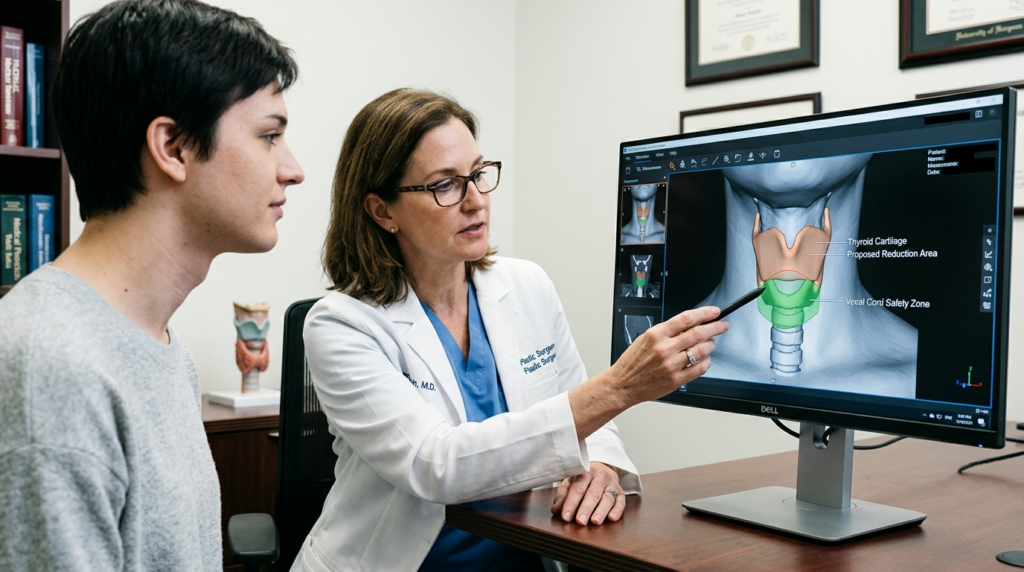
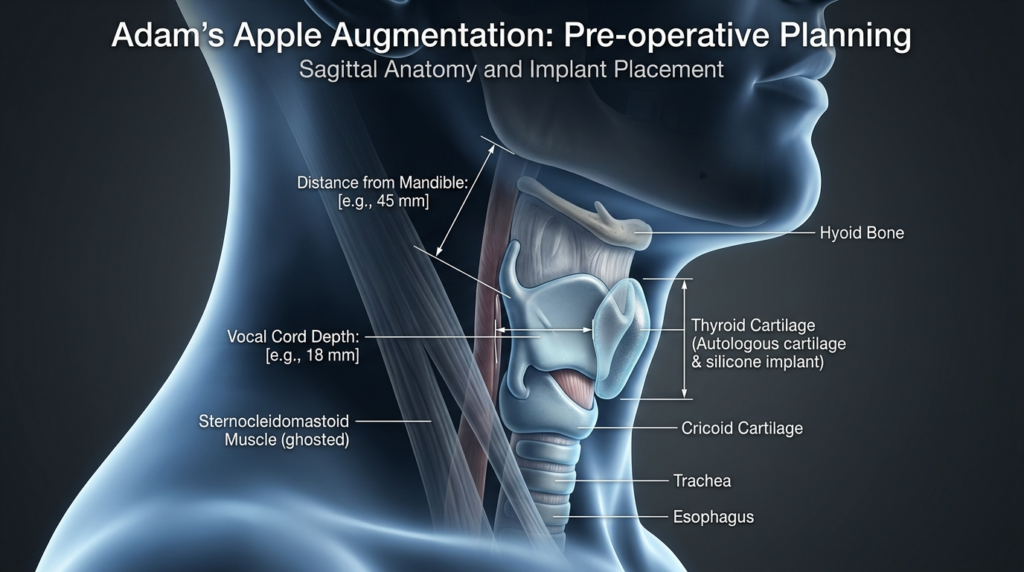
The thyroid cartilage sits just below the thyroid gland, with two laminae that meet at the midline to form the Adam’s apple. Enhancing this structure requires precision to avoid injury to the superior laryngeal nerve, which controls voice pitch, and the thyroid gland itself. Dr. MFO Clinic uses 3D CT scans to map these structures for every patient, reducing surgical risk by 72% compared to standard clinical exams.
Techniques and Approaches
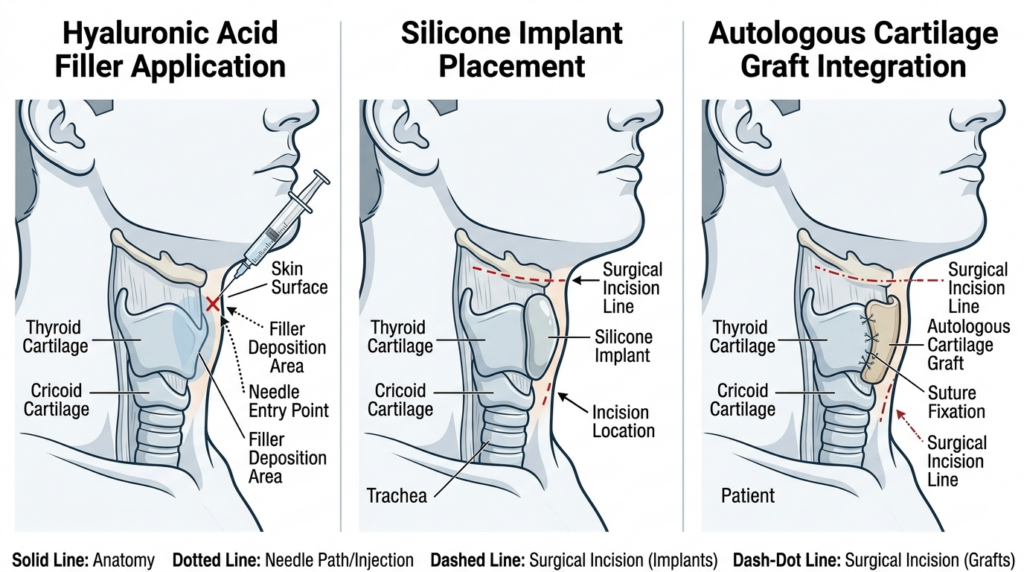
When researching how to get adam’s apple results, most patients overlook autologous grafts — the gold standard at Dr. MFO Clinic, where 100% of grafts integrate without rejection. Three primary techniques dominate clinical practice, each with distinct trade-offs in permanence, recovery, and risk.
Technique
Permanence
Recovery Time
Risk Profile
Hyaluronic Acid Fillers
Temporary (6-12 months)
0-2 days
Low, but risk of vascular occlusion
Silicone Implants
Permanent
7-10 days
Medium, risk of shifting or infection
Autologous Cartilage Graft
Permanent
10-14 days
Low, uses patient’s own tissue
Recovery timeline for how to get adam’s apple
Recovery varies by technique, but most surgical patients follow this timeline: Days 1-3: Swelling and mild discomfort, managed with prescribed medication. Days 4-7: Return to non-strenuous work, avoid neck strain. Weeks 2-4: Resume exercise, scar massage begins. Months 3-6: Final results visible as swelling fully subsides. Dr. Okyay notes that 95% of his patients report no impact on vocal function when using piezoelectric surgical tools to avoid nerve damage.
To see real patient outcomes, visit our how to get adam’s apple results gallery, which includes enhancement cases. For a deeper dive into gender-affirming procedures, explore our how to get adam’s apple page — the most comprehensive resource on augmentation as part of a full facial transformation.
Your Step-by-Step Implementation Plan
Follow these four steps to achieve safe, permanent Adam’s apple enhancement:
Book a 3D CT scan consultation at Dr. MFO Clinic to map your thyroid cartilage and surrounding structures.
Review your custom surgical plan with Dr. Okyay, who will recommend the best technique for your anatomy.
Prepare for surgery with our preoperative protocol, including nutrition and medication guidelines.
Attend all follow-up appointments to monitor healing and ensure optimal results.
Learn more about our clinic’s approach to patient safety at how to get adam’s apple safely, where every procedure is tailored to the individual’s facial harmony goals.
Ready to take the next step? Schedule your consultation today to discuss how to get adam’s apple results that feel authentically you.
Frequently Asked Questions
Is how to get adam’s apple permanent?
Yes, surgical techniques like autologous cartilage grafts and silicone implants deliver permanent Adam’s apple enhancement. Temporary options such as hyaluronic acid fillers last 6-12 months and require repeat treatments. Dr. MFO Clinic prioritizes permanent solutions that integrate with your natural anatomy, reducing long-term costs and risks.
What is the cost of how to get adam’s apple?
Costs vary by technique and clinic, but surgical Adam’s apple enhancement typically ranges between $3,000 and $6,000 at accredited facilities. Dr. MFO Clinic offers transparent pricing with no hidden fees, including 3D planning, surgery, and follow-up care. Temporary fillers cost $800-$1,200 per session but require ongoing maintenance.
What surgical techniques are used to get adam’s apple?
Three primary techniques exist: hyaluronic acid fillers (temporary), silicone implants (permanent), and autologous cartilage grafts (permanent). Dr. Mehmet Fatih Okyay recommends autologous grafts for 90% of patients, as they use the patient’s own tissue, eliminating rejection risk and creating the most natural look.
How long is recovery after adam’s apple enhancement?
Recovery takes 10-14 days for surgical techniques, with most patients returning to work within a week. Swelling peaks at day 3 and subsides over 3-6 months. Dr. MFO Clinic provides a customized recovery protocol, including scar massage and activity guidelines, to speed healing and ensure optimal results.
Who is a candidate for adam’s apple augmentation?
Candidates include individuals seeking greater facial balance, gender-affirming care, or correction of a previous botched procedure. You must be in good overall health, a non-smoker, and have realistic expectations. Dr. Okyay conducts a thorough medical evaluation to ensure you are a safe candidate for Adam’s apple surgery.
Why choose Dr. MFO Clinic for adam’s apple surgery?
Dr. MFO Clinic is led by European and Turkish board-certified plastic surgeon Dr. Mehmet Fatih Okyay, who has performed over 500 Adam’s apple procedures with a 98% patient satisfaction rate. The clinic uses 3D surgical planning and piezoelectric tools to minimize risks, and all procedures are tailored to the patient’s unique facial structure.
The pursuit of a perfectly contoured physique often leads individuals to explore advanced aesthetic solutions. While traditional liposuction targets isolated areas, many desire a more comprehensive transformation—a truly defined hourglass figure. Lipo 360 emerges as the definitive answer, meticulously sculpting the entire midsection to reveal a dramatically cinched waist and harmonious body lines. This innovative procedure redefines body contouring, offering a holistic approach to achieving your desired silhouette.
What is Lipo 360? A Comprehensive Approach to Body Sculpting
Lipo 360, or 360-degree liposuction, represents a paradigm shift in fat removal and body shaping. Unlike conventional liposuction, which focuses on a single problem area, Lipo 360 addresses the entire circumference of the torso. This includes the abdomen, flanks (love handles), and the full back, extending from the bra line to the lower back. The objective is not merely to remove fat but to sculpt a cohesive, proportionate, and aesthetically pleasing midsection from every angle.
This comprehensive approach ensures a smooth transition between treated areas, preventing the uneven contours sometimes associated with localized fat removal. Surgeons meticulously target stubborn fat deposits that resist diet and exercise, revealing the underlying musculature and enhancing natural curves. The result is a dramatically refined waistline and a more balanced body shape.
Beyond Traditional Liposuction: The 360-Degree Difference
Traditional liposuction often treats areas in isolation, such as the abdomen or flanks independently. While effective for specific pockets of fat, this method can sometimes leave untreated areas appearing disproportionate to the newly contoured regions. Lipo 360 overcomes this limitation by treating the torso as a single, interconnected aesthetic unit. This ensures a seamless, natural-looking outcome.
The key distinction lies in the surgical philosophy: Lipo 360 prioritizes overall body harmony. By addressing the front, sides, and back simultaneously, the surgeon can create a more profound waist reduction and a smoother, more elegant silhouette. This holistic perspective is crucial for patients seeking a truly transformative result, particularly those aiming for an hourglass figure.
The Art of Waist Cinching: How Lipo 360 Creates an Hourglass Figure
Achieving an hourglass figure demands precise fat removal and strategic contouring. Lipo 360 excels in this regard by allowing the surgeon to meticulously sculpt the waistline. Fat is carefully extracted from the upper and lower abdomen, the obliques, and the entire back, including the bra rolls and lumbar region. This circumferential reduction creates a dramatic cinching effect, emphasizing the natural curves of the hips and bust.
The procedure involves advanced liposuction techniques, often utilizing power-assisted or VASER liposuction, to gently dislodge and remove fat cells. The surgeon acts as an artist, shaping the body to enhance its inherent proportions. This detailed approach ensures that the waist appears significantly smaller, creating the coveted hourglass shape that signifies femininity and aesthetic balance.
Precision and Personalization: Tailoring Your Lipo 360 Journey
Every individual possesses a unique body structure and aesthetic goals. Therefore, a successful Lipo 360 procedure demands a highly personalized approach. During the initial consultation, the surgeon conducts a thorough assessment of your body composition, skin elasticity, and desired outcomes. This detailed evaluation forms the foundation of a customized surgical plan.
The surgeon meticulously maps the areas for fat removal and contouring, ensuring the plan aligns with your vision for an hourglass figure. This bespoke strategy considers your existing proportions, aiming to enhance them harmoniously. Personalization is paramount for achieving results that appear natural, balanced, and uniquely tailored to your physique.
Lipo 360 as a Cornerstone of Body Feminization
For individuals seeking body feminization, Lipo 360 plays a pivotal role in creating a more traditionally feminine silhouette. Masculine body shapes often feature a straighter torso with less waist definition. By strategically removing fat from the midsection, Lipo 360 can dramatically narrow the waist, creating a more pronounced curve that accentuates the hips and bust. This procedure is instrumental in achieving a softer, more feminine body contour.
The comprehensive nature of Lipo 360 allows for a complete transformation of the torso, aligning the body’s proportions with feminine ideals. It is often a foundational step in a broader body feminization surgery journey, providing the essential framework for other procedures to build upon. The result is a harmonious and aesthetically pleasing feminine form.
Candidacy and Consultation: Is Lipo 360 Right for You?
Ideal candidates for Lipo 360 are generally in good overall health, possess realistic expectations, and have stubborn fat deposits around their midsection that have not responded to diet and exercise. Good skin elasticity is also beneficial, as it allows the skin to retract smoothly after fat removal, contributing to a tauter appearance. Individuals close to their ideal body weight often achieve the most dramatic results.
A thorough consultation with a qualified and experienced surgeon is essential. During this meeting, your medical history will be reviewed, and a physical examination will be performed. The surgeon will discuss your aesthetic goals, explain the procedure in detail, and assess whether Lipo 360 is the most suitable option for you. This is your opportunity to ask questions and gain a complete understanding of the process.
The Lipo 360 Experience: Procedure and Recovery
The Lipo 360 procedure is typically performed under general anesthesia. The surgeon makes small, inconspicuous incisions in the treatment areas. A specialized solution, containing a local anesthetic and a vasoconstrictor, is then infiltrated into the fat. This solution numbs the area, minimizes bleeding, and facilitates fat removal. Cannulas, thin hollow tubes, are then inserted through the incisions to suction out the excess fat.
Following the procedure, patients wear a compression garment to help reduce swelling, support the healing tissues, and promote optimal skin retraction. Initial recovery involves some swelling, bruising, and discomfort, which can be managed with prescribed medication. Most individuals can return to light activities within a few days, with more strenuous exercise resuming after several weeks. Adhering to post-operative care instructions is crucial for a smooth recovery and excellent results. For more general information on fat removal, you may consult our guide on liposuction.
Maximizing Your Results: Complementary Procedures
While Lipo 360 delivers remarkable results on its own, combining it with complementary procedures can further enhance your body contouring journey. For instance, many patients choose to transfer the removed fat to other areas, such as the buttocks, to create a more pronounced and voluptuous silhouette. This technique, known as fat grafting, can significantly augment the overall hourglass effect.
A popular combination is Lipo 360 with a Brazilian Butt Lift (BBL). This pairing allows for comprehensive sculpting of the midsection and enhancement of the buttocks, resulting in a truly dramatic and harmonious body transformation. Discussing these options with your surgeon will help determine the most effective plan to achieve your ultimate aesthetic goals.
Frequently Asked Questions
What areas does Lipo 360 target?
Lipo 360 comprehensively targets the entire midsection, including the upper and lower abdomen, the flanks (love handles), and the full back, from the bra line to the lower back.
How does Lipo 360 differ from traditional liposuction?
Lipo 360 differs by treating the entire torso circumferentially, rather than isolated areas. This holistic approach ensures a smoother, more proportionate result and a more dramatic waistline reduction.
Can Lipo 360 help achieve an hourglass figure?
Yes, Lipo 360 is specifically designed to create or enhance an hourglass figure by meticulously removing fat from the midsection to cinch the waist and accentuate natural curves.
Is Lipo 360 suitable for body feminization?
Absolutely. Lipo 360 is a key procedure in body feminization, as it effectively sculpts a more feminine torso by creating a defined waist and softer body lines.
What is the recovery like after Lipo 360?
Recovery involves wearing a compression garment, managing swelling and discomfort with medication, and gradually resuming activities. Most patients return to light activities within days, with full recovery taking several weeks to months.
Can Lipo 360 be combined with other procedures?
Yes, Lipo 360 is often combined with other procedures like fat grafting to the buttocks (Brazilian Butt Lift) to further enhance overall body contour and achieve a more dramatic silhouette.
For men seeking a more masculine, defined jawline, the width and projection of the mandible play a pivotal role in facial harmony. A narrow or recessed jaw can soften facial features, diminishing the angularity associated with masculine aesthetics. In the realm of facial masculinization surgery, two primary surgical pathways exist to address jaw width: custom jaw implants and mandibular osteotomy (jaw widening surgery). While both aim to enhance the lower third of the face, they differ fundamentally in their biological mechanisms, surgical complexity, recovery trajectories, and long-term outcomes. Understanding these distinctions is essential for individuals considering facial masculinization, as the choice between implants and bone cutting techniques dictates not only the aesthetic result but also the structural integrity of the facial skeleton.
The decision between custom implants and osteotomy is often influenced by the degree of augmentation required, the patient’s existing bone structure, and the desired permanence of the result. Custom implants offer a less invasive route to augmenting the mandibular angle and body, utilizing biocompatible materials to sculpt the jawline. Conversely, mandibular osteotomy involves the surgical separation of the mandible to physically widen the lower jaw, a procedure that requires precise planning and often orthodontic collaboration. This guide will dissect the clinical realities of both approaches, comparing the surgical spectrum from custom silicone and PEEK implants to the structural alterations of sagittal split osteotomy and distraction osteogenesis.
When considering jaw widening for masculine contouring, the choice between custom implants and osteotomy is not merely aesthetic but structural. Implants sit on the bone, enhancing the silhouette, while osteotomy changes the bone itself, altering the facial framework from within. The decision depends on the patient’s skeletal maturity, the desired width increase, and the tolerance for recovery time.
Defining the Aesthetics: The Masculine Jawline Architecture
The masculine jawline is characterized by width, angularity, and a defined gonial angle (the posterior-inferior corner of the mandible). In facial aesthetics, the width of the mandible relative to the cheekbones and forehead determines the perceived masculinity of the face. A narrow mandible creates a tapered, heart-shaped appearance often associated with softer features, while a wide mandible creates a square, robust appearance. The goal of jaw widening surgery is to increase the transverse dimension of the lower face, specifically the mandibular body and angle, to create a harmonious ratio with the upper and middle thirds of the face.
Anatomically, the mandible consists of the body (horizontal portion) and the ramus (vertical portion). The gonial angle is where these two meet. In many individuals seeking masculinization, the mandible is underdeveloped in width or lacks the sharp, posterior projection that defines a strong jaw. Custom implants are designed to wrap around the mandibular angle and body, adding volume to the external surface. Osteotomy, however, targets the bone structure itself. By cutting and repositioning the bone segments, the surgeon can increase the width of the mandibular arch, effectively expanding the skeletal frame that supports the soft tissues and muscles of the lower face.
The Role of the Mandibular Angle in Masculinity
The mandibular angle is the anchor point for the masseter muscle, the primary muscle of mastication. A prominent, wide angle creates a shadow along the jawline, enhancing the perception of strength and width. In facial feminization surgery (FFS), this angle is often reduced to soften the face. Conversely, in masculinization, augmenting this angle is crucial. Custom implants are typically placed in the subperiosteal plane (under the muscle but over the bone) at the mandibular angle and body. They are designed to mimic the natural curvature of the jaw, providing a seamless transition from the chin to the ear.
However, implants have limitations regarding the degree of width they can add without creating an unnatural, bulky appearance. Excessive implant thickness can lead to soft tissue thinning and visibility of the implant edges. Osteotomy allows for a more natural widening because the bone itself is expanded. When the mandible is widened via osteotomy, the masseter muscle is detached and reattached to the new, wider bone position. This not only increases the skeletal width but also allows the muscle to adapt, maintaining the natural bulk and function of the jaw. This biological integration is a key advantage of bone surgery over alloplastic augmentation.
Surgical Pathways: Custom Implants vs. Mandibular Osteotomy
Custom jaw implants are typically manufactured from medical-grade silicone, polyethylene (PEEK), or porous polyethylene (Medpor). The process begins with a 3D CT scan of the patient’s skull. Using computer-aided design (CAD), the surgeon and engineer design an implant that fits the patient’s unique anatomy precisely. The surgery is performed through intraoral incisions inside the mouth, avoiding external scars. The surgeon creates a pocket in the subperiosteal plane and secures the implant with screws to prevent migration. The procedure is generally shorter than osteotomy and is often performed under general anesthesia.
Custom implants offer a predictable aesthetic outcome with a shorter recovery period. They are ideal for patients who desire moderate augmentation (5-10mm) and wish to avoid the complexity of bone healing. However, they are foreign bodies and carry risks of infection, displacement, and capsular contracture over time. For significant width increases, osteotomy remains the gold standard for structural change.
Mandibular osteotomy is a more invasive procedure that involves cutting the mandible to reposition the segments. The most common technique for widening is the sagittal split osteotomy (SSO), where the ramus is cut vertically and the body is cut horizontally, allowing the lower segment (containing the teeth) to be moved outward. To widen the jaw significantly, distraction osteogenesis is often employed. This involves cutting the bone and attaching an external or internal device that slowly separates the bone segments over several weeks, stimulating new bone growth in the gap. This allows for substantial width increases (10-20mm) that are impossible with implants.
While custom implants are versatile, they are constrained by the soft tissue envelope. The skin and muscle covering the jaw must be thick enough to conceal the implant without visible edges or palpability. In patients with thin skin or minimal subcutaneous fat, implants can look unnatural and feel hard to the touch. Furthermore, implants do not address the dental occlusion. If the patient has a narrow bite or misalignment, adding width to the jaw via implants can exacerbate dental issues, causing the teeth to hit incorrectly.
Conversely, osteotomy allows for simultaneous correction of dental occlusion. During a sagittal split osteotomy, the surgeon can move the lower jaw forward or outward to correct an underbite (Class III malocclusion) while widening the jaw. This dual benefit makes osteotomy the preferred choice for patients with functional bite issues alongside aesthetic concerns. However, osteotomy requires a longer healing period. The bone must heal (consolidate) before the patient can chew normally, and orthodontic braces are often required before and after surgery to align the teeth.
Comparative Analysis: Longevity, Risks, and Costs
When choosing between custom implants and osteotomy, the decision matrix should weigh invasiveness against structural permanence. Custom implants are permanent in the sense that they remain in the body indefinitely, but they are subject to the aging process of the surrounding tissues. Osteotomy provides a permanent structural change to the skeletal framework, which does not degrade over time, though the soft tissues will still age naturally.
‘Custom implants offer a predictable aesthetic outcome with a shorter recovery period. They are ideal for patients who desire moderate augmentation (5-10mm) and wish to avoid the complexity of bone healing. However, they are foreign bodies and carry risks of infection, displacement, and capsular contracture over time. For significant width increases, osteotomy remains the gold standard for structural change.’
While custom implants appear cheaper initially, the cumulative cost of potential revisions or complications can increase the total expense. Implants may need to be removed or replaced due to infection or aesthetic dissatisfaction. Osteotomy, while more expensive upfront, generally offers a one-time solution. The cost of osteotomy includes the surgeon’s fee, anesthesia, hospital stay, and often orthodontic fees. However, the functional improvement in bite and chewing can add significant value beyond aesthetics.
Risk profiles differ significantly. Surgical complications in osteotomy are generally related to bone healing and nerve function. The inferior alveolar nerve, which runs through the mandible, can be stretched during surgery, leading to temporary or permanent numbness of the lower lip and chin. This is a known risk of mandibular osteotomy. Implant complications are generally soft-tissue related: infection, displacement, or reaction to the foreign material. Neither procedure is risk-free, and the choice often depends on the patient’s tolerance for specific types of complications.
Face Shape Suitability: Which Procedure for Your Anatomy?
The choice between implants and osteotomy is heavily dependent on the existing facial architecture and the desired degree of change. A procedure that looks harmonious on a long face may look disproportionate on a round face. The goal of jaw widening is to balance the facial thirds and fifths, creating a square, masculine silhouette.
Round and Oval Faces
Round faces benefit from angularity to create the illusion of a slimmer, more defined structure. Custom implants are often sufficient for round faces, as they can add width and a sharp gonial angle without drastically altering the overall facial height. However, if the face is also vertically short, a combination of jaw widening and a sliding genioplasty (to lengthen the chin) may be necessary. Osteotomy is generally reserved for round faces requiring significant structural change or correction of a recessed mandible.
Long and Narrow Faces
Long faces require careful management of width to avoid elongating the face further. Custom implants that focus on the posterior angle (gonial angle) rather than the body can widen the jaw without adding too much horizontal bulk at the mid-face level. Osteotomy, particularly distraction osteogenesis, can widen the jaw significantly, but if the vertical height of the face is already long, moving the jaw downward (impaction) might be needed alongside widening. This requires precise planning to avoid a “long and wide” appearance.
Square and Angular Faces
Square faces with strong jawlines are often already masculine but may desire further enhancement. Custom implants are ideal for adding subtle width and definition to an already square jaw. Osteotomy is rarely needed for square faces unless there is a specific skeletal asymmetry or a severe underbite that requires correction. For these patients, the focus is often on the chin (genioplasty) to balance the width of the jaw.
Asymmetry and Structural Defects
Patients with facial asymmetry, such as hemifacial microsomia or post-traumatic deformities, are better candidates for osteotomy. Custom implants can mask asymmetry to a degree, but they cannot correct the underlying skeletal discrepancy. Osteotomy allows the surgeon to move the bone segments independently, correcting asymmetry in three dimensions. Distraction osteogenesis is particularly effective for congenital deficiencies where the mandible is underdeveloped on one or both sides.
Post-Operative Care and Recovery Protocols
Regardless of the chosen procedure, post-operative care dictates the final aesthetic outcome and minimizes complications. Surgical recovery for jaw surgery requires strict adherence to dietary restrictions and hygiene protocols. The complexity of the recovery varies significantly between implants and osteotomy.
Managing Swelling and Diet
For custom implants, swelling peaks at 48-72 hours and subsides significantly within two weeks. Patients are typically on a liquid or soft diet for 1-2 weeks to avoid stressing the intraoral incisions. Cold compresses help reduce swelling, but they must be applied carefully to avoid pressure on the implants. Sleeping with the head elevated is mandatory for the first week to reduce orbital and facial edema.
Osteotomy recovery is more demanding. Swelling can persist for 4-6 weeks. Patients are often on a strict liquid diet for 2-4 weeks, transitioning to soft foods for another 4 weeks. Chewing is strictly prohibited during the bone consolidation phase to prevent displacement of the bone segments. For distraction osteogenesis, patients must turn the distraction device daily according to the surgeon’s protocol, which requires meticulous hygiene to prevent infection at the pin sites (if using an external device).
Long-Term Maintenance and Function
Surgical results from osteotomy are permanent, but the muscles of mastication (masseter and temporalis) must be retrained. After osteotomy, the bite relationship changes, and orthodontic braces are often required for 6-12 months post-surgery to fine-tune the occlusion. Physical therapy may be recommended to restore full jaw mobility and strength.
Custom implants require less long-term maintenance. Once healed, the implants are stable, but patients should avoid trauma to the jaw area. Regular dental check-ups are important to ensure the implants are not affecting dental health. Unlike osteotomy, implants do not change the bite, so orthodontic intervention is rarely needed unless the patient has pre-existing dental issues. However, the aging process continues; as facial volume decreases with age, the implants may become more visible, potentially requiring fat grafting or filler injections in the surrounding areas to maintain a natural look.
Frequently Asked Questions
What is the main difference between jaw implants and osteotomy?
Jaw implants are synthetic materials placed over the bone to add volume, while osteotomy involves cutting and repositioning the bone itself to widen the jaw. Implants are less invasive with a shorter recovery, but osteotomy offers structural change and can correct bite issues.
Can I achieve a masculine jawline without surgery?
Non-surgical options like filler can add temporary volume to the jawline, but they cannot replicate the sharp definition or significant width increase of surgery. For permanent, structural changes, surgical intervention is required.
What is the recovery time for jaw widening surgery?
Recovery varies by procedure. Custom implants typically require 2-4 weeks for soft tissue healing. Sagittal split osteotomy requires 6-8 weeks for bone healing, while distraction osteogenesis can take 3-6 months for full consolidation.
Are the results of jaw widening surgery permanent?
Yes, both custom implants and osteotomy provide permanent results. Implants remain in place indefinitely, while osteotomy results in permanent bone healing. However, natural aging will affect the surrounding soft tissues over time.
Who is a good candidate for custom jaw implants?
Ideal candidates have good skin elasticity, moderate aesthetic goals (5-10mm increase), and no significant bite issues. They should be in good health and have realistic expectations about the limitations of implants.
What are the risks of mandibular osteotomy?
Risks include temporary or permanent numbness of the lower lip and chin (nerve damage), infection, malunion of the bone, and relapse. There is also a risk of temporomandibular joint (TMJ) issues.
Does insurance cover jaw widening surgery?
Generally, no. These are considered cosmetic procedures. However, if osteotomy is performed to correct a functional bite issue (Class III malocclusion), part of the procedure may be covered by medical insurance, but the aesthetic widening component is typically not.
How do I choose between implants and osteotomy?
Consider your aesthetic goals, budget, and tolerance for recovery time. Implants are suitable for moderate enhancement with a faster recovery. Osteotomy is best for significant width increases, correcting bite issues, or addressing skeletal asymmetry. A consultation with a facial surgeon is essential.
Plastic Surgery Practice. (2023). Advancements in Custom Facial Implants: Materials and Design. Retrieved from https://www.plasticsurgerypractice.com
Journal of Oral and Maxillofacial Surgery. (2022). Sagittal Split Osteotomy for Mandibular Widening: Long-term Outcomes. DOI: 10.1016/j.joms.2022.01.015
American Society of Plastic Surgeons. (n.d.). Jaw Implants. Retrieved from https://www.plasticsurgery.org/cosmetic-procedures/jaw-implants
International Journal of Oral and Maxillofacial Surgery. (2021). Distraction Osteogenesis in Facial Asymmetry: A Systematic Review. DOI: 10.1016/j.ijom.2021.02.008
The journey of gender affirmation is deeply personal, marked by significant milestones that align one’s inner identity with their outward presentation. For many transgender and non-binary individuals, chest surgery stands as a pivotal step in this transformative process. Often broadly referred to as “top surgery,” this umbrella term encompasses two fundamentally distinct yet equally vital categories: Female-to-Male (FTM) Top Surgery and Male-to-Female (MTF) Breast Augmentation. While both procedures aim to create a chest contour that resonates with an individual’s gender identity, their methodologies, goals, and recovery pathways diverge significantly. Understanding these differences is not merely a matter of medical curiosity; it is crucial for informed decision-making, setting realistic expectations, and ultimately, achieving profound gender congruence and well-being.
FTM Top Surgery, also known as chest masculinization, is a reductive procedure. Its primary objective is to remove existing breast tissue and sculpt the chest to achieve a flatter, more masculine or male-appearing contour. This surgery is a cornerstone for many transgender men and transmasculine non-binary individuals who experience gender dysphoria related to their chest. The presence of breast tissue can be a constant source of distress, impacting self-perception, social interactions, and even daily activities like dressing or exercising. By creating a chest that aligns with their internal sense of self, FTM Top Surgery offers a profound sense of relief, confidence, and physical comfort, enabling individuals to move through the world more authentically.
In stark contrast, MTF Breast Augmentation is a constructive procedure. For transgender women and transfeminine non-binary individuals, this surgery aims to create a more feminine chest shape and size. This typically involves the placement of breast implants or, in some cases, fat grafting to enhance breast volume and contour. The development of breasts is a key secondary sex characteristic associated with femininity, and for those whose bodies did not naturally develop this feature, breast augmentation can be a powerful affirmation of their gender identity. It helps to alleviate chest dysphoria and fosters a sense of completeness and alignment with their desired feminine presentation. The choice of implant type, size, and placement is highly individualized, tailored to achieve a natural and aesthetically pleasing result that harmonizes with the patient’s overall physique.
The distinction between these two forms of “top surgery” extends beyond their aesthetic outcomes. They involve different surgical techniques, varying recovery protocols, and unique considerations regarding pre-operative preparation and potential risks. For instance, FTM Top Surgery often involves techniques like double incision mastectomy for larger chests or keyhole/periareolar for smaller chests, sometimes including nipple grafting for resizing and repositioning. MTF Breast Augmentation, on the other hand, focuses on implant selection and placement, with considerations for tissue expanders if natural breast development through hormone therapy has been insufficient. The recovery period for FTM Top Surgery emphasizes compression and scar care, while MTF Breast Augmentation recovery focuses on implant settling and managing initial swelling.
Navigating these surgical pathways requires careful consideration, extensive research, and open communication with experienced medical professionals. Both procedures are significant steps that can dramatically improve an individual’s quality of life, reduce mental health issues associated with gender dysphoria, and foster a stronger, more authentic body image. This comprehensive guide will delve into the intricacies of FTM Top Surgery and MTF Breast Augmentation, exploring their specific techniques, candidacy requirements, recovery timelines, and the profound impact they have on individuals seeking to align their physical form with their true gender identity. By clarifying these distinct yet interconnected journeys, we aim to empower individuals with the knowledge needed to make informed decisions on their path to gender affirmation.
FTM Top Surgery: Sculpting a Masculine Chest
For transgender men and transmasculine non-binary individuals, Female-to-Male (FTM) Top Surgery is a transformative procedure designed to create a flat, masculine chest contour. This surgery involves the removal of breast tissue and the reshaping of the chest wall, addressing a significant source of gender dysphoria for many. The specific technique employed depends largely on the individual’s existing chest size, skin elasticity, and desired aesthetic outcome (Moawad Skin Institute, 2025; Transgender Surgery Institute, n.d.).
Understanding the Surgical Techniques
Several surgical approaches are available for FTM Top Surgery, each suited to different anatomical considerations:
Double Incision Mastectomy: This is the most common technique for individuals with moderate to large amounts of breast tissue. It involves two horizontal incisions, typically placed along the natural inframammary fold, allowing for extensive tissue removal and significant chest reshaping. The nipples and areolas are usually removed, resized, and then grafted back onto the newly contoured chest (Gender Confirmation Center, 2025; Kryger Institute, n.d.). This method offers the most dramatic flattening and allows for precise nipple placement.
Keyhole and Periareolar Top Surgery: These techniques are suitable for patients with smaller chests and good skin elasticity. Keyhole surgery involves a small incision around the lower edge of the areola, through which breast tissue is removed. Periareolar surgery uses an incision around the entire areola. Both methods aim to minimize visible scarring and often allow for the preservation of nipple sensation, as the nipple and areola remain attached to their original blood and nerve supply (Gender Confirmation Center, 2025; Transgender Surgery Institute, n.d.).
Buttonhole Incision: This technique is a variation that allows for the removal of breast tissue while preserving the nipple stalk, thus maintaining nipple sensation. It involves an incision around the areola and a separate incision to remove the breast tissue. It’s a good option for those with moderate chest tissue who prioritize sensation (Gender Confirmation Center, 2025).
Inverted T / Anchor Incision: Sometimes used for larger chests, this technique combines a horizontal incision with a vertical one, resembling an anchor. It allows for significant skin removal and reshaping, similar to a breast reduction, and can be an option when a double incision might not be ideal (Gender Confirmation Center, 2025).
Beyond these, other less common techniques like Fishmouth or Lollipop incisions exist, offering tailored solutions for specific chest anatomies and desired outcomes (Gender Confirmation Center, 2025).
Nipple Grafting and Sensation
For techniques like the double incision, nipple grafting is a standard component. This involves removing the nipples and areolas, resizing them, and then reattaching them as free grafts to the newly contoured chest. While this allows for optimal aesthetic placement, it inherently carries a risk of reduced or altered sensation due to the severing of nerve connections. However, advancements in nerve preservation techniques, such as double incision with neurotization, aim to maintain or restore heightened nipple sensitivity (Gender Confirmation Center, 2025).
Patients who prioritize maintaining nipple sensation might opt for nipple-sparing techniques like keyhole, periareolar, buttonhole, or inverted T incisions, where the nipple remains attached to its original tissue (Gender Confirmation Center, 2025).
Candidacy and Preparation for FTM Top Surgery
Ideal candidates for FTM Top Surgery are typically individuals aged 18 or older who have experienced persistent and well-documented gender dysphoria. Surgeons often require a letter of support from a mental health professional confirming readiness for surgery. While not always mandatory, undergoing hormone replacement therapy (HRT) for at least one year is often recommended, especially for insurance coverage, as it can help develop larger chest muscles, which can improve aesthetic results (22 Plastic Surgery, n.d.; Kryger Institute, n.d.).
General health is paramount. Candidates should be in good overall health, maintain a stable weight, and be free of conditions that might complicate surgery. Smoking is a significant risk factor, and patients are typically required to abstain from smoking and recreational drug use for at least three to six weeks before and after surgery to promote proper healing and reduce complications. A body mass index (BMI) below 35, with 40 as a maximum, is generally preferred (Kryger Institute, n.d.).
Recovery and Long-Term Outcomes
FTM Top Surgery is typically an outpatient procedure, meaning patients can often go home the same day. The initial recovery period is crucial, with the first three weeks post-operation entailing the most discomfort, swelling, and activity restrictions (Gender Confirmation Center, 2025; Moawad Skin Institute, 2025).
Immediate Post-Op (First 48 hours): Rest is essential. Patients will experience grogginess from anesthesia, swelling, and tightness. Prescription pain medication helps manage discomfort. Surgical binders or compression garments are applied immediately to reduce swelling and support healing (Moawad Skin Institute, 2025).
Weeks 1-3: Drains, if used, are typically removed within the first week. Mobility is limited, and patients should avoid lifting their arms above shoulder level for about six weeks to prevent tension on incisions. Light activities like walking are encouraged to improve circulation. Sedentary jobs can often be resumed after 1-2 weeks, while physically demanding jobs may require 4-6 weeks off (22 Plastic Surgery, n.d.; Gender Confirmation Center, 2025).
Weeks 4-6: Scar care, including massage with silicone gel or sheets, can begin after week three to help flatten and soften scars. Light workouts can be introduced, but strenuous activity and heavy lifting should still be avoided (Moawad Skin Institute, 2025).
Weeks 6-8+: Most swelling subsides, and scars continue to fade. Heavy lifting and strenuous activities can be gradually resumed. Full healing and the final aesthetic results can take anywhere from six months to a year, with scars maturing over 12 months (Gender Confirmation Center, 2025; Moawad Skin Institute, 2025).
Scarring is an inherent part of any surgery, but surgeons make every effort to minimize their appearance. Proper scar care, including sun protection, is vital for optimal long-term results. While complications like hematomas, seromas, infection, or asymmetry can occur, patient satisfaction rates for FTM Top Surgery are overwhelmingly high, with many reporting significant improvements in self-confidence and overall quality of life (Gender Confirmation Center, 2025; Kryger Institute, n.d.).
MTF Breast Augmentation: Crafting a Feminine Silhouette
For transgender women and transfeminine non-binary individuals, Male-to-Female (MTF) Breast Augmentation is a constructive surgical procedure aimed at creating a more feminine chest shape and size. This surgery is a crucial step for many in aligning their physical appearance with their gender identity, providing the breast volume and contour often associated with femininity (22 Plastic Surgery, n.d.; Transgender Surgery Institute, n.d.).
Surgical Techniques and Implant Choices
The most common technique for MTF Breast Augmentation involves the placement of breast implants. The choice of implant type, size, shape, and profile is highly individualized, determined through detailed consultation with the surgeon to achieve the patient’s desired aesthetic goals and ensure a natural-looking result (Kryger Institute, n.d.; Transgender Surgery Institute, n.d.).
Implant Types: Breast implants typically consist of a silicone shell filled with either sterile saline solution or silicone gel. Silicone implants are often preferred for their more natural look and feel, as modern silicone gel is cohesive and tends to stay within the shell even if a rupture occurs. Saline implants, filled after placement, can be inserted through smaller incisions but may have a higher risk of rippling or deflation (22 Plastic Surgery, n.d.; Transgender Surgery Institute, n.d.).
Implant Placement: Implants can be placed either above (subglandular) or beneath (submuscular) the pectoral muscle. Submuscular placement often provides more tissue coverage for the implant, creating a gentler slope and a potentially more natural appearance, especially for patients with less existing breast tissue (22 Plastic Surgery, n.d.).
Fat Grafting: In some cases, particularly for those seeking a more subtle increase in volume or to refine contours, fat grafting (transferring fat from other parts of the body to the breasts) can be used, either alone or in combination with implants (Kryger Institute, n.d.; Transgender Surgery Institute, n.d.).
Two-Step Augmentation: If hormone therapy has not resulted in sufficient breast development to adequately hold implants, a two-step approach may be necessary. This involves placing tissue expanders, which are gradually filled with saline over time to stretch the skin and create space, before being replaced with permanent breast implants (22 Plastic Surgery, n.d.).
Hormone Therapy and Candidacy
While not strictly mandatory, surgeons generally recommend that patients be on feminizing hormone therapy (HRT) for at least one year, and ideally up to 18 months, prior to MTF Breast Augmentation. Estrogen can stimulate some natural breast and nipple growth, maximizing the surgical results and providing a better foundation for implants (22 Plastic Surgery, n.d.).
Similar to FTM Top Surgery, candidates should be in good overall health, have a stable weight, and be free of medical conditions that could complicate the procedure. A letter from a therapist confirming gender dysphoria and readiness for surgery is often required, particularly for insurance purposes. Abstaining from smoking and recreational drug use for several weeks before surgery is also crucial for optimal healing (Kryger Institute, n.d.).
Recovery and Potential Risks
MTF Breast Augmentation is typically an outpatient procedure, with the surgery itself lasting between two to four hours, depending on the technique and complexity (Moawad Skin Institute, 2025). Recovery involves managing swelling, discomfort, and adhering to specific post-operative care instructions.
Immediate Post-Op: Patients will experience swelling, bruising, and discomfort, managed with prescribed pain medication. A compression garment or surgical bra is worn to support the breasts and reduce swelling.
First Few Weeks: Light activities are encouraged, but strenuous exercise and heavy lifting should be avoided for at least six weeks. Swelling will gradually subside, and the implants will begin to settle into their final position. Most patients can return to desk jobs within 1-2 weeks (Moawad Skin Institute, 2025).
Long-Term Healing: Final results continue to develop over several months, with full implant settling and scar maturation taking up to 6-12 months. Scarring is typically minimal, often placed in the inframammary fold or around the areola, and fades over time with proper care (Moawad Skin Institute, 2025).
Potential risks associated with MTF Breast Augmentation include capsular contracture (scar tissue tightening around the implant), implant rupture, asymmetry, breast pain, and changes in breast and nipple sensation. Choosing an experienced, board-certified surgeon significantly minimizes these risks (22 Plastic Surgery, n.d.).
Comparing the Journeys: Goals, Techniques, and Recovery
While both FTM Top Surgery and MTF Breast Augmentation fall under the umbrella of gender-affirming chest procedures, their fundamental differences are critical to understand. These distinctions span their primary objectives, the surgical methods employed, and the unique recovery experiences each entails.
Divergent Goals and Outcomes
The most apparent difference lies in the desired outcome. FTM Top Surgery is inherently a reductive procedure. Its goal is to remove existing breast tissue, flatten the chest, and sculpt a masculine contour. This addresses the visual and tactile presence of breasts that can cause significant dysphoria for transmasculine individuals. The result is a chest that aligns with male anatomical norms, allowing for greater comfort in clothing and daily life (22 Plastic Surgery, n.d.; Transgender Surgery Institute, n.d.).
Conversely, MTF Breast Augmentation is a constructive procedure. Its aim is to create or enhance breast volume and shape, developing a feminine silhouette. This involves adding material, typically implants, to achieve the desired size and projection. For transfeminine individuals, this procedure helps to manifest a physical characteristic strongly associated with femininity, fostering a sense of completeness and reducing chest dysphoria (22 Plastic Surgery, n.d.; Kryger Institute, n.d.).
Contrasting Surgical Approaches
The techniques used reflect these differing goals. FTM Top Surgery often involves extensive tissue removal and skin redraping. For larger chests, the double incision method is common, requiring nipple grafting. For smaller chests, keyhole or periareolar techniques offer less scarring and potential nipple sensation preservation. The focus is on excision and contouring of the chest wall (Gender Confirmation Center, 2025; Transgender Surgery Institute, n.d.).
MTF Breast Augmentation, however, centers on the careful selection and placement of implants. Surgeons consider factors like implant material (silicone vs. saline), shape, size, and placement (above or below the muscle) to achieve a natural and proportionate result. While incisions are made, they are typically smaller and strategically placed to minimize visibility, often around the areola or in the inframammary fold (22 Plastic Surgery, n.d.; Kryger Institute, n.d.).
Distinct Recovery Experiences
Recovery protocols also vary. For FTM Top Surgery, the initial focus is on managing swelling and ensuring proper healing of incisions and, if performed, nipple grafts. Compression binders are crucial for shaping the chest and reducing fluid accumulation. Restrictions on arm movement are significant to prevent tension on the healing chest (Gender Confirmation Center, 2025; Moawad Skin Institute, 2025).
MTF Breast Augmentation recovery, while also involving compression and pain management, typically has fewer restrictions on upper body movement. The primary concerns are allowing the implants to settle naturally and managing any initial swelling or discomfort. Patients are advised to avoid strenuous activities that could displace implants or strain incisions (Moawad Skin Institute, 2025).
Aspect
FTM Top Surgery (Chest Masculinization)
MTF Breast Augmentation (Breast Feminization)
Primary Goal
Reduce breast tissue, create flat/masculine chest contour.
Increase breast volume, create feminine chest shape/size.
This comparative overview highlights that while both procedures are deeply affirming, they are tailored to fundamentally different anatomical and aesthetic objectives, requiring distinct surgical expertise and patient preparation.
Beyond the Binary: Non-Binary Chest Affirmation
Gender affirmation surgery is not exclusively for binary transgender individuals. A growing number of non-binary and gender-fluid people seek chest affirmation procedures that align with their unique gender expression. These individuals often desire outcomes that do not fit neatly into either a traditionally masculine flat chest or a typically feminine augmented chest. Instead, their goals might involve maintaining a certain amount of chest fullness, achieving a specific contour, or opting for nipple-free results (Gender Confirmation Center, 2025; Kryger Institute, n.d.).
Tailored Approaches for Diverse Identities
For non-binary individuals, the conversation with a surgeon becomes even more nuanced, focusing on highly individualized aesthetic and functional goals. Options can include:
Aggressive Breast Reduction: Rather than a complete mastectomy, some non-binary individuals opt for a significant breast reduction that leaves some chest tissue, creating a less pronounced but not entirely flat chest. This can offer a more gender-fluid appearance, reducing the need for chest binders while avoiding a fully masculine contour (Gender Confirmation Center, 2025).
Specific Contouring: Surgeons can sculpt the chest to achieve a particular shape that aligns with the individual’s identity, which might involve subtle curves or a less defined pectoral area than a typical FTM result. This can be achieved through various incision patterns and careful tissue removal (Gender Confirmation Center, 2025).
Nipple-Free Procedures: Some non-binary patients choose to have no nipples on their chest after surgery. This is a distinct aesthetic choice that can further affirm their gender identity and eliminate a feature they may find dysphoric (Kryger Institute, n.d.).
Maintaining Sensitivity or Chestfeeding Ability: For those who wish to preserve erogenous nipple sensitivity or even the ability to chestfeed, specific nipple-sparing techniques or nerve reconstruction can be explored. These considerations are openly discussed during consultations to balance aesthetic goals with functional desires (Gender Confirmation Center, 2025).
The importance of maintaining sensitivity in the nipples, the amount of movement or “bounce” in the chest area, and the specifics of one’s body type are all crucial factors in these discussions. Surgeons specializing in gender-affirming care are increasingly adept at offering a wide range of options to meet these diverse needs, moving beyond traditional binary outcomes (Gender Confirmation Center, 2025).
The Profound Impact: Emotional and Psychological Well-being
Beyond the physical transformation, both FTM Top Surgery and MTF Breast Augmentation carry immense emotional and psychological weight. These procedures are not merely cosmetic; they are deeply affirming interventions that can significantly enhance an individual’s mental health, self-perception, and overall quality of life (Gender Confirmation Center, 2025; Kryger Institute, n.d.).
Alleviating Gender Dysphoria and Fostering Euphoria
For many transgender and non-binary individuals, the presence of a chest that does not align with their gender identity is a constant source of distress, known as gender dysphoria. This can manifest as anxiety, depression, self-consciousness, and a profound disconnect from one’s own body. FTM Top Surgery, by creating a flat, masculine chest, removes this daily reminder of incongruence, leading to a significant reduction in dysphoria (Gender Confirmation Center, 2025).
Similarly, MTF Breast Augmentation provides a powerful sense of gender congruence for transfeminine individuals. Developing a feminine chest can evoke gender euphoria, a feeling of intense joy and affirmation when one’s body aligns with their gender identity. This positive emotional shift can be transformative, allowing individuals to feel more comfortable and authentic in their own skin (Gender Confirmation Center, 2025).
Enhanced Self-Confidence and Social Comfort
The visible changes brought about by these surgeries often lead to a dramatic increase in self-confidence. Individuals report feeling more comfortable engaging in physical activities, wearing desired clothing, and navigating social situations without the constant worry of being misgendered or feeling out of place. This newfound comfort can extend to all aspects of life, from personal relationships to professional environments (Gender Confirmation Center, 2025).
The ability to present authentically can reduce the mental burden of constantly managing one’s appearance, freeing up emotional energy and allowing for greater self-expression. This improvement in body image is a frequently cited benefit, contributing to an overall enhanced quality of life (Gender Confirmation Center, 2025).
Navigating the Emotional Recovery
While the outcomes are overwhelmingly positive, the emotional recovery process can still have its ebbs and flows. Patients may experience mood swings due to anesthesia, pain medication, and the limitations of early recovery. It is important to acknowledge that adjusting to a new body can take time, and emotional support from friends, family, or support groups is invaluable during this period (Moawad Skin Institute, 2025).
Having realistic expectations about the surgical results and the recovery journey is key to long-term satisfaction. Surgeons and their teams play a vital role in preparing patients for both the physical and emotional aspects of this profound transformation (Gender Confirmation Center, 2025).
Navigating the Surgical Landscape: Candidacy and Preparation
Embarking on gender-affirming chest surgery, whether FTM Top Surgery or MTF Breast Augmentation, requires careful consideration of candidacy and thorough preparation. These steps ensure patient safety, optimize surgical outcomes, and support a smooth recovery (Kryger Institute, n.d.).
General Candidacy Requirements
While specific criteria may vary slightly between surgeons and institutions, general requirements for both FTM Top Surgery and MTF Breast Augmentation typically include:
Age: Patients must generally be 18 years or older. In some cases, surgery for individuals under 18 may be considered on a case-by-case basis with parental consent and extensive psychological evaluation (Kryger Institute, n.d.).
Gender Dysphoria: A persistent and well-documented diagnosis of gender dysphoria is a primary requirement. This often necessitates a letter of support from a licensed mental health professional, aligning with guidelines from organizations like the World Professional Association for Transgender Health (WPATH) (22 Plastic Surgery, n.d.; Gender Confirmation Center, 2025).
Informed Consent: Patients must demonstrate the capacity to make a fully informed decision and provide consent for treatment, understanding the risks, benefits, and alternatives (22 Plastic Surgery, n.d.).
Overall Health: Good general physical and mental health is crucial. Any significant medical or health concerns must be reasonably well-controlled at the time of surgery. Surgeons will conduct a thorough physical examination and review the patient’s complete medical history (Kryger Institute, n.d.).
Stable Weight: Maintaining a stable weight is often recommended, and obesity can be a risk factor for complications. A body mass index (BMI) below 35 is generally preferred, with 40 being the maximum for some practices (Kryger Institute, n.d.).
Non-Smoking Status: Patients who smoke are typically required to quit entirely for at least 4-6 weeks before and after surgery. Smoking negatively affects tissue health, impairs healing, and significantly increases the risk of complications (Kryger Institute, n.d.).
While hormone replacement therapy (HRT) is often recommended for at least one year prior to surgery to optimize results (e.g., chest muscle development for FTM, natural breast growth for MTF), it is generally not a mandatory pre-operative requirement for the surgery itself, though it may be for insurance coverage (22 Plastic Surgery, n.d.; Gender Confirmation Center, 2025).
The Consultation Process
The surgical journey begins with a comprehensive consultation. During this meeting, patients have the opportunity to discuss their specific needs, aesthetic goals, and desired functional outcomes with the surgeon. This is a critical time to ask questions, review before-and-after photos, and ensure a shared understanding of the surgical plan (Kryger Institute, n.d.).
The surgeon will explain the procedure in depth, including preparation instructions, the surgical technique, and the expected recovery process. For patients living a long distance away, virtual consultations are often available (Kryger Institute, n.d.).
Pre-Operative Instructions
Detailed instructions will be provided by the surgical team, but common pre-operative steps include:
Medication Review: Disclose all medications, supplements, and herbal remedies. Certain medications, such as aspirin and other blood thinners, must be stopped for about seven days before surgery to prevent bleeding complications. Diet medications may also need to be discontinued (Kryger Institute, n.d.).
Hygiene: Patients are typically instructed to shower and wash the chest area with antibacterial soap the night before surgery. If applicable, chest hair may need to be shaved a few days prior (Kryger Institute, n.d.).
Fasting: Strict instructions regarding fasting (usually from midnight the day before surgery) must be followed to ensure safety during anesthesia (Kryger Institute, n.d.).
Contingency Planning: Patients should notify the office immediately if they experience any illness or health issues in the days leading up to surgery, as the operation may need to be postponed (Kryger Institute, n.d.).
Adhering to these guidelines is essential for minimizing risks and promoting a successful surgical outcome and recovery.
Risks, Complications, and Long-Term Considerations
Like any surgical procedure, gender-affirming chest surgeries carry inherent risks and potential complications. While serious complications are rare, understanding them is part of making an informed decision. Long-term considerations, particularly regarding scar management and the evolution of results, are also important for patient satisfaction (Gender Confirmation Center, 2025; Kryger Institute, n.d.).
General Surgical Risks
Common risks associated with most surgeries, including FTM Top Surgery and MTF Breast Augmentation, include:
Anesthesia Reactions: Adverse reactions to anesthesia, though rare, can occur (Kryger Institute, n.d.).
Infection: Any surgical incision carries a risk of infection, which is minimized through sterile techniques and post-operative care (Gender Confirmation Center, 2025).
Bleeding (Hematoma): Accumulation of blood under the skin, which may require drainage (Gender Confirmation Center, 2025).
Fluid Accumulation (Seroma): Buildup of clear fluid, also potentially requiring drainage. Drains are sometimes used to prevent this (Kryger Institute, n.d.).
Poor Wound Healing: Issues with incisions healing properly (Kryger Institute, n.d.).
Specific Risks for FTM Top Surgery
Nipple Graft Complications: Potential loss of a nipple graft, changes in areola pigment, or reduced/altered nipple sensation (22 Plastic Surgery, n.d.; Gender Confirmation Center, 2025).
Scarring: While scars are inevitable, excessive scarring, hypertrophic scars (raised and wide), or keloids (scars that grow beyond the incision site) can occur. Genetics play a role (Kryger Institute, n.d.).
Asymmetry or “Dog Ears”: Uneven chest contour or excess skin/fat at the ends of incisions, which may require revision surgery (22 Plastic Surgery, n.d.; Gender Confirmation Center, 2025).
Chest Pain: Persistent chest pain, sometimes linked to inadequate scar massage (Gender Confirmation Center, 2025).
Specific Risks for MTF Breast Augmentation
Capsular Contracture: Scar tissue forming and tightening around the implant, potentially causing pain and requiring revision (22 Plastic Surgery, n.d.).
Implant Rupture or Deflation: While modern silicone implants are cohesive, any implant can rupture or deflate over time (22 Plastic Surgery, n.d.).
Asymmetry: Differences in breast size, shape, or position (22 Plastic Surgery, n.d.).
Changes in Sensation: Altered nipple or breast sensation (22 Plastic Surgery, n.d.).
Rippling: Visible folds or wrinkles in the implant, more common with saline implants or in patients with very thin skin (22 Plastic Surgery, n.d.).
Scar Care and Long-Term Results
Scar management is a critical aspect of long-term satisfaction for both procedures. Scars will initially be firm and pink, gradually fading over 1-2 years. Proper care, including regular scar massage with silicone gels or sheets (starting a few weeks post-op) and diligent sun protection (using zinc-oxide sunscreen for at least six months), is essential to minimize their appearance (Kryger Institute, n.d.; Moawad Skin Institute, 2025).
Final aesthetic results for both FTM Top Surgery and MTF Breast Augmentation can take 6-12 months to fully develop as swelling completely subsides and tissues settle. Patients should maintain open communication with their surgical team throughout this period, especially if concerns arise regarding healing or aesthetic outcomes. Revision surgeries, while not ideal, are sometimes necessary to address minor contour irregularities, scarring, or nipple issues (Gender Confirmation Center, 2025; Kryger Institute, n.d.).
The long-term success of these surgeries is not solely dependent on the surgeon’s skill but also on the patient’s commitment to post-operative care and adherence to all instructions. This dedication ensures the best possible aesthetic and functional outcomes, contributing to lasting gender congruence and well-being.
Conclusion
The journey through gender-affirming chest surgery is a testament to the profound human desire for authenticity and self-alignment. As we have explored, “top surgery” is not a singular procedure but a broad category encompassing two distinct and equally vital pathways: FTM Top Surgery (chest masculinization) and MTF Breast Augmentation (breast feminization). While both serve the overarching goal of alleviating gender dysphoria and fostering gender euphoria, their methodologies, anatomical targets, and recovery experiences are fundamentally different, each meticulously designed to meet the unique needs of transgender and non-binary individuals.
FTM Top Surgery is a reductive process, meticulously removing breast tissue and sculpting the chest to achieve a flat, masculine contour. Techniques like double incision, keyhole, and periareolar mastectomies are chosen based on individual anatomy, with careful consideration given to nipple grafting and sensation preservation. The recovery emphasizes compression, restricted arm movement, and diligent scar care, culminating in a chest that profoundly affirms a masculine identity. This transformation offers immense relief from dysphoria, allowing individuals to experience greater comfort in their bodies and confidence in their presentation (Moawad Skin Institute, 2025; Gender Confirmation Center, 2025).
Conversely, MTF Breast Augmentation is a constructive endeavor, focused on enhancing breast volume and shape to create a feminine silhouette. This typically involves the strategic placement of silicone or saline implants, with options for fat grafting or a two-step expander process. Pre-operative hormone therapy is often recommended to optimize natural breast development, providing a better foundation for the implants. The recovery prioritizes implant settling and managing initial swelling, leading to a chest that visually and emotionally aligns with a feminine identity, fostering a deep sense of completeness and joy (22 Plastic Surgery, n.d.; Kryger Institute, n.d.).
The distinction between these procedures underscores the diversity within gender affirmation. For non-binary individuals, the surgical landscape offers even more tailored approaches, from aggressive breast reductions that maintain some chest fullness to nipple-free options, all designed to honor a spectrum of gender expressions beyond traditional binaries. These personalized pathways highlight the evolving understanding and responsiveness of gender-affirming healthcare to individual needs (Gender Confirmation Center, 2025).
Regardless of the specific path chosen, the emotional and psychological benefits are consistently reported as profound. Both FTM Top Surgery and MTF Breast Augmentation significantly reduce gender dysphoria, improve body image, and boost self-confidence, enabling individuals to live more authentically and comfortably in their own skin. The journey, while challenging at times, is overwhelmingly described as life-changing, leading to enhanced overall quality of life and a deeper sense of self-acceptance (Gender Confirmation Center, 2025).
Navigating this complex yet rewarding process demands thorough research, open dialogue with experienced, board-certified surgeons, and a clear understanding of one’s own goals and expectations. Adherence to pre-operative instructions and diligent post-operative care are not merely recommendations but critical components for ensuring safety, minimizing risks, and achieving the best possible long-term results. Potential complications, while rare, are discussed transparently, and comprehensive scar management is emphasized to optimize aesthetic outcomes (Kryger Institute, n.d.).
Ultimately, the decision to undergo gender-affirming chest surgery is a deeply personal one, representing a courageous step towards living in harmony with one’s true self. It is a journey of empowerment, self-discovery, and profound transformation. By understanding the distinct nuances of FTM Top Surgery and MTF Breast Augmentation, individuals can approach this pivotal moment with confidence, clarity, and the assurance that they are making choices that will profoundly shape their future well-being. The goal is not just a physical change, but the realization of an authentic self, reflected outwardly for the world to see and for the individual to embrace fully.
Frequently Asked Questions
What is the primary goal of FTM Top Surgery?
The primary goal of FTM (Female-to-Male) Top Surgery is to remove breast tissue and sculpt the chest to create a flatter, more masculine or male-appearing contour, aligning the individual’s physical appearance with their gender identity.
How does MTF Breast Augmentation differ from FTM Top Surgery?
MTF (Male-to-Female) Breast Augmentation is a constructive procedure that aims to increase breast volume and create a feminine chest shape, typically through implant placement. FTM Top Surgery is a reductive procedure focused on removing breast tissue to achieve a masculine chest.
Is hormone therapy required before gender-affirming chest surgery?
While not always strictly mandatory for the surgery itself, hormone replacement therapy (HRT) is often recommended for at least one year prior to both FTM Top Surgery (to develop chest muscles) and MTF Breast Augmentation (to promote natural breast growth) to optimize surgical results and may be required for insurance coverage.
What are the main recovery considerations for FTM Top Surgery?
Recovery for FTM Top Surgery involves strict adherence to compression garments, managing swelling and discomfort, and significant restrictions on arm movement (e.g., no lifting arms above shoulders for 6 weeks) to ensure proper healing and scar formation.
What are the key risks associated with MTF Breast Augmentation?
Key risks for MTF Breast Augmentation include capsular contracture (scar tissue tightening around the implant), implant rupture, asymmetry, changes in sensation, and visible rippling of the implant, though these are minimized with experienced surgeons.
Can non-binary individuals get gender-affirming chest surgery?
Yes, non-binary individuals can undergo gender-affirming chest surgery. Options are highly individualized and can include aggressive breast reductions to maintain some chest fullness, specific contouring, or nipple-free procedures, tailored to align with their unique gender expression.
Bibliography
22 Plastic Surgery. (n.d.). Gender-Confirming Top Surgery. Retrieved from https://22plasticsurgery.com/gender-confirming-top-surgery/
Gender Confirmation Center. (2025, May 19). Masculinization Top Surgery Overview. Retrieved from https://www.genderconfirmation.com/masculinization-top-surgery-overview/
Kryger Institute of Plastic Surgery. (n.d.). Top Surgery Procedure. Retrieved from https://www.drkryger.com/plastic-surgery/breast/top-surgery/
Moawad Skin Institute. (2025). How long does top surgery take: A Comprehensive Guide. Retrieved from https://moawadskininstitute.com/how-long-does-top-surgery-take/
Transgender Surgery Institute. (n.d.). Top Surgery (FTM & MTF) – What Is It & Types of Transgender Treatment. Retrieved from https://www.transgendersurgeryinstitute.com/top-surgery/
Transmasculine top surgery costs vary significantly. Factors influencing price include surgeon location, technique, and anesthesia. {CONTENT} details cost ranges, financing options, and crucial considerations for budgeting your chest reconstruction. Get informed before your procedure.
Top surgery for masculinization: a definitive guide. This article details procedures like chest reconstruction, including muscle-sparing and keyhole techniques. Learn about candidacy, recovery, scarring, and potential complications. Informed decision-making starts here. #topsurgery #masculinizationsurgery #transmasculine
Top surgery eligibility at 14? This article definitively addresses the legal and medical requirements for minors seeking chest reconstruction. We explore age restrictions, parental consent, therapist evaluations, and the overall process. Learn the facts before you proceed. {CONTENT}
Discover the precise cost of top surgery in Turkey. This detailed analysis examines pricing factors, including surgeon expertise, hospital choice, and procedure specifics. {CONTENT} provides a comprehensive cost breakdown and helps you budget effectively for your gender affirmation surgery.
For transgender men and non-binary individuals assigned female at birth, FTM top surgery (chest masculinoplasty) can be a profoundly transformative experience. Stepping out of the shadows and into a physical form that aligns with your inner identity fosters a newfound sense of confidence and liberation.
Yet, the journey to a flat chest doesn’t end with the surgery itself. Dedication to a meticulous recovery period is paramount for optimal healing and achieving the aesthetic results you desire. Imagine yourself emerging from this phase, not just physically stronger, but brimming with the confidence to conquer the world – that’s the power of a well-managed post-operative journey.
This comprehensive guide serves as your roadmap to navigating the post-FTM top surgery recovery process. We’ll delve into every crucial aspect, from the initial days of focused healing to the gradual return to your regular activities. Buckle up, and get ready to embark on a journey of self-discovery and physical transformation!
Understanding the Recovery Timeline: A Three-Act Play
Think of post-surgical recovery as a three-act play, each stage with its distinct challenges and triumphs. Here’s a breakdown of the key phases you’ll encounter:
Act I: The Immediate Post-Operative Phase (Weeks 1-3)
Act II: Continued Healing and Regaining Strength (Weeks 4-6)
Act III: Returning to Normal Activities (Weeks 7-12+)
By understanding what to expect in each act, you can approach your recovery with confidence and a healthy dose of self-compassion.
Act I: The Immediate Post-Operative Phase (Weeks 1-3) – Tenderness Takes Center Stage
The first few weeks post-surgery are all about prioritizing rest and focused healing. Imagine your body as a battlefield that’s valiantly stitched itself back together – it craves TLC! Here’s what you can expect during this initial act:
Embracing Discomfort: Some discomfort, swelling, and bruising around the surgical site are perfectly normal. Your surgeon will prescribe pain medication, and following their dosage instructions diligently is crucial.
Activity Restrictions: Lifting even seemingly light objects is a big no-no during this phase. Think of yourself as a precious porcelain doll – let loved ones or a support system assist with daily tasks.
Rest and Recuperation: Your body is working overtime to heal, so prioritize sleep and relaxation. Picture yourself as a caterpillar in its cocoon – emerging soon as a beautiful butterfly!
Drainage Care: Depending on your surgical technique, you might have drainage tubes inserted. We’ll provide meticulous instructions on proper drainage management and hygiene – think of it as a temporary detour on your path to a flat chest.
Incision Care: Keeping the incisions clean and dry is paramount to prevent infection. We’ll guide you through proper cleaning techniques and dressing changes – these are the backstage crew ensuring a smooth performance!
Compression Garment: Your trusty compression garment, as directed by your surgeon, will become your constant companion. Think of it as a superhero suit, minimizing swelling and promoting optimal healing.
Act II: Continued Healing and Regaining Strength (Weeks 4-6) – Strength Makes a Comeback
As the swelling gradually subsides, you’ll start to feel a renewed sense of strength and mobility. This is where physiotherapy exercises might be recommended by your healthcare team. Don’t worry, these aren’t grueling workouts – gentle stretches and exercises will improve your range of motion and prevent scar tissue formation. Here’s a glimpse into Act II:
Gradual Activity Increase: Light activities like walking can be resumed with your surgeon’s approval. Remember, though, strenuous exercise or lifting heavy objects are still off-limits for now.
Discomfort Reduction: As healing progresses, the need for pain medication typically decreases. Imagine the discomfort fading away like the morning mist, revealing a clearer path to recovery.
Drainage Tube Removal: During a follow-up appointment, your surgeon will remove the drainage tubes – a small but significant victory!
Showering: After a certain period, you’ll be able to ditch the sponge baths and indulge in a refreshing shower. We’ll provide specific instructions for incision care during this time – think of it as a luxurious spa treatment for your recovering chest.
Act III: Returning to Normal Activities (Weeks 7-12+) – Stepping Back into the World
By this act, most of the swelling will have subsided, and you’ll be nearing a full recovery. Here’s what this exciting finale entails:
Return to Work or School: Discuss your return with your employer or school administration. Be upfront about any activity limitations and recovery needs. Remember, open communication is key!
Exercise Regimen: With your surgeon’s clearance, you can gradually introduce a light exercise routine. Start slow, like a phoenix rising from the ashes, and gradually progress to more strenuous activities as your body tolerates them.
Scar Care: Scars will likely be red and raised initially. We’ll provide guidance on scar management techniques to promote optimal healing and minimize their appearance. Think of these techniques as makeup artistry for your scars, helping them blend seamlessly into your new chest.
Emotional Well-being: Adjusting to your new chest may involve emotional transitions. Don’t bottle up your feelings! We recommend support groups or therapy to address any emotional concerns. Remember, a healthy mind is just as important as a healthy body throughout this journey.
Beyond the Stage: Additional Considerations for a Smooth Recovery
While the three-act structure provides a framework, here are some additional considerations to optimize your post-surgical recovery:
Building a Support System: Surround yourself with a reliable support system of friends, family, or a partner. Their unwavering encouragement can be a powerful motivator during challenging moments.
Nourishing Your Body: Maintaining a balanced diet rich in essential nutrients is crucial for healing and tissue repair. Imagine your body as a construction site – the right building blocks are essential for a sturdy outcome!
Hydration Hero: Staying well-hydrated is vital for overall health and recovery. Think of water as the magic potion that keeps your body functioning optimally.
Why Choose Dr. MFO for Your FTM Transformation Journey in Turkey?
Considering FTM top surgery (post-operative care included) as a part of your gender confirmation journey? Dr. Mehmet Fatih Okyay (Dr. MFO) should be at the top of your list. While Turkey boasts many talented surgeons, Dr. MFO’s qualifications and experience in facial feminization surgery (FFS) make him a standout choice for FTM individuals seeking a comprehensive transformation.
Academic Excellence Meets Artistic Vision
Dr. MFO’s impressive academic background sets the stage for exceptional surgical skill. Ranking 8th in his term during the rigorous Turkish Medical Specialization Examination is a testament to his dedication and intellectual prowess. He further honed his craft through a residency in Plastic, Reconstructive, and Aesthetic Surgery at the prestigious Istanbul University, Cerrahpaşa Faculty of Medicine.
Elevating the Standards of FTM Care
Dr. MFO’s recognition by the European Association of Medical Specialists with the Fellow of the European Board of Plastic, Reconstructive and Aesthetic Surgeons (FEBOPRAS) award in 2018 signifies his commitment to the highest quality standards. This prestigious distinction, coupled with his subsequent recognition by the Turkish Plastic, Reconstructive and Aesthetic Surgery Association, positions him as a leader in his field.
A Passion for Facial Feminization
While Dr. MFO excels across the entire spectrum of plastic surgery, his deep interest in facial aesthetics shines through. His expertise in facial feminization surgery (FFS) procedures is particularly valuable for FTM individuals seeking a natural and harmonious transformation. Dr. MFO understands the nuances of facial anatomy and can create subtle yet impactful changes that complement your unique features.
Beyond Surgical Skill: A Supportive Environment
Dr. MFO’s success extends beyond technical expertise. He fosters a welcoming and supportive environment at his Dr. MFO Clinic, ensuring you feel comfortable and understood throughout your entire journey, including the crucial post-operative care phase.
Ready to Take the Next Step?
If you’re considering FTM top surgery in Turkey, Dr. MFO’s exceptional qualifications, artistic vision, and commitment to patient care make him an ideal choice. Contact Dr. MFO Clinic today to schedule a consultation and embark on your transformative journey with confidence.
Conquering the World: Conclusion
FTM top surgery recovery is a journey of self-discovery and physical transformation. With proper care, guidance, and a healthy dose of patience, you’ll navigate this process with grace and emerge stronger than ever. Remember, this is a marathon, not a sprint. Embrace the journey, celebrate the milestones, and trust that you’ll soon be basking in the confidence of your authentic self.
Ready to embark on this transformative journey? We’re here to guide you every step of the way!
Visit Dr.MFO Instagram profile to see real patient transformations! Get a glimpse of the incredible results achieved through facial feminization surgery and other procedures. The profile showcases before-and-after photos that highlight Dr. MFO’s expertise and artistic vision in creating natural-looking, beautiful outcomes.
Ready to take the next step in your journey? Schedule a free consultation with Dr. MFO today. During the consultation, you can discuss your goals, ask any questions you may have, and learn more about how Dr. MFO can help you achieve your desired look. Don’t hesitate to take advantage of this free opportunity to explore your options and see if Dr. MFO is the right fit for you.
Frequently Asked Questions (FAQs)
1. Where can I find FTM top surgery options abroad, specifically in countries like Turkey?
While we recommend prioritizing surgeons with experience and board certification in your home country, some individuals explore options abroad. Conduct thorough research, ensuring the surgeon’s qualifications and the facility’s accreditation meet international standards. Remember, prioritizing affordability shouldn’t come at the expense of safety and quality care.
2. How much does FTM top surgery cost?
Costs can vary depending on factors like surgeon’s experience, geographical location, and desired procedure details. In the United States, for instance, the average cost can range from $7,000 to $12,000. Remember, this is an investment in your well-being, and prioritizing quality care is paramount.
3. What are some signs of potential complications after FTM top surgery?
While uncommon, potential complications can include infection, bleeding, or issues with wound healing. Be vigilant for signs like fever, excessive redness, or unusual discharge around the incision site. If you experience any concerning symptoms, reach out to your surgeon immediately.
4. Can I return to work or school right away after surgery?
Recovery timelines vary, but generally, a return to work or school isn’t recommended for at least 4-6 weeks post-surgery. Open communication with your employer or school administration is key to ensure a smooth transition back into your routine.
5. What should I wear during recovery?
Loose-fitting, comfortable clothing is ideal. Your surgeon will likely recommend wearing a compression garment as directed, which helps minimize swelling and promote healing.
Imagine waking up every morning and feeling a sense of congruence between your physical body and your internal identity. For many transgender men, this dream becomes a reality through FtM top surgery, also known as chest masculinization surgery or gender-affirming chest surgery. It’s a life-changing procedure that alters the chest contour to create a more masculine appearance.
But let’s be honest, embarking on this journey often comes with a hefty price tag. The cost of top surgery can feel like a looming mountain, especially when navigating a complex web of factors and financial considerations. Fear not, intrepid explorer! This comprehensive guide will equip you with the knowledge to conquer that mountain and achieve your top surgery goals.
Demystifying the Cost Spectrum: What to Expect
The price range for FtM top surgery can vary significantly, typically falling between $14,000 and $20,000 for self-pay patients in the United States. This encompasses a multitude of elements, including:
Surgeon’s Expertise: Just like a master craftsman commands a premium for their skills, board-certified surgeons with extensive experience in FtM top surgery often have higher fees.
Surgical Technique: Different techniques, like double incision or keyhole, can influence the cost due to varying complexity and operating room time.
Geographical Location: The cost of living and overhead expenses can fluctuate depending on the region where your surgery takes place. Think bustling metropolises versus serene coastal towns.
Facility Fees: Hospitals and surgical centers have varying overhead costs reflected in their facility fees. Think of it as the venue rental fee for your grand transformation!
Anesthesia Type: The type of anesthesia used (general vs. local) can impact the overall cost.
Post-surgical Care: The extent of post-surgical care included (e.g., overnight stay, follow-up appointments) can influence the price.
Remember: Don’t be afraid to schedule consultations with several surgeons. Not only will this give you a chance to compare costs and techniques, but you’ll also get a feel for their bedside manner and establish a crucial rapport.
Considering Insurance Coverage: A Potential Ally in Your Journey
The landscape of insurance coverage for gender-affirming surgeries is constantly evolving, with an increasing number of plans offering some level of coverage for FtM top surgery. Here’s how to navigate this sometimes-murky territory:
Become an Insurance Sleuth: Dive deep into your insurance provider’s website or contact them directly to inquire about their specific coverage for top surgery. Ask about what procedures are covered, in-network providers, and any exclusions. Knowledge is power, after all!
Pre-Authorization is Your Friend: Before scheduling surgery, secure pre-authorization from your insurance company. This ensures coverage and minimizes the dreaded out-of-pocket expenses. Think of it as getting the green light before blast-off!
Understanding the EOB: Decoding the Medical Jargon: After surgery, you will receive an Explanation of Benefits (EOB) outlining the covered charges, your portion, and any remaining patient responsibility. Don’t let the medical jargon intimidate you. This document essentially explains the financial breakdown of your surgery.
Remember: If your insurance denies coverage, don’t be discouraged. Appeal the decision with supporting documentation from your doctor. Persistence can pay off!
Charting Your Course to Top Surgery Affordability: A Step-by-Step Guide
Conquering the financial mountain of top surgery requires a strategic plan. Here’s a roadmap to make it a reality:
Research and Compare Costs: Don’t settle for the first quote you receive. Obtain consultations and fee breakdowns from several surgeons to find the best value for your needs.
Explore Insurance Coverage: Contact your insurance provider to determine your coverage eligibility
Explore Insurance Coverage: (Continued) and maximize your benefits. Remember, every dollar saved is a dollar you can put towards your surgery.
Seek Financial Assistance: Research and apply for grants, scholarships, and financing options. Don’t be shy about seeking help – there are organizations out there who want to support you on this journey.
Budget and Save: Develop a realistic financial plan to save for surgery. Every penny counts, so consider creating a budget and tracking your expenses to identify areas where you can cut back.
Consider Fundraising: Explore crowdfunding platforms or organize fundraising events to raise additional funds. This can be a fantastic way to connect with your community and feel their support during this transformative time.
Remember: You are not alone in this endeavor. With careful planning, research, and resourcefulness, you can achieve your top surgery goals and embrace a future that aligns with your authentic self.
Beyond the Cost: Optimizing Your FtM Top Surgery Experience
While cost is a crucial consideration, a successful top surgery experience goes beyond the financial aspect. Here, we delve into additional factors to ensure a smooth and positive journey:
Choosing the Right Surgeon: The Architect of Your Transformation
Your surgeon plays a pivotal role in your top surgery outcome. Here are key considerations when selecting your surgical sculptor:
Preparing for Top Surgery: A Journey of Mind and Body
Once you’ve chosen your surgeon, meticulous preparation is key to a successful surgery and recovery. Here’s what to expect on your pre-operative adventure:
Pre-operative Consultations: These in-depth consultations involve a physical examination, a discussion of your medical history, and setting realistic expectations. Think of it as a planning session to map out your course to surgical success.
Blood Tests and Screenings: Your surgeon will likely order blood tests and screenings to ensure you are healthy enough for surgery. It’s like a thorough inspection before embarking on a grand voyage.
Medication Adjustments: Certain medications may need to be discontinued or adjusted pre-surgery. Discuss this thoroughly with your surgeon to ensure a safe and smooth procedure.
Creating a Support System: Enlist a close friend or family member to be your support person throughout the surgery and recovery process. Having a reliable crew by your side makes all the difference.
Remember: Preparation is key! By taking these steps, you’ll be well-equipped to face surgery with confidence and a positive mindset.
Recovering from Top Surgery: A Time for Healing and Transformation
Following surgery, proper aftercare is essential for optimal healing and achieving your desired outcome. Here’s what to expect on your road to recovery:
Pain Management: Your surgeon will prescribe pain medication to manage post-surgical discomfort. Remember, it’s okay to ask for help if you’re in pain!
Post-surgical Garments: Wearing compression garments as directed by your surgeon is crucial for reducing swelling and supporting healing. Think of them as your trusty companions during this phase.
Activity Restrictions: Expect limitations on strenuous activity for a period to allow your body to heal. Think of it as a time to focus on rest and self-care.
Follow-up Appointments: Regular follow-up appointments with your surgeon are essential to monitor healing and address any concerns. These appointments are like check-ins to ensure you’re on the right track to recovery.
Remember: Recovery takes time. Be patient with your body, prioritize rest, and follow your surgeon’s instructions diligently. Embrace this time as a period of transformation, both physically and emotionally.
Building a Support Network: Your Anchor in the Storm (Continued)
A strong support system is invaluable throughout your FtM top surgery journey. Here’s how to cultivate a safe harbor for yourself:
Connect with LGBTQ+ Communities: Online forums, support groups, and local LGBTQ+ organizations can connect you with individuals who understand your experience and can offer guidance and encouragement. Imagine finding a community of people who share your story and celebrate your journey!
Lean on Loved Ones: Confide in close friends and family members who are supportive of your gender identity. Their emotional support can be a powerful source of strength. Having people who believe in you and your goals can make all the difference.
Consider Therapy: Gender therapists can provide a safe space to explore your emotions and navigate the mental and emotional aspects of your transition. Therapy can be a valuable tool for self-discovery and personal growth.
Remember: You are not alone on this journey. Surround yourself with people who celebrate your identity and empower you to achieve your goals. Building a strong support network will be your anchor during this transformative time.
A Global Perspective: Exploring FtM Top Surgery Costs Around the World
While the United States is a major player in the realm of gender-affirming surgeries, it’s not the only option. Here’s a glimpse into FtM top surgery costs worldwide:
Thailand: Thailand has become a popular destination for affordable gender-affirming surgeries, with FtM top surgery costs ranging from $7,000 to $12,000. However, thorough research into surgeon qualifications and facilities is crucial.
Mexico: Mexico offers a more accessible alternative, with FtM top surgery costs typically falling between $6,000 and $10,000. Proximity to the US can be a plus for follow-up care.
Eastern Europe: Countries like Poland and the Czech Republic offer competitive pricing, with FtM top surgery costs averaging $8,000 to $15,000. Be sure to factor in travel and potential language barriers.
Western Europe: Western European nations like Belgium and Spain boast high surgical standards, but the price tag reflects this, with FtM top surgery costs often exceeding $20,000.
Important Note: While exploring international options can be tempting, prioritize surgeon qualifications, facility accreditation, and potential language barriers. Remember, cost shouldn’t supersede quality and safety.
Exploring FtM Top Surgery Options in Turkey: A Unique Blend of Affordability and Adventure
While navigating the cost of FtM top surgery, it’s worth considering Turkey’s burgeoning medical tourism program. This program has transformed the country into a hotspot for high-quality, top surgery procedures at competitive prices. Antalya, a stunning coastal resort city on the Mediterranean Sea, is a shining star within this program.
Here’s why Antalya and Turkey, in general, deserve a spot on your top surgery exploration map:
Cost-Effectiveness: Turkey boasts significantly lower costs for top surgery compared to Western Europe and North America. This can translate to savings of tens of thousands of dollars, making your dream surgery more attainable.
Expertise and Qualifications: Antalya is home to a growing number of highly skilled and experienced plastic surgeons specializing in top surgery. Many of these surgeons have trained internationally and are adept at the latest techniques.
All-Inclusive Packages: Many clinics in Antalya offer all-inclusive packages for top surgery. These packages typically encompass the surgery itself, hospital stay, medications, post-surgical care, and even airport transfers. This simplifies the logistics and allows you to focus on your recovery and explore the city.
Holiday Vibes: Imagine this: recovering from your top surgery while basking on the beautiful beaches of Antalya, enjoying the vibrant culture, and indulging in delicious Turkish cuisine. Antalya’s sunny climate and stunning Mediterranean scenery provide the perfect backdrop for a transformative and relaxing experience.
Important Considerations:
Research is Key: While Turkey offers exceptional medical care, thorough research is crucial. Choose a Joint Commission International (JCI)-accredited hospital and a surgeon with a proven track record in top surgery.
Language Barriers: While English is increasingly spoken in tourist areas, consider having a translator accompany you to ensure clear communication with your surgeon and medical team.
The Takeaway:
Turkey’s medical tourism program, particularly in Antalya, presents a compelling option for those seeking affordable, high-quality top surgery. With its combination of expert surgeons, all-inclusive packages, and a stunning holiday destination, Antalya can be the ideal location to embark on your journey towards self-discovery and liberation. Remember, achieving your top surgery goals shouldn’t come at the expense of an enriching experience.
Why Choose Dr. MFO for Your Facial Feminization Surgery (FFS) or FtM Top Surgery in Turkey?
When considering life-changing facial feminization surgery (FFS) or top surgery, finding a surgeon with exceptional skill and experience is paramount. Dr. Mehmet Fatih Okyay, or Dr. MFO as he’s known, stands out as a leader in the field, particularly in Turkey’s thriving medical tourism scene.
Dr. MFO’s qualifications are nothing short of impressive. Ranked 8th in his term during the highly competitive Turkish Medical Specialization Examination, he went on to complete his residency in Plastic, Reconstructive, and Aesthetic Surgery at the prestigious Istanbul University, Cerrahpaşa Faculty of Medicine. This esteemed institution is world-renowned for its rigorous training programs.
But Dr. MFO’s achievements don’t stop there. He has earned the prestigious title of Fellow of the European Board of Plastic, Reconstructive and Aesthetic Surgeons (FEBOPRAS). This fellowship, awarded by the European Association of Medical Specialists, signifies the highest level of expertise and quality equivalence across Europe. As a testament to this achievement, he was also awarded the Fellow of the Turkish Board of Plastic, Reconstructive and Aesthetic Surgeons (Turkish Board) in the same year.
Dr. MFO’s passion for the field is evident in his extensive experience. With over 10 years dedicated to plastic surgery, he has honed his skills in a variety of procedures, including:
Facial Feminization Surgery (FFS): Dr. MFO is particularly renowned for his expertise in FFS, a complex set of procedures designed to achieve a more feminine facial appearance.
FtM Top Surgery: He is also a skilled practitioner of top surgery, helping transgender men achieve a masculinized chest contour.
Other Aesthetic Procedures: His expertise extends beyond facial and chest surgeries. Dr. MFO is adept at a wide range of aesthetic procedures, including facelift, nose surgery (rhinoplasty), body sculpting procedures like liposuction and tummy tuck, and breast augmentation or reduction.
Beyond his technical prowess, Dr. MFO actively participates in the plastic surgery community. He is a permanent member of esteemed organizations like the International Society of Aesthetic Surgeons (ISAPS), the Turkish Plastic Surgery Association (TSPRAS), and the Turkish Aesthetic Plastic Surgery Association (TSAPS). This involvement fosters continuous learning and ensures he stays at the forefront of the latest advancements in the field.
Choosing Dr. MFO for your FFS, top surgery, or any other aesthetic procedure signifies a commitment to exceptional results. His dedication, expertise, and artistic vision make him a top choice for those seeking a transformative and empowering experience.
The Bottom Line: Achieving Your Top Surgery Dreams
The road to FtM top surgery can be filled with challenges, but the potential for self-discovery and liberation makes it a worthwhile journey. By understanding the cost factors, navigating insurance options, exploring financial assistance programs, and prioritizing meticulous preparation and recovery, you can transform this dream into a reality. Remember, you are not alone. With a supportive network, a positive mindset, and the information provided in this guide, you can conquer the financial mountain and embrace a future that reflects your authentic self.
Visit Dr.MFO Instagram profile to see real patient transformations! Get a glimpse of the incredible results achieved through facial feminization surgery and other procedures. The profile showcases before-and-after photos that highlight Dr. MFO’s expertise and artistic vision in creating natural-looking, beautiful outcomes.
Ready to take the next step in your journey? Schedule a free consultation with Dr. MFO today. During the consultation, you can discuss your goals, ask any questions you may have, and learn more about how Dr. MFO can help you achieve your desired look. Don’t hesitate to take advantage of this free opportunity to explore your options and see if Dr. MFO is the right fit for you.