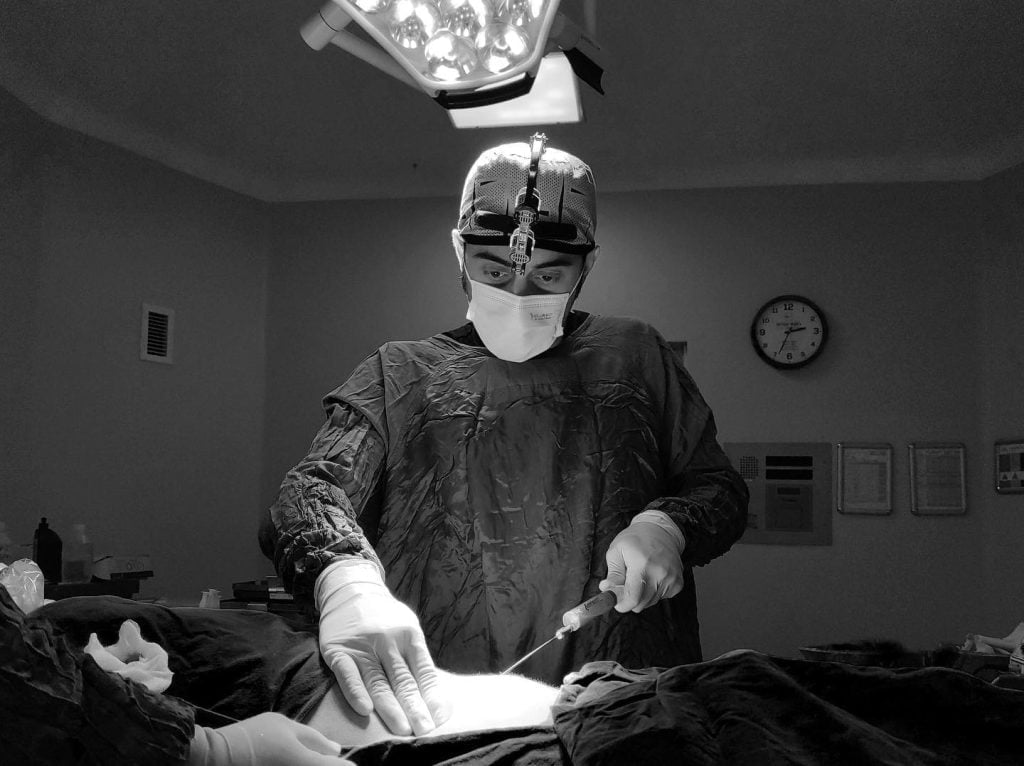
Are you ready to embark on a transformative journey towards embodying your ideal masculinity? Delving into the realm of body masculinization surgery, one encounters a meticulously crafted process tailored to sculpting the physique in alignment with one’s true self. But what precisely are the specific procedures that compose this groundbreaking approach to personal evolution? Join us as we dissect the intricacies of body masculinization surgery, unraveling its transformative potential piece by piece. From chest contouring to facial masculinization, each step is meticulously designed to empower individuals on their quest for self-realization. So, let’s explore the artistry and precision behind body masculinization surgery, unveiling the path to sculpting a physique that authentically reflects inner strength and masculinity.
Unveiling the Artistry: Exploring the Specific Procedures of Body Masculinization Surgery
What isbody masculinization surgery, and who is it typically suitable for?
Body masculinization surgery is a comprehensive approach aimed at aligning an individual’s physical appearance with their gender identity. It’s commonly sought by transgender men or non-binary individuals seeking to enhance masculine characteristics. This transformative journey involves a series of surgical procedures tailored to address specific areas of the body, such as the chest, abdomen, and genitals.
What are the main goals of body masculinization surgery?
The primary objectives of body masculinization surgery are to masculinize the physical appearance and alleviate gender dysphoria. This may include enhancing muscle definition, creating a more angular jawline, reducing breast size, and constructing male genitalia through procedures like phalloplasty.
Can you explain the different procedures involved in body masculinization surgery?
Chest Masculinectomy: Also known as “top surgery,” this procedure involves the removal of breast tissue to create a flatter, more masculine chest contour.
Phalloplasty: This intricate procedure constructs a functional penis using skin grafts from other parts of the body, such as the forearm or thigh.
Liposuction: Used to sculpt areas with excess fat deposits, liposuction helps enhance muscular definition and create a more masculine physique.
Fat Transfer: Fat grafting techniques may be utilized to augment specific areas, such as the cheeks or jawline, to enhance masculine facial features.
How long does it typically take to recover from body masculinization surgery?
Recovery times vary depending on the specific procedures performed and individual healing factors. Generally, patients can expect several weeks to months for full recovery, with limitations on strenuous activities during the initial stages of healing.
Are there any risks or potential complications associated with body masculinization surgery?
As with any surgical procedure, there are inherent risks, including infection, bleeding, scarring, and anesthesia-related complications. It’s essential to discuss potential risks with your surgeon and follow post-operative care instructions diligently.
What type of anesthesia is used during body masculinization surgery?
The type of anesthesia administered varies based on the complexity of the procedures and patient preferences. Typically, general anesthesia is used to ensure comfort and safety during surgery.
How should I prepare for body masculinization surgery, both physically and mentally?
Preparation may involve undergoing pre-operative medical evaluations, discontinuing certain medications, and making lifestyle adjustments to optimize healing. Additionally, seeking support from mental health professionals can help address any emotional concerns or anxieties.
Are there any age or health requirements for undergoing body masculinization surgery?
While age and health considerations play a role in candidacy, individuals of various ages and health statuses may undergo body masculinization surgery. It’s essential to undergo thorough medical evaluations to assess suitability for surgery.
Will I need to undergo hormone therapy before or after body masculinization surgery?
Hormone therapy may be recommended as part of the transition process, both before and after surgery, to achieve optimal results. However, the necessity and timing of hormone therapy will be determined on a case-by-case basis by medical professionals.
What kind of results can I expect from body masculinization surgery, and are they permanent?
The results of body masculinization surgery are typically long-lasting and can significantly enhance gender affirmation. However, individual outcomes may vary, and maintenance may be required over time to address changes in the body’s aging process.
Yes, body masculinization surgery can be combined with complementary procedures, such as facial masculinization surgery, to achieve comprehensive gender affirmation. Combining procedures may streamline the surgical process and optimize overall results.
How much does body masculinization surgery typically cost, and is it covered by insurance?
Costs vary depending on the specific procedures performed, geographic location, surgeon expertise, and other factors. While some insurance plans may cover aspects of body masculinization surgery, coverage varies widely and may require thorough documentation and advocacy.
What should I look for in a qualified surgeon for body masculinization surgery?
When selecting a surgeon, it’s crucial to seek board-certified professionals with experience and expertise in transgender healthcare. Researching surgeon credentials, reviewing before-and-after photos, and scheduling consultations to discuss goals and expectations can help ensure a positive surgical experience.
How soon after surgery can I resume normal activities and exercise?
The timeline for resuming normal activities and exercise varies depending on individual healing progress and the specific procedures performed. Your surgeon will provide guidance on gradually reintroducing activities to minimize complications and optimize results.
Are there any post-operative care instructions or follow-up appointments I should be aware of?
Following body masculinization surgery, patients will receive detailed post-operative care instructions, including wound care, activity restrictions, and follow-up appointments. It’s essential to adhere to these guidelines to promote optimal healing and long-term satisfaction with results.
Why Choose Turkey for Body Masculinization Surgery
Turkey has emerged as a leading destination for medical tourism, offering world-class healthcare services coupled with the allure of stunning landscapes and rich cultural experiences. Antalya, known for its picturesque beaches and vibrant tourism industry, has positioned itself as a hub for medical tourism, catering to individuals seeking high-quality healthcare services amidst a rejuvenating holiday experience.
Within the realm of medical tourism, body masculinization surgery in Turkey has gained significant traction, attracting individuals from around the globe seeking gender-affirming procedures. With its renowned expertise in cosmetic and reconstructive surgery, Turkey boasts a cadre of highly skilled surgeons specializing in body masculinization surgery.
One of the primary advantages of undergoing body masculinization surgery in Turkey is the all-inclusive packages offered by medical tourism providers. These packages typically encompass not only the surgical procedure itself but also accommodation, transportation, and post-operative care, providing a hassle-free experience for patients. This comprehensive approach allows individuals to combine their surgical journey with a relaxing holiday in Antalya, exploring its breathtaking landscapes and indulging in its rich cultural offerings.
Moreover, body masculinization surgery in Turkey is renowned for its affordability without compromising on quality or safety. The cost of medical procedures in Turkey is often substantially lower than in many Western countries, making it a cost-effective option for individuals seeking gender-affirming surgeries. Patients can benefit from state-of-the-art facilities, modern techniques, and personalized care, ensuring optimal outcomes and satisfaction.
In addition to cost-effectiveness and comprehensive packages, body masculinization surgery in Turkey offers access to expert surgeons with extensive experience in transgender healthcare. These professionals are dedicated to understanding each patient’s unique needs and goals, tailoring treatment plans to ensure personalized and transformative results.
By choosing to undergo body masculinization surgery in Turkey, individuals not only receive top-tier medical care but also have the opportunity to immerse themselves in the beauty and hospitality of Antalya. Whether basking in the sun-kissed beaches, exploring historical landmarks, or savoring delectable cuisine, patients can enjoy a holistic experience that rejuvenates the body, mind, and spirit. With its unparalleled blend of healthcare excellence and tourist attractions, Turkey’s medical tourism program, particularly in Antalya, offers a compelling destination for those embarking on their journey towards gender affirmation through body masculinization surgery.
Why You Should Work with Dr. MFO for Body Masculinization Surgery in Turkey
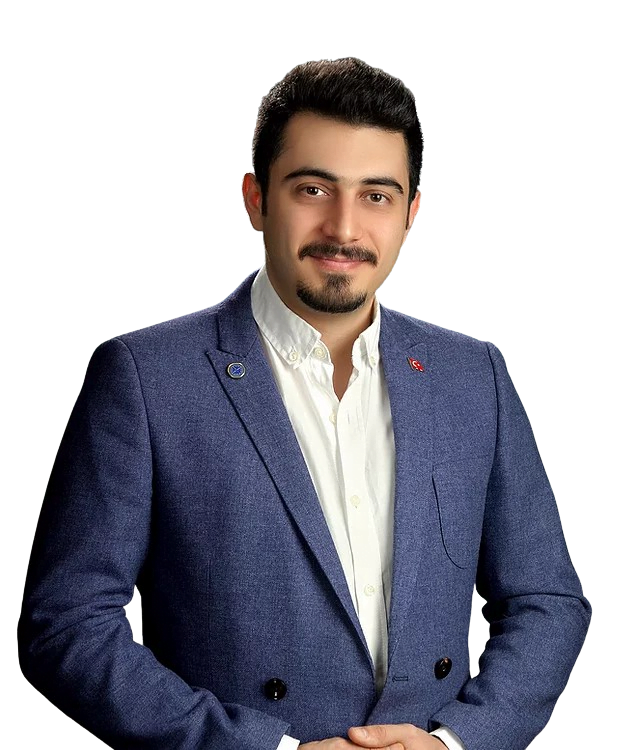
When it comes to embarking on the transformative journey of body masculinization surgery in Turkey, entrusting your care to a skilled and experienced surgeon is paramount. Dr. Mehmet Fatih Okyay, renowned for his exceptional expertise in plastic, reconstructive, and aesthetic surgery, emerges as a beacon of excellence in the field. With a stellar track record and a commitment to delivering superior results, Dr. MFO stands as a trusted partner for individuals seeking gender-affirming procedures, particularly in facial feminization surgeries (FFS) and facial masculinization surgeries (FMS).
Dr. MFO’s journey to prominence in the realm of plastic surgery is marked by notable achievements and accolades. Ranked 8th in his term in the Turkish Medical Specialization Examination, he pursued his residency at the esteemed Istanbul University, Cerrahpaşa Faculty of Medicine, honing his skills under the mentorship of leading experts in the field. His dedication to excellence culminated in being awarded the Fellow of the European Board of Plastic, Reconstructive and Aesthetic Surgeons (FEBOPRAS), a testament to his commitment to upholding the highest standards of quality and proficiency.
With a keen focus on advancing the artistry of facial aesthetics, Dr. MFO has garnered acclaim for his expertise in FFS and FMS procedures. Leveraging his 10 years of experience in plastic surgery, he specializes in facelifts, nose aesthetics, and other facial procedures tailored to enhance both form and function. His meticulous approach, coupled with a deep understanding of gender-affirming principles, ensures that each patient receives personalized care and achieves their desired transformation with confidence.
Beyond his surgical prowess, Dr. MFO is distinguished by his dedication to ongoing professional development and contribution to the medical community. As a permanent member of esteemed organizations such as the International Society of Aesthetic Surgeons (ISAPS) and the Turkish Plastic Surgery Association (TSPRAS), he remains at the forefront of advancements in the field, enriching his practice with the latest techniques and innovations.
Moreover, Dr. MFO’s multifaceted talents extend beyond the operating room, reflecting his passion for artistic expression and cultural pursuits. As a songwriter, poet, and musician proficient in various instruments, including the classical guitar and ney, he embodies creativity and sensitivity in all aspects of his life.
In conclusion, Dr. Mehmet Fatih Okyay’s exceptional skill, unwavering dedication, and artistic vision make him the ideal choice for those seeking body masculinization surgery in Turkey. With Dr. MFO as your trusted partner, you can embark on your journey towards gender affirmation with confidence, knowing that you are in the hands of a true master of his craft.
In conclusion, body masculinization surgery in Turkey encompasses a comprehensive array of procedures tailored to align individuals’ physical appearance with their gender identity. From chest masculinectomy to phalloplasty, each step is meticulously designed to empower individuals on their journey towards self-realization and gender affirmation. With the expertise of skilled surgeons like Dr. Mehmet Fatih Okyay, who specializes in facial feminization surgeries (FFS) and facial masculinization surgeries (FMS), patients can trust in the quality and precision of their care. The allure of all-inclusive packages and the opportunity to combine surgical transformation with a rejuvenating holiday experience in Antalya further enhances the appeal of body masculinization surgery in Turkey. As you embark on your quest for self-discovery and empowerment, consider partnering with esteemed professionals in Turkey’s thriving medical tourism industry to unlock the transformative potential of body masculinization surgery. Your journey towards authenticity and fulfillment awaits.
How Much Does Average Top Surgery Costs? Top surgery, also known as chest reconstruction or chest masculinization, is a surgical procedure that alters the appearance of the chest to align with one’s gender identity. It is one of the most common and desired gender-affirming surgeries for transgender and non-binary individuals who want to achieve a more masculine or androgynous look.
However, top surgery is not only a matter of personal preference and expression. It can also have significant benefits for one’s mental health, well-being, and quality of life. Studies have shown that top surgery can reduce gender dysphoria, improve body satisfaction, enhance self-esteem, and lower the risk of depression and suicide .
But how much does top surgery cost? And how can one afford it? These are some of the questions that many people who are considering top surgery may have. In this article, we will explore the average top surgery costs in different countries, the factors that affect the price, and the options for financing and saving money on this life-changing procedure.
What Factors Affect the Average Top Surgery Costs?
The average top surgery costs can vary widely depending on several factors, such as:
The type of top surgery: There are different techniques for performing top surgery, such as double incision, periareolar, keyhole, and buttonhole. Each technique has its own advantages and disadvantages, and the choice depends on the size, shape, and elasticity of the chest tissue, as well as the desired outcome. The type of top surgery can affect the complexity, duration, and recovery of the surgery, and thus the cost.
The surgeon’s experience and reputation: Top surgery is a specialized and delicate procedure that requires a skilled and experienced surgeon. The surgeon’s expertise and reputation can influence the quality and safety of the surgery, as well as the satisfaction and confidence of the patient. Therefore, the surgeon’s fees may vary depending on their level of training, certification, and recognition in the field.
The location of the surgery: The cost of top surgery can also depend on the country, state, or city where the surgery is performed. Different regions may have different standards of living, economic conditions, and health care systems, which can affect the price of medical services and supplies. Additionally, some locations may have more or less demand and competition for top surgery, which can influence the availability and affordability of the procedure.
The additional expenses: Besides the surgeon’s fees, there are other expenses that are associated with top surgery, such as anesthesia, hospital or clinic fees, medication, post-operative care, compression garments, and travel and accommodation costs. These expenses can add up to the total cost of the surgery, and they may vary depending on the individual needs and circumstances of the patient.
How Much Does Top Surgery Cost Around the World?
The average top surgery costs can range from $3,000 to $10,000 USD or more, depending on the factors mentioned above. However, this is a rough estimate, and the actual cost may differ from one case to another. To give you a better idea of the price range, here is a table that compares the average top surgery costs in some of the most popular countries for this procedure:
Country
Average Top Surgery Cost (USD)
USA
$6,000 – $10,000
Canada
$2,000 – $8,000
UK
$6,500 – $9,500
Australia
$6,000 – $12,000
Thailand
$3,000 – $7,000
Turkey
$2,500 – $4,500
As you can see, the average top surgery costs vary significantly from one country to another. Some of the reasons for this variation are the differences in currency exchange rates, health care systems, and medical standards. However, the cost is not the only factor that one should consider when choosing a country for top surgery. There are also other aspects, such as the quality and safety of the surgery, the legal and social acceptance of transgender and non-binary people, and the availability and accessibility of post-operative care and support.
Why is Turkey a Good Option for Top Surgery?
One of the countries that stands out for its low average top surgery costs and high-quality medical services is Turkey. Turkey is a popular destination for medical tourism, especially for cosmetic and plastic surgery. According to the International Medical Travel Journal, Turkey ranked among the top 10 countries for medical tourism in 2019, with more than 1 million international patients.
But what makes Turkey a good option for top surgery? Here are some of the reasons:
Turkey has a large and diverse pool of qualified and experienced surgeons who specialize in top surgery and other gender-affirming procedures. Many of them have received training and certification from prestigious international institutions, such as the American Board of Plastic Surgery, the European Board of Plastic Surgery, and the International Society of Aesthetic Plastic Surgery.
Turkey offers state-of-the-art facilities and equipment for top surgery, as well as high standards of hygiene and safety. Turkey has more than 50 hospitals that are accredited by the Joint Commission International, which is the gold standard for quality and safety in health care.
Turkey provides affordable and comprehensive packages for top surgery, which include the surgeon’s fees, anesthesia, hospital or clinic fees, medication, post-operative care, compression garments, and travel and accommodation costs. The packages are customized according to the individual needs and preferences of the patient, and they offer a transparent and fixed price with no hidden fees.
Turkey offers a pleasant and comfortable experience for medical tourists, with a rich and diverse culture, history, and cuisine. Turkey is also known for its hospitality and warmth, and it has a vibrant and supportive LGBTQ+ community. Turkey has several organizations and events that cater to the needs and interests of transgender and non-binary people, such as Trans Istanbul, Pink Life, and Istanbul Pride .
How to Save Money on Top Surgery?
Top surgery is a major investment, both financially and emotionally. However, there are ways to save money on this procedure, without compromising on the quality and safety of the surgery. Here are some tips on how to reduce the average top surgery costs:
Do your research: Before deciding on a country, a surgeon, or a technique for top surgery, do your research and compare the options available. Look for reliable and unbiased sources of information, such as reviews, testimonials, and before-and-after photos from previous patients. Ask questions and seek advice from reputable forums and groups, such as Transbucket, FTM Top Surgery Group, and Top Surgery Support .
Plan ahead: Planning ahead can help you save money on travel and accommodation costs, as well as avoid unnecessary delays and complications. Book your flights and hotels in advance, and look for deals and discounts. Choose a convenient and accessible location for your surgery, and arrange your transportation and transfers. Prepare a checklist of the documents and items that you need to bring, and pack light and smart. Also, make sure to have a contingency plan in case of emergencies or changes.
Seek financial assistance: There are several ways to seek financial assistance for top surgery, such as insurance coverage, crowdfunding, grants, and loans. Some insurance companies may cover part or all of the cost of top surgery, depending on the policy and the criteria. However, insurance coverage may not be available or sufficient for everyone, especially for those who live in countries where top surgery is not recognized or covered by the health care system. In that case, crowdfunding platforms, such as GoFundMe, YouCaring, and Fundly, can be a useful way to raise money from friends, family, and strangers who support your cause. Alternatively, you can apply for grants or scholarships from organizations that offer financial aid for transgender and non-binary people, such as Point of Pride, Jim Collins Foundation, and Trans Relief Project . Lastly, you can also consider taking a loan from a bank or a credit union, or using a credit card, to pay for your surgery. However, be careful and responsible with your debt, and make sure to read and understand the terms and conditions of the loan or the credit card.
Why Choose Dr. MFO (Mehmet Fatih Okyay) for Top Surgery?
Exceptional Expertise: Ranked 8th in his term in the Turkish Medical Specialization Examination, Dr. MFO holds a Plastic, Reconstructive, and Aesthetic Surgery residency from Istanbul University, Cerrahpaşa Faculty of Medicine, ensuring top-notch skills and training.
International Recognition: As a Fellow of the European Board of Plastic, Reconstructive, and Aesthetic Surgeons (FEBOPRAS), Dr. MFO has gained global acknowledgment. He was also honored with the Fellow of the Turkish Board of Plastic, Reconstructive, and Aesthetic Surgeons award.
Cutting-Edge Research: Dr. MFO’s contributions to scientific journals on topics like fat graft survival and insulin effects demonstrate his commitment to incorporating the latest advancements into his practice.
Founder of Dr. MFO Clinic: Establishing Dr. MFO Clinic in 2021, Dr. MFO is dedicated to providing excellent care as the clinic owner, prioritizing patient well-being and maintaining the highest standards.
Multilingual Communication: Dr. MFO communicates fluently in academic degree English, Spanish, and has an intermediate-level proficiency in French, ensuring clear and effective communication with his patients.
Active Member of Professional Associations: As a permanent member of ISAPS, TSPRAS, and TSAPS, Dr. MFO remains at the forefront of industry trends and developments, ensuring the highest quality of care for his patients.
Holistic Approach to Aesthetics: With a decade of plastic surgery experience, Dr. MFO specializes in various aesthetic procedures, including facelift, nose aesthetics, facial feminization surgeries, tummy tuck, liposuction, body shaping, and breast aesthetic surgeries.
Passion Beyond Surgery: Dr. MFO is not only a skilled surgeon but also a songwriter, poet, and musician, playing classical guitar, ney, and electric guitar. His passion for the arts reflects his dedication to creativity and precision.
Family-Centric Care: A family man himself, Dr. MFO understands the importance of trust and compassion in medical care. With a commitment to personalized attention, he ensures every patient feels supported throughout their surgical journey.
Choose Excellence, Choose Dr. MFO for Top Surgery! Experience the artistry of aesthetic surgery with Dr. MFO, where expertise meets compassion for a transformative journey towards your desired self. Book your consultation today!
Conclusion
Top surgery is a life-changing procedure that can have a positive impact on one’s physical, mental, and social well-being. However, it can also be a costly and challenging process, especially for those who live in countries where top surgery is not accessible or affordable. Therefore, it is important to do your research, plan ahead, and seek financial assistance, to make your top surgery journey as smooth and successful as possible.
One of the options that you may consider is medical tourism in Antalya, Turkey. Turkey is a popular destination for medical tourism in Antalya, especially for cosmetic and plastic surgery. Turkey offers low average top surgery costs, high-quality medical services, and a pleasant and comfortable experience for medical tourists. Turkey has a large and diverse pool of qualified and experienced surgeons who specialize in top surgery and other gender-affirming procedures. Many of them have received training and certification from prestigious international institutions, such as the American Board of Plastic Surgery, the European Board of Plastic Surgery, and the International Society of Aesthetic Plastic Surgery.
Turkey offers state-of-the-art facilities and equipment for top surgery, as well as high standards of hygiene and safety. Turkey has more than 50 hospitals that are accredited by the Joint Commission International, which is the gold standard for quality and safety in health care.
Turkey provides affordable and comprehensive packages for top surgery, which include the surgeon’s fees, anesthesia, hospital or clinic fees, medication, post-operative care, compression garments, and travel and accommodation costs. The packages are customized according to the individual needs and preferences of the patient, and they offer a transparent and fixed price with no hidden fees.
Turkey offers a pleasant and comfortable experience for medical tourists, with a rich and diverse culture, history, and cuisine. Turkey is also known for its hospitality and warmth, and it has a vibrant and supportive LGBTQ+ community. Turkey has several organizations and events that cater to the needs and interests of transgender and non-binary people, such as Trans Istanbul, Pink Life, and Istanbul Pride.
One of the best places to have top surgery in Turkey is Antalya, a beautiful and modern city on the Mediterranean coast. Antalya is a popular destination for medical tourism in Antalya, as it combines the advantages of Turkey’s medical services with the attractions of a seaside resort. Antalya has a mild and sunny climate, stunning beaches, historical sites, and natural wonders. Antalya also has a wide range of accommodation options, from luxury hotels to cozy guesthouses, to suit every budget and taste.
Top surgery is a big decision, and it requires careful planning and preparation. However, it can also be an exciting and rewarding journey, especially if you choose a country and a surgeon that can offer you the best quality and value for your money. Turkey, and especially Antalya, is one of the options that you may consider, as it offers low average top surgery costs, high-quality medical services, and a pleasant and comfortable experience for medical tourists. Turkey is a country that welcomes and respects transgender and non-binary people, and it can help you achieve your desired chest and your true self.
What is the average cost of top surgery in the United States?
The average cost in the U.S. ranges from $5,000 to $10,000, depending on factors like location, surgeon, and procedure type.
How does the average cost of top surgery vary depending on location?
Costs can significantly vary by region. Urban areas and coastal regions tend to have higher average costs compared to more rural or inland locations.
What are the main factors that influence the cost of top surgery?
Surgeon’s experience, geographical location, facility fees, anesthesia, and the chosen surgical technique are key factors influencing costs.
Does the type of top surgery procedure (double incision, nipple-sparing, etc.) affect the average cost?
Yes, the complexity and time required for different procedures impact costs. For instance, nipple-sparing techniques may be more expensive due to their intricacy.
How do additional fees, such as anesthesia and hospital stay, contribute to the overall cost?
These fees are separate from the surgeon’s fee and can significantly contribute to the total cost. Anesthesia, facility fees, and postoperative care costs are common additional expenses.
How much does the average cost of top surgery differ internationally?
International costs vary widely. Some countries may offer lower costs, but factors like travel, accommodation, and postoperative care should be considered.
What are some alternative locations for top surgery with potentially lower costs?
Considering surgery in regions with lower living costs or medical tourism destinations might offer more affordable options.
How do the average costs of different types of top surgery compare (FTM, MTN, MTF)?
Costs vary based on the chosen procedure. Generally, FTM top surgery tends to be more common and may have a broader range of available options.
What percentage of top surgery costs is typically covered by insurance?
Insurance coverage varies, but some plans cover a significant portion of the costs, especially if the procedure is deemed medically necessary.
Are there any grant programs or financial assistance options available for individuals seeking top surgery?
Yes, several organizations offer grants and financial assistance for transgender individuals seeking top surgery. Research local and national programs.
What are some creative ways to save money for top surgery (e.g., fundraising, crowdfunding)?
Consider crowdfunding platforms, fundraising events, or creating a dedicated savings account to gather community support and save for the procedure.
How can I compare the value of different surgeons’ fees relative to their experience and expertise?
Look beyond the fee itself and consider the surgeon’s reputation, experience, and before-and-after photos. Read reviews and seek recommendations.
How can I understand the full costs associated with top surgery beyond the surgeon’s fee?
Request a breakdown of all associated costs, including anesthesia, facility fees, and postoperative care. This ensures you have a comprehensive understanding.
What questions should I ask a surgeon about their fees and billing practices?
Inquire about the total cost breakdown, payment plans, accepted insurance, and any potential additional fees. Clarity on billing practices is crucial.
How can I balance the cost of top surgery with other financial priorities?
Create a budget, explore financing options, and prioritize savings. Consider the long-term impact on your overall well-being when evaluating financial trade-offs.
Is it ethical or advisable to consider financing for top surgery?
Financing is a personal choice. While it provides accessibility, carefully assess interest rates and terms to ensure it aligns with your financial well-being and goals.
Gender identity is a complex and personal aspect of one’s identity, and for some people, it does not match their assigned sex at birth. This can cause a lot of distress and discomfort, especially when it comes to one’s physical appearance and body image. For transgender men, or those who identify as male but were assigned female at birth, one of the most common ways to align their body with their gender identity is to undergo female to male top surgery.
Female to male top surgery, also known as FTM top surgery, chest masculinization surgery, or chest reconstruction surgery, is a surgical procedure that removes breast tissue and reshapes the chest to create a more masculine appearance. It can also involve nipple and areola reduction, relocation, or grafting, depending on the patient’s preferences and goals. FTM top surgery can have a significant impact on one’s self-esteem, confidence, and quality of life, as well as reduce gender dysphoria and improve mental health.
However, FTM top surgery is not a simple or easy decision to make. It involves a lot of preparation, research, consultation, and recovery, as well as potential risks and complications. It also requires a lot of financial, emotional, and social support, as well as legal and medical documentation. Therefore, it is important to understand the journey of FTM top surgery, from the initial steps to the final results, and what to expect along the way.
In this article, we will explore the journey of FTM top surgery, including the following topics:
The benefits and challenges of FTM top surgery
The different types and techniques of FTM top surgery
The eligibility and requirements for FTM top surgery
The cost and financing options for FTM top surgery
The pre-operative and post-operative care for FTM top surgery
The results and satisfaction rates of FTM top surgery
The role of Turkey as a popular destination for FTM top surgery
By the end of this article, you will have a better understanding of what FTM top surgery entails, and whether it is right for you or someone you know. You will also learn about the advantages and disadvantages of choosing Turkey as your FTM top surgery destination, and how to find the best surgeon and clinic for your needs.
The Benefits and Challenges of FTM Top Surgery
FTM top surgery can have many benefits for transgender men, both physically and psychologically. Some of the benefits include:
Achieving a more masculine and natural-looking chest that matches one’s gender identity and expression
Eliminating the need to bind, which can be uncomfortable, painful, and harmful to one’s health
Increasing one’s comfort and confidence in wearing different types of clothing, such as shirts, swimwear, and formal wear
Enhancing one’s social and sexual relationships, as well as one’s intimacy and pleasure
Reducing or eliminating gender dysphoria, which is the distress and discomfort caused by the incongruence between one’s gender identity and assigned sex
Improving one’s mental health and well-being, such as reducing depression, anxiety, stress, and suicidal thoughts
Affirming one’s identity and validating one’s transition
However, FTM top surgery also comes with some challenges and drawbacks, such as:
The possibility of surgical complications, such as infection, bleeding, hematoma, seroma, scarring, nerve damage, loss of sensation, asymmetry, contour irregularities, and unsatisfactory aesthetic results
The need for revision surgery, either to correct complications or to improve the appearance of the chest
The risk of regret or dissatisfaction, especially if one’s expectations are unrealistic or not met by the surgeon
The cost and availability of FTM top surgery, which can vary depending on the country, the surgeon, the technique, and the insurance coverage
The legal and medical hurdles, such as obtaining a diagnosis of gender dysphoria, a letter of recommendation from a mental health professional, and a consent form from a parent or guardian (if under 18)
The social and emotional challenges, such as facing stigma, discrimination, harassment, or violence from others, or losing support from family, friends, or partners
The recovery process, which can be long, painful, and inconvenient, and require a lot of care and assistance
Therefore, FTM top surgery is not a decision to be taken lightly, and one should weigh the pros and cons carefully before proceeding. It is also advisable to seek professional guidance and support from qualified and experienced medical and mental health providers, as well as from other transgender men who have undergone FTM top surgery or are planning to do so.
The Different Types and Techniques of FTM Top Surgery
FTM top surgery can be performed using different types and techniques, depending on the size, shape, and elasticity of the breasts, as well as the patient’s preferences and goals. The main types of FTM top surgery are:
Subcutaneous mastectomy, which involves removing the breast tissue through a small incision along the lower edge of the areola. This technique preserves the nipple and areola, and results in minimal scarring and natural-looking nipples. However, it is only suitable for patients with small and firm breasts, and may not achieve enough chest flattening or contouring.
Double incision mastectomy, which involves removing the breast tissue through two horizontal incisions along the upper and lower edges of the chest. This technique allows for maximum chest flattening and contouring, and can accommodate any breast size and shape. However, it also removes the nipple and areola, which are then grafted back onto the chest in a smaller and higher position. This results in more visible scarring and possible loss of sensation or viability of the nipples.
Keyhole mastectomy, which involves removing the breast tissue through a circular incision around the areola. This technique preserves the nipple and areola, and results in minimal scarring and natural-looking nipples. However, it is only suitable for patients with small and elastic breasts, and may not achieve enough chest flattening or contouring.
Periareolar mastectomy, which involves removing the breast tissue through two concentric circular incisions around the areola. This technique preserves the nipple and areola, and allows for some chest flattening and contouring. It also reduces the size of the areola, and results in less visible scarring than the double incision technique. However, it may not be suitable for patients with large or sagging breasts, and may require more than one surgery to achieve the desired results.
The choice of the type and technique of FTM top surgery depends on several factors, such as the patient’s anatomy, expectations, and budget, as well as the surgeon’s expertise and recommendations. Therefore, it is important to consult with a qualified and experienced surgeon who can assess the patient’s suitability and offer the best option for their needs.
The Eligibility and Requirements for FTM Top Surgery
FTM top surgery is not a procedure that anyone can undergo without meeting certain eligibility and requirements. These are usually based on the standards of care and guidelines established by the World Professional Association for Transgender Health (WPATH), which is an international organization that promotes the health and well-being of transgender people. According to the WPATH standards of care, the eligibility and requirements for FTM top surgery are:
The patient must be at least 18 years old, or have the consent of a parent or guardian if under 18
The patient must have a diagnosis of gender dysphoria, which is confirmed by a qualified mental health professional
The patient must have a letter of recommendation from a qualified mental health professional, which states that the patient is ready and able to undergo FTM top surgery
The patient must have lived in their desired gender role for at least 12 months, and have received hormone therapy for at least 12 months, unless there are medical contraindications or personal reasons
The patient must be in good physical and mental health, and have no medical conditions or medications that could interfere with the surgery or the recovery
The patient must be aware of the benefits and risks of FTM top surgery, and have realistic expectations and goals
The patient must be able to afford the cost of FTM top surgery, and have access to a qualified and experienced surgeon and clinic
These eligibility and requirements are not absolute, and may vary depending on the country, the surgeon, the clinic, and the patient. Therefore, it is advisable to check with the specific surgeon and clinic that one is considering for FTM top surgery, and to follow their instructions and recommendations.
The Cost and Financing Options for FTM Top Surgery
FTM top surgery is not a cheap or easy procedure to afford, as it can cost anywhere from $3,000 to $10,000 USD, depending on the country, the surgeon, the technique, and the clinic. The cost of FTM top surgery usually includes the following expenses:
The surgeon’s fee, which covers the consultation, the surgery, and the follow-up visits
The anesthesia fee, which covers the administration of general or local anesthesia during the surgery
The hospital or clinic fee, which covers the use of the operating room, the equipment, and the staff
The medication fee, which covers the prescription of antibiotics, painkillers, and anti-inflammatory drugs after the surgery
The garment fee, which covers the purchase of a compression vest or binder to wear after the surgery
The travel and accommodation fee, which covers the transportation and lodging costs for the patient and their companion, if they choose to have FTM top surgery abroad
The miscellaneous fee, which covers any additional expenses, such as taxes, tips, food, or entertainment
The total cost of FTM top surgery can vary widely depending on the location and quality of the service, and it may not include all of the expenses mentioned above. Therefore, it is advisable to ask for a detailed and transparent breakdown of the cost from the surgeon and clinic before booking the surgery.
Unfortunately, FTM top surgery is not always covered by insurance, as some insurance companies may consider it a cosmetic or elective procedure, rather than a medically necessary one. However, this is changing as more and more countries and states are recognizing the importance and legitimacy of FTM top surgery for transgender men, and are requiring insurance companies to cover it. Therefore, it is advisable to check with one’s insurance provider and policy before seeking FTM top surgery, and to obtain a pre-authorization letter if possible.
If FTM top surgery is not covered by insurance, or if the insurance coverage is insufficient, there are other financing options available for transgender men who wish to undergo FTM top surgery, such as:
Personal savings, which involves setting aside a portion of one’s income or assets for FTM top surgery. This is the most straightforward and reliable way to finance FTM top surgery, but it may take a long time and require a lot of discipline and sacrifice.
Personal loans, which involve borrowing money from a bank, a credit union, or a private lender for FTM top surgery. This can be a quick and convenient way to finance FTM top surgery, but it may also incur high interest rates, fees, and penalties, and affect one’s credit score and debt-to-income ratio.
Crowdfunding, which involves raising money from online platforms, such as GoFundMe, Kickstarter, or Indiegogo, for FTM top surgery. This can be a creative and effective way to finance FTM top surgery, but it may also require a lot of marketing, promotion, and transparency, and depend on the generosity and support of strangers.
Grants and scholarships, which involve applying for and receiving financial aid from organizations, foundations, or individuals that support transgender health and well-being, such as the Jim Collins Foundation, the Transgender Foundation of America, or the Point of Pride Annual Transgender Surgery Fund. This can be a rewarding and empowering way to finance FTM top surgery, but it may also be very competitive, selective, and limited, and require a lot of documentation and eligibility criteria.
The choice of the financing option for FTM top surgery depends on several factors, such as the patient’s financial situation, credit history, and urgency, as well as the availability and accessibility of the option. Therefore, it is important to research and compare the different financing options for FTM top surgery, and to choose the one that best suits one’s needs and goals.
The Pre-Operative and Post-Operative Care for FTM Top Surgery
FTM top surgery is not a one-time procedure that ends after the surgery is done. It requires a lot of care and attention before and after the surgery, to ensure a smooth and successful recovery and outcome. The pre-operative and post-operative care for FTM top surgery usually involves the following steps:
The pre-operative consultation, which involves meeting with the surgeon and the anesthesiologist before the surgery, to discuss the details, expectations, and risks of the surgery, and to answer any questions or concerns that the patient may have. The surgeon may also take some measurements, photographs, and blood tests, and prescribe some medications to prepare the patient for the surgery.
The pre-operative preparation, which involves following the surgeon’s instructions and recommendations before the surgery, such as stopping smoking, drinking, and taking certain medications or supplements, avoiding certain foods and drinks, and arranging for transportation and accommodation. The patient may also need to wash their chest and hair with a special soap, and shave their chest if needed.
The surgery day, which involves arriving at the hospital or clinic at the scheduled time, and checking in with the staff. The patient may need to sign some consent forms, and change into a gown and a cap. The anesthesiologist will administer general or local anesthesia, and the surgeon will perform the surgery using the chosen technique. The surgery may take anywhere from one to four hours, depending on the complexity and extent of the procedure.
The post-operative recovery, which involves staying at the hospital or clinic for a few hours or days, depending on the surgeon’s advice and the patient’s condition. The patient may experience some pain, swelling, bruising, bleeding, and numbness in their chest, and may have some drains, bandages, and stitches. The patient may also need to wear a compression vest or binder to support and protect their chest, and to take some medications to prevent infection, inflammation, and pain.
The post-operative follow-up, which involves visiting the surgeon and the clinic for regular check-ups and evaluations, to monitor the healing and progress of the chest, and to remove the drains, bandages, and stitches. The surgeon may also provide some instructions and tips on how to care for the chest at home, such as how to clean, dress, and massage the chest, and what activities to avoid or limit, such as lifting, stretching, exercising, and sleeping. The patient may also need to continue wearing the compression vest or binder for a few weeks or months, depending on the surgeon’s advice and the patient’s comfort.
The post-operative results, which involve seeing and enjoying the final outcome of the chest, which may take several months or even years to fully settle and mature. The patient may notice some changes and improvements in their chest, such as reduced size, improved shape, and relocated nipples. The patient may also notice some scars and loss of sensation in their chest, which may fade and improve over time, but may not completely disappear. The patient may also feel some emotions and reactions, such as happiness, relief, gratitude, or regret, which are normal and valid, and may require some support and counseling.
The pre-operative and post-operative care for FTM top surgery is an essential and integral part of the journey, and it can affect the quality and satisfaction of the surgery. Therefore, it is important to follow the surgeon’s and the clinic’s instructions and recommendations, and to seek help and support from qualified and experienced medical and mental health providers, as well as from other transgender men who have undergone FTM top surgery or are planning to do so.
The Results and Satisfaction Rates of FTM Top Surgery
FTM top surgery is a life-changing procedure that can have a profound impact on one’s appearance, identity, and well-being. The results and satisfaction rates of FTM top surgery are generally high and positive, as most transgender men report improved self-esteem, confidence, and quality of life after the surgery. However, the results and satisfaction rates of FTM top surgery can also vary depending on several factors, such as the patient’s expectations, goals, and preferences, as well as the surgeon’s skill, experience, and technique.
The results of FTM top surgery can be evaluated using different criteria, such as:
The aesthetic outcome, which refers to how the chest looks after the surgery, in terms of size, shape, symmetry, contour, and nipple position. The aesthetic outcome can be influenced by the patient’s anatomy, the type and technique of the surgery, and the healing process. The aesthetic outcome can be measured using objective tools, such as photographs, scales, and ratings, or subjective tools, such as surveys, interviews, and feedback.
The functional outcome, which refers to how the chest feels and performs after the surgery, in terms of sensation, mobility, and comfort. The functional outcome can be influenced by the patient’s physiology, the type and technique of the surgery, and the recovery process. The functional outcome can be measured using objective tools, such as tests, exams, and assessments, or subjective tools, such as surveys, interviews, and feedback.
The psychological outcome, which refers to how the chest affects one’s mental and emotional health and well-being after the surgery, in terms of gender dysphoria, depression, anxiety, stress, and satisfaction. The psychological outcome can be influenced by the patient’s psychology, the type and technique of the surgery, and the support system. The psychological outcome can be measured using objective tools, such as scales, questionnaires, and inventories, or subjective tools, such as surveys, interviews, and feedback.
The satisfaction rates of FTM top surgery can be calculated using different methods, such as:
The percentage of patients who report being satisfied or very satisfied with their chest after the surgery, based on the criteria mentioned above
The percentage of patients who report being dissatisfied or very dissatisfied with their chest after the surgery, based on the criteria mentioned above
The percentage of patients who report having no regrets or minimal regrets about undergoing the surgery, based on the criteria mentioned above
The percentage of patients who report having revision surgery or requesting revision surgery after the surgery, based on the criteria mentioned above
According to the existing literature and studies, the results and satisfaction rates of FTM top surgery are generally high and positive, ranging from 80% to 95%, depending on the source and the method. However, these numbers may not reflect the diversity and complexity of the transgender population and their experiences, and may not account for the individual and contextual factors that affect the results and satisfaction rates of FTM top surgery. Therefore, it is important to acknowledge and respect the variability and subjectivity of the results and satisfaction rates of FTM top surgery, and to seek professional guidance and support from qualified and experienced medical and mental health providers, as well as from other transgender men who have undergone FTM top surgery or are planning to do so.
The Role of Turkey as a Popular Destination for FTM Top Surgery
Turkey is a country that is located at the crossroads of Europe and Asia, and has a rich and diverse culture, history, and geography. Turkey is also a country that is emerging as a popular destination for FTM top surgery, as it offers several advantages and opportunities for transgender men who wish to undergo FTM top surgery, such as:
The quality and affordability of FTM top surgery, which can be comparable or even superior to other countries, such as the US, the UK, or Thailand. Turkey has a large and growing number of qualified, experienced, and trans-friendly plastic surgeons who use the latest techniques and technologies to perform FTM top surgery. Turkey also has a low cost of living and a favorable exchange rate, which makes FTM top surgery more accessible and budget-friendly for transgender men from different countries and backgrounds.
The availability and accessibility of FTM top surgery, which can be easier and faster than other countries, such as the US, the UK, or Thailand. Turkey has a relaxed and flexible legal and medical system, which does not require a diagnosis of gender dysphoria, a letter of recommendation, or a period of hormone therapy or living in the desired gender role for FTM top surgery. Turkey also has a convenient and frequent transportation network, which connects Turkey to many countries and regions, and makes FTM top surgery more convenient and hassle-free for transgender men from different countries and backgrounds.
The attractiveness and diversity of Turkey, which can be enjoyable and rewarding for transgender men who wish to undergo FTM top surgery. Turkey has a lot to offer in terms of tourism, culture, cuisine, and entertainment, which can make FTM top surgery more enjoyable and memorable for transgender men and their companions. Turkey also has a lot to offer in terms of diversity, tolerance, and acceptance, which can make FTM top surgery more comfortable and safe for transgender men and their companions.
However, Turkey is not a perfect or ideal destination for FTM top surgery, as it also has some disadvantages and challenges for transgender men who wish to undergo FTM top surgery, such as:
The possibility and probability of complications, which can be higher or lower than other countries, depending on the surgeon, the clinic, and the patient. FTM top surgery is a major and invasive procedure, which carries some inherent risks and complications, such as infection, bleeding, hematoma, seroma, scarring, nerve damage, loss of sensation, asymmetry, contour irregularities, and unsatisfactory aesthetic results. These risks and complications can be minimized or avoided by choosing a qualified and experienced surgeon and clinic, and by following the pre-operative and post-operative care instructions. However, they can also be exacerbated or aggravated by choosing a unqualified or inexperienced surgeon and clinic, or by neglecting the pre-operative and post-operative care instructions.
The need and cost of revision surgery, which can be higher or lower than other countries, depending on the surgeon, the clinic, and the patient. FTM top surgery is a complex and subjective procedure, which may not always achieve the desired or expected results, or may cause some complications that require correction or improvement. Revision surgery is a secondary or additional procedure that aims to correct or improve the results or complications of the primary procedure. Revision surgery can be necessary or optional, depending on the severity and impact of the results or complications. Revision surgery can also be costly and inconvenient, depending on the availability and accessibility of the surgeon and clinic, and the patient’s financial and physical situation.
The social and cultural barriers, which can be higher or lower than other countries, depending on the location, the time, and the people. Turkey is a country that has a diverse and dynamic society and culture, which can be welcoming and supportive, or hostile and oppressive, depending on the location, the time, and the people. Turkey is a country that has a secular and democratic government, but also a conservative and religious population, which can create some conflicts and tensions, especially regarding gender and sexuality issues. Turkey is a country that has a progressive and modern outlook, but also a traditional and patriarchal structure, which can create some challenges and difficulties, especially for transgender and non-binary individuals.
Therefore, Turkey is a country that has a lot of potential and promise, but also a lot of pitfalls and problems, for transgender men who wish to undergo FTM top surgery. It is important to do a lot of research and consultation, and to weigh the pros and cons carefully, before choosing Turkey as one’s FTM top surgery destination. It is also advisable to seek professional guidance and support from qualified and experienced medical and mental health providers, as well as from other transgender men who have undergone FTM top surgery or are planning to do so in Turkey.
Conclusion
FTM top surgery is a surgical procedure that removes breast tissue and reshapes the chest to create a more masculine appearance. It can have a significant impact on one’s self-esteem, confidence, and quality of life, as well as reduce gender dysphoria and improve mental health. However, FTM top surgery is not a simple or easy decision to make, as it involves a lot of preparation, research, consultation, and recovery, as well as potential risks and complications. Therefore, it is important to understand the journey of FTM top surgery, from the initial steps to the final results, and what to expect along the way.
In this article, we have explored the journey of FTM top surgery, including the benefits and challenges, the different types and techniques, the eligibility and requirements, the cost and financing options, the pre-operative and post-operative care, the results and satisfaction rates, and the role of Turkey as a popular destination. By the end of this article, you should have a better understanding of what FTM top surgery entails, and whether it is right for you or someone you know. You should also have learned about the advantages and disadvantages of choosing Turkey as your FTM top surgery destination, and how to find the best surgeon and clinic for your needs.
We hope that this article has been informative and helpful for you, and that it has inspired you to pursue your empowering transformation. If you have any questions or comments, please feel free to contact us or leave a comment below. We would love to hear from you and support you in your journey. Thank you for reading, and we wish you all the best.
What are the different types of FTM top surgery available?
There are various types, including double incision, periareolar, and keyhole/top surgery, each catering to different chest sizes and preferences.
What are the risks and benefits of each type of FTM top surgery?
Risks and benefits depend on the chosen procedure. Double incision offers more comprehensive results but involves longer scarring, while periareolar and keyhole have less scarring but may not be suitable for larger chests.
How do I know if I’m a good candidate for FTM top surgery?
A consultation with a qualified surgeon is essential. Generally, good candidates are in good health, have realistic expectations, and are emotionally prepared for the process.
What is the recovery process like after FTM top surgery?
Recovery varies but typically involves wearing a compression binder, limiting physical activity, and gradually resuming normal activities over a few weeks. Full recovery may take several months.
Cost varies based on factors like location, surgeon’s experience, and the type of procedure. On average, it can range from several thousand to tens of thousands of dollars.
How do I find a qualified surgeon for FTM top surgery?
Research surgeons with experience in transgender healthcare, read reviews, and ask for recommendations from LGBTQ+ communities. Ensure the surgeon is board-certified and has a positive track record.
What are some resources available to support me through the FTM top surgery process?
Seek support from local LGBTQ+ organizations, online forums, and mental health professionals. Many organizations provide information, counseling, and assistance throughout the FTM top surgery journey.
How Much Does Body Masculinization Surgery Cost? Are you considering undergoing a body masculinization surgery to enhance your masculine body features and align your appearance with your gender identity? Do you wonder how much it would cost and how it varies across different countries? If so, you are not alone. Many transgender and nonbinary people who experience gender dysphoria seek body gender-affirming surgery as a way to achieve self-esteem and well-being. However, the cost of body gender-affirming surgery can be a significant barrier for many people, especially in countries where it is not covered by health insurance or public health systems.
In this article, we will provide you with a comprehensive guide on how much does body masculinization surgery cost? Country by country price comparison. We will also explain what body gender-affirming surgery entails, what factors affect its cost, and what resources are available for transgender healthcare and support. By the end of this article, you will have a better understanding of the financial aspects of body gender confirmation surgery and the options you have to pursue your desired outcome.
What is Body Gender-Affirming Surgery?
Body gender-affirming surgery, also known as body gender confirmation surgery or body masculinization surgery, is a medical procedure that modifies the shape and size of the chest, abdomen, arms, legs, and buttocks to create a more masculine or feminine appearance. It is one of the possible steps in the process of gender transition, which may also include hormone therapy, psychological counseling, identity exploration, legal rights and advocacy, and community resources.
There are two main types of body gender-affirming surgery for transmasculine individuals:
Chest masculinization surgery: This involves the removal of breast tissue (mastectomy) and the shaping of the chest to create a more masculine appearance. It may also include the reduction of the nipple and areola size and the repositioning of the nipple and areola to a more natural location. It may also include the insertion of implants to create a more muscular appearance (chest augmentation).
Body contouring surgery: This involves the removal of excess fat and skin (liposuction and lipectomy) and the tightening of the underlying muscles (abdominoplasty and panniculectomy) to create a more masculine appearance. It may also include the enhancement of the biceps, triceps, calves, and glutes with implants or fat grafting to create a more muscular appearance (body augmentation).
Body gender-affirming surgery is not a one-size-fits-all solution for all transgender and nonbinary people. Some people may opt for only one type of surgery, some may opt for multiple types, and some may opt for none at all. The decision to undergo body gender-affirming surgery is a personal one that should be made in consultation with a qualified medical professional and a mental health support provider.
How Much Does Body Gender-Affirming Surgery Cost?
The cost of body gender-affirming surgery can vary widely depending on several factors, such as:
The availability and quality of the health care system
The coverage and reimbursement policies of the health insurance provider
The exchange rate and inflation rate of the local currency
According to a 2022 study published in Plastic and Reconstructive Surgery, the average cost of body gender-affirming surgery for transmasculine individuals in the United States was $14,050. However, this figure may not reflect the actual cost for each individual, as it does not account for the variations in the factors mentioned above.
To give you a more accurate and updated picture of how much does body masculinization surgery cost? Country by country price comparison, we have compiled a table of the estimated costs for different types of body gender-affirming surgery in different countries, based on the information from various sources. Please note that these costs are only approximate and may change over time. They also do not include the costs of travel, accommodation, medication, aftercare, and possible complications. Therefore, they should be used as a reference only and not as a substitute for professional advice.
As you can see from the table, the cost of body gender-affirming surgery varies significantly across different countries, with some countries offering much lower prices than others. However, before you decide to travel abroad for your surgery, you should also consider other factors, such as:
The quality and safety of the surgical facilities and services
The qualifications and credentials of the surgeons and staff
The legal and cultural attitudes towards transgender and LGBTQ+ people
The availability and accessibility of post-operative care and support
The potential risks and complications of traveling and recovering from surgery
Therefore, it is important to do your research and weigh the pros and cons of each option before making your final decision.
What Resources are Available for Transgender Healthcare and Support?
If you are thinking about undergoing body gender-affirming surgery, you may also need other forms of transgender healthcare and support, such as:
Hormone therapy
Psychological counseling
Identity exploration
Self-acceptance
Community resources
Mental health support
Legal rights and advocacy
Fortunately, there are many organizations and groups that offer these services and resources for transgender and nonbinary people around the world. Some of them are:
The World Professional Association for Transgender Health (WPATH): This is an international, multidisciplinary organization that promotes the highest standards of health care for transgender and gender-diverse people. It publishes the Standards of Care and the Ethical Guidelines for the treatment of gender dysphoria, which are widely used by medical professionals and health care providers. It also provides education, training, research, and advocacy for transgender health issues. You can visit their website at WPATH to learn more about their work and find a list of their members and affiliates in different countries.
The International Lesbian, Gay, Bisexual, Trans and Intersex Association (ILGA): This is a worldwide federation of more than 1,600 organizations from over 150 countries and regions that campaign for lesbian, gay, bisexual, trans and intersex human rights. It provides information, research, advocacy, and networking for LGBTQ+ issues. You can visit their website at [ILGA] to learn more about their work and find a list of their members and resources in different regions.
The Transgender Law Center (TLC): This is the largest national trans-led organization in the United States that advocates for the rights and well-being of transgender and gender-nonconforming people. It provides legal services, policy advocacy, community education, and leadership development for trans and nonbinary people. You can visit their website at TLC to learn more about their work and find a list of their programs and services.
The Transgender Europe (TGEU): This is a European-based, international non-governmental organization that works for the equality and inclusion of all trans people in Europe and Central Asia. It provides research, advocacy, capacity building, and networking for trans and nonbinary issues. You can visit their website at TGEU to learn more about their work and find a list of their members and projects in different countries.
The Global Action for Trans Equality (GATE): This is an international non-governmental organization that works for the human rights of trans and gender-diverse people. It provides strategic advocacy, research, training, and funding for trans and nonbinary issues. You can visit their website at GATE to learn more about their work and find a list of their partners and initiatives in different regions.
These are just some of the many organizations and groups that offer transgender healthcare and support around the world. You can also search for local or online communities that cater to your specific needs and interests. For example, you can join online forums, social media groups, support groups, or peer networks that connect you with other trans and nonbinary people who share your experiences and challenges. You can also seek professional help from therapists, counselors, doctors, or lawyers who specialize in transgender and LGBTQ+ issues. You can also access educational materials, guides, books, podcasts, videos, or blogs that provide useful information and insights on body gender confirmation surgery and identity.
Conclusion: How Much Does Body Masculinization Surgery Cost?
In conclusion, body gender-affirming surgery is a medical procedure that modifies the shape and size of the chest, abdomen, arms, legs, and buttocks to create a more masculine or feminine appearance. It is one of the possible steps in the process of gender transition, which may also include hormone therapy, psychological counseling, identity exploration, legal rights and advocacy, and community resources. The cost of body gender-affirming surgery can vary widely depending on several factors, such as the type and complexity of the surgery, the geographic location of the surgical facility, the experience and reputation of the surgeon, the availability and quality of the health care system, the coverage and reimbursement policies of the health insurance provider, and the exchange rate and inflation rate of the local currency. Therefore, it is important to do your research and weigh the pros and cons of each option before making your final decision. You can also seek help and support from various organizations and groups that offer transgender healthcare and support around the world.
We hope that this article has given you a comprehensive guide on how much does body masculinization surgery cost? Country by country price comparison. We also hope that it has inspired you to pursue your desired outcome and live authentically as your true self. Remember, you are not alone in this journey. There are many people who care about you and support you. You deserve to be happy and healthy. You deserve to be yourself.