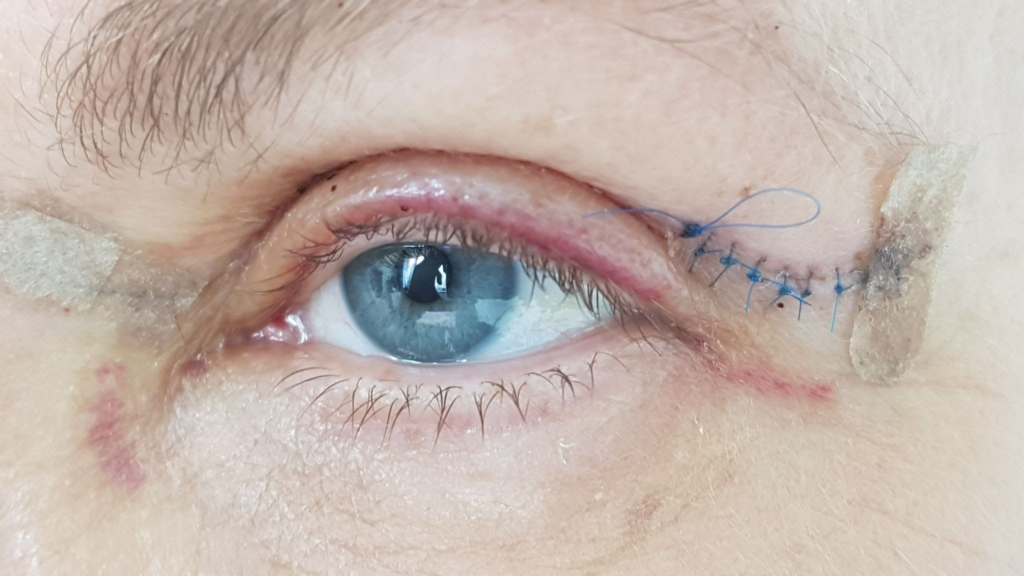
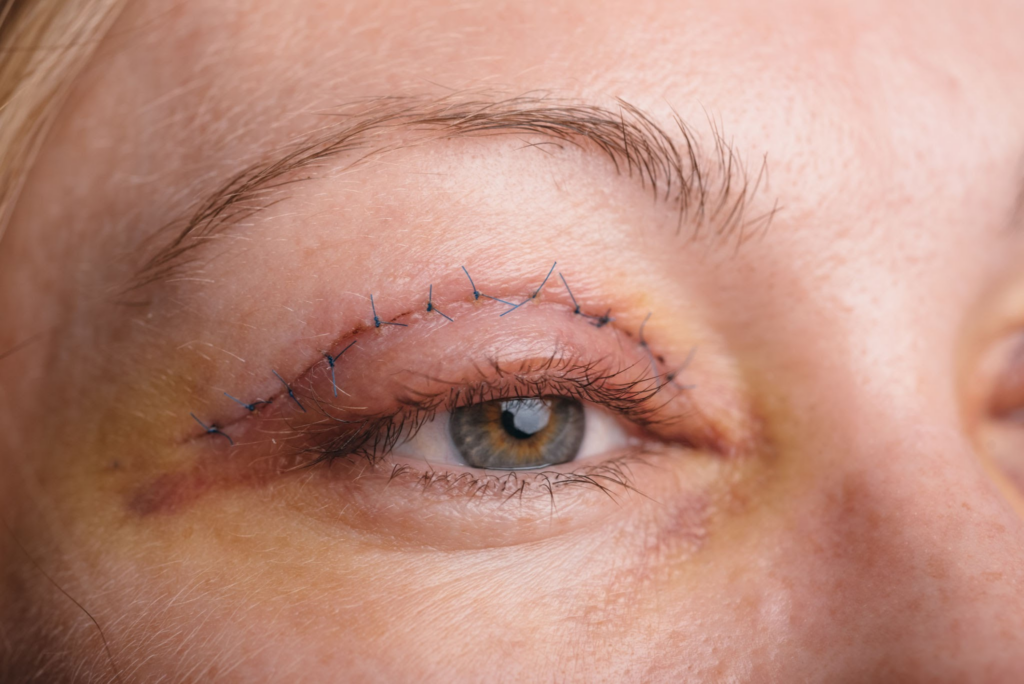
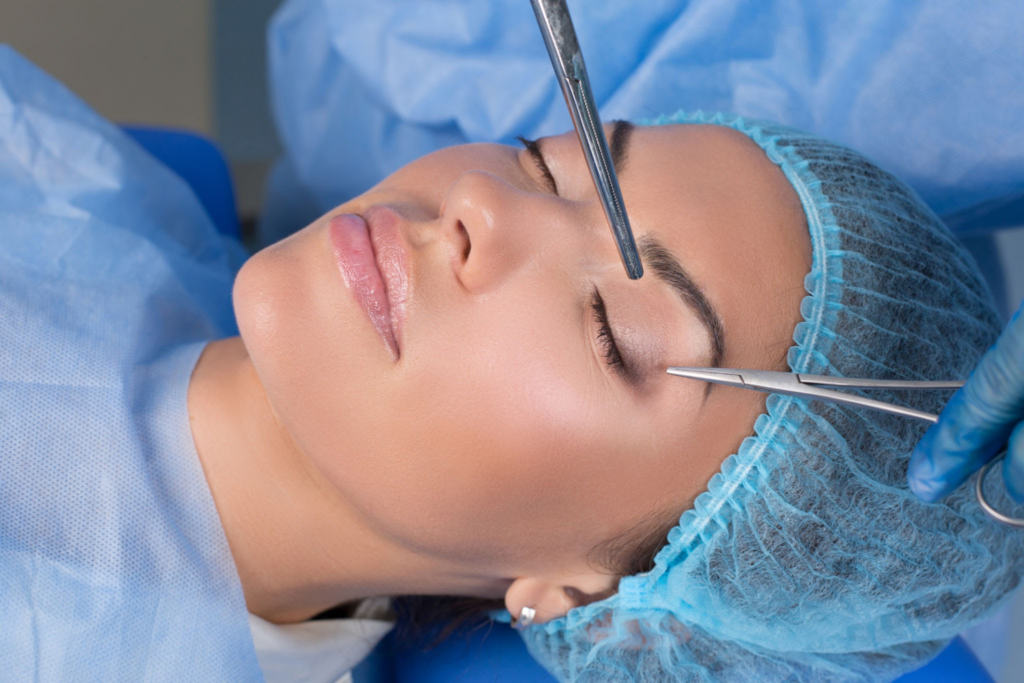
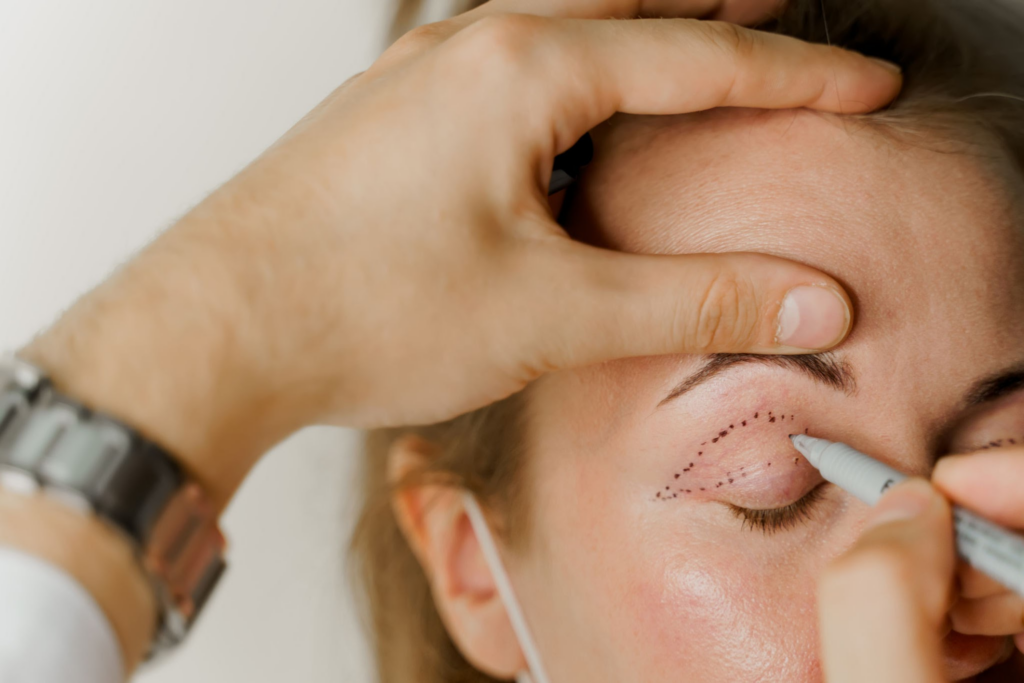
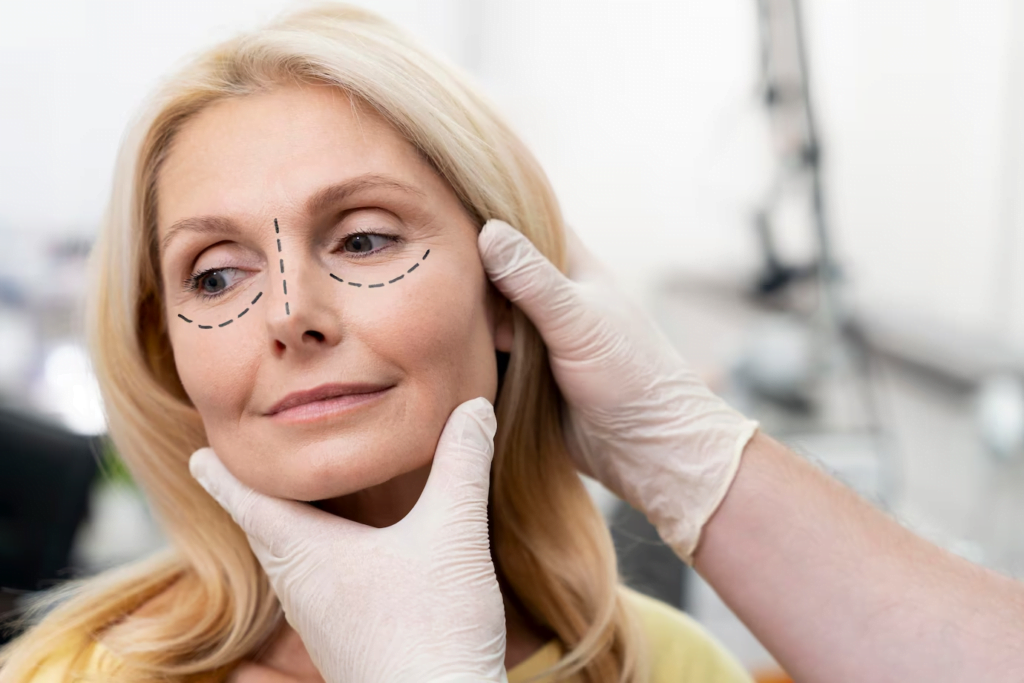
This blog post dives into a common concern for many MTF transgender individuals who have undergone eyelid surgery – eyelid retraction. We’ll explore what it is, the potential causes after surgery, and most importantly, whether a procedure called canthal suspension can offer a solution.
Here’s a roadmap for what we’ll cover:
Understanding Eyelid Retraction and Its Effects
Unveiling the Causes of Post-Surgical Eyelid Retraction in MTF Transgender Individuals
Canthal Suspension: A Potential Remedy
What is Canthal Suspension?
The Canthal Suspension Procedure Explained (Step-by-Step)
Canthal Suspension: Benefits and Recovery
Frequently Asked Questions About Eyelid Retraction and Canthal Suspension
So, if you’re facing this after undergoing eyelid surgery, this blog post might be your beacon of hope!
Understanding Eyelid Retraction and Its Effects
Eyelid retraction, also known as eyelid lag or upper eyelid retraction, refers to a condition where the upper eyelid fails to completely cover the cornea (the clear front part of your eye) when you look straight ahead. This can cause a variety of symptoms, both aesthetic and functional.
Visually Unsettling:
One of the most noticeable effects of eyelid retraction is a wider appearance of the eyes. This can be particularly bothersome for MTF transgender individuals who have specifically undergone eyelid surgery to achieve a more feminine look.
The sclera (the white part of your eye) becomes more visible, sometimes creating an astonished or surprised expression.
Functional Issues:
Dryness and irritation of the eyes are frequent complaints with eyelid retraction. This is because the exposed cornea dries out more easily without the complete blink coverage.
Light sensitivity can also occur, making it uncomfortable to be in bright environments.
In severe cases, incomplete blinking can even lead to corneal ulcers, which are a serious complication requiring prompt medical attention.
Now, let’s delve into the potential causes of eyelid retraction specifically after eyelid surgery in MTF transgender individuals.
Unveiling the Causes of Post-Surgical Eyelid Retraction in MTF Transgender Individuals
Eyelid surgery, also known as blepharoplasty, can be a transformative procedure for MTF transgender women seeking a more feminine appearance. However, in some cases, it can lead to an unintended consequence – eyelid retraction. Here, we’ll explore the potential culprits behind this complication:
Overzealous Skin Removal: During blepharoplasty, the surgeon removes excess skin from the upper eyelids. If too much skin is removed, it can disrupt the delicate balance of tissues that naturally hold the eyelid in place. This can lead to the upper eyelid being pulled upwards, resulting in retraction.
Disruption of the Levator Muscle: The levator palpebrae superioris muscle is responsible for lifting the upper eyelid. During surgery, there’s a slight risk of unintentionally weakening or detaching this muscle. This can compromise its ability to properly close the eyelid, leading to retraction.
Previous Eyelid Conditions: Underlying eyelid conditions like ptosis (drooping eyelid) or thyroid eye disease might require additional surgical maneuvers during blepharoplasty. These procedures can sometimes alter the eyelid structure and contribute to retraction post-surgery.
Individual Healing Variations: Every person heals differently. In some cases, the natural healing process after blepharoplasty can lead to scar tissue formation. This scar tissue can contract and pull the eyelid upwards, causing retraction.
It’s important to note that not everyone who undergoes eyelid surgery will experience retraction. However, being aware of the potential causes can help you discuss them with your surgeon beforehand and minimize the risk.
Now, let’s explore a potential solution for addressing eyelid retraction – a procedure called canthal suspension.
Canthal Suspension: A Potential Remedy
Eyelid retraction after surgery can be a frustrating complication. Thankfully, there might be a light at the end of the tunnel – a corrective procedure called canthal suspension. Let’s delve deeper into what it is and how it can potentially help.
What is Canthal Suspension?
The canthi (plural of canthus) are the lateral corners of your eyes, where the upper and lower eyelids meet. These corners are anchored to the bones of your skull by strong ligaments called canthal tendons. Canthal suspension is a surgical procedure designed to address eyelid retraction by reinforcing these very canthal tendons.
The Canthal Suspension Procedure Explained (Step-by-Step)
Canthal suspension is typically performed as an outpatient procedure under local anesthesia with sedation. Here’s a simplified breakdown of the steps involved:
Making the Incision: The surgeon typically makes a small incision near the lateral canthus, carefully avoiding any visible areas.
Accessing the Canthal Tendon: Through the incision, the surgeon reaches the canthal tendon.
Reinforcing the Tendon: Various techniques can be employed for reinforcement. One common method involves suturing (stitching) the tendon to a nearby structure like the periosteum (the tough membrane covering the bone). This tightens and strengthens the tendon, preventing the upper eyelid from retracting.
Closing the Incision: Once the tendon is secured, the surgeon meticulously closes the incision with dissolvable sutures.
Remember: This is a simplified explanation. The exact details of the procedure may vary depending on the individual’s case and the surgeon’s preferred technique.
Canthal Suspension: Benefits and Recovery
If successful, canthal suspension can offer several benefits:
Reduced Eyelid Retraction: The primary goal is to correct the eyelid retraction, restoring a more natural eyelid position and reducing the amount of exposed sclera.
Improved Eye Comfort: By addressing retraction, the procedure can alleviate symptoms like dryness, irritation, and light sensitivity.
Enhanced Appearance: For MTF transgender individuals, achieving a more balanced and feminine eye appearance can be a significant benefit.
Recovery after canthal suspension is generally quick. You might experience some mild swelling and bruising around the eyes for a few days, but these should subside gradually. Discomfort is usually manageable with pain medication. Most patients can return to work and normal activities within a week or so. However, it’s crucial to follow your surgeon’s specific instructions for post-operative care to ensure optimal healing.
It’s important to remember: Canthal suspension is not a one-size-fits-all solution. Consulting a qualified oculoplastic surgeon (an ophthalmologist specializing in eyelid surgery) is essential to determine if you’re a good candidate for this procedure. They will assess your individual situation, the cause of your eyelid retraction, and discuss the potential risks and benefits of canthal suspension in detail.
Frequently Asked Questions About Eyelid Retraction and Canthal Suspension
Now that we’ve explored eyelid retraction and canthal suspension, you might have some lingering questions. Let’s address some of the most commonly asked ones:
1. Can anything be done to prevent eyelid retraction after surgery?
While there’s no guaranteed way to prevent retraction, open communication with your surgeon beforehand is key. Discussing your concerns, medical history, and desired outcomes can help them tailor the surgical plan to minimize the risk.
2. Are there any non-surgical options for treating eyelid retraction?
In some mild cases, artificial tears or lubricating eye drops might offer temporary relief from dryness and irritation caused by retraction. However, these don’t address the underlying cause and won’t correct the eyelid position.
3. What are the potential risks associated with canthal suspension?
As with any surgery, canthal suspension carries some potential risks. These can include bleeding, infection, asymmetry (uneven results in both eyes), and persistent retraction. Discussing these risks in detail with your surgeon is crucial before making a decision.
4. How long do the results of canthal suspension typically last?
Canthal suspension is generally considered a long-lasting solution for eyelid retraction. However, individual factors like healing and aging can influence the results. Consulting your surgeon about long-term expectations is important.
5. Will insurance cover canthal suspension?
Eyelid surgery for purely cosmetic reasons is typically not covered by insurance. However, if your retraction is causing functional problems like corneal ulcers, insurance might offer some coverage for canthal suspension as a corrective procedure. It’s best to check with your insurance provider for specific details.
Remember: This blog post is for informational purposes only and should not be a substitute for professional medical advice. If you’re experiencing eyelid retraction after surgery, consult a qualified oculoplastic surgeon to discuss your individual situation and explore the best course of treatment for you.
Conclusion
Eyelid retraction after surgery can be a frustrating experience for MTF transgender individuals who have undergone blepharoplasty for a more feminine appearance. This condition not only disrupts aesthetics but can also lead to functional problems like dry eyes and light sensitivity.
Thankfully, there’s a potential solution – canthal suspension. This surgical procedure aims to reinforce the canthal tendons, the anchors that hold the eyelids in place, effectively correcting retraction and restoring a natural eyelid position.
The Road to Recovery and Beyond
If you’re considering canthal suspension, remember it’s crucial to consult a qualified oculoplastic surgeon. They can assess your specific situation, determine if you’re a good candidate, and discuss the potential risks and benefits in detail. While recovery is typically quick, following your surgeon’s post-operative instructions diligently is essential for optimal healing.
Beyond the Blog
This blog post has hopefully provided valuable insights into eyelid retraction and canthal suspension. However, it’s just the first step. If you’re experiencing retraction and considering corrective surgery, the next step is to schedule a consultation with a qualified oculoplastic surgeon. They can answer your specific questions, address your concerns, and guide you towards achieving the beautiful and comfortable eyes you deserve.
Why Choose Dr. MFO for Your FTM/MTF Transformation Journey in Turkey?
Your journey towards achieving your authentic self deserves the utmost care and expertise. When it comes to facial feminization surgery (FFS) or female-to-male surgery (FTM), Dr. Mehmet Fatih Okyay (Dr. MFO) stands out as a leading figure in the field.
Dr. MFO’s qualifications and experience speak volumes. Ranked 8th in his term at the prestigious Turkish Medical Specialization Examination, he went on to complete his residency in Plastic, Reconstructive, and Aesthetic Surgery at Istanbul University, Cerrahpaşa Faculty of Medicine – a world-renowned institution.
But what truly sets Dr. MFO apart is his unwavering dedication to achieving exceptional results in facial transformation surgery. This dedication is further solidified by his fellowship – the Fellow of the European Board of Plastic, Reconstructive and Aesthetic Surgeons (FEBOPRAS) – awarded by the European Association of Medical Specialists. This distinguished recognition signifies the quality and expertise that aligns with the highest European standards.
Dr. MFO’s mastery extends beyond accolades. With over 10 years of experience, he has honed his skills in various procedures, including:
Facial Feminization Surgery (FFS): Here, Dr. MFO excels in achieving subtle yet impactful refinements, like browbone reduction, rhinoplasty (nose job), and canthal suspension for a more feminine eye shape.
Female-to-Male Surgery (FTM): Dr. MFO understands the importance of a masculinized facial structure. He offers procedures like facial masculinization surgery, chest reconstruction (top surgery), and Adam’s apple augmentation.
Beyond facial transformations, Dr. MFO is a well-rounded surgeon with expertise in body contouring procedures like liposuction and tummy tucks, and breast aesthetics.
A Passionate Artist, a Dedicated Surgeon
Dr. MFO’s artistic background fuels his surgical precision. He approaches each transformation as a unique work of art, ensuring natural-looking results that complement your individual features.
Taking the Next Step
Your journey to self-discovery is personal. Dr. MFO and his team at Dr. MFO Clinic are committed to providing a supportive and understanding environment throughout your consultation and recovery process.
Schedule a consultation today and embark on your transformation journey with confidence.
Visit Dr.MFO Instagram profile to see real patient transformations! Get a glimpse of the incredible results achieved through facial feminization surgery and other procedures. The profile showcases before-and-after photos that highlight Dr. MFO’s expertise and artistic vision in creating natural-looking, beautiful outcomes.
Ready to take the next step in your journey? Schedule a free consultation with Dr. MFO today. During the consultation, you can discuss your goals, ask any questions you may have, and learn more about how Dr. MFO can help you achieve your desired look. Don’t hesitate to take advantage of this free opportunity to explore your options and see if Dr. MFO is the right fit for you.
Are you considering Canthoplasty Surgery? Canthoplasty is an ophthalmic surgical procedure that refashions the corner of the eye, often referred to as the canthus. It’s designed to address various aesthetic and functional concerns, and the results can be truly transformative. But with different canthoplasty techniques available, choosing the right one can feel overwhelming. Fear not! This comprehensive guide unravels the mysteries of canthoplasty, empowering you to make informed decisions.
What is Canthoplasty and Why Consider It?
The canthus plays a crucial role in shaping the eye’s overall appearance. It’s the point where the upper and lower eyelids converge, influencing both the eye’s form and function. Canthoplasty alters the canthal anatomy to achieve specific goals. Here are some common reasons why individuals consider canthoplasty:
Correct droopy eyelids: Over time, or due to certain anatomical factors, the outer corners of the eyelids may droop downwards. Canthoplasty can effectively elevate these corners, creating a more alert and youthful look.
Enhance eye shape: Canthoplasty can be used to subtly modify the eye’s shape, such as creating a more almond-shaped appearance or addressing asymmetry between the eyes.
Improve tear drainage: In some cases, a malpositioned canthus can impede proper tear drainage, leading to chronic tearing or irritation. Canthoplasty can rectify this issue by optimizing tear flow.
Unveiling the Diverse Canthoplasty Techniques:
Canthoplasty surgery encompasses a spectrum of techniques, each tailored to achieve specific outcomes. Let’s delve into the three most prevalent types:
Epicanthoplasty: This procedure targets epicanthal folds, often referred to as “eye folds,” which are more prevalent in some ethnicities and can make the eyes appear smaller. Epicanthoplasty reduces these folds, creating a more open-eyed look.
Lateral Canthoplasty: This technique focuses on addressing a downturned lateral canthus, the outer corner of the eye. A lateral canthoplasty elevates this corner, giving the eyes a more lifted and energized appearance.
Lateral Hotz Canthoplasty: This variation of lateral canthoplasty incorporates a specific suturing technique to achieve a more substantial lateral canthal lift. It’s often recommended for individuals with significant drooping of the outer eyelid corner.
Remember, this is just a general overview, and the most suitable canthoplasty technique will depend on your unique needs and goals.
In the next section, we’ll explore factors to consider when choosing a canthoplasty procedure.
Navigating the Canthoplasty Journey: Choosing the Right Procedure
Choosing the most appropriate canthoplasty technique requires careful consideration of several factors. Here’s a roadmap to guide you through this decision-making process:
1. Unveiling Your Goals:
The first and foremost step is to solidify your aesthetic and functional aspirations. What outcomes do you hope to achieve with canthoplasty? Here are some questions to ponder:
Do you desire a more lifted and youthful eye appearance?
Are you aiming to correct asymmetry between your eyes?
Do you experience chronic tearing due to a malpositioned canthus?
By pinpointing your specific goals, you can eliminate techniques that wouldn’t be suitable for your desired outcome.
2. Consulting a Board-Certified Ophthalmic Surgeon:
A board-certified ophthalmic surgeon with expertise in oculofacial procedures is your ultimate resource for navigating the canthoplasty journey. During your consultation, expect a thorough discussion that includes:
A Detailed Examination: The surgeon will meticulously examine your eyelids, canthal anatomy, and overall facial features. This evaluation helps assess your candidacy for canthoplasty and determine the most suitable technique.
A Candid Discussion of Expectations: Open communication is paramount. Be upfront about your aesthetic goals and any concerns you may have. The surgeon will discuss realistic expectations and explain the tailored approach they recommend.
3. Unveiling the Surgical Techniques:
Based on your consultation and examination findings, the surgeon will recommend the most appropriate canthoplasty technique. Here’s a deeper dive into the factors influencing this decision:
The Extent of Drooping: The severity of drooping in the outer eyelid corner will determine the technique’s strength. For mild drooping, a lateral canthoplasty might suffice. However, for significant drooping, a lateral Hotz canthoplasty might be necessary for a more impactful lift.
Addressing Epicanthal Folds: If epicanthal folds are a concern, epicanthoplasty might be incorporated alongside the canthoplasty procedure.
Remember, the surgeon’s expertise and experience are crucial in selecting the optimal canthoplasty technique for your unique needs. Don’t hesitate to ask questions and ensure you feel completely comfortable with the surgeon’s recommendations.
In the following section, we’ll explore the procedural aspects of canthoplasty surgery.
Demystifying the Canthoplasty Procedure: What to Expect
Canthoplasty surgery, while relatively straightforward, requires meticulous planning and execution. Here’s a glimpse into the different phases of the procedure:
Pre-Surgical Preparation:
Medical Evaluation: A thorough medical evaluation is crucial to ensure your candidacy for surgery. This may involve blood work, a discussion of your medical history, and an evaluation of any medications you’re taking.
Consultation: During a pre-operative consultation, the surgeon will meticulously outline the procedure, potential risks and side effects, and recovery expectations. It’s also an opportunity to ask any lingering questions and voice any concerns.
Planning and Measurements: The surgeon will meticulously measure your eyelids and canthal region to determine the precise incisions and adjustments needed to achieve your desired outcome.
The Surgical Process:
Canthoplasty surgery is typically performed on an outpatient basis under local anesthesia with intravenous sedation, or in some cases, general anesthesia. Here’s a simplified breakdown of the general steps involved:
Incision Creation: The surgeon will make precise incisions, typically in the natural crease of the upper or lower eyelid, to minimize scarring.
Canthal Repositioning: Depending on the chosen technique, the surgeon will carefully tighten or reposition the canthal ligaments and tissues to achieve the desired eye shape and lift.
Wound Closure: The incisions are meticulously closed with sutures, often dissolving sutures that eliminate the need for suture removal.
The entire procedure typically takes one to two hours, and you can expect to recover in a comfortable recovery area for a short period before heading home.
In the next section, we’ll delve into the recovery process after canthoplasty surgery.
Embarking on Recovery: A Guide to Post-Canthoplasty Care
Following canthoplasty surgery, proper aftercare is essential to ensure optimal healing and minimize the risk of complications. Here’s a roadmap to navigate your recovery journey:
Immediately Following Surgery:
Rest and Relaxation: Prioritize rest for the first 24-48 hours after surgery. Avoid strenuous activity or lifting heavy objects.
Pain Management: You might experience some mild discomfort or swelling. The surgeon will prescribe pain medication to manage these temporary side effects.
Cold Compresses: Apply cool compresses to the surgical area to reduce swelling and alleviate discomfort.
The First Week:
Bruising and Swelling: It’s normal to experience some bruising and swelling around the eyes, which will gradually subside within the first week.
Vision: Your vision might be blurry due to the use of lubricating ointments during surgery. This typically resolves within a few days.
Eye Care: Follow the surgeon’s instructions meticulously regarding eye care. This may involve using prescribed eye drops or cleaning the surgical site with a gentle solution.
Dietary Adjustments: While not a strict requirement, maintaining a healthy diet rich in fruits and vegetables can support the healing process.
The First Few Weeks:
Gradual Return to Activity: Gradually resume your regular activities, but avoid strenuous exercise or heavy lifting for at least two to four weeks, as instructed by the surgeon.
Makeup: Avoid applying makeup to the eyes for at least a week or until the surgeon approves.
Stitches: Dissolving sutures are commonly used, eliminating the need for suture removal. However, if traditional sutures are used, the surgeon will schedule a follow-up appointment for removal within a week.
Follow-Up Appointments: Maintain regular follow-up appointments with the surgeon to monitor the healing process and address any concerns.
Recovery Timeline:
While the initial healing period is relatively quick, it’s important to remember that complete recovery can take several weeks, sometimes up to three months. The final results of canthoplasty, including the full effect on eye shape and any residual swelling, will become progressively more evident over this timeframe.
Remember, every individual heals at their own pace. Be patient with your body and strictly adhere to the surgeon’s post-operative instructions to optimize your recovery journey.
In the concluding section, we’ll address some frequently asked questions about canthoplasty surgery.
Unveiling the Mysteries: Frequently Asked Questions About Canthoplasty
Canthoplasty surgery can spark a multitude of questions. Here, we unveil the answers to some of the most frequently asked ones:
1. Am I a Candidate for Canthoplasty?
The ideal candidate for canthoplasty is someone in good overall health with realistic expectations. It can be a suitable option for individuals who experience:
Drooping of the outer corners of the eyelids
Eyelid asymmetry
Chronic tearing due to a malpositioned canthus
A desire for a more lifted and almond-shaped eye appearance
However, a consultation with a board-certified ophthalmic surgeon is crucial to determine your candidacy and discuss if canthoplasty is the right procedure for you.
2. What are the Potential Risks and Complications of Canthoplasty?
As with any surgery, canthoplasty carries some potential risks and complications. While uncommon, these can include:
Infection
Bleeding
Swelling and bruising
Dry eyes
Difficulty closing the eyelids
Asymmetry (although the surgeon takes meticulous measures to minimize this risk)
It’s essential to discuss these potential risks thoroughly with your surgeon during the consultation.
3. What are the Alternatives to Canthoplasty?
Depending on your specific concerns, alternative procedures might be suitable. Here are a few possibilities:
Blepharoplasty (Eyelid Lift): This surgery addresses drooping eyelids and excess skin around the eyes.
Botox Injections: In some cases, strategically placed Botox injections can subtly elevate the outer corners of the brows, creating a lifted appearance.
Fillers: Dermal fillers can be used to add volume and address mild drooping in the outer eyelid area.
During your consultation, the surgeon will discuss all available options and recommend the most appropriate approach for your unique needs.
4. How Much Does Canthoplasty Cost?
The cost of canthoplasty can vary depending on several factors, including:
The surgeon’s experience and qualifications
The geographic location of the surgery center
The complexity of the chosen technique
Anesthesia fees
Facility fees
It’s best to consult directly with a qualified surgeon to receive a personalized cost estimate.
5. What are the Long-Term Results of Canthoplasty?
Canthoplasty can deliver long-lasting and transformative results. However, the longevity of the effects can be influenced by factors like:
Aging process
Sun exposure
Genetics
Maintaining a healthy lifestyle and protecting your eyes from sun damage can help preserve the positive outcomes of canthoplasty.
By addressing these frequently asked questions, we hope to empower you to make informed decisions about canthoplasty surgery.
Unveiling the Secrets of Canthoplasty Surgery: A Comprehensive Guide and the Allure of Antalya’s Medical Tourism
Dreaming of transforming your eyes and achieving a more youthful, lifted appearance? Look no further than canthoplasty surgery, a procedure gaining significant traction within Turkey’s booming medical tourism industry, particularly in the stunning coastal city of Antalya.
Antalya’s medical tourism program offers a compelling combination of world-class healthcare and breathtaking beauty. Here’s why it might be the perfect destination for your canthoplasty surgery:
Expert Surgeons: Turkish surgeons are renowned for their expertise and experience in various cosmetic procedures, including canthoplasty surgery. With advanced training and a commitment to patient care, you can be confident in receiving exceptional surgical care.
Affordable Costs:Canthoplasty surgery in Turkey is significantly more affordable compared to Western countries. The medical tourism program capitalizes on this advantage, offering competitive pricing alongside high-quality care.
All-Inclusive Packages: Many medical tourism providers in Antalya offer all-inclusive packages for canthoplasty surgery. These packages typically encompass the surgery itself, hospital stay, medications, and even post-operative care, allowing you to relax and focus on recovery.
Holiday Getaway: Combine your canthoplasty surgery with a rejuvenating holiday! Antalya boasts stunning beaches, historical sites, and a vibrant culture. Imagine recovering in a luxurious hotel overlooking the turquoise Mediterranean Sea.
Here’s how Antalya’s medical tourism program elevates your experience:
Convenience: Medical tourism providers handle logistics, from airport transfers to scheduling consultations.
Multilingual Staff: Communication is a breeze with many facilities offering multilingual staff to assist you throughout your stay.
Luxurious Facilities: Modern hospitals and recovery centers in Antalya provide a comfortable and relaxing environment for your recovery.
Considering canthoplasty surgery?Antalya’s medical tourism program presents an exceptional opportunity. Enjoy a rejuvenating holiday in a stunning location while receiving high-quality care from experienced surgeons at a competitive price.
Unveil the beauty in your eyes and explore the wonders of Antalya!
Remember, thorough research and a consultation with a qualified surgeon are crucial before any procedure. This guide empowers you with knowledge, but a doctor’s expertise is essential for making informed decisions.
Why Choose Dr. MFO for Your Facial Feminization or Masculinization Surgery in Turkey?
Dr. MFO’s expertise extends far beyond standard cosmetic surgery. He is a leading figure in Turkey, and indeed internationally, when it comes to facial transformation surgery. His meticulous attention to detail and artistic vision ensure exceptional results, empowering patients to achieve their desired facial features and express their authentic selves.
Here’s what sets Dr. MFO apart:
Exceptional Qualifications: Dr. MFO is a board-certified plastic surgeon with a distinguished academic background. He ranked 8th in the highly competitive Turkish Medical Specialization Examination, completed his residency at the prestigious Istanbul University Cerrahpaşa Faculty of Medicine, and holds the prestigious Fellow of the European Board of Plastic, Reconstructive and Aesthetic Surgeons (FEBOPRAS) award.
Unmatched Skill in Facial Surgery: Dr. MFO possesses a deep understanding of facial anatomy and an unwavering commitment to achieving natural-looking, harmonious results. He is particularly adept at procedures like rhinoplasty (nose surgery), canthoplasty surgery (eyelid shaping), and feminization/masculinization of the jawline and brow.
Focus on Patient Care: Dr. MFO prioritizes close collaboration with his patients. He takes the time to understand your unique goals and concerns, ensuring the surgical plan aligns perfectly with your vision.
Experience You Can Trust: With over 10 years of experience in plastic surgery, Dr. MFO has honed his skills in a wide range of procedures, with a particular focus on facial aesthetics. His expertise encompasses not only FMS and FFS but also other sought-after surgeries like facelift, liposuction, and breast augmentation.
Considering facial feminization surgery or facial masculinization surgery? Schedule a consultation with Dr. MFO and explore the life-changing possibilities. His exceptional qualifications, artistic talent, and dedication to patient care make him a top choice for achieving your desired facial transformation in Turkey.
Remember, choosing the right surgeon is crucial for optimal results. Dr. MFO’s impressive credentials and focus on FMS and FFS make him a strong contender for your facial surgery journey.
Conclusion: Unveiling the Beauty and Benefits of Canthoplasty
Canthoplasty surgery offers a compelling solution for those seeking to achieve a more youthful, lifted, and aesthetically pleasing eye appearance. By addressing drooping eyelids, asymmetry, or even functional concerns like chronic tearing, canthoplasty can significantly enhance both the look and function of your eyes.
This comprehensive guide has shed light on the different canthoplasty techniques, the factors influencing the choice of procedure, and the recovery process. Remember, canthoplasty is a personal decision, and consulting a board-certified ophthalmic surgeon is the first crucial step. They can assess your candidacy, discuss your goals, and recommend the most suitable canthoplasty technique to achieve your desired outcome.
Do you have any questions about canthoplasty surgery? We invite you to share your thoughts and experiences in the comments below! Have you considered canthoplasty, or are you curious about other eyelid rejuvenation procedures? Let’s start a conversation!
Visit Dr.MFO Instagram profile to see real patient transformations! Get a glimpse of the incredible results achieved through facial feminization surgery and other procedures. The profile showcases before-and-after photos that highlight Dr. MFO’s expertise and artistic vision in creating natural-looking, beautiful outcomes.
Ready to take the next step in your journey? Schedule a free consultation with Dr. MFO today. During the consultation, you can discuss your goals, ask any questions you may have, and learn more about how Dr. MFO can help you achieve your desired look. Don’t hesitate to take advantage of this free opportunity to explore your options and see if Dr. MFO is the right fit for you.
Have you ever dreamt of transforming your gaze and unlocking a whole new level of confidence? Perhaps you’ve been captivated by the allure of Turkish tourism and wondered if it could be the perfect backdrop for a transformative cosmetic journey. Well, wonder no more! Double eyelid surgery in Turkey is rapidly becoming a top choice for individuals seeking to enhance their facial features and embrace a brighter, more youthful appearance.
This guide delves into the world of double eyelid surgery in Turkey, meticulously dissecting everything you need to know. We’ll embark on a voyage of discovery, exploring the “whys” and “hows” of this procedure, navigating potential concerns, and unveiling the path to achieving your dream eyes.
Unveiling the Art of Double Eyelid Surgery: Crafting a Defined and Captivating Gaze
Double eyelid surgery in Turkey is a masterful cosmetic procedure specifically designed to craft a coveted upper eyelid crease. This crease, often absent in individuals of East Asian descent, plays a pivotal role in shaping the overall look of the eyes. By strategically employing precise incisions and meticulous sutures, surgeons meticulously sculpt the delicate eyelid tissue, culminating in a beautifully defined and aesthetically pleasing upper eyelid contour.
This meticulous artistry goes beyond mere aesthetics. Double eyelid surgery in Turkey empowers individuals to project a more expressive and open-eyed demeanor. It fosters a sense of facial harmony and balance, ensuring that the results seamlessly complement your unique ethnic features. In essence, it’s not about erasing your heritage; it’s about celebrating your individuality and embracing a newfound confidence that radiates from within.
Unveiling the Longevity: How Long Will Your Dreamy Eyes Last?
The captivating results of double eyelid surgery in Turkey are not fleeting. While the passage of time and the inevitable effects of aging can lead to some degree of natural laxity in the skin, the majority of patients experience enduring satisfaction for many years to come.
However, the key to unlocking long-lasting results lies in your hands. By embracing a balanced lifestyle, diligently protecting your skin from sun damage, and meticulously adhering to post-operative instructions, you can significantly enhance the longevity of your surgical outcome. Remember, a commitment to healthy habits goes a long way in ensuring your eyes continue to sparkle with confidence for years to come.
Unveiling the Discomfort: Will Double Eyelid Surgery Leave You in Tears?
Fear not, for double eyelid surgery in Turkey is typically performed under local anesthesia and sedation, effectively minimizing any discomfort during the procedure. While some degree of swelling, bruising, and mild discomfort is a natural part of the recovery process, these temporary side effects are easily managed with proper medication and meticulous post-operative care.
Advanced surgical techniques employed by our skilled surgeons minimize tissue trauma, translating into a smoother and more comfortable recovery journey for you. With ample rest, adequate hydration, and a commitment to following your post-operative instructions diligently, any post-surgical discomfort is typically short-lived and easily manageable. Before you know it, you’ll be back to enjoying your usual activities with newfound confidence and a captivating gaze.
Unveiling the Rarity: Are Double Eyelids Unique?
Double eyelids are far from uncommon; they grace the faces of individuals from various ethnicities and populations across the globe. Their prevalence, however, can vary significantly depending on genetic inheritance, ethnicity, and geographical location.
Double eyelid surgery caters to those who may not have naturally occurring double eyelids due to their genetic makeup or cultural preferences. It empowers individuals to embrace an aesthetic ideal that aligns with their personal vision and cultural background.
Stay tuned for the next chapter of our exploration, where we delve deeper into the specifics of the double eyelid surgery procedure in Turkey. We’ll unveil the steps involved, address any lingering anxieties, and empower you to take the first step towards achieving your dream eyes!
Embarking on the Double Eyelid Surgery Journey in Turkey: A Step-by-Step Guide
Now that you’ve grasped the essence of double eyelid surgery in Turkey, let’s embark on a step-by-step adventure, navigating the entire process from initial consultation to post-operative care. By equipping you with knowledge, we aim to empower you to make informed decisions and approach your surgical journey with confidence.
Step 1: Consultation – Unveiling Your Vision and Addressing Concerns
The cornerstone of a successful double eyelid surgery experience lies in the initial consultation. At Dr. MFO Clinic, we prioritize a personalized approach, ensuring ample time to discuss your unique goals and aesthetic aspirations. Our board-certified surgeon will meticulously evaluate your facial features, eyelid anatomy, and overall health to determine the most suitable surgical approach for you.
During this crucial conversation, don’t hesitate to express your desires openly. Share inspirational pictures, voice any anxieties you may have, and ask questions freely. Our team is dedicated to fostering a transparent and comfortable environment where you feel empowered to make informed decisions.
Step 2: Pre-Operative Preparations – Gearing Up for Success
Once you’ve decided to move forward with double eyelid surgery in Turkey, a series of pre-operative preparations will be meticulously outlined. These crucial steps ensure a smooth and successful surgical experience.
Medical History: A comprehensive medical history will be compiled, including any medications you’re currently taking and any past surgeries you’ve undergone. This information is vital for the surgeon to assess your candidacy for the procedure and identify any potential risks.
Lab Tests: Certain blood tests may be recommended to evaluate your overall health and suitability for surgery.
Medication Adjustments: Some medications, such as blood thinners, may need to be temporarily discontinued before surgery. Your doctor will provide specific instructions regarding any necessary adjustments to your medication regimen.
Smoking Cessation: Smoking can significantly impede the healing process. If you’re a smoker, quitting for at least two weeks before surgery is highly recommended.
Dietary Adjustments: Maintaining a healthy diet is crucial for optimal healing. Your surgeon may recommend specific dietary modifications in the days leading up to surgery.
Step 3: The Art of Transformation – Unveiling the Surgical Process
The double eyelid surgery itself is typically performed on an outpatient basis under local anesthesia with sedation. Here’s a simplified breakdown of the process:
Marking and Anesthesia: The surgeon will meticulously mark the intended incision lines on your upper eyelids. Local anesthesia will be administered to numb the area, minimizing discomfort during the procedure.
Incision and Tissue Sculpting: With meticulous precision, the surgeon will make tiny incisions along the markings. Excess skin and/or fat deposits may be removed or repositioned to create the desired eyelid crease.
Suturing and Closure: The incisions will then be meticulously closed with fine sutures. These sutures will typically be dissolvable and won’t require removal.
Bandaging and Recovery: Once the procedure is complete, sterile dressings will be applied to the surgical site. You’ll be monitored for a brief period before being discharged with detailed post-operative instructions.
It’s important to remember that this is a simplified overview. The specifics of the surgery may vary depending on your individual needs and the surgeon’s technique.
Step 4: Post-Operative Care – Nurturing Your New Look
The post-operative period plays a vital role in ensuring optimal healing and achieving the desired results. Here’s what you can expect:
Swelling and Bruising: Expect some degree of swelling and bruising around the eyes, which will typically peak within the first 2-3 days and gradually subside over the course of a week or two.
Cold Compresses: Applying cold compresses to the area can help alleviate swelling and discomfort.
Pain Management: Your doctor will prescribe medication to manage any post-surgical pain.
Hygiene and Incision Care: Meticulously follow the instructions provided regarding wound care and hygiene to prevent infection.
Activity Restrictions: Avoid strenuous activities and heavy lifting for a recommended period to allow for proper healing.
Follow-Up Appointments: Regular follow-up appointments with your surgeon are crucial to monitor your progress and address any concerns.
Remember, a commitment to following your post-operative instructions diligently is paramount in achieving a successful and complication-free recovery.
By embarking on this double eyelid surgery journey with Dr. MFO Clinic in Turkey, you can be confident that you’re in the care of a team dedicated to providing exceptional surgical expertise, personalized attention, and unwavering support throughout every step of the way. In the next chapter, we’ll unveil the transformative power of double eyelid surgery and showcase the remarkable results you can achieve.
Unveiling Your Dream Eyes: The Final Chapter
This comprehensive guide has meticulously unveiled the world of double eyelid surgery in Turkey. We’ve explored the transformative power of this procedure, delved into the step-by-step process, and addressed potential concerns to empower you on your journey towards achieving captivating eyes that radiate confidence.
Recap:
Double eyelid surgery in Turkey is a masterful cosmetic procedure that crafts a coveted upper eyelid crease, enhancing facial harmony and promoting a more expressive gaze.
The results are long-lasting, but commitment to a balanced lifestyle and post-operative care is crucial for optimal longevity.
The procedure is typically performed under local anesthesia with minimal discomfort, and advanced techniques ensure a smooth recovery.
Dr. MFO Clinic prioritizes a personalized approach, ensuring you feel empowered and supported throughout your surgical journey.
Are you ready to embark on your own double eyelid surgery adventure in Turkey? We invite you to share your questions, aspirations, or personal experiences with double eyelid surgery in the comments section below. Our team of experts is dedicated to fostering a supportive community and providing valuable insights to help you achieve your dream eyes.
Remember, the decision to undergo any cosmetic procedure is a personal one. By equipping yourself with knowledge and open communication with a qualified surgeon, you can confidently embark on a transformative journey that unveils your true potential and ignites a newfound sense of confidence.
Visit Dr.MFO Instagram profile to see real patient transformations! Get a glimpse of the incredible results achieved through facial feminization surgery and other procedures. The profile showcases before-and-after photos that highlight Dr. MFO’s expertise and artistic vision in creating natural-looking, beautiful outcomes.
Ready to take the next step in your journey? Schedule a free consultation with Dr. MFO today. During the consultation, you can discuss your goals, ask any questions you may have, and learn more about how Dr. MFO can help you achieve your desired look. Don’t hesitate to take advantage of this free opportunity to explore your options and see if Dr. MFO is the right fit for you.
The eyes play a pivotal role in conveying emotions and shaping facial aesthetics. In facial feminization surgery (FFS), achieving an eye shape that complements and accentuates feminine features is a crucial aspect. One of the key elements in this transformation is the canthal tilt.
What is the Canthal Tilt?
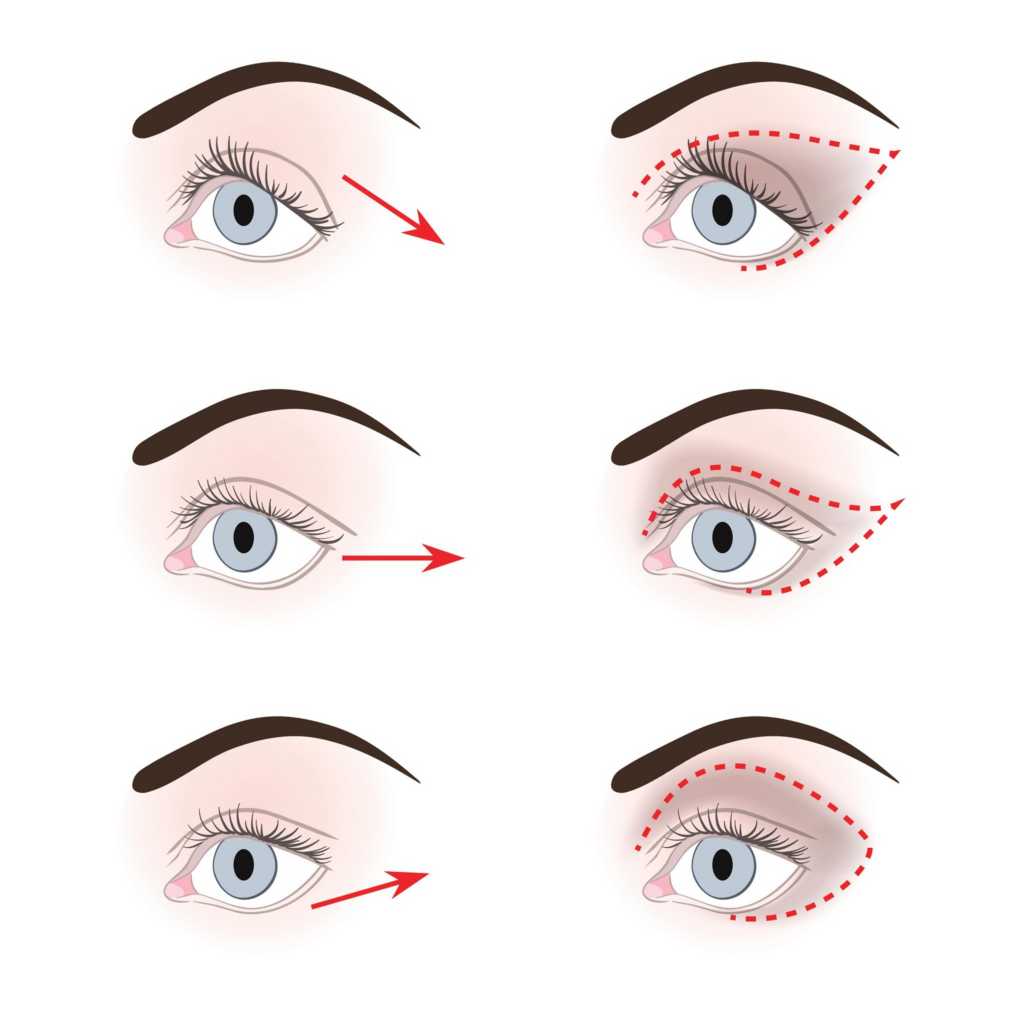
The canthal tilt refers to the subtle angle formed by the medial canthus (inner corner) and the lateral canthus (outer corner) of the eye. In simpler terms, it’s the direction your eyes naturally point. This angle plays a significant role in determining the overall impression of your eyes.
Understanding the Canthal Angles:
Positive Canthal Tilt: A positive canthal tilt describes eyes that slant upwards towards the outer corners. This is a common feature in male facial anatomy.
Neutral Canthal Tilt: A neutral canthal tilt indicates eyes that appear relatively straight with minimal upwards or downwards tilt.
Traditionally, male eyes tend to have a more positive canthal tilt, contributing to a more alert and sometimes, even a slightly stern expression. In contrast, a negative canthal tilt, often referred to as “doe-eyes,” is a characteristic feature of feminine beauty. It creates a softer, more approachable appearance.
During FFS, surgeons can employ various techniques to achieve a negative canthal tilt. These may include:
Lower eyelid repositioning: This procedure involves carefully adjusting the position of the lower eyelid tissues to create a downward tilt at the inner corner.
Canthoplasty: This surgical technique specifically targets the canthal ligaments, the structures responsible for the canthal angle. By adjusting these ligaments, the surgeon can achieve a more downward tilt.
Combination procedures: In some cases, a combination of lower eyelid repositioning and canthoplasty might be recommended to achieve the desired outcome.
Considerations for Canthal Tilt Feminization
While achieving a negative canthal tilt is a desired outcome in eye feminization surgery, it’s crucial to maintain a natural and balanced appearance. Factors like individual facial structure, desired results, and ethnic considerations all play a role in determining the optimal canthal tilt for each patient.
Here are some key points to consider:
Overdone canthal tilt: An excessively downward tilt can create an unnatural or even surprised expression. A skilled surgeon will ensure a subtle and natural-looking downward angle.
Ethnic variations: Ideal canthal tilt can vary slightly based on ethnicity. A well-versed surgeon will consider your unique facial features and ethnicity to achieve a harmonious result.
Individual preferences: Ultimately, the desired level of canthal tilt is a personal decision. Open communication with your surgeon is essential to ensure your goals and expectations are understood.
Achieving Flawless Eye Feminization with Expert Care
The canthal tilt is a nuanced yet crucial aspect of eye feminization surgery. By understanding its role and consulting with a board-certified facial feminization surgeon with extensive experience, you can achieve beautiful, natural-looking results that enhance your overall facial harmony and femininity.
Complementary Procedures for Eye Feminization Surgery
While canthal tilt adjustment plays a significant role, achieving the most desirable outcome in eye feminization surgery often involves a combination of procedures. Here’s a look at some complementary procedures that can further enhance your results:
Brow Feminization
The position and shape of the brows significantly influence the overall look of the eyes. In FFS, brow feminization procedures aim to achieve a smoother, more arched brow line. This can be achieved through:
Brow lift: This surgical procedure elevates the position of the brows, creating a more youthful and open appearance.
Brow shaving: Carefully removing excess brow hair can help refine the brow shape and create a cleaner, more delicate look.
Brow feminization with botox: In some cases, strategically placed Botox injections can relax specific muscles and subtly reshape the brows for a more feminine arch.
Blepharoplasty (Eyelid Surgery)
Blepharoplasty, or eyelid surgery, addresses concerns related to the eyelids themselves. This can include:
Upper eyelid blepharoplasty: This procedure removes excess skin and fatty deposits from the upper eyelids, creating a more alert and youthful appearance.
Lower eyelid blepharoplasty: This surgery addresses puffiness or bags under the eyes, resulting in a smoother and more youthful under-eye area.
Periorbital Rejuvenation
The delicate area surrounding the eyes, often referred to as the periorbital region, can also benefit from additional rejuvenation techniques. These may include:
Fat transfer: In some cases, strategically transferring fat to specific areas around the eyes can add volume and improve smoothness.
Dermal fillers: Injectable fillers can be used to address concerns like tear troughs or hollowness under the eyes, creating a more youthful and plump appearance.
Importance of a Personalized Approach
Remember, every face is unique, and the ideal combination of procedures for you will depend on your specific goals, facial anatomy, and desired outcome. A skilled facial feminization surgeon will carefully assess your individual needs and preferences to create a personalized treatment plan that addresses all your concerns.
Choosing the Right Surgeon for Eye Feminization Surgery
The success of your eye feminization surgery hinges on choosing a board-certified facial plastic surgeon with extensive experience and expertise in FFS procedures. Here are some key factors to consider when making your decision:
Surgeon’s qualifications: Ensure the surgeon is board-certified by a reputable organization and has a proven track record in performing FFS procedures.
Experience with canthal tilt adjustment: Look for a surgeon who has demonstrable experience and success in achieving natural-looking canthal tilt adjustments.
Before-and-after photos: Reviewing a surgeon’s portfolio of FFS procedures, specifically focusing on eye feminization results, can give you valuable insight into their skills and aesthetic approach.
Open communication: Choose a surgeon who encourages open communication and is willing to address all your questions and concerns thoroughly during the consultation process.
By carefully considering these factors, you can select a highly qualified and experienced surgeon who can help you achieve your desired results for beautiful, natural-looking eyes that enhance your overall femininity.
Recovery and Aftercare Following Eye Feminization Surgery
Following eye feminization surgery, proper aftercare is essential for optimal healing and achieving the best possible results. Here’s a general outline of what to expect during the recovery process:
Initial discomfort: You may experience some swelling, bruising, and discomfort around the eyes in the first few days following surgery. Pain medication prescribed by your surgeon can help manage discomfort.
Cold compresses: Applying cold compresses to the surgical area can help reduce swelling and promote healing.
Limited activity: Strenuous activity and heavy lifting should be avoided for a specific period as advised by your surgeon.
Eye care: You will receive detailed instructions on proper eye care, including cleaning and avoiding irritants like makeup or contact lenses for a recommended timeframe.
Follow-up appointments: Regular follow-up appointments with your surgeon are crucial to monitor healing progress and address any concerns you may have.
Additional Tips for Optimal Recovery:
Maintain good sleep hygiene: Getting adequate sleep promotes healing and reduces swelling.
Elevate your head: Sleeping with your head slightly elevated can help minimize swelling around the eyes.
Hydration: Staying well-hydrated is essential for optimal healing.
Healthy diet: A balanced diet rich in nutrients will support your body’s healing process.
Quit smoking: Smoking can impede healing and increase the risk of complications.
Long-Term Results and Enjoying Your New Look
Eye feminization surgery can produce lasting results that enhance your facial features and contribute to a more confident and beautiful you. Here’s what you can expect in the long term:
Natural-looking results: When performed by a skilled surgeon, eye feminization procedures create subtle yet impactful changes that achieve a natural and harmonious feminine aesthetic.
Enhanced confidence: By achieving your desired eye shape and overall facial femininity, you may experience a significant boost in confidence and self-esteem.
Improved quality of life: Feeling comfortable and confident in your own skin can positively impact your overall well-being and quality of life.
Remember: While results are generally long-lasting, the natural aging process can influence the appearance of the eyes over time. Maintaining a healthy lifestyle and consulting with your surgeon about any concerns can help you enjoy your beautiful results for many years to come.
By understanding the role of canthal tilt, exploring complementary procedures, and choosing a qualified surgeon, you can embark on a transformative journey towards achieving beautiful, feminine eyes that enhance your confidence and overall satisfaction.
Frequently Asked Questions About Canthal Tilt Feminization
Here are some of the most common questions regarding canthal tilt feminization:
Q: Is canthal tilt adjustment a standalone procedure?
A: Canthal tilt adjustment can be performed as a standalone procedure, particularly in cases where other aspects of the eyes don’t require intervention. However, for optimal results, it’s often combined with other FFS procedures like brow feminization or blepharoplasty to create a comprehensive and harmonious transformation.
Q: How noticeable are the results of canthal tilt adjustment?
A: A skilled surgeon can achieve a subtle yet impactful change in canthal tilt. While the results won’t be overly dramatic, they can significantly enhance the overall femininity and softness of the eyes.
Q: Are there any risks associated with canthal tilt adjustment?
A: As with any surgery, there are potential risks associated with canthal tilt adjustment. These can include infection, bleeding, temporary asymmetry, and altered tear drainage. However, choosing a board-certified facial feminization surgeon with extensive experience in FFS procedures significantly minimizes these risks.
Q: What is the recovery time for canthal tilt adjustment?
A: The recovery time for canthal tilt adjustment typically takes around 1-2 weeks. You can expect some swelling and bruising initially, which will gradually subside. Most patients can return to work and light activities within a week, with strenuous activity restricted for a longer period as advised by your surgeon.
Q: Will I need to repeat the canthal tilt adjustment procedure?
A: Canthal tilt adjustment is a generally long-lasting procedure. However, the natural aging process can influence the appearance of the eyes over time. Consulting with your surgeon about any concerns and maintaining a healthy lifestyle can help you maximize the longevity of your results.
Q: How much does canthal tilt adjustment cost?
A: The cost of canthal tilt adjustment can vary depending on factors like your geographic location, the surgeon’s experience, and the complexity of the procedure. It’s crucial to choose a qualified surgeon based on their expertise and not solely on cost. During your consultation, the surgeon will provide a detailed breakdown of the associated fees.
By considering these questions and consulting with a board-certified facial feminization surgeon, you can make an informed decision about canthal tilt adjustment and explore if it aligns with your goals for achieving beautiful, feminine eyes.
Rejuvenate and Relax: Antalya’s Medical Tourism Boom with Eye Feminization Surgery
Turkey has become a major hub for medical tourism, and Antalya, a stunning Mediterranean paradise, is at the forefront of this movement. This sunny region offers a unique opportunity to combine a rejuvenating medical procedure like Eye Feminization Surgery with a delightful vacation.
The Allure of Antalya’s Medical Tourism:
Imagine this: you undergo meticulous Eye Feminization Surgery performed by a skilled surgeon in Antalya. While you recover, you soak up the sun on pristine beaches, explore ancient ruins, and indulge in delicious Turkish cuisine. All this, at a fraction of the cost you might encounter elsewhere!
Advantages of Plastic Surgery in Turkey:
Expertise: Turkish surgeons are renowned for their skill and experience in various plastic surgery procedures, including Eye Feminization Surgery.
Cost-Effectiveness: Turkey offers high-quality surgery at significantly lower prices compared to many Western countries.
All-Inclusive Packages: Many clinics provide all-inclusive packages for Eye Feminization Surgery, encompassing the procedure itself, hospital stay, medications, and even post-operative care.
Holiday Atmosphere: Recover from your Eye Feminization Surgery in the idyllic setting of Antalya, with its beautiful beaches, historical sites, and vibrant culture.
Eye Feminization Surgery: A New You Awaits
Eye Feminization Surgery is a life-changing procedure for transgender women and those seeking a more feminine appearance. It refines the eye area to achieve a softer, more delicate look.
All-Inclusive Antalya: Your Journey to a More Confident You
By choosing Antalya for Eye Feminization Surgery, you’re not just getting a top-notch medical procedure; you’re investing in yourself. Imagine returning home not only with a renewed appearance but also with cherished memories of a sun-drenched getaway.
Start your journey towards a more confident you – contact an Antalya clinic today and explore the possibilities of Eye Feminization Surgery within their all-inclusive medical tourism packages.
Why You Should Work with Dr. MFO for Facial Feminization Surgery in Turkey
Considering Facial Feminization Surgery (FFS) as part of your journey? Dr. Mehmet Fatih Okyay (Dr. MFO), MD, FEBOPRAS, is a surgeon renowned for his exceptional skill and success in Facial Feminization Surgery and other transgender surgeries (Female-to-Male, FTM) in Turkey.
Dr. MFO’s dedication to excellence is evident from the very beginning. Ranking an impressive 8th in his term of the Turkish Medical Specialization Examination, he went on to complete his residency in Plastic, Reconstructive, and Aesthetic Surgery at the prestigious Istanbul University, Cerrahpaşa Faculty of Medicine.
His unwavering commitment to quality is further solidified by his fellowship – the Fellow of the European Board of Plastic, Reconstructive and Aesthetic Surgeons (FEBOPRAS) – awarded by the European Association of Medical Specialists. This recognition signifies his ability to meet the highest standards in the field.
With over 10 years of experience in plastic surgery, Dr. MFO has a particular focus on facial aesthetics, including Eye Feminization Surgery. He offers a comprehensive range of procedures to help you achieve your desired facial features, from achieving a softer brow line with browbone reduction to crafting a more delicate nose with rhinoplasty.
Beyond his technical expertise, Dr. MFO prioritizes a personalized approach. He understands the profound impact FFS can have on your life and works closely with you to achieve your unique goals.
Here’s what sets Dr. MFO apart:
Exceptional Skill in Facial Feminization Surgery: Dr. MFO is a leader in FFS, crafting subtle yet transformative results for his transgender patients.
Proven Track Record: With over a decade of experience, Dr. MFO has a successful history of helping patients achieve their desired outcomes.
Focus on Facial Aesthetics: Dr. MFO’s expertise in facial procedures ensures meticulous attention to detail during your Eye Feminization Surgery and other facial procedures.
Choose Dr. MFO and embark on your transformation journey with confidence. Contact his clinic today!
Conclusion: Unveiling Your Inner Beauty with Confidence
Eye feminization surgery, with a focus on canthal tilt adjustment, offers a transformative approach to achieving a softer, more approachable eye shape that complements and accentuates feminine features. By understanding the role of canthal tilt, exploring complementary procedures, and partnering with a highly skilled and experienced facial feminization surgeon, you can embark on a journey towards a more confident and beautiful you.
Remember:
Individualized approach: Every face is unique, and the ideal treatment plan will be tailored to your specific goals and facial anatomy.
Open communication: Discussing your expectations and desired outcomes openly with your surgeon is crucial for achieving optimal results.
Realistic expectations: Eye feminization surgery aims for natural-looking enhancements that harmonize with your existing features.
Long-lasting results: With proper care and a healthy lifestyle, you can enjoy the benefits of your eye feminization surgery for many years to come.
Taking the first step towards exploring eye feminization surgery can be empowering. By seeking out a qualified surgeon and undergoing a thorough consultation, you can gain valuable knowledge and personalized guidance to determine if this approach aligns with your vision for enhancing your beauty and expressing your authentic self with confidence.
Visit Dr.MFO Instagram profile to see real patient transformations! Get a glimpse of the incredible results achieved through facial feminization surgery and other procedures. The profile showcases before-and-after photos that highlight Dr. MFO’s expertise and artistic vision in creating natural-looking, beautiful outcomes.
Ready to take the next step in your journey? Schedule a free consultation with Dr. MFO today. During the consultation, you can discuss your goals, ask any questions you may have, and learn more about how Dr. MFO can help you achieve your desired look. Don’t hesitate to take advantage of this free opportunity to explore your options and see if Dr. MFO is the right fit for you.
In the pursuit of facial perfection, individuals often turn to cosmetic procedures to enhance their features and boost confidence. Canthoplasty, a surgical technique focused on the outer corners of the eyes, has emerged as a powerful tool in the realm of facial aesthetics. From its humble beginnings to its integration into modern facial feminization surgery (FFS), canthoplasty has evolved significantly, offering patients transformative results. In this comprehensive guide, we delve deep into the intricacies of canthoplasty, exploring its various applications, patient considerations, and comparing standalone procedures with its role in FFS.
A. Definition and Purpose
Canthoplasty, derived from the Greek word “kanthos” meaning corner of the eye, involves the surgical alteration of the lateral canthus, or outer corner of the eye. The primary purpose of canthoplasty is to enhance the appearance of the eyes by addressing issues such as eyelid laxity, asymmetry, or downward slanting. By adjusting the position and shape of the outer corners, canthoplasty aims to create a more youthful, alert, and aesthetically pleasing eye contour.
B. Evolution of Canthoplasty Techniques
Over the years, canthoplasty techniques have evolved significantly, driven by advancements in surgical technology and a deeper understanding of facial anatomy. Traditional approaches, such as lateral canthotomy and cantholysis, have given way to more refined methods, including lateral canthopexy and canthoplasty with midface lift. These modern techniques offer improved precision, customization, and long-term outcomes, catering to the diverse needs of patients seeking facial rejuvenation.
C. Importance in Facial Aesthetics
The outer corners of the eyes play a crucial role in facial aesthetics, contributing to the overall harmony and balance of the face. Canthoplasty addresses not only cosmetic concerns but also functional issues such as eyelid malposition and ectropion. By restoring the natural contour and alignment of the lateral canthus, canthoplasty enhances facial symmetry, youthfulness, and attractiveness, making it a valuable tool in the arsenal of plastic surgeons specializing in facial rejuvenation.
II. Canthoplasty as a Standalone Procedure
A. Patient Selection Criteria
1. Candidates for Isolated Canthoplasty
Candidates for standalone canthoplasty typically present with specific concerns related to the appearance or function of the outer eye corners. Common indications include eyelid ptosis, lateral canthal dystopia, or lower eyelid retraction. Ideal candidates are in good overall health, with realistic expectations and a thorough understanding of the procedure and its potential outcomes.
2. Medical Considerations
Before undergoing canthoplasty, patients undergo a comprehensive medical evaluation to assess their suitability for surgery. Factors such as pre-existing medical conditions, medication use, and previous surgeries are taken into account to minimize the risk of complications and ensure optimal outcomes.
B. Procedure Overview
1. Surgical Techniques
Canthoplasty techniques vary depending on the specific goals of the procedure and the patient’s anatomy. Common approaches include lateral canthopexy, canthoplasty with lateral retinacular release, and canthoplasty with midface lift. During the procedure, incisions are carefully placed to access the lateral canthus, allowing the surgeon to manipulate the tissues and achieve the desired aesthetic outcome.
2. Recovery and Aftercare
Following canthoplasty, patients are provided with detailed postoperative instructions to facilitate healing and minimize discomfort. Swelling, bruising, and mild discomfort are common in the initial days after surgery, but these symptoms gradually subside over time. Patients are advised to avoid strenuous activities, protect their eyes from sunlight and trauma, and attend follow-up appointments for monitoring and wound care.
C. Expected Results and Limitations
1. Cosmetic Improvements
Canthoplasty can produce dramatic improvements in the appearance of the eyes, enhancing symmetry, and creating a more youthful, vibrant look. By addressing issues such as eyelid laxity, asymmetry, or downward slanting, canthoplasty restores harmony to the facial features, boosting confidence and self-esteem.
2. Potential Risks and Complications
Like any surgical procedure, canthoplasty carries inherent risks, including infection, bleeding, and adverse reactions to anesthesia. Additionally, complications such as undercorrection, overcorrection, or asymmetry may occur, requiring further intervention to achieve optimal results. However, with proper patient selection, meticulous surgical technique, and attentive postoperative care, the risk of complications can be minimized, ensuring a safe and successful outcome.
III. Canthoplasty in the Context of Facial Feminization Surgery (FFS)
A. Understanding FFS
Facial feminization surgery (FFS) is a comprehensive approach to gender-affirming care, designed to modify facial features to align with a patient’s gender identity. The goals of FFS include softening masculine facial features, enhancing feminine characteristics, and improving overall facial harmony. Common procedures involved in FFS include forehead contouring, rhinoplasty, jaw reduction, and lip augmentation, among others.
B. Role of Canthoplasty in FFS
1. Integration with Other Procedures
Canthoplasty plays a crucial role in FFS by addressing specific gender-related concerns related to the appearance of the eyes. For transgender women seeking a more feminine facial appearance, canthoplasty can help to feminize the eyes, creating a softer, more delicate contour that aligns with their gender identity.
2. Enhanced Feminization Effects
By combining canthoplasty with other FFS procedures, surgeons can achieve more comprehensive feminization results, addressing multiple aspects of facial appearance simultaneously. Canthoplasty enhances the overall femininity of the face, complementing other procedures such as forehead contouring and rhinoplasty to create a harmonious and natural-looking result.
C. Patient Considerations and Decision Making
1. Consultation Process
During the initial consultation for FFS, patients undergo a thorough evaluation to assess their goals, expectations, and medical history. Surgeons work closely with patients to develop customized treatment plans tailored to their unique needs and preferences. This collaborative approach ensures that patients are actively involved in the decision-making process, empowering them to make informed choices about their care.
2. Customization of Treatment Plans
Each patient presents with a unique set of concerns and aesthetic goals, necessitating a personalized approach to treatment. Surgeons carefully evaluate the facial anatomy and discuss available options with patients to determine the most appropriate course of action. By tailoring treatment plans to individual needs, surgeons can achieve optimal outcomes while respecting the patient’s identity and preferences.
IV. Comparing Standalone Canthoplasty vs. Canthoplasty in FFS
A. Cosmetic Outcomes and Expectations
1. Facial Harmony and Symmetry
Both standalone canthoplasty and canthoplasty within the context of FFS aim to improve facial harmony and symmetry. However, the specific goals and expectations may vary depending on the patient’s unique circumstances. Standalone canthoplasty focuses primarily on addressing aesthetic concerns related to the eyes, while canthoplasty in FFS aims to achieve broader feminization effects across the entire face.
2. Impact on Gender Affirmation
Canthoplasty plays a significant role in gender affirmation for transgender women undergoing FFS, helping to align their facial features with their gender identity. By creating a more feminine eye contour, canthoplasty enhances the overall femininity of the face, contributing to a more authentic and affirming appearance.
B. Recovery and Downtime
1. Duration and Intensity of Recovery Period
The recovery period following canthoplasty can vary depending on the extent of the procedure and individual healing characteristics. In standalone canthoplasty, patients typically experience mild to moderate swelling and bruising, with most symptoms resolving within a few weeks. In contrast, canthoplasty as part of FFS may involve a more extensive surgical approach, requiring a longer recovery period and more intensive postoperative care.
2. Postoperative Care Requirements
Regardless of the context, postoperative care is essential for ensuring optimal healing and outcomes following canthoplasty. Patients are advised to follow their surgeon’s instructions carefully, including proper wound care, medication management, and activity restrictions. Regular follow-up appointments allow surgeons to monitor progress, address any concerns, and provide additional support as needed.
C. Financial Considerations
1. Cost Analysis
The cost of canthoplasty can vary depending on factors such as the surgeon’s expertise, the complexity of the procedure, and the geographic location. Standalone canthoplasty may be more affordable compared to canthoplasty as part of FFS, as the latter often involves multiple procedures and a more extensive surgical approach. Patients should discuss pricing and financing options with their surgeon to ensure transparency and affordability.
2. Insurance Coverage and Assistance Programs
In some cases, canthoplasty may be covered by health insurance if it is deemed medically necessary to address functional issues such as eyelid malposition or trauma. However, cosmetic procedures, including canthoplasty for aesthetic purposes, are typically not covered by insurance. Patients may explore alternative financing options, such as medical loans or assistance programs, to help offset the cost of surgery and make treatment more accessible.
Why You Should Work with Dr. MFO for Plastic Surgery in Turkey
Are you considering plastic surgery to enhance your facial features and achieve your desired aesthetic goals? Look no further than Dr. Mehmet Fatih Okyay, renowned for his superior success in Facial Feminization Surgery (FFS) and Facial Masculinization Surgery (FMS). With a distinguished career spanning over a decade, Dr. MFO combines exceptional surgical skills with a deep understanding of facial aesthetics to deliver transformative results that exceed expectations.
Exceptional Expertise in Facial Feminization Surgery
Dr. Mehmet Fatih Okyay, MD, FEBOPRAS, brings a wealth of experience and expertise to the field of plastic, reconstructive, and aesthetic surgery. Ranked 8th in his term in the Turkish Medical Specialization Examination, Dr. MFO pursued his residency at the esteemed Istanbul University, Cerrahpaşa Faculty of Medicine, honing his craft under the guidance of world-renowned experts.
Accolades and Recognition
Dr. MFO’s commitment to excellence has been recognized on both national and international platforms. In 2018, he was awarded the prestigious Fellow of the European Board of Plastic, Reconstructive and Aesthetic Surgeons (FEBOPRAS) award by the European Association of Medical Specialists in Brussels. This accolade, synonymous with quality equivalence, highlights Dr. MFO’s dedication to delivering superior surgical outcomes.
Founder of Dr. MFO Clinic
Driven by a passion for perfection and a vision to provide personalized care, Dr. Mehmet Fatih Okyay established Dr. MFO Clinic on June 1st, 2021. As the owner of the clinic, Dr. MFO ensures that each patient receives individualized attention, comprehensive preoperative assessments, and meticulous postoperative care.
Areas of Specialization
With a focus on facial aesthetics, Dr. MFO specializes in a wide range of procedures, including facelifts, nose aesthetics, and Facial Feminization Surgeries (FFS). His expertise extends to body aesthetic surgeries, such as tummy tucks, liposuction, and breast aesthetics, offering patients comprehensive solutions to enhance their overall appearance.
Active Participation in Scientific Meetings
Throughout his career, Dr. Mehmet Fatih Okyay has actively contributed to the advancement of plastic surgery through his participation in scientific meetings and organizing committees. As a respected speaker, he shares his knowledge and insights with colleagues and peers, fostering collaboration and innovation in the field.
Professional Memberships
As a testament to his commitment to excellence, Dr. MFO is a permanent member of prestigious organizations such as the International Society of Aesthetic Surgeons (ISAPS), the Turkish Plastic Surgery Association (TSPRAS), and the Turkish Aesthetic Plastic Surgery Association (TSAPS). These affiliations underscore his dedication to staying at the forefront of advancements in plastic surgery.
Multilingual Abilities and Personal Interests
In addition to his proficiency in academic degree English and fluent level Spanish, Dr. MFO possesses intermediate-level French language skills, facilitating seamless communication with a diverse range of patients. Beyond his professional endeavors, Dr. Mehmet Fatih Okyay is a talented songwriter, poet, and musician, showcasing his creativity and passion for the arts.
Awards and Recognition
Dr. MFO’s contributions to the field of plastic surgery have been acknowledged with prestigious awards, including the Fellow of the European Board of Plastic, Reconstructive & Aesthetic Surgery, and the Fellow of the Turkish Board of Plastic, Reconstructive & Aesthetic Surgery, both conferred in April 2018.
If you’re seeking unparalleled expertise, personalized care, and exceptional results in plastic surgery, Dr. Mehmet Fatih Okyay offers a unique combination of skill, experience, and dedication. Whether you’re considering Facial Feminization Surgery (FFS), Facial Masculinization Surgery (FMS), or other aesthetic procedures, Dr. MFO’s commitment to excellence ensures that you’re in capable hands every step of the way. Schedule a consultation with Dr. MFO today and embark on your journey towards a more confident and rejuvenated you.
V. Conclusion
A. Recap of Key Points
Canthoplasty emerges as a versatile surgical technique with applications in both standalone cosmetic procedures and comprehensive facial feminization surgery. By addressing periorbital concerns and enhancing facial harmony, canthoplasty contributes to transformative aesthetic outcomes and supports patients’ gender affirmation journeys. Comprehensive preoperative evaluations, collaborative decision-making, and meticulous surgical techniques are essential for achieving optimal results and patient satisfaction.
B. Considerations for Patients
Patients considering canthoplasty, whether as a standalone procedure or as part of FFS, should prioritize consultations with board-certified plastic surgeons specializing in facial aesthetics and gender-affirming surgeries. Clear communication, realistic expectations, and thorough preoperative assessments are fundamental to a successful treatment experience. Additionally, exploring financial considerations, insurance coverage options, and postoperative care requirements can facilitate informed decision-making and enhance overall treatment outcomes.
C. Future Trends and Directions in Canthoplasty
As advancements in surgical technology and techniques continue to evolve, the landscape of canthoplasty is poised for further innovation. Future trends may include minimally invasive approaches, personalized treatment protocols, and enhanced aesthetic outcomes through interdisciplinary collaborations. By staying abreast of emerging trends and embracing evidence-based practices, plastic surgeons can continue to elevate the standards of care in canthoplasty and meet the evolving needs of patients worldwide.
Visit Dr.MFO Instagram profile to see real patient transformations! Get a glimpse of the incredible results achieved through facial feminization surgery and other procedures. The profile showcases before-and-after photos that highlight Dr. MFO’s expertise and artistic vision in creating natural-looking, beautiful outcomes.
Ready to take the next step in your journey? Schedule a free consultation with Dr. MFO today. During the consultation, you can discuss your goals, ask any questions you may have, and learn more about how Dr. MFO can help you achieve your desired look. Don’t hesitate to take advantage of this free opportunity to explore your options and see if Dr. MFO is the right fit for you.
VI. FAQs (Frequently Asked Questions)
Can I undergo canthoplasty without other facial procedures? Yes, canthoplasty can be performed as a standalone procedure to address specific concerns related to the lower eyelids and outer eye corners.
How long does it take to recover from canthoplasty? Recovery times vary, but patients typically experience swelling and bruising for the first week, with gradual improvement over several weeks.
Will my insurance cover canthoplasty as part of FFS? Insurance coverage for canthoplasty in the context of FFS may be available, depending on individual insurance policies and coverage criteria for gender-affirming surgeries.
What is the difference between blepharoplasty and Canthoplasty? While both procedures focus on enhancing the aesthetics of the eyelids, blepharoplasty primarily addresses excess skin and fat deposits, whereas canthoplasty targets the position and shape of the outer eye corners.
Can I undergo canthoplasty without other facial procedures? Yes, canthoplasty can be performed as a standalone procedure to address specific concerns related to the lower eyelids and outer eye corners.
How long does it take to recover from canthoplasty? Recovery times vary, but patients typically experience swelling and bruising for the first week, with gradual improvement over several weeks.
Will my insurance cover canthoplasty as part of FFS? Insurance coverage for canthoplasty in the context of FFS may be available, depending on individual insurance policies and coverage criteria for gender-affirming surgeries.
What is the difference between blepharoplasty and Canthoplasty? While both procedures focus on enhancing the aesthetics of the eyelids, blepharoplasty primarily addresses excess skin and fat deposits, whereas canthoplasty targets the position and shape of the outer eye corners.
Does Canthoplasty leave scars? Canthoplasty incisions are strategically placed to minimize scarring, and surgeons employ meticulous techniques to ensure optimal wound healing. While some patients may experience minimal scarring, the overall goal is to achieve natural-looking results with minimal visibility of scars.
How long does a Canthoplasty last? The longevity of canthoplasty results varies depending on individual factors such as skin elasticity, aging, and lifestyle habits. While canthoplasty offers long-lasting improvements to the eye contour, ongoing facial aging may necessitate additional maintenance procedures in the future.
Is a Canthoplasty permanent? Canthoplasty results are considered long-lasting, but they are not necessarily permanent. While the structural changes achieved through canthoplasty endure, natural aging processes and lifestyle factors may impact the longevity of results over time.
How risky is Canthoplasty? Canthoplasty is generally considered a safe and effective procedure when performed by experienced, board-certified plastic surgeons. Like any surgical intervention, it carries inherent risks, including bleeding, infection, and adverse reactions to anesthesia. However, these risks are minimized through thorough preoperative assessments and meticulous surgical techniques.
What are the risks of Canthoplasty? Common risks associated with canthoplasty include temporary swelling, bruising, and discomfort during the recovery period. In rare cases, complications such as infection, scarring, or asymmetry may occur. Patients should discuss potential risks and complications with their surgeon during the consultation process.
Can Canthoplasty change eye shape? Canthoplasty can modify the shape and contour of the eyes by repositioning the outer eye corners and enhancing symmetry. By creating a more open, almond-shaped appearance, canthoplasty contributes to subtle yet impactful changes in eye aesthetics.
Does Canthoplasty make eyes bigger? While canthoplasty does not directly increase the size of the eyes, it can create the illusion of larger, more youthful eyes by lifting and repositioning the outer eye corners. This enhancement contributes to a more alert and refreshed appearance.
Which is better Canthopexy or Canthoplasty? Canthoplasty and canthopexy are both effective techniques for addressing lower eyelid laxity and improving eye aesthetics. Canthoplasty involves more extensive modifications to the outer eye corners, whereas canthopexy focuses on tightening the lower eyelid without altering its position significantly.
Can Canthoplasty cause blindness? While extremely rare, serious complications such as vision loss or blindness can occur following canthoplasty. These complications are typically associated with damage to the optic nerve or blood vessels during surgery. To minimize the risk of such complications, patients should choose a qualified surgeon and undergo thorough preoperative evaluations.
Is Canthoplasty a plastic surgery? Yes, canthoplasty is a type of plastic surgery that focuses on enhancing the aesthetics of the eye region by modifying the position and shape of the outer eye corners. It is commonly performed by board-certified plastic surgeons with specialized training in facial aesthetics.
What to expect after a Canthoplasty? After canthoplasty, patients can expect some degree of swelling, bruising, and discomfort in the treated area. These symptoms typically resolve within a few weeks, and patients can gradually resume normal activities. Follow-up appointments with the surgeon are essential to monitor healing progress and address any concerns.
What is the difference between Canthoplasty and brow lift? While both canthoplasty and brow lift procedures focus on enhancing the upper face, they target different anatomical structures and address distinct aesthetic concerns. Canthoplasty primarily involves modifying the outer eye corners, whereas brow lift elevates and repositions the eyebrows to address forehead wrinkles and sagging.
What is canthoplasty in Korean? In Korean plastic surgery terminology, canthoplasty is often referred to as “눈 끝 수술” (pronounced as “nun kkeut susul”), which translates to “eye end surgery.” This procedure aims to create a more youthful and attractive eye contour by reshaping the outer eye corners.
Is lateral Canthoplasty safe? Lateral canthoplasty, a specific technique for addressing lateral canthal laxity, is generally considered safe when performed by experienced surgeons. By carefully preserving the integrity of the eyelid structures and adhering to meticulous surgical protocols, the risk of complications is minimized, and optimal outcomes can be achieved.
Does Canthoplasty affect eyesight? Canthoplasty typically does not affect eyesight directly, as it focuses on modifying the position and shape of the outer eye corners without directly impacting visual function. However, as with any surgical procedure near the eyes, there is a potential risk of complications that could affect eyesight, although such occurrences are rare.
How much does Canthoplasty cost in India? The cost of canthoplasty in India varies depending on factors such as the surgeon’s expertise, the facility where the procedure is performed, and the specific techniques employed. Patients should consult with qualified plastic surgeons to obtain accurate cost estimates based on their individual needs and desired outcomes.
What is the difference between Canthotomy and Canthoplasty? Canthotomy and canthoplasty are both surgical procedures involving the manipulation of the canthal structures, but they serve different purposes. Canthotomy involves releasing the lateral canthal tendon to provide immediate relief in cases of acute eyelid trauma, while canthoplasty involves modifying the canthal anatomy for cosmetic or functional reasons.
What does a Canthoplasty do? Canthoplasty aims to enhance the aesthetics of the eye region by modifying the position, shape, or tension of the outer eye corners. This procedure addresses concerns such as lower eyelid laxity, asymmetry, and scleral show, resulting in improved facial harmony and symmetry.
How long does Canthoplasty last? Canthoplasty results are typically long-lasting, providing enduring improvements to the eye contour and periorbital aesthetics. While individual factors such as aging and lifestyle habits may influence the longevity of results, many patients enjoy the benefits of canthoplasty for years following the procedure.
Does Canthoplasty leave scars? Canthoplasty incisions are strategically placed to minimize scarring, and surgeons employ meticulous techniques to ensure optimal wound healing. While some patients may experience minimal scarring, the overall goal is to achieve natural-looking results with minimal visibility of scars.
Is a Canthoplasty permanent? Canthoplasty results are considered long-lasting, but they are not necessarily permanent. While the structural changes achieved through canthoplasty endure, natural aging processes and lifestyle factors may impact the longevity of results over time.
How risky is Canthoplasty? Canthoplasty is generally considered a safe and effective procedure when performed by experienced, board-certified plastic surgeons. Like any surgical intervention, it carries inherent risks, including bleeding, infection, and adverse reactions to anesthesia. However, these risks are minimized through thorough preoperative assessments and meticulous surgical techniques.
What are the risks of Canthoplasty? Common risks associated with canthoplasty include temporary swelling, bruising, and discomfort during the recovery period. In rare cases, complications such as infection, scarring, or asymmetry may occur. Patients should discuss potential risks and complications with their surgeon during the consultation process.
Which is better Canthopexy or Canthoplasty? Canthoplasty and canthopexy are both effective techniques for addressing lower eyelid laxity and improving eye aesthetics. Canthoplasty involves more extensive modifications to the outer eye corners, whereas canthopexy focuses on tightening the lower eyelid without altering its position significantly.
Can Canthoplasty change eye shape? Canthoplasty can modify the shape and contour of the eyes by repositioning the outer eye corners and enhancing symmetry. By creating a more open, almond-shaped appearance, canthoplasty contributes to subtle yet impactful changes in eye aesthetics.
Is Canthoplasty a plastic surgery? Yes, canthoplasty is a type of plastic surgery that focuses on enhancing the aesthetics of the eye region by modifying the position and shape of the outer eye corners. It is commonly performed by board-certified plastic surgeons with specialized training in facial aesthetics.
Does Canthoplasty leave scars? Canthoplasty incisions are strategically placed to minimize scarring, and surgeons employ meticulous techniques to ensure optimal wound healing. While some patients may experience minimal scarring, the overall goal is to achieve natural-looking results with minimal visibility of scars.
Does Canthoplasty affect eyesight? Canthoplasty typically does not affect eyesight directly, as it focuses on modifying the position and shape of the outer eye corners without directly impacting visual function. However, as with any surgical procedure near the eyes, there is a potential risk of complications that could affect eyesight, although such occurrences are rare.
What is the difference between blepharoplasty and Canthoplasty? While both procedures focus on enhancing the aesthetics of the eyelids, blepharoplasty primarily addresses excess skin and fat deposits, whereas canthoplasty targets the position and shape of the outer eye corners.
What is the difference between Canthoplasty and brow lift? While both canthoplasty and brow lift procedures focus on enhancing the upper face, they target different anatomical structures and address distinct aesthetic concerns. Canthoplasty primarily involves modifying the outer eye corners, whereas brow lift elevates and repositions the eyebrows to address forehead wrinkles and sagging.
Which is better Canthopexy or Canthoplasty? Canthoplasty and canthopexy are both effective techniques for addressing lower eyelid laxity and improving eye aesthetics. Canthoplasty involves more extensive modifications to the outer eye corners, whereas canthopexy focuses on tightening the lower eyelid without altering its position significantly.
Is lateral Canthoplasty safe? Lateral canthoplasty, a specific technique for addressing lateral canthal laxity, is generally considered safe when performed by experienced surgeons. By carefully preserving the integrity of the eyelid structures and adhering to meticulous surgical protocols, the risk of complications is minimized, and optimal outcomes can be achieved.
What are the steps in Canthoplasty? Canthoplasty involves several key steps, including preoperative assessments, surgical planning, anesthesia administration, incision creation, canthal modification, wound closure, and postoperative care. Each step is carefully orchestrated to ensure patient safety and optimal aesthetic outcomes.
What to expect after a Canthoplasty? After canthoplasty, patients can expect some degree of swelling, bruising, and discomfort in the treated area. These symptoms typically resolve within a few weeks, and patients can gradually resume normal activities. Follow-up appointments with the surgeon are essential to monitor healing progress and address any concerns.
How long does it take for Canthoplasty to relax? The healing and relaxation process following canthoplasty varies among individuals and may take several weeks to months. During this time, patients may experience gradual softening of tissues and reduction in postoperative swelling, contributing to a more natural and relaxed appearance.
How much does Canthoplasty cost in India? The cost of canthoplasty in India varies depending on factors such as the surgeon’s expertise, the facility where the procedure is performed, and the specific techniques employed. Patients should consult with qualified plastic surgeons to obtain accurate cost estimates based on their individual needs and desired outcomes.
What is the difference between Canthotomy and Canthoplasty? Canthotomy and canthoplasty are both surgical procedures involving the manipulation of the canthal structures, but they serve different purposes. Canthotomy involves releasing the lateral canthal tendon to provide immediate relief in cases of acute eyelid trauma, while canthoplasty involves modifying the canthal anatomy for cosmetic or functional reasons.
Have you considered Facial Feminization Surgery (FFS) but are unsure where to begin? Perhaps your eyes are a key area you’d like to address. Can eyelid surgery subtly transform your gaze and achieve a more feminine look? Delve into this post to explore the possibilities of FFS eyelid surgery for transgender women.
Unveiling a More Feminine Gaze: Exploring Eyelid Surgery in Facial Feminization Surgery (FFS)
Facial Feminization Surgery (FFS) is a comprehensive approach to achieving facial features that align with one’s desired gender expression. For transgender women, the eyes play a crucial role in conveying femininity. Eyelid surgery, a specific procedure within FFS, can significantly enhance the perceived femininity of the eyes.
Unveiling Femininity: The Impact of Eyelid Surgery
There are several ways eyelid surgery contributes to a more feminine appearance:
Eyelid crease: Creating a defined eyelid crease, often absent in pre-operative transgender women, opens up the eyes and creates a more youthful look.
Upper eyelid fullness: Removing excess skin and fatty deposits from the upper eyelids reduces a hooded appearance, making the eyes appear larger and brighter.
Lower eyelid shape: Addressing puffiness or hollowness under the eyes with fat grafting or repositioning can create a smoother and more youthful under-eye area.
Brow position: A brow lift, sometimes performed in conjunction with eyelid surgery, can elevate the brows, contributing to a more open and alert expression often associated with femininity.
Beyond Aesthetics: Eyelid Surgery and the FFS Journey
Eyelid surgery plays a significant role in the overall Facial Feminization Surgery process for transgender women by:
Balancing facial proportions: By addressing eye size and position, eyelid surgery can create a more balanced and harmonious facial appearance.
Enhancing femininity: The subtle changes achieved through eyelid surgery can significantly enhance the perception of femininity in the eyes.
Boosting confidence: Achieving a desired facial aesthetic can contribute to a positive self-image and increased confidence for transgender women.
Addressing Unique Anatomical Features
Pre-operative transgender women may have specific anatomical features that eyelid surgery can address to create a more feminine appearance:
Double eyelid creation: Creating an eyelid crease where one is absent can significantly enhance femininity.
Brow prominence: Reducing brow bone prominence can create a smoother brow line and a more feminine brow position.
Eye size and shape: Eyelid surgery can subtly adjust eye size and shape for a more feminine look.
Reshaping for Femininity: Eyelid Surgery and Aesthetics
Eyelid surgery addresses the contours and proportions of the eyes to align with feminine aesthetics by:
Creating a defined eyelid crease: This opens the eyes and creates a more awake and youthful look.
Lifting the outer corners: Lifting the outer corners of the eyes, often referred to as an “eyelid lift,” creates a more almond-shaped eye, a characteristic commonly associated with femininity.
Smoothing the under-eye area: Addressing puffiness or hollowness creates a smoother and more youthful under-eye area, contributing to a more feminine appearance.
Considerations for Transgender Women
Before considering eyelid surgery as part of their Facial Feminization Surgery journey, transgender women should:
Consult with a qualified surgeon: Seek an experienced and qualified facial plastic surgeon specializing in FFS for transgender patients.
Discuss realistic expectations: Discuss desired outcomes and understand the limitations of eyelid surgery.
Consider overall facial harmony: Evaluate how eyelid surgery will complement other potential FFS procedures.
Mental and physical health: Ensure they are in good physical and mental health before undergoing surgery.
Harmony Through Combined Techniques
Eyelid surgery often complements other FFS procedures to achieve a harmonious and feminine facial appearance. Here are some examples:
Brow bone reduction: Combined with eyelid surgery, this creates a smoother brow line and a more feminine upper facial area.
Facial Feminization Genioplasty: Aligns the chin with other facial features, creating a more balanced profile that can complement the changes achieved through eyelid surgery.
Feminizing Cheek Augmentation: Adds volume and definition to the cheeks, creating a softer and more feminine facial aesthetic that complements the changes in the eyes.
Facial Feminization Surgery is a personalized journey, and the combination of procedures will vary depending on individual goals and facial anatomy.
Beyond Aesthetics: The Psychological Impact
Eyelid surgery for transgender women can have significant psychological and emotional benefits:
Increased self-confidence: Achieving a desired facial appearance can contribute to a positive self-image and increased confidence in social interactions.
Gender affirmation: Aligning physical features with one’s gender identity can be a powerful step in the gender affirmation process.
Improved psychological well-being: Feeling comfortable with one’s appearance can significantly enhance overall well-being.
Deciding for You: Factors to Consider
Several factors can influence the decision to pursue eyelid surgery:
Individual goals and expectations: Understanding what you hope to achieve through surgery is crucial.
Facial anatomy: The unique features of your face will determine the specific techniques.
Financial considerations: The cost of eyelid surgery and potential insurance coverage should be factored in.
Recovery time and commitment: Downtime and post-operative care requirements should be considered.
Support system: Having a strong support system of friends, family, or a therapist can be invaluable during the transition process.
Assessing Candidacy for Eyelid Surgery
Healthcare professionals assess the candidacy and suitability of transgender women for eyelid surgery within the context of gender-affirming care by:
Understanding individual goals: Discussing desired outcomes and ensuring realistic expectations.
Evaluating facial anatomy: Assessing the specific features of the face to determine the most appropriate surgical approach.
Mental and physical health clearance: Ensuring the patient is in good physical and mental health to undergo surgery.
Hormone replacement therapy (HRT) status: Considering the potential impact of HRT on facial features and surgical outcomes.
Overall treatment plan: Discussing how eyelid surgery fits into the broader Facial Feminization Surgery plan, if applicable.
Facial Feminization Surgery is a collaborative process, and open communication between the transgender woman and the healthcare professional is essential for achieving successful outcomes.
Conclusion: Unveiling Your Inner Beauty
Eyelid surgery, as part of Facial Feminization Surgery, can be a powerful tool for transgender women seeking to achieve a more feminine appearance. By addressing specific anatomical features and subtly reshaping the eyes, this procedure can significantly enhance the perception of femininity and contribute to a more harmonious facial balance.
However, it’s important to remember that Facial Feminization Surgery is a personal journey. The decision to undergo eyelid surgery, or any FFS procedure, should be based on individual goals, expectations, and overall well-being. Consulting with a qualified and experienced facial plastic surgeon specializing in transgender care is crucial to ensure a safe and positive surgical experience.
Ultimately, eyelid surgery can be a transformative step in a transgender woman’s journey towards self-discovery and gender affirmation. By achieving a desired facial aesthetic that aligns with one’s inner self, this procedure can empower transgender women to feel more confident and comfortable in their own skin.
Have you noticed unwanted puffiness or hooding affecting your eyelids? Blepharoplasty, also known as eyelid surgery, can address these concerns and rejuvenate your appearance. But if you’re considering this procedure in Turkey, a crucial question arises: how much does blepharoplasty cost in Turkey?
This cost can vary depending on several factors, and this blog post delves into the details to help you make an informed decision. We’ll explore the typical range for blepharoplasty cost in Turkey, analyze the factors influencing the price, and provide valuable insights to navigate your blepharoplasty journey in Turkey.
Unveiling the True Cost of Blepharoplasty in Turkey: A Comprehensive Guide
Thinking about blepharoplasty in Turkey to achieve a brighter, more youthful gaze? Blepharoplasty cost in Turkey can be significantly lower compared to other countries, making it an attractive option. But before you book your flight, understanding the cost factors is crucial. This guide sheds light on everything you need to know about blepharoplasty cost in Turkey.
What is the typical price range for blepharoplasty surgery in Turkey?
In Turkey, blepharoplasty cost can range from $1,500 to $4,500. This variation depends on several factors we’ll explore later. Here’s a breakdown of some specific procedures:
Upper blepharoplasty Turkey: $1,800 – $3,000
Lower blepharoplasty Turkey: $2,000 – $4,000
Combined upper and lower blepharoplasty Turkey: $3,000 – $4,500
Eyelid surgery cost Turkey can also vary depending on location. Cities like Istanbul and Antalya might have slightly higher costs compared to Izmir.
Is blepharoplasty surgery more affordable in Turkey compared to other countries?
Absolutely! The cost of blepharoplasty in Turkey is often significantly lower than in countries like the US, UK, or Australia. In the US, for example, blepharoplasty can range from $4,000 to $10,000, making Turkey a cost-effective alternative.
How much can I expect to save on blepharoplasty by getting it done in Turkey?
Savings can be substantial. Depending on the procedure and your chosen surgeon, you could potentially save 50% to 70% compared to the US. This makes blepharoplasty Turkey an attractive option for budget-conscious patients.
Are there any all-inclusive packages available for blepharoplasty in Turkey that include the procedure and other costs?
Many clinics in Turkey offer blepharoplasty Istanbul or blepharoplasty Antalya packages that include the surgery itself, anesthesia, hospital stay, medications, and sometimes even airport transfers and accommodation. This simplifies budgeting and ensures transparency.
Does the cost of blepharoplasty in Turkey vary depending on whether I get upper, lower, or both eyelids done?
Yes. Generally, upper blepharoplasty Turkey is slightly less expensive than lower blepharoplasty due to the technical complexity. Combining both upper and lower eyelid surgery will naturally cost more than individual procedures.
What factors influence the total cost of blepharoplasty in Turkey?
Several factors affect the blepharoplasty cost in Turkey:
Surgeon’s experience and qualifications: Board-certified surgeons with extensive experience typically command higher fees.
Type of procedure: Upper or lower blepharoplasty, or both, will impact the cost.
Anesthesia type: Local anesthesia is generally cheaper than general anesthesia.
Clinic location and facilities: Prestigious clinics in major cities might have slightly higher costs.
Additional procedures: Combining blepharoplasty with other cosmetic procedures like a brow lift can increase the overall cost.
Are there any financing options available for blepharoplasty surgery in Turkey?
Some clinics in Turkey may offer financing options for blepharoplasty procedures. It’s best to inquire directly with the clinic about available payment plans.
Compared to the US, how much cheaper is blepharoplasty typically in Turkey?
Blepharoplasty cost Turkey can be 50% to 70% cheaper compared to the US. This significant cost difference makes Turkey a viable option for those seeking affordable eyelid rejuvenation.
Is it safe to get blepharoplasty surgery done in Turkey to save money?
Safety should always be your top priority. While blepharoplasty in Turkey can be cost-effective, choose a reputable, Board-certified surgeon with experience and expertise. Research the clinic’s accreditations and patient reviews to ensure quality care.
What are some reputable clinics in Turkey that offer blepharoplasty surgery at a reasonable cost?
Finding a reputable clinic is crucial. Thorough research is recommended. Look for clinics with certifications from international organizations like JCI (Joint Commission International). Consider factors like surgeon qualifications, patient testimonials, and clinic facilities before making a decision.
Blepharoplasty cost in Turkey presents a valuable opportunity for eyelid rejuvenation at an affordable price. By understanding the cost factors and prioritizing safety, you can make an informed decision for a successful blepharoplasty journey in Turkey.
Rejuvenate and Relax: Unveiling Medical Tourism in Antalya, Turkey
Turkey has emerged as a leader in medical tourism, offering high-quality healthcare at a fraction of the cost compared to Western countries. Antalya, a breathtaking coastal paradise on the Mediterranean, is a shining star in this program. This city seamlessly blends the allure of a luxurious vacation with the expertise of advanced medical care, making it an ideal destination for those seeking cosmetic procedures like plastic surgery.
One of the most sought-after procedures within Antalya’s medical tourism program is blepharoplasty in Turkey. Blepharoplasty cost in Turkey is significantly lower than in many other countries, making it an attractive option for those seeking eyelid rejuvenation. Board-certified surgeons in Antalya utilize advanced techniques to address concerns like puffiness, hooding, and wrinkles around the eyes, giving you a refreshed and youthful appearance.
Here’s what makes Antalya’s medical tourism program, particularly for plastic surgery, so appealing:
Cost-Effectiveness:Blepharoplasty cost in Turkey, especially in Antalya, can be substantially lower than in countries like the US, UK, or Australia. Savings can range from 50% to 70%, allowing you to achieve your desired outcome without breaking the bank.
All-Inclusive Packages: Many clinics in Antalya offer all-inclusive packages for blepharoplasty Turkey. These packages typically include the surgery itself, anesthesia, hospital stay, medications, and sometimes even airport transfers and comfortable accommodation. This simplifies budgeting and eliminates unexpected costs.
Expert Surgeons: Antalya boasts a network of highly trained and experienced plastic surgeons. Many have received their education and training abroad, ensuring they are well-versed in the latest techniques and advancements in the field.
Holiday Getaway: Combine your transformative surgery with a relaxing vacation! Antalya is a haven for sun-seekers, with stunning beaches, turquoise waters, and a vibrant culture. After your blepharoplasty procedure in Turkey, you can recover in style, soaking up the sun and exploring the city’s historical sites.
Imagine waking up to breathtaking views of the Mediterranean, feeling refreshed and rejuvenated after your blepharoplasty in Turkey. Antalya’s medical tourism program allows you to experience this very scenario. With its blend of affordability, expertise, and idyllic location, Antalya offers a compelling reason to consider Turkey for your plastic surgery journey.
Remember, prioritizing safety is paramount. Conduct thorough research to ensure you choose a reputable, JCI-accredited clinic with experienced surgeons who prioritize your well-being. By combining your research with the advantages of Antalya’s medical tourism program, you can embark on a transformative journey that enhances both your appearance and your overall well-being.
Seeking Transformation? Why Dr. MFO Should Be Your Partner in Facial Feminization and Masculinization Surgery in Turkey
For individuals seeking Facial Feminization Surgery (FFS) or Facial Masculinization Surgery (FMS), the journey can be both exciting and daunting. Finding a surgeon who not only possesses exceptional technical skills but also understands the nuances of facial transformation is crucial. Dr. Mehmet Fatih Okyay (Dr. MFO), with his distinguished achievements and dedication to facial aesthetics, stands out as a leader in the field, especially when considering blepharoplasty cost in Turkey.
Dr. MFO’s qualifications are nothing short of impressive. Ranked 8th in his term of the rigorous Turkish Medical Specialization Examination, he went on to complete his residency in Plastic, Reconstructive, and Aesthetic Surgery at the world-renowned Istanbul University, Cerrahpaşa Faculty of Medicine. This prestigious foundation is further solidified by his accomplishment of being awarded the Fellow of the European Board of Plastic, Reconstructive and Aesthetic Surgeons (FEBOPRAS) – a testament to his skills meeting the highest European standards. This recognition also led to him being bestowed with the Fellow of the Turkish Board of Plastic, Reconstructive and Aesthetic Surgeons award in the same year.
Dr. MFO’s passion for facial aesthetics is evident in his areas of expertise. With over 10 years of experience, he has honed his skills in procedures specifically designed to enhance facial features in both FFS and FMS. This includes meticulous techniques in facelift, rhinoplasty (nose surgery), and of course, blepharoplasty in Turkey. Blepharoplasty, or eyelid surgery, is a crucial component of facial transformation, and Dr. MFO’s expertise ensures natural and harmonious results.
Beyond his technical proficiency, Dr. MFO prioritizes patient well-being and understanding. When considering blepharoplasty cost in Turkey, it’s important to find a surgeon who prioritizes your goals. Dr. MFO’s active participation in scientific meetings and his dedication to staying at the forefront of advancements in the field reflect his commitment to providing patients with the most up-to-date and effective procedures.
Dr. MFO’s qualifications extend beyond the surgical realm. He is a respected member of prestigious organizations like the International Society of Aesthetic Surgeons (ISAPS), highlighting his global recognition. He is also multilingual, ensuring clear communication throughout your consultation and recovery process.
Ultimately, choosing a surgeon for FFS or FMS is a deeply personal decision. Dr. MFO’s exceptional skills, unwavering dedication to facial aesthetics, and commitment to patient care make him a strong contender for your transformation journey in Turkey. With Dr. MFO as your partner, you can embark on this life-changing experience with confidence, knowing you are in the hands of a highly-regarded surgeon.
How much does blepharoplasty cost in Turkey?
As you’ve explored, blepharoplasty cost in Turkey offers a compelling alternative to other countries. With a range of $1,500 to $4,500, significant savings can be achieved while still receiving high-quality care from experienced surgeons. Remember, the cost depends on factors like the type of procedure, surgeon’s experience, and clinic location.
Making an informed decision is key. Consider your desired outcome, research reputable clinics in Turkey, and prioritize surgeon qualifications and patient reviews. By understanding the cost factors and prioritizing safety, you can approach blepharoplasty in Turkey with confidence.
Are you ready to explore blepharoplasty in Turkey further? We recommend starting by contacting reputable clinics in your desired location to receive personalized cost estimates and schedule consultations. Remember, this investment in yourself can yield significant aesthetic and confidence-boosting rewards.
How much does eye bag surgery cost in USA? Tired eyes getting you down? Eye bags can be a stubborn cosmetic concern, casting shadows and making you look older. But what if a refreshed, youthful look is within reach? Let’s delve into the world of eye bag surgery cost in the USA. We’ll explore the factors influencing the price tag and empower you to make informed decisions about this transformative procedure.
How much does eye bag surgery cost in USA?
Under-eye bags. Puffy eyes. Tired eyes. No matter what you call them, those shadows and bulges can cast a long shadow on your confidence. But what if a brighter, more youthful you lies beneath the surface? Eye bag surgery, also known as blepharoplasty, under-eye surgery, or oculoplastic surgery, can be a transformative procedure. However, the question that lingers – eye bag surgery cost in the USA – can be shrouded in mystery. Fear not, for we’re here to shed light on this crucial aspect.
Dissecting the Dollar Signs: Unveiling the Average Cost
Let’s address the elephant in the room – the average eye bag surgery cost in the US. According to the American Society of Plastic Surgeons, the number sits at around $3,339. But hold on a sec, this isn’t the whole story. This figure represents just the surgeon’s fee, a mere fraction of the total cost.
A Peek Behind the Price Tag: Exploring the Cost Spectrum
So, when it comes to the typical price range for under-eye surgery in the United States, we’re looking at a spectrum. Buckle up, because this can vary widely depending on several factors. Here’s a breakdown to help you navigate the landscape:
The Geographic Factor: Location, location, location! Costs can fluctuate depending on your zip code. Big cities with a high cost of living often translate to a steeper eye bag surgery cost.
Surgeon Expertise: A board-certified oculoplastic surgeon with extensive experience commands a premium. Their skill and experience directly impact the cost of blepharoplasty.
Surgical Complexity:Lower eyelid surgery to address under-eye bags is generally more intricate than upper eyelid surgery. This complexity can be reflected in the price tag.
Asian Eyelid Surgery: This specialized procedure for Asian eyelids typically falls on the higher end of the eye bag surgery cost spectrum.
Additional Procedures: Sometimes, eyelid lifts are combined with other procedures like ptosis repair (correcting drooping eyelids) or eye crease creation. This adds to the overall eye bag removal cost.
So, the ballpark figure? We’re looking at a range of $2,000 to $7,500, and it can even nudge beyond that in some cases.
Beyond the Numbers: Financing Options for Eye Bag Surgery
Let’s face it, eye bag surgery isn’t exactly a budget-friendly endeavor. But before you slam the brakes on your rejuvenation journey, consider financing options. Many plastic surgery practices and financing companies offer loan programs to help spread out the cost of blepharoplasty.
A Global Perspective: Eye Bag Surgery Cost Around the World
The US might not be the cheapest option for eye bag surgery. Some countries boast significantly lower costs. However, remember, “cheap” doesn’t always translate to “quality.”
Budgeting for Brighter Eyes: Considerations Beyond the Cost
While eye bag surgery cost is a crucial factor, it’s not the only piece of the puzzle. Here are some additional considerations when budgeting for eye bag surgery:
Anesthesia Fees: Don’t forget the cost of anesthesia, which is typically separate from the surgeon’s fee.
Facility Fees: The operating room and surgical center have their own charges factored into the total eye bag surgery cost.
Post-Surgical Care: Factor in medications and potential follow-up appointments.
Finding the Perfect Match: Budget-Friendly Blepharoplasty Surgeons
Now, you might be wondering, “How can I find a board-certified surgeon for eye bag surgery in the US within my budget?” The answer lies in thorough research. Here are some tips:
Consult Multiple Surgeons: Get quotes from several board-certified oculoplastic surgeons to compare not just costs but also their experience and bedside manner.
Focus on Qualifications, Not Just Cost: While cost is important, prioritize your safety and desired outcome. Choose a surgeon with a proven track record and excellent credentials.
Explore Financing Options: Discuss financing options with your chosen surgeon’s office or explore third-party financing companies.
Unveiling the mystery behind eye bag surgery cost in the USA empowers you to make informed decisions. Remember, this investment in yourself is about more than just a number – it’s about achieving a more youthful, rejuvenated you.
Conclusion
In conclusion, deciphering the true eye bag surgery cost in the USA requires going beyond a single number. While the average surgeon’s fee sits around $3,339, the total cost can vary significantly depending on your location, surgeon’s expertise, surgical complexity, and additional procedures. Remember, eye bag surgery is an investment, and factors like anesthesia, facility fees, and post-surgical care add to the overall price tag.
However, with careful research and budgeting, achieving a brighter, more youthful you through eye bag surgery can be a reality. Explore financing options, prioritize surgeon qualifications over just eye bag surgery cost, and embark on a journey of self-renewal with confidence. Don’t let puffy eyes hold you back – take charge and start your research today!
Have you ever stared in the mirror and noticed your eyelids seem a little…heavy? Maybe they’ve begun to droop, casting unwanted shadows and making you look perpetually tired. Perhaps you’re considering eyelid surgery, but with so many options available, you wonder: what’s the best country for eyelid surgery? This guide delves into the world of blepharoplasty tourism, uncovering the top destinations for expertise, affordability, and achieving your desired aesthetic outcome.tunesharemore_vert
Unveiling the Secrets: Best Country for Eyelid Surgery
Eyelid surgery, also known as blepharoplasty, is a cosmetic procedure that addresses concerns with the upper and lower eyelids. From correcting drooping eyelids to creating a more youthful appearance, blepharoplasty can significantly enhance your eyelid aesthetics. But with a world of options, where do you begin your search for the best country for eyelid surgery? This comprehensive guide explores everything you need to know, empowering you to make an informed decision.
Unveiling Expertise: Top Contenders for Skilled Surgeons
Finding a country with a pool of highly skilled and board-certified eyelid surgeons is paramount. Here’s a glimpse into some of the top contenders:
South Korea: Renowned for its advanced technology and surgeon expertise, South Korea is a leader in cosmetic procedures, including eyelid surgery.
Turkey: Emerging as a popular destination, Turkey boasts experienced surgeons and modern facilities at competitive costs.
Thailand: Thailand offers a blend of affordability and qualified surgeons, making it a compelling choice for some patients.
Brazil: Brazil is well-regarded for its expertise in plastic surgery, with skilled surgeons performing eyelid correction procedures.
The United States: The US houses some of the world’s most esteemed oculoplastic surgeons, specializing in eyelid surgery and reconstruction.
Remember, prioritizing surgeon qualifications and experience over geographical location is crucial.
Success Rates: Unveiling the Numbers Game
Success rates of eyelid surgery can vary depending on the surgeon’s skill, the complexity of the procedure, and individual patient factors. However, reputable clinics in top countries typically boast high success rates, often exceeding 90%. Consulting a board-certified surgeon and thoroughly discussing your desired outcome are essential steps for maximizing success.
Cost Considerations: Unveiling the Financial Landscape
The cost of eyelid surgery can vary significantly depending on the country, surgeon’s experience, and the complexity of the procedure. Here’s a rough breakdown:
The United States: Costs can range from $3,000 to $15,000 or more.
South Korea: Eyelid surgery can cost between $2,000 and $7,000.
Turkey: Costs in Turkey are often significantly lower, ranging from $1,500 to $4,000.
Thailand: Thailand offers competitive pricing, with procedures typically costing between $1,000 and $3,000.
Affordable eyelid surgery is certainly attainable, but prioritizing surgeon qualifications and safety should always be your top concern.
Unveiling the Recovery Timeline: A Country-by-Country Look
Eyelid surgery recovery times generally vary little across countries. Most patients experience swelling and bruising for the first week, with complete healing taking several weeks. However, some factors, like the extent of the surgery, can influence recovery timelines. Consulting your surgeon about specific recovery expectations for your chosen country is vital.
Unveiling Affordability: Countries for Budget-Minded Patients
Several countries cater to patients seeking affordable eyelid surgery. Thailand, Turkey, and Mexico are frequently chosen for their competitive pricing. However, remember that cost shouldn’t be the sole deciding factor. Prioritize surgeon qualifications, facility accreditation, and your comfort level with the chosen location.
Double Eyelid Surgery: Unveiling the Asian Expertise
Double eyelid surgery, also known as Asian eyelid surgery, is a specific procedure to create a crease in the upper eyelid. South Korea is a leader in this area, boasting a high concentration of skilled surgeons experienced in this technique.
Patient Reviews: Unveiling Real-Life Experiences
Researching patient reviews can offer valuable insights into the eyelid surgery results and experiences in different countries. Look for reviews on reputable medical tourism websites and social media platforms focusing on verified patient experiences.
Choosing Your Country: Unveiling the Key Considerations
Here are some crucial factors to consider when choosing a country for eyelid surgery:
Surgeon Qualifications: Board certification and experience in eyelid procedures are paramount.
Facility Accreditation: Opt for accredited facilities with advanced technology and safety protocols.
Cost Transparency: Ensure upfront pricing and avoid hidden fees.
Communication and Aftercare: Prioritize clear communication and readily available aftercare support.
Language and Cultural Considerations: Choose a country where you feel comfortable communicating and navigating cultural differences.
Unveiling the Safety Concerns: Is Getting Eyelid Surgery Abroad Safe?
Eyelid surgery is a safe procedure when performed by a qualified surgeon in an accredited facility. However, getting surgery abroad requires additional considerations. Research the country’s medical regulations, ensure the surgeon is board-certified in their country, and verify facility accreditation.
Unveiling the Legalities: Crossing Borders for Blepharoplasty
While the allure of affordable eyelid surgery abroad is undeniable, understanding the legalities involved is crucial. Here’s a breakdown of some key considerations:
Medical Tourism Regulations: Research the specific regulations of your chosen country regarding medical tourism and cosmetic surgery for foreigners.
Visa Requirements: Ensure you have the necessary visa for your chosen country and the duration of your stay, including any post-operative recovery period.
Insurance Coverage: Verify if your domestic health insurance covers complications arising from cosmetic surgery performed abroad. Consider supplemental travel insurance for added peace of mind.
Legal Recourse: Understand the legal recourse available in case of complications or dissatisfaction with the procedure.
Remember, thorough research and preparation are key to navigating the legalities of getting eyelid surgery abroad. Consider consulting with a medical tourism facilitator or lawyer specializing in international medical procedures for added guidance.
Unveiling the Final Chapter: Making an Informed Decision
Choosing the best country for eyelid surgery is a personal decision. By prioritizing surgeon qualifications, facility accreditation, cost transparency, and your comfort level, you can embark on a journey towards achieving your desired results. Utilize this guide as a roadmap, conduct thorough research, and don’t hesitate to consult with multiple surgeons before making your final decision. Remember, prioritizing safety and realistic expectations is paramount for a successful and rewarding eyelid rejuvenation experience.
Unveiling a Beachfront Bliss: Antalya’s Allure in Medical Tourism
Turkey has emerged as a strong contender in the medical tourism industry, and Antalya, a jewel on the Mediterranean coast, shines brightly within this program. While many may not consider Turkey the best country for eyelid surgery at first glance, Antalya offers a compelling combination of factors that make it a destination worth exploring.
Unveiling Antalya’s Medical Tourism Edge
Antalya’s medical tourism program boasts several advantages:
Expertise & Affordability: Turkey is home to a growing pool of highly skilled and board-certified surgeons, particularly in the field of plastic surgery. This expertise comes at a significantly lower cost compared to Western countries, making Antalya an attractive option for budget-conscious patients seeking eyelid surgery.
Modern Facilities: Antalya boasts modern medical facilities equipped with advanced technology, ensuring patients receive high-quality care. Many clinics cater specifically to international patients, offering multilingual staff and streamlined communication.
Post-Operative Paradise: Imagine this: Recovering from your eyelid surgery while basking on the beautiful beaches of Antalya. The city’s stunning scenery, luxurious resorts, and plethora of recreational activities provide the perfect environment for relaxation and rejuvenation during your recovery period.
Unveiling the Allure of All-Inclusive Packages
Many clinics in Antalya offer all-inclusive packages specifically designed for medical tourists. These packages typically encompass:
Pre-operative Consultation: Consult with your chosen surgeon to discuss your goals and expectations for eyelid surgery.
Surgical Procedure: The eyelid surgery itself, performed by a qualified and experienced surgeon.
Post-operative Care: Receive expert medical care and support during your initial recovery period in Antalya.
Accommodation: Relax and recover in comfort at a luxurious hotel or resort included in the package.
Local Transportation: Enjoy hassle-free transportation to and from your appointments and around the city.
This all-inclusive approach allows you to combine your eyelid surgery with a rejuvenating vacation in the stunning city of Antalya. Imagine waking up with refreshed eyes and the sparkling Mediterranean Sea just steps away!
While Turkey may not be the first country that comes to mind for eyelid surgery, Antalya offers several compelling reasons to consider it:
Cost-Effectiveness: As mentioned earlier, Antalya offers significant cost savings compared to Western countries for procedures like eyelid surgery.
Surgeon Expertise: Turkey boasts a growing pool of skilled and experienced surgeons trained in the latest techniques for eyelid surgery.
Focus on Aesthetics: Turkish plastic surgeons are known for their attention to detail and focus on achieving natural-looking, aesthetically pleasing results.
Remember, prioritizing surgeon qualifications and experience should always be your top concern. Conduct thorough research, ensuring your chosen surgeon is board-certified and has a proven track record of successful eyelid surgery procedures.
Is Turkey the absolute best country for eyelid surgery? That depends on your individual priorities. However, Antalya’s medical tourism program offers a unique blend of affordability, expertise, and a stunning post-operative environment, making it a destination worth considering for your eyelid rejuvenation journey.
Unveiling the Perfect Choice: Your Journey to Eyelid Rejuvenation
The quest for the best country for eyelid surgery is a personal odyssey. This guide has equipped you with a roadmap to navigate the global landscape of blepharoplasty options. We’ve explored the expertise of various countries, unveiled cost considerations, and delved into the legalities of medical tourism.
Remember, prioritizing board-certified surgeons, accredited facilities, and realistic expectations is paramount for a successful outcome. Whether you’re drawn to the cutting-edge technology of South Korea, the affordability of Turkey, or the allure of a Brazilian beachside recovery, the key lies in thorough research and prioritizing your individual needs.
Don’t hesitate to consult with multiple surgeons in your chosen country. Utilize online patient reviews and before-and-after photos to gain valuable insights. Ultimately, the best country for eyelid surgeryis the one that fosters a trusting relationship with a highly qualified surgeon and aligns perfectly with your budget and recovery preferences.
Ready to embark on your journey towards brighter, more youthful eyes? Take the first step by scheduling consultations with surgeons in your shortlisted countries. Remember, a little research can go a long way in achieving your desired results.
Have you ever wondered about the transformative power of almond eye surgery, commonly known as Canthopexy? Delving into the realm of aesthetic enhancements, Canthopexy stands as a beacon of possibility, offering a range of benefits that extend beyond mere physical alteration. But what exactly are these benefits, and how do they contribute to a more confident and rejuvenated self? Let’s embark on a journey of discovery, exploring the intricate nuances of Canthopexy and its profound impact on both appearance and psyche.
Benefits of Canthopexy
In the realm of cosmetic enhancements, Canthopexy emerges as a remarkable procedure, offering a plethora of benefits that extend beyond mere physical alterations. But what exactly sets Canthopexy apart from other eyelid surgeries, and what are the specific advantages it brings to individuals seeking rejuvenation and refinement?
Restored Youthfulness:
One of the primary benefits of Canthopexy is its ability to restore a youthful appearance to the eyes. As we age, the tissues around the eyes can sag and droop, leading to a tired and aged appearance. By tightening and repositioning the outer corners of the eyes, Canthopexy effectively rejuvenates the overall look, imparting a more youthful and refreshed aesthetic.
Enhanced Eye Shape:
Canthopexy is particularly beneficial for individuals seeking to alter the shape of their eyes. Whether desiring a more almond-shaped appearance or simply looking to correct asymmetry, this procedure offers precise control over the contour and symmetry of the eyes. By adjusting the lateral canthal position, Canthopexy can create a more defined and aesthetically pleasing eye shape.
Improved Eye Functionality:
Beyond cosmetic enhancements, Canthopexy can also improve the functionality of the eyes. For individuals experiencing issues with eyelid laxity or ectropion, Canthopexy provides a solution by restoring proper eyelid positioning and function. This not only enhances the appearance of the eyes but also promotes optimal ocular health and comfort.
Long-lasting Results:
Unlike temporary solutions such as fillers or Botox, Canthopexy offers long-lasting results that withstand the test of time. By securing the lateral canthal position through surgical techniques, Canthopexy ensures enduring improvements to eye shape and appearance. This longevity provides patients with confidence and peace of mind, knowing that their rejuvenated look will endure for years to come.
Customizable Solutions:
Canthopexy is highly customizable, allowing for tailored solutions to meet the unique needs and desires of each patient. Whether addressing ptosis, lateral canthal descent, or other concerns, Canthopexy can be adapted to achieve precise and personalized results. This level of customization ensures that patients achieve their desired aesthetic goals with precision and accuracy.
Complementary Procedure:
Moreover, Canthopexy can serve as a complementary procedure to other eyelid surgeries, such as blepharoplasty or ptosis repair. By addressing issues with the lateral canthal position, Canthopexy enhances the overall outcome of these procedures, ensuring harmonious and balanced results. This synergy between Canthopexy and other eyelid surgeries maximizes the aesthetic benefits for patients.
Psychological Well-being:
Beyond the physical enhancements, Canthopexy can also have a profound impact on psychological well-being. By restoring confidence and self-esteem, this procedure empowers individuals to present themselves with renewed vitality and poise. The psychological benefits of Canthopexy extend far beyond the realm of aesthetics, enriching the lives of patients in profound and meaningful ways.
Expertise and Precision:
To achieve optimal results, it is essential to entrust your Canthopexy procedure to a skilled and experienced oculoplastic surgeon. With their expertise and precision, these specialists can ensure safe and effective outcomes, minimizing risks and maximizing benefits. By choosing a reputable surgeon with a track record of success in Canthopexy, patients can embark on their rejuvenation journey with confidence and assurance.
In conclusion, Canthopexy offers a myriad of benefits that encompass both physical and psychological dimensions. From restoring youthfulness and enhancing eye shape to improving functionality and promoting self-confidence, this procedure holds the potential to transform lives in profound ways. With its long-lasting results and customizable solutions, Canthopexy stands as a beacon of hope for individuals seeking to rejuvenate their appearance and reclaim their confidence.
How does Canthopexy enhance the appearance of the eyes?
Canthopexy, a procedure often associated with the enhancement of the eyes, stands as a cornerstone in the realm of oculoplastic surgery. But what exactly sets it apart, and how does it contribute to the aesthetic transformation of one’s gaze? Let’s delve into the intricacies of Canthopexy, exploring its multifaceted approach to enhancing the appearance of the eyes.
Canthopexy: A Dynamic Solution
Canthopexy, derived from the Greek word “kanthos” meaning corner, and “pexis” meaning fixation, is a surgical technique aimed at stabilizing and repositioning the lateral canthal tendon. By securing the outer corner of the eye, Canthopexy offers a dynamic solution for individuals seeking to address issues such as eyelid laxity, drooping, or asymmetry.
Restoring Youthful Vigor
One of the primary benefits of Canthopexy lies in its ability to restore a youthful and rejuvenated appearance to the eyes. As we age, the delicate skin around the eyes tends to lose elasticity, leading to sagging or drooping eyelids. Canthopexy addresses this concern by lifting and supporting the outer corner of the eye, thereby counteracting the effects of gravity and providing a more youthful contour.
Correcting Asymmetry
Another key advantage of Canthopexy is its effectiveness in correcting asymmetry between the eyes. Whether due to congenital factors, trauma, or previous surgical procedures, asymmetry can detract from facial harmony and symmetry. Canthopexy offers a tailored approach to addressing these discrepancies, allowing for precise adjustments to achieve optimal balance and proportion.
Enhancing Eye Shape
Canthopexy also plays a pivotal role in enhancing the shape and appearance of the eyes. By adjusting the tension and position of the lateral canthal tendon, surgeons can create a subtle yet impactful change in the overall contour of the eye. This may involve creating a more almond-shaped eye, which is often associated with a youthful and aesthetically pleasing appearance.
Complementing Other Procedures
In addition to its standalone benefits, Canthopexy can also complement other eyelid and facial rejuvenation procedures. Whether performed in conjunction with blepharoplasty, facelift surgery, or brow lift procedures, Canthopexy contributes to a comprehensive approach to facial aesthetics. By addressing both structural and soft tissue concerns, Canthopexy ensures harmonious and natural-looking results.
Safety and Reliability
When considering any surgical procedure, safety and reliability are paramount concerns. Canthopexy, when performed by a skilled and experienced oculoplastic surgeon, offers a safe and reliable solution for enhancing the appearance of the eyes. With advancements in surgical techniques and technology, patients can undergo Canthopexy with confidence, knowing that their aesthetic goals are in capable hands.
In summary, Canthopexy emerges as a versatile and effective tool for enhancing the appearance of the eyes. From restoring youthful vigor to correcting asymmetry and enhancing eye shape, Canthopexy offers a tailored approach to addressing a myriad of aesthetic concerns. By combining precision, safety, and reliability, Canthopexy stands as a cornerstone in the field of oculoplastic surgery, offering patients the opportunity to rejuvenate their gaze and embrace newfound confidence.
What specific functional improvements can be achieved through Canthopexy surgery?
Canthopexy surgery, a cornerstone in the realm of oculoplastic surgery, offers a multitude of functional improvements aimed at enhancing both the aesthetic appearance and functionality of the eyes. But what exactly are these specific functional improvements, and how do they contribute to overall eye health and function? Let’s delve into the intricacies of Canthopexy surgery, exploring its transformative effects on various aspects of eye functionality.
Restoring Lateral Canthal Support
One of the primary functional improvements achieved through Canthopexy surgery is the restoration of lateral canthal support. The lateral canthal tendon plays a crucial role in maintaining the stability and position of the outer corner of the eye. Over time, factors such as aging, trauma, or previous surgeries can lead to weakening or laxity of this tendon, resulting in functional issues such as ectropion (outward turning of the eyelid) or lower eyelid malposition. Canthopexy surgery addresses these concerns by repositioning and reinforcing the lateral canthal tendon, thereby restoring optimal support and function to the eyelid.
Preventing Ectropion and Lower Eyelid Malposition
Ectropion and lower eyelid malposition are common functional problems associated with laxity or weakness of the lateral canthal tendon. These conditions not only impact the aesthetic appearance of the eyes but can also result in functional issues such as ocular irritation, excessive tearing, and exposure keratitis (corneal inflammation). Canthopexy surgery effectively prevents and corrects ectropion and lower eyelid malposition by strengthening the lateral canthal support, ensuring proper alignment and function of the eyelids.
Improving Eyelid Closure
Another significant functional improvement achieved through Canthopexy surgery is the enhancement of eyelid closure. Adequate eyelid closure is essential for maintaining ocular surface health and protecting the eyes from external irritants and environmental factors. In cases where the lateral canthal tendon is weakened or compromised, eyelid closure may be inadequate, leading to symptoms such as dry eye, corneal exposure, and susceptibility to infections. Canthopexy surgery improves eyelid closure by restoring the integrity and tension of the lateral canthal support, facilitating proper eyelid positioning and function.
Enhancing Tear Drainage
Tear drainage plays a vital role in maintaining ocular surface lubrication and preventing dry eye syndrome. Dysfunction of the lateral canthal tendon can impede tear drainage by disrupting the natural flow of tears through the lacrimal system. Canthopexy surgery addresses this issue by optimizing the position and function of the eyelids, thereby promoting efficient tear drainage and reducing the risk of tear film instability and dry eye symptoms.
Facilitating Ocular Surface Healing
Proper alignment and function of the eyelids are essential for facilitating ocular surface healing, particularly in cases of ocular trauma or surgical intervention. Canthopexy surgery ensures adequate support and stabilization of the eyelids, creating an optimal environment for tissue repair and regeneration. By promoting timely and effective ocular surface healing, Canthopexy surgery helps minimize the risk of complications and enhances overall visual outcomes.
In conclusion, Canthopexy surgery offers a range of specific functional improvements aimed at optimizing the stability, alignment, and function of the eyelids. From restoring lateral canthal support to preventing ectropion and lower eyelid malposition, Canthopexy surgery addresses a myriad of functional concerns associated with eyelid laxity and weakness. By enhancing eyelid closure, tear drainage, and ocular surface healing, Canthopexy surgery plays a pivotal role in promoting ocular health and function, ultimately contributing to improved quality of life for patients.
How does Canthopexy compare to other surgical options for rejuvenating the appearance of the eyes?
In the realm of ophthalmic surgery and facial rejuvenation, numerous procedures vie for prominence in the quest to revitalize the appearance of the eyes. But how does Canthopexy measure up against its counterparts? Let’s embark on a comparative analysis, dissecting the intricacies of Canthopexy and its efficacy relative to other surgical options.
Canthopexy vs. Blepharoplasty:
Blepharoplasty, commonly known as eyelid surgery, primarily focuses on removing excess skin, fat, or muscle from the eyelids to address issues such as hooded eyelids or under-eye bags. While blepharoplasty targets the upper and lower eyelids, Canthopexy specifically addresses the outer corners of the eyes by stabilizing and repositioning the lateral canthal tendon. While both procedures can achieve remarkable results, Canthopexy offers a more targeted approach for individuals seeking to enhance the contour and shape of the eyes.
Canthopexy vs. Canthoplasty:
Canthoplasty, a close relative of Canthopexy, involves the surgical reconstruction or alteration of the canthal angle to address issues such as ectropion or lower eyelid laxity. While Canthopexy focuses on stabilizing the lateral canthal tendon, Canthoplasty goes a step further by reshaping the canthal angle for improved function and aesthetics. While both procedures serve distinct purposes, Canthopexy is often preferred for individuals with mild to moderate eyelid laxity or asymmetry, whereas Canthoplasty may be indicated for more complex structural concerns.
Canthopexy vs. Brow Lift:
A brow lift, also known as a forehead lift, aims to elevate and reposition the eyebrows to address issues such as brow ptosis or forehead wrinkles. While Canthopexy targets the outer corners of the eyes, a brow lift focuses on the upper portion of the face, including the forehead and eyebrows. While both procedures can rejuvenate the overall appearance of the eyes and forehead, Canthopexy offers a more localized solution for individuals seeking to specifically address issues related to the lateral canthal area.
Canthopexy vs. Injectable Treatments:
Injectable treatments, such as Botox or dermal fillers, offer non-surgical alternatives for rejuvenating the appearance of the eyes and surrounding areas. While these treatments can temporarily improve fine lines, wrinkles, and volume loss, they do not address underlying structural concerns like eyelid laxity or asymmetry. Canthopexy, on the other hand, provides a more permanent solution for individuals seeking lasting improvements in the contour and shape of the eyes.
In conclusion, Canthopexy emerges as a versatile and effective surgical option for rejuvenating the appearance of the eyes, particularly focusing on the stabilization and repositioning of the lateral canthal area. While other procedures such as blepharoplasty, Canthoplasty, brow lifts, and injectable treatments offer alternative approaches, Canthopexy stands out for its targeted and precise correction of eyelid laxity, asymmetry, and contour irregularities. By understanding the nuances of each procedure, individuals can make informed decisions regarding their desired outcomes and aesthetic goals.
Why You Should Work with Dr. MFO for Canthopexy
When it comes to undergoing transformative surgeries such as Canthopexy, entrusting your care to a skilled and experienced surgeon is paramount. Dr. Mehmet Fatih Okyay, affectionately known as Dr. MFO, emerges as a leading authority in the field of plastic, reconstructive, and aesthetic surgery, with a distinguished track record of superior success in female-to-male (FMS) and male-to-female (MTF) transformation surgeries, particularly in facial procedures.
Exceptional Credentials
Dr. Mehmet Fatih Okyay, MD, FEBOPRAS, boasts an impressive array of credentials that underscore his expertise and dedication to the field of plastic surgery. Ranking 8th in his term in the Turkish Medical Specialization Examination, Dr. MFO completed his residency at the prestigious Istanbul University, Cerrahpaşa Faculty of Medicine, where he honed his skills under the guidance of world-renowned experts. His commitment to excellence earned him recognition as a Fellow of the European Board of Plastic, Reconstructive, and Aesthetic Surgeons (FEBOPRAS), as well as the Turkish Board of Plastic, Reconstructive, and Aesthetic Surgeons.
Surgical Mastery and Innovation
At the helm of the Dr. MFO Clinic, Dr. Mehmet Fatih Okyay combines his extensive training and surgical mastery to deliver unparalleled results to his patients. With a focus on facial aesthetics, Dr. MFO specializes in a wide range of procedures, including facelifts, nose aesthetics, and facial feminization surgeries. His innovative approach to surgery, coupled with his keen eye for detail, ensures that each patient receives personalized care tailored to their unique goals and anatomy.
Membership in Prestigious Associations
As a testament to his standing in the global surgical community, Dr. MFO holds membership in esteemed organizations such as the International Society of Aesthetic Surgeons (ISAPS), the Turkish Plastic Surgery Association (TSPRAS), and the Turkish Aesthetic Plastic Surgery Association (TSAPS). These affiliations not only reflect Dr. MFO’s commitment to staying abreast of the latest advancements in the field but also provide patients with access to cutting-edge techniques and technologies.
Multifaceted Expertise and Artistry
Beyond his surgical prowess, Dr. Mehmet Fatih Okyay possesses a multifaceted skill set that sets him apart as a true innovator in the field of plastic surgery. Fluent in multiple languages, including academic-degree English and intermediate-level Spanish and French, Dr. MFO fosters clear communication and rapport with patients from diverse backgrounds. Furthermore, his creative pursuits as a songwriter and poet underscore his innate artistry, which he channels into each surgical endeavor with precision and finesse.
Unrivaled Dedication to Patient Care
Above all, Dr. MFO is renowned for his unwavering dedication to patient satisfaction and safety. From the initial consultation to post-operative care, Dr. Mehmet Fatih Okyay prioritizes open communication, empathy, and transparency, ensuring that each patient feels supported and empowered throughout their surgical journey. His compassionate approach, coupled with his commitment to achieving natural-looking results, has earned him the trust and admiration of countless patients seeking transformative aesthetic enhancements.
In conclusion, entrusting your Canthopexy surgery to Dr. Mehmet Fatih Okyay offers an unparalleled opportunity to undergo a life-changing transformation under the care of a world-class surgeon. With his exceptional credentials, surgical mastery, artistic sensibility, and unwavering dedication to patient care, Dr. MFO stands as a beacon of excellence in the field of plastic surgery, guiding patients towards newfound confidence, self-expression, and empowerment.
In conclusion, Canthopexy emerges as a transformative solution in the realm of oculoplastic surgery, offering a multitude of benefits for individuals seeking to enhance the appearance of their eyes. Through the stabilization and repositioning of the lateral canthal tendon, Canthopexy addresses issues such as eyelid laxity, drooping, asymmetry, and overall eye shape. By restoring a youthful contour, correcting asymmetry, and enhancing eye shape, Canthopexy not only rejuvenates one’s appearance but also instills newfound confidence and self-assurance.
Throughout this exploration, we’ve uncovered the dynamic nature of Canthopexy and its ability to tailor solutions to individual needs. Whether as a standalone procedure or in conjunction with other facial rejuvenation techniques, Canthopexy offers a targeted approach to achieving natural-looking and long-lasting results.
As you consider your options for enhancing the appearance of your eyes, I encourage you to explore the possibilities offered by Canthopexy. By consulting with a skilled and experienced oculoplastic surgeon like Dr. Mehmet Fatih Okyay, you can embark on a journey towards a revitalized and refreshed gaze. Don’t hesitate to take the first step towards your aesthetic goals and discover the transformative benefits of Canthopexy for yourself.