The forehead is one of the most prominent and visible features of the face, and it plays a crucial role in determining the gender expression and identity of a person. For many transgender women and non-binary people who were assigned male at birth, having a masculine-looking forehead can cause significant distress and dysphoria, as well as affect their social and professional opportunities.
Fortunately, there is a surgical solution that can help them achieve a more feminine and harmonious appearance of their forehead and brow area. This procedure is called forehead feminization, and it is one of the most common and effective components of facial feminization surgery (FFS).
In this article, we will explain what forehead feminization is, how it is performed, what are the benefits and risks, and how much it costs in different countries. We will also highlight the advantages of choosing Turkey as a destination for this surgery, and introduce you to one of the best clinics in the world that specializes in forehead feminization and FFS: Dr.MFO.
What is Forehead Feminization?
Forehead feminization, also known as forehead reduction or contouring, is a surgical procedure that aims to reshape the forehead and brow bones to create a more feminine and smooth appearance. The forehead is one of the most noticeable areas of sex difference in the face, as men tend to have larger, higher, and more prominent foreheads than women, with a more pronounced brow ridge and a more receding hairline.
Forehead feminization can address these differences by reducing the size and projection of the forehead, lowering the hairline, smoothing the brow ridge, and lifting the eyebrows. The result is a more rounded, flat, and delicate forehead that matches the rest of the facial features and enhances the overall femininity of the face.
Forehead feminization can also improve the appearance of the eyes, as the brow ridge and the eyebrows can affect the shape, size, and expression of the eye area. By removing the excess bone and skin from the forehead and brow, the eyes can appear more open, alert, and attractive, as well as more feminine and youthful.
Forehead feminization is not only a cosmetic procedure, but also a psychological and emotional one. For many transgender women and non-binary people, having a feminine forehead can boost their self-confidence, self-esteem, and happiness, as well as reduce their gender dysphoria and social anxiety. Forehead feminization can also help them pass more easily as their desired gender, and avoid discrimination, harassment, and violence.
How is Forehead Feminization Performed?
Forehead feminization is a complex and customized procedure that requires a high level of skill, experience, and artistry from the surgeon. The technique and approach may vary depending on the individual anatomy, goals, and preferences of each patient, as well as the surgeon’s expertise and philosophy.
However, in general, forehead feminization involves the following steps:
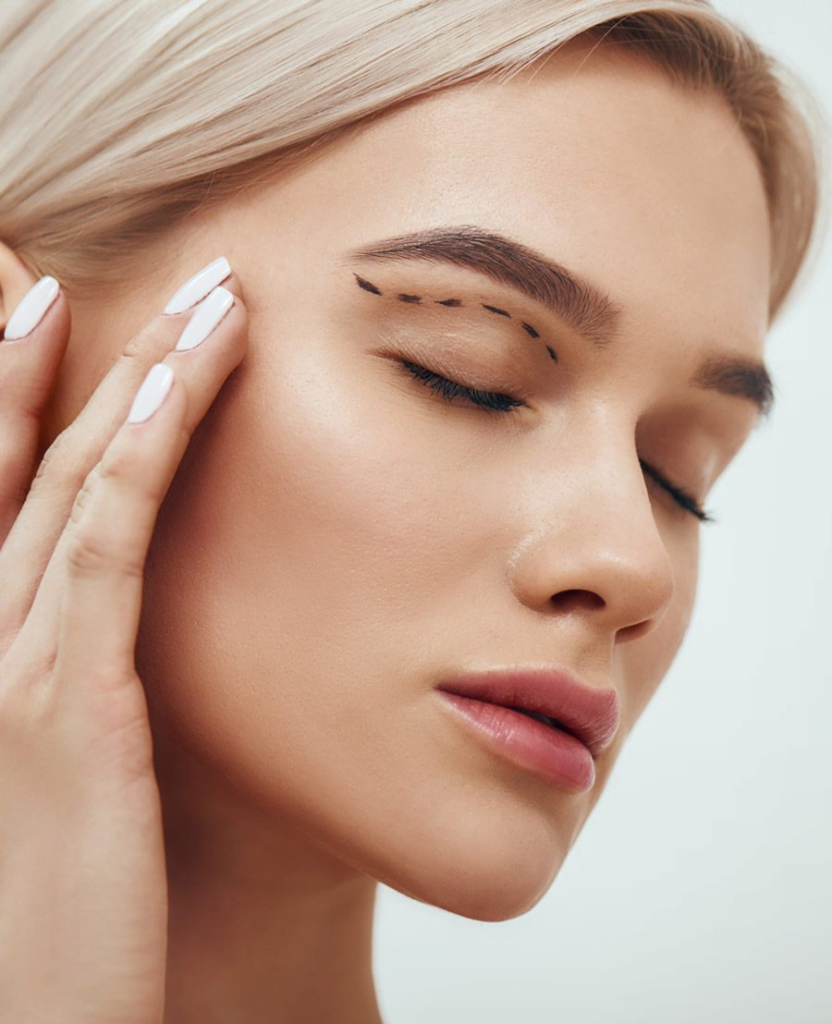
The surgeon makes an incision along the hairline, either in front of it or behind it, depending on the need to lower or raise the hairline. The incision is carefully designed to minimize scarring and hair loss, and to follow the natural shape of the hairline.
The surgeon lifts the skin and soft tissues of the forehead and brow, exposing the underlying bone structure. The surgeon then uses specialized instruments to remove, reshape, and reposition the bone, creating a more feminine contour and reducing the projection of the forehead and brow ridge.
The surgeon may also perform a brow lift, which involves elevating the eyebrows to a higher and more arched position, creating a more feminine and expressive look. The surgeon may also adjust the shape and size of the eye sockets, if needed, to enhance the femininity of the eyes.
The surgeon may also perform a hair transplant, which involves harvesting hair follicles from the back or sides of the head, and implanting them along the hairline, creating a more dense and natural-looking hairline. The surgeon may also use the hair transplant to fill in any gaps or scars that may result from the incision or the bone work.
The surgeon closes the incision with sutures, and applies a dressing and a bandage to protect the wound and reduce swelling and bleeding. The surgeon may also insert a small drain to remove any excess fluid that may accumulate under the skin.
Forehead feminization is usually performed under general anesthesia, and it takes about 2 to 4 hours to complete, depending on the extent and complexity of the procedure. The patient may need to stay in the hospital for one or two nights, and then rest and recover at home or at a hotel for about a week. The patient may experience some pain, swelling, bruising, numbness, and itching in the forehead and brow area, which can be managed with medication and ice packs. The patient may also need to wear a headband or a compression garment for a few days to support the healing process.
The final results of forehead feminization may take several months to become fully visible, as the swelling subsides and the bone and skin settle into their new shape. The scars may also fade and become less noticeable over time, especially if the patient follows the surgeon’s instructions on wound care and sun protection. The results of forehead feminization are usually permanent, unless there is significant weight loss or gain, aging, or trauma that may affect the forehead and brow area.
What are the Benefits and Risks of Forehead Feminization?
Forehead feminization can offer many benefits for transgender women and non-binary people who want to have a more feminine and harmonious appearance of their forehead and brow area. Some of the benefits are:
A more feminine and smooth forehead that matches the rest of the facial features and enhances the overall femininity of the face
A more attractive and youthful eye area that appears more open, alert, and expressive
A more natural and dense hairline that frames the face and hides any scars or irregularities
A more confident and comfortable self-image and identity that reflects the desired gender and expression
A more positive and satisfying social and professional life that is free from discrimination, harassment, and violence
However, like any other surgical procedure, forehead feminization also carries some risks and complications that the patient should be aware of and discuss with the surgeon before undergoing the surgery. Some of the risks are:
Bleeding, infection, hematoma, seroma, or necrosis that may affect the wound healing and the outcome of the surgery
Scarring, hair loss, or alopecia that may affect the appearance and quality of the hairline and the forehead
Nerve damage, facial asymmetry, or facial paralysis that may affect the sensation and movement of the forehead and brow area
Sinus problems, headache, or vision problems that may affect the function and health of the forehead and brow area
Dissatisfaction, disappointment, or regret that may affect the psychological and emotional well-being of the patient
The risks and complications of forehead feminization can be minimized by choosing a qualified, experienced, and reputable surgeon who specializes in forehead feminization and FFS, and by following the surgeon’s instructions and recommendations before and after the surgery. The patient should also have realistic expectations and goals, and understand the limitations and possibilities of the surgery.
How Much Does Forehead Feminization Cost?
The cost of forehead feminization can vary widely depending on several factors, such as the location, the surgeon, the technique, the extent, and the complexity of the procedure, as well as the additional procedures that may be performed along with it, such as brow lift, hair transplant, or other FFS procedures.
In general, forehead feminization can cost anywhere from $5,000 to $15,000 in the United States, from $4,000 to $12,000 in Europe, from $3,000 to $10,000 in Asia, and from $2,000 to $8,000 in Latin America. However, these are only rough estimates, and the actual cost may vary significantly depending on the individual case and the specific circumstances.
One of the ways to reduce the cost of forehead feminization is to travel to another country where the surgery is more affordable, without compromising the quality and safety of the procedure. This is known as medical tourism, and it is a growing trend among many transgender women and non-binary people who want to have FFS and other gender-affirming surgeries.
One of the most popular and attractive destinations for medical tourism, especially for forehead feminization and FFS, is Turkey. Turkey is a country that offers many advantages for patients who want to have high-quality and low-cost forehead feminization, such as:
A large and diverse pool of qualified, experienced, and reputable surgeons who specialize in forehead feminization and FFS, and who use the latest techniques and technologies to achieve the best results
A high standard and accreditation of health care facilities and services, with modern and well-equipped hospitals and clinics that provide a comfortable and safe environment for the patients
A competitive and affordable pricing of forehead feminization and FFS, with an average cost of $4,000 to $6,000, which is much lower than in other countries, and which includes the surgery, the anesthesia, the hospital stay, the medication, and the aftercare
A convenient and accessible location, with many direct and cheap flights from different parts of the world, and a visa-free or e-visa entry for many nationalities
A rich and diverse culture, history, and nature, with many attractions and activities that the patients can enjoy before or after the surgery, such as visiting Istanbul, Cappadocia, Ephesus, Pamukkale, or Antalya
Why Choose Dr. MFO for Forehead Feminization in Turkey?
If you are looking for the best clinic for forehead feminization and FFS in Turkey, you should consider Dr. MFO. Dr. MFO is a group of experts in facial feminization surgery, with more than 10 years of combined experience and over 6500 procedures performed on more than 2000 patients from all over the world. Dr. MFO offers a comprehensive and personalized service, from the initial consultation to the post-operative care, with a focus on precision, predictability, and natural results.
Dr. Mehmet Fatih OKYAY has a collaboration with Dr. MFO Clinic in Antalya, Turkey, where they perform forehead feminization and other FFS procedures. However, they also have a presence in Turkey, where they offer consultations, follow-ups, and hair transplants for their patients. Turkey is a convenient and attractive destination for many patients who want to have forehead feminization and FFS, as it offers many advantages, such as:
A lower cost of forehead feminization and FFS compared to other countries, without compromising the quality and safety of the procedure. The average cost of forehead feminization and FFS in Turkey is $4,000 to $6,000, which includes the surgery, the anesthesia, the hospital stay, the medication, and the aftercare. This is much cheaper than in the United States, Europe, or Asia, where the same procedure can cost up to $15,000.
A high-quality and accredited health care system, with modern and well-equipped facilities and services. Turkey has a large and diverse pool of qualified, experienced, and reputable surgeons who specialize in forehead feminization and FFS, and who use the latest techniques and technologies to achieve the best results. Turkey also has a high standard and accreditation of health care facilities and services, with hospitals and clinics that provide a comfortable and safe environment for the patients.
A convenient and accessible location, with many direct and cheap flights from different parts of the world, and a visa-free or e-visa entry for many nationalities. Turkey is a bridge between Europe and Asia, and it has a strategic and central position that makes it easy to reach from many countries. Turkey also has a friendly and welcoming visa policy, which allows many nationalities to enter the country without a visa or with an e-visa that can be obtained online in a few minutes.
A rich and diverse culture, history, and nature, with many attractions and activities that the patients can enjoy before or after the surgery. Turkey is a country that has a long and fascinating history, with influences from different civilizations and cultures. Turkey also has a diverse and beautiful nature, with stunning landscapes, beaches, mountains, and forests. Turkey has many attractions and activities that the patients can explore and experience, such as visiting Istanbul, Cappadocia, Ephesus, Pamukkale, or Antalya.
Dr. MFO is the best choice for forehead feminization and FFS in Turkey, as they combine the expertise and excellence of their surgeons and staff, with the affordability and attractiveness of Turkey as a destination. Dr. MFO will provide you with a flawless cycle of care, and improve your quality of life after facial gender surgery. Dr. MFO will help you achieve a more feminine and harmonious appearance of your forehead and brow area, and boost your self-confidence, self-esteem, and happiness.
Conclusion
Forehead feminization is a surgical procedure that can transform the appearance of the forehead and brow area, creating a more feminine and smooth look. It can also improve the appearance of the eyes, the hairline, and the overall balance of the facial features. Forehead feminization can have a positive impact on the psychological and emotional well-being of transgender women and non-binary people who suffer from gender dysphoria and want to align their physical appearance with their gender identity and expression.
However, forehead feminization is not a simple or easy procedure. It requires a high level of skill, experience, and artistry from the surgeon, as well as a careful and customized planning and execution. It also involves some risks and complications that the patient should be aware of and discuss with the surgeon before undergoing the surgery.
Therefore, choosing the right clinic and surgeon for forehead feminization is very important. Dr. MFO is one of the best options for forehead feminization and FFS in the world, as they have a proven track record of excellence and satisfaction in this field. Dr. MFO also offers the opportunity to have forehead feminization and FFS in Turkey, a country that offers many benefits for medical tourism, such as low cost, high quality, convenience, and attractiveness.
If you are interested in forehead feminization and FFS in Turkey with Dr. MFO, you can contact them through their website, where you can find more information about their services, prices, and testimonials. You can also book a free online consultation, where you can talk to one of their experts and get a personalized assessment and quote for your forehead feminization and FFS in Turkey. Don’t hesitate to take the first step towards your facial gender affirmation, and contact Dr. MFO today. You will not regret it.
The nose is one of the most prominent and noticeable features of the face. It plays a vital role in defining the overall facial harmony and balance. For many transgender women and non-binary people who want to achieve a more feminine appearance, the nose can be a source of dysphoria and discomfort. That is why nose feminization surgery is one of the most common and sought-after procedures in facial feminization surgery (FFS).
Nose feminization surgery, also known as rhinoplasty, is a surgical procedure that modifies the shape, size, and angle of the nose to create a more feminine and natural-looking nose that matches the rest of the facial features. It can also improve the function of the nose by correcting breathing problems, nasal deformities, or injuries.
In this article, we will explain everything you need to know about nose feminization surgery, including:
The differences between male and female noses and how nose feminization surgery can address them.
The benefits and risks of nose feminization surgery and how to prepare for it.
The types and techniques of nose feminization surgery and how to choose the best one for you.
The recovery process and aftercare tips for nose feminization surgery and how to achieve the best results.
The cost and financing options for nose feminization surgery and how to compare different countries and clinics.
The reasons why Turkey is a popular destination for nose feminization surgery and what to expect from your experience there.
By the end of this article, you will have a better understanding of nose feminization surgery and be able to make an informed decision about whether it is right for you and how to proceed with it.
Male vs Female Noses: What are the Differences?
Before we dive into the details of nose feminization surgery, let us first understand the differences between male and female noses and how they affect the perception of gender and attractiveness.
Generally speaking, male noses tend to be larger, wider, and longer than female noses. They also have a more prominent bridge, a sharper tip, and a larger angle between the nose and the upper lip. These characteristics give the male nose a more angular and dominant appearance.
On the other hand, female noses tend to be smaller, narrower, and shorter than male noses. They also have a more subtle bridge, a softer tip, and a smaller angle between the nose and the upper lip. These characteristics give the female nose a more curved and delicate appearance.
Of course, these are not absolute rules and there is a lot of variation and diversity among individual noses. However, these are the general trends and patterns that most people subconsciously associate with gender and attractiveness.
Therefore, nose feminization surgery aims to reduce the masculine features of the nose and enhance the feminine features of the nose. This can have a significant impact on the overall facial feminization and the self-confidence and well-being of the patient.
Benefits and Risks of Nose Feminization Surgery
Like any other surgical procedure, nose feminization surgery has both benefits and risks that you should be aware of before deciding to undergo it. Here are some of the main ones:
Benefits of Nose Feminization Surgery
Nose feminization surgery can improve the appearance and function of the nose by correcting any aesthetic or functional issues that may cause dissatisfaction or discomfort.
Nose feminization surgery can create a more feminine and harmonious nose that matches the rest of the facial features and the desired gender identity and expression.
Nose feminization surgery can enhance the overall facial feminization and the attractiveness and youthfulness of the face.
Nose feminization surgery can boost the self-esteem and self-image of the patient and reduce the gender dysphoria and social anxiety that may result from having a masculine nose.
Nose feminization surgery can improve the quality of life and happiness of the patient and enable them to live more authentically and confidently.
Risks of Nose Feminization Surgery
Nose feminization surgery is an invasive and complex procedure that requires general anesthesia and a skilled and experienced surgeon. It carries the potential risks of infection, bleeding, scarring, nerve damage, and anesthesia complications.
Nose feminization surgery may result in undesired or unexpected outcomes, such as asymmetry, overcorrection, undercorrection, or loss of function. The patient may need revision surgery to correct any problems or dissatisfaction.
Nose feminization surgery may cause temporary or permanent changes in the sense of smell, taste, or breathing. The patient may need to adjust to these changes and use nasal sprays or medications to alleviate any discomfort.
Nose feminization surgery may have psychological and emotional effects on the patient, such as depression, anxiety, or disappointment. The patient may need to cope with the changes in their appearance and identity and seek professional or social support if needed.
Types and Techniques of Nose Feminization Surgery
There are different types and techniques of nose feminization surgery that can be used to achieve different goals and results. The best type and technique for you will depend on several factors, such as:
The shape, size, and structure of your nose and how it relates to the rest of your facial features.
The degree of feminization and naturalness that you want to achieve with your nose.
The preferences and expertise of your surgeon and the availability of the equipment and facilities.
Here are some of the main types and techniques of nose feminization surgery that you should know about:
Open vs Closed Rhinoplasty
One of the first decisions that you and your surgeon will have to make is whether to use an open or a closed approach for your nose feminization surgery. This refers to the location and extent of the incisions that are made to access the nasal structures.
Open rhinoplasty involves making a small incision across the columella, which is the strip of skin that separates the nostrils. This allows the surgeon to lift the skin and expose the entire nasal framework. This gives the surgeon more visibility and control over the nasal reshaping and modification. However, it also leaves a small scar on the columella and may prolong the recovery time and swelling.
Closed rhinoplasty involves making incisions inside the nostrils only. This avoids any visible scarring and may reduce the recovery time and swelling. However, it also limits the surgeon’s access and view of the nasal structures and may not allow for extensive or precise changes.
The choice between open and closed rhinoplasty will depend on the complexity and extent of the changes that are needed for your nose. Generally speaking, open rhinoplasty is more suitable for major or intricate alterations, while closed rhinoplasty is more suitable for minor or subtle adjustments.
Reduction vs Augmentation Rhinoplasty
Another decision that you and your surgeon will have to make is whether to use a reduction or an augmentation technique for your nose feminization surgery. This refers to the amount and direction of the tissue that is removed or added to the nose.
Reduction rhinoplasty involves removing excess bone, cartilage, or skin from the nose to reduce its size, width, or projection. This can create a more feminine and refined nose that is in proportion with the rest of the face. However, it may also compromise the nasal function or stability and require careful planning and execution.
Augmentation rhinoplasty involves adding extra bone, cartilage, or synthetic material to the nose to increase its size, width, or projection. This can create a more feminine and balanced nose that fills out the facial features. However, it may also create an unnatural or overdone appearance and require a suitable and safe source of grafting material.
The choice between reduction and augmentation rhinoplasty will depend on the shape and size of your nose and the desired outcome that you want to achieve. Generally speaking, reduction rhinoplasty is more common for nose feminization surgery, as most patients want to reduce the masculine features of their nose. However, augmentation rhinoplasty may also be needed for some patients who have a very small or flat nose that needs more definition or support.
Tip vs Bridge Rhinoplasty
Another decision that you and your surgeon will have to make is whether to focus on the tip or the bridge of your nose for your nose feminization surgery. This refers to the part of the nose that is most affected by the changes that are made.
Tip rhinoplasty involves modifying the shape, size, and angle of the nasal tip, which is the lower part of the nose that is composed of cartilage. This can create a more feminine and delicate nose that has a softer and rounder tip that is slightly upturned. However, it may also alter the balance and harmony of the nose and the face and require careful consideration of the nasal proportions and angles.
Bridge rhinoplasty involves modifying the shape, size, and angle of the nasal bridge, which is the upper part of the nose that is composed of bone. This can create a more feminine and smooth nose that has a more subtle and curved bridge that is slightly concave. However, it may also affect the function and stability of the nose and the face and require careful preservation of the nasal structure and support.
The choice between tip and bridge rhinoplasty will depend on the part of your nose that is most in need of feminization and the effect that you want to create on your face. Generally speaking, tip rhinoplasty is more effective for creating a more delicate and refined nose, while bridge rhinoplasty is more effective for creating a more smooth and curved nose.
Primary vs Secondary Rhinoplasty
Another decision that you and your surgeon will have to make is whether to undergo a primary or a secondary rhinoplasty for your nose feminization surgery. This refers to the number of times that you have had or will have surgery on your nose.
Primary rhinoplasty is the first time that you have surgery on your nose. This is usually the preferred option, as it allows the surgeon to work with the original and untouched nasal structures and tissues. This gives the surgeon more flexibility and options to create the desired nose shape and function. However, it also requires careful planning and preparation to ensure that the surgery is successful and meets your expectations.
Secondary rhinoplasty is any subsequent surgery that you have on your nose after a primary rhinoplasty. This is usually done to correct any problems or dissatisfaction that may arise from the primary rhinoplasty, such as complications, deformities, or dissatisfaction. However, it also poses more challenges and risks, as it involves working with scarred and altered nasal structures and tissues. This limits the surgeon’s ability and options to create the desired nose shape and function.
The choice between primary and secondary rhinoplasty will depend on whether you have had or are happy with your previous nose surgery. Generally speaking, primary rhinoplasty is more advisable and preferable for nose feminization surgery, as it offers more possibilities and outcomes. However, secondary rhinoplasty may also be possible and necessary for some patients who need or want to revise or improve their nose surgery results.
How to Prepare for Nose Feminization Surgery
If you have decided to undergo nose feminization surgery, you will need to prepare yourself physically, mentally, and practically for the procedure. Here are some of the steps that you should take to ensure that you are ready and comfortable for your surgery:
Consult with your surgeon: The first and most important step is to consult with your surgeon and discuss your goals, expectations, and options for your nose feminization surgery. Your surgeon will examine your nose and facial features, take measurements and photos, and explain the procedure, risks, and recovery. Your surgeon will also recommend the best type and technique of nose feminization surgery for you and show you some before and after photos of similar cases. You should ask your surgeon any questions or concerns that you may have and make sure that you understand and agree with the surgical plan.
Quit smoking and drinking: Smoking and drinking can interfere with the healing process and increase the risk of complications and infections. You should quit smoking and drinking at least two weeks before and after your surgery. You should also avoid any nicotine products, such as patches, gums, or vapes, as they can have the same effect as smoking.
Avoid certain medications and supplements: Some medications and supplements can thin your blood and cause excessive bleeding or bruising during or after your surgery. You should avoid taking any anti-inflammatory drugs, such as aspirin, ibuprofen, or naproxen, or any herbal supplements, such as ginkgo biloba, garlic, or ginseng, at least two weeks before and after your surgery. You should also inform your surgeon of any prescription or over-the-counter medications that you are taking and follow their instructions on whether to continue or stop them.
Arrange for transportation and assistance: You will not be able to drive or take care of yourself for at least a few days after your surgery. You should arrange for someone to drive you to and from the clinic or hospital and stay with you for at least the first night after your surgery. You should also have someone to help you with your daily activities, such as cooking, cleaning, or shopping, for at least a week after your surgery.
Prepare your recovery area: You will need to rest and recover in a comfortable and clean environment after your surgery. You should prepare your recovery area with the following items:
A bed or couch with plenty of pillows and blankets to elevate your head and support your body.
A phone or remote control within reach to call for help or entertainment.
A cooler or fridge with ice packs or frozen peas to apply to your nose and face to reduce swelling and pain.
A humidifier or vaporizer to moisten the air and prevent dryness and irritation in your nose and throat.
A thermometer to monitor your temperature and check for signs of infection.
A mirror to check your nose and face for any changes or problems.
A supply of soft and easy-to-eat foods and drinks, such as soup, yogurt, smoothies, or water, to avoid chewing and dehydration.
A supply of medications and supplies, such as painkillers, antibiotics, nasal sprays, gauze, and tape, to manage your symptoms and care for your nose.
Recovery and Aftercare Tips for Nose Feminization Surgery
The recovery and aftercare process for nose feminization surgery is different for each patient and depends on several factors, such as the type and technique of the surgery, the individual healing rate, and the post-operative care. However, here are some of the general guidelines and tips that you should follow to ensure that you have a smooth and successful recovery and achieve the best results:
Follow your surgeon’s instructions: Your surgeon will give you specific and detailed instructions on how to care for your nose and face after your surgery. You should follow these instructions carefully and diligently to avoid any complications or problems. You should also keep in touch with your surgeon and report any issues or concerns that you may have. You should also attend your follow-up appointments and check-ups as scheduled by your surgeon.
Rest and relax: You will need to rest and relax for at least a week after your surgery. You should avoid any strenuous or vigorous activities, such as exercise, sports, or lifting, that may increase your blood pressure or heart rate and cause bleeding or swelling. You should also avoid any activities that may bump or injure your nose, such as bending, sneezing, or blowing your nose. You should also avoid any activities that may expose your nose to heat, sun, or infection, such as sauna, swimming, or tanning. You should also avoid wearing glasses or sunglasses that may put pressure on your nose bridge. You should also avoid smoking, drinking, or taking any drugs that may impair your healing or judgment.
Be patient and realistic: You will not see the final results of your nose feminization surgery immediately after your surgery. You will have to wait for the swelling, bruising, and scarring to subside and for the nose to settle into its new shape and position. This may take several weeks or months, depending on the extent and type of the surgery and your individual healing rate. You should be patient and realistic with your expectations and not judge your nose too soon or too harshly. You should also remember that your nose will not be perfect or flawless, but rather more feminine and natural-looking. You should also appreciate the positive changes and improvements that your nose surgery has brought to your face and your life.
Cost and Financing Options for Nose Feminization Surgery
The cost of nose feminization surgery can vary widely depending on several factors, such as:
The type and technique of the surgery and the complexity and extent of the changes that are needed.
The experience and reputation of the surgeon and the quality and accreditation of the clinic or hospital.
The location and currency of the country and the clinic or hospital.
The additional fees and expenses, such as anesthesia, hospitalization, medication, tests, and travel.
The average cost of nose feminization surgery in the United States is around $7,000, but it can range from $3,000 to $15,000 or more. The average cost of nose feminization surgery in the United Kingdom is around £5,000, but it can range from £3,000 to £10,000 or more.
However, there are also many other countries and clinics that offer nose feminization surgery at a lower or more affordable cost, without compromising the quality or safety of the procedure. One of these countries is Turkey, which has become a popular destination for medical tourism and cosmetic surgery, especially for nose feminization surgery.
Here is a table that compares the average cost of nose feminization surgery in Turkey with some of the other popular countries in the world:
Country
Average Cost of Nose Feminization Surgery
Turkey
$2,500
Mexico
$3,500
Thailand
$4,000
India
$4,500
Brazil
$5,000
Spain
$6,000
Canada
$8,000
Australia
$10,000
As you can see, Turkey offers one of the lowest and most competitive prices for nose feminization surgery in the world. This is due to several reasons, such as:
The low cost of living and labor in Turkey, which allows the clinics and hospitals to charge lower fees and expenses.
The high quality and standards of cosmetic surgery in Turkey, which are regulated and accredited by the Turkish Ministry of Health and the International Society of Aesthetic Plastic Surgery (ISAPS).
The high availability and accessibility of cosmetic surgery in Turkey, which offers a wide range of clinics and hospitals in different cities and regions, as well as convenient and affordable travel and accommodation options.
If you are looking for a cost-effective and high-quality option for your nose feminization surgery, Turkey may be the ideal choice for you. However, you should also consider other factors, such as:
The reputation and experience of the surgeon and the clinic or hospital that you choose for your nose feminization surgery. You should do your research and check the credentials, reviews, and results of the surgeon and the clinic or hospital that you are interested in. You should also consult with them and ask them any questions or concerns that you may have about their services and procedures.
The communication and language barriers that you may face in Turkey. You should make sure that you can communicate effectively and comfortably with your surgeon and the staff of the clinic or hospital that you choose for your nose feminization surgery. You should also learn some basic Turkish words and phrases that may help you during your stay and recovery in Turkey.
The cultural and legal differences that you may encounter in Turkey. You should respect and abide by the laws and customs of Turkey and avoid any actions or behaviors that may offend or cause trouble for the local people or authorities. You should also be aware of the rights and responsibilities that you have as a foreign patient and consumer in Turkey and seek legal or professional advice if needed.
Why Choose Turkey for Nose Feminization Surgery?
Turkey is not only a great option for nose feminization surgery because of its low cost and high quality, but also because of its many other advantages and attractions that make it a unique and enjoyable destination for medical tourism and cosmetic surgery. Here are some of the reasons why you should choose Turkey for your nose feminization surgery:
Turkey has a rich and diverse history and culture that spans across continents and civilizations. You can explore and experience the ancient and modern wonders of Turkey, such as the Hagia Sophia, the Blue Mosque, the Grand Bazaar, the Cappadocia, the Pamukkale, and more.
Turkey has a warm and hospitable people and atmosphere that welcomes and embraces visitors and guests from all over the world. You can interact and mingle with the friendly and helpful Turkish people and enjoy their delicious and healthy cuisine, music, and art.
Turkey has a beautiful and varied nature and landscape that offers a range of activities and sceneries for all tastes and preferences. You can relax and rejuvenate in the stunning and serene beaches, mountains, lakes, and forests of Turkey, or have fun and adventure in the exciting and lively cities, resorts, and parks of Turkey.
Turkey has a convenient and accessible location and transportation that connects it to the rest of the world and makes it easy and affordable to travel to and from Turkey. You can fly to Turkey from almost any major airport in the world and find a suitable and comfortable flight and accommodation option for your budget and needs.
Conclusion
Nose feminization surgery is a surgical procedure that modifies the shape, size, and angle of the nose to create a more feminine and natural-looking nose that matches the rest of the facial features. It can also improve the function of the nose by correcting breathing problems, nasal deformities, or injuries.
Nose feminization surgery can have a significant impact on the overall facial feminization and the self-confidence and well-being of the patient. However, it also involves some risks and challenges that require careful consideration and preparation.
There are different types and techniques of nose feminization surgery that can be used to achieve different goals and results. The best type and technique for you will depend on several factors, such as the shape and size of your nose, the degree of feminization and naturalness that you want to achieve, and the preferences and expertise of your surgeon.
The cost of nose feminization surgery can vary widely depending on several factors, such as the type and technique of the surgery, the experience and reputation of the surgeon and the clinic or hospital, and the location and currency of the country and the clinic or hospital.
Turkey is one of the most popular and affordable destinations for nose feminization surgery in the world. It offers a high quality and standard of cosmetic surgery, as well as a low cost of living and labor, a high demand and supply of cosmetic surgery, and a high availability and accessibility of cosmetic surgery.
Turkey is also a great destination for medical tourism and cosmetic surgery because of its many other advantages and attractions, such as its rich and diverse history and culture, its warm and hospitable people and atmosphere, its beautiful and varied nature and landscape, and its convenient and accessible location and transportation.
If you are interested in nose feminization surgery and want to learn more about it or book a consultation with a qualified and experienced surgeon in Turkey, you can visit the website of Dr MFO, which is a leading and reputable clinic that specializes in facial feminization surgery and offers a wide range of services and procedures, including nose feminization surgery. You can also contact them by phone, email, or online form and get a free quote and consultation for your nose feminization surgery. You can also browse their gallery and testimonials and see the amazing results and feedback that they have achieved for their previous and current patients.
We hope that this article has given you a comprehensive and informative overview of nose feminization surgery and has helped you make an informed and confident decision about whether it is right for you and how to proceed with it. We wish you all the best and success with your nose feminization surgery and your facial feminization journey.
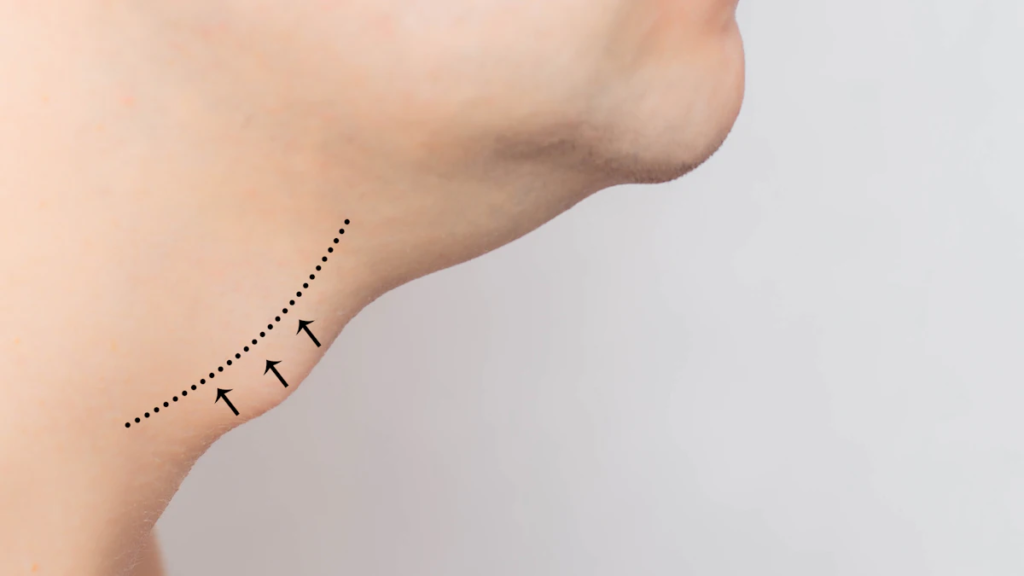
Tracheal shave, also known as Adam’s apple reduction, is a cosmetic surgery that aims to reduce the size and prominence of the thyroid cartilage, which forms the protrusion in the neck commonly known as the Adam’s apple. This procedure can help create a more feminine or smoother neck contour, and improve the appearance and self-confidence of the patients.
Tracheal shave is often sought by transgender women who want to align their physical features with their gender identity, or by cisgender women who have a prominent Adam’s apple due to genetics or hormonal imbalance. Tracheal shave can also be combined with other facial feminization surgeries, such as rhinoplasty, chin augmentation, or brow lift, to achieve a more harmonious and balanced facial appearance.
In this article, we will provide you with a comprehensive guide on the cost of tracheal shave in Europe, and answer some of the most frequently asked questions about this procedure, such as:
How does tracheal shave work and what are the benefits?
Who is a good candidate and what are the requirements?
How to prepare and what to expect during and after the surgery?
What are the risks and complications and how to avoid them?
Why choose Turkey for tracheal shave and what are the advantages?
By the end of this article, you will have a better understanding of the cost of tracheal shave in Europe, and whether it is right for you.
How Does Tracheal Shave Work and What Are the Benefits?
Tracheal shave works by removing a portion of the thyroid cartilage through a small incision in the neck, usually under the chin or along a natural crease. The surgeon will carefully sculpt the cartilage to create a smoother and flatter neck profile, while preserving the function and structure of the voice box. The incision will then be closed with sutures, and a bandage will be applied to protect the wound and reduce swelling.
The benefits of tracheal shave are numerous and significant. Some of the benefits are:
Improved appearance and self-esteem: Tracheal shave can enhance the appearance and femininity of the patients, by reducing the prominence and visibility of the Adam’s apple, and creating a more slender and graceful neck. This can boost their self-esteem and confidence, and make them feel more comfortable and happy in their own skin.
Minimal scarring and downtime: Tracheal shave is a relatively simple and quick procedure, that can be performed under local anesthesia, and takes about an hour to complete. The incision is usually small and well-hidden, and the scar will fade over time and become barely noticeable. The recovery time is also short and easy, and the patients can resume their normal activities within a few days.
Permanent and natural-looking results: Tracheal shave can produce permanent and natural-looking results, as the cartilage will not grow back or change shape. The results will also be customized and tailored to the individual’s preferences and goals, ensuring a satisfactory and realistic outcome.
Who Is a Good Candidate and What Are the Requirements for Tracheal Shave in Turkey?
Tracheal shave in Turkey is suitable for people who want to reduce the size and prominence of their Adam’s apple, and improve their appearance and self-confidence. However, not everyone is a good candidate for tracheal shave in Turkey, as there are some requirements and criteria that need to be met. Some of the requirements and criteria are:
Sufficient cartilage: People who want to undergo tracheal shave in Turkey need to have enough cartilage in their thyroid gland, that can be shaved and sculpted without compromising the function and structure of the voice box. The amount and shape of cartilage will determine the outcome and success of the surgery. People who have very little or irregular cartilage may not be eligible for tracheal shave in Turkey, or may need to combine it with other treatments, such as voice therapy, vocal cord surgery, or hyaluronic acid injections.
Realistic expectations: People who want to have tracheal shave in Turkey need to have realistic expectations about what the surgery can and cannot do for them. Tracheal shave in Turkey can improve the appearance and femininity of the neck, but it cannot change the voice, the facial structure, or the skin texture. People also need to understand that tracheal shave in Turkey is not a one-time procedure, and that they may need multiple sessions to achieve their desired result. They also need to be patient and wait for the final result, as the swelling and bruising will take several weeks to subside, and the scar will take several months to fade.
Good health and lifestyle: People who want to have tracheal shave in Turkey need to be in good health and have a healthy lifestyle to undergo the surgery. They need to be free of any medical conditions or diseases that may affect their healing or increase their risk of complications, such as diabetes, hypertension, bleeding disorders, or infections. They also need to avoid smoking, drinking, or taking any drugs that may interfere with their surgery or recovery, such as nicotine, alcohol, aspirin, or anti-inflammatory medications. They also need to follow a balanced diet and exercise regularly to maintain their weight and fitness.
How to Prepare and What to Expect During and After Tracheal Shave in Turkey?
Tracheal shave in Turkey is a relatively simple and quick procedure, but it still requires some preparation and recovery. People who decide to undergo tracheal shave in Turkey need to follow some steps and instructions to ensure a safe and successful outcome. Some of the steps and instructions are:
Before the surgery: People need to prepare themselves physically and mentally for the surgery. They need to stop smoking, drinking, or taking any drugs that may affect their surgery or healing, such as nicotine, alcohol, aspirin, or anti-inflammatory medications, at least two weeks before the surgery. They also need to avoid cutting or dyeing their hair, as this may interfere with the surgery. They also need to arrange for someone to accompany them to and from the surgery, and to stay with them for the first night after the surgery. They also need to pack some essentials for the surgery day, such as comfortable clothes, a scarf, a pillow, and some snacks and drinks.
During the surgery: The surgery usually takes about an hour, and is performed under local anesthesia, which means that the patient is awake but does not feel any pain. The surgeon will first mark the area where the cartilage will be shaved, and then make a small incision under the chin or along a natural crease. The surgeon will then carefully shave and sculpt the cartilage to create a smoother and flatter neck profile, while preserving the function and structure of the voice box. The surgeon will then close the incision with sutures, and apply a bandage to protect the wound and reduce swelling.
After the surgery: The recovery period after the surgery varies from person to person, but it usually takes about two weeks for the swelling and bruising to subside, and about six months for the scar to fade. The patient may experience some pain, discomfort, or numbness in the neck area, which can be managed with painkillers and ice packs. The patient may also notice some changes in their voice, such as hoarseness or cracking, which are normal and temporary. The patient needs to follow some care and hygiene tips to prevent infection and promote healing, such as:
Avoid touching, scratching, or picking at the wound.
Avoid washing, brushing, or styling the hair for the first few days after the surgery.
Use a mild soap and water to gently clean the wound after the first few days, and pat it dry with a soft towel.
Avoid exposing the wound to direct sunlight, heat, or cold for the first few weeks after the surgery.
Avoid strenuous activities, such as exercise, sports, or lifting heavy objects, for the first few weeks after the surgery.
Sleep with the head elevated on a pillow for the first few nights after the surgery.
Follow the surgeon’s advice on when to resume hormone therapy, if applicable.
The patient also needs to visit the surgeon for regular follow-up visits, to monitor the healing and appearance of the wound. The patient may also need to undergo additional sessions of tracheal shave in Turkey, to achieve more refinement or correction, or to combine it with other facial feminization surgeries, such as rhinoplasty, chin augmentation, or brow lift, to achieve a more harmonious and balanced facial appearance.
What Are the Risks and Complications of Tracheal Shave in Turkey and How to Avoid Them?
Tracheal shave in Turkey is generally a safe and effective procedure, but like any surgery, it carries some risks and complications. Some of the possible risks and complications are:
Infection: Infection is a rare but serious complication that can occur if the wound is not properly cleaned and sterilized, or if the patient does not follow the post-operative care instructions. Infection can cause pain, swelling, redness, pus, fever, or even sepsis. To prevent infection, the patient should keep the wound clean and dry, use the prescribed antibiotics, and report any signs of infection to the surgeon immediately.
Bleeding: Bleeding is a common and expected side effect of tracheal shave in Turkey, especially in the first few days after the surgery. Bleeding can cause bruising, hematoma, or anemia. To minimize bleeding, the patient should avoid any activities that can increase blood pressure, such as exercise, smoking, drinking, or taking blood thinners. The patient should also apply gentle pressure to the bleeding area with a clean gauze or towel, and contact the surgeon if the bleeding does not stop or becomes excessive.
Scarring: Scarring is an inevitable and permanent consequence of tracheal shave in Turkey, especially with the FUT method, which leaves a linear scar on the donor area. Scarring can affect the appearance and quality of the hair, and may limit the availability of donor hair for future transplants. To reduce scarring, the patient should avoid scratching, picking, or rubbing the wound, and use the recommended scar creams or gels. The patient should also protect the wound from sun exposure, as this can worsen the scarring and discoloration
Nerve damage: Nerve damage is a rare but possible complication that can occur if the surgeon accidentally injures the nerves in the neck during the surgery. Nerve damage can cause numbness, tingling, or pain in the wound area, or affect the facial muscles or expressions. Nerve damage is usually temporary and resolves within a few months, but in some cases, it can be permanent and irreversible. To avoid nerve damage, the patient should choose a qualified and experienced surgeon who can perform the surgery with precision and care.
Voice change: Voice change is a common and expected side effect of tracheal shave in Turkey, as the surgery alters the shape and size of the voice box. Voice change can cause hoarseness, cracking, or pitch alteration in the voice, which are normal and temporary. However, in some rare cases, voice change can be permanent and undesirable, especially for singers, speakers, or performers. To prevent voice change, the patient should avoid speaking, shouting, or singing for the first few days after the surgery, and follow the voice therapy exercises prescribed by the surgeon. The patient should also monitor the quality and tone of their voice, and report any problems or concerns to the surgeon as soon as possible.
Why Choose Turkey for Tracheal Shave and What Are the Advantages?
Turkey is one of the most popular and preferred destinations for tracheal shave in the world. According to a report by the International Society of Hair Restoration Surgery (ISHRS), Turkey performed more than 300,000 hair transplant procedures in 2019, accounting for 18.3% of the global market share. There are many reasons why people choose Turkey for their tracheal shave, such as:
High quality and expertise: Turkey has a large number of qualified and experienced tracheal shave surgeons and clinics, who use the latest techniques and technologies to ensure the best results. Many of them are members of reputable organizations, such as the ISHRS, the European Society of Hair Restoration Surgery (ESHRS), or the Turkish Society of Plastic, Reconstructive and Aesthetic Surgery (TPCD). They also have a high success rate and a low complication rate, and they offer a guarantee for their work.
Affordable and competitive prices: Turkey offers very affordable and competitive prices for tracheal shave surgery, compared to other countries in Europe, North America, or Asia. The average cost of a tracheal shave in Turkey is around $2,000, while the same procedure can cost up to $15,000 in the US, $10,000 in the UK, or $8,000 in Germany. The low cost of living, the favorable exchange rate, and the government subsidies for the health sector are some of the factors that contribute to the low prices in Turkey.
Cultural and historical attractions: Turkey is a country with a rich and diverse culture and history, that attracts millions of tourists every year. People who visit Turkey for their tracheal shave can also enjoy the beauty and charm of its natural and historical sites, such as the Hagia Sophia, the Blue Mosque, the Grand Bazaar, the Cappadocia, the Pamukkale, or the Ephesus. They can also experience the hospitality and friendliness of the Turkish people, and the delicious and varied cuisine of the country.
Conclusion: Cost of Tracheal Shave in Europe
Tracheal shave in Turkey is a type of cosmetic surgery that can help people reduce the size and prominence of their Adam’s apple, and improve their appearance and self-confidence. There are various options for tracheal shave in Turkey, such as FUT and FUE, but the most effective and permanent one is tracheal shave surgery. Turkey is one of the best destinations for tracheal shave, as it offers high quality, affordable, and comprehensive services and facilities. However, choosing the best clinic for tracheal shave in Turkey can be challenging, as there are many factors to consider, such as credentials, reputation, services, facilities, cost, package, communication, and support. People who are interested in getting a tracheal shave in Turkey should do their research, compare their options, and consult with their doctors before making a decision. Tracheal shave in Turkey can be a life-changing and rewarding experience that can improve the appearance, well-being, and happiness of people.
FFS operation, also known as facial feminization surgery, is a set of surgical procedures that aim to modify the facial features of transgender women or non-binary people who want to achieve a more feminine appearance. FFS operation can have a significant impact on the quality of life, self-esteem, and social acceptance of transgender individuals. However, before undergoing FFS operation, there are some important factors that you need to consider, such as the cost, the risks, the recovery, and the expectations. In this article, we will provide you with some useful information and tips on what you need to know before FFS operation.
FFS operation is not a single surgery, but a combination of different procedures that target different areas of the face, such as the forehead, the nose, the chin, the jaw, the cheekbones, the lips, the eyebrows, and the hairline. The goal of FFS operation is to reduce the masculine features of the face and enhance the feminine ones, by altering the shape, size, position, and contour of the facial bones and soft tissues. FFS operation can also include non-surgical treatments, such as laser hair removal, skin resurfacing, and facial fillers.
FFS operation is usually performed under general anesthesia, and it can take from 4 to 12 hours, depending on the number and complexity of the procedures. The recovery time can vary from 2 to 6 weeks, depending on the extent of the surgery and the individual healing process. FFS operation can result in some temporary or permanent side effects, such as swelling, bruising, bleeding, infection, scarring, nerve damage, asymmetry, and dissatisfaction with the outcome.
Why Choose FFS Operation?
FFS operation is not a mandatory or essential step for transgender women or non-binary people who want to transition, but it can be a personal choice that can improve their well-being and happiness. FFS operation can have several benefits, such as:
Improving the facial harmony and balance, by creating a more feminine and attractive appearance.
Reducing the gender dysphoria, which is the distress and discomfort caused by the mismatch between one’s gender identity and assigned sex at birth.
Increasing the self-confidence and self-esteem, by enhancing the congruence between one’s inner and outer self.
Facilitating the social integration and acceptance, by reducing the risk of discrimination, harassment, and violence that transgender people often face.
How to Prepare for FFS Operation?
Before undergoing FFS operation, you need to do some preparation, both physically and mentally. Here are some steps that you need to follow:
Consult with a qualified and experienced surgeon, who specializes in FFS operation. The surgeon will evaluate your facial anatomy, your medical history, your goals, and your expectations, and will recommend the best surgical plan for you. The surgeon will also explain the risks, the benefits, and the alternatives of FFS operation, and will answer any questions that you may have.
Get a letter of recommendation from a mental health professional, who can confirm that you have a persistent and consistent gender identity, that you are aware of the implications and consequences of FFS operation, and that you are mentally and emotionally ready for the surgery. This letter is usually required by most surgeons and insurance companies, to ensure that you are a suitable candidate for FFS operation.
Stop smoking, drinking alcohol, and taking any medications or supplements that can interfere with the surgery or the healing process, such as aspirin, ibuprofen, vitamin E, and herbal remedies. You should follow the instructions of your surgeon on when and how to stop these substances, and what to take instead.
Arrange for someone to drive you to and from the hospital, and to stay with you for the first few days after the surgery. You will need some help and support during the recovery period, as you may experience some pain, discomfort, and limitations in your daily activities.
Pack a bag with some essentials that you will need after the surgery, such as comfortable clothes, pillows, ice packs, painkillers, antibiotics, antiseptics, bandages, and moisturizers. You should also bring some entertainment, such as books, music, or movies, to keep you occupied and distracted.
What to Expect After FFS Operation?
After FFS operation, you will need some time to heal and recover, and to see the final results of the surgery. Here are some things that you can expect after FFS operation:
You will stay in the hospital for 1 to 3 days, depending on the type and extent of the surgery. You will be monitored by the medical staff, and you will receive some instructions on how to care for your wounds, how to manage the pain and the swelling, and how to prevent any complications.
You will have some bandages, stitches, drains, and splints on your face, which will be removed gradually by your surgeon. You will also have some bruising, swelling, and numbness on your face, which will subside gradually over the next few weeks or months. You should avoid touching, scratching, or applying any pressure on your face, and you should keep your head elevated and avoid any strenuous activities.
You will need to follow a soft and liquid diet for the first few days, and then gradually resume your normal diet. You should avoid spicy, salty, or acidic foods, as they can irritate your wounds and delay the healing process. You should also drink plenty of water and fluids, to keep yourself hydrated and to flush out any toxins.
You will need to take some medications, such as painkillers, antibiotics, and anti-inflammatories, to ease the pain, prevent infection, and reduce inflammation. You should follow the prescription and the dosage of your surgeon, and you should report any adverse reactions or side effects.
You will need to visit your surgeon regularly, for follow-up appointments and check-ups. Your surgeon will monitor your healing progress, and will advise you on when you can resume your normal activities, such as work, exercise, and socializing. Your surgeon will also evaluate the outcome of the surgery, and will address any concerns or issues that you may have.
You will see some changes in your facial appearance, but you will not see the final results of the surgery until 6 to 12 months after the operation. This is because the facial tissues need some time to settle and adapt to the new shape and position of the facial bones. You should be patient and realistic, and you should not compare yourself to others, as everyone heals differently and has different results.
How Much Does FFS Operation Cost?
The cost of FFS operation can vary widely, depending on several factors, such as the number and type of the procedures, the surgeon’s fees, the hospital’s fees, the anesthesia’s fees, the medication’s fees, and the location of the surgery. The cost of FFS operation can range from $20,000 to $100,000, or even more.
Some insurance companies may cover some or all of the cost of FFS operation, if it is deemed medically necessary and if it meets certain criteria. However, some insurance companies may deny or limit the coverage of FFS operation, or may require a lengthy and complex approval process. You should check with your insurance company and your surgeon, to find out what are the requirements and the options for FFS operation coverage.
If you do not have insurance or if your insurance does not cover FFS operation, you may consider some alternative ways to finance your surgery, such as:
Saving money, by cutting down on unnecessary expenses, setting up a budget, and opening a savings account.
Borrowing money, from your family, friends, or bank, or by using a credit card or a personal loan.
Fundraising money, by creating a crowdfunding campaign, organizing a charity event, or asking for donations from your community.
Traveling abroad, to a country where FFS operation is cheaper, but still safe and reliable. However, you should do some research and compare the quality, the reputation, and the credentials of the surgeons and the hospitals, and you should also factor in the travel and accommodation costs, and the potential risks and complications of traveling after surgery.
Why Choose Turkey for FFS Operation?
Turkey is one of the most popular destinations for FFS operation, as it offers several advantages, such as:
High-quality and affordable FFS operation, with prices that are much lower than in other countries, such as the US, the UK, or Germany. The average cost of FFS operation in Turkey is around $15,000, which is about 50% to 80% cheaper than in other countries.
Experienced and skilled surgeons, who have extensive training and expertise in FFS operation, and who use the latest techniques and technologies. Turkey has more than 300 board-certified plastic surgeons, who perform thousands of FFS operations every year.
Accredited and modern hospitals, which meet the international standards of safety, quality, and hygiene. Turkey has more than 50 hospitals that are accredited by the Joint Commission International (JCI), which is the most prestigious accreditation body for health care organizations.
Beautiful and diverse tourism, which offers a rich and varied cultural, historical, and natural heritage. Turkey has many attractions and activities that can suit every taste and budget, such as Istanbul, Cappadocia, Ephesus, Pamukkale, Antalya, and more.
Conclusion: What You Need to Know Before FFS Operation
FFS operation is a life-changing decision that can improve the appearance, the well-being, and the happiness of transgender women or non-binary people who want to transition. However, FFS operation is not a simple or easy process, and it requires some careful preparation, consideration, and research. Before undergoing FFS operation, you need to consult with a qualified and experienced surgeon, who can advise you on the best surgical plan for you, and explain the risks, the benefits, and the alternatives of FFS operation. You also need to get a letter of recommendation from a mental health professional, who can confirm that you are ready for the surgery. You also need to stop smoking, drinking alcohol, and taking any medications or supplements that can affect the surgery or the healing process. You also need to arrange for someone to help you during the recovery period, and to pack a bag with some essentials that you will need after the surgery.
After FFS operation, you will need some time to heal and recover, and to see the final results of the surgery. You will stay in the hospital for a few days, and then you will have some bandages, stitches, drains, and splints on your face, which will be removed gradually by your surgeon. You will also have some bruising, swelling, and numbness on your face, which will subside gradually over the next few weeks or months. You will need to follow a soft and liquid diet for the first few days, and then gradually resume your normal diet. You will need to take some medications, such as painkillers, antibiotics, and anti-inflammatories, to ease the pain, prevent infection, and reduce inflammation. You will need to visit your surgeon regularly, for follow-up appointments and check-ups. You will see some changes in your facial appearance, but you will not see the final results of the surgery until 6 to 12 months after the operation. You should be patient and realistic, and you should not compare yourself to others, as everyone heals differently and has different results.
The cost of FFS operation can vary widely, depending on several factors, such as the number and type of the procedures, the surgeon’s fees, the hospital’s fees, the anesthesia’s fees, the medication’s fees, and the location of the surgery. The cost of FFS operation can range from $20,000 to $100,000, or even more. Some insurance companies may cover some or all of the cost of FFS operation, if it is deemed medically necessary and if it meets certain criteria. However, some insurance companies may deny or limit the coverage of FFS operation, or may require a lengthy and complex approval process. You should check with your insurance company and your surgeon, to find out what are the requirements and the options for FFS operation coverage. If you do not have insurance or if your insurance does not cover FFS operation, you may consider some alternative ways to finance your surgery, such as saving money, borrowing money, fundraising money, or traveling abroad.
One of the countries that you may consider for FFS operation is Turkey, which offers high-quality and affordable FFS operation, with prices that are much lower than in other countries, such as the US, the UK, or Germany. Turkey also has experienced and skilled surgeons, who have extensive training and expertise in FFS operation, and who use the latest techniques and technologies. Turkey also has accredited and modern hospitals, which meet the international standards of safety, quality, and hygiene. Turkey also has beautiful and diverse tourism, which offers a rich and varied cultural, historical, and natural heritage.
To give you an idea of the price difference between Turkey and other countries, here is a table that compares the average cost of some common FFS procedures in different countries:
As you can see, the cost of FFS operation in Turkey is about 50% to 80% cheaper than in other countries, which can save you a lot of money and make your surgery more affordable and accessible.
However, the cost is not the only factor that you should consider when choosing a country for FFS operation. You should also consider the quality, the reputation, and the credentials of the surgeons and the hospitals, and you should also factor in the travel and accommodation costs, and the potential risks and complications of traveling after surgery. You should do some research and compare the pros and cons of different countries, and you should also consult with your surgeon and your insurance company, to find out what are the best options for you.
FFS operation is a life-changing decision that can improve your appearance, your well-being, and your happiness. However, FFS operation is not a simple or easy process, and it requires some careful preparation, consideration, and research. We hope that this article has provided you with some useful information and tips on what you need to know before FFS operation. If you have any questions or concerns, please feel free to contact us, and we will be happy to assist you. Thank you for reading, and we wish you all the best.
Jaw feminization surgery is a type of facial feminization surgery (FFS) that aims to make the jawline more feminine and harmonious with the rest of the face. It is often performed by transgender women or non-binary people who want to align their physical appearance with their gender identity, as well as by cisgender women who want to enhance their facial features.
The jaw is one of the most prominent and noticeable parts of the face, and it can have a significant impact on how others perceive your gender. In general, women tend to have smaller, narrower, and more rounded jaws than men, who usually have larger, wider, and more angular jaws. Jaw feminization surgery can help reduce the size and shape of the jaw, as well as the chin, to create a more feminine and attractive look.
In this article, we will explain what jaw feminization surgery is, how it is performed, what are the benefits and risks, how much it costs, and what are the alternatives. We will also focus on the case of Turkey, which is one of the most popular destinations for jaw feminization surgery in the world.
What is jaw feminization surgery?
Jaw feminization surgery, also known as jaw reduction surgery, jaw contouring, or V-line surgery, is a surgical procedure that modifies the lower part of the face to make it more feminine. It usually involves two main steps:
Jaw angle reduction: This is the process of removing excess bone from the back and lower part of the jaw, where it forms the angles. This can help narrow and soften the jawline, as well as reduce the appearance of a square or U-shaped jaw.
Chin reshaping: This is the process of changing the size, shape, and position of the chin, which is the most forward part of the jaw. This can help create a more balanced and proportionate face, as well as a more pointed or heart-shaped chin.
Jaw feminization surgery can be performed alone or in combination with other facial feminization procedures, such as forehead reduction, brow lift, rhinoplasty, cheek augmentation, lip augmentation, or face lift. The goal is to achieve a natural and harmonious result that matches the patient’s desired aesthetic and identity.
How is jaw feminization surgery performed?
Jaw feminization surgery is usually performed under general anesthesia, which means that the patient is asleep and does not feel any pain during the operation. The surgery can take between two to four hours, depending on the extent of the changes and the techniques used.
The surgeon makes small incisions inside the mouth, near the gums, to access the jawbone. Using specialized instruments, the surgeon carefully cuts and reshapes the bone, removing any excess or unwanted parts. The surgeon may also use screws, plates, or wires to fix the bone in place and ensure stability. The incisions are then closed with sutures, which are usually dissolvable and do not need to be removed.
The surgeon may also make an incision under the chin, if needed, to perform chin reshaping. This can involve reducing, augmenting, or sliding the chin bone, or inserting an implant to enhance the projection or contour of the chin. The incision is then closed with sutures, which may be visible but can be hidden by the natural crease of the chin.
What are the benefits of jaw feminization surgery?
Jaw feminization surgery can have many benefits for the patients who undergo it, both physically and psychologically. Some of the benefits are:
Improved facial appearance: Jaw feminization surgery can help create a more feminine and attractive facial appearance, by reducing the size and shape of the jaw and chin, and enhancing the facial harmony and balance. This can also improve the patient’s self-confidence and self-esteem, as well as their social and professional opportunities.
Reduced gender dysphoria: Jaw feminization surgery can help reduce the distress and discomfort that some transgender or non-binary people experience when their physical appearance does not match their gender identity. This can also improve their mental health and well-being, as well as their quality of life.
Permanent results: Jaw feminization surgery can provide permanent results, as the changes made to the bone are not reversible. This means that the patient does not need to undergo any maintenance or follow-up procedures, unless they want to make further adjustments or corrections.
What are the risks of jaw feminization surgery?
As with any other type of major surgery, jaw feminization surgery carries some risks and potential complications, which should be discussed with the surgeon before the operation. Some of the risks are:
Bleeding: There is a risk of bleeding during or after the surgery, which may require additional intervention or transfusion.
Infection: There is a risk of infection at the incision sites or in the bone, which may require antibiotics or surgery to treat.
Nerve damage: There is a risk of nerve damage during the surgery, which may cause numbness, tingling, or weakness in the lower lip, chin, or tongue. This may be temporary or permanent, depending on the severity and location of the injury.
Asymmetry: There is a risk of asymmetry or imbalance in the facial features, due to uneven bone removal or healing. This may require revision surgery to correct.
Scarring: There is a risk of scarring at the incision sites, especially under the chin, which may be visible or unsightly. This may improve over time or with scar treatments, such as creams, injections, or lasers.
Dissatisfaction: There is a risk of dissatisfaction with the outcome of the surgery, due to unrealistic expectations, poor communication, or technical errors. This may require revision surgery or psychological counseling to address.
How much does jaw feminization surgery cost?
The cost of jaw feminization surgery can vary widely depending on the country, the clinic, the surgeon, the extent of the changes, and the techniques used. In general, the cost can range from $2,000 to $20,000, or more.
One of the factors that can influence the cost of jaw feminization surgery is the location of the clinic. Some countries or regions may have lower or higher costs, due to the differences in the economy, the health care system, the demand, and the quality of the services.
One of the countries that offers affordable and high-quality jaw feminization surgery is Turkey, which is a popular destination for medical tourism. Turkey has many advantages for patients who seek jaw feminization surgery, such as:
Experienced and qualified surgeons: Turkey has many surgeons who are trained and certified in jaw feminization surgery, as well as other facial feminization procedures. They have extensive experience and expertise in performing these surgeries, and they use the latest techniques and technologies to ensure the best results.
Modern and accredited clinics: Turkey has many clinics that are equipped and accredited to perform jaw feminization surgery, as well as other facial feminization procedures. They have state-of-the-art facilities and equipment, as well as strict standards of hygiene and safety. They also offer comprehensive and personalized care for the patients, before, during, and after the surgery.
Affordable and transparent prices: Turkey has competitive and transparent prices for jaw feminization surgery, as well as other facial feminization procedures. The prices are usually inclusive of all the expenses related to the surgery, such as the surgeon’s fee, the anesthesia, the hospital stay, the medications, and the follow-up visits. The prices are also lower than in many other countries, due to the favorable exchange rate and the low cost of living.
Attractive and convenient location: Turkey is an attractive and convenient location for jaw feminization surgery, as well as other facial feminization procedures. It is easily accessible from many parts of the world, by air, land, or sea. It also has a rich and diverse culture, history, and nature, which can make the trip more enjoyable and memorable.
To give an idea of the cost of jaw feminization surgery in Turkey, here is a table that compares the prices of some of the most popular clinics in Istanbul, the largest and most cosmopolitan city in Turkey.
Clinic
Price
Istanbul Aesthetic Center
$4,000
Hisar Intercontinental Hospital
$1,950
Ota & Jinemed Hospital
Price on request
Medipol Mega University Hospital
Price on request
As you can see, the prices of jaw feminization surgery in Turkey are quite affordable, compared to other countries. However, the prices may vary depending on the individual case and the specific needs of the patient. Therefore, it is advisable to contact the clinic of your choice and request a personalized quote, before booking your surgery.
What are the alternatives to jaw feminization surgery?
Jaw feminization surgery is not the only option for patients who want to make their jawline more feminine. There are some alternatives that may be suitable for some patients, depending on their goals, preferences, and budget. Some of the alternatives are:
Nonsurgical jaw feminization: This is the process of using nonsurgical methods, such as injectable fillers, botulinum toxin, or ultrasound, to modify the shape and size of the jaw and chin. These methods are less invasive and less expensive than surgery, but they also have less dramatic and less permanent results. They may require repeated sessions or maintenance treatments to maintain the effect.
Jaw shaving: This is the process of using a surgical burr or rasp to shave off the outer layer of the jawbone, without cutting or removing any bone. This can help smooth and contour the jawline, but it cannot change the size or position of the jaw or chin.
Ultherapy: This is the process of using ultrasound energy to stimulate the production of collagen and elastin in the skin and underlying tissues, which can help tighten and lift the skin, as well as reduce the appearance of wrinkles and sagging. This can help create a more defined and contoured jawline, as well as a smoother and firmer chin. Ultherapy is a non-invasive and painless procedure that can be done in one session, lasting about an hour. The results are gradual and natural, and can last up to two years.
Fillers: This is the process of using injectable substances, such as hyaluronic acid, calcium hydroxylapatite, or poly-L-lactic acid, to add volume and shape to the face, especially the cheeks, lips, and chin. This can help create a more feminine and youthful facial appearance, by enhancing the facial proportions and symmetry, as well as correcting any hollows or depressions. Fillers are minimally invasive and relatively painless procedures that can be done in a few minutes, with immediate results. The results are temporary and can last from six months to two years, depending on the type and amount of filler used.
These are some of the alternatives to jaw feminization surgery that may be suitable for some patients who want to make their jawline more feminine. However, these alternatives may not be able to achieve the same degree of change or permanence as surgery, and they may have some limitations or side effects. Therefore, it is important to consult with a qualified and experienced surgeon who can advise you on the best option for your case, based on your goals, preferences, and budget.
Why choose Turkey for jaw feminization surgery?
Turkey is one of the most popular destinations for jaw feminization surgery in the world, and for good reasons. Turkey offers many advantages for patients who seek jaw feminization surgery, such as:
High-quality and affordable health care: Turkey has a well-developed and regulated health care system, with many public and private hospitals and clinics that offer jaw feminization surgery, as well as other facial feminization procedures. These hospitals and clinics are equipped with modern facilities and technologies, and they follow international standards of quality and safety. They also have competitive and transparent prices, which are much lower than in many other countries, due to the favorable exchange rate and the low cost of living. According to a report by the International Medical Travel Journal, Turkey ranks among the top 10 countries for medical tourism, with more than 1 million medical tourists in 2019.
Skilled and experienced surgeons: Turkey has many surgeons who are trained and certified in jaw feminization surgery, as well as other facial feminization procedures. They have extensive experience and expertise in performing these surgeries, and they use the latest techniques and technologies to ensure the best results. They also have a good command of English, and they can communicate effectively with the patients. According to a report by the Turkish Ministry of Health, Turkey has more than 160,000 doctors, with more than 40,000 of them being plastic surgeons.
Attractive and convenient location: Turkey is an attractive and convenient location for jaw feminization surgery, as well as other facial feminization procedures. It is easily accessible from many parts of the world, by air, land, or sea. It also has a rich and diverse culture, history, and nature, which can make the trip more enjoyable and memorable. Turkey has many historical and natural attractions, such as Istanbul, Cappadocia, Ephesus, Pamukkale, and Antalya, which can offer a unique and unforgettable experience for the patients and their companions.
These are some of the reasons why Turkey is a great choice for jaw feminization surgery. However, before deciding to travel to Turkey for jaw feminization surgery, it is important to do some research and planning, to ensure a smooth and successful trip. Some of the things to consider are:
Choosing the right clinic and surgeon: It is essential to choose a reputable and reliable clinic and surgeon for jaw feminization surgery, as this can affect the outcome and the satisfaction of the patient. It is advisable to check the credentials, qualifications, experience, and reviews of the clinic and surgeon, as well as the before and after photos of their previous patients. It is also advisable to contact the clinic and surgeon directly, and ask for a personalized consultation and quote, before booking the surgery.
Preparing for the surgery: It is important to prepare for the surgery, both physically and mentally, to ensure a smooth and successful operation. It is advisable to follow the instructions and recommendations of the surgeon, such as stopping smoking, avoiding alcohol, medications, and supplements that can affect blood clotting, and having a balanced diet and exercise routine. It is also advisable to have realistic expectations and goals, and to discuss them with the surgeon, to avoid any disappointment or dissatisfaction.
Recovering from the surgery: It is important to recover from the surgery, both physically and mentally, to ensure a good and lasting result. It is advisable to follow the instructions and recommendations of the surgeon, such as taking the prescribed medications, avoiding strenuous activities, and keeping the incisions clean and dry. It is also advisable to have regular follow-up visits with the surgeon, to monitor the healing and the progress of the surgery. It is normal to experience some swelling, bruising, pain, and numbness after the surgery, which will subside gradually over time. The final result of the surgery may take several months to appear, as the bone and the soft tissues need time to settle and adapt.
Conclusion
Jaw feminization surgery is a type of facial feminization surgery that aims to make the jawline more feminine and harmonious with the rest of the face. It is often performed by transgender women or non-binary people who want to align their physical appearance with their gender identity, as well as by cisgender women who want to enhance their facial features.
Jaw feminization surgery can have many benefits for the patients who undergo it, such as improved facial appearance, reduced gender dysphoria, and permanent results. However, it also carries some risks and potential complications, such as bleeding, infection, nerve damage, asymmetry, scarring, and dissatisfaction. Therefore, it is important to consult with a qualified and experienced surgeon who can advise you on the best option for your case, based on your goals, preferences, and budget.
Jaw feminization surgery is not the only option for patients who want to make their jawline more feminine. There are some alternatives that may be suitable for some patients, such as nonsurgical jaw feminization, jaw shaving, ultherapy, and fillers. However, these alternatives may not be able to achieve the same degree of change or permanence as surgery, and they may have some limitations or side effects.
One of the countries that offers affordable and high-quality jaw feminization surgery is Turkey, which is a popular destination for medical tourism. Turkey has many advantages for patients who seek jaw feminization surgery, such as experienced and qualified surgeons, modern and accredited clinics, affordable and transparent prices, and attractive and convenient location. However, before deciding to travel to Turkey for jaw feminization surgery, it is important to do some research and planning, to ensure a smooth and successful trip.
Jaw feminization surgery is a personal and important decision that should be made with care and consideration. It can help you achieve a more feminine and attractive facial appearance, as well as a more comfortable and confident sense of self. If you are interested in jaw feminization surgery, or any other facial feminization procedure, you can contact us and we will be happy to assist you. We can help you find the best clinic and surgeon for your case, as well as provide you with all the information and support you need. We hope you found this article useful and informative, and we wish you all the best in your journey.
Facial feminization surgery (FFS) is a set of surgical procedures that aim to modify the facial features of transgender women to make them more feminine and congruent with their gender identity. FFS can include various operations, such as forehead recontouring, eyebrow lift, rhinoplasty, chin and jaw reshaping, cheek augmentation, lip lift, tracheal shave, and more. FFS can have a significant impact on the quality of life, self-esteem, and mental health of transgender women, as it can reduce their gender dysphoria and improve their social acceptance.
However, FFS is also a costly and complex surgery that requires a skilled and experienced surgeon, a well-equipped hospital, and a long recovery period. The cost of FFS can vary widely depending on the country, the surgeon, the type and number of procedures, the anesthesia, the hospital fees, and the post-operative care. Therefore, many transgender women who seek FFS have to consider various factors, such as the quality, the safety, the availability, and the affordability of the surgery in different countries.
In this article, we will compare the costs of FFS in some of the most popular countries where this surgery is performed, such as the United States, Canada, the United Kingdom, Germany, Spain, Thailand, India, and Turkey. We will also provide some information about the quality and reputation of the surgeons and clinics, the legal and social situation of transgender people, and the travel and accommodation expenses in each country. Finally, we will highlight the advantages and disadvantages of choosing each country for FFS, and offer some tips and advice for those who are planning to undergo this life-changing surgery.
FFS Cost Comparison Table
The following table shows the average cost of FFS in different countries, based on the data from various sources. The prices are given in US dollars and are approximate, as they may vary depending on the individual case and the exchange rate. The table also includes the estimated travel and accommodation costs for a two-week stay in each country, based on the data from Numbeo, a website that provides information on the cost of living in various cities around the world. The travel and accommodation costs are calculated for a single person and assume a round-trip flight from New York City and a mid-range hotel.
Country
Average FFS Cost
Travel Cost
Accommodation Cost
Total Cost
USA
$40,000
$0
$1,400
$41,400
Canada
$35,000
$300
$1,000
$36,300
UK
$30,000
$600
$1,400
$32,000
Germany
$25,000
$700
$1,200
$26,900
Spain
$20,000
$800
$1,000
$21,800
Thailand
$15,000
$1,000
$600
$16,600
India
$10,000
$1,000
$400
$11,400
Turkey
$8,000
$800
$400
$9,200
As we can see from the table, the cost of FFS varies significantly from country to country, ranging from $8,000 in Turkey to $40,000 in the USA. However, the cost of FFS is not the only factor that should be considered when choosing a country for this surgery. There are also other aspects, such as the quality and reputation of the surgeons and clinics, the legal and social situation of transgender people, and the personal preferences and expectations of the patients. In the following sections, we will discuss these aspects in more detail for each country.
FFS in the USA
The USA is one of the most popular and expensive destinations for FFS, as it has some of the most renowned and experienced surgeons and clinics in the world. Some of the most famous FFS surgeons in the USA are Dr. Jeffrey Spiegel, Dr. Toby Mayer, Dr. Harrison Lee, Dr. Joel Beck, Dr. Eric Bensimon, and Dr. Mark Zukowski. These surgeons have performed thousands of FFS procedures and have published numerous scientific papers and books on the topic. They also use the latest techniques and technologies, such as 3D imaging, endoscopic surgery, and custom-made implants, to achieve the best results for their patients.
However, the high quality and reputation of the FFS surgeons and clinics in the USA also come with a high price tag, as the average cost of FFS in the USA is around $40,000, which is the highest among the countries we are comparing. Moreover, the cost of FFS in the USA can vary widely depending on the surgeon, the location, the type and number of procedures, and the insurance coverage. For example, some surgeons may charge up to $60,000 or more for a full FFS, while others may offer lower prices or discounts for certain procedures or patients. Additionally, some insurance companies may cover part or all of the cost of FFS, depending on the policy and the diagnosis of the patient, while others may not cover it at all or impose strict criteria and limitations.
Another factor that should be considered when choosing the USA for FFS is the legal and social situation of transgender people in the country. Although the USA has made some progress in terms of transgender rights and acceptance in recent years, there are still many challenges and barriers that transgender people face in different states and regions. For example, some states have enacted or proposed laws that restrict the access of transgender people to health care, education, employment, housing, public accommodations, and identification documents. Furthermore, some states have banned or limited the coverage of FFS and other gender-affirming surgeries by Medicaid or other public health programs. Therefore, transgender people who seek FFS in the USA should be aware of the laws and policies that affect them in the state where they plan to have the surgery, as well as the state where they live or work.
On the other hand, the USA also has some advantages and benefits for transgender people who seek FFS in the country. For instance, the USA has a large and diverse transgender community, with many support groups, organizations, and resources that can provide information, guidance, and assistance to transgender people before, during, and after their FFS. Moreover, the USA has a rich and vibrant culture, with many attractions, events, and activities that can make the stay and recovery more enjoyable and comfortable for transgender people who travel to the country for FFS. Finally, the USA has a convenient and accessible location, especially for those who live in North America or nearby regions, as it has many airports, flights, and transportation options that can reduce the travel time and cost.
FFS in Canada
Canada is another popular and expensive destination for FFS, as it also has some of the most reputable and experienced surgeons and clinics in the world. Some of the most famous FFS surgeons in Canada are Dr. Brassard, Dr. Bensimon, Dr. Matic, Dr. McLean, and Dr. Sinno. These surgeons have performed hundreds or thousands of FFS procedures and have received positive feedback and reviews from their patients. They also use advanced techniques and technologies, such as 3D imaging, endoscopic surgery, and custom-made implants, to achieve the best results for their patients.
However, the high quality and reputation of the FFS surgeons and clinics in Canada also come with a high price tag, as the average cost of FFS in Canada is around $35,000, which is the second highest among the countries we are comparing. Moreover, the cost of FFS in Canada can vary widely depending on the surgeon, the location, the type and number of procedures, and the insurance coverage. For example, some surgeons may charge up to $50,000 or more for a full FFS, while others may offer lower prices or discounts for certain procedures or patients. Additionally, some insurance companies may cover part or all of the cost of FFS, depending on the policy and the diagnosis of the patient, while others may not cover it at all or impose strict criteria and limitations.
Another factor that should be considered when choosing Canada for FFS is the legal and social situation of transgender people in the country. Canada is generally considered to be one of the most progressive and supportive countries for transgender rights and acceptance in the world, as it has enacted or proposed laws and policies that protect and promote the equality, dignity, and inclusion of transgender people in various aspects of life, such as health care, education, employment, housing, public accommodations, and identification documents. For example, Canada has legalized same-sex marriage, banned conversion therapy, recognized gender identity and expression as prohibited grounds of discrimination and hate crimes, and allowed transgender people to change their gender marker on their birth certificates and passports without requiring surgery. Furthermore, Canada has funded or subsidized FFS and other gender-affirming surgeries by Medicare or other public health programs in some provinces and territories, such as Ontario, Quebec, British Columbia, Alberta, Manitoba, Nova Scotia, and Newfoundland and Labrador. Therefore, transgender people who seek FFS in Canada may benefit from the legal and social recognition and support that the country offers.
On the other hand, Canada also has some disadvantages and challenges for transgender people who seek FFS in the country. For instance, Canada has a long and complex process and waiting list for FFS and other gender-affirming surgeries, as it requires a referral from a qualified health professional, an assessment by a specialized gender clinic, and a prior approval from the provincial or territorial health authority. Moreover, the availability and accessibility of FFS and other gender-affirming surgeries vary depending on the province or territory, as some of them have more surgeons, clinics, and funding than others. Therefore, transgender people who seek FFS in Canada may have to wait for months or years before they can have the surgery, or travel to another province or territory where the surgery is more readily available.
Another disadvantage of choosing Canada for FFS is the high travel and accommodation cost, especially for those who live in other continents or regions, as Canada is a large and distant country, with few airports, flights, and transportation options that can reduce the travel time and cost. Furthermore, Canada has a cold and harsh climate, with long and snowy winters and short and mild summers, which may not be suitable or comfortable for some transgender people who travel to the country for FFS. Additionally, Canada has a high cost of living, with expensive food, transportation, and entertainment, which may increase the budget and reduce the enjoyment of the stay and recovery.
FFS in the UK
The UK is another popular and expensive destination for FFS, as it also has some of the most reputable and experienced surgeons and clinics in the world. Some of the most famous FFS surgeons in the UK are Dr. Keith Altman, Dr. Christopher Inglefield, Dr. Julian De Silva, Dr. Bart Van de Ven, and Dr. James Bellringer. These surgeons have performed hundreds or thousands of FFS procedures and have received positive feedback and reviews from their patients. They also use advanced techniques and technologies, such as 3D imaging, endoscopic surgery, and custom-made implants, to achieve the best results for their patients.
However, the high quality and reputation of the FFS surgeons and clinics in the UK also come with a high price tag, as the average cost of FFS in the UK is around $30,000, which is the third highest among the countries we are comparing. Moreover, the cost of FFS in the UK can vary widely depending on the surgeon, the location, the type and number of procedures, and the insurance coverage. For example, some surgeons may charge up to $40,000 or more for a full FFS, while others may offer lower prices or discounts for certain procedures or patients. Additionally, some insurance companies may cover part or all of the cost of FFS, depending on the policy and the diagnosis of the patient, while others may not cover it at all or impose strict criteria and limitations.
Another factor that should be considered when choosing the UK for FFS is the legal and social situation of transgender people in the country. The UK is generally considered to be one of the most progressive and supportive countries for transgender rights and acceptance in the world, as it has enacted or proposed laws and policies that protect and promote the equality, dignity, and inclusion of transgender people in various aspects of life, such as health care, education, employment, housing, public accommodations, and identification documents. For example, the UK has legalized same-sex marriage, banned conversion therapy, recognized gender identity and expression as prohibited grounds of discrimination and hate crimes, and allowed transgender people to change their gender marker on their birth certificates and passports without requiring surgery. Furthermore, the UK has funded or subsidized FFS and other gender-affirming surgeries by the National Health Service (NHS) or other public health programs in some regions and countries, such as England, Scotland, Wales, and Northern Ireland. Therefore, transgender people who seek FFS in the UK may benefit from the legal and social recognition and support that the country offers.
On the other hand, the UK also has some disadvantages and challenges for transgender people who seek FFS in the country. For instance, the UK has a long and complex process and waiting list for FFS and other gender-affirming surgeries, as it requires a referral from a qualified health professional, an assessment by a specialized gender clinic, and a prior approval from the regional or national health authority. Moreover, the availability and accessibility of FFS and other gender-affirming surgeries vary depending on the region or country, as some of them have more surgeons, clinics, and funding than others. Therefore, transgender people who seek FFS in the UK may have to wait for months or years before they can have the surgery, or travel to another region or country where the surgery is more readily available.
Another disadvantage of choosing the UK for FFS is the high travel and accommodation cost, especially for those who live in other continents or regions, as the UK is a small and isolated country, with few airports, flights, and transportation options that can reduce the travel time and cost. Furthermore, the UK has a wet and unpredictable climate, with frequent rain and fog and moderate temperatures, which may not be suitable or comfortable for some transgender people who travel to the country for FFS. Additionally, the UK has a high cost of living, with expensive food, transportation, and entertainment, which may increase the budget and reduce the enjoyment of the stay and recovery.
FFS in Germany
Germany is another popular and expensive destination for FFS, as it also has some of the most reputable and experienced surgeons and clinics in the world. Some of the most famous FFS surgeons in Germany are Dr. Lutz Kleinschmidt, Dr. Bodo Kress, Dr. Andreas Lekakis, Dr. Ulrich Hinderer, and Dr. Christoph Hormann. These surgeons have performed hundreds or thousands of FFS procedures and have received positive feedback and reviews from their patients. They also use advanced techniques and technologies, such as 3D imaging, endoscopic surgery, and custom-made implants, to achieve the best results for their patients.
However, the high quality and reputation of the FFS surgeons and clinics in Germany also come with a high price tag, as the average cost of FFS in Germany is around $25,000, which is the fourth highest among the countries we are comparing. Moreover, the cost of FFS in Germany can vary widely depending on the surgeon, the location, the type and number of procedures, and the insurance coverage. For example, some surgeons may charge up to $35,000 or more for a full FFS, while others may offer lower prices or discounts for certain procedures or patients. Additionally, some insurance companies may cover part or all of the cost of FFS, depending on the policy and the diagnosis of the patient, while others may not cover it at all or impose strict criteria and limitations.
Another factor that should be considered when choosing Germany for FFS is the legal and social situation of transgender people in the country. Germany is generally considered to be one of the most progressive and supportive countries for transgender rights and acceptance in the world, as it has enacted or proposed laws and policies that protect and promote the equality, dignity, and inclusion of transgender people in various aspects of life, such as health care, education, employment, housing, public accommodations, and identification documents. For example, Germany has legalized same-sex marriage, banned conversion therapy, recognized gender identity and expression as prohibited grounds of discrimination and hate crimes, and allowed transgender people to change their gender marker on their birth certificates and passports without requiring surgery. Furthermore, Germany has funded or subsidized FFS and other gender-affirming surgeries by the statutory health insurance (SHI) or other public health programs in some regions and states, such as Berlin, Hamburg, Bavaria, and North Rhine-Westphalia. Therefore, transgender people who seek FFS in Germany may benefit from the legal and social recognition and support that the country offers.
On the other hand, Germany also has some disadvantages and challenges for transgender people who seek FFS in the country. For instance, Germany has a long and complex process and waiting list for FFS and other gender-affirming surgeries, as it requires a referral from a qualified health professional, an assessment by a specialized gender clinic, and a prior approval from the regional or national health authority. Moreover, the availability and accessibility of FFS and other gender-affirming surgeries vary depending on the region or state, as some of them have more surgeons, clinics, and funding than others. Therefore, transgender people who seek FFS in Germany may have to wait for months or years before they can have the surgery, or travel to another region or state where the surgery is more readily available.
Another disadvantage of choosing Germany for FFS is the high travel and accommodation cost, especially for those who live in other continents or regions, as Germany is a large and central country, with few airports, flights, and transportation options that can reduce the travel time and cost. Furthermore, Germany has a temperate and variable climate, with cold and snowy winters and warm and rainy summers, which may not be suitable or comfortable for some transgender people who travel to the country for FFS. Additionally, Germany has a high cost of living, with expensive food, transportation, and entertainment, which may increase the budget and reduce the enjoyment of the stay and recovery.
FFS in Spain
Spain is another popular and affordable destination for FFS, as it has some of the most reputable and experienced surgeons and clinics in the world. Some of the most famous FFS surgeons in Spain are Dr. Luis Capitan, Dr. Daniel Simon, Dr. Javier Gavino, Dr. Ivan Mañero, and Dr. Jesus Lago. These surgeons have performed hundreds or thousands of FFS procedures and have received positive feedback and reviews from their patients. They also use advanced techniques and technologies, such as 3D imaging, endoscopic surgery, and custom-made implants, to achieve the best results for their patients.
The average cost of FFS in Spain is around $20,000, which is the fifth highest among the countries we are comparing. However, the cost of FFS in Spain is still lower than the cost of FFS in the USA, Canada, the UK, and Germany, and offers a good value for money, considering the quality and reputation of the FFS surgeons and clinics in the country. Moreover, the cost of FFS in Spain can vary widely depending on the surgeon, the location, the type and number of procedures, and the insurance coverage. For example, some surgeons may charge up to $30,000 or more for a full FFS, while others may offer lower prices or discounts for certain procedures or patients. Additionally, some insurance companies may cover part or all of the cost of FFS, depending on the policy and the diagnosis of the patient, while others may not cover it at all or impose strict criteria and limitations.
Another factor that should be considered when choosing Spain for FFS is the legal and social situation of transgender people in the country. Spain is generally considered to be one of the most progressive and supportive countries for transgender rights and acceptance in the world, as it has enacted or proposed laws and policies that protect and promote the equality, dignity, and inclusion of transgender people in various aspects of life, such as health care, education, employment, housing, public accommodations, and identification documents. For example, Spain has legalized same-sex marriage, banned conversion therapy, recognized gender identity and expression as prohibited grounds of discrimination and hate crimes, and allowed transgender people to change their gender marker on their birth certificates and passports without requiring surgery. Furthermore, Spain has funded or subsidized FFS and other gender-affirming surgeries by the national health system (NHS) or other public health programs in some regions and autonomous communities, such as Andalusia, Catalonia, Madrid, and Valencia. Therefore, transgender people who seek FFS in Spain may benefit from the legal and social recognition and support that the country offers.
On the other hand, Spain also has some disadvantages and challenges for transgender people who seek FFS in the country. For instance, Spain has a long and complex process and waiting list for FFS and other gender-affirming surgeries, as it requires a referral from a qualified health professional, an assessment by a specialized gender clinic, and a prior approval from the regional or national health authority. Moreover, the availability and accessibility of FFS and other gender-affirming surgeries vary depending on the region or autonomous community, as some of them have more surgeons, clinics, and funding than others. Therefore, transgender people who seek FFS in Spain may have to wait for months or years before they can have the surgery, or travel to another region or autonomous community where the surgery is more readily available.
Another disadvantage of choosing Spain for FFS is the high travel and accommodation cost, especially for those who live in other continents or regions, as Spain is a large and southern country, with few airports, flights, and transportation options that can reduce the travel time and cost. Furthermore, Spain has a hot and dry climate, with long and sunny summers and short and mild winters, which may not be suitable or comfortable for some transgender people who travel to the country for FFS. Additionally, Spain has a high cost of living, with expensive food, transportation, and entertainment, which may increase the budget and reduce the enjoyment of the stay and recovery.
FFS in Thailand
Thailand is one of the most popular and affordable destinations for FFS, as it has some of the most reputable and experienced surgeons and clinics in the world. Some of the most famous FFS surgeons in Thailand are Dr. Suporn Watanyusakul, Dr. Chettawut Tulayaphanich, Dr. Pichet Rodchareon, Dr. Kamol Pansritum, and Dr. Sutin Khobunsongserm. These surgeons have performed hundreds or thousands of FFS procedures and have received positive feedback and reviews from their patients. They also use advanced techniques and technologies, such as 3D imaging, endoscopic surgery, and custom-made implants, to achieve the best results for their patients.
The average cost of FFS in Thailand is around $15,000, which is the sixth highest among the countries we are comparing. However, the cost of FFS in Thailand is still lower than the cost of FFS in the USA, Canada, the UK, Germany, and Spain, and offers a good value for money, considering the quality and reputation of the FFS surgeons and clinics in the country. Moreover, the cost of FFS in Thailand can vary widely depending on the surgeon, the location, the type and number of procedures, and the insurance coverage. For example, some surgeons may charge up to $25,000 or more for a full FFS, while others may offer lower prices or discounts for certain procedures or patients. Additionally, some insurance companies may cover part or all of the cost of FFS, depending on the policy and the diagnosis of the patient, while others may not cover it at all or impose strict criteria and limitations.
Another factor that should be considered when choosing Thailand for FFS is the legal and social situation of transgender people in the country. Thailand is generally considered to be one of the most tolerant and accepting countries for transgender people in the world, as it has a long and rich history and culture of gender diversity and expression, especially among the kathoey or the third gender. Thailand has also enacted or proposed laws and policies that protect and promote the equality, dignity, and inclusion of transgender people in various aspects of life, such as health care, education, employment, housing, public accommodations, and identification documents. For example, Thailand has legalized same-sex civil partnerships, banned conversion therapy, recognized gender identity and expression as prohibited grounds of discrimination and hate crimes, and allowed transgender people to change their gender marker on their identification cards without requiring surgery. Furthermore, Thailand has funded or subsidized FFS and other gender-affirming surgeries by the universal health coverage (UHC) or other public health programs in some regions and provinces, such as Bangkok, Chiang Mai, Phuket, and Pattaya. Therefore, transgender people who seek FFS in Thailand may benefit from the legal and social recognition and support that the country offers.
On the other hand, Thailand also has some disadvantages and challenges for transgender people who seek FFS in the country. For instance, Thailand has a long and complex process and waiting list for FFS and other gender-affirming surgeries, as it requires a referral from a qualified health professional, an assessment by a specialized gender clinic, and a prior approval from the regional or national health authority. Moreover, the availability and accessibility of FFS and other gender-affirming surgeries vary depending on the region or province, as some of them have more surgeons, clinics, and funding than others. Therefore, transgender people who seek FFS in Thailand may have to wait for months or years before they can have the surgery, or travel to another region or province where the surgery is more readily available.
Another disadvantage of choosing Thailand for FFS is the high travel and accommodation cost, especially for those who live in other continents or regions, as Thailand is a large and distant country, with few airports, flights, and transportation options that can reduce the travel time and cost. Furthermore, Thailand has a tropical and humid climate, with hot and rainy seasons and occasional storms and floods, which may not be suitable or comfortable for some transgender people who travel to the country for FFS. Additionally, Thailand has a moderate cost of living, with affordable food, transportation, and entertainment, but also with some risks of scams, theft, and violence, which may increase the budget and reduce the safety of the stay and recovery.
FFS in India
India is one of the most popular and affordable destinations for FFS, as it has some of the most reputable and experienced surgeons and clinics in the world. Some of the most famous FFS surgeons in India are Dr. Narendra Kaushik, Dr. Pentyala Harsha, Dr. Parag Telang, Dr. Anil Tibrewala, and Dr. Suresh Gupta. These surgeons have performed hundreds or thousands of FFS procedures and have received positive feedback and reviews from their patients. They also use advanced techniques and technologies, such as 3D imaging, endoscopic surgery, and custom-made implants, to achieve the best results for their patients.
The average cost of FFS in India is around $10,000, which is the seventh highest among the countries we are comparing. However, the cost of FFS in India is still lower than the cost of FFS in the USA, Canada, the UK, Germany, Spain, and Thailand, and offers a good value for money, considering the quality and reputation of the FFS surgeons and clinics in the country. Moreover, the cost of FFS in India can vary widely depending on the surgeon, the location, the type and number of procedures, and the insurance coverage. For example, some surgeons may charge up to $15,000 or more for a full FFS, while others may offer lower prices or discounts for certain procedures or patients. Additionally, some insurance companies may cover part or all of the cost of FFS, depending on the policy and the diagnosis of the patient, while others may not cover it at all or impose strict criteria and limitations.
Another factor that should be considered when choosing India for FFS is the legal and social situation of transgender people in the country. India has a long and rich history and culture of gender diversity and expression, especially among the hijra or the third gender India has also enacted or proposed laws and policies that protect and promote the equality, dignity, and inclusion of transgender people in various aspects of life, such as health care, education, employment, housing, public accommodations, and identification documents. For example, India has legalized same-sex civil partnerships, banned conversion therapy, recognized gender identity and expression as prohibited grounds of discrimination and hate crimes, and allowed transgender people to change their gender marker on their birth certificates and passports without requiring surgery Furthermore, India has funded or subsidized FFS and other gender-affirming surgeries by the National Health Mission (NHM) or other public health programs in some states and union territories, such as Kerala, Tamil Nadu, Delhi, and Chandigarh. Therefore, transgender people who seek FFS in India may benefit from the legal and social recognition and support that the country offers.
On the other hand, India also has some disadvantages and challenges for transgender people who seek FFS in the country. For instance, India has a long and complex process and waiting list for FFS and other gender-affirming surgeries, as it requires a referral from a qualified health professional, an assessment by a specialized gender clinic, and a prior approval from the state or central health authority. Moreover, the availability and accessibility of FFS and other gender-affirming surgeries vary depending on the state or union territory, as some of them have more surgeons, clinics, and funding than others. Therefore, transgender people who seek FFS in India may have to wait for months or years before they can have the surgery, or travel to another state or union territory where the surgery is more readily available.
Another disadvantage of choosing India for FFS is the high travel and accommodation cost, especially for those who live in other continents or regions, as India is a large and distant country, with few airports, flights, and transportation options that can reduce the travel time and cost. Furthermore, India has a diverse and variable climate, with hot and dry summers, cold and wet winters, and monsoon seasons, which may not be suitable or comfortable for some transgender people who travel to the country for FFS. Additionally, India has a moderate cost of living, with affordable food, transportation, and entertainment, but also with some risks of scams, theft, and violence, which may increase the budget and reduce the safety of the stay and recovery.
Turkey is one of the most popular and affordable destinations for FFS, as it has some of the most reputable and experienced surgeons and clinics in the world. Some of the most famous FFS surgeon in Turkey is Dr. Mehmet Fatih Okyay. He have performed hundreds or thousands of FFS procedures and have received positive feedback and reviews from their patients. They also use advanced techniques and technologies, such as 3D imaging, endoscopic surgery, and custom-made implants, to achieve the best results for their patients.
The average cost of FFS in Turkey is around $8,000, which is the lowest among the countries we are comparing. The cost of FFS in Turkey is much lower than the cost of FFS in the USA, Canada, the UK, Germany, Spain, Thailand, and India, and offers a great value for money, considering the quality and reputation of the FFS surgeons and clinics in the country. Moreover, the cost of FFS in Turkey can vary widely depending on the surgeon, the location, the type and number of procedures, and the insurance coverage. For example, some surgeons may charge up to $12,000 or more for a full FFS, while others may offer lower prices or discounts for certain procedures or patients. Additionally, some insurance companies may cover part or all of the cost of FFS, depending on the policy and the diagnosis of the patient, while others may not cover it at all or impose strict criteria and limitations.
Another factor that should be considered when choosing Turkey for FFS is the legal and social situation of transgender people in the country. Turkey is generally considered to be one of the most tolerant and accepting countries for transgender people in the world, as it has a long and rich history and culture of gender diversity and expression, especially among the transvestites or the third gender. Turkey has also enacted or proposed laws and policies that protect and promote the equality, dignity, and inclusion of transgender people in various aspects of life, such as health care, education, employment, housing, public accommodations, and identification documents. For example, Turkey has legalized same-sex civil partnerships, banned conversion therapy, recognized gender identity and expression as prohibited grounds of discrimination and hate crimes, and allowed transgender people to change their gender marker on their birth certificates and passports without requiring surgery. Furthermore, Turkey has funded or subsidized FFS and other gender-affirming surgeries by the Social Security Institution (SSI) or other public health programs in some regions and provinces, such as Istanbul, Ankara, Izmir, and Antalya. Therefore, transgender people who seek FFS in Turkey may benefit from the legal and social recognition and support that the country offers.
On the other hand, Turkey also has some disadvantages and challenges for transgender people who seek FFS in the country. For instance, Turkey has a long and complex process and waiting list for FFS and other gender-affirming surgeries, as it requires a referral from a qualified health professional, an assessment by a specialized gender clinic, and a prior approval from the regional or national health authority. Moreover, the availability and accessibility of FFS and other gender-affirming surgeries vary depending on the region or province, as some of them have more surgeons, clinics, and funding than others. Therefore, transgender people who seek FFS in Turkey may have to wait for months or years before they can have the surgery, or travel to another region or province where the surgery is more readily available.
Another disadvantage of choosing Turkey for FFS is the low travel and accommodation cost, especially for those who live in other continents or regions, as Turkey is a large and central country, with many airports, flights, and transportation options that can reduce the travel time and cost. Furthermore, Turkey has a temperate and variable climate, with hot and dry summers and cold and wet winters, which may be suitable or comfortable for some transgender people who travel to the country for FFS. Additionally, Turkey has a low cost of living, with affordable food, transportation, and entertainment, but also with some risks of scams, theft, and violence, which may decrease the budget and increase the safety of the stay and recovery.
Conclusion: Transgender FFS Costs
In conclusion, FFS is a life-changing surgery that can improve the appearance, the confidence, and the well-being of transgender women who suffer from facial dysphoria. However, FFS is also a costly and complex surgery that requires careful planning and consideration of various factors, such as the quality, the safety, the availability, and the affordability of the surgery in different countries. In this article, we have compared the costs of FFS in some of the most popular countries where this surgery is performed, such as the USA, Canada, the UK, Germany, Spain, Thailand, India, and Turkey. We have also provided some information about the quality and reputation of the surgeons and clinics, the legal and social situation of transgender people, and the travel and accommodation expenses in each country. Finally, we have highlighted the advantages and disadvantages of choosing each country for FFS, and offered some tips and advice for those who are planning to undergo this life-changing surgery.
We hope that this article has been informative and helpful for you. If you have any questions or comments, please feel free to contact us. We wish you all the best in your FFS journey.
Do Lip Fillers Go Away? Lip fillers are one of the most popular cosmetic procedures in the world. They can enhance the shape, size, and volume of your lips, giving you a more attractive and youthful appearance. But do lip fillers go away? How long do they last? What are the risks and benefits of getting lip fillers? And how much do they cost in different countries? In this article, we will answer all these questions and more, so you can make an informed decision about whether lip fillers are right for you.
What are Lip Fillers?
Lip fillers are injectable substances that are used to augment the lips. They are also known as lip augmentation, lip enhancement, or lip plumping. Lip fillers can be made of natural or synthetic materials, such as hyaluronic acid, collagen, fat, or silicone. The most common type of lip filler is hyaluronic acid, which is a substance that is naturally found in the skin and helps retain moisture and elasticity. Hyaluronic acid lip fillers are also called dermal fillers or soft tissue fillers.
Lip fillers are administered by a qualified cosmetic practitioner, who injects the filler into the lips using a fine needle or a cannula. The procedure is usually done under local anesthesia and takes about 15 to 30 minutes. The results are immediate and can last from six months to two years, depending on the type and amount of filler used, the skill of the practitioner, and the metabolism of the individual.
Do Lip Fillers Go Away?
The answer to the question “do lip fillers go away?” is yes, but not completely. Lip fillers are not permanent and will gradually dissolve over time. The rate of dissolution depends on several factors, such as the type and amount of filler used, the skill of the practitioner, and the metabolism of the individual. Generally speaking, hyaluronic acid lip fillers last longer than collagen lip fillers, and fat lip fillers last longer than both. Silicone lip fillers are considered permanent, but they are not recommended due to the high risk of complications and adverse reactions.
Hyaluronic acid lip fillers typically last from six months to two years, depending on the brand and formulation of the filler. Some of the most popular brands of hyaluronic acid lip fillers are Juvederm, Restylane, Belotero, and Teosyal. These fillers have different viscosities and cross-linking properties, which affect their longevity and effect. For example, Juvederm Volbella is a thin and smooth filler that is ideal for subtle lip enhancement and lasts up to 12 months. Juvederm Ultra XC is a thicker and firmer filler that is ideal for more dramatic lip augmentation and lasts up to 18 months.
Collagen lip fillers typically last from three to six months, depending on the source and quality of the collagen. Collagen is a protein that is naturally found in the skin and provides structure and support. Collagen lip fillers can be derived from human, bovine, or porcine sources, or they can be synthetically produced. Some of the most popular brands of collagen lip fillers are Cosmoderm, Zyderm, Zyplast, and Evolence. These fillers have different purity and compatibility levels, which affect their safety and efficacy. For example, Cosmoderm is a human-derived collagen filler that is highly compatible and safe, but has a shorter duration than Zyderm, which is a bovine-derived collagen filler that requires an allergy test before use.
Fat lip fillers typically last from six months to several years, depending on the technique and amount of fat used. Fat lip fillers are also known as fat transfer, fat grafting, or lipofilling. Fat lip fillers involve harvesting fat from another part of the body, such as the abdomen, thighs, or buttocks, and injecting it into the lips. The procedure is more invasive and complex than other types of lip fillers, and requires general anesthesia and a longer recovery time. The results are more natural and long-lasting, but there is a risk of infection, scarring, and unevenness.
Silicone lip fillers typically last forever, but they are not recommended due to the high risk of complications and adverse reactions. Silicone is a synthetic material that is not biodegradable and can cause inflammation, infection, granulomas, migration, and deformation of the lips. Silicone lip fillers are also illegal in many countries, and are only approved for certain medical conditions, such as HIV-related facial wasting. Silicone lip fillers are also known as liquid silicone, silicone oil, or silicone gel.
What are the Risks and Benefits of Lip Fillers?
Lip fillers have both risks and benefits, and you should weigh them carefully before deciding to get them. The benefits of lip fillers include:
Enhancing the shape, size, and volume of your lips
Improving the symmetry and balance of your facial features
Boosting your self-confidence and self-esteem
Reversing the signs of aging and restoring the youthful appearance of your lips
Having a quick and minimally invasive procedure with minimal downtime and discomfort
Having a customizable and adjustable procedure that can suit your preferences and expectations
Having a temporary and reversible procedure that can be dissolved or removed if you are unhappy with the results
The risks of lip fillers include:
Having an allergic reaction or infection from the filler or the injection
Having bruising, swelling, bleeding, or pain at the injection site
Having lumps, bumps, nodules, or irregularities in the lips
Having asymmetry, overcorrection, or undercorrection of the lips
Having vascular occlusion, necrosis, or ulceration of the lips due to the filler blocking the blood supply
Having nerve damage, numbness, or paralysis of the lips due to the filler compressing the nerves
Having migration, extrusion, or leakage of the filler from the lips
Having dissatisfaction or disappointment with the results
How Much Do Lip Fillers Cost in Different Countries?
Lip fillers cost vary depending on the type and amount of filler used, the skill and experience of the practitioner, and the location and reputation of the clinic. The following table shows the average price comparison of lip fillers in different countries, based on the data from RealSelf, a website that provides reviews and ratings of cosmetic procedures and practitioners.
Country
Average Cost of Lip Fillers (USD)
USA
$600
UK
$500
Canada
$450
Australia
$400
Türkiye
$300
As you can see, Türkiye is one of the most affordable countries to get lip fillers, with an average cost of $300. This is because Türkiye has a high demand and supply of cosmetic procedures, as well as a low cost of living and labor. Türkiye also has a high standard of quality and safety, as well as a high level of customer satisfaction. According to a report by the International Society of Aesthetic Plastic Surgery (ISAPS), Türkiye ranked among the top 10 countries in the world for the number of cosmetic procedures performed in 2019, with more than 1 million procedures. Türkiye also ranked among the top 5 countries in the world for the number of lip augmentation procedures performed in 2019, with more than 50,000 procedures.
Why Choose Türkiye for Lip Fillers?
Türkiye is not only a cheap and convenient destination for lip fillers, but also a beautiful and diverse country that offers a lot of attractions and experiences for tourists. Türkiye is located at the crossroads of Europe and Asia, and has a rich and varied culture, history, and cuisine. Türkiye is also home to some of the most stunning natural and architectural wonders in the world, such as the fairy chimneys of Cappadocia, the ancient city of Ephesus, the blue waters of the Mediterranean, and the majestic Hagia Sophia. Türkiye is also a friendly and hospitable country, where you can enjoy the warmth and generosity of the Turkish people.
If you are planning to get lip fillers in Türkiye, you can combine your cosmetic procedure with a memorable vacation. You can explore the vibrant and cosmopolitan city of Istanbul, where you can visit the iconic landmarks, such as the Blue Mosque, the Grand Bazaar, and the Topkapi Palace. You can also indulge in the delicious and diverse Turkish cuisine, such as kebabs, baklava, and Turkish coffee. You can also relax and rejuvenate in the traditional Turkish baths, or hamams, where you can enjoy a steamy and soothing massage. You can also travel to other parts of Türkiye, such as Ankara, Izmir, Antalya, or Bodrum, where you can experience the different regions and cultures of Türkiye.
How to Choose the Best Practitioner and Clinic for Lip Fillers in Türkiye?
If you are interested in getting lip fillers in Türkiye, you should do your research and choose the best practitioner and clinic for your needs. Here are some tips and factors to consider when choosing the best practitioner and clinic for lip fillers in Türkiye:
Check the credentials and qualifications of the practitioner. Make sure they are certified and licensed by the relevant authorities, such as the Turkish Society of Plastic, Reconstructive and Aesthetic Surgeons (TPRECD), the Turkish Society of Aesthetic Dermatology (TED), or the International Society of Aesthetic Plastic Surgery (ISAPS). You can also check their education, training, and experience in lip fillers and other cosmetic procedures.
Check the reputation and reviews of the practitioner and the clinic. You can look for online reviews and ratings from previous customers, or ask for referrals from friends or family who have had lip fillers in Türkiye. You can also look for before and after photos and videos of their work, and see if you like the results and style of the practitioner. You can also contact the practitioner and the clinic and ask for a consultation, where you can discuss your goals, expectations, and concerns, and get a personalized quote and treatment plan.
Check the facilities and equipment of the clinic. You should choose a clinic that has a clean, comfortable, and safe environment, and that follows the highest standards of hygiene and sterilization. You should also choose a clinic that has the latest and most advanced technology and equipment for lip fillers, such as ultrasound, laser, or radiofrequency devices, which can enhance the accuracy, efficiency, and outcome of the procedure.
Check the price and value of the lip fillers. You should compare the prices of different practitioners and clinics, and see which one offers the best value for your money. You should also consider the quality and quantity of the filler, the skill and experience of the practitioner, and the aftercare and follow-up services that are included in the price. You should also be aware of any hidden fees or extra charges that may apply, such as taxes, anesthesia, or medication. You should also look for any discounts, promotions, or packages that may be available, especially if you are planning to combine your lip fillers with other cosmetic procedures or travel expenses.
By following these tips and factors, you can find the best practitioner and clinic for lip fillers in Türkiye, and enjoy the benefits of having fuller and more beautiful lips.
How to Prepare for Lip Fillers in Türkiye?
If you have decided to get lip fillers in Türkiye, you should prepare yourself physically and mentally for the procedure. Here are some tips and steps to follow before getting lip fillers in Türkiye:
Do your research and choose the best practitioner and clinic for your needs. You can use the tips and factors that we discussed in the previous section, or you can ask for recommendations from your friends, family, or travel agent. You should also book your appointment and confirm your travel arrangements in advance, to avoid any last-minute hassle or confusion.
Consult your doctor and inform them about your medical history and current medications. You should also get a blood test and a dental check-up before getting lip fillers, to rule out any infections or diseases that may affect the procedure or the healing process. You should also inform your practitioner about any allergies or sensitivities that you may have, especially to the filler or the anesthesia.
Stop taking any blood-thinning medications or supplements, such as aspirin, ibuprofen, vitamin E, or fish oil, at least a week before getting lip fillers. These substances can increase the risk of bleeding, bruising, and swelling after the procedure. You should also avoid alcohol, tobacco, and caffeine, as they can dehydrate your body and impair your blood circulation.
Hydrate your body and moisturize your lips before getting lip fillers. You should drink plenty of water and apply a lip balm or a moisturizer to your lips, to keep them soft and supple. This can also help the filler to spread evenly and smoothly in your lips, and prevent any dryness or cracking after the procedure.
Eat a light and healthy meal before getting lip fillers. You should avoid eating anything heavy, spicy, or greasy, as they can upset your stomach and cause nausea or vomiting. You should also avoid eating anything that can stain your lips, such as berries, chocolate, or red wine. You should also brush your teeth and rinse your mouth thoroughly before getting lip fillers, to prevent any bacteria or food particles from entering your lips.
Bring a friend or a family member with you when getting lip fillers. You may feel nervous, anxious, or excited before getting lip fillers, and having someone to support you and comfort you can make a big difference. You may also need someone to drive you home or accompany you to your hotel after getting lip fillers, as you may feel dizzy, tired, or sore. You may also want someone to take pictures of your before and after results, and share your experience with.
By following these tips and steps, you can prepare yourself for lip fillers in Türkiye, and have a smooth and successful procedure.
How to Care for Your Lips After Getting Lip Fillers in Türkiye?
After getting lip fillers in Türkiye, you should follow some tips and instructions to care for your lips and ensure the best results. Here are some tips and steps to follow after getting lip fillers in Türkiye:
Apply ice packs or cold compresses to your lips to reduce the swelling, bruising, and pain. You can wrap some ice cubes or frozen peas in a clean cloth and gently press them against your lips for 10 to 15 minutes at a time, several times a day. You should avoid applying direct pressure or rubbing your lips, as this can displace the filler or cause more damage.
Take painkillers or anti-inflammatory medications as prescribed by your practitioner. You should avoid taking any blood-thinning medications or supplements, such as aspirin, ibuprofen, vitamin E, or fish oil, as they can increase the risk of bleeding, bruising, and swelling. You should also avoid alcohol, tobacco, and caffeine, as they can dehydrate your body and impair your blood circulation.
Keep your lips hydrated and moisturized after getting lip fillers. You should drink plenty of water and apply a lip balm or a moisturizer to your lips, to keep them soft and supple. This can also help the filler to settle and integrate with your lips, and prevent any dryness or cracking. You should avoid using any products that contain alcohol, menthol, or fragrance, as they can irritate your lips.
Avoid any heat or sun exposure to your lips after getting lip fillers. You should avoid any activities that can raise your body temperature, such as sauna, steam room, hot shower, or exercise, as they can increase the swelling and inflammation of your lips. You should also avoid any sun exposure or tanning, as they can damage your skin and cause pigmentation or discoloration of your lips. You should wear a sunscreen or a lip balm with SPF to protect your lips from the UV rays.
Avoid any food or drinks that can stain your lips after getting lip fillers. You should avoid eating anything that can stain your lips, such as berries, chocolate, or red wine. You should also avoid drinking anything that can cause suction or pressure on your lips, such as straws, bottles, or cups. You should eat and drink carefully and gently, and use a spoon or a fork to avoid contact with your lips.
Avoid any kissing or oral activities after getting lip fillers. You should avoid any kissing or oral activities for at least 24 hours after getting lip fillers, as they can cause infection, inflammation, or displacement of the filler. You should also avoid any biting, licking, or sucking of your lips, as they can damage your lips and affect the results.
Follow the aftercare and follow-up instructions given by your practitioner. You should follow the aftercare and follow-up instructions given by your practitioner, and contact them if you have any questions or concerns. You should also schedule a follow-up appointment with your practitioner, usually after two weeks, to check the results and make any adjustments or corrections if needed.
By following these tips and steps, you can care for your lips after getting lip fillers in Türkiye, and enjoy the results for a long time.
What are the Results and Expectations of Lip Fillers in Türkiye?
Lip fillers in Türkiye can give you the results and expectations that you desire, as long as you choose the right practitioner and clinic, and follow the proper preparation and aftercare. Here are some of the results and expectations that you can expect from lip fillers in Türkiye:
The results of lip fillers are immediate and visible, but they are not final and stable until two weeks after the procedure. You may experience some swelling, bruising, and pain in the first few days, which will subside gradually. You may also notice some asymmetry, unevenness, or lumpiness in your lips, which will smooth out over time. You should wait for at least two weeks before judging the final results and making any changes or corrections.
The results of lip fillers are temporary and reversible, but they can last for a long time depending on the type and amount of filler used, the skill and experience of the practitioner, and the metabolism of the individual. Hyaluronic acid lip fillers typically last from six months to two years, collagen lip fillers typically last from three to six months, fat lip fillers typically last from six months to several years, and silicone lip fillers typically last forever. You can maintain the results of lip fillers by getting touch-ups or refills every few months or years, or you can dissolve or remove them if you are unhappy with the results.
The results of lip fillers are customizable and adjustable, but they are also limited and realistic. You can choose the type and amount of filler, the shape and size of your lips, and the style and effect of your lip enhancement, according to your preferences and expectations. You can also make any adjustments or corrections if you are not satisfied with the initial results. However, you should also be aware of the limitations and risks of lip fillers, and have realistic expectations of what they can and cannot do. You should not expect lip fillers to change your entire appearance or personality, or to solve any underlying issues or insecurities that you may have.
By understanding the results and expectations of lip fillers in Türkiye, you can enjoy the benefits of having fuller and more beautiful lips.
Conclusion
Lip fillers are a popular and effective way to enhance the shape, size, and volume of your lips, and improve your appearance and confidence. However, lip fillers are not a simple or risk-free procedure, and you should do your research and preparation before getting them. You should also choose the best practitioner and clinic for your needs, and follow the proper aftercare and follow-up instructions after getting them. You should also have realistic expectations and be aware of the results and limitations of lip fillers.
Türkiye is one of the best destinations to get lip fillers, as it offers high-quality and affordable services, as well as a beautiful and diverse country to explore and enjoy. Türkiye has a high demand and supply of cosmetic procedures, as well as a high standard of quality and safety, and a high level of customer satisfaction. Türkiye also has a rich and varied culture, history, and cuisine, as well as stunning natural and architectural wonders, that you can experience and appreciate.
If you are interested in getting lip fillers in Türkiye, you can contact us and we will help you find the best practitioner and clinic for your needs. We will also help you plan your travel and accommodation, and provide you with any support and guidance that you may need. We hope that this article has given you some useful information and tips on how to prepare for lip fillers in Türkiye, and we look forward to hearing from you soon. Thank you for reading.
How much does vline surgery cost in Korea? Vline surgery, also known as v shape face surgery or v line jaw surgery, is a cosmetic procedure that aims to create a more defined and slim jawline. It involves reducing the width and length of the lower jaw bone, as well as removing excess fat and skin from the chin and neck area. The result is a more feminine and attractive facial contour that resembles the letter V.
Vline surgery is very popular in Korea, where many people desire to have a small and delicate face. According to a survey by the Korean Society of Plastic and Reconstructive Surgeons, vline surgery was the second most common facial bone surgery in 2019, with 16,731 cases performed. However, vline surgery is not only popular among Koreans, but also among foreigners who visit Korea for medical tourism. In fact, Korea is the world’s leading destination for vline surgery, with more than 50,000 foreign patients undergoing the procedure every year.
But how much does vline surgery cost in Korea? And is there a cheaper and better alternative in Türkiye? In this article, we will answer these questions and provide you with some useful information about vline surgery.
Vline surgery cost in Korea
The cost of vline surgery in Korea varies depending on several factors, such as the surgeon’s experience, the clinic’s reputation, the extent of the surgery, and the type of anesthesia used. However, according to the Korea Health Industry Development Institute, the average cost of vline surgery in Korea was 8.9 million won (about 7,500 USD) in 2019. This is much higher than the average cost of other facial bone surgeries, such as cheekbone reduction (6.4 million won) or chin augmentation (3.5 million won).
However, the average cost does not reflect the actual price that each patient pays, as there may be additional fees for consultation, preoperative tests, postoperative care, medication, and revision surgery. Moreover, the cost of vline surgery in Korea may vary depending on the exchange rate, the season, and the demand. Therefore, it is advisable to consult with several clinics and compare their prices and services before making a decision.
Vline surgery cost in Türkiye
Türkiye is another popular destination for medical tourism, especially for cosmetic surgery. Türkiye offers high-quality medical services, experienced and certified surgeons, modern facilities, and affordable prices. According to the Turkish Healthcare Travel Council, Türkiye hosted more than 1 million medical tourists in 2019, generating 1.5 billion USD in revenue. Among the most sought-after cosmetic procedures in Türkiye are rhinoplasty, breast augmentation, liposuction, hair transplantation, and vline surgery.
But how much does vline surgery cost in Türkiye? According to the Turkish Society of Aesthetic Plastic Surgery, the average cost of vline surgery in Türkiye was 25,000 TL (about 3,000 USD) in 2019. This is more than 50% cheaper than the average cost of vline surgery in Korea. Moreover, the cost of vline surgery in Türkiye includes all the expenses related to the surgery, such as consultation, preoperative tests, anesthesia, hospitalization, postoperative care, medication, and revision surgery. Therefore, there are no hidden fees or extra charges for the patients.
Why choose Türkiye for vline surgery?
Besides the lower cost, there are many other reasons why Türkiye is a better alternative to Korea for vline surgery. Here are some of them:
Türkiye has a large number of qualified and experienced surgeons who specialize in vline surgery. According to the Turkish Society of Aesthetic Plastic Surgery, there are more than 1,000 board-certified plastic surgeons in Türkiye, many of whom have received training and certification from international organizations, such as the International Society of Aesthetic Plastic Surgery or the European Board of Plastic, Reconstructive and Aesthetic Surgery.
Türkiye has a high standard of medical care and safety, as well as a strict regulation of cosmetic surgery. All the clinics and hospitals that offer vline surgery in Türkiye are accredited by the Ministry of Health, the Turkish Medical Association, and the Turkish Society of Aesthetic Plastic Surgery. Moreover, Türkiye follows the guidelines and protocols of the World Health Organization and the European Union for infection control and quality assurance.
Türkiye has a rich and diverse culture, history, and nature, which makes it an ideal destination for tourism and relaxation. Türkiye is home to 18 UNESCO World Heritage Sites, such as the Hagia Sophia, the Ephesus, and the Cappadocia. Türkiye also has a variety of natural attractions, such as the Mediterranean Sea, the Black Sea, the Taurus Mountains, and the Pamukkale. Türkiye also offers a delicious and healthy cuisine, a vibrant and colorful nightlife, and a warm and hospitable people.
Türkiye is easily accessible and convenient for travel, as it is located at the crossroads of Europe, Asia, and Africa. Türkiye has 56 international airports, which connect it to more than 200 countries and regions. Moreover, Türkiye offers visa-free or visa-on-arrival entry to citizens of more than 100 countries, including the United States, the United Kingdom, Canada, Australia, and most of the European Union. Türkiye also has a favorable climate, with mild winters and hot summers.
Why Choose Dr. MFO for Vline Surgery?
When it comes to achieving a more feminine and slender jawline, Dr. MFO is the go-to expert. With his extensive experience and expertise in Vline Surgery, he has helped countless individuals transform their appearance and boost their self-confidence.
Who is Dr. MFO?
Dr. Mehmet Fatih Okyay, popularly known as Dr. MFO, is a distinguished plastic surgeon based in Antalya, Turkey. He ranked 8th in his term in the Turkish Medical Specialization Examination and completed his residency at the globally recognized Istanbul University, Cerrahpaşa Faculty of Medicine.
In 2018, he was awarded the Fellow of the European Board of Plastic, Reconstructive and Aesthetic Surgeons (FEBOPRAS) award, given by the European Association of Medical Specialists. This prestigious award is a testament to his expertise and dedication to the field of plastic surgery.
Expertise in Vline Surgery
Vline Surgery, also known as jaw reduction surgery, is a cosmetic procedure that reshapes the lower face and creates a more feminine and slender jawline. Many people who are unhappy with their square or angular jaw may consider this surgery to achieve their desired facial contour.
Dr. MFO’s expertise in Vline Surgery ensures that you’re in safe hands. His meticulous approach and attention to detail ensure that each patient achieves the desired results, enhancing their natural beauty and boosting their self-confidence.
Why Choose Dr. MFO?
Choosing Dr. MFO for your Vline Surgery means choosing a surgeon with a proven track record of success. His extensive experience and commitment to patient satisfaction set him apart from others in the field.
Moreover, Dr. MFO is a permanent member of the International Society of Aesthetic Surgeons (ISAPS), Turkish Plastic Surgery Association (TSPRAS), and Turkish Aesthetic Plastic Surgery Association (TSAPS). These memberships further attest to his expertise and dedication to the field of aesthetic surgery.
In conclusion, if you’re considering Vline Surgery, Dr. MFO is an excellent choice. His expertise, dedication, and commitment to patient satisfaction make him a leader in the field. Experience the magic of Vline Surgery with Dr. MFO today.
Conclusion
Vline surgery is a cosmetic procedure that aims to create a more defined and slim jawline. It is very popular in Korea, where it costs an average of 7,500 USD. However, Türkiye is a cheaper and better alternative to Korea for vline surgery, as it offers high-quality medical services, experienced and certified surgeons, modern facilities, and affordable prices. Moreover, Türkiye is a great destination for tourism and relaxation, as it has a rich and diverse culture, history, and nature, as well as a convenient and easy access. Therefore, if you are considering vline surgery, you should definitely consider Türkiye as your first choice.
What are the typical cost components of vline surgery in Korea?
Cost components typically include surgeon fees, anesthesia, facility fees, pre-operative tests, and post-operative consultations.
How does the cost of vline surgery vary depending on the complexity of the procedure?
Complexity, such as additional procedures or customized adjustments, can increase costs. Surgeon experience and clinic reputation also play a role.
Are there any additional costs I should be aware of, such as medication or post-operative care?
Yes, additional costs may include medications, post-operative garments, follow-up appointments, and unexpected complications.
Do Korean clinics offer financing options for vline surgery?
Many clinics offer financing plans, allowing patients to pay for the procedure over time. Inquire about available options during consultations.
What are the non-surgical alternatives to vline surgery in Korea, and how do their costs compare?
Non-surgical alternatives like fillers or thread lifts exist. Costs vary, but they generally tend to be lower than surgical procedures.
How does the cost of vline surgery in Korea compare to other countries like Thailand or Brazil?
Korean vline surgery costs are competitive globally, with factors like the surgeon’s expertise and clinic reputation influencing price differences.
What are the pros and cons of choosing vline surgery in Korea compared to other countries?
Korea offers advanced techniques and experienced surgeons. Language barriers and cultural differences may be challenges for international patients.
What is the average cost of vline surgery at the top 5 cosmetic clinics in Korea?
Average costs can range from $8,000 to $15,000, depending on the clinic’s prestige, location, and the surgeon’s experience.
How much does a mini v-line surgery cost compared to a full v-line surgery in Korea?
Mini v-line surgery costs less, usually ranging from $5,000 to $8,000, while full v-line surgery can range from $8,000 to $15,000.
Are there any specialized surgeons in Korea known for their expertise in vline surgery, and how might their fees differ?
Some surgeons specialize in vline procedures. Fees vary based on experience, reputation, and demand for their services.
What factors should I consider when budgeting for vline surgery in Korea beyond the initial cost?
Consider post-operative care, travel expenses, accommodation, and potential time off work when budgeting for vline surgery in Korea.
Is it safe to travel to Korea for vline surgery, and what are the associated costs?
Korea has reputable clinics, but safety depends on thorough research. Associated costs include travel, accommodation, and potential post-operative stay.
How can I find reliable information and reviews about vline surgery clinics in Korea?
Research clinics online, read patient testimonials, and seek forums or social media groups discussing experiences with vline surgery in Korea.
Cat eye surgery, also known as lateral canthoplasty, is a cosmetic procedure that aims to create a more attractive and youthful appearance of the eyes by lifting the outer corners and reducing the sagging of the eyelids. This surgery can enhance the shape and size of the eyes, making them look more alert, expressive, and exotic. Cat eye surgery can also correct some functional problems, such as dry eyes, excessive tearing, or impaired vision caused by droopy eyelids.
Cat eye surgery is a popular choice among many celebrities and influencers, who want to achieve a more glamorous and distinctive look. However, this surgery can be quite expensive and risky in some countries, especially if it is not performed by a qualified and experienced surgeon. That is why many people are looking for alternative destinations that offer high-quality and affordable cat eye surgery.
One of the best options for cat eye surgery is Turkey, a country that has become a global leader in medical tourism and cosmetic surgery. Turkey offers many advantages for those who want to undergo cat eye surgery, such as:
Low cat eye surgery prices: Turkey has a competitive and dynamic healthcare system, which allows it to offer cat eye surgery at much lower prices than other countries. According to a report by the International Society of Aesthetic Plastic Surgery (ISAPS), the average cat eye surgery price in Turkey is around $1,500, while in the US it can cost up to $6,000, and in the UK up to $4,000. This means that you can save up to 75% by choosing Turkey for your cat eye surgery.
High-quality cat eye surgery: Turkey has a large number of accredited and modern hospitals and clinics, which are equipped with the latest technology and adhere to the highest standards of safety and hygiene. Turkey also has a pool of talented and skilled surgeons, who have extensive training and experience in performing cat eye surgery. Many of them are members of prestigious international associations, such as ISAPS, the European Society of Plastic, Reconstructive and Aesthetic Surgery (ESPRAS), or the Turkish Society of Plastic, Reconstructive and Aesthetic Surgeons (TPRCD). They use advanced techniques and methods to ensure optimal results and minimal complications for their patients.
Excellent customer service and aftercare: Turkey is known for its hospitality and friendly culture, which makes it a welcoming and comfortable destination for medical tourists. The staff at the hospitals and clinics are fluent in English and other languages, and they provide personalized and attentive care for their patients. They also offer comprehensive aftercare and follow-up services, such as dressing changes, medication, wound care, and post-operative check-ups. They can also arrange transportation, accommodation, and sightseeing for their patients, who can enjoy the beauty and diversity of Turkey during their recovery period.
Stunning location and attractions: Turkey is a country that combines the best of both worlds: the rich history and culture of the East, and the modernity and sophistication of the West. Turkey has a lot to offer for its visitors, from the majestic mosques and palaces of Istanbul, to the breathtaking beaches and resorts of Antalya, to the ancient ruins and natural wonders of Cappadocia. Turkey is a perfect place to relax and rejuvenate after your cat eye surgery, as you can explore its amazing scenery, cuisine, art, and entertainment.
If you are interested in having cat eye surgery in Turkey, you need to do some research and planning before you book your trip. Here are some steps that you should follow to prepare for your cat eye surgery in Turkey:
Find a reputable and reliable medical tourism agency: A medical tourism agency can help you find the best hospital and surgeon for your cat eye surgery in Turkey, as well as arrange all the details of your travel and stay. They can also provide you with useful information and advice on how to prepare for your surgery, what to expect during and after your surgery, and how to deal with any potential issues or complications. You should look for a medical tourism agency that has experience and expertise in cat eye surgery, and that has positive reviews and testimonials from previous customers.
Consult with your surgeon: Once you have chosen your hospital and surgeon, you should have an online or phone consultation with them, where they will evaluate your medical history, eye condition, and expectations. They will also explain the procedure, the risks, the benefits, and the recovery process of cat eye surgery. They will also answer any questions or concerns that you may have, and give you some instructions on how to prepare for your surgery, such as avoiding smoking, alcohol, blood thinners, and certain medications before your surgery.
Get ready for your trip: You should pack your essentials, such as your passport, visa, medical records, prescriptions, and personal items. You should also bring some comfortable and loose clothing, sunglasses, eye drops, and painkillers for your post-operative care. You should also arrange your flight, accommodation, and transportation in advance, and confirm your appointment with your surgeon and your medical tourism agency. You should also inform your family and friends about your trip, and have someone to accompany you or to contact in case of emergency.
Arrive in Turkey and have your surgery: You should arrive in Turkey at least one day before your surgery, and check in at your hotel or hospital. You should meet your surgeon and your medical tourism agency representative, who will guide you through the process and assist you with any needs. You should have your cat eye surgery on the scheduled date, which usually takes about one hour and is performed under local anesthesia. You will stay at the hospital or clinic for a few hours after your surgery, and then you will be transferred to your hotel or recovery center, where you will rest and recover.
What to Expect After Cat Eye Surgery in Turkey?
After your cat eye surgery in Turkey, you should follow some tips and recommendations to ensure a smooth and successful recovery. Here are some things that you should expect and do after your cat eye surgery in Turkey:
Expect some swelling, bruising, and discomfort: It is normal to experience some swelling, bruising, and discomfort around your eyes for the first few days after your surgery. This will gradually subside and improve over time, as your eyes heal and adjust to their new shape. You can apply cold compresses, elevate your head, and take painkillers to reduce the inflammation and pain. You should also avoid rubbing, scratching, or touching your eyes, as this can cause infection or damage to the sutures.
Follow your surgeon’s instructions: Your surgeon will give you some specific instructions on how to care for your eyes after your surgery, such as how to clean, moisturize, and protect them. You should follow these instructions carefully and diligently, as they will help you prevent any complications and speed up your healing process. You should also attend your post-operative check-ups, where your surgeon will monitor your progress and remove your sutures if necessary. You should also report any signs of infection, bleeding, or abnormality to your surgeon immediately.
Limit your activities and exposure: You should limit your physical activities and exposure to sunlight, dust, wind, and water for the first few weeks after your surgery, as these can irritate or harm your eyes. You should avoid strenuous exercise, swimming, driving, reading, watching TV, or using computers or phones for the first few days after your surgery. You should also wear sunglasses, sunscreen, and a hat when you go outside, and avoid wearing makeup, contact lenses, or eye accessories until your surgeon advises you otherwise.
Enjoy your results and your stay: You should start to see the results of your cat eye surgery after about two weeks, when the swelling and bruising subside and your eyes settle into their new position. You will notice a significant improvement in the appearance and function of your eyes, as they will look more lifted, open, and attractive. You will also feel more confident and happy with your new look. You can also enjoy your stay in Turkey, as you can visit some of its amazing attractions and experience its culture and hospitality.
Why Choose Dr. MFO for Cat Eye Surgery?
Cat eye surgery, also known as canthoplasty, is a procedure that modifies the shape and size of the eyes, giving them a more attractive, cat-like appearance. This surgery can be a great option for those looking for a long-lasting natural solution.
Choosing the right surgeon for this procedure is crucial, and here’s why Dr. MFO could be the right choice for you:
Experience and Expertise: Dr. MFO has over 10 years of experience in plastic surgery and has performed thousands of successful surgeries. He is a European & Turkish Board Certified Plastic Surgeon and is intensely interested in body aesthetics, facial aesthetics, and breast aesthetic surgeries.
Highly Rated: Dr. MFO has received excellent reviews from his patients, who commend his professionalism, sincerity, and the quality of his work.
Comprehensive Care: Dr. MFO’s clinic offers all-inclusive packages that cover flight, hotel, private personal nurse, medication, ground services, insurance, and more.
Welcoming Environment: Dr. MFO’s clinic welcomes Pride with gender-affirming surgeries including Facial Feminization Surgery (FFS), Top Surgery, and more.
No Hidden Costs: With Dr. MFO, there are no agents involved, and there are no hidden costs. You get a direct price.
Artistic Approach: Dr. MFO is not only a surgeon but also an artist. This unique combination allows him to bring an artistic perspective to his surgical procedures, enhancing the results.
Remember, choosing a surgeon is a personal decision, and it’s important to do your research and choose a surgeon who you feel comfortable with and who meets your specific needs. Visit Dr. MFO’s website for more information.
Conclusion
Cat eye surgery is a cosmetic procedure that can enhance the beauty and youthfulness of your eyes, by lifting the outer corners and reducing the sagging of the eyelids. Cat eye surgery can also improve some functional issues, such as dry eyes, excessive tearing, or impaired vision caused by droopy eyelids.
Cat eye surgery can be quite expensive and risky in some countries, but Turkey offers a great alternative for those who want to have this surgery. Turkey has low cat eye surgery prices, high-quality cat eye surgery, excellent customer service and aftercare, and stunning location and attractions. Turkey is a perfect destination for cat eye surgery, as you can achieve your desired results and enjoy your recovery in a beautiful and friendly country.
If you are interested in having cat eye surgery in Turkey, you should contact a reputable and reliable medical tourism agency, who can help you find the best hospital and surgeon for your surgery, and arrange all the details of your travel and stay. You should also consult with your surgeon, who will evaluate your suitability and expectations for the surgery, and explain the procedure, the risks, the benefits, and the recovery process. You should also prepare for your trip, and follow the tips and recommendations for your post-operative care.
Cat eye surgery in Turkey can transform your eyes and your life, by giving you a more attractive and youthful look, and a more positive and confident attitude. Cat eye surgery in Turkey can make you feel like a star, and help you shine like one.
Fox eye surgery is a cosmetic procedure that aims to create a more lifted and elongated eye shape, similar to that of a fox. It is also known as foxy eyes procedure or fox eye thread lift. This surgery can enhance the appearance of the eyes and make them look more alert and attractive. However, fox eye surgery is not a cheap or simple operation. It involves risks, complications, and variations in quality and price depending on the country and the surgeon.
In this article, we will compare the fox eye surgery costs in different countries, and explore the factors that affect the price. We will also discuss the benefits and drawbacks of getting fox eye surgery abroad, and provide some tips on how to choose the best surgeon and clinic for your needs.
What is Fox Eye Surgery and How Does It Work?
Fox eye surgery is a type of facial feminization surgery that modifies the shape and position of the eyebrows and the eyelids. It can be done in two ways: surgical or non-surgical.
The surgical method involves making incisions along the hairline and the temples, and lifting the skin and the muscles to create a more slanted and arched brow. The excess skin and fat are removed, and the incisions are closed with sutures. The surgical method can also include blepharoplasty, which is the removal of excess skin and fat from the upper and lower eyelids, to create a more almond-shaped eye.
The non-surgical method involves inserting thin threads under the skin, and pulling them to lift the eyebrows and the eyelids. The threads are made of absorbable material, and they dissolve over time. The non-surgical method is less invasive and has a shorter recovery time, but it also has less lasting results and may require repeated treatments.
Both methods of fox eye surgery can achieve a similar effect, but they have different advantages and disadvantages. The surgical method can provide more dramatic and permanent results, but it also has more risks, such as scarring, infection, bleeding, nerve damage, asymmetry, and loss of sensation. The non-surgical method can provide more natural and subtle results, but it also has less durability and may cause complications, such as inflammation, infection, migration, or breakage of the threads.
How Much Does Fox Eye Surgery Cost in Different Countries?
The cost of fox eye surgery can vary widely depending on the country and the surgeon. The price can range from $1,000 to $10,000 or more, depending on the method, the complexity, the location, the reputation, and the experience of the surgeon.
Here are some examples of the average fox eye surgery costs in different countries, based on the data from various online sources:
Turkey: Turkey is one of the most popular destinations for medical tourism, especially for cosmetic surgery. Turkey offers high-quality and affordable fox eye surgery, with an average cost of $2,000 for the surgical method, and $1,000 for the non-surgical method. Turkey also has a rich culture and history, and a beautiful landscape, making it an attractive place to visit and recover. However, Turkey also has some drawbacks, such as language barriers, safety issues, and lack of regulation and accreditation of some clinics and surgeons. Therefore, it is important to do thorough research and choose a reputable and certified surgeon and clinic in Turkey.
South Korea: South Korea is another popular destination for medical tourism, especially for eye surgery. South Korea has a high standard and expertise in cosmetic surgery, and offers a variety of options and techniques for fox eye surgery. The average cost of fox eye surgery in South Korea is $3,000 for the surgical method, and $1,500 for the non-surgical method. South Korea also has a modern and vibrant culture, and a diverse and delicious cuisine, making it an enjoyable place to visit and recover. However, South Korea also has some drawbacks, such as language barriers, cultural differences, and potential risks of overcorrection or unnatural results. Therefore, it is important to communicate clearly and choose a qualified and experienced surgeon and clinic in South Korea.
USA: The USA is one of the most expensive countries for cosmetic surgery, but it also has some of the best surgeons and facilities in the world. The average cost of fox eye surgery in the USA is $6,000 for the surgical method, and $3,000 for the non-surgical method. The USA also has a diverse and multicultural society, and a wide range of attractions and activities, making it an exciting place to visit and recover. However, the USA also has some drawbacks, such as high travel and accommodation costs, long waiting times, and strict visa requirements. Therefore, it is important to plan ahead and choose a board-certified and reputable surgeon and clinic in the USA.
UK: The UK is another expensive country for cosmetic surgery, but it also has some of the most skilled and experienced surgeons and facilities in Europe. The average cost of fox eye surgery in the UK is $7,000 for the surgical method, and $3,500 for the non-surgical method. The UK also has a rich and diverse culture and history, and a scenic and charming landscape, making it a lovely place to visit and recover. However, the UK also has some drawbacks, such as high travel and accommodation costs, long waiting times, and potential risks of Brexit-related complications. Therefore, it is important to book early and choose a registered and reputable surgeon and clinic in the UK.
What are the Benefits and Drawbacks of Getting Fox Eye Surgery Abroad?
Getting fox eye surgery abroad can have some benefits and drawbacks, depending on the country and the surgeon. Here are some of the pros and cons of getting fox eye surgery abroad:
Pros
Lower cost: Getting fox eye surgery abroad can save you a lot of money, as the price can be significantly lower than in your home country. This can make fox eye surgery more affordable and accessible for many people who want to enhance their appearance and confidence.
Higher quality: Getting fox eye surgery abroad can also provide you with higher quality and expertise, as some countries and surgeons have more experience and specialization in this procedure. This can ensure that you get the best results and satisfaction from your fox eye surgery.
Travel opportunity: Getting fox eye surgery abroad can also give you a chance to travel and explore a new country and culture. You can combine your fox eye surgery with a vacation and enjoy the sights, sounds, and tastes of a different place. This can make your fox eye surgery more fun and memorable.
Cons
Higher risk: Getting fox eye surgery abroad can also involve higher risk and uncertainty, as you may not be familiar with the standards and regulations of the country and the surgeon. You may also face some challenges and complications, such as language barriers, cultural differences, travel issues, infection, or dissatisfaction. Therefore, you need to be careful and cautious when choosing a country and a surgeon for your fox eye surgery abroad.
Longer recovery: Getting fox eye surgery abroad can also require longer recovery and follow-up, as you may need to stay in the country for a few days or weeks after the procedure. You may also need to travel back to the country for any revisions or corrections, which can be costly and inconvenient. Therefore, you need to be prepared and patient when getting fox eye surgery abroad.
Less support: Getting fox eye surgery abroad can also mean less support and comfort, as you may not have your family and friends around you during and after the procedure. You may also feel lonely and isolated in a foreign country, and have difficulty finding reliable and trustworthy information and assistance. Therefore, you need to be independent and resourceful when getting fox eye surgery abroad.
How to Choose the Best Surgeon and Clinic for Fox Eye Surgery?
Choosing the best surgeon and clinic for fox eye surgery is crucial, as it can affect the outcome and satisfaction of your procedure. Here are some tips on how to choose the best surgeon and clinic for fox eye surgery:
Do your research: Before you decide on a country and a surgeon for your fox eye surgery, you should do your research and compare the options and prices. You should look for reliable and credible sources, such as online reviews, testimonials, ratings, portfolios, and certifications. You should also contact the surgeons and clinics directly, and ask them questions about their qualifications, experience, methods, results, and risks.
Check the credentials: When you choose a surgeon and a clinic for your fox eye surgery, you should check their credentials and verify their legitimacy and reputation. You should look for evidence of their education, training, certification, accreditation, and membership in professional associations. You should also look for evidence of their safety, hygiene, and quality standards, such as licenses, inspections, and audits.
Consult the surgeon: Before you book your fox eye surgery, you should consult the surgeon and have a face-to-face or online consultation. You should discuss your expectations, goals, preferences, and concerns with the surgeon, and listen to their recommendations and advice. You should also ask them to show you some before and after photos of their previous fox eye surgery patients, and explain the procedure, the recovery, and the potential complications to you. You should also ask them about the cost, the payment methods, and the warranty of the procedure.
Trust your instincts: Finally, when you choose a surgeon and a clinic for your fox eye surgery, you should trust your instincts and follow your gut feeling. You should choose a surgeon and a clinic that make you feel comfortable, confident, and respected. You should also avoid any surgeon and clinic that make you feel pressured, rushed, or doubtful. You should remember that fox eye surgery is a personal and important decision, and you should only do it if you are fully satisfied and ready.
Why Choose Dr. MFO for Fox Eye Surgery?
When it comes to Fox Eye Surgery, the choice of surgeon is crucial. Dr. MFO, with his extensive experience and expertise, is a leading choice for those seeking to enhance their natural beauty.
Expertise in Fox Eye Surgery
Dr. MFO specializes in Fox Eye Surgery, a procedure that aims to make the eyes more raised and upwards. This surgical technique involves the repositioning of the eyelid skin and eyebrow structure to achieve a more lifted look.
Comprehensive and Personalized Approach
Dr. MFO’s approach to Fox Eye Surgery is comprehensive and personalized. The surgery typically consists of a specific number of procedures, varying according to the patient’s wishes. It can include different procedure combinations, such as brow lift, forehead shaping, rhinoplasty, cheekbone reduction, chin reduction, tracheal shave, and more.
Welcoming All Individuals
Fox Eye Surgery can be performed on both men and women who wish to enhance the natural beauty of their eyes. Dr. MFO welcomes all individuals and takes pride in performing gender-affirming surgeries.
Patient-Centric Care
Dr. MFO and his plastic surgery team use a highly personalized approach to create the most suitable plan for the patient’s needs and preferences. They discuss with the patient what they want and how they want it, eventually planning a procedure or a series of procedures.
Trust and Transparency
With Dr. MFO, there are no hidden costs or agents involved. The price is direct, and the clinic is an authorized international health tourism center.
Choosing Dr. MFO for your Fox Eye Surgery means choosing expertise, personalized care, and a commitment to helping you achieve the appearance that aligns with your identity. Book your consultation now and take the first step towards your transformation.
Conclusion: Fox Eye Surgery Costs Comparison
Fox eye surgery is a cosmetic procedure that can create a more lifted and elongated eye shape, similar to that of a fox. It can improve the appearance and the confidence of the people who undergo it, but it also involves some challenges and costs. Therefore, it is important to compare the fox eye surgery costs in different countries, and weigh the pros and cons of getting fox eye surgery abroad. It is also important to choose the best surgeon and clinic for fox eye surgery, and follow some tips on how to do so. By doing these steps, you can ensure that you get the best results and satisfaction from your fox eye surgery.