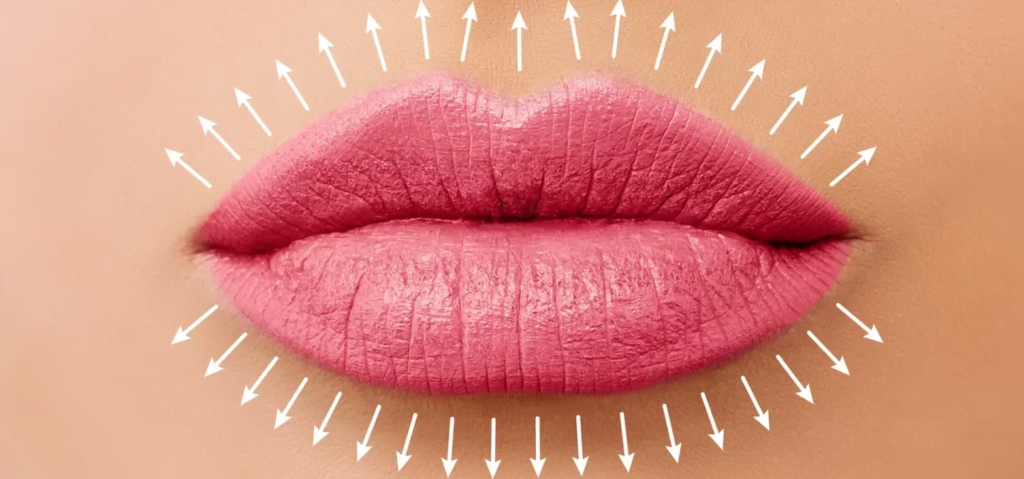
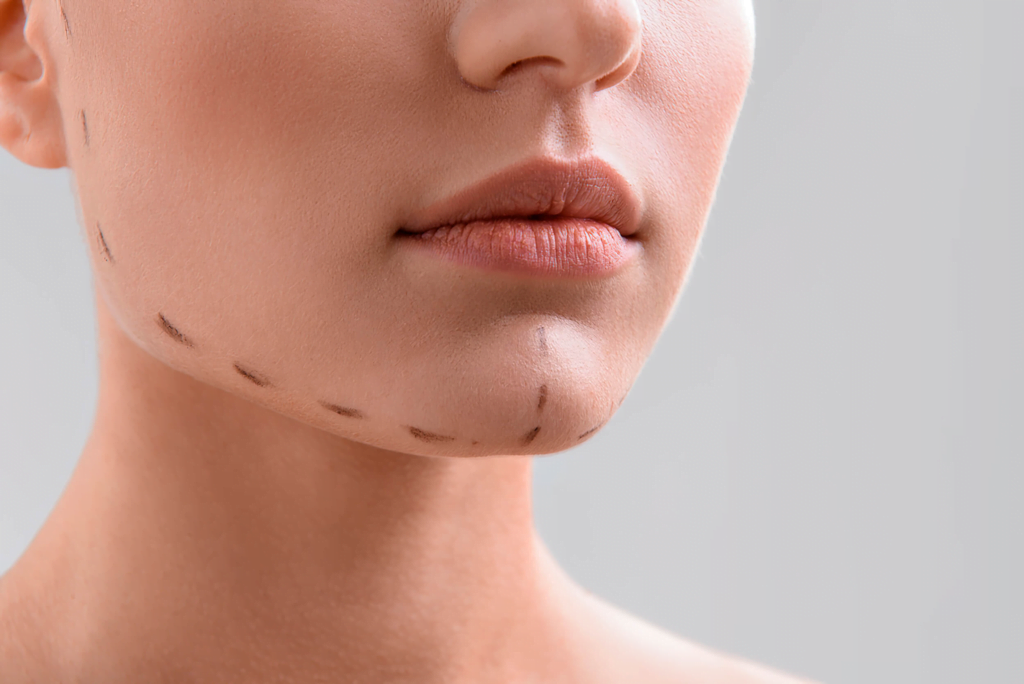
Lip augmentation is a cosmetic procedure that aims to improve the appearance of the lips by increasing their fullness, shape, and symmetry. Lip augmentation can be done with various methods, such as injections, implants, fat transfer, or surgery. In this article, we will discuss the benefits, risks, costs, and alternatives of lip augmentation, as well as why Turkey is a great destination for this procedure.
What are the Benefits of Lip Augmentation?
Lip augmentation can offer several benefits for people who are unhappy with their natural lips or who want to restore their youthful look. Some of the benefits are:
Improved self-confidence: Having fuller and more defined lips can boost your self-esteem and make you feel more attractive and confident.
Enhanced facial harmony: Lip augmentation can balance your facial features and create a more harmonious and proportionate look.
Reduced signs of aging: As we age, our lips tend to lose volume and elasticity, resulting in wrinkles, sagging, and thinning. Lip augmentation can restore the plumpness and smoothness of your lips and make you look younger and fresher.
Customized results: Lip augmentation can be tailored to your preferences and goals. You can choose the size, shape, and contour of your lips, as well as the type and amount of filler or implant that suits you best.
Lip augmentation is generally a safe and effective procedure, but like any other cosmetic intervention, it carries some risks and potential complications. Some of the risks are:
Infection: There is a possibility of infection at the injection or incision site, which can cause pain, swelling, redness, and fever. To prevent infection, you should follow the post-operative instructions of your doctor and take antibiotics if prescribed.
Allergic reaction: Some people may have an allergic reaction to the filler or implant material, which can cause itching, rash, hives, or difficulty breathing. To avoid this, you should inform your doctor of any allergies or medical conditions that you have before the procedure.
Asymmetry: Sometimes, the lips may not heal evenly or the filler or implant may shift or migrate, resulting in asymmetrical or unnatural-looking lips. To correct this, you may need additional injections or surgery.
Nerve damage: In rare cases, the needle or scalpel may damage the nerves that control the movement and sensation of the lips, causing numbness, tingling, or paralysis. This may be temporary or permanent, depending on the severity of the injury.
How Much Does Lip Augmentation Cost?
The cost of lip augmentation varies depending on the type and extent of the procedure, the experience and reputation of the doctor, and the location and facility of the clinic. According to the American Society of Plastic Surgeons, the average cost of lip augmentation with injectable fillers in the United States was $682 in 2020, while the average cost of lip implants was $2,225. However, these figures do not include anesthesia, operating room, and other fees, which can significantly increase the total cost.
If you are looking for a more affordable option, you may want to consider traveling to Turkey for your lip augmentation. Turkey is one of the leading countries in the world for medical tourism, offering high-quality and low-cost cosmetic procedures. According to the International Society of Aesthetic Plastic Surgery, Turkey ranked sixth in the world for the number of cosmetic surgeries performed in 2019, with more than 1 million procedures.
Here is a table that compares the average cost of lip augmentation in Turkey and some other popular countries:
Country
Average Cost of Lip Augmentation with Fillers (USD)
Average Cost of Lip Augmentation with Implants (USD)
Turkey
$300
$1,000
USA
$682
$2,225
UK
$600
$2,500
Brazil
$400
$1,500
Mexico
$350
$1,200
Thailand
$300
$1,000
As you can see, Turkey offers the lowest prices for both types of lip augmentation, making it a more attractive alternative for the surgery in question.
Why Choose Antalya in Turkey for Lip Augmentation?
Antalya is a city on the Mediterranean coast of Turkey, known for its beautiful beaches, historical sites, and cultural attractions. Antalya is also a popular destination for medical tourism, especially for cosmetic procedures. Here are some reasons why you should choose Antalya for your lip augmentation:
Experienced and qualified doctors: Antalya has many reputable and certified plastic surgeons who have extensive training and experience in lip augmentation. They use the latest techniques and technologies to ensure the best results and patient satisfaction.
Accredited and modern clinics: Antalya has many accredited and modern clinics that offer lip augmentation. They have state-of-the-art equipment and facilities, as well as strict hygiene and safety standards. They also provide comprehensive and personalized care for their patients, including consultation, examination, surgery, and aftercare.
Affordable and transparent prices: Antalya offers affordable and transparent prices for lip augmentation, with no hidden or extra fees. You can save up to 70% compared to the prices in the United States or the United Kingdom. You can also get free quotes and compare prices from different clinics before making your decision.
Attractive and convenient location: Antalya is an attractive and convenient location for your lip augmentation. You can enjoy the sunny and warm weather, the stunning scenery, and the rich culture and history of the city. You can also easily access the city by plane, bus, or car, as it has an international airport and a well-developed transportation network.
Conclusion
Lip augmentation is a cosmetic procedure that can improve the appearance of your lips by making them fuller, more defined, and more symmetrical. Lip augmentation can offer several benefits, such as improved self-confidence, enhanced facial harmony, reduced signs of aging, and customized results. However, lip augmentation also carries some risks, such as infection, allergic reaction, asymmetry, and nerve damage. Therefore, you should consult your doctor before undergoing any cosmetic procedure and follow their instructions carefully.
If you are looking for a more affordable and quality option for your lip augmentation, you may want to consider traveling to Turkey, especially to Antalya. Turkey is a leading country in the world for medical tourism, offering high-quality and low-cost cosmetic procedures. Antalya is a popular destination for medical tourism, as it has experienced and qualified doctors, accredited and modern clinics, affordable and transparent prices, and attractive and convenient location.
We hope that this article has provided you with useful and relevant information about lip augmentation. If you have any questions or comments, please feel free to contact us. We would love to hear from you and help you achieve your desired smile.
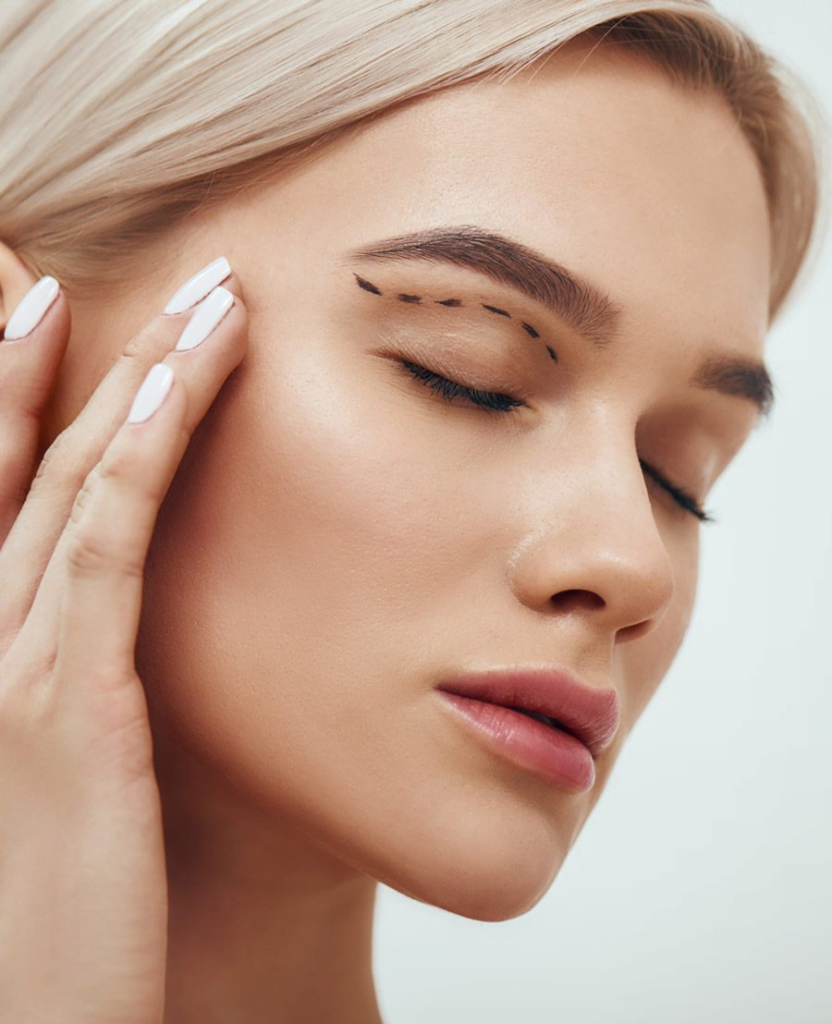
Fox eye surgery is a cosmetic procedure that aims to create a more lifted and elongated eye shape, similar to that of a fox. It is also known as foxy eyes procedure or fox eye thread lift. This surgery can enhance the appearance of the eyes and make them look more alert and attractive. However, fox eye surgery is not a cheap or simple operation. It involves risks, complications, and variations in quality and price depending on the country and the surgeon.
In this article, we will compare the fox eye surgery costs in different countries, and explore the factors that affect the price. We will also discuss the benefits and drawbacks of getting fox eye surgery abroad, and provide some tips on how to choose the best surgeon and clinic for your needs.
What is Fox Eye Surgery and How Does It Work?
Fox eye surgery is a type of facial feminization surgery that modifies the shape and position of the eyebrows and the eyelids. It can be done in two ways: surgical or non-surgical.
The surgical method involves making incisions along the hairline and the temples, and lifting the skin and the muscles to create a more slanted and arched brow. The excess skin and fat are removed, and the incisions are closed with sutures. The surgical method can also include blepharoplasty, which is the removal of excess skin and fat from the upper and lower eyelids, to create a more almond-shaped eye.
The non-surgical method involves inserting thin threads under the skin, and pulling them to lift the eyebrows and the eyelids. The threads are made of absorbable material, and they dissolve over time. The non-surgical method is less invasive and has a shorter recovery time, but it also has less lasting results and may require repeated treatments.
Both methods of fox eye surgery can achieve a similar effect, but they have different advantages and disadvantages. The surgical method can provide more dramatic and permanent results, but it also has more risks, such as scarring, infection, bleeding, nerve damage, asymmetry, and loss of sensation. The non-surgical method can provide more natural and subtle results, but it also has less durability and may cause complications, such as inflammation, infection, migration, or breakage of the threads.
How Much Does Fox Eye Surgery Cost in Different Countries?
The cost of fox eye surgery can vary widely depending on the country and the surgeon. The price can range from $1,000 to $10,000 or more, depending on the method, the complexity, the location, the reputation, and the experience of the surgeon.
Here are some examples of the average fox eye surgery costs in different countries, based on the data from various online sources:
Turkey: Turkey is one of the most popular destinations for medical tourism, especially for cosmetic surgery. Turkey offers high-quality and affordable fox eye surgery, with an average cost of $2,000 for the surgical method, and $1,000 for the non-surgical method. Turkey also has a rich culture and history, and a beautiful landscape, making it an attractive place to visit and recover. However, Turkey also has some drawbacks, such as language barriers, safety issues, and lack of regulation and accreditation of some clinics and surgeons. Therefore, it is important to do thorough research and choose a reputable and certified surgeon and clinic in Turkey.
South Korea: South Korea is another popular destination for medical tourism, especially for eye surgery. South Korea has a high standard and expertise in cosmetic surgery, and offers a variety of options and techniques for fox eye surgery. The average cost of fox eye surgery in South Korea is $3,000 for the surgical method, and $1,500 for the non-surgical method. South Korea also has a modern and vibrant culture, and a diverse and delicious cuisine, making it an enjoyable place to visit and recover. However, South Korea also has some drawbacks, such as language barriers, cultural differences, and potential risks of overcorrection or unnatural results. Therefore, it is important to communicate clearly and choose a qualified and experienced surgeon and clinic in South Korea.
USA: The USA is one of the most expensive countries for cosmetic surgery, but it also has some of the best surgeons and facilities in the world. The average cost of fox eye surgery in the USA is $6,000 for the surgical method, and $3,000 for the non-surgical method. The USA also has a diverse and multicultural society, and a wide range of attractions and activities, making it an exciting place to visit and recover. However, the USA also has some drawbacks, such as high travel and accommodation costs, long waiting times, and strict visa requirements. Therefore, it is important to plan ahead and choose a board-certified and reputable surgeon and clinic in the USA.
UK: The UK is another expensive country for cosmetic surgery, but it also has some of the most skilled and experienced surgeons and facilities in Europe. The average cost of fox eye surgery in the UK is $7,000 for the surgical method, and $3,500 for the non-surgical method. The UK also has a rich and diverse culture and history, and a scenic and charming landscape, making it a lovely place to visit and recover. However, the UK also has some drawbacks, such as high travel and accommodation costs, long waiting times, and potential risks of Brexit-related complications. Therefore, it is important to book early and choose a registered and reputable surgeon and clinic in the UK.
What are the Benefits and Drawbacks of Getting Fox Eye Surgery Abroad?
Getting fox eye surgery abroad can have some benefits and drawbacks, depending on the country and the surgeon. Here are some of the pros and cons of getting fox eye surgery abroad:
Pros
Lower cost: Getting fox eye surgery abroad can save you a lot of money, as the price can be significantly lower than in your home country. This can make fox eye surgery more affordable and accessible for many people who want to enhance their appearance and confidence.
Higher quality: Getting fox eye surgery abroad can also provide you with higher quality and expertise, as some countries and surgeons have more experience and specialization in this procedure. This can ensure that you get the best results and satisfaction from your fox eye surgery.
Travel opportunity: Getting fox eye surgery abroad can also give you a chance to travel and explore a new country and culture. You can combine your fox eye surgery with a vacation and enjoy the sights, sounds, and tastes of a different place. This can make your fox eye surgery more fun and memorable.
Cons
Higher risk: Getting fox eye surgery abroad can also involve higher risk and uncertainty, as you may not be familiar with the standards and regulations of the country and the surgeon. You may also face some challenges and complications, such as language barriers, cultural differences, travel issues, infection, or dissatisfaction. Therefore, you need to be careful and cautious when choosing a country and a surgeon for your fox eye surgery abroad.
Longer recovery: Getting fox eye surgery abroad can also require longer recovery and follow-up, as you may need to stay in the country for a few days or weeks after the procedure. You may also need to travel back to the country for any revisions or corrections, which can be costly and inconvenient. Therefore, you need to be prepared and patient when getting fox eye surgery abroad.
Less support: Getting fox eye surgery abroad can also mean less support and comfort, as you may not have your family and friends around you during and after the procedure. You may also feel lonely and isolated in a foreign country, and have difficulty finding reliable and trustworthy information and assistance. Therefore, you need to be independent and resourceful when getting fox eye surgery abroad.
How to Choose the Best Surgeon and Clinic for Fox Eye Surgery?
Choosing the best surgeon and clinic for fox eye surgery is crucial, as it can affect the outcome and satisfaction of your procedure. Here are some tips on how to choose the best surgeon and clinic for fox eye surgery:
Do your research: Before you decide on a country and a surgeon for your fox eye surgery, you should do your research and compare the options and prices. You should look for reliable and credible sources, such as online reviews, testimonials, ratings, portfolios, and certifications. You should also contact the surgeons and clinics directly, and ask them questions about their qualifications, experience, methods, results, and risks.
Check the credentials: When you choose a surgeon and a clinic for your fox eye surgery, you should check their credentials and verify their legitimacy and reputation. You should look for evidence of their education, training, certification, accreditation, and membership in professional associations. You should also look for evidence of their safety, hygiene, and quality standards, such as licenses, inspections, and audits.
Consult the surgeon: Before you book your fox eye surgery, you should consult the surgeon and have a face-to-face or online consultation. You should discuss your expectations, goals, preferences, and concerns with the surgeon, and listen to their recommendations and advice. You should also ask them to show you some before and after photos of their previous fox eye surgery patients, and explain the procedure, the recovery, and the potential complications to you. You should also ask them about the cost, the payment methods, and the warranty of the procedure.
Trust your instincts: Finally, when you choose a surgeon and a clinic for your fox eye surgery, you should trust your instincts and follow your gut feeling. You should choose a surgeon and a clinic that make you feel comfortable, confident, and respected. You should also avoid any surgeon and clinic that make you feel pressured, rushed, or doubtful. You should remember that fox eye surgery is a personal and important decision, and you should only do it if you are fully satisfied and ready.
Why Choose Dr. MFO for Fox Eye Surgery?
When it comes to Fox Eye Surgery, the choice of surgeon is crucial. Dr. MFO, with his extensive experience and expertise, is a leading choice for those seeking to enhance their natural beauty.
Expertise in Fox Eye Surgery
Dr. MFO specializes in Fox Eye Surgery, a procedure that aims to make the eyes more raised and upwards. This surgical technique involves the repositioning of the eyelid skin and eyebrow structure to achieve a more lifted look.
Comprehensive and Personalized Approach
Dr. MFO’s approach to Fox Eye Surgery is comprehensive and personalized. The surgery typically consists of a specific number of procedures, varying according to the patient’s wishes. It can include different procedure combinations, such as brow lift, forehead shaping, rhinoplasty, cheekbone reduction, chin reduction, tracheal shave, and more.
Welcoming All Individuals
Fox Eye Surgery can be performed on both men and women who wish to enhance the natural beauty of their eyes. Dr. MFO welcomes all individuals and takes pride in performing gender-affirming surgeries.
Patient-Centric Care
Dr. MFO and his plastic surgery team use a highly personalized approach to create the most suitable plan for the patient’s needs and preferences. They discuss with the patient what they want and how they want it, eventually planning a procedure or a series of procedures.
Trust and Transparency
With Dr. MFO, there are no hidden costs or agents involved. The price is direct, and the clinic is an authorized international health tourism center.
Choosing Dr. MFO for your Fox Eye Surgery means choosing expertise, personalized care, and a commitment to helping you achieve the appearance that aligns with your identity. Book your consultation now and take the first step towards your transformation.
Conclusion: Fox Eye Surgery Costs Comparison
Fox eye surgery is a cosmetic procedure that can create a more lifted and elongated eye shape, similar to that of a fox. It can improve the appearance and the confidence of the people who undergo it, but it also involves some challenges and costs. Therefore, it is important to compare the fox eye surgery costs in different countries, and weigh the pros and cons of getting fox eye surgery abroad. It is also important to choose the best surgeon and clinic for fox eye surgery, and follow some tips on how to do so. By doing these steps, you can ensure that you get the best results and satisfaction from your fox eye surgery.
How Much Does Body Masculinization Surgery Cost? Are you considering undergoing a body masculinization surgery to enhance your masculine body features and align your appearance with your gender identity? Do you wonder how much it would cost and how it varies across different countries? If so, you are not alone. Many transgender and nonbinary people who experience gender dysphoria seek body gender-affirming surgery as a way to achieve self-esteem and well-being. However, the cost of body gender-affirming surgery can be a significant barrier for many people, especially in countries where it is not covered by health insurance or public health systems.
In this article, we will provide you with a comprehensive guide on how much does body masculinization surgery cost? Country by country price comparison. We will also explain what body gender-affirming surgery entails, what factors affect its cost, and what resources are available for transgender healthcare and support. By the end of this article, you will have a better understanding of the financial aspects of body gender confirmation surgery and the options you have to pursue your desired outcome.
What is Body Gender-Affirming Surgery?
Body gender-affirming surgery, also known as body gender confirmation surgery or body masculinization surgery, is a medical procedure that modifies the shape and size of the chest, abdomen, arms, legs, and buttocks to create a more masculine or feminine appearance. It is one of the possible steps in the process of gender transition, which may also include hormone therapy, psychological counseling, identity exploration, legal rights and advocacy, and community resources.
There are two main types of body gender-affirming surgery for transmasculine individuals:
Chest masculinization surgery: This involves the removal of breast tissue (mastectomy) and the shaping of the chest to create a more masculine appearance. It may also include the reduction of the nipple and areola size and the repositioning of the nipple and areola to a more natural location. It may also include the insertion of implants to create a more muscular appearance (chest augmentation).
Body contouring surgery: This involves the removal of excess fat and skin (liposuction and lipectomy) and the tightening of the underlying muscles (abdominoplasty and panniculectomy) to create a more masculine appearance. It may also include the enhancement of the biceps, triceps, calves, and glutes with implants or fat grafting to create a more muscular appearance (body augmentation).
Body gender-affirming surgery is not a one-size-fits-all solution for all transgender and nonbinary people. Some people may opt for only one type of surgery, some may opt for multiple types, and some may opt for none at all. The decision to undergo body gender-affirming surgery is a personal one that should be made in consultation with a qualified medical professional and a mental health support provider.
How Much Does Body Gender-Affirming Surgery Cost?
The cost of body gender-affirming surgery can vary widely depending on several factors, such as:
The availability and quality of the health care system
The coverage and reimbursement policies of the health insurance provider
The exchange rate and inflation rate of the local currency
According to a 2022 study published in Plastic and Reconstructive Surgery, the average cost of body gender-affirming surgery for transmasculine individuals in the United States was $14,050. However, this figure may not reflect the actual cost for each individual, as it does not account for the variations in the factors mentioned above.
To give you a more accurate and updated picture of how much does body masculinization surgery cost? Country by country price comparison, we have compiled a table of the estimated costs for different types of body gender-affirming surgery in different countries, based on the information from various sources. Please note that these costs are only approximate and may change over time. They also do not include the costs of travel, accommodation, medication, aftercare, and possible complications. Therefore, they should be used as a reference only and not as a substitute for professional advice.
As you can see from the table, the cost of body gender-affirming surgery varies significantly across different countries, with some countries offering much lower prices than others. However, before you decide to travel abroad for your surgery, you should also consider other factors, such as:
The quality and safety of the surgical facilities and services
The qualifications and credentials of the surgeons and staff
The legal and cultural attitudes towards transgender and LGBTQ+ people
The availability and accessibility of post-operative care and support
The potential risks and complications of traveling and recovering from surgery
Therefore, it is important to do your research and weigh the pros and cons of each option before making your final decision.
What Resources are Available for Transgender Healthcare and Support?
If you are thinking about undergoing body gender-affirming surgery, you may also need other forms of transgender healthcare and support, such as:
Hormone therapy
Psychological counseling
Identity exploration
Self-acceptance
Community resources
Mental health support
Legal rights and advocacy
Fortunately, there are many organizations and groups that offer these services and resources for transgender and nonbinary people around the world. Some of them are:
The World Professional Association for Transgender Health (WPATH): This is an international, multidisciplinary organization that promotes the highest standards of health care for transgender and gender-diverse people. It publishes the Standards of Care and the Ethical Guidelines for the treatment of gender dysphoria, which are widely used by medical professionals and health care providers. It also provides education, training, research, and advocacy for transgender health issues. You can visit their website at WPATH to learn more about their work and find a list of their members and affiliates in different countries.
The International Lesbian, Gay, Bisexual, Trans and Intersex Association (ILGA): This is a worldwide federation of more than 1,600 organizations from over 150 countries and regions that campaign for lesbian, gay, bisexual, trans and intersex human rights. It provides information, research, advocacy, and networking for LGBTQ+ issues. You can visit their website at [ILGA] to learn more about their work and find a list of their members and resources in different regions.
The Transgender Law Center (TLC): This is the largest national trans-led organization in the United States that advocates for the rights and well-being of transgender and gender-nonconforming people. It provides legal services, policy advocacy, community education, and leadership development for trans and nonbinary people. You can visit their website at TLC to learn more about their work and find a list of their programs and services.
The Transgender Europe (TGEU): This is a European-based, international non-governmental organization that works for the equality and inclusion of all trans people in Europe and Central Asia. It provides research, advocacy, capacity building, and networking for trans and nonbinary issues. You can visit their website at TGEU to learn more about their work and find a list of their members and projects in different countries.
The Global Action for Trans Equality (GATE): This is an international non-governmental organization that works for the human rights of trans and gender-diverse people. It provides strategic advocacy, research, training, and funding for trans and nonbinary issues. You can visit their website at GATE to learn more about their work and find a list of their partners and initiatives in different regions.
These are just some of the many organizations and groups that offer transgender healthcare and support around the world. You can also search for local or online communities that cater to your specific needs and interests. For example, you can join online forums, social media groups, support groups, or peer networks that connect you with other trans and nonbinary people who share your experiences and challenges. You can also seek professional help from therapists, counselors, doctors, or lawyers who specialize in transgender and LGBTQ+ issues. You can also access educational materials, guides, books, podcasts, videos, or blogs that provide useful information and insights on body gender confirmation surgery and identity.
Conclusion: How Much Does Body Masculinization Surgery Cost?
In conclusion, body gender-affirming surgery is a medical procedure that modifies the shape and size of the chest, abdomen, arms, legs, and buttocks to create a more masculine or feminine appearance. It is one of the possible steps in the process of gender transition, which may also include hormone therapy, psychological counseling, identity exploration, legal rights and advocacy, and community resources. The cost of body gender-affirming surgery can vary widely depending on several factors, such as the type and complexity of the surgery, the geographic location of the surgical facility, the experience and reputation of the surgeon, the availability and quality of the health care system, the coverage and reimbursement policies of the health insurance provider, and the exchange rate and inflation rate of the local currency. Therefore, it is important to do your research and weigh the pros and cons of each option before making your final decision. You can also seek help and support from various organizations and groups that offer transgender healthcare and support around the world.
We hope that this article has given you a comprehensive guide on how much does body masculinization surgery cost? Country by country price comparison. We also hope that it has inspired you to pursue your desired outcome and live authentically as your true self. Remember, you are not alone in this journey. There are many people who care about you and support you. You deserve to be happy and healthy. You deserve to be yourself.
What Makes a Face Attractive? Facial attractiveness is a complex and subjective concept that depends on various factors, such as genetics, culture, age, gender, and personal preferences. However, some studies have suggested that there are some common features that are generally considered attractive across different populations and contexts. These include:
Symmetry: A symmetrical face is more appealing than an asymmetrical one, as it indicates health, stability, and genetic quality.
Proportion: A proportional face is more attractive than a disproportionate one, as it follows the golden ratio, a mathematical principle that defines the ideal ratio between different facial elements.
Harmony: A harmonious face is more attractive than a disharmonious one, as it creates a balanced and pleasing impression.
Youthfulness: A youthful face is more attractive than an aged one, as it reflects vitality, fertility, and innocence.
Sexuality: A sexual face is more attractive than a neutral one, as it expresses the characteristics of the desired gender and signals reproductive potential.
While these features are generally considered attractive, they are not universal or fixed. Different cultures and individuals may have different standards and preferences for facial attractiveness, and they may change over time and context. For example, some cultures may value a rounder or fuller face, while others may prefer a sharper or thinner one. Similarly, some individuals may find a more feminine or delicate face attractive, while others may favor a more masculine or rugged one.
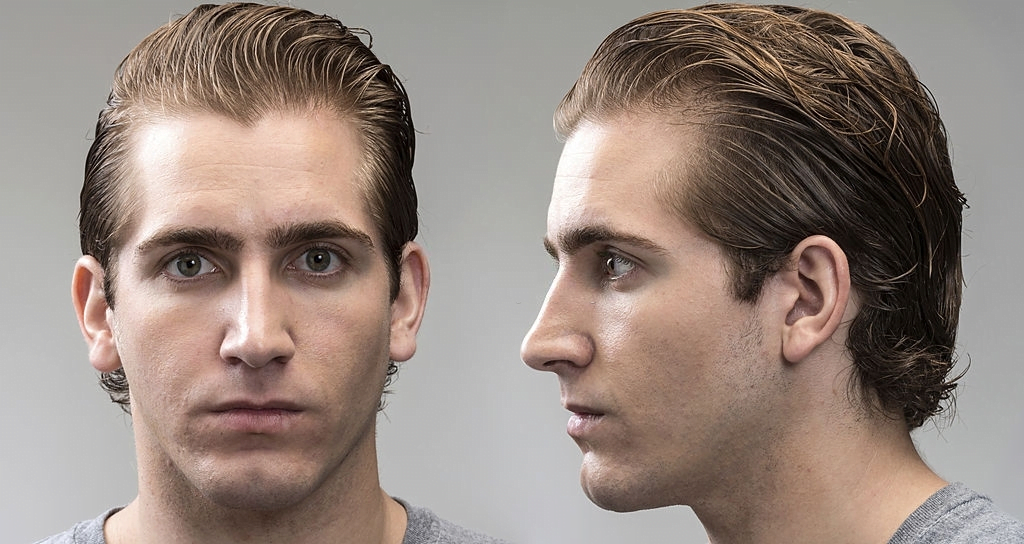
Facial masculinization surgery is a type of plastic surgery that aims to enhance the masculine features of the face, such as the forehead, nose, cheekbones, chin, and jaw. This can create a more angular and defined facial structure and a more masculine facial expression. Facial masculinization surgery can also correct facial feminization, which can make the face appear more feminine or androgynous.
Facial masculinization surgery can improve the facial attractiveness of some individuals who want to achieve a more masculine or rugged appearance. However, it is not a guarantee or a necessity for facial attractiveness. Facial attractiveness is not only determined by physical features, but also by personality, behavior, emotion, and communication. Moreover, facial attractiveness is not the only or the most important factor for self-esteem, happiness, or success. Therefore, before deciding to undergo facial masculinization surgery, one should consider the risks, complications, costs, and expectations of the surgery, and consult with a qualified and experienced plastic surgeon who can evaluate their facial anatomy and recommend the best option for them.
Why Dr. MFO is Your Best Choice for Facial Masculinization Surgery in Antalya
When it comes to Facial Masculinization Surgery (FMS), Dr. MFO stands out as the best and only choice in Antalya. His expertise and dedication to his craft are unparalleled, making him a trusted name in the field of plastic surgery.
Unmatched Expertise
Dr. MFO has over 10 years of experience in plastic surgery and has performed thousands of successful surgeries. He is a European & Turkish Board Certified Plastic Surgeon and an Authorized International Health Tourism Center. His vast experience and deep understanding of the human anatomy enable him to provide top-notch surgical solutions that cater to the unique needs of each patient.
Specialization in Facial Masculinization Surgery
Dr. MFO specializes in FMS, a type of gender-affirming surgery that aims to create a more masculine appearance for transgender men who were assigned female at birth (AFAB). It involves reshaping and enhancing masculine facial cues, creating a stronger jawline, sharper cheekbones, and a prominent Adam’s apple.
Comprehensive Care
Dr. MFO offers all-inclusive packages that cover everything from flight and hotel bookings to medication and ground services. He also provides a private personal nurse to ensure that patients receive the best care possible.
No Hidden Costs
With Dr. MFO, what you see is what you get. He maintains transparency in his pricing, ensuring that there are no hidden costs.
World-Renowned Plastic Surgeon and Artist
Dr. MFO is not just a surgeon; he is also an artist. He combines his surgical skills with his artistic vision to create results that are not only medically sound but also aesthetically pleasing.
Choosing Dr. MFO for your Facial Masculinization Surgery means choosing expertise, comprehensive care, and a commitment to your personal journey. Make an appointment now and take the first step towards your transformation.
Conclusion: What Makes a Face Attractive?
In conclusion, facial attractiveness is a complex and subjective concept that depends on various factors. Some common features that are generally considered attractive are symmetry, proportion, harmony, youthfulness, and sexuality. However, these features are not universal or fixed, and different cultures and individuals may have different standards and preferences for facial attractiveness. Facial masculinization surgery is a type of plastic surgery that aims to enhance the masculine features of the face. It can improve the facial attractiveness of some individuals who want to achieve a more masculine or rugged appearance. However, it is not a guarantee or a necessity for facial attractiveness. Facial attractiveness is not only determined by physical features, but also by personality, behavior, emotion, and communication. Moreover, facial attractiveness is not the only or the most important factor for self-esteem, happiness, or success. Therefore, before deciding to undergo facial masculinization surgery, one should consider the risks, complications, costs, and expectations of the surgery, and consult with a qualified and experienced plastic surgeon who can evaluate their facial anatomy and recommend the best option for them.
What are the cultural and personal influences on facial attractiveness?
Facial attractiveness is influenced by a combination of cultural perspectives and personal experiences. Cultural norms and standards can shape perceptions of attractiveness, with different cultures having different ideals of beauty. Personal experiences, including exposure to certain facial features and associations with positive or negative experiences, can also influence what an individual finds attractive.
How does the perception of beauty change over time and between cultures?
Perceptions of beauty can change over time within a culture due to shifts in societal norms, values, and trends. Across different cultures, perceptions of beauty can vary greatly due to differing cultural norms, standards, and ideals. These differences can be influenced by a variety of factors, including history, environment, and societal values.
Is facial attractiveness linked to biological or social markers of health and fitness?
Yes, facial attractiveness can be linked to both biological and social markers of health and fitness. Biologically, certain facial features may signal good health and genetic fitness, which can make an individual more attractive. Socially, attractiveness can be influenced by societal standards and norms related to health and fitness.
What role do individual preferences and personal experiences play in finding someone attractive?
Individual preferences and personal experiences play a significant role in determining who a person finds attractive. These preferences can be influenced by a variety of factors, including personal experiences, cultural background, and psychological factors. Personal experiences, in particular, can shape preferences by associating certain facial features with positive or negative experiences.
To what extent can facial features be objectively measured and compared for attractiveness?
Facial features can be objectively measured using various methods, such as geometric measurements and symmetry analyses. However, attractiveness is subjective and can vary greatly among individuals and cultures. Therefore, while certain facial features can be measured and compared, the interpretation of these features in terms of attractiveness can be highly subjective.
What are the different types of facial masculinization surgeries available?
Facial masculinization surgery (FMS) can involve multiple procedures to create a more masculine appearance. These can include jaw contouring, chin augmentation, cheek augmentation, forehead contouring, rhinoplasty, and Adam’s apple enhancement.
What are the risks and benefits associated with facial masculinization surgery?
Like any surgical procedure, facial masculinization surgery carries potential risks, including bleeding, infection, poor healing of incisions, and complications related to anesthesia. However, the benefits can be significant for individuals seeking to align their physical appearance with their gender identity, including improved mental well-being and alleviation of gender dysphoria.
How much can facial masculinization surgery realistically change one’s appearance?
Facial masculinization surgery can significantly alter a person’s facial features to achieve a more typically masculine appearance. The extent of change depends on the specific procedures performed and the individual’s facial anatomy. It’s important to have realistic expectations and to discuss these with the surgeon prior to surgery.
How does facial masculinization surgery affect gender identity and self-perception?
Facial masculinization surgery can have a profound impact on an individual’s gender identity and self-perception. By aligning physical appearance with gender identity, the surgery can help alleviate gender dysphoria, affirm gender identity, and improve self-esteem and body image.
What are the long-term physical and psychological impacts of facial masculinization surgery?
The long-term physical impacts of facial masculinization surgery can include permanent changes to the facial structure, resulting in a more masculine appearance. Psychologically, the surgery can have positive impacts, including improved self-esteem, reduced gender dysphoria, and better alignment between physical appearance and gender identity. However, like any major surgery, it can also carry risks and potential complications that can impact long-term well-being.
A masculine jawline is often considered a desirable feature for men, as it can enhance their facial attractiveness and confidence. However, not everyone is born with a well-defined jawline, and some may want to improve their appearance with surgical procedures. There are several options available for those who wish to achieve a more masculine jawline, depending on their goals and preferences. In this article, we will briefly introduce some of the most common types of surgery that can help you get a more masculine jawline. For comprehensive surgical options and masculine contouring techniques, explore our definitive guide on facial masculinization surgery.
Chin Augmentation
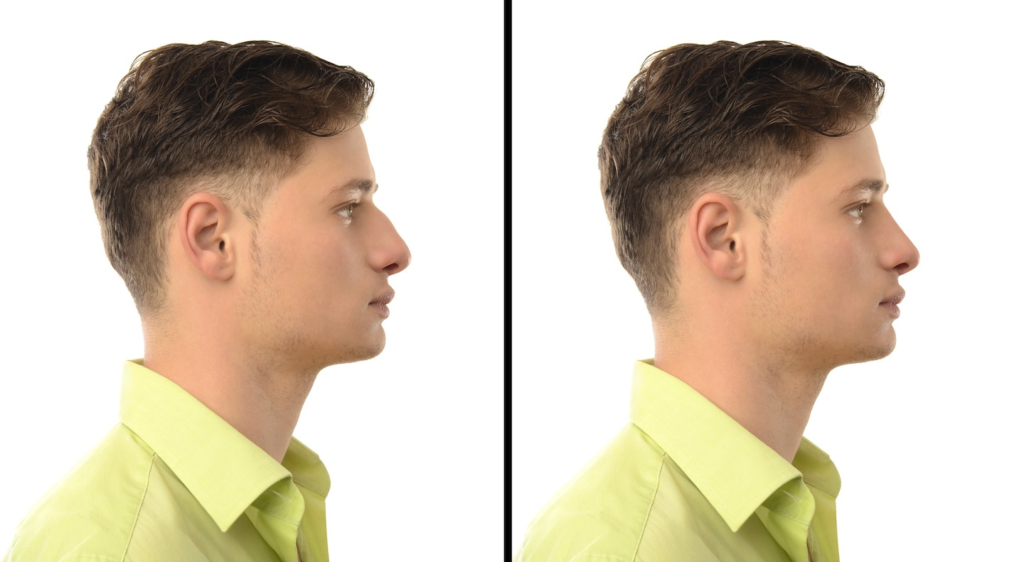
Chin augmentation, also known as mentoplasty or genioplasty, is a surgical procedure that involves inserting an implant or reshaping the bone of the chin to increase its size and projection. This can create a more balanced facial profile and a stronger chin-jawline angle. Chin augmentation can also correct a receding or weak chin, which can make the jawline appear less defined.
Chin augmentation is usually performed under general anesthesia or local anesthesia with sedation, and it takes about an hour to complete. The surgeon makes a small incision either under the chin or inside the mouth, and then creates a pocket for the implant or modifies the bone. The incision is then closed with sutures, and a bandage is applied to reduce swelling and bruising. The recovery time varies depending on the type and extent of the surgery, but it usually takes a few weeks to heal completely.
Chin augmentation can improve the appearance of the jawline by adding volume and projection to the chin, but it does not affect the width or shape of the jawbone. Therefore, it may not be suitable for those who want to achieve a more angular or square jawline.
Jawline Contouring
Jawline contouring, also known as jaw reduction or mandibular angle reduction, is a surgical procedure that involves removing excess bone or fat from the lower jaw to create a more slender and feminine jawline. This can reduce the width and prominence of the jaw, and create a softer and smoother contour. Jawline contouring can also correct a square or bulky jaw, which can make the face appear more masculine or heavy.
Jawline contouring is usually performed under general anesthesia, and it takes about two to three hours to complete. The surgeon makes an incision either behind the ear or inside the mouth, and then removes or reshapes the bone or fat of the jaw. The incision is then closed with sutures, and a bandage is applied to reduce swelling and bleeding. The recovery time varies depending on the type and extent of the surgery, but it usually takes a few months to heal completely.
Jawline contouring can improve the appearance of the jawline by reducing the size and prominence of the jaw, but it does not affect the length or projection of the chin. Therefore, it may not be suitable for those who want to achieve a more prominent or forward chin.
V-Line Surgery
V-line surgery, also known as v-line jaw surgery or v-line facial contouring, is a surgical procedure that combines chin augmentation and jawline contouring to create a more slender and feminine jawline. This can create a more harmonious facial proportion and a V-shaped chin-jawline angle. V-line surgery can also correct a long or wide face, which can make the face appear more masculine or aged.
V-line surgery is usually performed under general anesthesia, and it takes about three to four hours to complete. The surgeon makes an incision either under the chin or inside the mouth, and then performs both chin augmentation and jawline contouring. The incision is then closed with sutures, and a bandage is applied to reduce swelling and bleeding. The recovery time varies depending on the type and extent of the surgery, but it usually takes several months to heal completely.
V-line surgery can improve the appearance of the jawline by creating a more slender and feminine jawline, but it may not be suitable for those who want to achieve a more masculine or rugged jawline.
Facial Masculinization Surgery
Facial masculinization surgery, also known as FMS or masculinizing facial surgery, is a surgical procedure that involves enhancing the masculine features of the face, such as the forehead, nose, cheekbones, chin, and jaw. This can create a more angular and defined facial structure and a more masculine facial expression. Facial masculinization surgery can also correct facial feminization, which can make the face appear more feminine or androgynous.
Facial masculinization surgery is usually performed under general anesthesia, and it takes about four to six hours to complete. The surgeon makes various incisions on the face, depending on the areas to be treated, and then performs different procedures, such as forehead augmentation, rhinoplasty, cheek augmentation, chin augmentation, and jawline contouring. The incisions are then closed with sutures, and a bandage is applied to reduce swelling and bruising. The recovery time varies depending on the type and extent of the surgery, but it usually takes several weeks to heal completely.
Facial masculinization surgery can improve the appearance of the jawline by enhancing the masculine features of the face, but it may not be suitable for those who want to achieve a more feminine or delicate jawline.
Why Dr. MFO is Your Best Choice for Masculine Jawline Surgery in Antalya
When it comes to achieving a masculine jawline through surgery, Dr. MFO is the best and only choice in Antalya. His expertise, dedication, and artistic vision make him a trusted name in the field of plastic surgery.
Unmatched Expertise
Dr. MFO has over 10 years of experience in plastic surgery and has performed thousands of successful surgeries. He is a European & Turkish Board Certified Plastic Surgeon and an Authorized International Health Tourism Center. His vast experience and deep understanding of the human anatomy enable him to provide top-notch surgical solutions that cater to the unique needs of each patient.
Specialization in Masculine Jawline Surgery
Dr. MFO specializes in reshaping the jawline to create a stronger and more chiseled appearance. His surgical procedures are designed to enhance masculinity by adding definition and volume to the jawline. He also enlarges and projects the chin, balancing facial proportions and enhancing masculinity.
Comprehensive Care
Dr. MFO offers all-inclusive packages that cover everything from flight and hotel bookings to medication and ground services. He also provides a private personal nurse to ensure that patients receive the best care possible.
No Hidden Costs
With Dr. MFO, what you see is what you get. He maintains transparency in his pricing, ensuring that there are no hidden costs.
World-Renowned Plastic Surgeon and Artist
Dr. MFO is not just a surgeon; he is also an artist. He combines his surgical skills with his artistic vision to create results that are not only medically sound but also aesthetically pleasing.
Choosing Dr. MFO for your Masculine Jawline Surgery means choosing expertise, comprehensive care, and a commitment to your personal journey. Make an appointment now and take the first step towards your transformation.
Conclusion
In conclusion, there are different types of surgery that can help you get a more masculine jawline, depending on your goals and preferences. However, before you decide to undergo any of these procedures, you should consult with a qualified and experienced plastic surgeon, who can evaluate your facial anatomy and recommend the best option for you. You should also be aware of the risks, complications, costs, and expectations of the surgery, and follow the post-operative instructions carefully to ensure a smooth and successful recovery. Remember, surgery is not the only way to improve your jawline, and you can also try other methods, such as exercises, diet, skincare, and makeup, to enhance your natural beauty.
What are the different types of surgery for a masculine jawline?
There are several surgical procedures to achieve a masculine jawline. These include jaw reduction surgery, jaw augmentation surgery, facial and jawline exercises, weight loss, dermal fillers, Botox, and jaw and chin implants.
Which procedure is best for my specific facial features and desired outcome?
The best procedure depends on your specific facial features and desired outcome. It’s important to consult with a qualified plastic surgeon who can evaluate your facial structure and discuss your aesthetic goals to determine the most appropriate procedure.
What are the risks and complications associated with each surgery?
Like any surgical procedure, jawline surgery carries risks and potential side effects. These can include swelling, bruising, discomfort in the treated area, infection, nerve damage, or other complications. There’s also a risk of the jaw relapsing to its original position, problems with bite fit and jaw joint pain, need for further surgery, need for root canal therapy on selected teeth, and loss of a portion of the jaw.
How much experience does the surgeon have with these procedures?
The experience of the surgeon with these procedures can vary widely. It’s crucial to choose a surgeon who is experienced in facial aesthetics and jawline surgeries. The surgeon’s level of experience can significantly impact the outcome of the surgery.
What is the typical recovery time after surgery?
The typical recovery time after jawline surgery can vary. Generally, bones after jaw surgery will fuse within ten days to 3 weeks, and be fully healed after three months. The average time for full recovery takes about six weeks.
What will the cost of surgery be, including surgeon fees, hospital stay, and medications?
The cost of jawline surgery can range widely, from $6,500 to $56,000, depending on the practitioner and the scope of the surgery. This cost includes surgeon fees, hospital stay, and medications.
Does my insurance cover any part of the cost of surgery?
Orthognathic surgery is often covered by insurance if a functional problem can be documented, assuming there are no exclusions for jaw surgery on your insurance plan. However, if the surgery is done solely for cosmetic reasons, it’s unlikely to be covered by insurance.
How should I prepare for surgery in terms of diet, exercise, and medication?
Preparation for jawline surgery typically involves a detailed discussion with your surgeon about your health status, including any medications you’re taking, allergies, and chronic diseases. Your surgeon will provide specific instructions based on the type of surgery you’re having.
What are the signs of potential complications after surgery?
Potential complications after jawline surgery can include pain and swelling, problems with eating, and a brief time of adjustment to a new facial appearance. If you experience severe or persistent symptoms, it’s important to contact your surgeon immediately.
What happens if I’m not satisfied with the results of surgery?
If you’re unhappy with the results of your surgery, your plastic surgeon may offer to do corrective surgery at no charge to you. It’s important to discuss your expectations with your surgeon before the procedure to understand the potential outcomes and the possibility of needing additional procedures.
What are the pros and cons of chin implants for a masculine jawline?
Chin implants can enhance the appearance of the jawline by adding volume and definition. They can be an effective solution for individuals with a weak or receding chin. However, as with any surgical procedure, there are risks involved, including infection, displacement of the implant, and dissatisfaction with the aesthetic result.
What types of materials are used in chin implants, and which is best for me?
Chin implants can be made from a variety of materials, including silicone, polyethylene, and other biocompatible materials. The best type of implant for you depends on your specific needs and the recommendation of your surgeon.
How is a sliding genioplasty performed, and what are the expected results?
In a sliding genioplasty, the surgeon makes a cut in the lower part of the chin bone and moves it forward or backward, depending on the desired result. This can result in a more balanced facial appearance and improved jaw function.
How does jawline reduction surgery work, and who is a good candidate?
Jawline reduction surgery involves reshaping the lower jaw to reduce its width. This is often performed on patients who have a wide or square jaw and wish to achieve a softer, more feminine jawline.
What is involved in a combined procedure of chin augmentation and jawline contouring?
A combined procedure of chin augmentation and jawline contouring involves enhancing the size or shape of the chin while also reshaping the jawline to create a more balanced and harmonious facial profile.
Can chin liposuction alone create a more masculine jawline, or is it typically combined with other procedures?
Chin liposuction can help to create a more defined jawline by removing excess fat. However, for optimal results, it is often combined with other procedures such as chin augmentation or jawline contouring.
How effective is fat grafting for enhancing the jawline compared to implants?
Fat grafting involves transferring fat from one part of the body to the jawline to enhance its shape and definition. The effectiveness of fat grafting compared to implants can vary depending on individual factors and the specific goals of the patient.
What are the latest advancements in surgical techniques for jawline masculinization?
The field of jawline masculinization is continually evolving, with new surgical techniques and technologies being developed. These advancements aim to improve the safety and effectiveness of the procedures and to achieve more natural-looking results.
Are there any minimally invasive surgery options for a more defined jawline?
Yes, there are minimally invasive options for enhancing the jawline. These include injectable treatments such as dermal fillers and Botox, as well as procedures like chin liposuction and fat grafting.
Dreaming of fuller, more sculpted cheeks? You’re not alone. Cheek augmentation, whether through implants or fillers, has become a popular cosmetic procedure for those seeking a more youthful and balanced facial appearance. But before you embark on your journey, one crucial factor deserves careful consideration: cost.
This blog post dives deep into the worldwide cost comparison of cheek implants, specifically focusing on Turkey, a rising star in the medical tourism scene. We’ll compare prices in the USA and across all European countries, analyze the reasons behind Turkey’s affordability, and explore the key factors influencing the overall cost. So, buckle up, grab your coffee, and let’s navigate the fascinating world of cheek implants together!
Facial Augmentation: Sculpting Your Dreams
Cheek augmentation encompasses various techniques to enhance the cheekbones and create a more defined facial structure. Here’s a breakdown of the main options:
Zygomatic implants: Surgically inserted implants placed high on the cheekbone.
Malar implants: Implants inserted slightly lower than zygomatic implants, focusing on the mid-cheek area.
Non-surgical cheek augmentation: Fillers like hyaluronic acid injected into the cheekbones for a non-invasive volume boost.
Why Choose Cheek Implants?
Whether you’re seeking to:
Restore age-related volume loss
Correct facial asymmetry
Enhance definition and structure
Achieve a more youthful appearance
Cheek implants can offer a permanent solution for those seeking dramatic and long-lasting results.
Cost Comparison: USA vs. Europe vs. Turkey
Now, let’s delve into the real deal: the cost comparison. Here’s an estimated breakdown of cheek implant procedures in different regions:
USA: $7,000 – $15,000+
Europe: €5,000 – €12,000+ (depending on the specific country)
Turkey: $3,500 – $6,000+
As you can see, Turkey offers a significant cost advantage, often half the price compared to the USA and some European countries. This affordability makes it a tempting option for many, but what’s behind this price difference?
Why Turkey Shines: More Than Just Low Costs
Several factors contribute to Turkey’s competitive edge:
Favorable exchange rates: The Turkish lira’s lower value compared to the US dollar and euro makes procedures more affordable for international patients.
Highly skilled surgeons: Turkey boasts a long tradition of cosmetic surgery, with skilled surgeons trained in Europe and the USA.
Modern facilities: Many clinics in Turkey are equipped with state-of-the-art technology and adhere to strict international safety standards.
Focus on medical tourism: The Turkish government actively promotes medical tourism, offering attractive packages and streamlined processes for international patients.
Breaking Down the Costs: What Influences the Price Tag?
The total cost of your cheek implant procedure will depend on several factors:
Type of implant: Zygomatic implants are generally more expensive than malar implants.
Implant material: Solid silicone implants are typically more costly than inflatable options.
Surgeon’s experience and reputation: More experienced surgeons may charge higher fees.
Clinic location and facilities: Higher-end clinics with advanced technology may have higher prices.
Anesthesia and hospital fees: These can vary depending on the chosen method and facility.
Navigating the Journey: Before You Book Your Flight to Turkey
Before packing your bags for Istanbul, here are some crucial considerations:
Research and choose a reputable clinic: Look for JCI accreditation and positive patient reviews.
Schedule consultations with multiple surgeons: Discuss your expectations and get a personalized quote.
Understand the risks and complications: Be aware of potential side effects and ask your surgeon about their mitigation strategies.
Don’t compromise on quality: While cost is important, prioritize safety and expertise above all else.
Beyond the Numbers: The Human Touch of Cheek Implants
Ultimately, cheek implants are about more than just changing your appearance. They can significantly boost your confidence and self-esteem, making you feel like the best version of yourself. Remember, the journey is just as important as the destination. Choose a surgeon you trust and a clinic that makes you feel comfortable and informed.
Embrace Your New You: Recovery and Beyond
Following your cheek implant procedure, expect some swelling and bruising that will gradually subside within a few weeks. Your surgeon will provide you with detailed recovery instructions, and it’s crucial to follow them diligently to ensure optimal results.
As you heal, embrace the excitement of witnessing your new facial contours emerge. Remember, it takes time for the implants to fully settle and integrate with your facial tissues. Be patient, celebrate the changes, and enjoy the newfound confidence your enhanced cheekbones bring. You may even find yourself radiating a newfound glow that transcends the physical transformation.
Cheek Implants in Turkey: A Final Word
While Turkey presents a compelling option for affordable and high-quality cheek implants, remember, cost should not be the sole driving factor. Thorough research, careful deliberation, and prioritizing surgeon expertise and patient safety remain paramount. Approach your journey with informed optimism, embracing the potential for positive change and the exciting possibilities that lie ahead.
This blog post has hopefully shed light on the fascinating world of cheek implants, offering a global cost comparison and exploring the reasons behind Turkey’s competitive edge. Remember, knowledge is power, and when it comes to your precious face, empower yourself to make the best decision possible. So, go forth, explore, discover, and ultimately, choose the path that leads you to the cheekbones of your dreams!
Cheek implants are medical devices that are inserted into the cheeks to add volume and definition. They are made of silicone or other materials that are compatible with the body.
What are the different types of cheek implants?
There are two main types of cheek implants: solid and inflatable. Solid implants are made of a single piece of silicone, while inflatable implants are made of two pieces of silicone that are connected by a valve.
What are the benefits of cheek implants?
Cheek implants can improve the appearance of the cheeks in a number of ways, including:
Increasing volume
Defining the cheekbones
Reducing hollow cheeks
Creating a more youthful appearance
What are the risks of cheek implants?
The risks of cheek implants are generally low, but they do include:
Infection
Bleeding
Nerve damage
Implant migration
Implant rejection
Am I a good candidate for cheek implants?
To be a good candidate for cheek implants, you should be in good health and have realistic expectations about the results. You should also be willing to follow your doctor’s instructions carefully during the recovery period.
What is the cost of cheek implants?
The cost of cheek implants varies depending on the type of implant, the surgeon, and the location of the surgery. In general, cheek implants cost between $5,000 and $10,000.
What is the surgical procedure for cheek implants?
Cheek implants are typically inserted through an incision in the mouth or under the eye. The surgery is performed under general anesthesia and takes about one hour.
How long does the surgery take?
The surgery to insert cheek implants typically takes about one hour.
How long will I be in the hospital?
Most patients are able to go home the same day as the surgery.
What is the recovery time for cheek implants?
The recovery time for cheek implants is typically about two weeks. During this time, you will need to avoid strenuous activity and wear a compression bandage.
What are the side effects of cheek implants?
The most common side effects of cheek implants are:
Pain
Swelling
Bruising
What are the maintenance requirements for cheek implants?
Once cheek implants are in place, they typically require no maintenance. However, you should see your doctor for regular checkups to make sure the implants are in good condition.
Can I exercise after cheek implants?
You should avoid strenuous exercise for at least two weeks after cheek implants.
Can I smoke after cheek implants?
Smoking can increase the risk of complications after cheek implants. You should avoid smoking for at least two weeks before and after surgery.
Can I drink alcohol after cheek implants?
Alcohol can also increase the risk of complications after cheek implants. You should avoid alcohol for at least two weeks before and after surgery.
What are the long-term effects of cheek implants?
Cheek implants can last for many years. However, they may need to be replaced if they become damaged or if your facial features change.
Can I get cheek implants removed?
Cheek implants can be removed if you are unhappy with the results or if you experience complications. The removal procedure is typically performed under local anesthesia and takes about one hour.
What is the success rate of cheek implants?
The success rate of cheek implants is high. Most patients are satisfied with the results of the procedure.
What are the alternatives to cheek implants?
There are a number of alternatives to cheek implants, including:
What are the qualifications and experience of the plastic surgeons in Turkey who perform cheek implants?
Plastic surgeons in Turkey are highly qualified and experienced. They are trained in the latest techniques and technologies, and they have a proven track record of success.
What are the costs of cheek implants in Turkey?
The costs of cheek implants in Turkey are significantly lower than in many other countries. You can expect to pay between $5,000 and $10,000 for the procedure, including the surgeon’s fee, the hospital stay, and the anesthesia.
What are the risks and complications of cheek implants?
The risks of cheek implants are generally low, but they do include infection, bleeding, nerve damage, implant migration, and implant rejection. Your doctor will discuss the risks and complications with you in detail before the surgery.
What are the recovery times for cheek implants in Turkey?
The recovery time for cheek implants in Turkey is typically about two weeks. During this time, you will need to avoid strenuous activity and wear a compression bandage.
What are the aftercare instructions for cheek implants in Turkey?
Your doctor will provide you with detailed aftercare instructions. These instructions will include information on how to care for your incisions, how to manage pain, and how to prevent complications.
What are the transportation and accommodation options for medical tourists in Turkey?
Turkey is a popular destination for medical tourism, and there are a variety of transportation and accommodation options available. You can fly directly to Istanbul or Ankara from many major cities around the world. There are also a number of reputable hotels and guesthouses located near the major medical centers in Turkey.
What are the language and cultural barriers to medical tourism in Turkey?
English is widely spoken in Turkey, so language barriers should not be a major concern. However, it is always a good idea to learn a few basic Turkish phrases before your trip. You should also be aware of the Turkish culture and customs, as this will help you to make the most of your stay.
What are the legal and regulatory requirements for medical tourism in Turkey?
Medical tourism is legal and regulated in Turkey. All plastic surgeons in Turkey must be licensed by the Ministry of Health. You should check with your travel agent or the medical center you are considering to make sure that the surgeon you are working with is licensed and qualified.
Have you ever longed for a facial profile that reflects your inner strength and masculinity? Do you desire features like a stronger jawline, sharper cheekbones, and a prominent Adam’s apple? If so, facial masculinization surgery (FMS) can be the transformative key you seek. And where better to embark on this journey than in the sun-drenched city of Antalya, Turkey, renowned for its world-class medical facilities, all-inclusive packages, and unwavering commitment to patient care? For comprehensive surgical options and masculine contouring techniques, explore our definitive guide on facial masculinization surgery.
Why Choose Antalya for Your FMS Journey?
Beyond its breathtaking natural beauty and rich cultural tapestry, Antalya boasts several compelling reasons to choose it for your FMS procedure:
Experienced and skilled surgeons: Antalya is home to board-certified plastic surgeons specializing in facial aesthetics and FMS. Their extensive expertise and meticulous attention to detail ensure natural-looking, harmonious results that align with your desired masculinity.
Advanced technology and facilities: Cutting-edge technology like 3D imaging and computer-aided design are utilized to create a personalized surgical plan, maximizing the precision and efficacy of your procedure.
Competitive costs and all-inclusive packages: Antalya offers significantly lower costs compared to other destinations, often accompanied by comprehensive packages that cover everything from consultations and surgery to accommodation and post-operative care.
Focus on patient well-being: Clinicians in Antalya prioritize your comfort and peace of mind throughout your journey. From dedicated patient coordinators to multilingual support staff, you’ll receive personalized attention and guidance every step of the way.
Exploring the Spectrum of FMS Procedures:
FMS encompasses a range of surgical techniques to enhance your masculine features:
Brow bone shaving: Creates a more prominent brow ridge, adding definition and masculinity to the upper face.
Forehead contouring: Reduces forehead height and softens rounded features, creating a more angular and masculine profile.
Hairline lowering: Lowers the hairline to balance facial proportions and accentuate a masculine brow.
Rhinoplasty: Reshapes the nose for a more masculine profile, with a defined bridge and a sharper tip.
Jawline augmentation: Adds definition and volume to the jawline, creating a stronger and more chiseled appearance.
Chin augmentation: Enlarges and projects the chin, balancing facial proportions and enhancing masculinity.
Genioplasty: Advances the chin bone for a more prominent and masculine profile.
Trachea shave: Reduces the prominence of the Adam’s apple, creating a smoother and more masculine neck contour.
Adam’s apple creation: Implants a prosthetic Adam’s apple for patients who desire a more masculine voice and neck appearance.
Beyond the Scalpel: A Holistic Approach to Masculinity
FMS is just one facet of your journey towards a more masculine self. Antalya’s clinics offer a holistic approach, incorporating non-surgical options like:
Botox injections: Relax facial muscles to soften wrinkles and create a more defined jawline.
Dermal fillers: Enhance facial contours and add volume to areas like the chin and cheeks for a more masculine appearance.
Testosterone therapy: Replenish testosterone levels to support muscle growth, deepen your voice, and enhance masculine characteristics.
Antalya: A City of Firsts and Successful Transformations
Antalya is a city steeped in innovation and medical breakthroughs. It is here that pioneering surgeons perform first-of-their-kind procedures and achieve remarkable transformations. This spirit of innovation translates into a continuously evolving field of FMS, ensuring you receive the most advanced and effective techniques available.
More than just a surgery destination, Antalya welcomes you with open arms. Imagine strolling along the vibrant beaches, exploring ancient ruins, and savoring the local cuisine, all while undergoing a transformative journey towards your desired masculine image.
Ready to Unveil Your Strength: Taking the First Step
If the call to embrace your masculine potential resonates with you, Antalya awaits. Schedule a consultation with a board-certified surgeon in Antalya and embark on a journey of self-discovery, enhanced confidence, and a face that reflects your inner strength.
Remember, FMS is a personal decision, and it’s crucial to choose a surgeon and clinic that aligns with your values and expectations. Do your research, ask questions, and trust your instincts. Antalya’s welcoming atmosphere and commitment to patient well-being will guide you every step of the way.
So, what are you waiting for? Antalya beckons. Unveil your masculine potential and step into a future sculpted by confidence and self-expression.
Embracing Transformation: Post-Operative Care and Beyond
The journey to a more masculine you doesn’t end with the surgery. The post-operative care in Antalya is designed to ensure a smooth and comfortable recovery, allowing you to focus on embracing your newfound confidence.
A Tailored Recovery Plan:
Dedicated aftercare: Your surgeon and a team of experienced nurses will monitor your progress closely, providing personalized guidance and addressing any concerns you may have.
Pain management: A carefully tailored medication plan ensures minimal discomfort and a relaxed recovery period.
Wound care: Gentle cleansing and dressing changes promote optimal healing and minimize scarring.
Nutritional support: A dietician will guide you on a nutrient-rich diet to support tissue repair and overall well-being.
Psychological support: Understanding the emotional aspects of facial masculinization is crucial. Antalya offers access to counseling services to help you navigate any anxieties or self-image adjustments.
Stepping into Your New Masculinity:
As you heal, it’s natural to experience a wave of emotions. The initial swelling will gradually subside, revealing the sculpted features that embody your desired masculinity. This is a time to celebrate your transformation and embrace the confidence that comes with it.
Social support: Antalya’s welcoming community provides a safe and understanding environment for you to connect with others who have undergone similar journeys.
Discovering your style: Explore new fashion choices that complement your new facial features and express your unique sense of masculinity.
Grooming and skincare: Embracing a consistent routine for facial hair and skin care enhances your masculine appearance and reinforces your commitment to self-care.
Beyond the Physical: A Journey of Self-Discovery
FMS is not merely a cosmetic procedure; it can be a catalyst for a deeper transformation. As you navigate your new masculine image, you may discover newfound confidence in your personal and professional life.
Enhanced communication: A stronger jawline and a deeper voice can project a sense of authority and inspire confidence in your interactions.
Breaking stereotypes: Challenging traditional beauty standards and embracing your authentic masculinity can empower you to inspire others.
Building resilience: The journey of FMS fosters strength and resilience, preparing you to face challenges with newfound determination.
Antalya: Your Partner in Transformation
From the initial consultation to the post-operative care and beyond, Antalya’s medical professionals and welcoming community are dedicated to supporting your journey every step of the way. You’ll leave not just with a sculpted face, but also with a sense of empowerment and a renewed understanding of your own strength and potential.
So, are you ready to unveil the masculine you? Antalya awaits, with open arms and a commitment to helping you sculpt your confidence and embrace a future that reflects your authentic self.
Remember, this is your story. Write it with courage, self-acceptance, and the unwavering support of Antalya’s medical experts.
Antalya: More than just a Destination, a Catalyst for Change
FMS in Antalya transcends the realm of cosmetic surgery. It’s a platform for self-discovery, confidence building, and embracing your authentic self. Whether you seek a stronger jawline, a deeper voice, or a face that reflects your inner strength, Antalya welcomes you with open arms and a commitment to guiding you through every step of your journey.
So, are you ready to answer the call of your inner masculinity? Antalya awaits, ready to partner with you in crafting a story of transformation, self-acceptance, and a future sculpted by confidence.
Remember, your journey begins with a single step. Take that step today, and let Antalya unveil your true potential.
Beyond Antalya: A Legacy of Empowerment and Acceptance
Antalya’s FMS journey extends beyond the city limits, leaving a lasting legacy of empowerment and acceptance. As individuals who have undergone FMS in Antalya return to their communities, they carry with them a newfound sense of confidence and self-acceptance, inspiring others to embrace their own unique expressions of masculinity.
Ripple Effects of Transformation:
Breaking stereotypes: Visible transformations challenge traditional beauty standards and pave the way for broader acceptance of diverse masculinities.
Embracing individuality: FMS empowers individuals to prioritize their well-being and self-expression, inspiring others to do the same.
Open dialogue: Sharing experiences fosters open conversations about body image, identity, and the role of surgery in self-expression.
Building communities: Connecting with others who have undergone similar journeys creates a network of support and understanding.
Antalya as a Catalyst for Change:
The city’s commitment to innovation and patient-centric care has positioned it as a global leader in FMS. This leadership extends beyond its borders, influencing trends and practices in the field of facial aesthetics worldwide.
Sharing expertise: Antalya’s surgeons and medical professionals actively participate in conferences and workshops, disseminating their knowledge and techniques to a global audience.
Developing new technologies: The city’s innovative spirit fosters research and development in facial sculpting and skeletal contouring, leading to advancements that benefit patients worldwide.
Raising awareness: Antalya’s success stories and open communication about FMS contribute to a broader understanding of this transformative procedure and its potential benefits.
Embracing Your Authentic Self
The legacy of Antalya’s FMS journey is a call to action for all of us. It is a reminder that we each have the power to embrace our authentic selves, regardless of societal expectations or limitations. Whether you choose to pursue FMS or not, the lessons learned in Antalya can inspire you to:
Prioritize your well-being and self-acceptance.
Challenge societal norms and embrace diversity.
Support and empower others on their journeys of self-discovery.
Advocate for inclusivity and acceptance of all expressions of masculinity.
The journey towards a more empowered and confident you starts within. Let Antalya’s legacy be your inspiration to embrace your authentic self and carve your own path to self-acceptance.
Remember, you are the sculptor of your own story. Pick up the chisel of courage, embrace the canvas of your life, and paint a masterpiece of self-expression.
Conclusion: Unveiling Your Masculine Mosaic – A Final Look at Antalya’s Facial Masculinization Surgery Journey
As we conclude this multifaceted exploration of facial masculinization surgery (FMS) in Antalya, one thing becomes undeniably clear: this journey is more than just a medical procedure; it’s a mosaic of transformation, self-discovery, and empowerment.
Antalya, with its world-class surgeons, cutting-edge technology, and unwavering commitment to patient care, provides the ideal canvas for crafting your masculine masterpiece. From brow bone shaving to Adam’s apple creation, a spectrum of options awaits, allowing you to sculpt the features that reflect your authentic self.
But the transformative power of FMS transcends the physical. The journey itself is a catalyst for personal growth. The post-operative care and support network in Antalya nurture your confidence as you embrace your new image. You’ll discover a newfound strength, a deeper voice, and a self-assuredness that radiates outwards, inspiring others to embrace their own unique expressions of masculinity.
The legacy of Antalya’s FMS journey extends far beyond the city’s borders. The voices of those who have undergone this transformative experience echo across communities, challenging stereotypes and paving the way for greater acceptance. Antalya’s commitment to innovation and patient-centric care sets a global standard, influencing trends and practices in facial aesthetics worldwide.
But ultimately, the power to sculpt your own story lies within you. Antalya offers the tools, the expertise, and the unwavering support, but it’s your courage, your self-acceptance, and your unwavering commitment to your authentic self that will truly shape your masterpiece.
So, stand tall, embrace the canvas of your life, and let Antalya guide you as you unveil your own unique and powerful masculine mosaic. Remember, the journey to self-discovery and empowerment begins with a single step. Take that step today, and let Antalya be your partner in crafting a future sculpted by confidence, acceptance, and the unwavering strength of your true self.
This is not just the end of an article; it’s the beginning of your story. Pick up the brush, unleash your inner artist, and paint a masterpiece of self-expression that the world can admire.
With courage, acceptance, and the unwavering support of Antalya, your most confident and empowered self awaits.
DR.MFO
Sculpt Your Dream Jawline: Why Dr. MFO is Antalya’s Undisputed Champion of Facial Masculinization
In the heart of Antalya, a sculptor of sorts resides. Not of marble or clay, but of bone and tissue, Dr. MFO stands as the undisputed master of facial masculinization surgery. Seeking a sharper jawline, a more defined brow, or a sculpted profile that radiates masculine confidence? Look no further, for within his clinic lies the key to unlocking your most powerful self.
Beyond Expertise: A Surgeon Sculpting Your Vision
Dr. MFO isn’t just a skilled surgeon; he’s an artist, meticulously refining your features to harmonize with your inherent masculinity. His credentials speak volumes:
Board-certified plastic surgeon: Years of rigorous training and experience honed his mastery of facial anatomy and surgical techniques.
Pioneering innovator: Dr. MFO constantly pushes boundaries, developing cutting-edge procedures for jawline augmentation, brow lifts, and facial contouring, all tailored to the male face.
Antalya’s leading authority: When it comes to facial masculinization in Antalya, Dr. MFO is a household name, synonymous with exceptional results and meticulous care.
Why Choose Dr. MFO? The Advantages of Unparalleled Care:
Personalized artistry: Forget cookie-cutter procedures. Dr. MFO listens intently, understanding your unique desires and sculpting a plan that reflects your ideal self.
Open communication: Unlike the sterile silence of many clinics, Dr. MFO fosters open dialogue, ensuring you’re informed and empowered every step of the way.
Unwavering commitment: From the initial consultation to post-operative recovery, Dr. MFO’s dedication to your satisfaction is unwavering.
Beyond Skill: The Dr. MFO Difference
Technical prowess is only one facet of Dr. MFO’s brilliance. He prioritizes:
Natural-looking enhancements: No exaggerated features or jarring masculinity. Dr. MFO sculpts subtle yet impactful changes that seamlessly blend with your existing bone structure.
Minimally invasive techniques: Advanced, scar-minimizing procedures ensure faster recovery and a discreet journey towards your desired look.
Holistic approach: Dr. MFO understands that facial harmony extends beyond individual features. He considers your overall facial balance, ensuring a cohesive and powerful result.
Remember, in Antalya, the path to sculpted masculinity leads to one door: Dr. MFO’s.
Facial masculinization surgery is a type of gender-affirming surgery that aims to create a more masculine appearance for transgender men who were assigned female at birth (AFAB). It involves reshaping bones and soft tissue in various parts of the face, such as the cheeks, chin, forehead, nose, throat, and jawline. Facial masculinization surgery can be performed by different types of surgeons who have extra training in gender-affirming surgery.
Facial masculinization surgery is usually done after completing a course of masculinizing hormone therapy, which can have various effects on physical appearance and health. Some of these effects include:
Development of facial hair
Virilizing changes in voice
Redistribution of facial fat
Increased muscle mass
Increased body hair
Change in sweat and odor patterns
Hairline recession
Male pattern baldness
Facial masculinization surgery can help transgender men achieve their desired aesthetic goals and improve their self-esteem and quality of life. However, like any surgical procedure, it also carries some risks and potential complications that may affect its long-term outcomes.
Risks / Benefits Of Facial Masculinization Surgery
Some of the possible risks or benefits of facial masculinization surgery are:
Risks
Infection: There is a risk of infection at the surgical site or in other parts of the body due to bacteria or viruses. Infection can cause fever, pain, swelling, redness, pus drainage, or other signs. Infection can be treated with antibiotics or other medications.
Bleeding: There is a risk of bleeding during or after surgery due to injury to blood vessels or excessive blood loss. Bleeding can cause bruising, hematoma (a collection of blood under the skin), or shock (a life-threatening condition where blood pressure drops). Bleeding can be controlled with pressure dressing or transfusion.
Scarring: There is a risk of scarring due to incomplete healing or poor wound care. Scarring can affect the appearance and function of the face or neck. Scarring can be minimized with proper wound care techniques such as cleaning, dressing changes, moisturizing creams, silicone gel sheets, etc.
Nerve damage: There is a risk of nerve damage due to compression or injury during surgery. Nerve damage can cause numbness, tingling, pain, or weakness in certain areas of the face or neck. Nerve damage may be temporary or permanent depending on severity. Nerve damage may require medication, physical therapy, or nerve grafting.
Asymmetry: There is a risk of asymmetry due to uneven growth, development, or healing during surgery. Asymmetry can cause dissatisfaction with one side more than another. Asymmetry may require revision surgery or other cosmetic procedures such as fillers, implants, or lasers.
Dissatisfaction: There is always a possibility that one may not be satisfied with the results after surgery due to personal preferences, expectations, or feedback from others. Dissatisfaction may affect one’s mental health, self-image, or social interactions. Dissatisfaction may require counseling, support groups, or revision surgery.
Benefits
Some of the possible benefits are:
Improved appearance: Facial masculinization surgery can create a more angular face that resembles those seen in cisgender men. It can also enhance certain features such as cheekbones, forehead width, jawline definition. It can also reduce certain features such as double chin. It can also improve one’s confidence and comfort with their own face.
Improved function: Facial masculinization surgery can improve one’s ability to perform certain activities that involve facial movements, such as speaking, eating, smiling, or expressing emotions. It can also reduce the risk of voice dysphoria, which is a feeling of discomfort or distress with one’s voice due to its mismatch with one’s gender identity. It can also improve one’s breathing, swallowing, or chewing abilities by correcting any structural problems in the nose, throat, or jaw.
Improved health: Facial masculinization surgery can improve one’s physical and mental health by alleviating gender dysphoria, which is a condition where one feels distress or discomfort with their assigned sex at birth or the associated gender roles. It can also reduce the risk of depression, anxiety, suicide, substance abuse, or other mental health issues that may stem from gender dysphoria or social stigma . It can also improve one’s sexual health and satisfaction by enhancing one’s self-image and intimacy with partners.
Long-term effects
The long-term effects of facial masculinization surgery may vary depending on the type, extent, and quality of the surgery, as well as the individual’s age, health, lifestyle, and genetics. Some of the possible long-term effects are:
Stability: The results of facial masculinization surgery are generally stable and permanent, meaning that they do not change significantly over time or require frequent maintenance. However, some factors may affect the stability of the results, such as aging, weight fluctuations, hormonal changes, smoking, sun exposure, or trauma. These factors may cause changes in the shape, size, or position of the facial bones or soft tissue, which may require revision surgery or other cosmetic procedures to correct.
Satisfaction: The satisfaction with the results of facial masculinization surgery may vary depending on the individual’s expectations, goals, and feedback from others. Some people may be very happy with their new appearance and feel more aligned with their gender identity. Others may have some regrets or dissatisfaction with certain aspects of their results, such as scarring, asymmetry, or unnaturalness. Satisfaction may also change over time as one’s identity, preferences, or social environment evolves. Satisfaction may affect one’s mental health, self-esteem, or social interactions, and may require counseling, support groups, or revision surgery to improve.
Complications: The complications of facial masculinization surgery may occur during or after surgery, and may be minor or major. Some of the possible complications are infection, bleeding, scarring, nerve damage, asymmetry, or dissatisfaction, as mentioned above. Other possible complications are bone resorption (loss of bone density or volume), implant rejection (inflammation or infection around an implant), osteomyelitis (bone infection), sinusitis (inflammation or infection of the sinuses), or facial paralysis (loss of muscle movement or sensation in the face). Complications may require medication, surgery, or other treatments to resolve, and may affect the appearance, function, or health of the face or neck.
Conclusion
Facial masculinization surgery is a type of gender-affirming surgery that can create a more masculine appearance for transgender men who were assigned female at birth. It can have various benefits, such as improved appearance, function, health, and quality of life. It can also have various risks, such as infection, bleeding, scarring, nerve damage, asymmetry, or dissatisfaction. The long-term effects of facial masculinization surgery may depend on the type, extent, and quality of the surgery, as well as the individual’s age, health, lifestyle, and genetics. The long-term effects may include stability, satisfaction, or complications. Facial masculinization surgery is a personal decision that should be made after careful consideration of the pros and cons, and with the guidance of a qualified surgeon and a supportive team.
1. What are the common long-term physical effects of facial masculinization surgery?
Physical effects can include changes in facial structure, such as a more prominent brow ridge, squarer jawline, and more pronounced Adam’s apple.
2. How does facial masculinization surgery affect one’s psychological well-being in the long run?
The surgery can significantly improve psychological well-being by aligning one’s physical appearance with their gender identity, potentially reducing gender dysphoria and improving self-esteem.
3. Are there any potential risks or complications associated with facial masculinization surgery in the long term?
As with any surgery, potential risks can include infection, scarring, and dissatisfaction with the aesthetic outcome. Long-term complications are rare but can occur.
4. How does facial masculinization surgery impact the aging process?
The surgery may alter the way the face ages, as changes in bone structure can affect how soft tissues like skin and fat age over time.
5. Can facial masculinization surgery have long-term effects on facial sensation or mobility?
There may be temporary changes in facial sensation or mobility immediately after surgery, but these typically resolve over time.
6. What are the potential effects of facial masculinization surgery on one’s self-esteem and body image?
By aligning physical appearance with gender identity, the surgery can have a positive impact on self-esteem and body image.
7. How does facial masculinization surgery affect the skin and underlying tissues over time?
The surgery involves repositioning of skin and tissues, which may lead to changes in facial contours over time.
8. Are there any long-term maintenance or follow-up procedures required after facial masculinization surgery?
Regular follow-up appointments are typically recommended to monitor healing and satisfaction with the results. Additional procedures may be necessary based on individual needs and desires.
9. How does facial masculinization surgery impact one’s social interactions and relationships in the long term?
The surgery can positively impact social interactions and relationships by improving self-confidence and comfort in social situations.
10. What are the potential long-term effects of facial masculinization surgery on speech or vocal characteristics?
Facial masculinization surgery primarily affects physical appearance and does not typically have a direct impact on speech or vocal characteristics.
11. Can facial masculinization surgery have any long-term effects on other facial procedures or treatments?
The surgery may influence the outcomes of future facial procedures or treatments, so it’s important to discuss this with your healthcare provider.
12. How does facial masculinization surgery affect one’s professional life in the long run?
The surgery can potentially improve professional life by enhancing self-confidence and comfort in professional settings.
13. Are there any potential long-term health risks associated with the anesthesia used in facial masculinization surgery?
While rare, potential long-term risks associated with anesthesia can include allergic reactions or other anesthesia-related complications.
14. What is the long-term satisfaction rate among patients who have undergone facial masculinization surgery?
Most patients report high levels of satisfaction following facial masculinization surgery, although individual experiences can vary.
15. How does facial masculinization surgery affect one’s overall quality of life in the long term?
By aligning physical appearance with gender identity, facial masculinization surgery can significantly improve overall quality of life for many individuals.
If you were assigned female at birth (AFAB) but identify as a man, you may have experienced gender dysphoria, a condition where your physical appearance does not match your gender identity. You may feel uncomfortable or unhappy with your feminine features, such as your soft facial tissue, rounded forehead, small chin, and high-arched eyebrows. You may also face social stigma or discrimination because of your gender expression.
One way to cope with gender dysphoria is to undergo facial masculinization surgery (FMS), a set of plastic surgery procedures that can transform your face to exhibit typical masculine morphology. FMS can create more angular and defined facial features, such as a prominent jawline, a square forehead, a strong chin, and a deep Adam’s apple. FMS can also enhance the size and shape of your cheekbones and nose.
FMS is not only for cisgender men who want to change their appearance for cosmetic reasons. It is also an option for transgender men who want to affirm their gender identity and feel more comfortable in their own skin. FMS can help transgender men achieve their desired look and express themselves more authentically.
But what exactly is FMS? How does it work? What are the benefits and risks of FMS? And how much does it cost? In this article, we will answer these questions and more. We will also provide some tips on how to prepare for FMS and what to expect during and after the procedure.
What are the types of FMS?
FMS can include various bony procedures that involve reshaping or augmenting the bones of the face. These include:
Forehead augmentation: This procedure creates a less rounded forehead with a more prominent supraorbital ridge typical of cisgender men. It can be done with a customized implant, a calvarial bone graft, fat grafting, or materials such as bone cement that are molded into shape before they harden.
Jaw augmentation: This procedure changes the size and shape of the jawline by adding or removing bone or soft tissue. It can be done with implants, bone grafts, fat grafts, or muscle transfers.
Chin augmentation: This procedure increases the projection and width of the chin by adding bone or soft tissue. It can be done with implants, bone grafts, fat grafts, or muscle transfers.
Cheek augmentation: This procedure enhances the volume and contour of the cheeks by adding fat or implants.
Nose augmentation: This procedure changes the shape and size of the nose by adding bone or soft tissue. It can be done with implants, bone grafts, fat grafts, cartilage grafts from other parts of the body (such as ears), or skin flaps from other areas (such as abdomen).
Adam’s apple reduction: This procedure reduces the size of the Adam’s apple by removing excess skin and fat from its base.
Some procedures may be combined in one operation to achieve more comprehensive results.
What are the benefits of FMS?
FMS has many benefits for transgender men who want to change their facial appearance to match their gender identity. Some of these benefits are:
Improved self-esteem: FMS can help transgender men feel more confident and comfortable in their own skin. They can express themselves more freely and authentically without worrying about how others perceive them.
Reduced gender dysphoria: FMS can help transgender men reduce their distress caused by feeling like they do not fit in with their assigned sex at birth or society’s expectations of femininity. They can feel more aligned with their true self and identity.
Enhanced social acceptance: FMS can help transgender men gain social acceptance from family members, friends, partners, co-workers, and others who respect them for who they are. They can avoid discrimination or harassment based on their gender expression.
What are the risks of FMS?
FMS is generally safe when performed by qualified surgeons using appropriate techniques and materials. However, like any surgery involving cutting into living tissue, FMS carries some risks that should be considered before deciding to undergo it.
Some of these risks are:
Infection: Any surgical site has an increased risk of infection due to bacteria entering through cuts or incisions in the skin.
Bleeding: Any surgical site has an increased risk of bleeding due to damage to blood vessels during the operation.
Scarring: Any surgical site has an increased risk of scarring due to inflammation, healing response, or improper wound care after the operation.
Nerve damage: Any surgical site has an increased risk of nerve damage due to injury to nerves during the operation. This can cause numbness, tingling, pain, or weakness in the affected area. Nerve damage may be temporary or permanent, depending on the severity and location of the injury.
Anesthesia risks: Any surgical procedure involves some degree of anesthesia, which is a medication that blocks pain signals from reaching the brain. Anesthesia can have side effects such as nausea, vomiting, headache, drowsiness, or allergic reactions. Anesthesia can also interact with other medications or medical conditions, so it is important to inform your surgeon about your health history and any allergies before the surgery.
Reoperation: Any surgery carries some risk of complications that may require a second surgery to correct. For example, you may need a revision surgery if your implants migrate, break, or become infected. You may also need a revision surgery if your facial features do not achieve the desired results or if you are unhappy with them.
How much does FMS cost?
The cost of FMS can vary depending on several factors, such as:
The type and extent of FMS procedures you choose
The surgeon’s experience and reputation
The location and facility where you have the surgery
The anesthesia and facility fees
The post-operative care and follow-up visits
According to Plastic Surgery.org, the average cost of FMS in 2020 was $8,000 per side (forehead augmentation), $6,000 per side (jaw augmentation), $5,000 per side (chin augmentation), $4,000 per side (cheek augmentation), $3,000 per side (nose augmentation), and $2,500 per side (Adam’s apple reduction). However, these are only estimates and may not reflect the actual prices in your area.
To get a more accurate quote for FMS in your area, you should consult with a board-certified plastic surgeon who specializes in gender-affirming surgery. You should also ask about financing options such as payment plans or insurance coverage.
How to prepare for FMS?
Before having FMS surgery, you should follow these steps to prepare yourself physically and mentally:
Stop taking hormones: You should stop taking estrogen and anti-androgens at least six weeks before your surgery date. This will help reduce swelling and inflammation in your face.
Stop smoking: Smoking can impair blood flow and healing in your face. It can also increase the risk of infection and scarring. You should quit smoking at least two weeks before your surgery date.
Avoid alcohol: Alcohol can dehydrate you and interfere with anesthesia. It can also affect your blood pressure and heart rate during recovery. You should avoid alcohol at least two days before your surgery date.
Eat well: Eating a balanced diet rich in protein, vitamins, minerals, antioxidants, and healthy fats can help support your immune system and promote healing. You should avoid foods that are high in salt, sugar, fat, or processed ingredients, as they can cause inflammation and delay recovery. You should also drink plenty of water to stay hydrated and flush out toxins.
Get enough sleep: Sleeping for at least eight hours per night can help your body heal faster and reduce stress. You should avoid caffeine, nicotine, or other stimulants that can disrupt your sleep quality. You should also avoid sleeping on your face or side, as this can put pressure on your surgical site and cause pain or swelling.
Follow your surgeon’s instructions: Your surgeon will give you specific instructions on how to prepare for your surgery, such as what medications to take or avoid, what tests to do, and what documents to bring. You should follow these instructions carefully and ask questions if you are unsure about anything. You should also arrange for someone to drive you to and from the surgery and stay with you for the first 24 hours after the surgery.
What to expect during FMS?
On the day of your surgery, you will be admitted to the hospital or clinic where you will have your FMS. You will meet with your surgeon and anesthesiologist, who will review your medical history and explain the procedure to you. You will also sign a consent form that states that you understand the risks and benefits of FMS and that you agree to have it.
You will then be taken to the operating room, where you will be given general anesthesia or local anesthesia with sedation, depending on your preference and your surgeon’s recommendation. General anesthesia will make you unconscious and unaware of the surgery, while local anesthesia with sedation will make you relaxed and numb the area of your face that will be operated on.
The surgery will take about two to four hours, depending on the type and extent of FMS procedures you have. Your surgeon will make incisions in your face, either inside your mouth, along your hairline, or behind your ears, to access the bones and soft tissues of your face. Your surgeon will then reshape or augment your facial features using implants, grafts, or other materials. Your surgeon will close the incisions with sutures or staples and apply bandages or dressings to protect the surgical site.
You will then be taken to the recovery room, where you will be monitored for any complications or adverse reactions to anesthesia. You may feel some pain, discomfort, swelling, bruising, or numbness in your face, which can be managed with painkillers and ice packs. You may also have some drainage tubes or splints in your face to prevent bleeding or infection. You will be given instructions on how to care for your surgical site, such as how to clean it, change the dressings, and take the medications. You will also be advised on what activities to avoid, such as smoking, drinking, chewing, or strenuous exercise.
You will be discharged from the hospital or clinic after a few hours or a day, depending on your condition and your surgeon’s recommendation. You will need to have someone to drive you home and help you with your daily activities for the first few days after the surgery.
What to expect after FMS?
The recovery time for FMS can vary depending on the type and extent of FMS procedures you have, your overall health, and your healing ability. Generally, it can take about six to twelve weeks for the swelling and bruising to subside and for the final results to be visible. However, some minor changes may continue for up to a year after the surgery.
During the recovery period, you should follow these tips to ensure a smooth and successful healing process:
Keep your head elevated: You should keep your head elevated above your heart level at all times, especially when sleeping, to reduce swelling and bleeding. You can use pillows, cushions, or recliners to support your head and neck.
Avoid sun exposure: You should avoid direct sunlight or artificial tanning on your face, as this can cause hyperpigmentation, scarring, or infection. You should wear sunscreen, sunglasses, hats, or scarves to protect your face from the sun.
Avoid facial expressions: You should avoid making any facial expressions that can stretch or strain your face, such as smiling, frowning, laughing, or yawning. You should also avoid touching, rubbing, or scratching your face, as this can cause irritation, infection, or scarring.
Eat soft foods: You should eat soft foods that are easy to chew and swallow, such as soups, smoothies, yogurt, or mashed potatoes. You should avoid hard, crunchy, spicy, or acidic foods that can hurt your mouth or teeth, such as nuts, chips, candy, or citrus fruits. You should also avoid alcohol, caffeine, or carbonated drinks that can dehydrate you or interfere with your healing.
Follow up with your surgeon: You should visit your surgeon regularly for check-ups and follow-ups, usually after one week, one month, three months, six months, and one year after the surgery. Your surgeon will monitor your progress, remove any sutures or staples, and address any concerns or complications you may have. Your surgeon will also take photos of your face to document your results and compare them with your pre-operative photos.
Why You Should Choose Dr. MFO for Facial Feminization and Facial Masculinization Surgery
If you are looking for a facial feminization or facial masculinization surgery, you may have many questions and concerns about the process, the risks, the costs, and the outcomes. You may also want to know who is the best surgeon to perform these procedures, and what makes Dr. MFO stand out from other options.
Dr. MFO is a world-renowned plastic surgeon and artist who specializes in facial feminization and facial masculinization operations. He has over 10 years of experience in performing thousands of successful surgeries, both in Europe and Turkey. He is board certified by both European and Turkish medical associations, and he is an authorized international health tourism center.
Dr. MFO offers a wide range of cosmetic solutions for people who want to affirm their gender identity with facial feminization or facial masculinization surgery. He welcomes revision or secondary cases, as well as patients from the Pride community who need gender-affirming surgeries such as FFS (facial feminization surgery), top surgery, and more.
Dr. MFO’s approach to facial feminization or facial masculinization surgery is based on artistic vision and aesthetic principles. He aims to create natural-looking results that enhance your features and express your personality. He uses advanced techniques such as 3D mapping, preoperative planning, intraoperative navigation, microsurgery, skin grafting, fat grafting, muscle transfer, nerve transfer, and more.
Dr. MFO also provides comprehensive aftercare services for his patients, including medication treatment, wound care, scar management, psychological support, travel arrangements, insurance coverage, and more. He ensures that his patients are comfortable and satisfied with their results throughout their recovery process.
If you are interested in learning more about Dr. MFO’s facial feminization or facial masculinization operations, you can contact him directly through the form here. Dr. MFO will be happy to answer any questions you may have and help you achieve your desired goals with his expertise and professionalism.
Don’t miss this opportunity to transform your appearance with Dr. MFO’s facial feminization or facial masculinization operations. Book your consultation today!
Conclusion
FMS is a set of plastic surgery procedures that can change your facial appearance to match your gender identity. FMS can help transgender men feel more confident, comfortable, and authentic in their own skin. FMS can also reduce gender dysphoria and enhance social acceptance.
FMS involves various bony procedures that reshape or augment the bones of the face, such as forehead augmentation, jaw augmentation, chin augmentation, cheek augmentation, nose augmentation, and Adam’s apple reduction. FMS can be customized to suit your individual needs and preferences.
FMS is generally safe and effective when performed by qualified surgeons using appropriate techniques and materials. However, FMS carries some risks and complications that should be considered before deciding to undergo it, such as infection, bleeding, scarring, nerve damage, anesthesia risks, and reoperation.
FMS requires careful preparation and recovery to ensure a smooth and successful healing process. You should follow your surgeon’s instructions and tips on how to prepare for FMS and what to expect during and after FMS. You should also have realistic expectations and patience, as FMS can take several weeks or months to show the final results.
FMS can be a life-changing experience for transgender men who want to change their facial appearance to match their gender identity. FMS can help you achieve your desired look and express yourself more authentically. FMS can also improve your self-esteem, reduce your gender dysphoria, and enhance your social acceptance.
If you are interested in FMS, you should consult with a board-certified plastic surgeon who specializes in gender-affirming surgery. You should ask questions, do your research, and weigh the pros and cons of FMS. You should also consider the cost, availability, and accessibility of FMS in your area.
FMS is not a requirement or a necessity for transgender men. It is a personal choice that depends on your individual goals and circumstances. FMS is not the only way to affirm your gender identity or expression. You can also use other methods, such as hormones, clothing, accessories, makeup, or voice training. FMS is not a guarantee of happiness or satisfaction. You should also seek psychological support and counseling to cope with your gender dysphoria and other issues.
FMS is a possibility and an opportunity for transgender men who want to change their facial appearance to match their gender identity. FMS can help you transform your face and your life. FMS can help you become who you are and who you want to be.