How to Choose the Best Plastic Surgeon in Antalya for Your Cosmetic Surgery

Mehmet Fatih Okyay, MD, FEBOPRAS in Türkiye. FFS Surgeon.

Cosmetic surgery is a popular and growing industry in Turkey, especially in Antalya, where many people seek to enhance their appearance and confidence. However, choosing the best plastic surgeon for your cosmetic surgery is not an easy task. You need to consider many factors, such as the surgeon’s qualifications, experience, reputation, results, costs, and risks.

Qualifications

The first factor to consider when choosing a plastic surgeon is their qualifications. You want to make sure that the surgeon has the necessary education, training, certification, and license to perform cosmetic surgery in Turkey. Here are some questions to ask:

      • What is the surgeon’s medical degree and where did they obtain it?

      • How many years of training did the surgeon complete in plastic surgery and where did they do it?

      • Is the surgeon board-certified by the Turkish Society of Plastic Reconstructive and Aesthetic Surgeons (TSPRAS) or any other recognized international organization?

      • Does the surgeon have a valid license from the Ministry of Health to practice plastic surgery in Turkey?

      • Does the surgeon have any additional qualifications or memberships in relevant professional associations or societies?

    You can find some of this information on the surgeon’s website, social media, or online directories. You can also ask the surgeon directly or request copies of their credentials. You should avoid any surgeon who is not willing or able to provide proof of their qualifications.

    Experience

    The second factor to consider when choosing a plastic surgeon is their experience. You want to make sure that the surgeon has enough expertise and skill in performing the specific procedure that you are interested in. Here are some questions to ask:

        • How many years has the surgeon been practicing plastic surgery in Antalya?

        • How many times has the surgeon performed the procedure that you want?

        • What are the success rates and complication rates of the surgeon for that procedure?

        • How often does the surgeon perform that procedure and how many cases do they handle per month or year?

        • What are the most common problems or challenges that the surgeon faces when performing that procedure and how do they overcome them?

      You can find some of this information on the surgeon’s website, social media, or online reviews. You can also ask the surgeon directly or request before-and-after photos or videos of their previous patients. You should avoid any surgeon who is not willing or able to provide proof of their experience.

      Reputation

      The third factor to consider when choosing a plastic surgeon is their reputation. You want to make sure that the surgeon has a good reputation among their peers, patients, and the public. Here are some questions to ask:

          • What are the ratings and reviews of the surgeon on online platforms such as Google, Facebook, Instagram, or RealSelf?

          • What are the testimonials and feedback of the surgeon’s previous patients on their website, social media, or online forums?

          • What are the awards and recognitions that the surgeon has received from reputable organizations or media outlets?

          • How does the surgeon handle complaints or negative feedback from their patients or clients?

          • How does the surgeon communicate with their patients or clients before, during, and after the surgery?

        You can find some of this information on the internet by searching for the surgeon’s name or clinic. You can also ask for referrals from your friends, family, or acquaintances who have had cosmetic surgery in Antalya. You should avoid any surgeon who has a lot of bad reviews, complaints, or scandals.

        Results

        The fourth factor to consider when choosing a plastic surgeon is their results. You want to make sure that the surgeon can deliver the results that you desire and expect from your cosmetic surgery. Here are some questions to ask:

            • What are the realistic outcomes and expectations of your cosmetic surgery based on your anatomy, goals, preferences, and lifestyle?

            • How will your appearance change after your cosmetic surgery and how long will it take to see the final results?

            • What are the risks and complications associated with your cosmetic surgery and how can they be prevented or minimized?

            • How will your recovery process be after your cosmetic surgery and what are the instructions and precautions that you need to follow?

            • How will your quality of life improve after your cosmetic surgery and what are the benefits and drawbacks that you need to consider?

          You can find some of this information on the internet by researching about your procedure or reading patient stories. You can also ask for a consultation with your potential surgeon where they can evaluate your condition, explain the procedure, show you simulations or examples, and answer your questions. You should avoid any surgeon who promises unrealistic or exaggerated results, downplays the risks or complications, or pressures you to make a decision.

          Costs

          The fifth and final factor to consider when choosing a plastic surgeon is their costs. You want to make sure that the surgeon offers reasonable and transparent prices for your cosmetic surgery. Here are some questions to ask:

              • What is the total cost of your cosmetic surgery including the surgeon’s fee, anesthesia fee, hospital fee, medication fee, and any other additional charges?

              • What is included and excluded in the cost of your cosmetic surgery and how are they calculated?

              • What are the payment options and methods that the surgeon accepts and do they offer any discounts or financing plans?

              • What are the cancellation and refund policies of the surgeon in case you change your mind or encounter any problems?

              • What are the hidden or unexpected costs that you may incur during or after your cosmetic surgery and how can you avoid them?

            You can find some of this information on the internet by comparing prices of different surgeons or clinics in Antalya. You can also ask for a quote from your potential surgeon where they can provide you with a detailed breakdown of the costs. You should avoid any surgeon who charges very low or very high prices, hides or changes the costs, or demands upfront or full payment.
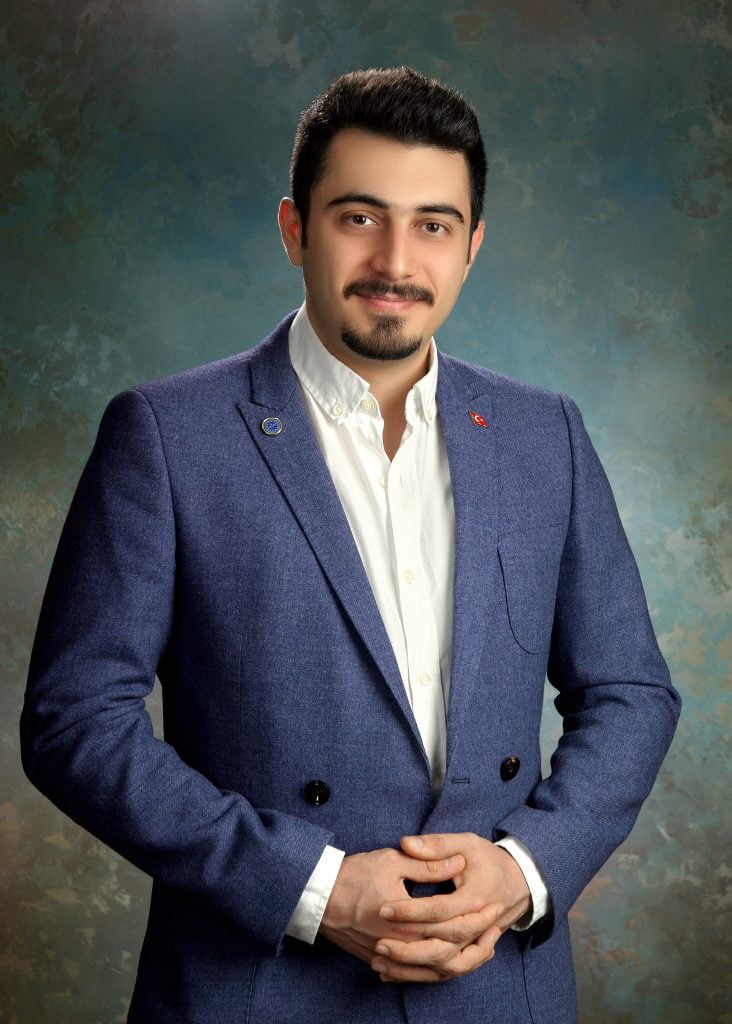
            Mehmet Fatih OKYAY European Board Certified

            Mehmet Fatih OKYAY European Board Certified

            Who is Dr. MFO?

            Dr. Mehmet Fatih Okyay, a distinguished figure in the world of medicine, stands out as a true luminary in the field of Plastic, Reconstructive, and Aesthetic Surgery. With a remarkable 8th place ranking in his term in the Turkish Medical Specialization Examination, his journey to excellence began.

            Dr. Okyay’s educational journey brought him to the esteemed Istanbul University, Cerrahpaşa Faculty of Medicine, where he successfully completed his residency in Plastic, Reconstructive, and Aesthetic Surgery. His dedication and passion for advancing the field led him to receive the Fellow of the European Board of Plastic, Reconstructive and Aesthetic Surgeons (FEBOPRAS) award, a recognition of his exceptional skills and contributions to the medical community.

            In 2018, he was doubly honored with the Fellow of the Turkish Board of Plastic, Reconstructive and Aesthetic Surgeons (Turkish Board) award by the Turkish Plastic, Reconstructive and Aesthetic Surgery Association. These accolades reflect his unwavering commitment to delivering quality care to his patients.

            Dr. MFO, as he is affectionately known, is not only a skilled surgeon but also a dedicated researcher. His articles in reputable journals, such as the study on the effects of insulin, metoprolol, and deferoxamine on fat graft survival, showcase his commitment to advancing the field of plastic surgery.

            As the founder of Dr. MFO Clinic, he has taken his expertise and experience to a new level, providing patients with personalized care that addresses their unique needs and desires. With over a decade of experience in plastic surgery, Dr. Okyay specializes in various procedures, including facelifts, rhinoplasty, facial feminization surgeries, tummy tucks, liposuction, body shaping, and breast aesthetic surgeries.

            Dr. Okyay is not only a medical professional but also a lifelong learner, holding memberships in prestigious organizations like the International Society of Aesthetic Surgeons (ISAPS), the Turkish Plastic Surgery Association (TPRAS), and the Turkish Aesthetic Plastic Surgery Association (TSAPS).

            Beyond his medical expertise, Dr. Okyay is a multilingual individual, speaking academic-degree English and fluent Spanish, along with an intermediate level of French. He is also an artist at heart, with talents in songwriting, poetry, and musical instruments like the classical guitar, ney, and electric guitar.

            This remarkable physician and family man is married and has two children, emphasizing the importance of work-life balance.

            Dr. Mehmet Fatih Okyay is more than just a plastic surgeon; he is a true renaissance man in the medical world, combining excellence in surgery, a thirst for knowledge, and a love for the arts, all while putting the well-being of his patients at the forefront of his practice.

            Why Choose Dr. MFO in Antalya?

                1. Expertise and Experience: Dr. Okyay has extensive expertise and experience in the field of plastic, reconstructive, and aesthetic surgery. With over a decade of experience, he has successfully performed numerous complex surgical procedures.

                1. Education and Academic Achievements: His education at Istanbul University, Cerrahpaşa Faculty of Medicine, led to his remarkable 8th place ranking in the Turkish Medical Specialization Examination. Additionally, his membership in prestigious associations such as the European Board of Plastic, Reconstructive, and Aesthetic Surgeons (FEBOPRAS) and the Turkish Plastic, Reconstructive and Aesthetic Surgery Association (Turkish Board) reflects his scientific recognition.

                1. Personalized Care: Dr. Okyay focuses on the individual needs of his patients. He understands the unique requirements of each patient and tailors the treatment plan accordingly, ensuring that patients achieve the best possible results.

                1. Scientific Contributions: Dr. Okyay’s scientific contributions to the field of medicine are notable. His published articles address important topics such as the effects of insulin, metoprolol, and deferoxamine on fat graft survival, providing valuable insights to the field of plastic surgery.

                1. International Connections: Through international affiliations like membership in the International Society of Aesthetic Surgeons (ISAPS), Dr. Okyay has the capacity to provide services at international standards, making him an attractive choice for patients from abroad.

                1. Language Skills: Dr. Okyay is proficient in academic-level English, fluent in Spanish, and has an intermediate level of French. This linguistic versatility provides a significant advantage in communication, particularly for international patients.

                1. Versatile Talents: He is not just a doctor but also a songwriter, poet, and a musician who plays various musical instruments. This versatility brings sensitivity and creativity to his approach with patients.

              Mehmet Fatih Okyay is more than just a surgeon; he is a scientist, an artist, and a patient-centered healthcare professional. For these reasons, choosing Dr. Okyay is a logical option for patients seeking top-tier service in the field of plastic, reconstructive, and aesthetic surgery.

              Conclusion

              Choosing the best plastic surgeon in Antalya for your cosmetic surgery is a crucial decision that requires careful research and consideration. By asking relevant questions and seeking reliable sources of information, you can evaluate and compare different surgeons and make an informed and confident decision. Remember that cosmetic surgery is a personal and subjective matter, so you should choose a surgeon who meets your needs, expectations, and preferences.

              FAQ About Best Plastic Surgeon in Antalya

              Here are some frequently asked questions about choosing a plastic surgeon in Antalya for your cosmetic surgery.

              Q: How can I find a list of plastic surgeons in Antalya?

              A: You can find a list of plastic surgeons in Antalya by using online directories such as WhatClinic, FlyMedi, or CosmetoCity. These directories allow you to filter by location, procedure, price, rating, and more. You can also read reviews, view photos, request quotes, and book appointments through these platforms.

              Q: How can I verify the credentials of a plastic surgeon in Antalya?

              A: You can verify the credentials of a plastic surgeon in Antalya by checking their website, social media, or online profiles. You can also ask them directly or request copies of their certificates, licenses, or memberships. Additionally, you can check if they are board-certified by the Turkish Society of Plastic Reconstructive and Aesthetic Surgeons (TSPRAS) by visiting their website or contacting their office.

              Q: How can I prepare for my consultation with a plastic surgeon in Antalya?

              A: You can prepare for your consultation with a plastic surgeon in Antalya by doing some homework before your visit. You should research about your procedure, write down your questions, gather your medical records, take photos of your desired results, and be honest about your goals, preferences, and lifestyle. You should also dress comfortably, bring a friend or family member for support, and arrive on time for your appointment.

              Free Consultation

              Get a free consultation now or visit Dr.MFO’s instagram for see more successfully plastic surgery results

              Guide For Restore Your Hair Growth with Hair Transplant

              hair transplation


              Hair Transplants: What You Need to Know

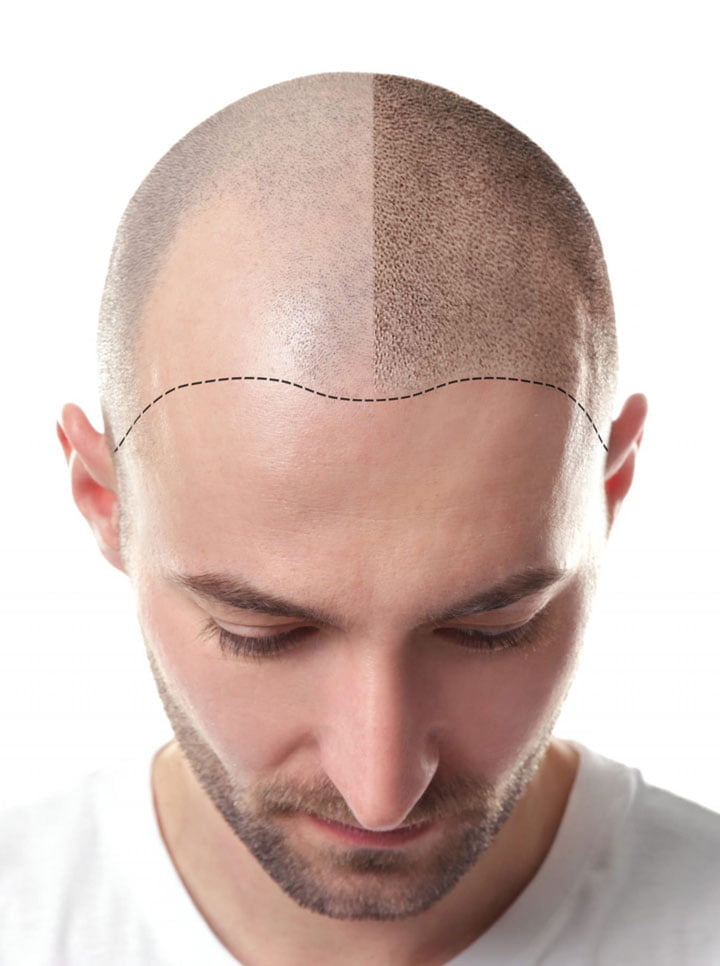
              If you are struggling with hair loss or thinning hair, you may have considered getting a hair transplant. A hair transplant is a surgical procedure that moves hair from one area of your scalp to another, where the hair is sparse or bald. It can help restore your natural hairline, improve your appearance, and boost your self-confidence.

              But before you decide to go for a hair transplant, there are some things you need to know. In this article, we will explain what a hair transplant is, how it works, what are the different types of hair transplants, what are the benefits and risks of the procedure, what to expect during and after the surgery, and what are some alternatives to hair transplants.

              What is a hair transplant?

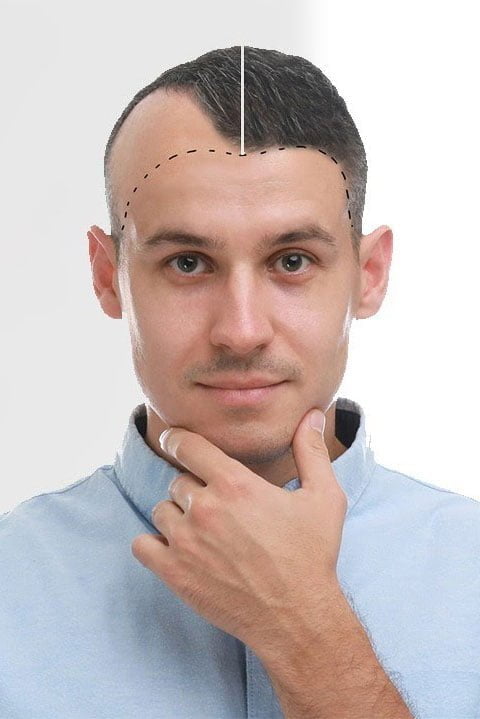
              A hair transplant is a type of cosmetic surgery that involves moving hair follicles from one part of your scalp (called the donor area) to another part (called the recipient area) where the hair is thinning or balding. The donor area is usually the back or sides of your head, where the hair is more resistant to hormonal changes and genetic factors that cause hair loss. The recipient area is usually the front or top of your head, where the hair loss is most noticeable.

              The goal of a hair transplant is to create a natural-looking and permanent result that matches your existing hair in terms of color, texture, density, and direction. A hair transplant can also be used to restore hair on other parts of your body, such as your eyebrows, eyelashes, beard, or chest.

              Hair Transplant in Turkey

              How does a hair transplant work?

              A hair transplant works by transferring healthy hair follicles from one area of your scalp to another. Hair follicles are the tiny structures under your skin that produce hair. Each follicle contains one to four hairs, which grow in natural groupings called units. A hair transplant aims to preserve these units and relocate them to the recipient area without damaging them.

              There are two main methods of extracting and implanting hair follicles: follicular unit transplantation (FUT) and follicular unit extraction (FUE). Both methods require local anesthesia and can take several hours to complete, depending on the size of the area being treated and the number of grafts needed.

              Follicular unit transplantation (FUT)

              FUT, also known as strip surgery, involves removing a strip of skin from the donor area with a scalpel. The strip is then divided into smaller pieces called grafts, each containing one to four hairs. The grafts are then stored in a special solution until they are ready to be implanted into tiny incisions made in the recipient area. The donor area is then stitched up and covered with a bandage.

              FUT is an older and more invasive technique that can leave a linear scar on the back of your head. However, it can also yield more grafts in one session and may be more suitable for patients with extensive hair loss or limited donor supply.

              Follicular unit extraction (FUE)

              FUE involves using a small punch device to remove individual follicles from the donor area. The device makes circular incisions around each follicle and extracts them with a suction device. The extracted follicles are then inserted into tiny holes made in the recipient area with a fine needle. The donor area heals with small white dots that are barely visible.

              FUE is a newer and less invasive technique that does not leave a linear scar on the back of your head. It also allows for more precise harvesting and placement of grafts and may result in less pain and faster recovery. However, it can also be more time-consuming and expensive than FUT and may require shaving your entire head before the procedure.

              What are the benefits of a hair transplant?

              A hair transplant can offer several benefits for people who suffer from hair loss or thinning hair. Some of these benefits include:

              • Improving your appearance and self-esteem by restoring your natural hairline and filling in bald spots.
              • Providing a permanent solution for hair loss that does not require ongoing maintenance or medication.
              • Using your own hair that matches your existing hair in terms of color, texture, density, and direction.
              • Having minimal downtime and side effects after the surgery.
              • Being able to style and cut your hair as you wish after it grows back.

              What are the risks of a hair transplant?

              A hair transplant is generally considered a safe and effective procedure, but like any surgery, it also carries some risks and complications. Some of these risks include:

              • Bleeding, infection, swelling, bruising, or numbness at the donor or recipient site.
              • Scarring at the donor site (especially with FUT) or visible dots at the recipient site (especially with FUE).
              • Poor wound healing or skin necrosis (death of skin tissue) at the donor or recipient site.
              • Graft failure or poor growth of transplanted hairs.
              • Unnatural-looking results or mismatched hair characteristics.
              • Continued or progressive hair loss around or between transplanted hairs.
              • Pain, itching, or inflammation of the scalp or transplanted hairs.
              • Allergic reaction to anesthesia or medication.

              What to expect during and after a hair transplant?

              Before a hair transplant, you will have a consultation with your surgeon to discuss your medical history, expectations, goals, and options. Your surgeon will examine your scalp and hair and determine the best technique, number of grafts, and design for your hair transplant. You will also receive instructions on how to prepare for the surgery, such as avoiding smoking, alcohol, blood thinners, and certain medications.

              During a hair transplant, you will be given local anesthesia to numb your scalp and prevent pain. Depending on the method used, your surgeon will either remove a strip of skin from the donor area or extract individual follicles from the donor area. The extracted grafts will then be implanted into the recipient area. The procedure can take anywhere from four to eight hours, depending on the size of the area being treated and the number of grafts needed.

              After a hair transplant, you will be given post-operative care instructions and medication to prevent infection, pain, and inflammation. You will also need to wear a bandage or cap over your head for a few days to protect the grafts. You may experience some bleeding, swelling, bruising, or numbness at the donor or recipient site, which should subside within a week or two. You will need to avoid washing, brushing, or styling your hair for a few days and avoid strenuous activities or direct sunlight for a few weeks.

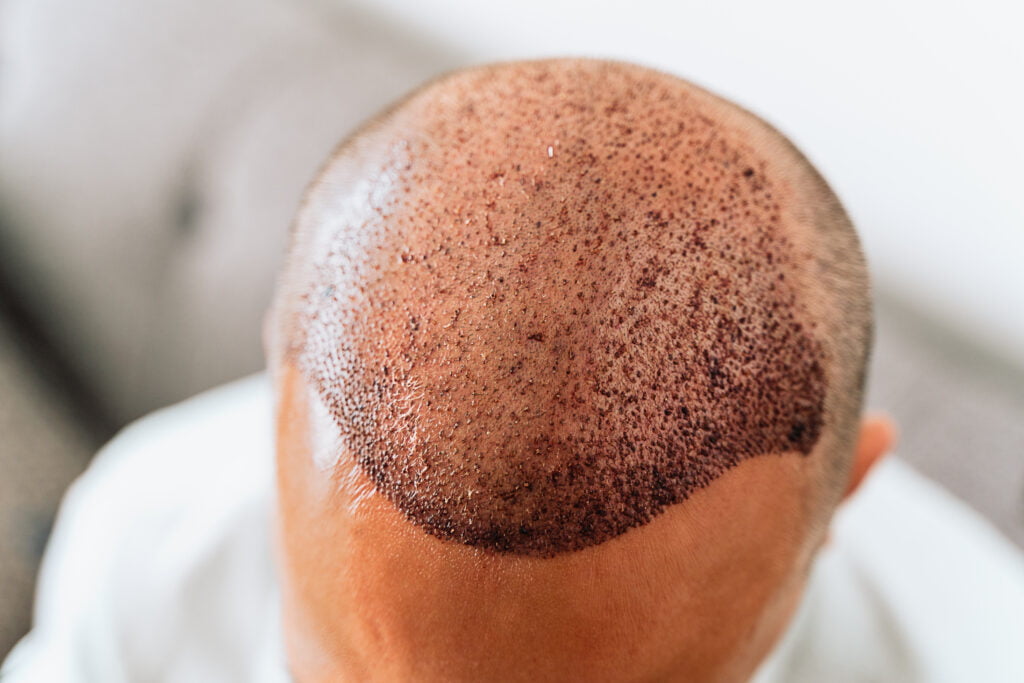
              You will be able to see the transplanted hairs immediately after the surgery, but they will fall out within two to four weeks due to a normal process called shock loss. This is not a cause for concern, as new hairs will grow from the transplanted follicles within three to six months. You will see the final results of your hair transplant after 12 months, when your hair reaches its full length and density.

              hair transplant in turkey

              What are some alternatives to hair transplants?

              A hair transplant is not the only option for treating hair loss or thinning hair. There are some alternatives that may work for some people, depending on the cause and extent of their hair loss. Some of these alternatives include:

              • Medications: There are two FDA-approved medications for treating male pattern baldness: minoxidil (Rogaine) and finasteride (Propecia). Minoxidil is a topical solution that you apply to your scalp twice a day to stimulate hair growth. Finasteride is a pill that you take once a day to block the hormone that causes hair loss. Both medications can slow down or stop hair loss and may regrow some hair, but they also have some side effects and require continuous use to maintain results.
              • Laser therapy: Laser therapy is a non-surgical treatment that uses low-level lasers to stimulate blood flow and cellular activity in the scalp. This can improve the health and growth of existing hairs and may prevent further hair loss. Laser therapy can be done at home with a laser cap or comb or at a clinic with a laser device. Laser therapy is painless and safe, but it can be expensive and time-consuming and may not work for everyone.
              • Platelet-rich plasma (PRP) therapy: PRP therapy is an injectable treatment that uses your own blood plasma enriched with platelets and growth factors to stimulate healing and regeneration in the scalp. PRP therapy can increase the thickness and density of existing hairs and may promote new hair growth by activating dormant follicles. PRP therapy is minimally invasive and has few side effects, but it can also be costly and require multiple sessions to achieve results.
              • Scalp micropigmentation (SMP): SMP is a cosmetic procedure that uses tiny needles to deposit pigment into the scalp to create the illusion of hair follicles. SMP can create a natural-looking buzz cut or fill in thinning areas of the scalp. SMP is permanent and does not require maintenance, but it can also be painful and may fade over time.

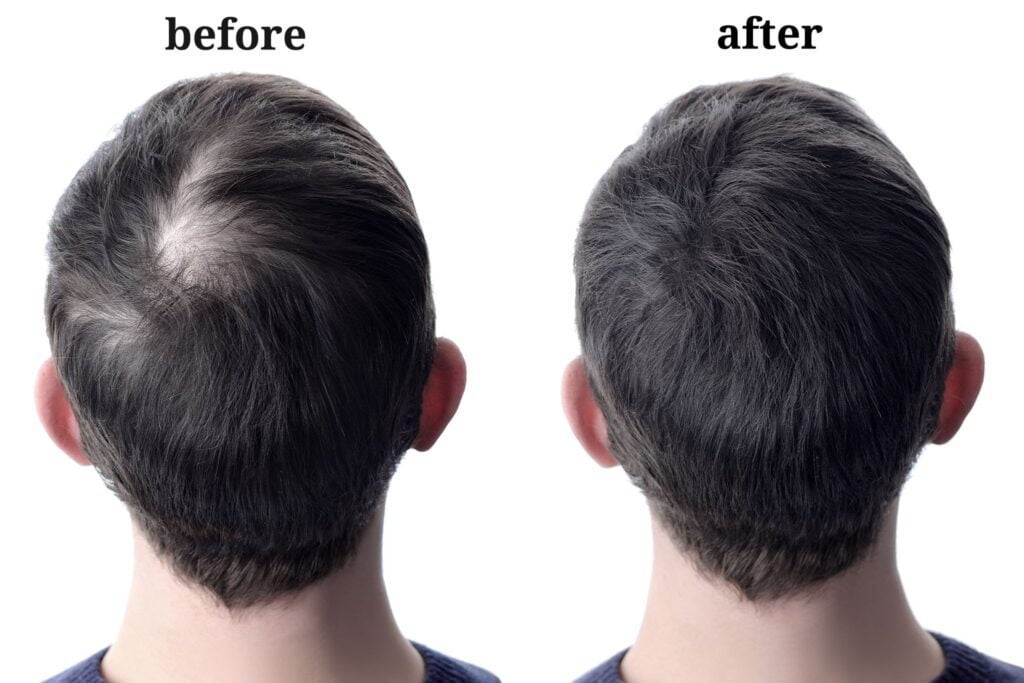
              After hair transplantation surgical technique that moves hair follicles. Young bald man with hair loss problems.

              Conclusion

              A hair transplant is a surgical procedure that can restore hair growth to areas of the scalp with limited or absent growth. It can improve your appearance and self-esteem by creating a natural-looking and permanent result. However, a hair transplant also has some drawbacks, such as cost, risk of complications, recovery time, and possible need for repeat procedures.

              If you are considering getting a hair transplant, you should consult with an experienced and qualified surgeon who can evaluate your scalp and hair condition, discuss your expectations and goals, explain the different techniques and options available, and recommend the best course of action for you. You should also do your own research and weigh the pros and cons of each method before making a decision.

              A hair transplant is not the only solution for treating hair loss or thinning hair. There are some alternatives that may work for some people, such as medications, laser therapy, PRP therapy, or SMP. These alternatives may have different levels of effectiveness, safety, convenience, cost, and durability than a hair transplant.

              Free Consultation

              Get a free consultation now or visit Dr.MFO’s instagram for see more successfully plastic surgery results

              Hair Transplant Turkey: Why You Should Choose Dr. MFO

              Hair Transplant Turkey, Hair Restoration in Feminization Surgery:

              Hair Transplant Turkey: Why You Should Choose Dr. MFO

              Are you looking for a permanent solution to your hair loss problem? Do you want to restore your confidence and self-esteem with a natural-looking hairline? If you answered yes to these questions, then you might be interested in getting a hair transplant in Turkey.

              A hair transplant is a surgical procedure that involves moving hair follicles from one part of the body (usually the back or sides of the scalp) to another part where the hair is thinning or balding. The goal is to create a fuller and denser appearance of the hair, as well as to improve the shape and symmetry of the hairline.

              Hair transplant surgery has been around for decades, but it has become more popular and advanced in recent years, thanks to new techniques, technologies, and innovations. One of the countries that has been leading the way in this field is Turkey, which has become a global destination for hair transplant tourism.

              In this article, we will explain why you should choose Turkey for your hair transplant procedure, and why you should trust Dr. MFO as your partner in this journey. We will also answer some of the most common questions and concerns that people have about hair transplant surgery in Turkey.

              Sensual blonde in bikini chilling in pool, Hair Transplant Turkey

              Why Turkey?

              Turkey is a country that offers many advantages for people who want to get a hair transplant. Here are some of the main reasons why Turkey is a great choice for this procedure:

              • Affordable prices: One of the biggest benefits of getting a hair transplant in Turkey is the cost. Compared to other countries, such as the UK, the US, or Canada, Turkey offers much lower prices for hair transplant surgery, without compromising on quality or safety. You can save up to 80% on your hair transplant cost by choosing Turkey, which means you can get more grafts and better results for less money. The average price of a hair transplant in Turkey ranges from 1,500 to 3,000 Euros, depending on the clinic, the technique, and the number of grafts. In contrast, the average price of a hair transplant in the UK is around 10,000 Euros.
              • High-quality service: Another reason why Turkey is a preferred destination for hair transplant surgery is the high level of service and professionalism that you can expect from the clinics and surgeons. Turkey has a large number of qualified and experienced hair transplant specialists who have performed thousands of successful procedures over the years. They use the latest techniques and technologies, such as FUE (Follicular Unit Extraction), DHI (Direct Hair Implantation), Sapphire FUE, and Robotic FUE, to ensure optimal results and minimal scarring. They also follow strict hygiene and safety standards, as well as international protocols and regulations. Moreover, they provide excellent aftercare and support for their patients, including medications, dressings, follow-up visits, and online consultations.
              • Convenient travel: A third reason why Turkey is an attractive option for hair transplant surgery is the ease and convenience of travel. Turkey is well-connected to many countries around the world by air, land, and sea. You can find direct flights to Istanbul or Ankara from most major cities in Europe, Asia, Africa, and America. The flight duration is usually between 3 to 5 hours, depending on your location. You can also travel by bus, train, or ferry from neighboring countries. Once you arrive in Turkey, you can enjoy a hassle-free transportation service provided by your clinic or agency. They will arrange your airport transfers, hotel bookings, clinic appointments, and sightseeing tours for you.
              • Rich culture: A fourth reason why Turkey is a wonderful place for hair transplant surgery is the rich and diverse culture that you can experience during your stay. Turkey is a country that has a long and fascinating history, dating back to ancient times. It has been influenced by various civilizations and cultures, such as Greek, Roman, Byzantine, Ottoman, Persian, Arabic, and European. You can witness this cultural heritage in the architecture, art, cuisine, music, and literature of Turkey. You can also enjoy the natural beauty and diversity of Turkey, which ranges from mountains and lakes to beaches and forests. You can visit some of the most famous landmarks and attractions in Turkey, such as the Hagia Sophia, the Blue Mosque, the Grand Bazaar, the Topkapi Palace, the Cappadocia region, the Pamukkale thermal pools, and the Ephesus ancient city. You can also taste some of the most delicious and varied dishes in Turkish cuisine, such as kebabs, baklava, dolma, borek, kofte, and more. You can also experience the hospitality and friendliness of Turkish people, who are known for their warmth and generosity.
              Mehmet Fatih Okyay, MD, FEBOPRAS in Türkiye.

              Why Dr. MFO?

              Now that you know why Turkey is a great destination for hair transplant surgery, you might be wondering which clinic or agency you should choose for your procedure. There are many options available in Turkey, but not all of them are reliable or trustworthy. You need to do your research and compare different factors before making your decision.

              One of the best and most reputable clinics in Turkey for hair transplant surgery is Dr. MFO. Dr. MFO is a leading provider of hair transplant and cosmetic surgery services in Turkey, with more than 20 years of experience and expertise. Here are some of the reasons why you should choose Dr. MFO for your hair transplant procedure:

              • Expertise: Dr. MFO is one of the most renowned and respected hair transplant surgeons in Turkey and in the world. He has performed over 10,000 successful procedures over his career, using his own patented technique called MFO (Micro FUE Optimized). This technique involves extracting individual hair follicles with micro punches of 0.6 to 0.8 mm in diameter, which minimizes trauma and scarring to the donor area. He then implants them into tiny incisions made with sapphire blades on the recipient area, creating a natural and dense hairline. He also uses PRP (Platelet-Rich Plasma) therapy to enhance the healing and growth of the transplanted hair. Dr. MFO is also an expert in other cosmetic procedures, such as rhinoplasty, liposuction, breast augmentation, and more.
              • Quality: Dr. MFO is committed to providing the highest quality of service and results for his patients. He uses only the best equipment and materials available in the industry, such as German-made micro motors, Swiss-made sapphire blades, and American-made PRP kits. He also follows strict hygiene and safety standards, as well as international protocols and regulations. He performs all his procedures in a state-of-the-art clinic that is equipped with modern facilities and amenities. He also works with a team of skilled and trained technicians, nurses, and assistants who assist him during the surgery and provide care and support for the patients.
              • Satisfaction: Dr. MFO is dedicated to ensuring the satisfaction and happiness of his patients. He offers a free consultation and evaluation for his patients, where he listens to their needs and expectations, analyzes their hair condition and characteristics, and designs a customized treatment plan that suits their budget and schedule. He also provides a lifetime guarantee for his hair transplant procedure, which means that if the patient is not satisfied with the results or if they experience any complications or side effects after the surgery, he will provide them with free revisions or corrections until they are happy with the outcome. He also offers a 100% refund policy if the patient changes their mind before the surgery or if they are not eligible for the procedure due to medical reasons.
              • All-inclusive packages: Dr. MFO wants to make his patients’ hair transplant journey as easy and comfortable as possible. That is why he offers all-inclusive packages that cover everything they need for their procedure. His packages include:
                • Their flight tickets
                • Their airport transfers
                • Their hotel accommodation
                • Their clinic appointments
                • Their medications
                • Their dressings
                • Their follow-up visits
                • Their online consultations
                • Their sightseeing tours They don’t have to worry about anything else when they choose Dr. MFO for their hair transplant procedure.
              Hair Transplant in Turkey

              FAQs About Hair Transplant Turkey

              Here are some of the most frequently asked questions that people have about hair transplant surgery in Turkey:

              • How long does the procedure take? The duration of the procedure depends on the technique used and the number of grafts transplanted. Generally speaking, a hair transplant procedure can take anywhere from 4 to 8 hours, depending on the complexity and extent of the surgery. You will be under local anesthesia during the procedure, so you will not feel any pain or discomfort. You will also be able to take breaks and rest in between sessions.
              • How long is the recovery time? The recovery time after a hair transplant procedure varies from person to person, depending on the technique used, the number of grafts transplanted, and the individual healing process. However, some general guidelines are as follows:
                • You will be able to leave the clinic on the same day of the surgery, but you will need to stay in Turkey for at least 3 to 5 days for your first follow-up visit and dressing change.
                • You will need to avoid any strenuous physical activity, such as sports, exercise, or lifting heavy objects, for at least 2 weeks after the surgery.
                • You will need to avoid washing your hair for at least 3 days after the surgery, and then use a special shampoo and gentle massage technique for another 10 days.
                • You will need to avoid direct sunlight, swimming, sauna, and steam for at least 1 month after the surgery.
                • You will need to take some medications, such as antibiotics, painkillers, anti-inflammatory drugs, and vitamins, for at least 10 days after the surgery.
                • You will experience some swelling, bruising, redness, itching, and scabbing on your scalp for the first few days or weeks after the surgery. These are normal and temporary side effects that will subside gradually.
                • You will notice some shedding of the transplanted hair within the first 2 to 3 months after the surgery. This is also normal and expected, as it is part of the natural growth cycle of the hair. The new hair will start to grow back after 3 to 4 months and reach its full potential after 12 to 18 months.
              • What are the risks and complications of hair transplant surgery? Hair transplant surgery is a safe and effective procedure that has a very low rate of complications or adverse effects. However, as with any surgical procedure, there are some potential risks and complications that you should be aware of and discuss with your surgeon before undergoing the surgery. Some of these include:
                • Infection: This is a rare but possible complication that can occur if the surgical site is not properly cleaned or sterilized. It can cause inflammation, pain, fever, and pus formation. It can be treated with antibiotics and proper wound care.
                • Bleeding: This is a minor and common complication that can occur during or after the surgery due to the cutting or puncturing of blood vessels. It can cause bruising, swelling, and hematoma formation. It can be controlled with pressure dressing, ice packs, and medication.
                • Scarring: This is a cosmetic and rare complication that can occur due to improper technique or healing process. It can cause visible marks or bumps on the scalp or donor area. It can be minimized with proper care and medication.
                • Nerve damage: This is a rare and serious complication that can occur due to accidental injury or compression of nerves during the surgery. It can cause numbness, tingling, or loss of sensation on the scalp or donor area. It can be temporary or permanent depending on the severity and location of the damage.
                • Graft failure: This is a rare and unpredictable complication that can occur due to various factors such as poor quality of grafts, improper handling or storage of grafts, infection, inflammation, trauma, or genetic factors. It can cause poor growth or loss of transplanted hair. It can be corrected with revision surgery or medication.
              Hair Transplant Turkey, Antalya

              Conclusion

              Hair transplant surgery is a permanent and effective solution for hair loss problems that can improve your appearance and confidence. Turkey is one of the best destinations for hair transplant surgery in terms of quality, cost, service, and culture. Dr. MFO is one of the most reputable and reliable clinics in Turkey for hair transplant surgery that offers expertise, quality, satisfaction, and all-inclusive packages.

              If you are interested in getting a hair transplant in Turkey with Dr. MFO, please contact us today for a free consultation and quote. We will be happy to answer any questions you may have and help you achieve your hair goals.

              Free Consultation

              Get a free consultation now or visit Dr.MFO’s instagram for see more successfully plastic surgery results

              Mesotherapy: A Comprehensive Guide to the Benefits, Risks, and Procedure

              person holding white and black pen, mesotherapy

              Mesotherapy is a cosmetic procedure that involves injecting a mixture of substances into the middle layer of the skin, called the mesoderm. The substances can include vitamins, minerals, enzymes, hormones, plant extracts, and other ingredients that are tailored to the individual’s needs and goals. Mesotherapy is used to treat a variety of skin and body issues, such as aging signs, cellulite, fat reduction, hair loss, scars, and more. In this article, we will explain what mesotherapy is, how it works, what it can do for you, what are the possible side effects and risks, and how to prepare for and recover from the procedure.

              mesotherapy

              What is mesotherapy and how does it work?

              Mesotherapy was developed in 1952 by Dr. Michel Pistor, a French physician who originally used it to treat pain and vascular disorders. Since then, mesotherapy has gained popularity in many countries as a cosmetic treatment for various aesthetic concerns. Mesotherapy is based on the idea that injecting small amounts of substances directly into the problem area can stimulate the skin’s natural healing and rejuvenating processes. The substances used in mesotherapy can vary depending on the condition being treated, but they generally aim to improve blood circulation, reduce inflammation, dissolve fat cells, stimulate collagen and elastin production, and nourish the skin.

              The procedure of mesotherapy involves using very fine needles to deliver multiple injections into the mesoderm, which is about 1 to 4 millimeters below the skin surface. The injections are usually done with a special device that can control the depth, speed, and frequency of the needle. The amount and frequency of injections depend on the size and severity of the problem area, as well as the individual’s response to the treatment. Typically, mesotherapy sessions last about 15 to 30 minutes and are repeated every 7 to 10 days until the desired results are achieved. The number of sessions required can range from 3 to 15 or more.
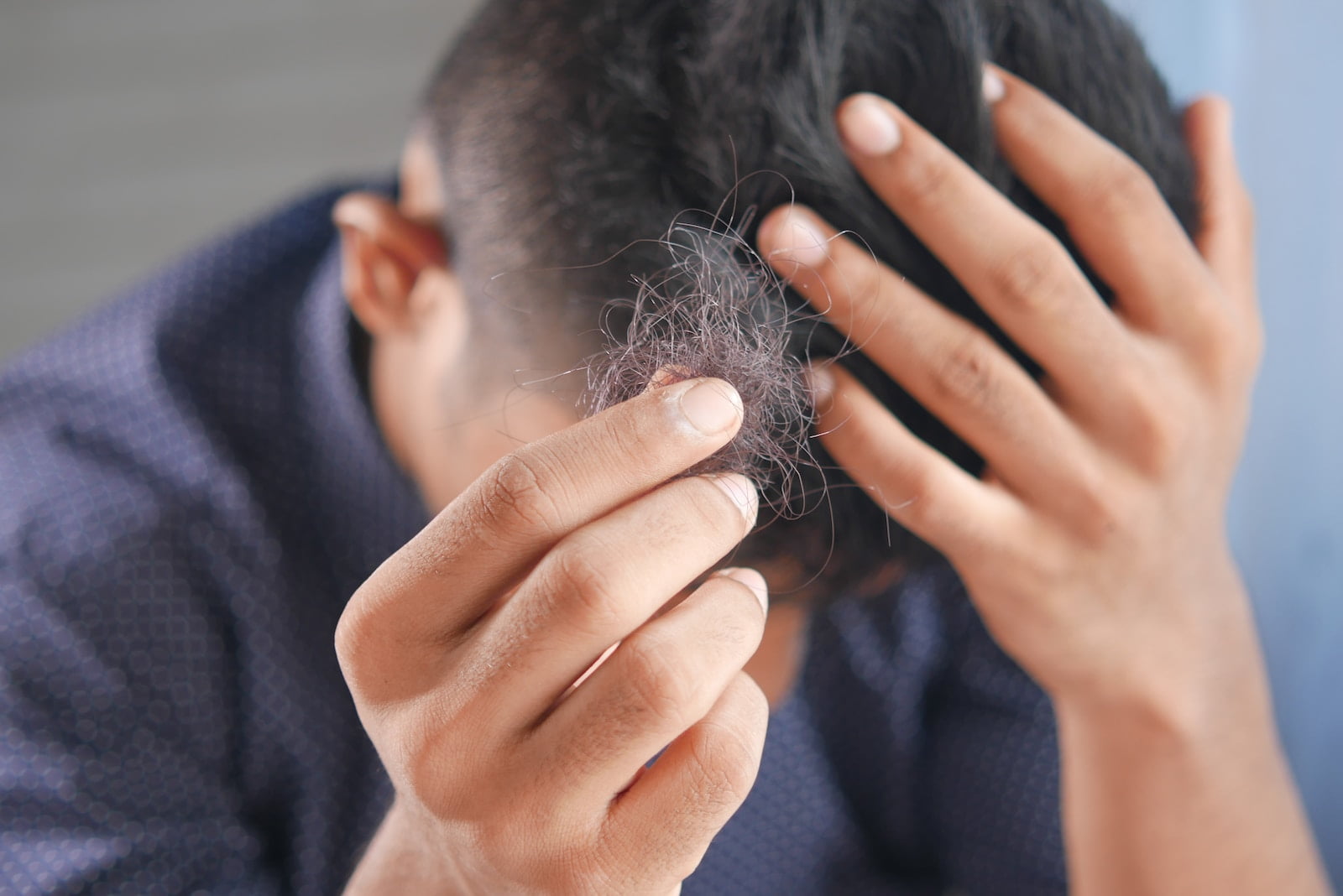
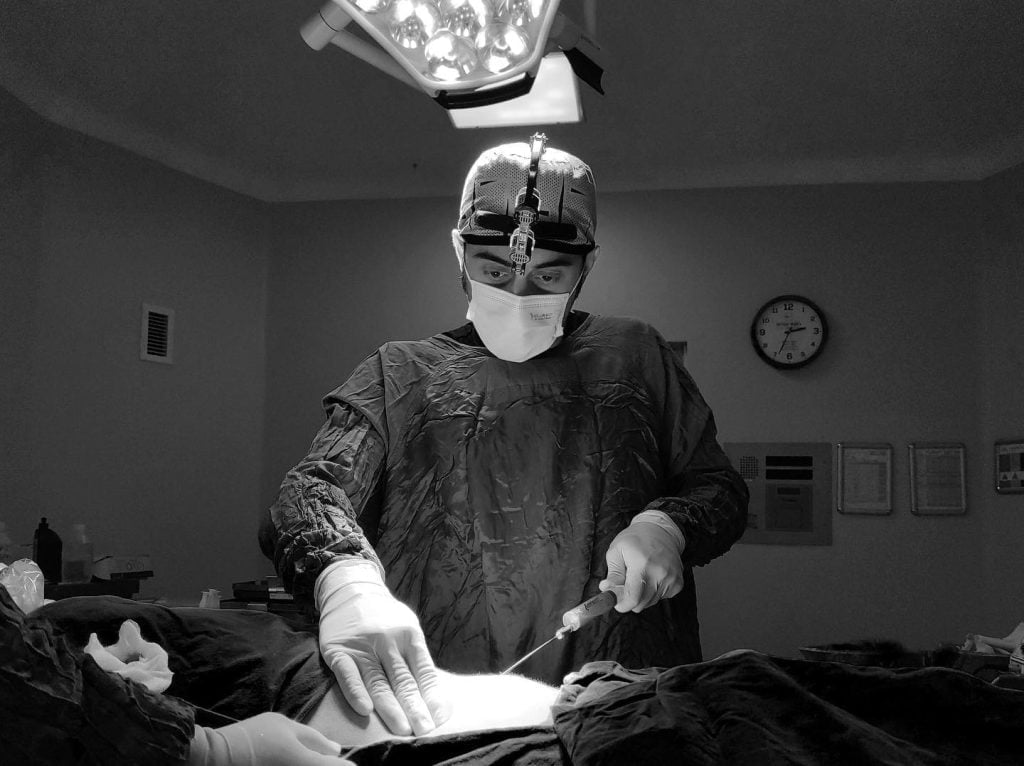
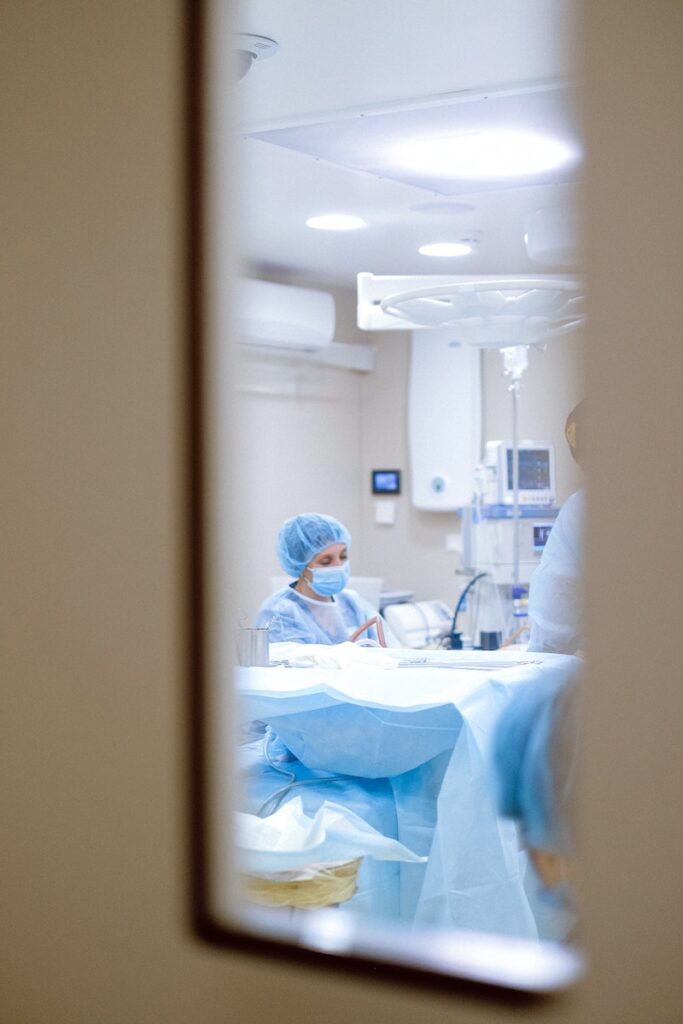
              Photo of Healthcare Professional Inside the Operating Room

              What are the benefits of mesotherapy?

              Mesotherapy can offer a number of benefits for people who want to improve their appearance without undergoing surgery or other invasive procedures. Some of the common benefits of mesotherapy are:

              • Skin rejuvenation: Mesotherapy can help reduce wrinkles, fine lines, sagging skin, dullness, and uneven tone by stimulating collagen and elastin synthesis, hydrating the skin, and enhancing its glow and elasticity.
              • Fat reduction: Mesotherapy can help dissolve stubborn fat deposits in areas such as the abdomen, thighs, hips, arms, chin, and neck by breaking down the fat cells and facilitating their elimination through the lymphatic system.
              • Cellulite reduction: Mesotherapy can help smooth out the dimpled appearance of cellulite by improving blood circulation, reducing inflammation, and dissolving fat cells in the affected areas.
              • Hair growth: Mesotherapy can help treat hair loss and thinning by stimulating blood flow to the scalp, nourishing the hair follicles, and promoting hair growth.
              • Scar improvement: Mesotherapy can help fade scars by improving blood circulation, reducing inflammation, and stimulating collagen production in the scarred tissue.
              • Pigmentation improvement: Mesotherapy can help lighten pigmented spots such as age spots, sun spots, melasma, and freckles by inhibiting melanin production and enhancing skin renewal.

              What are the risks and side effects of mesotherapy?

              Mesotherapy is generally considered a safe and minimally invasive procedure when performed by a qualified and experienced practitioner. However, like any medical procedure, it also carries some potential risks and side effects that should be aware of before undergoing treatment. Some of the possible risks and side effects of mesotherapy are:

              • Infection: There is a risk of infection if the needles or the injected substances are not sterile or if proper hygiene is not maintained during or after the procedure. Infection can cause redness, swelling, pain, fever, pus formation, and other complications that may require antibiotics or other treatments.
              • Allergic reaction: There is a risk of allergic reaction if the individual is sensitive or intolerant to any of the substances used in mesotherapy. Allergic reaction can cause itching, rash, hives, swelling, difficulty breathing, anaphylaxis (a life-threatening reaction), and other symptoms that may require antihistamines or other medications.
              • Bruising: There is a risk of bruising due to bleeding from the injection sites. Bruising can cause discoloration, pain, and tenderness in the treated area that may last for a few days or weeks depending on the severity and individual’s healing ability.
              • Swelling: There is a risk of swelling due to fluid retention or inflammation in the treated area that may last for a few hours or days after the procedure. Swelling can cause discomfort, tightness, and reduced mobility in the affected area that may interfere with daily activities.
              • Nodules: There is a risk of nodules or lumps forming under the skin due to the injected substances not being absorbed or distributed evenly. Nodules can cause pain, tenderness, and irregularity in the skin texture that may last for weeks or months or require additional treatments to dissolve or remove them.
              • Nerve damage: There is a risk of nerve damage due to the needle hitting a nerve or injecting too much pressure or volume into the nerve. Nerve damage can cause numbness, tingling, burning, or weakness in the treated area or nearby regions that may be temporary or permanent.

              • Skin necrosis: There is a risk of skin necrosis or tissue death due to the injected substances causing vascular occlusion or blockage of blood flow to the skin. Skin necrosis can cause blisters, ulcers, blackening, or sloughing of the skin that may require surgical intervention or skin grafting to repair.
              • Unsatisfactory results: There is a risk of unsatisfactory results due to the individual’s expectations not being met, the treatment not being effective, or the treatment causing adverse effects. Unsatisfactory results can cause dissatisfaction, frustration, regret, or psychological distress that may require additional treatments or counseling to cope with.
              man in blue and yellow sweater smiling

              How to prepare for mesotherapy?

              Before undergoing mesotherapy, it is important to consult with a qualified and experienced practitioner who can assess your condition, goals, medical history, allergies, medications, and other factors that may affect your suitability for the procedure. The practitioner can also explain the procedure in detail, answer your questions, address your concerns, and provide you with pre-treatment instructions and recommendations. Some of the common pre-treatment instructions and recommendations are:

              • Avoid taking blood thinners such as aspirin, ibuprofen, warfarin, and others for at least one week before the procedure to reduce the risk of bleeding and bruising.
              • Avoid taking supplements such as vitamin E, fish oil, garlic, ginkgo biloba, and others for at least one week before the procedure to reduce the risk of bleeding and bruising.
              • Avoid drinking alcohol for at least 24 hours before the procedure to reduce the risk of bleeding and bruising.
              • Avoid smoking for at least 24 hours before the procedure to improve blood circulation and healing.
              • Avoid applying any creams, lotions, makeup, or other products on the treatment area on the day of the procedure to prevent infection and interference with the injections.
              • Eat a light meal and drink plenty of water before the procedure to prevent dehydration and low blood sugar.
              • Wear comfortable and loose clothing that can be easily removed or adjusted to expose the treatment area on the day of the procedure.

              How to recover from mesotherapy?

              After undergoing mesotherapy, it is normal to experience some mild discomfort, redness, swelling, bruising, or itching in the treated area that will subside within a few hours or days as the body heals and adapts to the injected substances. The practitioner will provide you with post-treatment instructions and recommendations to help you recover faster and better. Some of the common post-treatment instructions and recommendations are:

              • Apply ice packs or cold compresses on the treated area for 10 to 15 minutes every few hours for the first 24 hours after the procedure to reduce swelling and inflammation.
              • Take over-the-counter pain relievers such as acetaminophen or ibuprofen as needed to ease discomfort and inflammation. Avoid taking aspirin or other blood thinners as they can increase bleeding and bruising.
              • Take antihistamines as needed to relieve itching and allergic reactions. Avoid scratching or rubbing the treated area as it can cause infection or scarring.
              • Keep the treated area clean and dry for at least 48 hours after the procedure. Avoid washing, showering, bathing, swimming, or using any products on the treated area until it is fully healed. If needed, use a gentle cleanser and pat dry with a soft towel.
              • Avoid exposing the treated area to direct sunlight, heat, or extreme cold for at least one week after the procedure. Wear sunscreen, a hat, or protective clothing when going outdoors to prevent sunburn or pigmentation changes.
              • Avoid strenuous activities, exercise, or sports for at least 48 hours after the procedure. Resume your normal activities gradually as you feel comfortable and avoid putting pressure on the treated area.
              • Drink plenty of water and eat a balanced diet rich in protein, vitamins, minerals, and antioxidants to hydrate your body and promote healing and detoxification.
              • Follow up with your practitioner as scheduled to monitor your progress, evaluate your results, and determine if you need more sessions or adjustments.

              Conclusion

              Mesotherapy is a cosmetic procedure that involves injecting a mixture of substances into the middle layer of the skin to treat various skin and body issues, such as aging signs, cellulite, fat reduction, hair loss, scars, and more. Mesotherapy can offer a number of benefits for people who want to improve their appearance without undergoing surgery or other invasive procedures. However, mesotherapy also carries some potential risks and side effects that should be considered before undergoing treatment. Therefore, it is important to consult with a qualified and experienced practitioner who can assess your suitability, explain the procedure, and provide you with pre- and post-treatment instructions and recommendations. Here are some frequently asked questions about mesotherapy that may help you learn more about this procedure.

              FAQs

              • Q: How much does mesotherapy cost?
              • A: The cost of mesotherapy can vary depending on the condition being treated, the number and frequency of sessions required, the type and amount of substances used, the practitioner’s experience and location, and other factors. According to Healthline, the average cost of mesotherapy in the United States ranges from $250 to $600 per session. However, some clinics may offer discounts or packages for multiple sessions or areas.
              • Q: Is mesotherapy painful?
              • A: Mesotherapy involves using very fine needles to inject small amounts of substances into the skin, which may cause some discomfort or pain during or after the procedure. However, most people tolerate the procedure well and describe the pain as mild to moderate. The practitioner may also apply a topical anesthetic cream or use a device that vibrates or cools the skin to reduce the pain. Additionally, taking over-the-counter pain relievers or applying ice packs or cold compresses after the procedure can help ease the pain.
              • Q: How long does it take to see results from mesotherapy?
              • A: The results from mesotherapy may vary depending on the individual’s response to the treatment, the condition being treated, and the number and frequency of sessions required. Some people may notice some improvement after the first session, while others may need several sessions to see noticeable results. Generally, it takes about 3 to 6 months for the full results to appear as the body heals and adapts to the injected substances.
              • Q: How long do the results from mesotherapy last?
              • A: The results from mesotherapy may last for several months to years depending on the individual’s lifestyle, skin type, age, and maintenance treatments. To prolong the results, it is recommended to follow a healthy diet, exercise regularly, drink plenty of water, avoid smoking and alcohol, use sunscreen and moisturizers, and have periodic touch-up sessions as advised by the practitioner.
              • Q: What are the alternatives to mesotherapy?
              • A: Mesotherapy is one of the many cosmetic procedures that can help improve various skin and body issues. Depending on your goals and preferences, you may also consider other alternatives such as:
                • Laser therapy: Laser therapy uses beams of light energy to heat up and destroy fat cells, stimulate collagen production, reduce pigmentation, smooth out scars, and more.
                • Radiofrequency therapy: Radiofrequency therapy uses electric currents to heat up and tighten the skin, reduce fat and cellulite, improve blood circulation, and more.
                • Ultrasound therapy: Ultrasound therapy uses sound waves to break down fat cells, stimulate collagen production, lift and firm the skin, improve blood circulation, and more.
                • Microneedling: Microneedling uses tiny needles to create micro-injuries in the skin that trigger its natural healing and rejuvenating processes. Microneedling can help reduce wrinkles, fine lines, sagging skin, scars, pigmentation, and more.
                • Chemical peels: Chemical peels use acids or enzymes to exfoliate and remove the outer layer of dead or damaged skin cells. Chemical peels can help improve skin texture, tone, brightness, and more.
                • Dermal fillers: Dermal fillers are injectable gels that fill in wrinkles, fine lines, hollows, and other areas of volume loss in the face or lips. Dermal fillers can help restore a youthful and plump appearance to the skin.
                • Botox: Botox is an injectable toxin that temporarily paralyzes the muscles that cause wrinkles, fine lines, and other expressions in the face or neck. Botox can help smooth out and relax the skin.

              Free Consultation

              Get a free consultation now or visit Dr.MFO’s instagram for see more successfully plastic surgery results

              How to Find the Best Hair Transplant Surgeon in Antalya

              Two happy Men, Best Hair Transplant Surgeon

              Hair transplant is a surgical procedure that can restore your hair and improve your appearance. However, not all hair transplant surgeons are the same. The quality and outcome of your hair transplant depend largely on the skill and expertise of your hair transplant surgeon. Therefore, it is very important to choose the best hair transplant surgeon for your surgery.

              But how can you find the best hair transplant surgeon in Antalya? Antalya is one of the most popular destinations for hair transplant in the world, as it offers affordable, high-quality, and safe services. However, there are also many hair transplant clinics and surgeons in Antalya, and not all of them are reliable and trustworthy. You need to do some research and comparison before you make your decision.

              In this post, we will help you find the best hair transplant surgeon in Antalya, based on criteria such as qualifications, experience, reputation, reviews, and results.

              Mehmet Fatih Okyay, MD, FEBOPRAS in Türkiye.

              Qualifications

              The first thing you need to check when looking for a hair transplant surgeon in Antalya is their qualifications. You want to make sure that your hair transplant surgeon has the proper education, training, certification, and license to perform hair transplant surgery. You can ask for their credentials or look for them on their website or social media profiles.

              Some of the qualifications you should look for are:

              • A medical degree from a recognized university or institution
              • A specialization or fellowship in plastic surgery or dermatology
              • A certification or membership from a reputable national or international organization such as the International Society of Hair Restoration Surgery (ISHRS) or the European Society of Hair Restoration Surgery (ESHRS)
              • A license or authorization from the Turkish Ministry of Health or the Turkish Medical Association
              man in white dress shirt sitting on white chair in front of computer, Best Hair Transplant Surgeon

              Experience

              The second thing you need to check when looking for a hair transplant surgeon in Antalya is their experience. You want to make sure that your hair transplant surgeon has enough experience and expertise in performing hair transplant surgery. You can ask for their portfolio or look for it on their website or social media profiles.

              Some of the experience indicators you should look for are:

              • The number of years they have been practicing hair transplant surgery
              • The number of hair transplant surgeries they have performed
              • The types and techniques of hair transplant surgeries they offer
              • The types and characteristics of patients they have treated
              • The before and after photos and videos of their previous patients
              Black and White Dentist Chair and Equipment, Best Hair Transplant Surgeon

              Reputation

              The third thing you need to check when looking for a hair transplant surgeon in Antalya is their reputation. You want to make sure that your hair transplant surgeon has a good reputation and track record in the industry and among their peers and patients. You can ask for their references or look for them on their website or social media profiles.

              Some of the reputation sources you should look for are:

              • Awards or recognition from national or international organizations or media outlets
              • Testimonials or feedback from their previous patients
              • Ratings or reviews from online platforms such as Google, Facebook, Trustpilot, or RealSelf
              • Recommendations or referrals from your friends, family, or acquaintances who have had hair transplant surgery in Antalya
              doctor holding red stethoscope, Best Hair Transplant Surgeon

              Results

              The fourth thing you need to check when looking for a hair transplant surgeon in Antalya is their results. You want to make sure that your hair transplant surgeon can deliver natural-looking and long-lasting results that meet your expectations and goals. You can ask for their guarantees or look for them on their website or social media profiles.

              Some of the results factors you should look for are:

              • The survival rate and growth rate of the transplanted hair follicles
              • The density and coverage of the transplanted hair
              • The harmony and symmetry of the transplanted hair with the rest of the scalp and face
              • The satisfaction and happiness of their previous patients with their results
              • The warranty or assurance they offer for their results

              Conclusion

              Finding the best hair transplant surgeon in Antalya is not an easy task, but it is worth it. By choosing the best hair transplant surgeon for your surgery, you can ensure that you will get the best quality and outcome for your hair restoration. You can use the criteria we have discussed above to narrow down your options and compare them based on qualifications, experience, reputation, reviews, and results.

              If you are interested in finding the best hair transplant surgeon in Antalya, you can visit our website or contact us via email or phone to book your free online consultation and get your quote and treatment plan.

              FAQ About Best Hair Transplant Surgeon

              • What is hair transplant?
                • Hair transplant is a surgical procedure that involves moving hair follicles from one part of the scalp to another part of the scalp where the hair is thinning or missing.
              • How much does hair transplant cost in Antalya?
                • The cost of hair transplant in Antalya varies depending on the number and type of procedures you need, but it is much lower than in other countries. The average cost is around $1,800 per session at Antalya Hair Transplant Clinic.
              • How can I find the best hair transplant surgeon in Antalya?
                • You can find the best hair transplant surgeon in Antalya by using the criteria we have discussed above, such as qualifications, experience, reputation, reviews, and results. You can also visit our website or contact us to get more information and assistance.
              • Is hair transplant safe in Antalya?
                • Hair transplant is safe in Antalya if you choose a qualified and experienced hair transplant surgeon who performs the surgery at an accredited clinic. You should also follow the pre-operative and post-operative instructions carefully and avoid any complications or infections.
              • How long do I need to stay in Antalya for hair transplant?
                • The length of your stay in Antalya for hair transplant depends on the number and type of procedures you need, but it is usually around 3-5 days. You will need to stay at the clinic for 1 day after your surgery and then at a hotel near the clinic for the rest of your recovery period.
              • What are the benefits of hair transplant?
                • The benefits of hair transplant are psychological, social, and physical. Hair transplant can help you restore your hair and improve your appearance. It can also improve your self-esteem, confidence, and happiness. It can also enhance your attractiveness and youthfulness.

              Free Consultation

              Get a free consultation now or visit Dr.MFO’s instagram for see more successfully plastic surgery results

              The Benefits of Hair Transplant in Antalya for Women

              smiling woman in brown top holding hairs, The Benefits of Hair Transplant in Antalya for Women

              Hair loss or thinning hair is a common problem that affects many women around the world. According to the American Academy of Dermatology (AAD), about 40% of women experience some degree of hair loss by the age of 40. Hair loss can have various causes, such as genetics, hormones, stress, aging, illness, medication, or environmental factors. Hair loss can negatively impact the self-esteem, confidence, and quality of life of women who suffer from it.

              Fortunately, there is a solution for women who want to restore their hair and improve their appearance: hair transplant. Hair transplant is a surgical procedure that involves moving hair follicles from one part of the scalp (the donor area) to another part of the scalp (the recipient area) where the hair is thinning or missing. Hair transplant can create natural-looking and permanent results that can enhance the beauty and femininity of women.

              However, not all hair transplant clinics are the same. If you are looking for a place to have your hair transplant, you should consider traveling to Antalya, Turkey. Antalya is one of the most popular destinations for medical tourism in the world, especially for hair transplant. According to the Turkish Healthcare Travel Council (THTC), Turkey performed over 100,000 hair transplant procedures in 2019, making it the global leader in this field.

              Rear View of Woman Sitting on a rock, The Benefits of Hair Transplant in Antalya for Women

              Why Choose Antalya for Hair Transplant?

              There are many reasons why Antalya is a great option for hair transplant, such as:

              • Affordability: The cost of hair transplant in Antalya is much lower than in other countries, such as the US, UK, Germany, or France. For example, according to Medigo, a single session of hair transplant in Antalya costs an average of $1,800, while in the US it costs $8,000, in the UK $6,000, in Germany $5,000, and in France $4,000. Therefore, by choosing Antalya for hair transplant, you can save up to 80% on your surgery.
              • Quality: The quality of hair transplant in Antalya is comparable to or even better than in other countries. Antalya has many qualified and experienced hair transplant surgeons who use the latest technology and techniques to perform the surgery. Many Antalya hair transplant surgeons are members of prestigious international organizations such as the International Society of Hair Restoration Surgery (ISHRS) and the European Society of Hair Restoration Surgery (ESHRS). Moreover, many Antalya hair transplant clinics are accredited by international bodies such as the Joint Commission International (JCI) and the International Organization for Standardization (ISO), which ensure high standards of care and safety.
              • Hospitality: The hospitality and service of Antalya medical staff and tourism agencies are excellent. They will take care of all your needs before, during, and after your surgery. They will arrange your accommodation, transportation, visa assistance, translation services, aftercare support, and more. They will also make sure that you have a comfortable and enjoyable stay in Antalya and experience the beautiful nature and culture of the city.

              woman in white dress standing on beach during daytime, The Benefits of Hair Transplant in Antalya for Women

              What are the Different Methods and Techniques for Women’s Hair Transplant in Antalya?

              There are different methods and techniques that are suitable for women’s hair transplant in Antalya, depending on the type and extent of hair loss. Some of the most common ones are:

              • Follicular Unit Extraction (FUE): FUE is a minimally invasive technique that involves extracting individual hair follicles from the donor area using a small punch device and implanting them into tiny incisions made in the recipient area. FUE does not leave any visible scars on the scalp and has a faster recovery time than other techniques. FUE is suitable for women who have small areas of thinning or balding hair or who want to wear their hair short.
              • Follicular Unit Transplantation (FUT): FUT is a traditional technique that involves removing a strip of skin from the back or sides of the scalp containing multiple hair follicles and dividing it into smaller grafts that are then implanted into the recipient area. FUT leaves a linear scar on the donor area that can be hidden by long hair. FUT is suitable for women who have large areas of thinning or balding hair or who want to achieve higher density and coverage.
              • Direct Hair Implantation (DHI): DHI is a modified version of FUE that uses a special device called a Choi implanter pen to extract and implant the hair follicles in one step. DHI does not require any incisions or stitches on the scalp and has a shorter healing time than other techniques. DHI is suitable for women who want to have more precise and natural results or who want to correct their hairline or eyebrows.
              • Sapphire FUE: Sapphire FUE is an advanced version of FUE that uses sapphire blades instead of steel blades to make the incisions in the recipient area. Sapphire blades are sharper and smoother than steel blades and can create smaller and more accurate incisions that can improve the survival rate and growth of the hair follicles. Sapphire FUE is suitable for women who want to have more refined and aesthetic results or who have curly or wavy hair.

              woman sitting on white chair near body of water during daytime, The Benefits of Hair Transplant in Antalya for Women

              Conclusion

              If you are a woman who suffers from hair loss or thinning hair and you want to restore your hair and improve your appearance, you should consider having hair transplant in Antalya. Antalya is one of the best places in the world for hair transplant, as it offers affordable, high-quality, and safe services. You can find many qualified and experienced hair transplant surgeons who use the latest technology and techniques to perform the surgery. You can also enjoy the hospitality and beauty of Antalya and have a memorable trip.

              If you are interested in having hair transplant in Antalya, you can visit their website or contact them via email or phone to book your free online consultation and get your quote and treatment plan.

              FAQ

              • What is hair transplant?
                • Hair transplant is a surgical procedure that involves moving hair follicles from one part of the scalp to another part of the scalp where the hair is thinning or missing.
              • How much does hair transplant cost in Antalya?
                • The cost of hair transplant in Antalya varies depending on the number and type of procedures you need, but it is much lower than in other countries. The average cost is around $1,800 per session at Antalya Hair Transplant Clinic.
              • How can I save money on hair transplant in Antalya?
                • You can save money on hair transplant in Antalya by choosing a reputable and experienced hair transplant clinic that offers affordable and high-quality services, such as Antalya Hair Transplant Clinic. You can also take advantage of the attractive packages that include hair transplant surgery, accommodation, transportation, aftercare support, and more.
              • Is hair transplant safe in Antalya?
                • Hair transplant is safe in Antalya if you choose a qualified and experienced hair transplant surgeon who performs the surgery at an accredited clinic. You should also follow the pre-operative and post-operative instructions carefully and avoid any complications or infections.
              • How long do I need to stay in Antalya for hair transplant?
                • The length of your stay in Antalya for hair transplant depends on the number and type of procedures you need, but it is usually around 3-5 days. You will need to stay at the clinic for 1 day after your surgery and then at a hotel near the clinic for the rest of your recovery period.
              • What are the benefits of hair transplant?
                • The benefits of hair transplant are psychological, social, and physical. Hair transplant can help you restore your hair and improve your appearance. It can also improve your self-esteem, confidence, and happiness. It can also enhance your femininity, attractiveness, and youthfulness.

              Free Consultation

              Get a free consultation now or visit Dr.MFO’s instagram for see more successfully plastic surgery results

              How Much Does a 5000 Grafts Hair Transplant Cost in Turkey?

              A beautician performing hair mesotherapy on a client. The client is lying down with eyes closed while the beautician, wearing blue gloves, uses a syringe to inject a solution into the client's scalp.

              If you are suffering from hair loss and looking for a permanent solution, you might have considered getting a hair transplant. A hair transplant is a surgical procedure that involves moving hair follicles from one part of the scalp to another, usually the balding areas. The number of hair follicles that are transplanted is measured in grafts, and each graft can contain one to four hairs.

              One of the most common questions that people have when considering a hair transplant is how much it will cost. The answer depends on many factors, such as the type of technique, the experience of the surgeon, the location of the clinic, and the number of grafts required. In this blog post, we will focus on one specific factor: the number of grafts. More specifically, we will discuss how much a 5000 grafts hair transplant costs in Turkey, one of the most popular destinations for hair restoration.

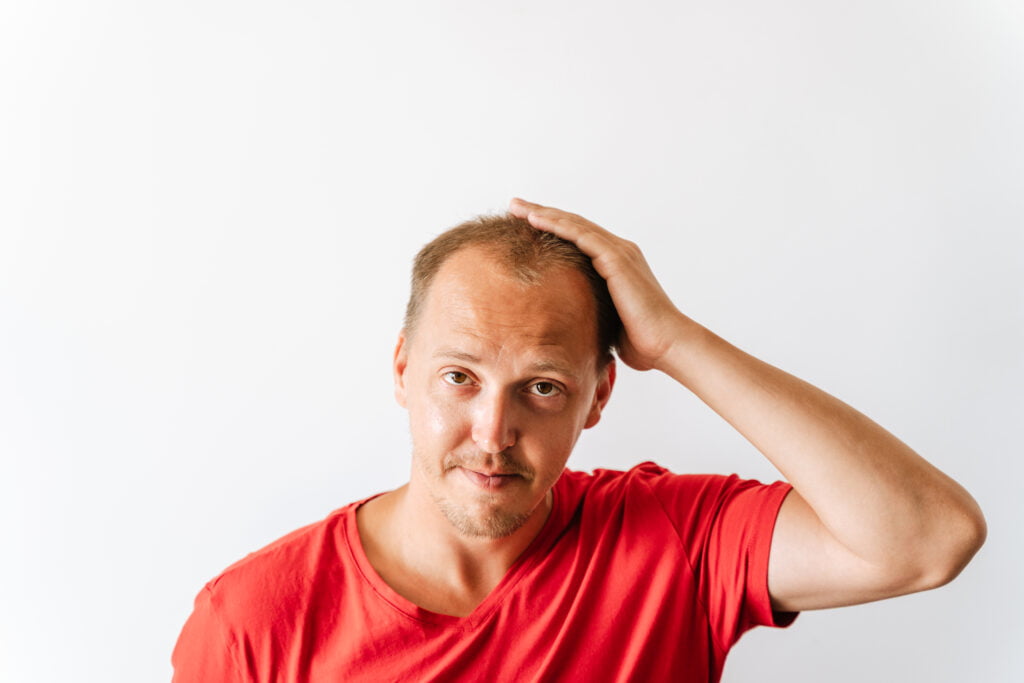
              Before hair transplantation. Young bald man with hair loss problems holding his head.

              Why Choose Turkey for a Hair Transplant?

              Turkey is known as a global leader in hair transplantation, with more than 250,000 procedures performed every year. There are many reasons why people choose Turkey for their hair transplant, such as:


                  • Affordable prices: The average cost of a hair transplant in Turkey is much lower than in other countries, such as the UK, the US, or Germany. According to Lyfboat, a 5000 grafts hair transplant in Turkey costs around $6,000, while in the UK it can cost up to $30,000, and in the US up to $15,000.

                  • High-quality services: Turkey has many reputable and experienced surgeons who use advanced techniques and equipment to perform hair transplants. Some of the most popular methods are FUE (follicular unit extraction), DHI (direct hair implantation), and Sapphire FUE (using sapphire blades instead of steel ones). These techniques are minimally invasive, leave no scars, and offer natural-looking results.

                  • All-inclusive packages: Many Turkish clinics offer all-inclusive packages that cover everything from the consultation to the aftercare, including the surgery, anesthesia, medications, hotel accommodation, transfers, and follow-up visits. This makes the process more convenient and hassle-free for the patients.

                  • Touristic attractions: Turkey is a beautiful country with a rich history and culture. Many people combine their hair transplant with a vacation and enjoy visiting famous landmarks such as Istanbul’s Blue Mosque, Cappadocia’s fairy chimneys, or Pamukkale’s travertine terraces.

                  •  

                5000 graft hair transplation in turkey

                How to Find the Best Clinic for a 5000 Grafts Hair Transplant in Turkey?

                With so many clinics and surgeons offering hair transplants in Turkey, it can be hard to choose the best one for your needs. Here are some tips to help you find the right clinic for your 5000 grafts hair transplant:


                    • Do your research: Before you book your appointment, make sure you do some research on the clinic and the surgeon. Check their credentials, qualifications, experience, reviews, and before-and-after photos. You can also use online platforms such as ClinicAdvisor or Cosmedica to compare different clinics and read real patient stories.

                    • Ask questions: During your consultation, don’t hesitate to ask questions about the procedure, such as what technique will be used, how long it will take, what are the risks and complications, what are the expected results, and how to care for your scalp after the surgery. You should also ask about the cost breakdown and what is included in the package.

                    • Trust your gut: Finally, choose a clinic and a surgeon that you feel comfortable with. You should feel confident that they understand your expectations and goals and that they can deliver them. You should also feel that they care about your well-being and satisfaction.

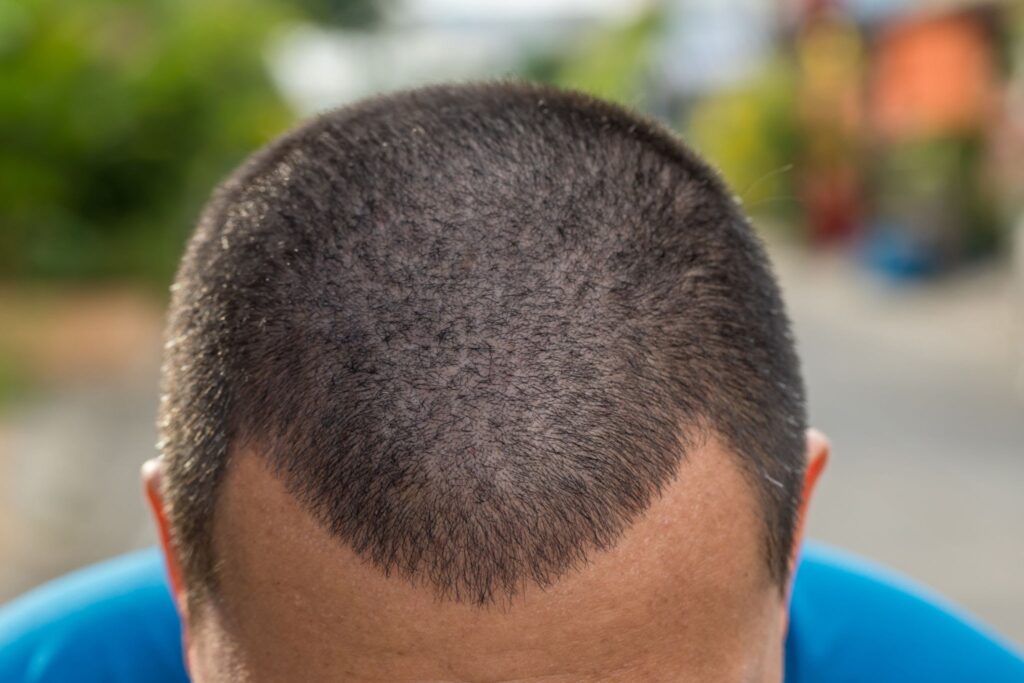
                  After hair transplantation surgical technique that moves hair follicles. Young bald man with hair loss problems.

                  Conclusion

                  A 5000 grafts hair transplant is a major procedure that can significantly improve your appearance and self-esteem. However, it also requires careful planning and preparation. If you decide to get a 5000 grafts hair transplant in Turkey, you can benefit from lower prices, higher quality services, and an enjoyable trip. However, you should also do your homework and find a reputable clinic and surgeon that can meet your needs and expectations.

                  FAQ

                  Here are some frequently asked questions about 5000 grafts hair transplant cost in Turkey:


                      • Q: How many hairs are in 5000 grafts?

                      • A: The number of hairs in 5000 grafts depends on the average number of hairs per graft, which can vary from person to person. However, a rough estimate is that 5000 grafts can contain between 10,000 and 20,000 hairs.

                      • Q: How long does a 5000 grafts hair transplant take?

                      • A: The duration of a 5000 grafts hair transplant depends on the technique used and the skill of the surgeon. However, a general estimate is that it can take between 6 and 10 hours.

                      • Q: How long does it take to heal after a 5000 grafts hair transplant?

                      • A: The healing process after a 5000 grafts hair transplant varies from person to person and depends on the technique used and the post-operative care. However, some general guidelines are that the scabs and crusts will fall off within 10 days, the swelling and redness will subside within 2 weeks, and the transplanted hairs will start to grow within 3 months.

                      • Q: How long does it take to see the final results of a 5000 grafts hair transplant?

                      • A: The final results of a 5000 grafts hair transplant can take up to 12 months to appear. This is because the transplanted hairs will go through a shedding phase before they enter a new growth cycle. The final outcome will depend on the quality and density of the donor area, the skill of the surgeon, and the patient’s adherence to the aftercare instructions.

                      • Q: What are the risks and complications of a 5000 grafts hair transplant?

                      • A: A 5000 grafts hair transplant is generally considered a safe and effective procedure. However, as with any surgery, there are some potential risks and complications, such as infection, bleeding, scarring, nerve damage, poor growth, unnatural appearance, or dissatisfaction with the results.

                      • Q: How to choose the best technique for a 5000 grafts hair transplant?

                      • A: The best technique for a 5000 grafts hair transplant depends on several factors, such as the extent of hair loss, the quality and quantity of the donor area, the desired hairline and density, and the personal preference of the patient. Some of the most common techniques are FUE, DHI, and Sapphire FUE. Each technique has its own advantages and disadvantages, so it is important to consult with an experienced surgeon who can recommend the most suitable option for your case.

                    Free Consultation

                    Get a free consultation now or visit Dr.MFO’s instagram for see more successfully plastic surgery results

                    How to Choose Between Hair Transplantation in Turkey and USA

                    man wearing black notched lapel suit jacket

                    Are you looking for a permanent solution to your hair loss problem? If so, you might be interested in getting a hair transplant, a surgical procedure that involves moving hair follicles from one part of your body to another. However, before you book your appointment, you need to decide where to have your surgery done. Two of the most popular destinations for hair transplantation are Turkey and the USA, but which one is better for you? In this article, we will compare hair transplantation in Turkey and the USA based on five criteria: price, skill, technology, regulation, and travel. We will also give you some tips on how to choose the best option for your needs.

                    black flat screen tv on white wooden tv rack,  Hair Transplantation in Turkey

                    Price: Turkey is much more affordable than the USA

                    One of the main factors that influence your decision on where to have your hair transplant is the price. The cost of hair transplantation can vary greatly depending on the technique used, the number of grafts needed, and the location of the clinic. However, in general, Turkey is much more affordable than the USA for hair transplantation. According to ClinicAdvisor, the average price of a hair transplant in Turkey is around $2,000, while in the USA it can range from $6,000 to $21,000. This is because Turkey has a lower cost of living and labor than the USA, and also because there is a high competition among clinics in Turkey. Furthermore, many clinics in Turkey offer all-inclusive packages that cover accommodation, transportation, and aftercare. In contrast, in the USA you may have to pay extra fees for anesthesia, medication, and travel.

                    Mehmet Fatih Okyay, MD, FEBOPRAS in Türkiye.

                    Skill: Both countries have qualified and experienced surgeons

                    Another factor that you should consider is the skill and experience of the surgeons who will perform your hair transplant. Both Turkey and the USA have qualified and trained surgeons who have received intensive education in hair restoration. However, Turkish surgeons may have more experience than their American counterparts, as they perform more procedures per year due to the high demand. Also, Turkish surgeons are more familiar with different hair types and ethnicities, as they treat patients from all over the world.

                    Technology: Both countries use modern and advanced techniques

                    The technology and techniques used for hair transplantation are also important for achieving natural and satisfactory results. Both Turkey and the USA use modern and advanced methods that are designed to minimize scarring and maximize graft survival. The most common technique used in both countries is FUE (Follicular Unit Extraction), which involves extracting individual hair follicles from the donor area and implanting them into the recipient area. Some clinics also offer other techniques such as DHI (Direct Hair Implantation), Sapphire FUE, or Robotic FUE.

                    Regulation: The USA has stricter regulations than Turkey

                    The regulation and quality control of hair transplantation clinics is another aspect that you should be aware of. The USA has stricter regulations than Turkey when it comes to medical standards and safety protocols. All clinics in the USA must be accredited by the Joint Commission International (JCI) or the American Association for Accreditation of Ambulatory Surgery Facilities (AAAASF), which ensure that they meet high-quality criteria. In addition, all surgeons in the USA must be board-certified by the American Board of Hair Restoration Surgery (ABHRS) or the International Society of Hair Restoration Surgery (ISHRS), which verify their skills and ethics. On the other hand, Turkey has less strict regulations for hair transplantation clinics, which means that there are more variations in quality and service. Not all clinics in Turkey are accredited by international organizations or have certified surgeons. Therefore, it is essential that you do your research and choose a reputable clinic with positive reviews and testimonials.

                    photograph white and red airplane wing

                    Travel: Turkey offers a more convenient and enjoyable travel experience

                    The last factor that you should consider is the travel experience that you will have when you go for your hair transplant. Turkey offers a more convenient and enjoyable travel experience than the USA for several reasons. First of all, Turkey is closer to Europe and Asia than the USA, which means that you will spend less time and money on flights. Second, Turkey has a rich culture and history that you can explore during your stay. You can visit famous attractions such as Istanbul’s Blue Mosque, Cappadocia’s fairy chimneys, or Pamukkale’s thermal pools. Third, Turkey has a warm and hospitable people who will make you feel welcome and comfortable.

                    In conclusion, hair transplantation in Turkey and the USA have their own advantages and disadvantages that you should weigh before making your decision. However, based on our comparison, we can say that Turkey offers a better value for money, more experienced surgeons, more diverse techniques, and a more enjoyable travel experience than the USA. If you are interested in getting a hair transplant in Turkey, you can contact us for more information and a free consultation. We will help you find the best clinic and surgeon for your needs and budget.

                    Man with short hair. Hair loss concept. Head of man.Hair Transplant in Turkey

                    Conclusion

                    Hair transplantation is a permanent solution to hair loss that can improve your appearance and confidence. However, choosing the best place to have your procedure can be challenging, as there are many factors to consider. We hope that this article has helped you compare hair transplantation in Turkey and the USA based on five criteria: price, skill, technology, regulation, and travel. We also hope that you have learned some tips on how to choose the best option for your needs.

                    FAQ about Hair Transplantation in Turkey

                    Q: How long does a hair transplant procedure take? A: A hair transplant procedure can take anywhere from 4 to 8 hours, depending on the technique used and the number of grafts needed.

                    Q: How long does it take to recover from a hair transplant? A: The recovery time from a hair transplant varies from person to person, but generally it takes about 10 to 14 days for the scalp to heal and the scabs to fall off. The transplanted hair will start to grow after 3 to 4 months and reach its full potential after 12 to 18 months.

                    Q: What are the risks and complications of a hair transplant? A: A hair transplant is a safe and effective procedure, but like any surgery, it has some risks and complications. These include infection, bleeding, swelling, bruising, numbness, itching, scarring, inflammation, graft failure, unnatural appearance, and shock loss.

                    Q: How much does a hair transplant cost in Turkey? A: The average cost of a hair transplant in Turkey is around $2,000, but it can vary depending on the clinic, the surgeon, the technique, and the number of grafts.

                    Q: How much does a hair transplant cost in the USA? A: The average cost of a hair transplant in the USA is around $12,000, but it can range from $6,000 to $21,000 depending on the clinic, the surgeon, the technique, and the number of grafts.

                    Q: How can I find the best clinic and surgeon for my hair transplant? A: You can find the best clinic and surgeon for your hair transplant by doing your research online. You can look for reviews, testimonials, before and after photos, credentials, accreditations, and certifications of different clinics and surgeons. You can also contact them directly and ask for a free consultation.

                    Free Consultation

                    Get a free consultation now or visit Dr.MFO’s instagram for see more successfully plastic surgery results

                    How to Prepare for a Hair Transplant: 7 Essential Tips

                    Photo of a Serious Man in Brown Coat

                    A hair transplant is a surgical procedure that can restore your hair and confidence. However, it requires some preparation and planning to ensure the best results. Here are seven essential tips on how to prepare for a hair transplant.

                    Close-up Photo of Burnt Cigarette Ashes

                    1. Stop smoking and drinking alcohol

                    Smoking and drinking alcohol can interfere with the blood flow and healing process of your scalp. Therefore, you should stop smoking at least 24 hours before the surgery and avoid alcohol for three days before the surgery.

                    Close-up Photo of a Stethoscope

                    2. Take your medications as prescribed

                    Your surgeon may prescribe some medications to prevent infection, inflammation, or bleeding during or after the surgery. You should take these medications as instructed and inform your surgeon of any other medications or supplements you are taking.

                    man in black polo shirt standing near white wall

                    3. Wash your hair and scalp

                    You should wash your hair and scalp with a mild shampoo before coming in for the surgery. This will help remove any dirt, oil, or residue that may affect the grafting process. You should also avoid using any hair products such as gel, wax, or spray on the day of the surgery.

                    4. Pack your essentials

                    You should pack some essentials for your surgery day, such as:

                    • A loose-fitting hat or cap to cover your head after the surgery
                    • A pillow and blanket to make yourself comfortable during the ride home
                    • A phone charger and some entertainment options to keep yourself occupied while waiting
                    • Some snacks and water to stay hydrated and nourished
                    • Some painkillers and ice packs to ease any discomfort or swelling

                    5. Arrange for transportation and assistance

                    You will not be able to drive yourself home after the surgery, as you may feel drowsy or groggy from the anesthesia or sedation. Therefore, you should arrange for someone to drive you home and stay with you for at least 24 hours after the surgery. You may also need some help with daily tasks such as cooking, cleaning, or dressing.

                    6. Follow the post-operative instructions

                    Your surgeon will give you specific instructions on how to care for your scalp and hair after the surgery. These may include:

                    • How to wash your hair and scalp gently
                    • How to apply any topical medications or dressings
                    • How to avoid scratching, rubbing, or touching your grafts
                    • How to sleep in an elevated position to reduce swelling
                    • How to avoid strenuous activities, sun exposure, or heat sources for a few weeks

                    You should follow these instructions carefully to avoid any complications or infections and promote faster healing.

                    7. Be patient and realistic

                    A hair transplant is not a quick fix for hair loss. It may take several months for the transplanted hair to grow and blend with your natural hair. You may also experience some shedding or shock loss of your existing hair after the surgery, which is normal and temporary. You should be patient and realistic about the outcome of your surgery and consult your surgeon if you have any concerns or questions.

                    A hair transplant can be a life-changing procedure that can restore your hair and confidence. However, it requires some preparation and planning to ensure a smooth and successful procedure. By following these seven essential tips on how to prepare for a hair transplant, you can increase your chances of achieving the best results possible.

                    man wearing green crew-neck t-shirt looking upwards, How to prepare for a hair transplant

                    Conclusion

                    A hair transplant is a surgical procedure that can restore your hair and confidence. However, it requires some preparation and planning to ensure the best results. In this blog post, we have shared with you seven essential tips on how to prepare for a hair transplant. These tips include:

                    • Stopping smoking and drinking alcohol
                    • Taking your medications as prescribed
                    • Washing your hair and scalp
                    • Packing your essentials
                    • Arranging for transportation and assistance
                    • Following the post-operative instructions
                    • Being patient and realistic

                    By following these tips, you can increase your chances of achieving the best results possible. If you are interested in getting a hair transplant, you can contact us today to schedule a consultation with our experienced and qualified surgeons. We will be happy to answer any questions you may have and provide you with personalized advice and guidance. We look forward to hearing from you soon!

                    I can help you create a FAQ section for your blog post. Here is an example of a possible FAQ:

                    FAQ about How to Prepare for a Hair Transplant?

                    Here are some frequently asked questions and answers about hair transplant:

                    • What is a hair transplant?

                    A hair transplant is a surgical procedure that involves moving hair follicles from one part of the body (usually the back or sides of the head) to another part (usually the front or top of the head) where the hair is thinning or balding.

                    • Who is a suitable candidate for a hair transplant?

                    A suitable candidate for a hair transplant is someone who has enough donor hair on the back or sides of the head to cover the balding areas, who has realistic expectations about the outcome, and who does not have any medical conditions that may affect the healing process.

                    • What are the different types of hair transplant techniques?

                    The two main types of hair transplant techniques are follicular unit transplantation (FUT) and follicular unit extraction (FUE). FUT involves removing a strip of scalp from the donor area and dividing it into individual grafts, while FUE involves extracting individual grafts directly from the donor area using a punch device.

                    • How long does a hair transplant procedure take?

                    A hair transplant procedure can take anywhere from 4 to 8 hours, depending on the number of grafts and the technique used. The procedure is usually done under local anesthesia, which means that the patient is awake but does not feel any pain.

                    Free Consultation

                    Get a free consultation now or visit Dr.MFO’s instagram for see more successfully plastic surgery results

                    Why Antalya is the Best Choice for Hair Transplant in Turkey in 2023

                    people on beach during daytime

                    Hair transplant is a surgical procedure that involves moving hair follicles from one part of the body to another, usually to restore hair loss on the scalp. Hair transplant can improve your appearance, confidence, and quality of life. However, choosing the right place to get your hair transplant can be challenging. There are many factors to consider, such as the cost, quality, safety, and convenience of the procedure.

                    If you are looking for a hair transplant in Turkey, you may have heard of some popular cities that offer this service, such as Istanbul, Ankara, and Izmir. However, there is another city that stands out as the best choice for hair transplant in Turkey: Antalya.

                    Antalya is a coastal city in the south of Turkey, known for its beautiful beaches, historical sites, and cultural attractions. It is also one of the most visited tourist destinations in Turkey, attracting millions of visitors every year. But Antalya is not only a great place to enjoy your vacation; it is also a great place to get your hair transplant.

                    Here are some reasons why you should choose Antalya for your hair transplant in Turkey in 2023:

                    a man is combing his hair with his hands

                    Antalya has the best climate for hair transplant recovery

                    One of the most important factors for a successful hair transplant is the post-operative care and recovery. You need to follow certain instructions and precautions to avoid complications and infections, such as avoiding direct sunlight, swimming, sweating, and scratching. You also need to keep your scalp clean and moisturized.

                    Antalya has a Mediterranean climate that is ideal for hair transplant recovery. The weather is mild and sunny throughout the year, with an average temperature of 18°C (64°F). The humidity is low and the air is fresh and clean. This means that you can heal faster and more comfortably in Antalya than in other cities that have harsher or more variable climates.


                    Antalya has the best facilities and doctors for hair transplant

                    Another factor that affects the quality and outcome of your hair transplant is the facility and doctor that you choose. You want to make sure that you get your procedure done by a qualified, experienced, and reputable surgeon who uses the latest technology and techniques.

                    Antalya has some of the best facilities and doctors for hair transplant in Turkey. There are many clinics that specialize in hair transplant in Antalya, offering various methods such as FUE (Follicular Unit Extraction), DHI (Direct Hair Implantation), Sapphire FUE, and Micro FUE. These methods are minimally invasive, painless, and leave no scars or stitches.

                    Antalya also has some of the most renowned surgeons for hair transplant in Turkey. They have international certifications and memberships from organizations such as ISHRS (International Society of Hair Restoration Surgery), ABHRS (American Board of Hair Restoration Surgery), ESHRS (European Society of Hair Restoration Surgery), and FUE Europe. They have performed thousands of successful hair transplants for patients from all over the world.

                    Antalya has the best prices and packages for hair transplant

                    The cost of hair transplant can vary depending on several factors, such as the number of grafts needed, the method used, the location of the clinic, and the reputation of the surgeon. However, generally speaking, hair transplant in Turkey is much cheaper than in other countries such as the UK, USA, or Germany.

                    Antalya has some of the best prices and packages for hair transplant in Turkey. You can get a high-quality hair transplant in Antalya for as low as €1,200 ($1,400). This price usually includes everything you need for your procedure and stay, such as:

                    • Consultation with the doctor
                    • Blood tests
                    • Hair analysis
                    • Operation
                    • Medications
                    • Aftercare products
                    • Hotel accommodation
                    • Airport transfers
                    • City tour

                    Some clinics even offer free flight tickets or discounts for group bookings. You can save up to 80% by getting your hair transplant in Antalya compared to other countries.

                    Antalya has the best attractions and activities for hair transplant tourism

                    One of the benefits of getting your hair transplant in Turkey is that you can combine it with a memorable vacation. Turkey has a rich history, culture, and nature that you can explore and enjoy. You can also experience the hospitality, cuisine, and lifestyle of the Turkish people.

                    Antalya has some of the best attractions and activities for hair transplant tourism. You can visit some of the most famous landmarks in Antalya, such as:

                    • Kaleiçi: The old town of Antalya, where you can see the Hadrian’s Gate, the Yivli Minaret, the Hıdırlık Tower, and the Antalya Museum.
                    • Düden Waterfalls: A spectacular natural wonder, where you can see the water cascading from a height of 40 meters into the Mediterranean Sea.
                    • Aspendos: An ancient Roman city, where you can see the best-preserved amphitheater in Turkey, which can seat 15,000 people.
                    • Perge: Another ancient Roman city, where you can see the ruins of temples, baths, stadiums, and colonnaded streets.
                    • Konyaaltı Beach: A long and sandy beach, where you can relax, swim, sunbathe, and enjoy the view of the mountains.
                    • Olympos: A national park and an ancient Lycian city, where you can see the eternal flames of the Chimera and the tree houses of the hippies.

                    You can also try some of the fun and exciting activities in Antalya, such as:

                    • Rafting: A thrilling adventure on the Köprüçay River, where you can navigate through rapids and rocks.
                    • Paragliding: A breathtaking experience in the sky, where you can fly over the mountains and the sea.
                    • Scuba diving: A fascinating exploration of the underwater world, where you can see colorful fish, coral reefs, and shipwrecks.
                    • Jeep safari: A wild ride on the off-road tracks, where you can see the countryside and the wildlife.
                    • Boat tour: A relaxing cruise on the turquoise waters, where you can see the islands and caves.

                    As you can see, Antalya has everything you need for a successful and enjoyable hair transplant in Turkey. It has the best climate, facilities, doctors, prices, packages, attractions, and activities. It is no wonder that Antalya is the best choice for hair transplant in Turkey in 2023.

                    If you are interested in getting your hair transplant in Antalya, you can contact us for more information and a free consultation. We are a trusted and experienced company that offers high-quality hair transplant services in Antalya. We work with some of the best clinics and doctors in Antalya and provide you with all-inclusive packages that suit your needs and budget. We also help you with your travel arrangements and provide you with 24/7 support during your stay.

                    Don’t hesitate to get in touch with us today and start your journey to a new look and a new life with a hair transplant in Antalya. You won’t regret it!

                    FAQ about Hair Transplant in Turkey

                    • Q: What are the benefits of getting a hair transplant in Turkey?
                    • A: Turkey is one of the leading destinations for hair transplant surgery, offering quality treatment at affordable prices. Some of the benefits of getting a hair transplant in Turkey are:
                      • You can choose from a variety of advanced techniques and methods, such as FUE, DHI, Sapphire FUE, and Micro FUE, which are minimally invasive, painless, and leave no scars or stitches.
                      • You can get a high-quality hair transplant for as low as €1,200 ($1,400), which usually includes everything you need for your procedure and stay, such as consultation, blood tests, operation, medications, aftercare products, hotel accommodation, airport transfers, and city tour.
                      • You can combine your hair transplant with a memorable vacation in Turkey, which has a rich history, culture, and nature that you can explore and enjoy. You can visit some of the most famous landmarks in Turkey, such as Istanbul, Antalya, Cappadocia, Ephesus, and Pamukkale.
                      • You can get your hair transplant done by qualified, experienced, and reputable surgeons who have international certifications and memberships from organizations such as ISHRS, ABHRS, ESHRS, and FUE Europe. They have performed thousands of successful hair transplants for patients from all over the world.
                    • Q: How to prepare for a hair transplant in Turkey?
                    • A: Before you travel to Turkey for your hair transplant, you need to do some research and planning to ensure a smooth and safe experience. Some of the steps you need to take are:
                      • Investigate the qualifications and experience of the hair transplant surgeon and clinic that you choose. Look for board certifications, years of experience, specialized training in hair restoration techniques, reviews and testimonials from previous patients, and before and after photos.
                      • Get a consultation with your surgeon to discuss your expectations, goals, and options. Your surgeon will examine your scalp and hair density and determine the number of grafts needed and the best technique for your case. Your surgeon will also give you a personalized treatment plan and a quote for your procedure.
                      • Arrange your travel details with a reputable health tourism agency that can help you with your visa, flight tickets, hotel booking, airport transfers, city tour, and 24/7 support during your stay. You can also ask for free flight tickets or discounts for group bookings from some clinics or agencies.
                      • Follow the pre-surgery instructions given by your surgeon. These may include stopping smoking and drinking alcohol at least two weeks before surgery; avoiding medications that can increase bleeding; informing your surgeon about any existing medical conditions or medications; washing your hair with an antibacterial shampoo; cutting your hair short; packing comfortable clothes; bringing a hat or scarf to cover your head after surgery.
                    • Q: What to expect during and after a hair transplant in Turkey?
                    • A: The hair transplant procedure in Turkey is fast and easy. Here is what you can expect during and after your surgery:
                      • On the day of your surgery, you will be taken to the clinic by your driver. You will meet your surgeon and sign some consent forms. You will also have some blood tests done to check for any health issues.
                      • Your surgeon will mark the donor area (usually the back and sides of the head) and the recipient area (the balding or thinning areas) on your scalp. You will be given local anesthesia to numb your scalp. You will not feel any pain during the surgery.
                      • Your surgeon will extract hair follicles from the donor area using a special device that makes tiny circular incisions around each follicle. The extracted follicles will be stored in a solution that preserves their viability.
                      • Your surgeon will make tiny holes or slits in the recipient area using a blade or needle. The extracted follicles will be implanted into these holes or slits one by one using forceps or an implanting device. The direction, angle, depth, and density of the implanted follicles will be carefully controlled to create a natural-looking result.
                      • The surgery will take about three to six hours depending on the number of grafts transplanted. You will be able to watch TV or listen to music during the surgery. You may also take breaks if needed.
                      • After the surgery is completed, your scalp will be bandaged and cleaned. You will be given some medications and aftercare products to use at home. You will also be given some instructions on how to care for your scalp and hair after the surgery. You will be taken back to your hotel by your driver.
                      • The next day, you will visit the clinic again for your first wash and check-up. Your bandages will be removed and your scalp will be washed with a special shampoo and lotion. Your surgeon will examine your scalp and hair and answer any questions you may have. You will also be given a certificate of warranty for your hair transplant.
                      • You will be able to return to your normal activities within a few days after the surgery. However, you should avoid strenuous exercise, swimming, sun exposure, and alcohol for at least two weeks. You should also avoid scratching, rubbing, or touching your scalp and hair for at least a month. You should wash your hair gently with the shampoo and lotion provided by the clinic for at least 10 days.
                      • You may experience some swelling, bruising, redness, itching, or discomfort on your scalp and face after the surgery. These are normal and temporary side effects that will subside within a week. You can use ice packs, painkillers, and anti-inflammatory drugs to ease these symptoms.
                      • You may notice some shedding of the transplanted hair within the first month after the surgery. This is also normal and expected. It means that the hair follicles are entering a resting phase before growing new hair. You should not worry about this as it does not affect the final outcome of the surgery.
                      • You will start to see new hair growth after three to four months. The full results of the surgery will be visible after nine to twelve months. Your transplanted hair will be permanent and will grow naturally like your own hair. You will be able to style, cut, and color your hair as you wish.

                    Free Consultation

                    Get a free consultation now or visit Dr.MFO’s instagram for see more successfully plastic surgery results