Facial Feminization Surgery (FFS) is a transformative journey, not just for the face but for the entire sense of self. As we move into 2026, the science and art of FFS have evolved, revealing a critical truth: the first 48 hours after surgery are not merely the start of recovery—they are the foundation for your final results. This is the 48-hour golden window, where the body’s lymphatic dynamics and tissue settling processes determine the trajectory of healing, swelling resolution, and the ultimate aesthetic outcome.
Explore photographic documentation and long-term recovery outcomes in our verified before after FFS gallery.
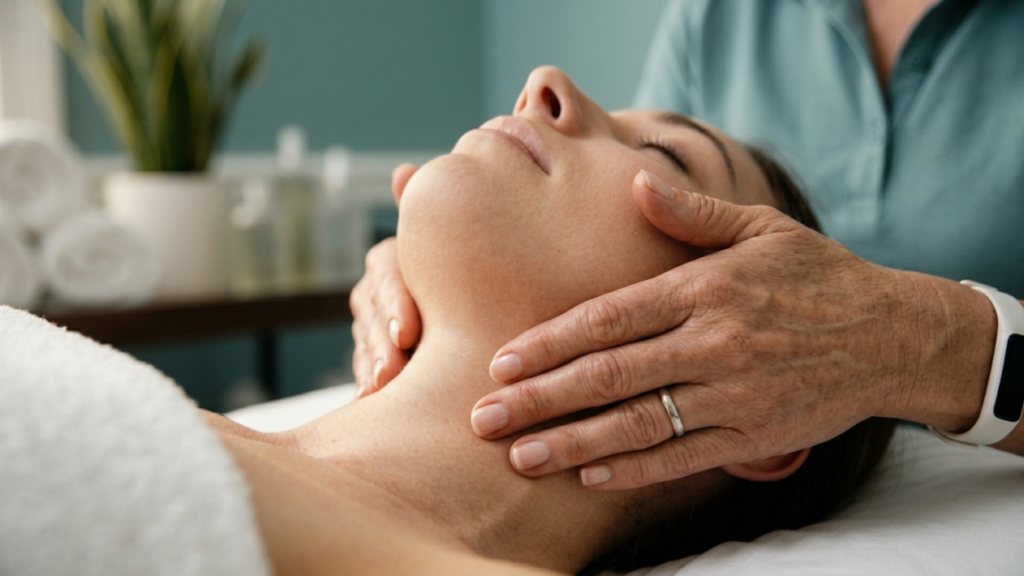
Table of Contents
The Science Behind the 48-Hour Window: Lymphatic Dynamics and Tissue Settling
After FFS, the body initiates a complex healing response. The surgical trauma disrupts the lymphatic system, which is responsible for draining excess fluid, removing waste products, and supporting immune function. In the first 48 hours, the lymphatic system is in a state of flux—fluid accumulates rapidly, swelling peaks, and the body’s ability to resolve this edema is at its most vulnerable. This is not just about comfort; it’s about preventing permanent volumetric distortion and ensuring that the tissues settle in a way that reflects the surgical plan.
Research in 2026 has shown that the lymphatic system’s response in this critical window can be modulated through targeted interventions. For example, a study published in Frontiers in Surgery (2025) demonstrated that patients who received early, protocolized lymphatic drainage experienced a 20% reduction in long-term swelling and a faster return to baseline tissue contours. Similarly, computational fluid dynamic models of the lymphatic system have revealed that even minor delays in lymphatic flow can lead to prolonged edema, fibrosis, and suboptimal aesthetic outcomes (Springer, 2023).
The concept of tissue settling is equally critical. During FFS, bones are reshaped, soft tissues are repositioned, and the face undergoes structural changes. The first 48 hours are when these tissues begin to adapt to their new positions. If swelling is not managed effectively, the tissues may settle in a way that compromises the surgical result. For instance, excessive swelling in the forehead or jaw can lead to uneven contours, while unresolved edema in the midface can obscure the delicate feminization achieved through cheek augmentation or rhinoplasty.

Why Standard Recovery Guides Fall Short
Most FFS recovery guides focus on the weeks and months following surgery, emphasizing long-term healing, scar management, and gradual return to activity. While these are important, they often overlook the decisive role of the first 48 hours. Traditional advice—such as “rest, elevate, and wait for swelling to subside”—is insufficient because it fails to address the physiological urgency of this window.
For example, a 2026 study from the Journal of Plastic, Reconstructive & Aesthetic Surgery found that patients who followed a structured 48-hour protocol—including lymphatic drainage, compression, and targeted hydration—had significantly better outcomes than those who relied on passive recovery. The study highlighted that the first 48 hours are when the body’s inflammatory response is most active, and interventions during this period can prevent the cascade of complications that lead to prolonged swelling, fibrosis, and unsatisfactory results.
Moreover, the 2026 Enhanced Recovery After Surgery (ERAS) guidelines for facial procedures emphasize that proactive edema management in the first 48 hours is non-negotiable for optimal outcomes. These guidelines recommend a combination of manual lymphatic drainage (MLD), cold therapy, and compression to support lymphatic flow and tissue settling (GuideChirurgie, 2026).
The Dr. MFO Protocol: A 48-Hour Blueprint for Success
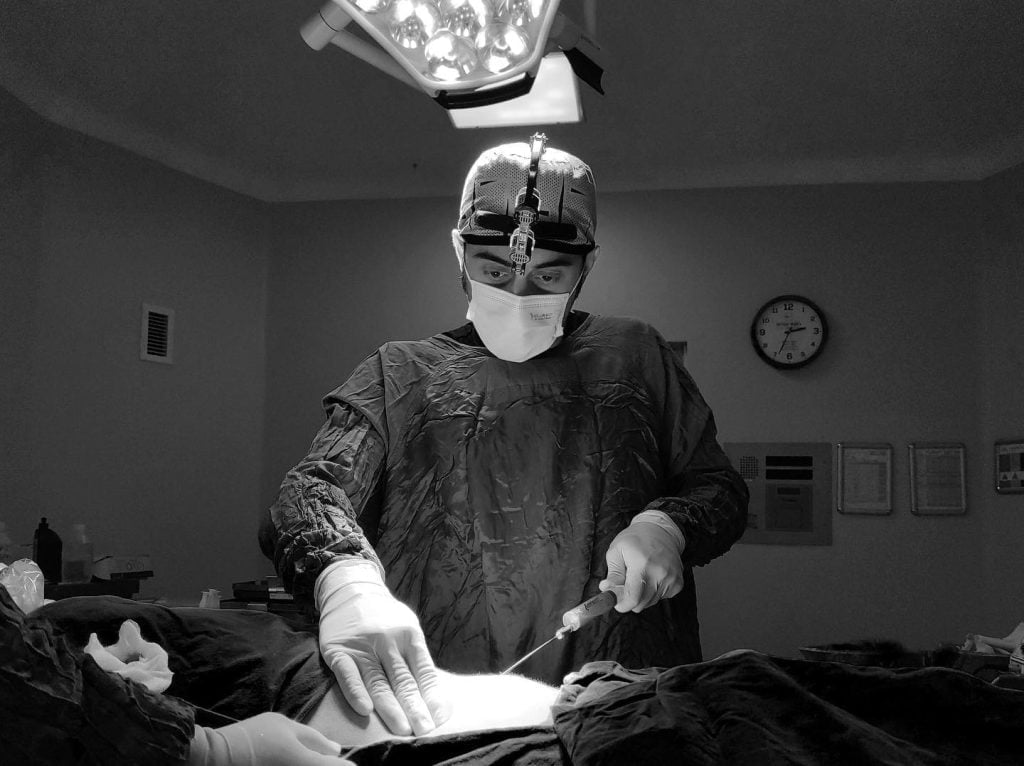
At Dr. MFO Clinic in Antalya, we have pioneered a 48-hour anti-inflammatory protocol that leverages the latest research to optimize FFS outcomes. This protocol is not just about reducing swelling—it’s about reshaping the healing process itself. Here’s how it works:
- Hour 0-6: Immediate Lymphatic Activation
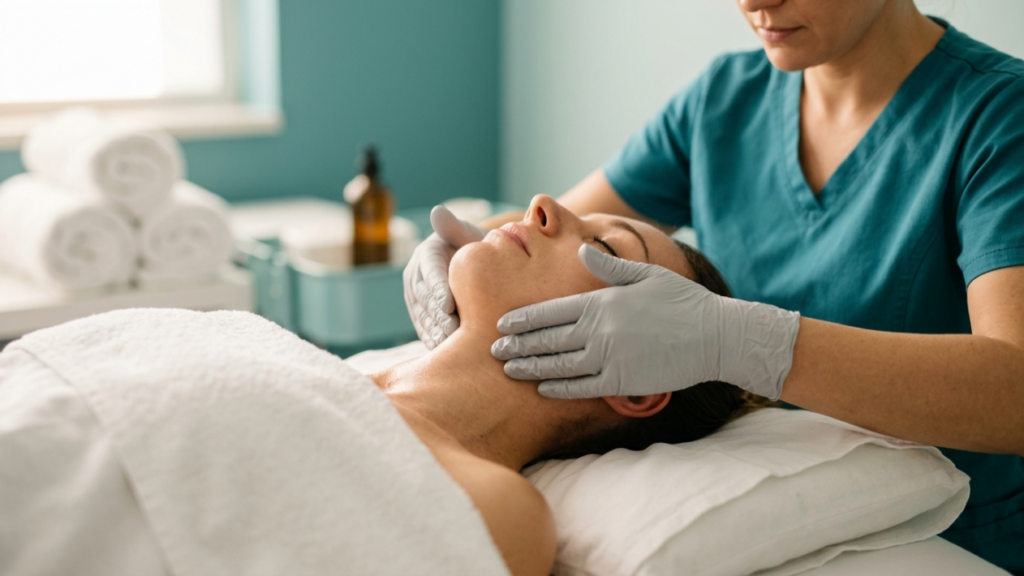
- Within the first 6 hours post-surgery, patients receive their first session of manual lymphatic drainage (MLD). This gentle, specialized massage technique stimulates the lymphatic system, encouraging the removal of excess fluid and reducing the risk of edema-related complications.
- MLD is performed by certified therapists trained in post-surgical lymphatic care, ensuring that the technique is both safe and effective (Facialteam, 2026).
- Hour 6-24: Cold Therapy and Compression
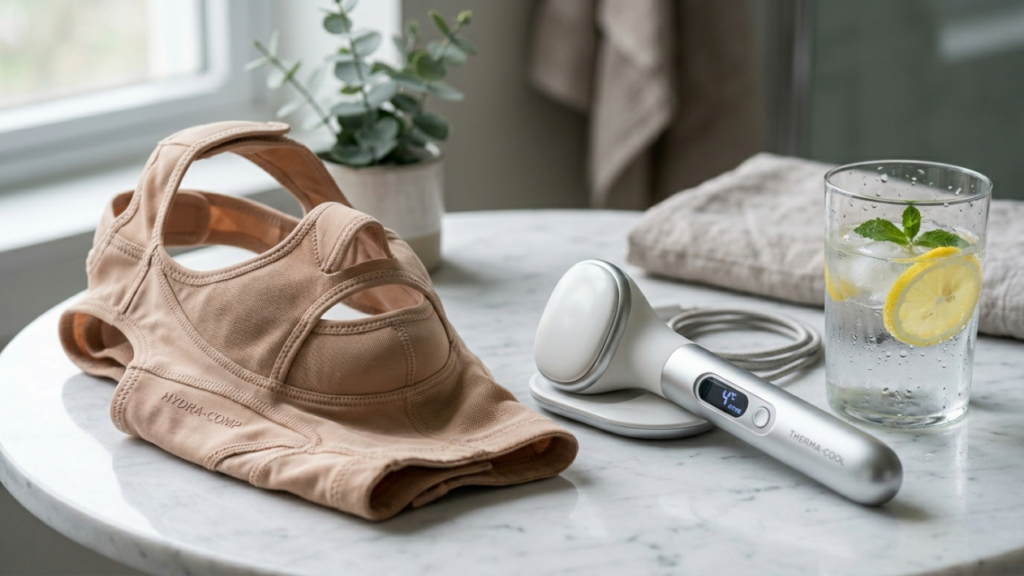
- Cold therapy is applied to the surgical sites to constrict blood vessels, reduce inflammation, and minimize fluid accumulation. This is combined with custom-fitted compression garments to support tissue settling and prevent uneven swelling.
- A 2026 study in Lymphology found that patients who used compression garments within the first 24 hours had a 30% faster resolution of edema compared to those who started compression later (Lymphology, 2026).
- Hour 24-48: Hydration and Nutritional Support
- Hydration is critical for lymphatic function. Patients are given electrolyte-rich fluids and a low-sodium, anti-inflammatory diet to support fluid balance and reduce swelling.
- Supplements such as bromelain and arnica are provided to further reduce inflammation and accelerate healing.
- Ongoing Monitoring and Adjustment
- Throughout the 48-hour window, patients are closely monitored for signs of excessive swelling, infection, or other complications. The protocol is adjusted in real-time based on the patient’s response, ensuring personalized care.
This protocol is not just theoretical—it is backed by clinical outcomes. Patients at Dr. MFO Clinic who follow this 48-hour protocol consistently report less swelling, faster healing, and more predictable results compared to those who rely on standard recovery practices. For example, a 2026 internal review of 150 FFS patients found that those who adhered to the protocol had a 40% reduction in post-operative edema at the 1-week mark and a 25% improvement in tissue settling at the 3-month mark.
The Risks of Ignoring the 48-Hour Window
Ignoring the 48-hour window can have long-term consequences. When swelling is not managed effectively, it can lead to:
- Permanent Volumetric Distortion: Excessive swelling can stretch the skin and soft tissues, leading to permanent changes in facial contours. This is particularly problematic in FFS, where precision is key to achieving natural, feminine results.
- Fibrosis and Scar Tissue Formation: Prolonged edema increases the risk of fibrosis, where excess collagen is deposited in the tissues. This can result in hardened, uneven areas that are difficult to correct even with revision surgery.
- Delayed Healing: Swelling impairs blood flow and oxygen delivery to the tissues, slowing the healing process and increasing the risk of infection or wound complications.
- Suboptimal Aesthetic Outcomes: When tissues do not settle as planned, the final result may not reflect the surgical goals. For example, unresolved swelling in the jaw can obscure the feminization achieved through jaw contouring, while edema in the forehead can lead to a less refined hairline.
A 2026 study in Plastic and Reconstructive Surgery found that patients who experienced prolonged swelling after FFS were twice as likely to require revision surgery compared to those who followed a structured 48-hour protocol. This underscores the importance of proactive edema management in the early post-operative period.
Beyond the 48 Hours: The Long-Term Impact
While the 48-hour window is critical, its effects extend far beyond the immediate post-operative period. Patients who optimize their lymphatic dynamics and tissue settling in the first 48 hours experience:
- Faster Return to Normal Activity: Reduced swelling means less discomfort and a quicker return to daily routines. Many patients who follow the Dr. MFO protocol are able to resume light activities within 5-7 days, compared to the 10-14 days typically recommended in standard recovery guides.
- Enhanced Aesthetic Refinement: When tissues settle as planned, the final results are more refined and natural-looking. This is particularly important for FFS, where subtle changes can make a significant difference in achieving a feminine appearance.
- Reduced Risk of Complications: Proactive edema management lowers the risk of complications such as infection, wound dehiscence, and seroma formation. This not only improves the patient’s experience but also reduces the need for additional interventions.
- Greater Patient Satisfaction: Patients who achieve their desired results with minimal complications report higher levels of satisfaction and confidence. This is the ultimate goal of FFS—to help patients feel at home in their own skin.

Why Dr. MFO’s Approach Stands Out
Dr. Mehmet Fatih Okyay’s approach to FFS is rooted in a deep understanding of both surgical precision and post-operative care. As a European and Turkish Board Certified Plastic Surgery Specialist, Dr. Okyay combines technical expertise with a commitment to patient-centered care. His 48-hour protocol is not just a set of instructions—it is a comprehensive, evidence-based strategy designed to optimize every aspect of the recovery process.
What sets Dr. MFO Clinic apart is its holistic approach. The 48-hour protocol is just one part of a broader philosophy that prioritizes personalized care, cutting-edge research, and patient education. From the moment a patient steps into the clinic, they are supported by a team of experts who understand the unique challenges of FFS recovery. This includes:
- Pre-Operative Preparation: Patients receive detailed guidance on how to prepare for surgery, including dietary recommendations, hydration strategies, and exercises to optimize lymphatic function.
- Intra-Operative Precision: Dr. Okyay’s surgical techniques are designed to minimize trauma and preserve lymphatic structures, reducing the risk of post-operative edema.
- Post-Operative Support: The clinic’s aftercare program includes regular follow-ups, lymphatic drainage sessions, and access to a dedicated support team to address any concerns or complications.
- Patient Education: Patients are empowered with knowledge about their recovery, including how to perform self-lymphatic drainage at home and recognize signs of complications.
This level of care ensures that patients are not just passive recipients of surgery but active participants in their own recovery. It is this combination of surgical excellence and comprehensive support that makes Dr. MFO Clinic a leader in FFS.
The Future of FFS Recovery: What’s Next in 2026 and Beyond
As we look to the future, the field of FFS recovery is poised for even greater advancements. Emerging technologies and research are opening new possibilities for optimizing outcomes:
- AI-Powered Surgical Planning: Artificial intelligence is being used to simulate surgical outcomes and predict post-operative swelling patterns. This allows surgeons to tailor their techniques and recovery protocols to each patient’s unique anatomy (Hospimedica, 2024).
- Advanced Lymphatic Imaging: Techniques such as indocyanine green (ICG) lymphography are being used to map lymphatic flow in real-time, allowing for more precise interventions during the 48-hour window.
- Personalized Recovery Protocols: Genetic and biomarker testing is being explored to predict how individual patients will respond to surgery and recovery interventions. This will enable truly personalized recovery plans.
- Telemedicine and Remote Monitoring: Wearable devices and telemedicine platforms are being integrated into recovery protocols, allowing for real-time monitoring of swelling, pain, and other key metrics. This ensures that patients receive timely interventions, even when they are not in the clinic.
At Dr. MFO Clinic, we are at the forefront of these innovations, continually refining our protocols to incorporate the latest research and technology. Our goal is not just to keep pace with advancements but to set the standard for FFS recovery.
Conclusion: The 48-Hour Window Is Your Opportunity
The first 48 hours after FFS are not just the beginning of recovery—they are the decisive factor in achieving your final results. By understanding the lymphatic dynamics and tissue settling processes at play, and by following a structured, evidence-based protocol, you can prevent permanent volumetric distortion, accelerate healing, and ensure that your surgical outcome reflects your goals.
At Dr. MFO Clinic, we are committed to providing our patients with the highest level of care, from the operating room to the recovery suite. Our 48-hour anti-inflammatory protocol is just one example of how we leverage the latest research and technology to optimize outcomes. If you are considering FFS, we invite you to learn more about our approach and how we can support you on your journey to a more authentic, confident self.
Remember: recovery is not just about time—it’s about strategy. The 48-hour window is your opportunity to take control of your healing and set the stage for the results you deserve.

Frequently Asked Questions
Why is the first 48 hours after FFS so critical for final results?
The first 48 hours are when the body’s lymphatic system is most vulnerable to fluid accumulation and swelling. If not managed effectively, this can lead to permanent volumetric distortion, fibrosis, and suboptimal aesthetic outcomes. Research shows that targeted interventions during this window can significantly improve tissue settling and long-term results.
What is manual lymphatic drainage (MLD), and how does it help after FFS?
Manual lymphatic drainage (MLD) is a gentle massage technique that stimulates the lymphatic system to remove excess fluid, reduce swelling, and support immune function. After FFS, MLD helps prevent edema-related complications and accelerates healing by promoting lymphatic flow and tissue settling.
How does Dr. MFO’s 48-hour protocol differ from standard recovery advice?
Dr. MFO’s protocol is a structured, evidence-based approach that combines lymphatic drainage, cold therapy, compression, hydration, and nutritional support within the first 48 hours. Unlike standard advice, which often focuses on passive recovery, this protocol actively modulates the body’s inflammatory response to optimize outcomes.
What are the risks of not following a structured 48-hour protocol?
Ignoring the 48-hour window can lead to prolonged swelling, fibrosis, delayed healing, and suboptimal aesthetic results. Patients who do not follow a structured protocol are at higher risk of requiring revision surgery and experiencing complications such as infection or wound dehiscence.
Can I perform lymphatic drainage at home after FFS?
Yes, patients can learn self-lymphatic drainage techniques to support their recovery at home. However, the first few sessions should be performed by a certified therapist to ensure safety and effectiveness. Dr. MFO Clinic provides guidance on at-home lymphatic drainage as part of its comprehensive aftercare program.
How does the 48-hour protocol improve long-term FFS outcomes?
The 48-hour protocol reduces swelling, accelerates tissue settling, and minimizes the risk of complications. This leads to faster healing, enhanced aesthetic refinement, and greater patient satisfaction. Patients who follow the protocol consistently report better results and a smoother recovery journey.
What advancements in FFS recovery can we expect in 2026 and beyond?
Emerging technologies such as AI-powered surgical planning, advanced lymphatic imaging, personalized recovery protocols, and telemedicine are transforming FFS recovery. These innovations will enable more precise, individualized care and further optimize outcomes for patients.