The quest for the most attractive face shape is not just about aesthetics—it’s a fusion of art, science, and surgical precision. While beauty standards evolve, the principles of facial harmony remain timeless. This guide dives deep into the anatomical and surgical nuances of achieving the most attractive face shape, backed by expert insights from Dr. Mehmet Fatih Okyay, a European & Turkish Board Certified Plastic Surgery Specialist. Whether you’re considering facial feminization, jaw contouring, or chin refinement, this guide will equip you with the knowledge to make informed decisions.
Imagine a face that doesn’t just turn heads but embodies balance, symmetry, and natural beauty. The most attractive face shape isn’t a one-size-fits-all concept—it’s a personalized journey that aligns with your unique features and aspirations. From the golden ratio to advanced surgical techniques, we’ll explore how to achieve a face that reflects your true self while prioritizing safety and long-term satisfaction.
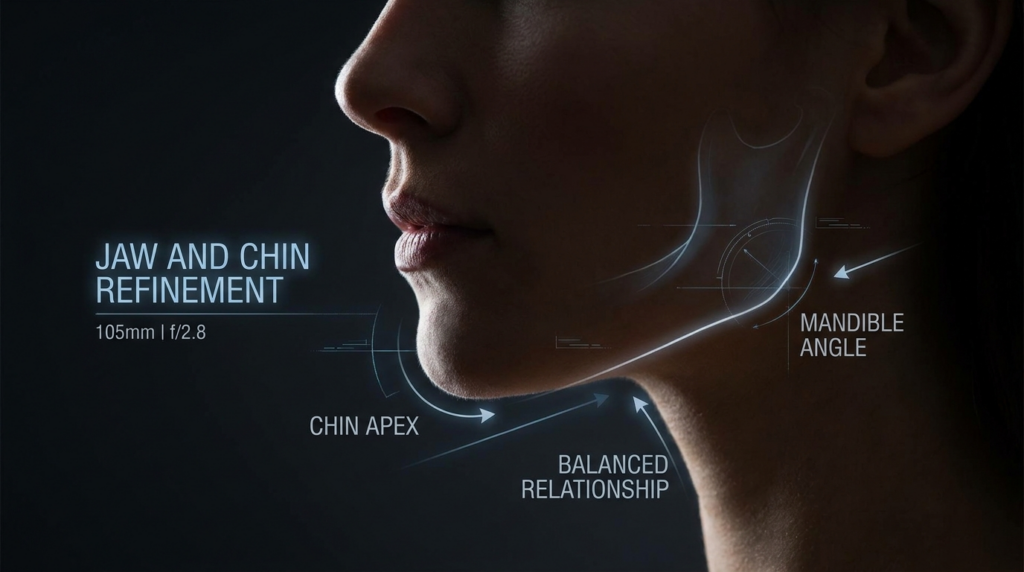
Table of Contents
What Defines the Most Attractive Face Shape?
The most attractive face shape is often associated with harmony, proportion, and balance. While cultural and personal preferences play a role, scientific studies and aesthetic principles highlight specific features that contribute to facial attractiveness:
- Symmetry: A balanced face, where both sides mirror each other, is universally perceived as attractive. Symmetry signals health and genetic stability.
- Proportion: The golden ratio (1:1.618) is a mathematical principle often linked to beauty. It guides the ideal relationship between facial features, such as the distance between the eyes, nose, and mouth.
- Facial Contours: Soft, feminine contours or strong, masculine angles can define attractiveness based on individual goals. For example, a delicate jawline is often sought in facial feminization, while a defined jaw may be preferred in masculinization.
- Youthful Features: Full cheeks, smooth skin, and a well-defined chin contribute to a youthful and vibrant appearance.
However, attractiveness is deeply personal. What matters most is how your face aligns with your identity and self-expression. Surgical and non-surgical procedures can enhance your natural features while preserving your uniqueness.
The Role of Facial Feminization Surgery (FFS) in Achieving the Most Attractive Face Shape
Facial Feminization Surgery (FFS) is a transformative process designed to soften and refine facial features, creating a more traditionally feminine appearance. For many, FFS is a crucial step in aligning their outer appearance with their gender identity. The procedures involved in FFS can address multiple aspects of the face, including:
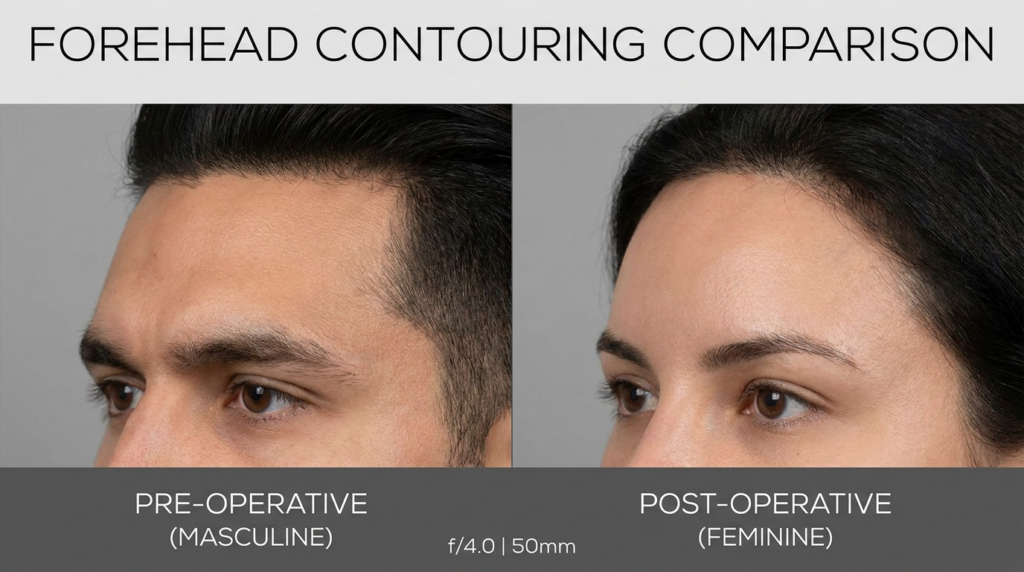
- Forehead Contouring: Reducing the brow ridge and reshaping the forehead to create a smoother, more feminine contour.
- Jaw Reduction: Softening the jawline to achieve a delicate, oval shape.
- Chin Refinement: Reshaping the chin to enhance facial balance and harmony.
- Cheek Augmentation: Adding volume to the cheeks for a youthful, lifted appearance.
- Nose Reshaping: Refining the nose to complement other facial features.
FFS is not just about changing how you look—it’s about enhancing your confidence and helping you feel more like yourself. The most attractive face shape is one that reflects your true identity while maintaining natural beauty and functionality.
Surgical Techniques for Achieving the Most Attractive Face Shape
Achieving the most attractive face shape often involves a combination of surgical and non-surgical techniques. Each procedure is tailored to the individual’s unique anatomy and aesthetic goals. Below, we explore some of the most effective techniques:
1. Jaw Reduction and Contouring
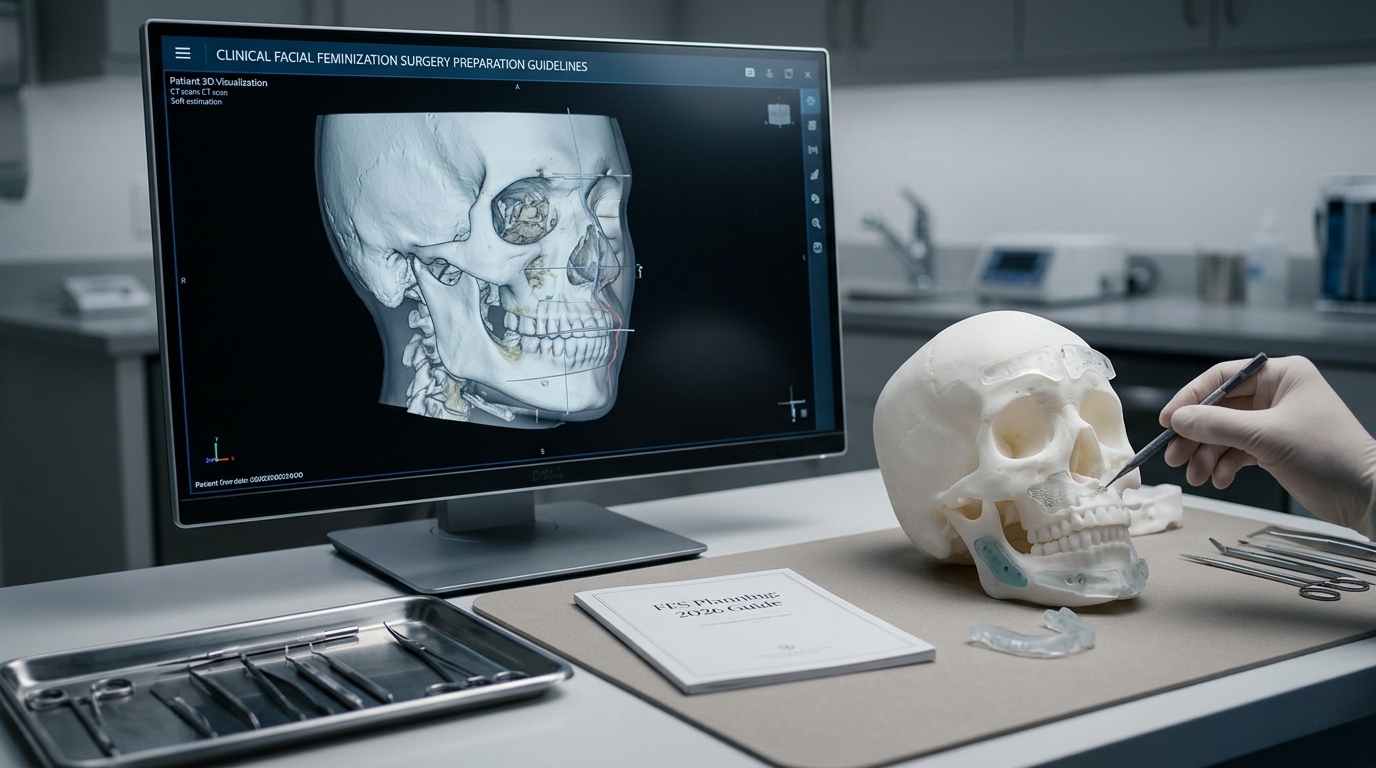
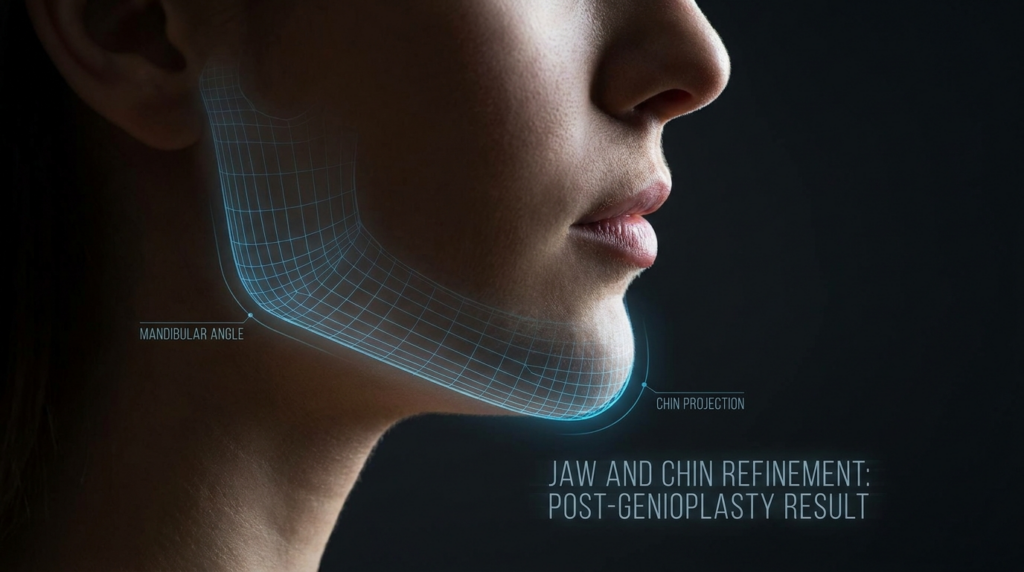
Jaw reduction is a common procedure in FFS, aimed at creating a softer, more feminine jawline. The process involves reshaping the mandibular angle and body to reduce the width and prominence of the jaw. Advanced imaging techniques, such as 3D CT scans, are used to plan the surgery and ensure precision while avoiding critical nerves like the inferior alveolar nerve.
During the procedure, the surgeon carefully removes bone and reshapes the jaw to achieve the desired contour. The goal is to create a natural, balanced look that complements the rest of the face. Recovery typically involves minimal downtime, with most patients resuming normal activities within a few weeks.
2. Chin Refinement: Genioplasty and Chin Reduction
The chin plays a pivotal role in facial harmony. A well-proportioned chin can enhance the overall attractiveness of the face. Genioplasty and chin reduction are two techniques used to refine the chin’s shape and size.
In genioplasty, the chin bone is repositioned or reshaped to achieve better balance with the rest of the face. This procedure can address issues such as a recessed or overly prominent chin. Chin reduction, on the other hand, involves removing excess bone to create a more delicate and refined appearance.
Both procedures require meticulous planning to avoid damaging the mental nerve, which provides sensation to the lower lip and chin. Surgeons use advanced imaging and precise surgical techniques to ensure optimal results while preserving nerve function.
3. Cheek Augmentation for Youthful Volume
Full, lifted cheeks are a hallmark of youth and attractiveness. Cheek augmentation can enhance facial volume, creating a more balanced and harmonious appearance. This procedure is often performed using implants or fat grafting, depending on the patient’s goals and anatomy.
Cheek implants are designed to add volume and definition to the midface, while fat grafting uses the patient’s own fat to achieve a natural, long-lasting result. Both techniques can be customized to create the most attractive face shape for each individual.
4. Forehead Contouring for a Feminine Appearance
The forehead is a key area in facial feminization. A prominent brow ridge can create a more masculine appearance, while a smoother, rounded forehead is often associated with femininity. Forehead contouring involves reducing the brow ridge and reshaping the forehead to achieve a softer, more feminine look.
This procedure requires careful planning to avoid affecting the frontal sinus and other critical structures. Surgeons use advanced techniques, such as piezoelectric surgery, to ensure precision and minimize the risk of complications.
5. Rhinoplasty: Refining the Nose for Facial Harmony
The nose is a central feature of the face, and its shape can significantly impact overall attractiveness. Rhinoplasty is a procedure designed to reshape the nose, enhancing its proportion and balance with the rest of the face. Whether the goal is to reduce the size of the nose, refine its tip, or correct asymmetry, rhinoplasty can create a more harmonious and attractive appearance.
During rhinoplasty, the surgeon carefully reshapes the bone and cartilage to achieve the desired result. The procedure can be performed using open or closed techniques, depending on the complexity of the case. Recovery typically involves some swelling and bruising, but most patients see significant improvements within a few weeks.
Non-Surgical Options for Enhancing Facial Attractiveness
Not everyone is ready for surgery, and non-surgical options can also enhance facial attractiveness. These procedures are minimally invasive, require little to no downtime, and can deliver impressive results. Some of the most popular non-surgical techniques include:
- Dermal Fillers: Fillers can add volume to the cheeks, lips, and other areas of the face, creating a more youthful and balanced appearance. They are particularly effective for enhancing facial contours without surgery.
- Botox: Botox can soften facial expressions, reduce wrinkles, and create a more relaxed and youthful look. It is often used to refine the jawline and reduce the appearance of a “square” jaw.
- Thread Lifts: Thread lifts use dissolvable threads to lift and tighten the skin, creating a more defined and youthful appearance. This procedure is ideal for those who want subtle improvements without surgery.
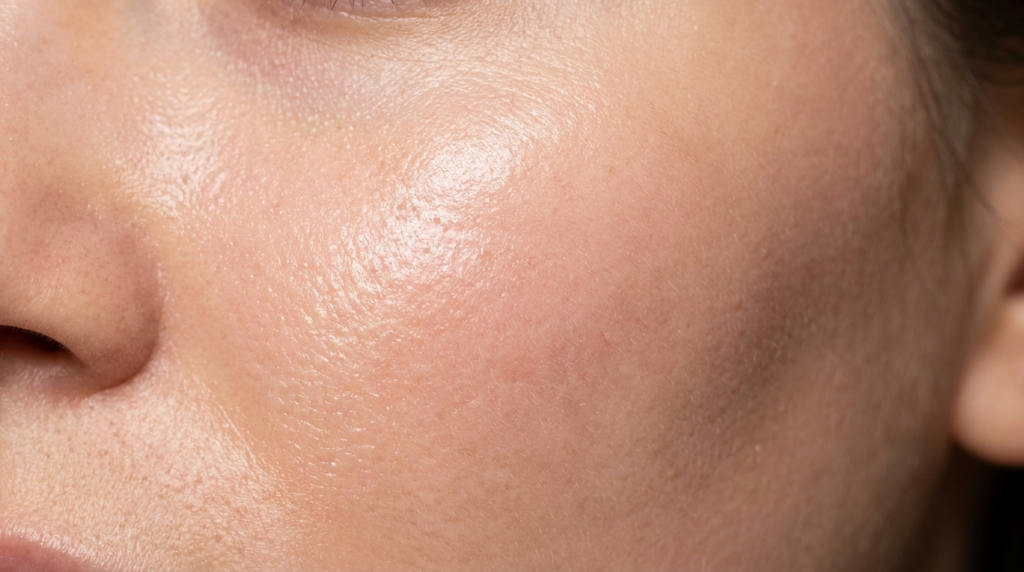
- Laser Treatments: Laser treatments can improve skin texture, reduce pigmentation, and stimulate collagen production, resulting in a smoother, more radiant complexion.
Non-surgical options are an excellent choice for those who want to enhance their appearance with minimal risk and downtime. However, it’s essential to consult with a qualified specialist to determine the best approach for your unique needs.
Choosing the Right Surgeon for Your Facial Transformation
Selecting the right surgeon is the most critical step in achieving the most attractive face shape. A skilled and experienced surgeon will not only deliver exceptional results but also prioritize your safety and well-being. Here’s what to look for when choosing a surgeon:
- Board Certification: Ensure your surgeon is board-certified in plastic surgery and has extensive experience in facial procedures.
- Specialization in FFS: If you’re considering facial feminization, choose a surgeon who specializes in FFS and understands the unique needs of transgender and non-binary patients.
- Before-and-After Gallery: Review the surgeon’s portfolio to assess their aesthetic style and the quality of their results.
- Patient Testimonials: Read reviews and testimonials from previous patients to gauge their satisfaction and experiences.
- Consultation Process: A thorough consultation is essential. Your surgeon should take the time to understand your goals, explain the procedures in detail, and address any concerns you may have.
Dr. Mehmet Fatih Okyay, a European & Turkish Board Certified Plastic Surgery Specialist, is renowned for his expertise in facial feminization and aesthetic procedures. With a patient-centered approach, Dr. Okyay combines artistic vision with surgical precision to help patients achieve their most attractive face shape.
Recovery and Aftercare: Ensuring Long-Term Success
Recovery is a crucial phase in achieving the most attractive face shape. Proper aftercare ensures optimal healing and long-term satisfaction with your results. Here’s what to expect during the recovery process:
- Immediate Post-Operative Care: Follow your surgeon’s instructions for wound care, medication, and activity restrictions. This phase is critical for minimizing swelling and promoting healing.
- Swelling and Bruising: Swelling and bruising are normal after facial procedures. Most swelling subsides within a few weeks, but it may take several months for the final results to become apparent.
- Follow-Up Appointments: Regular follow-up visits allow your surgeon to monitor your progress and address any concerns.
- Long-Term Care: Maintain a healthy lifestyle, protect your skin from sun damage, and follow a skincare routine to preserve your results.
It’s essential to be patient during the recovery process. While you may see initial improvements within a few weeks, the final results can take up to a year to fully manifest. Open communication with your surgical team is key to ensuring a smooth and successful recovery.
Frequently Asked Questions
What is the most attractive face shape according to scientific standards?
Scientific studies suggest that the most attractive face shape is one that embodies symmetry, proportion, and balance. The golden ratio (1:1.618) is often cited as a guideline for ideal facial proportions. However, attractiveness is subjective and deeply personal, so the most attractive face shape is ultimately the one that aligns with your identity and self-expression.
Can facial feminization surgery help me achieve the most attractive face shape?
Yes, Facial Feminization Surgery (FFS) is designed to soften and refine facial features, creating a more traditionally feminine appearance. Procedures like jaw reduction, chin refinement, and forehead contouring can enhance facial harmony and help you achieve the most attractive face shape for your unique goals.
What are the risks associated with jaw and chin contouring?
Jaw and chin contouring procedures carry risks such as temporary numbness, swelling, and bruising. In rare cases, nerve damage may occur, leading to altered sensation in the lower lip or chin. Choosing an experienced surgeon and following post-operative care instructions can minimize these risks.
How long does it take to recover from facial feminization surgery?
Recovery times vary depending on the procedures performed. Most patients resume normal activities within 2–4 weeks, but full recovery and final results may take up to a year. Swelling and bruising typically subside within a few weeks, with gradual improvements over time.
Are non-surgical options effective for enhancing facial attractiveness?
Yes, non-surgical options like dermal fillers, Botox, and thread lifts can enhance facial attractiveness with minimal downtime. These procedures are ideal for those who want subtle improvements without surgery. However, results are temporary and may require maintenance treatments.
How do I choose the right surgeon for facial feminization?
Choosing the right surgeon involves researching their credentials, experience, and patient testimonials. Look for a board-certified specialist in facial feminization who prioritizes patient safety and offers a personalized approach. A thorough consultation is essential to ensure your goals align with the surgeon’s expertise.