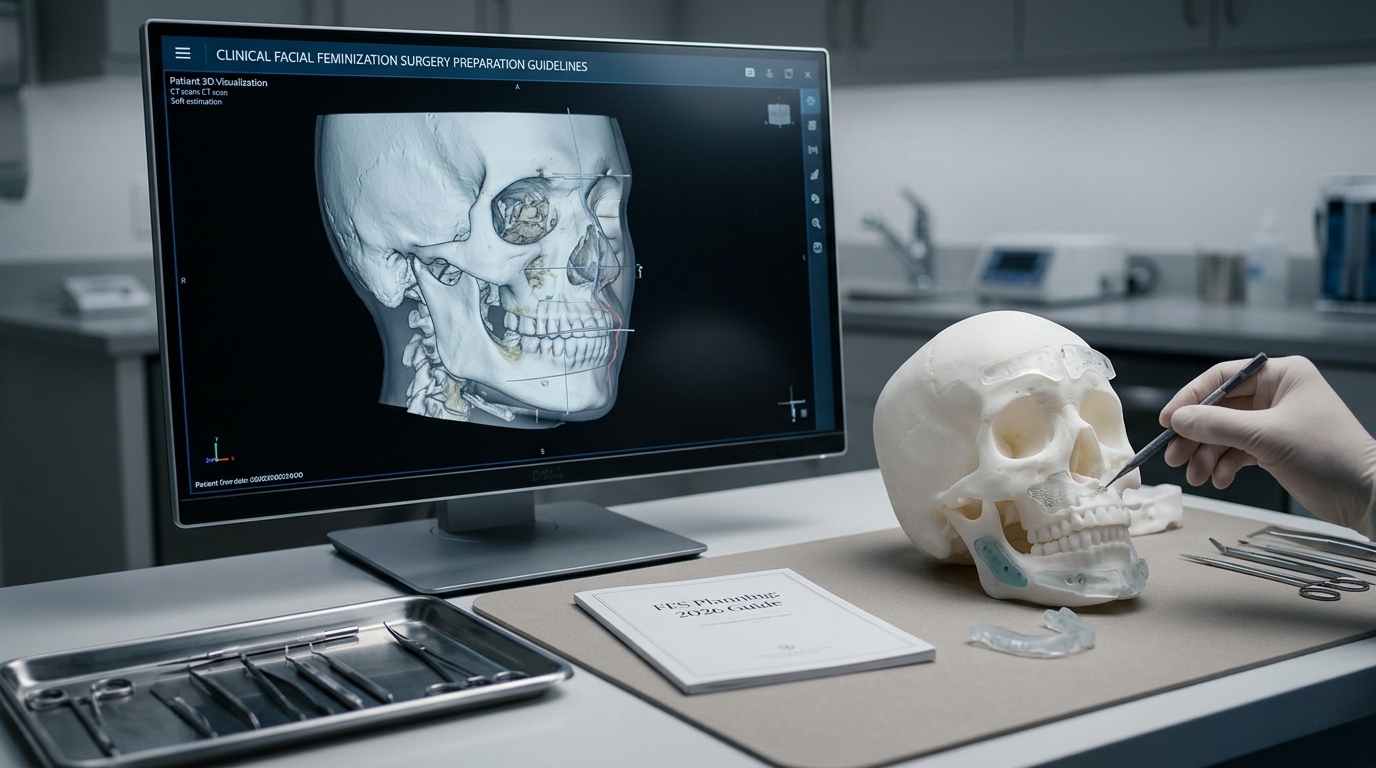
Fourteen thousand people search for solutions monthly, yet the vast majority leave the results page unsatisfied. The disconnect stems from a brutal reality: most information available online treats the jaw as a simple aesthetic feature, ignoring the complex neural network hidden beneath the bone. A wide jaw is not merely a cosmetic preference; it is a structural challenge where aggressive reduction without precise mapping risks permanent nerve damage. You are here because you need the surgical truth, not recycled advice.
This guide strips away the noise. We focus on the clinical realities of mandibular contouring as practiced by European Board Certified specialists. You will learn why the standard “shave it down” approach fails and how modern protocols in Antalya prioritize nerve integrity alongside aesthetic refinement. The difference between a successful refinement and a sensory disaster lies in the details we expose below.
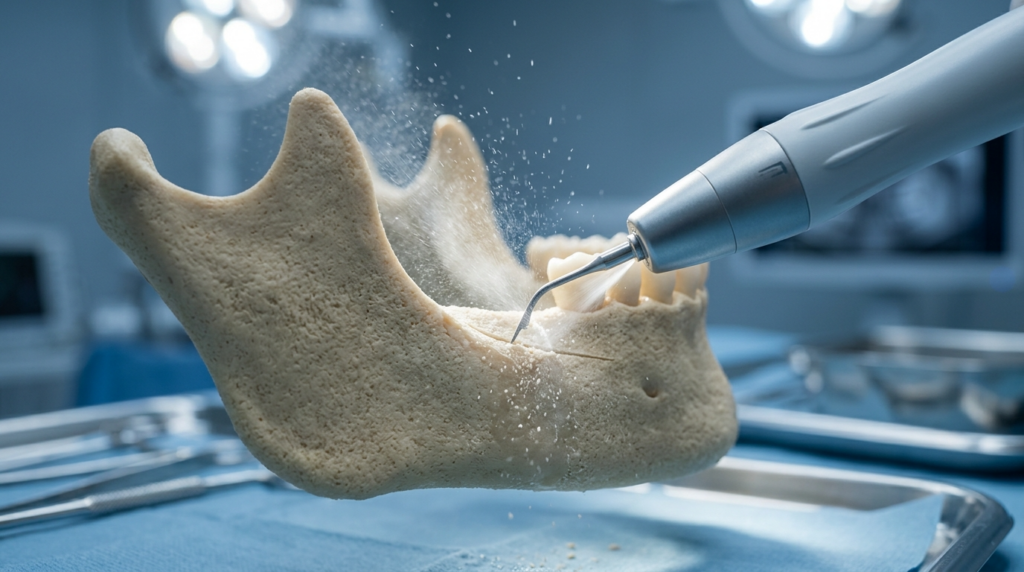
Table of Contents
What is Wide Jaw? Beyond the Aesthetic Profile
Anatomically, a broad mandibular angle results from the sheer volume of the ramus or the flare of the corpus. While genetics dictate the baseline, the perception of width often intertwines with muscle hypertrophy, specifically the masseter. Most guides stop at “it’s your bone structure.” That is an incomplete observation. The true definition of a wide jaw must include the spatial relationship between the mandible, the temporomandibular joint (TMJ), and the soft tissue envelope. A wide angle can create a powerful, masculine silhouette, but when it dominates the mid-face harmony, patients seek intervention.
We must challenge the idea that width is purely visual. From a functional standpoint, excessive width can sometimes correlate with bruxism (teeth grinding), leading to hypertrophic masseters that further widen the lower face. Dr. Mehmet Fatih Okyay notes that successful intervention requires distinguishing between bony excess and muscular enlargement. Treating bone when the muscle is the culprit leads to disappointing outcomes and unnecessary surgical risk.
The Neural Landscape: Why Your Sensation Matters
The mandible houses the inferior alveolar nerve, which terminates as the mental nerve near the premolars. This structure provides sensation to your lower lip and chin. Here is the scarcity insight: most surgical complications involving numbness occur not because the surgeon was careless, but because the pre-operative imaging failed to map the exact buccal course of these nerves. A genioplasty surgery or reduction must navigate within millimeters of this pathway. Ignoring this map transforms a cosmetic procedure into a functional liability.
Consider the biomechanics: as we age, facial fat pads descend. A wide jaw that once provided structural support might eventually create a heavy, aged appearance. This intersection of geriatrics and aesthetics is rarely discussed. The decision to modify your jawline today impacts how your face will drape over bone in ten years. This is why a static assessment is insufficient; you need a dynamic projection provided by experts at Dr. MFO Clinic.
Techniques and Approaches: Precision Over Brute Force
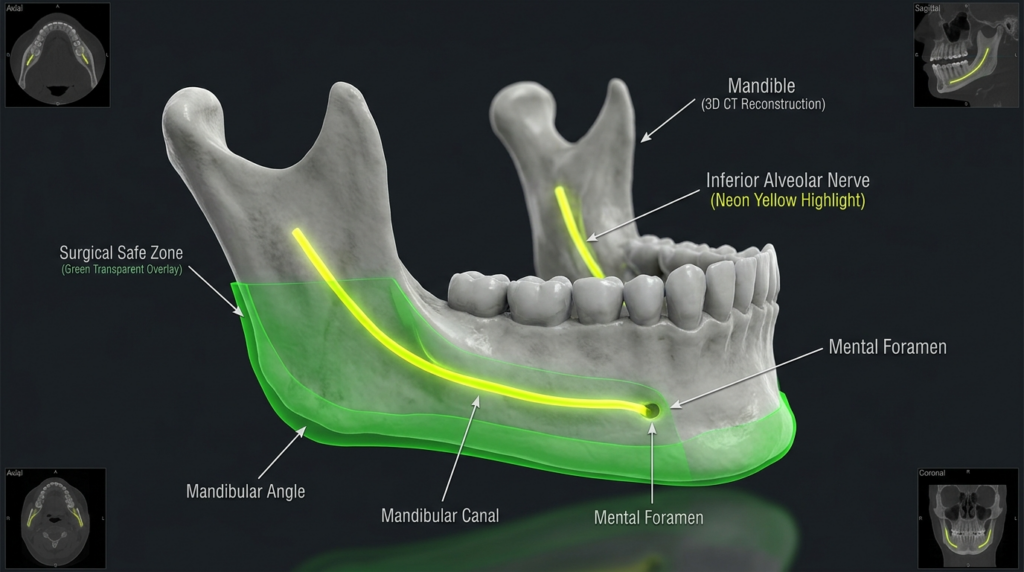
The era of using a simple burr to grind down the jawbone is fading—or at least, it should be. Modern contouring divides into two distinct philosophies: ostectomy (bone removal) and osteotomy (bone repositioning). A simple reduction removes the angle, but if performed too aggressively, it creates a “bird face” deformity or exposes the mandibular canal. The scarcity angle here is the realization that less is often more when dealing with cortical bone density.
Dr. Okyay utilizes piezoelectric surgery, a technology that cuts bone while sparing soft tissue. Unlike rotating instruments that generate heat and can necrotize bone or sever nerves, ultrasonic devices vibrate at a frequency that affects mineralized tissue only. This technology allows for a “blind” safety net; even if the surgeon gets close to the nerve, the tool will not cut it. This is the standard of care at the Antalya facility, ensuring that your wide jaw correction does not come at the cost of your smile.
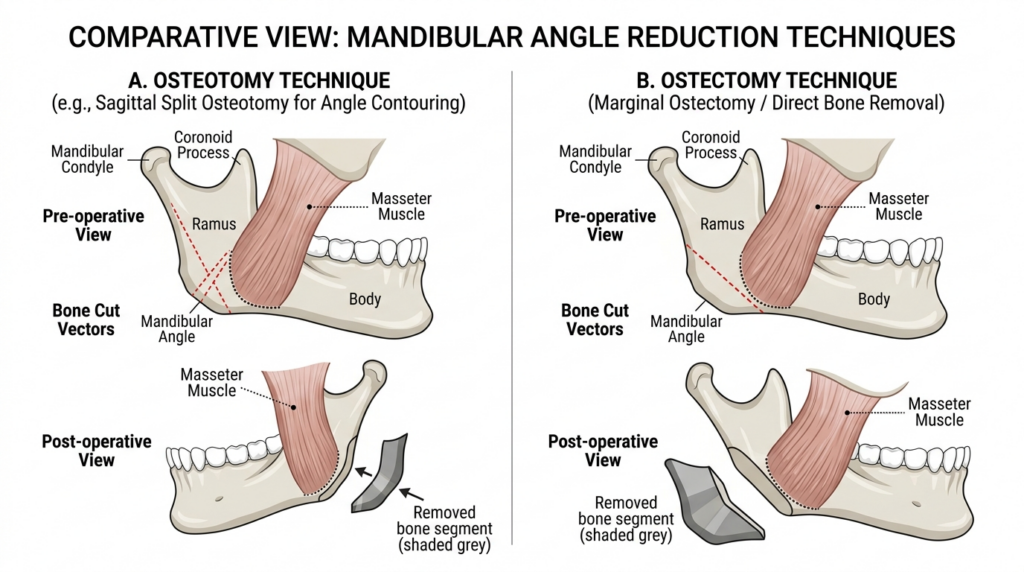
Comparing Contouring Methods
| Method | Target Area | Nerve Risk | Aesthetic Result | Best Candidate |
| Piezoelectric Reduction | Mandibular Angle | Low (Tissue sparing) | Smooth, natural curve | True bony width excess |
| Sliding Genioplasty | Chin (Mental Region) | Moderate (Mental Nerve) | 3D repositioning | Chin projection issues |
| Botox (Masseter) | Muscle Belly | None | Softening, not removal | Muscle hypertrophy cases |
| Traditional Burr | Angle/Body | High (Thermal/Nerve) | Variable, risk of asymmetry | Generally discouraged |
Notice the distinction in the table above. While many clinics push for the quickest physical reduction, Dr. Okyay’s approach evaluates the need for facial feminization or masculinization concurrently. A wide jaw in a gender-affirming context requires a different vector of cut than a standard aesthetic reduction. The angle must be softened to feminize or sharpened to masculinize, not just shrunk. This nuanced understanding separates a technician from a surgeon artist.

The Antalya Advantage: Expertise in Nerve-Sparing Surgery
Selecting a surgeon for your wide jaw is not about finding the lowest price; it is about mitigating the risk of permanent paresthesia. Dr. Mehmet Fatih Okyay, a European & Turkish Board Certified specialist, brings a level of scrutiny to mandibular anatomy that is rare. His practice in Antalya utilizes 3D CT scans not just for show, but to measure the exact distance between the tooth roots and the inferior alveolar canal. This data-driven approach removes the guesswork from the operating room.
The clinic’s environment supports the recovery phase with protocols designed for minimal swelling. Because the surgery involves bone, inflammation is inevitable. However,Dr. MFO’s technique minimizes soft tissue trauma, leading to a faster return to social life. When you choose a surgeon who views the jaw as a functional hinge rather than just a sculpture, you preserve your ability to chew, speak, and smile without compromise.
Recovery Timeline for Wide Jaw Contouring
Recovery is not a passive waiting game. The first 72 hours are critical for managing edema. Unlike soft tissue procedures, bone healing requires a stable environment. Patients often report that the swelling masks the results for weeks. The scarcity insight here is the “3-Month Rule”: the true contour of your new jawline will not be visible until the bone has fully remodeled and the fluid has completely drained. Patience is a clinical requirement, not just a virtue.
During the healing phase, diet plays a pivotal role. A nutrient-dense, soft-food regimen supports osteogenesis. Smoking or nicotine use during this period is strictly prohibited as it compromises blood flow to the mandible, risking non-union or infection. The protocol at Dr. MFO Clinic includes detailed aftercare instructions that extend beyond the scalpel, ensuring your investment in a refined jawline is protected by disciplined follow-up.

Your Action Plan: Steps to a Refined Jawline
Knowledge without action remains theoretical. If you are ready to address your wide jaw, follow this sequence to ensure safety and satisfaction. We have stripped away the marketing fluff to give you the raw steps.
- Secure Advanced Imaging: Do not settle for a 2D X-ray. Demand a 3D CT or CBCT scan to visualize your nerve pathways. If a clinic suggests surgery without this, walk away.
- Verify Credentials: Confirm your surgeon holds European or National Board certifications in Plastic Surgery. Check their specific experience with mandibular contouring, not just general facial surgery.
- Debate the Tools: Ask specifically if they use piezoelectric surgery. If they mention a “saw” or “burr” as their primary tool, inquire about their nerve-sparing backup plans.
- Review the Vector: Look at before-and-after photos specifically for angles. Ensure the result looks like a natural part of the face, not a scooped-out void.
- Plan the Recovery: Arrange for two weeks of social downtime. The initial swelling is significant, and hiding it requires planning.
Taking these steps transforms you from a passive patient into an informed partner in your surgery. The goal is a jawline that balances your features and respects your anatomy. When you are ready to proceed, the team in Antalya stands ready to provide the clinical excellence you demand.
Frequently Asked Questions
Is wide jaw correction permanent?
Yes, the bone removal or repositioning performed during jaw contouring is permanent. Once the mandible is reshaped, it does not grow back. However, aging and weight fluctuations can alter the soft tissue appearance over time, which may slightly change the perceived width of the jawline.
What is the cost of wide jaw surgery in Turkey?
Costs vary based on the complexity of the osteotomy and the technology used, such as piezoelectric instruments. In Antalya, patients benefit from high-standard care at a more accessible price point compared to Western Europe or the US, but the focus remains on safety and board-certified expertise rather than discount pricing.
How long does numbness last after jaw reduction?
Temporary numbness is common due to swelling around the mental nerve. Most patients regain sensation within two to six weeks. Persistent numbness beyond six months is rare and usually indicates a need for further neurological evaluation, which is why precise surgical planning is critical.
Can I combine wide jaw reduction with other procedures?
Absolutely. Many patients combine jaw contouring with genioplasty or facial feminization surgery for a complete profile transformation. Combining procedures can reduce overall recovery time, but it requires a surgeon with the stamina and expertise to manage complex, multi-hour operations safely.
Does jaw reduction affect my bite or chewing?
When performed correctly by a specialist, jaw reduction does not alter your bite. The surgery targets the outer cortex and angle, leaving the occlusal plane and TMJ function intact. Dr. Okyay ensures that the masticatory muscles retain their function throughout the contouring process.
Why choose Dr. MFO Clinic in Antalya for jaw surgery?
Dr. Mehmet Fatih Okyay offers dual-board certification and a philosophy centered on nerve preservation. The clinic utilizes 3D mapping and piezoelectric technology to ensure that your aesthetic goals do not compromise your facial function. It is the intersection of surgical art and anatomical science.
Understanding the nuances of wide jaw correction empowers you to make decisions that last a lifetime. Trust in board-certified expertise to guide your transformation.