Hairline feminization is a cornerstone of Facial Feminization Surgery (FFS), playing a pivotal role in achieving a natural, harmonious, and feminine facial appearance. As we move into 2026, advancements in surgical techniques, personalized planning, and cost-effective solutions—especially in Turkey—have made hairline feminization more accessible and transformative than ever. This guide explores the latest techniques, costs, and real patient results, with a focus on why Turkey has become a leading destination for these procedures.
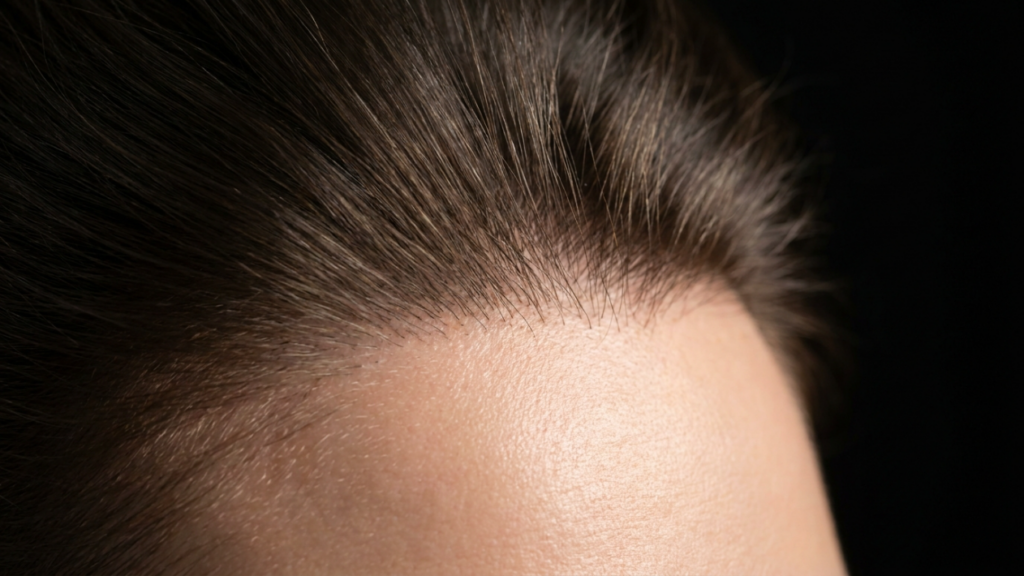
Table of Contents
Why Hairline Feminization Matters in FFS
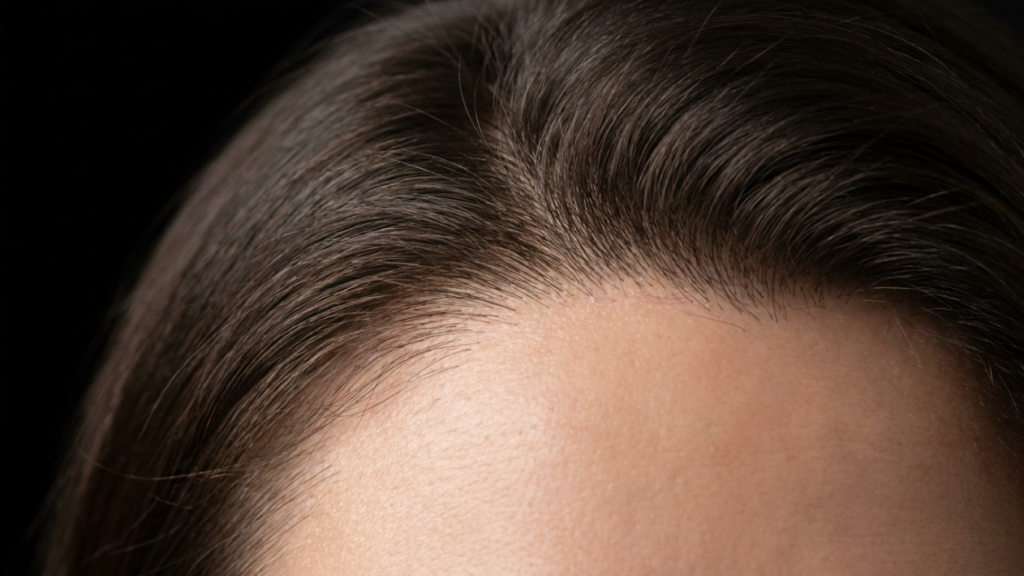
The hairline is one of the most gendered features of the face. A masculine hairline—often higher, with pronounced temporal recessions and an “M” shape—can significantly impact facial harmony and gender perception. Hairline feminization addresses these characteristics, creating a softer, lower, and more rounded hairline that frames the face in a way that aligns with feminine aesthetics. This procedure is not just about aesthetics; it is a deeply affirming step for many transgender women and non-binary individuals seeking to align their outward appearance with their gender identity.
In 2026, hairline feminization is increasingly recognized as an essential component of FFS, often combined with other procedures such as forehead contouring, brow lift, and hair transplantation to achieve a cohesive, natural result. The goal is not just to lower the hairline but to reshape it in a way that complements the patient’s unique facial structure and personal goals.
Techniques for Hairline Feminization in 2026
Hairline feminization can be achieved through a variety of techniques, each tailored to the patient’s specific needs, hair density, and facial anatomy. The most common approaches in 2026 include:
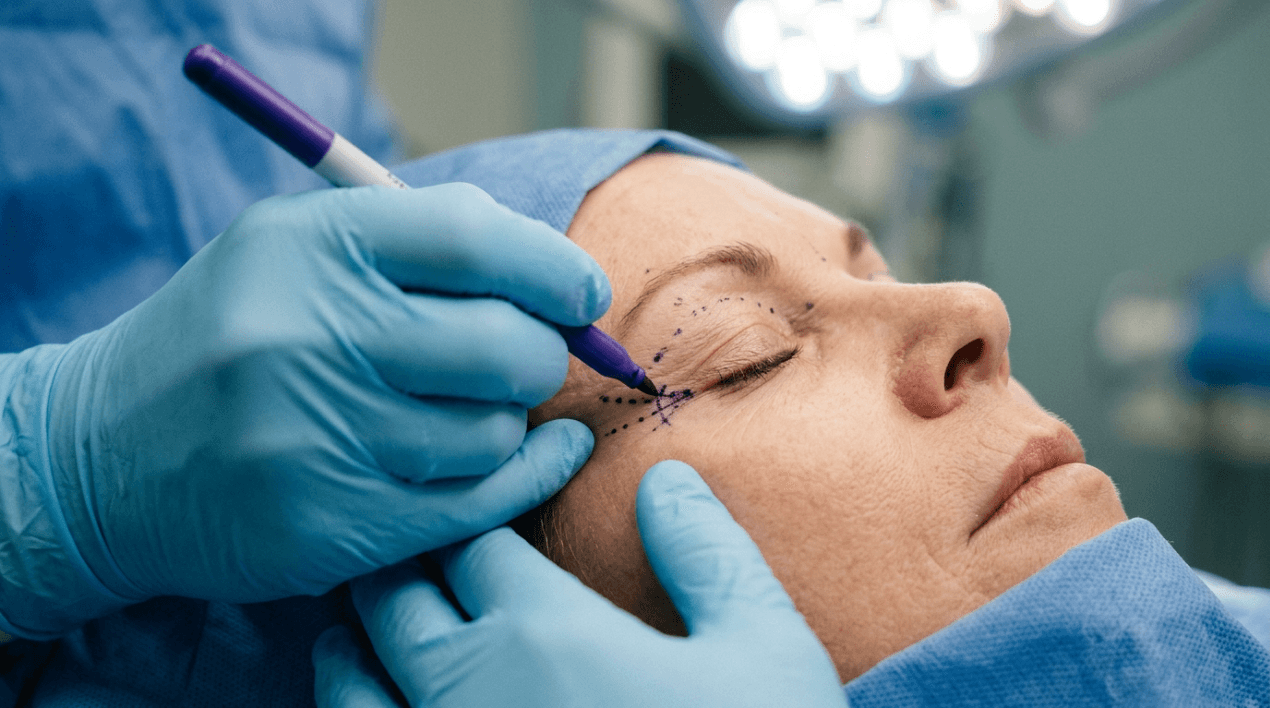
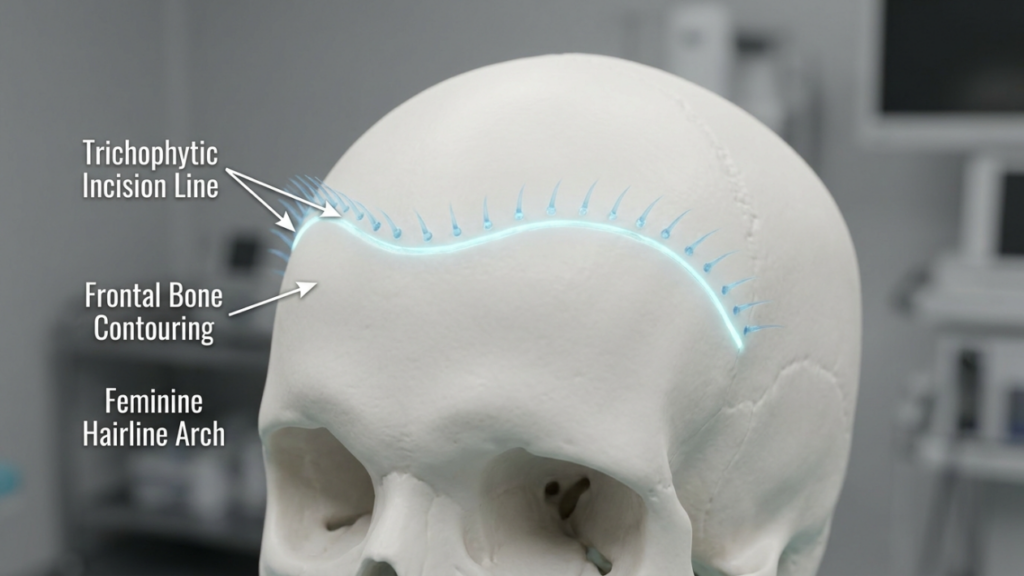
- Hairline Advancement (Scalp Advancement): This surgical technique involves making a trichophytic incision along the natural hairline, allowing the scalp to be advanced forward. The incision is designed to be as inconspicuous as possible, with hair follicles growing through the scar over time, making it virtually undetectable. Hairline advancement can lower the hairline by 1–2.5 cm in a single session, making it ideal for patients with a high forehead or significant temporal recession. The procedure is often combined with forehead contouring for a more comprehensive feminization of the upper face (FFS Institute, 2026).
- Temporal Rotation Flaps: For patients with pronounced temporal recessions, temporal rotation flaps offer a targeted solution. This technique involves creating rotational flaps of hair-bearing scalp to fill in the recessed areas, effectively softening the “M” shape and creating a more rounded, feminine hairline. Studies have shown that temporal rotation flaps, when combined with central hairline advancement, can significantly improve the feminization of the hairline, with measurable advancements of 4–5 mm in the temporal regions (Journal of Plastic, Reconstructive & Aesthetic Surgery, 2026).
- Hair Transplantation (FUE/DHI): Hair transplantation is a powerful tool for refining the hairline, especially for patients with sparse hair or those who wish to avoid surgical advancement. In 2026, the most advanced techniques—Follicular Unit Extraction (FUE) and Direct Hair Implantation (DHI)—are used to create a natural, dense, and feminine hairline. FUE involves harvesting individual hair follicles from a donor area (typically the back of the scalp) and implanting them into the hairline, while DHI uses a specialized implanter pen for greater precision and minimal scarring. Hair transplantation is particularly effective for softening the hairline’s edges, filling in temporal recessions, and creating a more graduated, natural appearance. The procedure can be performed as a standalone treatment or in combination with hairline advancement for optimal results (Dr. MFO Clinic, 2026).
- Trichophytic Incision: A trichophytic incision is a specialized technique used in both hairline advancement and forehead contouring. The incision is made at an angle that allows hair follicles to grow through the scar, camouflaging it over time. This approach is particularly beneficial for patients with a high hairline or those undergoing simultaneous forehead reduction, as it ensures a seamless, natural-looking result with minimal visible scarring (Deschamps-Braly Clinic, 2026).
- Combined Procedures: Hairline feminization is rarely performed in isolation. In 2026, surgeons increasingly combine hairline advancement with other FFS procedures, such as forehead contouring, brow lift, and hair transplantation, to achieve a harmonious and balanced result. For example, forehead contouring can reduce the prominence of the brow ridge, while a brow lift can elevate and reshape the brows, further enhancing the feminine appearance of the upper face. These combined procedures are tailored to each patient’s unique anatomy and goals, ensuring a personalized and natural outcome.
Customizing the Hairline: The Art of Feminine Design
One of the most critical aspects of hairline feminization is the design of the new hairline. Unlike masculine hairlines, which often feature sharp angles and pronounced temporal recessions, feminine hairlines are characterized by their softness, roundness, and lower position on the forehead. In 2026, surgeons use a combination of artistic skill and medical precision to create a hairline that complements the patient’s facial features, bone structure, and personal preferences.
Key considerations in hairline design include:
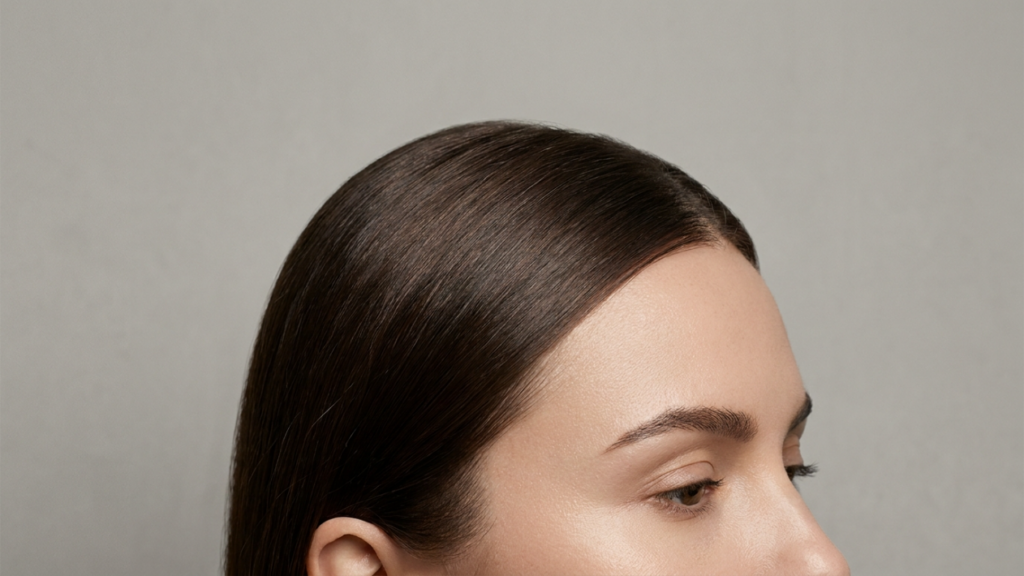
- Shape: Feminine hairlines are typically rounded, with a gentle curve that frames the face. The temporal areas are softened, and the hairline is designed to create a more oval or heart-shaped appearance.
- Height: The ideal height of the hairline varies depending on the patient’s facial proportions. In general, a feminine hairline is positioned lower on the forehead, reducing the distance between the eyebrows and the hairline. This creates a more balanced and harmonious appearance.
- Density and Feathering: A natural-looking hairline requires careful attention to density and feathering. Surgeons use a mix of single-hair and multi-hair grafts to create a gradual transition from the forehead to the hairline, avoiding an abrupt or “pluggy” appearance. Feathering—the placement of finer, single-hair grafts along the hairline’s edge—is essential for achieving a soft, natural look.
- Hair Angle and Direction: The angle and direction of hair growth are critical for a natural result. Hair follicles are implanted at angles that mimic the natural growth pattern, ensuring that the hair blends seamlessly with the existing hair and frames the face beautifully.
In 2026, advanced 3D imaging and virtual surgical planning tools allow surgeons to simulate the results of hairline feminization before the procedure, giving patients a clear understanding of what to expect and ensuring that their goals are met.
Patient Results: Real Transformations in 2026
Hairline feminization has a profound impact on patients’ lives, boosting confidence and helping them feel more aligned with their gender identity. In 2026, the results of hairline feminization are more natural and transformative than ever, thanks to advancements in surgical techniques and personalized care.
Here are some key outcomes reported by patients who underwent hairline feminization in 2026:
- Natural-Looking Hairlines: Patients consistently report that their new hairlines look and feel natural, with no visible scarring or artificial appearance. The use of trichophytic incisions and advanced hair transplantation techniques ensures that the hairline blends seamlessly with the surrounding hair.
- Improved Facial Harmony: By lowering and reshaping the hairline, patients achieve a more balanced and feminine facial appearance. The procedure often enhances the overall harmony of the face, making other features—such as the eyes, brows, and forehead—appear more proportionate and feminine.
- Enhanced Confidence: Many patients describe hairline feminization as a life-changing procedure that significantly boosts their self-esteem and confidence. The ability to style their hair in a way that reflects their gender identity is empowering and affirming.
- Long-Lasting Results: Hairline advancement and hair transplantation provide permanent results. Once the hairline is lowered or transplanted hair follicles take root, patients can enjoy their new appearance for years to come, with minimal maintenance required.
Real patient testimonials and before-and-after photos from 2026 highlight the transformative power of hairline feminization. For example, a 36-year-old patient from the Netherlands who underwent hairline lowering and forehead contouring at Kamol Hospital in Thailand reported feeling “more like myself” after the procedure, with results that looked natural and balanced (Kamol Hospital, 2026). Similarly, transgender women who underwent hairline feminization in Turkey have shared their journeys, emphasizing how the procedure helped them achieve a more feminine and confident appearance.
Cost Comparison: Hairline Feminization in Turkey vs. Other Countries
One of the most compelling reasons to consider hairline feminization in Turkey is the cost. In 2026, Turkey has solidified its reputation as a global leader in medical tourism, offering world-class surgical care at a fraction of the cost of procedures in the United States, Europe, or the UK. The affordability of hairline feminization in Turkey does not come at the expense of quality; rather, it reflects the country’s lower overhead costs, competitive pricing, and high volume of international patients.
Here’s a cost comparison for hairline feminization procedures in 2026:
| Procedure | Turkey (USD) | USA (USD) | UK (USD) | Germany (USD) |
|---|---|---|---|---|
| Hairline Advancement (Scalp Advancement) | $2,500–$5,000 | $8,000–$15,000 | $6,000–$12,000 | $7,000–$14,000 |
| Hair Transplantation (FUE, per 1,000 grafts) | $1,200–$2,500 | $4,000–$8,000 | $3,000–$6,000 | $3,500–$7,000 |
| Combined Hairline Advancement + Hair Transplant | $4,000–$8,000 | $12,000–$25,000 | $9,000–$18,000 | $10,000–$20,000 |
| Full FFS Package (Including Hairline Feminization) | $8,000–$15,000 | $30,000–$60,000 | $20,000–$40,000 | $25,000–$50,000 |
These prices typically include all surgical fees, anesthesia, hospital stay, and follow-up care. Many clinics in Turkey also offer all-inclusive packages that cover airport transfers, accommodation, and post-operative medications, making the process seamless and stress-free for international patients.
For example, at Dr. MFO Clinic in Antalya, hairline feminization procedures are tailored to each patient’s needs, with packages starting at $3,000 for hairline advancement and $1,500 per 1,000 grafts for hair transplantation. These competitive prices, combined with the clinic’s reputation for excellence, make Turkey an attractive option for patients seeking high-quality, affordable care (Dr. MFO Clinic, 2026).
Why Choose Turkey for Hairline Feminization in 2026?
Turkey’s rise as a global hub for hairline feminization and FFS is no accident. The country offers a unique combination of affordability, expertise, and patient-centered care, making it an ideal destination for those seeking transformative results. Here’s why Turkey stands out in 2026:
- World-Class Surgeons: Turkish surgeons are internationally recognized for their expertise in FFS and hairline feminization. Many have trained in Europe or the United States and are board-certified in plastic and reconstructive surgery. Clinics like Dr. MFO Clinic, Facialteam, and Cayra Clinic are led by surgeons with decades of experience and a deep understanding of gender-affirming procedures.
- Advanced Techniques: Turkish clinics are at the forefront of innovation in hairline feminization. In 2026, they offer the latest techniques, including temporal rotation flaps, trichophytic incisions, and advanced hair transplantation methods like FUE and DHI. These techniques ensure natural, long-lasting results with minimal scarring.
- All-Inclusive Packages: Many clinics in Turkey provide all-inclusive packages that cover every aspect of the patient’s journey, from airport transfers and accommodation to post-operative care and follow-up consultations. This holistic approach ensures a seamless and stress-free experience for international patients.
- Cultural and Touristic Appeal: Turkey is not just a medical destination; it is also a country rich in history, culture, and natural beauty. Patients can combine their surgical journey with a relaxing vacation in cities like Istanbul, Antalya, or Izmir, making the experience both transformative and enjoyable.
- Patient Safety and Satisfaction: Turkish clinics adhere to strict international standards for patient safety and care. Many are accredited by organizations such as the Joint Commission International (JCI) and the International Society of Aesthetic Plastic Surgery (ISAPS). Patient satisfaction rates are consistently high, with many individuals reporting life-changing results.
Preparing for Hairline Feminization: What to Expect
If you’re considering hairline feminization, it’s essential to prepare thoroughly to ensure the best possible outcome. Here’s what you can expect during the process:
1. Consultation and Planning
The first step is a comprehensive consultation with your surgeon. During this appointment, you’ll discuss your goals, medical history, and any concerns you may have. Your surgeon will evaluate your hairline, facial structure, and hair density to determine the best approach for your needs. In 2026, many clinics offer virtual consultations, making it easier for international patients to connect with their surgeons before traveling.
Advanced imaging tools, such as 3D simulations, allow you to visualize the potential results of your procedure, helping you make an informed decision about your treatment plan.
2. Pre-Operative Preparation
Before your procedure, your surgeon will provide you with detailed pre-operative instructions. These may include:
- Avoiding certain medications, such as blood thinners, that could increase the risk of bleeding.
- Refraining from smoking and alcohol, as these can impair healing and increase the risk of complications.
- Arranging for someone to accompany you on the day of the procedure and assist you during the initial recovery period.
- Following a healthy diet and staying hydrated to promote optimal healing.
3. The Procedure
Hairline feminization procedures are typically performed under local anesthesia with sedation, ensuring your comfort throughout the process. The duration of the procedure depends on the techniques used and the extent of the work required. For example:
- Hairline Advancement: This procedure usually takes 1–2 hours. The surgeon makes a trichophytic incision along the hairline, advances the scalp forward, and secures it in place with sutures.
- Hair Transplantation: Hair transplantation can take 4–8 hours, depending on the number of grafts being transplanted. The procedure involves harvesting hair follicles from the donor area and implanting them into the hairline using FUE or DHI techniques.
- Combined Procedures: If you’re undergoing multiple procedures, such as hairline advancement and forehead contouring, the surgery may take 3–5 hours.
4. Recovery and Aftercare
Recovery from hairline feminization varies depending on the procedure. Here’s what you can expect:
- First Few Days: You may experience swelling, bruising, and discomfort around the forehead and scalp. Your surgeon will prescribe pain medication and antibiotics to manage these symptoms. It’s essential to keep your head elevated and avoid strenuous activities.
- First Week: Most patients can return to light activities within a week. Stitches are typically removed 7–10 days after the procedure. If you underwent hair transplantation, the transplanted hair follicles will begin to take root, and any scabs or crusts will gradually fall off.
- First Month: Swelling and bruising should subside within 2–4 weeks. You may notice some temporary hair shedding in the transplanted area, which is a normal part of the healing process. New hair growth typically begins within 3–4 months.
- Long-Term Recovery: Full results from hairline feminization can take 6–12 months to become apparent. During this time, the hairline will settle into its new position, and any transplanted hair will grow in, creating a natural and dense appearance.
Your surgeon will provide you with detailed aftercare instructions, including how to care for your incisions, when to resume normal activities, and how to style your hair during the recovery period.

Frequently Asked Questions About Hairline Feminization in 2026
What is hairline feminization, and how does it work?
Hairline feminization is a set of surgical and non-surgical techniques designed to reshape and lower the hairline to achieve a more feminine appearance. It can involve hairline advancement (scalp advancement), hair transplantation, or a combination of both. The goal is to create a softer, rounder, and lower hairline that frames the face in a way that aligns with feminine aesthetics.
Who is a good candidate for hairline feminization?
Good candidates for hairline feminization are individuals who have a high, receded, or masculine hairline and wish to achieve a more feminine appearance. Ideal candidates are in good overall health, have realistic expectations, and have sufficient hair density in the donor area (for hair transplantation). A consultation with a qualified surgeon is essential to determine the best approach for your unique needs.
How long does it take to see results from hairline feminization?
Results from hairline feminization vary depending on the technique used. Hairline advancement provides immediate results, with the hairline appearing lower and more feminine right after the procedure. Hair transplantation results take longer, with new hair growth typically beginning within 3–4 months and full results visible after 6–12 months.
Is hairline feminization permanent?
Yes, hairline feminization is considered permanent. Hairline advancement provides a lasting change to the position and shape of the hairline, while transplanted hair follicles are genetically resistant to hair loss and will continue to grow for a lifetime.
What are the risks and complications associated with hairline feminization?
As with any surgical procedure, hairline feminization carries some risks, including infection, bleeding, scarring, and temporary numbness. However, these risks are minimized when the procedure is performed by an experienced surgeon in a accredited facility. Choosing a reputable clinic and following your surgeon’s aftercare instructions can further reduce the likelihood of complications.
How much does hairline feminization cost in Turkey compared to other countries?
Hairline feminization in Turkey is significantly more affordable than in the USA, UK, or Europe. For example, hairline advancement in Turkey typically costs $2,500–$5,000, compared to $8,000–$15,000 in the USA. Hair transplantation (FUE) in Turkey costs $1,200–$2,500 per 1,000 grafts, while the same procedure can cost $4,000–$8,000 in the USA. Many Turkish clinics also offer all-inclusive packages that cover accommodation, airport transfers, and post-operative care.
Can hairline feminization be combined with other FFS procedures?
Yes, hairline feminization is often combined with other FFS procedures, such as forehead contouring, brow lift, and rhinoplasty, to achieve a more comprehensive and harmonious result. Combining procedures can also reduce overall recovery time and costs, as multiple treatments can be performed during a single surgical session.
What should I look for when choosing a surgeon for hairline feminization?
When choosing a surgeon for hairline feminization, look for the following:
- Board certification in plastic or reconstructive surgery.
- Extensive experience in FFS and hairline feminization.
- A portfolio of before-and-after photos showcasing real patient results.
- Positive patient testimonials and reviews.
- Accreditation from international organizations such as JCI or ISAPS.
- A personalized approach that prioritizes your unique goals and anatomy.
Turkey is home to many world-class surgeons who specialize in hairline feminization, making it an excellent destination for those seeking high-quality, affordable care.
Conclusion: Embrace Your Transformation in 2026
Hairline feminization is a powerful and transformative procedure that plays a crucial role in Facial Feminization Surgery. In 2026, advancements in surgical techniques, personalized planning, and cost-effective solutions have made it easier than ever for individuals to achieve a natural, feminine, and harmonious hairline. Turkey, in particular, has emerged as a global leader in hairline feminization, offering world-class care at a fraction of the cost of other countries.
Whether you choose hairline advancement, hair transplantation, or a combination of both, the key to a successful outcome lies in selecting an experienced surgeon, setting realistic goals, and following a personalized treatment plan. With the right approach, hairline feminization can help you embrace your true self and achieve the confident, feminine appearance you’ve always desired.
If you’re ready to take the next step, consider scheduling a consultation with a reputable clinic in Turkey, such as Dr. MFO Clinic, to explore your options and begin your transformation journey in 2026.