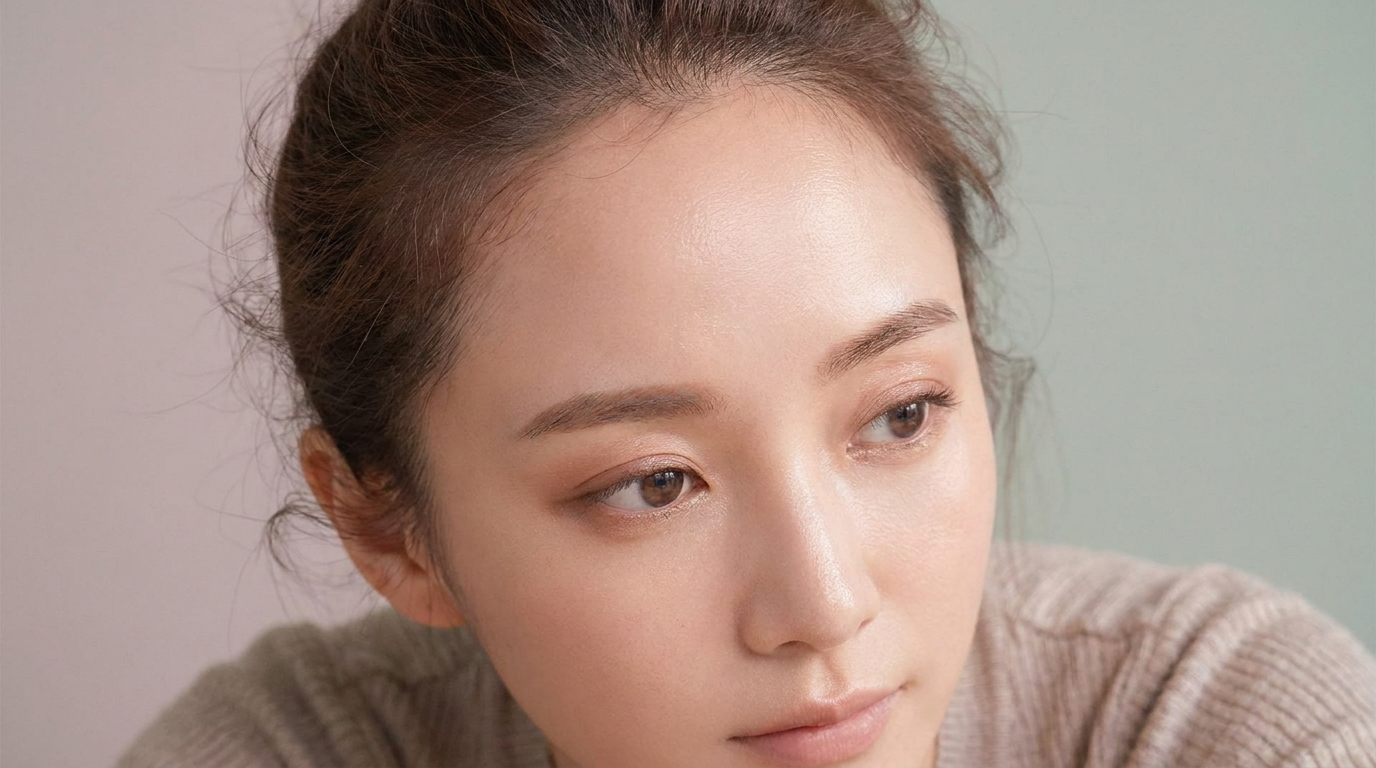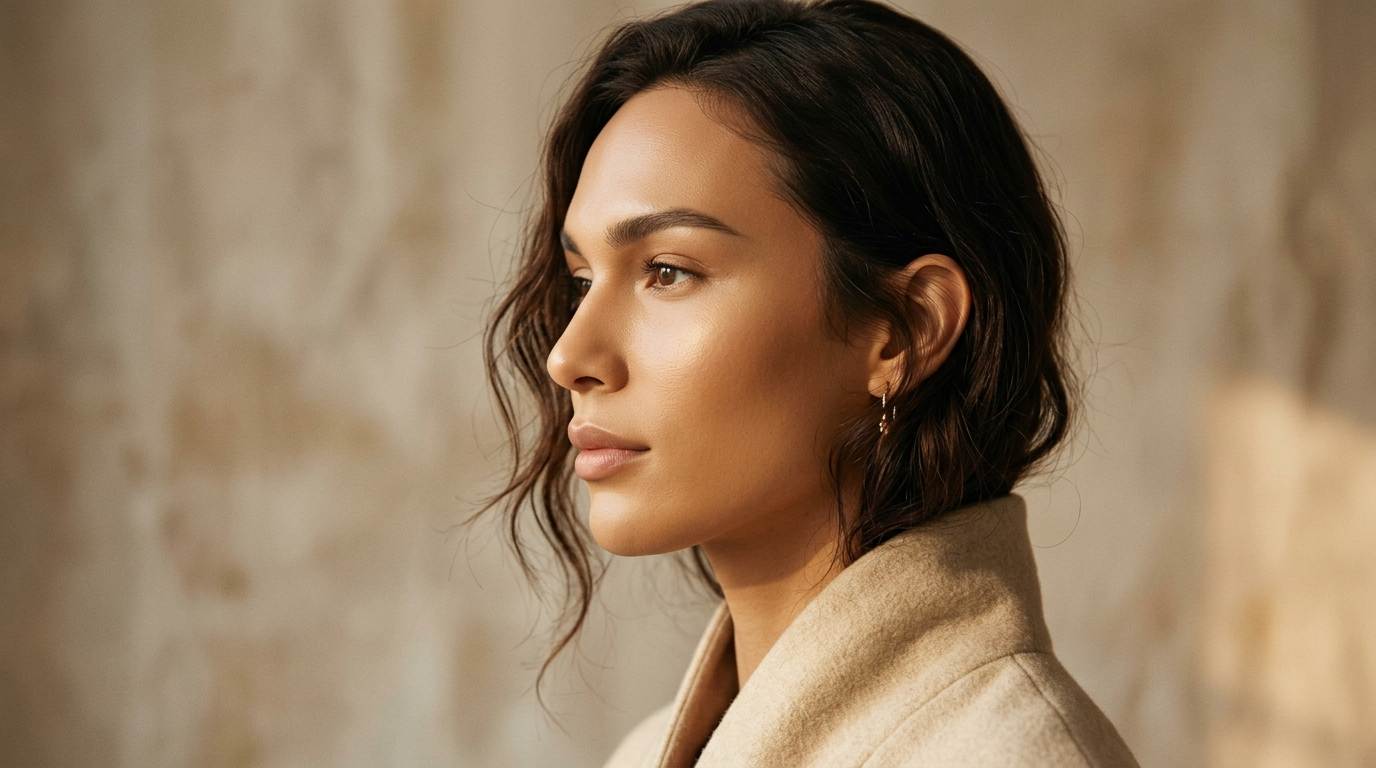

Do you have a V-shaped point at the center of your forehead where your hairline meets? If so, you have a widow’s peak, a distinctive feature that can make you stand out from the crowd. But what is a widow’s peak, and how can you make the most of it? In this article, we will explain the causes, benefits, and challenges of a widow’s peak, and give you some tips and examples on how to style it.
Table of Contents
What Causes a Widow’s Peak?
A widow’s peak is a genetic trait that you inherit from one or both of your parents. It is not a sign of any disease or disorder, but simply a variation of the normal hairline. The term “widow’s peak” comes from the belief that it was a mark of early widowhood, as it resembled the shape of a mourning veil worn by widows in the past.
The exact gene or genes that determine whether you have a widow’s peak or not are not known, but some studies suggest that it is a dominant trait, meaning that you only need one copy of the gene to have it. However, other factors such as age, hormones, and hair loss can also affect the shape of your hairline over time.
Why a Widow’s Peak Can Be a Good Thing
A widow’s peak can have some advantages, depending on your personal taste and style. Some of the reasons why a widow’s peak can be a good thing are:
- It can add character and uniqueness to your face, as it is a relatively rare feature.
- It can create a contrast between your hair and your forehead, drawing attention to your eyes and eyebrows.
- It can balance out a round or square face shape, by creating a more angular and symmetrical appearance.
- It can enhance certain hairstyles, such as bangs, side parts, or updos, by adding some texture and dimension.
How to Deal with a Widow’s Peak
A widow’s peak can also pose some challenges, especially if you are not happy with how it looks or if it does not suit your desired hairstyle. Some of the ways to deal with a widow’s peak are:
- Embrace it: If you want to show off your widow’s peak, you can choose hairstyles that highlight it or complement it. For example, you can wear your hair back or up, creating a sleek and elegant look. You can also add some volume or curls to your hair, creating a soft and romantic look. You can also experiment with different colors or highlights, creating a fun and playful look.
- Hide it: If you want to conceal your widow’s peak, you can choose hairstyles that cover it or camouflage it. For example, you can wear your hair down or forward, creating a casual and relaxed look. You can also add some bangs or fringes to your hair, creating a chic and modern look. You can also use some hair products or accessories, such as gel, wax, clips, or hats, to keep your hair in place and hide your widow’s peak.
- Modify it: If you want to change your widow’s peak, you can opt for some professional or DIY methods to alter its shape or size. For example, you can get a hair transplant or a microblading procedure, which can create a more natural and even hairline. You can also use some hair removal techniques, such as waxing, threading, or shaving, to reduce or remove your widow’s peak. However, these methods may have some risks, costs, or side effects, so you should consult a doctor or a hairstylist before trying them.
Why Should You Work with Dr.MFO for Widow’s Peak Treatment?
Widow’s Peak is a genetic trait that forms a distinct “V” shape at the center of the hairline, above the forehead. But, why should you work with Dr.MFO for Widow’s Peak treatment? Before we answer this question, it’s important to understand who Dr.MFO is and his expertise in this field.
Who is Dr.MFO?
Dr.MFO, also known as Mehmet Fatih Okyay, MD, is a European & Turkish Board Certified Plastic Surgery Specialist. He ranked 8th in his term in the Turkish Medical Specialization Examination. He completed a Plastic, Reconstructive, and Aesthetic Surgery residency at the world-renowned Istanbul University, Cerrahpaşa Faculty of Medicine. So, why should you work with Dr.MFO for Widow’s Peak treatment? Let’s delve into some factors behind Dr.MFO’s success in this field.
Expertise of Dr.MFO
Dr.MFO has developed a series of groundbreaking treatment methods in the treatment of genetic hair traits. Why should you work with Dr.MFO for Widow’s Peak treatment? Because Dr.MFO not only has extensive experience in this field, but also offers his patients the most effective and least invasive treatment options.
Dr.MFO’s Treatment Approach
Dr.MFO’s treatment approach is based on the philosophy that every patient is unique and therefore every treatment plan should be personalized. Why should you work with Dr.MFO for Widow’s Peak treatment? Because Dr.MFO creates a personalized treatment plan taking into account each patient’s genetic traits, lifestyle, and treatment goals.
In conclusion, why should you work with Dr.MFO for Widow’s Peak treatment? Dr.MFO is a leading name in the treatment of genetic hair traits and offers a personalized treatment plan for each patient. Therefore, if you are considering working with Dr.MFO for Widow’s Peak treatment, you are in the right place. You can start your treatment process today by getting in touch with Dr.MFO.

Conclusion
A widow’s peak is a genetic trait that can have both pros and cons, depending on your personal preference and style. You can choose to embrace it, hide it, or modify it, depending on what suits you best. Whatever you decide, remember that a widow’s peak is not a flaw, but a feature that makes you unique and beautiful.
Visit the Dr.MFO Instagram profile for examples of successful Surgeries. Contact for free consultation.
Frequently Asked Questions
What should patients expect during Peak recovery?
Recovery from Peak involves initial swelling and rest, followed by progressive healing under careful medical supervision and following post-operative protocols.
How should one prepare for Peak?
Preparation for Peak requires a comprehensive clinical evaluation, personalized surgical planning, and adherence to specific pre-operative instructions.
Are results from Peak permanent?
Most patients achieve stable, long-lasting aesthetic enhancements from Peak, provided post-surgical care and healthy recovery guidelines are followed.