FFS vs Body Feminization Surgeries: Which is Right for You in 2026?

A beautiful woman in a metallic bikini and a sheer, ruffled cover-up posing by a turquoise sea surrounded by rocky cliffs.

Choosing between Facial Feminization Surgery (FFS) and Body Feminization Surgeries is a deeply personal decision for transgender women. Both procedures play a pivotal role in gender affirmation, yet they address distinct aspects of physical transformation. This guide provides a comprehensive comparison of FFS and body contouring, focusing on recovery times, costs, expected results, and key considerations to help you make an informed choice.

A woman with dark hair posing in a black lace bodysuit against a backdrop of vintage curtains and a window.

Understanding Facial Feminization Surgery (FFS)

FFS is a collection of surgical procedures designed to soften and feminize facial features. It often includes forehead contouring, jaw reduction, rhinoplasty, and chin reshaping. The goal is to align facial proportions with traditionally feminine aesthetics, enhancing self-confidence and social recognition.

FFS is not a one-size-fits-all solution. Each procedure is tailored to the individual’s unique facial structure and goals. For example, forehead contouring can reduce a prominent brow ridge, while jaw reduction softens a strong jawline. These changes contribute to a more harmonious and feminine appearance.

Key Benefits of FFS

  • Enhanced Facial Harmony: FFS addresses specific masculine features, creating a balanced and feminine look.
  • Boosted Self-Confidence: Many transgender women report improved mental well-being and social interactions post-surgery.
  • Permanent Results: Unlike non-surgical options, FFS provides lasting changes that align with your gender identity.

Recovery and Considerations

Recovery from FFS varies depending on the procedures performed. Generally, patients can expect:

  • Initial Swelling and Bruising: Visible for 2-3 weeks, with gradual improvement over 3-6 months.
  • Downtime: Most patients return to work within 2-3 weeks, though full recovery may take up to a year.
  • Potential Risks: Temporary numbness, infection, or asymmetry are rare but possible complications.

Exploring Body Feminization Surgeries

Body feminization surgeries focus on reshaping the body to achieve a more traditionally feminine silhouette. Common procedures include breast augmentation, liposuction, Brazilian Butt Lift (BBL), and hip augmentation. These surgeries complement FFS by addressing areas below the neck, creating a cohesive and feminine appearance.

For many transgender women, body contouring is a crucial step in their transition journey. Procedures like breast augmentation and Brazilian Butt Lift enhance curves and proportions, aligning physical traits with gender identity.

Key Benefits of Body Feminization

  • Enhanced Body Proportions: Achieve a more hourglass-like figure, emphasizing feminine curves.
  • Improved Clothing Fit: Clothes designed for women fit better, enhancing comfort and style.
  • Long-Lasting Results: Surgical changes are permanent, unlike temporary solutions like padding or shapewear.

Recovery and Considerations

Recovery from body feminization surgeries depends on the specific procedures performed. Here’s what to expect:

  • Initial Discomfort: Swelling and bruising are common, typically subsiding within 2-4 weeks.
  • Downtime: Most patients resume light activities within 1-2 weeks, with full recovery in 2-3 months.
  • Potential Risks: Infection, scarring, or asymmetry are rare but possible complications.

A woman wearing a green lace bodysuit posing on a balcony during golden hour, with her reflection visible in the glass door.

FFS vs Body Feminization: A Detailed Comparison

FactorFacial Feminization Surgery (FFS)Body Feminization Surgeries
Primary FocusFacial features (forehead, jaw, nose, chin)Body proportions (breasts, hips, buttocks, waist)
Recovery Time2-3 weeks (initial), up to 1 year (full)1-2 weeks (initial), 2-3 months (full)
Cost Range (2026)$20,000 – $50,000 (varies by procedures)$10,000 – $30,000 (varies by procedures)
Expected ResultsPermanent facial feminization, improved harmonyEnhanced body curves, permanent contouring
Best ForTransgender women seeking facial harmonyTransgender women aiming for feminine body proportions

Which Procedure is Right for You?

Deciding between FFS and body feminization surgeries depends on your personal goals, budget, and recovery timeline. Here’s how to choose:

  • Prioritize FFS if: Your primary concern is facial features that don’t align with your gender identity. FFS provides transformative results for the face, boosting confidence in social and professional settings.
  • Opt for Body Feminization if: You seek a more feminine silhouette. Procedures like breast augmentation and BBL create curves that enhance your overall appearance.
  • Consider Both if: You want a comprehensive transformation. Many transgender women combine FFS and body feminization for a cohesive and harmonious result.
A woman wearing a black lace bodysuit standing by the sea during a golden hour sunset.

Cost and Financing Options

Both FFS and body feminization surgeries represent significant investments. In 2026, costs vary based on the surgeon’s expertise, geographic location, and the complexity of procedures. Here’s a breakdown:

  • FFS Costs: $20,000 – $50,000, depending on the number of procedures.
  • Body Feminization Costs: $10,000 – $30,000, depending on the areas treated.
  • Financing Options: Many clinics offer payment plans, and some insurance providers cover gender-affirming surgeries. Consult with your surgeon and insurance provider for details.

Recovery and Aftercare

Recovery is a critical phase of your transformation journey. Follow these guidelines for optimal healing:

  • Follow Post-Op Instructions: Your surgeon will provide detailed aftercare guidelines, including wound care, medication, and activity restrictions.

  • Attend Follow-Up Appointments: Regular check-ups ensure proper healing and allow your surgeon to address any concerns.
  • Be Patient: Full results may take months to manifest. Trust the process and give your body time to heal.

Choosing the Right Surgeon

Selecting a qualified and experienced surgeon is paramount. Here’s what to look for:

  • Board Certification: Ensure your surgeon is certified by reputable organizations like the American Board of Plastic Surgery.
  • Experience with Transgender Patients: Choose a surgeon who specializes in gender-affirming procedures and has a proven track record.
  • Before-and-After Gallery: Review the surgeon’s portfolio to assess their aesthetic style and results.
  • Patient Testimonials: Read reviews and speak with former patients to gauge satisfaction and outcomes.

Frequently Asked Questions

What is the main difference between FFS and body feminization surgeries?

FFS focuses on feminizing facial features, while body feminization surgeries enhance body proportions like breasts, hips, and buttocks.

How long does recovery take for FFS?

Initial recovery takes 2-3 weeks, but full results may take up to a year as swelling subsides and tissues settle.

Can I combine FFS and body feminization surgeries?

Yes, many transgender women opt for both to achieve a comprehensive transformation. However, your surgeon may recommend staging the procedures for safety and optimal recovery.

Are these surgeries covered by insurance?

Some insurance providers cover gender-affirming surgeries. Check with your provider and consult your surgeon’s office for assistance with claims.

What are the risks of FFS and body feminization surgeries?

Risks include infection, scarring, asymmetry, and temporary numbness. Choosing an experienced surgeon minimizes these risks.

How do I choose between FFS and body feminization?

Consider your personal goals. If facial features are your primary concern, opt for FFS. If you seek a more feminine body shape, body feminization may be ideal. Many choose both for a complete transformation.

FFS Jaw & Chin Surgery: Nerve Damage Risks & Prevention (2026 Guide)

Close-up portrait of a woman with green eyes and bold red lipstick.

Facial Feminization Surgery (FFS) profoundly transforms facial features, yet the intricate network of nerves within the jaw and chin demands meticulous surgical precision. Expert surgeons meticulously safeguard these vital structures, ensuring both aesthetic transformation and preserved sensation. This guide details the critical nerves involved and the advanced strategies employed during jaw and chin contouring.

Understanding the Mental Nerve: Sensation and Speech Integrity

The mental nerve, a terminal branch of the inferior alveolar nerve, exits the mandible through the mental foramen, typically located below the second premolar. This nerve provides sensation to the lower lip, chin, and buccal gingiva. Its superficial position makes it particularly vulnerable during chin contouring procedures, including genioplasty and chin reduction.

Injury to the mental nerve can result in temporary or, in rare cases, permanent numbness or altered sensation in the lower lip and chin. This directly impacts daily activities such as eating, drinking, and speaking. Surgeons must precisely identify the mental foramen and the nerve’s trajectory to prevent compromise during bone reshaping.

Precision in Genioplasty and Chin Reduction

During a genioplasty surgery, where the chin bone is repositioned, or a chin reduction, where bone is removed, the surgeon must maintain a safe distance from the mental foramen. Preoperative planning with 3D CT scans is indispensable. These scans provide a detailed anatomical map, allowing the surgeon to visualize the nerve’s exact location within the bone. This foresight enables precise osteotomy lines that avoid nerve impingement.

Intraoperative techniques further safeguard the nerve. Careful subperiosteal dissection exposes the bone while minimizing direct trauma to the nerve bundle. The use of specialized, fine instruments and controlled bone-cutting methods, such as piezoelectric surgery, reduces the risk of thermal or mechanical injury. Surgeons prioritize nerve integrity above all else during these delicate maneuvers.

A glamorous woman with wavy hair posing in an elegant white lace corset in a luxurious, dimly lit room with warm gold accents.

Safeguarding the Inferior Alveolar Nerve: Jaw Contouring Precision

The inferior alveolar nerve (IAN) traverses the mandible within the mandibular canal, providing sensation to the lower teeth and contributing to the mental nerve. During jaw contouring, specifically jaw reduction or mandibular angle ostectomy, the IAN is at risk. Damage to this nerve can lead to numbness in the lower teeth, gums, and potentially the lower lip and chin if the mental nerve is also affected.

Jaw reduction surgery involves reshaping the mandibular angle and body to create a more feminine jawline. This procedure requires precise bone removal without encroaching upon the mandibular canal. The surgeon’s objective is to achieve aesthetic goals while preserving the nerve’s function, ensuring no compromise to the patient’s long-term sensation.

Advanced Imaging and Surgical Planning

Comprehensive preoperative imaging, particularly cone-beam computed tomography (CBCT) or multi-slice CT, is essential. These scans offer high-resolution images of the mandibular canal, allowing the surgeon to precisely map the IAN’s course. This detailed visualization guides the surgical plan, defining safe margins for bone resection and preventing inadvertent nerve injury.

Surgical techniques for jaw reduction prioritize nerve protection. The surgeon carefully plans osteotomy lines to remain superior and lateral to the mandibular canal. In some cases, a sagittal split osteotomy may be employed, allowing for controlled bone movement while minimizing direct nerve exposure. The use of specialized saws and burrs, combined with a thorough understanding of mandibular anatomy, ensures nerve integrity.

Close-up of a person with dark red lipstick and textured skin, illuminated by dramatic side lighting against a dark background.

Advanced Surgical Techniques for Nerve Preservation

Modern FFS incorporates several advanced techniques specifically designed to enhance nerve preservation. These methods go beyond traditional approaches, offering an additional layer of safety and precision during complex bone contouring.

Piezoelectric Surgery and Intraoperative Nerve Monitoring

Piezoelectric surgery utilizes ultrasonic vibrations to cut bone while sparing soft tissues, including nerves and blood vessels. This technology offers superior precision and reduces the risk of thermal damage compared to conventional rotary instruments. Its selective cutting action makes it an invaluable tool for delicate procedures around the mental and inferior alveolar nerves.

Intraoperative nerve monitoring (IONM) provides real-time feedback on nerve function during surgery. Electrodes placed near the nerves detect electrical activity, alerting the surgeon to potential compromise. This immediate feedback allows for adjustments in surgical technique, significantly reducing the risk of permanent nerve injury. IONM is particularly beneficial in complex cases or revision surgeries where anatomical landmarks may be altered.

NerveLocationPrimary FunctionFFS Procedure RiskPrevention Strategy
Mental NerveExits mandible below premolarsSensation to lower lip, chinGenioplasty, Chin Reduction3D CT planning, Piezoelectric surgery, Careful dissection
Inferior Alveolar NerveWithin mandibular canalSensation to lower teeth, contributes to mental nerveJaw Reduction, Mandibular Angle OstectomyCBCT mapping, Precise osteotomy lines, IONM

Recognizing and Managing Post-Operative Nerve Changes

Despite meticulous surgical technique, some degree of temporary nerve alteration is common after jaw and chin feminization. Patients often experience numbness or altered sensation (paresthesia) in the lower lip and chin immediately following surgery. This is typically due to nerve swelling or stretching during the procedure.

Most temporary nerve changes resolve within weeks to months as the swelling subsides and the nerves heal. Complete recovery can take up to a year. Persistent numbness or altered sensation beyond this period is rare but possible. Patients must understand these potential outcomes and maintain open communication with their surgical team.

Patient Education and Recovery Protocols

Post-operative care includes specific instructions to support nerve recovery. Patients should avoid trauma to the chin and jaw area. Soft diets are recommended initially to minimize chewing forces. Regular follow-up appointments allow the surgeon to monitor nerve function and address any concerns promptly. Early intervention, if needed, can improve long-term outcomes.

While rare, permanent nerve damage can occur. In such instances, further evaluation by a neurologist may be necessary. Treatment options, though limited, can include nerve repair or medication to manage neuropathic pain. The focus remains on prevention through expert surgical execution.

A portrait of a woman with short black hair wearing a sheer, floral-embroidered beige bra and adjusting her hair ornament.

Choosing Your Surgeon: Expertise in Nerve-Sparing FFS

Selecting a highly experienced facial feminization surgeon is the most critical step in minimizing nerve risks. A surgeon with extensive expertise in FFS understands the complex anatomy of the facial nerves and possesses the skill to navigate these delicate structures safely. Their proficiency directly translates to reduced complication rates and superior aesthetic results.

An expert surgeon prioritizes comprehensive preoperative assessment, including advanced imaging and detailed patient consultations. They discuss potential risks transparently and outline the specific strategies employed to protect nerves during surgery. This commitment to patient safety and informed consent is a hallmark of a reputable FFS practice.


Frequently Asked Questions

Which nerves are most at risk during jaw and chin feminization?

The mental nerve, which provides sensation to the lower lip and chin, and the inferior alveolar nerve, which runs through the jawbone and supplies sensation to the lower teeth, are the primary nerves at risk during jaw and chin feminization surgeries.

How do surgeons protect nerves during FFS jaw and chin contouring?

Surgeons utilize advanced techniques such as 3D CT scans for precise preoperative planning, piezoelectric surgery for bone cutting, careful subperiosteal dissection, and intraoperative nerve monitoring to protect nerves during FFS jaw and chin contouring.

Is temporary numbness after jaw and chin surgery normal?

Yes, temporary numbness or altered sensation in the lower lip and chin is common after jaw and chin feminization surgery. This typically resolves within weeks to months as nerve swelling decreases and healing occurs.

Can nerve damage from FFS jaw and chin surgery be permanent?

Permanent nerve damage is a rare complication of jaw and chin feminization surgery. While most nerve changes are temporary, persistent numbness or altered sensation can occur in a small percentage of cases.

What role does 3D imaging play in nerve protection?

3D imaging, such as CT or CBCT scans, provides surgeons with a detailed, three-dimensional map of the patient’s bone structure and nerve pathways. This allows for precise surgical planning, enabling the surgeon to define safe osteotomy lines and avoid nerve injury.

How long does it take for nerve sensation to return after surgery?

The return of nerve sensation varies among individuals. Most temporary numbness resolves within a few weeks to several months. Complete recovery can take up to a year as the nerves regenerate and heal.

FFS vs. Body Feminization Surgeries: A 2026 Guide for Transgender Women

A beautiful Black woman with curly hair wearing a black lace bodysuit posing elegantly in a vintage-style room with gold-framed mirrors and warm golden lighting.

For many transgender women, the journey toward authentic self-expression often includes considering gender affirmation surgical procedures. Two primary pathways emerge: Facial Feminization Surgery (FFS) and Body Feminization Surgeries. Each offers distinct transformations, addressing different aspects of physical presentation. Understanding the profound differences between these surgical approaches is crucial for making an informed decision that aligns with individual goals and desired outcomes.

This comprehensive guide, updated for 2026, meticulously compares FFS and various body contouring options. We will delve into the specific procedures, analyze typical recovery time, provide a clear cost comparison, and outline the expected results. Our aim is to empower you with the knowledge necessary to navigate these complex choices, ensuring your path to gender affirmation is clear and confident. We explore how these interventions complement or differ from hormone therapy, offering a holistic view of modern plastic surgery advancements.



A confident person with a shaved head wearing a black bodysuit posing on a rooftop with a city skyline in the background.

Facial Feminization Surgery (FFS): Sculpting Core Identity

Facial Feminization Surgery (FFS) encompasses a suite of highly specialized surgical procedures designed to soften masculine facial features and enhance feminine characteristics. The face often serves as the primary identifier of gender, making FFS a cornerstone of gender affirmation for many transgender women. These interventions directly address bone structure and soft tissues, creating a harmonious and authentically feminine appearance.

Key FFS Procedures and Their Impact

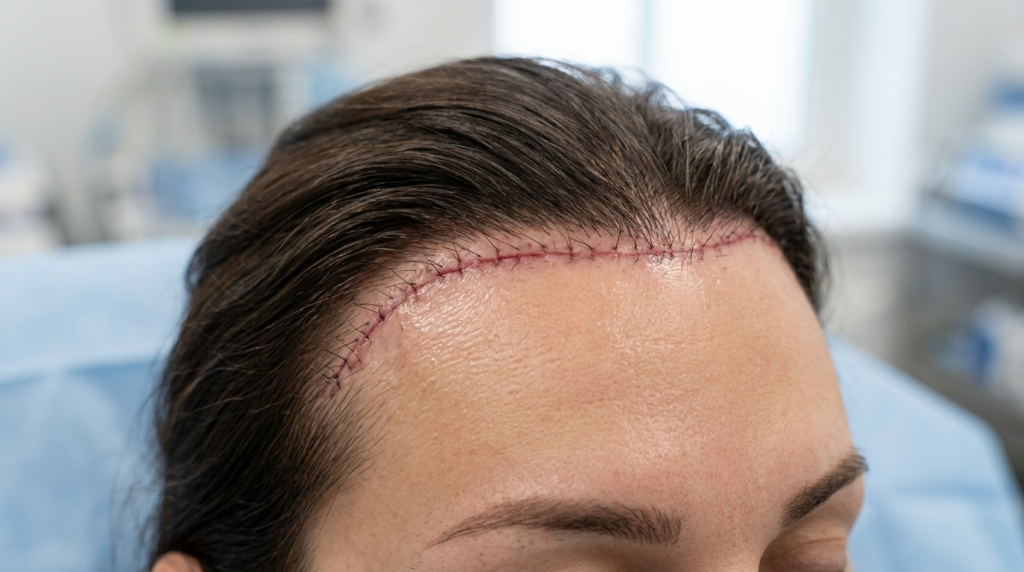
  • Forehead Contouring: This procedure reduces the brow bone prominence, reshapes the forehead, and often includes a hairline advancement to create a softer, more rounded frontal profile.
  • Jaw and Chin Reshaping: Techniques like jaw reduction and genioplasty surgery (chin reshaping) refine the lower face, reducing angularity and creating a more delicate, oval or heart-shaped contour.
  • Rhinoplasty (Nose Job): Feminizing rhinoplasty refines the nasal bridge, tip, and nostrils, achieving a smaller, more elegant nose that complements other facial features.
  • Lip Lift and Augmentation: Enhancing lip volume and shortening the upper lip distance contributes significantly to a more youthful and feminine mouth area.
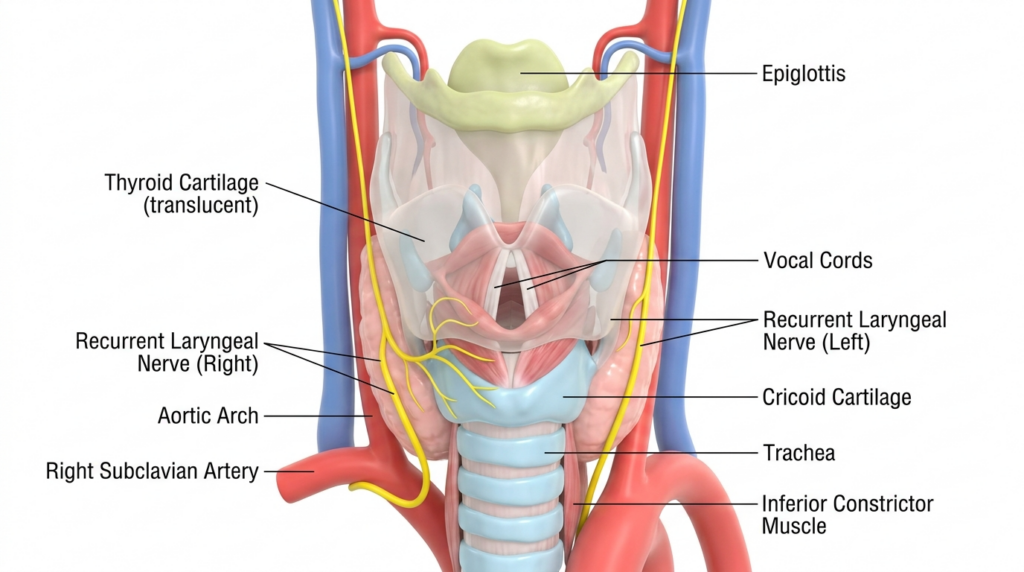
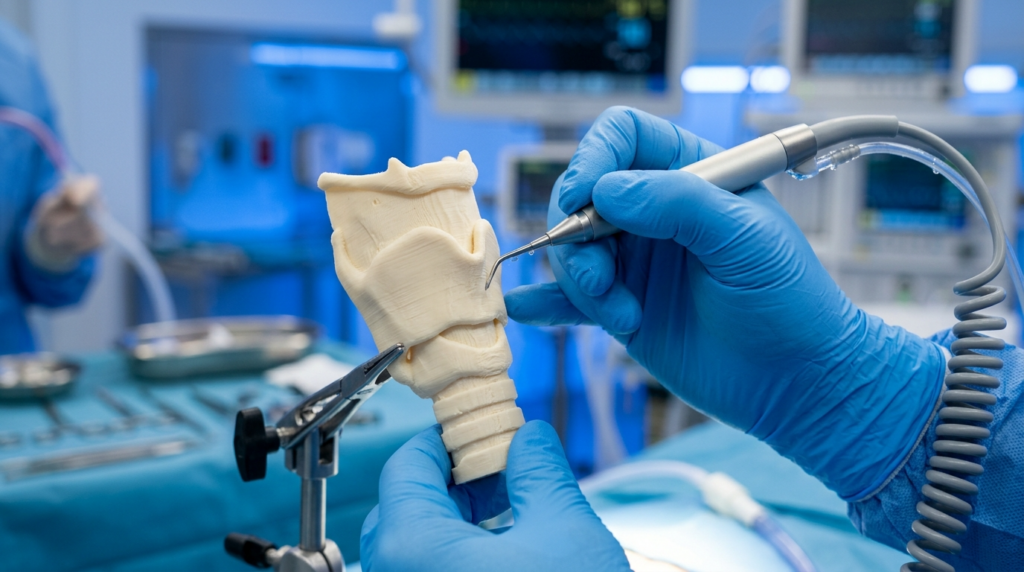
  • Tracheal Shave (Adam’s Apple Reduction): This procedure reduces the prominence of the thyroid cartilage, a key masculine feature in the neck.

The benefits of FFS extend beyond mere aesthetics; they profoundly impact self-perception and social interaction. Patients report increased confidence and a greater sense of congruence between their inner identity and outer presentation. The expected results are a more feminine facial structure that aligns with the individual’s gender identity, often leading to a significant reduction in gender dysphoria.

FFS Recovery and Cost Considerations

The recovery time for FFS varies depending on the extent of the procedures performed. Generally, initial swelling and bruising subside within a few weeks, though complete healing and final results can take several months to a year. Patients must adhere to post-operative care instructions diligently to ensure optimal outcomes.

The cost comparison for FFS is complex, influenced by the number of procedures, the surgeon’s expertise, geographic location, and facility fees. FFS represents a significant investment in one’s gender affirmation journey, with prices reflecting the intricate nature and specialized skill required for these plastic surgery interventions. Prospective patients must consult with their chosen surgeon for a detailed, personalized estimate.

A woman with braids wearing a sheer brown robe, sitting on sand dunes at sunset with a spotlight in the background.

Body Feminization Surgeries: Crafting a Feminine Silhouette

Body Feminization Surgeries focus on reshaping the torso and limbs to create a more traditionally feminine physique. These body contouring procedures are vital for many transgender women seeking to align their physical form with their gender identity, particularly when hormone therapy alone does not achieve desired results. The goal is to enhance curves, reduce masculine bulk, and redistribute fat to create a softer, more hourglass-like figure.

Common Body Feminization Procedures

  • Breast Augmentation: This procedure uses implants to increase breast size and enhance projection, creating a fuller, more feminine chest contour.
  • Liposuction and Fat Grafting: Strategic liposuction removes fat from masculine areas (e.g., abdomen, flanks, back) while fat grafting (e.g., Brazilian Butt Lift – BBL) adds volume to feminine areas like the hips and buttocks, enhancing curves.
  • Tummy Tuck (Abdominoplasty): A tummy tuck removes excess skin and fat from the abdomen, tightening underlying muscles to create a flatter, more toned midsection.
  • Thigh and Arm Lifts: These procedures address loose skin and excess fat in the upper arms and thighs, refining their contours.

The benefits of body feminization are profound, contributing significantly to a patient’s overall sense of well-being and confidence. Achieving a body shape that reflects one’s true gender can alleviate significant dysphoria and improve body image. The expected results are a more curvaceous and feminine silhouette, complementing the facial changes achieved through FFS or enhancing the effects of hormone therapy.

Body Feminization Recovery and Cost

Recovery time for body feminization surgeries varies widely based on the specific procedures. Breast augmentation typically involves a shorter recovery than extensive body contouring like a BBL or tummy tuck. Patients must anticipate several weeks of restricted activity and follow all post-operative instructions, including wearing compression garments, to support healing and optimize results.

The cost comparison for body feminization is highly individualized. Factors include the number and complexity of surgical procedures, the surgeon’s fees, anesthesia costs, and facility charges. As with FFS, these plastic surgery interventions represent a substantial investment in one’s gender affirmation journey. Detailed consultations provide precise financial estimates.

A woman with a short bob haircut posing in a sheer grey lingerie top with black lace detailing against a concrete wall.

FFS vs. Body Feminization: A Critical Comparison

Deciding between FFS and Body Feminization Surgeries, or pursuing both, requires a clear understanding of their distinct focuses and impacts. While both contribute to gender affirmation, their primary targets differ significantly.

FeatureFacial Feminization Surgery (FFS)Body Feminization Surgeries
Primary FocusFacial bone structure and soft tissuesTorso and limb contours, fat distribution
Key GoalSoften masculine facial features, enhance feminine facial identityCreate a curvaceous, feminine body silhouette
VisibilityHighly visible, impacts immediate gender perceptionVisible with clothing, impacts overall body shape
Impact on DysphoriaOften addresses core gender dysphoria related to facial recognitionAddresses dysphoria related to body shape and proportions
Interaction with Hormone TherapyComplements and often enhances effects of hormone therapy on facial soft tissuesBuilds upon and enhances effects of hormone therapy on fat redistribution and muscle mass
Recovery TimeVaries by procedure, typically weeks for initial healing, months for full resolutionVaries significantly by procedure, from weeks to several months
Cost ComparisonSignificant investment, highly specialized proceduresSignificant investment, varies widely based on number and complexity of procedures

The choice often hinges on which aspects of physical presentation cause the most distress or misalignment with one’s gender identity. Many transgender women opt for a staged approach, prioritizing FFS first due to its immediate impact on social recognition and self-perception, then considering body contouring procedures.

Making the Right Choice: Your Personalized Gender Affirmation Journey

The decision to undergo Facial Feminization Surgery or Body Feminization Surgeries is deeply personal. It demands careful consideration of individual goals, emotional well-being, and realistic expected results. Your journey toward gender affirmation is unique, and the surgical path must reflect that individuality.

The Role of Expert Consultation

A comprehensive consultation with a highly experienced plastic surgery specialist in gender affirmation is paramount. This expert will assess your anatomy, discuss your aesthetic goals, and outline the most suitable surgical procedures. They will provide a clear understanding of the benefits, risks, recovery time, and cost comparison for each option. This collaborative approach ensures an informed decision.

Consider reviewing gender transformation results with Dr. MFO to visualize potential outcomes and understand the caliber of work involved. An experienced surgeon prioritizes patient safety and delivers results that align with your vision of femininity.

Integrating Hormone Therapy and Surgical Planning

For many, hormone therapy plays a foundational role in feminization, influencing fat redistribution, skin texture, and muscle mass. Surgical planning must account for the changes achieved through hormones. Surgeons often recommend a period of hormone therapy before certain body contouring procedures to optimize results and ensure stability in tissue composition. This integrated approach maximizes the overall impact of your gender affirmation journey.

A woman with wet hair wearing a green lace bralette, posing against a marble wall in a bathroom with an arched window.

Conclusion: Empowering Your Transformation

The choice between FFS and Body Feminization Surgeries represents a pivotal step in the gender affirmation journey for transgender women. Both pathways offer profound transformations, each addressing distinct aspects of physical presentation. FFS refines facial features, while body feminization sculpts a feminine silhouette. Understanding the nuances of each, from surgical procedures and recovery time to cost comparison and expected results, empowers you to make decisions that resonate with your deepest sense of self.

Ultimately, a personalized approach guided by an expert plastic surgery team ensures your journey is safe, effective, and leads to the authentic self you envision. Embrace the power of informed choice as you navigate these transformative opportunities.


Frequently Asked Questions

What is the primary difference between FFS and Body Feminization Surgeries?

FFS (Facial Feminization Surgery) focuses on reshaping facial features to appear more feminine, while Body Feminization Surgeries target the torso and limbs to create a more feminine body silhouette through procedures like breast augmentation and body contouring.

Can I undergo FFS and Body Feminization Surgeries simultaneously?

While some minor procedures might be combined, extensive FFS and Body Feminization Surgeries are typically performed in separate stages due to the complexity, recovery time, and patient safety considerations. Your surgeon will advise on the optimal surgical plan.

How does hormone therapy impact these surgical procedures?

Hormone therapy plays a crucial role by influencing fat redistribution and soft tissue changes. Surgeons often recommend a period of hormone therapy before certain feminization surgeries to optimize results and ensure stable tissue composition for better surgical outcomes.

What is the typical recovery time for these surgeries?

Recovery time varies significantly. For FFS, initial healing takes weeks, with full resolution over several months. Body Feminization Surgeries also have varied recovery periods, ranging from weeks for breast augmentation to several months for more extensive body contouring procedures.

How do I choose the right surgeon for my gender affirmation journey?

Selecting a highly experienced plastic surgeon specializing in gender affirmation procedures is critical. Look for a surgeon with extensive expertise in FFS and/or body feminization, a strong portfolio of results, and a commitment to personalized patient care and safety.

What are the expected results from these feminization surgeries?

FFS aims for a softer, more harmonious feminine facial structure, reducing masculine features. Body Feminization Surgeries target a more curvaceous, feminine body silhouette. Both contribute significantly to gender affirmation, enhancing congruence between inner identity and outer presentation.

7 Key Insights: Non-Binary Facial Feminization & Tailored Pricing in 2026

A close-up portrait of a woman with green eyeshadow and a decorative green corset, framed by a circular light.

Facial feminization surgery (FFS) offers profound transformations, yet for non-binary individuals, the journey often diverges from traditional binary outcomes. This guide illuminates how tailored procedures specifically address non-binary aesthetic goals, focusing on subtle masculinizing feature reduction rather than complete feminization. Understanding these nuanced approaches is paramount for achieving an authentic facial harmony that aligns with individual gender expression, all while navigating the associated cost structures with clarity.

A glamorous woman in a gold satin dress sitting on a leather chair in a loft-style room during sunset.

7 Key Insights: How Non-Binary Facial Feminization Tailors Your Aesthetic & Budget in 2026

Non-binary facial feminization is not a one-size-fits-all solution; it is a highly personalized art. Individuals seek to soften specific features, reduce perceived masculinity, or achieve a more ambiguous, gender-neutral appearance. This requires a surgeon who possesses a deep understanding of facial anatomy and a nuanced appreciation for diverse gender identities. The goal is always to enhance self-perception and comfort, reflecting an inner truth outwardly.

A side profile portrait of a woman with dark hair, wearing a black lace top and gold jewelry, featuring soft lighting and natural makeup.

Understanding Non-Binary Facial Feminization: Beyond Binary Ideals

Traditional FFS often aims for a distinctly feminine facial structure. However, non-binary individuals frequently desire a more subtle shift. This might involve reducing prominent brow bones, refining a strong jawline, or softening a pronounced chin without erasing all masculine characteristics. The emphasis remains on creating balance and congruence with the individual’s unique identity, rather than adhering to predefined gendered aesthetics.

Key Tailored Procedures for Non-Binary Individuals

Specific procedures are often selected to achieve these nuanced outcomes. For instance, forehead contouring can reduce a heavy brow ridge, creating a softer upper face without necessarily feminizing the entire forehead. Similarly, jaw reduction or genioplasty surgery can refine the lower face, minimizing angularity while preserving a sense of strength or neutrality. These interventions are chosen meticulously, focusing on precise, impactful changes.

Other common procedures include rhinoplasty to refine nasal contours, or subtle cheek augmentation to add gentle curves. The selection process is collaborative, ensuring each step aligns with the patient’s vision for their facial aesthetic. This bespoke approach ensures that the surgical plan is as unique as the individual.

A portrait of a woman with bronze-toned makeup posing elegantly in a cream-colored lingerie top in a sunlit room.

Navigating the Cost Landscape: Non-Binary FFS Price Ranges

The cost of non-binary facial feminization varies significantly, primarily influenced by the scope of procedures undertaken. Since non-binary approaches often involve fewer or less extensive surgeries compared to full FFS, the overall cost can be more manageable. This tailored approach allows individuals to prioritize specific areas, optimizing their budget for maximum impact on their desired aesthetic.

Transparency in pricing is crucial. Patients must receive a detailed breakdown of all expenses, including surgeon’s fees, anesthesia, facility costs, and any necessary post-operative care. A comprehensive consultation provides the opportunity to discuss these financial aspects thoroughly, ensuring no hidden surprises.

Factors Influencing Non-Binary FFS Costs

  • Surgeon’s Expertise: Highly experienced surgeons specializing in gender-affirming care often have higher fees, reflecting their skill and proven outcomes.
  • Number and Complexity of Procedures: Each additional procedure, or a more intricate surgical technique, increases the overall cost.
  • Anesthesia Fees: These are determined by the duration of the surgery and the type of anesthesia administered.
  • Facility Fees: Costs associated with the surgical center or hospital where the procedure is performed.
  • Pre- and Post-Operative Care: This includes consultations, follow-up appointments, and any required medications or specialized recovery aids.
Non-Binary Facial Feminization

The Consultation Process: Defining Your Unique Aesthetic

A thorough consultation is the cornerstone of successful non-binary facial feminization. During this critical phase, the surgeon listens intently to the patient’s specific goals, understanding their unique vision for facial harmony. Advanced imaging, such as 3D CT scans, provides a precise anatomical map, allowing for detailed planning and realistic outcome simulations. This collaborative approach ensures the surgical plan is meticulously crafted to meet individual expectations.

Ensuring Safety and Optimal Outcomes

Patient safety remains paramount. Selecting a board-certified surgeon with extensive experience in facial feminization is crucial. Such expertise minimizes risks and optimizes aesthetic results. Surgeons employ advanced techniques, including meticulous nerve preservation strategies, to safeguard vital structures during delicate bone contouring. Comprehensive pre-operative assessments and detailed post-operative care protocols further ensure a smooth recovery and superior outcomes.

Procedure TypeCommon Non-Binary GoalCost Impact (Relative)Key Benefit
Forehead ContouringSoften brow ridge, reduce prominenceModerate to HighReduces perceived masculinity in upper face
Jaw ReductionRefine angularity, create subtle curveModerateAchieves a less square, more neutral lower face
Genioplasty (Chin)Reduce projection, reshape contourModerateBalances facial proportions without extreme feminization
RhinoplastyRefine nasal shape, reduce sizeModerate to HighHarmonizes nose with overall facial aesthetic
Cheek AugmentationAdd subtle volume, gentle curvesLow to ModerateSoftens mid-face without overt feminization
A woman wearing teal lace lingerie with a garter belt and stockings in a dimly lit, elegantly decorated room.

Frequently Asked Questions

What defines non-binary facial feminization?

Non-binary facial feminization focuses on tailoring procedures to achieve a desired aesthetic that aligns with an individual’s gender identity, often involving subtle masculinizing feature reduction rather than complete feminization.

How do costs for non-binary FFS compare to traditional FFS?

Costs for non-binary FFS can be lower than traditional FFS, as the approach often involves fewer or less extensive procedures, allowing for a more focused and budget-optimized surgical plan.

Which procedures are commonly chosen for non-binary facial changes?

Common procedures include forehead contouring, jaw reduction, genioplasty, and rhinoplasty, all performed with the goal of achieving a balanced, authentic, and often gender-neutral or subtly feminized appearance.

How important is surgeon experience for non-binary FFS?

Surgeon experience is paramount. A surgeon with a deep understanding of non-binary aesthetic goals and extensive expertise in facial feminization ensures optimal results and patient safety.

Can I achieve a gender-neutral look with non-binary FFS?

Yes, non-binary FFS is specifically designed to help individuals achieve a range of aesthetic outcomes, including a more gender-neutral or ambiguous appearance, by selectively modifying facial features.

What should I expect during the initial consultation?

The initial consultation involves a detailed discussion of your aesthetic goals, a comprehensive facial analysis, and often 3D imaging to plan tailored procedures and provide a transparent cost estimate.

FFS UK 2026: Jaw & Chin Contouring Nerve Protection Guide | Expert Insights

A beautiful woman with long dark hair, wearing a white outfit and gold necklace, posing in a modern, sunlit apartment with floor-to-ceiling windows and minimalist decor.

Facial Feminization Surgery (FFS) has evolved into a cornerstone of gender-affirming care, offering transformative results for individuals seeking to align their facial features with their gender identity. Among the most intricate procedures within FFS are jaw reduction and chin contouring, where surgical precision intersects with the delicate anatomy of facial nerves. This guide explores the critical nerves involved in these procedures—specifically the mental nerve and inferior alveolar nerve—and the advanced techniques surgeons employ to safeguard them, ensuring both aesthetic excellence and functional integrity.

A beautiful woman with natural makeup and dark wavy hair wearing a brown silk robe, looking away with a gentle smile in a serene indoor setting.

Understanding the Mental Nerve: Sensation and Speech Integrity

The mental nerve, a terminal branch of the inferior alveolar nerve, exits the mandible through the mental foramen, typically located below the second premolar. This nerve is responsible for sensation in the lower lip, chin, and buccal gingiva. Its superficial position makes it particularly vulnerable during procedures like genioplasty and chin reduction. Injury to this nerve can result in temporary or, in rare cases, permanent numbness or altered sensation, directly impacting daily activities such as eating, drinking, and speaking.

Surgeons must meticulously identify the mental foramen and the nerve’s trajectory to avoid compromise during bone reshaping. Preoperative planning with 3D CT scans is indispensable, providing a detailed anatomical map that allows surgeons to visualize the nerve’s exact location. This foresight enables precise osteotomy lines that avoid nerve impingement, ensuring both safety and optimal results.

Precision in Genioplasty and Chin Reduction

During genioplasty, where the chin bone is repositioned, or chin reduction, where bone is removed, the surgeon must maintain a safe distance from the mental foramen. Advanced imaging techniques, such as cone-beam computed tomography (CBCT), provide high-resolution images of the mandibular canal, allowing surgeons to define safe margins for bone resection. Intraoperative techniques, including careful subperiosteal dissection and the use of specialized instruments like piezoelectric saws, further minimize the risk of nerve injury.

A close-up profile portrait of a woman with elegant makeup, wearing a small pearl earring and a grey silk top against a neutral background.

Safeguarding the Inferior Alveolar Nerve: Jaw Contouring Precision

The inferior alveolar nerve (IAN) traverses the mandible within the mandibular canal, providing sensation to the lower teeth and contributing to the mental nerve. During jaw contouring procedures, such as jaw reduction or mandibular angle ostectomy, the IAN is at significant risk. Damage to this nerve can lead to numbness in the lower teeth, gums, and potentially the lower lip and chin if the mental nerve is also affected.

Jaw reduction surgery involves reshaping the mandibular angle and body to create a more feminine jawline. This procedure requires precise bone removal without encroaching upon the mandibular canal. Surgeons rely on comprehensive preoperative imaging, such as CBCT or multi-slice CT scans, to map the IAN’s course and define safe osteotomy lines. Techniques like sagittal split osteotomy allow for controlled bone movement while minimizing direct nerve exposure.

Advanced Imaging and Surgical Planning

High-resolution imaging is the cornerstone of safe jaw contouring. CBCT scans provide a three-dimensional view of the mandibular canal, enabling surgeons to plan osteotomy lines that avoid the IAN. This detailed visualization is critical for achieving aesthetic goals while preserving nerve function. Surgeons also employ specialized saws and burrs, combined with a thorough understanding of mandibular anatomy, to ensure nerve integrity throughout the procedure.

A beautiful woman with dark wavy hair smiling in a modern, neutral-toned bathroom.

Advanced Surgical Techniques for Nerve Preservation

Modern FFS incorporates several advanced techniques designed to enhance nerve preservation. These methods go beyond traditional approaches, offering an additional layer of safety and precision during complex bone contouring procedures.

Piezoelectric Surgery and Intraoperative Nerve Monitoring

Piezoelectric surgery utilizes ultrasonic vibrations to cut bone while sparing soft tissues, including nerves and blood vessels. This technology offers superior precision and reduces the risk of thermal damage compared to conventional rotary instruments. Its selective cutting action makes it invaluable for delicate procedures around the mental and inferior alveolar nerves.

Intraoperative nerve monitoring (IONM) provides real-time feedback on nerve function during surgery. Electrodes placed near the nerves detect electrical activity, alerting the surgeon to potential compromise. This immediate feedback allows for adjustments in surgical technique, significantly reducing the risk of permanent nerve injury. IONM is particularly beneficial in complex cases or revision surgeries where anatomical landmarks may be altered.

NerveLocationPrimary FunctionFFS Procedure RiskPrevention Strategy
Mental NerveExits mandible below premolarsSensation to lower lip, chinGenioplasty, Chin Reduction3D CT planning, Piezoelectric surgery, Careful dissection
Inferior Alveolar NerveWithin mandibular canalSensation to lower teeth, contributes to mental nerveJaw Reduction, Mandibular Angle OstectomyCBCT mapping, Precise osteotomy lines, IONM

Recognizing and Managing Post-Operative Nerve Changes

Despite meticulous surgical technique, some degree of temporary nerve alteration is common after jaw and chin feminization. Patients often experience numbness or altered sensation (paresthesia) in the lower lip and chin immediately following surgery. This is typically due to nerve swelling or stretching during the procedure. Most temporary nerve changes resolve within weeks to months as the swelling subsides and the nerves heal. Complete recovery can take up to a year.

Patient Education and Recovery Protocols

Post-operative care includes specific instructions to support nerve recovery. Patients should avoid trauma to the chin and jaw area, and a soft diet is recommended initially to minimize chewing forces. Regular follow-up appointments allow the surgeon to monitor nerve function and address any concerns promptly. Early intervention, if needed, can improve long-term outcomes. While rare, permanent nerve damage can occur, and in such cases, further evaluation by a neurologist may be necessary.

Portrait of a confident woman with wavy brunette hair posing in a sophisticated, classically decorated interior.

Choosing Your Surgeon: Expertise in Nerve-Sparing FFS

Selecting a highly experienced facial feminization surgeon is the most critical step in minimizing nerve risks. A surgeon with extensive expertise in FFS understands the complex anatomy of the facial nerves and possesses the skill to navigate these delicate structures safely. Their proficiency directly translates to reduced complication rates and superior aesthetic results.

An expert surgeon prioritizes comprehensive preoperative assessment, including advanced imaging and detailed patient consultations. They discuss potential risks transparently and outline the specific strategies employed to protect nerves during surgery. This commitment to patient safety and informed consent is a hallmark of a reputable FFS practice.


Frequently Asked Questions

Which nerves are most at risk during jaw and chin feminization?

The mental nerve, which provides sensation to the lower lip and chin, and the inferior alveolar nerve, which runs through the jawbone and supplies sensation to the lower teeth, are the primary nerves at risk during jaw and chin feminization surgeries.

How do surgeons protect nerves during FFS jaw and chin contouring?

Surgeons utilize advanced techniques such as 3D CT scans for precise preoperative planning, piezoelectric surgery for bone cutting, careful subperiosteal dissection, and intraoperative nerve monitoring to protect nerves during FFS jaw and chin contouring.

Is temporary numbness after jaw and chin surgery normal?

Yes, temporary numbness or altered sensation in the lower lip and chin is common after jaw and chin feminization surgery. This typically resolves within weeks to months as nerve swelling decreases and healing occurs.

Can nerve damage from FFS jaw and chin surgery be permanent?

Permanent nerve damage is a rare complication of jaw and chin feminization surgery. While most nerve changes are temporary, persistent numbness or altered sensation can occur in a small percentage of cases.

What role does 3D imaging play in nerve protection?

3D imaging, such as CT or CBCT scans, provides surgeons with a detailed, three-dimensional map of the patient’s bone structure and nerve pathways. This allows for precise surgical planning, enabling the surgeon to define safe osteotomy lines and avoid nerve injury.

How long does it take for nerve sensation to return after surgery?

The return of nerve sensation varies among individuals. Most temporary numbness resolves within a few weeks to several months. Complete recovery can take up to a year as the nerves regenerate and heal.

Internal Bra vs. Standard Pocket: MTF Breast Augmentation Guide

A woman with slicked-back hair wearing a black lace bra against a neutral background.

For trans women seeking breast augmentation, the choice of surgical technique profoundly impacts long-term aesthetic outcomes and patient satisfaction. While traditional methods offer volume, they often fall short in providing the enduring support crucial for a naturally feminine contour. The innovative ‘Internal Bra’ technique emerges as a superior solution, meticulously engineered to deliver unparalleled stability and a lasting, elevated appearance, particularly beneficial for individuals with minimal native breast tissue.

MTF Breast Augmentation

The 5 Critical Reasons the ‘Internal Bra’ Redefines MTF Breast Augmentation

Achieving a truly feminine chest contour requires more than just implant placement; it demands a robust support system that mimics natural breast anatomy. The ‘Internal Bra’ technique addresses the inherent challenges of traditional breast augmentation, offering distinct advantages that ensure superior, long-term results for trans women.

1. Unmatched Long-Term Support and Stability

Traditional breast augmentation often relies solely on the implant pocket and surrounding tissues for support. Over time, gravity and tissue laxity can lead to implant descent or “bottoming out,” compromising the initial aesthetic result. The ‘Internal Bra’ technique, however, creates a durable, internal scaffold using the patient’s own tissues or a synthetic mesh. This foundational support actively counteracts gravitational forces, ensuring the implants remain in their optimal position for years.

This inherent stability is paramount for trans women, who often begin with less natural breast tissue and skin elasticity. The ‘Internal Bra’ provides the necessary structural integrity, preventing premature sagging and maintaining the desired breast shape. It is a proactive measure against the common long-term complications associated with standard implant placement.

A woman wearing a black lace bralette, focusing on her upper torso and chest area.

2. Superior Aesthetic Outcome and Natural Contour

A truly feminine breast contour is characterized by a natural slope, projection, and upper pole fullness. Standard implant pockets, particularly in patients with minimal tissue, can sometimes result in a less natural, more “implant-like” appearance. The ‘Internal Bra’ technique allows for precise shaping and positioning of the breast mound, creating a softer, more organic transition from the chest wall.

By providing robust support from within, the ‘Internal Bra’ elevates the breast tissue and implant, achieving a more youthful and aesthetically pleasing silhouette. This technique minimizes the risk of rippling or visible implant edges, common concerns when there is limited soft tissue coverage. The result is a breast shape that feels and looks more natural, enhancing overall body feminization.

3. Ideal for Trans Women with Minimal Native Breast Tissue

Trans women often present with a flatter chest profile and less existing breast tissue compared to cisgender women. This anatomical reality poses unique challenges for breast augmentation, as there is less natural support for implants. The ‘Internal Bra’ directly addresses this by constructing a new, strong support system where natural tissue may be lacking.

This technique is particularly advantageous for achieving significant volume and projection without compromising long-term stability. It allows for the placement of appropriately sized implants, ensuring they are securely anchored and beautifully shaped, even in the absence of substantial native breast tissue. The ‘Internal Bra’ thus empowers trans women to achieve their desired breast feminization goals with confidence and lasting results.

A woman with vintage-style hair and red lipstick, wearing an elegant maroon satin and lace lingerie set with a matching robe, posing on a blue velvet chaise lounge in a sophisticated, dimly lit room with art deco decor.

4. Reduced Risk of Revision Surgery

The enhanced stability and long-term support offered by the ‘Internal Bra’ significantly reduce the likelihood of complications such as implant malposition, capsular contracture, or severe sagging that might necessitate revision surgery. By proactively addressing these issues at the initial procedure, patients can avoid the emotional and financial burden of subsequent operations.

This technique represents a strategic investment in the longevity of the aesthetic outcome. Patients experience greater peace of mind, knowing their results are built on a foundation designed for endurance. The focus shifts from merely placing an implant to meticulously engineering a lasting, beautiful breast contour.

5. Enhanced Patient Confidence and Quality of Life

Ultimately, the goal of MTF breast augmentation is to align physical appearance with gender identity, fostering profound psychological well-being. The ‘Internal Bra’ technique contributes significantly to this by delivering results that are not only aesthetically superior but also remarkably durable. This lasting femininity translates directly into enhanced self-confidence and an improved quality of life for trans women.

Patients report feeling more comfortable and confident in their bodies, enjoying the freedom to wear desired clothing and engage in activities without concern for their breast appearance. The ‘Internal Bra’ technique provides a transformative experience, solidifying the journey towards a fully affirmed self. For more comprehensive information on breast augmentation options, visit our dedicated page on breast augmentation.

A woman wearing elegant white lace lingerie posing gracefully in front of large windows with a bright, natural light backdrop.

Understanding the Surgical Approach: Internal Bra vs. Standard Pocket

The fundamental difference between the ‘Internal Bra’ and a standard implant pocket lies in the method of implant support. A standard pocket creates space for the implant, relying on the existing pectoralis muscle and surrounding soft tissues to hold it in place. While effective for many, this approach can be insufficient for those requiring additional structural reinforcement.

The ‘Internal Bra’ technique, conversely, involves the creation of a robust, internal sling or hammock. This is typically achieved by carefully manipulating and suturing the patient’s own tissues, such as the lower border of the pectoralis major muscle or the inframammary fold, to form a supportive shelf. In some cases, a biocompatible mesh material may be incorporated to further enhance strength and durability. This internal structure acts as a permanent support system, cradling the implant and preventing its downward migration.

FeatureStandard Implant Pocket‘Internal Bra’ Technique
Primary SupportExisting pectoralis muscle, soft tissuesEngineered internal sling (tissue/mesh)
Long-Term StabilityCan be prone to descent/sagging over timeSuperior, active support; prevents sagging
Aesthetic OutcomeGood, but can appear less natural without ample tissueEnhanced natural contour, upper pole fullness
Ideal CandidatePatients with adequate native tissue supportTrans women, patients with minimal tissue, those seeking maximal longevity
Revision RiskHigher risk of malposition, bottoming outSignificantly reduced due to robust support
A woman with short dark hair wearing a maroon velvet bra with gold embroidery, posing in an elegantly decorated room with warm lighting.

The Surgical Process: Precision and Expertise

The ‘Internal Bra’ technique demands a high level of surgical skill and anatomical understanding. The procedure begins with meticulous preoperative planning, often utilizing 3D imaging to assess chest wall anatomy and determine optimal implant size and placement. During surgery, the surgeon carefully creates the implant pocket, then constructs the internal support system.

This involves precise dissection and suturing to form the ‘bra’ structure, ensuring it provides firm, yet flexible, support. The implant is then carefully positioned within this newly reinforced pocket. The entire process is designed to minimize trauma while maximizing the structural integrity of the breast mound. Post-operative care focuses on supporting healing and ensuring the long-term success of the ‘Internal Bra’.


Frequently Asked Questions About the ‘Internal Bra’

What is the ‘Internal Bra’ technique in breast augmentation?

The ‘Internal Bra’ technique is an advanced surgical method that creates an internal support system for breast implants, using the patient’s own tissues or a synthetic mesh. This provides superior, long-term stability and prevents sagging, mimicking the natural support of a bra.

How does the ‘Internal Bra’ benefit trans women specifically?

For trans women, who often have minimal native breast tissue, the ‘Internal Bra’ technique is highly beneficial. It constructs a robust internal scaffold, allowing for significant volume and projection while ensuring lasting support and a natural, feminine contour.

Is the ‘Internal Bra’ technique permanent?

The ‘Internal Bra’ provides a durable, long-lasting support system. While no surgical result is absolutely permanent due to natural aging, the ‘Internal Bra’ significantly extends the longevity and stability of breast augmentation results compared to traditional methods.

Does the ‘Internal Bra’ feel natural?

Yes, the ‘Internal Bra’ is designed to integrate seamlessly with the body’s natural anatomy. It enhances the natural feel and appearance of the augmented breasts by providing consistent support and minimizing the risk of implant-related irregularities.

What are the risks associated with the ‘Internal Bra’ technique?

As with any surgical procedure, there are risks, including infection, bleeding, and adverse reactions to anesthesia. However, the ‘Internal Bra’ technique is generally considered safe when performed by an experienced surgeon, and it aims to reduce long-term complications like implant malposition.

How long is the recovery period for the ‘Internal Bra’ technique?

The recovery period for the ‘Internal Bra’ technique is similar to that of standard breast augmentation, typically involving a few weeks of restricted activity. Specific recovery instructions will be provided by your surgeon to ensure optimal healing and results.

Almond Eye Canthoplasty for FFS: Your Guide to Feminine Eye Reshaping

A woman with elegant makeup, including defined eyeliner, wearing a satin robe in a luxurious marble bathroom setting.

Achieving a harmonious and distinctly feminine facial aesthetic often involves meticulous attention to every feature, with the eyes playing a pivotal role in overall perception. For individuals undergoing Facial Feminization Surgery (FFS), the desire for an “almond eye” shape is a common and transformative goal. This surgical guide delves into canthoplasty, a specialized procedure designed to precisely reshape the eye, creating an alluring and balanced appearance that complements other feminization efforts.

A close-up portrait of a woman with dark, dramatic makeup and red lipstick, partially veiled by black lace.

Understanding the Allure of the Almond Eye: A Feminine Ideal

The almond eye, characterized by a slightly upward slant at the outer corner and a graceful curve, is widely considered a hallmark of feminine beauty. This shape can convey youthfulness, elegance, and a captivating gaze. In the context of FFS, achieving this specific eye contour contributes significantly to softening facial features and enhancing a more traditionally feminine appearance. It is not merely about altering the eye; it is about refining the entire periorbital region to achieve aesthetic harmony.

Many individuals seeking facial feminization express a desire for eyes that appear larger, more open, and less rounded. Canthoplasty directly addresses these concerns by modifying the canthal tendons—the fibrous tissues that anchor the eyelids to the bone. This precise surgical intervention allows for subtle yet impactful changes to the eye’s shape and orientation, aligning it with the desired feminine aesthetic.

The Impact of Eye Shape on Facial Harmony

The eyes are central to facial expression and identity. Their shape, position, and surrounding structures profoundly influence how a face is perceived. A rounded or downward-sloping outer canthus can sometimes contribute to a more masculine or tired appearance. By elevating the lateral canthus and subtly tightening the lower eyelid, canthoplasty creates a more uplifted and elongated eye, contributing to a refreshed and feminized look. This procedure must be considered within the broader context of Facial Feminization Surgery to ensure balanced and natural results.

A high-fashion black and white portrait of a woman with bold graphic eyeliner, wearing a black lace-detailed top, posing confidently with a hand on her head against a dark, textured background.

Canthoplasty Explained: Surgical Techniques for Eye Reshaping

Canthoplasty is a delicate surgical procedure performed to modify the shape of the eye by adjusting the position of the canthi—the corners where the upper and lower eyelids meet. There are primarily two types of canthoplasty: lateral canthoplasty and medial canthoplasty, each targeting different aspects of eye reshaping. Lateral canthoplasty, which focuses on the outer corner of the eye, is most commonly employed to achieve the desired almond shape.

During a lateral canthoplasty, a small incision is made near the outer corner of the eye, often hidden within the natural creases. The surgeon then carefully detaches, repositions, and reattaches the lateral canthal tendon to a higher point on the orbital rim. This action lifts the outer corner of the eye, creating an upward slant and a more elongated, almond-like appearance. The procedure also helps to tighten the lower eyelid, reducing any laxity that might contribute to a rounded eye shape.

Precision in Lateral Canthoplasty: Crafting the Perfect Curve

The success of lateral canthoplasty hinges on meticulous surgical precision. The surgeon must possess a deep understanding of periorbital anatomy and an artistic eye to achieve a natural and aesthetically pleasing result. Overcorrection or undercorrection can lead to an unnatural appearance, emphasizing the importance of selecting an experienced FFS surgeon. The goal is always a subtle enhancement that harmonizes with the patient’s overall facial structure.

In some cases, canthoplasty may be combined with other eyelid surgeries, such as blepharoplasty (eyelid lift), to address excess skin or fat around the eyes. This comprehensive approach ensures that all aspects of the periorbital region contribute to the desired feminized outcome. Preoperative planning includes a thorough assessment of the patient’s eye shape, eyelid laxity, and overall facial proportions to tailor the surgical plan precisely.

A elegant woman wearing a delicate lace-trimmed white bralette, posing thoughtfully by a window in a bright, classically designed room.

Achieving Facial Harmony: Canthoplasty in the FFS Journey

Canthoplasty is rarely performed in isolation during Facial Feminization Surgery. Instead, it is an integral component of a holistic approach to facial transformation. The eyes must be in balance with other feminized features, such as the forehead, nose, and jawline. An expert FFS surgeon considers the interplay between all facial elements to create a cohesive and naturally feminine appearance.

For instance, a forehead contouring procedure might reduce the brow bone, making the eyes appear more prominent. Canthoplasty can then refine the eye shape to complement this change, ensuring the eyes do not appear disproportionately large or round. Similarly, a rhinoplasty (nose job) can alter the central facial axis, and the eye shape must align with these modifications for optimal aesthetic balance. The surgeon’s role is to visualize the final facial aesthetic and plan each procedure accordingly.

Before and After: Visualizing Your Transformation

Visualizing the potential outcome of canthoplasty is crucial for patients. Before-and-after photographs provide tangible evidence of the transformative power of this procedure. These images demonstrate how a subtle change in eye shape can dramatically enhance facial femininity and overall harmony. Patients can explore a comprehensive collection of results in our before-after FFS gallery to understand the possibilities.

During consultations, advanced imaging and simulation tools can further assist in demonstrating anticipated results. This allows patients to actively participate in the planning process, ensuring their aesthetic goals are clearly understood and achievable. The aim is always to create a natural-looking almond eye that enhances the individual’s unique beauty, rather than imposing a generic ideal.

AspectDescriptionFeminizing Impact
Lateral Canthus PositionOuter corner of the eyeElevated for an upward slant
Eye ShapeOverall contour of the eyeTransformed from rounded to elongated/almond
Lower Eyelid TensionTightness of the lower lidIncreased to reduce laxity and create a smooth line
Facial BalanceHarmony with other featuresEnhanced by complementing forehead, nose, and jawline
A close-up portrait of a woman with green eyes and natural makeup, wearing a silk camisole in a softly lit bedroom setting.

Recovery and Results: What to Expect from Canthoplasty

The recovery period following canthoplasty is generally manageable, with most patients experiencing mild to moderate swelling and bruising around the eyes. These effects typically subside within one to two weeks. Discomfort is usually minimal and can be managed with prescribed pain medication. Patients must follow all post-operative care instructions diligently to ensure optimal healing and results.

Initial results of the almond eye shape are often visible immediately after surgery, though the final contour will become more apparent as swelling resolves. Complete healing and the settling of tissues can take several months. During this time, the eye shape will continue to refine, revealing the full aesthetic benefit of the procedure. Patients should avoid strenuous activities and direct sun exposure during the initial recovery phase.

Long-Term Outcomes and Patient Satisfaction

The results of canthoplasty are considered long-lasting, providing a permanent change to the eye’s shape. Patient satisfaction rates are high, particularly when the procedure is performed by an experienced FFS surgeon who understands the nuances of facial feminization. The enhanced almond eye contributes significantly to a more feminine and confident self-image.

Regular follow-up appointments with the surgical team are essential to monitor healing progress and address any concerns. While complications are rare, choosing a board-certified surgeon with extensive experience in canthoplasty minimizes risks and ensures the highest standard of care. The investment in expert surgical skill translates directly into superior aesthetic outcomes and peace of mind.

A black and white close-up portrait of a woman with dramatic eyeliner, dark lipstick, and intricate lace fabric near her face.

Cost Estimates and Consultation: Planning Your Almond Eye Journey

The cost of canthoplasty varies depending on several factors, including the surgeon’s fees, anesthesia costs, facility charges, and the complexity of the individual case. As canthoplasty is often part of a broader FFS plan, its cost is typically integrated into the overall surgical package. A detailed consultation is essential to receive an accurate and personalized cost estimate.

During your initial consultation, the surgeon will assess your aesthetic goals, evaluate your eye anatomy, and discuss the most appropriate surgical approach. This is also an opportunity to ask questions about the procedure, recovery, and expected results. Transparent communication regarding all aspects of the surgery, including financial considerations, is a priority. To begin planning your transformation, we encourage you to contact us now for a comprehensive consultation.


Frequently Asked Questions About Almond Eye Canthoplasty

What is canthoplasty and how does it create an almond eye?

Canthoplasty is a surgical procedure that reshapes the eye by adjusting the position of the canthi (eye corners). Lateral canthoplasty, specifically, lifts and repositions the outer corner of the eye, creating an upward slant and an elongated, almond-like shape.

Is canthoplasty a standalone procedure or part of FFS?

While canthoplasty can be performed alone, it is most commonly an integral part of Facial Feminization Surgery (FFS). It contributes to overall facial harmony by balancing the eye shape with other feminized features.

What is the recovery time for canthoplasty?

Most patients experience swelling and bruising for one to two weeks after canthoplasty. Initial results are visible quickly, but complete healing and final results can take several months as tissues settle.

Are the results of canthoplasty permanent?

Yes, the results of canthoplasty are considered long-lasting and provide a permanent change to the eye’s shape, contributing to a more feminine and confident appearance.

How do I ensure natural-looking almond eyes?

Ensuring natural-looking almond eyes requires selecting a highly experienced FFS surgeon with a deep understanding of periorbital anatomy and an artistic eye. Preoperative planning and precise surgical execution are paramount.

Can canthoplasty be combined with other eye surgeries?

Yes, canthoplasty can often be combined with other eyelid surgeries, such as blepharoplasty, to address additional concerns like excess skin or fat, ensuring a comprehensive enhancement of the periorbital region.

FFS Facial Harmony: Why Multi-Procedure Approach is Key for Femininity

A young woman with glowing, natural skin looking directly at the camera in a loft-style room with large industrial windows and brick walls.

Facial Feminization Surgery (FFS) represents a profound journey towards aligning one’s outer appearance with their inner identity. Yet, the most transformative outcomes stem not from isolated alterations, but from a comprehensive understanding of facial harmony. Dr. MFO’s philosophy emphasizes that true femininity emerges when the upper, middle, and lower thirds of the face are meticulously balanced, creating a cohesive and natural aesthetic. This guide explores why a multi-procedure approach is not merely a recommendation, but an essential strategy for achieving enduring, authentic results.

A confident woman with a sleek bun hairstyle wearing a white corset top and a draped white blazer in a minimalist studio setting.

The Core Principle: Beyond Individual Features to Overall Balance

Many individuals considering FFS initially focus on specific features—a prominent brow, a strong jawline, or a large nose. While these individual concerns are valid, a truly feminine face is defined by the interplay of all its components. Feminine facial contours are characterized by softer angles, smoother transitions, and a delicate balance that transcends the sum of its parts. Addressing one feature in isolation often risks creating an imbalance elsewhere, leading to an unnatural or “operated” appearance.

Dr. MFO’s approach centers on the concept of a “facial blueprint.” Before any incision, a detailed analysis assesses the proportions, angles, and relationships between every facial element. This holistic perspective ensures that each surgical step contributes to a unified vision, where every modification enhances the overall feminine aesthetic rather than disrupting it. The goal is to sculpt a face that feels inherently natural and authentically feminine.

A close-up shot of a human eye with detailed iris patterns and black eyeliner.

Upper Face Feminization: Sculpting the Forehead and Brow

The upper third of the face—comprising the forehead, brow ridge, and hairline—plays a critical role in gender perception. A prominent brow bone and a receding hairline are distinctly masculine traits. Feminizing this region involves several key procedures:

  • Forehead Contouring: This procedure reshapes the frontal bone, reducing the brow bossing and creating a smoother, more rounded forehead. This is often the most impactful step in upper face feminization.
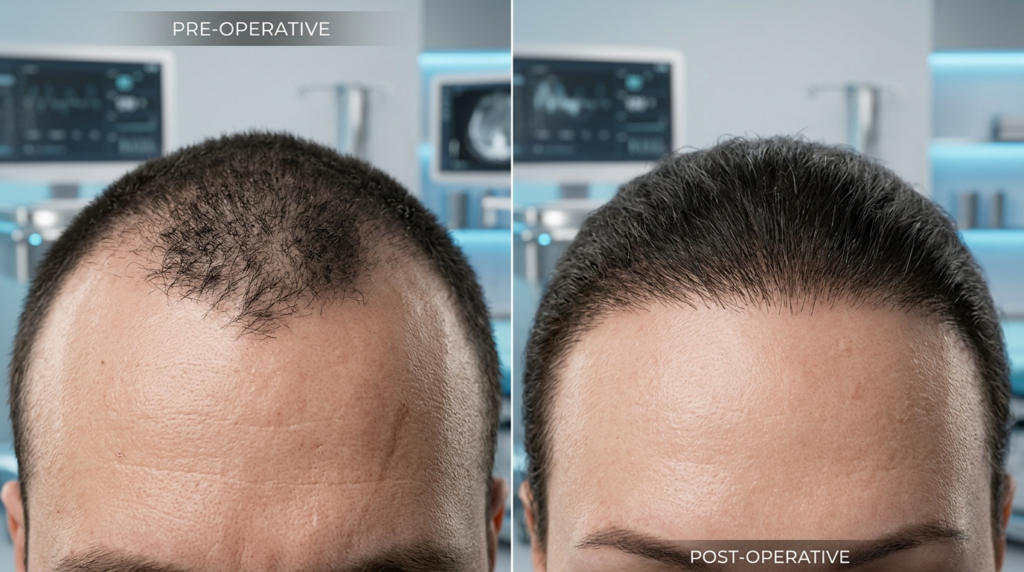
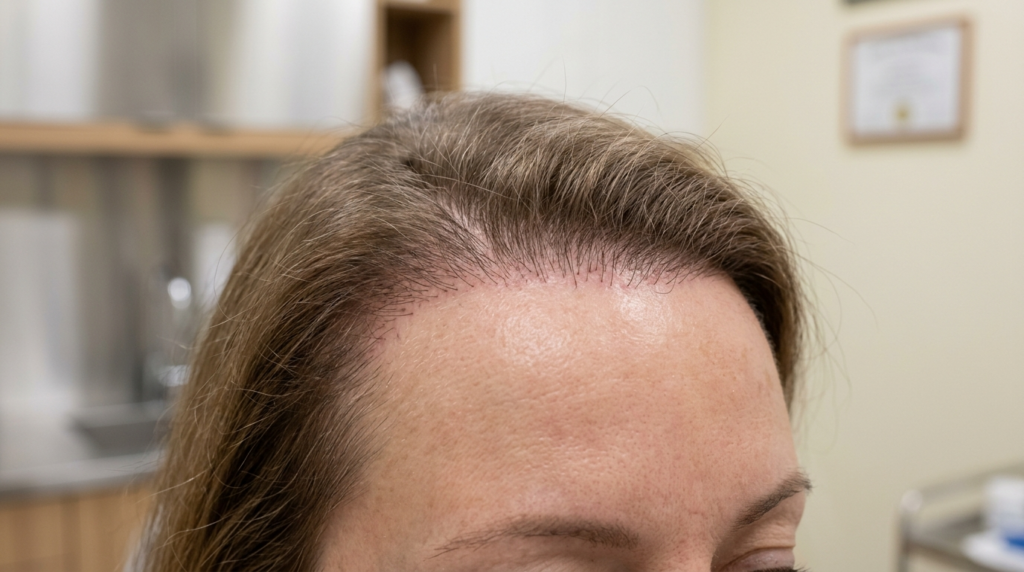
  • Hairline Advancement: A higher hairline can masculinize the face. Advancing the hairline lowers it, reducing the forehead height and creating a more oval, feminine facial shape.
  • Brow Lift: Lifting the eyebrows opens the eyes, creating a softer, more youthful, and feminine expression. This complements forehead reshaping by enhancing the overall upper facial aesthetic.

These procedures are often performed concurrently to ensure a seamless transition and optimal forehead contouring. A harmonized upper face sets the foundation for the rest of the facial feminization journey, ensuring that subsequent changes integrate flawlessly.

A striking black and white portrait of a woman with wet-look hair, wearing a lacy bodice and a choker, posing intensely for the camera.

Midface Refinement: Enhancing Cheeks, Nose, and Lips

The midface, extending from the eyes to the upper lip, is central to facial expression and attractiveness. Feminine midface characteristics include fuller cheeks, a refined nose, and softer lips. Strategic interventions in this zone significantly contribute to a delicate and balanced appearance.

  • Cheek Augmentation: Fuller, more prominent cheeks create a softer, more youthful, and feminine contour. This can be achieved with implants or fat grafting, adding volume and definition to the midface.
  • Rhinoplasty (Nose Job): A masculine nose often features a wider bridge, a dorsal hump, or a drooping tip. Feminizing rhinoplasty refines the nose, creating a smaller, more delicate shape that harmonizes with other facial features.
  • Lip Lift/Augmentation: A shorter upper lip and fuller lips are feminine traits. A lip lift can reduce the distance between the nose and upper lip, while augmentation enhances lip volume, contributing to a softer, more inviting smile.

Each rhinoplasty and cheek augmentation procedure is meticulously planned to ensure it complements the overall facial structure, avoiding any disproportionate or artificial outcomes. The goal is to achieve a midface that radiates softness and elegance.

Lower Face Contouring: Defining the Jawline and Chin

The lower third of the face, encompassing the jawline and chin, often presents the most pronounced masculine features. A strong, square jaw and a prominent chin are hallmarks of a masculine facial structure. Feminizing this area is crucial for achieving a softer, more graceful profile.

  • Jaw Reduction (Mandibular Contouring): This procedure reshapes the jawbone, reducing its width and creating a smoother, more tapered jawline. The goal is to soften the angles without compromising the natural facial structure.
  • Genioplasty (Chin Surgery): A masculine chin can be overly prominent, wide, or long. Genioplasty reshapes the chin bone, reducing its size or altering its projection to create a more delicate and proportionate appearance.

Both jaw reduction and genioplasty surgery require exceptional precision to ensure the new contours blend seamlessly with the rest of the face. The objective is to create a lower face that contributes to an overall oval or heart-shaped facial form, which is widely considered feminine.

A elegant young woman with long dark hair, wearing a deep red velvet dress and dark lipstick, looking directly at the camera in a sophisticated interior setting.

The Integrated Approach: Why Multiple Procedures are Essential

The human face is an intricate tapestry of interconnected features. Altering one element inevitably impacts the perception of others. For instance, reducing a prominent brow without addressing a strong jawline might simply shift the perceived masculinity downwards. Similarly, a delicate nose might appear out of place if the cheeks lack feminine volume.

Dr. MFO’s philosophy advocates for a multi-procedure plan because it allows for a truly integrated transformation. This strategic approach ensures that every modification works in concert, creating a harmonious flow across all facial zones. It is about sculpting a new identity, not just fixing individual parts. This comprehensive strategy minimizes the risk of disproportionate results and maximizes the potential for a natural, balanced, and authentically feminine outcome.

A young woman with a polished look posing for a professional photoshoot against a neutral studio backdrop.

Dr. MFO’s Expertise: Crafting Cohesive Feminine Results

Achieving facial harmony demands not only a deep understanding of aesthetic principles but also exceptional surgical skill. Dr. MFO’s extensive experience in FFS is rooted in a commitment to personalized care and meticulous planning. Every patient journey begins with a thorough consultation and advanced imaging, allowing for a precise surgical plan tailored to individual needs and desired outcomes.

The focus remains steadfast: to deliver results that are not only aesthetically pleasing but also feel inherently natural and authentic to the individual. This dedication to a holistic, harmonized approach ensures that patients emerge with a renewed sense of self and a facial appearance that truly reflects their inner femininity.


Frequently Asked Questions About Facial Harmony in FFS

What does “facial harmony” mean in the context of FFS?

Facial harmony in FFS refers to the balanced and aesthetically pleasing relationship between all facial features—upper, middle, and lower thirds—to create a cohesive and natural feminine appearance, rather than just altering individual features in isolation.

Why is a multi-procedure FFS plan often recommended?

A multi-procedure FFS plan is recommended to ensure that all facial features are harmonized. Altering one feature can impact others, so a comprehensive approach ensures balanced results across the entire face, preventing disproportionate or unnatural outcomes.

Which facial zones are typically addressed in a harmonized FFS approach?

A harmonized FFS approach typically addresses three key facial zones: the upper face (forehead, brow, hairline), the midface (cheeks, nose, lips), and the lower face (jawline, chin).

Can I achieve feminine results with just one FFS procedure?

While a single FFS procedure can make a difference, achieving optimal facial harmony and a truly natural feminine appearance often requires a combination of procedures across different facial zones. This ensures all features are balanced.

How does Dr. MFO ensure a natural and balanced FFS outcome?

Dr. MFO ensures natural and balanced FFS outcomes through meticulous preoperative planning, advanced imaging, and a deep understanding of facial aesthetics. The focus is always on creating a cohesive facial blueprint that enhances overall femininity.

Bichectomy vs. Masseter Botox: Surgical & Non-Surgical Face Slimming

A close-up portrait of a woman with sharp winged eyeliner and deep plum-colored lipstick, emphasizing her intense gaze and natural skin texture.

Achieving a refined, oval facial contour is a common aesthetic aspiration. For individuals with a naturally wide or round face, two primary methods offer distinct pathways to facial slimming: Bichectomy (buccal fat removal) and Masseter Botox. Understanding the fundamental differences between these surgical and non-surgical interventions is crucial for making an informed decision that aligns with your unique facial anatomy and aesthetic goals. This guide meticulously compares both procedures, empowering you to choose the most effective solution for a harmonized facial profile.

A stunning woman with wavy dark hair, wearing a deep red velvet dress and bold dark lipstick, posed in a moody, elegant room.

Understanding Facial Contouring: The Quest for an Oval Shape

A balanced facial structure often features a gentle taper from the cheekbones to the chin, creating an elegant oval shape. However, genetic predispositions or lifestyle factors can lead to excess fullness in the mid-face or a prominent jawline, resulting in a wider, more square appearance. Addressing these specific anatomical features requires targeted approaches, each with its own mechanism of action and expected outcomes.

The Role of Buccal Fat: Bichectomy Explained

Buccal fat pads are naturally occurring fat deposits located deep within the hollows of the cheeks. While they contribute to a youthful fullness in childhood, overly large buccal fat pads can persist into adulthood, creating a perpetually “chubby” or round facial appearance, even in individuals with a healthy weight. Bichectomy, or buccal fat removal, is a surgical procedure designed to permanently reduce the size of these fat pads.

The procedure involves a small incision made inside the mouth, typically between the cheek and gums. Through this incision, the surgeon carefully extracts a portion of the buccal fat pad. The goal is to create a more sculpted, hollowed-out appearance in the mid-cheek area, enhancing the prominence of the cheekbones and defining the jawline. This surgical intervention offers a permanent solution for those seeking a more angular and refined facial contour.

Bichectomy

The Influence of Masseter Muscles: Masseter Botox Detailed

The masseter muscles, located on either side of the jaw, are primarily responsible for chewing. In some individuals, these muscles can become enlarged, often due to genetics, teeth grinding (bruxism), or excessive chewing. Enlarged masseter muscles contribute significantly to a wide, square-shaped jawline, detracting from an oval facial aesthetic.

Masseter Botox involves injecting botulinum toxin directly into these muscles. The toxin temporarily relaxes the masseter muscles, leading to a gradual reduction in their size over several weeks. This muscle atrophy results in a softer, more tapered jawline, effectively narrowing the lower face. As a non-surgical option, Masseter Botox offers a reversible solution for those seeking to refine their jawline without invasive procedures.

A beautiful woman with wavy hair looking into a vintage lighted vanity mirror.

Bichectomy vs. Masseter Botox: A Head-to-Head Comparison

Choosing between Bichectomy and Masseter Botox necessitates a clear understanding of their distinct characteristics. Each procedure targets a different anatomical component of facial width and offers varying degrees of permanence, recovery, and potential outcomes. Consider these critical distinctions:

FeatureBichectomy (Buccal Fat Removal)Masseter Botox
TargetBuccal fat pads (fat tissue)Masseter muscles (muscle tissue)
NatureSurgical procedureNon-surgical injectable treatment
PermanencePermanent fat removalTemporary muscle reduction (requires repeat treatments)
RecoveryTypically 1-2 weeks of swelling, full results in monthsMinimal downtime, potential mild soreness
Results OnsetGradual, as swelling subsides (weeks to months)Gradual, over 2-4 weeks
LongevityPermanent3-6 months (requires maintenance)
Ideal CandidateIndividuals with prominent buccal fat, seeking permanent cheek hollowingIndividuals with enlarged masseter muscles, seeking jawline softening
AnesthesiaLocal or general anesthesiaTopical anesthetic (optional)
Close-up portrait of a woman with sharp winged eyeliner, defined contouring, and a natural makeup look, wearing a black top against a dark background.

Choosing Your Path: Surgical vs. Non-Surgical Considerations

The decision between a surgical intervention like Bichectomy and a non-surgical treatment such as Masseter Botox hinges on several personal factors. Your desired outcome, tolerance for recovery, and commitment to maintenance play pivotal roles. Evaluate these considerations carefully:

  • Desired Outcome: If your primary concern is prominent cheek fullness and you seek a permanent hollowing effect, Bichectomy is the direct solution. For a wider jawline caused by muscle bulk, Masseter Botox offers a targeted approach to soften and slim the lower face.
  • Invasiveness and Recovery: Bichectomy is a surgical procedure requiring a recovery period with swelling and potential discomfort. Masseter Botox, conversely, involves minimal downtime, making it suitable for those preferring a less invasive option.
  • Permanence vs. Maintenance: Bichectomy provides permanent results as the fat cells are removed. Masseter Botox offers temporary results, necessitating repeat treatments every few months to maintain the desired jawline contour.
  • Cost Implications: While Bichectomy is a one-time surgical expense, Masseter Botox involves ongoing costs for maintenance injections. Consider the long-term financial commitment for each.
A stunning woman in a black lace corset and stockings posing in a studio with dramatic lighting and a dark background.

Expert Consultation: The Decisive Step

Regardless of your initial inclination, a comprehensive consultation with a board-certified facial plastic surgeon is indispensable. An expert surgeon possesses the anatomical knowledge and aesthetic discernment to accurately assess your facial structure, identify the underlying cause of facial width, and recommend the most appropriate treatment plan. They will discuss your aesthetic goals, review your medical history, and explain the potential risks and benefits of both Bichectomy and Masseter Botox.

During this consultation, the surgeon will determine if your facial width is primarily due to buccal fat, masseter muscle hypertrophy, or a combination of both. This precise diagnosis ensures that the chosen procedure effectively addresses your specific concerns, leading to optimal and natural-looking results. For those considering more extensive facial contouring, procedures like jaw reduction or facial feminization surgery may also be discussed to achieve comprehensive facial harmony.

A beautiful young woman with brown hair, wearing a white lace corset top, posing near a window with soft, natural sunlight filtering through the trees in the background.

Frequently Asked Questions

What is the main difference between Bichectomy and Masseter Botox?

Bichectomy surgically removes buccal fat pads for permanent cheek hollowing, while Masseter Botox uses injections to temporarily reduce the size of enlarged jaw muscles for a softer jawline.

Which procedure is more permanent for facial slimming?

Bichectomy offers permanent results as the buccal fat pads are surgically removed. Masseter Botox provides temporary results, requiring repeat treatments every 3-6 months to maintain the effect.

Who is an ideal candidate for Bichectomy?

Ideal candidates for Bichectomy are individuals with prominent buccal fat pads that contribute to a round or ‘chubby’ face, who desire a more sculpted and hollowed-out cheek appearance.

Can Masseter Botox help with teeth grinding?

Yes, Masseter Botox is often used to treat bruxism (teeth grinding) by relaxing the masseter muscles, which can also lead to a secondary benefit of facial slimming and jawline softening.

What is the recovery time for each procedure?

Bichectomy typically involves 1-2 weeks of swelling and discomfort, with full results appearing over several months. Masseter Botox has minimal downtime, with mild soreness being the most common side effect.

How do I decide which procedure is right for me?

The best way to decide is through a detailed consultation with a board-certified facial plastic surgeon. They will assess your facial anatomy, discuss your aesthetic goals, and recommend the most suitable treatment based on your individual needs.

2026 Natural Hourglass Trends: Sculpting Athletic Curves, Not Ant-Bodies

A woman wearing a green lace corset and matching underwear, posing in a luxurious marble bathroom.

The pursuit of an hourglass figure has long captivated aesthetic aspirations, yet 2026 marks a definitive shift. The era of exaggerated, “ant-body” proportions is unequivocally over. Today, the focus has transitioned to sculpting a silhouette that celebrates natural elegance, athletic definition, and anatomical harmony. Patients now demand results that appear inherently their own, not overtly constructed. This evolution in aesthetic philosophy prioritizes subtle enhancements, ensuring the body’s natural lines are respected and amplified, rather than distorted.

Achieving this refined hourglass requires a profound understanding of individual anatomy and advanced surgical artistry. Surgeons are now masters of precision, employing techniques that create a balanced, proportionate physique. The goal is to enhance the waist-to-hip ratio with grace, fostering a powerful yet feminine form. This guide explores the five pivotal trends defining the natural hourglass revolution in 2026, ensuring your aesthetic journey aligns with the most sophisticated and enduring standards.

A fit woman in a beige lace lingerie set standing in a pilates studio.

1. Anatomy-First Design: Tailoring to Your Unique Blueprint

The foundational principle of the 2026 hourglass trend is an unwavering commitment to anatomy-first design. This approach rejects a one-size-fits-all model, instead meticulously analyzing each patient’s skeletal structure, muscle mass, and fat distribution. A truly natural hourglass emerges from enhancing what is inherently present, not imposing an artificial ideal. Surgeons conduct comprehensive 3D imaging and biometric assessments to understand the body’s unique contours.

This personalized blueprint guides every surgical decision. It ensures that waist reduction and gluteal augmentation complement the patient’s natural frame, creating a harmonious flow rather than abrupt transitions. The objective is to achieve a silhouette that appears effortlessly sculpted, as if it were always meant to be. This meticulous planning minimizes risks of over-projection and guarantees results that stand the test of time, both aesthetically and functionally.

The Imperative of Individualized Assessment

Expert practitioners recognize that true beauty lies in individuality. They prioritize extensive consultations, discussing patient aspirations while setting realistic, anatomically sound expectations. This collaborative process ensures the final outcome reflects the patient’s desires within the bounds of natural possibility. The focus remains on enhancing the body’s inherent strengths, creating a powerful and confident presence.

A beautiful young woman with wavy hair posing in a sage green lingerie set by a sunlit industrial window.

2. The Rise of Athletic Curves: Defining Core and Glutes with Precision

Gone are the days of soft, undefined curves. The 2026 hourglass aesthetic champions an athletic, toned appearance. This trend emphasizes subtle muscle definition, particularly in the core and gluteal regions, to create a dynamic and strong silhouette. It is about sculpting a body that looks fit and vibrant, not merely curvaceous. This approach often integrates advanced liposculpture techniques with strategic fat grafting.

Surgeons meticulously define the abdominal obliques and enhance the gluteal muscles’ natural projection, avoiding excessive volume. The result is a firm, lifted appearance that exudes health and vitality. This focus on athletic curves ensures the hourglass figure is not only visually appealing but also conveys a sense of strength and well-being. It represents a shift towards a more empowered and active aesthetic.

Sculpting Dynamic Contours

Achieving these dynamic contours demands a surgeon’s keen eye for detail and profound understanding of muscle anatomy. They utilize specialized techniques to create subtle indentations and elevations, mimicking the effects of rigorous training. This precision ensures the body appears naturally toned, with curves that flow seamlessly into defined musculature. The outcome is a powerful, yet elegantly feminine form.

3. Precision Liposculpture: Strategic Fat Removal and Grafting

Precision liposculpture forms the cornerstone of the natural hourglass transformation in 2026. This is not merely about removing fat; it is about strategically reshaping the body through both extraction and augmentation. Liposuction targets specific areas to refine the waistline and flanks, creating a more defined core. The removed fat then undergoes purification for strategic fat grafting to enhance the hips and glutes.

The key lies in the judicious placement of fat, ensuring natural transitions and avoiding any “shelf-like” appearance. Surgeons prioritize micro-grafting techniques, distributing small, precise amounts of fat to achieve smooth, organic curves. This method significantly reduces the risk of irregularities and promotes better fat survival, leading to more predictable and enduring results. The goal is subtle volume, not overt enlargement.

The Art of Fat Redistribution

The success of precision liposculpture hinges on the surgeon’s artistic vision and technical mastery. They must visualize the body in three dimensions, understanding how fat redistribution will impact the overall silhouette. This intricate process transforms the body into a work of art, where every curve and contour contributes to a cohesive, natural aesthetic. It is a testament to the evolution of body feminization surgery.

4. Holistic Body Harmony: Ensuring Balance Across All Features

A truly natural hourglass extends beyond the waist and hips; it encompasses holistic body harmony. This trend emphasizes ensuring that the newly sculpted figure integrates seamlessly with the patient’s upper body, thighs, and overall proportions. Disregarding this balance can lead to an unnatural or disproportionate appearance, undermining the entire aesthetic goal. Surgeons assess the entire physique to guarantee a cohesive outcome.

This comprehensive approach considers shoulder width, breast projection, and thigh contouring to create a fluid, balanced silhouette. For instance, if the waist is significantly reduced, but the shoulders remain broad, the overall effect can appear jarring. Expert practitioners meticulously plan each procedure to ensure every element contributes to a unified and elegant form. The body must tell a consistent story of natural beauty.

The Symphony of Proportions

Achieving this symphony of proportions requires an unparalleled understanding of human aesthetics. The surgeon acts as a conductor, orchestrating various procedures to create a masterpiece of balance and flow. Every curve, every line, must resonate with the others, culminating in a silhouette that is both striking and inherently natural. This holistic perspective defines the pinnacle of modern body contouring.

A glamorous woman in blue velvet lingerie and a silk robe standing on a balcony overlooking a city skyline at night.

5. Long-Term Sustainability: Focusing on Lasting, Healthy Results

The final, yet crucial, trend for 2026 is the emphasis on long-term sustainability. Patients seek results that are not only beautiful immediately but also endure over time and support a healthy lifestyle. This involves educating patients on maintaining their results through proper diet, exercise, and post-operative care. The goal is to empower individuals to preserve their sculpted physique for years to come.

Surgeons provide detailed guidance on nutrition and fitness, recognizing that surgical intervention is merely the first step in a lifelong journey of body maintenance. They also prioritize techniques that minimize scarring and promote rapid healing, ensuring the body recovers optimally. This commitment to lasting outcomes underscores the ethical and patient-centric approach of leading aesthetic practices. A beautiful body is a healthy body.

Empowering Post-Operative Wellness

Post-operative wellness protocols are integral to this trend. Patients receive tailored recovery plans, including recommendations for lymphatic drainage, compression garments, and activity restrictions. This comprehensive aftercare ensures optimal healing and helps solidify the surgical results. The partnership between patient and surgeon extends far beyond the operating room, fostering enduring beauty and health.

A stylish woman with sleek hair and dramatic eyeliner poses against a textured concrete wall, wearing a structured white long-sleeve bodysuit.

Choosing Your Expert: The Critical Role of Surgeon Expertise

Navigating the nuances of natural hourglass contouring demands an exceptionally skilled and experienced surgeon. Selecting a practitioner with a proven track record in subtle, anatomy-first body sculpting is paramount. Their expertise ensures not only aesthetic excellence but also patient safety and long-term satisfaction. A true expert understands the delicate balance between enhancement and preservation of natural form.

An expert surgeon prioritizes transparent communication, detailing every aspect of the procedure, potential outcomes, and recovery process. They possess an artistic eye combined with profound medical knowledge, allowing them to translate your vision into a naturally beautiful reality. This critical choice dictates the success of your aesthetic journey, ensuring results that are both stunning and authentically you.


Frequently Asked Questions

What defines the “natural hourglass” trend in 2026?

The 2026 natural hourglass trend emphasizes subtle, anatomy-first body sculpting, prioritizing athletic curves and harmonious proportions over exaggerated or artificial results. The goal is a refined, elegant silhouette that appears inherently natural.

How do surgeons achieve “athletic curves” in body contouring?

Surgeons achieve athletic curves through precision liposculpture, strategically defining the core and enhancing gluteal projection with judicious fat grafting. This creates a toned, dynamic appearance that complements the body’s natural musculature.

Is fat grafting used in the natural hourglass approach?

Yes, strategic fat grafting is a key component. Fat removed via liposuction is purified and meticulously placed to enhance hips and glutes, ensuring natural transitions and avoiding excessive volume. Micro-grafting techniques are often employed for smooth results.

Why is “holistic body harmony” important for a natural hourglass?

Holistic body harmony ensures that the sculpted waist and hips integrate seamlessly with the rest of the body, including the upper body and thighs. This comprehensive approach prevents disproportionate results and creates a unified, elegant silhouette.

What is the role of surgeon expertise in achieving natural results?

Surgeon expertise is critical. An experienced practitioner possesses the artistic vision and medical knowledge to understand individual anatomy, plan precise procedures, and execute techniques that deliver subtle, natural, and long-lasting hourglass results, prioritizing patient safety and satisfaction.

How can I maintain my natural hourglass results long-term?

Maintaining natural hourglass results involves adhering to post-operative care instructions, adopting a healthy diet, and engaging in regular exercise. Your surgeon will provide guidance on lifestyle choices to preserve your sculpted physique over time.