Jaw Widening Surgery: Custom Implants vs. Osteotomy Guide

A stylish man wearing round sunglasses and a black blazer, standing against a light-colored marble wall during golden hour, with his profile shadow cast behind him.

For men seeking a more masculine, defined jawline, the width and projection of the mandible play a pivotal role in facial harmony. A narrow or recessed jaw can soften facial features, diminishing the angularity associated with masculine aesthetics. In the realm of facial masculinization surgery, two primary surgical pathways exist to address jaw width: custom jaw implants and mandibular osteotomy (jaw widening surgery). While both aim to enhance the lower third of the face, they differ fundamentally in their biological mechanisms, surgical complexity, recovery trajectories, and long-term outcomes. Understanding these distinctions is essential for individuals considering facial masculinization, as the choice between implants and bone cutting techniques dictates not only the aesthetic result but also the structural integrity of the facial skeleton.

The decision between custom implants and osteotomy is often influenced by the degree of augmentation required, the patient’s existing bone structure, and the desired permanence of the result. Custom implants offer a less invasive route to augmenting the mandibular angle and body, utilizing biocompatible materials to sculpt the jawline. Conversely, mandibular osteotomy involves the surgical separation of the mandible to physically widen the lower jaw, a procedure that requires precise planning and often orthodontic collaboration. This guide will dissect the clinical realities of both approaches, comparing the surgical spectrum from custom silicone and PEEK implants to the structural alterations of sagittal split osteotomy and distraction osteogenesis.

When considering jaw widening for masculine contouring, the choice between custom implants and osteotomy is not merely aesthetic but structural. Implants sit on the bone, enhancing the silhouette, while osteotomy changes the bone itself, altering the facial framework from within. The decision depends on the patient’s skeletal maturity, the desired width increase, and the tolerance for recovery time.

Dr. MFO Clinical Perspective
Close-up of a man's lower face and jawline with stubble, featuring dramatic lighting that highlights skin texture and facial hair.

Defining the Aesthetics: The Masculine Jawline Architecture

The masculine jawline is characterized by width, angularity, and a defined gonial angle (the posterior-inferior corner of the mandible). In facial aesthetics, the width of the mandible relative to the cheekbones and forehead determines the perceived masculinity of the face. A narrow mandible creates a tapered, heart-shaped appearance often associated with softer features, while a wide mandible creates a square, robust appearance. The goal of jaw widening surgery is to increase the transverse dimension of the lower face, specifically the mandibular body and angle, to create a harmonious ratio with the upper and middle thirds of the face.

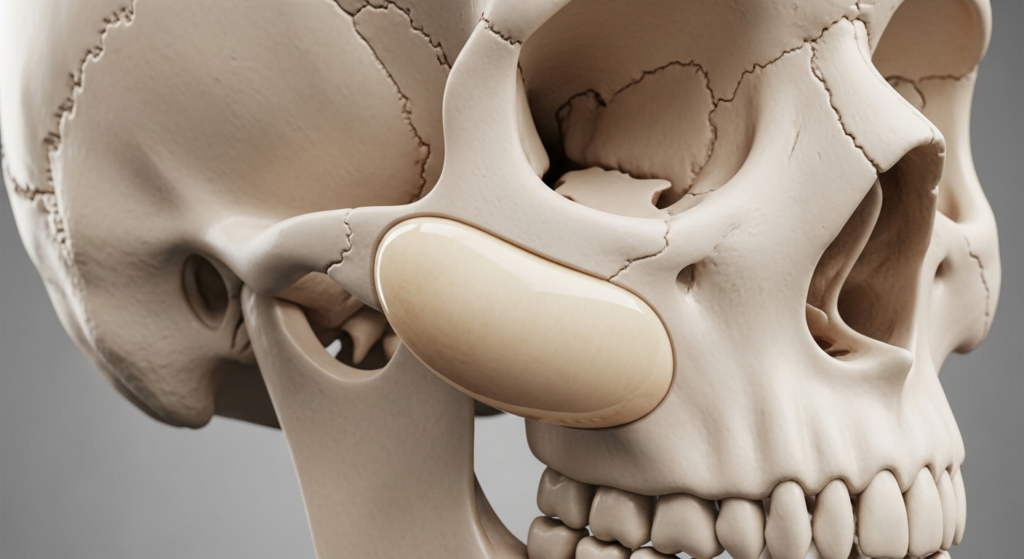
Anatomically, the mandible consists of the body (horizontal portion) and the ramus (vertical portion). The gonial angle is where these two meet. In many individuals seeking masculinization, the mandible is underdeveloped in width or lacks the sharp, posterior projection that defines a strong jaw. Custom implants are designed to wrap around the mandibular angle and body, adding volume to the external surface. Osteotomy, however, targets the bone structure itself. By cutting and repositioning the bone segments, the surgeon can increase the width of the mandibular arch, effectively expanding the skeletal frame that supports the soft tissues and muscles of the lower face.

The Role of the Mandibular Angle in Masculinity

The mandibular angle is the anchor point for the masseter muscle, the primary muscle of mastication. A prominent, wide angle creates a shadow along the jawline, enhancing the perception of strength and width. In facial feminization surgery (FFS), this angle is often reduced to soften the face. Conversely, in masculinization, augmenting this angle is crucial. Custom implants are typically placed in the subperiosteal plane (under the muscle but over the bone) at the mandibular angle and body. They are designed to mimic the natural curvature of the jaw, providing a seamless transition from the chin to the ear.

However, implants have limitations regarding the degree of width they can add without creating an unnatural, bulky appearance. Excessive implant thickness can lead to soft tissue thinning and visibility of the implant edges. Osteotomy allows for a more natural widening because the bone itself is expanded. When the mandible is widened via osteotomy, the masseter muscle is detached and reattached to the new, wider bone position. This not only increases the skeletal width but also allows the muscle to adapt, maintaining the natural bulk and function of the jaw. This biological integration is a key advantage of bone surgery over alloplastic augmentation.

Surgical Pathways: Custom Implants vs. Mandibular Osteotomy

Custom jaw implants are typically manufactured from medical-grade silicone, polyethylene (PEEK), or porous polyethylene (Medpor). The process begins with a 3D CT scan of the patient’s skull. Using computer-aided design (CAD), the surgeon and engineer design an implant that fits the patient’s unique anatomy precisely. The surgery is performed through intraoral incisions inside the mouth, avoiding external scars. The surgeon creates a pocket in the subperiosteal plane and secures the implant with screws to prevent migration. The procedure is generally shorter than osteotomy and is often performed under general anesthesia.

Custom implants offer a predictable aesthetic outcome with a shorter recovery period. They are ideal for patients who desire moderate augmentation (5-10mm) and wish to avoid the complexity of bone healing. However, they are foreign bodies and carry risks of infection, displacement, and capsular contracture over time. For significant width increases, osteotomy remains the gold standard for structural change.

Dr. MFO Clinical Perspective

Mandibular osteotomy is a more invasive procedure that involves cutting the mandible to reposition the segments. The most common technique for widening is the sagittal split osteotomy (SSO), where the ramus is cut vertically and the body is cut horizontally, allowing the lower segment (containing the teeth) to be moved outward. To widen the jaw significantly, distraction osteogenesis is often employed. This involves cutting the bone and attaching an external or internal device that slowly separates the bone segments over several weeks, stimulating new bone growth in the gap. This allows for substantial width increases (10-20mm) that are impossible with implants.

ProcedureTarget AnatomyIncision LocationAnesthesiaRecovery
Custom Jaw ImplantsMandibular Angle & BodyIntraoral (Inside Mouth)General1-2 Weeks (Swelling/Bruising)
Sagittal Split OsteotomyMandibular Ramus & BodyIntraoral (Inside Mouth)General4-6 Weeks (Bone Healing)
Distraction OsteogenesisMandibular BodyIntraoral/ExternalGeneral3-6 Months (Distraction & Consolidation)
Genioplasty (Chin)Mental ProtuberanceIntraoralGeneral/Local2-3 Weeks (Swelling)

The Anatomical Constraints of Implants

While custom implants are versatile, they are constrained by the soft tissue envelope. The skin and muscle covering the jaw must be thick enough to conceal the implant without visible edges or palpability. In patients with thin skin or minimal subcutaneous fat, implants can look unnatural and feel hard to the touch. Furthermore, implants do not address the dental occlusion. If the patient has a narrow bite or misalignment, adding width to the jaw via implants can exacerbate dental issues, causing the teeth to hit incorrectly.

Conversely, osteotomy allows for simultaneous correction of dental occlusion. During a sagittal split osteotomy, the surgeon can move the lower jaw forward or outward to correct an underbite (Class III malocclusion) while widening the jaw. This dual benefit makes osteotomy the preferred choice for patients with functional bite issues alongside aesthetic concerns. However, osteotomy requires a longer healing period. The bone must heal (consolidate) before the patient can chew normally, and orthodontic braces are often required before and after surgery to align the teeth.

Close-up portrait of a man with short brown hair, green eyes, and a trimmed beard, illuminated by warm sunlight against a softly blurred indoor background.

Comparative Analysis: Longevity, Risks, and Costs

When choosing between custom implants and osteotomy, the decision matrix should weigh invasiveness against structural permanence. Custom implants are permanent in the sense that they remain in the body indefinitely, but they are subject to the aging process of the surrounding tissues. Osteotomy provides a permanent structural change to the skeletal framework, which does not degrade over time, though the soft tissues will still age naturally.

‘Custom implants offer a predictable aesthetic outcome with a shorter recovery period. They are ideal for patients who desire moderate augmentation (5-10mm) and wish to avoid the complexity of bone healing. However, they are foreign bodies and carry risks of infection, displacement, and capsular contracture over time. For significant width increases, osteotomy remains the gold standard for structural change.’

Dr. MFO Clinical Perspective
MethodLongevityRecovery TimeKey RisksEstimated Cost Range
Custom Jaw ImplantsPermanent (Foreign Body)2-4 Weeks (Soft Tissue Healing)Infection, Displacement, Palpability, Capsular Contracture£4,000 – £8,000 ($5,000 – $10,000)
Sagittal Split OsteotomyPermanent (Bone Healing)6-8 Weeks (Bone Consolidation)Nerve Damage (Numbness), Malunion, Infection, Relapse£8,000 – £15,000 ($10,000 – $18,000)
Distraction OsteogenesisPermanent (New Bone)3-6 Months (Full Healing)Device Failure, Asymmetry, Infection at Pin Sites£10,000 – £20,000 ($12,000 – $25,000)
Genioplasty (Chin)Permanent (Bone)2-3 WeeksRelapse, Nerve Injury, Asymmetry£3,000 – £6,000 ($3,750 – $7,500)

The Cost-Benefit Analysis

While custom implants appear cheaper initially, the cumulative cost of potential revisions or complications can increase the total expense. Implants may need to be removed or replaced due to infection or aesthetic dissatisfaction. Osteotomy, while more expensive upfront, generally offers a one-time solution. The cost of osteotomy includes the surgeon’s fee, anesthesia, hospital stay, and often orthodontic fees. However, the functional improvement in bite and chewing can add significant value beyond aesthetics.

Risk profiles differ significantly. Surgical complications in osteotomy are generally related to bone healing and nerve function. The inferior alveolar nerve, which runs through the mandible, can be stretched during surgery, leading to temporary or permanent numbness of the lower lip and chin. This is a known risk of mandibular osteotomy. Implant complications are generally soft-tissue related: infection, displacement, or reaction to the foreign material. Neither procedure is risk-free, and the choice often depends on the patient’s tolerance for specific types of complications.

Face Shape Suitability: Which Procedure for Your Anatomy?

The choice between implants and osteotomy is heavily dependent on the existing facial architecture and the desired degree of change. A procedure that looks harmonious on a long face may look disproportionate on a round face. The goal of jaw widening is to balance the facial thirds and fifths, creating a square, masculine silhouette.

Round and Oval Faces

Round faces benefit from angularity to create the illusion of a slimmer, more defined structure. Custom implants are often sufficient for round faces, as they can add width and a sharp gonial angle without drastically altering the overall facial height. However, if the face is also vertically short, a combination of jaw widening and a sliding genioplasty (to lengthen the chin) may be necessary. Osteotomy is generally reserved for round faces requiring significant structural change or correction of a recessed mandible.

Long and Narrow Faces

Long faces require careful management of width to avoid elongating the face further. Custom implants that focus on the posterior angle (gonial angle) rather than the body can widen the jaw without adding too much horizontal bulk at the mid-face level. Osteotomy, particularly distraction osteogenesis, can widen the jaw significantly, but if the vertical height of the face is already long, moving the jaw downward (impaction) might be needed alongside widening. This requires precise planning to avoid a “long and wide” appearance.

Square and Angular Faces

Square faces with strong jawlines are often already masculine but may desire further enhancement. Custom implants are ideal for adding subtle width and definition to an already square jaw. Osteotomy is rarely needed for square faces unless there is a specific skeletal asymmetry or a severe underbite that requires correction. For these patients, the focus is often on the chin (genioplasty) to balance the width of the jaw.

Asymmetry and Structural Defects

Patients with facial asymmetry, such as hemifacial microsomia or post-traumatic deformities, are better candidates for osteotomy. Custom implants can mask asymmetry to a degree, but they cannot correct the underlying skeletal discrepancy. Osteotomy allows the surgeon to move the bone segments independently, correcting asymmetry in three dimensions. Distraction osteogenesis is particularly effective for congenital deficiencies where the mandible is underdeveloped on one or both sides.

A handsome young man with styled dark hair and light stubble, wearing a black suit and black shirt, standing in front of a marble-textured wall bathed in warm, golden sunset light.

Post-Operative Care and Recovery Protocols

Regardless of the chosen procedure, post-operative care dictates the final aesthetic outcome and minimizes complications. Surgical recovery for jaw surgery requires strict adherence to dietary restrictions and hygiene protocols. The complexity of the recovery varies significantly between implants and osteotomy.

Managing Swelling and Diet

For custom implants, swelling peaks at 48-72 hours and subsides significantly within two weeks. Patients are typically on a liquid or soft diet for 1-2 weeks to avoid stressing the intraoral incisions. Cold compresses help reduce swelling, but they must be applied carefully to avoid pressure on the implants. Sleeping with the head elevated is mandatory for the first week to reduce orbital and facial edema.

Osteotomy recovery is more demanding. Swelling can persist for 4-6 weeks. Patients are often on a strict liquid diet for 2-4 weeks, transitioning to soft foods for another 4 weeks. Chewing is strictly prohibited during the bone consolidation phase to prevent displacement of the bone segments. For distraction osteogenesis, patients must turn the distraction device daily according to the surgeon’s protocol, which requires meticulous hygiene to prevent infection at the pin sites (if using an external device).

Long-Term Maintenance and Function

Surgical results from osteotomy are permanent, but the muscles of mastication (masseter and temporalis) must be retrained. After osteotomy, the bite relationship changes, and orthodontic braces are often required for 6-12 months post-surgery to fine-tune the occlusion. Physical therapy may be recommended to restore full jaw mobility and strength.

Custom implants require less long-term maintenance. Once healed, the implants are stable, but patients should avoid trauma to the jaw area. Regular dental check-ups are important to ensure the implants are not affecting dental health. Unlike osteotomy, implants do not change the bite, so orthodontic intervention is rarely needed unless the patient has pre-existing dental issues. However, the aging process continues; as facial volume decreases with age, the implants may become more visible, potentially requiring fat grafting or filler injections in the surrounding areas to maintain a natural look.


Frequently Asked Questions

What is the main difference between jaw implants and osteotomy?

Jaw implants are synthetic materials placed over the bone to add volume, while osteotomy involves cutting and repositioning the bone itself to widen the jaw. Implants are less invasive with a shorter recovery, but osteotomy offers structural change and can correct bite issues.

Can I achieve a masculine jawline without surgery?

Non-surgical options like filler can add temporary volume to the jawline, but they cannot replicate the sharp definition or significant width increase of surgery. For permanent, structural changes, surgical intervention is required.

What is the recovery time for jaw widening surgery?

Recovery varies by procedure. Custom implants typically require 2-4 weeks for soft tissue healing. Sagittal split osteotomy requires 6-8 weeks for bone healing, while distraction osteogenesis can take 3-6 months for full consolidation.

Are the results of jaw widening surgery permanent?

Yes, both custom implants and osteotomy provide permanent results. Implants remain in place indefinitely, while osteotomy results in permanent bone healing. However, natural aging will affect the surrounding soft tissues over time.

Who is a good candidate for custom jaw implants?

Ideal candidates have good skin elasticity, moderate aesthetic goals (5-10mm increase), and no significant bite issues. They should be in good health and have realistic expectations about the limitations of implants.

What are the risks of mandibular osteotomy?

Risks include temporary or permanent numbness of the lower lip and chin (nerve damage), infection, malunion of the bone, and relapse. There is also a risk of temporomandibular joint (TMJ) issues.

Does insurance cover jaw widening surgery?

Generally, no. These are considered cosmetic procedures. However, if osteotomy is performed to correct a functional bite issue (Class III malocclusion), part of the procedure may be covered by medical insurance, but the aesthetic widening component is typically not.

How do I choose between implants and osteotomy?

Consider your aesthetic goals, budget, and tolerance for recovery time. Implants are suitable for moderate enhancement with a faster recovery. Osteotomy is best for significant width increases, correcting bite issues, or addressing skeletal asymmetry. A consultation with a facial surgeon is essential.

Bibliography

  • Dr. MFO. (n.d.). Facial Masculinization Surgery. Retrieved from https://dr-mfo.com/facial-masculinization-surgery
  • Dr. MFO. (n.d.). Jaw Reduction. Retrieved from https://dr-mfo.com/jaw-reduction
  • Dr. MFO. (n.d.). Chin Implant. Retrieved from https://dr-mfo.com/chin-implant
  • Plastic Surgery Practice. (2023). Advancements in Custom Facial Implants: Materials and Design. Retrieved from https://www.plasticsurgerypractice.com
  • Journal of Oral and Maxillofacial Surgery. (2022). Sagittal Split Osteotomy for Mandibular Widening: Long-term Outcomes. DOI: 10.1016/j.joms.2022.01.015
  • American Society of Plastic Surgeons. (n.d.). Jaw Implants. Retrieved from https://www.plasticsurgery.org/cosmetic-procedures/jaw-implants
  • International Journal of Oral and Maxillofacial Surgery. (2021). Distraction Osteogenesis in Facial Asymmetry: A Systematic Review. DOI: 10.1016/j.ijom.2021.02.008

Body Feminization Surgery Costs 2026: Key Factors & Pricing Guide

Close-up of a toned female midsection and waist in a white bikini, with glistening water droplets on tanned skin against a dark background.

Body feminization surgery (BFS) represents a transformative journey for many individuals seeking to align their physical appearance with their gender identity. As the demand for these procedures continues to rise, understanding the financial landscape becomes crucial. The year 2026 brings new insights into the costs associated with BFS, influenced by a myriad of factors ranging from surgeon expertise to geographic location. This guide aims to demystify the pricing structure, ensuring you are equipped with the knowledge to make informed decisions.

The financial reality of body feminization surgery can feel overwhelming. Costs can range from a few thousand dollars for a single procedure to over $100,000 for comprehensive packages. This wide spectrum reflects the complexity of the surgeries involved, the level of customization required, and the additional expenses that often accompany the primary procedures. Whether you are considering liposculpture, breast augmentation, or facial feminization, understanding the cost drivers is essential for effective budget planning.

The financial reality of facial feminization surgery can feel overwhelming – with costs ranging from $4,500 for a single procedure to over $100,000 for comprehensive packages.

— La Belle Vie Cosmetic

Understanding the Core Components of Body Feminization Surgery Costs

Body feminization surgery is not a one-size-fits-all procedure. It encompasses a variety of surgical interventions tailored to the individual’s unique anatomy and aesthetic goals. The cost is influenced by several core components, each contributing to the overall financial investment required. These components include surgeon fees, hospital or facility charges, anesthesia costs, and post-operative care expenses.

Surgeon fees often represent the largest portion of the total cost. Highly experienced surgeons, particularly those specializing in gender-affirming procedures, command higher fees due to their expertise and track record of successful outcomes. The complexity of the surgery also plays a role; procedures requiring intricate techniques or multiple stages will naturally incur higher costs.

Hospital or facility charges are another significant factor. These fees cover the use of the operating room, medical equipment, and the support staff required during the procedure. The quality and reputation of the facility can also impact the cost, with accredited and well-equipped centers often charging more for their services.

Anesthesia is a critical component of any surgical procedure, and its cost varies depending on the type used and the duration of the surgery. General anesthesia, which is commonly required for extensive procedures, is more expensive than local anesthesia. Additionally, the presence of an anesthesiologist or certified registered nurse anesthetist (CRNA) adds to the overall cost.

Post-operative care is an often-overlooked aspect of the total cost. This includes follow-up visits, medications, compression garments, and any additional treatments required for optimal healing. Some patients may also opt for physical therapy or lymphatic drainage sessions to aid recovery, further adding to the expenses.

Body feminization surgery cost varies widely based on the scope of procedures, surgeon experience, and facility charges. The price landscape is shaped by anesthesia, hospital stays, and post-op care as well as geographic differences. Budget planning should account for the full spectrum from consult to recovery.

— Cost Digest
Close-up portrait of a young man with long, wavy brown hair and light eyes, wearing a white collared shirt in an elegant room with ornate gold-gilded decorations.

Key Factors Influencing the Cost of Body Feminization Surgery

The cost of body feminization surgery is influenced by a variety of factors, each contributing to the final price tag. Understanding these factors can help you anticipate expenses and plan your budget accordingly. Below, we explore the most significant cost drivers in detail.

1. Surgeon Expertise and Reputation

The experience and reputation of the surgeon are among the most critical factors affecting the cost. Surgeons with extensive experience in gender-affirming procedures, particularly those who are board-certified and recognized in their field, typically charge higher fees. Their expertise not only ensures better outcomes but also minimizes the risk of complications, which can lead to additional costs down the line.

When selecting a surgeon, it is essential to review their portfolio of before-and-after photos, patient testimonials, and professional credentials. A surgeon who is actively involved in research or teaching may also command higher fees, reflecting their advanced knowledge and skills.

2. Geographic Location

The cost of body feminization surgery can vary significantly depending on the geographic location of the clinic or hospital. Procedures performed in major metropolitan areas or countries with a high cost of living tend to be more expensive. For example, surgeries in the United States or Western Europe are generally pricier than those in countries like Turkey or Thailand, where medical tourism is popular.

However, it is crucial to consider the trade-offs between cost and quality. While traveling abroad for surgery may offer cost savings, it also introduces additional expenses such as travel, accommodation, and potential follow-up care. Moreover, the quality of care and regulatory standards may differ, so thorough research is essential.

3. Scope of Procedures

The total cost of body feminization surgery is directly influenced by the number and complexity of the procedures involved. A comprehensive feminization package may include multiple surgeries such as breast augmentation, liposuction, facial feminization, and genital reconstruction. Each of these procedures carries its own set of costs, and combining them can lead to significant savings compared to undergoing them separately.

For instance, a patient opting for breast augmentation alone may pay between $5,000 and $10,000, while a full-body feminization package could range from $30,000 to $100,000 or more. The complexity of the procedures, such as the need for multiple stages or specialized techniques, will further impact the total cost.

4. Facility and Anesthesia Fees

The choice of facility can significantly affect the overall cost. High-end clinics with state-of-the-art equipment and luxurious amenities will charge more than standard hospitals or outpatient centers. Additionally, the type of anesthesia used—whether local, regional, or general—will influence the cost. General anesthesia, which is often required for extensive procedures, is more expensive due to the need for an anesthesiologist and specialized monitoring equipment.

5. Pre- and Post-Operative Care

Pre-operative consultations, medical tests, and post-operative care are essential components of the total cost. These may include lab work, imaging studies, medications, compression garments, and follow-up visits. Some patients may also require physical therapy or additional treatments to optimize their recovery, all of which contribute to the overall expense.

It is important to factor in the cost of potential complications, which may require additional medical intervention. While complications are rare when procedures are performed by experienced surgeons, they can lead to unexpected expenses if they occur.

Elegant woman with dark wavy hair wearing a white satin camisole, standing in a grand sunlit gallery with marble floors and classical statues in the background.

Breakdown of Common Body Feminization Procedures and Their Costs

Body feminization surgery encompasses a wide range of procedures, each with its own cost structure. Below, we provide a detailed breakdown of some of the most common procedures and their associated costs in 2026.

1. Breast Augmentation

Breast augmentation is one of the most sought-after procedures in body feminization. The cost varies depending on the type of implants used (silicone or saline), the surgical technique, and the surgeon’s expertise. On average, breast augmentation can cost between $5,000 and $12,000. This includes the surgeon’s fee, anesthesia, facility charges, and post-operative care.

Additional costs may arise if the patient requires a breast lift (mastopexy) or fat grafting to achieve the desired shape and volume. These procedures can add $2,000 to $5,000 to the total cost.

2. Liposculpture and Fat Redistribution

Liposculpture, or fat redistribution, is a key component of body feminization. This procedure involves removing fat from areas such as the abdomen, flanks, and thighs and redistributing it to create a more feminine silhouette. The cost of liposculpture ranges from $3,000 to $10,000, depending on the number of areas treated and the complexity of the procedure.

High-definition liposculpture, which involves more precise contouring, can cost upwards of $15,000. This technique requires advanced skills and specialized equipment, contributing to the higher price.

3. Facial Feminization Surgery (FFS)

Facial feminization surgery (FFS) is a collection of procedures designed to soften and feminize facial features. Common procedures include forehead contouring, rhinoplasty, cheek augmentation, and jaw reduction. The cost of FFS varies widely, ranging from $10,000 to $50,000 or more, depending on the number of procedures performed and their complexity.

For example, forehead contouring alone can cost between $5,000 and $10,000, while a full FFS package may exceed $50,000. The choice of materials, such as implants or fat grafting, also influences the cost.

4. Genital Reconstruction Surgery

Genital reconstruction surgery, often referred to as gender confirmation surgery (GCS), is one of the most complex and costly procedures in body feminization. The cost can range from $20,000 to $50,000 or more, depending on the technique used and the surgeon’s expertise. This procedure typically requires multiple stages and extensive post-operative care, contributing to the higher cost.

Additional expenses may include hormone therapy, psychological counseling, and follow-up surgeries to refine the results. It is essential to discuss all potential costs with your surgeon during the consultation phase.

5. Additional Procedures and Enhancements

Many patients opt for additional procedures to enhance their feminization journey. These may include voice feminization surgery, hair transplantation, and skin treatments such as laser hair removal or chemical peels. The cost of these procedures varies widely, with voice surgery ranging from $3,000 to $7,000 and hair transplantation costing between $4,000 and $15,000.

Skin treatments, while less invasive, can also add to the total cost. Laser hair removal sessions, for example, may cost between $200 and $500 per session, with multiple sessions required for optimal results.

Black and white side-profile photograph of a woman's toned abdomen and hip, wearing black athletic wear, with dramatic lighting emphasizing body contours and muscle definition.

Hidden Costs and Financial Planning

When budgeting for body feminization surgery, it is crucial to account for hidden costs that may not be immediately apparent. These can include travel expenses, accommodation, time off work, and unexpected medical needs. Below, we explore some of the most common hidden costs and provide tips for effective financial planning.

1. Travel and Accommodation

For patients traveling to another city or country for surgery, travel and accommodation costs can add significantly to the total expense. Flights, hotel stays, and local transportation should all be factored into the budget. Additionally, some patients may need to extend their stay for follow-up appointments or unexpected recovery delays.

Medical tourism packages may offer discounted rates for surgery and accommodation, but it is essential to research the quality of care and the reputation of the facility before committing.

2. Time Off Work

Recovery from body feminization surgery often requires taking time off work, which can result in lost income. The duration of recovery varies depending on the procedures performed, but most patients need at least 2-4 weeks off for initial healing. More extensive surgeries may require several months before returning to full activity.

It is important to discuss your recovery timeline with your surgeon and plan accordingly. Some patients may qualify for short-term disability benefits or flexible work arrangements, which can help mitigate the financial impact of time off.

3. Medications and Supplies

Post-operative medications, such as pain relievers, antibiotics, and anti-inflammatory drugs, are essential for a smooth recovery. These medications can add several hundred dollars to the total cost. Additionally, compression garments, surgical bras, and other supplies may be required to support healing and achieve optimal results.

It is advisable to purchase these supplies in advance and factor their cost into your budget. Some clinics may offer packages that include post-operative garments and medications, so be sure to inquire about these options.

4. Unexpected Complications

While complications are rare when procedures are performed by experienced surgeons, they can occur and may require additional medical intervention. Potential complications include infections, poor wound healing, and asymmetry, all of which can lead to unexpected costs for revision surgeries or additional treatments.

To mitigate this risk, choose a surgeon with a proven track record and ensure that you follow all pre- and post-operative instructions carefully. Some surgeons offer revision policies or warranties, which can provide financial protection in the event of complications.

5. Psychological Support and Counseling

The emotional and psychological aspects of body feminization surgery are just as important as the physical transformation. Many patients benefit from counseling or support groups before and after surgery to help them navigate the emotional challenges of their journey. These services may incur additional costs, but they are invaluable for achieving a positive outcome.

Some insurance plans may cover mental health services, so it is worth exploring your options. Additionally, many LGBTQ+ organizations offer free or low-cost support resources for individuals undergoing gender-affirming procedures.

Financing Options for Body Feminization Surgery

Given the high cost of body feminization surgery, many patients explore financing options to make the procedures more affordable. Below, we outline some of the most common financing strategies, along with their pros and cons.

1. Personal Savings

Using personal savings is the most straightforward way to finance body feminization surgery. This approach avoids debt and interest charges, making it a financially responsible choice for those who can afford it. However, saving the full amount can take time, delaying the surgery and potentially prolonging emotional distress.

To accelerate your savings, consider setting up a dedicated savings account and automating regular deposits. Cutting back on non-essential expenses and exploring additional income streams can also help you reach your goal faster.

2. Medical Loans

Medical loans are a popular financing option for elective surgeries. These loans are specifically designed to cover medical expenses and often come with competitive interest rates and flexible repayment terms. Many clinics partner with financing companies to offer patients convenient loan options.

Before committing to a medical loan, compare interest rates and repayment terms from multiple lenders. Ensure that the monthly payments fit comfortably within your budget to avoid financial strain.

3. Credit Cards

Using a credit card to finance body feminization surgery is another option, particularly for those with a high credit limit and a low-interest rate. Some credit cards offer promotional periods with 0% interest, which can be advantageous if you can pay off the balance before the promotional period ends.

However, credit cards can be risky if not managed responsibly. High-interest rates and fees can quickly accumulate, leading to long-term debt. It is essential to have a clear repayment plan in place before using a credit card for financing.

4. Crowdfunding

Crowdfunding has become an increasingly popular way to finance gender-affirming surgeries. Platforms like GoFundMe allow individuals to create campaigns and share their stories with a global audience, raising funds from friends, family, and supporters. Crowdfunding can be an effective way to cover a portion or even the entirety of the surgery costs.

To maximize your crowdfunding success, create a compelling campaign with a clear goal and regular updates. Share your story on social media and engage with your supporters to build momentum.

5. Insurance Coverage

While most insurance plans do not cover cosmetic procedures, some aspects of body feminization surgery may be eligible for partial coverage. For example, breast augmentation may be covered if deemed medically necessary for gender dysphoria treatment. Similarly, mental health services and hormone therapy may be covered under some plans.

It is important to review your insurance policy carefully and work with your healthcare provider to explore all possible coverage options. Some employers also offer transgender-inclusive health benefits, so be sure to inquire about these possibilities.

6. Payment Plans

Many clinics offer in-house payment plans that allow patients to pay for their surgery in installments. These plans often come with little to no interest, making them an attractive option for those who prefer to avoid third-party financing. Payment plans can be customized to fit your budget, with flexible terms and manageable monthly payments.

Before committing to a payment plan, ensure that you fully understand the terms and conditions. Ask about any potential fees or penalties for late payments, and confirm that the plan is interest-free.

Choosing the Right Surgeon and Facility

Selecting the right surgeon and facility is one of the most critical decisions you will make in your body feminization journey. The quality of care you receive will directly impact your results, recovery, and overall satisfaction. Below, we outline key considerations to help you make an informed choice.

1. Board Certification and Experience

Ensure that your surgeon is board-certified and has extensive experience in gender-affirming procedures. Board certification indicates that the surgeon has met rigorous standards of training and competency in their field. Additionally, look for a surgeon who specializes in body feminization surgery and has a proven track record of successful outcomes.

Review the surgeon’s portfolio of before-and-after photos to assess their aesthetic style and skill level. Patient testimonials and online reviews can also provide valuable insights into the surgeon’s reputation and patient satisfaction.

2. Facility Accreditation

The facility where your surgery will be performed should be accredited by a recognized organization, such as the Joint Commission or the American Association for Accreditation of Ambulatory Surgery Facilities (AAAASF). Accreditation ensures that the facility meets high standards of safety, hygiene, and patient care.

Tour the facility in person or virtually to get a sense of the environment. Pay attention to the cleanliness, organization, and professionalism of the staff. A well-run facility will prioritize patient comfort and safety, contributing to a positive surgical experience.

3. Consultation Process

A thorough consultation process is essential for achieving the best possible results. During your consultation, the surgeon should take the time to understand your goals, assess your anatomy, and discuss the most appropriate procedures for your needs. They should also provide a detailed breakdown of the costs involved and answer any questions you may have.

Be wary of surgeons who rush the consultation or pressure you into making a decision. A reputable surgeon will prioritize your well-being and ensure that you are fully informed before proceeding with surgery.

4. Post-Operative Care and Support

Post-operative care is a critical component of the surgical journey. Ensure that your surgeon and facility offer comprehensive post-operative support, including follow-up visits, emergency contact information, and access to additional treatments if needed. A strong support system can significantly enhance your recovery experience and outcomes.

Ask about the availability of aftercare services, such as physical therapy, lymphatic drainage, and scar management. These services can help optimize your results and minimize the risk of complications.

5. Geographic Location

The geographic location of the surgeon and facility can significantly impact the cost of body feminization surgery. Procedures performed in major cities or countries with a high cost of living are generally more expensive. However, traveling to a different location for surgery may offer cost savings, provided that you thoroughly research the quality of care and regulatory standards.

If you are considering medical tourism, factor in the additional costs of travel, accommodation, and potential follow-up care. Ensure that the surgeon and facility meet international standards and that you have a clear plan for post-operative support.

Realistic Expectations and Long-Term Considerations

Body feminization surgery is a life-changing journey that requires careful consideration and realistic expectations. While the physical transformation can be profound, it is important to approach the process with a clear understanding of the potential challenges and long-term commitments involved.

1. Setting Realistic Goals

Before undergoing surgery, it is essential to set realistic goals based on your anatomy, health, and personal circumstances. Consult with your surgeon to discuss what can realistically be achieved through surgery and what limitations may exist. Understanding these factors will help you approach the process with a positive and informed mindset.

Keep in mind that body feminization surgery is not a one-size-fits-all solution. Each individual’s journey is unique, and the results will vary based on a variety of factors, including genetics, lifestyle, and adherence to post-operative care instructions.

2. Emotional and Psychological Preparation

The emotional and psychological aspects of body feminization surgery are just as important as the physical transformation. It is normal to experience a range of emotions before and after surgery, including excitement, anxiety, and even temporary doubts. Preparing yourself mentally and emotionally can help you navigate these feelings and achieve a positive outcome.

Consider seeking support from a therapist or counselor who specializes in gender identity issues. Connecting with others who have undergone similar procedures through support groups or online communities can also provide valuable insights and encouragement.

3. Long-Term Maintenance

Body feminization surgery is a significant investment in your physical and emotional well-being, but it is important to recognize that the journey does not end with the surgery itself. Long-term maintenance, including hormone therapy, skin care, and potential touch-up procedures, may be necessary to preserve and enhance your results.

Discuss long-term care plans with your surgeon and healthcare provider to ensure that you are prepared for the ongoing commitments involved. This may include regular follow-up visits, hormone management, and lifestyle adjustments to support your overall health and well-being.

4. Potential Risks and Complications

While body feminization surgery is generally safe when performed by experienced surgeons, it is not without risks. Potential complications include infections, poor wound healing, asymmetry, and dissatisfaction with the results. Understanding these risks and discussing them openly with your surgeon can help you make an informed decision.

To minimize the risk of complications, follow all pre- and post-operative instructions carefully. Choose a surgeon with a proven track record and ensure that you have a strong support system in place to assist you during your recovery.

5. Financial Planning for the Future

Body feminization surgery is a significant financial investment, and it is important to plan for the future to ensure long-term stability. Consider setting aside an emergency fund to cover unexpected expenses, such as revision surgeries or additional treatments. Exploring insurance options and financing strategies can also help you manage the costs effectively.

Work with a financial advisor to create a budget that accounts for both the immediate costs of surgery and the long-term expenses associated with maintenance and follow-up care. This proactive approach will help you achieve your goals while maintaining financial security.

Frequently Asked Questions

What is the average cost of body feminization surgery in 2026?

The average cost of body feminization surgery in 2026 varies widely depending on the procedures involved. A single procedure, such as breast augmentation, may cost between $5,000 and $12,000, while a comprehensive package can range from $30,000 to $100,000 or more. Factors such as surgeon expertise, geographic location, and facility fees all contribute to the total cost.

Does insurance cover body feminization surgery?

Most insurance plans do not cover cosmetic procedures, but some aspects of body feminization surgery may be eligible for partial coverage if deemed medically necessary. For example, breast augmentation may be covered for gender dysphoria treatment. It is important to review your insurance policy and work with your healthcare provider to explore all possible coverage options.

How can I finance body feminization surgery?

There are several financing options available for body feminization surgery, including personal savings, medical loans, credit cards, crowdfunding, and payment plans offered by clinics. Each option has its pros and cons, so it is important to choose the one that best fits your financial situation and long-term goals.

What are the hidden costs of body feminization surgery?

Hidden costs of body feminization surgery may include travel and accommodation expenses, time off work, post-operative medications and supplies, unexpected complications, and psychological support. It is important to factor these costs into your budget to avoid financial surprises.

How do I choose the right surgeon for body feminization surgery?

Choosing the right surgeon involves researching their board certification, experience in gender-affirming procedures, and patient testimonials. It is also important to consider the facility’s accreditation, the consultation process, and the level of post-operative care and support provided.

What is the recovery time for body feminization surgery?

Recovery time varies depending on the procedures performed. Most patients require at least 2-4 weeks off for initial healing, with more extensive surgeries potentially requiring several months before returning to full activity. Your surgeon will provide a detailed recovery timeline based on your specific procedures.

Are there risks associated with body feminization surgery?

As with any surgical procedure, body feminization surgery carries potential risks, including infections, poor wound healing, asymmetry, and dissatisfaction with the results. Choosing an experienced surgeon and following all pre- and post-operative instructions can help minimize these risks.

What long-term maintenance is required after body feminization surgery?

Long-term maintenance after body feminization surgery may include hormone therapy, skin care, and potential touch-up procedures. Regular follow-up visits with your surgeon and healthcare provider are essential to ensure that your results are maintained and optimized over time.

Bibliography

  • La Belle Vie Cosmetic. (2026). Facial Feminization Surgery (FFS) Costs: Complete 2025 Price Guide & Insurance Coverage. Retrieved from https://labelleviecosmetic.com/facial-feminization-surgery-ffs-costs-complete-2025-price-guide-insurance-coverage/
  • Cost Digest. (2026). Body Feminization Surgery Cost: Price Insights. Retrieved from https://costdigest.org/body-feminization-surgery-cost-price-insights/
  • Dr. MFO Clinic. (n.d.). Body Feminization Surgery. Retrieved from https://dr-mfo.com/body-feminization-surgery
  • Dr. MFO Clinic. (n.d.). Facial Feminization Surgery (FFS). Retrieved from https://dr-mfo.com/ffs-facial-feminization-surgery
  • Dr. MFO Clinic. (n.d.). Breast Augmentation. Retrieved from https://dr-mfo.com/breast-augmentation
  • American Society of Plastic Surgeons. (n.d.). Plastic Surgery Statistics Report. Retrieved from https://www.plasticsurgery.org/news/plastic-surgery-statistics
  • World Professional Association for Transgender Health. (2022). Standards of Care for the Health of Transgender and Gender Diverse People. Retrieved from https://www.wpath.org/publications/soc

Almond Eye Surgery vs Fox Eye Lift: Non-Surgical Feminization Guide

A portrait of a woman with elegant makeup, styled dark hair, and a white one-shoulder dress, posed in a classical hall with marble floors and columns.

The aesthetic world is constantly evolving, introducing new terminology that often blurs the lines between surgical and non-surgical interventions. Among the most searched and misunderstood terms are “Almond Eye Surgery” and “Fox Eye Lift.” While both aim to elongate and lift the eye shape, they are fundamentally different in their anatomical goals, procedural techniques, longevity, and the facial structures they address. Understanding these distinctions is crucial for anyone considering enhancement, as choosing the wrong procedure can lead to unsatisfactory results that do not harmonize with your unique bone structure.

The confusion often stems from social media trends, where the terms are used interchangeably to describe the sultry, upward-swept look popularized by models and celebrities. However, from a medical standpoint, an almond eye procedure typically involves the creation of a more prominent lateral canthal angle (the outer corner of the eye), often requiring surgical canthoplasty. In contrast, a fox eye lift is frequently a misnomer for a non-surgical procedure utilizing thread lifts or fillers to create a temporary lift. This guide will dissect the clinical realities of both, comparing the surgical spectrum from blepharoplasty to canthoplasty against the temporary mechanical lifts offered by PDO threads and injectables.

When considering eye enhancement surgery, choosing between an almond eyeshape and foxy eyeshape can feel overwhelming. Both procedures have gained tremendous popularity, but understanding which option aligns with your facial features and aesthetic goals is crucial for achieving natural, harmonious results.

— AB Plastic Surgery Korea
A sophisticated woman with a slicked-back hairstyle and elegant evening makeup, posing in a luxurious, dimly lit bar setting with art deco gold accents and marble background.

Defining the Aesthetics: Almond vs. Fox Eye Anatomy

To understand the procedures, we must first define the anatomy of the eye shape. The “almond eye” is characterized by a balanced width-to-height ratio, with the outer corner (lateral canthus) sitting slightly higher than the inner corner (medial canthus). This creates a softly elongated shape resembling an almond. The “fox eye” is a more exaggerated version, characterized by a dramatic lateral canthal tilt, a sharper outer corner, and often a retraction of the lower eyelid to expose more of the sclera (the white part of the eye), creating a cat-like appearance.

The structural differences dictate the surgical approach. Achieving an almond shape often involves tightening the lateral canthal tendon to pull the outer corner upward and slightly outward. Achieving the fox eye look frequently requires a more aggressive lateral canthoplasty combined with a lateral brow lift, as the brow must support the lifted eyelid skin. Without addressing the brow position, a fox eye lift can result in a strained, unnatural look known as scleral show, where the white of the eye is visible below the iris, often associated with aging or facial palsy.

The Role of the Lateral Canthal Tendon

The lateral canthal tendon is the anchor point for the outer eyelid to the lateral orbital rim (bone). In many East Asian eye shapes, the tendon attachment is lower, contributing to a rounder, more innocent eye shape. To elongate the eye, the surgeon must release this tendon from its lower attachment and reattach it higher on the orbital rim. This is the core mechanical action of a lateral canthoplasty. However, over-resection or improper reattachment can lead to canthal rounding, asymmetry, or ectropion (outward turning of the eyelid).

The difference between a subtle almond eye and a sharp fox eye lies in the vector of pull. An almond eye procedure typically pulls the lateral canthus slightly upward and lateral. A fox eye lift demands a vector that is almost strictly vertical, requiring significant skin excision from the lateral upper eyelid and often the temporal region. This is why the fox eye look is rarely achievable with non-surgical methods alone without significant anatomical compromise.

Extreme close-up of a detailed hazel eye with long eyelashes, illuminated by warm, golden light.

Surgical Pathways: Canthoplasty and Blepharoplasty

Surgical eye shaping offers the most permanent and anatomically sound results. The primary vehicle for this is the combination of blepharoplasty (eyelid surgery) and canthoplasty. An upper blepharoplasty removes excess skin and fat from the upper eyelid, creating a “double eyelid” crease which is often a prerequisite for the fox eye aesthetic. Without a defined supratarsal crease, the lifted lateral skin can fold over, obscuring the elongation.

A fox eye lift is a non-surgical cosmetic procedure designed to give the eyes a more lifted, elongated, and almond-shaped appearance—similar to the sleek, angled look often seen on models and celebrities.

— Wave Plastic Surgery

The gold standard for permanent fox eye lifting is the Modified Lateral Canthoplasty with Canthopexy. This involves a small incision at the lateral canthus. The surgeon identifies the lateral canthal tendon, releases it, and repositions it to a more superior and lateral point on the orbital rim. Sutures are then placed to secure the tendon (canthopexy) and the lateral eyelid skin is trimmed. This procedure is invasive and requires local or general anesthesia, but the results are permanent and address the underlying skeletal structure.

ProcedureTarget AnatomyIncision LocationAnesthesiaRecovery
Lateral CanthoplastyLateral Canthal Tendon, Orbital RimLateral Canthus (Outer Eye Corner)Local with Sedation7-10 Days (Swelling/Bruising)
Upper BlepharoplastyUpper Eyelid Skin, Fat PadsNatural Crease LineLocal5-7 Days (Sutures Removal)
CanthopexyLateral Canthal Tendon (Reinforcement)Conjunctival or ExternalLocal3-5 Days (Minimal)
Temporal Lift (Endoscopic)Temporoparietal Fascia, BrowScalp/TemplesGeneral/Local10-14 Days (Lifting Sensation)

The Anatomical Constraints of Surgery

Not every face is suitable for a dramatic fox eye lift. Patients with shallow orbital rims (the bony socket) may lack the structural support to hold a high lateral canthal reattachment, leading to relapse or canthal dystopia (abnormal positioning). Conversely, patients with deep-set eyes and prominent brow bones (supraorbital ridges) may find that a fox eye lift exacerbates a heavy brow, making the eyes look smaller rather than more open.

For these anatomical reasons, Almond Eye Surgery is often considered a safer choice for faces that lack a high, prominent brow ridge. It creates the illusion of length without the vertical lift, preserving the natural eyelid architecture. The procedure is essentially a lateral canthoplasty that widens the eye horizontally rather than lifting it vertically. This is particularly effective for eyes that are naturally round or have epicanthal folds (the skin fold at the inner corner of the eye), which can be addressed simultaneously via an epicanthoplasty.

A close-up portrait of a young woman with flawless, glowing skin and well-defined eyebrows, posing against a neutral marble-textured background.

Non-Surgical Fox Eye Lifts: Threads and Injectables

The rise of the “fox eye” trend was largely driven by non-surgical methods, specifically PDO thread lifts and dermal fillers. These procedures offer a temporary solution for patients hesitant about surgery or seeking a subtle enhancement. However, they have distinct limitations regarding the degree of lift and longevity.

‘At Dr. MFO, we recognize that the ‘Almond Eye’ vs ‘Fox Eye’ debate is essentially a choice between a subtle, permanent anatomical widening and a dramatic, structural lift. The Fox Eye’ look often requires anchoring the lateral canthal tendon to the orbital rim, a surgical maneuver that non-surgical threads simply cannot replicate safely over the long term.’

Dr. MFO Clinical Perspective

PDO Thread Lifts: Mechanical Suspension

Polydioxanone (PDO) threads are dissolvable sutures inserted under the skin to mechanically pull the lateral eyelid and temple area upward. Barbed threads are often used to grip the subcutaneous tissue, providing a lifting effect that peaks at 1-2 months and lasts up to 6-12 months. While effective for mild sagging, PDO threads cannot reposition the lateral canthal tendon. They simply suspend the skin and superficial fascia. Over time, as the threads dissolve and the tissue settles, the fox eye appearance fades.

Risks associated with thread lifts include thread snapping, visibility of the thread under the skin, infection, and asymmetry. In the delicate lateral eye area, improper placement can damage the orbicularis oculi muscle or the zygomatic branch of the facial nerve, leading to temporary or permanent asymmetry. Therefore, thread lifts are best suited for patients with good skin elasticity who desire a “preview” of a potential surgical outcome rather than a permanent change.

Botox and Fillers: The Contouring Approach

Non-surgical fox eye contouring relies heavily on neuromodulators (Botox) and hyaluronic acid fillers. Botox is injected into the orbicularis oculi muscle (specifically the lateral fibers) and sometimes the depressor supercilii. Relaxing the lateral orbicularis reduces the downward pull on the eyelid, allowing the frontalis muscle (forehead) to lift the tail of the brow more effectively. This creates a subtle lateral lift and the “cat eye” almond shape.

Fillers are used to volumize the temple and tail of the brow. Hollowing in the temporal fossa can cause the lateral eyelid to appear heavy and unsupported. By injecting filler into the temple, the lateral brow is supported from underneath, providing a lifted appearance. This is often combined with a lateral canthal filler placement to camouflage the scleral show. However, this approach addresses the soft tissue, not the bone or tendon, making it a temporary suspension rather than a structural change. Results typically last 4-6 months.

Comparative Analysis: Longevity, Risks, and Costs

When choosing between Almond Eye Surgery and a Fox Eye Lift, the decision matrix should weigh permanence against invasiveness. Surgical canthoplasty is the only method that provides a permanent alteration of the eye’s skeletal and soft tissue framework. Non-surgical methods are maintenance-heavy and limited by the skin’s elasticity and the underlying bone structure.

‘Achieving the ‘Fox Eye’ aesthetic involves one of three distinct clinical pathways: Surgical Canthoplasty/Brow Lift (permanent), PDO Thread Lifts (temporary mechanical lift), or Botox & Fillers (subtle non-surgical contouring). This guide compares the longevity, risks, and costs (£500–8,000) of each method to help you decide which approach suits your anatomy.’

— Eyes Defined
MethodLongevityRecovery TimeKey RisksEstimated Cost Range
Surgical CanthoplastyPermanent1-2 Weeks (Visible Swelling)Asymmetry, Scarring, Ectropion, Canthal Rounding£3,000 – £8,000 ($4,000 – $10,000)
PDO Thread Lift6-12 Months1-3 Days (Minor Bruising)Thread Snapping, Infection, Asymmetry, Puckering£500 – £1,500 ($650 – $2,000)
Botox & Fillers3-6 MonthsNone (Needle Marks)Tyndall Effect (Filler), Over-relaxation (Botox), Vascular Occlusion£300 – £800 ($400 – $1,000)
Almond Eye SurgeryPermanent7-10 DaysHorizontal Shortening, Scar Contracture£2,500 – £6,000 ($3,200 – $7,500)

The Cost-Benefit Analysis

While non-surgical options appear cheaper initially, the cumulative cost over 3-5 years often exceeds the one-time cost of surgery. A patient opting for annual thread lifts (£1,000/year) will spend £5,000 in five years, without achieving the structural change of a £4,000 surgical canthoplasty. Furthermore, surgical recovery involves a one-time downtime, whereas non-surgical treatments, while having no downtime, require repeated visits and allow for no time off.

Risk profiles also differ significantly. Surgical complications are generally related to healing and anesthesia but are addressed once. Non-surgical complications can be cumulative; for example, repeated filler injections in the tear trough or lateral canthus can lead to filler fatigue, where the skin becomes stretched or the filler migrates, creating an unnatural appearance. Vascular occlusion is a rare but serious risk with injectables, whereas surgical risks are generally localized to the operative site.

Face Shape Suitability: Which Procedure for Your Anatomy?

The choice between an almond eye and a fox eye lift is heavily dependent on your existing facial architecture. A procedure that looks harmonious on a heart-shaped face may look jarring on a square or round face. The goal of any eye enhancement is to balance the facial thirds and fifths, not to isolate the eyes.

Round Faces

Round faces benefit from elongation to create the illusion of a slimmer facial structure. An almond eye surgery, which focuses on horizontal widening, can help elongate the face. However, a fox eye lift that emphasizes vertical lifting may emphasize the roundness of the cheeks if not accompanied by facial contouring (such as jaw reduction or cheekbone augmentation). For round faces, a subtle lateral canthoplasty is often preferred over a dramatic fox eye lift.

Square Faces

Square faces, characterized by a strong jawline and angular features, can handle the drama of a fox eye lift. The sharp angles of the outer eye complement the angularity of the jaw. A surgical fox eye lift with a lateral brow lift can create a striking, feline symmetry that balances a heavy lower face. Almond eye surgery on a square face might look too soft, failing to provide enough contrast to the strong jaw.

Long/Oval Faces

For long or oval faces, the goal is to avoid adding too much vertical height. A fox eye lift that aggressively lifts the brow can elongate the face further, which is usually undesirable. Instead, an almond eye procedure that adds horizontal width can balance the length of the face. Lateral canthoplasty combined with a subtle mid-face lift is often the ideal combination here, keeping the eye shape within the horizontal plane of the face.

Deep-Set Eyes vs. Prominent Eyes

Prominent eyes (eyes that sit forward on the orbital rim) are excellent candidates for fox eye lifts because they have the structural support to handle a lateral lift. However, over-lifting can expose too much sclera. Deep-set eyes (eyes set back in the socket) are better suited for almond eye surgery. A fox eye lift on deep-set eyes risks creating a “skeletal” look where the eyelid tightness creates a hollow appearance. Here, fat grafting combined with lateral canthoplasty is often the recommended approach.

Post-Operative Care and Recovery Protocols

Regardless of the chosen procedure, post-operative care dictates the final aesthetic outcome. Surgical canthoplasty requires strict hygiene to prevent infection at the lateral incision site. Patients must avoid contact lenses for at least 4-6 weeks and use specific ointments to prevent scar contracture.

Managing Swelling and Scarring

Sleeping with the head elevated is mandatory for the first two weeks to reduce orbital edema. Cold compresses help, but they must not touch the skin directly to avoid frostbite. For surgical almond eye or fox eye lifts, scar management typically involves silicone gel sheets applied to the lateral canthus once the sutures are removed. Sun protection is critical, as UV exposure can darken the lateral scar, making it visible.

Non-surgical recovery is faster but requires different precautions. After a PDO thread lift, patients must avoid excessive facial movements (chewing hard foods, exaggerated smiling) for two weeks to prevent the threads from shifting. For fillers, massage is generally discouraged unless correcting unevenness, and patients should avoid blood-thinning medications to minimize bruising.

Long-Term Maintenance

Surgical results are permanent, but the aging process continues. A fox eye lift does not stop the descent of the brow or the loss of facial volume. Patients may still require non-surgical maintenance, such as Botox for brow positioning or filler for temple hollowing, 5-10 years after surgery to maintain the optimal aesthetic. Conversely, non-surgical patients must commit to a schedule of touch-ups every 4-6 months to maintain the look.


Frequently Asked Questions

Is Almond Eye Surgery the same as Fox Eye Lift?

No, they are distinct procedures. Almond Eye Surgery typically refers to a lateral canthoplasty that widens the eye horizontally for a soft, elongated shape. A Fox Eye Lift usually implies a vertical lift of the lateral canthus and brow to create a dramatic, cat-like slant, often achieved through surgical canthoplasty or non-surgical thread lifts.

Can I achieve a Fox Eye look without surgery?

Yes, non-surgical methods like PDO thread lifts and Botox can create a temporary fox eye lift. Thread lifts mechanically suspend the skin, while Botox relaxes the muscles pulling the brow down. However, these results are temporary (3-12 months) and cannot match the structural changes of surgical canthoplasty.

What is the recovery time for surgical eye shaping?

Recovery varies by procedure. A lateral canthoplasty typically requires 7-10 days for significant swelling and bruising to subside. Upper blepharoplasty recovery is usually 5-7 days. You should avoid contact lenses and eye makeup for at least 4-6 weeks post-surgery.

Are the results of Almond Eye Surgery permanent?

Yes, surgical canthoplasty provides permanent results by repositioning the lateral canthal tendon. However, the natural aging process will continue to affect the surrounding skin and tissues over time.

Who is a good candidate for a Fox Eye Lift?

Ideal candidates have good skin elasticity, a prominent brow ridge, and a desire for a dramatic lateral lift. Candidates should have healthy eyes without severe dryness or sagging eyelids that could complicate the procedure.

What are the risks of non-surgical Fox Eye Lifts?

Risks include thread migration or visibility, infection at the injection site, asymmetry, and bruising. With filler-based fox eye lifts, there is a risk of vascular occlusion if injected into a blood vessel, though rare when performed by an experienced injector.

Does insurance cover Almond Eye or Fox Eye surgery?

Generally, no. These are considered cosmetic procedures. However, if a blepharoplasty is performed for medical reasons (e.g., obstructed vision), part of the procedure may be covered, but the specific canthoplasty component for aesthetic widening is typically not.

How do I choose between Almond and Fox Eye shapes?

Consider your natural facial anatomy. Almond shapes suit those seeking subtle elongation and balance. Fox suits those with angular features desiring a dramatic lift. Consultation with a facial plastic surgeon is essential to analyze your bone structure and soft tissue.

Bibliography

  • Eyes Defined. (n.d.). The Fox Eye Trend: Everything You Need to Know About the Fox Eye Lift. Retrieved from https://www.eyesdefined.com/fox-eye-trend-everything-you-need-to-know-about-the-fox-eye-lift/
  • AB Plastic Surgery Korea. (n.d.). Almond Eyeshape vs. Foxy Eyeshape: A Selection Guide by AB Plastic Surgery. Retrieved from https://abplasticsurgerykorea.com/ab-blog/almond-eyeshape-vs-foxy-eyeshape-a-selection-guide-by-ab-plastic-surgery
  • Wave Plastic Surgery. (n.d.). What is a Fox Eye Thread Lift?. Retrieved from https://waveplasticsurgery.com/what-is-a-fox-eye-thread-lift/
  • Dr. MFO. (n.d.). Cat Eyes Surgery. Retrieved from https://dr-mfo.com/cat-eyes-surgery
  • American Society of Plastic Surgeons. (n.d.). Blepharoplasty. Retrieved from https://www.plasticsurgery.org/cosmetic-procedures/blepharoplasty
  • Jamil, W. (2023). Aesthetic Eye Surgery: Canthoplasty and Blepharoplasty Techniques. Aesthetic Surgery Journal, 43(4), 450-462. DOI: 10.1093/asj/sjad012

Revision Blepharoplasty: Fixing Hollow Eyes with Fat Transfer | Dr. MFO

Close-up portrait of a woman with natural, radiant skin showing detailed texture, illuminated by bright sunlight.

Revision blepharoplasty represents one of the most challenging frontiers in aesthetic facial surgery, particularly when addressing the devastating consequences of over-resection. When too much fat is removed during primary eyelid surgery, the result is often a hollowed, sunken appearance that ages the face prematurely and creates a perpetually tired or ill expression. Unlike primary blepharoplasty, which focuses on removing excess tissue, revision surgery requires the delicate artistry of reconstruction—restoring volume, harmony, and natural contours through precise fat transfer techniques. This procedure is not merely cosmetic; it is restorative, aiming to return the eyes to their natural, youthful state while preserving the delicate anatomy of the periorbital region.

The complexity of revision blepharoplasty cannot be overstated. Scar tissue from previous surgeries, altered anatomy, and compromised blood supply create a surgical landscape that demands exceptional expertise. The goal is to correct hollow eyes without creating new asymmetries or complications. Fat transfer, specifically using microfat or nanofat grafting, has emerged as the gold standard for addressing post-blepharoplasty hollowing. This technique involves harvesting fat from the patient’s own body—typically the abdomen or thighs—and carefully injecting it into the hollowed areas of the eyelids. The precision required for this procedure is immense, as the eyelid skin is the thinnest in the body, and any irregularity can be visibly apparent.

Revision eyelid surgery is not about doing more, it’s about doing exactly what’s needed, and nothing more.

— Dr. Serge Zogheib

Understanding the anatomy of the periorbital region is crucial for successful revision surgery. The eyelids contain several fat compartments: the medial, central, and lateral fat pads in the upper eyelids, and the medial and lateral fat pads in the lower eyelids. Over-resection typically occurs when surgeons remove too much of the medial fat pad, which is located near the nose and contains the lacrimal gland. When this fat is removed, the upper eyelid loses its natural convexity, creating a hollowed appearance that can make the eyes look deep-set and aged. The lower eyelid is equally vulnerable; excessive removal of the medial fat pad can create a hollow tear trough, accentuating dark circles and creating a tired appearance.

A close-up portrait of a woman with long brown hair, natural makeup, and gold hoop earrings, posed in a dimly lit, luxurious lounge with marble walls and warm ambient lighting.

The Pathophysiology of Post-Blepharoplasty Hollowing

Post-blepharoplasty hollowing is not simply a matter of lost volume; it is a complex interplay of structural changes, scar tissue formation, and altered lymphatic drainage. When fat is over-resected, the remaining fat compartments can become displaced, creating irregularities in the eyelid contour. Additionally, the surgical trauma triggers an inflammatory response that leads to fibrosis and scar tissue formation. This scar tissue can contract over time, further exacerbating the hollowed appearance by pulling the skin inward and creating adhesions to the underlying orbital septum.

The blood supply to the eyelids is also compromised during primary surgery, making revision procedures more challenging. The ophthalmic artery branches supply the periorbital region, and surgical scarring can disrupt these delicate vessels. When performing fat transfer, the surgeon must account for this reduced vascularity, as the survival of transferred fat depends on adequate blood supply. This is why microfat grafting, which uses smaller fat particles, is preferred over traditional fat grafting for eyelid revisions. Smaller fat particles have a higher surface area-to-volume ratio, allowing for better integration with the surrounding tissue and improved survival rates.

Anatomical Considerations for Fat Transfer

The periorbital anatomy requires meticulous attention during revision surgery. The orbital septum, a thin membrane that separates the orbital contents from the eyelid skin, must be carefully preserved. Violation of the septum can lead to orbital fat herniation or damage to the levator palpebrae superioris muscle, which controls eyelid elevation. The surgeon must also be aware of the location of the supraorbital and supratrochlear neurovascular bundles, which run along the superior orbital rim. These structures are vulnerable during fat injection and must be avoided to prevent sensory deficits or hematoma formation.

The tear trough deformity, a common sequela of lower blepharoplasty, requires special consideration. This area is bounded by the orbital rim inferiorly and the orbicularis oculi muscle superiorly. The transition zone between the eyelid and cheek is delicate, and improper fat placement can create a visible ridge or malar edema. The ideal technique involves placing small aliquots of fat in a supraperiosteal plane, gradually building volume to create a smooth transition from the eyelid to the cheek. This requires a deep understanding of the facial fat compartments and their relationships.

Revision blepharoplasty is far more complex than primary eyelid surgery.

— Dr. Floralevin

Surgical Techniques for Fat Transfer in Revision Blepharoplasty

The surgical approach to revision blepharoplasty with fat transfer begins with a thorough preoperative assessment. The surgeon must evaluate the degree of hollowing, the quality of the skin, the presence of scar tissue, and the overall facial harmony. Photographic documentation and 3D imaging can be invaluable tools for planning. The procedure is typically performed under local anesthesia with sedation, allowing the patient to cooperate during critical moments while ensuring comfort.

Fat harvesting is the first step in the process. The abdomen or inner thighs are common donor sites. The surgeon uses a specialized cannula to gently aspirate fat, minimizing trauma to the adipocytes. The harvested fat is then processed to remove blood, oil, and debris. For eyelid revisions, microfat processing is essential. This involves filtering the fat through a series of fine meshes to create small, uniform fat particles. Some surgeons also use nanofat, which is further processed to create an emulsion of fat cells and stromal vascular fraction (SVF), rich in stem cells that enhance graft survival and tissue regeneration.

A close-up portrait of a woman with striking green eyes wearing a grey hijab, set against the backdrop of a softly lit, arched architectural structure.

Injection Technique and Placement

The injection technique is where the artistry of revision blepharoplasty truly shines. Using a fine-gauge cannula (typically 22-25 gauge), the surgeon creates entry points at strategic locations along the eyelid. The cannula is inserted into the subcutaneous plane, and small aliquots of fat (0.1-0.2 ml) are deposited in a fan-like pattern. The key is to place the fat in multiple layers and planes to ensure even distribution and minimize the risk of clumping or irregularity. For the upper eyelid, the fat is placed in the supratarsal crease area to restore the natural convexity. For the lower eyelid, the fat is placed along the orbital rim to correct the tear trough and hollowing.

The amount of fat transferred is critical. Overfilling can create a puffy, unnatural appearance, while underfilling may not achieve the desired correction. The surgeon must account for the resorption rate of transferred fat, which typically ranges from 30-50% over the first year. Therefore, slight overcorrection is often necessary, but this must be done judiciously to avoid creating new deformities. The use of intraoperative ultrasound or 3D imaging can help guide the placement and ensure symmetry between both eyes.

TechniqueParticle SizeSurvival RateBest ForRecovery
Microfat Grafting0.8-1.2 mm60-70%Upper eyelid hollowing, moderate tear troughs5-7 days (swelling)
Nanofat Grafting0.3-0.5 mm40-50%Fine lines, delicate areas, skin quality improvement3-5 days (minimal)
Structural Fat Grafting1.5-2.0 mm70-80%Deep hollows, significant volume loss7-10 days (moderate)
Composite Fat GraftingVariable65-75%Combined skin and volume rejuvenation5-8 days (variable)

Combining Fat Transfer with Other Revision Procedures

Revision blepharoplasty rarely exists in isolation. Hollow eyes are often accompanied by other sequelae of over-resection, including eyelid retraction, canthal dystopia, and skin laxity. Therefore, a comprehensive revision plan often involves multiple procedures performed simultaneously. Fat transfer can be combined with canthopexy, lateral canthoplasty, or even endoscopic brow lifting to address the entire periorbital complex.

Canthopexy is frequently performed in conjunction with fat transfer to address lower eyelid malposition. Over-resection can weaken the lateral canthal tendon, causing the eyelid to sag or retract. Canthopexy involves tightening the tendon without repositioning it, providing support to the eyelid while the fat transfer restores volume. For more severe cases, lateral canthoplasty may be necessary to reposition the tendon to a higher, more anatomical position on the orbital rim.

Addressing Skin Quality and Laxity

Scar tissue and skin laxity are common challenges in revision surgery. The skin may be thinned, discolored, or adherent to the underlying structures. Fat transfer can improve skin quality by delivering stem cells and growth factors that promote collagen production and tissue regeneration. However, significant skin laxity may require additional procedures such as laser resurfacing or limited skin excision. The timing of these procedures is critical; laser resurfacing is typically delayed for 3-6 months after fat transfer to allow the grafts to stabilize.

For patients with severe skin laxity, a lateral subciliary approach may be considered to remove excess skin while preserving the fat grafts. This requires careful dissection to avoid disrupting the newly placed fat. The incision is placed in a natural crease to minimize visible scarring. In some cases, a transconjunctival approach may be used for lower eyelid revisions, avoiding external incisions altogether.

Patient Selection and Preoperative Planning

Not all patients with hollow eyes are candidates for revision blepharoplasty with fat transfer. Ideal candidates have realistic expectations, good overall health, and sufficient donor fat. Patients with severe scarring, active infection, or uncorrected eyelid retraction may require more extensive reconstruction. A thorough medical history is essential, including previous surgical records, to understand the extent of over-resection and the techniques used.

Preoperative evaluation includes a detailed examination of the eyelid anatomy, skin quality, and facial harmony. The surgeon must assess the degree of hollowing, the presence of scar tissue, and the mobility of the eyelids. Photographs are taken from multiple angles, and 3D imaging can be used to simulate the expected results. Patients should be informed about the limitations of revision surgery; while significant improvement is possible, perfection is not always achievable, especially in cases of severe over-resection.

Managing Patient Expectations

Managing expectations is crucial in revision surgery. Patients often come to revision procedures with a history of disappointment and may have unrealistic hopes. It is important to explain that revision blepharoplasty is more complex than primary surgery, with a higher risk of complications and a longer recovery period. The goal is improvement, not perfection. Patients should understand that fat transfer is a gradual process; the final result may not be apparent for 6-12 months as the grafts settle and resorb.

The emotional aspect of revision surgery cannot be overlooked. Many patients experience anxiety or depression due to their previous surgical outcomes. A compassionate approach, combined with clear communication, helps build trust and ensures that the patient is psychologically prepared for the procedure and recovery. Support groups or counseling may be recommended for patients with significant emotional distress.

A woman with shoulder-length brown hair looking thoughtfully towards the camera on a sunset-lit balcony with a view of ancient Roman ruins in the background.

Postoperative Care and Recovery

Recovery from revision blepharoplasty with fat transfer requires patience and adherence to postoperative instructions. The first 48 hours are critical for minimizing swelling and bruising. Patients are advised to keep their head elevated, even during sleep, and to apply cold compresses intermittently. Avoiding strenuous activities and bending over is essential to prevent increased blood pressure, which can lead to bleeding or hematoma formation.

Swelling and bruising typically peak at 48-72 hours and gradually subside over the first two weeks. Patients may experience tightness or mild discomfort, which can be managed with prescribed pain medication. It is important to avoid rubbing or massaging the eyelids, as this can displace the fat grafts. The use of ointments or eye drops may be recommended to keep the eyes lubricated, especially if there is temporary dryness due to surgical trauma.

Long-Term Follow-Up and Maintenance

Long-term follow-up is essential to monitor the survival of the fat grafts and address any complications. Patients are typically seen at 1 week, 1 month, 3 months, 6 months, and 1 year postoperatively. At each visit, the surgeon assesses the volume retention, symmetry, and overall aesthetic outcome. Touch-up procedures may be necessary if there is significant resorption or asymmetry. These are usually performed after 6 months when the grafts have stabilized.

Maintenance of the results involves protecting the eyes from sun damage, avoiding smoking, and maintaining a healthy lifestyle. While the transferred fat is permanent, the natural aging process continues. Patients may choose to have non-surgical treatments such as Botox or fillers in the future to address dynamic wrinkles or volume loss in other areas of the face. However, the eyelid area should be treated conservatively to avoid disrupting the surgical results.


Bibliography

  • Zogheib, S. (2026). Revision Eyelid Surgery: Managing Unintended Consequences. Retrieved from https://www.sergezogheibmd.com/reading-material/eyelid-revision-surgery-managing-unintended-consequences
  • Levin, F. (2026). Common Signs That You May Need a Revision Blepharoplasty. Retrieved from https://www.drfloralevin.com/blog/common-signs-that-you-may-need-a-revision-blepharoplasty/
  • Dr. MFO. (n.d.). Nanofat Injection & Fat Grafting. Retrieved from https://dr-mfo.com/nanofat-injection-fat-grafting
  • American Society of Plastic Surgeons. (n.d.). Blepharoplasty. Retrieved from https://www.plasticsurgery.org/cosmetic-procedures/blepharoplasty
  • Chen, W. P. (2022). Periorbital Fat Grafting: Techniques and Outcomes in Revision Blepharoplasty. Aesthetic Surgery Journal, 42(8), 890-902. DOI: 10.1093/asj/sjac045
  • Goldstein, M. H., & Lam, S. M. (2021). Microfat Grafting for Periorbital Rejuvenation. Facial Plastic Surgery Clinics of North America, 29(3), 345-356. DOI: 10.1016/j.fsc.2021.03.005

Temporal Peak Augmentation: Balancing the Forehead for Youthful Harmony

A portrait of a young woman with natural features and long dark hair, illuminated by warm golden hour sunlight, wearing a white embroidered top with a soft, blurred outdoor background.

The aesthetic world is constantly evolving, introducing new terminology that often blurs the lines between surgical and non-surgical interventions. Among the most searched and misunderstood terms are “Temporal Peak Augmentation” and “Forehead Balancing.” While both aim to create a harmonious upper facial structure, they are fundamentally different in their anatomical goals, procedural techniques, longevity, and the facial structures they address. Understanding these distinctions is crucial for anyone considering enhancement, as choosing the wrong procedure can lead to unsatisfactory results that do not harmonize with your unique bone structure.

The confusion often stems from social media trends, where the terms are used interchangeably to describe the sculpted, youthful forehead popularized by models and celebrities. However, from a medical standpoint, temporal peak augmentation typically involves the strategic placement of solid implants or fat grafting to enhance the temporal fossa and create a more defined temporal ridge. In contrast, forehead balancing is frequently a broader term encompassing brow bone reduction, hairline advancement, and contouring of the entire upper third of the face. This guide will dissect the clinical realities of both, comparing the surgical spectrum from temporal implants to endoscopic lifts against the temporary mechanical lifts offered by non-surgical alternatives.

Ultrasoft solid temporal implants are a permanent method of temporal augmentation.

— Explore Plastic Surgery
A sophisticated portrait of a woman with sleek hair, smooth skin, and natural makeup, posing elegantly against a background of green marble and gold art deco-style detailing.

Defining the Aesthetics: Temporal Peak vs. Forehead Balance

To understand the procedures, we must first define the anatomy of the temporal region. The “temporal peak” refers to the lateral prominence of the temporal bone, located just above the zygomatic arch and anterior to the ear. This area, covered by the temporalis muscle and fascia, creates the lateral border of the forehead. A well-defined temporal peak contributes to a heart-shaped face, creates shadowing that slims the face, and provides structural support to the lateral brow. “Forehead balancing,” conversely, addresses the entire upper third of the face, including the glabella (brow bridge), the supraorbital rim, and the hairline. It aims to correct asymmetries, reduce prominence, or advance the hairline to improve facial proportions.

The structural differences dictate the surgical approach. Achieving a defined temporal peak often involves the placement of solid silicone or porous polyethylene implants into the temporal fossa. This creates a permanent lateral augmentation that supports the soft tissues. Achieving forehead balance frequently requires a combination of brow bone reduction (osteoplasty), hairline advancement (scalp excision), and temporal contouring. Without addressing the temporal peak, a reduced brow bone can result in a hollowed, unnatural appearance, particularly in the lateral gaze. This is why temporal augmentation is often performed in conjunction with forehead reduction for a harmonious result.

The Role of the Temporal Fascia and Bone

The temporal fossa is a complex anatomical space bounded by the temporal line superiorly, the zygomatic arch inferiorly, and the temporalis muscle deep to the superficial fascia. The superficial temporal fascia (temporoparietal fascia) is a thin, vascular layer that must be carefully dissected during surgery to avoid injury to the superficial temporal artery. In many individuals, particularly those of Asian descent or those with significant weight loss, the temporal fossa is naturally hollow due to a lack of subcutaneous fat or a recessed temporal bone. To augment this area, the surgeon must create a pocket between the temporal fascia and the temporalis muscle fascia.

The difference between a subtle temporal augmentation and a dramatic peak lies in the implant shape and placement vector. A modest temporal peak procedure typically uses a small, winged implant that fills the lateral fossa without extending too far medially. A dramatic temporal augmentation for facial feminization or masculinization may require a larger, custom-designed implant that extends from the lateral orbital rim to the parietal bone. This is why patient-specific PEEK implants are increasingly used for complex cases, as they can be designed to match the exact curvature of the patient’s skull.

Designed by prominent surgeons, Implantech’s facial implants provide the youthful, cosmetic and reconstructive solutions desired by your patients.

— Implantech
A close-up portrait of a woman with elegant dark hair, hazel eyes, and natural makeup, positioned in front of a dark, luxurious wall with ornate gold architectural detailing.

Surgical Pathways: Implants, Fat Grafting, and Endoscopic Lifts

Surgical temporal augmentation offers the most permanent and anatomically sound results. The primary vehicles for this are solid implants, autologous fat grafting, and endoscopic temporal lifts. Solid implants provide immediate, predictable volume and are ideal for patients with significant hollowing or those seeking a specific contour. Fat grafting offers a more natural feel but has variable survival rates (30-70%) and may require multiple sessions. The endoscopic temporal lift addresses the soft tissue component by repositioning the temporoparietal fascia and brow, which can indirectly improve the appearance of the temporal region by reducing sagging.

Patient-specific PEEK implant appears to facilitate the surgical procedures eliminate several meticulous steps that are mainly based on the surgeon’s experience.

— PMC

The gold standard for permanent temporal augmentation is the placement of solid silicone or Medpor implants via a small incision hidden within the hairline. This procedure involves creating a precise pocket in the temporal fossa, ensuring the implant sits deep to the superficial fascia to avoid palpability. The implant is then secured with micro-screws to prevent migration. For patients requiring both temporal augmentation and forehead reduction, the incision can often be combined, minimizing visible scarring. This approach is particularly effective in Facial Feminization Surgery (FFS), where a smooth, convex forehead transition from the brow to the temporal region is essential for a feminine appearance.

ProcedureTarget AnatomyIncision LocationAnesthesiaRecovery
Temporal ImplantTemporal Fossa, Temporal BoneHairline/ScalpLocal with Sedation7-10 Days (Swelling/Bruising)
Fat GraftingSubcutaneous Temporal LayerDonor Site (Abdomen/Thigh)Local5-7 Days (Minimal)
Endoscopic Temporal LiftTemporoparietal Fascia, BrowScalp/TemplesGeneral/Local10-14 Days (Lifting Sensation)
Forehead ReductionFrontal Bone, HairlineScalpGeneral2-3 Weeks (Significant Swelling)

The Anatomical Constraints of Surgery

Not every face is suitable for aggressive temporal augmentation. Patients with a naturally narrow temporal fossa may lack the soft tissue coverage to hide a large implant, leading to palpability or visible edges. Conversely, patients with a prominent zygomatic arch may find that temporal augmentation accentuates the width of the midface, which may be undesirable for those seeking a slimmer appearance. The depth of the temporalis muscle also plays a role; a shallow muscle may not provide adequate coverage for an implant, increasing the risk of complications.

For these anatomical reasons, temporal peak augmentation is often considered a component of a comprehensive facial analysis. In Facial Masculinization Surgery (FMS), temporal augmentation is frequently combined with jaw reduction and cheek augmentation to create a square, angular frame. In contrast, for Facial Feminization Surgery (FFS), the goal is often a smooth, continuous curve from the brow to the temple, requiring careful coordination between brow bone reduction and temporal augmentation. The procedure is particularly effective for eyes that appear deep-set or for faces that lack lateral support, creating the illusion of a more open, youthful upper face.

A portrait of an elegant young woman with dark, wavy hair and radiant skin, wearing a vibrant green satin top in a sophisticated library setting with bookshelves in the background.

Non-Surgical Temporal Augmentation: Fillers and Threads

The rise of non-surgical facial contouring was largely driven by dermal fillers and thread lifts. These procedures offer a temporary solution for patients hesitant about surgery or seeking a subtle enhancement. However, they have distinct limitations regarding the degree of augmentation and longevity, particularly in the temporal region where the anatomy is complex and the skin is thin.

‘At Dr. MFO, we recognize that the ‘Temporal Peak’ vs ‘Forehead Balance’ debate is essentially a choice between a subtle, permanent anatomical augmentation and a comprehensive structural reconstruction. The Temporal Peak’ look often requires anchoring the implant to the temporal bone, a surgical maneuver that non-surgical fillers simply cannot replicate safely over the long term.’

Dr. MFO Clinical Perspective

Dermal Fillers: Volumetric Augmentation

Hyaluronic acid fillers are the most common non-surgical method for temporal augmentation. By injecting filler into the temporal fossa, volume is added to the subcutaneous layer, creating a temporary lift and smoothing of the lateral forehead. This procedure is quick, requires only local anesthesia, and has minimal downtime. However, the results are temporary, typically lasting 6-12 months depending on the product used. Over time, repeated filler injections can lead to filler fatigue, where the skin becomes stretched or the filler migrates, creating an unnatural appearance.

Risks associated with filler injections in the temporal region include vascular occlusion, particularly if the needle enters the superficial temporal artery. This can lead to skin necrosis or blindness if the filler is injected into a retrograde fashion. Additionally, the temporal fossa is a high-movement area; filler placed here may migrate or dissolve unevenly, leading to asymmetry. Therefore, fillers are best suited for patients with mild hollowing who desire a “preview” of a potential surgical outcome rather than a permanent change.

Thread Lifts: Mechanical Suspension

Polydioxanone (PDO) threads are dissolvable sutures inserted under the skin to mechanically pull the lateral brow and temple area upward. Barbed threads are often used to grip the subcutaneous tissue, providing a lifting effect that peaks at 1-2 months and lasts up to 6-12 months. While effective for mild sagging, PDO threads cannot create volume in the temporal fossa. They simply suspend the skin and superficial fascia. Over time, as the threads dissolve and the tissue settles, the temporal peak appearance fades.

Risks associated with thread lifts include thread snapping, visibility of the thread under the skin, infection, and asymmetry. In the delicate temporal area, improper placement can damage the superficial temporal artery or the frontal branch of the facial nerve, leading to temporary or permanent asymmetry in eyebrow movement. Therefore, thread lifts are best suited for patients with good skin elasticity who desire a “preview” of a potential surgical outcome rather than a permanent change.

Comparative Analysis: Longevity, Risks, and Costs

When choosing between Temporal Peak Augmentation and Forehead Balancing, the decision matrix should weigh permanence against invasiveness. Surgical temporal augmentation is the only method that provides a permanent alteration of the lateral forehead framework. Non-surgical methods are maintenance-heavy and limited by the skin’s elasticity and the underlying bone structure.

‘Achieving the ‘Temporal Peak’ aesthetic involves one of three distinct clinical pathways: Surgical Temporal Implant (permanent), Fat Grafting (variable longevity), or Dermal Fillers (temporary). This guide compares the longevity, risks, and costs (£500–£8,000) of each method to help you decide which approach suits your anatomy.’

Dr. MFO Clinical Perspective
MethodLongevityRecovery TimeKey RisksEstimated Cost Range
Surgical Temporal ImplantPermanent7-10 Days (Visible Swelling)Asymmetry, Scarring, Palpability, Infection£3,000 – £8,000 ($4,000 – $10,000)
Fat GraftingVariable (30-70% Survival)5-7 Days (Donor Site)Uneven Resorption, Cyst Formation, Infection£2,500 – £6,000 ($3,200 – $7,500)
Dermal Fillers6-12 MonthsNone (Needle Marks)Vascular Occlusion, Migration, Tyndall Effect£500 – £1,500 ($650 – $2,000) per session
Thread Lift6-12 Months1-3 Days (Minor Bruising)Thread Snapping, Nerve Damage, Asymmetry£800 – £2,000 ($1,000 – $2,500)

The Cost-Benefit Analysis

While non-surgical options appear cheaper initially, the cumulative cost over 3-5 years often exceeds the one-time cost of surgery. A patient opting for annual filler sessions (£1,000/year) will spend £5,000 in five years, without achieving the structural change of a £4,000 surgical temporal implant. Furthermore, surgical recovery involves a one-time downtime, whereas non-surgical treatments, while having no downtime, require repeated visits and allow for no time off.

Risk profiles also differ significantly. Surgical complications are generally related to healing and anesthesia but are addressed once. Non-surgical complications can be cumulative; for example, repeated filler injections in the temporal region can lead to filler fatigue, where the skin becomes stretched or the filler migrates, creating an unnatural appearance. Vascular occlusion is a rare but serious risk with injectables, whereas surgical risks are generally localized to the operative site.

Face Shape Suitability: Which Procedure for Your Anatomy?

The choice between temporal peak augmentation and forehead balancing is heavily dependent on your existing facial architecture. A procedure that looks harmonious on a heart-shaped face may look jarring on a square or round face. The goal of any upper facial enhancement is to balance the facial thirds and fifths, not to isolate the temporal region.

Round Faces

Round faces benefit from lateral definition to create the illusion of a slimmer facial structure. Temporal peak augmentation, which focuses on lateral widening, can help elongate the face. However, aggressive augmentation may emphasize the roundness of the cheeks if not accompanied by facial contouring (such as jaw reduction or cheekbone augmentation). For round faces, a subtle temporal implant is often preferred over a dramatic augmentation, combined with a subtle brow bone reduction to create a more oval appearance.

Square Faces

Square faces, characterized by a strong jawline and angular features, can handle the drama of a prominent temporal peak. The sharp angles of the lateral forehead complement the angularity of the jaw. A surgical temporal augmentation with a lateral brow lift can create a striking, masculine symmetry that balances a heavy lower face. Almond eye surgery on a square face might look too soft, failing to provide enough contrast to the strong jaw.

Long/Oval Faces

For long or oval faces, the goal is to avoid adding too much vertical height. A temporal implant that extends too high can elongate the face further, which is usually undesirable. Instead, a lateral temporal augmentation that adds horizontal width can balance the length of the face. Forehead reduction combined with temporal augmentation is often the ideal combination here, keeping the upper face within the horizontal plane of the face.

Deep-Set Eyes vs. Prominent Eyes

Prominent eyes (eyes that sit forward on the orbital rim) are excellent candidates for temporal augmentation because they have the structural support to handle a lateral lift. However, over-augmentation can create a heavy brow appearance. Deep-set eyes (eyes set back in the socket) are better suited for temporal augmentation combined with fat grafting. A temporal implant on deep-set eyes risks creating a “skeletal” look where the lateral forehead tightness creates a hollow appearance. Here, fat grafting combined with temporal implant placement is often the recommended approach.

Post-Operative Care and Recovery Protocols

Regardless of the chosen procedure, post-operative care dictates the final aesthetic outcome. Surgical temporal augmentation requires strict hygiene to prevent infection at the hairline incision site. Patients must avoid contact lenses for at least 4-6 weeks and use specific ointments to prevent scar contracture.

Managing Swelling and Scarring

Sleeping with the head elevated is mandatory for the first two weeks to reduce orbital edema. Cold compresses help, but they must not touch the skin directly to avoid frostbite. For surgical temporal augmentation, scar management typically involves silicone gel sheets applied to the hairline once the sutures are removed. Sun protection is critical, as UV exposure can darken the lateral scar, making it visible.

Non-surgical recovery is faster but requires different precautions. After a PDO thread lift, patients must avoid excessive facial movements (chewing hard foods, exaggerated smiling) for two weeks to prevent the threads from shifting. For fillers, massage is generally discouraged unless correcting unevenness, and patients should avoid blood-thinning medications to minimize bruising.

Long-Term Maintenance

Surgical results are permanent, but the aging process continues. A temporal implant does not stop the descent of the brow or the loss of facial volume. Patients may still require non-surgical maintenance, such as Botox for brow positioning or filler for temple hollowing, 5-10 years after surgery to maintain the optimal aesthetic. Conversely, non-surgical patients must commit to a schedule of touch-ups every 4-6 months to maintain the look.


Bibliography

  • Explore Plastic Surgery. (n.d.). Technical Strategies for Modest Permanent Temporal Augmentation by Standard Implant Modification. Retrieved from https://exploreplasticsurgery.com/technical-strategies-modest-permanent-temporal-augmentation-by-standard-implant-modification/
  • Implantech. (n.d.). Facial Implants: Temporal. Retrieved from https://www.implantech.com/before-after/facial-implants/temporal/
  • PMC. (2022). Patient-specific PEEK implant appears to facilitate the surgical procedures. Retrieved from https://pmc.ncbi.nlm.nih.gov/articles/PMC9076787/
  • Dr. MFO. (n.d.). Forehead Contouring. Retrieved from https://dr-mfo.com/forehead-contouring
  • Dr. MFO. (n.d.). Facial Masculinization Surgery. Retrieved from https://dr-mfo.com/fms-facial-masculinization-surgery
  • American Society of Plastic Surgeons. (n.d.). Forehead Lift. Retrieved from https://www.plasticsurgery.org/cosmetic-procedures/forehead-lift
  • Jamil, W. (2023). Aesthetic Temporal Augmentation: Implants vs. Fat Grafting. Aesthetic Surgery Journal, 43(4), 450-462. DOI: 10.1093/asj/sjad012

Choosing the Right Breast Implant Size for Trans Women: A Comprehensive Guide

A confident woman with dark hair wearing a black velvet dress and a pendant necklace, standing in an elegant interior with soft lighting.

Choosing the right implant size for your MTF top surgery is a significant decision that requires careful thought and expert advice. For transgender women undergoing breast augmentation, the selection process involves unique anatomical considerations that differ significantly from cisgender patients. The goal is not merely to achieve a larger cup size, but to create a natural, harmonious silhouette that complements your individual frame, chest width, and existing tissue volume. This decision impacts not only your aesthetic outcome but also your long-term comfort, implant longevity, and overall satisfaction with your gender affirmation journey.

The confusion often stems from the desire to achieve a specific look quickly, without fully understanding the anatomical constraints of the male chest wall. Trans women typically have a wider chest wall, less natural breast tissue, and different skin elasticity compared to cisgender women. These factors directly influence how an implant will sit, project, and appear. Simply choosing a size based on a desired cup size or a celebrity’s look can lead to unnatural results, implant malposition, or complications. This guide will dissect the clinical realities of implant selection, comparing the impact of chest width, tissue coverage, and implant profiles to help you make an informed, personalized choice.

Choosing the perfect size and shape for MTF breast implants is a deeply personal decision. It requires a balance between your aesthetic goals and the physical realities of your anatomy to ensure natural, harmonious results that feel authentic to your body.

— Manchester Private Hospital
A woman in a glamorous metallic silver evening gown posing elegantly on a balcony in a luxurious Art Deco-style interior.

Understanding Anatomical Constraints: The Trans Female Chest

To understand implant selection, we must first define the unique anatomy of the trans female chest. The “male” chest wall is typically wider, with a broader sternal notch-to-nipple distance and a more prominent pectoralis major muscle. This muscle often sits over the implant, providing coverage but also potentially restricting the implant’s natural drop and drape. The amount of existing subcutaneous fat and glandular tissue is usually minimal, meaning the implant’s shape and texture are more directly visible and palpable compared to cisgender patients with more natural tissue coverage.

The structural differences dictate the surgical approach and implant choice. Achieving a natural teardrop shape often requires selecting an implant that complements the chest’s natural curvature rather than fighting against it. A common mistake is choosing an implant that is too wide for the chest, leading to lateral displacement (implants sitting too far apart) or “synmastia” (where the implants meet in the center, eliminating the cleavage space). Conversely, an implant that is too narrow can create a “ball-on-chest” appearance, where the implant sits high and round, failing to blend with the natural chest wall contour.

The Role of Chest Width and Tissue Coverage

The chest width is the single most critical measurement in implant selection. It is measured from the sternal notch to the nipple, and horizontally from the midline to the anterior axillary line. The implant diameter must not exceed the natural breast footprint. For trans women, this often means selecting moderate profile or moderate plus profile implants rather than high profile implants, which are narrower and project more. High profile implants can look unnatural on a wide chest wall if the diameter is too small relative to the chest width.

Tissue coverage is the second pillar of the decision matrix. Trans women often have thinner skin and less subcutaneous fat over the pectoralis muscle. This necessitates careful implant selection to avoid visible rippling or wrinkling. Submuscular placement (under the pectoralis major) is standard for trans women, as it provides an extra layer of tissue coverage, camouflages the implant edges, and reduces the risk of capsular contracture. However, submuscular placement can also cause the implant to be slightly higher on the chest due to muscle pressure, requiring a slightly larger implant to achieve the desired projection once the muscle relaxes over time.

Implant Metrics: Volume, Profile, and Projection

Implant sizes are measured in cubic centimeters (cc), not cup sizes, with most patients choosing 300-400cc implants that increase breast size by 1-2 cups. However, for trans women, the relationship between cc volume and cup size is even more variable due to the wider chest. A 300cc implant on a narrow chest might result in a C cup, while the same volume on a wider trans female chest might result in a B cup. Therefore, focusing on cc volume relative to chest dimensions is more accurate than aiming for a specific letter.

Breast implants sizes are measured in cubic centimeters (cc), not cup sizes, with most patients choosing 300-400cc implants that increase breast size by 1-2 cups. The final cup size depends heavily on the band size and chest width.

— Carely Clinic

The profile of the implant refers to how much it projects forward from the chest wall. Common profiles include Low, Moderate, Moderate Plus, and High. For trans women, the Moderate Plus profile is often the “sweet spot.” It offers a balance between projection and width, creating a natural slope from the clavicle to the nipple without excessive forward projection that can look artificial. High profile implants, while popular in some aesthetic circles, can create a very round, “stuck-on” look that is often undesirable for trans women seeking a natural feminine appearance.

ProfileProjectionWidthSuitability for Trans WomenVisual Effect
Low ProfileLowWideMinimal, natural lookSubtle slope, wide base
Moderate ProfileMediumMediumGood for balanced resultsNatural teardrop shape
Moderate PlusMedium-HighMediumExcellent for most trans womenBalanced projection & width
High ProfileHighNarrowUse with caution (can look artificial)Round, prominent projection

The Impact of Implant Shape: Round vs. Teardrop

Round implants are symmetrical and provide fullness in both the upper and lower pole of the breast. They are less expensive and cannot rotate, which is an advantage. However, on a trans female chest with minimal natural tissue, round implants can sometimes create a “shelf” appearance in the upper pole if not placed correctly. Teardrop (anatomical) implants are shaped with more volume in the lower pole, mimicking the natural breast slope. They require precise positioning to avoid rotation, but they often provide a more natural contour, especially for trans women who desire a gentle slope rather than a round mound.

The choice between round and teardrop often comes down to the desired aesthetic and the surgeon’s technique. For trans women undergoing submuscular placement, the muscle helps to soften the upper pole of a round implant, reducing the risk of a “shelf” look. Teardrop implants are often preferred for subglandular placement or for patients with very little tissue coverage, as they rely on their shape to create a natural look rather than tissue camouflage.

A woman in a black dress standing in a luxury apartment at sunset, holding a glass of champagne, with a city skyline in the background.

Surgical Pathways: Submuscular vs. Subglandular Placement

The placement of the implant is as crucial as the size itself. The two primary options are subglandular (over the muscle) and submuscular (under the muscle). For trans women, submuscular placement is the gold standard. Placing the implant under the pectoralis major muscle provides an extra layer of tissue coverage, which is essential given the typically thinner tissue in trans women. This reduces the visibility of implant edges and rippling, and it creates a more natural slope from the clavicle to the breast.

‘At Dr. MFO, we recognize that implant selection for trans women is not just about volume; it is about harmony. The width of the chest, the elasticity of the skin, and the amount of existing tissue dictate whether a round or teardrop implant, and which profile, will create a natural, feminine silhouette that moves with the body.’

Dr. MFO Clinical Perspective

Subglandular placement, where the implant sits between the breast tissue and the pectoralis muscle, is less common for trans women. It is generally reserved for patients with significant natural breast tissue or those who have had previous breast surgery. The main advantage is a faster recovery and less postoperative pain, as the muscle is not disturbed. However, the risks include higher visibility of the implant, increased risk of capsular contracture, and a less natural upper pole contour.

The Anatomical Constraints of Surgery

Not every trans woman is a candidate for every implant size or placement. Patients with very wide chests may require wider implants, which limits the projection options. Patients with tight skin may need a smaller implant initially to allow the skin to stretch gradually, or they may require a “dual-plane” technique where the muscle is partially released to allow the implant to drop into a more natural position.

The “dual-plane” technique is particularly effective for trans women. By releasing the lower attachment of the pectoralis muscle, the surgeon allows the implant to settle into a more natural position, creating a better inframammary fold (the crease under the breast). This technique combines the benefits of submuscular coverage (reduced rippling, natural slope) with the benefits of subglandular placement (better lower pole fullness).

Non-Surgical Considerations: Tissue Expanders and Fat Grafting

For some trans women, immediate placement of a large implant is not feasible due to insufficient skin or tissue. In these cases, tissue expanders are used. A tissue expander is a temporary implant that is gradually filled with saline over several months to stretch the skin and muscle. Once the desired volume is reached, the expander is replaced with a permanent silicone implant. This approach is common for patients with significant chest wall tightness or those who have undergone significant weight loss.

Fat grafting is another adjunct procedure that can enhance the results of breast augmentation. Fat is harvested from other areas of the body (such as the abdomen or thighs) and injected into the breast to add volume and smooth contours. For trans women, fat grafting can be used to fill in the cleavage area, camouflage implant edges, or add softness to the upper pole. However, fat grafting has limitations; it cannot replace the volume of an implant, and a portion of the transferred fat may be reabsorbed by the body.

MethodPrimary UseVolume AddedRecoveryLongevity
Tissue ExpanderStretching tight skin/muscleGradual (Saline fills)Multiple visits (3-6 months)Temporary (until exchange)
Primary ImplantDirect volume additionImmediate (Silicone/Saline)4-6 weeksPermanent (10-15 years)
Fat GraftingContouring & camouflageModest (100-200cc)1-2 weeks (donor site)Permanent (50-70% retention)

The Role of Hormones in Tissue Development

Estrogen therapy promotes the development of breast tissue, but the extent of growth varies widely among trans women. Some experience significant natural growth, while others see minimal change. The presence of natural breast tissue significantly impacts implant selection. Patients with more natural tissue can often achieve a softer, more natural look with a smaller implant, as the existing tissue helps to camouflage the implant and create a natural slope.

It is generally recommended to be on hormone therapy for at least 12-24 months before considering breast augmentation, if possible. This allows time for natural tissue development and skin elasticity changes. However, surgery can be performed at any stage of transition, and the surgical plan will be tailored to the current anatomy, regardless of hormone duration.

Comparative Analysis: Size, Profile, and Aesthetic Goals

When choosing an implant size, the decision matrix should weigh aesthetic goals against anatomical reality. A common mistake is choosing a size based on a desired cup size without considering the chest width. A trans woman with a 40-inch chest width will require a much larger implant (in cc volume) to achieve the same cup size as a trans woman with a 34-inch chest width.

‘Achieving the perfect breast augmentation for trans women involves a triad of considerations: Chest width determines the implant diameter, tissue coverage determines the implant profile, and personal aesthetic goals determine the volume. Ignoring any of these leads to unnatural results.’

Dr. MFO Clinical Perspective
Chest WidthTypical Implant Range (cc)Recommended ProfileExpected Cup Size (Approx.)Notes
Narrow (32-34″)250-350ccModerate / Moderate PlusB – CHigh profile may look artificial
Medium (35-38″)300-400ccModerate PlusC – DMost common range for trans women
Wide (39-42+”)350-500ccLow / ModerateD – DDWider implants needed to avoid spacing

The Cost-Benefit Analysis

While the initial cost of breast augmentation is significant, the long-term value lies in the quality of the result and the reduction of future complications. Choosing the right size and profile initially reduces the likelihood of revision surgery. Revision surgeries are more complex, carry higher risks, and are more expensive than primary augmentations.

Risk profiles differ based on implant size. Larger implants carry a higher risk of complications such as capsular contracture, implant malposition, and back pain. They also have a shorter lifespan, requiring replacement sooner than smaller implants. A moderate-sized implant (300-400cc) often provides the best balance of aesthetic impact and long-term durability.

Body Shape Suitability: Which Implant for Your Frame?

The choice of implant size and shape is heavily dependent on your overall body frame. An implant that looks harmonious on a tall, broad frame may look overwhelming on a petite frame. The goal of breast augmentation is to balance the body’s proportions, creating an hourglass silhouette that feels authentic to your identity.

Petite Frames

Petite trans women (typically under 5’4″ with a narrow chest) must be cautious with implant size. Large implants can dominate the frame, creating an unnatural, top-heavy appearance. For petite frames, a moderate profile implant in the 250-350cc range is often ideal. This provides a noticeable increase in volume without overwhelming the body’s natural proportions. Teardrop implants can be particularly flattering on petite frames, as they create a natural slope rather than a round mound.

Broad Frames

Trans women with broader shoulders and a wider chest wall have more flexibility with implant size. They can often accommodate wider implants without the risk of synmastia. For broad frames, a moderate plus profile implant in the 350-500cc range can create a balanced, feminine silhouette. It is important to ensure the implant width matches the chest width to avoid the implants sitting too far apart.

Curvy Frames

For trans women with curvy figures (wider hips and waist), larger implants may be necessary to balance the lower body. A C or D cup is often desired to create an hourglass shape. Implants in the 400-500cc range, with a moderate profile, can achieve this look. However, tissue coverage is critical here; if the tissue is thin, a larger implant may cause rippling. In these cases, a submuscular placement combined with fat grafting can provide the necessary coverage.

Post-Operative Care and Recovery Protocols

Regardless of the chosen implant size or placement, post-operative care dictates the final aesthetic outcome. Submuscular placement requires a longer recovery period than subglandular, as the muscle needs time to relax over the implant. Patients must avoid heavy lifting and chest exercises for at least 6 weeks to allow the pocket to heal and the implant to settle.

Managing Swelling and Positioning

Sleeping with the head elevated is mandatory for the first two weeks to reduce swelling and promote proper implant positioning. A surgical bra is typically worn for 4-6 weeks to support the implants and maintain the surgical pocket. Massage is often recommended for submuscular implants to encourage the muscle to relax and the implant to drop into a more natural position.

For subglandular placement, the recovery is faster, but the risk of capsular contracture is higher. Strict adherence to scar care and avoiding smoking are critical to minimize complications. Sun protection is essential, as UV exposure can darken the inframammary scar, making it visible.

Long-Term Maintenance

Implants are not lifetime devices. Most manufacturers recommend monitoring or replacement every 10-15 years, though many last longer. Regular self-exams and annual check-ups with a surgeon are essential to monitor for rupture, capsular contracture, or changes in breast shape. Weight fluctuations can also affect the appearance of implants, so maintaining a stable weight is important for long-term results.


Bibliography

  • Manchester Private Hospital. (n.d.). MTF Breast Augmentation Implant Guide. Retrieved from https://manchesterprivatehospital.uk/blog/mtf-breast-augmentation-implant-guide/
  • Carely Clinic. (n.d.). Breast Implant Sizes. Retrieved from https://carelyclinic.com/breast-implant-sizes/
  • Dr. MFO. (n.d.). Breast Augmentation. Retrieved from https://dr-mfo.com/breast-augmentation
  • American Society of Plastic Surgeons. (n.d.). Breast Augmentation. Retrieved from https://www.plasticsurgery.org/cosmetic-procedures/breast-augmentation
  • Sommer, B. (2022). Transgender Breast Augmentation: A Comprehensive Review of Techniques and Outcomes. Aesthetic Surgery Journal, 42(5), 520-532. DOI: 10.1093/asj/sjab345
  • Wiesman, I. (2023). Anatomical Considerations in MTF Breast Augmentation: Chest Width and Implant Selection. Plastic and Reconstructive Surgery Global Open, 11(3), e4892. DOI: 10.1097/GOX.0000000000004892

What Is Body Feminization Surgery (BFS)? A Comprehensive Beginner’s Guide

A young woman in a white bikini standing on a balcony overlooking the sea at sunset, enjoying the warm light.

Imagine standing in front of a mirror, tracing the contours of your body with a mix of curiosity and longing. For many transgender women and non-binary individuals, this moment is not just about reflection—it’s about reconciling the image staring back with the identity they carry within. Body Feminization Surgery (BFS) emerges as a beacon of hope in this journey, offering a pathway to align one’s physical form with their true self. But what exactly is BFS? Is it a single procedure, or a symphony of surgical interventions? And how does it differ from the more commonly discussed Facial Feminization Surgery (FFS)? This guide peels back the layers of Body Feminization Surgery, exploring its procedures, goals, and the transformative impact it can have on those who choose this path.

The human body is a canvas, and for those seeking to express their femininity more fully, BFS represents a set of artistic and scientific tools designed to refine that canvas. Unlike Facial Feminization Surgery, which focuses solely on the face, BFS encompasses a broader spectrum of procedures aimed at softening, reshaping, and harmonizing the body’s contours. From the curvature of the hips to the delicacy of the hands, BFS addresses the subtle and not-so-subtle markers that society often associates with femininity. Yet, despite its growing prominence, BFS remains shrouded in questions: Who is it for? What does it involve? And perhaps most importantly, how does it intersect with the emotional and psychological aspects of gender affirmation?

Feminizing surgery, also called gender-affirming surgery, involves procedures that help better align the body with a person’s gender identity. Research has found that gender-affirming surgery can have a positive impact on well-being and sexual function.

— Mayo Clinic
Close-up portrait of a woman with beautiful blue eyes and natural makeup.

Defining Body Feminization Surgery: Beyond the Basics

At its core, Body Feminization Surgery is a collection of surgical and non-surgical procedures designed to create a more traditionally feminine physique. While hormone replacement therapy (HRT) and lifestyle changes can induce some feminizing effects, such as breast development and fat redistribution, they often fall short of addressing the structural and skeletal differences that persist. BFS steps in to bridge this gap, offering targeted interventions that refine the body’s shape, proportions, and overall aesthetic.

But BFS is not a one-size-fits-all solution. It is a highly personalized journey, tailored to the unique needs and goals of each individual. For some, this might mean enhancing the curves of the hips and buttocks to create an hourglass silhouette. For others, it could involve reducing the prominence of the Adam’s apple, softening the jawline, or even reshaping the hands and feet to appear more delicate. The overarching goal is not to conform to a rigid standard of femininity, but to empower individuals to feel more comfortable and confident in their own skin.

Body Feminization Surgery (BFS) is a group of procedures that feminize body contours for trans women who feel they didn’t get enough feminization from Estrogen and lifestyle changes alone.

— MTF Surgery

The distinction between BFS and other forms of gender-affirming surgery is crucial. While Facial Feminization Surgery (FFS) focuses on the face and facial contours, BFS extends its reach to the entire body. This holistic approach ensures that every aspect of the individual’s appearance aligns with their gender identity, fostering a sense of wholeness and authenticity. It’s not merely about altering one’s appearance—it’s about crafting a body that feels like home.

The Psychological and Emotional Dimensions of BFS

The decision to undergo Body Feminization Surgery is rarely made lightly. It is often the culmination of years of self-reflection, societal navigation, and emotional introspection. For many transgender women, the body they were born with can feel like a constant reminder of a disconnect between their inner identity and outward appearance. This dissonance can lead to gender dysphoria, a profound and distressing experience that affects mental health, self-esteem, and overall quality of life.

Research has consistently shown that gender-affirming surgeries, including BFS, can significantly alleviate gender dysphoria and improve psychological well-being. A study published in the Journal of Sexual Medicine found that transgender individuals who underwent gender-affirming surgeries reported higher levels of satisfaction with their bodies, improved mental health outcomes, and a greater sense of alignment with their gender identity. These findings underscore the transformative potential of BFS—not just as a physical transformation, but as a deeply emotional and psychological journey.

Yet, the emotional landscape of BFS is complex. While the prospect of aligning one’s body with their identity can be exhilarating, it can also evoke fears and anxieties. Will the results meet expectations? How will loved ones react? What about the recovery process? These questions are natural, and they highlight the importance of comprehensive pre-surgical counseling. A skilled surgeon will not only address the technical aspects of the procedures but also provide a safe space for patients to explore their hopes, fears, and expectations. This holistic approach ensures that the journey is not just about changing one’s body, but about nurturing one’s spirit.

Profile view of a elegant woman with sleek hair and a lace collar against a dark marble background.

The Procedures That Comprise Body Feminization Surgery

Body Feminization Surgery is not a single procedure but a constellation of interventions, each designed to address specific areas of the body. The combination of procedures is highly individualized, depending on the patient’s anatomy, goals, and medical history. Below, we explore the most common procedures that fall under the umbrella of BFS, shedding light on their techniques, benefits, and considerations.

1. Breast Augmentation: Crafting Feminine Contours

Breast augmentation is one of the most sought-after procedures in Body Feminization Surgery. While hormone replacement therapy can stimulate some breast growth, many transgender women find that their breast development remains limited, often resulting in smaller or asymmetrical breasts. Breast augmentation addresses this by using implants or fat transfer to enhance the size, shape, and symmetry of the breasts, creating a more traditionally feminine silhouette.

The procedure typically involves placing silicone or saline implants under the chest muscle or breast tissue. The choice of implant type, size, and placement is tailored to the patient’s body frame and aesthetic goals. For those who prefer a more natural approach, fat transfer—where fat is harvested from other areas of the body and injected into the breasts—can also be an option. Recovery from breast augmentation usually takes a few weeks, with patients advised to avoid strenuous activities during this period.

Beyond the physical transformation, breast augmentation can have a profound emotional impact. For many transgender women, the development of breasts is a powerful symbol of femininity and self-affirmation. It can enhance body confidence, improve clothing fit, and foster a greater sense of alignment with their gender identity. However, it’s important to approach this procedure with realistic expectations. A skilled surgeon will work closely with the patient to ensure that the results harmonize with their overall body proportions and aesthetic vision.

2. Body Contouring: Sculpting the Hourglass Silhouette

The hourglass figure—a narrow waist flanked by fuller hips and buttocks—is often celebrated as an ideal of feminine beauty. However, achieving this silhouette can be challenging for transgender women, particularly those with a more masculine bone structure or fat distribution. Body contouring procedures, such as liposuction and the Brazilian Butt Lift (BBL), offer a solution by reshaping the body’s proportions to create a more balanced and feminine appearance.

Liposuction is a versatile procedure that removes excess fat from targeted areas, such as the abdomen, flanks, and thighs. By eliminating stubborn fat deposits, liposuction can define the waist, smooth the contours of the legs, and create a more streamlined silhouette. For those seeking to enhance the curves of the buttocks, a Brazilian Butt Lift involves transferring fat from other areas of the body to the buttocks, adding volume and projection. This dual approach—removing fat from unwanted areas and redistributing it to desired regions—allows for a comprehensive transformation that enhances the body’s natural harmony.

The results of body contouring can be dramatic, but they are not instantaneous. Swelling and bruising are common in the initial weeks following the procedure, and it can take several months for the final results to fully emerge. Patients are typically advised to wear compression garments during the recovery period to support healing and optimize outcomes. As with all surgical procedures, maintaining a stable weight and healthy lifestyle post-surgery is key to preserving the results.

3. Hip Augmentation: Enhancing Feminine Curves

Hip augmentation is another cornerstone of Body Feminization Surgery, particularly for those who feel their hips lack the width and curvature associated with a feminine physique. Unlike the buttocks, which can be enhanced with fat transfer, the hips often require implants to achieve significant augmentation. Hip implants are typically made of silicone and are placed through small incisions in the lower back or buttock area, creating a fuller, more rounded hip contour.

For some patients, fat transfer can also be used to enhance the hips, though this approach is generally less effective than implants for achieving dramatic results. The choice between implants and fat transfer depends on the patient’s anatomy, the amount of fat available for transfer, and their aesthetic goals. Hip augmentation is often performed in conjunction with other body contouring procedures, such as liposuction or a Brazilian Butt Lift, to create a seamless and harmonious transformation.

Recovery from hip augmentation varies depending on the technique used. Patients who undergo implant placement may experience more discomfort and a longer recovery period compared to those who opt for fat transfer. However, the results can be transformative, creating a more balanced and proportionate lower body that enhances the overall feminine silhouette.

4. Tracheal Shave: Softening the Neckline

The Adam’s apple, or thyroid cartilage, is a prominent feature of the male neck that can be a source of dysphoria for many transgender women. A tracheal shave, also known as chondrolaryngoplasty, is a procedure designed to reduce the prominence of the Adam’s apple, creating a smoother and more feminine neckline. This procedure is often performed under local anesthesia and involves making a small incision in the natural crease of the neck to access and carefully shave down the thyroid cartilage.

The tracheal shave is a relatively quick and straightforward procedure, but it requires precision to avoid damaging the vocal cords or surrounding structures. The results are permanent, and the incision typically heals with minimal scarring. For many transgender women, this procedure is a game-changer, as it eliminates a visible marker of masculinity and enhances the overall femininity of the neck and throat area.

It’s worth noting that while a tracheal shave can reduce the size of the Adam’s apple, it may not completely eliminate it, particularly in individuals with a very prominent cartilage. In such cases, additional procedures or revisions may be necessary to achieve the desired outcome. As with all surgeries, a thorough consultation with a skilled surgeon is essential to determine the best approach for each individual.



5. Gluteal Augmentation: Enhancing the Buttocks

A fuller, rounder buttocks is often associated with femininity, and gluteal augmentation can help transgender women achieve this desired contour. This procedure can be performed using implants, fat transfer, or a combination of both. Implants are typically placed through incisions in the gluteal fold, while fat transfer involves harvesting fat from other areas of the body and injecting it into the buttocks to add volume and shape.

The choice between implants and fat transfer depends on several factors, including the patient’s anatomy, the amount of fat available for transfer, and their aesthetic goals. Implants provide a more predictable and dramatic enhancement, while fat transfer offers a more natural look and feel. Both techniques can be combined with liposuction to further refine the contours of the lower body, creating a more balanced and proportionate silhouette.

Recovery from gluteal augmentation varies depending on the technique used. Patients who undergo implant placement may experience more discomfort and a longer recovery period, while those who opt for fat transfer typically recover more quickly. Regardless of the method, patients are advised to avoid sitting or lying directly on their buttocks for several weeks to ensure proper healing and optimal results.

6. Body Lift: Addressing Loose Skin and Contouring

For individuals who have undergone significant weight loss, either through lifestyle changes or bariatric surgery, excess skin can be a persistent issue. A body lift is a comprehensive procedure designed to remove this excess skin and tighten the underlying tissues, creating a smoother and more toned appearance. This procedure can address multiple areas of the body, including the abdomen, thighs, and buttocks, and is often performed in conjunction with liposuction to enhance the results.

A body lift is a major surgical procedure that requires general anesthesia and a significant recovery period. However, the results can be life-changing, particularly for those who have struggled with loose skin for years. By removing excess tissue and contouring the body, a body lift can enhance the overall silhouette, improve clothing fit, and boost self-confidence.

It’s important to note that a body lift is not a substitute for weight loss. Ideal candidates for this procedure are those who have already achieved a stable weight and are committed to maintaining a healthy lifestyle post-surgery. A thorough consultation with a skilled surgeon is essential to determine whether a body lift is the right choice for achieving one’s aesthetic goals.

7. Hand Feminization: Refining Delicate Features

The hands are a subtle yet powerful indicator of gender. For many transgender women, the size and shape of their hands can be a source of dysphoria, particularly if they have larger or more masculine features. Hand feminization surgery is a specialized procedure designed to refine the appearance of the hands, making them appear more delicate and feminine. This can involve reducing the size of the knuckles, narrowing the fingers, or even performing fat transfer to add softness and contour.

Hand feminization is a highly individualized procedure, tailored to the unique anatomy and goals of each patient. It is often performed under local anesthesia and involves minimal downtime, with most patients able to return to their daily activities within a few days. While the results are subtle, they can have a profound impact on the overall perception of femininity, particularly in social and professional settings where the hands are often on display.

8. Thigh Lift and Contouring: Achieving Smooth, Feminine Legs

The thighs are another area where fat distribution and skin laxity can differ significantly between male and female bodies. A thigh lift is a procedure designed to remove excess skin and fat from the thighs, creating a smoother and more contoured appearance. This procedure can be performed on the inner thighs, outer thighs, or both, depending on the patient’s needs and goals.

For those with excess fat but minimal skin laxity, liposuction alone may be sufficient to achieve the desired results. However, for individuals with significant loose skin, a thigh lift is often the best option. This procedure involves making incisions in the natural creases of the thighs to remove excess tissue and tighten the underlying muscles, creating a more toned and feminine leg contour.

Recovery from a thigh lift can take several weeks, with patients advised to avoid strenuous activities and wear compression garments to support healing. The results are long-lasting, provided the patient maintains a stable weight and healthy lifestyle post-surgery. For many transgender women, a thigh lift is the final piece of the puzzle in achieving a fully feminine lower body.

A woman in a silk dress posing in silhouette against a sunset city skyline seen through large floor-to-ceiling windows.

The Role of Non-Surgical Procedures in BFS

While surgical interventions form the backbone of Body Feminization Surgery, non-surgical procedures can also play a valuable role in refining and enhancing the results. These procedures are often less invasive, require minimal downtime, and can be used to address subtle concerns that may not warrant surgery. Below, we explore some of the most common non-surgical options in BFS.

1. Fat Transfer: Natural Enhancement

Fat transfer is a versatile procedure that involves harvesting fat from one area of the body—such as the abdomen or thighs—and injecting it into another area to add volume and contour. This technique is commonly used in procedures like the Brazilian Butt Lift, breast augmentation, and facial feminization to create a more natural and harmonious appearance. Because the fat is derived from the patient’s own body, there is no risk of rejection or allergic reaction, making it a safe and effective option for many individuals.

The results of fat transfer can be long-lasting, though they may vary depending on the patient’s metabolism and lifestyle. Some of the transferred fat may be reabsorbed by the body over time, which is why many surgeons recommend overfilling the area slightly to account for this. Fat transfer is often performed in conjunction with liposuction to enhance the overall results, creating a more sculpted and balanced silhouette.

2. Dermal Fillers: Subtle Refinement

Dermal fillers are injectable substances, typically made of hyaluronic acid, that are used to add volume and contour to specific areas of the body. While fillers are most commonly associated with facial procedures, they can also be used to enhance the hands, décolletage, and even the calves to create a more feminine appearance. Fillers are a non-surgical option that requires no downtime, making them an attractive choice for those seeking subtle enhancements.

The results of dermal fillers are temporary, typically lasting between 6 to 18 months depending on the type of filler used and the area treated. While fillers can provide immediate results, they are not a substitute for surgical procedures in cases where significant contouring or structural changes are desired. However, they can be an excellent option for those looking to refine their appearance without undergoing surgery.

3. Laser Hair Removal: Smooth, Hair-Free Skin

Body hair can be a significant source of dysphoria for many transgender women, particularly those with thicker or darker hair. Laser hair removal is a non-surgical procedure that uses concentrated light to target and destroy hair follicles, resulting in long-lasting hair reduction. This procedure can be performed on virtually any area of the body, including the face, arms, legs, and bikini line, and is often a key component of the feminization process.

Laser hair removal typically requires multiple sessions to achieve optimal results, as hair grows in cycles and the laser is most effective during the active growth phase. While the procedure is generally well-tolerated, some patients may experience mild discomfort or redness following treatment. The results are long-lasting, though occasional maintenance sessions may be required to address any new hair growth.

Choosing the Right Surgeon for Body Feminization Surgery

The success of Body Feminization Surgery hinges not only on the procedures themselves but also on the skill and expertise of the surgeon performing them. Choosing the right surgeon is a critical step in the journey, one that requires careful research, consultation, and trust. Below, we outline the key factors to consider when selecting a surgeon for BFS.

1. Specialization and Experience

Body Feminization Surgery is a specialized field that requires a deep understanding of both aesthetic and gender-affirming principles. When choosing a surgeon, it’s essential to look for someone with extensive experience in performing BFS procedures, particularly those that align with your goals. A surgeon who specializes in gender-affirming surgeries will have a nuanced understanding of the unique needs and concerns of transgender patients, ensuring that the results are not only aesthetically pleasing but also aligned with your identity.

During your consultation, don’t hesitate to ask about the surgeon’s experience, including how many BFS procedures they have performed and their success rates. Requesting before-and-after photos of previous patients can also provide valuable insight into the surgeon’s skill and the potential outcomes of your surgery. Additionally, consider seeking out testimonials or reviews from other transgender women who have undergone BFS with the surgeon, as their experiences can offer a glimpse into what you can expect.

2. Board Certification and Credentials

Board certification is a critical factor to consider when choosing a surgeon for Body Feminization Surgery. In the United States, for example, surgeons should be certified by the American Board of Plastic Surgery or an equivalent organization in their country. Board certification ensures that the surgeon has undergone rigorous training and adheres to the highest standards of safety and ethical practice.

In addition to board certification, it’s important to verify that the surgeon is licensed to practice in their state or country and that they have privileges at accredited hospitals or surgical centers. This ensures that they are held to strict standards of care and that they have access to the resources necessary to handle any complications that may arise during or after surgery.

3. Personalized Approach and Communication

Every individual’s journey with Body Feminization Surgery is unique, and a one-size-fits-all approach simply won’t suffice. The right surgeon will take the time to understand your goals, concerns, and expectations, and will work with you to develop a personalized treatment plan that aligns with your vision. This requires open and honest communication, as well as a willingness to listen and adapt to your needs.

During your consultation, pay attention to how the surgeon communicates with you. Do they take the time to answer your questions thoroughly? Do they explain the procedures in a way that is easy to understand? Do they seem genuinely interested in your well-being, or are they more focused on selling a particular procedure? A surgeon who prioritizes your comfort and confidence is more likely to deliver results that meet your expectations.

4. Facility and Safety Standards

The safety and quality of the surgical facility are just as important as the surgeon’s skill. When choosing a surgeon for BFS, ensure that they operate in an accredited surgical center or hospital that meets the highest standards of safety and hygiene. This reduces the risk of complications and ensures that you will receive the best possible care throughout your journey.

During your consultation, ask about the facility where the surgery will be performed, including its accreditation status and the qualifications of the medical staff. Additionally, inquire about the surgeon’s protocols for handling emergencies or complications, as well as their post-operative care plan. A reputable surgeon will prioritize your safety and well-being at every stage of the process.

5. Emotional Support and Aftercare

Undergoing Body Feminization Surgery is a deeply emotional experience, and the support you receive before, during, and after the procedure can make all the difference. The right surgeon will not only provide exceptional medical care but also offer emotional support and guidance throughout your journey. This may include access to counseling services, support groups, or resources to help you navigate the psychological aspects of gender affirmation.

Aftercare is another critical component of the BFS journey. A skilled surgeon will provide a comprehensive post-operative care plan, including follow-up appointments, pain management strategies, and guidelines for recovery. They should also be available to address any concerns or complications that may arise during the healing process. Choosing a surgeon who prioritizes aftercare ensures that you will receive the support you need to achieve the best possible results.

The Recovery Process: What to Expect After BFS

Recovery from Body Feminization Surgery is a journey in itself, one that requires patience, self-care, and a commitment to following your surgeon’s guidelines. While the specifics of recovery vary depending on the procedures performed, there are some general principles that apply to most BFS journeys. Below, we explore what you can expect during the recovery process and how to optimize your healing.

1. Immediate Post-Operative Period

The first few days after Body Feminization Surgery are often the most challenging, as your body begins the healing process. You may experience swelling, bruising, and discomfort, particularly in the areas where surgery was performed. Pain management is a critical aspect of this phase, and your surgeon will likely prescribe medications to help alleviate any discomfort. It’s important to take these medications as directed and to avoid overexerting yourself, as this can exacerbate swelling and delay healing.

During this period, you will likely need assistance with daily activities, such as bathing, dressing, and moving around. Having a support system in place—whether it’s a friend, family member, or professional caregiver—can make a significant difference in your comfort and recovery. Your surgeon may also recommend wearing compression garments to support the healing process and reduce swelling. These garments should be worn as directed to ensure optimal results.

2. The First Few Weeks: Managing Swelling and Discomfort

As your body continues to heal, swelling and bruising will gradually subside, though it may take several weeks for these symptoms to fully resolve. During this time, it’s important to follow your surgeon’s guidelines for activity levels, as pushing yourself too hard can delay healing and increase the risk of complications. Light walking is often encouraged to promote circulation and prevent blood clots, but strenuous activities, such as exercise or heavy lifting, should be avoided.

You may also experience numbness or tingling in the surgical areas, which is a normal part of the healing process. These sensations typically resolve on their own over time, though it’s important to report any persistent or unusual symptoms to your surgeon. Follow-up appointments are a critical component of this phase, as they allow your surgeon to monitor your progress and address any concerns that may arise.

3. Long-Term Recovery: Patience and Persistence

The final results of Body Feminization Surgery may not be fully apparent for several months, as your body continues to heal and settle into its new contours. During this time, it’s important to be patient and to avoid comparing your progress to others. Every individual’s healing journey is unique, and the timeline for recovery can vary widely depending on the procedures performed and your body’s natural healing process.

As you approach the final stages of recovery, you may begin to notice the transformative impact of BFS on your body and self-confidence. This is a time to celebrate your journey and to embrace the newfound sense of alignment between your physical form and your identity. However, it’s also important to continue following your surgeon’s guidelines for long-term care, including maintaining a stable weight, staying hydrated, and protecting your skin from sun damage.

The Transformative Impact of Body Feminization Surgery

Body Feminization Surgery is more than just a collection of procedures—it is a journey of self-discovery, empowerment, and transformation. For many transgender women, BFS represents the final step in a lifelong quest to align their physical form with their true identity. The impact of this journey extends far beyond the operating room, touching every aspect of their lives, from their self-confidence to their relationships and overall well-being.

Body feminization surgery is an option for transwomen who would like to obtain this feminine ideal, and for those who would simply like to appear more traditionally feminine.

— The Trans Center

The emotional and psychological benefits of BFS are well-documented. Studies have shown that gender-affirming surgeries can significantly reduce gender dysphoria, improve mental health outcomes, and enhance overall quality of life. For many transgender women, the ability to look in the mirror and see a body that reflects their true self is a profound and life-changing experience. It fosters a sense of authenticity, confidence, and self-acceptance that permeates every aspect of their lives.

Yet, the impact of BFS is not limited to the individual. It also extends to their relationships, social interactions, and professional lives. When a person feels comfortable and confident in their body, it radiates outward, influencing how they are perceived by others and how they engage with the world. This newfound confidence can open doors to new opportunities, deepen existing relationships, and create a ripple effect of positivity and self-assurance.

Of course, the journey of Body Feminization Surgery is not without its challenges. Recovery can be physically and emotionally demanding, and the results may not always meet expectations. However, for those who approach the process with patience, resilience, and a supportive network, the rewards can be immeasurable. BFS is not just about changing one’s body—it’s about reclaiming one’s identity, embracing one’s truth, and living authentically.

Frequently Asked Questions About Body Feminization Surgery

What is Body Feminization Surgery (BFS)?

Body Feminization Surgery (BFS) is a collection of surgical and non-surgical procedures designed to create a more traditionally feminine physique. It encompasses a range of interventions, including breast augmentation, body contouring, hip augmentation, and tracheal shave, among others. BFS is tailored to the unique needs and goals of each individual, aiming to align their physical appearance with their gender identity.

Who is a good candidate for BFS?

Good candidates for Body Feminization Surgery are transgender women and non-binary individuals who feel that their body does not fully align with their gender identity. Ideal candidates are in good overall health, have realistic expectations about the outcomes, and have undergone a period of psychological evaluation and counseling to ensure they are mentally prepared for the journey.

How does BFS differ from Facial Feminization Surgery (FFS)?

While Facial Feminization Surgery (FFS) focuses on refining the facial features to create a more feminine appearance, Body Feminization Surgery (BFS) addresses the contours and proportions of the entire body. BFS includes procedures such as breast augmentation, body contouring, hip augmentation, and thigh lifts, whereas FFS targets the face, including the forehead, jawline, and nose. Both can be performed together or separately, depending on the individual’s goals.

Is hormone replacement therapy (HRT) necessary before undergoing BFS?

Hormone replacement therapy (HRT) is not a strict requirement for Body Feminization Surgery, but it is often recommended. HRT can induce some feminizing effects, such as breast development and fat redistribution, which may reduce the need for certain procedures. However, HRT alone is rarely sufficient to achieve the desired body contours, making BFS a valuable option for those seeking more dramatic results.

What is the recovery time for BFS procedures?

Recovery time varies depending on the specific procedures performed. For example, breast augmentation typically requires 2-4 weeks of downtime, while more extensive procedures like body lifts or hip augmentation may require 4-6 weeks or longer. Swelling and bruising are common in the initial weeks, and patients are advised to avoid strenuous activities during this period to ensure optimal healing.

Are the results of BFS permanent?

The results of Body Feminization Surgery are generally permanent, particularly for procedures like breast augmentation, hip implants, and tracheal shave. However, the natural aging process and lifestyle factors, such as weight fluctuations, can affect the longevity of the results. Maintaining a stable weight and healthy lifestyle can help preserve the outcomes of BFS.

What are the risks and complications associated with BFS?

As with any surgical procedure, Body Feminization Surgery carries risks, including infection, bleeding, scarring, and adverse reactions to anesthesia. Specific procedures may have additional risks; for example, breast augmentation can result in capsular contracture or implant rupture, while liposuction may lead to contour irregularities. Choosing a skilled and experienced surgeon can minimize these risks and ensure the best possible outcomes.

Does insurance cover Body Feminization Surgery?

Insurance coverage for Body Feminization Surgery varies depending on the provider and the specific procedures. Some insurance plans may cover certain aspects of BFS, particularly if they are deemed medically necessary for gender affirmation. It’s important to check with your insurance provider and surgeon to understand what is covered and what out-of-pocket expenses you may incur.

Can non-surgical procedures be used as part of BFS?

Yes, non-surgical procedures can play a valuable role in Body Feminization Surgery. Options like fat transfer, dermal fillers, and laser hair removal can enhance and refine the results of surgical interventions. While these procedures are less invasive and require minimal downtime, they are not a substitute for surgery in cases where significant structural changes are desired.

How do I choose the right surgeon for BFS?

Choosing the right surgeon for Body Feminization Surgery is a critical step in the journey. Look for a surgeon with extensive experience in gender-affirming procedures, board certification, and a personalized approach to care. It’s also important to review before-and-after photos of previous patients, read testimonials, and ensure that the surgeon operates in an accredited facility. A thorough consultation can help you determine whether the surgeon is the right fit for your goals and needs.

Bibliography

  • Mayo Clinic. (2023). Feminizing Surgery. Retrieved from https://www.mayoclinic.org/tests-procedures/feminizing-surgery/about/pac-20385102
  • MTF Surgery. (n.d.). Body Feminization. Retrieved from https://www.mtfsurgery.net/body-feminization.htm
  • The Trans Center. (n.d.). Body Feminization Procedures. Retrieved from https://thetranscenter.com/transwomen/body-feminization-procedures/
  • American Society of Plastic Surgeons. (n.d.). Breast Augmentation. Retrieved from https://www.plasticsurgery.org/cosmetic-procedures/breast-augmentation
  • World Professional Association for Transgender Health (WPATH). (2022). Standards of Care for the Health of Transgender and Gender Diverse People. Retrieved from https://www.wpath.org/publications/soc
  • Javier, S., & Fisher, C. B. (2022). Psychological Outcomes of Gender-Affirming Surgeries: A Systematic Review. Journal of Sexual Medicine, 19(3), 475-489. DOI: 10.1016/j.jsxm.2021.12.001
  • Dr. MFO. (n.d.). Body Feminization Surgery. Retrieved from https://dr-mfo.com/body-feminization-surgery
  • Gorin, I., & O’Hara, M. E. (2021). The Role of Body Contouring in Gender Affirmation Surgery. Aesthetic Surgery Journal, 41(5), 567-580. DOI: 10.1093/asj/sjaa345

Creating the Hourglass Figure: Waist Narrowing Techniques in BFS | Dr. MFO

A woman with brown hair, wearing a brown bikini top and a light-colored skirt, smiling over her shoulder in a desert setting with sand dunes in the background.

The pursuit of an hourglass figure—a silhouette defined by a cinched waist, full hips, and a balanced bust—has been a timeless aesthetic ideal. Yet, for many individuals seeking body feminization surgery (BFS), achieving this proportion is not merely about enhancing curves but sculpting a frame that aligns with their identity. The waist, in particular, serves as the architectural keystone of this transformation. Its narrowing can dramatically alter the body’s dynamics, creating the illusion of an exaggerated feminine contour. However, the techniques employed to refine the waistline are as varied as they are nuanced, ranging from minimally invasive procedures to surgical interventions that redefine the body’s underlying structure.

At the heart of this transformation lies a critical question: How can one achieve a narrower waist without compromising the body’s natural harmony or resorting to extreme measures? The answer is not found in a one-size-fits-all solution but in a tailored approach that considers anatomical limitations, aesthetic goals, and the long-term sustainability of results. This guide delves into the art and science of waist narrowing, exploring techniques such as high-definition liposuction, rib modification, and innovative surgical methods that avoid rib removal altogether. We will dissect the procedural intricacies, weigh the risks and rewards, and provide a roadmap for those navigating this deeply personal journey.

A narrow waist is considered one of the most attractive female body features. We have developed a minimally invasive surgical method of waist narrowing without rib removal.

— National Center for Biotechnology Information (NCBI)
A beautiful woman in a silk bodysuit standing by a window during sunset with a city view in the background.

The Anatomy of the Waist: Understanding the Foundation

The waist is not merely a horizontal line between the ribs and hips; it is a complex interplay of bone, muscle, fat, and skin. Anatomically, the waist is defined by the following structures:

  • The Rib Cage: The lower ribs (specifically the 11th and 12th pairs) play a pivotal role in determining the waist’s width. Their angle and prominence can either accentuate or diminish the appearance of a narrow waist.
  • The Spine: The lumbar spine’s curvature (lordosis) influences the waist’s depth and contour. Excessive curvature can create a protruding abdomen, while a flatter spine may lend itself to a more streamlined silhouette.
  • The Abdominal Muscles: The rectus abdominis, obliques, and transverse abdominis form the muscular corset that supports the waist. Weakness or separation (diastasis recti) in these muscles can lead to a bulging midsection.
  • Subcutaneous and Visceral Fat: Fat distribution around the waist is hormonally influenced. While subcutaneous fat lies just beneath the skin, visceral fat surrounds the internal organs and can contribute to a stubborn “apple-shaped” appearance.
  • The Pelvis: The width of the pelvic bones indirectly affects the waist’s appearance. A wider pelvis can create the illusion of a narrower waist by providing contrast to the midsection.

Understanding these anatomical nuances is essential for tailoring waist-narrowing techniques. For instance, individuals with a naturally wide rib cage may require different interventions than those with excess abdominal fat. The goal is not just to reduce the waist’s circumference but to create a harmonious transition between the bust, waist, and hips—a hallmark of the hourglass figure.

A woman standing on the beach in a white bikini, facing the ocean waves during sunset.

Waist Narrowing Techniques: A Spectrum of Possibilities

Waist narrowing techniques can be broadly categorized into non-surgical, minimally invasive, and surgical methods. Each approach offers distinct advantages and limitations, and the choice often depends on the patient’s starting point, aesthetic goals, and tolerance for downtime. Below, we explore the most effective techniques in body feminization surgery, with a focus on those that deliver lasting and natural-looking results.

1. High-Definition Liposuction: Sculpting the Soft Tissue

High-definition liposuction (HDL) is a cornerstone of modern body contouring, particularly for patients seeking to refine their waistline without altering their skeletal structure. Unlike traditional liposuction, which focuses solely on fat removal, HDL employs advanced techniques to sculpt the underlying musculature and fat deposits, creating definition and shadowing that enhance the waist’s natural contours.

The procedure begins with the infiltration of a tumescent solution—a mixture of saline, lidocaine, and epinephrine—to minimize bleeding and discomfort. Small cannulas are then used to remove fat from strategic areas, such as the flanks (love handles), lower abdomen, and back. However, the true artistry of HDL lies in its ability to selectively retain fat in areas that contribute to feminine curves, such as the hips and buttocks, while aggressively targeting the waist.

One of the most significant advancements in HDL is the use of ultrasound-assisted liposuction (UAL) or laser-assisted liposuction (LAL). These technologies emulsify fat before removal, allowing for more precise sculpting and reduced trauma to surrounding tissues. The result is a smoother, more contoured waistline with minimal downtime. Patients typically return to light activities within a week and see final results within 3-6 months as swelling subsides.

However, HDL is not a one-size-fits-all solution. It is most effective for patients with good skin elasticity and localized fat deposits. Those with significant skin laxity or excess visceral fat may require additional procedures, such as a tummy tuck (abdominoplasty), to achieve optimal results. Additionally, HDL does not address the skeletal framework of the waist, which may limit its effectiveness for individuals with a naturally wide rib cage.

2. Rib Modification: Reshaping the Skeletal Framework

For patients whose waist width is primarily determined by their rib cage, rib modification offers a more dramatic and permanent solution. This technique involves altering the shape or position of the lower ribs to create a narrower midsection. Historically, rib removal—specifically the removal of the 11th and 12th ribs—was the go-to method for achieving this effect. However, this approach is invasive, carries significant risks, and has fallen out of favor in modern body feminization surgery.

Today, surgeons prioritize rib preservation techniques that achieve similar results with fewer complications. One such method is rib resection and repositioning, where a portion of the lower ribs is removed, and the remaining bone is reshaped and secured in a new position. This technique allows for a reduction in waist width of up to 6-15 cm without the need for complete rib removal, as highlighted in the following quote:

Method: Waist reduction by 6–15 cm without rib removal*

— Dr. Zykov Body Contouring

Another innovative approach is rib plating, where the lower ribs are fractured and repositioned inward, then stabilized with titanium plates. This method is less invasive than rib removal and allows for greater precision in shaping the waist. However, it is not without risks. Potential complications include pneumothorax (collapsed lung), chronic pain, and asymmetry. Recovery from rib modification surgery is also more prolonged than liposuction, with patients often requiring 6-8 weeks before resuming normal activities.

Rib modification is best suited for patients with a naturally wide or flared rib cage who have not achieved their desired waist narrowness through liposuction alone. It is a highly specialized procedure that should only be performed by surgeons with extensive experience in body feminization techniques. Preoperative imaging, such as 3D CT scans, is essential for planning the surgery and ensuring symmetrical results.

3. Minimally Invasive Waist Narrowing: The No-Rib-Removal Approach

For patients seeking a less invasive alternative to rib modification, minimally invasive waist narrowing techniques offer a compelling middle ground. These procedures focus on reshaping the soft tissue and musculature around the waist to create the illusion of a narrower midsection without altering the rib cage. One such technique is waist cinching with internal sutures, where dissolvable sutures are used to tighten the abdominal fascia and pull the waist inward.

Another groundbreaking approach is the use of autologous fat grafting to enhance the hips and buttocks, thereby exaggerating the contrast between the waist and lower body. This technique, often combined with liposuction, redistributes fat from areas like the abdomen and flanks to the hips and buttocks, creating an hourglass effect. The result is a more balanced and proportionate figure without the need for implants or rib modification.

Minimally invasive techniques are particularly appealing for patients who wish to avoid the risks and downtime associated with rib surgery. However, they may not achieve the same degree of waist narrowing as skeletal modifications. Patients with significant rib flare or excess skin may still require additional procedures to achieve their desired outcome.

4. Tummy Tuck (Abdominoplasty): Addressing Skin Laxity and Muscle Separation

While liposuction and rib modification focus on fat removal and skeletal reshaping, a tummy tuck (abdominoplasty) addresses two critical factors that can compromise the appearance of a narrow waist: excess skin and muscle separation. Pregnancy, weight fluctuations, and aging can all contribute to diastasis recti—a condition where the abdominal muscles separate, leading to a protruding midsection. A tummy tuck repairs this separation, tightens the abdominal muscles, and removes excess skin, resulting in a flatter and more defined waistline.

In body feminization surgery, a tummy tuck is often combined with liposuction to enhance the waist’s contour further. The procedure involves an incision along the lower abdomen, through which the surgeon accesses the abdominal muscles. The muscles are then sutured together to create a firmer, more toned midsection. Excess skin is trimmed, and the remaining skin is repositioned to create a smoother silhouette. For patients with significant skin laxity, a fleur-de-lis abdominoplasty—which includes a vertical incision—may be recommended to achieve a more dramatic narrowing of the waist.

Recovery from a tummy tuck is more involved than liposuction, with patients typically requiring 2-4 weeks of downtime. However, the results are long-lasting, provided the patient maintains a stable weight. For individuals seeking a comprehensive transformation, combining a tummy tuck with liposuction or fat grafting can yield a truly sculpted hourglass figure.

5. Non-Surgical Alternatives: Exploring the Limits of Non-Invasive Techniques

For patients who are not ready for surgery or wish to explore less invasive options, non-surgical techniques can provide temporary improvements in waist definition. These methods are not as transformative as surgical interventions but can serve as a stepping stone or maintenance tool for those who have already undergone body feminization procedures.

CoolSculpting (Cryolipolysis): This FDA-approved procedure uses controlled cooling to freeze and eliminate fat cells in targeted areas, such as the flanks and abdomen. While CoolSculpting can reduce fat volume, it does not address skin laxity or muscle separation, making it less effective for patients with significant contouring needs.

Radiofrequency (RF) and Ultrasound Therapy: Devices like Vanquish ME and Ultherapy use radiofrequency or ultrasound energy to tighten skin and reduce fat. These treatments are non-invasive and require no downtime, but their results are subtle and may require multiple sessions to achieve noticeable effects.

Waist Training and Corsetry: While not a medical procedure, waist training—using corsets or compression garments to cinch the waist—has gained popularity as a non-surgical method for achieving a temporary hourglass shape. However, its effects are purely superficial and do not result in permanent changes to the body’s structure. Prolonged use of tight corsets can also lead to health issues, such as rib deformation, digestive problems, and muscle atrophy.

Non-surgical techniques are best suited for patients with mild contouring needs or those who wish to maintain the results of previous procedures. They are not a substitute for surgical intervention but can complement a comprehensive body feminization plan.

Comparative Analysis: Choosing the Right Technique for Your Goals

Selecting the optimal waist-narrowing technique requires a careful evaluation of your anatomical starting point, aesthetic goals, and lifestyle. Below, we compare the most common procedures in terms of effectiveness, recovery, risks, and cost to help you make an informed decision.

TechniqueEffectivenessRecovery TimeKey RisksEstimated Cost Range (USD)Best For
High-Definition LiposuctionModerate to High (depends on fat volume and skin elasticity)1-2 WeeksBruising, Swelling, Contour Irregularities, Infection$5,000 – $15,000Patients with localized fat deposits and good skin elasticity
Rib Modification (Resection/Plating)High (permanent skeletal change)6-8 WeeksPneumothorax, Chronic Pain, Asymmetry, Infection$15,000 – $30,000Patients with a wide or flared rib cage
Minimally Invasive Waist Narrowing (Sutures/Fat Grafting)Moderate (depends on technique)2-4 WeeksSuture Migration, Fat Necrosis, Asymmetry$8,000 – $20,000Patients seeking less invasive alternatives to rib surgery
Tummy Tuck (Abdominoplasty)High (addresses skin and muscle)2-4 WeeksScarring, Seroma, Infection, Numbness$7,000 – $18,000Patients with excess skin or muscle separation
Non-Surgical (CoolSculpting, RF, Ultrasound)Low to Moderate (temporary results)None to 1 WeekBruising, Swelling, Skin Irregularities$1,000 – $5,000 per sessionPatients with mild contouring needs or maintenance goals

The table above underscores the trade-offs inherent in each technique. For instance, while rib modification offers the most dramatic and permanent results, it also carries the highest risks and longest recovery time. Conversely, non-surgical methods are low-risk but limited in their ability to deliver transformative outcomes. High-definition liposuction and tummy tucks strike a balance between effectiveness and invasiveness, making them popular choices for patients seeking significant but not extreme changes.

Ultimately, the best approach is often a combination of techniques. For example, a patient with excess abdominal fat and a wide rib cage might benefit from high-definition liposuction followed by rib plating. Similarly, a patient with skin laxity and muscle separation could achieve optimal results with a tummy tuck combined with fat grafting to the hips. A thorough consultation with a board-certified plastic surgeon specializing in body feminization is essential for developing a personalized treatment plan.

The Psychological and Emotional Impact of Waist Narrowing

While the physical transformation achieved through waist-narrowing techniques is often the primary focus, the psychological and emotional benefits of these procedures are equally profound. For many individuals pursuing body feminization surgery, the waist is more than just a physical feature—it is a symbol of identity, self-expression, and alignment with their true self. Achieving an hourglass figure can foster a sense of confidence, empowerment, and emotional well-being that extends far beyond the operating room.

Research has shown that body contouring procedures, including waist narrowing, can significantly improve body image satisfaction and quality of life. A study published in the Journal of Plastic, Reconstructive & Aesthetic Surgery found that patients who underwent body feminization surgery reported marked improvements in self-esteem, social confidence, and overall happiness. These benefits were particularly pronounced in transgender and non-binary individuals, for whom body alignment is a critical component of gender affirmation.

However, it is essential to approach waist narrowing with realistic expectations. While these procedures can enhance one’s appearance, they are not a panacea for deeper emotional struggles. Patients should undergo a thorough psychological evaluation before surgery to ensure they are mentally prepared for the transformation and the recovery process. Postoperative support, including counseling and peer groups, can also play a vital role in helping patients navigate the emotional complexities of their journey.

For many, the decision to pursue waist narrowing is deeply personal and intertwined with their journey of self-discovery. As one patient shared:

“The moment I saw my waist after surgery, I felt like I was finally seeing myself for the first time. It wasn’t just about looking different—it was about feeling whole.”

— Patient Testimonial, Dr. MFO Clinic
A woman standing by a hotel window wearing lingerie and an unbuttoned shirt, with the Eiffel Tower visible in the background in Paris.

Postoperative Care: Ensuring Optimal Results

The success of waist-narrowing procedures extends far beyond the operating room. Postoperative care is a critical component of the recovery process, influencing everything from healing time to the final aesthetic outcome. Whether you undergo liposuction, rib modification, or a tummy tuck, adhering to your surgeon’s postoperative guidelines is essential for minimizing complications and achieving the best possible results.

Immediate Postoperative Period (First 48 Hours)

The first 48 hours after surgery are often the most challenging, as your body begins the healing process. During this time, you can expect:

  • Pain and Discomfort: Pain levels vary depending on the procedure. Liposuction typically causes mild to moderate discomfort, while rib modification or tummy tucks may involve more significant pain. Your surgeon will prescribe pain medication to manage this.
  • Swelling and Bruising: Swelling is a natural response to surgery and can be pronounced in the waist and abdominal areas. Bruising may also occur, particularly after liposuction or rib procedures. Applying cold compresses (as directed by your surgeon) can help reduce swelling.
  • Drainage Tubes: For procedures like tummy tucks or rib modification, your surgeon may place drainage tubes to prevent fluid buildup. These are typically removed within a few days.
  • Compression Garments: Wearing a compression garment is essential for reducing swelling, supporting the healing tissues, and helping your skin conform to its new contours. You will likely need to wear this garment 24/7 for the first few weeks.
  • Mobility: While rest is important, gentle movement—such as short walks—is encouraged to promote circulation and prevent blood clots. Avoid strenuous activities or bending at the waist.

First Two Weeks: Managing Recovery

During the first two weeks, your body will continue to heal, and you will gradually regain energy. Key considerations during this phase include:

  • Follow-Up Appointments: Your surgeon will schedule follow-up visits to monitor your progress, remove sutures (if applicable), and address any concerns. These appointments are critical for ensuring your recovery is on track.
  • Activity Restrictions: Avoid lifting heavy objects, exercising, or engaging in activities that strain your core muscles. Light walking is encouraged, but listen to your body and avoid overexertion.
  • Scar Care: If your procedure involved incisions (e.g., tummy tuck or rib modification), begin scar care as directed by your surgeon. Silicone sheets or gels can help minimize scarring and improve the appearance of incision sites.
  • Hydration and Nutrition: Proper hydration and a balanced diet rich in protein, vitamins, and minerals are essential for healing. Avoid foods high in sodium, as they can exacerbate swelling.
  • Sleeping Position: Sleep on your back with your upper body elevated to reduce swelling and pressure on the surgical site. Avoid sleeping on your side or stomach until cleared by your surgeon.

Long-Term Recovery (Weeks 3-6 and Beyond)

As you progress through your recovery, you will notice gradual improvements in your comfort and appearance. However, patience is key—final results can take several months to fully manifest. During this phase:

  • Gradual Return to Activity: Around the 3-4 week mark, you may be cleared to resume light exercise, such as walking or gentle yoga. Avoid high-impact activities or core-intensive workouts until your surgeon gives the green light, typically around 6-8 weeks post-surgery.
  • Continued Compression: You may need to wear your compression garment for several weeks, particularly after liposuction or tummy tucks. This helps maintain your new contours and reduces swelling.
  • Massage and Lymphatic Drainage: Gentle massage or lymphatic drainage therapy can help reduce swelling and improve circulation. Consult your surgeon before starting any postoperative therapies.
  • Monitoring for Complications: While rare, complications such as infection, seroma (fluid buildup), or asymmetry can occur. Contact your surgeon immediately if you experience excessive pain, fever, or unusual symptoms.
  • Emotional Support: Recovery can be emotionally taxing, particularly as you adjust to your new body. Lean on friends, family, or support groups to help you navigate this journey.
A woman in a swimsuit walking into the clear water of an infinity pool at sunset.

The Role of Waist Narrowing in Comprehensive Body Feminization

Waist narrowing is rarely pursued in isolation. For most patients undergoing body feminization surgery, it is one component of a broader transformation aimed at achieving a harmonious, feminine silhouette. The hourglass figure is not just about the waist—it is about the interplay between the bust, waist, and hips, as well as the overall balance of the body. Below, we explore how waist narrowing integrates with other BFS procedures to create a cohesive and natural-looking result.

1. Breast Augmentation: Enhancing the Upper Pole

Breast augmentation is one of the most common procedures paired with waist narrowing. The goal is to create a fuller, more rounded bust that complements the cinched waist and enhances the hourglass silhouette. Options for breast augmentation include:

  • Silicone or Saline Implants: Implants can provide volume and projection, particularly for patients with minimal natural breast tissue. The choice between silicone and saline depends on factors such as desired feel, incision preferences, and anatomical considerations.
  • Fat Grafting: For patients seeking a more natural look, fat grafting involves transferring fat from areas like the abdomen or thighs to the breasts. This technique is ideal for those who desire modest augmentation without implants.
  • Combined Approaches: Some patients opt for a combination of implants and fat grafting to achieve both volume and natural contouring.

When paired with waist narrowing, breast augmentation can dramatically enhance the upper body’s proportions, creating a balanced and feminine frame. For example, a patient with a naturally narrow waist may benefit from implants that provide subtle projection, while a patient with a wider waist might opt for larger implants to create contrast.

2. Brazilian Butt Lift (BBL): Defining the Lower Body

A Brazilian Butt Lift (BBL) is another procedure frequently combined with waist narrowing to achieve an hourglass figure. The BBL involves transferring fat from areas like the abdomen, flanks, or thighs to the buttocks, enhancing their volume and shape. This creates a fuller, more rounded lower body that contrasts beautifully with a narrow waist.

The key to a successful BBL lies in the strategic placement of fat. The surgeon must carefully inject fat into the subcutaneous layer of the buttocks to avoid complications such as fat embolism. The procedure can also be tailored to address specific aesthetic goals, such as lifting the buttocks or enhancing the hip dip (the indentation just below the hip bone). When combined with waist narrowing, a BBL can create a seamless transition between the waist and hips, exaggerating the hourglass effect.

3. Hip Augmentation: Creating Lateral Fullness

While the BBL focuses on the buttocks, hip augmentation targets the lateral hip area to create fullness and width. This is particularly important for patients with a naturally narrow pelvis or those who desire a more dramatic hourglass shape. Hip augmentation can be achieved through:

  • Fat Grafting: Similar to the BBL, fat is harvested from other areas of the body and injected into the hips to create volume and contour.
  • Hip Implants: For patients with minimal natural fat to transfer, silicone hip implants can provide a permanent solution. However, implants carry risks such as infection, asymmetry, and implant displacement.

Hip augmentation is often performed in conjunction with waist narrowing and a BBL to create a cohesive lower body transformation. The result is a balanced silhouette where the waist appears even narrower in contrast to the fuller hips and buttocks.

A young woman with long brown hair posing in a silk bodysuit in front of a large window during golden hour.

4. Facial Feminization Surgery (FFS): Completing the Transformation

While waist narrowing focuses on the body, facial feminization surgery (FFS) addresses the facial features to create a harmonious and gender-affirming appearance. FFS can include procedures such as forehead contouring, rhinoplasty, jaw reduction, and chin augmentation, all of which work together to soften and feminize the face. When combined with body feminization, FFS ensures that the entire aesthetic—from the face to the figure—aligns with the patient’s identity.

For example, a patient undergoing waist narrowing, breast augmentation, and a BBL might also opt for forehead contouring and jaw reduction to create a balanced and cohesive transformation. The goal is not just to change individual features but to create a harmonious whole that reflects the patient’s true self.

Frequently Asked Questions About Waist Narrowing in BFS

What is the most effective waist-narrowing technique for achieving an hourglass figure?

The most effective technique depends on your anatomical starting point and aesthetic goals. High-definition liposuction is ideal for patients with localized fat deposits and good skin elasticity, while rib modification is better suited for those with a wide or flared rib cage. For patients with excess skin or muscle separation, a tummy tuck may be the best option. Often, a combination of techniques yields the most dramatic and natural-looking results.

Is rib removal necessary for waist narrowing?

No, rib removal is not necessary for waist narrowing. Modern techniques, such as rib resection and repositioning or rib plating, allow surgeons to achieve significant waist reduction without removing the ribs entirely. These methods are less invasive and carry fewer risks than traditional rib removal.

How much can I expect my waist to narrow after surgery?

The degree of waist narrowing varies depending on the technique used and your starting anatomy. High-definition liposuction can reduce the waist by 2-5 cm, while rib modification can achieve reductions of 6-15 cm. Minimally invasive techniques typically yield more modest results, often in the range of 2-4 cm. Your surgeon will provide a personalized estimate during your consultation.

What is the recovery time for waist-narrowing procedures?

Recovery time depends on the procedure. High-definition liposuction typically requires 1-2 weeks of downtime, while rib modification may require 6-8 weeks. Tummy tucks fall somewhere in between, with most patients needing 2-4 weeks before resuming normal activities. Your surgeon will provide detailed postoperative guidelines to help you plan your recovery.

Can I combine waist narrowing with other body feminization procedures?

Yes, waist narrowing is often combined with other procedures, such as breast augmentation, Brazilian Butt Lift (BBL), or hip augmentation, to create a comprehensive hourglass transformation. Combining procedures can reduce overall recovery time and costs while ensuring a harmonious result. However, it is essential to work with a surgeon experienced in body feminization to minimize risks and achieve the best possible outcome.

Are the results of waist narrowing permanent?

The results of waist narrowing can be permanent, particularly when skeletal modifications like rib plating are involved. However, factors such as aging, weight fluctuations, and pregnancy can affect the long-term outcome. Procedures like liposuction and tummy tucks provide lasting results, provided you maintain a stable weight and healthy lifestyle. Non-surgical techniques, such as CoolSculpting or radiofrequency therapy, offer temporary results and require ongoing maintenance.

What are the risks associated with waist-narrowing procedures?

As with any surgical procedure, waist narrowing carries risks. Common complications include bruising, swelling, infection, and asymmetry. Rib modification carries additional risks, such as pneumothorax (collapsed lung) and chronic pain. Non-surgical techniques are generally low-risk but may cause temporary bruising or skin irregularities. Choosing a board-certified surgeon with experience in body feminization can minimize these risks.

How do I choose the right surgeon for waist narrowing?

Selecting the right surgeon is critical for achieving safe and natural-looking results. Look for a board-certified plastic surgeon with extensive experience in body feminization surgery. Review before-and-after photos of their previous patients, read testimonials, and schedule a consultation to discuss your goals. A skilled surgeon will provide a personalized treatment plan tailored to your anatomy and aesthetic desires.

Will insurance cover waist-narrowing procedures?

Waist-narrowing procedures are typically considered cosmetic and are not covered by insurance. However, if a tummy tuck is performed to address medical issues such as hernias or diastasis recti, a portion of the procedure may be covered. It is best to check with your insurance provider and surgeon to understand your coverage options.

Can I achieve an hourglass figure without surgery?

While non-surgical techniques like CoolSculpting, radiofrequency therapy, or waist training can provide temporary improvements in waist definition, they cannot achieve the same dramatic or permanent results as surgical procedures. For patients seeking significant transformation, surgery is often the most effective option. However, non-surgical methods can be useful for maintenance or subtle enhancements.

Bibliography

  • American Society of Plastic Surgeons. (n.d.). Body Contouring After Major Weight Loss. Retrieved from https://www.plasticsurgery.org/reconstructive-procedures/body-contouring-after-major-weight-loss
  • Dr. MFO Clinic. (n.d.). Gender Transformation Results with Dr. MFO. Retrieved from https://dr-mfo.com/gender-transformation-results-with-dr-mfo
  • Dr. Zykov. (n.d.). Waist Narrowing Without Rib Removal. Retrieved from https://drzykov.com/body/waist-narrowing.html
  • National Center for Biotechnology Information (NCBI). (2021). A Minimally Invasive Surgical Method of Waist Narrowing Without Rib Removal. PMC, 8274738. Retrieved from https://pmc.ncbi.nlm.nih.gov/articles/PMC8274738/
  • Rohrich, R. J., & Kenkel, J. M. (2018). Body Contouring and Liposuction. Elsevier.
  • World Professional Association for Transgender Health (WPATH). (2022). Standards of Care for the Health of Transgender and Gender Diverse People. Retrieved from https://www.wpath.org/publications/soc
  • Zielinski, R., & Malata, C. M. (2019). Body Feminization Surgery: A Systematic Review of Techniques and Outcomes. Aesthetic Plastic Surgery, 43(4), 936-948. DOI: 10.1007/s00266-019-01360-5

Tummy Tuck (Abdominoplasty) in Body Feminization: Creating a Flatter, Tighter Core

A black and white close-up shot of a fit woman's toned torso and hips, showcasing a healthy, slim physique.

The journey of gender affirmation is deeply personal and transformative, often involving a comprehensive approach to align one’s physical appearance with their authentic identity. For many transgender women, achieving a more feminine body contour extends beyond hormonal therapy and often includes surgical interventions. Among these, the tummy tuck, scientifically known as abdominoplasty, plays a pivotal role. This procedure is not merely about aesthetic enhancement; it is a critical component in sculpting a core that resonates with feminine proportions, fostering profound psychological well-being and enhancing self-confidence.

The human body naturally distributes fat and develops muscle tone in patterns that differ significantly between sexes. While estrogen therapy can promote some feminization of fat distribution, it often falls short of entirely reshaping the abdominal and core region to a desired feminine silhouette. Traditional masculine body shapes may feature a “boxier” torso and a tendency to store fat predominantly in the abdomen, rather than the hips and thighs (Rumer Gender Surgery, 2025). This can create a disconnect between an individual’s internal sense of self and their external presentation, leading to gender dysphoria.

Abdominoplasty specifically addresses these discrepancies by removing excess skin and fat from the midsection, and critically, by tightening weakened or separated abdominal muscles. This combination creates a flatter, firmer abdominal wall and a more defined waistline, which are key characteristics of a feminine physique. The procedure is particularly beneficial for individuals who have experienced significant weight loss, as it effectively addresses the resulting loose, sagging skin that diet and exercise alone cannot remedy. Beyond weight loss, it serves transgender women seeking to meticulously refine their core, achieving a contour that aligns with their gender affirmation goals (Beck Aesthetic Surgery, 2025).

This comprehensive guide will explore the multifaceted role of abdominoplasty within the broader context of body feminization. We will delve into the anatomical considerations that distinguish masculine and feminine abdominal contours, explaining how surgeons strategically approach the core to create a more tapered waist-to-hip ratio and a smoother, more elegant midsection. Understanding the nuances of fat distribution and skin elasticity is paramount, as these factors directly influence surgical planning and the selection of techniques, including various forms of liposuction and fat grafting that often complement a tummy tuck.

Furthermore, this article will meticulously detail the preoperative planning process, emphasizing the importance of individualized assessment and the role of advanced imaging technologies in achieving optimal, natural-looking results. We will examine the surgical techniques employed, discussing how the removal of excess skin, subcutaneous fat, and the repair of rectus diastasis (separated abdominal muscles) contribute to a flatter, more sculpted core. The discussion will extend to the critical intraoperative considerations, including the delicate balance of tissue preservation and contouring, as well as potential challenges that may arise in complex cases.

The post-operative recovery phase is equally vital to the success of abdominoplasty in body feminization, requiring careful adherence to medical instructions and a profound understanding of the healing process. We will outline what patients can expect during recovery, including managing swelling, pain, and activity restrictions, and discuss strategies for long-term maintenance of results. Crucially, we will also explore the broader impacts of abdominoplasty, highlighting not only its aesthetic benefits but also its profound contributions to functional restoration, such as improved core strength and posture, and the undeniable psychological uplift it provides. Finally, we will underscore the importance of selecting a highly experienced and compassionate surgeon who specializes in gender-affirming body contouring, ensuring that patients receive care that is technically excellent, ethically sound, and profoundly affirming of their identity. This journey is about crafting a physical form that truly reflects the individual’s inner self, empowering them to live with greater confidence and comfort in their own skin (MTFsurgery.net, 2024).

A side view of a person wearing a fitted, ribbed knit dress featuring a two-tone color block design with a light blue top and a pink skirt.

Understanding the Abdomen in Body Feminization

The abdomen and core region are fundamental to the overall perception of body shape and, consequently, gender. While breast augmentation and hip/buttock enhancements are often central to body feminization, achieving a refined waist and a flat, smooth abdomen is equally crucial for creating a harmonious and distinctly feminine silhouette. Masculine body types typically exhibit a more rectangular or “apple-shaped” torso, where fat tends to accumulate centrally around the waist and upper abdomen. This distribution can result in a thicker midsection and a less defined waist-to-hip ratio, even in individuals who are otherwise lean. Conversely, feminine body contours are often characterized by a narrower, more tapered waist, a flatter abdomen, and a lower waist-to-hip ratio, contributing to the classic “hourglass” or “pear” shapes where fat is distributed more towards the hips, buttocks, and thighs (MTFsurgery.net, 2024).

For transgender women, hormonal therapy with estrogen can initiate a shift in fat distribution, encouraging some fat deposition in typically feminine areas. However, this shift is often limited and may not fully address pre-existing masculine fat deposits, particularly in the abdomen. Furthermore, factors such as genetics, age, and significant weight fluctuations can lead to excess skin and weakened abdominal muscles that estrogen alone cannot rectify. This is where abdominoplasty becomes indispensable. A tummy tuck specifically targets these core masculine characteristics, offering a powerful surgical solution to create a significantly flatter, tighter, and more elegantly contoured abdominal wall (Beck Aesthetic Surgery, 2025).

The underlying musculature of the abdomen also plays a vital role. The rectus abdominis muscles, commonly known as the “six-pack” muscles, can separate and stretch, a condition known as rectus diastasis. This is frequently seen after pregnancy or significant weight gain, but can also be present in individuals regardless of these factors, contributing to a protruding abdominal appearance that resists diet and exercise. During an abdominoplasty, these muscles are carefully brought back together and tightened, restoring the structural integrity of the abdominal wall. This internal repair provides a firmer foundation, further flattening the abdomen and narrowing the waist, which is a key component of achieving a feminine core (Rumer Gender Surgery, 2025).

Moreover, the amount and elasticity of the skin are critical considerations. Excess, loose skin around the abdomen, often a consequence of substantial weight loss or simply genetic predisposition, can create folds and a less taut appearance. A tummy tuck meticulously removes this redundant skin, creating a smooth, tight abdominal surface. The strategic repositioning of the navel (belly button) is also a crucial aspect, ensuring a natural and aesthetically pleasing outcome that complements the newly sculpted waistline. Without addressing both the excess skin and the underlying muscle laxity, the full feminizing potential of abdominal contouring cannot be realized. Therefore, a comprehensive understanding of these anatomical elements is the bedrock for successful abdominoplasty in gender affirmation, enabling surgeons to craft a core that is not only aesthetically feminine but also structurally sound and harmonious with the patient’s overall body goals.

The Role of Abdominoplasty in Body Feminization

Abdominoplasty, widely recognized as a tummy tuck, is a cornerstone procedure in body feminization for transgender women, particularly for those seeking a significantly flatter, tighter core and a more defined waistline. Its significance lies in its ability to address multiple physical challenges that contribute to a masculine body shape, offering a comprehensive solution that other procedures cannot fully achieve. The primary objectives of abdominoplasty in this context are multifaceted: to remove excess skin and fat, to repair weakened or separated abdominal muscles, and to sculpt a more tapered waist-to-hip ratio. These elements are vital for transforming the torso into a contour that is distinctly feminine and harmonizes with other feminizing body procedures (Beck Aesthetic Surgery, 2025).

Addressing Excess Skin and Fat

One of the most visible masculine characteristics that abdominoplasty resolves is the presence of excess skin and stubborn fat deposits in the abdominal region. While diet and exercise can reduce overall body fat, they often fail to eliminate localized pockets of fat that are genetically predetermined or to tighten skin that has lost its elasticity due to significant weight fluctuations or aging. For many transgender women, this can manifest as a “paunch” or loose skin folds that obscure a feminine waistline and detract from desired body goals. A tummy tuck surgically excises this redundant skin and fat, creating a smooth, taut abdominal surface. This removal directly contributes to a more streamlined profile, which is crucial for achieving the softer, more slender core typically associated with feminine anatomy (MTFsurgery.net, 2024).

Repairing Abdominal Muscle Separation (Diastasis Recti)

Beyond external fat and skin, the internal structure of the abdomen is equally important. Many individuals, including transgender women, may have weakened or separated rectus abdominis muscles, a condition known as diastasis recti. This separation can cause the abdomen to bulge outward, even in individuals with minimal body fat, creating an undesirably full or masculine appearance. During abdominoplasty, the surgeon meticulously sutures these muscles back together, tightening the abdominal wall. This internal repair not only creates a flatter abdomen but also provides enhanced core support, which can improve posture and alleviate certain types of back pain. The restoration of muscle integrity is a key functional benefit that directly contributes to the aesthetic goal of a feminine core by creating a strong, firm foundation (Beck Aesthetic Surgery, 2025).

Sculpting a Tapered Waistline

A central tenet of body feminization is the creation of a desirable waist-to-hip ratio. Masculine body shapes often lack a distinct waist, appearing more columnar. Abdominoplasty, especially when combined with liposuction of the flanks and lower back, can dramatically reshape the torso to create a more tapered and cinched waist. By removing fat from the sides and back and tightening the front abdominal wall, the surgeon can sculpt a more hourglass-like figure, or a refined “V-shape” that flows gracefully into the hips and buttocks. This contouring of the waist is paramount for establishing a feminine silhouette, allowing clothing to drape more fluidly and enhancing the overall perceived femininity of the body (Rumer Gender Surgery, 2025). The precise planning of this contouring often involves a delicate balance of removal and redistribution, ensuring that the final result is natural and proportionate to the individual’s unique body type. This synergistic approach, where excess tissue is removed and the remaining structures are tightened and reshaped, ensures that the abdomen becomes a central feature of a newly feminized body, contributing significantly to both aesthetics and the patient’s embodied sense of self.

Complementary Procedures: Enhancing Feminine Core Contours

While abdominoplasty is a powerful tool for achieving a flatter, tighter core, its effectiveness in body feminization is often significantly amplified when combined with complementary procedures. These synergistic interventions work together to create a more comprehensive and harmonious feminine body contour, addressing areas that a standalone tummy tuck might not fully encompass. The most common and impactful complementary procedures include liposuction, particularly of the flanks and lower back, and fat grafting, often directed towards the hips and buttocks. The strategic combination of these techniques allows for a truly bespoke approach, tailoring the transformation to each individual’s unique anatomy and desired aesthetic (TransHealthCare, 2025).

Liposuction: Refining the Waist and Flanks

Liposuction is an indispensable partner to abdominoplasty in body feminization. While a tummy tuck primarily focuses on the removal of excess skin and tightening of muscles in the front of the abdomen, liposuction targets localized fat deposits that contribute to a masculine waistline and torso shape. In transgender women, fat often accumulates around the waist, love handles (flanks), and lower back, creating a “boxy” or less curvaceous appearance (Rumer Gender Surgery, 2025). By meticulously removing this unwanted fat, liposuction sculpts a more tapered and defined waist, significantly improving the waist-to-hip ratio.

The procedure involves small, discreet incisions through which a thin cannula is inserted to break up and suction out fat cells (Beck Aesthetic Surgery, 2025). The amount of fat removed and the precise areas targeted are determined during the preoperative planning phase to ensure a smooth transition from the newly tightened abdomen to the surrounding areas. Advanced liposuction techniques, such as SmartLipo (laser-assisted) or SAFELipo (separation, aspiration, fat equalization), can offer enhanced fat removal, minimize trauma to surrounding tissues, and potentially promote skin tightening by stimulating collagen production (MTFsurgery.net, 2024). When performed in conjunction with abdominoplasty, liposuction allows for a more comprehensive reshaping of the entire midsection, transitioning from the anterior abdominal wall to the sides and back, thereby creating a truly feminized core silhouette.

Fat Grafting: Enhancing Hips and Buttocks

Another powerful complementary procedure is fat grafting, often referred to as fat transfer or a Brazilian Butt Lift (BBL). This technique leverages the fat removed during liposuction to augment other areas of the body, particularly the hips and buttocks, thereby enhancing feminine curves (Rumer Gender Surgery, 2025). After liposuction, the harvested fat is processed to purify the fat cells. These purified fat cells are then carefully injected into specific areas of the hips and buttocks to create more volume, projection, and a rounded, curvaceous contour that is characteristic of a feminine physique. This strategic redistribution of fat is crucial for balancing the newly contoured waist and abdomen with fuller, more shapely lower body features.

For transgender women, this can be particularly transformative, as it helps to create the desired “hourglass” or “pear” shape, where the waist is narrow and the hips and buttocks are proportionally fuller. The use of autologous fat (the patient’s own fat) for grafting has several advantages: it is a natural material, eliminates the risk of allergic reactions, and often yields very natural-looking and feeling results. Furthermore, it allows for a dual benefit—reduction in unwanted fat from one area and augmentation in a desired area—maximizing the feminizing effect from a single surgical session (MTFsurgery.net, 2024). The careful planning of fat injection points and volumes is essential to ensure symmetrical and aesthetically pleasing results that contribute to an overall harmonious body feminization.

Other Body Contouring Procedures

Beyond liposuction and fat grafting, other body contouring procedures may be considered to achieve a comprehensive feminine aesthetic. These can include thigh lifts, arm lifts, and breast augmentation, each addressing specific areas to create a more unified feminine form (Nordesthetics, 2025; TransHealthCare, 2025). For example, a thigh lift can address excess skin and fat in the inner or outer thighs, which might become more noticeable after significant changes to the abdomen and hips. Arm lifts (brachioplasty) can refine the upper arms, especially for those with considerable loose skin. Breast augmentation is frequently performed as part of body feminization to create a more prominent and feminine chest contour, often planned in conjunction with core shaping to ensure overall balance and proportion (Beck Aesthetic Surgery, 2025). The decision to combine these procedures is always individualized, based on the patient’s unique anatomy, aesthetic goals, and overall health. The aim is to create a holistic transformation, where each surgical step complements the others to achieve a body contour that truly reflects the individual’s affirmed gender identity.

Preoperative Planning: The Blueprint for a Feminine Core

The success of abdominoplasty and its complementary procedures in body feminization hinges critically on meticulous preoperative planning. This phase is where the surgeon and patient collaborate to define realistic goals, assess anatomical realities, and formulate a precise surgical strategy. For transgender women seeking to feminize their core, this planning transcends standard aesthetic considerations, incorporating a deep understanding of gender-affirming principles to ensure the outcome aligns with their identity. A comprehensive preoperative assessment lays the groundwork for a safe, effective, and profoundly transformative procedure (MTFsurgery.net, 2024).

Comprehensive Patient Evaluation

The initial step involves a thorough review of the patient’s medical history, including any previous surgeries, current medications, allergies, and lifestyle habits such as smoking, which can significantly impact healing (MTFsurgery.net, 2024). A detailed discussion about the patient’s gender affirmation journey and their specific aesthetic goals for the abdomen and overall body contour is paramount. It is crucial to understand what “feminine core” means to each individual, as aesthetic ideals can vary. The surgeon assesses the patient’s current weight, ensuring they are at or close to their ideal body weight, as abdominoplasty is a contouring procedure, not a weight-loss solution. Patients must also demonstrate a commitment to maintaining a healthy lifestyle post-surgery (Beck Aesthetic Surgery, 2025).

A physical examination focuses on evaluating the quality and elasticity of the abdominal skin, the extent of excess skin and fat, and the presence and degree of rectus diastasis. The surgeon will also assess the overall body proportions, including the waist-to-hip ratio, and identify any other areas that could benefit from complementary procedures like liposuction or fat grafting to achieve a harmonious result. This holistic view ensures that the abdominal transformation integrates seamlessly with the rest of the body, avoiding an isolated or disproportionate outcome.

Advanced Imaging and Virtual Surgical Planning

In modern gender-affirming surgery, advanced imaging techniques play an increasingly vital role in preoperative planning. While not always a standard for every abdominoplasty, for complex cases or when combining multiple body contouring procedures, technologies like high-resolution 3D imaging can provide invaluable data. These tools can create a precise three-dimensional model of the patient’s torso, allowing the surgeon to accurately map out fat deposits, assess muscle integrity, and visualize potential outcomes. This level of detail aids in precise measurements and ensures a customized surgical approach (MTFsurgery.net, 2024).

Virtual surgical planning (VSP) software further enhances this process. Within a virtual environment, the surgeon can simulate different surgical scenarios, demonstrating to the patient how various amounts of skin and fat removal, muscle tightening, and fat redistribution will impact their final contour. This interactive planning fosters realistic expectations and allows for adjustments to the surgical plan based on patient feedback. For instance, simulating the narrowing of the waistline by addressing the flanks with liposuction alongside the tummy tuck helps both the surgeon and patient visualize the enhanced hourglass effect (Rumer Gender Surgery, 2025). This technology also aids in designing custom surgical guides for precise tissue removal or fat injection, particularly in more complex cases involving significant asymmetry or extensive reshaping requirements. The ability to plan and visualize the transformation in detail minimizes surprises during surgery and optimizes the predictability of the aesthetic outcome.

Setting Realistic Expectations

An essential aspect of preoperative planning is setting clear and realistic expectations. The surgeon educates the patient about the surgical process, potential risks, the expected recovery timeline, and the limitations of the procedure. While abdominoplasty can achieve remarkable transformations, it is vital that patients understand that the goal is improvement and feminization, not necessarily perfection. Factors such as skin quality, pre-existing scars, and individual healing responses will influence the final result. Discussion of incision placement and the resulting scars is also crucial. While surgeons strive to place incisions discreetly (e.g., in the bikini line), a tummy tuck does result in a horizontal scar across the lower abdomen, and potentially a scar around the navel if it is repositioned. Ensuring that patients have a thorough understanding of these aspects and feel comfortable with the proposed plan is fundamental to their satisfaction and overall well-being throughout their body feminization journey (MTFsurgery.net, 2024).

A woman wearing a dark green lace lingerie set, standing in front of a large gold-framed mirror in a stylish, softly lit room.

Surgical Techniques in Abdominoplasty for Feminization

Abdominoplasty, or tummy tuck, is a sophisticated surgical procedure with several variations, each tailored to the individual’s specific anatomical needs and feminization goals. The choice of technique depends on the amount of excess skin and fat, the degree of muscle laxity, and the desired aesthetic outcome. For transgender women, the goal is not merely a flat abdomen, but one that contributes to a more tapered waist and a harmonious overall feminine body contour. Understanding these techniques is crucial for appreciating the precision involved in sculpting a feminized core.

Standard Abdominoplasty

The most common type, a standard abdominoplasty, is ideal for patients with significant excess skin and fat below the navel, as well as considerable rectus diastasis. The procedure involves a horizontal incision made low on the abdomen, typically extending from hip to hip, carefully placed to be concealed within underwear or swimwear. A second incision is made around the navel to free it from the surrounding skin. The skin and fat are then lifted upwards, revealing the underlying abdominal muscles (Beck Aesthetic Surgery, 2025).

The rectus abdominis muscles, if separated, are meticulously brought together and tightened with sutures, restoring their integrity and creating a firmer abdominal wall. This step is crucial for both functional improvement and achieving a flatter, more defined waist. The excess skin and fat are then pulled down, and the redundant tissue is precisely excised. A new opening is created for the navel, which is then repositioned to a natural, aesthetically pleasing location. The remaining skin is meticulously sutured, resulting in a significantly tighter, smoother abdomen. This technique provides the most dramatic results for overall abdominal reshaping and is often chosen for patients post-significant weight loss (MTFsurgery.net, 2024).

Mini Abdominoplasty

For individuals with less extensive concerns, a mini abdominoplasty may be a suitable option. This technique is designed for patients who have a small amount of loose skin and fat primarily below the navel and perhaps minor muscle laxity. The incision for a mini tummy tuck is shorter than that of a standard abdominoplasty, typically only a few inches long, and is also placed low on the abdomen. Unlike a full tummy tuck, the navel is usually not repositioned. The skin and fat are only lifted in the lower abdominal region, and a smaller amount of excess tissue is removed. Muscle tightening, if necessary, is focused on the lower abdominal muscles. While less invasive, a mini abdominoplasty still provides noticeable improvement for suitable candidates, resulting in a flatter lower abdomen with a shorter scar (Nordesthetics, 2025).

Extended Abdominoplasty and Circumferential Body Lift

In cases where there is significant excess skin and fat extending beyond the abdomen to the flanks, hips, and lower back, an extended abdominoplasty or a circumferential body lift may be recommended. An extended abdominoplasty involves a longer horizontal incision that extends around the hips, allowing for the removal of more tissue from the sides of the torso, further refining the waistline and addressing love handles (TransHealthCare, 2025). This creates a more comprehensive contour, seamlessly transitioning from the front of the abdomen to the lateral aspects of the body.

For individuals with massive weight loss, a circumferential body lift is the most comprehensive option. This procedure involves an incision that extends fully around the entire circumference of the body, allowing for the removal of excess skin and fat from the abdomen, flanks, back, and often the outer thighs and buttocks. This essentially lifts and tightens the entire lower torso, providing the most dramatic and complete reshaping. While resulting in a more extensive scar, the benefits in terms of contour improvement and addressing widespread skin laxity can be life-changing for patients seeking a complete body transformation and a fully feminized silhouette (Beck Aesthetic Surgery, 2025). Regardless of the specific technique, meticulous surgical planning, precise execution, and an artistic eye are paramount to achieving safe, effective, and aesthetically pleasing results that align with the patient’s gender affirmation goals.

Intraoperative Considerations and Challenges

Performing abdominoplasty within the context of body feminization, especially for patients with significant anatomical variations or extensive skin laxity, requires exceptional surgical skill and a deep understanding of intraoperative complexities. The operating room becomes a meticulous environment where precision, adaptability, and the ability to manage potential challenges are paramount to achieving a safe and aesthetically satisfying outcome. Unlike more routine aesthetic procedures, these cases often involve extensive tissue manipulation and delicate balancing of contours, which demand careful consideration of several factors (MTFsurgery.net, 2024).

Managing Tissue Redundancy and Skin Tension

One of the primary intraoperative considerations is the precise management of excess skin and fat. The surgeon must carefully determine the optimal amount of tissue to be removed to achieve a taut, flat abdomen without creating excessive tension on the incision lines. Over-resection can lead to difficulty in closing the wound, compromised blood supply to the skin flap, and an unnatural, pulled appearance. Conversely, under-resection can leave residual laxity, compromising the feminizing effect (Beck Aesthetic Surgery, 2025). The skin flap, which is lifted during the procedure, relies on a delicate network of blood vessels for its viability. Meticulous dissection is necessary to preserve these vessels and ensure adequate blood supply, especially in longer incisions associated with extended abdominoplasty or circumferential body lifts.

Muscle Plication and Navel Repositioning

The repair of rectus diastasis (muscle tightening or plication) is another critical intraoperative step. This involves suturing the separated abdominal muscles along the midline. The surgeon must ensure these sutures are strong enough to hold the muscles securely without creating undue tension or affecting respiratory function. The goal is to restore a firm, supportive abdominal wall, which not only flattens the abdomen but also contributes to a narrower waistline. Concurrently, the repositioning of the navel requires an artistic touch. The navel must be placed in an aesthetically appropriate and natural-looking position on the newly tightened abdominal skin. The creation of a new, natural-looking umbilical opening and careful suturing around it are essential for a harmonious final result (MTFsurgery.net, 2024).

Hemostasis and Drainage

Maintaining meticulous hemostasis (control of bleeding) throughout the surgery is vital to minimize the risk of hematoma (blood collection) formation post-operatively. Extensive dissection is inherent to abdominoplasty, making careful cauterization of small blood vessels necessary. Following the closure of incisions, thin, flexible drainage tubes (Jackson-Pratt drains) are typically placed beneath the skin flap. These drains remove any accumulating fluid (seroma) that can occur during the initial healing phase, thereby reducing swelling, discomfort, and the risk of infection. The drains are usually kept in place for several days to a few weeks, depending on the volume of fluid collected (Beck Aesthetic Surgery, 2025).

Anesthesia and Prolonged Operative Time

Abdominoplasty, especially when combined with extensive liposuction or other body contouring procedures, can be a lengthy surgery, often requiring general anesthesia. Prolonged operative times necessitate careful monitoring of the patient’s vital signs, fluid balance, and temperature by the anesthesia team. The risk of complications such as deep vein thrombosis (DVT) is also higher with longer surgeries, making preventive measures like compression stockings or pneumatic compression devices, and in some cases, anticoagulant medications, crucial. The surgical team must work efficiently and synergistically to minimize operative time while maintaining the highest standards of safety and precision. The sheer volume and intricacy of combined bone and soft tissue work can lead to prolonged operative times, which in turn increases the risks associated with general anesthesia and overall patient recovery (MTFsurgery.net, 2024).

Achieving Symmetry and Smooth Transitions

A significant challenge in body feminization abdominoplasty is achieving optimal symmetry and smooth transitions between the newly contoured abdomen and adjacent areas like the hips, flanks, and lower back. The surgeon must continuously assess the contours during the procedure, often using techniques like intraoperative “pinch tests” to ensure an even removal of fat and skin. When liposuction is performed concurrently, the goal is to create a fluid, natural line that accentuates the waist and flows into the hips without abrupt changes or irregularities. This requires an artistic eye and extensive experience to sculpt a harmonious feminine silhouette that avoids an artificial or “operated” look (Rumer Gender Surgery, 2025). The ability to adapt the surgical plan based on real-time findings and patient-specific anatomy is a hallmark of a highly skilled and experienced gender-affirming surgeon, ensuring that the final outcome is both aesthetically pleasing and aligned with the patient’s vision of their feminized body.

A woman with a high ponytail, bold eye makeup, and earrings wearing a gold metallic long-sleeved bodysuit, posing against a dark green background.

Post-Operative Recovery and Long-Term Management

The post-operative period following abdominoplasty, particularly when integrated into a comprehensive body feminization plan, is a crucial phase that significantly influences the final outcome. Patients must be mentally and physically prepared for a recovery journey that requires patience, diligent self-care, and strict adherence to the surgeon’s instructions. While the initial discomfort and swelling are transient, the full resolution of swelling and the maturation of scars can take many months, revealing the true contours of the feminized core over time (MTFsurgery.net, 2024).

Immediate Post-Operative Period (Days 1-7)

Immediately after surgery, patients will experience swelling, bruising, and discomfort in the abdominal area. Pain medication will be prescribed to manage this discomfort, which is typically moderate during the first few days and gradually subsides (Beck Aesthetic Surgery, 2025). It is common to feel a sensation of tightness across the abdomen due to the muscle repair and skin tightening. Patients are usually advised to walk in a slightly bent-over position for the first few days to avoid putting excessive tension on the incision lines. Maintaining head elevation, even during sleep, is often recommended to help reduce swelling. Drainage tubes, if placed, will collect excess fluid and will be monitored by the surgical team. These are typically removed when the fluid output decreases to a minimal level, usually within a week or two.

Early Recovery (Weeks 1-6)

During the first few weeks, a compression garment is essential. This garment helps to reduce swelling, supports the healing tissues, and promotes optimal contouring. It is typically worn continuously, often for 24 hours a day with breaks for showering, for approximately 4 to 6 weeks (MTFsurgery.net, 2024). Light walking is encouraged from the early days to promote circulation and prevent blood clots, but strenuous activities, heavy lifting, and intense exercise are strictly prohibited for at least six weeks. Patients should avoid any activities that strain the abdominal muscles or elevate blood pressure. Bruising will gradually fade, and while initial swelling may be significant, it will progressively decrease. Follow-up appointments with the surgeon are crucial during this period to monitor healing, remove drains, and address any concerns. Maintaining meticulous incision care as instructed by the surgical team is paramount to prevent infection and optimize scar quality.

Intermediate and Long-Term Recovery (Months 2-12+)

While much of the acute swelling resolves within the first few months, residual swelling can persist for six months to a year, or even longer, especially in areas of extensive tissue manipulation. The final contours of the abdomen will gradually emerge as swelling fully dissipates. Scars will initially appear red and raised but will soften and fade over time, often taking 12 to 18 months to fully mature (Beck Aesthetic Surgery, 2025). Protecting scars from sun exposure is important to prevent hyperpigmentation. Patients can gradually resume more strenuous exercise after receiving clearance from their surgeon, typically around the 6-week mark. Healthy diet and regular exercise are crucial for maintaining the long-term results of abdominoplasty. While the fat cells removed are permanently gone, remaining fat cells can still enlarge if weight is gained, potentially compromising the newly sculpted contour (MTFsurgery.net, 2024).

Potential Complications and Long-Term Stability

Like any major surgical procedure, abdominoplasty carries potential risks, including infection, hematoma, seroma (fluid collection), poor wound healing, numbness, and contour irregularities. Although rare, more serious complications such as blood clots (DVT or pulmonary embolism) are possible. Adhering to all pre- and post-operative instructions significantly minimizes these risks (MTFsurgery.net, 2024). In the long term, while the results of abdominoplasty are remarkably stable, they can be affected by significant weight fluctuations, future pregnancies (though less relevant for transgender women), and the natural aging process. Some patients may require minor touch-up procedures years down the line to maintain their desired aesthetic. Open communication with the surgeon and a commitment to ongoing care are vital for ensuring the sustained success and patient satisfaction with the feminized core, providing an enduring sense of comfort and confidence in their affirmed body.

Functional and Aesthetic Restoration: Beyond a Flat Stomach

The transformative power of abdominoplasty in body feminization extends far beyond purely aesthetic considerations. While the primary goal for many transgender women is to achieve a flatter, tighter, and more feminine abdominal contour, the procedure concurrently offers significant functional benefits. This dual impact—aesthetic enhancement and functional restoration—underscores the comprehensive nature of gender-affirming body contouring, contributing holistically to an individual’s physical comfort, health, and overall quality of life. Understanding these broader outcomes reveals the profound value of abdominoplasty in achieving genuine physical and psychological alignment (Beck Aesthetic Surgery, 2025).

Enhanced Core Strength and Posture

One of the most significant functional improvements derived from abdominoplasty is the restoration of core muscle integrity. By surgically repairing diastasis recti, where the rectus abdominis muscles have separated, the procedure recreates a strong and stable abdominal wall. This muscle tightening (plication) not only flattens the abdomen aesthetically but also significantly enhances core strength. A stronger core provides better support for the spine, which can lead to improved posture and a reduction in lower back pain, a common complaint among individuals with significant abdominal laxity (MTFsurgery.net, 2024). This newfound core stability translates into greater ease and efficiency in daily activities, from lifting objects to engaging in physical exercise, fostering a sense of physical capability and well-being.

Improved Clothing Fit and Comfort

A flatter, tighter abdomen and a more defined waistline dramatically improve the fit and comfort of clothing. For transgender women, this can be a profoundly affirming experience. The elimination of abdominal bulges or excess skin folds allows feminine clothing to drape more naturally and elegantly, conforming to the newly sculpted contours (Rumer Gender Surgery, 2025). This practical benefit contributes significantly to daily comfort and reduces feelings of self-consciousness or dysphoria associated with a body shape that does not align with one’s gender identity. The ability to wear a wider range of clothing styles confidently further reinforces the psychological benefits of the surgery, empowering individuals to express their femininity without physical limitations.

Psychological Well-being and Self-Esteem

Perhaps the most impactful, albeit intangible, benefits of abdominoplasty in body feminization are the profound improvements in psychological well-being, self-esteem, and body image. Living with a body that feels incongruent with one’s gender identity can be a source of significant distress and dysphoria. By surgically reshaping the core to align with feminine ideals, abdominoplasty helps to bridge this gap, allowing individuals to feel more comfortable and authentic in their own skin (Beck Aesthetic Surgery, 2025).

The alleviation of gender dysphoria related to abdominal contour can lead to a significant boost in confidence, enabling individuals to engage more fully in social interactions, relationships, and professional life. This enhanced self-perception often translates into a more positive outlook on life, reduced anxiety, and a greater sense of wholeness. The transformation is not just skin deep; it is an affirmation of identity that empowers individuals to live more authentically and joyfully. The comprehensive approach of feminizing the core through abdominoplasty, often complemented by other body contouring procedures, thus serves as a powerful catalyst for improved mental health and overall life satisfaction, solidifying its critical role in the broader journey of gender affirmation (MTFsurgery.net, 2024).

Choosing the Right Specialist for Your Body Feminization

Embarking on a journey as significant as abdominoplasty within a comprehensive body feminization plan necessitates the selection of a highly specialized and deeply experienced surgeon. This is not a decision to be taken lightly, as the outcome profoundly impacts not only physical appearance but also psychological well-being. The inherent complexity of gender-affirming body contouring, which often involves a delicate balance of fat removal, muscle repair, and skin tightening across multiple areas, demands an expertise that extends beyond general plastic surgery. Therefore, identifying a surgeon with a proven track record in both aesthetic body contouring and, crucially, gender-affirming procedures is paramount (TransHealthCare, 2025).

Dual Expertise in Aesthetic and Gender-Affirming Surgery

An ideal surgeon for body feminization, particularly involving a tummy tuck, should possess dual proficiency. This means they are not only skilled in traditional abdominoplasty techniques but also deeply knowledgeable about the specific anatomical goals and psychological nuances unique to transgender patients. Their expertise should encompass a thorough understanding of how masculine and feminine body shapes differ, and how to sculpt a core that authentically reflects a feminine aesthetic. This includes meticulous planning for the optimal waist-to-hip ratio, understanding how to transition contours smoothly, and an artistic eye for creating natural-looking curves. Such a specialist will be adept at combining abdominoplasty with complementary procedures like liposuction and fat grafting, ensuring a synergistic approach to overall body feminization (Rumer Gender Surgery, 2025).

Their training should ideally include extensive experience in body contouring for patients post-massive weight loss, as many of the challenges, such as significant skin laxity, are analogous. This background equips them with advanced techniques for managing extensive tissue removal and achieving optimal skin redraping. Furthermore, a gender-affirming surgeon will be familiar with the World Professional Association for Transgender Health (WPATH) Standards of Care, which often guide the medical and surgical aspects of transition. This ensures that the care provided is not only technically excellent but also ethically sound and patient-centered (TransHealthCare, 2025).

Leveraging Advanced Technology and Personalized Planning

The chosen specialist should be proficient in utilizing cutting-edge technologies that enhance precision and predictability in abdominoplasty and body contouring. This includes mastery of high-resolution 3D imaging systems and virtual surgical planning (VSP) software. These tools allow for detailed preoperative mapping of fat deposits, muscle laxity, and skin excess, enabling the surgeon to meticulously plan every incision, every degree of muscle tightening, and every volume of fat transfer (MTFsurgery.net, 2024). The ability to visualize potential outcomes virtually and adjust the plan based on patient input is invaluable for aligning expectations and achieving highly customized results. Furthermore, a surgeon who can design and use custom surgical guides, where applicable, demonstrates a commitment to maximizing accuracy and minimizing intraoperative variability.

Compassionate Communication and Patient-Centered Care

Beyond technical prowess, the most effective gender-affirming surgeon will demonstrate profound empathy and a patient-centered approach. This involves engaging in thorough, open, and honest consultations, actively listening to the individual’s unique aesthetic goals, concerns, and emotional needs. They should be able to clearly communicate the surgical process, realistic outcomes, potential risks, and the intricacies of the recovery period (Beck Aesthetic Surgery, 2025). Given the often deeply personal nature of gender affirmation surgery, a compassionate surgeon who fosters a supportive and affirming environment is crucial for the patient’s overall well-being. Verifying credentials, including board certification in plastic surgery, specialized fellowship training, and a portfolio showcasing successful body feminization outcomes, is an indispensable step for prospective patients. Finally, a surgeon who works within or collaborates with a multidisciplinary team, potentially including endocrinologists, mental health professionals, and other specialists, ensures a holistic approach to care, addressing all facets of the patient’s health and transition journey (TransHealthCare, 2025).

A woman in a white crop top and beige trousers posing in front of a mirror in a bright, modern room.

Conclusion: The Transformative Impact of a Feminized Core

The decision to undergo abdominoplasty as part of a broader body feminization strategy represents a profound commitment to aligning one’s physical form with their authentic gender identity. As this comprehensive exploration has detailed, the tummy tuck is far more than a simple cosmetic procedure; it is a meticulously planned and expertly executed intervention that addresses the core anatomical differences contributing to masculine body contours. By strategically removing excess skin and fat, and crucially, by tightening the underlying abdominal muscles, abdominoplasty sculpts a flatter, tighter, and more elegantly defined core. This reshaping is instrumental in creating the desired tapered waistline and enhancing the overall feminine silhouette, thereby fostering a deeper sense of self-acceptance and confidence.

Our journey through this topic has highlighted the critical interplay of various surgical techniques. We’ve seen how a standard abdominoplasty provides extensive reshaping for significant laxity, while a mini abdominoplasty offers a solution for more localized concerns. Furthermore, the powerful synergy between abdominoplasty and complementary procedures like liposuction and fat grafting is undeniable. Liposuction meticulously refines the waist and flanks, eliminating stubborn fat deposits that obscure feminine curves, while fat grafting strategically enhances the hips and buttocks, creating a harmonious and balanced lower body contour. This integrated approach allows for a truly individualized transformation, ensuring that each surgical step contributes to a cohesive and natural-looking feminine physique.

The emphasis on preoperative planning cannot be overstated. Advanced imaging techniques and virtual surgical planning tools have revolutionized this phase, empowering surgeons to create precise, three-dimensional blueprints of the desired outcome. This technological integration enhances accuracy, minimizes risks, and fosters realistic patient expectations, making the journey more predictable and reassuring. Intraoperative considerations, including the delicate management of tissue, muscle plication, navel repositioning, and meticulous hemostasis, underscore the high level of surgical expertise required. These complexities, coupled with the need to achieve symmetry and smooth transitions, highlight the importance of an experienced hand in the operating room.

The post-operative recovery, though demanding, is an integral part of the process, requiring patience and dedicated self-care. Adherence to compression garment protocols, activity restrictions, and meticulous wound care is vital for optimal healing and the long-term stability of the results. Beyond the visible aesthetic changes, the functional and psychological benefits of a feminized core are truly transformative. The restoration of core strength and improved posture contribute to physical comfort and well-being, while the enhanced clothing fit and alleviated gender dysphoria profoundly boost self-esteem and confidence. This holistic impact allows transgender women to experience a greater sense of congruence between their inner identity and their outward presentation, leading to a more authentic and joyful life.

Ultimately, the selection of a highly specialized surgeon, one who possesses dual expertise in both aesthetic body contouring and gender-affirming surgery, is the single most critical factor in achieving safe, effective, and profoundly life-altering results. Such a specialist combines technical mastery with compassionate, patient-centered care, guiding individuals through every stage of their journey with expertise and understanding. The evolution of abdominoplasty within body feminization exemplifies the remarkable progress in gender-affirming care, offering hope and tangible transformations for those seeking to embrace their true selves. This procedure, when thoughtfully planned and expertly performed, stands as a powerful testament to the art and science of surgical affirmation, delivering not just a flatter stomach, but a foundational element of a truly feminized and empowered body.

Frequently Asked Questions

What is the primary goal of abdominoplasty in body feminization?

The primary goal is to create a flatter, tighter, and more feminine core by removing excess skin and fat, and tightening weakened abdominal muscles. This helps achieve a more defined waistline and a harmonious body contour for transgender women.

How does a tummy tuck differ from liposuction in body feminization?

A tummy tuck primarily removes excess skin and tightens underlying abdominal muscles, while liposuction focuses on removing localized fat deposits. Often, they are combined: liposuction refines the waist and flanks, and the tummy tuck addresses the front of the abdomen and muscle laxity.

Can abdominoplasty address muscle separation?

Yes, a key component of abdominoplasty is the surgical repair of diastasis recti, which is the separation of the rectus abdominis muscles. This muscle tightening not only flattens the abdomen but also enhances core strength and can improve posture.

What are the functional benefits of abdominoplasty for transgender women?

Beyond aesthetics, functional benefits include enhanced core strength, improved posture, and better clothing fit. These improvements contribute to overall physical comfort, reduce back pain, and alleviate gender dysphoria, leading to increased confidence.

What is the typical recovery time after a tummy tuck in body feminization?

Initial recovery with significant swelling and discomfort lasts a few weeks. Strenuous activities are restricted for at least 6 weeks. Full resolution of swelling and scar maturation can take 6 months to over a year. Adhering to post-operative care, including wearing a compression garment, is crucial.

Why is choosing a specialized surgeon important for body feminization abdominoplasty?

Selecting a surgeon with dual expertise in both aesthetic body contouring and gender-affirming surgery is crucial. They understand the specific anatomical goals and psychological nuances unique to transgender patients, ensuring technically excellent and ethically sound care.

Bibliography

  • Beck Aesthetic Surgery. (2025). Body Feminization in Charlotte, NC. https://www.beckaestheticsurgery.com/gender-confirmation/body-feminization/
  • MTFsurgery.net. (2024, April 29). Body Feminization Surgery Explained. https://www.mtfsurgery.net/body-feminization.htm
  • Nordesthetics. (2025, November 27). Plastic surgery in the EU: Lithuania. https://www.nordesthetics.com/en/plastic-surgery-ir/
  • Rumer Gender Surgery. (2025, November 27). Body Contouring and the Transgender Patient. https://rumergendersurgery.com/body-contouring-transgender-patient/
  • TransHealthCare. (2025, November 27). Body Sculpting Surgeons. https://www.transhealthcare.org/body-sculpting/

Choosing Breast Implants for Feminization: Saline, Silicone, & Surgical Factors

A beautiful woman with long brown hair, wearing a beige satin dress, posing elegantly in a warm, soft-lit setting with bokeh light effects.

For individuals embarking on the transformative journey of feminization, breast augmentation stands as a cornerstone procedure, profoundly impacting overall body contour and personal identity. This surgical enhancement extends beyond mere aesthetic preference; it is a vital step in aligning one’s physical presentation with an affirmed feminine self, fostering immense psychological well-being and confidence. However, navigating the myriad choices involved in breast augmentation—from the type of implant and incision site to the precise placement technique—can be a complex undertaking. Each decision is deeply personal and critically influenced by individual anatomical characteristics, desired outcomes, and lifestyle considerations.

The field of breast augmentation has witnessed remarkable advancements, moving towards highly personalized approaches that prioritize natural-looking results, optimal safety, and streamlined recovery. Modern patients increasingly seek enhancements that not only boost self-esteem but also integrate seamlessly with their active lives, ensuring the results feel and move authentically. This shift underscores a collective desire for subtlety and harmony, where the outcome complements the body’s natural proportions rather than dramatically altering them. The innovations extend to advanced implant materials that mimic natural breast tissue, refined surgical techniques that preserve natural movement, and cutting-edge planning technologies that allow for unprecedented precision.

This comprehensive guide delves into the intricate surgical aspects of choosing implants for feminization, offering a deep-dive into the critical factors that shape a successful outcome. We will meticulously examine the distinct characteristics of saline and silicone implants, exploring their composition, feel, safety profiles, and implications for long-term results. Beyond traditional implants, the growing role of fat transfer as a complementary or standalone augmentation method will be discussed, highlighting its benefits for nuanced contouring and natural enhancement. Understanding the various incision sites—inframammary, periareolar, and transaxillary—is crucial, as each presents unique advantages and considerations regarding visibility of scarring and surgical access. Similarly, the choice of implant placement, whether subglandular (over the muscle) or submuscular (under the chest muscle), including the sophisticated dual-plane technique, significantly impacts the aesthetic outcome, tactile feel, and recovery experience.

Moreover, the article will illuminate the transformative impact of advanced preoperative planning, specifically the utilization of three-dimensional (3D) imaging technology. These sophisticated tools empower surgeons to visualize potential results with remarkable accuracy and tailor the surgical strategy to each patient’s unique anatomy, fostering realistic expectations and enhancing communication. We will also address the critical intraoperative considerations, emphasizing how meticulous surgical technique, combined with a deep understanding of anatomical nuances, minimizes risks and optimizes safety. The journey does not conclude with surgery; therefore, a detailed overview of post-operative recovery protocols, including Enhanced Recovery After Surgery (ERAS) principles and advanced pain management techniques, will be provided. Finally, we will underscore the paramount importance of selecting a highly qualified and experienced plastic surgeon, one whose expertise encompasses both the art of aesthetic feminization and the science of reconstructive precision. By exploring these multifaceted surgical considerations, this guide aims to empower individuals with the knowledge necessary to make informed decisions, ultimately leading to a harmonious, confident, and authentically feminized self.

Profile view of a woman wearing a strapless bra, emphasizing natural-looking breast contours against a bright window background.

Understanding Breast Implants: Saline Versus Silicone for Feminization

The fundamental choice between saline and silicone implants is often the first significant decision a patient faces in breast augmentation for feminization. Both types offer distinct advantages and considerations that directly influence the aesthetic outcome, tactile feel, and long-term experience (Clinique-K, 2025). Making an informed choice requires a thorough understanding of each implant’s composition, characteristics, and implications.

Saline Breast Implants: Adjustable Volume and Clear Safety

Saline implants consist of a silicone shell filled with sterile saline solution—essentially saltwater. A key characteristic of saline implants is their adjustability during surgery. They are typically inserted empty, and the surgeon then fills them to the desired volume once they are in place (Clinique-K, 2025). This allows for precise adjustments to achieve optimal symmetry and size during the procedure itself. If a rupture occurs, the body naturally absorbs the saline solution, posing minimal health risks.

However, saline implants can sometimes feel firmer and less natural to the touch compared to silicone. They may also be more prone to visible rippling, especially in patients with very little natural breast tissue or thin skin, as the fluid inside can shift. Despite these considerations, their perceived safety profile regarding rupture and the ability for intraoperative adjustment make them a suitable choice for many individuals seeking breast feminization.

Silicone Breast Implants: Natural Feel and Advanced Cohesive Gel

Silicone breast implants are pre-filled with a cohesive silicone gel, specifically designed to mimic the natural feel and texture of breast tissue (Clinique-K, 2025). This characteristic makes them a highly popular choice for patients prioritizing a realistic appearance and touch. Modern advancements have led to the development of highly cohesive, “gummy bear” implants, which maintain their shape even if the implant shell is compromised (Dr. Adrian Lo, 2025). This innovative gel technology prevents the silicone from spreading if a rupture occurs, addressing earlier safety concerns.

The natural feel and lower incidence of visible rippling often lead to higher patient satisfaction with silicone implants. However, detecting a rupture with silicone implants can be more challenging, sometimes requiring imaging like an MRI for diagnosis (Clinique-K, 2025). Despite this, rigorous safety testing and improved shell materials have significantly enhanced the long-term reliability and integrity of modern silicone implants, making them a safe and effective option for breast feminization (Dr. Adrian Lo, 2025).

Close-up view of a beige post-operative compression garment worn on the chest area.

Beyond Implants: Fat Transfer for Natural Augmentation and Contouring

While saline and silicone implants remain the primary methods for breast augmentation, fat transfer has emerged as a valuable alternative or complementary technique, especially for those seeking a more subtle and natural enhancement (Clinique-K, 2025). This method leverages the body’s own tissues, offering unique benefits for contouring and softening breast aesthetics.

The Process of Autologous Fat Grafting

Fat transfer breast augmentation involves a three-step process: harvesting, purification, and injection. First, excess fat is gently removed from donor areas on the patient’s own body, such as the abdomen, flanks, or thighs, using liposuction (Clinique-K, 2025). This step offers the added benefit of body contouring in the donor areas. The harvested fat is then carefully processed and purified to isolate healthy fat cells from oils, fluids, and damaged cells.

Finally, the purified fat is meticulously injected into specific areas of the breasts using small cannulas. The surgeon strategically places the fat to enhance volume, improve shape, and create smooth, natural transitions (Dr. Adrian Lo, 2025). Because it utilizes the patient’s own living tissue, the results can be remarkably soft and natural-feeling.

Benefits and Combination Procedures

One of the primary advantages of fat transfer is its ability to create very natural-looking results, as it uses the patient’s own tissue (Clinique-K, 2025). It is particularly well-suited for women desiring a modest increase in breast size, improved cleavage, or correction of minor asymmetries. Fat grafting can also be used in combination with implants to soften implant edges, camouflage any rippling, or enhance overall breast contour, creating seamless transitions and a more integrated appearance (Dr. Adrian Lo, 2025).

However, fat transfer typically provides a more modest volume increase compared to implants. Multiple sessions may be necessary to achieve significant size augmentation, as a percentage of the transferred fat cells may not survive (Clinique-K, 2025). Despite this, for patients prioritizing a natural feel and discreet enhancement, or seeking to refine contours around implants, fat transfer is an increasingly sophisticated and valuable tool in breast feminization surgery.

A smiling woman wearing a yellow floral dress reading a book while sitting on a garden bench surrounded by blooming roses and lavender under soft sunlight.

Incision Sites: Navigating Surgical Pathways for Breast Feminization

The choice of incision site for breast augmentation is a crucial decision, as it influences surgical access, potential scarring, and recovery. Modern techniques aim to place incisions in discreet locations to minimize visibility while allowing the surgeon optimal access to create the implant pocket. The most common incision sites include the inframammary fold, the periareolar region, and the transaxillary (armpit) area (Clinique-K, 2025).

The Inframammary Fold Incision

The inframammary fold (IMF) incision is made in the natural crease beneath the breast. This is one of the most frequently used approaches due to several key advantages. It offers the surgeon direct and excellent visualization of the underlying anatomy, making it easier to create a precise implant pocket and ensure proper implant placement. The scar, typically 3-5 cm long, is usually well-hidden within the natural breast crease, becoming increasingly inconspicuous over time. (Clinique-K, 2025).

Furthermore, this incision avoids the nipple-areola complex and breast tissue, which can reduce the risk of changes in nipple sensation and interference with future breastfeeding, though this may not be a primary concern for all feminization patients. The primary disadvantage is the potential for a visible scar if the fold is not well-defined or if the incision is poorly placed. However, with expert surgical technique, the scar often blends remarkably well with the body’s natural lines.

The Periareolar Incision

The periareolar incision is made along the edge of the areola, typically at the junction where the pigmented skin meets the lighter breast skin. This approach is highly favored for its potential to create a very discreet scar, as the natural color transition of the areola helps to camouflage the incision line (Clinique-K, 2025). This can be particularly appealing for patients who prioritize minimal visible scarring on the breast itself.

While aesthetically appealing, the periareolar approach may involve cutting through breast tissue and potentially affecting milk ducts or nerves, which could theoretically impact nipple sensation (Dr. Adrian Lo, 2025). However, skilled surgeons employ careful techniques to minimize these risks. This incision offers good visualization for implant placement, especially for smaller to medium-sized implants, and is often chosen when combined with a breast lift.

The Transaxillary (Armpit) Incision

The transaxillary approach involves making a small incision in the armpit. The surgeon then uses advanced endoscopic equipment with specialized cameras and instruments to create the implant pocket and insert the implant (Dr. Adrian Lo, 2025). The most significant advantage of this technique is the complete absence of scars on the breast itself, as the incision is hidden in the natural folds of the armpit. This is often referred to as “scarless breast implant” placement.

While offering a highly discreet scar, the transaxillary approach can be more technically demanding for the surgeon and may offer less direct visualization compared to the inframammary approach. It typically requires extensive training and specialized equipment (Dr. Adrian Lo, 2025). It is generally suitable for smaller to moderate-sized implants and patients without significant breast sagging. The choice among these incision sites is a collaborative decision between the patient and surgeon, weighing the desired aesthetic outcome, anatomical considerations, and individual preferences for scar placement and visibility.

Implant Placement: Subglandular Versus Submuscular and Dual-Plane Techniques

The position of the breast implant relative to the pectoral muscle is a critical surgical consideration that significantly impacts the final aesthetic, tactile feel, and long-term results of breast feminization. The primary options are subglandular (over the muscle), submuscular (under the muscle), and the increasingly popular dual-plane technique, which combines aspects of both (Dr. Adrian Lo, 2025).

Subglandular (Over the Muscle) Placement

In subglandular placement, the implant is positioned directly beneath the breast glandular tissue and above the pectoral muscle. This technique is often associated with less post-operative pain and potentially faster recovery, as the muscle is not disrupted (Dr. Adrian Lo, 2025). The implant sits closer to the surface, which can allow for a fuller upper pole of the breast, desirable for some aesthetic goals.

However, this placement offers less natural tissue coverage over the implant. In patients with minimal existing breast tissue or thinner skin, the implant edges might be more palpable or visible, leading to a less natural feel or appearance. It may also increase the risk of capsular contracture and implant rippling (Dr. Adrian Lo, 2025).

Submuscular (Under the Muscle) Placement

Submuscular placement involves positioning the implant partially or entirely beneath the pectoral muscle. This approach provides a greater layer of tissue coverage over the implant, which can lead to a softer, more natural feel and appearance, particularly in the upper portion of the breast (Dr. Adrian Lo, 2025). The muscle coverage can also reduce the visibility of implant edges and may lower the risk of capsular contracture and rippling.

A drawback of submuscular placement can be increased post-operative pain and a longer recovery period due to muscle disruption. Additionally, during muscle contraction (e.g., while exercising), the implants may appear to move or distort, a phenomenon sometimes referred to as “animation deformity.”

Dual-Plane Technique: Combining Benefits

The dual-plane technique is a sophisticated approach that combines the advantages of both subglandular and submuscular placements. In this method, the upper portion of the implant is positioned under the pectoral muscle, while the lower portion sits under the breast glandular tissue (Dr. Adrian Lo, 2025). This strategic placement allows the muscle to cover the upper part of the implant, providing a smooth transition and reducing visibility, while the lower part of the implant sits freely, allowing for a natural drape and projection.

The dual-plane technique is highly valued for creating results that move more naturally with the body and often produce an ideal “tear-drop” shape without the need for anatomically shaped implants (Dr. Adrian Lo, 2025). It aims to minimize the disadvantages of both subglandular and submuscular approaches, offering excellent aesthetic results, reduced risks of palpable edges, and a natural feel. The choice of placement technique is highly individualized, based on the patient’s existing breast anatomy, skin elasticity, desired volume, and the surgeon’s recommendation to achieve the most harmonious feminization outcome.

Advanced Planning and Technology: Precision in Breast Feminization

The journey to successful breast feminization is significantly enhanced by cutting-edge preoperative planning and technology. These innovations move beyond traditional consultation methods, offering an unprecedented level of precision and patient engagement. The goal is to eliminate guesswork and create a clear, shared vision between the patient and surgeon, ensuring that the final outcome aligns perfectly with expectations and anatomical realities (Dr. Adrian Lo, 2025).

Three-Dimensional (3D) Imaging Technology

Three-dimensional imaging technology, such as the Vectra-Canfield system, has revolutionized breast augmentation planning. Patients can visualize their potential surgical results before the procedure even begins through sophisticated computer modeling (Dr. Adrian Lo, 2025). This process typically involves taking multiple photographs of the patient from various angles. Specialized software then processes these images to create an accurate 3D digital model of the patient’s body.

Within this virtual environment, surgeons can demonstrate how different implant sizes, shapes, and placement techniques will appear on the patient’s unique anatomy. This empowers patients to make informed decisions by seeing realistic previews of their potential results, thereby setting accurate expectations and ensuring alignment with their aesthetic goals. The technology helps to identify the optimal implant characteristics for individual body types, making the planning process highly personalized and precise (Dr. Adrian Lo, 2025).

Personalized Approaches Based on Body Frame Analysis

Modern breast augmentation emphasizes proportionality over simply maximizing size. Advanced planning incorporates a thorough body frame analysis, where plastic surgeons consider a patient’s chest width, shoulder measurements, and overall body frame to recommend appropriate implant sizes and shapes (Dr. Adrian Lo, 2025). This analytical approach ensures that the augmented breasts appear naturally proportioned and in harmony with the rest of the body, avoiding an “overdone” or unnatural look.

Factors such as hip width, waist size, and existing breast tissue density are all taken into account. This comprehensive evaluation ensures results that complement each patient’s unique physique and aesthetic desires. For instance, in cases of breast asymmetry, different implant sizes or shapes, sometimes complemented by fat grafting, may be used to create balanced and harmonious outcomes. This level of customization, driven by advanced technology and detailed analysis, is pivotal for achieving truly natural-looking breast feminization results (Dr. Adrian Lo, 2025).

Surgical Considerations and Minimizing Risks in Breast Feminization

While breast augmentation is generally a safe procedure, like any surgery, it carries potential risks and complications. Understanding these and knowing how to mitigate them is essential for both patient and surgeon (Clinique-K, 2025). A meticulous approach to surgical planning and execution, coupled with comprehensive patient education, are key to minimizing adverse outcomes and ensuring a smooth journey toward feminization.

Common Complications and How They Are Addressed

Potential complications associated with breast augmentation include infection, bleeding (hematoma), adverse scarring, and changes in nipple sensation. While rare, more specific implant-related issues can arise, such as capsular contracture, implant rupture, and breast implant illness (BII) (Clinique-K, 2025).

**Infection:** Although uncommon, infections can occur. Surgeons take stringent sterile precautions, and patients often receive prophylactic antibiotics. Any signs of infection post-surgery, such as persistent redness, warmth, increasing pain, or fever, should be reported immediately.

**Bleeding/Hematoma:** Post-operative bleeding leading to a collection of blood (hematoma) can cause swelling and discomfort. Careful surgical technique and post-operative monitoring help prevent this. In some cases, drainage may be required.

**Scarring:** While surgeons strive to place incisions discreetly, some scarring is inevitable. Scarring varies by individual healing characteristics and incision site. Advanced wound closure techniques and post-operative scar management (e.g., silicone sheeting, massage) help optimize scar appearance.

**Changes in Nipple Sensation:** Nerve pathways can be affected during surgery, potentially leading to temporary or, in rare cases, permanent changes in nipple sensation, ranging from increased sensitivity to numbness (Dr. Adrian Lo, 2025).

**Capsular Contracture:** This occurs when the scar tissue capsule that naturally forms around the implant tightens and hardens, causing the breast to feel firm, look distorted, and sometimes become painful. It is one of the most common long-term complications and can necessitate additional surgery (Clinique-K, 2025). While the exact cause is not fully understood, surgical techniques aiming for minimal trauma, appropriate implant placement, and certain post-operative massages may reduce its incidence.

**Implant Rupture:** Both saline and silicone implants can rupture. With saline implants, a rupture leads to immediate deflation as the saltwater is absorbed by the body. For silicone implants, especially cohesive gel types, the rupture might be “silent” (without obvious symptoms), and detection often requires imaging (Clinique-K, 2025). Modern silicone implants are designed to maintain their integrity even if the shell is compromised, preventing gel migration (Dr. Adrian Lo, 2025).

**Breast Implant Illness (BII):** Some patients report a range of systemic symptoms, including fatigue, joint pain, and cognitive issues, that they attribute to their breast implants. BII is not yet fully understood or medically recognized as a distinct disease, but concerns have led to increased awareness and research. Patients considering implants should discuss BII thoroughly with their surgeon.

Minimizing Risks: The Role of Expertise and Patient Adherence

The most crucial step in minimizing cosmetic surgery risks is selecting a reputable clinic and a board-certified plastic surgeon with extensive expertise in breast augmentation (Clinique-K, 2025). An experienced surgeon understands complex anatomy, employs meticulous surgical techniques, and can anticipate and manage potential complications. Their expertise extends to utilizing advanced planning tools and adhering to strict safety protocols.

Equally important is the patient’s active role in following all pre- and post-operative instructions carefully. This includes preparing adequately for surgery, adhering to medication schedules, maintaining proper wound care, and attending all follow-up appointments. By choosing a qualified specialist and committing to comprehensive care guidelines, patients can significantly enhance their safety and optimize their journey towards a successful and satisfying breast feminization outcome.

Post-Operative Recovery and Long-Term Management: Nurturing the Transformation

The post-operative period following breast feminization surgery is a crucial phase that demands patience, meticulous care, and a structured management plan. The journey extends beyond the operating room, with recovery timelines and experiences varying based on the complexity of the procedure, individual healing capacities, and adherence to post-operative instructions. Understanding what to expect during this period is vital for a smooth and successful outcome (Clinique-K, 2025).

Immediate Post-Operative Expectations and Timeline

Immediately after surgery, patients can anticipate significant facial swelling, bruising, and discomfort. Swelling is a natural physiological response to surgical trauma and is typically most pronounced during the first week, gradually subsiding over several weeks to months. While initial bruising usually resolves within 2 to 4 weeks, residual swelling, especially in areas of extensive soft tissue manipulation, can take up to a year for full resolution, revealing the final contours (Clinique-K, 2025).

Pain management is a primary focus during the initial recovery. Surgeons typically prescribe a combination of analgesics and anti-inflammatory medications. The diligent application of cold compresses can further aid in minimizing swelling and alleviating discomfort. Hospitalization is usually not required for routine breast augmentation, but close monitoring during the first 24-48 hours is standard, allowing for early detection and management of any potential complications (Dr. Adrian Lo, 2025).

Enhanced Recovery After Surgery (ERAS) Protocols

Modern breast augmentation often incorporates Enhanced Recovery After Surgery (ERAS) protocols, which are evidence-based approaches designed to optimize patient preparation, surgical techniques, and post-operative care (Dr. Adrian Lo, 2025). These protocols aim to accelerate recovery times, minimize discomfort, and improve overall patient experience. ERAS begins with thorough patient education prior to surgery, covering nutritional guidance, hydration strategies, and activity modifications.

During and after surgery, ERAS emphasizes multimodal pain management, often combining different types of medications, including long-acting local anesthetics, to achieve superior pain control while minimizing the reliance on opioids (Dr. Adrian Lo, 2025). This approach helps reduce side effects and allows for clearer thinking during recovery. Early mobilization and guidance on gradually increasing activity levels are also integral components, facilitating a faster return to normal daily routines while maintaining safety standards.

Specific Post-Operative Care and Long-Term Management

Specific post-operative care instructions are tailored to the individual and the procedures performed. Wearing a supportive surgical bra is crucial for several weeks to reduce swelling, provide stability, and support the healing breast tissues (Clinique-K, 2025). Patients are generally advised to avoid strenuous activities, heavy lifting, and anything that significantly elevates blood pressure for a period of 4-6 weeks to prevent stress on the healing incisions and implant pockets.

Head elevation, even during sleep, is often recommended to optimize lymphatic drainage and further reduce swelling. Regular follow-up appointments with the surgical team are essential to monitor healing progress, address any concerns, and ensure the long-term integrity of the augmentation. These check-ups typically include evaluations for potential complications like capsular contracture or implant rupture. In some cases, remote monitoring via smartphone applications or wearable devices can be used to track vital signs and healing progress, offering convenient supervision (Dr. Adrian Lo, 2025).

Long-term management also involves realistic expectations regarding the durability of results. While implants are designed to be long-lasting, they are not lifetime devices and may eventually require replacement or revision surgery due to aging, changes in body weight, or complications. Regular self-examination and adherence to recommended screening schedules (e.g., mammograms for breast cancer detection) are also important. Nurturing the transformation means committing to ongoing care and maintaining a healthy lifestyle, ensuring that the enhanced confidence and feminized aesthetic endure for many years to come.

Conclusion: The Strategic Imperative of Personalized Breast Feminization

The decision to undergo breast augmentation for feminization marks a significant and deeply personal commitment, serving as a pivotal step in achieving profound congruence between one’s inner identity and outward presentation. As this comprehensive guide has meticulously detailed, the journey is far from a simplistic choice; it is a strategic imperative demanding careful consideration of numerous interdependent factors. The ultimate success of breast feminization hinges upon a highly personalized approach, one that acknowledges and respects the unique anatomical blueprint of each individual, moving beyond generic ideals to sculpt results that are both authentically feminine and harmoniously integrated with the entire physique. We have explored the fundamental distinctions between saline and silicone implants, appreciating how their unique characteristics—from tactile feel and safety profiles to long-term implications—guide patient and surgeon decisions. Furthermore, the role of autologous fat transfer as a sophisticated tool for nuanced contouring and subtle enhancement has been highlighted, emphasizing its potential to create exceptionally natural and personalized outcomes, either as a standalone procedure or in conjunction with implants.

The surgical roadmap to breast feminization is further defined by the selection of incision sites and implant placement techniques. Each approach—be it the discreet inframammary, the camouflaged periareolar, or the innovative scarless transaxillary incision—offers distinct advantages and considerations that must be weighed against individual preferences and anatomical realities. Similarly, the choice between subglandular, submuscular, or the nuanced dual-plane placement profoundly impacts the aesthetic drape, natural movement, and palpable feel of the augmented breasts. These technical decisions are not isolated; rather, they are intricately woven into a larger strategic vision, where each element contributes to a cohesive and enduring feminized silhouette. The advancements in preoperative planning, particularly the integration of high-resolution 3D imaging technology and sophisticated virtual surgical planning systems, have revolutionized this strategic process. These tools empower both patients and surgeons to visualize potential outcomes with unprecedented accuracy, fostering realistic expectations and enabling the precise calibration of surgical maneuvers. This technological prowess, combined with a deep understanding of anatomical variations, is instrumental in minimizing risks and optimizing the predictability of outcomes.

Navigating the intraoperative challenges demands not only exceptional surgical skill but also an unwavering commitment to patient safety, particularly concerning the meticulous preservation of neurovascular structures and the adept management of potential complications such as capsular contracture or implant rupture. Post-operative recovery, often an intensive and protracted phase, necessitates a comprehensive and patient-centered management plan, emphasizing Enhanced Recovery After Surgery (ERAS) protocols, advanced pain management, and diligent adherence to aftercare instructions. This commitment to nurturing the transformation extends into long-term management, with regular follow-ups ensuring the sustained integrity and aesthetic appeal of the results. Ultimately, breast feminization surgery transcends mere physical alteration; it is a deeply affirming experience that significantly enhances psychological well-being, fosters improved self-esteem, and facilitates a more confident and authentic engagement with the world. The careful selection of a highly specialized and experienced plastic surgeon—one who embodies both artistic vision and technical mastery—is therefore the single most critical factor in achieving safe, functional, and profoundly transformative results. This ongoing dedication to precision, personalized care, and comprehensive outcomes will continue to define the evolution of this vital and empowering field, offering hope and tangible fulfillment for countless individuals seeking to realize their true selves.

Bibliography

  • Clinique-K. (2025, January 16). The Ultimate Breast Augmentation Guide for 2025. https://www.clinique-k.com/breast-augmentation-guide-2025/
  • Dr. Adrian Lo. (2025, August 25). Breast Augmentation Trends in 2025. https://www.dradrianlo.com/blog/breast-augmentation-trends-2025/