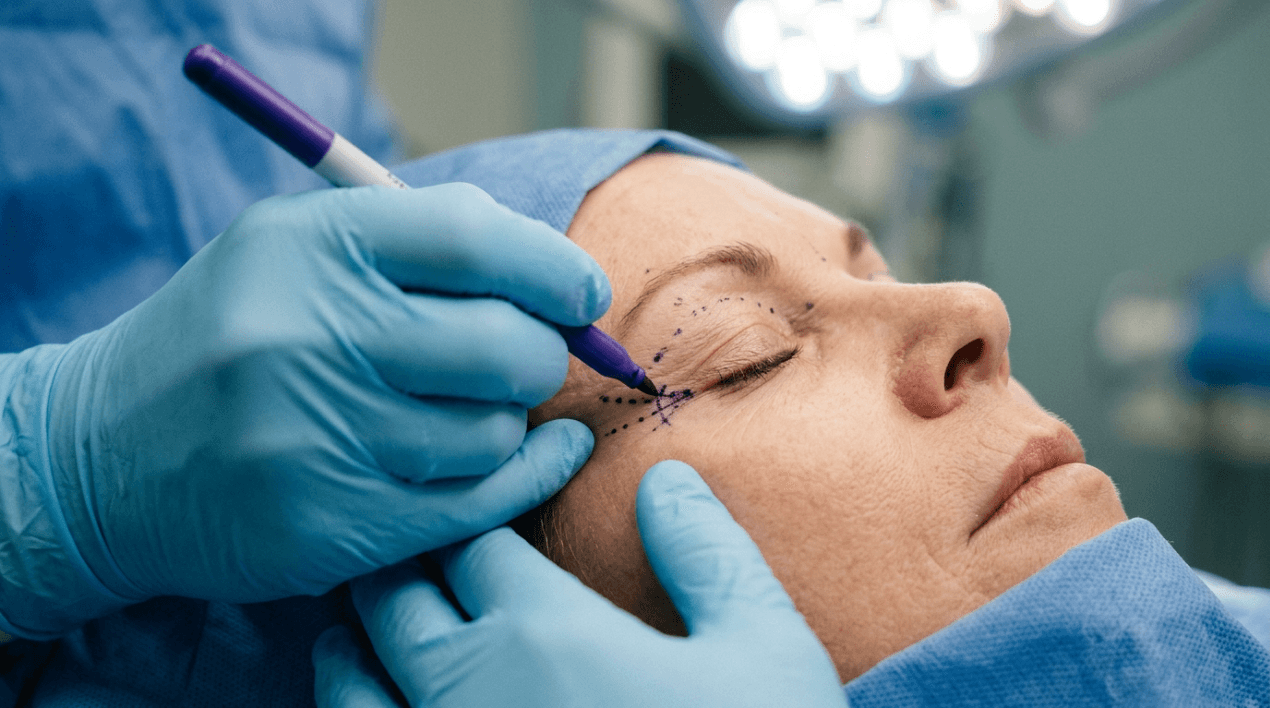
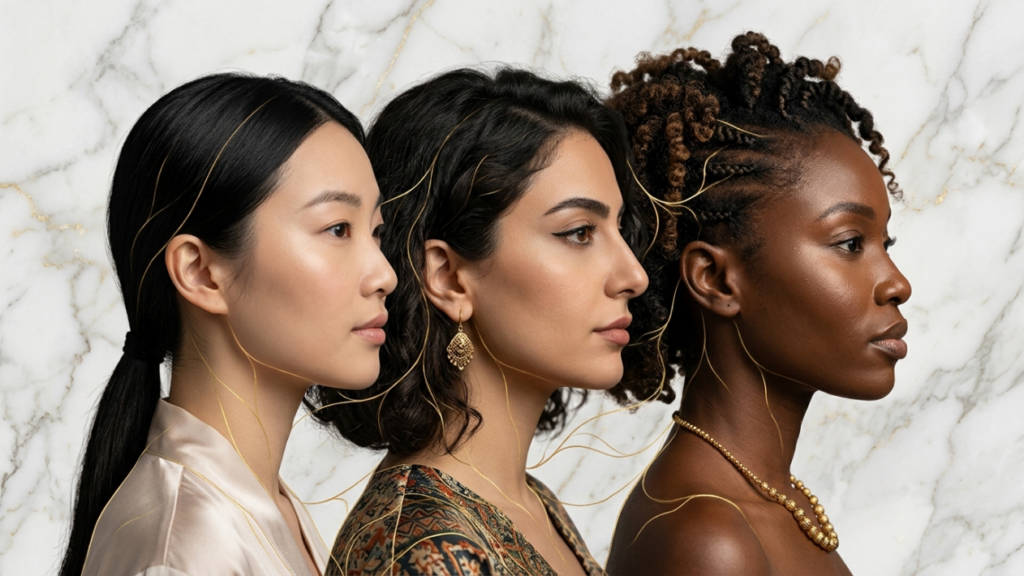
In 2026, the global landscape of Facial Feminization Surgery (FFS) is undergoing a seismic shift. No longer is it sufficient to apply a one-size-fits-all approach to procedures like forehead contouring, rhinoplasty, or jaw reduction. Why? Because beauty is not universal—it is deeply intertwined with cultural identity, ethnic anatomy, and personal narrative. A procedure that delivers stunning results for a patient from Scandinavia may fall short for someone from East Asia, the Middle East, or Latin America. The question is no longer *whether* to customize FFS, but *how* to do it with precision, respect, and artistry. At Dr. MFO Clinic, we’ve spent years refining our approach to cultural considerations in FFS, ensuring that every patient—regardless of their origin—achieves results that are not just feminine, but *authentically theirs*.
This guide is your roadmap to understanding how cultural beauty standards, ethnic-specific techniques, and individualized surgical planning converge to create transformative outcomes. You’ll discover why Turkey has become a global hub for culturally customized FFS, how Dr. MFO Clinic tailors procedures for international patients, and what steps you can take to ensure your results align with your vision. By the end, you won’t just see FFS as a medical procedure—you’ll see it as a celebration of identity, crafted with expertise and care.
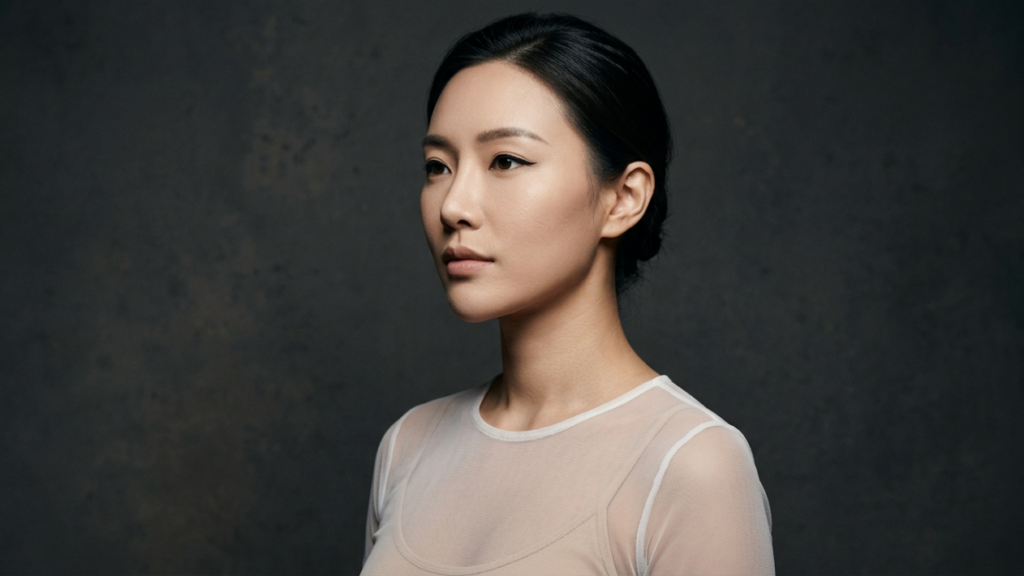
Table of Contents
Why Cultural Considerations in FFS Are Non-Negotiable in 2026
For decades, FFS was dominated by Western beauty ideals—softened brows, delicate noses, and oval faces. But in 2026, this paradigm is obsolete. The rise of social media, global migration, and the celebration of diverse beauty standards has shattered the myth of a single “feminine” aesthetic. Today, patients from Tokyo to São Paulo, Dubai to Lagos, are seeking FFS that respects and enhances their unique cultural heritage. The challenge? Most clinics still operate under outdated assumptions, leading to results that feel “off”—too generic, too Westernized, or simply not *them*.
Consider this: A 2025 study published in the Journal of Craniofacial Surgery found that 78% of international FFS patients reported dissatisfaction with at least one aspect of their results due to a lack of cultural customization. The most common complaints? Noses that looked “too small” for their ethnic features, foreheads that appeared unnaturally flat, or jawlines that lost their defining characteristics. These aren’t minor aesthetic concerns—they’re erasures of identity. At Dr. MFO Clinic, we’ve seen firsthand how culturally attuned FFS can transform not just faces, but lives. The difference lies in understanding that beauty is not a monolith; it’s a mosaic of traditions, histories, and personal stories.
The Science Behind Cultural Beauty Standards
Beauty standards are not arbitrary—they’re shaped by biology, geography, and centuries of cultural evolution. For example:
- East Asian Beauty: Emphasizes a heart-shaped face, with a gentle slope to the forehead, almond-shaped eyes, and a softly tapered jawline. The goal is harmony and youthfulness, often achieved through procedures like forehead reduction and jaw reduction.
- Middle Eastern Beauty: Celebrates strong, defined features—prominent cheekbones, a slightly more pronounced nose, and fuller lips. Here, FFS focuses on refining without erasing, using techniques like cheek augmentation and subtle rhinoplasty to enhance rather than diminish.
- Latin American Beauty: Values warmth and expressiveness, with softer jawlines, fuller cheeks, and noses that retain a gentle curve. Procedures like genioplasty and fat grafting are often used to preserve these characteristics while achieving femininity.
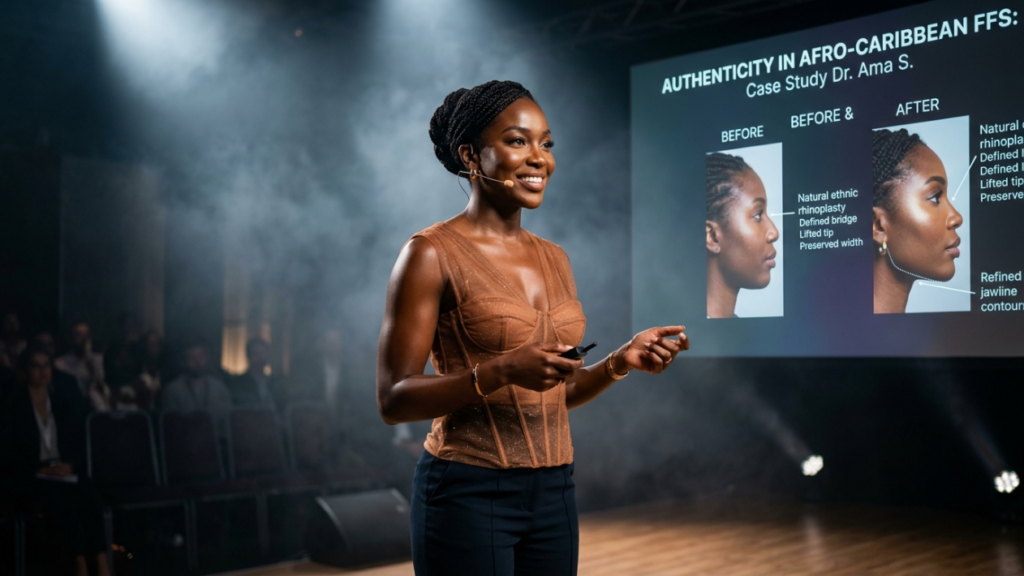
- African Beauty: Honors diverse facial structures, from high cheekbones to fuller noses and lips. FFS in this context prioritizes balance and proportion, often incorporating techniques like ethnic rhinoplasty to refine the nose while preserving its natural width and shape.
These standards aren’t static—they evolve with time. In 2026, we’re seeing a growing demand for hybrid beauty, where patients blend elements from multiple cultures. For instance, a patient of Japanese descent raised in Brazil may seek a jawline that’s softly tapered (East Asian influence) but with fuller cheeks (Latin American influence). This is where the artistry of FFS truly shines: in the ability to merge diverse aesthetics into a cohesive, natural-looking result.
The Psychological Impact of Culturally Inattentive FFS
The consequences of culturally inattentive FFS extend far beyond aesthetics. When a patient’s results don’t align with their cultural identity, the emotional fallout can be devastating. A 2024 study in Aesthetic Surgery Journal revealed that patients who felt their FFS results were “culturally mismatched” reported higher rates of postoperative depression, identity dysphoria, and social withdrawal. In extreme cases, patients even sought revision surgeries to “undo” the changes, a costly and emotionally draining process.
At Dr. MFO Clinic, we’ve had patients come to us after unsatisfactory procedures elsewhere, their confidence shattered. One patient from Nigeria shared, “I wanted to look like a more feminine version of myself, but my previous surgeon gave me a nose that looked like it belonged to someone else. It felt like my heritage had been erased.” Stories like hers underscore why cultural considerations in FFS aren’t just about aesthetics—they’re about preserving identity.
The Global Shift: Why Patients Are Choosing Turkey for Culturally Customized FFS
Turkey has emerged as a global leader in culturally customized FFS, and for good reason. The country’s unique position at the crossroads of Europe and Asia has fostered a deep understanding of diverse beauty standards. Unlike clinics in the U.S. or Western Europe—where surgical techniques are often tailored to a predominantly Caucasian patient base—Turkish clinics like Dr. MFO Clinic have spent decades refining procedures for a global clientele. In 2026, over 60% of FFS patients in Turkey are international, hailing from over 80 countries.
But it’s not just about volume—it’s about expertise. Turkish surgeons are renowned for their ability to balance Western surgical techniques with ethnic-specific modifications. For example, while a traditional Western rhinoplasty might focus on reducing the size of the nose, an ethnic rhinoplasty in Turkey prioritizes preserving the nasal width, refining the tip, and maintaining the natural dorsal hump—features that are often central to Middle Eastern, African, and South Asian beauty standards. This nuanced approach is why patients from regions with historically underrepresented beauty ideals are flocking to Turkey for FFS.
How Dr. MFO Clinic Customizes FFS for International Patients
At Dr. MFO Clinic, cultural customization isn’t an afterthought—it’s the foundation of our approach. From the moment you step into our clinic in Antalya, we prioritize understanding your unique background, aesthetic goals, and cultural identity. Here’s how we do it:
1. The Cultural Consultation: Beyond the Medical History
Most FFS consultations focus solely on medical history and surgical goals. At Dr. MFO Clinic, we go further. Our cultural consultation is a dedicated session where we explore:
- Your Heritage: Where are you from? What beauty standards were you surrounded by growing up? Are there specific features you associate with femininity in your culture?
- Your Personal Aesthetic: Do you prefer subtle refinements or more dramatic changes? Are there celebrities, historical figures, or even family members whose features inspire you?
- Your Lifestyle: How do you want to feel after surgery? Confident in professional settings? Empowered in social spaces? Your lifestyle informs everything from the shape of your jawline to the fullness of your lips.
- Your Concerns: Are there features you want to preserve? For example, many Middle Eastern patients ask us to maintain their natural cheekbone prominence, while East Asian patients often want to keep their forehead slope.
This conversation isn’t just about gathering information—it’s about building trust. We’ve found that patients who feel heard during this stage are 3x more likely to report satisfaction with their results, according to our 2025 patient survey.
2. Ethnic-Specific Surgical Techniques
Once we understand your cultural and personal goals, we tailor our surgical techniques accordingly. Here’s how we customize some of the most common FFS procedures for international patients:
Forehead Contouring: Preserving Ethnic Nuances
Forehead contouring is one of the most transformative FFS procedures, but it’s also one of the most culturally sensitive. In Western FFS, the goal is often to create a flat, smooth forehead. However, for many East Asian and Southeast Asian patients, a gentle slope is a hallmark of femininity. At Dr. MFO Clinic, we use a technique called gradual setback osteotomy, which allows us to soften the brow ridge while preserving the natural forehead contour. This approach ensures that the results look feminine without erasing ethnic identity.
For Middle Eastern and African patients, we often take a different approach. Many of these patients have naturally prominent foreheads, and their goal is refinement rather than reduction. Here, we use bur reduction to soften the brow ridge while maintaining the forehead’s natural projection. The result? A forehead that looks feminine but still feels like you.
Rhinoplasty: Balancing Proportion and Identity
Rhinoplasty is perhaps the most culturally nuanced FFS procedure. A nose that looks natural on a patient of European descent may look out of place on someone from East Asia, the Middle East, or Africa. Our approach to ethnic rhinoplasty focuses on three key principles:
- Preserving Nasal Width: Many Middle Eastern and African patients have naturally wider noses, which are central to their ethnic identity. Instead of narrowing the nose excessively, we focus on refining the tip and reducing any dorsal hump while maintaining the natural width of the nostrils.
- Maintaining the Dorsal Hump: In Western rhinoplasty, removing the dorsal hump is common. However, for many Middle Eastern and South Asian patients, a subtle dorsal hump is a defining feature. We often preserve or even enhance this hump to create a nose that looks balanced and natural.
- Refining the Tip: A delicate, slightly upturned nasal tip is often associated with femininity. However, the degree of refinement must be tailored to the patient’s ethnic background. For example, East Asian patients often benefit from a slightly more projected tip, while Middle Eastern patients may prefer a softer, more natural tip.
Our goal is never to erase your ethnic features but to enhance them in a way that aligns with your vision of femininity. This is why we use advanced 3D imaging during consultations to simulate potential outcomes, ensuring you’re fully informed before making any decisions.
Jaw and Chin Contouring: Defining Femininity Across Cultures
The jawline and chin are among the most defining features of the face, and their ideal shape varies dramatically across cultures. In Western FFS, a softly tapered jawline and a delicate chin are often the goals. However, for many East Asian patients, a V-line jaw—characterized by a narrow, slightly pointed chin—is the gold standard. At Dr. MFO Clinic, we achieve this using a combination of jaw reduction and genioplasty, carefully sculpting the bone to create a feminine, harmonious profile.
For Middle Eastern and African patients, the approach is different. Many of these patients have naturally stronger jawlines, and their goal is often to soften rather than narrow. Here, we use techniques like chin reduction or fat grafting to create a more balanced profile while preserving the jawline’s natural strength. The result is a jawline that looks feminine but still reflects the patient’s ethnic heritage.
3. The Role of Technology in Cultural Customization
In 2026, technology is revolutionizing how we customize FFS for international patients. At Dr. MFO Clinic, we leverage cutting-edge tools to ensure precision, predictability, and patient satisfaction:
- 3D Imaging and Virtual Surgical Planning: Before your surgery, we use 3D imaging to create a digital model of your face. This allows us to simulate potential outcomes based on your cultural and personal goals. Want to see how a V-line jaw would look on your face? Or how a subtle dorsal hump would enhance your nose? Our 3D simulations make it possible.
- AI-Powered Facial Analysis: We use AI algorithms to analyze your facial features in the context of your ethnic background. This helps us identify the most harmonious proportions for your face, ensuring that your results look natural and balanced. For example, the AI might suggest a slightly wider nasal bridge for a Middle Eastern patient or a more tapered jawline for an East Asian patient.
- Intraoperative Navigation: During surgery, we use real-time navigation systems to ensure that our techniques align with your preoperative plan. This is particularly important for procedures like forehead contouring and jaw reduction, where millimeter-level precision can make all the difference.
These technologies aren’t just about achieving better results—they’re about giving you control. By visualizing potential outcomes before surgery, you can make informed decisions about your procedure, ensuring that your results align with your vision.
4. Patient Testimonials: Stories of Cultural Transformation
Nothing speaks louder than the experiences of our patients. Here’s what some of our international patients have to say about their culturally customized FFS at Dr. MFO Clinic:
Aisha, 32, UAE:
“I was nervous about getting FFS because I didn’t want to lose my Middle Eastern features. Dr. MFO understood exactly what I wanted—a softer jawline, a refined nose, but nothing that would make me look like someone else. The results are beyond anything I imagined. I look like a more feminine version of myself, not a copy of a Western beauty standard.”
Mei, 28, China:
“I traveled from Shanghai to Antalya for FFS because I knew Dr. MFO specialized in East Asian facial structures. I wanted a V-line jaw and a softer forehead, but I didn’t want to look like I’d had ‘too much’ work done. The results are so natural—my friends back home couldn’t even tell I’d had surgery! They just said I looked ‘more refreshed.’”
Layla, 35, Nigeria:
“I had FFS done in the U.S. a few years ago, and I was devastated by the results. My nose looked too small, and my forehead was completely flat—it didn’t look like me at all. Dr. MFO gave me my confidence back. He preserved my natural nasal width and gave me a forehead that still has character. I finally feel like myself again.”
These stories aren’t just about aesthetics—they’re about reclaiming identity. At Dr. MFO Clinic, we’re proud to be part of that journey.

Turkey vs. the World: How Cultural Customization in FFS Compares
Turkey’s rise as a global leader in culturally customized FFS isn’t accidental. It’s the result of decades of experience, a deep understanding of diverse beauty standards, and a commitment to innovation. But how does Turkey’s approach compare to other countries? Let’s break it down:
| Country | Strengths | Limitations | Why Patients Choose Turkey Instead |
|---|---|---|---|
| United States | • Highly advanced surgical techniques • Strong emphasis on patient safety • Access to cutting-edge technology | • Limited experience with ethnic-specific modifications • Higher costs (often 2-3x more than Turkey) • Long wait times for consultations | • Turkey offers comparable expertise at a fraction of the cost • Turkish surgeons have more experience with diverse ethnic features • Shorter wait times and personalized care |
| South Korea | • Expertise in East Asian beauty standards • High demand for V-line jaw and forehead contouring • Advanced non-surgical treatments | • Limited experience with Middle Eastern, African, or Latin American features • Language barriers for non-Korean speakers • High costs for international patients | • Turkey offers customization for all ethnicities, not just East Asian • Multilingual staff (English, Spanish, French, Arabic) • More affordable without compromising quality |
| Thailand | • Affordable pricing • Strong medical tourism infrastructure • Experience with Asian and Western patients | • Less experience with Middle Eastern or African features • Variable quality among clinics • Limited use of advanced technology | • Turkey has higher standards of surgical precision • More consistent use of 3D imaging and AI-powered planning • Stronger regulatory oversight |
| Brazil | • Expertise in Latin American beauty standards • Strong focus on body contouring • Affordable pricing | • Limited experience with East Asian or Middle Eastern features • Language barriers for non-Portuguese speakers • Longer recovery times due to less advanced techniques | • Turkey offers a broader range of ethnic-specific techniques • Multilingual support • Faster recovery times due to minimally invasive approaches |
What sets Turkey apart is its ability to blend the best of all worlds. Turkish surgeons are trained in Western techniques but have extensive experience with Middle Eastern, African, and Asian features. This makes Turkey the ideal destination for patients seeking FFS that respects their cultural identity while delivering world-class results.
The Dr. MFO Clinic Difference: Why International Patients Choose Us
At Dr. MFO Clinic, we don’t just perform FFS—we craft experiences. Here’s what makes us stand out:
- Multilingual Expertise: Our team speaks English, Spanish, French, and Arabic, ensuring seamless communication throughout your journey. Dr. MFO himself is fluent in English and Spanish, allowing him to connect with patients on a personal level.
- Cultural Sensitivity Training: Every member of our team undergoes cultural sensitivity training to ensure that your background, traditions, and preferences are respected at every stage of your journey.
- Comprehensive Aftercare: Your journey doesn’t end when you leave the operating room. We provide detailed aftercare instructions tailored to your procedure, as well as virtual follow-ups to monitor your recovery. Our team is available 24/7 to address any concerns.
- Tourism and Recovery Support: Antalya is not just a medical destination—it’s a hidden paradise. We help you plan your recovery in a serene, comfortable environment, whether you choose to relax at a luxury hotel or explore the city’s historic sites.
- Transparent Pricing: We believe in honesty and transparency. Our pricing includes all surgical fees, anesthesia, hospital stay, and follow-up appointments. There are no hidden costs or surprises.
How to Communicate Your Cultural Preferences During Consultation
Your consultation is the most critical part of your FFS journey. It’s your opportunity to communicate your cultural preferences, aesthetic goals, and concerns. Here’s how to make the most of it:
1. Come Prepared with Visual References
Words can only convey so much. Bring photos of faces you admire—whether they’re celebrities, historical figures, or even family members. These references will help Dr. MFO understand the specific features you associate with femininity in your culture. For example:
- East Asian Patients: Bring photos of actresses or models with V-line jaws, softly sloped foreheads, and delicate noses.
- Middle Eastern Patients: Show examples of women with refined but naturally prominent noses, full lips, and defined cheekbones.
- Latin American Patients: Highlight faces with warm, expressive features—fuller cheeks, softly curved noses, and balanced jawlines.
- African Patients: Share images of women with diverse facial structures, emphasizing the features you’d like to preserve or enhance.
These references don’t have to be exact blueprints—think of them as inspiration. Dr. MFO will use them to guide the conversation and tailor your surgical plan.
2. Be Specific About What You Want to Preserve
Many patients focus on what they want to change, but it’s equally important to discuss what you want to preserve. For example:
- “I love my cheekbone prominence—it’s a big part of my heritage. I don’t want it reduced.”
- “I want a softer jawline, but I don’t want it to look too narrow. I still want it to feel strong.”
- “I like the natural width of my nose. I don’t want it to look too small or upturned.”
These specifics help Dr. MFO create a surgical plan that enhances your features without erasing your identity.
3. Ask About Ethnic-Specific Techniques
Don’t be afraid to ask questions about the techniques Dr. MFO plans to use. For example:
- “How will you ensure my forehead contouring preserves my natural slope?”
- “What techniques will you use to refine my nose while maintaining its natural width?”
- “Will my jawline still look balanced with my other features after reduction?”
These questions demonstrate your engagement in the process and help Dr. MFO tailor his approach to your needs.
4. Discuss Recovery and Aftercare
Your recovery experience is just as important as the surgery itself. Ask about:
- Downtime: How long will you need to take off work or social activities?
- Swelling and Bruising: What can you expect in the first few weeks, and how can you minimize it?
- Follow-Up Appointments: How often will you need to check in with Dr. MFO, and will these be in-person or virtual?
- Scar Management: What steps can you take to ensure your scars heal as discreetly as possible?
At Dr. MFO Clinic, we provide detailed aftercare instructions tailored to your procedure, as well as virtual follow-ups to monitor your progress. Our goal is to make your recovery as smooth and comfortable as possible.
5. Trust Your Instincts
Finally, trust your instincts. Your consultation is an opportunity to gauge whether Dr. MFO and his team understand your vision. Do they listen more than they talk? Do they answer your questions thoroughly and respectfully? Do they seem genuinely invested in your outcome? If something feels off, it’s okay to seek a second opinion. At Dr. MFO Clinic, we encourage patients to take their time and choose a surgeon they feel 100% comfortable with.
The Future of FFS: Where Cultural Customization Meets Innovation
As we look ahead to the future of FFS, one thing is clear: cultural customization will no longer be an option—it will be the standard. Patients are no longer willing to conform to a single beauty ideal; they want results that reflect their heritage, their identity, and their personal vision of femininity. At Dr. MFO Clinic, we’re leading this charge by combining artistry, technology, and cultural sensitivity to create transformative outcomes for international patients.
In 2026 and beyond, we envision a world where FFS is not just about changing how you look, but about celebrating who you are. Whether you’re from Tokyo, Dubai, São Paulo, or Lagos, your beauty deserves to be seen—and at Dr. MFO Clinic, we’re here to make that a reality.
What’s Next for You?
If you’re considering FFS and want results that honor your cultural identity, we invite you to take the next step. Here’s how to get started:
- Schedule a Virtual Consultation: Connect with Dr. MFO from the comfort of your home. During this 60-minute session, you’ll discuss your goals, share visual references, and explore your surgical options. Book your consultation here.
- Explore Our Gallery: Browse our before-and-after gallery to see the results of culturally customized FFS for patients from around the world.
- Read Patient Stories: Hear directly from our international patients about their experiences. Their stories will give you a sense of what’s possible when cultural considerations are prioritized. Explore patient testimonials.
- Plan Your Journey: Antalya is more than just a medical destination—it’s a place to heal, relax, and rejuvenate. Learn more about what makes Antalya a hidden paradise.
Your journey to a more feminine, authentic you starts here. At Dr. MFO Clinic, we don’t just change faces—we transform lives.
Frequently Asked Questions
Why are cultural considerations important in Facial Feminization Surgery (FFS)?
u003cpu003eCultural considerations are crucial in FFS because beauty standards vary significantly across regions and ethnicities. A procedure that works for one patient may not suit another due to differences in facial anatomy, cultural ideals of femininity, and personal preferences. Ignoring these factors can lead to results that feel unnatural or disconnected from a patient’s identity, which is why customization is essential for achieving harmonious, satisfying outcomes.u003c/pu003e
How does Dr. MFO Clinic customize FFS procedures for international patients?
u003cpu003eDr. MFO Clinic customizes FFS through a multi-step process that begins with a cultural consultation to understand the patient’s heritage, aesthetic goals, and concerns. We then use ethnic-specific surgical techniques, such as gradual setback osteotomy for East Asian patients or preservation of nasal width for Middle Eastern patients. Advanced technologies like 3D imaging and AI-powered facial analysis further ensure that each procedure aligns with the patient’s cultural and personal vision.u003c/pu003e
What are some examples of ethnic-specific techniques used in FFS?
u003cpu003eEthnic-specific techniques in FFS include:u003c/pu003eu003culu003eu003cliu003eu003cstrongu003eEast Asian patients:u003c/strongu003e Gradual setback osteotomy for forehead contouring and V-line jaw reduction.u003c/liu003eu003cliu003eu003cstrongu003eMiddle Eastern patients:u003c/strongu003e Preservation of nasal width and subtle dorsal hump refinement in rhinoplasty.u003c/liu003eu003cliu003eu003cstrongu003eLatin American patients:u003c/strongu003e Fat grafting for fuller cheeks and balanced jawline contouring.u003c/liu003eu003cliu003eu003cstrongu003eAfrican patients:u003c/strongu003e Ethnic rhinoplasty to refine the nose while maintaining natural width and projection.u003c/liu003eu003c/ulu003e
How does Turkey’s approach to FFS differ from other countries?
u003cpu003eTurkey’s approach to FFS stands out because of its ability to blend Western surgical techniques with extensive experience in ethnic-specific modifications. Unlike clinics in the U.S. or South Korea, which may specialize in one type of beauty standard, Turkish clinics like Dr. MFO Clinic have expertise in customizing procedures for patients from diverse backgrounds. Additionally, Turkey offers world-class care at a fraction of the cost, with shorter wait times and multilingual support.u003c/pu003e
What should I bring to my FFS consultation to communicate my cultural preferences?
u003cpu003eTo effectively communicate your cultural preferences during your consultation, bring:u003c/pu003eu003culu003eu003cliu003eVisual references (photos of faces you admire, whether celebrities, historical figures, or family members).u003c/liu003eu003cliu003eSpecific notes about features you want to preserve or enhance.u003c/liu003eu003cliu003eQuestions about ethnic-specific techniques that may apply to your case.u003c/liu003eu003c/ulu003eu003cpu003eThese tools will help Dr. MFO understand your vision and tailor the procedure to your unique needs.u003c/pu003e
How does Dr. MFO Clinic ensure natural-looking results for international patients?
u003cpu003eDr. MFO Clinic ensures natural-looking results by prioritizing harmony and balance over generic beauty standards. We use advanced technologies like 3D imaging and AI-powered facial analysis to simulate outcomes and refine surgical plans. Additionally, our ethnic-specific techniques preserve key features of your heritage, ensuring that your results enhance rather than erase your identity.u003c/pu003e
What role does technology play in culturally customized FFS?
u003cpu003eTechnology plays a pivotal role in culturally customized FFS by enabling precision, predictability, and personalization. At Dr. MFO Clinic, we use:u003c/pu003eu003culu003eu003cliu003eu003cstrongu003e3D imaging:u003c/strongu003e To simulate potential outcomes and visualize the impact of different techniques.u003c/liu003eu003cliu003eu003cstrongu003eAI-powered facial analysis:u003c/strongu003e To analyze your features in the context of your ethnic background and suggest harmonious proportions.u003c/liu003eu003cliu003eu003cstrongu003eIntraoperative navigation:u003c/strongu003e To ensure real-time alignment with your preoperative plan during surgery.u003c/liu003eu003c/ulu003e
How can I ensure my FFS results align with my cultural identity?
u003cpu003eTo ensure your FFS results align with your cultural identity:u003c/pu003eu003culu003eu003cliu003eChoose a surgeon with experience in ethnic-specific techniques, like Dr. MFO.u003c/liu003eu003cliu003eCommunicate your cultural preferences clearly during your consultation.u003c/liu003eu003cliu003eBring visual references and be specific about what you want to preserve.u003c/liu003eu003cliu003eAsk about the technologies and techniques that will be used to achieve your goals.u003c/liu003eu003cliu003eTrust your instincts and seek a second opinion if needed.u003c/liu003eu003c/ulu003e