Key Anatomical Considerations for Combined Nose and Cheek Procedures in Transgender FFS

A close-up portrait of a woman with wavy hair, piercing eyes, and subtle makeup, standing outdoors with a natural background.

 Facial Feminization Surgery (FFS) is a transformative set of procedures designed to soften masculine facial features and enhance those typically associated with femininity. For many transgender individuals, FFS is a crucial step in aligning their external appearance with their internal gender identity, significantly contributing to psychological well-being and reducing gender dysphoria. While FFS encompasses a wide array of procedures targeting different facial regions, this comprehensive guide zeroes in on the complex interplay between nose and cheek procedures when performed in conjunction.

The nose, often the central focal point of the face, and the cheeks, which define the midface contour and overall facial shape, are intimately connected both aesthetically and anatomically. Understanding the intricate anatomical considerations for combined nose and cheek procedures is paramount for achieving harmonious, natural-looking results and ensuring patient safety. This guide will delve into the foundational principles of FFS, the specific anatomical structures of the nose and cheeks, and critically, the synergistic planning required when these two highly impactful procedures are performed together.

Foundations of Facial Feminization Surgery: Goals and Principles

Facial Feminization Surgery is not merely about making a face “prettier”; it is about re-sculpting the skeletal and soft tissue structures to align with societal perceptions of femininity. The goals extend beyond individual feature alteration to encompass overall facial harmony and balance, crucial for gender affirmation.

A woman in a flowing yellow dress stands outdoors in a serene natural setting, her hair gently blowing in the wind.

Defining Facial Feminization Surgery (FFS)

FFS is a highly specialized field within plastic surgery that aims to modify facial features to create a more feminine appearance. This involves a range of surgical techniques, from bone reduction and reshaping to soft tissue augmentation and redistribution. The overarching objective is to achieve a softer, more rounded, and less angular facial structure, which are common characteristics of feminine faces, thereby facilitating social transition and improving quality of life for transgender women.

Key Facial Features in Gender Affirming Care

Several facial features contribute significantly to gender perception. In feminine faces, key characteristics often include a less prominent brow bone, a shorter upper lip, a more rounded jawline, a smaller chin, and critically, specific nasal and cheek contours. The nose and cheeks are particularly impactful because they occupy the central and mid-facial regions, heavily influencing overall facial balance and perceived age. Alterations to these areas can dramatically shift facial aesthetics towards a more feminine ideal.

The Role of Nasal Contouring in Feminization

Nasal feminization, or FFS rhinoplasty, aims to refine and reduce the size of the nose to achieve a more delicate appearance. Typically, masculine noses are perceived as having a more prominent dorsal hump, a wider bridge, and a broader, less refined tip. Specific aims of nasal procedures in FFS include:

  • Reducing Dorsal Height: Lowering the nasal bridge to create a softer profile.
  • Refining the Tip: Making the nasal tip smaller, more defined, and often slightly rotated upwards.
  • Narrowing the Alar Base: Reducing the width of the nostrils for a more delicate base.
  • Addressing Nasal Length: Shortening an overly long nose to create better facial proportions.

These modifications help create a nose that harmonizes with other feminized facial features, avoiding an overly strong or large appearance.

The Significance of Cheekbone Augmentation and Midface Contouring

Cheekbones are a cornerstone of feminine facial beauty, often appearing more rounded and prominent in women compared to men. Augmenting cheekbones and contouring the midface contributes to a more feminine facial shape by:

  • Creating Volume and Projection: Enhancing the malar (cheekbone) area to create a desirable convexity.
  • Addressing Infraorbital Hollowing: Filling in sunken areas beneath the eyes to create a smoother transition from the lower eyelid to the cheek.
  • Achieving a “Heart-Shaped” or “Oval” Face: Contributing to the overall desired facial shape, moving away from a more square or angular masculine midface.
  • Lifting Effect: Augmenting the midface can have a subtle lifting effect on surrounding soft tissues, improving overall facial youthful appearance.

These procedures often involve implants, fat grafting, or osteotomies (bone reshaping) to achieve the desired projection and contour.

A close-up portrait of a woman with short brown hair, looking directly at the camera against a dark background.

Anatomical Considerations for Nasal Procedures in FFS

A thorough understanding of nasal anatomy is non-negotiable for successful FFS rhinoplasty. The nose is a complex three-dimensional structure comprising bone, cartilage, and a soft tissue envelope, all supported by a rich neurovascular network.

Skeletal Anatomy of the Nose

The nasal framework is a combination of bone and cartilage, providing its shape and support. The upper part of the nose is bony, while the lower part is cartilaginous.

Nasal Bones and Septum

The nasal bones form the superior part of the nasal bridge, extending from the forehead. The radix is the deepest point of the nasal bridge, typically at the level of the pupils. The nasal dorsum extends from the radix to the tip, encompassing both bony and cartilaginous components. The nasal septum, a central wall of bone and cartilage, divides the nasal cavity and provides crucial support to the dorsum. In FFS, reduction of the nasal bones often involves rasping or osteotomies (controlled bone cuts) to lower the dorsal height and narrow the bridge.

Cartilaginous Framework (Upper and Lower Lateral Cartilages)

Below the nasal bones, the nasal framework consists of several cartilages:

  • Upper Lateral Cartilages: These attach to the caudal (lower) edge of the nasal bones and form the middle third of the nose. They are crucial for maintaining the patency of the internal nasal valve.
  • Lower Lateral Cartilages (Alar Cartilages): These paired cartilages form the tip and alar (nostril) rims. They consist of a medial crus (forming the columella), an intermediate crus, and a lateral crus (forming the alar rim). Manipulation of these cartilages is essential for tip refinement, projection, and rotation, as well as for modifying alar width. Techniques include excisions, sutures, and grafts to reshape the tip for a more feminine appearance.

The intricate relationship between these cartilages dictates the final shape and stability of the nasal tip and nostrils.

Soft Tissue Envelope and Skin Thickness

The soft tissue envelope (STE) of the nose comprises the skin, subcutaneous fat, muscle (nasalis), and fibrous tissue. The thickness and elasticity of the STE significantly impact rhinoplasty outcomes. Thin skin will reveal underlying cartilaginous and bony changes more readily, while thick skin can obscure fine details and may limit the degree of achievable refinement. Understanding skin thickness, particularly in the nasal tip, is crucial for predicting results and planning surgical maneuvers. Excessive soft tissue or sebaceous glands in the tip can hinder adequate definition.

Vascular Supply and Innervation of the Nose

The nose has a rich vascular supply, primarily from branches of the ophthalmic and facial arteries. Key arteries include the dorsal nasal artery (branch of ophthalmic), angular artery (terminal branch of facial), and septal branch of the superior labial artery. Venous drainage largely parallels the arterial supply. Sensory innervation is provided by branches of the trigeminal nerve (V1 – ophthalmic, V2 – maxillary), particularly the external nasal nerve (branch of V1) for the tip and dorsum. Careful dissection is required to preserve these structures, minimizing bleeding and nerve damage, which could lead to numbness or altered sensation.

Anatomical Considerations for Cheek and Midface Procedures in FFS

The midface, encompassing the cheeks, infraorbital region, and upper jaw, is pivotal in defining facial femininity. Its complex anatomy includes significant bony structures, multiple soft tissue layers, and vital neurovascular pathways.

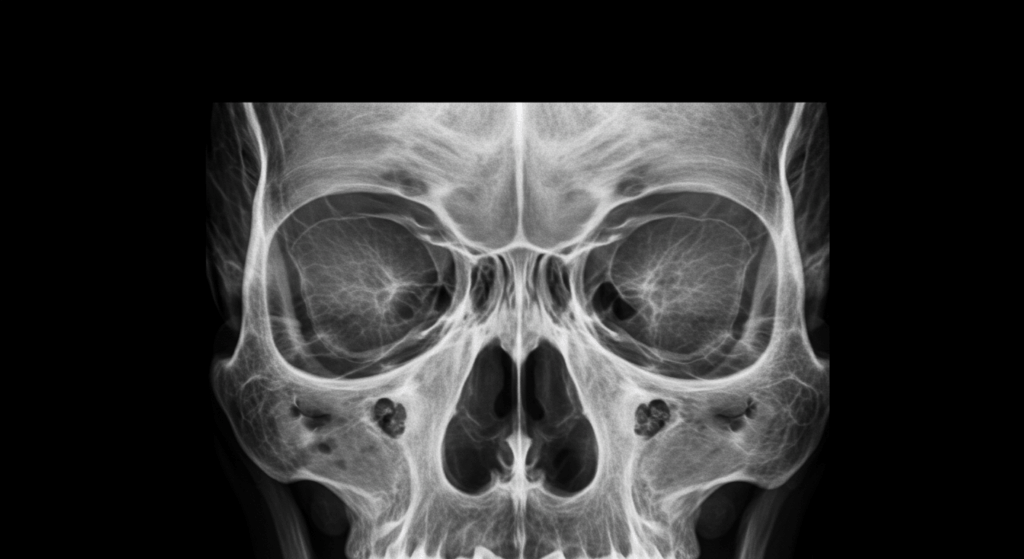
Skeletal Anatomy of the Zygoma and Maxilla

The bony framework of the midface is dominated by the zygoma (cheekbone) and maxilla (upper jawbone). These bones dictate the projection, width, and overall contour of the midface.

Zygomatic Arch and Body

The zygoma consists of a body and several processes, including the temporal process which forms the zygomatic arch with the temporal bone. The zygomatic body forms the most prominent part of the cheekbone. In FFS, augmentation of the zygomatic body often involves placing implants directly on the bone or performing zygomatic osteotomies (bone cuts) to reposition or reshape the bone, creating a more outward and forward projection characteristic of feminine cheekbones. Reduction of excessively prominent zygomas, though less common in FFS, might also be considered.

Infraorbital Rim and Maxillary Bone

The infraorbital rim is the lower border of the eye socket, formed by the zygoma and maxilla. The maxilla forms the central part of the midface, housing the upper teeth and contributing to the infraorbital region. In FFS, contouring around the infraorbital rim is crucial for addressing hollowness or flatness, often by augmenting the area with fat grafts or small implants to create a smooth transition from the lower eyelid to the cheek. This area is also critical due to the infraorbital nerve exiting through the infraorbital foramen.

Soft Tissue Structures of the Cheeks and Midface

The soft tissues of the midface comprise various layers that contribute to its volume and contour.

Malar Fat Pad and Subcutaneous Fat

The malar fat pad is a superficial fat collection located over the cheekbone. Its size and position greatly influence the fullness and projection of the mid-cheek. Subcutaneous fat is distributed throughout the cheek, and its thickness varies among individuals. In FFS, fat grafting is a common technique used to augment areas lacking volume, such as the malar region or infraorbital hollows, providing a natural-looking augmentation and improving skin quality. The manipulation of these fat pads contributes significantly to creating a softer, more rounded feminine cheek contour.

Facial Muscles (e.g., Zygomaticus Major/Minor)

Numerous facial muscles are present in the midface, responsible for facial expressions. The zygomaticus major and minor muscles originate from the zygoma and insert into the upper lip and corner of the mouth, being primarily responsible for smiling. While not typically the direct targets of FFS midface procedures, their location and innervation must be respected during dissection to avoid injury, which could lead to asymmetry or functional deficits in expression.

Key Neurovascular Structures in the Midface

The midface is densely populated with critical nerves and blood vessels that require meticulous identification and preservation during surgery to prevent complications such as numbness, paralysis, or significant bleeding.

Infraorbital Nerve and Vessels, Facial Artery and Vein

  • Infraorbital Nerve and Vessels: The infraorbital nerve, a branch of the maxillary nerve (V2), exits the infraorbital foramen, located approximately 1 cm below the orbital rim, supplying sensation to the lower eyelid, side of the nose, upper lip, and cheek. Accompanying it are the infraorbital artery and vein. Protection of this neurovascular bundle is paramount during any midface procedure, especially infraorbital rim augmentation or zygoma manipulation, as injury can lead to permanent numbness in its distribution.
  • Facial Artery and Vein: The facial artery and vein course across the face, typically anterior to the masseter muscle and then superiorly towards the medial canthus. They provide major blood supply and drainage to the midface and lower face. While typically deeper, surgical planes in cheek procedures must be carefully considered to avoid damage to these vessels, which could result in significant bleeding or hematoma formation.

Synergistic Anatomical Planning for Combined Nose and Cheek FFS Procedures

Performing nose and cheek FFS procedures concurrently requires an integrated surgical strategy that recognizes their profound anatomical and aesthetic interdependence. The face is a unified aesthetic unit; changes in one area invariably impact the perception and harmony of adjacent structures. This synergistic approach is not merely about combining two operations but about orchestrating them to achieve a superior, more balanced feminine outcome while meticulously mitigating shared surgical risks.

Interdependence of Nasal and Midface Aesthetics

The nose, as the central facial landmark, significantly influences how the surrounding midface (cheeks and infraorbital area) is perceived, and vice versa. For instance, a prominent or overly large nose can make the midface appear flat or recessed, even if the cheekbones have adequate projection. Conversely, well-projected, feminine cheekbones can visually enhance and balance a nose that might otherwise seem slightly less refined. When performing FFS, understanding this visual dialogue is crucial.

Reducing a nasal dorsal hump and refining the tip can make the cheekbones appear more prominent and defined without direct cheek augmentation. Similarly, augmenting the cheekbones can provide a more harmonious backdrop for a feminized nose, making it seem less isolated or out of proportion. Integrated aesthetic planning considers these visual relationships, often allowing for more subtle changes in one area to achieve a significant overall improvement in facial harmony, reducing the extent of surgery needed in another, or guiding the specific degree of modification.

Shared Surgical Approaches and Dissection Planes

One of the primary anatomical advantages and challenges of combining nose and cheek procedures lies in their potential to share or overlap surgical approaches and dissection planes. For example, open rhinoplasty utilizes an incision across the columella and internal incisions, allowing for direct visualization of the nasal skeletal and cartilaginous framework. When cheek augmentation is performed using intraoral incisions (inside the mouth), the dissection plane can extend superiorly to access the infraorbital rim and zygomatic body.

Depending on the specific techniques employed, these dissection planes can become continuous or closely related, especially in the infraorbital area where the nose and midface converge. This contiguity requires the surgeon to have an exceptional three-dimensional understanding of the anatomy to ensure safe and efficient access while maintaining tissue integrity and minimizing trauma across both operative fields. For instance, the piriform aperture, the bony opening of the nose, is a shared landmark when addressing both the nasal base and the medial cheek/maxilla.

Overlapping Incisions and Access Routes

Strategic planning of incisions and access routes is vital in combined procedures. While nose procedures typically use columellar or endonasal incisions, and cheek procedures often use intraoral incisions (sublabial or buccal sulcus), there are areas where these approaches might converge or where a single incision might provide access to both regions.

For example, if a patient requires both alar base reduction and midface augmentation that extends medially towards the nose, the close proximity of the intraoral access for cheek implants and the alar base itself requires careful management to avoid compromising blood supply or creating an overly extensive dissection. In some cases, transconjunctival (through the lower eyelid) or external incisions might be considered for cheek work, which are distinct from nasal incisions but still impact the overall facial healing and swelling. The surgeon must choose incisions that provide optimal exposure for both procedures while minimizing visible scarring and respecting the vascularity of the tissues.

Managing Soft Tissue Redundancy and Drape

Changes to the underlying bony and cartilaginous framework of the nose and cheeks inevitably affect the overlying soft tissue envelope. When bone is removed (e.g., dorsal hump reduction) or added (e.g., cheek implants), the skin and soft tissues must redrape smoothly over the new contours. In combined procedures, this becomes more complex. For instance, reducing the nasal dorsum creates excess nasal skin. Simultaneously, augmenting the cheeks stretches the midface skin.

The surgeon must anticipate how these changes will interact. If the nasal reduction is significant, it might lead to some skin redundancy around the radix or nasal sidewalls. At the same time, the upward and outward projection from cheek augmentation can create a subtle “lift” in the midface, potentially affecting the lower eyelids and nasolabial folds. Careful management involves precise soft tissue redraping, sometimes with the need for very minor excisions or tightening sutures, to ensure a smooth, natural contour and to avoid a “stretched” or “bunched” appearance. The inherent elasticity of the skin plays a significant role here, and patient-specific factors like age and skin quality must be considered.

Protecting Shared Neurovascular Structures

As detailed earlier, both the nose and midface are rich in critical neurovascular structures. The infraorbital nerve and vessels, emanating from the infraorbital foramen on the maxilla, are particularly vulnerable during midface augmentation. The angular artery and vein, terminal branches of the facial artery, ascend alongside the nose. When both areas are operated on, the risk of compromising these shared or proximally located bundles increases.

For example, during infraorbital rim augmentation, the dissection plane is perilously close to the infraorbital nerve. Simultaneously, a septorhinoplasty will involve manipulation of areas supplied by branches of the facial artery. The surgeon must have an intimate knowledge of the exact anatomical course of these structures and employ meticulous dissection techniques, often using subperiosteal (under the bone lining) planes where safe, to shield nerves and vessels from direct injury, compression, or excessive stretch. Intraoperative nerve monitoring, though not routine, can be considered in high-risk cases. Communication with the anesthesia team regarding blood pressure management is also crucial to minimize bleeding and enhance visibility of these delicate structures.

Preventing Complications Specific to Combined Procedures

While each procedure carries its own set of risks (e.g., breathing issues for rhinoplasty, nerve damage for cheek augmentation), combining them introduces unique challenges and potential complications. Increased operative time can elevate the risk of prolonged anesthesia-related issues. The extensive dissection in adjacent areas might predispose to greater swelling, ecchymosis (bruising), and hematoma formation due to disruption of a larger network of small vessels and lymphatics. Infection risk, though low in both procedures individually, can theoretically increase with larger surgical fields. Furthermore, aesthetic complications like asymmetry or an unnatural “operated” look can be more pronounced if the two procedures are not harmoniously balanced. Preventing these requires:

  • Rigorous Preoperative Planning: Detailed 3D imaging, virtual surgical planning, and precise measurements.
  • Experienced Surgical Team: A surgeon highly proficient in both rhinoplasty and midface contouring for FFS.
  • Meticulous Hemostasis: Careful control of bleeding during surgery.
  • Prophylactic Measures: Appropriate antibiotics, drains if indicated, and post-operative compression.

Understanding these unique combined risks allows for proactive strategies to minimize their occurrence.

Ensuring Adequate Blood Supply and Lymphatic Drainage

The entire face has a robust blood supply, which generally aids in healing. However, extensive subperiosteal dissection across the nasal and midface regions can potentially compromise smaller perforating vessels or lymphatic channels. While major vessel injury is rare with careful technique, broad tissue elevation can disrupt lymphatic drainage, contributing to prolonged swelling. The surgeon must plan dissection pathways that preserve as much blood supply as possible to the elevated tissues, particularly if fat grafting or tissue repositioning is performed. Ensuring that the tissues remain well-vascularized is critical for optimal healing, prevention of skin compromise, and reduction of post-operative edema. Gentle tissue handling and avoiding excessive tension on flaps are paramount.

Addressing Potential for Swelling and Ecchymosis

Swelling (edema) and bruising (ecchymosis) are expected after any facial surgery, but they tend to be more pronounced and prolonged when combined procedures like nose and cheek FFS are performed. The larger operative field, extensive tissue manipulation, and disruption of more blood and lymphatic vessels contribute to this. Patients must be thoroughly educated about the expected duration and severity of swelling. Strategies to minimize and manage post-operative swelling and bruising include:

  • Intraoperative Measures: Meticulous hemostasis, judicious use of vasoconstrictors, and controlled hypotensive anesthesia where appropriate.
  • Post-operative Care: Head elevation, cold compresses, compression garments, and in some cases, lymphatic massage.
  • Medication: Anti-inflammatory drugs as prescribed.

Realistic patient expectations are key, as resolving the combined swelling can take several weeks to months, with subtle residual swelling persisting for up to a year or more.

Conclusion

The successful integration of nose and cheek procedures in Facial Feminization Surgery hinges upon an unparalleled understanding of their complex, synergistic anatomy. From the foundational principles of feminization to the intricate layers of bone, cartilage, soft tissue, and neurovascular networks, every element plays a critical role. When performed together, these procedures offer the potential for profound facial harmony and gender affirmation, but they also demand a heightened level of surgical expertise, meticulous planning, and an awareness of the unique challenges posed by their combined nature. Surgeons must not only be adept at individual techniques but also possess the foresight to anticipate the interplay between these adjacent regions, ensuring both aesthetic excellence and patient safety.

Key Takeaways

  • Combined nose and cheek FFS requires integrated aesthetic and anatomical planning due to their profound interdependence.
  • Shared surgical planes and proximity of critical neurovascular structures necessitate meticulous dissection and preservation.
  • Managing soft tissue redraping and anticipating increased swelling are crucial for optimal, harmonious outcomes.
  • An experienced surgeon with a deep understanding of both rhinoplasty and midface contouring is essential for safe and effective combined procedures.

FAQ

How do nose and cheek procedures influence each other’s aesthetic outcome in FFS?

Changes in nasal contour directly impact how the midface (cheeks) is perceived, and vice versa. For instance, reducing a prominent nose can make the cheeks appear more projected. Conversely, augmenting the cheeks can visually balance the nose. Integrated planning ensures both features harmonize, creating overall facial balance and a more feminine appearance.

What are the main risks associated with performing nose and cheek procedures together?

Beyond individual procedure risks, combining nose and cheek FFS can lead to increased operative time, potentially greater swelling and bruising, higher risk of hematoma, and heightened complexity in protecting shared neurovascular structures like the infraorbital nerve. Meticulous surgical planning and execution are crucial to mitigate these risks.

Is it always necessary to perform nose and cheek procedures concurrently in FFS?

No, it is not always necessary. The decision to combine procedures depends on the individual patient’s specific anatomical needs, aesthetic goals, overall health, and recovery preferences. Sometimes, staging procedures can be beneficial, particularly for patients who prefer a more gradual recovery or have complex medical considerations. However, combining them can offer the advantage of a single recovery period and a more immediate, unified aesthetic outcome.

How does recovery differ when nose and cheek procedures are combined versus separate?

When combined, recovery typically involves more pronounced and prolonged swelling and bruising across a larger facial area. Patients may experience greater discomfort initially, and the overall recovery period for the majority of swelling to subside can be longer (several weeks to months) compared to undergoing each procedure separately. Management often involves more intensive use of cold compresses, head elevation, and possibly drains.

What type of surgeon is most qualified to perform combined nose and cheek FFS?

A plastic surgeon or maxillofacial surgeon with extensive specialized experience and documented expertise in Facial Feminization Surgery is most qualified. They should have a deep understanding of both rhinoplasty and midface contouring techniques within the specific context of gender-affirming care, as well as a comprehensive knowledge of facial anatomy and aesthetic principles to ensure harmonious results and patient safety.

Visit Dr.MFO Instagram profile to see real patient transformations! Get a glimpse of the incredible results achieved through facial feminization surgery and other procedures. The profile showcases before-and-after photos that highlight Dr. MFO’s expertise and artistic vision in creating natural-looking, beautiful outcomes.

Ready to take the next step in your journey? Schedule a free consultation with Dr. MFO ( Best Facial Feminization Surgeon for You) today. During the consultation, you can discuss your goals, ask any questions you may have, and learn more about how Dr. MFO can help you achieve your desired look. Don’t hesitate to take advantage of this free opportunity to explore your options and see if Dr. MFO is the right fit for you.

Midface Augmentation in Facial Feminization Surgery (FFS): A Comprehensive Guide

A close-up portrait of a woman with long brown hair, fair skin, and light blue eyes. She is wearing subtle makeup, including foundation, mascara, and nude lipstick. Her hair is styled in loose waves, and she has gold hoop earrings. The background is dark, emphasizing her facial features and the glow of her skin.

Facial Feminization Surgery (FFS) is a transformative set of procedures designed to alter masculine facial features into those typically associated with femininity. For many transgender women, FFS is a crucial step in aligning their external appearance with their internal identity, significantly contributing to their overall well-being and sense of self. While various facial regions contribute to gender perception, the midface plays a particularly critical and often underestimated role. This central area of the face, encompassing the cheeks, eyes, and nose, is a focal point for non-verbal communication and profoundly influences how a face is perceived in terms of age, vitality, and, crucially, gender. This comprehensive guide will delve into the intricacies of midface augmentation within FFS, explaining its pivotal contribution to achieving a more feminine facial aesthetic, detailing the surgical techniques involved, and offering insights into the considerations and recovery process.

Understanding the nuances of midface feminization is essential because subtle changes in this region can yield dramatic results, contributing to a softer, more harmonious, and distinctly feminine appearance. By enhancing specific contours and volumes, midface augmentation can effectively rebalance facial proportions, creating the characteristic heart-shaped or ovoid facial structure often associated with femininity. This process goes beyond merely adding volume; it involves a meticulous understanding of facial anatomy, gender dimorphism, and the artistic skill required to sculpt a naturally feminine outcome.

A close-up portrait of a woman with green eyes and light brown hair. She is looking slightly to the side with a neutral expression. Her makeup is natural, and she is wearing small hoop earrings.

The Role of the Midface in Facial Feminization Surgery (FFS)

The midface region extends from the lower eyelids to the upper lip, bounded laterally by the ears and medially by the bridge of the nose. Anatomically, it is a complex area composed of several key structures: the maxilla (upper jaw bone), the zygoma (cheekbones), the orbital rim (around the eyes), and the nasal bones. Overlying these skeletal structures are layers of muscle, fat, and skin, all of which contribute to the overall shape and projection of the midface. It is the interplay of these hard and soft tissues that defines the characteristic appearance of this crucial facial zone.

Key Gender Differences in Midface Structure

Significant anatomical differences exist between male and female midfaces, and these distinctions are central to the goals of FFS. Understanding these variations is the foundation for effective feminization:

  • Skeletal Structure: Typically, male cheekbones (zygomas) are flatter and less projected laterally, often leading to a more angular or rectangular facial shape. In contrast, female cheekbones tend to be more prominent and rounded, creating a fuller, softer curve that contributes to a heart-shaped or ovoid facial contour. The male orbital rims can also appear more prominent, giving a more deep-set look to the eyes, while female orbital rims are generally softer and less projecting.
  • Soft Tissue Variations: Beyond the bone, differences in fat distribution and muscle mass further accentuate gender distinctions. Men often have less subcutaneous fat in the midface, which can emphasize underlying bone structure and create a more gaunt or chiseled appearance. Women typically possess a fuller, more evenly distributed layer of fat, particularly in the malar (cheek) area, contributing to a softer, more youthful, and rounded look. The presence of a deeper nasolabial fold (the line from the nose to the corner of the mouth) can also be more pronounced in male faces due to different soft tissue support and skeletal architecture.
  • Influence on Gender Perception: These subtle yet significant differences profoundly influence how a face is perceived. A flatter, more angular midface is often read as masculine, conveying strength or sternness. Conversely, a fuller, more rounded midface with prominent, well-defined cheekbones is universally associated with femininity, youthfulness, and approachability. The degree of midface projection and volume directly impacts the perception of facial width, height, and overall harmony. A well-augmented midface can soften harsh angles, create a more gentle facial slope from the forehead to the chin, and impart a more youthful and vibrant appearance, all critical components of facial feminization.

Surgical Techniques for Midface Augmentation in FFS

Midface augmentation in FFS employs a variety of sophisticated surgical techniques, each tailored to address specific anatomical needs and desired outcomes. The choice of technique, or combination of techniques, depends on the patient’s existing facial structure, the degree of feminization desired, and the surgeon’s expertise.

Malar Implants

Malar implants, often made of solid silicone or porous polyethylene (Medpor), are a highly effective method for permanent midface augmentation. These implants are custom-selected or sometimes custom-fabricated to achieve the desired projection and shape.

  • Types: Malar implants come in various shapes and sizes, designed to augment different parts of the cheekbone complex. Some are designed for increased anterior (forward) projection, others for lateral (sideways) projection, and some for submalar (below the cheekbone) fullness. The choice depends on the specific feminization goal, whether it’s to create a more prominent apple of the cheek, widen the midface, or fill out hollows.
  • Placement: Implants are typically inserted through small incisions made either inside the mouth (intraorally) or externally in the lower eyelid or hairline. The intraoral approach is preferred as it avoids external scars. A precise pocket is created directly over the bone, and the implant is securely positioned. Modern techniques often involve fixing the implants with small titanium screws to prevent displacement, ensuring long-term stability and predictable results.
  • Advantages: Malar implants offer a predictable, permanent solution for significant volume and projection, providing immediate and dramatic changes. They are well-tolerated by most patients.
  • Considerations: While generally safe, potential risks include infection, asymmetry, nerve damage (though rare), and the possibility of implant shifting or visibility if not properly placed. Revisions are possible but involve further surgery.

Autologous Fat Grafting (Fat Transfer)

Autologous fat grafting, or fat transfer, involves harvesting a patient’s own fat cells from one area of the body (e.g., abdomen, thighs) and injecting them into the midface to add volume and improve contours. This technique offers a natural and versatile approach to feminization.

  • Harvesting: Fat is typically harvested using a gentle liposuction technique, often under local anesthesia. The harvested fat is then processed (centrifuged, filtered, or decanted) to purify the fat cells and separate them from other fluids and cellular debris.
  • Injection: The purified fat is carefully injected into specific areas of the midface using fine cannulas. The surgeon meticulously layers small amounts of fat to sculpt the desired contours, enhancing cheek projection, filling tear troughs, and softening nasolabial folds. The viability of the transferred fat cells depends on proper technique and blood supply in the recipient area.
  • Advantages: Fat grafting uses the body’s own tissue, eliminating the risk of allergic reactions or implant rejection. It provides a very natural look and feel, and the living fat cells can improve skin quality due to the presence of stem cells. It’s also less invasive than implant surgery and can be combined with other procedures.
  • Considerations: The primary limitation is the unpredictability of fat survival; typically, 30-70% of the grafted fat survives long-term. This may necessitate multiple sessions to achieve the desired volume. Swelling and bruising are common initially, and results are not immediately final.

Midface Advancement Osteotomies for Complex Cases

In highly complex cases, particularly where there is significant midface retrusion or a pronounced concave facial profile, midface advancement osteotomies may be considered. These are more extensive surgical procedures that involve cutting and repositioning the bones of the midface.

  • Technique: This typically involves variations of a Le Fort osteotomy (e.g., Le Fort III or variations of Le Fort I with advancement) to bring the entire midface complex forward. This is a major maxillofacial surgery performed under general anesthesia, requiring hospitalization and a longer recovery period. It is usually reserved for cases where skeletal repositioning is paramount for feminization, often in conjunction with other orthognathic (jaw) surgeries.
  • Advantages: Provides the most dramatic and comprehensive skeletal correction for severe midface deficiencies, fundamentally altering facial projection and balance.
  • Considerations: Highly invasive with significant risks, including nerve damage, bleeding, infection, and prolonged recovery. It requires a highly specialized surgeon and extensive pre-operative planning, including 3D CT scans and virtual surgical planning. It is not a common standalone FFS procedure for midface augmentation but rather part of a broader reconstructive approach.
A smiling woman with long braided hair, wearing a teal dress and large hoop earrings, standing in a garden surrounded by flowering bushes with a golden sunset in the background.

Combining Techniques for Optimal Results

Often, the most effective midface feminization results are achieved by combining different techniques. For example, a patient might receive malar implants for foundational projection and then undergo fat grafting to refine contours, fill subtle depressions, or soften the transition areas around the implants. This hybrid approach allows for a highly customized solution, leveraging the strengths of each technique to achieve a harmonious and aesthetically pleasing outcome. A skilled FFS surgeon will assess the patient’s unique anatomy and discuss the most appropriate combination of procedures to meet their feminization goals.

Achieving Feminine Facial Contours Through Midface Augmentation

The primary objective of midface augmentation in FFS is not merely to add volume, but to strategically sculpt the midface to create contours that are inherently feminine. This involves a deep understanding of ideal feminine proportions and how subtle changes in projection and shape can significantly alter overall facial perception.

Sculpting a Heart-Shaped or Ovoid Facial Contour

One of the hallmarks of a feminine face is often a soft, tapering contour that narrows towards the chin. This is frequently described as a heart-shaped or ovoid (oval) face. Midface augmentation plays a crucial role in achieving this by:

  • Enhancing Cheek Projection: By increasing the forward and lateral projection of the cheekbones, the midface becomes fuller and more prominent. This creates a wider, more rounded upper and mid-face, which then gracefully tapers down to a narrower jawline and chin (which may also be addressed with other FFS procedures). This enhanced projection is key to breaking up the typically flatter or more rectangular male midface.
  • Creating a Soft Curve: Instead of sharp angles, feminized midface contours feature smooth, gentle curves. Augmentation carefully placed along the zygomatic arch and malar eminence creates a continuous, soft arc from the temples down to the mid-cheeks, contributing to a youthful and feminine appearance.

Softening Masculine Angles and Improving Tear Trough Deformities

Male faces often exhibit more prominent bony angles and flatter planes. Midface augmentation helps to feminize these areas:

  • Softening Masculine Angles: By adding volume and projection, particularly in the submalar region and around the orbital rims, sharp bony angles can be softened and rounded. This reduces the perception of a harsh, chiseled look and replaces it with a softer, more inviting contour.
  • Improving Tear Trough Deformities: The tear trough is the hollow area under the eyes, often extending downwards and inwards. In some male faces, this can be quite pronounced, leading to a tired or aged appearance. Midface augmentation, especially with fat grafting or specific implants, can effectively fill in these hollows, blending the lower eyelid smoothly into the cheek. This creates a more rested, youthful, and brighter appearance around the eyes, which is highly feminizing.

Restoring Youthful Volume

Beyond gender markers, volume loss is a natural part of aging, often leading to a gaunt or hollow appearance. Many individuals undergoing FFS also benefit from volume restoration, which inherently contributes to a more youthful and feminine look:

  • Filling Hollows: Midface augmentation effectively fills out sunken cheeks and provides support to overlying soft tissues, reducing the appearance of shadows and hollowness.
  • Lifting Effect: Strategic volume addition in the midface can create a subtle “lift” to the face, reducing the appearance of sagging and contributing to a more rejuvenated and vibrant look. This is particularly true for fat grafting, where the distributed volume can support lax skin.

Incorporating visual examples of before-and-after transformations is highly recommended to illustrate these concepts effectively. These visuals would clearly demonstrate how an augmented midface contributes to a more heart-shaped face, enhanced cheek projection, softened angles, and improved tear troughs.

Navigating Midface Augmentation in FFS: Considerations and Recovery

Undergoing midface augmentation as part of FFS is a significant decision that requires careful consideration of various factors, from patient candidacy to the recovery process and potential risks. Thorough preparation and realistic expectations are paramount for a successful outcome.

Patient Candidacy and Assessment

Not everyone is an ideal candidate for every midface augmentation technique. A comprehensive assessment by an experienced FFS surgeon is crucial. This involves:

  • Facial Analysis: A detailed analysis of the patient’s existing facial skeletal structure, soft tissue volume, skin quality, and overall facial proportions. The surgeon will identify specific areas of the midface that contribute to masculine features and determine the most effective strategies for feminization.
  • Health Evaluation: A review of the patient’s medical history, current health status, and any pre-existing conditions that might affect surgery or recovery. Patients should be in good general health and ideally have a stable weight.
  • Realistic Expectations: It is vital that patients have realistic expectations about the potential outcomes. While midface augmentation can be transformative, it is not about achieving perfection but rather about achieving significant feminization and harmony within the patient’s unique facial structure.

Pre-operative Planning

Detailed pre-operative planning is a cornerstone of successful FFS, particularly for procedures involving skeletal modification or precise volume placement:

  • 3D Imaging and Morphing: Advanced 3D CT scans are often used to create a precise digital model of the patient’s skull. This allows the surgeon to meticulously plan the exact placement and size of implants or the volume and distribution of fat grafts. 3D morphing software can also be used to simulate potential post-operative results, allowing the patient to visualize and discuss their desired outcome with the surgeon. This greatly enhances precision and customization.
  • Discussion of Goals: Extensive discussions between the patient and surgeon are essential to ensure a shared understanding of the feminization goals and the surgical plan. This includes reviewing before-and-after photos of other patients and clarifying any concerns.

The Recovery Process

Recovery from midface augmentation varies depending on the specific techniques used, but common aspects include:

  • Swelling: Significant swelling is a universal aspect of recovery. It is most pronounced in the first few days to a week after surgery and can last for several weeks or even months to fully resolve. Cold compresses and keeping the head elevated can help reduce swelling.
  • Bruising: Bruising around the eyes and midface is common and typically subsides within 2-3 weeks.
  • Discomfort and Pain: Patients will experience some discomfort, which can be managed with prescribed pain medication. Oral incisions (for implants) may cause temporary difficulty with eating and speaking.
  • Long-term Healing: While initial recovery takes weeks, full healing and the settling of results can take several months to a year, especially with fat grafting where the fat needs to establish a blood supply. Numbness in the midface is common initially and typically resolves, though it can persist for longer in some cases.
  • Activity Restrictions: Patients will need to avoid strenuous activities, heavy lifting, and direct trauma to the face for several weeks to months to allow for proper healing and to prevent displacement of implants or grafts.

Potential Risks and Complications

Like any surgical procedure, midface augmentation carries potential risks, though serious complications are rare when performed by an experienced FFS surgeon:

  • Infection: Though uncommon, infection can occur at the surgical site. Antibiotics are often prescribed to minimize this risk.
  • Asymmetry: While surgeons strive for perfect symmetry, minor asymmetries can sometimes occur, which may require revision.
  • Nerve Damage: Temporary or, in rare cases, permanent numbness or altered sensation can occur due to nerve irritation or damage during surgery. The infraorbital nerve, which provides sensation to the midface, is particularly relevant.
  • Implant-Specific Risks: For malar implants, risks include displacement of the implant, visibility or palpability of the implant (especially if placed too superficially), or erosion into surrounding tissues (very rare).
  • Fat Grafting-Specific Risks: The main risk is unpredictable fat survival, leading to under-correction or, rarely, over-correction. Lumps or irregularities can also occur if fat is not meticulously injected.
  • Anesthesia Risks: General anesthesia carries its own set of risks, which will be discussed with the patient by the anesthesiologist.

It is crucial for patients to have an open and honest discussion with their surgeon about all potential risks and complications before consenting to the procedure.

Conclusion

Midface augmentation stands as a cornerstone of Facial Feminization Surgery, offering profound and transformative effects on facial gender perception. By strategically enhancing the volume and contours of the cheeks and surrounding areas, this set of procedures effectively redefines the midface from typically masculine angles and planes to softer, more rounded, and harmonious feminine features. The shift towards a heart-shaped or ovoid facial outline, coupled with improved cheek projection and the softening of masculine angles, contributes significantly to a natural and aesthetically pleasing feminized appearance. Furthermore, addressing concerns like tear trough deformities and restoring youthful volume reinforces the overall rejuvenation and feminization achieved through these techniques.

The journey through midface augmentation in FFS, whether via malar implants, autologous fat grafting, or in rare complex cases, osteotomies, requires meticulous planning, an experienced surgical hand, and a comprehensive understanding of both anatomical nuances and artistic principles. The recovery process, while involving temporary swelling and bruising, culminates in the realization of desired facial harmony and a powerful alignment of inner identity with outward expression. This process is not just about changing features; it is about facilitating a profound sense of self-acceptance and confidence for transgender women.

Key Takeaways:

  • Midface augmentation is crucial for achieving feminine facial contours, transforming masculine angles into softer, more rounded shapes.
  • Techniques like malar implants and autologous fat grafting are commonly used, offering permanent volume and natural contouring, respectively.
  • Strategic augmentation helps create a heart-shaped or ovoid face, enhances cheek projection, and improves tear trough deformities for a youthful, feminine look.
  • Comprehensive pre-operative planning, including 3D imaging, is vital for customized and precise results.

Ultimately, midface augmentation is a powerful component within the holistic approach to facial feminization. It works in synergy with other FFS procedures—such as forehead contouring, jaw reduction, and rhinoplasty—to create a cohesive and harmonious feminine aesthetic. For many, it is not merely a cosmetic change but a pivotal step towards embracing their authentic selves, radiating confidence, and finding congruence between their inner spirit and outer form.

FAQ: Common Questions About Midface Augmentation in FFS

Q1: What is the ideal age for midface augmentation in FFS?
A1: Generally, FFS procedures, including midface augmentation, are performed after facial skeletal growth is complete, typically in the late teens or early twenties. However, there is no strict upper age limit, and many individuals successfully undergo FFS later in life. Patient health and bone density are more critical factors than age alone.

Q2: How long do the results of midface augmentation last?
A2: Malar implants provide permanent augmentation. Autologous fat grafting results are also considered long-lasting once the fat cells have established a blood supply and survived the initial healing phase (typically 3-6 months). While natural aging will continue to occur, the augmented volume will remain, contributing to a more youthful and feminine appearance over time.

Q3: Is midface augmentation painful?
A3: Patients will experience discomfort and pain after the surgery, but this is typically well-managed with prescribed pain medication. The level of pain varies by individual and the specific technique used, with osteotomies generally causing more post-operative discomfort than implants or fat grafting.

Q4: How long is the recovery period for midface augmentation?
A4: Initial recovery, with the most significant swelling and bruising, usually lasts 2-4 weeks. Patients can often return to light activities and work within 2-3 weeks. However, complete resolution of swelling and final results can take several months to a year, especially with fat grafting.

Q5: Can I combine midface augmentation with other FFS procedures?
A5: Yes, midface augmentation is very commonly combined with other FFS procedures, such as forehead feminization, jaw and chin recontouring, and rhinoplasty. Combining procedures allows for a more comprehensive and harmonious feminization of the entire face, often reducing overall recovery time compared to multiple separate surgeries.

Q6: Are there non-surgical options for midface feminization?
A6: While not as permanent or dramatic as surgical augmentation, hyaluronic acid fillers can be used to add temporary volume to the cheeks and midface, offering a non-surgical option for mild feminization or to test out volume changes. However, fillers require regular re-treatment and cannot achieve the same level of skeletal reshaping as implants or fat grafting.

Q7: What are the signs that I might need midface augmentation in FFS?
A7: You might benefit from midface augmentation if you have a relatively flat or concave midface, underdeveloped cheekbones, prominent tear troughs, or a generally square or rectangular facial shape that you wish to feminize into a softer, more ovoid or heart-shaped contour. A consultation with an FFS surgeon will provide a professional assessment.

Q8: How does midface augmentation improve tear troughs?
A8: Midface augmentation, particularly with fat grafting or specific types of implants (e.g., submalar implants), can directly fill the hollow area of the tear trough. By providing underlying support and volume to this region, it effectively camouflages the depression, creating a smoother transition from the lower eyelid to the cheek, resulting in a more rested and youthful appearance.

Q9: Will midface augmentation make my face look “fake” or “overdone”?
A9: When performed by a skilled FFS surgeon with an artistic eye for feminine aesthetics, midface augmentation aims for natural-looking results. The goal is to create harmony and balance, not an exaggerated appearance. Pre-operative 3D planning and careful technique help ensure that the augmentation is proportionate to your overall facial features.

Visit Dr.MFO Instagram profile to see real patient transformations! Get a glimpse of the incredible results achieved through facial feminization surgery and other procedures. The profile showcases before-and-after photos that highlight Dr. MFO’s expertise and artistic vision in creating natural-looking, beautiful outcomes.

Ready to take the next step in your journey? Schedule a free consultation with Dr. MFO ( Best Facial Feminization Surgeon for You) today. During the consultation, you can discuss your goals, ask any questions you may have, and learn more about how Dr. MFO can help you achieve your desired look. Don’t hesitate to take advantage of this free opportunity to explore your options and see if Dr. MFO is the right fit for you.

How can I find a qualified and experienced surgeon for Facial Feminization Surgery?

Mehmet Fatih Okyay, MD, FEBOPRAS in Türkiye. FFS Surgeon.

In the deeply personal and transformative journey of gender affirmation, Facial Feminization Surgery (FFS) stands as a pivotal and often life-changing step for many transgender women and gender-diverse individuals. This intricate set of surgical procedures is meticulously designed to soften and reshape masculine facial features, aligning outward appearance more harmoniously with one’s inner identity and gender presentation. However, the ultimate success of FFS – encompassing both aesthetic satisfaction and paramount patient safety – hinges almost entirely on one profoundly critical decision: the selection of a highly qualified, experienced, and artistically skilled surgeon. This comprehensive guide is meticulously crafted to empower you with the essential knowledge, actionable strategies, and insightful advice needed to navigate this incredibly crucial selection process. Our aim is to ensure you can confidently identify and choose a professional who possesses the requisite expertise, a compassionate approach, and a proven track record to help you achieve your desired feminization outcomes with both confidence and invaluable peace of mind.

Why Choosing the Right FFS Surgeon is Paramount

The journey toward facial feminization is not merely a cosmetic endeavor; it is a profound act of self-discovery and affirmation that deeply impacts one’s psychological well-being and sense of self. Consequently, the selection of your FFS surgeon emerges as arguably the most important decision you will make throughout this entire process. Unlike general plastic surgery, which might focus on isolated improvements, FFS demands a truly unique and specialized combination of surgical proficiencies, an intricate and profound understanding of craniofacial anatomy, and a keenly developed artistic eye for feminine aesthetics and facial harmony. Entrusting such a significant and visible transformation to an inexperienced or unqualified practitioner carries a spectrum of significant risks, potentially leading to unsatisfactory aesthetic results, severe and lasting complications, or even irreversible damage. Conversely, the profound benefits of selecting an expert surgeon are undeniable; it dramatically elevates the likelihood of achieving natural-looking, beautifully harmonious, and deeply satisfying outcomes that precisely align with your personal vision and expectations for feminization. This choice safeguards not only your physical health but also your emotional and psychological well-being, paving the way for a more confident and authentic future.

Understanding Facial Feminization Surgery Basics

Facial Feminization Surgery is not a single procedure but rather a highly customized suite of operations designed to meticulously alter traditionally masculine facial characteristics into more typically feminine ones. These procedures can target virtually any area of the face and skull, addressing features that often contribute to a perceived masculine appearance. Common areas of focus include: the forehead (involving procedures like forehead contouring, frontal bone setback, and hairline advancement to create a softer, more rounded brow and a higher, more feminine hairline); the eyes (through brow lifts and blepharoplasty to open up the eye area and reduce heaviness); the nose (via rhinoplasty to refine shape, reduce size, and feminize the bridge and tip); the cheeks (through cheek augmentation using implants or fat grafting to add fullness and a gentle curve); the lips (with lip lifts or lip augmentation to enhance volume and create a more youthful, feminine pout); and the lower face, including the chin (genioplasty for reshaping and reducing prominence) and jaw (jaw contouring to soften angles and reduce width). It often involves intricate bone reshaping, precise soft tissue rearrangement, and sometimes the strategic placement of implants. The specific combination of procedures is meticulously individualized, tailored to each patient’s unique anatomical structure, facial proportions, and deeply personal desired feminization goals. Given that these surgeries involve delicate, interconnected structures and profoundly impact overall facial harmony, a surgeon’s specialized knowledge, extensive experience, and nuanced artistic judgment are not merely advantageous but are absolutely non-negotiable for achieving optimal, natural-looking results.

The Risks of Inexperienced Practitioners

The potential dangers and severe repercussions of choosing an unqualified or inexperienced FFS surgeon cannot be overstated. An untrained hand, lacking the specific expertise required for FFS, might lead to a myriad of undesirable outcomes. Aesthetically, this could manifest as noticeable asymmetries, an unnatural or “operated” appearance, a perpetually surprised or angry look due to improper brow work, or an insufficient degree of feminization that leaves the patient feeling profoundly disappointed and misgendered. Beyond the cosmetic implications, there are significant and potentially life-altering health risks. These include, but are not limited to, permanent nerve damage (which can result in chronic numbness, persistent pain, or even facial paralysis affecting expressions and basic functions), severe infection requiring intensive treatment, excessive and difficult-to-control bleeding, poor wound healing leading to visible scarring, and adverse reactions to anesthesia dueishing for cosmetic results. Moreover, revisional surgeries, often necessitated by primary FFS procedures performed by inexperienced hands, are invariably more complex, significantly more costly, and often far more emotionally and physically taxing than the initial surgery. The psychological and emotional toll of a botched or unsatisfactory surgery can be truly devastating, profoundly impacting one’s self-esteem, mental health, and overall quality of life. Therefore, prioritizing a surgeon’s proven, FFS-specific expertise is not merely about pursuing a certain aesthetic ideal; it is fundamentally about safeguarding your physical health, protecting your emotional stability, and ensuring the safest possible path towards your authentic self.

The Impact of Surgeon Expertise on Outcomes

There is an undeniable and direct correlation between a surgeon’s unparalleled skill, their profound understanding of facial aesthetics, and their extensive experience, and the superior quality of FFS outcomes. An expert FFS surgeon possesses not only formidable technical proficiency honed over countless specialized procedures but also a remarkably refined artistic sensibility. They intrinsically understand the subtle yet crucial nuances that differentiate typically masculine from characteristically feminine facial features. This allows them to precisely execute complex procedures, making minute yet impactful adjustments to achieve a harmonious, natural, and truly feminized transition that integrates seamlessly with the rest of the face. Their vast experience enables them to anticipate potential surgical challenges before they arise, manage any intra-operative complications effectively and calmly, and subtly adapt their surgical approach to meet the highly individualized needs and unique anatomical variations of each patient. Furthermore, highly experienced surgeons typically have meticulously developed and rigorously refined protocols for every stage of the patient journey: from comprehensive pre-operative planning utilizing advanced imaging and 3D modeling, through meticulous intra-operative execution, to thorough and supportive post-operative care. This holistic approach translates directly into smoother, more predictable recoveries, fewer complications, and ultimately, consistently superior long-term results that endure. Their deep and intuitive understanding of facial balance ensures that every single alteration, no matter how subtle, contributes cohesively to an overall feminized aesthetic that feels profoundly authentic, comfortable, and truly beautiful to the individual.

Essential Qualities of a Qualified FFS Surgeon

Identifying a truly qualified and profoundly experienced Facial Feminization Surgeon demands a discerning eye and a comprehensive understanding of what truly defines expertise in this highly specialized and intricate field. It is simply not sufficient for a surgeon to be generally board-certified; FFS necessitates a very specific and advanced set of credentials, coupled with an undeniable and proven track record of successful outcomes in this particular niche.

Board Certifications and Specialized Training

The absolute cornerstone of a qualified FFS surgeon’s professional profile must be their pertinent board certifications and evidence of specialized, advanced training. When commencing your search, prioritize surgeons who are rigorously board-certified by the American Board of Plastic Surgery (ABPS) in the United States, or an equivalent, nationally recognized medical board in their respective country. While ABPS certification unequivocally signifies a high standard of general plastic surgery competence and ethical practice, for the unique demands of FFS, it is critically important to seek out additional, highly specialized training. This advanced education frequently manifests as dedicated fellowships specifically focused on craniofacial surgery, maxillofacial surgery, or, ideally, an explicit and recognized FFS fellowship. These rigorous, advanced training programs equip surgeons with an unparalleled, in-depth understanding of complex facial bone structures, the dynamic interplay of soft tissues, and the intricate networks of nerves and vascular systems within the face. This profound knowledge is not merely advantageous but is absolutely indispensable for safely and effectively performing the complex and delicate procedures inherent in FFS. Do not hesitate, and indeed, you are strongly encouraged to ask for detailed, verifiable information regarding their specific training background, the nature of their specialized FFS education, and their commitment to ongoing learning in this evolving field. A surgeon who transparently shares these credentials demonstrates confidence in their expertise.

Extensive Experience in FFS Procedures

Volume matters significantly in FFS. While a highly skilled general plastic surgeon might proficiently perform rhinoplasties or jaw surgeries for a variety of reasons, their broad experience may not directly translate to the nuanced, gender-affirming goals and distinct anatomical challenges inherent in feminizing facial features. An truly experienced FFS surgeon will boast a consistently high volume of FFS-specific cases within their practice, signifying that they routinely and expertly perform procedures such as forehead reductions with orbital rim contouring, intricate jaw and chin contouring, delicate tracheal shaves, and other feminizing procedures as a central part of their surgical repertoire. During your consultation, inquire about the number of FFS cases they perform annually, the precise range of FFS procedures they routinely offer, and the specific duration they have been specializing in FFS. A surgeon who dedicates a significant, if not exclusive, portion of their practice to FFS is far more likely to be not only current with the latest techniques and technological advancements but also to possess a deep, intuitive understanding of the subtle nuances required for various facial types and ethnic backgrounds. Furthermore, their extensive practical exposure to a wide array of cases allows them to develop a finely tuned and highly accurate artistic eye for feminization, anticipating outcomes and crafting personalized plans with greater precision and confidence. This level of dedicated experience is a critical predictor of successful and natural-looking results.

A Deep Understanding of Facial Anatomy and Aesthetics

FFS is often described as much an art form as it is a precise science, and a truly qualified surgeon embodies both disciplines. Such a surgeon possesses an encyclopedic knowledge of facial anatomy, understanding not merely the precise location of bones, muscles, nerves, and tissues, but critically, how they intricately interact and collectively contribute to overall facial harmony and expression. More profoundly, they must possess an exquisitely keen artistic eye and an intuitive, highly developed grasp of feminine facial aesthetics. This involves an innate ability to recognize the subtle yet profound differences in angles, proportions, contours, and light reflection that inherently distinguish characteristically masculine faces from authentically feminine ones. An expert FFS surgeon should be able to visualize with remarkable clarity how different proposed procedures will individually and collectively impact your overall facial balance and whether the envisioned changes will culminate in a natural, cohesive, and aesthetically pleasing outcome that complements your existing features. During initial consultations, an expert surgeon will engage in an in-depth discussion about your specific aesthetic goals, often leveraging advanced 3D imaging software or morphing tools to demonstrate potential post-operative outcomes. This interactive visualization process showcases their profound understanding of both underlying facial form and desired aesthetic function, allowing you to collaboratively refine your vision and ensuring alignment between your expectations and their surgical capabilities. This blend of scientific precision and artistic vision is what truly elevates an FFS surgeon from competent to exceptional.

Positive Patient Outcomes and Testimonials

A surgeon’s consistent track record of positive patient outcomes serves as an incredibly powerful and reliable indicator of their competence, skill, and patient satisfaction. This crucial aspect can be meticulously assessed through various avenues. Foremost, examine the surgeon’s before-and-after photo galleries, which we will delve into in greater detail shortly. Beyond visual evidence, seek out authentic patient testimonials and reviews. While recognizing that individual experiences will naturally vary, a consistent pattern of overwhelmingly satisfied patients who enthusiastically praise their results, the surgeon’s compassionate care, and the overall support from their team is an exceptionally strong positive signal. Actively seek out independent patient forums, online support groups (such as those found on Reddit, Facebook, or specialized FFS community platforms), and third-party review websites to gather unfiltered and diverse feedback. Pay meticulous attention not only to comments regarding the final aesthetic result but also to critical aspects like the surgeon’s communication style, the responsiveness and empathy of their administrative and nursing staff, the clarity of pre- and post-operative instructions, and the overall patient journey, not just the final aesthetic result. A consistently positive narrative across these platforms strongly suggests a surgeon who not only delivers excellent surgical results but also provides comprehensive, patient-centered care. Remember that genuine, detailed testimonials often provide invaluable insights that simply cannot be gleaned from a surgeon’s curated website alone.

Effective Strategies for Identifying Potential FFS Surgeons

Embarking on the initial search for a qualified FFS surgeon can feel like a daunting and overwhelming task, given the highly specialized nature of the field. However, by employing several effective and strategic approaches, you can systematically build a robust and promising list of potential candidates. Consider this as your foundational research phase, designed to cast a wide yet discerning net before you begin the more intensive evaluation.

Leveraging Online Directories and Professional Organizations

Highly reputable online medical directories and established professional medical organizations are invaluable starting points for your search. These platforms often provide structured listings of surgeons, allowing you to filter by specialty, geographic location, and crucial board certifications. It is imperative to prioritize directories specifically renowned for listing plastic surgeons, craniofacial surgeons, or, ideally, those with an explicit focus on gender-affirming care and FFS specialists. The goal here is to identify surgeons whose core practice aligns directly with your specific needs. Here’s a conceptual table outlining some highly reputable organizations and directories worth exploring:

Organization/DirectoryDescription & Why it’s Useful for FFS Search
World Professional Association for Transgender Health (WPATH)WPATH is the leading international multidisciplinary professional association dedicated to promoting evidence-based care for transgender and gender-diverse individuals. Their website often features a searchable provider directory or resources that can guide you to highly qualified gender-affirming care providers, including surgeons with explicit FFS experience. Inclusion in WPATH’s network suggests a commitment to best practices in transgender healthcare.
American Society of Plastic Surgeons (ASPS)While a general organization for plastic surgeons, the ASPS offers a robust “Find a Surgeon” tool that allows you to search for board-certified plastic surgeons across the United States. Once you identify potential candidates, you can then delve deeper into their individual practice profiles, looking for specific mention of FFS specialization, before-and-after galleries focusing on feminization, and detailed information about their advanced training.
American Academy of Facial Plastic and Reconstructive Surgery (AAFPRS)This organization focuses specifically and exclusively on facial plastic and reconstructive surgery. Members are rigorously board-certified in facial plastic and reconstructive surgery, making them highly relevant to the intricate procedures involved in FFS. Their directory can be an excellent resource for finding surgeons with specialized expertise in facial aesthetics and anatomy.
Specialized FFS Surgeon Directories (e.g., dedicated clinic websites, community-curated FFS resources)Beyond official medical bodies, some highly specialized FFS clinics or respected community-driven resources may maintain their own lists or recommendations of surgeons known for their exceptional FFS work. While these can be excellent leads, always exercise due diligence by cross-referencing their stated credentials and verifying their board certifications independently through official channels.

When utilizing these invaluable resources, always apply filters for specific board certifications relevant to facial and plastic surgery, and meticulously look for surgeons who explicitly highlight Facial Feminization Surgery as a primary or exclusive focus of their practice. This initial filtering saves you time and helps ensure you are considering truly specialized professionals.

Seeking Referrals and Patient Community Insights

Personal referrals often prove to be an invaluable source of information and reassurance. If you know someone who has already undergone FFS and is genuinely thrilled with their results and overall experience, do not hesitate to ask them about their surgeon. Their firsthand account can provide truly unique and practical insights into the surgeon’s bedside manner, the efficiency and supportiveness of their entire team, and the overall patient journey, from initial consultation through post-operative care. Beyond personal connections, online patient communities and support groups, such as those actively engaging on platforms like Reddit (e.g., r/Transgender_Surgeries, r/FFS), Facebook groups dedicated to FFS, or specialized transgender health forums, are veritable treasure troves of unfiltered information and shared experiences. Members frequently share detailed accounts of their surgeries, offer recommendations, and, crucially, provide warnings about less satisfactory experiences with various surgeons. While these discussions can be extraordinarily informative and provide a realistic glimpse into different surgeons’ practices, it is paramount to approach them with a critical and discerning mind. Remember that individual experiences are highly subjective, and what proved ideal for one person may not necessarily be the perfect fit for your unique needs and preferences. Use these valuable insights primarily as a powerful tool to generate additional names for further, independent research, rather than accepting them as definitive endorsements or condemnations. Always cross-reference any information gleaned from these communities with official credentials and professional reviews.

Attending Educational Seminars and Webinars

Many of the leading FFS surgeons and highly specialized clinics actively host informative educational seminars, conduct engaging webinars, or participate as expert speakers in conferences specifically dedicated to gender-affirming care. Actively attending these events, whether in person or virtually, offers a truly unique and unparalleled opportunity to learn directly from the surgeons themselves. You can gain profound insights into their individual surgical philosophies, the specific techniques they employ, and their overarching approaches to patient care and long-term follow-up. Critically, these events also allow you to observe and gauge their communication style: Are they clear and articulate? Do they patiently answer questions? Do they exude confidence and compassion? You may also have the rare chance to ask questions in a public forum, listen to the experiences of other prospective patients, and sometimes even meet former patients who are willing to share their journey. These educational opportunities can be particularly instrumental in understanding the very latest advancements in FFS techniques and for observing how surgeons interact with potential patients, providing a valuable glimpse into their professional demeanor and patient-centric focus. Many surgeons also use these platforms to showcase their results and discuss complex cases, offering a deeper understanding of their capabilities and artistic vision.

Geographic Considerations and Travel Planning

While the ideal scenario might involve finding an exceptional FFS surgeon conveniently located close to your home, the highly specialized and niche nature of Facial Feminization Surgery often means that the most skilled and experienced surgeons may not be in your immediate vicinity. Therefore, it is prudent and often necessary to be prepared to factor in geographic considerations and comprehensive travel planning. This involves meticulously accounting for not only the direct costs and logistical complexities of travel for the surgery itself but also for critical pre-operative consultations, essential post-operative follow-up appointments, and potentially extended stays for the initial recovery period. Carefully calculate expenses such as airfare or ground transportation, accommodation costs for both yourself and any accompanying support person, and the duration you will realistically need to be away from your home or work responsibilities. Remember to factor in incidental expenses like food, local transportation, and unforeseen needs. In many cases, the added financial and logistical investment in travel is profoundly worthwhile, outweighing the convenience of a local, less experienced surgeon, for the superior expertise, enhanced safety, and profound peace of mind that comes from choosing the absolute right surgeon for your transformative journey. Do not compromise on quality for convenience when your face and well-being are at stake.

Comprehensive Evaluation and Selection Process

Once you have diligently compiled an initial list of promising FFS surgeons, the next and most critical phase involves a detailed, systematic evaluation process. This stage is designed to help you rigorously assess each candidate, narrow down your choices, and ultimately make the most informed and confident decision for your specific needs and aesthetic aspirations. This is where you delve deeper into each surgeon’s practice, scrutinize their approach, and meticulously assess their compatibility with your personal requirements.

The Initial Consultation: What to Expect and Ask

The initial consultation with a prospective FFS surgeon is arguably the single most critical step in your entire evaluation process. It serves as your invaluable opportunity to meet the surgeon face-to-face (or virtually), interact with their support team, articulate your aesthetic goals, and thoroughly assess their expertise, communication style, and overall professional demeanor. Prepare for this appointment with utmost diligence. Consider bringing a trusted friend or family member for additional support and to help you remember key details. Here’s a meticulously compiled checklist of essential questions to ask both the surgeon and their team during this pivotal meeting:

  • **Specific Qualifications & Certifications:** “What are your specific board certifications, and what specialized training or fellowships have you completed that are directly relevant to Facial Feminization Surgery?”
  • **FFS Experience & Volume:** “How many FFS procedures do you perform annually, and what is your specific experience with the particular procedures I am considering (e.g., forehead setback, jaw contouring, rhinoplasty for feminization)?”
  • **Before-and-After Portfolio:** “Can you show me before-and-after photos of patients who had similar facial structures to mine and whose desired outcomes align with what I’m seeking? Are there examples of long-term results?”
  • **Surgical Philosophy & Aesthetics:** “What is your philosophical approach to facial feminization? How do you balance achieving significant surgical changes with maintaining a natural, harmonious, and un-operated appearance?”
  • **Risks & Mitigation:** “What are the potential risks and complications specifically associated with each of the procedures I am considering, and what protocols do you have in place to mitigate these risks?”
  • **Recovery Expectations:** “What is the typical recovery timeline for these specific procedures, and what can I realistically expect in terms of pain, swelling, bruising, and activity limitations during my recovery period?”
  • **Pre-operative Preparation:** “What kind of pre-operative preparation is required on my part (e.g., medical clearances, medication adjustments, lifestyle changes), and how far in advance should I start?”
  • **Post-operative Care & Follow-up:** “What is your comprehensive approach to post-operative care and long-term follow-up? How frequently will I need to be seen, and what kind of support is available if I have concerns after surgery?”
  • **Surgical Team Qualifications:** “Who will comprise my surgical team (e.g., anesthesiologist, circulating nurses, surgical assistants), and what are their specific qualifications and experience with FFS cases?”
  • **Total Cost Breakdown:** “Can you provide a detailed, itemized breakdown of all total costs involved, including the surgeon’s fees, anesthesia fees, facility fees, any required post-operative garments, and the potential costs for any minor revisions if needed?”
  • **Insurance & Financing:** “Do you work with insurance providers for FFS, and if so, what is your process for claims and appeals? Do you offer any in-house financing options or work with third-party medical financing companies?”
  • **Communication Responsiveness:** “How quickly can I realistically expect to receive responses to my questions or concerns, both in the period leading up to surgery and critically, during my post-operative recovery?”

Throughout the consultation, meticulously observe how the surgeon responds to your inquiries. Do they offer clear, comprehensive, and easy-to-understand explanations, avoiding unnecessary medical jargon? Do they actively listen to your concerns, demonstrating genuine empathy and respect for your journey? Do they make you feel comfortable, safe, and heard? A truly effective and beneficial consultation should unequivocally be a collaborative, two-way dialogue where you feel empowered to ask anything and receive transparent, honest answers.

Reviewing Before and After Photo Galleries

A surgeon’s meticulously curated before-and-after photo gallery functions as a profound visual resume of their surgical artistry and technical capabilities. When reviewing these crucial portfolios, it is imperative to approach them with a critical and discerning eye. Look for consistency in the quality of results, the clarity and professionalism of the photographs, and a diverse range of different patients showcasing various pre-operative facial structures. Consider the following key aspects during your assessment:

  • **Photo Quality & Consistency:** Are the photos uniformly well-lit, consistently taken from identical angles (front, side, three-quarter views, both left and right profiles), and free from heavy filters or obvious digital manipulation? Inconsistent photography can obscure genuine results.
  • **Naturalness of Results:** Do the “after” photos depict natural-looking results, or do they appear overly “done,” artificial, or generic? Look for harmony with the patient’s overall facial structure and a soft, feminine outcome, not an aggressively altered appearance.
  • **Patient Diversity:** Can you identify examples of patients whose pre-operative facial features bear a resemblance to your own? This helps you gauge the surgeon’s ability to work with similar anatomical starting points.
  • **Aesthetic Alignment:** Does the surgeon’s overall body of work and their aesthetic style genuinely align with your personal preferences for feminization? Some surgeons may have a subtly distinct “signature” style; ensure it resonates with your vision.
  • **Procedure Specificity:** Are there ample examples of the specific FFS procedures you are currently considering (e.g., forehead reconstruction, tracheal shave, specific types of rhinoplasty)?
  • **Realistic Expectations:** Be highly wary of galleries that exclusively showcase only the most extreme or “perfect” transformations, or those that heavily rely on artistic lighting and excessive digital enhancement. While photos provide an excellent indicator of a surgeon’s skill, remember that every individual’s facial anatomy is unique, and they do not guarantee an identical outcome for you. It is crucial to set realistic expectations based on your own inherent anatomy and the surgeon’s honest assessment.

Do not hesitate to ask the surgeon during your consultation about specific cases that resonate with you, and inquire about the techniques used and any challenges encountered. A transparent surgeon will discuss their work openly and help you understand what is realistically achievable for you.

Assessing Communication and Patient Care Philosophy

Beyond impeccable surgical skill, the surgeon’s communication style and their overarching patient care philosophy are of paramount importance. You are entrusting them with a highly personal, deeply vulnerable, and emotionally significant process. Therefore, it is essential to seek out a surgeon and their team who embody the following crucial qualities:

  • **Empathetic and Understanding:** They should consistently demonstrate a profound acknowledgment of the emotional and psychological significance of FFS for you, approaching your entire journey with sensitivity, respect, and genuine compassion.
  • **Clear and Transparent:** The surgeon should be adept at explaining complex procedures, potential risks, all associated costs, and the recovery process in a clear, concise, and easily understandable manner, diligently avoiding excessive or confusing medical jargon wherever possible. They should be forthcoming with information and not shy away from difficult questions.
  • **Accessible and Responsive:** You must feel absolutely confident that you can readily reach their team with any questions or concerns that may arise, both during the extensive period leading up to your surgery and, critically, throughout your post-operative recovery phase. A responsive team indicates excellent support infrastructure.
  • **Supportive and Affirming Environment:** The entire team, ranging from the administrative staff and patient coordinators to the nurses and anesthesiologists, should collectively contribute to creating a consistently supportive, affirming, and respectful environment. You should never feel judged or dismissed.
  • **Patient-Centered Approach:** Their overarching philosophy should unequivocally prioritize your well-being, your safety, and your desired aesthetic and functional outcomes above all else. This means they are willing to listen, adapt, and tailor their approach to your individual needs and comfort.

A strong and trusting surgeon-patient relationship, meticulously built upon foundations of open communication, mutual respect, and shared understanding, is absolutely vital for ensuring a positive, comfortable, and ultimately successful surgical experience and outcome. Pay close attention to your gut feeling about the team; if something feels off, it’s worth exploring other options.

Understanding Costs, Insurance, and Financing Options

Facial Feminization Surgery represents a substantial and significant financial investment, and gaining a comprehensive understanding of all associated costs is an absolutely crucial component of your decision-making process. The typical costs for FFS can fluctuate widely, influenced by a multitude of factors including the specific number and intricate complexity of the procedures chosen, the individual surgeon’s professional fees (which often reflect their experience and demand), associated anesthesia fees, facility fees (for the operating room and recovery), and the geographic location of the surgical practice. A comprehensive FFS package, encompassing multiple procedures, can realistically range from $20,000 to well over $100,000. It is imperative that you insist on receiving a meticulously detailed breakdown of all anticipated expenses during your initial consultation, leaving no hidden costs or surprises.

Regarding insurance coverage, the landscape for FFS is continually evolving. Coverage for gender-affirming care, including FFS, is becoming increasingly recognized as medically necessary by a growing number of insurance providers and state mandates. However, the extent of coverage can still vary significantly depending on your specific insurance plan, the state you reside in, and the specific procedures being sought (some procedures are more readily covered than others). Many insurance companies may still classify certain FFS procedures as “cosmetic” despite their profound impact on mental health and quality of life. Therefore, it is absolutely essential to take the following proactive steps:

  • **Verify Coverage Directly:** Contact your insurance provider’s member services department directly. Inquire about their precise policies regarding gender-affirming care, specifically focusing on Facial Feminization Surgery. Ask about any pre-authorization requirements, criteria for medical necessity, and understand your in-network versus out-of-network benefits. Document all conversations, including dates, names of representatives, and reference numbers.
  • **Obtain Letters of Medical Necessity:** Most insurance companies will unequivocally require comprehensive letters from qualified mental health professionals (e.g., therapists, psychologists, psychiatrists) affirming the medical necessity of FFS for the treatment of gender dysphoria. Your FFS surgeon’s office may also provide a letter.
  • **Collaborate with the Surgeon’s Team:** Many reputable FFS clinics employ dedicated financial coordinators or patient navigators whose expertise lies in assisting patients with complex insurance claims, navigating appeals processes, and clearly explaining various payment structures. Leverage their expertise; they can be invaluable advocates on your behalf.

Should insurance coverage prove limited or entirely unavailable, explore all viable financing options. Many surgical centers and clinics offer flexible in-house payment plans tailored to make the surgery more accessible. Alternatively, you might consider engaging with reputable third-party medical financing companies that specialize in healthcare loans. Discuss these financial options openly and thoroughly with the surgeon’s financial team to ensure you possess a clear, unambiguous understanding of the entire financial commitment before proceeding with any surgical plans. Never feel pressured into signing anything until you are fully comfortable with the financial arrangements and have all your questions answered.

Conclusion

The journey to meticulously finding and selecting the right surgeon for Facial Feminization Surgery is, without question, a significant and deeply personal undertaking. However, it is an investment – not just of financial resources, but of your precious time, emotional energy, and ultimately, an investment in your profound well-being, your burgeoning confidence, and the undeniable embrace of your most authentic self. By approaching this critically important process with unwavering diligence, exhaustive research, and a commitment to clear, open communication, you effectively empower yourself to make the most informed and unequivocally best possible choice tailored precisely to your unique needs and aspirations. Remember throughout this process that selecting an FFS surgeon transcends merely finding someone who is technically competent; it is fundamentally about identifying and partnering with a compassionate professional who truly understands and respects your vision, who consistently prioritizes your safety and emotional comfort, and who will steadfastly support you every single step of the way on this transformative path.

Key Takeaways

  • **Prioritize Expertise and Specialization:** Always, without exception, choose a surgeon with extensive, verified, and FFS-specific experience and appropriate board certifications, rather than settling for a general plastic surgeon. Their dedicated focus translates to superior, more natural results.
  • **Conduct Thorough, Multi-faceted Research:** Proactively leverage reputable online directories, invaluable patient communities, educational seminars, and personal referrals to build a robust and well-vetted list of potential FFS surgeon candidates.
  • **Prepare Meticulously for Consultations:** Arm yourself with a detailed list of essential questions covering experience, anticipated outcomes, potential risks, comprehensive costs, and thorough post-operative care. Critically assess the surgeon’s communication style and their overall patient care philosophy.
  • **Critically Evaluate Visual Portfolios:** Rigorously review before-and-after photo galleries, looking for consistency, natural-looking results, and a range of diverse patients. Always maintain realistic expectations based on your own unique anatomy.

Your Journey to Confident Selection

Your facial feminization journey is profoundly personal and uniquely yours. By diligently adhering to and implementing the comprehensive strategies and detailed advice meticulously outlined in this guide, you can confidently and assuredly navigate the often-complex surgeon selection process. This deliberate, well-researched approach will empower you to find a highly skilled, ethically sound, and deeply compassionate professional who will not only help you achieve the harmonious, beautifully feminized features you desire but will also ensure your safety and comfort throughout. This careful, thoughtful, and deliberate approach will undoubtedly lay an incredibly strong and stable foundation for a successful surgery, a smoother and more comfortable recovery, and, most importantly, for ultimately embracing a more authentic, self-assured, and confident version of yourself. Trust your instincts, do your homework, and choose wisely, for this decision will shape your future.

FAQ

What is the average cost of Facial Feminization Surgery?

The average cost of Facial Feminization Surgery (FFS) exhibits substantial variability, largely contingent upon the number and inherent complexity of the specific procedures incorporated into your surgical plan, the individual surgeon’s professional fees (which often reflect their experience and demand), associated anesthesia fees, facility costs (for the operating room and recovery suite), and the geographic location where the surgery is performed. Generally speaking, a comprehensive FFS package, which typically includes multiple procedures across various facial regions, can realistically range anywhere from approximately $20,000 to well over $100,000 USD. It is absolutely crucial to insist upon and obtain a highly detailed, itemized quote during your initial consultation that meticulously breaks down all anticipated expenses, thereby preventing any unexpected financial surprises.

How long does recovery typically take after FFS?

The recovery timeline following FFS is highly individualized and significantly influenced by the precise combination and invasiveness of the procedures undertaken. While initial, noticeable swelling and bruising are usually most pronounced during the first 2-4 weeks post-surgery, these visible signs gradually subside. Most patients can anticipate returning to light, non-strenuous activities and desk-based work within approximately 2-3 weeks. However, it is essential to understand that significant residual swelling, particularly in the mid-face and lower face, can persist for several months, and the final, refined results of the surgery may not become fully apparent for 6-12 months, or in some cases, even longer, as tissues continue to settle and heal. Your surgeon will provide a meticulously personalized recovery plan and detailed post-operative instructions tailored to your specific procedures to optimize your healing process.

Are there non-surgical alternatives to FFS?

While non-surgical treatments cannot fundamentally achieve the extensive structural and bone reshaping changes inherent in FFS, certain minimally invasive aesthetic options can indeed offer a degree of facial feminization for particular features, primarily addressing soft tissue concerns. These alternatives may include: the strategic use of dermal fillers (for augmenting cheek volume, enhancing lip fullness, or subtly reshaping certain contours); the targeted application of Botox (to relax specific muscles, such as the masseter muscles for jawline softening or forehead muscles for brow relaxation); and various laser treatments (for improving skin texture, reducing facial hair, or addressing skin pigmentation). It is vital to recognize that these non-surgical alternatives are generally temporary, require ongoing maintenance, and address soft tissue or skin concerns rather than fundamental bone structure. They are often considered complementary to FFS or suitable for individuals seeking more subtle, reversible changes without surgical intervention.

How many FFS procedures are usually involved in a full transformation?

There is no rigid, fixed number of procedures that constitute a “full transformation” in FFS, as each individual’s journey and desired outcome are profoundly unique. However, a comprehensive FFS plan typically involves a thoughtful combination of approximately 3 to 7 or even more distinct procedures. These operations commonly target multiple facial regions, including: forehead contouring (often with hairline advancement), brow lift, rhinoplasty, cheek augmentation, lip lift, chin genioplasty, jaw contouring, and tracheal shave. The precise selection and combination of procedures are meticulously determined based on the individual’s existing facial anatomy, their specific masculine characteristics, and their deeply personal feminization goals, all collaboratively established during thorough consultations with their FFS surgeon.

How important is a surgeon’s artistic eye in FFS?

A surgeon’s artistic eye is of critically paramount importance in Facial Feminization Surgery, arguably weighing as heavily as their technical surgical skill. FFS is fundamentally more than just altering anatomical features; it is about creating a harmonious, balanced, and intrinsically natural feminine appearance. An artistically gifted surgeon possesses an innate understanding of facial proportions, the subtle dynamics of light and shadow on the face, and the intricate principles of symmetry that collectively contribute to overall aesthetic appeal. They can intuitively envision how various procedures will seamlessly blend and contribute to a cohesive, beautifully proportioned, and authentically feminine result that feels truly authentic to the patient, rather than appearing disjointed or obviously “operated on.” This blend of precision and artistry is what defines exceptional FFS outcomes.

Can I combine FFS with other gender-affirming surgeries?

The feasibility and advisability of combining FFS with other gender-affirming surgeries (such as breast augmentation, body contouring procedures, or even genital surgeries) depend on a complex interplay of several crucial factors. These include: the overall extent and intrinsic complexity of the FFS procedures you are undergoing; your overall general health status and ability to withstand prolonged anesthesia and recovery; the specific preferences and protocols of your chosen surgeon and their surgical team; and the cumulative anesthesia time required. While it is sometimes indeed possible and appealing to combine certain procedures to potentially reduce overall recovery time and consolidate costs, it is vital to understand that this approach can also significantly increase surgical risks (e.g., blood loss, infection, prolonged anesthesia complications) and prolong the intensity of your initial recovery period. Your FFS surgeon, in consultation with other specialists if needed, will meticulously assess your individual case, conduct thorough medical evaluations, and provide expert advice on the safest and most effective strategic approach for combining procedures, always prioritizing your health and optimal outcomes.

Visit Dr.MFO Instagram profile to see real patient transformations! Get a glimpse of the incredible results achieved through facial feminization surgery and other procedures. The profile showcases before-and-after photos that highlight Dr. MFO’s expertise and artistic vision in creating natural-looking, beautiful outcomes.

Ready to take the next step in your journey? Schedule a free consultation with Dr. MFO ( Best Facial Feminization Surgeon for You) today. During the consultation, you can discuss your goals, ask any questions you may have, and learn more about how Dr. MFO can help you achieve your desired look. Don’t hesitate to take advantage of this free opportunity to explore your options and see if Dr. MFO is the right fit for you.

What are the potential risks and complications associated with FFS for transgender patients?

A close-up portrait of a woman with striking blue eyes, perfectly shaped eyebrows, and full lips, wearing subtle makeup and large hoop earrings, set against a dark background.

Facial Feminization Surgery (FFS) stands as a beacon of hope and transformation for countless transgender individuals, offering a profound journey towards aligning their external appearance with their authentic gender identity. It is a highly specialized set of procedures designed to soften masculine facial features and bring them into closer harmony with typical female facial characteristics. For many, FFS is not merely cosmetic; it is a vital step in alleviating gender dysphoria, enhancing self-perception, and fostering a sense of belonging and safety in the world.

The decision to undergo FFS is deeply personal, often the culmination of years of reflection, planning, and emotional preparation. It represents a significant investment – not just financially, but emotionally and physically. Given the profound impact FFS can have on a person’s life, it’s paramount that this journey is embarked upon with a clear understanding of all its facets, including the potential challenges that may arise.

While FFS is generally considered safe when performed by experienced and board-certified surgeons, like any complex surgical intervention, it carries inherent risks and potential complications. This reality, while perhaps daunting to consider, is a crucial part of informed consent and responsible preparation. Understanding these potential pitfalls is not meant to deter, but rather to empower patients, equipping them with the knowledge necessary to make well-informed decisions, set realistic expectations, and navigate their recovery journey with confidence and resilience.

This comprehensive guide aims to provide an empathetic, medically accurate, and accessible overview of the potential risks and complications associated with Facial Feminization Surgery for transgender individuals. Our goal is to illuminate the potential challenges – from general surgical concerns to FFS-specific issues, post-operative realities, and psychological considerations – ensuring that patients are well-prepared for a safe and successful outcome. By openly discussing these aspects, we hope to foster an environment where patients feel fully supported and informed, ready to embrace their transformative journey with eyes wide open.

A smiling woman with long dark hair wearing a floral dress standing outdoors in a garden with blurred greenery and flowers in the background.

General Surgical Risks and Anesthesia Considerations

Any major surgical procedure, including FFS, comes with a set of general risks that are not unique to facial surgery but are fundamental considerations for patient safety. These risks are meticulously assessed and managed by the surgical and anesthesia teams, but understanding them is a crucial part of preparing for your FFS journey.

Anesthesia-Related Risks

General anesthesia is a sophisticated process designed to ensure you are unconscious and pain-free during surgery. While incredibly safe thanks to advancements in medical science and meticulous monitoring, it’s not without potential risks. Common concerns include:

  • Allergic Reactions: Though rare, patients can have allergic reactions to anesthetic agents. A thorough review of your medical history and allergies is conducted beforehand to minimize this risk.
  • Respiratory Issues: Temporary breathing difficulties, wheezing, or pneumonia can occur. Patients with pre-existing respiratory conditions (e.g., asthma, COPD) may be at higher risk. Careful monitoring of oxygen levels and lung function is standard.
  • Cardiovascular Events: Fluctuations in blood pressure or heart rate are common during surgery. More serious, albeit rare, events include heart attack or stroke, particularly in individuals with pre-existing cardiovascular disease.
  • Post-Anesthesia Nausea and Vomiting (PONV): This is a common side effect, though often manageable with anti-nausea medications given during and after surgery.
  • Sore Throat and Hoarseness: Caused by the breathing tube inserted during anesthesia, these symptoms are usually mild and resolve within a few days.
  • Dental Damage: In rare cases, the insertion of the breathing tube can inadvertently chip or damage teeth.

Your anesthesiologist will discuss your medical history in detail to tailor the safest anesthesia plan for you.

Infection and Wound Healing Issues

Despite sterile techniques and prophylactic antibiotics, surgical site infections (SSIs) remain a possibility. Infections can manifest as redness, swelling, pain, warmth, pus, or fever. Factors that can increase the risk of infection include smoking, diabetes, poor nutrition, and inadequate post-operative hygiene. Management typically involves antibiotics, and in some cases, drainage of an abscess.

Wound healing issues are also a concern. Delayed wound healing, or even wound dehiscence (where the wound edges separate), can occur due to various factors like infection, excessive tension on the incision, poor circulation, or underlying health conditions. Necrosis, or tissue death, due to impaired blood supply, is a rare but serious complication, especially in areas like the scalp or forehead. Strict adherence to wound care instructions and avoiding smoking are paramount for optimal healing.

Bleeding and Hematoma Formation

Some degree of bleeding is expected during any surgery. However, excessive bleeding during or after FFS can occur. Post-operative bleeding can lead to a hematoma, which is a collection of blood that clots under the skin. Symptoms of a hematoma include significant swelling, pain, bruising, and firmness in the affected area. Small hematomas may resolve on their own, but larger ones often require drainage, which can be done with a needle or, in some cases, through a minor surgical procedure to prevent prolonged swelling, discomfort, or compromise to the surgical result. While less common, a seroma, which is a collection of clear fluid, can also form and typically requires aspiration.

Scarring and Skin Irregularities

Incisional surgery will always result in scars. While FFS surgeons are highly skilled at placing incisions in discreet locations (e.g., within the hairline, behind the ears, in natural creases), the quality of scarring varies among individuals. Factors like genetics, skin type, age, and tension on the wound can influence scar appearance.

  • Hypertrophic Scars: These are raised, red, and itchy scars that remain within the boundaries of the original incision. They often improve over time but can be managed with silicone sheets, steroid injections, or laser therapy.
  • Keloid Scars: Less common, keloids are aggressive scars that grow beyond the original wound boundaries and can be more challenging to treat. They are more prevalent in individuals with darker skin tones and certain genetic predispositions.
  • Skin Irregularities: Post-FFS, the skin overlying the reshaped bone may sometimes appear uneven, puckered, or dimpled, especially if there’s underlying swelling or minor contour irregularities in the bone or soft tissue. These often improve as swelling resolves but can occasionally persist.

Scar management is an ongoing process that extends well into the post-operative period.

FFS-Specific Surgical Complications

Beyond the general surgical risks, FFS involves intricate work on delicate facial structures, introducing a unique set of potential complications specific to these feminizing procedures. Understanding these is crucial given the precision required in facial surgery.

Nerve Damage and Sensory Changes

The face is rich with a complex network of nerves responsible for sensation and movement. Any facial surgery carries a risk of nerve damage, which can lead to temporary or, in rare cases, permanent changes in sensation or motor function.

  • Sensory Nerves (e.g., Trigeminal Nerve Branches): FFS procedures, particularly forehead contouring (involving the supraorbital and supratrochlear nerves), cheekbone augmentation (infraorbital nerve), and chin/jaw reshaping (mental nerve), can affect sensation. It’s very common to experience numbness in the forehead, scalp, cheeks, lips, and chin after surgery. This is often temporary, due to nerve stretching or swelling, and sensation gradually returns over weeks, months, or even up to a year as nerves regenerate. Tingling, itching, or “electric shock” sensations can occur during this healing process. Permanent numbness, while rare, can occur in small, localized areas if a nerve is significantly damaged or severed.
  • Motor Nerves (e.g., Facial Nerve – Cranial Nerve VII): The facial nerve controls the muscles responsible for facial expressions. Damage to branches of the facial nerve during procedures like hairline advancement, brow lift, or jaw contouring is rare but can lead to temporary or permanent motor weakness or paralysis (e.g., inability to raise an eyebrow, asymmetry in smiling or eye closure). Experienced surgeons meticulously identify and protect these vital nerves.
  • Great Auricular Nerve: This nerve provides sensation to the earlobe and behind the ear. It can be affected during procedures involving the jawline or neck, leading to numbness in these areas.

Your surgeon will discuss the specific nerve risks related to your planned procedures.

Bone and Cartilage-Related Issues

Many FFS procedures involve reshaping or repositioning facial bones and cartilage to achieve a more feminine contour. Complications related to these alterations can include:

  • Asymmetry: While surgeons strive for perfect symmetry, minor asymmetries are natural in all faces and can sometimes persist or even be accentuated post-surgery. Significant asymmetry, however, may indicate an issue with the bone reshaping.
  • Irregularities and Palpable Edges: After bone contouring (e.g., forehead, jaw, chin), some patients may be able to feel or even see subtle irregularities, ridges, or bumps where bone was reshaped or where fixation hardware (plates, screws) has been placed. These often become less noticeable as swelling subsides and tissues settle.
  • Non-Union or Mal-Union of Osteotomies: In procedures where bone is cut and repositioned (osteotomy, e.g., in jaw or chin surgery), there’s a rare risk that the bone segments may not heal properly (non-union) or heal in an incorrect position (mal-union). This can lead to functional issues or persistent asymmetry and may require further surgical intervention.
  • Hardware-Related Issues: If plates or screws are used for fixation, they can occasionally become palpable, infected, or cause discomfort, necessitating removal in a secondary procedure.

Achieving smooth, natural contours requires exceptional surgical skill and experience.

Sinus and Airway Complications

Certain FFS procedures, particularly forehead contouring involving the frontal sinuses, can present specific risks related to these air-filled cavities in the skull.

  • Frontal Sinus Issues: Forehead reduction (Type 3 cranioplasty) involves reshaping the bone over the frontal sinuses. Potential complications include:
    • Mucoceles: A rare complication where the sinus drainage pathway is obstructed, leading to a build-up of mucus within the sinus, which can cause swelling and pain.
    • Sinusitis: Infection of the sinus, which may require antibiotics or, in rare cases, drainage.
    • Cerebrospinal Fluid (CSF) Leak: An extremely rare but serious complication where the thin bone separating the brain from the sinus cavity is breached, leading to a leak of CSF. This requires immediate medical attention to prevent meningitis.
  • Airway Complications: While exceptionally rare, significant post-operative swelling in the throat or nasal passages, especially after procedures like tracheal shave or rhinoplasty, could theoretically compromise the airway, requiring close monitoring and, in very rare instances, temporary intubation or tracheostomy. Nasal obstruction due to internal swelling or structural changes after rhinoplasty is more common and usually temporary.

Salivary Gland and Duct Damage

Injury to the salivary glands or their ducts is a very rare complication of FFS, typically associated with extensive jaw or chin contouring. The major salivary glands in the face include the parotid glands (located in front of the ears, near the angle of the jaw) and the submandibular glands (under the jawline). Damage to these glands or their delicate ducts (which carry saliva into the mouth) can lead to:

  • Swelling and Pain: If a duct is blocked or damaged, saliva can accumulate, causing swelling and discomfort.
  • Infection (Sialadenitis): Stagnant saliva can become infected.
  • Salivary Fistula: A rare condition where saliva leaks out through the skin incision.
  • Dry Mouth: Damage to a significant gland or its duct could potentially lead to a reduction in saliva production in a specific area.

Surgeons take extreme care to avoid these vital structures during dissection.

Managing Post-Operative Challenges and Long-Term Healing

The journey through FFS doesn’t end when you leave the operating room. The post-operative period is a critical phase of healing and recovery, presenting its own set of challenges. Understanding what to expect and how to manage these will significantly contribute to a smoother and more successful outcome.

Persistent Swelling and Bruising

Swelling (edema) and bruising are inevitable after FFS. The face, being highly vascular, tends to swell significantly.

  • Bruising: Most bruising subsides within 2-4 weeks, fading from dark purplish-blue to yellow/green before disappearing.
  • Initial Swelling: The most significant swelling occurs in the first 1-2 weeks. After this, major swelling typically subsides over the next 3-6 weeks.
  • Long-Term Edema: Residual swelling, particularly in areas of extensive bone work like the forehead, cheeks, and jawline, can persist for several months, often up to 6-12 months, and sometimes even longer (18 months or more) for the final contours to fully emerge. This prolonged swelling is often subtle and primarily noticeable to the patient.

Management strategies include keeping your head elevated (especially while sleeping), applying cold compresses in the initial days, avoiding strenuous activity, limiting salt intake, and staying hydrated.

Pain Management During Recovery

Pain levels vary significantly among individuals and depend on the extent of the surgery.

  • Initial Phase (Days 1-7): You will likely experience moderate to severe discomfort, managed with prescription pain medications. It’s crucial to take these as prescribed, staying ahead of the pain.
  • Later Phase (Weeks 2-4): Pain generally diminishes to mild or moderate, often manageable with over-the-counter pain relievers like ibuprofen or acetaminophen.

It’s important to differentiate between expected surgical pain and new, sharp, or worsening pain, which could indicate a complication. Communicate openly with your surgical team about your pain levels.

Prolonged Numbness and Sensory Alterations

As discussed, numbness is a very common post-operative experience, particularly in the forehead, scalp, cheeks, lips, and chin. This occurs due to the manipulation or temporary stunning of sensory nerves during surgery.

  • Resolution Timeline: While some sensation may return within weeks, significant improvement usually occurs over several months. Full recovery of sensation can take 6-18 months, or even longer.
  • Healing Sensations: As nerves regenerate, you may experience tingling, itching, burning, or “pins and needles” sensations. These are often signs that the nerves are healing.
  • Permanent Numbness: In a small percentage of cases, some areas of permanent numbness may persist, usually in discrete patches. While often not functionally impairing, it can be an adjustment.

Patience is key during this period of nerve regeneration.

Lymphatic Drainage Issues

The lymphatic system is responsible for draining excess fluid and waste products from tissues. FFS, by its nature, can temporarily disrupt the delicate lymphatic vessels in the face and neck.

  • Impaired Drainage: This disruption can lead to prolonged swelling, known as lymphedema, which can make the face feel heavy or puffy and delay the appearance of final results.
  • Manual Lymphatic Drainage (MLD): Gentle massage techniques performed by a trained therapist can help stimulate lymphatic flow, reduce swelling, and accelerate healing. Many surgeons recommend or offer MLD as part of the post-operative recovery plan.

Discuss with your surgeon if MLD is appropriate for your recovery.

Scar Maturation and Visibility

Scars evolve significantly over time.

  • Initial Appearance: For the first few months, scars will typically appear red, raised, and firm.
  • Maturation: Over 12-18 months, scars gradually soften, flatten, and fade to a pale, less noticeable line. This process is called scar maturation.
  • Minimizing Visibility: To optimize scar appearance, strict adherence to your surgeon’s recommendations is vital. This may include:
    • Avoiding sun exposure on scars (use sunscreen).
    • Applying silicone sheets or gels.
    • Gentle scar massage once wounds are fully closed.
    • In some cases, laser treatments or steroid injections can further improve scar texture and color.

Patience and consistent care are essential for the best possible scar outcome.

Importance of Post-Operative Care Compliance

This cannot be overstated: Your adherence to your surgeon’s post-operative instructions is as critical to your final outcome as the surgery itself.

  • Medication Adherence: Taking prescribed antibiotics, pain relievers, and anti-inflammatories as directed.
  • Wound Care: Keeping incisions clean and moist/dry as instructed, changing dressings.
  • Activity Restrictions: Avoiding strenuous activity, heavy lifting, and bending for the specified period to prevent bleeding, swelling, and injury.
  • Diet and Hydration: Maintaining a healthy diet rich in nutrients and staying well-hydrated to support healing.
  • Avoiding Harmful Habits: Absolutely no smoking or vaping, and limiting alcohol consumption, as these significantly impair healing and increase complication risks.
  • Follow-Up Appointments: Attending all scheduled follow-up visits allows your surgical team to monitor your progress and address any concerns promptly.

Deviating from these instructions can significantly increase your risk of complications and compromise your results.

Psychological and Aesthetic Outcome Considerations

FFS is not just a physical transformation; it’s a deeply emotional and psychological journey. The aesthetic outcome profoundly impacts self-perception and quality of life. Therefore, addressing the psychological aspects and managing expectations are critical components of a holistic FFS experience.

Dissatisfaction with Aesthetic Results

While the vast majority of FFS patients report high satisfaction, it’s important to acknowledge that complete satisfaction is not guaranteed.

  • Minor Asymmetries: Faces are naturally asymmetrical, and some minor differences in contour or feature symmetry can persist or become noticeable post-surgery. Often, these are only perceptible to the patient.
  • Unmet Expectations: If a patient’s vision for their feminized face is unrealistic or not fully aligned with what surgery can achieve, dissatisfaction can arise even if the surgical outcome is technically excellent.
  • Persistent Dysphoria: In some rare cases, even with good aesthetic results, core gender dysphoria may not be fully resolved, or new forms of dysphoria related to the surgical changes might emerge.

If dissatisfaction occurs, options may include further psychological support, or in some cases, revision surgery to address specific concerns. Open communication with your surgeon about your aesthetic goals pre-operatively is paramount.

Body Dysmorphia and Unrealistic Expectations

A thorough psychological evaluation before FFS is vital to screen for conditions like Body Dysmorphic Disorder (BDD). Individuals with BDD are excessively preoccupied with perceived flaws in their appearance. For these patients, surgical intervention often fails to alleviate their distress and can even exacerbate it, as the focus simply shifts to new perceived imperfections.

Unrealistic expectations can also set patients up for dissatisfaction. FFS aims to feminize existing features, not to erase your former self or transform you into a completely different person or an idealized image. Expecting “perfection” or an outcome that defies anatomical possibilities can lead to disappointment. A skilled surgeon will help you set realistic, achievable goals.

Psychological Adjustment Post-FFS

The post-operative period can be an emotional rollercoaster.

  • “Post-Op Blues”: It’s common to experience feelings of anxiety, sadness, irritability, or even depression in the weeks following surgery. This can be due to the physical discomfort, restricted activity, altered appearance (due to swelling/bruising), and the sheer magnitude of the life change. These feelings are usually temporary.
  • Dysphoria or Disorientation: Some patients may initially struggle to recognize themselves in the mirror, especially with significant swelling or early changes, which can temporarily trigger feelings of dysphoria or disorientation.
  • Patience and Self-Compassion: The psychological journey mirrors the physical healing; it requires patience, self-compassion, and a strong support system.

Impact on Self-Perception and Social Integration

For most transgender individuals, FFS profoundly and positively impacts self-perception and social integration. It can lead to:

  • Increased Confidence and Reduced Dysphoria: Feeling more aligned with one’s gender identity often translates to greater self-esteem and a significant reduction in gender dysphoria.
  • Improved Social Interactions: Patients often report being gendered correctly more consistently, leading to reduced anxiety in public and more authentic social interactions.
  • Enhanced Quality of Life: The overall feeling of authenticity and acceptance can vastly improve mental well-being and life satisfaction.

However, challenges can arise. Some patients may feel a temporary disconnect with their new appearance, or grapple with how others react to their changes. The journey is ongoing, and integrating a new self-perception takes time.

The Role of Mental Health Support

Access to mental health support is crucial throughout the FFS journey.

  • Pre-Operative Counseling: A therapist specializing in gender-affirming care can help assess readiness for surgery, explore motivations, manage expectations, and identify any underlying mental health conditions that need attention (e.g., BDD, depression, anxiety).
  • Post-Operative Support: Therapy can provide a safe space to process the emotional and psychological aspects of recovery, including managing “post-op blues,” body image concerns, and adjusting to a new self-perception. Support groups with other FFS patients can also be invaluable for shared experiences and peer support.

Prioritizing your mental well-being is an integral part of ensuring a positive and sustainable outcome from FFS.

Conclusion

Facial Feminization Surgery represents a life-altering commitment for transgender individuals seeking to affirm their identity and enhance their quality of life. It is a testament to resilience, courage, and the unwavering pursuit of authenticity. While the profound benefits of FFS are widely celebrated, it is equally important to approach this transformative journey with a thorough understanding of its potential risks and complications.

This comprehensive guide has aimed to illuminate the various facets of these challenges, from the general surgical risks common to any major operation, to the intricate, FFS-specific complications related to delicate facial anatomy, through the realities of the prolonged post-operative healing process, and finally, the crucial psychological and aesthetic considerations. Knowledge, in this context, is not merely power; it is the foundation for informed decision-making, realistic expectation-setting, and ultimately, a safer and more satisfying outcome.

The importance of choosing a highly experienced, board-certified surgeon with a deep understanding of FFS cannot be overstated. Equally vital is your active participation in your own care, including strict adherence to pre- and post-operative instructions, and embracing comprehensive mental health support. Your surgical team and support network are your partners in this journey.

Embrace your FFS journey with confidence, armed with knowledge, and surrounded by support. Your path to authentic selfhood is a powerful one, and being well-informed is your strongest asset.

Key Takeaways

  • FFS, while generally safe and profoundly beneficial, involves inherent general surgical risks (e.g., anesthesia, infection, bleeding) and specific facial complications (e.g., nerve damage, bone irregularities, sinus issues).
  • A realistic understanding of the prolonged healing process, including persistent swelling, numbness, and scar maturation over many months, is crucial for managing expectations.
  • Comprehensive pre- and post-operative psychological support is vital for addressing body image concerns, managing expectations, and navigating the emotional aspects of recovery.
  • Strict adherence to your surgeon’s post-operative care instructions is paramount for minimizing complications and achieving optimal aesthetic and healing outcomes.

FAQ

How common are serious complications in FFS?

Serious, life-threatening complications in FFS are very rare, typically occurring in less than 1-5% of cases. These might include severe infections requiring hospitalization, significant nerve damage leading to permanent functional impairment, or major bleeding requiring transfusion. Minor complications, such as prolonged swelling, temporary numbness, or minor bruising, are much more common but generally resolve without long-term issues. The incidence of complications is significantly lower when surgery is performed by experienced, board-certified FFS surgeons in accredited facilities.

What is the typical recovery timeline for FFS?

The recovery timeline for FFS varies depending on the extent of procedures performed and individual healing rates.

  • Initial Acute Recovery (2-4 weeks): During this period, most bruising subsides, and significant initial swelling begins to decrease. Patients are typically advised to avoid strenuous activities.
  • Significant Swelling Reduction (3-6 months): Much of the noticeable swelling will have resolved, and your features will begin to emerge more clearly.
  • Final Results (12-18 months): Residual subtle swelling can persist for up to 18 months, especially in areas of extensive bone work. Scars also continue to mature and fade during this time.

Patience is a key aspect of FFS recovery, as the final results reveal themselves gradually.

Can FFS cause permanent facial numbness?

Temporary facial numbness is very common after FFS, particularly in areas like the forehead, scalp, cheeks, lips, and chin. This is usually due to nerve stretching or temporary stunning during surgery. Sensation typically returns gradually over several weeks to 18 months as nerves regenerate. While rare, permanent numbness can occur in small, localized areas if a nerve is severely damaged or severed. Most patients experience a significant return of sensation, though some may have subtle, lasting alterations.

Is revision surgery common after FFS?

Revision surgery after FFS is not uncommon, but the necessity and extent of revision vary greatly. Minor revisions, such as refining a contour, addressing a small asymmetry, or correcting a scar, may be sought by approximately 5-15% of patients. These are often less extensive procedures. Major revisions due to significant complications or highly unsatisfactory results are much rarer. Patients should discuss the possibility of revisions with their surgeon pre-operatively and understand the associated costs and recovery times.

What psychological support is recommended before and after FFS?

Psychological support is highly recommended for transgender patients undergoing FFS, both before and after the procedure.

  • Before FFS: A comprehensive psychological evaluation is often required and highly beneficial. It helps assess readiness for surgery, explore motivations, manage realistic expectations, and screen for conditions like body dysmorphic disorder (BDD) that might impact satisfaction.
  • After FFS: Post-operative therapy can help patients navigate the emotional adjustments, cope with “post-op blues,” address any body image concerns, and integrate their new self-perception. Support groups also offer a valuable community for sharing experiences and receiving peer support. This holistic approach ensures not just a physical, but also a healthy emotional outcome.

Visit Dr.MFO Instagram profile to see real patient transformations! Get a glimpse of the incredible results achieved through facial feminization surgery and other procedures. The profile showcases before-and-after photos that highlight Dr. MFO’s expertise and artistic vision in creating natural-looking, beautiful outcomes.

Ready to take the next step in your journey? Schedule a free consultation with Dr. MFO ( Best Facial Feminization Surgeon for You) today. During the consultation, you can discuss your goals, ask any questions you may have, and learn more about how Dr. MFO can help you achieve your desired look. Don’t hesitate to take advantage of this free opportunity to explore your options and see if Dr. MFO is the right fit for you.

The Integrated Midface: How Nose and Cheek Procedures Complement Each Other in Transgender FFS

A woman with dark hair pulled back into a sleek ponytail, wearing a white top, smiling at the camera. Light is softly illuminating her face, highlighting her facial features. The background is plain and neutral, keeping the focus on her face.

For many transgender women and transfeminine individuals, the journey toward aligning their physical appearance with their internal sense of self is a profound and deeply personal odyssey. At the heart of this journey often lies Facial Feminization Surgery (FFS), a sophisticated suite of procedures designed not merely to alter features, but to change the very way a face communicates gender. While procedures like forehead contouring and jaw reduction are well-known pillars of FFS, the true artistry of facial harmony often finds its most powerful expression in the midface—specifically, in the delicate interplay between the nose and the cheeks.

Understanding this synergy is crucial. It’s the difference between a collection of individually well-executed procedures and a single, cohesive, and naturally feminine facial identity. This comprehensive guide will explore the philosophy and practice of Transgender FFS, placing a special focus on the integrated midface. We will delve into how feminizing rhinoplasty and cheek augmentation work in concert to create softness, balance, and authenticity. We will also cover the full spectrum of FFS procedures, the patient journey from consultation to recovery, and the critical factors that define long-term success. This is a roadmap for those who are not just seeking a change, but a confirmation of self.

A woman with long dark hair, wearing a red dress and gold earrings, smiling warmly against a pink and green gradient background.

Chapter 1: The Core Philosophy of Transgender FFS: Beyond Aesthetics

To truly appreciate the role of the midface, one must first understand that Transgender FFS is fundamentally different from conventional aesthetic surgery. While both employ advanced surgical techniques, their core objectives diverge significantly. The goal of cosmetic surgery is often beautification or rejuvenation based on universal standards of attractiveness. The goal of FFS, however, is feminization—a targeted modification of specific bone and soft tissue structures that are primary communicators of gender.

This isn’t about creating a “perfect” face; it’s about creating a face that feels like home. It is a direct response to the profound distress of gender dysphoria, the feeling of incongruence between one’s gender identity and the characteristics of one’s body.

How We “Read” Gender in a Face

Our brains are subconsciously wired to identify gender cues in a fraction of a second. These cues are largely based on the skeletal and soft tissue differences that emerge during testosterone-driven puberty.

  1. The Upper Third (Forehead & Brow): A prominent brow bone (brow bossing) and a higher, more angular hairline are strong masculine indicators.
  2. The Middle Third (Eyes, Cheeks & Nose): A longer, wider, and more prominent nose, combined with flatter cheekbones, is typically coded as masculine.
  3. The Lower Third (Jaw, Chin & Throat): A square, wide jaw, a larger chin, and the presence of a visible thyroid cartilage (Adam’s apple) are classic masculine traits.

Transgender FFS is a systematic process of addressing these specific markers. A skilled FFS surgeon is not just a technician but an artist with a deep understanding of craniofacial anatomy and the subtle visual language of gender. Their work is to soften the masculine signals and allow the individual’s inherent feminine identity to become the primary read, alleviating the social friction of misgendering and the internal pain of dysphoria. The ultimate aim for many patients is to navigate the world without their gender identity being a constant point of friction or scrutiny—to achieve a state of effortless being.

A side profile of a person's face, showcasing detailed facial features against a dark background.

Chapter 2: The Heart of Harmony: The Integrated Midface

While the forehead is often cited as the most critical area for feminization, the midface is where the soul of facial harmony is crafted. The nose and cheeks do not exist in isolation; their size, shape, and projection are perceived relative to one another. A change in one dramatically affects the perception of the other. An integrated approach—planning and executing rhinoplasty and cheek procedures in concert—is therefore essential for a result that is both stunning and seamlessly natural.

Feminizing Rhinoplasty: Sculpting Elegance and Softness

The nose sits at the geometric center of the face. Its influence is immense. A nose that is perceived as masculine can dominate the face and overshadow other, softer features. The goals of a feminizing rhinoplasty are to refine these masculine-coded characteristics.

Key Differences Between Masculine and Feminine Noses:

  • Bridge (Dorsum): A masculine nose often has a high, wide, and straight bridge, sometimes with a prominent dorsal hump. A feminine nose typically has a slightly lower, more gracefully sloped, or “scooped” bridge.
  • Tip: The tip of a masculine nose is often bulbous or unrefined, and it tends to point straight ahead or slightly downwards. A feminine nasal tip is generally more defined and delicately rotated upwards (a higher nasolabial angle).
  • Width: Masculine noses are, on average, wider overall, both at the bony bridge and across the nostrils.

Surgical Techniques for Feminization:

A feminizing rhinoplasty is a highly technical procedure that may involve:

  • Dorsal Hump Reduction: Carefully shaving down bone and cartilage to create a smoother, softer profile.
  • Osteotomies: Precise surgical fractures of the nasal bones to narrow the bridge and create a more delicate foundation.
  • Tip Plasty: Reshaping the cartilage of the nasal tip to refine its shape, add rotation, and improve definition.
  • Alarplasty (Nostril Reduction): Reducing the width of the nostrils to bring them into better proportion with the newly refined nose.

The surgeon’s objective is not to create a tiny, “button” nose, but a nose that is in perfect harmony with the patient’s other facial features—both their existing features and those being modified by other FFS procedures.

Cheek Augmentation: Restoring Fullness and Youthful Contours

Cheeks are a powerful, if subtle, signifier of femininity. Fuller, rounder cheeks, particularly in the “apple” area (the fleshy part that becomes prominent when you smile), are associated with youth and estrogen-driven facial development. Testosterone-influenced development often leads to flatter, more angular cheeks. Restoring this soft, forward projection is a cornerstone of midface feminization.

There are two primary methods for cheek augmentation in Transgender FFS:

1. Autologous Fat Grafting (Fat Transfer):

This has become an increasingly popular and powerful technique. The process involves three steps:

  • Harvesting: Fat is gently removed via liposuction from another area of the body, such as the abdomen or thighs.
  • Processing: The fat is purified and concentrated to isolate the healthy, viable fat cells.
  • Injection: The purified fat is then meticulously injected in tiny droplets into multiple layers of the cheeks to sculpt the desired shape and volume.
  • Pros: Uses the body’s own tissue, eliminating the risk of implant rejection or reaction. It can produce exceptionally soft and natural-feeling results. It also allows for precise, micro-level sculpting.
  • Cons: The survival rate of the transferred fat can be unpredictable (typically 50-70% of the fat survives long-term), sometimes necessitating a touch-up procedure.

2. Cheek Implants:

Implants are made from biocompatible materials, most commonly solid silicone. They are surgically placed directly on the cheekbones through small, discreet incisions, usually inside the mouth or through a lower eyelid incision.

  • Pros: Implants offer a permanent and highly predictable result in terms of volume and shape. The outcome is less dependent on the variables of fat grafting.
  • Cons: They are a foreign body, carrying a small risk of infection, shifting, or palpability (being able to feel the implant edge). They may not feel as “natural” as fat to some patients.

The Synergy: How Nose and Cheeks Work Together

This is the central thesis of the integrated midface approach. Performing rhinoplasty or cheek augmentation in isolation can lead to imbalanced or incomplete results. When planned together, they create a powerful feminizing synergy.

  • Refining the Nose to Reveal the Cheeks: A wide, prominent masculine nose can act like a visual wall, drawing attention to the center of the face and making the cheeks appear recessed and flat by comparison. By narrowing the nasal bridge and refining the tip, the surgeon effectively removes this central distraction. This allows the eyes and the cheeks to emerge as the dominant features, creating a softer, more open, and unquestionably feminine look. The nose becomes an elegant supporting feature rather than the main event.
  • Lifting the Cheeks to Balance the Face: Conversely, augmenting the cheeks provides a beautiful horizontal balance to the vertical lines of the face. Fuller cheeks create what artists call an “ogee curve”—a gentle S-shaped curve from the cheek to the jawline that is a hallmark of a feminine face. This fullness supports the under-eye area, reduces the apparent length of the nose, and contributes to a more heart-shaped facial structure, moving away from a square or rectangular masculine shape.

Imagine the face as a landscape. The nose is a central mountain. If the mountain is too large and rugged, it dominates the entire view. The surrounding plains (the cheeks) look barren. By softening and reshaping the mountain (rhinoplasty), the gentle, rolling hills (augmented cheeks) are suddenly revealed, and the entire landscape becomes more beautiful and harmonious. This is the goal of the integrated midface approach: to create a balanced, natural, and holistic feminization where the whole is far greater than the sum of its parts.

Chapter 3: A Comprehensive Guide to Other FFS Procedures

While the midface is crucial, a truly comprehensive FFS plan addresses all three zones of the face to create complete harmony. The specific combination of procedures is unique to each patient, tailored to their individual anatomy and goals during the consultation process.

The Upper Third: The Foundation of Femininity

Many surgeons consider the forehead the single most important area for feminization because it’s a primary, non-negotiable gender marker.

  • Forehead Contouring (Cranioplasty): This procedure reduces the prominent ridge of bone just above the eyes known as the “brow bossing.” Depending on the degree of prominence and the thickness of the patient’s frontal sinus wall, the surgeon will use different techniques. The most common and powerful is a Type 3 (or Setback) Cranioplasty, where the bony plate over the frontal sinus is temporarily removed, reshaped, and then re-secured in a flatter, more feminine position. This is often the most impactful procedure in all of FFS.
  • Brow Lift: Performed in conjunction with forehead contouring, a brow lift raises the eyebrows to a slightly higher position on the face. Female eyebrows are typically arched and sit above the orbital rim, while male brows are flatter and lower. This procedure opens up the eyes and contributes to a more alert and feminine expression.
  • Hairline Lowering (Scalp Advancement): Testosterone can cause the hairline to recede, especially at the temples, creating an “M” shape. Hairline lowering surgery involves an incision along the hairline, advancing the entire scalp forward and removing a strip of forehead skin to lower the hairline to a more rounded, feminine position.

The Middle Third: The Center of Softness

As discussed, this area is home to the nose and cheeks, but it includes other key features.

  • Lip Lift: A subtle but powerful procedure. Over time, or due to genetics, the space between the bottom of the nose and the upper lip (the philtrum) can lengthen, which is a masculine-coded trait. A lip lift removes a small strip of skin from just under the nose, lifting the upper lip to a more youthful and feminine position. This often increases the visible “pout” of the upper lip and can improve tooth show when smiling.

The Lower Third: Sculpting a Delicate Jawline

The lower third of the face is where testosterone’s effects on the jaw and chin are most apparent.

  • Mandible (Jaw) Contouring: This surgery is designed to narrow a wide, square jaw. The surgeon typically makes incisions inside the mouth to access the mandible bone. Using specialized saws and burrs, they can shave down the outer angle of the jaw and thin the bone’s thickness, transforming a U-shaped jaw into a softer, more V-shaped or oval contour.
  • Genioplasty (Chin Surgery): A masculine chin is often wider, taller, and more square. A feminizing genioplasty reshapes the chin to be narrower and more pointed. This is not done with an implant, but by cutting the chin bone itself (an osteotomy), repositioning it, and securing it with tiny titanium plates and screws. This allows for three-dimensional reshaping—narrowing, shortening, or even slightly advancing the chin for a better profile.
  • Tracheal Shave (Chondrolaryngoplasty): This procedure reduces the size of the thyroid cartilage, or “Adam’s apple.” Through a small, discreet incision (often hidden in a natural neck crease), the surgeon carefully shaves down the prominent cartilage to create a smoother, flatter neck contour.

Chapter 4: The Patient’s Journey: From Research to Realization

The surgical process is only one part of the Transgender FFS journey. The path begins months or even years earlier with research and introspection, and continues long after the bandages come off.

Finding Your Surgeon: The Most Critical Decision

Choosing your surgeon is the single most important factor in your FFS outcome. This is a highly specialized field. You are not looking for a general plastic surgeon, but a board-certified surgeon with a deep, specific focus and extensive experience in craniofacial surgery and FFS.

What to Look For:

  • Specialization: Their practice should be heavily focused on FFS. Ask what percentage of their work is Transgender FFS.
  • Before & After Photos: A vast portfolio is non-negotiable. Look for consistency, natural results, and patients with similar starting anatomy to your own. Look for harmony, not just change.
  • Artistic Eye: Do their results look like they have a sense of aesthetics and balance? Do their patients just look “done,” or do they look like themselves, only more feminine?
  • Patient Testimonials & Reviews: Look on platforms like Reddit, Facebook groups, and RealSelf, but read with a critical eye. Remember that experiences are subjective.
  • The Consultation: This is your chance to assess your rapport with the surgeon. They should listen intently to your goals, answer your questions thoroughly, and be able to clearly explain their proposed surgical plan.

The Consultation: Creating the Blueprint

Whether in-person or virtual (a common necessity for medical tourism), the consultation is where your FFS plan is born. Expect a detailed discussion of your goals and a thorough anatomical evaluation. Many top surgeons use advanced 3D CT scans and imaging software (like VSP – Virtual Surgical Planning) to analyze your underlying bone structure. This allows them to show you a simulation of the proposed changes and plan the surgery with millimeter precision.

Key Questions to Ask Your Surgeon:

  • “Based on my anatomy and goals, which procedures do you consider essential, and which are optional?”
  • “Can you explain why you are recommending a specific technique (e.g., Type 3 forehead vs. shaving, fat grafting vs. implants)?”
  • “What is your approach to ensuring a natural, harmonious result?”
  • “What does the full recovery timeline look like for this combination of procedures?”
  • “What are the potential risks and complications, and how do you mitigate them?”

Preparing for Your Transformation

Once you’ve booked your surgery, the focus shifts to preparation.

  • Logistics: For international patients, this involves arranging flights, accommodation for several weeks, and a travel companion or support person. The clinic will usually provide extensive guidance on this.
  • Medical Clearance: You will need to complete pre-operative tests to ensure you are healthy enough for a long surgery under general anesthesia.
  • Mental & Emotional Preparation: FFS is a significant life event. It’s normal to feel a mix of extreme excitement and intense anxiety. Lean on your support system—friends, family, and therapy can be invaluable. Arrange for time off from work and ensure you have a calm, comfortable space to recover.

The Recovery Timeline: A Marathon, Not a Sprint

Patience is the most important part of recovery. The final results of FFS can take a full year or even longer to emerge as swelling fully resolves and tissues settle.

  • The First 48-72 Hours: This is the most difficult period. You will experience significant swelling, bruising, and discomfort, managed with prescribed pain medication. You will be monitored closely, either in a hospital or a post-op recovery facility.
  • Week 1-2: Swelling and bruising are at their peak and then begin to slowly subside. You will feel tired and will focus on rest, hydration, and nutrition. Stitches or staples may be removed toward the end of this period. You might be cleared for a gentle return to non-strenuous daily activities.
  • Month 1-3: You will start to look and feel much more “normal.” The majority of the obvious swelling will be gone, and you’ll get the first real glimpse of your new facial contours. It’s often at this stage that patients can begin to appreciate the changes, but it’s crucial to remember that subtle swelling is still present and will be for many months.
  • Month 6 – Year 1 (and beyond): This is the refinement phase. The last 10-20% of swelling disappears, revealing the final definition in areas like the jawline and the nasal tip. Tissues soften and settle completely into their new positions. The emotional and psychological journey continues as you integrate your new reflection with your sense of self. It can be a joyful but also complex process of rediscovery.

Chapter 5: The Big Questions: Cost, Safety, and Defining Success

Embarking on the FFS journey requires confronting practical and existential questions.

Navigating the Cost of Transgender FFS

FFS represents a significant financial investment. The cost can vary dramatically based on:

  • Geographic Location: Surgeons in countries known for medical tourism (like Turkey, Spain, or Thailand) may have different pricing structures than those in the US or UK.
  • Surgeon’s Experience: Highly sought-after, experienced surgeons command higher fees.
  • Number and Complexity of Procedures: A comprehensive plan involving multiple major procedures will cost more than a plan focused on just a few areas.

It’s a reality that most patients save for years, seek family support, or use financing options to afford this life-changing care. While the cost is high, for many, the immense, lifelong benefit of alleviating gender dysphoria and improving quality of life is considered priceless.

A Transparent Look at Safety and Risks

Like any major surgery, FFS carries inherent risks. These include the general risks associated with anesthesia, as well as procedure-specific risks like infection, bleeding, poor scarring, nerve damage (which can lead to temporary or, rarely, permanent numbness or muscle weakness), and dissatisfaction with the aesthetic outcome.

The single most important step you can take to minimize these risks is to choose a highly qualified, board-certified surgeon with a specific and deep specialty in Transgender FFS. Their expertise not only produces better aesthetic results but also ensures the highest standards of patient safety, risk mitigation, and management of any complications that may arise.

Your True Definition of Success

Ultimately, the success of Transgender FFS is not measured on a caliper or by a universal standard of beauty. Success is a deeply personal metric defined by the patient.

  • Internal Success: Does your reflection finally feel like you? Has the surgery quieted the constant background noise of gender dysphoria, freeing up mental and emotional energy? This internal peace is the primary goal.
  • Social Success: Do you move through the world with greater ease and confidence? Has the fear of being misgendered subsided, allowing for more authentic social and professional interactions?
  • Aesthetic Success: Is the result natural? Do you look like yourself, but a more feminine version? The best FFS does not scream “surgery”; it whispers “authenticity.”
A close-up portrait of a woman with dark hair tied back, wearing earrings, smiling broadly with teeth visible, and looking slightly to the side.

Conclusion: An Investment in Authenticity

Facial Feminization Surgery is one of the most powerful and transformative steps in a transgender person’s journey. It is a profound act of self-love and affirmation. Understanding the artistry involved, particularly in the harmonious integration of the midface, is key to appreciating the depth of this work. The synergy between a feminized nose and balanced cheeks can redefine a face, shifting the way it is perceived from the outside and, most importantly, how it feels from the inside.

This journey requires courage, dedication, and exhaustive research. But for those who undertake it, the destination is not a new face, but the discovery of the one that has been waiting to be seen all along. It is an investment in a future where the face in the mirror is not a source of conflict, but a confirmation of one’s truest, most authentic self.

Visit Dr.MFO Instagram profile to see real patient transformations! Get a glimpse of the incredible results achieved through facial feminization surgery and other procedures. The profile showcases before-and-after photos that highlight Dr. MFO’s expertise and artistic vision in creating natural-looking, beautiful outcomes.

Ready to take the next step in your journey? Schedule a free consultation with Dr. MFO ( Best Facial Feminization Surgeon for You) today. During the consultation, you can discuss your goals, ask any questions you may have, and learn more about how Dr. MFO can help you achieve your desired look. Don’t hesitate to take advantage of this free opportunity to explore your options and see if Dr. MFO is the right fit for you.

Midface Lift Techniques: Elevating Tissues for a Youthful and Feminine Look

A close-up image of a person's face with surgical markings drawn in blue ink, indicating areas for potential cosmetic procedures. A gloved hand holding a pen is visible, likely belonging to a medical professional preparing for a surgical or non-surgical cosmetic treatment.

The journey of facial feminization is a deeply personal and transformative process. It’s a path toward aligning one’s external appearance with their internal sense of self. While many procedures within Facial Feminization Surgery (FFS) focus on bony structures like the forehead or jaw, the soft tissues of the midface—the cheeks, the under-eye area, and the surrounding contours—play an equally critical role in broadcasting femininity, youth, and vitality.

For many undergoing a male-to-female transition, the midface can be a significant source of gender dysphoria. A flatter, heavier, or descended midface can project a “tired,” “harsh,” or “masculine” appearance, even after other FFS procedures have been performed. This is where the midface lift comes in—not merely as an anti-aging procedure, but as a powerful tool for feminization.

This comprehensive guide is designed to be a definitive resource for any individual considering a midface lift as part of their transgender FFS plan. We will move beyond surface-level explanations to provide a deep, well-researched analysis of the underlying anatomy, the different surgical techniques, the recovery process, and how this procedure integrates into a holistic FFS strategy. Our goal is to empower you with the knowledge needed to have informed, confident discussions with your surgeon and to understand what is truly possible on your journey toward facial harmony.

A close-up portrait of a woman with striking eye makeup and long eyelashes. She has smooth, glowing skin and wears a soft pink lipstick, with subtle highlights accentuating her features. Her expression is confident and poised, with a focus on her facial beauty.

The “Why”: Understanding the Midface and Its Role in Facial Feminization

Before diving into surgical techniques, it is essential to understand why the midface is so crucial for a feminine appearance. This isn’t just about lifting sagging skin; it’s about fundamentally reshaping the facial landscape to reflect feminine ideals.

Defining the Midface: More Than Just Cheeks

Anatomically, the midface is the central third of the face. It extends from the lower eyelids down to the upper lip. Key components include:

  • The Cheeks (Malar Region): This includes the cheekbones and the soft tissue pads that sit on top of them.
  • The Tear Trough (Infraorbital Hollows): The groove that runs from the inner corner of the eye downwards and outwards.
  • The Nasolabial Folds: The lines or creases that run from the sides of the nose to the corners of the mouth.

The Anatomical Difference: A Tale of Two Faces

The structural and soft tissue differences between a typically masculine and a typically feminine midface are distinct and are largely influenced by hormones during puberty and throughout life.

FeatureTypically Masculine MidfaceTypically Feminine Midface
Cheekbones (Zygoma)Less forward projection, often wider and flatter.Higher and more anterior (forward) projection, creating a prominent curve.
Soft Tissue & FatThinner subcutaneous fat pads, leading to a more angular and hollowed appearance as volume descends with age.Fuller, more concentrated fat pads located higher on the cheekbones, creating the “apple” of the cheek.
The Ogee CurveThe S-shaped curve from the brow to the cheek to the jaw is often flatter or less pronounced.A distinct, convex Ogee curve over the cheeks is a hallmark of a youthful, feminine face.
Overall ShapeTends to appear heavier in the lower face, squarer, and more angular.Contributes to an overall “heart-shaped” or oval facial structure, with emphasis on the upper and mid-face.

A testosterone-influenced facial structure often results in a midface that appears flatter from the front and less defined in profile. Over time, gravity causes the already less-supported soft tissues to descend, deepening the nasolabial folds and contributing to a tired or stern look. This is a primary source of dysphoria that a midface lift directly addresses.

The Goal of Midface Feminization: Restoring the Feminine Apex

The objective of a midface lift in FFS is twofold: repositioning and revolumizing.

  1. Repositioning: The surgery aims to lift the descended fat pads and muscles vertically, back up to their original, more youthful, and feminine position over the cheekbones. This action softens the nasolabial folds, reduces under-eye hollows, and restores a smoother, more vibrant transition between the eye and the cheek.
  2. Revolumizing: While lifting is key, simply pulling tissues tight is not the goal. The true art lies in restoring the soft, full, and convex shape of the cheeks. In some cases, this is achieved by the lift alone; in others, it is augmented with fat grafting to add volume where it has been lost.

The ultimate aim is to create a soft, natural, and harmonious appearance that reads unequivocally as feminine, allowing a person to move through the world with confidence, free from the distress of being misgendered.

A smiling woman with long, wavy hair, wearing a floral dress and earrings, standing outdoors in a sunlit park.

The “Who”: Are You an Ideal Candidate for a Midface Lift in FFS?

Identifying your candidacy for a midface lift goes beyond simply wanting fuller cheeks. It involves a careful assessment of your unique facial anatomy, your specific goals, and how this procedure will synergize with your overall FFS plan. A consultation with an FFS specialist is non-negotiable, but understanding the signs and considerations beforehand can prepare you for a more productive discussion.

Key Indicators for Candidacy

You may be a strong candidate for a midface lift if you experience one or more of the following:

  • Gender Dysphoria Related to Midface Appearance: This is the most important factor. You feel a persistent disconnect with the reflection in the mirror because your cheeks appear flat, saggy, or heavy, contributing to a masculine look.
  • Midface Flatness: When looking in the mirror, your cheeks lack forward projection and appear flattened, especially in a three-quarter view.
  • Descent of Malar Fat Pads: The “apple” of your cheek seems to have fallen, creating a hollowed-out look under the eyes and adding heaviness to the lower face.
  • Prominent Tear Troughs: You have deep, noticeable grooves under your eyes that create a perpetually tired appearance, regardless of how much you sleep.
  • Deep Nasolabial Folds: The creases from your nose to the corners of your mouth are pronounced, contributing to a stern or aged look.
  • Desire for a “Heart-Shaped” Face: You are seeking to restore the classic feminine facial shape, where the widest and most prominent points are the cheeks.

It’s crucial to have realistic expectations. A midface lift creates a powerful but natural-looking change. The goal is to make you look like the most authentic, feminized version of yourself, not like a completely different person.

The Holistic FFS Context: It’s Rarely a Standalone Procedure

In the context of transgender FFS, a midface lift is almost never performed in isolation. Its success is deeply intertwined with the results of other procedures. A skilled FFS surgeon thinks about the face as a complete, harmonious canvas.

  • Synergy with Forehead Contouring: A feminized brow and hairline (from a Type 3 forehead reconstruction, for instance) creates the upper frame of the face. A midface lift then provides balance to the middle third, ensuring a smooth and proportional transition.
  • Synergy with Rhinoplasty: The nose and cheeks are intimate neighbors. Lifting the midface can alter the appearance of the nose’s base, and a feminizing rhinoplasty must account for the new cheek contours to ensure they flow together seamlessly.
  • Synergy with Jaw and Chin Contouring: A V-line surgery or genioplasty narrows and feminizes the lower third of the face. A midface lift complements this perfectly by adding volume and emphasis to the upper parts of the face, creating the desired heart shape.

During your consultation, your surgeon should use advanced tools like 3D imaging (e.g., Vectra 3D) to simulate how a midface lift, in combination with other procedures, will achieve an overall harmonious and feminine result.

A smiling woman with long brown hair, wearing a red top, standing in a bright outdoor setting.

The “How”: A Deep Dive into Midface Lift Surgical Techniques

This is where the technical details become paramount. Understanding the different approaches to a midface lift allows you to grasp the pros and cons of each and to understand your surgeon’s proposed plan. The fundamental difference between modern techniques is what layer of tissue is being lifted. Lifting just the skin leads to short-lived, unnatural results. Sophisticated techniques focus on the deeper, structural layers of the face.

The Foundational Layer: What is the SMAS?

To understand modern facelifting, you must first understand the SMAS (Superficial Musculoaponeurotic System). This is not just a jumble of letters; it’s a fibrous network of tissue that encases the facial muscles of expression. Think of it as a strong, integrated layer beneath your skin and fat. Because the SMAS is strong and doesn’t stretch like skin, lifting this layer provides a more powerful, durable, and natural-looking result. The primary debate in advanced midface lifting is how best to manipulate this SMAS layer.

Technique 1: The SMAS Plication / Imbrication Lift

This is a very common and effective technique for individuals with mild to moderate midface descent. Instead of extensive dissection under the SMAS, the surgeon lifts and repositions this layer by folding it onto itself (plication) or by trimming a portion and suturing the edges together (imbrication).

  • How it Works: Incisions are typically hidden around the ear and in the hairline. The surgeon dissects the skin to expose the SMAS layer below. Using precise sutures, this layer is then elevated, tightened, and secured in a higher, more feminine position. The overlying skin is then redraped, and excess is trimmed.
  • Pros:
    • Less invasive and carries a lower risk profile compared to deeper plane techniques.
    • Shorter operative time and often a quicker recovery.
    • Excellent for providing vertical lift and improving nasolabial folds.
  • Cons:
    • May be less effective for very heavy tissues or severe descent.
    • The lift, while significant, may not be as long-lasting as a deep plane lift.
  • Ideal FFS Candidate: A younger patient (20s to early 40s) with good skin elasticity and mild-to-moderate midface flattening or sagging who seeks a significant but less invasive improvement.

Technique 2: The Deep Plane Midface Lift

The deep plane lift is widely considered the gold standard for comprehensive and natural-looking facial rejuvenation and feminization. It is more complex but offers profoundly transformative results.

  • How it Works: This technique involves going underneath the SMAS layer. The surgeon makes an incision into the SMAS and enters the “deep plane”—the space between the SMAS/muscle layer and the deeper muscles responsible for facial animation. By releasing key retaining ligaments that tether the SMAS to deeper structures, the surgeon can lift the entire complex of skin, fat, and muscle as a single unit. This allows for a tension-free repositioning of the malar fat pads into their ideal feminine location.
  • Pros:
    • Most Powerful Lift: Directly lifts the fallen cheek fat pads, providing the most dramatic and natural restoration of midface volume and contour.
    • Superior, Natural Results: Because the entire unit is lifted and the skin is not pulled separately, the result looks incredibly natural, avoiding a “windswept” or “tight” appearance.
    • Longevity: Addresses the root cause of sagging, offering the most durable and long-lasting results.
    • Improves the Entire Midface: Effectively softens the nasolabial folds, tear troughs, and restores the ogee curve.
  • Cons:
    • Technically Demanding: Requires a surgeon with extensive experience and a sophisticated understanding of deep facial anatomy.
    • Higher Risk Profile: The dissection is closer to facial nerves, so the risk of temporary or (very rarely) permanent nerve injury is higher in inexperienced hands.
    • Longer Recovery: Typically involves more swelling and a longer initial recovery period compared to a SMAS plication.
  • Ideal FFS Candidate: An individual of any age with moderate to significant midface descent, flatness, and prominent nasolabial folds who is seeking the most definitive, natural, and long-lasting feminization of their midface. This is the workhorse procedure for true midface reshaping.

Technique 3: The Subperiosteal Midface Lift

This technique works on an even deeper level, directly on top of the facial bones.

  • How it Works: Using small, hidden incisions (often inside the mouth and in the temple), the surgeon uses endoscopic tools to lift the entire soft tissue envelope off the cheekbones (the periosteum is the thin layer of tissue covering bone). The entire package is then elevated and secured into a higher position.
  • Pros:
    • Provides a powerful, purely vertical lift.
    • Can be performed with minimal external scarring.
    • Often combined with the placement of cheek implants for simultaneous augmentation.
  • Cons:
    • Can result in significant and prolonged swelling.
    • Some patients and surgeons feel it can create a slightly “unusual” or overly elevated look if not performed with exacting skill.
    • Less direct effect on the nasolabial folds compared to a deep plane lift.
  • Ideal FFS Candidate: A patient who needs a significant vertical lift and may also be a candidate for cheek implants to address underlying bony deficiencies.

Complementary Technique: Structural Fat Grafting

Fat grafting is not a “lift” in the traditional sense, but it is an indispensable tool for midface feminization.

  • How it Works: Fat is harvested via liposuction from another area of the body (like the abdomen or thighs), carefully processed, and then meticulously injected in tiny droplets into the midface to restore lost volume.
  • When It’s Used:
    • As a standalone procedure: For younger patients with good tissue support but who have a natural lack of cheek volume.
    • In conjunction with a lift: To fine-tune the results of a deep plane or SMAS lift, adding subtle volume and further enhancing the feminine contour. It helps perfect the shape after the tissues have been lifted.
  • Pros:
    • Uses your own body’s tissue, eliminating the risk of rejection.
    • Improves overlying skin quality due to the presence of stem cells in the fat.
    • Provides completely natural-looking volume.
  • Cons:
    • The survival rate of the fat (“take”) is not 100% predictable; a touch-up procedure may be needed.
    • Does not address tissue sagging; it only fills volume.

Comparison of Midface Lift Techniques

TechniqueLevel of DissectionBest ForInvasivenessLongevityKey Advantage
SMAS PlicationOn top of the SMASMild-to-moderate saggingModerateLong-lastingLower risk, good lift
Deep PlaneUnder the SMASModerate-to-severe sagging, flatnessHighMost Long-lastingMost natural, powerful repositioning
SubperiostealDirectly on boneSignificant vertical lift neededHighVery Long-lastingPowerful vertical elevation
Fat GraftingIn subcutaneous fatVolume deficiency without saggingMinimally InvasiveVariable/PermanentAdds volume, improves skin

The “What to Expect”: Your Surgical Journey from A to Z

Knowing the technical details is one thing; understanding the human experience of the surgery is another. This section maps out the typical journey to help demystify the process and ease anxiety.

Phase 1: The Critical Consultation

This is the most important meeting you will have. To make the most of it:

  • Come Prepared: Bring a list of questions. Know your goals. Be ready to discuss your medical history and your FFS journey so far.
  • The Surgeon’s Assessment: A qualified FFS surgeon will not just look at your cheeks. They will assess your skin quality, your facial bone structure, the degree of soft tissue descent, and how your midface relates to your brow, nose, and jaw.
  • Ask to See Results: Request to see many before-and-after photos of FFS patients who have had midface lifts. Look for results that you find beautiful and natural. Pay close attention to patients who had a similar starting anatomy to your own.
  • Discuss the Plan: Your surgeon should explain why they are recommending a specific technique (e.g., “I recommend a deep plane lift for you because it will best reposition your fallen malar fat pads and achieve the natural feminine curve you’re looking for.”)

Phase 2: Preparing for Your Surgery

Once you book your surgery, you will receive a detailed list of pre-operative instructions. These will generally include:

  • Stopping certain medications: Blood thinners, NSAIDs (like Ibuprofen), and certain supplements must be stopped 1-2 weeks before surgery.
  • Quitting nicotine: Smoking and all forms of nicotine dramatically impair healing and increase complication risks. You must stop completely for at least 4-6 weeks before and after surgery.
  • Arranging for a caregiver: You will need a responsible adult to take you home after surgery and stay with you for at least the first 24-48 hours.
  • Preparing your recovery space: Get prescriptions filled, prepare soft foods, and create a comfortable place to rest with plenty of pillows to keep your head elevated.

Phase 3: The Recovery Timeline

Recovery is a process of patience. Being prepared for the timeline can make it much less stressful.

  • Week 1 (The “Hunker Down” Phase): This is when you will experience the most significant swelling, bruising, and discomfort. Your face will be wrapped in bandages, and you may have surgical drains. Your job is to rest with your head elevated and manage discomfort with prescribed medication. You will not look like yourself, and this is completely normal.
  • Weeks 2-4 (The “Emerging” Phase): Swelling and bruising will begin to subside significantly. You’ll start to look more “human” again. Most patients can return to desk jobs and light daily activities by the end of week 2 or 3. The initial results will start to become visible, but they are still obscured by residual swelling.
  • Months 1-3 (The “Socially Presentable” Phase): The vast majority of swelling will be gone. You can see about 80% of the final result. You will feel comfortable being out in public without feeling self-conscious about recovery. The new, elevated position of your cheeks will be clear.
  • Months 6-12 (The “Final Result” Phase): The last bits of subtle swelling will resolve, scars will fade to fine lines, and the tissues will fully “settle” into their new position. It is only at this stage that you can truly appreciate the final, nuanced result of your midface feminization.

Managing Risks and Ensuring a Safe Outcome

All surgery carries risks, but you can minimize them by choosing a board-certified plastic surgeon with deep, specific experience in FFS and deep plane facelifting. Potential risks include:

  • Hematoma (a collection of blood under the skin)
  • Infection
  • Poor scarring
  • Asymmetry
  • Temporary or permanent nerve injury (affecting facial movement or sensation)

A skilled surgeon mitigates these risks through meticulous technique, a deep knowledge of anatomy, and excellent post-operative care. Openly discussing these risks with your surgeon is a sign of a healthy and transparent doctor-patient relationship.

A woman with wavy brown hair, smiling softly while gently touching her face with her index finger, posing elegantly against a dark background.

Conclusion: Crafting Femininity Through Harmony and Expertise

A midface lift, when performed within the context of transgender FFS, is far more than a cosmetic tweak. It is a procedure that strikes at the very heart of facial gender identity. By lifting and repositioning the central structures of the face, it replaces a “masculine” impression of flatness or heaviness with a “feminine” one of softness, vitality, and warmth. It helps to sculpt the celebrated Ogee curve and restore the heart shape that is so emblematic of a feminine countenance.

The choice between a SMAS technique, a more powerful deep plane lift, or another approach depends entirely on your unique anatomy and goals. This is not a decision to be made lightly. It requires diligent research, introspection, and most importantly, a partnership with a surgeon who is not only a technical master but also an empathetic artist who understands the profound significance of this journey.

Your path to facial harmony is a significant and courageous one. Arming yourself with a deep understanding of the possibilities is the first and most critical step. The ultimate goal is to look in the mirror and see a reflection that is not only beautiful and natural but, above all, is authentically and recognizably you.

Visit Dr.MFO Instagram profile to see real patient transformations! Get a glimpse of the incredible results achieved through facial feminization surgery and other procedures. The profile showcases before-and-after photos that highlight Dr. MFO’s expertise and artistic vision in creating natural-looking, beautiful outcomes.

Ready to take the next step in your journey? Schedule a free consultation with Dr. MFO ( Best Facial Feminization Surgeon for You) today. During the consultation, you can discuss your goals, ask any questions you may have, and learn more about how Dr. MFO can help you achieve your desired look. Don’t hesitate to take advantage of this free opportunity to explore your options and see if Dr. MFO is the right fit for you.

Achieving Cheek Fullness: Types of Malar (Cheekbone) Augmentation

A profile view of a woman with smooth skin, well-defined facial features, and a subtle, natural makeup look.

The face is a canvas of identity. Every feature contributes to the harmony, balance, and character we present to the world and, more importantly, the reflection we see in the mirror. Among the most defining features of the mid-face are the cheekbones, or malar eminences. They do more than just provide structure; they influence the way light falls across the face, create youthful contours, and play a pivotal role in the perception of femininity and masculinity.

For individuals seeking to align their physical appearance with their inner sense of self, particularly through facial feminization, enhancing the cheeks is often a cornerstone procedure. Full, high cheekbones—often associated with the gentle S-shaped curve known as the ogee curve—are a classic hallmark of a feminine facial structure. When the cheeks are flat or underdeveloped, the face can appear tired, gaunt, or disharmonious.

Malar augmentation is the surgical art of enhancing the size, shape, and projection of the cheekbones. This is not about creating an exaggerated or “done” look; it’s about restoring or creating a natural-looking volume that brings the entire face into a more harmonious balance. The decision to pursue cheek augmentation is a significant step on a personal journey. It requires deep consideration, thorough research, and a clear understanding of the available options.

This comprehensive guide is designed to walk you through that research process. We will explore the fundamental approaches to malar augmentation—implants and fat grafting—delving into the nuances of each technique. We will cover the benefits, considerations, and what you can realistically expect from the procedure and recovery, empowering you with the knowledge needed to have a confident and informed discussion with a qualified surgeon.

A woman looking at her reflection in a circular mirror, focusing on her facial features and expression.

Why Cheekbones Matter: The Pillars of Facial Harmony and Feminization

Before diving into the “how,” it’s crucial to understand the “why.” What makes the cheeks so critical in the architecture of the face, especially in the context of feminization? The answer lies in both anatomy and the subtle cues of gender perception.

From an anatomical standpoint, there are general differences in craniofacial structure between sexes. Masculine faces often feature flatter, more angular cheekbones that sit lower on the face. In contrast, feminine faces tend to display more forward projection in the cheeks, with the apex, or highest point of fullness, located higher up and more laterally (towards the sides). This creates a softer, heart-shaped or oval appearance, as opposed to a more square or rectangular one.

This structural difference has a profound impact on one’s self-perception and can be a significant source of gender dysphoria. When the mid-face lacks the desired fullness, it can feel like a constant, stark reminder of a facial structure that doesn’t align with one’s identity. This isn’t a matter of simple vanity; it is a fundamental desire for the face to reflect the true self.

Effective malar augmentation achieves several key feminizing goals:

  • Creates the Ogee Curve: This elegant, S-shaped curve that flows from the brow down across the cheek and into the lower face is a primary indicator of youth and femininity. Augmentation helps to create this curve.
  • Lifts the Mid-Face: By adding volume, the cheeks can provide a subtle lifting effect to the surrounding tissues, combating a tired or heavy appearance.
  • Softens the Overall Look: Prominent cheekbones break up the vertical lines of the face, adding soft contours that replace angularity.
  • Improves Facial Proportions: Enhancing the cheeks can make other features, such as the nose or jaw, appear more balanced and proportionate within the overall facial frame.

For many, the ultimate goal of malar augmentation within a facial feminization surgery (FFS) plan is to achieve a result so natural that it simply looks like you. It’s about being able to move through the world without your facial features becoming a point of painful scrutiny, allowing you to interact with confidence and ease.

A woman with long reddish-brown hair, wearing a dark blazer, smiling warmly in a well-lit room with natural light streaming in through a window behind her.

The Primary Approaches to Malar Augmentation: A Detailed Comparison

There are two gold-standard surgical techniques for enhancing the cheeks: solid cheek implants and autologous fat grafting. While both aim to increase volume, they do so in fundamentally different ways. The choice between them—or sometimes, a combination of both—depends entirely on your unique anatomy, your specific goals, the degree of change desired, and your surgeon’s expert recommendation.

1. Cheek Implants (Alloplastic Augmentation)

Cheek implants are biocompatible, pre-shaped solid materials that are surgically placed directly on the natural cheekbone to increase its projection and volume. This method provides a permanent and predictable structural change.

Materials Used for Implants

The two most common materials used for malar implants are silicone and Medpor (porous polyethylene).

  • Silicone: This is the most traditional and widely used material. Silicone implants are solid, smooth, and flexible. Their primary advantage is that they are relatively easy to place and, if necessary, to remove or replace. The body forms a fibrous capsule around the implant, holding it in place without integrating into the surrounding tissue.
  • Medpor (Porous Polyethylene): Medpor is a more rigid material with a porous texture, like a microscopic honeycomb. This porosity allows the patient’s own tissue to grow into the implant over time. This tissue integration makes the implant a more permanent part of the facial structure, significantly reducing the risk of it shifting or moving. However, this same integration also makes removal much more difficult if it were ever required.

The choice of material is a critical discussion to have with your surgeon, who will base their recommendation on the specific needs of your facial structure and their surgical experience.

The Surgical Technique

The placement of cheek implants is a precise and established procedure. The most common surgical approach is the intraoral incision.

  1. Incision: The surgeon makes a small incision inside the mouth, in the gum line above the upper teeth. This is the preferred method as it leaves no visible external scars.
  2. Pocket Creation: A precise pocket is then carefully created directly over the malar bone, under the soft tissue and muscle. This pocket is sized to fit the chosen implant perfectly.
  3. Implant Placement: The sterilized implant is inserted through the incision and meticulously positioned within the pocket, ensuring it sits symmetrically and provides the desired contour.
  4. Closure: Once the surgeon is satisfied with the position, the small incision inside the mouth is closed with dissolvable sutures.

Pros and Cons of Cheek Implants

Advantages:

  • Predictable and Permanent Results: Implants provide a one-and-done, permanent structural change. The volume and shape you get are precisely what was planned.
  • Significant Structural Augmentation: For those needing a dramatic increase in projection and definition, implants are unparalleled. They can fundamentally alter the bone structure’s appearance.
  • Customizable Shapes: Implants come in a wide variety of shapes and sizes (malar, submalar, or combined) to address different areas of the cheek for a truly customized result.

Considerations and Potential Risks:

  • Foreign Body: As a foreign material, there is a very small risk of infection, rejection, or adverse reaction.
  • Risk of Malposition or Asymmetry: The skill of the surgeon is paramount. If not placed perfectly, implants can shift, leading to asymmetry.
  • Sensation Changes: Temporary or, in very rare cases, permanent numbness in the cheek or upper lip can occur due to stretching or irritation of nearby sensory nerves.
  • “Unnatural” Feel: While modern techniques make this rare, an improperly sized or placed implant can sometimes be felt at the edges or look unnatural.

2. Fat Grafting (Autologous Fat Transfer)

Fat grafting, also known as fat transfer, is a more organic approach to volume enhancement. It uses your own body’s fat—a living tissue—to sculpt and fill the cheeks. This procedure is essentially a two-in-one, involving both liposuction and precision injections.

The Three-Stage Process

Fat grafting is a meticulous process that requires artistry and technical skill from the surgeon.

  1. Harvesting: The process begins with gentle liposuction to harvest fat from a donor area on your body where there is an adequate supply. Common donor sites include the abdomen, flanks (“love handles”), or thighs. This provides the secondary benefit of contouring the donor area.
  2. Purification and Processing: The harvested fat is not immediately ready for injection. It contains blood, oil, and other fluids. The fat is processed—often by being spun in a centrifuge or filtered—to separate the pure, viable fat cells from the other components. This purification step is critical to maximizing the survival rate of the transferred fat.
  3. Injection (Placement): The purified fat is then carefully injected into the cheeks using a special, fine-tipped cannula. The surgeon injects tiny droplets of fat in multiple layers and directions. This micro-droplet technique ensures a smooth contour and maximizes the blood supply to each newly transferred fat cell, which is essential for its survival.

Pros and Cons of Fat Grafting

Advantages:

  • Completely Natural: Because it uses your own tissue, there is no risk of rejection or an allergic reaction. The results look and feel completely natural.
  • Living and Dynamic: The transferred fat becomes a living part of your face, with a rich blood supply.
  • Dual Benefit: You gain volume in your face while slimming down another area of your body.
  • Excellent for Soft Volume: Fat is ideal for adding soft, subtle volume and improving skin quality, rather than creating sharp, angular definition.

Considerations and Potential Risks:

  • Unpredictable Survival Rate: Not all of the transferred fat will survive. Surgeons typically overfill slightly to compensate, but the final amount of volume retained can vary from person to person (generally between 50-80%). This means a second session might be needed to achieve the desired result.
  • Less Structural Change: Fat is soft tissue. It cannot provide the same degree of sharp projection or architectural change as a solid implant. It’s for volume, not bone reshaping.
  • Results Can Fluctuate: Because the transferred fat cells are living tissue, they can shrink or expand if you lose or gain a significant amount of weight in the future.
  • Requires Donor Fat: This procedure is only an option for individuals who have sufficient excess fat in a donor area.
A woman with red hair smiling, wearing earrings and a white dress, posing in front of a plain background.

Implants vs. Fat Grafting: Making the Right Choice for You

The decision between implants and fat grafting is one of the most important conversations you will have with your surgeon. A truly expert FFS surgeon will guide you based on a thorough analysis of your facial anatomy and a deep understanding of your personal goals.

Here is a simplified framework to help you think about which option might be better suited for different needs:

You might be a better candidate for CHEEK IMPLANTS if:

  • Your primary goal is structural change: You have flat malar bones and need significant forward or lateral projection to create a more feminine bone structure.
  • You desire a permanent, one-time result: You want the most predictable and lasting outcome from a single surgery.
  • You are very lean: You do not have enough excess body fat to serve as a viable donor site.
  • You want sharp definition: Your goal is to create distinct, high cheekbones with clear definition.

You might be a better candidate for FAT GRAFTING if:

  • Your primary goal is soft volume: You have a good underlying bone structure but have lost volume due to age or genetics, resulting in a hollow or gaunt look.
  • You want an all-natural approach: The idea of a foreign implant is unappealing, and you prefer to use your own body’s tissue.
  • You desire subtle, natural contours: Your goal is a gentle rejuvenation and softening of the mid-face rather than a dramatic architectural change.
  • You have adequate donor fat and are open to the possibility of a touch-up procedure.

The Hybrid Approach: The Best of Both Worlds

In some cases, the optimal result is achieved by combining both techniques. A surgeon might place a moderately sized implant to create the foundational bone structure and projection, and then layer fat grafts over the implant and in the surrounding areas. This approach uses the implant for architectural support and the fat for creating a soft, natural-looking final contour, smoothing the transition between the implant and the surrounding tissue.

The Surgical Journey: What to Expect from Consultation to Recovery

Understanding the entire process can significantly alleviate the natural anxiety that comes with deciding on surgery.

The Consultation: Your Most Important Step

The consultation is where your journey truly begins. This is not just a meeting; it’s a collaborative planning session. A high-quality consultation should include:

  • A deep discussion about your goals, fears, and what you hope to achieve.
  • A thorough physical examination of your face.
  • Often, 3D imaging (like VECTRA 3D) that allows the surgeon to simulate the potential results of different implant sizes or fat volumes on a model of your own face.
  • A detailed explanation of the recommended procedure(s), including the pros, cons, and potential risks.
  • A review of the surgeon’s before-and-after photos of patients with similar facial structures and goals to your own.

This is your opportunity to ask questions. Come prepared. Ask about their experience, the number of procedures they perform, and their specific approach. The goal is to leave feeling confident, heard, and fully informed.

The Recovery Timeline

Recovery from malar augmentation varies depending on the technique used and whether it was performed as a standalone procedure or as part of a larger FFS plan.

  • First 72 Hours: This is the period of maximum swelling and discomfort. Your face will feel tight and swollen. If you had intraoral incisions, you will be on a liquid or very soft food diet. Pain is typically managed well with prescribed medication.
  • Week 1: Swelling remains significant, but begins to subside. Bruising may appear. You will likely feel well enough to be up and about for light activity. Sleeping with your head elevated is crucial to help reduce swelling.
  • Weeks 2-4: A major turning point. The majority of the noticeable swelling and bruising will resolve. You will start to see the new contours of your cheeks emerging. You can typically return to work and social activities, though strenuous exercise should still be avoided.
  • Months 1-6: The final results settle. The last bits of subtle swelling will disappear, and if you had fat grafting, the surviving fat cells will have established their new blood supply. The tissues will soften, and the final, beautiful result will be apparent. Patience is key during this refinement phase.

Finding a Qualified Surgeon: The Most Critical Decision of All

The success of your malar augmentation—and any facial surgery—is almost entirely dependent on the skill, experience, and artistry of your surgeon. Choosing the right one is the single most important decision you will make.

Look for a surgeon who is:

  1. Board-Certified: This is the absolute minimum requirement, ensuring they have met rigorous standards of training and safety. Look for certification by a recognized plastic surgery board.
  2. A Specialist in Facial Surgery: A general plastic surgeon is not the same as a surgeon who specializes in the complexities of the face, and especially one who has extensive experience with Facial Feminization Surgery. FFS requires a unique artistic eye and understanding of gendered facial aesthetics.
  3. An Excellent Communicator: Your surgeon should be someone you can talk to openly. They should listen to your goals, respect your identity, and make you feel like a partner in your own care.
  4. Transparent with a Strong Portfolio: They should be able to show you numerous before-and-after examples of their work on patients similar to you. The results should look natural, harmonious, and aligned with the goals of feminization.
  5. Well-Reviewed on Independent Platforms: Look for reviews on third-party sites and forums where patients share their honest experiences. This provides an unbiased view of the patient experience from consultation to final result.

A Final Thought on Your Journey

Choosing to undergo malar augmentation is a profound step towards creating harmony between your inner identity and your outward appearance. It is a decision rooted in the desire for authenticity and self-acceptance. By understanding the differences between implants and fat grafting, familiarizing yourself with the surgical journey, and taking the time to find a truly qualified and empathetic surgeon, you are empowering yourself to achieve a result that is not only beautiful but, most importantly, feels true to you. This journey is about more than just aesthetics; it’s about seeing your true self in the reflection and stepping into the world with renewed confidence.


External Resources for Further Reading:

  • American Society of Plastic Surgeons: Cheek Augmentation Page
  • A peer-reviewed article on facial feminization techniques from the National Institutes of Health: Facial Feminization Surgery: A Systematic Review

Visit Dr.MFO Instagram profile to see real patient transformations! Get a glimpse of the incredible results achieved through facial feminization surgery and other procedures. The profile showcases before-and-after photos that highlight Dr. MFO’s expertise and artistic vision in creating natural-looking, beautiful outcomes.

Ready to take the next step in your journey? Schedule a free consultation with Dr. MFO ( Best Facial Feminization Surgeon for You) today. During the consultation, you can discuss your goals, ask any questions you may have, and learn more about how Dr. MFO can help you achieve your desired look. Don’t hesitate to take advantage of this free opportunity to explore your options and see if Dr. MFO is the right fit for you.

Straightening the Profile: Dorsal Hump Reduction in FFS Rhinoplasty

A blonde woman looking at her reflection in a mirror, illuminated by a soft light.

For many transgender women and transfeminine individuals, the journey toward aligning one’s physical appearance with their internal sense of self is a profound and meticulously planned path. It’s a journey of hope, courage, and exhaustive research. At the heart of this journey often lies Facial Feminization Surgery (FFS), a suite of procedures designed not to create a new person, but to reveal the person who has always been there.

Within the constellation of FFS procedures, rhinoplasty holds a unique and powerful significance. The nose, situated at the very center of the face, is a critical anchor of facial harmony and, more importantly, a powerful signifier of gender. For those experiencing gender dysphoria related to their facial features, a prominent, angular nose—and specifically, a dorsal hump—can be a constant, painful reminder of a past they are moving beyond.

This is why the subject of dorsal hump reduction in the context of transgender FFS is so much more than a technical surgical discussion. It’s a conversation about straightening the profile, not just of the nose, but of a life. It’s about smoothing a line that can feel like a barrier to being seen, to feeling safe, and to finally, peacefully, recognizing oneself in the mirror.

This article will serve as a comprehensive guide, exploring the technical nuances, the artistic philosophy, and the profound emotional impact of feminizing rhinoplasty, with a specific focus on dorsal hump reduction as a cornerstone of the FFS journey. We will delve into how this single procedure integrates into a holistic surgical plan, what the path from decision to recovery looks like, and why this step is so pivotal in the pursuit of an authentic life.


Chapter 1: The Philosophy of FFS Rhinoplasty: More Than a “Nose Job”

To understand the role of dorsal hump reduction, one must first grasp the fundamental philosophy that separates FFS rhinoplasty from conventional cosmetic rhinoplasty. While both aim for an aesthetically pleasing result, their core objectives are vastly different. A standard cosmetic rhinoplasty might be performed to replicate a celebrity’s nose or achieve a currently fashionable look. Its goal is primarily aesthetic enhancement based on general beauty standards.

FFS rhinoplasty, however, operates on a deeper level. Its primary goal is not just aesthetic improvement but gender character modification. It is a tool to de-emphasize masculine-coded facial traits and cultivate a distinctly feminine nasal appearance that harmonizes with the rest of the facial structure. For the patient, this is not about vanity; it is about validation. It is a critical procedure aimed at reducing or eliminating the daily distress of gender dysphoria and the social anxiety of being misgendered.

Decoding Masculine vs. Feminine Nasal Traits

A surgeon specializing in transgender FFS approaches the nose with a deep understanding of the subtle and overt differences in how gender is perceived through facial anatomy. These are not rigid rules, but typical characteristics that, when combined, contribute to a gendered reading of the face.

  • The Nasal Bridge (Dorsum): This is the most significant area of focus.
    • Masculine: The bridge is typically wider, taller, and straighter, often presenting with a prominent convexity known as a dorsal hump. The starting point of the nose, at the root between the eyes (the nasion), is higher and forms a more acute angle with the forehead.
    • Feminine: The bridge is generally narrower and lower. The ideal feminine profile is not necessarily “scooped” or ski-sloped, but often has a gentle, soft concavity leading to the tip, or is perfectly straight but more delicate than its masculine counterpart. The transition from the forehead to the nose is smoother and more open.
  • The Nasal Tip:
    • Masculine: The tip tends to be wider, more bulbous, less defined, and often points straight ahead or slightly downwards (caudal rotation).
    • Feminine: The tip is typically more refined, defined, and subtly rotated upwards (cephalic rotation), creating a more open and softer appearance.
  • The Naso-labial Angle: This is the angle formed between the base of the nose (columella) and the upper lip.
    • Masculine: The angle is more acute, generally falling between 90 to 95 degrees.
    • Feminine: The angle is more obtuse, typically ranging from 95 to 110 degrees. This upward tilt of the tip contributes significantly to a feminized look.
  • Nostrils and Base:
    • Masculine: The nostrils and the overall base of the nose are often wider.
    • Feminine: The nostrils tend to be smaller and the base narrower.

The goal of the FFS surgeon is not to tick off a checklist and create a generic “female” nose. It is to artistically and precisely modify these structures to create a nose that is unequivocally feminine, yet completely natural and unique to the individual’s face. It must belong to her, harmonizing with her eyes, her smile, and the other feminized features of her face.


Chapter 2: A Deep Dive into Dorsal Hump Reduction

The dorsal hump, that prominent bump on the bridge of the nose, is one of the most distinctly masculine nasal features. It is composed of both bone in the upper portion (the nasal bones) and cartilage in the lower portion (the upper lateral cartilages and the septum). Its presence can create a harsh, angular profile that becomes a significant source of dysphoria. For many trans women, it is the feature that casts the most “masculine” shadow on their face, both literally and figuratively. Removing it is often a top priority.

Why is the Dorsal Hump a Primary Target in Transgender FFS?

From a perceptual standpoint, the human eye is drawn to strong lines and angles. A dorsal hump breaks the smooth, soft curve desired in a feminine profile, creating a visual focal point that is often interpreted as masculine strength or severity. Its removal fundamentally alters the character of the profile, transforming it from angular and severe to smooth and graceful. This single change can have a disproportionately large impact on the overall gender perception of the face, making it one of the highest-impact procedures within FFS.

For the patient, this is deeply personal. It’s the feature they see in every side profile picture, the bump they feel when they run a finger down their nose. Eliminating it is an act of profound self-reclamation.

Surgical Techniques: The Science Behind the Art

Reducing a dorsal hump is a complex procedure that demands immense precision. It’s not a simple act of “shaving it down.” The surgeon must create a new, structurally sound, and aesthetically pleasing profile.

  1. Component Dorsal Hump Reduction: Modern rhinoplasty has largely moved away from “en bloc” removal, where the hump is taken off in one piece. The preferred method is component dorsal hump reduction. The surgeon addresses the cartilaginous and bony components separately. This allows for more precise control over the final shape and height of the new bridge. The cartilaginous part is typically lowered first with a scalpel, followed by the meticulous reduction of the underlying bone using specialized instruments.
  2. Addressing the Bone: Rasps, Osteotomes, and Piezotomes:
    • Rasps: These are fine files used to carefully shave down the bony part of the hump. This is effective for smaller humps or for fine-tuning the final profile.
    • Osteotomes: For larger humps, a surgical chisel (osteotome) and mallet may be used to remove the bone more definitively.
    • Piezotome (Ultrasonic Rhinoplasty): This advanced technology represents a significant leap forward. A piezotome uses ultrasonic vibrations to precisely cut or shave bone without damaging the surrounding soft tissues (cartilage, mucosa, skin). This often results in less swelling, less bruising, and a faster recovery for the patient. For the research-oriented FFS patient, the availability of Piezotome surgery can be a significant factor in surgeon selection, as it demonstrates a commitment to modern, minimally traumatic techniques.
  3. Closing the “Open Roof”: The Necessity of Osteotomies:When a dorsal hump is removed, it essentially flattens the top of the nasal pyramid, creating what is known as an “open roof deformity.” If left uncorrected, this would result in an unnaturally wide and flat-looking nose from the front.To correct this, the surgeon must perform osteotomies. These are controlled, precise surgical fractures of the nasal bones on the sides of the nose. By performing these cuts, the surgeon can gently move the nasal bones inward to close the gap, creating a new, narrower, and properly triangular pyramid. For the patient, it’s crucial to understand that osteotomies are not a complication; they are an essential and planned part of almost every dorsal hump reduction to ensure a natural and proportionate frontal appearance.

The Artistry of the New Profile

The ultimate success of a dorsal hump reduction is not measured by what was removed, but by what is left behind. The surgeon must create a new dorsum that is smooth, elegant, and flows in an unbroken line from the forehead root to the newly refined tip. This requires a profound artistic eye. The new bridge must be in perfect harmony with the patient’s brow (which may have also been contoured), the length of their face, and the projection of their chin. A perfectly executed dorsal hump reduction is invisible; it simply looks like the nose the patient was always meant to have.


A close-up side profile of a person's face, focusing on the eye, nose, and cheek. The individual has clear, smooth skin, long eyelashes, and well-defined eyebrows. The lighting is soft, highlighting the facial features against a neutral background.

Chapter 3: Rhinoplasty in a Holistic FFS Plan

While FFS rhinoplasty is a powerful procedure on its own, its true transformative potential is unleashed when it is performed as part of a comprehensive, holistic FFS plan. The face is a dynamic ecosystem of interdependent features. Changing one element without considering the others can lead to an unbalanced or unnatural result. A world-class FFS surgeon is not just a technician who performs individual procedures; they are a master artist who understands the complex interplay of facial structures.

This is where the research-driven patient’s diligence pays off. Understanding how rhinoplasty interacts with other core FFS procedures is vital for setting realistic expectations and for engaging in a meaningful consultation with a potential surgeon.

The Symphony of Features: How Rhinoplasty Interacts with Other Procedures

  1. Forehead Contouring (Type 3 Cranioplasty): This is arguably the most critical interaction. Forehead contouring, which often involves setting back the prominent brow bone (bossing), fundamentally changes the starting point of the nose (the nasion).
    • The Glabella-Nasion Transition: A masculine brow is prominent and creates a sharp, deep angle with the nose. Feminizing the forehead creates a softer, more open angle. The new nasal profile must be designed to start from this new, feminized brow. Performing a rhinoplasty without considering a future forehead procedure (or vice versa) is a recipe for an incongruous result. This is why forehead contouring and rhinoplasty are almost always performed together in a single surgery. The surgeon shapes the new brow and the new nasal bridge simultaneously, ensuring a seamless, elegant transition.
  2. Chin and Jaw Contouring (Genioplasty & Mandibuloplasty): The lower third of the face provides the foundational frame.
    • Facial Balance: A strong, wide chin and jaw are classic masculine indicators. Feminizing these areas through genioplasty (chin reshaping) and mandibuloplasty (jaw reshaping) creates a softer, more tapered, and often heart-shaped lower face.
    • Nasal Projection: The perceived size and projection of the nose are relative to the chin. A strong chin can support a stronger nose. When the chin is softened and set back, the nose might suddenly appear overly prominent. An expert FFS surgeon will plan the degree of nasal reduction and de-projection in concert with the planned changes to the chin and jaw to maintain overall facial harmony.
  3. Lip Lift and Augmentation: The mouth area is a key focal point of femininity.
    • The Nasolabial Angle: As discussed, FFS rhinoplasty often involves rotating the nasal tip upward to create a more obtuse nasolabial angle. A lip lift, which shortens the distance (the philtrum) between the nose and the upper lip, also contributes to this upward rotation and exposes more of the upper teeth, a youthful and feminine trait. These two procedures work synergistically to feminize the entire central facial region.

Surgical Sequencing: All-in-One vs. Staged Approach

One of the most common questions from FFS candidates is whether to have all procedures done at once or to stage them.

  • The Comprehensive Approach (Single-Stage FFS):
    • Pros: This is the most common approach. It involves a single, though lengthy, surgical session, a single anesthetic, and a single, albeit more intense, recovery period. From a psychological standpoint, it offers a dramatic and immediate transformation, which can be incredibly affirming. It is also often more cost-effective.
    • Cons: The surgery is longer and more demanding on the body. The initial swelling is extensive, and it can take longer to see the initial results emerge from beneath it.
  • The Staged Approach:
    • Pros: Allows the patient and surgeon to focus on one area of the face at a time. Recovery from each stage is less intense than a full-face recovery. It can be a good option for those who are medically unable to undergo a very long surgery or who prefer a more gradual transformation.
    • Cons: It involves multiple surgeries, multiple anesthetics, and multiple recovery periods, which means more time off from work and life. The total cost is almost always higher. Critically, it can be surgically challenging to harmonize procedures performed months or years apart.

For reasons of facial harmony, surgeons nearly universally agree that the “upper face” procedures—forehead contouring and rhinoplasty—should be performed together. The lower face procedures can sometimes be staged separately, but the ideal FFS plan is one that is conceived holistically from the very beginning.

The Power of 3D Simulation

In a high-quality FFS consultation, the surgeon will use advanced 3D imaging technology, like the VECTRA 3D system. This tool captures a detailed three-dimensional photograph of the patient’s face. The surgeon can then digitally perform the proposed procedures on the 3D model, showing the patient a realistic simulation of the potential outcome.

For the FFS candidate, this is an invaluable tool. It transforms the abstract discussion of “dorsal hump reduction” and “tip rotation” into a concrete visual. The patient can see how reducing the hump affects the frontal view, how rotating the tip softens the profile, and most importantly, how the new nose will look in harmony with the newly contoured forehead and jaw. This collaborative process ensures that the patient and surgeon are perfectly aligned on the goals, which is critical for building the trust needed to move forward.


Chapter 4: The Patient’s Journey: From Decision to Reflection

The surgical techniques and strategic planning are only one half of the story. The other, more important half is the human experience—the emotional and psychological journey of the patient. This journey begins long before the first incision and continues long after the last stitch is removed.

The Path to the Operating Room: A Marathon of Preparation

Reaching the point of scheduling FFS is the culmination of an odyssey. For the typical candidate, this involves:

  • Years of Self-Discovery: Coming to terms with one’s gender identity.
  • Months or Years of Research: This is a phase of intense, focused work. The candidate spends countless hours on platforms like Reddit (especially subreddits like r/transgender_surgeries), YouTube (watching FFS recovery vlogs), private Facebook groups, and review sites. They learn the terminology, study before-and-after photos with a forensic eye, and absorb the shared wisdom and experiences of the community.
  • Financial Planning and Sacrifice: FFS is a significant financial investment, often not covered by insurance. It represents years of saving, taking on extra work, or receiving support from family. This financial commitment underscores the non-negotiable importance of the surgery for the individual’s well-being.
  • The Emotional Rollercoaster: This period is fraught with a powerful mix of emotions. There is immense hope for a future free from dysphoria. But there is also profound anxiety—about the cost, the pain, the risks of surgery, the fear of a bad result, and the vulnerability of placing one’s identity in a surgeon’s hands.

Choosing Your Surgeon: The Most Important Decision

The single most critical factor in a successful FFS outcome is the choice of surgeon. For the discerning international patient, the search is global. They are not looking for the closest or cheapest option; they are looking for the best option for them. The criteria are stringent:

  • Specialization is Non-Negotiable: The surgeon must not just be a plastic surgeon; they must be a dedicated FFS specialist. Their practice should be heavily focused on, if not exclusively dedicated to, facial feminization.
  • A Portfolio of Natural Results: The candidate will meticulously scrutinize the surgeon’s gallery. They are looking for consistency, artistry, and naturalness. They are wary of “overdone” or “cookie-cutter” results. The goal is to look like themselves, only female.
  • Evidence of Technical Excellence: They look for surgeons who use modern techniques like Piezotome for rhinoplasty or who have published papers on FFS.
  • Patient Testimonials and Community Reputation: The unfiltered reviews from past patients on Reddit and other forums are weighed heavily. A surgeon’s reputation within the trans community is paramount.
  • Communication and Trust: The consultation is the final test. Does the surgeon listen? Do they understand the patient’s deepest motivations? Do they inspire confidence and trust? The patient is choosing a partner for the most important project of their life.

The Recovery Process: A Test of Patience

Recovery from FFS rhinoplasty is a process of gradual unfolding. It is a marathon, not a sprint, and managing expectations is key.

  • The First Week: The “Mummy” Phase: This is the most intense phase. The patient will have an external cast on the nose and possibly internal splints. Swelling and bruising, especially around the eyes, will be significant. Breathing will be exclusively through the mouth. Discomfort is managed with medication. The focus is simply on rest and healing.
  • Week 2-4: The Unveiling: The cast comes off around day 7-10, providing the first glimpse of the new profile. This can be an emotional moment, but it’s crucial to remember that this is not the final result. The nose will still be very swollen. While the dorsal hump will be gone, the bridge and especially the tip will look wide and undefined.
  • Months 1-3: The Socially Presentable Phase: A significant amount of swelling subsides. The patient can comfortably go out in public without it being obvious they’ve had recent surgery. The new profile is much clearer, but the nose, particularly the tip, will feel firm and numb.
  • Months 6-12 (and Beyond): The Final Refinement: This is when the true, final result emerges. The last vestiges of swelling disappear, the skin “shrink-wraps” to the new underlying structure, and the nasal tip softens and gains its final definition. Patience is the most important virtue in this phase. The nose that is visible at 12-18 months is the permanent result.

The Mirror Moment: When Reflection Becomes Recognition

For a trans woman who has lived with gender dysphoria, the relationship with the mirror can be fraught with conflict. The reflection can feel like a stranger, a source of daily pain.

The true success of FFS—and specifically of a procedure like dorsal hump reduction—is measured in the quiet moments of peace that follow recovery. It’s the moment the patient catches her reflection in a shop window and sees just… a woman. It’s the first time she looks in the mirror in the morning and a feeling of simple recognition washes over her. It’s the end of the constant mental effort of ignoring or fighting with her own face.

This is the ultimate goal. The reduction of the dorsal hump was not just the removal of bone and cartilage. It was the removal of a barrier to self-acceptance. It was straightening the path to a life where social interactions are no longer fraught with the fear of being misgendered, where physical safety feels more secure, and where internal and external realities are finally in harmony.


Portrait of a woman with striking blue eyes, well-defined eyebrows, long lashes, and a prominent nose ring, wearing pearl earrings and nude lipstick. She has wavy dark hair and her expression is neutral.

Conclusion: The Profile of Authenticity

The journey of a transgender woman seeking FFS is a testament to human resilience and the universal need to live an authentic life. Within this journey, the desire to straighten a nasal profile through dorsal hump reduction is symbolic of a much larger goal: to smooth the lines of dissonance that cause dysphoria and to create a self-portrait that is true, harmonious, and whole.

FFS rhinoplasty is a masterful blend of science and art. It requires a surgeon with the technical precision to reshape bone and cartilage and the artistic soul to see the unique woman waiting to be revealed. It is a procedure that must be understood within the holistic context of the entire face, planned with meticulous care, and executed with a deep empathy for the patient’s ultimate goal.

For the individual who has spent years researching, saving, and hoping, the final result is not just a new nose. It is a new sense of peace. It is the confidence to move through the world with ease, the freedom from the constant hum of dysphoria, and the simple, profound joy of looking in the mirror and finally, fully, seeing yourself.

Visit Dr.MFO Instagram profile to see real patient transformations! Get a glimpse of the incredible results achieved through facial feminization surgery and other procedures. The profile showcases before-and-after photos that highlight Dr. MFO’s expertise and artistic vision in creating natural-looking, beautiful outcomes.

Ready to take the next step in your journey? Schedule a free consultation with Dr. MFO ( Best Facial Feminization Surgeon for You) today. During the consultation, you can discuss your goals, ask any questions you may have, and learn more about how Dr. MFO can help you achieve your desired look. Don’t hesitate to take advantage of this free opportunity to explore your options and see if Dr. MFO is the right fit for you.

Reducing Nasal Width: Alar Base Reduction and its Impact on Feminine Noses

A close-up profile photo of a woman with a nose ring, looking to the side against a dark background.

For many transgender women and transfeminine individuals, the journey of aligning their physical appearance with their internal sense of self is a profound and deeply personal one. Facial Feminization Surgery (FFS) stands as a cornerstone of this process, a suite of procedures designed to soften features often perceived as masculine and cultivate a harmony that resonates with their identity. Within the intricate landscape of FFS, rhinoplasty plays a pivotal role. And more specifically, a nuanced yet powerful technique known as Alar Base Reduction offers a critical step toward achieving a naturally feminine nasal appearance.

This is not merely about aesthetics; it’s about recognition. It’s about looking in the mirror and seeing a reflection that feels true. The nose, being the central feature of the face, has a significant impact on gender perception. A wider, more prominent nasal base can be a source of profound discomfort and gender dysphoria for many.

This comprehensive guide is dedicated to exploring the intricacies of alar base reduction. We will delve into what it is, how it contributes to facial feminization, who the ideal candidate is, and what to expect from the procedure. This is a resource for those who are meticulously researching, who are hopeful yet anxious, and who are seeking to make an informed and empowered decision on their path to self-actualization.

A close-up photo of a smiling woman with curly hair, wearing a pink top and gold earrings, standing outdoors with a blurred green background.

The Science of Perception: What Defines a “Feminine” Nose?

Before we can appreciate the impact of alar base reduction, we must first understand the subtle characteristics that contribute to a nose being perceived as feminine. While beauty is subjective, and there is immense diversity in noses across all genders, certain anthropometric patterns are often associated with female faces in craniofacial literature.

  • Nasal Bridge (Dorsum): Feminine noses often feature a slightly lower, sometimes slightly concave or “scooped” bridge, as opposed to a high, straight, or convex bridge.
  • Nasal Tip: The tip is typically more refined, slightly upturned (a greater nasolabial angle), and less bulbous or prominent.
  • Overall Size and Width: Generally, noses perceived as feminine are narrower and project less from the face. The width of the nostrils and the alar base (the fleshy part of the nose that connects to the cheeks) is a key differentiator.

It is this last point where alar base reduction becomes so crucial. The width of the nasal base is often genetically determined and influenced by testosterone during puberty, which can lead to a wider, more “flared” appearance. For a trans woman, even if other aspects of the nose are addressed through a standard rhinoplasty, an overly wide alar base can continue to be a source of disquiet, subtly disrupting the overall harmony of the feminized face.

A close-up portrait of a woman with blue eyes, blonde hair, and a warm smile, set against a plain white background.

Deep Dive: What is Alar Base Reduction (Alarplasty)?

Alar base reduction, also known as alarplasty or a Weir excision, is a specialized surgical technique designed to narrow the width of the nostrils and the base of the nose. It is a procedure that requires immense precision and an artistic eye, as the goal is not just to remove tissue, but to reshape the nostrils in a way that looks natural and is in proportion with the rest of the facial features.

The procedure directly targets the alae, which are the rounded, fleshy wings on either side of the nostrils. By strategically removing a small wedge of tissue from where the alae meet the cheeks, the surgeon can effectively narrow the nostril flare and reduce the overall width of the nasal base.

The Surgical Techniques: A Matter of Precision

The success of an alar base reduction lies in the surgeon’s chosen technique and their ability to tailor it to the patient’s unique anatomy. The incisions are meticulously planned to be hidden within the natural creases of the nose, ensuring that scarring is minimal and, in most cases, virtually imperceptible once fully healed.

There are three primary incision patterns used in alarplasty:

  1. The Weir Excision (Nostril Sill Excision): This is perhaps the most common technique. A wedge-shaped piece of tissue is removed from the nostril sill—the floor of the nostril where it joins the upper lip and cheek. This allows the surgeon to pull the ala inward, effectively reducing the flare. This method is excellent for reducing nostril flare without significantly changing the shape of the nostril opening itself.
  2. The Nasal Base Excision: This technique involves removing a wedge of tissue from the alar lobule itself, where it curves and meets the cheek. This is a powerful method for reducing the overall width of the entire nasal base. The incision is carefully placed in the alar-facial groove (the natural crease). This approach is often preferred when significant narrowing is required.
  3. The V-Y Advancement Flap: This is a more complex technique used in specific cases, often to correct alar retraction (nostrils that are pulled up too high) or to make other fine adjustments to the shape and position of the alae.

The choice of technique depends entirely on the patient’s specific anatomy and desired outcome. A skilled FFS surgeon will analyze the degree of flare, the thickness of the alar skin, the existing symmetry (or lack thereof), and the relationship of the nose to the other facial features. During your consultation, the surgeon should be able to explain exactly which technique they plan to use and why it is the most appropriate choice for you.

Why Alar Base Reduction is a Game-Changer in Transgender FFS

For many transfeminine individuals, standard rhinoplasty procedures performed for cisgender patients are not enough. A cisgender woman seeking rhinoplasty might be focused on removing a bump or refining the tip. For a trans woman, the goal is fundamentally different: it is about altering the gendered cues of the entire nasal structure.

Alar base reduction is a quintessential feminizing procedure because it directly addresses a feature strongly associated with testosterone-driven development. Here’s why it has such a significant impact:

  • Eliminates Nostril “Flare”: Flared nostrils contribute to a wider, more prominent appearance that can be perceived as masculine. Reducing this flare instantly softens the central face.
  • Creates Facial Harmony: In FFS, multiple procedures are often performed simultaneously (e.g., forehead reduction, jaw contouring). A wide nose can seem out of place with a newly softened forehead and a more tapered jawline. Narrowing the alar base ensures the nose is in proportion with the other feminized features, creating a cohesive and harmonious result.
  • Subtle but Powerful Change: The beauty of a well-executed alarplasty is its subtlety. It’s often not a dramatic, obvious change to the casual observer. Instead, it’s a refinement that contributes to the overall perception of femininity. People may not be able to pinpoint exactly what is different, but they will register the face as softer and more feminine. This is the ideal outcome for many who wish to move through the world without their surgical history being their most prominent feature.
  • Addresses a Key Point of Dysphoria: Because the nose is so central, its width can be a constant and painful trigger for gender dysphoria. Patients often report that after alar base reduction, they feel a significant reduction in this specific anxiety. It’s one less feature that feels “wrong,” allowing for a greater sense of peace and self-acceptance.

Are You an Ideal Candidate for Alar Base Reduction?

An alarplasty is a highly effective procedure, but it’s not a necessary component of every FFS rhinoplasty. The decision is deeply individual and based on a combination of your unique anatomy, your personal goals, and your surgeon’s expert assessment.

You may be an excellent candidate for alar base reduction if:

  • You perceive your nostrils as overly wide or flared. A common guideline used by surgeons is to imagine vertical lines dropping from the inner corners of the eyes (the medial canthi). If your nostrils extend significantly beyond these lines, you may be a candidate from a proportional standpoint.
  • You feel that the base of your nose is disproportionately wide compared to your other facial features. This is especially relevant if you are also undergoing other feminizing procedures that will narrow the overall silhouette of your face.
  • Your primary goal is to achieve the most comprehensively feminine nasal shape possible. You understand that tip refinement and bridge work alone may not be sufficient to address the gendered cues of your nose.
  • You are in good physical and psychological health. Like any surgery, you must be prepared for the procedure and the recovery period. This includes having realistic expectations about the outcome.
  • You have researched and chosen a surgeon with extensive experience in FFS rhinoplasty. This is not a procedure for a general plastic surgeon. You need a surgeon who understands the specific goals of facial feminization and has a proven track record of creating natural-looking, feminine noses for transgender patients. They should be able to show you numerous examples of their work on patients with similar starting points.

The Journey: From Consultation to Recovery

Embarking on the path to alar base reduction is a significant step. Understanding the process can help alleviate anxiety and ensure you are fully prepared.

The Consultation

This is the most critical phase of your journey. It is your opportunity to build a rapport with your surgeon, ask detailed questions, and ensure your visions align. A thorough consultation for FFS rhinoplasty including alar base reduction should involve:

  • Discussion of Your Goals: Be specific about what you dislike about your nose and what you hope to achieve. Bring photos of noses you admire, but be prepared to discuss what is realistically achievable with your own anatomy.
  • Physical Examination: The surgeon will carefully examine the inside and outside of your nose, assessing skin thickness, cartilage strength, and the specific dimensions of your alar base.
  • 3D Imaging and Simulation: Many top-tier FFS surgeons use advanced 3D imaging technology (like VECTRA) to take a scan of your face. They can then digitally simulate the proposed changes. This is an invaluable tool that allows you to “preview” your potential results and make adjustments with the surgeon before ever entering the operating room. It helps ensure you are both on the same page.
  • Explanation of the Surgical Plan: The surgeon should walk you through the entire plan, explaining which techniques they will use (e.g., Weir excision), where the incisions will be, and how it fits in with any other FFS procedures you are having.
  • Discussion of Risks and Recovery: A transparent discussion about potential complications, the recovery timeline, and post-operative care is a hallmark of a responsible surgeon.

The Procedure

Alar base reduction can be performed under local anesthesia with sedation or under general anesthesia. If it is being combined with other FFS procedures, it will always be done under general anesthesia.

The procedure itself is relatively quick, often taking less than an hour when performed as a standalone surgery. The surgeon will make the pre-planned incisions, remove the small wedges of tissue, and then meticulously suture the incisions closed using very fine stitches to minimize scarring. The precision in closing the incisions is just as important as the precision in making them.

The Recovery Process

Recovery from alar base reduction is generally straightforward compared to a full rhinoplasty involving bone work. However, patience and adherence to post-operative instructions are key.

  • The First 24-48 Hours: You can expect some swelling, mild discomfort, and possibly some minor bleeding. Pain is usually well-managed with prescribed medication. You will need to keep your head elevated to minimize swelling.
  • The First Week: The stitches are typically removed around 5 to 7 days after the surgery. At this point, the initial swelling will have started to subside, but the area will still look puffy and feel tender. It is crucial to keep the incision lines clean as instructed by your surgeon to promote good healing and prevent infection.
  • Weeks 2-4: Most of the noticeable swelling will dissipate during this time. You will likely feel comfortable returning to most of your daily activities, though strenuous exercise should still be avoided. The incision lines will be red or pink but will begin to fade.
  • Months 2-6: The healing process continues. The last bit of residual swelling will slowly resolve, and the final refined shape will become more apparent. The incision lines will continue to mature and fade, blending into the natural creases of the nose.
  • The Final Result: While you will see a significant improvement within the first month, the final, fully settled result of an alarplasty can take up to a year to become apparent. The scar tissue will soften completely, and the skin will fully “drape” over the new underlying structure.

Patience is paramount during recovery. The healing journey is a marathon, not a sprint, and it’s normal for swelling to fluctuate. Following your surgeon’s advice to the letter is the best way to ensure a smooth recovery and an optimal outcome.

Potential Risks and Complications

Like any surgical procedure, alar base reduction carries potential risks. Choosing a board-certified surgeon with deep experience in this specific technique dramatically minimizes these risks, but it’s important to be aware of them.

  • Scarring: While surgeons take great care to hide incisions, unfavorable scarring is a possibility, though rare. This can be influenced by your individual healing characteristics and skin type.
  • Asymmetry: The human face is naturally asymmetrical, and minor asymmetries can remain or even become slightly more noticeable after surgery. A skilled surgeon aims for the best possible symmetry, but perfection is not always possible.
  • Infection: As with any surgery, there is a small risk of infection, which is typically managed with antibiotics.
  • Nasal Obstruction: In very rare cases, if too much tissue is removed, it can affect breathing. This is a key reason why choosing an experienced FFS specialist who understands nasal function as well as aesthetics is so important.
  • Dissatisfaction with Results: This is often the result of a mismatch in expectations between the patient and the surgeon. This risk is best mitigated through a thorough consultation process with clear communication and 3D imaging.

Conclusion: A Step Toward Authenticity

The decision to undergo any component of Facial Feminization Surgery is a monumental one. It is a profound act of self-love and a courageous step toward living a more authentic life. Alar base reduction, while a small and precise procedure, represents a giant leap in this journey for many. It is a testament to the fact that feminization is not about creating a new person, but about revealing the person who has always been there.

By narrowing the nasal base and softening the flare of the nostrils, alarplasty helps to dismantle a significant source of gender dysphoria. It creates a subtle but undeniable shift in facial harmony, allowing the eyes, the smile, and the spirit to take center stage, unburdened by a feature that felt dissonant. It is a refinement that allows for a deeper sense of peace, confidence, and, ultimately, the simple, beautiful experience of seeing oneself in the mirror.

If you are considering this path, let your journey be guided by research, introspection, and consultation with experts who not only possess the surgical skill but also the empathy to understand the profound significance of this transformation. This is more than a procedure; it is a step toward home.

Visit Dr.MFO Instagram profile to see real patient transformations! Get a glimpse of the incredible results achieved through facial feminization surgery and other procedures. The profile showcases before-and-after photos that highlight Dr. MFO’s expertise and artistic vision in creating natural-looking, beautiful outcomes.

Ready to take the next step in your journey? Schedule a free consultation with Dr. MFO ( Best Facial Feminization Surgeon for You) today. During the consultation, you can discuss your goals, ask any questions you may have, and learn more about how Dr. MFO can help you achieve your desired look. Don’t hesitate to take advantage of this free opportunity to explore your options and see if Dr. MFO is the right fit for you.

Sculpting the Centerpiece: Comprehensive Types of Rhinoplasty for FFS

A woman with short, dark hair smiling and looking to the side, wearing a light-colored top, with soft lighting highlighting her face.

The journey of aligning your physical self with your true identity is a profound and deeply personal one. For many transgender women and transfeminine individuals, Facial Feminization Surgery (FFS) is not merely a collection of aesthetic procedures; it is a life-affirming step toward seeing oneself reflected in the mirror. Within the constellation of FFS procedures, rhinoplasty, or surgery of the nose, holds a uniquely powerful position. The nose is the centerpiece of the face, a defining feature that anchors and balances all others. Changing its structure can fundamentally shift the perception of gender, alleviating the persistent distress of dysphoria and allowing your inner femininity to radiate outward.

This comprehensive guide is written for you—the discerning, well-researched individual who understands that this is one of the most important decisions of your life. You have likely spent countless hours navigating forums, watching personal journey vlogs, and scrutinizing before-and-after photos. You know that FFS rhinoplasty is not a standard “nose job.” It is a highly specialized art and science that requires a surgeon with not only technical skill but also a profound understanding of gendered facial anatomy and, most importantly, your personal goals.

Here, we will move beyond the surface-level explanations. We will take a deep dive into the anatomical nuances, the specific surgical techniques, the intricate recovery process, and the critical factors you must consider to achieve a result that is not only beautifully feminine but authentically you. This is your guide to understanding how the right rhinoplasty can become the key to unlocking the facial harmony you seek.

A medical professional wearing gloves and a mask is using a digital tool to interact with a virtual image of a woman's face on a large screen, likely demonstrating or planning a cosmetic procedure.

1. The Foundation of Femininity: Understanding Male vs. Female Nasal Anatomy

To appreciate the goals of FFS rhinoplasty, we must first understand the subtle yet significant anatomical differences between typical male and female noses. These characteristics are often perceived subconsciously and play a major role in how we read a face’s gender. An FFS surgeon’s expertise lies in identifying and skillfully modifying these specific structures.

FeatureTypically Masculine CharacteristicsTypically Feminine Characteristics
Nasal Bridge (Dorsum)Wide, straight, or with a prominent bony hump.Narrower, often with a slight, gentle curve (concave slope or “scoop”).
Nasal TipBulbous, wide, and often pointing straight ahead or downwards (under-rotated).Narrower, more defined, and subtly rotated upwards.
Nostrils (Alae)Wider, more flared, and thicker.Narrower, smaller, with a more refined shape.
Overall SizeLarger and more prominent in proportion to other facial features.Smaller and more delicate in proportion to the face.
Nasofrontal AngleThe angle between the forehead and the nose is sharper, around 115-130°.The angle is more open and obtuse, creating a softer transition, around 120-135°.
Nasolabial AngleThe angle between the bottom of the nose and the upper lip is more acute, around 90-95°.The angle is more obtuse, typically between 95-110°, creating an upturned appearance.

It’s crucial to understand that these are general archetypes. The goal of FFS is not to stamp a generic “female” nose onto your face. Instead, it is to thoughtfully reshape the existing nasal structure, shifting its characteristics from the masculine end of the spectrum toward the feminine, all while maintaining harmony with your unique facial features and preserving your ethnic and familial identity. A masterful FFS surgeon works with the canvas you provide, not against it.

A close-up portrait of a woman with her hands gently touching her face, looking directly at the camera with a soft smile. She has long brown hair, natural makeup, and is wearing a black top. The background is dark and out of focus, emphasizing her facial features and expression.

2. The True Goal: FFS Rhinoplasty is About Harmony, Not Perfection

For the transgender patient, rhinoplasty transcends simple aesthetics. It is a direct response to the pain points of gender dysphoria and the social anxiety of being misgendered. The ultimate goal is to achieve facial harmony, where the nose no longer feels like a foreign or dissonant feature but rather a natural, integrated part of a cohesive, feminine whole.

Beyond a Single Feature: Integrating with the Entire Face

The success of an FFS rhinoplasty is measured by how well it complements the other procedures you may be undergoing.

  • The Brow and Forehead: A prominent, “bossed” brow is a classic masculine trait. When this is reduced through forehead contouring (a cornerstone of FFS), the starting point of the nose (the radix) must be adjusted to create a softer, more open nasofrontal angle. A feminized brow with an unaddressed masculine nose can look jarring. The two must be sculpted in concert.
  • The Chin and Jaw: A strong, square jaw and prominent chin are often softened and tapered during FFS. A smaller, more feminine lower face requires a nose that is proportionally balanced. A large, dominant nose can overpower a newly refined jawline. The surgeon must consider the “profile view” in its entirety, ensuring the chin, lips, and nose exist in a balanced relationship.
  • The Cheeks: Feminization often involves augmenting the cheeks to create the “apple” fullness associated with a female face. The width and projection of the nose must be considered in relation to these new contours.

Preserving Your Identity

A common fear among patients is losing their sense of self or ending up with an unnaturally “done” look. This is a valid concern. The objective is not to give you a “new” nose but to feminize your nose. An ethical and experienced surgeon will have an in-depth discussion with you about your goals. They will use advanced 3D imaging tools like VECTRA to simulate potential outcomes, allowing you to visualize changes and ensure the final goal aligns with your vision of yourself. The most successful results are the ones where friends and family say, “You look amazing and so happy,” not, “You got a nose job.” It’s about revealing the real you, not creating a different person.

A woman with short dark hair smiling at her reflection in a mirror, touching her face with both hands.

3. A Surgeon’s Toolkit: A Deep Dive into FFS Rhinoplasty Techniques

Understanding the specific surgical techniques can demystify the process and empower you during your consultations. FFS rhinoplasty is a complex procedure where a surgeon may employ several of the following techniques to achieve the desired feminization.

Open vs. Closed Rhinoplasty: The Two Main Approaches

This is the first major distinction in technique. It refers to how the surgeon accesses the underlying bone and cartilage.

  • Closed Rhinoplasty: All incisions are made inside the nostrils. There are no visible external scars.
    • Pros: Less initial swelling, faster operating time, no external scarring.
    • Cons: Limited visibility and access for the surgeon. This can make complex structural changes, especially to the tip, more challenging.
  • Open Rhinoplasty: In addition to the internal incisions, a small incision is made on the columella (the strip of tissue between the nostrils). This allows the surgeon to fold the skin upwards, providing a direct, unobstructed view of the entire nasal framework.
    • Pros: Unparalleled precision and control. It is ideal for the intricate work required in FFS, such as significant reshaping, tip refinement, and placing grafts. It allows the surgeon to directly see and modify the structures with greater accuracy.
    • Cons: Slightly longer surgery and initial recovery time. A very small, faint scar on the columella, which typically becomes nearly invisible over time when performed correctly.

For FFS, the open approach is often preferred. The structural modifications needed to de-project, refine, and rotate a masculine tip, as well as precisely reduce the bridge, are generally better served by the superior visibility of an open rhinoplasty.

Key Feminizing Procedures

Once the approach is chosen, the surgeon will perform a combination of the following:

  • Dorsal Hump Reduction: This addresses the prominent bridge common in masculine noses. Using specialized tools, the surgeon carefully shaves down the excess bone and cartilage to create a straighter or slightly concave (sloped) profile. The goal is a smooth, elegant line from the forehead to the tip.
  • Osteotomies (Narrowing the Nasal Bones): After reducing a large hump, the top of the nose can look flat and wide, an effect known as an “open roof deformity.” To correct this, the surgeon performs controlled medical fractures of the nasal bones (osteotomies) and repositions them inward. This narrows the bridge, creating a more delicate and refined appearance that is crucial for feminization.
  • Tip Plasty (Refining the Nasal Tip): This is arguably the most artistically demanding part of FFS rhinoplasty. The goal is to transform a wide, bulbous, or downward-pointing tip into one that is narrower, more defined, and gracefully upturned. This is achieved through several techniques:
    • Suture Techniques: The surgeon uses permanent, internal stitches to reshape and reposition the tip cartilages (the lower lateral cartilages), pulling them closer together to narrow the tip and adjusting their angle to achieve upward rotation.
    • Cephalic Trim: A portion of the upper edge of the tip cartilages (the “cephalic margin”) can be carefully trimmed. This reduces the bulk and “bulbous” appearance of the tip. This must be done conservatively to avoid compromising structural support.
    • Cartilage Grafts: Sometimes, to add definition, strength, or shape, the surgeon may use small pieces of your own cartilage (typically harvested from the septum) to create a more defined and aesthetically pleasing tip. This is known as a “strut graft” or “shield graft.”
  • Alarplasty (Nostril Reduction): To address wide or flared nostrils, the surgeon can remove small wedges of tissue from the base of the nostrils where they meet the cheek. This is known as an alar base reduction. It narrows the nostril width, contributing significantly to a more delicate, feminine look. The incisions are carefully hidden in the natural crease of the nostril.
  • Septoplasty (Correcting a Deviated Septum): While not strictly a feminizing procedure, many patients also have a deviated septum, the wall of cartilage inside the nose that separates the two nasal passages. This can cause breathing difficulties. A septoplasty straightens the septum to improve airflow and can be performed at the same time as the rhinoplasty. This provides both an aesthetic and functional benefit.

4. Your Path to a New Reflection: The Patient Journey

Knowing the technical details is one thing; understanding the human experience of the journey is another. This path requires preparation, patience, and self-compassion.

Phase 1: Choosing Your Surgeon – The Most Critical Step

This is the foundation of your success and safety. The stakes are incredibly high, and your diligent research is your greatest asset. Do not compromise on this step.

  • Look for an FFS Specialist, Not a Generalist: A surgeon who performs hundreds of general rhinoplasties a year may not have the specific skillset for FFS. You need a surgeon whose practice is significantly or entirely dedicated to Facial Feminization. They understand the nuances of trans anatomy and have a deep portfolio of FFS-specific results.
  • Scrutinize Before-and-After Galleries: Look for consistency. Do the results look natural? Do they maintain the patient’s core identity? Look for patients with a similar starting anatomy to your own. A good gallery will show multiple views (front, three-quarters, profile) and high-resolution photos.
  • Seek Out Patient Testimonials on Independent Platforms: While a surgeon’s website is a starting point, delve into dedicated online communities for transgender surgeries. Platforms like Reddit (e.g., r/transgender_surgeries) and private Facebook groups are invaluable for unfiltered patient experiences, recovery diaries, and recommendations. These are your people; their insights are gold.
  • Key Questions to Ask During Consultation:
    • “How many FFS rhinoplasties do you perform each year?”
    • “What percentage of your practice is dedicated to FFS?”
    • “Which approach, open or closed, do you typically prefer for cases like mine, and why?”
    • “Can you show me results of patients with similar nasal structures and feminization goals?”
    • “What is your philosophy on creating a natural-looking result that preserves patient identity?”
    • “What is your revision policy if I am not satisfied or if complications arise?”

Phase 2: The Consultation and Surgical Planning

During your consultation, your surgeon should be a partner and a guide. They should listen intently to your story, your dysphoria, and your hopes. This is where 3D imaging technology like the VECTRA 3D system is invaluable. It captures a 3D model of your face, and the surgeon can digitally sculpt the proposed changes. This interactive process is crucial for aligning your expectations with what is surgically achievable and ensuring you both share the same vision.

Phase 3: The Recovery Timeline – A Journey of Patience

Recovery from FFS rhinoplasty is a marathon, not a sprint. The emotional journey can be as challenging as the physical one. Being prepared for the timeline is key.

  • Week 1: The “Hunker Down” Phase. This is the most intense part of recovery. You will have a cast or splint on your nose, and possibly internal splints or packing. Expect significant swelling, bruising (often giving you two “black eyes”), and nasal congestion. You’ll be breathing through your mouth. Pain is generally manageable with prescribed medication. Your main job is to rest, keep your head elevated, and follow your surgeon’s post-op instructions to the letter. At the end of this week, you’ll have your cast removed—a major milestone.
  • Week 2-4: The “Socially Presentable” Phase. Once the cast is off, you will see the initial new shape of your nose, but it will be very swollen and puffy. The most significant bruising will fade during this time. You will likely feel well enough to go out in public without drawing too much attention, but your nose will not look like its final version. Be patient.
  • Month 1-3: The “Ugly Duckling” Phase. This can be an emotionally trying time for some. A significant amount of swelling has gone down, but the nose, especially the tip, can still look wide, undefined, and “piggy” or overly upturned. This is completely normal. The tissues are healing and contracting. You may have days where you love it and days where you are full of doubt. Trust the process. This is when the support of online communities who have been through it can be most comforting.
  • Month 6-12: The Refinement Phase. This is when the magic really starts to happen. The swelling will have subsided dramatically, and the true definition and refinement, especially in the tip, will emerge. Your nose will start to feel less “wooden” and more like a part of you. By the one-year mark, you are seeing approximately 90-95% of the final result.

  • 1-2 Years Post-Op: The Final Result. It can take up to two years for every last bit of residual swelling to disappear and for the skin to “shrink-wrap” to the new underlying structure. The final, subtle definition and delicacy will become apparent. Patience is truly rewarded.

5. Navigating the Realities: Risks, Complications, and Revisions

An ethical discussion of surgery must include a transparent look at the potential risks. While FFS rhinoplasty is generally safe when performed by a qualified specialist, all surgery carries inherent risks.

  • General Surgical Risks: These include risks associated with anesthesia, infection, bleeding, or poor scarring. Following your surgeon’s pre- and post-operative instructions minimizes these risks.
  • Rhinoplasty-Specific Risks:
    • Breathing Difficulties: Overly aggressive reduction of the nasal structure can sometimes compromise airways. An experienced surgeon prioritizes function alongside aesthetics.
    • Asymmetry: The human face is naturally asymmetric, and some minor asymmetry may remain or become apparent after surgery. Significant asymmetry is a risk but is less common with a skilled surgeon.
    • Numbness: Temporary numbness, especially in the nasal tip, is very common and usually resolves over several months.
    • Unsatisfactory Aesthetic Outcome: This is the most feared complication. The result might not match your expectations. This risk is minimized by choosing the right surgeon and having clear, realistic communication during the planning phase.
  • The Possibility of Revision Rhinoplasty: In some cases (estimated between 5-15% across all rhinoplasties), a secondary or “revision” surgery may be needed to correct a functional issue or refine an aesthetic outcome. Revision rhinoplasty is more complex than primary surgery due to scar tissue and altered anatomy. This is why choosing the right surgeon the first time is paramount. A good surgeon will have a clear policy on revisions and will support you through that process if it becomes necessary.

6. The Financial Investment in Yourself

Let’s be direct: FFS is a significant financial undertaking, and it’s a major source of stress for many patients. Unfortunately, FFS procedures, including rhinoplasty, are still often classified as “cosmetic” by insurance companies and are therefore not covered. This is slowly changing, but you should be prepared to finance the surgery yourself.

  • Cost Range: The cost of FFS rhinoplasty varies dramatically based on the surgeon’s experience, the geographic location (e.g., USA, Europe, Turkey, Thailand), and the complexity of your specific case. It can range from $8,000 to $20,000+ USD. This fee should be all-inclusive, covering the surgeon’s fee, anesthesia fee, and facility fee. Always get a detailed, written quote.
  • Financing Options: Many clinics have partnerships with medical financing companies. You can also explore personal loans or dedicated savings plans. The cost is a major hurdle, but for most, it is an investment in a lifetime of improved mental health, confidence, and well-being.

Conclusion: Revealing the Authentic You

FFS rhinoplasty is far more than a surgical procedure. It is a powerful act of self-actualization. It is about meticulously sculpting the centerpiece of your face so that it finally aligns with the woman you have always known yourself to be. The goal is to walk through the world with confidence, to put the anxieties of being misgendered behind you, and to experience the simple peace of looking in the mirror and seeing a reflection that feels like home.

This journey requires courage, exhaustive research, and immense patience. But by entrusting your face and your future to a surgeon who is not only a technical master but also an empathetic partner, you can achieve a result that is beautiful, natural, and, above all, authentically you. You are not changing who you are; you are simply perfecting the vessel to let your true self shine through.

Visit Dr.MFO Instagram profile to see real patient transformations! Get a glimpse of the incredible results achieved through facial feminization surgery and other procedures. The profile showcases before-and-after photos that highlight Dr. MFO’s expertise and artistic vision in creating natural-looking, beautiful outcomes.

Ready to take the next step in your journey? Schedule a free consultation with Dr. MFO ( Best Facial Feminization Surgeon for You) today. During the consultation, you can discuss your goals, ask any questions you may have, and learn more about how Dr. MFO can help you achieve your desired look. Don’t hesitate to take advantage of this free opportunity to explore your options and see if Dr. MFO is the right fit for you.