Hip Shaping with Body Feminization Surgery: Achieving Curvier Hips

Silhouette of a pregnant woman's body

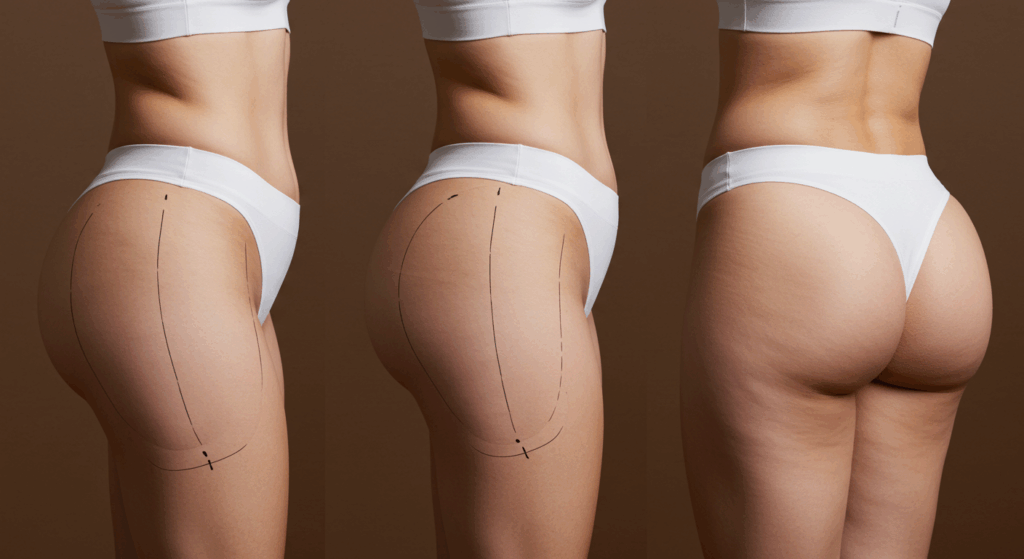
For transgender women, achieving a feminine silhouette often involves addressing areas beyond the face and chest. The shape and proportions of the hips play a crucial role in the overall perception of femininity. Characteristically, female hips are wider and more rounded than male hips, with a distinct inward curve at the waist and a smoother transition to the thighs. In individuals assigned male at birth, the bony structure of the pelvis and the distribution of subcutaneous fat may result in straighter, less defined hips. Hip shaping with body feminization surgery aims to address these differences, creating a more curvaceous and feminine lower torso that aligns with the individual’s gender identity. This aspect of body feminization can significantly enhance self-confidence and body image, contributing to a more complete sense of affirmation.

A woman in a white bodysuit looking at herself in a mirror and smiling.

Understanding Anatomical Differences in Hip Structure and Fat Distribution

The fundamental differences in hip shape between individuals assigned male and female at birth are largely due to the underlying bony pelvis and the influence of sex hormones on fat deposition.

Pelvic Structure

The female pelvis is typically wider and shallower than the male pelvis, with broader iliac crests (the upper, flared portions of the hip bones) and a greater distance between the ischial spines (bony projections in the lower pelvis). This wider bony base contributes to the broader appearance of female hips.

Fat Distribution

Estrogen, the predominant hormone in individuals assigned female at birth, promotes the deposition of subcutaneous fat in the hips, thighs, and buttocks, creating a softer, rounder contour. Conversely, testosterone tends to promote fat storage in the abdominal region. Even with hormone replacement therapy (HRT), the extent of fat redistribution to the hips can be variable and may not fully achieve the desired feminine curves, particularly if significant fat loss has occurred or if the underlying bony structure is less conducive to a wider hip shape.

Close-up of a breast with smooth, even skin tone and natural curves

Surgical Techniques for Hip Shaping

Several surgical techniques can be employed to enhance the curvature and width of the hips as part of body feminization surgery. These techniques primarily involve the augmentation of the soft tissues overlying the pelvic bones.

Autologous Fat Grafting to the Hips (Hip Augmentation with Lipofilling)

Autologous fat grafting, also known as lipofilling or fat transfer, involves harvesting fat from one or more areas of the patient’s body where it is abundant (e.g., abdomen, thighs, flanks), processing it, and then injecting it into the hips to increase volume and create a more rounded shape.

Surgical Procedure

The procedure typically involves three stages:

  1. Fat Harvesting: Fat is harvested using liposuction techniques through small, strategically placed incisions.
  2. Fat Processing: The harvested fat is purified and prepared for injection, often involving centrifugation to separate viable fat cells and remove excess fluid and debris.
  3. Fat Injection: The processed fat is meticulously injected into the subcutaneous and intramuscular layers of the hips, focusing on areas that will create the desired width and curvature. Multiple passes and small aliquots of fat are used to ensure even distribution and maximize graft survival.

Advantages of Autologous Fat Grafting to the Hips

  • Biocompatibility: Since the material is the patient’s own tissue, there is no risk of allergic reaction or rejection.
  • Natural Feel and Appearance: Fat grafts tend to integrate well with the surrounding tissues, providing a soft, natural look and feel.
  • Potential for Long-Term Results: While some fat resorption is expected, the surviving fat cells can provide long-lasting volume enhancement.
  • Donor Site Contouring: Liposuction for fat harvesting can provide contouring benefits to the donor areas, such as the abdomen or thighs, further enhancing the overall feminine silhouette.

Limitations and Considerations of Autologous Fat Grafting to the Hips

  • Variable Graft Survival: The percentage of injected fat that survives the transfer can vary significantly between individuals and injection sites. Multiple sessions may be required to achieve the desired volume and maintain the results over time.
  • Unpredictability: The degree of long-term volume retention can be somewhat unpredictable.
  • Limited Volume Augmentation in a Single Session: There is a limit to the amount of fat that can be safely and effectively injected in a single session.
  • Donor Site Morbidity: Although generally minimal, there can be temporary bruising, swelling, and discomfort at the fat harvesting sites.

Silicone Hip Implants

Silicone implants, similar to those used in breast or buttock augmentation, can be surgically placed to enhance the width and curvature of the hips. These implants are typically made of solid silicone gel and come in various shapes and sizes to achieve the desired aesthetic outcome.

Surgical Procedure

The procedure involves making incisions, typically in the gluteal creases or along the upper outer thighs, to create pockets for the implants. The silicone implants are then inserted into these pockets, either in the subcutaneous or intramuscular plane, and positioned to maximize lateral projection and create a smooth, rounded contour. The incisions are closed with sutures.

Advantages of Silicone Hip Implants

  • Predictable Volume and Shape: Silicone implants provide a consistent and predictable increase in hip width and projection.
  • Significant Volume Augmentation in a Single Procedure: A substantial increase in hip size can be achieved in one surgical session.
  • Long-Lasting Results: Silicone implants are designed to be permanent.

Limitations and Considerations of Silicone Hip Implants

  • Surgical Procedure: Implant placement is a more invasive surgical procedure compared to fat grafting, with associated risks such as infection, hematoma, implant malposition, and capsular contracture (scar tissue formation around the implant).
  • Less Natural Feel: Silicone implants may not feel as soft or natural as autologous fat.
  • Potential for Palpability or Visibility: In some cases, particularly in individuals with less subcutaneous fat, the edges of the implants may be palpable or even visible.
  • Risk of Implant-Related Complications: Although rare, complications such as implant rupture or leakage can occur, requiring revision surgery.
  • Scarring: Incisions, although often placed in inconspicuous areas, will result in permanent scars.

Combination Techniques

In some cases, a combination of autologous fat grafting and silicone implants may be used to achieve optimal hip shaping. Implants can provide significant structural augmentation, while fat grafting can be used to refine the contours, smooth the transitions, and provide a more natural feel to the augmented area.

Body Feminization Procedures to Complement Hip Shaping

Achieving a feminine lower torso often involves more than just augmenting the hips. Several other body feminization procedures can complement hip shaping and contribute to a more balanced and harmonious feminine silhouette.

Waist Reduction (Waist Cinching)

Procedures aimed at narrowing the waist, such as liposuction of the flanks and abdomen or a circumferential body lift, can accentuate the newly created curves of the hips, enhancing the hourglass figure. A defined waist creates a more dramatic contrast with wider hips, contributing to a more feminine aesthetic.

Buttock Augmentation

Enhancing the volume and projection of the buttocks, either with fat grafting (Brazilian Butt Lift) or silicone implants, can further balance the lower torso and create a more curvaceous silhouette when combined with wider hips.

Thigh Contouring

Liposuction of the outer thighs (“saddlebags”) and inner thighs can create a smoother transition from the hips to the legs, contributing to a more streamlined and feminine lower body contour. Fat grafting can also be used to add volume to the upper inner thighs, further enhancing the feminine shape.

Surgical Planning and Considerations for Hip Shaping

Planning for hip shaping surgery involves a thorough assessment of the patient’s anatomy, including the bony pelvis, existing fat distribution, and skin elasticity. The surgeon will discuss the patient’s aesthetic goals and recommend the most appropriate surgical technique or combination of techniques to achieve the desired hip width and curvature. Key considerations include:

  • Desired Hip Width and Projection: The patient’s ideal hip shape and size will influence the choice of augmentation method and the volume or size of implants used.
  • Availability of Donor Fat (for fat grafting): Sufficient fat must be available in other areas of the body for harvesting.
  • Skin Elasticity: Good skin elasticity is important for achieving a smooth contour after augmentation.
  • Overall Body Proportions: The surgeon will consider the patient’s overall body shape to ensure that the hip augmentation is balanced and harmonious with other features.
  • Patient Preferences: The patient’s preference for a more natural feel (fat grafting) versus predictable volume (implants) will be taken into account.

Recovery and Aftercare Following Hip Shaping Surgery

The recovery period following hip shaping surgery varies depending on the surgical technique used.

Recovery After Autologous Fat Grafting to the Hips

  • Swelling and Bruising: Expect swelling and bruising in both the donor and recipient areas, which typically subside over several weeks.
  • Discomfort: Mild to moderate discomfort can be managed with oral pain medication.
  • Compression Garments: Compression garments are typically recommended for the donor areas to minimize swelling and promote healing.
  • Sitting Restrictions: Prolonged direct pressure on the grafted areas should be avoided for several weeks to maximize fat graft survival. Special cushions may be recommended for sitting.
  • Activity Restrictions: Strenuous activity should be avoided for several weeks.
  • Final Results: The final results may take several months to become apparent as the surviving fat cells stabilize.

Recovery After Silicone Hip Implant Surgery

  • Pain and Swelling: Expect pain and significant swelling in the hip and buttock areas, which can last for several weeks.
  • Pain Medication: Prescription pain medication will be necessary to manage post-operative discomfort.
  • Compression Garments: Compression garments are typically worn to support the tissues and reduce swelling.
  • Activity Restrictions: Strenuous activity, heavy lifting, and prolonged sitting directly on the implants should be avoided for several weeks.
  • Incision Care: Follow the surgeon’s instructions for wound care.
  • Final Results: The final shape and contour will become more apparent as the swelling subsides, typically within a few months.

Potential Risks and Complications of Hip Shaping Surgery

As with any surgical procedure, hip shaping surgery carries potential risks and complications, including:

  • Infection: Can occur at the incision sites or around implants.
  • Bleeding and Hematoma: Collection of blood under the skin.
  • Seroma: Accumulation of fluid under the skin.
  • Poor Wound Healing: Delayed or incomplete healing of incisions.
  • Scarring: Visible or hypertrophic scarring.
  • Changes in Sensation: Temporary or permanent numbness or altered sensation in the treated areas.
  • Asymmetry: Uneven size or shape of the hips.
  • Fat Necrosis (with fat grafting): Death of injected fat cells, leading to lumps or oil cysts.
  • Fat Embolism (rare but serious complication of fat grafting).
  • Capsular Contracture (with implants): Scar tissue formation around the implants, leading to firmness or distortion.
  • Implant Malposition or Exposure (with implants).
  • Pain: Persistent pain in the treated areas.

A thorough discussion of these potential risks and complications with the surgeon is crucial before proceeding with hip shaping surgery.

Conclusion: Sculpting Feminine Curves through Hip Shaping

Hip shaping with body feminization surgery offers a significant opportunity for transgender women to achieve a more curvaceous and feminine lower torso that aligns with their gender identity. Whether through autologous fat grafting, silicone implants, or a combination of techniques, these procedures can enhance hip width and roundness, contributing to a more balanced and harmonious feminine silhouette. When combined with other body feminization procedures such as waist reduction and buttock or thigh contouring, the overall transformation can be profound, leading to increased self-confidence and a greater sense of body congruence. Careful surgical planning, a thorough understanding of the available techniques and their associated risks and benefits, and the selection of a skilled and experienced surgeon are essential for achieving safe, effective, and aesthetically pleasing results in hip shaping surgery.

Visit Dr.MFO Instagram profile to see real patient transformations! Get a glimpse of the incredible results achieved through facial feminization surgery and other procedures. The profile showcases before-and-after photos that highlight Dr. MFO’s expertise and artistic vision in creating natural-looking, beautiful outcomes.

Ready to take the next step in your journey? Schedule a free consultation with Dr. MFO ( Best Facial Feminization Surgeon for You) today. During the consultation, you can discuss your goals, ask any questions you may have, and learn more about how Dr. MFO can help you achieve your desired look. Don’t hesitate to take advantage of this free opportunity to explore your options and see if Dr. MFO is the right fit for you.

Understanding Zygoma Reduction Procedures in Facial Feminization Surgery

A close-up portrait of a woman with smooth skin, defined eyebrows, and subtle makeup, wearing a gold hoop earring in her left ear.

The zygomatic bones, commonly known as cheekbones, are prominent structures of the midface that significantly influence facial width, contour, and the overall perception of gender. In individuals with predominantly masculine facial features, the zygomatic arches and the body of the zygoma can exhibit greater lateral projection and robusticity, contributing to a wider and more angular facial appearance. Zygoma reduction, a crucial component of Facial Feminization Surgery (FFS), aims to address these characteristics by reshaping and repositioning the zygomatic bones to create a softer, more tapered, and characteristically feminine midfacial contour.

This procedure plays a pivotal role in harmonizing the midface with other feminized features, such as the forehead, nose, and jawline, leading to a more congruent and aesthetically pleasing outcome for transgender women. A comprehensive understanding of the surgical techniques involved and the anatomical considerations of the zygoma is paramount for both the surgeon and the patient in planning and executing effective facial feminization.

Close-up portrait of a young woman with smooth skin and long dark hair, looking up with soft lighting highlighting her facial features.

Anatomical Considerations of the Zygoma in Facial Feminization

The zygomatic bone is a paired quadrilateral bone that forms the prominence of the cheek, contributes to the lateral wall and floor of the orbit, and articulates with the maxilla, temporal bone (via the zygomatic arch), sphenoid bone, and frontal bone. Key anatomical features relevant to zygoma reduction include:

  • Zygomatic Body: The main body of the cheekbone, which determines the anterior and lateral projection of the cheeks.
  • Zygomatic Arch: A slender bony arch formed by the zygomatic process of the temporal bone and the temporal process of the zygomatic bone. The lateral flare of the zygomatic arch significantly contributes to facial width.
  • Frontal Process: Extends superiorly to articulate with the frontal bone.
  • Temporal Process: Extends posteriorly to articulate with the temporal bone, forming part of the zygomatic arch.
  • Maxillary Process: Extends inferiorly to articulate with the maxilla.
  • Orbital Surface: Forms part of the lateral wall and floor of the orbit.

In masculine facial structures, the zygomatic arches tend to be more laterally flared, and the zygomatic bodies may exhibit increased anterior and lateral projection, resulting in a wider and more angular midface. Feminization often involves reducing this lateral projection and creating a smoother, more medially positioned cheekbone prominence.

Surgical Techniques for Zygoma Reduction

Several surgical techniques can be employed to reduce the prominence of the zygomatic bones, primarily involving osteotomy (bone cutting) and ostectomy (bone removal). The specific techniques used depend on the individual’s anatomy, the degree of reduction required, and the surgeon’s expertise.

Zygomatic Arch Reduction (Inward Fracture and Fixation)

This technique focuses on reducing the lateral flare of the zygomatic arches, which significantly contributes to facial width. It involves carefully fracturing the zygomatic arch and repositioning it more medially.

Surgical Procedure

Performed through incisions typically placed within the hairline in the temporal region and sometimes supplemented with intraoral incisions, the zygomatic arch is exposed. Precise osteotomies are performed to mobilize the arch. The arch is then carefully infractured (bent inward) and secured in the new, more medial position using titanium plates and screws. The surrounding soft tissues are redraped, and the incisions are closed.

Advantages of Zygomatic Arch Reduction

  • Significant Reduction in Facial Width: Effectively narrows the midface, creating a more tapered and feminine contour.
  • Relatively Predictable Outcome: The degree of inward movement can be planned and executed with precision.
  • Concealed Incisions: Hairline incisions offer excellent camouflage.

Limitations and Considerations

  • Technical Complexity: Requires precise surgical technique to avoid damage to surrounding structures, including the temporalis muscle and the facial nerve branches.
  • Risk of Temporomandibular Joint (TMJ) Issues: While rare, alterations to the zygomatic arch can theoretically affect TMJ function.
  • Swelling and Bruising: Significant swelling and bruising are expected and can take several weeks to resolve.
  • Potential for Palpable Hardware: In some cases, the fixation plates and screws may be palpable under the skin.

Zygomatic Body Reduction (Wedge Resection and Contouring)

This technique involves removing a wedge-shaped section of the zygomatic body to reduce its anterior and lateral projection.

Surgical Procedure

Typically performed through intraoral incisions in the upper buccal sulcus (the groove between the cheek and upper gum), the zygomatic body is exposed. A carefully planned wedge of bone is removed, reducing the overall projection. The remaining bony edges are then smoothed and contoured to create a more refined and feminine cheekbone shape. In some cases, additional bone removal or contouring may be performed through temporal or preauricular (in front of the ear) incisions to address the zygomatic arch and body simultaneously.

Advantages of Zygomatic Body Reduction

  • Reduces Cheekbone Prominence: Effectively decreases the anterior and lateral projection of the cheeks, creating a softer midfacial contour.
  • Can Be Combined with Arch Reduction: Allows for comprehensive reshaping of the zygoma.
  • Intraoral Incisions Minimize Visible Scarring: The primary incisions are hidden inside the mouth.

Limitations and Considerations

  • Technical Complexity: Requires meticulous surgical planning and execution to achieve symmetrical and natural-looking results.
  • Risk of Infraorbital Nerve Injury: The infraorbital nerve, which provides sensation to the lower eyelid, cheek, and upper lip, runs close to the zygomatic body and is at risk of injury during this procedure.
  • Swelling and Bruising: Significant swelling and bruising are expected and can take several weeks to resolve.
  • Potential for Contour Irregularities: Careful bone contouring is essential to avoid sharp edges or an unnatural appearance.

Combination Techniques

Often, a combination of zygomatic arch reduction and zygomatic body reduction techniques is employed to achieve the desired degree of midfacial feminization. The specific combination and extent of bone modification are tailored to the individual’s unique anatomy and aesthetic goals.

Minimally Invasive Techniques (Burring and Shaving)

In cases where only a subtle reduction in zygomatic prominence is required, minimally invasive techniques involving burring or shaving down the outer surface of the zygomatic bone may be considered. This is typically performed through small incisions.

Advantages of Minimally Invasive Techniques

  • Less Invasive: Involves less extensive bone cutting and may have a shorter recovery period.
  • Subtle Refinement: Effective for minor contour adjustments.

Limitations and Considerations

  • Limited Degree of Reduction: Not suitable for significant zygomatic prominence.
  • Less Predictable Outcome: The amount of bone removed can be less precisely controlled compared to osteotomy and resection techniques.

The Role of 3D Surgical Planning in Zygoma Reduction

Advanced 3D surgical planning software and cone-beam computed tomography (CBCT) are invaluable tools in planning zygoma reduction procedures. These technologies allow the surgeon to:

  • Accurately Assess the Zygomatic Anatomy: Visualize the zygomatic bones and their relationship to surrounding structures in three dimensions.
  • Simulate Surgical Outcomes: Plan osteotomies, bone removal, and repositioning with greater precision.
  • Create Custom Surgical Guides: Fabricate templates that guide the surgeon during the actual procedure, ensuring accurate bone cuts and achieving the desired reduction.
  • Optimize Symmetry: Plan symmetrical reductions to achieve a balanced and natural-looking result.
  • Improve Patient Communication: Provide visual representations of the planned surgical changes and expected outcomes.

3D surgical planning enhances the safety and predictability of zygoma reduction procedures, particularly complex cases involving significant bone modification.

Integration of Zygoma Reduction with Other FFS Procedures

Zygoma reduction is often performed in conjunction with other FFS procedures to achieve comprehensive facial feminization. Common adjunctive procedures include:

  • Forehead Recontouring and Brow Lift: Creating a softer upper face that harmonizes with the feminized midface.
  • Rhinoplasty: Reshaping the nose to achieve a more feminine size and contour.
  • Cheek Augmentation (Paradoxically): In some cases, subtle augmentation of the anterior cheek area after zygoma reduction can further refine the midfacial contour and create a more feminine convexity.
  • Jawline Contouring and Genioplasty: Refining the lower face to create a more feminine jawline and chin, balancing the overall facial structure.

The sequencing and combination of these procedures are carefully tailored to the individual patient’s anatomy and aesthetic goals.

Recovery and Aftercare Following Zygoma Reduction

The recovery period following zygoma reduction varies depending on the extent of the surgical intervention. Generally, patients can expect:

  • Swelling and Bruising: Significant swelling and bruising are common in the midface and cheek areas, potentially extending to the eyelids. This typically peaks within the first few days and gradually subsides over several weeks.
  • Pain Management: Oral pain medication is prescribed to manage post-operative discomfort.
  • Cold Compresses: Applying cold compresses to the face during the initial days can help reduce swelling and bruising.
  • Head Elevation: Keeping the head elevated, especially during sleep, helps to minimize swelling.
  • Dietary Restrictions: A soft diet may be recommended initially to minimize chewing and stress on the healing bones.
  • Oral Hygiene: Meticulous oral hygiene, including gentle rinsing with antiseptic mouthwash, is crucial, especially with intraoral incisions.
  • Activity Restrictions: Strenuous activity and heavy lifting should be avoided for several weeks.
  • Follow-up Appointments: Regular follow-up appointments with the surgeon are necessary to monitor healing and address any concerns.

Potential Risks and Complications of Zygoma Reduction

Zygoma reduction procedures carry potential risks and complications, including:

  • Infection: Can occur at the incision sites.
  • Bleeding and Hematoma: Collection of blood under the skin.
  • Nerve Damage: Potential injury to branches of the facial nerve (leading to temporary or, rarely, permanent weakness of facial muscles) or the infraorbital nerve (causing numbness in the cheek, lower eyelid, and upper lip).
  • Asymmetry: Uneven reduction or contour between the two sides of the face.
  • Malunion or Non-union: Improper or incomplete healing of the bone segments.
  • Temporomandibular Joint (TMJ) Issues: Although rare, changes in the zygomatic arch can potentially affect TMJ function.
  • Palpable Hardware: Fixation plates and screws may be palpable under the skin in some cases.
  • Contour Irregularities: Sharp edges or unnatural depressions in the cheekbone area.
  • Swelling and Bruising: Prolonged or excessive swelling and bruising.

A thorough discussion of these potential risks and complications with the surgeon is essential before proceeding with zygoma reduction surgery.

A close-up portrait of a woman with curly hair, wearing large gold hoop earrings and makeup. She has a warm, natural expression with subtle eye shadow and lip gloss, emphasizing her eyes and lips.

Conclusion: Achieving Feminine Midfacial Harmony through Zygoma Reduction

Zygoma reduction is a transformative procedure within Facial Feminization Surgery, directly addressing prominent cheekbones to create a softer, more feminine midfacial contour. Techniques ranging from zygomatic arch reduction to zygomatic body resection, often guided by advanced 3D surgical planning, offer effective means to narrow the face and refine cheekbone projection. When performed by a skilled and experienced surgeon, zygoma reduction can harmonize beautifully with other FFS procedures, contributing significantly to overall facial balance and a greater sense of gender congruence for transgender women.

A comprehensive understanding of the anatomical considerations, surgical options, and potential outcomes is crucial for both the patient and the surgeon in navigating this important aspect of facial gender affirmation. Choosing a surgeon specializing in FFS with extensive experience in zygoma reduction is paramount to achieving safe, effective, and aesthetically pleasing results.

Visit Dr.MFO Instagram profile to see real patient transformations! Get a glimpse of the incredible results achieved through facial feminization surgery and other procedures. The profile showcases before-and-after photos that highlight Dr. MFO’s expertise and artistic vision in creating natural-looking, beautiful outcomes.

Ready to take the next step in your journey? Schedule a free consultation with Dr. MFO ( Best Facial Feminization Surgeon for You) today. During the consultation, you can discuss your goals, ask any questions you may have, and learn more about how Dr. MFO can help you achieve your desired look. Don’t hesitate to take advantage of this free opportunity to explore your options and see if Dr. MFO is the right fit for you.
Combining Back Lift with Body Feminization: Enhancing Overall Feminine Contours

A woman posing in a white dress against a black background

For transgender women undergoing gender affirmation, the focus often centers on facial feminization surgery (FFS) and top surgery. However, achieving a comprehensive feminine physique frequently necessitates addressing the contours of the torso. The back, a significant surface area of the body, can contribute to a more masculine silhouette through its width, the distribution of subcutaneous fat, and the definition of the underlying musculature. Combining a back lift with other body feminization procedures represents a holistic approach to sculpting a more congruent and aesthetically feminine form. This synergistic approach can address excess skin and fat in the back while simultaneously enhancing feminine curves in other areas, leading to a more balanced and natural-looking outcome.

A woman in a sleek, form-fitting white outfit stands with her back facing the camera. She is wearing a high-necked, long-sleeved top and matching high-waisted pants. The outfit appears to be made of a smooth, possibly leather or latex material, giving it a modern and stylish look. The background is dark and plain, emphasizing the contrast with the white outfit and the woman's silhouette. The lighting highlights the contours of the outfit, adding to the overall aesthetic appeal of the image.

Understanding Masculine vs. Feminine Back Contours

The aesthetic ideals for a feminine back typically involve a smoother, more tapered appearance from the shoulders down to the waist, with a gentle inward curve at the lumbar region. In contrast, a masculine back often presents with a broader upper region, more defined musculature (particularly the latissimus dorsi and trapezius), and a straighter line from the shoulders to the waist. Hormonal influences during male puberty contribute to this broader shoulder girdle and increased upper body muscle mass. Even with hormone replacement therapy (HRT), significant changes in bony structure and the distribution of existing fat may not be sufficient to achieve the desired feminine back contour. Furthermore, weight fluctuations can lead to excess skin and fat accumulation in the back, further obscuring a feminine silhouette.

The Back Lift Procedure: Addressing Excess Skin and Fat

A back lift, also known as a posterior torso lift or upper body lift, is a surgical procedure designed to address excess skin and fat in the back and flanks. This procedure can improve the overall contour of the upper and mid-back, creating a smoother and more defined waistline. Several variations of the back lift exist, tailored to the individual’s specific anatomical concerns and the extent of skin laxity.

Surgical Techniques for Back Lift

  • Upper Back Lift (Bra-Line Lift): This technique targets excess skin and fat in the upper back, often located just below the bra line. An incision is typically made horizontally across the back, concealed within the bra line if possible. The underlying fat can be liposuctioned, and excess skin is excised before the remaining skin is redraped and sutured. This can improve the appearance of “bra rolls” and create a smoother upper back contour.
  • Lower Back Lift (Circumferential Body Lift/Belt Lipectomy): This more extensive procedure addresses excess skin and fat in the lower back, flanks, and abdomen. A circumferential incision is made around the torso, allowing for the removal of a “belt” of excess skin and fat. This can significantly improve the contour of the lower back, waist, and hips simultaneously.
  • Lateral Back Lift: This technique focuses on the flanks and the lateral aspect of the back, addressing “love handles” and creating a more defined waistline. Incisions are typically placed along the sides of the torso.

Considerations for Back Lift Technique

The choice of back lift technique depends on the amount and location of excess skin and fat, the patient’s overall body shape, and the desired outcome. A thorough pre-operative assessment is crucial to determine the most appropriate surgical approach.

Combining Back Lift with Liposuction

Liposuction is often performed in conjunction with a back lift to further refine the contours and remove excess fat. Liposuction can address localized areas of fat accumulation that may not be effectively treated by skin excision alone. The combination of these techniques can lead to a more sculpted and defined back and waistline.

Synergistic Body Feminization Procedures

Combining a back lift with other body feminization procedures can create a more comprehensive and harmonious transformation of the torso, enhancing overall feminine contours.

Breast Augmentation

Breast augmentation, using either implants or fat grafting, is a fundamental procedure for many transgender women seeking a feminine chest. The increased breast volume and projection can create a more balanced silhouette when combined with a smoother and more defined back and waistline achieved through a back lift. The enhanced curves of the breasts are accentuated by the tapered contour of the back.

Waist Cinching and Flank Contouring

Procedures specifically targeting the waist and flanks, such as liposuction or a lateral back lift, can further enhance the feminine hourglass figure. By reducing the width of the waist and smoothing the transition to the hips, these procedures complement the improvements achieved in the back and breasts.

Buttock Augmentation

Buttock augmentation, using implants or fat grafting (Brazilian Butt Lift), can enhance the curvature and projection of the buttocks, contributing to a more feminine lower body silhouette. When combined with a back lift that defines the waist and upper back, the overall effect is a more sculpted and curvaceous physique.

Thigh and Hip Augmentation

Liposuction of the outer thighs (“saddlebags”) and fat grafting to the hips and inner thighs can create a more feminine lower body contour with smoother curves. This complements the upper body feminization achieved through breast augmentation and back contouring, resulting in a more balanced and harmonious overall feminine form.

Surgical Planning and Considerations for Combined Procedures

Combining a back lift with other body feminization procedures requires meticulous surgical planning. Several factors must be considered:

  • Staging of Procedures: Depending on the extent of the planned surgeries and the patient’s overall health, procedures may be performed simultaneously or staged over multiple sessions. Combining procedures can reduce the overall recovery time and cost but may increase the duration of a single surgical session and the associated risks.
  • Anesthesia Considerations: Longer and more complex combined procedures require careful anesthetic management.
  • Patient Positioning: The patient’s positioning on the operating table must accommodate all planned procedures while ensuring safety and optimal surgical access.
  • Incision Placement: Incisions for each procedure must be carefully planned to minimize visibility and potential for overlap or compromised healing.
  • Recovery and Aftercare: Combining procedures can lead to a more extensive recovery period with greater swelling, bruising, and discomfort. Comprehensive post-operative care instructions are crucial.

Recovery and Aftercare Following Combined Procedures

The recovery process after combining a back lift with other body feminization procedures will vary depending on the specific procedures performed. However, general guidelines include:

  • Pain Management: Adequate pain control with prescribed medications is essential.
  • Swelling and Bruising: Significant swelling and bruising are expected in the treated areas and may take several weeks to subside.
  • Compression Garments: Compression garments are typically recommended for several weeks to help reduce swelling, support healing, and improve contour.
  • Activity Restrictions: Strenuous activity, heavy lifting, and bending should be avoided for several weeks.
  • Wound Care: Incisions must be kept clean and dry, following the surgeon’s instructions.
  • Drain Management: Surgical drains may be placed to remove excess fluid and will be removed after a few days.
  • Positioning: Specific sleeping and sitting positions may be recommended to minimize stress on the surgical areas.
  • Follow-up Appointments: Regular follow-up appointments with the surgeon are necessary to monitor healing and address any concerns.

Potential Risks and Complications of Combined Procedures

Combining a back lift with other body feminization procedures can increase the overall risk of complications, including:

  • Infection: Can occur at any of the incision sites.
  • Bleeding and Hematoma: Collection of blood under the skin.
  • Seroma: Accumulation of fluid under the skin.
  • Poor Wound Healing: Delayed or incomplete healing of incisions.
  • Scarring: Visible or hypertrophic scarring.
  • Changes in Sensation: Temporary or permanent numbness or altered sensation in the treated areas.
  • Asymmetry: Uneven contours between different sides of the body.
  • Deep Vein Thrombosis (DVT) and Pulmonary Embolism (PE): Increased risk with longer surgical procedures.
  • Anesthesia-related complications.
  • Specific risks associated with each individual procedure (e.g., implant-related issues with breast or buttock augmentation, fat necrosis with fat grafting).

A thorough discussion of the potential risks and complications with the surgeon is crucial before proceeding with combined body feminization procedures.

A woman in a white dress standing with her back to the camera against a dark background.

Conclusion: Achieving Comprehensive Feminine Body Contours

Combining a back lift with other body feminization procedures offers a powerful approach to achieving a more congruent and aesthetically feminine physique for transgender women. By addressing excess skin and fat in the back while simultaneously enhancing curves in the breasts, waist, hips, and buttocks, this holistic strategy can create a more balanced and natural-looking transformation of the torso. Meticulous surgical planning, a thorough understanding of the individual’s anatomy and goals, and careful consideration of the potential risks and benefits are essential for successful outcomes. For those seeking a comprehensive approach to body feminization, combining a back lift with other contouring procedures can be a significant step towards achieving greater self-confidence and embodiment of their feminine identity. Choosing an experienced and skilled surgeon with expertise in body contouring for transgender patients is paramount to navigating the complexities of these combined procedures and achieving safe, effective, and aesthetically pleasing results.

Visit Dr.MFO Instagram profile to see real patient transformations! Get a glimpse of the incredible results achieved through facial feminization surgery and other procedures. The profile showcases before-and-after photos that highlight Dr. MFO’s expertise and artistic vision in creating natural-looking, beautiful outcomes.

Ready to take the next step in your journey? Schedule a free consultation with Dr. MFO ( Best Facial Feminization Surgeon for You) today. During the consultation, you can discuss your goals, ask any questions you may have, and learn more about how Dr. MFO can help you achieve your desired look. Don’t hesitate to take advantage of this free opportunity to explore your options and see if Dr. MFO is the right fit for you.

Understanding Maxilla Contouring Techniques in Facial Feminization

A close-up portrait of a young woman with smooth, radiant skin, smiling confidently. She has well-groomed eyebrows, long eyelashes, and is wearing subtle makeup, including lip gloss. Her hair is neatly styled, and she is wearing small diamond earrings. The background is a soft brown, complementing her skin tone.

The maxilla, or upper jawbone, is a central structural component of the midface, significantly influencing its overall shape, projection, and aesthetic perception of gender. Its contribution extends from the infraorbital rims superiorly to the alveolar process inferiorly, encompassing the foundation for the cheeks, the base of the nose, and the upper teeth. In individuals with predominantly masculine facial features, the maxilla may exhibit characteristics such as a flatter anterior surface, less pronounced anterior projection, and a wider interzygomatic distance.

Maxilla contouring, a key aspect of Facial Feminization Surgery (FFS), aims to modify these bony characteristics to create a softer, more convex, and characteristically feminine midfacial appearance. Achieving subtle yet impactful changes to the maxilla can harmonize with other feminizing procedures, such as rhinoplasty, cheek augmentation, and lip lift, leading to a more congruent and aesthetically pleasing facial outcome for transgender women. A comprehensive understanding of the surgical techniques involved and the anatomical nuances of the maxilla is crucial for both the surgeon and the patient in planning and executing effective facial feminization.

A close-up portrait of a woman with smooth skin and red lipstick, wearing a delicate golden necklace and small earrings, with soft shadows casting on her face and shoulders.

Anatomical Considerations of the Maxilla in Facial Feminization

The maxilla is a complex paired bone consisting of a body and four processes: zygomatic, frontal, alveolar, and palatine. Several key anatomical features are relevant in the context of facial feminization:

  • Anterior Maxillary Surface: In masculine faces, this surface tends to be flatter and more vertically oriented. Feminization often involves creating a more convex and anteriorly projected contour.
  • Infraorbital Rim: The bony margin below the eye socket. Masculine features may include a more pronounced or angular rim. Feminization aims for a smoother, more rounded contour.
  • Zygomatic Process: Projects laterally to articulate with the zygomatic bone, forming the zygomatic arch. While direct modification is less common, the overall projection of the maxilla influences cheek prominence.
  • Alveolar Process: Contains the sockets for the upper teeth. Modifications here are typically related to orthognathic surgery rather than direct feminization contouring, although the overall vertical height of the maxilla can influence facial proportions.
  • Piriform Aperture: The pear-shaped opening for the nasal cavity. Contouring around this area can subtly influence the base of the nose.

Understanding the interplay of these anatomical structures and their contribution to the overall masculine or feminine appearance of the midface is essential for targeted surgical intervention.

Surgical Techniques for Maxilla Contouring

Various surgical techniques can be employed to contour the maxilla during FFS, primarily focusing on osteotomy (bone cutting) and osteoplasty (bone reshaping). The specific techniques used depend on the individual’s anatomy and the desired feminization outcomes.

Le Fort I Osteotomy with Anterior and Superior Repositioning

The Le Fort I osteotomy is a foundational surgical technique in orthognathic surgery that involves a horizontal cut above the maxillary teeth, allowing the entire upper jaw to be repositioned. In the context of FFS, this osteotomy can be strategically employed for:

  • Anterior Advancement: Moving the maxilla forward to increase midfacial projection and create a more convex anterior surface. This can address a retrusive or flat midface, contributing to a softer profile.
  • Superior Impaction: Moving the maxilla upwards to reduce vertical maxillary excess, which can sometimes contribute to a longer or more masculine facial appearance. This can also subtly enhance cheek prominence.
  • Rotation: Rotating the maxilla to alter the inclination of the anterior surface and the overall midfacial contour.

Surgical Procedure

The Le Fort I osteotomy is typically performed through incisions inside the mouth (intraoral approach), minimizing visible scarring. The maxilla is carefully down-fractured, mobilized, and then repositioned according to the pre-operative surgical plan, often guided by cephalometric analysis and 3D surgical planning. The repositioned maxilla is then stabilized with titanium plates and screws.

Advantages of Le Fort I Osteotomy

  • Significant Skeletal Change: Allows for substantial and predictable changes to the position and projection of the entire upper jaw.
  • Versatility: Can address multiple midfacial deficiencies in a single procedure.
  • Long-Lasting Results: Provides permanent skeletal alteration.

Limitations and Considerations

  • More Invasive Procedure: Compared to soft tissue augmentation, Le Fort I osteotomy is a more complex surgical procedure with a longer recovery period and a higher risk of complications, including bleeding, infection, nerve damage (potentially affecting sensation in the upper lip and cheeks), and malocclusion (bite problems).
  • Requires Orthodontic Evaluation: Pre- and post-operative orthodontic treatment may be necessary to ensure proper dental occlusion.
  • Swelling and Bruising: Significant swelling and bruising are expected and can take several weeks to resolve.

Anterior Maxillary Ostectomy and Contouring

This technique focuses specifically on reshaping the anterior surface of the maxilla to create a more convex and feminine contour without necessarily involving a full Le Fort I osteotomy. It typically involves removing a small segment of bone and then smoothing the remaining edges.

Surgical Procedure

Performed through an intraoral incision above the upper teeth, a portion of the anterior maxillary wall is carefully removed using specialized instruments. The remaining bone is then contoured and smoothed to achieve the desired curvature.

Advantages of Anterior Maxillary Ostectomy

  • Targeted Reshaping: Directly addresses the flatness of the anterior maxilla.
  • Less Invasive than Le Fort I: Involves less extensive bone cuts and may have a shorter recovery period.
  • Can Enhance Cheek Projection: By increasing the anterior convexity, it can indirectly contribute to the appearance of more prominent cheeks.

Limitations and Considerations

  • Limited Scope of Change: Primarily addresses the anterior surface and does not significantly alter the overall position or vertical height of the maxilla.
  • Risk of Dental Root Damage: Careful surgical technique is required to avoid injury to the roots of the upper teeth.
  • Swelling and Bruising: While less than a Le Fort I, swelling and bruising are still expected.

Infraorbital Rim Contouring (Osteoplasty)

As discussed in the context of midface feminization, the infraorbital rims can be contoured to create a smoother transition between the lower eyelids and the cheeks. This typically involves osteoplasty, the surgical reshaping of bone.

Surgical Procedure

Often performed through incisions made during upper or lower blepharoplasty or a midface lift, the bony edges of the infraorbital rims are carefully reduced and smoothed using specialized burrs and rasps.

Advantages of Infraorbital Rim Contouring

  • Subtle Feminization: Softens a potentially masculine feature of the midface.
  • Often Combined with Other Procedures: Can be integrated seamlessly with other upper and midface FFS procedures.

Limitations and Considerations

  • Limited Impact on Overall Maxillary Shape: Primarily addresses the infraorbital rims and does not significantly alter the projection or anterior convexity of the maxilla.
  • Risk of Infraorbital Nerve Injury: Careful surgical technique is essential to avoid damage to the infraorbital nerve, which can result in temporary or permanent numbness in the cheek and upper lip.

Zygomaticomaxillary Complex Augmentation

While not directly “contouring” the existing maxilla, augmentation of the zygomaticomaxillary complex (which includes the zygomatic bone and its articulation with the maxilla) significantly influences the overall midfacial contour and is a crucial aspect of midface feminization. Techniques include:

  • Cheek Implants: Placement of silicone or porous polyethylene implants over the zygomatic bones to increase cheek projection and create a more feminine malar prominence. These implants often rest on the anterior surface of the maxilla.
  • Fat Grafting to the Cheeks: Injection of autologous fat to enhance cheek volume, indirectly influencing the perceived shape and projection of the maxilla.
  • Dermal Fillers: Injection of hyaluronic acid-based fillers to temporarily augment cheek volume.

While these techniques primarily target the zygomatic bones and overlying soft tissues, they have a significant impact on the overall midfacial contour, which is intrinsically linked to the underlying maxilla.

The Role of 3D Surgical Planning in Maxilla Contouring

Advanced 3D surgical planning software and cone-beam computed tomography (CBCT) play an increasingly important role in complex FFS procedures involving the maxilla. These tools allow the surgeon to:

  • Precisely Analyze the Patient’s Skeletal Anatomy: Visualize the maxilla and its relationship to surrounding structures in three dimensions.
  • Simulate Surgical Outcomes: Plan osteotomies, bone removal, and repositioning with greater accuracy.
  • Create Custom Surgical Guides: Fabricate templates that guide the surgeon during the actual procedure, ensuring precise bone cuts and implant placement.
  • Improve Communication with the Patient: Provide visual representations of the planned surgical changes and expected outcomes.

3D surgical planning enhances the predictability and safety of maxilla contouring procedures, particularly complex cases involving Le Fort I osteotomy.

Integration of Maxilla Contouring with Other FFS Procedures

Maxilla contouring is rarely performed in isolation. To achieve comprehensive and harmonious facial feminization, it is typically integrated with other procedures targeting the upper and lower face. Common adjunctive procedures include:

  • Rhinoplasty: Reshaping the nose to achieve a more feminine size and contour, often performed in conjunction with Le Fort I osteotomy to address the nasal base.
  • Forehead Recontouring and Brow Lift: Creating a softer upper face that complements the feminized midface.
  • Lip Lift and Augmentation: Enhancing the lips to balance the overall facial features.
  • Jawline Contouring and Genioplasty: Refining the lower face to create a more feminine jawline and chin.

The sequence and combination of these procedures are carefully tailored to the individual patient’s anatomy and aesthetic goals.

Recovery and Aftercare Following Maxilla Contouring

The recovery period following maxilla contouring varies depending on the extent of the surgical intervention. Procedures involving osteotomies (e.g., Le Fort I) will have a longer and more involved recovery compared to osteoplasty or augmentation with implants or fillers. General post-operative care includes:

  • Swelling and Bruising: Significant swelling and bruising are expected in the midface area, potentially extending to the cheeks, nose, and upper lip. This typically peaks within the first few days and gradually subsides over several weeks.
  • Pain Management: Oral pain medication is prescribed to manage post-operative discomfort.
  • Dietary Restrictions: A soft or liquid diet is usually recommended for several weeks following Le Fort I osteotomy to allow for proper healing.
  • Oral Hygiene: Meticulous oral hygiene, including gentle rinsing with antiseptic mouthwash, is crucial to prevent infection, especially with intraoral incisions.
  • Activity Restrictions: Strenuous activity and heavy lifting should be avoided for several weeks.
  • Head Elevation: Keeping the head elevated helps to minimize swelling.
  • Follow-up Appointments: Regular follow-up appointments with the surgeon are necessary to monitor healing and address any concerns.
  • Orthodontic Treatment (if applicable): Post-operative orthodontic treatment may be initiated several weeks after Le Fort I osteotomy to refine dental occlusion.

Potential Risks and Complications of Maxilla Contouring

Maxilla contouring procedures, particularly those involving osteotomies, carry potential risks and complications, including:

  • Infection: Can occur at the surgical site.
  • Bleeding and Hematoma: Collection of blood under the skin.
  • Nerve Damage: Potential injury to the infraorbital nerve (affecting sensation in the cheek and upper lip) or other branches of the trigeminal nerve.
  • Malocclusion: Bite problems following Le Fort I osteotomy, often requiring orthodontic correction.
  • Sinusitis: Inflammation of the sinuses, particularly after Le Fort I osteotomy.
  • Non-union or Malunion: Failure of the bone segments to heal properly or healing in an undesirable position.
  • Asymmetry: Uneven contour or projection between the two sides of the maxilla.
  • Dental Root Damage: Injury to the roots of the upper teeth during osteotomy or ostectomy.
  • Complications related to implants (if used): Infection, displacement, or extrusion.
  • Swelling and Bruising: Prolonged or excessive swelling and bruising.

A thorough discussion of these potential risks and complications with the surgeon is essential before proceeding with any maxilla contouring procedure.

A professional headshot of a woman with curly hair, wearing a white blazer, smiling at the camera.

Conclusion: Achieving Feminine Midfacial Harmony through Maxilla Contouring

Maxilla contouring techniques represent a sophisticated and impactful aspect of Facial Feminization Surgery, directly addressing the underlying bony framework of the midface to create a more feminine shape and projection. Procedures ranging from Le Fort I osteotomy to anterior maxillary ostectomy and infraorbital rim contouring, often integrated with zygomatic augmentation, offer a spectrum of options to achieve individualized feminization goals. Advanced surgical planning and a comprehensive understanding of the anatomical nuances of the maxilla are paramount for successful outcomes. For transgender women seeking comprehensive facial gender affirmation, carefully considered and expertly executed maxilla contouring can contribute significantly to overall facial harmony, balance, and a greater sense of congruence with their gender identity. Choosing a highly skilled and experienced surgeon specializing in FFS is crucial to navigate the complexities of these procedures and achieve safe, effective, and aesthetically pleasing results.

Visit Dr.MFO Instagram profile to see real patient transformations! Get a glimpse of the incredible results achieved through facial feminization surgery and other procedures. The profile showcases before-and-after photos that highlight Dr. MFO’s expertise and artistic vision in creating natural-looking, beautiful outcomes.

Ready to take the next step in your journey? Schedule a free consultation with Dr. MFO ( Best Facial Feminization Surgeon for You) today. During the consultation, you can discuss your goals, ask any questions you may have, and learn more about how Dr. MFO can help you achieve your desired look. Don’t hesitate to take advantage of this free opportunity to explore your options and see if Dr. MFO is the right fit for you.

Midface FFS: Your Comprehensive Guide to Facial Feminization

Close-up portrait of a woman with smooth, glowing skin, wearing natural makeup, against a warm brown background.

The midface, extending from the lower eyelids to the upper lip, is a critical region in defining facial aesthetics and plays a significant role in the perception of gender. Anatomically complex, it comprises the maxilla, zygomatic bones, and the soft tissues overlying them, including subcutaneous fat, muscles, and skin. Key features contributing to the overall contour and perceived femininity of the midface include the projection and shape of the cheeks, the definition of the nasolabial folds, and the overall smoothness and volume distribution.

In individuals with predominantly masculine facial characteristics, the midface may present with flatter cheekbones, less subcutaneous fat, and more pronounced nasolabial folds. Facial Feminization Surgery (FFS) targeting the midface aims to address these features, creating a softer, more rounded, and characteristically feminine appearance. Understanding the surgical techniques available to reshape and augment the midface is essential for both the patient and the surgeon in achieving comprehensive facial feminization.

A close-up portrait of a woman with long dark hair, smooth skin, and subtle makeup. She has a serious expression on her face, and the lighting highlights her facial features, creating a sense of depth and focus.

Key Midface Procedures in Facial Feminization Surgery

Several surgical procedures can be employed to feminize the midface, either individually or in combination, depending on the patient’s specific anatomy and desired outcome.

Cheek Augmentation

Cheek augmentation is a cornerstone of midface feminization, aiming to enhance the volume and projection of the zygomaticomalar complex (cheekbones and surrounding soft tissues). Fuller and more prominent cheeks contribute significantly to a softer, more youthful, and feminine facial appearance.

Surgical Techniques for Cheek Augmentation

  • Autologous Fat Grafting (Lipofilling): As discussed previously, this technique involves harvesting fat from another area of the body, processing it, and injecting it into the subcutaneous and intramuscular layers of the cheeks. This offers a natural-feeling and biocompatible augmentation. However, the degree of long-term volume retention can be variable.
  • Synthetic Dermal Fillers: Injectable hyaluronic acid-based fillers can provide immediate volume enhancement to the cheeks. While less invasive, the results are temporary, typically lasting from several months to a year or more, requiring periodic reinjections to maintain the desired volume.
  • Solid Implants: Implants made of silicone or porous polyethylene can be surgically placed over the zygomatic bones to provide permanent augmentation. This technique offers predictable volume and projection but involves a more invasive surgical procedure with associated risks.
  • Osseous Genioplasty with Anterior and Lateral Advancement: While primarily addressing the chin, advancements in osseous genioplasty techniques can be strategically employed to influence the projection of the lower midface, indirectly enhancing the overall midfacial contour in select cases. This involves surgically cutting and repositioning a segment of the chin bone.

Considerations for Cheek Augmentation

The choice of augmentation material and technique depends on factors such as the desired degree of volume enhancement, the patient’s preference for permanence versus reversibility, and the surgeon’s expertise. A thorough facial analysis and discussion of aesthetic goals are crucial in determining the optimal approach.

Nasolabial Fold Reduction

The nasolabial folds, the lines extending from the sides of the nose to the corners of the mouth, can become more pronounced with age and may contribute to a more mature or less feminine appearance. While not always a primary focus of midface feminization, addressing these folds can enhance the overall rejuvenation and softening of the midface.

Techniques for Nasolabial Fold Reduction

  • Dermal Fillers: Injecting hyaluronic acid fillers directly into the nasolabial folds can soften their appearance by adding volume beneath the creases. This is a minimally invasive option with temporary results.
  • Fat Grafting: Injecting autologous fat into the nasolabial folds can provide a more natural and potentially longer-lasting reduction in their prominence.
  • Midface Lift (Cheek Lift): Surgical elevation of the midface tissues, often performed through incisions hidden within the hairline or along the eyelid crease, can indirectly reduce the prominence of the nasolabial folds by lifting the overlying skin and soft tissues. This is a more invasive procedure with a longer recovery period but can offer more significant and longer-lasting results.

Considerations for Nasolabial Fold Reduction

The decision to address the nasolabial folds and the choice of technique depend on the severity of the folds, the patient’s age and skin elasticity, and the overall goals of facial feminization. In some cases, addressing cheek volume with augmentation can indirectly improve the appearance of the nasolabial folds.

Infraorbital Rim Contouring

The infraorbital rims, the bony edges below the eyes, can sometimes appear more prominent or angular in individuals with masculine facial features. Subtle contouring of this area can contribute to a smoother and more feminine transition between the midface and the lower eyelids.

Surgical Techniques for Infraorbital Rim Contouring

  • Osseous Contouring (Osteoplasty): Involves surgically shaving down or reshaping the bony prominence of the infraorbital rims through incisions typically made during a lower blepharoplasty (eyelid surgery) or a midface lift. This provides a permanent change to the underlying bone structure.
  • Dermal Fillers: Injecting small amounts of hyaluronic acid fillers along the infraorbital rim can subtly soften sharp angles and create a smoother contour. This is a minimally invasive option with temporary results.
  • Fat Grafting: Similar to dermal fillers, autologous fat can be injected along the infraorbital rim to add subtle volume and improve contour.

Considerations for Infraorbital Rim Contouring

Infraorbital rim contouring is often performed in conjunction with other midface or upper face feminization procedures. The extent of contouring required depends on the individual’s bony structure and aesthetic goals. Precise surgical technique is essential to avoid complications and achieve a natural-looking result.

Lip Augmentation and Shaping

While technically part of the lower face, the lips significantly contribute to the overall balance and femininity of the midface region. Fuller, well-defined lips are often considered a feminine characteristic.

Techniques for Lip Augmentation and Shaping

  • Dermal Fillers: Hyaluronic acid fillers are commonly used to increase lip volume, enhance the vermilion border (the outline of the lips), and refine the shape of the Cupid’s bow (the double curve of the upper lip).
  • Fat Grafting: Autologous fat can be injected into the lips for a more natural and potentially longer-lasting augmentation.
  • Surgical Lip Lift: Various surgical techniques can elevate the upper lip, increase the visibility of the vermilion, and shorten the philtrum (the distance between the nose and the upper lip), creating a more youthful and feminine lip appearance.
  • Lip Implants: Silicone or other biocompatible implants can be surgically placed in the lips for permanent volume enhancement.

Considerations for Lip Augmentation and Shaping

The desired lip volume and shape are highly individual. The surgeon will assess the patient’s existing lip anatomy and discuss the various options to achieve a natural-looking and balanced result that complements the overall facial feminization.

A profile view of a person with a shaved head, facing to the right, against an orange background.

The Midface Lift: A Comprehensive Approach to Midface Rejuvenation and Feminization

A midface lift, also known as a cheek lift, is a surgical procedure that elevates the soft tissues of the midface, addressing sagging, volume loss, and the prominence of the nasolabial folds. While often considered a rejuvenating procedure, it can also play a significant role in midface feminization by restoring a more youthful and lifted contour.

Surgical Techniques for Midface Lift

  • Subperiosteal Midface Lift: Involves releasing the soft tissues from the underlying bone (periosteum) and elevating them vertically. This technique can provide a significant and long-lasting lift.
  • Malar Fat Pad Suspension: Focuses on repositioning the malar fat pads (the fat pads in the cheeks) to restore youthful volume and projection.
  • Transconjunctival Midface Lift: Performed through an incision inside the lower eyelid, minimizing visible scarring. This approach is often used for more limited midface elevation.
  • Temporal Approach Midface Lift: Involves incisions in the temporal hairline and allows for elevation of the lateral midface and improvement of the nasolabial folds.

Considerations for Midface Lift

A midface lift is a more invasive surgical procedure with a longer recovery period compared to non-surgical options. It is typically considered for patients with significant midface descent or those seeking more dramatic and long-lasting results. The choice of technique depends on the individual’s anatomy and the extent of lift required.

Integration of Midface FFS with Other Facial Feminization Procedures

Midface feminization procedures are rarely performed in isolation. To achieve comprehensive and harmonious facial feminization, they are typically integrated with other procedures targeting the upper and lower face. For instance:

  • Upper Face: Forehead recontouring and brow lift create a more feminine brow and forehead, complementing the softened midface.
  • Lower Face: Jawline contouring and genioplasty refine the shape of the jaw and chin, balancing the overall facial structure.

The sequencing and combination of these procedures are meticulously planned to address the individual’s unique facial features and achieve a cohesive and natural-looking feminized appearance.

Recovery and Aftercare Following Midface FFS

The recovery period following midface FFS varies depending on the specific procedures performed. Generally, patients can expect:

  • Swelling and Bruising: Significant swelling and bruising are common in the midface area and may extend to the eyelids and cheeks. This typically subsides over 1-3 weeks.
  • Discomfort: Mild to moderate discomfort can be managed with oral pain medication.
  • Activity Restrictions: Avoid strenuous activity, heavy lifting, and activities that increase blood pressure for several weeks.
  • Head Elevation: Keeping the head elevated, especially during sleep, helps to reduce swelling.
  • Cold Compresses: Applying cold compresses to the midface area can help minimize swelling and bruising.
  • Incision Care: Follow the surgeon’s instructions for wound care if surgical incisions were made.
  • Follow-up Appointments: Regular follow-up appointments with the surgeon are necessary to monitor healing progress.
  • Final Results: The final results of midface FFS may take several months to become fully apparent as swelling resolves and tissues settle.

Potential Risks and Complications of Midface FFS

As with any surgical procedure, midface FFS carries potential risks and complications, including:

  • Infection: Although rare with proper surgical technique and sterile conditions.
  • Bleeding and Hematoma: Collection of blood under the skin, which may require drainage.
  • Nerve Damage: Temporary or, rarely, permanent numbness or weakness in the midface or cheek area.
  • Asymmetry: Uneven volume or contour between the two sides.
  • Poor Healing: Delayed or complicated wound healing.
  • Scarring: While surgeons aim to minimize visible scarring, some scarring is inevitable with surgical procedures.
  • Changes in Sensation: Temporary or permanent changes in skin sensation in the midface area.
  • Ectropion: Lower eyelid turning outward (more common with lower blepharoplasty combined with midface lift).
  • Cheek Descent: Recurrence of sagging over time.
  • Complications related to specific augmentation materials (e.g., implant infection, filler migration).

It is crucial to have a thorough discussion with your surgeon about the potential risks and complications associated with the specific midface FFS procedures you are considering.

Achieving Midface Feminization and Facial Harmony

Conclusion: Achieving Midface Feminization and Facial Harmony

The midface is a pivotal region in the pursuit of facial feminization, and the procedures targeting this area play a crucial role in softening masculine features and creating a more feminine and harmonious facial appearance. From cheek augmentation to nasolabial fold reduction and midface lift, a range of surgical and non-surgical techniques are available to address the unique anatomical characteristics and aesthetic goals of each individual.

For transgender women seeking comprehensive facial gender affirmation, a carefully planned and executed approach to midface FFS, often integrated with other feminizing procedures, can lead to significant improvements in facial aesthetics and a greater sense of self-confidence and well-being. Choosing an experienced and skilled surgeon with a deep understanding of facial feminization principles is paramount to achieving safe, effective, and natural-looking results in the midface region.

Visit Dr.MFO Instagram profile to see real patient transformations! Get a glimpse of the incredible results achieved through facial feminization surgery and other procedures. The profile showcases before-and-after photos that highlight Dr. MFO’s expertise and artistic vision in creating natural-looking, beautiful outcomes.

Ready to take the next step in your journey? Schedule a free consultation with Dr. MFO ( Best Facial Feminization Surgeon for You) today. During the consultation, you can discuss your goals, ask any questions you may have, and learn more about how Dr. MFO can help you achieve your desired look. Don’t hesitate to take advantage of this free opportunity to explore your options and see if Dr. MFO is the right fit for you.

Temporal Fossa Augmentation with Facial Feminization Surgery: Everything You Need to Know

A close-up portrait of a woman with smooth, radiant skin. Her facial features are highlighted, with a focus on the cheekbones, nose, and lips. The lighting emphasizes the natural texture and glow of her skin, creating a soft and elegant appearance.

The temporal fossa, located on the lateral aspect of the skull, superior and posterior to the zygomatic arch, is a complex anatomical region. Bounded by the temporal lines superiorly and laterally, the zygomatic arch inferiorly, the frontal and sphenoid bones anteriorly, and the parietal and temporal bones posteriorly, this area plays a subtle yet crucial role in the overall contour and aesthetic perception of the face. In individuals with a predominantly masculine facial structure, the temporal fossae can often appear relatively hollowed or flattened due to the underlying bony architecture and the distribution of subcutaneous tissues and the temporalis muscle.

From a facial feminization surgery (FFS) perspective, augmentation of the temporal fossae is a procedure that addresses this characteristic, contributing to a softer, more rounded, and characteristically feminine upper facial contour. The subtle convexity achieved through temporal fossa augmentation can harmonize with other feminizing procedures, such as forehead recontouring, brow lift, and cheek augmentation, leading to a more congruent and aesthetically pleasing facial appearance for transgender women. Recognizing the anatomical nuances and the impact of this region on perceived gender is paramount in the comprehensive planning of FFS.

Temporal Fossa Augmentation with Facial Feminization Surgery: Everything You Need to Know

The Rationale for Temporal Fossa Augmentation in Facial Feminization

The aesthetic goals of FFS often involve softening sharp angles and increasing the overall roundness and smoothness of the facial features. The temporal fossae, when deficient in volume, can contribute to a more angular or even gaunt appearance of the upper face, which is often perceived as more masculine. Augmentation of this region aims to:

  • Restore Volume Loss: Hormonal changes associated with male puberty can lead to increased prominence of the underlying bony structures, including the temporal lines, making the temporal fossae appear more depressed.
  • Soften the Upper Facial Contour: Adding volume to the temporal fossae creates a smoother transition between the forehead and the zygomatic arches, reducing sharp angles and contributing to a more curvilinear and feminine outline.
  • Enhance Facial Harmony: By balancing the volume in the upper face with other feminized features, such as fuller cheeks and a refined jawline, temporal fossa augmentation contributes to overall facial harmony and aesthetic balance.
  • Create a More Youthful Appearance: Volume loss in the temporal region is also a common sign of aging. Augmentation can restore a more youthful fullness to the upper face.

Surgical Techniques for Temporal Fossa Augmentation

Several surgical techniques can be employed to augment the temporal fossae, each with its own advantages and considerations. The choice of technique depends on factors such as the degree of augmentation required, the patient’s anatomical characteristics, and the surgeon’s preference and expertise.

Autologous Fat Grafting (Lipofilling)

Autologous fat grafting involves harvesting fat from one area of the patient’s body (e.g., abdomen, thighs), processing it, and then injecting it into the temporal fossae.

Surgical Procedure

The procedure typically involves three stages:

  1. Harvesting: Fat is harvested using liposuction techniques through small incisions.
  2. Processing: The harvested fat is purified and prepared for injection, often involving centrifugation to separate viable fat cells.
  3. Injection: The processed fat is meticulously injected into the subcutaneous and intramuscular layers of the temporal fossae through small cannulas. Multiple passes and small aliquots of fat are used to achieve even distribution and optimal graft survival.

Advantages of Autologous Fat Grafting

  • Biocompatibility: Since the material is the patient’s own tissue, there is no risk of allergic reaction or rejection.
  • Natural Feel and Appearance: Fat grafts tend to integrate well with the surrounding tissues, providing a natural look and feel.
  • Potential for Long-Term Results: While some fat resorption is expected, the surviving fat cells can provide long-lasting volume enhancement.
  • Additional Benefits: Liposuction for fat harvesting can provide contouring benefits to the donor area.

Limitations and Considerations

  • Variable Graft Survival: The amount of fat that survives the transfer can vary, and multiple sessions may be required to achieve the desired volume.
  • Unpredictability: The degree of long-term volume retention can be somewhat unpredictable.
  • Donor Site Morbidity: Although generally minimal, there can be temporary bruising, swelling, and discomfort at the fat harvesting sites.

Synthetic Dermal Fillers

Various commercially available dermal fillers, primarily composed of hyaluronic acid (HA), can be used for temporary augmentation of the temporal fossae.

Injection Technique

Dermal fillers are injected directly into the subcutaneous or supraperiosteal planes of the temporal fossae using needles or cannulas. The choice of filler product depends on the desired volume and longevity of the results.

Advantages of Synthetic Dermal Fillers

  • Minimally Invasive: Injections are quick and require minimal downtime.
  • Immediate Results: The volumizing effect is visible immediately after injection.
  • Reversibility (for HA fillers): Hyaluronic acid fillers can be dissolved using hyaluronidase if necessary.
  • Predictable Volume Augmentation: The amount of volume added can be precisely controlled.

Limitations and Considerations

  • Temporary Results: Dermal fillers are not permanent, and the duration of their effect varies depending on the type of filler used (typically ranging from 6 months to 2 years). Repeat injections are required to maintain the results.
  • Potential Side Effects: Common side effects include bruising, swelling, and redness at the injection site. Rare but potential complications include infection, nodule formation, and vascular occlusion.
  • Cost Over Time: The cumulative cost of repeated filler injections can be significant over the long term.

Solid Implants

Solid implants made of materials such as silicone or porous polyethylene can provide a permanent solution for temporal fossa augmentation.

Surgical Procedure

The procedure involves creating small incisions, typically hidden within the hairline, to create pockets over the temporal bones. Custom-designed or pre-shaped implants are then inserted into these pockets and positioned to achieve the desired volume and contour. The incisions are closed with sutures.

Advantages of Solid Implants

  • Permanent Results: Solid implants provide a long-lasting augmentation.
  • Predictable Volume and Shape: The size and shape of the implants are predetermined, offering a predictable outcome.
  • Single Surgical Procedure: Unlike fat grafting, which may require multiple sessions, implants are typically placed in a single surgery.

Limitations and Considerations

  • Surgical Procedure: Implant placement is a more invasive surgical procedure compared to injections, with associated risks such as infection, hematoma, and implant malposition.
  • Potential for Capsular Contracture: In some cases, the body can form scar tissue around the implant (capsular contracture), which can lead to firmness or distortion.
  • Revisions May Be Necessary: While permanent, implants may require revision or removal in the future due to complications or aesthetic preferences.
  • Less Natural Feel (compared to fat): While biocompatible, solid implants may not feel as natural as injected fat.

Temporal Fossa Augmentation in the Context of FFS

Temporal fossa augmentation is often considered as part of a comprehensive FFS plan, particularly in individuals who present with significant hollowing in this region. The decision to include this procedure depends on the individual’s facial structure, aesthetic goals, and the surgeon’s assessment.

Integration with Other FFS Procedures

Temporal fossa augmentation is frequently performed in conjunction with other FFS procedures to achieve a balanced and harmonious facial feminization outcome. Common accompanying procedures include:

  • Forehead Recontouring: Smoothing the prominent brow bones and reshaping the frontal sinus region.
  • Brow Lift: Elevating the position and arch of the eyebrows to create a more feminine and youthful appearance.
  • Cheek Augmentation: Enhancing the volume and projection of the cheeks to create a softer midface.
  • Rhinoplasty: Reshaping the nose to achieve a more feminine size and contour.
  • Jawline Contouring and Genioplasty: Refining the shape and size of the jaw and chin.

The sequence and combination of these procedures are carefully planned to address the individual’s specific needs and create a cohesive and natural-looking feminized facial appearance.

Patient Assessment and Planning

A thorough pre-operative assessment is crucial for successful temporal fossa augmentation. This involves:

  • Detailed Medical History: Reviewing the patient’s overall health, medications, allergies, and any previous surgical procedures.
  • Facial Analysis: Assessing the degree of temporal hollowing, the underlying bony structure, and the quality of the soft tissues.
  • Discussion of Aesthetic Goals: Understanding the patient’s desired outcome and expectations regarding volume, shape, and longevity of the results.
  • Imaging Studies (if necessary): In some cases, CT scans may be used to evaluate the underlying bony anatomy.
  • Photography: Standardized facial photographs are taken to document the pre-operative condition and for surgical planning.

Based on this assessment, the surgeon will recommend the most appropriate augmentation technique and discuss the potential risks, benefits, and limitations of the chosen approach.

Considerations Specific to MTF Patients

For transgender women undergoing FFS, temporal fossa augmentation can play a significant role in achieving a more feminine upper facial appearance. The subtle increase in volume can soften features that may be perceived as more masculine and contribute to a greater sense of gender congruence. It is essential for the surgeon to have a deep understanding of the nuances of facial feminization and the aesthetic ideals associated with female facial morphology.

Recovery and Aftercare Following Temporal Fossa Augmentation

The recovery period following temporal fossa augmentation varies depending on the surgical technique used.

Autologous Fat Grafting

  • Swelling and Bruising: Expect swelling and bruising in both the donor and recipient areas, which typically subside over 1-2 weeks.
  • Discomfort: Mild to moderate discomfort can be managed with oral pain medication.
  • Activity Restrictions: Avoid strenuous activity for several weeks.
  • Compression Garments: Compression garments may be recommended for the donor areas to minimize swelling and promote healing.
  • Final Results: The final results of fat grafting may take several months to become apparent as the surviving fat cells stabilize.

Synthetic Dermal Fillers

  • Minimal Downtime: Most patients can return to their normal activities immediately after the procedure.
  • Mild Swelling and Bruising: Some mild swelling and bruising at the injection sites are common and usually resolve within a few days.
  • Avoidance of Pressure: Avoid excessive pressure on the treated areas for a few days.

Solid Implants

  • Swelling and Bruising: Significant swelling and bruising around the temporal areas are expected and may last for several weeks.
  • Discomfort: Moderate discomfort can be managed with oral pain medication.
  • Head Elevation: Keeping the head elevated can help reduce swelling.
  • Activity Restrictions: Avoid strenuous activity and heavy lifting for several weeks.
  • Incision Care: Follow the surgeon’s instructions for wound care.
  • Final Results: The final results become more apparent as the swelling subsides, typically within a few months.

Potential Risks and Complications

As with any surgical or injectable procedure, temporal fossa augmentation carries potential risks and complications. These can include:

  • Infection: Although rare with proper surgical technique and sterile conditions.
  • Bleeding and Hematoma: Collection of blood under the skin, which may require drainage.
  • Nerve Damage: Temporary or, rarely, permanent numbness or weakness in the temporal region.
  • Asymmetry: Uneven volume or contour between the two sides.
  • Poor Graft Survival (fat grafting): Unpredictable resorption of injected fat.
  • Nodule Formation (fillers or fat): Lumps or bumps under the skin.
  • Capsular Contracture (implants): Scar tissue formation around the implant, leading to firmness or distortion.
  • Implant Malposition or Exposure: Movement or protrusion of the implant.
  • Allergic Reaction (fillers): Rare, but possible with certain filler materials.
  • Vascular Occlusion (fillers): Blockage of a blood vessel, a rare but serious complication that can lead to skin necrosis.

It is crucial to discuss these potential risks and complications in detail with your surgeon before proceeding with the procedure.

Conclusion: Enhancing Facial Femininity through Temporal Fossa Augmentation

Temporal fossa augmentation is a valuable tool in the armamentarium of Facial Feminization Surgery, offering a subtle yet significant enhancement to the upper facial contour. By restoring volume and softening the transition between the forehead and the midface, this procedure contributes to a more balanced, harmonious, and characteristically feminine appearance. The choice of augmentation technique – autologous fat grafting, synthetic dermal fillers, or solid implants – depends on individual factors and aesthetic goals. For transgender women seeking comprehensive facial feminization, temporal fossa augmentation, performed by an experienced and skilled surgeon, can be a key step in achieving greater gender congruence and self-confidence. A thorough understanding of the anatomical considerations, surgical options, and potential outcomes is essential for both the patient and the surgeon in navigating this important aspect of facial gender affirmation.

Visit Dr.MFO Instagram profile to see real patient transformations! Get a glimpse of the incredible results achieved through facial feminization surgery and other procedures. The profile showcases before-and-after photos that highlight Dr. MFO’s expertise and artistic vision in creating natural-looking, beautiful outcomes.

Ready to take the next step in your journey? Schedule a free consultation with Dr. MFO ( Best Facial Feminization Surgeon for You) today. During the consultation, you can discuss your goals, ask any questions you may have, and learn more about how Dr. MFO can help you achieve your desired look. Don’t hesitate to take advantage of this free opportunity to explore your options and see if Dr. MFO is the right fit for you.
Glabellar Line Reduction with Facial Feminization Surgery in Turkey: Your Complete Guide

A close-up image of a person's forehead with visible horizontal wrinkles and slight frown lines between the eyebrows.

The glabellar region, the smooth skin between the eyebrows and above the nose, is often the site of dynamic rhytides, commonly known as glabellar lines or “frown lines.” These vertical creases can develop over time due to repetitive contraction of the procerus, corrugator supercilii, and depressor supercilii muscles. While a natural consequence of facial expression, prominent glabellar lines can project an appearance of sternness, anger, or age, which may be incongruent with an individual’s internal sense of self, particularly for transgender women undergoing facial feminization surgery (FFS).

From a surgical perspective, addressing glabellar lines is a crucial aspect of achieving comprehensive facial feminization. The subtle smoothing of this area can significantly contribute to a softer, more feminine aesthetic, harmonizing with other feminizing procedures such as forehead contouring, brow lift, and rhinoplasty. Understanding the underlying anatomy and the available surgical and non-surgical techniques is paramount for both the patient and the surgeon in formulating a personalized treatment plan.

A close-up image of a woman's face with closed eyes, showing her eyebrows and eyelashes prominently, likely taken during a beauty or skincare treatment.

The Role of Facial Feminization Surgery (FFS) in Glabellar Line Reduction

Facial Feminization Surgery encompasses a range of procedures designed to soften masculine facial features and create a more feminine appearance. When it comes to glabellar lines, FFS offers both direct and indirect approaches to achieve a smoother contour.

Direct Surgical Intervention: Myotomy and Muscle Modification

Direct surgical intervention involves physically altering the muscles responsible for creating glabellar lines. During a brow lift or forehead contouring procedure, the surgeon can access these muscles – the procerus, corrugator supercilii, and depressor supercilii – and perform a myotomy (surgical division of muscle fibers) or partial resection (removal of a portion of the muscle).

Surgical Technique

The surgical approach typically involves an incision, often hidden within the hairline or along existing forehead creases to minimize visible scarring. Through this incision, the subcutaneous tissues are elevated to expose the underlying musculature. The surgeon then meticulously identifies and weakens or divides the specific muscle fibers contributing to the glabellar furrows. This precise manipulation reduces the muscle’s ability to contract forcefully, thereby diminishing the appearance of existing lines and preventing the formation of deeper creases in the future.

Advantages of Direct Surgical Intervention

  • Long-lasting Results: By directly addressing the underlying musculature, the results of surgical glabellar line reduction are typically more permanent compared to non-surgical options.
  • Comprehensive Approach: Often performed in conjunction with other FFS procedures like brow lift and forehead contouring, providing a holistic facial feminization outcome.
  • Predictable Outcome: With careful surgical planning and execution, the degree of glabellar line reduction can be relatively predictable.

Limitations and Considerations

  • Surgical Risks: As with any surgical procedure, there are inherent risks including bleeding, infection, scarring, and nerve damage (though temporary numbness in the forehead is more common).
  • Recovery Period: Surgical intervention requires a recovery period involving swelling, bruising, and potential discomfort.
  • Cost: FFS procedures are generally more expensive than non-surgical treatments.

Indirect Improvement through Brow Lift and Forehead Contouring

A brow lift, whether coronal or endoscopic, elevates the position of the eyebrows and can indirectly improve the appearance of glabellar lines by smoothing the overlying skin. Similarly, forehead contouring, which often involves reshaping the underlying bone, can also contribute to a smoother forehead and less prominent glabellar creases.

Brow Lift Techniques

  • Coronal Brow Lift: Involves an incision across the top of the head, from ear to ear. While effective for significant brow elevation, it can result in a longer scar and potential scalp numbness.
  • Endoscopic Brow Lift: Utilizes small incisions and an endoscope (a thin tube with a camera) to lift and reposition the brow tissues. This technique generally results in smaller scars and a shorter recovery.

Forehead Contouring

Forehead contouring aims to reduce the prominence of the brow bone and create a smoother, more feminine forehead shape. This often involves osteoplasty (shaving down bone) or the use of bone cement to achieve the desired contour. The resulting smoother surface can indirectly lessen the appearance of glabellar lines.

Synergistic Effects

Combining brow lift and forehead contouring can yield a significant improvement in the overall appearance of the upper face, including a noticeable reduction in glabellar lines. The elevation of the brows and the smoothing of the forehead work in concert to create a more youthful and feminine aesthetic.

Non-Surgical Options for Glabellar Line Reduction: A Complementary Approach

While FFS offers long-lasting solutions, non-surgical treatments can play a valuable role in addressing glabellar lines, either as standalone procedures or as complementary treatments to enhance and maintain surgical results.

Botulinum Toxin (Botox) Injections

Botulinum toxin type A, commonly known as Botox, Dysport, or Xeomin, is a neurotoxin that temporarily paralyzes muscle activity. When injected into the procerus and corrugator supercilii muscles, it blocks the nerve signals that cause muscle contraction, effectively smoothing out existing glabellar lines and preventing the formation of new ones.

Mechanism of Action

Botulinum toxin works by inhibiting the release of acetylcholine, a neurotransmitter responsible for muscle contraction, at the neuromuscular junction. This temporary paralysis relaxes the targeted muscles, allowing the overlying skin to smooth out.

Advantages of Botox

  • Minimally Invasive: Injections are quick and require no significant downtime.
  • Effective for Dynamic Lines: Botox is particularly effective for addressing lines that appear with facial movement.
  • Preventative Measure: Regular treatments can help prevent the formation of deeper, static lines.

Limitations and Considerations

  • Temporary Results: The effects of Botox typically last for 3-6 months, requiring repeat treatments to maintain the results.
  • Skill-Dependent: Precise injection technique is crucial to achieve natural-looking results and avoid complications like brow ptosis (drooping).
  • Does Not Address Static Lines: Botox is less effective for deep, etched-in lines that are present even when the face is at rest.

Dermal Fillers

Dermal fillers are injectable substances, typically composed of hyaluronic acid, that add volume beneath the skin’s surface. They can be used to fill in static glabellar lines, providing a smoother appearance.

Mechanism of Action

Hyaluronic acid fillers work by physically occupying the space beneath the wrinkle, plumping up the skin and reducing the depth of the line. They also attract and retain moisture, further improving skin hydration and appearance.

Advantages of Dermal Fillers

  • Immediate Results: The effects of fillers are visible immediately after injection.
  • Effective for Static Lines: Fillers can improve the appearance of lines that are present even at rest.
  • Versatile: Different types of fillers are available to address varying depths of wrinkles.

Limitations and Considerations

  • Temporary Results: The longevity of fillers varies depending on the type of filler used and individual metabolism, typically lasting from 6 months to 2 years.
  • Potential Side Effects: Common side effects include bruising, swelling, and redness at the injection site. More rare but possible complications include infection, nodule formation, and vascular occlusion.
  • May Not Address Underlying Muscle Activity: Fillers primarily address the volume deficit and do not prevent muscle contraction that contributes to line formation.

Combination Therapies

Often, the most effective approach to glabellar line reduction involves a combination of surgical and non-surgical techniques. For instance, surgical myotomy can provide a long-lasting reduction in muscle activity, while Botox injections can be used to fine-tune the results and prevent the recurrence of dynamic lines. Dermal fillers can address any remaining static lines or volume deficits.

Glabellar Line Reduction in the Context of FFS in Turkey

Turkey has emerged as a prominent destination for individuals seeking Facial Feminization Surgery, offering a combination of highly skilled surgeons, state-of-the-art medical facilities, and more affordable costs compared to many Western countries. When considering glabellar line reduction as part of your FFS journey in Turkey, several factors warrant careful consideration.

Surgeon Expertise and Specialization

It is crucial to choose a surgeon in Turkey who has extensive experience specifically in Facial Feminization Surgery and a thorough understanding of the nuances of facial aesthetics for transgender women. Look for surgeons who:

  • Have a strong portfolio of before-and-after photos demonstrating successful glabellar line reduction in MTF patients.
  • Are board-certified in plastic surgery or facial plastic and reconstructive surgery.
  • Have specific training and experience in the surgical techniques relevant to glabellar line treatment (e.g., brow lift, forehead contouring, muscle modification).
  • Demonstrate a clear understanding of the aesthetic goals of facial feminization.

Comprehensive Consultation and Personalized Treatment Planning

A thorough consultation with your chosen surgeon in Turkey is essential. During this consultation, you should discuss your specific concerns regarding glabellar lines and your overall facial feminization goals. The surgeon will assess your facial anatomy, skin quality, and muscle activity to determine the most appropriate treatment plan. This plan may involve:

  • Direct surgical modification of the glabellar muscles during forehead contouring or brow lift.
  • Standalone non-surgical treatments like Botox or dermal fillers.
  • A combination of surgical and non-surgical approaches.

Understanding the Surgical Facility and Standards of Care

Ensure that the medical facility in Turkey where your FFS will be performed adheres to high standards of safety and hygiene. Reputable clinics will have:

  • Accreditation from relevant medical authorities.
  • Modern surgical equipment and facilities.
  • Experienced and qualified nursing and support staff.
  • Comprehensive pre- and post-operative care protocols.

Cost Considerations

While FFS in Turkey is often more affordable than in other regions, the cost of glabellar line reduction will depend on the specific procedures involved. Discuss the complete cost breakdown with your surgeon, including surgeon’s fees, anesthesia fees, hospital fees, and any potential costs for follow-up treatments or non-surgical enhancements.

Post-Operative Care and Recovery in Turkey

Be prepared to follow your surgeon’s post-operative instructions diligently. This may involve:

  • Medications to manage pain and prevent infection.
  • Cold compresses to reduce swelling and bruising.
  • Specific head positioning.
  • Avoiding strenuous activity.
  • Follow-up appointments with your surgeon to monitor your healing progress.

Ensure you have a clear understanding of the expected recovery timeline and any specific aftercare requirements when planning your FFS in Turkey.

Conclusion: Achieving Facial Harmony through Glabellar Line Reduction

Glabellar line reduction, whether achieved through surgical or non-surgical techniques, plays a vital role in the overall success of Facial Feminization Surgery. By addressing these lines, a softer, more feminine, and congruent facial aesthetic can be achieved, contributing significantly to the well-being and self-confidence of transgender women.

When considering FFS in Turkey, meticulous research, careful selection of a qualified and experienced surgeon, and open communication about your goals are paramount. A personalized treatment plan, tailored to your individual anatomy and desired outcome, will ensure the most effective and harmonious results, helping you on your journey towards complete gender affirmation. Embracing the possibilities offered by modern surgical and non-surgical interventions can empower you to achieve the facial features that align with your true identity.

Visit Dr.MFO Instagram profile to see real patient transformations! Get a glimpse of the incredible results achieved through facial feminization surgery and other procedures. The profile showcases before-and-after photos that highlight Dr. MFO’s expertise and artistic vision in creating natural-looking, beautiful outcomes.

Ready to take the next step in your journey? Schedule a free consultation with Dr. MFO ( Best Facial Feminization Surgeon for You) today. During the consultation, you can discuss your goals, ask any questions you may have, and learn more about how Dr. MFO can help you achieve your desired look. Don’t hesitate to take advantage of this free opportunity to explore your options and see if Dr. MFO is the right fit for you.
Gluteal Augmentation in Turkey: A Comprehensive Guide for the Transgender Woman

A woman with long dark hair in a high ponytail, wearing a light-colored lace dress with an open back, standing in a bright room with a light-colored background.

For the transgender woman navigating her transition journey, achieving congruence between her inner identity and physical presentation is paramount. Gluteal augmentation, a surgical procedure designed to enhance the size and shape of the buttocks, can be a significant step in feminizing the physique and fostering a greater sense of self-acceptance and body positivity. This comprehensive guide, written from a surgeon’s perspective, delves into the intricacies of gluteal augmentation in Turkey, a burgeoning destination for high-quality and cost-effective gender-affirming surgeries. We will explore the anatomical considerations, surgical techniques, recovery process, potential risks, and why Turkey has become an attractive option for individuals seeking this transformative procedure.

A woman with long blonde hair wearing a backless light pink dress, standing against a textured beige wall, looking over her shoulder.

Anatomical Considerations and Feminine Gluteal Morphology

Understanding the nuances of female gluteal anatomy is crucial for achieving natural-looking and aesthetically pleasing results. The female buttocks typically exhibit a higher, rounder, and more projected shape compared to the male form. This is largely attributed to hormonal influences leading to a different distribution of subcutaneous fat and muscle mass. Key anatomical structures involved include the gluteus maximus, medius, and minimus muscles, as well as the overlying adipose tissue. A surgeon specializing in gender-affirming gluteal augmentation possesses a deep understanding of these differences and tailors the surgical approach to create a distinctly feminine contour.

A person wearing a navy blue bodycon dress standing against a plain beige background.

Surgical Techniques for Gluteal Augmentation

Several surgical techniques can be employed to enhance the gluteal region. The most common methods include:

Gluteal Implants

Silicone implants, specifically designed for the buttocks, are a popular choice for augmenting volume and improving shape. These implants are available in various sizes and profiles, allowing for customization based on the individual’s desired outcome and anatomical characteristics. The placement of the implants can be intramuscular (within the gluteus maximus muscle), submuscular (beneath the muscle), or subfascial (above the muscle fascia). Intramuscular placement is often preferred as it provides better implant coverage and a more natural feel and appearance.

Autologous Fat Grafting (Brazilian Butt Lift – BBL)

This technique involves liposuction to harvest fat from other areas of the body, such as the abdomen, thighs, or flanks. The harvested fat is then processed and strategically injected into the gluteal region to enhance volume and shape. Autologous fat grafting offers the dual benefit of contouring donor areas and augmenting the buttocks using the patient’s own tissue, minimizing the risk of allergic reactions. However, a portion of the transferred fat may be reabsorbed by the body, and multiple sessions may be required to achieve the desired outcome.

Combination Techniques

In some cases, a combination of implants and fat grafting may be utilized to achieve optimal results. Implants can provide significant volume enhancement, while fat grafting can refine the contours and create a more natural transition between the augmented area and the surrounding tissues.

The Surgical Journey in Turkey: Pre-Operative Planning

Choosing to undergo gluteal augmentation in Turkey involves a well-structured process. Initial consultation typically occurs remotely, where you will discuss your goals, medical history, and expectations with the surgeon. High-quality photographs are essential for the surgeon to assess your anatomy and provide personalized recommendations. Once you decide to proceed, pre-operative instructions will be provided, which may include guidelines on medication, smoking cessation, and dietary restrictions. You will also undergo necessary medical evaluations to ensure you are a suitable candidate for surgery.

The Surgical Procedure: Precision and Expertise

The gluteal augmentation procedure is typically performed under general anesthesia. The specific techniques and incision sites will vary depending on the chosen method.

Implant Placement

For implant surgery, incisions are typically made in the gluteal crease, along the midline, or laterally. The surgeon will create pockets for the implants based on the pre-operative plan and carefully insert them. The incisions are then meticulously closed in layers to minimize scarring.

Autologous Fat Grafting

For a BBL procedure, liposuction is performed first to harvest the fat. Small incisions are made in the donor areas, and a cannula is used to extract the fat. The harvested fat is then processed through purification and filtration. Finally, the purified fat is injected into multiple layers of the gluteal tissue using fine cannulas to sculpt the desired shape and volume.

The duration of the surgery can range from 2 to 4 hours, depending on the complexity of the procedure.

Post-Operative Care and Recovery

The recovery period following gluteal augmentation is crucial for achieving optimal results and minimizing complications. You can expect some swelling, bruising, and discomfort in the treated areas. Pain medication will be prescribed to manage any discomfort.

Key Post-Operative Instructions:

Compression Garment: Wearing a compression garment as instructed by your surgeon is essential to reduce swelling, support the tissues, and promote proper healing.

Positioning: Avoid direct pressure on your buttocks for several weeks. This may involve sleeping on your stomach or sides and using a specialized cushion when sitting.

Activity Restrictions: Strenuous activities and heavy lifting should be avoided for several weeks to allow for proper healing. Gradual resumption of light activities will be guided by your surgeon.

Wound Care: Follow your surgeon’s instructions for wound care and hygiene to prevent infection.

Follow-Up Appointments: Attending all scheduled follow-up appointments is crucial for monitoring your progress and addressing any concerns.

The initial swelling and bruising will gradually subside over several weeks to months. The final results of the gluteal augmentation will become more apparent as the tissues settle and heal completely.

Potential Risks and Complications

As with any surgical procedure, gluteal augmentation carries potential risks and complications. It is essential to be aware of these possibilities and discuss them thoroughly with your surgeon. Potential risks include:

Infection: While preventative measures are taken, infection can occur.

Bleeding and Hematoma: Excessive bleeding or the formation of a blood clot (hematoma) may require drainage.

Seroma: Fluid accumulation (seroma) may occur and may need to be drained.

Implant-Related Issues: Capsular contracture (scar tissue tightening around the implant), implant rupture or leakage (in the case of implants), and implant displacement are potential risks associated with implant surgery.

Fat Grafting Complications: Fat necrosis (death of fat cells) and cyst formation can occur with autologous fat grafting, potentially affecting the longevity and smoothness of the results.

Asymmetry: While surgeons strive for symmetry, minor differences between the sides can sometimes occur.

Scarring: Scars are an inevitable part of surgery, although surgeons aim to minimize their visibility.

Nerve Damage: Temporary or, rarely, permanent nerve damage can occur, leading to changes in sensation.

Deep Vein Thrombosis (DVT) and Pulmonary Embolism (PE): These are rare but serious complications associated with any surgery.

Choosing a highly experienced and qualified surgeon in Turkey, adhering to all pre- and post-operative instructions, and maintaining open communication with your surgical team can significantly minimize these risks.

Why Choose Turkey for Gluteal Augmentation?

Turkey has emerged as a leading destination for medical tourism, particularly for cosmetic and gender-affirming surgeries. Several factors contribute to its popularity:

Highly Skilled Surgeons: Turkey boasts a pool of experienced and board-certified plastic surgeons who are proficient in advanced gluteal augmentation techniques and possess a deep understanding of the aesthetic goals of transgender individuals.

Affordable Costs: Compared to many Western countries, the cost of gluteal augmentation in Turkey is significantly more affordable without compromising the quality of care. This makes the procedure accessible to a wider range of individuals.

State-of-the-Art Facilities: Turkish hospitals and clinics catering to medical tourists are equipped with modern technology and adhere to international standards of hygiene and safety.

Comprehensive Care Packages: Many medical tourism providers in Turkey offer all-inclusive packages that cover the surgery, accommodation, airport transfers, and post-operative care, simplifying the logistical aspects of the journey.

Cultural Sensitivity: Many healthcare professionals in Turkey are increasingly aware of and sensitive to the specific needs and challenges faced by transgender individuals.

For the MTF transgender woman seeking gluteal augmentation, Turkey offers a compelling combination of expertise, affordability, and quality care in a supportive environment.

A woman with long blonde hair wearing a light pink backless dress standing in front of a textured beige wall

Conclusion: Embracing Your Feminine Form

Gluteal augmentation in Turkey can be a transformative procedure, helping MTF transgender women achieve a more feminine silhouette that aligns with their gender identity. By understanding the surgical options, the recovery process, and the advantages of seeking this procedure in Turkey, individuals can make informed decisions and embark on a journey towards greater self-confidence and body affirmation. Choosing a skilled and experienced surgeon who understands the nuances of transgender aesthetics is paramount to achieving natural-looking and satisfying results. This comprehensive guide serves as a starting point for your research and we encourage you to seek personalized consultation with a qualified surgeon to discuss your individual goals and determine the most suitable approach for your gluteal augmentation journey in Turkey.

Visit Dr.MFO Instagram profile to see real patient transformations! Get a glimpse of the incredible results achieved through facial feminization surgery and other procedures. The profile showcases before-and-after photos that highlight Dr. MFO’s expertise and artistic vision in creating natural-looking, beautiful outcomes.

Ready to take the next step in your journey? Schedule a free consultation with Dr. MFO ( Best Facial Feminization Surgeon for You) today. During the consultation, you can discuss your goals, ask any questions you may have, and learn more about how Dr. MFO can help you achieve your desired look. Don’t hesitate to take advantage of this free opportunity to explore your options and see if Dr. MFO is the right fit for you.

Butt Lift Techniques: Understanding the Different Methods

A black-and-white photograph of a woman's back, wearing a draped fabric that accentuates her silhouette against a dark background.

The pursuit of aesthetic harmony and balanced body contours has led to significant advancements in plastic surgery. Among the various procedures aimed at refining the physique, buttock augmentation, commonly referred to as a “butt lift,” has gained considerable attention. For individuals, including transgender women undergoing gender affirmation, the shape and volume of the gluteal region play a crucial role in achieving a desired feminine silhouette and enhancing overall body image. This comprehensive discussion will delve into the various surgical techniques employed to augment and reshape the buttocks, providing a detailed understanding of the methodologies, considerations, and expected outcomes from a surgeon’s perspective.

A person wearing athletic clothing in a forest setting, holding their lower back with one hand, suggesting discomfort or pain.

 Anatomical Considerations and Aesthetic Goals

A thorough understanding of the gluteal anatomy is paramount for any surgeon performing buttock augmentation. The region comprises the gluteus maximus, medius, and minimus muscles, subcutaneous fat, and overlying skin. The interplay of these structures dictates the shape, volume, and projection of the buttocks. Aesthetic ideals vary, but often include a fuller upper pole, a smooth transition to the lower back and thighs, and adequate projection. For MTF transgender women, achieving a more curvaceous and feminine gluteal contour is often a significant aspect of their gender affirmation journey, contributing to reduced dysphoria and enhanced self-confidence. Surgical planning must meticulously consider the patient’s existing anatomy, desired outcome, and the limitations and advantages of each available technique.

A black and white image of a woman wearing a form-fitting dress, viewed from the back, highlighting the contours of her figure.

 Surgical Techniques for Buttock Augmentation

Several surgical approaches can be employed to enhance the size and shape of the buttocks. These techniques primarily involve the use of implants, autologous fat grafting (Brazilian Butt Lift or BBL), or a combination of both. Each method has distinct advantages, disadvantages, and specific indications.

 Gluteal Implants: Enhancing Volume and Projection

Silicone gel-filled implants, similar to those used in breast augmentation, can be strategically placed within the gluteal region to increase volume and improve projection. These implants come in various shapes (round, oval, anatomical) and sizes, allowing for customization based on the patient’s desired outcome and anatomical constraints.

 Surgical Placement of Gluteal Implants

The placement of gluteal implants requires meticulous surgical technique to ensure optimal aesthetic results and minimize potential complications. Several incision sites and implant planes are utilized:

  • Intramuscular Placement: This technique involves placing the implants within the substance of the gluteus maximus muscle. It offers good implant coverage, potentially reducing the risk of palpability and capsular contracture. However, it can be technically more challenging and may involve a longer recovery period.
  • Subfascial Placement: Here, the implants are positioned beneath the superficial fascia of the gluteus maximus muscle. This plane offers good soft tissue coverage and is generally considered less invasive than intramuscular placement.
  • Subcutaneous Placement: Placing the implants directly beneath the subcutaneous fat layer is the least invasive approach but carries a higher risk of implant palpability, visibility, and capsular contracture, and is generally less favored.

The incision is typically made in the intergluteal crease (the fold between the buttocks) to conceal scarring. Careful dissection creates a pocket of appropriate size and shape to accommodate the chosen implant. Hemostasis (control of bleeding) is crucial throughout the procedure. Layered closure of the incisions is performed to optimize healing and minimize scar visibility.

 Considerations and Potential Complications of Gluteal Implants

While gluteal implants can effectively enhance buttock volume and shape, several factors must be considered:

  • Implant Size and Shape Selection: Choosing the appropriate implant size and shape is critical to achieving a natural-looking result that is in harmony with the patient’s overall body proportions.
  • Capsular Contracture: This is a potential complication where scar tissue forms around the implant, causing it to become firm, distorted, or painful. The risk can be minimized with meticulous surgical technique and, in some cases, specific implant types or postoperative management.
  • Implant Rupture or Leakage: Although rare with modern silicone implants, rupture or leakage can occur, necessitating revision surgery.
  • Infection: As with any surgical procedure involving foreign material, infection is a potential risk, requiring antibiotic treatment and potentially implant removal.
  • Implant Palpability or Visibility: If the implants are placed too superficially or are too large relative to the overlying soft tissue, they may be palpable or visible, compromising the aesthetic outcome.
  • Pain and Discomfort: Postoperative pain is expected and can be managed with analgesics. Prolonged or severe pain should be investigated.

 Autologous Fat Grafting (Brazilian Butt Lift – BBL): Utilizing Natural Tissue for Enhancement

Autologous fat grafting, commonly known as the Brazilian Butt Lift (BBL), involves liposuction to harvest excess fat from other areas of the body (e.g., abdomen, thighs, flanks) and then strategically injecting this purified fat into the buttocks to enhance their size and shape. This technique offers the advantage of using the patient’s own tissue, eliminating the risk of implant-related complications such as capsular contracture or rejection.

 The Three Stages of Autologous Fat Grafting

The BBL procedure typically involves three distinct stages:

  1. Liposuction: Excess fat is harvested from donor areas using specialized cannulas and suction devices. Various liposuction techniques, such as tumescent liposuction, may be employed to facilitate fat removal and minimize trauma.
  2. Fat Processing: The harvested fat is then processed to purify and concentrate the viable fat cells. This typically involves centrifugation, decantation, or filtration to remove excess fluid, blood, and cellular debris.
  3. Fat Injection: The purified fat is meticulously injected into different layers and areas of the gluteal muscles and subcutaneous tissue using specialized cannulas. The surgeon strategically places small volumes of fat in multiple passes to create the desired volume, shape, and projection while maximizing fat cell survival.

 Advantages and Considerations of Autologous Fat Grafting

The BBL technique offers several compelling advantages:

  • Natural Feel and Appearance: Since the augmentation is achieved using the patient’s own fat, the results typically feel and look very natural.
  • Dual Benefit: The procedure simultaneously reduces unwanted fat in the donor areas, providing an additional aesthetic benefit.
  • No Risk of Implant-Related Complications: As no foreign material is used, there is no risk of capsular contracture, rupture, or rejection.
  • Potential for Improved Skin Quality: Some studies suggest that fat grafting may improve the quality and texture of the overlying skin.

However, several important considerations are associated with BBL:

  • Fat Graft Survival: Not all injected fat cells will survive the transplantation process. The survival rate can vary depending on individual factors and surgical technique, typically ranging from 50% to 70%. Patients must be informed that some initial volume loss is expected.
  • Limited Augmentation Potential: The amount of fat that can be safely harvested and injected may limit the degree of augmentation achievable in some individuals.
  • Risk of Fat Embolism: Although rare, fat embolism is a serious potential complication where injected fat enters the bloodstream and travels to the lungs or brain. Adherence to safe injection techniques, including injecting superficially and avoiding large volumes in single passes, is crucial to minimize this risk.
  • Postoperative Swelling and Bruising: Significant swelling and bruising are common after BBL and can take several weeks to subside.
  • Specific Postoperative Instructions: Patients must adhere to strict postoperative instructions, such as avoiding direct pressure on the buttocks for several weeks, to optimize fat graft survival.

 Combination Techniques: Tailoring the Approach

In some cases, a combination of gluteal implants and autologous fat grafting may be the most appropriate approach to achieve the desired aesthetic outcome. This hybrid technique can provide significant volume enhancement from the implants while using fat grafting to refine the contours, improve the transition between the implants and surrounding tissues, and enhance the overall naturalness of the result. The decision to use a combination technique is based on a thorough assessment of the patient’s anatomy, desired outcome, and the surgeon’s expertise.

 The Consultation Process: Defining Goals and Expectations

A comprehensive consultation is a critical first step in the buttock augmentation process. During this consultation, the surgeon will:

  • Assess the Patient’s Anatomy: Evaluate the existing shape, volume, and proportions of the gluteal region, as well as the availability of donor fat for BBL.
  • Discuss the Patient’s Aesthetic Goals: Understand the patient’s desired size, shape, and projection of the buttocks. For MTF transgender women, this discussion will often focus on achieving a more feminine and curvaceous contour that aligns with their gender identity.
  • Explain the Different Surgical Techniques: Provide detailed information about gluteal implants, autologous fat grafting, and potential combination techniques, including their advantages, disadvantages, risks, and expected outcomes.
  • Review the Patient’s Medical History: Identify any medical conditions, allergies, or medications that may affect the surgical procedure or recovery.
  • Perform a Physical Examination: Assess the patient’s overall health and suitability for surgery.
  • Discuss Potential Risks and Complications: Thoroughly explain the potential risks and complications associated with each surgical technique.
  • Outline the Surgical Plan: Develop a personalized surgical plan based on the patient’s goals and anatomy.
  • Provide Preoperative and Postoperative Instructions: Explain the necessary preparations for surgery and the expected recovery process.
  • Address the Patient’s Questions and Concerns: Ensure the patient has a clear understanding of the procedure and feels comfortable moving forward.

Open and honest communication between the surgeon and patient is essential to establish realistic expectations and achieve a satisfactory outcome.

 Recovery and Postoperative Care: Optimizing Healing and Results

The recovery period following buttock augmentation varies depending on the surgical technique employed.

 Recovery After Gluteal Implants

Patients can typically expect swelling, bruising, and discomfort in the buttock region for several weeks after implant surgery. Pain is usually managed with oral analgesics. Specific postoperative instructions may include:

  • Avoiding strenuous activity and heavy lifting for several weeks.
  • Sleeping on their stomach or side to avoid direct pressure on the implants.
  • Wearing compression garments to help reduce swelling and support healing.
  • Avoiding prolonged sitting for several weeks.

 Recovery After Autologous Fat Grafting (BBL)

The recovery after BBL involves healing in both the liposuction donor areas and the buttocks. Patients can expect swelling, bruising, and soreness in both areas. Specific postoperative instructions are crucial for optimizing fat graft survival and may include:

  • Avoiding direct pressure on the buttocks for several weeks (e.g., no sitting directly on the buttocks). Specialized pillows or donut cushions are often recommended.
  • Sleeping on their stomach or side.
  • Wearing compression garments on the liposuctioned areas to reduce swelling and promote skin retraction.
  • Avoiding strenuous activity and heavy lifting for several weeks.

Regular follow-up appointments with the surgeon are essential to monitor healing, address any concerns, and ensure optimal results.

 Long-Term Outcomes and Maintenance

The long-term outcomes of buttock augmentation can be significant in enhancing body contour and improving self-confidence.

 Gluteal Implants

Gluteal implants are designed to be long-lasting, but they are not considered permanent. Over time, implant revision or replacement may be necessary due to complications such as capsular contracture, rupture, or aesthetic changes desired by the patient.

 Autologous Fat Grafting (BBL)

The results of BBL can be long-lasting if the grafted fat survives. Maintaining a stable weight and healthy lifestyle can help preserve the augmented volume and shape. Significant weight fluctuations can affect the size and shape of the buttocks.

A black-and-white photograph of a woman's back, wearing a draped fabric that accentuates her silhouette against a dark background.

 Conclusion: Empowering Individuals Through Aesthetic Enhancement

Buttock augmentation techniques, including gluteal implants and autologous fat grafting, offer effective means to reshape and enhance the gluteal region. For MTF transgender women, these procedures can be a vital component of their gender affirmation journey, contributing to a more congruent body image and improved psychological well-being. A thorough understanding of the different surgical methods, their nuances, and potential outcomes, coupled with open communication between the patient and surgeon, is paramount to achieving safe and aesthetically pleasing results that align with the individual’s unique goals and aspirations. The decision to undergo buttock augmentation is a personal one, and a qualified and experienced plastic surgeon can provide the necessary guidance and expertise to navigate the available options and achieve the desired aesthetic harmony.

Visit Dr.MFO Instagram profile to see real patient transformations! Get a glimpse of the incredible results achieved through facial feminization surgery and other procedures. The profile showcases before-and-after photos that highlight Dr. MFO’s expertise and artistic vision in creating natural-looking, beautiful outcomes.

Ready to take the next step in your journey? Schedule a free consultation with Dr. MFO ( Best Facial Feminization Surgeon for You) today. During the consultation, you can discuss your goals, ask any questions you may have, and learn more about how Dr. MFO can help you achieve your desired look. Don’t hesitate to take advantage of this free opportunity to explore your options and see if Dr. MFO is the right fit for you.

The Integral Role of Body Contouring in Feminization Surgery: A Surgeon’s Perspective

Close-up of a person's torso wearing a white garment with a visible elastic waistband against a dark background.

For individuals undergoing gender affirmation, feminization surgery represents a profound step towards aligning their physical presentation with their internal identity. While facial feminization surgery (FFS) often takes center stage in these discussions, the role of body contouring procedures is equally significant in achieving a harmonious and authentically feminine physique. From a surgical standpoint, body contouring is not merely an aesthetic adjunct; it is an essential component of the comprehensive feminization process, addressing aspects of the body that can contribute significantly to gender dysphoria and overall well-being.

A close-up photograph of a person's upper body, focusing on the shoulder area. The person is wearing a light-colored, sleeveless garment with a narrow strap across the shoulder. The background is dark, which highlights the subject's skin tone and the garment's texture. The lighting creates subtle shadows, emphasizing the contours of the shoulder and arm.

Understanding the Anatomical Basis of Feminine Body Contours

The sexually dimorphic nature of human adipose tissue distribution and skeletal structure dictates distinct male and female body shapes. Males typically exhibit a more android pattern of fat accumulation, characterized by increased visceral adiposity and fat deposition in the upper body, particularly the abdomen and flanks. Conversely, females tend to have a gynoid fat distribution, with a higher propensity for subcutaneous fat storage in the hips, thighs, and buttocks, contributing to a more curvilinear silhouette. Skeletal differences, such as a wider pelvic girdle in females, further accentuate these distinctions.

Body contouring in the context of feminization surgery aims to reshape the existing adipose tissue and, in some cases, address skeletal masculinization to create a more feminine body profile. This involves a nuanced understanding of these anatomical differences and the application of various surgical techniques to redistribute or remove fat, thereby sculpting the desired contours.

Liposuction: A Foundational Technique in Feminization

Liposuction, in its various forms (e.g., tumescent, power-assisted, ultrasound-assisted), is a cornerstone of body contouring in feminization surgery. This technique allows for the selective removal of subcutaneous fat from areas where it is typically more prominent in individuals assigned male at birth, such as the abdomen, flanks (“love handles”), chest (in cases of gynecomastia or pseudogynecomastia), and inner thighs.

Strategic Fat Removal for Feminine Shaping

The strategic application of liposuction is crucial. Rather than simply removing fat indiscriminately, the surgeon focuses on sculpting the remaining adipose tissue to create the illusion of a higher waist-to-hip ratio, a key characteristic of the feminine form. This involves:

  • Waistline Definition: Aggressive liposuction of the flanks and lateral abdomen can create a more pronounced inward curve at the waist.
  • Hip Augmentation (Indirect): By reducing fat around the hips, the existing curvature of the pelvis becomes more apparent, contributing to a wider hip silhouette.
  • Thigh Contouring: Liposuction of the outer and inner thighs can refine their shape, creating a smoother, more tapered appearance.

It is important to emphasize that liposuction is primarily a fat removal technique and is not a substitute for skin tightening. In cases with significant skin laxity, additional procedures like abdominoplasty (tummy tuck) or thigh lift may be necessary to achieve optimal contouring.

Fat Grafting: Enhancing Feminine Curves

While liposuction focuses on reducing unwanted fat, fat grafting, also known as lipotransfer, plays a vital role in augmenting areas that contribute to a feminine physique. Harvested fat, typically from areas treated with liposuction, is processed and then meticulously injected into regions where increased volume is desired.

Targeted Augmentation for Feminine Form

In feminization surgery, fat grafting is commonly employed to enhance:

  • Buttocks: Creating a rounder, more voluminous buttock shape, often referred to as a “Brazilian butt lift” in a feminization context.
  • Hips: Directly augmenting the lateral hips to create a more pronounced curvature and wider silhouette. This is particularly effective in individuals with a narrower pelvic structure.
  • Breasts (Adjunctive): While not a primary breast augmentation technique, fat grafting can be used to refine the shape and volume of the breasts, either as a standalone procedure for modest augmentation or in conjunction with implants for a more natural transition between the implant and surrounding tissue.

The success of fat grafting relies on meticulous surgical technique to ensure adequate blood supply to the transferred fat cells, maximizing their survival and long-term volume retention.

Addressing Skeletal Masculinization: Beyond Adipose Tissue

In some individuals, skeletal features can contribute to a more masculine body profile. While direct skeletal modification is less common outside of facial feminization, certain procedures can indirectly address these concerns.

Iliac Crest Contouring

The iliac crest, the upper border of the pelvis, can be more prominent and angular in some individuals assigned male at birth. While direct bone shaving is rarely performed due to potential risks, liposuction of the surrounding soft tissues can help to soften the appearance of the iliac crest, creating a smoother transition from the waist to the hips.

Considerations Regarding Rib Cage Shape

The shape and size of the rib cage are largely determined by skeletal structure and are not typically amenable to surgical modification for feminization purposes. However, hormonal therapy can lead to subtle changes in fat and muscle distribution around the rib cage, which may contribute to a slightly more feminine appearance over time.

The Psychological Impact of Feminizing Body Contouring

The benefits of body contouring in feminization surgery extend far beyond mere aesthetic changes. For many individuals, these procedures can have a profound positive impact on their psychological well-being and gender affirmation journey.

Alleviating Gender Dysphoria

Discrepancies between one’s physical appearance and gender identity can be a significant source of distress, known as gender dysphoria. Body contouring procedures can directly address specific physical features that trigger this dysphoria, leading to a greater sense of congruence between the body and self-identity.

Enhancing Self-Esteem and Confidence

Feeling more comfortable and aligned with one’s gender presentation can significantly boost self-esteem and confidence. The ability to wear clothing that affirms one’s gender without discomfort or the need for excessive concealment can be liberating and empowering.

Improving Social Interactions

A more feminine physical appearance can lead to more affirming social interactions and reduce instances of misgendering. This can have a positive impact on social integration and overall quality of life.

Surgical Planning and Considerations

A comprehensive surgical plan for feminizing body contouring requires a thorough consultation, including a detailed discussion of the patient’s goals, a physical examination, and a review of their medical history.

Individualized Approach

It is crucial to recognize that each individual’s anatomy and desired outcomes are unique. Therefore, a cookie-cutter approach is inappropriate. The surgical plan must be tailored to the individual’s specific body shape, fat distribution, and aesthetic goals.

Combining Procedures

Body contouring procedures are often performed in conjunction with other feminization surgeries, such as facial feminization surgery, breast augmentation, and vaginoplasty. The timing and sequencing of these procedures are carefully considered to optimize outcomes and minimize risks.

Realistic Expectations

Open and honest communication about the limitations and potential outcomes of body contouring is essential. Patients need to have realistic expectations regarding the degree of change that can be achieved and the potential for scarring and recovery time.

Potential Risks and Complications

As with any surgical procedure, body contouring carries potential risks and complications, including:

  • Bleeding and Hematoma: Collection of blood under the skin.
  • Infection: Bacterial contamination of the surgical site.
  • Seroma: Collection of fluid under the skin.
  • Scarring: The extent and appearance of scars can vary.
  • Asymmetry: Differences in contour between the left and right sides of the body.
  • Skin Irregularities: Rippling or contour deformities.
  • Nerve Damage: Temporary or, rarely, permanent numbness or weakness.
  • Fat Necrosis: Death of transferred fat cells.
  • Pulmonary Embolism and Deep Vein Thrombosis: Rare but serious complications related to blood clots.
  • Anesthesia Risks: Adverse reactions to anesthesia.

Choosing a board-certified surgeon with extensive experience in feminizing body contouring is crucial to minimize these risks and optimize outcomes.

The Recovery Process

The recovery period following body contouring procedures varies depending on the extent of the surgery and the techniques used. Patients can typically expect:

  • Swelling and Bruising: These are common and gradually subside over several weeks.
  • Pain and Discomfort: Managed with pain medication.
  • Compression Garments: Worn for several weeks to help reduce swelling and support the healing tissues.
  • Activity Restrictions: Limiting strenuous activity for a specified period.
  • Follow-up Appointments: Regular visits with the surgeon to monitor healing progress.

Adherence to the surgeon’s post-operative instructions is essential for a smooth recovery and optimal results.

Long-Term Considerations

The results of body contouring procedures are generally long-lasting, provided that the individual maintains a stable weight. Significant weight fluctuations can affect the distribution of remaining fat and potentially alter the achieved contours.

The Role of Hormonal Therapy

Hormone replacement therapy (HRT) plays a crucial synergistic role in the feminization process. While HRT primarily affects secondary sexual characteristics such as breast development and fat redistribution, it can complement the results of body contouring by further enhancing feminine fat distribution patterns over time.

Ongoing Self-Care

Maintaining a healthy lifestyle through diet and exercise is important for preserving the results of body contouring and overall well-being.

A woman in a white sleeveless top looking at herself in an ornate mirror, with her back facing the viewer and her reflection showing her braided hairstyle.

Conclusion: An Indispensable Aspect of Gender Affirmation

Body contouring in feminization surgery is far more than a cosmetic enhancement; it is an integral component of the comprehensive process of gender affirmation. By addressing the masculine patterns of fat distribution and, in some cases, subtly influencing the perception of skeletal structure, these procedures play a vital role in helping transgender women achieve a physical appearance that aligns with their gender identity. From a surgeon’s perspective, a nuanced understanding of anatomy, meticulous surgical technique, and a patient-centered approach are paramount to delivering safe, effective, and psychologically transformative outcomes. As the field of gender affirming surgery continues to evolve, body contouring will undoubtedly remain a critical tool in empowering transgender individuals to live authentically and with greater confidence in their bodies.

Visit Dr.MFO Instagram profile to see real patient transformations! Get a glimpse of the incredible results achieved through facial feminization surgery and other procedures. The profile showcases before-and-after photos that highlight Dr. MFO’s expertise and artistic vision in creating natural-looking, beautiful outcomes.

Ready to take the next step in your journey? Schedule a free consultation with Dr. MFO ( Best Facial Feminization Surgeon for You) today. During the consultation, you can discuss your goals, ask any questions you may have, and learn more about how Dr. MFO can help you achieve your desired look. Don’t hesitate to take advantage of this free opportunity to explore your options and see if Dr. MFO is the right fit for you.

Black-and-white photograph of a person's back, highlighting the contours and curves of the body with soft lighting.

FAQ

What are the primary goals of body contouring in feminization surgery from a surgeon’s perspective?

From a surgical standpoint, the primary goals of body contouring in feminization surgery extend beyond mere aesthetics. They involve addressing the sexually dimorphic patterns of adipose tissue distribution and, to a lesser extent, the perception of skeletal structure to create a more authentically feminine physique. This aims to alleviate gender dysphoria, enhance self-esteem, and improve social congruence for individuals undergoing gender affirmation.

How does liposuction contribute to a more feminine body shape?

Liposuction is a foundational technique that allows for the selective removal of subcutaneous fat from areas typically associated with a more masculine physique, such as the abdomen, flanks, chest, and inner thighs. By strategically reducing fat in these areas, surgeons can sculpt the remaining tissue to create the illusion of a higher waist-to-hip ratio and a more curvilinear silhouette, key characteristics of the feminine form.

In what ways is fat grafting utilized in feminizing body contouring procedures?

Fat grafting, or lipotransfer, plays a crucial role in augmenting areas that contribute to a feminine physique. Harvested fat, typically from liposuctioned areas, is meticulously injected into regions like the buttocks and hips to enhance their volume and create a rounder, more feminine shape. It can also be used adjunctive to breast augmentation for refining shape and achieving a more natural transition.

Can body contouring directly address skeletal masculinization?

While direct skeletal modification is less common outside of facial feminization, certain body contouring techniques can indirectly address the perception of skeletal masculinization. For instance, liposuction around the iliac crest can soften its appearance, creating a smoother transition from the waist to the hips. However, significant skeletal changes are generally not achievable through these procedures.

What is the psychological significance of body contouring in the context of feminization surgery?

The psychological impact of feminizing body contouring is profound. By addressing physical features that may cause gender dysphoria, these procedures can lead to a greater sense of congruence between the body and self-identity. This often results in enhanced self-esteem, increased confidence, and improved social interactions due to a more affirmed gender presentation.

What are the key considerations in surgical planning for feminizing body contouring?

Effective surgical planning necessitates a thorough consultation to understand the individual’s goals and anatomy. A tailored approach is essential, recognizing that each person’s body shape and desired outcomes are unique. Surgeons must also consider combining body contouring with other feminization procedures and ensure that patients have realistic expectations regarding potential outcomes and limitations.

What are the potential risks and complications associated with body contouring surgery?

As with any surgical intervention, body contouring carries potential risks, including bleeding, infection, seroma formation, scarring, asymmetry, skin irregularities, and nerve damage. While rare, more serious complications like blood clots and adverse reactions to anesthesia can also occur. Choosing an experienced, board-certified surgeon is crucial to minimize these risks.

What does the recovery process typically involve after feminizing body contouring procedures?

The recovery period involves managing swelling, bruising, and discomfort with medication. Compression garments are typically required to support healing tissues and reduce swelling. Patients must also adhere to activity restrictions and attend follow-up appointments to monitor their progress. The duration of recovery varies depending on the extent of the surgery.

How do the results of body contouring relate to long-term maintenance and hormonal therapy?

The results of body contouring are generally long-lasting, provided a stable weight is maintained. Significant weight fluctuations can alter the achieved contours. Hormone replacement therapy plays a crucial synergistic role by further influencing fat redistribution towards a more feminine pattern, complementing the surgical outcomes. Maintaining a healthy lifestyle is essential for long-term well-being and preserving the surgical results.

Why is body contouring considered an indispensable aspect of gender affirmation surgery?

Body contouring is an integral component of gender affirmation because it directly addresses physical characteristics that contribute to gender dysphoria and impact an individual’s sense of self and social interactions. By creating a more feminine body shape, these procedures empower transgender women to achieve greater alignment between their physical presentation and gender identity, leading to significant improvements in their psychological well-being and overall quality of life.