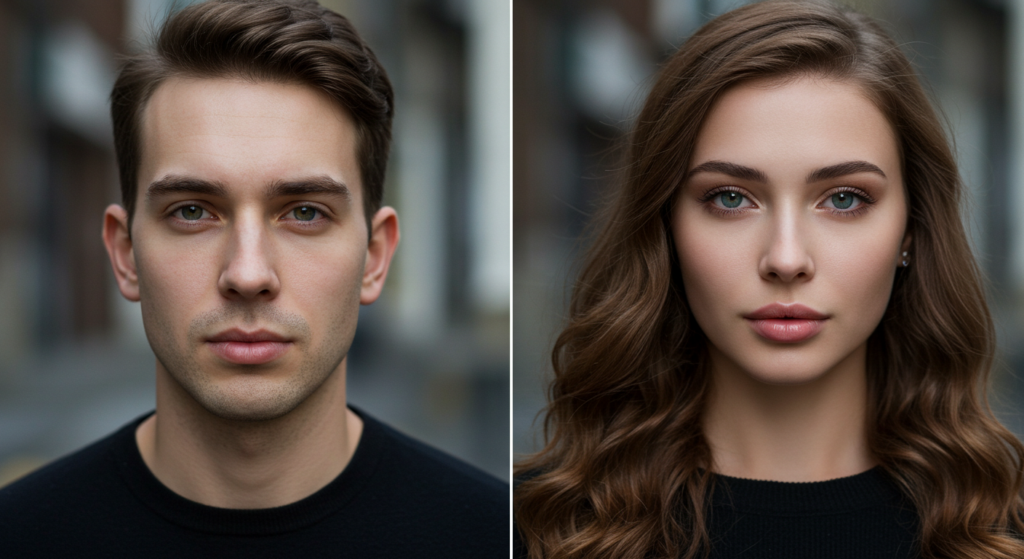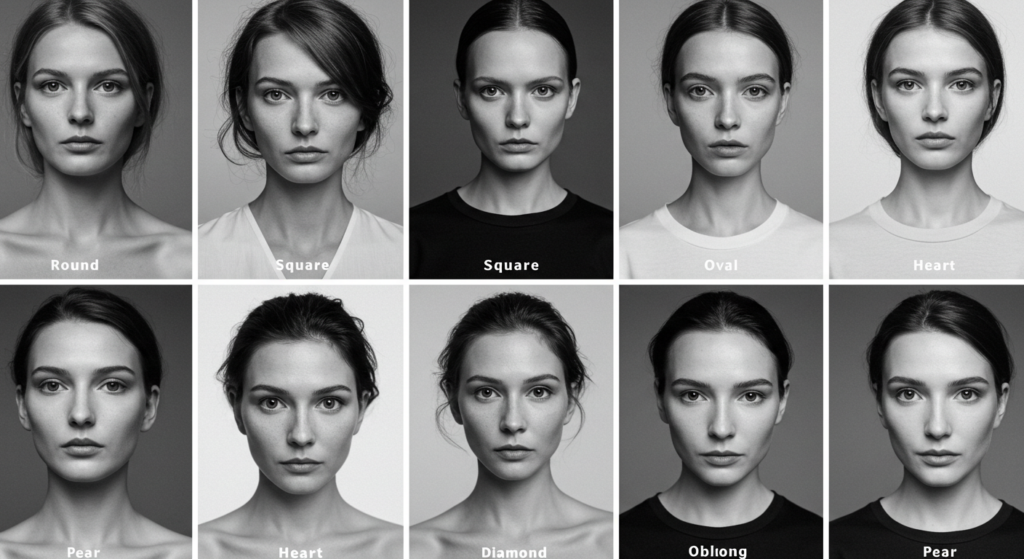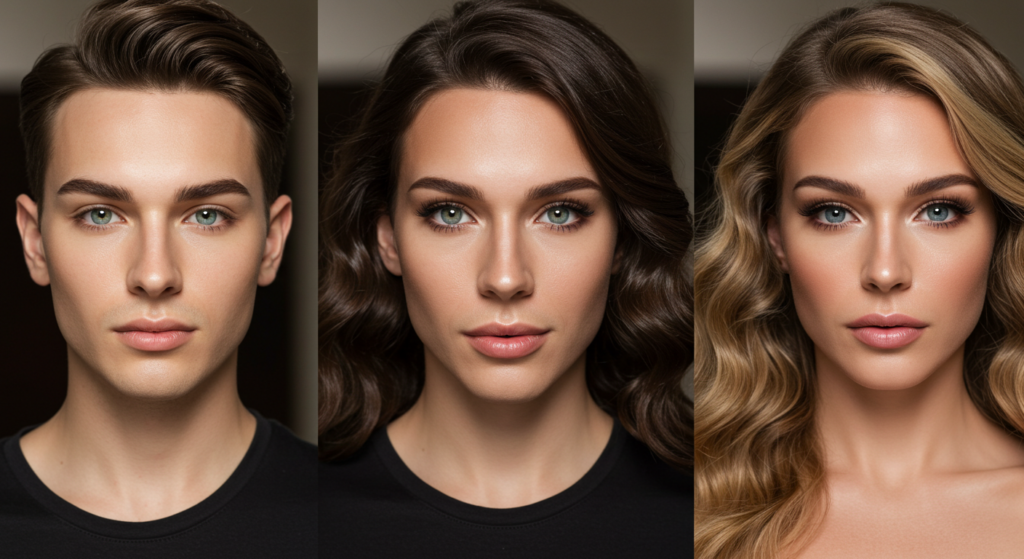
Canthal Tilt Types: Exploring Upward, Downward, and Neutral Slopes

Canthal Tilt Types: Exploring Upward, Downward, and Neutral Slopes - By Dr. MFO

As a surgeon deeply involved in facial aesthetics and reconstructive procedures, I’ve had the privilege of observing the intricate details that contribute to overall facial harmony and perceived beauty. Among these subtle yet powerful features, the canthal tilt of the eyes stands out. Often overlooked in casual observation, the angle at which the outer corner of your eye sits in relation to the inner corner can significantly impact your overall appearance, conveying different impressions of youthfulness, alertness, and even emotional state.

In this comprehensive blog post, we will delve into the fascinating world of canthal tilt. We’ll explore the three primary types – upward, downward, and neutral – dissecting their characteristics, the aesthetic perceptions associated with them, and the factors that influence their appearance. Whether you’re simply curious about facial features, considering cosmetic enhancements, or a fellow professional seeking a deeper understanding, this guide aims to provide a thorough and insightful overview.

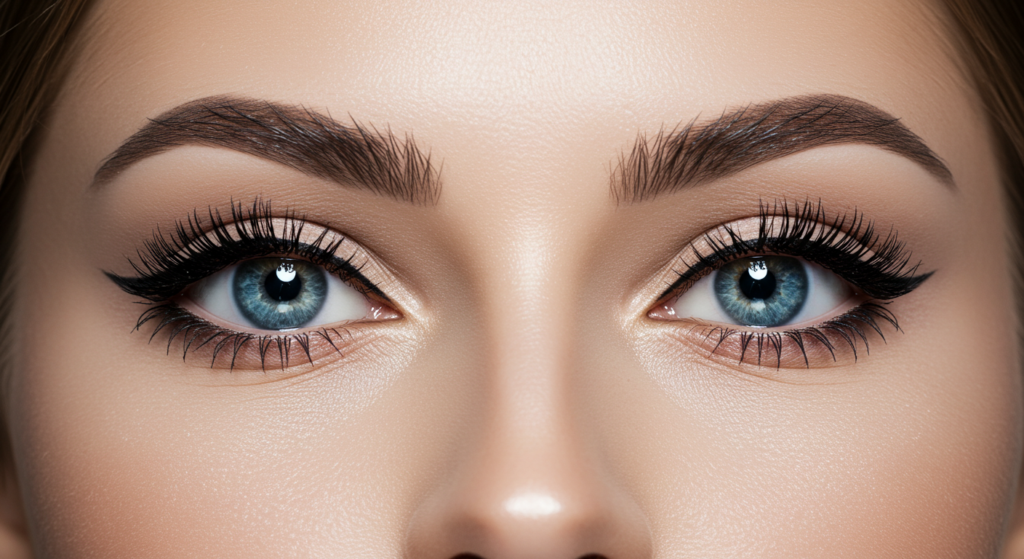
A close-up portrait of a woman with striking blue eyes and long eyelashes, posing against a dark background.

What Exactly is Canthal Tilt? Defining the Key Term

Before we delve into the specific types, it’s crucial to establish a clear understanding of what canthal tilt truly is. In simple terms, canthal tilt refers to the angle formed by the line connecting the medial canthus (the inner corner of the eye) and the lateral canthus (the outer corner of the eye) with a horizontal reference line.

Imagine drawing a straight line from the inner corner of your eye to the outer corner. Now, picture a perfectly horizontal line running across your face. The angle formed between these two lines is your canthal tilt. This seemingly minor angle plays a surprisingly significant role in shaping the overall appearance of your eyes and, consequently, your entire face.

The Anatomy Behind the Angle: A Surgeon’s Perspective

From an anatomical standpoint, the canthal tilt is influenced by a complex interplay of various structures. The position and tone of the orbicularis oculi muscle, the ligaments supporting the eyelids (particularly the lateral canthal tendon), and the underlying bony structure of the orbit all contribute to the final angle.

  • Orbicularis Oculi Muscle: This circular muscle surrounding the eye plays a crucial role in eyelid closure and facial expressions. Its tone and laxity can directly affect the position of the canthi.
  • Lateral Canthal Tendon: This fibrous band anchors the outer corner of the eyelid to the bone of the lateral orbital rim. Its strength and position are critical in maintaining the canthal tilt.
  • Bony Orbit: The shape and structure of the eye socket itself provide the foundational framework that influences the positioning of the soft tissues and, consequently, the canthal tilt.

Understanding these anatomical underpinnings is essential, especially when considering surgical interventions aimed at modifying the canthal tilt. As surgeons, we meticulously consider these structures to achieve natural-looking and harmonious results.
A close-up photograph of a woman with green eyes, carefully applying a contact lens to her right eye. The image highlights the delicate process of inserting a contact lens, with the woman's hand gently holding her eyelid open. The background is dark, emphasizing the focus on her face and the action of placing the lens.

Measuring Canthal Tilt: A Practical Guide

While a precise measurement of canthal tilt often requires specialized tools and image analysis software used in clinical settings, you can get a general idea of your own canthal tilt by observing yourself in a mirror or analyzing photographs.

  1. Find Your Canthi: Locate the inner corner (medial canthus) and outer corner (lateral canthus) of your eye.
  2. Visualize the Line: Imagine a straight line connecting these two points.
  3. Compare to Horizontal: Mentally compare this line to a horizontal reference. Is the outer corner higher, lower, or at the same level as the inner corner?

It’s important to note that subtle variations are common, and slight asymmetries between the two eyes can also occur.
A close-up photograph of a woman's face, focusing on her eyes and eyebrows. She has striking blue eyes, long eyelashes, and well-shaped eyebrows. Her skin appears smooth, and she has applied subtle makeup, including eyeliner. The background is softly blurred to emphasize her facial features.

The Three Primary Types of Canthal Tilt: Upward, Downward, and Neutral

Now, let’s delve into the characteristics and perceptions associated with each of the three primary types of canthal tilt.

## Upward Canthal Tilt: The Allure of the “Almond Eye”

An upward canthal tilt is characterized by the lateral canthus (outer corner) being positioned higher than the medial canthus (inner corner). This creates an upward slant to the eye, often described as an “almond shape.”

### Aesthetic Characteristics and Perceptions

Upward tilted eyes are widely considered aesthetically pleasing and are often associated with:

  • Youthfulness: The upward slant can contribute to a more youthful and energetic appearance.
  • Alertness: This eye shape often conveys a sense of being awake, engaged, and attentive.
  • Attractiveness: In many cultures, upward tilted eyes are considered a desirable and attractive feature.
  • Exoticism: The almond shape can sometimes lend an exotic or captivating quality to the face.
  • Femininity: While both men and women can have an upward canthal tilt, it’s often perceived as a classically feminine trait.

Think of iconic figures and celebrities often praised for their beauty – many possess a noticeable upward canthal tilt. This has contributed to its desirability in cosmetic enhancements.

### Factors Influencing Upward Canthal Tilt

Several factors can contribute to an naturally occurring upward canthal tilt:

  • Genetics: This is often the primary determinant of one’s natural canthal tilt. Certain genetic predispositions can lead to a more pronounced upward slant.
  • Facial Structure: The underlying bone structure of the face, particularly the shape of the orbital rim and the zygomatic arch (cheekbone), can influence the position of the canthi.
  • Ethnic Background: Certain ethnicities may have a higher prevalence of individuals with an upward canthal tilt.

### Surgical Considerations for Enhancing Upward Canthal Tilt

For individuals desiring a more pronounced upward canthal tilt, several surgical procedures can be considered. It’s crucial to emphasize that any surgical intervention should be approached with careful consideration, realistic expectations, and a thorough consultation with a qualified and experienced surgeon.

  • Canthoplasty: This surgical procedure involves repositioning the lateral canthal tendon to a higher position. It can effectively create or enhance an upward canthal tilt and also tighten the lower eyelid. Canthoplasty is often performed in conjunction with other eyelid surgeries, such as blepharoplasty (eyelid lift).
    • Indications: Individuals with a neutral or downward canthal tilt who desire a more youthful and alert appearance. It can also be used to correct lower eyelid laxity or scleral show (where the white of the eye below the iris is excessively visible).
    • Technique: The procedure typically involves making a small incision in the upper eyelid crease or at the outer corner of the eye. The lateral canthal tendon is then identified, detached, and reattached to the periosteum (the membrane covering the bone) at a higher position. The excess skin and tissue may be trimmed, and the incision is closed with fine sutures.
    • Risks and Complications: As with any surgical procedure, canthoplasty carries potential risks, including infection, bleeding, scarring, asymmetry, dry eyes, temporary or permanent changes in eyelid sensation, and the possibility of needing revision surgery. It’s crucial to have a detailed discussion with your surgeon about these potential risks.
  • Canthopexy: This procedure aims to support and tighten the lateral canthal tendon without necessarily repositioning it significantly upward. It’s often used to address mild lower eyelid laxity or to provide additional support during other eyelid surgeries. While it may result in a subtle lift, it’s generally less effective than canthoplasty for creating a significant upward canthal tilt.
    • Indications: Mild lower eyelid laxity, preventative measure during blepharoplasty, subtle enhancement of the lateral canthus.
    • Technique: Canthopexy typically involves making a small incision at the outer corner of the eye. Sutures are then used to secure the lateral canthal tendon to the underlying periosteum, providing support and tightening.
    • Risks and Complications: Similar to canthoplasty, canthopexy carries risks such as infection, bleeding, scarring, and asymmetry, although the likelihood of significant complications may be lower due to the less invasive nature of the procedure.
  • Lower Blepharoplasty with Lateral Canthal Suspension: In some cases, an upward canthal tilt can be indirectly achieved or enhanced during a lower blepharoplasty. By carefully addressing excess skin and fat in the lower eyelid and incorporating a lateral canthal suspension technique, the outer corner of the eye can be subtly lifted and supported.
    • Indications: Lower eyelid bags, excess skin, and a desire for a more youthful and refreshed appearance with a potential subtle lift to the outer corner of the eye.
    • Technique: Lower blepharoplasty involves making an incision either just below the lash line or inside the lower eyelid (transconjunctival approach). Excess fat and skin are removed or repositioned. A lateral canthal suspension involves securing the outer edge of the lower eyelid to the underlying bone or periosteum to provide support and prevent a rounded or sad appearance. This suspension can contribute to a subtle upward tilt.
    • Risks and Complications: Risks associated with lower blepharoplasty include bruising, swelling, dry eyes, temporary blurred vision, lower eyelid retraction (pulling down of the lower eyelid), and asymmetry. The addition of lateral canthal suspension carries similar risks to canthopexy.

It’s paramount for anyone considering these procedures to have realistic expectations and to understand that the goal is to achieve a natural and harmonious result that complements their overall facial features. A thorough consultation with a board-certified surgeon experienced in these techniques is essential to discuss individual goals, assess candidacy, and understand the potential risks and benefits.

## Downward Canthal Tilt: The Perception of Melancholy

A downward canthal tilt occurs when the lateral canthus (outer corner) is positioned lower than the medial canthus (inner corner). This creates a downward slant to the eye.

### Aesthetic Characteristics and Perceptions

Downward tilted eyes are often associated with:

  • Sadness or Melancholy: The downward slant can sometimes convey an impression of sadness, fatigue, or pensiveness.
  • Tiredness: This eye shape can contribute to a perceived lack of energy or a tired appearance.
  • Aging: As we age, the supporting structures around the eyes can weaken, leading to a gradual descent of the lateral canthus and a more pronounced downward tilt.
  • Gentleness or Kindness: In some contexts, a subtle downward tilt might be perceived as conveying gentleness or kindness.

While not always considered the most conventionally desirable feature in all cultures, a subtle downward tilt can be a natural and characteristic feature for many individuals.

### Factors Influencing Downward Canthal Tilt

Several factors can contribute to a downward canthal tilt:

  • Genetics: Similar to upward tilt, genetics play a significant role in determining the natural angle of the eyes.
  • Aging: The natural aging process leads to a loss of elasticity in the skin and weakening of the supporting ligaments around the eyes, often resulting in a downward migration of the lateral canthus.
  • Gravity: Over time, the effects of gravity can contribute to the sagging of the eyelids and the descent of the outer corners of the eyes.
  • Certain Medical Conditions: In rare cases, certain medical conditions affecting the facial nerves or muscles can lead to a downward canthal tilt.

### Surgical Considerations for Addressing Downward Canthal Tilt

Individuals concerned about a pronounced downward canthal tilt and its associated perceptions may consider surgical options to create a more neutral or slightly upward slant.

  • Upper Blepharoplasty: While primarily focused on removing excess skin and fat from the upper eyelid, an upper blepharoplasty can indirectly improve the appearance of a mild downward canthal tilt by lifting the upper eyelid and reducing heaviness that might accentuate the downward slant.
    • Indications: Excess skin and fat in the upper eyelids that contribute to a tired or aged appearance and may indirectly emphasize a downward canthal tilt.
    • Technique: Upper blepharoplasty involves making an incision in the natural crease of the upper eyelid. Excess skin and fat are removed or repositioned, and the incision is closed with fine sutures. This can create a more open and refreshed appearance to the upper eye area.
    • Risks and Complications: Risks include bruising, swelling, dry eyes, temporary blurred vision, asymmetry, and in rare cases, difficulty closing the eyes completely.
  • Midface Lift: A midface lift addresses sagging skin and tissue in the cheeks and lower eyelids. By lifting the midface, the support for the lower eyelid and the lateral canthus can be improved, potentially resulting in a subtle elevation of the outer corner of the eye and a reduction in the downward tilt.
    • Indications: Sagging cheeks, loss of volume in the midface, and a desire to improve the appearance of the lower eyelids and potentially lift a mild downward canthal tilt.
    • Technique: Various techniques exist for midface lifts, involving incisions typically made in the hairline, around the ears, or inside the mouth. The underlying tissues are lifted and repositioned to restore a more youthful contour.
    • Risks and Complications: Risks include bruising, swelling, temporary nerve weakness, asymmetry, and changes in skin sensation.
  • Lateral Canthal Support Procedures (as discussed under Upward Canthal Tilt): Procedures like canthopexy, while primarily used for upward tilt, can also be employed to provide support to the lateral canthus and prevent or address further downward migration, resulting in a more neutral or slightly elevated appearance. The specific approach would depend on the individual’s anatomy and desired outcome.

It’s crucial to understand that completely reversing a significant downward canthal tilt can be challenging and may not always be desirable, as it could lead to an unnatural appearance. The goal of surgical intervention in these cases is often to achieve a more balanced and refreshed look.

## Neutral Canthal Tilt: The Epitome of Balance

A neutral canthal tilt is characterized by the lateral canthus (outer corner) being positioned at approximately the same level as the medial canthus (inner corner).

### Aesthetic Characteristics and Perceptions

Neutral tilted eyes are often associated with:

  • Balance and Harmony: This eye shape is considered a balanced and harmonious feature that complements other facial features without drawing undue attention.
  • Versatility: Neutral eyes can convey a wide range of expressions depending on other facial features and makeup.
  • Classic Beauty: This is often seen as a classic and timeless eye shape.

Individuals with a neutral canthal tilt may not typically seek surgical modifications to this aspect of their appearance, as it is often considered aesthetically pleasing and well-proportioned.

### Factors Influencing Neutral Canthal Tilt

A neutral canthal tilt is primarily determined by genetics and a balanced development of the facial structures. It represents a midpoint between the upward and downward slants.

### Surgical Considerations for Neutral Canthal Tilt

Surgical intervention is generally not sought for a neutral canthal tilt. However, in cases where other eyelid surgeries are being performed, surgeons aim to maintain or restore a neutral canthal tilt to ensure a natural and balanced outcome. For instance, during blepharoplasty, techniques are employed to prevent the development of a downward tilt (rounding of the eye) and to support the natural canthal angle.
Close-up portrait of a woman with green eyes, long eyelashes, and perfectly shaped eyebrows, showcasing detailed facial features.

Canthal Tilt and Its Role in Overall Facial Harmony

It’s crucial to remember that canthal tilt is just one piece of the intricate puzzle that makes up facial harmony. The way the eyes interact with other features, such as the eyebrows, cheekbones, nose, and lips, plays a significant role in overall facial aesthetics.

  • Eyebrows: The shape and position of the eyebrows can either complement or contrast with the canthal tilt. For example, arched eyebrows can further accentuate an upward canthal tilt, while a more straight brow line might soften it.
  • Cheekbones: Prominent cheekbones can draw attention to the eyes and influence the perceived angle of the canthal tilt.
  • Nose and Lips: The overall balance and proportions of the nose and lips also contribute to the overall perception of facial harmony, and the canthal tilt should be considered within this broader context.

A skilled surgeon performing facial aesthetic procedures will always take a comprehensive approach, considering all facial features and their interplay to achieve a natural and harmonious result. The goal is not necessarily to achieve a specific “ideal” canthal tilt but rather to enhance the individual’s natural beauty and balance their features.

Conclusion: Appreciating the Nuances of Canthal Tilt

The canthal tilt, though often a subtle feature, plays a significant role in shaping the appearance of our eyes and influencing the overall perception of our faces. Understanding the different types – upward, downward, and neutral – and the aesthetic characteristics associated with them can provide valuable insights into facial aesthetics.

Whether you were simply curious about this fascinating aspect of facial anatomy or considering cosmetic enhancements, I hope this comprehensive guide has provided you with a thorough understanding of canthal tilt. Remember that beauty is subjective and lies in the unique combination of our individual features.

If you are considering any surgical procedures to modify your canthal tilt or other aspects of your facial appearance, it is crucial to consult with a board-certified and experienced surgeon who can provide personalized advice based on your individual anatomy, goals, and expectations.

Thank you for taking the time to explore the nuances of canthal tilt with me.

Sincerely,

Dr. MFO
[Your Credentials/Affiliations Here]
[Your Website/Contact Information Here]

SEO Keywords: Canthal tilt, upward canthal tilt, downward canthal tilt, neutral canthal tilt, almond eyes, eye shape, facial aesthetics, cosmetic surgery, canthoplasty, canthopexy, blepharoplasty, lateral canthal tendon, medial canthus, lateral canthus, surgical eye lift, eye angle, youthful appearance, tired eyes, facial harmony, Dr. MFO.

Eye Feminization and Canthal Tilt: Understanding the Eye Shape Phenomenon

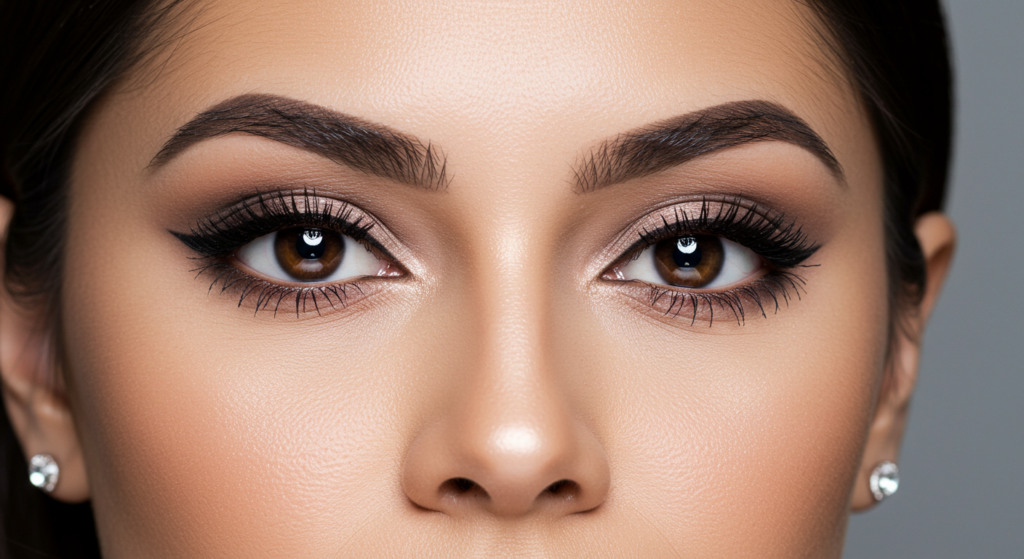
A close-up photograph of a person's face, focusing on the eyes and eyebrows. The person has dark skin, well-groomed eyebrows, and is wearing makeup, including eyeliner and mascara. The image highlights the detailed texture of the skin and the precision of the makeup application, with a soft, warm lighting that emphasizes natural beauty.

As a facial plastic surgeon, Dr. MFO, I have the privilege of helping individuals achieve their aesthetic goals and enhance their natural beauty. Among the various procedures I perform, eye feminization and canthal tilt correction stand out as particularly impactful in transforming one’s appearance. The eyes, often referred to as the “windows to the soul,” play a crucial role in how we perceive attractiveness and express emotions. Subtle changes in their shape and orientation can significantly influence the overall femininity and harmony of the face.

In this comprehensive blog post, we will delve deep into the fascinating world of eye feminization and canthal tilt. We will explore the anatomical nuances that define feminine eye aesthetics, understand the concept of canthal tilt and its significance, discuss the surgical and non-surgical approaches to achieving a more feminine eye shape, and address common questions and concerns. Whether you are considering these procedures or simply curious about the intricacies of facial aesthetics, this guide will provide you with valuable insights.

A close-up portrait of a woman with blonde hair, blue eyes, and natural makeup, looking directly at the camera with a neutral expression.

Understanding Feminine Eye Aesthetics: More Than Just Shape

When we talk about feminine eyes, we often envision a certain softness, openness, and allure. While the overall shape certainly matters, several factors contribute to this perception. These include:

  • The Canthal Tilt: This refers to the angle of the line connecting the inner and outer corners of the eye. A slightly upward tilt, often referred to as a positive canthal tilt, is generally considered a hallmark of feminine and youthful eyes.
  • Eyelid Hooding: The amount of skin that folds over the upper eyelid can influence the perceived openness and youthfulness of the eyes. Excessive hooding can make the eyes appear smaller and heavier.
  • Brow Position: The position and shape of the eyebrows play a crucial role in framing the eyes. Higher, more arched brows are often associated with femininity.
  • Lower Eyelid Shape and Support: The contour and tightness of the lower eyelid contribute to the overall shape and appearance of the eyes. A smooth, well-supported lower eyelid is generally considered more aesthetically pleasing.
  • Tear Trough Definition: The tear trough is the natural depression between the lower eyelid and the cheek. A well-defined tear trough can enhance the youthful appearance of the eyes, while deep or shadowed troughs can create a tired look.
  • Eyelash Length and Fullness: While not directly related to the surgical aspects we’ll discuss, longer and fuller eyelashes are often associated with femininity and can further enhance the beauty of the eyes.

It’s important to understand that the perception of beauty is subjective and can vary across cultures and individuals. However, these general characteristics are often observed in individuals considered to have feminine and attractive eyes.

A close-up portrait of a woman with striking blue eyes, accentuated by long eyelashes and perfectly shaped eyebrows. The focus is on her eyes and facial features, capturing a moment of intense gaze with a natural and expressive look.

What is Canthal Tilt? Defining the Angle of Allure

The canthal tilt is a fundamental concept in understanding eye shape and its impact on facial aesthetics. It is defined as the angle formed by the line connecting the medial canthus (the inner corner of the eye) and the lateral canthus (the outer corner of the eye) relative to a horizontal line.

  • Positive Canthal Tilt (Upturned): In a positive canthal tilt, the lateral canthus sits slightly higher than the medial canthus. This upward slant is often associated with youthfulness, attractiveness, and femininity. It creates an “almond-shaped” appearance and can contribute to a more alert and engaging look.
  • Neutral Canthal Tilt (Level): In a neutral canthal tilt, the medial and lateral canthi are roughly at the same horizontal level.
  • Negative Canthal Tilt (Downturned): In a negative canthal tilt, the lateral canthus sits lower than the medial canthus. This downward slant can sometimes be perceived as making the eyes look tired, sad, or even stern.

The degree of canthal tilt can vary significantly among individuals due to genetics and aging. As we age, the supporting structures around the eyes can weaken, leading to a gradual flattening or even a downward tilt of the lateral canthus.

The Significance of Canthal Tilt in Feminine Beauty: Why the Upward Slant Matters

The upward canthal tilt is often considered a key feature of feminine beauty for several reasons:

  • Youthful Appearance: The natural tendency for a positive canthal tilt in younger individuals contributes to a more youthful and vibrant appearance. As we age and the skin and tissues around the eyes lose elasticity, the lateral canthus can droop, leading to a less youthful look.
  • Almond Shape: The upward tilt helps create the classic “almond shape” of the eyes, which is widely considered aesthetically pleasing and feminine. This shape is often associated with grace and elegance.
  • Open and Alert Look: A positive canthal tilt can make the eyes appear more open, alert, and engaging. It can also contribute to a brighter and more approachable facial expression.
  • Harmonious Facial Balance: The upward slant of the eyes can contribute to a more balanced and harmonious overall facial appearance, complementing other feminine features.

While a positive canthal tilt is generally considered desirable for a feminine aesthetic, it’s important to note that the ideal degree of tilt can vary depending on individual facial structure and preferences. The goal is to achieve a natural and balanced look that enhances the individual’s unique beauty.

Close-up portrait of a woman with perfectly groomed eyebrows, long lashes, and subtle smoky eye makeup. She is wearing earrings.

Eye Feminization: A Comprehensive Approach Beyond Canthal Tilt

While canthal tilt is a significant aspect of eye feminization, the overall process often involves addressing other factors to achieve a more comprehensively feminine appearance. These may include:

  • Addressing Upper Eyelid Hooding (Blepharoplasty): Excess skin and fat in the upper eyelids can create a hooded appearance, making the eyes look smaller and heavier. Upper blepharoplasty is a surgical procedure to remove this excess tissue, resulting in a more open and youthful look. This can significantly contribute to eye feminization by revealing more of the upper eyelid and making the eyes appear brighter.
  • Brow Lift: The position of the eyebrows significantly impacts the overall appearance of the eyes. Lowered or flattened brows can make the upper eyelids appear heavier and less feminine. A brow lift can elevate the eyebrows to a more youthful and feminine position, opening up the eye area and creating a more defined arch. Different brow lift techniques exist, including endoscopic brow lift and temporal brow lift, and the best approach depends on the individual’s anatomy and desired outcome.
  • Lower Eyelid Enhancement: The shape and support of the lower eyelids are also important for overall eye aesthetics. Procedures like lower blepharoplasty can address puffiness and excess skin under the eyes. In some cases, tightening the lower eyelid (canthopexy) may be necessary to improve support and prevent a rounded or scleral show appearance (where too much of the white of the eye below the iris is visible).
  • Tear Trough Filler: While not a surgical procedure, dermal fillers can be used to address the tear trough deformity, reducing shadows and creating a smoother transition between the lower eyelid and the cheek. This can contribute to a more rested and youthful appearance of the eyes.
  • Lateral Canthoplasty for Canthal Tilt: As we will discuss in detail, lateral canthoplasty is a surgical procedure specifically designed to elevate the lateral canthus and create a more positive canthal tilt.

The specific combination of procedures will depend on the individual’s unique anatomy, aesthetic goals, and the surgeon’s assessment. A comprehensive approach to eye feminization aims to create a harmonious and natural-looking result that enhances the overall femininity of the face.

A woman with long brown hair, wearing a beige turtleneck sweater, posing with her hand gently touching her chin, against a dark background with blurred lights.

Surgical Techniques for Canthal Tilt Adjustment: Canthoplasty and Canthopexy

When it comes to surgically adjusting the canthal tilt, two primary procedures are commonly performed: canthoplasty and canthopexy. While both procedures involve the lateral canthus, they differ in their approach and the extent of the change they can achieve.

Canthoplasty: Reshaping the Outer Corner

Canthoplasty is a more involved surgical procedure that involves releasing and repositioning the lateral canthal tendon, which supports the outer corner of the eye. This allows for a significant change in the shape and tilt of the eye.

  • The Procedure: During a canthoplasty, the surgeon makes a small incision in the outer corner of the eyelid crease. The lateral canthal tendon is then carefully identified and released from its attachment to the orbital bone. The tendon is then repositioned and secured at a higher or lower position, depending on the desired outcome. Excess skin in the area may also be removed. The incision is then closed with fine sutures.
  • Goals of Canthoplasty: The primary goals of canthoplasty include:
    • Elevating the lateral canthus to create a more positive canthal tilt (for feminization or to address age-related drooping).
    • Lengthening the horizontal aperture of the eye (making the eyes appear wider).
    • Changing the overall shape of the eye, often creating a more almond-shaped appearance.
  • Recovery: Recovery after canthoplasty typically involves some swelling and bruising around the eyes, which can last for several days to a few weeks. Patients are usually advised to avoid strenuous activities and follow specific post-operative care instructions.

Canthopexy: Supporting the Outer Corner

Canthopexy is a less invasive procedure that focuses on supporting and tightening the lateral canthal tendon without fully releasing it. It is often used to address mild drooping of the outer corner of the eye or to provide additional support during other eyelid surgeries, such as lower blepharoplasty.

  • The Procedure: In a canthopexy, the surgeon makes a small incision in the outer corner of the eyelid crease. The lateral canthal tendon is then identified and tightened by suturing it to the underlying periosteum (the membrane covering the orbital bone). This helps to elevate and stabilize the outer corner of the eye.
  • Goals of Canthopexy: The primary goals of canthopexy include:
    • Providing mild elevation to the lateral canthus.
    • Tightening the lower eyelid to improve support and prevent scleral show.
    • Preventing downward migration of the lateral canthus during or after other eyelid surgeries.
  • Recovery: Recovery after canthopexy is generally shorter and less involved than after canthoplasty, with less swelling and bruising.

Choosing the Right Procedure

The choice between canthoplasty and canthopexy depends on the individual’s specific needs and the desired outcome. Canthoplasty is typically recommended for individuals seeking a more significant change in canthal tilt and eye shape, while canthopexy is better suited for mild elevation and support. During your consultation with Dr. MFO, a thorough assessment will be performed to determine the most appropriate surgical technique to achieve your aesthetic goals.

A close-up portrait of a young woman with long dark hair, wearing a leopard print scarf and subtle makeup, looking directly at the camera with a neutral expression.

Who is a Good Candidate for Eye Feminization and Canthal Tilt Surgery?

Individuals who may be good candidates for eye feminization and canthal tilt surgery include those who:

  • Desire a more feminine and youthful appearance of their eyes.
  • Have a neutral or negative canthal tilt and wish to achieve a more positive, upturned tilt.
  • Feel that their eyes appear tired, heavy, or less open due to upper eyelid hooding or brow position.
  • Have concerns about the shape or support of their lower eyelids.
  • Are in good general health and have realistic expectations about the outcome of the surgery.
  • Understand the risks and potential complications associated with the procedures.
  • Are committed to following the post-operative care instructions.

It’s important to note that these procedures are not just for individuals transitioning genders. Anyone who desires a more feminine and aesthetically pleasing eye appearance may be a suitable candidate.

Mehmet Fatih Okyay, MD, FEBOPRAS in Türkiye. FFS Surgeon.

The Consultation Process with Dr. MFO: Your Personalized Journey

The journey towards eye feminization begins with a comprehensive consultation with me, Dr. MFO. During this initial meeting, we will discuss your aesthetic goals in detail, evaluate your facial anatomy, and determine the most appropriate treatment plan for you.
Here’s what you can expect during your consultation:

  • Discussion of Your Goals: I will listen carefully to your concerns and what you hope to achieve with eye feminization surgery. Please feel free to bring photos of eyes that you find aesthetically pleasing to help illustrate your desired outcome.
  • Medical History Review: I will review your medical history, including any previous surgeries, medical conditions, and medications you are currently taking. This is crucial to ensure your safety during and after the procedure.
  • Facial Analysis: I will perform a thorough examination of your facial structure, paying close attention to the shape and position of your eyes, eyelids, brows, and surrounding tissues. I will assess your canthal tilt, the degree of upper eyelid hooding, brow position, and lower eyelid support.
  • Treatment Options: Based on your goals and my assessment, I will discuss the various surgical and non-surgical options available to achieve your desired outcome. This may include upper blepharoplasty, brow lift, canthoplasty, canthopexy, lower blepharoplasty, and tear trough filler. I will explain the details of each procedure, including the techniques involved, the expected results, and the potential risks and complications.
  • Customized Treatment Plan: Together, we will develop a customized treatment plan tailored to your individual needs and aesthetic goals. I will explain the recommended procedures, the order in which they should be performed (if multiple procedures are involved), and the expected timeline for recovery.
  • Answering Your Questions: I will take the time to answer all your questions and address any concerns you may have about the procedures, the recovery process, and the expected results. It’s important that you feel fully informed and comfortable with your decision.
  • Reviewing Before and After Photos: I will show you before and after photos of previous patients who have undergone similar procedures to give you a realistic idea of the potential results.
  • Discussing Costs and Scheduling: We will also discuss the costs associated with the procedures and the scheduling options.

The consultation is an essential step in the process, as it allows us to establish a clear understanding of your goals and develop a personalized plan to help you achieve them.

Preparing for Eye Feminization Surgery: Ensuring a Smooth Experience

Proper preparation is crucial for a successful surgical outcome and a smooth recovery. I will provide you with detailed instructions tailored to your specific treatment plan, but general guidelines may include:

  • Medical Evaluation and Clearance: You may need to undergo a medical evaluation by your primary care physician to ensure you are healthy enough for surgery.
  • Medication Adjustments: You may need to stop taking certain medications, such as blood thinners and non-steroidal anti-inflammatory drugs (NSAIDs), for a period before and after surgery, as these can increase the risk of bleeding. Please provide a complete list of all medications and supplements you are taking.
  • Smoking Cessation: If you are a smoker, you will be advised to quit smoking several weeks before surgery, as smoking can impair healing and increase the risk of complications.
  • Avoidance of Certain Supplements: Some herbal supplements can also increase the risk of bleeding, so you may need to avoid them before surgery.
  • Arrange for Transportation and Support: You will need someone to drive you home after surgery and stay with you for at least the first 24 hours to assist with your care.
  • Prepare Your Home: Set up a comfortable recovery area at home with plenty of pillows, ice packs, and easy access to medications and other necessities.
  • Follow Pre-Operative Instructions: Carefully follow all other pre-operative instructions provided by our office, such as fasting guidelines before anesthesia.

By following these guidelines, you can help ensure a safe and successful surgical experience.

The Eye Feminization Surgery Procedure: A Step-by-Step Overview

The specific steps involved in eye feminization surgery will depend on the procedures included in your customized treatment plan. Here is a general overview of what you can expect:

  • Anesthesia: Most eye feminization procedures are performed under local anesthesia with sedation or general anesthesia, depending on the extent of the surgery and your comfort level. This will be discussed with you during your consultation.
  • Incisions: Incisions are typically made in the natural creases of the eyelids to minimize visibility. For canthoplasty or canthopexy, a small incision is usually made in the outer corner of the eyelid crease. For upper blepharoplasty, the incision is made in the upper eyelid crease. For a brow lift, incisions may be made in the hairline or behind the ears, depending on the technique used.
  • Tissue Manipulation: Depending on the procedure, the surgeon will then carefully remove excess skin and fat, reposition tissues, tighten muscles, or adjust the canthal tendon to achieve the desired outcome.
  • Closure: Once the necessary adjustments have been made, the incisions are closed with fine sutures.
  • Post-Operative Care: After the surgery, you will be monitored in the recovery room until you are stable enough to go home. You will be given detailed post-operative care instructions.

The duration of the surgery will vary depending on the number and complexity of the procedures performed. Typically, eye feminization surgery can take anywhere from one to several hours.

Recovery After Eye Feminization and Canthal Tilt Surgery: What to Expect

The recovery period after eye feminization surgery is crucial for achieving optimal results. Here’s what you can generally expect:

  • Immediate Post-Op: Immediately after surgery, you will likely experience some swelling, bruising, and discomfort around the eyes. You will be given pain medication to manage any discomfort. Cold compresses are essential to help reduce swelling and bruising.
  • First Few Days: During the first few days, it’s important to rest and keep your head elevated. Avoid strenuous activities, heavy lifting, and bending over. You will need to clean your incisions as instructed and apply any prescribed ointments or eye drops.
  • Swelling and Bruising: Swelling and bruising will typically peak within the first week and then gradually subside over the following weeks. It’s important to be patient, as it can take several weeks or even months for all swelling to resolve completely and for the final results to become apparent.
  • Suture Removal: Sutures are usually removed within 5-7 days after surgery.
  • Return to Activities: You will be able to gradually return to your normal activities as you heal. Most people can return to work within 1-2 weeks, depending on the nature of their job and the extent of the surgery. However, you should avoid strenuous exercise for at least several weeks.
  • Follow-Up Appointments: You will have follow-up appointments with Dr. MFO to monitor your healing progress and address any concerns. It’s important to attend all scheduled appointments.
  • Sun Protection: Protecting your incisions from sun exposure is crucial during the healing process to prevent hyperpigmentation. Wear sunglasses and use sunscreen around the eyes.

It’s important to follow all post-operative care instructions carefully to ensure proper healing and minimize the risk of complications. If you experience any unusual symptoms, such as excessive bleeding, severe pain, or signs of infection, contact our office immediately.

Potential Risks and Complications: Understanding the Possibilities

As with any surgical procedure, eye feminization and canthal tilt surgery carry potential risks and complications. While these are rare when performed by an experienced and qualified surgeon like Dr. MFO, it’s important to be aware of them. Potential risks and complications may include:

  • Bleeding and Hematoma: Excessive bleeding or the formation of a hematoma (a collection of blood under the skin) can occur.
  • Infection: Infection at the surgical site is a possibility, although it is usually treatable with antibiotics.
  • Poor Wound Healing or Scarring: While incisions are typically placed in natural creases to minimize visibility, there is always a risk of poor wound healing or the formation of noticeable scars.
  • Dry Eyes or Excessive Tearing: Temporary or persistent dry eyes or excessive tearing can occur after eyelid surgery.
  • Changes in Vision: Temporary blurred vision or, in very rare cases, more serious vision problems can occur.
  • Asymmetry: It can be challenging to achieve perfect symmetry between both eyes, and minor asymmetries may persist.
  • Numbness or Changes in Sensation: Temporary numbness or changes in sensation around the eyes can occur.
  • Ectropion or Entropion: These conditions involve the lower eyelid turning outward (ectropion) or inward (entropion) and can sometimes occur after eyelid surgery.
  • Lagophthalmos: This refers to the inability to fully close the eyelids, which can sometimes occur after upper blepharoplasty or canthoplasty.
  • Need for Revision Surgery: In some cases, the desired outcome may not be achieved with the initial surgery, and revision surgery may be necessary.
  • Specific Risks Related to Canthoplasty/Canthopexy: These may include over-correction or under-correction of the canthal tilt.

During your consultation, Dr. MFO will discuss these risks and complications in detail and answer any questions you may have. Choosing a board-certified and experienced facial plastic surgeon significantly minimizes these risks.

Achieving Natural-Looking Results: The Art of Subtle Transformation

The goal of eye feminization surgery is not to create an artificial or “overdone” look, but rather to achieve a natural and harmonious enhancement of your existing features. The art lies in making subtle changes that create a significant overall impact, resulting in a more feminine and attractive appearance that still looks like you.

Dr. MFO’s approach emphasizes a personalized treatment plan that takes into account your unique facial anatomy, your aesthetic goals, and the principles of facial harmony. The aim is to create a result that is both beautiful and natural-looking, enhancing your confidence and self-esteem.

Combining Eye Feminization with Other Facial Procedures: A Holistic Approach

Eye feminization can be effectively combined with other facial procedures to achieve a more comprehensive and balanced facial transformation. Some common procedures that are often performed in conjunction with eye feminization include:

  • Facelift: A facelift can address sagging skin and wrinkles in the lower face and neck, creating a more youthful and rejuvenated overall appearance that complements the refreshed look of the eyes.
  • Neck Lift: Similar to a facelift, a neck lift specifically targets sagging skin and fat in the neck area, improving the definition of the jawline and neck.
  • Rhinoplasty (Nose Reshaping): The nose is a central feature of the face, and its shape can significantly impact overall facial harmony. Rhinoplasty can reshape the nose to better balance with the newly feminized eyes and other facial features.
  • Facial Fat Grafting: Fat can be harvested from other areas of the body and strategically injected into the face to restore volume, smooth out wrinkles, and enhance feminine contours, such as in the cheeks and lips.
  • Chin Augmentation or Reduction: The size and shape of the chin can influence the overall balance of the face. Chin augmentation or reduction can help create a more feminine facial profile.
  • Lip Augmentation or Shaping: Fuller and well-defined lips are often considered a feminine feature. Lip augmentation with fillers or fat grafting can enhance the size and shape of the lips.

The decision to combine procedures will depend on your individual goals and the recommendations of Dr. MFO. A holistic approach to facial feminization can often yield the most satisfying and harmonious results.
The Psychological Impact of Eye Feminization: Boosting Confidence and Self-Esteem

Undergoing eye feminization surgery can have a profound and positive impact on an individual’s psychological well-being. Feeling more confident and comfortable with one’s appearance can lead to increased self-esteem, improved social interactions, and an overall enhanced quality of life.

For individuals transitioning genders, eye feminization can be a significant step in aligning their physical appearance with their gender identity, leading to a greater sense of congruence and well-being. Even for individuals who are not transitioning, achieving their desired eye shape can boost their confidence and make them feel more attractive and self-assured.

Choosing the Right Surgeon: Dr. MFO’s Expertise in Eye Feminization

Selecting a qualified and experienced facial plastic surgeon is paramount for achieving safe and successful eye feminization results. Dr. MFO is a board-certified facial plastic surgeon with extensive experience in performing a wide range of facial aesthetic procedures, including eye feminization and canthal tilt correction.

With a keen eye for detail, a deep understanding of facial anatomy, and a commitment to personalized care, Dr. MFO is dedicated to helping patients achieve their aesthetic goals with natural-looking and harmonious results. During your consultation, Dr. MFO will take the time to listen to your concerns, thoroughly assess your facial structure, and develop a customized treatment plan tailored to your individual needs and desires.

Dr. MFO’s expertise in the nuances of feminine facial aesthetics ensures that you will receive the highest level of care and achieve the beautiful and natural-looking eyes you desire.

Before and After Photos and Patient Testimonials: Real Results, Real Stories

While I cannot directly provide before and after photos or specific patient testimonials in this blog post due to privacy considerations, I encourage you to visit my website or schedule a consultation to view examples of my work and hear from satisfied patients who have undergone eye feminization surgery. These real-life examples can provide you with a better understanding of the potential results and the transformative power of these procedures.

Addressing Common Misconceptions About Eye Feminization

There are several common misconceptions surrounding eye feminization surgery. Let’s address a few of them:

  • Misconception 1: It’s only for transgender individuals. While eye feminization is a popular procedure for individuals transitioning genders, it is also sought after by cisgender men and women who desire a more feminine or youthful appearance of their eyes.
  • Misconception 2: The results look artificial. When performed by a skilled and experienced surgeon, eye feminization surgery should result in natural-looking enhancements that complement the individual’s overall facial features. The goal is subtle transformation, not an artificial appearance.
  • Misconception 3: The recovery is very painful. While there will be some discomfort after surgery, it is usually well-managed with pain medication. The recovery period involves more swelling and bruising than severe pain for most patients.
  • Misconception 4: It leaves noticeable scars. Incisions are strategically placed in natural creases to minimize visibility. Over time, these incisions typically fade and become barely noticeable.
  • Misconception 5: It drastically changes your entire appearance. While eye feminization can have a significant impact on the overall femininity of the face, it is usually one component of a broader aesthetic goal. The changes are typically focused on the eye area.

Understanding the facts about eye feminization surgery can help you make informed decisions and have realistic expectations about the process and the results.

The Future of Eye Feminization Surgery: Advancements and Innovations

The field of facial plastic surgery is constantly evolving, with ongoing advancements in techniques and technologies. In the realm of eye feminization surgery, we may see further refinements in surgical approaches, the development of new minimally invasive techniques, and a deeper understanding of the nuances of facial aesthetics.

Continued research and innovation will likely lead to even more precise and predictable outcomes, further enhancing the ability of surgeons to help individuals achieve their desired feminine eye appearance.

Conclusion: Unlocking the Beauty of Feminine Eyes

Eye feminization and canthal tilt correction are powerful procedures that can significantly enhance the femininity and overall attractiveness of the face. By understanding the principles of feminine eye aesthetics, the concept of canthal tilt, and the various surgical and non-surgical options available, individuals can make informed decisions about their aesthetic journey.

If you are considering eye feminization surgery, I encourage you to schedule a consultation with me, Dr. MFO. Together, we can discuss your goals, assess your facial anatomy, and develop a personalized treatment plan to help you achieve the beautiful and natural-looking eyes you have always desired. The eyes truly are the windows to the soul, and with the art of facial plastic surgery, we can help them reflect the beauty and confidence within.

Mehmet Fatih Okyay, MD, FEBOPRAS in Türkiye. FFS Surgeon.

Schedule Your Consultation with Dr. MFO Today

Visit Dr.MFO Instagram profile to see real patient transformations! Get a glimpse of the incredible results achieved through facial feminization surgery and other procedures. The profile showcases before-and-after photos that highlight Dr. MFO’s expertise and artistic vision in creating natural-looking, beautiful outcomes.

Ready to take the next step in your journey? Schedule a free consultation with Dr. MFO ( Best Facial Feminization Surgeon for You) today. During the consultation, you can discuss your goals, ask any questions you may have, and learn more about how Dr. MFO can help you achieve your desired look. Don’t hesitate to take advantage of this free opportunity to explore your options and see if Dr. MFO is the right fit for you.

FFS vs. Implants: Permanence in Facial Contouring

A close-up portrait of a woman with blue eyes and brown hair wearing gold hoop earrings.

FFS vs. Implants: Which Provides More Permanent Facial Contouring? As a facial surgeon specializing in facial feminization surgery (FFS), I frequently encounter individuals seeking lasting and transformative changes to align their facial features with their gender identity. Two prominent approaches often discussed are Facial Feminization Surgery (FFS) and facial implants. While both aim to enhance facial contours, their methods, scope, and ultimately, their permanence differ significantly. In this comprehensive blog post, I will delve into the nuances of each approach, providing a detailed comparison to help you understand which might be the more suitable option for achieving your long-term facial contouring goals.

A close-up portrait of a woman with striking blue eyes, perfectly shaped eyebrows, and wavy blonde hair. The image captures her facial features in detail, showcasing her smooth skin and subtle makeup.

Understanding the Desire for Permanent Facial Contouring

The face is a central aspect of our identity and how we are perceived by the world. For transgender individuals, aligning facial features with their gender identity is a crucial step in their transition journey. Permanent facial contouring procedures offer a sense of congruence and can significantly improve self-esteem, reduce dysphoria, and enhance overall well-being. The desire for a lasting solution stems from the emotional and psychological investment in this process. Individuals seek results that will endure, allowing them to live authentically without the need for frequent interventions or concerns about the reversibility of changes.

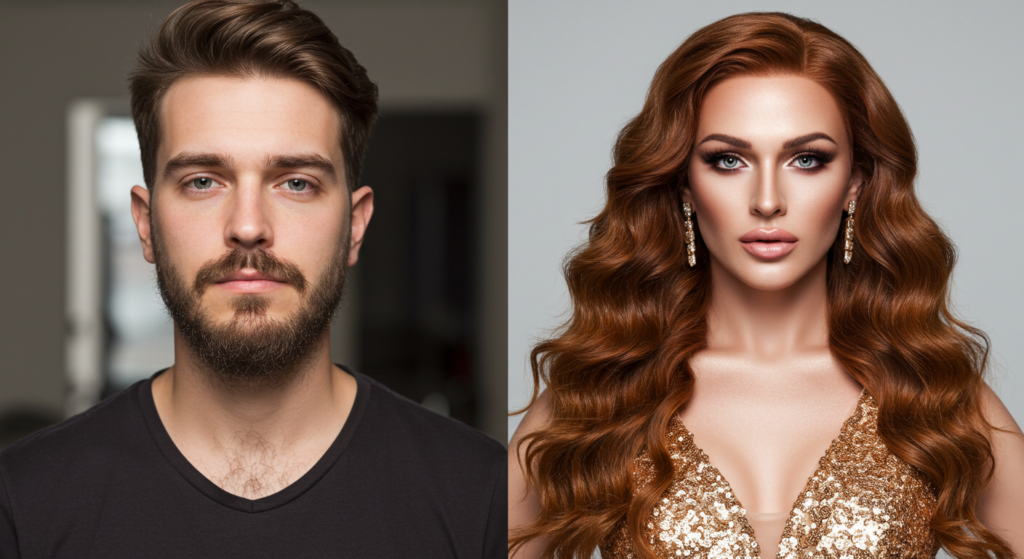
Two individuals side by side. On the left, a man with short brown hair, a beard, and wearing a black t-shirt. On the right, a woman with long wavy brown hair, styled makeup, and wearing a gold sequined dress with dangling earrings.

Facial Feminization Surgery (FFS): Reshaping the Foundation

Facial Feminization Surgery is a suite of surgical procedures designed to soften and feminize masculine facial features. Unlike simply adding volume, FFS often involves reshaping the underlying bone structure and sometimes the soft tissues to create a more traditionally feminine appearance. The procedures performed are highly individualized, tailored to the unique facial anatomy and goals of each patient.

Common Procedures in Facial Feminization Surgery

FFS encompasses a wide range of techniques, addressing various areas of the face:

  • Forehead Contouring (Brow Bone Reduction and Foreheadplasty): This is often considered a foundational procedure in FFS. It involves reducing the prominence of the brow bone, which tends to be more pronounced in individuals assigned male at birth. Foreheadplasty can also address the slope and shape of the forehead, creating a smoother, more feminine contour. This often involves shaving down the bone or, in some cases, a more complex reconstruction involving the outer table of the skull.
  • Rhinoplasty (Nose Reshaping): The nose plays a significant role in facial aesthetics. Feminizing rhinoplasty aims to create a smaller, more delicate nose with refined contours. This can involve narrowing the nasal bridge, refining the tip, and adjusting the nasolabial angle.
  • Jaw Contouring (Mandibular Angle Reduction): A strong, angular jawline is often perceived as masculine. Jaw contouring aims to soften this feature by reducing the prominence of the mandibular angles, creating a more oval or tapered jawline. This typically involves surgically removing or reshaping the bone at the corners of the jaw.
  • Chin Contouring (Genioplasty): The shape and size of the chin can significantly impact the overall facial appearance. Feminizing genioplasty can involve reducing the height and width of the chin, rounding a square chin, or even bringing the chin forward or backward to achieve better facial harmony. This can be achieved through bone shaving, osteotomies (bone cuts), or the use of small implants in conjunction with bone work.
  • Cheek Augmentation: While sometimes achieved with implants, cheek augmentation in FFS can also involve other techniques like fat grafting or fillers. The goal is to create fuller, more rounded cheeks, which are often associated with femininity. In some cases, bony augmentation using bone grafts or specialized techniques can be performed for a more permanent solution.
  • Lip Lift and Augmentation: These procedures focus on the soft tissues around the mouth. A lip lift can shorten the distance between the nose and the upper lip, exposing more of the upper teeth and creating a more youthful and feminine appearance. Lip augmentation, often achieved with fillers or fat grafting, adds volume to the lips.
  • Tracheal Shave (Thyroid Cartilage Reduction): This procedure reduces the size of the Adam’s apple, a prominent feature often associated with masculinity. It involves carefully shaving down the thyroid cartilage.
  • Hairline Advancement: Lowering and reshaping the hairline to a more typically feminine oval shape can significantly impact the overall facial frame. This can be achieved through surgical hairline advancement or hair transplantation.

How FFS Achieves Feminization Through Bone and Soft Tissue Alteration

The core principle of FFS is to address the underlying skeletal structure, which largely dictates the overall shape and contours of the face. By reshaping the bone, FFS creates fundamental and lasting changes. For instance, reducing the brow bone directly alters the bony prominence that contributes to a masculine brow. Similarly, reshaping the jaw bone creates a permanently softer jawline.

While bone work forms the foundation, FFS can also involve modifications to the soft tissues. For example, rhinoplasty involves reshaping the cartilage and sometimes the nasal bones. Lip lift and augmentation directly target the soft tissues around the mouth. The combination of addressing both bone and soft tissue allows for comprehensive and harmonious facial feminization.

The Permanence of FFS Results

The results of FFS are generally considered permanent. Once the bone has been reshaped, it heals in its new configuration. While natural aging will continue to affect the soft tissues of the face over time, the underlying bony structure will remain altered. This is a significant advantage of FFS for individuals seeking a long-lasting transformation.

It’s important to note that while the bony changes are permanent, the soft tissues will continue to age. Factors like skin elasticity, fat distribution, and the effects of gravity will still play a role in the long-term appearance. However, the fundamental feminization achieved through FFS will endure.

Facial Implants: Adding Volume and Definition

Facial implants are biocompatible materials, typically made of silicone, polyethylene (PEEK), or other synthetic materials, that are surgically placed beneath the skin and on top of the bone to augment specific facial features. They are primarily used to add volume and definition to areas like the cheeks, chin, and jaw.

Common Areas for Implant Placement

Facial implants are commonly used in the following areas for facial contouring:

  • Cheek Implants: These are placed over the cheekbones to create higher and more defined cheekbones, adding volume to the midface, which is often associated with a more youthful and feminine appearance.
  • Chin Implants: These are used to augment the chin, increasing its projection, width, or length. They can help to create a more balanced facial profile and can be used to feminize a receding or square chin.
  • Jaw Implants: These are placed along the jawline to create a more defined or wider jaw. In the context of feminization, jaw implants are less commonly used as the goal is typically to soften the jawline. However, in some cases, subtle augmentation might be used to refine the overall contour.
  • Temple Implants: These can add volume to the temples, addressing hollowing that can occur with age or due to certain facial structures.

How Implants Achieve Contouring by Adding Volume

Facial implants work by physically adding volume to the underlying structures of the face. They create a projection or fullness in the area where they are placed, thereby altering the surface contours. For example, cheek implants elevate and project the cheekbones, creating a more sculpted look. Chin implants add forward projection to the chin, influencing the overall facial profile.

The Permanence of Facial Implant Results and Potential Issues

Facial implants are made of durable materials designed to be permanent. Once placed, they can provide long-lasting augmentation. However, the permanence of the results can be influenced by several factors:

  • Implant Displacement: While rare, implants can potentially shift or become displaced over time due to trauma or natural tissue changes. This might require surgical revision to reposition or remove the implant.
  • Capsular Contracture: The body naturally forms a capsule of scar tissue around any foreign object, including implants. In some cases, this capsule can tighten and contract, leading to a change in the shape or feel of the implant, and potentially requiring surgical intervention.
  • Infection: As with any surgical procedure, there is a risk of infection with facial implants. If an infection occurs and cannot be resolved with antibiotics, the implant might need to be temporarily or permanently removed.
  • Material Degradation (Rare): While modern facial implant materials are designed to be biocompatible and durable, there is a theoretical risk of slow degradation over many decades, although this is uncommon with current materials.
  • Aesthetic Changes Over Time: As the surrounding soft tissues age and change (e.g., loss of skin elasticity, fat redistribution), the appearance of the face with implants might evolve. What looks balanced and natural initially might appear different over time.
  • Need for Revision: Due to any of the above factors or simply a desire for a different aesthetic outcome, individuals with facial implants may require revision surgery in the future.

While the implants themselves are intended to be permanent, the need for potential revisions or the impact of aging on the surrounding tissues means that the long-term aesthetic outcome might not always remain exactly as it was initially.

FFS vs. Implants: A Detailed Comparison

Now, let’s compare FFS and facial implants across several key aspects to better understand their differences in terms of permanence and overall impact on facial contouring.

Permanence

  • FFS: The bony changes achieved through FFS are generally considered permanent. Once the bone is reshaped and healed, it remains in its new configuration. While soft tissues will age, the fundamental skeletal changes endure.
  • Implants: Facial implants are made of permanent materials. However, the results can be affected by factors like displacement, capsular contracture, infection, and the natural aging of surrounding tissues. Revisions might be necessary in some cases, meaning the initial aesthetic outcome might not be entirely permanent in its original form.

Conclusion on Permanence: FFS, particularly the bone-related procedures, offers a more fundamental and inherently permanent change to the facial structure. While implants are made of permanent materials, their long-term aesthetic outcome can be more variable and might require revisions.

Scope of Transformation

  • FFS: FFS can address a wide range of facial features, often involving multiple procedures in a single surgical session. It can create comprehensive and harmonious feminization by altering the underlying bone and sometimes soft tissues across the forehead, nose, jaw, chin, and more.
  • Implants: Implants primarily add volume and definition to specific areas. They are more limited in their scope and cannot fundamentally alter the underlying bone structure. While they can enhance certain features, they might not address other areas that contribute to a perceived masculine appearance.

Conclusion on Scope: FFS offers a much broader scope of transformation, capable of addressing multiple facial features and creating more comprehensive feminization compared to the localized volume enhancement provided by implants.

Customization

  • FFS: FFS is highly customizable and tailored to the individual’s unique facial anatomy and specific feminization goals. Surgeons can precisely reshape bone and soft tissues to achieve the desired outcome, taking into account the patient’s existing features and aesthetic preferences.
  • Implants: While implants come in various shapes and sizes, the level of customization is somewhat limited by the pre-fabricated nature of the materials. Surgeons choose the most appropriate implant for a given area, but the degree of fine-tuning is less than with bone reshaping in FFS.

Conclusion on Customization: FFS offers a higher degree of customization, allowing for more precise and tailored reshaping of facial features compared to the selection and placement of standard implants.

Recovery Process

  • FFS: The recovery from FFS can be more extensive and involve a longer downtime, depending on the number and complexity of the procedures performed. Bruising, swelling, and discomfort are common and can last for several weeks.
  • Implants: The recovery from implant surgery is generally less extensive and involves a shorter downtime compared to comprehensive FFS. Swelling and bruising are usually localized to the area of implant placement and tend to subside more quickly.

Conclusion on Recovery: Implant surgery typically involves a shorter and less demanding recovery period compared to the often more complex and multi-faceted recovery from FFS.

Potential Risks and Complications

  • FFS: As with any major surgery, FFS carries risks such as infection, bleeding, nerve damage (which can sometimes be temporary or permanent), poor wound healing, and anesthetic complications. Specific FFS procedures have their own unique risks (e.g., sinus issues with forehead contouring, breathing problems with rhinoplasty).
  • Implants: Risks associated with implants include infection, implant displacement, capsular contracture, nerve damage (depending on the location), and the possibility of the implant becoming visible or palpable over time.

Conclusion on Risks: Both approaches have potential risks and complications. The specific risks differ depending on the procedures involved. It’s crucial to discuss these in detail with a qualified surgeon.

Cost

  • FFS: FFS is generally more expensive than facial implant surgery, especially when multiple procedures are involved. The cost reflects the complexity of the surgeries, the operating time, the surgeon’s expertise, and the facility fees.
  • Implants: Implant surgery is typically less expensive than a comprehensive FFS, particularly if only one or two areas are being addressed.

Conclusion on Cost: Facial implant surgery is generally more affordable than a full FFS.

Natural Look

  • FFS: When performed skillfully, FFS aims to create a natural and harmonious feminization of the face by reshaping the underlying bone structure. This can often lead to results that appear more integrated and natural over the long term.
  • Implants: While implants can enhance certain features, there is a potential risk of them looking artificial or unnatural if not chosen and placed correctly. Over time, as the surrounding tissues age, implants might become more noticeable if not well-integrated.

Conclusion on Natural Look: FFS, by addressing the foundational bone structure, often has the potential to yield more natural-looking and integrated results in the long run compared to the addition of volume with implants.

Reversibility

  • FFS: The bony changes in FFS are largely irreversible. While some soft tissue procedures might be reversible to some extent (e.g., fillers), the core bone reshaping is permanent. Revision surgeries can be performed to refine the results, but the original bone structure cannot be fully restored.
  • Implants: Facial implants can be surgically removed. While removal is possible, it might leave behind changes in the surrounding tissues or some scarring.

Conclusion on Reversibility: Implants offer a degree of reversibility that is not present with the bone reshaping aspects of FFS. However, removal might not fully restore the face to its pre-implant appearance.

Factors to Consider When Choosing Between FFS and Implants

The choice between FFS and facial implants, or a combination of both, depends on several individual factors:

  • Individual Facial Anatomy and Goals: The most significant factor is your existing facial structure and your specific feminization goals. Some individuals might benefit more from bone reshaping to address prominent masculine features, while others might primarily desire added volume in certain areas.
  • Extent of Desired Feminization: If you are seeking a comprehensive and significant feminization of your facial features, FFS is often the more appropriate approach as it can address multiple areas and create more profound changes. If your goals are more focused on enhancing specific features with added volume, implants might be sufficient.
  • Budget and Time Commitment for Recovery: FFS typically involves a higher cost and a longer recovery period compared to implant surgery. Your financial resources and the amount of time you can dedicate to recovery will influence your decision.
  • Tolerance for Surgical Risks: Both types of surgery carry risks. You need to weigh your tolerance for these risks and discuss them thoroughly with your surgeon.
  • Surgeon’s Expertise and Experience: It is crucial to choose a surgeon who is highly experienced and skilled in the specific procedures you are considering, whether it’s FFS or implant surgery. Look for a surgeon with a strong portfolio of before-and-after photos and positive patient testimonials.
  • Overall Health: Your general health and any underlying medical conditions will also be a factor in determining your suitability for either type of surgery.

Combining FFS and Implants

It’s important to note that FFS and facial implants are not mutually exclusive. In some cases, a combination of both approaches can be the most effective way to achieve the desired facial feminization. For example, an individual might undergo forehead contouring and jaw reduction as part of FFS and then later opt for cheek implants to add further volume to the midface. The decision on whether to combine these approaches should be made in consultation with an experienced facial surgeon who can assess your individual needs and goals.

Conclusion: Making an Informed Decision for Permanent Facial Contouring

Choosing between FFS and facial implants for permanent facial contouring is a significant decision that requires careful consideration and thorough research. While both approaches aim to enhance facial aesthetics, FFS offers a more comprehensive and inherently permanent reshaping of the underlying bone structure, leading to more profound and often more natural-looking feminization. Facial implants, on the other hand, primarily add volume to specific areas and might be suitable for individuals seeking more localized enhancements.

The “better” option ultimately depends on your individual facial anatomy, your specific feminization goals, your budget, your tolerance for surgical risks, and your desired outcome. It is crucial to consult with a qualified and experienced facial surgeon specializing in FFS to discuss your options, understand the potential benefits and risks of each approach, and develop a personalized treatment plan that aligns with your unique needs and aspirations.

Remember that the goal of any facial contouring procedure, whether FFS or implants, is to help you feel more confident and comfortable in your own skin, allowing you to live authentically and fully as your true self. By understanding the nuances of each approach and making an informed decision in consultation with a skilled surgeon, you can take a significant step towards achieving your desired facial appearance and enhancing your overall well-being.

Disclaimer: This blog post is intended for informational purposes only and does not constitute medical advice. It is essential to consult with a qualified and experienced facial surgeon for personalized advice and to discuss the risks and benefits of any surgical procedure.

Visit Dr.MFO Instagram profile to see real patient transformations! Get a glimpse of the incredible results achieved through facial feminization surgery and other procedures. The profile showcases before-and-after photos that highlight Dr. MFO’s expertise and artistic vision in creating natural-looking, beautiful outcomes.

Ready to take the next step in your journey? Schedule a free consultation with Dr. MFO ( Best Facial Feminization Surgeon for You) today. During the consultation, you can discuss your goals, ask any questions you may have, and learn more about how Dr. MFO can help you achieve your desired look. Don’t hesitate to take advantage of this free opportunity to explore your options and see if Dr. MFO is the right fit for you.

FFS and Aging: How Facial Feminization Evolves Over Decades

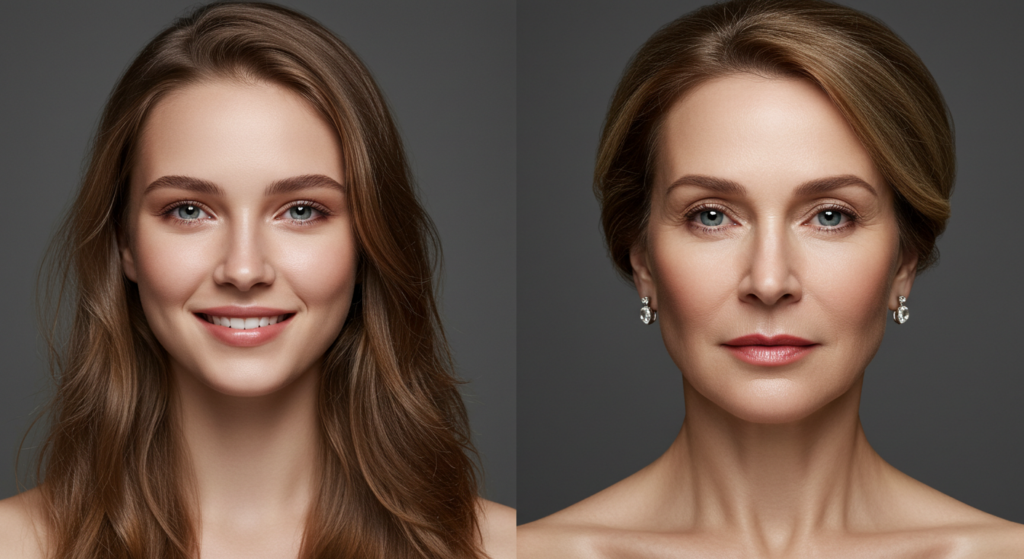
Two side-by-side photographs of women, one younger and one older, showcasing natural facial features and expressions with minimal makeup.

Facial Feminization Surgery (FFS) is a transformative procedure designed to align a patient’s facial features with their gender identity. It’s a deeply personal journey, and as surgeons, we understand the importance of creating results that not only look natural but also age gracefully. One of the most common questions I encounter is, “How will my face look in 10, 20, or 30 years after FFS?” This blog post aims to explore the long-term effects of FFS, addressing the natural aging process and how it interacts with surgical outcomes.

Side-by-side comparison of two women's faces, showing youthful and mature appearances, likely for skincare or aging demonstration.

Understanding the Aging Face

To understand how FFS ages, we must first understand the fundamental changes that occur in the aging face. These changes are multifaceted and involve:

  • Bone Resorption: Over time, our facial bones undergo gradual resorption, particularly in the midface and jawline. This can lead to a loss of volume and definition, affecting the support structures for soft tissues.
  • Soft Tissue Atrophy: Skin loses elasticity due to decreased collagen and elastin production. Fat pads in the face also diminish and descend, contributing to sagging and hollowing.
  • Muscle Changes: Facial muscles can weaken and lose tone, affecting facial expression and contributing to the formation of wrinkles and lines.
  • Skin Changes: Sun exposure, environmental factors, and hormonal changes can lead to skin thinning, dryness, and pigmentation changes.

These natural processes are universal, affecting everyone regardless of whether they’ve undergone FFS. However, the interplay between these changes and the surgical alterations made during FFS is crucial to consider.

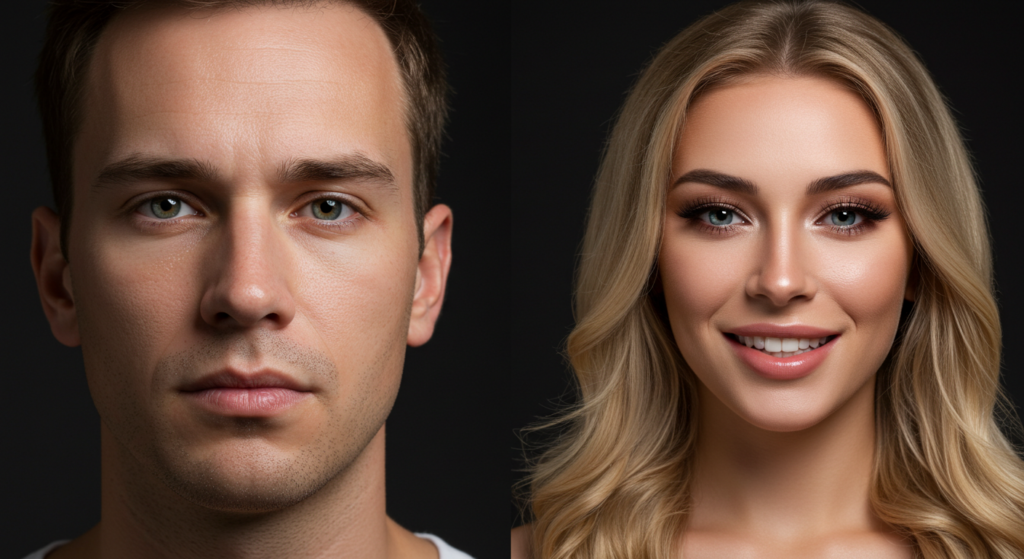
A side-by-side comparison of a man and a woman with clear, healthy skin, set against a dark background. The image emphasizes facial features and skin quality, likely used to demonstrate the results of skincare or cosmetic treatments.

FFS Procedures and Long-Term Effects

FFS encompasses a range of procedures tailored to individual needs. Here’s how some common FFS procedures might evolve over time:

1. Forehead Contouring and Brow Lift

  • Procedure: This involves reshaping the brow bone and lifting the eyebrows to create a more feminine, smoother forehead.
  • Long-Term Effects:
    • Bone resorption can subtly alter the contour over decades, but the fundamental feminization achieved is usually maintained.
    • Brow lifts can counteract some of the natural brow descent associated with aging. However, gravity will continue to exert its effects, and minor adjustments may be desired later in life.
    • The skin quality over the forehead will change with aging, displaying wrinkles and loss of elasticity. But the underlying bone and brow position will remain, if executed correctly.
  • Considerations: Proper surgical technique and addressing underlying bone structure are crucial for long-lasting results.

2. Rhinoplasty

  • Procedure: Reshaping the nose to achieve a more refined, feminine appearance.
  • Long-Term Effects:
    • Minor changes in cartilage and soft tissue can occur over time, but significant alterations are rare if the initial surgery is well-executed.
    • Skin thickness changes, and slight tip descent can occur.
    • Bone changes are minimal in the nose.
  • Considerations: Maintaining a natural-looking shape that complements the overall facial structure is essential for graceful aging.

3. Cheek Augmentation

  • Procedure: Enhancing the cheekbones with implants or fat grafting to create a more youthful, feminine contour.
  • Long-Term Effects:
    • Implants are generally stable and long-lasting, but surrounding soft tissue changes can alter the overall appearance.
    • Fat grafting can provide natural-looking volume, but some fat resorption is expected over time.
    • Bone loss in the maxilla can affect the cheek prominence.
  • Considerations: Choosing the appropriate implant size and placement, or using fat grafting techniques that account for future volume loss, is vital.

4. Jaw and Chin Contouring

  • Procedure: Reshaping the jawline and chin to create a more delicate, feminine profile.
  • Long-Term Effects:
    • Bone resorption in the jaw and chin can lead to a gradual loss of definition.
    • Soft tissue descent can contribute to jowling and a less defined jawline.
    • The overall feminization achieved is usually retained, but the sharpness of the jawline may soften.
  • Considerations: Surgeons must consider the patient’s age and bone structure when planning these procedures to ensure long-term harmony.

5. Lip Lift and Augmentation

  • Procedure: Lifting the upper lip and augmenting lip volume to create a more youthful, feminine appearance.
  • Long-Term Effects:
    • Lip lifts can counteract some of the natural lip descent associated with aging.
    • Lip augmentation with fillers or fat grafting requires periodic maintenance to address volume loss.
    • Wrinkles around the mouth will occur with aging.
  • Considerations: Balancing lip volume and lift to achieve a natural-looking result that ages gracefully is essential.

6. Tracheal Shave

  • Procedure: Reducing the prominence of the Adam’s apple.
  • Long-Term Effects:
    • This procedure is generally very stable and long-lasting.
    • Scar tissue is minimal if done correctly, and the overall effect is permanent.
  • Considerations: Skilled surgical technique is critical to avoid complications and ensure a smooth, natural-looking result.

Factors Influencing Long-Term Outcomes

Several factors can influence how FFS ages:

  • Surgical Technique: A well-executed surgery with meticulous attention to detail is crucial for long-lasting results.
  • Patient Age and Bone Structure: Younger patients with strong bone structure may experience more subtle changes over time.
  • Lifestyle Factors: Sun exposure, smoking, and poor skincare can accelerate the aging process and affect surgical outcomes.
  • Hormone Therapy: Hormone replacement therapy can influence skin texture and fat distribution, affecting the overall appearance of FFS results.
  • Genetics: Individual genetic predispositions play a significant role in how the face ages.

Maintaining FFS Results Over Decades

While FFS can create lasting changes, maintaining a youthful appearance requires ongoing care:

  • Sun Protection: Consistent use of sunscreen is essential to protect the skin from sun damage.
  • Healthy Lifestyle: A balanced diet, regular exercise, and adequate hydration can promote healthy skin and slow down the aging process.
  • Skincare Routine: Using high-quality skincare products can improve skin texture and elasticity.
  • Non-Surgical Treatments: Dermal fillers, Botox, and laser treatments can address volume loss, wrinkles, and skin texture changes.
  • Revision Surgery: In some cases, minor revision surgery may be necessary to address specific concerns that arise with aging.

The Psychological Impact of Aging After FFS

It’s essential to acknowledge the psychological impact of aging after FFS. For many individuals, FFS is a significant step in their journey of self-acceptance and affirmation. As the face ages, it’s natural to experience a range of emotions.

  • Acceptance and Adaptation: Embracing the natural aging process is crucial for maintaining a positive self-image.
  • Open Communication: Discussing concerns with your surgeon and mental health professionals can provide support and guidance.
  • Focus on Overall Well-being: Prioritizing mental and emotional health is essential for a fulfilling life.

The Future of FFS and Aging

Advances in surgical techniques, materials, and technology are continuously improving FFS outcomes. Future innovations may include:

  • 3D Imaging and Planning: More precise surgical planning and execution.
  • Biomaterials: Advanced implants and fillers that mimic natural tissue and age more gracefully.
  • Regenerative Medicine: Techniques that stimulate tissue regeneration and slow down the aging process.

Conclusion

FFS can provide lasting feminization, but it’s essential to understand that the face will continue to age naturally. By choosing a skilled surgeon, maintaining a healthy lifestyle, and embracing a holistic approach to well-being, individuals can enjoy the benefits of FFS for decades to come. As surgeons, our goal is to create results that not only align with a patient’s gender identity but also age gracefully, enhancing their confidence and quality of life. The aging face is a beautiful process, and with proper care, FFS can be a part of that journey.

Visit Dr.MFO Instagram profile to see real patient transformations! Get a glimpse of the incredible results achieved through facial feminization surgery and other procedures. The profile showcases before-and-after photos that highlight Dr. MFO’s expertise and artistic vision in creating natural-looking, beautiful outcomes.

Ready to take the next step in your journey? Schedule a free consultation with Dr. MFO ( Best Facial Feminization Surgeon for You) today. During the consultation, you can discuss your goals, ask any questions you may have, and learn more about how Dr. MFO can help you achieve your desired look. Don’t hesitate to take advantage of this free opportunity to explore your options and see if Dr. MFO is the right fit for you.

Complete Face Shape Change: FFS for Transgender Women?

A close-up portrait of a young woman with striking blue eyes, soft makeup, and wavy brown hair.

Can FFS Surgery Completely Change My Face Shape as a Transgender Woman? Facial Feminization Surgery (FFS) is a powerful tool for transgender women seeking to align their outward appearance with their gender identity. However, it’s essential to have realistic expectations about the extent of change that can be achieved. A common question I encounter is, “Can FFS completely change my face shape?” This blog post aims to clarify the potential and limitations of FFS in altering face shape, ensuring you have a clear understanding of what to expect.

Three women showcasing different fashion styles. The first woman wears a light pink leather jacket over a frilly dress, exuding a chic and edgy look. The second woman is dressed in a deep maroon wrap dress with a pearl necklace, embodying elegance and sophistication. The third woman pairs a bright yellow blouse with blue jeans, creating a casual yet stylish outfit.

Understanding the Scope of FFS

FFS focuses on softening masculine facial features and enhancing feminine ones. While it can create significant transformations, it’s crucial to understand that it works within the constraints of your existing bone structure and soft tissue.

What FFS Can Achieve:

  • Softening Angular Features: Procedures like jaw and chin reduction can significantly soften angular features, creating a more rounded and feminine appearance.
  • Balancing Facial Proportions: FFS can harmonize facial proportions by adjusting features like the forehead, cheekbones, and chin.
  • Enhancing Feminine Contours: Procedures like cheek augmentation and lip lift can enhance feminine contours, creating a more youthful and delicate appearance.
  • Reducing Brow Bone Prominence: Brow bone reduction creates a smoother, more feminine forehead.
  • Refining Nasal Features: Rhinoplasty can refine the nose, creating a more delicate and feminine shape.

Limitations of FFS:

  • Bone Structure Constraints: FFS works within the limitations of your existing bone structure. While significant changes are possible, complete transformations are often unrealistic.
  • Soft Tissue Considerations: Skin thickness, elasticity, and fat distribution can influence FFS outcomes.
  • Individual Variation: Each individual’s anatomy is unique, and results will vary.
  • Realistic Expectations: It’s crucial to have realistic expectations and understand that FFS aims to enhance your existing features, not create a completely different face.
Before and after comparison of a facial feminization procedure. The left image shows the individual's face before the procedure, while the right image displays the results after the procedure, highlighting changes such as a more defined jawline, softer facial features, and enhanced symmetry.

How FFS Alters Face Shape

FFS procedures work in conjunction to create a more feminine facial appearance. Here’s how specific procedures contribute to changing face shape:

  • Jaw and Chin Reduction: These procedures significantly alter the lower face’s shape, creating a more tapered and feminine jawline.
  • Cheek Augmentation: Adding volume to the cheeks creates a more lifted and youthful appearance, enhancing the heart-shaped or oval contours.
  • Brow Bone Contouring: Smoothing the brow bone creates a more feminine forehead, influencing the overall shape of the upper face.
  • Forehead Contouring: Reshaping the forehead creates a softer, more rounded appearance.
  • Rhinoplasty: Refining the nasal shape and size can significantly impact the overall facial profile.
A side-by-side portrait of a man and a woman, both with a neutral expression, facing the camera in a city setting.

The Importance of Realistic Expectations

During the consultation process, I emphasize the importance of realistic expectations. I work closely with patients to understand their goals and ensure they have a clear understanding of what can be achieved.

Factors Influencing Realistic Expectations:

  • Individual Anatomy: Each person’s face shape and bone structure are unique.
  • Surgical Limitations: FFS has limitations, and complete transformations are not always possible.
  • Desired Outcomes: Open communication about desired outcomes is essential.
  • Visual Aids: Before-and-after photos and computer simulations can help visualize potential results.
A woman in a pink dress wearing diamond earrings, posing against a marble wall.

Achieving Your Feminine Aesthetic

While FFS may not completely change your face shape, it can create significant and transformative results. By working with a skilled and experienced surgeon, you can achieve a more feminine and harmonious appearance that aligns with your gender identity.

Key Considerations:

  • Open Communication: Discuss your goals and expectations with your surgeon.
  • Understanding Limitations: Be aware of the limitations of FFS.
  • Individualized Approach: Ensure your surgical plan is tailored to your unique anatomy.
  • Patient Photos: Review many photos of FFS patients, to understand potential outcomes.
A close-up portrait of a person with curly hair, wearing an emerald green dress and dangling crystal earrings.

Conclusion

FFS is a powerful tool for enhancing feminine facial features, but it’s essential to have realistic expectations. While it can significantly alter your face shape, it works within the constraints of your existing anatomy. By working with a qualified surgeon and maintaining open communication, you can achieve results that align with your goals and enhance your feminine identity.

Mehmet Fatih Okyay, MD, FEBOPRAS in Türkiye. FFS Surgeon.

Visit Dr.MFO Instagram profile to see real patient transformations! Get a glimpse of the incredible results achieved through facial feminization surgery and other procedures. The profile showcases before-and-after photos that highlight Dr. MFO’s expertise and artistic vision in creating natural-looking, beautiful outcomes.

Ready to take the next step in your journey? Schedule a free consultation with Dr. MFO ( Best Facial Feminization Surgeon for You) today. During the consultation, you can discuss your goals, ask any questions you may have, and learn more about how Dr. MFO can help you achieve your desired look. Don’t hesitate to take advantage of this free opportunity to explore your options and see if Dr. MFO is the right fit for you.

What are the Best FFS Procedures for Transgender Individuals with a Heart-Shaped Face?

What are the Best FFS Procedures for Transgender Individuals with a Heart-Shaped Face?

Heart-shaped faces, with their distinctive wide forehead and prominent cheekbones tapering to a narrow, often pointed chin, present both opportunities and challenges in Facial Feminization Surgery (FFS). The inherent femininity of the cheekbones is a significant advantage, but the goal is to refine and balance the overall facial structure to achieve a more harmonious and conventionally feminine look. This detailed guide explores the most effective FFS procedures for transgender individuals with heart-shaped faces, emphasizing the importance of personalized approaches and meticulous surgical planning.

What are the Best FFS Procedures for Transgender Individuals with a Heart-Shaped Face?

Deep Dive into the Heart-Shaped Face and Tailored FFS Goals

Understanding the specific nuances of a heart-shaped face is paramount before considering any surgical interventions. Key characteristics that require careful consideration include:

  • Forehead Width and Contour: The broadness of the forehead, coupled with its contour, can sometimes create a masculine impression if not addressed appropriately.
  • Cheekbone Prominence and Placement: While a hallmark of femininity, the position and projection of the cheekbones need careful evaluation to ensure they harmonize with other facial features.
  • Chin Shape and Projection: The narrow, often pointed chin can disrupt facial balance and requires delicate refinement.
  • Jawline Transition: The transition from the cheekbones to the jawline needs to be smooth and feminine.

The primary goals of FFS for heart-shaped faces are therefore:

  • Achieving Facial Balance: Correcting the disproportion between the wider upper face and the narrower lower face.
  • Softening Angular Features: Refining the pointed chin and potentially the forehead contours.
  • Enhancing Feminine Contours: Amplifying the inherent beauty of the cheekbones while ensuring they integrate seamlessly with other features.
  • Preserving Natural Aesthetics: Maintaining the individual’s unique beauty while achieving a more feminine appearance.

Detailed Exploration of Recommended FFS Procedures

Here’s a more in-depth look at the recommended FFS procedures for heart-shaped faces:

1. Chin Contouring and Reduction: Precision and Subtlety

  • This procedure requires a highly nuanced approach. The objective is not to eliminate the chin’s point entirely but to soften it, creating a more rounded or oval shape.
  • The surgeon must meticulously assess the chin’s projection and width, carefully reshaping the bone to achieve a delicate balance.
  • Advanced techniques, such as piezoelectric bone sculpting, can be employed to ensure precise and controlled bone removal, minimizing trauma and promoting faster healing.
  • The goal is to create a chin that complements the cheekbones and forehead, enhancing overall facial harmony.

2. Cheek Augmentation: Strategic Enhancement

  • While heart-shaped faces already possess prominent cheekbones, strategic augmentation can further enhance their femininity.
  • The focus is on adding volume to the mid-cheek area, creating a smoother, more lifted, and youthful appearance.
  • The type of augmentation (implants or fat grafting) and the placement of the augmentation must be carefully chosen to avoid creating an overly wide or unnatural appearance.
  • 3D imaging is useful to plan the exact volume and placement of implants or fat grafting.
  • The surgeon must consider the skin thickness and elasticity, to achieve a natural look.

3. Forehead Contouring and Brow Bone Reduction: Achieving Smooth Transitions

  • Forehead contouring and brow bone reduction aim to create a smoother, more feminine upper face, softening any masculine features.
  • The surgeon will carefully reshape the brow bone, reducing any prominent bossing and creating a smooth transition to the forehead.
  • The degree of contouring will depend on the individual’s anatomy and desired outcome.
  • The surgeon must also consider the hairline, and the shape of the temporal region.
  • The goal is to create a soft, feminine forehead that complements the cheekbones and chin.

4. Lip Lift and Augmentation: Refining the Oral Region

  • Lip shape and volume are crucial for facial femininity.
  • A lip lift can shorten the distance between the nose and upper lip, creating a more youthful and feminine appearance.
  • Lip augmentation with fillers or fat grafting can add volume and create a more defined Cupid’s bow.
  • Careful attention to the proportions of the lips relative to the other facial features is essential.
  • The surgeon must consider the patients age, and the overall desired aesthetic.

5. Rhinoplasty: Harmonizing Nasal Features

  • Rhinoplasty can refine the shape and size of the nose, creating a more feminine profile that complements the overall facial proportions.
  • The surgeon must carefully consider the width of the nose in relation to the prominent cheekbones, ensuring a balanced appearance.
  • The goal is to create a nose that harmonizes with the other facial features, enhancing overall femininity.

6. Hairline Lowering: Balancing Upper Facial Proportions

  • If the forehead is exceptionally high, hairline lowering can create more balanced proportions.
  • This procedure involves advancing the hairline to reduce the forehead’s vertical length.
  • The surgeon must carefully plan the hairline’s shape and position to achieve a natural-looking result.
  • This is especially important in heart shaped faces, where the forehead is already wide.

Key Considerations for Heart-Shaped Faces

  • Preserving Cheekbone Aesthetics: Emphasize, rather than diminish, the natural beauty of the cheekbones.
  • Achieving Facial Harmony: Correct the disproportion between the upper and lower face.
  • Chin Softening: Refine the chin’s point without creating a weak or unnatural appearance.
  • Individualized Planning: Tailor the surgical plan to the individual’s unique anatomy and desired outcome.

Conclusion: A Personalized Approach to FFS

FFS for heart-shaped faces demands a personalized and meticulous approach. By focusing on balancing facial proportions, refining the chin, and enhancing natural beauty, transgender individuals can achieve a more feminine and harmonious appearance. Open communication with a skilled and experienced surgeon is essential for achieving optimal results.

Mehmet Fatih Okyay, MD, FEBOPRAS in Türkiye. FFS Surgeon.

Visit Dr.MFO Instagram profile to see real patient transformations! Get a glimpse of the incredible results achieved through facial feminization surgery and other procedures. The profile showcases before-and-after photos that highlight Dr. MFO’s expertise and artistic vision in creating natural-looking, beautiful outcomes.

Ready to take the next step in your journey? Schedule a free consultation with Dr. MFO ( Best Facial Feminization Surgeon for You) today. During the consultation, you can discuss your goals, ask any questions you may have, and learn more about how Dr. MFO can help you achieve your desired look. Don’t hesitate to take advantage of this free opportunity to explore your options and see if Dr. MFO is the right fit for you.

FFS for Heart-Shaped Faces: Frequently Asked Questions

This FAQ addresses common questions about Facial Feminization Surgery (FFS) for transgender individuals with heart-shaped faces.

Q: What are the defining characteristics of a heart-shaped face?

A: Heart-shaped faces are characterized by a wide forehead, prominent cheekbones, and a narrow, often pointed chin.

Q: What are the primary goals of FFS for heart-shaped faces?

A: The goals are to balance the wider upper face with the narrower lower face, soften the pointed chin, enhance overall facial harmony, and maintain the natural beauty of the prominent cheekbones.

Q: Which FFS procedures are commonly recommended for heart-shaped faces?

A: Common procedures include chin contouring and reduction, strategic cheek augmentation, forehead contouring and brow bone reduction, lip lift and augmentation, rhinoplasty, and hairline lowering (if needed).

Q: Why is chin contouring and reduction important for heart-shaped faces?

A: It softens the pointed chin, creating a more rounded or oval shape, which balances the wider upper face and enhances overall facial harmony.

Q: How is cheek augmentation handled for heart-shaped faces?

A: Strategic augmentation adds volume to the mid-cheek area, creating a smoother and more lifted appearance, while preserving the natural prominence of the cheekbones.

Q: What is the purpose of forehead contouring and brow bone reduction in heart-shaped faces?

A: It creates a smoother and more feminine upper face, softening any masculine features and balancing the forehead with the lower face.

Q: How does rhinoplasty contribute to facial feminization in heart-shaped faces?

A: It refines the shape and size of the nose, creating a more feminine profile that complements the prominent cheekbones and overall facial proportions.

Q: When is hairline lowering recommended for heart-shaped faces?

A: It’s recommended when the forehead is exceptionally high, creating more balanced proportions and enhancing facial harmony.

Q: How does a surgeon ensure natural-looking results for heart-shaped faces?

A: By focusing on balancing facial proportions, refining the chin, enhancing natural beauty, and tailoring the surgical plan to the individual’s unique anatomy and desired outcome.

Q: What should I expect during the initial consultation for FFS with a heart-shaped face?

A: The surgeon will conduct a thorough facial analysis, discuss your goals, explain surgical options, address your concerns, and potentially show potential outcomes using simulation software.

Q: What are the key considerations specific to heart-shaped faces in FFS planning?

A: Maintaining natural cheekbone prominence, balancing the upper and lower face, softening the chin point, and using an individualized approach are crucial.

Q: How does the surgeon determine the appropriate chin shape after contouring?

A: The surgeon carefully assesses the chin’s projection and width, aiming for a rounded or oval shape that complements the cheekbones and forehead without creating a weak appearance.

Q: What are the potential benefits of FFS for individuals with heart-shaped faces?

A: FFS can enhance facial femininity, improve self-confidence, reduce gender dysphoria, and create a more harmonious and balanced appearance.

Q: How important is it to choose an experienced surgeon for FFS with a heart-shaped face?

A: It’s crucial. Heart-shaped faces require a nuanced approach, and an experienced surgeon will have the expertise to achieve natural-looking and harmonious results.

Q: Are there any specific risks associated with FFS for heart-shaped faces?

A: Risks are similar to other FFS procedures, including infection, bleeding, scarring, and complications related to anesthesia. A thorough discussion of risks will occur during consultation.

Q: How long does the recovery process typically take after FFS for a heart-shaped face?

A: Recovery varies depending on the procedures performed, but generally involves swelling and bruising for a few weeks, with final results appearing over several months.

Q: Can I combine FFS with other cosmetic procedures for a heart-shaped face?

A: Yes, but this should be discussed with your surgeon during the consultation to ensure a cohesive and balanced outcome.

Transgender Face Shape: Questions to Ask Your FFS Surgeon

A close-up portrait of a woman with shoulder-length wavy brown hair and striking blue eyes, wearing a vibrant pink sleeveless top and dangling earrings, posing confidently against a soft-focus background.

Embarking on a Facial Feminization Surgery (FFS) journey is a significant step towards aligning your outward appearance with your inner identity. A crucial part of this process is the consultation with your surgeon. To ensure you’re making informed decisions and have realistic expectations, it’s essential to ask the right questions about your unique face shape. This blog post will guide you through the key questions to ask your FFS surgeon, empowering you to navigate your FFS journey with confidence.

Understanding Your Unique Face Shape: The Foundation of FFS

Before diving into surgical procedures, it’s vital to have a comprehensive understanding of your existing facial structure. Your surgeon’s expertise in analyzing and interpreting your face shape will be instrumental in creating a personalized treatment plan.

What Questions to Ask Your FFS Surgeon About Your Transgender Face Shape

Key Questions to Ask About Your Face Shape

Here’s a breakdown of the essential questions to ask your FFS surgeon regarding your face shape:

1. “Can you thoroughly analyze my face shape and explain its characteristics?”

  • This question encourages your surgeon to provide a detailed assessment of your facial features.
  • They should be able to identify your dominant face shape (e.g., round, square, oval, heart) and explain how it influences your overall appearance.
  • Ask them to point out specific features that contribute to a more masculine appearance and how they can be addressed.

2. “How will my face shape influence the recommended FFS procedures?”

  • This question helps you understand how your face shape will guide the surgical plan.
  • Your surgeon should explain which procedures are most suitable for your specific anatomy and desired outcome.
  • They should also discuss any limitations or challenges related to your face shape.

3. “Can you show me examples of FFS results on individuals with similar face shapes?”

  • Seeing before-and-after photos of patients with similar face shapes can provide valuable insights into potential outcomes.
  • Ask your surgeon to show you a variety of examples to get a realistic sense of what can be achieved.
  • This will help you visualize potential changes and set realistic expectations.

4. “How will you maintain facial harmony and balance while addressing my face shape?”

  • Facial harmony is crucial for achieving natural-looking results.
  • Your surgeon should explain how they will ensure that all facial features are balanced and proportional after surgery.
  • Ask them about their approach to maintaining a natural and feminine appearance.

5. “What specific techniques will you use to address the masculine features associated with my face shape?”

  • This question focuses on the surgical techniques that will be employed to soften masculine features.
  • Your surgeon should explain the specific procedures they recommend and how they will be performed.
  • Ask about the potential risks and benefits of each technique.

6. “How will you consider my ethnicity and cultural background when planning my FFS?”

  • Preserving ethnic and cultural identity is essential.
  • Your surgeon should demonstrate sensitivity to your cultural background and explain how they will maintain your unique features.
  • Discuss any concerns you have about preserving your ethnic identity.

7. “Can you provide a detailed simulation of my potential FFS results based on my face shape?”

  • Advanced imaging and simulation technologies can provide realistic previews of potential outcomes.
  • Ask your surgeon if they use these technologies and request a simulation of your results.
  • This can help you visualize the potential changes and ensure they align with your goals.

8. “How will soft tissue changes affect the results of my FFS, given my face shape?”

  • Soft tissue, including skin and fat, plays a significant role in facial appearance.
  • Ask your surgeon how they will address soft tissue changes to ensure natural-looking results.
  • They should discuss techniques like fat grafting or skin tightening, if necessary.

9. “What are the potential limitations or challenges related to my face shape and desired outcomes?”

  • Open communication about potential limitations is crucial for setting realistic expectations.
  • Your surgeon should be transparent about any challenges related to your face shape or desired outcomes.
  • Discuss any concerns you have about achieving your goals.

10. “How much experience do you have with FFS on patients with similar face shapes to mine?”

  • Experience matters. Asking this will allow you to gauge the surgeons familiarity with your specific needs.

The Importance of Open Communication

The consultation is your opportunity to establish open and honest communication with your surgeon. Don’t hesitate to ask any questions or express any concerns you may have. A skilled and compassionate surgeon will be patient, understanding, and willing to address all your queries.

A woman with blonde hair wearing a red dress and large earrings, standing in front of a blurred crowd.

Empowering Your FFS Journey

By asking these questions, you can gain a deeper understanding of your face shape and how it relates to your FFS journey. This knowledge will empower you to make informed decisions and achieve results that align with your goals and enhance your feminine identity. Remember that your surgeon is your partner in this transformative process, and open communication is key to a successful outcome.

Visit Dr.MFO Instagram profile to see real patient transformations! Get a glimpse of the incredible results achieved through facial feminization surgery and other procedures. The profile showcases before-and-after photos that highlight Dr. MFO’s expertise and artistic vision in creating natural-looking, beautiful outcomes.

Ready to take the next step in your journey? Schedule a free consultation with Dr. MFO ( Best Facial Feminization Surgeon for You) today. During the consultation, you can discuss your goals, ask any questions you may have, and learn more about how Dr. MFO can help you achieve your desired look. Don’t hesitate to take advantage of this free opportunity to explore your options and see if Dr. MFO is the right fit for you.

FFS Surgery for Transgender Faces with Round Face Shapes: What to Expect

A woman with dark hair wearing a red dress and dangling earrings, posing confidently against a dark background with dramatic lighting.

For transgender individuals with round face shapes, Facial Feminization Surgery (FFS) can be a powerful tool for achieving a more feminine and harmonious appearance. Round faces, characterized by wider cheekbones and a softer, less defined jawline, require a nuanced approach to create the desired feminine contours. This blog post will delve into the specific considerations and procedures involved in FFS for round face shapes, providing you with a comprehensive understanding of what to expect.

Four women with different skin tones and facial features, all facing the camera with neutral expressions, showcasing diversity and natural beauty.

Defining the Round Face Shape in the Context of FFS

Before discussing surgical interventions, it’s essential to understand the characteristics of a round face shape in the context of FFS. Key features include:

  • Wide Cheekbones: The widest point of the face is often at the cheekbones, creating a full and rounded appearance.
  • Soft Jawline: The jawline lacks sharp angles and definition, contributing to the overall roundness.
  • Rounded Chin: The chin is often less prominent and rounded, further softening the facial contours.
  • Full Cheeks: The cheeks tend to be full and rounded, adding to the overall fullness of the face.
  • Less Defined Facial Angles: The face lacks the sharp angles and defined bone structure typically associated with masculine features.

The goal of FFS for round faces is to create a more tapered and defined appearance, enhancing feminine features while maintaining natural-looking results.

Key FFS Procedures for Round Face Shapes

Several FFS procedures can be tailored to address the unique characteristics of round faces:

1. Jawline Reduction and Contouring

  • This is often a central procedure for round faces. The goal is to narrow the jawline and create a more V-shaped or oval contour.
  • The surgeon will carefully reshape the jawbone, removing excess bone and creating a more defined angle.
  • The amount of bone reduction is carefully planned to avoid creating an overly sharp or unnatural appearance.

2. Chin Contouring and Reduction

  • A rounded or wide chin can contribute to the overall roundness of the face. Chin contouring aims to create a more tapered and refined chin shape.
  • Depending on the individual’s anatomy, the surgeon may reduce the width or projection of the chin.
  • Creating a more pointed or oval chin shape helps to create a more feminine profile.

3. Cheek Augmentation (with Strategic Placement)

  • While round faces already have prominent cheekbones, strategic cheek augmentation can create a more lifted and defined appearance.
  • The placement of cheek implants or fat grafting is crucial. Instead of adding volume to the widest point of the cheek, the focus is on creating projection in the upper cheek area.
  • This helps to create more of a heart shaped face, by adding definition to the cheekbone area, and pulling the visual focus upwards.
  • Care must be taken to avoid adding too much volume, which could exacerbate the roundness of the face.

4. Temporal Reduction

  • The temporal region, located on the sides of the forehead, can contribute to the overall roundness of the face.
  • Temporal reduction involves contouring the temporal bones to create a smoother and more tapered transition from the forehead to the temples.
  • This procedure can help to create a more refined and feminine forehead shape.

5. Brow Bone Contouring

  • Reducing brow bone prominence is a common FFS procedure, regardless of face shape.
  • For round faces, brow bone contouring helps to create a more balanced and feminine upper face.
  • The surgeon will carefully reshape the brow bone to create a smoother and more feminine contour.

6. Lip Lift and Augmentation

  • Lip shape and volume are important feminizing factors.
  • A lip lift can shorten the distance between the nose and upper lip, creating a more youthful and feminine appearance.
  • Lip augmentation with fillers or fat grafting can add volume and create a more defined Cupid’s bow.
  • The proportions of the lips relative to the other facial features must be carefully considered.

7. Rhinoplasty

  • Rhinoplasty can refine the shape and size of the nose, creating a more feminine profile that complements the overall facial proportions.
  • Careful consideration of the nose width, and projection is important.
A close-up image of a person's face, focusing on the lips and chin area. The person has smooth skin and is gently touching their chin with their hand. The background is dark, emphasizing the facial features.

Considerations Specific to Round Face Shapes

When planning FFS for round faces, several specific considerations are crucial:

  • Balancing Roundness and Definition: The goal is to create a more defined appearance without eliminating all the natural roundness of the face.
  • Avoiding Overcorrection: Overcorrecting the jawline or chin can create an unnatural or masculine appearance.
  • Maintaining Facial Harmony: The proportions of the various facial features must be carefully considered to ensure a balanced and harmonious outcome.
  • Soft Tissue Considerations: Soft tissue management, including skin and fat distribution, is crucial for achieving natural-looking results.
  • Individualized Approach: Each individual’s face shape is unique, and the surgical plan must be tailored to their specific anatomy and goals.

What to Expect During the Consultation

The initial consultation is a critical step in the FFS process. During this appointment, the surgeon will:

  • Conduct a thorough facial analysis, including photographic documentation and, in some cases, 3D imaging.
  • Discuss your goals and expectations for FFS.
  • Explain the various surgical options and their potential outcomes.
  • Address any questions or concerns you may have.
  • Show potential outcomes with the help of simulation software.
  • Explain the risks and benefits of the surgery.

Recovery and Aftercare

The recovery process after FFS varies depending on the specific procedures performed. Generally, you can expect:

  • Swelling and bruising for the first few weeks.
  • Discomfort that can be managed with pain medication.
  • Limited physical activity for several weeks.
  • Regular follow-up appointments to monitor your progress.

Choosing a Qualified Surgeon

Selecting a qualified and experienced surgeon is crucial for a successful FFS outcome. Look for a surgeon who:

  • Is board-certified in facial plastic surgery or a related specialty.
  • Has extensive experience in FFS for transgender individuals.
  • Has a proven track record of achieving natural-looking results.
  • Understands the nuances of round face shapes and their unique requirements.
  • Has good before and after photos of round faced FFS patients.

The Psychological Benefits

FFS can have a profound psychological impact, particularly for transgender individuals with round face shapes. By creating a more feminine appearance, FFS can:

  • Reduce gender dysphoria.
  • Increase self-confidence.
  • Improve social integration.
  • Increase overall wellbeing.
A woman in a red dress posing elegantly, wearing large earrings, with a dark background.

Conclusion

FFS for round face shapes requires a nuanced and individualized approach. By working with a skilled and experienced surgeon, you can achieve natural-looking and harmonious results that enhance your feminine identity and boost your confidence. Remember that this is a journey of self-affirmation, and you deserve to feel comfortable and confident in your own skin.

Visit Dr.MFO Instagram profile to see real patient transformations! Get a glimpse of the incredible results achieved through facial feminization surgery and other procedures. The profile showcases before-and-after photos that highlight Dr. MFO’s expertise and artistic vision in creating natural-looking, beautiful outcomes.

Ready to take the next step in your journey? Schedule a free consultation with Dr. MFO ( Best Facial Feminization Surgeon for You) today. During the consultation, you can discuss your goals, ask any questions you may have, and learn more about how Dr. MFO can help you achieve your desired look. Don’t hesitate to take advantage of this free opportunity to explore your options and see if Dr. MFO is the right fit for you.

FFS Surgery for Transgender Faces with Round Face Shapes: FAQ

This FAQ addresses common questions about Facial Feminization Surgery (FFS) for transgender individuals with round face shapes.

Q: What are the main characteristics of a round face shape in the context of FFS?

A: Round faces are characterized by wider cheekbones, a soft and undefined jawline, a rounded chin, full cheeks, and less defined facial angles.

Q: What are the primary goals of FFS for round face shapes?

A: The main goals are to create a more tapered and defined appearance, enhance feminine features, and achieve a harmonious balance while maintaining natural-looking results.

Q: Which FFS procedures are commonly recommended for round faces?

A: Common procedures include jawline reduction and contouring, chin contouring and reduction, strategic cheek augmentation, temporal reduction, brow bone contouring, lip lift and augmentation, and rhinoplasty.

Q: How does jawline reduction differ for round faces compared to other face shapes?

A: For round faces, the focus is on narrowing the jawline to create a more V-shaped or oval contour. The surgeon carefully reshapes the jawbone, removing excess bone to create a more defined angle, while avoiding an overly sharp or unnatural look.

Q: What is the purpose of chin contouring in FFS for round faces?

A: Chin contouring aims to create a more tapered and refined chin shape, reducing its roundness or width to achieve a more feminine profile.

Q: How is cheek augmentation handled for round faces?

A: Cheek augmentation is done strategically, focusing on creating projection in the upper cheek area to lift and define, rather than adding volume to the widest point.

Q: What is temporal reduction, and why is it important for round faces?

A: Temporal reduction involves contouring the temporal bones to create a smoother and more tapered transition from the forehead to the temples, reducing the overall roundness of the face.

Q: What should I expect during the initial consultation?

A: During the consultation, the surgeon will conduct a thorough facial analysis, discuss your goals, explain surgical options, address your concerns, and potentially show potential outcomes using simulation software.

Q: What is the typical recovery process after FFS for a round face?

A: Recovery involves swelling and bruising for a few weeks, discomfort managed with medication, limited physical activity, and regular follow-up appointments.

Q: How do I choose a qualified surgeon for FFS with a round face shape?

A: Look for a board-certified surgeon with extensive experience in FFS for transgender individuals, a proven track record of natural-looking results, and a deep understanding of round face shapes. Check their before and after photos.

Q: What are the psychological benefits of FFS for transgender individuals with round faces?

A: FFS can reduce gender dysphoria, increase self-confidence, improve social integration, and enhance overall well-being.

Q: Is FFS for round faces a one-size-fits-all procedure?

A: No, FFS is highly individualized. The surgical plan is tailored to each person’s unique anatomy and goals.

Q: How does the surgeon ensure natural-looking results for round faces?

A: The surgeon carefully balances roundness and definition, avoids overcorrection, maintains facial harmony, considers soft tissue, and uses an individualized approach.

Q: What are the risks associated with FFS for round faces?

A: As with any surgery, there are risks such as infection, bleeding, scarring, and complications related to anesthesia. A thorough discussion of risks will occur during consultation.

Q: How long does the FFS procedure for round faces typically take?

A: The duration of the procedure varies depending on the specific procedures performed, but it can range from several hours to a full day.

Q: When will I see the final results of my FFS?

A: While initial changes are visible soon after surgery, final results may take several months to a year as swelling subsides and tissues heal completely.

Q: Can I combine FFS with other cosmetic procedures?

A: Yes, FFS can be combined with other procedures, but this should be discussed with your surgeon during the consultation.

Q: How much does FFS for round faces typically cost?

A: The cost varies depending on the procedures performed, the surgeon’s fees, and location. A detailed cost estimate will be provided during the consultation.

The Role of Face Shape in Planning Your Transgender Facial Feminization Surgery: A Surgeon’s Perspective

Three individuals with distinct appearances. On the left, a man with dark hair and a white button-up shirt. In the center, a woman with long, wavy red hair, wearing a light-colored top. On the right, another woman with similar red hair, also wearing a dark top.

Facial Feminization Surgery (FFS) is a deeply personal and transformative journey. As a surgeon specializing in FFS, I understand the importance of tailoring each procedure to the individual’s unique facial structure and desired outcome. While many factors contribute to a feminine appearance, the underlying bone structure—or face shape—plays a pivotal role in achieving natural-looking and harmonious results. In this comprehensive guide, I’ll delve into the intricacies of face shape analysis in FFS planning, drawing from my experience and insights to provide you with a thorough understanding of this critical aspect of the process.

Six black-and-white portraits of women with diverse ethnic backgrounds and hairstyles, arranged in a 2x3 grid.

Understanding the Fundamentals of Face Shape

Face shape, in its essence, refers to the overall contour of your facial skeleton. It’s determined by the underlying bone structure, including the forehead, brow bone, cheekbones, jawline, and chin. While there are numerous variations, common face shapes are often categorized as:

  • Oval: Characterized by a slightly rounded forehead, gently tapering jawline, and a chin that is narrower than the forehead. Considered the “ideal” feminine face shape in many cultures.
  • Round: Features a wider forehead and cheekbones, a soft, rounded jawline, and a less defined chin.
  • Square: Exhibits a broad forehead, wide jawline, and a strong, angular chin.
  • Heart: Distinguished by a wide forehead and cheekbones, tapering to a narrow, pointed chin.
  • Diamond: Similar to heart-shaped, but with narrower forehead and chin, and prominent cheekbones.
  • Rectangular/Oblong: Features a long, narrow face with a relatively consistent width throughout.

It’s crucial to remember that these are broad categorizations, and many individuals exhibit a combination of characteristics. A thorough facial analysis, including photographic documentation and, in some cases, 3D imaging, is essential for accurately determining your unique face shape and planning the most appropriate surgical interventions.

The Significance of Face Shape in FFS Planning

The goal of FFS is not to create a “cookie-cutter” feminine face but to enhance your existing features while softening masculine characteristics and creating a more harmonious and balanced appearance. Therefore, understanding your pre-existing face shape is paramount in planning the most effective surgical strategies.

Here’s how face shape influences various FFS procedures:

1. Forehead and Brow Bone Contouring

  • The brow bone, or frontal sinus bossing, is a common masculine feature. Reducing its prominence is often a key step in FFS.
  • The shape of the forehead influences the overall balance of the face. For instance, a square or rectangular forehead may require contouring to achieve a softer, more rounded appearance.
  • The transition from the forehead to the temporal region is important. A feminine forehead has a smooth transition.
  • In oval faces, the contouring is more about subtle refinements. In square or rectangular faces, more extensive contouring is usually needed.

2. Cheek Augmentation

  • Cheekbones play a crucial role in defining facial femininity. Enhancing cheek projection can add volume and create a more youthful, heart-shaped appearance.
  • The placement and volume of cheek implants or fat grafting are tailored to your existing face shape.
  • In round faces, careful placement is needed to avoid making the face appear even wider. In heart-shaped faces, augmentation can further enhance the natural contours.

3. Jawline and Chin Reduction

  • A wide or square jawline is often a prominent masculine feature. Jaw reduction surgery aims to create a more tapered, V-shaped jawline.
  • Chin reduction or contouring addresses a wide or prominent chin, creating a more delicate and feminine profile.
  • For square faces, jaw and chin reduction are often central procedures. For oval faces, only minor refinements might be necessary.
  • The surgeon must consider the ratio between the chin, jaw, and cheekbones to ensure a balanced outcome.

4. Rhinoplasty

  • While not directly related to bone structure, the nose plays a significant role in facial harmony.
  • Rhinoplasty can refine the shape and size of the nose, creating a more feminine profile that complements your overall face shape.
  • The surgeon will consider the width of the nose in relation to the cheekbones and the overall proportions of the face.

5. Lip Lift and Augmentation

  • Lip shape and volume are important feminizing factors.
  • A lip lift can shorten the distance between the nose and upper lip, creating a more youthful and feminine appearance.
  • Lip augmentation with fillers or fat grafting can add volume and create a more defined Cupid’s bow.
  • The proportions of the lips relative to the other facial features must be carefully considered.
A close-up portrait of a woman with striking green eyes, long eyelashes, and bold red lipstick. She has well-groomed eyebrows, a smooth complexion, and straight blonde hair. Her expression is confident and direct.

The Consultation Process: Assessing Your Unique Face Shape

The initial consultation is a critical step in the FFS journey. During this appointment, I conduct a thorough facial analysis, which includes:

  • Detailed Medical History: Understanding your overall health and any previous facial surgeries.
  • Physical Examination: Assessing your facial bone structure, skin quality, and soft tissue volume.
  • Photographic Documentation: Taking multiple photographs from various angles to analyze your facial proportions and contours.
  • 3D Imaging (Optional): Utilizing advanced imaging technology to create a 3D model of your face for precise surgical planning.
  • Discussion of Your Goals: Understanding your desired outcomes and expectations for FFS.
  • Simulation Software: Using software to show potential outcomes.
  • Explanation of surgical techniques, and risks.

By combining these assessment methods, I can develop a personalized surgical plan that addresses your specific needs and goals while respecting your underlying face shape.

Tailoring FFS to Different Face Shapes: Specific Considerations

Here’s a breakdown of how FFS procedures are often tailored to different face shapes:

1. Oval Face Shape

  • Individuals with an oval face shape often require minimal interventions.
  • The focus is on subtle refinements to enhance existing feminine features.
  • Brow bone contouring, subtle cheek augmentation, and minor chin adjustments may be considered.

2. Round Face Shape

  • Creating definition and reducing roundness are key goals.
  • Jawline and chin reduction are often performed to create a more tapered appearance.
  • Cheek augmentation can add definition, but placement and volume must be carefully considered.
  • Temporal reduction can be useful.

3. Square Face Shape

  • Extensive jawline and chin reduction are typically necessary to soften the angular features.
  • Brow bone contouring is also essential.
  • Cheek augmentation can add balance and femininity.

4. Heart Face Shape

  • Enhancing the natural contours of the cheekbones is a primary focus.
  • Chin reduction may be performed to create a more balanced profile.
  • Jawline contouring is usually less extensive.

5. Diamond Face Shape

  • Emphasis on cheek bone definition.
  • Chin and forehead adjustments are often performed.
  • Jaw reduction may be performed to achieve balance.

6. Rectangular/Oblong Face Shape

  • Shortening the vertical length of the face is a key goal.
  • Forehead contouring and chin reduction are often combined.
  • Careful consideration of cheek augmentation is needed to avoid elongating the face further.
  • Hairline lowering is considered.

The Importance of Natural-Looking Results

My philosophy as a surgeon is to prioritize natural-looking results. The goal of FFS is not to create a drastically different face but to enhance your existing features and create a more harmonious and feminine appearance.

To achieve this, I pay close attention to the following factors:

  • Proportionality: Ensuring that all facial features are balanced and harmonious.
  • Subtlety: Avoiding overcorrection or creating an artificial appearance.
  • Individualization: Tailoring each procedure to the individual’s unique face shape and goals.
  • Preservation of Ethnic Features: Respecting and preserving the individual’s ethnic background and cultural identity.
  • Soft tissue management: Skin and fat distribution is very important to achieve a natural look.

Recovery and Aftercare

The recovery process after FFS varies depending on the specific procedures performed. Generally, you can expect some swelling, bruising, and discomfort for the first few weeks.

Following my post-operative instructions carefully is essential for optimal healing and results. This includes:

  • Cold Compresses: To reduce swelling and bruising.
  • Pain Medication: To manage discomfort.
  • Elevated Head Position: To minimize swelling.
  • Limited Physical Activity: To promote healing.
  • Regular Follow-up Appointments: To monitor your progress.

Choosing the Right Surgeon

Selecting a qualified and experienced surgeon is crucial for a successful FFS experience. Look for a surgeon who:

  • Is board-certified in facial plastic surgery or a related specialty.
  • Has extensive experience in FFS.
  • Has a proven track record of achieving natural-looking results.
  • Prioritizes patient safety and satisfaction.
  • Understands the nuances of transgender facial anatomy.
  • Is compassionate and understanding.
  • Has good before and after photos.

Conclusion

Face shape is a fundamental consideration in planning your transgender facial feminization surgery. By understanding your unique facial structure and working with a skilled surgeon, you can achieve natural-looking and harmonious results that enhance your feminine identity and boost your confidence.

This comprehensive guide has provided you with a deep dive into the role of face shape in FFS planning. Remember that this is a highly personalized process, and the information provided here is intended for educational purposes only. It’s essential to consult with a qualified surgeon to discuss your specific needs and goals.

The Psychological Impact of FFS and Face Shape

Beyond the physical transformations, FFS has a profound psychological impact. Aligning your outward appearance with your inner identity can significantly improve your self-esteem, reduce gender dysphoria, and enhance your overall quality of life. Understanding your face shape and how it relates to your desired feminine aesthetic is a key part of this psychological journey.

  • Gender Dysphoria Relief: For many transgender individuals, facial features can be a significant source of dysphoria. FFS can alleviate this distress by creating a more congruent appearance.
  • Increased Self-Confidence: Feeling comfortable and confident in your own skin can have a ripple effect on all aspects of your life.
  • Social Integration: FFS can facilitate social integration and reduce experiences of misgendering.
  • Improved Mental Health: Reduced dysphoria and increased self-confidence can contribute to improved mental health and overall well-being.
  • Personal Validation: FFS can be a powerful act of self-affirmation, validating your gender identity.

By carefully considering your face shape and working with a surgeon who understands your goals, you can embark on a transformative journey that enhances both your physical appearance and your emotional well-being.

The Art and Science of Facial Feminization

FFS is a blend of art and science. It requires a deep understanding of facial anatomy, aesthetic principles, and surgical techniques. However, it also demands an artistic eye to create natural-looking and harmonious results.

  • Anatomical Precision: A thorough understanding of facial bone structure, muscles, and soft tissue is essential for successful FFS.
  • Aesthetic Principles: The surgeon must have a keen understanding of facial proportions, balance, and harmony.
  • Surgical Skill: Advanced surgical techniques are necessary to achieve precise and predictable results.
  • Artistic Vision: The surgeon must be able to visualize the desired outcome and translate it into a personalized surgical plan.
  • Technological Advancements: 3D imaging, computer simulation, and other technological advancements are increasingly used to enhance precision and predictability.

The surgeon’s ability to combine these elements is crucial for achieving natural-looking and aesthetically pleasing results that align with your individual goals.

Addressing Common Concerns and Misconceptions

Many individuals considering FFS have questions and concerns about the procedure. Here are some common misconceptions and their clarifications:

  • Misconception: FFS will completely change my face.
    • Clarification: FFS aims to enhance your existing features and create a more feminine appearance, not to create a completely different face.
  • Misconception: FFS results are always dramatic.
    • Clarification: The degree of change depends on your individual goals and face shape. Subtle refinements can be just as impactful as more extensive procedures.
  • Misconception: FFS is a one-size-fits-all procedure.
    • Clarification: FFS is highly individualized and tailored to your specific needs and face shape.
  • Misconception: Recovery from FFS is extremely painful.
    • Clarification: While there will be some discomfort, it can be managed with pain medication.
  • Misconception: FFS is only for younger individuals.
    • Clarification: FFS can be performed on individuals of all ages, provided they are in good health.
  • Misconception: FFS is only about bone work.
    • Clarification: Soft tissue work is equally as important, and is considered carefully.

Addressing these concerns and misconceptions can help you make informed decisions about your FFS journey.

The Evolving Landscape of FFS

The field of FFS is constantly evolving, with new techniques and technologies emerging regularly. Staying abreast of these advancements is crucial for providing patients with the most effective and up-to-date care.

  • Minimally Invasive Techniques: Advancements in minimally invasive techniques are reducing recovery time and minimizing scarring.
  • 3D Printing and Custom Implants: 3D printing technology is enabling the creation of custom implants that precisely match the patient’s anatomy.
  • Fat Grafting and Stem Cell Therapy: Fat grafting and stem cell therapy are being used to enhance facial volume and improve skin quality.
  • Advanced Imaging and Simulation: Advanced imaging and simulation technologies are improving surgical planning and predictability.
  • Improved understanding of soft tissue dynamics: Newer techniques consider the way that skin and fat will change and move after bone work.

By embracing these advancements, surgeons can provide patients with even more refined and natural-looking results.

The Importance of Realistic Expectations

While FFS can be transformative, it’s essential to have realistic expectations. During the consultation process, I work closely with patients to understand their goals and ensure they have a clear understanding of what can be achieved.

  • Open Communication: Open and honest communication is crucial for setting realistic expectations.
  • Understanding Limitations: It’s important to understand the limitations of surgery and the potential for complications.
  • Realistic Goals: Setting realistic goals is essential for patient satisfaction.
  • Visual Aids: Before and after photos and computer simulations can help patients visualize potential outcomes.
  • Multiple Consultations: Taking the time needed to fully understand the procedures.

By fostering open communication and setting realistic expectations, surgeons can help patients achieve their desired outcomes and minimize disappointment.

The Future of FFS

The future of FFS is bright, with ongoing research and development promising even more refined and natural-looking results. As technology advances and our understanding of facial anatomy deepens, we can expect to see even more transformative outcomes for transgender individuals.

  • Personalized Medicine: Future advancements may allow for even more personalized surgical plans based on individual genetic and anatomical factors.
  • Regenerative Medicine: Regenerative medicine techniques may be used to enhance tissue healing and minimize scarring.
  • Artificial Intelligence: AI may be used to analyze facial features and create personalized surgical simulations.
  • Improved Surgical Techniques: Refined surgical techniques will continue to improve outcomes.
  • Greater Accessibility: FFS will likely become more accessible to transgender individuals worldwide.

As a surgeon dedicated to the field of FFS, I am committed to staying at the forefront of these advancements and providing my patients with the highest quality care.

A Final Word

The journey of transgender facial feminization is deeply personal and transformative. By understanding the role of face shape and working with a skilled and compassionate surgeon, you can achieve results that enhance your feminine identity and boost your confidence. Remember that this is a process of self-discovery and affirmation, and you deserve to feel comfortable and confident in your own skin.

Visit Dr.MFO Instagram profile to see real patient transformations! Get a glimpse of the incredible results achieved through facial feminization surgery and other procedures. The profile showcases before-and-after photos that highlight Dr. MFO’s expertise and artistic vision in creating natural-looking, beautiful outcomes.

Ready to take the next step in your journey? Schedule a free consultation with Dr. MFO ( Best Facial Feminization Surgeon for You) today. During the consultation, you can discuss your goals, ask any questions you may have, and learn more about how Dr. MFO can help you achieve your desired look. Don’t hesitate to take advantage of this free opportunity to explore your options and see if Dr. MFO is the right fit for you.

Understanding Face Shapes in the Context of Transgender FFS Surgery: A Surgeon’s Perspective

Understanding Face Shapes in the Context of Transgender FFS Surgery: A Surgeon's Perspective

As a surgeon specializing in Facial Feminization Surgery (FFS), I’ve had the privilege of witnessing the profound impact that altering facial features can have on a person’s life. FFS is not merely about aesthetics; it’s about aligning one’s outward appearance with their inner identity, fostering a sense of wholeness and congruence. A crucial aspect of this process involves understanding face shapes and how they relate to perceived gender.

This blog post delves into the intricacies of face shapes, particularly within the context of transgender FFS. We’ll explore the characteristics that define various shapes, how these shapes are often associated with gender, and how surgical interventions can modify them to achieve desired outcomes.

A collage of ten black-and-white portraits showcasing different face shapes. The top row, from left to right, features: Round, Square, Square, Oval, and Heart shapes. The bottom row, from left to right, displays: Pear, Heart, Diamond, Oblong, and Pear shapes. Each face is labeled with its corresponding shape.

The Significance of Face Shape in Gender Perception

Face shape plays a significant role in how we perceive gender. While there’s considerable variation within both male and female populations, certain shapes are statistically more associated with one gender than the other. Understanding these associations is essential for surgeons performing FFS.

  • Masculine Face Shapes: Generally characterized by angularity, prominent brow ridges, a strong jawline, and a wider, often square or rectangular shape.
  • Feminine Face Shapes: Tend to be softer, with rounded features, a less prominent brow, a narrower jawline, and a more oval, heart, or round shape.

It’s important to remember that these are generalizations. Individuals within each gender exhibit a wide range of facial features. However, these trends provide a framework for understanding the subtle cues that contribute to gender perception.

Common Face Shapes and Their Characteristics

Let’s explore the common face shapes and their defining features:

  1. Oval:
    • Considered the “ideal” shape due to its balanced proportions.
    • Slightly narrower at the jawline than at the temples.
    • Rounded chin.
    • Forehead and jawline are roughly equal in width.
  2. Round:
    • Characterized by soft, curved lines.
    • Cheeks are full.
    • Chin is rounded.
    • Width and length are roughly equal.
  3. Square:
    • Strong, angular jawline.
    • Forehead and jawline are roughly equal in width.
    • Straight sides.
  4. Heart (or Inverted Triangle):
    • Wide forehead and cheekbones.
    • Narrow, pointed chin.
    • Often associated with a delicate appearance.
  5. Diamond:
    • Narrow forehead.
    • Wide cheekbones.
    • Narrow chin.
  6. Rectangle (or Oblong):
    • Long and narrow.
    • Forehead, cheeks, and jawline are roughly equal in width.
Three individuals with different hairstyles and makeup, each looking directly at the camera with neutral expressions, showcasing a professional portrait style.

FFS Procedures and Face Shape Modification for Transgenders

FFS procedures aim to modify facial features to create a more feminine appearance. The specific procedures performed depend on the individual’s existing face shape and their desired outcome. Here are some common procedures and how they relate to face shape modification:

  • Forehead Contouring:
    • Reduces the prominence of the brow ridge.
    • Creates a smoother, more rounded forehead.
    • This is crucial for shifting from a square or rectangular shape to a rounder or oval shape.
  • Rhinoplasty (Nose Reshaping):
    • Reduces the size and width of the nose.
    • Refines the nasal tip.
    • Can create a more delicate, feminine profile, especially important for square, rectangle, or diamond shaped faces.
  • Cheek Augmentation:
    • Adds volume to the cheeks.
    • Creates a fuller, more rounded appearance.
    • Essential for adding feminizing volume to square, rectangle, or diamond shaped faces.
  • Jaw Contouring (Jaw Reduction):
    • Reduces the width and angularity of the jawline.
    • Creates a softer, more tapered chin.
    • This is a key procedure for those with square or rectangular face shapes.
  • Chin Contouring (Genioplasty):
    • Reduces the size and projection of the chin.
    • Creates a more rounded or pointed chin.
    • This is very important for square, rectangle, or even heart shaped faces.
  • Lip Lift and Augmentation:
    • Shortens the philtrum and increases lip volume.
    • Creates a fuller, more youthful appearance.
    • Softens the lower face, complementing other procedures.
  • Tracheal Shave:
    • Reduces the prominence of the Adam’s apple.
    • Contributes to a smoother, more feminine neck contour.

Tailoring FFS to Individual Face Shapes

The key to successful FFS is customization. Each individual has a unique face shape and set of features. A skilled surgeon will carefully assess these characteristics and develop a personalized treatment plan.

  • Oval Faces: Often require minimal modifications, focusing on refining existing features.
  • Round Faces: May benefit from subtle jaw and chin contouring to create a more defined shape.
  • Square Faces: Typically require more extensive jaw and chin reduction, as well as forehead contouring.
  • Heart-Shaped Faces: May benefit from chin augmentation to balance the wider forehead.
  • Diamond-Shaped Faces: Jaw and forehead adjustments are often required to balance the width of the cheekbones.
  • Rectangle-Shaped Faces: Jaw and chin work is essential, and sometimes cheek augmentation is used to create a more rounded look.

The Role of Proportions and Harmony

Beyond individual features, facial proportions and harmony play a crucial role in creating a feminine appearance. The “golden ratio” (approximately 1.618) is often used as a guideline for ideal facial proportions. While not a strict rule, it provides a framework for understanding how different features relate to each other.

  • Forehead to Chin Ratio: The ideal ratio between the forehead, midface, and lower face.
  • Eye Spacing: The distance between the eyes should be roughly equal to the width of one eye.
  • Nose Width: The width of the nose should be proportional to the width of the eyes.
  • Lip Proportions: The upper lip should be slightly thinner than the lower lip.

By considering these proportions, surgeons can create a more balanced and harmonious facial appearance.

The Importance of Consultation and Communication

A thorough consultation is essential for successful FFS. During this consultation, the surgeon will:

  • Assess the patient’s existing face shape and features.
  • Discuss the patient’s desired outcomes and expectations.
  • Explain the available procedures and their potential benefits and risks.
  • Develop a personalized treatment plan.
  • Use imaging software to visualize the potential outcomes.

Open communication is crucial for ensuring that the patient’s goals are understood and that realistic expectations are set.

Psychological Impact of FFS

FFS can have a profound psychological impact on transgender individuals. By aligning their outward appearance with their inner identity, patients often experience:

  • Increased self-confidence and self-esteem.
  • Reduced gender dysphoria.
  • Improved social interactions and acceptance.
  • Enhanced overall quality of life.

Choosing a Qualified Surgeon

Selecting a qualified and experienced surgeon is crucial for successful FFS. Look for a surgeon who:

  • Specializes in FFS.
  • Has extensive experience performing the procedures.
  • Is board-certified in plastic surgery or a related field.
  • Has a proven track record of successful outcomes.
  • Provides thorough consultations and personalized care.
  • Is able to demonstrate before and after photos.

Post-Operative Care and Recovery

Following FFS, proper post-operative care is essential for optimal healing and results. This may include:

  • Managing swelling and bruising.
  • Taking prescribed medications.
  • Following specific instructions for wound care.
  • Attending follow-up appointments.

Conclusion

Understanding face shapes is fundamental to achieving successful outcomes in transgender FFS. By carefully assessing individual characteristics and developing personalized treatment plans, surgeons can help patients achieve a more feminine appearance that aligns with their inner identity. FFS is not just about changing physical features; it’s about empowering individuals to live authentically and confidently. As a surgeon, it’s a privilege to be part of this transformative journey.

Visit Dr.MFO Instagram profile to see real patient transformations! Get a glimpse of the incredible results achieved through facial feminization surgery and other procedures. The profile showcases before-and-after photos that highlight Dr. MFO’s expertise and artistic vision in creating natural-looking, beautiful outcomes.

Ready to take the next step in your journey? Schedule a free consultation with Dr. MFO ( Best Facial Feminization Surgeon for You) today. During the consultation, you can discuss your goals, ask any questions you may have, and learn more about how Dr. MFO can help you achieve your desired look. Don’t hesitate to take advantage of this free opportunity to explore your options and see if Dr. MFO is the right fit for you.