Body Feminisation (BFS) and FFS: A Combined Approach (UK)

A woman in a teal bikini standing on a sandy beach with the ocean in the background.

For many trans women, the journey to align their physical appearance with their gender identity is a deeply personal and transformative process. While Facial Feminisation Surgery (FFS) is a crucial step in creating feminine facial features, achieving a truly harmonious and holistic result often requires addressing the body as a whole. This is where Body Feminisation Surgery (BFS) comes in. By combining FFS and BFS, individuals can achieve a more comprehensive and satisfying feminisation that not only improves their appearance, but also their self-esteem and overall wellbeing. This guide outlines the powerful synergy between FFS and BFS, the procedures involved, cost considerations in the UK and how to navigate this combined approach. To understand customized silhouette contouring and feminine proportions, review our detailed overview of body feminization surgery.

A close-up portrait of a woman with striking blue eyes, wearing elegant dangling earrings, and displaying flawless makeup.

What is Facial Feminisation Surgery (FFS)?

Facial Feminisation Surgery (FFS) covers a range of procedures designed to soften and feminize typically masculine features of the face. The specific procedures selected are tailored to each individual’s needs and goals, but typically include:

  • Forehead Contouring/Brow Lift: To reduce the prominence of the brow bone and raise the eyebrows to create a more feminine arch.
  • Rhinoplasty: To reshape the nose to make it smaller, narrower and more refined.
  • Cheek Augmentation: To enhance the cheekbones to create a rounder, more feminine facial contour.
  • Chin Contouring: To reduce the size and angle of the jawline to create a softer, more oval shape.
  • Chin Contouring (Genioplasty): To reshape the chin to make it smaller and more pointed.
  • Tracheal Shaving (Adam’s Apple Reduction): To reduce the prominence of the thyroid cartilage.
  • Lip Lift and/or Augmentation: To make the lips more feminine.
  • Hairline Lowering: To make the forehead smaller and more feminine.

The goal of FFS is to help alleviate gender dysphoria and increase self-esteem by creating a facial appearance that is consistent with an individual’s gender identity. While results vary depending on the individual and the procedures performed, FFS typically results in a significantly more feminine facial appearance. Recovery time also varies, but typically includes a few weeks of swelling and bruising, with final results becoming apparent after a few months.

A woman in a turquoise bikini walking on a sandy beach with clear blue ocean in the background.

What is Body Feminization Surgery (BFS)?

Body Feminization Surgery (BFS) focuses on creating a more feminine body shape that complements the facial changes achieved with FFS. Like FFS, BFS is highly personalized and can include a variety of procedures, including:

  • Breast Augmentation: Increasing breast size and projection using implants or fat transfer. This is often the cornerstone of BFS.
  • Buttock Augmentation (Brazilian Butt Lift – BBL): Transferring fat from other areas of the body (typically the abdomen, flanks or thighs) to the buttocks to create a fuller, rounder shape.
  • Liposuction and Fat Grafting: Strategically removing fat from specific areas (e.g., waist, abdomen) and potentially transferring it to other areas (e.g., hips, buttocks) to create a more hourglass figure.
  • Body Contouring: A broader term encompassing procedures that reshape various areas of the body, such as the thighs, arms and back, to create a more feminine silhouette.

The primary goal of BFS is to create a more traditionally feminine body shape that helps individuals feel more comfortable and confident in their bodies. This can have a significant positive impact on body image and overall well-being, and addresses the ICP’s core psychographic needs for identity and self-esteem.

A black and white photograph of a woman posing confidently in a black bodysuit against a dark background.

Synergy Between FFS and BFS

While both FFS and BFS can be transformative on their own, combining them offers a synergistic effect and leads to a more complete and harmonious feminization. The face and body are not isolated entities; they contribute to an overall gender impression. While a feminized face can create a disconnect when paired with a more masculine body, a harmonious approach addresses the entire presentation.

For example:

  • A patient undergoing FFS may find that breast augmentation significantly enhances the overall balance and femininity of their appearance, making their feminized features appear even more natural.
  • Creating a curvier figure through a Brazilian Butt Lift or strategic fat grafting can create an hourglass shape that complements the softer, more feminine features achieved with FFS. The change in body proportions can more effectively emphasize and integrate the changes in the face.
  • In a more comprehensive body contouring approach, fat removed from the abdominal area with liposuction can be transferred to the hip and buttock area to add volume.

Breast Augmentation (Post-Mastectomy Reconstruction and Augmentation in Transgender Women)

  • Objective: To increase breast volume, improve projection, and create a more feminine breast contour. In transgender women, breast development can vary depending on the effects of hormone therapy; therefore, augmentation may play a crucial role in achieving the desired breast size and shape.
  • Methods:
    • Implants:
      • Silicone Gel Implants: Consist of a silicone elastomer shell filled with cohesive gel. Available in various shapes (round, anatomical), sizes, and surface textures (smooth, textured).
      • Saline Implants: Consist of a silicone elastomer shell filled with sterile saline solution. Can be filled during surgery, providing the surgeon with flexibility in adjusting the size.
    • Fat Transfer (Lipofilling): The process of transferring fat tissue harvested from the patient’s own body (usually the abdomen, thighs, or flanks) via liposuction, purifying it, and then injecting it into the breast tissue. This method can provide a more natural feel and appearance, but the achievable volume increase may be more limited compared to implants.
  • Surgical Techniques:
    • Inframammary Incision: Incision made in the crease under the breast.
    • Periareolar Incision: Incision made around the areola.
    • Transaxillary Incision: Incision made in the armpit.
    • Transumbilical Incision (TUBA): Incision made through the navel (only for saline implants).
  • Implant Placement:
    • Subglandular: Placement under the breast tissue, above the pectoral muscle.
    • Submuscular: Placement under the pectoral muscle.
    • Dual-Plane: Combination placement where the upper part of the implant is under the pectoral muscle and the lower part is under the breast tissue.
    • Subfascial: Placement below the fascia of the pectoralis major muscle.
  • Risks and Complications: Capsular contracture, implant rupture, infection, hematoma, seroma, asymmetry, changes in sensation, complications related to anesthesia.
  • Recovery: Swelling and bruising usually last for several weeks. Full recovery and final results may take several months.

Buttock Augmentation (Brazilian Butt Lift – BBL)

  • Objective: To add volume and shape to the buttocks using the patient’s own fat, creating a more curvaceous and balanced silhouette.
  • Method: Fat is harvested from specific areas of the body (abdomen, waist, thighs, back) via liposuction. The harvested fat is purified through special processes and then injected into the buttocks.
  • Technical Details:
    • Liposuction: Fat harvesting is typically performed using the “tumescent” technique. In this technique, a special solution containing local anesthetic and adrenaline is injected into the area where fat will be removed. This reduces bleeding, controls pain, and makes it easier to remove the fat.
    • Fat Processing: The harvested fat is purified using methods such as centrifugation, sedimentation, or filtration. This process separates live fat cells from blood, serum, and free oil.
    • Fat Injection: The purified fat is injected into different areas and depths of the buttocks through thin cannulas. The surgeon shapes the buttocks by distributing the fat evenly and creating a natural contour.
  • Risks and Complications: Fat embolism (the most serious complication), infection, asymmetry, contour irregularities, changes in sensation, hematoma, seroma, necrosis, absorption of some of the injected fat.

Liposuction and Fat Transfer (Body Contouring)

  • Objective: To create a more feminine body contour by removing excess fat from specific areas of the body (abdomen, waist, thighs, back, arms) and/or transferring this fat to other areas of the body (hips, buttocks, breasts).
  • Method: Liposuction is the primary method for fat removal (as described in the BBL section above). Fat transfer, as in BBL, is performed by injecting purified fat into the desired areas.
  • Target Areas:
    • Abdomen: To create a flat stomach and a thinner waist.
    • Waist: To emphasize the hourglass figure by removing fat around the waist.
    • Thighs: To create thinner and shapelier legs by removing excess fat from the inner and outer thighs.
    • Back: To create a smoother back contour by removing fat from the back area.
    • Arms: To create thinner arms by removing excess fat from the upper arms.
  • Liposuction and Fat Grafting Details:
    • Liposuction:
      • Fat is collected with a cannula after injecting a special solution using multiple small incisions. Fat is usually removed from more than one body area.
      • The liposuction surgeon focuses on the specific contouring goals of the area being treated.
    • Fat Grafting/Processing:
      • Harvested fat is centrifuged, and processed to seperate the fat from the blood and fluids.
      • Pure fat cells are then injected into areas of the body needing more volume.
  • Risks and Complications: Risks associated with liposuction (infection, hematoma, seroma, contour irregularities, changes in sensation, skin necrosis, complications related to anesthesia) and risks associated with fat transfer (fat embolism, infection, asymmetry, necrosis, absorption of some of the injected fat).

A woman with long dark hair looking over her shoulder, wearing a light-colored top, against a dark background.

Body Contouring

  • Objective: To improve the overall shape and proportions of the body, creating a more feminine silhouette. This may involve a combination of liposuction, fat transfer, skin removal (e.g., tummy tuck, arm lift, thigh lift), and other surgical techniques.
  • Procedures:
    • Tummy Tuck (Abdominoplasty): Removal of excess skin and fat from the abdominal area and tightening of the abdominal muscles.
    • Arm Lift (Brachioplasty): Removal of excess skin and fat from the upper arms.
    • Thigh Lift (Thighplasty): Removal of excess skin and fat from the inner and/or outer thighs.
  • Risks and Complications: Varies depending on the procedure involved (infection, hematoma, seroma, wound healing problems, asymmetry, changes in sensation, skin necrosis, complications related to anesthesia, deep vein thrombosis, pulmonary embolism).

This section provides a comprehensive overview of common BFS procedures that can be combined with FFS. Each procedure is tailored to the patient’s individual needs and goals.

The next step will be Section 6, covering planning a combined approach for FFS and BFS.

Planning Your Combined Approach: Consultation, Customization, and Considerations

Choosing to combine FFS and BFS is a significant decision that requires careful planning and a thorough understanding of the process. This section outlines the key steps involved in planning your combined approach.

Consultation with Experienced Surgeons

The first and most crucial step is to consult with board-certified plastic surgeons who have extensive experience in both FFS and BFS procedures, and specifically, experience working with transgender patients. This is not simply about finding two separate surgeons; ideally, you want a team or a single surgeon who understands the holistic nature of feminization and can coordinate the procedures effectively. During the consultation:

  • Discuss Your Goals and Expectations: Be open and honest about your desired outcomes for both your face and body. Bring photos to illustrate your aesthetic goals, if possible. The more specific you are, the better the surgeon can understand your vision.
  • Medical History and Evaluation: The surgeon will conduct a thorough medical history review, including any pre-existing conditions, medications, allergies, and previous surgeries. They will also perform a physical examination to assess your facial structure, body composition, skin elasticity, and overall health.
  • Procedure Recommendations: Based on your goals, medical history, and physical examination, the surgeon will recommend the specific FFS and BFS procedures that are most appropriate for you. They will explain the details of each procedure, including the techniques involved, potential risks and complications, and expected recovery time.
  • Imaging and 3D Simulation: Some clinics may offer 3D imaging and simulation to help you visualize the potential results of the surgery. This technology can show you the before and after.
  • Ask Questions: This is your opportunity to ask any questions you have about the procedures, the surgeon’s experience, the recovery process, and the costs involved. Don’t hesitate to ask for clarification on anything you don’t understand. A reputable surgeon will take the time to answer your questions thoroughly and address your concerns.

Individualized Treatment Plan

There is no one-size-fits-all approach to FFS and BFS. Your treatment plan will be customized to your unique anatomy, goals, and preferences. The surgeon will consider factors such as:

  • Facial Structure: The shape and size of your facial bones, the prominence of your brow bone, the shape of your nose, jawline, and chin.
  • Body Composition: Your body mass index (BMI), fat distribution, muscle mass, and overall body shape.
  • Skin Elasticity: The ability of your skin to retract after surgery, which can affect the results of procedures like liposuction and body contouring.
  • Desired Outcome: The extent of feminization you are seeking, from subtle enhancements to more dramatic changes.

Staged Procedures vs. Combined Procedures

Another important consideration is whether to undergo FFS and BFS in a single surgery (combined) or in separate stages (staged). There are pros and cons to each approach:

  • Combined Procedures:
    • Pros:
      • Only one recovery period.
      • Potentially lower overall cost (due to shared anesthesia and facility fees).
      • Achieves a complete transformation more quickly.
    • Cons:
      • Longer surgery time, which may increase the risk of complications.
      • More intense and potentially longer initial recovery.
      • May not be suitable for all patients, depending on their overall health and the extent of the procedures.
  • Staged Procedures:
    • Pros:
      • Shorter surgery times for each individual procedure.
      • Potentially easier recovery after each stage.
      • Allows for adjustments to the treatment plan based on the results of the initial procedures.
    • Cons:
      • Multiple recovery periods.
      • Potentially higher overall cost.
      • Longer overall time to achieve the final result.

The decision of whether to stage the procedures or combine them will be made in consultation with your surgeon, based on your individual circumstances and preferences.

Realistic Expectations

It’s crucial to have realistic expectations about the results of FFS and BFS. While these procedures can dramatically enhance your appearance and improve your self-confidence, they are not a magic wand. The goal is to create a more feminine appearance that aligns with your gender identity, but it’s important to understand that:

  • Results Vary: Every individual is different, and results will vary depending on factors such as your anatomy, skin elasticity, and healing process.
  • Surgery is Not Perfection: While surgeons strive for the best possible results, achieving perfect symmetry or an idealized image is often unrealistic.
  • Full Results Take Time: Swelling and bruising can take several weeks or even months to subside, and the final results of the surgery may not be apparent for up to a year or longer.
  • Revision Surgeries: Sometimes needed to further improve appearence.

Psychological Considerations

Undergoing FFS and BFS is a significant emotional journey as well as a physical one. It is important to consider your psychological well-being throughout the process.

  • Support System: You should have a strong network.
  • Counseling: Consider seeking counseling from a therapist who specializes in gender identity and body image issues.
  • Mental Health: Address and pre-existing mental health conditions.

By addressing these key considerations during the planning phase, you can increase your chances of a successful and satisfying outcome from your combined FFS and BFS journey. A well-informed and prepared patient is more likely to have a positive surgical experience and achieve their desired results.

The following section will be about, “Cost Considerations (UK Focus)”.

Cost Considerations (UK Focus)

Cost is a significant factor for individuals considering FFS and BFS, and transparency in pricing is a major concern, as identified in the ICP. This section provides a general overview of the costs associated with these procedures in the UK, along with information on financing options. It’s important to note that these are estimates, and actual costs can vary widely depending on the surgeon, clinic, location, specific procedures, and individual needs.

FFS Cost Breakdown (Estimates)

The cost of FFS in the UK can range significantly depending on the number and complexity of the procedures involved.

  • Consultation Fee: £150 – £500 (may be deductible from the total surgery cost)
    • Forehead Contouring/Brow Lift: £4,000 – £8,000
    • Rhinoplasty: £5,000 – £10,000
    • Cheek Augmentation: £3,000 – £6,000
    • Jaw Contouring: £6,000 – £12,000
    • Chin Contouring (Genioplasty): £4,000 – £8,000
    • Tracheal Shave: £2,500 – £5,000
    • Hairline Lowering: £4,000-£9,000
    • Lip Lift/Augmentation £2,000-£5,000
  • Total FFS Cost (Estimate): £15,000 – £50,000+ (depending on the combination of procedures)

BFS Cost Breakdown (Estimates)

  • Breast Augmentation: £5,000 – £10,000
  • Buttock Augmentation (BBL): £6,000 – £12,000
  • Liposuction: £3,000 – £7,000 (per area)
  • Body Contouring (e.g., Tummy Tuck): £6,000 – £12,000

Factors Influencing Cost

Several factors can influence the overall cost of FFS and BFS:

  • Surgeon’s Fees: More experienced and highly specialized surgeons typically charge higher fees.
  • Clinic/Hospital Fees: These fees cover the use of the operating room, anesthesia, nursing care, and other facility-related expenses.
  • Anesthesia Fees: The cost of anesthesia will vary depending on the length and complexity of the surgery.
  • Geographic Location: Costs can vary depending on the location of the clinic, with major cities like London often having higher prices.
  • Complexity of Procedures: More complex procedures, or those requiring additional surgical time, will typically cost more.
  • Type of Implants (for Breast Augmentation): Silicone implants generally cost more than saline implants.
  • Pre- and Post-Operative Care: This includes consultations, follow-up appointments, medications, and any necessary garments or supplies.

Financing Options

Because FFS and BFS are often considered elective procedures, they are typically not covered by the NHS (National Health Service) in the UK, unless there are exceptional circumstances and a strong case can be made for medical necessity (which is rare). This means that most individuals will need to self-fund their surgery. Several financing options are available:

  • Medical Loans: Many private finance companies offer loans specifically designed for medical procedures. These loans typically have fixed interest rates and repayment terms.
  • Clinic Payment Plans: Some clinics offer in-house payment plans, allowing you to spread the cost of the surgery over a period of time.
  • Credit Cards: Using a credit card with a 0% introductory APR can be an option, but it’s crucial to pay off the balance before the introductory period ends to avoid high interest charges.

Recovery and Aftercare

Recovery from combined FFS and BFS procedures is a significant undertaking, and it’s crucial to be prepared for both the physical and emotional aspects of the healing process. The specifics of your recovery will depend on the exact procedures performed, but here’s a general overview:

Immediate Post-Operative Period (First Few Days)

  • Hospital Stay: You may need to stay in the hospital or clinic for one or more nights, depending on the extent of the surgery.
  • Pain Management: You will likely experience pain, swelling, and bruising. Your surgeon will prescribe pain medication to manage discomfort.
  • Drains: Surgical drains may be placed to remove excess fluid and blood. These will typically be removed within a few days.
  • Bandages and Compression Garments: You will likely need to wear bandages and compression garments to support the surgical areas and minimize swelling.
  • Limited Activity: You will need to rest and avoid strenuous activity.
  • Monitoring: Nurses will monitor your vital signs, pain levels, and any potential complications.

Short-Term Recovery (First Few Weeks)

  • Swelling and Bruising: Swelling and bruising will gradually subside over several weeks.
  • Pain Management: You may still need pain medication, but the dosage will likely decrease.
  • Follow-up Appointments: You will have regular follow-up appointments with your surgeon to monitor your healing progress.
  • Activity Restrictions: You will still need to avoid strenuous activity, heavy lifting, and certain movements. Your surgeon will provide specific instructions.
  • Scar Care: Your surgeon will provide instructions on how to care for your incisions and minimize scarring.
  • Emotional Adjustment: It’s normal to experience a range of emotions during recovery, including anxiety, frustration, and sadness. Allow yourself time to adjust to your new appearance.

Long-Term Recovery (Months)

  • Continued Swelling Reduction: Swelling can continue to subside for several months, and the final results of the surgery may not be apparent for up to a year or longer.
  • Scar Maturation: Scars will continue to fade and mature over time.
  • Sensory Changes: You may experience temporary or, in rare cases, permanent changes in sensation in the surgical areas.
  • Return to Normal Activities: You will gradually be able to return to your normal activities, including exercise, as cleared by your surgeon.
  • Long-Term Follow-up: You may need to have periodic follow-up appointments with your surgeon to monitor your long-term results.

Specific Aftercare Instructions

Your surgeon will provide detailed, personalized aftercare instructions based on the specific procedures you underwent. These instructions may include:

  • Wound Care: How to clean and care for your incisions.
  • Medication Management: How to take your prescribed medications.
  • Activity Restrictions: Specific activities to avoid and when you can resume them.
  • Compression Garment Use: How long to wear compression garments.
  • Scar Management: Techniques to minimize scarring, such as silicone gel sheets or massage.
  • Signs and Symptoms of Complications: What to watch out for and when to contact your surgeon.
  • Diet and Nutrition: How you should monitor your diet.

It’s crucial to follow your surgeon’s instructions carefully to ensure proper healing and minimize the risk of complications.

Choosing the Right Surgeon(s)

Selecting the right surgeon(s) is one of the most important decisions you will make in your FFS and BFS journey. Here are key criteria to consider:

  • Board Certification: Ensure the surgeon is board-certified in plastic surgery by a recognized board (e.g., The Royal College of Surgeons of England).
  • Experience with FFS and BFS: Look for a surgeon with extensive experience performing both FFS and BFS procedures, specifically on transgender patients.
  • Specialization: Some surgeons specialize in facial feminization or body contouring, while others have a broader practice. A surgeon with a focus on feminization procedures may be a better choice.
  • Transgender-Specific Expertise: Choose a surgeon who demonstrates a deep understanding of the unique needs and goals of transgender individuals. They should be sensitive, respectful, and knowledgeable about gender-affirming care.
  • Before-and-After Photos: Review the surgeon’s before-and-after photos of previous FFS and BFS patients. This will give you an idea of their surgical skills and aesthetic style.
  • Patient Testimonials and Reviews: Read online reviews and testimonials from other patients. This can provide valuable insights into the surgeon’s bedside manner, communication style, and patient satisfaction.
  • Hospital Affiliations: Check if the surgeon has privileges at reputable hospitals.
  • Consultation: Schedule consultations with multiple surgeons to compare their approaches, communication styles, and treatment plans.
  • Communication and Comfort: You should be comfortable to ask any questions you want.

Conclusion

Combining Facial Feminization Surgery (FFS) and Body Feminization Surgery (BFS) can be a powerful and transformative approach to achieving a more complete and harmonious feminization. This comprehensive guide has explored the various aspects of this combined journey, from the procedures involved and cost considerations in the UK to the recovery process and choosing the right surgeon.

By carefully planning your approach, understanding the potential risks and benefits, and working closely with a qualified and experienced surgical team, you can increase your chances of a successful outcome and achieve a greater sense of congruence between your internal gender identity and your external appearance. This journey is deeply personal, and the decision to pursue FFS and BFS is a significant one.

If you are considering FFS and BFS, we encourage you to take the next step and schedule a consultation with a board-certified plastic surgeon specializing in gender-affirming care. This will allow you to discuss your individual goals, learn more about the procedures, and develop a personalized treatment plan.

Visit Dr.MFO Instagram profile to see real patient transformations! Get a glimpse of the incredible results achieved through facial feminization surgery and other procedures. The profile showcases before-and-after photos that highlight Dr. MFO’s expertise and artistic vision in creating natural-looking, beautiful outcomes.

Ready to take the next step in your journey? Schedule a free consultation with Dr. MFO ( Best Facial Feminization Surgeon for You) today. During the consultation, you can discuss your goals, ask any questions you may have, and learn more about how Dr. MFO can help you achieve your desired look. Don’t hesitate to take advantage of this free opportunity to explore your options and see if Dr. MFO is the right fit for you.

Genioplasty in Transgender FFS: Perfecting Feminine Facial Features

A close-up portrait of a woman with striking green eyes and flawless skin, showcasing natural beauty and subtle makeup.

In the intricate landscape of Facial Feminization Surgery (FFS), achieving a truly harmonious and exquisitely feminine facial appearance often hinges on meticulous attention to detail. While procedures like forehead contouring and rhinoplasty address prominent features, genioplasty, or chin surgery, plays a critical role in perfecting feminine facial features. The chin, though seemingly small, is a defining element of facial structure, significantly influencing perceived gender and overall balance.

This section delves into the importance of genioplasty in transgender FFS. We will explore how chin surgery refines and sculpts the chin to achieve a more delicate, feminine shape, and why it is frequently considered a vital procedure for perfecting feminine facial features and enhancing overall FFS outcomes.

A close-up of a person's lips and nose, with smooth skin and a natural, soft glow from the lighting.

The Chin: A Subtle Yet Powerful Gender Marker

The chin, situated at the lower-most point of the face, significantly contributes to facial structure and gender perception. Typical differences between masculine and feminine chins include:

  • Chin Shape and Projection: Masculine chins tend to be wider, more square or angular, and projecting more prominently forward. Feminine chins, in contrast, are typically narrower, more rounded or gently pointed, and less projecting. They are often described as more delicate and refined.
  • Chin Height and Vertical Dimension: Masculine chins can sometimes be taller vertically, contributing to a longer lower face. Feminine chins tend to be shorter vertically, contributing to a more balanced facial proportion.
  • Chin Width and Side Profile: Masculine chins often have a wider and more prominent appearance from the front and a more angular profile from the side. Feminine chins appear narrower from the front and exhibit a softer, more gently curved profile.
  • Relationship to Jawline: The chin is intrinsically linked to the jawline. Feminizing the chin often involves harmonizing it with a feminized jawline (jaw reduction) to create a smooth, continuous, and elegantly curved lower facial contour.

Addressing the chin through genioplasty is therefore essential for achieving complete and balanced facial feminization, ensuring that the lower face contributes to a harmonious and definitively feminine overall appearance.

A close-up portrait of a woman with dramatic makeup, featuring contoured cheekbones, bold eyebrows, and glossy lips, against a gradient purple and blue background.

Genioplasty: Sculpting a Feminine Chin in FFS

Genioplasty in FFS is a surgical procedure designed to reshape and refine the chin to create a more feminine contour. Various techniques can be employed, tailored to the individual’s anatomy and desired outcome:

  • Chin Reduction (Osseous Genioplasty): This is the most common type of genioplasty in FFS. It involves surgically reducing the size and projection of the chin bone. This can be achieved through:
    • Shaving/Burring: Reshaping the outer layer of the chin bone to reduce width and projection and create a more rounded contour.
    • Sliding Genioplasty (with Setback): Involves making a precise cut in the chin bone and sliding the lower segment backward to reduce forward projection. This technique allows for significant projection reduction and can also address vertical chin height. The bone segments are then fixed in the new, more feminine position with small plates and screws.
    • Wedge Resection: Removing a wedge-shaped section of bone to reduce chin height or refine the shape.
  • Chin Width Narrowing: Techniques can also be used to narrow the width of the chin, creating a more delicate and feminine shape from the frontal view. This may involve burring or osteotomies (bone cuts) to reshape the lateral aspects of the chin.
  • Chin Augmentation (Less Common in FFS): While chin reduction is more typical in FFS, in some cases, subtle augmentation (adding volume or projection) might be considered to achieve optimal facial balance, especially if the chin is significantly retruded or under-projected. This could involve chin implants (less common in FFS) or, more frequently, bone grafting or fat grafting.
  • Harmonization with Jawline: Genioplasty is often performed as part of a comprehensive lower facial feminization plan that includes jaw reduction (jaw contouring). Simultaneously addressing both the chin and jawline ensures a smooth and flowing feminine contour along the entire lower face.

The specific genioplasty technique chosen will depend on a thorough assessment of your chin anatomy, desired feminization outcome, and the surgeon’s expertise and preferences.

A close-up photo of a person's face with a focus on the lips, nose, and chin. The lighting is soft and highlights the smooth texture of the skin.

Why Genioplasty is Crucial for Perfecting Feminine Facial Features in FFS:

Genioplasty’s transformative impact in FFS stems from its ability to refine a key, yet often underestimated, gender-defining feature. Here’s why it is crucial for achieving truly “perfected” feminine facial features:

1. Achieving a Delicate and Feminine Chin Shape:

Genioplasty directly addresses the masculine traits of a wide, square, or projecting chin, transforming it into a more delicate, rounded, and feminine shape. This subtle yet significant change softens the lower face and enhances overall perceived femininity.

2. Creating Balanced and Harmonious Facial Proportions:

The chin plays a critical role in facial proportions. Genioplasty helps achieve balanced and harmonious facial proportions by reducing chin projection, narrowing width, and refining shape. A feminized chin contributes to a more aesthetically pleasing and conventionally feminine facial structure.

3. Softening the Lower Face and Overall Profile:

A prominent or angular chin can create a more defined and sometimes harsher lower facial appearance, often perceived as masculine. Genioplasty, by rounding and reducing chin projection, softens the lower face and overall facial profile. This creates a more gentle, approachable, and inherently feminine aesthetic. The change, though often subtle, contributes significantly to perceived softness and femininity.

4. Enhancing Feminine Jawline Contouring:

As mentioned earlier, genioplasty is frequently performed in conjunction with jaw reduction. By feminizing both the chin and jawline, surgeons create a smooth, continuous, and gracefully curved feminine jawline. Without genioplasty, even a well-executed jaw reduction might still appear slightly unbalanced or masculine if the chin remains prominent or angular. The combined procedures work synergistically to feminize the entire lower third of the face.

5. Contributing to a More Youthful Appearance:

While not always the primary goal, a refined and less projecting chin can contribute to a more youthful facial appearance. Masculine chins, with their greater projection, can sometimes appear stronger and more mature. A feminized chin often has a more delicate and inherently youthful quality.

6. Boosting Self-Confidence and Gender Congruence:

For many transgender individuals, a prominent or masculine chin can be a significant source of gender dysphoria. Genioplasty directly addresses this concern by transforming the chin to align more closely with feminine facial ideals. This can profoundly improve self-confidence, reduce dysphoria, and enhance overall gender congruence and satisfaction with facial appearance.

7. Refining Overall FFS Results – The “Finishing Touch”:

Genioplasty is often considered a crucial “finishing touch” in comprehensive FFS. While other procedures address more overtly masculine features, genioplasty refines the lower face, ensuring that every element of the face contributes to the overall feminine aesthetic. It elevates the overall FFS result from “feminized” to truly “perfected,” achieving a level of refinement and naturalness that significantly enhances the overall outcome.

Recovery and Considerations for Genioplasty in FFS:

Recovery from genioplasty, as part of broader FFS, will contribute to the overall FFS recovery timeline. Specific considerations for genioplasty recovery include:

  • Swelling and Bruising in the Chin and Neck Area: Swelling and bruising are expected and can be noticeable around the chin and neck area. Cold compresses, head elevation, and sometimes drainage devices are used to manage this.
  • Numbness and Altered Sensation in the Chin and Lower Lip: Numbness or altered sensation in the chin, lower lip, and sometimes teeth is common due to temporary nerve disruption during surgery. This typically resolves gradually over weeks to months.
  • Intraoral Incision (Frequently): Genioplasty is often performed through an incision inside the mouth (intraoral), leaving no visible external scar. If an external incision is required (less common in FFS genioplasty), it is typically placed in a skin crease under the chin to minimize visibility. Intraoral incisions require careful oral hygiene post-operatively.
  • Dietary Restrictions: A soft diet is usually recommended for a period after surgery to minimize stress on the healing chin and jaw.
  • Chin Bandage or Support: A bandage or chin strap is often worn for a period after surgery to support healing and minimize swelling.

The results of genioplasty become progressively visible as swelling subsides. The key outcomes you can expect include:

  • Softer, More Rounded, and Feminine Chin Shape: A refined chin contour that is less angular, less projecting, and more classically feminine.
  • Improved Facial Balance and Proportions: Enhanced facial harmony through a more appropriately sized and shaped chin that complements other facial features.
  • Softer and More Feminine Lower Facial Profile: A more gentle and elegant lower facial contour from both the front and side views.
  • Increased Self-Confidence and Gender Congruence: A significant reduction in masculine chin traits, often leading to improved self-perception, reduced dysphoria, and greater confidence in facial appearance.

Conclusion: The Art of Feminine Chin Refinement in FFS

Genioplasty in transgender FFS is not simply about changing bone; it’s about sculpting feminine perfection. By meticulously reshaping and refining the chin, this procedure plays a vital role in achieving truly harmonious and exquisitely feminine facial features. It is often the subtle refinement of the chin that elevates excellent FFS results to truly exceptional and transformative outcomes.

If you are considering FFS and desire a completely feminized and balanced facial appearance, discuss the role of genioplasty with your surgeon. Understand the techniques, potential benefits, and realistic expectations for your chin anatomy and feminization goals. Embrace the transformative power of genioplasty and recognize its crucial contribution to perfecting feminine facial features within your overall FFS journey, bringing you closer to realizing your authentic and most beautiful feminine self. The chin, though often subtle, plays a profound role in facial harmony and the art of feminine facial perfection.

Visit Dr.MFO Instagram profile to see real patient transformations! Get a glimpse of the incredible results achieved through facial feminization surgery and other procedures. The profile showcases before-and-after photos that highlight Dr. MFO’s expertise and artistic vision in creating natural-looking, beautiful outcomes.

Ready to take the next step in your journey? Schedule a free consultation with Dr. MFO ( Best Facial Feminization Surgeon for You) today. During the consultation, you can discuss your goals, ask any questions you may have, and learn more about how Dr. MFO can help you achieve your desired look. Don’t hesitate to take advantage of this free opportunity to explore your options and see if Dr. MFO is the right fit for you.

Endoscopic Temporal Lift in Transgender FFS: Sculpting Feminine Temples for Optimal Feminization

A close-up portrait of a woman with elegant makeup and large, ornate earrings, showcasing her facial features and jewelry.

In the pursuit of comprehensive Facial Feminization Surgery (FFS), achieving a truly harmonious and naturally feminine facial appearance requires attention to all areas, including the often-overlooked temporal region. The temples, along with the brows and forehead, play a crucial role in framing the face and contributing to overall gender perception. Endoscopic temporal lift, a minimally invasive technique, is emerging as a valuable tool within transgender FFS, enabling surgeons to sculpt feminine temples and subtly yet significantly enhance optimal feminization outcomes.

This section explores the role and benefits of endoscopic temporal lift in transgender FFS. We will delve into how this procedure contributes to achieving a softer, more youthful, and definitively feminine brow and temple area, and why it is becoming increasingly recognized as an important element in achieving refined and complete facial feminization results.

A close-up portrait of a woman with smooth skin, defined eyebrows, and natural makeup, looking directly at the camera with a neutral expression.

The Temples and Brows: Underscoring Feminine Facial Aesthetics

The temples and brows, often working in conjunction, contribute significantly to feminine facial aesthetics in several ways:

  • Feminine Brow Shape and Position: Feminine brows typically exhibit a gentle arch, peaking above the outer corner of the eye, and are positioned slightly higher on the forehead than masculine brows. The tail of the brow, the outer part extending towards the temple, is particularly important for conveying femininity. A ptotic (drooping) brow tail can contribute to a tired or slightly masculine appearance.
  • Smooth and Refined Temporal Region: Feminine temples are typically smooth, slightly contoured inwards, and lack prominent hollowing or a harsh, angled appearance. Masculine temples can sometimes appear more squared-off or with deeper temporal fossae (hollowing), which can contribute to a more angular and less soft facial contour.
  • Youthful and Energetic Appearance: A well-positioned brow and a smooth, lifted temporal region contribute to a more youthful, alert, and energetic facial expression. Drooping brows and flattened temples can convey tiredness or aging, which can detract from perceived femininity.
  • Harmonious Upper Facial Frame: The temples and brows frame the upper face and eyes. A well-defined and feminine brow and temple area creates a beautiful frame that enhances the femininity of the forehead, eyes, and overall facial appearance.

Addressing the temples and brows through procedures like endoscopic temporal lift is therefore crucial for achieving truly comprehensive and harmonious facial feminization.

A close-up portrait of a woman with blonde hair and striking blue eyes, wearing elegant makeup and glamorous diamond earrings.

Endoscopic Temporal Lift: A Minimally Invasive Approach to Feminine Temple and Brow Contouring

Endoscopic temporal lift offers a minimally invasive approach to feminizing the temple and brow region, achieving subtle yet impactful changes with reduced scarring and recovery compared to traditional open techniques. Here’s how it works and its key benefits:

  • Minimally Invasive Technique: The endoscopic temporal lift is performed through small, hidden incisions within the hairline in the temporal region. An endoscope (a thin tube with a camera) is inserted through these incisions to visualize the underlying tissues. Surgical instruments are then used to lift and reposition the tissues.
  • Brow Tail Elevation: A primary goal of endoscopic temporal lift is to elevate the lateral brow tail. By releasing and repositioning the tissues in the temporal area, the outer portion of the eyebrow is lifted to a more feminine and youthful arched position. This creates a more open and refreshed eye appearance and enhances feminine brow contour.
  • Temporal Smoothing and Volumization (Indirectly): By lifting and tightening the tissues in the temporal area, the endoscopic lift can indirectly improve the contour of the temples. While it doesn’t directly add volume, the lift can smooth out minor temporal hollowing and create a more refined temporal contour. For more significant temporal hollowing, fat grafting or fillers may be used in conjunction with temporal lift.
  • Reduced Scarring: The small incisions within the hairline result in minimal and well-concealed scarring. This is a significant advantage over traditional open brow lift techniques that often involve longer and more visible incisions.
  • Shorter Recovery: Compared to more extensive open procedures, endoscopic temporal lift typically involves a shorter recovery period, with less swelling and bruising. Patients can generally return to normal activities sooner.
  • Natural-Looking Results: The endoscopic technique allows for precise and subtle adjustments, resulting in natural-looking and refined results. The lift is designed to enhance existing feminine features and create a softer, more youthful appearance without looking artificial or “pulled.”
  • Versatile Procedure – Can Be Combined with Other FFS: Endoscopic temporal lift is often performed in conjunction with other FFS procedures, such as forehead contouring, brow bone reduction, rhinoplasty, and other facial feminization surgeries for a comprehensive facial transformation.
Close-up of a woman's face with smooth skin, focusing on the cheek and ear area, featuring a small diamond earring.

The Transformative Benefits of Endoscopic Temporal Lift in FFS:

Integrating endoscopic temporal lift into transgender FFS can offer numerous transformative benefits:

1. Achieving a More Feminine and Arched Brow Shape:

Elevating the brow tail through temporal lift creates a more feminine, arched, and elegant brow shape. This is a subtle yet powerful change that significantly feminizes the upper face and enhances eye aesthetics.

2. Creating a More Youthful and Refreshed Appearance:

Lifting the brow tail and smoothing the temporal area contributes to a more youthful, energetic, and less tired-looking facial expression. This counteracts the effects of brow ptosis and temporal flattening that can occur with age or contribute to a less feminine presentation.

3. Enhancing Eye Aesthetics and “Opening Up” the Eyes:

By lifting the outer brow, the endoscopic temporal lift can “open up” the eye area, making the eyes appear larger, brighter, and more alert. This enhances eye contact and contributes to a more engaging and feminine gaze.

4. Softening and Refining the Temporal Region:

Endoscopic temporal lift can subtly smooth and refine the temple area, reducing harsh angles or noticeable hollowing and creating a softer, more feminine upper facial contour. For those with more prominent temporal hollowing, fat grafting can be added for further volumization and smoothing, often in the same procedure or as a staged adjunct.

5. Harmonizing the Upper Face for Overall Feminization:

By addressing the brows and temples, endoscopic temporal lift plays a crucial role in harmonizing the upper face with other feminized features achieved through FFS, creating a balanced and cohesive feminine aesthetic. It ensures that the forehead, brows, and eyes work together in synergy to project a distinctly feminine impression.

6. Minimally Invasive Approach with Faster Recovery:

The minimally invasive nature of endoscopic temporal lift offers the benefit of reduced scarring, less discomfort, and a quicker recovery compared to traditional open brow lift techniques. This makes it an attractive option for those seeking subtle yet significant feminization with less downtime.

Considerations and Combination Approaches:

  • Individual Assessment is Key: Suitability for endoscopic temporal lift and the expected degree of brow elevation and temporal refinement will depend on your individual facial anatomy, brow position, temporal fullness (or hollowing), and overall feminization goals. A thorough consultation with a qualified FFS surgeon is essential to determine if endoscopic temporal lift is the right procedure for you and to establish realistic expectations.
  • Combination with Brow Bone Reduction/Forehead Contouring: For many transgender women, brow bone reduction and forehead contouring are foundational FFS procedures. Endoscopic temporal lift is often performed in conjunction with or after forehead contouring to further enhance upper facial feminization. Smoothing the forehead and brow ridge creates an even more feminine canvas for beautifully arched and lifted brows achieved through temporal lift. The combination is highly synergistic.
  • Temporal Fat Grafting for Volume Enhancement: While endoscopic temporal lift can improve temporal contour by lifting and tightening tissues, it doesn’t directly add volume. For individuals with significant temporal hollowing, fat grafting to the temples can be performed concurrently with or as a staged adjunct to endoscopic temporal lift. Fat grafting provides natural-looking volume and further softens and feminizes the temple area, often creating a more rounded and youthful contour in combination with the lift. Fillers are another, less permanent option for temporal volumization, but fat grafting is often preferred for longer-lasting and more natural results in FFS.
  • Brow Lift Variations: Endoscopic temporal lift is a specific type of brow lift focused on the brow tail and temples. Other brow lift techniques (like coronal brow lift, pretrichial brow lift, or direct brow lift) might be considered in different FFS scenarios, depending on the desired degree of brow elevation across the entire brow, hairline considerations, and surgeon preference. Endoscopic temporal lift is particularly well-suited for those seeking brow tail elevation and temporal refinement with minimal scarring and recovery.
  • Surgeon Expertise is Paramount: Endoscopic temporal lift, while minimally invasive, still requires specialized surgical skill and a deep understanding of facial anatomy and feminine aesthetics. Choosing a board-certified plastic surgeon or facial plastic surgeon with extensive experience in FFS and specifically in endoscopic brow and temporal lift techniques is crucial for achieving safe and optimal results. Review before-and-after photos and discuss their experience with this specific procedure in the context of transgender FFS during consultations.

Conclusion: Refining Feminine Temples – The Art of Endoscopic Feminization

Endoscopic temporal lift represents a significant advancement in transgender FFS, offering a minimally invasive yet powerfully effective way to sculpt feminine temples and enhance brow aesthetics. By subtly lifting the brow tail, smoothing the temporal region, and creating a more youthful and refined upper facial frame, this procedure contributes significantly to optimal feminization outcomes.

For those seeking comprehensive facial feminization, considering the temples and brows is essential. Explore the potential benefits of endoscopic temporal lift with a qualified FFS surgeon and discuss how this refined and subtle technique can help you achieve a more harmonious, youthful, and definitively feminine facial appearance, bringing you closer to your authentic self and enhancing your overall gender affirmation journey. The artistry of endoscopic temporal lift lies in its ability to create subtle yet transformative changes that contribute to a truly beautiful and naturally feminized face.

Visit Dr.MFO Instagram profile to see real patient transformations! Get a glimpse of the incredible results achieved through facial feminization surgery and other procedures. The profile showcases before-and-after photos that highlight Dr. MFO’s expertise and artistic vision in creating natural-looking, beautiful outcomes.

Ready to take the next step in your journey? Schedule a free consultation with Dr. MFO ( Best Facial Feminization Surgeon for You) today. During the consultation, you can discuss your goals, ask any questions you may have, and learn more about how Dr. MFO can help you achieve your desired look. Don’t hesitate to take advantage of this free opportunity to explore your options and see if Dr. MFO is the right fit for you.

Transgender and FFS: The Transformative Impact of “Cat Eyes Surgery” (Lateral Canthoplasty/Canthopexy)

Transgender and FFS: The Transformative Impact of "Cat Eyes Surgery" (Lateral Canthoplasty/Canthopexy)

Transgender and FFS: Within the spectrum of Facial Feminization Surgery (FFS), certain procedures possess a remarkable ability to subtly yet profoundly enhance perceived femininity. While not always explicitly referred to as “Cat Eyes Surgery” in medical contexts, procedures targeting the outer corners of the eyes, specifically lateral canthoplasty and canthopexy, can deliver a transformative impact, often described as creating a more alluring, “cat-like” or almond-shaped eye – a feature often associated with feminine beauty.

This section explores the transformative impact of lateral canthoplasty and canthopexy within FFS, often colloquially termed “Cat Eyes Surgery.” We will delve into how these procedures contribute to facial feminization by subtly reshaping the eyes, enhancing their perceived femininity and attractiveness, and playing a crucial role in overall facial harmony.

Transgender and FFS: The Transformative Impact of "Cat Eyes Surgery" (Lateral Canthoplasty/Canthopexy)

Understanding “Cat Eyes Surgery”: Lateral Canthoplasty and Canthopexy in FFS

“Cat Eyes Surgery” in the context of FFS and aesthetic enhancements typically refers to procedures performed on the lateral canthus – the outer corner where the upper and lower eyelids meet. The goal is to subtly reshape or reposition this corner to create a more almond-shaped, upturned, or refined eye appearance:

  • Lateral Canthoplasty: This is a surgical procedure that involves reconstructing and reshaping the lateral canthus. It can involve releasing and repositioning the tendons and ligaments at the outer corner of the eye to change the shape and angle of the eyelid opening. Canthoplasty can be used to create a more upturned or almond-shaped eye, and sometimes to slightly lengthen the horizontal dimension of the eye opening.
  • Lateral Canthopexy: This is a less invasive procedure than canthoplasty. Canthopexy involves tightening and supporting the lateral canthal tendon without significantly altering the actual structure of the canthus. It’s often used to elevate the outer corner of the eye, creating a subtle upturn or to correct mild eyelid laxity. Canthopexy is often used to achieve a more refreshed and youthful appearance and can contribute to a subtle “cat-eye” effect.

In FFS, these procedures are often employed to achieve a more feminine and aesthetically desirable eye shape, moving away from a potentially more rounded or downturned eye shape which can sometimes be perceived as slightly more masculine or less “alert.”

Transgender and FFS: The Transformative Impact of "Cat Eyes Surgery" (Lateral Canthoplasty/Canthopexy)

Why “Cat Eyes Surgery” is Considered Transformative in FFS:

The subtle reshaping achieved through lateral canthoplasty/canthopexy can have a surprisingly significant transformative impact on facial feminization for several key reasons:

1. Enhancing Feminine Eye Aesthetics:

Feminine eyes are often characterized by:

  • Almond Shape: An almond shape, with a subtle upturn at the outer corner, is frequently considered a hallmark of feminine and attractive eyes.
  • Upturned Lateral Canthus: A slightly elevated outer corner of the eye, creating a subtle “lifted” appearance, is often associated with youthfulness and femininity.
  • Wider, More Open Eye Appearance: While not always the primary goal, canthoplasty/canthopexy can sometimes contribute to a slightly wider and more open-looking eye, considered a feminine trait.
  • Smooth Upper Eyelid Crease and Defined Eyelid Shape: These procedures can be combined with upper blepharoplasty (eyelid lift) to further refine the upper eyelid crease and overall eyelid shape, enhancing feminine eye aesthetics.

By subtly reshaping the lateral canthus to achieve these features, “Cat Eyes Surgery” contributes significantly to a more feminine and conventionally attractive eye appearance.

2. Subtlety with High Visual Impact:

The changes achieved through canthoplasty/canthopexy are often subtle and refined, avoiding an “operated-on” or artificial look. Yet, these subtle adjustments around the eyes have a disproportionately high visual impact on overall facial perception. The eyes are a focal point of the face, and even small changes in their shape and orientation profoundly influence how the entire face is perceived and how emotions are expressed. A slight upturn or almond shape can create a more alluring, engaging, and feminine gaze.

3. Creating a More “Youthful” and “Refreshed” Appearance:

An upturned lateral canthus is often associated with youthfulness and vitality. As we age, the outer corners of the eyes can droop slightly due to eyelid laxity. Lateral canthopexy, in particular, by lifting and supporting the outer corner, can create a more refreshed, youthful, and less tired-looking appearance. This contributes to the overall rejuvenation aspect that many seek within FFS.

4. Harmonizing with Other FFS Procedures:

“Cat Eyes Surgery,” when combined with other FFS procedures, contributes to a more harmonious and comprehensively feminized facial appearance. For instance, when combined with brow lift, forehead contouring, and rhinoplasty, feminized eyes further enhance the overall upper facial feminization and create a more balanced and cohesive feminine aesthetic.

5. Boosting Self-Confidence and Gender Congruence:

For transgender individuals, achieving a more feminine eye shape through canthoplasty/canthopexy can be deeply affirming and contribute significantly to gender congruence. Feeling more comfortable and confident in one’s facial appearance, particularly in the eye area which is so central to social interaction and self-perception, can have a profound positive impact on self-esteem and overall well-being. Addressing dysphoria related to eye shape can be a key step in feeling more authentically aligned with one’s gender identity.

Transgender and FFS: The Transformative Impact of "Cat Eyes Surgery" (Lateral Canthoplasty/Canthopexy)

Considerations and Realistic Expectations for “Cat Eyes Surgery” in FFS:

While lateral canthoplasty and canthopexy can be highly beneficial, it’s crucial to have realistic expectations and understand the considerations involved:

  • Subtlety is Key: The goal is usually subtle enhancement, not a dramatic or exaggerated “cat-eye” look. Overly aggressive procedures can appear unnatural and may lead to complications.
  • Individual Anatomy and Suitability: Not everyone is a suitable candidate for canthoplasty/canthopexy. The existing shape and anatomy of your eyes, eyelid laxity, and underlying skeletal structure will influence the surgeon’s recommendations and achievable outcomes.
  • Surgical Skill and Expertise: These are delicate procedures requiring a surgeon with specialized skill and experience in eyelid and canthal surgery within the context of FFS. Choosing a highly qualified and board-certified surgeon with a strong understanding of facial feminization is paramount.
  • Recovery and Potential Risks: Recovery involves swelling and bruising around the eyes, which typically subsides over a few weeks. Potential risks, although relatively uncommon with experienced surgeons, can include asymmetry, dry eye, eyelid malposition, scarring, and temporary or, rarely, persistent altered eyelid function. These risks will be discussed during consultations.
  • Realistic Outcome Visualization: Utilize before-and-after photos and discuss realistic expectations with your surgeon. 3D imaging or morphing tools may be helpful in visualizing potential outcomes, but remember these are simulations, not guarantees.

Conclusion: Unlocking Feminine Beauty Through Eye Transformation in FFS

“Cat Eyes Surgery,” referring to lateral canthoplasty and canthopexy within FFS, can be a powerful and transformative procedure for transgender individuals seeking facial feminization. By subtly reshaping and refining the outer corners of the eyes, these procedures enhance feminine eye aesthetics, create a more youthful and refreshed appearance, and contribute to overall facial harmony and gender congruence.

If feminine eye shape is a significant aspect of your feminization goals, discuss the potential benefits of lateral canthoplasty or canthopexy with a qualified FFS surgeon. Understand the possibilities and limitations, have realistic expectations, and choose a surgeon with the expertise and artistry to help you unlock the subtle yet profound transformative power of eye feminization within your broader FFS journey. The eyes truly are “the windows to the soul,” and feminizing them can significantly illuminate your authentic feminine self.

Visit Dr.MFO Instagram profile to see real patient transformations! Get a glimpse of the incredible results achieved through facial feminization surgery and other procedures. The profile showcases before-and-after photos that highlight Dr. MFO’s expertise and artistic vision in creating natural-looking, beautiful outcomes.

Ready to take the next step in your journey? Schedule a free consultation with Dr. MFO ( Best Facial Feminization Surgeon for You) today. During the consultation, you can discuss your goals, ask any questions you may have, and learn more about how Dr. MFO can help you achieve your desired look. Don’t hesitate to take advantage of this free opportunity to explore your options and see if Dr. MFO is the right fit for you.

Comprehensive Feminization: Combining FFS, Hairline Lowering, and Holistic Transgender Care

Comprehensive Feminization: Combining FFS, Hairline Lowering, and Holistic Transgender Care

For transgender individuals seeking comprehensive feminization, achieving a truly congruent and affirming outward presentation often involves more than just surgical procedures. While Facial Feminization Surgery (FFS) and Hairline Lowering are powerful tools in feminizing key facial and hairline features, their effectiveness and impact are amplified when considered within a broader framework of holistic transgender care. A comprehensive approach recognizes that feminization is not solely about physical changes but also encompasses emotional well-being, mental health, and other aspects of gender affirmation.

This article explores the concept of comprehensive feminization, highlighting the synergistic benefits of combining FFS, Hairline Lowering, and holistic transgender care. We will discuss how these elements work in harmony to create a more complete, natural-looking, and profoundly affirming feminization journey, supporting not just physical transformation but overall well-being and authentic self-expression.

A close-up portrait of a woman's face with defined eyebrows, blue eyes, and wavy hair against a dark background.

Beyond Surgery: The Importance of Holistic Transgender Care in Feminization

While FFS and Hairline Lowering address crucial physical aspects of feminization, it’s vital to recognize that they are part of a larger journey. Holistic transgender care acknowledges the multifaceted nature of gender transition and emphasizes addressing various aspects of an individual’s well-being to support a fulfilling and authentic life. This broader approach can include:

  • Hormone Replacement Therapy (HRT): For many transgender women, HRT is a foundational element of transition. Estrogen-based HRT induces significant feminizing changes throughout the body, including soft tissue changes in the face, reduced body hair, breast development, and changes in fat distribution. HRT often works synergistically with FFS, softening facial features and enhancing the results of surgical procedures.
  • Voice Feminization Therapy: The voice is a powerful gender marker. Voice therapy can help individuals develop a more feminine vocal pitch, resonance, and communication patterns, contributing significantly to gender affirmation. Combining voice feminization with FFS can create a more congruent and authentic presentation.
  • Mental Health Support: Transition, including surgical procedures like FFS, can be emotionally demanding. Access to mental health professionals experienced in transgender care is crucial for providing support, addressing anxiety, managing expectations, and navigating the emotional aspects of transition and recovery.
  • Social and Legal Transition Support: Navigating social transition (changing name, pronouns, social roles) and legal transition (updating identity documents) can be complex processes. Support in these areas is vital for overall well-being and social integration.
  • Hair Restoration and Feminine Hair Styling: Beyond hairline lowering, addressing overall hair health, density, and adopting feminine hairstyles can significantly enhance feminization and complement FFS results.
  • Makeup and Feminine Presentation Guidance: For some, learning makeup techniques and developing feminine presentation skills are important aspects of their feminization journey.
  • Community and Peer Support: Connecting with transgender communities and peer support groups provides invaluable emotional support, shared experiences, and a sense of belonging throughout the transition process, including the FFS journey.

Integrating these elements of holistic transgender care alongside surgical interventions like FFS and Hairline Lowering creates a more comprehensive and supportive approach to feminization. It acknowledges that true affirmation encompasses physical, emotional, social, and psychological well-being.

The Synergistic Power of Combining FFS and Hairline Lowering

As touched upon previously, FFS and Hairline Lowering often exhibit a powerful synergy, particularly when forehead contouring is a key component of FFS. Here’s how they work together to enhance feminization:

  • Forehead Contouring and Hairline Lowering – A Natural Pairing: Forehead contouring, especially techniques like hairline advancement during foreheadplasty, directly address both bone structure and hairline position simultaneously. By reducing the brow ridge and lowering a high or masculine hairline in a single procedure, a more dramatically feminine forehead and upper face can be achieved. This combined approach is often highly efficient and provides very impactful results in upper facial feminization.
  • Hairline Lowering to Frame a Feminized Forehead: Even if forehead contouring is performed using a coronal incision without hairline advancement, addressing the hairline separately (either during FFS or as a staged procedure) is often crucial for completing the feminized forehead appearance. A low, rounded, and feminine hairline beautifully frames a smoothly contoured forehead, enhancing the overall aesthetic outcome. Conversely, a feminized forehead might still appear somewhat less feminine if framed by a high or receded hairline.
  • Creating Balanced Facial Proportions: Hairline Lowering can contribute to more balanced facial proportions within the overall feminized face. A high hairline can sometimes visually elongate the face in a masculine way. Lowering the hairline can create more traditionally feminine facial proportions, particularly in conjunction with FFS procedures that feminize the mid and lower face.
  • Addressing Temporal Hair Recession (Masculine Hairline): Many transgender women experience temporal hair recession, a classic masculine hairline pattern. Hairline lowering procedures, including techniques like follicular unit extraction (FUE) transplantation to fill in the temples, directly address this masculine hairline feature, contributing greatly to facial feminization, especially when combined with FFS.
  • Complementary Procedures – Maximizing Feminine Aesthetics: FFS and Hairline Lowering, when strategically combined, are truly complementary. FFS feminizes the bone structure and soft tissues of the face, while Hairline Lowering refines the frame around the face, creating a more harmonious and complete feminine aesthetic. Together, they address key visual cues that contribute to gender perception.

Integrating FFS and Hairline Lowering into a Broader Feminization Plan:

When considering FFS and Hairline Lowering, it’s beneficial to think about how these procedures fit into your overall feminization journey and create a comprehensive plan. Consider these points:

  • Consult with Specialists in Both FFS and Hair Restoration/Hairline Lowering: Seek consultations with experienced FFS surgeons and specialists in hair restoration or hairline lowering surgery. This may involve separate surgeons, or some FFS surgeons may offer hairline lowering procedures as part of their practice. Separate consultations allow you to get specialized expertise in both areas and determine the best approach for your individual needs and anatomy.
  • Staging Procedures Strategically: FFS and Hairline Lowering can be performed simultaneously or staged. Simultaneous procedures can be more efficient in terms of recovery downtime. Staged procedures might be preferred to spread out costs or recovery burden or to allow for healing between more extensive procedures. Discuss the pros and cons of staged versus simultaneous procedures with your surgeons.
  • Timing Procedures in Relation to HRT: The timing of FFS and Hairline Lowering in relation to Hormone Replacement Therapy (HRT) is a common consideration. Many surgeons recommend being on HRT for a period before FFS, as HRT can cause softening of facial soft tissues, which can influence surgical planning and potentially enhance FFS outcomes. For Hairline Lowering, HRT’s effect on hair growth and stabilization might also be a factor to discuss with your hair specialist. Discuss the optimal timing in relation to HRT with both your FFS and hair specialists.
  • Prioritize Based on Your Goals and Dysphoria: If staging procedures, prioritize based on your personal feminization goals and the sources of your greatest gender dysphoria. For some, forehead contouring and hairline lowering might be a top priority due to significant upper facial dysphoria. For others, jaw and chin contouring might be prioritized. Work with your surgeons to create a staged plan that aligns with your individual needs and priorities.
  • Ensure Clear Communication and Coordination (If Using Separate Surgeons): If you choose to use separate surgeons for FFS and Hairline Lowering, ensure there is clear communication and coordination between the surgical teams. This is especially important if procedures are being staged close together or if there are aspects of one surgery that might impact the planning of the other. Your FFS surgeon can often provide recommendations for reputable hair restoration specialists experienced in transgender hairline feminization.
  • Remember the Holistic Picture: Continuously remind yourself that FFS and Hairline Lowering, while impactful, are components within a broader feminization journey. They are most effective and fulfilling when integrated with other aspects of holistic transgender care, such as voice therapy, mental health support, social transition, and self-care practices that nurture your overall well-being.
  • Envision Your Long-Term Feminization Goals: Think about your long-term vision for your feminized self and how FFS and Hairline Lowering contribute to that vision. These procedures are investments in your long-term gender affirmation and well-being. Having a clear sense of your goals will help guide your decisions and maintain motivation throughout the process.
  • Prepare Emotionally and Psychologically: Undergoing FFS and Hairline Lowering is a significant emotional undertaking. Engage in self-care practices, seek support from your network and mental health professionals, and prepare yourself emotionally and psychologically for the surgical process, recovery, and the transformative changes to come.

Conclusion: A Symphony of Feminization – FFS, Hairline, and Holistic Care

Comprehensive feminization is not about a single surgical “fix” but rather a harmonious symphony of interventions and self-care practices working together to create a congruent and fulfilling outcome. Combining FFS and Hairline Lowering strategically, and integrating them within a framework of holistic transgender care, offers the most powerful and affirming path to facial and overall feminization.

By embracing a comprehensive approach, you are not just altering physical features; you are investing in your overall well-being, enhancing your gender congruence, and empowering yourself to live authentically as your true self. Discuss all aspects of comprehensive feminization with your healthcare providers, explore the synergistic benefits of combining FFS, Hairline Lowering, and holistic care, and embark on your journey with knowledge, preparation, and a commitment to nurturing all facets of your transformative process. The most beautiful and impactful feminization journeys are those that address the whole person – inside and out.

Mehmet Fatih Okyay, MD, FEBOPRAS in Türkiye. FFS Surgeon.

Visit Dr.MFO Instagram profile to see real patient transformations! Get a glimpse of the incredible results achieved through facial feminization surgery and other procedures. The profile showcases before-and-after photos that highlight Dr. MFO’s expertise and artistic vision in creating natural-looking, beautiful outcomes.

Ready to take the next step in your journey? Schedule a free consultation with Dr. MFO ( Best Facial Feminization Surgeon for You) today. During the consultation, you can discuss your goals, ask any questions you may have, and learn more about how Dr. MFO can help you achieve your desired look. Don’t hesitate to take advantage of this free opportunity to explore your options and see if Dr. MFO is the right fit for you.

The Power of the Forehead: Why Combining FFS with Forehead Contouring is Often Essential

The Power of the Forehead: Why Combining FFS with Forehead Contouring is Often Essential

When considering Facial Feminization Surgery (FFS), the numerous procedures available can feel overwhelming. While each procedure contributes to a more feminine facial appearance, combining FFS with forehead contouring is often considered a cornerstone of comprehensive facial feminization. The forehead, being a prominent and defining feature, plays a critical role in how a face is gendered. Integrating forehead contouring into your FFS plan offers significant and often transformative benefits, enhancing the overall feminization outcome and achieving more harmonious facial aesthetics.

This article explores the compelling benefits of combining FFS with forehead contouring. We will delve into why addressing the forehead is so crucial, how contouring enhances overall feminization, and why it is frequently recommended as a foundational procedure within a broader FFS strategy.

A young woman with long blonde hair smiling in an urban alleyway, wearing a blue off-shoulder top.

The Forehead: A Key Feature in Facial Gender Recognition

The forehead, often subconsciously, is a powerful visual cue in gender perception. Typically, masculine foreheads exhibit distinct characteristics:

  • Brow Ridge (Supraorbital Ridge): A prominent, projecting brow bone ridge, often creating a shadow above the eyes. This is one of the most sexually dimorphic skeletal features of the human face, significantly more pronounced in males.
  • Sloping Forehead: A forehead that slopes backwards from the brow ridge, rather than being relatively vertical.
  • Larger Forehead Area: Generally, masculine foreheads tend to be larger and less rounded in overall shape.
  • Glabella Prominence: The glabella (area between the eyebrows above the nose) can be more projecting and prominent in masculine faces.

Feminine foreheads, in contrast, tend to display:

  • Smoother Brow Bone: A less prominent or virtually absent brow ridge, creating a flatter and smoother transition from brow bone to forehead.
  • More Vertical Forehead: A more upright, less sloping forehead.
  • Smaller, Rounded Forehead Shape: Generally, a more petite and rounded overall forehead contour.
  • Flatter Glabella: A less projecting glabella.

These seemingly subtle differences in forehead anatomy have a significant impact on how a face is perceived in terms of gender. Addressing these masculine forehead traits through contouring is often fundamental to achieving comprehensive facial feminization.

A close-up photograph of a person's face, focusing on the eyebrows and forehead. The person has well-shaped eyebrows with individual hairs clearly visible. The skin texture is smooth with subtle details, and the lighting highlights the facial features. The eyes are partially visible, with a natural and expressive look.

Key Benefits of Combining FFS with Forehead Contouring:

1. Establishing a Foundational Feminine Framework:

Forehead contouring is often considered a foundational procedure in FFS because it addresses one of the most prominent and readily identifiable masculine facial features – the brow ridge. By feminizing the forehead, you create a crucial feminine framework upon which other FFS procedures can build and amplify. It sets the stage for overall facial harmony and effectively reduces a primary source of facial masculinization.

2. Maximizing Overall Facial Feminization Impact:

Combining forehead contouring with other FFS procedures (such as rhinoplasty, cheek augmentation, jaw contouring, etc.) creates a powerful synergistic effect. Feminizing the forehead enhances the impact of other procedures. For example, a feminized nose will appear even more feminine when set against a smoothly contoured forehead. Without forehead contouring, even well-executed feminizing procedures on other facial features might still be perceived within a somewhat masculine “frame” if the brow ridge remains prominent.

3. Achieving Harmony and Balance Across Facial Zones:

FFS aims for overall facial harmony and balance, not just isolated feminization of individual features. The forehead is a large and central facial zone. By including forehead contouring, you ensure that the upper third of the face is in harmony with the feminized lower two-thirds. This creates a more cohesive and naturally feminine overall facial appearance, preventing a potentially unbalanced look where the lower face appears feminized but the upper face still retains strong masculine cues.

4. Subtlety with Significant Transformative Power:

Forehead contouring, when expertly performed, can achieve remarkably subtle yet transformative results. It doesn’t necessarily result in a dramatically “different” look. Instead, it often involves refining and smoothing existing bone structure to eliminate masculine angles and projections. These subtle changes contribute to a significant shift in perceived femininity without looking artificial or “overdone.” The transformation is often described as making the face appear “softer,” “more open,” and inherently more feminine.

5. Addressing a Primary Source of Gender Dysphoria for Many:

For many transgender individuals, a prominent brow ridge and masculine forehead are a significant source of gender dysphoria. These features can be deeply distressing and contribute to misgendering or feelings of facial incongruence. Forehead contouring directly addresses this source of dysphoria by reducing or eliminating these perceived masculine traits, providing significant psychological relief and boosting self-confidence in gender presentation.

6. Enhancing the Effectiveness of Brow Lift and Eye Feminization:

Forehead contouring often works in concert with brow lift procedures to further feminize the upper face and eye area. A brow lift raises the eyebrows to a more feminine arch and position. When combined with forehead contouring (especially brow bone reduction), the eyes appear more open, brighter, and inherently more feminine. The softened forehead contour creates a beautiful backdrop for feminized eyes and eyebrows.

7. Creating a Smoother and More Youthful Appearance:

Feminine faces are often associated with smoother, softer contours and a more youthful appearance. Forehead contouring helps achieve this by smoothing out the brow ridge and forehead, creating a more refined and youthful facial aesthetic. This contributes to an overall impression of gentleness and approachability often associated with feminine facial features.

Forehead Contouring Techniques in FFS: Tailoring the Approach

Forehead contouring in FFS is not a one-size-fits-all procedure. Surgeons utilize various techniques depending on the individual’s anatomy and the degree of contouring required:

  • Brow Bone Shaving/Burring (Osteoplasty): For cases with moderately prominent brow ridges, shaving down the excess bone and smoothing the contour can be sufficient.
  • Forehead Reconstruction (Type 3 Foreheadplasty): For individuals with significantly prominent brow ridges or a large frontal sinus, a more complex reconstruction technique is often necessary. This involves removing the outer portion of the frontal bone, reshaping it, and then repositioning it to create a smooth, feminine contour. Sometimes bone grafts are used for further smoothing. This is considered the “gold standard” for significant brow bone reduction.
  • Hairline Advancement/Correction (Combined with Forehead Contouring): Often, forehead contouring is combined with hairline lowering or correction to further enhance forehead feminization and address a high or masculine hairline simultaneously.

The best technique will be determined during your consultation based on a thorough assessment of your forehead bone structure, brow ridge prominence, frontal sinus size, hairline position, and overall facial anatomy. A skilled FFS surgeon will choose the technique that will most effectively and safely achieve your desired feminization outcome for the forehead.

Recovery and Results Specific to Forehead Contouring within FFS:

Recovery from forehead contouring, as part of broader FFS, will contribute to the overall FFS recovery timeline. Specific considerations for forehead contouring recovery include:

  • Swelling and Bruising Around the Forehead and Eyes: Swelling and bruising are expected and can be prominent around the forehead and eye area after forehead contouring. Cold compresses and head elevation are particularly important in managing this.
  • Numbness and Altered Sensation on the Forehead and Scalp: Numbness or altered sensation on the forehead and scalp is common due to nerve disruption during surgery and will resolve gradually over time.
  • Potential Coronal Incision Scar (If Applicable): If a coronal incision is used, meticulous incision care and scar management are necessary for optimal healing and scar concealment beneath the hairline.
  • Hairline Considerations (If Hairline Advancement Combined): If hairline lowering is performed, there will be specific post-operative instructions related to hairline care and potential temporary hair shedding in the incision area.

The results of forehead contouring, while initially masked by swelling, become progressively visible as swelling resolves over weeks and months. The key outcomes you can expect include:

  • Smoother, Less Prominent Brow Ridge: A softened or eliminated brow ridge, creating a flatter and more feminine forehead contour.
  • More Vertical and Rounded Forehead Shape: A subtly more upright and rounded forehead appearance, contributing to overall facial feminization.
  • Enhanced Femininity of the Upper Face and Eyes: A more feminine and harmonious upper facial zone that beautifully frames the eyes and eyebrows.
  • Improved Gender Congruence and Reduced Dysphoria: A significant reduction in masculine forehead traits, often leading to improved gender congruence, reduced dysphoria, and increased confidence in facial appearance.
Close-up of a woman's face with striking blue eyes and well-groomed eyebrows, illuminated by soft lighting against a dark background.

Conclusion: Embrace the Transformative Power of Forehead Contouring in FFS

Combining FFS with forehead contouring is not merely an “add-on” procedure; it is often a fundamental and transformative element for achieving comprehensive facial feminization. By addressing the prominent and gender-defining features of the masculine forehead, forehead contouring lays a crucial foundation for overall facial harmony, maximizes the impact of other FFS procedures, and directly addresses a primary source of gender dysphoria for many.

If you are considering FFS, discussing forehead contouring with your surgeon is essential. Understand the potential benefits, techniques, and expected outcomes specific to your facial anatomy and feminization goals. Embrace the power of the forehead in facial gender expression and consider the profound positive impact that combining FFS with forehead contouring can have on your overall feminization journey and your path to living as your most authentic and feminine self. The subtle yet significant changes achieved through forehead contouring can be a cornerstone in realizing your facial feminization vision.

Mehmet Fatih Okyay, MD, FEBOPRAS in Türkiye. FFS Surgeon.

Visit Dr.MFO Instagram profile to see real patient transformations! Get a glimpse of the incredible results achieved through facial feminization surgery and other procedures. The profile showcases before-and-after photos that highlight Dr. MFO’s expertise and artistic vision in creating natural-looking, beautiful outcomes.

Ready to take the next step in your journey? Schedule a free consultation with Dr. MFO ( Best Facial Feminization Surgeon for You) today. During the consultation, you can discuss your goals, ask any questions you may have, and learn more about how Dr. MFO can help you achieve your desired look. Don’t hesitate to take advantage of this free opportunity to explore your options and see if Dr. MFO is the right fit for you.
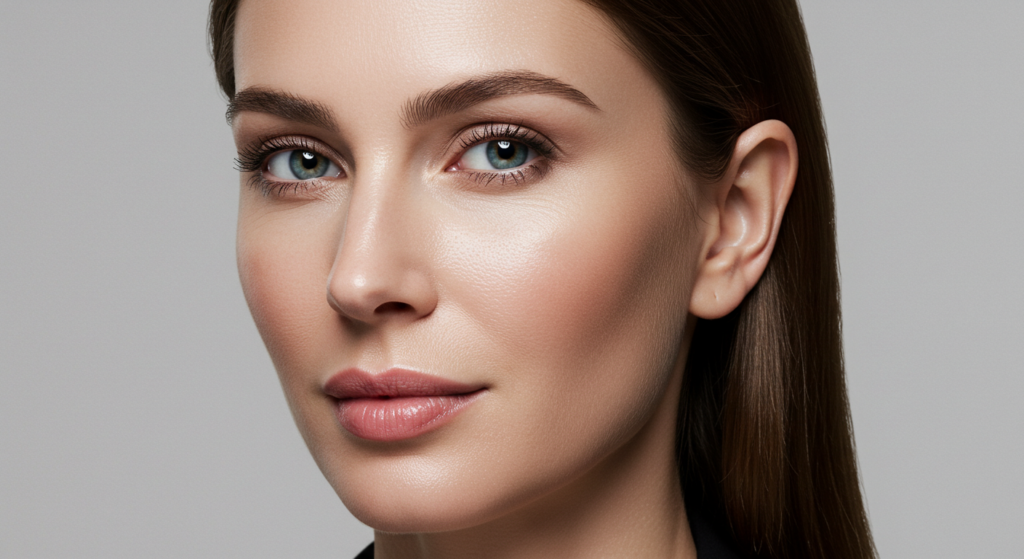
Your Essential Guide FFS: Frequently Asked Questions About FFS Surgery

Frequently Asked Questions About FFS Surgery: Your Essential Guide

Considering Facial Feminization Surgery (FFS) naturally brings up many questions. It’s a significant decision, and having your queries answered clearly and comprehensively is crucial for feeling informed and confident. This Frequently Asked Questions about FFS Surgery (FAQ) section addresses common concerns and inquiries from individuals exploring facial feminization. We aim to provide clear, concise answers to help you navigate your FFS journey with greater understanding and peace of mind.

Frequently Asked Questions About FFS Surgery: Your Essential Guide

General FFS & Candidacy

Q1: What exactly is Facial Feminization Surgery (FFS)?

A: Facial Feminization Surgery (FFS) is a collection of surgical procedures designed to modify facial features to appear more typically feminine. It involves reshaping bone and soft tissues of the face to reduce masculine traits and enhance feminine characteristics. FFS is a highly individualized surgery, tailored to each person’s unique facial structure and feminization goals.

Q2: Who is FFS for? Is it only for transgender women?

A: While FFS is most commonly sought by transgender women to align their facial appearance with their gender identity, it is not exclusively for transgender women. Cisgender women may also consider certain FFS procedures to soften masculine features or enhance feminine aesthetics. FFS is for anyone who desires a more feminine facial appearance and whose facial features can be feminized through surgical means. Candidacy is determined on an individual basis after consultation with a qualified FFS surgeon.

Q3: At what age is it appropriate to consider FFS?

A: There isn’t a strict age limit, but generally, FFS is considered for adults who have completed facial skeletal growth. This typically occurs by late teens or early twenties. For transgender individuals, it’s often recommended to have been living as their affirmed gender for a period and ideally be on hormone replacement therapy (HRT) for some time before considering FFS, as HRT itself can influence facial soft tissues. The best age is when you are emotionally mature, have realistic expectations, and are physically and mentally prepared for surgery.

A woman with green eyes and wavy hair wearing earrings and a white dress

FFS Procedures & Expected Outcomes

Q4: What are the common procedures involved in FFS?

A: FFS encompasses a range of procedures that can address different facial areas. Common procedures include:

  • Forehead Contouring (Brow Bone Reduction, Foreheadplasty): Reshaping the brow bone and forehead to reduce masculine bossing and create a smoother, more feminine contour.
  • Brow Lift: Elevating the eyebrows to a more feminine arch and position.
  • Rhinoplasty (Nose Feminization): Reshaping the nose to be more refined, delicate, and feminine in proportion to the face.
  • Cheek Augmentation: Enhancing cheek volume and projection for a softer, more feminine cheek contour.
  • Chin Contouring (Genioplasty): Reshaping the chin to be less wide and projecting, creating a more delicate and feminine chin shape.
  • Jaw Contouring (Jaw Reduction): Reducing the width and prominence of the jawline for a softer, more ovular, and feminine jaw shape.
  • Tracheal Shave (Laryngoplasty): Reducing the size of the Adam’s apple.
  • Lip Lift and Augmentation: Enhancing lip shape and fullness for a more feminine pout.
  • Hairline Advancement/Correction: Lowering and feminizing a high or masculine hairline.

Q5: Which FFS procedures will I need?

A: The specific procedures you need will be determined during a personalized consultation with an FFS surgeon. They will assess your facial features, discuss your feminization goals, and recommend a customized surgical plan tailored to your unique facial anatomy and desired outcome. Not everyone needs all procedures, and the choice is highly individualized.

Q6: What kind of results can I realistically expect from FFS? Will I look completely different?

A: FFS aims to create a naturally more feminine facial appearance. The goal is typically subtle yet impactful changes that harmonize facial features and create an overall feminine aesthetic, rather than a dramatic or “operated-on” look. Results vary based on individual anatomy, procedures performed, and healing. FFS can significantly soften masculine features, enhance feminine contours, and improve gender congruence. However, it’s crucial to have realistic expectations. FFS can achieve remarkable feminization, but it won’t make you look like a completely different person or a specific celebrity. The focus is on achieving your most feminine and natural-looking potential.

A woman with her face wrapped in white bandages, leaving only her eyes and nose visible, set against a dark background.

FFS Recovery & Scarring

Q7: What is the recovery process like after FFS? How much pain is involved?

A: FFS recovery is a gradual process that takes time and patience. Immediately after surgery, you can expect swelling, bruising, and some discomfort. Pain is typically manageable with prescribed pain medication. Swelling is usually most pronounced in the first few days and gradually subsides over several weeks, with final swelling resolution taking several months. Initial recovery downtime (major visible swelling/bruising) is typically 2-3 weeks, but it can vary. You’ll need to follow specific post-operative care instructions diligently. Most patients can return to light activities within a couple of weeks and to more normal routines within a month, depending on the procedures performed and individual healing.

Q8: Will I have visible scars after FFS? Where are the incisions usually placed?

A: Incisions are necessary for FFS, and therefore some scarring is unavoidable. However, skilled FFS surgeons utilize techniques to minimize scarring and strategically place incisions in discreet locations to make them as inconspicuous as possible. Common incision locations include:

  • Hairline (Coronal Incision): For forehead contouring – scar typically well-concealed within the hairline as hair regrows.
  • Upper Eyelid Creases: For brow lifts or upper blepharoplasty – scars hidden within natural eyelid folds.
  • Inside the Mouth (Intraoral Incisions): For chin and jaw contouring – no visible external scars.
  • Pre-tragal Crease (in front of the ear): For temporal brow lifts or facelifting components – often heals very discreetly.
  • Scalp (for Endoscopic Brow Lift): Very small incisions, minimal scarring.
  • Neck Crease (Tracheal Shave): Scar usually small and placed in a natural neck crease.

Scar management protocols (silicone, massage, sun protection) are crucial post-operatively to optimize scar healing and minimize visibility. Most FFS scars, with proper care, fade significantly over time and become very subtle or barely noticeable for many patients.

Frequently Asked Questions About FFS Surgery: Your Essential Guide

FFS Costs & Financials

Q9: How much does FFS surgery typically cost?

A: The cost of FFS is highly variable and depends on several factors:

  • The specific procedures performed: More extensive surgery with multiple procedures will naturally cost more.
  • Surgeon’s fees: Surgeon fees vary based on their experience, reputation, and geographic location.
  • Facility fees (hospital or surgical center): Facility costs depend on the location and type of facility.
  • Anesthesia fees: Anesthesiologist fees are typically separate.
  • Geographic location: Costs vary significantly between countries and regions.

FFS costs can range significantly, from several thousand dollars for a limited number of procedures to upwards of $20,000 – $50,000+ for more comprehensive FFS involving multiple complex procedures. It’s essential to get detailed, itemized quotes from surgeons to understand the full cost breakdown.

Q10: Is FFS surgery covered by health insurance?

A: Insurance coverage for FFS varies greatly depending on your insurance plan, location, and the specific procedures. In some regions or with certain insurance providers, some components of FFS that are deemed “medically necessary” (e.g., tracheal shave for dysphonia, potentially forehead contouring if related to chronic headaches – very specific and often difficult to prove) might have partial coverage. However, most often, FFS is considered cosmetic surgery by insurance companies and is not covered. It’s crucial to check with your insurance provider directly to understand your specific coverage details and any requirements for pre-authorization or medical necessity documentation. Many patients finance FFS out-of-pocket.

Mehmet Fatih Okyay, MD, FEBOPRAS in Türkiye. FFS Surgeon.

Choosing an FFS Surgeon & Safety

Q11: How do I choose a good and trustworthy FFS surgeon? What qualifications are important?

A: Choosing a surgeon is paramount. Look for these key qualities:

  • Board Certification: Verify board certification in Plastic Surgery or Oral & Maxillofacial Surgery from reputable boards (e.g., FRACS, FRACDS(OMS) in Australia).
  • Specialized FFS Training and Experience: Surgeons with focused training and extensive experience in FFS procedures are preferable. Inquire about their specific FFS training and case volume.
  • Proven Results & Before/After Photos: Review their before-and-after photo portfolio to assess their aesthetic style and results.
  • Ethical Practice & Transparency: Choose a surgeon who prioritizes informed consent, provides realistic expectations, and is transparent about risks and costs.
  • Positive Patient Reviews & Reputation: Research patient reviews and testimonials (across multiple sources, but with caution) to gauge patient experiences.
  • Good Communication & Rapport: Choose a surgeon with whom you feel comfortable communicating openly and who listens to your goals and concerns.
  • Accredited Surgical Facility: Ensure surgery is performed in an accredited hospital or surgical center with high safety standards.

Q12: Is FFS surgery safe? What are the potential risks and complications?

A: Like any surgical procedure, FFS carries potential risks and complications. However, when performed by a qualified and experienced surgeon in an accredited facility, FFS is generally considered safe. Potential risks, which are relatively uncommon but it’s important to be aware of, can include:

  • Infection
  • Bleeding/Hematoma
  • Nerve injury (temporary or, rarely, persistent numbness, weakness)
  • Scarring (though minimized with techniques and care)
  • Asymmetry
  • Unsatisfactory aesthetic outcome/need for revision surgery
  • Anesthesia risks (rare but possible with any surgery under anesthesia)
  • Swelling and bruising (normal and temporary, but can be extensive initially)
  • Hair loss around coronal incision (temporary or sometimes persistent with coronal incision)
  • Rare risks: DVT/Pulmonary Embolism (blood clots), seroma, contour irregularities, etc.

Choosing a highly skilled surgeon, being in good health, and strictly following pre and post-operative instructions significantly minimizes risks. During consultations, a trustworthy surgeon will thoroughly discuss potential risks and complications relevant to your specific surgical plan.

Long-Term Results & Consultations

Q13: How long do the results of FFS surgery last? Are they permanent?

A: The bony reshaping procedures in FFS (forehead contouring, jaw/chin contouring) provide permanent changes to the underlying bone structure. Soft tissue procedures (brow lift, rhinoplasty, lip lift/augmentation) are also generally long-lasting, although natural aging processes will continue to affect facial tissues over time in everyone, regardless of surgery. Maintaining a stable weight and healthy lifestyle can help preserve your FFS results long-term. Revision surgery may be considered in the future for minor refinements or to address age-related changes, but the core feminizing effects of FFS are generally considered permanent.

Q14: What happens during an FFS consultation? What should I expect?

A: An FFS consultation is an essential step. Expect the following:

  • Medical History Review: The surgeon will review your medical history, current medications, and allergies.
  • Discussion of Your Goals: You’ll discuss your feminization goals, desired facial changes, and specific concerns.
  • Facial Examination: The surgeon will physically examine your face, assessing bone structure, soft tissues, and facial features.
  • Procedure Recommendations: Based on your anatomy and goals, the surgeon will recommend a personalized surgical plan, outlining proposed procedures.
  • “Before & After” Photos Review: Surgeons often show before-and-after photos of their patients with similar procedures.
  • Risks and Benefits Discussion: The surgeon will explain the potential risks, benefits, limitations, and recovery process for the recommended procedures.
  • Cost and Financial Information: You’ll receive information about the estimated cost of surgery.
  • Question and Answer Session: This is your opportunity to ask all your questions and ensure you have a clear understanding.
  • 3D Imaging/Morphing (Optional): Some surgeons use 3D imaging or morphing software to help visualize potential outcomes (though not always perfectly predictive of final results).

Come prepared with a list of questions, be open and honest about your goals, and use the consultation to assess the surgeon’s communication style, expertise, and whether you feel comfortable and trust them with your care.

Q15: How do I schedule a consultation with an FFS surgeon?

A: To schedule a consultation, typically you would:

  1. Research and Identify Surgeons: Use the guidelines in previous sections to research and identify FFS surgeons who seem qualified and reputable.
  2. Visit Surgeon Websites: Go to the websites of surgeons you are interested in. Look for contact information or online consultation request forms.
  3. Contact the Surgeon’s Office: Call or email the surgeon’s office to inquire about scheduling a consultation. You may need to provide some basic information and potentially send photos for an initial assessment (often virtual consultations are offered for initial assessments, especially for international or long-distance patients).
  4. Inquire About Consultation Fees and Process: Ask about consultation fees, whether virtual or in-person consultations are available, and what documentation or information they require from you beforehand.

This FAQ is intended to provide general information. It’s essential to consult with a qualified and experienced FFS surgeon for personalized advice and answers specific to your individual needs and circumstances. Your FFS journey is unique, and informed decision-making is key to a positive and fulfilling experience.

Visit Dr.MFO Instagram profile to see real patient transformations! Get a glimpse of the incredible results achieved through facial feminization surgery and other procedures. The profile showcases before-and-after photos that highlight Dr. MFO’s expertise and artistic vision in creating natural-looking, beautiful outcomes.

Ready to take the next step in your journey? Schedule a free consultation with Dr. MFO ( Best Facial Feminization Surgeon for You) today. During the consultation, you can discuss your goals, ask any questions you may have, and learn more about how Dr. MFO can help you achieve your desired look. Don’t hesitate to take advantage of this free opportunity to explore your options and see if Dr. MFO is the right fit for you.
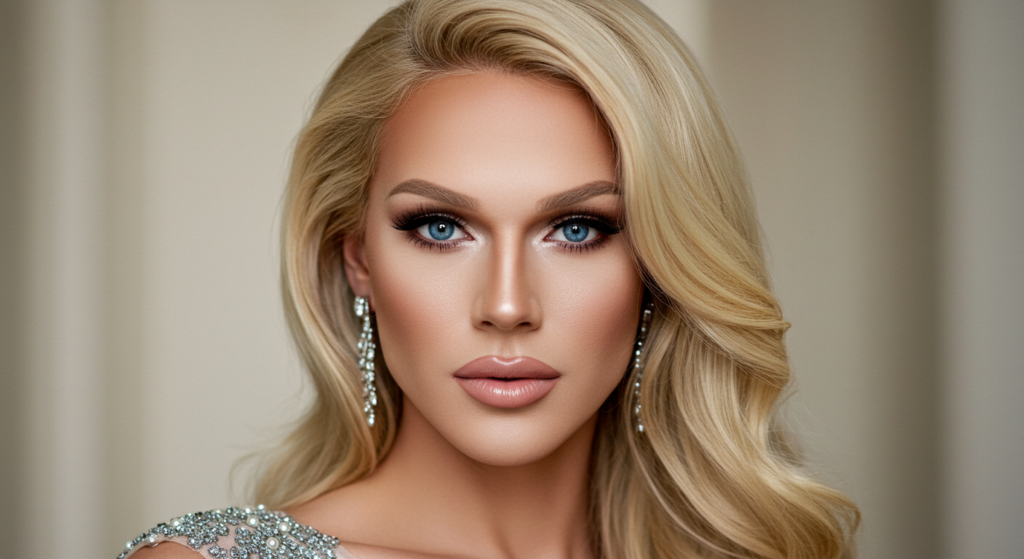
Crossing Borders for Beauty? What to Consider When Choosing FFS Surgery Abroad

A close-up portrait of a woman with striking blue eyes, wearing elegant jewelry, and dressed in a sophisticated gown. The background is softly blurred, emphasizing her facial features and the delicate details of her attire.

For transgender individuals seeking Facial Feminization Surgery (FFS), the desire for skilled surgeons and accessible care often extends beyond national borders. Choosing FFS surgery abroad can be an attractive option, potentially offering cost savings, access to specialized surgeons, or shorter wait times. However, undergoing surgery in a foreign country is a significant undertaking and requires careful consideration of numerous factors beyond just price.

This article provides a comprehensive guide to what to consider when choosing FFS surgery abroad. We’ll weigh the potential advantages against the critical challenges, equipping you with essential questions to ask and factors to evaluate to make a safe, informed, and ultimately fulfilling decision about your facial feminization journey in a foreign land.

A close-up portrait of a woman with green eyes, curly brown hair, and wearing dangling earrings and a black lace top.

The Global Appeal of FFS Abroad: Weighing the Pros and Cons

The allure of seeking FFS surgery abroad is often driven by several key factors:

Potential Advantages of FFS Abroad:

  • Cost Savings: This is frequently the primary motivator. FFS costs can vary significantly between countries. Some nations offer procedures at substantially lower prices than in countries like Australia, the USA, or Western Europe, primarily due to lower operating costs and different healthcare system structures.
  • Access to Specialized Surgeons or Techniques: Certain countries or regions may have surgeons renowned for specific FFS techniques or who have extensive experience, attracting international patients seeking particular expertise that might be less readily available domestically.
  • Shorter Wait Times: Public healthcare systems in some countries can have longer wait times for elective surgeries. Private facilities abroad may offer quicker scheduling and more immediate access to surgery.
  • Combined Procedure and Travel Experience: Some individuals combine FFS with a travel experience, viewing it as an opportunity to recover in a different environment and explore a new culture.

Crucial Considerations and Potential Challenges of FFS Abroad:

  • Difficulty Verifying Surgeon Qualifications and Credentials (International Standards Vary): Medical qualifications, board certifications, and surgical standards vary significantly across countries. Verifying a surgeon’s credentials and ensuring they meet acceptable international standards requires more in-depth research and due diligence than choosing a surgeon domestically.
  • Language Barriers and Communication Challenges: Effective communication with your surgeon and medical team is paramount for understanding procedures, risks, and post-operative instructions. Language barriers can impede clear communication and potentially lead to misunderstandings.
  • Travel Logistics and Recovery Away From Home: International travel for surgery involves significant logistical planning – flights, accommodation, visas (if required). Recovering in an unfamiliar environment, far from your usual support network, can be more challenging and emotionally taxing.
  • Post-operative Care and Follow-up Complications (Across Borders): Arranging and managing post-operative care becomes more complex when you return home. What happens if complications arise after you’re back in your home country? How will you access timely and appropriate follow-up care?
  • Legal and Ethical Differences in Healthcare: Legal frameworks, patient rights, and ethical standards in healthcare can differ significantly internationally. Understanding these differences is vital, especially in case of disputes or unexpected issues.
  • Cultural Differences and Patient Experience Variations: Cultural norms and patient-doctor interaction styles can vary. What is considered standard patient care in one culture might be different in another. Cultural differences can impact communication style, bedside manner, and overall patient experience.
  • Insurance Coverage and Financial Complexity: Insurance coverage is often very limited or non-existent for FFS abroad, especially if considered cosmetic. Managing finances, currency exchange rates, and potential unforeseen costs in a foreign country can add complexity.
  • Varying Accreditation and Safety Standards of Facilities: Hospital and surgical facility accreditation standards and safety regulations can vary significantly between countries. Ensuring the chosen facility meets acceptable international safety benchmarks requires careful investigation.
A portrait of a woman with wavy red hair and striking blue eyes, wearing a white blouse with lace details, standing against a plain light-colored background.

Essential Factors to Evaluate When Considering FFS Abroad: Your Checklist

Before making a decision about FFS surgery abroad, thoroughly evaluate these crucial factors:

1. Surgeon Qualifications and Expertise (International Verification is Key):

  • Board Certification – International Equivalency: Don’t just look for “board-certified.” Understand what board certification in the chosen country truly means and whether it aligns with international best practices and standards comparable to Australian (FRACS/FRACDS), US (American Board of Plastic Surgery, etc.), or reputable European boards. Investigate the certifying body and its rigor.
  • Specialized FFS Training – Focus and Depth: Inquire about the surgeon’s specific FFS training. Was it a formal fellowship, specialized mentorship, or shorter courses? What is the depth and duration of their FFS-specific training? A surgeon claiming FFS expertise based solely on general cosmetic surgery training warrants caution.
  • Years of Dedicated FFS Experience – Case Volume: How long has the surgeon been performing FFS specifically? What is their annual FFS case volume? More dedicated experience generally translates to greater skill and refined outcomes.
  • “Before & After” Photos – Focus on Consistency and Naturalness: Request to see a substantial portfolio of “before & after” photos of their FFS patients, particularly those with similar facial structures to yours. Evaluate the consistency and naturalness of their results across diverse patients.
  • Patient Testimonials – Seek Diverse and Verifiable Sources: Look for patient testimonials from diverse sources – independent review sites, transgender forums, and patient communities, in addition to the surgeon’s website. Seek testimonials from international patients, not just local ones, to get a broader perspective. Critically assess the authenticity and source of testimonials.

2. Communication and Language Accessibility:

  • Surgeon and Staff Fluency in Your Language (or Reliable Translator): Clear and direct communication with your surgeon and the entire medical team in a language you understand fluently is non-negotiable. If the surgeon isn’t fluent in your language (e.g., English), ensure a highly qualified, medical translator is consistently available throughout the entire process – from consultation to post-operative care – and factor in potential translation costs.
  • Written Materials in Your Language: Are consent forms, pre-operative instructions, post-operative care guides, and other essential documents provided in your native language, and are they easy to understand?
  • Cultural Sensitivity and Communication Style: Be aware of potential cultural differences in communication styles. Directness, questioning practices, and patient-doctor interaction norms may vary. Consider if you are comfortable with the communication style you observe during consultations.

3. Travel, Logistics, and Recovery Environment:

  • Visa Requirements and Travel Planning: Thoroughly research visa requirements for your chosen destination well in advance. Plan flights, transportation from the airport, and accommodation logistics in detail.
  • Safe and Comfortable Accommodation – Near the Facility: Choose safe, comfortable accommodation located conveniently close to the surgical facility and with amenities suitable for post-operative recovery.
  • Length of Stay and Recovery Period Abroad: Adhere strictly to the surgeon’s recommended length of stay for post-operative monitoring in the destination country. Do not cut this short to save on accommodation costs. Factor in sufficient time for initial recovery before traveling back home.
  • Support Person/Caregiver: Consider traveling with a trusted support person or caregiver, especially for the immediate post-operative period. This can provide invaluable practical and emotional support during recovery in an unfamiliar place.

4. Post-operative Care and Contingency Planning:

  • Detailed Post-operative Care Plan – Provided in Writing: Obtain a detailed, written post-operative care plan before surgery, outlining wound care, medications, follow-up schedules, emergency contact information, and what to do in case of complications.
  • Arrangements for Follow-up Care After Returning Home: Discuss with the surgeon how they will facilitate follow-up care once you return home. Will they offer virtual consultations? Can they recommend local doctors in your country for follow-up if needed?
  • Emergency Contact and Complication Management Plan: Understand the surgeon’s and facility’s emergency protocols. What is the plan if complications arise while you are still abroad? Who do you contact in case of urgent issues after you return home?
  • Medical Travel Insurance (with Caution): Investigate medical travel insurance policies that explicitly cover potential complications arising from elective surgery abroad. However, scrutinize the fine print carefully as many policies exclude or have limited coverage for “cosmetic” or elective procedures and their complications. Understand the limitations of any travel insurance policy.

5. Legal and Ethical Frameworks:

  • Patient Rights and Legal Recourse in the Destination Country: Research patient rights and legal recourse available in the country where you are considering surgery. Understand the legal framework governing medical malpractice and patient complaints in that jurisdiction. This may differ significantly from your home country.
  • Ethical Standards and Medical Regulations: Investigate the ethical guidelines and medical regulations governing surgical practice in the chosen country. Are they comparable to standards in your home country?

6. Facility Accreditation and Safety Standards:

  • International Accreditation – Look for Recognized Bodies: Inquire about the accreditation of the hospital or surgical facility. Does it hold accreditation from reputable international bodies like JCI (Joint Commission International) or ISO certifications specific to healthcare quality? International accreditation is a stronger indicator of adherence to global safety and quality standards than solely relying on local accreditations, which may vary in rigor.
  • Infection Control Protocols – Ask Specific Questions: Don’t just assume facilities are safe. Ask specific questions about infection control protocols, sterilization procedures, and hygiene standards in the operating rooms and recovery areas.
  • Anesthesia Safety Protocols and Qualified Anesthesiologists: Confirm that qualified and experienced anesthesiologists will administer anesthesia and that robust anesthesia safety protocols are in place.

7. Financial Transparency and Cost Breakdown:

  • Detailed, Itemized Quote in Writing (including all costs and exclusions): Request a fully itemized and written quote that clearly outlines all costs – surgeon’s fees, anesthesia fees, hospital/facility fees, pre-operative tests (if applicable), and what is explicitly excluded. Beware of vague “package deals.”
  • Currency Exchange Rates and Payment Methods: Understand currency exchange rates and payment methods accepted. Factor in potential currency fluctuations and bank fees for international transactions.
  • Contingency Budget for Unexpected Expenses: Add a contingency fund to your budget to cover potential unforeseen expenses – additional medications, extended accommodation (if needed for prolonged recovery abroad), or potential costs related to managing minor complications after returning home.

The Informed Choice: Balancing Dreams with Due Diligence

Choosing FFS surgery abroad can be a viable option for some transgender individuals, particularly if cost is a primary concern. However, it is not a decision to be taken lightly. The potential cost savings must be carefully weighed against the increased complexities, potential risks, and logistical challenges of undergoing surgery in a foreign country.

Prioritize Safety and Trust Above All Else: Your primary focus should always be on choosing a trustworthy, highly qualified surgeon performing surgery in a safe and accredited facility, irrespective of location. Lower cost should never be the sole determining factor if it compromises on safety, surgeon expertise, or comprehensive care.

Thorough research, diligent verification of credentials, proactive planning, and realistic expectations are your best allies when considering FFS abroad. By diligently evaluating these factors, asking the right questions, and prioritizing safety and informed decision-making, you can navigate the complexities of international FFS and make a choice that is both empowering and aligned with your long-term well-being. The journey towards your feminine self deserves careful planning and the safest possible hands, wherever they may be located.

Visit Dr.MFO Instagram profile to see real patient transformations! Get a glimpse of the incredible results achieved through facial feminization surgery and other procedures. The profile showcases before-and-after photos that highlight Dr. MFO’s expertise and artistic vision in creating natural-looking, beautiful outcomes.

Ready to take the next step in your journey? Schedule a free consultation with Dr. MFO ( Best Facial Feminization Surgeon for You) today. During the consultation, you can discuss your goals, ask any questions you may have, and learn more about how Dr. MFO can help you achieve your desired look. Don’t hesitate to take advantage of this free opportunity to explore your options and see if Dr. MFO is the right fit for you.

Finding Your Safe Hands: How to Choose a Trustworthy FFS Surgeon

A close-up portrait of a woman with striking green eyes and long brown hair, standing outdoors in natural light.

Undergoing Facial Feminization Surgery (FFS) is a major decision, one that carries immense hope and the potential for profound positive change. Your choice of surgeon is arguably the single most important factor in ensuring a safe, successful, and genuinely affirming FFS experience. But with numerous surgeons offering FFS, how do you choose a trustworthy FFS surgeon – one you can confidently place your face, your well-being, and your dreams in?

This article is your essential guide to choosing a trustworthy FFS surgeon. We’ll break down the key qualities, qualifications, and steps to take to identify a surgeon who not only possesses the surgical skills but also embodies the ethical practice, transparency, and patient-centered approach that builds true trust. Your journey to facial feminization deserves to be in the safest and most capable hands.

A woman with wavy blonde hair smiling in an urban setting, wearing a floral-patterned top and hoop earrings.

Why Trustworthiness is Paramount When Choosing an FFS Surgeon

Trust in your FFS surgeon is not just a desirable quality – it’s absolutely essential. This is not merely a cosmetic procedure; FFS is intricate, often involving multiple delicate procedures, impacting your facial identity and long-term well-being. Here’s why trustworthiness should be your non-negotiable priority:

  • Complex and Delicate Surgery: FFS involves intricate reshaping of bone and soft tissues in highly sensitive areas. Trustworthiness implies a surgeon with proven skill, meticulous technique, and a deep understanding of facial anatomy and feminization goals.
  • Emotional Vulnerability: You are entrusting your face – your outward representation of self – to a surgeon. This creates a significant level of emotional vulnerability. Trustworthiness means a surgeon who respects this vulnerability, provides compassionate care, and prioritizes your emotional well-being alongside physical outcomes.
  • Significant Financial and Time Investment: FFS represents a substantial investment of both finances and time (including recovery). A trustworthy surgeon is transparent about costs, provides realistic expectations regarding outcomes and recovery, and values your investment.
  • Long-Term Impact on Well-being: The results of FFS are intended to be long-lasting and to positively impact your gender congruence and overall quality of life. Trustworthiness means a surgeon committed to achieving outcomes that are not only aesthetically pleasing but also contribute to your long-term happiness and well-being.
  • Patient Safety is the Foundation of Trust: Above all, trustworthiness is rooted in a surgeon’s unwavering commitment to patient safety. This includes rigorous training, ethical practice, adherence to safety protocols, and open communication about potential risks and complications.
A woman with her face wrapped in bandages, leaving only her eyes and lips visible.

Key Pillars of a Trustworthy FFS Surgeon: Building Your Confidence

What are the specific qualities and indicators that point to a trustworthy FFS surgeon? Look for these key pillars when evaluating your options:

1. Impeccable Qualifications and Board Certification: Verifiable Expertise

  • Board Certification in Relevant Specialties: Prioritize surgeons who are board-certified in relevant surgical specialties. In Australia, this typically means Plastic Surgery (FRACS – Plast) through the Royal Australasian College of Surgeons, or Oral and Maxillofacial Surgery (FRACDS(OMS)) through the Royal Australasian College of Dental Surgeons. Board certification signifies rigorous training, demonstrated competence, and adherence to professional standards. Verification of board certification is crucial – do not just take a surgeon’s word for it. Check with the relevant college or medical board.
  • Specialized Training in FFS: Beyond core surgical training, look for evidence of further specialized training or fellowships specifically in Facial Feminization Surgery or craniofacial surgery. This demonstrates a focused commitment to the nuances and complexities of FFS.
  • Academic Affiliations and Recognition (Optional but Positive): While not mandatory, affiliations with reputable hospitals or universities, publications in peer-reviewed journals, or presentations at medical conferences can be positive indicators of a surgeon’s dedication to their field and staying at the forefront of medical advancements.

2. Extensive Experience and Specialization in FFS: Volume Matters

  • Focus on FFS as a Significant Part of their Practice: Ideally, choose a surgeon for whom FFS is not just an occasional procedure, but a significant and focused part of their surgical practice. Surgeons who perform FFS frequently are more likely to have refined techniques and a deep understanding of achieving feminizing outcomes.
  • Years of Experience Performing FFS: Inquire about the surgeon’s years of experience specifically in FFS. More years of dedicated FFS practice generally equate to a greater depth of skill and experience.
  • High Case Volume: Ask about their approximate case volume of FFS procedures performed. Higher volume surgeons are typically more practiced in a wide range of FFS procedures and can handle diverse anatomical variations.

3. Ethical Practice and Transparency: Openness and Honesty

  • Thorough Informed Consent Process: A trustworthy surgeon will prioritize informed consent. They will explain the planned procedures in detail, clearly outline potential risks and complications, discuss realistic outcomes and limitations, and ensure you fully understand before proceeding. They will not pressure you or rush the consent process.
  • Realistic Expectations and Honest Communication: A trustworthy surgeon will provide honest assessments of what FFS can realistically achieve for you. They will not make exaggerated promises or guarantee specific outcomes. They will openly discuss limitations and potential trade-offs.
  • Openness About Risks and Complications: Transparency about potential risks and complications is a hallmark of ethical practice. A trustworthy surgeon will proactively discuss these, not downplay or avoid them. They will also explain their strategies for risk minimization and complication management.
  • Patient-Centered Approach: A trustworthy surgeon prioritizes your individual needs, goals, and well-being above all else. They listen attentively to your concerns, answer your questions thoroughly, and tailor their approach to your unique circumstances.

4. Positive Patient Experiences and Reputation: What Others Say (with Caution)

  • Review Patient Testimonials and Before & After Photos: Examine patient testimonials and before-and-after photos on the surgeon’s website or reputable online platforms. While results visible online are often carefully selected, they can provide some indication of the surgeon’s aesthetic style and patient satisfaction. Be mindful that online reviews can be curated.
  • Seek Out Independent Reviews and Forums (with Discernment): Look for reviews on independent medical review sites or transgender community forums. However, approach online reviews with discernment. Individual experiences are subjective, and online reviews can be biased. Look for patterns in feedback rather than focusing on isolated anecdotes.
  • Word-of-Mouth Referrals (If Possible): If you know others who have undergone FFS, especially if they have similar facial features or feminization goals, ask about their surgeon recommendations and experiences. Personal referrals can be valuable, but remember that what works for one person may not be ideal for another.

5. Clear and Compassionate Communication: Building Rapport

  • Responsive and Accessible: A trustworthy surgeon and their team will be responsive to your inquiries and accessible for communication throughout the consultation and pre-operative process. Prompt and clear communication is a sign of respect for your time and concerns.
  • Patient and Empathetic Consultation Style: During consultations, observe the surgeon’s communication style. Are they patient, empathetic, and do they take the time to listen to you and address your questions fully? Do you feel respected and understood?
  • Clear and Understandable Explanations: A trustworthy surgeon will explain complex medical information in a clear, understandable way, avoiding jargon and ensuring you comprehend all aspects of your planned surgery.
  • Willingness to Answer Questions Thoroughly: A trustworthy surgeon welcomes your questions and answers them honestly and thoroughly. They will not be dismissive or impatient with your inquiries.

6. Accredited Surgical Facilities and Safety Protocols: Prioritizing Your Well-being

  • Surgery Performed in Accredited Hospitals or Surgical Centres: Ensure the surgeon performs surgeries in properly accredited hospitals or surgical centers. Accreditation signifies adherence to rigorous safety standards, infection control protocols, and quality of care. In Australia, look for facilities accredited by organizations like the Australian Council on Healthcare Standards (ACHS).
  • Emphasis on Patient Safety Protocols: Inquire about the surgeon’s and facility’s patient safety protocols and emergency preparedness. A trustworthy surgeon places patient safety at the forefront of their practice.
  • Experienced Anesthesia Team: Confirm that surgery is performed with a qualified and experienced anesthesia team. Anesthesia safety is a crucial aspect of surgical procedures.

Actionable Steps to Verify Trustworthiness: Your Due Diligence Checklist

Now, let’s translate these pillars into actionable steps you can take to verify the trustworthiness of a potential FFS surgeon:

  1. Verify Board Certification:Crucially – do not just accept a surgeon’s claim of board certification. Independently verify their board certification status.
    • For Plastic Surgeons in Australia: Check the website of the Royal Australasian College of Surgeons (RACS) and the Australian Health Practitioner Regulation Agency (AHPRA) register to confirm FRACS (Plast) status and specialist registration .
    • For Oral and Maxillofacial Surgeons: Check the Royal Australasian College of Dental Surgeons (RACDS) for FRACDS(OMS) status and AHPRA registration.
  2. Thoroughly Review Surgeon’s Website and Credentials: Examine the surgeon’s website for detailed information about their qualifications, training, experience specifically in FFS, and their surgical philosophy. Pay close attention to their “About Me” or “Credentials” sections.
  3. Request Before & After Photos (and Understand Limitations): Ask to see before-and-after photos of the surgeon’s FFS patients, ideally those with similar presenting facial features to your own. Understand that these photos are often curated and represent ideal results. Focus on assessing the quality and naturalness of the feminization achieved, rather than expecting identical results for yourself.
  4. Read Patient Reviews (But Cautiously and Across Multiple Sources): Search for patient reviews on reputable medical review sites, transgender forums, and potentially the surgeon’s own website (but prioritize independent sources). Look for consistent themes – both positive and potentially negative (if any). Don’t rely on a single review; look for patterns.
  5. Schedule Multiple Consultations with Different Surgeons: It’s highly advisable to schedule consultations with at least 2-3 different surgeons before making a decision. This allows you to compare different surgical approaches, communication styles, and fee structures, and to make a more informed choice.
  6. Prepare a List of Questions for Each Consultation: Go into each consultation prepared with a detailed list of questions covering qualifications, experience, surgical plan, risks, costs, post-operative care, and revision policies. (Use the “Questions to ASK Your FFS Surgeon/Clinic about Costs” checklist from the previous article, and build upon it with questions about their surgical approach, experience etc) Pay attention to how thoroughly and patiently the surgeon answers your questions.
  7. Ask About Their Approach to Patient Safety and Risk Management: Directly inquire about the surgeon’s approach to patient safety, infection control, and risk minimization strategies. How do they handle potential complications?
  8. Inquire About Facility Accreditation: Ask where surgeries are performed and confirm the facilities are accredited by reputable bodies.

Red Flags to Watch Out For: Warning Signs of Untrustworthiness

Conversely, be alert to these red flags that might indicate a surgeon is not trustworthy and warrant further investigation or avoidance:

  • Pressure Tactics or Guarantees: Surgeons who pressure you to book surgery quickly, offer “limited-time” deals, or guarantee specific outcomes are often not prioritizing your best interests. FFS outcomes are individual and cannot be guaranteed.
  • Lack of Verifiable Board Certification or Credentials: If a surgeon cannot clearly provide proof of relevant board certification and specialist registration, or if their credentials are vague or unverified, proceed with extreme caution.
  • Vague Answers or Unwillingness to Discuss Risks Openly: Surgeons who are evasive, dismissive, or unwilling to openly discuss potential risks and complications are not being transparent and may be hiding something.
  • Predominantly Negative or Scarce Patient Reviews (across multiple reliable sources): While isolated negative reviews can occur, a pattern of consistently negative reviews across multiple trusted sources should raise a significant red flag. Similarly, a complete absence of reviews might also be concerning—especially if the surgeon claims significant experience.
  • Poor Communication or Dismissive Attitude: If a surgeon is consistently unresponsive, dismissive of your questions, or exhibits poor communication skills during consultations, this is a sign of potential issues with patient care and trust.
  • Operating in Non-Accredited Facilities or Pushing Unsafe Practices: Never proceed with surgery in a non-accredited facility or if a surgeon suggests practices that seem unsafe or outside of standard medical protocols.
Mehmet Fatih Okyay, MD, FEBOPRAS in Türkiye. FFS Surgeon.

Conclusion: Your Trust, Your Transformation, Your Choice

Choosing a trustworthy FFS surgeon is the cornerstone of a positive and successful facial feminization journey. It requires diligent research, careful evaluation, and prioritizing qualities that go beyond just surgical skill – encompassing ethical practice, transparency, compassionate communication, and an unwavering commitment to patient safety and well-being.

By using this guide, asking the right questions, and trusting your instincts, you can empower yourself to select a surgeon who earns your trust, provides safe hands for your transformation, and helps you achieve the beautiful, feminine face you envision. Your face, your future, and your peace of mind are worth the effort of choosing wisely. Take your time, do your due diligence, and select a trustworthy FFS surgeon you can genuinely believe in.

Visit Dr.MFO Instagram profile to see real patient transformations! Get a glimpse of the incredible results achieved through facial feminization surgery and other procedures. The profile showcases before-and-after photos that highlight Dr. MFO’s expertise and artistic vision in creating natural-looking, beautiful outcomes.

Ready to take the next step in your journey? Schedule a free consultation with Dr. MFO ( Best Facial Feminization Surgeon for You) today. During the consultation, you can discuss your goals, ask any questions you may have, and learn more about how Dr. MFO can help you achieve your desired look. Don’t hesitate to take advantage of this free opportunity to explore your options and see if Dr. MFO is the right fit for you.

Conquering the Recovery Journey: Challenges and Solutions During FFS Surgery Recovery

A person with their head and neck wrapped in white bandages, leaving only the eyes, nose, and mouth visible, against a dark background.

Facial Feminization Surgery (FFS) is a transformative step towards aligning your physical appearance with your inner self. The journey, however, doesn’t end when you leave the operating room. The FFS surgery recovery period is a vital phase, requiring patience, self-care, and understanding. It’s normal to encounter challenges during FFS surgery recovery, but knowing what to expect and having effective solutions at hand can make this period significantly smoother and more comfortable, allowing you to focus on the rewarding results to come.

This article addresses the common challenges and solutions during FFS surgery recovery. We’ll explore typical recovery hurdles and provide practical, actionable strategies to navigate them effectively, empowering you to approach your healing journey with confidence and resilience.

A person with curly hair and bandages on their face, including a bandage across the nose and tape on the forehead, wearing a purple top.

Navigating the Post-FFS Landscape: Common Recovery Challenges

Every individual’s recovery experience is unique, but many patients undergoing FFS encounter similar challenges in the days and weeks following surgery. Understanding these common hurdles beforehand can lessen anxiety when they arise and allow you to proactively implement solutions.

Here are some frequent challenges during FFS surgery recovery:

1. Swelling and Bruising: The Most Visible Phase

  • The Challenge: Post-operative swelling and bruising are almost universal after FFS. Swelling can be significant, especially in the first few days, peaking around 2-3 days post-surgery before gradually subsiding. Bruising, ranging from mild to more pronounced, will also be visible, particularly around the eyes and jawline, and will change color over time.
  • Why it’s Challenging: Swelling and bruising can temporarily distort your facial appearance, feel uncomfortable, and affect your self-image during this vulnerable period. It can be disheartening to not see immediate feminized results due to the masking effects of swelling and bruising.

2. Pain and Discomfort: Managing Post-Surgical Sensations

  • The Challenge: Some degree of pain and discomfort is expected after FFS. Pain levels vary depending on the procedures performed, individual pain tolerance, and pain management strategies. Discomfort can include aching, throbbing, tightness, and general soreness.
  • Why it’s Challenging: Pain can interfere with sleep, daily activities, and overall well-being. Unmanaged pain increases stress during recovery.

3. Numbness and Sensory Changes: Altered Sensations

  • The Challenge: Numbness, tingling, and altered sensations are very common, particularly in areas where bone work was performed (forehead, jaw, chin). This is due to temporary nerve disruption during surgery. You might experience reduced feeling, heightened sensitivity in some areas, or a feeling of “pins and needles.”
  • Why it’s Challenging: Numbness can be unsettling. It might affect eating, drinking, and normal facial expressions. Patients may worry about permanence.

4. Incision Care and Wound Healing: Vigilance is Key

  • The Challenge: Caring for surgical incisions properly is essential for preventing infection and promoting optimal healing. Incision care involves keeping the area clean and dry, potentially applying ointments, and monitoring for signs of infection. Incision sites can sometimes be itchy or slightly uncomfortable as they heal.
  • Why it’s Challenging: Incision care requires diligence and adherence to specific instructions. Concerns about infection can be stressful. Scars initially appear more prominent and can cause anxiety about long-term visibility.

5. Emotional Rollercoaster: Navigating Post-Operative Emotions

  • The Challenge: The post-operative period can be emotionally complex. Hormonal fluctuations after surgery, the physical changes to your face (even temporary ones like swelling), and the recovery process itself can contribute to emotional lability (mood swings), anxiety, sadness, or even a temporary dip in mood. “Post-operative blues” are a recognized phenomenon after surgery in general.
  • Why it’s Challenging: Emotional fluctuations can be unexpected and unsettling during a time when you expect to feel positive about your transition. It can be difficult to cope with emotional lows while also managing physical recovery.

6. Difficulty with Daily Activities: Adapting in the Initial Days

  • The Challenge: In the immediate post-operative period, you might experience temporary difficulty with certain daily activities, such as eating (due to swelling, jaw procedures), sleeping comfortably (positioning is important), speaking (especially after jaw or chin work), and performing normal facial expressions.
  • Why it’s Challenging: These limitations can be frustrating and temporarily impact your independence and routine. Simple tasks might become more cumbersome.

7. Social Downtime and Appearance Concerns: Managing Social Interactions

  • The Challenge: Significant swelling and bruising mean most patients prefer social downtime during the initial recovery phase. Concerns about appearance, especially during the peak swelling and bruising period, can lead to self-consciousness and a desire to avoid social situations. For some, this isolation can be challenging.
  • Why it’s Challenging: Social isolation can be emotionally draining. Managing expectations from loved ones or others who may be curious about your appearance changes can be difficult. Being “out of circulation” can impact routine and social life.

Solutions and Management Strategies: Empowering Your Recovery

While these challenges are common, they are also manageable and temporary. Proactive strategies and a focus on self-care can significantly ease your FFS recovery. For each challenge listed above, here are effective solutions and management strategies:

1. Combating Swelling and Bruising:

  • Cold Compresses: Apply cold compresses (ice packs wrapped in a cloth) frequently and gently to the face, especially in the first 48-72 hours, to reduce inflammation and swelling.
  • Head Elevation: Sleep and rest with your head elevated on several pillows (at a 30-45 degree angle) to promote fluid drainage and reduce swelling.
  • Lymphatic Drainage Massage (Gentle): Gentle lymphatic drainage massage, performed by a trained professional or self-massage as instructed by your surgeon’s team, can help to stimulate fluid drainage and reduce swelling more effectively.
  • Arnica Montana (Homeopathic): Some patients find homeopathic Arnica Montana helpful in reducing bruising (consult with your surgeon or a healthcare professional before use).
  • Patience and Time: Understand that swelling and bruising are normal and will gradually subside over time. Be patient and allow your body to heal. Full swelling resolution can take several weeks to months, with the majority resolving in the first few weeks.

2. Pain and Discomfort Relief Strategies:

  • Prescribed Pain Medication: Take pain medication as prescribed by your surgeon. Don’t hesitate to use it, especially in the initial days, to manage pain effectively and allow for rest and healing.
  • Rest and Relaxation: Prioritize rest and sleep. Avoid strenuous activities. Relaxation techniques like deep breathing, meditation, or listening to calming music can help reduce perceived pain and stress.
  • Over-the-Counter Pain Relief (if advised): In some cases, your surgeon may advise or permit the use of over-the-counter pain relievers (like acetaminophen/paracetamol) in addition to or after prescription pain medication. Always confirm with your surgeon before taking any additional medications.
  • Comfortable Positioning: Find comfortable positions for resting and sleeping that minimize pressure on your face and jaw.

3. Managing Numbness and Sensory Changes:

  • Patience and Reassurance: Understand that numbness is almost always temporary and nerve sensation will gradually return over weeks and months. Patience is key. Reassure yourself that this is a normal part of the healing process.
  • Gentle Massage (Later in Recovery): Once incisions are healed, gentle massage of numb areas (as advised by your surgeon) can sometimes help stimulate nerve regeneration and sensory recovery.
  • Protect from Injury: Be mindful of reduced sensation and protect numb areas from extreme temperatures or potential injuries until feeling fully returns.

4. Incision Care and Promoting Wound Healing:

  • Strictly Follow Surgeon’s Instructions: Adhere meticulously to your surgeon’s specific instructions for incision care. This is paramount for preventing infection and ensuring proper healing.
  • Keep Incisions Clean and Dry: Maintain good hygiene and keep incision sites clean and dry as instructed.
  • Monitor for Infection: Be vigilant for signs of infection (increased redness, warmth, worsening pain, pus, fever) at the incision sites and contact your surgeon immediately if you suspect an infection. Early treatment is crucial.
  • Gentle Cleaning: Gently clean incisions as directed, avoiding harsh scrubbing or irritation.
  • Scar Care (Once Healed): Once incisions are fully healed (as advised by your surgeon), start scar care measures such as silicone sheeting or gel and scar massage to minimize scar prominence (as outlined in a previous article).

5. Navigating the Emotional Rollercoaster:

  • Acknowledge and Validate Your Feelings: Recognize that emotional fluctuations are normal after surgery. Allow yourself to feel whatever emotions arise without judgment. Validate your feelings as a natural part of the recovery process.
  • Emotional Support System: Lean on your support network – friends, family, support groups, therapists – for emotional support during recovery. Talking about your feelings can be incredibly helpful.
  • Patience and Self-Compassion: Be kind to yourself and patient with the emotional recovery process. Understand that temporary mood dips are common and will pass with time. Practice self-compassion and focus on self-care.
  • Focus on the Long-Term: Remind yourself of your reasons for undergoing FFS and focus on the long-term benefits and positive changes you anticipate once fully healed.
  • Professional Support (if needed): If you experience persistent or overwhelming negative emotions, don’t hesitate to seek professional help from a therapist or counselor experienced in working with transgender individuals and post-surgical recovery.

6. Adapting to Daily Activity Limitations:

  • Soft Diet: Follow a soft or liquid diet as recommended by your surgeon, particularly in the initial days and weeks, especially if you’ve had jaw or chin procedures. This minimizes chewing and strain on healing tissues. Gradually reintroduce solid foods as you feel comfortable.
  • Easy-to-Prepare Meals: Prepare or have readily available easy-to-eat and nutritious meals that require minimal preparation effort during the initial recovery phase.
  • Rest and Pace Yourself: Rest frequently and pace your activities. Avoid overexertion. Gradually increase your activity level as you heal and feel stronger.
  • Assistive Aids (if needed): If you experience significant difficulty with certain tasks, don’t hesitate to use assistive aids or ask for help from caregivers for tasks like meal preparation, personal care, or household chores in the initial period.

7. Managing Social Downtime and Appearance Concerns:

  • Plan for Downtime: Anticipate and plan for social downtime during the initial weeks of recovery. Inform friends and family that you’ll be taking time to recover. This helps manage expectations and reduces social pressure.
  • “Recovery Bubble” Mindset: Think of this period as your “recovery bubble” – a time for focused self-care and healing. Allow yourself permission to withdraw from social activities temporarily without guilt.
  • Focus on Self-Care Activities: Engage in relaxing and enjoyable solitary activities during downtime – reading, watching movies, listening to podcasts, pursuing gentle hobbies, journaling, online connection with supportive communities. Use this time for restorative self-care.
  • Gradual Re-entry: When you feel ready to socialize, start gradually with trusted, supportive individuals or in low-pressure settings. There’s no rush to immediately return to all pre-surgery social engagements.
  • Appearance is Temporary: Remind yourself that swelling and bruising are temporary. Your appearance will evolve and improve significantly as you heal. Focus on the long-term feminization results rather than temporary post-operative appearances.
  • Open Communication (Optional): If you are comfortable, you can choose to be open with close friends or family about your FFS and recovery process, which can help manage their expectations and garner their support. However, it’s perfectly valid to keep your recovery private if you prefer.

Your FFS Recovery Toolkit: Key Takeaways

Conquering the challenges during FFS surgery recovery is achievable with preparation, proactive strategies, and a focus on self-care. Remember these key takeaways for a smoother recovery journey:

  • Knowledge is Power: Understanding the common challenges empowers you to anticipate and manage them effectively.
  • Proactive Strategies: Implement the solutions discussed – cold compresses, pain management, incision care, emotional support, and self-care activities.
  • Patience is Essential: Recovery takes time. Be patient with yourself and your body’s healing process.
  • Listen to Your Body: Pay attention to your body’s signals. Rest when you need to, and adjust your activity level based on how you feel.
  • Surgeon Communication: Maintain open communication with your surgical team. Don’t hesitate to reach out with any questions or concerns during your recovery.
  • Self-Compassion and Kindness: Be kind and compassionate to yourself throughout the recovery process. You are undergoing a significant transformation – treat yourself with gentleness and care.

A young woman with long blonde hair smiling in an urban alleyway, wearing a light blue floral dress.

Conclusion: Embracing the Healing Phase and Reaching Your Feminine Vision

The FFS surgery recovery period is an integral part of your journey – a bridge between surgery and the beautiful, feminized results you are seeking. While challenges are inherent, armed with the right knowledge, solutions, and a proactive approach, you can navigate these hurdles effectively and emerge stronger, healthier, and closer to your authentic self. Embrace this healing phase as a time for self-care, resilience, and anticipation of the positive transformations to come. Your journey to facial feminization includes the recovery – approach it with courage and confidence, knowing that solutions are within reach and the reward of your feminized self is on the horizon.

A portrait of a young woman with wavy blonde hair, resting her chin on her hand, looking directly at the camera with a thoughtful expression.

Ready to embark on your FFS journey with a clear understanding of recovery? Schedule consultations with specialist Facial Feminization Surgeons today to discuss surgical plans and comprehensive post-operative care strategies, ensuring a smoother and more empowered recovery experience on your path to facial feminization.

Mehmet Fatih Okyay, MD, FEBOPRAS in Türkiye. FFS Surgeon.

Visit Dr.MFO Instagram profile to see real patient transformations! Get a glimpse of the incredible results achieved through facial feminization surgery and other procedures. The profile showcases before-and-after photos that highlight Dr. MFO’s expertise and artistic vision in creating natural-looking, beautiful outcomes.

Ready to take the next step in your journey? Schedule a free consultation with Dr. MFO ( Best Facial Feminization Surgeon for You) today. During the consultation, you can discuss your goals, ask any questions you may have, and learn more about how Dr. MFO can help you achieve your desired look. Don’t hesitate to take advantage of this free opportunity to explore your options and see if Dr. MFO is the right fit for you.