
What is the Mentoplasty Surgery

Mentoplasty

Mentoplasty, a surgical procedure designed to enhance the appearance of the chin, has gained significant popularity in recent years. Whether you desire a more prominent chin, a more balanced facial profile, or simply a boost to your self-confidence, mentoplasty offers a solution tailored to your individual needs. This comprehensive guide will delve into the intricacies of mentoplasty, exploring the various techniques available, the recovery process, and potential risks associated with the procedure. By the end, you will have a clear understanding of whether mentoplasty is the right choice for you. Let’s embark on this journey of chin augmentation together.

Mentoplasty: An Overview of Chin Augmentation

Mentoplasty, a surgical procedure designed to enhance the appearance of the chin, is a popular option for individuals seeking to improve their facial profile. The chin plays a crucial role in overall facial harmony, and a well-defined chin can significantly enhance one’s appearance. Mentoplasty can be performed using various techniques, each with its own advantages and considerations.

One common approach to mentoplasty involves the use of implants. These implants can be made from different materials, such as silicone or Gore-Tex, and are carefully selected to match the patient’s desired chin shape and size. The implant is placed beneath the skin and muscle of the chin, providing a subtle or dramatic enhancement depending on the patient’s goals.

Another technique used in mentoplasty is chin augmentation with autologous fat. This involves harvesting fat from another area of the body, such as the abdomen or thighs, and injecting it into the chin. While this technique offers a natural-looking result, it may require multiple procedures to achieve the desired volume.

In some cases, a combination of techniques may be used to achieve optimal results. For example, a patient may undergo a chin implant procedure followed by fat grafting to refine the contours and create a more natural appearance.

The choice of mentoplasty technique will depend on several factors, including the patient’s desired outcome, the surgeon’s expertise, and the patient’s overall facial anatomy. A consultation with a qualified plastic surgeon will help determine the most appropriate approach for individual needs.

Mentoplasty Techniques: Surgical and Nonsurgical Options

Mentoplasty offers a range of techniques to address various chin concerns. From subtle enhancements to more dramatic transformations, there’s a suitable option for every individual. Let’s explore the surgical and nonsurgical approaches available.

Surgical Mentoplasty:

  • Chin Implants: This technique involves placing a pre-shaped implant beneath the skin and muscle of the chin. Implants can be made from various materials, including silicone and Gore-Tex. The choice of implant depends on the desired shape and size.
  • Chin Augmentation with Autologous Fat: This procedure involves harvesting fat from another area of the body and injecting it into the chin. It offers a more natural-looking result but may require multiple treatments.
  • Genioplasty: This technique involves reshaping the chin bone through a surgical incision made under the chin. It’s suitable for individuals with significant chin deformities or who desire a more dramatic change.

Nonsurgical Mentoplasty:

  • Dermal Fillers: Temporary fillers, such as hyaluronic acid, can be injected into the chin to add volume and improve its appearance. The results are temporary and may require repeat treatments.
  • Chin Liposuction: For individuals with excess fat in the chin area, liposuction can be performed to remove unwanted fat and create a more defined appearance.

The choice of technique depends on several factors, including the desired outcome, the patient’s facial anatomy, and the surgeon’s expertise. A consultation with a qualified plastic surgeon will help determine the most appropriate option for individual needs.

Mentoplasty Recovery: Healing Process and Postoperative Care

Mentoplasty recovery involves a healing process that varies from individual to individual. While the initial recovery period may be challenging, the long-term results can be highly rewarding. Understanding the healing process and following proper postoperative care can contribute to a smooth recovery and optimal outcomes.

Immediately following the procedure, the chin area may be swollen, bruised, and numb. These symptoms are normal and will gradually subside over time. Pain can be managed with prescribed pain medication. It’s important to avoid strenuous activities, excessive facial movements, and smoking during the recovery period.

Swelling and bruising typically peak within the first few days after surgery and begin to improve over the following weeks. The numbness may persist for several weeks or months, but it will eventually resolve.

Stitches, if used, will be removed within a few days of surgery. The chin area may be initially bandaged or supported with a chinstrap to promote healing and reduce swelling.

Regular follow-up appointments with the surgeon are essential during the recovery process. The surgeon will monitor the healing progress, address any concerns, and provide guidance on postoperative care.

Most patients can return to work or school within a few days to a week after surgery. However, it’s important to avoid strenuous activities and contact sports for several weeks to allow the chin area to heal properly.

While the recovery process may be challenging, the long-term results of mentoplasty can be highly rewarding. By following the surgeon’s instructions and taking good care of yourself, you can minimize discomfort and maximize your chances of a successful recovery.

Mentoplasty Risks and Complications: Potential Side Effects

As with any surgical procedure, mentoplasty carries certain risks and potential complications. While most patients experience a successful recovery with minimal complications, it’s important to be aware of the potential side effects.

  • Infection: Infection is a rare but serious complication that can occur after any surgical procedure. Signs of infection include redness, swelling, pain, and drainage.
  • Hematoma: A hematoma is a collection of blood under the skin. It can cause swelling, pain, and discoloration.
  • Asymmetry: It’s possible for the chin to appear asymmetrical following mentoplasty, especially if the implant is not placed correctly or if there is uneven healing.
  • Implant Malposition: In some cases, the implant may shift or rotate after surgery, leading to an unnatural appearance.
  • Nerve Damage: Damage to the nerves in the chin area can cause numbness or tingling.
  • Scarring: Scars may be visible, especially if the incision is made under the chin.
  • Unsatisfactory Results: It’s important to have realistic expectations about the results of mentoplasty. While the procedure can significantly improve the appearance of the chin, it may not achieve the desired outcome in all cases.

It’s crucial to discuss these potential risks and complications with your plastic surgeon before undergoing the procedure. By understanding the risks and benefits, you can make an informed decision about whether mentoplasty is the right choice for you.

What is the Cost of Mentoplasty Surgery Worldwide?

The cost of mentoplasty surgery can vary significantly depending on several factors, including the surgeon’s experience and credentials, the location of the procedure, the techniques used, and any additional procedures performed. While it’s impossible to provide a definitive answer, this section will offer a general overview of the factors that influence the cost of mentoplasty surgery worldwide.

Mentoplasty Surgery Costs Worldwide

CountryAverage Cost (USD)
Turkey1,500 – 3,000
United States3,000 – 10,000
United Kingdom7,800+
Canada13,000+
Brazil3,000 – 5,000
South Korea2,000 – 4,000
Thailand1,500 – 3,000

Surgeon’s Experience and Credentials:

Surgeons with more experience and specialized training in facial plastic surgery typically charge higher fees. Board-certified plastic surgeons who have undergone additional training in facial aesthetics may command premium rates.

Location:

The cost of mentoplasty surgery can vary significantly based on the geographic location. Procedures performed in major cities or metropolitan areas tend to be more expensive than those performed in smaller towns or rural areas. Additionally, the cost of living in different countries can impact the overall cost of the procedure.

Techniques Used:

The specific techniques used during mentoplasty surgery can also affect the cost. More complex procedures, such as genioplasty or combined procedures involving chin augmentation and other facial procedures, may be more expensive.

Additional Procedures:

If additional procedures are performed in conjunction with mentoplasty, such as rhinoplasty or blepharoplasty, the overall cost will increase.

Insurance Coverage:

In some cases, mentoplasty surgery may be partially covered by insurance if it is deemed medically necessary to correct a functional or structural deformity. However, most cosmetic procedures are not covered by insurance.

Financing Options:

Many plastic surgery practices offer financing options to help patients spread out the cost of the procedure. These options may include credit cards, medical financing plans, or personal loans.

It’s important to obtain quotes from multiple surgeons in your area to get a better understanding of the average cost of mentoplasty surgery in your region. Additionally, be sure to ask about all the fees associated with the procedure, including surgeon’s fees, anesthesia fees, facility fees, and any additional charges.

Conclusion

Mentoplasty, a surgical procedure designed to enhance the appearance of the chin, offers a range of techniques to address various facial concerns. From subtle enhancements to more dramatic transformations, there’s a suitable option for every individual.

The recovery process following mentoplasty involves a healing period that varies from patient to patient. While the initial recovery may be challenging, the long-term results can be highly rewarding. By following proper postoperative care and attending regular follow-up appointments, patients can minimize discomfort and maximize their chances of a successful recovery.

While mentoplasty carries certain risks and potential complications, the majority of patients experience positive outcomes with minimal side effects. It’s crucial to discuss these risks with your plastic surgeon and have realistic expectations about the procedure.

If you’re considering mentoplasty, it’s important to consult with a qualified plastic surgeon to discuss your goals, evaluate your candidacy, and determine the most appropriate technique for your individual needs. By understanding the procedure, the recovery process, and the potential risks involved, you can make an informed decision about whether mentoplasty is the right choice for you.

Visit Dr.MFO Instagram profile to see real patient transformations! Get a glimpse of the incredible results achieved through facial feminization surgery and other procedures. The profile showcases before-and-after photos that highlight Dr. MFO’s expertise and artistic vision in creating natural-looking, beautiful outcomes.

Ready to take the next step in your journey? Schedule a free consultation with Dr. MFO today. During the consultation, you can discuss your goals, ask any questions you may have, and learn more about how Dr. MFO can help you achieve your desired look. Don’t hesitate to take advantage of this free opportunity to explore your options and see if Dr. MFO is the right fit for you.

Mandibular Angle Reduction: Achieve a More Feminine Profile Today

Mandibular Angle Reduction: Achieve a More Feminine Profile Today

Mandibular angle reduction is a transformative surgical procedure that can significantly enhance the feminine appearance of the face. By refining the angularity of the jawline, this procedure can create a more delicate and graceful profile. In this blog post, we will delve into the importance of mandibular angle reduction in facial feminization surgery, explore the role of the mandibular angle in facial aesthetics, discuss the benefits of this procedure, and outline the surgical process and recovery.

Imagine a face that exudes femininity and elegance, where every line and curve is in perfect harmony. Mandibular angle reduction can help you achieve this ideal by softening the masculine features of the jawline. This procedure involves carefully reshaping the angle where the jaw meets the neck, creating a more tapered and feminine silhouette.

Whether you are seeking to align your physical appearance with your gender identity or simply desire a more aesthetically pleasing profile, mandibular angle reduction can be a life-changing decision. By understanding the procedure, its benefits, and the surgical process, you can make an informed choice and embark on a journey toward a more feminine and confident you.

Ready to learn more about mandibular angle reduction and how it can transform your life? Keep reading to discover the secrets to a more feminine profile.

Mandibular Angle Reduction: Achieve a More Feminine Profile Today

The Importance of Mandibular Angle Reduction in Facial Feminization Surgery

Mandibular angle reduction is a pivotal component of facial feminization surgery (FFS), a comprehensive surgical approach designed to align the physical appearance of a transgender woman with her gender identity. By refining the angularity of the jawline, this procedure can significantly enhance the feminine aesthetics of the face.

The mandibular angle, the point where the jaw meets the neck, plays a crucial role in determining the overall shape and balance of the face. In cisgender women, the mandibular angle is typically more rounded and delicate, contributing to a feminine appearance. However, in transgender women, the jawline may exhibit more pronounced angles, which can create a masculine impression.

Mandibular angle reduction addresses this discrepancy by carefully reshaping the jawline to achieve a more feminine contour. The procedure involves strategically removing excess bone and tissue from the mandibular angle, creating a smoother and more tapered transition between the jaw and neck. This not only softens the masculine features but also harmonizes the facial proportions, resulting in a more aesthetically pleasing and feminine profile.

Beyond its aesthetic benefits, mandibular angle reduction can also contribute to improved self-esteem and overall well-being in transgender women. By aligning their physical appearance with their gender identity, they may experience a greater sense of acceptance, confidence, and authenticity. Additionally, the procedure can alleviate feelings of dysphoria or discomfort associated with having a masculine-appearing jawline.

In conclusion, mandibular angle reduction is a vital component of facial feminization surgery, offering significant benefits in terms of enhancing feminine aesthetics, improving self-esteem, and promoting overall well-being in transgender women. By understanding the importance of this procedure and its impact on facial appearance, individuals can make informed decisions about their FFS journey and embark on a path toward a more authentic and fulfilling life.

Understanding the Role of the Mandibular Angle in Facial Aesthetics

The mandibular angle, the point where the jaw meets the neck, plays a pivotal role in shaping the overall contours and aesthetics of the face. Its prominence and definition can significantly influence the perception of facial masculinity or femininity.

In cisgender women, the mandibular angle is typically more rounded and delicate, contributing to a softer and more feminine appearance. The gentle curvature of the jawline creates a graceful transition from the face to the neck, enhancing the overall harmony of the facial features. Conversely, in cisgender men, the mandibular angle tends to be more pronounced and angular, accentuating the masculine characteristics of the face.

The mandibular angle’s impact on facial aesthetics extends beyond gender identity. Its shape and size can also influence the perception of facial age. A more prominent or angular mandibular angle can sometimes contribute to a more mature or rugged appearance. In contrast, a more rounded and refined mandibular angle can often create a more youthful and feminine impression.

Furthermore, the mandibular angle can interact with other facial features to influence the overall balance and harmony of the face. For example, a more prominent mandibular angle may require a more prominent chin to maintain facial balance. Similarly, a more rounded mandibular angle may benefit from a more refined nose to create a harmonious profile.

In conclusion, the mandibular angle is a critical component of facial aesthetics, influencing the perception of gender, age, and overall facial balance. Understanding its role in shaping the face can help individuals appreciate the nuances of facial beauty and make informed decisions about cosmetic procedures or treatments that may involve modifying the mandibular angle.

The Benefits of Mandibular Angle Reduction for a More Feminine Profile

Mandibular angle reduction offers a multitude of benefits for individuals seeking to achieve a more feminine profile. By refining the angularity of the jawline, this procedure can significantly enhance the overall aesthetics of the face and contribute to a greater sense of self-confidence and well-being.

One of the primary benefits of mandibular angle reduction is the creation of a more delicate and graceful facial appearance. By softening the masculine features of the jawline, the procedure can create a more feminine and harmonious contour. This can result in a more aesthetically pleasing and balanced facial profile that aligns with the individual’s gender identity.

In addition to enhancing facial aesthetics, mandibular angle reduction can also contribute to improved self-esteem and overall well-being. For transgender women, the procedure can help to alleviate feelings of dysphoria or discomfort associated with having a masculine-appearing jawline. By aligning their physical appearance with their gender identity, they may experience a greater sense of acceptance, confidence, and authenticity.

Furthermore, mandibular angle reduction can be combined with other facial feminization procedures to achieve a more comprehensive and harmonious result. For example, it can be complemented by rhinoplasty (nose surgery) to create a more feminine and delicate nasal profile. Additionally, cheek augmentation can be used to enhance the fullness and roundness of the cheeks, further contributing to a more feminine appearance.

In conclusion, mandibular angle reduction offers a range of benefits for individuals seeking to achieve a more feminine profile. By refining the jawline and creating a more delicate and graceful facial appearance, the procedure can significantly enhance self-esteem, well-being, and overall quality of life.

The Surgical Process and Recovery of Mandibular Angle Reduction

Mandibular angle reduction is a surgical procedure that involves carefully reshaping the jawline to achieve a more feminine contour. The procedure typically requires general anesthesia and is performed in a hospital setting.

During the surgery, the surgeon makes an incision along the underside of the jaw. Through this incision, excess bone and tissue are removed from the mandibular angle, creating a more rounded and tapered shape. The incision is then carefully closed with sutures.

The recovery process following mandibular angle reduction typically involves a few days of hospitalization to monitor the patient’s progress and ensure proper healing. Pain management medications are prescribed to alleviate discomfort during the initial recovery period.

In most cases, patients can return to their normal activities within a few weeks. However, it may take several months for the swelling and bruising to subside completely, and the final results of the procedure may not be fully visible until the healing process is complete.

It is important to follow the surgeon’s post-operative instructions carefully to minimize the risk of complications and ensure optimal healing. This may include avoiding strenuous activity, maintaining a healthy diet, and attending follow-up appointments for monitoring purposes.

In conclusion, mandibular angle reduction is a surgical procedure that can significantly enhance the feminine appearance of the face. While the recovery process may involve some discomfort and inconvenience, the long-term benefits in terms of improved aesthetics and self-esteem can be substantial. By understanding the surgical process and recovery timeline, individuals can make informed decisions about whether this procedure is right for them and embark on a journey toward a more feminine and confident self.

Conclusion

In conclusion, mandibular angle reduction is a transformative surgical procedure that can significantly enhance the feminine appearance of the face. By refining the angularity of the jawline, this procedure can create a more delicate and graceful profile, aligning the physical appearance with the individual’s gender identity.

The benefits of mandibular angle reduction extend beyond aesthetics, encompassing improved self-esteem, well-being, and overall quality of life. By understanding the surgical process, recovery timeline, and potential risks, individuals can make informed decisions about whether this procedure is right for them and embark on a journey toward a more authentic and fulfilling life.

Whether you are seeking to align your physical appearance with your gender identity or simply desire a more aesthetically pleasing profile, mandibular angle reduction can be a life-changing decision. By choosing a qualified surgeon and following the post-operative instructions carefully, you can maximize the benefits of this procedure and achieve a more feminine and confident you.

Visit Dr.MFO Instagram profile to see real patient transformations! Get a glimpse of the incredible results achieved through facial feminization surgery and other procedures. The profile showcases before-and-after photos that highlight Dr. MFO’s expertise and artistic vision in creating natural-looking, beautiful outcomes.

Ready to take the next step in your journey? Schedule a free consultation with Dr. MFO today. During the consultation, you can discuss your goals, ask any questions you may have, and learn more about how Dr. MFO can help you achieve your desired look. Don’t hesitate to take advantage of this free opportunity to explore your options and see if Dr. MFO is the right fit for you.

Frequently Asked Questions

What is mandibular angle reduction?

Mandibular angle reduction is a surgical procedure that involves reshaping the jawline to create a more feminine appearance. It is often performed as part of facial feminization surgery (FFS) for transgender women.

How does mandibular angle reduction work?

During the procedure, excess bone and tissue are removed from the mandibular angle, the point where the jaw meets the neck. This creates a more rounded and tapered shape, softening the masculine features of the jawline.

What are the benefits of mandibular angle reduction?

The benefits of mandibular angle reduction include:

  • A more feminine and graceful facial appearance
  • Improved self-esteem and well-being
  • Increased confidence and acceptance
  • Enhanced facial harmony and balance

What is the recovery process like after mandibular angle reduction?

Recovery typically involves a few days of hospitalization followed by a period of at-home rest. Swelling and bruising may be present for several weeks, but most patients can return to their normal activities within a few weeks.

Is mandibular angle reduction painful?

Pain management medications are prescribed to alleviate discomfort during the initial recovery period. However, the level of pain can vary from person to person.

How long does the results of mandibular angle reduction last?

The results of mandibular angle reduction are generally permanent. However, it is important to maintain a healthy lifestyle and avoid excessive weight fluctuations to preserve the results.

Can mandibular angle reduction be combined with other facial feminization procedures?

Yes, mandibular angle reduction can often be combined with other facial feminization procedures, such as rhinoplasty (nose surgery) or cheek augmentation, to achieve a more comprehensive and harmonious result.

Who is a good candidate for mandibular angle reduction?

Individuals who are in good general health and have realistic expectations for the procedure may be good candidates for mandibular angle reduction. It is important to consult with a qualified surgeon to determine if this procedure is right for you.

A Delicate Touch: Tip Refinement in Facial Feminization

tipplasty

Tip refinement is a crucial component of facial feminization surgery (FFS). It involves reshaping the nose to create a more feminine appearance. This can significantly enhance the overall aesthetic outcome of FFS.

By carefully considering the patient’s individual facial features and desired goals, surgeons can achieve a natural and harmonious result. Whether through surgical or non-surgical methods, tip refinement can make a profound difference in a person’s confidence and well-being.

To learn more about the various techniques and considerations involved in tip refinement, please continue reading.

The Importance of Tip Refinement in Facial Feminization

Tip refinement is a critical aspect of facial feminization surgery (FFS). It involves reshaping the nose to create a more feminine appearance, often by reducing the size of the tip, refining the nostrils, or altering the angle between the nose and the upper lip. This delicate procedure can significantly enhance the overall aesthetic outcome of FFS, contributing to a more harmonious and feminine facial profile.

The importance of tip refinement cannot be overstated. A well-proportioned nose can dramatically improve a person’s facial balance and symmetry, enhancing their overall appearance. In addition, a feminine nose can boost a person’s self-esteem and confidence, allowing them to feel more comfortable and at ease in their own bodies.

When considering tip refinement, it is essential to consult with a qualified facial plastic surgeon who specializes in FFS. The surgeon will carefully assess your facial features and desired outcomes to develop a personalized treatment plan. They will also discuss the various techniques available and the potential risks and benefits associated with each.

In conclusion, tip refinement is a crucial component of FFS. By carefully reshaping the nose, surgeons can create a more feminine and harmonious facial appearance. This can significantly enhance a person’s self-esteem and confidence, allowing them to feel more comfortable and at ease in their own bodies.

Surgical Techniques for Tip Refinement

There are several surgical techniques that can be used to refine the nose tip, each with its own advantages and disadvantages. The most appropriate technique will depend on the patient’s individual needs and goals.

  • Tip reduction: This involves reducing the size of the tip by removing excess cartilage or skin. It is often used to create a more refined and delicate appearance.
  • Tip shaping: This involves reshaping the tip using sutures or grafts to create a more feminine contour. It is often used to address asymmetry or irregularities in the tip.
  • Tip rotation: This involves altering the angle between the nose and the upper lip. It is often used to create a more feminine and youthful appearance.
  • Nostril reduction: This involves reducing the size of the nostrils. It is often used to create a more balanced and harmonious facial appearance.
  • Tip augmentation: This involves adding volume to the tip using cartilage or other materials. It is often used to correct a flat or underdeveloped tip.

The choice of surgical technique will depend on the patient’s individual needs and goals. During the consultation, the surgeon will carefully assess the patient’s facial features and desired outcomes to determine the most appropriate technique.

It is important to note that surgical tip refinement is a complex procedure that requires a high degree of skill and experience. The surgeon must have a thorough understanding of facial anatomy and the ability to perform delicate procedures with precision.

By choosing a qualified facial plastic surgeon and following the surgeon’s post-operative instructions, patients can minimize the risks associated with surgical tip refinement and maximize the benefits of this procedure.

Non-Surgical Options for Tip Refinement

While surgery is often the preferred method for tip refinement, there are also several non-surgical options available. These options may be suitable for patients who are not candidates for surgery or who prefer a less invasive approach.

  • Dermal fillers: Dermal fillers are injected into the nose to add volume and shape. They can be used to refine the tip, correct asymmetry, or improve the overall appearance of the nose. Dermal fillers are temporary, and the results typically last for several months to a year.
  • Rhinoplasty without surgery: This involves using a combination of techniques, such as dermal fillers, rhinoplasty masks, and nasal taping, to improve the appearance of the nose without surgery. The results are not as dramatic as those achieved with surgery, but they can be a good option for patients who are seeking a less invasive approach.
  • Nasal taping: Nasal taping involves applying tape to the nose to shape it. It is a temporary solution that can be used to improve the appearance of the nose. However, it is not a permanent solution, and the results may not be as dramatic as those achieved with surgery or non-surgical fillers.

It is important to note that non-surgical options for tip refinement may not be suitable for everyone. The best option for you will depend on your individual needs and goals. During the consultation, your surgeon will discuss the various options available and help you determine the best approach for you.

While non-surgical options may not be as dramatic as surgery, they can be a good alternative for patients who are seeking a less invasive approach. By choosing a qualified facial plastic surgeon and following the surgeon’s recommendations, patients can achieve a more refined and feminine appearance without the risks associated with surgery.

Recovery and Aftercare for Tip Refinement

Recovery from tip refinement surgery can vary depending on the extent of the procedure and the individual patient. However, most patients can expect to experience some swelling, bruising, and discomfort in the days following surgery.

  • Initial recovery: In the immediate post-operative period, it is important to rest and avoid strenuous activity. You may also be prescribed pain medication to manage discomfort. Swelling and bruising will gradually subside over the first few weeks.
  • Healing process: The healing process for tip refinement surgery typically takes several weeks. During this time, it is important to follow your surgeon’s instructions carefully and avoid touching or rubbing the nose. You may also need to wear a splint or dressing to protect the nose.
  • Return to normal activities: Most patients can return to work or school within a few weeks of surgery. However, it is important to avoid strenuous activities or contact sports until your surgeon gives you the go-ahead.
  • Final results: The final results of tip refinement surgery will be visible once the swelling and bruising have subsided. It may take several months for the nose to fully heal and for the final results to be apparent.

It is important to follow your surgeon’s instructions carefully during the recovery period. This will help to minimize the risk of complications and ensure a successful outcome. By taking good care of yourself and following your surgeon’s recommendations, you can enjoy the benefits of tip refinement surgery for years to come.

Conclusion

Tip refinement is a crucial component of facial feminization surgery. It can significantly enhance the overall aesthetic outcome of FFS, creating a more feminine and harmonious facial appearance.

Whether through surgical or non-surgical methods, tip refinement can make a profound difference in a person’s confidence and well-being. By carefully considering the patient’s individual facial features and desired goals, surgeons can achieve a natural and satisfying result.

If you are considering tip refinement, it is essential to consult with a qualified facial plastic surgeon who specializes in FFS. The surgeon will be able to discuss the various options available and help you determine the best approach for you. By choosing a qualified surgeon and following the surgeon’s recommendations, you can minimize the risks associated with tip refinement and maximize the benefits of this procedure.

Visit Dr.MFO Instagram profile to see real patient transformations! Get a glimpse of the incredible results achieved through facial feminization surgery and other procedures. The profile showcases before-and-after photos that highlight Dr. MFO’s expertise and artistic vision in creating natural-looking, beautiful outcomes.

Ready to take the next step in your journey? Schedule a free consultation with Dr. MFO today. During the consultation, you can discuss your goals, ask any questions you may have, and learn more about how Dr. MFO can help you achieve your desired look. Don’t hesitate to take advantage of this free opportunity to explore your options and see if Dr. MFO is the right fit for you.

Frequently Asked Questions

What is tip refinement?

Tip refinement is a procedure that involves reshaping the nose to create a more feminine appearance. It can be performed using surgical or non-surgical techniques.

Why is tip refinement important in facial feminization?

A well-proportioned nose can significantly enhance the overall aesthetic outcome of facial feminization surgery. It can help to create a more balanced and harmonious facial profile, which can boost a person’s self-esteem and confidence.

What are the surgical techniques for tip refinement?

There are several surgical techniques that can be used to refine the nose tip, including tip reduction, tip shaping, tip rotation, nostril reduction, and tip augmentation. The most appropriate technique will depend on the patient’s individual needs and goals.

What are the non-surgical options for tip refinement?

Non-surgical options for tip refinement include dermal fillers, rhinoplasty without surgery, and nasal taping. These options may be suitable for patients who are not candidates for surgery or who prefer a less invasive approach.

What is the recovery process for tip refinement?

Recovery from tip refinement surgery can vary depending on the extent of the procedure and the individual patient. However, most patients can expect to experience some swelling, bruising, and discomfort in the days following surgery. The healing process typically takes several weeks, and the final results will be visible once the swelling and bruising have subsided.

How long do the results of tip refinement last?

The results of surgical tip refinement can be permanent. However, the results of non-surgical options may not be as long-lasting. Dermal fillers, for example, typically last for several months to a year.

Is tip refinement painful?

Tip refinement surgery can be uncomfortable, but it is usually well-tolerated. You will be given pain medication to manage any discomfort during the recovery period.

Are there any risks associated with tip refinement?

As with any surgical procedure, there are potential risks associated with tip refinement. These risks include bleeding, infection, and scarring. However, these risks are generally low when the procedure is performed by a qualified surgeon.  

How can I choose a qualified surgeon for tip refinement?

When choosing a surgeon for tip refinement, it is important to look for someone who is board-certified in facial plastic surgery and has experience performing this procedure. You should also ask the surgeon about their training, experience, and success rates.

Where can I learn more about tip refinement?

You can learn more about tip refinement by consulting with a qualified facial plastic surgeon or by doing your own research online. There are many resources available to help you learn more about this procedure.

How much does tipplasty cost?

The cost of tipplasty will vary depending on the surgeon’s fees, the location of the procedure, and the complexity of the case. However, you can typically expect to pay several thousand dollars for tipplasty.

tipplasty

Rejuvenating Your Face: A Comprehensive Guide to FFS

Rejuvenating Your Face: A Comprehensive Guide to FFS

Have you ever dreamt of a face that perfectly reflects your inner self? Facial Feminization Surgery (FFS), a transformative procedure, can help you achieve that harmonious alignment. FFS is a delicate art that involves reshaping facial features to align them with a more feminine appearance. Whether you’re transitioning, non-binary, or simply seeking a more feminine aesthetic, FFS offers a path to self-expression and confidence.

In this comprehensive guide, we’ll delve into the intricacies of FFS, from understanding the procedure to navigating the recovery process. We’ll explore the key factors to consider when deciding if FFS is right for you, and we’ll provide a detailed overview of the surgical techniques involved. Our goal is to empower you with knowledge, ensuring you make informed decisions on your journey towards a more rejuvenated and authentic you.

So, let’s embark on this exploration together. Discover how FFS can transform your life and unlock your true potential.

Facial Feminization Surgery (FFS): An Overview

Facial Feminization Surgery (FFS) is a specialized surgical procedure designed to enhance feminine features in individuals who identify as transgender women or non-binary individuals. Through a series of carefully planned procedures, FFS can significantly alter the appearance of the face, making it more congruent with the individual’s desired gender identity.

The goal of FFS is to create a more feminine aesthetic by addressing various facial features. This may involve reducing the prominence of the brow ridge, refining the jawline, altering the shape of the nose, and enhancing the lips. Each individual’s needs and goals are unique, and a customized surgical plan is developed to address specific concerns.

FFS is a complex procedure that requires a skilled and experienced surgeon with a deep understanding of facial anatomy and gender-affirming surgery. The surgeon will carefully assess the individual’s facial features, desired outcomes, and overall health to determine the most appropriate surgical techniques.

While FFS can be a transformative experience, it’s important to have realistic expectations. The results of FFS may not be immediately apparent, and the healing process can take time. However, for many individuals, FFS is a life-changing procedure that can significantly improve their quality of life and boost their self-confidence.

If you’re considering FFS, it’s essential to consult with a qualified surgeon who specializes in gender-affirming surgery. They can provide you with detailed information about the procedure, address your questions and concerns, and help you determine if FFS is the right choice for you.

Assessing Candidacy for FFS: Requirements and Considerations

Before undergoing Facial Feminization Surgery (FFS), it’s crucial to assess your candidacy to ensure the procedure is the right choice for you. Several factors are considered when evaluating your suitability, including:

  • Gender Identity: A clear and consistent gender identity is essential. You should have a firm understanding of your gender identity and how FFS aligns with your goals.
  • Physical Health: Good overall physical health is a prerequisite. Pre-existing medical conditions that could compromise the surgery or recovery should be carefully evaluated.
  • Mental Health: A stable mental health condition is important. FFS can be a significant emotional journey, and it’s essential to be emotionally prepared for the process.
  • Expectations: Realistic expectations are key. Understand the limitations and potential outcomes of FFS to avoid disappointment or dissatisfaction.
  • Financial Resources: FFS can be a significant financial investment. Ensure you have the necessary resources to cover the costs of the surgery, anesthesia, hospital fees, and potential follow-up care.

In addition to these factors, your surgeon will likely conduct a thorough evaluation, which may include:

  • Physical Examination: A comprehensive examination of your facial features and overall health.
  • Medical History: A review of your medical history, including any previous surgeries or conditions.
  • Psychological Evaluation: An assessment of your mental health and emotional readiness for the procedure.
  • Hormone Therapy: If you’re undergoing hormone therapy, your surgeon will assess its progress and impact on your facial features.

By carefully considering these factors and undergoing a thorough evaluation, you can determine if FFS is the right path for you and make informed decisions about your gender-affirming journey.

The FFS Procedure: A Step-by-Step Guide

Facial Feminization Surgery (FFS) is a complex procedure that involves a series of surgical techniques to enhance feminine facial features. The specific steps involved may vary depending on the individual’s needs and goals, but the overall process typically includes the following:

  1. Consultation and Planning: A detailed consultation with your surgeon is the first step. During this meeting, you’ll discuss your goals, medical history, and expectations. Your surgeon will assess your facial features and develop a personalized surgical plan.
  2. Pre-Operative Preparation: Before the surgery, you’ll need to undergo pre-operative tests, such as blood tests and an electrocardiogram. Your surgeon may also recommend certain lifestyle changes, such as avoiding blood thinners or certain medications.
  3. Surgery Day: On the day of the surgery, you’ll be admitted to the hospital or surgical facility. The procedure is typically performed under general anesthesia, so you’ll be asleep during the entire process.
  4. Surgical Techniques: The specific surgical techniques used will depend on your individual needs. Common procedures may include:
    • Brow Reduction: Reducing the prominence of the brow ridge.
    • Rhinoplasty: Reshaping the nose to create a more feminine appearance.
    • Cheek Augmentation: Enhancing the fullness of the cheeks.
    • Jaw Reduction: Reducing the prominence of the jawline.
    • Chin Augmentation: Shaping the chin to create a more feminine contour.
    • Lip Enhancement: Increasing the volume and definition of the lips.
  5. Recovery: After the surgery, you’ll be monitored in the recovery room. You may experience some discomfort, swelling, and bruising. Your surgeon will provide you with specific post-operative instructions to aid in healing and minimize complications.

The recovery process for FFS can vary depending on the extent of the surgery and individual factors. It typically involves a combination of rest, medication, and follow-up appointments with your surgeon. Over time, the swelling and bruising will subside, and your facial features will gradually take shape.

It’s important to follow your surgeon’s instructions carefully during the recovery period. This includes avoiding strenuous activity, keeping your head elevated, and taking prescribed medications as directed. Regular follow-up appointments will allow your surgeon to monitor your progress and address any concerns.

While FFS is a significant procedure, it can be a transformative experience for many individuals. By following the steps outlined above and working closely with your surgeon, you can achieve your desired results and enhance your overall well-being.

Recovery and Aftercare: A Path to Optimal Results

The recovery process following Facial Feminization Surgery (FFS) is crucial for achieving optimal results. It involves a combination of rest, medication, and careful adherence to your surgeon’s instructions. While the specific timeline may vary, the general recovery process typically includes the following stages:

  • Immediate Post-Operative Period: The initial days after surgery are critical. You’ll likely experience some discomfort, swelling, and bruising. Your surgeon will provide you with pain medication and specific instructions for managing your symptoms.
  • Healing and Recovery: Over the following weeks and months, your body will begin to heal. The swelling and bruising will gradually subside, and your facial features will start to take shape. It’s important to follow your surgeon’s guidelines for wound care and medication to minimize the risk of infection and complications.
  • Follow-Up Appointments: Regular follow-up appointments with your surgeon are essential for monitoring your progress and addressing any concerns. Your surgeon will assess your healing, evaluate your results, and provide guidance on post-operative care.  

During the recovery period, it’s crucial to prioritize rest and avoid strenuous activities. Sleep is essential for healing, and it’s important to get adequate rest to support your body’s recovery process. Additionally, following a healthy diet and staying hydrated can help promote healing and overall well-being.

While the recovery process may be challenging at times, it’s important to remain patient and positive. The end result of FFS can be truly transformative, and the journey towards optimal results is well worth the effort.

By following your surgeon’s instructions, maintaining a positive attitude, and prioritizing self-care, you can significantly enhance your recovery experience and achieve the best possible outcomes.

Conclusion

Facial Feminization Surgery (FFS) is a transformative procedure that can significantly enhance feminine facial features. By carefully considering your candidacy, understanding the surgical process, and navigating the recovery period, you can embark on a journey towards a more authentic and confident self.

Remember, FFS is a personal decision, and it’s important to consult with a qualified surgeon who specializes in gender-affirming surgery. They can provide you with personalized guidance and help you make informed decisions about your gender-affirming journey.

By embracing the potential of FFS and committing to the recovery process, you can unlock your true potential and embrace a more harmonious and fulfilling life.

Visit Dr.MFO Instagram profile to see real patient transformations! Get a glimpse of the incredible results achieved through facial feminization surgery and other procedures. The profile showcases before-and-after photos that highlight Dr. MFO’s expertise and artistic vision in creating natural-looking, beautiful outcomes.

Ready to take the next step in your journey? Schedule a free consultation with Dr. MFO today. During the consultation, you can discuss your goals, ask any questions you may have, and learn more about how Dr. MFO can help you achieve your desired look. Don’t hesitate to take advantage of this free opportunity to explore your options and see if Dr. MFO is the right fit for you.

Frequently Asked Questions about Facial Feminization Surgery (FFS)

What is Facial Feminization Surgery (FFS)?

Facial Feminization Surgery (FFS) is a specialized surgical procedure designed to enhance feminine facial features in individuals who identify as transgender women or non-binary individuals. Through a series of carefully planned procedures, FFS can significantly alter the appearance of the face, making it more congruent with the individual’s desired gender identity.

Who is a good candidate for FFS?

Individuals who are considering FFS should have a clear and consistent gender identity, good overall physical and mental health, and realistic expectations about the procedure. They should also be financially prepared to cover the costs associated with the surgery.

What does the FFS procedure involve?

The FFS procedure typically involves a series of surgical techniques to address specific facial features, such as reducing the prominence of the brow ridge, refining the jawline, altering the shape of the nose, and enhancing the lips. The specific techniques used will depend on the individual’s needs and goals.

What can I expect during the recovery process?

The recovery process following FFS involves rest, medication, and careful adherence to your surgeon’s instructions. You can expect some discomfort, swelling, and bruising during the initial days after surgery. Over time, these symptoms will gradually subside, and your facial features will begin to take shape.

How long does it take to see the final results of FFS?

The final results of FFS may not be immediately apparent, and the healing process can take time. It typically takes several months for the swelling and bruising to subside completely, and the full effects of the surgery may not be visible until several months after the procedure.

What are the potential risks and complications associated with FFS?

As with any surgical procedure, FFS carries some risks and potential complications. These may include infection, bleeding, scarring, and changes in sensation. However, the risks are generally low when the procedure is performed by a qualified surgeon.

How can I choose a qualified surgeon for FFS?

When choosing a surgeon for FFS, it’s important to look for someone who specializes in gender-affirming surgery and has a proven track record of successful outcomes. You should also feel comfortable and confident in your surgeon’s ability to address your specific needs and concerns.

Dermabrasion in FFS Surgery: A Comprehensive Guide

Dermabrasion in FFS Surgery

Dermabrasion in FFS Surgery is a transformative procedure that reshapes the facial contours and enhances facial harmony. It involves the controlled removal of the outermost layers of skin, revealing smoother, younger-looking skin beneath. This technique is particularly effective in addressing scars, wrinkles, and other skin imperfections.

In this comprehensive guide, we will delve into the intricacies of dermabrasion in FFS Surgery, exploring the procedure, its benefits, and potential risks. By understanding the nuances of this technique, you can make an informed decision about whether dermabrasion is the right choice for your facial rejuvenation journey.

Join us as we unravel the secrets of dermabrasion in FFS Surgery and discover how this innovative procedure can help you achieve your desired facial aesthetic goals.

Understanding Dermabrasion: A Closer Look

Dermabrasion, a cornerstone of facial plastic surgery, is a meticulously executed procedure that resculpts the facial contours and rejuvenates the skin. It involves the controlled exfoliation of the outermost layers of the epidermis, revealing smoother, more youthful skin beneath. This technique is particularly effective in addressing scars, wrinkles, acne scars, and other skin imperfections.

The dermabrasion process utilizes a rotating abrasive instrument, typically a diamond burr or wire brush, to gently remove the damaged skin layers. The depth of the abrasion can be customized to achieve the desired level of skin rejuvenation. This tailored approach allows for precise treatment of various skin conditions and ensures optimal results.

Dermabrasion offers a multitude of benefits for individuals seeking facial rejuvenation. By targeting scars, wrinkles, and other skin imperfections, this procedure can significantly enhance the overall appearance of the face. The exfoliation process stimulates collagen and elastin production, leading to improved skin texture and elasticity. Additionally, dermabrasion can help to reduce the appearance of age spots and sun damage, resulting in a more radiant complexion.

While dermabrasion is generally a safe and effective procedure, it is important to be aware of potential risks and complications. These may include:

  • Infection: Proper aftercare is crucial to minimize the risk of infection.
  • Pigmentation changes: In some cases, individuals may experience temporary or permanent changes in skin pigmentation.
  • Scarring: While rare, scarring can occur, particularly in individuals with a predisposition to keloid formation.
  • Pain and discomfort: Dermabrasion can be associated with pain and discomfort during and after the procedure.

To minimize the risks and maximize the benefits of dermabrasion, it is essential to choose a qualified facial plastic surgeon with extensive experience in this procedure. During your consultation, your surgeon will carefully assess your individual needs and expectations to determine if dermabrasion is the right choice for you.

The Dermabrasion Process: A Step-by-Step Guide

The dermabrasion process is a meticulously executed procedure that involves the controlled removal of the outermost layers of the skin. This technique is typically performed under local anesthesia, ensuring comfort throughout the procedure.

The dermabrasion process begins with a thorough cleansing of the treatment area. The surgeon then applies a topical anesthetic to numb the skin, minimizing discomfort during the procedure. Once the skin is adequately anesthetized, the surgeon uses a rotating abrasive instrument, such as a diamond burr or wire brush, to gently exfoliate the damaged skin layers.

The depth of the abrasion can be customized to address specific skin conditions and achieve the desired level of rejuvenation. For example, deeper abrasions may be necessary to treat more severe scars or wrinkles, while shallower abrasions can be used to address milder skin imperfections.

Throughout the dermabrasion process, the surgeon carefully monitors the procedure to ensure precise removal of the damaged skin layers. The goal is to strike a balance between effective exfoliation and minimizing the risk of complications.

After the dermabrasion procedure, the surgeon will apply a sterile dressing to protect the treated area. The dressing may be left in place for several days or removed and reapplied as needed.

The recovery period following dermabrasion typically involves some discomfort and swelling. Over time, the treated skin will gradually heal, revealing a smoother, more youthful appearance.

It is important to follow your surgeon’s post-operative instructions carefully to promote healing and minimize the risk of complications. This may include avoiding sun exposure, using gentle skincare products, and attending follow-up appointments as directed.

Benefits of Dermabrasion in FFS: A Transformation Unveiled

Dermabrasion offers a multitude of benefits for individuals seeking facial rejuvenation through FFS surgery. This transformative procedure can address a variety of skin imperfections, resulting in a more youthful, radiant complexion.

One of the primary benefits of dermabrasion is its ability to significantly reduce the appearance of scars. Whether you have acne scars, surgical scars, or other facial blemishes, dermabrasion can help to minimize their visibility and improve the overall texture of your skin.

In addition to addressing scars, dermabrasion is also highly effective in reducing the appearance of wrinkles. By exfoliating the outermost layers of the skin, this procedure can help to diminish fine lines and wrinkles, leaving you with a more youthful and refreshed appearance.

Dermabrasion can also be used to treat age spots and sun damage, resulting in a more even and radiant complexion. The exfoliation process helps to remove the damaged skin cells, revealing healthier, younger-looking skin beneath.

Furthermore, dermabrasion can stimulate collagen and elastin production, leading to improved skin texture and elasticity. Collagen and elastin are essential proteins that provide structure and support to the skin. By increasing their production, dermabrasion can help to plump up the skin, reducing the appearance of sagging and wrinkles.

In conclusion, dermabrasion offers a wide range of benefits for individuals seeking facial rejuvenation. By addressing scars, wrinkles, age spots, and sun damage, this procedure can help to restore a more youthful and radiant appearance. If you are considering FFS surgery and are interested in the benefits of dermabrasion, consult with a qualified facial plastic surgeon to discuss your individual needs and goals.

Considerations and Risks: A Balanced Perspective

While dermabrasion offers numerous benefits for facial rejuvenation, it is important to be aware of potential considerations and risks associated with this procedure.

One of the primary considerations is the recovery period following dermabrasion. The procedure can be associated with pain, swelling, and discomfort during the healing process. It is important to follow your surgeon’s post-operative instructions carefully to minimize discomfort and promote optimal healing.

Another consideration is the potential for scarring. While rare, scarring can occur in some individuals, particularly those with a predisposition to keloid formation. Your surgeon will carefully assess your risk factors and discuss the potential for scarring during your consultation.

Additionally, dermabrasion can sometimes lead to temporary or permanent changes in skin pigmentation. These changes may be more noticeable in individuals with darker skin tones. Your surgeon will discuss the potential risks of pigmentation changes and provide guidance on how to minimize them.

It is also important to note that dermabrasion is not suitable for everyone. Individuals with certain medical conditions, such as active acne or skin infections, may not be candidates for this procedure. Your surgeon will carefully evaluate your medical history to determine if dermabrasion is a safe and appropriate option for you.

In conclusion, while dermabrasion offers significant benefits for facial rejuvenation, it is important to weigh the potential risks and considerations before deciding if this procedure is right for you. By understanding the potential challenges and discussing your individual needs with your surgeon, you can make an informed decision about whether dermabrasion is the appropriate choice for your facial aesthetic goals.

Conclusion: A Path to Facial Rejuvenation

In conclusion, dermabrasion offers a powerful tool for facial rejuvenation, addressing a range of skin imperfections and restoring a more youthful, radiant appearance. By understanding the intricacies of this procedure, its benefits, and potential risks, you can make an informed decision about whether dermabrasion is the right choice for your facial aesthetic goals.

Remember, the key to successful dermabrasion lies in choosing a qualified facial plastic surgeon with extensive experience in this procedure. During your consultation, your surgeon will carefully assess your individual needs and expectations, providing personalized guidance and recommendations.

By embracing the transformative power of dermabrasion, you can embark on a journey toward a more confident and rejuvenated you. Take the first step today and schedule a consultation with a qualified facial plastic surgeon to explore the possibilities of dermabrasion for your facial rejuvenation goals.

Visit Dr.MFO Instagram profile to see real patient transformations! Get a glimpse of the incredible results achieved through facial feminization surgery and other procedures. The profile showcases before-and-after photos that highlight Dr. MFO’s expertise and artistic vision in creating natural-looking, beautiful outcomes.

Ready to take the next step in your journey? Schedule a free consultation with Dr. MFO today. During the consultation, you can discuss your goals, ask any questions you may have, and learn more about how Dr. MFO can help you achieve your desired look. Don’t hesitate to take advantage of this free opportunity to explore your options and see if Dr. MFO is the right fit for you.

What is Dermabrasion?

Dermabrasion is a surgical procedure that involves the controlled removal of the outermost layers of the skin. This technique is used to address various skin imperfections, including scars, wrinkles, acne scars, and age spots. By exfoliating the damaged skin layers, dermabrasion can reveal smoother, younger-looking skin beneath.

How Does Dermabrasion Work?

Dermabrasion is typically performed under local anesthesia. During the procedure, a rotating abrasive instrument is used to gently remove the damaged skin layers. The depth of the abrasion can be customized to address specific skin conditions and achieve the desired level of rejuvenation.

What are the Benefits of Dermabrasion?

Dermabrasion offers several benefits for individuals seeking facial rejuvenation. These include:

  • Reduced appearance of scars: Dermabrasion can significantly minimize the visibility of scars, including acne scars, surgical scars, and other facial blemishes.
  • Reduced appearance of wrinkles: This procedure can help to diminish fine lines and wrinkles, leaving you with a more youthful and refreshed appearance.
  • Improved skin texture: Dermabrasion can stimulate collagen and elastin production, leading to improved skin texture and elasticity.
  • Reduced appearance of age spots and sun damage: Exfoliation can help to remove damaged skin cells, revealing a more even and radiant complexion.

What are the Risks Associated with Dermabrasion?

While dermabrasion is generally a safe procedure, it is important to be aware of potential risks and complications. These may include:

  • Infection: Proper aftercare is crucial to minimize the risk of infection.
  • Pigmentation changes: In some cases, individuals may experience temporary or permanent changes in skin pigmentation.
  • Scarring: While rare, scarring can occur, particularly in individuals with a predisposition to keloid formation.
  • Pain and discomfort: Dermabrasion can be associated with pain and discomfort during and after the procedure.

Is Dermabrasion Right for Me?

The suitability of dermabrasion depends on your individual needs and goals. During your consultation with a facial plastic surgeon, they will assess your skin condition, medical history, and expectations to determine if dermabrasion is the right choice for you.

How Long Does the Dermabrasion Procedure Take?

The duration of the dermabrasion procedure varies depending on the extent of the treatment area and the desired level of skin rejuvenation. However, most procedures typically take between 30 minutes and 2 hours.

What is the Recovery Time for Dermabrasion?

The recovery period following dermabrasion can vary from person to person. However, most individuals can expect some swelling, redness, and discomfort during the initial healing phase. The treated skin will gradually heal over time, revealing a smoother, more youthful appearance.

How Long Do the Results of Dermabrasion Last?

The results of dermabrasion can be long-lasting. However, the aging process is a natural part of life, and the effects of the procedure may gradually diminish over time.

Can Dermabrasion Be Combined with Other Procedures?

Dermabrasion can often be combined with other facial rejuvenation procedures, such as facelifts, rhinoplasty, or blepharoplasty. Your surgeon can discuss the potential benefits and risks of combining these procedures during your consultation.

What is the Role of Dermabrasion in Facial Feminization Surgery (FFS)?

Dermabrasion plays a significant role in FFS by addressing skin imperfections and enhancing facial harmony. It can be used to:

  • Smooth the skin: Dermabrasion can help to smooth out rough or uneven skin textures, creating a more feminine appearance.
  • Reduce the appearance of scars: This procedure can minimize the visibility of scars, including acne scars, surgical scars, or other facial blemishes.
  • Address wrinkles and fine lines: Dermabrasion can help to reduce the appearance of wrinkles and fine lines, contributing to a more youthful and feminine facial appearance.
  • Improve skin tone: By exfoliating the outermost layers of the skin, dermabrasion can help to improve skin tone and reduce the appearance of age spots or sun damage.
  • Enhance facial contours: When combined with other FFS procedures, dermabrasion can help to enhance facial contours and create a more feminine overall appearance.

Can Dermabrasion Be Used to Treat All Facial Imperfections in FFS?

While dermabrasion can be effective in addressing many skin imperfections, it may not be suitable for all conditions. Your surgeon will carefully assess your individual needs and expectations to determine if dermabrasion is the right choice for you.

Is Dermabrasion a Painful Procedure?

Dermabrasion can be associated with some discomfort during and after the procedure. However, the level of pain can vary from person to person, and your surgeon will use local anesthesia to minimize discomfort.

How Long Does the Dermabrasion Procedure Take in the Context of FFS?

The duration of the dermabrasion procedure in FFS can vary depending on the extent of the treatment area and the desired level of skin rejuvenation. However, it typically takes between 30 minutes and 2 hours.

Can Dermabrasion Be Combined with Other FFS Procedures?

Yes, dermabrasion can often be combined with other FFS procedures, such as facelifts, rhinoplasty, or blepharoplasty. Your surgeon can discuss the potential benefits and risks of combining these procedures during your consultation.

How Long Do the Results of Dermabrasion in FFS Last?

The results of dermabrasion in FFS can be long-lasting. However, the aging process is a natural part of life, and the effects of the procedure may gradually diminish over time.

Are There Any Alternative Treatments to Dermabrasion for FFS?

There are alternative treatments available for addressing skin imperfections in FFS, such as chemical peels, laser resurfacing, or microdermabrasion. Your surgeon can discuss the pros and cons of these options and help you choose the most appropriate treatment for your individual needs.

Understanding Alar Base Reduction Surgery in Facial Feminization Surgery (FFS)

What is Alar Base Reduction Surgery?

Facial Feminization Surgery (FFS) encompasses various procedures aimed at transforming masculine facial features into a more feminine appearance. One such procedure is Alar Base Reduction Surgery, which plays a crucial role in achieving the desired aesthetic outcome. This comprehensive guide will delve into the reasons behind performing Alar Base Reduction Surgery in FFS, its importance, the conditions it addresses, the surgical techniques involved, and the expected results.

Definition of Alar Base Reduction Surgery

What is Alar Base Reduction Surgery?

Definition of Alar Base Reduction Surgery

Alar Base Reduction Surgery narrows the width of the nostrils by removing a small wedge of tissue from the base of the nose. This surgery creates a more balanced and proportionate nasal appearance, which is essential in facial feminization.

Purpose of Alar Base Reduction Surgery

The primary purpose of Alar Base Reduction Surgery is to refine the nasal base, making it narrower and more aesthetically pleasing. This procedure benefits individuals with a wide nasal base, which can be a prominent masculine feature.

Why is Alar Base Reduction Surgery Important in FFS?

Role of Alar Base in Facial Feminization

In the context of FFS, the alar base plays a significant role in achieving a feminine facial appearance. A wide nasal base is often associated with masculine features, and reducing its width significantly enhances the overall feminization of the face.

Aesthetic and Functional Benefits

Alar Base Reduction Surgery not only improves the aesthetic appearance of the nose but also ensures that the nasal function is not compromised. The surgery maintains or enhances nasal breathing while achieving the desired cosmetic outcome.

When is Alar Base Reduction Surgery Performed?

When is Alar Base Reduction Surgery Performed?

Wide Nasal Base and Aesthetic Concerns

Alar Base Reduction Surgery is typically performed on individuals with a wide nasal base that contributes to a masculine appearance. This procedure is often part of a comprehensive FFS plan to address various facial features.

Breathing Issues and Solutions

In some cases, a wide nasal base causes breathing difficulties. Alar Base Reduction Surgery alleviates these issues by creating a more functional nasal structure while also enhancing the aesthetic appeal.

How is Alar Base Reduction Surgery Performed?

Surgical Techniques and Methods

The surgery involves making precise incisions at the base of the nostrils to remove a small wedge of tissue. The incisions are then carefully sutured to create a narrower nasal base. Surgeons use various techniques to ensure minimal scarring and optimal results.

Recovery Process and Considerations

Recovery from Alar Base Reduction Surgery typically involves a few weeks of healing. Patients may experience swelling and bruising, which gradually subsides. It is essential to follow post-operative care instructions to ensure a smooth recovery and achieve the best possible outcome.

What are the Results of Alar Base Reduction Surgery?

What are the Results of Alar Base Reduction Surgery?

Aesthetic Outcomes and Patient Satisfaction

Patients who undergo Alar Base Reduction Surgery often report high levels of satisfaction with the aesthetic results. The procedure significantly enhances facial harmony and contributes to a more feminine appearance.

Long-term Effects and Follow-up

The long-term effects of Alar Base Reduction Surgery are generally positive, with many patients enjoying lasting results. Regular follow-up appointments with the surgeon are crucial to monitor healing and address any concerns that may arise.

Comparing Global Costs of Alar Base Reduction Surgery

Cost Variations by Region

The cost of Alar Base Reduction Surgery varies significantly depending on the region. Below is a comparison of average costs in different countries:

CountryAverage Cost (USD)
United States$3,000 – $7,000
United Kingdom£2,500 – £5,500
Germany€2,500 – €6,000
South Korea$1,500 – $4,000
Thailand$1,500 – $3,500
Turkey$1,800 – $3,500
Brazil$2,000 – $4,500
Australia$3,000 – $6,000

Factors Influencing Cost Differences

Several factors contribute to the cost differences of Alar Base Reduction Surgery worldwide. These include the surgeon’s experience, the complexity of the procedure, the location of the clinic, and the inclusion of additional fees such as anesthesia and post-operative care. Additionally, the cost of living and healthcare standards in different countries play a significant role in determining the overall price.

Conclusion

Alar Base Reduction Surgery is a vital component of Facial Feminization Surgery, offering both aesthetic and functional benefits. By narrowing the nasal base, this procedure helps individuals achieve a more feminine facial appearance, enhancing their overall confidence and well-being. Understanding the importance, techniques, and outcomes of Alar Base Reduction Surgery helps patients make informed decisions about their FFS journey. If you have any further questions or need personalized advice, consulting with a qualified facial feminization surgeon is highly recommended.

Visit Dr.MFO Instagram profile to see real patient transformations! Get a glimpse of the incredible results achieved through facial feminization surgery and other procedures. The profile showcases before-and-after photos that highlight Dr. MFO’s expertise and artistic vision in creating natural-looking, beautiful outcomes.

Ready to take the next step in your journey? Schedule a free consultation with Dr. MFO today. During the consultation, you can discuss your goals, ask any questions you may have, and learn more about how Dr. MFO can help you achieve your desired look. Don’t hesitate to take advantage of this free opportunity to explore your options and see if Dr. MFO is the right fit for you.

FAQ on Alar Base Reduction Surgery in Facial Feminization Surgery (FFS)

What is Alar Base Reduction Surgery?

Alar Base Reduction Surgery is a cosmetic procedure that narrows the width of the nostrils by removing a small wedge of tissue from the base of the nose. This surgery aims to create a more balanced and proportionate nasal appearance, which is essential in facial feminization.

Why is Alar Base Reduction Surgery important in Facial Feminization Surgery?

Alar Base Reduction Surgery is crucial in Facial Feminization Surgery because it helps achieve a more feminine facial appearance. A wide nasal base is often associated with masculine features, and reducing its width significantly enhances the overall feminization of the face.

What are the aesthetic and functional benefits of Alar Base Reduction Surgery?

The aesthetic benefits of Alar Base Reduction Surgery include a more proportionate and balanced nasal appearance, which contributes to overall facial harmony. Functionally, the surgery ensures that nasal breathing is maintained or even enhanced, addressing any potential breathing difficulties caused by a wide nasal base.

When is Alar Base Reduction Surgery typically performed?

Alar Base Reduction Surgery is typically performed on individuals with a wide nasal base that contributes to a masculine appearance. It is often part of a comprehensive Facial Feminization Surgery plan to address various facial features and achieve a more feminine look.

How is Alar Base Reduction Surgery performed?

The surgery involves making precise incisions at the base of the nostrils to remove a small wedge of tissue. The incisions are then carefully sutured to create a narrower nasal base. Surgeons use various techniques to ensure minimal scarring and optimal results.

What is the recovery process like after Alar Base Reduction Surgery?

Recovery from Alar Base Reduction Surgery typically involves a few weeks of healing. Patients may experience swelling and bruising, which gradually subsides. It is essential to follow post-operative care instructions to ensure a smooth recovery and achieve the best possible outcome.

What are the expected results of Alar Base Reduction Surgery?

Patients who undergo Alar Base Reduction Surgery often report high levels of satisfaction with the aesthetic results. The procedure significantly enhances facial harmony and contributes to a more feminine appearance. The long-term effects are generally positive, with many patients enjoying lasting results.

How do the costs of Alar Base Reduction Surgery vary globally?

The cost of Alar Base Reduction Surgery varies significantly depending on the region. For example, in the United States, the procedure typically ranges from $3,000 to $7,000, while in South Korea, it ranges from $1,500 to $4,000. Factors such as the surgeon’s experience, the complexity of the procedure, and the location of the clinic influence these cost differences.

What factors influence the cost differences of Alar Base Reduction Surgery worldwide?

Several factors contribute to the cost differences of Alar Base Reduction Surgery worldwide. These include the surgeon’s experience, the complexity of the procedure, the location of the clinic, and the inclusion of additional fees such as anesthesia and post-operative care. Additionally, the cost of living and healthcare standards in different countries play a significant role in determining the overall price.

Understanding Tracheal Shave on NHS

Understanding Tracheal Shave on NHS

Introduction

A tracheal shave on NHS, also known as chondrolaryngoplasty, is a surgical procedure aimed at reducing the prominence of the Adam’s apple. This procedure is often sought by transgender women and some cisgender women who feel self-conscious about their Adam’s apple. In this comprehensive guide, we will explore various aspects of tracheal shave surgery, including its availability on the NHS, costs, risks, and the process involved.

What is a Tracheal Shave?

Definition and Purpose

A tracheal shave is a surgical procedure that involves reducing the size of the thyroid cartilage, commonly known as the Adam’s apple. This is achieved by shaving down the cartilage to create a smoother, less prominent appearance.

Who Typically Undergoes This Procedure?

This surgery is often sought by transgender women as part of their gender-affirming procedures. Additionally, some cisgender women who feel their Adam’s apple is too prominent may also opt for this surgery.

Is Tracheal Shave Covered by the NHS?

NHS Coverage Criteria

The NHS typically covers procedures that are deemed medically necessary. However, tracheal shave is often considered a cosmetic procedure, which means it may not be covered under standard NHS provisions.

Exceptions to the Rule

In some cases, if the tracheal shave is part of a broader gender reassignment surgery, it might be covered by the NHS. This is usually determined on a case-by-case basis, depending on the individual’s medical and psychological needs.

What are the Costs Involved?

Out-of-Pocket Expenses

If the procedure is not covered by the NHS, patients may need to pay out-of-pocket. The costs for a tracheal shave can range from £2,000 to £4,000, depending on the surgeon and the facility.

Financial Assistance Options

Some patients might be eligible for financial assistance or payment plans through private clinics. It’s advisable to discuss these options during the initial consultation with your surgeon.

What are the Risks and Complications?

Potential Complications

As with any surgical procedure, a tracheal shave carries certain risks. These can include damage to the vocal cords, infection, and visible scarring. It’s crucial to discuss these risks with your surgeon before proceeding.

Recovery and Aftercare

Post-surgery, patients may experience swelling and bruising. Following specific aftercare instructions is essential to minimize complications and ensure a smooth recovery. This may include avoiding strenuous activities and following a prescribed medication regimen.

How to Get Started with the Procedure?

Initial Consultation

The first step in getting a tracheal shave is to consult with a qualified surgeon. During this consultation, you will discuss your goals, expectations, and any concerns you may have. The surgeon will also evaluate your medical history to determine if you are a suitable candidate for the procedure.

Preparing for Surgery

Patients will need to undergo pre-surgical evaluations and follow specific guidelines to prepare for the procedure. This may include blood tests, imaging studies, and a thorough medical examination.

The Surgical Procedure

Anesthesia and Incision

The procedure is typically performed under general anesthesia. The surgeon will make a small incision in a natural crease of the neck to access the thyroid cartilage.

Shaving the Cartilage

Using specialized instruments, the surgeon will carefully shave down the cartilage to achieve the desired reduction in size. The incision is then closed with sutures, and a bandage is applied.

Post-Surgery Care

Immediate Aftercare

After the surgery, patients are usually monitored in a recovery room for a few hours before being discharged. It’s important to have someone accompany you to help with transportation and initial care at home.

Long-Term Recovery

Full recovery from a tracheal shave can take several weeks. Patients are advised to follow their surgeon’s aftercare instructions closely, which may include avoiding certain foods, keeping the incision site clean, and attending follow-up appointments.

Understanding Tracheal Shave on NHS

Conclusion

A tracheal shave on NHS can be a life-changing procedure for those seeking to reduce the prominence of their Adam’s apple. While it is often considered a cosmetic procedure and may not be covered by the NHS, there are exceptions and financial assistance options available. Understanding the costs, risks, and the process involved is crucial for anyone considering this surgery. Always consult with a qualified surgeon to discuss your specific needs and expectations.

Visit Dr.MFO Instagram profile to see real patient transformations! Get a glimpse of the incredible results achieved through facial feminization surgery and other procedures. The profile showcases before-and-after photos that highlight Dr. MFO’s expertise and artistic vision in creating natural-looking, beautiful outcomes.

Ready to take the next step in your journey? Schedule a free consultation with Dr. MFO today. During the consultation, you can discuss your goals, ask any questions you may have, and learn more about how Dr. MFO can help you achieve your desired look. Don’t hesitate to take advantage of this free opportunity to explore your options and see if Dr. MFO is the right fit for you.

FAQ on Tracheal Shave on NHS

What is a tracheal shave?

A tracheal shave, also known as chondrolaryngoplasty, is a surgical procedure that reduces the size of the thyroid cartilage, commonly known as the Adam’s apple. This is achieved by shaving down the cartilage to create a smoother, less prominent appearance.

Who typically undergoes a tracheal shave?

This surgery is often sought by transgender women as part of their gender-affirming procedures. Additionally, some cisgender women who feel their Adam’s apple is too prominent may also opt for this surgery to achieve a more feminine neck contour.

Is a tracheal shave covered by the NHS?

The NHS typically covers procedures that are deemed medically necessary. However, a tracheal shave is often considered a cosmetic procedure, which means it may not be covered under standard NHS provisions. In some cases, if the tracheal shave is part of a broader gender reassignment surgery, it might be covered by the NHS.

What are the costs involved if the NHS does not cover the procedure?

If the procedure is not covered by the NHS, patients may need to pay out-of-pocket. The costs for a tracheal shave can range from £2,000 to £4,000, depending on the surgeon and the facility. Some patients might be eligible for financial assistance or payment plans through private clinics.

What are the risks and complications associated with a tracheal shave?

As with any surgical procedure, a tracheal shave carries certain risks. These can include damage to the vocal cords, infection, and visible scarring. It’s crucial to discuss these risks with your surgeon before proceeding. Post-surgery, patients may experience swelling and bruising, and following specific aftercare instructions is essential to minimize complications and ensure a smooth recovery.

How do I get started with the procedure?

The first step in getting a tracheal shave is to consult with a qualified surgeon. During this consultation, you will discuss your goals, expectations, and any concerns you may have. The surgeon will also evaluate your medical history to determine if you are a suitable candidate for the procedure. Patients will need to undergo pre-surgical evaluations and follow specific guidelines to prepare for the procedure.

Canthoplasty in FFS Surgery: A Comprehensive Look

Canthoplasty in FFS Surgery: A Comprehensive Look

Canthoplasty, a surgical procedure that reshapes the outer corner of the eye, plays a vital role in Facial Feminization Surgery (FFS). It is a key component of achieving a more feminine facial appearance, often performed in conjunction with other procedures. This blog post delves deeply into the specifics of canthoplasty in FFS, exploring its purpose, benefits, potential risks, and recovery process.

Understanding Canthoplasty

Canthoplasty directly alters the outer corner of the eye, known as the lateral canthus. This targeted reshaping addresses various aesthetic concerns, including:

  • Drooping eyelids (ptosis): Canthoplasty effectively elevates the outer corner of the eye, improving vision by reducing the drooping eyelid.
  • Uneven eye shape: It creates a more symmetrical and harmonious eye appearance, ensuring both eyes are balanced and complement the rest of the face.
  • Achieving a more feminine eye shape: Canthoplasty refines the angle and position of the outer corner of the eye, resulting in a more delicate and feminine look.

How Canthoplasty Works in FFS

The procedure involves a precise incision made at the outer corner of the eye. The surgeon carefully manipulates the underlying tissues, including the skin and muscle, to reposition the outer corner upwards and outwards. This precise adjustment creates a more open and feminine eye shape.

Types of Canthoplasty in FFS: Specific Techniques

  • Lateral Canthoplasty: The most common type, lateral canthoplasty directly tightens the outer corner of the eye. This effectively improves the appearance of drooping eyelids and contributes to a more feminine shape.
  • Medial Canthoplasty: Less frequently used in FFS, medial canthoplasty focuses on the inner corner of the eye. This technique can help create a more balanced eye shape by adjusting the angle of the inner corner.

Benefits of Canthoplasty in FFS: A Transformation in Appearance and Confidence

  • Improved Facial Symmetry: Canthoplasty creates a more symmetrical and balanced facial appearance, ensuring the eyes are positioned and shaped in a way that perfectly complements the rest of the face.
  • Enhanced Femininity: By reshaping the outer corner of the eye, canthoplasty contributes significantly to a more delicate and feminine facial expression. This refinement can subtly shift the overall aesthetic, creating a more balanced and harmonious appearance.
  • Improved Vision: In cases of drooping eyelids, canthoplasty effectively improves vision by lifting the eyelid and allowing the eye to open more fully. This addresses both functional and aesthetic concerns, improving quality of life.
  • Increased Self-Confidence: Achieving a more feminine appearance through canthoplasty boosts self-confidence and improves overall well-being. The positive impact extends beyond the physical, contributing to a sense of self-acceptance and empowerment.

Risks Associated with Canthoplasty: Understanding the Potential Challenges

While generally considered a safe procedure, canthoplasty, like any surgery, carries inherent risks. These potential challenges are important to understand and discuss with your surgeon:

  • Infection: As with any surgical procedure, there is a risk of infection. This risk is minimized by following the surgeon’s post-operative care instructions diligently.
  • Bleeding: Excessive bleeding is a possibility, though it is typically managed effectively.
  • Scarring: Some scarring is possible, although skilled surgeons strive to minimize this through precise techniques and meticulous wound care.
  • Asymmetry: In rare cases, the eyes may not be perfectly symmetrical after surgery, requiring additional adjustments.
  • Temporary Numbness or Tingling: It’s common to experience temporary numbness or tingling around the surgical area. This usually resolves over time.

Recovery from Canthoplasty: A Detailed Guide

Recovery from canthoplasty is generally straightforward, but following your surgeon’s instructions is crucial.

Post-Operative Instructions: Key Steps for Optimal Healing

  • Avoid rubbing or putting pressure on the eyes: This helps to minimize swelling and bruising, ensuring the delicate tissues heal properly.
  • Apply cool compresses: This helps to reduce swelling and discomfort, promoting a faster and smoother recovery.
  • Use prescribed medications: Antibiotics and pain medication may be prescribed to prevent infection and manage discomfort effectively, allowing the body to focus on healing.
  • Keep the surgical site clean and dry: Follow your surgeon’s specific instructions for wound care, ensuring proper hygiene and preventing infection.
  • Avoid strenuous activities: Give your body time to rest and heal, allowing the surgical site to recover fully without additional stress.
  • Attend follow-up appointments: Regular follow-up appointments allow your surgeon to monitor your healing progress, address any concerns, and ensure a successful outcome.

Choosing a Surgeon for Canthoplasty: A Crucial Decision

Choosing a qualified and experienced surgeon is crucial for achieving optimal results and minimizing risks. This decision directly impacts your overall experience and outcome.

Key Considerations When Choosing a Surgeon

  • Board Certification: Seek a surgeon who is board certified in plastic surgery or oculoplastic surgery, ensuring a high level of training and expertise.
  • Experience: Choose a surgeon who has extensive experience performing canthoplasty in the context of FFS, demonstrating their proficiency and understanding of the unique requirements of this procedure.
  • Before and After Photos: Request to see before and after photos of the surgeon’s previous patients, providing a visual representation of their skill and artistry.
  • Consultation: Schedule a comprehensive consultation to discuss your individual goals, expectations, and any concerns in detail.
  • Comfort Level: It’s crucial to feel comfortable and confident with your chosen surgeon, as open communication and trust are essential for a positive experience.

Canthoplasty in FFS: A Holistic Approach to Transformation

Canthoplasty is often performed in conjunction with other FFS procedures, such as forehead feminization, rhinoplasty, and chin augmentation, to achieve a harmonious and feminine facial appearance. This comprehensive approach addresses multiple areas of the face, creating a balanced and aesthetically pleasing result. The specific procedures recommended will be customized based on the individual’s unique goals and facial anatomy.

Conclusion: A New Chapter in Appearance and Well-being

Canthoplasty is a powerful procedure that can contribute significantly to achieving a more feminine facial appearance. Understanding the process, benefits, potential risks, and recovery process is crucial for making informed decisions. Working with a qualified and experienced surgeon is key to ensuring positive outcomes and maximizing the transformative potential of this procedure.

Visit Dr.MFO Instagram profile to see real patient transformations! Get a glimpse of the incredible results achieved through facial feminization surgery and other procedures. The profile showcases before-and-after photos that highlight Dr. MFO’s expertise and artistic vision in creating natural-looking, beautiful outcomes.

Ready to take the next step in your journey? Schedule a free consultation with Dr. MFO today. During the consultation, you can discuss your goals, ask any questions you may have, and learn more about how Dr. MFO can help you achieve your desired look. Don’t hesitate to take advantage of this free opportunity to explore your options and see if Dr. MFO is the right fit for you.
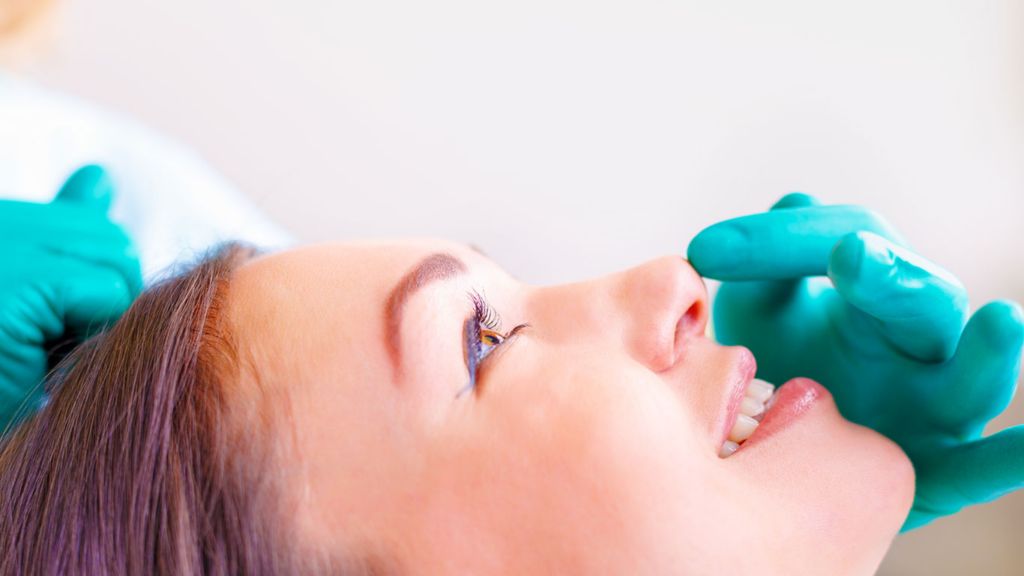
FAQ

What is Canthoplasty and How Does it Work?

Canthoplasty is a surgical procedure that reshapes the outer corner of the eye, also known as the lateral canthus. It is performed by making a small incision at the outer corner of the eye and then carefully manipulating the underlying tissues, including the skin and muscle, to reposition the corner upwards and outwards. This creates a more open and feminine eye shape. Canthoplasty can address various concerns, such as drooping eyelids, uneven eye shape, and the desire for a more feminine eye appearance.

What are the Benefits of Canthoplasty in FFS?

Canthoplasty offers several benefits for individuals seeking a more feminine facial appearance. It can create a more balanced and symmetrical facial structure, enhance overall femininity, improve vision in cases of drooping eyelids, and boost self-confidence. By addressing these concerns, canthoplasty can contribute to a more harmonious and aesthetically pleasing appearance, positively impacting overall well-being.

What are the Potential Risks of Canthoplasty?

As with any surgical procedure, canthoplasty carries potential risks. These include infection, bleeding, scarring, asymmetry, and temporary numbness or tingling around the surgical area. While these risks are generally minimal, they should be discussed thoroughly with your surgeon to understand the potential challenges and how they can be managed.

How Long Does It Take to Recover from Canthoplasty?

Recovery from canthoplasty is typically straightforward, but it’s important to follow your surgeon’s instructions carefully. This includes avoiding rubbing or putting pressure on the eyes, applying cool compresses, using prescribed medications, keeping the surgical site clean and dry, avoiding strenuous activities, and attending follow-up appointments. Most patients experience a gradual improvement in their appearance over several weeks, with the final result becoming evident within a few months.

Can Canthoplasty Be Combined with Other FFS Procedures?

Yes, canthoplasty is often performed in conjunction with other FFS procedures, such as forehead feminization, rhinoplasty, and chin augmentation. This comprehensive approach addresses multiple areas of the face, creating a more balanced and harmonious overall appearance. The specific procedures recommended will be based on the individual’s unique goals and facial anatomy.

Is Canthoplasty Right for Me?

The decision to undergo canthoplasty should be made after careful consideration of your individual goals, expectations, and potential risks. A thorough consultation with a qualified surgeon is essential for determining whether canthoplasty is the right choice for you and discussing the potential benefits, risks, and recovery process in detail.

Alar Batten Graft in FFS Surgery: A Deep Dive into This Facial Feminization Technique

A woman with a red lipstick is seen holding her nose with both hands, wearing blue medical gloves.

An alar batten graft stands as a fundamental procedure in facial feminization surgery (FFS). This specific technique refines the nasal tip and enhances facial symmetry, contributing to a more feminine aesthetic. It involves skillfully grafting cartilage or bone onto the alar cartilages, the small cartilages forming the sides of the nasal tip.

Understanding the Purpose of Alar Batten Grafts

Alar batten grafts play a crucial role in achieving desired facial feminization goals. They directly address several key aspects:

  • Refining Nasal Tip Shape: The graft meticulously reshapes the nasal tip, creating a more refined and feminine contour. This leads to a more balanced facial appearance.
  • Correcting Nasal Base Width: Alar batten grafts effectively narrow the nasal base, achieving a harmonious facial balance. This further enhances the feminine aesthetic.
  • Improving Nasal Tip Projection: The graft enhances the projection of the nasal tip, resulting in a more refined and defined profile. This contributes to a more pronounced and feminine facial structure.
  • Enhancing Facial Symmetry: The graft helps balance the overall facial proportions, resulting in a more harmonious and balanced appearance. This is a vital element in achieving a natural and feminine facial structure.

The Procedure: A Step-by-Step Guide

The alar batten graft procedure, typically performed under general anesthesia, is a precise and meticulous process:

  1. Harvesting the Graft Material: The surgeon meticulously harvests cartilage or bone from a donor site, often the septum, ear, or rib. This material is carefully prepared to ensure its suitability for the graft.
  2. Preparing the Graft Site: The surgeon carefully prepares the alar cartilages by making small incisions and sculpting the graft material to fit the desired shape. This ensures a seamless integration of the graft with the existing nasal structure.
  3. Suturing the Graft into Place: The surgeon sutures the graft into place using fine sutures, ensuring secure placement and proper healing.
  4. Closure: The incisions are meticulously closed with sutures, and a splint may be applied to the nose to support the healing graft. This provides stability and minimizes post-operative discomfort.

Exploring Different Techniques

The surgeon utilizes a variety of techniques to achieve the desired outcome. The choice depends on the individual patient’s anatomy and desired result:

  • Cartilage Grafting: This technique involves using cartilage from the septum, ear, or rib to augment the alar cartilages. The surgeon carefully selects and prepares the cartilage, ensuring a seamless integration with the existing nasal structure.
  • Bone Grafting: This technique involves using bone from the rib or skull to augment the alar cartilages. The surgeon expertly selects and prepares the bone, ensuring compatibility and proper integration with the existing nasal structure.
  • Minimally Invasive Techniques: These techniques, characterized by smaller incisions and specialized instruments, minimize scarring and recovery time. This allows for a smoother and less invasive procedure.
  • Customized Graft Designs: The surgeon skillfully designs the graft shape and size to perfectly match the individual patient’s needs. This ensures a personalized and tailored approach to achieving the desired outcome.

Unlocking the Benefits of Alar Batten Grafts

Alar batten grafts offer a range of benefits, leading to a more feminine and aesthetically pleasing facial structure:

  • Enhanced Facial Aesthetics: The graft refines the nasal tip shape, improves nasal base proportion, and enhances facial symmetry. This results in a more balanced and feminine facial appearance.
  • Long-Term Results: The graft provides permanent structural support, ensuring long-lasting results. This offers peace of mind and a lasting solution to achieving the desired facial structure.
  • Improved Facial Harmony: The graft balances the overall facial proportions, creating a more harmonious and balanced appearance. This contributes to a more natural and aesthetically pleasing facial structure.

Navigating Potential Risks and Considerations

Like any surgical procedure, alar batten grafts carry certain risks and considerations. Understanding these is crucial for making informed decisions:

  • Infection: Like any surgical procedure, infection is a potential risk. Proper post-operative care and meticulous hygiene are essential in minimizing this risk.
  • Graft Rejection: The body may reject the grafted material. Careful selection and preparation of the graft material minimize this possibility.
  • Swelling and Bruising: Swelling and bruising are common after surgery. These are temporary side effects that typically subside within a few days.
  • Asymmetry: The graft may not be perfectly symmetrical on both sides. The surgeon carefully addresses this possibility through meticulous planning and skilled execution.
  • Revision Surgery: In some cases, revision surgery may be necessary to correct the results of the initial procedure. This is a rare occurrence and is typically addressed through careful planning and skilled execution.

The Recovery Journey: A Guide to Healing

The recovery process for an alar batten graft is typically several weeks. The patient must carefully follow the surgeon’s post-operative care instructions for optimal healing:

  • Rest: Rest is essential to allow the graft to heal properly. This allows for undisturbed healing and minimizes potential complications.
  • Pain Management: Pain medication may be prescribed to manage discomfort. This ensures a comfortable recovery and minimizes any potential pain.
  • Wound Care: The incisions must be kept clean and dry. Proper wound care is crucial for optimal healing and reduces the risk of infection.
  • Follow-up Appointments: The patient must attend follow-up appointments to monitor healing and ensure proper recovery. This allows for a timely identification and addressing of any potential complications.

Conclusion: A Path to a More Feminine You

An alar batten graft is an invaluable surgical technique in FFS, effectively refining the nasal tip and enhancing facial symmetry. It offers the potential to create a more feminine and aesthetically pleasing appearance, but it’s essential to have a thorough discussion with a qualified surgeon before embarking on the procedure.

Understanding the procedure, benefits, and potential risks is crucial for making informed decisions about facial feminization surgery. A collaborative approach with a qualified and experienced surgeon can lead to achieving the desired outcome.

Visit Dr.MFO Instagram profile to see real patient transformations! Get a glimpse of the incredible results achieved through facial feminization surgery and other procedures. The profile showcases before-and-after photos that highlight Dr. MFO’s expertise and artistic vision in creating natural-looking, beautiful outcomes.

Ready to take the next step in your journey? Schedule a free consultation with Dr. MFO today. During the consultation, you can discuss your goals, ask any questions you may have, and learn more about how Dr. MFO can help you achieve your desired look. Don’t hesitate to take advantage of this free opportunity to explore your options and see if Dr. MFO is the right fit for you.

Alar Batten Graft in FFS Surgery: Frequently Asked Questions

What is the primary purpose of an alar batten graft in FFS?

An alar batten graft serves the crucial purpose of refining the nasal tip and enhancing facial symmetry in facial feminization surgery (FFS). By strategically grafting cartilage or bone onto the alar cartilages, the sides of the nasal tip, the procedure achieves a more feminine and aesthetically pleasing appearance. This involves a tailored approach to reshaping the nasal tip, correcting nasal base width, improving tip projection, and balancing overall facial proportions, contributing to a more harmonious and balanced facial structure.

What are the different techniques used for performing an alar batten graft?

The surgeon employs a variety of techniques to achieve the desired outcome, tailoring the approach based on the individual patient’s anatomy and desired result. Common techniques include cartilage grafting, bone grafting, minimally invasive techniques, and customized graft designs. Cartilage grafting uses material from the septum, ear, or rib, while bone grafting utilizes bone from the rib or skull. Minimally invasive techniques minimize scarring and recovery time through smaller incisions and specialized instruments. Customized graft designs ensure a personalized approach by meticulously shaping the graft to perfectly match the individual patient’s needs.

What are the potential risks and considerations associated with an alar batten graft?

Like any surgical procedure, alar batten grafts carry certain risks and considerations. These include infection, graft rejection, swelling and bruising, asymmetry, and the need for revision surgery. While these risks are minimized through meticulous planning and skilled execution, understanding them is essential for informed decision-making. Careful selection and preparation of graft material, proper post-operative care, and diligent wound management are crucial for minimizing these potential complications.

What can I expect during the recovery process following an alar batten graft?

The recovery process for an alar batten graft typically spans several weeks. Following the surgeon’s post-operative instructions is essential for optimal healing. Rest is paramount to allow the graft to heal properly, minimizing potential disruptions to the healing process. Pain medication may be prescribed to manage discomfort, ensuring a more comfortable recovery. Maintaining cleanliness and dryness of the incisions through proper wound care is crucial for optimal healing and infection prevention. Regular follow-up appointments with the surgeon monitor healing progress and address any potential complications promptly, ensuring a smooth and successful recovery.

What is the long-term outcome of an alar batten graft?

Alar batten grafts offer long-lasting results, providing permanent structural support that contributes to a lasting improvement in facial symmetry and a more feminine aesthetic. This results in a more balanced and aesthetically pleasing facial structure that can enhance self-confidence and overall well-being. However, maintaining a healthy lifestyle, adhering to post-operative care instructions, and scheduling regular follow-up appointments with the surgeon are crucial for maintaining the long-term benefits of the procedure.

Can Girls Get Facial Feminization Surgery (FFS)?

Can Girls Get Facial Feminization Surgery (FFS)?

Girls, just like anyone else, have the right to explore medical options that align with their gender identity. Facial Feminization Surgery (FFS) offers a powerful tool for trans women seeking to achieve a more feminine facial profile, a step that can be profoundly impactful in their journey of self-discovery and affirmation. This guide delves into the intricacies of FFS, addressing common questions and concerns to provide a comprehensive understanding of this complex and transformative procedure.

What is Facial Feminization Surgery (FFS)?

Facial Feminization Surgery (FFS) encompasses a suite of surgical procedures designed to modify facial features to achieve a more feminine appearance. This delicate and intricate process addresses aspects like bone structure, soft tissues, and overall facial contours. These procedures are performed by highly skilled and experienced surgeons specializing in facial plastic and reconstructive surgery.

Common FFS Procedures:

  • Forehead Contouring: This procedure involves reshaping the forehead to create a smoother, more feminine curve. It often involves smoothing out prominent brow ridges, creating a softer and more delicate transition from the forehead to the brow area.
  • Brow Bone Reduction: The brow bone, typically more pronounced in men, can be reduced through meticulous bone sculpting techniques. This creates a softer, more feminine brow line, often enhancing the overall harmony of the facial features.
  • Rhinoplasty (Nose Reshaping): This procedure addresses the shape and size of the nose, aiming for a narrower, more delicate appearance. Techniques may involve refining the tip, reducing the bridge, or narrowing the nostrils, all contributing to a more feminine profile.
  • Cheek Augmentation: Adding volume to the cheeks, often through fat grafting or implants, can enhance a feminine facial contour. This technique helps create a more balanced and youthful appearance, highlighting the delicate features often associated with femininity.
  • Chin Reduction: This procedure addresses a prominent chin by reshaping the bone or removing excess tissue, creating a softer, more feminine jawline. A refined chin contributes to a balanced facial profile, enhancing harmony and symmetry.
  • Lip Augmentation: Lip augmentation can involve injections of dermal fillers or surgical techniques to enhance the fullness and definition of the lips. This procedure can create a more sensual and delicate mouth, adding to the overall feminine appearance.
  • Tracheal Shave: This procedure addresses a prominent Adam’s apple by reducing its size. It involves carefully removing a portion of the cartilage to create a more subtle and feminine contour in the neck area.

Who is a Candidate for FFS?

The decision to undergo FFS is deeply personal and should be made in consultation with a qualified surgeon. While there’s no single formula, ideal candidates typically share some common characteristics.

  • Gender Dysphoria: The individual experiences significant distress or discomfort related to the incongruence between their physical appearance and gender identity. This distress can profoundly impact their daily lives, impacting their self-esteem, social interactions, and overall well-being. FFS can be a powerful tool in addressing this distress.
  • Realistic Expectations: Understanding the limitations and potential outcomes of FFS is crucial. It’s essential to have realistic expectations about what the surgery can achieve. Open and honest conversations with the surgeon are vital to manage expectations and understand the potential limitations.
  • Good Physical Health: The individual should be in good overall health to undergo surgery safely. This includes having no underlying conditions that could complicate the surgery or recovery process. A thorough medical evaluation is essential to assess the individual’s overall health and surgical suitability.
  • Mental Health Stability: FFS is a significant decision, and it’s important to be mentally prepared for the process and potential outcomes. The decision to pursue FFS should be made after careful consideration and with the support of mental health professionals, ensuring the individual has a solid foundation of emotional well-being.

Why do Girls Want FFS?

The reasons for seeking FFS are deeply personal and vary from individual to individual. However, some common motivations drive the desire for this transformative surgery.

Common Motivations for FFS:

  • Gender Affirmation: FFS can be a crucial step in affirming one’s gender identity. By aligning one’s physical appearance with their internal sense of self, FFS can contribute to a profound sense of acceptance, congruence, and peace. This affirmation can profoundly impact self-esteem, social interactions, and overall well-being.
  • Improved Well-being: Achieving a more feminine facial appearance can significantly improve mental health and overall well-being. By reducing the distress associated with gender dysphoria, FFS can foster a more positive self-image, leading to increased confidence, self-acceptance, and a sense of belonging.
  • Reduced Gender Dysphoria: FFS can help alleviate the distress and discomfort associated with gender dysphoria. By addressing the physical incongruence between one’s internal sense of self and external appearance, FFS can significantly reduce the emotional burden of gender dysphoria.
  • Enhanced Social Acceptance: FFS can increase social acceptance and reduce negative experiences related to gender expression. Achieving a more feminine facial appearance can help navigate social interactions with greater ease and comfort, reducing the likelihood of misgendering and fostering a more inclusive environment.

What are the Risks and Benefits of FFS?

Like any surgical procedure, FFS carries potential risks and benefits. It’s essential to understand these factors to make an informed decision.

Potential Risks of FFS:

  • Infection: As with any surgery, there is a risk of infection. Proper hygiene and post-operative care are essential in minimizing this risk.
  • Bleeding: Excess bleeding can occur, potentially requiring additional interventions. A careful assessment of the individual’s medical history and blood clotting factors can help mitigate this risk.
  • Scarring: Scars are a possibility, and their visibility depends on individual healing patterns and surgical technique. Experienced surgeons use techniques to minimize scarring and employ advanced techniques to blend scars into surrounding skin.
  • Asymmetry: Minor asymmetries may occur despite the surgeon’s best efforts. Careful planning and meticulous surgical execution aim to minimize asymmetries, but some subtle variations may be unavoidable.
  • Nerve Damage: In rare cases, nerve damage can occur, potentially affecting facial sensation. Careful surgical techniques and meticulous attention to anatomical landmarks aim to minimize this risk.
  • Unsatisfactory Results: While skilled surgeons strive for optimal outcomes, it’s important to be aware that results may not always meet expectations. Open and honest communication with the surgeon is crucial to manage expectations and understand the potential variations in outcomes.

Benefits of FFS:

  • Improved Gender Congruence: FFS can significantly enhance the alignment of one’s physical appearance with their gender identity. This congruence can lead to a sense of wholeness, self-acceptance, and harmony between the individual’s internal and external self.
  • Increased Self-Esteem: Achieving a more feminine facial appearance can boost confidence and self-esteem. By addressing a source of gender dysphoria, FFS can foster a more positive self-image, leading to greater self-acceptance and a stronger sense of self-worth.
  • Reduced Gender Dysphoria: FFS can alleviate the distress and discomfort associated with gender dysphoria. By addressing the physical incongruence between one’s internal sense of self and external appearance, FFS can significantly reduce the emotional burden of gender dysphoria.
  • Improved Social Acceptance: FFS can lead to greater social acceptance and reduce negative experiences related to gender expression. Achieving a more feminine facial appearance can help navigate social interactions with greater ease and comfort, fostering a more inclusive and accepting environment.

Where Can Girls Get FFS?

Finding a qualified and experienced surgeon is crucial for a successful FFS experience. Choosing the right surgeon ensures that the procedure is performed with the highest level of skill, expertise, and artistry.

Finding a Surgeon:

  • Specialization: Choose a surgeon who specializes in facial plastic surgery and has experience with FFS. This specialization ensures the surgeon possesses the specific knowledge, skills, and techniques necessary for successful FFS procedures.
  • Board Certification: Ensure the surgeon is board certified by the American Board of Facial Plastic and Reconstructive Surgery (ABFPRS) or a comparable organization. Board certification signifies a high level of expertise and commitment to ethical standards.
  • Credentials: Review the surgeon’s education, training, and experience in FFS procedures. Examine their credentials, publications, and any special training in FFS.
  • Patient Testimonials: Read online reviews and testimonials from past patients to gain insights into the surgeon’s skills and approach. Patient testimonials provide valuable firsthand perspectives on the surgeon’s communication style, patient care, and overall outcomes.

What are the Costs and Insurance Considerations for FFS?

The cost of FFS can vary significantly depending on several factors, including the complexity of the procedures, the surgeon’s fees, facility fees, and the type and duration of anesthesia required.

Factors Affecting FFS Costs:

  • Procedures: The number and complexity of procedures involved impact the overall cost. A single procedure, such as rhinoplasty, will cost less than a comprehensive FFS package involving multiple procedures.
  • Surgeon’s Fees: Each surgeon’s fees are unique and can vary based on experience and reputation. Surgeons with extensive experience, recognized expertise, and a strong track record may command higher fees.
  • Facility Fees: Hospital or surgical center fees are an additional expense. These fees cover the use of the operating room, equipment, and staff.
  • Anesthesia: The type and duration of anesthesia needed will contribute to the overall cost. General anesthesia typically costs more than local anesthesia.

Fee Comparison Table for Comprehensive FFS in British Pounds:

CountryAverage Cost Range (GBP)
United Kingdom£15,000 – £30,000
United States£19,000 – £38,000
Brazil£8,000 – £16,000
Turkey£7,000 – £14,000

Please note: These are just average cost ranges, and actual costs can vary depending on the surgeon’s location, experience, and the specific techniques used. Currency conversions are approximate.

Insurance Coverage for FFS:

Insurance coverage for FFS varies widely, with some insurance plans providing coverage for medically necessary procedures while others may not. Understanding the nuances of insurance coverage is crucial for navigating the financial aspects of FFS.

  • Medical Necessity: For insurance coverage, FFS must be considered medically necessary. This typically requires documentation from a mental health professional diagnosing gender dysphoria. The mental health professional’s assessment provides evidence of the medical necessity of FFS for the individual’s well-being.
  • Pre-authorization: It’s often necessary to obtain pre-authorization from your insurance company before undergoing FFS. Pre-authorization involves submitting a request to the insurance company for coverage of the procedure. This process ensures that the insurance company has reviewed the case and approved coverage.
  • Out-of-Pocket Expenses: Expect some out-of-pocket expenses even with insurance coverage. Many insurance plans have copayments, deductibles, and coinsurance, which contribute to the individual’s out-of-pocket expenses.

Conclusion

Facial Feminization Surgery (FFS) can be a transformative journey for girls seeking to align their physical appearance with their gender identity. It’s essential to engage in thorough research, consult with qualified professionals, and approach this decision with careful consideration. By understanding the procedures, risks, benefits, and available resources, girls can make informed decisions about FFS and embark on a path towards greater self-acceptance and well-being. It’s a testament to the power of medical advancements and the commitment to providing individuals with the tools they need to live authentically and with greater self-empowerment.

Visit Dr.MFO Instagram profile to see real patient transformations! Get a glimpse of the incredible results achieved through facial feminization surgery and other procedures. The profile showcases before-and-after photos that highlight Dr. MFO’s expertise and artistic vision in creating natural-looking, beautiful outcomes.

Ready to take the next step in your journey? Schedule a free consultation with Dr. MFO today. During the consultation, you can discuss your goals, ask any questions you may have, and learn more about how Dr. MFO can help you achieve your desired look. Don’t hesitate to take advantage of this free opportunity to explore your options and see if Dr. MFO is the right fit for you.

Facial Feminization Surgery (FFS): Frequently Asked Questions

This FAQ section addresses key questions related to Facial Feminization Surgery (FFS), providing insights into this transformative procedure and its implications.

What is Facial Feminization Surgery (FFS)?

Facial Feminization Surgery (FFS) is a specialized surgical procedure that modifies facial features to achieve a more feminine appearance. It involves a suite of procedures, each targeting specific areas of the face to create a more harmonious and delicate profile. Common procedures include forehead contouring, brow bone reduction, rhinoplasty (nose reshaping), cheek augmentation, chin reduction, lip augmentation, and a tracheal shave. These procedures are performed by highly skilled and experienced surgeons specializing in facial plastic and reconstructive surgery.

Who is a Candidate for FFS?

While the decision to undergo FFS is deeply personal, ideal candidates typically experience significant gender dysphoria, meaning they experience distress or discomfort related to the incongruence between their physical appearance and gender identity. They also have realistic expectations about what FFS can achieve, possess good physical health, and are mentally prepared for the process and potential outcomes. It’s crucial to consult with a qualified surgeon who can assess individual needs and suitability for FFS.

Why do Girls Want FFS?

The reasons for seeking FFS are deeply personal and vary from individual to individual. However, common motivations include gender affirmation, improved well-being, reduced gender dysphoria, and enhanced social acceptance. By aligning their physical appearance with their internal sense of self, girls can experience increased self-esteem, a stronger sense of belonging, and greater social acceptance.

What are the Risks and Benefits of FFS?

Like any surgical procedure, FFS carries potential risks, including infection, bleeding, scarring, asymmetry, nerve damage, and potential for unsatisfactory results. However, the benefits can be profound, leading to improved gender congruence, increased self-esteem, reduced gender dysphoria, and improved social acceptance. It’s essential to understand these factors and weigh them carefully with the guidance of a qualified surgeon.

Where Can Girls Get FFS?

Finding a qualified and experienced surgeon is crucial for a successful FFS experience. Choose a surgeon specializing in facial plastic surgery and has experience with FFS, who is board certified, has strong credentials, and receives positive patient testimonials.

What are the Costs and Insurance Considerations for FFS?

The cost of FFS varies depending on the complexity of procedures, the surgeon’s fees, facility fees, and anesthesia. The average cost range for a comprehensive FFS can vary by country. In the United Kingdom, it’s estimated at £15,000 – £30,000, while in the United States, it ranges from £19,000 – £38,000. In Brazil, it’s around £8,000 – £16,000, and in Turkey, it falls within £7,000 – £14,000. Insurance coverage for FFS is highly variable, with some plans covering medically necessary procedures. Obtaining pre-authorization from your insurance company is usually required, and out-of-pocket expenses are common.

What should I consider before making a decision about FFS?

Making the decision to undergo FFS is a significant step, and it’s essential to consider all aspects of the process carefully. Research the procedure, gather information about experienced surgeons, discuss your concerns and expectations with your doctor, and seek the support of mental health professionals. Weigh the potential risks and benefits, understand the financial implications, and ensure you’re fully prepared for the journey ahead.

Can girls get FFS?

Yes, absolutely! Facial Feminization Surgery (FFS) is available to anyone seeking to align their physical appearance with their gender identity. It’s a powerful tool for trans women who want to achieve a more feminine facial profile, and it’s completely valid for girls to explore this option as part of their gender journey.