Chin Contouring for MTFs: Achieve a Softer Look? Unlock Your Dream Profile

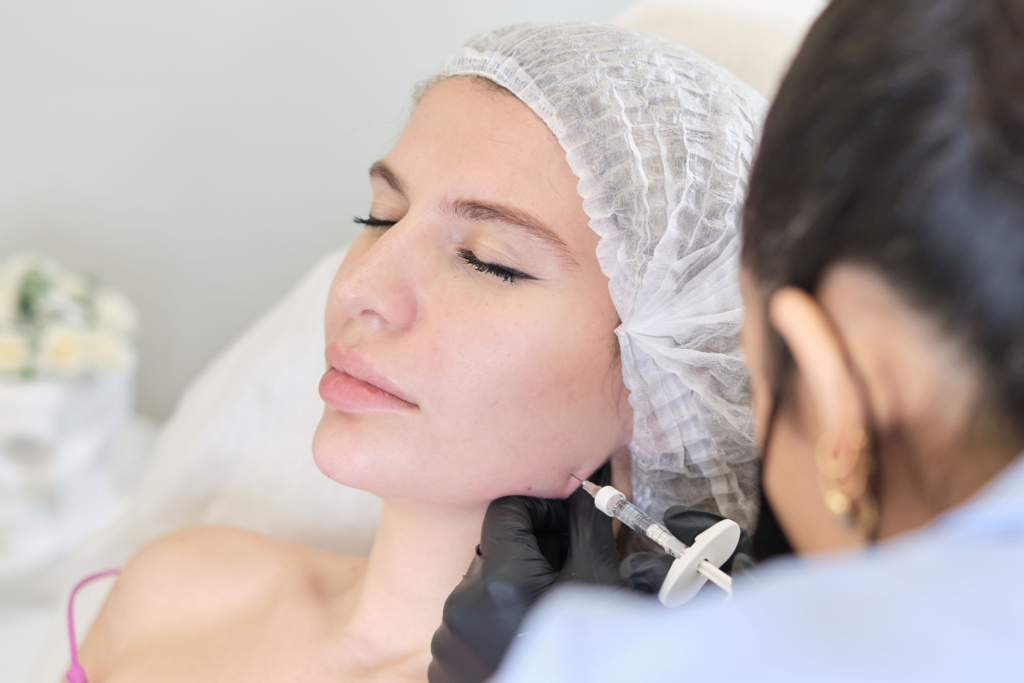
A close-up photo of a woman receiving a facial injection, likely a cosmetic treatment. The woman has her eyes closed, and a healthcare professional wearing blue gloves is administering the injection near her jawline.

It’s a question many transgender women ask themselves as they embark on their journey of self-discovery and transition. Achieving a look that aligns with one’s inner identity can be profoundly affirming. And often, a key part of that transformation involves facial feminization procedures, with chin contouring taking center stage.

Understanding Facial Feminization and Chin Contouring

Before we dive into the exciting possibilities, let’s clarify what we mean by these terms. Think of it like learning a new language!

What is Facial Feminization Surgery?

Facial Feminization Surgery (FFS) is like an artist’s palette, offering a range of procedures designed to soften and refine typically masculine facial features. It’s about creating harmony and balance that align with a more feminine aesthetic. And guess what? Chin contouring plays a starring role in this transformation!

Why is Chin Contouring Important for a Feminine Look?

Imagine a graceful, flowing line. That’s often how we perceive a feminine profile – gentle curves rather than sharp angles. A prominent or square chin, common in male bone structure, can disrupt this delicate balance. Chin contouring helps create a softer jawline and a more harmonious profile overall. In short, it brings your outer appearance closer to your true self.

A close-up image of a woman receiving an injection on her face, likely a cosmetic procedure, administered by a medical professional wearing gloves.

Exploring Your Chin Contouring Options

Just like there are different styles of clothing to express your individuality, there are various chin contouring techniques. Let’s explore the most common ones!

Bone Shaving: Gently Refining Your Shape

Imagine a sculptor meticulously shaping a piece of marble. That’s essentially what bone shaving, or reduction, is all about! Using specialized tools, surgeons gently refine the chin bone, smoothing away excess bone to create a more delicate contour. This technique works wonders for individuals with a prominent or overly square chin.

Chin Implants: Adding Projection and Definition

Sometimes, a little extra oomph is all it takes! Chin implants are like customized puzzle pieces, designed to enhance the projection and shape of your chin. These implants, typically made of biocompatible materials, are carefully placed to create a natural-looking balance and a more defined profile.

Sliding Genioplasty: Reshaping for Harmony

Now, this technique is like a masterful architectural feat! In a sliding genioplasty, the surgeon actually repositions a portion of the chin bone itself. They make a small cut in the bone and carefully slide it forward or backward to achieve the desired projection and shape. It’s a remarkable way to achieve significant and lasting changes for a more harmonious profile.

Benefits and Risks: Making Informed Choices

Just like any important decision in life, understanding the pros and cons of each technique is crucial. Knowledge, after all, is power!

What are the Advantages of Each Technique?

  • Bone shaving excels at subtly refining the chin, particularly for those with a prominent bony structure.
  • Chin implants work wonders for individuals seeking added projection and definition, creating a more balanced profile.
  • Sliding genioplasty offers the advantage of permanent reshaping, ideal for those desiring significant changes in chin position.

Understanding Potential Risks and Complications

While generally safe, all surgical procedures carry some inherent risks. These can include infection, bleeding, adverse reactions to anesthesia, or dissatisfaction with the results. Choosing a highly skilled and experienced surgeon significantly minimizes these risks.

Your Journey to a New Profile: Finding the Right Surgeon

Choosing the right surgeon is perhaps the most crucial step in your chin contouring journey. After all, you’re entrusting them with your appearance and, most importantly, your well-being.

Qualities of an Expert Facial Feminization Surgeon

Look for a surgeon who specializes in Facial Feminization Surgery (FFS) and has extensive experience specifically with chin contouring on transgender women. Check their credentials, board certification, and memberships in professional organizations. But don’t stop there! Look at before-and-after photos – do their results resonate with your aesthetic goals?

Consultation Time: Asking the Right Questions

This is where you become an empowered patient! During your consultation, don’t hesitate to ask questions. Discuss your desired outcomes, any concerns you may have, and what to expect during and after surgery. A compassionate and skilled surgeon will patiently address your questions, making you feel comfortable and confident in your decision.

Preparing for Your Chin Contouring Procedure

You’ve chosen your surgeon, you’ve got your questions answered – now it’s time to prepare for the exciting transformation ahead!

Pre-Surgery Checklist: Getting Ready for Your Transformation

Your surgeon will provide specific instructions tailored to your individual needs. This might include temporarily stopping certain medications, adjusting your diet, or quitting smoking. Following these guidelines meticulously helps ensure a smoother recovery and optimal results.

What Happens During Chin Contouring Surgery?

Don’t worry, you’ll be comfortably numb throughout the procedure! Depending on the chosen technique, your surgeon will make incisions either inside your mouth or under your chin. These incisions heal discreetly, leaving minimal visible scarring. Once the incisions are made, they’ll reshape the bone or place the implant with expert precision. It’s truly remarkable what skilled hands can achieve!

Recovery and Aftercare: Embracing Your New Look

The healing process is an exciting time as you gradually witness your new profile emerge.

Healing Timeline: What to Expect Week by Week

Initially, you might experience some swelling, bruising, and discomfort, which is completely normal. Your surgeon will prescribe pain medication to keep you comfortable. Following their post-operative instructions diligently is crucial. This might include eating soft foods, avoiding strenuous activities, and keeping your head elevated for a certain period.

Tips for Smooth and Comfortable Recovery

  • Patience is key: Remember, healing takes time, and everyone’s pace is different.
  • Follow your surgeon’s instructions carefully: This is your roadmap to a successful recovery.
  • Don’t hesitate to reach out to your surgeon’s office if you have any questions or concerns along the way.

Chin Contouring Costs and Financing Your Journey

Chin contouring is an investment in yourself, and costs can vary based on factors like the surgeon’s experience, the complexity of the procedure, and geographic location. Many surgeons offer financing options or work with insurance providers, so be sure to inquire about these possibilities.

Real Stories, Real Transformations: MTF Chin Contouring Experiences

Hearing from others who’ve undergone chin contouring can provide invaluable insights and reassurance. Online forums and support groups can connect you with individuals who’ve walked a similar path, offering encouragement and sharing their experiences.

Before-and-after comparison showing the effects of a cosmetic procedure on the neck and lower face, with the left side displaying sagging skin and wrinkles, and the right side showing smoother, tighter skin after treatment.

Conclusion: Chin Contouring: A Step Towards Your Authentic Self

Chin contouring, when performed by a qualified and experienced surgeon, can be a transformative step for many transgender women seeking to achieve a softer, more feminine look that aligns with their true identity. Remember, the journey is personal, and the goal is to feel comfortable and confident in your own skin.

Visit Dr.MFO Instagram profile to see real patient transformations! Get a glimpse of the incredible results achieved through facial feminization surgery and other procedures. The profile showcases before-and-after photos that highlight Dr. MFO’s expertise and artistic vision in creating natural-looking, beautiful outcomes.

Ready to take the next step in your journey? Schedule a free consultation with Dr. MFO today. During the consultation, you can discuss your goals, ask any questions you may have, and learn more about how Dr. MFO can help you achieve your desired look. Don’t hesitate to take advantage of this free opportunity to explore your options and see if Dr. MFO is the right fit for you.

Will MTF Face Surgery Make Me Look Like a Different Person? Your Ultimate Guide

A woman receiving a facial examination or treatment from a gloved professional, with the professional's hands gently touching her cheek and forehead.

Introduction: Facing the Mirror: Will FFS Change Everything?

Section 1: Understanding Facial Feminization Surgery: Procedures and Possibilities

  • Reshaping the Brow and Forehead
  • Refining the Nose: Rhinoplasty for Feminization
  • Jawline and Chin Contouring
  • Other Procedures: Adam’s Apple Reduction, Hairline Adjustment, etc.

Section 2: Finding Your True Face: Balancing Transformation and Authenticity

  • Realistic Expectations and Surgical Limitations
  • The Importance of Choosing the Right Surgeon
  • Your Vision: Communicating Your Desired Outcomes

Section 3: Beyond the Physical: FFS and the Journey of Self-Discovery

  • Alleviating Gender Dysphoria and Embracing Identity
  • Personal Stories: Transformation and Empowerment
  • Your Journey, Your Choice

Conclusion: Embracing the New You: Confidence and Authenticity After FFS


A person undergoing a cosmetic procedure with surgical markings on their face and a syringe being held near their cheek by a medical professional wearing blue gloves.

Will MTF Face Surgery Make Me Look Like a Different Person?

Introduction: Facing the Mirror: Will FFS Change Everything?

Imagine looking in the mirror and finally seeing the reflection you’ve always held in your heart. This is a powerful desire many transgender women experience, and for some, it’s a desire Facial Feminization Surgery (FFS) helps fulfill. But a common question arises: “Will MTF face surgery make me look like a different person?” That’s exactly what we’re diving into today – exploring the transformative potential of FFS and what it truly means for your appearance and identity.

Section 1: Understanding Facial Feminization Surgery: Procedures and Possibilities

FFS isn’t just one surgery; it’s a collection of procedures tailored to your unique anatomy and goals. Think of it like an artist’s palette, each procedure a different brushstroke creating a harmonious and feminine appearance. Let’s explore some key areas FFS addresses:

  • Reshaping the Brow and Forehead: Often, one of the most noticeable differences between masculine and feminine faces lies in the brow bone. Men tend to have a more prominent brow ridge, while women often have smoother, more rounded foreheads. FFS can reshape the brow bone, creating a softer and more feminine contour.
  • Refining the Nose: Rhinoplasty for Feminization: You know how the nose is right in the middle of your face? Well, it plays a big role in your overall appearance! Feminization rhinoplasty focuses on creating a nose that harmonizes with your other features, often involving refining the tip, narrowing the bridge, or adjusting the angle between the nose and upper lip.
  • Jawline and Chin Contouring: A strong, square jawline is often associated with masculinity. FFS can soften the jawline through procedures like genioplasty (chin surgery) or jaw angle reduction, creating a more delicate and oval-shaped face.
  • Other Procedures: Think of these as the finishing touches! Procedures like Adam’s apple reduction (also called tracheal shave) can create a smoother neck contour, while hairline adjustments can feminize the forehead and create a more youthful appearance.

Section 2: Finding Your True Face: Balancing Transformation and Authenticity

Now, let’s address the elephant in the room—the fear of looking “too different.” It’s understandable! You want to look like a better version of yourself, not someone unrecognizable, right?

  • Realistic Expectations and Surgical Limitations: FFS can create remarkable changes, but it’s important to have realistic expectations. Your surgeon isn’t a magician; they work within the limits of your bone structure and existing features. A good surgeon will be upfront about what’s achievable and guide you toward natural-looking results.
  • The Importance of Choosing the Right Surgeon: This is crucial! You wouldn’t trust just anyone with your face, would you? Look for a surgeon who specializes in FFS and has a strong track record of achieving natural-looking results for transgender women. Do your research, look at before-and-after photos, and schedule consultations to find the right fit.
  • Your Vision: Communicating Your Desired Outcomes: Remember, this is your journey, and your input matters! Be open with your surgeon about your desired look. Bring reference photos of facial features you find attractive—this helps them understand your aesthetic preferences.

Section 3: Beyond the Physical: FFS and the Journey of Self-Discovery

While FFS focuses on physical changes, its impact goes far beyond the surface. For many transgender women, it’s a deeply personal journey of self-discovery and affirmation.

  • Alleviating Gender Dysphoria and Embracing Identity: For many, gender dysphoria – the distress caused by a disconnect between your internal gender identity and your physical sex assigned at birth – can be debilitating. FFS can alleviate this dysphoria by aligning your outward appearance with your true self, leading to increased confidence and self-esteem.
  • Personal Stories: Transformation and Empowerment: Countless transgender women share their stories of transformation and empowerment after FFS. They talk about feeling more comfortable in their own skin, experiencing reduced anxiety in social situations, and finally recognizing the person they see in the mirror.
  • Your Journey, Your Choice: It’s essential to remember that FFS is a personal choice. It’s not a requirement for being transgender, and not everyone chooses to pursue it. The decision to undergo FFS is deeply personal and should be made with careful consideration, self-reflection, and support from loved ones and healthcare professionals.
Unveiling Your True Self: A Comprehensive Guide to M2F Procedures in 2024

Conclusion: Embracing the New You: Confidence and Authenticity After FFS

So, will MTF face surgery make you look like a different person? In a way, yes. It can help you shed the physical attributes that don’t align with your true self and embrace a more feminine appearance that reflects your inner identity. However, it’s not about becoming someone entirely new; it’s about becoming the best and most authentic version of yourself. FFS is a tool for transformation, empowerment, and self-discovery, allowing you to face the world—and the mirror—with newfound confidence and authenticity.

Visit Dr.MFO Instagram profile to see real patient transformations! Get a glimpse of the incredible results achieved through facial feminization surgery and other procedures. The profile showcases before-and-after photos that highlight Dr. MFO’s expertise and artistic vision in creating natural-looking, beautiful outcomes.

Ready to take the next step in your journey? Schedule a free consultation with Dr. MFO today. During the consultation, you can discuss your goals, ask any questions you may have, and learn more about how Dr. MFO can help you achieve your desired look. Don’t hesitate to take advantage of this free opportunity to explore your options and see if Dr. MFO is the right fit for you.

Is Face Surgery Necessary for Every MTF Transition? 9 Factors to Consider

A woman with her hands gently touching her face, showcasing smooth skin and a serene expression, against a neutral background.

Embarking on an MTF transition is a deeply personal journey, a transformation guided by an individual’s unique desires and aspirations. One question frequently emerges along this path: Is face surgery, formally known as Facial Feminization Surgery (FFS), a necessary step for every transgender woman? Let’s dive into this complex and often emotionally charged topic.

Understanding Your Journey: MTF Transition and Facial Feminization Surgery

Firstly, picture this: MTF transition. What comes to mind? Perhaps hormone therapy, maybe voice training, even legal name changes. Each element plays a role in aligning one’s physical appearance with their internal gender identity. But what about our faces? They’re often the first thing people notice, right? Here enters FFS, a specialized type of surgery aiming to soften masculine facial features, creating a more feminine appearance. Think of it like an artist delicately sculpting, bringing their vision to life. But, just as every artwork is unique, so too is every transition journey.

A healthcare professional in a white coat and mask checks a patient's blood pressure using a sphygmomanometer while the patient, wearing a black face mask and sleeveless top, holds a bandage on her upper arm.

What Exactly is Facial Feminization Surgery (FFS)?

Imagine FFS as a toolbox filled with various procedures. A surgeon might reshape the forehead and hairline, creating smoother contours. Perhaps they’ll refine the nose, making it smaller and more delicate. Some procedures even focus on the jaw and chin, softening angles for a more harmonious look. It’s not about erasing who you are, but rather, refining the canvas to better reflect your true self. However, this toolbox isn’t one-size-fits-all. Every person’s face is unique, and so is their desired outcome.

The Weight of Facial Dysphoria: Why Faces Matter

Now, let’s address the elephant in the room—facial dysphoria. Imagine looking in the mirror and not recognizing the reflection staring back. The face you see doesn’t align with your inner truth, causing distress, anxiety, even pain. This, my friends, is facial dysphoria. For some, it’s a nagging whisper; for others, a deafening roar. It can impact self-esteem, social interactions, and overall well-being. Sometimes, even simple tasks like going out in public or taking a photo become overwhelming hurdles. This is where FFS often enters the picture, offering a potential path towards alleviating this distress and finding peace with one’s reflection.

FFS Benefits: A New Reflection?

Many individuals who’ve undergone FFS report life-changing benefits. Imagine the joy of finally seeing yourself in the mirror, a sense of congruence washing over you. Confidence often blossoms, leading to improved social interactions and a greater sense of belonging. For some, it’s like a weight has been lifted, allowing them to navigate the world more authentically. Daily life becomes less about hiding and more about living. However, it’s crucial to remember that FFS is a deeply personal journey, and results vary for everyone.

FFS Drawbacks: Weighing the Scales

While the potential benefits of FFS are significant, it’s crucial to acknowledge the potential drawbacks. Like any surgery, FFS carries inherent risks, such as infection, complications, or dissatisfaction with the results. Recovery can also be a challenging process, requiring patience and dedicated aftercare. Financially, FFS can be a significant investment, and insurance coverage varies widely. Then there’s the emotional aspect. Will the results meet your expectations? Will it alleviate your dysphoria entirely? These are weighty questions, and it’s vital to have realistic expectations and a strong support system in place.

Beyond the Scalpel: Exploring Non-Surgical Facial Feminization

Now, before you think FFS is the only game in town, let’s explore some exciting alternatives: non-surgical facial feminization. Imagine this: achieving subtle yet impactful changes without going under the knife! Dermal fillers can plump lips, soften wrinkles, and enhance cheekbones. Botox can smooth out those pesky frown lines and create a more youthful appearance. Then there’s laser hair removal, banishing unwanted facial hair for good. While these techniques might not create the dramatic transformations of surgery, they offer a less invasive and often more affordable path towards facial harmony.

Is FFS Right for You? Making the Choice

So, here we are again at that pivotal question: Is face surgery necessary for every MTF transition? The short answer? Absolutely not. This decision is deeply personal, and there is no right or wrong answer. Only you can determine what feels right for your body and your journey. Take time to reflect on your goals, weigh the benefits and drawbacks, and consider all available options. Consult with experienced medical professionals, seek support from loved ones and the LGBTQ+ community, and most importantly, trust your intuition.

Finding Your Tribe: Support and Resources for Your Journey

Navigating the world of FFS and non-surgical options can feel overwhelming, but remember, you don’t have to go through this alone. Organizations like the World Professional Association for Transgender Health (WPATH) offer invaluable resources and guidelines for individuals considering facial feminization. Online communities provide safe spaces to connect with others who understand your journey, sharing experiences and offering support. Remember, your voice matters, and you deserve to feel comfortable and confident in your own skin.

A thoughtful woman with red lipstick and blue nail polish touching her face, set against a vibrant red background.

Is Face Surgery Necessary for Every MTF Transition? The Final Word

Ultimately, the decision to undergo FFS is a personal one. It’s about finding what brings you closer to your authentic self, not conforming to societal expectations or seeking anyone else’s approval. Whether you choose FFS, explore non-surgical alternatives, or embrace your natural beauty, remember this: your journey is valid, your feelings are real, and you are not alone. So, take a deep breath, trust your gut, and embrace the transformative power of living authentically.

Visit Dr.MFO Instagram profile to see real patient transformations! Get a glimpse of the incredible results achieved through facial feminization surgery and other procedures. The profile showcases before-and-after photos that highlight Dr. MFO’s expertise and artistic vision in creating natural-looking, beautiful outcomes.

Ready to take the next step in your journey? Schedule a free consultation with Dr. MFO today. During the consultation, you can discuss your goals, ask any questions you may have, and learn more about how Dr. MFO can help you achieve your desired look. Don’t hesitate to take advantage of this free opportunity to explore your options and see if Dr. MFO is the right fit for you.

What is a rhinoplasty (nose job) for MTF? 5 Things to Know

A young woman with long dark hair posing with her hand on her face, wearing minimal clothing, against a plain white background.

Many individuals seeking gender confirmation surgery choose to undergo facial feminization surgery (FFS). FFS encompasses a range of procedures designed to soften and refine facial features, creating a more feminine appearance. One key component of FFS is rhinoplasty, commonly known as a nose job.

Rhinoplasty for MTF individuals focuses on reshaping the nose to achieve greater harmony with other facial features. This can involve altering the bridge, tip, nostrils, or overall shape of the nose. The goal is to create a nose that appears more delicate and feminine, complementing the individual’s other facial characteristics.

This guide will delve into the specifics of MTF rhinoplasty, exploring its goals, techniques, recovery process, and associated costs. Remember, this information is intended to be educational and should not replace a consultation with a qualified surgeon.

Goals of MTF Rhinoplasty

MTF rhinoplasty aims to achieve several key aesthetic goals, ultimately contributing to a more harmonious and feminine facial appearance.

  • Bridge Refinement: The bridge of the nose, often more prominent in individuals assigned male at birth, can be reduced and smoothed to create a more delicate profile.
  • Tip Reduction and Refinement: The nasal tip can be reshaped to appear smaller, more upturned, and less bulbous. This often involves reducing the size of the cartilaginous tip and refining its shape.
  • Nostril Refinement: Nostrils can be narrowed and reshaped to appear more feminine and proportionate to the overall nose size.
  • Overall Nasal Shape: The surgeon may adjust the overall shape of the nose, creating a more balanced and aesthetically pleasing appearance.

It’s important to note that these goals are individualized. Each person’s anatomy and desired outcome are unique. A skilled surgeon will work closely with you to understand your specific goals and create a surgical plan tailored to your needs.

A person with a shaved head and dramatic eye makeup, wearing a dark patterned top, poses against a red background while gently touching their face with black-painted nails.

MTF Rhinoplasty Techniques (general overview)

MTF rhinoplasty typically involves a combination of techniques to achieve the desired results.

  • Open Rhinoplasty: This technique involves making a small incision across the columella, the strip of skin between the nostrils. This provides the surgeon with direct access to the nasal structures, allowing for more precise reshaping.
  • Closed Rhinoplasty: In this approach, incisions are made inside the nostrils, leaving no visible external scars. While less invasive, closed rhinoplasty may offer less access to certain nasal structures.
  • Cartilage Reshaping: Cartilage grafts may be used to add volume or support to specific areas of the nose, such as the tip or bridge.
  • Bone Reshaping: In some cases, the nasal bones may need to be reshaped or reduced to achieve the desired contour.

The specific techniques used will depend on the individual’s anatomy, desired outcome, and the surgeon’s expertise.

Risks and Complications of MTF Rhinoplasty

Like any surgical procedure, MTF rhinoplasty carries some risks and potential complications.

These can include:

  • Infection: As with any surgery, there is a risk of infection.
  • Bleeding: Some bleeding is normal after surgery, but excessive bleeding can occur.
  • Swelling and Bruising: Swelling and bruising are common after rhinoplasty and can take several weeks to subside.
  • Breathing Difficulties: Temporary breathing difficulties can occur due to swelling or nasal packing.
  • Unsatisfactory Results: In some cases, the results of rhinoplasty may not meet the individual’s expectations.

It’s crucial to choose a qualified and experienced surgeon who can minimize these risks and address any complications that may arise.

Recovery After MTF Rhinoplasty

Recovery from MTF rhinoplasty typically takes several weeks.

Immediately after surgery, you will likely experience some swelling, bruising, and discomfort.

Your surgeon will provide you with specific instructions for post-operative care, including:

  • Pain Management: You will be prescribed pain medication to manage discomfort.
  • Nasal Packing: Nasal packing may be used to control bleeding and support the nasal structures.
  • Cold Compresses: Applying cold compresses can help reduce swelling.
  • Elevation: Keeping your head elevated can also minimize swelling.
  • Activity Restrictions: You will need to avoid strenuous activity and heavy lifting for several weeks.

Most individuals can return to work or school within a week or two, but it may take several weeks for the swelling to fully subside.

Cost Considerations for MTF Rhinoplasty

The cost of MTF rhinoplasty can vary widely depending on several factors:

  • Surgeon’s Fees: Experienced and highly sought-after surgeons typically charge higher fees.
  • Geographic Location: Costs can vary depending on the region where the surgery is performed.
  • Complexity of the Procedure: More complex procedures involving extensive cartilage grafting or bone reshaping will generally cost more.
  • Anesthesia Fees: Anesthesia costs are typically separate from the surgeon’s fees.
  • Facility Fees: Hospital or surgical center fees may also apply.

It’s important to discuss the cost of MTF rhinoplasty with your surgeon during your consultation. They can provide you with a personalized estimate based on your individual needs and the complexity of the procedure.

A young woman with long, dark, wavy hair looks over her shoulder, wearing a floral-patterned top. The background is blurred with soft vertical lines, creating a gentle, out-of-focus effect.

Achieving Your Facial Goals with MTF Rhinoplasty

MTF rhinoplasty can be a transformative procedure, helping individuals achieve a more feminine and harmonious facial appearance. By understanding the goals, techniques, risks, recovery process, and cost considerations involved, you can make an informed decision about whether rhinoplasty is right for you.

Remember, choosing a qualified and experienced surgeon is crucial for achieving optimal results and minimizing risks. Don’t hesitate to ask questions, discuss your concerns, and ensure you feel comfortable with your surgeon’s expertise and approach.

Visit Dr.MFO Instagram profile to see real patient transformations! Get a glimpse of the incredible results achieved through facial feminization surgery and other procedures. The profile showcases before-and-after photos that highlight Dr. MFO’s expertise and artistic vision in creating natural-looking, beautiful outcomes.

Ready to take the next step in your journey? Schedule a free consultation with Dr. MFO today. During the consultation, you can discuss your goals, ask any questions you may have, and learn more about how Dr. MFO can help you achieve your desired look. Don’t hesitate to take advantage of this free opportunity to explore your options and see if Dr. MFO is the right fit for you.

How is Breast Augmentation Performed for MTF Individuals? Top 5 Things You Need to Know

A woman wearing a white bra, posing confidently with her hands on her hips, against a plain white background.

Breast augmentation is a popular choice for many transgender women (MTF) undergoing gender affirmation surgery. It’s a safe and effective procedure that can create a more feminine chest contour, enhancing confidence and overall well-being.

This article aims to be a clear and informative guide for MTF individuals considering breast augmentation. We’ll delve into the procedure itself, from pre-operative consultations to recovery, empowering you to make informed decisions about your transition journey.

Now, let’s talk about what you can expect. Hormone therapy (HRT) plays a significant role in breast development for MTF individuals. While HRT can stimulate some breast tissue growth, some women may desire a fuller and more rounded appearance. This is where breast augmentation comes in.

It’s crucial to have open communication with your surgeon during consultations. Discuss your desired aesthetic goals, including implant size, shape, and overall chest profile. Remember, achieving a natural look is often a top priority for MTF patients. Briefly, some individuals may also consider fat grafting as an alternative to implants, but we’ll explore that option in more detail later.

So, you’ve decided to move forward with breast augmentation. The next step? Understanding the surgical procedure itself.

How is Breast Augmentation Performed for MTF Individuals

The Surgical Procedure

Breast augmentation for MTF individuals involves meticulous planning and careful technique to achieve the most natural-looking results. Here’s a breakdown of the different stages involved:

Pre-Operative Preparation:

  • Medical Evaluation: A thorough medical evaluation is essential to ensure you’re a good candidate for surgery. This includes reviewing your medical history, current medications, and any allergies.
  • Imaging Tests: Depending on your surgeon’s preference, imaging tests like mammograms or ultrasounds may be recommended to assess your chest wall anatomy.
  • Blood Tests: Routine blood tests are performed to check your overall health and ensure you’re fit for surgery.
  • Medication Adjustments: Certain medications can interfere with anesthesia or wound healing. Your surgeon will advise you on any necessary adjustments to your medication regimen before surgery.

Anesthesia:

There are two main options for anesthesia during breast augmentation:

  • General Anesthesia: This puts you into a complete sleep throughout the procedure.
  • Local Anesthesia with Sedation: You’ll be awake but relaxed and pain-free during the surgery.

The choice of anesthesia will depend on your surgeon’s recommendation, your personal preference, and any underlying medical conditions.

Incision Techniques:

The surgeon will make an incision to insert the implants. There are three main incision techniques commonly used for MTF breast augmentation:

  • Periareolar: This incision follows the edge of the areola, offering excellent concealment but potentially limiting implant size.
  • Inframammary: This incision is made along the fold beneath the breast, providing good access and potentially better suited for larger implants.
  • Transaxillary: This incision is made within the armpit, leaving minimal scarring on the chest but requiring more technical expertise from the surgeon.

During your consultation, your surgeon will discuss the pros and cons of each incision technique and recommend the most suitable option for your anatomy and desired outcome.

Implant Placement:

Once the incision is made, the surgeon will create a pocket behind either your chest wall muscle (submuscular) or breast tissue (subglandular) to place the implants. The placement decision depends on several factors, including your desired aesthetic outcome, chest wall anatomy, and skin quality.

Closure and Dressing:

After implant placement, the surgeon will meticulously close the incision with sutures or surgical glue. A surgical dressing will be applied to the chest area for support and initial healing.

We’ve covered the surgical procedure itself, but what about the all-important recovery process? Buckle up, because that’s what we’ll explore next!

Recovery and Aftercare

Following breast augmentation surgery, proper recovery and aftercare are crucial for optimal healing and achieving the desired results. Here’s a glimpse into what you can expect:

Immediate Post-Op:

  • Pain Management: You’ll likely experience some discomfort and soreness after surgery. Your surgeon will prescribe pain medication to manage this effectively.
  • Drainage: Surgical drains are sometimes placed to remove excess fluids and prevent swelling. These drains are typically removed within a day or two after surgery.
  • Initial Healing: During the first few days, you’ll need to rest comfortably and avoid strenuous activity. Your surgeon will provide specific instructions on incision care and wearing a compression garment to support the breasts and minimize swelling.

Activity Restrictions:

  • Gradual Return: Gradually resume your daily activities as tolerated, but avoid strenuous exercise or lifting heavy objects for at least 4-6 weeks.
  • Upper Body Restrictions: Avoid activities that involve excessive arm movement or straining your upper body for the initial healing period.

Scar Management:

  • Minimizing Scars: Scars will fade over time. Your surgeon may recommend scar management techniques like silicone gel sheets or massage to minimize their appearance.

Long-Term Care:

  • Follow-Up Appointments: Regular follow-up appointments with your surgeon are essential to monitor healing, adjust dressings, and address any concerns.
  • Potential Adjustments: In some cases, minor adjustments to the implant position or capsule may be necessary after complete healing.

Remember, recovery is a journey, not a race. Be patient with your body and listen to your surgeon’s guidance. Now, let’s talk about some potential risks and complications associated with breast augmentation surgery.

Risks and Complications:

It’s important to be aware of the potential risks involved in any surgery. While uncommon, some complications associated with breast augmentation for MTF individuals include:

  • Infection: As with any surgery, there’s a slight risk of infection. Following proper post-operative care instructions helps minimize this risk.
  • Capsular Contracture: This occurs when the scar tissue around the implant hardens and contracts, potentially causing discomfort and altering the breast shape.
  • Implant Malposition: This refers to the implant shifting from its ideal position.
  • Bleeding: Bleeding is a potential risk during any surgery.

If you experience any concerning symptoms after surgery, such as excessive pain, fever, or redness around the incision, immediately contact your surgeon.

We’ve covered the risks and complications, but how do you choose the right surgeon to perform your breast augmentation?

Choosing the Right Surgeon

Selecting the right surgeon is paramount for a successful and safe breast augmentation experience. Here are some key factors to consider:

  • Experience with MTF Patients: Look for a board-certified plastic surgeon who has extensive experience performing breast augmentation specifically for transgender women. Their experience with MTF anatomy and desired aesthetic outcomes is crucial.
  • Board Certification: Ensure your chosen surgeon is board-certified by a reputable organization like the American Society of Plastic Surgeons (ASPS) or the American Society for Aesthetic Plastic Surgery (ASAPS). This guarantees they meet the necessary qualifications and training standards.
  • Consultation: Schedule consultations with several surgeons to discuss your goals, ask questions, and assess their bedside manner. A comfortable and open communication style is essential.
  • Before-and-After Photos: Review the surgeon’s portfolio of before-and-after photos from MTF breast augmentation procedures. This allows you to visualize their surgical technique and aesthetic approach.
  • Patient Reviews: Read online reviews and testimonials from previous MTF patients of the surgeon. This can offer valuable insights into their experience and satisfaction level.
  • Facility Accreditation: Ensure the surgical facility where the procedure will be performed is accredited by a reputable organization. This guarantees it meets strict safety and hygiene standards.

Don’t be afraid to ask questions!

The consultation is your opportunity to gather information, clarify any doubts, and ensure you feel confident and comfortable with the surgeon. Remember, this is a personal decision, so choose a surgeon who makes you feel heard, respected, and understood.

A woman with long brown hair wearing a black dress standing against a gray background.

Conclusion

Breast augmentation can be a transformative experience for MTF individuals on their transition journey. It can significantly enhance confidence and create a more feminine chest contour. By understanding the procedure, potential risks, and recovery process, you can make informed decisions about this surgery.

Remember, this article provides a general overview. It’s crucial to consult with a qualified and experienced surgeon specializing in MTF breast augmentation to discuss your individual needs and goals. They can tailor a surgical plan that aligns with your desired aesthetic outcome and ensure a safe and positive experience.

Visit Dr.MFO Instagram profile to see real patient transformations! Get a glimpse of the incredible results achieved through facial feminization surgery and other procedures. The profile showcases before-and-after photos that highlight Dr. MFO’s expertise and artistic vision in creating natural-looking, beautiful outcomes.

Ready to take the next step in your journey? Schedule a free consultation with Dr. MFO today. During the consultation, you can discuss your goals, ask any questions you may have, and learn more about how Dr. MFO can help you achieve your desired look. Don’t hesitate to take advantage of this free opportunity to explore your options and see if Dr. MFO is the right fit for you.

How Does MTF Hip Widening Surgery Transform You? (Top 5 Differences)

A woman wearing a gray and pink sports bra, viewed from the back, highlighting the shoulder area.

Imagine yourself gazing into the mirror and seeing a reflection that truly embodies your inner self. For many transgender women, gender-affirming surgeries play a vital role in achieving this sense of congruence. These procedures modify physical characteristics to align more closely with a woman’s form, fostering greater comfort and confidence. MTF hip widening surgery emerges as a specific type of gender-affirming surgery, aiming to create a more balanced and feminine silhouette.

This article delves into the unique world of MTF hip widening surgery. We’ll explore the intricacies of the procedure, weigh its benefits and potential drawbacks, and compare it to other gender-affirming surgeries you might be familiar with. By the end, you’ll be equipped with a clearer understanding of how hip widening fits into the broader landscape of gender-affirming care.

Delving into MTF Hip Widening Surgery: Procedures, Benefits, and Risks

So, what exactly is MTF hip widening surgery? Here, surgeons employ various techniques to enhance the width of the hips. There are two main approaches: using implants or strategically placed fat grafting. Implants, typically made of silicone or biocompatible materials, are inserted beneath the buttocks or along the pelvic bones. Fat grafting, on the other hand, involves liposuctioning fat from another area of the body and transferring it to the hips for a more natural-looking contour.

The decision between implants and fat grafting hinges on individual factors, including desired outcome, body type, and surgeon’s expertise. Both techniques offer distinct benefits. Implants provide a more dramatic and permanent hip augmentation. Fat grafting, however, can create a smoother, more natural-looking curve and potentially improve overall body shape by removing unwanted fat from other areas.

However, no surgery comes without risks. Hip widening surgery carries potential complications like infection, bleeding, and nerve damage. There’s also the possibility of implant issues, such as migration or rupture with implants. It’s crucial to discuss these risks thoroughly with your surgeon during the consultation to make an informed decision.

MTF Hip Widening Surgery

Hip Widening vs The Classics: Comparing it to Facial Feminization Surgery, Breast Augmentation, and Genital Surgery

While hip widening surgery addresses the lower body, other gender-affirming procedures target different areas. Let’s explore how hip widening stacks up against some of the more well-known surgeries:

  • Facial Feminization Surgery (FFS): FFS encompasses a variety of procedures to refine facial features and create a more feminine appearance. This might involve softening the jawline, reducing the prominence of the brow bone, or feminizing the nose. Unlike hip widening, FFS focuses on the upper portion of the body.
  • Breast Augmentation: Breast augmentation, as the name suggests, involves enlarging the breasts using implants or fat grafting. Both hip widening and breast augmentation aim to achieve a more feminine body shape. However, they target different anatomical areas.
  • Genital Surgery (Vaginoplasty): Vaginoplasty is a procedure that constructs a functional vagina, labia, and clitoris. This surgery addresses the genitals and is not directly comparable to hip widening, which focuses on body contouring.

The choice between these procedures depends on your individual goals and priorities. Some transgender women may choose to undergo a combination of surgeries for a more comprehensive transformation.

What makes hip widening unique is its focus on the hips and buttocks, specifically addressing a desired body shape that hormone therapy might not fully achieve. This procedure can significantly impact a woman’s silhouette and contribute to a more balanced and feminine figure.

The Road to Recovery: What to Expect After Hip Widening Surgery

Hip widening surgery, like any medical procedure, necessitates a recovery period. The exact timeline can vary depending on the technique used, the extent of the surgery, and your individual healing process. However, here’s a general idea of what to expect:

  • The Initial Days: Immediately following surgery, you’ll likely experience some pain, swelling, and bruising. Your doctor will prescribe medication to manage discomfort and provide specific instructions on wound care. Expect to spend a few days in the hospital for monitoring before returning home.
  • Rest and Recuperation: For the first few weeks, prioritize rest and avoid strenuous activity. Your doctor will advise you on appropriate exercises to promote healing and gradually increase mobility. Patience is key during this phase.
  • Back on Your Feet: As the weeks progress, you’ll gradually regain strength and movement. Most patients can return to work and light activities within 4-6 weeks. However, it can take several months for swelling to fully subside and for the final results to become apparent.
  • Long-Term Considerations: While hip widening surgery offers lasting results, maintaining a healthy weight and lifestyle is crucial for optimal outcomes. In rare cases, revision surgery might be necessary to address implant complications or refine the final contour.

Remember, open communication with your doctor throughout the recovery process is essential. Don’t hesitate to ask questions or voice any concerns you might have.

Finding Your Perfect Match: The Importance of Qualified Surgeons for Hip Widening

Choosing the right surgeon for your hip widening surgery is paramount. Here’s why:

  • Experience and Expertise: Surgeons specializing in gender-affirming surgeries possess the specific knowledge and technical skills required for a successful outcome. Look for board-certified plastic surgeons with demonstrable experience in performing hip widening procedures.
  • Understanding Your Needs: A qualified surgeon will take the time to understand your goals, body type, and medical history. This personalized approach ensures the surgery is tailored to your unique needs and desired results.
  • Open Communication and Comfort: Feeling comfortable discussing your concerns and expectations with your surgeon is crucial. Choose someone who fosters a safe and supportive environment where you can openly express your questions.

Finding a qualified surgeon can feel daunting, but resources are available to help. The World Professional Association for Transgender Health (WPATH) maintains a directory of healthcare providers experienced in gender-affirming care. Online communities and transgender rights organizations can also offer valuable recommendations.

Ultimately, the best surgeon for you is someone who combines technical expertise with a genuine understanding of your journey. Don’t hesitate to schedule consultations with multiple surgeons before making a decision.

MTF Hip Widening Surgery

The Final Stretch: Key Takeaways on Hip Widening Surgery

Throughout this article, we’ve explored the intricacies of MTF hip widening surgery. Here are some key takeaways to remember:

  • Hip widening surgery is a specific type of gender-affirming surgery that alters the hips and buttocks to create a more feminine silhouette.
  • The procedure offers benefits like achieving a desired body shape and boosting confidence, but it also carries potential risks that require careful consideration.
  • Compared to other gender-affirming surgeries, hip widening focuses on the lower body, complementing procedures like breast augmentation or facial feminization surgery.
  • Recovery involves rest, pain management, and gradual rehabilitation. Open communication with your doctor is vital throughout this process.
  • Finding a qualified surgeon with experience in gender-affirming care is crucial for optimal outcomes.

The decision to undergo hip widening surgery is a deeply personal one. If you’re considering this procedure, empower yourself with knowledge, prioritize your well-being, and trust your intuition when choosing a surgeon. Remember, your journey towards self-affirmation is unique and deserves respect. There are countless transgender women who have successfully undergone hip widening surgery and experienced a newfound sense of confidence and joy in their bodies. You are not alone in this journey.

Visit Dr.MFO Instagram profile to see real patient transformations! Get a glimpse of the incredible results achieved through facial feminization surgery and other procedures. The profile showcases before-and-after photos that highlight Dr. MFO’s expertise and artistic vision in creating natural-looking, beautiful outcomes.

Ready to take the next step in your journey? Schedule a free consultation with Dr. MFO today. During the consultation, you can discuss your goals, ask any questions you may have, and learn more about how Dr. MFO can help you achieve your desired look. Don’t hesitate to take advantage of this free opportunity to explore your options and see if Dr. MFO is the right fit for you.

What Are the Different Types of MTF Body Contouring Procedures?

A close-up view of a person wearing gray form-fitting leggings with mesh detailing. The person is standing with their hand resting on their hip, highlighting the contours and texture of the leggings. The background is plain and neutral, keeping the focus on the attire.

Imagine looking in the mirror and seeing a reflection that truly embodies who you are. For many transgender women, MTF body contouring procedures can be a powerful tool in their gender affirmation journey. These procedures aim to reshape the body and face to achieve a more feminine appearance, fostering greater confidence and alignment with one’s inner self.

It’s important to remember that these procedures are deeply personal. There’s no one-size-fits-all approach, and the best course of action will vary depending on your individual goals, anatomy, and desired outcomes. This guide provides an overview of some popular MTF body contouring procedures, helping you navigate this exciting yet personal decision.

A woman with medical bandages wrapped around her head and neck, post-surgery, with visible bruising and a nasal dressing.

Facial Feminization Surgery (FFS): Sculpting a Soft and Balanced Look

Facial Feminization Surgery (FFS) is a branch of plastic surgery that focuses on refining facial features to create a more feminine appearance. FFS can significantly enhance facial harmony and bring a sense of congruence between your outer self and inner identity.

What is Facial Feminization Surgery (FFS)?

FFS encompasses a variety of procedures designed to achieve a softer and more balanced facial aesthetic. Here are some common goals:

  • Reducing prominent brow bones and forehead size
  • Lifting eyebrows for a more open and youthful look
  • Lowering the hairline for a more feminine frame
  • Refining the shape of the nose (rhinoplasty)
  • Softening the jawline and chin (genioplasty/mandibuloplasty)
  • Reducing the Adam’s apple prominence (tracheal shave)

While these are some common targets, FFS procedures can be tailored to your specific needs and desired outcome.

Common FFS Procedures: Tailoring Your Unique Beauty

Let’s delve deeper into some popular FFS procedures:

2.2.1 Rhinoplasty: Refining the Shape of Your Nose

Rhinoplasty, or a nose job, can reshape the nose to achieve a more delicate and feminine appearance. This may involve reducing the size of the bridge, refining the tip, or narrowing the nostrils.

2.2.2 Forehead Contouring: Creating a Smooth and Balanced Forehead

Forehead contouring can involve smoothing out bumps or reducing the overall size of the forehead. This helps create a more balanced and feminine proportion in the upper third of the face.

2.2.3 Brow Lift: Opening Up Your Eyes for a Youthful Appearance

A brow lift elevates the position of the eyebrows, creating a more open and youthful appearance. This can also improve eyelid visibility and address any drooping effect.

2.2.4 Hairline Lowering: Framing Your Face in a Feminine Way

Lowering the hairline can significantly alter facial proportions. This procedure involves meticulously transplanting hair follicles to a new, lower position on the forehead.

2.2.5 Chin and Jaw Contouring: Achieving a Soft and Delicate Jawline

Chin and jaw contouring procedures can reshape the jawline to appear softer and more delicate. This may involve shaving down bone or adding implants to achieve a desired shape.

2.2.6 Tracheal Shave: Reducing the Adam’s Apple for a More Feminine Neckline

A tracheal shave reduces the prominence of the Adam’s apple, creating a smoother and more feminine neck contour. This procedure is often performed alongside other FFS procedures for a more comprehensive transformation.

MTF Body Contouring

Body Contouring: Shaping Your Silhouette

Body contouring procedures address various areas of the body to achieve a more feminine silhouette. These procedures can help you sculpt and refine your curves, bringing your physical form into closer alignment with your gender identity.

3.1 Breast Augmentation: Achieving a Feminine Chest

Breast augmentation is one of the most sought-after MTF body contouring procedures. It involves surgically implanting silicone or saline breast implants to create a more prominent and rounded chest. There are various implant types, sizes, and incision locations to choose from, allowing for a customized outcome that complements your body shape and desired fullness.

3.2 Liposuction: Sculpting Your Curves

Liposuction is a fat removal technique that can be used to target specific areas of the body. In MTF body contouring, liposuction often focuses on removing unwanted fat deposits in the abdomen, flanks, waist, and back. This helps achieve a more feminine hourglass figure by creating a narrower waist and accentuating your natural curves.

Here’s a deeper dive into liposuction for MTF body contouring:

3.2.1 Liposuction for Fat Removal in Specific Areas

Liposuction can be tailored to address specific areas of concern. Common target zones for MTF patients include:

  • Abdomen: Liposuction can remove stubborn belly fat, creating a flatter stomach and a more defined waistline.
  • Flanks: Flanks are often targeted to achieve a smoother torso and eliminate love handles.
  • Waist: Liposuction can help sculpt a narrower waist, contributing to a more hourglass-like figure.
  • Back: Liposuction can address unwanted fat deposits in the back for a smoother and more contoured appearance.

It’s important to remember that liposuction is not a weight loss solution. It’s most effective for removing stubborn fat pockets that don’t respond well to diet and exercise.

3.3 Buttock Augmentation: Enhancing Your Shape

Buttock augmentation can add volume and shape to the buttocks, creating a more balanced and feminine silhouette. This procedure can be achieved through implants, fat grafting (using your own fat tissue), or a combination of both techniques.

3.4 Body Lift: Redefining Your Contours After Weight Loss

Body lift procedures are designed to remove excess skin and tighten underlying tissues after significant weight loss. This can be particularly helpful for transgender women who have undergone weight loss as part of their gender affirmation journey. Body lifts can target various areas, including the abdomen, breasts, arms, and thighs.

Non-Surgical Options: Subtle Enhancements for a Confident You

While surgical procedures offer dramatic results, non-surgical options can also play a significant role in achieving a more feminine appearance. These techniques are often less invasive and provide a more subtle way to enhance your features.

4.1 Fillers: Adding Volume and Definition

Dermal fillers are injectable substances used to add volume to specific areas of the face. In MTF contouring, fillers can be used to:

  • Plump lips for a fuller and more inviting appearance
  • Enhance cheekbones for a more defined and balanced facial structure
  • Soften wrinkles and lines for a smoother and more youthful look

Fillers offer temporary results, typically lasting 6 to 18 months depending on the type of filler used.

4.2 Botox: Relaxing Muscles for a Smoother Appearance

Botox is a neuromodulator that relaxes specific muscles. In MTF contouring, it can be used to:

  • Reduce frown lines and forehead wrinkles
  • Soften the jawline for a more delicate appearance

Botox injections offer temporary results, usually lasting 3 to 4 months.

4.3 Laser Hair Removal: Achieving Permanent Hair Reduction

Laser hair removal uses concentrated light beams to target and destroy hair follicles. This can be particularly beneficial for transgender women who experience unwanted facial or body hair growth. Laser hair removal offers a long-term solution, often achieving permanent hair reduction after a series of treatments.

While non-surgical options provide noticeable improvements, it’s important to remember that they don’t offer the same level of transformation as surgical procedures. They can, however, be a great way to complement surgical results or achieve a more gradual approach to gender affirmation.

Finding the Perfect Match: Choosing a Qualified Surgeon

Selecting the right surgeon is paramount when considering MTF body contouring procedures. Here are some key factors to consider:

  • Board Certification: Ensure the surgeon is board-certified by a reputable organization specializing in plastic surgery.
  • Experience with MTF Patients: Look for a surgeon who has extensive experience performing MTF procedures and understands the unique needs of transgender women.
  • Before-and-After Photos: Reviewing a surgeon’s portfolio can give you a sense of their aesthetic style and surgical technique.
  • Consultation: Schedule consultations with several surgeons to discuss your goals, ask questions, and assess their bedside manner.

Finding a surgeon who you feel comfortable with and confident in is crucial for a positive experience. Don’t hesitate to ask questions and express your specific desires throughout the consultation process.

MTF Body Contouring

Conclusion: Your Body, Your Journey – Embracing Confidence Through Informed Choices

MTF body contouring procedures can be a transformative experience, empowering you to achieve a physical form that aligns with your inner self. Remember, there’s no single right answer when it comes to these procedures. The most important aspect is to make informed decisions based on your unique goals and preferences.

This guide has provided a glimpse into some of the available options. To embark on this exciting journey with confidence, remember these key takeaways:

  • Conduct thorough research and explore all your options.
  • Choose a board-certified surgeon specializing in MTF surgery.
  • Don’t be afraid to seek support from the transgender community.
  • Celebrate your journey and embrace the confidence that comes with self-expression.

By taking an informed and empowered approach, MTF body contouring procedures can become a powerful tool in your gender affirmation journey.

Visit Dr.MFO Instagram profile to see real patient transformations! Get a glimpse of the incredible results achieved through facial feminization surgery and other procedures. The profile showcases before-and-after photos that highlight Dr. MFO’s expertise and artistic vision in creating natural-looking, beautiful outcomes.

Ready to take the next step in your journey? Schedule a free consultation with Dr. MFO today. During the consultation, you can discuss your goals, ask any questions you may have, and learn more about how Dr. MFO can help you achieve your desired look. Don’t hesitate to take advantage of this free opportunity to explore your options and see if Dr. MFO is the right fit for you.

What is MTF Body Contouring? 5 Facts for Transgender Women

A woman wearing a black sports bra and black underwear, viewed from the back.

Have you ever dreamed of a body that reflects your true self? Many transgender women, assigned male at birth (AMAB), experience gender dysphoria, a disconnect between their physical body and their internal gender identity. MTF body contouring is a type of gender-affirming surgery that can help bridge this gap.

This article dives deep into the world of MTF body contouring, equipping you with the knowledge to make informed decisions about your transition journey. We’ll explore the different procedures, the potential benefits and risks, and how to find the right surgeon for you.

Understanding the Procedures: Shaping the Feminine Form

MTF body contouring utilizes various surgical techniques to create a more feminine silhouette. Here’s a breakdown of some common procedures:

  • Liposuction: Imagine sculpting clay! Liposuction removes excess fat deposits from areas like the abdomen, flanks, and back. This helps define your waistline and creates a more balanced look.
  • Fat Grafting: Think of it like transferring fertile soil to grow beautiful flowers! Fat grafting harvests fat cells from unwanted areas and injects them into other areas for enhancement. This can be used to create fuller breasts, rounder hips, and a curvier figure.
  • Buttock Augmentation: Enhance your backside and achieve that hourglass figure! Buttock augmentation uses implants or fat grafting to create a more rounded and projected buttock shape.

These procedures can be performed individually or combined to achieve your desired results. Remember, an in-depth consultation with a qualified surgeon will help you determine the best course of action for your unique body and goals.

MTF Body Contouring

Benefits of MTF Body Contouring: Enhanced Body Image and Confidence

MTF body contouring goes beyond physical transformation. Here are some of the life-changing benefits you might experience:

  • Embrace Your Silhouette: Imagine slipping into clothes that flatter your new curves and feeling confident in your own skin. Body contouring can help you achieve a more feminine figure that aligns with your gender identity.
  • Boost Your Self-Esteem: Feeling good about your body can empower you in all aspects of life. Body contouring can significantly improve your body image and self-esteem, leading to greater confidence and self-acceptance.
  • Live Authentically: When your physical appearance reflects your inner self, it allows you to live more authentically and comfortably. Body contouring can be a powerful tool in your transition journey, helping you feel at peace with your body.

While these are some potential benefits, it’s important to remember that everyone’s experience is unique.

Achieving Your Desired Silhouette

The decision to undergo MTF body contouring is deeply personal. Here are some questions to consider as you embark on this journey:

  • What aspects of your body do you wish to change? Be specific about your goals, whether it’s achieving a more defined waistline, fuller breasts, or rounder buttocks.
  • What outcomes do you hope to achieve? Do you dream of feeling more confident in revealing clothing or simply want a body that aligns better with your identity?
  • Are your expectations realistic? Discussing your goals openly with a qualified surgeon will help ensure you understand the achievable results and potential limitations.

Remember, there’s no one-size-fits-all approach to beauty. The goal is to create a silhouette that makes you feel confident and authentically you.

Risks and Potential Complications: Knowing What to Expect

As with any surgery, MTF body contouring carries some inherent risks. It’s important to be well-informed about these potential complications before making a decision.

General Surgical Risks

These are common risks associated with any surgical procedure:

  • Infection: Your body’s natural defense against germs. Following proper post-operative care significantly reduces this risk.
  • Bleeding: While controlled bleeding is expected during surgery, excessive bleeding can occur.
  • Scarring: Surgery leaves scars, though techniques minimize their appearance. Discussing scar placement with your surgeon is important.
  • Anesthesia Complications: Reactions to anesthesia are rare but can occur. Your anesthesiologist will discuss your medical history to minimize risks.

These risks can be mitigated by choosing a board-certified surgeon with experience in transgender surgeries and following their pre- and post-operative instructions meticulously.

Contouring-Specific Complications

While uncommon, some complications specific to body contouring procedures exist:

  • Contour Irregularities: Uneven fat removal or fat grafting can lead to bumps, dips, or asymmetry. Choosing a skilled surgeon minimizes this risk.
  • Seroma Formation: Fluid accumulation under the skin can occur. This can usually be resolved with drainage or aspiration.
  • Fat Necrosis: In rare cases, fat cells can die after grafting, leading to a lumpy feeling.

Remember, open communication with your surgeon is key to addressing any concerns you might have and achieving the best possible outcome.

Choosing a Qualified Surgeon: Experience is Key

Finding the right surgeon is paramount for a safe and successful MTF body contouring experience. Here’s what to look for:

Experience and Specialization

Seek a board-certified plastic surgeon with extensive experience performing MTF body contouring procedures. Look for surgeons who understand the unique needs of transgender patients and have a proven track record of achieving natural-looking feminine results.

Verification and Credentials

Always verify your surgeon’s credentials. Check if they are board-certified by a reputable organization and affiliated with accredited hospitals. Don’t hesitate to ask for references or see before-and-after photos of their previous transgender patients.

Looking at before-and-after photos can give you a realistic idea of the surgeon’s skill and aesthetic approach. Choose a surgeon whose results align with your desired outcome.

By prioritizing these factors, you can ensure you’re entrusting your care to a qualified and experienced professional who prioritizes your safety and desired outcome.

Recovery Process and Timeline: Patience is a Virtue

Following MTF body contouring surgery, adequate recovery is crucial for optimal healing and achieving your desired results. Here’s a glimpse into what to expect:

Post-Operative Care

  • Compression Garments: Your surgeon will likely recommend wearing compression garments to minimize swelling and support tissue healing.
  • Pain Management: Medications will be prescribed to manage post-operative discomfort.
  • Rest and Activity Restrictions: Listen to your body and prioritize rest for optimal healing. Strenuous activity will likely be restricted for a period of time.
  • Follow-up Appointments: Regular check-ins with your surgeon are essential to monitor progress and address any concerns.

Remember, recovery is a journey, not a race. Be patient with your body and allow it the time it needs to heal properly.

Returning to Daily Life

The timeframe for returning to daily activities varies depending on the procedures performed and your individual healing process. Here’s a general idea:

  • Light Activity: Resuming light activities like walking might be possible within a few days.
  • Work and Exercise: Returning to work and exercise routines typically takes several weeks, depending on the physical demands of your job and exercise program.

Your surgeon will provide specific guidance on a personalized timeline for returning to your daily life.

Long-Term Results and Maintenance:

The results of MTF body contouring surgery can be long-lasting, but maintaining a healthy lifestyle with a balanced diet and regular exercise is key. In some cases, touch-up procedures might be necessary to maintain optimal results.

Cost and Financing Options: Planning for Your Surgery

MTF body contouring surgery can vary significantly in cost depending on several factors, including:

  • Surgeon’s fees: Experience and location can influence surgeon fees.
  • Facility fees: Hospital or surgical center fees will be factored into the overall cost.
  • Anesthesia fees: The anesthesiologist’s fees are typically separate from the surgeon’s fees.
  • Type of procedures performed: The complexity and number of procedures performed will affect the overall cost.

Understanding Costs:

While exact costs can vary, having a general understanding can help with financial planning. Consulting with a qualified surgeon will provide a more accurate estimate based on your specific needs and desired procedures.

Insurance Coverage and Financing:

Insurance coverage for gender-affirming surgeries, including MTF body contouring, is evolving. Check with your insurance provider to understand your specific coverage details.

Financing Options:

Several financing options might be available to help manage the cost of surgery. These include medical loans, payment plans offered by surgical centers, or crowdfunding platforms.

Remember, the cost of surgery is an investment in your well-being. Explore all available options and choose a financing plan that aligns with your budget.

Conclusion: Taking Control of Your Journey

MTF body contouring can be a transformative experience for transgender women seeking to achieve a more feminine physique that aligns with their gender identity. This article has equipped you with valuable information about the procedures, potential benefits and risks, and the importance of choosing a qualified surgeon.

Remember, the decision to undergo MTF body contouring is deeply personal. Carefully weigh the pros and cons, prioritize your safety and well-being, and consult with a qualified medical professional to determine if this is the right path for you.

Empowered by knowledge, you can take control of your transition journey and embrace the body that reflects your true self.

Visit Dr.MFO Instagram profile to see real patient transformations! Get a glimpse of the incredible results achieved through facial feminization surgery and other procedures. The profile showcases before-and-after photos that highlight Dr. MFO’s expertise and artistic vision in creating natural-looking, beautiful outcomes.

Ready to take the next step in your journey? Schedule a free consultation with Dr. MFO today. During the consultation, you can discuss your goals, ask any questions you may have, and learn more about how Dr. MFO can help you achieve your desired look. Don’t hesitate to take advantage of this free opportunity to explore your options and see if Dr. MFO is the right fit for you.

What Are the Risks & Complications of MTF Facial Surgery? (Top 7)

A person with curly hair and red lipstick wearing a white t-shirt, posing thoughtfully with their hand on their face.

Considering facial feminization surgery (FFS) can be an exciting step in your gender affirmation journey. MTF FFS refers to a variety of surgical procedures designed to create a more feminine facial appearance. While FFS can be incredibly rewarding, it’s important to approach it with realistic expectations and a clear understanding of the potential risks and complications involved. This guide will equip you with the knowledge you need to make informed decisions about your FFS journey.

General Surgical Risks: What to Expect

Like any surgery, MTF facial surgery carries certain inherent risks. These are important to discuss with your surgeon in detail before proceeding. Here’s a closer look at some common general surgical risks:

  • Infection: Even with the strictest hygiene protocols, there’s always a small chance of developing an infection after surgery. Your surgeon will prescribe antibiotics to minimize this risk.
  • Bleeding and Hematoma: Bleeding during or after surgery is a possibility. In some cases, blood may collect under the skin, forming a hematoma (blood clot). Your surgeon will take steps to control bleeding and monitor you closely for signs of a hematoma.
  • Anesthesia Complications: Anesthesia carries its own set of risks, although these are generally very low. Your anesthesiologist will discuss your medical history to determine the safest course of action.
  • Poor Wound Healing: Sometimes, wounds may heal poorly, leading to delayed healing, scarring, or infection. Following your surgeon’s post-operative instructions carefully can significantly reduce this risk.
  • Scarring: All surgery leaves scars. The skill of your surgeon and your individual healing response will influence the appearance of your scars. There are also scar minimization techniques that your surgeon can discuss with you.

Remember, these are just some of the general surgical risks. Let’s delve deeper and explore the specific risks associated with different MTF facial feminization procedures.

MTF Facial Surgery

Procedure-Specific Risks and Complications:

Now that we’ve covered the general surgical risks, let’s explore the potential complications associated with some of the most common MTF facial feminization procedures:

1. Forehead Contouring:

  • Goal: Smooths out a bony brow ridge and feminizes the overall forehead shape.
  • Potential Complications:
    • Hairline recession: There’s a slight risk that the hairline may recede slightly after surgery.
    • Nerve damage: Injury to nerves in the forehead could lead to numbness or weakness in the forehead muscles.
    • Asymmetry: Although uncommon, facial asymmetry can occur.

2. Rhinoplasty (Nose Job):

  • Goal: Reshapes the nose to create a more feminine appearance, often by reducing size, refining the tip, or narrowing the bridge.
  • Potential Complications:
    • Difficulty breathing: In rare cases, nasal function may be compromised.
    • Persistent nasal bump or hump: Sometimes, a revision surgery might be needed to achieve the desired outcome.
    • Nasal valve collapse: This can lead to breathing problems and may require additional surgery.

3. Cheek Augmentation:

  • Goal: Adds volume to the cheeks to create a softer, rounder appearance. This can be achieved with implants or fat grafting.
  • Potential Complications:
    • Implant migration: Facial implants can sometimes shift out of place, requiring revision surgery.
    • Infection: This is a risk with any implant surgery. Careful hygiene and following post-operative instructions are crucial.
    • Asymmetry: Uneven placement of implants can lead to facial asymmetry.

4. Lip Lift:

  • Goal: Lifts the upper lip, creating a fuller and more pronounced appearance.
  • Potential Complications:
    • Altered smile: The shape or function of your smile might be slightly affected.
    • Excessive lip shortening: This can be addressed with revision surgery if necessary.
    • Numbness: Temporary numbness in the upper lip is common, but permanent numbness is rare.

5. Jaw and Chin Contouring:

  • Goal: Reshapes the jawline and chin to create a more defined and feminine appearance. This can involve shaving bone, inserting implants, or a combination of techniques.
  • Potential Complications:
    • Nerve damage: Injury to nerves in the jaw can lead to numbness or weakness in the jaw muscles.
    • Difficulty eating or speaking: In severe cases, nerve damage could affect these functions.
    • Hardware problems: With implants, there’s a slight risk of them becoming loose or infected, requiring removal.

6. Tracheal Shave:

  • Goal: Reduces the prominence of the Adam’s apple, creating a smoother neck contour.
  • Potential Complications:
    • Difficulty breathing: This is a rare but serious complication.
    • Scarring: While most scars fade over time, there’s a chance of noticeable scarring in the neck area.
    • Hoarseness: Temporary hoarseness is common, but persistent hoarseness may require further evaluation.

7. Hairline Lowering:

  • Goal: Lowers the hairline for a more feminine appearance. This can be achieved with scalp advancement techniques or hair transplantation.
  • Potential Complications:
    • Unnatural hairline: Achieving a natural-looking hairline requires a skilled surgeon.
    • Nerve damage: Injury to nerves in the scalp can lead to numbness or permanent hair loss in the affected area.
    • Infection: As with any scalp surgery, there’s a risk of infection. Following proper hygiene protocols is essential.

This is not an exhaustive list, and the specific risks associated with each procedure will vary depending on your individual anatomy, surgical technique, and healing process. It’s vital to discuss all potential complications thoroughly with your surgeon before undergoing any MTF facial surgery.

We’ll explore managing complications and minimizing risks in the next sections of this guide.

Managing Complications: Early Action is Key

While complications after MTF facial surgery are thankfully uncommon, it’s important to know what to do if you experience any concerning symptoms. Here’s why early action is crucial:

  • Better Outcomes: Prompt medical attention can often prevent minor issues from escalating into more serious problems.
  • Peace of Mind: Addressing concerns early on can alleviate anxiety and allow you to focus on healing.
  • Preserving Results: Early intervention can help minimize the impact of complications on your overall surgical outcome.

What to Watch Out For:

  • Excessive Bleeding or Drainage: While some oozing is normal after surgery, persistent or heavy bleeding requires immediate medical attention.
  • Signs of Infection: Redness, swelling, fever, or pus discharge around the surgical site could indicate an infection.
  • Pain That Worsens: While some pain is expected, uncontrolled or worsening pain is a cause for concern.
  • Difficulty Breathing: This is a serious complication, especially after procedures like a tracheal shave. Seek immediate medical attention if you experience breathing difficulties.
  • Numbness or Weakness: Temporary numbness is common, but persistent numbness or weakness in the surgical area should be reported to your surgeon.

Don’t Hesitate to Seek Help:

Remember, your surgeon is there to support you throughout your recovery. If you experience any of the above symptoms, don’t hesitate to contact them right away. They can assess the situation, recommend the appropriate course of treatment, and provide reassurance.

Revision Surgery: A Possibility to Consider

In some cases, complications may necessitate revision surgery. This involves going back into surgery to address an issue like asymmetry, implant migration, or an unsatisfactory aesthetic outcome. Revision surgery is not uncommon, and many experienced FFS surgeons routinely perform it.

Here are some things to consider if revision surgery becomes a possibility:

  • Timing: Don’t rush into revision surgery. Allow yourself ample time to heal completely from the initial procedure before considering further intervention.
  • Realistic Expectations: Revision surgery can improve your outcome, but it doesn’t guarantee perfection. Discuss realistic goals with your surgeon.
  • Finding the Right Surgeon: Choose a surgeon experienced in revision FFS for the best results.

We understand that the prospect of revision surgery can be daunting. However, with careful planning and the expertise of a qualified surgeon, it can help you achieve the desired outcome.

Minimizing Risks: Taking Control of Your Journey

Mitigating risks associated with MTF facial surgery empowers you to approach your journey with confidence. Here are some key strategies to minimize potential complications:

  • Choosing the Right Surgeon: This is arguably the single most important factor in reducing risks. Select a board-certified plastic surgeon with extensive experience in MTF facial feminization surgery. Look for surgeons who belong to reputable organizations like the World Professional Association for Transgender Health (WPATH). Research their background, qualifications, and surgical techniques. Review before-and-after photos of their work to ensure their aesthetic aligns with your goals.
  • Open Communication: Honesty and transparency are vital throughout the process. During consultations, openly discuss your medical history, desired outcomes, and any concerns you may have. Don’t hesitate to ask questions and ensure you understand all the details of the surgery, including potential risks and recovery expectations.
  • Pre-Operative Preparation: Following your surgeon’s pre-operative instructions diligently is crucial. This may involve stopping smoking, avoiding certain medications, and maintaining a healthy diet. Optimizing your health before surgery can significantly improve healing and reduce the risk of complications.
  • Post-Operative Care: Following surgery, meticulous adherence to your surgeon’s post-operative instructions is essential. This might include wearing compression garments, maintaining proper wound hygiene, and attending follow-up appointments. Diligent post-operative care promotes healing and minimizes the risk of infection and other complications.
  • Realistic Expectations: A balanced perspective is key. While MTF facial surgery can produce remarkable results, it’s not a magic bullet. Discuss realistic expectations with your surgeon regarding potential outcomes and recovery timelines. Understanding what to expect can help you approach the process with a positive mindset and minimize disappointment.

Remember, minimizing risks is a collaborative effort between you and your surgeon. By taking an active role in your healthcare decisions and following your surgeon’s guidance, you can significantly reduce the chance of complications and pave the way for a successful FFS experience.

Conclusion: Your Journey to Facial Feminization

MTF facial surgery can be a transformative experience, helping you achieve a facial appearance that aligns with your gender identity. By understanding the potential risks and complications involved, and by taking steps to minimize them, you can approach this exciting journey with informed confidence. Remember, the most important factor is choosing a qualified and experienced FFS surgeon who can guide you through every step of the process. With careful planning, realistic expectations, and open communication, you can embark on this journey with a positive outlook and a roadmap to success.

Visit Dr.MFO Instagram profile to see real patient transformations! Get a glimpse of the incredible results achieved through facial feminization surgery and other procedures. The profile showcases before-and-after photos that highlight Dr. MFO’s expertise and artistic vision in creating natural-looking, beautiful outcomes.

Ready to take the next step in your journey? Schedule a free consultation with Dr. MFO today. During the consultation, you can discuss your goals, ask any questions you may have, and learn more about how Dr. MFO can help you achieve your desired look. Don’t hesitate to take advantage of this free opportunity to explore your options and see if Dr. MFO is the right fit for you.

What are the Benefits of MTF Facial Surgery?

A young woman with long brown hair looking directly at the camera, wearing a sleeveless top, against a plain light-colored background.

Imagine looking in the mirror and seeing a face that reflects the true you on the inside. This is a powerful reality for many transgender women who undergo MTF facial surgery, also known as Facial Feminization Surgery (FFS). FFS is a set of surgical procedures designed to bring a person’s facial features into better alignment with their gender identity. But the benefits go far beyond just physical appearance. Let’s delve into the positive impact FFS can have on a transgender woman’s life, starting with the physical aspects.

Harmony Between Facial Features: Many facial features are typically associated with masculinity or femininity. FFS can address these features through various procedures. For instance, a rhinoplasty (nose job) can reshape the nose to appear more delicate and refined. Likewise, jawline contouring can soften a strong jawline and chin augmentation can create a more balanced profile. These adjustments work together to create a more harmonious and feminine facial structure.

Reduced Gender Dysphoria: Gender dysphoria is the distress a person feels when their gender identity doesn’t match their assigned sex at birth. Facial features can be a significant source of dysphoria for transgender women. FFS can alleviate this distress by creating a physical appearance that feels more congruent with their inner identity. Imagine the relief of finally seeing a face in the mirror that matches the woman you know yourself to be!

Improved Self-Image: Feeling good about how you look is essential for everyone’s well-being. FFS can dramatically improve a transgender woman’s self-image. By addressing facial features that cause dysphoria, the surgery can lead to a newfound sense of confidence and comfort in one’s own skin. This positive self-image can radiate outward, affecting all aspects of a woman’s life.

So, the physical benefits of FFS are significant. A more harmonious facial structure, reduced dysphoria, and a boost in self-image are all powerful changes that can have a lasting impact. But the journey doesn’t end there. Next, we’ll explore the psychological and social benefits that FFS can bring.

MTF Facial Surgery

The Psychological Impact of MTF Facial Surgery

Let’s move beyond the physical and explore the emotional transformation that can occur after MTF facial surgery. FFS isn’t just about changing how you look; it’s about changing how you feel about yourself. Here’s how FFS can positively impact your mental well-being:

Increased Confidence and Self-Esteem: Imagine walking down the street and holding your head high, no longer feeling the need to hide behind your hair or makeup. FFS can do just that by giving you a physical appearance that aligns with your gender identity. This newfound confidence can spill over into all aspects of your life, making you feel more comfortable in social settings, pursuing professional opportunities, and simply living your life authentically.

Improved Emotional Well-Being: Gender dysphoria can take a significant toll on mental health, leading to anxiety, depression, and social isolation. FFS can be a powerful tool for alleviating these burdens. By reducing dysphoria and creating a more congruent physical appearance, the surgery can lead to a significant improvement in emotional well-being. Many women report feeling happier, more optimistic, and more at peace with themselves after undergoing FFS.

Enhanced Mental Health: The positive impact of FFS can extend to overall mental health. Studies have shown that transgender individuals who undergo gender-affirming surgeries, including FFS, experience a decrease in symptoms of depression and anxiety. This improvement in mental health can lead to a better quality of life and a greater sense of overall well-being.

It’s important to remember that FFS is a personal decision. There’s no right or wrong answer when it comes to whether or not to undergo surgery. Some transgender women may find peace and acceptance through other means, while others may find FFS to be a crucial step in their journey. The key takeaway is that FFS can be a powerful tool for improving a transgender woman’s mental health and emotional well-being.

Next, we’ll delve into the social benefits of FFS and how it can impact your interactions with the world around you.

Social Benefits and Acceptance

The world can be a challenging place for transgender individuals, and social interactions often come with anxieties and frustrations. MTF facial surgery (FFS) can play a significant role in improving a transgender woman’s social life by:

Increased Social Acceptance: Imagine being able to walk into a room and be seen for who you truly are. FFS can help achieve this by creating a physical appearance that aligns with your gender identity. This can lead to greater acceptance from others, reducing the feeling of being constantly “clocked” or misgendered.

Improved Interactions with Others: Feeling self-conscious about your facial features can make social interactions stressful. FFS can alleviate this anxiety by allowing you to present yourself authentically. With a newfound confidence in your appearance, you can approach conversations and social situations with more ease, leading to more positive and fulfilling interactions.

Reduced Discrimination and Prejudice: Unfortunately, discrimination against transgender individuals is still a reality. However, FFS can help reduce the likelihood of experiencing prejudice. By presenting a more feminine appearance, you may be perceived more accurately by others, leading to fewer instances of misgendering and negative interactions.

It’s important to have realistic expectations. FFS isn’t a magic bullet that guarantees social acceptance. However, the surgery can significantly improve your social experience by boosting your confidence and reducing dysphoria. This, in turn, can lead to more positive interactions and a greater sense of belonging within your social circles.

Finding the Right Surgeon and Understanding the Process

We’ve explored the significant benefits of MTF facial surgery, but it’s crucial to remember that this is a serious medical procedure. Before considering FFS, it’s essential to find a qualified and experienced surgeon who specializes in facial feminization for transgender patients. Research surgeons with a proven track record and positive patient testimonials.

Understanding the Process

Consultation: The first step is a thorough consultation with the surgeon. During this meeting, you’ll discuss your goals, expectations, and medical history. The surgeon will examine your facial features and recommend suitable procedures.

Preparation and Planning: Once you decide to proceed, the surgeon will guide you through the preparation process, which may involve pre-operative tests and medications.

The Surgery: MTF facial surgery is typically performed as an outpatient procedure, meaning you won’t need to stay overnight in the hospital. However, recovery time can vary depending on the specific procedures performed.

Recovery and Follow-up: Following surgery, you’ll experience some swelling and discomfort. Your surgeon will provide detailed instructions on post-operative care to ensure optimal healing.

The decision to undergo MTF facial surgery is deeply personal. This blog post aimed to provide a comprehensive overview of the potential benefits, but it’s vital to do your own research and consult with a qualified medical professional to determine if FFS is right for you. Remember, there’s no one-size-fits-all approach to transitioning, and the most important factor is your own well-being and happiness.

Visit Dr.MFO Instagram profile to see real patient transformations! Get a glimpse of the incredible results achieved through facial feminization surgery and other procedures. The profile showcases before-and-after photos that highlight Dr. MFO’s expertise and artistic vision in creating natural-looking, beautiful outcomes.

Ready to take the next step in your journey? Schedule a free consultation with Dr. MFO today. During the consultation, you can discuss your goals, ask any questions you may have, and learn more about how Dr. MFO can help you achieve your desired look. Don’t hesitate to take advantage of this free opportunity to explore your options and see if Dr. MFO is the right fit for you.