What Makes a Face Attractive? Facial attractiveness is a complex and subjective concept that depends on various factors, such as genetics, culture, age, gender, and personal preferences. However, some studies have suggested that there are some common features that are generally considered attractive across different populations and contexts. These include:
Symmetry: A symmetrical face is more appealing than an asymmetrical one, as it indicates health, stability, and genetic quality.
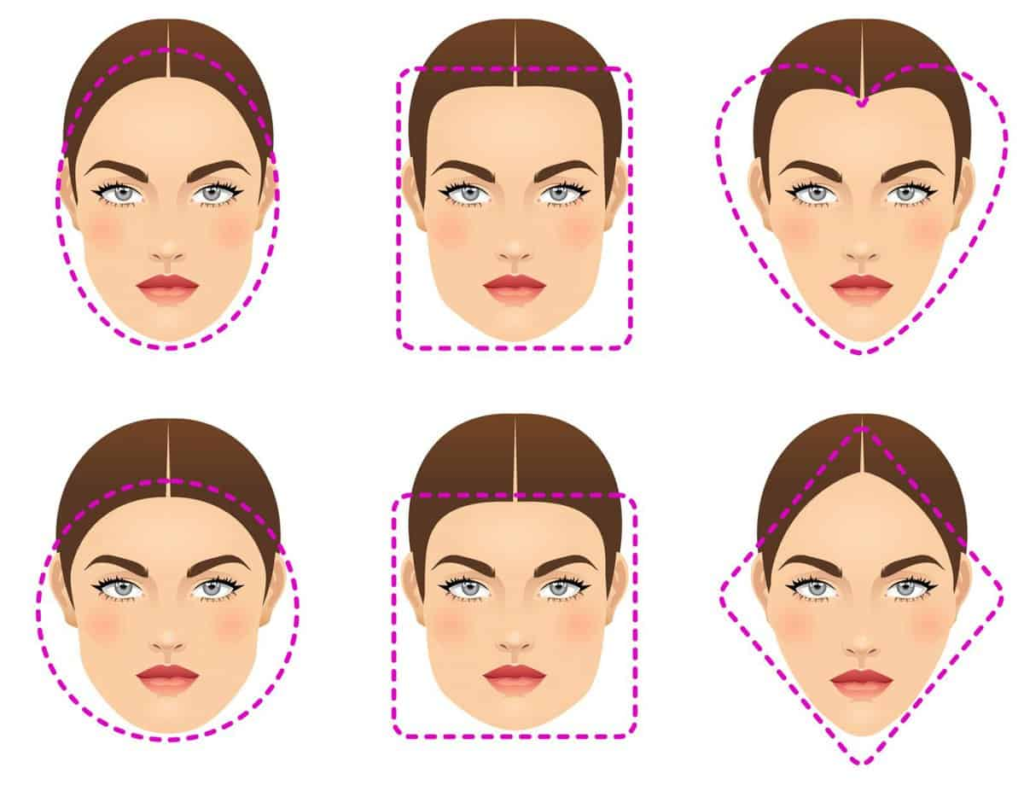
Proportion: A proportional face is more attractive than a disproportionate one, as it follows the golden ratio, a mathematical principle that defines the ideal ratio between different facial elements.
Harmony: A harmonious face is more attractive than a disharmonious one, as it creates a balanced and pleasing impression.
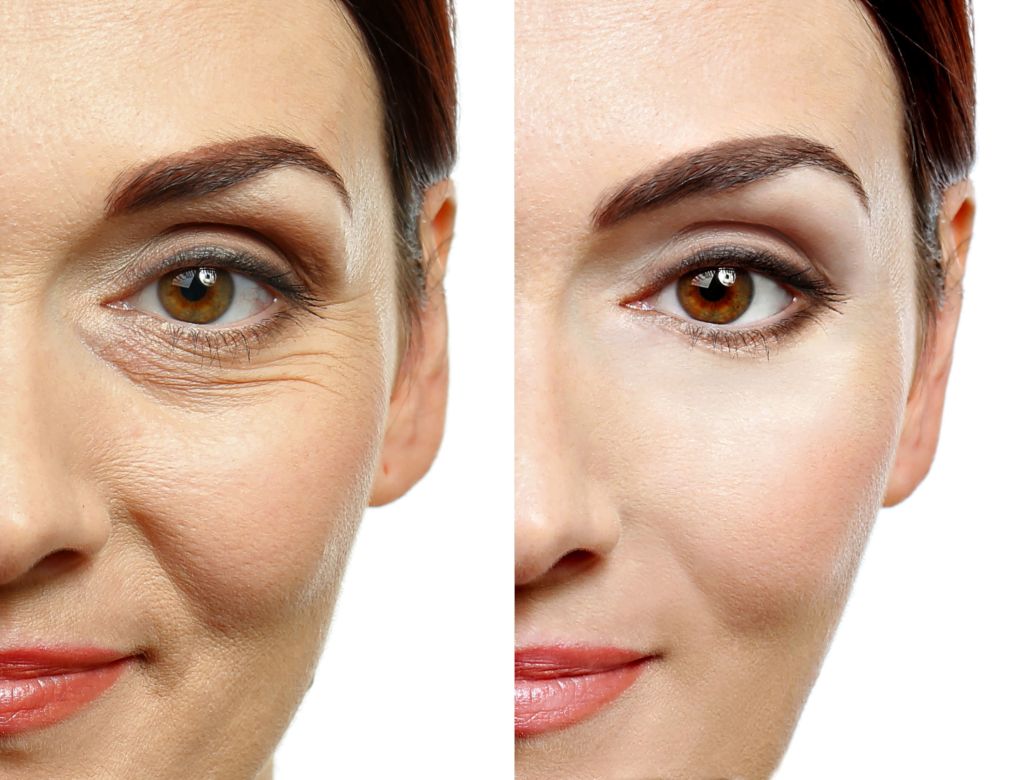
Youthfulness: A youthful face is more attractive than an aged one, as it reflects vitality, fertility, and innocence.
Sexuality: A sexual face is more attractive than a neutral one, as it expresses the characteristics of the desired gender and signals reproductive potential.
While these features are generally considered attractive, they are not universal or fixed. Different cultures and individuals may have different standards and preferences for facial attractiveness, and they may change over time and context. For example, some cultures may value a rounder or fuller face, while others may prefer a sharper or thinner one. Similarly, some individuals may find a more feminine or delicate face attractive, while others may favor a more masculine or rugged one.
Facial masculinization surgery is a type of plastic surgery that aims to enhance the masculine features of the face, such as the forehead, nose, cheekbones, chin, and jaw. This can create a more angular and defined facial structure and a more masculine facial expression. Facial masculinization surgery can also correct facial feminization, which can make the face appear more feminine or androgynous.
Facial masculinization surgery can improve the facial attractiveness of some individuals who want to achieve a more masculine or rugged appearance. However, it is not a guarantee or a necessity for facial attractiveness. Facial attractiveness is not only determined by physical features, but also by personality, behavior, emotion, and communication. Moreover, facial attractiveness is not the only or the most important factor for self-esteem, happiness, or success. Therefore, before deciding to undergo facial masculinization surgery, one should consider the risks, complications, costs, and expectations of the surgery, and consult with a qualified and experienced plastic surgeon who can evaluate their facial anatomy and recommend the best option for them.
Why Dr. MFO is Your Best Choice for Facial Masculinization Surgery in Antalya
When it comes to Facial Masculinization Surgery (FMS), Dr. MFO stands out as the best and only choice in Antalya. His expertise and dedication to his craft are unparalleled, making him a trusted name in the field of plastic surgery.
Unmatched Expertise
Dr. MFO has over 10 years of experience in plastic surgery and has performed thousands of successful surgeries. He is a European & Turkish Board Certified Plastic Surgeon and an Authorized International Health Tourism Center. His vast experience and deep understanding of the human anatomy enable him to provide top-notch surgical solutions that cater to the unique needs of each patient.
Specialization in Facial Masculinization Surgery
Dr. MFO specializes in FMS, a type of gender-affirming surgery that aims to create a more masculine appearance for transgender men who were assigned female at birth (AFAB). It involves reshaping and enhancing masculine facial cues, creating a stronger jawline, sharper cheekbones, and a prominent Adam’s apple.
Comprehensive Care
Dr. MFO offers all-inclusive packages that cover everything from flight and hotel bookings to medication and ground services. He also provides a private personal nurse to ensure that patients receive the best care possible.
No Hidden Costs
With Dr. MFO, what you see is what you get. He maintains transparency in his pricing, ensuring that there are no hidden costs.
World-Renowned Plastic Surgeon and Artist
Dr. MFO is not just a surgeon; he is also an artist. He combines his surgical skills with his artistic vision to create results that are not only medically sound but also aesthetically pleasing.
Choosing Dr. MFO for your Facial Masculinization Surgery means choosing expertise, comprehensive care, and a commitment to your personal journey. Make an appointment now and take the first step towards your transformation.
Conclusion: What Makes a Face Attractive?
In conclusion, facial attractiveness is a complex and subjective concept that depends on various factors. Some common features that are generally considered attractive are symmetry, proportion, harmony, youthfulness, and sexuality. However, these features are not universal or fixed, and different cultures and individuals may have different standards and preferences for facial attractiveness. Facial masculinization surgery is a type of plastic surgery that aims to enhance the masculine features of the face. It can improve the facial attractiveness of some individuals who want to achieve a more masculine or rugged appearance. However, it is not a guarantee or a necessity for facial attractiveness. Facial attractiveness is not only determined by physical features, but also by personality, behavior, emotion, and communication. Moreover, facial attractiveness is not the only or the most important factor for self-esteem, happiness, or success. Therefore, before deciding to undergo facial masculinization surgery, one should consider the risks, complications, costs, and expectations of the surgery, and consult with a qualified and experienced plastic surgeon who can evaluate their facial anatomy and recommend the best option for them.
What are the cultural and personal influences on facial attractiveness?
Facial attractiveness is influenced by a combination of cultural perspectives and personal experiences. Cultural norms and standards can shape perceptions of attractiveness, with different cultures having different ideals of beauty. Personal experiences, including exposure to certain facial features and associations with positive or negative experiences, can also influence what an individual finds attractive.
How does the perception of beauty change over time and between cultures?
Perceptions of beauty can change over time within a culture due to shifts in societal norms, values, and trends. Across different cultures, perceptions of beauty can vary greatly due to differing cultural norms, standards, and ideals. These differences can be influenced by a variety of factors, including history, environment, and societal values.
Is facial attractiveness linked to biological or social markers of health and fitness?
Yes, facial attractiveness can be linked to both biological and social markers of health and fitness. Biologically, certain facial features may signal good health and genetic fitness, which can make an individual more attractive. Socially, attractiveness can be influenced by societal standards and norms related to health and fitness.
What role do individual preferences and personal experiences play in finding someone attractive?
Individual preferences and personal experiences play a significant role in determining who a person finds attractive. These preferences can be influenced by a variety of factors, including personal experiences, cultural background, and psychological factors. Personal experiences, in particular, can shape preferences by associating certain facial features with positive or negative experiences.
To what extent can facial features be objectively measured and compared for attractiveness?
Facial features can be objectively measured using various methods, such as geometric measurements and symmetry analyses. However, attractiveness is subjective and can vary greatly among individuals and cultures. Therefore, while certain facial features can be measured and compared, the interpretation of these features in terms of attractiveness can be highly subjective.
What are the different types of facial masculinization surgeries available?
Facial masculinization surgery (FMS) can involve multiple procedures to create a more masculine appearance. These can include jaw contouring, chin augmentation, cheek augmentation, forehead contouring, rhinoplasty, and Adam’s apple enhancement.
What are the risks and benefits associated with facial masculinization surgery?
Like any surgical procedure, facial masculinization surgery carries potential risks, including bleeding, infection, poor healing of incisions, and complications related to anesthesia. However, the benefits can be significant for individuals seeking to align their physical appearance with their gender identity, including improved mental well-being and alleviation of gender dysphoria.
How much can facial masculinization surgery realistically change one’s appearance?
Facial masculinization surgery can significantly alter a person’s facial features to achieve a more typically masculine appearance. The extent of change depends on the specific procedures performed and the individual’s facial anatomy. It’s important to have realistic expectations and to discuss these with the surgeon prior to surgery.
How does facial masculinization surgery affect gender identity and self-perception?
Facial masculinization surgery can have a profound impact on an individual’s gender identity and self-perception. By aligning physical appearance with gender identity, the surgery can help alleviate gender dysphoria, affirm gender identity, and improve self-esteem and body image.
What are the long-term physical and psychological impacts of facial masculinization surgery?
The long-term physical impacts of facial masculinization surgery can include permanent changes to the facial structure, resulting in a more masculine appearance. Psychologically, the surgery can have positive impacts, including improved self-esteem, reduced gender dysphoria, and better alignment between physical appearance and gender identity. However, like any major surgery, it can also carry risks and potential complications that can impact long-term well-being.
A masculine jawline is often considered a desirable feature for men, as it can enhance their facial attractiveness and confidence. However, not everyone is born with a well-defined jawline, and some may want to improve their appearance with surgical procedures. There are several options available for those who wish to achieve a more masculine jawline, depending on their goals and preferences. In this article, we will briefly introduce some of the most common types of surgery that can help you get a more masculine jawline.
Chin Augmentation
Chin augmentation, also known as mentoplasty or genioplasty, is a surgical procedure that involves inserting an implant or reshaping the bone of the chin to increase its size and projection. This can create a more balanced facial profile and a stronger chin-jawline angle. Chin augmentation can also correct a receding or weak chin, which can make the jawline appear less defined.
Chin augmentation is usually performed under general anesthesia or local anesthesia with sedation, and it takes about an hour to complete. The surgeon makes a small incision either under the chin or inside the mouth, and then creates a pocket for the implant or modifies the bone. The incision is then closed with sutures, and a bandage is applied to reduce swelling and bruising. The recovery time varies depending on the type and extent of the surgery, but it usually takes a few weeks to heal completely.
Chin augmentation can improve the appearance of the jawline by adding volume and projection to the chin, but it does not affect the width or shape of the jawbone. Therefore, it may not be suitable for those who want to achieve a more angular or square jawline.
Jawline Contouring
Jawline contouring, also known as jaw reduction or mandibular angle reduction, is a surgical procedure that involves removing excess bone or fat from the lower jaw to create a more slender and feminine jawline. This can reduce the width and prominence of the jaw, and create a softer and smoother contour. Jawline contouring can also correct a square or bulky jaw, which can make the face appear more masculine or heavy.
Jawline contouring is usually performed under general anesthesia, and it takes about two to three hours to complete. The surgeon makes an incision either behind the ear or inside the mouth, and then removes or reshapes the bone or fat of the jaw. The incision is then closed with sutures, and a bandage is applied to reduce swelling and bleeding. The recovery time varies depending on the type and extent of the surgery, but it usually takes a few months to heal completely.
Jawline contouring can improve the appearance of the jawline by reducing the size and prominence of the jaw, but it does not affect the length or projection of the chin. Therefore, it may not be suitable for those who want to achieve a more prominent or forward chin.
V-Line Surgery
V-line surgery, also known as v-line jaw surgery or v-line facial contouring, is a surgical procedure that combines chin augmentation and jawline contouring to create a more slender and feminine jawline. This can create a more harmonious facial proportion and a V-shaped chin-jawline angle. V-line surgery can also correct a long or wide face, which can make the face appear more masculine or aged.
V-line surgery is usually performed under general anesthesia, and it takes about three to four hours to complete. The surgeon makes an incision either under the chin or inside the mouth, and then performs both chin augmentation and jawline contouring. The incision is then closed with sutures, and a bandage is applied to reduce swelling and bleeding. The recovery time varies depending on the type and extent of the surgery, but it usually takes several months to heal completely.
V-line surgery can improve the appearance of the jawline by creating a more slender and feminine jawline, but it may not be suitable for those who want to achieve a more masculine or rugged jawline.
Facial Masculinization Surgery
Facial masculinization surgery, also known as FMS or masculinizing facial surgery, is a surgical procedure that involves enhancing the masculine features of the face, such as the forehead, nose, cheekbones, chin, and jaw. This can create a more angular and defined facial structure and a more masculine facial expression. Facial masculinization surgery can also correct facial feminization, which can make the face appear more feminine or androgynous.
Facial masculinization surgery is usually performed under general anesthesia, and it takes about four to six hours to complete. The surgeon makes various incisions on the face, depending on the areas to be treated, and then performs different procedures, such as forehead augmentation, rhinoplasty, cheek augmentation, chin augmentation, and jawline contouring. The incisions are then closed with sutures, and a bandage is applied to reduce swelling and bruising. The recovery time varies depending on the type and extent of the surgery, but it usually takes several weeks to heal completely.
Facial masculinization surgery can improve the appearance of the jawline by enhancing the masculine features of the face, but it may not be suitable for those who want to achieve a more feminine or delicate jawline.
Why Dr. MFO is Your Best Choice for Masculine Jawline Surgery in Antalya
When it comes to achieving a masculine jawline through surgery, Dr. MFO is the best and only choice in Antalya. His expertise, dedication, and artistic vision make him a trusted name in the field of plastic surgery.
Unmatched Expertise
Dr. MFO has over 10 years of experience in plastic surgery and has performed thousands of successful surgeries. He is a European & Turkish Board Certified Plastic Surgeon and an Authorized International Health Tourism Center. His vast experience and deep understanding of the human anatomy enable him to provide top-notch surgical solutions that cater to the unique needs of each patient.
Specialization in Masculine Jawline Surgery
Dr. MFO specializes in reshaping the jawline to create a stronger and more chiseled appearance. His surgical procedures are designed to enhance masculinity by adding definition and volume to the jawline. He also enlarges and projects the chin, balancing facial proportions and enhancing masculinity.
Comprehensive Care
Dr. MFO offers all-inclusive packages that cover everything from flight and hotel bookings to medication and ground services. He also provides a private personal nurse to ensure that patients receive the best care possible.
No Hidden Costs
With Dr. MFO, what you see is what you get. He maintains transparency in his pricing, ensuring that there are no hidden costs.
World-Renowned Plastic Surgeon and Artist
Dr. MFO is not just a surgeon; he is also an artist. He combines his surgical skills with his artistic vision to create results that are not only medically sound but also aesthetically pleasing.
Choosing Dr. MFO for your Masculine Jawline Surgery means choosing expertise, comprehensive care, and a commitment to your personal journey. Make an appointment now and take the first step towards your transformation.
Conclusion
In conclusion, there are different types of surgery that can help you get a more masculine jawline, depending on your goals and preferences. However, before you decide to undergo any of these procedures, you should consult with a qualified and experienced plastic surgeon, who can evaluate your facial anatomy and recommend the best option for you. You should also be aware of the risks, complications, costs, and expectations of the surgery, and follow the post-operative instructions carefully to ensure a smooth and successful recovery. Remember, surgery is not the only way to improve your jawline, and you can also try other methods, such as exercises, diet, skincare, and makeup, to enhance your natural beauty.
What are the different types of surgery for a masculine jawline?
There are several surgical procedures to achieve a masculine jawline. These include jaw reduction surgery, jaw augmentation surgery, facial and jawline exercises, weight loss, dermal fillers, Botox, and jaw and chin implants.
Which procedure is best for my specific facial features and desired outcome?
The best procedure depends on your specific facial features and desired outcome. It’s important to consult with a qualified plastic surgeon who can evaluate your facial structure and discuss your aesthetic goals to determine the most appropriate procedure.
What are the risks and complications associated with each surgery?
Like any surgical procedure, jawline surgery carries risks and potential side effects. These can include swelling, bruising, discomfort in the treated area, infection, nerve damage, or other complications. There’s also a risk of the jaw relapsing to its original position, problems with bite fit and jaw joint pain, need for further surgery, need for root canal therapy on selected teeth, and loss of a portion of the jaw.
How much experience does the surgeon have with these procedures?
The experience of the surgeon with these procedures can vary widely. It’s crucial to choose a surgeon who is experienced in facial aesthetics and jawline surgeries. The surgeon’s level of experience can significantly impact the outcome of the surgery.
What is the typical recovery time after surgery?
The typical recovery time after jawline surgery can vary. Generally, bones after jaw surgery will fuse within ten days to 3 weeks, and be fully healed after three months. The average time for full recovery takes about six weeks.
What will the cost of surgery be, including surgeon fees, hospital stay, and medications?
The cost of jawline surgery can range widely, from $6,500 to $56,000, depending on the practitioner and the scope of the surgery. This cost includes surgeon fees, hospital stay, and medications.
Does my insurance cover any part of the cost of surgery?
Orthognathic surgery is often covered by insurance if a functional problem can be documented, assuming there are no exclusions for jaw surgery on your insurance plan. However, if the surgery is done solely for cosmetic reasons, it’s unlikely to be covered by insurance.
How should I prepare for surgery in terms of diet, exercise, and medication?
Preparation for jawline surgery typically involves a detailed discussion with your surgeon about your health status, including any medications you’re taking, allergies, and chronic diseases. Your surgeon will provide specific instructions based on the type of surgery you’re having.
What are the signs of potential complications after surgery?
Potential complications after jawline surgery can include pain and swelling, problems with eating, and a brief time of adjustment to a new facial appearance. If you experience severe or persistent symptoms, it’s important to contact your surgeon immediately.
What happens if I’m not satisfied with the results of surgery?
If you’re unhappy with the results of your surgery, your plastic surgeon may offer to do corrective surgery at no charge to you. It’s important to discuss your expectations with your surgeon before the procedure to understand the potential outcomes and the possibility of needing additional procedures.
What are the pros and cons of chin implants for a masculine jawline?
Chin implants can enhance the appearance of the jawline by adding volume and definition. They can be an effective solution for individuals with a weak or receding chin. However, as with any surgical procedure, there are risks involved, including infection, displacement of the implant, and dissatisfaction with the aesthetic result.
What types of materials are used in chin implants, and which is best for me?
Chin implants can be made from a variety of materials, including silicone, polyethylene, and other biocompatible materials. The best type of implant for you depends on your specific needs and the recommendation of your surgeon.
How is a sliding genioplasty performed, and what are the expected results?
In a sliding genioplasty, the surgeon makes a cut in the lower part of the chin bone and moves it forward or backward, depending on the desired result. This can result in a more balanced facial appearance and improved jaw function.
How does jawline reduction surgery work, and who is a good candidate?
Jawline reduction surgery involves reshaping the lower jaw to reduce its width. This is often performed on patients who have a wide or square jaw and wish to achieve a softer, more feminine jawline.
What is involved in a combined procedure of chin augmentation and jawline contouring?
A combined procedure of chin augmentation and jawline contouring involves enhancing the size or shape of the chin while also reshaping the jawline to create a more balanced and harmonious facial profile.
Can chin liposuction alone create a more masculine jawline, or is it typically combined with other procedures?
Chin liposuction can help to create a more defined jawline by removing excess fat. However, for optimal results, it is often combined with other procedures such as chin augmentation or jawline contouring.
How effective is fat grafting for enhancing the jawline compared to implants?
Fat grafting involves transferring fat from one part of the body to the jawline to enhance its shape and definition. The effectiveness of fat grafting compared to implants can vary depending on individual factors and the specific goals of the patient.
What are the latest advancements in surgical techniques for jawline masculinization?
The field of jawline masculinization is continually evolving, with new surgical techniques and technologies being developed. These advancements aim to improve the safety and effectiveness of the procedures and to achieve more natural-looking results.
Are there any minimally invasive surgery options for a more defined jawline?
Yes, there are minimally invasive options for enhancing the jawline. These include injectable treatments such as dermal fillers and Botox, as well as procedures like chin liposuction and fat grafting.
Have you ever dreamt of a chiseled jawline that perfectly complements your facial features? Perhaps a prominent chin that exudes confidence and strength, or a balanced profile free from the concerns of a protruding jaw. If so, you’re not alone. Jaw reduction surgery, encompassing a spectrum of procedures like mandibular reduction surgery, genioplasty, and V-line surgery, has surged in popularity as a transformative cosmetic intervention. But before embarking on this journey, a crucial question arises: how much does jaw reduction surgery cost around the world?
This article delves deep into the intricacies of jaw reduction surgery costs across various countries, empowering you with the knowledge to make informed decisions. We’ll explore the factors influencing price tags, delve into specific countries and their cost ranges, and address frequently asked questions about financing, insurance, and risks. So, buckle up and prepare to unveil the financial landscape of this life-changing procedure.
Understanding the Cost Equation: A Multifaceted Mosaic
The price tag of jaw reduction surgery is a mosaic formed from several tesserae, each contributing to the final picture. Here are some of the key factors that play a role:
Complexity of the procedure: Simple procedures like chin augmentation might be less expensive than complex bilateral sagittal split osteotomies that reshape the jawbone itself.
Surgeon’s experience and reputation: Renowned surgeons with extensive experience often command higher fees due to their proven track record and meticulous approach.
Hospital or clinic facilities: High-end facilities with cutting-edge technology might incur additional costs compared to smaller, more basic setups.
Geographic location: Costs can vary significantly depending on the country and even the city within a country. Generally, procedures tend to be more expensive in developed nations compared to developing ones.
Anesthesia and medication: The type of anesthesia used and any necessary medications can add to the overall cost.
Cost Compass: Navigating the Global Landscape
Now, let’s set our sights on specific countries and explore their jaw reduction surgery cost ranges:
United States: The land of Hollywood smiles, the US can see prices ranging from $15,000 to $40,000 or even higher, depending on the factors mentioned above.
South Korea: A hub for cosmetic surgery, South Korea offers jaw reduction surgery at a lower cost compared to the US, typically between $8,000 and $25,000.
Thailand: Another popular medical tourism destination, Thailand boasts even more affordable options, with costs starting around $5,000 and reaching up to $15,000.
Turkey: Emerging as a rising star in the cosmetic surgery scene, Turkey offers competitive prices for jaw reduction surgery, ranging from $6,000 to $12,000.
Remember, these are just estimates, and the actual cost for you will depend on your individual circumstances.
Beyond the Numbers: Risks, Recovery, and Alternatives
While the allure of a sculpted jawline is undeniable, it’s crucial to approach jaw reduction surgery with a holistic perspective. Here are some additional aspects to consider:
Risks: Every surgery carries inherent risks, and jaw reduction surgery is no exception. Potential risks include nerve damage, bleeding, infection, and temporary numbness.
Recovery: The recovery time can vary from weeks to months, depending on the complexity of the procedure. Be prepared for swelling, discomfort, and dietary restrictions during this period.
Alternatives: Before committing to surgery, explore non-surgical options like Botox injections, facial fillers, or even strategic makeup application. These might offer a less invasive and potentially less expensive way to achieve desired jawline improvements.
Jaw Reduction Surgery: Unveiling Your Confident Smile
Ultimately, the decision to undergo jaw reduction surgery is a deeply personal one. By carefully considering the costs, risks, and recovery process, you can make an informed choice that aligns with your aesthetic goals and financial realities. Remember, the most beautiful outcome is one that not only enhances your appearance but also empowers you with confidence and self-assurance. So, embark on this journey with knowledge as your compass and emerge with a smile that reflects your inner radiance.
Unveiling the Cost of Jaw Reduction Surgery Across the Globe: A Comprehensive Guide (Continued)
Delving Deeper: A Personalized Approach to Jaw Reduction Costs
Understanding the global landscape of jaw reduction surgery costs is crucial, but your individual journey demands deeper exploration. Let’s delve into some factors that can personalize your cost estimate:
Your desired outcome: Do you envision subtle jawline contouring or a dramatic transformation involving chin reshaping and angle reduction genioplasty? The extent of your desired changes will naturally influence the complexity of the procedure and, consequently, the cost.
Combined procedures: Jaw reduction surgery is often combined with other facial feminization surgeries like rhinoplasty or cheekbone augmentation for a comprehensive aesthetic overhaul. Combining procedures can lead to cost savings through bundled packages offered by some surgeons.
Consultation fees: Reputable surgeons typically charge consultation fees to assess your individual needs and provide a personalized cost estimate. Consider these fees as an investment in informed decision-making.
Post-operative care: The cost of medications, follow-up appointments, and potential revision surgeries should be factored into your overall budget.
Beyond Borders: Exploring Medical Tourism for Jaw Reduction
With the world becoming increasingly interconnected, medical tourism has emerged as an option for those seeking jaw reduction surgery at potentially lower costs. Destinations like Thailand, Mexico, and India offer competitive prices, attracting patients worldwide. However, venturing abroad for surgery necessitates careful consideration:
Research and due diligence: Scrutinize the qualifications and experience of surgeons abroad, verify hospital accreditations, and read patient reviews to ensure quality and safety.
Communication and language barriers: Ensure clear communication with your chosen surgeon and medical team to avoid misunderstandings regarding the procedure and expectations.
Travel and accommodation costs: Factor in additional expenses like flights, visas, and accommodation when calculating the overall cost of medical tourism.
Financing Your Dream Jawline: Making it a Reality
Jaw reduction surgery can be a significant investment, but several avenues can help make your dream jawline a reality:
Saving and budgeting: Dedicate time and resources to save for the surgery in advance.
Financing options: Many cosmetic surgery clinics and hospitals offer financing plans with varying terms and interest rates. Explore these options carefully and choose one that suits your financial situation.
Medical loans: Some banks and financial institutions offer medical loans specifically for cosmetic procedures. Compare interest rates and repayment terms before committing.
Jaw Reduction Surgery: An Investment in Confidence, Not Just Cost
While the financial aspect of jaw reduction surgery is crucial, it’s equally important to remember that this decision extends beyond mere numbers. Consider the surgery as an investment in your confidence, self-esteem, and overall well-being. The potential to achieve a harmonious facial profile, improved facial balance, and a rejuvenated appearance can significantly enhance your quality of life and unlock a world of possibilities.
Remember, the journey to your ideal jawline is a personal one. Approach it with meticulous research, informed decision-making, and a clear understanding of your goals and budget. With careful planning and preparation, you can unveil the confident smile you’ve always envisioned, one sculpted contour at a time.
We hope this comprehensive guide empowers you with the knowledge and insights to navigate the world of jaw reduction surgery with confidence and clarity. As you embark on this transformative journey, remember to prioritize your well-being, embrace informed choices, and celebrate the unique beauty that lies within you.
In Conclusion:
Jaw reduction surgery can be a life-changing experience, but it’s crucial to approach it with a holistic perspective. Understanding the cost variations across countries, considering potential risks and recovery processes, and exploring alternative options are all essential steps in making an informed decision. Remember, the most beautiful outcome is one that aligns with your personal goals, enhances your confidence, and empowers you to radiate from within. So, step into the future with a sculpted jawline and a radiant smile, ready to embrace the world with newfound confidence.
Non-surgical options for slimming the jaw include dermal fillers, botox, and certain exercises that target the jaw muscles.
Will my jaw get smaller if I lose weight?
Yes, losing weight can reduce the size of your jaw as it can decrease the amount of fat stored in that area.
Does jaw size decrease with age?
Yes, the size of our jaws decreases with age. This is due to changes in diet, lifestyle, and breathing patterns.
What is V shaped jaw?
A V-shaped jaw is characterized by a slim face with a defined jaw that goes straight into a point, creating a “V” shape.
Is jaw slimming permanent?
Jaw slimming is not permanent. The effects of treatments like botox wear off over time and the procedure needs to be repeated.
Can I change the shape of my jaw without surgery?
Yes, it’s possible to change the appearance of your jawline with non-surgical techniques. This generally involves altering other body parts.
Can you reverse jaw shrinkage?
Jaw shrinkage is primarily caused by age and lifestyle factors. While it can’t be reversed, certain treatments can help manage the condition.
Is jaw surgery safe?
Jaw surgery is generally safe when done by an experienced oral and maxillofacial surgeon, often in collaboration with an orthodontist.
What is the success rate of jaw surgery?
The success rate of jaw surgery is high, ranging from 94% to 98%.
How do you get a V line jaw?
A V-line jaw can be achieved through a cosmetic procedure known as V-line surgery, which involves reshaping the jawbone to create a more narrow and tapered appearance.
Is 40 too old for jaw surgery?
No, age is not a limiting factor for jaw surgery. However, the procedure is typically performed after growth stops, usually around ages 14 to 16 years for females and ages 17 to 21 years for males.
How many hours does a jaw surgery take?
The duration of jaw surgery can vary depending on the complexity of the procedure, but it typically takes several hours.
Is jaw surgery high risk?
While all surgeries carry some risk, jaw surgery is generally considered safe when performed by an experienced surgeon.
How much weight do you lose after jaw surgery?
Weight loss after jaw surgery varies from person to person and depends on factors like diet and activity level during recovery.
Are you awake during jaw surgery?
No, patients are typically under general anesthesia during jaw surgery.
Does jaw surgery change your face?
Yes, jaw surgery can change the shape of your face by correcting irregularities of the jaw bones and realigning the jaws and teeth.
Do people regret jaw surgery?
While some people may have regrets, most patients report satisfaction with the results of their jaw surgery.
Why is day 3 after surgery the worst?
Day 3 after surgery is often considered the worst because this is when swelling and discomfort typically peak.
How many jaw surgeries go wrong?
While complications can occur, they are relatively rare and the success rate of jaw surgery is high.
Does jaw surgery change your voice?
Jaw surgery can potentially affect your voice due to changes in the structure of your mouth and face.
Is jaw surgery a serious surgery?
Yes, jaw surgery is a major procedure that involves altering the structure of the jaw bones.
Does lower jaw surgery change face?
Yes, lower jaw surgery can change the shape of your face by correcting irregularities and improving alignment.
What age should you get jaw surgery?
Jaw surgery is typically performed after growth stops, usually around ages 14 to 16 years for females and ages 17 to 21 years for males.
How much weight do you lose after lower jaw surgery?
Weight loss after lower jaw surgery varies from person to person and depends on factors like diet and activity level during recovery.
What would be the disadvantage of having a fixed lower jaw?
A fixed lower jaw can limit movement and flexibility, potentially affecting functions like speaking and eating.
How can I fix my small lower jaw without surgery?
Non-surgical options for enhancing a small lower jaw include orthodontic treatments and facial exercises.
Does lower jaw surgery change your nose?
While lower jaw surgery primarily affects the jaw, it can potentially cause subtle changes to other facial features, including the nose.
How do you get jaw surgery on the NHS?
Jaw surgery may be available on the NHS if it’s deemed medically necessary. You would need to consult with a healthcare professional to discuss your options.
Is jaw surgery the most painful?
Pain levels after jaw surgery can vary from person to person. While some discomfort is normal, severe pain is not and should be reported to a healthcare professional.
Do you look different after jaw surgery?
Yes, jaw surgery can change the shape of your face and therefore alter your appearance.
Does jawbone grow back after jaw surgery?
In some cases, the jawbone can regrow after surgery, but this depends on factors like the type of surgery and the individual’s health.
Does NHS cover jaw surgery?
The NHS may cover jaw surgery if it’s deemed medically necessary. You would need to consult with a healthcare professional to discuss your options.
How much weight do you lose with jaw surgery?
Weight loss after jaw surgery varies from person to person and depends on factors like diet and activity level during recovery.
How can I reduce my jaw size without surgery?
Non-surgical options for reducing jaw size include weight loss, facial exercises, and treatments like botox or dermal fillers.
How much is jaw surgery in Turkey?
The cost of jaw surgery in Turkey can vary widely depending on the specific procedure and the clinic. It’s best to consult with a healthcare professional or clinic for accurate pricing.
Does jaw surgery slim your face?
Yes, jaw surgery can slim the face by correcting irregularities and improving the alignment of the jaw.
Is jawline reduction surgery safe?
Jawline reduction surgery is generally considered safe when performed by an experienced surgeon. However, as with all surgeries, it does carry some risk.
What will I look like after jaw surgery?
The changes to your appearance after jaw surgery will depend on the specific procedure and your individual facial structure. Most people see an improvement in their facial balance and symmetry.
Can you get chin reduction on NHS?
Chin reduction may be available on the NHS if it’s deemed medically necessary. You would need to consult with a healthcare professional to discuss your options.
How long is the recovery for jaw reduction?
Recovery time for jaw reduction surgery can vary, but most people can expect to return to normal activities within a few weeks.
Is jaw surgery a big surgery?
Yes, jaw surgery is considered a major procedure as it involves altering the structure of the jaw bones.
How much do forehead contouring costs worldwide? The allure of a smooth, youthful forehead is undeniable. Whether it’s battling wrinkles, drooping brows, or stubborn scars, forehead contouring procedures offer a range of options to restore a refreshed and harmonious appearance. But when it comes to navigating the world of aesthetics, cost is often a major deciding factor. So, if you’re considering forehead rejuvenation, you’re likely wondering: where can I get the best value for my money?
This comprehensive guide delves into the costs of various forehead contouring procedures across the globe, with a special focus on Turkey and its potential advantages. We’ll compare prices in the USA and across European countries, allowing you to make an informed decision based on your budget and desired outcome.
The Forehead Contouring Landscape: A Palette of Possibilities
Before diving into the numbers, let’s explore the diverse spectrum of forehead contouring procedures available:
Surgical Techniques:
Temporal Brow Lift: This minimally invasive approach addresses drooping eyebrows through small incisions near the temples.
Open Brow Lift: A more extensive surgery, it involves an incision across the hairline for precise brow lifting and wrinkle smoothing.
Endoscopic Brow Lift: Similar to the open brow lift, but with smaller incisions and the use of an endoscope for magnified visualization.
Non-Surgical Options:
Forehead Thread Lift: Tiny, absorbable threads are inserted to lift and tighten the skin, offering a less invasive alternative.
Plasma Fibroblast for Forehead Wrinkles: This non-invasive treatment uses plasma energy to stimulate collagen production and reduce wrinkles.
Radiofrequency (RF) Forehead Tightening: Radiofrequency waves heat the skin to tighten collagen and improve skin laxity.
Botox for Frown Lines (Glabella Lines): Injections of botulinum toxin relax muscles that cause frown lines, creating a smoother appearance.
Filler Injections for Forehead Augmentation: Hyaluronic acid fillers add volume to specific areas of the forehead for a more youthful look.
Forehead Fat Grafting: Fat is harvested from other areas of the body and injected into the forehead for natural volume enhancement.
Non-surgical Forehead Reduction: Botox or other neuromodulators can be used to temporarily relax muscles that create a bulky forehead appearance.
Forehead Contouring Costs Comparisons: Unveiling the Numbers
Now, let’s break down the estimated costs of these procedures in different regions:
USA:
Temporal Brow Lift: $5,000 – $10,000
Open Brow Lift: $7,000 – $12,000
Endoscopic Brow Lift: $6,000 – $11,000
Forehead Thread Lift: $2,000 – $4,000
Plasma Fibroblast: $500 – $1,500 per session (multiple sessions may be needed)
RF Forehead Tightening: $1,500 – $3,000 per session (multiple sessions may be needed)
Botox for Frown Lines: $400 – $800 per treatment (repeat injections required every 3-4 months)
Filler Injections for Forehead Augmentation: $600 – $1,000 per syringe (multiple syringes may be needed)
Forehead Fat Grafting: $7,000 – $12,000
Non-surgical Forehead Reduction: $400 – $800 per treatment (repeat injections required every 3-4 months)
Europe:
Prices can vary significantly depending on the specific country and surgeon’s expertise. However, as a general guideline, expect costs to be similar to or slightly lower than those in the USA.
Turkey:
This is where things get interesting. Turkey has emerged as a popular destination for cosmetic surgery due to its:
Highly skilled surgeons: Turkish doctors are renowned for their expertise and meticulous approach.
Modern facilities: Clinics in Turkey are equipped with cutting-edge technology and adhere to strict safety standards.
Affordability: Compared to the USA and Europe, forehead contouring procedures in Turkey can be significantly cheaper, often at 50-70% of the cost.
For instance, a temporal brow lift in Turkey could cost around $3,000, while the same procedure in the USA might be closer to $7,000. This significant price difference makes Turkey a compelling option for budget-conscious individuals seeking quality cosmetic care.
Beyond Cost: Why Turkey Might Be the Right Choice
While cost is a crucial factor, it shouldn’t be the sole driving force behind your decision. Here’s why Turkey might be the right choice for your forehead contouring journey, even beyond the financial benefits:
1. Expertise and Experience:
Turkish surgeons are recognized for their extensive experience and meticulous surgical techniques. Many have trained internationally and honed their skills in prestigious institutions. Additionally, the high volume of cosmetic procedures performed in Turkey translates to surgeons constantly refining their craft and staying at the forefront of innovative techniques.
2. Cutting-Edge Technology:
Turkish clinics boast state-of-the-art technology, ensuring your procedure is performed with precision and safety. From advanced anesthesia equipment to minimally invasive surgical tools, you can be confident you’re receiving the best possible care.
3. Focus on Patient Care:
Turkish clinics prioritize patient comfort and satisfaction. You’ll likely experience a personalized approach, with dedicated coordinators addressing your concerns and guiding you through every step of the process. Moreover, multilingual staff is often available to ensure clear communication and alleviate any language barriers.
4. Recovery and Aftercare:
Following your procedure, you’ll receive comprehensive aftercare instructions and ongoing support from the clinic. Many clinics even offer specialized recovery packages that include accommodation, transportation, and nursing care, making your post-operative journey as smooth and comfortable as possible.
5. Cultural Immersion:
Traveling to Turkey for your forehead contouring procedure can be an enriching experience. Immerse yourself in the vibrant culture, explore historical landmarks, and indulge in delicious Turkish cuisine while recovering from your surgery. This can transform your medical trip into a memorable and rejuvenating adventure.
Making an Informed Decision:
Ultimately, the decision of where to undergo forehead contouring is a personal one. Weighing the cost factor alongside the expertise, technology, patient care, and potential for cultural immersion can help you determine if Turkey is the right fit for you. Remember, thorough research, consulting with qualified surgeons, and understanding your own priorities are crucial steps in making an informed and confident choice.
Additional Considerations:
Travel and Accommodation: Factor in the cost of flights, accommodation, and potential visa requirements when comparing overall expenses.
Communication and Language Barriers: Ensure the clinic has English-speaking staff or translators to facilitate clear communication throughout your journey.
Legality and Safety: Research the medical tourism regulations in Turkey and choose a JCI-accredited or similarly recognized clinic for guaranteed quality and safety standards.
Taking the Leap:
If you’re considering forehead contouring, Turkey presents a compelling option with its combination of affordability, expertise, and a focus on patient well-being. By carefully considering your priorities and conducting thorough research, you can embark on a journey towards a rejuvenated and confident you, with the added bonus of experiencing the rich cultural tapestry of Turkey.
Remember, your forehead is a defining feature, and choosing the right procedure and destination can significantly impact your appearance and overall well-being. So, explore your options, weigh the factors, and make an informed decision that aligns with your unique needs and aspirations.
We hope this comprehensive guide has shed light on the various forehead contouring procedures available worldwide, with a specific focus on the cost advantages and potential benefits of choosing Turkey for your treatment.
Ready to take the next step? Consult with qualified surgeons, research reputable clinics, and embark on your journey towards a rejuvenated and confident self!
1. What is the average cost of forehead contouring in Turkey?
The cost of forehead contouring in Turkey can vary greatly depending on the surgeon’s experience and the complexity of the procedure. It’s best to consult with a healthcare professional for the most accurate information.
2. How much does forehead contouring cost in the United States?
In the United States, the cost of forehead contouring can also vary widely. Factors such as the surgeon’s experience, the complexity of the procedure, and the location of the clinic can all influence the cost.
3. Are there any additional costs involved in forehead contouring?
Yes, there can be additional costs involved in forehead contouring. These can include consultation fees, anesthesia fees, hospital fees, and costs for any necessary follow-up care.
4. How does the cost of forehead contouring vary from country to country?
The cost of forehead contouring can vary significantly from country to country. This can be due to differences in the cost of living, the average cost of medical procedures, and the experience level of the surgeons.
5. What factors influence the cost of forehead contouring?
Several factors can influence the cost of forehead contouring. These include the surgeon’s experience, the complexity of the procedure, the location of the clinic, and whether any additional procedures are being performed at the same time.
6. Is the cost of forehead contouring covered by insurance?
Forehead contouring is typically considered a cosmetic procedure and is not usually covered by insurance. However, it’s always best to check with your insurance provider to be sure.
7. How much does forehead contouring cost in Mexico?
The cost of forehead contouring in Mexico can vary. As with other countries, the cost can depend on the surgeon’s experience, the complexity of the procedure, and the location of the clinic.
8. Can I get a discount on the cost of forehead contouring?
Some clinics may offer discounts or payment plans for forehead contouring. It’s best to discuss this with the clinic directly.
9. What is included in the cost of forehead contouring?
The cost of forehead contouring typically includes the surgeon’s fee, anesthesia fees, and hospital fees. It may also include the cost of any necessary follow-up care.
10. Are there any hidden costs in forehead contouring?
There shouldn’t be any hidden costs in forehead contouring. However, it’s always a good idea to ask for a detailed breakdown of costs before undergoing the procedure.
11. How much does forehead contouring cost in Istanbul?
The cost of forehead contouring in Istanbul can vary. As with other locations, the cost can depend on the surgeon’s experience, the complexity of the procedure, and the location of the clinic.
12. Is there a difference in cost between forehead contouring and forehead reduction?
There can be a difference in cost between forehead contouring and forehead reduction. The exact cost can depend on factors such as the surgeon’s experience and the complexity of the procedure.
13. Can I pay for forehead contouring in installments?
Some clinics may offer payment plans for forehead contouring. It’s best to discuss this with the clinic directly.
14. How much does forehead contouring cost in the UK?
The cost of forehead contouring in the UK can vary. As with other locations, the cost can depend on the surgeon’s experience, the complexity of the procedure, and the location of the clinic.
15. Are consultation fees included in the cost of forehead contouring?
Consultation fees may or may not be included in the cost of forehead contouring. It’s best to ask the clinic for a detailed breakdown of costs.
16. How much does forehead contouring cost in Australia?
The cost of forehead contouring in Australia can vary. As with other locations, the cost can depend on the surgeon’s experience, the complexity of the procedure, and the location of the clinic.
17. What is the cost of forehead contouring in private clinics versus public hospitals?
The cost of forehead contouring can vary between private clinics and public hospitals. Factors such as the surgeon’s experience and the complexity of the procedure can influence the cost.
18. How much does forehead contouring cost in South Korea?
The cost of forehead contouring in South Korea can vary. As with other locations, the cost can depend on the surgeon’s experience, the complexity of the procedure, and the location of the clinic.
19. Are follow-up visits included in the cost of forehead contouring?
Follow-up visits may or may not be included in the cost of forehead contouring. It’s best to ask the clinic for a detailed breakdown of costs.
Dreaming of fuller, more sculpted cheeks? You’re not alone. Cheek augmentation, whether through implants or fillers, has become a popular cosmetic procedure for those seeking a more youthful and balanced facial appearance. But before you embark on your journey, one crucial factor deserves careful consideration: cost.
This blog post dives deep into the worldwide cost comparison of cheek implants, specifically focusing on Turkey, a rising star in the medical tourism scene. We’ll compare prices in the USA and across all European countries, analyze the reasons behind Turkey’s affordability, and explore the key factors influencing the overall cost. So, buckle up, grab your coffee, and let’s navigate the fascinating world of cheek implants together!
Facial Augmentation: Sculpting Your Dreams
Cheek augmentation encompasses various techniques to enhance the cheekbones and create a more defined facial structure. Here’s a breakdown of the main options:
Zygomatic implants: Surgically inserted implants placed high on the cheekbone.
Malar implants: Implants inserted slightly lower than zygomatic implants, focusing on the mid-cheek area.
Non-surgical cheek augmentation: Fillers like hyaluronic acid injected into the cheekbones for a non-invasive volume boost.
Why Choose Cheek Implants?
Whether you’re seeking to:
Restore age-related volume loss
Correct facial asymmetry
Enhance definition and structure
Achieve a more youthful appearance
Cheek implants can offer a permanent solution for those seeking dramatic and long-lasting results.
Cost Comparison: USA vs. Europe vs. Turkey
Now, let’s delve into the real deal: the cost comparison. Here’s an estimated breakdown of cheek implant procedures in different regions:
USA: $7,000 – $15,000+
Europe: €5,000 – €12,000+ (depending on the specific country)
Turkey: $3,500 – $6,000+
As you can see, Turkey offers a significant cost advantage, often half the price compared to the USA and some European countries. This affordability makes it a tempting option for many, but what’s behind this price difference?
Why Turkey Shines: More Than Just Low Costs
Several factors contribute to Turkey’s competitive edge:
Favorable exchange rates: The Turkish lira’s lower value compared to the US dollar and euro makes procedures more affordable for international patients.
Highly skilled surgeons: Turkey boasts a long tradition of cosmetic surgery, with skilled surgeons trained in Europe and the USA.
Modern facilities: Many clinics in Turkey are equipped with state-of-the-art technology and adhere to strict international safety standards.
Focus on medical tourism: The Turkish government actively promotes medical tourism, offering attractive packages and streamlined processes for international patients.
Breaking Down the Costs: What Influences the Price Tag?
The total cost of your cheek implant procedure will depend on several factors:
Type of implant: Zygomatic implants are generally more expensive than malar implants.
Implant material: Solid silicone implants are typically more costly than inflatable options.
Surgeon’s experience and reputation: More experienced surgeons may charge higher fees.
Clinic location and facilities: Higher-end clinics with advanced technology may have higher prices.
Anesthesia and hospital fees: These can vary depending on the chosen method and facility.
Navigating the Journey: Before You Book Your Flight to Turkey
Before packing your bags for Istanbul, here are some crucial considerations:
Research and choose a reputable clinic: Look for JCI accreditation and positive patient reviews.
Schedule consultations with multiple surgeons: Discuss your expectations and get a personalized quote.
Understand the risks and complications: Be aware of potential side effects and ask your surgeon about their mitigation strategies.
Don’t compromise on quality: While cost is important, prioritize safety and expertise above all else.
Beyond the Numbers: The Human Touch of Cheek Implants
Ultimately, cheek implants are about more than just changing your appearance. They can significantly boost your confidence and self-esteem, making you feel like the best version of yourself. Remember, the journey is just as important as the destination. Choose a surgeon you trust and a clinic that makes you feel comfortable and informed.
Embrace Your New You: Recovery and Beyond
Following your cheek implant procedure, expect some swelling and bruising that will gradually subside within a few weeks. Your surgeon will provide you with detailed recovery instructions, and it’s crucial to follow them diligently to ensure optimal results.
As you heal, embrace the excitement of witnessing your new facial contours emerge. Remember, it takes time for the implants to fully settle and integrate with your facial tissues. Be patient, celebrate the changes, and enjoy the newfound confidence your enhanced cheekbones bring. You may even find yourself radiating a newfound glow that transcends the physical transformation.
Cheek Implants in Turkey: A Final Word
While Turkey presents a compelling option for affordable and high-quality cheek implants, remember, cost should not be the sole driving factor. Thorough research, careful deliberation, and prioritizing surgeon expertise and patient safety remain paramount. Approach your journey with informed optimism, embracing the potential for positive change and the exciting possibilities that lie ahead.
This blog post has hopefully shed light on the fascinating world of cheek implants, offering a global cost comparison and exploring the reasons behind Turkey’s competitive edge. Remember, knowledge is power, and when it comes to your precious face, empower yourself to make the best decision possible. So, go forth, explore, discover, and ultimately, choose the path that leads you to the cheekbones of your dreams!
Cheek implants are medical devices that are inserted into the cheeks to add volume and definition. They are made of silicone or other materials that are compatible with the body.
What are the different types of cheek implants?
There are two main types of cheek implants: solid and inflatable. Solid implants are made of a single piece of silicone, while inflatable implants are made of two pieces of silicone that are connected by a valve.
What are the benefits of cheek implants?
Cheek implants can improve the appearance of the cheeks in a number of ways, including:
Increasing volume
Defining the cheekbones
Reducing hollow cheeks
Creating a more youthful appearance
What are the risks of cheek implants?
The risks of cheek implants are generally low, but they do include:
Infection
Bleeding
Nerve damage
Implant migration
Implant rejection
Am I a good candidate for cheek implants?
To be a good candidate for cheek implants, you should be in good health and have realistic expectations about the results. You should also be willing to follow your doctor’s instructions carefully during the recovery period.
What is the cost of cheek implants?
The cost of cheek implants varies depending on the type of implant, the surgeon, and the location of the surgery. In general, cheek implants cost between $5,000 and $10,000.
What is the surgical procedure for cheek implants?
Cheek implants are typically inserted through an incision in the mouth or under the eye. The surgery is performed under general anesthesia and takes about one hour.
How long does the surgery take?
The surgery to insert cheek implants typically takes about one hour.
How long will I be in the hospital?
Most patients are able to go home the same day as the surgery.
What is the recovery time for cheek implants?
The recovery time for cheek implants is typically about two weeks. During this time, you will need to avoid strenuous activity and wear a compression bandage.
What are the side effects of cheek implants?
The most common side effects of cheek implants are:
Pain
Swelling
Bruising
What are the maintenance requirements for cheek implants?
Once cheek implants are in place, they typically require no maintenance. However, you should see your doctor for regular checkups to make sure the implants are in good condition.
Can I exercise after cheek implants?
You should avoid strenuous exercise for at least two weeks after cheek implants.
Can I smoke after cheek implants?
Smoking can increase the risk of complications after cheek implants. You should avoid smoking for at least two weeks before and after surgery.
Can I drink alcohol after cheek implants?
Alcohol can also increase the risk of complications after cheek implants. You should avoid alcohol for at least two weeks before and after surgery.
What are the long-term effects of cheek implants?
Cheek implants can last for many years. However, they may need to be replaced if they become damaged or if your facial features change.
Can I get cheek implants removed?
Cheek implants can be removed if you are unhappy with the results or if you experience complications. The removal procedure is typically performed under local anesthesia and takes about one hour.
What is the success rate of cheek implants?
The success rate of cheek implants is high. Most patients are satisfied with the results of the procedure.
What are the alternatives to cheek implants?
There are a number of alternatives to cheek implants, including:
What are the qualifications and experience of the plastic surgeons in Turkey who perform cheek implants?
Plastic surgeons in Turkey are highly qualified and experienced. They are trained in the latest techniques and technologies, and they have a proven track record of success.
What are the costs of cheek implants in Turkey?
The costs of cheek implants in Turkey are significantly lower than in many other countries. You can expect to pay between $5,000 and $10,000 for the procedure, including the surgeon’s fee, the hospital stay, and the anesthesia.
What are the risks and complications of cheek implants?
The risks of cheek implants are generally low, but they do include infection, bleeding, nerve damage, implant migration, and implant rejection. Your doctor will discuss the risks and complications with you in detail before the surgery.
What are the recovery times for cheek implants in Turkey?
The recovery time for cheek implants in Turkey is typically about two weeks. During this time, you will need to avoid strenuous activity and wear a compression bandage.
What are the aftercare instructions for cheek implants in Turkey?
Your doctor will provide you with detailed aftercare instructions. These instructions will include information on how to care for your incisions, how to manage pain, and how to prevent complications.
What are the transportation and accommodation options for medical tourists in Turkey?
Turkey is a popular destination for medical tourism, and there are a variety of transportation and accommodation options available. You can fly directly to Istanbul or Ankara from many major cities around the world. There are also a number of reputable hotels and guesthouses located near the major medical centers in Turkey.
What are the language and cultural barriers to medical tourism in Turkey?
English is widely spoken in Turkey, so language barriers should not be a major concern. However, it is always a good idea to learn a few basic Turkish phrases before your trip. You should also be aware of the Turkish culture and customs, as this will help you to make the most of your stay.
What are the legal and regulatory requirements for medical tourism in Turkey?
Medical tourism is legal and regulated in Turkey. All plastic surgeons in Turkey must be licensed by the Ministry of Health. You should check with your travel agent or the medical center you are considering to make sure that the surgeon you are working with is licensed and qualified.
Forehead reduction surgery, also known as hairline lowering surgery or browline reduction, is a cosmetic procedure that aims to reduce the size of the forehead by moving the hairline forward. This surgery can improve the facial balance and harmony, as well as boost the self-confidence of people who are unhappy with their large or high forehead.
However, forehead reduction surgery is not a cheap operation. Depending on the country, the surgeon, the technique, and the clinic, the cost of forehead reduction surgery can vary significantly. In this article, we will compare the prices of forehead reduction surgery in different countries, and explain why Turkey is the best destination for this procedure.
Forehead Reduction Cost in Different Countries
The average cost of forehead reduction surgery in different countries is as follows:
Turkey: $2,500 – $4,000
Thailand: $3,000 – $6,000
US: $7,000 – $15,000
UK: $8,000 – $12,000
Australia: $10,000 – $15,000
As you can see, Turkey offers the most affordable price for forehead reduction surgery, followed by Thailand. The US, the UK, and Australia are the most expensive countries for this procedure.
Factors Affecting the Cost of Forehead Reduction Surgery
The cost of forehead reduction surgery depends on several factors, such as:
The surgeon: The experience, reputation, and qualifications of the surgeon can affect the price of the surgery. A more skilled and renowned surgeon may charge more than a less experienced one.
The technique: There is a ideal technique for forehead reduction surgery: the short incision technique. This technique uses smaller cuts and is less invasive, resulting in less scarring and a shorter recovery time.
The clinic: The quality, location, and facilities of the clinic can also influence the cost of the surgery. A more reputable and well-equipped clinic may charge more than a less established one.
The extent of the surgery: The amount of forehead reduction, the need for additional procedures (such as brow lift or scalp advancement), and the complexity of the surgery can also affect the price. A more extensive and complicated surgery may require more time, materials, and expertise, and thus be more costly.
The country: The cost of living, the exchange rate, the taxes, and the medical regulations of the country can also have an impact on the cost of the surgery. Countries with lower living costs, favorable exchange rates, and less strict regulations may offer lower prices than countries with higher living costs, unfavorable exchange rates, and more strict regulations.
Why Should You Choose Turkey for Forehead Reduction Surgery?
Turkey is one of the most popular destinations for medical tourism in the world, especially for cosmetic surgery. There are many reasons why you should choose Turkey for forehead reduction surgery, such as:
Affordable price: As mentioned above, Turkey offers the lowest price for forehead reduction surgery among the countries we compared. You can save up to 80% of the cost by choosing Turkey over the US, the UK, or Australia. Moreover, Turkey has a favorable exchange rate for many currencies, which makes the price even more attractive.
High-quality service: Turkey has many qualified, experienced, and reputable surgeons who specialize in forehead reduction surgery. They use the latest techniques and technologies to ensure the best results and the highest satisfaction for their patients. Turkey also has many accredited, modern, and comfortable clinics that provide high-quality service and care for their patients.
Easy travel: Turkey is easily accessible from many countries, especially from Europe, Asia, and the Middle East. There are many direct and cheap flights to Turkey from various cities around the world. Turkey also offers visa-free or e-visa entry for many nationalities, which makes the travel process easier and faster.
Rich culture: Turkey is a country with a rich and diverse culture, history, and nature. You can enjoy the beauty and charm of Turkey while you recover from your surgery. You can visit the historical sites, such as Hagia Sophia, Topkapi Palace, or Ephesus, or enjoy the natural wonders, such as Pamukkale, Cappadocia, or the Mediterranean coast. You can also experience the delicious cuisine, the friendly people, and the vibrant nightlife of Turkey.
How to Plan Your Forehead Reduction Surgery in Turkey?
If you are interested in having forehead reduction surgery in Turkey, you need to plan your trip carefully and follow some steps, such as:
Do your research: You need to do your research about the procedure, the surgeons, the clinics, and the country. You need to compare the prices, the quality, the reviews, and the credentials of different options. You also need to learn about the risks, the complications, the recovery, and the results of forehead reduction surgery.
Contact the clinic: You need to contact the clinic of your choice and ask for a quote, a consultation, and a booking. You need to provide your medical history, your expectations, and your photos to the clinic. You also need to ask for the details of the surgery, such as the technique, the duration, the anesthesia, and the aftercare.
Arrange your travel: You need to arrange your travel details, such as your flight, your accommodation, your transportation, and your visa. You need to book your flight at least a few weeks before your surgery date, and plan to stay in Turkey for at least a week after your surgery. You also need to check the visa requirements for your nationality and apply for an e-visa if needed.
Prepare for your surgery: You need to prepare for your surgery by following the instructions of your surgeon and the clinic. You need to stop smoking, drinking, and taking certain medications at least two weeks before your surgery. You also need to pack your essentials, such as your passport, your medical documents, your medications, and your personal items.
Have your surgery: You need to have your surgery at the clinic of your choice. You need to arrive at the clinic on time, sign the consent forms, and meet your surgeon. You will be given anesthesia and the surgery will be performed. The surgery may take one to three hours, depending on the technique and the extent of the surgery.
Recover from your surgery: You need to recover from your surgery at the clinic or at your hotel. You will be given painkillers, antibiotics, and anti-inflammatory drugs to ease your discomfort and prevent infection. You will also be given instructions on how to care for your incisions, your scalp, and your hair. You will need to wear a bandage or a head wrap for a few days, and avoid washing your hair, exposing your scalp to the sun, or applying any products to your hair for a week. You will also need to avoid strenuous activities, such as exercise, lifting, or bending, for at least two weeks. You will have follow-up visits with your surgeon to check your healing and remove your stitches.
Enjoy your results: You will be able to enjoy your results after your recovery. You will notice a significant difference in your forehead size and your facial appearance. You will have a more balanced and harmonious face, as well as a more youthful and feminine look. You will also have more confidence and self-esteem in your appearance. Your results will be permanent, as long as you maintain a healthy lifestyle and avoid any factors that may affect your hair growth or your scalp elasticity.
Why Should You Choose Turkey for the Affordable Price?
Dreaming of a more balanced facial profile and a youthful hairline? Forehead reduction surgery, also known as hairline lowering, is a cosmetic procedure that can rejuvenate your appearance and boost your confidence. However, the soaring costs in developed countries can make this dream seem out of reach. Enter Turkey, the global destination for affordable and high-quality forehead reduction surgery.
Beyond Cost: A Symphony of Advantages:
Turkey’s appeal extends far beyond its budget-friendly prices. You’ll be treated by board-certified and experienced surgeons utilizing cutting-edge technology in modern, accredited clinics. This potent combination ensures exceptional results and patient safety.
Navigating the Options:
Surgeon-Specific Costs: While affordability is key, remember, your surgeon’s expertise matters. Research surgeons’ qualifications and experience before solely focusing on price.
Clinic Comparison: Compare not just costs but also clinic accreditations, patient testimonials, and pre- and post-operative care packages.
A Global Affair: Medical Tourism Decoded:
International Travel: Turkey’s geographical proximity to Europe and the Middle East makes it easily accessible. Combine your procedure with a luxurious vacation at a fraction of the overall cost compared to Western countries.
Medical Tourism: Embrace the seamless blend of medical expertise and cultural immersion that Turkey offers.
Unpacking the Rest:
Forehead Lift vs. Reduction: Understand the nuanced differences between these procedures to choose the right option for your unique needs.
Browline Reduction and Cosmetic Fees: Explore complementary procedures like browline reduction and their associated costs to tailor your aesthetic transformation.
Financing and Insurance: Research financing options and inquire about potential insurance coverage to ease your financial burden.
More Than Just Affordability:
Recovery Time: Factor in the shorter recovery times often associated with Turkish clinics, allowing you to get back to your life faster.
Non-Surgical Alternatives: Explore botox injections or scalp micropigmentation as potential less invasive options, but remember their results may not be as permanent as surgery.
Forehead reduction surgery can be a life-changing experience, and Turkey provides an unbeatable combination of affordability, expertise, and comfort. Do your research, choose wisely, and embark on your journey to a rejuvenated and confident you!
Remember: Your well-being is paramount. Prioritize surgeon qualifications, clinic accreditations, and your own comfort above all else.
Conclusion
Forehead reduction surgery is a cosmetic procedure that can reduce the size of the forehead by moving the hairline forward. It can improve the facial balance and harmony, as well as the self-confidence of people who are unhappy with their large or high forehead. However, forehead reduction surgery is not a cheap operation. The cost of forehead reduction surgery can vary significantly depending on the country, the surgeon, the technique, and the clinic.
Turkey is the best destination for forehead reduction surgery, as it offers the most affordable price, the highest quality service, the easiest travel, and the richest culture. You can save up to 80% of the cost by choosing Turkey over the US, the UK, or Australia. You can also enjoy the beauty and charm of Turkey while you recover from your surgery.
If you are interested in having forehead reduction surgery in Turkey, you need to plan your trip carefully and follow some steps. You need to do your research, contact the clinic, arrange your travel, prepare for your surgery, have your surgery, recover from your surgery, and enjoy your results.
We hope this article has been helpful and informative for you. If you have any questions or comments, please feel free to contact us. We are always happy to assist you.
For transgender women seeking facial feminization surgery (FFS), both Thailand and Turkey have earned renown as global destinations. However, cost differences often emerge as a crucial factor in the decision-making process. While Thailand has traditionally been a popular choice, Turkey’s recent emergence as a competitor has prompted many to ask: why is FFS cheaper in Turkey than in Thailand?
Understanding the Cost Matrix:
The price of FFS can be a complex tapestry woven from numerous threads. Several key factors contribute to the disparities between Thailand and Turkey:
Medical Tourism Landscape: Thailand boasts a long-established medical tourism industry, with FFS as a significant niche. This established infrastructure translates to higher overhead costs, impacting surgeon fees and clinic expenses. Conversely, Turkey’s burgeoning medical tourism scene, while rapidly growing, still operates with lower overhead, impacting prices favorably.
Surgeon Experience and Demand: Thailand’s veteran FFS surgeons command a premium due to their extensive experience and established reputations. While Turkey boasts skilled surgeons trained in Europe and the US, they are still building their international standing, resulting in lower fees currently. This gap is expected to narrow as Turkish surgeons gain more experience and international recognition.
Government Regulations and Incentives: Turkey actively encourages medical tourism through favorable regulations and financial incentives for clinics and surgeons. This translates to more competitive pricing for patients. In contrast, Thailand’s regulatory environment, while still welcoming, offers fewer financial enticements.
Currency Fluctuations: Currency exchange rates can play a significant role. The Turkish Lira’s depreciation against major currencies makes FFS in Turkey relatively cheaper for international patients compared to Thailand, where the Baht has remained relatively stable.
Beyond Cost: Considerations for Transfeminine Patients:
While cost is a critical factor, transgender women undergoing FFS prioritize more than just affordability. Several other considerations come into play:
Surgical Techniques and Approaches: Both Thailand and Turkey offer a wide range of FFS techniques, from brow lifts and forehead contouring to rhinoplasty and jawline reduction. However, each region may have specific strengths and areas of emphasis. Researching individual surgeons and their technical expertise is crucial.
Patient Safety and Standards: Both countries have established medical facilities adhering to international standards. However, thoroughly researching clinics and their accreditations, as well as the surgeon’s qualifications and malpractice records, is paramount.
Cultural Sensitivity and Support Systems: Choosing a destination where one feels safe and understood is critical. While both Thailand and Turkey are generally welcoming of transgender individuals, cultural nuances and support networks may vary. Researching LGBTQ+ communities and support groups in each country can be helpful.
**Post-Operative Care and ** Access to experienced surgeons and adequate post-operative care is essential for optimal outcomes. Evaluating a clinic’s follow-up protocols and access to revision surgery in case of complications is crucial.
Making an Informed Choice:
Ultimately, the decision of where to undergo FFS should be based on a holistic evaluation of individual needs and priorities. While Turkey’s lower cost may be initially appealing, considering the full spectrum of factors, including surgical expertise, cultural sensitivity, and post-operative care, is essential. Consultations with experienced FFS surgeons in both countries can provide valuable insights to guide this life-changing decision.
Remember: Price alone should not dictate your choice. A successful FFS journey prioritizes safety, skill, and a supportive environment, ensuring a confident and beautiful transformation.
The Evolving Landscape of FFS:
Both Thailand and Turkey are experiencing ongoing developments in the FFS landscape. Here are some key trends to watch:
Advancements in Technology: Minimally invasive techniques and computer-aided surgical simulations are gaining traction, offering shorter recovery times and more predictable outcomes. Both countries are actively incorporating these advancements into their FFS repertoire.
Focus on Individualization: Surgeons are increasingly tailoring procedures to each patient’s unique facial features and desired outcomes. This personalized approach ensures natural-looking results that harmonize with the patient’s overall appearance.
Rising Demand for Non-Surgical Options: Non-surgical FFS procedures like injectable fillers and neuromodulators are gaining popularity as minimally invasive alternatives. These options offer subtle yet effective facial feminization for those seeking less dramatic changes.
Growing Emphasis on Mental Health Support: Recognizing the emotional and psychological aspects of facial feminization surgery, clinics in both Thailand and Turkey are placing greater emphasis on providing comprehensive mental health support throughout the journey. This holistic approach ensures patients feel prepared, supported, and empowered throughout their transformation.
The Road Ahead:
As the FFS landscape continues to evolve, both Thailand and Turkey offer compelling options for transgender women seeking facial feminization surgery. Understanding the cost factors, surgical expertise, cultural considerations, and access to support systems is crucial for making an informed decision. Ultimately, the choice should be based on individual needs, priorities, and a thorough evaluation of all available options.
Remember, the journey to facial feminization is deeply personal. By carefully considering all aspects and prioritizing your well-being, you can embark on a transformative experience that empowers you to embrace your authentic self with confidence and joy.
Why Should You Choose Turkey for Facial Feminization Surgery (FFS) Instead of Thailand?
A crucial decision in transitioning one’s gender expression often involves facial feminization surgery (FFS). Choosing the right destination for this life-altering procedure takes careful consideration, and two popular options often emerge: Thailand and Turkey. While both boast established FFS communities and experienced surgeons, several compelling factors might guide you towards Turkey as the optimal choice.
Affordability without Compromise:
Cost is a primary concern for many, and Turkey stands out for offering FFS procedures at significantly lower prices compared to Thailand. This financial advantage stems from several factors, including lower overhead costs and a competitive surgeon landscape. However, affordability shouldn’t equate to reduced quality. Turkish FFS clinics maintain rigorous standards, adhering to international medical protocols and employing cutting-edge techniques.
Renowned Expertise and Diverse Skillsets:
Turkey boasts a thriving community of highly skilled FFS surgeons, many internationally recognized for their exceptional artistry and meticulous attention to detail. Surgeons like Dr. MFO, renowned for his natural-looking results and focus on facial harmony, exemplify the talent available in Turkey. This diverse pool of expertise equips you with a wider range of surgical options and specialization suited to your specific needs and desired outcomes.
Cultural Similarities and Comfort:
For individuals transitioning from regions with cultural sensibilities closer to Turkey’s, the environment can feel more familiar and comfortable. Language barriers may be less pronounced, and navigating daily life outside the clinical setting feels more intuitive. This cultural ease can contribute significantly to post-operative recovery and emotional well-being.
Accessibility and Ease of Travel:
Turkey’s geographical location offers increased accessibility for travelers from Europe and the Middle East, often requiring shorter flight times and potentially lower travel costs compared to Thailand. Additionally, Antalya FFS clinics, situated in a vibrant coastal city, provide the unique option of combining your surgery with a relaxing vacation amidst scenic beauty.
Beyond Cost: Unparalleled Focus on Patient Care:
Turkish FFS clinics prioritize comprehensive patient care, extending far beyond the surgery itself. From pre-operative consultations and meticulous planning to attentive post-operative support and follow-up, you receive holistic guidance and emotional support throughout your journey. This dedication to patient well-being fosters a sense of trust and security, vital during such a transformative experience.
Choosing the Right Clinic:
While affordability and expertise are crucial, selecting the best FFS clinic in Turkey requires thorough research. Carefully review surgeons’ qualifications and portfolio of work, seeking testimonies from past patients. Prioritize accredited facilities adhering to international medical standards and ensure clear communication regarding pricing, payment options, and expected outcomes.
Cost Comparison of Facial Feminization Surgery (FFS) in Turkey and Thailand
Facial Feminization Surgery (FFS) can be a life-changing experience for transgender individuals seeking to align their physical appearance with their gender identity. However, navigating the FFS landscape involves significant research, with cost often being a major factor in decision-making. This article delves into the cost comparison of FFS procedures in Turkey and Thailand, two popular destinations for gender-affirming surgery.
Understanding FFS Costs:
Before delving into specifics, it’s crucial to understand that FFS costs can vary depending on several factors:
Surgeon’s experience and reputation: Renowned surgeons typically command higher fees, while emerging talents may offer more competitive rates.
Complexity of procedures: Combining multiple procedures can significantly increase the overall cost.
Hospital fees and anesthesia: Hospital fees and costs associated with anesthesia can differ between facilities.
Individual needs and anatomy: Individual variations in anatomy and desired outcomes can influence the surgical approach and cost.
Turkey vs. Thailand: A Cost Breakdown:
Forehead Lift and Brow Lift:
Turkey: Starting from $3,000 USD for each procedure.
Thailand: Starting from $4,000 USD for each procedure.
Rhinoplasty:
Turkey: Starting from $4,000 USD.
Thailand: Starting from $5,000 USD.
Chin Shaving/Reduction and Jawline Contouring:
Turkey: Starting from $3,500 USD for each procedure.
Thailand: Starting from $4,500 USD for each procedure.
Turkey: Starting from $3,000 USD and $2,500 USD, respectively.
Thailand: Starting from $4,000 USD and $3,000 USD, respectively.
General Cost Trends:
As a general trend, FFS procedures tend to be slightly more expensive in Turkey compared to Thailand. However, individual surgeon fees and clinic variations can blur this line. Additionally, factors like travel and accommodation costs should be considered in the overall budget.
Beyond Cost: Important Considerations:
While cost is a crucial factor, it’s just one piece of the puzzle. When choosing an FFS destination, consider these additional aspects:
Surgeon qualifications and experience: Prioritize surgeons with extensive experience in FFS and a proven track record of successful outcomes.
Clinic accreditation and facilities: Choose accredited clinics with advanced technology and dedicated staff qualified in gender-affirming care.
Safety and patient care standards: Ensure the clinic prioritizes patient safety and offers comprehensive pre- and post-operative care.
Communication and understanding: Choose a clinic with English-speaking staff and surgeons who actively listen to your needs and desires.
Deciding between FFS in Turkey or Thailand involves carefully weighing cost, surgeon expertise, clinic standards, and personal preferences. Thorough research, open communication with potential surgeons, and prioritizing your well-being throughout the process are key to achieving a successful and transformative FFS experience.
The Future of FFS:
As the FFS landscape continues to evolve, it is clear that the future of this surgery is bright. Advances in technology, a focus on individualization, and growing demand for non-surgical options are all poised to make FFS more accessible, affordable, and effective than ever before.
In addition to these trends, there are a number of other factors that are likely to shape the future of FFS. One is the increasing acceptance of transgender people in society. As transgender individuals become more visible and accepted, there is likely to be a growing demand for FFS.
Another factor is the changing demographics of transgender people. The transgender population is becoming more diverse, with people from all walks of life and from all over the world. This diversity is reflected in the growing demand for FFS, as people from different cultures and backgrounds seek out surgery that meets their individual needs.
Finally, the rise of telemedicine is also likely to play a role in the future of FFS. Telemedicine allows patients to consult with surgeons and receive care remotely, which can make FFS more accessible and affordable for people who live far from FFS centers.
Conclusion:
The future of FFS is bright. As advances in technology, changing demographics, and the rise of telemedicine continue to shape the landscape of this surgery, it is likely to become more accessible, affordable, and effective than ever before. This is good news for transgender women, who can now look forward to a future where FFS is a safe, affordable, and effective option for achieving their desired facial feminization goals.
Yes, Facial Feminization Surgery (FFS) is generally more affordable in Thailand compared to many other countries. The cost can be 3-5 times less than in the US, allowing patients to save a significant amount of money.
Why is surgery so cheap in Thailand?
The lower cost of surgeries in Thailand can be attributed to factors such as lower labor and construction costs, lower real estate values, favorable exchange rates, and less bureaucracy. Additionally, the Thai government encourages medical tourism, which also contributes to the affordability of surgeries.
Is Thailand best for plastic surgery?
Thailand is renowned for its medical tourism, particularly for plastic surgery. The country boasts a robust medical infrastructure, highly trained doctors, and relatively low prices at top hospitals, making it a popular destination for such procedures.
Is Thailand a good place to get surgery?
Yes, Thailand is considered a good place to get surgery. The country has a strong healthcare system, and its hospitals offer high-quality care, often at prices significantly lower than in Western countries. Many Thai doctors have international training, further enhancing the quality of medical care.
Is gender reassignment surgery in Thailand safe?
Gender reassignment surgery in Thailand is generally considered safe. The country has experienced surgeons who specialize in this field. However, as with any surgery, there are risks involved, and it’s important for patients to thoroughly research and consult with medical professionals before proceeding.
How much is filler in Thailand?
The cost of dermal fillers in Thailand starts from around $1,090. However, the exact price can vary depending on the specific type of filler used and the extent of the treatment.
Are doctors expensive in Thailand?
The cost of seeing a doctor in Thailand can vary significantly depending on the type of service provided. However, in general, medical costs in Thailand, including doctor’s fees, are often lower than in many Western countries.
Who is the best MTF surgeon in Thailand?
There are several highly regarded surgeons in Thailand who specialize in Male-to-Female (MTF) surgeries. These include Dr. Pichet Rodchareon and Dr. Chettawut Tulayaphanich.
Who is the best facial feminization surgeon?
There are many skilled surgeons worldwide who specialize in facial feminization surgery. One such surgeon is Dr. Jeffrey H. Spiegel, who is recognized as one of the best in this field.
How much does breast fat transfer cost in Thailand?
The cost of a breast fat transfer procedure in Thailand starts from around $1,090. However, the exact price can vary depending on the specific requirements of the procedure.
How much is a doctor’s consultation in Thailand?
The cost of a doctor’s consultation in Thailand can vary depending on the specialty of the doctor and the nature of the consultation. However, in general, consultation fees are often lower than in many Western countries.
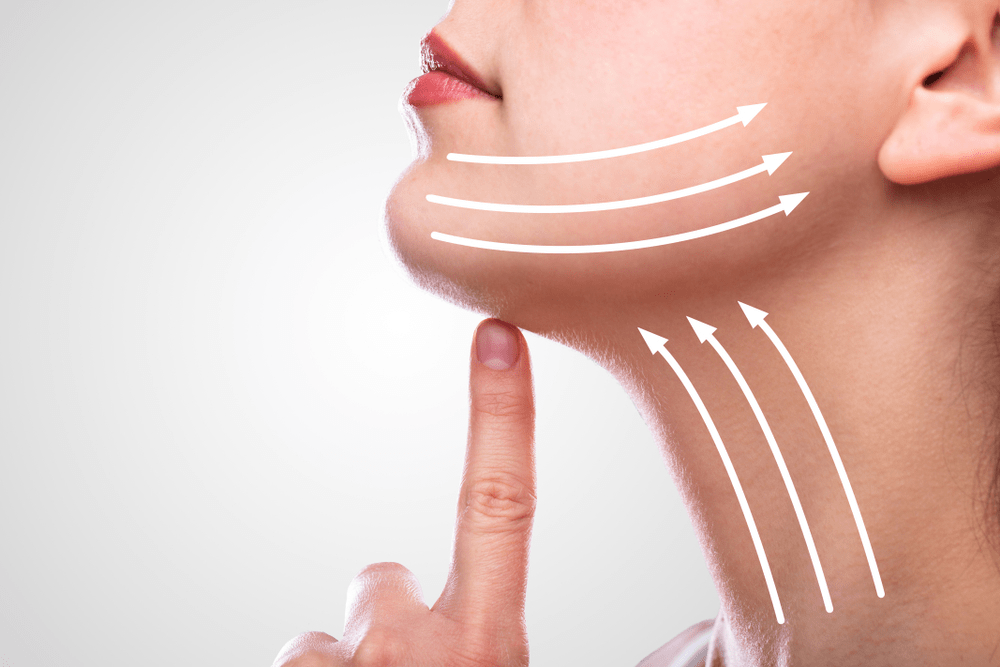
Why choose Turkey for Facial Feminization Surgery?
Turkey is a popular destination for Facial Feminization Surgery (FFS) due to its skilled surgeons, state-of-the-art facilities, and competitive prices. The country offers a safe and welcoming environment for patients, making it an ideal choice for those seeking to enhance their facial features and express their gender identity.
How experienced are the surgeons in Turkey for FFS?
The plastic surgeons in Turkey are renowned for their exceptional training and experience. Many of them have received their training at top medical institutions and hospitals in Europe and North America. They are well-versed in FFS procedures and understand the unique requirements of transgender and non-binary patients.
What are the common procedures included in FFS in Turkey?
FFS in Turkey includes a variety of procedures aimed at feminizing the facial features. These may include forehead reduction, rhinoplasty, buccal fat removal, and sometimes cheek implants.
How long is the recovery period after FFS in Turkey?
The recovery period after FFS varies depending on the individual and the extent of the surgery. However, a significant amount of healing typically takes place within the first 2 to 6 weeks following surgery. Complete recovery may take up to a year.
Are there any risks associated with FFS in Turkey?
As with any surgical procedure, FFS carries some risks. These may include bleeding, infection, poor healing of incisions, and anesthesia risks. It’s important to discuss these potential risks with your surgeon prior to the surgery.
What is the cost of Facial Feminization Surgery in Turkey?
The cost of FFS in Turkey can vary depending on the specific procedures you choose to have. On average, the cost ranges from $2,319 to $8,740. This is often more affordable than in other countries, making Turkey a popular choice for FFS.
Is FFS in Turkey covered by insurance?
Unfortunately, FFS in Turkey is typically not covered by insurance. It’s important to check with your insurance provider to understand what is and isn’t covered under your plan.
How do I choose the right FFS surgeon and clinic in Turkey?
Choosing the right surgeon and clinic for FFS in Turkey involves researching and considering factors such as the surgeon’s experience, qualifications, and patient reviews. It’s also important to consider the facilities and services offered by the clinic.
What is the consultation process like for FFS in Turkey?
The consultation process for FFS in Turkey typically involves a comprehensive discussion with the surgeon about the surgery details and your expectations. This is an opportunity for you to ask any questions you may have and for the surgeon to assess your suitability for the procedure.
Can FFS be customized to individual preferences in Turkey?
Yes, FFS is a highly individualized procedure that can be tailored to meet the specific needs and preferences of each patient. The goal is to achieve a more feminine appearance that aligns with the patient’s gender identity.
Are there any non-surgical alternatives to FFS in Turkey?
While surgical procedures are the most effective way to feminize the face, there may be non-surgical alternatives available. These could include hormone therapy or non-surgical cosmetic procedures. It’s best to discuss these options with a healthcare provider.
What is the recommended age for FFS in Turkey?
There is no specific recommended age for FFS. The decision to undergo FFS is a deeply personal one that should be made in consultation with a healthcare provider. It’s important to consider both physical and emotional readiness when deciding on FFS.
How long do the results of FFS in Turkey last?
The results of FFS are typically long-lasting. While aging and lifestyle factors can affect the results over time, the changes made during FFS are generally permanent.
What support services are available during the FFS process in Turkey?
Support services during the FFS process in Turkey may include patient education, psychological support, and post-operative care. Some clinics may also offer services such as accommodation, transportation, and translation services to international patients.
Embarking on the nuanced journey of facial transformation, this article navigates beyond the conventional spotlight on the jawline. This thorough exploration unravels the intricate tapestry of masculine facial cues, dissecting the complex interplay between various surgical interventions and their profound impact on the broader spectrum of gender medicine. From brow lifts to tracheal shaves, each procedure intricately contributes to the symphony of masculine aesthetics, resonating across the canvas of self-identity.
Decoding Masculine Facial Features
Understanding the foundation of masculine facial features transcends the jawline. While jawline enhancement and mandibular angle augmentation stand as keystones, projecting strength and character, the forehead, often overlooked, undergoes transformations through techniques like brow lift and forehead reshaping, redefining perceptions of masculinity.
Crafting Symmetry: A Surgical Ballet
Jawline Enhancement and Mandibular Angle Augmentation
The pursuit of chiseled masculinity involves a meticulous blend of interventions. Jawline enhancement and mandibular angle augmentation sculpt the lower face, creating a profile that resonates with traditional notions of masculine strength. The delicate interplay between these procedures and their impact on overall facial harmony is a nuanced dance, requiring the skilled hands of experienced surgeons.
Brow Lift and Forehead Reshaping
Elevating the gaze of masculinity involves intricate maneuvers such as the brow lift and forehead reshaping. These procedures not only redefine the upper face but contribute to an expression of dominance and confidence. Understanding the subtleties of these interventions is crucial in achieving a harmonious blend of features that encapsulate the essence of masculinity.
Genioplasty and Cheekbone Reduction
The quest for facial symmetry extends to the chin and cheeks. Genioplasty or chin augmentation transforms the focal point of facial balance, while simultaneously, addressing excessive prominence through cheekbone reduction refines facial contours. The artistry lies in achieving a cohesive result that transcends individual features, contributing to a harmonious portrayal of masculinity.
Tracheal Shave and Blepharoplasty
Beyond the realm of the lower face, attention turns to the neck and eyes. Tracheal shave, also known as Adam’s apple reduction, contributes to a smoother, less conspicuous neckline. Simultaneously, blepharoplasty tackles the upper face, addressing signs of aging and enhancing the gaze. These procedures collectively contribute to the comprehensive transformation of masculine facial features, creating a nuanced tapestry of identity.
Navigating Complexity: Ethical Considerations in Plastic Surgery
As the boundaries of gender medicine expand, ethical considerations become increasingly crucial. Practitioners in LGBTQ+ healthcare must navigate the delicate intersection of self-expression and societal expectations. Plastic surgery ethics form the bedrock of responsible practice, ensuring that interventions align with the well-being of individuals seeking gender-affirming procedures, fostering a supportive environment in the realm of body modification.

The Psychology of Transformation: Mental Health and Well-being
Understanding the psychological landscape is paramount in the realm of facial transformations. Body dysmorphic disorder casts a shadow on the quest for perfection, necessitating a thoughtful approach to patient selection and counseling. The pursuit of gender-affirming surgeries, including facial procedures, is intrinsically tied to mental health and well-being. Cosmetic surgery becomes a powerful tool in providing relief from gender dysphoria while navigating the complexities of personal identity.
Gender Affirmation and Beyond: A Holistic Perspective
The journey of gender affirmation involves a spectrum of interventions, including facial feminization surgery in the opposite direction. This comprehensive approach acknowledges the interconnectedness of procedures and the diverse needs of individuals seeking transformations. Understanding the role of transgender surgery and gender confirmation surgery is pivotal in appreciating the broader context of identity expression.


Conclusion: Beyond the Canvas
As the brushstrokes of surgical interventions shape masculine facial features, it is imperative to recognize the holistic impact on an individual’s identity. From gender dysphoria relief to the celebration of self, each procedure contributes to the broader narrative of personal transformation. In the evolving landscape of cosmetic surgery, the symphony of masculine aesthetics continues to resonate, offering individuals the power to redefine their reflection, reclaim their narrative, and find solace in the realm of gender confirmation surgery. The journey is not just about reshaping features; it’s about empowering individuals to embrace their true selves.

There are several ways to make your face appear more masculine. These include grooming habits such as maintaining a clean-shaven or well-trimmed beard, adopting a short and neat hairstyle, and maintaining good skincare. Regular exercise can also help define facial features. Some people also use makeup techniques to highlight certain masculine features.
What is masculine facial surgery?
Masculine facial surgery, also known as facial masculinization surgery, is a procedure that reshapes the facial structure to appear more masculine. It can involve changes to the cheeks, chin, forehead, nose, and throat.
How can I masculine my jaw?
There are several ways to make your jaw appear more masculine. These include facial exercises that target the jaw muscles, maintaining a healthy diet and regular exercise to reduce facial fat, and in some cases, cosmetic procedures.
What are more masculine facial features?
Masculine facial features often include a broad and square jawline, a prominent brow ridge, a wide and straight nose, and thinner lips compared to feminine facial features.
How can I masculine my face without surgery?
There are several non-surgical methods to masculinize your face. These include adopting masculine grooming habits, using makeup techniques to highlight certain features, and doing facial exercises to enhance the definition of your facial structure.
Can I make my face more masculine?
Yes, you can make your face appear more masculine through various methods such as adopting masculine grooming habits, using makeup techniques, doing facial exercises, and in some cases, undergoing cosmetic procedures.
Is a masculine face more attractive?
The attractiveness of a masculine face can vary greatly depending on individual preferences. Some people may find masculine faces more attractive, while others may prefer more feminine or androgynous features.
Is facial masculinization permanent?
Facial masculinization procedures, such as surgery, typically yield permanent changes in facial features. However, non-surgical methods may not have permanent results and may require ongoing maintenance.
What is an example of a masculine face?
An example of a masculine face often includes features such as a broad and square jawline, a prominent brow ridge, a wide and straight nose, and thinner lips.
Can you get facial masculinization surgery without testosterone?
Yes, it is possible to undergo facial masculinization surgery without taking testosterone. The decision to undergo this type of surgery is typically based on individual needs and medical advice.
Can I reshape my jaw naturally?
While you can’t change the bone structure of your jaw without surgery, you can do exercises to strengthen your jaw muscles, improve your posture, and lose weight around your face to make your jaw appear more defined.
What is filler for facial masculinization?
Fillers for facial masculinization are substances that are injected into specific areas of the face to add bulk or definition, enhancing masculine features such as a sharper and more prominent jawline or cheekbones.
What is the most masculine face shape?
The most masculine face shape is often considered to be a square or rectangular shape, characterized by a broad forehead, strong horizontal jawline, and square chin.

What makes a face attractive?
Attractiveness can be subjective and varies greatly among different cultures and individuals. However, some universally recognized features of an attractive face include symmetry, clear skin, and well-proportioned facial features.
Are feminine male faces attractive?
Yes, many people find feminine features in male faces attractive. This can include features such as fuller lips, a smaller nose, and softer jawlines.
What is a masculine jawline?
A masculine jawline is often characterized by a broad and square shape with a sharp angle at the mandible, also known as the gonial angle.
How to masculine eyes?
Eyes can be made to look more masculine by adopting grooming habits such as maintaining well-groomed eyebrows. Some people also use makeup techniques to create the illusion of deeper-set eyes.
Can my face shape be changed?
While you can’t drastically change your face shape without surgery, you can make subtle changes through weight loss, makeup techniques, and improving your posture.
Is a sharp jawline masculine?
Yes, a sharp and well-defined jawline is often considered a masculine feature.
Can I make my face attractive?
Yes, there are several ways to enhance your facial attractiveness. These include maintaining good skincare habits, adopting a healthy lifestyle, using makeup to highlight your features, and in some cases, considering cosmetic procedures.
What does gender reassignment surgery do?
Gender reassignment surgery, also known as sex reassignment surgery, involves medical procedures that alter a person’s physical appearance and existing sexual characteristics to resemble that of their identified gender.
What are the negative effects of gender reassignment surgery?
Potential negative effects can include surgical complications, negative reactions to anesthesia, infection, dissatisfaction with the aesthetic results, and psychological challenges such as ongoing gender dysphoria or regret.
How long does it take to recover from gender reassignment surgery female to male?
The recovery time can vary greatly depending on the specific procedures performed, but generally, it can take several weeks to several months for a full recovery.
What is male to female top surgery?
Male to female top surgery, also known as breast augmentation surgery, involves the use of implants or fat grafting to create breasts that align with a female gender identity.
How painful is gender reassignment?
Pain levels can vary widely from person to person and depend on the specific procedures performed. Pain is typically managed with medication and subsides over the recovery period.
How can I change my gender without surgery?
Non-surgical methods of gender transition may include hormone replacement therapy, voice training, hair removal treatments, and adopting new social and physical expressions of gender.
What is bottom surgery?
Bottom surgery refers to surgical procedures that alter the genitalia. These procedures are designed to align the individual’s physical appearance with their identified gender.
How much does top surgery cost?
The cost of top surgery can vary widely depending on factors such as the specific procedure, the surgeon’s experience, geographic location, and whether insurance covers the procedure. It can range from several thousand to tens of thousands of dollars.
Can you feel your nipples after top surgery?
Sensation in the nipples can vary after top surgery. Some people may experience a decrease or loss of sensation, while others may maintain or regain sensation over time.
What is breast fold?
The breast fold, or inframammary fold, is the crease where the lower part of the breast meets the chest wall.
How painful is top surgery?
Pain from top surgery typically peaks in the first few days after the procedure and then gradually decreases. Pain can be managed with medications and typically subsides over the recovery period.
How long does it take to transfer from female to male?
The process of transitioning from female to male varies greatly depending on individual circumstances and may include steps such as therapy, hormone replacement therapy, and various surgeries. It can take several years for some individuals.
How much does top surgery cost UK?
In the UK, the cost of top surgery can range from £5,000 to £9,000 if done privately. However, costs can vary depending on the specific procedure and surgeon.
Can gender dysphoria go away?
Gender dysphoria can potentially lessen or resolve over time, particularly with supportive interventions such as gender-affirming therapy, hormone treatment, and/or surgery. However, it does not simply go away on its own and often requires treatment.
Does bottom surgery hurt after?
As with any surgery, some pain and discomfort are expected after bottom surgery. Pain is typically managed with medications and generally decreases over the recovery period.
Can top surgery be reversed?
While some surgical procedures can be reversed or revised, top surgery is typically considered permanent. Any attempts to reverse it would require additional surgery and carry potential risks.
What does Cisgender female mean?
A cisgender female is a person who was assigned female at birth and identifies as female.
How much is top surgery in Turkey?
The cost of top surgery in Turkey can vary widely, but it is generally less expensive than in many other countries. The exact cost depends on the specific procedure and the clinic.
Is top surgery risky?
As with any surgery, top surgery carries potential risks, including reactions to anesthesia, infection, bleeding, scarring, and dissatisfaction with the aesthetic results. However, these risks are generally low for healthy individuals and can be further minimized by choosing a qualified and experienced surgeon.
Have you ever longed for a facial profile that reflects your inner strength and masculinity? Do you desire features like a stronger jawline, sharper cheekbones, and a prominent Adam’s apple? If so, facial masculinization surgery (FMS) can be the transformative key you seek. And where better to embark on this journey than in the sun-drenched city of Antalya, Turkey, renowned for its world-class medical facilities, all-inclusive packages, and unwavering commitment to patient care?
Why Choose Antalya for Your FMS Journey?
Beyond its breathtaking natural beauty and rich cultural tapestry, Antalya boasts several compelling reasons to choose it for your FMS procedure:
Experienced and skilled surgeons: Antalya is home to board-certified plastic surgeons specializing in facial aesthetics and FMS. Their extensive expertise and meticulous attention to detail ensure natural-looking, harmonious results that align with your desired masculinity.
Advanced technology and facilities: Cutting-edge technology like 3D imaging and computer-aided design are utilized to create a personalized surgical plan, maximizing the precision and efficacy of your procedure.
Competitive costs and all-inclusive packages: Antalya offers significantly lower costs compared to other destinations, often accompanied by comprehensive packages that cover everything from consultations and surgery to accommodation and post-operative care.
Focus on patient well-being: Clinicians in Antalya prioritize your comfort and peace of mind throughout your journey. From dedicated patient coordinators to multilingual support staff, you’ll receive personalized attention and guidance every step of the way.
Exploring the Spectrum of FMS Procedures:
FMS encompasses a range of surgical techniques to enhance your masculine features:
Brow bone shaving: Creates a more prominent brow ridge, adding definition and masculinity to the upper face.
Forehead contouring: Reduces forehead height and softens rounded features, creating a more angular and masculine profile.
Hairline lowering: Lowers the hairline to balance facial proportions and accentuate a masculine brow.
Rhinoplasty: Reshapes the nose for a more masculine profile, with a defined bridge and a sharper tip.
Jawline augmentation: Adds definition and volume to the jawline, creating a stronger and more chiseled appearance.
Chin augmentation: Enlarges and projects the chin, balancing facial proportions and enhancing masculinity.
Genioplasty: Advances the chin bone for a more prominent and masculine profile.
Trachea shave: Reduces the prominence of the Adam’s apple, creating a smoother and more masculine neck contour.
Adam’s apple creation: Implants a prosthetic Adam’s apple for patients who desire a more masculine voice and neck appearance.
Beyond the Scalpel: A Holistic Approach to Masculinity
FMS is just one facet of your journey towards a more masculine self. Antalya’s clinics offer a holistic approach, incorporating non-surgical options like:
Botox injections: Relax facial muscles to soften wrinkles and create a more defined jawline.
Dermal fillers: Enhance facial contours and add volume to areas like the chin and cheeks for a more masculine appearance.
Testosterone therapy: Replenish testosterone levels to support muscle growth, deepen your voice, and enhance masculine characteristics.
Antalya: A City of Firsts and Successful Transformations
Antalya is a city steeped in innovation and medical breakthroughs. It is here that pioneering surgeons perform first-of-their-kind procedures and achieve remarkable transformations. This spirit of innovation translates into a continuously evolving field of FMS, ensuring you receive the most advanced and effective techniques available.
More than just a surgery destination, Antalya welcomes you with open arms. Imagine strolling along the vibrant beaches, exploring ancient ruins, and savoring the local cuisine, all while undergoing a transformative journey towards your desired masculine image.
Ready to Unveil Your Strength: Taking the First Step
If the call to embrace your masculine potential resonates with you, Antalya awaits. Schedule a consultation with a board-certified surgeon in Antalya and embark on a journey of self-discovery, enhanced confidence, and a face that reflects your inner strength.
Remember, FMS is a personal decision, and it’s crucial to choose a surgeon and clinic that aligns with your values and expectations. Do your research, ask questions, and trust your instincts. Antalya’s welcoming atmosphere and commitment to patient well-being will guide you every step of the way.
So, what are you waiting for? Antalya beckons. Unveil your masculine potential and step into a future sculpted by confidence and self-expression.
Embracing Transformation: Post-Operative Care and Beyond
The journey to a more masculine you doesn’t end with the surgery. The post-operative care in Antalya is designed to ensure a smooth and comfortable recovery, allowing you to focus on embracing your newfound confidence.
A Tailored Recovery Plan:
Dedicated aftercare: Your surgeon and a team of experienced nurses will monitor your progress closely, providing personalized guidance and addressing any concerns you may have.
Pain management: A carefully tailored medication plan ensures minimal discomfort and a relaxed recovery period.
Wound care: Gentle cleansing and dressing changes promote optimal healing and minimize scarring.
Nutritional support: A dietician will guide you on a nutrient-rich diet to support tissue repair and overall well-being.
Psychological support: Understanding the emotional aspects of facial masculinization is crucial. Antalya offers access to counseling services to help you navigate any anxieties or self-image adjustments.
Stepping into Your New Masculinity:
As you heal, it’s natural to experience a wave of emotions. The initial swelling will gradually subside, revealing the sculpted features that embody your desired masculinity. This is a time to celebrate your transformation and embrace the confidence that comes with it.
Social support: Antalya’s welcoming community provides a safe and understanding environment for you to connect with others who have undergone similar journeys.
Discovering your style: Explore new fashion choices that complement your new facial features and express your unique sense of masculinity.
Grooming and skincare: Embracing a consistent routine for facial hair and skin care enhances your masculine appearance and reinforces your commitment to self-care.
Beyond the Physical: A Journey of Self-Discovery
FMS is not merely a cosmetic procedure; it can be a catalyst for a deeper transformation. As you navigate your new masculine image, you may discover newfound confidence in your personal and professional life.
Enhanced communication: A stronger jawline and a deeper voice can project a sense of authority and inspire confidence in your interactions.
Breaking stereotypes: Challenging traditional beauty standards and embracing your authentic masculinity can empower you to inspire others.
Building resilience: The journey of FMS fosters strength and resilience, preparing you to face challenges with newfound determination.
Antalya: Your Partner in Transformation
From the initial consultation to the post-operative care and beyond, Antalya’s medical professionals and welcoming community are dedicated to supporting your journey every step of the way. You’ll leave not just with a sculpted face, but also with a sense of empowerment and a renewed understanding of your own strength and potential.
So, are you ready to unveil the masculine you? Antalya awaits, with open arms and a commitment to helping you sculpt your confidence and embrace a future that reflects your authentic self.
Remember, this is your story. Write it with courage, self-acceptance, and the unwavering support of Antalya’s medical experts.
Antalya: More than just a Destination, a Catalyst for Change
FMS in Antalya transcends the realm of cosmetic surgery. It’s a platform for self-discovery, confidence building, and embracing your authentic self. Whether you seek a stronger jawline, a deeper voice, or a face that reflects your inner strength, Antalya welcomes you with open arms and a commitment to guiding you through every step of your journey.
So, are you ready to answer the call of your inner masculinity? Antalya awaits, ready to partner with you in crafting a story of transformation, self-acceptance, and a future sculpted by confidence.
Remember, your journey begins with a single step. Take that step today, and let Antalya unveil your true potential.
Beyond Antalya: A Legacy of Empowerment and Acceptance
Antalya’s FMS journey extends beyond the city limits, leaving a lasting legacy of empowerment and acceptance. As individuals who have undergone FMS in Antalya return to their communities, they carry with them a newfound sense of confidence and self-acceptance, inspiring others to embrace their own unique expressions of masculinity.
Ripple Effects of Transformation:
Breaking stereotypes: Visible transformations challenge traditional beauty standards and pave the way for broader acceptance of diverse masculinities.
Embracing individuality: FMS empowers individuals to prioritize their well-being and self-expression, inspiring others to do the same.
Open dialogue: Sharing experiences fosters open conversations about body image, identity, and the role of surgery in self-expression.
Building communities: Connecting with others who have undergone similar journeys creates a network of support and understanding.
Antalya as a Catalyst for Change:
The city’s commitment to innovation and patient-centric care has positioned it as a global leader in FMS. This leadership extends beyond its borders, influencing trends and practices in the field of facial aesthetics worldwide.
Sharing expertise: Antalya’s surgeons and medical professionals actively participate in conferences and workshops, disseminating their knowledge and techniques to a global audience.
Developing new technologies: The city’s innovative spirit fosters research and development in facial sculpting and skeletal contouring, leading to advancements that benefit patients worldwide.
Raising awareness: Antalya’s success stories and open communication about FMS contribute to a broader understanding of this transformative procedure and its potential benefits.
Embracing Your Authentic Self
The legacy of Antalya’s FMS journey is a call to action for all of us. It is a reminder that we each have the power to embrace our authentic selves, regardless of societal expectations or limitations. Whether you choose to pursue FMS or not, the lessons learned in Antalya can inspire you to:
Prioritize your well-being and self-acceptance.
Challenge societal norms and embrace diversity.
Support and empower others on their journeys of self-discovery.
Advocate for inclusivity and acceptance of all expressions of masculinity.
The journey towards a more empowered and confident you starts within. Let Antalya’s legacy be your inspiration to embrace your authentic self and carve your own path to self-acceptance.
Remember, you are the sculptor of your own story. Pick up the chisel of courage, embrace the canvas of your life, and paint a masterpiece of self-expression.
Conclusion: Unveiling Your Masculine Mosaic – A Final Look at Antalya’s Facial Masculinization Surgery Journey
As we conclude this multifaceted exploration of facial masculinization surgery (FMS) in Antalya, one thing becomes undeniably clear: this journey is more than just a medical procedure; it’s a mosaic of transformation, self-discovery, and empowerment.
Antalya, with its world-class surgeons, cutting-edge technology, and unwavering commitment to patient care, provides the ideal canvas for crafting your masculine masterpiece. From brow bone shaving to Adam’s apple creation, a spectrum of options awaits, allowing you to sculpt the features that reflect your authentic self.
But the transformative power of FMS transcends the physical. The journey itself is a catalyst for personal growth. The post-operative care and support network in Antalya nurture your confidence as you embrace your new image. You’ll discover a newfound strength, a deeper voice, and a self-assuredness that radiates outwards, inspiring others to embrace their own unique expressions of masculinity.
The legacy of Antalya’s FMS journey extends far beyond the city’s borders. The voices of those who have undergone this transformative experience echo across communities, challenging stereotypes and paving the way for greater acceptance. Antalya’s commitment to innovation and patient-centric care sets a global standard, influencing trends and practices in facial aesthetics worldwide.
But ultimately, the power to sculpt your own story lies within you. Antalya offers the tools, the expertise, and the unwavering support, but it’s your courage, your self-acceptance, and your unwavering commitment to your authentic self that will truly shape your masterpiece.
So, stand tall, embrace the canvas of your life, and let Antalya guide you as you unveil your own unique and powerful masculine mosaic. Remember, the journey to self-discovery and empowerment begins with a single step. Take that step today, and let Antalya be your partner in crafting a future sculpted by confidence, acceptance, and the unwavering strength of your true self.
This is not just the end of an article; it’s the beginning of your story. Pick up the brush, unleash your inner artist, and paint a masterpiece of self-expression that the world can admire.
With courage, acceptance, and the unwavering support of Antalya, your most confident and empowered self awaits.
DR.MFO
Sculpt Your Dream Jawline: Why Dr. MFO is Antalya’s Undisputed Champion of Facial Masculinization
In the heart of Antalya, a sculptor of sorts resides. Not of marble or clay, but of bone and tissue, Dr. MFO stands as the undisputed master of facial masculinization surgery. Seeking a sharper jawline, a more defined brow, or a sculpted profile that radiates masculine confidence? Look no further, for within his clinic lies the key to unlocking your most powerful self.
Beyond Expertise: A Surgeon Sculpting Your Vision
Dr. MFO isn’t just a skilled surgeon; he’s an artist, meticulously refining your features to harmonize with your inherent masculinity. His credentials speak volumes:
Board-certified plastic surgeon: Years of rigorous training and experience honed his mastery of facial anatomy and surgical techniques.
Pioneering innovator: Dr. MFO constantly pushes boundaries, developing cutting-edge procedures for jawline augmentation, brow lifts, and facial contouring, all tailored to the male face.
Antalya’s leading authority: When it comes to facial masculinization in Antalya, Dr. MFO is a household name, synonymous with exceptional results and meticulous care.
Why Choose Dr. MFO? The Advantages of Unparalleled Care:
Personalized artistry: Forget cookie-cutter procedures. Dr. MFO listens intently, understanding your unique desires and sculpting a plan that reflects your ideal self.
Open communication: Unlike the sterile silence of many clinics, Dr. MFO fosters open dialogue, ensuring you’re informed and empowered every step of the way.
Unwavering commitment: From the initial consultation to post-operative recovery, Dr. MFO’s dedication to your satisfaction is unwavering.
Beyond Skill: The Dr. MFO Difference
Technical prowess is only one facet of Dr. MFO’s brilliance. He prioritizes:
Natural-looking enhancements: No exaggerated features or jarring masculinity. Dr. MFO sculpts subtle yet impactful changes that seamlessly blend with your existing bone structure.
Minimally invasive techniques: Advanced, scar-minimizing procedures ensure faster recovery and a discreet journey towards your desired look.
Holistic approach: Dr. MFO understands that facial harmony extends beyond individual features. He considers your overall facial balance, ensuring a cohesive and powerful result.
Remember, in Antalya, the path to sculpted masculinity leads to one door: Dr. MFO’s.
The allure of almond-shaped eyes transcends gender. In men, these eyes exude an air of sophistication, confidence, and youthful vitality. No wonder, male almond eye surgery has emerged as a sought-after procedure, subtly enhancing facial harmony and boosting self-esteem. But is it right for you? Let’s delve into the world of masculine eye aesthetics, exploring the possibilities and considerations involved.
Can Men Achieve the Coveted Almond Eye Look?
Absolutely! Canthoplasty, a surgical technique that lengthens and tilts the lateral canthus (outer corner of the eye), is the key to achieving the coveted almond shape. This procedure can address downward-sloping eyes, droopy eyelids, or epicanthal folds (skin folds covering the inner corner of the eye), all features that can detract from a youthful and alert appearance.
Why Do Men Choose Almond Eye Surgery?
Beyond aesthetics, almond eyes convey positive social cues. Studies suggest they are perceived as more trustworthy, competent, and approachable. This can be particularly advantageous in professional settings or social interactions. Additionally, almond eyes can balance facial features, creating a harmonious and masculine profile.
Beyond Canthoplasty: A Spectrum of Options
While canthoplasty is a popular choice, a spectrum of surgical and non-surgical options cater to diverse needs:
Blepharoplasty: Addresses excess eyelid skin and puffiness, creating a brighter and more youthful look.
Double eyelid surgery: Creates a visible eyelid crease, enhancing depth and definition to the eyes.
Epicanthal fold reduction: Minimizes skin folds covering the inner corner of the eye, creating a wider and more open appearance.
Unveiling the Journey: Recovery and Downtime
Recovery from male almond eye surgery is typically straightforward. Expect mild swelling and bruising around the eyes, subsiding within a week or two. Stitches, if used, are usually removed within a few days. While downtime is minimal, it’s crucial to prioritize rest and follow your surgeon’s instructions for optimal healing.
Cost and Affordability: A Calculated Investment
The cost of male almond eye surgery varies depending on the surgeon’s expertise, location, and specific procedures involved. Consultations with board-certified surgeons are crucial for obtaining accurate estimates. Remember, investing in your well-being and confidence can be priceless. Explore financing options if needed, and prioritize finding a qualified surgeon over solely focusing on cost.
Before and After: Visualizing the Transformation
Before and after photos can be a valuable resource in your decision-making process. However, remember that individual results vary based on facial anatomy and chosen procedures. Focus on the natural and subtle enhancements achievable, not chasing unrealistic ideals.
Risks and Complications: Informed Consent is Key
As with any surgery, risks and complications exist, though rare. These include infection, bleeding, scarring, and temporary changes in tear production. Open communication with your surgeon is essential to understand potential risks and ensure informed consent.
Beyond the Scalpel: Non-Surgical Alternatives
Not everyone is ready for surgery. Thankfully, non-surgical options like Botox injections, fillers, and strategically applied makeup can subtly enhance eye shape and create a more youthful appearance.
The Importance of Consultation: Finding Your Perfect Match
Choosing the right surgeon is paramount. Seek consultations with board-certified plastic surgeons specializing in facial aesthetics and male procedures. Prioritize a surgeon who listens to your concerns, understands your goals, and offers realistic expectations.
While almond eye surgery can enhance your appearance, it’s crucial to remember that authentic beauty lies beyond physical attributes. Embrace your unique features, cultivate self-confidence from within, and focus on overall well-being.
Long-Term Results: A Lasting Investment in Yourself
With proper care and realistic expectations, male almond eye surgery can offer long-term benefits. Enjoy brighter, more youthful eyes that exude confidence and enhance your overall facial harmony.
Patient Reviews and Testimonials: Unbiased Insights
Reading patient reviews and testimonials can provide valuable insights into the experiences of others who have undergone similar procedures. Look for genuine accounts that highlight both the positive aspects and potential challenges.
The Psychological Impact: Beyond Aesthetics
The psychological impact of male almond eye surgery can be significant. Increased confidence, improved self-perception, and a more positive self-image are often reported benefits. Remember, however, that true self-acceptance and well-being stem from within.
Expanding Horizons: Beyond Western Beauty Ideals and Embracing Diversity
The pursuit of beauty is a universal human experience, but how we define and achieve it is shaped by our cultural background and societal norms. In the context of male almond eye surgery, it’s crucial to acknowledge that Western beauty ideals are not the sole standard. Embracing diversity in beauty and recognizing the power of cultural perspectives can lead to a more nuanced and inclusive understanding of this transformative procedure.
Beyond the Almond Ideal:
While almond-shaped eyes are often lauded in Western culture, other cultures celebrate different features. Round eyes, for instance, are considered youthful and expressive in many Asian cultures. Hooded eyes, characterized by a fold of skin covering the upper eyelid, are embraced for their mysterious and alluring qualities in some European cultures. Recognizing and appreciating these diverse perspectives broadens our definition of beauty and challenges the notion of a single, universal standard.
Cultural Influences on Procedure Preferences:
Cultural preferences can also influence the specific procedures men seek. In South Korea, double eyelid surgery is a popular choice, creating a visible crease that is associated with modernity and attractiveness. In Brazil, blepharoplasty to address under-eye puffiness is commonly desired, as it aligns with the cultural emphasis on youthful vibrancy. Understanding these cultural nuances can help both patients and surgeons tailor procedures to achieve results that are harmonious with individual preferences and cultural expectations.
Breaking Free from Stereotypes:
The pursuit of male aesthetic enhancements should not be solely driven by the desire to conform to narrow beauty ideals. It’s important to challenge harmful stereotypes that associate masculinity with ruggedness and stoicism and silence the need for men to care for their appearance. Embracing healthy masculinity encourages men to prioritize their well-being, both physical and mental, and to make choices that enhance their confidence and self-expression, regardless of cultural expectations.
Celebrating Individuality:
Ultimately, the success of male almond eye surgery, or any aesthetic procedure for that matter, lies in celebrating individuality. While some may seek to achieve the “almond eye” look, others may prioritize different enhancements that align with their unique features and cultural background. The key is to approach these procedures with self-acceptance and a desire to refine, not redefine, one’s natural beauty.
Finding Harmony within Diversity:
By acknowledging and embracing diverse cultural perspectives on beauty, we can move beyond a singular, Westernized ideal. This fosters a more inclusive and understanding environment where men can seek aesthetic enhancements that complement their unique features, cultural background, and personal preferences. Ultimately, celebrating the spectrum of beauty allows us to appreciate the richness and complexity of human expression, both within and across cultures.
In Part 2 of this guide, we’ll delve deeper into the practical aspects of male almond eye surgery, exploring specific procedures, risks and complications, and post-operative care. Stay tuned for valuable insights and informed decision-making tools to help you navigate your journey towards a look that reflects your confidence and inner beauty.
Delving Deeper: The Practicalities of Male Almond Eye Surgery
Part 2 of this comprehensive guide dives into the nuts and bolts of male almond eye surgery. We’ll explore the specific procedures involved, potential risks and complications, and essential post-operative care tips. Armed with this knowledge, you can make informed decisions about this transformative procedure and embark on your journey with confidence.
Unveiling the Toolbox: A Spectrum of Procedures
Male almond eye surgery encompasses a range of techniques, each addressing different concerns:
Canthoplasty: The star of the show, canthoplasty lengthens and tilts the outer corner of the eye, creating the coveted almond shape.
Lateral Canthal Tilt: This variation of canthoplasty focuses solely on tilting the outer corner of the eye upwards, ideal for addressing downward-sloping eyes without significantly lengthening the eye shape.
Blepharoplasty: This procedure removes excess skin and fat from the upper and lower eyelids, combating puffiness and creating a brighter, more youthful appearance.
Double Eyelid Surgery: This technique creates a visible crease in the upper eyelid, enhancing depth and definition, particularly desired in cultures where monolids are common.
Ptosis Correction: This procedure lifts drooping eyelids, improving vision and overall facial aesthetics.
Epicanthal Fold Reduction: This technique minimizes skin folds covering the inner corner of the eye, creating a wider and more open appearance.
Navigating the Risks and Complications:
While generally safe, male almond eye surgery carries potential risks like any surgical procedure. Open communication with your board-certified surgeon is key to understanding and mitigating these risks:
Infection: Proper sterilization techniques and meticulous post-operative care minimize this risk.
Bleeding: Minor bleeding is common and easily controlled.
Scarring: Scarring is usually minimal and fades over time.
Asymmetry: Choosing an experienced surgeon and following post-operative instructions diligently helps ensure symmetrical results.
Dry Eyes: Temporary dryness is common, addressed with lubricating eye drops.
Vision Changes: In rare cases, temporary vision changes may occur, usually resolving on their own.
Charting the Recovery Course: Post-Operative Care Essentials
Following your surgeon’s post-operative instructions is crucial for optimal healing and minimizing discomfort:
Cold Compresses: Reduce swelling and bruising in the days following surgery.
Elevation: Keep your head elevated while sleeping to further reduce swelling.
Eye Drops: Use lubricating eye drops to combat dryness.
Avoid Strenuous Activity: Rest and avoid strenuous activities for the recommended period.
Sun Protection: Protect your eyes and incisions from sun exposure.
Gentle Cleansing: Keep the incision area clean with gentle washes as instructed by your surgeon.
Minding the Cost: Financial Considerations
The cost of male almond eye surgery varies depending on several factors, including:
Surgeon’s experience and expertise
Location of the practice
Specific procedures involved
Anesthesia fees
Openly discuss cost with your surgeon and explore financing options if needed. Remember, prioritizing a qualified surgeon over solely focusing on cost ensures optimal results and minimizes risks.
Beyond the Surgery: Building Confidence from Within
Male almond eye surgery can be a transformative experience, but true confidence and self-acceptance stem from within. Cultivate self-love by:
Focusing on your strengths and positive qualities.
Embracing your unique features and cultural background.
Prioritizing overall well-being through healthy habits.
Practicing gratitude and positive affirmations.
Remember, the pursuit of external beauty should complement, not define, your inner worth.
Achieve the Alluring Almond Eye: Why Choose Dr. MFO for Your Male Eyelid Surgery?
For men seeking a subtle yet impactful enhancement to their appearance, almond eye surgery can be a transformative procedure. But with so many options available, choosing the right surgeon is crucial.
Introducing Dr. MFO: A recognized leader in male eyelid surgery, Dr. MFO offers a unique blend of expertise, experience, and personalized care that sets him apart. Here’s why discerning men choose Dr. MFO for their almond eye journey:
Unmatched Expertise:
Board-certified plastic surgeon: Dr. MFO possesses extensive qualifications and years of experience in facial plastic surgery, with a specific focus on enhancing the male gaze.
Pioneering techniques: Dr. MFO is renowned for his innovative approach to almond eye surgery, constantly refining his methods to achieve natural, harmonious results.
Male-specific understanding: Unlike surgeons who primarily treat female patients, Dr. MFO understands the nuances of male facial anatomy and tailors his procedures accordingly.
Benefits of Direct Care:
Personalized consultations: Unlike agencies, Dr. MFO dedicates himself to understanding your individual goals and concerns, ensuring a tailored surgical plan.
Open communication: You’ll have direct access to Dr. MFO throughout your journey, fostering trust and ensuring all your questions are answered.
Unwavering commitment: Dr. MFO is personally invested in your satisfaction, providing meticulous care and follow-up to ensure optimal healing and outcomes.
Beyond Expertise: The Dr. MFO Difference
Dr. MFO’s dedication goes beyond technical skill. He prioritizes:
Natural-looking results: Dr. MFO emphasizes subtle enhancements that harmonize with your existing features, preserving your masculine identity.
Minimally invasive techniques: He utilizes advanced, minimally invasive procedures for faster recovery and reduced scarring.
Unwavering support: Dr. MFO and his team provide compassionate care and guidance before, during, and after your surgery.
Ready to unlock your captivating almond eyes?
Schedule a consultation with Dr. MFO today and experience the difference.
Remember, your eyes are the windows to your soul. Trust Dr. MFO to help them shine with captivating allure.
Male almond eye surgery can be a valuable tool for enhancing facial aesthetics and boosting confidence. By carefully considering your goals, choosing a qualified surgeon, and prioritizing informed decision-making, you can embark on this journey with a clear understanding of the possibilities and potential challenges. Remember, true beauty lies in embracing your individuality and cultivating self-acceptance from within.
We hope this comprehensive guide has empowered you with the knowledge and resources to make informed choices about male almond eye surgery. Should you have further questions or require additional guidance, reach out to a board-certified plastic surgeon specializing in facial aesthetics and male procedures.
Stay tuned for further content exploring topics like non-surgical alternatives, makeup and styling tips for enhancing eye appearance, and resources for building confidence and embracing healthy masculinity.