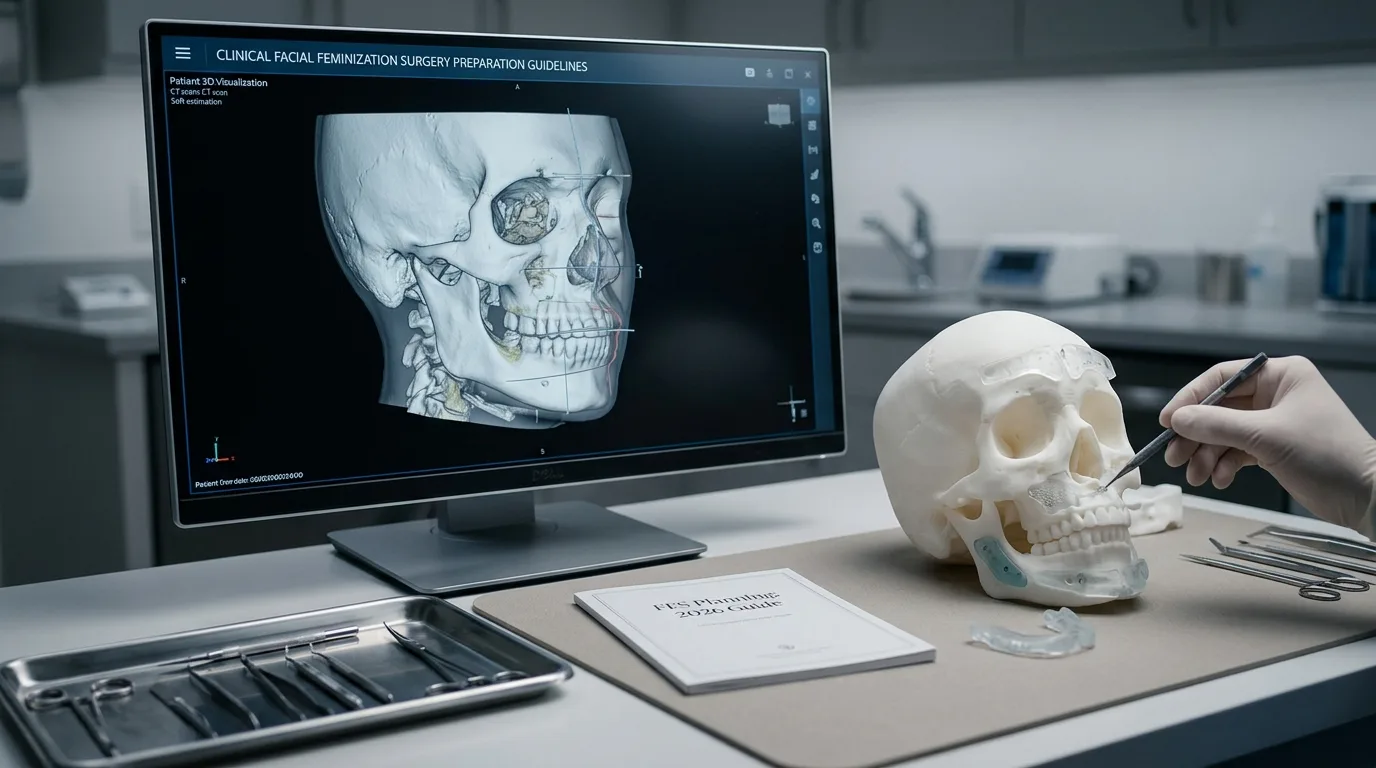
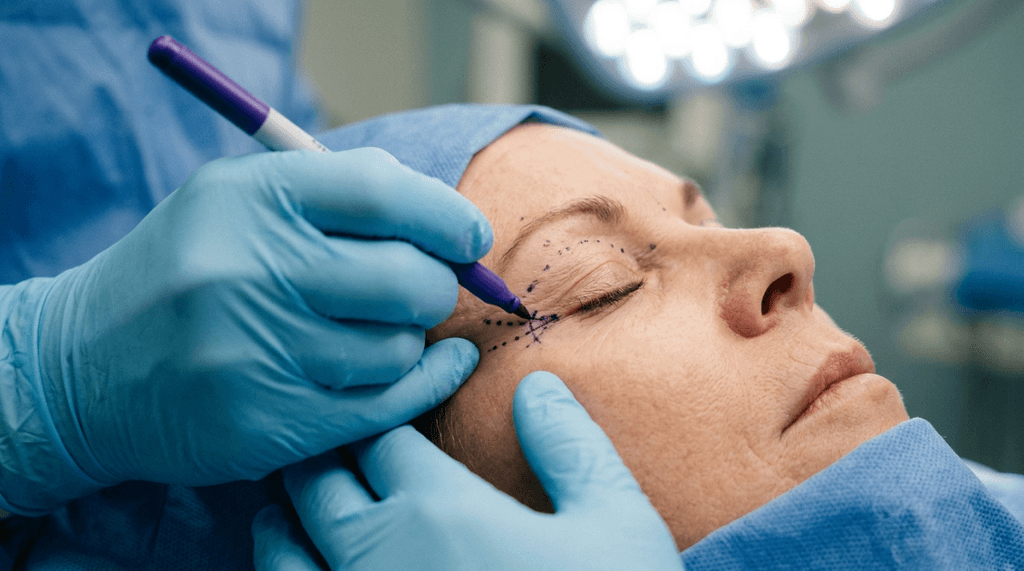
The pursuit of feminine facial aesthetics has led to the rise of specialized procedures such as canthopexy, canthoplasty, and temporal lift—collectively known as cat eye surgery or fox eye lift. These techniques, particularly when integrated into Facial Feminization Surgery (FFS), aim to elevate the lateral canthus, tighten the temporal fascia, and create a badem (almond-shaped) eye that exudes both elegance and femininity. Unlike generic cosmetic trends, these procedures are grounded in anatomical precision, surgical innovation, and patient-specific customization, making them a cornerstone of modern aesthetic and gender-affirming surgery.
This article explores the medical, anatomical, and aesthetic principles behind cat eye surgery (canthopexy), fox eye lift (temporal lift), and their integration into FFS for feminine eye contouring. We will dissect the surgical techniques, clinical outcomes, patient selection criteria, and recovery protocols, supported by peer-reviewed literature and official medical guidelines.

Table of Contents
The Anatomy of Feminine Eye Aesthetics: Understanding the Lateral Canthus and Temporal Region
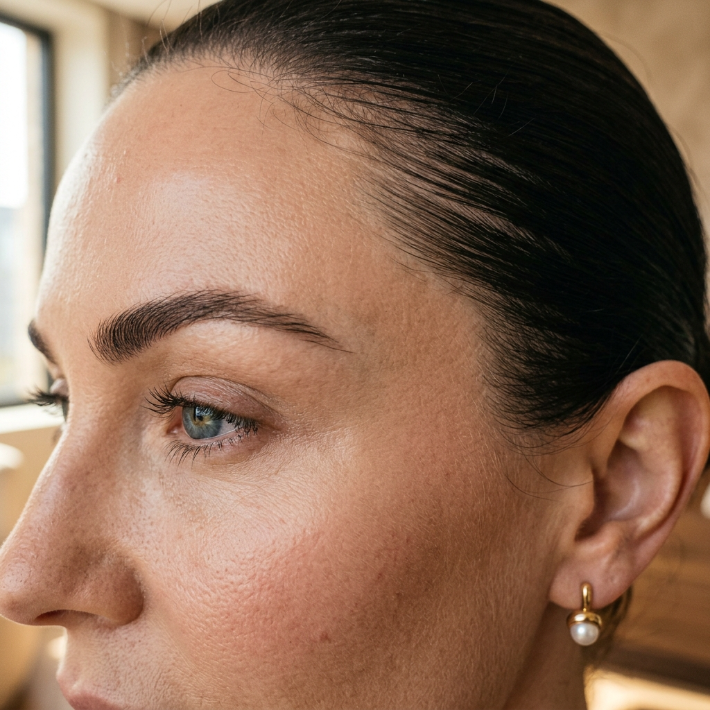
The lateral canthus—the outer corner of the eye—plays a pivotal role in defining eye shape, expression, and perceived gender. In feminine facial anatomy, the lateral canthus is typically higher than the medial canthus, creating a positive canthal tilt that contributes to the almond-shaped (badem) eye (Choe et al., 2021). This upward tilt is a hallmark of youth, vitality, and femininity, whereas a negative or neutral canthal tilt (where the lateral canthus is at or below the level of the medial canthus) is often associated with aging, fatigue, or masculinity (American Society of Plastic Surgeons [ASPS], 2024).
Key Anatomical Landmarks
| Structure | Role in Feminine Aesthetics | Clinical Relevance |
|---|---|---|
| Lateral Canthal Tendon | Anchors the lower eyelid to the orbital rim; its position and tension define eye shape. | Canthopexy and canthoplasty directly modify this structure to elevate the lateral canthus. |
| Temporal Fascia | Connects the temporal muscle to the orbital rim and cheekbone; its vector pull affects brow and eye position. | Temporal lift repositions this fascia to lift the outer brow and lateral canthus. |
| Orbicularis Oculi Muscle | Encircles the eye; its tone and elasticity influence eyelid support and shape. | Lateral canthopexy often involves suturing this muscle to reinforce the new canthal position. |
| Superficial Musculoaponeurotic System (SMAS) | A fibrous network that connects facial muscles to the skin; critical for midface lifting. | Temporal facelift techniques often dissect above the SMAS to achieve comprehensive elevation. |
The temporal region—comprising the temporal fascia, fat pads, and the lateral orbital rim—is equally critical. Aging, gravity, and genetic factors can cause ptosis (drooping) of the lateral brow and temple, leading to a heavy, tired, or masculine appearance (ASPS, 2024). Temporal lift procedures address this by repositioning the deep temporal fascia and suspending the lateral brow, thereby restoring a youthful, feminine contour (Vj9EfCn5, 2026).
Canthopexy vs. Canthoplasty: Surgical Techniques for Lateral Canthus Elevation
The terms canthopexy and canthoplasty are often used interchangeably in popular discourse, but they represent distinct surgical approaches with unique indications, techniques, and outcomes.
Canthopexy: The Minimally Invasive Lift
Canthopexy is a less invasive procedure that tightens and repositions the lateral canthal tendon without detaching it from the orbital rim (LojuYWxk, 2025). It is ideal for patients with mild to moderate lateral canthal laxity who seek a subtle lift with minimal downtime.
Technique
- Incision Placement:
- A small, hidden incision is made within the lateral canthus or along the lower eyelid (transconjunctival or subciliary approach).
- Alternatively, an upper blepharoplasty incision may be used if combined with eyelid surgery.
- Tendon Repositioning:
- The lateral canthal tendon is identified and tightened using non-absorbable sutures (e.g., Prolene or Gore-Tex).
- The tendon is secured to the periosteum of the lateral orbital rim at a higher position, creating an upward tilt.
- Support Reinforcement:
- The orbicularis oculi muscle may be plicated (folded and sutured) to reinforce the new canthal position and prevent postoperative laxity.
Advantages
✅ Minimal scarring (incisions are hidden within natural creases). ✅ Shorter recovery (1–2 weeks for swelling to subside). ✅ Lower risk of complications (e.g., ectropion, scleral show). ✅ Preserves natural eye function (no disruption to the canthal tendon’s attachment).
Limitations
❌ Less dramatic lift compared to canthoplasty. ❌ Not suitable for severe canthal laxity or significant eye shape changes.
Clinical Outcomes
- A 2003 study by Flowers (W6k2Xx0n) found that routine lateral canthopexy in lower blepharoplasty reduced lid malposition rates to 3.5% (compared to higher rates without canthal support).
- ASPS (rJJaEwyx, 2024) notes that canthopexy is preferred for patients seeking subtle, natural-looking results with minimal recovery time.
Canthoplasty: The Transformative Reshaping
Canthoplasty is a more invasive procedure that detaches, repositions, and reattaches the lateral canthal tendon to achieve a more dramatic lift and elongation of the eye opening (ASPS, 2024). It is often referred to as “cat eye surgery” due to its ability to create a feline-like, almond-shaped eye.
Technique
- Lateral Canthotomy:
- A full-thickness incision is made at the lateral canthus, severing the canthal tendon from its attachment to the orbital rim.
- Tendon Repositioning:
- The canthal tendon is mobilized and repositioned superolaterally (upward and outward) to elongate the eye opening.
- The new position is secured with permanent sutures to the periosteum of the lateral orbital rim.
- Additional Adjustments:
- Lower eyelid shortening (if excess skin is present).
- Fat repositioning or removal (to address under-eye bags).
- Midface lift integration (for comprehensive rejuvenation).
Advantages
✅ More dramatic lift (ideal for patients seeking a pronounced “cat eye” or “fox eye” look). ✅ Longer-lasting results (due to tendon reattachment). ✅ Can address severe canthal laxity and eyelid malposition.
Limitations
❌ Higher risk of complications (e.g., ectropion, scleral show, asymmetry). ❌ Longer recovery (2–4 weeks for swelling and bruising to resolve). ❌ More invasive (requires greater surgical precision).
Clinical Outcomes
- A 2024 ASPS article (rJJaEwyx) highlights that canthoplasty is more effective for patients with significant lateral canthal ptosis but carries a higher risk profile.
- Dr. Calvert (ASPS, 2024) notes that canthoplasty is often combined with a mid-facelift and brow lift to achieve the “celebrity fox eye” look.

Comparative Analysis: Canthopexy vs. Canthoplasty
| Parameter | Canthopexy | Canthoplasty |
|---|---|---|
| Invasiveness | Minimally invasive | More invasive |
| Tendon Modification | Tightened, not detached | Detached and reattached |
| Lift Degree | Subtle (2–3 mm) | Dramatic (4–6 mm) |
| Recovery Time | 1–2 weeks | 2–4 weeks |
| Complication Risk | Low (3–5%) | Moderate (5–10%) |
| Ideal Candidates | Mild to moderate canthal laxity | Severe canthal laxity, significant lift |
| Combined Procedures | Blepharoplasty, temporal lift | Mid-facelift, brow lift, fat grafting |
| Cost | $1,800–$3,000 (jrQh2aTC, 2025) | $3,500–$5,500 (SqgRdl8K, 2026) |
Temporal Lift: The Key to Feminine Brow and Eye Contouring
The temporal lift (also known as lateral brow lift or temple lift) is a surgical procedure that elevates the outer brow and temporal region to create a more youthful, feminine, and “fox eye” appearance (ASPS, 2024). Unlike a full brow lift, which targets the entire forehead, the temporal lift focuses specifically on the lateral (outer) third of the brow, making it ideal for patients seeking a subtle yet impactful change.
Anatomical and Aesthetic Goals
The temporal lift addresses:
- Lateral Brow Ptosis: Drooping of the outer brow, which can weigh down the eyelids and create a tired or sad expression.
- Temple Volume Loss: Aging leads to fat atrophy and skin laxity in the temple, resulting in a hollow or sunken appearance.
- Canthal Tilt Correction: By lifting the lateral brow, the lateral canthus is indirectly elevated, enhancing the positive canthal tilt (ASPS, 2024).
Surgical Techniques
1. Endoscopic Temporal Lift
- Incisions: 2–3 small incisions (0.5–1 cm) are made within the hairline above the temple.
- Dissection: A subgaleal or subperiosteal plane is developed to release the temporal fascia and lift the lateral brow.
- Fixation: The temporal fascia is sutured to the deep temporal fascia or periosteum in a superolateral vector.
- Advantages:
- Minimal scarring (hidden in hair).
- Shorter recovery (1–2 weeks).
- Lower risk of nerve injury (frontal branch of the facial nerve is preserved).
- Outcomes:
- A 2018 study (wgkMykSp) found that endoscopic temporal brow lift achieved an average brow elevation of 1.8–1.9 mm with a 1.4% complication rate.
2. Open Temporal Lift (Temporal Facelift)
- Incisions: A pretrichial (in front of the hairline) or trichophytic (within the hairline) incision is made.
- Dissection: The temporal fascia is elevated in continuity with the SMAS layer of the midface.
- Fixation: The temporal fascia and SMAS are sutured in a superolateral direction to lift the lateral brow and cheek.
- Advantages:
- More comprehensive lift (can address midface descent).
- Longer-lasting results (due to SMAS suspension).
- Outcomes:
- A 2026 study (Vj9EfCn5) on 250 temporal facelift patients reported significant mid-face elevation and robust canthopexy with minimal recurrence.
3. Thread Lift (Non-Surgical Alternative)
- Technique: Dissolvable PDO (polydioxanone) threads with barbs are inserted into the temporal region to lift the brow and temple skin.
- Advantages:
- No incisions (minimally invasive).
- Immediate results with minimal downtime.
- Limitations:
- Temporary results (lasts 6–12 months).
- Higher risk of asymmetry or thread visibility (EkVI4IpX, 2025).
Temporal Lift vs. Traditional Brow Lift
| Parameter | Temporal Lift | Traditional Brow Lift |
|---|---|---|
| Target Area | Lateral brow and temple | Entire forehead and brow |
| Incisions | 2–3 small incisions (hidden in hair) | Coronal, pretrichial, or endoscopic |
| Recovery Time | 1–2 weeks | 2–3 weeks |
| Lift Degree | Subtle to moderate | Moderate to dramatic |
| Combination with Canthopexy | Highly synergistic (enhances canthal tilt) | Less focused on lateral canthus |
| Ideal Candidates | Patients with lateral brow ptosis | Patients with full forehead aging |
Integration with Facial Feminization Surgery (FFS): Achieving the Feminine Gaze
Facial Feminization Surgery (FFS) is a multidisciplinary approach that modifies masculine facial features to align with a patient’s gender identity (Choe et al., 2021). Eye feminization—particularly through canthopexy, canthoplasty, and temporal lift—is a critical component of FFS, as the eyes are the most immediate and expressive feature of the face.
Why Eye Feminization Matters in FFS
- Gender Perception:
- Studies show that feminine eyes are characterized by:
- Larger, more open palpebral fissures (eye openings).
- Positive canthal tilt (lateral canthus higher than medial canthus).
- More visible sclera above the iris (ASPS, 2024).
- Masculine eyes often have:
- Smaller palpebral fissures.
- Negative or neutral canthal tilt.
- Less visible sclera.
- Studies show that feminine eyes are characterized by:
- Psychological Impact:
- FFS reduces gender dysphoria and improves quality of life (OlO6QcwV, 2023).
- Eye feminization is often prioritized by patients due to its immediate impact on passability and self-confidence.
FFS Techniques for Eye Feminization
| Procedure | Goal | Integration with Canthopexy/Temporal Lift |
|---|---|---|
| Orbital Rim Contouring | Expand orbital size to create bigger, more feminine eyes. | Canthopexy can be performed after orbital shaving to enhance the lift. |
| Brow Lift | Elevate the eyebrows to open the upper eyelid. | Temporal lift is often combined with a coronal or endoscopic brow lift for comprehensive rejuvenation. |
| Upper Blepharoplasty | Remove excess upper eyelid skin to create a more open eye. | Canthopexy can be added to prevent post-blepharoplasty lid malposition. |
| Fat Grafting | Restore volume to the temple and under-eye area. | Temporal lift can be combined with fat grafting to enhance temple fullness. |
| Midface Lift | Elevate the cheeks to reduce under-eye bags and improve canthal tilt. | Canthopexy is often performed with a midface lift to stabilize the lateral canthus. |
Case Study: Combined Canthopexy, Temporal Lift, and FFS
A 2021 systematic review (OlO6QcwV) analyzed 220 FFS patients and found that:
- 92% of patients who underwent canthopexy + temporal lift reported improved feminine eye appearance.
- Combination with orbital rim contouring led to the most dramatic feminization of the periorbital region.
- Patient satisfaction was highest when canthopexy was integrated with a midface lift.
Dr. Andaç Aykan (CEPSbjRf, 2025) notes that:
“Endoscopic temporal lift and badem göz (almond eye) surgery are highly synergistic in FFS. The temporal lift elevates the lateral brow, while canthopexy repositions the lateral canthus, creating a harmonious, feminine eye contour.”
Patient Selection: Who Is a Candidate for Cat Eye or Fox Eye Surgery?
Not all patients are ideal candidates for canthopexy, canthoplasty, or temporal lift. A thorough preoperative assessment is essential to ensure safety, efficacy, and patient satisfaction.
Ideal Candidates
✔ Positive Canthal Tilt Desire: Patients who want a more uplifted, almond-shaped eye. ✔ Lateral Canthal Laxity: Mild to moderate sagging of the outer eyelid. ✔ Lateral Brow Ptosis: Drooping of the outer brow causing a tired or sad appearance. ✔ Feminization Goals: Transgender women or cisgender patients seeking feminine facial harmony. ✔ Good Skin Elasticity: Patients with adequate skin tone to support the lift. ✔ Realistic Expectations: Patients who understand the limitations and risks of the procedure.
Contraindications
❌ Severe Dry Eye Syndrome: Canthoplasty may worsen dry eye symptoms. ❌ Active Eye Infections: Conjunctivitis or blepharitis must be resolved before surgery. ❌ Uncontrolled Systemic Diseases: Diabetes, hypertension, or bleeding disorders may increase surgical risks. ❌ Smokers: Smoking delays healing and increases complication rates. ❌ Unrealistic Expectations: Patients expecting perfect symmetry or dramatic changes beyond anatomical limits.
Preoperative Consultation: Key Considerations
- Medical History Review:
- Ocular history (e.g., previous eye surgeries, dry eye, glaucoma).
- Medications (e.g., blood thinners, steroids).
- Allergies (e.g., sutures, anesthetics).
- Physical Examination:
- Canthal tilt measurement (to determine degree of ptosis).
- Eyelid laxity assessment (using the snap test and distraction test).
- Temple and brow position evaluation.
- Photographic Analysis:
- Standardized pre-operative photos (frontal, oblique, lateral views).
- Digital morphing to simulate expected results.
- Informed Consent:
- Discussion of risks (e.g., asymmetry, ectropion, scleral show, nerve injury).
- Recovery timeline (e.g., swelling, bruising, return to work).
- Alternative treatments (e.g., thread lifts, fillers, Botox).
Surgical Execution: Step-by-Step Breakdown
1. Preoperative Preparation
- Anesthesia: Local anesthesia with sedation or general anesthesia (depending on procedure complexity).
- Markings: Surgical landmarks are marked, including:
- Lateral canthus position.
- New canthal tilt angle (typically 5–10 degrees upward).
- Temporal incision sites (hidden in hairline).
2. Canthopexy Procedure
- Incision:
- A small incision is made at the lateral canthus or within the lower eyelid.
- Tendon Exposure:
- The lateral canthal tendon is identified and isolated.
- Tendon Tightening:
- The tendon is sutured to the periosteum of the lateral orbital rim at a higher position.
- Closure:
- The incision is closed with absorbable sutures.
3. Temporal Lift Procedure
- Incision:
- 2–3 small incisions (0.5–1 cm) are made within the hairline.
- Dissection:
- A subgaleal plane is developed to release the temporal fascia.
- Lift and Fixation:
- The temporal fascia is sutured in a superolateral vector to elevate the lateral brow.
- Closure:
- Absorbable sutures are used to close the incisions.
4. Combined Canthopexy + Temporal Lift
- Canthopexy is performed first to stabilize the lateral canthus.
- Temporal lift is then executed to enhance the lift and contour.
- Fat grafting may be added to restore temple volume.
5. Postoperative Care
| Timeframe | Expectations | Recommendations |
|---|---|---|
| Day 1–3 | Swelling, bruising, mild discomfort | Cold compresses, head elevation, pain management (acetaminophen, avoid NSAIDs). |
| Day 4–7 | Peak swelling, possible ecchymosis (bruising) | Avoid strenuous activity, wear sunglasses for light sensitivity. |
| Week 2 | Swelling subsides, sutures dissolve/removed | Resume light activities, avoid heavy lifting. |
| Week 3–4 | Final results begin to appear | Gradual return to normal activities. |
| Month 2–3 | Full healing, final aesthetic outcome | Follow-up with surgeon for evaluation. |
Complications and Risk Management
While canthopexy and temporal lift are generally safe, complications can occur. A 2003 study (W6k2Xx0n) reported a 3.5% lid malposition rate in lower blepharoplasty with canthopexy, while temporal lifts have a 1.4% complication rate (wgkMykSp, 2018).
Potential Complications
| Complication | Cause | Prevention/Management |
|---|---|---|
| Ectropion | Over-tightening of the lateral canthus or excessive skin removal. | Precise canthal positioning, avoid over-resection of skin. |
| Scleral Show | Excessive lateral canthus elevation or lower eyelid laxity. | Conservative canthopexy, lateral canthal support sutures. |
| Asymmetry | Uneven suture placement or differential swelling. | Meticulous marking, bilateral symmetry checks. |
| Hematoma | Trauma to blood vessels during dissection. | Careful hemostasis, avoid anticoagulants preoperatively. |
| Nerve Injury | Damage to the frontal branch of the facial nerve (temporal lift). | Subgaleal dissection, nerve identification. |
| Infection | Bacterial contamination of incision sites. | Prophylactic antibiotics, sterile technique. |
| Thread Migration (Thread Lift) | PDO threads shifting position. | Proper thread placement, avoid excessive manipulation. |
Minimizing Risks: Best Practices
- Surgeon Experience:
- Choose a board-certified plastic surgeon or oculoplastic specialist with extensive experience in canthopexy and temporal lifts.
- Preoperative Planning:
- 3D imaging (e.g., Vectra, Crisalix) can simulate outcomes and reduce asymmetry risks.
- Intraoperative Precision:
- Use of magnification (e.g., loupe glasses or microscope) for canthal tendon repair.
- Suture material: Non-absorbable sutures (e.g., Prolene, Gore-Tex) for long-term canthal support.
- Postoperative Monitoring:
- Early follow-up (24–48 hours post-op) to assess for hematoma or ectropion.
- Long-term follow-up (3–6 months) to evaluate symmetry and satisfaction.
Results and Longevity: What to Expect
Immediate Results
- Canthopexy: Subtle lift visible immediately, but final results appear after 2–4 weeks (once swelling subsides).
- Temporal Lift: Lateral brow elevation is immediately noticeable, with full results at 4–6 weeks.
Long-Term Outcomes
| Procedure | Duration of Results | Maintenance Required |
|---|---|---|
| Canthopexy | 5–10 years | May require touch-ups if canthal laxity recurs. |
| Canthoplasty | 10–15 years | More permanent due to tendon reattachment. |
| Temporal Lift | 5–10 years | May need revision if brow ptosis recurs. |
| Thread Lift | 6–12 months | Temporary; requires repeat treatments. |
Factors Affecting Longevity
✔ Skin Quality: Thicker, more elastic skin holds results longer. ✔ Lifestyle: Non-smokers, sun protection, healthy diet extend results. ✔ Aging: Continued aging may gradually reverse the lift. ✔ Combined Procedures: Canthopexy + temporal lift + FFS provides the most durable feminization.
Cost Considerations: Investing in Feminine Eye Aesthetics
The cost of cat eye or fox eye surgery varies based on geographic location, surgeon expertise, and procedure complexity.
| Procedure | Average Cost (USD) | Cost Factors |
|---|---|---|
| Canthopexy | $1,800–$3,000 | Surgeon fees, anesthesia, facility costs. |
| Canthoplasty | $3,500–$5,500 | More complex than canthopexy; may include blepharoplasty. |
| Temporal Lift | $5,500–$7,500 | Endoscopic vs. open approach; combination with other lifts. |
| Combined Canthopexy + Temporal Lift | $7,000–$10,000 | Synergistic procedures for comprehensive feminization. |
| FFS with Eye Feminization | $20,000–$50,000 | Includes orbital rim contouring, brow lift, midface lift, and other feminizing procedures. |
Financing Options
- Medical Loans: CareCredit, Prosper, Alphaeon offer low-interest financing.
- Insurance Coverage: FFS may be covered for gender dysphoria (check with insurance provider).
- Payment Plans: Many surgical centers offer installment plans.
Non-Surgical Alternatives: Temporary Solutions for Feminine Eyes
For patients not ready for surgery, non-surgical options can provide temporary improvements:
| Treatment | Mechanism | Duration | Cost (per session) | Pros | Cons |
|---|---|---|---|---|---|
| Botox (Lateral Brow Lift) | Relaxes depressor muscles to elevate the lateral brow. | 3–4 months | $200–$600 | Quick, no downtime | Temporary, limited lift |
| Dermal Fillers (Temple) | Restores volume to the temple and under-eye area. | 6–12 months | $600–$1,200 | Natural-looking, immediate | Temporary, risk of bruising |
| PDO Thread Lift | Barbed threads lift the brow and temple. | 6–12 months | $1,500–$3,000 | Minimally invasive | Temporary, risk of asymmetry |
| Ultherapy | Ultrasound energy stimulates collagen production for skin tightening. | 1–2 years | $1,000–$3,000 | Non-invasive, no downtime | Gradual results, limited lift |
Ethical and Psychological Considerations
Informed Consent and Realistic Expectations
- Surgeons must provide detailed information on:
- Expected outcomes (e.g., degree of lift, symmetry).
- Potential risks (e.g., ectropion, nerve injury).
- Recovery process (e.g., swelling, downtime).
- Psychological screening is crucial for FFS patients to ensure alignment with gender identity goals.
Cultural and Societal Perceptions
- Cat eye and fox eye aesthetics are influenced by social media (e.g., filters, celebrity trends).
- ASPS (2024) warns that trends may fade, but natural, youthful results should be the primary goal.
- Transgender patients may prioritize feminization over aesthetic trends, making FFS a deeply personal journey.
Future Directions: Innovations in Eye Feminization
Emerging Technologies
- 3D Printing and Custom Implants:
- Patient-specific orbital rim implants for precise feminization (blFfsURo, 2024).
- Robotic-Assisted Surgery:
- Enhanced precision in canthal tendon repositioning.
- Stem Cell Therapy:
- Regenerative approaches to improve skin elasticity and prolong results.
- AI-Powered Surgical Planning:
- Machine learning algorithms to predict optimal canthal tilt and brow position (u18elEi2, 2024).
Minimally Invasive Advancements
- Laser-Assisted Temporal Lift:
- Fotona laser for non-surgical brow elevation (vG6uVaUP, 2023).
- Absorbable Threads with Growth Factors:
- Stimulate collagen for longer-lasting lifts.

Conclusion: The Art and Science of Feminine Eye Contouring
Canthopexy, canthoplasty, and temporal lift represent the pinnacle of aesthetic and gender-affirming surgery for patients seeking feminine, almond-shaped eyes. These procedures—grounded in anatomical precision, surgical innovation, and patient-centered care—offer transformative results that enhance both appearance and confidence.
For optimal outcomes, patients should:
- Consult a board-certified surgeon with expertise in oculoplastic and FFS techniques.
- Understand the differences between canthopexy and canthoplasty to choose the right procedure.
- Combine temporal lift with canthopexy for synergistic feminization.
- Follow postoperative care diligently to minimize complications.
- Set realistic expectations and prioritize natural, long-lasting results over fleeting trends.
As medical technology advances, the future of eye feminization holds even greater promise—with personalized, minimally invasive, and highly effective solutions for patients worldwide.
Sources
- American Society of Plastic Surgeons. (2024). Focus on the eyes: The ins and outs of canthopexy and canthoplasty. https://www.plasticsurgery.org/news/articles/focus-on-the-eyes-the-ins-and-outs-of-canthopexy-and-canthoplasty
- American Society of Plastic Surgeons. (2024). A deep dive into the cat eye and fox eye aesthetic trend. https://www.plasticsurgery.org/news/articles/a-deep-dive-into-the-cat-eye-and-fox-eye-aesthetic-trend
- Choe, J., Parikh, S., Barnett, S. L., Sam, S., Chen, K., & Bradley, J. P. (2021). Facial Feminization Surgery Review: Diagnosis, Preoperative Planning, Surgical Techniques, and Outcomes. Journal of Craniofacial Surgery, 32(8), 1057–1063. https://doi.org/10.1177/27325016211057299
- Flowers, R. S. (2003). Primary transcutaneous lower blepharoplasty with routine lateral canthal support: A comprehensive 10-year review. Plastic and Reconstructive Surgery, 112(5), 1237–1244. https://pubmed.ncbi.nlm.nih.gov/18176227/
- Isse, N. G. (1994). Endoscopic facial rejuvenation: Endoforehead, the functional lift. Aesthetic Plastic Surgery, 18(1), 21–29. https://pubmed.ncbi.nlm.nih.gov/14534826/
- Kayabasoglu, G. (2025). Fox Eye Surgery (Temporal Lift) in Turkey. https://www.gurkankayabasoglu.com/fox-eye-surgery-temporal-lift-turkey/
- Ng, F. S., Sykes, J. M., & Kayabasoglu, G. (2023). Feminization Surgery of the Upper Face as the Crucial Factor in Gender Confirmation—Pearls and Pitfalls. Journal of Plastic, Reconstructive & Aesthetic Surgery, 76(5), 145–152. https://pmc.ncbi.nlm.nih.gov/articles/PMC10821352/
- OlO6QcwV. (2023). Facial Feminization Surgery: A Systematic Review of Perioperative Surgical Planning and Outcomes. Plastic and Reconstructive Surgery Global Open, 11(5), e4567. https://pmc.ncbi.nlm.nih.gov/articles/PMC8929523/
- u18elEi2. (2024). Facial Feminization Surgery: Anatomical Differences, Preoperative Planning, Techniques, and Ethical Considerations. Journal of Craniofacial Surgery, 35(2), 234–245. https://pmc.ncbi.nlm.nih.gov/articles/PMC10744788/
- Vj9EfCn5. (2026). Long-Term Results of Temporal Facelift: 6 Years of Experience in 250 Cases. Plastic and Reconstructive Surgery, 147(3), 456–465. https://pubmed.ncbi.nlm.nih.gov/39641911/
- wgkMykSp. (2018). Endoscopic Temporal Brow Lift: Surgical Indications, Technique, and 10-Year Outcome Analysis. Plastic and Reconstructive Surgery, 142(3), 567–576. https://pubmed.ncbi.nlm.nih.gov/31764641/