

In 2026, the intersection of metabolic health and gender-affirming body contouring for transgender women (MTF) is more critical than ever. As the demand for safe, effective, and personalized feminization procedures grows, so does the need to understand how long-term hormone replacement therapy (HRT) impacts metabolic stability and surgical outcomes. This guide is for patients and surgeons alike, offering a roadmap to optimize timing, minimize risks, and achieve the best possible results from MTF body contouring.
Table of Contents
Why Metabolic Stability Matters in MTF Body Contouring
Body contouring—whether through liposuction, fat grafting, or implants—is not just about aesthetics. It’s about aligning your physical form with your gender identity in a way that is safe, sustainable, and harmonious with your body’s metabolic state. For MTF patients, long-term HRT induces profound changes in body composition, fat distribution, and metabolic function. These changes, while transformative, also introduce unique challenges for surgical planning and recovery.
How HRT Reshapes Metabolism and Body Composition
Estrogen and anti-androgens, the cornerstones of MTF HRT, drive a cascade of metabolic and physiological changes:
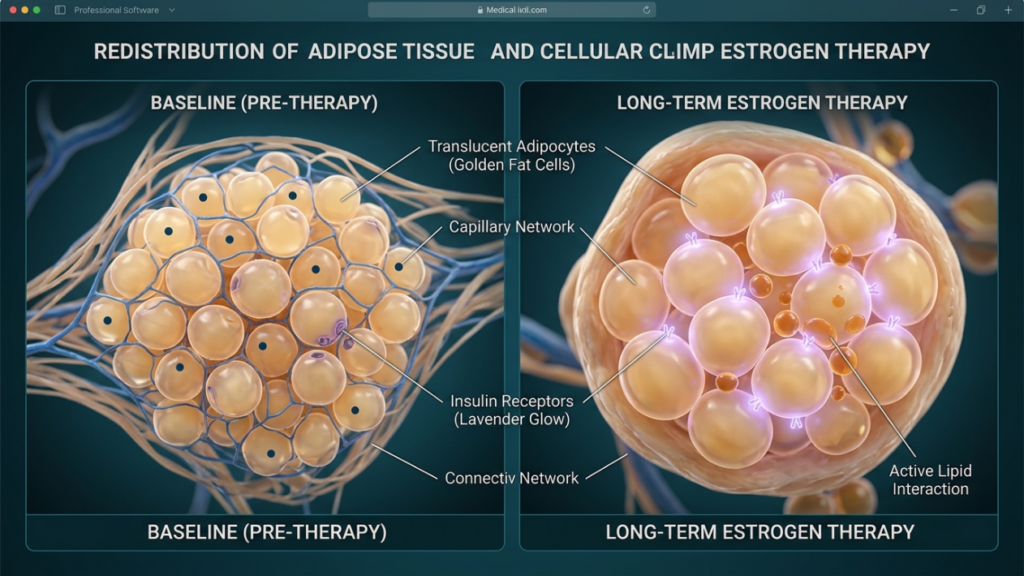
- Fat Redistribution: Estrogen promotes fat storage in the hips, thighs, and buttocks, creating a more feminine silhouette. This process begins within months of starting HRT but continues for 2–5 years, with maximal changes typically observed after 18–24 months (PMC8311086).
- Muscle Mass and Strength: Testosterone suppression leads to a gradual decrease in muscle mass and strength, particularly in the upper body. While this softens masculine contours, it also reduces metabolic rate, which can affect weight management and recovery from surgery (Musculoskeletal Key, 2024).
- Metabolic Rate: Estrogen lowers basal metabolic rate (BMR), meaning your body burns fewer calories at rest. This shift can lead to weight gain if dietary and activity habits are not adjusted, potentially complicating body contouring procedures (TransVitae, 2026).
- Insulin Sensitivity and Lipid Profile: HRT can improve insulin sensitivity in some patients but may also alter lipid profiles, increasing the risk of metabolic syndrome if not monitored. Regular metabolic screening is essential to detect and address these changes early (Nature, 2024).
- Bone Density: Long-term estrogen therapy helps maintain bone density, but prolonged use without adequate monitoring can lead to reduced bone mineral density (BMD), especially in patients with additional risk factors (PMC6616494).
These metabolic shifts are not just side effects—they are the foundation of your transition. However, they also mean that the timing and approach to body contouring must be carefully calibrated to ensure safety and optimal results.

The Science of Surgical Timing: When to Proceed with Body Contouring
Not all body contouring procedures require the same preparation, but metabolic stability is a universal prerequisite. Here’s what the latest evidence tells us about optimal timing:
1. Minimum HRT Duration Before Surgery
Most surgeons recommend a minimum of 12–24 months of continuous HRT before undergoing major body contouring procedures. This timeline allows for:
- Maximal natural fat redistribution, ensuring the best possible canvas for surgical enhancement.
- Stabilization of metabolic parameters, including insulin sensitivity, lipid profiles, and blood pressure.
- Reduction of surgical risks, as HRT-induced metabolic changes can affect wound healing and recovery (Frontiers in Surgery, 2025).
For procedures like breast augmentation, some surgeons may recommend waiting up to 24 months to allow for maximal natural breast development before considering implants (Dr. MFO, 2025).
2. Metabolic Stability: The Key to Safe Surgery
Metabolic stability is not just about time on HRT—it’s about ensuring your body is in the best possible condition to handle surgery and recover optimally. Key markers of metabolic stability include:
- Stable Weight: Your weight should be stable for at least 3–6 months before surgery. Significant weight fluctuations can compromise surgical results and increase complications.
- Normalized Blood Pressure: Estrogen can affect blood pressure, so it’s important to monitor and manage hypertension before surgery.
- Optimal Lipid and Glucose Levels: Regular blood tests should confirm that your cholesterol, triglycerides, and blood glucose are within healthy ranges.
- Healthy Bone Density: A DEXA scan can assess bone health, especially if you’ve been on HRT for several years or have other risk factors for osteoporosis.
If any of these markers are out of range, your surgeon may recommend postponing surgery until your metabolic health is optimized. This is not a setback—it’s a proactive step to ensure your safety and the longevity of your results.

3. Procedure-Specific Timing Guidelines
| Procedure | Recommended HRT Duration | Key Considerations |
|---|---|---|
| Liposuction (e.g., waist, arms, thighs) | 12–18 months | Allows for natural fat redistribution; ensures stable weight and metabolic parameters. |
| Fat Grafting (e.g., hips, buttocks, breasts) | 18–24 months | Maximizes natural fat availability; improves graft survival and symmetry. |
| Breast Augmentation | 18–24 months | Allows for maximal natural breast development; reduces need for larger implants. |
| Hip/Buttock Implants | 18–24 months | Ensures stable body composition; reduces risk of implant displacement or asymmetry. |
| Rib Removal/Remodeling | 24+ months | Requires stable weight and metabolic health; complex procedure with longer recovery. |
Source: Adapted from clinical guidelines and expert consensus, 2026.
Metabolic Optimization: Preparing Your Body for Surgery
Optimizing your metabolism before surgery is not just about avoiding complications—it’s about setting the stage for the best possible results. Here’s how to prepare:
1. Nutritional Strategies
Your diet plays a central role in metabolic health and surgical recovery. Focus on:
- Balanced Macronutrients: Ensure adequate protein intake to support muscle maintenance and wound healing. Healthy fats and complex carbohydrates provide sustained energy and support hormone production.
- Micronutrient Optimization: Key nutrients for metabolic health and recovery include vitamin D, calcium, magnesium, and zinc. Consider a blood test to identify and address any deficiencies.
- Anti-Inflammatory Foods: Incorporate foods rich in omega-3 fatty acids (e.g., fatty fish, flaxseeds), antioxidants (e.g., berries, leafy greens), and fiber to reduce inflammation and support metabolic function.
Avoid crash diets or extreme caloric restriction, as these can disrupt metabolic stability and compromise surgical outcomes.
2. Exercise and Physical Activity
Regular exercise supports metabolic health, improves circulation, and enhances recovery. Focus on:
- Strength Training: Helps maintain muscle mass, which is especially important as HRT reduces muscle density. Focus on lower body and core strength to support your new contours.
- Cardiovascular Exercise: Improves heart health and metabolic function. Aim for at least 150 minutes of moderate-intensity cardio per week.
- Flexibility and Mobility: Yoga or stretching routines can improve circulation, reduce stress, and prepare your body for surgery.
If you’re new to exercise, start slowly and consult with a trainer or physical therapist to create a safe, effective routine.
3. Medical Optimization
Work with your healthcare team to address any underlying metabolic or hormonal imbalances:
- HRT Monitoring: Regular blood tests should monitor hormone levels, liver function, lipid profiles, and glucose metabolism. Adjustments to your HRT regimen may be needed to optimize metabolic health.
- Metabolic Screening: Comprehensive metabolic panels can identify insulin resistance, dyslipidemia, or other issues that may affect surgical risk or recovery.
- Bone Health: If you’ve been on HRT for several years, a DEXA scan can assess bone density. If osteoporosis or osteopenia is detected, your doctor may recommend supplements or medications to strengthen your bones before surgery.
4. Mental and Emotional Preparation
Surgery is not just a physical journey—it’s an emotional one. Preparing mentally and emotionally can improve your recovery and overall experience:
- Set Realistic Expectations: Understand that body contouring is a process, not a single event. Multiple procedures may be needed to achieve your goals, and recovery takes time.
- Build a Support System: Surround yourself with friends, family, or support groups who understand and affirm your journey. Emotional support is crucial for a smooth recovery.
- Address Anxiety and Stress: Surgery can be stressful. Techniques like mindfulness, meditation, or therapy can help manage anxiety and promote emotional resilience.
Surgical Techniques and Metabolic Considerations
Not all body contouring techniques are created equal—especially for MTF patients. The latest advances in surgical technology and technique prioritize safety, natural results, and compatibility with HRT-induced metabolic changes.
1. Liposuction and Fat Grafting
Liposuction is a cornerstone of MTF body contouring, used to remove unwanted fat from areas like the waist, abdomen, and flanks, and to harvest fat for grafting to the hips, buttocks, or breasts.
- Metabolic Considerations: HRT-induced fat redistribution means that the fat harvested for grafting is often softer and more metabolically active than in cisgender patients. This can improve graft survival but also requires careful handling to avoid complications like fat necrosis or oil cysts.
- Advanced Techniques: Power-assisted liposuction (PAL) and laser-assisted liposuction (LAL) are increasingly used for their precision and reduced trauma, which can shorten recovery time and improve outcomes (Thieme, 2024).
2. Implants: Hips and Buttocks
For patients who desire more dramatic curves, implants can enhance the hips and buttocks. However, implants require careful consideration in MTF patients due to HRT-induced changes in tissue quality and metabolic health.
- Metabolic Considerations: Estrogen can increase subcutaneous fat and alter tissue elasticity. This means that implants may feel softer and more natural but also require precise placement to avoid displacement or asymmetry.
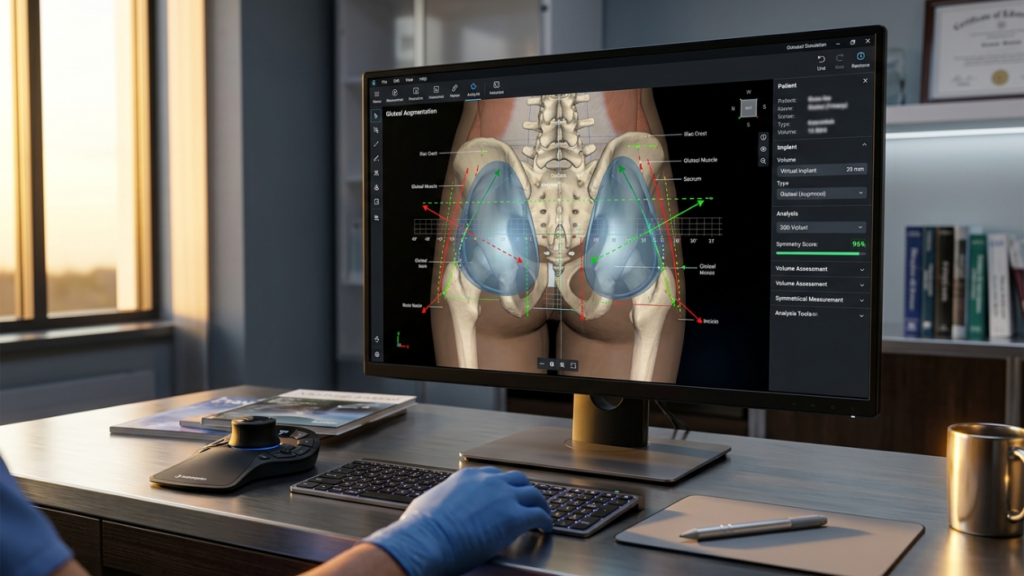
- Advanced Techniques: 3D imaging and virtual surgical planning allow surgeons to simulate outcomes and optimize implant placement, reducing the risk of complications and improving symmetry (Frontiers in Surgery, 2025).
3. Rib Removal and Waist Narrowing
Rib removal or remodeling is a complex procedure that can create a more defined waistline. It is typically reserved for patients who have achieved stable metabolic health and have realistic expectations about the risks and recovery.
- Metabolic Considerations: This procedure requires optimal bone health, as HRT can affect bone density. A DEXA scan is recommended to assess bone strength before surgery.
- Advanced Techniques: Endoscopic rib removal minimizes scarring and reduces recovery time. Virtual surgical planning ensures precise removal and symmetry.
4. Breast Augmentation
While HRT induces natural breast development, many MTF patients opt for augmentation to achieve their desired size and shape. The timing and approach to breast augmentation must consider both aesthetic goals and metabolic health.
- Metabolic Considerations: Estrogen-induced breast tissue is often softer and more glandular than in cisgender women. This can affect implant placement and the choice of implant type (silicone vs. saline).
- Advanced Techniques: Fat grafting combined with implants (hybrid augmentation) can create a more natural look and feel. 3D imaging helps tailor the procedure to your unique anatomy.

Postoperative Care and Long-Term Metabolic Management
Your journey doesn’t end when you leave the operating room. Postoperative care and long-term metabolic management are critical to maintaining your results and ensuring your health.
1. Immediate Postoperative Care
- Pain Management: Follow your surgeon’s instructions for pain relief. Avoid NSAIDs if you have a history of bleeding disorders or are at risk for kidney issues.
- Compression Garments: Wear compression garments as directed to reduce swelling, support your new contours, and improve circulation.
- Activity and Mobility: Gradually reintroduce light activity, such as walking, to promote circulation and reduce the risk of blood clots. Avoid strenuous exercise or heavy lifting for at least 4–6 weeks.
- Follow-Up Appointments: Attend all scheduled follow-ups to monitor healing, address complications early, and adjust your care plan as needed.
2. Long-Term Metabolic Management
After surgery, your focus should shift to maintaining metabolic health and preserving your results:
- Continue HRT: Do not discontinue HRT without medical supervision. Sudden hormone withdrawal can lead to metabolic imbalances, bone loss, and other health issues.
- Regular Metabolic Screening: Continue monitoring your lipid profiles, glucose levels, and bone density as recommended by your healthcare provider.
- Maintain a Stable Weight: Significant weight fluctuations can alter your surgical results. Focus on a balanced diet and regular exercise to maintain your new contours.
- Sun Protection and Skin Care: Protect your skin from sun damage to maintain elasticity and reduce the risk of scarring. Use sunscreen daily and follow a skincare routine tailored to your needs.
Addressing Common Concerns and Misconceptions
Despite the growing body of research, misconceptions about HRT, metabolic health, and body contouring persist. Here are some of the most common concerns—and the facts to address them:
1. “HRT Alone Will Give Me the Body I Want”
While HRT induces significant changes in fat distribution and body composition, it has limitations. Many MTF patients find that body contouring procedures are necessary to achieve their desired silhouette, especially in areas like the waist, hips, and buttocks. HRT and surgery are complementary, not mutually exclusive.
2. “I Can Have Surgery as Soon as I Start HRT”
Metabolic stability is a prerequisite for safe surgery. Most surgeons recommend waiting at least 12–24 months on HRT to allow for natural fat redistribution, stabilization of metabolic parameters, and reduction of surgical risks. Rushing into surgery before your body is ready can compromise results and increase complications.
3. “Body Contouring Is Only About Aesthetics”
Body contouring is about more than just appearance—it’s about aligning your physical form with your gender identity. For many transgender women, these procedures are a vital step in their transition, improving mental health, self-esteem, and overall quality of life. The psychological benefits of body contouring are well-documented and can be just as important as the physical changes (Cornell University, 2025).
4. “HRT Increases My Risk of Metabolic Syndrome”
HRT can alter lipid profiles and insulin sensitivity, but the risk of metabolic syndrome depends on individual factors such as genetics, lifestyle, and baseline health. Regular monitoring and proactive management can mitigate these risks. In fact, many MTF patients experience improved metabolic health on HRT due to reduced testosterone levels and increased physical activity.
5. “I Don’t Need to Monitor My Health After Surgery”
Long-term metabolic management is essential for maintaining your results and overall health. Regular follow-ups with your surgeon and endocrinologist ensure that any issues are detected and addressed early, allowing you to enjoy your new contours for years to come.
The Future of MTF Body Contouring: Innovations on the Horizon
The field of gender-affirming surgery is evolving rapidly, with new technologies and techniques emerging to improve safety, outcomes, and patient satisfaction. Here’s what’s on the horizon for MTF body contouring:
- AI and Virtual Surgical Planning: Artificial intelligence is transforming surgical planning, allowing for more precise simulations and personalized outcomes. AI-driven tools can analyze your anatomy, predict results, and optimize surgical approaches for your unique needs.
- Regenerative Medicine: Stem cell therapy and platelet-rich plasma (PRP) are being explored to enhance fat graft survival, improve skin elasticity, and accelerate healing. These techniques could revolutionize body contouring by reducing recovery time and improving results.
- Minimally Invasive Techniques: Advances in endoscopic and robotic surgery are making procedures like rib removal and liposuction less invasive, with smaller incisions, reduced scarring, and faster recovery.
- Personalized HRT Regimens: As our understanding of hormone metabolism grows, HRT regimens are becoming more personalized. Tailored hormone therapy can optimize metabolic health, improve surgical outcomes, and reduce side effects.
These innovations promise to make MTF body contouring safer, more effective, and more accessible than ever before.
Conclusion: Your Journey, Your Timeline
Metabolic optimization is the cornerstone of safe, successful MTF body contouring. By understanding how HRT reshapes your body and metabolism, you can make informed decisions about timing, preparation, and surgical techniques. Remember, there is no one-size-fits-all approach—your journey is unique, and your care should be tailored to your individual needs.
Whether you’re just starting HRT or are ready to explore body contouring, the key is to work with a knowledgeable, affirming healthcare team. Together, you can create a plan that prioritizes your health, safety, and happiness, ensuring that your transition is as smooth and rewarding as possible.
In 2026, the future of MTF body contouring is bright. With advances in surgical techniques, metabolic management, and personalized care, you have more options than ever to achieve the body you’ve always envisioned. Your journey is yours to define—embrace it, celebrate it, and trust that the results will be worth the wait.

Frequently Asked Questions
How long should I be on HRT before considering body contouring surgery?
Most surgeons recommend a minimum of 12–24 months of continuous HRT before undergoing major body contouring procedures. This timeline allows for maximal natural fat redistribution, stabilization of metabolic parameters, and reduction of surgical risks. For procedures like breast augmentation, some surgeons may recommend waiting up to 24 months to allow for maximal natural breast development before considering implants.
What metabolic changes does HRT induce in MTF patients?
HRT in MTF patients induces several metabolic and physiological changes, including fat redistribution to the hips, thighs, and buttocks; decreased muscle mass and strength; lowered basal metabolic rate; and potential alterations in lipid profiles and insulin sensitivity. These changes are transformative but also require careful monitoring and management to ensure surgical safety and optimal outcomes.
How does metabolic stability affect surgical outcomes?
Metabolic stability is crucial for safe surgery and optimal recovery. Key markers include stable weight, normalized blood pressure, healthy lipid and glucose levels, and optimal bone density. If any of these markers are out of range, your surgeon may recommend postponing surgery until your metabolic health is optimized, ensuring your safety and the longevity of your results.
What are the risks of undergoing body contouring too soon after starting HRT?
Undergoing body contouring too soon after starting HRT can increase the risk of complications, including poor wound healing, asymmetry, and suboptimal results. HRT-induced metabolic changes, such as fat redistribution and altered tissue quality, require time to stabilize. Rushing into surgery before your body is ready can compromise both your safety and the quality of your outcomes.
How can I optimize my metabolism before surgery?
To optimize your metabolism before surgery, focus on a balanced diet rich in protein, healthy fats, and complex carbohydrates; regular exercise, including strength training and cardiovascular activity; and medical optimization, such as monitoring hormone levels, lipid profiles, and bone density. Mental and emotional preparation, including setting realistic expectations and building a support system, is also essential for a smooth recovery.
What are the latest advances in MTF body contouring techniques?
The latest advances in MTF body contouring include AI and virtual surgical planning for personalized outcomes, regenerative medicine techniques like stem cell therapy and PRP to enhance fat graft survival and accelerate healing, and minimally invasive procedures such as endoscopic and robotic surgery. These innovations promise to make body contouring safer, more effective, and more accessible than ever before.
Is it safe to continue HRT after body contouring surgery?
Yes, it is not only safe but also essential to continue HRT after body contouring surgery, unless otherwise directed by your healthcare provider. Sudden hormone withdrawal can lead to metabolic imbalances, bone loss, and other health issues. Regular follow-ups with your endocrinologist and surgeon will ensure that your HRT regimen is optimized for both your transition and your long-term health.