Foot Feminization Surgery: Reshaping for a Delicate Appearance

A close-up image of a person's foot resting on a white surface, possibly a bed or couch, with soft lighting highlighting the contours of the foot and ankle.

Our feet, often overlooked in the broader conversation of gender affirmation, play a surprisingly profound role in how we perceive ourselves and how we interact with the world around us. Think about it: the subtle curve of an arch, the length and alignment of toes, even the overall width of the foot—these seemingly minor details can contribute significantly to one’s sense of self and gender expression. For many, the shape and size of their feet can be a source of quiet discomfort, even dysphoria, when they don’t quite align with their affirmed feminine identity. It’s not just about aesthetics; it’s about feeling comfortable, confident, and truly you in every step.

But here’s the interesting part: while facial feminization surgery (FFS) is widely discussed, its pedal counterpart, also often referred to as Foot Feminization Surgery (FFS), remains a less commonly understood yet equally life-altering option. This isn’t just about fitting into a cute pair of heels—though, let’s be honest, that’s definitely a bonus for many! It’s about creating a harmonious silhouette, from head to toe, that genuinely reflects an individual’s inner self. Imagine waking up and looking down at feet that finally feel like yours, in a way they never did before. That’s the transformative power we’re talking about here.

This comprehensive guide delves deep into the world of Foot Feminization Surgery, exploring the intricate procedures that reshape and refine the feet for a more delicate, traditionally feminine appearance. We’ll unpack everything from toe shortening and metatarsal contouring to bunion correction and fat pad augmentation, detailing how each intervention contributes to a cohesive and aesthetically pleasing outcome. We’ll also touch upon the crucial aspects of preoperative planning, the surgical experience, the journey of recovery, and the long-term impacts, both functional and psychological.

Why read on, you ask? Because whether you’re considering this path for yourself, supporting a loved one, or simply curious about the frontiers of gender-affirming care, understanding the nuances of FFS (Foot Feminization Surgery) is absolutely essential. We aim to provide not just information, but genuine insight—a compassionate, expert-led exploration that empowers you with knowledge and fosters a deeper appreciation for the artistry and science behind this incredible transformation. So, let’s take a walk through what it truly means to reshape feet for a delicate appearance, shall we?

A person's legs dangling in a swimming pool with clear blue water, suggesting relaxation or leisure time by the poolside.

What Defines a “Feminine” Foot? Understanding the Aesthetic Goals of FFS

Before we dive into the nitty-gritty of surgical techniques, it’s worth pausing to consider: what exactly are we aiming for when we talk about a “feminine foot”? It’s not a universal standard, of course, but rather a collection of characteristics that are often culturally associated with delicacy, grace, and proportions commonly seen in cisgender women. These features, though subtle, can dramatically influence the overall perception of the foot and, by extension, an individual’s sense of confidence. So, what’s on the blueprint, typically?

Generally speaking, a feminine foot tends to be narrower, especially across the forefoot. Think less broad, more tapered. The toes themselves often play a crucial role. A more delicate appearance typically involves toes that are relatively shorter and well-aligned, without significant overlap or deviation. Imagine a smooth, gentle curve, rather than a strong, angular presence. Prominent bunions, for instance, which can widen the forefoot and disrupt toe alignment, are often seen as a less feminine trait. And then there’s the arch—a graceful arch can convey an inherent elegance, contributing to the overall delicate profile.

The aesthetic goals of Foot Feminization Surgery, therefore, revolve around modifying these anatomical aspects to achieve this desired visual harmony. It’s about reducing bulk, refining contours, and creating a sense of proportional balance. We’re aiming for a foot that looks and feels lighter, more refined, and—crucially—authentically feminine to the individual undergoing the procedure. This understanding forms the very foundation of FFS, guiding every surgical decision and technique to ensure the outcomes are not just surgically sound, but deeply satisfying from an aesthetic perspective. It’s a delicate dance between anatomy and artistry, really.

Toe Shortening: Crafting Proportional Elegance

Among the most common and impactful procedures in Foot Feminization Surgery is toe shortening. Why? Because disproportionately long toes can dramatically alter the overall aesthetic of the foot, making it appear larger, more masculine, and sometimes even leading to discomfort in certain types of footwear. The goal here isn’t just to make toes shorter, but to achieve a balanced, harmonious look that complements the rest of the foot and, ultimately, the individual’s desired feminine silhouette.

The procedure itself, an osteotomy, involves the careful removal of a small section of bone from one or more phalanges (toe bones). Picture this: the surgeon makes a precise incision, typically on the top of the toe, to access the bone. A small segment, usually from the middle phalanx, is then meticulously removed. Once the desired length is achieved, the two remaining bone segments are brought together and fixed in their new, shortened position. This fixation often involves tiny metal pins, screws, or even absorbable implants, which provide stability while the bone heals. These pins, if used, are usually temporary and removed after several weeks once sufficient healing has occurred. It’s an intricate dance of precision, ensuring not only aesthetic improvement but also maintaining the functional integrity of the toe.

Anatomically, toe shortening requires a deep understanding of the delicate structures within each digit. The phalanges, those small bones that make up your toes, are surrounded by a complex network of tendons, ligaments, nerves, and blood vessels. The surgeon must navigate these vital components with extreme care, ensuring that nerve function is preserved to avoid numbness or altered sensation, and that blood supply remains robust to facilitate proper healing. The goal is to reshape the toe without compromising its ability to flex, extend, and bear weight naturally. It’s a fine balance, to say the least.

Aesthetically, the impact of toe shortening can be quite profound. Shorter, more uniform toes can create a more refined and delicate appearance, allowing the foot to look smaller and more gracefully proportioned. This change also significantly expands footwear options, making it possible for individuals to comfortably wear shoes that might have previously been inaccessible due to toe length or alignment issues. Functionally, when done correctly, the procedure can alleviate pain caused by toes rubbing against shoes and improve the overall gait, leading to greater comfort and mobility in daily life. However, like any surgical intervention, it’s not without its specific considerations, including the potential for stiffness, non-union (where the bone segments don’t fully fuse), or persistent swelling. Careful patient selection and an experienced surgeon are, therefore, absolutely paramount.

Metatarsal Contouring: Sculpting the Midfoot’s Foundation for a Slender Profile

Beyond the toes themselves, the midfoot, specifically the metatarsals, plays a critical role in the overall width and shape of the foot. For many seeking a more feminine aesthetic, a broad or wide forefoot can be a significant concern. This is where metatarsal contouring, a nuanced yet highly effective procedure within Foot Feminization Surgery, comes into play. It’s about refining the skeletal foundation to create a more slender and delicate profile, reducing the perception of a larger foot.

The metatarsals are the five long bones in the foot, connecting the ankle bones (tarsals) to the toe bones (phalanges). A prominent or wide set of metatarsals can contribute to a “boxy” or masculine foot shape. Metatarsal contouring typically involves precise osteotomies—controlled surgical cuts—to reshape these bones. Depending on the individual’s anatomy and desired outcome, this might involve reducing the width of the metatarsal heads, shortening specific metatarsals, or repositioning them to create a more converged, tapered forefoot. The exact technique is highly individualized, often determined through advanced preoperative imaging and virtual planning (we’ll get to that in a bit!).

For instance, if the primary goal is to narrow the forefoot, a surgeon might perform an osteotomy near the head of the metatarsal, allowing the bone to be slightly shifted inward before being stabilized with tiny screws. In some cases, a small wedge of bone might be removed to achieve a greater degree of narrowing. This meticulous bone work is essential, as it directly impacts how the foot distributes weight and functions during walking and standing. The surgeon’s skill here is paramount, ensuring that while the foot becomes aesthetically more delicate, its biomechanical integrity is fully maintained.

The aesthetic transformation from metatarsal contouring can be quite dramatic. Imagine a foot that effortlessly slides into narrower, more elegant shoes, a foot where the lines flow gracefully rather than abruptly. This reduction in width and reshaping of the forefoot directly contributes to the desired “delicate” appearance, often making the foot look noticeably smaller and more refined. Functionally, when performed by an expert, this procedure can actually improve comfort by correcting imbalances that might have contributed to calluses or localized pressure points.

However, the complexity of metatarsal contouring does come with its own set of challenges. The midfoot is a critical weight-bearing area, and any alterations must be precise to avoid creating new pressure points, pain, or instability. Risks can include nerve compression, delayed bone healing (non-union), or even metatarsalgia (pain in the ball of the foot). Therefore, the selection of an experienced, board-certified surgeon with a deep understanding of foot biomechanics and aesthetic goals is non-negotiable for anyone considering this type of transformative procedure. It’s an investment in both beauty and long-term comfort, after all.

Bunion Correction (Hallux Valgus): Eliminating Prominence, Enhancing Grace

Bunions, medically known as hallux valgus, are those bony bumps that form on the joint at the base of your big toe. While they’re often associated with discomfort and pain, especially when wearing restrictive footwear, they also have a significant aesthetic impact. A prominent bunion can make the forefoot appear wider, more angular, and frankly, less delicate—a stark contrast to the traditionally feminine foot aesthetic. For those pursuing Foot Feminization Surgery, bunion correction isn’t merely about pain relief; it’s a critical step in achieving a smoother, more graceful foot contour.

So, what exactly happens during a bunion correction? The procedure typically involves an osteotomy, which means surgically cutting and realigning the bone. It’s more than just “shaving off” the bump, though that’s often a component. The surgeon will work to correct the underlying structural deformity that causes the bunion. This usually involves realigning the big toe joint, often by making precise cuts in the metatarsal bone (the long bone leading to the big toe) and/or the phalanges (toe bones) to bring them back into proper alignment. Small screws, wires, or plates are then used to hold the bones in their new, corrected position while they heal. The excess bony prominence, the actual “bunion,” is then carefully shaved away, creating a smooth transition along the side of the foot.

The aesthetic outcome here is quite clear: a significantly narrower forefoot, a straight and properly aligned big toe, and the elimination of that unsightly bony protrusion. This transformation contributes immensely to the desired feminine foot silhouette. No more struggling with shoes that are too tight across the bunion, no more hiding your feet. Functionally, the benefits are equally compelling. Correcting a bunion alleviates chronic pain, improves weight distribution across the foot, and enhances overall gait and balance. Imagine being able to walk comfortably, even in heels, without that nagging pain. It’s a game-changer.

You might have heard the term “Cinderella Surgery” mentioned in popular culture. Interestingly, bunion correction is often a core component of what’s popularly (and perhaps controversially) dubbed Cinderella Surgery or “stiletto surgery.” This broader term encompasses various aesthetic foot procedures, with the aim often being to make the foot appear smaller and more suitable for high-fashion footwear. So, while bunion correction has clear medical indications, its role in FFS extends deeply into achieving specific aesthetic ideals. It’s about combining functional improvement with a profound aesthetic transformation.

However, like all bone-altering surgeries, bunion correction requires a skilled hand. Potential complications include recurrence of the bunion, nerve damage, stiffness in the big toe joint, or ongoing pain if the alignment isn’t perfectly achieved. That’s why choosing a surgeon with extensive experience in both reconstructive and aesthetic foot surgery is paramount. It ensures that the procedure is not only effective in correcting the deformity but also contributes meaningfully to the overall feminization goals, creating a foot that is both beautiful and functional.

Fat Pad Augmentation (Foot Tuck): Cushioning for Comfort and Beauty

Beyond bone and joint restructuring, soft tissue plays a crucial role in the overall appearance and comfort of the foot. For many, especially those who enjoy wearing high heels or who have experienced significant volume loss in the soles of their feet, the natural fat pads can thin over time. This thinning can lead to discomfort, pain, and a less plump, less youthful appearance. Enter fat pad augmentation, often referred to colloquially as a “foot tuck” – a procedure designed to restore cushioning and enhance the foot’s delicate contours.

How does it work? It’s a beautifully straightforward process, really. Autologous fat grafting is the technique employed, meaning the fat used comes from your own body. Typically, a small amount of fat is harvested via liposuction from another area of the body where there’s a bit to spare – often the abdomen, thighs, or flanks. This ensures biocompatibility and minimizes the risk of rejection. The harvested fat is then carefully processed to purify it, isolating the viable fat cells. Once prepared, this refined fat is meticulously injected into specific areas of the sole of the foot, particularly under the ball of the foot (the metatarsal heads) and the heel.

The primary purpose of this procedure is two-fold. Aesthetically, by restoring lost volume, fat pad augmentation creates a softer, more youthful, and plump appearance to the sole, which contributes to the overall delicate look of the foot. It subtly rounds out the contours, enhancing the perception of a well-cushioned and cared-for foot. Think of it as a subtle plumping, much like facial fillers, but for your feet. Functionally, and this is where the “cushioning for comfort” truly shines, the injected fat acts as a natural shock absorber. This can significantly alleviate pain and discomfort, especially for those who spend long hours on their feet or frequently wear high heels. Imagine being able to walk or stand for extended periods without that nagging, burning sensation in the ball of your foot. It’s a game-changer for many, turning a potentially painful experience into a much more comfortable one.

The longevity of fat grafts can vary, but generally, a significant portion of the transferred fat cells will survive and integrate into the new tissue, providing long-lasting results. However, some initial resorption is expected, and occasionally, touch-up procedures might be considered to achieve optimal, sustained volume. While less invasive than bone-altering surgeries, fat pad augmentation still requires a skilled surgeon to ensure even distribution and natural-looking results. It’s a wonderful example of how soft tissue refinement complements skeletal modifications in FFS, offering a holistic approach to foot feminization that prioritizes both beauty and comfort. It’s not just about what you see, but what you feel too, isn’t it?

Beyond Core Procedures: Completing the Feminine Foot Canvas

While toe shortening, metatarsal contouring, bunion correction, and fat pad augmentation form the cornerstone of Foot Feminization Surgery, the journey to a truly delicate and aesthetically pleasing foot often involves a series of complementary procedures. Think of it as adding the finishing touches to a masterpiece—these additional interventions address various concerns, ensuring a comprehensive transformation that leaves no detail overlooked. It’s about perfecting every aspect of the foot’s presentation, from skin to circulation.

Corn and Callus Removal: Smoothing the Surface

Persistent corns and calluses are not only unsightly but can also be incredibly uncomfortable. They often develop in areas of high pressure or friction, sometimes exacerbated by ill-fitting footwear or underlying foot deformities. In the context of FFS, their removal goes beyond simple pedicures; it’s about addressing the root cause if it’s structural, and ensuring a smooth, soft skin texture that aligns with a feminine aesthetic. Surgical removal can provide long-term relief and improve the overall visual appeal of the foot, allowing the newly contoured bones to truly shine without the distraction of thickened skin.

Spider and Varicose Vein Treatment (Sclerotherapy): Unveiling Clearer Skin

Prominent spider veins or varicose veins on the feet and ankles can detract from an otherwise delicate appearance. They can make the skin look mottled or aged, creating a less refined aesthetic. Sclerotherapy, a minimally invasive procedure, involves injecting a solution directly into these unwanted veins, causing them to collapse and fade over time. This treatment helps to reveal clearer, more uniformly toned skin, contributing to a youthful and feminine presentation. It’s a subtle yet impactful detail, enhancing the overall canvas of the foot and ankle area.

Nail Corrections: The Perfect Frame for Delicate Toes

Ingrown nails or nail fungus can be persistent, painful, and frankly, quite unappealing. Addressing these issues surgically ensures healthy, well-shaped nails that frame the newly feminized toes beautifully. This might involve partial or complete nail removal for chronic ingrown nails, or specific treatments for fungal infections. Healthy, well-maintained nails are a small but significant detail in achieving a polished and feminine foot aesthetic, allowing for elegant pedicures and overall foot confidence.

Botox for Sweating and Wrinkles (“Perfect 10!” Procedure): Refinement and Comfort

This might sound a bit unconventional for feet, but Botox injections can serve a dual purpose in advanced foot aesthetic procedures, sometimes incorporated into what’s been called the “Perfect 10!” procedure. Firstly, Botox can be strategically injected into areas prone to excessive sweating (hyperhidrosis), offering relief from clammy feet. This not only enhances comfort but also helps maintain better foot hygiene. Secondly, for some, fine lines or wrinkles on the top of the toes or foot can be a minor aesthetic concern. Botox can temporarily smooth these out, contributing to a more refined and youthful skin texture. It’s a testament to how FFS considers every possible detail, ensuring the foot is not just reshaped, but truly perfected, from its underlying structure to its outermost surface. Every element, no matter how small, plays a part in the grand symphony of feminization.

A person wearing high-heeled shoes and dark pants walking on a shiny, reflective surface with shadows visible on the floor.

The Blueprint for Beauty: Preoperative Planning and Advanced Technologies

You wouldn’t build a house without a detailed blueprint, would you? The same principle, perhaps even more so, applies to Foot Feminization Surgery. The success of these intricate procedures—where even millimeters can make a significant difference—hinges almost entirely on meticulous preoperative planning. This isn’t just a casual chat with your surgeon; it’s a deep dive into your unique anatomy, leveraging cutting-edge technology to create a precise roadmap for your transformation.

First and foremost, high-resolution imaging is the bedrock of this planning phase. Forget generic X-rays; we’re talking about sophisticated tools like Cone-Beam Computed Tomography (CBCT) or traditional CT scans. These aren’t just pretty pictures; they provide incredibly detailed, three-dimensional anatomical data of your foot’s skeletal structure. Think of it: the precise length of each phalanx, the exact alignment of your metatarsals, the density of your bone, and the subtle variations in your joint spaces. This granular data is absolutely invaluable. It allows the surgeon to identify existing skeletal differences with pinpoint accuracy, detect any subtle asymmetries, and assess the condition of critical underlying structures, like nerve pathways and blood vessels. Without this deep anatomical understanding, any surgical intervention would be, well, a shot in the dark, and we certainly don’t want that.

But the data itself is only half the story. The magic truly begins with virtual surgical planning (VSP) systems. This is where those detailed CT or CBCT scans are imported into specialized software, generating a precise 3D digital model of your foot. Within this sophisticated virtual environment, your surgeon transforms from doctor to architect. They can meticulously plan every single osteotomy—every bone cut, every repositioning, every contouring adjustment—with an unprecedented level of control. They can simulate various surgical scenarios, virtually shortening a toe, narrowing the forefoot, or correcting a bunion, and immediately visualize the potential aesthetic and functional outcomes. This iterative planning process allows for precise measurements of bone reductions or augmentations, ensuring that the final contours align perfectly not only with the feminizing principles but also with your individual goals and the biomechanical needs of your foot.

Here’s where it gets even more fascinating: this virtual blueprint isn’t just for visualization. The data from the VSP can be used to design and then 3D print custom surgical guides and drilling templates. These physical guides are used intraoperatively—during the actual surgery—to execute the planned osteotomies with remarkable accuracy. Imagine a surgeon using a custom-made guide to ensure every bone cut is exactly where it needs to be, minimizing human error and significantly enhancing surgical precision. It’s a game-changer, reducing operative time and minimizing complications. Furthermore, this advanced planning facilitates more effective communication between you and your surgeon. You can see, in 3D, what your foot will look like post-surgery, aligning expectations with realistic surgical possibilities. It’s about demystifying the complex and empowering you with a clear vision of your future self.

Ultimately, comprehensive preoperative planning, powered by advanced imaging and virtual technologies, isn’t just a luxury in Foot Feminization Surgery; it’s a critical necessity. It transforms a complex procedure into a precisely engineered solution, maximizing safety, predictability, and most importantly, patient satisfaction. It ensures that the journey to a more feminine and comfortable foot is built on a foundation of scientific rigor and artistic foresight.

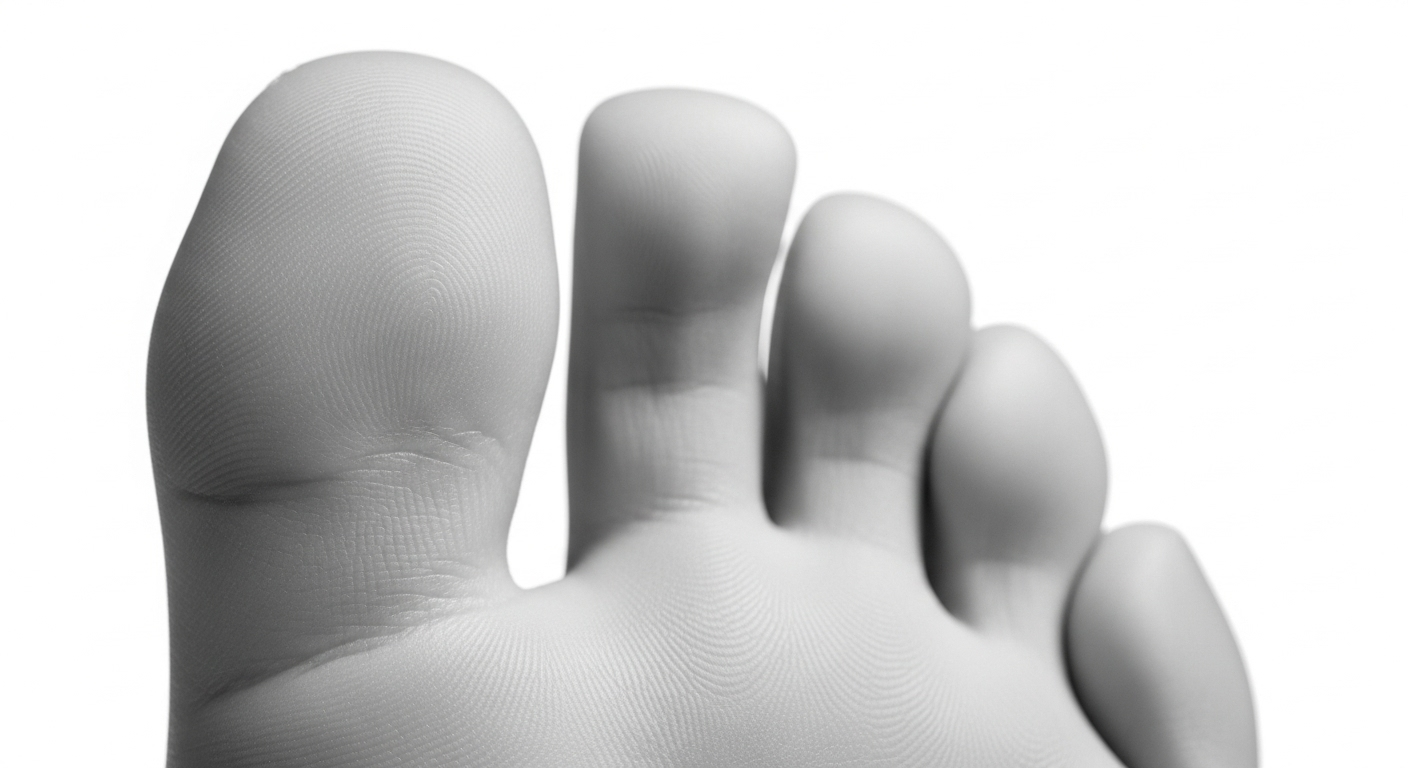
A close-up black and white image of a foot with toes pointing slightly upward, isolated on a white background.

The Surgical Experience: Navigating the Delicate Intraoperative Balance

Once the meticulous preoperative planning is complete and the blueprint for your feminized feet is ready, the focus shifts to the operating room. This is where the surgeon’s skill, precision, and deep anatomical knowledge truly come to the forefront. Foot Feminization Surgery, particularly when involving multiple procedures like toe shortening and metatarsal contouring, demands an exceptionally delicate touch and an acute awareness of the foot’s intricate structures. It’s an environment where controlled actions and quick, informed decisions are paramount.

Let’s talk about anesthesia. Depending on the extent and complexity of the procedures, patients might undergo either local anesthesia with sedation or general anesthesia. While local anesthesia keeps you awake but numb, allowing you to hear sounds (which, to be frank, can sometimes be a bit unsettling as bone is manipulated), general anesthesia ensures you are completely asleep and unaware. Your surgical team will discuss the best option for you, prioritizing both your comfort and safety. Regardless of the choice, a skilled anesthesiologist will be present to monitor your vital signs throughout the operation.

During the surgery, the pre-planned osteotomies (bone cuts) are executed with extreme precision, often guided by those custom 3D-printed templates we discussed earlier. Imagine the surgeon making tiny, strategic incisions, carefully retracting soft tissues to expose the bones, and then using specialized instruments to reshape, shorten, or realign the metatarsals and phalanges. For toe shortening, a small segment of bone is removed, and the remaining pieces are reattached with pins or screws. For metatarsal contouring, the bones might be narrowed or repositioned. Bunion correction involves realigning the big toe joint and shaving down any prominent bony growths. Each step is a testament to surgical artistry, balancing aesthetic goals with functional integrity.

One of the most critical intraoperative considerations, however, is the meticulous management and preservation of vital neurovascular structures. The feet are a densely packed network of nerves and blood vessels. The digital nerves, which provide sensation to the toes, are particularly vulnerable during toe-shortening or metatarsal procedures. Damaging these could lead to persistent numbness, altered sensation, or even chronic pain. Similarly, preserving the delicate vascular supply is crucial for proper healing and to prevent complications like tissue necrosis. The surgeon must navigate these structures with extreme care, using magnification when necessary, to ensure their integrity. It’s a high-stakes environment where every move counts.

Challenges can also arise. Sometimes, despite extensive preoperative planning, the surgeon might encounter unexpected anatomical variations—perhaps a bone that’s denser than anticipated, or scar tissue from a previous injury that alters the normal tissue planes. In such moments, the surgeon’s experience and adaptability are paramount. They must be able to make informed, rapid decisions, potentially adjusting the initial plan on the fly, without compromising safety or the aesthetic objectives. Achieving precise symmetry and harmonious contours in a foot that may have pre-existing deformities or asymmetries requires continuous intraoperative assessment, often involving repeated visual inspection and palpation to ensure balance. The sheer volume and intricacy of combined bone and soft tissue work in FFS can lead to prolonged operative times, which, in turn, can increase risks associated with general anesthesia. This underscores the need for a highly coordinated surgical team, efficient instrumentation, and judicious patient selection—all prerequisites for successfully navigating these intraoperative complexities and achieving optimal, safe, and truly transformative results. It’s a demanding, yet incredibly rewarding, process.

The Journey of Healing: Post-Operative Recovery and Long-Term Management

The surgery is just one part of the transformation; the recovery, frankly, is where a significant portion of the work truly happens. And let’s be clear: recovering from Foot Feminization Surgery, especially procedures involving bone modification like toe shortening and metatarsal contouring, is not a sprint, but a marathon. It demands patience, diligent adherence to post-operative instructions, and a realistic understanding that the final results will unfold gradually over time. Think of it as nurturing a delicate sculpture as it hardens and reveals its true form.

Immediate Post-Operative Phase: The First Weeks

Immediately after surgery, expect your feet to be bandaged, swollen, and likely a bit uncomfortable. Swelling, a universal physiological response to surgical trauma, will be most pronounced in the first few days to a week. You’ll probably notice some bruising too, which will gradually change color before fading completely, typically within 2 to 4 weeks. Pain management is crucial during this period, and your surgeon will prescribe appropriate analgesics and anti-inflammatory medications. Applying cold compresses diligently, as instructed, also helps immensely to minimize swelling and discomfort. Elevation, elevation, elevation! Keeping your feet elevated above heart level, even during sleep, is non-negotiable in these initial weeks to optimize lymphatic drainage and reduce swelling. Weight-bearing will be strictly restricted; you’ll likely be in surgical shoes or casts and using crutches or a knee scooter to get around. This is not the time to push boundaries, believe me. Rest is your best friend.

Mid-Term Recovery: Weeks to Months

As the initial swelling subsides and bone healing progresses (typically around 6-8 weeks, though this varies), your activity restrictions will gradually ease. You’ll slowly transition to partial weight-bearing, perhaps with the aid of a walking boot, before moving into comfortable, supportive shoes. Physical therapy might be recommended to restore range of motion, strength, and proper gait. This is a critical phase for regaining functionality and preventing stiffness. Imagine slowly re-learning to trust your feet, building up their strength and flexibility. The goal here is a gradual return to normal activities, always listening to your body and your surgeon’s advice.

Long-Term Management: Months to a Year and Beyond

Full resolution of residual swelling, especially in areas of significant bone work or fat grafting, can take a surprising amount of time—up to a year or even longer for the final contours to fully emerge. Scars will also mature and soften over this period. Your surgeon will provide advice on scar management, which might include silicone sheeting or massage. Long-term, choosing appropriate, supportive footwear becomes even more important to maintain the results and prevent future issues. While the extensive bone reshaping in FFS provides a stable and lasting foundation, natural aging processes, weight fluctuations, or even continued hormonal therapy can subtly influence soft tissues over the years. This might, in rare cases, necessitate minor revisions or non-surgical touch-ups down the line. Regular follow-up appointments are therefore essential for monitoring the long-term integrity of the reconstruction and addressing any emerging concerns. This isn’t just a one-and-done deal; it’s a lifelong commitment to nurturing your transformation.

Potential Complications and Realistic Expectations

It’s vital to have realistic expectations and be aware of potential complications. While surgeons employ meticulous techniques to mitigate these, risks can include infection, excessive scarring, nerve damage (leading to persistent numbness or pain), or implant-related issues if implants were used. For osteotomies, non-union (where bone segments don’t heal properly) or malunion (healing in an incorrect position) are rare but serious complications that could require further surgical correction. Fat grafts, while generally long-lasting, can experience some resorption, leading to a partial loss of volume. Honest discussion with your surgeon about these risks is paramount. Remember, the goal is significant improvement, not necessarily perfection. This journey requires commitment, resilience, and a partnership with your surgical team for the best possible outcome.

Functional and Aesthetic Synergy: More Than Just Appearance

When we talk about Foot Feminization Surgery, it’s easy—and quite natural—to focus primarily on the aesthetic transformation. After all, the desire for a more delicate, feminine foot is often the driving force behind pursuing these procedures. But here’s a crucial point, one that many overlook: FFS isn’t just about looks. It’s about a powerful, synergistic achievement of both highly desired aesthetics and significant, often life-changing, functional restoration. This dual benefit truly elevates FFS beyond mere cosmetic surgery, offering a holistic improvement in an individual’s quality of life.

Think about it this way: many of the conditions that contribute to a “masculine” foot appearance—like prominent bunions, excessively long toes, or a wide forefoot—also frequently cause functional impairments. Bunions, for instance, are notoriously painful, leading to difficulty wearing various shoes, altered gait mechanics, and chronic discomfort. Overly long or misaligned toes can cause painful rubbing, corns, and even balance issues. A broad forefoot might make finding comfortable, feminine footwear nearly impossible, forcing individuals into shoes that further exacerbate pain or feel incongruent with their gender identity.

This is precisely where the synergy of FFS shines. When a surgeon performs a bunion correction, they’re not merely shaving off a bump for appearance’s sake. They are fundamentally realigning the joint, correcting a biomechanical flaw that causes pain and limits mobility. The aesthetic outcome—a narrower, smoother forefoot—is directly linked to the functional improvement: pain relief, better weight distribution, and the ability to wear a wider range of shoes comfortably. Similarly, toe shortening, while aesthetically creating more proportional digits, can eliminate painful rubbing and improve the overall balance and gait of the foot. Metatarsal contouring, by narrowing the forefoot, not only refines its look but can also alleviate pressure points and discomfort that a wide foot might experience.

Even fat pad augmentation, often seen as purely aesthetic, has profound functional benefits. By restoring cushioning to the ball of the foot, it significantly reduces pain and discomfort, especially for those who enjoy wearing heels. This allows for greater endurance and comfort during daily activities, transforming what might have been a source of chronic irritation into a comfortable, supportive foundation. It’s an investment in your physical comfort as much as your aesthetic satisfaction.

The psychological benefits, too, extend far beyond simply “liking” how your feet look. For individuals experiencing gender dysphoria related to their feet, achieving an external appearance that aligns with their internal identity can lead to a profound reduction in distress, improved self-esteem, and enhanced body image. When functional impairments are also addressed, these psychological gains are compounded. Imagine the confidence that comes from not only having feet that feel feminine but also being able to move freely, comfortably, and without pain. This empowerment fosters greater independence, facilitates more confident engagement in social activities, and ultimately contributes to a significantly enhanced overall quality of life. FFS, therefore, represents a truly comprehensive intervention, meticulously designed to sculpt a foot that is both exquisitely feminine and robustly functional, offering truly life-changing results for those seeking harmony in every step.

Choosing Your Architect for the Feet: Selecting a Specialist for Complex FFS

Embarking on the journey of Foot Feminization Surgery is a deeply personal and significant decision, and arguably, no choice is more critical than selecting the right surgeon. This isn’t just about finding someone who can wield a scalpel; it’s about entrusting your feet—the very foundation of your mobility and comfort—to an artist and a scientist. For complex FFS, especially cases involving significant anatomical variations or the desire for multiple, intricate procedures, the surgeon you choose can make all the difference between a good outcome and a truly transformative one. So, who should you be looking for?

The ideal specialist for Foot Feminization Surgery possesses a rare and valuable dual proficiency: deep expertise in both routine aesthetic foot procedures and intricate podiatric or orthopedic reconstruction. Think of it. This isn’t just a general plastic surgeon. Nor is it only a podiatrist focused solely on common ailments. We’re talking about someone with an unparalleled understanding of complex foot and ankle anatomy, the biomechanics of how your foot moves and bears weight, and advanced reconstructive techniques. This includes, for instance, a surgeon who understands how bone remodeling works, how to manage delicate nerve pathways, and how different types of fixation (like pins or screws) will impact long-term stability.

Such a surgeon is adept at managing not only common bunions but also correcting severe congenital deformities, addressing complex asymmetries, and precisely reconstructing compromised foot structures. Their training often encompasses a blend of podiatric surgery, orthopedic surgery, and potentially even specialized fellowship training in limb reconstruction or aesthetic foot surgery. This robust skill set is essential for navigating the most challenging anatomical situations, ensuring that the surgeon can not only create aesthetically pleasing feminine contours but also rebuild a stable, functional foot framework from any starting point. They understand that a beautiful foot is only truly beautiful if it also functions flawlessly.

Furthermore, an ideal FFS surgeon will be exceptionally well-versed in leveraging cutting-edge technologies that enhance precision and safety. This means they should be masters of high-resolution 3D imaging—interpreting CT and CBCT scans like second nature. They should also be proficient in using virtual surgical planning (VSP) systems, allowing them to design and execute your surgical plan with unparalleled accuracy. The ability to utilize custom surgical guides and drilling templates, often 3D-printed from your unique anatomical data, is a strong indicator of a surgeon at the forefront of this field. These advanced tools minimize human error, optimize surgical precision, and significantly improve the predictability of outcomes, particularly in complex scenarios where traditional methods might fall short.

Beyond technical prowess, the most effective specialist will demonstrate a profoundly patient-centered approach. This involves engaging in thorough, empathetic consultations where your unique goals, specific concerns, and psychological needs are truly heard and understood. They are committed to providing realistic expectations regarding the surgical process, the nuances of recovery, and the potential long-term outcomes—which, let’s be honest, is incredibly important given the inherent complexities and extended recovery periods associated with reconstructive foot surgery. Verifying the surgeon’s credentials, including board certification in relevant surgical specialties (like the American Board of Foot and Ankle Surgery or American Board of Orthopaedic Surgery) and reviewing a comprehensive portfolio showcasing successful outcomes in challenging cases, is an indispensable step.

Finally, consider a surgeon who works within or collaborates with a multidisciplinary team. This might include physical therapists (crucial for recovery!), pain management specialists, and even mental health professionals. Such a collaborative approach ensures a holistic and comprehensive path to care, addressing all facets of your well-being. Ultimately, selecting a highly experienced and uniquely qualified surgeon is the single most critical factor in achieving safe, functional, aesthetically transformative, and enduring results in advanced Foot Feminization Surgery. It provides you with the peace of mind that your complex needs are, without a doubt, in expert hands. What an important decision, right?

Conclusion: The Art and Science of a Harmonious Foot Transformation

The journey through Foot Feminization Surgery, as we’ve explored, is a truly remarkable convergence of art and science, a meticulous process that extends far beyond superficial aesthetic changes. It’s a profound affirmation of identity, allowing individuals to achieve a physical presentation that resonates deeply with their inner self, right down to the very foundation of their being—their feet. This isn’t just about surgical procedures; it’s about sculpting confidence, enhancing comfort, and unlocking a new dimension of self-expression.

We’ve seen how each component of FFS—from the delicate precision of toe shortening, designed to create proportional elegance, to the foundational reshaping offered by metatarsal contouring for a slender profile—plays a vital role. Bunion correction, often more than just a pain-relief procedure, becomes an essential step in eliminating prominent features and enhancing the foot’s graceful lines. And let’s not forget fat pad augmentation, which not only plumps and refines the sole but also significantly boosts comfort, especially for those who cherish wearing feminine footwear. Even seemingly minor procedures, like corn removal or vein treatment, contribute to the holistic canvas, ensuring every detail reflects the desired feminine aesthetic.

The advancements in preoperative planning have undeniably revolutionized this field. Imagine the peace of mind that comes from knowing your surgeon has a detailed, 3D blueprint of your foot, meticulously planning every bone cut and contour adjustment using virtual surgical planning systems. This technological synergy minimizes risks, optimizes precision, and ensures predictable, harmonious outcomes. Of course, the intraoperative phase presents its own set of challenges, demanding exceptional surgical skill and adaptability to navigate the foot’s intricate neurovascular structures. But in expert hands, these challenges are met with informed precision.

The path to recovery, while requiring patience and diligent care, is an integral part of the transformation. It’s a period of healing, gradual strength building, and watching your new foot contours emerge. And the benefits? Oh, they extend so much further than just appearance. FFS offers a powerful functional synergy, alleviating chronic pain, improving gait, and expanding footwear options. This dual emphasis on form and function ensures that patients not only achieve an external appearance congruent with their identity but also experience a significant enhancement in their overall quality of life, marked by greater comfort and mobility.

Choosing a highly specialized surgeon—one with a deep understanding of both aesthetic goals and complex reconstructive principles—is, without a doubt, the cornerstone of a successful FFS journey. Their expertise is your guide, transforming aspirations into tangible, lasting results. Ultimately, Foot Feminization Surgery is a testament to the continuous evolution of surgical science and artistry. It offers a profound opportunity for individuals to achieve harmony between their inner self and outer presentation, fostering self-confidence and providing a deeper sense of authenticity. It’s a powerful step forward, quite literally, in the journey of gender affirmation, promising a future where every step feels truly aligned.

Frequently Asked Questions

What exactly is Foot Feminization Surgery (FFS)?

Foot Feminization Surgery (FFS) encompasses a range of specialized surgical procedures aimed at reshaping and resizing the feet to achieve a more traditionally feminine appearance, aligning physical characteristics with one’s gender identity.

What are the main procedures involved in FFS for feet?

Key procedures often include toe shortening (osteotomy to reduce bone length), metatarsal contouring (reshaping midfoot bones for a narrower profile), bunion correction (realigning the big toe joint and removing bony prominences), and fat pad augmentation (injecting fat into the soles for cushioning and volume).

How do these procedures create a u0022delicateu0022 foot appearance?

These procedures collectively reduce the overall width and length of the foot, create more uniform and aligned toes, eliminate bulky bunions, and soften the sole’s contours. This results in a foot that appears smaller, narrower, and more gracefully proportioned.

Are there functional benefits to Foot Feminization Surgery, or is it purely aesthetic?

Absolutely, there are significant functional benefits! Beyond aesthetics, FFS can alleviate pain caused by bunions or long/misaligned toes, improve weight distribution, enhance gait, and increase comfort, especially when wearing various types of footwear, including heels.

What should I look for in a surgeon for Foot Feminization Surgery?

It’s crucial to seek a board-certified podiatric or orthopedic surgeon with extensive experience in both reconstructive and aesthetic foot surgery. Look for expertise in 3D imaging, virtual surgical planning, and a patient-centered approach that includes thorough consultations and realistic expectation setting.

What is the typical recovery like after FFS for feet?

Recovery involves an immediate phase with swelling, bruising, and restricted weight-bearing (surgical shoes/crutches). Gradual activity increases over weeks to months, with full resolution of swelling and complete healing taking up to a year or more. Diligent post-operative care is essential.

Is u0022Cinderella Surgeryu0022 the same as Foot Feminization Surgery?

u0022Cinderella Surgeryu0022 is a popular, often informal, term for aesthetic foot procedures, which typically include bunion correction and toe shortening, often with the goal of making feet appear smaller and more suitable for high heels. While overlapping, FFS specifically refers to these procedures in the context of gender affirmation and a broader quest for a delicate, feminine foot aesthetic, often incorporating more comprehensive anatomical changes.

Bibliography

  • Dr. MFO. (2024, August 20). Foot Feminization Surgery: 10 Essential Questions Answered. https://www.dr-mfo.com/about-foot-feminization-surgery/
  • Dr. Zeetser. (n.d.). Foot Feminization Surgery by Dr. Vladimir Zeetser. https://www.drzeetser.com/FootFem.htm
  • Mayo Clinic Staff. (2024, September 26). Feminizing surgery – Doctors & Departments. https://www.mayoclinic.org/tests-procedures/feminizing-surgery/doctors-departments/pdc-20385103
  • MyMed. (n.d.). Cinderella Surgery – The stiletto surgery for your feet. https://www.mymed.com/aesthetic-medicine/cinderella-surgery
  • NYU Langone Health. (n.d.). Gender-Affirming Surgery Services. https://nyulangone.org/care-services/plastic-surgery/gender-affirming-surgery-services

7-Year Body Feminization Timeline: Planning Multiple Procedures for Optimal Results

A woman posing confidently in an office setting by a large window. She is wearing a white blouse, black high-waisted pants, and black heels.

Embarking on a body feminization journey is a deeply personal and transformative process, often spanning several years and involving a carefully orchestrated sequence of medical and surgical interventions. For transgender women and transfeminine individuals, the goal is to align their physical form more closely with their affirmed gender identity, fostering a profound sense of congruence and well-being. This intricate process extends far beyond singular procedures, demanding a holistic and strategic approach to achieve natural, harmonious, and deeply satisfying results. Understanding the typical timeline for various feminizing procedures, from the subtle shifts induced by hormone therapy to the more dramatic changes brought about by surgery, is paramount for effective planning and setting realistic expectations.

This comprehensive guide will delve into the nuanced timeline of body feminization, emphasizing the synergistic interplay between different interventions. We will explore how hormone replacement therapy (HRT) lays the foundational groundwork, initiating changes in fat distribution, muscle mass, and skin texture, which then inform and optimize subsequent surgical decisions. The strategic sequencing of procedures, such as prioritizing liposuction before certain genital surgeries or considering breast augmentation after significant hormonal development, is crucial for maximizing aesthetic outcomes and ensuring a smoother recovery. Each step, whether medical or surgical, contributes to a cohesive transformation, gradually sculpting a body that authentically reflects the individual’s inner self.

Beyond the physical alterations, this exploration will also highlight the vital emotional and psychological dimensions of body feminization. The journey is often accompanied by a spectrum of feelings, from exhilaration and relief to periods of anxiety and self-doubt. Recognizing these emotional shifts and integrating robust mental health support and community networks are indispensable components of a healthy transition. Furthermore, we will examine the critical factors that influence individual timelines, including genetics, age, overall health, and access to specialized gender-affirming care. The variability in individual responses to HRT and the logistical considerations of surgical scheduling underscore the importance of personalized care plans developed in close consultation with experienced healthcare providers.

Ultimately, planning multiple body feminization procedures is an art and a science, requiring meticulous attention to detail, a deep understanding of anatomical changes, and a compassionate approach to patient care. By providing a detailed roadmap of what to expect and when, this article aims to empower individuals to navigate their feminization journey with confidence, clarity, and informed decision-making. It is a testament to the profound impact of modern gender-affirming care, offering a pathway to not just physical transformation, but also to enhanced self-esteem, reduced gender dysphoria, and a more authentic existence. The journey is a marathon, not a sprint, and with careful planning, each milestone contributes to a radiant and affirming outcome.

The process of body feminization is not merely a series of isolated medical acts; it is a continuous evolution where each intervention builds upon the last. For instance, the redistribution of fat and reduction of muscle mass achieved through HRT can significantly enhance the results of body contouring procedures, making them more effective and natural-looking. Similarly, allowing sufficient time for breast development on hormones before considering augmentation can lead to more proportionate and aesthetically pleasing outcomes.

This integrated perspective is fundamental to achieving a truly harmonious feminine silhouette. We will also touch upon the importance of complementary non-surgical interventions, such as hair removal and voice training, which, while not directly altering body shape, play a crucial role in overall feminization and gender congruence. The goal is a comprehensive transformation that addresses all aspects of physical presentation, ensuring that the individual feels fully affirmed in their body.

A woman with long, wavy hair posing confidently with her hand on her hip, wearing a sleeveless black dress in a well-lit room with modern decor.

The Foundational Shift: Hormone Replacement Therapy (HRT)

Hormone Replacement Therapy (HRT) stands as the cornerstone of body feminization for many transgender women and transfeminine individuals. It initiates a cascade of physiological changes that gradually reshape the body, aligning it with a more feminine presentation. Typically, feminizing HRT involves a combination of estrogen and anti-androgens, and sometimes progesterone, each playing a distinct role in this transformative process (BetweenGenders.com, 2025; GenderConfirmation.com, 2024; GenderGP.com, 2025; Transvitae.com, 2024).

Estrogen: The Architect of Feminine Form

Estrogen, the primary feminizing hormone, is responsible for many of the desired physical changes. Its introduction into the body begins to alter the fundamental operating system, shifting it towards a more feminine biological profile (KetchBeauty.com, 2025). These changes are not instantaneous but unfold over months and years, requiring patience and consistent adherence to the prescribed regimen.

Fat Redistribution

One of the most anticipated effects of estrogen is the redistribution of body fat. Over time, fat begins to shift from typically masculine areas, such as the abdomen and waist, to more feminine regions like the hips, thighs, and buttocks. This process contributes to the development of a softer, more curvilinear silhouette, often described as a “heart-shaped” or “V-line” figure (BetweenGenders.com, 2025; GenderGP.com, 2025; KetchBeauty.com, 2025). The onset of noticeable fat redistribution typically occurs within 3 to 6 months, with maximum effects often observed between 2 to 5 years of consistent HRT (GenderGP.com, 2025; Healthline.com, 2023).

Muscle Mass Reduction

Estrogen also leads to a reduction in muscle mass and strength, particularly in the upper body, arms, and shoulders. This contributes to a less angular and more delicate physique, further enhancing the feminine aesthetic. Patients may notice a decrease in muscle density and feel slightly weaker during this phase (BetweenGenders.com, 2025; GenderGP.com, 2025; KetchBeauty.com, 2025). The reduction in muscle mass typically begins within 3 to 6 months, reaching its maximum effect within 1 to 2 years (GenderGP.com, 2025; Healthline.com, 2023).

Skin Changes

The skin undergoes significant changes, becoming softer, thinner, and less oily. This alteration in skin texture contributes to a more delicate appearance and can visually enhance the emerging curves of the body (BetweenGenders.com, 2025; GenderGP.com, 2025; TransgenderTransformations.com, 2025). These skin changes typically manifest within 3 to 6 months of starting HRT (GenderGP.com, 2025; Healthline.com, 2023).

Breast Development

Breast budding, characterized by small, firm lumps behind the nipples, usually begins within 3 to 6 months of HRT. This is often an emotionally significant milestone. Breast growth continues, with maximum development typically observed between 2 to 3 years (BetweenGenders.com, 2025; GenderGP.com, 2025; Healthline.com, 2023). The final size and shape are largely influenced by genetics, similar to cisgender women (Paxsies.com, 2025).

Hair Changes

HRT also impacts body and facial hair. Body hair tends to thin and grow more slowly, and in some cases, may significantly decrease or vanish on areas like the arms, legs, abdomen, chest, and shoulders. Facial hair, however, is often more resistant to hormonal changes and typically requires additional treatments like laser hair removal or electrolysis for significant reduction (BetweenGenders.com, 2025; GenderGP.com, 2025; Paxsies.com, 2025). The thinning and slowed growth of body and facial hair usually begin within 6 to 12 months, with maximum effects taking over 3 years (GenderGP.com, 2025; Healthline.com, 2023).

Genital Changes

Estrogen therapy leads to a decrease in libido and a reduction in the frequency and strength of spontaneous erections, often within 1 to 3 months. Testicular size also decreases, typically within 3 to 6 months, reaching maximum reduction in 2 to 3 years (BetweenGenders.com, 2025; GenderGP.com, 2025; Healthline.com, 2023; Paxsies.com, 2025). The prostate gland may also reduce in size, potentially halting semen production (Paxsies.com, 2025). Long-term HRT often results in permanent infertility (Paxsies.com, 2025).

Anti-Androgens and Progesterone

Anti-androgens, such as spironolactone or cyproterone, work by suppressing testosterone, thereby enhancing the feminizing effects of estrogen and further reducing masculine characteristics (GenderConfirmation.com, 2024; Paxsies.com, 2025). Progesterone, while optional and debated, may contribute to increased breast growth and fullness in the hips, as well as potential improvements in mood and libido for some individuals (GenderConfirmation.com, 2024).

Factors Influencing HRT Outcomes

The pace and extent of HRT-induced changes vary significantly among individuals. Key factors include genetic makeup, age, hormone dosage levels, and the method of administration (pills, patches, or injections) (BetweenGenders.com, 2025; GenderGP.com, 2025; Transvitae.com, 2024). It is crucial to understand that there is no “one-size-fits-all” timeline, and comparing one’s journey to others can be counterproductive. Regular follow-ups with healthcare providers are essential to monitor hormone levels, manage side effects, and adjust treatment plans for optimal and safe results (Transvitae.com, 2024).

A person performing an exercise, likely a lunge or squat, with a focus on their lower body. The individual is wearing light-colored athletic clothing and is positioned near a window, allowing natural light to illuminate the scene.

Sculpting the Silhouette: Body Contouring Procedures

While HRT initiates significant changes in fat distribution, many transgender women opt for body contouring procedures to further refine their feminine silhouette. These surgical interventions are designed to sculpt the body, enhancing curves and reducing areas of masculine fat accumulation. Strategic planning of these procedures, often after a period of HRT, is crucial for optimal results (GenderConfirmation.com, 2024; TransgenderTransformations.com, 2025).

Liposuction for Masculine Fat Reduction

Liposuction is frequently employed to remove stubborn fat deposits from areas that typically retain a masculine contour, such as the flanks, abdomen, and upper back. By selectively removing fat from these regions, surgeons can create a more tapered waistline and enhance the perception of wider hips, contributing to a more hourglass or “V-line” figure. This procedure is often performed early in the surgical timeline, especially if significant fat reduction is needed, as it can create a better canvas for subsequent fat grafting procedures (GenderConfirmation.com, 2024; Paxsies.com, 2025).

Fat Grafting for Feminine Volume

Autologous fat grafting, which involves harvesting fat from one part of the body (e.g., abdomen, thighs) and transferring it to another, is a powerful tool for adding feminine volume and enhancing curves. Common areas for fat transfer include the hips, buttocks (Brazilian Butt Lift or BBL), and sometimes the breasts. This technique allows for natural-looking augmentation and can significantly contribute to a more curvaceous and feminine body shape (GenderConfirmation.com, 2024; Paxsies.com, 2025). The success of fat grafting is often optimized after several months of HRT, as the body’s fat distribution patterns have already begun to shift, providing a more receptive environment for the grafted fat (KetchBeauty.com, 2025).

Strategic Sequencing of Body Contouring

The sequencing of body contouring procedures is critical. For instance, if a patient plans to undergo genital reconstruction surgery (GCS), liposuction of the abdomen and thighs might be performed beforehand. This not only helps to create a more feminine waist-to-hip ratio but also provides a potential source of fat for grafting to other areas if desired. Breast augmentation, if pursued, is often considered after a significant period of HRT (1-2 years) to allow for maximum natural breast development, ensuring that implants complement the hormonally induced changes rather than precede them (Transvitae.com, 2024; GenderConfirmation.com, 2024).

Enhancing the Chest: Breast Augmentation

While HRT stimulates natural breast development, the extent of growth varies widely among individuals due to genetic factors. For many transgender women, breast augmentation surgery (often referred to as “top surgery” in this context) is a crucial step to achieve their desired breast size, shape, and fullness (GenderConfirmation.com, 2024; Healthline.com, 2023; Paxsies.com, 2025). This procedure is typically considered after 1 to 2 years of consistent HRT, allowing the body to maximize its natural breast tissue development. This timing ensures that the implants complement the existing tissue, leading to more natural and proportionate results (Transvitae.com, 2024).

Implant Options and Placement

Breast augmentation involves inserting saline or silicone implants to enhance breast size and shape. Silicone implants are often preferred for their natural feel and appearance, while saline implants offer adjustability in volume. The choice of implant type, size, and placement (subglandular or submuscular) is highly individualized, determined by the patient’s existing anatomy, desired aesthetic, and the surgeon’s recommendations. Incisions are strategically placed to minimize visible scarring, often around the areola, in the inframammary fold, or through the armpit (Paxsies.com, 2025).

Recovery and Expectations

Recovery from breast augmentation typically takes 4 to 6 weeks, with most swelling subsiding within this period. Patients can expect some discomfort, bruising, and tightness in the chest. Post-operative care involves wearing a surgical bra, avoiding strenuous activities, and following specific instructions to ensure proper healing and optimal results (TransgenderTransformations.com, 2025). While the results are immediate, the final appearance of the breasts will continue to settle over several months as swelling resolves and tissues adapt.

A person standing on the beach, holding their back, possibly indicating discomfort or pain.

Affirming the Core: Genital Reconstruction Surgery

For many transgender women, genital reconstruction surgery (GCS), often referred to as vaginoplasty or vulvoplasty, is a profoundly affirming step in their transition. These procedures aim to create a vagina, vulva, and clitoris that align with their gender identity, significantly alleviating gender dysphoria and enhancing body congruence (GenderConfirmation.com, 2024; Healthline.com, 2023; Transvitae.com, 2024). The decision to undergo GCS is deeply personal and requires careful consideration and preparation.

Vaginoplasty: Creating a Neovagina

Vaginoplasty is the most common type of GCS, involving the creation of a neovagina. The penile inversion technique is widely used, where existing penile and scrotal tissues are utilized to form the vaginal lining, labia, and clitoris. This technique often preserves nerve endings, allowing for the retention or regaining of sexual sensation and the ability to orgasm through clitoral stimulation (Paxsies.com, 2025; TransgenderTransformations.com, 2025). Other techniques, such as peritoneal flap vaginoplasty or colon vaginoplasty, may be used depending on individual anatomy and surgeon expertise.

Orchiectomy: Testosterone Reduction

An orchiectomy, the surgical removal of one or both testicles, is often performed as part of GCS or as a standalone procedure. This significantly reduces testosterone levels in the body, complementing the effects of HRT and further feminizing the hormonal profile (Healthline.com, 2023; Transvitae.com, 2024; Paxsies.com, 2025). It can be a crucial step for individuals seeking to permanently lower their testosterone without relying solely on anti-androgen medications.

Recovery and Post-Operative Care

Recovery from vaginoplasty is intensive and typically takes 3 to 6 months for initial healing, with full results emerging over a year. A critical aspect of post-operative care is vaginal dilation, which is essential to maintain the depth and width of the newly created vaginal canal and prevent stenosis (Paxsies.com, 2025; TransgenderTransformations.com, 2025). Patients are usually advised to begin dilation a few weeks after surgery and continue a regular regimen for an extended period. Meticulous hygiene and adherence to all post-operative instructions are paramount to minimize complications and ensure successful outcomes.

Complementary Feminization: Voice, Hair, and Face

While the primary focus of body feminization centers on hormonal and surgical changes to the torso and genitals, a holistic approach often includes complementary procedures that address other visible masculine characteristics. These interventions, though not directly altering body shape, significantly contribute to overall gender congruence and a more complete feminine presentation.

Voice Feminization: Finding Your Authentic Sound

A common misconception is that HRT will alter vocal pitch. However, estrogen does not change the fundamental frequency of the voice. Therefore, many transgender women pursue voice feminization through either voice therapy or surgical intervention (BetweenGenders.com, 2025; Healthline.com, 2023; Paxsies.com, 2025). Voice therapy, or voice training, involves working with a qualified speech therapist to modify various aspects of speech, including pitch, intonation, resonance, volume, and speech patterns. It also addresses nonverbal communication cues like gestures and eye contact (Healthline.com, 2023).

Consistent practice is key, and noticeable progress can take 6 to 18 months (MTFTransitions.com, 2025). For those seeking more immediate or significant changes, voice feminization surgery, performed by a laryngologist, can alter the vocal cords to achieve a higher pitch (Healthline.com, 2023; Transvitae.com, 2024).

Hair Removal: Achieving Smooth Skin

While HRT can thin and slow the growth of body and facial hair over time, it often does not eliminate it entirely, especially for dense facial hair (BetweenGenders.com, 2025; Paxsies.com, 2025). Therefore, many individuals incorporate professional hair removal methods into their feminization timeline. Laser hair removal is a popular option that uses concentrated light beams to target and destroy hair follicles, leading to significant thinning and potential cessation of hair growth. Typically, 6 to 8 sessions are needed for full removal, with long-lasting effects (Healthline.com, 2023). Electrolysis, which uses an electric current to destroy individual hair follicles, is another effective method, particularly for lighter hair or areas where laser is less effective (Paxsies.com, 2025).

Facial Feminization Surgery (FFS): Harmonizing Features

Although this article primarily focuses on body feminization, Facial Feminization Surgery (FFS) is often a critical component of a comprehensive transition for many transgender women. FFS encompasses a range of procedures designed to soften masculine facial features and create a more feminine appearance. These can include adjustments to the hairline, brow bone reduction, rhinoplasty (nose reshaping), cheek augmentation, lip lifts, chin reshaping, and jaw contouring (GenderConfirmation.com, 2024; TransgenderTransformations.com, 2025). While FFS produces immediate results, initial healing can take several months, with most swelling subsiding within 6 to 8 weeks (TransgenderTransformations.com, 2025). The integration of FFS with body feminization procedures contributes to a harmonious overall aesthetic, ensuring that all visible features align with the individual’s gender identity.

The Emotional and Psychological Landscape of Body Feminization

The journey of body feminization is not solely a physical one; it is profoundly intertwined with emotional and psychological well-being. As individuals undergo these transformative changes, they navigate a complex landscape of feelings, experiences, and adjustments. Understanding and preparing for this emotional dimension is as crucial as planning the physical procedures themselves (Transvitae.com, 2024; GenderConfirmation.com, 2024).

A Spectrum of Emotions

From the initial stages of self-discovery and exploration to the post-operative recovery, individuals often experience a wide range of emotions. There can be immense exhilaration and relief as physical changes begin to align with internal identity, leading to increased self-confidence and gender euphoria (GenderConfirmation.com, 2024). However, periods of anxiety, self-doubt, and even temporary depression or regret, particularly during the more taxing phases of surgical recovery, are also common and entirely normal (GenderConfirmation.com, 2024). The “in-between” stage, where old masculine features are fading but new feminine ones are not yet fully developed, can be particularly challenging and may lead to spikes in dysphoria (KetchBeauty.com, 2025).

The Importance of Mental Health Support

Given the intensity of these emotional shifts, robust mental health support is indispensable throughout the feminization timeline. Working with a gender-affirming therapist or counselor provides a safe and non-judgmental space to process feelings, develop coping strategies, and affirm one’s gender identity (Transvitae.com, 2024; MTFTransitions.com, 2025). These professionals can help individuals navigate societal pressures, relationship changes, and the personal implications of living authentically. Online therapist directories and organizations like WPATH (World Professional Association for Transgender Health) and GALAP (Gender Affirmative Letter Access Project) can assist in finding qualified mental health providers (GenderConfirmation.com, 2024).

Building a Strong Support System

Beyond professional therapy, a strong personal support system is vital. This network can include understanding friends, accepting family members, and connections within local or online LGBTQ+ communities (Transvitae.com, 2024; MTFTransitions.com, 2025; Paxsies.com, 2025). Sharing experiences, receiving affirmation, and having a sense of belonging can significantly alleviate feelings of isolation and misunderstanding. Educating loved ones about the transition process can also help them become more effective allies, providing essential emotional sustenance and practical advice (Transvitae.com, 2024).

Patience and Self-Compassion

The entire feminization journey is a marathon, not a sprint. Patience with oneself and the process is paramount. It is important to celebrate every milestone, no matter how small, and to focus on internal feelings of congruence and peace rather than solely on external appearances (KetchBeauty.com, 2025; Transaware.net, 2024). Self-care practices, such as gentle movement, journaling, and engaging in joyful activities, can help manage dysphoria and foster a healthier relationship with one’s evolving body (KetchBeauty.com, 2025). The ultimate goal is not just physical transformation, but a profound sense of inner peace and authenticity.

A fit woman in athletic wear poses confidently by a large window with a cityscape view in the background.

Navigating the Timeline: Factors and Considerations

While a general timeline for body feminization procedures can be outlined, it is crucial to recognize that each individual’s journey is unique. Numerous factors influence the duration and specific sequencing of steps, making personalized planning with healthcare professionals indispensable (Healthline.com, 2023; Transaware.net, 2024; MTFTransitions.com, 2025).

Individual Biological and Health Factors

**Genetics:** Genetic predisposition plays a significant role in how an individual’s body responds to HRT, influencing the extent of breast growth, fat redistribution, and hair reduction (BetweenGenders.com, 2025; GenderGP.com, 2025). Some individuals may see more pronounced changes more quickly than others.

**Age:** While feminization is possible at any age, younger individuals, particularly those who begin HRT before or early in puberty, may experience more extensive skeletal and soft tissue changes. However, significant transformations are achievable for individuals transitioning later in life as well (Transaware.net, 2024).

**Overall Health:** Pre-existing health conditions can influence the safety and feasibility of certain procedures, as well as recovery times. A thorough medical evaluation is always necessary to ensure patient safety and optimize outcomes (Transaware.net, 2024).

Access to Care and Financial Considerations

**Geographic Location and Healthcare Systems:** Access to specialized gender-affirming care, including endocrinologists, surgeons, and therapists, varies significantly by geographic location. Waiting lists for certain procedures can be extensive, impacting the overall timeline (Transvitae.com, 2024; Healthline.com, 2023). Legal and cultural factors in different regions can also affect the availability and quality of care.

**Insurance Coverage and Costs:** The financial burden of multiple procedures can be substantial. While insurance coverage for gender-affirming care is expanding, it is not universal, and out-of-pocket costs can be a significant barrier. Patients must research their insurance policies and explore financing options (Transvitae.com, 2024).

Personal Goals and Preferences

**Desired Outcomes:** The specific procedures chosen and their sequencing are ultimately driven by the individual’s personal goals and desired aesthetic. Some may prioritize certain changes over others, influencing the order and timing of interventions (Healthline.com, 2023; MTFTransitions.com, 2025). For example, some may opt for body contouring before breast augmentation, while others may reverse this order.

**Comfort with Staging:** Patients may choose between a comprehensive, single-stage surgical approach or a staged approach with multiple surgeries over time. While a single-stage approach offers the convenience of one recovery period, a staged approach may be preferred for extensive needs, significant medical comorbidities, or personal preference for sequential recovery (Barnett et al., 2023).

The Role of Professional Guidance

Given these complexities, close collaboration with a multidisciplinary team of healthcare professionals is essential. This team typically includes an endocrinologist for hormone management, a plastic or craniofacial surgeon for surgical procedures, and a mental health professional for psychological support. These experts can provide tailored advice, monitor progress, and help navigate the challenges that may arise throughout the feminization journey (Transaware.net, 2024; TransgenderTransformations.com, 2025). Their guidance ensures that decisions are medically sound, ethically considered, and aligned with the individual’s overall well-being.

Long-Term Management and Sustaining Transformation

The journey of body feminization extends beyond the initial procedures and recovery phases; it encompasses a commitment to long-term management and nurturing the transformative results. Sustaining the physical and psychological benefits achieved requires ongoing care, realistic expectations, and a proactive approach to health and well-being. The body, even after significant changes, continues to evolve, and understanding this ongoing process is key to maintaining congruence and satisfaction.

Continued Hormone Therapy

For most transgender women, hormone replacement therapy is a lifelong commitment. Continued estrogen and anti-androgen administration is necessary to maintain the feminizing changes achieved, such as fat distribution, skin softness, and muscle mass reduction (BetweenGenders.com, 2025; GenderGP.com, 2025). Discontinuing HRT can lead to a reversal of some feminizing effects and a re-masculinization of the body. Regular monitoring of hormone levels and overall health by an endocrinologist is crucial to ensure optimal therapeutic levels and to address any long-term health considerations associated with HRT.

Post-Surgical Care and Maintenance

For individuals who undergo genital reconstruction surgery, consistent post-operative care, particularly vaginal dilation, is paramount for maintaining the depth and width of the neovagina. This is a long-term commitment, often requiring daily dilation for many years, and sometimes indefinitely, to prevent contraction and ensure functional outcomes (Paxsies.com, 2025; TransgenderTransformations.com, 2025). Similarly, breast augmentation patients should adhere to recommended follow-up schedules for implant monitoring. Body contouring results can be maintained through a healthy lifestyle, including balanced nutrition and regular exercise, as significant weight fluctuations can alter the sculpted contours.

Addressing Aging and Future Revisions

Like all individuals, transgender women will experience natural aging processes. Soft tissue changes, skin laxity, and shifts in fat distribution can occur over decades, potentially altering the initial surgical results. It is important to have realistic expectations about the longevity of surgical outcomes and to understand that minor revisions or non-surgical touch-ups (e.g., fillers, injectables) may be desired years after the initial procedures to maintain a youthful or desired aesthetic (Barnett et al., 2023). Open communication with surgical teams about long-term goals and potential future interventions is beneficial.

Ongoing Psychological Support and Self-Affirmation

The psychological benefits of body feminization, including reduced dysphoria and enhanced self-esteem, are profound. However, ongoing psychological support can be valuable for navigating life as an authentically presented woman, addressing any new challenges that may arise, and continually reinforcing self-affirmation. This may involve continued therapy, participation in support groups, or engaging with community resources. The journey of self-discovery and identity integration is continuous, and nurturing one’s mental and emotional health is integral to a fulfilling life post-transition (Transvitae.com, 2024; GenderConfirmation.com, 2024).

Ultimately, long-term management is about embracing the ongoing evolution of one’s body and identity. It is a commitment to self-care, informed decision-making, and maintaining a strong support network. By understanding that transformation is a continuous process, individuals can approach their feminized bodies with grace, confidence, and a sustained sense of authenticity, ensuring that the profound changes achieved continue to bring joy and congruence throughout their lives.

Conclusion: The Art of Personalized Body Feminization

The journey of body feminization is a testament to the profound human desire for authenticity and self-congruence. As this comprehensive guide has illuminated, achieving a harmonious and deeply affirming feminine physique involves a meticulously planned timeline of interconnected procedures, each building upon the last to sculpt a body that truly reflects one’s inner identity.

From the foundational hormonal shifts initiated by estrogen and anti-androgens to the precise anatomical refinements offered by surgical interventions, every step is a critical component of a holistic transformation. We have explored how HRT orchestrates changes in fat distribution, muscle mass, skin texture, and breast development, laying the essential groundwork for subsequent surgical enhancements. This initial phase is not merely a waiting period but an active process that shapes the canvas for further artistic sculpting.

The strategic sequencing of body contouring procedures, such as liposuction to reduce masculine fat deposits and fat grafting to enhance feminine curves in the hips and buttocks, is paramount for achieving optimal aesthetic balance. Breast augmentation, typically performed after significant hormonal development, further refines the chest, contributing to a cohesive feminine silhouette. For many, genital reconstruction surgery, including vaginoplasty and orchiectomy, represents a deeply affirming milestone, aligning the core of their physical being with their gender identity.

These surgical interventions, while offering immediate physical changes, necessitate dedicated post-operative care and long-term maintenance, such as vaginal dilation, to ensure enduring functional and aesthetic results. Complementary procedures like hair removal and voice feminization, though not directly altering body shape, play an indispensable role in achieving overall gender congruence, addressing visible masculine traits and enhancing communication in a feminine manner.

Beyond the physical realm, the emotional and psychological landscape of body feminization is equally significant. The journey is often marked by a rich tapestry of emotions, from profound joy and relief to periods of vulnerability and challenge. The unwavering support of gender-affirming therapists, a robust personal network of friends and family, and engagement with supportive communities are vital for navigating these emotional shifts and fostering sustained mental well-being.

Factors such as individual genetics, age, overall health, and access to specialized care profoundly influence the unique timeline for each person, underscoring the critical importance of personalized treatment plans developed in close collaboration with a multidisciplinary team of healthcare professionals. This individualized approach ensures that every decision is medically sound, ethically considered, and aligned with the patient’s specific goals and needs.

Ultimately, body feminization is an ongoing process of self-discovery and affirmation, extending into long-term management that includes continued hormone therapy, diligent post-surgical care, and a proactive approach to health. It is a journey that demands patience, self-compassion, and a commitment to nurturing the transformative changes achieved. The ability of modern gender-affirming care to facilitate such profound and holistic transformations offers immense hope and tangible results for countless individuals seeking to live authentically. By embracing the art of personalized body feminization, individuals can achieve not only a physical appearance that resonates with their true selves but also a deeper sense of inner peace, confidence, and an enhanced quality of life, truly embodying their radiant, authentic identity.

Frequently Asked Questions

How long does it take to see significant body changes from HRT?

Significant body changes from Hormone Replacement Therapy (HRT), such as fat redistribution, muscle mass reduction, and breast development, typically begin within 3-6 months. Maximum effects usually take 2-5 years to fully manifest, depending on individual factors.

What is the recommended sequencing for body feminization procedures?

Generally, HRT is the first step, allowing for natural changes. Body contouring procedures like liposuction may precede or coincide with other surgeries. Breast augmentation is often recommended after 1-2 years of HRT to maximize natural breast development. Genital reconstruction surgery can be planned once other foundational changes are underway.

Does HRT change my voice pitch?

No, estrogen-based HRT does not typically change vocal pitch. Individuals seeking a higher-pitched voice usually pursue voice feminization through speech therapy or, in some cases, voice feminization surgery.

Is hair removal necessary during body feminization?

While HRT can thin and slow body and facial hair growth, it often doesn’t eliminate it entirely. Many individuals opt for professional hair removal methods like laser hair removal or electrolysis to achieve smoother skin and further feminize their appearance.

What are the most important aspects of post-operative care for genital reconstruction surgery?

For genital reconstruction surgery (vaginoplasty), consistent vaginal dilation is crucial for maintaining depth and width and preventing stenosis. Meticulous hygiene and adherence to all surgeon’s instructions are also vital for proper healing and long-term success.

How important is mental health support during body feminization?

Mental health support is extremely important. The journey involves significant emotional and psychological shifts, including potential dysphoria, anxiety, and relief. Working with a gender-affirming therapist and having a strong support system are vital for navigating these emotions and fostering overall well-being.

Can body feminization procedures be done at any age?

Yes, body feminization procedures can be undertaken at various ages. While younger individuals may experience more extensive skeletal changes with HRT, significant and affirming transformations are achievable for individuals transitioning later in life with careful planning and professional guidance.

Bibliography

  • BetweenGenders.com. (2025, July 4). MTF HRT Timeline: What Changes to Expect (and How Fast). https://www.betweengenders.com/mtf-hrt-timeline-what-changes-to-expect-and-how-fast/
  • Barnett, S. L., Choe, J., Aiello, C., & Bradley, J. P. (2023). Facial Feminization Surgery: Anatomical Differences, Preoperative Planning, Techniques, and Ethical Considerations. Medicina (Kaunas), 59(12), 2070. https://pmc.ncbi.nlm.nih.gov/articles/PMC10744788/
  • GenderConfirmation.com. (2024, October 21). MTF Before and After. https://www.genderconfirmation.com/blog/mtf-before-and-after/
  • GenderGP.com. (2025, October 27). HRT Timeline and Effects: Hormone Replacement Therapy Info. https://www.gendergp.com/hrt-timelines-hormones-effects/
  • Healthline.com. (2023, March 13). What’s the Timeline for Trans Women and Transfeminine People Medically Transitioning? https://www.healthline.com/health/mtf-transition-timeline
  • KetchBeauty.com. (2025). MTF Body Transformation Timeline: How Estrogen Changes You. https://ketchbeauty.com/pages/mtf-body-transformation-timeline
  • MTFTransitions.com. (2025). Guide to MTF Transitions. https://mtftransitions.com/guide-to-mtf-transitions/
  • Paxsies.com. (2025, October 4). MTF Transgender Transition Timeline. https://paxsies.com/blogs/blogs-paxsies/mtf-transition-timeline
  • Transaware.net. (2024, October 19). How Long Does It Take to Fully Transition From Male to Female? https://transaware.net/how-long-does-it-take-to-fully-transition-from-male-to-female/
  • TransgenderTransformations.com. (2025). What are the body changes in transgender transformations? https://transgendertransformations.com/what-are-the-body-changes-in-transgender-transformations/
  • Transvitae.com. (2024, April 19). MTF Transition Timeline: A Guide for Every Step. https://www.transvitae.com/mtf-transition-timeline/

Birmingham: 3 Stunning Transformations for Feminine Curves & Transgender Liposuction

For transgender individuals in Birmingham seeking to align their physical form with their authentic gender identity, body contouring and liposuction represent powerful modalities. As a reconstructive and aesthetic surgeon, my focus is on delivering results that not only enhance physical appearance but also contribute significantly to psychological well-being and gender congruence. This comprehensive guide will delve into the intricate details of creating feminine curves through advanced surgical techniques, specifically tailored for the unique anatomical considerations of transgender clients in Birmingham. We will explore the nuances of fat redistribution, muscle definition, and the art of sculpting the torso to achieve a natural, esthetically pleasing female silhouette.

A woman in a black corset swimsuit posing in two different angles, front and side view, against a black background.

The Foundation of Feminization: Understanding Anatomical Differences

The journey to achieving feminine curves begins with a profound understanding of the inherent anatomical distinctions between cisgender males and females. Biologically, these differences extend beyond primary and secondary sexual characteristics to subtle yet significant variations in skeletal structure, muscle mass distribution, and adipose tissue (fat) deposition patterns.

Skeletal Framework and Adipose Distribution

Typically, the male skeletal framework presents with broader shoulders, a more defined rib cage, and narrower hips, often resulting in a more ‘inverted triangle’ or ‘rectangular’ body shape. Conversely, the female skeleton tends to exhibit narrower shoulders, a more pronounced thoracic curve, and broader, more rounded hips, contributing to the characteristic ‘hourglass’ or ‘pear’ shape. These fundamental skeletal differences influence where fat naturally accumulates.

In cisgender males, adipose tissue tends to accumulate preferentially in the abdominal region, flanks (love handles), and posterior neck/back. In cisgender females, fat distribution is typically more generalized, with significant deposits around the hips, thighs, buttocks, and breasts. Understanding these intrinsic patterns is paramount for a surgeon undertaking gender-affirming body contouring. The goal is not merely to remove fat but to strategically redistribute it to mimic the natural female fat distribution, thereby creating the desired feminine contours.

Liposuction: The Precision Tool for Sculpting

Liposuction, or ‘lipoplasty,’ is a surgical procedure that precisely removes localized fat deposits using a suction technique. It is a cornerstone of feminizing body contouring, allowing for targeted reduction in areas that contribute to a more masculine physique and simultaneous fat grafting to areas where volume is desired for a feminine silhouette.

Tumescent Liposuction: A Gold Standard

One of the most common and effective techniques employed is tumescent liposuction. Prior to fat removal, a sterile solution—the ‘tumescent solution’—is infiltrated into the subcutaneous fat layer. This solution, typically composed of saline (saltwater), lidocaine (a local anesthetic to minimize discomfort), and epinephrine (a vasoconstrictor to reduce bleeding and bruising), serves several crucial purposes:

  • Anesthesia: The lidocaine provides prolonged local anesthesia, reducing the need for general anesthesia in some cases and mitigating post-operative pain.
  • Vasoconstriction: Epinephrine constricts blood vessels, significantly minimizing blood loss during the procedure and subsequently reducing post-operative bruising and swelling. This also improves the clarity of the surgical field for the surgeon.
  • Tissue Expansion: The saline expands the fat tissue, making it firmer and easier to aspirate (remove) with cannulas (thin, hollow tubes). This also helps to separate fat cells from surrounding connective tissue, allowing for smoother and more efficient fat removal.

Once the tumescent solution has been adequately infiltrated, small incisions, typically 3-5 millimeters in length, are made in inconspicuous areas. Through these incisions, cannulas are inserted and moved back and forth through the fat layer. This mechanical action dislodges the fat cells, which are then aspirated using a powerful vacuum pump or syringe.

Power-Assisted Liposuction (PAL) and Ultrasound-Assisted Liposuction (UAL)

While tumescent liposuction is highly effective on its own, advancements in technology offer additional tools for enhanced precision and efficiency.

  • Power-Assisted Liposuction (PAL): PAL systems utilize a vibrating cannula, which moves rapidly back and forth, making the fat removal process less strenuous for the surgeon and potentially more efficient, particularly in fibrous areas. This can lead to smoother results and reduce overall procedure time.
  • Ultrasound-Assisted Liposuction (UAL): UAL employs ultrasonic energy to emulsify (liquefy) the fat cells before they are aspirated. The ultrasonic waves generate heat, which can also contribute to skin tightening, a desirable secondary effect in some cases. UAL can be particularly beneficial for treating dense, fibrous fat deposits or for secondary liposuction procedures where scar tissue may be present.

The choice of liposuction technique depends on various factors, including the volume of fat to be removed, the consistency of the fat, the desired outcome, and the individual patient’s anatomy. As a surgeon, I meticulously assess each case to determine the most appropriate and effective approach.

Strategic Fat Grafting: The Art of Reshaping

Liposuction is often paired with fat grafting, also known as ‘autologous fat transfer’ or ‘lipofilling.’ This innovative technique involves harvesting fat from one area of the body (e.g., abdomen, flanks) where it is unwanted and then carefully processing and injecting it into another area where volume is desired. This allows for the creation of natural-looking contours and improved proportions.

The Science of Fat Transfer

The success of fat grafting hinges on the viability of the transferred fat cells. The harvested fat is typically centrifuged to separate the pure fat cells from other components like blood, tumescent fluid, and damaged cells. This purified fat, rich in adipocytes (fat cells) and often containing a proportion of mesenchymal stem cells, is then meticulously injected in small aliquations (tiny droplets) into the recipient area. This ‘micro-droplet’ technique ensures optimal contact with surrounding tissues, which are vital for the survival and revascularization (development of new blood supply) of the grafted fat cells.

Common Recipient Areas for Feminine Contouring

For transgender clients seeking feminine curves, strategic fat grafting is commonly employed in several key areas:

  • Hips and Buttocks: Augmenting the hips and buttocks is perhaps the most significant application of fat grafting in feminizing body contouring. By increasing projection and creating a more rounded, curvaceous appearance, this procedure dramatically enhances the hourglass or pear shape. The fat is typically injected into the gluteal region, aiming for a natural transition from the waist to the thighs.
  • Lateral Thighs: Similar to hip augmentation, fat grafting to the lateral thighs can help create a smoother, more continuous curve from the hips downwards, reducing the appearance of any indentations or ‘hip dips’ that may detract from a feminine silhouette.
  • Breasts: While breast augmentation with implants is common, fat grafting can also be used for modest breast enhancement or to improve the contour and cleavage in conjunction with implants. It can also be beneficial for subtle asymmetries.
  • Face: While not directly related to body contouring, it’s worth noting that fat grafting can also be used for facial feminization, adding volume to areas like the cheeks or lips to create a softer, more feminine facial appearance.

The survival rate of grafted fat varies among individuals and depends on the technique used, the recipient site, and post-operative care. Typically, a portion of the grafted fat may be reabsorbed by the body, so surgeons often over-correct slightly to account for this. Multiple grafting sessions may be required to achieve the desired outcome, depending on the volume needed and the initial fat survival.

Comprehensive Body Contouring Zones for Feminization

Beyond the localized application of liposuction and fat grafting, a holistic approach to body contouring involves addressing multiple anatomical zones to achieve a harmonious and balanced feminine physique.

The Torso: Core to Femininity

The torso is central to defining a feminine silhouette. This involves:

  • Waist Reduction (Midsection Contouring): Liposuction of the abdomen and flanks is crucial for creating a more defined waistline. By removing excess fat from these areas, the natural narrowing of the torso is accentuated, creating the desired ‘cinched’ effect. This often involves precise sculpting of the anterior abdominal wall and the love handles, which are particularly prominent in many male body types.
  • Back Contouring: Excess fat in the upper and lower back can contribute to a more masculine, ‘blocky’ appearance. Liposuction of the bra roll area and the lower back can significantly refine the torso, creating a smoother and more tapered contour.

The Lower Body: Hips, Thighs, and Buttocks

As discussed, this is where strategic fat grafting plays a pivotal role in creating desired curves.

  • Hip and Buttock Augmentation: The primary goal is to create a fuller, more rounded hip and buttock profile. This not only adds volume but also contributes to the visual lengthening of the legs and a more esthetically pleasing lower body.
  • Thigh Contouring: While fat grafting to the lateral thighs can enhance curves, liposuction of the inner and outer thighs can also be performed to refine their shape and achieve a more slender, feminine appearance. This is particularly relevant for individuals with disproportionately large thighs.

Other Areas of Consideration

Depending on individual needs and goals, other areas may be addressed:

  • Arms: Liposuction of the upper arms can reduce bulk and create a more slender, feminine arm contour.
  • Calves and Ankles: In some cases, liposuction can be used to refine the shape of the calves and ankles, contributing to a more elongated and feminine lower leg appearance.

The Surgical Consultation: A Collaborative Journey

The initial consultation is arguably the most critical phase of the body contouring journey. It is a collaborative process where patient and surgeon engage in open and honest dialogue to establish realistic expectations and formulate a personalized surgical plan.

Comprehensive Assessment and Goal Setting

During the consultation, I conduct a thorough physical examination, assessing the patient’s existing body proportions, skin elasticity, muscle tone, and fat distribution. We discuss medical history, including any pre-existing conditions, medications, and previous surgeries. This ensures patient safety and helps in planning the most appropriate surgical approach.

Crucially, we delve into the patient’s specific esthetic goals. What are their ideal feminine curves? Which areas bother them most? Using visual aids, such as before-and-after photographs of previous patients (with their consent, of course), can be incredibly helpful in illustrating potential outcomes and managing expectations. It’s important to clarify that while surgery can dramatically enhance contours, it does not guarantee a perfect or identical result to a chosen image, as individual anatomy varies.

Understanding Risks and Recovery

As with any surgical procedure, body contouring and liposuction carry inherent risks. During the consultation, I meticulously explain these potential complications, which can include:

  • Bleeding and Hematoma: Accumulation of blood under the skin.
  • Infection: Though rare, any surgical site is susceptible to infection.
  • Seroma: Accumulation of clear fluid under the skin.
  • Asymmetry: While efforts are made to achieve symmetry, slight asymmetries can occur.
  • Numbness or Sensation Changes: Temporary or, rarely, permanent changes in skin sensation.
  • Contour Irregularities: Unevenness or dimpling of the skin, though advanced techniques aim to minimize this.
  • Fat Embolism: A very rare but serious complication where fat particles enter the bloodstream.
  • Adverse Reaction to Anesthesia: Risks associated with general anesthesia.

We also discuss the recovery process in detail, including typical timelines for swelling, bruising, discomfort, and the gradual appearance of final results. Patients are provided with comprehensive pre- and post-operative instructions to optimize healing and minimize complications.

The Surgical Process: From Preparation to Recovery

Once the surgical plan is finalized, and all pre-operative clearances are obtained, the patient proceeds to surgery.

Pre-operative Protocols

Patients are typically advised to stop certain medications, such as blood thinners and some supplements, several weeks before surgery to minimize bleeding risks. Smoking cessation is also strongly recommended, as it can impair healing. A healthy diet and regular exercise can optimize recovery.

Anesthesia and Incisions

Body contouring and liposuction procedures are typically performed under general anesthesia, ensuring the patient is completely unconscious and comfortable throughout the surgery. Small, strategically placed incisions are made in inconspicuous areas, often within natural skin folds or creases, to minimize visible scarring.

The Procedure

As outlined earlier, the chosen liposuction and fat grafting techniques are meticulously performed. The surgeon works with precision, sculpting the body to achieve the pre-determined contours. The duration of the surgery varies significantly depending on the extent of the areas being treated and the complexity of the desired transformations.

Post-operative Care: Maximizing Results and Minimizing Complications

Immediate post-operative care focuses on pain management, monitoring for complications, and ensuring proper healing.

  • Compression Garments: Patients are typically fitted with specialized compression garments immediately after surgery. These garments play a crucial role in:
    • Reducing Swelling: By applying continuous pressure, they help minimize fluid accumulation.
    • Promoting Skin Retraction: They encourage the skin to conform to the new contours, helping to prevent laxity.
    • Improving Comfort: The compression can help reduce post-operative discomfort.
      Compression garments are usually worn continuously for several weeks, and sometimes longer, depending on the individual’s healing progress and the surgeon’s recommendations.
  • Drainage: In some cases, small drains may be placed temporarily to remove any excess fluid accumulation, further reducing swelling and the risk of seroma formation. These are typically removed within a few days.
  • Activity Restrictions: Patients are advised to limit strenuous activities for several weeks to allow for proper healing. Light walking is encouraged to promote circulation and prevent blood clots.
  • Follow-up Appointments: Regular follow-up appointments with the surgeon are essential to monitor healing, address any concerns, and assess the progress of results.

The Journey to Feminine Expression: Psychological and Social Impact

Beyond the physical transformations, gender-affirming body contouring and liposuction have a profound psychological and social impact on transgender individuals.

Enhanced Gender Congruence and Reduced Dysphoria

For many, the discrepancy between their internal gender identity and their external physical appearance can lead to significant gender dysphoria—a sense of unease or distress. By aligning their physical form with their authentic gender, these procedures significantly reduce dysphoria, leading to a greater sense of congruence, comfort, and authenticity in their own skin. This can be deeply affirming and liberating.

Improved Self-Esteem and Confidence

As individuals feel more comfortable and confident in their bodies, their self-esteem often flourishes. This can translate into various aspects of life, including improved social interactions, professional confidence, and overall quality of life. The ability to present authentically to the world can be incredibly empowering.

Social Integration and Safety

While physical changes alone do not guarantee social acceptance, feeling more aligned with their gender identity can facilitate smoother social integration for transgender individuals. Reducing visible cues that may lead to misgendering or discrimination can enhance safety and promote a sense of belonging in various social settings.

Choosing Your Surgeon in Birmingham: A Critical Decision

Selecting the right surgeon for gender-affirming body contouring and liposuction in Birmingham is paramount. This is a highly specialized field, and expertise in both aesthetic surgery and transgender healthcare is essential.

Board Certification and Specialized Training

Prioritize a surgeon who is board-certified in plastic surgery. This certification signifies that the surgeon has met rigorous standards of training, experience, and ethical conduct. Furthermore, inquire about their specific experience and training in gender-affirming surgeries and body contouring for transgender clients. A surgeon with a deep understanding of transgender anatomy and esthetic goals is crucial for optimal outcomes.

Experience and Portfolio

Review the surgeon’s portfolio of before-and-after photographs of previous gender-affirming body contouring patients. This provides valuable insight into their surgical style, esthetic eye, and the quality of their results. Look for results that appear natural, proportionate, and aligned with your own esthetic aspirations.

Patient-Centered Approach and Communication

A good surgeon will demonstrate empathy, listen attentively to your concerns, and communicate clearly and transparently about all aspects of the procedure, including potential risks and realistic outcomes. They should make you feel comfortable asking questions and ensure you are fully informed and empowered throughout the process. A patient-centered approach is vital for a positive surgical journey.

Facility Accreditation

Ensure that the surgical facility where the procedure will be performed is accredited and meets the highest standards of safety and patient care. This indicates that the facility adheres to strict protocols for sterilization, equipment maintenance, and emergency preparedness.

The Future of Feminine Contouring: Innovations and Advancements

The field of plastic surgery is continuously evolving, with ongoing research and technological advancements shaping the future of body contouring.

Enhanced Fat Grafting Techniques

Research continues to refine fat grafting techniques, focusing on improving fat cell survival rates and optimizing outcomes. This includes exploration of enriched fat grafts (e.g., with stem cells) and improved harvesting and processing methods to maximize the viability of transferred fat.

Non-Invasive and Minimally Invasive Options

While surgery remains the gold standard for significant body contouring, advancements in non-invasive and minimally invasive technologies (e.g., radiofrequency-assisted fat reduction, cryolipolysis) are providing alternative or complementary options for patients seeking more subtle improvements or who are not candidates for surgery. These technologies can be used to address minor areas of fat or to further refine results after surgical procedures.

3D Imaging and Virtual Surgical Planning

The integration of advanced 3D imaging and virtual surgical planning tools is enhancing precision and predictability in body contouring. These technologies allow surgeons to create detailed 3D models of the patient’s anatomy, enabling them to simulate different surgical approaches and visualize potential outcomes before the actual procedure. This not only aids in surgical planning but also facilitates patient education and communication.

Conclusion: Embracing Authentic Femininity in Birmingham

For transgender individuals in Birmingham, the journey to achieving feminine curves through body contouring and liposuction is a deeply personal and transformative one. As a surgeon dedicated to gender-affirming care, my commitment is to provide the highest level of expertise, precision, and compassionate care to help clients achieve their esthetic goals and, most importantly, a profound sense of self-acceptance and authenticity.

By understanding the intricate interplay of anatomy, advanced surgical techniques, and meticulous post-operative care, we can work together to sculpt a body that truly reflects the beautiful feminine essence within. The pursuit of esthetic harmony is not just about changing physical appearance; it is about empowering individuals to embrace their true selves, confidently and joyfully, in the vibrant community of Birmingham.

Visit Dr.MFO Instagram profile to see real patient transformations! Get a glimpse of the incredible results achieved through facial feminization surgery and other procedures. The profile showcases before-and-after photos that highlight Dr. MFO’s expertise and artistic vision in creating natural-looking, beautiful outcomes.

Ready to take the next step in your journey? Schedule a free consultation with Dr. MFO ( Best Facial Feminization Surgeon for You) today. During the consultation, you can discuss your goals, ask any questions you may have, and learn more about how Dr. MFO can help you achieve your desired look. Don’t hesitate to take advantage of this free opportunity to explore your options and see if Dr. MFO is the right fit for you.

Brazilian Butt Lift (BBL) for Transgender Women in London: Your Guide

A woman in black underwear standing with one hand on her hip, posing confidently against a plain gray background.

The journey of gender affirmation for transgender women often involves various surgical procedures aimed at aligning physical appearance with internal identity. Among these, the Brazilian Butt Lift (BBL) in London has emerged as a profoundly impactful procedure, offering significant aesthetic improvements to the gluteal region. As a surgeon specializing in gender-affirming care, I frequently encounter patients seeking to achieve a more feminine silhouette, and the BBL, by enhancing the curves and volume of the buttocks, plays a pivotal role in this transformation. This comprehensive discussion will delve into the intricacies of BBL for transgender women, focusing on its application in the London medical landscape, while also addressing whether Türkiye presents a viable alternative.

Woman in black undergarments, front and side view, dark background.

Understanding the Brazilian Butt Lift: A Medical Perspective

At its core, a Brazilian Butt Lift is a fat grafting procedure. It involves the careful harvesting of adipose tissue (fat) from one area of the body, such as the abdomen, flanks, or thighs, through a process called liposuction, and then strategically re-injecting it into the buttocks. The goal is to enhance the size, shape, and projection of the gluteal region, creating a more curvaceous and feminine contour. For transgender women, this procedure is particularly relevant as it contributes to the development of secondary sexual characteristics often associated with female anatomy, addressing areas that may have been underdeveloped due to male puberty.

The Science of Fat Grafting

The success of a BBL hinges on the viability of the fat cells post-transfer. When fat is harvested, it must be done gently to minimize trauma to the adipocytes (fat cells). We typically use low-pressure liposuction techniques for this purpose. Once collected, the fat is processed to separate healthy fat cells from fluids and damaged cells. This purification step is crucial for maximizing graft survival. The purified fat is then meticulously injected into various layers of the gluteal muscle and subcutaneous tissue.

The art lies in injecting small aliquots of fat in a fanned pattern, ensuring each fat cell has access to the surrounding blood supply for revascularization and survival. The body’s ability to re-establish a blood supply to these transferred fat cells dictates the ultimate long-term outcome and the percentage of fat that “takes” or survives. This revascularization process can take several months, which is why the final results of a BBL are often assessed around six months post-procedure.

Anatomical Considerations for Transgender Women

When performing a BBL for transgender women, the anatomical considerations differ somewhat from those for cisgender women. Transgender women typically have a more masculine bone structure, including a narrower pelvis and different fat distribution patterns. Our objective is to create a more feminine hip-to-waist ratio and gluteal projection that complements their overall gender-affirming journey. This often involves more aggressive fat harvesting from the waist and back to create a sculpted, hourglass figure, followed by strategic fat placement in the lateral hips and glutes to widen the appearance of the hips and enhance the posterior projection. The precise placement of fat is critical to avoid an unnatural or disproportionate appearance, ensuring the results are harmonious with the individual’s desired aesthetic.

Side-by-side comparison of a woman's body in white and black underwear, showcasing before and after results of a body contouring procedure against a neutral background.

The BBL Journey in London: What to Expect

Choosing to undergo a BBL in London offers several advantages, primarily access to highly specialized surgeons, state-of-the-art facilities, and a robust regulatory environment. London’s private healthcare sector boasts some of the most experienced plastic surgeons in the field of gender-affirming surgery, who possess a deep understanding of the unique needs and aesthetic goals of transgender individuals.

Initial Consultation and Assessment

The journey begins with a thorough consultation. During this crucial initial meeting, we will discuss your aesthetic goals, medical history, and any pre-existing conditions. A comprehensive physical examination will be performed to assess your current body shape, fat donor sites, and the quality of your skin. It is during this stage that we determine if you are a suitable candidate for a BBL and, if so, what volume of fat can realistically be transferred to achieve your desired outcome. We will also discuss the potential risks and complications associated with the procedure, ensuring you have a complete understanding before proceeding. This is a collaborative process where your expectations are managed, and a realistic surgical plan is formulated.

Surgical Procedure Details

On the day of surgery, you will be administered general anesthesia. The procedure typically lasts between two to five hours, depending on the volume of fat to be transferred and the complexity of the liposuction required. We begin with liposuction, meticulously extracting fat from predetermined donor areas. Small incisions, usually no more than a few millimeters in length, are made in inconspicuous locations to insert the cannula (a thin, hollow tube) for fat removal.

The harvested fat is then processed to purify it. Following purification, the surgeon strategically injects the fat into the gluteal region using fine cannulas. Multiple injection points are used to ensure an even distribution and minimize irregularities. Throughout the procedure, great care is taken to avoid injecting fat into the intramuscular space or directly into large blood vessels, a critical safety measure to prevent fat embolisms, a rare but serious complication.

Post-Operative Care and Recovery

Recovery from a BBL requires diligence and adherence to post-operative instructions. Immediately after surgery, you will experience swelling, bruising, and some discomfort in both the donor and recipient areas. Pain medication will be prescribed to manage any discomfort. A crucial aspect of recovery involves avoiding direct pressure on the buttocks for at least two to three weeks. This means sleeping on your stomach or side and using a specialized “BBL pillow” when sitting to offload pressure from the glutes.

This is vital for the survival of the transferred fat cells; sustained pressure can compromise blood flow and lead to fat necrosis (fat cell death). Compression garments are typically worn for several weeks to help reduce swelling and support the contouring in the donor areas. Most patients can return to light activities within a week and resume full activity, including exercise, around six to eight weeks post-surgery. Swelling can persist for several months, with the final results becoming apparent around six months to a year.

Potential Risks and Complications

While a BBL can yield transformative results, it is a significant surgical procedure with inherent risks. As with any surgery, these include infection, bleeding, and adverse reactions to anesthesia. Specific to BBL, potential complications include fat necrosis (lumps caused by dead fat cells), contour irregularities (unevenness or asymmetry), seroma (fluid accumulation), and hypoesthesia (numbness). The most serious, albeit rare, complication is a fat embolism, where fat enters the bloodstream and travels to the lungs or brain, potentially leading to life-threatening respiratory or neurological issues. Experienced surgeons mitigate this risk by employing safe injection techniques, avoiding deep intramuscular injections, and utilizing large-bore cannulas to prevent accidental intravascular injection. Patient selection and adherence to safety protocols are paramount.

Is Türkiye an Alternative for BBL for Transgender Women?

The rising popularity of medical tourism has led many individuals to consider destinations like Türkiye for various surgical procedures, including BBL. Türkiye, particularly cities like Istanbul, has indeed garnered a reputation for offering competitive pricing and a growing number of clinics catering to international patients. However, when considering BBL for transgender women in Türkiye, several factors warrant careful consideration.

Advantages of Medical Tourism in Türkiye

The primary draw of Türkiye as an alternative is often the cost. Surgical procedures, including BBL, can be significantly more affordable compared to Western European countries like the UK. Many clinics in Türkiye offer comprehensive packages that include accommodation and transfers, further reducing the overall expense. The country also boasts modern private hospitals and a pool of experienced plastic surgeons, some of whom have received training internationally. For individuals with budget constraints, this can be an attractive proposition.

Disadvantages and Considerations

Despite the cost advantages, there are critical considerations when opting for surgery abroad, especially for a specialized procedure like BBL for transgender women.

  • Surgeon Specialization and Experience: While many talented surgeons practice in Türkiye, finding one with specific expertise in gender-affirming BBL for transgender women might require thorough research. The nuances of sculpting a feminine form on a masculine skeletal structure demand specialized knowledge and experience that not all surgeons possess. It’s crucial to verify their specific training and track record in this area.
  • Regulatory Framework and Patient Protection: The regulatory environment for cosmetic surgery in Türkiye, while generally robust, might differ from that in the UK. Understanding patient protection laws, recourse in case of complications, and the process for addressing concerns post-operatively is essential. In the UK, the General Medical Council (GMC) provides a clear framework for patient safety and professional conduct.
  • Communication and Language Barriers: Effective communication with your surgical team is paramount. While many clinics catering to international patients have English-speaking staff, subtle nuances in medical discussions or post-operative instructions can be lost. Misunderstandings can lead to suboptimal outcomes or safety concerns.
  • Post-Operative Care and Follow-up: The continuum of care is often challenging when undergoing surgery abroad. Returning to your home country means you will likely be without the direct follow-up and immediate support of your original surgical team. Any complications arising after your return would necessitate finding a local surgeon for management, which can be difficult and costly. The initial surgeon may also not be covered by local insurance providers. This lack of seamless, long-term post-operative care can significantly impact recovery and overall satisfaction.
  • Travel and Recovery Strain: International travel immediately before or after major surgery can be physically taxing and may increase the risk of complications like deep vein thrombosis (DVT). The stress of navigating a foreign country while recovering can also be considerable.
  • Ethical Considerations and “Medical Tourism” Risks: While many clinics in Türkiye provide excellent care, the rapid growth of medical tourism has also led to concerns about ethical practices, patient safety standards, and sometimes a focus on volume over individualised patient care. Thorough due diligence is absolutely critical.

Making an Informed Decision: London vs. Türkiye

For transgender women considering a BBL, the decision between undergoing the procedure in London or exploring alternatives like Türkiye boils down to a careful weighing of priorities.

In London, you benefit from:

  • Proximity and Accessibility: Easier access to follow-up appointments and continuous care from your original surgical team.
  • Robust Regulation: Strict regulatory oversight by bodies like the GMC, ensuring high standards of patient safety and professional conduct.
  • Specialized Expertise: A higher likelihood of finding surgeons with specific, verifiable expertise in gender-affirming BBL within the UK’s established medical community.
  • Clear Communication: Minimal language barriers, facilitating clear and comprehensive discussions about your care.
  • Legal Recourse: Clear legal pathways for addressing concerns or complications.

While Türkiye offers a potentially lower financial outlay, it comes with trade-offs in terms of direct long-term care, regulatory transparency, and the ease of addressing potential complications. For a procedure as nuanced as a BBL for transgender women, where both aesthetic outcome and patient safety are paramount, investing in comprehensive, high-quality care with accessible follow-up in your home country often represents a more prudent and ultimately safer choice.

Key Considerations for Transgender Women Seeking BBL

When making your decision, consider the following:

  • Surgeon’s experience with transgender patients: This is non-negotiable. Look for a surgeon who understands the unique anatomical goals and psychological aspects of gender affirmation.
  • Safety protocols: Inquire about their fat injection techniques, particularly how they mitigate the risk of fat embolism.
  • Facility accreditation: Ensure the surgical facility is accredited and meets high safety standards.
  • Pre- and post-operative support: What kind of support system is in place before, during, and after your surgery? This includes nurses, patient coordinators, and access to the surgical team.
  • Long-term follow-up: Understand the extent of post-operative care and how complications would be managed.

The Aesthetic Outcome: Sculpting a Feminine Silhouette

The ultimate goal of a BBL for transgender women is to achieve a more feminine and harmonious body contour. This is not merely about adding volume; it’s about sculpting. We aim to:

  • Enhance Gluteal Projection and Roundness: Creating a fuller, more prominent derrière that projects outwardly.
  • Improve Hip Dips: Addressing the indentations often present on the sides of the hips, creating a smoother, more continuous curve from the waist to the thighs.
  • Create an Hourglass Figure: By strategically removing fat from the waist and flanks (often referred to as ‘lipo 360’), we can accentuate the gluteal and hip curves, narrowing the waistline and creating a more pronounced hourglass shape.
  • Achieve Proportionality: Ensuring the enhanced buttocks are in proportion with the rest of the body, avoiding an unnatural or exaggerated appearance.

The transformation can be profound, significantly boosting confidence and helping transgender women feel more comfortable and affirmed in their bodies. The results are generally long-lasting, as the transferred fat cells, once they establish a blood supply, behave like native fat cells. However, significant weight fluctuations can impact the longevity of the results, as the fat cells can still expand or shrink with changes in body weight.

Conclusion: Empowering Your Journey with BBL in London

The Brazilian Butt Lift offers a powerful tool for transgender women seeking to further their physical transition and achieve a more feminine and affirmed body image. Opting for a BBL in London provides access to world-class surgical expertise, stringent safety standards, and comprehensive, ongoing care, all of which are vital for a successful outcome.

While the allure of cost savings might draw some to medical tourism destinations like Türkiye, the critical importance of specialized surgical experience for transgender patients, regulatory oversight, and seamless post-operative care often makes pursuing treatment within a well-regulated and accessible healthcare system like London’s the more advisable choice. Ultimately, the decision should be rooted in a thorough understanding of the procedure, a clear assessment of risks and benefits, and an unwavering commitment to prioritizing patient safety and the highest standards of medical care on your journey to sculpting the body you envision.

Visit Dr.MFO Instagram profile to see real patient transformations! Get a glimpse of the incredible results achieved through facial feminization surgery and other procedures. The profile showcases before-and-after photos that highlight Dr. MFO’s expertise and artistic vision in creating natural-looking, beautiful outcomes.

Ready to take the next step in your journey? Schedule a free consultation with Dr. MFO ( Best Facial Feminization Surgeon for You) today. During the consultation, you can discuss your goals, ask any questions you may have, and learn more about how Dr. MFO can help you achieve your desired look. Don’t hesitate to take advantage of this free opportunity to explore your options and see if Dr. MFO is the right fit for you.

FAQ

How long do the results of a BBL last for transgender women?

The results of a Brazilian Butt Lift for transgender women are generally long-lasting, as the transferred fat cells, once they successfully integrate and establish a new blood supply, behave like native fat cells in their new location. This process of the fat “taking” typically stabilizes around six months to a year post-procedure. While these cells are considered permanent, it’s crucial to understand that they can still expand or shrink with significant fluctuations in body weight. Therefore, maintaining a stable weight after your BBL is key to preserving the results for many years.

What is fat necrosis, and how can it be avoided in a BBL?

Fat necrosis refers to the death of transferred fat cells due to a lack of adequate blood supply, leading to the formation of firm lumps under the skin. While often benign, it can result in contour irregularities and may require further intervention. To minimize the risk of fat necrosis, surgeons employ meticulous techniques, such as injecting small, purified aliquots (small quantities) of fat in a fanned pattern across various layers of the gluteal tissue.

This “micro-droplet” technique ensures that each fat cell is placed close to existing blood vessels, maximizing its chances of revascularization and survival. Patient adherence to post-operative instructions, particularly avoiding direct pressure on the buttocks during the crucial initial weeks of recovery, is also paramount in preventing fat cell death.

What is a fat embolism, and how do surgeons mitigate this risk during a BBL?

A fat embolism is a rare but severe complication where fat enters the bloodstream and travels to vital organs like the lungs or brain, potentially leading to life-threatening conditions. This risk is primarily associated with improper injection techniques. Experienced surgeons mitigate this by strictly avoiding deep intramuscular injections into the gluteal muscle, especially near larger gluteal veins. Instead, fat is carefully placed in the subcutaneous tissue (just beneath the skin) and superficial muscle layers.

Many leading surgeons also utilize ultrasound guidance during the injection phase to visualize the cannula’s tip and ensure fat is delivered into the safe anatomical plane, away from major blood vessels. Adhering to established safety protocols and using large-bore cannulas also helps reduce the likelihood of accidental intravascular injection.

What is the typical recovery timeline after a Brazilian Butt Lift?

The recovery timeline for a BBL varies among individuals but generally follows a predictable course. Immediately after surgery, you can expect swelling, bruising, and discomfort, managed with prescribed pain medication. The most critical period for fat graft survival is the first 2-3 weeks, during which direct pressure on the buttocks must be strictly avoided (requiring sleeping on your stomach or side and using a specialized BBL pillow when sitting).

Most patients can resume light daily activities within a week. Swelling will gradually subside over several weeks to months, with significant improvement seen by 3-6 months. Full results are typically assessed around 6 months to a year post-procedure, once all swelling has resolved and the transferred fat has fully integrated. Strenuous exercise is usually cleared around 6-8 weeks after surgery.

What are the main advantages of undergoing a BBL in London for transgender women?

Undergoing a BBL in London offers several distinct advantages for transgender women. Firstly, it provides access to highly specialized plastic surgeons with extensive experience in gender-affirming procedures, who possess a nuanced understanding of the unique anatomical and aesthetic goals of transgender individuals. Secondly, London’s private healthcare facilities are state-of-the-art and operate under stringent regulatory frameworks (like the General Medical Council), ensuring high standards of patient safety, ethical practice, and quality of care. Lastly, the geographical proximity allows for convenient pre-operative consultations, seamless post-operative follow-up, and immediate access to your surgical team in case of any concerns or complications, fostering a continuous and supportive care journey.

What are the primary concerns when considering medical tourism for a BBL in Türkiye?

While Türkiye may offer a more budget-friendly option for a BBL, several concerns warrant careful consideration, especially for a specialized procedure like BBL for transgender women. These include: the challenge of verifying a surgeon’s specific expertise in gender-affirming BBL and their adherence to international safety protocols; potential communication and language barriers that could lead to misunderstandings in critical medical discussions; the logistical complexities of obtaining seamless, long-term post-operative care and follow-up once you return home; and the difficulty of legal recourse or addressing complications from a distance. The lack of direct oversight by your home country’s medical regulatory bodies can also be a significant consideration for patient safety and protection.

Hourglass Figure Through Body Feminization Surgery: Exploring Your Options as an MTF Individual

A woman in a sleek black dress standing in a modern, well-lit room with elegant decor.

For individuals undergoing gender transition from male to female (MTF), achieving a feminine physique can be a significant step in aligning their physical appearance with their gender identity. The coveted “hourglass figure,” characterized by a defined waist and proportionate curves at the hips and bust, is often a desired aesthetic goal. Body feminization surgery (BFS) encompasses a range of surgical procedures designed to sculpt the body into a more feminine contour. This comprehensive guide will explore the various surgical options available to MTF individuals seeking to achieve an hourglass figure, detailing the medical and technical aspects from a surgeon’s perspective.

A black and white photograph of a person in profile, showcasing their silhouette against a plain background. The person is wearing minimal clothing, highlighting their physique and posture.

Understanding the Hourglass Silhouette: Anatomical Considerations

The classic hourglass figure is defined by a specific ratio of waist circumference to hip and bust circumference. Anatomically, this involves a narrower waist relative to the wider bony structures of the pelvis and the soft tissue volume of the breasts and hips. In individuals assigned male at birth, the skeletal structure typically features a less pronounced pelvic flare and a more cylindrical torso. Hormonal influences during puberty also contribute to fat distribution patterns, with estrogen promoting fat storage in the hips, thighs, and breasts, while testosterone favors abdominal fat deposition.

Surgical Pathways to Feminine Contouring

Achieving an hourglass figure through surgery often involves a combination of procedures addressing different areas of the body. The specific surgical plan is highly individualized, taking into account the patient’s existing anatomy, desired outcome, and overall health.

Breast Augmentation: Enhancing the Upper Curve

Augmenting Breast Volume and Shape

Breast augmentation, or mammoplasty, is a cornerstone of body feminization for many MTF individuals. This procedure involves the surgical placement of implants to increase breast volume and create a more feminine breast shape.

Implant Selection: Materials and Profiles

Saline and silicone gel implants are the primary types available. Saline implants are filled with sterile salt water, while silicone gel implants contain a cohesive silicone gel. The choice between the two often depends on patient preference, surgeon recommendation, and regulatory guidelines. Implant profiles (the degree of projection) and shapes (round or teardrop) are crucial in achieving the desired upper curve of the hourglass figure. High or ultra-high profile implants can provide significant forward projection, contributing to a more defined bustline.

Surgical Techniques: Incisions and Placement

Several incision sites can be used for breast augmentation, including the inframammary fold (under the breast), periareolar (around the nipple), axillary (in the armpit), and transumbilical (through the belly button, typically for saline implants). Implant placement can be subglandular (beneath the breast tissue) or submuscular (beneath the pectoralis major muscle). Submuscular placement can offer better coverage and a more natural appearance in some individuals.

Waist Reduction: Defining the Midsection

Surgical Approaches to a Smaller Waist

Creating a more defined waistline is essential for achieving the hourglass silhouette. Surgical options include liposuction and, in some cases, rib cage modification.

Liposuction: Targeted Fat Removal

Liposuction is a common procedure used to remove excess subcutaneous fat from the abdomen, flanks (love handles), and back. Various techniques exist, including tumescent liposuction (where a medicated fluid is injected to help break down fat and reduce bleeding), ultrasound-assisted liposuction (UAL), and power-assisted liposuction (PAL). Liposuction can effectively sculpt the waist, creating a more dramatic inward curve. It’s important to understand that liposuction is not a weight loss procedure but rather a contouring technique.

Rib Cage Modification (Waist Narrowing Surgery): A Specialized Procedure

In select cases, where the rib cage contributes significantly to a wider waist, a more invasive procedure known as rib cage modification or waist narrowing surgery may be considered. This involves surgically altering the lower floating ribs to reduce the overall width of the rib cage. This procedure is complex, carries more significant risks, and is not widely performed. It requires careful patient selection and a thorough understanding of the potential complications, including respiratory issues and nerve damage. The decision to pursue rib cage modification should be made in consultation with an experienced surgeon who specializes in this area.

A woman in a burgundy dress standing in a luxurious room with a chandelier and velvet chairs

Hip Augmentation: Enhancing the Lower Curve

Creating Fuller Hips for a Balanced Silhouette

Augmenting the hips can create the lower curve necessary for an hourglass figure, balancing the bust and defining the waist. Options include fat grafting and silicone implants.

Autologous Fat Grafting (Brazilian Butt Lift – BBL): Natural Volume Enhancement

Fat grafting involves harvesting fat from other areas of the body (such as the abdomen, thighs, or flanks) via liposuction, processing it, and then injecting it into the hips and buttocks. This technique offers the advantage of using the patient’s own tissue, resulting in a natural look and feel, and reducing the risk of implant-related complications. The longevity of the transferred fat can vary, and multiple sessions may be required to achieve the desired volume.

Silicone Hip Implants: Predictable Volume and Shape

Silicone implants specifically designed for the hips can provide a more predictable and significant increase in volume. These implants are typically made of solid silicone and come in various shapes and sizes to achieve the desired contour. The surgical placement involves creating pockets in the subcutaneous or intramuscular planes of the hips. Potential risks include infection, implant displacement, and capsular contracture (scar tissue tightening around the implant).

Combining Procedures for Optimal Results

Often, the most effective way to achieve a significant hourglass transformation is through a combination of these procedures. For example, a patient might undergo breast augmentation with silicone implants, liposuction of the waist and flanks, and fat grafting to the hips to create a balanced and proportionate feminine figure. The timing and sequence of these procedures will be determined by the surgeon based on the individual’s needs and surgical plan.

The Consultation Process: Setting Realistic Expectations

A thorough consultation with a board-certified and experienced plastic surgeon specializing in gender affirming surgeries is crucial. During this consultation, the surgeon will:

  • Evaluate your anatomy: Assessing your existing bone structure, fat distribution, and skin elasticity.
  • Discuss your goals: Understanding your desired hourglass shape and the specific areas you wish to address.
  • Explain the surgical options: Detailing the different procedures, their techniques, potential risks, and benefits.
  • Review your medical history: Identifying any conditions that may affect your candidacy for surgery or increase the risk of complications.
  • Develop a personalized surgical plan: Tailoring the procedures to your individual needs and goals.
  • Discuss realistic expectations: Ensuring you understand what can and cannot be achieved through surgery.

Recovery and Aftercare: Essential for Optimal Outcomes

The recovery period following body feminization surgery varies depending on the procedures performed. Generally, patients can expect some swelling, bruising, and discomfort. Pain medication will be prescribed to manage discomfort. Compression garments are often recommended to help reduce swelling and support the healing tissues. Activity restrictions will be in place for several weeks to allow for proper healing. It is crucial to follow the surgeon’s post-operative instructions carefully to minimize the risk of complications and optimize the aesthetic outcome.

Potential Risks and Complications: Understanding the Surgical Landscape

As with any surgical procedure, body feminization surgeries carry potential risks and complications. These can include:

  • Infection: A risk associated with any surgical incision.
  • Bleeding and hematoma: Collection of blood under the skin.
  • Seroma: Collection of fluid under the skin.
  • Poor wound healing: Delayed or incomplete healing of incisions.
  • Scarring: All surgical incisions will result in some degree of scarring.
  • Changes in nipple or skin sensation: Can occur after breast augmentation.
  • Implant-related complications: Including rupture, leakage (saline), capsular contracture (breast implants), or displacement (hip implants).
  • Fat necrosis: Death of transferred fat cells after fat grafting.
  • Asymmetry: Differences in size or shape between the two sides of the body.
  • Deep vein thrombosis (DVT) and pulmonary embolism (PE): Rare but serious risks associated with any surgery.
  • Anesthesia-related complications: Allergic reactions or other adverse events related to anesthesia.

It is essential to discuss these risks thoroughly with your surgeon and choose a qualified and experienced professional to minimize the likelihood of complications.

Conclusion: Empowering Your Feminine Journey

Achieving an hourglass figure through body feminization surgery is a significant step in the gender affirmation process for many MTF individuals. By understanding the various surgical options available, including breast augmentation, waist reduction (liposuction and potentially rib cage modification), and hip augmentation (fat grafting or implants), individuals can make informed decisions in consultation with a skilled surgeon. Setting realistic expectations, understanding the recovery process, and being aware of potential risks are crucial aspects of this journey. Body feminization surgery can be a powerful tool in helping MTF individuals feel more congruent with their gender identity and achieve a physical appearance that aligns with their inner selves, ultimately contributing to increased confidence and well-being.

Visit Dr.MFO Instagram profile to see real patient transformations! Get a glimpse of the incredible results achieved through facial feminization surgery and other procedures. The profile showcases before-and-after photos that highlight Dr. MFO’s expertise and artistic vision in creating natural-looking, beautiful outcomes.

Ready to take the next step in your journey? Schedule a free consultation with Dr. MFO ( Best Facial Feminization Surgeon for You) today. During the consultation, you can discuss your goals, ask any questions you may have, and learn more about how Dr. MFO can help you achieve your desired look. Don’t hesitate to take advantage of this free opportunity to explore your options and see if Dr. MFO is the right fit for you.

Hip Augmentation Body Feminization MTF: Your Guide to Feminine Body Contouring

A person in a black outfit poses confidently against a neutral background, with one hand gently touching their face, showcasing a sense of style and elegance.

For transgender women (MTF) seeking to align their physical form with their gender identity, achieving feminine body contours, particularly around the hips, is a significant aspect of the transition process. While hormone replacement therapy (HRT) can influence fat redistribution over time, the degree and distribution are often insufficient to create the desired curvature in the hip region for many individuals. Hip augmentation surgery is a body feminization procedure designed to enhance the width and shape of the hips, contributing to a more feminine silhouette and improving the overall body proportions. This comprehensive guide, written from a surgeon’s perspective, delves into the various techniques for hip augmentation in MTF transitions, explaining the anatomical considerations, surgical methods, and expected outcomes in detail.

Before and after images of a Brazilian butt lift procedure, showing the back view of a person's lower body with surgical markings and the post-surgery result.

Understanding Feminine Hip Anatomy and the Role of Augmentation

The feminine hip structure is characterized by a wider pelvic bone and a greater deposition of subcutaneous adipose tissue (fat beneath the skin) in the lateral and posterior (buttocks) regions compared to individuals assigned male at birth. This wider bony structure and fat distribution contribute to the characteristic curves of the female figure. While HRT can promote fat accumulation in the hips and buttocks, the underlying skeletal structure remains unchanged in adults, and the degree of fat redistribution varies significantly among individuals. Hip augmentation surgery aims to directly address the volume and shape of the hips to create a more feminine contour.

Why Consider Hip Augmentation?

Many MTF individuals seek hip augmentation to:

  • Enhance the Hourglass Silhouette: Creating a more pronounced difference between the waist and hip measurements.
  • Achieve More Feminine Body Proportions: Balancing the broader shoulders often present in individuals assigned male at birth.
  • Improve Clothing Fit: Allowing clothes to drape and fit more femininely.
  • Increase Self-Confidence and Body Image: Alleviating gender dysphoria related to body shape.

Two Primary Methods of Hip Augmentation

Currently, two main surgical techniques are employed for hip augmentation in MTF transitions:

  1. Fat Grafting (Autologous Fat Transfer): Utilizing the patient’s own fat harvested from other areas of the body.
  2. Silicone Implants: Surgically placing biocompatible silicone implants to increase hip volume.

Each method has its own advantages, disadvantages, and considerations, which will be discussed in detail.

Fat Grafting to the Hips (Autologous Hip Augmentation)

Fat grafting, also known as autologous fat transfer, involves liposuction to harvest fat from donor areas of the body (such as the abdomen, thighs, or flanks), processing this fat, and then strategically injecting it into the hips to increase volume and improve shape.

The Fat Grafting Procedure: Step-by-Step

  1. Liposuction (Fat Harvesting): Small incisions are made in the donor areas, and a cannula (a thin tube) is inserted to suction out the excess fat. The tumescent technique, involving the injection of a saline solution containing local anesthetic and epinephrine (a vasoconstrictor to reduce bleeding), is commonly used to facilitate fat removal and minimize discomfort.
    • Colloquial Explanation: Think of using a gentle vacuum through small holes to remove unwanted fat from areas like your tummy or thighs.
  2. Fat Processing: The harvested fat is then processed to purify and concentrate the viable fat cells. This may involve techniques such as centrifugation (spinning the fat to separate different layers) or decantation (allowing the fat to settle).
    • Colloquial Explanation: The removed fat is cleaned and prepared so that only the healthy fat cells are used for injection.
  3. Fat Injection (Grafting): Using specialized cannulas, the processed fat is carefully injected into multiple layers within the subcutaneous (beneath the skin) and intramuscular (within the muscle) tissues of the hips. The surgeon strategically places the fat to create the desired width, projection, and overall shape.
    • Colloquial Explanation: The cleaned fat is then carefully injected into different levels of the hip area to build up volume and create a more curved shape.

Advantages of Fat Grafting to the Hips

  • Natural Feel and Appearance: Since it uses the patient’s own tissue, the augmented hips feel and look natural.
  • Dual Benefit: Provides contouring to the donor areas where fat is harvested.
  • Lower Risk of Rejection or Allergic Reaction: As it uses the patient’s own tissue, there is no risk of the body rejecting the material or having an allergic reaction.
  • Small Incisions: Both liposuction and fat injection involve small incisions, resulting in minimal scarring.

Disadvantages and Limitations of Fat Grafting to the Hips

  • Limited Volume Increase: The amount of fat that can be safely and effectively transferred to the hips in a single procedure is limited by the availability of donor fat and the vascularity (blood supply) of the recipient site.
  • Fat Reabsorption: A portion of the transferred fat may not survive and will be reabsorbed by the body over time. The survival rate can vary depending on individual factors and surgical technique. Multiple procedures may be needed to achieve the desired long-term volume.
  • Unpredictable Retention: The percentage of fat that survives can be variable and unpredictable.
  • Risk of Fat Necrosis: If large volumes of fat are injected into one area, it can lead to fat necrosis (death of fat cells), which can cause lumps or cysts.

Silicone Hip Implants for Augmentation

Silicone hip implants are solid, biocompatible devices specifically designed to increase the volume and projection of the hips.

The Silicone Hip Implant Procedure: Step-by-Step

  1. Incision: Incisions are made in discreet locations, typically in the gluteal crease (the fold between the buttocks and the thighs) or along the upper outer aspect of the buttocks. The length and placement of the incisions depend on the type and size of the implants being used.
    • Colloquial Explanation: Small cuts are made in areas where scars are less noticeable, like the crease under your buttocks.
  2. Pocket Creation: A pocket is surgically created either in the subcutaneous plane (beneath the skin and fat) or in the intramuscular plane (within the gluteus maximus muscle) to accommodate the implant. The choice of plane depends on the patient’s anatomy and the surgeon’s preference.
    • Colloquial Explanation: A space is created under the skin or within the buttock muscle to place the implant.
  3. Implant Placement: The silicone implant is inserted into the created pocket and positioned to achieve the desired width and projection of the hips.
    • Colloquial Explanation: The silicone device is placed into the prepared space.
  4. Closure: The incisions are closed in layers with sutures.

Advantages of Silicone Hip Implants

  • Predictable Volume Increase: Silicone implants provide a predictable and immediate increase in hip volume. The size and shape of the implants can be chosen preoperatively to meet the patient’s specific goals.
  • Long-Lasting Results: Silicone implants are designed to be permanent, although they may require replacement in the future due to complications or patient preference.
  • Significant Volume Achievable in One Procedure: A substantial increase in hip width can often be achieved in a single surgery.

Disadvantages and Limitations of Silicone Hip Implants

  • Risk of Capsular Contracture: The body can form scar tissue (capsule) around the implant, which can tighten and cause the implant to feel firm, look distorted, or even cause pain.
  • Risk of Infection: As with any implant surgery, there is a risk of infection.
  • Risk of Implant Displacement or Migration: Implants can potentially shift from their intended position.
  • Risk of Implant Rupture or Leakage (Saline Implants): While solid silicone implants are less prone to rupture, saline implants can leak.
  • Less Natural Feel: Silicone implants may not feel as natural to the touch as grafted fat.
  • More Visible Scarring: The incisions for implant placement may be slightly longer and more noticeable than those for fat grafting.

Combining Fat Grafting and Implants

In some cases, a combination of fat grafting and silicone implants may be used to achieve the desired hip augmentation results. Implants can provide the primary volume increase, while fat grafting can be used to refine the contours and create a more natural transition to the surrounding tissues.

The Surgical Process: From Consultation to Recovery for Hip Augmentation

Undergoing hip augmentation surgery involves a similar multi-stage process as other body contouring procedures.

Initial Consultation and Assessment

A thorough consultation with a board-certified plastic surgeon experienced in body feminization is essential. The surgeon will:

  • Review your medical history: To identify any contraindications or risk factors.
  • Understand your goals and expectations: To determine your desired hip shape and size and discuss the feasibility of achieving it through surgery.
  • Perform a physical examination: Assessing your current body proportions, fat distribution (for fat grafting), and skin elasticity.
  • Discuss the available surgical options: Explaining the different techniques (fat grafting vs. implants), their risks, benefits, and limitations.
  • Develop a personalized surgical plan: Tailored to your individual anatomy and aesthetic goals.
  • Provide information about the anesthesia, surgical facility, and cost.

Pre-Operative Preparation

Following the consultation, you will receive detailed pre-operative instructions, which may include:

  • Optimizing your health: This may involve quitting smoking and managing any underlying medical conditions.
  • Maintaining a stable weight: Especially important for fat grafting to ensure consistent results.
  • Avoiding certain medications: Such as blood thinners and non-steroidal anti-inflammatory drugs (NSAIDs) for a specified period before surgery.
  • Undergoing pre-operative medical tests: To ensure you are fit for surgery.
  • Arranging for transportation and post-operative care.

The Surgical Procedure

Hip augmentation surgery is typically performed under general anesthesia. The specific techniques and the duration of the surgery will depend on the chosen method.

  • Fat Grafting: Involves liposuction, fat processing, and injection into the hips.
  • Silicone Implants: Involves incision, pocket creation, implant placement, and closure.

Post-Operative Recovery

The recovery period after hip augmentation varies depending on the technique used.

  • Immediate Post-Op: Expect swelling, bruising, and discomfort in the treated areas. Pain medication will be prescribed. Compression garments are typically required after both fat grafting and implant surgery to help reduce swelling and support the tissues. Avoid direct pressure on the augmented hips, especially after fat grafting, to maximize fat cell survival.
  • First Few Weeks: Swelling and bruising will gradually subside. Activity will be limited, and you will need to follow specific instructions regarding wound care, showering, and garment use. Avoid sitting directly on your buttocks for extended periods after fat grafting.
  • Mid-Term Recovery (Weeks to Months): You can gradually resume normal activities as healing progresses. The final results will become more apparent as the swelling fully resolves. After fat grafting, some initial volume loss is expected as some fat cells do not survive.
  • Long-Term Recovery (Months to a Year): The tissues will continue to settle, and any scars will mature and fade over time. Maintain a stable weight to preserve the results of fat grafting.

Potential Risks and Complications of Hip Augmentation

Both fat grafting and silicone implant hip augmentation carry potential risks and complications:

Fat Grafting:

  • Fat necrosis (death of fat cells)
  • Cyst formation
  • Oil cysts
  • Infection
  • Bleeding and hematoma
  • Asymmetry
  • Unsatisfactory aesthetic outcome requiring revision

Silicone Implants:

  • Capsular contracture
  • Infection
  • Implant displacement or migration
  • Implant rupture or leakage (rare with solid silicone)
  • Nerve damage (rare)
  • Scarring
  • Pain
  • Asymmetry
  • Unsatisfactory aesthetic outcome requiring revision

It is crucial to discuss these risks thoroughly with your surgeon before proceeding with surgery.

The Role of Hip Augmentation in Comprehensive Body Feminization

Hip augmentation is often performed in conjunction with other body feminization procedures, such as breast augmentation, waist liposuction, and buttock augmentation, to create a more balanced and feminine overall physique. The decision of which procedures to combine depends on the individual’s specific anatomy and their desired aesthetic goals.

A person in a black outfit poses confidently against a neutral background, with one hand gently touching their face, showcasing a sense of style and elegance.

Conclusion: Achieving Feminine Hip Contours

Hip augmentation surgery, whether through fat grafting or silicone implants, offers effective options for MTF individuals seeking to enhance the width and shape of their hips and achieve a more feminine body contour. Understanding the different techniques, their advantages and disadvantages, and the associated risks and recovery process is essential for making informed decisions. Choosing a board-certified plastic surgeon with extensive experience in body feminization surgery is paramount for a safe and successful journey towards a more affirmed and congruent physical self. This procedure can significantly contribute to increased self-confidence, improved body image, and a greater sense of alignment with one’s gender identity.

Visit Dr.MFO Instagram profile to see real patient transformations! Get a glimpse of the incredible results achieved through facial feminization surgery and other procedures. The profile showcases before-and-after photos that highlight Dr. MFO’s expertise and artistic vision in creating natural-looking, beautiful outcomes.

Ready to take the next step in your journey? Schedule a free consultation with Dr. MFO ( Best Facial Feminization Surgeon for You) today. During the consultation, you can discuss your goals, ask any questions you may have, and learn more about how Dr. MFO can help you achieve your desired look. Don’t hesitate to take advantage of this free opportunity to explore your options and see if Dr. MFO is the right fit for you.

Body Feminization Surgery for an Hourglass Figure: A Comprehensive Guide for MTF Transitions

Woman in undergarments posing against a plain background

For many transgender women (MTF), achieving a feminine body contour, particularly the coveted hourglass figure, is a significant aspect of their gender affirmation journey. While hormone replacement therapy (HRT) induces considerable changes in fat redistribution and body shape over time, surgical interventions can play a crucial role in more rapidly and precisely sculpting the body to align with one’s internal sense of self. This comprehensive guide, written from a surgeon’s perspective, delves into the various body feminization surgeries available to create an hourglass silhouette, explaining the procedures, anatomical considerations, and expected outcomes in detail.

A woman in blue underwear standing on a circular platform against a black background, facing away from the camera with her arms raised and hands behind her head.

Understanding the Hourglass Figure: Anatomical Basis and Feminine Aesthetics

The classic hourglass figure is characterized by a narrower waist circumference compared to the measurements of the hips and bust. This differential in proportions creates a visually distinct and often desired feminine silhouette. Anatomically, this shape is influenced by the underlying skeletal structure (particularly the width of the rib cage and hips), the distribution of subcutaneous adipose tissue (fat beneath the skin), and the development of musculature. In individuals assigned male at birth, the rib cage tends to be wider and less tapered, the hips narrower, and fat distribution patterns are typically more abdominal. HRT can shift fat distribution towards the hips and breasts, but its effects on skeletal structure are minimal in adults.

The Role of Surgery in Sculpting an Hourglass Silhouette

Body feminization surgery aims to enhance the development of feminine curves and proportions, often by addressing the distribution of adipose tissue and, in some cases, the underlying skeletal structure indirectly through soft tissue manipulation. The procedures discussed in this guide focus on creating the visual impression of a wider bust and hips relative to a narrower waist.

A woman wearing a light pink lace bra and matching underwear, posed against a dark textured background with subtle purple tones. The image is cropped to focus on her torso, showcasing the delicate lace pattern on the undergarments.

Surgical Procedures for Achieving an Hourglass Figure

Several surgical techniques can be employed, often in combination, to sculpt the body into a more feminine hourglass shape.

Breast Augmentation: Enhancing the Upper Curve

Increasing breast volume is a fundamental aspect of feminizing the upper torso and contributing to the hourglass silhouette.

  • Implant-Based Augmentation: This involves the surgical placement of silicone or saline-filled implants beneath the breast tissue or pectoral muscle.
    • Implant Material: Silicone implants are filled with a cohesive gel and are available in various shapes (round, teardrop), sizes, and profiles (projection). Saline implants are filled with sterile saltwater and are typically less firm than silicone.
    • Implant Placement: Implants can be placed subglandularly (beneath the breast tissue), subpectorally (beneath the pectoralis major muscle), or in a dual-plane position (partially beneath the muscle). The optimal placement depends on the individual’s anatomy and desired outcome.
    • Incision Sites: Common incision sites include the inframammary fold (underneath the breast), periareolar (around the nipple), axillary (in the armpit), and transaxillary (through the armpit). Each has its advantages and disadvantages regarding scarring and implant placement.
  • Fat Grafting to the Breasts (Autologous Breast Augmentation): This technique involves liposuction to harvest fat from other areas of the body (e.g., abdomen, thighs), processing the fat, and then injecting it into the breasts to increase volume and improve shape.
    • Advantages: Uses the patient’s own tissue, resulting in a more natural feel and appearance. Can also provide contouring to the donor areas.
    • Limitations: The amount of volume increase achievable is typically less than with implants, and some of the transferred fat may be reabsorbed by the body over time. Multiple procedures may be needed to achieve the desired size.

Waist Cinching Procedures: Creating a Narrower Midsection

Surgical options to directly narrow the waist are limited and often involve complex procedures with significant risks. However, procedures focusing on the surrounding areas can create the illusion of a smaller waist.

  • Liposuction of the Flanks and Abdomen: This is a common procedure to remove excess subcutaneous fat from the sides of the torso (flanks or “love handles”) and the abdomen. By reducing the bulk in these areas, the waistline can appear more defined and narrower relative to the bust and hips.
    • Techniques: Various liposuction techniques exist, including tumescent liposuction (using a fluid injection to facilitate fat removal), ultrasound-assisted liposuction (UAL), and power-assisted liposuction (PAL). The choice of technique depends on the surgeon’s preference and the individual’s needs.
    • Extent of Liposuction: The amount of fat that can be safely removed is limited. The goal is to contour the area to create a more defined waistline, not to remove massive amounts of fat.
  • Circumferential Liposuction (360 Liposuction): This involves liposuction of the entire circumference of the torso, addressing the abdomen, flanks, and back to create a more sculpted and streamlined midsection.
  • Waist Training Surgery (Rib Resection/Modification): This is a highly controversial and rarely performed procedure involving the surgical removal or modification of the lower floating ribs to achieve a permanent reduction in waist circumference.
    • Risks and Ethical Considerations: This procedure carries significant risks, including damage to internal organs, chronic pain, and respiratory complications. It is generally not recommended by most reputable surgeons due to the high risk-to-benefit ratio and ethical concerns regarding irreversible skeletal alteration for purely cosmetic purposes.
    • Focus on Soft Tissue Contouring: Modern surgical approaches for waist definition primarily focus on liposuction of the surrounding soft tissues to create the visual effect of a narrower waist without directly manipulating the bony structures of the rib cage.

Hip Augmentation: Enhancing the Lower Curve

Creating wider hips is crucial for achieving the lower curve of the hourglass figure.

  • Fat Grafting to the Hips and Buttocks (Brazilian Butt Lift – BBL, Modified for Hip Emphasis): Similar to fat grafting to the breasts, this involves liposuction to harvest fat from donor areas and injecting it into the hips and buttocks to increase volume and create a more curvaceous silhouette. In the context of body feminization for an hourglass figure, the focus is often on lateral hip augmentation to widen the hips and enhance the waist-to-hip ratio.
    • Injection Technique: The fat is injected into multiple planes within the subcutaneous and intramuscular tissues to maximize survival and create a smooth, natural contour.
    • Volume Considerations: The amount of fat that can be grafted to the hips varies depending on the donor site availability and the individual’s anatomy and desired outcome.
  • Silicone Hip Implants: Solid silicone implants can be surgically placed into pockets created within the subcutaneous or intramuscular planes of the hips to increase their width and projection.
    • Implant Material and Shape: Hip implants are specifically designed for the buttock and hip region and come in various shapes and sizes to achieve the desired contour.
    • Incision Sites: Incisions are typically placed in discreet locations, such as the gluteal crease (the fold between the buttocks and the thighs).
    • Considerations: While effective for increasing hip width, implants may carry risks such as capsular contracture (scar tissue tightening around the implant), infection, and implant displacement. Fat grafting is often preferred for its more natural feel and lower risk of these complications.

The Surgical Process: From Consultation to Recovery for Body Feminization

Undergoing body feminization surgery to achieve an hourglass figure involves a similar multi-stage process as other surgical procedures.

Initial Consultation and Assessment

A thorough consultation with a board-certified plastic surgeon experienced in body feminization is essential. The surgeon will:

  • Review your medical history: To identify any contraindications or risk factors.
  • Understand your goals and expectations: To determine your desired body shape and discuss the feasibility of achieving it through surgery.
  • Perform a physical examination: Assessing your current body proportions, fat distribution, and skin elasticity.
  • Discuss the available surgical options: Explaining the different procedures, their risks, benefits, and limitations.
  • Develop a personalized surgical plan: Tailored to your individual anatomy and aesthetic goals, which may involve a combination of procedures.
  • Provide information about the anesthesia, surgical facility, and cost.
A confident woman posing in stylish lingerie against a dark background, showcasing elegance and poise.

Pre-Operative Preparation

Following the consultation, you will receive detailed pre-operative instructions, which may include:

  • Optimizing your health: This may involve quitting smoking, managing any underlying medical conditions, and maintaining a stable weight.
  • Avoiding certain medications: Such as blood thinners and non-steroidal anti-inflammatory drugs (NSAIDs) for a specified period before surgery.
  • Undergoing pre-operative medical tests: To ensure you are fit for surgery.
  • Arranging for transportation and post-operative care.

The Surgical Procedures

Body feminization surgeries are typically performed under general anesthesia. The specific techniques and the duration of the surgery will depend on the combination of procedures being performed.

  • Liposuction: Small incisions are made in the targeted areas, and a cannula (a thin tube) is inserted to suction out excess fat.
  • Fat Grafting: Harvested fat is processed and then injected into the breasts, hips, or buttocks through small incisions.
  • Implant Placement: Incisions are made according to the chosen approach, pockets are created for the implants, and the implants are inserted and positioned. Incisions are then closed with sutures.

Post-Operative Recovery

The recovery period after body feminization surgery varies depending on the procedures performed and the individual’s healing process.

  • Immediate Post-Op: Expect swelling, bruising, and discomfort in the treated areas. Pain medication will be prescribed. Compression garments are typically required to help reduce swelling and support the tissues.
  • First Few Weeks: Swelling and bruising will gradually subside. Activity will be limited, and you will need to follow specific instructions regarding wound care, showering, and garment use.
  • Mid-Term Recovery (Weeks to Months): You can gradually resume normal activities as healing progresses. The final results of the surgery will become more apparent as the swelling fully resolves.
  • Long-Term Recovery (Months to a Year): The tissues will continue to settle, and any scars will gradually fade. It’s important to maintain a stable weight to preserve the surgical results.

Potential Risks and Complications of Body Feminization Surgery

As with any surgical procedure, body feminization surgeries carry potential risks and complications, including:

  • Infection: Although rare with proper surgical technique and post-operative care.
  • Bleeding and Hematoma: Collection of blood under the skin requiring drainage.
  • Seroma: Collection of fluid under the skin, which may need to be drained.
  • Poor Wound Healing or Scarring: Scars are inevitable but typically fade over time.
  • Changes in Sensation: Numbness or altered sensation in the treated areas can occur and may be temporary or permanent.
  • Asymmetry: Despite meticulous planning, some degree of asymmetry can occur.
  • Fat Grafting Complications: These can include fat necrosis (death of fat cells), cyst formation, and oil cysts.
  • Implant-Related Complications: These can include capsular contracture, implant rupture or leakage, infection, and implant displacement.
  • Deep Vein Thrombosis (DVT) and Pulmonary Embolism (PE): Rare but serious risks associated with any major surgery.
  • Anesthesia-Related Complications: Rare but possible adverse reactions to anesthesia.
  • Unsatisfactory Aesthetic Outcome: The final result may not fully meet the patient’s expectations, potentially requiring revision surgery.

It is crucial to discuss these risks thoroughly with your surgeon before proceeding with surgery.

Expected Outcomes and the Journey to an Hourglass Figure

Body feminization surgery can significantly contribute to achieving a more feminine hourglass figure by enhancing the bust and hips relative to the waist. The specific outcomes will depend on the individual’s anatomy, the procedures performed, and their desired aesthetic goals.

  • Enhanced Breast Volume and Shape: Breast augmentation can create a fuller and more feminine upper torso.
  • More Defined Waistline: Liposuction of the flanks and abdomen can sculpt a narrower midsection.
  • Increased Hip Width and Projection: Fat grafting or implants can create more curvaceous hips.
  • Improved Overall Body Proportions: The combination of these procedures can lead to a more balanced and feminine hourglass silhouette.

It’s important to have realistic expectations and understand that achieving the ideal hourglass figure is a journey that may involve multiple procedures and a commitment to maintaining a healthy lifestyle.

Combining Body Feminization with Other Gender Affirming Procedures

Body feminization surgery is often performed in conjunction with other gender affirming procedures, such as facial feminization surgery (FFS) and voice feminization surgery, to achieve a more comprehensive and congruent physical presentation. The timing and combination of these procedures are individualized based on the patient’s priorities and overall transition plan.

Woman in black underwear with visible cellulite on thighs and buttocks, standing against a white background. The image appears to be a before-and-after comparison for a cellulite treatment procedure.

Conclusion: Sculpting the Feminine Form

Body feminization surgery offers powerful tools for transgender women seeking to achieve a more feminine hourglass figure. Through procedures like breast augmentation, liposuction of the waist, and hip augmentation with fat grafting or implants, surgeons can help sculpt the body to align more closely with the individual’s gender identity and aesthetic goals.

While these procedures involve careful planning, surgical expertise, and a period of recovery, the transformative impact they can have on a person’s self-confidence and well-being is significant. Choosing a qualified and experienced plastic surgeon who specializes in body feminization is paramount to ensure a safe and successful journey towards a more affirmed and congruent physical self. This comprehensive approach to body contouring, tailored to the individual’s unique anatomy and desires, represents a vital step in the broader process of gender transition and self-discovery.

Visit Dr.MFO Instagram profile to see real patient transformations! Get a glimpse of the incredible results achieved through facial feminization surgery and other procedures. The profile showcases before-and-after photos that highlight Dr. MFO’s expertise and artistic vision in creating natural-looking, beautiful outcomes.

Ready to take the next step in your journey? Schedule a free consultation with Dr. MFO ( Best Facial Feminization Surgeon for You) today. During the consultation, you can discuss your goals, ask any questions you may have, and learn more about how Dr. MFO can help you achieve your desired look. Don’t hesitate to take advantage of this free opportunity to explore your options and see if Dr. MFO is the right fit for you.

Body Feminization Surgery for MTF: Achieving Soft Feminine Body Lines – Your Complete Guide

A woman posing in a teal lace bra against a light background.

For transgender women (MTF), body feminization surgery (BFS), also known as feminizing body contouring, represents a significant step in aligning their physical appearance with their gender identity. This comprehensive guide, written from a surgeon’s perspective, delves into the various surgical procedures involved in achieving softer, more feminine body lines. We will explore the medical and technical aspects, while also providing clear, accessible explanations of complex terminology.

A close-up portrait of a woman with smooth skin, looking over her shoulder. The image highlights her clear complexion and is likely used to promote skincare or beauty treatments.

Understanding the Goals of Body Feminization Surgery

The primary objective of BFS is to reshape the body to create a silhouette that is typically associated with the female form. This often involves reducing masculine contours, augmenting feminine curves, and achieving a more harmonious overall physique. It’s crucial to understand that BFS is a highly individualized process, tailored to each patient’s unique anatomy, goals, and expectations.

# Identifying Masculine Body Features Targeted in BFS

Several areas of the male body tend to exhibit characteristics that individuals may wish to feminize. These include:

  • Wider Shoulders and Back: Resulting from a broader clavicular (collarbone) structure and often more developed latissimus dorsi (large back muscle) muscles.
  • Straighter Torso: Less pronounced waist definition and a more cylindrical shape compared to the typically hourglass female figure.
  • Flatter Chest: Less breast tissue development.
  • Narrower Hips and Buttocks: Different pelvic bone structure and fat distribution patterns.
  • Abdominal Fat Distribution: Tendency for fat to accumulate centrally.

# Feminine Body Characteristics Aimed For

Conversely, BFS aims to create or enhance features commonly associated with the female form:

  • Softer Shoulder Slope: A more gradual transition from the neck to the shoulders.
  • Defined Waist: A narrower midsection that accentuates the curves above and below.
  • Curvaceous Hips and Buttocks: Increased volume and a more rounded projection.
  • Fuller Breasts: Achieved through breast augmentation.
  • Feminine Fat Distribution: A tendency for fat to accumulate in the hips, thighs, and buttocks.
Side view of a person's torso in a dark blue bikini, highlighting the abdominal area with soft lighting against a dark background. The person has a light skin tone, and the bikini features a sporty, minimalistic design.

Surgical Procedures in Body Feminization

A range of surgical techniques can be employed in BFS, often in combination, to achieve the desired feminine contours. The specific procedures recommended will depend on the individual’s anatomy and goals.

## Liposuction for Body Contouring

Liposuction is a fundamental technique in BFS, used to remove excess subcutaneous fat (fat located just beneath the skin) from areas where it contributes to a more masculine shape, such as the flanks (sides of the torso), abdomen, and inner thighs. Simultaneously, fat harvested during liposuction can be strategically injected into other areas to create feminine curves, a process known as fat grafting or lipotransfer.

### Understanding Liposuction Techniques

Several liposuction techniques exist, including:

  • Tumescent Liposuction: This involves injecting a large volume of saline solution containing lidocaine (a local anesthetic) and epinephrine (a vasoconstrictor that helps reduce bleeding) into the targeted areas before fat removal. This technique is widely used and considered safe and effective.
  • Power-Assisted Liposuction (PAL): PAL utilizes a specialized cannula (a thin tube) that vibrates rapidly, making fat removal easier and potentially less strenuous for the surgeon.
  • Ultrasound-Assisted Liposuction (UAL): UAL uses ultrasound energy to liquefy fat cells before they are suctioned out.
  • Laser-Assisted Liposuction (LAL): LAL employs laser energy to liquefy fat and may also offer some skin tightening benefits.

### Fat Grafting for Feminine Curves

Fat grafting is a crucial aspect of BFS for enhancing feminine contours. Fat harvested via liposuction is processed and then carefully injected into areas such as the:

  • Buttocks: To create a rounder and more projected shape, often referred to as a “Brazilian Butt Lift” (BBL), although the techniques used in BFS may differ from those used for purely cosmetic BBLs.
  • Hips: To create wider and more curvaceous hips, contributing to an hourglass figure.
  • Cheeks: To add volume and a more youthful, feminine appearance to the face (facial fat grafting, often considered part of facial feminization surgery but can complement BFS).
  • Breasts: While breast augmentation with implants is more common for significant breast enlargement, fat grafting can be used for modest increases in volume and to refine the shape after implant placement.

## Breast Augmentation

Breast augmentation is a cornerstone of BFS for many individuals, aiming to create breast volume and a feminine breast shape. This is typically achieved using silicone or saline implants placed either under the breast tissue (subglandular) or under the chest muscle (subpectoral).

### Types of Breast Implants

  • Saline Implants: Filled with sterile salt water. If a saline implant ruptures, the saline is safely absorbed by the body.
  • Silicone Gel Implants: Filled with a cohesive silicone gel that mimics the feel of natural breast tissue. If a silicone implant ruptures, the gel tends to stay within the implant shell.

Implants also come in various shapes (round or teardrop/anatomical) and profiles (how far they project from the chest wall), allowing for a customized result.

### Surgical Approaches for Implant Placement

The surgeon will choose an incision site based on factors such as implant size, patient anatomy, and desired aesthetic outcome. Common incision sites include:

  • Inframammary Fold: An incision in the crease beneath the breast. This is a common and often preferred approach as it offers good visibility and the scar is well-concealed.
  • Periareolar: An incision around the edge of the areola (the darker skin surrounding the nipple). This can result in a less visible scar but may be less suitable for larger implants.
  • Axillary: An incision in the armpit. This approach leaves a scar in the armpit but avoids scars on the breast itself.
A woman posing confidently in a beige bikini against a neutral background

## Other Body Contouring Procedures

While liposuction and fat grafting are central to BFS, other procedures may be considered depending on individual needs:

### Thighplasty (Thigh Lift)

A thighplasty may be recommended for individuals with excess skin and laxity in the thighs, often as a result of significant weight loss or natural aging. This procedure removes excess skin and tightens the remaining tissue to create smoother, more toned thighs.

### Brachioplasty (Arm Lift)

Similar to a thighplasty, a brachioplasty addresses excess skin and laxity in the upper arms. This procedure removes the excess skin and fat between the armpit and the elbow, reshaping the upper arm.

### Abdominoplasty (Tummy Tuck)

While not always a primary BFS procedure, an abdominoplasty may be considered if there is significant excess skin and muscle laxity in the abdominal area, often after weight fluctuations or pregnancy (though less common in the MTF population). This procedure tightens the abdominal muscles and removes excess skin and fat.

### Buttock Implants

In some cases, silicone implants specifically designed for the buttocks may be used to augment the size and shape of the buttocks. This is a different approach than fat grafting and may be considered when significant volume enhancement is desired and there is insufficient fat for grafting.

The Surgical Process: From Consultation to Recovery

Understanding the journey of BFS is essential for setting realistic expectations.

# Initial Consultation and Assessment

The process begins with a comprehensive consultation with a board-certified plastic surgeon experienced in gender-affirming surgeries. During this consultation, the surgeon will:

  • Review your medical history, including any previous surgeries, medications, and allergies.
  • Discuss your gender identity journey and your specific goals for body feminization.
  • Perform a physical examination to assess your current body shape and tissue quality.
  • Explain the various surgical options available and recommend a personalized treatment plan.
  • Discuss the risks, benefits, limitations, and costs associated with the proposed procedures.
  • Answer all your questions and address any concerns you may have.

This initial consultation is a crucial opportunity for you to build trust with your surgeon and ensure they understand your aesthetic goals.

# Pre-Operative Preparation

Once a surgical plan is agreed upon, you will receive detailed pre-operative instructions. These may include:

  • Stopping certain medications, such as blood thinners and NSAIDs (nonsteroidal anti-inflammatory drugs), to minimize the risk of bleeding.
  • Avoiding smoking for several weeks before surgery, as smoking can impair healing.
  • Undergoing medical evaluations or lab tests as deemed necessary by your surgeon.
  • Making arrangements for someone to drive you home after surgery and provide support during the initial recovery period.

# The Surgical Procedure

BFS is typically performed under general anesthesia, ensuring you are completely asleep and comfortable throughout the procedure. The duration of the surgery will vary depending on the number and complexity of the procedures being performed. The surgeon will utilize the agreed-upon techniques, such as liposuction, fat grafting, and implant placement, to achieve the desired feminine contours.

# Post-Operative Recovery

The recovery period after BFS is crucial for optimal healing and results. You can expect:

  • Swelling and Bruising: These are common and will gradually subside over several weeks to months.
  • Pain and Discomfort: Manageable with prescribed pain medication.
  • Drainage Tubes: May be placed to remove excess fluid and will typically be removed within a few days.
  • Compression Garments: You will likely be required to wear compression garments for several weeks to help reduce swelling and support the healing tissues.
  • Activity Restrictions: You will need to avoid strenuous activities and heavy lifting for several weeks.
  • Follow-Up Appointments: Regular follow-up appointments with your surgeon are essential to monitor your healing progress.

It’s important to follow your surgeon’s post-operative instructions diligently to minimize complications and achieve the best possible outcome.

Potential Risks and Complications

As with any surgical procedure, BFS carries potential risks and complications. It’s crucial to be aware of these before proceeding. Some potential risks include:

  • Infection: Can occur at the incision sites.
  • Bleeding (Hematoma): Accumulation of blood under the skin.
  • Seroma: Accumulation of fluid under the skin.
  • Poor Wound Healing: Incisions may not heal properly.
  • Scarring: All surgical procedures leave scars, although the extent and visibility can vary.
  • Changes in Sensation: Numbness or increased sensitivity in the treated areas.
  • Asymmetry: Differences in size or shape between the two sides of the body.
  • Capsular Contracture (with breast implants): Scar tissue around the implant can tighten, causing discomfort and distortion.
  • Fat Necrosis (with fat grafting): Death of transferred fat cells.
  • Deep Vein Thrombosis (DVT) and Pulmonary Embolism (PE): Blood clots in the legs or lungs (rare but serious).
  • Anesthesia Complications: Rare adverse reactions to anesthesia.

Choosing a board-certified and experienced surgeon, following pre- and post-operative instructions carefully, and maintaining open communication with your surgical team can help minimize these risks.

Achieving Realistic Expectations

It’s essential to have realistic expectations about the outcomes of BFS. While surgery can significantly enhance feminine body contours, it may not be possible to achieve the exact physique of a cisgender woman. Factors such as underlying bone structure and individual healing responses can influence the final results. Open and honest communication with your surgeon about your goals and expectations is crucial for a successful outcome and your overall satisfaction.

The Psychological Impact of Body Feminization Surgery

For many MTF individuals, BFS can have a profound positive impact on their psychological well-being. Achieving a body that aligns more closely with their gender identity can lead to:

  • Reduced Gender Dysphoria: Alleviating the distress caused by the incongruence between one’s assigned sex at birth and their gender identity.
  • Increased Self-Confidence and Self-Esteem: Feeling more comfortable and confident in their bodies.
  • Improved Body Image: Developing a more positive relationship with their physical appearance.
  • Enhanced Social Comfort: Feeling more at ease in social situations and expressing their gender identity authentically.
  • Improved Quality of Life: Experiencing greater overall happiness and well-being.

However, it’s important to remember that BFS is just one aspect of the transition process, and mental health support, including therapy, can play a vital role in overall well-being.

Conclusion: Empowering Your Feminine Journey

Body feminization surgery is a powerful tool for MTF individuals seeking to align their physical appearance with their gender identity and achieve softer, more feminine body lines. By understanding the various surgical options, the surgical process, potential risks, and realistic expectations, you can make informed decisions about your gender affirmation journey. Consulting with a qualified and experienced plastic surgeon specializing in gender-affirming surgeries is the first and most crucial step towards achieving your desired feminine physique and embracing your authentic self. This comprehensive guide serves as a starting point for your research and discussions with your healthcare providers, empowering you on your path to living fully and authentically.

Visit Dr.MFO Instagram profile to see real patient transformations! Get a glimpse of the incredible results achieved through facial feminization surgery and other procedures. The profile showcases before-and-after photos that highlight Dr. MFO’s expertise and artistic vision in creating natural-looking, beautiful outcomes.

Ready to take the next step in your journey? Schedule a free consultation with Dr. MFO ( Best Facial Feminization Surgeon for You) today. During the consultation, you can discuss your goals, ask any questions you may have, and learn more about how Dr. MFO can help you achieve your desired look. Don’t hesitate to take advantage of this free opportunity to explore your options and see if Dr. MFO is the right fit for you.

FAQ

What is the primary goal of Body Feminization Surgery (BFS) for MTF individuals?

The primary objective of Body Feminization Surgery (BFS) is to reshape the body to create a silhouette that is typically associated with the female form. This often involves reducing masculine contours, augmenting feminine curves, and achieving a more harmonious overall physique, ultimately aiming to align the individual’s physical appearance with their gender identity.

What are some masculine body features that BFS aims to address?

Several areas of the male body tend to exhibit characteristics that individuals may wish to feminize through BFS. These include wider shoulders and back, a straighter torso with less defined waist, a flatter chest, narrower hips and buttocks, and a tendency for abdominal fat distribution.

What feminine body characteristics does BFS aim to create or enhance?

Conversely, BFS aims to create or enhance features commonly associated with the female form. These include a softer shoulder slope, a defined waist, curvaceous hips and buttocks, fuller breasts (often through augmentation), and a feminine fat distribution pattern that favors the hips, thighs, and buttocks.

How is liposuction used in Body Feminization Surgery?

Liposuction is a fundamental technique in BFS used to remove excess subcutaneous fat from areas where it contributes to a more masculine shape, such as the flanks, abdomen, and inner thighs. This helps to reduce bulk and create a smoother, more feminine contour.

What is fat grafting, and how is it utilized in BFS?

Fat grafting, also known as lipotransfer, involves harvesting fat during liposuction, processing it, and then strategically injecting it into other areas to create feminine curves. Common areas for fat grafting in BFS include the buttocks for roundness and projection, the hips for a wider and more curvaceous shape, and sometimes the cheeks and breasts for subtle volume enhancement and contouring.

What are the different types of breast implants used in breast augmentation during BFS?

The primary types of breast implants used in breast augmentation are saline implants, filled with sterile salt water, and silicone gel implants, filled with a cohesive silicone gel. Implants also vary in shape (round or teardrop/anatomical) and profile (projection), allowing for customization.

What are the common surgical approaches for breast implant placement in BFS?

Common incision sites for breast implant placement include the inframammary fold (crease beneath the breast), the periareolar area (around the nipple), and the axillary area (in the armpit). The choice of incision depends on factors like implant size, patient anatomy, and desired aesthetic outcome.

Besides liposuction and breast augmentation, what other body contouring procedures might be considered in BFS?

Other body contouring procedures that may be considered in BFS include thighplasty (thigh lift) to address excess skin and laxity in the thighs, brachioplasty (arm lift) for the upper arms, abdominoplasty (tummy tuck) for excess abdominal skin and muscle laxity, and buttock implants for significant buttock augmentation when fat grafting is not sufficient.

What typically happens during the initial consultation for Body Feminization Surgery?

During the initial consultation, the surgeon will review your medical history, discuss your gender identity journey and goals for BFS, perform a physical examination, explain surgical options, discuss risks and benefits, and answer your questions to create a personalized treatment plan.

What are some typical pre-operative instructions before undergoing BFS?

Pre-operative instructions may include stopping certain medications like blood thinners and NSAIDs, avoiding smoking, undergoing medical evaluations or lab tests, and arranging for transportation and support after surgery.

What can a patient typically expect during the post-operative recovery period after BFS?

In the post-operative period, patients can expect swelling and bruising, pain and discomfort managed with medication, potentially drainage tubes, the need to wear compression garments, activity restrictions, and regular follow-up appointments with their surgeon.

What are some potential risks and complications associated with Body Feminization Surgery?

Potential risks and complications of BFS can include infection, bleeding (hematoma), seroma, poor wound healing, scarring, changes in sensation, asymmetry, capsular contracture (with breast implants), fat necrosis (with fat grafting), and rare but serious complications like deep vein thrombosis and pulmonary embolism.

Why is it important to have realistic expectations regarding the outcomes of BFS?

It’s essential to have realistic expectations because while BFS can significantly enhance feminine body contours, achieving the exact physique of a cisgender woman may not always be possible due to factors like underlying bone structure and individual healing responses. Open communication with the surgeon is key.

What are some potential positive psychological impacts of undergoing Body Feminization Surgery for MTF individuals?

For many MTF individuals, BFS can lead to reduced gender dysphoria, increased self-confidence and self-esteem, improved body image, enhanced social comfort, and an overall improved quality of life by aligning their physical appearance more closely with their gender identity.

Top Benefits of Thighplasty When Combined with Body Feminization: A Surgeon’s Perspective

A close-up of a woman's legs, showing smooth, shaved skin with a subtle sheen.

For individuals undergoing body feminization procedures, achieving a harmonious and aesthetically congruent physique is paramount. While various surgical interventions address different anatomical regions, the thighs often present a unique set of challenges in realizing comprehensive feminization. Thighplasty, a surgical procedure designed to reshape and contour the thighs, can be a powerful adjunct to broader body feminization efforts, yielding significant benefits that extend beyond mere aesthetic improvement. From a surgical standpoint, the synergistic effects of combining thighplasty with other feminizing procedures can lead to enhanced outcomes, improved patient satisfaction, and a more profound sense of gender affirmation.

A person lying on a green bed with one leg raised, showcasing a relaxed and comfortable pose.

Addressing the Distinct Characteristics of the Thighs in Feminization

The male and female thighs exhibit distinct anatomical characteristics. In cisgender males, the thighs tend to have a more muscular build, with less subcutaneous fat and a straighter contour extending from the hip to the knee. Conversely, cisgender female thighs typically present with a smoother, more curvilinear shape, characterized by a greater distribution of subcutaneous fat, particularly in the upper and inner aspects. This distribution contributes to the characteristic “gynecoid” fat distribution pattern.

During body feminization, procedures targeting the torso, such as liposuction and fat grafting to the hips and buttocks, aim to create a more feminine silhouette. However, the thighs, if disproportionately muscular or retaining a masculine fat distribution, can detract from the overall aesthetic harmony achieved in the upper body. Thighplasty, in this context, offers a direct approach to address these specific characteristics of the lower extremities.

A pair of smooth legs with gold chain anklets resting on a dark green satin sheet.

Redefining Thigh Contours for Enhanced Feminine Aesthetics

Thighplasty encompasses various surgical techniques tailored to address individual anatomical presentations and desired outcomes. These techniques can involve:

Medial Thigh Lift (Inner Thigh Lift)

This procedure focuses on removing excess skin and subcutaneous fat from the inner thighs. Laxity in this area can be a source of discomfort and aesthetic concern, often exacerbated by hormonal changes and weight fluctuations. A medial thigh lift tightens the inner thigh tissues, creating a smoother and more defined contour, reducing chafing and improving the overall leg silhouette.

Lateral Thigh Lift (Outer Thigh Lift)

Addressing excess skin and fat along the outer thighs, a lateral thigh lift can improve the contour of the upper legs and contribute to a more streamlined appearance. This is particularly relevant when addressing a persistent masculine shape or the effects of significant weight loss.

Circumferential Thigh Lift

In cases involving significant skin laxity and excess fat extending around the entire thigh, a circumferential thigh lift may be indicated. This more extensive procedure addresses both the inner and outer thighs, often in conjunction with a buttock lift, to achieve a comprehensive lower body contouring.

A woman in a short red dress walking confidently outside a modern building with glass doors and stone pillars.

The Synergistic Benefits of Combined Procedures

Integrating thighplasty with other body feminization procedures offers several key advantages:

Achieving Proportionality and Balance

A comprehensive body feminization approach necessitates addressing all relevant anatomical regions to achieve a balanced and harmonious feminine physique. While procedures like breast augmentation, facial feminization surgery (FFS), and body contouring of the torso are crucial, neglecting the thighs can result in a disproportionate appearance. Thighplasty ensures that the lower extremities complement the newly feminized upper body contours, contributing to a more natural and aesthetically pleasing overall result.

Enhancing the Impact of Other Feminizing Procedures

The visual impact of procedures performed on other areas of the body can be significantly enhanced when the thighs are appropriately contoured. For instance, a well-defined waist and curvaceous hips achieved through liposuction and fat grafting will appear more striking when the thighs are slender and shapely. Conversely, disproportionately masculine thighs can detract from the aesthetic success of upper body feminization.

Addressing Patient-Specific Concerns and Dysphoria

Gender dysphoria can manifest in various ways, and for some individuals, the appearance of their thighs is a significant source of distress. Combining thighplasty with other feminizing procedures allows for a more holistic approach to addressing these specific concerns, leading to greater psychological well-being and a stronger sense of congruence between one’s physical appearance and gender identity.

Optimizing Surgical Outcomes and Recovery

While combining procedures may involve a slightly longer overall surgical time, it can often streamline the recovery process. Patients undergo anesthesia and the initial recovery period only once, potentially reducing the overall disruption to their lives compared to staging multiple independent surgeries. Careful surgical planning and coordination between different procedures are crucial to optimize outcomes and minimize potential complications.

Preoperative Considerations and Surgical Planning

From a surgeon’s perspective, meticulous preoperative assessment and planning are essential when considering thighplasty as part of a body feminization strategy. This involves a thorough evaluation of the patient’s:

  • Overall health status: Assessing for any contraindications to surgery and optimizing any pre-existing medical conditions.
  • Anatomical characteristics of the thighs: Evaluating skin elasticity, fat distribution, muscle mass, and the presence of any asymmetry.
  • Desired aesthetic outcomes: Understanding the patient’s specific goals and expectations for thigh contouring in relation to their overall feminization objectives.
  • Skin quality and laxity: Assessing the degree of skin redundancy to determine the most appropriate surgical technique and the extent of skin excision required.

Detailed discussions with the patient are crucial to ensure a clear understanding of the surgical procedure, potential risks and complications, the expected recovery process, and the anticipated outcomes. Realistic expectations are paramount for patient satisfaction.

Surgical Techniques and Considerations

The specific surgical technique employed for thighplasty will depend on the individual patient’s anatomy and desired outcomes. Incision placement is a critical consideration to minimize visible scarring. For medial thigh lifts, incisions are typically placed in the groin crease and may extend along the inner thigh. Lateral thigh lifts often involve incisions along the hip and potentially extending down the outer thigh. Circumferential thigh lifts require more extensive incisions around the upper thigh.

Liposuction is often used in conjunction with thighplasty to further refine the contours and remove excess fat. The surgeon must carefully consider the extent of liposuction to avoid compromising blood supply to the skin flaps during the lift procedure.

Postoperative Care and Recovery

Postoperative care following thighplasty, whether performed alone or in combination with other procedures, is crucial for optimal healing and aesthetic results. This typically involves:

  • Compression garments: To minimize swelling, support tissues, and promote skin retraction.
  • Pain management: Utilizing appropriate analgesics to ensure patient comfort.
  • Wound care: Following specific instructions to prevent infection and promote healing.
  • Activity restrictions: Avoiding strenuous activities and heavy lifting for a specified period.
  • Regular follow-up appointments: To monitor healing progress and address any concerns.

The recovery period can vary depending on the extent of the surgery and individual healing rates. Patients should be informed about the expected timeline for swelling and bruising to subside and for the final results to become apparent.

Conclusion: Enhancing Feminine Harmony Through Combined Procedures

Thighplasty, when strategically combined with other body feminization procedures, offers a powerful means of achieving a more harmonious and aesthetically congruent feminine physique. By directly addressing the unique characteristics of the thighs, this surgical intervention can enhance the impact of other feminizing efforts, address patient-specific concerns related to gender dysphoria, and contribute to a greater sense of overall well-being and gender affirmation. From a surgeon’s perspective, a comprehensive approach that considers the interplay between different anatomical regions is essential for achieving optimal outcomes and maximizing patient satisfaction in the journey of gender transition. Meticulous preoperative planning, tailored surgical techniques, and comprehensive postoperative care are paramount to ensuring the safety and success of these combined procedures.

Visit Dr.MFO Instagram profile to see real patient transformations! Get a glimpse of the incredible results achieved through facial feminization surgery and other procedures. The profile showcases before-and-after photos that highlight Dr. MFO’s expertise and artistic vision in creating natural-looking, beautiful outcomes.

Ready to take the next step in your journey? Schedule a free consultation with Dr. MFO ( Best Facial Feminization Surgeon for You) today. During the consultation, you can discuss your goals, ask any questions you may have, and learn more about how Dr. MFO can help you achieve your desired look. Don’t hesitate to take advantage of this free opportunity to explore your options and see if Dr. MFO is the right fit for you.

Hip Shaping with Body Feminization Surgery: Achieving Curvier Hips

Silhouette of a pregnant woman's body

For transgender women, achieving a feminine silhouette often involves addressing areas beyond the face and chest. The shape and proportions of the hips play a crucial role in the overall perception of femininity. Characteristically, female hips are wider and more rounded than male hips, with a distinct inward curve at the waist and a smoother transition to the thighs. In individuals assigned male at birth, the bony structure of the pelvis and the distribution of subcutaneous fat may result in straighter, less defined hips. Hip shaping with body feminization surgery aims to address these differences, creating a more curvaceous and feminine lower torso that aligns with the individual’s gender identity. This aspect of body feminization can significantly enhance self-confidence and body image, contributing to a more complete sense of affirmation.

A woman in a white bodysuit looking at herself in a mirror and smiling.

Understanding Anatomical Differences in Hip Structure and Fat Distribution

The fundamental differences in hip shape between individuals assigned male and female at birth are largely due to the underlying bony pelvis and the influence of sex hormones on fat deposition.

Pelvic Structure

The female pelvis is typically wider and shallower than the male pelvis, with broader iliac crests (the upper, flared portions of the hip bones) and a greater distance between the ischial spines (bony projections in the lower pelvis). This wider bony base contributes to the broader appearance of female hips.

Fat Distribution

Estrogen, the predominant hormone in individuals assigned female at birth, promotes the deposition of subcutaneous fat in the hips, thighs, and buttocks, creating a softer, rounder contour. Conversely, testosterone tends to promote fat storage in the abdominal region. Even with hormone replacement therapy (HRT), the extent of fat redistribution to the hips can be variable and may not fully achieve the desired feminine curves, particularly if significant fat loss has occurred or if the underlying bony structure is less conducive to a wider hip shape.

Close-up of a breast with smooth, even skin tone and natural curves

Surgical Techniques for Hip Shaping

Several surgical techniques can be employed to enhance the curvature and width of the hips as part of body feminization surgery. These techniques primarily involve the augmentation of the soft tissues overlying the pelvic bones.

Autologous Fat Grafting to the Hips (Hip Augmentation with Lipofilling)

Autologous fat grafting, also known as lipofilling or fat transfer, involves harvesting fat from one or more areas of the patient’s body where it is abundant (e.g., abdomen, thighs, flanks), processing it, and then injecting it into the hips to increase volume and create a more rounded shape.

Surgical Procedure

The procedure typically involves three stages:

  1. Fat Harvesting: Fat is harvested using liposuction techniques through small, strategically placed incisions.
  2. Fat Processing: The harvested fat is purified and prepared for injection, often involving centrifugation to separate viable fat cells and remove excess fluid and debris.
  3. Fat Injection: The processed fat is meticulously injected into the subcutaneous and intramuscular layers of the hips, focusing on areas that will create the desired width and curvature. Multiple passes and small aliquots of fat are used to ensure even distribution and maximize graft survival.

Advantages of Autologous Fat Grafting to the Hips

  • Biocompatibility: Since the material is the patient’s own tissue, there is no risk of allergic reaction or rejection.
  • Natural Feel and Appearance: Fat grafts tend to integrate well with the surrounding tissues, providing a soft, natural look and feel.
  • Potential for Long-Term Results: While some fat resorption is expected, the surviving fat cells can provide long-lasting volume enhancement.
  • Donor Site Contouring: Liposuction for fat harvesting can provide contouring benefits to the donor areas, such as the abdomen or thighs, further enhancing the overall feminine silhouette.

Limitations and Considerations of Autologous Fat Grafting to the Hips

  • Variable Graft Survival: The percentage of injected fat that survives the transfer can vary significantly between individuals and injection sites. Multiple sessions may be required to achieve the desired volume and maintain the results over time.
  • Unpredictability: The degree of long-term volume retention can be somewhat unpredictable.
  • Limited Volume Augmentation in a Single Session: There is a limit to the amount of fat that can be safely and effectively injected in a single session.
  • Donor Site Morbidity: Although generally minimal, there can be temporary bruising, swelling, and discomfort at the fat harvesting sites.

Silicone Hip Implants

Silicone implants, similar to those used in breast or buttock augmentation, can be surgically placed to enhance the width and curvature of the hips. These implants are typically made of solid silicone gel and come in various shapes and sizes to achieve the desired aesthetic outcome.

Surgical Procedure

The procedure involves making incisions, typically in the gluteal creases or along the upper outer thighs, to create pockets for the implants. The silicone implants are then inserted into these pockets, either in the subcutaneous or intramuscular plane, and positioned to maximize lateral projection and create a smooth, rounded contour. The incisions are closed with sutures.

Advantages of Silicone Hip Implants

  • Predictable Volume and Shape: Silicone implants provide a consistent and predictable increase in hip width and projection.
  • Significant Volume Augmentation in a Single Procedure: A substantial increase in hip size can be achieved in one surgical session.
  • Long-Lasting Results: Silicone implants are designed to be permanent.

Limitations and Considerations of Silicone Hip Implants

  • Surgical Procedure: Implant placement is a more invasive surgical procedure compared to fat grafting, with associated risks such as infection, hematoma, implant malposition, and capsular contracture (scar tissue formation around the implant).
  • Less Natural Feel: Silicone implants may not feel as soft or natural as autologous fat.
  • Potential for Palpability or Visibility: In some cases, particularly in individuals with less subcutaneous fat, the edges of the implants may be palpable or even visible.
  • Risk of Implant-Related Complications: Although rare, complications such as implant rupture or leakage can occur, requiring revision surgery.
  • Scarring: Incisions, although often placed in inconspicuous areas, will result in permanent scars.

Combination Techniques

In some cases, a combination of autologous fat grafting and silicone implants may be used to achieve optimal hip shaping. Implants can provide significant structural augmentation, while fat grafting can be used to refine the contours, smooth the transitions, and provide a more natural feel to the augmented area.

Body Feminization Procedures to Complement Hip Shaping

Achieving a feminine lower torso often involves more than just augmenting the hips. Several other body feminization procedures can complement hip shaping and contribute to a more balanced and harmonious feminine silhouette.

Waist Reduction (Waist Cinching)

Procedures aimed at narrowing the waist, such as liposuction of the flanks and abdomen or a circumferential body lift, can accentuate the newly created curves of the hips, enhancing the hourglass figure. A defined waist creates a more dramatic contrast with wider hips, contributing to a more feminine aesthetic.

Buttock Augmentation

Enhancing the volume and projection of the buttocks, either with fat grafting (Brazilian Butt Lift) or silicone implants, can further balance the lower torso and create a more curvaceous silhouette when combined with wider hips.

Thigh Contouring

Liposuction of the outer thighs (“saddlebags”) and inner thighs can create a smoother transition from the hips to the legs, contributing to a more streamlined and feminine lower body contour. Fat grafting can also be used to add volume to the upper inner thighs, further enhancing the feminine shape.

Surgical Planning and Considerations for Hip Shaping

Planning for hip shaping surgery involves a thorough assessment of the patient’s anatomy, including the bony pelvis, existing fat distribution, and skin elasticity. The surgeon will discuss the patient’s aesthetic goals and recommend the most appropriate surgical technique or combination of techniques to achieve the desired hip width and curvature. Key considerations include:

  • Desired Hip Width and Projection: The patient’s ideal hip shape and size will influence the choice of augmentation method and the volume or size of implants used.
  • Availability of Donor Fat (for fat grafting): Sufficient fat must be available in other areas of the body for harvesting.
  • Skin Elasticity: Good skin elasticity is important for achieving a smooth contour after augmentation.
  • Overall Body Proportions: The surgeon will consider the patient’s overall body shape to ensure that the hip augmentation is balanced and harmonious with other features.
  • Patient Preferences: The patient’s preference for a more natural feel (fat grafting) versus predictable volume (implants) will be taken into account.

Recovery and Aftercare Following Hip Shaping Surgery

The recovery period following hip shaping surgery varies depending on the surgical technique used.

Recovery After Autologous Fat Grafting to the Hips

  • Swelling and Bruising: Expect swelling and bruising in both the donor and recipient areas, which typically subside over several weeks.
  • Discomfort: Mild to moderate discomfort can be managed with oral pain medication.
  • Compression Garments: Compression garments are typically recommended for the donor areas to minimize swelling and promote healing.
  • Sitting Restrictions: Prolonged direct pressure on the grafted areas should be avoided for several weeks to maximize fat graft survival. Special cushions may be recommended for sitting.
  • Activity Restrictions: Strenuous activity should be avoided for several weeks.
  • Final Results: The final results may take several months to become apparent as the surviving fat cells stabilize.

Recovery After Silicone Hip Implant Surgery

  • Pain and Swelling: Expect pain and significant swelling in the hip and buttock areas, which can last for several weeks.
  • Pain Medication: Prescription pain medication will be necessary to manage post-operative discomfort.
  • Compression Garments: Compression garments are typically worn to support the tissues and reduce swelling.
  • Activity Restrictions: Strenuous activity, heavy lifting, and prolonged sitting directly on the implants should be avoided for several weeks.
  • Incision Care: Follow the surgeon’s instructions for wound care.
  • Final Results: The final shape and contour will become more apparent as the swelling subsides, typically within a few months.

Potential Risks and Complications of Hip Shaping Surgery

As with any surgical procedure, hip shaping surgery carries potential risks and complications, including:

  • Infection: Can occur at the incision sites or around implants.
  • Bleeding and Hematoma: Collection of blood under the skin.
  • Seroma: Accumulation of fluid under the skin.
  • Poor Wound Healing: Delayed or incomplete healing of incisions.
  • Scarring: Visible or hypertrophic scarring.
  • Changes in Sensation: Temporary or permanent numbness or altered sensation in the treated areas.
  • Asymmetry: Uneven size or shape of the hips.
  • Fat Necrosis (with fat grafting): Death of injected fat cells, leading to lumps or oil cysts.
  • Fat Embolism (rare but serious complication of fat grafting).
  • Capsular Contracture (with implants): Scar tissue formation around the implants, leading to firmness or distortion.
  • Implant Malposition or Exposure (with implants).
  • Pain: Persistent pain in the treated areas.

A thorough discussion of these potential risks and complications with the surgeon is crucial before proceeding with hip shaping surgery.

Conclusion: Sculpting Feminine Curves through Hip Shaping

Hip shaping with body feminization surgery offers a significant opportunity for transgender women to achieve a more curvaceous and feminine lower torso that aligns with their gender identity. Whether through autologous fat grafting, silicone implants, or a combination of techniques, these procedures can enhance hip width and roundness, contributing to a more balanced and harmonious feminine silhouette. When combined with other body feminization procedures such as waist reduction and buttock or thigh contouring, the overall transformation can be profound, leading to increased self-confidence and a greater sense of body congruence. Careful surgical planning, a thorough understanding of the available techniques and their associated risks and benefits, and the selection of a skilled and experienced surgeon are essential for achieving safe, effective, and aesthetically pleasing results in hip shaping surgery.

Visit Dr.MFO Instagram profile to see real patient transformations! Get a glimpse of the incredible results achieved through facial feminization surgery and other procedures. The profile showcases before-and-after photos that highlight Dr. MFO’s expertise and artistic vision in creating natural-looking, beautiful outcomes.

Ready to take the next step in your journey? Schedule a free consultation with Dr. MFO ( Best Facial Feminization Surgeon for You) today. During the consultation, you can discuss your goals, ask any questions you may have, and learn more about how Dr. MFO can help you achieve your desired look. Don’t hesitate to take advantage of this free opportunity to explore your options and see if Dr. MFO is the right fit for you.