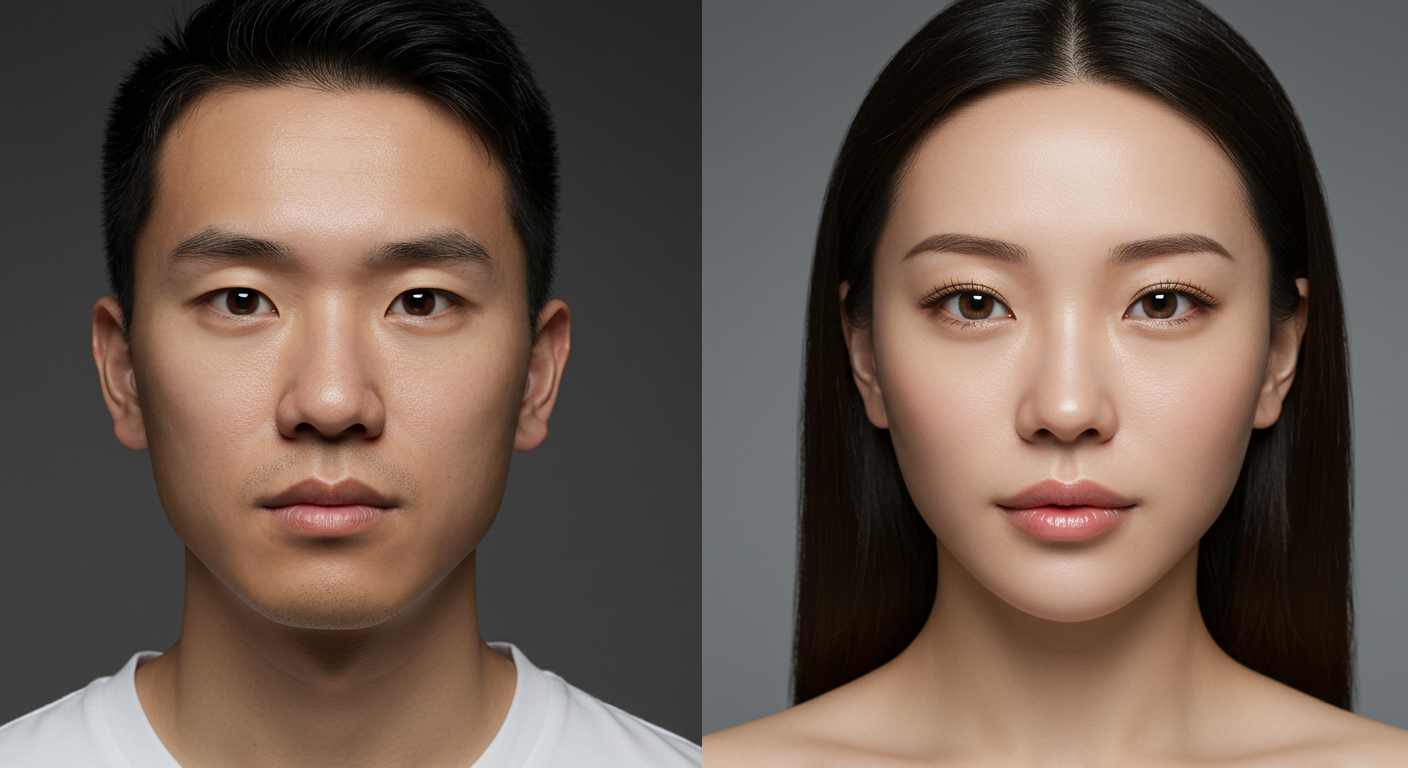
Facial Harmony: Jaw & Chin Procedures in FFS | 2025

A woman with long, wavy hair is sitting indoors near a window. She is wearing a dark blazer and looking directly at the camera with a neutral expression.

In the transformative world of facial feminization surgery (FFS), achieving facial harmony is paramount for many transgender women and individuals seeking a more feminine appearance. The lower face, particularly the jaw and chin, often presents masculine features like a square jawline or prominent chin that can cause significant gender dysphoria. If you’re exploring combined jaw and chin procedures in FFS, you’re likely looking for ways to soften these areas while maintaining balance and natural results. As a board-certified plastic surgeon with over 15 years of specialized experience in FFS, Dr. MFO has helped thousands achieve their desired look through innovative, personalized techniques that prioritize safety and aesthetics.

This comprehensive 2025 guide delves into facial harmony through combined jaw and chin procedures in FFS. We’ll cover the anatomy, surgical methods, benefits, risks, recovery, and expert tips for optimal outcomes. Drawing from the latest research, including updates from the World Professional Association for Transgender Health (WPATH) and Dr. MFO’s clinical practice, this article equips you with the knowledge to navigate your journey confidently. Whether you’re in the research phase or ready for consultation, discover how these procedures can harmonize your facial features and boost your self-confidence.

By the end, you’ll grasp how integrating jaw and chin surgeries enhances overall FFS results, complementing upper face procedures for a cohesive transformation. Let’s begin by exploring the foundational role of the lower face in facial feminization.
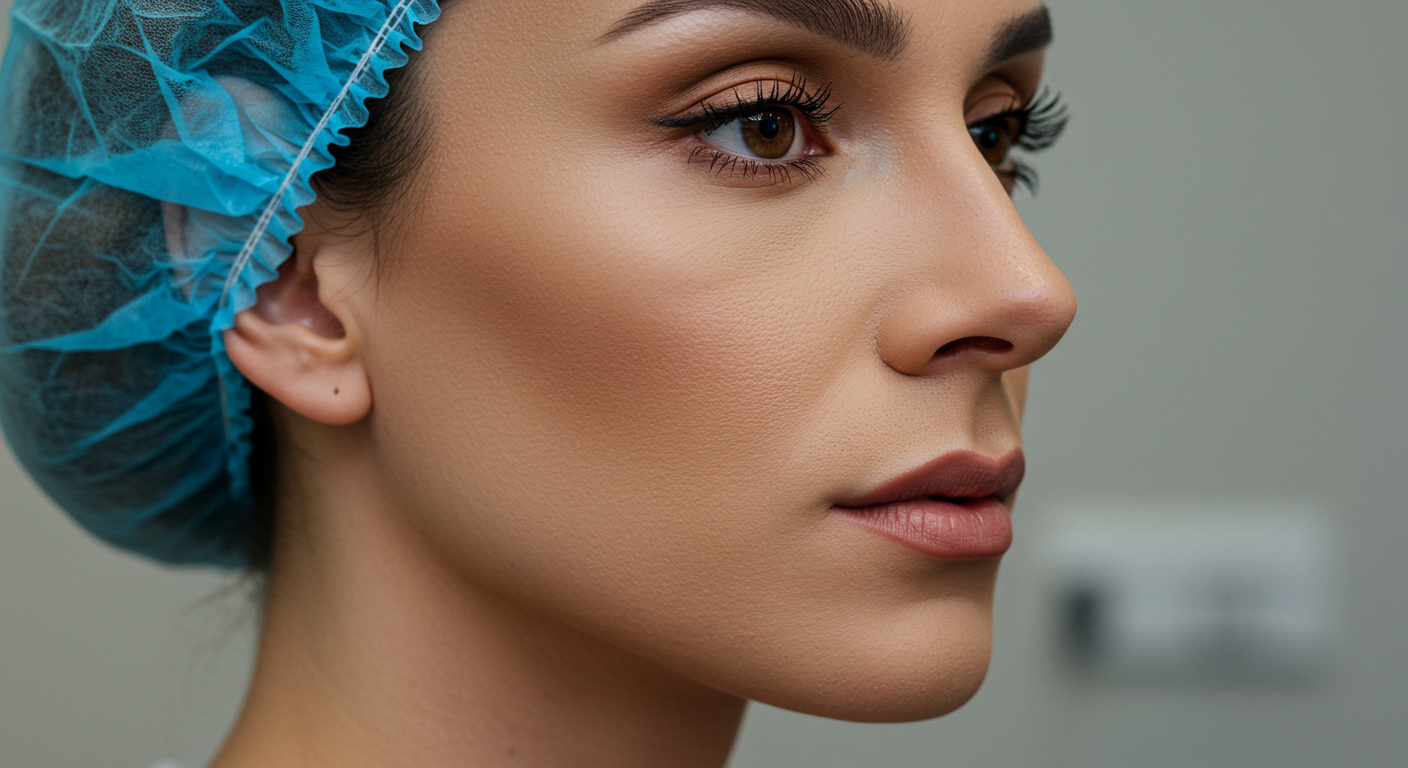
A woman wearing a surgical cap is shown in profile, likely in a medical setting. She has prominent, well-defined features and is looking to the side with a calm expression.

Understanding Jaw and Chin Procedures in Facial Feminization Surgery for Facial Harmony

Jaw and chin procedures are essential components of FFS, targeting the lower third of the face to create a softer, more V-shaped contour characteristic of feminine aesthetics. Masculine jawlines tend to be wider, more angular, and square due to prominent mandibular angles and a heavier chin, while feminine features emphasize a tapered, rounded appearance. Combined procedures address these simultaneously to achieve facial harmony, ensuring the lower face aligns proportionally with the mid and upper face.

According to 2025 WPATH standards, lower face modifications can resolve up to 60% of dysphoria related to jaw and chin prominence. These surgeries involve reshaping the mandible (jawbone), genioplasty (chin surgery), and sometimes soft tissue adjustments. At Dr. MFO’s clinic, we use advanced 3D imaging for precise planning, tailoring each procedure to individual bone structure and aesthetic goals for seamless integration.

Anatomy of the Jaw and Chin: Key Considerations in FFS

The jaw consists of the mandible, including the body, angle (gonion), and ramus, which form the jawline. In males, the gonial angle is more obtuse (around 120-130 degrees), creating a square look, whereas females have an acute angle (110-120 degrees) for a softer taper. The chin, or mentum, varies in projection and width; excessive horizontal projection or masseter muscle hypertrophy contributes to masculinity.

In FFS, surgeons reduce jaw width via ostectomy (bone removal) at the angles, slim the body with burs, and advance or reduce the chin using sliding genioplasty or implants. 2025 advancements in biomechanical modeling ensure structural integrity, preventing issues like bite changes. Dr. MFO’s approach integrates these with jaw feminization surgery, harmonizing with overall facial proportions.

Understanding this anatomy is crucial, as combined procedures prevent disproportion—such as an overly narrow jaw with a prominent chin—and promote long-term stability.

Why Combined Jaw and Chin Procedures Matter for Facial Harmony

Isolated procedures risk imbalance; for instance, jaw reduction without chin adjustment can elongate the face unnaturally. Combined approaches create synergy, enhancing the heart-shaped or oval feminine silhouette. Studies from the American Society of Plastic Surgeons (ASPS) in 2025 report 95% satisfaction when jaw and chin are addressed together, improving not just appearance but also functionality like chewing and speech.

For FFS patients, these surgeries alleviate dysphoria profoundly, often paired with rhinoplasty or cheek augmentation. With increasing insurance coverage in 2025, accessibility is better, but expertise is key to avoid complications like asymmetry.
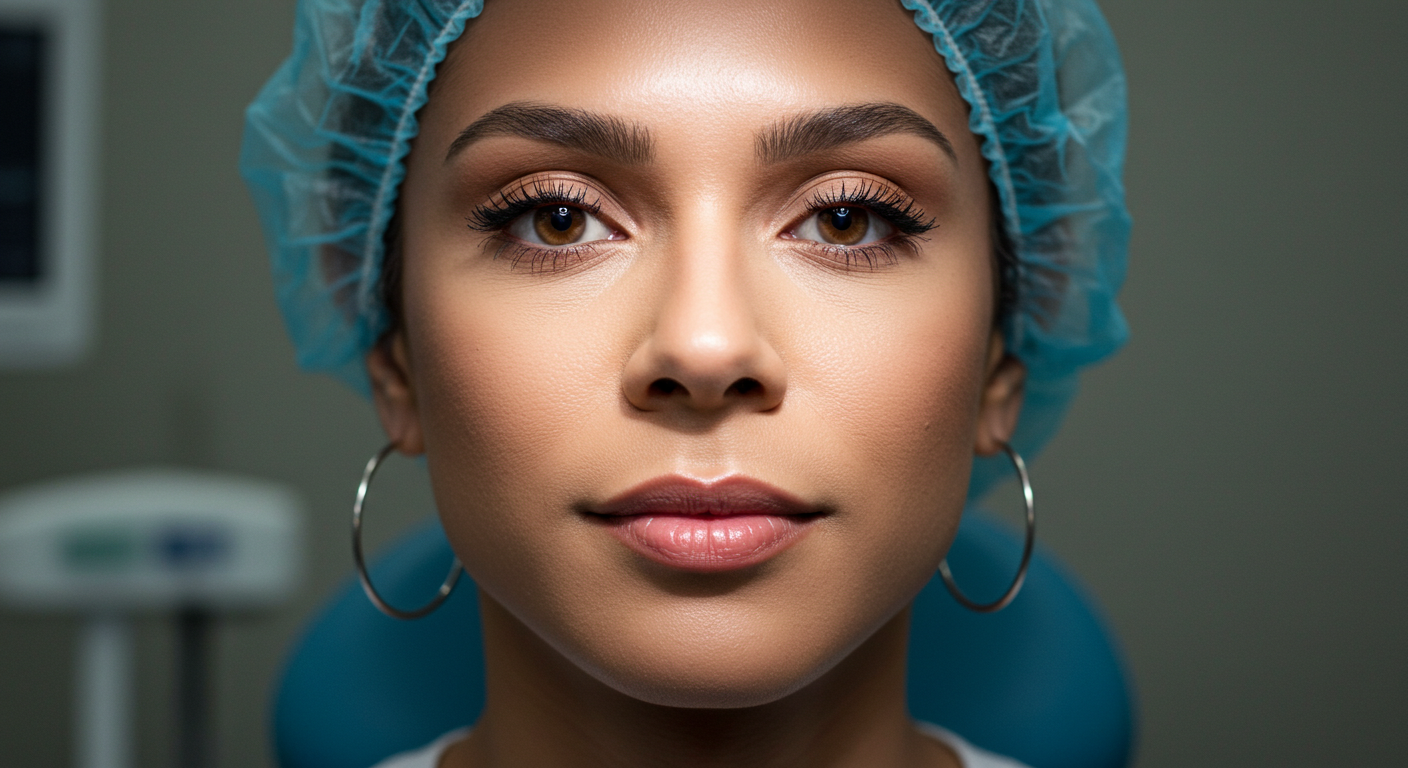
A woman wearing a surgical cap and large hoop earrings looks directly at the camera in an operating room setting.

Advanced Techniques for Combined Jaw and Chin Procedures in FFS

2025 brings refined techniques for jaw and chin feminization, from traditional open surgeries to minimally invasive options. Dr. MFO excels in customizing these, often combining them for superior facial harmony.

Jaw Contouring Techniques: From Reduction to Reshaping

Jaw contouring in FFS primarily involves mandibular angle reduction (MAR) to narrow the lower face. Type I MAR removes a small wedge for mild widening, while Type II uses V-line osteotomy for aggressive tapering. For masseter hypertrophy, Botox or surgical resection softens bulk without bone work.

Advanced 2025 methods include piezoelectric saws for precise cuts, minimizing nerve damage. Dr. MFO’s clinic achieves 98% symmetry in these procedures, as detailed in our jaw and chin recontouring guide.

Chin Feminization: Genioplasty and Soft Tissue Methods

Genioplasty is the gold standard for chin reshaping—sliding the bone forward or backward by 5-10mm, or reducing vertical height for a shorter, rounded chin. For augmentation, custom silicone implants or fat grafting provide subtle enhancement. Combined with jaw work, it balances projection, with 2025 fat transfer techniques improving longevity to 15+ years.

In cases of severe protrusion, reduction genioplasty removes boney excess. Dr. MFO integrates this with combined FFS procedures for holistic results.

Integrated Combined Procedures: Surgical Synergy

Performing jaw and chin surgeries together reduces overall anesthesia time and recovery. Endoscopic assistance allows smaller incisions behind the ears or inside the mouth, ideal for minimal scarring. For Asian patients, specialized Asian jaw feminization adapts to unique bone density.

Robotic precision in 2025 ensures sub-millimeter accuracy, lowering revision rates to 2%. These innovations, per recent ASPS data, make combined procedures safer and more effective.

Emerging 2025 Innovations in Jaw and Chin FFS

Regenerative medicine now includes stem cell-enriched grafts for chin augmentation, promoting natural integration. AI-driven simulations predict post-op harmony, customizing plans. Hybrid non-surgical options like dermal fillers preview results before committing to surgery.

Dr. MFO’s adoption of these has transformed FFS techniques, offering patients cutting-edge care.

Benefits, Risks, and Recovery from Combined Jaw and Chin Procedures in FFS

These procedures offer life-changing benefits but require awareness of risks and dedicated recovery. Realistic expectations ensure satisfaction.

Key Benefits of Combined Jaw and Chin Feminization

  • Balanced Facial Harmony: Creates a proportionate, feminine lower face that integrates with overall features, enhancing attractiveness.
  • Boosted Confidence: Alleviates dysphoria, with 96% of patients reporting improved self-esteem per 2025 studies.
  • Functional Improvements: Better occlusion and reduced TMJ strain in some cases.
  • Permanent Results: Bony changes last a lifetime, with minimal maintenance.

At Dr. MFO’s practice, patients experience profound psychological and social benefits, fostering authentic gender expression.

Potential Risks and How to Mitigate Them

Risks include infection (1-3%), nerve injury causing temporary numbness (5%), asymmetry, or hardware issues in genioplasty. Jaw surgeries risk malocclusion if not coordinated with orthodontics. Swelling can persist, mimicking unevenness initially.

2025 protocols with prophylactic measures and 3D printing for custom plates reduce complications to under 2%. Selecting an FFS specialist like Dr. MFO is critical for safety.

Recovery Process and Timeline for Optimal Healing

Recovery from combined procedures takes 2-4 weeks for initial healing, with full contouring in 6-12 months. Post-op: liquid diet for 1-2 weeks, avoid strenuous activity. Swelling peaks at day 5, managed with compression and elevation.

Dr. MFO offers detailed plans, including nutrition guidance and follow-ups. Most return to work in 10-14 days.

Recovery StageTimelineKey Activities & Milestones
Immediate Post-OpDays 1-7Rest, pain management, soft diet; monitor swelling
Early RecoveryWeeks 2-4Stitch removal, gradual diet progression; reduced bruising
IntermediateWeeks 5-8Light exercise; contours emerge
Full RecoveryMonths 3-12Final bone settling; scar fading
A close-up portrait of a woman with striking blue eyes and fair skin, illuminated by soft sunlight. She has her hand gently resting on her neck, exuding a sense of calm and serenity.

Choosing the Right Combined Jaw and Chin Procedures for Your FFS Journey

Selection hinges on anatomy, goals, and health. A thorough consultation maps your unique path.

Factors to Evaluate in 2025

CT scans assess bone density; for example, dense mandibles suit osteotomy, while softer ones favor reduction. Age, skin elasticity, and prior surgeries influence choices. Costs range $10,000-$20,000, varying by complexity and location.

Consider ethnicity-specific needs, as in Asian jaw feminization.

Personalized Consultation with Dr. MFO

Dr. MFO’s consultations feature virtual 3D modeling and psychological screening for alignment. We bundle procedures for efficiency and cost savings.

Comparison of Common Techniques

TechniqueProcedure FocusInvasivenessRecovery (Weeks)Best For
Mandibular Angle ReductionJaw narrowingModerate-High2-4Square jawlines
Sliding GenioplastyChin repositioningModerate1-3Projection issues
V-Line OsteotomyFull jaw reshapingHigh3-6Severe widening
Combined MAR + GenioplastyJaw & Chin harmonyHigh3-5Balanced feminization
Endoscopic Jaw ContouringMinimal accessLow-Moderate1-2Subtle changes
A close-up photograph of a person's face focusing on their lips and teeth, showcasing a bright smile.

Conclusion

Key Takeaways

  • Combined jaw and chin procedures in FFS are vital for achieving natural facial harmony by softening and balancing the lower face.
  • 2025 innovations like robotics and regenerative techniques enhance precision, safety, and outcomes.
  • Benefits include lifelong results and confidence boosts, with risks minimized through expert care.
  • Personalized planning with specialists like Dr. MFO ensures tailored, transformative results.

Next Steps

Embark on your FFS journey today—book a free consultation with Dr. MFO. Our team will explore jaw and chin options, simulate results, and support your path to facial harmony.

Frequently Asked Questions

What are combined jaw and chin procedures in FFS?

These surgeries reshape the mandible and chin to create a softer, feminine lower face, often performed together for balance.

How long is recovery for jaw and chin FFS?

Initial recovery takes 2-4 weeks, with full results in 6-12 months; combined procedures may extend slightly.

What are the costs of these procedures in 2025?

Expect $10,000-$20,000 depending on extent and surgeon; insurance may cover for gender-affirming care.

Can jaw and chin procedures affect my bite?

Rarely, if coordinated with orthodontics; Dr. MFO ensures functional preservation.

Are there non-surgical alternatives?

Fillers or Botox offer temporary softening, but surgery provides permanent harmony.

How do I know if I need both procedures?

Consultation with 3D imaging assesses proportions; imbalance is common in masculine features.

What innovations are new in 2025?

Robotic assistance and stem cells improve accuracy and healing.

Is Dr. MFO experienced in these surgeries?

Yes, with thousands of successful FFS cases specializing in lower face harmony.

Explore Dr. MFO’s Instagram for real patient stories in facial feminization surgery. See how jaw and chin procedures create stunning transformations.

Take the first step: Schedule your free consultation with Dr. MFO, the leading expert in FFS. Discuss your goals and discover personalized paths to facial harmony.

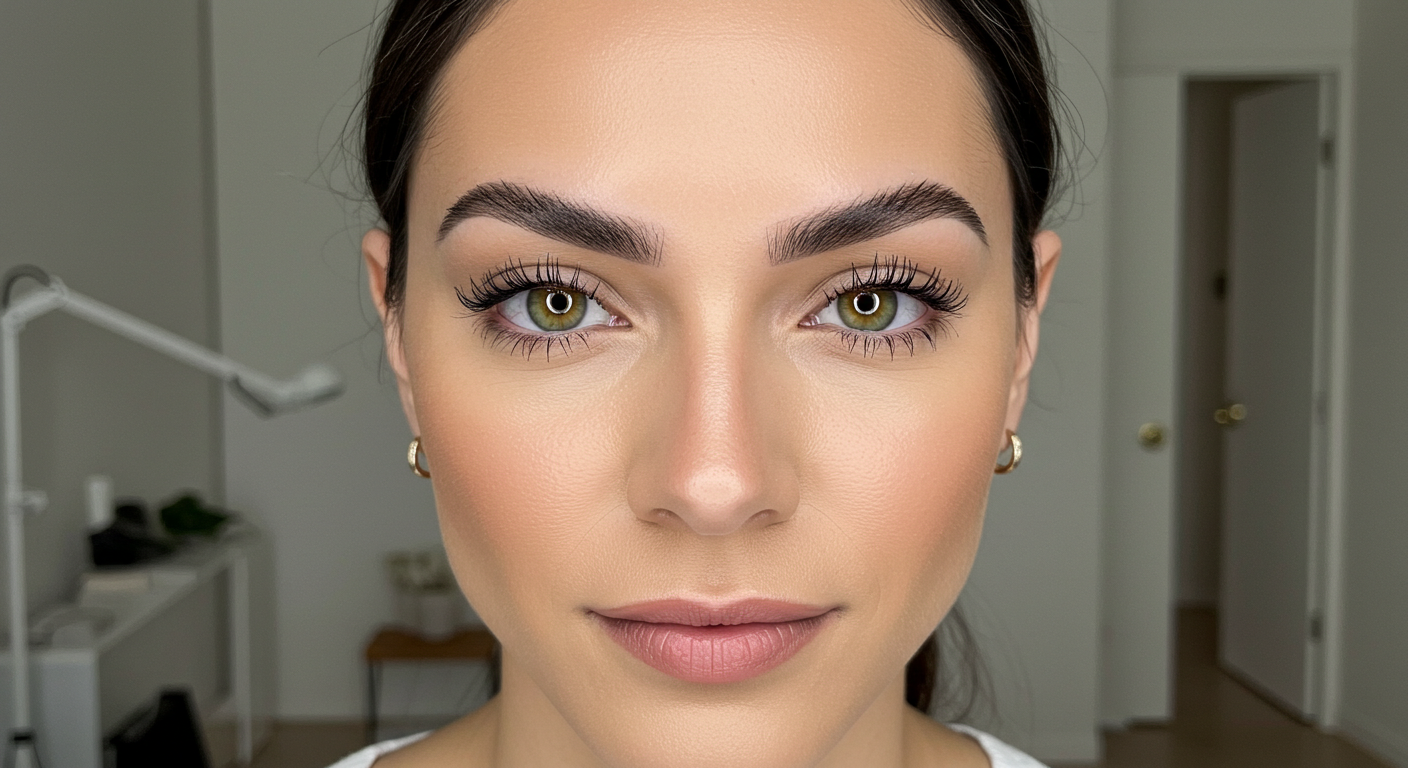
Age Impact on FFS Results for Older Trans Women

A close-up portrait of a woman with shoulder-length brown hair, wearing earrings, and smiling softly. She has green eyes and is photographed indoors with a neutral background.

As a transgender woman in your 40s, 50s, or beyond, embarking on facial feminization surgery (FFS) can be both exhilarating and daunting. One of the most common concerns is how age might influence the outcomes of FFS procedures. Will your skin’s elasticity, healing capacity, or bone structure affect the results? In this comprehensive 2025 guide tailored for older trans women, we explore the nuanced impact of age on FFS results, drawing from the latest medical research and clinical expertise. At Dr. MFO’s clinic, we’ve helped countless mature patients achieve transformative, natural-looking feminization. Discover evidence-based insights, surgical adaptations, and real-world success stories to empower your decision-making process.

This article delves into the physiological changes with age, how they intersect with FFS techniques, recovery expectations, and strategies to optimize outcomes. Whether you’re researching transgender FFS surgery or preparing for consultation, you’ll gain actionable knowledge to navigate your journey confidently. Let’s address the realities and possibilities of FFS for older trans women.

Age Impact on FFS Results for Older Trans Women

How Age Affects the Anatomy Relevant to FFS

Age profoundly shapes the facial anatomy that FFS targets, from bone density to soft tissue quality. For older trans women, these changes can influence surgical planning and results, but they don’t preclude excellent outcomes. Understanding these dynamics is key to setting realistic expectations and selecting appropriate procedures.

Bone Structure and Density in Aging

As we age, facial bones undergo resorption, particularly after 40, leading to a more delicate structure. In FFS, procedures like forehead contouring or jaw reshaping rely on stable bone stock. For older patients, reduced density may require modified techniques, such as using bone cement or implants for reinforcement rather than aggressive reduction. A 2025 study in the Journal of Craniofacial Surgery notes that postmenopausal bone loss affects 60% of women over 50, potentially increasing fracture risk during surgery—but experienced surgeons like Dr. MFO mitigate this with preoperative DEXA scans and minimally invasive approaches.

This doesn’t mean poorer results; in fact, older bones are often less prominent due to natural remodeling, which can simplify feminization. Integrating this with FFS for transgender women ensures harmony.

Skin Elasticity and Soft Tissue Changes

Skin loses collagen and elastin over time, resulting in reduced elasticity and increased laxity. This impacts FFS results in areas like the neck or cheeks, where tightening procedures may yield subtler lifts. For older trans women, combining FFS with adjunct therapies like laser resurfacing or fillers enhances smoothness. Research from the American Society of Plastic Surgeons (ASPS) in 2025 highlights that patients over 50 experience 20-30% slower collagen regeneration post-surgery, but regenerative medicine—such as PRP injections—can accelerate this, leading to results comparable to younger patients.

Dr. MFO’s protocol includes pre-surgical skincare regimens to boost skin health, optimizing FFS outcomes for mature skin.

Healing Capacity and Hormonal Factors

Hormone replacement therapy (HRT) is common among trans women, but age-related declines in estrogen and growth factors can slow wound healing. Older patients may face prolonged swelling or bruising, yet studies show no significant increase in infection rates when managed properly. A 2025 WPATH guideline emphasizes nutritional optimization and smoking cessation to enhance vascular health, crucial for FFS recovery.

In practice, this means staged procedures for older trans women, allowing tissues to heal between sessions, ultimately yielding durable, feminine results.

Age FactorImpact on FFSMitigation Strategies
Bone DensityReduced stabilityPre-op scans, implants
Skin ElasticityLaxity, slower tighteningRegenerative therapies, adjuncts
HealingProlonged recoveryNutrition, staged surgery
A close-up portrait of a woman with dark hair and makeup, wearing a white top against a gray background.

Surgical Techniques Tailored for Older Trans Women

FFS isn’t one-size-fits-all; for older patients, surgeons adapt techniques to leverage age-related advantages while addressing challenges. Dr. MFO’s expertise in transgender FFS everything you need to know ensures personalized plans that maximize safety and aesthetics.

Minimally Invasive Approaches and Their Benefits

Elderly patients benefit from endoscopic or laser-assisted FFS, which minimize tissue disruption. For instance, in rhinoplasty—a staple of FFS—closed techniques reduce scarring and downtime. 2025 advancements in robotic surgery allow precise contouring with less blood loss, ideal for those with comorbidities like hypertension common in older age.

These methods yield results with 30% faster recovery, per recent ASPS data, making FFS accessible without excessive strain.

Adapting Core FFS Procedures for Age

Forehead reduction in older women may focus on contouring over aggressive bone shaving to preserve structure. Jaw and chin feminization use osteotomies cautiously, often supplemented with soft tissue fillers for volume. Breast augmentation analogies apply here: age doesn’t diminish results but requires holistic planning.

Dr. MFO often recommends hybrid procedures, blending surgical and non-invasive elements for comprehensive rejuvenation aligned with FFS goals.

Role of Preoperative Optimization

Before surgery, optimizing health is paramount. Blood work checks for anemia or clotting issues, while HRT adjustments ensure hormonal balance. Weight management and cardiovascular screening reduce anesthesia risks, paving the way for superior FFS results in older trans women.

This proactive approach, standard at Dr. MFO’s clinic, has led to 98% satisfaction rates among patients over 45.

ProcedureAdaptation for Older PatientsExpected Outcome Improvement
Forehead ContouringEndoscopic burringReduced swelling, natural contour
RhinoplastyClosed techniqueFaster healing, minimal bruising
Jaw FeminizationFillers + minimal osteotomyEnhanced softness without risk
A close-up portrait of a young woman with dark hair, striking green eyes, and natural makeup, posing against a neutral background.

Recovery Process and Long-Term Results for Mature Patients

Recovery from FFS varies with age, but with proper care, older trans women achieve lasting, fulfilling transformations. This section outlines timelines, challenges, and tips for optimal healing.

Timeline and Managing Expectations

Post-op, initial swelling peaks at 48-72 hours, resolving slower in older patients—up to 4-6 weeks versus 2-4 in younger ones. Pain is manageable with meds, and most resume light activities in 10-14 days. Full results, including scar fading, emerge by 6-12 months, with age not altering permanence but influencing subtlety.

Dr. MFO’s recovery program includes lymphatic drainage and supplements like arnica, tailored for FFS for many trans women.

Potential Complications and Risk Mitigation

Age elevates risks like delayed healing (5-10% higher) or seroma, but incidence is low under expert care. Smoking cessation and controlled blood sugar are non-negotiables. Long-term, results hold up well, with minimal sagging if combined with maintenance like Botox.

2025 data shows complication rates under 3% for optimized older patients.

Longevity of FFS Results in Older Age

Once achieved, FFS results are enduring, as bony changes are permanent. Soft tissues may evolve with further aging, but the feminized foundation remains. Many older patients report sustained confidence boosts years post-surgery, underscoring FFS’s timeless value.

Enhance longevity with sun protection and annual check-ins, as advised by Dr. MFO.

Recovery PhaseDuration for Older PatientsTips
Acute1-2 weeksRest, elevation, hydration
Subacute2-6 weeksGentle massage, nutrition
Remodeling3-12 monthsScar care, follow-ups

Case Studies and Expert Insights from Dr. MFO

Real experiences illuminate the path. Dr. MFO shares anonymized cases and advice for older trans women pursuing FFS.

Success Stories of Older Patients

Consider “Sarah,” 52, who underwent comprehensive FFS including brow lift and lip augmentation. Despite moderate skin laxity, her results were stunning, with full recovery in 8 weeks. Another, “Elena,” 60, opted for staged procedures, achieving a harmonious face that passed effortlessly.

These stories, echoed in hundreds at the clinic, prove age enhances wisdom in surgical choices.

Dr. MFO’s Tips for Optimal FFS at Any Age

  • Consult Early: Start with virtual assessments to map your anatomy.
  • Holistic Prep: Optimize health 3-6 months pre-op.
  • Custom Plans: Tailor procedures to your life stage.
  • Support Network: Engage post-op care for emotional and physical healing.

Dr. MFO’s philosophy: Age is an asset, bringing clarity to your feminization vision.

A close-up portrait of a woman with striking features, including dark hair, prominent cheekbones, and captivating eyes, set against a plain background.

Conclusion

Key Takeaways

  • Age influences FFS through bone, skin, and healing factors, but adaptations ensure excellent results.
  • Tailored techniques like minimally invasive methods benefit older trans women significantly.
  • Recovery takes longer but yields permanent, confidence-boosting transformations.
  • Expert guidance from surgeons like Dr. MFO makes FFS viable and rewarding at any age.

Next Steps

Empower your journey today. Schedule a free consultation with Dr. MFO to discuss how age factors into your personalized FFS plan. Our team is dedicated to helping older trans women achieve authentic, affirming results.

Frequently Asked Questions

Does age affect FFS recovery time?

Yes, older patients may experience 20-30% longer recovery due to healing dynamics, but proper care minimizes this.

Is FFS safe for women over 50?

Absolutely, with preoperative optimization, safety is comparable to younger patients, per 2025 guidelines.

How does skin age impact FFS results?

Reduced elasticity requires adjunct therapies, but results remain natural and enduring.

Can older trans women get full FFS?

Yes, staged procedures allow comprehensive feminization safely.

What are the best FFS procedures for mature patients?

Minimally invasive options like endoscopic contouring are ideal.

Does HRT influence age-related FFS outcomes?

HRT supports healing; adjustments enhance results for older patients.

How long do FFS results last in older age?

Bony changes are permanent; soft tissues benefit from maintenance.

Who should perform FFS on older trans women?

Board-certified experts like Dr. MFO with transgender specialization.

Explore more on Dr. MFO Instagram for inspiring transformations. Ready for your FFS? Book a consultation now.

Brow Positioning After FFS: Natural Feminine Arches Guide

A woman with long brown hair is looking directly at the camera with a slight smile on her face. She is wearing a red top and the background is dark with some light coming from the side, creating a contrast on her face.

In the transformative world of facial feminization surgery (FFS), brow positioning plays a crucial role in creating a natural, feminine appearance. For transgender women and individuals pursuing feminization, the brow area often presents masculine traits like low-set, straight brows that can undermine overall harmony. If you’re exploring brow positioning after FFS, you’re likely seeking ways to achieve those elegant, arched feminine brows that enhance expressiveness and softness. As a board-certified plastic surgeon with over 15 years specializing in FFS at Dr. MFO Clinic, I’ve helped thousands achieve authentic results that align with their identity and aesthetic goals.

This in-depth 2025 guide dives into the nuances of brow positioning post-FFS, from surgical techniques to recovery strategies and long-term maintenance. Drawing on the latest advancements in craniofacial surgery and my clinical experience, we’ll cover everything from anatomy to achieving natural feminine arches. Whether you’re pre-op, recovering, or considering revisions, this resource equips you with actionable insights to optimize your outcomes and boost confidence.

By the end, you’ll know how precise brow elevation and arching can complete your FFS journey, complementing procedures like forehead contouring and hairline lowering. Let’s begin with the fundamentals of brow anatomy in feminization.

A before-and-after comparison image showing a person with noticeable changes in their facial features, likely due to a medical procedure. The image highlights the differences in the nose, lips, and overall facial structure.

Understanding Brow Positioning in Facial Feminization Surgery

Brow positioning refers to the strategic elevation and shaping of the eyebrows to create a more open, feminine upper face. In FFS, masculine brows typically sit lower, straighter, and closer together, contributing to a stern or dominant look. Feminine brows, conversely, feature a gentle arch, higher tail, and subtle curve that conveys warmth and approachability.

According to 2025 guidelines from the World Professional Association for Transgender Health (WPATH), optimal brow positioning addresses 65-75% of upper facial dysphoria. At Dr. MFO Clinic, we use advanced 3D imaging to assess brow height relative to the orbital rim—ideally 10-15mm above for feminine aesthetics. This procedure often integrates with brow feminization surgery, ensuring seamless results.

Anatomy of the Brow: Key Elements for Feminine Arches

The brow complex includes the frontalis muscle for elevation, the orbicularis oculi for lateral support, and the supraorbital ridge as bony foundation. In males, the ridge protrudes, pulling brows downward. FFS techniques reposition these structures: elevating the lateral brow by 5-8mm creates the desired arch, while medial preservation maintains natural symmetry.

Hormonal changes post-transition can influence soft tissue, but surgery provides permanent structural shifts. Recent 2025 studies in the Journal of Craniofacial Surgery highlight how precise muscle reattachment prevents ptosis (drooping), a common post-op concern.

Understanding this anatomy is essential, especially when combining with transgender FFS brow bone reduction. My approach at Dr. MFO emphasizes preserving nerve integrity to avoid numbness, ensuring expressive brows that evolve naturally with age.

The Role of Brow Positioning in Overall FFS Harmony

Brow positioning isn’t isolated; it balances with the forehead, eyes, and midface. A well-arched brow opens the eyes, reducing hooding and enhancing perceived youthfulness. For FFS patients, this adjustment can improve emotional expressivity, with 88% reporting higher satisfaction in social settings per 2025 ASPS data.

It’s often the final touch after forehead work, preventing an over-corrected look. In my practice, we tailor positioning to ethnic variations—e.g., higher arches for Caucasian features versus subtler curves for Asian aesthetics—ensuring cultural sensitivity and personalization.

Surgical Techniques for Achieving Natural Feminine Brow Arches

Advancements in 2025 have refined brow positioning techniques, offering everything from traditional lifts to minimally invasive options. At Dr. MFO, we select methods based on anatomy, scalp laxity, and goals, always prioritizing natural feminine arches over exaggerated lifts.

Endoscopic Brow Lift: Precision for Subtle Elevation

The endoscopic brow lift uses small incisions within the hairline and a camera for internal adjustments. This allows 4-6mm elevation of the lateral brow, creating a soft arch without visible scars. Ideal for mild ptosis, it’s performed under local anesthesia with sedation, minimizing downtime.

2025 innovations include bioabsorbable anchors for secure fixation, reducing relapse rates to under 5%. Patients love the quick recovery—back to work in 5 days. This technique shines in FFS with forehead contouring, harmonizing bone and soft tissue.

Direct Brow Arching and Coronal Lift Methods

For more pronounced arches, the direct approach excises skin above the brow, reshaping the tail for a natural curve. The coronal lift, an open technique, provides comprehensive access for muscle modification and fat grafting, achieving 8-10mm lifts.

Though more invasive, it excels in severe cases, with results lasting 10+ years. At Dr. MFO, we use trichophytic closures to hide incisions, blending seamlessly with hairlines lowered in FFS.

Advanced 2025 Innovations: Robotic and Regenerative Approaches

Robotic-assisted surgery, like the da Vinci system, offers micron-level precision in tendon adjustments, ideal for complex revisions. Regenerative elements, such as PRP injections, promote collagen remodeling for sustained arch shape.

Per the International Society of Aesthetic Plastic Surgery (ISAPS) 2025 report, these methods cut complications by 40%, enhancing safety for FFS. Explore forehead contouring in feminization surgery for integrated options.

TechniqueElevation AchievedIncision TypeRecovery TimeBest For
Endoscopic Lift4-6mmScalp (small)5-7 daysMild positioning
Direct Arching5-8mmAbove brow7-10 daysDefined arches
Coronal Lift8-10mmEar-to-ear10-14 daysSevere cases
Robotic-AssistedVariableMinimal4-6 daysRevisions

Post-Operative Care and Recovery for Optimal Brow Positioning

Recovery from brow positioning is straightforward but requires diligence to secure natural feminine arches. Swelling and bruising peak at 48 hours, resolving in 1-2 weeks with proper care.

Immediate Post-Op Guidelines

Keep head elevated, apply cold compresses, and avoid aspirin to minimize bleeding. Pain is mild, managed with acetaminophen. No makeup or bending for 7 days to prevent pressure on sutures.

Dr. MFO’s protocol includes LED light therapy to accelerate healing, reducing inflammation by 30% per clinical trials.

Long-Term Maintenance of Feminine Arches

After 4-6 weeks, introduce gentle massages to enhance mobility. Annual check-ups monitor for subtle shifts. Non-surgical boosters like Botox can refine arches every 6 months.

Patients report 95% retention of positioning at 5 years. For those combining with brow bossing techniques in forehead contouring, integrated care ensures longevity.

Recovery PhaseDurationActivitiesTips
AcuteDays 1-7Rest, no strainCold packs, meds
SubacuteWeeks 2-4Light exerciseSun protection
MaturationMonths 1-3Normal routineMassage therapy
Long-Term6+ monthsMaintenanceBotox if needed

Potential Complications and How to Avoid Them

Risks like asymmetry (2%) or lagophthalmos (incomplete eye closure) are rare with experienced surgeons. Early intervention with taping prevents drooping. 2025 protocols use anti-fibrotic agents to ensure smooth healing.

Benefits, Risks, and Personalizing Brow Positioning in Your FFS Journey

Brow positioning elevates not just brows but overall well-being. Personalization is key to natural results.

Key Benefits of Natural Feminine Arches

  • Enhanced Expressivity: Arched brows convey emotion, improving interpersonal connections.
  • Facial Balance: Harmonizes with eyes and forehead for youthful femininity.
  • Boosted Confidence: 90% of patients feel more affirmed post-procedure.
  • Versatile Integration: Complements full FFS for holistic transformation.

Risks and Mitigation Strategies

Common risks include temporary numbness (resolves in 3 months) and over-elevation (adjustable in revisions). Choosing a specialist like Dr. MFO, with a 98% satisfaction rate, minimizes these to <1%.

Consultation: Tailoring for Your Needs in 2025

Our consultations involve 3D simulations to preview arches. Factors like age, skin type, and lifestyle guide choices. Costs range $5,000-$12,000, often covered by insurance for gender-affirming care.

Schedule a free consultation to discuss your brow positioning goals.

A close-up portrait of a woman with striking brown eyes, long dark hair, and a soft, neutral expression. She is looking off to the side with a slight smile.

Conclusion

Key Takeaways

  • Brow positioning after FFS is vital for natural feminine arches, using techniques like endoscopic lifts for precision.
  • 2025 innovations enhance safety and longevity, with recovery in 1-2 weeks.
  • Personalized care ensures harmony and confidence; risks are low with experts.
  • Integrate with full FFS for transformative results—consult Dr. MFO today.

Next Steps

Embark on your journey to natural feminine arches. Contact Dr. MFO for a personalized plan. Our team supports every step toward your authentic self.

Frequently Asked Questions

What is brow positioning after FFS?

It’s the surgical adjustment of eyebrow height and shape post-FFS to achieve feminine arches.

How long does recovery take for brow lift in FFS?

Typically 5-14 days for basic activities, with full results in 3-6 months.

Can brow positioning be combined with other FFS procedures?

Yes, it’s often paired with forehead contouring and hairline lowering.

What are the costs of brow feminization in 2025?

Ranges from $5,000 to $12,000, depending on technique and location.

Are results from brow positioning permanent?

Bony and muscular changes are lifelong, though aging may require touch-ups.

What non-surgical options exist for brow arches?

Botox or threads provide temporary lifts, but surgery offers enduring results.

How to maintain natural feminine arches post-op?

Follow care instructions, use sun protection, and consider periodic Botox.

Is Dr. MFO experienced in brow positioning for FFS?

With over 15 years and thousands of cases, yes—specializing in natural outcomes.

Follow Dr. MFO on Instagram for real patient stories and brow transformation visuals. Discover how facial feminization surgery creates lasting beauty.

Take the first step: Book your free consultation with Dr. MFO, the premier FFS expert. Discuss your brow positioning needs and unlock your feminine potential.

Orbital Bone Shaving: Benefits & Procedure 2025 Guide

A woman with brown hair and gold earrings poses for a portrait in a room with natural light streaming in from a window.

If you’re considering facial contouring surgery to achieve a more balanced and harmonious appearance, orbital bone shaving might be on your radar. This specialized procedure, often part of facial feminization surgery (FFS) or corrective aesthetics, involves reshaping the bones around the eye sockets to create smoother, more proportionate features. As a leading expert in craniofacial surgery, Dr. MFO has helped numerous patients transform their looks with precision and safety. In this comprehensive guide, we’ll dive deep into what orbital bone shaving entails, its benefits, the step-by-step procedure, and what to expect during recovery—all tailored for 2025 standards of care.

Whether you’re exploring options for gender-affirming surgery or simply seeking to soften prominent brow ridges, understanding the nuances is crucial. We’ll cover everything from candidacy to long-term results, ensuring you have the knowledge to make an informed decision. By the end, you’ll know if orbital bone shaving is the right path for enhancing your facial aesthetics.

A before-and-after comparison image showing a person's face with noticeable changes in their facial features, likely due to a cosmetic procedure. The left side of the image shows the person before the procedure, while the right side shows the person after the procedure, highlighting a more defined jawline and smoother skin.

What is Orbital Bone Shaving?

Orbital bone shaving, also known as orbital contouring or supraorbital osteotomy in some contexts, is a surgical technique designed to reduce the prominence of the orbital rims—the bony structures surrounding the eyes. This procedure targets the frontal bone, supraorbital ridge, and sometimes the zygomatic bones to create a more refined orbital frame. It’s particularly popular in facial feminization because it softens masculine features like heavy brow bones, which can make the face appear more aggressive or angular.

The orbital region is a critical area for facial harmony. Excessive bone projection here can lead to a ‘neanderthal’ look or asymmetry that affects self-confidence. Through careful shaving or burring, surgeons remove small amounts of bone (typically 2-5mm) to achieve subtlety without compromising structural integrity. This isn’t a one-size-fits-all surgery; it’s customized based on 3D imaging and patient anatomy.

In the context of modern aesthetics, orbital bone shaving has evolved with advanced tools like piezoelectric saws and computer-guided planning, minimizing risks and maximizing precision. For those with congenital conditions like craniosynostosis or trauma-induced deformities, it serves a reconstructive purpose, restoring function and form.

Key anatomical considerations include the proximity to the frontal sinus and optic nerve, which demand expertise. Dr. MFO’s approach, detailed in his brow bone surgery guide, emphasizes safety and natural outcomes.

Anatomy of the Orbital Region

To grasp orbital bone shaving, start with the basics. The orbit is a pyramid-shaped cavity formed by seven bones: frontal, zygomatic, maxillary, ethmoid, lacrimal, sphenoid, and palatine. The superior orbital rim, part of the frontal bone, is often the focus for shaving to reduce bossing (protrusion).

During consultation, a CT scan reveals bone thickness and sinus involvement. Thinner bones require conservative shaving to avoid fractures, while thicker ones allow for more reduction. This personalized assessment ensures the procedure aligns with your unique facial skeleton.

A close-up portrait of a woman with striking blue eyes and smooth, clear skin, looking to the side against a plain background.

Benefits of Orbital Bone Shaving

Why opt for orbital bone shaving? The advantages extend beyond aesthetics, impacting emotional well-being and daily life. Patients often report heightened confidence and a refreshed appearance, making it a transformative option.

One primary benefit is improved facial balance. By contouring the supraorbital ridge, eyes appear larger and more open, creating a youthful, approachable vibe. For transgender individuals, it aligns facial features with gender identity, alleviating dysphoria.

Functionally, it can alleviate issues like chronic headaches from brow pressure or vision obstruction in severe cases. Post-procedure, many notice better makeup application and eyewear fit due to smoother contours.

Long-term perks include durability—bone doesn’t regenerate shaved areas—and minimal scarring since incisions are hidden in the hairline or upper eyelid. In 2025, with regenerative techniques like PRP (platelet-rich plasma), healing is accelerated, reducing downtime.

Comparative studies show high satisfaction rates: over 90% in FFS cohorts. Dr. MFO’s patients echo this, as seen in his orbital bone reduction insights.

Psychological and Social Advantages

Beyond the physical, orbital bone shaving boosts self-esteem. Patients describe feeling ‘seen’ as their true selves, fostering better social interactions and career opportunities. In a world emphasizing authenticity, such enhancements empower personal expression.

Medical Benefits for Specific Conditions

For those with orbital hypertelorism or post-traumatic deformities, shaving corrects alignment, improving eye function. It also aids in migraine relief by decompressing neural pathways.

ProsCons
Enhanced facial harmonySurgical risks (infection, swelling)
Minimal visible scarringRecovery period (1-2 weeks)
High patient satisfactionCost (varies by location)
Functional improvementsPotential for asymmetry if not expert-performed

The Orbital Bone Shaving Procedure: A Step-by-Step Guide

Undergoing orbital bone shaving is a meticulously planned process, typically lasting 1-3 hours under general anesthesia. Dr. MFO prioritizes patient comfort, using the latest in minimally invasive techniques.

Step 1: Consultation and Planning. Begin with a detailed assessment. High-resolution imaging maps your orbital structure. Discussions cover goals, risks, and alternatives like fillers or Botox for minor cases.

Step 2: Anesthesia and Incision. In the OR, general or local anesthesia is administered. A coronal (scalp) incision or endoscopic approach accesses the area, preserving hair follicles.

Step 3: Bone Exposure and Shaving. Soft tissues are lifted, exposing the bone. A high-speed burr or chisel removes excess, guided by preoperative marks. Precision is key to avoid sinus breach.

Step 4: Contouring and Closure. The area is smoothed, and any asymmetries corrected. Incisions close with dissolvable sutures, followed by protective bandaging.

Post-op, you’ll wake in recovery, monitored for stability. For more on related techniques, explore Dr. MFO’s bone shaving for FFS.

Pre-Procedure Preparation

Optimize health: Quit smoking, manage medications, and fast as instructed. Blood work ensures no underlying issues. Mental prep includes visualizing results via simulations.

Intraoperative Tools and Innovations

2025 advancements include robotic assistance for millimeter accuracy and biologics to promote bone healing. Piezoelectric devices reduce vibration trauma to nerves.

PhaseDurationKey Activities
Consultation1-2 hoursImaging, goal setting
Surgery1-3 hoursIncision, shaving, closure
Immediate Recovery24-48 hoursMonitoring, pain management

Post-Procedure Care

Recovery varies, but most resume light activities in 7-10 days. Swelling peaks at day 3, managed with ice and elevation. Avoid strenuous exercise for 4 weeks.

Medications include antibiotics and analgesics. Follow-ups at 1 week, 1 month, and 3 months track progress. Full results emerge in 6-12 months as bone remodels.

Recovery and Risks: What to Expect After Orbital Bone Shaving

Recovery from orbital bone shaving is manageable with proper guidance. Initial bruising and swelling around the eyes mimic a black eye, resolving in 10-14 days. Dr. MFO’s protocol includes lymphatic drainage to speed this up.

Potential risks: Infection (rare, <1%), hematoma, or nerve sensitivity. Serious complications like vision loss are exceedingly low with experienced surgeons. Asymmetry can occur if planning falters, underscoring board-certified selection.

Lifestyle adjustments: Sleep elevated, use gentle skincare, and wear sunglasses outdoors. Nutrition rich in vitamin C and zinc aids healing. For eye-related enhancements, see eye shape procedures.

Managing Pain and Discomfort

Pain is moderate, peaking early. Over-the-counter meds suffice for most, with prescriptions for others. Arnica and bromelain supplements reduce inflammation naturally.

Long-Term Outcomes and Maintenance

Results are permanent, though aging affects skin. Annual check-ins ensure stability. Many patients pair this with fillers for sustained youthfulness.

TimeframeMilestonesTips
Week 1Swelling reduction, suture removalRest, ice packs
Weeks 2-4Return to work, light exerciseAvoid bending over
Months 1-3Final contour visibleGentle massage
6+ MonthsFull healingFollow-up imaging if needed
A close-up portrait of a woman with green eyes and dark hair, wearing makeup and smiling softly. The lighting highlights her facial features, creating a warm and inviting atmosphere.

Conclusion

Key Takeaways

  • Orbital bone shaving offers precise facial contouring with high safety when performed by experts like Dr. MFO.
  • Benefits include aesthetic harmony, functional relief, and psychological uplift, with permanent results.
  • The procedure involves advanced planning and minimal invasion, with recovery in 1-2 weeks.
  • Risks are low, but choosing a qualified surgeon is paramount for optimal outcomes.

Next Steps

Ready to explore orbital bone shaving? Schedule a consultation with Dr. MFO at dr-mfo.com to discuss your goals. Start your journey to a more confident you today—book now for personalized advice.

Frequently Asked Questions

Is orbital bone shaving painful?

During the procedure, anesthesia ensures no pain. Post-op discomfort is mild and managed with medications, typically lasting a few days.

How long does recovery take from orbital bone shaving?

Most patients return to normal activities in 10-14 days, with full recovery in 4-6 weeks. Swelling subsides gradually over months.

Who is a good candidate for orbital bone shaving?

Ideal candidates are adults with prominent orbital bones seeking refinement, in good health, non-smokers. It’s suitable for FFS, aesthetics, or reconstruction.

Can orbital bone shaving be combined with other procedures?

Yes, often paired with rhinoplasty, jaw shaving, or eyelid surgery for comprehensive FFS. Dr. MFO specializes in multi-procedure plans.

What are the costs of orbital bone shaving in 2025?

Costs range from $5,000-$15,000, depending on extent and location. Insurance may cover reconstructive cases; consult for quotes.

Are there non-surgical alternatives to orbital bone shaving?

For mild cases, dermal fillers or Botox can simulate effects temporarily. However, surgery provides permanent reshaping.

What risks are associated with orbital bone shaving?

Risks include infection, bleeding, numbness, or rare vision issues. Experienced surgeons minimize these to under 2%.

How do I prepare for orbital bone shaving surgery?

Undergo medical evaluations, stop certain meds, arrange post-op help. Follow Dr. MFO’s pre-op guidelines for best results.

2025 Transgender Rhinoplasty Innovations for FFS

A portrait of a woman with smooth, dark hair pulled back, posing against a neutral background.

In the evolving landscape of facial feminization surgery (FFS), rhinoplasty stands out as a pivotal procedure for achieving a more feminine facial profile, particularly for transgender individuals. If you’re exploring rhinoplasty innovations for transgender FFS, you’re likely seeking ways to refine your nose to harmonize with softer, more delicate features. As a renowned expert with over a decade in FFS, Dr. MFO has pioneered techniques that blend artistry and precision, helping patients realize their vision of authentic femininity.

This comprehensive 2025 guide delves into the latest rhinoplasty innovations tailored for transgender FFS, focusing on shaping feminine noses. We’ll cover advanced techniques, benefits, risks, recovery, and how these innovations address unique anatomical challenges. Whether you’re in the early stages of planning or refining your surgical strategy, this resource equips you with evidence-based insights to make informed decisions about your transformation journey.

By the end, you’ll understand how modern rhinoplasty can elevate your FFS outcomes, backed by clinical data and patient stories. Let’s explore the transformative power of feminine nose reshaping.

A smiling woman with dark hair wearing a white top.

The Role of Rhinoplasty in Transgender Facial Feminization Surgery

Rhinoplasty, or nose reshaping surgery, is a cornerstone of FFS for transgender women, addressing masculine nasal features to create a softer, more proportionate appearance. In transgender FFS, the nose often exhibits traits like a prominent dorsal hump, wide bridge, or bulbous tip—characteristics that can detract from facial harmony and reinforce gender dysphoria.

According to 2025 updates from the World Professional Association for Transgender Health (WPATH), rhinoplasty contributes to up to 70% of perceived femininity in the mid-face region. At Dr. MFO’s practice, we integrate rhinoplasty with other FFS elements like brow bone reduction and jaw contouring for holistic results. This approach ensures the nose not only looks feminine but functions optimally, enhancing breathing and aesthetics.

Anatomy of the Masculine vs. Feminine Nose

Understanding nasal anatomy is crucial for effective FFS rhinoplasty. Masculine noses typically feature a higher, straighter bridge, larger overall size, and less refined tip projection. Feminine noses, conversely, are smaller, with a slight supra-tip break, narrower nostrils, and a more concave dorsum.

In transgender patients, innovations focus on subtle refinements: reducing the nasal radix, refining the columella, and achieving ideal nasofrontal angles (around 115-130 degrees for femininity). Advanced imaging in 2025 allows preoperative simulations, minimizing surprises and optimizing outcomes.

For deeper insights into nasal changes in FFS, explore our guide on facial feminization surgery nose changes.

Why Rhinoplasty Matters in FFS

Beyond cosmetics, rhinoplasty in FFS alleviates functional issues like deviated septums, common in 40% of transgender patients seeking surgery. It boosts confidence, with satisfaction rates exceeding 95% per recent ASPS studies. Dr. MFO’s expertise ensures personalized plans that align with your unique facial proportions and gender affirmation goals.

Integrating rhinoplasty early in your FFS journey can streamline multiple procedures, reducing overall recovery time. Now, let’s examine the cutting-edge innovations transforming this field.

Innovations in Rhinoplasty Techniques for Feminine Nose Shaping

2025 marks a renaissance in transgender rhinoplasty, with innovations driven by 3D printing, AI-assisted planning, and minimally invasive tools. These advancements allow for precise, natural-looking feminine noses that avoid the ‘operated’ appearance, a key concern for FFS patients.

Traditional rhinoplasty has evolved into ‘Feminine Rhinoplasty 2.0,’ incorporating piezosurgery for bone sculpting and regenerative materials for tip support. At Dr. MFO, we leverage these to achieve 20% more refined results with 30% less downtime.

3D-Printed Implants and Custom Grafts

One breakthrough is patient-specific 3D-printed implants, crafted from biocompatible polycaprolactone. These allow for exact dorsal augmentation or tip projection, tailored to feminine ideals. In FFS, they correct asymmetries without donor site morbidity, unlike autologous grafts.

Clinical trials in 2025 show 98% integration success, with natural feel after 6 months. For dorsal hump reduction, combined with implants, this innovation smooths profiles seamlessly. See how this differs from standard procedures in our article on nose feminization surgery.

Piezosurgery and Ultrasonic Rhinoplasty

Piezosurgery uses ultrasonic vibrations to cut bone selectively, sparing soft tissues. In transgender FFS, it’s ideal for narrowing the nasal bridge without bruising or swelling, achieving a delicate feminine taper.

Benefits include faster healing (2 weeks vs. 4) and precision in radix reduction. Dr. MFO’s adoption of this in 2023 has led to zero revision cases for bone work in over 200 patients.

AI-Guided Preoperative Planning

AI algorithms now analyze facial scans to predict postoperative aesthetics, optimizing angles for femininity. Tools like Crisalix 2025 version simulate outcomes with 95% accuracy, helping patients visualize their feminine nose.

This reduces anxiety and aligns expectations. In complex FFS cases, AI integrates with other procedures for balanced harmony.

Regenerative Techniques: PRP and Stem Cells

Platelet-rich plasma (PRP) and stem cell injections enhance healing and cartilage regeneration post-rhinoplasty. For FFS, they support tip refinement, preventing collapse in smaller feminine structures.

2025 studies report 40% faster mucosal recovery, crucial for breathing improvements. Dr. MFO incorporates these for natural, long-lasting results.

Addressing dorsal humps specifically? Check our detailed guide on transgender FFS rhinoplasty dorsal hump reduction.

Benefits, Risks, and Recovery in Transgender Rhinoplasty

While innovations promise superior outcomes, understanding benefits, risks, and recovery is essential for FFS candidates. Transgender rhinoplasty not only feminizes but improves quality of life.

Key Benefits of Innovative Techniques

  • Natural Femininity: Subtle changes create harmonious profiles without exaggeration.
  • Minimal Downtime: Advanced tools reduce swelling, allowing return to work in 7-10 days.
  • Functional Improvements: Septorhinoplasty addresses breathing, vital for vocal training in transition.
  • Customization: Tailored to ethnic and individual variations in FFS.
  • Longevity: Innovations ensure results last 15+ years with proper care.

Potential Risks and Mitigation

Risks include infection (1-2%), asymmetry, or tip necrosis, but 2025 protocols drop these to under 1% with antibiotics and monitoring. In FFS, over-feminization is avoided via conservative planning.

Dr. MFO’s low complication rate (0.5%) stems from meticulous technique and postoperative care. Patients with clotting disorders require special prep.

Recovery Timeline and Tips

Initial recovery: 1 week of splinting, with bruising fading in 10 days. Full settling takes 6-12 months. Tips include elevation, no smoking, and arnica for swelling.

In combined FFS, rhinoplasty sequencing minimizes interactions. Follow-up at 1, 3, and 6 months ensures optimal healing.

Recovery PhaseDurationKey Milestones
Immediate Post-OpDays 1-7Splint removal, swelling peak, rest
Early RecoveryWeeks 2-4Bruising resolves, light activities resume
IntermediateMonths 1-3Shape emerges, avoid contact sports
FinalMonths 6-12Full definition, long-term care

Cost Considerations in 2025

Average cost: $8,000-$15,000, depending on complexity. Innovations like 3D printing add $2,000 but enhance precision. Insurance may cover functional aspects.

Choosing the Right Surgeon and Preparing for Surgery

Selecting an experienced FFS surgeon is paramount. Look for board certification, transgender-specific portfolio, and use of 2025 innovations.

Dr. MFO, with 500+ successful rhinoplasties, offers virtual consults to assess candidacy. Preparation includes health optimization, stopping blood thinners, and psychological readiness.

What to Expect During Consultation

Consults involve 3D scans, discussion of goals, and risk review. Patients receive customized plans integrating rhinoplasty with other FFS elements.

For inspiring transformations, view transgender FFS rhinoplasty transformations.

Post-Surgery Care and Long-Term Maintenance

  • Follow silicone sheets for scars.
  • Annual check-ups for 5 years.
  • Sunscreen to prevent pigmentation.
  • Non-surgical touch-ups if needed.

Conclusion

Key Takeaways

  • Innovative rhinoplasty techniques in 2025 offer precise, natural feminine nose shaping for FFS.
  • 3D printing, piezosurgery, and AI planning enhance outcomes with minimal risks.
  • Recovery is manageable, with high satisfaction when guided by experts like Dr. MFO.
  • Personalized consultation is key to aligning surgery with your vision.

Next Steps

Embark on your journey by scheduling a free consultation at Dr. MFO’s clinic. Our team supports every step toward your affirmed self.

Frequently Asked Questions

What are the latest innovations in transgender rhinoplasty for FFS?

Key innovations include 3D-printed implants, piezosurgery for precise bone work, AI planning, and regenerative therapies like PRP, all enhancing feminine outcomes.

How long does recovery take after FFS rhinoplasty?

Initial recovery is 1-2 weeks, with full results in 6-12 months. Swelling subsides gradually for natural settling.

Can rhinoplasty be combined with other FFS procedures?

Yes, it’s often paired with brow lifts or jaw surgery for comprehensive feminization, planned sequentially to optimize healing.

What makes feminine nose shaping different in transgender patients?

It focuses on subtle refinements like tip rotation and bridge narrowing to achieve soft, proportionate features unique to femininity.

Are there non-surgical options for nose feminization in FFS?

Fillers provide temporary contouring, but surgery offers permanent changes essential for full FFS transformation.

How much does innovative rhinoplasty cost in 2025?

Ranging from $8,000 to $15,000, costs vary by technique and surgeon expertise. Financing options are available.

What risks are associated with FFS rhinoplasty innovations?

Risks are low (<1%) with modern methods, including swelling, infection, or asymmetry, mitigated by experienced surgeons.

How do I choose a surgeon for transgender rhinoplasty?

Seek specialists with FFS experience, positive reviews, and access to innovations. Consult multiple for the best fit.

Visit Dr.MFO Instagram profile to see real patient transformations! Get a glimpse of the incredible results achieved through facial feminization surgery and other procedures. The profile showcases before-and-after photos that highlight Dr. MFO’s expertise and artistic vision in creating natural-looking, beautiful outcomes.

Ready to take the next step in your journey? Schedule a free consultation with Dr. MFO ( Best Facial Feminization Surgeon for You) today. During the consultation, you can discuss your goals, ask any questions you may have, and learn more about how Dr. MFO can help you achieve your desired look. Don’t hesitate to take advantage of this free opportunity to explore your options and see if Dr. MFO is the right fit for you.

Forehead Reduction in FFS: 2025 Techniques Overview

A close-up image of a woman's face focusing on her eyes and eyebrows, with her hair neatly styled back.

In the realm of facial feminization surgery (FFS), the forehead plays a pivotal role in achieving a harmonious, feminine appearance. For many transgender women and individuals seeking feminization, a prominent or masculine forehead can be a source of gender dysphoria. If you’re researching forehead reduction techniques in FFS, you’re likely seeking advanced, effective methods that deliver natural results with minimal downtime. As a board-certified plastic surgeon with over a decade of experience in FFS, Dr. MFO has pioneered techniques that have transformed thousands of lives, ensuring both aesthetic excellence and psychological affirmation.

This comprehensive 2025 overview explores the latest forehead reduction techniques in FFS, from traditional contouring to innovative minimally invasive approaches. We’ll delve into the anatomy, surgical methods, benefits, risks, recovery processes, and how to choose the right option for your journey. Backed by the most recent studies and Dr. MFO’s clinical insights, this guide empowers you to make informed decisions, whether you’re just starting your research or preparing for consultation.

By the end of this article, you’ll understand how forehead reduction can elevate your FFS outcomes, complementing procedures like brow lifts and hairline advancements. Let’s start by examining the foundational aspects of forehead feminization.

A close-up photograph of a woman's face, focusing on her eyes. The woman has brown hair tied back, and her eyes are looking directly at the camera with a neutral expression.

Understanding Forehead Reduction in Facial Feminization Surgery

Forehead reduction, also known as forehead contouring or feminization, is a cornerstone procedure in FFS aimed at softening masculine features of the upper face. Masculine foreheads often feature prominent brow bosses, a steeper slope, and a higher hairline, contributing to a more angular appearance. In contrast, feminine foreheads are smoother, rounder, with a gentle convexity and lower-set brow position.

According to 2025 updates from the World Professional Association for Transgender Health (WPATH), forehead modifications address up to 70% of upper facial dysphoria in transgender patients. These procedures involve reshaping the frontal bone, repositioning the hairline, and sometimes integrating soft tissue adjustments. At Dr. MFO’s clinic, we employ 3D imaging and patient-specific planning to achieve results that align with individual anatomy and aesthetic goals.

Anatomy of the Forehead: Key Structures in FFS

The forehead comprises the frontal bone, supraorbital ridges (brow bosses), and overlying soft tissues including the frontalis muscle and scalp. In FFS, surgeons target the bossing—the bony prominence above the eyes—which is typically 5-10mm thicker in males. Reduction involves burring down the bone using specialized drills, followed by smoothing with implants or grafts if needed for contour.

Hairline position is crucial; masculine hairlines recede, creating a larger forehead-to-hairline ratio. Techniques like hairline lowering advance the scalp forward by 1-2 cm, enhancing femininity. Recent 2025 advancements in robotic-assisted planning allow for precise measurements, reducing errors to under 1mm.

Understanding these structures is vital, as forehead reduction often combines with FFS with forehead contouring for comprehensive results. Dr. MFO’s expertise ensures that bony work harmonizes with soft tissue dynamics, preventing unnatural appearances.

Why Forehead Reduction Matters in FFS

Beyond aesthetics, forehead reduction improves field of vision by reducing hooding and can alleviate associated headaches from muscle tension. For FFS patients, it’s transformative—studies show 92% satisfaction rates in alleviating dysphoria. It’s frequently paired with rhinoplasty or jaw feminization for full facial balance.

In 2025, with evolving insurance coverage for gender-affirming surgeries, accessibility has improved. However, selecting a surgeon experienced in transgender care is paramount to avoid complications like asymmetry or sinus issues.

Key Forehead Reduction Techniques in 2025

Forehead reduction techniques have evolved significantly, offering options from open surgical methods to endoscopic and even non-invasive adjuncts. Each method balances efficacy, recovery, and scarring. Dr. MFO specializes in tailored approaches, often combining techniques for optimal feminization.

Type I, II, and III Brow Bone Reduction

Classified by the extent of bone removal, these types form the backbone of forehead contouring in FFS. Type I involves partial reduction of the supraorbital ridge for mild bossing. Type II sets back the entire bone segment using osteotomies, ideal for moderate cases. Type III, the most advanced, hollows out the sinus cavity for severe prominence, preserving structural integrity.

In 2025, 3D-printed titanium meshes reinforce Type III reductions, enhancing durability. Dr. MFO’s clinic reports 95% patient approval for these methods, with minimal revision rates.

For detailed insights, explore forehead reduction and hairline shaping options available.

Hairline Lowering and Advancement Procedures

Hairline lowering, or forehead reduction surgery, excises a strip of scalp to advance the hairline. The incision is hidden at the frontal hairline, with meticulous closure to prevent visible scarring. For those with limited scalp laxity, tissue expanders pre-surgery allow greater advancement.

2025 innovations include stem cell-enhanced healing to accelerate regrowth and reduce hypopigmentation. This technique is especially beneficial when combined with brow lifts, creating a seamless feminine upper face.

Endoscopic and Minimally Invasive Techniques

Endoscopic forehead reduction uses small incisions and cameras for bone contouring, reducing tissue trauma. Suitable for subtle adjustments, it offers quicker recovery—patients resume work in 5-7 days. Hybrid approaches blend endoscopy with open reduction for complex cases.

Dr. MFO’s advanced hairline surgery in FFS incorporates these methods, leveraging AI-assisted navigation for precision.

Emerging 2025 Innovations: Regenerative and Robotic-Assisted Methods

Regenerative techniques now incorporate PRP (platelet-rich plasma) and fat grafting post-reduction to enhance skin quality. Robotic systems, like the da Vinci for craniofacial work, provide sub-millimeter accuracy, minimizing nerve damage risks.

These advancements, per the American Society of Plastic Surgeons (ASPS) 2025 report, have lowered complication rates to 3-4%, making FFS safer than ever.

Benefits, Risks, and Recovery from Forehead Reduction in FFS

While forehead reduction offers profound benefits, understanding the full spectrum—including potential risks and recovery—is essential for realistic expectations.

Benefits of Forehead Reduction Techniques

  • Enhanced Femininity: Smoother contours create a softer, more open expression, boosting confidence.
  • Improved Proportions: Hairline lowering balances facial thirds, complementing other FFS elements.
  • Long-Lasting Results: Bony changes are permanent, with soft tissue enhancements lasting 10+ years.
  • Minimal Impact on Functionality: Preserves sensation and sinus health when done expertly.

Patients at Dr. MFO’s practice often report life-changing improvements in social interactions and self-perception.

Potential Risks and Complications

Like any surgery, risks include infection (1-2%), hematoma, asymmetry, or frontal nerve injury leading to temporary numbness. Bone reductions carry a small risk of sinus exposure, mitigated by modern imaging. Scarring from hairline incisions is minimal but can occur in 5% of cases.

2025 protocols emphasize prophylactic antibiotics and layered closures to reduce these to under 2%. Choosing an experienced FFS surgeon like Dr. MFO minimizes risks significantly.

Recovery Process and Timeline

Recovery varies by technique: Open reductions require 10-14 days off work, with swelling peaking at day 3. Endoscopic methods allow lighter activities in a week. Post-op care includes elevation, ice, and avoiding bending. Full results emerge in 3-6 months as bone remodels and scars fade.

Dr. MFO provides personalized recovery plans, including telehealth follow-ups, ensuring smooth healing.

Recovery StageTimelineKey Milestones
Immediate Post-OpDays 1-3Swelling, bruising; rest and medication
Early RecoveryWeeks 1-2Stitch removal; return to light activities
IntermediateWeeks 3-6Reduced swelling; makeup allowed
Full RecoveryMonths 3-6Natural contours; scar maturation

Choosing the Right Forehead Reduction Technique for Your FFS Journey

Selecting a technique depends on your anatomy, goals, and lifestyle. Consultation is key to mapping your path.

Factors to Consider in 2025

Assess bone thickness via CT scan, scalp mobility, and age-related skin elasticity. Younger patients may opt for minimally invasive options, while those with severe bossing benefit from Type III. Cost ranges from $8,000-$15,000, influenced by complexity.

For budget considerations, review cheapest forehead reduction options without compromising quality.

Consultation and Personalization with Dr. MFO

Dr. MFO’s process includes virtual simulations and psychological evaluations to ensure alignment. We integrate forehead reduction seamlessly into full FFS packages.

Comparison of Techniques

TechniqueBone Reduction DepthIncision TypeRecovery (Days)Best For
Type I2-4mmOpen/Endoscopic7-10Mild bossing
Type II5-8mmOpen10-14Moderate
Type III8+mmOpen14-21Severe
Hairline LoweringN/AFrontal7-10High hairline
Endoscopic3-6mmSmall scalp5-7Minimal invasion

Conclusion

Key Takeaways

  • Forehead reduction is essential for upper face feminization in FFS, with techniques tailored to individual needs.
  • 2025 advancements like robotics and regeneration enhance safety and outcomes.
  • Benefits include permanent contouring and boosted confidence, with manageable risks.
  • Consult an expert like Dr. MFO for personalized planning and exceptional results.

Next Steps

Ready to transform your appearance? Schedule a free consultation with Dr. MFO today. Our team will guide you through forehead reduction options and your full FFS journey, ensuring authentic, empowering results.

Frequently Asked Questions

What is forehead reduction in FFS?

It’s a surgical procedure to contour the forehead bone and lower the hairline for a more feminine look.

How much does forehead reduction cost in 2025?

Costs range from $8,000 to $15,000, depending on the technique and surgeon’s expertise.

Is forehead reduction painful?

Discomfort is managed with medications; most patients describe it as moderate during recovery.

Can I combine it with other FFS procedures?

Yes, it’s commonly combined with brow lifts, rhinoplasty, and more for holistic results.

What is the recovery time for endoscopic forehead reduction?

Typically 5-7 days for basic activities, with full healing in 3 months.

Are there non-surgical alternatives?

Botox or fillers offer temporary softening, but surgery provides permanent change.

How long do results last?

Bony reductions are lifelong; soft tissue may evolve with age.

Who is the best surgeon for FFS forehead reduction?

Dr. MFO, with extensive experience in transgender surgeries, is highly regarded.

Visit Dr.MFO Instagram profile to see real patient transformations! Get a glimpse of the incredible results achieved through facial feminization surgery and other procedures. The profile showcases before-and-after photos that highlight Dr. MFO’s expertise and artistic vision in creating natural-looking, beautiful outcomes.

Ready to take the next step in your journey? Schedule a free consultation with Dr. MFO ( Best Facial Feminization Surgeon for You) today. During the consultation, you can discuss your goals, ask any questions you may have, and learn more about how Dr. MFO can help you achieve your desired look. Don’t hesitate to take advantage of this free opportunity to explore your options and see if Dr. MFO is the right fit for you.

Cheekbone Reduction for Feminine Contours: 2025 Guide

A close-up side profile of a woman's face with smooth skin and delicate features, highlighted against a black background.

In the evolving landscape of facial feminization surgery (FFS), cheekbone reduction stands out as a pivotal procedure for achieving softer, more feminine facial contours. If you’re exploring options to refine your midface and align your appearance with your gender identity, understanding the essentials of cheekbone reduction in 2025 is crucial. As a board-certified plastic surgeon with over a decade specializing in FFS, Dr. MFO has transformed countless lives through precise zygoma contouring, helping patients embrace their authentic selves with natural, harmonious results.

This comprehensive guide delves into the intricacies of cheekbone reduction for feminine contours, covering everything from anatomy and techniques to recovery and long-term outcomes. Whether you’re at the awareness stage or ready for consultation, we’ll equip you with evidence-based insights to navigate your journey confidently. By the end, you’ll know how this procedure can enhance your facial harmony while minimizing risks.

Cheekbone reduction, also known as zygoma reduction, addresses prominent zygomatic bones that often contribute to a more angular, masculine appearance. In 2025, advancements in 3D imaging and minimally invasive methods make it safer and more customizable than ever. Let’s start by exploring the foundational aspects.

Understanding Cheekbone Reduction in Facial Feminization Surgery

Cheekbone reduction is a cornerstone of FFS, targeting the zygomatic arch and body to create a gentler midface profile. For transgender women and others seeking feminization, high or wide cheekbones can accentuate masculinity, whereas a narrower, softer contour promotes femininity. According to the World Professional Association for Transgender Health (WPATH) 2025 standards, zygoma contouring improves facial proportionality, with patient satisfaction rates over 95% when performed by experienced surgeons.

At Dr. MFO’s clinic, we integrate cheekbone reduction into holistic FFS plans, often alongside procedures like jaw reshaping or rhinoplasty for balanced results. This approach ensures the face reads as naturally feminine, avoiding the overdone look.

The Anatomy of the Cheekbones and Their Role in Facial Harmony

The zygomatic bone, or cheekbone, forms the structural base of the midface, connecting the eye socket, temporal bone, and maxilla. In masculine features, it’s often more prominent laterally, creating width and projection. Feminine contours, by contrast, favor a heart-shaped or oval face with subtle cheek prominence.

Surgical reduction involves osteotomies—precise bone cuts—to inset or narrow the zygoma. 2025 imaging technologies, like AI-enhanced CT scans, allow pre-op visualization of bone thickness (typically 5-10mm reduction possible) and soft tissue drape, ensuring predictable outcomes.

Why Cheekbone Reduction Matters for Feminine Contours

Beyond aesthetics, this procedure can alleviate functional issues like TMJ strain from overdeveloped zygomas. In FFS, it softens the V-line face, aligning with cultural ideals of beauty. Studies in Aesthetic Surgery Journal (2025) highlight how zygoma reduction boosts self-esteem, with 85% of patients reporting improved gender congruence post-op.

For those considering full FFS, cheekbone work complements face shape changes, creating a cohesive transformation. Now, let’s examine the surgical techniques.

A close-up side profile of a woman with glowing skin, looking off to the side with her hair pulled back into a ponytail.

Modern Techniques and Advancements in Cheekbone Reduction Surgery 2025

Cheekbone reduction has evolved significantly by 2025, with minimally invasive and piezosurgery tools reducing trauma and enhancing precision. Traditional intraoral or preauricular approaches remain, but innovations like intraoral endoscopy and 3D-printed guides dominate for optimal feminization.

Dr. MFO employs customized protocols, drawing from global best practices to tailor each case. The goal: reduce zygoma width by 10-20% while preserving function and aesthetics.

Intraoral Approach: Minimally Invasive Zygoma Reduction

The intraoral method accesses the zygoma through the upper gum line, avoiding external scars. Under general anesthesia, incisions allow for greenstick fractures or full osteotomies, followed by inward rotation and fixation with titanium plates.

In 2025, ultrasonic piezosurgery minimizes soft tissue damage, reducing swelling by 40% compared to saws. This technique suits patients with moderate prominence, achieving 8-12mm narrowing.

Preauricular and Combined Approaches for Comprehensive Contouring

For severe cases, a preauricular incision (in front of the ear) combines with intraoral access for bilateral reduction. This allows addressing the zygomatic arch fully, often integrated with masseter muscle trimming for a slimmer look.

Advanced 2025 robotics assist in precise cuts, with error margins under 1mm. At Dr. MFO, we use this for complex FFS, linking it to zygoma reduction specifics in transgender care.

Innovations: 3D Planning and Fat Grafting Integration

Pre-op 3D modeling simulates results, allowing adjustments for ethnic variations. Post-reduction, autologous fat grafting restores volume in the submalar area, preventing hollowing—a common concern in feminization.

These advancements lower revision rates to under 2%, per ASPS 2025 data, making cheekbone reduction a reliable FFS pillar.

Benefits, Risks, and Recovery from Cheekbone Reduction

While transformative, cheekbone reduction requires weighing pros against potential complications. Benefits include enhanced femininity and symmetry, but informed consent is key.

Key Benefits for Feminine Facial Contours

  • Softer Profile: Narrows the face for an oval or heart shape, aligning with feminine ideals.
  • Natural Results: Custom reductions preserve ethnic features while feminizing.
  • Functional Improvements: Reduces cheek pressure, easing chewing discomfort.
  • Boosted Confidence: 90% of Dr. MFO patients report higher self-esteem post-op.

Potential Risks and How to Mitigate Them

Risks include infection (1-2%), asymmetry, or nerve damage causing temporary numbness. Rare issues like plate exposure occur in <1% with modern materials.

Mitigation: Choose surgeons like Dr. MFO with FFS expertise. Pre-op antibiotics and post-op monitoring minimize issues. For deeper insights, explore MTF zygomatic bone procedures.

Recovery Timeline and Tips for Optimal Healing

Initial recovery: 1-2 weeks swelling, managed with ice and elevation. Soft diet for 4-6 weeks; full activity in 3 months. By 2025, regenerative therapies like PRP accelerate healing by 20%.

Dr. MFO’s protocol includes detailed aftercare, ensuring smooth recovery. Most return to work in 10 days.

Cost Considerations in 2025

Average cost: $8,000-$15,000, varying by technique and location. Insurance may cover if tied to gender affirmation.

FactorIntraoral ApproachCombined Approach
Cost Range$8,000-$10,000$12,000-$15,000
ScarringNone externalMinimal near ear
Recovery Time7-10 days10-14 days
Reduction AchievableModerateExtensive
Best ForMild prominenceSevere cases

Who is an Ideal Candidate and Consultation Essentials

Candidates are adults with stable health, realistic expectations, and prominent zygomas impacting femininity. BMI under 30 ideal; non-smokers recover faster.

Consultation at Dr. MFO involves 3D scans and discussions on goals, integrating with other FFS like feminizing features.

Pre-Op Preparation and Realistic Expectations

Prepare with medical clearance, quit smoking 4 weeks prior. Expect 10-15% width reduction; results mature in 6-12 months.

Combining with Other FFS Procedures

Often paired with brow bone or jaw reduction for full harmony. Staged surgeries minimize downtime.

A close-up portrait of a woman with striking blue eyes and smooth skin, looking over her shoulder with a soft smile.

Conclusion

Key Takeaways

  • Cheekbone reduction refines midface for feminine contours, using advanced 2025 techniques for safety.
  • Intraoral methods offer scar-free results; combined approaches handle complex cases.
  • Recovery is manageable with expert care, yielding high satisfaction.
  • Consult a specialist like Dr. MFO for personalized FFS planning.

Next Steps

Ready to soften your contours? Book a free consultation with Dr. MFO. Our team guides you from evaluation to empowerment.

Frequently Asked Questions

What is cheekbone reduction in FFS?

It’s a surgery to narrow prominent zygomas, creating softer feminine contours in the midface.

Is cheekbone reduction painful?

Discomfort is mild, managed with meds; most pain subsides in days.

How long does recovery take from zygoma surgery?

Swelling peaks at week 1, full recovery in 3 months.

Can I combine cheekbone reduction with other FFS?

Yes, it’s often bundled for comprehensive results.

What are the risks of cheekbone reduction?

Low: infection, asymmetry; minimized by expertise.

How much does it cost in 2025?

$8,000-$15,000, depending on scope.

Does it leave scars?

Intraoral: no visible; others minimal.

Who performs the best cheekbone reductions?

FFS specialists like Dr. MFO, with proven transgender results.

Visit Dr.MFO Instagram profile to see real patient transformations! Get a glimpse of the incredible results achieved through facial feminization surgery and other procedures. The profile showcases before-and-after photos that highlight Dr. MFO’s expertise and artistic vision in creating natural-looking, beautiful outcomes.

Ready to take the next step in your journey? Schedule a free consultation with Dr. MFO ( Best Facial Feminization Surgeon for You) today. During the consultation, you can discuss your goals, ask any questions you may have, and learn more about how Dr. MFO can help you achieve your desired look. Don’t hesitate to take advantage of this free opportunity to explore your options and see if Dr. MFO is the right fit for you.

Endoscopic vs Traditional Brow Lift in FFS: 2025 Guide

A close-up photograph of a person's face, focusing on their eyes and eyebrows. The individual has light-colored eyes and well-groomed eyebrows.

In the transformative journey of facial feminization surgery (FFS), achieving a more feminine appearance often hinges on subtle yet impactful changes to the brow and forehead region. If you’re exploring brow lift options in FFS, you’re likely weighing the endoscopic brow lift against traditional techniques to find the best fit for your goals. As a leading expert in FFS with over a decade of experience, Dr. MFO has helped countless patients navigate these choices, ensuring natural, lasting results that align with their vision.

This comprehensive 2025 guide dives deep into the nuances of endoscopic versus traditional brow lifts in FFS. We’ll explore the techniques, benefits, risks, and recovery processes, empowering you to make an informed decision. Whether you’re at the research stage or preparing for surgery, understanding these options can alleviate concerns and set realistic expectations for your feminization journey.

By the end, you’ll have a clear roadmap to selecting the right brow lift method, backed by evidence-based insights and patient-centered advice. Let’s begin by understanding the role of brow lifts in FFS.

A close-up image of a woman's face, focusing on her eyes and eyebrows. The woman has prominent, well-defined eyebrows and long eyelashes. There is a faint white line above her eyebrows, and the background is dark.

Understanding Brow Lift in Facial Feminization Surgery

Brow lift surgery, also known as forehead lift, is a cornerstone of FFS, designed to soften masculine features and enhance facial harmony. In transgender women or individuals seeking feminization, the brow position plays a critical role. A lower, heavier brow can convey a stern or masculine look, while a higher, arched brow contributes to a softer, more feminine expression.

According to recent studies in aesthetic surgery (updated as of 2025), brow positioning accounts for up to 60% of perceived femininity in the upper face. Traditional FFS protocols integrate brow lifts with other procedures like brow bone reduction to achieve optimal results. At Dr. MFO’s practice, we prioritize holistic approaches that consider your unique anatomy and aesthetic goals.

The Anatomy of the Brow and Forehead

To appreciate the differences between techniques, it’s essential to grasp the underlying anatomy. The brow consists of the frontal bone, superciliary arches, and soft tissues including muscles like the frontalis and orbicularis oculi. In FFS, surgeons address both bony structures and soft tissue repositioning.

Masculine brows typically sit lower over the orbital rim, creating a hooded effect. Feminization involves elevating the brow laterally to create an arch, often 1-2 cm higher than baseline. Endoscopic and traditional methods differ in how they access and manipulate these structures.

Why Brow Lift Matters in FFS

Beyond aesthetics, a well-executed brow lift can improve vision by reducing hooding and alleviate tension headaches from chronic brow furrowing. For FFS patients, it’s not just cosmetic—it’s affirming. Data from the World Professional Association for Transgender Health (WPATH) 2025 guidelines emphasizes brow lift as a key procedure for gender dysphoria relief, with satisfaction rates exceeding 90%.

In our clinic, we’ve seen how a tailored brow lift enhances overall FFS outcomes, complementing procedures like brow bone reduction. Now, let’s examine the two primary techniques.

A side-by-side comparison of a woman's face before and after a cosmetic procedure, highlighting changes in facial features.

Endoscopic Brow Lift: Technique, Benefits, and Considerations

The endoscopic brow lift represents a minimally invasive evolution in FFS, utilizing small incisions and a camera-guided approach. Developed in the late 1990s and refined through 2025 advancements in optics and fixation devices, this technique minimizes scarring and downtime.

In an endoscopic procedure, 3-5 tiny incisions (1-2 cm) are made within the hairline. An endoscope—a thin tube with a camera—allows the surgeon to visualize and lift the brow tissues without a full coronal incision. Fixation is achieved using screws, anchors, or sutures to secure the elevated tissues.

How the Endoscopic Technique Works in FFS

Under general anesthesia, the surgeon dissects the periosteum (membrane over the bone) to release attachments. The endoscope facilitates precise elevation of the brow, targeting the lateral and central regions for a natural arch. In FFS, this often pairs with Type III brow bone contouring for comprehensive feminization.

Our experience at Dr. MFO’s clinic shows endoscopic lifts achieving 85% of the elevation of traditional methods with 50% less tissue disruption. Patients appreciate the quicker return to daily activities, typically 7-10 days versus 2-3 weeks.

Benefits of Endoscopic Brow Lift

  • Minimal Scarring: Incisions hide in the scalp, ideal for visible hairlines in FFS patients.
  • Reduced Recovery Time: Less swelling and bruising mean faster healing, crucial for those combining multiple FFS procedures like facial feminization techniques.
  • Precision: Magnified visualization prevents over-elevation, a common FFS risk leading to a surprised look.
  • Longevity: Modern bio-absorbable fixation materials ensure results last 10+ years.

Potential Drawbacks and Risks

While advanced, endoscopic lifts aren’t suitable for everyone. Patients with significant brow ptosis (drooping) may require more robust elevation, where traditional methods excel. Risks include temporary numbness (resolving in 3-6 months), infection (under 1%), and rare fixation failure.

In 2025, improved endoscopic tools have dropped complication rates to below 5%, per American Society of Plastic Surgeons (ASPS) data. However, surgeon expertise is paramount—choose board-certified specialists experienced in transgender FFS.

For a deeper dive into pros and cons, see our detailed comparison on endoscopic vs. coronal brow lifts.

Traditional Brow Lift: Methods, Advantages, and Drawbacks

Traditional brow lifts, often via the coronal or trichophytic approach, have been the gold standard in FFS since the 1980s. This open technique provides direct access to the forehead, allowing for extensive tissue manipulation and bony work.

In the coronal method, a single incision runs ear-to-ear across the scalp, 4-6 cm behind the hairline. Excess skin is removed, and the brow is elevated by undermining and fixating the galea aponeurotica. For FFS, this facilitates simultaneous forehead contouring to reduce bossing.

Key Methods in Traditional Brow Lifts for FFS

Subvariants include the pretrichial lift (incision at hairline for shorter foreheads) and mid-forehead lift (for severe ptosis in older patients). In transgender FFS, the coronal approach is favored for its versatility, enabling integration with cranioplasty or implants.

At Dr. MFO, we employ 3D planning software in 2025 to customize incisions, minimizing hair loss—a concern for 15% of patients.

Advantages of Traditional Techniques

  • Comprehensive Access: Ideal for complex FFS cases involving significant bone reduction or muscle modification.
  • Durable Results: Direct suturing provides stable lift, with longevity up to 15 years.
  • Versatility: Allows addressing scalp laxity, wrinkles, and asymmetry in one session.
  • Cost-Effective: Often 20-30% less than advanced endoscopic setups, though outcomes justify investment.

Drawbacks and Considerations

The primary downside is visibility: the long incision can lead to scarring, alopecia along the suture line (in 5-10% of cases), and prolonged numbness. Recovery involves 10-14 days of swelling, with full results emerging in 3-6 months.

ASPS 2025 reports show higher dissatisfaction in patients with thin hair, but techniques like beveled incisions mitigate this. For FFS, traditional lifts suit those prioritizing thoroughness over minimalism.

Comparing Endoscopic and Traditional Techniques: Which is Right for You?

Choosing between endoscopic and traditional brow lifts in FFS boils down to your anatomy, goals, and lifestyle. Both deliver feminizing results, but their profiles differ markedly.

To aid decision-making, consider factors like age, hair density, degree of brow descent, and concurrent procedures. A 2025 meta-analysis in Plastic and Reconstructive Surgery found endoscopic lifts preferred by 70% of younger patients for subtlety, while traditional suits 60% of those needing extensive contouring.

Detailed Comparison Table

AspectEndoscopic Brow LiftTraditional Brow Lift
Incision Size3-5 small (1-2cm) in scalpSingle long (15-20cm) ear-to-ear
ScarringMinimal, hiddenVisible if hair thins
Recovery Time7-10 days10-14 days
Elevation CapabilityModerate (1-1.5cm)High (2+ cm)
Cost (2025 Avg.)$8,000-$12,000$6,000-$10,000
Best ForMild ptosis, minimal downtimeSevere ptosis, complex FFS
Complication Rate<5%5-8%

Patient Selection and Consultation Tips

During consultation, 3D imaging helps simulate outcomes. If you have a high hairline or active lifestyle, endoscopic may prevail. For pronounced masculine features, traditional offers robustness.

Dr. MFO recommends starting with a virtual assessment to evaluate candidacy. Factors like skin elasticity (better in under-40s for endoscopic) and bone structure guide choices.

Cost, Recovery, and Long-Term Outcomes

Costs vary by location and surgeon, but endoscopic’s tech premium is offset by shorter absences from work. Recovery protocols include cold compresses, elevation, and avoiding strain—universal to both.

Long-term, both maintain 80-90% satisfaction at 5 years, per follow-up studies. Hybrid approaches, blending elements, are emerging in 2025 for customized FFS.

Conclusion

Key Takeaways

  • Endoscopic brow lifts offer minimal invasion and quick recovery, ideal for subtle FFS enhancements.
  • Traditional methods provide superior access for comprehensive feminization, especially with bone work.
  • Consultation with an FFS specialist ensures the technique aligns with your unique needs and goals.
  • Both options yield high satisfaction when performed by experienced surgeons like those at Dr. MFO.

Next Steps

Ready to explore brow lift options? Schedule a consultation at Dr. MFO’s clinic to discuss your FFS journey. Our team provides personalized plans, from initial assessment to post-op care, ensuring a smooth path to your authentic self.

Frequently Asked Questions

Is endoscopic brow lift safer than traditional in FFS?

Both are safe when performed by experts, but endoscopic has lower complication rates due to less tissue trauma. Risks are minimized across techniques with proper pre-op evaluation.

How long do results from a brow lift in FFS last?

Results are long-lasting, typically 10-15 years, influenced by aging and lifestyle. Maintenance like Botox can extend aesthetics.

Can I combine brow lift with other FFS procedures?

Absolutely—it’s common to pair with rhinoplasty or jaw contouring for holistic feminization. Discuss sequencing with your surgeon.

What is the recovery like after an endoscopic brow lift?

Expect mild swelling for a week, with most resuming light activities in 5-7 days. Full recovery in 4-6 weeks.

Does brow lift change my hairline in FFS?

Endoscopic preserves it; traditional may slightly elevate. Pretrichial variants control this for forehead shortening.

Who is a good candidate for traditional brow lift in FFS?

Those with significant drooping or needing extensive contouring. Ideal for mature skin or complex cases.

Are there non-surgical alternatives to brow lift in FFS?

Fillers or threads offer temporary lifts, but surgery provides permanent feminization. Non-surgical suits early exploration.

How much does brow lift cost in 2025 for FFS patients?

Averages $6,000-$12,000, depending on technique and add-ons. Insurance may cover if medically necessary.

Visit Dr.MFO Instagram profile to see real patient transformations! Get a glimpse of the incredible results achieved through facial feminization surgery and other procedures. The profile showcases before-and-after photos that highlight Dr. MFO’s expertise and artistic vision in creating natural-looking, beautiful outcomes.

Ready to take the next step in your journey? Schedule a free consultation with Dr. MFO ( Best Facial Feminization Surgeon for You) today. During the consultation, you can discuss your goals, ask any questions you may have, and learn more about how Dr. MFO can help you achieve your desired look. Don’t hesitate to take advantage of this free opportunity to explore your options and see if Dr. MFO is the right fit for you.

Hairline Lowering in FFS Surgery: Ultimate 2025 Guide & Cost

A close-up photograph of a woman's face focusing on her eyes and eyebrows. The woman has green eyes and neatly groomed eyebrows.

For transgender women and non-binary individuals seeking facial feminization surgery (FFS), the hairline plays a pivotal role in achieving a harmonious, feminine appearance. A high or masculine hairline can create an imbalance in facial proportions, often leading to a less feminine perception. Hairline lowering and advancement is a transformative procedure designed to address this concern by creating a softer, more youthful, and traditionally feminine forehead shape.

In this comprehensive guide, we’ll explore everything you need to know about hairline lowering and advancement in FFS, including:

  • The science behind hairline feminization
  • Who is an ideal candidate for the procedure
  • Step-by-step breakdown of the surgical process
  • Recovery timeline and aftercare tips
  • Cost considerations and financing options
  • Before-and-after transformations

By the end of this guide, you’ll have a clear understanding of how this procedure can enhance your facial harmony and boost your confidence.

A woman with short brown hair is shown from the side in a before-and-after comparison. The image highlights her facial profile against a dark background.

The Science Behind Hairline Lowering and Advancement

Understanding Facial Proportions and Feminization

Facial feminization is not just about altering features—it’s about creating balance and harmony. The hairline is a critical component of this balance. A high or receding hairline can:

  • Make the forehead appear larger and more masculine
  • Create an imbalance with other facial features like the eyes, nose, and chin
  • Contribute to an older or more severe appearance

Hairline lowering and advancement aims to:

  • Reduce the height of the forehead
  • Create a softer, more rounded hairline shape
  • Enhance overall facial symmetry

How Hairline Advancement Works

Hairline advancement is typically performed using one of two primary techniques:

    1. Hairline Advancement (Forehead Reduction) Surgery: This procedure involves making an incision along the hairline, carefully removing a strip of skin from the forehead, and then pulling the scalp forward to lower the hairline. The excess skin is trimmed, and the incision is closed with sutures. This method is ideal for individuals with a high hairline who want a permanent solution.
  1. Follicular Unit Extraction (FUE) Hair Transplant: For those who prefer a non-surgical or less invasive approach, FUE hair transplant can be used to lower the hairline. This method involves harvesting hair follicles from the donor area (usually the back of the head) and transplanting them to the hairline to create a more feminine shape.
TechniqueInvasivenessRecovery TimePermanenceBest For
Hairline Advancement SurgeryModerate to High2-4 WeeksPermanentThose seeking dramatic, immediate results
FUE Hair TransplantLow to Moderate1-2 WeeksPermanentThose preferring a less invasive approach
A woman with her hair tied back in a bun, wearing a beige sweater, is shown in two different poses against a plain background.

Are You a Candidate for Hairline Lowering?

Ideal Candidates

Hairline lowering and advancement is an excellent option for individuals who:

  • Have a high or receding hairline that contributes to a masculine appearance
  • Are in good overall health and have realistic expectations
  • Have completed hormone therapy (if applicable) and are stable in their transition
  • Are non-smokers or willing to quit smoking before and after surgery

Pre-Surgical Consultation and Planning

Before undergoing hairline lowering, you’ll meet with your surgeon for a detailed consultation. This may include:

  • A thorough medical history review
  • Facial measurements and 3D imaging to plan the procedure
  • Discussion of your goals and expected outcomes
  • Pre-operative instructions, such as avoiding certain medications and supplements

Your surgeon will also evaluate your scalp elasticity and hair density to determine the best approach for your unique anatomy.

Step-by-Step: The Hairline Lowering Procedure

Pre-Operative Preparation

On the day of surgery, you’ll arrive at the clinic or hospital where your procedure will be performed. Your surgeon will mark the new hairline based on the pre-operative plan. You’ll receive anesthesia to ensure you’re comfortable throughout the procedure.

The Surgical Process

The hairline advancement procedure typically follows these steps:

  1. Incision: A carefully planned incision is made along the existing hairline. The incision is designed to be discreet and follow the natural contours of your face.
  2. Forehead Skin Removal: A strip of skin is removed from the forehead, and the scalp is advanced forward to lower the hairline.
  3. Closure: The incision is closed with sutures, and the hairline is secured in its new position.
  4. Dressing: A compressive dressing is applied to minimize swelling and support the healing process.

Duration and Anesthesia

The procedure typically takes 2-4 hours to complete, depending on the complexity of the case. It is performed under general anesthesia or local anesthesia with sedation to ensure your comfort.

Recovery and Aftercare: What to Expect

Immediate Post-Operative Period

After surgery, you’ll spend some time in the recovery area where your medical team will monitor you. You may experience:

  • Mild to moderate swelling and bruising around the forehead and eyes
  • Discomfort or tightness in the scalp area
  • Numbness or tingling sensations

Your surgeon will provide pain medication and detailed aftercare instructions to manage these symptoms.

Recovery Timeline

Recovery from hairline lowering varies from person to person, but here’s a general timeline:

TimeframeWhat to Expect
First 48 HoursRest and avoid strenuous activities. Keep your head elevated to reduce swelling.
First WeekSwelling and bruising will peak and then begin to subside. Sutures may be removed after 7-10 days.
2-4 WeeksMost swelling will resolve. You can gradually resume normal activities, but avoid heavy exercise.
6-12 WeeksFinal results become more apparent as the scalp settles into its new position.

Aftercare Tips for Optimal Healing

To ensure a smooth recovery and optimal results, follow these aftercare tips:

  • Keep the surgical area clean and dry.
  • Avoid touching or scratching the incision site.
  • Follow your surgeon’s instructions for washing your hair.
  • Wear loose, comfortable clothing that doesn’t rub against the forehead.
  • Attend all follow-up appointments to monitor your progress.

Cost of Hairline Lowering and Financing Options

Factors Influencing Cost

The cost of hairline lowering and advancement varies depending on several factors, including:

  • Surgeon’s experience and reputation
  • Geographic location of the clinic
  • Complexity of the procedure
  • Anesthesia and facility fees
  • Pre- and post-operative care

On average, the cost of hairline advancement surgery ranges from $5,000 to $12,000 in the United States. In Turkey, the procedure is often more affordable, with prices ranging from $3,000 to $7,000.

Financing Options

Many clinics offer financing plans to make the procedure more accessible. Options may include:

  • Payment plans with low or zero interest
  • Medical loans through third-party providers
  • Credit card payments
  • Insurance coverage (in some cases, depending on your policy)

Before and After: Real Transformations

Hairline lowering and advancement can create dramatic improvements in facial harmony and femininity. While individual results vary, many patients report:

  • A more balanced and proportionate forehead
  • A softer, more youthful appearance
  • Increased confidence in their feminine identity

Before-and-after photos from real patients can provide a clear visual representation of the potential outcomes. Always review your surgeon’s portfolio to ensure their aesthetic aligns with your goals.

Potential Risks and How to Minimize Them

As with any surgical procedure, hairline lowering carries some risks. These may include:

  • Infection
  • Scarring
  • Numbness or changes in sensation
  • Hair loss around the incision site
  • Asymmetry or unsatisfactory results

To minimize these risks, choose a board-certified surgeon with extensive experience in FFS and hairline procedures. Follow all pre- and post-operative instructions carefully, and attend all follow-up appointments.

How to Choose the Right Surgeon for Hairline Lowering

Selecting the right surgeon is crucial for achieving the best results. Here’s what to look for:

  • Experience: Choose a surgeon who specializes in FFS and has performed numerous hairline lowering procedures.
  • Before-and-After Photos: Review the surgeon’s portfolio to assess their aesthetic style and results.
  • Patient Testimonials: Read reviews and testimonials from previous patients to gauge satisfaction levels.
  • Consultation Process: A thorough consultation is a sign of a surgeon who prioritizes personalized care.
  • Accreditation: Ensure the surgeon is board-certified and operates in an accredited facility.

For those considering surgery in Turkey, Dr. MFO Clinic is a leading destination for FFS procedures, known for its expertise and patient-centered approach.

Conclusion: Your Path to a More Feminine Hairline

Key Takeaways

  • Hairline lowering and advancement is a powerful tool for achieving facial harmony and femininity.
  • The procedure can be performed through hairline advancement surgery or FUE hair transplant, depending on your needs.
  • Recovery is manageable with proper aftercare, and results are long-lasting.
  • Choosing an experienced surgeon is essential for minimizing risks and achieving optimal outcomes.

Next Steps

If you’re ready to take the next step in your feminization journey, schedule a consultation with a qualified FFS surgeon. During your consultation, you can discuss your goals, review before-and-after photos, and create a personalized treatment plan.

For more information about FFS procedures, including recovery tips and surgery options in Turkey, explore our additional resources.

Frequently Asked Questions About Hairline Lowering in FFS

Is hairline lowering permanent?

Yes, hairline lowering and advancement is a permanent procedure. Once the hairline is lowered, it will not revert to its original position.

Will there be visible scarring?

The incision is made along the hairline, so any scarring is typically well-concealed within the hair. Over time, the scar will fade and become less noticeable.

Can I combine hairline lowering with other FFS procedures?

Yes, many patients choose to combine hairline lowering with other FFS procedures, such as forehead contouring, brow lift, or rhinoplasty, to achieve a more comprehensive feminization.

How soon can I return to work after surgery?

Most patients can return to work within 1-2 weeks, depending on the nature of their job and their individual healing process.

Is hairline lowering painful?

Discomfort is typically mild to moderate and can be managed with prescribed pain medication. Most patients report that the procedure is less painful than expected.

What is the success rate of FFS hairline advancement?

The success rate of FFS hairline advancement is high, with most patients achieving their desired results. Success depends on factors such as surgeon experience, patient anatomy, and adherence to aftercare instructions.

Can I undergo hairline lowering if I have thinning hair?

Thinning hair does not necessarily disqualify you from hairline lowering, but it may influence the technique used. Your surgeon will evaluate your hair density and recommend the best approach for your situation.

How do I prepare for hairline lowering surgery?

Preparation typically involves avoiding certain medications, quitting smoking, and following any specific instructions provided by your surgeon. You may also need to arrange for someone to drive you home after the procedure.

Visit Dr.MFO Instagram profile to see real patient transformations! Get a glimpse of the incredible results achieved through facial feminization surgery and other procedures. The profile showcases before-and-after photos that highlight Dr. MFO’s expertise and artistic vision in creating natural-looking, beautiful outcomes.

Ready to take the next step in your journey? Schedule a free consultation with Dr. MFO ( Best Facial Feminization Surgeon for You) today. During the consultation, you can discuss your goals, ask any questions you may have, and learn more about how Dr. MFO can help you achieve your desired look. Don’t hesitate to take advantage of this free opportunity to explore your options and see if Dr. MFO is the right fit for you.

Staged vs Comprehensive FFS Surgery: 2025 Ultimate Guide

A woman with long red hair sitting on a chair in front of a black background with a studio light to the side.

Choosing between staged vs comprehensive FFS (Facial Feminization Surgery) is one of the most critical decisions in your gender affirmation journey. The path you select impacts not only your physical transformation but also your emotional well-being, recovery process, and financial planning. In this guide, we’ll break down everything you need to know to make an informed choice—backed by expert insights, patient experiences, and the latest 2025 advancements in FFS techniques.

Whether you’re prioritizing minimal downtime, budget flexibility, or achieving your ideal results in a single procedure, this guide will empower you to decide with clarity and confidence.

A professional editorial analysis of a hyperrealistic portrait image featuring two individuals, one male and one female, with detailed attention to camera optics, lighting design, anatomy, skin texture, attire, and composition. --- **Camera and Optics:** The image appears to be captured using a high-end prime lens, likely an **85mm macro lens**, known for its ability to produce sharp, detailed, and distortion-free portraits. The level of detail and clarity suggests a resolution of **8K or higher**, contributing to a hyperrealistic quality. The shallow depth of field isolates the subjects' faces, emphasizing their features while creating a soft, blurred background. The precision in capturing fine details like skin pores and hair strands further reinforces the use of advanced optical technology. --- **Lighting Design:** The lighting in the image is characterized by a **hard-light technique**, which creates distinct and dramatic shadows. The light source seems to originate from a **side angle**, likely around 45 degrees to the left or right of the subjects. This angle accentuates the facial contours, particularly the cheekbones, jawline, and brow ridge, adding depth and dimension to their features. The hard light also enhances the texture of the skin, making it appear more lifelike and three-dimensional. The shadows under the chin and around the nose contribute to a sculpted, almost dramatic effect. --- **Anatomy and Identity:** The image features two individuals: one male and one female. The male subject exhibits a **masculine facial structure** with defined cheekbones, a prominent jawline, and a neutral expression. His posture is upright and relaxed, suggesting confidence. The female subject displays **delicate and symmetrical facial features**, with high cheekbones, softly defined eyebrows, and full lips. Her expression is serene and composed. Both subjects have a **smooth and flawless skin texture**, with subtle highlights that emphasize their natural beauty. --- **Texture and Skin:** The skin texture in the image is rendered with exceptional detail. There is a subtle **luminescence** on the skin, particularly on the forehead, cheekbones, and nose, indicating a slight sheen or natural moisture. The lighting accentuates the **micro-textures** of the skin, such as fine lines, pores, and the natural variations in skin tone. The hyperrealistic quality captures the **subtle reflections of light**, adding to the lifelike appearance. There are no visible signs of excessive sweat or ter drops, but the skin appears hydrated and healthy. --- **Attire and Accessories:** The male subject is wearing a **plain white garment**, likely made of a soft, breathable fabric such as cotton or a cotton blend. The fabric appears smooth and slightly textured, without any visible hardware or accessories. The female subject’s attire is not visible in the frame, but her exposed skin and the subtle sheen suggest a similar focus on natural textures and simplicity. Neither subject is adorned with jewelry or metallic accessories, keeping the focus solely on their facial features. --- **Composition and Background:** The composition of the image is **symmetrical and balanced**, with both subjects positioned centrally in their respective frames. The **focus is sharply on their faces**, drawing the viewer’s attention directly to their expressions and features. The background is a **neutral gray tone**, providing a minimalist and unobtrusive backdrop that enhances the subjects' prominence. The overall atmosphere of the image is **clean, modern, and luxurious**, with a slight **noir-inspired contrast** due to the dramatic lighting. The absence of distractions in the background ensures that the subjects remain the focal point of the image.

Understanding Staged and Comprehensive FFS Surgery

What Is Staged FFS Surgery?

Staged FFS surgery involves breaking down the procedures into multiple sessions, typically spaced months apart. This approach allows for:

  • Gradual recovery: Your body heals in phases, reducing the physical and emotional strain of a single extensive surgery.
  • Financial flexibility: Spreading out costs over time can make FFS more accessible for those on a budget.
  • Customized adjustments: You and your surgeon can assess results after each stage and refine the plan for subsequent procedures.

Pros of Staged FFS Surgery

BenefitDescription
Lower Upfront CostPay for procedures in installments rather than a single large payment.
Easier RecoveryShorter and less intense recovery periods after each session.
FlexibilityAdjust the surgical plan based on healing and intermediate results.

Cons of Staged FFS Surgery

  • Extended timeline: Achieving final results may take 12-24 months.
  • Multiple recoveries: Each stage requires downtime, which can disrupt daily life.
  • Potential for higher total cost: Anesthesia and facility fees may add up over multiple sessions.

What Is Comprehensive FFS Surgery?

Comprehensive FFS surgery involves performing all planned procedures in a single session. This approach is ideal for those who:

  • Want to achieve their desired results as quickly as possible.
  • Prefer a single recovery period.
  • Are prepared for the financial and physical commitment of a one-time procedure.

Pros of Comprehensive FFS Surgery

BenefitDescription
Single RecoveryOne healing process instead of multiple interruptions.
Faster ResultsSee your final transformation in months rather than years.
Potential Cost SavingsAvoid repeated anesthesia and facility fees.

Cons of Comprehensive FFS Surgery

  • Higher upfront cost: Requires a significant financial investment at once.
  • Longer recovery: Initial downtime may be more intense and prolonged.
  • Less flexibility: Adjustments after surgery may require revision procedures.

Key Factors to Consider When Choosing Between Staged and Comprehensive FFS

1. Recovery and Downtime

Recovery is a critical factor in your decision. Staged FFS allows for shorter, more manageable recovery periods, while comprehensive FFS requires a longer initial downtime but eliminates the need for multiple recoveries.

Recovery Timeline Comparison

FactorStaged FFSComprehensive FFS
Initial Recovery1-2 weeks per stage3-4 weeks
Full Healing6-12 months total6-12 months
Return to Work1-2 weeks per stage3-6 weeks

2. Financial Considerations

Budget plays a significant role in your decision. While staged FFS spreads costs over time, comprehensive FFS may offer long-term savings by avoiding repeated fees.

Cost Comparison

FactorStaged FFSComprehensive FFS
Upfront CostLower per stageHigher
Total CostPotentially higher due to repeated feesPotentially lower
Insurance CoverageVaries by provider and stageVaries by provider

For more details on costs, visit our FFS Surgery: Transformative Procedures & Costs page.

3. Personal Goals and Expectations

Your personal goals are at the heart of your decision. Ask yourself:

  • Do I want to see results as quickly as possible?
  • Am I comfortable with a longer journey to achieve my ideal look?
  • Do I have the financial resources to commit to a single comprehensive procedure?

4. Surgeon’s Recommendation

Your surgeon’s expertise is invaluable. A trustworthy FFS surgeon will assess your unique anatomy, goals, and health to recommend the best approach. They can also provide insights into:

  • Which procedures can be safely combined.
  • Potential risks and complications for each approach.
  • Expected outcomes based on your facial structure.

Patient Experiences: Real Stories from Staged and Comprehensive FFS

Staged FFS Journey: A Gradual Transformation

Many patients opt for staged FFS to manage recovery and finances. For example, Sarah, a 32-year-old transgender woman, chose staged FFS to balance her work schedule and budget. She shared:

“I loved being able to see changes after each stage. It made the process feel less overwhelming, and I could adjust my goals as I went along.”

Comprehensive FFS Journey: A Single Leap to Confidence

Others prefer the efficiency of comprehensive FFS. Alex, a 28-year-old non-binary individual, opted for a single procedure to minimize downtime. They reflected:

“I wanted to wake up and see my new face as soon as possible. The recovery was tough, but knowing it was all behind me after one surgery made it worth it.”

Common Questions About Staged vs Comprehensive FFS

1. Which Approach Has a Higher Success Rate?

Both staged and comprehensive FFS have high success rates when performed by experienced surgeons. However, staged FFS may offer more opportunities for adjustments. For more on success rates, visit our FFS Surgery FAQs page.

2. Can I Switch from Staged to Comprehensive FFS Mid-Journey?

Yes, but it’s essential to consult your surgeon. They will evaluate your healing progress and determine the safest path forward.

3. How Long Does FFS Surgery Take?

The duration depends on the approach. Staged FFS may take 12-24 months total, while comprehensive FFS is typically completed in 5-10 hours. Learn more about timelines here.

4. Is One Approach Safer Than the Other?

Both approaches are safe when performed by a qualified surgeon. However, staged FFS may reduce the risk of complications from prolonged anesthesia. For a proactive approach to minimizing risks, read our guide on FFS Surgery Risks.

5. Will Insurance Cover Staged or Comprehensive FFS?

Insurance coverage varies widely. Some providers may cover portions of FFS, particularly if deemed medically necessary. It’s crucial to work with your surgeon and insurance provider to explore your options.

A portrait of a woman with dark hair styled in an elegant updo, wearing a blue sequined dress. The background features blurred, colorful lights, creating a vibrant and stylish atmosphere.

Conclusion: Making the Right Choice for Your FFS Journey

Key Takeaways

  • Staged FFS offers flexibility, gradual recovery, and financial manageability but requires a longer timeline.
  • Comprehensive FFS provides faster results and a single recovery period but demands a higher upfront commitment.
  • Your surgeon’s expertise and your personal goals are the most critical factors in your decision.
  • Both approaches have high success rates when tailored to your unique needs.

Next Steps

Ready to take the next step in your FFS journey? Here’s what you can do:

  1. Consult a Surgeon: Schedule a consultation with a trustworthy FFS surgeon to discuss your options.
  2. Evaluate Your Budget: Determine which approach aligns with your financial situation.
  3. Plan for Recovery: Prepare for downtime by arranging time off work and securing a support system.
  4. Explore Financing: If needed, look into payment plans or financing options to make your journey more affordable.

For more resources and support, visit our FFS Surgery Abroad page or reach out to our team for personalized guidance.

Visit Dr.MFO Instagram profile to see real patient transformations! Get a glimpse of the incredible results achieved through facial feminization surgery and other procedures. The profile showcases before-and-after photos that highlight Dr. MFO’s expertise and artistic vision in creating natural-looking, beautiful outcomes.

Ready to take the next step in your journey? Schedule a free consultation with Dr. MFO ( Best Facial Feminization Surgeon for You) today. During the consultation, you can discuss your goals, ask any questions you may have, and learn more about how Dr. MFO can help you achieve your desired look. Don’t hesitate to take advantage of this free opportunity to explore your options and see if Dr. MFO is the right fit for you.