
The First Few Days: Managing Swelling, Pain, and Discomfort After FFS

Can you talk after FFS?

The moment you wake from Facial Feminization Surgery (FFS) is a monumental one. It’s the culmination of months, if not years, of research, planning, saving, and dreaming. This is the start of a new chapter, the beginning of a physical reflection that finally aligns with your internal truth. But before you see the beautiful final results, there is a crucial and often challenging period you must navigate: the immediate recovery. The first few days are, without question, the most intense.

You have proven your strength and determination simply by getting to this point. Now, that same strength will be channeled into healing. This guide is written for you. It’s not meant to be a substitute for your surgeon’s direct medical advice, but rather a compassionate, detailed companion to help you understand what to expect and how to manage the swelling, pain, and discomfort that are a normal part of the initial recovery from transgender FFS. We want you to feel prepared, empowered, and supported as you take these first vital steps.

Think of this period not as a setback, but as the very first act of self-care for your newly affirmed self. Your only job for the next few days is to rest, heal, and give your body the kindness it deserves.

A person with short dark hair, wearing a white t-shirt, looking intently into a bathroom mirror, with a focused expression.

Understanding Why It’s So Intense: The Healing Process Begins

Facial Feminization Surgery is not a single procedure but a complex combination of surgeries tailored to you. These can include bone work (like forehead contouring, rhinoplasty, and jaw reshaping) and soft tissue work (like a lip lift or tracheal shave). Your body’s natural response to this kind of surgical intervention is inflammation.

  • Swelling: This is your body’s primary healing response. It sends an army of fluids, white blood cells, and healing agents to the surgical sites. While it causes discomfort and obscures the final results, swelling is a sign that your body is doing exactly what it’s supposed to do. The peak of swelling usually occurs around 48 to 72 hours after surgery.
  • Bruising: Bruising is also completely normal. It’s the result of blood vessels being disrupted during surgery. The color and location of bruises will change as they heal, often moving down your face and neck due to gravity.
  • Pain & Discomfort: Pain is to be expected, but it should be manageable. It stems from the inflammation and the surgical work on bone and tissue. You’ll also experience profound discomfort from being unable to breathe through your nose (after a rhinoplasty), the feeling of tightness, and the general exhaustion that follows any major surgery.

Knowing that these symptoms are normal and temporary is the first step toward managing them without fear.

Your Pre-Surgery Recovery Toolkit: Setting Yourself Up for Success

The best way to handle the challenges of the first few days is to prepare for them before you ever leave for the hospital. Having everything you need within arm’s reach will reduce stress and allow you to focus entirely on resting.

Your Bedside Sanctuary:

  • Wedge Pillow or Recliner: This is non-negotiable. You absolutely must sleep with your head elevated above your heart to minimize swelling. A wedge pillow is ideal, but a stack of firm pillows can also work. Many patients find a recliner to be the most comfortable option for the first week.
  • Gel Ice Packs/Frozen Peas: You will be living with cold compresses on your face. Have at least 4-6 small, flexible gel packs in the freezer so you can rotate them. Bags of frozen peas or corn are a classic alternative as they conform well to the contours of the face.
  • Medication Organizer: A simple pill organizer for each day of the week can be a lifesaver when you’re groggy and trying to remember if you took your antibiotic or your pain medication. Set alarms on your phone for each dose.
  • Water Bottle with a Straw: Staying hydrated is critical for healing and flushing out anesthesia. A large water bottle with a built-in or long, flexible straw is essential, as you won’t be able to drink from a cup easily.
  • Lip Balm: Your lips will become incredibly dry from mouth-breathing. A high-quality, hydrating lip balm is a must.
  • Entertainment: Download podcasts, audiobooks, calm playlists, or TV shows beforehand. You won’t have the energy or focus for much, so passive entertainment is best.
  • A Notebook and Pen: To track your medication, write down questions for your surgeon, or simply jot down feelings.

Your Kitchen Pharmacy (Nutrition for Healing):

Your jaw will be sore, and chewing will be off-limits. Prepare for a liquid and soft-food diet.

  • Protein Shakes: Protein is the building block of tissue repair. Stock up on high-quality, pre-made protein shakes.
  • Soups: Blended soups (like butternut squash, tomato, or lentil) are perfect. Ensure they are not too hot.
  • Yogurt, Pudding, and Applesauce: Easy to swallow and require no chewing.
  • Smoothies: Pre-chop and freeze fruits like bananas and berries, and have spinach and protein powder ready to blend.
  • Bone Broth: Rich in collagen and nutrients.

A woman in a light blue shirt looking at her reflection in the mirror while gently touching her face.

The Timeline: A Day-by-Day Guide to the First Week

Every recovery is unique, but the trajectory of the first few days follows a common pattern.

Day 0 – 1: Waking Up & The First 24 Hours

This is a period of disorientation and pure survival. You did it. You are on the other side.

  • What You’ll Experience: You will wake up in a recovery room feeling groggy, cold, and extremely thirsty. Your face will be wrapped in a compression bandage or head wrap, which feels very tight. If you had a rhinoplasty, your nose will be packed, and you will be forced to breathe through your mouth. You may have a surgical drain behind your ear. Pain will be present, but it’s often managed with IV medication in the hospital, so it may feel more like a deep, throbbing pressure.
  • Your Main Goal: Rest. That is your only job. Allow the nurses to take care of you. Don’t try to be a hero; if you are in pain, press the call button and tell them.
  • Managing the Discomfort:
    • Stay Ahead of the Pain: Once you are moved to your room and switched to oral pain medication, it is vital to take it on schedule, even if the pain seems manageable at that moment. Waiting until the pain is severe makes it much harder to control. Set an alarm.
    • Hydration: Sip water through a straw as much as you can. This helps with the dry mouth and begins flushing the anesthesia from your system.
    • Elevation: The nurses will have your head elevated. Keep it that way. Do not lie flat.

Day 2 – 3: The Peak of Swelling

For many patients, these are the most physically and emotionally challenging days. The anesthesia has worn off, and the swelling reaches its peak. You will likely not recognize yourself in the mirror. This is normal. This is temporary.

  • What You’ll Experience: Swelling will increase significantly. Your eyes may be swollen shut or nearly shut, especially if you had forehead work. Bruising will become more pronounced and may appear in shades of blue, purple, and yellow. You will feel immense pressure and tightness across your entire face. Pain will still be a primary concern, and you may feel utterly exhausted and uncomfortable. Nasal congestion and drooling are common.
  • Your Main Goal: Meticulously manage the swelling and pain. Be a patient patient.
  • Managing the Discomfort:
    • Master the Cold Compress: This is your new full-time job. Apply cold packs to your cheeks, forehead, and around your eyes. Follow a schedule like 20 minutes on, 20-30 minutes off. Do not apply ice directly to the skin; wrap the pack in a thin towel. Consistent cold therapy is the single most effective tool for reducing peak swelling.
    • Medication is Not Optional: Continue to take your prescribed pain medication and any antibiotics or steroids exactly on schedule. Do not miss a dose.
    • Elevate, Elevate, Elevate: Whether in bed or resting in a chair, your head must remain elevated. Gravity is your friend in helping to drain fluid away from your face.
    • Nutrition is Healing: Even if you have zero appetite, you must get nutrients into your body. This is where your pre-stocked kitchen comes in. Sip on protein shakes, soups, and smoothies throughout the day. Your body needs fuel to repair itself.
    • Emotional Care: This is when the “What have I done?” feeling can creep in. Your face is swollen beyond recognition, and you feel miserable. This is a normal reaction to a major physical and emotional event. Remind yourself: This is swelling, not the result. Do not judge the outcome of your surgery on Day 3. Connect with your support system—a friend, a family member. Have them read to you or just sit with you. Look at pre-transition photos and then your “goal” photos to remind yourself why you are doing this.

Day 4 – 7: Turning a Corner

Sometime around the fourth or fifth day, a subtle but significant shift occurs. The worst is likely behind you. You won’t feel “good,” but you will start to feel “better.”

  • What You’ll Experience: The peak swelling will begin its slow descent. It will still be very significant, but you might notice you can open your eyes a bit more, or the pressure feels slightly less intense. The pain should start to transition from a constant, acute presence to a more manageable soreness that responds well to medication. You may start to feel incredibly bored and restless. Bruising will continue to change colors and may drift down to your chest.
  • Your Main Goal: Continue your routine of care while slowly reintroducing very light activity.
  • Managing the Discomfort and Recovery:
    • Continue the Routine: Don’t stop the cold compresses, elevation, and hydration. Consistency is still key.
    • Gentle Movement: Your surgeon will likely encourage you to start taking very short, slow walks around your home or hotel room. This gentle movement is excellent for circulation and helps prevent blood clots. Do not do anything strenuous. Bending over, lifting anything heavy, or raising your heart rate is forbidden.
    • Post-Op Appointments: You will likely have your first post-op appointment during this time. The surgeon will check your incisions, possibly remove nasal packing or drains, and assess your initial healing. This is a great opportunity to ask questions. Write them down beforehand so you don’t forget.
    • Incision Care: Follow your surgeon’s instructions for cleaning your incision lines to the letter. This is critical for minimizing scarring and preventing infection.
    • Patience with Numbness: You will notice large areas of your face, especially your scalp, forehead, and chin, are completely numb. This is normal and expected. Sensation will return slowly over many months. You may also experience strange “zaps” or tingling sensations, which are signs of nerves regenerating.

Profile view of a woman with hair tied in a bun, looking straight ahead against a plain background.

Deep Dive: Critical Aspects of Your Early Recovery

Beyond the timeline, let’s focus on a few key areas that deserve special attention.

Navigating Your Emotional State

The psychological recovery from transgender FFS is just as important as the physical one. It’s a profound understatement to say this is an emotional time.

  • Acknowledge the Post-Op Blues: It is incredibly common to feel a wave of depression or anxiety a few days after major surgery. Your body is depleted, you’re in pain, you look nothing like yourself, and you’ve just been through a massive life event. This is not a sign that you made a mistake. It’s a physiological and psychological response.
  • Avoid the Mirror (At First): Compulsively checking your reflection in the first week is a form of self-torture. You are looking at trauma, swelling, and bruising—not at your new face. Make a pact with yourself to only look in the mirror when you need to, like when cleaning incisions.
  • Lean on Your Community: This is why support systems are so vital. Whether it’s a partner, a friend, or an online FFS support group, connect with people who understand. Let them remind you that you are on the right path and that this phase will pass. Reading other people’s recovery timelines from Day 2 can be immensely validating.
  • Celebrate Micro-Wins: Did you manage to drink a full protein shake? That’s a win. Did you take a slow walk down the hallway? That’s a win. Did you make it through another day? A huge win. Acknowledge your progress, no matter how small.

The Non-Negotiable Role of Nutrition and Hydration

Food is medicine during your recovery. Poor nutrition can delay healing, worsen swelling, and increase your risk of complications.

  • Prioritize Protein: Aim for 60-80 grams of protein per day. It is essential for rebuilding tissue. If you can’t stomach shakes, try blended lentil soup, Greek yogurt, or protein-fortified puddings.
  • Anti-Inflammatory Foods: When you can, incorporate foods that help fight inflammation. Blend things like pineapple (which contains bromelain), berries, and leafy greens (like spinach) into your smoothies.
  • Hydration is Everything: Water helps regulate body temperature, transport nutrients, and, most importantly, flush out inflammatory byproducts. If you get tired of plain water, try diluted juices or weak herbal teas (check with your surgeon first).

Red Flags: When to Call Your Surgeon Immediately

While significant discomfort is normal, certain symptoms are not and require immediate medical attention. Do not hesitate to call your surgeon’s 24-hour number if you experience any of the following:

  • Signs of Infection: A fever over 101°F (38.3°C), spreading redness from an incision line, foul-smelling or green/yellow drainage, or a sudden, severe increase in pain that is not relieved by medication.
  • Excessive Bleeding: Some minor oozing from incisions is normal, but active, continuous bleeding is not.
  • Difficulty Breathing: If you experience shortness of breath or chest pain (this is different from the discomfort of nasal packing).
  • Signs of a Blood Clot: Severe pain, swelling, and redness in one of your calves.

Trust the Process, Trust in Yourself

The first few days after transgender FFS are a test of endurance. It’s a period where faith in the future must outweigh the discomfort of the present. Every minute you spend resting, every cold compress you apply, and every protein shake you drink is an investment in your final result and your future happiness.

You have waited a lifetime to see yourself clearly. Be patient with your body as it works to reveal the new you. The swelling will go down, the bruises will fade, and one day soon, you will look in the mirror and see the woman you’ve always known you were. You are on your way.

Visit Dr.MFO Instagram profile to see real patient transformations! Get a glimpse of the incredible results achieved through facial feminization surgery and other procedures. The profile showcases before-and-after photos that highlight Dr. MFO’s expertise and artistic vision in creating natural-looking, beautiful outcomes.

Ready to take the next step in your journey? Schedule a free consultation with Dr. MFO ( Best Facial Feminization Surgeon for You) today. During the consultation, you can discuss your goals, ask any questions you may have, and learn more about how Dr. MFO can help you achieve your desired look. Don’t hesitate to take advantage of this free opportunity to explore your options and see if Dr. MFO is the right fit for you.

Preparing for Your Transformation: Pre-Surgery Checklist for FFS Patients

A woman in a blue t-shirt looking at herself in a bathroom mirror with a concerned expression.

Facial Feminization Surgery (FFS) is more than a series of medical procedures; it is a profound, life-affirming journey of alignment. It’s the process of shaping your external self to finally reflect the woman you have always known yourself to be. For many, like the persona of ‘Willow’—a determined, well-researched, and hopeful individual on the cusp of this change—the path to FFS is paved with months, or even years, of careful consideration, emotional preparation, and meticulous planning.

This comprehensive guide is created for you. It’s designed to be a trusted companion that cuts through the noise and information overload, providing a clear, step-by-step checklist to empower you on your journey. We understand your core motivation is not one of vanity, but of identity, authenticity, and the deep-seated need to look in the mirror and see yourself looking back. This is about alleviating the daily weight of gender dysphoria and stepping into the world with a newfound confidence and sense of peace.

This article will serve as your pre-surgery roadmap, covering everything from the initial mental preparation to the final logistical checks before you head to the operating room. We will navigate the complexities of choosing a surgeon, planning finances, and preparing your mind and body for the transformation ahead, with a special focus on the unique considerations for those considering medical tourism for transgender FFS.

A person with short hair examining their face in a bathroom mirror.

Part 1: The Foundation – Mental & Emotional Preparation (3-6+ Months Pre-Op)

Before a single consultation is booked, the most critical work begins within. The emotional and psychological aspects of FFS are immense and preparing this foundation is non-negotiable for a successful outcome and a healthy recovery.

1.1. Solidify Your “Why” and Set Realistic Expectations

Your motivation is the anchor that will hold you steady through the challenges of recovery. Take time to journal or talk through your specific reasons for pursuing transgender FFS.

  • Acknowledge Your Dysphoria: Identify the specific facial features that cause you distress. Is it your brow bone, your jawline, your nose, your Adam’s apple? Articulating this helps you and your future surgeon define clear goals.
  • Define Your Vision of Success: What does a successful outcome look like to you? For most, the goal isn’t to look like a supermodel, but to soften masculine-coded features, achieve a natural-looking femininity, and, most importantly, to look like a female version of themselves.
  • Embrace Imperfection: FFS is about feminization, not perfection. Understand that surgery has its limits. The goal is a significant, positive change that allows your true gender identity to shine through, not an entirely new, flawless face. Study a wide range of before-and-after photos to see the beautiful diversity of results.

1.2. Build Your Support Network

You cannot and should not do this alone. The recovery period can be physically and emotionally taxing.

  • Identify Your Caregiver: Who will be with you for at least the first week post-op? This person will help with medication, food, and emotional support. It needs to be someone you trust implicitly.
  • Inform Your Inner Circle: Decide which friends, family, or chosen family members you want to share this journey with. Their encouragement will be invaluable.
  • Connect with the Community: This is where platforms you may already frequent become vital.
    • Reddit: Subreddits like r/transgender_surgeries are invaluable for crowdsourcing experiences, seeing surgeon results, and asking specific questions.
    • Facebook Groups: Private FFS support groups offer a safe space to share anxieties and celebrate milestones with others who truly understand.
  • Engage a Therapist: Having a therapist who is experienced in gender-affirming care can be a game-changer. They can help you process the complex emotions leading up to surgery and navigate the potential for post-operative depression during recovery. Many surgeons, in fact, require a letter from a mental health professional.

1.3. Secure Necessary Documentation (If Required)

Many surgeons, especially those following WPATH (World Professional Association for Transgender Health) guidelines, will require a letter of support from a qualified mental health professional. Start this process early. This isn’t a gatekeeping measure; it’s a step to ensure you are psychologically prepared for the surgery and its outcomes.

Side profile portrait of a woman with long dark hair, looking straight ahead against a plain background.

Part 2: The Research Gauntlet – Vetting Surgeons & Procedures (3-12+ Months Pre-Op)

This is the phase where your inner researcher, like Willow, truly shines. Your diligence here is the single greatest factor in achieving a safe and beautiful result.

2.1. Understand the Procedures

First, educate yourself on the common components of transgender FFS. Knowing the terminology will empower you during consultations. Key procedures include:

  • Forehead Contouring (Type I or Type III): Often considered the most impactful FFS procedure for feminization. It involves reducing the bony ridge above the eyes (supraorbital bossing).
  • Rhinoplasty: Reshaping the nose to be smaller, more refined, and have a more feminine slope or tip.
  • Tracheal Shave (Chondrolaryngoplasty): Reducing the size of the Adam’s apple.
  • Jaw and Chin Contouring (Genioplasty & Mandibuloplasty): Tapering the jawline and reducing the chin to create a softer, more V-shaped or oval facial structure.
  • Lip Lift & Augmentation: Creating a shorter, more feminine distance between the nose and the upper lip and enhancing lip volume.
  • Cheek Augmentation: Adding volume to the cheeks for a fuller, more feminine look, often done with implants or fat grafting.
  • Hairline Advancement: Surgically lowering a high or M-shaped hairline.

2.2. The Ultimate Surgeon Vetting Checklist

Creating a spreadsheet to track your research is highly recommended. Here’s what to look for:

  • Specialization: Does the surgeon specialize specifically in transgender FFS? A general plastic surgeon is not the same. Look for someone whose practice is heavily dedicated to FFS.
  • Before & After Photos: Look for a large, diverse gallery of results.
    • Consistency: Do their results have a consistent aesthetic that you like?
    • Naturalness: Do the results look natural and harmonious, or overdone?
    • Diversity: Do they show results for patients of different ages and ethnicities? Look for patients who have a similar starting facial structure to yours.
  • Patient Reviews & Testimonials: Go beyond the clinic’s website.
    • Reddit & Trans-Specific Forums: This is where you’ll find the most candid reviews. Search for the surgeon’s name on r/transgender_surgeries.
    • RealSelf: A valuable resource, but be mindful of both overly positive and overly negative reviews. Look for detailed accounts of the entire experience.
  • Surgical Techniques: Do they use modern techniques? For example, for the forehead, do they primarily use the more powerful Type III reconstruction when necessary?
  • Communication Style: During your consultation, do they listen to your goals? Do they explain things clearly? Do you feel heard and respected?
  • Safety & Credentials: Are they board-certified? In what country? What hospital do they operate out of?

2.3. The Global Search: Considering Medical Tourism

For many FFS patients, traveling abroad is a necessity to find the right combination of skill, experience, and cost. Countries like Turkey, Spain, Belgium, and Thailand have become hubs for high-quality transgender FFS.

Pros of Medical Tourism:

  • Access to Top Specialists: Some of the world’s most renowned FFS surgeons are outside the US.
  • Cost-Effectiveness: The total cost, including travel, can often be significantly lower than in countries like the United States.

Cons & How to Mitigate Them:

  • Travel Logistics: Plan for at least 3-4 weeks abroad. You cannot fly home immediately after major surgery.
  • Recovery Environment: Book a comfortable, quiet Airbnb or hotel with a kitchen. You will not be up for sightseeing. Proximity to the hospital is key.
  • Follow-Up Care: Understand the surgeon’s policy for follow-up. How do they handle complications once you’ve returned home? Do they have a network of doctors in your home country?
  • Language Barrier: Does the clinic have dedicated international patient coordinators who speak your language fluently? This is non-negotiable for clear communication.

Part 3: The Logistical Plan – Consultations, Finances & Booking (2-6 Months Pre-Op)

With your top surgeon choices narrowed down, it’s time to move into the practical planning phase.

3.1. Master the Consultation

This is your interview with the surgeon. Be prepared.

  • Prepare Your Photos: Take clear, well-lit photos of your face from the front and both sides.
  • Compile Your List of Questions: Don’t be shy. Ask everything.
    • “Based on my goals, which procedures do you recommend and why?”
    • “Can you explain the surgical technique you would use for my forehead/jaw?”
    • “What are the most common risks associated with these procedures?”
    • “What is your revision policy if I am not satisfied or if there is a complication?”
    • “What does the full recovery timeline look like?”
    • “Can you provide a detailed, itemized quote?”
  • Virtual vs. In-Person: Most international consultations are done virtually. Ensure you have a good internet connection and a quiet space.

3.2. Secure Your Finances

FFS is a significant investment in your future and happiness.

  • Get a Detailed Quote: Ensure the quote includes the surgeon’s fee, anesthesia fee, hospital/facility fee, and any included post-op check-ups.
  • Budget for Hidden Costs:
    • Travel: Flights, visa fees.
    • Accommodation: 3-4 weeks in a hotel or Airbnb.
    • Food & Supplies: Groceries for soft foods, recovery supplies (see Part 4).
    • Lost Wages: Time taken off work.
    • Contingency Fund: Set aside an extra 10-15% for unexpected needs.
  • Explore Funding Options:
    • Personal Savings: The most common method.
    • Family Support: If you are privileged to have it.
    • Medical Loans: Some companies specialize in loans for medical procedures.
    • Crowdfunding: Can be an option for some.

3.3. Booking Your Date

Once you’ve chosen your surgeon and have your finances in order, it’s time to book.

  • Confirm the Date: Get your surgery date in writing.
  • Pay the Deposit: Understand the deposit amount and the clinic’s cancellation policy.
  • Book Your Flight & Accommodation: Book flexible flights if possible. Choose accommodation that is close to the clinic/hospital and has amenities like a kitchen and a comfortable bed.

Part 4: The Final Countdown – Your Pre-Surgery Checklist

The date is on the calendar. Use this checklist to ensure a smooth final few weeks.

4-6 Weeks Before Surgery:

  • [ ] Schedule Medical Clearance: Your surgeon will require a general check-up, blood work, and possibly an EKG from your local doctor to clear you for surgery.
  • [ ] Stop All Nicotine & Smoking: This is critical. Nicotine severely impairs healing and dramatically increases the risk of complications. This includes cigarettes, vapes, and patches.
  • [ ] Arrange Time Off Work: Formally request and confirm your time off. Most people need at least 3-4 weeks.
  • [ ] Confirm Your Caregiver: Finalize plans with the person who will be staying with you. Make sure they understand their role and are prepared.
  • [ ] Passport & Visa Check: If traveling internationally, ensure your passport is valid for at least 6 months past your travel dates and check if you need a visa.

2 Weeks Before Surgery:

  • [ ] Stop Blood-Thinning Medications & Supplements: Your surgeon will provide a specific list, but this generally includes Aspirin, Ibuprofen, Vitamin E, fish oil, and many herbal supplements.
  • [ ] Start Your “Recovery Nest” Prep: If you’re recovering at home, prepare your space. If traveling, make a list of what you’ll need to buy upon arrival.
  • [ ] Go Grocery Shopping (or make a list): Stock up on soft, easy-to-prepare foods.
    • Protein shakes/powders
    • Soups and broths
    • Yogurt, pudding, Jell-O
    • Mashed potatoes, oatmeal
    • Smoothies, juices, and electrolyte drinks
  • [ ] Purchase Recovery Supplies:
    • Neck pillow for sleeping upright
    • Ice packs/gel packs (for face)
    • Button-up or zip-up shirts (you won’t be able to pull things over your head)
    • Gauze pads, medical tape
    • Prescription medications (pick them up in advance)
    • Laxatives/stool softeners (anesthesia and painkillers cause constipation)
    • Dry shampoo, gentle face wipes

1 Week Before Surgery:

  • [ ] Pack Your Bags: Pack your hospital bag and your main luggage if traveling. Include loose, comfortable clothing.
  • [ ] Confirm Everything: Re-confirm your flight, accommodation, and your pre-op appointment time with the clinic.
  • [ ] Hydrate, Hydrate, Hydrate: Drink plenty of water to ensure your body is well-hydrated for surgery.
  • [ ] Mental Preparation: It’s normal to feel very anxious now. Revisit your “why.” Talk to your support system. Meditate or do gentle relaxation exercises. Trust the process and the surgeon you chose so carefully.

The Day Before Surgery:

  • [ ] Follow Pre-Op Instructions: This usually involves fasting (no food or water) after midnight.
  • [ ] Shower: Wash with an antibacterial soap if recommended by your surgeon.
  • [ ] Relax: Watch a comforting movie. Listen to calming music. Try to get a good night’s sleep. The hard part—the planning—is over. You’ve done everything you can to prepare for a successful outcome.
Three women laughing together in a casual indoor setting.

Conclusion: Trust Your Preparation and Embrace the Change

The journey to Facial Feminization Surgery is a marathon, not a sprint. The immense amount of research, planning, and emotional labor you invest beforehand is a direct investment in your safety, your results, and your peace of mind. By following a structured approach, you transform overwhelming anxiety into empowered action. You move from a place of hoping to a place of knowing that you have made the best possible decisions for yourself.

Remember that recovery will have its own challenges and emotional arcs, but you have built the foundation to navigate it. You have chosen your surgeon with care, built a support system, and prepared your life for this temporary pause. Now, all that is left is to trust your team, trust your preparation, and take that final, brave step towards the woman you’ve always been. Your reflection is waiting for you.

Visit Dr.MFO Instagram profile to see real patient transformations! Get a glimpse of the incredible results achieved through facial feminization surgery and other procedures. The profile showcases before-and-after photos that highlight Dr. MFO’s expertise and artistic vision in creating natural-looking, beautiful outcomes.

Ready to take the next step in your journey? Schedule a free consultation with Dr. MFO ( Best Facial Feminization Surgeon for You) today. During the consultation, you can discuss your goals, ask any questions you may have, and learn more about how Dr. MFO can help you achieve your desired look. Don’t hesitate to take advantage of this free opportunity to explore your options and see if Dr. MFO is the right fit for you.

Adam’s Apple Reduction (Tracheal Shave): Achieving a Smooth Neckline

A close-up image of a person touching their neck with their hand.

For many transgender women and transfeminine individuals, the journey toward aligning their physical appearance with their true gender identity is a profound and deeply personal one. While many aspects of transition are celebrated, certain physical characteristics can remain a persistent source of discomfort and gender dysphoria. One of the most common of these is the Adam’s apple.

Its prominence is often seen as a distinctly “masculine” trait, a constant reminder of a past that doesn’t align with the present. Every glance in the mirror, every time you swallow, it can trigger feelings of incongruity. This is where Facial Feminization Surgery (FFS) plays a transformative role. Among the various FFS procedures, the Adam’s Apple Reduction, medically known as a Tracheal Shave or Chondrolaryngoplasty, stands out as one of the most powerful for achieving a softer, more feminine neck contour and alleviating significant dysphoria.

This comprehensive guide is written for you. It’s for the meticulous researcher who has spent countless nights scrolling through Reddit forums, the hopeful individual watching “FFS Journey” vlogs on YouTube, and the determined person ready to take the next step. We will delve deep into every aspect of the tracheal shave procedure, from the underlying anatomy to the recovery process and choosing the right surgeon. Our goal is to replace your anxiety with knowledge and your uncertainty with confidence.

A medical professional holding a diagram of the spinal column, pointing to specific areas with a pair of forceps. The professional is wearing blue surgical gloves and a surgical gown. The diagram shows detailed anatomical structures of the spine, including vertebrae and intervertebral discs.

1. The Anatomy of an Incongruence: Understanding the Adam’s Apple

Before we can discuss altering it, it’s crucial to understand what the Adam’s apple actually is and why it’s more prominent for some than for others.

  • What is the Adam’s Apple?The “Adam’s apple” is the common term for the thyroid cartilage, which is the largest of the nine cartilages that make up the laryngeal skeleton, or “voice box” (larynx). Its primary function is to protect the vocal cords, which are located directly behind it. It’s not a bone, but a strong, flexible tissue.
  • Why is it More Prominent in Individuals Assigned Male at Birth (AMAB)?During puberty, the influx of testosterone causes significant changes throughout the body, including the larynx. In AMAB individuals, the larynx grows larger and the front of the thyroid cartilage tilts forward, creating a more acute angle and a visible protrusion. This growth is also what causes the voice to deepen. In individuals assigned female at birth (AFAB), the larynx undergoes less growth during puberty, resulting in a wider, less prominent angle and a higher-pitched voice. The difference is purely anatomical, a secondary sex characteristic driven by hormones.
  • The Deep Psychological Impact: More Than Just CartilageFor a transgender woman or transfeminine person, the Adam’s apple is far more than an anatomical feature. It is a symbol. It can be a primary source of gender dysphoria—the profound distress or discomfort that can occur when one’s physical characteristics do not align with their gender identity.This distress can manifest in numerous ways:
    • Social Anxiety: A constant fear of being misgendered or “clocked” in public.
    • Avoidance Behaviors: Wearing scarves or high-necked tops regardless of the weather to conceal the neck.
    • Internal Disconnect: A feeling of alienation from one’s own reflection.
    Reducing the prominence of the Adam’s apple is therefore not a matter of vanity. It is a critical, affirming step toward feeling whole, safe, and authentically oneself in the world.

2. What is a Tracheal Shave? A Detailed Overview

A tracheal shave is a surgical procedure specifically designed to reduce the size of the thyroid cartilage to create a smoother, more feminine neck contour. The name “shave” is quite descriptive; the surgeon carefully shaves down the cartilage to make it less prominent, without compromising its protective function for the vocal cords.

  • The Goal: Feminization, Not EliminationIt’s important to set realistic expectations. The goal of a tracheal shave is not to completely eliminate the thyroid cartilage—this would be impossible and dangerous. The objective is to reduce its anterior (front-facing) prominence so that it no longer creates a sharp, angular bump, resulting in a graceful and natural-looking neckline that aligns with feminine anatomy.
  • Who Undergoes This Procedure?While most commonly associated with transgender women as part of FFS, tracheal shaves are also sometimes sought by cisgender men who feel their Adam’s apple is disproportionately large, or by non-binary individuals seeking a more androgynous appearance. The motivation, however, remains the same: to create a neck contour that feels more harmonious with one’s identity.

3. Are You an Ideal Candidate for Adam’s Apple Reduction?

Deciding to undergo surgery is a significant decision. A good surgeon will conduct a thorough evaluation to ensure you are a suitable candidate. This involves looking at both physical and psychological factors.

  • Physical Criteria:
    • Good General Health: You should be in good overall health to handle anesthesia and the healing process. Conditions like uncontrolled high blood pressure or bleeding disorders must be managed first.
    • Anatomical Suitability: The surgeon will physically examine your neck, the prominence of your cartilage, and the thickness of your skin.
    • Non-Smoker: Smoking severely impairs the body’s ability to heal and increases the risk of complications and poor scarring. You will be required to quit smoking for a significant period before and after surgery.
  • Psychological and Emotional Criteria:
    • Well-Understood Motivations: You should have a clear understanding of why you want the surgery and what you hope to achieve. The motivation should be for yourself and your own sense of well-being.
    • Realistic Expectations: You understand the goals and the limitations of the procedure. You’ve reviewed before-and-after photos and know that the goal is natural-looking improvement, not a photoshopped ideal.
    • Informed Consent: You have researched and understand the potential risks and complications, the recovery timeline, and the associated costs.

The journey often begins with a consultation, where you can discuss these points openly with a prospective surgeon.

4. The Surgical Procedure: A Step-by-Step Breakdown

Knowing exactly what will happen in the operating room can demystify the process and ease anxiety. Here is a detailed walk-through of a typical tracheal shave procedure.

  1. The Initial Consultation: This is your most important planning step. You will discuss your goals, the surgeon will assess your anatomy, and they will explain their proposed surgical plan. This is your time to ask every question you have.
  2. Pre-Operative Instructions: You’ll be given instructions to follow in the days or weeks leading up to surgery, which may include stopping certain medications (like aspirin or anti-inflammatories) and quitting smoking and alcohol.
  3. Anesthesia: A tracheal shave is typically performed under general anesthesia, meaning you will be completely asleep and comfortable throughout the procedure.
  4. The Incision: This is a key point of discussion during your consultation. The surgeon’s primary goal is to minimize visible scarring. There are two common approaches for the incision:
    • Submental Incision (Under the Chin): A small incision is made in the crease directly under the chin. The surgeon then tunnels down to access the cartilage. The major advantage is that the scar is completely hidden from a direct frontal view.
    • Direct Incision (In a Neck Crease): A small, horizontal incision is made directly over the Adam’s apple, carefully placed within a natural skin crease of the neck. When done skillfully, this scar can heal to be virtually invisible, resembling a natural line in the skin. The surgeon will recommend the best approach for your specific anatomy.
  5. The Reduction (“Shaving”): Once the thyroid cartilage is exposed, the surgeon uses a specialized surgical burr or scalpel. They will carefully and precisely shave down the excess cartilage, layer by layer. The most critical part of this step is protecting the vocal cords, which attach to the inside of the cartilage. An experienced FFS surgeon knows exactly how much can be safely removed without affecting the voice. They may use various techniques, such as an endoscope, to visualize the vocal cord attachment points from inside.
  6. Closing the Incision: After the desired reduction is achieved, the surgeon meticulously closes the incision using fine sutures. This careful closure is essential for minimizing the final scar.
  7. Duration: The procedure itself is relatively short, typically taking about 30 to 60 minutes.

5. Your Recovery Journey: Timeline, Tips, and What to Expect

Recovery from a tracheal shave is generally straightforward compared to more extensive FFS procedures, but it’s vital to follow post-operative instructions carefully.

  • The First 24 Hours:You will wake up in a recovery area. You can expect some soreness in your throat, swelling, and bruising around the incision site. It might be uncomfortable to swallow. Your voice will likely be hoarse or weak—this is normal and temporary. Most patients can go home the same day.
  • Week 1:
    • Swelling and Bruising: This is the peak period for swelling and bruising.
    • Pain Management: Pain is usually mild to moderate and can be managed with prescribed or over-the-counter pain medication.
    • Voice Rest: It is crucial to rest your voice. Avoid talking as much as possible, and do not whisper, as it strains the vocal cords more than speaking softly.
    • Activity: Light activity like walking is encouraged, but avoid anything strenuous.
    • Suture Removal: Your sutures may be removed around the 7-day mark.
  • Weeks 2-4:The swelling and bruising will significantly subside. Your voice will begin to return to normal, though some minor hoarseness may persist. You can typically return to a desk job and light daily activities.
  • 1-3 Months:Most of the noticeable swelling will be gone, and you’ll begin to see the final contour of your neck. The incision line will still be pink or red but will start to fade.
  • 6-12 Months:The healing process is now complete. The final result is visible, and the scar will have faded to its final appearance, which is often a very fine, pale line that is difficult to notice.
  • Essential Recovery Tips:
    • Sleep with your head elevated on a few pillows for the first week to help reduce swelling.
    • Eat soft foods for the first few days to make swallowing more comfortable.
    • Follow your surgeon’s scar care protocol. This may include using silicone sheets or gels to promote optimal healing.
    • Protect the scar from the sun. Sun exposure can cause scars to darken permanently. Use a high-SPF sunscreen for at least a year.

6. Potential Risks and Complications

Every surgical procedure carries risks, and it is a sign of a trustworthy surgeon that they will discuss these with you openly. While the complication rate for a tracheal shave with an experienced surgeon is very low, potential risks include:

  • Swelling and Bruising: Expected and temporary.
  • Scarring: While minimized, a scar will always exist. In rare cases, individuals may develop keloid or hypertrophic scars.
  • Temporary Hoarseness or Voice Weakness: Very common due to swelling around the larynx.
  • Numbness: The skin around the incision may be temporarily numb.
  • Infection: Rare, but possible with any surgery.
  • Over- or Under-reduction: The surgeon may remove too little or, more seriously, too much cartilage.
  • Permanent Voice Change: This is the most significant risk but is extremely rare in the hands of a qualified FFS specialist. It is the primary reason why choosing a surgeon with extensive experience in this specific procedure is non-negotiable.

7. The Most Important Decision: Choosing Your Surgeon

The success of your Adam’s apple reduction—both in its aesthetic outcome and its safety—depends almost entirely on the skill of your surgeon. For many, like our persona Elara, this means becoming a dedicated researcher. You might be looking locally or considering medical tourism to world-renowned FFS centers in places like Turkey, Spain, or Thailand.

Here’s what to look for and what to ask:

  • Board Certification and Specialization: Your surgeon should be board-certified in a relevant field (like Plastic Surgery or Otolaryngology/ENT) and, most importantly, have a specialization in Facial Feminization Surgery. This is a sub-specialty that requires unique aesthetic judgment and technical skill.
  • An Extensive Before-and-After Portfolio: Ask to see many examples of their work, specifically for tracheal shaves. Look for:
    • Natural-looking results on a variety of patients.
    • Well-healed, inconspicuous scars.
    • Clear, high-quality photos from multiple angles.
  • Patient Reviews and Testimonials: Look beyond the clinic’s website. Dig into the resources you already use:
    • Reddit: Subreddits like r/transgender_surgeries are invaluable for unfiltered patient experiences and recommendations.
    • RealSelf: A platform where patients post reviews, photos, and cost information.
    • Private Facebook Groups: These communities offer a safe space to ask for advice and see results.
  • Key Questions to Ask During Your Consultation:
    1. How many tracheal shaves have you performed?
    2. What is your preferred incision technique for my anatomy, and why?
    3. How do you specifically ensure the safety of the vocal cords during the procedure?
    4. What is your complication rate for this specific surgery?
    5. Can I speak with a former patient?
    6. What does your post-operative care plan look like, especially for international patients?

8. Navigating the Cost, Financing, and Insurance

FFS is a significant financial investment in your well-being.

  • Typical Cost: The cost of a standalone tracheal shave can vary widely depending on the surgeon’s reputation and geographic location, but generally ranges from $4,000 to $8,000 USD. When combined with other FFS procedures, the cost may be lower than if performed alone.
  • What’s Included?: Always get a detailed quote that specifies what is covered (surgeon’s fee, anesthesia fee, facility fee, post-op appointments, etc.).
  • Insurance: In some countries and with some insurance plans, FFS procedures deemed medically necessary for treating gender dysphoria may be covered. This often requires extensive documentation, including letters from mental health professionals following WPATH (World Professional Association for Transgender Health) standards. The process can be challenging, but it is becoming more common.
  • Financing: Many clinics offer financing plans or partner with medical credit companies to help patients manage the cost.

9. Combining Procedures for a Holistic Result

A tracheal shave is often performed as part of a more comprehensive FFS plan. Since you will already be under anesthesia, it is common to combine it with other procedures to harmonize the entire face. Common combinations include:

  • Genioplasty (Chin Reshaping) and Jaw Contouring: To create a more tapered, less square lower face.
  • Rhinoplasty (Nose Reshaping): To refine the size and shape of the nose.
  • Forehead Contouring: To reduce the brow bone and create a smoother, more rounded forehead.

Combining procedures can be more cost-effective and involves a single recovery period.

10. Frequently Asked Questions (FAQ)

  • Will my voice change permanently?When performed by an expert FFS surgeon, the risk of a noticeable, permanent negative change to your voice is extremely low. The goal is to only remove cartilage from the external, non-vibratory part of the structure. Temporary hoarseness is expected, but your normal pitch should return.
  • How visible will the scar be?With proper surgical technique and post-operative care, the scar typically heals into a very fine line that is difficult to see. Its visibility depends on your skin type, the incision placement, and how well you care for it (especially sun protection).
  • How much pain is involved?Pain is subjective, but most patients report it as mild to moderate. It is most acute in the first few days and is well-managed with medication. The feeling is often described as a sore throat.
  • Can the cartilage grow back?No, the cartilage that is shaved away does not grow back. The results of a tracheal shave are permanent.
A close-up photograph of a woman wearing a delicate gold necklace, highlighting her collarbone and neck area. The image is brightly lit, emphasizing the texture of her skin and the elegance of the jewelry.

Conclusion: The Quiet Confidence of a Smooth Neckline

The journey of transition is about finding peace. It’s about closing the gap between who you know you are and what you see in the mirror. An Adam’s apple reduction is more than just a surgery; it’s a removal of a barrier. It’s an act of profound self-care that can quiet the persistent voice of dysphoria.

The final result isn’t about drama or radical change. It’s about subtlety. It’s the quiet confidence you feel when you can wear any neckline you choose. It’s the freedom of not having to hide. It’s the simple, beautiful peace of looking at your reflection and seeing a smooth, graceful neckline that finally feels like your own. This procedure can be a pivotal step toward living more freely, more confidently, and more authentically as yourself.

Visit Dr.MFO Instagram profile to see real patient transformations! Get a glimpse of the incredible results achieved through facial feminization surgery and other procedures. The profile showcases before-and-after photos that highlight Dr. MFO’s expertise and artistic vision in creating natural-looking, beautiful outcomes.

Ready to take the next step in your journey? Schedule a free consultation with Dr. MFO ( Best Facial Feminization Surgeon for You) today. During the consultation, you can discuss your goals, ask any questions you may have, and learn more about how Dr. MFO can help you achieve your desired look. Don’t hesitate to take advantage of this free opportunity to explore your options and see if Dr. MFO is the right fit for you.

A Delicate Touch: Lip Lifts and Augmentation for a Fuller Smile

A medical professional measuring a patient's nose with a caliper during a consultation.

In the intricate journey of Facial Feminization Surgery (FFS), every detail matters. While procedures like forehead contouring and rhinoplasty often take the spotlight, the subtle yet profound transformation of the mouth and smile is a cornerstone of achieving a naturally feminine appearance. For many, the perioral area—the region of the lips and surrounding structures—is a source of significant gender dysphoria. It’s a focal point of expression, communication, and intimacy. Changing it isn’t just about aesthetics; it’s about aligning your most expressive feature with your true identity.

The goal of FFS is harmony and authenticity. It’s about looking in the mirror and seeing you—the woman you’ve always known yourself to be. A lip lift, often combined with augmentation, is a masterstroke in this process. It’s a procedure that requires immense precision and an artistic eye, but its impact on feminizing the face and boosting self-confidence is undeniable. This comprehensive guide will explore the why, the how, and the what-to-expect of lip lifts and augmentation within the context of transgender FFS, created for the discerning, well-researched individual ready to take the next step in her journey.

Close-up of a woman's lips with a natural pink lipstick, highlighting the smooth and subtle texture.

Why the Lips? Understanding the Role of the Perioral Area in Gender Perception

Before diving into surgical techniques, it’s crucial to understand why the mouth area is so pivotal in how a face is gendered. The differences are subtle but are processed by our brains in an instant. Facial recognition is pattern-based, and the patterns of the lower face play a significant role.

The Philtrum: The Unsung Hero of a Feminine Face

The philtrum is the vertical groove between the base of your nose and the top of your upper lip (the Cupid’s bow). This small area of skin has a surprisingly large impact on facial harmony.

  • Masculine Trait: Testosterone-driven growth during puberty causes the mid-face to elongate. This often results in a longer, flatter philtrum. The average male philtrum length is significantly longer than the average female length.
  • Feminine Trait: A shorter philtrum is a classic indicator of femininity and youth. It creates a more compact, heart-shaped mid-face, bringing the features into a softer, more harmonious balance.

A long philtrum can make the upper lip appear thin and downturned, sometimes creating a stern or aged look that feels incongruent with a transfeminine identity. This single feature can be a persistent source of dysphoria and a major factor in being misgendered.

Lip Volume and Shape

While lip fullness varies greatly among all individuals, there are general patterns associated with gender.

  • Masculine Trait: Male lips are typically thinner, particularly the upper lip, with a less defined vermilion border (the line between the lip and the surrounding skin).
  • Feminine Trait: Female lips tend to be fuller, with a more pronounced and defined Cupid’s bow. The upper lip often has a gentle, upward curve, and the ratio of the upper to lower lip is a key element of perceived femininity.

Incisal Show: The Subtle Power of a Smile

“Incisal show” or “tooth show” refers to how much of the upper teeth are visible when the mouth is relaxed and slightly open.

  • Masculine Trait: Due to a longer philtrum, the upper lip often completely covers the upper teeth at rest.
  • Feminine Trait: A shorter upper lip allows for a few millimeters of the upper incisors to be visible. This is subconsciously read as a youthful, feminine trait and contributes to a brighter, more open expression.

When you combine a long philtrum, a thin upper lip, and no tooth show, the result is a lower face that can feel heavy and distinctly masculine. This is precisely what lip feminization surgery aims to correct, not by creating an artificial look, but by restoring proportions that are intrinsically feminine.


The Surgical Solution Part 1: The Lip Lift for Facial Feminization

For transgender women and transfeminine individuals, the lip lift is one of the most powerful procedures in the FFS toolkit. It directly addresses the dysphoria-inducing length of the philtrum, accomplishing three feminizing goals in a single, elegant procedure.

What is a Subnasal Lip Lift (Bullhorn Technique)?

The most common and effective type of lip lift for FFS is the subnasal lip lift, often called the “bullhorn” lift due to the shape of the incision.

The procedure involves the surgeon making a meticulous incision hidden in the natural crease at the base of the nose, where the nostrils meet the face. The incision’s shape resembles the horns of a bull. A predetermined amount of skin is then removed from the philtrum, and the remaining skin is lifted and sutured back into place at the base of the nose.

This one action achieves three critical feminizing effects:

  1. It shortens the philtrum. This is the primary goal. By removing a strip of skin, the distance between the nose and the lip is physically reduced, instantly creating a more feminine facial balance.
  2. It “rolls out” the upper lip (eversion). As the skin is lifted, it pulls the upper lip upwards, causing the pink part (the vermilion) to roll out and appear fuller and more defined. This enhances the lip’s shape without adding volume, a key to a natural result.
  3. It increases tooth show. The newly elevated position of the upper lip reveals a few millimeters of the upper teeth, restoring that classic feminine and youthful trait.

Are You an Ideal Candidate for a Lip Lift?

The “Elara” persona—our ideal client profile—is often a perfect candidate for a lip lift. Let’s see why:

  • The Primary Qualification: Your philtrum length is the most important factor. An ideal candidate typically has a philtrum longer than 15-18 millimeters. A skilled FFS surgeon will measure this precisely during your consultation and assess it in relation to your other facial features.
  • Desire for Proportional Change: You understand that feminization is about proportion, not just adding volume. You’re looking to correct the underlying structure that makes your lips appear thin, rather than simply injecting them.
  • Good Overall Health: Like any surgery, you must be a non-smoker (or willing to quit well in advance) and be in good physical health to ensure optimal healing.
  • Realistic Expectations: You have researched the procedure and understand its benefits and limitations. You know there will be a scar, but that a skilled surgeon can hide it exceptionally well. You are prepared for the recovery period.

It is crucial to have this procedure performed by a board-certified plastic surgeon with extensive experience specifically in FFS. FFS is a sub-specialty. A general cosmetic surgeon may perform lip lifts, but an FFS surgeon understands the unique goals and anatomical considerations of a transgender patient. They are not just shortening a philtrum; they are sculpting a key component of a feminine identity.

The Lip Lift Procedure: A Step-by-Step Journey

Understanding the process can help alleviate the anxiety that naturally comes with such an important decision.

  1. The Consultation: This is the most critical step. Here, you and your surgeon become partners. You will discuss your goals, your dysphoria, and what you hope to achieve. The surgeon will:
    • Take precise measurements of your philtrum and lips.
    • Assess your overall facial harmony, including your nose, chin, and teeth.
    • Use imaging software to simulate a potential outcome, helping you visualize the change.
    • Explain the technique, the placement of the scar, and the recovery process in detail.
    • Answer all your questions about risks, costs, and combining procedures.
  2. The Day of Surgery: A lip lift can often be performed under local anesthesia with sedation, though it’s frequently combined with other FFS procedures that require general anesthesia.
  3. The Markings: Before any incision, your surgeon will make meticulous markings. They will mark the exact line of the incision under your nose and the precise amount of skin to be removed to achieve the perfect lift for your unique face. This is where artistry and experience shine.
  4. The Incision and Removal: The surgeon makes the bullhorn-shaped incision along the pre-marked lines. The strip of skin is carefully excised.
  5. The Sutures: This is a step that separates the good surgeons from the great ones. The surgeon will use multi-layered sutures to close the incision. Deep, dissolvable sutures bear the tension of the lift, which is critical for minimizing the scar. The superficial sutures are incredibly fine and are placed with precision to bring the skin edges together perfectly. This meticulous closure technique is paramount for creating a nearly invisible scar.

Recovery and Scar Management: What to Realistically Expect

The fear of a visible scar is a valid concern for anyone considering a lip lift. However, with modern techniques and proper aftercare, the results can be outstanding.

  • Week 1: The Swelling Phase. This is the peak of your swelling. Your upper lip will feel tight, swollen, and look “over-corrected.” This is completely normal. The Cupid’s bow might look exaggerated, and your smile will feel restricted. Your main jobs are to rest, keep the incision clean as instructed, and apply cold compresses. Sutures are typically removed around day 7.
  • Weeks 2-4: The Settling Phase. The swelling will dramatically subside. You’ll start to see the real shape emerge. The tightness will lessen, and you’ll regain more movement in your smile. The incision line will be red and noticeable, which is a normal part of healing.
  • Months 2-6: The Scar Maturation Phase. The redness of the scar will begin to fade to pink and then eventually to a pale, fine line. You will likely be cleared to begin gentle scar massage with silicone gel or sheets, which is crucial for helping the scar flatten and fade. Your smile will feel much more natural.
  • 6 Months – 1 Year+: The Final Result. The scar should be a very fine, pale line, expertly hidden in the crease under the nose. The final shape and position of your lip will be settled, and the beautiful, natural-looking results will be fully apparent. Patience is key during the healing process.

The Surgical Solution Part 2: Lip Augmentation for Fullness and Contour

While a lip lift provides the foundational change in position and shape, many patients also benefit from adding volume. Lip augmentation is the procedure used to increase the fullness of the lips. It’s often performed at the same time as a lip lift to create a comprehensive and harmonious result. The key is balance and naturalism, avoiding the dreaded “overfilled” or “ducky” look.

Method 1: Hyaluronic Acid (HA) Fillers

Dermal fillers, particularly those made from hyaluronic acid (a substance that naturally occurs in the body), are a popular, non-surgical option for lip augmentation.

  • How They Work: HA is a sugar molecule that attracts and binds water. When injected into the lips, it provides immediate volume and hydration. Brands like Juvéderm and Restylane have specific formulations designed for the delicate lip area.
  • The Pros:
    • Control and Precision: A skilled injector can add volume incrementally to achieve a very precise and customized result.
    • Minimally Invasive: The procedure is quick (about 30 minutes), with minimal downtime.
    • Reversible: If you are unhappy with the result, an enzyme called hyaluronidase can be injected to dissolve the filler.
    • Good for “Topping Up”: Fillers are excellent for adding the final touch of volume after a lip lift has established the correct shape and position.
  • The Cons:
    • Temporary: HA fillers are not a permanent solution. The body gradually metabolizes them over 6-12 months. This means you will need regular treatments to maintain the volume, which represents an ongoing financial commitment.
    • Not a Structural Solution: Fillers only add volume. They cannot shorten a long philtrum or increase tooth show. Using filler to try and create “lift” on a long philtrum often leads to an unnatural, “ducky” projection of the lip.

For the FFS patient, fillers are best seen as a complementary treatment. They are perfect for refining the result of a surgical lip lift or for those who desire more volume but are not yet ready for a surgical procedure.

Method 2: Autologous Fat Grafting (Fat Transfer)

Fat grafting is a surgical procedure that uses your own body fat to augment the lips. It is a more permanent and natural solution that is frequently performed alongside other FFS procedures.

  • How It Works:
    1. Harvesting: A small amount of fat is harvested from another area of your body (commonly the abdomen or thighs) using a gentle liposuction technique.
    2. Processing: The harvested fat is purified in a centrifuge to separate the pure, viable fat cells from other fluids.
    3. Injection: The purified fat is then carefully injected into the lips with a fine cannula to sculpt and add volume.
  • The Pros:
    • Natural and Biocompatible: Because it uses your own tissue, there is no risk of allergic reaction. The results feel and look completely natural.
    • Long-Lasting: While not all of the transferred fat will survive, the fat that successfully establishes a blood supply will remain permanently. Typically, surgeons will slightly “overfill” the lips to account for the initial absorption rate (around 30-50%). The result you see at 3-6 months is generally the long-term result.
    • Synergistic: It can be easily performed at the same time as a lip lift or other FFS procedures, requiring no extra recovery time.
  • The Cons:
    • Less Predictable Survival: The main drawback is the unpredictability of fat survival. The final volume can be less precise than with fillers. In some cases, a second touch-up session may be needed to achieve the desired volume.
    • More Initial Swelling: Fat transfer typically involves more initial swelling and bruising than HA fillers.
    • Irreversible: Unlike fillers, fat grafting is not easily reversible. This underscores the importance of choosing a surgeon who is conservative and aims for a natural aesthetic.

For the FFS patient seeking a “one-and-done” surgical solution, combining a subnasal lip lift with fat grafting to the lips is often the gold standard. It addresses the structure (lift) and the volume (fat) in a single, permanent, and natural-looking procedure.


Creating Harmony: How Lip Procedures Work with Other FFS Surgeries

A face is a complete canvas. The beauty of FFS lies in how individual procedures work together to create an overall harmonious and feminine impression. The lips do not exist in isolation.

  • Rhinoplasty: A lip lift and a rhinoplasty are natural partners. A feminizing rhinoplasty often involves de-projecting the nose and rotating the nasal tip slightly upward. This, combined with the shortening of the philtrum from a lip lift, creates a beautifully open and feminine angle between the nose and the lip. The incision for the lip lift is also hidden at the base of the newly refined nose.
  • Genioplasty and Mandible Contouring (Chin and Jaw): Feminizing the lower third of the face involves making the chin pointier and less broad, and the jawline softer. A beautifully feminized lip area complements this new lower facial frame perfectly. A fuller, elevated upper lip provides a beautiful counterbalance to a newly shaped chin.
  • Forehead Contouring: While further away on the face, reducing the brow bossing and creating a smoother, more rounded forehead fundamentally changes the overall facial balance. This allows the softer features of the mid and lower face, including the newly feminized lips, to become the focal point.

An experienced FFS surgeon is an expert in this symphony of procedures. During your consultation, they will not just look at your lips; they will assess how changing your lips will affect the perception of your nose, chin, and overall facial identity.


Your Journey, Your Questions: Navigating the Path to Your New Smile

For someone like “Elara,” who is a dedicated researcher, being empowered with the right information is key to navigating this journey with confidence instead of anxiety.

Choosing Your Surgeon: The Most Important Decision

The success of your procedure hinges on this choice. The internet is full of information, but it can be overwhelming. Here’s how to cut through the noise:

  • Look for FFS Specialization: Don’t just look for a “plastic surgeon.” Look for a surgeon whose practice is significantly dedicated to Facial Feminization Surgery. Their websites, galleries, and publications should reflect this.
  • Examine Before-and-After Galleries: This is your most valuable tool. Do not look for just one good result; look for consistency across dozens of patients. Look for photos that are well-lit, taken from the same angles, and show healed results (6+ months post-op). Specifically, look for clear, close-up photos of lip lift scars. Are they barely visible?
  • Read Patient Testimonials (with a critical eye): Platforms like Reddit (r/transgender_surgeries), private Facebook groups, and RealSelf are invaluable resources for unfiltered patient experiences. These are your communities. Read about their journey with the surgeon, the clinic staff, the aftercare, and their satisfaction with the results.
  • Ask These Questions During Your Consultation:
    • “How many subnasal lip lifts do you perform a year, specifically on FFS patients?”
    • “Can you explain your suturing technique for minimizing the scar?”
    • “What is your philosophy on a ‘natural’ vs. an ‘overdone’ look for lips?”
    • “What is your revision policy if I am unhappy with the result or if the fat transfer absorbs more than expected?”
    • “Can I speak to one of your former FFS lip lift patients?”

Frequently Asked Questions (Addressing the Anxieties)

  • What are the biggest risks? For a lip lift, the primary risk is the scar. Other risks, rare in the hands of a specialist, include asymmetry, numbness, or an “over-corrected” look. For fat grafting, the main risk is unpredictable absorption or lumpiness. For fillers, risks include bruising, swelling, and in very rare cases, vascular occlusion (which a skilled injector knows how to manage).
  • How much does it cost? This varies wildly by surgeon, geographic location (e.g., USA vs. medical tourism destinations like Turkey or Spain), and whether it’s a standalone procedure or part of a larger FFS plan. A standalone lip lift can range from $3,000 to $7,000+. When combined with FFS, the cost is bundled. It is crucial to remember that this is often considered a cosmetic procedure and may not be covered by insurance, so financial planning is a key part of the process.
  • Will I still look like myself? This is the ultimate goal. A well-executed FFS lip procedure should not make you look like a different person. It should make you look like a more authentic, feminine version of yourself. It should be the face you’ve always seen in your mind’s eye.
A woman smiling at herself in the mirror, touching her face.

Conclusion: More Than a Smile, It’s a Welcome Home

The decision to undergo any part of FFS is a profound act of self-love and affirmation. A lip lift and augmentation are far more than simple cosmetic tweaks. They are procedures that address a core feature of your identity, a focal point of dysphoria, and a gateway to a new level of confidence.

By shortening the philtrum, revealing a hint of your upper teeth, and restoring a natural, soft fullness to your lips, you are not creating a new smile. You are liberating the one that was there all along, waiting to be seen. You are quieting the background noise of dysphoria, allowing you to engage with the world more freely, to feel safer in your own skin, and to finally see a reflection that feels like coming home. It’s a delicate touch, but its impact resonates through every word you speak and every smile you share.

Visit Dr.MFO Instagram profile to see real patient transformations! Get a glimpse of the incredible results achieved through facial feminization surgery and other procedures. The profile showcases before-and-after photos that highlight Dr. MFO’s expertise and artistic vision in creating natural-looking, beautiful outcomes.

Ready to take the next step in your journey? Schedule a free consultation with Dr. MFO ( Best Facial Feminization Surgeon for You) today. During the consultation, you can discuss your goals, ask any questions you may have, and learn more about how Dr. MFO can help you achieve your desired look. Don’t hesitate to take advantage of this free opportunity to explore your options and see if Dr. MFO is the right fit for you.

Defining Elegance: Cheek Augmentation and Mid-Face Feminization

A woman examining her skin in a mirror

For many on the path of gender affirmation, the journey is one of alignment—a process of harmonizing the inner self with the outward reflection. You’ve likely spent countless hours, perhaps even years, researching, reflecting, and dreaming of the moment when the face you see in the mirror truly feels like your own. This journey, while deeply personal, often leads to considering Facial Feminization Surgery (FFS), a powerful set of procedures designed to soften features and affirm a feminine identity.

Within the constellation of FFS procedures, feminization of the mid-face, particularly through cheek augmentation, holds a unique and profound power. It’s about more than just aesthetics; it’s about reshaping the very heart of the face to reflect warmth, softness, and vitality—hallmarks of conventional femininity. The cheeks frame the eyes and balance the entire facial structure, and their contour can fundamentally change how your face is perceived, both by you and by the world.

This comprehensive guide is written for you. It’s for the discerning, well-researched individual who understands that this is not about vanity, but about identity. It’s for “Elara,” our persona for the thoughtful patient who is meticulously planning one of the most significant steps in her life. We will delve deep into the world of cheek augmentation and mid-face feminization within the specific, nuanced context of transgender FFS. We will explore the why, the how, and what you can truly expect on this transformative path to seeing yourself, fully and authentically.

A woman in professional attire working on a laptop in a dimly lit room, with a desk lamp illuminating her workspace.

1. The Core of Identity: Why the Mid-Face Matters So Much in Feminization

Before we discuss surgical techniques, it’s crucial to understand why the cheeks and mid-face are so central to gender perception. This isn’t just about “higher cheekbones”; it’s about shifting the architectural balance of the face to create a profoundly different, and more affirming, impression.

The Anatomic Language of Gender

Socially and biologically, we are conditioned to recognize gender cues in faces instantly. These cues are often subtle and based on the interplay of light and shadow across facial structures.

  • Masculine Mid-Face Characteristics: A face that has developed under the influence of testosterone typically presents a flatter, more angular mid-face. The cheekbones (zygomatic arches) are often less prominent and set further back. This creates a more vertically oriented facial structure, with less of the soft, forward projection that creates the “apple” of the cheek.
  • Feminine Mid-Face Characteristics: A face developed under the influence of estrogen tends to have more forward projection in the cheek area, creating a fuller, rounder, and softer appearance. This fullness, often referred to as the “ogee curve”—a gentle S-shaped curve from the cheek to the jawline—is a classic signifier of youth and femininity. This curve catches the light beautifully, drawing attention upward towards the eyes.

Alleviating the Pain Point: Gender Dysphoria and Social Invisibility

For a trans woman or transfeminine individual, the flatness of the mid-face can be a significant source of gender dysphoria. It’s a constant, subtle reminder of a masculinized facial framework. This can lead to several of the “pain points” you may be intimately familiar with:

  • Misgendering: A flatter mid-face can contribute to being misgendered, as it disrupts the overall harmony of other feminizing features you may have cultivated. Even with perfect hair and makeup, the underlying bone structure can send a conflicting signal.
  • Social and Physical Insecurity: The fear of being misgendered or “clocked” can create a pervasive sense of anxiety in social situations, impacting everything from professional confidence to personal relationships. Achieving a “passable” or “stealth” appearance, for many, is a matter of physical and emotional safety.
  • The Goal of “Invisibility”: The ultimate aim for many seeking FFS is not to stand out, but to blend in—to be seen simply as a woman, without the preface of “trans.” A feminized mid-face is a cornerstone of achieving this seamless social integration. It helps create a face that is not just seen as “feminine” but is subconsciously and immediately accepted as such.

Cheek augmentation in transgender FFS is, therefore, a corrective and validating procedure. It aims to restore a sense of self by sculpting the facial contours to match your deeply held identity, allowing you to finally feel at peace with your own reflection.

A woman with short dark hair and wearing a white t-shirt looking into the mirror and touching her face.

2. The Architect’s Toolkit: Techniques for Mid-Face Feminization

Achieving a natural, elegant feminization of the cheeks is a matter of surgical artistry and technical precision. There is no one-size-fits-all solution. The best approach for you will depend on your unique facial anatomy, your specific goals, the quality of your soft tissue, and your surgeon’s expertise. The two primary methods used in transgender FFS are Cheek Implants and Structural Fat Grafting.

Technique A: Cheek Implants (Malar and Submalar Augmentation)

Cheek implants are a time-tested, reliable method for adding permanent volume and structure to the mid-face. They are made from a biocompatible material, most commonly solid silicone, and are surgically placed directly on the cheekbones.

The Procedure:

The surgery is typically performed under general anesthesia. The surgeon creates a small, hidden incision, usually inside the mouth (intraoral approach) in the gum line above the upper teeth. This approach is favored in FFS as it leaves no visible external scars.

The surgeon then creates a precise pocket on top of the natural cheekbone (zygoma) and carefully inserts the sterilized implant, securing it in place. The incision is then closed with dissolvable sutures. The entire process requires a deep understanding of facial anatomy to ensure the implants are placed symmetrically and in a way that looks natural, not “stuck on.”

Types of Cheek Implants and Their Feminizing Purpose:

It’s not just about adding volume; it’s about adding it in the right place.

  1. Malar Implants: These are placed directly on the cheekbones. Their purpose is to create the appearance of higher, more prominent cheekbones. This adds angularity and definition in a distinctly feminine way, enhancing the “ogee curve” and lifting the mid-face.
  2. Submalar Implants: These are placed slightly lower, in the “apple” of the cheek. They are designed to fill out a sunken or flat mid-face, restoring youthful fullness and softness. For many FFS patients, a combination of malar and submalar enhancement is ideal to create that coveted heart-shaped facial appearance.
  3. Combined Implants: These are custom-designed implants that address both the malar and submalar areas simultaneously, providing a holistic and seamless augmentation.

Pros of Cheek Implants:

  • Predictability and Permanence: The results are highly predictable and permanent. The volume and shape added by the implant will not change over time.
  • Structural Definition: Implants are excellent for creating significant structural change and a more defined, sculpted look, which can be crucial for counteracting a prominent masculine jawline.
  • No Donor Site: Unlike fat grafting, there is no need to harvest tissue from another part of your body.

Cons and Considerations:

  • Foreign Body: It is an implant, and while rare, there are risks of infection, shifting, or palpability (being able to feel the edge of the implant).
  • The “One Shot” Challenge: The result is entirely dependent on the surgeon’s skill in choosing the right size/shape and placing it perfectly. Adjustments would require another surgery.
  • Less Forgiving on Thin Skin: In individuals with very thin facial soft tissue, the edges of an implant might be more perceptible.

Technique B: Structural Fat Grafting (Autologous Fat Transfer)

Structural fat grafting is an increasingly popular and sophisticated technique that uses your own body fat to sculpt and augment the face. It’s a natural, holistic approach that addresses not just volume, but also skin quality.

The Procedure:

This is a two-part process, also performed under general anesthesia.

  1. Harvesting: The surgeon first performs a gentle form of liposuction to harvest fat from a donor site on your body. Common areas include the abdomen, thighs, or flanks—areas where you might have a little excess fat. This fat is carefully collected in a sterile system.
  2. Processing and Injection: The harvested fat is then processed—spun in a centrifuge or filtered—to purify it, removing excess oils, water, and blood cells. This leaves only the most viable, healthy fat cells. The surgeon then uses small, specialized cannulas to meticulously inject tiny parcels of this fat into multiple layers of the facial tissue in the cheek area. This micro-droplet technique is crucial for ensuring a smooth contour and maximizing the survival rate of the fat cells.

The Feminizing Power of Fat Grafting:

Fat grafting is not just about “filling.” It’s about sculpting. A skilled FFS surgeon can use it to:

  • Create Soft Fullness: Fat provides a uniquely soft, natural-looking volume that mimics youthful facial tissue perfectly. It’s ideal for creating the full, rounded “apple” of the cheek.
  • Blend Transitions: It can be used to seamlessly blend the transition from the lower eyelid to the cheek (improving the tear trough area) and from the cheek to the surrounding facial areas.
  • Improve Skin Quality: The transferred fat is rich in stem cells, which can have a rejuvenating effect on the overlying skin, improving its texture, thickness, and glow.

Pros of Fat Grafting:

  • Completely Natural: It uses your own tissue, eliminating the risks associated with a foreign implant. The results look and feel completely natural.
  • Versatile and Customizable: It is highly versatile. The surgeon can place tiny amounts of fat with precision to achieve very subtle and customized contours.
  • Dual Benefit: You get the added benefit of body contouring in the area where the fat was harvested.
  • Improves Skin: The regenerative qualities of the fat can enhance the overall health and appearance of your facial skin.

Cons and Considerations:

  • Unpredictable Absorption: Not all of the transferred fat will survive. On average, surgeons expect about 50-70% of the fat to become permanently integrated. This absorption rate can be unpredictable and varies from person to person.
  • May Require Touch-Ups: Because of the unpredictable absorption, a second “touch-up” session may sometimes be needed to achieve the final desired volume.
  • Less Structural Definition: For patients needing a significant increase in bony projection, fat grafting alone may not provide the same sharp definition as an implant.
  • Requires a Donor Site: You must have enough available body fat to harvest.

Implants vs. Fat Grafting: Which is Right for You?

The choice between implants and fat grafting is a critical one, and it’s a decision you will make in close consultation with your surgeon. Here’s a comparative summary to aid your research:

FeatureCheek ImplantsStructural Fat Grafting
Primary GoalStructural projection, high definitionSoft volume, contouring, rejuvenation
MaterialSolid Silicone (Biocompatible)Your own body fat
PermanencePermanent and stable volumePartially absorbed; long-term but may reduce
Natural FeelGenerally good, but can be palpableCompletely natural; indistinguishable
InvasivenessSurgical pocket creationLiposuction + injections
ScarsNone (intraoral approach)Tiny, near-invisible scars at harvest/injection
Key AdvantageHigh predictability of final shapeNatural results, skin benefits
Key DisadvantageRisk of shifting/infection (rare)Unpredictable fat survival rate
Best For…Patients needing significant bony projectionPatients needing soft volume and contouring

In many transgender FFS cases, the most elegant and effective results are achieved through a hybrid approach, where a conservative implant is used to provide the underlying structure, and fat grafting is used to soften the contours and blend the implant for a perfectly natural finish.

3. The Journey: From Consultation to Your New Reflection

Understanding the practical steps of the process is essential for managing expectations and alleviating the natural anxiety that comes with planning a major surgery, especially when traveling abroad for medical tourism.

The Crucial First Step: The Consultation

This is where you move from abstract research to a concrete plan. Your consultation, whether in-person or virtual, is your opportunity to build a rapport with your potential surgeon and ensure they understand your vision.

Be Prepared to Discuss:

  • Your “Why”: Don’t just talk about wanting bigger cheeks. Talk about your dysphoria. Explain how your mid-face makes you feel. Show the surgeon photos of yourself where you feel most and least comfortable.
  • Your Goals: Bring inspiration photos, but with a caveat. Instead of saying “I want her cheeks,” say “I like the softness and fullness of the cheeks in this photo.” This helps the surgeon understand the qualities you’re after.
  • Your Medical History: Be completely transparent about your health, medications, and any hormone therapy you are on.

Key Questions to Ask Your Surgeon:

  • “Based on my anatomy, why are you recommending implants/fat grafting/a hybrid approach for me?”
  • “Which procedures do you think are most critical for my mid-face feminization?”
  • “Can you show me before-and-after photos of patients with a similar facial structure to mine?” (This is more important than seeing their “best” results).
  • “What type and size of implant would you choose, and why?” or “How much fat do you anticipate grafting, and what is your expected survival rate?”
  • “What are the specific risks I should be aware of with this procedure?”
  • “How do you ensure a natural, non-‘overdone’ result?”

Preparing for Your Surgery

Once you’ve chosen your surgeon and booked your date, the preparation phase begins. Your clinic will provide you with a detailed list of instructions, which will likely include:

  • Medical Clearances: Standard pre-operative blood tests and health checks.
  • Medication Adjustments: You may need to stop certain medications, like blood thinners, and adjust your hormone regimen in consultation with your endocrinologist.
  • Logistics (Especially for Medical Tourists): Arranging flights, accommodation, and a companion or support person to be with you during the initial recovery period. Many top FFS clinics in destinations like Istanbul offer packages that assist with these logistics.
  • Mental Preparation: This is a huge step. Allow yourself to feel both the excitement and the anxiety. Connect with your support system—friends, family, and online communities in places like Reddit’s r/transgender_surgeries—to share your feelings.

The Recovery Timeline: What to Realistically Expect

Recovery is a process of patience. The initial healing is relatively quick, but the final results will emerge over many months.

Week 1: The “Hunker Down” Phase

  • Immediately Post-Op: You will wake up from anesthesia feeling groggy, with significant swelling and potentially some bruising in the mid-face. If you had an intraoral incision, your mouth will feel tight and sore.
  • Pain Management: Pain is generally well-managed with prescribed medication. It’s often described as a deep ache or pressure rather than a sharp pain.
  • Swelling and Bruising: This is the peak period for swelling. Your face will look puffy, distorted, and you will not be able to see anything close to the final result. This can be emotionally challenging, so it’s vital to trust the process.
  • Activity: Rest is your primary job. You will be advised to sleep with your head elevated to help reduce swelling. Short, gentle walks are encouraged to promote circulation.
  • Diet: If you have internal incisions, you will be on a liquid or very soft food diet to protect the sutures.

Weeks 2-4: The Socially Presentable Phase

  • Swelling Subsides: A significant amount of the initial, dramatic swelling will have gone down. You will start to look more like yourself again, though still puffy.
  • Bruising Fades: Most major bruising will fade, and what remains can often be covered with makeup.
  • Returning to Work: Many people feel comfortable returning to a desk job or remote work during this period. Avoid strenuous activity and heavy lifting.
  • Sutures Dissolve: Internal sutures will dissolve on their own.

Months 2-6: The Refinement Phase

  • Seeing the Shape Emerge: This is when the true magic happens. As the last layers of persistent swelling slowly dissipate, the new contours of your cheeks will become clearly visible.
  • Fat Grafting Settling: If you had fat grafting, this is the period where the final “take” of the fat is established. The volume you have at 6 months is likely what will be permanent.
  • Numbness: It’s common to have some temporary numbness in the cheek and upper lip area, which will gradually resolve as the nerves heal.
  • Emotional Journey: You will start to see “her” in the mirror more and more. This can be an incredibly emotional and validating time.

6 Months to 1 Year+: The Final Result

  • Full Maturation: It can take a full year or even longer for every last bit of swelling to resolve and for the soft tissues to fully “settle” into their new positions. The results will continue to soften and look even more natural over time.
  • Living in Your New Reflection: The goal is reached. The dysphoria is lessened, the confidence is boosted, and you can move through the world with a sense of peace and authenticity that you have worked so hard to achieve.

4. Mitigating Risks and Ensuring a Safe Journey

Every surgery carries risks, and a trustworthy surgeon will be transparent about them. For cheek augmentation in transgender FFS, these include:

  • General Surgical Risks: Infection, bleeding, adverse reaction to anesthesia.
  • Implant-Specific Risks:
    • Malposition/Shifting: The implant moves from its intended position.
    • Asymmetry: The two sides are not perfectly symmetrical.
    • Infection: Can sometimes require removal of the implant.
    • Nerve Damage: Temporary or (very rarely) permanent numbness in the cheek or upper lip due to stretching of the infraorbital nerve.
  • Fat Grafting-Specific Risks:
    • Asymmetry: Due to uneven fat survival.
    • Over- or Under-Correction: Too much or too little volume remains after absorption.
    • Lumps or Irregularities: Can occur if the fat is not injected smoothly.

The single most important factor in minimizing these risks is your choice of surgeon. A board-certified surgeon with extensive, specific experience in transgender FFS is not a luxury; it is a necessity. They will possess the nuanced understanding of facial gender anatomy and the technical skill to execute the procedure safely and effectively, delivering a result that is both beautiful and, most importantly, feels like you.

When vetting surgeons, look for:

  • An Extensive Portfolio: Look for consistency and natural-looking results across many different patients.
  • Specialization in FFS: A general plastic surgeon is not an FFS specialist. You want someone who performs these procedures as a core part of their practice.
  • Patient Testimonials: Look for reviews on platforms like RealSelf and in private FFS communities. Pay attention to how patients describe their experience with the surgeon and their team.
Three young women laughing and enjoying a conversation outdoors, with one holding a glass of water.

Conclusion: Defining Your Own Elegance

Cheek augmentation and mid-face feminization are more than just a set of surgical procedures. For the trans woman, they are a profound act of self-reclamation. They are about carving out a space in the world where your physical form is no longer a source of conflict but a source of confidence and peace.

The journey requires immense courage, dedication, and meticulous research—all of which you have already demonstrated by seeking out this information. By understanding the anatomy of feminization, the nuances of the surgical techniques, and the realities of the recovery process, you are empowering yourself to make the best possible decisions for your transition.

The goal is to achieve an elegance that is uniquely yours—a natural, soft, and harmonious result that allows your true self to shine through, unburdened by dysphoria. It’s about finally looking in the mirror and being met with the simple, joyful, and life-affirming sight of your own reflection.

Visit Dr.MFO Instagram profile to see real patient transformations! Get a glimpse of the incredible results achieved through facial feminization surgery and other procedures. The profile showcases before-and-after photos that highlight Dr. MFO’s expertise and artistic vision in creating natural-looking, beautiful outcomes.

Ready to take the next step in your journey? Schedule a free consultation with Dr. MFO ( Best Facial Feminization Surgeon for You) today. During the consultation, you can discuss your goals, ask any questions you may have, and learn more about how Dr. MFO can help you achieve your desired look. Don’t hesitate to take advantage of this free opportunity to explore your options and see if Dr. MFO is the right fit for you.

Chisel Away the Male Jaw: Mandible and Chin Contouring for a Softer Profile

A young man with short dark hair and an earring in his left ear looks thoughtfully out of a window, with his chin resting on his hand. The scene is dimly lit, highlighting his pensive expression.

For many transgender women and transfeminine individuals, the journey toward aligning one’s physical appearance with their internal sense of self is a profound and deeply personal odyssey. While every aspect of transition is significant, Facial Feminization Surgery (FFS) often represents a pivotal, life-altering step. It’s more than a collection of aesthetic procedures; it’s about looking in the mirror and finally seeing yourself reflected back. It’s about easing the constant, grinding weight of gender dysphoria.

Within the constellation of FFS procedures, none are more fundamental to sculpting the facial frame than those addressing the lower third of the face: mandible and chin contouring. The jawline is a powerful signifier of gender in human anatomy. A strong, wide jaw and a prominent, square chin are typically perceived as masculine traits. For someone experiencing dysphoria related to these features, they can feel like a constant, unwelcome broadcast of a gender identity that is not their own.

This comprehensive guide is for you, the diligent researcher—the person who has spent countless nights scrolling through Reddit forums, analyzing before-and-after photos, and watching FFS journey vlogs on YouTube. This is for Elara, and for everyone like her, who is seeking not just information, but clarity, reassurance, and a roadmap forward. We will delve deep into the world of mandible and chin contouring, exploring the procedures, the recovery process, the emotional journey, and how to navigate the path to a profile that feels authentically, beautifully, and naturally you.

A woman with brown hair and a white top stands in a sunlit outdoor setting, with golden sunlight filtering through the trees in the background, creating a warm and serene atmosphere.

Part 1: The Foundation of Femininity – Understanding the Lower Face

Before we can appreciate the surgical solution, we must first understand the problem from both an anatomical and a psychological perspective. The “pain points” associated with the lower face are not born from vanity; they are rooted in the very real distress of gender dysphoria.

The Anatomy of a “Gendered” Jaw

The skeletal structure of the lower face is a primary area of sexual dimorphism, meaning it’s where cisgender male and cisgender female skeletons often show distinct differences. These differences typically emerge during puberty under the influence of hormones like testosterone.

  • The Mandible (Jawbone): In individuals assigned male at birth, the mandible tends to be larger, thicker, and wider overall. The most noticeable feature is the posterior angle—the corner of the jaw below the ear. In masculine faces, this angle is often sharply defined and close to 90 degrees, creating a “square” appearance. Feminine jaws typically have a more obtuse, softer, and more rounded angle.
  • The Chin (Mentum): A masculine chin is often taller, wider, and flatter or more squared-off at the front. A feminine chin is generally narrower, more pointed (often described as “V-line” or heart-shaped), and projects forward in a softer curve.
  • Overall Mass and Width: The entire lower third of the face in a masculine phenotype is generally wider and heavier in appearance compared to the more tapered look of a feminine face.

These subtle yet powerful architectural differences are what create the overall impression of a “masculine” or “feminine” facial frame. For a trans woman, these testosterone-imprinted features can be a source of profound and persistent discomfort.

The Psychological Weight: More Than Just Bone

Gender dysphoria is the significant distress or impairment a person may experience when their gender identity does not align with the sex they were assigned at birth. When it comes to the face, this can manifest as:

  • The Mirror’s Betrayal: A daily, painful confrontation with a reflection that feels alien. The square jaw and prominent chin become symbols of everything that feels “wrong.”
  • The Fear of Misgendering: The constant anxiety that your facial structure will lead to being addressed by the wrong pronouns, a small but deeply cutting invalidation of your identity. This can make simple social interactions, from ordering coffee to a meeting at work, a source of stress.
  • Concerns for Physical Safety: In a world that is not always kind or understanding, being perceived as “visibly trans” can lead to fears of harassment, discrimination, or even violence. Achieving a “passing” or “stealth” appearance, for many, is not about deception but about safety and the ability to navigate the world without their gender identity being the primary focus of every interaction.

Therefore, contouring the mandible and chin is not just “jaw shaving.” It is a surgical procedure aimed directly at alleviating these specific, deeply felt sources of psychological pain. It is a tool for reclaiming your reflection and, in doing so, your peace of mind.

A woman in a white tank top examining her face in a bathroom mirror, with a glass shower door visible in the background.

Part 2: The Surgical Solution – A Deep Dive into Mandible and Chin Contouring

Understanding the technical aspects of the surgery can be incredibly empowering. It demystifies the process and helps you have more informed conversations with potential surgeons. Mandible and chin contouring are often performed together during a comprehensive transgender FFS to ensure a harmonious and balanced result.

Mandible Angle Reduction (Jaw Contouring or “Jaw Shaving”)

The goal of mandible angle reduction is to slim the overall jawline and soften the sharp, square corners below the ears. This transforms the facial silhouette from square to a more ovoid or heart shape.

How is it done?

The entire procedure is almost always performed through incisions inside the mouth, in the groove between your lower gum and cheek. This is a crucial point: there are typically no external scars on your face.

  1. The Incision: The surgeon makes an incision along the inside of the lower lip and cheek area, exposing the mandible bone.
  2. The Reshaping: Using specialized surgical tools, the surgeon carefully reshapes the bone.
    • The Angle: The prominent corner (gonial angle) of the jaw is rounded and reduced.
    • The Outer Cortex: The surgeon may also perform a “corticectomy,” which involves shaving down the outer layer of the jawbone. This is what narrows the overall width of the jaw when viewed from the front.
    • The Masseter Muscle: In some cases, the masseter muscle (a primary chewing muscle that sits over the jaw angle) may be partially reduced if it contributes significantly to the facial width. This is done with great care to preserve function.
  3. The Tools: Surgeons use various instruments to achieve precision.
    • Piezosurgery®: A modern technique using ultrasonic vibrations to cut bone with extreme precision, without damaging surrounding soft tissues like nerves and blood vessels. This can lead to less swelling and a safer procedure.
    • Surgical Saws and Burrs: Traditional and highly effective tools used to cut and shave bone with meticulous control.
  4. Closure: The incisions inside the mouth are closed with dissolvable sutures.

The result is a jawline that is narrower, softer, and flows more gracefully into the chin, creating a distinctly more feminine frame.

Genioplasty (Chin Contouring or “Chin Reshaping”)

A genioplasty is a surgical procedure to alter the shape, size, or position of the chin. For transgender FFS, the goal is almost always a reduction in size and a reshaping to be narrower and less prominent. It is the critical counterpart to jaw contouring for creating a balanced V-line shape.

Types of Genioplasty for Feminization:

There are two primary approaches. The best one for you depends on your unique anatomy and goals.

1. Sliding Genioplasty (Osteotomy)

This is often considered the gold standard for FFS as it reshapes your own natural bone without implants.

  • How it’s done: An incision is also made inside the mouth, in front of the lower gum. The surgeon uses a fine surgical saw to make a precise horizontal cut through the chin bone. This frees the lower segment of the chin.
  • Repositioning: This segment of bone can then be:
    • Moved forward or backward to correct a recessive or overly prominent chin.
    • Narrowed by removing a central wedge of bone and sliding the two sides together (a “T-osteotomy” or “V-line” genioplasty). This is the key maneuver for feminization, transforming a square chin into a more pointed one.
    • Shortened vertically by removing a small sliver of bone before reattaching the chin segment.
  • Fixation: Once in its new, more feminine position, the bone segment is secured with tiny titanium plates and screws, which are biocompatible and remain permanently.

2. Reduction Genioplasty (Burring)

For individuals who only need a small amount of reshaping, a surgeon might use a surgical burr to directly sculpt the existing chin bone.

  • How it’s done: Through the same intraoral incision, the surgeon shaves down the prominent or wide areas of the chin bone.
  • Limitations: This method is less powerful than a sliding genioplasty. It cannot significantly narrow the chin or correct its vertical height. It is best suited for minor contouring.

What About Chin Implants?

Chin implants are generally avoided in FFS for feminization. Implants are designed to add volume and projection, which is the opposite of the typical goal. They can widen the chin and create a more masculine look. Reshaping the patient’s own bone provides a more natural, stable, and appropriate result for feminization.

Part 3: Your Journey – From Research to Recovery

This is arguably the most important part of the process for you. Knowing what to expect can transform anxiety into anticipation. This is your roadmap.

Phase 1: The Diligent Research & Consultation

You’re likely already in this phase. You live on r/transgender_surgeries, you compare before-and-afters with a critical eye, and you know the names of top surgeons in Turkey, Spain, the US, and beyond.

Finding Your Surgeon: A Checklist for Success

Your research is invaluable. When narrowing down your choices, focus on these Experience, Expertise, Authoritativeness, Trustworthiness factors:

  • Board Certification: Is the surgeon certified by a recognized board of plastic surgery in their country? This is a non-negotiable baseline for safety and professionalism.
  • FFS Specialization: You don’t want a general plastic surgeon; you want an FFS specialist. How much of their practice is dedicated to FFS? Do they have a deep, nuanced understanding of the transfeminine aesthetic?
  • Extensive Before-and-After Gallery: Look for consistency and a natural aesthetic. Do their results look “done” or do they look like natural, harmonious faces? Look for patients with a similar starting anatomy to your own.
  • Patient Reviews and Testimonials: Go beyond the curated reviews on the clinic’s website. Dig into Reddit, RealSelf, and private Facebook groups. These are where you’ll find the unfiltered patient experiences that are so crucial.
  • Technology and Planning: Does the surgeon use modern technology like 3D CT scans and Virtual Surgical Planning (VSP)? VSP allows the surgeon to perform the surgery on a virtual model of your skull beforehand, planning the exact bone cuts and movements for a highly precise and predictable outcome. This is a hallmark of a top-tier FFS surgeon.

The Consultation: Asking the Right Questions

This is your chance to interview the surgeon. Come prepared.

  • “Based on my facial structure, what specific procedures would you recommend for my jaw and chin, and why?”
  • “Will you be performing a sliding genioplasty or a burring technique on my chin? Why is that the better choice for me?”
  • “What technique do you use for the mandible angle? Do you use a Piezosurgery device?”
  • “Where will the incisions be placed? Will there be any external scars?”
  • “Can you show me results from patients who had a similar starting bone structure to mine?”
  • “What are the most common risks associated with these procedures, specifically nerve damage?”
  • “What does your recovery protocol look like? What support is provided, especially for international patients?”
  • “What is your policy on revisions if I am not satisfied with the result?”

Phase 2: The Final Preparation

Once you’ve booked your surgery, the focus shifts to preparation.

  • Medical: You’ll undergo pre-operative checks, including blood work and sometimes a 3D CT scan. You’ll need to stop smoking and taking certain medications (like aspirin) that can increase bleeding.
  • Logistical (especially for Medical Tourism): Arrange flights, accommodation near the clinic, and someone to travel with you or a caregiver for the first week. Prepare your recovery nest with comfortable pillows, entertainment, and pre-purchased liquid/soft foods.
  • Mental & Emotional: This is a huge step. Acknowledge your feelings—it’s normal to be a mix of incredible excitement and intense anxiety. Lean on your support system: your friends, family, therapist, and the online communities that have helped you get this far.

Phase 3: The Surgery and Immediate Aftermath

  • The Day: You’ll meet with your surgeon and the anesthesiologist. The procedure itself will take several hours. You will wake up in a recovery room feeling groggy, swollen, and likely with a compression garment wrapped around your head and jaw.
  • The First 24-48 Hours: This is the peak of discomfort and swelling. You’ll likely stay in the hospital or a post-op care facility for at least one night. Pain is managed with medication. Your diet will be strictly liquid. Your main job is to rest and apply cold compresses as directed to manage swelling.

Phase 4: The Recovery Timeline – A Detailed Week-by-Week Guide

Recovery from jaw and chin work is a marathon, not a sprint. Swelling is the main event, and it can be a real test of patience.

  • Week 1: The “Chipmunk” Phase
    • What to Expect: This is peak swelling. You will not recognize yourself, and that’s completely normal. You might have bruising on your chin and neck. Numbness in the chin and lower lip is universal and expected. You’ll still be on a liquid or pureed diet. Talking will be difficult.
    • Your Focus: Rest, hydration, nutrition (protein shakes are your best friend), and managing pain/discomfort. Follow your surgeon’s post-op instructions to the letter, especially regarding oral hygiene to prevent infection.
  • Weeks 2-4: Turning the Corner
    • What to Expect: The most dramatic swelling subsides, but you will still look very puffy and “soft.” You can slowly transition to a soft-food diet (scrambled eggs, mashed potatoes, pasta). You can usually resume light daily activities and desk work, but no strenuous exercise. The numbness will persist, but you might start feeling some tingling or “zapping” sensations, which is a good sign of nerves waking up.
    • Your Focus: Patience. You won’t see the final result yet. Continue to eat well and gently reintroduce jaw movement as advised by your surgeon.
  • Months 1-3: Glimpsing the New You
    • What to Expect: A significant amount of swelling is gone. You’ll start to see the new shape of your jaw and chin emerge. Friends and family will notice the change. However, there is still residual “firm” swelling that obscures the final definition. The numbness in your chin and lip should be gradually improving.
    • Your Focus: You can typically return to all normal activities, including exercise. This is often an exciting time as your new reflection begins to truly take shape.
  • Months 6-12: The Definition Appears
    • What to Expect: This is when the last 10-15% of swelling, which you may not have even noticed, finally resolves. The bone definition becomes sharp and clear. The skin has “shrink-wrapped” to the new underlying structure. Nerve sensation should be mostly, if not fully, returned for the majority of patients.
    • Your Focus: Enjoying your results. This is when you can truly assess the final outcome of the surgery.
  • 1 Year and Beyond: The final, stable, long-term result is now visible. The bone is fully healed, and the soft tissues are settled.

Part 4: Risks, Complications, and Managing Expectations

A trustworthy discussion about transgender FFS must include a transparent look at the potential risks. While jaw and chin contouring are generally safe procedures in the hands of an expert, no surgery is without risk.

Potential Surgical Complications:

  • Nerve Damage: This is often the biggest concern for patients. The mental nerve, which provides sensation to the lower lip and chin, runs through the area being operated on.
    • Temporary Numbness: Virtually 100% of patients will experience temporary numbness in the chin and lower lip. This is an expected part of the healing process.
    • Permanent Numbness/Altered Sensation: The risk of permanent numbness is low but real (typically cited as 1-5% in experienced hands). While rare, it’s a possibility you must be aware of and discuss with your surgeon.
  • Infection: As incisions are made inside the mouth, diligent post-operative oral hygiene is critical to prevent infection.
  • Asymmetry: The human face is naturally asymmetric. While surgeons strive for perfect symmetry, minor asymmetries may exist or become more noticeable after surgery. Significant asymmetry is rare.
  • Over- or Under-Resection: The surgeon may remove too much bone (over-resection), potentially weakening the jaw or creating an unnatural look, or too little (under-resection), leaving the patient unsatisfied. This is where the surgeon’s experience and artistry are paramount.
  • Hardware Issues: The titanium plates and screws used in a genioplasty are generally trouble-free. In very rare cases, they can become palpable, exposed, or infected, requiring removal.

Managing Your Psychological Expectations

The surgery can change your bone structure, but it’s important to have realistic expectations about the outcome.

  • The Goal is Feminization, Not Perfection: The aim is to shift the facial cues from masculine to feminine, not to achieve an airbrushed ideal of beauty. A successful FFS leaves you looking like a natural, more feminine version of yourself.
  • The “Unveiling” Process: The slow resolution of swelling can be an emotional rollercoaster. You have to trust the process and be patient. It’s common to have days where you feel anxious or question your decision, especially during the early, puffy stages. This is normal.
  • Seeing a Stranger in the Mirror: For a short time after the swelling goes down, some patients experience a brief period of feeling disconnected from their new reflection. It can take time for your brain to register the new face as “you.” This almost always resolves as you settle into your new, affirmed appearance.

Part 5: The Financial Reality of FFS

For most, FFS is a significant financial undertaking. Being prepared for the costs is a key part of the planning process.

Understanding the Costs:

The price of mandible and chin contouring as part of a transgender FFS can vary dramatically based on:

  • Geographic Location: Surgeons in the US and Western Europe are typically more expensive than those in medical tourism destinations like Turkey, Spain, Thailand, or Mexico.
  • Surgeon’s Expertise: A world-renowned FFS specialist will command higher fees.
  • Clinic/Hospital Fees: The cost of the operating room, anesthesia, and any overnight hospital stays.

What to Expect:

A combined mandible and chin contouring procedure can range from $10,000 to $30,000 USD or more. When getting a quote, ensure it is all-inclusive and clearly states what is covered (surgeon’s fee, anesthesia, facility fees, post-op checkups, 3D CT scan, etc.).

Navigating Insurance and Financing:

  • Insurance: While historically FFS was considered “cosmetic,” advocacy and changing healthcare standards are slowly shifting this. Some insurance plans, particularly in certain US states, are beginning to cover FFS as a medically necessary treatment for gender dysphoria. However, coverage is still not the norm and often requires a lengthy and difficult approval process. Always check with your specific provider.
  • Financing: Many clinics offer financing plans through medical credit companies. Personal loans from banks or credit unions are another option.
  • Saving and Crowdfunding: For many, the journey involves years of dedicated saving. Platforms like GoFundMe have also become a vital tool for community-supported fundraising for transition-related surgeries.

Conclusion: Reclaiming Your Reflection, Reclaiming Your Life

The decision to pursue mandible and chin contouring is a monumental one. It is an act of profound self-love and a declaration that you deserve to feel at home in your own body. The journey requires immense courage, dedication, and patience. It involves navigating complex medical information, significant financial hurdles, and a physically and emotionally demanding recovery.

But the reward, as echoed by countless trans women and transfeminine people who have walked this path before you, can be nothing short of life-changing. It’s the quiet joy of catching your reflection in a shop window and smiling. It’s the confidence of entering a room without the fear of your jawline defining you. It’s the simple, beautiful peace of your outside finally matching your inside.

The path to that softer profile, to that affirmed reflection, is not about chiseling away bone to create a new person. It’s about chiseling away the parts that never felt like you in the first place, allowing the woman who was always there to finally shine through.

Visit Dr.MFO Instagram profile to see real patient transformations! Get a glimpse of the incredible results achieved through facial feminization surgery and other procedures. The profile showcases before-and-after photos that highlight Dr. MFO’s expertise and artistic vision in creating natural-looking, beautiful outcomes.

Ready to take the next step in your journey? Schedule a free consultation with Dr. MFO ( Best Facial Feminization Surgeon for You) today. During the consultation, you can discuss your goals, ask any questions you may have, and learn more about how Dr. MFO can help you achieve your desired look. Don’t hesitate to take advantage of this free opportunity to explore your options and see if Dr. MFO is the right fit for you.
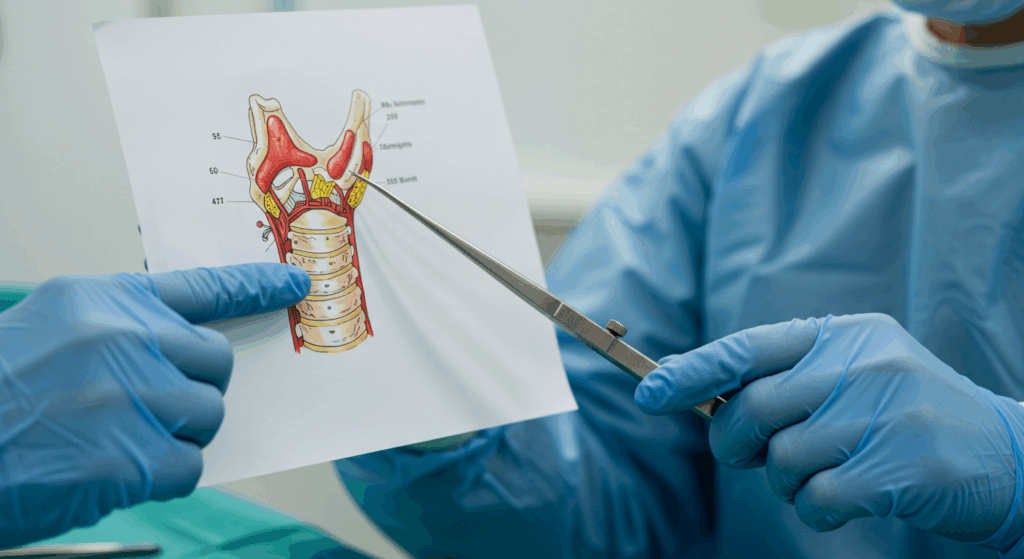
Real Stories: A Glimpse into the Lives Transformed by FFS with Dr.MFO

A woman with short dark hair and a gray shirt stands by a window, looking out thoughtfully. Her reflection is visible in the window, showing a serene outdoor scene with greenery.

For many, the journey of transitioning is a deeply personal, intricate, and often challenging path toward aligning one’s physical self with their true, internal identity. At the heart of this journey for many transgender women and transfeminine individuals lies Facial Feminization Surgery (FFS). This is not merely a collection of cosmetic procedures; it is a profound, life-altering step towards seeing oneself reflected in the mirror, often for the first time. It’s about quieting the persistent hum of gender dysphoria and stepping into the world with a newfound confidence, safety, and sense of belonging.

Three women standing on a balcony, smiling and talking to each other with a cityscape background.

This process begins with a search. A search driven by hope, fueled by determination, and navigated with meticulous research. If you are reading this, you might be like Elara—a persona we envision to understand this journey better. You are likely between 25 and 45, a professional, highly intelligent, and an exceptional researcher. You have spent countless hours, perhaps even years, delving into the world of transgender FFS. You’ve navigated the subreddits like r/transgender_surgeries, watched dozens of “FFS Journey” vlogs on YouTube, and compared before-and-after photos with an expert’s eye.

You understand that this is more than aesthetics. It’s about addressing the “pain points” that cisgender individuals may never comprehend: the constant fear of being misgendered, the social anxiety that can make simple interactions stressful, and the deep, aching need to have your face—the very thing you present to the world—be a true representation of the woman you are. Your goal isn’t to look like a different person, but to finally look like yourself.

This search for the right surgeon often becomes a global one, leading many, perhaps like you, to consider renowned destinations for medical tourism like Turkey. You’re looking for a confluence of factors: demonstrable expertise, especially in FFS; a record of natural, harmonious results; and a deep sense of trust and safety.

This is where the stories begin. The following narratives are from real patients of Dr. Mehmet Fatih Okyay (Dr. MFO), each sharing a glimpse into their unique journey. They are stories of courage, vulnerability, and ultimately, profound transformation. They are a testament to the power of finding a surgeon and a team who not only possess the technical skill but also the empathy and understanding to support you every step of the way.

Close-up portrait of a person with short dark hair, smooth skin, and prominent forehead lines, looking directly at the camera with intense eye contact.

The Core of Femininity: Forehead Contouring and Finding Trust

One of the most significant procedures within transgender FFS is forehead contouring. The forehead and brow region are primary markers of gender in the human face. A prominent brow bone, often referred to as “brow bossing,” can be a significant source of dysphoria. Reducing this feature and reshaping the forehead to a smoother, more rounded contour can have a dramatic feminizing effect, softening the entire face and allowing one’s true self to shine through.

This was a critical step for Amy, who discovered Dr. MFO through the very communities where so many begin their research.

Amy’s Story: Safety, Community, and a Seamless Experience

Amy found Dr. MFO on Reddit, a testament to the power of peer-to-peer recommendations in the trans community. Her decision wasn’t just about the surgical outcome; it was about the entire support system. “When I went for the consultation, he gave me the most confidence, so I went with him,” she shares.

A major factor for her was the logistical and emotional support provided by the clinic. “One of the main reasons I chose Dr. MFO was the ease of access to everything; whenever I needed to be dropped off somewhere, there would be someone at my door, even if the clinic was only a two-minute walk away,” Amy explains. This all-encompassing care is designed to alleviate the stress of navigating a foreign country while preparing for and recovering from major surgery.

She recalls the procedure itself as “nice and easy,” but highlights the importance of post-operative care. “The night of my procedure, I had a nurse with me and she looked after me the entire night. I think that night was probably the scariest night because you’ve just been operated on and you’re like, ‘what have I done?’, so having someone to really support you mentally as well as physically was really important.”

This sense of support extended beyond the medical staff. Amy cherished the community atmosphere. “I would definitely recommend coming here. There’s a really nice sense of community,” she says. “I was just sitting outside with the other girls that are having surgery, having lunch with them, and we were all talking about our procedures. So yeah, I think the support network around you is really important here. And it’s really nice because everything is open.”

This experience underscores a crucial aspect of the FFS journey: it’s not just about the surgeon, but the entire ecosystem of care that surrounds the patient.

The Path to Correction: Revision Surgery and Restored Hope

Not all journeys are straightforward. For some, the path to their desired outcome involves a revision surgery to correct a previous procedure that didn’t meet their expectations. This situation can be emotionally devastating, eroding trust and creating significant anxiety. Finding a surgeon who can not only perform the complex technical work of a revision but also rebuild that trust is paramount.

Karolina’s story is one of resilience and finding hope after disappointment.

Karolina’s Journey: From a Failed Procedure to a Life-Changing Result

Coming from Spain, Karolina carried the weight of a previous unsuccessful surgery. “I had a lot of problems with my forehead because I had a very wide, very prominent brow bone and I had a little bit of a complex about it,” she explains. Her initial search led her to Dr. MFO.

The results of her brow contouring revision were transformative. “I’m very happy with the results, with his team; they were very helpful, and the results are amazing. I’m very, very happy,” she beams. More than just the physical change, it was the restoration of her faith in the process that made the difference. “I can say that this doctor, after a couple of failed procedures, this doctor changed my life and then I met Dr. MFO and he gave me my confidence back.”

Her advice to others is born from hard-won experience: “Research properly a very good surgeon, and money-wise, Dr. MFO’s prices are very affordable… don’t be scared to contact him because I highly recommend him, and I’m passing on my own experience and it’s worth it in the end because it’s your life.”

Karolina’s experience highlights the profound responsibility a surgeon has, especially in revision cases. It’s about delivering not just a surgical result, but also emotional healing and a renewed sense of self.

The Comprehensive Transformation: A Holistic FFS Journey

Many patients opt for a comprehensive set of procedures to achieve a harmonious and holistic feminization of their facial features. This can include forehead contouring, rhinoplasty (a nose job), hairline lowering, lip lifts, and canthoplasty (to create a more almond-shaped, feminine eye). This approach requires a surgeon with a keen artistic eye and the ability to see how all the different elements will work together to create a balanced, natural result.

Danique, from the Netherlands, embarked on such a comprehensive journey, seeking a significant yet natural-looking transformation.

Danique’s Story: “I Feel Like I Have a Face of My Own Now”

At 38, after three years on hormones, Danique felt her face was still “a bit masculine.” Her quest for a transgender FFS surgeon became an international one. “I’ve been in contact with a lot of clinics from all over the world, got some prices, and looked at reviews and experiences of other trans women here,” she says.

The communication with Dr. MFO’s team stood out immediately. “The contact I had with this team was immediately very good; they were very fast in reacting, they told me I could send questions 24/7… and they always answered very quickly, answered all my questions.”

Her primary concerns were her “quite prominent brow bone,” her nose, and her hairline. The pre-operative process was thorough and reassuring. “I had a video call with the doctor and he answered all my questions and it felt right, so I booked here,” she recalls. “Everything was provided by the team; I got picked up from the airport immediately, had a face-to-face consult with the doctor the next day, he explained to me what would be best… at that moment we changed the procedures because in his experience, a hairline lowering would be better than hair transplantation.”

The post-op recovery was faster than she anticipated. “I was surprised how fast I recovered and how fast my strength came back.” But the most profound change was the psychological one. After the initial swelling subsided, she began to see herself in the mirror.

“I think a week after the surgery, I started looking in the mirror and I thought, ‘this is me’,” Danique shares, her voice filled with emotion. “And that’s a great experience if you’ve always been looking in the mirror and feeling like it’s somebody else, like you don’t have a face of your own. I feel like I have a face of my own now, I exist, and that made a big difference for me.”

She was astounded by the results. “He didn’t play it too safe, I think, he really feminized my forehead a lot,” she says. “I was also very surprised how he managed to change the hairline that much. I never thought it would be possible to completely restore the hairline like that… I don’t know how he did it.”

Danique’s story is a powerful illustration of the ultimate goal of FFS: not to create a new person, but to reveal the person who was there all along. It’s the moment of recognition, of looking in the mirror and finally saying, “There you are.”

The Power of Support: Embarking on the Journey Alone

Traveling abroad for surgery can be daunting, but doing it alone adds another layer of emotional complexity. It requires immense courage and a deep trust in the team you’ve chosen. The quality of the human connection and support from the clinical team becomes just as important as the surgical skill itself.

Elleigha, from the UK, arrived in Turkey at a pivotal and vulnerable moment in her life, seeking not just a physical transformation but also a new beginning.

Elleigha’s Story: “They Go Above and Beyond”

“I came here unexpectedly and on my own,” Elleigha shares. “I’ve recently come out of my marriage, so doing something on my own is a completely new thing for me.” The team’s role in her journey went far beyond medical care. “The team supported me, they had my back, they encouraged me. And I have enjoyed every single moment of it. It was everything I wanted and more.”

This deep, familial connection was the bedrock of her experience. “I love the team. I really love the team. The service has been incredible. But the team is like family,” she says. “I really appreciate all their hard work and their effort. It’s been emotional. It’s been a hard journey. But I have not regretted it one single bit.”

Her confidence in Dr. MFO and his staff is absolute. “You will not be disappointed if you choose MFO. They go above and beyond, and they made me feel really safe the whole time and they were consistent with information. And it was just great overall. I’m going to miss this place.”

Now, she looks to the future with renewed hope. “I can now go home and live a dream that I have been waiting to live for many, many years. Thank you to everyone, thank you so much.” Elleigha’s journey is a moving reminder that the best clinics provide not just a service, but a sanctuary—a place where a patient, especially one who arrives alone, feels held, supported, and cared for like family.

Beyond FFS: Comprehensive Care and Specialized Expertise

While transgender FFS is a core focus, a clinic’s ability to offer a range of procedures with the same high level of expertise speaks volumes about its quality. Whether it’s a complementary body feminization procedure or a different aesthetic surgery altogether, the principles of patient care, safety, and professionalism remain the same.

The experiences of Karen and Kristine demonstrate the breadth of expertise and the consistent quality of care at the clinic.

Karen’s Story: Professionalism and Trust in a Nutshell

Karen, a nurse from the UK, was in Turkey on holiday and decided to have an upper blepharoplasty (eyelid surgery). Her professional background gave her a unique perspective on the clinical environment. She found Dr. MFO through a Google search, impressed by the “really good reviews.”

Her assessment was clinical and clear: “It was painless. The team have been wonderful, so helpful, friendly, professional. The place is spotlessly clean,” she states. “I’m a nurse, and I can say that all the procedures were done sterile, clean hands, clean equipment. So I was very reassured with that, and I would recommend this man to anybody.”

Kristine’s Story: A Safe Haven for Transformation

Kristine, from Italy, came to the clinic to begin her physical transformation from male to female, focusing on body feminization. The emotional support she received upon arrival was immediate and impactful. “I was very nervous because of the travel when I came, but the staff was amazing, they calmed me down, they relaxed me, they stayed with me all the time,” she says.

She enthusiastically recommends the clinic to others in the trans community. “I would recommend this place for people in transition from male to female because the doctor is an expert, the team was an expert,” Kristine asserts. “It’s early to see the final result now but what I see is very good, very good… I see the transformation… it exceeded my expectations.”

The open and accepting environment was crucial for her. “The team is amazing, everything is amazing… open-minded young people, this for me is very important, it’s important for all the people,” she says. “People who have doubts, write me, write on Instagram because this is my real experience, very, very good.”

Putting It All Together: The Patient Experience from Start to Finish

The journey for an international patient involves many moving parts. From the initial inquiry to the final post-op check-up, every step matters. A seamless, well-managed process can make all the difference, allowing the patient to focus on their health and recovery.

Marie, from Houston, Texas, provides a perfect summary of what this holistic, supportive experience looks like.

Marie’s Story: A “10 out of 10” Recommendation

Marie’s research path was typical of the modern, informed patient. “I actually did a lot of research and I found him on Reddit,” she says. “There were girls on Reddit who were talking about him, so then I googled his name and I found his Tik Tok and his Instagram.”

From the very first interaction, she felt at ease. “I think the services are amazing; I felt super comfortable here, the team was super nice,” she notes. “I didn’t feel nervous. Even through text, I felt really comfortable talking to the nurse, which was great.”

She underwent a combination of key transgender FFS procedures: forehead reduction (hairline lowering and forehead contouring), a lip lift, and also a breast augmentation. “They all went really, really well. I’m super excited for them and for the healing process,” she says. The result? “I feel a lot better.”

Her final verdict is unequivocal. “Oh yeah, I would definitely recommend it 10 out of 10. I felt super comfortable and super safe and I will definitely be wanting to come back for future surgeries,” Marie concludes. “The people in Turkey in general are very welcoming and very nice, so you feel safe and comfortable, and that’s really important when you’re going through surgeries and stuff like that.”


Frequently Asked Questions (FAQ)

Your journey is unique, but the questions you have are often shared by others. Here are answers to some of the most common questions about the FFS process with Dr. MFO.

Who is Dr. MFO and what is the focus of his clinic?

Dr. Mehmet Fatih Okyay (Dr. MFO) is a European and Turkish board-certified plastic surgeon with over 10 years of experience. His clinic is an International Health Tourism Center authorized by the Ministry of Health. Dr. MFO specializes in facial aesthetic surgeries (face lifts, rhinoplasty, forehead shaping, facial feminization surgeries) and body aesthetic surgeries (tummy tuck, breast lift, body contouring, liposuction). His clinic particularly focuses on gender reassignment surgeries from male to female or female to male, offering free consultations and all-inclusive packages.

Where is Dr. MFO’s clinic located, and what services does it offer for international patients?

Dr. MFO’s clinic is located in the city of Antalya, Turkey. It offers all-inclusive packages for international patients, ensuring they receive services with no hidden fees. Additionally, with Antalya being considered the capital of medical tourism, patients also have the opportunity to enjoy a holiday in a tourist paradise before their surgery. Support for services like airport pickup, accommodation, and transportation is also provided.

What types of procedures are performed at Dr. MFO’s clinic?

Dr. MFO’s clinic offers a wide range of services in both facial and body feminization, as well as general aesthetic surgeries. Key procedures include Facial Feminization Surgery (FFS), Forehead Reduction and Contouring, Chin Reduction, Genioplasty, Cheek Augmentation, Endoscopic Cheek Lift, Cat Eye Surgery, Face Lift, Rhinoplasty, Hairline Lowering, Breast Augmentation, Breast Lift, Liposuction, Tummy Tuck, and Brazilian Butt Lift (BBL).

How do patients find Dr. MFO’s clinic and what is their general communication experience like?

Patients typically find Dr. MFO through platforms like Reddit, Google, and Instagram. The communication process is described as very fast and effective. Patients like Danique have noted the ability to ask questions 24/7 and receive quick responses. Furthermore, video calls with the doctor and detailed pre-operative consultations are highlighted as being very reassuring.

How do patients evaluate their post-operative experiences and recovery processes?

Post-operative experiences are generally described as positive. Patients mention that having a nurse with them during the first night after surgery is a huge support, especially during the challenging initial hours. The recovery process is often noted as being faster than expected, with swelling and bruising beginning to subside within a few days. Regular check-ups and comprehensive post-operative care help patients feel secure.

What are patient comments about the staff and general atmosphere at Dr. MFO’s clinic?

The clinic’s staff is described as “very lovely,” “super friendly,” “helpful,” and “professional.” It is frequently mentioned that the team feels “like family” and ensures patients feel “safe and secure.” The offering of food, the supportive environment, and opportunities to connect with other patients create what is described as a “nice sense of community.” The clinic is also noted for being “spotlessly clean” with strict adherence to sterile procedures.

Are patients satisfied with the results from Dr. MFO and his skill as a surgeon?

Most patients describe the results achieved by Dr. MFO as “fantastic” and “miraculous.” There is particular satisfaction expressed with facial feminization surgeries, where features like prominent brow bones and masculine forehead shapes are transformed into a feminine appearance. Patients like Karolina have stated that Dr. MFO restored their confidence after previous unsuccessful procedures. Danique expressed that her face now feels like her own and was deeply impressed by the hairline change, which she previously thought was not possible.

What are the common reasons why patients recommend Dr. MFO’s clinic to others?

All patients express that they would “definitely recommend” Dr. MFO and his clinic. Common reasons for the recommendation include the doctor’s expertise, the team’s professionalism and warmth, the comprehensive support provided, affordable prices, and the life-changing results achieved. Patients emphasize that the safe and comfortable environment provided by the clinic is critically important during the surgical process.

Visit Dr.MFO Instagram profile to see real patient transformations! Get a glimpse of the incredible results achieved through facial feminization surgery and other procedures. The profile showcases before-and-after photos that highlight Dr. MFO’s expertise and artistic vision in creating natural-looking, beautiful outcomes.

Ready to take the next step in your journey? Schedule a free consultation with Dr. MFO ( Best Facial Feminization Surgeon for You) today. During the consultation, you can discuss your goals, ask any questions you may have, and learn more about how Dr. MFO can help you achieve your desired look. Don’t hesitate to take advantage of this free opportunity to explore your options and see if Dr. MFO is the right fit for you.

Top FAQ for FFS Surgery Cost in Oregon: Your #1 Essential Guide to Stress-Free Planning

A medical professional using a model of a human head with highlighted facial muscles to explain or demonstrate to a patient, with brain scans visible on a computer screen in the background.

As a surgeon dedicated to facial gender affirmation, one of the most frequent and understandable concerns my patients express revolves around the financial aspects of Facial Feminization Surgery (FFS). It’s a complex, life-changing procedure, and navigating the costs in Oregon can feel daunting. This guide aims to demystify the financial landscape of FFS, offering clear, concise answers from a medical perspective, so you can approach your journey with clarity and confidence.

Before and after comparison of a woman's face showing the effects of makeup. The left side shows a natural look with minimal makeup, while the right side displays a glamorous transformation with full makeup, including foundation, eyeliner, mascara, and lipstick. The image highlights the dramatic difference makeup can create in enhancing facial features.

What Factors Influence the Overall Cost of FFS Surgery in Oregon?

Understanding the comprehensive cost of FFS requires an appreciation of the multifaceted components involved. It’s not simply a “surgical fee.” The total expenditure encompasses several key areas:

Surgeon’s Fee

This constitutes the primary charge for the operative work itself. It directly reflects the surgeon’s expertise, their specialized training in FFS, their reputation, and the complexity of the specific procedures being performed. For instance, a comprehensive FFS, which might include procedures like frontal bone reduction, orbital rim contouring, rhinoplasty, lip lift, and genioplasty, will naturally incur a higher surgeon’s fee than a more limited set of interventions. The surgeon’s fee also accounts for their pre-operative planning, intra-operative execution, and crucial post-operative care.

Anesthesia Fees

Anesthesia is a critical component of any surgical procedure. Anesthesia fees are determined by the type of anesthesia administered (e.g., general anesthesia), the duration of the surgery, and the qualifications of the anesthesia provider (e.g., a board-certified anesthesiologist). Longer and more intricate surgeries will necessitate extended anesthesia time, directly impacting this cost.

Facility Fees

These are charges levied by the surgical facility where the operation takes place. This could be a hospital operating room or an accredited outpatient surgical center. Facility fees cover the use of the operating suite, sterilization of instruments, recovery room services, nursing staff, and essential medical supplies consumed during your procedure. The quality and accreditation of the facility also play a role in this cost.

Pre- and Post-Operative Care

Comprehensive FFS care extends far beyond the operating table. Pre-operative consultations, diagnostic imaging (such as CT scans or X-rays to assess bone structure), laboratory tests, and any necessary medical clearances all contribute to the overall cost. Post-operative care includes follow-up appointments, wound care, and potential management of any post-surgical concerns. While often bundled, it’s important to understand these critical phases.

Ancillary Costs

Beyond the direct medical fees, patients should account for potential ancillary costs. These might include:

  • Medications: Prescriptions for pain management, antibiotics, and anti-inflammatory drugs post-surgery.
  • Medical Garments: Compression garments or specialized dressings, if required for swelling reduction or healing.
  • Travel and Accommodation: For patients traveling to Oregon for surgery, these logistical expenses can be significant.
  • Lost Wages: Time off work for recovery should also be factored into your financial planning.
StateEstimated Cost Range (USD)Notes
California$30,000 – $100,000+High-end surgeons, extensive procedure options
New York$25,000 – $90,000Premium pricing, top-tier specialists
Texas$20,000 – $75,000More affordable options, but limited availability of top-tier specialists
Florida$18,000 – $70,000Moderate pricing, some specialized clinics available
Illinois$15,000 – $65,000Lower-cost alternatives, fewer surgeons specializing in FFS
CityEstimated Cost Range (USD)Notes
Portland$30,000 – $100,000+Higher-end surgeons and facilities, extensive procedure options
Eugene$25,000 – $80,000Mid-range pricing, fewer specialized surgeons
Salem$20,000 – $70,000More affordable options, but limited availability of top-tier specialists
Medford$15,000 – $60,000Lower-cost alternatives, fewer surgeons specializing in FFS
Bend$18,000 – $65,000Moderate pricing, some specialized clinics available
A close-up portrait of a woman with brown hair, smiling subtly. She has well-defined eyebrows, long eyelashes, and is wearing light makeup, including lipstick and earrings. The background is plain and lightly colored, keeping the focus on her facial features.

Does Insurance Typically Cover FFS in Oregon?

The landscape of insurance coverage for FFS in Oregon is evolving, though it remains highly variable. Historically, many insurance providers classified FFS as “cosmetic” and therefore excluded it from coverage. However, with increasing recognition of gender dysphoria as a medical condition and FFS as medically necessary treatment, more insurance companies are beginning to offer coverage.

Key considerations regarding insurance in Oregon:

  • Medical Necessity: The paramount factor for insurance coverage is demonstrating medical necessity. This typically requires a diagnosis of gender dysphoria and letters of support from mental health professionals, affirming that FFS is a medically indicated treatment for your well-being.
  • Policy Specifics: Coverage varies significantly between individual insurance plans. It is absolutely crucial to contact your specific insurance provider directly and inquire about their policies regarding gender-affirming care, specifically FFS. Ask about deductibles, co-pays, out-of-pocket maximums, and any pre-authorization requirements.
  • In-Network vs. Out-of-Network: Your costs will likely differ based on whether your surgeon and facility are in-network with your insurance plan. Out-of-network providers generally result in higher patient responsibility.
  • Prior Authorization: Most insurance companies require prior authorization before approving FFS. This is a meticulous process involving submission of detailed medical records, psychological evaluations, and letters of support to justify the medical necessity of the procedures. Our office staff often assists patients in navigating this complex administrative hurdle.

What is a “Superbill” and How Does it Relate to Reimbursement?

A “superbill” is an itemized form used by healthcare providers to document the services rendered to a patient. It contains all the necessary information for an insurance company to process a claim, including:

  • Provider Information: Name, address, and tax ID of the surgeon and facility.
  • Patient Information: Your name, date of birth, and insurance policy details.
  • Date of Service: When the procedures were performed.
  • Procedure Codes (CPT Codes): These are standardized numerical codes that describe the specific medical services performed (e.g., rhinoplasty, brow bone reduction).
  • Diagnosis Codes (ICD-10 Codes): These codes explain the medical reason for the services provided (e.g., gender dysphoria).

While we may provide you with a superbill, it’s important to understand that providing one does not guarantee reimbursement. It merely provides the necessary documentation for you to submit a claim to your insurance company for potential out-of-network reimbursement. You would then be responsible for submitting this claim directly to your insurer, and any reimbursement would be paid directly to you. This process can be intricate and often requires persistent follow-up with your insurance provider.

Are There Any Financial Aid Options or Payment Plans Available?

Recognizing that FFS is a significant investment, some patients explore various financial avenues to make surgery more accessible:

  • Medical Financing Companies: Several third-party companies specialize in medical financing. These operate much like personal loans, offering various interest rates and repayment terms. It’s crucial to research these options thoroughly and understand all terms and conditions before committing.
  • Personal Loans: Banks and credit unions offer personal loans that can be utilized for medical expenses.
  • Crowdfunding: Platforms like GoFundMe have become popular for individuals to raise funds from their communities for medical procedures.
  • Payment Plans (Limited): While full payment is typically required prior to surgery, some surgical practices or facilities may offer highly individualized payment plans for specific components, but this is rare for the full surgeon’s fee. It is always worth inquiring about any available options during your consultation.
  • Grants and Non-Profits: A limited number of non-profit organizations and grants exist to support transgender individuals undergoing gender-affirming surgeries. These are often highly competitive and have specific eligibility criteria. Researching these possibilities can be beneficial, though they are not a primary source of funding for most individuals.

What Happens if I Need Revisional Surgery? Is that an Additional Cost?

While every effort is made to achieve optimal surgical outcomes, it’s critical for patients to understand that revisional surgery is a possibility in any complex aesthetic and reconstructive procedure. The human body heals uniquely, and subtle asymmetries or minor refinements may occasionally be desired or medically indicated after the initial healing period.

  • Policy on Revisions: Our practice has a transparent policy regarding revisions. If a revision is deemed medically necessary due to a surgical complication or an outcome that falls outside the expected range based on surgical standards, a portion or all of the surgeon’s fee for the revision may be waived within a specified timeframe. However, facility and anesthesia fees for the revisional surgery would typically remain the patient’s responsibility.
  • Patient-Initiated Revisions: If a patient desires a revision purely for aesthetic reasons that fall within the scope of a successful initial outcome, this would typically incur additional fees for the surgeon, anesthesia, and facility, similar to the initial procedure.

During your consultation, we will thoroughly discuss the potential for revisions, our practice’s policy, and how to best prepare for all phases of your surgical journey in Oregon. Our goal is to provide you with the most comprehensive and transparent understanding of FFS, both clinically and financially, ensuring a stress-free planning process as you embark on this transformative path.

Visit Dr.MFO Instagram profile to see real patient transformations! Get a glimpse of the incredible results achieved through facial feminization surgery and other procedures. The profile showcases before-and-after photos that highlight Dr. MFO’s expertise and artistic vision in creating natural-looking, beautiful outcomes.

Ready to take the next step in your journey? Schedule a free consultation with Dr. MFO ( Best Facial Feminization Surgeon for You) today. During the consultation, you can discuss your goals, ask any questions you may have, and learn more about how Dr. MFO can help you achieve your desired look. Don’t hesitate to take advantage of this free opportunity to explore your options and see if Dr. MFO is the right fit for you.

FAQ

How Does the Surgeon’s Experience Impact the Cost?

A surgeon’s fee for FFS is directly correlated with their level of specialized training, years of experience, and established expertise in this highly intricate field. Surgeons who have dedicated their careers to facial gender affirmation, possessing a deep understanding of craniofacial anatomy and a proven track record of successful outcomes, will naturally command a higher fee. This premium reflects not just their time in the operating room, but the extensive pre-operative planning, the precision of their intra-operative techniques, and their commitment to comprehensive post-operative care, all of which contribute significantly to the safety and aesthetic success of your procedure.

Why Are Anesthesia Fees Billed Separately?

Anesthesia services are provided by a distinct medical professional—typically a board-certified anesthesiologist or a certified registered nurse anesthetist (CRNA)—who is not directly employed by the surgical practice. These professionals are responsible for your comfort, vital signs, and overall safety throughout the entire surgical procedure. Their fees are calculated based on the complexity of the anesthesia required and, most importantly, the duration of the surgery. Longer procedures necessitate more extensive monitoring and medication administration, thus increasing the cost associated with this critical aspect of your care.

What Do Facility Fees Cover Beyond the Operating Room?

Facility fees encompass a wide range of services and resources crucial for your surgical safety and recovery. Beyond the use of the sterile operating suite itself, these charges cover the specialized nursing staff who prepare you for surgery, assist during the procedure, and monitor you in the recovery room. They also account for the sophisticated medical equipment, specialized surgical instruments, and all disposable supplies utilized during your FFS. Furthermore, facility fees contribute to maintaining strict accreditation standards, ensuring a safe and compliant environment for complex surgical procedures.

What Types of Pre-Operative Assessments Are Included in the Cost?

Before FFS, a series of comprehensive pre-operative assessments are essential to ensure your readiness for surgery and to meticulously plan the precise surgical approach. These typically include detailed consultations with your surgeon, where your goals are discussed and a physical examination is performed. Often, advanced diagnostic imaging such as high-resolution CT scans of the facial skeleton are required to provide a three-dimensional view of your bone structure, allowing for precise surgical planning. Blood tests and other medical clearances from your primary care physician or specialists may also be necessary to confirm your overall health status and mitigate any potential surgical risks.

How Can Travel and Accommodation Costs Be Managed for Out-of-State Patients?

For individuals traveling to Oregon for FFS, logistical expenses such as travel and accommodation can add a significant layer to the overall cost. To manage these, consider booking flights and lodging well in advance to secure better rates. Research accommodation options near the surgical facility that offer amenities conducive to post-operative recovery, such as accessibility and quiet environments. Some patients also explore extended stay hotels or short-term rental services. Creating a detailed budget specifically for these non-medical expenses, including transportation to and from appointments, can help in stress-free planning.

What Documentation Is Crucial for Insurance Pre-Authorization?

Successfully obtaining insurance pre-authorization for FFS in Oregon hinges on submitting a meticulously prepared documentation package. This typically includes multiple letters of support from licensed mental health professionals confirming a diagnosis of gender dysphoria and articulating the medical necessity of FFS as part of your gender-affirming care. Detailed medical records outlining your gender transition history, any previous hormone therapy, and a comprehensive surgical plan from your FFS surgeon, including specific CPT codes for the procedures, are also paramount. A clear and compelling case for medical necessity, backed by robust documentation, significantly improves the likelihood of approval.

What is the Difference Between In-Network and Out-of-Network Coverage?

The distinction between in-network and out-of-network coverage fundamentally impacts your out-of-pocket costs for FFS. When your surgeon and the surgical facility are “in-network,” they have a contractual agreement with your insurance company to accept a pre-negotiated, discounted rate for their services. This generally results in lower co-payments and deductibles for you. Conversely, “out-of-network” providers do not have such agreements, meaning your insurance will pay a smaller percentage of the total cost, or sometimes none at all, leaving you responsible for a significantly larger portion of the bill. Understanding your specific plan’s benefits for both scenarios is crucial for financial planning.

Why are CPT and ICD-10 Codes Important on a Superbill?

CPT (Current Procedural Terminology) codes and ICD-10 (International Classification of Diseases, Tenth Revision) codes are the standardized language of medical billing, essential for clear communication between providers and insurance companies. CPT codes precisely describe the specific surgical procedures performed (e.g., bone contouring, rhinoplasty), while ICD-10 codes provide the medical diagnosis or reason for those procedures (e.g., gender dysphoria). When correctly applied to a superbill, these codes allow the insurance company to understand exactly what services were rendered and why, enabling them to process claims accurately and determine potential reimbursement for out-of-network services.

How Do Medical Financing Companies Differ from Personal Loans?

While both medical financing companies and personal loans can provide funds for FFS, their structure and focus differ. Medical financing companies, like CareCredit or Alphaeon Credit, are specifically designed for healthcare expenses. They often offer deferred interest or low-interest promotional periods, but strict repayment terms apply. Personal loans, obtained from banks or credit unions, are more general-purpose and typically have fixed interest rates and repayment schedules. The choice depends on your credit score, the interest rates offered, and the flexibility you need for repayment, with medical financing sometimes offering more specialized terms for healthcare costs.

What Constitutes a “Medically Necessary” Revision?

A “medically necessary” revisional surgery is generally defined as one required to correct a functional impairment, address a significant asymmetry that falls outside the expected range of a successful aesthetic outcome, or resolve a complication directly related to the initial surgery (e.g., persistent swelling, minor contour irregularities requiring further refinement). It is not a revision solely for aesthetic preference when the initial result is considered surgically sound. The determination of medical necessity for a revision is made by the operating surgeon based on clinical assessment and adherence to established surgical standards.

Top 7 FAQs: Amazing FFS Surgery in Washington Answers!

A professional headshot of a smiling woman with shoulder-length dark hair, wearing a white top and pearl earrings, set against a dark background.

Facial Feminization Surgery (FFS) represents a profound step in the journey of many transgender and gender-diverse individuals. As a surgeon specializing in these intricate procedures, I understand that pursuing FFS is not merely about aesthetic changes; it’s about aligning your external appearance with your internal identity. Here in Washington, a growing number of skilled practitioners are dedicated to this transformative work. This article aims to demystify FFS, offering both technical insights and human understanding.

A close-up portrait of a woman with curly hair smiling warmly, wearing earrings, set against a blurred outdoor background.

What Does FFS Surgery Actually Involve?

FFS isn’t a single, one-size-fits-all operation. Rather, it’s a bespoke suite of surgical procedures meticulously selected and tailored to feminize masculine facial features. The overarching goal is to soften prominent angles, reduce bony prominences, and adjust proportions to create a more conventionally feminine facial harmony.

From a craniofacial perspective, we assess several key areas:

How is the Forehead Contoured for a More Feminine Appearance?

The forehead is often a primary area of focus. Masculine foreheads typically exhibit a more prominent bony ridge above the eyes, known as frontal bossing or a prominent supraorbital rim. Surgical intervention here, often termed frontal cranioplasty or forehead recontouring, involves accessing the frontal bone. Depending on the degree of bossing, this might involve simply burring down the bone (Type I osteotomy) or, more commonly, a more complex osteotomy and setback of the anterior table of the frontal sinus (Type III osteotomy).

Colloquially, we’re essentially smoothing and subtly rounding the forehead. This procedure is frequently combined with a hairline advancement or scalp advancement, where the scalp is mobilized and repositioned to lower a typically higher, M-shaped masculine hairline, creating a softer, more rounded frame for the face.

A close-up photograph of a woman's face, focusing on her eyes and nose. The woman has brown eyes, long eyelashes, and smooth skin. The background is blurred, emphasizing her facial features.

What Role Does Rhinoplasty Play in Facial Feminization?

The nose, being central to the face, plays a critical role. A feminizing rhinoplasty aims to refine a nose that may appear wider, longer, or have a more prominent dorsal hump – features often associated with masculinity. We meticulously sculpt the nasal bones and cartilages, often reducing the overall size, refining the tip, and creating a more delicate, slightly concave or straight dorsal profile, depending on the patient’s individual aesthetic goals and overall facial structure. It’s not just about making the nose smaller; it’s about reshaping it to harmonize with other feminized features.

How Are the Jaw and Chin Altered for a Softer Profile?

The lower third of the face is another key area. A prominent, wide jaw (mandible) and a square or prominent chin (mentum) are typical masculine traits. Mandibular angle reduction (jaw contouring) involves carefully shaving or excising portions of the bone at the angle of the jaw to narrow its appearance from the front and soften the profile.

Similarly, a genioplasty (or mentoplasty) addresses the chin. This can involve reducing its size, altering its shape (e.g., from square to a more tapered or rounded feminine form), or even advancing it to improve facial balance. These aren’t just “shaving bone”; these are precise osteotomies – surgical cuts in the bone – planned with meticulous attention to the underlying neurovascular structures, like the mental nerve which provides sensation to the lower lip and chin.

Is a Tracheal Shave Commonly Part of FFS?

Yes, for many, the chondrolaryngoplasty, commonly known as a tracheal shave or “Adam’s apple reduction,” is a vital component. This procedure reduces the prominence of the thyroid cartilage, which is typically more prominent in individuals assigned male at birth. It’s a relatively straightforward procedure from a technical standpoint, involving a small incision, often in a natural skin crease, to access and carefully shave down the cartilage. The key is to reduce the prominence without compromising laryngeal function or voice.

How Do We Plan Your FFS Journey in Washington?

The journey begins with an in-depth consultation. This isn’t just a cursory chat; it’s a comprehensive assessment. We discuss your specific goals, anxieties, and expectations. I’ll perform a thorough craniofacial analysis, often aided by advanced imaging techniques like 3D CT scans and specialized morphing software. This allows us to visualize the underlying bony architecture and soft tissue envelope, and to simulate potential surgical outcomes.

Together, we’ll formulate a surgical plan. It’s crucial to understand that not every patient needs or wants every procedure. The selection is highly individualized, focusing on the changes that will yield the most significant feminizing effect while maintaining overall facial harmony and, importantly, your unique identity. Finding a surgeon in Washington who listens intently and collaborates with you on this plan is paramount.

What Can You Expect During and After FFS Surgery?

FFS procedures are typically performed under general anesthesia. Depending on the number and complexity of the procedures chosen, the surgery can last several hours.

Post-operatively, a period of recovery is, of course, necessary. Swelling and bruising are to be expected – it’s simply the body’s natural response to surgery. Colloquially, you’ll likely look “worse before you look better.” Pain management is a priority, and we will have a plan in place. The initial recovery phase can last a few weeks, with more subtle swelling potentially persisting for months. It’s a process. Patience is key. We’ll schedule regular follow-up appointments here in Washington to monitor your healing and address any concerns.

Why is Choosing a Qualified Surgeon in Washington So Important?

Selecting your surgeon is arguably the most critical decision in your FFS journey. You should seek a surgeon who is not only board-certified (typically in plastic surgery or oral and maxillofacial surgery with specific craniofacial fellowship training) but also has demonstrable, extensive experience specifically with FFS procedures.

Ask to see before-and-after photos – many of them. Inquire about their specific training in craniofacial surgery, as FFS involves sophisticated manipulation of bone and soft tissue. A deep understanding of facial anatomy, aesthetics, and the nuanced differences between masculine and feminine facial features is non-negotiable. Furthermore, your surgeon and their team in Washington should provide a supportive, understanding, and respectful environment. This journey is as much emotional as it is physical.

FFS is a powerful, life-affirming set of procedures. With careful planning, realistic expectations, and a skilled surgical team, the results can be truly transformative, allowing your outer self to more closely reflect the woman you are. If you are considering FFS surgery in Washington, I encourage you to begin your research, schedule consultations, and embark on this journey with confidence.

Visit Dr.MFO Instagram profile to see real patient transformations! Get a glimpse of the incredible results achieved through facial feminization surgery and other procedures. The profile showcases before-and-after photos that highlight Dr. MFO’s expertise and artistic vision in creating natural-looking, beautiful outcomes.

Ready to take the next step in your journey? Schedule a free consultation with Dr. MFO ( Best Facial Feminization Surgeon for You) today. During the consultation, you can discuss your goals, ask any questions you may have, and learn more about how Dr. MFO can help you achieve your desired look. Don’t hesitate to take advantage of this free opportunity to explore your options and see if Dr. MFO is the right fit for you.

Can Cisgender Females Get FFS? Unveiling 5 Shocking Truths About Facial Feminization Surgery in Korea, Thailand & Turkey

A young woman with long brown hair wearing a black leather jacket stands in a bustling street scene with warm golden lighting.

For many, the concept of Facial Feminization Surgery (FFS) is intrinsically linked to gender affirmation for transgender women. However, a fascinating and increasingly relevant question arises: Can cisgender females get FFS? As a surgeon specializing in craniofacial aesthetics, I can definitively state that the answer is a resounding yes. This article will unveil five crucial truths about FFS for cisgender women, exploring the nuances of surgical goals, typical procedures, and the distinct advantages offered by leading destinations like Korea, Thailand, and Turkey.

The desire for facial feminization among cisgender women often stems from a perception of masculine facial features, whether due to genetics, hormonal influences, or the natural aging process. These individuals seek to refine their facial contours, aiming for a softer, more conventionally feminine appearance. This pursuit of enhanced femininity is a valid and growing area within aesthetic surgery, leveraging the very techniques developed for transgender patients to achieve remarkable results.

A close-up portrait of a woman with dark wavy hair, looking directly at the camera with a neutral expression.

The Nuance of “Masculine” Features in Cisgender Women

From a surgical perspective, certain skeletal and soft tissue characteristics are typically associated with a masculine facial phenotype. These can include a prominent brow bone (supraorbital rim), a wider and flatter forehead, a larger or more angular jawline, a more prominent Adam’s apple (laryngeal prominence), and a less defined or wider nose. For cisgender women exhibiting these traits, FFS offers a powerful solution to reshape and harmonize their facial structure.

Consider the forehead, a key area of focus in FFS. A prominent brow bone can cast shadows that make the eyes appear sunken and the overall expression more stern. Techniques such as forehead recontouring (also known as frontal sinus setback or brow bone reduction) involve reshaping the bone of the forehead to create a smoother, more gently curved profile.

This often includes brow lifting to elevate the eyebrows and open up the eyes. Similarly, the jawline can contribute significantly to facial perception. A broad or angular jaw, or prominent masseter muscles, can create a squarer appearance. Procedures like jawline recontouring and mandibular angle reduction aim to reduce the width and soften the angles of the lower face, resulting in a more ovular or heart-shaped aesthetic.

A woman with long red hair in front and side views, wearing jeans and a black t-shirt

Tailoring FFS for Cisgender Female Anatomy

While the underlying surgical techniques for FFS are broadly similar regardless of the patient’s gender identity, the specific application and extent of these procedures are meticulously tailored to the individual’s existing anatomy and desired outcome. For cisgender women, the goal is not typically to completely “transform” a masculine face but rather to refine and feminize existing features that might be perceived as disproportionately strong or angular. This often means a more subtle approach to bone reduction and soft tissue augmentation, focusing on harmonious integration rather than dramatic alteration.

For example, a cisgender woman may only require a moderate rhinoplasty (nose reshaping) to reduce a nasal hump or refine the tip, whereas a transgender woman might need more extensive dorsal reduction and narrowing of the nasal base. Similarly, chin augmentation (genioplasty), which can involve moving the chin bone forward or backward, or adding implants, is often performed in FFS to achieve a more delicate and projected chin, contributing to overall facial balance. The surgeon’s expertise lies in understanding the subtle nuances of facial proportion and applying the appropriate techniques to achieve a naturally feminine result.

The Global Hubs: Korea, Thailand & Turkey

The decision of where to undergo FFS is significant, and Korea, Thailand, and Turkey have emerged as prominent global centers for this specialized surgery. Each offers unique advantages, catering to different patient priorities.

Korea: Precision and Innovation

Korea is renowned for its advanced medical technology and highly skilled surgeons, particularly in the field of aesthetic plastic surgery. Korean FFS clinics often excel in precision and meticulous detail, leveraging cutting-edge imaging and surgical planning tools. The emphasis is often on achieving a harmonious and natural-looking result with minimal scarring. Patients seeking highly refined outcomes and access to the latest surgical innovations frequently consider Korea. The common procedures performed for cisgender females include forehead recontouring, V-line surgery (a combination of jaw reduction and chin genioplasty to create a narrower, more V-shaped lower face), and subtle soft tissue augmentation.

Thailand: Experience and Affordability

Thailand has long been a destination for medical tourism, with a well-established infrastructure and highly experienced surgeons. Thai clinics often offer a more comprehensive package, including accommodation and post-operative care, at a more competitive price point compared to Western countries. The sheer volume of FFS procedures performed in Thailand has honed the expertise of its surgeons, making it an attractive option for those seeking quality care at a more accessible cost. Common procedures for cisgender females in Thailand mirror those in Korea, with a strong focus on jaw and chin reshaping, and forehead feminization.

Turkey: Holistic Approach and Value

Turkey has rapidly grown as a medical tourism hub, offering a compelling blend of skilled surgeons, modern facilities, and excellent value for money. Turkish surgeons often adopt a more holistic approach to FFS, considering the entire facial aesthetic and incorporating procedures such as hairline lowering and lip augmentation (using dermal fillers or fat grafting) to achieve a comprehensive feminization. The competitive pricing, coupled with a high standard of care and often luxurious post-operative recovery options, makes Turkey an increasingly popular choice for FFS among cisgender women.

Recovery and Post-Operative Care

Regardless of the chosen destination, the recovery process for FFS is crucial. Swelling and bruising are inevitable post-surgically, and the most significant swelling typically subsides within the first few weeks. However, subtle swelling can persist for several months. Pain management, adhering to post-operative instructions for wound care, and gentle lymphatic massage are vital for optimal healing. Patients are typically advised to avoid strenuous activities for at least 4-6 weeks. The full aesthetic results of FFS often become apparent after 6-12 months as the tissues fully settle and heal.

The Psychological Impact: Beyond Aesthetics

It’s important to acknowledge that the decision to undergo FFS, even for cisgender women, often has a profound psychological component. Addressing features that contribute to perceived masculinity can significantly enhance self-confidence and alleviate feelings of self-consciousness. As a surgeon, my role extends beyond the technical execution of procedures; it involves a deep understanding of the patient’s aesthetic goals and the potential for a positive impact on their overall well-being. The transformation is not merely physical but often translates into a renewed sense of self and an increased comfort in one’s own skin. The pursuit of facial harmony is a personal journey, and FFS offers a powerful tool to achieve that desired balance.

Visit Dr.MFO Instagram profile to see real patient transformations! Get a glimpse of the incredible results achieved through facial feminization surgery and other procedures. The profile showcases before-and-after photos that highlight Dr. MFO’s expertise and artistic vision in creating natural-looking, beautiful outcomes.

Ready to take the next step in your journey? Schedule a free consultation with Dr. MFO ( Best Facial Feminization Surgeon for You) today. During the consultation, you can discuss your goals, ask any questions you may have, and learn more about how Dr. MFO can help you achieve your desired look. Don’t hesitate to take advantage of this free opportunity to explore your options and see if Dr. MFO is the right fit for you.

FAQ

What specific anatomical features might a cisgender woman seek to feminize?

A cisgender woman seeking FFS often identifies specific features that contribute to a perceived masculine appearance. These commonly include a prominent brow bone, which can create a heavy or stern look, and a wider or more angular jawline, sometimes referred to as a “square jaw.” The shape of the nose, particularly if it’s perceived as too broad or having a prominent bridge, can also be a point of concern. Less commonly, a less defined or recessed chin may also be addressed to achieve a more delicate and forward projection, contributing to overall facial balance.

How do FFS techniques differ when performed on cisgender women versus transgender women?

While the core surgical techniques in FFS are derived from gender-affirming care, their application for cisgender women typically involves a more subtle and nuanced approach. For cisgender women, the goal is often refinement and enhancement of existing feminine features, rather than a complete transformation from a masculine to a feminine facial structure. This might mean less aggressive bone reduction, a focus on soft tissue contouring, and a careful consideration of maintaining a natural and unoperated appearance, ensuring the results harmonize seamlessly with the patient’s inherent anatomy.

What are the distinct benefits of choosing Korea for FFS?

Korea stands out for FFS due to its leading-edge medical technology, highly specialized surgeons, and an unwavering commitment to aesthetic precision. Korean clinics are renowned for leveraging advanced imaging and surgical planning tools, which allow for exceptionally detailed and customized procedures. The emphasis in Korea is on achieving highly refined, natural-looking outcomes with minimal visible scarring, often making it the preferred destination for patients prioritizing meticulous detail and access to the latest surgical innovations.

What advantages does Thailand offer for FFS procedures?

Thailand has cultivated a strong reputation in medical tourism, offering a compelling combination of highly experienced FFS surgeons and a well-established infrastructure for international patients. A key advantage is often the more competitive pricing compared to many Western countries, without compromising on quality of care. Many Thai clinics also provide comprehensive packages that can include accommodation and detailed post-operative support, making the overall experience more convenient and accessible for international patients seeking quality FFS at a more economical rate.

Why is Turkey gaining popularity as a destination for FFS among cisgender women?

Turkey has rapidly emerged as a significant hub for FFS due to its blend of skilled surgeons, modern medical facilities, and exceptional value. Turkish surgeons frequently adopt a holistic approach to FFS, meticulously considering the entire facial aesthetic and often integrating additional procedures such as hairline lowering or subtle lip augmentation to achieve a more comprehensive and harmonious feminization. This all-encompassing approach, combined with competitive pricing and often luxurious recovery options, positions Turkey as an increasingly attractive choice for cisgender women seeking FFS.

What is the typical recovery timeline and expected results after FFS?

The initial recovery from FFS involves a period of significant swelling and bruising, which generally begins to subside within the first few weeks post-surgery. However, it’s important to understand that subtle swelling can persist for several months, gradually resolving to reveal the final contours. Most patients can anticipate returning to light activities within a few weeks, but strenuous physical exertion should typically be avoided for at least 4 to 6 weeks. The full aesthetic results of FFS are generally observed and appreciated after 6 to 12 months, once all residual swelling has resolved and the tissues have fully settled into their new, feminized forms.