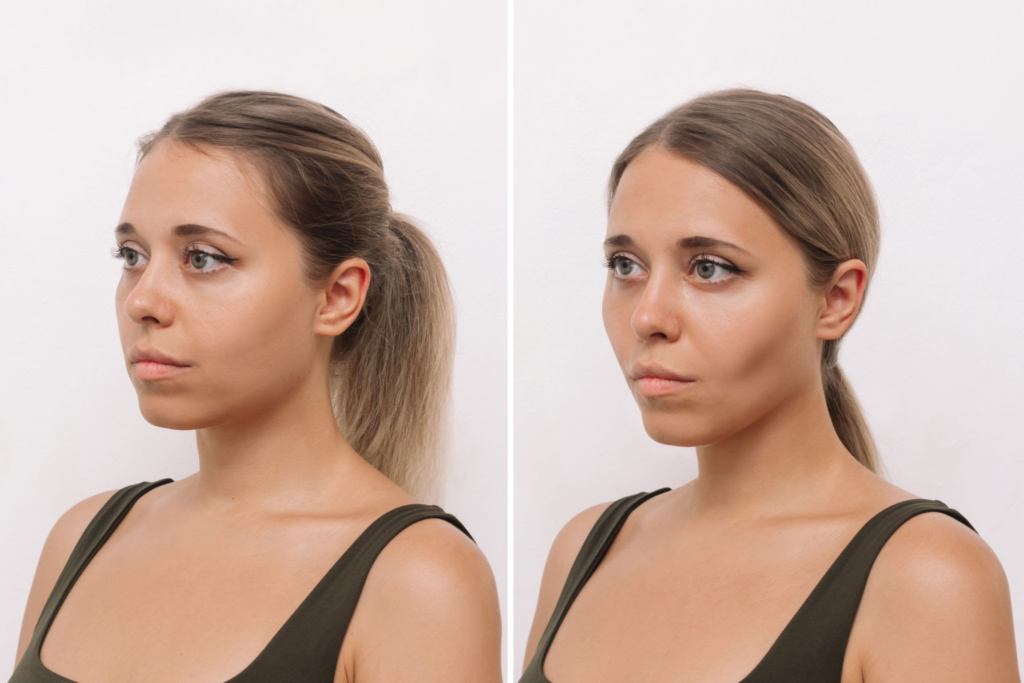
Considering Type 3 facial feminization surgery? Learn about this advanced procedure, encompassing multiple techniques to achieve a more feminine facial structure. {CONTENT} explores the process, benefits, and considerations. Discover if it’s right for you.
Wondering what Facial Feminization Surgery (FFS) will do for your appearance? This article explores FFS results, showing before & after photos and addressing common concerns. Learn about realistic expectations and the surgical process. Find your answers here! #FFS #FacialFeminization #Transgender
Considering facial feminization surgery? Learn if the results are permanent. This article explores the longevity of procedures like forehead shaping, chin reduction, and more. Discover the factors affecting long-term outcomes. #FacialFeminization #PlasticSurgery #PermanentResults
Facial Feminization Surgery Costs are a pivotal factor in planning your gender-affirming journey, shaping both the logistical and emotional aspects of your transition. For transgender women and non-binary individuals, understanding these costs isn’t just about budgeting—it’s about ensuring access to high-quality care that aligns with your personal goals. Europe offers diverse options, with countries like Spain and Belgium standing out for their unique blend of expertise, affordability, and patient-centered approaches.
Navigating these choices requires clear, transparent information about what’s included in the price, from consultations and surgical procedures to post-operative care. Beyond the clinical costs, considerations like travel, accommodations, and aftercare logistics add layers of complexity, making cost evaluation an essential step in your journey. This guide provides the insights you need to make informed decisions, compare destinations effectively, and choose a path that offers both value and the expertise required to help you feel confident in your transformation. Read on to explore detailed cost comparisons, practical tips for medical tourism, and advice on selecting the right surgeon to ensure your experience is both fulfilling and aligned with your aspirations.
Why Facial Feminization Surgery (FFS) Costs Matter for Your Journey
Facial Feminization Surgery (FFS) costs play a pivotal role in the transformative journey for transgender women and non-binary individuals. The financial aspect directly influences access to quality care, making transparency essential for informed decision-making. For many in the UK, where options are often limited or prohibitively expensive, exploring European destinations offers a path to affordability without compromising surgical expertise. Balancing affordability and quality ensures you achieve the desired harmony in facial features while maintaining peace of mind about the safety and professionalism of the procedure. Understanding the breakdown of Facial Feminization Surgery costs allows you to plan effectively and focus on what truly matters—aligning your appearance with your authentic self.
Breaking Down FFS Costs: What’s Included and What’s Not
Facial Feminization Surgery costs encompass several key elements, from pre-operative consultations to post-operative care. Standard fees include the surgical procedure itself, anesthesia, operating room charges, and hospital stays. Surgeons may also offer comprehensive packages that bundle follow-up visits and personalized aftercare plans. However, additional expenses, such as travel, accommodations, and potential caregiver support during recovery, must also be factored into your budget. These hidden costs can add up, especially for those considering medical tourism. By dissecting each cost component, you can avoid surprises and allocate resources effectively, ensuring every detail of your FFS journey is accounted for.
Facial Feminization Surgery Costs Comparison: Europe & Turkey
Spain has emerged as a sought-after destination for Facial Feminization Surgery, offering a perfect blend of affordability and medical expertise. Renowned cities such as Barcelona and Madrid host clinics with highly experienced surgeons specializing in gender-affirming procedures. The average cost of FFS in Spain ranges from €10,000 to €25,000, making it more accessible than in many other European countries. Additionally, Spain’s vibrant culture and favorable climate provide an ideal backdrop for recovery, allowing patients to combine their medical journey with leisure. Spain’s competitive pricing does not compromise quality, ensuring you receive care from professionals who prioritize safety and excellence.
FFS Costs in Belgium: Renowned Surgeons and Specialized Clinics
Belgium offers advanced options for Facial Feminization Surgery, with costs typically ranging from €15,000 to €35,000. The country’s specialized clinics are known for their cutting-edge techniques and highly skilled surgeons. While the cost is higher than in Spain, the added value lies in Belgium’s reputation for precision and innovation in gender-affirming surgeries. Clinics in cities like Brussels and Antwerp often cater exclusively to transgender individuals, providing tailored care in a supportive environment. Patients can expect meticulous attention to detail and access to the latest advancements in surgical technology, making Belgium a top choice for those prioritizing expertise.
Comparing Costs Across Europe: What Makes Each Destination Unique?
Facial Feminization Surgery costs vary widely across Europe, influenced by factors such as surgeon reputation, clinic location, and included services. Spain and Belgium represent contrasting options, with Spain excelling in affordability and Belgium offering unparalleled expertise. Other countries, such as Germany and the Netherlands, present middle-ground options, blending cost-effectiveness with high standards of care. Each destination brings unique benefits—Spain’s holistic approach and Belgium’s cutting-edge precision highlight the diverse opportunities available for patients. Comparing these destinations allows you to align your choices with your priorities, whether that’s minimizing costs, accessing renowned surgeons, or benefiting from comprehensive post-operative care.
Medical Tourism for FFS: Tips for Managing Costs and Logistics
Medical tourism opens the door to affordable Facial Feminization Surgery costs, but careful planning is essential. Begin by researching clinics with verified reviews and clear pricing structures. Budget for travel expenses, including flights, accommodations, and transportation, while also considering the cost of aftercare in your destination country. Post-operative recovery may require additional resources, such as hiring a caregiver or extending your stay to ensure proper healing. Language barriers can be navigated by choosing clinics with English-speaking staff or using translation services. By organizing every aspect of your trip, you can focus on your recovery and the transformative outcomes of your procedure.
How to Choose the Right FFS Surgeon: Balancing Cost and Expertise
Selecting the right surgeon is crucial in achieving optimal results while managing Facial Feminization Surgery costs. Look for professionals with extensive experience in gender-affirming surgeries, supported by positive patient testimonials and a robust portfolio of before-and-after photos. Credentials and affiliations with reputable medical organizations add credibility to their expertise. While cost is an important consideration, never compromise on quality. A skilled surgeon ensures not only aesthetic results but also safety and long-term satisfaction. Take time to consult multiple clinics, ask detailed questions about techniques and recovery expectations, and trust your instincts when making the final decision.
Conclusion: Making an Informed Decision About FFS Costs in Europe
Facial Feminization Surgery costs in Europe offer a spectrum of opportunities, from the affordability of Spain to the specialized expertise in Belgium. Navigating this landscape requires a clear understanding of your priorities, whether they are cost, quality, or a balance of both. By exploring options thoroughly, planning for additional expenses, and selecting the right surgeon, you can embark on a journey that aligns with your identity and goals. Remember, this is more than a financial investment—it’s a commitment to your well-being and self-expression. The right choice will empower you to embrace your true self with confidence and pride.
Visit Dr.MFO Instagram profile to see real patient transformations! Get a glimpse of the incredible results achieved through facial feminization surgery and other procedures. The profile showcases before-and-after photos that highlight Dr. MFO’s expertise and artistic vision in creating natural-looking, beautiful outcomes.
Ready to take the next step in your journey? Schedule a free consultation with Dr. MFO today. During the consultation, you can discuss your goals, ask any questions you may have, and learn more about how Dr. MFO can help you achieve your desired look. Don’t hesitate to take advantage of this free opportunity to explore your options and see if Dr. MFO is the right fit for you.
FAQ
What Are the Key Components of Facial Feminization Surgery Costs?
Facial Feminization Surgery costs typically include pre-operative consultations, the surgical procedure, anesthesia, and hospital or clinic fees. Many packages also cover post-operative care, such as follow-up visits and medications. However, additional costs like travel, accommodations, and caregiver assistance during recovery are often excluded. Understanding these components ensures transparency and allows for effective financial planning.
Why Are Facial Feminization Surgery Costs Different Across Europe?
The cost of Facial Feminization Surgery varies significantly across Europe due to differences in surgeon expertise, clinic reputation, and included services. For instance, Spain is known for affordability without compromising quality, while Belgium offers advanced techniques at higher price points. Other factors, such as clinic location, surgeon demand, and local economic conditions, also contribute to these variations.
How Affordable Is Facial Feminization Surgery in Spain?
Spain is a leading destination for affordable Facial Feminization Surgery, with costs typically ranging from €10,000 to €25,000. This affordability is paired with high-quality care, as Spanish surgeons are renowned for their expertise in gender-affirming procedures. Additionally, patients can recover in a culturally rich and scenic environment, making Spain an appealing choice for medical tourism.
What Makes Belgium a Top Destination for FFS Despite Higher Costs?
Belgium is celebrated for its specialized clinics and highly skilled surgeons, making it a premier destination for Facial Feminization Surgery. Costs range from €15,000 to €35,000, reflecting the advanced surgical techniques and precision offered. The country’s clinics often focus exclusively on transgender healthcare, ensuring personalized care and access to the latest medical innovations.
What Additional Expenses Should I Expect with Medical Tourism for FFS?
Medical tourism for Facial Feminization Surgery involves costs beyond the surgery itself. These include travel expenses such as airfare, local transportation, and accommodations. Extended stays for post-operative recovery and potential caregiver support are also factors to consider. Patients should budget for aftercare supplies, follow-up consultations, and translation services if language barriers exist.
How Can I Choose the Best Surgeon for Facial Feminization Surgery?
Choosing the right surgeon is critical for achieving desired results and managing costs. Look for surgeons with extensive experience in gender-affirming surgeries, supported by patient testimonials and a portfolio of successful outcomes. Evaluate their credentials and affiliations with reputable medical organizations. Balancing cost with expertise ensures safety, aesthetic satisfaction, and long-term success.
What Are the Benefits of Comparing Facial Feminization Surgery Costs Across Europe?
Comparing costs across Europe helps identify the best balance between affordability and quality. Spain offers cost-effective solutions with skilled surgeons, while Belgium is ideal for those seeking advanced techniques and specialized care. Exploring options in countries like Germany and the Netherlands provides additional opportunities to tailor your choice to your needs and financial capabilities.
How Can I Manage the Logistics of Traveling for FFS?
Managing the logistics of medical tourism for Facial Feminization Surgery involves careful planning. Start by selecting a reputable clinic with clear pricing and strong patient reviews. Budget for travel, accommodations, and aftercare, and consider hiring a caregiver for the recovery period. Choose destinations with English-speaking staff or arrange translation services to ensure smooth communication throughout the process.
Is It Possible to Balance Quality and Cost in FFS?
Yes, it is possible to achieve a balance between quality and cost in Facial Feminization Surgery by thoroughly researching options across Europe. Spain offers affordable yet high-quality care, while Belgium delivers unparalleled expertise for those with a higher budget. Focusing on surgeons with strong reputations and transparent pricing ensures you receive excellent care without overspending.
What Should I Prioritize When Planning for Facial Feminization Surgery?
When planning for Facial Feminization Surgery, prioritize factors such as surgeon expertise, clinic reputation, and the comprehensiveness of the package offered. Consider additional expenses like travel and recovery costs, and ensure the surgeon is skilled in gender-affirming procedures. Balancing these priorities with your budget will help you make an informed and confident decision.
Embarking on the journey of gender affirmation is a deeply personal and transformative experience, and for many transgender women and non-binary individuals, procedures like rhytidectomy and facial feminization surgery (FFS) play a pivotal role in aligning physical appearance with inner identity. Rhytidectomy, commonly known as a facelift, is far more than a cosmetic enhancement—it’s a key component of achieving facial harmony, particularly when tailored to the nuanced needs of gender-affirming care.
Coupled with FFS, which reshapes facial features to emphasize feminine aesthetics, these procedures empower individuals to embrace their authentic selves with confidence. This guide delves into the intricate world of rhytidectomy and FFS, providing a clear roadmap to understanding their benefits, navigating surgeon selection, and managing recovery, all while addressing the unique challenges faced by those seeking comprehensive gender-affirming transformations.
Understanding Rhytidectomy and FFS Surgery: A Comprehensive Guide
What is Rhytidectomy?
Rhytidectomy, commonly referred to as a facelift, is a surgical procedure designed to rejuvenate the face by tightening underlying muscles, removing excess skin, and smoothing deep wrinkles. While traditionally associated with anti-aging, rhytidectomy plays a critical role in gender-affirming procedures, particularly for transgender women and non-binary individuals. Its purpose extends beyond aesthetics; it reshapes features to harmonize with an individual’s gender identity, creating a more feminine and balanced appearance.
For many, rhytidectomy addresses common concerns like sagging skin, deep facial folds, and a loss of definition in the jawline. These enhancements are pivotal in gender-affirming transformations, helping individuals achieve a softer, more traditionally feminine contour. When integrated into facial feminization surgery (FFS), rhytidectomy amplifies the transformative effect, ensuring that facial features align seamlessly with gender expression.
The appeal of rhytidectomy lies in its precision and adaptability. Surgeons can tailor the procedure to each patient’s unique needs, ensuring outcomes that not only meet aesthetic goals but also enhance self-confidence. This adaptability makes rhytidectomy an indispensable tool in gender-affirming care, bridging the gap between physical appearance and personal identity.
Understanding Facial Feminization Surgery (FFS)
Facial feminization surgery (FFS) encompasses a range of procedures designed to modify masculine facial features and create a more feminine appearance. Rhytidectomy often complements these procedures, addressing age-related changes while enhancing the overall femininity of the face. FFS includes surgeries like brow contouring, rhinoplasty, and jaw reshaping, each contributing to the delicate balance of facial harmony.
Unlike general cosmetic surgeries, FFS is deeply rooted in gender-affirming care, prioritizing the unique needs of transgender women and non-binary individuals. Rhytidectomy plays a specific role here by refining facial contours, eliminating signs of aging, and contributing to a youthful, vibrant appearance.
The synergy between rhytidectomy and other FFS procedures ensures a comprehensive transformation. For instance, a patient undergoing jaw contouring might also benefit from a facelift to enhance jawline definition and maintain a natural appearance. This holistic approach makes FFS highly effective in achieving facial harmony that aligns with gender identity.
FFS and rhytidectomy require specialized expertise to deliver optimal results. Surgeons trained in gender-affirming care understand the intricacies of creating feminine features while respecting each individual’s natural uniqueness. This precision is crucial in ensuring outcomes that boost self-esteem and resonate deeply with personal identity.
The Role of Rhytidectomy in Gender-Affirming Transformations
Rhytidectomy holds a vital position in gender-affirming transformations. It goes beyond addressing aging by reshaping key facial areas to align with a feminine aesthetic. By softening angular lines, lifting sagging features, and enhancing facial proportions, rhytidectomy significantly contributes to a cohesive and feminine appearance.
For many transgender women and non-binary individuals, achieving facial harmony is not just about aesthetics—it’s about self-acceptance and empowerment. Rhytidectomy helps bridge the gap between internal identity and external appearance, enabling individuals to feel more comfortable and confident in their skin.
Furthermore, rhytidectomy can correct features that may appear disproportionately masculine. For example, tightening the lower face and neck can redefine the jawline, creating a more delicate contour that complements other feminizing procedures. This comprehensive approach ensures that every detail contributes to the overall transformation.
Surgeons performing rhytidectomy in a gender-affirming context must prioritize empathy and skill. Each patient’s journey is unique, requiring personalized care and meticulous attention to detail. By focusing on the individual’s goals and challenges, surgeons can deliver results that not only meet but exceed expectations.
Choosing the Right Surgeon for Rhytidectomy and FFS
Selecting the right surgeon is one of the most critical steps in undergoing rhytidectomy and FFS. Expertise in gender-affirming procedures is essential, as it ensures the surgeon understands the nuances of creating feminine facial features. Patients should prioritize surgeons with a proven track record in both rhytidectomy and comprehensive FFS procedures.
Reading reviews and testimonials is an effective way to gauge a surgeon’s skill and patient satisfaction. Many transgender-friendly clinics provide before-and-after galleries that showcase their work, helping patients visualize potential outcomes. Additionally, consultations offer an opportunity to discuss goals, ask questions, and assess the surgeon’s communication style and expertise.
Trust is a cornerstone of this decision-making process. Patients should look for board-certified surgeons with extensive experience in gender-affirming care. Certification and professional affiliations signal a commitment to excellence and ethical practices. Transparency about costs, risks, and recovery timelines also reflects a surgeon’s credibility.
Ultimately, the right surgeon will not only deliver technical precision but also provide emotional support throughout the journey. This partnership is essential for ensuring a smooth surgical experience and achieving results that align with personal and aesthetic goals.
Navigating Medical Tourism for Rhytidectomy and FFS
Medical tourism has become an increasingly popular option for individuals seeking rhytidectomy and FFS, particularly for those facing affordability challenges or limited NHS coverage in the UK. Traveling abroad offers access to highly skilled surgeons and state-of-the-art facilities at competitive costs.
However, navigating medical tourism requires careful planning. Patients must thoroughly research clinics, ensuring they meet international accreditation standards and specialize in gender-affirming procedures. Communication is crucial; clear discussions about the procedure, expectations, and logistics are necessary to avoid misunderstandings.
Travel logistics also play a significant role in a successful experience. Patients should account for travel costs, accommodation, and the need for a companion during recovery. Clinics offering all-inclusive packages often simplify this process, covering transportation, lodging, and post-operative care.
While medical tourism offers numerous benefits, patients must remain vigilant about potential risks. Verifying the surgeon’s credentials and the clinic’s reputation is non-negotiable. Choosing a trusted facility ensures not only a successful surgery but also a safe and supportive recovery experience.
Preparing for Rhytidectomy and FFS Surgery
Preparation is key to a successful rhytidectomy and FFS journey. Pre-operative consultations provide an opportunity to outline goals, understand procedural details, and address any concerns. Surgeons often recommend lifestyle adjustments, such as quitting smoking and optimizing nutrition, to enhance recovery outcomes.
Clear communication during consultations is vital. Patients should ask detailed questions about the procedure, anesthesia, risks, and expected results. Understanding the surgical plan helps reduce anxiety and ensures alignment between the surgeon’s approach and the patient’s goals.
Mental preparation is equally important. Many clinics offer counseling services to help patients navigate the emotional aspects of undergoing transformative surgeries. Building a support network of friends, family, or LGBTQ+ community members provides additional reassurance.
Finally, organizing post-operative care is essential for a smooth recovery. Arranging transportation, preparing a comfortable recovery space, and understanding follow-up schedules ensure patients are well-equipped to manage the healing process effectively.
Post-Surgery Care and Recovery
The recovery phase following rhytidectomy and FFS is crucial for achieving optimal results. Patients should expect initial swelling, bruising, and discomfort, which gradually subside over the following weeks. Strict adherence to post-operative instructions ensures a smooth healing process and minimizes complications.
Regular follow-ups with the surgeon are necessary to monitor progress and address any concerns. These appointments provide an opportunity to evaluate healing, remove sutures, and discuss the long-term maintenance of results.
Self-care plays a significant role during recovery. Keeping the surgical area clean, following a healthy diet, and avoiding strenuous activities are essential for promoting healing. Patients should also prioritize emotional well-being, seeking support when needed and celebrating milestones in their recovery journey.
In the long term, rhytidectomy and FFS offer transformative benefits that extend far beyond physical appearance. By aligning external features with internal identity, these procedures empower individuals to embrace their true selves with renewed confidence and joy.
Conclusion
Rhytidectomy and Facial Feminization Surgery (FFS) represent transformative steps in aligning facial features with one’s gender identity and personal aspirations. These procedures offer not just aesthetic refinement but also profound emotional and psychological affirmation, helping individuals achieve greater harmony between their appearance and their true selves. Rhytidectomy, specifically, enhances facial contours by addressing signs of aging and refining features, playing a pivotal role in achieving softer, more feminized expressions. When combined with the broader scope of FFS, it contributes to comprehensive gender-affirming care that uplifts self-confidence and well-being.
Navigating the journey to surgery involves critical decisions about surgeons, costs, and, often, medical tourism. Selecting a skilled and inclusive surgeon is paramount for ensuring safety and desired outcomes, while understanding the financial and logistical considerations is essential for a seamless experience. For many, traveling abroad offers access to expertise and affordability that may not be readily available locally. However, this path demands thorough preparation, including understanding pre-operative requirements, recovery processes, and post-operative care to ensure lasting results.
Taking the first step toward these life-changing procedures can feel overwhelming, but with the right information and guidance, it is entirely achievable. Begin your journey by consulting experienced professionals and exploring options tailored to your needs and aspirations. Whether you seek a rhytidectomy or a full FFS transformation, prioritizing your goals and partnering with trusted experts will pave the way to a confident and authentic future. Embrace the possibility of transformation today—reach out to qualified clinics and take the next step toward realizing your vision.
Visit Dr.MFO Instagram profile to see real patient transformations! Get a glimpse of the incredible results achieved through facial feminization surgery and other procedures. The profile showcases before-and-after photos that highlight Dr. MFO’s expertise and artistic vision in creating natural-looking, beautiful outcomes.
Ready to take the next step in your journey? Schedule a free consultation with Dr. MFO today. During the consultation, you can discuss your goals, ask any questions you may have, and learn more about how Dr. MFO can help you achieve your desired look. Don’t hesitate to take advantage of this free opportunity to explore your options and see if Dr. MFO is the right fit for you.
FAQ
What is Rhytidectomy, and how does it relate to FFS surgery?
Rhytidectomy, commonly known as a facelift, is a surgical procedure designed to reduce signs of aging by tightening skin, smoothing wrinkles, and redefining facial contours. In the context of Facial Feminization Surgery (FFS), rhytidectomy enhances softer, more feminized facial features, aligning them with a person’s gender identity. It plays a complementary role in comprehensive FFS, particularly for transgender and non-binary individuals seeking gender-affirming transformations.
How is Rhytidectomy different from other FFS procedures?
While rhytidectomy focuses primarily on reducing visible signs of aging and improving skin elasticity, other FFS procedures target specific structural changes. These may include jaw contouring, brow reduction, or rhinoplasty to achieve a more feminine facial profile. Rhytidectomy enhances these results by providing a rejuvenated and harmonious overall appearance, especially when combined with other gender-affirming surgeries.
What should I consider when choosing a surgeon for Rhytidectomy or FFS?
Selecting the right surgeon is critical to achieving optimal results. Look for professionals with extensive experience in transgender and non-binary procedures, verified credentials, and a proven track record of successful outcomes. Reviews, before-and-after photos, and testimonials from previous patients can provide valuable insight. It’s also essential to prioritize surgeons who demonstrate a commitment to inclusive, affirming care and take the time to understand your unique goals.
Is medical tourism a viable option for Rhytidectomy and FFS surgery?
Medical tourism can be an excellent option for accessing specialized care at more affordable rates. Many countries offer high-quality, transgender-friendly clinics with experienced surgeons. However, it’s crucial to research thoroughly, considering factors like travel logistics, clinic reputation, and aftercare services. Adequate preparation and planning can help ensure a smooth experience, minimizing risks while maximizing results.
What are the typical costs of Rhytidectomy and FFS surgery in the UK and abroad?
In the UK, the cost of rhytidectomy and FFS surgery is often high due to limited NHS coverage and high private clinic fees. Medical tourism destinations can provide these procedures at significantly lower costs without compromising on quality. However, when comparing prices, include additional expenses like travel, accommodation, and post-operative care to determine the overall investment accurately.
How can I prepare for Rhytidectomy or FFS surgery?
Preparation for rhytidectomy or FFS surgery involves thorough consultations with your surgeon to discuss expectations and procedures. Pre-operative preparation includes maintaining a healthy lifestyle, avoiding certain medications, and understanding recovery protocols. Emotional and mental readiness are equally important, as these procedures can be life-changing and require careful consideration of goals and outcomes.
What does recovery from Rhytidectomy or FFS surgery entail?
Recovery timelines vary depending on the extent of the surgery but typically involve swelling, bruising, and temporary discomfort. Most patients can resume light activities within a few weeks, although full healing may take several months. Proper aftercare, including follow-up appointments and adherence to your surgeon’s recommendations, is vital for achieving the best results. For those who travel abroad, arranging for local aftercare support can ensure a smoother recovery process.
Facial implants have become an integral aspect of facial feminization surgery (FFS), serving as transformative solutions that enhance the features of transgender women and non-binary individuals. These implants, designed to augment specific areas of the face such as the cheeks, chin, and jawline, help individuals achieve a more harmonious and feminine appearance. As the demand for gender-affirming procedures continues to rise, particularly among those aged 25 to 45, the relevance of facial implants in the journey toward self-acceptance and authenticity cannot be overstated. In an era where personal expression is celebrated, these surgical enhancements provide a pathway to align physical traits with one’s gender identity, fostering a sense of belonging and confidence.
The psychological benefits of facial implants extend beyond mere aesthetics. Many individuals report significant improvements in self-esteem and emotional well-being post-surgery, as these enhancements often lead to a more accurate reflection of one’s gender identity. This newfound confidence can influence various aspects of life, from social interactions to professional opportunities. With the proliferation of information on social media and in LGBTQ+ communities, individuals are increasingly empowered to explore their options, making informed decisions about their bodies and futures. This blog post will delve into the multifaceted world of facial implants, shedding light on their benefits, types, and the intricacies of navigating the surgical journey.
Understanding facial harmony is crucial for anyone considering these enhancements. Facial implants are meticulously crafted to enhance facial contours and create a balanced appearance that resonates with one’s identity. The goal is to achieve a look that feels authentic and empowering, allowing individuals to express themselves freely and comfortably. The transformative power of facial implants extends beyond the physical; it nurtures a deeper sense of self-acceptance and pride in one’s identity. Thus, the decision to undergo this procedure is not only about aesthetics; it represents a commitment to living authentically and embracing one’s true self.
As we navigate through this informative discussion on facial implants, we will explore various types, cost considerations, medical tourism options, and post-operative care. Each section is designed to equip you with the knowledge needed to make informed choices about your journey in pursuing facial feminization. With the right information, you can confidently approach your transformation, ensuring that it aligns with your vision of self-acceptance and authenticity.
Understanding Facial Harmony and Feminization
Facial harmony is a concept that encapsulates the balance and proportion of facial features, critical for achieving a pleasing aesthetic that aligns with one’s gender identity. Facial implants play a vital role in this pursuit, as they allow for the enhancement of specific areas of the face to achieve a more feminine appearance. These enhancements can include augmenting the cheeks for a fuller look, refining the chin to create a softer profile, or reshaping the jawline for a more delicate silhouette. Each of these modifications contributes to the overall goal of facial feminization, enabling individuals to feel more comfortable and confident in their appearance.
The importance of aligning one’s physical features with their gender identity cannot be understated. Many transgender women and non-binary individuals experience dysphoria related to their facial characteristics, which can impact their self-esteem and mental health. By opting for facial implants, they take a definitive step toward achieving facial harmony, allowing them to present themselves in a manner that reflects their true selves. The emotional benefits that follow this alignment are profound, as individuals often report feeling liberated from the constraints of societal expectations and more empowered in their personal expression.
Moreover, the transformative experience of undergoing facial feminization surgery significantly boosts self-confidence. The emotional journey surrounding gender identity is often fraught with challenges, including societal stigma and personal insecurities. Facial implants provide an opportunity to alleviate some of these burdens, allowing individuals to embrace their identities with pride and authenticity. The psychological uplift that comes from seeing one’s desired features reflected in the mirror can be life-changing, reinforcing a positive self-image and fostering resilience in the face of adversity.
In this exploration of facial harmony and feminization, it is essential to recognize that the journey is uniquely personal. Each individual’s vision of femininity and self-acceptance varies, and facial implants serve as tools that help realize these individual aspirations. By understanding the importance of facial harmony and the role of these implants, you can approach your transformation with a clear understanding of how they can support your journey toward authenticity.
Types of Facial Implants
When considering facial implants, it is crucial to understand the different types available and how they cater to specific aesthetic goals. The most common facial implants include cheek implants, chin implants, and jawline implants. Each type serves a unique purpose, allowing for personalized enhancements that align with the individual’s vision of femininity. Cheek implants are designed to add volume and fullness to the midface, creating a more youthful and feminine appearance. They can significantly impact the overall facial contour, drawing attention to the eyes and enhancing the cheekbones.
Chin implants, on the other hand, are crucial for refining the jawline and creating a softer profile. They can be used to reduce a prominent chin or to augment a receding one, contributing to a more balanced and harmonious facial structure. The choice of implant shape and size will depend on individual preferences and anatomical considerations, making a thorough consultation with a qualified surgeon essential for achieving optimal results. These implants not only alter the chin’s projection but also influence the perceived length of the neck and overall facial proportions.
Jawline implants offer a distinct advantage in reshaping the lower third of the face, providing a more defined and contoured appearance. They can enhance the angularity of the jawline, which is often a desired trait in achieving a feminine aesthetic. The right jawline implants can provide a subtle yet significant transformation, creating a balance that enhances the overall facial symmetry. By understanding the various types of facial implants available, individuals can make informed decisions that align with their aesthetic goals and personal identities.
In addition to the types of implants, it is also important to consider the materials used in their construction. Common materials include silicone and Medpor, each offering unique benefits regarding biocompatibility and aesthetic results. Silicone implants are known for their smooth surface and ease of placement, while Medpor implants provide a porous structure that encourages tissue integration. Understanding these materials can help individuals make choices that align with their preferences and expectations for the surgical outcome.
Cost Considerations and Financing Options
The cost of facial implants varies significantly based on several factors, including the type of implant, the surgeon’s expertise, and the location of the procedure. In the United Kingdom, the average cost of facial implants for facial feminization surgery can range from £3,000 to £10,000. This cost typically includes the surgeon’s fees, anesthesia, facility fees, and post-operative care. Given the substantial financial investment required, it is essential for individuals to understand all the costs involved in the surgical process.
Financing options can ease the burden of these expenses. Many clinics offer payment plans or financing solutions that allow individuals to manage their payments over time. Additionally, some individuals explore medical tourism as a viable alternative for more affordable procedures. Countries such as Thailand, Turkey, and Mexico are renowned for their specialized clinics that offer competitive pricing for facial feminization surgery, often at a fraction of the cost found in the UK. However, it is crucial to weigh the benefits against potential risks, including travel logistics and post-operative care.
Understanding the financial implications is vital for making informed decisions. Individuals must factor in not only the surgery costs but also related expenses, such as travel, accommodation, and potential follow-up visits. Thorough research into various clinics and their reputations can help mitigate the risks associated with medical tourism. It is imperative to prioritize quality and safety, as these factors directly impact the surgical outcome and overall satisfaction.
By considering all financial aspects and exploring available financing options, individuals can navigate the complexities of facial implants with greater confidence. The ability to achieve desired results while managing costs plays a significant role in the decision-making process. Informed choices lead to enhanced satisfaction, making the journey toward self-acceptance and authenticity more attainable.
Medical Tourism for Facial Implants
Medical tourism has gained traction among individuals seeking facial implants, particularly for those navigating the challenges of affordability and accessibility within the UK. The decision to travel abroad for surgery opens up a myriad of possibilities, providing access to world-class facilities and experienced surgeons at a fraction of the cost. Countries such as Thailand, Turkey, and Mexico have become hotspots for gender-affirming procedures, attracting patients with their high standards of care and specialized expertise in facial feminization.
The benefits of medical tourism extend beyond cost savings. Many of these destinations boast advanced healthcare systems equipped with state-of-the-art technology and skilled professionals experienced in performing facial implant surgeries. This combination of quality care and affordability empowers individuals to pursue their transformation without compromising on safety or results. Additionally, the chance to recuperate in a picturesque setting can enhance the overall experience, allowing individuals to focus on their recovery in a supportive environment.
However, navigating medical tourism is not without its challenges. Travel logistics, including flights, accommodations, and local transportation, must be meticulously planned to ensure a smooth experience. Furthermore, post-operative care is critical for successful recovery. It is essential to establish clear communication with the surgeon and clinic regarding follow-up appointments and any necessary aftercare instructions. Many individuals opt for recovery accommodations that offer additional support during this critical period.
Ultimately, medical tourism presents a viable pathway for accessing facial implants while managing costs effectively. With thorough research and careful planning, individuals can make informed choices that lead to successful outcomes. Understanding the nuances of traveling abroad for surgery empowers patients to navigate their journey confidently, transforming their aspirations into reality while embracing their identities.
Here’s a comparison table that highlights key aspects of facial implant surgery in different countries, including Turkey, focusing on factors like cost, surgeon expertise, recovery, and overall experience. This information can be particularly beneficial for individuals considering medical tourism for facial implants.
Comparison of Facial Implant Surgery: Turkey vs. Other Countries
Criteria
Turkey
Thailand
Mexico
United Kingdom
Average Cost
£3,000 – £7,000
£4,000 – £8,000
£4,000 – £10,000
£7,000 – £15,000
Surgeon Expertise
Highly experienced, many board-certified
Renowned for cosmetic surgery expertise
Good reputation in cosmetic procedures
Varies widely, some highly qualified
Facility Standards
Accredited clinics with modern facilities
High standards, international accreditation
Varied; some top-rated, others average
Generally high, but can vary by clinic
Recovery Time
1-2 weeks, follow-up care available
1-2 weeks, excellent aftercare options
1-2 weeks, potential for limited follow-up
2-4 weeks, more frequent follow-ups
Language Barrier
English widely spoken in clinics
English widely spoken in clinics
English spoken in many clinics
English primary language
Post-Operative Care
Comprehensive, with easy access to clinics
Good post-operative support
Support varies; some clinics provide good care
Standard follow-up care
Medical Tourism Experience
Well-developed, many resources available
Popular destination for cosmetic surgery
Growing medical tourism sector
Limited options for medical tourism
Psychological Support
Available in many clinics
Some clinics offer psychological support
Limited psychological support available
More structured mental health services
Travel Costs
Reasonably priced, many flight options
Varies based on origin, often reasonable
Reasonable from North America and Europe
Higher travel costs from abroad
Cultural Acceptance
Increasingly accepting of LGBTQ+ identities
Very accepting, popular among LGBTQ+ tourists
Generally accepting, growing in popularity
Varies by region, but improving
Breakdown of Costs for Facial Implant Surgery
Country
Surgery Cost (approx.)
Accommodation (per night)
Travel Costs (round trip)
Total Estimated Cost
Turkey
£3,000 – £7,000
£30 – £100
£150 – £400
£3,180 – £7,500
Thailand
£4,000 – £8,000
£40 – £120
£300 – £700
£4,340 – £8,820
Mexico
£4,000 – £10,000
£50 – £150
£250 – £600
£4,300 – £10,750
United Kingdom
£7,000 – £15,000
£100 – £200
N/A
£7,100 – £15,200
These tables illustrate the various factors involved in considering facial implant surgery in Turkey versus other popular destinations. Turkey stands out due to its affordability, quality of care, and an established reputation in cosmetic procedures, particularly for gender-affirming surgeries. However, individuals should always conduct thorough research and consider personal preferences and needs when making decisions about their surgery options.
Preparing for Facial Implant Surgery
Preparing for facial implant surgery requires careful consideration and thorough planning to ensure a successful outcome. A comprehensive pre-operative consultation with a qualified surgeon is essential for establishing expectations and discussing specific goals. During this consultation, the surgeon will evaluate your facial structure, recommend appropriate implant types, and outline the surgical process. This step is crucial for addressing any questions or concerns you may have, enabling you to enter the surgery with confidence and clarity.
Understanding what to expect during the surgery is vital for alleviating
anxiety. Facial implant procedures typically involve anesthesia, and the surgeon will provide detailed information about the surgical process, including incision placement and the duration of the procedure. Knowing the steps involved allows you to mentally prepare for the experience. It is also advisable to discuss any potential risks and complications with your surgeon, ensuring that you are fully informed and comfortable with your decision.
In the weeks leading up to the surgery, it is important to adhere to pre-operative guidelines provided by your surgeon. This may include recommendations on avoiding certain medications, smoking, and alcohol consumption, as these factors can impact the healing process. Additionally, preparing your recovery space at home can enhance your comfort post-surgery. Arranging for assistance during your initial recovery phase will alleviate stress and ensure that you can focus on healing.
Finally, managing anxiety and expectations before the surgery is crucial. Engaging in relaxation techniques, such as meditation or deep breathing exercises, can help create a positive mindset. Visualizing your desired outcomes and affirming your commitment to the process fosters a sense of empowerment. By thoroughly preparing for facial implant surgery, you can navigate the experience with confidence, ultimately leading to successful results and enhanced self-acceptance.
Post-Operative Care and Recovery
Post-operative care is critical for ensuring a smooth recovery after facial implant surgery. Following the procedure, it is essential to adhere to the surgeon’s instructions regarding aftercare, which may include guidelines for wound care, activity restrictions, and pain management. Keeping the surgical area clean and dry significantly reduces the risk of infection and promotes optimal healing. Additionally, using cold compresses can help minimize swelling and discomfort during the initial recovery period.
Managing potential complications is an integral part of the recovery process. It is important to monitor your condition for any unusual symptoms, such as excessive swelling, prolonged bleeding, or signs of infection. If any concerning symptoms arise, contacting your surgeon immediately is vital for addressing issues promptly. Maintaining open communication with your medical team allows for a supportive recovery experience, ensuring that you feel empowered and informed throughout the process.
In the weeks following surgery, gradually resuming normal activities is encouraged, but it is essential to listen to your body and not rush the healing process. Gentle activities and light movement can aid circulation and promote healing, but strenuous exercise should be avoided until cleared by your surgeon. Engaging in activities that promote relaxation and well-being, such as mindfulness practices or gentle stretching, can enhance your recovery journey.
Ultimately, the post-operative phase is a critical time for reflection and self-care. Embracing this period allows you to nurture your emotional and physical well-being, fostering a deeper sense of self-acceptance. As your facial implants settle and the swelling subsides, the transformation will become more apparent, reinforcing the commitment you made to your authentic self. This journey culminates in a newfound confidence and joy, allowing you to step into the world with pride.
Conclusion
In conclusion, facial implants are more than mere aesthetic enhancements; they represent a profound commitment to self-acceptance and authenticity. By understanding the nuances of facial feminization surgery, individuals can make informed decisions that align with their aspirations for personal transformation. From the types of implants available to the intricacies of medical tourism and post-operative care, each aspect contributes to the overall experience of embracing one’s true identity.
The journey toward facial harmony and feminization is deeply personal, and facial implants serve as invaluable tools in achieving this goal. Empowering yourself with knowledge about the procedure, costs, and recovery fosters confidence in your decisions and enhances your overall experience. As you navigate this transformative process, remember that the ultimate goal is to align your physical appearance with your gender identity, paving the way for a life of authenticity and fulfillment.
We encourage you to conduct thorough research, explore your options, and embrace the journey toward self-acceptance. Whether you are considering facial implants for the first time or are well into your exploration of gender-affirming procedures, know that each step you take brings you closer to your true self. Celebrate this opportunity for transformation, and step boldly into your future with confidence and pride.
Visit Dr.MFO Instagram profile to see real patient transformations! Get a glimpse of the incredible results achieved through facial feminization surgery and other procedures. The profile showcases before-and-after photos that highlight Dr. MFO’s expertise and artistic vision in creating natural-looking, beautiful outcomes.
Ready to take the next step in your journey? Schedule a free consultation with Dr. MFO today. During the consultation, you can discuss your goals, ask any questions you may have, and learn more about how Dr. MFO can help you achieve your desired look. Don’t hesitate to take advantage of this free opportunity to explore your options and see if Dr. MFO is the right fit for you.
FAQ
What are Facial Implants?
Facial implants are medical devices designed to enhance facial contours and create balance in one’s appearance. In the context of gender-affirming procedures, facial implants serve to feminize or masculinize specific facial features, such as the cheeks, chin, and jawline. These implants can be made from various materials, including silicone and Medpor, and are custom-shaped to fit each individual’s anatomical needs. The primary goal of facial implants is to achieve facial harmony and align one’s physical appearance with their gender identity, ultimately contributing to enhanced self-acceptance and confidence.
How do Facial Implants Contribute to Facial Harmony and Feminization?
Facial harmony refers to the aesthetic balance between different facial features. Facial implants play a significant role in achieving this balance by adding volume and contour to specific areas of the face. For individuals undergoing facial feminization surgery, implants can soften the jawline, enhance cheekbones, and reshape the chin, resulting in a more traditionally feminine appearance. Beyond the physical transformations, the psychological benefits of aligning one’s appearance with their gender identity are profound, often leading to increased self-esteem and improved emotional well-being.
What Types of Facial Implants Are Available?
There are several types of facial implants available to address different areas of the face. Common types include cheek implants, which augment the mid-face; chin implants, which can create a more defined jawline; and jawline implants, which enhance the overall shape of the face. Each type of implant can be made from materials such as silicone, which provides a natural feel, or porous materials like Medpor that allow tissue integration. The choice of implant type and material depends on individual goals, facial structure, and the surgeon’s recommendations.
What Are the Typical Costs Associated with Facial Implants?
The cost of facial implants can vary significantly based on multiple factors, including the type of implant, the surgeon’s experience, and the geographical location of the surgery. In Turkey, the average cost ranges from £3,000 to £7,000, which is often more affordable than in countries like the United Kingdom, where prices can reach £7,000 to £15,000. Additionally, patients should consider travel expenses and accommodation if they opt for medical tourism. Many clinics offer financing options to help manage the financial investment required for surgery, making it more accessible for individuals seeking gender-affirming procedures.
What Should I Expect During the Recovery Process?
Recovery from facial implant surgery generally involves a few weeks of care and adjustment. Patients can expect some swelling and bruising in the initial days following surgery, which typically subsides within a week or two. Adhering to post-operative care instructions is crucial for a smooth recovery, including keeping the surgical site clean, avoiding strenuous activities, and attending follow-up appointments. Most individuals can return to normal activities within 1 to 2 weeks, but complete healing may take several months as the implants settle and the final results become evident.
What Are the Benefits of Medical Tourism for Facial Implants?
Medical tourism has become a popular option for individuals seeking facial implants due to several benefits. Many countries, such as Turkey and Thailand, offer high-quality medical care at significantly lower prices than those in the United Kingdom or the United States. Patients can access experienced surgeons, modern facilities, and comprehensive aftercare. Additionally, medical tourism provides the opportunity to combine the surgery with travel experiences, making the journey more enjoyable. However, it’s essential to conduct thorough research and ensure the chosen clinic meets international safety standards to mitigate any risks associated with traveling for medical procedures.
How Can I Prepare for Facial Implant Surgery?
Preparing for facial implant surgery involves several essential steps to ensure a smooth process. First, individuals should schedule consultations with their surgeon to discuss their goals, expectations, and any concerns. It’s crucial to follow pre-operative guidelines provided by the surgeon, which may include avoiding certain medications, smoking, and alcohol consumption. Preparing a recovery space at home, arranging for assistance during the initial recovery phase, and engaging in relaxation techniques to manage anxiety can contribute to a positive surgical experience. Being well-prepared helps alleviate stress and fosters a mindset conducive to healing.
What Should I Look for in Post-Operative Care?
Post-operative care is critical to the success of facial implant surgery. Patients should adhere to their surgeon’s aftercare instructions, which often include guidelines for wound care, activity restrictions, and pain management. Monitoring for any signs of complications, such as excessive swelling, unusual pain, or signs of infection, is crucial. Maintaining open communication with the medical team allows patients to address any concerns promptly. Engaging in gentle activities that promote relaxation and well-being during recovery fosters both physical and emotional healing, ensuring a more positive transformation experience.
How Do Facial Implants Impact Self-Confidence and Well-Being?
Facial implants significantly impact an individual’s self-confidence and overall well-being. By enhancing facial features and aligning one’s appearance with their gender identity, individuals often experience profound psychological benefits. Many report feeling more authentic and comfortable in their skin, leading to improved self-esteem and a more positive outlook on life. This transformative experience not only boosts confidence but also enhances social interactions and quality of life. Ultimately, facial implants empower individuals to embrace their identities fully, fostering a deeper sense of self-acceptance and emotional health.
Submental liposuction is rapidly gaining prominence as a key procedure in the journey toward gender affirmation, particularly for transgender women and non-binary individuals seeking facial feminization. This minimally invasive surgical technique specifically targets the accumulation of fat beneath the chin, a common area of concern that can undermine the overall aesthetic desired by those pursuing a more feminine appearance. By sculpting this area, submental liposuction not only enhances facial contours but also significantly contributes to an individual’s self-image and confidence.
As the demand for gender-affirming procedures grows, so does the importance of understanding the benefits and intricacies of submental liposuction. Through this blog post, we will explore who can benefit from this transformative procedure, the various techniques involved, and the crucial aspects of post-operative care, ultimately guiding you on the path to achieving the facial harmony you desire.
Who Can Benefit from Submental Liposuction?
Submental liposuction offers a myriad of benefits for individuals aged 25 to 45, particularly for transgender women and non-binary persons seeking to align their physical appearance with their gender identity. This procedure is ideal for those who experience submental fullness, often resulting from genetic predisposition or weight fluctuations. Candidates for submental liposuction typically express a desire for a more defined jawline and an overall improvement in facial proportions, contributing to a feminine silhouette.
Moreover, individuals who value self-acceptance and authenticity often find submental liposuction to be an essential part of their gender-affirming journey. The transformative potential of this procedure can significantly enhance one’s sense of identity and belonging, fostering confidence and comfort in social settings. Many candidates are also open to exploring medical tourism options, as they seek experienced and affordable surgeons to perform this life-changing procedure.
The decision to undergo submental liposuction is often fueled by the desire for comprehensive transformation. Transgender women and non-binary individuals frequently search for effective solutions that promise both aesthetic improvement and emotional fulfillment. Ultimately, the ability to achieve a more refined and feminine appearance through submental liposuction plays a vital role in helping individuals embrace their true selves.
Why Choose Submental Liposuction?
Choosing submental liposuction comes with numerous advantages that extend beyond mere aesthetic enhancement. One of the primary benefits lies in the procedure’s ability to contour the jawline, creating a more graceful and feminine profile. Many individuals find that submental fullness can create a more masculine appearance, which conflicts with their gender expression. By addressing this issue directly, submental liposuction effectively reshapes the chin and jawline, facilitating a more harmonious facial structure.
Additionally, submental liposuction can be performed alongside other gender-affirming procedures, such as rhinoplasty or brow lifts, to achieve comprehensive facial feminization. This versatility makes submental liposuction a vital component of many individuals’ aesthetic plans, helping them attain their desired look in a single surgical journey. The emotional rewards associated with achieving a more feminine appearance cannot be overstated; many patients report increased confidence and satisfaction following the procedure.
Financially, submental liposuction can also represent a cost-effective solution for individuals exploring multiple surgical options. Rather than undergoing several separate procedures, many find that submental liposuction provides substantial results in one surgical session. For individuals navigating the complexities of medical tourism, this efficiency can be particularly appealing, as it allows for effective budgeting and planning while minimizing time spent away from home.
Understanding the Procedure: Submental Liposuction
The process of submental liposuction begins with a thorough consultation between the patient and the surgeon. During this vital initial meeting, the surgeon assesses the patient’s aesthetic goals and medical history, laying the groundwork for a personalized treatment plan. Understanding the individual’s desires is crucial to achieving the desired outcome.
When it comes to anesthesia options, patients may choose between local and general anesthesia based on their comfort levels and the extent of the procedure. Local anesthesia is often preferred for its reduced recovery time and lower risk profile, allowing patients to return to their daily activities more swiftly.
Once the anesthesia takes effect, the surgeon employs various liposuction techniques to remove excess fat from beneath the chin. Tumescent liposuction involves injecting a specialized solution that minimizes bleeding and pain, making the procedure more comfortable. Alternatively, laser-assisted or ultrasound-assisted liposuction techniques can be employed for added precision. These advanced methods utilize cutting-edge technology to facilitate fat removal while minimizing bruising and recovery time.
Following the removal of excess fat, the surgeon carefully closes the incisions using sutures or adhesive strips, ensuring minimal scarring. The technique for incision placement is vital; strategically placed incisions help to conceal scars in less visible areas, preserving the patient’s aesthetic outcome.
Post-Operative Care and Support
Post-operative care is critical for ensuring a smooth recovery after submental liposuction. Immediately following the procedure, patients can expect some swelling, bruising, and discomfort in the treated area. Proper pain management is essential during this initial phase, and surgeons typically recommend over-the-counter pain relief or prescribed medication to help ease any discomfort.
The recovery timeline for submental liposuction is relatively short. Most individuals can return to light activities within a few days, while more strenuous activities may be resumed within two weeks. Patients should maintain regular follow-up appointments with their surgeon to monitor healing and address any concerns that may arise.
Long-term care is equally important for maintaining the results achieved through submental liposuction. A commitment to a healthy lifestyle, including proper nutrition and regular exercise, can help preserve the contours of the jawline. Additionally, incorporating quality skincare products into daily routines can enhance overall skin health and appearance. Staying hydrated and using sunscreen can further protect the skin from damage and support healing.
Affordability and Financial Considerations
Affordability plays a significant role in the decision-making process for individuals considering submental liposuction. The costs associated with this procedure can vary widely based on the surgeon’s experience, the facility, and the geographical location. Patients often seek detailed quotes to understand the total investment required for surgery, including any pre-operative tests and post-operative care.
For many, exploring medical tourism options can present significant savings while also providing access to experienced surgeons. Countries known for their expertise in cosmetic surgery often offer competitive pricing without compromising quality. Patients should weigh the financial benefits against the logistical challenges of traveling abroad for surgery, ensuring that they are fully informed of all potential costs.
Payment plans and financing options can also make submental liposuction more accessible. Many clinics provide financing solutions that allow patients to spread the cost of their surgery over time, making it easier to manage financial commitments. Understanding insurance coverage for gender-affirming procedures is essential as well; while some policies may provide partial coverage, patients often find that they must navigate complex approval processes.
Here’s a comparison table outlining the costs and key aspects of submental liposuction in various countries, including Turkey, along with other relevant locations. This table highlights the differences in pricing, availability of experienced surgeons, and factors influencing medical tourism.
Comparison Table: Submental Liposuction Costs and Aspects
Country
Average Cost (USD)
Surgeon Experience
Facility Accreditation
Travel & Accommodation
Post-Operative Care
Language
Turkey
$1,500 – $3,000
Highly experienced
JCI accredited clinics
Affordable; well-developed
Comprehensive support
English, Turkish
United Kingdom
$4,000 – $7,000
Varies by region
CQC accredited
Moderate to high
Standard follow-up
English
Germany
$3,500 – $6,500
Highly experienced
ISO certified
Moderate
Comprehensive support
English, German
Thailand
$2,000 – $4,000
Highly experienced
JCI accredited
Affordable; tourism-friendly
Standard follow-up
English, Thai
United States
$5,000 – $10,000
Highly experienced
AAAASF accredited
High
Comprehensive support
English
Mexico
$2,500 – $5,000
Varies
JCI accredited
Affordable
Standard follow-up
English, Spanish
Key Factors Influencing the Decision
Factor
Turkey
United Kingdom
Germany
Thailand
United States
Mexico
Quality of Care
High, with specialized clinics
High, with regional variation
High, with a strong reputation
High, catering to medical tourists
Very high, well-regulated
High, with some variations
Waiting Times
Short, often within weeks
Longer, several months
Moderate
Short, typically immediate
Longer, several months
Moderate
Medical Tourism Support
Extensive, including packages
Limited
Moderate
Extensive, well-established
Limited
Moderate
Cultural Sensitivity
High, particularly for LGBTQ+
Moderate
Moderate
High, tourism-oriented
Moderate
Moderate
Regulatory Standards
Strong, especially in accredited clinics
Strong, regulated by CQC
Strong, regulated by ISO
Strong, regulated by JCI
Very strong, AAAASF
Moderate
Summary
This comparison highlights that Turkey is a compelling option for submental liposuction, especially for transgender women and non-binary individuals seeking affordable yet high-quality care. The country boasts a wealth of experienced surgeons, accredited facilities, and a strong focus on patient care, making it a prominent choice for medical tourism. Furthermore, the cultural sensitivity and support available for LGBTQ+ individuals further enhance its appeal.
Conclusion: Embracing Your Journey
Embracing the journey toward self-acceptance and authenticity is a transformative experience, and submental liposuction represents a powerful tool in achieving that goal. By enhancing facial harmony through this procedure, transgender women and non-binary individuals can significantly improve their self-image and confidence. The decision to pursue submental liposuction reflects a commitment to personal growth and self-expression, empowering individuals to present their true selves to the world.
As you contemplate the potential benefits of submental liposuction, remember that this procedure is more than just a surgical intervention; it is a stepping stone toward a more fulfilling life. By educating yourself about the process, including the benefits, techniques, and post-operative care, you equip yourself to make informed decisions about your transformative journey. Embrace this opportunity to invest in yourself and pave the way for a brighter, more authentic future.
Visit Dr.MFO Instagram profile to see real patient transformations! Get a glimpse of the incredible results achieved through facial feminization surgery and other procedures. The profile showcases before-and-after photos that highlight Dr. MFO’s expertise and artistic vision in creating natural-looking, beautiful outcomes.
Ready to take the next step in your journey? Schedule a free consultation with Dr. MFO today. During the consultation, you can discuss your goals, ask any questions you may have, and learn more about how Dr. MFO can help you achieve your desired look. Don’t hesitate to take advantage of this free opportunity to explore your options and see if Dr. MFO is the right fit for you.
Certainly! Here’s a comprehensive FAQ section targeting key aspects of submental liposuction for transgender women and non-binary individuals. This section addresses common concerns and queries related to the procedure.
What is submental liposuction, and how does it work?
Submental liposuction is a cosmetic surgical procedure designed to remove excess fat from the area under the chin and along the jawline, thereby enhancing facial contours. The process typically involves the use of various liposuction techniques, such as tumescent, laser-assisted, or ultrasound-assisted methods, which allow for precise fat removal. During the procedure, the surgeon makes small incisions to access the fat deposits, using a cannula to suction out unwanted fat. This technique not only refines the jawline but also contributes to an overall more feminine appearance by promoting facial harmony, which is particularly significant for transgender women and non-binary individuals seeking gender-affirming procedures.
Who are the ideal candidates for submental liposuction?
Ideal candidates for submental liposuction include transgender women and non-binary individuals aged 25 to 45 who wish to achieve a more defined jawline and improved facial aesthetics. Candidates should be in good overall health and have realistic expectations about the outcomes of the procedure. Individuals who struggle with excess fat in the submental area despite maintaining a healthy lifestyle often find this procedure beneficial. It is also suitable for those who are looking for a minimally invasive option that can enhance their gender expression and contribute to their overall sense of self-acceptance and authenticity.
The benefits of submental liposuction extend beyond aesthetic improvements; they encompass both physical and psychological aspects. Primarily, this procedure provides a more contoured jawline, which is an essential feature in achieving facial feminization. Additionally, by reducing submental fullness, individuals experience enhanced facial symmetry, leading to improved overall appearance. The transformative nature of the procedure often boosts self-esteem and confidence, empowering patients to embrace their identity fully. Furthermore, submental liposuction can result in long-lasting effects, provided that individuals maintain a healthy lifestyle post-procedure.
What is the typical recovery process after submental liposuction?
Recovery after submental liposuction generally involves a few days of rest, followed by a gradual return to normal activities. Initially, patients may experience swelling, bruising, and discomfort in the treated area, which can be managed with prescribed pain medications and cold compresses. Most individuals resume light activities within a week, although it may take several weeks for swelling to subside completely. Patients are encouraged to follow post-operative care instructions meticulously, which include keeping the incision sites clean and attending follow-up appointments to monitor healing. Adhering to these guidelines is crucial for ensuring optimal results and minimizing potential complications.
How much does submental liposuction cost, and what are the financing options?
The cost of submental liposuction varies significantly based on several factors, including geographic location, surgeon experience, and the complexity of the procedure. In countries like Turkey, the average cost ranges from $1,500 to $3,000, making it an attractive option for individuals seeking affordable yet quality care. In contrast, costs in the UK and the US can reach $7,000 or more. Many clinics offer financing options, allowing patients to pay in installments. Additionally, exploring medical tourism opportunities can lead to significant savings, with many facilities providing comprehensive packages that include surgery, accommodation, and transportation.
What should I expect during the initial consultation for submental liposuction?
During the initial consultation for submental liposuction, patients can expect a thorough assessment of their medical history, aesthetic goals, and expectations for the procedure. The surgeon will evaluate the submental area and discuss potential techniques tailored to the individual’s needs. This is also the time to address any concerns, review the risks and benefits, and understand the recovery process. The surgeon may provide a personalized treatment plan, including recommendations for pre-operative care and lifestyle adjustments that can enhance the outcome of the procedure. This consultation plays a crucial role in establishing trust and ensuring that the patient feels comfortable and informed about their upcoming journey.
How can I maintain the results of my submental liposuction?
Maintaining the results of submental liposuction involves adopting a healthy lifestyle that includes a balanced diet and regular exercise. Post-operative care is also essential, as following the surgeon’s recommendations for hydration, skincare, and follow-up visits contributes to long-lasting results. Engaging in practices that support skin elasticity, such as moisturizing and sun protection, can help preserve the enhanced contour. It is important to remember that while liposuction effectively removes fat cells, weight gain can still occur if a healthy lifestyle is not maintained. Therefore, committing to these habits ensures that individuals can fully enjoy the transformative benefits of their submental liposuction procedure.
Facial liposuction plays a transformative role in gender-affirming surgery, offering transgender women and non-binary individuals a vital tool to refine facial features and achieve harmony with their gender identity. This procedure is designed to remove excess fat from areas like the jawline, cheeks, chin, and neck, helping to soften and feminize the face by reducing angular or bulky areas commonly associated with masculine features. By targeting these specific regions, facial liposuction sculpts more delicate contours that align with a person’s vision of their authentic self. It is an integral step in creating facial symmetry and balance, ultimately supporting one’s journey towards self-acceptance and confidence.
1. Understanding Facial Liposuction: A Vital Step in Gender-Affirming Procedures
Facial liposuction plays a pivotal role in gender-affirming surgeries, especially for those seeking Facial Feminization Surgery (FFS). It involves the strategic removal of excess fat from specific areas of the face to achieve smoother, more delicate contours that align with one’s gender identity. This is particularly crucial for transgender women and non-binary individuals who aim to feminize their facial features. The procedure effectively targets regions like the jawline and cheeks, which are often more prominent in individuals assigned male at birth.
By sculpting and refining these areas, facial liposuction helps create a softer, more feminine appearance. Patients often seek this surgery as part of a broader FFS approach, where procedures like jaw reduction or cheek augmentation may complement the liposuction for comprehensive results. In most cases, facial liposuction enhances facial harmony, allowing individuals to present a look that aligns more closely with their authentic self. This step is integral in reducing masculine features, providing a significant boost in confidence and emotional well-being.
Facial liposuction also plays an essential role in smoothing the neck area, removing any bulk that could detract from a feminine appearance. For many, achieving these results is not only a physical transformation but a vital emotional journey. The goal is always to provide a result that is natural and empowering, making facial liposuction a critical consideration for those embarking on their gender-affirming journey.
2. How Facial Liposuction Enhances Feminization in FFS
Facial liposuction effectively sculpts the face to enhance feminization in FFS surgery, targeting specific areas like the jawline, cheeks, chin, and neck. The procedure is designed to slim and smooth these regions, helping individuals achieve softer, more feminine contours. By addressing the prominent features often associated with masculine facial structures, such as a broad jawline or fuller cheeks, facial liposuction reshapes these areas for a more refined, feminine look.
Jawline liposuction is a common component of FFS, as the jawline can often remain angular and defined even after other feminization procedures. By removing fat deposits, the jawline becomes narrower and more delicate. Cheek liposuction further enhances this effect by reducing volume, making the cheekbones more prominent while softening the overall facial appearance. This dual approach helps to minimize the masculine characteristics that many transgender women and non-binary individuals seek to alter through FFS.
Liposuction in the chin and neck areas also contributes significantly to facial feminization. A double chin or excess neck fat can often hinder a sleek, feminine profile. By contouring these areas, patients achieve a smoother, more elegant silhouette, particularly when viewed in profile. These results not only improve facial symmetry but also help individuals feel more aligned with their gender identity.
Facial liposuction creates a seamless blend between the sculpted areas, providing a cohesive, natural look. The transformation is visible and impactful, helping individuals feel more comfortable in their skin while presenting an appearance that reflects their true identity.
3. Cost Comparison: Balancing Affordability and Quality in Facial Liposuction
When considering facial liposuction as part of FFS, cost is often a major factor, particularly for those seeking the best balance between affordability and high-quality care. In the UK, the cost of facial liposuction can vary widely depending on the clinic’s location, the surgeon’s experience, and the extent of the procedure. On average, facial liposuction in the UK ranges from £3,000 to £6,000. However, costs can be higher in major urban areas where demand and expertise are more concentrated.
For many, the option of medical tourism becomes appealing due to the potential for lower prices abroad. Countries like Turkey, Spain, and Thailand offer highly skilled surgeons and modern facilities at a fraction of the cost. In these countries, facial liposuction can range from £1,500 to £3,500, making it a cost-effective alternative for those willing to travel. This option is particularly beneficial for transgender women and non-binary individuals who may not have access to affordable surgery through the NHS or private healthcare.
However, choosing a surgeon based on price alone is not advisable. It’s crucial to verify the surgeon’s credentials, read patient reviews, and assess the clinic’s facilities before making a decision. Many international surgeons specialize in gender-affirming surgeries, and these specialists often offer packages that include pre-surgery consultations, accommodation, and post-op care. These comprehensive packages can help manage the logistical aspects of traveling for surgery and ensure a smooth recovery process.
Finding the right balance between cost and quality is essential. While medical tourism presents more affordable options, patients should always prioritize the expertise and reliability of the surgeon to ensure safe and satisfying results.
4. Medical Tourism for Facial Liposuction: Expanding Your Options
Medical tourism has become a viable option for those seeking facial liposuction, especially within the transgender and non-binary communities. The combination of lower costs, expert surgeons, and advanced facilities in countries abroad has made this route increasingly attractive for individuals from the UK. Popular destinations include Turkey, Thailand, and Spain, where clinics offer specialized care in gender-affirming procedures at a fraction of the UK cost.
When considering medical tourism for facial liposuction, thorough research is essential. Start by identifying reputable clinics with proven experience in performing FFS surgeries, particularly facial liposuction. Many clinics have English-speaking staff and cater to international patients, making the process smoother. Moreover, international surgeons often have extensive portfolios in gender-affirming procedures, offering a level of expertise that can be difficult to find domestically.
Logistics are a key component of medical tourism. Patients need to plan for travel, accommodation, and time for recovery. Many clinics abroad offer packages that include these services, ensuring a stress-free experience. It’s also important to consider post-operative care, particularly if complications arise. Ensure that your chosen clinic provides follow-up appointments, even if they are virtual, to track your recovery progress once you return home.
Post-operative care is critical to achieving the desired results. Whether at home or abroad, ensure that you have the support needed for recovery. Planning for this can make all the difference in how smoothly your recovery proceeds, particularly after facial liposuction, where swelling and bruising can temporarily obscure the final outcome. With proper planning and research, medical tourism can offer a path to affordable, high-quality facial liposuction that aligns with your gender-affirming goals.
Here are comparison tables that highlight the cost of facial liposuction in different countries, including Turkey, as well as a comparison of key factors influencing the decision to undergo the procedure in each location.
Table 1: Cost Comparison of Facial Liposuction
Country
Average Cost (USD)
Surgeon Experience
Anesthesia Cost
Clinic Reputation
Total Estimated Cost
United Kingdom
$5,000 – $10,000
High
$500 – $1,500
Generally high
$5,500 – $11,500
Turkey
$2,000 – $4,000
Moderate to high
$300 – $800
Varies widely
$2,300 – $4,800
Spain
$3,500 – $6,500
High
$400 – $1,000
Generally high
$3,900 – $7,500
Thailand
$2,500 – $5,000
Moderate to high
$300 – $700
Generally high
$2,800 – $5,700
USA
$8,000 – $15,000
Very high
$1,000 – $2,000
Generally very high
$9,000 – $17,000
Table 2: Key Factors Influencing Decision for Facial Liposuction
Factors
United Kingdom
Turkey
Spain
Thailand
USA
Cost
Higher, ranging from $5,500 to $11,500
Lower, from $2,300 to $4,800
Moderate, from $3,900 to $7,500
Moderate, from $2,800 to $5,700
Highest, from $9,000 to $17,000
Surgeon Qualifications
Highly qualified and experienced
Good, with many trained overseas
Highly qualified and experienced
Good, with a mix of experiences
Highly qualified and very experienced
Clinic Standards
Generally high
Varies; some clinics are excellent, others may lack accreditation
Generally high
Generally high
Very high
Post-Operative Care
Generally thorough
Varies; consider clinic policies
Generally thorough
Generally thorough
Very thorough
Travel Logistics
No travel required
Requires travel and accommodation
Requires travel and accommodation
Requires travel and accommodation
No travel required
Patient Reviews
Generally positive
Varies; thorough research advised
Generally positive
Generally positive
Generally positive
Medical Tourism
Less common
Popular for cosmetic surgeries
Growing trend
Popular for cosmetic surgeries
Less common
Table 3: Expected Recovery Process
Country
Recovery Time (Days)
Post-Op Support Availability
Follow-Up Appointments
Average Swelling Duration
United Kingdom
7 – 14
High
1 – 2 weeks
1 – 2 weeks
Turkey
7 – 10
Varies; check with clinic
1 – 2 weeks
1 – 2 weeks
Spain
7 – 14
High
1 – 2 weeks
1 – 2 weeks
Thailand
7 – 14
High
1 – 2 weeks
1 – 2 weeks
USA
7 – 14
High
1 – 2 weeks
1 – 2 weeks
Summary:
These tables provide a clear comparison of costs and other critical factors regarding facial liposuction in various countries, including Turkey. They offer valuable insights for individuals considering facial liposuction, especially for transgender women and non-binary individuals, enabling them to make informed decisions about their surgical options.
5. What to Expect During and After Facial Liposuction
The facial liposuction procedure is straightforward but requires careful pre-surgery preparation and post-surgery care to ensure optimal results. Prior to surgery, patients will undergo a thorough consultation with their surgeon to discuss goals and examine the areas to be treated. The surgeon will evaluate skin elasticity and fat distribution to develop a personalized treatment plan.
On the day of surgery, facial liposuction typically begins with local anesthesia and sedation or general anesthesia, depending on the extent of the procedure. Small incisions are made in inconspicuous areas, such as behind the ears or under the chin, where a thin cannula is inserted to remove excess fat. The process of removing fat is precise, focusing on areas like the jawline, cheeks, and neck to achieve balanced, feminized contours. The surgery usually takes 1 to 2 hours, after which patients are monitored before being discharged the same day.
The recovery process involves managing swelling and bruising, which are common in the days following surgery. Patients are advised to wear compression garments to reduce swelling and help the skin conform to its new contours. Although initial results will be visible within a week or two, full results can take several months as the body heals and adjusts. Post-operative care includes keeping the incision sites clean and avoiding strenuous activities during the first few weeks of recovery.
Long-term recovery requires patience, but the results are transformative. Facial liposuction not only reshapes the face but also boosts self-confidence by aligning physical appearance with gender identity. Follow-up appointments with your surgeon will ensure that recovery is on track, and any concerns can be addressed promptly. Ultimately, facial liposuction as part of FFS provides a lasting transformation that helps individuals feel more comfortable in their own skin.
Conclusion
In summary, facial liposuction emerges as a pivotal procedure for transgender women and non-binary individuals seeking to enhance their facial harmony and femininity. By effectively removing excess fat from targeted areas such as the jawline, cheeks, chin, and neck, this technique refines facial contours and transforms masculine features into softer, more delicate lines that resonate with one’s gender identity. Throughout this journey, it is crucial to prioritize finding experienced surgeons, understanding the financial implications, and exploring options for medical tourism that provide both affordability and quality care.
As you navigate the complexities of facial liposuction, remember that achieving the desired aesthetic is not merely about appearance; it significantly impacts self-acceptance, confidence, and overall well-being. Armed with knowledge about the procedures, costs, and post-operative care, you are well-equipped to make informed decisions that align with your goals. For those contemplating this transformative step, consider delving deeper into the possibilities that facial liposuction offers. Take the next step in your journey toward self-expression and authenticity today.
Visit Dr.MFO Instagram profile to see real patient transformations! Get a glimpse of the incredible results achieved through facial feminization surgery and other procedures. The profile showcases before-and-after photos that highlight Dr. MFO’s expertise and artistic vision in creating natural-looking, beautiful outcomes.
Ready to take the next step in your journey? Schedule a free consultation with Dr. MFO today. During the consultation, you can discuss your goals, ask any questions you may have, and learn more about how Dr. MFO can help you achieve your desired look. Don’t hesitate to take advantage of this free opportunity to explore your options and see if Dr. MFO is the right fit for you.
FAQ
What is facial liposuction, and how does it benefit transgender women and non-binary individuals?
Facial liposuction is a cosmetic surgical procedure specifically designed to remove excess fat from targeted areas of the face, such as the jawline, cheeks, chin, and neck. For transgender women and non-binary individuals, this procedure plays a crucial role in achieving facial feminization and enhancing overall facial harmony. By refining facial contours and reducing masculine features, such as a broad jawline or fuller cheeks, facial liposuction can significantly align one’s appearance with their gender identity. The result is a more delicate and soft facial profile that fosters self-acceptance and boosts confidence.
How does facial liposuction enhance specific facial features?
Facial liposuction enhances specific facial features by precisely targeting areas that contribute to a more masculine appearance. For instance, liposuction of the jawline narrows and refines its shape, creating a softer, more feminine silhouette. Similarly, cheek liposuction reduces excess fat to achieve a sculpted look that softens harsh angles. In addition, chin and neck liposuction can contour these areas, eliminating bulkiness or a double chin that detracts from a slender profile. Overall, these targeted procedures collectively contribute to a balanced and harmonious facial aesthetic that reflects the individual’s gender identity.
What factors influence the cost of facial liposuction?
The cost of facial liposuction can vary significantly based on several factors. In the UK, pricing typically depends on the surgeon’s experience, the clinic’s location, and the complexity of the procedure. Additional expenses, such as consultation fees, anesthesia, and post-operative care, also influence the overall cost. While many individuals may find facial liposuction to be a considerable financial investment, exploring international options can reveal more affordable alternatives without sacrificing quality. Countries renowned for cosmetic surgery often offer competitive pricing while maintaining high standards of care, making them appealing choices for medical tourism.
What should I consider when exploring medical tourism for facial liposuction?
When considering medical tourism for facial liposuction, it is essential to conduct thorough research to identify reputable clinics and surgeons. Look for facilities that specialize in gender-affirming procedures and possess a proven track record of successful outcomes. Additionally, understanding the logistics of traveling for surgery is critical. This includes arranging travel and accommodation, as well as planning for pre-surgery consultations and post-operative follow-up care. Ensuring reliable support during recovery is vital for managing any complications or concerns that may arise after the procedure.
What can I expect during the facial liposuction procedure and recovery process?
During the facial liposuction procedure, patients can expect a well-structured process that begins with a thorough consultation and medical evaluation. On the day of surgery, a qualified surgeon will make small incisions in targeted areas and use a thin cannula to suction out excess fat. The procedure typically lasts 1-2 hours and is performed under local anesthesia with sedation or general anesthesia, depending on the extent of the surgery. Following the procedure, patients may experience swelling, bruising, and discomfort, which are common during recovery. Wearing compression garments will aid in minimizing fluid retention and promoting healing. Full results may take several weeks to months to manifest as swelling subsides and facial contours settle into their final form.
Symmetry improvement plays a crucial role in facial feminization surgery (FFS), directly influencing the alignment of facial features with one’s gender identity. For transgender women and non-binary individuals, achieving facial harmony is not simply a matter of aesthetics; it is essential for self-expression and confidence. When facial features such as the jawline, cheeks, and nose are balanced, the overall structure reflects the desired gender identity more closely, promoting self-acceptance and authentic presentation. By focusing on symmetry improvement, individuals can undergo a transformative experience that significantly enhances their sense of well-being and empowerment, both socially and personally. In this guide, we delve into why symmetry matters, the procedures involved, and how individuals can navigate their journey towards a more harmonious facial structure.
1. Understanding Symmetry Improvement
Symmetry improvement refers to the process of enhancing the balance between facial features to create a more harmonious appearance. In cosmetic surgery, this concept is particularly vital for transgender women and non-binary individuals seeking to feminize their faces. While genetic factors play a significant role in one’s natural facial structure, surgery offers an opportunity to refine and adjust these features for a more symmetrical, feminine appearance. Symmetry improvement directly influences how others perceive the face, but more importantly, it affects how individuals perceive themselves. Whether it’s achieving a softer jawline, more refined cheekbones, or reducing the prominence of the brow ridge, each aspect of symmetry contributes to a balanced look that aligns with the individual’s gender identity.
The significance of symmetry in gender-affirming procedures cannot be overstated. Symmetry improves the aesthetic balance between facial features, which is critical when aiming for a more feminine appearance. In the context of facial feminization, symmetry improvement means adjusting key elements such as facial proportions, the shape of the nose, and the overall contour of the face. These changes are not just cosmetic; they reinforce the psychological and emotional aspects of transitioning, helping individuals feel more at home in their bodies. From a medical perspective, achieving facial symmetry ensures that surgical results not only look natural but also align with the patient’s gender goals.
2. The Importance of Facial Harmony in Gender Expression
Facial harmony is pivotal to how gender is expressed and perceived, both by the individual and society. Symmetry improvement plays a central role in achieving this harmony, as balanced features often create a softer, more feminine appearance that aligns with the gender identity of transgender women and non-binary individuals. Facial feminization surgery (FFS) offers a comprehensive approach to enhancing facial harmony, with each procedure focusing on creating symmetry that aligns with one’s gender expression. This symmetry provides a more cohesive and authentic appearance, which can significantly boost self-confidence and self-acceptance.
Facial harmony also affects how comfortable individuals feel in social settings, particularly within the LGBTQ+ community, where authenticity and self-expression are highly valued. When facial features are in harmony, individuals can express their gender identity without feeling constrained by their physical appearance. The symmetry achieved through FFS allows transgender and non-binary individuals to present themselves in a way that is consistent with their internal identity, reinforcing a sense of belonging and self-acceptance. This harmony between external appearance and internal gender identity is vital for overall well-being, as it influences both self-esteem and social interactions.
Symmetry improvement also enhances one’s psychological state by creating a visual representation that resonates with the individual’s gender identity. This emotional and physical alignment leads to a greater sense of comfort and authenticity. By focusing on facial harmony through gender-affirming procedures, individuals can achieve a transformative outcome that not only improves their appearance but also strengthens their emotional resilience and social confidence. In essence, facial harmony is a key element of gender expression, shaping how individuals see themselves and how they are perceived by the world.
3. Types of Procedures for Symmetry Improvement
Facial feminization surgery (FFS) includes a range of procedures specifically designed to improve facial symmetry and create a more feminine appearance. Each procedure targets different aspects of the face to ensure that the overall result is harmonious and aligned with the individual’s gender goals. Rhinoplasty, for example, is a common procedure that helps refine the shape of the nose, making it more proportionate to other facial features. This symmetry improvement is critical, as the nose often serves as a focal point in facial aesthetics, and even minor adjustments can significantly alter the perception of femininity.
Another common procedure is jawline contouring, which softens the angularity of the jaw, creating a more rounded, delicate appearance. This adjustment is essential for those seeking to feminize their facial structure, as a prominent, square jaw is often associated with masculine traits. By improving the symmetry of the jawline, individuals can achieve a softer and more balanced look that aligns with their gender identity. Cheek augmentation is also an important procedure in symmetry improvement, as fuller, higher cheekbones contribute to a more youthful and feminine appearance.
Forehead contouring is another key element in achieving facial symmetry. Reducing the prominence of the brow ridge can soften the overall facial structure, creating a smoother transition between the forehead and eyes. This procedure is particularly important for individuals seeking to reduce masculine features and create a more feminine, symmetrical appearance. These surgical options provide comprehensive symmetry improvement, ensuring that each feature works in harmony with the others, resulting in a balanced, gender-affirming transformation.
4. Navigating Medical Tourism for Cosmetic Surgery
Medical tourism has become a popular option for those seeking affordable cosmetic surgery, including facial feminization procedures. Transgender women and non-binary individuals often explore medical tourism as a way to access high-quality surgical care at a lower cost. Countries like Thailand and Spain have established themselves as leading destinations for FFS, offering experienced surgeons and advanced medical facilities. Symmetry improvement remains a top priority in these procedures, and patients can benefit from expert care without the financial burden often associated with such surgeries in their home country.
However, navigating medical tourism requires careful planning and consideration. It is important to thoroughly research clinics, surgeons, and post-operative care options to ensure that the chosen destination can provide the necessary level of care. Symmetry improvement is a complex process, and finding a surgeon with a proven track record in gender-affirming procedures is crucial for achieving the desired results. Additionally, logistical factors such as travel arrangements, accommodation, and recovery time must be accounted for, as these can impact the overall experience and outcome of the surgery.
Post-operative care is another critical aspect of medical tourism, particularly for those undergoing facial feminization surgery. Ensuring access to proper follow-up care is essential for maintaining symmetry improvement and achieving the best possible outcome. This includes managing swelling, monitoring healing progress, and addressing any complications that may arise. By carefully planning and selecting reputable medical providers, individuals can navigate the complexities of medical tourism while achieving their symmetry improvement goals.
1. Common Procedures for Symmetry Improvement
Procedure
Focus Area
Purpose
Symmetry Impact
Rhinoplasty
Nose
Reshape or resize the nose to enhance balance
Central feature balancing, proportion improvement
Jawline Contouring
Jaw and Chin
Softens and reshapes the jawline for a feminine look
Reduces prominence of the brow ridge, smooths forehead
Creates smoother, softer upper face appearance
Lip Augmentation
Lips
Increases volume and reshapes lips for a fuller look
Enhances lower face symmetry and femininity
Tracheal Shave
Adam’s Apple
Reduces the size of the Adam’s apple
Softens the neck area to align with female anatomy
2. Surgical vs Non-Surgical Symmetry Improvement Options
Type
Procedure
Duration of Results
Recovery Time
Symmetry Impact
Cost
Surgical
Facial Feminization Surgery (FFS)
Permanent
2–4 weeks for initial healing
Significant, lasting change
High
Surgical
Rhinoplasty
Permanent
1–2 weeks
Improves nose symmetry
High
Surgical
Jawline Contouring
Permanent
4–6 weeks
Major impact on face balance
High
Non-Surgical
Dermal Fillers
6–12 months
Minimal (1–2 days)
Minor, temporary adjustments
Moderate
Non-Surgical
Botox
3–6 months
Minimal (1–2 days)
Small adjustments, reduces asymmetry
Moderate
Non-Surgical
Skin Resurfacing (Laser/Peels)
Semi-permanent (depends on maintenance)
1–2 weeks for healing
Improves skin texture symmetry
Moderate
3. Medical Tourism for Symmetry Improvement Surgery
Country
Average Surgery Cost
Reputation for FFS
Post-Operative Care
Travel Considerations
United Kingdom
£25,000–£40,000
Limited availability, high cost
NHS covers limited aspects
No travel, familiar location
Thailand
£10,000–£20,000
High-quality, popular destination
Requires extensive research on post-op care
Long-distance travel, cultural considerations
Spain
£15,000–£25,000
Growing reputation, affordable
Generally good, but private care needed for follow-up
Medium-distance travel
USA
£30,000–£50,000
World-renowned, very high cost
Excellent, comprehensive care
Expensive travel and accommodation
Mexico
£8,000–£15,000
Affordable with experienced surgeons
Post-op care availability varies
Short-distance travel from the US, but care should be carefully vetted
4. Financing Options for Symmetry Improvement Surgery
Option
Description
Benefits
Considerations
Medical Loans
Financing plan for covering surgery costs
Spread the cost over time, fixed payments
Interest rates may apply
Payment Plans
Directly arranged with the clinic/surgeon
No need for third-party approval
May require a down payment
Insurance (Private)
May cover gender-affirming procedures partially
Reduces out-of-pocket expenses
Coverage varies, not guaranteed for all procedures
Personal Savings
Paying directly from savings
No interest, no long-term debt
Requires significant upfront investment
Crowdfunding
Fundraising through platforms like GoFundMe
Community support, no repayment required
May not cover full costs, requires publicity
5. Comparing Symmetry Improvement with and without Medical Tourism
Aspect
With Medical Tourism
Without Medical Tourism (In-Country)
Cost
Typically lower, depending on destination
Higher, especially in the UK
Surgical Expertise
Experienced surgeons in popular destinations
Limited availability of specialized surgeons
Post-Operative Care
May require returning abroad or finding local care
Comprehensive, accessible locally
Recovery Logistics
Requires travel for follow-up appointments
Easier, as no long-distance travel involved
Cultural Considerations
Language barriers, different healthcare systems
Familiar healthcare standards
Insurance/Financial Options
Typically self-funded or private medical loans
Potential partial NHS/private insurance coverage
5. Managing the Financial Aspects of Surgery
Financing facial feminization surgery can be a significant challenge, particularly for transgender women and non-binary individuals. Symmetry improvement procedures, while highly beneficial, often come with substantial costs. Managing these expenses requires careful financial planning and an understanding of the available options. Many individuals explore payment plans or medical loans to make surgery more accessible. By breaking the costs into manageable installments, patients can pursue their symmetry improvement goals without being overwhelmed by upfront expenses.
It is also important to explore insurance coverage, as some plans may cover certain aspects of facial feminization surgery, particularly if it is deemed medically necessary. While the National Health Service (NHS) in the UK provides limited coverage for gender-affirming procedures, private insurance options may offer more comprehensive support. Understanding the financial landscape and exploring all available options can help individuals make informed decisions about their symmetry improvement procedures.
Additionally, budgeting for post-operative care is essential. Recovery can involve additional costs, such as medication, follow-up appointments, and any potential revisions. Factoring these expenses into the overall financial plan ensures that patients are fully prepared for the journey ahead. By taking a proactive approach to managing the financial aspects of surgery, individuals can focus on achieving their symmetry improvement goals without unnecessary financial stress.
Conclusion
Symmetry improvement is a transformative process that plays a vital role in facial feminization surgery. For transgender women and non-binary individuals, achieving facial harmony is key to aligning their physical appearance with their gender identity, boosting self-confidence, and enhancing overall well-being. By understanding the importance of symmetry, exploring the available procedures, and navigating the complexities of medical tourism and financial planning, individuals can embark on a journey that leads to a more harmonious and empowered self. Symmetry improvement offers not only aesthetic benefits but also a profound sense of self-acceptance and authenticity. Embrace the transformation and take the next step toward a more confident, aligned you.
Visit Dr.MFO Instagram profile to see real patient transformations! Get a glimpse of the incredible results achieved through facial feminization surgery and other procedures. The profile showcases before-and-after photos that highlight Dr. MFO’s expertise and artistic vision in creating natural-looking, beautiful outcomes.
Ready to take the next step in your journey? Schedule a free consultation with Dr. MFO today. During the consultation, you can discuss your goals, ask any questions you may have, and learn more about how Dr. MFO can help you achieve your desired look. Don’t hesitate to take advantage of this free opportunity to explore your options and see if Dr. MFO is the right fit for you.
FAQ
What is Symmetry Improvement in FFS Surgery?
Symmetry improvement in Facial Feminization Surgery (FFS) refers to the process of enhancing the balance and proportion of facial features to achieve a more harmonious and gender-affirming appearance. For transgender women and non-binary individuals, symmetry improvement plays a crucial role in aligning facial aesthetics with their gender identity, which can significantly boost self-confidence and support their journey of self-expression.
Why is Facial Symmetry Important for Gender Expression?
Facial symmetry is often associated with beauty and balance, making it essential for individuals seeking to express their gender identity authentically. For transgender women and non-binary individuals, achieving facial harmony through symmetry can help them feel more aligned with their true selves, supporting self-acceptance and overall well-being. Facial symmetry also helps reinforce the feminine or non-binary aesthetic they seek, contributing to feelings of empowerment and self-confidence.
What Procedures are Available for Symmetry Improvement?
There are several surgical and non-surgical procedures aimed at improving facial symmetry in FFS. These include rhinoplasty (reshaping the nose), jawline contouring (softening the jaw and chin), cheek augmentation (enhancing cheekbone volume), and forehead contouring (smoothing the brow ridge). Non-surgical options such as dermal fillers and Botox are also available to provide minor, temporary adjustments to facial features. Each of these procedures contributes to creating a balanced, harmonious facial appearance.
How Can Medical Tourism Benefit Symmetry Improvement Surgery?
Medical tourism offers an appealing option for many individuals seeking symmetry improvement surgery, particularly for those looking to reduce costs or access highly specialized surgeons. Traveling abroad for surgery can result in significant cost savings, as procedures in countries like Thailand or Mexico often come at a fraction of the price compared to the UK. However, it’s essential to consider factors like travel logistics, post-operative care, and cultural differences when opting for surgery abroad.
The cost of symmetry improvement surgery varies widely depending on the procedures involved and the country where the surgery takes place. In the UK, FFS can range from £25,000 to £40,000, while opting for medical tourism can lower these costs to £8,000–£20,000 depending on the destination. It’s important to factor in additional costs such as travel, accommodation, and post-operative care, especially when undergoing surgery abroad.
What Financing Options are Available for FFS and Symmetry Improvement?
There are several financing options available to help manage the costs of FFS and symmetry improvement. Medical loans allow patients to spread out payments over time, while some clinics may offer in-house payment plans. Private insurance may cover some aspects of gender-affirming surgeries, but this depends on the policy and the country. Personal savings and crowdfunding are also common methods for financing surgery, particularly for those unable to access insurance or medical loans.
What Challenges Do Individuals Face When Seeking Symmetry Improvement?
One of the main challenges faced by transgender women and non-binary individuals seeking symmetry improvement is the high cost of surgery, especially in countries like the UK where NHS coverage is limited. Many individuals also face difficulties navigating the complexities of medical tourism, including finding trustworthy surgeons abroad, arranging travel logistics, and ensuring they receive proper post-operative care. Managing the financial investment required for these procedures can also be a significant hurdle for many.
Is Non-Surgical Symmetry Improvement an Option?
Yes, non-surgical options such as dermal fillers, Botox, and skin resurfacing treatments can be effective for minor symmetry adjustments. These procedures offer temporary solutions for enhancing facial harmony without the need for invasive surgery. While non-surgical methods cannot achieve the same long-lasting and dramatic results as FFS, they provide a lower-cost, low-risk option for individuals looking to improve facial symmetry with minimal downtime.
How Can I Ensure a Successful Post-Operative Recovery After Symmetry Improvement Surgery?
Successful post-operative recovery requires careful planning and adherence to your surgeon’s instructions. Recovery times vary depending on the procedures performed, but it’s essential to arrange for proper care during the healing process, particularly if you have traveled abroad for surgery. This includes attending follow-up appointments, managing pain and swelling, and ensuring you have support for any necessary post-surgical care. Following all post-operative guidelines helps ensure the best results for symmetry improvement.