MTF Facial Feminization Surgery: Everything You Need to Know

Free stock photo of led, neon, party

Are you a transgender woman who wants to achieve a more feminine appearance? Do you feel that your facial features do not match your gender identity? If so, you might be interested in mtf facial feminization surgery (FFS), a set of cosmetic procedures that can transform your face and enhance your confidence.

In this article, we will explain what mtf facial feminization surgery is, how it works, what are the benefits and risks, and how much it costs. We will also compare the prices and quality of FFS in different countries, and show you why Turkey is a great destination for this surgery. Finally, we will give you some tips on how to prepare for and recover from FFS, and answer some frequently asked questions.

Shallow Focus Photo Of Woman Smiling With Face Paint

What is MTF Facial Feminization Surgery?

MTF facial feminization surgery is a term that covers a range of surgical procedures that aim to modify the facial features of transgender women to make them more feminine and harmonious. FFS can include any or all of the following operations:

  • Forehead contouring: This involves reducing the size and prominence of the brow ridge, smoothing the forehead, and lifting the eyebrows.
  • Hairline lowering: This involves moving the hairline forward to reduce the size of the forehead and create a more feminine shape.
  • Brow lift: This involves raising the eyebrows to create a more open and expressive look.
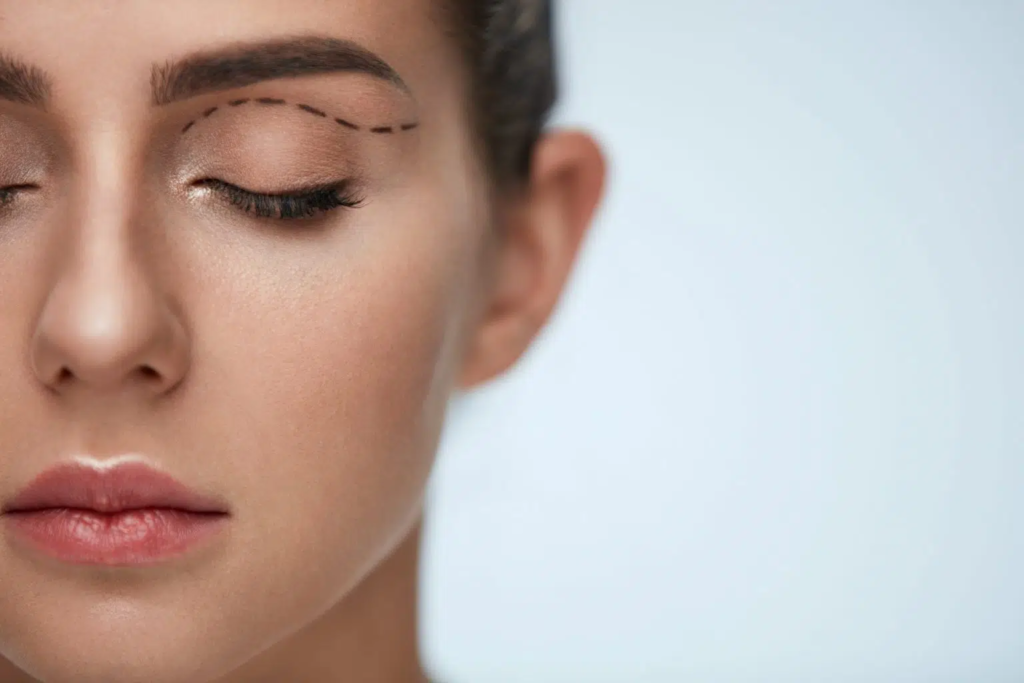
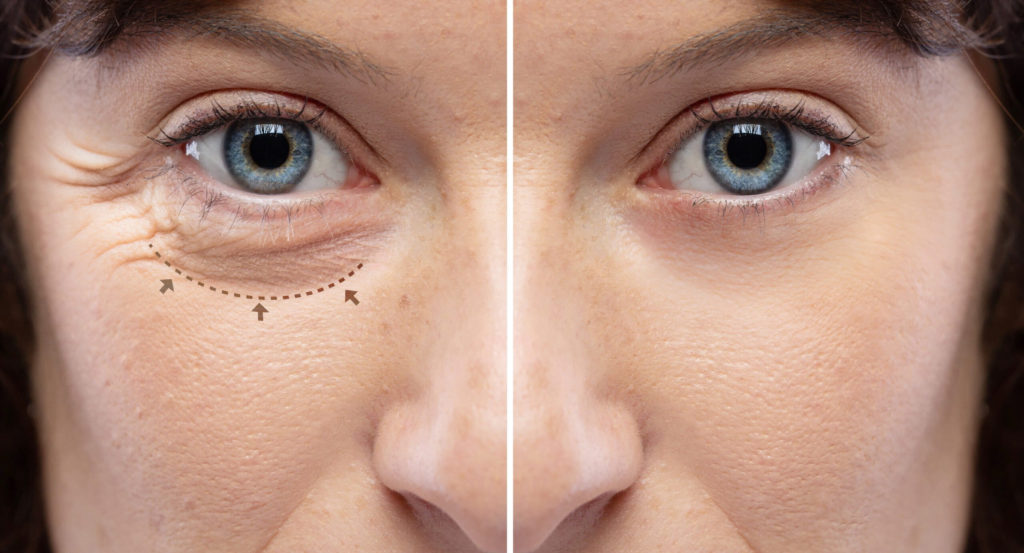
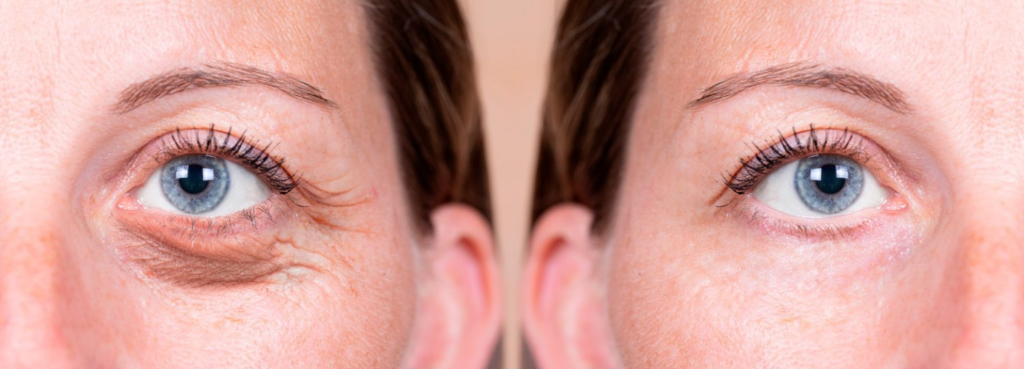
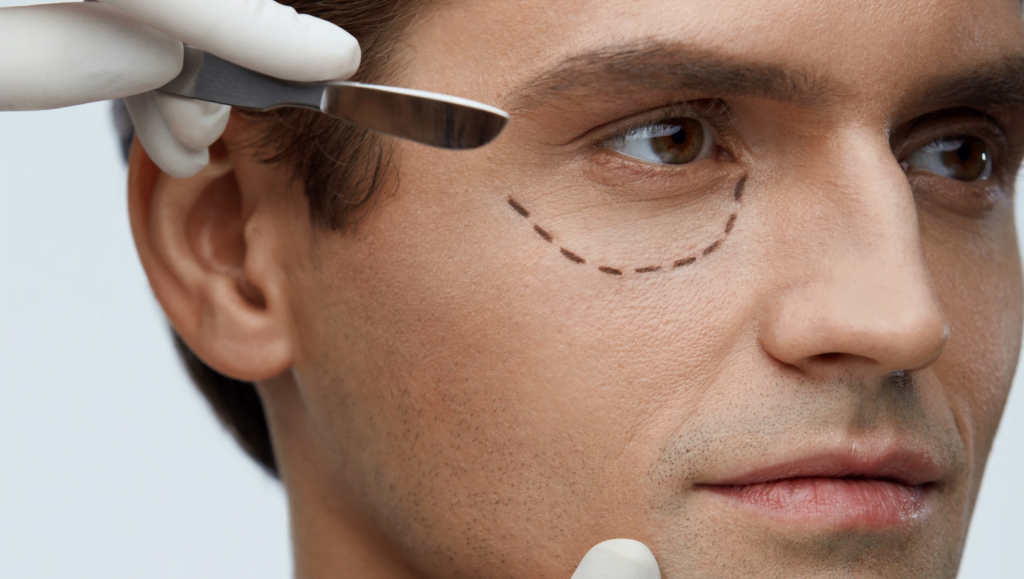
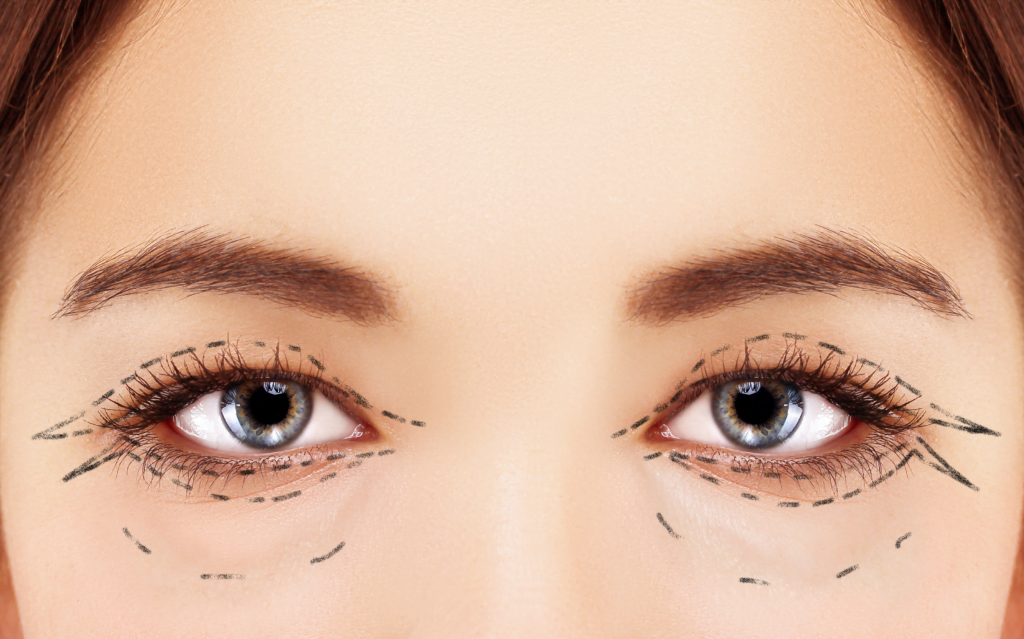
  • Blepharoplasty: This involves removing excess skin and fat from the upper and lower eyelids to make them more alert and youthful.
  • Rhinoplasty: This involves reshaping the nose to make it smaller, narrower, and more refined.
  • Cheek augmentation: This involves adding implants or fat grafts to the cheeks to create more volume and definition.
  • Lip lift: This involves shortening the distance between the nose and the upper lip to make the lip more prominent and curved.
  • Lip augmentation: This involves injecting fillers or fat grafts to the lips to make them fuller and plumper.
  • Chin contouring: This involves reducing the size and projection of the chin to make it more rounded and delicate.
  • Jaw contouring: This involves shaving off the angles and corners of the jaw to make it more slender and tapered.
  • Adam’s apple reduction: This involves shaving off the cartilage of the thyroid gland to make it less visible and prominent.
  • Earlobe reduction: This involves removing excess skin and tissue from the earlobes to make them smaller and more proportional.
Woman Holding Rainbow Flag

How Does MTF Facial Feminization Surgery Work?

MTF facial feminization surgery is usually performed under general anesthesia, and can take anywhere from 3 to 8 hours, depending on the number and complexity of the procedures. The surgeon will make incisions in strategic locations, such as along the hairline, inside the mouth, or inside the nostrils, to access the underlying bone and soft tissue. The surgeon will then sculpt, reshape, or augment the facial structures using specialized instruments, implants, or fat grafts. The surgeon will close the incisions with sutures, and apply bandages and dressings to protect the wounds and reduce swelling.

The recovery time for mtf facial feminization surgery varies depending on the extent of the surgery and the individual healing process. In general, patients can expect to experience some pain, bruising, swelling, numbness, and tightness in the face for the first few weeks. The surgeon will prescribe painkillers, antibiotics, and anti-inflammatory drugs to ease the discomfort and prevent infection. The surgeon will also advise the patients to avoid strenuous activities, smoking, alcohol, and sun exposure for at least a month. The final results of FFS can take up to a year to fully manifest, as the swelling subsides and the tissues settle into their new positions.

What are the Benefits and Risks of MTF Facial Feminization Surgery?

MTF facial feminization surgery can have many benefits for transgender women, both physically and psychologically. Some of the benefits are:

  • Improved appearance: FFS can make the face more feminine, attractive, and balanced, which can boost the self-esteem and confidence of transgender women.
  • Enhanced gender expression: FFS can help transgender women express their true gender identity and align their appearance with their inner feelings.
  • Reduced gender dysphoria: FFS can help transgender women overcome the distress and dissatisfaction caused by the mismatch between their assigned sex and their gender identity.
  • Increased social acceptance: FFS can help transgender women pass more easily as female in society, which can reduce the stigma and discrimination they face.

However, like any surgery, mtf facial feminization surgery also carries some risks and complications, such as:

  • Infection: This can occur if the wounds are not properly cleaned and cared for, or if the patient has a weak immune system.
  • Bleeding: This can occur if the blood vessels are damaged during the surgery, or if the patient has a bleeding disorder or takes blood-thinning medication.
  • Scarring: This can occur if the incisions do not heal well, or if the patient has a history of keloid or hypertrophic scars.
  • Nerve damage: This can occur if the nerves are injured during the surgery, which can cause numbness, tingling, or weakness in the face.
  • Asymmetry: This can occur if the facial features are not evenly modified, which can create an unbalanced or unnatural look.
  • Implant failure: This can occur if the implants are rejected by the body, or if they shift, rupture, or become infected.
  • Fat necrosis: This can occur if the fat grafts do not survive, or if they form hard lumps or cysts in the face.
  • Dissatisfaction: This can occur if the patient has unrealistic expectations, or if the results do not match the patient’s preferences or goals.

How Much Does MTF Facial Feminization Surgery Cost?

The cost of mtf facial feminization surgery depends on several factors, such as the number and type of procedures, the surgeon’s experience and reputation, the hospital’s facilities and location, and the patient’s insurance coverage and travel expenses. The table below shows the average cost of FFS in some popular countries where this surgery is performed, based on data from various sources .

CountryAverage Cost of FFS (USD)
USA30,000 – 60,000
UK25,000 – 50,000
Canada20,000 – 40,000
Thailand15,000 – 30,000
Mexico10,000 – 20,000
Turkey5,000 – 10,000

As you can see, Turkey offers the lowest price for mtf facial feminization surgery, without compromising the quality or safety of the surgery. In fact, Turkey is one of the leading countries in the world for cosmetic surgery, with more than 1 million procedures performed every year. Turkey has many advantages for FFS, such as:

  • Highly qualified and experienced surgeons: Turkey has more than 300 board-certified plastic surgeons, many of whom have trained and worked in prestigious institutions in Europe and the USA. Turkish surgeons are also well-versed in the latest techniques and technologies for FFS, such as 3D imaging, endoscopic surgery, and ultrasonic bone cutting.
  • State-of-the-art hospitals and clinics: Turkey has more than 50 hospitals and clinics that are accredited by the Joint Commission International (JCI), the gold standard for quality and safety in health care. Turkish hospitals and clinics are equipped with modern facilities, advanced equipment, and comfortable amenities for FFS patients.
  • Affordable and inclusive packages: Turkish hospitals and clinics offer competitive and transparent prices for FFS, which include the surgery fees, hospital fees, anesthesia fees, medication fees, and post-operative care fees. Some packages also include the travel expenses, such as the flight tickets, hotel accommodation, airport transfers, and city tours.
  • Beautiful and diverse destinations: Turkey is a country that boasts a rich history, culture, and nature, which can make the FFS journey more enjoyable and memorable. Turkey has many attractions to explore, such as the ancient ruins of Ephesus, the fairy chimneys of Cappadocia, the thermal springs of Pamukkale, and the vibrant city of Istanbul.

Why Choose Antalya in Turkey for MTF Facial Feminization Surgery?

Antalya is a city that is located on the Mediterranean coast of Turkey, and is one of the most popular tourist destinations in the country. Antalya has many reasons to choose for mtf facial feminization surgery, such as:

  • High-quality and affordable FFS: Antalya has some of the best hospitals and clinics for FFS in Turkey, which offer high-quality and affordable services for transgender women.
  • Stunning and relaxing scenery: Antalya is a city that is surrounded by the turquoise sea, the green mountains, and the blue sky, which create a stunning and relaxing scenery for FFS patients.
  • Diverse and exciting activities: Antalya is a city that offers a variety of activities for FFS patients, such as shopping, dining, nightlife, cultural events, and sports. Antalya has many malls, markets, restaurants, bars, clubs, theaters, and museums to explore, as well as golf courses, water parks, ski resorts, and hiking trails to enjoy.
  • Friendly and supportive environment: Antalya is a city that is welcoming and supportive of transgender women, as well as other LGBTQ+ individuals. Antalya has a vibrant and active LGBTQ+ community, which organizes events, festivals, parades, and support groups for FFS patients. Antalya also has many LGBTQ+ friendly hotels, spas, salons, and clinics, which cater to the needs and preferences of transgender women.

How to Prepare for and Recover from MTF Facial Feminization Surgery?

MTF facial feminization surgery is a major and life-changing procedure, which requires careful preparation and recovery. Here are some tips on how to prepare for and recover from FFS:

  • Before the surgery: You should consult with your surgeon and discuss your goals, expectations, and options for FFS. You should also undergo a physical examination and some tests to ensure that you are healthy and fit for the surgery. You should stop smoking, drinking, and taking any blood-thinning medication at least two weeks before the surgery. You should also arrange for someone to accompany you and help you during your stay in Turkey.
  • After the surgery: You should follow your surgeon’s instructions and take your prescribed medication and antibiotics. You should also keep your head elevated and apply cold compresses to reduce the swelling and bruising. You should avoid touching, rubbing, or scratching your face, and keep your incisions clean and dry. You should also avoid strenuous activities, smoking, alcohol, and sun exposure for at least a month. You should visit your surgeon for regular check-ups and follow-ups, and report any signs of infection, bleeding, or implant failure.
  • Long-term results: You should be patient and realistic about the results of FFS, as they can take up to a year to fully manifest. You should also maintain a healthy lifestyle and a good skincare routine to preserve and enhance the results of FFS. You should also seek psychological support and counseling if you experience any emotional or mental issues related to FFS, such as depression, anxiety, or regret.

Frequently Asked Questions about MTF Facial Feminization Surgery

Here are some of the most frequently asked questions about mtf facial feminization surgery, and their answers:

  • Q: Is mtf facial feminization surgery covered by insurance?
  • A: Mtf facial feminization surgery is considered a cosmetic procedure, which is usually not covered by insurance. However, some insurance companies may cover some or all of the costs of FFS, if the patient can prove that it is medically necessary and recommended by a mental health professional. You should check with your insurance provider and your surgeon before undergoing FFS, to find out if you are eligible for any coverage or reimbursement.
  • Q: How long does it take to recover from mtf facial feminization surgery?
  • A: The recovery time for mtf facial feminization surgery varies depending on the extent of the surgery and the individual healing process. In general, patients can expect to resume their normal activities within 2 to 4 weeks, and return to work within 4 to 6 weeks. However, the final results of FFS can take up to a year to fully manifest, as the swelling subsides and the tissues settle into their new positions.
  • Q: What are the alternatives to mtf facial feminization surgery?
  • A: Mtf facial feminization surgery is not the only option for transgender women who want to achieve a more feminine appearance. There are some alternatives to FFS, such as:
    • Hormone therapy: This involves taking estrogen and anti-androgens, which can affect the fat distribution and skin texture of the face, and make it more feminine.
    • Makeup: This involves applying cosmetics, such as foundation, concealer, blush, contour, highlight, and lipstick, which can enhance the facial features and create a more feminine look.
    • Hairstyle: This involves choosing a hairstyle, such as bangs, layers, curls, or waves, which can frame the face and soften the facial contours.
    • Accessories: This involves wearing accessories, such as earrings, necklaces, scarves, or glasses, which can draw attention to the face and add some femininity.
Mehmet Fatih Okyay, MD, FEBOPRAS in Türkiye.

Why Choose Dr. MFO for MTF Facial Feminization Surgery?

When it comes to MTF facial feminization surgery, Dr. Mehmet Fatih Okyay (Dr. MFO) is a name that stands out in the field. With his clinic located in Antalya, Turkey, Dr. MFO has established himself as a leading expert in this highly specialized area of cosmetic surgery.

Expertise in MTF Facial Feminization Surgery

MTF facial feminization surgery is a complex and highly specialized procedure that involves a combination of surgical techniques to alter and enhance certain facial features to create a more feminine appearance. These techniques can include forehead shaping, rhinoplasty (nose reshaping), chin and jawline reshaping, lip augmentation, brow lift, and more. Each procedure is tailored to meet the unique needs and goals of the individual undergoing surgery.

Dr. MFO has a deep understanding of the complexities involved in these procedures and uses a variety of techniques to achieve the best results for each patient. His expertise in MTF facial feminization surgery has drawn patients from all over the world.

A Comprehensive Approach

Dr. MFO’s approach to MTF facial feminization surgery is comprehensive. He understands the importance of a holistic approach to achieve natural-looking results that are in harmony with the rest of the face. His surgical techniques are designed to soften masculine features and create a more feminine facial structure.

Proven Track Record

With over 10 years of experience in plastic surgery, Dr. MFO has a proven track record of success. He is intensely interested in body aesthetics, facial aesthetics, and breast aesthetic surgeries. His dedication to his craft and his commitment to providing the best possible outcomes for his patients have earned him a reputation as a leader in his field.

Recognized Excellence

Dr. MFO was ranked 8th in his term in the Turkish Medical Specialization Examination and completed Plastic, Reconstructive, and Aesthetic Surgery residency at the world-renowned Istanbul University, Cerrahpaşa Faculty of Medicine. He was awarded the Fellow of the European Board of Plastic, Reconstructive and Aesthetic Surgeons (FEBOPRAS) award, given by the European Association of Medical Specialists in terms of quality equivalence, 2018, Brussels.

Choosing a surgeon for MTF facial feminization surgery is a significant decision. With his expertise, comprehensive approach, proven track record, and recognized excellence, Dr. MFO is a leading choice for those considering MTF facial feminization surgery.

Conclusion

MTF facial feminization surgery is a set of cosmetic procedures that can transform the face of transgender women and make it more feminine and harmonious. FFS can have many benefits for transgender women, such as improving their appearance, enhancing their gender expression, reducing their gender dysphoria, and increasing their social acceptance. However, FFS also carries some risks and complications, such as infection, bleeding, scarring, nerve damage, asymmetry, implant failure, and dissatisfaction. Therefore, FFS should be performed by a qualified and experienced surgeon, in a reputable and accredited hospital or clinic, and with realistic and informed expectations.

Turkey is one of the best destinations for mtf facial feminization surgery, as it offers high-quality and affordable services, state-of-the-art facilities, highly skilled and experienced surgeons, and beautiful and diverse attractions. Antalya is a city that is especially attractive for FFS, as it has stunning and relaxing scenery, diverse and exciting activities, and friendly and supportive environment for transgender women.

If you are interested in mtf facial feminization surgery, you should consult with your surgeon and discuss your goals, expectations, and options for FFS. You should also prepare for and recover from FFS, and follow your surgeon’s instructions and advice. You should also seek psychological support and counseling if you experience any emotional or mental issues related to FFS.

We hope that this article has given you some useful information and insights about mtf facial feminization surgery. If you have any questions or comments, please feel free to contact us. We are always happy to help you.

Visit the Dr.MFO Instagram profile for examples of successful Surgeries. Contact for free consultation.

Achieving Facial Harmony: Exploring the Benefits of Vline Surgery

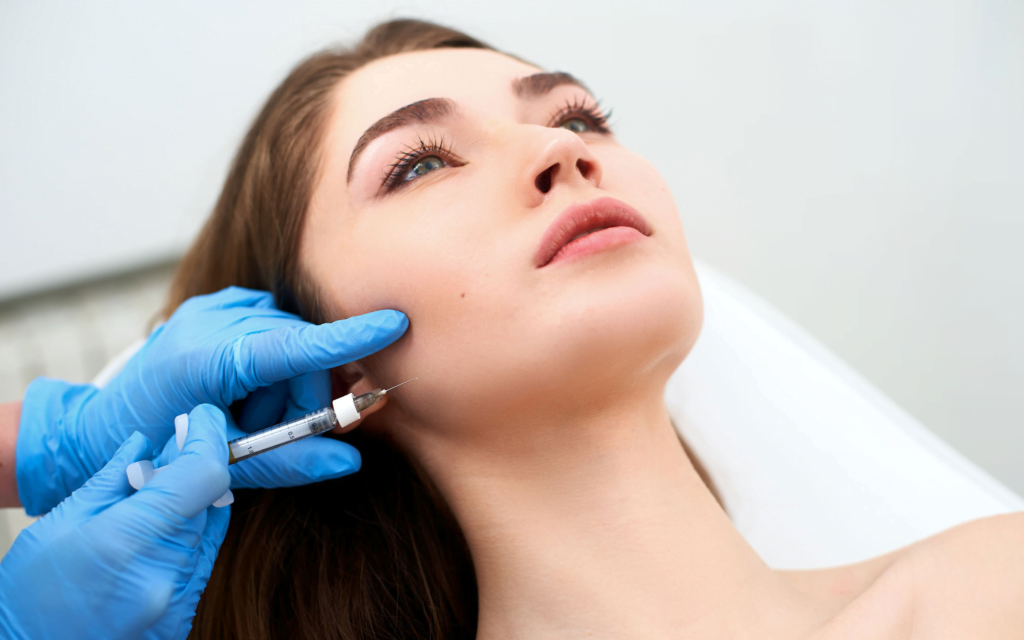
A woman receiving a dermal filler injection from a medical professional.

Are you unhappy with the shape of your jawline? Do you wish you had a more defined and feminine facial contour? If so, you might be interested in learning more about vline surgery, a cosmetic procedure that can transform your appearance and boost your confidence.

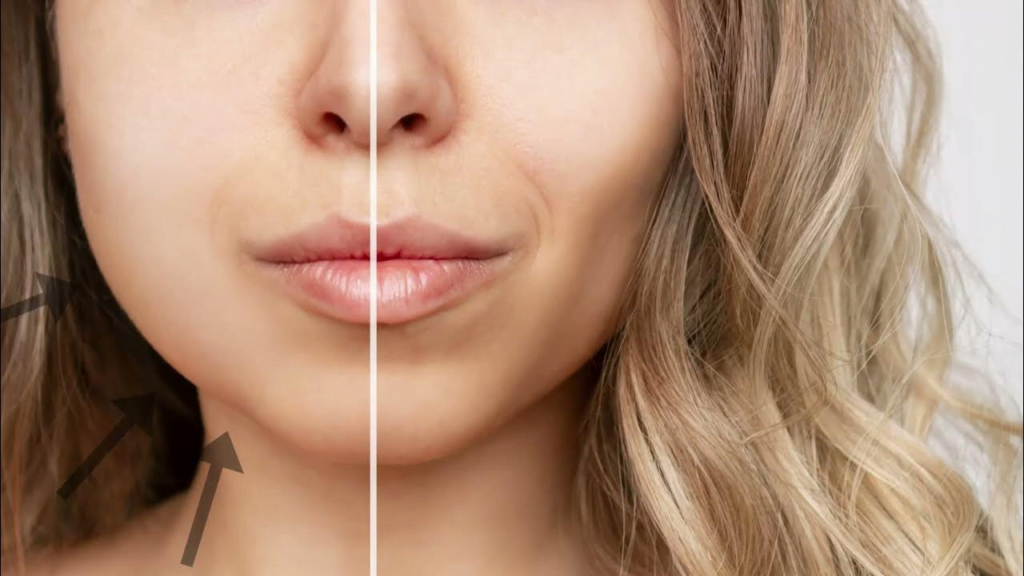
Vline surgery, also known as jaw reduction surgery or mandibuloplasty, is a surgical technique that aims to create a slim and smooth jawline by removing excess bone and soft tissue from the lower jaw. The result is a V-shaped face that is considered attractive and harmonious in many cultures, especially in Asia.

In this blog post, we will explore the benefits of vline surgery, the risks and complications involved, the recovery process, and the cost of the procedure in different countries. We will also explain why Turkey is a more attractive alternative for vline surgery than other popular destinations, and why you should choose Antalya as your destination for this life-changing surgery.

Close-up of a person's face with surgical markings on the cheeks and jawline, indicating preparation for a cosmetic procedure. The image highlights areas potentially targeted for enhancement or alteration.

What are the Benefits of Vline Surgery?

Vline surgery can offer many benefits for people who are dissatisfied with their jawline or facial proportions. Some of the advantages of vline surgery are:

  • It can enhance your facial harmony and balance by creating a more symmetrical and oval-shaped face.
  • It can make you look younger and more feminine by reducing the appearance of a square or angular jaw.
  • It can improve your self-esteem and confidence by giving you a more attractive and refined facial profile.
  • It can correct some functional problems such as jaw pain, teeth grinding, or chewing difficulties caused by a large or misaligned jaw.

Vline surgery can also be combined with other procedures such as chin augmentation, cheekbone reduction, or rhinoplasty to achieve a more comprehensive facial makeover.

What are the Risks and Complications of Vline Surgery?

As with any surgery, vline surgery carries some risks and complications that you should be aware of before deciding to undergo the procedure. Some of the possible side effects of vline surgery are:

  • Bleeding, infection, or nerve damage in the surgical site
  • Swelling, bruising, or numbness in the face
  • Difficulty opening the mouth or speaking
  • Asymmetry or irregularity of the jawline
  • Loss of sensation or movement in the lower lip or chin
  • Unsatisfactory aesthetic results or dissatisfaction with the outcome

To minimize these risks and complications, you should choose a qualified and experienced surgeon who can perform the surgery safely and effectively. You should also follow the pre-operative and post-operative instructions given by your surgeon, such as avoiding smoking, alcohol, or blood-thinning medications, and taking antibiotics and painkillers as prescribed.

A medical professional examining a patient's face, likely for a cosmetic or dermatological procedure.

What is the Recovery Process of Vline Surgery?

The recovery process of vline surgery varies depending on the extent and complexity of the surgery, as well as your individual healing ability. However, in general, you can expect the following stages of recovery:

  • The first week: You will need to stay in the hospital for one or two days after the surgery, where you will be monitored and given intravenous fluids and medications. You will have bandages and drains on your face to reduce swelling and bleeding. You will need to eat a liquid or soft diet and avoid chewing or talking too much. You will also need to keep your head elevated and apply ice packs to your face to ease the pain and inflammation.
  • The second week: You will be able to return home and resume your normal activities, except for strenuous exercise or sports. You will still have some swelling and bruising on your face, which will gradually subside. You will need to wear a compression garment or elastic bandage on your face for several hours a day to support the healing process. You will also need to visit your surgeon for regular check-ups and removal of stitches and drains.
  • The third week: You will notice a significant improvement in your appearance and feel more comfortable with your new jawline. You will be able to eat a normal diet and speak normally. You will still need to wear the compression garment or elastic bandage for a few hours a day, but you can remove it when you go out or sleep. You will also need to avoid direct sunlight or heat on your face and use sunscreen and moisturizer to protect your skin.
  • The fourth week and beyond: You will be able to enjoy the full results of your vline surgery and appreciate your facial harmony and beauty. You will no longer need to wear the compression garment or elastic bandage, and you can resume your exercise or sports routine. You will still need to visit your surgeon for periodic follow-ups and evaluations. You will also need to maintain a healthy lifestyle and a stable weight to preserve your results.
A close-up portrait of a woman with glossy lips and hands gently placed on her neck, showcasing a confident and elegant expression.

How Much Does Vline Surgery Cost in Different Countries?

The cost of vline surgery varies widely depending on the country, the surgeon, the clinic, and the extent of the surgery. However, to give you an idea, here is a table with the average cost of vline surgery in some of the most popular countries for this procedure:

CountryAverage Cost of Vline Surgery
USA$10,000 – $15,000
UK$8,000 – $12,000
South Korea$5,000 – $10,000
Thailand$4,000 – $8,000
Turkey$2,000 – $4,000

As you can see, Turkey offers the most affordable and competitive prices for vline surgery, without compromising the quality or safety of the procedure. In fact, Turkey is one of the leading countries in the world for cosmetic surgery, with more than one million medical tourists visiting the country every year.

Why Choose Turkey for Vline Surgery?

There are many reasons why Turkey is a more attractive alternative for vline surgery than other countries. Some of these reasons are:

  • Turkey has a large number of qualified and experienced cosmetic surgeons who are certified by international organizations and associations, such as the International Society of Aesthetic Plastic Surgery (ISAPS) or the European Board of Plastic, Reconstructive and Aesthetic Surgery (EBOPRAS).
  • Turkey has a high standard of medical care and facilities, with modern and well-equipped clinics and hospitals that comply with the international accreditation and quality standards, such as the Joint Commission International (JCI) or the International Organization for Standardization (ISO).
  • Turkey offers a wide range of services and packages for medical tourists, such as free consultation, airport transfer, hotel accommodation, translator, aftercare, and follow-up. You can also enjoy the cultural and natural attractions of Turkey, such as the historical sites, the cuisine, the beaches, and the spas.
  • Turkey has a favorable geographical location and climate, with easy and cheap access from many countries, especially from Europe and the Middle East. You can also benefit from the mild and sunny weather of Turkey, which can enhance your recovery and relaxation.

Why Choose Antalya for Vline Surgery in Turkey?

Antalya is one of the most popular and beautiful cities in Turkey, located on the Mediterranean coast. It is also one of the best destinations for vline surgery in Turkey, for the following reasons:

  • Antalya has a high concentration of cosmetic surgeons and clinics that specialize in vline surgery and other facial procedures. You can find the best and most experienced surgeons and clinics in Antalya, with excellent reviews and testimonials from previous patients.
  • Antalya has a low cost of living and a high quality of life, which means you can save money and enjoy your stay in Antalya. You can find affordable and comfortable hotels, restaurants, and transportation in Antalya, as well as friendly and hospitable people.
  • Antalya has a rich and diverse culture and nature, which means you can have a memorable and enjoyable experience in Antalya. You can visit the ancient ruins, the museums, the mosques, and the bazaars in Antalya, or you can relax on the sandy beaches, the turquoise sea, and the green mountains in Antalya.

Why Choose Dr. MFO for V-Line Surgery?

When it comes to facial contouring and specifically V-line surgery, one name stands out in the field – Dr. Mehmet Fatih Okyay (Dr. MFO). With his clinic located in Antalya, Turkey, Dr. MFO has established himself as a leading expert in this highly specialized area of cosmetic surgery.

Expertise in V-Line Surgery

V-line surgery, also known as çene küçültme surgery, is a cosmetic procedure that reshapes the lower face and creates a more feminine and slender jawline. Many people who are unhappy with their square or angular jaw may consider this surgery to achieve their desired facial contour. Dr. MFO has a deep understanding of the intricacies involved in this procedure and uses a variety of techniques to achieve the best results for each patient.

A Comprehensive Approach

Dr. MFO’s approach to V-line surgery is comprehensive. The surgery involves shaving down or cutting off portions of the jawbone to reduce its width and create a more defined chin profile. The surgery may also include a sürgülü genioplasti, which is a procedure that moves the chin forward or backward to improve its projection and harmony with the rest of the face.

Proven Track Record

With over 10 years of experience in plastic surgery, Dr. MFO has a proven track record of success. He is intensely interested in tummy tuck, liposuction, and body-shaping in body aesthetics, facelift, nose aesthetics, facial feminization surgeries in facial aesthetics, and breast aesthetic surgeries.

Recognized Excellence

Dr. MFO was ranked 8th in his term in the Turkish Medical Specialization Examination and completed Plastic, Reconstructive, and Aesthetic Surgery residency at the world-renowned Istanbul University, Cerrahpaşa Faculty of Medicine. He was awarded the Fellow of the European Board of Plastic, Reconstructive and Aesthetic Surgeons (FEBOPRAS) award, given by the European Association of Medical Specialists in terms of quality equivalence, 2018, Brussels.

Choosing a surgeon for V-line surgery is a significant decision. With his expertise, comprehensive approach, proven track record, and recognized excellence, Dr. MFO is a leading choice for those considering V-line surgery.

Conclusion

Vline surgery is a cosmetic procedure that can help you achieve a more harmonious and feminine facial contour by creating a slim and smooth jawline. It can also improve your self-esteem and confidence by giving you a more attractive and refined facial profile.

However, vline surgery is not a simple or risk-free surgery, and it requires careful planning and preparation, as well as a qualified and experienced surgeon and a reputable and reliable clinic. You should also consider the cost and the recovery process of vline surgery, and compare the options and alternatives available in different countries.

If you are looking for the best and most affordable option for vline surgery, you should consider Turkey as your destination, and Antalya as your city. Turkey offers the most competitive prices and the highest quality of vline surgery, as well as a wide range of services and packages for medical tourists. Antalya offers the best and most experienced surgeons and clinics for vline surgery, as well as a low cost and high quality of living, and a rich and diverse culture and nature.

If you are interested in learning more about vline surgery in Turkey, or if you want to book your appointment with the best surgeon and clinic in Antalya, you can contact us today and we will be happy to assist you.

Visit the Dr.MFO Instagram profile for examples of successful Surgeries. Contact for free consultation.

Finding Your True Reflection: An Interview with Dr. MFO about Facial Feminization Surgery (FFS)

Mehmet Fatih Okyay, MD, FEBOPRAS in Türkiye. FFS Surgeon.

Facial Feminization Surgery (FFS) can be a transformative journey for transgender women and non-binary individuals seeking to align their outward appearance with their inner identity. Today, we have the privilege of interviewing Dr. Mehmet Fatih Okyay, also known as Dr. MFO, a renowned plastic surgeon in Turkey with extensive experience in FFS. Dr. MFO is known for his delicate touch, natural-looking results, and commitment to empowering his patients through personalized care. Let’s delve into the world of FFS and explore why Dr. MFO and Turkey might be the perfect fit for your unique journey.

Facial Feminization Surgery (FFS) with DR.MFO
DR.MFO

Q: Dr. MFO, for someone considering FFS, what are some key factors to consider before making a decision?

Dr. MFO: The decision to undergo FFS is deeply personal and should be carefully considered. It’s crucial to have realistic expectations, understand the potential risks and recovery process, and most importantly, feel emotionally and mentally prepared for the journey. Consulting with a qualified and experienced FFS surgeon like myself, who can answer your questions, address your concerns, and create a personalized treatment plan, is vital.

Q: What are some of the common procedures included in FFS, and how do you approach achieving natural-looking results?

Dr. MFO: Common procedures include brow contouring, hairline lowering, rhinoplasty, jawline recontouring, chin reduction, lip sculpting, and tracheal shave. Each procedure is meticulously tailored to the patient’s individual anatomy and desired outcome. I prioritize harmony and balance, ensuring the results blend seamlessly with natural facial features, enhancing feminine characteristics without appearing artificial.

Q: What sets your approach to FFS apart from other surgeons?

Dr. MFO: My philosophy revolves around understanding each patient’s unique story and aspirations. I combine my surgical expertise with artistic vision to create a treatment plan that reflects their true essence. Additionally, I believe in continuous learning and stay updated on the latest advancements in FFS techniques, ensuring I offer my patients the most effective and innovative solutions.

Q: Why have you chosen to specialize in FFS, and what drives your passion for this field?

Dr. MFO: Witnessing the transformative power of FFS and the positive impact it has on patients’ lives is incredibly rewarding. It’s an honor to be part of their journey toward self-discovery and empowerment. Seeing them gain confidence, embrace their authentic selves, and radiate happiness fuels my passion to constantly refine my skills and offer the best possible care.

Now, let’s explore the appeal of Turkey, particularly Antalya, for FFS:

Q: Why is Turkey becoming a popular destination for FFS?

Dr. MFO: Turkey offers a unique combination of factors: highly skilled and experienced surgeons like myself, advanced medical facilities, competitive pricing compared to other countries, and beautiful tourist destinations like Antalya for a comfortable recovery experience. Additionally, Turkey welcomes diversity and has a growing understanding of the specific needs of transgender individuals.

Q: What advantages does Antalya offer for FFS patients?

Dr. MFO: Antalya provides a tranquil environment for recovery, with stunning beaches, vibrant culture, and excellent healthcare facilities. Patients can choose from all-inclusive packages that include accommodation, transportation, and post-operative care, ensuring a stress-free experience. Additionally, Antalya boasts experienced medical translators who can facilitate communication and ensure cultural sensitivity.

Q: Dr. MFO, what specific procedures within FFS can address individual concerns, like a prominent brow bone or a wider jawline?

Dr. MFO: Addressing individual concerns is crucial. Brow contouring with bone shaving or implants can soften a prominent brow, while jawline recontouring through various techniques like jaw reduction surgery or genioplasty can refine a wider jawline. Each procedure is meticulously tailored to your unique anatomy and desired outcome.

Q: Can you explain the recovery process after FFS, and what support do you offer your patients?

Dr. MFO: Recovery varies depending on the procedures performed. I provide detailed instructions and closely monitor progress throughout the healing journey. Our team offers comprehensive post-operative care, including pain management, wound care, and emotional support. Additionally, all-inclusive packages in Antalya often include post-operative consultations and support to ensure a smooth recovery in a comfortable setting.

Vacation Before Transformation:

Q: Can I combine a vacation in Antalya with my FFS journey?

Dr. MFO: Absolutely! Antalya’s pleasant climate and tourist attractions make it ideal for a pre-surgery vacation. This allows you to acclimate to the environment, relax, and prepare for your transformation with peace of mind. Remember, scheduling consultations and surgery during the tourist season offers more flexibility for enjoying Antalya’s beauty afterwards.

Advantages of FFS in Antalya with All-Inclusive Packages:

Q: What are the specific benefits of considering an all-inclusive package for FFS in Antalya?

Dr. MFO: All-inclusive packages offer peace of mind and convenience. They typically cover accommodation, transportation, surgery costs, post-operative care, and sometimes even cultural excursions. This eliminates the stress of managing logistics and allows you to focus solely on your recovery and well-being in a beautiful and supportive environment.

Q: Are there language and cultural barriers I should be aware of?

Dr. MFO: Many clinics in Antalya, including mine, have experienced medical translators who ensure clear communication throughout your journey. We prioritize cultural sensitivity and respect for your individual needs. You’ll find a welcoming and supportive environment in Antalya, regardless of your background.

Q: What message would you like to convey to someone considering FFS in Turkey?

Dr. MFO: Remember, this is a deeply personal journey, and you deserve to feel supported and empowered throughout the process. Choose a surgeon who understands your needs, prioritizes your safety and well-being, and shares your vision for your authentic self. Explore the possibilities Turkey offers, and remember, finding the right surgeon and location is key to a successful and transformative FFS experience.

Mehmet Fatih OKYAY European Board Certified

FFS with Dr. MFO

This interview with Dr. MFO sheds light on the intricacies of FFS and the unique advantages offered by Turkey and Antalya. If you’re considering this life-changing journey, remember that thorough research, open communication with your surgeon, and choosing a facility that prioritizes your individual needs are paramount. Take the first step towards your true reflection. Schedule a consultation with Dr. MFO today and begin your journey towards self-discovery and empowerment.

Visit the Dr.MFO Instagram profile for examples of successful Surgeries. Contact for free consultation.

All Frequently Asked Questions About Facelift in the UK

A medical professional in white gloves is marking a woman's face with a pen, likely preparing for a cosmetic procedure. The woman has lines drawn on her face, indicating areas for treatment.

Are you considering getting a facelift in the UK? If so, you might have many questions about this cosmetic procedure, such as what it involves, how much it costs, what are the risks and benefits, and how to choose the best surgeon and clinic. In this article, we will answer all these questions and more, based on the latest information and research. We will also compare the prices and quality of facelifts in different countries, and explain why Turkey, especially Antalya, is a more attractive alternative for this surgery. Read on to find out everything you need to know about facelifts in the UK and abroad.

All Frequently Asked Questions About Facelift in the UK

What is a Facelift and How Does it Work?

A facelift, also known as rhytidectomy, is a surgical procedure that aims to improve the appearance of the face and neck by removing excess skin, tightening the underlying muscles, and repositioning the fat and tissues. A facelift can reduce the signs of aging, such as sagging, wrinkles, jowls, and double chin, and give the face a more youthful and refreshed look.

There are different types of facelifts, depending on the extent and technique of the surgery. Some of the most common ones are:

  • Full facelift: This is the most comprehensive type of facelift, which addresses the whole face and neck. It involves making incisions along the hairline, around the ears, and under the chin, and lifting and repositioning the skin, muscles, and fat. It can also be combined with other procedures, such as eyelid surgery, brow lift, or fat transfer, to enhance the results.
  • Mini facelift: This is a less invasive type of facelift, which focuses on the lower part of the face, such as the cheeks, jawline, and mouth. It involves making smaller incisions around the ears and lifting and tightening the skin and muscles. It is suitable for people who have mild to moderate signs of aging and want a shorter recovery time.
  • Mid facelift: This is a type of facelift that targets the middle part of the face, such as the cheeks, nose, and lower eyelids. It involves making incisions in the hairline and inside the mouth, and lifting and repositioning the fat and tissues. It can help restore the volume and contour of the cheeks and smooth out the nasolabial folds.
  • Thread lift: This is a type of facelift that uses dissolvable threads to lift and support the skin and tissues. It involves inserting the threads under the skin with a needle and pulling them to create a lifting effect. It is a minimally invasive procedure that can be done under local anesthesia and has a shorter recovery time. However, the results are not as long-lasting or dramatic as a surgical facelift.

The type of facelift that is best for you depends on your goals, expectations, anatomy, and budget. You should consult with a qualified and experienced plastic surgeon who can assess your face and recommend the most suitable option for you.

What are the Benefits and Risks of a Facelift?

A facelift can have many benefits for your appearance and self-confidence, such as:

  • Improving the shape and contour of your face and neck
  • Reducing the sagging, wrinkles, and folds on your skin
  • Enhancing the definition of your jawline and chin
  • Restoring the volume and fullness of your cheeks and lips
  • Making you look younger and more refreshed

However, like any surgery, a facelift also has some risks and complications, such as:

  • Bleeding, infection, and scarring
  • Nerve damage, numbness, and facial asymmetry
  • Hematoma, seroma, and skin necrosis
  • Poor wound healing and skin discoloration
  • Unsatisfactory results and need for revision surgery

To minimize the risks and maximize the benefits of a facelift, you should follow the pre- and post-operative instructions of your surgeon, choose a reputable and accredited clinic, and have realistic expectations about the outcome.

FFS Cost in the UK

How Much Does a Facelift Cost in the UK and Other Countries?

The cost of a facelift can vary widely depending on the type of facelift, the surgeon’s experience and reputation, the clinic’s location and facilities, and the additional procedures or treatments that are included. According to the British Association of Aesthetic Plastic Surgeons (BAAPS), the average cost of a facelift in the UK in 2020 was £6,718. However, this does not include the fees for anesthesia, hospital stay, medication, and aftercare, which can add up to several thousand pounds more.

If you are looking for a more affordable option, you might consider getting a facelift abroad, where the prices are generally lower due to the lower cost of living, labor, and taxes. However, you should also factor in the costs of travel, accommodation, insurance, and possible complications or revisions, which can increase the total expense. Moreover, you should research the quality and safety standards of the foreign clinics and surgeons, and make sure they are certified and accredited by reputable organizations.

To give you an idea of the price differences, here is a table that compares the average cost of a full facelift in the UK and some popular countries for medical tourism:

CountryAverage Cost of Full Facelift
UK£6,718
Turkey£2,500
Poland£3,000
Thailand£4,000
Mexico£4,500

As you can see, Turkey offers the lowest price for a full facelift, followed by Poland, Thailand, and Mexico. However, price is not the only factor that you should consider when choosing a country for your facelift. You should also look at the quality, experience, and reputation of the clinics and surgeons, as well as the convenience, comfort, and safety of the destination.

Benefits of Getting a Facelift in Antalya

Why Choose Turkey, Especially Antalya, for Your Facelift?

Turkey is one of the most popular destinations for cosmetic surgery in the world, attracting millions of medical tourists every year. There are many reasons why Turkey is a great choice for your facelift, such as:

  • High-quality and affordable clinics and surgeons: Turkey has many modern and well-equipped clinics that offer a wide range of cosmetic procedures, including facelifts, at a fraction of the cost in the UK. Moreover, Turkey has many skilled and experienced plastic surgeons who are trained and certified by international organizations, such as the International Society of Aesthetic Plastic Surgery (ISAPS) or the European Board of Plastic, Reconstructive and Aesthetic Surgery (EBOPRAS).
  • Easy and convenient travel and accommodation: Turkey is easily accessible from the UK, with many direct and cheap flights available throughout the year. The flight time is around 4 hours, which is relatively short compared to other countries. Moreover, Turkey has many options for accommodation, from luxury hotels to budget-friendly apartments, that cater to different tastes and budgets. You can also find many packages and deals that include your flight, accommodation, and surgery, which can save you time and money.
  • Beautiful and diverse culture and nature: Turkey is a country that offers a rich and diverse culture and nature, which can make your trip more enjoyable and memorable. You can explore the historical and cultural sites, such as the Hagia Sophia, the Blue Mosque, or the Topkapi Palace, or enjoy the natural wonders, such as the Cappadocia, the Pamukkale, or the Mediterranean coast. You can also experience the delicious and healthy Turkish cuisine, the warm and hospitable Turkish people, and the vibrant and colorful Turkish markets and bazaars.
Facial Feminization Surgery in Antalya & Newyork

Among the many cities in Turkey that offer cosmetic surgery, Antalya is one of the most attractive and popular ones. Antalya is a city on the Mediterranean coast, known for its stunning beaches, resorts, and historical attractions. Antalya is also home to some of the best clinics and surgeons in Turkey, who specialize in facelifts and other cosmetic procedures. Some of the benefits of choosing Antalya for your facelift are:

  • Enjoying the sun and sea: Antalya has a mild and sunny climate, with an average temperature of 18°C and more than 300 days of sunshine per year. You can relax and recover on the beautiful and clean beaches, swim in the clear and blue sea, or take a boat trip to the nearby islands and coves. Antalya also has many luxurious and comfortable resorts and spas, where you can pamper yourself with massages, therapies, and treatments.
  • Visiting the historical and natural sites: Antalya has a rich and diverse history, dating back to the ancient times. You can visit the impressive and well-preserved ruins of the Roman, Byzantine, Seljuk, and Ottoman civilizations, such as the Aspendos Theatre, the Perge Ancient City, or the Hadrian’s Gate. You can also admire the natural beauty and diversity of Antalya, such as the Duden Waterfalls, the Koprulu Canyon, or the Olympos National Park.
  • Saving money and time: Antalya offers some of the lowest prices for facelifts in Turkey, as well as in the world. You can save up to 70% compared to the UK, and still get high-quality and safe surgery. Moreover, Antalya has a fast and efficient airport, which is connected to many international destinations. You can easily find direct and cheap flights from the UK, and reach Antalya in less than 5 hours. You can also benefit from the free or discounted transfers and consultations that many clinics offer to their patients.
Breast Augmentation in Antalya: Everything You Need to Know Before You Book

As you can see, Antalya is a perfect destination for your facelift, as it combines the best of both worlds: quality and affordability, beauty and culture, relaxation and adventure. You can have a life-changing surgery and a memorable holiday at the same time, and return home with a new and improved look and a smile on your face.

What is the Best Age to Have a Facelift?

There is no definitive answer to the question of what is the best age to have a facelift, as different people age differently and have different goals and expectations. However, some general factors that can influence the decision are:

  • The degree and type of aging: Some people may develop more noticeable signs of aging, such as sagging, wrinkles, and loss of volume, than others, due to genetics, lifestyle, or environmental factors. Moreover, some people may have more concerns about certain areas of their face, such as the forehead, the eyes, or the mouth, than others. Depending on the degree and type of aging, some people may benefit more from a facelift than others, or may need a different type of facelift.
  • The health and fitness level: A facelift is a major surgery that requires general anesthesia, incisions, and stitches. Therefore, it is important to be in good physical and mental health before undergoing the procedure. Some medical conditions, such as diabetes, high blood pressure, or heart disease, may increase the risk of complications or affect the healing process. Moreover, some habits, such as smoking, drinking, or sun exposure, may also impair the outcome or longevity of the facelift. Therefore, it is advisable to quit smoking, limit alcohol intake, and protect the skin from the sun before and after the surgery.
  • The personal and professional situation: A facelift can have a significant impact on the personal and professional life of the patient, as it can change their appearance, self-confidence, and social interactions. Therefore, it is important to consider the timing and the motivation of the surgery, and how it fits with the patient’s goals and expectations. Some people may want to have a facelift to look younger and more attractive, to boost their career or relationship prospects, or to match their inner age and personality. Others may want to have a facelift to correct a deformity or injury, to restore their natural features, or to improve their quality of life. Whatever the reason, it is essential to have a clear and realistic vision of what the facelift can and cannot achieve, and to discuss it with the surgeon and the loved ones.

In general, most people who have a facelift are between 40 and 60 years old, as this is the age range when the signs of aging become more noticeable and bothersome, and when the skin and tissues still have enough elasticity and resilience to respond well to the surgery. However, some people may opt for a facelift earlier or later in life, depending on their individual circumstances and preferences. The best way to determine the best age to have a facelift is to consult with a qualified and experienced plastic surgeon, who can evaluate the face and recommend the most suitable option.

How Long Does a Facelift Operation Take?

The duration of a facelift operation depends on the type and extent of the facelift, the technique and skill of the surgeon, and the individual anatomy and condition of the patient. In general, a facelift operation can take anywhere from 2 to 6 hours, or even longer if it is combined with other procedures, such as eyelid surgery, brow lift, or fat transfer.

Here are some approximate times for different types of facelifts:

  • Full facelift: A full facelift, which addresses the whole face and neck, can take about 4 to 6 hours, or longer if it is combined with other procedures.
  • Mini facelift: A mini facelift, which focuses on the lower part of the face, can take about 2 to 3 hours, or shorter if it is done under local anesthesia.
  • Mid facelift: A mid facelift, which targets the middle part of the face, can take about 3 to 4 hours, or longer if it is combined with other procedures.
  • Thread lift: A thread lift, which uses dissolvable threads to lift and support the skin and tissues, can take about 1 to 2 hours, or shorter if it is done under local anesthesia.

The duration of a facelift operation can also vary depending on the complexity and difficulty of the surgery, the amount and location of the incisions, the amount and type of anesthesia, and the possible complications or revisions that may arise. Therefore, it is important to follow the instructions and advice of the surgeon before and after the surgery, and to prepare for the possibility of a longer or shorter operation than expected.

Where is the Cheapest Place for a Facelift?

If you are looking for the cheapest place for a facelift, you might be tempted to travel abroad, where the prices are generally lower than in the UK. However, you should be careful and do your research before booking your surgery, as not all places offer the same quality and safety standards. You should also consider the additional costs and risks of travelling abroad, such as the flight, accommodation, insurance, and possible complications or revisions.

According to the table we have shown in the previous section, Turkey is the cheapest place for a facelift, followed by Poland, Thailand, and Mexico. However, these are only average prices, and they may vary depending on the type of facelift, the surgeon, the clinic, and the package. Moreover, these are not the only countries that offer cheap facelifts, as there are many other options, such as India, Brazil, Colombia, or Hungary.

The best way to find the cheapest place for a facelift is to compare the prices and quality of different clinics and surgeons, and to read the reviews and testimonials of previous patients. You should also contact the clinics and surgeons directly, and ask for a personalized quote and consultation. You should also check the credentials and accreditations of the clinics and surgeons, and make sure they are certified and recognized by reputable organizations, such as the International Society of Aesthetic Plastic Surgery (ISAPS) or the European Board of Plastic, Reconstructive and Aesthetic Surgery (EBOPRAS).

Remember, the cheapest place for a facelift is not necessarily the best place for a facelift. You should always prioritize your health and safety over your budget, and choose a place that offers high-quality and reliable surgery, with minimal risks and complications.

What is a 20 Minute Face Lift?

A 20 minute face lift, also known as a lunchtime face lift, is a type of non-surgical facelift that uses injectable fillers, such as hyaluronic acid, to plump up and smooth out the skin, and reduce the appearance of wrinkles and folds. A 20 minute face lift can also use botulinum toxin, such as Botox, to relax the muscles and prevent the formation of new wrinkles. A 20 minute face lift can be done in a clinic or a beauty salon, under local anesthesia, and with minimal downtime.

A 20 minute face lift can have some benefits, such as:

  • Being quick and convenient: A 20 minute face lift can be done in a short time, usually less than an hour, and without the need for hospitalization or general anesthesia. You can resume your normal activities immediately after the procedure, and only need to avoid strenuous exercise, alcohol, and sun exposure for a few days.
  • Being less invasive and painful: A 20 minute face lift does not involve any incisions, stitches, or scars, and only causes mild discomfort and swelling. You can also avoid the risks and complications of surgery, such as bleeding, infection, nerve damage, or poor wound healing.
  • Being cheaper and more flexible: A 20 minute face lift is much cheaper than a surgical facelift, and you can pay as you go, depending on your needs and preferences. You can also adjust the amount and type of fillers or toxins, and change the look and effect of your face lift over time.

However, a 20 minute face lift also has some limitations, such as:

  • Being temporary and less effective: A 20 minute face lift does not last as long as a surgical facelift, and you need to repeat the procedure every few months or years, depending on the type and quality of the fillers or toxins. Moreover, a 20 minute face lift does not address the underlying causes of aging, such as the loss of skin elasticity, muscle tone, and fat volume, and it cannot correct the sagging, drooping, or excess skin on the face and neck.
  • Being dependent on the skill and experience of the practitioner: A 20 minute face lift requires a lot of precision and expertise, as the fillers or toxins need to be injected in the right amount and location, and with the right technique, to achieve a natural and harmonious result. If the practitioner is not qualified or experienced, you may end up with an unnatural or uneven look, or with serious side effects, such as allergic reactions, infections, or nerve damage.

Therefore, a 20 minute face lift is not a substitute for a surgical facelift, but rather a complementary or alternative option, depending on your goals, expectations, and budget. You should consult with a qualified and experienced plastic surgeon or dermatologist, who can advise you on the best option for you.

What is a 1 Hour Face Lift?

A 1 hour face lift, also known as a short scar face lift, is a type of surgical facelift that uses smaller and fewer incisions, and less tissue manipulation, than a traditional facelift. A 1 hour face lift can be done under local anesthesia and sedation, and has a shorter recovery time and less scarring than a full facelift. A 1 hour face lift can improve the appearance of the lower part of the face, such as the cheeks, jawline, and mouth, and reduce the sagging, wrinkles, and jowls on the skin.

A 1 hour face lift can have some benefits, such as:

  • Being faster and simpler: A 1 hour face lift can be done in about an hour, or even less, depending on the technique and skill of the surgeon. It does not require general anesthesia or hospitalization, and only involves making small incisions around the ears and under the chin. It also does not involve lifting or repositioning the muscles or fat, which can reduce the risk of nerve damage or facial asymmetry.
  • Being less invasive and painful: A 1 hour face lift causes less trauma and swelling to the tissues, and has a shorter and easier recovery time than a full facelift. You can resume your normal activities within a few days, and only need to take painkillers and antibiotics for a short period. You can also avoid the visible and permanent scars that a full facelift can leave behind, as the incisions are hidden in the natural creases of the skin.
  • Being cheaper and more accessible: A 1 hour face lift is much cheaper than a full facelift, as it does not involve the fees for anesthesia, hospital stay, medication, and aftercare. It is also more accessible, as it can be done in a clinic or a salon, and does not require a long waiting list or a pre-operative evaluation.

However, a 1 hour face lift also has some limitations, such as:

  • Being temporary and less effective: A 1 hour face lift does not last as long as a full facelift, and you may need to repeat the procedure every few years, depending on your age and lifestyle. Moreover, a 1 hour face lift does not address the upper part of the face, such as the forehead, the eyes, or the brows, and it cannot correct the excess or loose skin on the neck. Therefore, it may not achieve a comprehensive or dramatic result, and you may need to combine it with other procedures, such as eyelid surgery, brow lift, or neck lift, to enhance the outcome.
  • Being dependent on the skill and experience of the surgeon: A 1 hour face lift requires a lot of precision and expertise, as the surgeon needs to make the right incisions, remove the right amount of skin, and close the wounds properly, to achieve a natural and harmonious result. If the surgeon is not qualified or experienced, you may end up with an unnatural or uneven look, or with serious complications, such as bleeding, infection, or poor wound healing.

Therefore, a 1 hour face lift is not a substitute for a full facelift, but rather a complementary or alternative option, depending on your goals, expectations, and budget. You should consult with a qualified and experienced plastic surgeon, who can advise you on the best option for you.

How Long Does a Mini Facelift Take?

A mini facelift, also known as a weekend facelift, is a type of surgical facelift that focuses on the lower part of the face, such as the cheeks, jawline, and mouth. A mini facelift involves making smaller and fewer incisions than a full facelift, and lifting and tightening the skin and muscles. A mini facelift can be done under local anesthesia and sedation, and has a shorter recovery time and less scarring than a full facelift.

The duration of a mini facelift depends on the technique and skill of the surgeon, and the individual anatomy and condition of the patient. In general, a mini facelift can take anywhere from 1 to 3 hours, or even shorter if it is done under local anesthesia.

Here are some approximate times for different techniques of mini facelifts:

  • S-lift: An S-lift is a type of mini facelift that involves making an S-shaped incision around the ear, and lifting and tightening the skin and muscles. An S-lift can take about 1 to 2 hours, or shorter if it is done under local anesthesia.
  • MACS-lift: A MACS-lift is a type of mini facelift that involves making a short incision in front of the ear, and lifting and tightening the skin and muscles with internal sutures. A MACS-lift can take about 2 to 3 hours, or shorter if it is done under local anesthesia.
  • SMAS-lift: A SMAS-lift is a type of mini facelift that involves making a small incision around the ear and under the chin, and lifting and tightening the skin and the underlying layer of muscles and tissues, called the SMAS. A SMAS-lift can take about 2 to 3 hours, or longer if it is combined with other procedures.

The duration of a mini facelift can also vary depending on the complexity and difficulty of the surgery, the amount and location of the incisions, the amount and type of anesthesia, and the possible complications or revisions that may arise. Therefore, it is important to follow the instructions and advice of the surgeon before and after the surgery, and to prepare for the possibility of a longer or shorter operation than expected.

A professional applying makeup to a mature woman, focusing on her eyebrows, in a well-lit salon setting.

Conclusion: FAQ About Facelift in the UK

A facelift is a cosmetic procedure that can improve the appearance of the face and neck by removing excess skin, tightening the underlying muscles, and repositioning the fat and tissues. A facelift can reduce the signs of aging, such as sagging, wrinkles, jowls, and double chin, and give the face a more youthful and refreshed look.

There are different types of facelifts, depending on the extent and technique of the surgery, such as full facelift, mini facelift, mid facelift, or thread lift. There are also different types of non-surgical facelifts, such as Ultherapy, Thermage, HIFU, or liquid facelift. The type of facelift that is best for you depends on your goals, expectations, anatomy, and budget.

The cost of a facelift can vary widely depending on the type of facelift, the surgeon’s experience and reputation, the clinic’s location and facilities, and the additional procedures or treatments that are included. The average cost of a facelift in the UK in 2020 was £6,718, but this does not include the fees for anesthesia, hospital stay, medication, and aftercare, which can add up to several thousand pounds more. If you are looking for a more affordable option, you might consider getting a facelift abroad, where the prices are generally lower due to the lower cost of living, labor, and taxes. However, you should also factor in the costs of travel, accommodation, insurance, and possible complications or revisions, which can increase the total expense. Moreover, you should research the quality and safety standards of the foreign clinics and surgeons, and make sure they are certified and accredited by reputable organizations.

One of the most popular and attractive destinations for cosmetic surgery in the world is Turkey, especially Antalya. Turkey offers high-quality and affordable clinics and surgeons, easy and convenient travel and accommodation, and beautiful and diverse culture and nature. Antalya is a city on the Mediterranean coast, known for its stunning beaches, resorts, and historical attractions. Antalya is also home to some of the best clinics and surgeons in Turkey, who specialize in facelifts and other cosmetic procedures. You can have a life-changing surgery and a memorable holiday at the same time, and return home with a new and improved look and a smile on your face.

In this article, we have answered all the frequently asked questions about facelift in the UK, such as what it is, how it works, what are the benefits and risks, how much it costs, and where to get it. We hope that this article has been informative and helpful for you, and that you have learned something new and useful. If you have any more questions or doubts, please feel free to contact us, and we will be happy to assist you.

Visit the Dr.MFO Instagram profile for examples of successful Surgeries. Contact for free consultation.

Unveiling Your Best You: Exploring Nose Surgery in Turkey

A doctor in green gloves uses a marker to draw lines on a patient's nose, likely preparing for a rhinoplasty procedure.

Dreaming of a nose that complements your features and reflects your inner confidence? Nose surgery, also known as rhinoplasty, can be a transformative experience. But with so many options, where do you start? Turkey has emerged as a popular destination for nose surgery, attracting patients with its combination of skilled surgeons, competitive costs, and stunning landscapes for recovery. Let’s delve into the world of nose surgery in Turkey, exploring its potential and guiding you towards an informed decision.

How much does nose surgery cost in Turkey?

Cost is a significant factor when considering any medical procedure. Compared to other countries like the US or UK, nose surgery in Turkey offers significant savings. While exact prices depend on individual needs and surgeon expertise, expect to pay around €2,750 – €4,000 for the procedure itself. This often includes hospital fees, anesthesia, and basic post-operative care.

Table 1: Nose Surgery Cost Comparison (Popular Countries)

CountryAverage Cost (USD)
Turkey3,500
United States7,000 – 15,000
United Kingdom4,500 – 10,000
India3,000 – 5,000
South Korea4,000 – 8,000

Remember: These are estimated averages. Research individual surgeons and clinics for accurate quotes.

Is Turkey good for nose surgery?

Turkey boasts a thriving medical tourism industry, with rhinoplasty being one of its most sought-after procedures. This popularity stems from several factors:

  • Experienced Surgeons: Turkey has a high concentration of board-certified plastic surgeons with extensive experience in rhinoplasty. Many have trained abroad and stay updated on the latest techniques.
  • Modern Facilities: Leading clinics in Turkey boast state-of-the-art facilities equipped with advanced technology, ensuring patient safety and optimal outcomes.
  • Competitive Costs: As mentioned earlier, the cost of nose surgery in Turkey is significantly lower compared to other developed nations, making it an attractive option for budget-conscious patients.
  • Tailored Approach: Reputable surgeons in Turkey prioritize personalized consultations, understanding your unique desires and crafting a surgical plan that aligns with your goals.

However, it’s crucial to remember that choosing the right surgeon and clinic is paramount. Conduct thorough research, verify credentials, and prioritize safety and expertise above cost alone.

Is Turkey a safe place to get a nose job?

Turkey is generally considered a safe country with a robust healthcare system. However, as with any medical procedure, safety is your top priority. Here are some tips to ensure a safe experience:

  • Choose a JCI-accredited hospital or clinic: This accreditation signifies adherence to international quality and safety standards.
  • Verify surgeon’s qualifications: Ensure your surgeon is board-certified and has extensive experience in rhinoplasty.
  • Communicate openly and ask questions: Don’t hesitate to clarify any doubts or concerns you have with your surgeon.
  • Choose a reputable travel medical agency: Partnering with a reliable agency can provide valuable assistance and ensure a smooth experience.

By taking these precautions, you can significantly increase the safety and success of your nose surgery in Turkey.

How long do I have to stay in Turkey for a nose job?

The typical recovery period for nose surgery is 7-10 days. However, factoring in travel and post-operative consultations, plan to stay in Turkey for at least 14 days. This allows ample time for healing, suture removal, and follow-up appointments with your surgeon.

Unveiling Your Best You: Exploring Nose Surgery in Turkey

How much is a nose job in Turkey 2024?

As of February 2024, the average cost of nose surgery in Turkey remains within the range of €2,750 – €4,000. Remember, this is just an estimate, and the final cost can vary depending on your specific needs and chosen surgeon.

Who is the best nose surgeon in Turkey?

Identifying the “best” surgeon is subjective and depends on your individual needs and preferences. However, focusing on qualifications and experience is key. Look for surgeons who are:

  • Board-certified in plastic surgery
  • Have extensive experience in rhinoplasty, particularly with cases similar to yours
  • Actively involved in professional organizations and conferences
  • Possess positive patient reviews and testimonials

It’s crucial to prioritize your comfort and confidence in your chosen surgeon over chasing arbitrary titles or rankings.

A medical professional wearing blue gloves carefully examining a patient's face, focusing on the area around the nose and eyes.

Why are nose jobs so popular in Turkey?

Several factors contribute to the popularity of nose surgery in Turkey:

  • Skilled Surgeons: The concentration of experienced and qualified surgeons attracts patients seeking expertise and affordability.
  • Competitive Costs: As mentioned earlier, the significantly lower cost compared to other developed countries makes Turkey an attractive option for budget-conscious patients.
  • Modern Facilities: Leading clinics boast state-of-the-art facilities with advanced technology, ensuring patient safety and optimal outcomes.
  • Medical Tourism Infrastructure: Turkey has a well-developed infrastructure catering to medical tourists, offering seamless travel arrangements, accommodation options, and post-operative support.
  • Cultural Appeal: Many patients combine their surgery with a relaxing vacation, enjoying Turkey’s rich history, cultural attractions, and stunning landscapes.
A side-by-side comparison of a woman's profile before and after rhinoplasty, showing a more defined and refined nose shape post-surgery.

Why are nose jobs in Turkey cheap?

While “cheap” is a relative term, it’s true that nose surgery in Turkey is significantly more affordable than in many other countries. This can be attributed to several factors:

  • Lower Surgeon Fees: The cost of living and operational expenses in Turkey are lower compared to Western nations, allowing surgeons to offer competitive rates.
  • Government Support: The Turkish government actively promotes medical tourism, creating a favorable environment for competitive pricing.
  • Standardized Procedures: Many clinics in Turkey offer standardized rhinoplasty procedures, streamlining the process and reducing costs.

It’s important to note that affordability shouldn’t be the sole deciding factor. Prioritize qualified surgeons and reputable clinics to ensure safety and achieve your desired results.

A woman with a neat bun hairstyle and subtle makeup is smiling, looking slightly upwards. She is using her hand to gently touch her nose, emphasizing her facial expression. The background is plain white, focusing attention on her face and gesture.

Is Turkey a good place to get a nose job?

Whether Turkey is “good” for a nose job depends entirely on your individual needs and priorities. If you prioritize experienced surgeons, affordable costs, modern facilities, and a seamless medical tourism experience, Turkey can be an excellent option. However, thorough research and prioritizing safety above all else are crucial considerations.

Are nose jobs in Turkey good?

The quality of nose surgery in Turkey depends entirely on the chosen surgeon and clinic. By prioritizing accredited facilities, board-certified surgeons with extensive experience, and open communication, you can significantly increase your chances of a successful and satisfying outcome.

How much is a nose job in Turkey?

As mentioned earlier, the average cost of nose surgery in Turkey in 2024 ranges from €2,750 to €4,000. Remember, this is an estimate, and the final cost can vary depending on your specific needs and chosen surgeon.

How long do you need to stay in Turkey for a nose job?

Plan to stay in Turkey for at least 14 days after your surgery. This allows sufficient time for healing, suture removal, and follow-up appointments with your surgeon.

How long is the recovery for a nose job in Turkey?

The typical recovery period for nose surgery is 7-10 days. However, it’s essential to prioritize rest, follow your surgeon’s instructions carefully, and manage swelling patiently for optimal results.

Who is the best nose surgeon in Turkey?

Again, there’s no single “best” surgeon. Focus on finding a surgeon who possesses the following:

  • Board certification in plastic surgery
  • Extensive experience in rhinoplasty, particularly with cases similar to yours
  • Active involvement in professional organizations and conferences
  • Positive patient reviews and testimonials

Prioritize your comfort and confidence in your chosen surgeon for a personalized and successful experience.

Why is Turkey so popular for nose jobs?

Turkey’s popularity for nose jobs stems from a unique combination of factors:

  • Skilled Surgeons: A high concentration of experienced and qualified surgeons attracts patients seeking expertise and affordability.
  • Competitive Costs: Significantly lower costs compared to other developed nations make Turkey an attractive option for budget-conscious patients.
  • Modern Facilities: Leading clinics boast state-of-the-art facilities with advanced technology, ensuring patient safety and optimal outcomes.
  • Medical Tourism Infrastructure: A well-developed infrastructure caters to medical tourists, offering seamless travel arrangements, accommodation options, and post-operative support.
  • Cultural Appeal: Patients can combine surgery with a relaxing vacation, enjoying Turkey’s rich history, cultural attractions, and stunning landscapes.
Mehmet Fatih Okyay, MD, FEBOPRAS in Türkiye.

Breathe Easy with Expertise: Why Choose Dr. MFO for Your Nose Surgery in Turkey?

Dreaming of a nose that harmonizes with your features and boosts your confidence? Look no further than Dr. Mehmet Fatih Okyay (Dr. MFO), a renowned plastic surgeon in Turkey with over 10 years of experience and a dedication to sculpting natural, beautiful noses. But what truly sets him apart for your rhinoplasty journey?

Experience & Expertise You Can Trust:

  • Internationally Recognized: Dr. MFO isn’t just accomplished, he’s globally recognized. He holds the prestigious Fellowship of the European Board of Plastic, Reconstructive and Aesthetic Surgeons (FEBOPRAS), solidifying his expertise.
  • A Decade of Refining His Craft: With over 10 years of experience performing rhinoplasties, Dr. MFO has honed his skills to achieve meticulous results, tailored to each unique patient.
  • Published Authority: Not only does Dr. MFO excel in practice, he actively contributes to the field. His research on fat graft survival and the effects of seasonal conditions on rhinoplasty patients demonstrate his commitment to advancing the art of rhinoplasty.

Beyond Qualifications: A Focus on You:

  • Individualized Approach: Dr. MFO understands that every nose and every dream is unique. He takes the time to listen to your concerns, assess your facial structure, and craft a personalized rhinoplasty plan to achieve your desired outcome.
  • Natural Aesthetics: Gone are the days of cookie-cutter noses. Dr. MFO champions natural beauty, sculpting a nose that complements your features and enhances your overall harmony.
  • Advanced Techniques: From open rhinoplasty to non-surgical techniques, Dr. MFO stays at the forefront of advancements, ensuring he has the right tools for your specific needs.

A Seamless Journey, Every Step of the Way:

  • Comprehensive Care: Dr. MFO offers pre-operative consultations, personalized treatment plans, and meticulous surgery, followed by dedicated post-operative care and support.
  • Stress-Free Experience: His practice provides all-inclusive packages, encompassing flights, accommodations, and even ground transportation, ensuring a smooth and worry-free journey.
  • Transparency & Affordability: Dr. MFO believes in open communication and fair pricing. He will discuss all aspects of your rhinoplasty, including costs, upfront, so you can make informed decisions.

More Than Just Surgery:

Dr. MFO’s passion extends beyond the technical aspects of rhinoplasty. He is an active member of prestigious societies like ISAPS and TSPRAS, constantly seeking knowledge and refining his skills. He’s also a published author, sharing his expertise with the medical community.

Ready to Breathe Confidence?

Don’t settle for anything less than exceptional expertise and personalized care. Contact Dr. MFO today for a consultation and embark on a journey towards a nose that reflects your inner beauty and empowers you to breathe confidence. Remember, your rhinoplasty is an investment in yourself, and with Dr. MFO, you’re investing in the expertise and care you deserve.

An attractive woman in profile with dotted lines outlining her nose

Choosing the right destination and surgeon for nose surgery requires careful consideration. By prioritizing your needs, conducting thorough research, and prioritizing safety above all else, you can embark on a transformative journey towards a nose that complements your unique beauty and reflects your inner confidence.

Visit the Dr.MFO Instagram profile for examples of successful Surgeries. Contact for free consultation.

Can Cis Women Get Facial Feminization Surgery? Guide: Facial Feminization Surgery for Cis Women

A person wearing a surgical cap with pre-operative markings on their face, likely preparing for a cosmetic procedure.

Facial feminization surgery, or FFS, is a set of surgical procedures that aim to modify the facial features that are typically associated with masculinity, and make them more feminine and harmonious. Facial Feminization Surgery can include various interventions, such as forehead reduction, brow lift, rhinoplasty, cheek augmentation, chin reshaping, jaw contouring, lip lift, and neck lift.

Facial Feminization Surgery is often sought by transgender women and non-binary people who want to align their facial appearance with their gender identity and expression, and reduce their gender dysphoria and social stigma. However, Facial Feminization Surgery is not exclusive to transgender people. Cisgender women, or women who identify with the gender they were assigned at birth, can also benefit from Facial Feminization Surgery, if they feel that their facial features are too masculine or do not match their desired aesthetic.

In this article, we will explore the reasons, benefits, risks, costs, and recovery of Facial Feminization Surgery for cis women. We will also highlight some of the best destinations for Facial Feminization Surgery, with a special focus on Turkey, a country that offers high-quality and affordable care for cis women who want to undergo Facial Feminization Surgery.

By the end of this article, you will have a better understanding of what Facial Feminization Surgery entails and whether it is right for you. You will also learn how to prepare for your surgery and what to expect after it. We hope that this guide will help you make an informed and confident decision about your Facial Feminization Surgery.

A photo of a dermatologist examining a patient's face. The dermatologist is wearing white gloves and carefully inspecting the skin on the patient's forehead and cheek.

Why do cis women choose Facial Feminization Surgery?

Facial Feminization Surgery is a personal choice that depends on your goals, preferences, and medical needs. Some of the reasons why cis women choose Facial Feminization Surgery are:

  • To enhance their self-esteem, confidence, and happiness. Facial Feminization Surgery can help improve the self-image and self-acceptance of cis women, as well as make them feel more comfortable and authentic in their own face. It can also increase their satisfaction and enjoyment of their facial appearance and expression.
  • To improve their social integration and acceptance. Facial Feminization Surgery can help cis women blend in better with the society and avoid discrimination, harassment, or violence. It can also make it easier for them to access legal documents, health care, education, employment, and other services that match their facial identity.
  • To correct congenital or acquired deformities. Facial Feminization Surgery can help cis women who have facial deformities that are present at birth or acquired later in life, such as craniofacial syndromes, trauma, tumors, or infections. Facial Feminization Surgery can restore the normal function and appearance of the face, as well as improve the quality of life of these women.
  • To reverse the signs of aging. Facial Feminization Surgery can help cis women who have facial aging that is caused by genetic, hormonal, environmental, or lifestyle factors. Facial Feminization Surgery can rejuvenate the face and make it look more youthful, smooth, and radiant.
A close-up image of a woman gently touching her cheek, showcasing smooth and healthy skin, likely emphasizing skincare or beauty.

What are the benefits of Facial Feminization Surgery for cis women?

Facial Feminization Surgery can have significant physical, psychological, and social benefits for cis women who seek it. Some of the benefits of Facial Feminization Surgery for cis women are:

  • It can create a more feminine and harmonious facial appearance, by reducing the masculine features and enhancing the feminine features of the face.
  • It can improve the balance and proportion of the facial features, by correcting the asymmetry, irregularity, overcorrection, undercorrection, malposition, or malocclusion of the face.
  • It can improve the function and sensation of the facial structures, by restoring the normal anatomy, physiology, and innervation of the face.
  • It can reduce or eliminate the facial dysphoria, which is the distress or discomfort that arises from the incongruence between one’s face and gender identity or aesthetic ideal.
  • It can improve the mental health and well-being of cis women, by reducing the anxiety, depression, low self-esteem, or social isolation that may result from having a masculine or undesirable face.
  • It can improve the social and professional opportunities of cis women, by increasing their attractiveness, likability, trustworthiness, or competence in the eyes of others.

What are the risks and complications of Facial Feminization Surgery for cis women?

Facial Feminization Surgery is a safe and effective procedure when performed by qualified and experienced surgeons. However, like any surgery, it carries some risks and potential complications that should be considered before undergoing it.

Some of the common risks and complications of Facial Feminization Surgery for cis women are:

  • Bleeding: This is the loss of blood during or after the surgery, which can cause bruising, swelling, pain, or infection. It can usually be controlled by applying pressure, using ice packs, or taking medication. In rare cases, it may require a blood transfusion or a revision surgery.
  • Infection: This is the invasion of bacteria or other microorganisms into the surgical site, which can cause redness, warmth, pus, fever, or sepsis. It can usually be prevented by following proper hygiene, taking antibiotics, or using antiseptic solutions. In rare cases, it may require hospitalization or a revision surgery.
  • Scarring: This is the formation of fibrous tissue on the skin or internal organs as a result of the healing process. It can cause itching, pain, tightness, or aesthetic issues. It can usually be minimized by using silicone gel, massage, or laser therapy. In rare cases, it may require a revision surgery or a skin graft.
  • Nerve damage: This is the injury or impairment of the nerves that supply sensation or movement to the affected area. It can cause numbness, tingling, burning, weakness, or paralysis. It can usually be temporary and improve over time with medication, physical therapy, or electrical stimulation. In rare cases, it may be permanent or require a nerve graft or a nerve transfer.
  • Anesthesia complications: These are the adverse reactions or side effects of the drugs used to induce or maintain anesthesia during the surgery. They can cause nausea, vomiting, headache, drowsiness, allergic reactions, or cardiac or respiratory problems. They can usually be managed by adjusting the dosage, using antiemetics, or monitoring the vital signs. In rare cases, they may be life-threatening or require resuscitation or intensive care.
  • Facial complications: These are the problems or issues that may affect the facial shape, size, position, or function after the surgery. They can include asymmetry, irregularity, overcorrection, undercorrection, malposition, malocclusion, or loss of sensation. They can usually be improved by revision surgery, orthodontic treatment, or facial exercises. In rare cases, they may be permanent or require a facial implant or a facial prosthesis.
A close-up shot of a woman gently touching her face, with short dark hair and subtle makeup, against a soft white background.

How much does Facial Feminization Surgery for cis women cost?

The cost of Facial Feminization Surgery for cis women can vary widely depending on the type and extent of the procedures, the location and reputation of the clinic, the qualifications and experience of the surgeon, and the insurance coverage and financing options available.

According to a 2021 study published in Plastic and Reconstructive Surgery, the average cost of Facial Feminization Surgery for cis women in the United States ranges from $10,000 to $50,000, depending on the specific procedure. For example, forehead reduction costs about $10,000, brow lift costs about $15,000, rhinoplasty costs about $20,000, cheek augmentation costs about $25,000, chin reshaping costs about $30,000, jaw contouring costs about $35,000, lip lift costs about $40,000, and neck lift costs about $50,000.

However, the cost of Facial Feminization Surgery for cis women in the United States is often prohibitive for many people, as most insurance plans do not cover it or have strict criteria and limitations. Moreover, the waiting times and availability of qualified surgeons can be long and scarce, making it difficult to access timely and quality care.

That is why many cis women choose to travel abroad for Facial Feminization Surgery, where they can find more affordable and accessible options. Some of the most popular destinations for Facial Feminization Surgery are Thailand, India, Brazil, Mexico, and Turkey.

To give you an idea of the cost difference, here is a table that compares the average cost of some common Facial Feminization Surgery procedures for cis women in different countries, including Turkey:

ProcedureUnited StatesThailandIndiaBrazilMexicoTurkey
Forehead reduction$10,000$4,000$2,000$5,000$4,000$3,000
Brow lift$15,000$6,000$3,000$7,500$6,000$4,500
Rhinoplasty$20,000$8,000$4,000$10,000$8,000$6,000
Cheek augmentation$25,000$10,000$5,000$12,500$10,000$7,500
Chin reshaping$30,000$12,000$6,000$15,000$12,000$9,000
Jaw contouring$35,000$14,000$7,000$17,500$14,000$10,500
Lip lift$40,000$16,000$8,000$20,000$16,000$12,000
Neck lift$50,000$20,000$10,000$25,000$20,000$15,000

Turkey is a country that has a lot to offer for cis women who are looking for Facial Feminization Surgery. Here are some of the reasons why Turkey is an ideal destination for this type of surgery:

  • Quality: Turkey has a large and well-developed medical sector, with many accredited and reputable clinics and hospitals that specialize in Facial Feminization Surgery. The surgeons and staff are highly qualified and experienced, using the latest techniques and technologies to ensure the best results and safety. The facilities are modern and comfortable, with state-of-the-art equipment and amenities. The standards of care and hygiene are also high, following the international protocols and guidelines.
  • Affordability: Turkey offers some of the most competitive prices for Facial Feminization Surgery, as well as other related services such as accommodation, transportation, and aftercare. The cost of living in Turkey is also lower than in many other countries, making it more economical to stay and recover there. Moreover, Turkey has a favorable exchange rate and a low inflation rate, making it more attractive for foreign currency holders.
  • Accessibility: Turkey is easily accessible from many parts of the world, with direct flights and visa-free or e-visa options for many nationalities. The country has a well-developed and efficient transportation system, with buses, trains, taxis, and metro lines connecting the major cities and tourist attractions. The country also has a diverse and rich culture, history, and nature, offering many opportunities for sightseeing and entertainment. The people are friendly and hospitable, and many of them speak English or other foreign languages.
  • Inclusivity: Turkey is a country that respects and supports the rights and dignity of cis women, as well as other marginalized groups. The country has a progressive and comprehensive legal framework, allowing cis women to access Facial Feminization Surgery without any discrimination or barriers. The country also provides free psychological counseling and support for cis women who undergo Facial Feminization Surgery, as well as subsidized or free Facial Feminization Surgery for those who meet the criteria.
A woman with medical markings on her face, likely preparing for a cosmetic procedure, while a gloved hand holds a marker near her chin.

How to prepare for Facial Feminization Surgery in Turkey?

If you have decided to undergo Facial Feminization Surgery in Turkey, you will need to do some preparation before your trip. Here are some of the steps that you should take to ensure a smooth and successful experience:

  • Consult your doctor: Before you book your surgery, you should consult your doctor and get a thorough medical evaluation. You should also inform your doctor about your medical history, current medications, allergies, and any other health issues that you may have. Your doctor will advise you on whether you are a suitable candidate for Facial Feminization Surgery, and what type of procedures you need or want. Your doctor will also prescribe you the necessary tests, such as blood tests, hormone tests, and psychological tests, that you will need to take before your surgery. You should also ask your doctor about the risks and complications of Facial Feminization Surgery, and how to prevent or manage them.
  • Choose your clinic and surgeon: After you have consulted your doctor, you should research and compare the different clinics and surgeons that offer Facial Feminization Surgery in Turkey. You should look for their credentials, experience, reputation, reviews, and results. You should also check their prices, services, and facilities. You should contact them and ask them any questions that you may have, such as their availability, booking process, payment methods, cancellation policy, and warranty policy. You should also request a quote and a treatment plan from them, and review them carefully. You should choose the clinic and surgeon that best suit your needs, preferences, and budget.
  • Plan your trip: Once you have chosen your clinic and surgeon, you should plan your trip to Turkey. You should book your flight, accommodation, and transportation in advance, and confirm your surgery date and time with your clinic. You should also check the visa requirements and travel restrictions for your country of origin and destination, and apply for the necessary documents. You should also pack your essentials, such as your passport, visa, medical records, medications, toiletries, and comfortable clothing. You should also prepare some cash, credit cards, or traveler’s checks for your expenses. You should also arrange for someone to accompany you or assist you during your trip, such as a friend, family member, or a medical tourism agency.
  • Follow the pre-operative instructions: Before your surgery, you should follow the pre-operative instructions given by your clinic and surgeon. These may include stopping smoking, drinking, and taking certain medications or supplements, as well as fasting for a certain period of time. You should also avoid any strenuous activities, such as exercise, lifting, or sex, that may affect your surgery or recovery. You should also take care of your hygiene, and wash and shave the surgical area as instructed. You should also inform your clinic and surgeon of any changes in your health or medication, and report any signs of infection or illness.

What to expect after Facial Feminization Surgery in Turkey?

After your surgery, you will be transferred to a recovery room, where you will be monitored and cared for by the medical staff. You may feel some pain, discomfort, swelling, bruising, or bleeding in the surgical area, which can be managed by medication, ice packs, or compression garments. You may also have some drains, tubes, or stitches in place, which will be removed after a few days or weeks. You may also need to wear a special device, such as a facial bandage, a splint, or a sling, to protect and support your face.

You will stay in the hospital for a few days or weeks, depending on the type and extent of your surgery, and your recovery progress. You will receive regular check-ups, dressing changes, and wound care from your surgeon and nurses. You will also receive instructions on how to care for yourself at home, such as how to clean, dress, and protect your surgical site, how to manage your pain and discomfort, and how to prevent infection and complications. You will also receive a prescription for antibiotics, painkillers, and hormones, as well as a referral for physical therapy, psychological counseling, or sexual therapy, if needed.

You will be able to leave the hospital and return to your accommodation, where you will continue to rest and recover. You will need to avoid any strenuous activities, such as exercise, lifting, or sex, for a few weeks or months, until you are fully healed and cleared by your surgeon. You will also need to follow a healthy diet, drink plenty of fluids, and take your medications as prescribed. You will also need to keep in touch with your clinic and surgeon, and report any problems or concerns that you may have. You will also need to attend your follow-up appointments, where your surgeon will evaluate your results and remove any remaining stitches or devices.

You will be able to travel back to your home country after you have recovered enough and received the approval from your surgeon. You will need to arrange for your transportation and accommodation, and check the travel regulations and restrictions for your destination. You will also need to carry your medical records, medications, and devices with you, and declare them at the customs if necessary. You will also need to continue your aftercare at home, such as taking your hormones, using your facial bandage, or doing your facial exercises. You will also need to maintain a regular contact with your clinic and surgeon, and send them your photos and feedback.

Conclusion

Facial Feminization Surgery is a life-changing procedure that can help cis women achieve a more feminine and harmonious appearance of the face. It can also improve their physical, mental, and social well-being, as well as their quality of life.

However, Facial Feminization Surgery is not a simple or easy decision. It requires a lot of preparation, research, consultation, and commitment. It also involves some risks, complications, and costs that should be considered and weighed carefully.

That is why choosing the right destination, clinic, and surgeon for Facial Feminization Surgery is crucial. It can make a big difference in the outcome, safety, and satisfaction of the surgery, as well as the overall experience and enjoyment of the trip.

Turkey is one of the best destinations for Facial Feminization Surgery, as it offers high-quality, affordable, accessible, and inclusive care for cis women. Turkey has many reputable and experienced clinics and surgeons that specialize in Facial Feminization Surgery, as well as modern and comfortable facilities and amenities. Turkey also has a favorable and convenient location, culture, and legal system, as well as a supportive and welcoming community.

If you are interested in Facial Feminization Surgery in Turkey, you can contact us and we will help you find the best clinic and surgeon for your needs, preferences, and budget. We will also assist you with your trip planning, booking, transportation, accommodation, and aftercare. We will make sure that you have a smooth and successful surgery, as well as a pleasant and memorable stay in Turkey.

We hope that this article has given you some useful information and insights about Facial Feminization Surgery in Turkey. We also hope that it has inspired you to pursue your facial goals and dreams. We are here to support you and guide you along the way. Please feel free to contact us anytime if you have any questions or concerns. We look forward to hearing from you soon.

Visit the Dr.MFO Instagram profile for examples of successful Surgeries. Contact for free consultation.
Sculpting Beauty: Mastering the Techniques of Chin Feminization

almond eyes in turkey

The chin is one of the most prominent and defining features of the face. It can also reflect the gender identity and expression of a person, as there are noticeable differences between the typical male and female chin shapes and sizes.

For many transgender women and non-binary people who were assigned male at birth, having a chin that does not match their gender identity can cause distress, discomfort, and dysphoria. It can also affect their social and professional opportunities, as well as their safety and well-being.

That is why some people may choose to undergo chin feminization, a procedure that alters the chin and jawline to create a more feminine and harmonious appearance. Chin feminization can help people achieve a chin that is more congruent with their gender identity and expression, as well as improve their confidence, happiness, and quality of life.

In this article, we will explore the basics of chin feminization, including the types, benefits, risks, costs, and recovery of different procedures. We will also highlight some of the best destinations for chin feminization, with a special focus on Turkey, a country that offers high-quality and affordable care for transgender people.

By the end of this article, you will have a better understanding of what chin feminization entails and whether it is right for you. You will also learn how to prepare for your surgery and what to expect after it. We hope that this guide will help you make an informed and confident decision about your chin feminization.

A woman with short dark hair and natural makeup, smiling slightly, with her hands gently framing her face.

What is chin feminization?

Chin feminization, also known as gender-affirming chin surgery or chin modification surgery, is a collective term for various surgical procedures that can change the shape, size, and position of the chin and jawline to make them look more feminine and balanced.

Chin feminization is not a one-size-fits-all solution. It is a personal choice that depends on your goals, preferences, and medical needs. Some people may opt for a full chin transition, while others may only want certain aspects of their chin to change. Some people may not want any surgery at all, and that is perfectly valid too.

Chin feminization can be divided into two categories: chin reduction and chin augmentation. Chin reduction refers to procedures that decrease the height, width, or projection of the chin, while chin augmentation refers to procedures that increase the height, width, or projection of the chin. Additionally, some people may choose to have other procedures to enhance their feminine features, such as jaw contouring, lip lift, or neck lift.

The main types of chin feminization are:

  • Chin reduction: This is a procedure that reduces the size and projection of the chin by removing some of the bone and soft tissue. This results in a more feminine and delicate appearance of the chin and jawline. Chin reduction is often done as a cosmetic procedure, but it can also be combined with other types of chin feminization to enhance the overall outcome.
  • Chin augmentation: This is a procedure that increases the size and projection of the chin by adding some of the bone or synthetic material. This results in a more feminine and prominent appearance of the chin and jawline. Chin augmentation is often done as a cosmetic procedure, but it can also be combined with other types of chin feminization to enhance the overall outcome.
  • Chin recontouring: This is a procedure that reshapes the chin and jawline by using a combination of bone cutting, shaving, and grafting techniques. This results in a more feminine and smooth appearance of the chin and jawline. Chin recontouring is a more complex and customized type of chin feminization, and it can address multiple aspects of the chin and jawline in a cohesive and harmonious manner.
  • Jaw contouring: This is a procedure that modifies the shape and angle of the lower jaw by removing some of the bone and soft tissue. This results in a more feminine and narrow appearance of the jawline and the lower face. Jaw contouring is often done as a cosmetic procedure, but it can also be combined with other types of chin feminization to enhance the overall outcome.
  • Lip lift: This is a procedure that shortens the distance between the nose and the upper lip by removing a strip of skin from the upper lip and lifting it. This results in a more feminine appearance of the face and mouth, and may also improve the balance and proportion of the chin and jawline. Lip lift is also done as a cosmetic procedure, but it can also be combined with other types of chin feminization to enhance the overall outcome.
  • Neck lift: This is a procedure that tightens and lifts the skin and muscles of the neck by making incisions behind the ears and under the chin. This results in a more feminine appearance of the neck and throat, and may also improve the contour and definition of the chin and jawline. Neck lift is also done as a cosmetic procedure, but it can also be combined with other types of chin feminization to enhance the overall outcome.
A close-up portrait of a young woman with her hand gently touching her face, highlighting her smooth skin and natural beauty.

Why do people choose chin feminization?

Chin feminization is a major step in the process of transitioning from male to female or from a masculine to a feminine expression. It can have significant physical, psychological, and social benefits for transgender women and non-binary people who seek it.

Some of the reasons why people choose chin feminization are:

  • To alleviate chin dysphoria, which is the distress or discomfort that arises from the incongruence between one’s chin and gender identity. Chin feminization can help reduce or eliminate this feeling by making the chin more congruent with the gender identity.
  • To enhance self-esteem, confidence, and happiness. Chin feminization can help improve the self-image and self-acceptance of transgender women and non-binary people, as well as make them feel more comfortable and authentic in their own chin. It can also increase their satisfaction and enjoyment of their facial appearance and expression.
  • To improve social integration and acceptance. Chin feminization can help transgender women and non-binary people blend in better with the society and avoid discrimination, harassment, or violence. It can also make it easier for them to access legal documents, health care, education, employment, and other services that match their gender identity.

What are the risks and complications of chin feminization?

Chin feminization is a safe and effective procedure when performed by qualified and experienced surgeons. However, like any surgery, it carries some risks and potential complications that should be considered before undergoing it.

Some of the common risks and complications of chin feminization are:

  • Bleeding: This is the loss of blood during or after the surgery, which can cause bruising, swelling, pain, or infection. It can usually be controlled by applying pressure, using ice packs, or taking medication. In rare cases, it may require a blood transfusion or a revision surgery.
  • Infection: This is the invasion of bacteria or other microorganisms into the surgical site, which can cause redness, warmth, pus, fever, or sepsis. It can usually be prevented by following proper hygiene, taking antibiotics, or using antiseptic solutions. In rare cases, it may require hospitalization or a revision surgery.
  • Scarring: This is the formation of fibrous tissue on the skin or internal organs as a result of the healing process. It can cause itching, pain, tightness, or aesthetic issues. It can usually be minimized by using silicone gel, massage, or laser therapy. In rare cases, it may require a revision surgery or a skin graft.
  • Nerve damage: This is the injury or impairment of the nerves that supply sensation or movement to the affected area. It can cause numbness, tingling, burning, weakness, or paralysis. It can usually be temporary and improve over time with medication, physical therapy, or electrical stimulation. In rare cases, it may be permanent or require a nerve graft or a nerve transfer.
  • Anesthesia complications: These are the adverse reactions or side effects of the drugs used to induce or maintain anesthesia during the surgery. They can cause nausea, vomiting, headache, drowsiness, allergic reactions, or cardiac or respiratory problems. They can usually be managed by adjusting the dosage, using antiemetics, or monitoring the vital signs. In rare cases, they may be life-threatening or require resuscitation or intensive care.
  • Chin complications: These are the problems or issues that may affect the chin shape, size, position, or function after the surgery. They can include asymmetry, irregularity, overcorrection, undercorrection, malposition, malocclusion, or loss of sensation. They can usually be improved by revision surgery, orthodontic treatment, or chin exercises. In rare cases, they may be permanent or require a chin implant or a chin prosthesis.
A woman receiving a facial examination from a professional wearing gloves, with one hand on her forehead and the other on her cheek.

How much does chin feminization cost?

The cost of chin feminization can vary widely depending on the type and extent of the procedures, the location and reputation of the clinic, the qualifications and experience of the surgeon, and the insurance coverage and financing options available.

According to a 2022 study published in The Journal of Law, Medicine and Ethics, the average cost of chin feminization in the United States ranges from $8,400 to $20,000, depending on the specific procedure. For example, chin reduction costs about $8,400, chin augmentation costs about $10,000, and chin recontouring costs about $20,000.

However, the cost of chin feminization in the United States is often prohibitive for many people, as most insurance plans do not cover it or have strict criteria and limitations. Moreover, the waiting times and availability of qualified surgeons can be long and scarce, making it difficult to access timely and quality care.

The cost of chin feminization in the United States ranges from $8,400 to $20,000, depending on the specific procedure. For example, chin reduction costs about $8,400, chin augmentation costs about $10,000, and chin recontouring costs about $20,000.

However, the cost of chin feminization in the United States is often prohibitive for many people, as most insurance plans do not cover it or have strict criteria and limitations. Moreover, the waiting times and availability of qualified surgeons can be long and scarce, making it difficult to access timely and quality care.

That is why many transgender women and non-binary people choose to travel abroad for chin feminization, where they can find more affordable and accessible options. Some of the most popular destinations for chin feminization are Thailand, India, Brazil, Mexico, and Turkey.

To give you an idea of the cost difference, here is a table that compares the average cost of some common chin feminization procedures in different countries, including Turkey:

ProcedureUnited StatesThailandIndiaBrazilMexicoTurkey
Chin reduction$8,400$3,500$2,000$4,200$3,500$2,500
Chin augmentation$10,000$4,000$2,000$5,000$4,000$3,000
Chin recontouring$20,000$8,000$4,000$10,000$8,000$6,000
Jaw contouring$15,000$6,000$3,000$7,500$6,000$4,500
Lip lift$5,000$2,000$1,000$2,500$2,000$1,500
Neck lift$10,000$4,000$2,000$5,000$4,000$3,000

As you can see, Turkey offers some of the most competitive prices for chin feminization, as well as high-quality and comprehensive care. In the next section, we will explore why Turkey is an ideal destination for chin feminization and what you can expect from your experience there.

Why choose Turkey for chin feminization?

Turkey is a country that has a lot to offer for transgender women and non-binary people who are looking for chin feminization. Here are some of the reasons why Turkey is an ideal destination for this type of surgery:

  • Quality: Turkey has a large and well-developed medical sector, with many accredited and reputable clinics and hospitals that specialize in chin feminization. The surgeons and staff are highly qualified and experienced, using the latest techniques and technologies to ensure the best results and safety. The facilities are modern and comfortable, with state-of-the-art equipment and amenities. The standards of care and hygiene are also high, following the international protocols and guidelines.
  • Affordability: Turkey offers some of the most competitive prices for chin feminization, as well as other related services such as accommodation, transportation, and aftercare. The cost of living in Turkey is also lower than in many other countries, making it more economical to stay and recover there. Moreover, Turkey has a favorable exchange rate and a low inflation rate, making it more attractive for foreign currency holders.
  • Accessibility: Turkey is easily accessible from many parts of the world, with direct flights and visa-free or e-visa options for many nationalities. The country has a well-developed and efficient transportation system, with buses, trains, taxis, and metro lines connecting the major cities and tourist attractions. The country also has a diverse and rich culture, history, and nature, offering many opportunities for sightseeing and entertainment. The people are friendly and hospitable, and many of them speak English or other foreign languages.
  • Inclusivity: Turkey is a country that respects and supports the rights and dignity of transgender people, as well as other marginalized groups. The country has a vibrant and active LGBTQ+ community, with many organizations, events, and venues that cater to their needs and interests. The country also has a progressive and comprehensive legal framework, allowing transgender people to change their name and gender marker on their official documents without requiring surgery or sterilization. The country also provides free hormone therapy and psychological counseling for transgender people, as well as subsidized or free chin feminization surgery for those who meet the criteria.
best rhinoplasty surgeon in turkey

How to prepare for chin feminization in Turkey?

If you have decided to undergo chin feminization in Turkey, you will need to do some preparation before your trip. Here are some of the steps that you should take to ensure a smooth and successful experience:

  • Consult your doctor: Before you book your surgery, you should consult your doctor and get a thorough medical evaluation. You should also inform your doctor about your medical history, current medications, allergies, and any other health issues that you may have. Your doctor will advise you on whether you are a suitable candidate for chin feminization, and what type of procedures you need or want. Your doctor will also prescribe you the necessary tests, such as blood tests, hormone tests, and psychological tests, that you will need to take before your surgery. You should also ask your doctor about the risks and complications of chin feminization, and how to prevent or manage them.
  • Choose your clinic and surgeon: After you have consulted your doctor, you should research and compare the different clinics and surgeons that offer chin feminization in Turkey. You should look for their credentials, experience, reputation, reviews, and results. You should also check their prices, services, and facilities. You should contact them and ask them any questions that you may have, such as their availability, booking process, payment methods, cancellation policy, and warranty policy. You should also request a quote and a treatment plan from them, and review them carefully. You should choose the clinic and surgeon that best suit your needs, preferences, and budget.
  • Plan your trip: Once you have chosen your clinic and surgeon, you should plan your trip to Turkey. You should book your flight, accommodation, and transportation in advance, and confirm your surgery date and time with your clinic. You should also check the visa requirements and travel restrictions for your country of origin and destination, and apply for the necessary documents. You should also pack your essentials, such as your passport, visa, medical records, medications, toiletries, and comfortable clothing. You should also prepare some cash, credit cards, or traveler’s checks for your expenses. You should also arrange for someone to accompany you or assist you during your trip, such as a friend, family member, or a medical tourism agency.
  • Follow the pre-operative instructions: Before your surgery, you should follow the pre-operative instructions given by your clinic and surgeon. These may include stopping smoking, drinking, and taking certain medications or supplements, as well as fasting for a certain period of time. You should also avoid any strenuous activities, such as exercise, lifting, or sex, that may affect your surgery or recovery. You should also take care of your hygiene, and wash and shave the surgical area as instructed. You should also inform your clinic and surgeon of any changes in your health or medication, and report any signs of infection or illness.

What to expect after chin feminization in Turkey?

After your surgery, you will be transferred to a recovery room, where you will be monitored and cared for by the medical staff. You may feel some pain, discomfort, swelling, bruising, or bleeding in the surgical area, which can be managed by medication, ice packs, or compression garments. You may also have some drains, tubes, or stitches in place, which will be removed after a few days or weeks. You may also need to wear a special device, such as a chin strap, a splint, or a bandage, to protect and support your chin.

You will stay in the hospital for a few days or weeks, depending on the type and extent of your surgery, and your recovery progress. You will receive regular check-ups, dressing changes, and wound care from your surgeon and nurses. You will also receive instructions on how to care for yourself at home, such as how to clean, dress, and protect your surgical site, how to manage your pain and discomfort, and how to prevent infection and complications. You will also receive a prescription for antibiotics, painkillers, and hormones, as well as a referral for physical therapy, psychological counseling, or sexual therapy, if needed.

You will be able to leave the hospital and return to your accommodation, where you will continue to rest and recover. You will need to avoid any strenuous activities, such as exercise, lifting, or sex, for a few weeks or months, until you are fully healed and cleared by your surgeon. You will also need to follow a healthy diet, drink plenty of fluids, and take your medications as prescribed. You will also need to keep in touch with your clinic and surgeon, and report any problems or concerns that you may have. You will also need to attend your follow-up appointments, where your surgeon will evaluate your results and remove any remaining stitches or devices.

You will be able to travel back to your home country after you have recovered enough and received the approval from your surgeon. You will need to arrange for your transportation and accommodation, and check the travel regulations and restrictions for your destination. You will also need to carry your medical records, medications, and devices with you, and declare them at the customs if necessary. You will also need to continue your aftercare at home, such as taking your hormones, using your chin strap, or doing your chin exercises. You will also need to maintain a regular contact with your clinic and surgeon.

After your surgery, you will be transferred to a recovery room, where you will be monitored and cared for by the medical staff. You may feel some pain, discomfort, swelling, bruising, or bleeding in the surgical area, which can be managed by medication, ice packs, or compression garments. You may also have some drains, tubes, or stitches in place, which will be removed after a few days or weeks. You may also need to wear a special device, such as a chin strap, a splint, or a bandage, to protect and support your chin.

You will stay in the hospital for a few days or weeks, depending on the type and extent of your surgery, and your recovery progress. You will receive regular check-ups, dressing changes, and wound care from your surgeon and nurses. You will also receive instructions on how to care for yourself at home, such as how to clean, dress, and protect your surgical site, how to manage your pain and discomfort, and how to prevent infection and complications. You will also receive a prescription for antibiotics, painkillers, and hormones, as well as a referral for physical therapy, psychological counseling, or sexual therapy, if needed.

You will be able to leave the hospital and return to your accommodation, where you will continue to rest and recover. You will need to avoid any strenuous activities, such as exercise, lifting, or sex, for a few weeks or months, until you are fully healed and cleared by your surgeon. You will also need to follow a healthy diet, drink plenty of fluids, and take your medications as prescribed. You will also need to keep in touch with your clinic and surgeon, and report any problems or concerns that you may have. You will also need to attend your follow-up appointments, where your surgeon will evaluate your results and remove any remaining stitches or devices.

You will be able to travel back to your home country after you have recovered enough and received the approval from your surgeon. You will need to arrange for your transportation and accommodation, and check the travel regulations and restrictions for your destination. You will also need to carry your medical records, medications, and devices with you, and declare them at the customs if necessary. You will also need to continue your aftercare at home, such as taking your hormones, using your chin strap, or doing your chin exercises. You will also need to maintain a regular contact with your clinic and surgeon, and send them your photos and feedback.

Conclusion

Chin feminization is a life-changing procedure that can help transgender women and non-binary people achieve a more feminine and harmonious appearance of the chin and jawline. It can also improve their physical, mental, and social well-being, as well as their quality of life.

However, chin feminization is not a simple or easy decision. It requires a lot of preparation, research, consultation, and commitment. It also involves some risks, complications, and costs that should be considered and weighed carefully.

That is why choosing the right destination, clinic, and surgeon for chin feminization is crucial. It can make a big difference in the outcome, safety, and satisfaction of the surgery, as well as the overall experience and enjoyment of the trip.

Turkey is one of the best destinations for chin feminization, as it offers high-quality, affordable, accessible, and inclusive care for transgender people. Turkey has many reputable and experienced clinics and surgeons that specialize in chin feminization, as well as modern and comfortable facilities and amenities. Turkey also has a favorable and convenient location, culture, and legal system, as well as a supportive and welcoming LGBTQ+ community.

If you are interested in chin feminization in Turkey, you can contact us and we will help you find the best clinic and surgeon for your needs, preferences, and budget. We will also assist you with your trip planning, booking, transportation, accommodation, and aftercare. We will make sure that you have a smooth and successful surgery, as well as a pleasant and memorable stay in Turkey.

We hope that this article has given you some useful information and insights about chin feminization in Turkey. We also hope that it has inspired you to pursue your chin goals and dreams. We are here to support you and guide you along the way. Please feel free to contact us anytime if you have any questions or concerns. We look forward to hearing from you soon.

Visit the Dr.MFO Instagram profile for examples of successful Surgeries. Contact for free consultation.

The ABCs of Femininity: A Guide to Transgender Feminization Surgery

A woman sitting on a beige couch with her hand on her chin, looking thoughtful. The room has white walls and minimal decor, with a single green plant visible in the background.

If you are a transgender woman or a non-binary person who wants to align your body with your gender identity, you may be considering transgender feminization surgery. This is a term that covers a range of surgical procedures that can help you achieve a more feminine appearance and feel more comfortable in your own skin.

Transgender feminization surgery is not a one-size-fits-all solution. It is a personal choice that depends on your goals, preferences, and medical needs. Some people may opt for a full transition, while others may only want certain aspects of their body to change. Some people may not want any surgery at all, and that is perfectly valid too.

In this article, we will explain the basics of transgender feminization surgery, including the types, benefits, risks, costs, and recovery of different procedures. We will also highlight some of the best destinations for transgender feminization surgery, with a special focus on Turkey, a country that offers high-quality and affordable care for transgender people.

By the end of this article, you will have a better understanding of what transgender feminization surgery entails and whether it is right for you. You will also learn how to prepare for your surgery and what to expect after it. We hope that this guide will help you make an informed and confident decision about your transition journey.

A close-up photograph of a woman's face partially obscured by large green leaves, with a focus on her eye and lips. The background is bright and neutral, enhancing the natural and fresh aesthetic.

What is transgender feminization surgery?

Transgender feminization surgery, also known as gender-affirming surgery or gender-confirmation surgery, is a collective term for various surgical procedures that can alter the body to better match the gender identity of transgender women and non-binary people who were assigned male at birth.

Transgender feminization surgery can be divided into two categories: top surgery and bottom surgery. Top surgery refers to procedures that affect the chest and breasts, while bottom surgery refers to procedures that affect the genitals and reproductive organs. Additionally, some people may choose to have facial feminization surgery or body contouring surgery to enhance their feminine features.

The main types of transgender feminization surgery are:

  • Breast augmentation: This is a procedure that increases the size and shape of the breasts using implants or fat transfer. It can create a more feminine bust and cleavage, as well as improve the balance and proportion of the body.
  • Orchiectomy: This is a procedure that removes the testicles, which are the main source of testosterone in the body. It can reduce the need for hormone therapy, as well as make the scrotum smaller and more suitable for vaginoplasty.
  • Vaginoplasty: This is a procedure that creates a neovagina (a new vagina) using the penile skin, scrotal skin, or a segment of the colon. It can also create a neoclitoris (a new clitoris) using the glans of the penis, and a neolabia (new labia) using the penile skin or scrotal skin. It can enable sexual intercourse, orgasm, and urination from the neovagina, as well as provide a more feminine appearance of the genital area.
  • Facial feminization surgery: This is a procedure that modifies the facial features to make them more feminine and harmonious. It can involve changing the shape and size of the forehead, brow, nose, chin, jaw, cheeks, lips, and ears, as well as reducing the prominence of the Adam’s apple. It can also include hair transplantation or hairline lowering to create a more feminine hairline.
  • Body contouring surgery: This is a procedure that reshapes the body to create a more feminine silhouette. It can involve liposuction, tummy tuck, buttock augmentation, thigh lift, arm lift, or calf reduction. It can also include skin tightening or excess skin removal to address the effects of weight loss or aging.

Why do people choose transgender feminization surgery?

Transgender feminization surgery is a major step in the process of transitioning from male to female or from a masculine to a feminine expression. It can have significant physical, psychological, and social benefits for transgender women and non-binary people who seek it.

Some of the reasons why people choose transgender feminization surgery are:

  • To alleviate gender dysphoria, which is the distress or discomfort that arises from the incongruence between one’s gender identity and assigned sex at birth. Transgender feminization surgery can help reduce or eliminate this feeling by making the body more congruent with the gender identity.
  • To enhance self-esteem, confidence, and happiness. Transgender feminization surgery can help improve the self-image and self-acceptance of transgender women and non-binary people, as well as make them feel more comfortable and authentic in their own skin. It can also increase their satisfaction and enjoyment of their sexuality and intimacy.
  • To improve social integration and acceptance. Transgender feminization surgery can help transgender women and non-binary people blend in better with the society and avoid discrimination, harassment, or violence. It can also make it easier for them to access legal documents, health care, education, employment, and other services that match their gender identity.

What are the risks and complications of transgender feminization surgery?

Transgender feminization surgery is a safe and effective procedure when performed by qualified and experienced surgeons. However, like any surgery, it carries some risks and potential complications that should be considered before undergoing it.

Some of the common risks and complications of transgender feminization surgery are:

  • Bleeding: This is the loss of blood during or after the surgery, which can cause bruising, swelling, pain, or infection. It can usually be controlled by applying pressure, using ice packs, or taking medication. In rare cases, it may require a blood transfusion or a revision surgery.
  • Infection: This is the invasion of bacteria or other microorganisms into the surgical site, which can cause redness, warmth, pus, fever, or sepsis. It can usually be prevented by following proper hygiene, taking antibiotics, or using antiseptic solutions. In rare cases, it may require hospitalization or a revision surgery.
  • Scarring: This is the formation of fibrous tissue on the skin or internal organs as a result of the healing process. It can cause itching, pain, tightness, or aesthetic issues. It can usually be minimized by using silicone gel, massage, or laser therapy. In rare cases, it may require a revision surgery or a skin graft.
  • Nerve damage: This is the injury or impairment of the nerves that supply sensation or movement to the affected area. It can cause numbness, tingling, burning, weakness, or paralysis. It can usually be temporary and improve over time with medication, physical therapy, or electrical stimulation. In rare cases, it may be permanent or require a nerve graft or a nerve transfer.
  • Anesthesia complications: These are the adverse reactions or side effects of the drugs used to induce or maintain anesthesia during the surgery. They can cause nausea, vomiting, headache, drowsiness, allergic reactions, or cardiac or respiratory problems. They can usually be managed by adjusting the dosage, using antiemetics, or monitoring the vital signs. In rare cases, they may be life-threatening or require resuscitation or intensive care.
A woman with curly hair wearing a striped shirt and black pants, making a heart shape with her hands, smiling against a yellow background.

How much does transgender feminization surgery cost?

The cost of transgender feminization surgery can vary widely depending on the type and extent of the procedures, the location and reputation of the clinic, the qualifications and experience of the surgeon, and the insurance coverage and financing options available.

According to a 2022 study published in The Journal of Law, Medicine and Ethics, the average cost of transgender feminization surgery in the United States ranges from $6,900 to $63,400, depending on the specific procedure. For example, breast augmentation costs about $6,900, vaginoplasty costs about $24,900, and facial feminization surgery costs about $63,400.

However, the cost of transgender feminization surgery in the United States is often prohibitive for many people, as most insurance plans do not cover it or have strict criteria and limitations. Moreover, the waiting times and availability of qualified surgeons can be long and scarce, making it difficult to access timely and quality care.

That is why many transgender women and non-binary people choose to travel abroad for transgender feminization surgery, where they can find more affordable and accessible options. Some of the most popular destinations for transgender feminization surgery are Thailand, India, Brazil, Mexico, and Turkey.

To give you an idea of the cost difference, here is a table that compares the average cost of some common transgender feminization surgery procedures in different countries, including Turkey:

ProcedureUnited StatesThailandIndiaBrazilMexicoTurkey
Breast augmentation$6,900$3,500$2,000$4,000$3,000$2,500
Orchiectomy$5,000$2,000$1,000$2,000$1,500$1,000
Vaginoplasty$24,900$10,000$5,000$8,000$7,000$6,000
Facial feminization surgery$63,400$20,000$10,000$15,000$12,000$10,000

As you can see, Turkey offers some of the most competitive prices for transgender feminization surgery, as well as high-quality and comprehensive care. In the next section, we will explore why Turkey is an ideal destination for transgender feminization surgery and what you can expect from your experience there.

Facial Feminization Surgery in Antalya & Newyork

Why choose Turkey for transgender feminization surgery?

Turkey is a country that has a lot to offer for transgender women and non-binary people who are looking for transgender feminization surgery. Here are some of the reasons why Turkey is an ideal destination for this type of surgery:

  • Quality: Turkey has a large and well-developed medical sector, with many accredited and reputable clinics and hospitals that specialize in transgender feminization surgery. The surgeons and staff are highly qualified and experienced, using the latest techniques and technologies to ensure the best results and safety. The facilities are modern and comfortable, with state-of-the-art equipment and amenities. The standards of care and hygiene are also high, following the international protocols and guidelines.
  • Affordability: Turkey offers some of the most competitive prices for transgender feminization surgery, as well as other related services such as accommodation, transportation, and aftercare. The cost of living in Turkey is also lower than in many other countries, making it more economical to stay and recover there. Moreover, Turkey has a favorable exchange rate and a low inflation rate, making it more attractive for foreign currency holders.
  • Accessibility: Turkey is easily accessible from many parts of the world, with direct flights and visa-free or e-visa options for many nationalities. The country has a well-developed and efficient transportation system, with buses, trains, taxis, and metro lines connecting the major cities and tourist attractions. The country also has a diverse and rich culture, history, and nature, offering many opportunities for sightseeing and entertainment. The people are friendly and hospitable, and many of them speak English or other foreign languages.
  • Inclusivity: Turkey is a country that respects and supports the rights and dignity of transgender people, as well as other marginalized groups. The country has a vibrant and active LGBTQ+ community, with many organizations, events, and venues that cater to their needs and interests. The country also has a progressive and comprehensive legal framework, allowing transgender people to change their name and gender marker on their official documents without requiring surgery or sterilization. The country also provides free hormone therapy and psychological counseling for transgender people, as well as subsidized or free transgender feminization surgery for those who meet the criteria.

How to prepare for transgender feminization surgery in Turkey?

If you have decided to undergo transgender feminization surgery in Turkey, you will need to do some preparation before your trip. Here are some of the steps that you should take to ensure a smooth and successful experience:

  • Consult your doctor: Before you book your surgery, you should consult your doctor and get a thorough medical evaluation. You should also inform your doctor about your medical history, current medications, allergies, and any other health issues that you may have. Your doctor will advise you on whether you are a suitable candidate for transgender feminization surgery, and what type of procedures you need or want. Your doctor will also prescribe you the necessary tests, such as blood tests, hormone tests, and psychological tests, that you will need to take before your surgery. You should also ask your doctor about the risks and complications of transgender feminization surgery, and how to prevent or manage them.
  • Choose your clinic and surgeon: After you have consulted your doctor, you should research and compare the different clinics and surgeons that offer transgender feminization surgery in Turkey. You should look for their credentials, experience, reputation, reviews, and results. You should also check their prices, services, and facilities. You should contact them and ask them any questions that you may have, such as their availability, booking process, payment methods, cancellation policy, and warranty policy. You should also request a quote and a treatment plan from them, and review them carefully. You should choose the clinic and surgeon that best suit your needs, preferences, and budget.
  • Plan your trip: Once you have chosen your clinic and surgeon, you should plan your trip to Turkey. You should book your flight, accommodation, and transportation in advance, and confirm your surgery date and time with your clinic. You should also check the visa requirements and travel restrictions for your country of origin and destination, and apply for the necessary documents. You should also pack your essentials, such as your passport, visa, medical records, medications, toiletries, and comfortable clothing. You should also prepare some cash, credit cards, or traveler’s checks for your expenses. You should also arrange for someone to accompany you or assist you during your trip, such as a friend, family member, or a medical tourism agency.
  • Follow the pre-operative instructions: Before your surgery, you should follow the pre-operative instructions given by your clinic and surgeon. These may include stopping smoking, drinking, and taking certain medications or supplements, as well as fasting for a certain period of time. You should also avoid any strenuous activities, such as exercise, lifting, or sex, that may affect your surgery or recovery. You should also take care of your hygiene, and wash and shave the surgical area as instructed. You should also inform your clinic and surgeon of any changes in your health or medication, and report any signs of infection or illness.
A woman with smooth skin gently touching her face, showcasing a serene and confident expression.

What to expect after transgender feminization surgery in Turkey?

After your surgery, you will be transferred to a recovery room, where you will be monitored and cared for by the medical staff. You may feel some pain, discomfort, swelling, bruising, or bleeding in the surgical area, which can be managed by medication, ice packs, or compression garments. You may also have some drains, tubes, or stitches in place, which will be removed after a few days or weeks. You may also need to wear a special device, such as a dilator, a stent, or a splint, to maintain the shape and function of your new anatomy.

You will stay in the hospital for a few days or weeks, depending on the type and extent of your surgery, and your recovery progress. You will receive regular check-ups, dressing changes, and wound care from your surgeon and nurses. You will also receive instructions on how to care for yourself at home, such as how to clean, dress, and protect your surgical site, how to use your device, how to manage your pain and discomfort, and how to prevent infection and complications. You will also receive a prescription for antibiotics, painkillers, and hormones, as well as a referral for physical therapy, psychological counseling, or sexual therapy, if needed.

You will be able to leave the hospital and return to your accommodation, where you will continue to rest and recover. You will need to avoid any strenuous activities, such as exercise, lifting, or sex, for a few weeks or months, until you are fully healed and cleared by your surgeon. You will also need to follow a healthy diet, drink plenty of fluids, and take your medications as prescribed. You will also need to keep in touch with your clinic and surgeon, and report any problems or concerns that you may have. You will also need to attend your follow-up appointments, where your surgeon will evaluate your results and remove any remaining stitches or devices.

You will be able to travel back to your home country after you have recovered enough and received the approval from your surgeon. You will need to arrange for your transportation and accommodation, and check the travel regulations and restrictions for your destination. You will also need to carry your medical records, medications, and devices with you, and declare them at the customs if necessary. You will also need to continue your aftercare at home, such as taking your hormones, dilating your neovagina, or massaging your scars. You will also need to maintain a regular contact with your clinic and surgeon, and send them your photos and feedback.

Conclusion

Transgender feminization surgery is a life-changing procedure that can help transgender women and non-binary people achieve a more feminine appearance and feel more comfortable in their own skin. It can also improve their physical, mental, and social well-being, as well as their quality of life.

However, transgender feminization surgery is not a simple or easy decision. It requires a lot of preparation, research, consultation, and commitment. It also involves some risks, complications, and costs that should be considered and weighed carefully.

That is why choosing the right destination, clinic, and surgeon for transgender feminization surgery is crucial. It can make a big difference in the outcome, safety, and satisfaction of the surgery, as well as the overall experience and enjoyment of the trip.

Turkey is one of the best destinations for transgender feminization surgery, as it offers high-quality, affordable, accessible, and inclusive care for transgender people. Turkey has many reputable and experienced clinics and surgeons that specialize in transgender feminization surgery, as well as modern and comfortable facilities and amenities. Turkey also has a favorable and convenient location, culture, and legal system, as well as a supportive and welcoming LGBTQ+ community.

If you are interested in transgender feminization surgery in Turkey, you can contact us and we will help you find the best clinic and surgeon for your needs, preferences, and budget. We will also assist you with your trip planning, booking, transportation, accommodation, and aftercare. We will make sure that you have a smooth and successful surgery, as well as a pleasant and memorable stay in Turkey.

We hope that this article has given you some useful information and insights about transgender feminization surgery in Turkey. We also hope that it has inspired you to pursue your transition goals and dreams. We are here to support you and guide you along the way. Please feel free to contact us anytime if you have any questions or concerns. We look forward to hearing from you soon. 

Visit the Dr.MFO Instagram profile for examples of successful Surgeries. Contact for free consultation.

Forehead Feminization: What You Need to Know

forehead reduction

The forehead is one of the most prominent and visible features of the face, and it plays a crucial role in determining the gender expression and identity of a person. For many transgender women and non-binary people who were assigned male at birth, having a masculine-looking forehead can cause significant distress and dysphoria, as well as affect their social and professional opportunities.

Fortunately, there is a surgical solution that can help them achieve a more feminine and harmonious appearance of their forehead and brow area. This procedure is called forehead feminization, and it is one of the most common and effective components of facial feminization surgery (FFS).

In this article, we will explain what forehead feminization is, how it is performed, what are the benefits and risks, and how much it costs in different countries. We will also highlight the advantages of choosing Turkey as a destination for this surgery, and introduce you to one of the best clinics in the world that specializes in forehead feminization and FFS: Dr.MFO.

A close-up portrait of a woman with light brown hair pulled back, looking directly at the camera with a neutral expression. She has fair skin, light makeup, and is wearing no visible jewelry or accessories. The background is plain and white, emphasizing her facial features.

What is Forehead Feminization?

Forehead feminization, also known as forehead reduction or contouring, is a surgical procedure that aims to reshape the forehead and brow bones to create a more feminine and smooth appearance. The forehead is one of the most noticeable areas of sex difference in the face, as men tend to have larger, higher, and more prominent foreheads than women, with a more pronounced brow ridge and a more receding hairline.

Forehead feminization can address these differences by reducing the size and projection of the forehead, lowering the hairline, smoothing the brow ridge, and lifting the eyebrows. The result is a more rounded, flat, and delicate forehead that matches the rest of the facial features and enhances the overall femininity of the face.

Forehead feminization can also improve the appearance of the eyes, as the brow ridge and the eyebrows can affect the shape, size, and expression of the eye area. By removing the excess bone and skin from the forehead and brow, the eyes can appear more open, alert, and attractive, as well as more feminine and youthful.

Forehead feminization is not only a cosmetic procedure, but also a psychological and emotional one. For many transgender women and non-binary people, having a feminine forehead can boost their self-confidence, self-esteem, and happiness, as well as reduce their gender dysphoria and social anxiety. Forehead feminization can also help them pass more easily as their desired gender, and avoid discrimination, harassment, and violence.

Forehead Feminization: What You Need to Know

How is Forehead Feminization Performed?

Forehead feminization is a complex and customized procedure that requires a high level of skill, experience, and artistry from the surgeon. The technique and approach may vary depending on the individual anatomy, goals, and preferences of each patient, as well as the surgeon’s expertise and philosophy.

However, in general, forehead feminization involves the following steps:

  • The surgeon makes an incision along the hairline, either in front of it or behind it, depending on the need to lower or raise the hairline. The incision is carefully designed to minimize scarring and hair loss, and to follow the natural shape of the hairline.
  • The surgeon lifts the skin and soft tissues of the forehead and brow, exposing the underlying bone structure. The surgeon then uses specialized instruments to remove, reshape, and reposition the bone, creating a more feminine contour and reducing the projection of the forehead and brow ridge.
  • The surgeon may also perform a brow lift, which involves elevating the eyebrows to a higher and more arched position, creating a more feminine and expressive look. The surgeon may also adjust the shape and size of the eye sockets, if needed, to enhance the femininity of the eyes.
  • The surgeon may also perform a hair transplant, which involves harvesting hair follicles from the back or sides of the head, and implanting them along the hairline, creating a more dense and natural-looking hairline. The surgeon may also use the hair transplant to fill in any gaps or scars that may result from the incision or the bone work.
  • The surgeon closes the incision with sutures, and applies a dressing and a bandage to protect the wound and reduce swelling and bleeding. The surgeon may also insert a small drain to remove any excess fluid that may accumulate under the skin.

Forehead feminization is usually performed under general anesthesia, and it takes about 2 to 4 hours to complete, depending on the extent and complexity of the procedure. The patient may need to stay in the hospital for one or two nights, and then rest and recover at home or at a hotel for about a week. The patient may experience some pain, swelling, bruising, numbness, and itching in the forehead and brow area, which can be managed with medication and ice packs. The patient may also need to wear a headband or a compression garment for a few days to support the healing process.

The final results of forehead feminization may take several months to become fully visible, as the swelling subsides and the bone and skin settle into their new shape. The scars may also fade and become less noticeable over time, especially if the patient follows the surgeon’s instructions on wound care and sun protection. The results of forehead feminization are usually permanent, unless there is significant weight loss or gain, aging, or trauma that may affect the forehead and brow area.

What are the Benefits and Risks of Forehead Feminization?

Forehead feminization can offer many benefits for transgender women and non-binary people who want to have a more feminine and harmonious appearance of their forehead and brow area. Some of the benefits are:

  • A more feminine and smooth forehead that matches the rest of the facial features and enhances the overall femininity of the face
  • A more attractive and youthful eye area that appears more open, alert, and expressive
  • A more natural and dense hairline that frames the face and hides any scars or irregularities
  • A more confident and comfortable self-image and identity that reflects the desired gender and expression
  • A more positive and satisfying social and professional life that is free from discrimination, harassment, and violence

However, like any other surgical procedure, forehead feminization also carries some risks and complications that the patient should be aware of and discuss with the surgeon before undergoing the surgery. Some of the risks are:

  • Bleeding, infection, hematoma, seroma, or necrosis that may affect the wound healing and the outcome of the surgery
  • Scarring, hair loss, or alopecia that may affect the appearance and quality of the hairline and the forehead
  • Nerve damage, facial asymmetry, or facial paralysis that may affect the sensation and movement of the forehead and brow area
  • Sinus problems, headache, or vision problems that may affect the function and health of the forehead and brow area
  • Dissatisfaction, disappointment, or regret that may affect the psychological and emotional well-being of the patient

The risks and complications of forehead feminization can be minimized by choosing a qualified, experienced, and reputable surgeon who specializes in forehead feminization and FFS, and by following the surgeon’s instructions and recommendations before and after the surgery. The patient should also have realistic expectations and goals, and understand the limitations and possibilities of the surgery.

How Much Does Forehead Feminization Cost?

The cost of forehead feminization can vary widely depending on several factors, such as the location, the surgeon, the technique, the extent, and the complexity of the procedure, as well as the additional procedures that may be performed along with it, such as brow lift, hair transplant, or other FFS procedures.

In general, forehead feminization can cost anywhere from $5,000 to $15,000 in the United States, from $4,000 to $12,000 in Europe, from $3,000 to $10,000 in Asia, and from $2,000 to $8,000 in Latin America. However, these are only rough estimates, and the actual cost may vary significantly depending on the individual case and the specific circumstances.

One of the ways to reduce the cost of forehead feminization is to travel to another country where the surgery is more affordable, without compromising the quality and safety of the procedure. This is known as medical tourism, and it is a growing trend among many transgender women and non-binary people who want to have FFS and other gender-affirming surgeries.

One of the most popular and attractive destinations for medical tourism, especially for forehead feminization and FFS, is Turkey. Turkey is a country that offers many advantages for patients who want to have high-quality and low-cost forehead feminization, such as:

  • A large and diverse pool of qualified, experienced, and reputable surgeons who specialize in forehead feminization and FFS, and who use the latest techniques and technologies to achieve the best results
  • A high standard and accreditation of health care facilities and services, with modern and well-equipped hospitals and clinics that provide a comfortable and safe environment for the patients
  • A competitive and affordable pricing of forehead feminization and FFS, with an average cost of $4,000 to $6,000, which is much lower than in other countries, and which includes the surgery, the anesthesia, the hospital stay, the medication, and the aftercare
  • A convenient and accessible location, with many direct and cheap flights from different parts of the world, and a visa-free or e-visa entry for many nationalities
  • A rich and diverse culture, history, and nature, with many attractions and activities that the patients can enjoy before or after the surgery, such as visiting Istanbul, Cappadocia, Ephesus, Pamukkale, or Antalya

Why Choose Dr. MFO for Forehead Feminization in Turkey?

If you are looking for the best clinic for forehead feminization and FFS in Turkey, you should consider Dr. MFO. Dr. MFO is a group of experts in facial feminization surgery, with more than 10 years of combined experience and over 6500 procedures performed on more than 2000 patients from all over the world. Dr. MFO offers a comprehensive and personalized service, from the initial consultation to the post-operative care, with a focus on precision, predictability, and natural results.

Dr. Mehmet Fatih OKYAY has a collaboration with Dr. MFO Clinic in Antalya, Turkey, where they perform forehead feminization and other FFS procedures. However, they also have a presence in Turkey, where they offer consultations, follow-ups, and hair transplants for their patients. Turkey is a convenient and attractive destination for many patients who want to have forehead feminization and FFS, as it offers many advantages, such as:

  • A lower cost of forehead feminization and FFS compared to other countries, without compromising the quality and safety of the procedure. The average cost of forehead feminization and FFS in Turkey is $4,000 to $6,000, which includes the surgery, the anesthesia, the hospital stay, the medication, and the aftercare. This is much cheaper than in the United States, Europe, or Asia, where the same procedure can cost up to $15,000.
  • A high-quality and accredited health care system, with modern and well-equipped facilities and services. Turkey has a large and diverse pool of qualified, experienced, and reputable surgeons who specialize in forehead feminization and FFS, and who use the latest techniques and technologies to achieve the best results. Turkey also has a high standard and accreditation of health care facilities and services, with hospitals and clinics that provide a comfortable and safe environment for the patients.
  • A convenient and accessible location, with many direct and cheap flights from different parts of the world, and a visa-free or e-visa entry for many nationalities. Turkey is a bridge between Europe and Asia, and it has a strategic and central position that makes it easy to reach from many countries. Turkey also has a friendly and welcoming visa policy, which allows many nationalities to enter the country without a visa or with an e-visa that can be obtained online in a few minutes.
  • A rich and diverse culture, history, and nature, with many attractions and activities that the patients can enjoy before or after the surgery. Turkey is a country that has a long and fascinating history, with influences from different civilizations and cultures. Turkey also has a diverse and beautiful nature, with stunning landscapes, beaches, mountains, and forests. Turkey has many attractions and activities that the patients can explore and experience, such as visiting Istanbul, Cappadocia, Ephesus, Pamukkale, or Antalya.

Dr. MFO is the best choice for forehead feminization and FFS in Turkey, as they combine the expertise and excellence of their surgeons and staff, with the affordability and attractiveness of Turkey as a destination. Dr. MFO will provide you with a flawless cycle of care, and improve your quality of life after facial gender surgery. Dr. MFO will help you achieve a more feminine and harmonious appearance of your forehead and brow area, and boost your self-confidence, self-esteem, and happiness.

Conclusion

Forehead feminization is a surgical procedure that can transform the appearance of the forehead and brow area, creating a more feminine and smooth look. It can also improve the appearance of the eyes, the hairline, and the overall balance of the facial features. Forehead feminization can have a positive impact on the psychological and emotional well-being of transgender women and non-binary people who suffer from gender dysphoria and want to align their physical appearance with their gender identity and expression.

However, forehead feminization is not a simple or easy procedure. It requires a high level of skill, experience, and artistry from the surgeon, as well as a careful and customized planning and execution. It also involves some risks and complications that the patient should be aware of and discuss with the surgeon before undergoing the surgery.

Therefore, choosing the right clinic and surgeon for forehead feminization is very important. Dr. MFO is one of the best options for forehead feminization and FFS in the world, as they have a proven track record of excellence and satisfaction in this field. Dr. MFO also offers the opportunity to have forehead feminization and FFS in Turkey, a country that offers many benefits for medical tourism, such as low cost, high quality, convenience, and attractiveness.

If you are interested in forehead feminization and FFS in Turkey with Dr. MFO, you can contact them through their website, where you can find more information about their services, prices, and testimonials. You can also book a free online consultation, where you can talk to one of their experts and get a personalized assessment and quote for your forehead feminization and FFS in Turkey. Don’t hesitate to take the first step towards your facial gender affirmation, and contact Dr. MFO today. You will not regret it.

Visit the Dr.MFO Instagram profile for examples of successful Surgeries. Contact for free consultation.
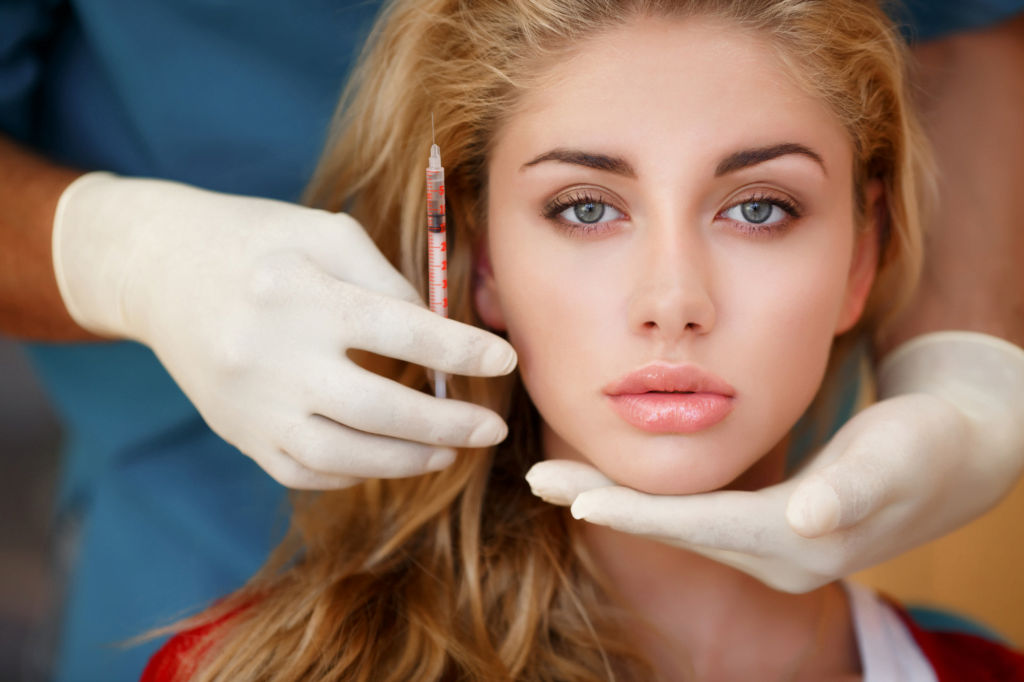
Nose Feminization Surgery: What You Need to Know

rhinoplasty

The nose is one of the most prominent and noticeable features of the face. It plays a vital role in defining the overall facial harmony and balance. For many transgender women and non-binary people who want to achieve a more feminine appearance, the nose can be a source of dysphoria and discomfort. That is why nose feminization surgery is one of the most common and sought-after procedures in facial feminization surgery (FFS).

Nose feminization surgery, also known as rhinoplasty, is a surgical procedure that modifies the shape, size, and angle of the nose to create a more feminine and natural-looking nose that matches the rest of the facial features. It can also improve the function of the nose by correcting breathing problems, nasal deformities, or injuries.

In this article, we will explain everything you need to know about nose feminization surgery, including:

  • The differences between male and female noses and how nose feminization surgery can address them.
  • The benefits and risks of nose feminization surgery and how to prepare for it.
  • The types and techniques of nose feminization surgery and how to choose the best one for you.
  • The recovery process and aftercare tips for nose feminization surgery and how to achieve the best results.
  • The cost and financing options for nose feminization surgery and how to compare different countries and clinics.
  • The reasons why Turkey is a popular destination for nose feminization surgery and what to expect from your experience there.

By the end of this article, you will have a better understanding of nose feminization surgery and be able to make an informed decision about whether it is right for you and how to proceed with it.

Rhinoplasty concept. Doctor making marks on patient's face, young caucasian lady on consultation at surgeon, standing on beige background. Facial plastic surgery concept

Male vs Female Noses: What are the Differences?

Before we dive into the details of nose feminization surgery, let us first understand the differences between male and female noses and how they affect the perception of gender and attractiveness.

Generally speaking, male noses tend to be larger, wider, and longer than female noses. They also have a more prominent bridge, a sharper tip, and a larger angle between the nose and the upper lip. These characteristics give the male nose a more angular and dominant appearance.

On the other hand, female noses tend to be smaller, narrower, and shorter than male noses. They also have a more subtle bridge, a softer tip, and a smaller angle between the nose and the upper lip. These characteristics give the female nose a more curved and delicate appearance.

Of course, these are not absolute rules and there is a lot of variation and diversity among individual noses. However, these are the general trends and patterns that most people subconsciously associate with gender and attractiveness.

Therefore, nose feminization surgery aims to reduce the masculine features of the nose and enhance the feminine features of the nose. This can have a significant impact on the overall facial feminization and the self-confidence and well-being of the patient.

Benefits and Risks of Nose Feminization Surgery

Like any other surgical procedure, nose feminization surgery has both benefits and risks that you should be aware of before deciding to undergo it. Here are some of the main ones:

Benefits of Nose Feminization Surgery

  • Nose feminization surgery can improve the appearance and function of the nose by correcting any aesthetic or functional issues that may cause dissatisfaction or discomfort.
  • Nose feminization surgery can create a more feminine and harmonious nose that matches the rest of the facial features and the desired gender identity and expression.
  • Nose feminization surgery can enhance the overall facial feminization and the attractiveness and youthfulness of the face.
  • Nose feminization surgery can boost the self-esteem and self-image of the patient and reduce the gender dysphoria and social anxiety that may result from having a masculine nose.
  • Nose feminization surgery can improve the quality of life and happiness of the patient and enable them to live more authentically and confidently.

Risks of Nose Feminization Surgery

  • Nose feminization surgery is an invasive and complex procedure that requires general anesthesia and a skilled and experienced surgeon. It carries the potential risks of infection, bleeding, scarring, nerve damage, and anesthesia complications.
  • Nose feminization surgery may result in undesired or unexpected outcomes, such as asymmetry, overcorrection, undercorrection, or loss of function. The patient may need revision surgery to correct any problems or dissatisfaction.
  • Nose feminization surgery may cause temporary or permanent changes in the sense of smell, taste, or breathing. The patient may need to adjust to these changes and use nasal sprays or medications to alleviate any discomfort.
  • Nose feminization surgery may have psychological and emotional effects on the patient, such as depression, anxiety, or disappointment. The patient may need to cope with the changes in their appearance and identity and seek professional or social support if needed.
ethnic rhinoplasty in turkey

Types and Techniques of Nose Feminization Surgery

There are different types and techniques of nose feminization surgery that can be used to achieve different goals and results. The best type and technique for you will depend on several factors, such as:

  • The shape, size, and structure of your nose and how it relates to the rest of your facial features.
  • The degree of feminization and naturalness that you want to achieve with your nose.
  • The preferences and expertise of your surgeon and the availability of the equipment and facilities.

Here are some of the main types and techniques of nose feminization surgery that you should know about:

Open vs Closed Rhinoplasty

One of the first decisions that you and your surgeon will have to make is whether to use an open or a closed approach for your nose feminization surgery. This refers to the location and extent of the incisions that are made to access the nasal structures.

  • Open rhinoplasty involves making a small incision across the columella, which is the strip of skin that separates the nostrils. This allows the surgeon to lift the skin and expose the entire nasal framework. This gives the surgeon more visibility and control over the nasal reshaping and modification. However, it also leaves a small scar on the columella and may prolong the recovery time and swelling.
  • Closed rhinoplasty involves making incisions inside the nostrils only. This avoids any visible scarring and may reduce the recovery time and swelling. However, it also limits the surgeon’s access and view of the nasal structures and may not allow for extensive or precise changes.

The choice between open and closed rhinoplasty will depend on the complexity and extent of the changes that are needed for your nose. Generally speaking, open rhinoplasty is more suitable for major or intricate alterations, while closed rhinoplasty is more suitable for minor or subtle adjustments.

ethnic rhinoplasty in turkey

Reduction vs Augmentation Rhinoplasty

Another decision that you and your surgeon will have to make is whether to use a reduction or an augmentation technique for your nose feminization surgery. This refers to the amount and direction of the tissue that is removed or added to the nose.

  • Reduction rhinoplasty involves removing excess bone, cartilage, or skin from the nose to reduce its size, width, or projection. This can create a more feminine and refined nose that is in proportion with the rest of the face. However, it may also compromise the nasal function or stability and require careful planning and execution.
  • Augmentation rhinoplasty involves adding extra bone, cartilage, or synthetic material to the nose to increase its size, width, or projection. This can create a more feminine and balanced nose that fills out the facial features. However, it may also create an unnatural or overdone appearance and require a suitable and safe source of grafting material.

The choice between reduction and augmentation rhinoplasty will depend on the shape and size of your nose and the desired outcome that you want to achieve. Generally speaking, reduction rhinoplasty is more common for nose feminization surgery, as most patients want to reduce the masculine features of their nose. However, augmentation rhinoplasty may also be needed for some patients who have a very small or flat nose that needs more definition or support.

Tip vs Bridge Rhinoplasty

Another decision that you and your surgeon will have to make is whether to focus on the tip or the bridge of your nose for your nose feminization surgery. This refers to the part of the nose that is most affected by the changes that are made.

  • Tip rhinoplasty involves modifying the shape, size, and angle of the nasal tip, which is the lower part of the nose that is composed of cartilage. This can create a more feminine and delicate nose that has a softer and rounder tip that is slightly upturned. However, it may also alter the balance and harmony of the nose and the face and require careful consideration of the nasal proportions and angles.
  • Bridge rhinoplasty involves modifying the shape, size, and angle of the nasal bridge, which is the upper part of the nose that is composed of bone. This can create a more feminine and smooth nose that has a more subtle and curved bridge that is slightly concave. However, it may also affect the function and stability of the nose and the face and require careful preservation of the nasal structure and support.

The choice between tip and bridge rhinoplasty will depend on the part of your nose that is most in need of feminization and the effect that you want to create on your face. Generally speaking, tip rhinoplasty is more effective for creating a more delicate and refined nose, while bridge rhinoplasty is more effective for creating a more smooth and curved nose.

Primary vs Secondary Rhinoplasty

Another decision that you and your surgeon will have to make is whether to undergo a primary or a secondary rhinoplasty for your nose feminization surgery. This refers to the number of times that you have had or will have surgery on your nose.

  • Primary rhinoplasty is the first time that you have surgery on your nose. This is usually the preferred option, as it allows the surgeon to work with the original and untouched nasal structures and tissues. This gives the surgeon more flexibility and options to create the desired nose shape and function. However, it also requires careful planning and preparation to ensure that the surgery is successful and meets your expectations.
  • Secondary rhinoplasty is any subsequent surgery that you have on your nose after a primary rhinoplasty. This is usually done to correct any problems or dissatisfaction that may arise from the primary rhinoplasty, such as complications, deformities, or dissatisfaction. However, it also poses more challenges and risks, as it involves working with scarred and altered nasal structures and tissues. This limits the surgeon’s ability and options to create the desired nose shape and function.

The choice between primary and secondary rhinoplasty will depend on whether you have had or are happy with your previous nose surgery. Generally speaking, primary rhinoplasty is more advisable and preferable for nose feminization surgery, as it offers more possibilities and outcomes. However, secondary rhinoplasty may also be possible and necessary for some patients who need or want to revise or improve their nose surgery results.

How to Prepare for Nose Feminization Surgery

If you have decided to undergo nose feminization surgery, you will need to prepare yourself physically, mentally, and practically for the procedure. Here are some of the steps that you should take to ensure that you are ready and comfortable for your surgery:

  • Consult with your surgeon: The first and most important step is to consult with your surgeon and discuss your goals, expectations, and options for your nose feminization surgery. Your surgeon will examine your nose and facial features, take measurements and photos, and explain the procedure, risks, and recovery. Your surgeon will also recommend the best type and technique of nose feminization surgery for you and show you some before and after photos of similar cases. You should ask your surgeon any questions or concerns that you may have and make sure that you understand and agree with the surgical plan.
  • Quit smoking and drinking: Smoking and drinking can interfere with the healing process and increase the risk of complications and infections. You should quit smoking and drinking at least two weeks before and after your surgery. You should also avoid any nicotine products, such as patches, gums, or vapes, as they can have the same effect as smoking.
  • Avoid certain medications and supplements: Some medications and supplements can thin your blood and cause excessive bleeding or bruising during or after your surgery. You should avoid taking any anti-inflammatory drugs, such as aspirin, ibuprofen, or naproxen, or any herbal supplements, such as ginkgo biloba, garlic, or ginseng, at least two weeks before and after your surgery. You should also inform your surgeon of any prescription or over-the-counter medications that you are taking and follow their instructions on whether to continue or stop them.
  • Arrange for transportation and assistance: You will not be able to drive or take care of yourself for at least a few days after your surgery. You should arrange for someone to drive you to and from the clinic or hospital and stay with you for at least the first night after your surgery. You should also have someone to help you with your daily activities, such as cooking, cleaning, or shopping, for at least a week after your surgery.
  • Prepare your recovery area: You will need to rest and recover in a comfortable and clean environment after your surgery. You should prepare your recovery area with the following items:
    • A bed or couch with plenty of pillows and blankets to elevate your head and support your body.
    • A phone or remote control within reach to call for help or entertainment.
    • A cooler or fridge with ice packs or frozen peas to apply to your nose and face to reduce swelling and pain.
    • A humidifier or vaporizer to moisten the air and prevent dryness and irritation in your nose and throat.
    • A thermometer to monitor your temperature and check for signs of infection.
    • A mirror to check your nose and face for any changes or problems.
    • A supply of soft and easy-to-eat foods and drinks, such as soup, yogurt, smoothies, or water, to avoid chewing and dehydration.
    • A supply of medications and supplies, such as painkillers, antibiotics, nasal sprays, gauze, and tape, to manage your symptoms and care for your nose.

Recovery and Aftercare Tips for Nose Feminization Surgery

The recovery and aftercare process for nose feminization surgery is different for each patient and depends on several factors, such as the type and technique of the surgery, the individual healing rate, and the post-operative care. However, here are some of the general guidelines and tips that you should follow to ensure that you have a smooth and successful recovery and achieve the best results:

  • Follow your surgeon’s instructions: Your surgeon will give you specific and detailed instructions on how to care for your nose and face after your surgery. You should follow these instructions carefully and diligently to avoid any complications or problems. You should also keep in touch with your surgeon and report any issues or concerns that you may have. You should also attend your follow-up appointments and check-ups as scheduled by your surgeon.
  • Rest and relax: You will need to rest and relax for at least a week after your surgery. You should avoid any strenuous or vigorous activities, such as exercise, sports, or lifting, that may increase your blood pressure or heart rate and cause bleeding or swelling. You should also avoid any activities that may bump or injure your nose, such as bending, sneezing, or blowing your nose. You should also avoid any activities that may expose your nose to heat, sun, or infection, such as sauna, swimming, or tanning. You should also avoid wearing glasses or sunglasses that may put pressure on your nose bridge. You should also avoid smoking, drinking, or taking any drugs that may impair your healing or judgment.
  • Be patient and realistic: You will not see the final results of your nose feminization surgery immediately after your surgery. You will have to wait for the swelling, bruising, and scarring to subside and for the nose to settle into its new shape and position. This may take several weeks or months, depending on the extent and type of the surgery and your individual healing rate. You should be patient and realistic with your expectations and not judge your nose too soon or too harshly. You should also remember that your nose will not be perfect or flawless, but rather more feminine and natural-looking. You should also appreciate the positive changes and improvements that your nose surgery has brought to your face and your life.

Cost and Financing Options for Nose Feminization Surgery

The cost of nose feminization surgery can vary widely depending on several factors, such as:

  • The type and technique of the surgery and the complexity and extent of the changes that are needed.
  • The experience and reputation of the surgeon and the quality and accreditation of the clinic or hospital.
  • The location and currency of the country and the clinic or hospital.
  • The additional fees and expenses, such as anesthesia, hospitalization, medication, tests, and travel.

The average cost of nose feminization surgery in the United States is around $7,000, but it can range from $3,000 to $15,000 or more. The average cost of nose feminization surgery in the United Kingdom is around £5,000, but it can range from £3,000 to £10,000 or more.

However, there are also many other countries and clinics that offer nose feminization surgery at a lower or more affordable cost, without compromising the quality or safety of the procedure. One of these countries is Turkey, which has become a popular destination for medical tourism and cosmetic surgery, especially for nose feminization surgery.

Here is a table that compares the average cost of nose feminization surgery in Turkey with some of the other popular countries in the world:

CountryAverage Cost of Nose Feminization Surgery
Turkey$2,500
Mexico$3,500
Thailand$4,000
India$4,500
Brazil$5,000
Spain$6,000
Canada$8,000
Australia$10,000

As you can see, Turkey offers one of the lowest and most competitive prices for nose feminization surgery in the world. This is due to several reasons, such as:

  • The low cost of living and labor in Turkey, which allows the clinics and hospitals to charge lower fees and expenses.
  • The high quality and standards of cosmetic surgery in Turkey, which are regulated and accredited by the Turkish Ministry of Health and the International Society of Aesthetic Plastic Surgery (ISAPS).
  • The high availability and accessibility of cosmetic surgery in Turkey, which offers a wide range of clinics and hospitals in different cities and regions, as well as convenient and affordable travel and accommodation options.

If you are looking for a cost-effective and high-quality option for your nose feminization surgery, Turkey may be the ideal choice for you. However, you should also consider other factors, such as:

  • The reputation and experience of the surgeon and the clinic or hospital that you choose for your nose feminization surgery. You should do your research and check the credentials, reviews, and results of the surgeon and the clinic or hospital that you are interested in. You should also consult with them and ask them any questions or concerns that you may have about their services and procedures.
  • The communication and language barriers that you may face in Turkey. You should make sure that you can communicate effectively and comfortably with your surgeon and the staff of the clinic or hospital that you choose for your nose feminization surgery. You should also learn some basic Turkish words and phrases that may help you during your stay and recovery in Turkey.
  • The cultural and legal differences that you may encounter in Turkey. You should respect and abide by the laws and customs of Turkey and avoid any actions or behaviors that may offend or cause trouble for the local people or authorities. You should also be aware of the rights and responsibilities that you have as a foreign patient and consumer in Turkey and seek legal or professional advice if needed.
Photo of Hot Air Balloons on Flight

Why Choose Turkey for Nose Feminization Surgery?

Turkey is not only a great option for nose feminization surgery because of its low cost and high quality, but also because of its many other advantages and attractions that make it a unique and enjoyable destination for medical tourism and cosmetic surgery. Here are some of the reasons why you should choose Turkey for your nose feminization surgery:

  • Turkey has a rich and diverse history and culture that spans across continents and civilizations. You can explore and experience the ancient and modern wonders of Turkey, such as the Hagia Sophia, the Blue Mosque, the Grand Bazaar, the Cappadocia, the Pamukkale, and more.
  • Turkey has a warm and hospitable people and atmosphere that welcomes and embraces visitors and guests from all over the world. You can interact and mingle with the friendly and helpful Turkish people and enjoy their delicious and healthy cuisine, music, and art.
  • Turkey has a beautiful and varied nature and landscape that offers a range of activities and sceneries for all tastes and preferences. You can relax and rejuvenate in the stunning and serene beaches, mountains, lakes, and forests of Turkey, or have fun and adventure in the exciting and lively cities, resorts, and parks of Turkey.
  • Turkey has a convenient and accessible location and transportation that connects it to the rest of the world and makes it easy and affordable to travel to and from Turkey. You can fly to Turkey from almost any major airport in the world and find a suitable and comfortable flight and accommodation option for your budget and needs.

Conclusion

Nose feminization surgery is a surgical procedure that modifies the shape, size, and angle of the nose to create a more feminine and natural-looking nose that matches the rest of the facial features. It can also improve the function of the nose by correcting breathing problems, nasal deformities, or injuries.

Nose feminization surgery can have a significant impact on the overall facial feminization and the self-confidence and well-being of the patient. However, it also involves some risks and challenges that require careful consideration and preparation.

There are different types and techniques of nose feminization surgery that can be used to achieve different goals and results. The best type and technique for you will depend on several factors, such as the shape and size of your nose, the degree of feminization and naturalness that you want to achieve, and the preferences and expertise of your surgeon.

The cost of nose feminization surgery can vary widely depending on several factors, such as the type and technique of the surgery, the experience and reputation of the surgeon and the clinic or hospital, and the location and currency of the country and the clinic or hospital.

Turkey is one of the most popular and affordable destinations for nose feminization surgery in the world. It offers a high quality and standard of cosmetic surgery, as well as a low cost of living and labor, a high demand and supply of cosmetic surgery, and a high availability and accessibility of cosmetic surgery.

Turkey is also a great destination for medical tourism and cosmetic surgery because of its many other advantages and attractions, such as its rich and diverse history and culture, its warm and hospitable people and atmosphere, its beautiful and varied nature and landscape, and its convenient and accessible location and transportation.

If you are interested in nose feminization surgery and want to learn more about it or book a consultation with a qualified and experienced surgeon in Turkey, you can visit the website of Dr MFO, which is a leading and reputable clinic that specializes in facial feminization surgery and offers a wide range of services and procedures, including nose feminization surgery. You can also contact them by phone, email, or online form and get a free quote and consultation for your nose feminization surgery. You can also browse their gallery and testimonials and see the amazing results and feedback that they have achieved for their previous and current patients.

We hope that this article has given you a comprehensive and informative overview of nose feminization surgery and has helped you make an informed and confident decision about whether it is right for you and how to proceed with it. We wish you all the best and success with your nose feminization surgery and your facial feminization journey.

Visit the Dr.MFO Instagram profile for examples of successful Surgeries. Contact for free consultation.