How Soon Can I Fly After FFS? Top Tips & Expert Advice

A woman seated in a blue airplane seat, looking out the window with a thoughtful expression, wearing a white shirt.

So you’ve just had Facial Feminization Surgery (FFS), and you’re itching to get back to your life, travel included! But hold on a minute – just like any other surgery, FFS needs time to heal. And while you’re probably dreaming of beaches and adventures, your body needs to recover before you take to the skies. So, how soon can you fly after FFS?

This blog post is your guide to navigating the post-surgery travel scene. We’ll dive into the typical recovery process, explore factors that impact healing time, and discuss the potential restrictions you might encounter when flying. Remember, this information is for general guidance. For personalized advice, always consult your surgeon, they are your true north in this journey!

A woman with long brown hair and light blue eyes smiling gently while touching her chin with her hand, wearing a soft pink floral jacket against a light blue background.

The Recovery Process After Facial Feminization Surgery

Imagine your face as a delicate work of art – it needs time to settle and heal after surgery. The recovery process after FFS is typically divided into phases:

Phase 1: The Early Days (First Few Weeks)

This is the most sensitive time. Swelling and bruising are your biggest companions. You’ll be sporting bandages and probably feeling a bit tender. It’s crucial to rest, keep your head elevated, and follow your surgeon’s instructions. They’ll be your lifeline for managing pain and taking care of your surgical site. Think of it as a period of intense pampering, a chance for your body to focus on healing.

Phase 2: The Transition Phase (Weeks 2-4)

You’ll start to notice a decrease in swelling and bruising. You’ll be able to shed some of the bandages and your face will begin to regain its shape. You might still experience discomfort, but you’ll be able to manage it more effectively. It’s a time to be patient and enjoy the gradual improvements, knowing you’re making great progress.

Phase 3: The Healing Stage (Months 3-6+)

This is when the real magic happens! Your face continues to heal, and the final results become more apparent. The swelling will subside further, and you’ll start to feel like yourself again. You’ll notice your new features blending in, and you’ll probably be feeling a surge of confidence.

Factors Affecting Recovery Time

So, when can you start thinking about flying again? This is where things get a little individualistic. Recovery times can vary depending on a few key factors:

  • Your Personal Health: If you’re generally healthy and have a good immune system, your healing journey will likely be smoother.
  • The Extent of Surgery: More extensive procedures naturally take longer to heal. Your surgeon will guide you on the specifics of your case.
  • Post-Op Care: Adhering to your surgeon’s instructions, like taking your medications as prescribed and keeping your incisions clean, can significantly impact your healing time.
  • Potential Complications: Everyone’s body is different, and sometimes things don’t go perfectly smoothly. If you experience any complications, it might affect your recovery timeline.

Specific Travel Restrictions

While you’re eager to explore the world, there are a few things to consider before booking that flight:

Altitude: Flying at high altitudes can cause pressure changes that might affect your healing tissues. It’s generally recommended to avoid flying for a while after FFS, especially in the first few weeks when swelling is significant.
Cabin Pressure: Cabin pressure changes during flight can affect wound healing and potentially increase the risk of complications. It’s best to avoid flying until your surgeon gives the all-clear.
Blood Clotting Risks: Sitting for long periods on a plane can increase the risk of blood clots. Your surgeon might recommend wearing compression stockings during travel, especially if you have other risk factors.

Tips for Safe Air Travel After FFS

Okay, you’ve got the green light from your surgeon to fly! Here’s how to make your journey as comfortable and safe as possible:

  • Hydrate, Hydrate, Hydrate: Water is your best friend! Staying hydrated helps with swelling and overall recovery. Bring a reusable water bottle and sip frequently during your flight.
  • Compression Stockings: Talk to your surgeon about whether compression stockings are recommended for your specific situation. They can help with circulation and reduce the risk of blood clots.
  • Travel Pillow: A neck pillow can help support your head and keep it elevated, reducing swelling and discomfort.
  • Bring Your Medications: Make sure to pack all necessary medications and keep them in easy access.
  • Keep it Comfortable: Dress in loose-fitting, breathable clothes. You’ll probably be more comfortable if you avoid anything that restricts your movement or irritates your surgical areas.

A person lying in a hospital bed with visible injuries, likely indicating a medical condition or post-surgery recovery.

Conclusion

Remember, you are not alone in this journey. Your surgeon is your partner in recovery. It’s crucial to follow their instructions, be patient with your body, and prioritize your well-being. And while you might have to delay that long-awaited vacation, remember that traveling safely and comfortably is the ultimate goal. So, listen to your body, talk to your surgeon, and plan your trips with a clear mind and a well-rested face!

How soon can I fly after FFS? It’s a question many of us have after surgery. Remember, there’s no one-size-fits-all answer. Your surgeon holds the key to this question, so consult them for personalized advice and enjoy the journey to your best self!
Mehmet Fatih Okyay, MD, FEBOPRAS in Türkiye.

Visit Dr.MFO Instagram profile to see real patient transformations! Get a glimpse of the incredible results achieved through facial feminization surgery and other procedures. The profile showcases before-and-after photos that highlight Dr. MFO’s expertise and artistic vision in creating natural-looking, beautiful outcomes.

Ready to take the next step in your journey? Schedule a free consultation with Dr. MFO today. During the consultation, you can discuss your goals, ask any questions you may have, and learn more about how Dr. MFO can help you achieve your desired look. Don’t hesitate to take advantage of this free opportunity to explore your options and see if Dr. MFO is the right fit for you.

How to get a more feminine jawline? | 4 Secrets Revealed

A woman's face with overlaid lines showing areas for potential cosmetic procedures. The image highlights specific facial regions that are likely being assessed for aesthetic enhancements.

The jawline plays a crucial role in creating a more feminine appearance. It’s the first thing people notice about your face, and it can make a big difference in how you feel about yourself. If you’re considering ways to enhance your jawline and achieve a more feminine look, you might be thinking about facial feminization surgery (FFS).

The Importance of Jawline in Facial Feminization

If you want to get a more feminine jawline, it’s important to understand how facial feminization surgery (FFS) works. This type of surgery involves reshaping the jawline to make it more delicate and less angular. This can involve several different procedures, depending on your individual needs and goals.

A close-up portrait of a woman with long, straight brown hair and subtle makeup. She is smiling gently and resting her chin on her hand, with a beige background behind her.

Understanding Jawline Feminization

The jawline is a key feature that contributes to your overall facial structure. For those seeking a more feminine appearance, a softer, less angular jawline is often desired. Jawline feminization aims to achieve this by addressing several areas, including:

  • Reducing the Angle: The angle of the jaw, also known as the gonial angle, is often more pronounced in men. Reducing this angle softens the jawline and creates a more delicate curve.
  • Reshaping the Chin: The chin can also play a significant role in the overall shape of the jawline. A chin that is too prominent can make the jawline appear more masculine.
  • Contouring the Jawline: Contouring the jawline involves smoothing out any bumps or irregularities that might make it appear more angular or masculine.

Surgical Techniques

Several surgical techniques are employed in jawline feminization, each addressing specific aspects of the jawbone.

Jawline Contouring

This procedure focuses on smoothing out the jawline’s edges and creating a more refined shape. The surgeon will typically use an osteotomy (cutting of bone) to reshape the jawbone. This technique helps to create a more feminine curve and minimize any sharp angles.

Mandibular Angle Reduction

As mentioned earlier, the gonial angle is often more pronounced in men. Mandibular angle reduction aims to reduce this angle, creating a softer, more feminine jawline. This procedure is typically performed by making a cut in the jawbone and removing a small portion of it.

Genioplasty

Genioplasty focuses on the chin. It can be used to make the chin smaller, more pointed, or more balanced with the rest of the jawline. This procedure is often done in conjunction with other jawline feminization techniques to create a cohesive, feminine look.

Osteotomy

Osteotomy is a common technique used in many jawline feminization procedures. It involves cutting the bone to reshape it, allowing the surgeon to refine the angles and contours of the jawline for a more feminine appearance.

Pre-Operative Considerations

If you’re considering jawline feminization surgery, several steps need to be taken before the procedure.

Consultation Process

The consultation with your surgeon is crucial. You will discuss your desired outcomes, medical history, and any potential risks or concerns. Your surgeon will carefully evaluate your facial structure and create a personalized surgical plan.

Medical Evaluations

Before any surgery, you’ll undergo various medical evaluations. This includes blood tests, EKGs, and other tests to assess your overall health and ensure you are a suitable candidate for the procedure.

A side profile portrait of a woman with her eyes closed, showcasing her facial features against a plain white background.

Post-Operative Care

After surgery, following your surgeon’s instructions for post-operative care is crucial for optimal healing.

Recovery Timeline

Recovery from jawline feminization surgery typically takes several weeks. You might experience some swelling and bruising, which will gradually subside. Your surgeon will provide you with specific instructions for managing your recovery, including pain medication, diet recommendations, and activity restrictions.

Tips for Recovery

To ensure a smooth recovery, follow these tips:

  • Rest: Get plenty of rest during the initial weeks of recovery.
  • Diet: Eat soft foods initially and gradually introduce harder foods as your jaw heals.
  • Ice Packs: Use ice packs to reduce swelling and discomfort.
  • Medications: Take prescribed medications as instructed.
  • Follow-Up Appointments: Attend all follow-up appointments with your surgeon to monitor your progress.

Managing Pain and Swelling

You will likely experience some pain and swelling after surgery. Your surgeon will prescribe pain medication to manage discomfort. Applying ice packs to the surgical area will also help reduce swelling.

Risks and Complications

As with any surgical procedure, jawline feminization surgery carries some risks and potential complications.

Common Risks

Common risks include:

  • Infection: As with any surgery, infection is a possibility.
  • Bleeding: Excessive bleeding can occur during or after surgery.
  • Nerve Damage: While rare, nerve damage in the jaw area can occur.
  • Swelling and Bruising: Swelling and bruising are common after surgery, but they will gradually subside.
  • Asymmetry: In some cases, the jawline may not be perfectly symmetrical after surgery.
  • Anesthesia Complications: As with any surgery involving anesthesia, there are potential complications related to the use of anesthesia.

Mitigating Risks

To mitigate risks, it’s essential to:

  • Choose a Qualified Surgeon: Select a board-certified plastic surgeon with extensive experience in facial feminization surgery.
  • Follow Post-Operative Instructions: Adhere to all post-operative care instructions provided by your surgeon.
  • Communicate Concerns: Don’t hesitate to communicate any concerns or symptoms you experience during your recovery.

Long-Term Considerations

While jawline feminization surgery can significantly enhance your appearance, it’s important to understand that it’s a permanent procedure. The results are generally long-lasting, but it’s still crucial to maintain a healthy lifestyle, including a balanced diet and regular exercise, to support your overall health and appearance.

Expected Outcomes

The expected outcomes of jawline feminization surgery are highly individualized and depend on your individual goals and anatomy.

Realistic Expectations

It’s important to have realistic expectations about the results. While jawline feminization can create a more feminine appearance, it’s not a magic bullet for achieving a completely different look. Discuss your desired outcomes and realistic expectations with your surgeon during your consultation.

Case Studies

Looking at case studies or before-and-after photos can provide you with a visual understanding of the potential outcomes of jawline feminization surgery. These examples can give you a realistic idea of what to expect, although it’s crucial to remember that every person is unique, and results may vary.

Before-and-After Results

Before-and-after photos from patients who have undergone jawline feminization surgery can provide valuable insights. These images can showcase the potential transformation and the overall improvement in facial harmony and femininity.

Making the Decision

The decision to undergo jawline feminization surgery is a personal one. There are several factors to consider before making a decision.

Choosing a Surgeon

Choosing a qualified and experienced surgeon is paramount. You want a surgeon who specializes in facial feminization surgery and has a proven track record of successful outcomes.

Importance of Board Certification

It’s crucial to choose a board-certified plastic surgeon. This certification ensures the surgeon has met the highest standards of education, training, and experience in the field of plastic surgery.

Questions to Ask

Don’t hesitate to ask your surgeon plenty of questions:

  • What are your qualifications and experience in facial feminization surgery?
  • How many similar procedures have you performed?
  • Can I see before-and-after photos of your previous patients?
  • What are the potential risks and complications associated with the procedure?
  • What is the recovery process like?
  • How long will it take to see the final results?
  • What are the costs involved?
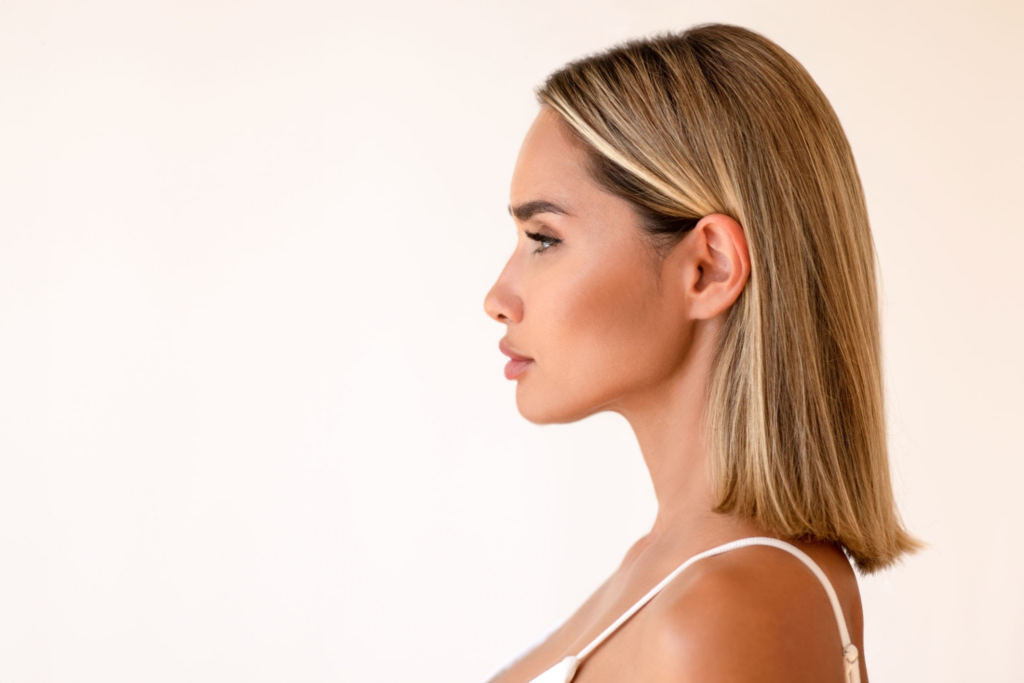
A side profile of a young woman with a straight nose, smooth skin, and shoulder length blonde hair looking towards the side.

Conclusion

Facial feminization surgery can significantly enhance your jawline and create a more feminine appearance. However, it’s important to approach the decision with careful consideration and realistic expectations.

  • Recap of Key Points: Facial feminization surgery can help create a more feminine jawline by reshaping the jawbone through various techniques like jawline contouring, mandibular angle reduction, genioplasty, and osteotomy. The procedure involves pre-operative consultations, medical evaluations, and careful post-operative care.
  • Professional Consultations: Consult with a board-certified plastic surgeon who specializes in facial feminization surgery. Discuss your goals, expectations, and any concerns you may have.
  • Final Thoughts on Feminine Jawline: Achieving a more feminine jawline can have a profound impact on your self-confidence and overall sense of well-being. By understanding the process, considering all aspects of the decision, and seeking guidance from a qualified surgeon, you can make an informed choice that aligns with your individual needs and goals.
Mehmet Fatih Okyay, MD, FEBOPRAS in Türkiye.

Visit Dr.MFO Instagram profile to see real patient transformations! Get a glimpse of the incredible results achieved through facial feminization surgery and other procedures. The profile showcases before-and-after photos that highlight Dr. MFO’s expertise and artistic vision in creating natural-looking, beautiful outcomes.

Ready to take the next step in your journey? Schedule a free consultation with Dr. MFO today. During the consultation, you can discuss your goals, ask any questions you may have, and learn more about how Dr. MFO can help you achieve your desired look. Don’t hesitate to take advantage of this free opportunity to explore your options and see if Dr. MFO is the right fit for you.

Is FFS Permanent? Top 3 Things to Know Before You Decide

A woman with her hair styled in an elegant updo, wearing subtle makeup, and looking gently over her shoulder against a plain background.

So you’re considering facial feminization surgery (FFS), huh? It’s a big decision, and you’re probably wondering about the permanence of it all. “Is FFS permanent?” is a question that pops up in almost everyone’s mind, and it’s a good one! After all, you want to be sure that the changes you make are going to last.

This article is here to break down the question of permanence and give you a clear picture of what you can expect. We’ll dive into the surgical procedures, individual factors that can affect results, natural changes that happen over time, non-surgical options, and the importance of post-operative care. Let’s get started!

Understanding the Permanence of FFS Procedures

Think of FFS as a toolbox. It’s filled with a bunch of different tools – surgeries – that can help achieve a more feminine facial appearance. Some of these tools are designed for specific areas, like contouring your forehead or reducing your chin. They’re like building blocks, and each one contributes to the overall goal. And the best part? These tools, or surgical procedures, are generally permanent.

Core Surgical Procedures and Their Lasting Effects

Let’s talk about the core procedures and their lasting impact. Imagine a sculptor carefully shaping a piece of clay. That’s kind of how these surgeries work. They reshape your bone structure to create a more feminine look.

  • Forehead Contouring: This procedure is like smoothing out the brow bone, creating a more delicate forehead shape.
  • Chin Reduction: This involves making the chin smaller and more refined, helping to create a softer, more feminine jawline.
  • Tracheal Shave: This procedure addresses the prominent Adam’s apple. It’s like taking off a little bit of the cartilage to create a smoother neckline.

The changes you get from these procedures are typically lasting. You’re basically restructuring the bones, and they’re not going to magically go back to their original shape.

Side profile of a woman with long blonde hair tied in a low ponytail, looking ahead with a neutral expression. The background is plain and light-colored, emphasizing her facial features and the simplicity of the setting.

Long-Term Outcomes of FFS Procedures

Now, while the bone structure itself is permanent, it’s important to remember that the results of FFS might change a little bit over time. This is due to a couple of factors.

One is the way your skin ages. Think of your skin like a canvas. As time passes, it starts to loosen and sag a bit. This can happen to anyone, but it’s just something to consider when you’re thinking about the long-term outcome of your FFS. That’s why maintaining good skincare habits after your surgery is crucial.

Another thing to think about is how your body might naturally change over the years. Sometimes, weight fluctuations or changes in muscle tone can affect the overall appearance of your face. Again, these are pretty natural processes, but they’re good to keep in mind.

Individual Factors Affecting Results

Now, we’re getting into the personalized part of FFS. Your face is unique, just like you are! And that’s why different people might experience slightly different results from FFS, even with the same procedures. It’s like a tailor making a custom suit for you – the fit depends on your individual measurements.

Age and Its Influence on FFS Results

Let’s start with age. Younger individuals tend to have more elastic skin, which means the results of FFS are likely to stay more consistent for longer. However, as you age, your skin can lose some of that elasticity, and the overall appearance might change a bit. It’s a good idea to have a chat with your surgeon about how aging might affect your results. They can give you personalized advice based on your individual situation.

Genetics and Skin Elasticity: Their Roles in Permanence

Next up, we have genetics. Just like your eye color and hair type, your skin elasticity is also influenced by your genes. Some people are naturally blessed with skin that stays taut for longer, while others might see more noticeable changes over time. This is a factor that’s pretty much out of your control, but it’s something to keep in mind when you’re considering FFS.

We’re all different, and that’s what makes us unique! It’s also important to remember that your surgeon will carefully assess your individual situation before recommending FFS.

Natural Changes Over Time

We’ve talked about how FFS can reshape your bones and create lasting changes, but it’s important to acknowledge that the natural aging process will continue to happen. Think of it like the weather – it’s always changing, even if the foundation of your house remains solid.

Aging and Its Impact on Facial Features

As we age, our bodies naturally change. This includes the face. Our skin loses elasticity, fat redistributes, and muscles can weaken. It’s like our skin is slowly letting go of its youthful shape, and gravity plays its part in pulling things down a bit.

These changes can happen to everyone, regardless of whether you have had FFS or not. It’s a natural part of life, like the seasons changing.

Weight Fluctuations and Their Effect on FFS Results

Another factor that can affect your appearance over time is weight fluctuations. Losing or gaining weight can impact the distribution of fat on your face. If you lose weight, your face might become slightly thinner, and if you gain weight, it might become slightly fuller.

These changes aren’t typically dramatic, but they’re something to be mindful of. Maintaining a healthy lifestyle can help minimize these fluctuations and help your results stay more consistent over time.

Non-Surgical Options: Temporary Solutions

Now, let’s talk about non-surgical options. These are like temporary makeup for your face, and they can be helpful for refining certain features or making small adjustments.

Fillers and Botox Injections: Understanding Their Limitations

Think of fillers and Botox as tools that can temporarily fill in areas, smooth out wrinkles, and give you a more youthful appearance. They’re like adding a temporary layer of paint to your face. But here’s the catch: these solutions are not permanent. They wear off over time, and you’ll need to get touch-ups every few months to maintain the results.

Non-surgical options can be a good complement to FFS, but they shouldn’t be considered a substitute. They can’t create the same kind of lasting changes that surgery can.

The Importance of Post-Operative Care

You’ve had FFS, and you’re excited about your new look. But it’s not time to slack off just yet! Post-operative care is crucial for preserving your results. Think of it as tending to a garden – you need to nurture it to keep it flourishing.

Proper Skincare for Maintaining FFS Results

One of the most important things you can do is maintain a good skincare routine. This means moisturizing regularly, using sunscreen daily, and keeping your skin clean and healthy. It’s like giving your face a regular dose of TLC to keep it looking its best.

Lifestyle Habits and Their Impact on Long-Term Outcomes

Another key aspect of post-operative care is maintaining a healthy lifestyle. This includes eating a balanced diet, getting enough sleep, and managing stress. These factors can all contribute to how your body heals and how your results hold up over time.

Imagine your body as a complex machine – it works best when it’s well-maintained. Taking care of yourself can make a big difference in the longevity of your FFS results.

Conclusion: The Lasting Impact of FFS and Beyond

So, is FFS permanent? It’s a bit of a tricky question to answer with a simple yes or no. The core surgical procedures are generally permanent, but they don’t stop the natural aging process. Your face will continue to change over time, just like everyone else’s.

The good news is that FFS can give you a lasting foundation for a more feminine appearance. It’s like building a strong house – the foundation is solid, but the interior can be updated and decorated over time.

If you’re considering FFS, it’s crucial to discuss your expectations with your surgeon. They can guide you through the process, explain the potential changes over time, and help you make an informed decision that’s right for you. Remember, the most important thing is to choose a qualified and experienced surgeon who can help you achieve the results you desire.

And remember, it’s not about being perfect; it’s about being comfortable and confident in your own skin.

Visit Dr.MFO Instagram profile to see real patient transformations! Get a glimpse of the incredible results achieved through facial feminization surgery and other procedures. The profile showcases before-and-after photos that highlight Dr. MFO’s expertise and artistic vision in creating natural-looking, beautiful outcomes.

Ready to take the next step in your journey? Schedule a free consultation with Dr. MFO today. During the consultation, you can discuss your goals, ask any questions you may have, and learn more about how Dr. MFO can help you achieve your desired look. Don’t hesitate to take advantage of this free opportunity to explore your options and see if Dr. MFO is the right fit for you.

How Much is FFS in Turkey? Your Complete Guide to FFS Costs

A vibrant image of the Turkish flag, featuring a bright red background with a prominent white star and crescent moon centrally positioned.

You’ve probably heard about Turkey’s growing popularity as a destination for Facial Feminization Surgery (FFS). And you’re curious – how much is FFS in Turkey? It’s a question on everyone’s mind, especially if you’re seeking a more aligned appearance that reflects your true self.

This guide is your comprehensive resource for understanding the cost of FFS in Turkey. We’ll delve into average price ranges, explore the factors influencing cost, and even guide you on finding the perfect clinic. Whether you’re just starting your research or ready to take the leap, we’ll provide the information you need to make informed decisions and feel confident in your choices. Let’s explore the world of FFS costs in Turkey, together.

Person undergoing cosmetic surgery with facial markings and a healthcare professional wearing blue gloves.

Average FFS Costs in Turkey: A Breakdown

What can you expect to pay for FFS in Turkey? The answer isn’t as straightforward as a single price tag. Just as a tailor would measure you for a perfect fit, FFS costs are tailored to each individual.

However, we can provide a general idea of the ballpark figures. You can expect a starting point of around €5,000 for a basic FFS package. But what does a basic package include? It typically encompasses procedures like:

  • Rhinoplasty (nose reshaping): This addresses the prominence of the nose, creating a more feminine shape.
  • Chin reduction or augmentation: Balancing the chin with the rest of the facial features.
  • Forehead contouring: Achieving a softer, more feminine brow line.

This basic package often doesn’t include procedures like cheekbone reduction or augmentation, brow bone reshaping, or lip reshaping. These procedures are typically considered additional and can contribute to the overall cost.

Remember, this is just a starting point. The price can fluctuate based on the extent of the procedures you choose, the surgeon’s experience, and the specific clinic you select.

Factors Affecting FFS Prices: What Shapes the Cost?

Let’s delve into the details that can impact the final cost of FFS in Turkey.

Surgeon Expertise: Experience Matters

First, consider the surgeon’s experience and qualifications. Just as you wouldn’t trust your car to a novice mechanic, you want an experienced and skilled surgeon performing your FFS. Surgeons with a proven track record of success in FFS and a strong reputation often charge higher fees, but their experience and expertise are worth the investment.

Clinic Reputation: A Trusted Name

The clinic’s reputation is another crucial factor. You want to choose a clinic that prioritizes patient safety and satisfaction. Reputable clinics with state-of-the-art facilities and a dedicated team of professionals might have higher costs but can offer peace of mind and the highest standard of care.

Location and Facilities: Cost Variations

The location of the clinic can also affect the cost. Clinics in major cities with higher operating costs might have slightly higher prices than those in smaller towns. Additionally, clinics with cutting-edge technology and advanced facilities may charge more to reflect their investment in state-of-the-art equipment and infrastructure.

Accommodation: Finding the Right Fit

Don’t forget about accommodation! Your accommodation choices can also impact your budget. Luxury hotels will naturally cost more than budget-friendly options.

Individual Requirements: Personalized Pricing

Perhaps the most significant factor influencing your final cost is your individual needs and the specific procedures you choose. The extent of the changes you want to achieve will influence the complexity and duration of the surgery, directly affecting the final price tag.

Think of it this way: If you only need a small touch-up, like a slight nose reshaping, you’ll likely pay less than someone who wants a complete transformation involving multiple procedures.

Additional Expenses: Beyond the Surgery

Now, let’s talk about those extra costs that can add up beyond the initial surgery price.

Travel Costs: Getting to Turkey

First, you’ll need to factor in travel expenses. Flights to Turkey can vary in price depending on your location and the time of year you travel. Make sure you research flight options and consider booking in advance to potentially save some money.

Accommodation: Comfortable Stays

Accommodation is another essential expense. You’ll need to find a comfortable place to stay during your recovery period. The length of your stay will depend on the procedures you have done and your individual recovery time.

Post-Operative Care: Supporting Your Recovery

Finally, consider the cost of post-operative care. This might include follow-up consultations with your surgeon, medication, and any additional therapies you might need during your recovery.

Tip: Don’t be afraid to ask about the costs associated with these additional expenses. Reputable clinics should be transparent about all fees involved, so you can budget accordingly.

Financing Options: Making FFS Affordable

The thought of FFS in Turkey might seem daunting, but remember, there are ways to make it more attainable. Here are some financing options you can explore:

Payment Plans: Spreading the Cost

Some clinics offer payment plans that allow you to spread the cost of the surgery over several months or even years. This can make the overall investment more manageable and allow you to achieve your FFS goals without overwhelming your budget.

Loans and Financing: Exploring Options

You can also look into personal loans or medical financing options. These options can provide you with the necessary funds to cover the cost of FFS and give you more flexibility in managing your finances.

Important Tip: Before you commit to any financing option, carefully review the terms and conditions, interest rates, and any associated fees. It’s crucial to choose a financing plan that suits your individual circumstances and financial goals.

Finding the Right Clinic: A Guide to Reliable Care

Now, you’re ready to start your search for a clinic. But with so many options, how do you find the perfect fit?

Research and Reviews: Gathering Information

Start by doing thorough research. Explore medical tourism websites specializing in Turkey, browse international FFS forums and communities, and check out reputable Turkish clinics offering FFS. Read online reviews and patient testimonials to gain insights into the clinics’ quality of care, communication, and overall patient experience.

Patient Testimonials: Real Experiences

Patient testimonials can be invaluable. They offer a glimpse into real-life experiences from individuals who have undergone FFS in Turkey. Pay attention to the details they share about their interactions with the clinic, the surgeon’s expertise, and their overall satisfaction with the outcomes.

Consultation and Questions: Seeking Clarity

Once you’ve narrowed down your choices, schedule consultations with a few clinics. These consultations are an opportunity to meet with the surgeon, ask any questions you have about the procedure, and discuss your individual needs and desired outcomes. Remember to ask about the total cost, including any additional expenses, financing options, and post-operative care.

Be sure to inquire about:

  • The surgeon’s experience and qualifications in FFS.
  • The clinic’s facilities and technology.
  • The post-operative care plan.
  • The overall communication and support provided by the clinic.
  • Any potential risks or complications associated with the surgery.

Conclusion: The Bottom Line on FFS Costs in Turkey

So, how much is FFS in Turkey? We’ve learned that there’s no one-size-fits-all answer. The final cost will be determined by a range of factors, including the procedures you choose, the surgeon’s experience, the clinic’s reputation, and additional expenses like travel and accommodation.

However, by understanding these factors and doing your research, you can make informed decisions and find a clinic that aligns with your budget and expectations.

Remember, consultation is key. Schedule consultations with qualified clinics to get personalized cost estimates and discuss your individual needs and desired outcomes. With a little planning and research, your dream of FFS in Turkey can become a reality.

Mehmet Fatih Okyay, MD, FEBOPRAS in Türkiye.

Visit Dr.MFO Instagram profile to see real patient transformations! Get a glimpse of the incredible results achieved through facial feminization surgery and other procedures. The profile showcases before-and-after photos that highlight Dr. MFO’s expertise and artistic vision in creating natural-looking, beautiful outcomes.

Ready to take the next step in your journey? Schedule a free consultation with Dr. MFO today. During the consultation, you can discuss your goals, ask any questions you may have, and learn more about how Dr. MFO can help you achieve your desired look. Don’t hesitate to take advantage of this free opportunity to explore your options and see if Dr. MFO is the right fit for you.
Does FFS Leave Scars? 5 Key Facts You Need To Know

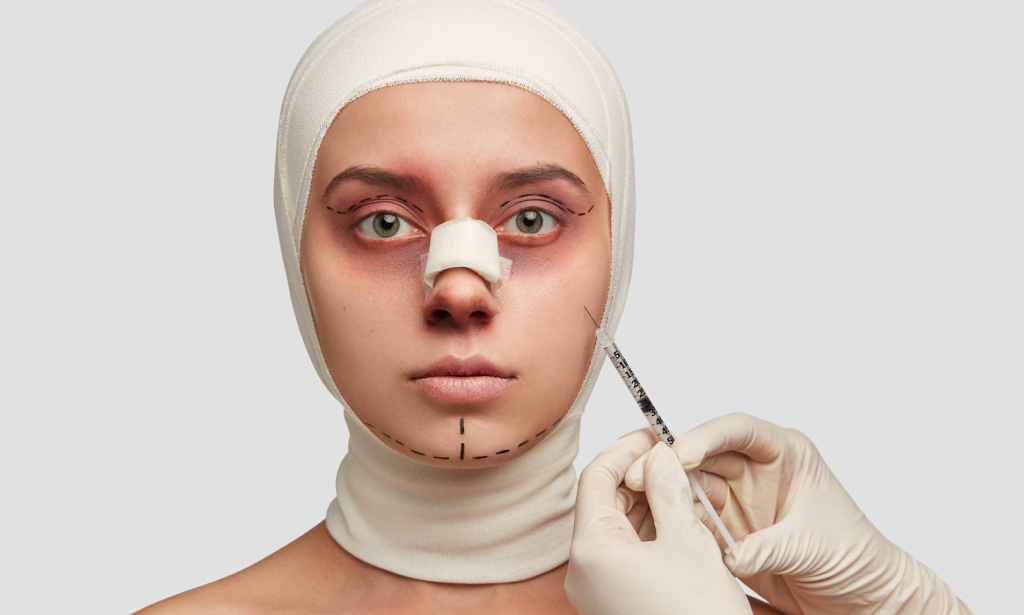
A person undergoing a cosmetic procedure with surgical markings on their face and a syringe being held near their cheek by a medical professional wearing blue gloves.

You’re considering Facial Feminization Surgery (FFS), and you’re curious about something that’s on many minds: Does FFS leave scars? It’s a valid concern, and I’m here to give you the straight talk about scarring in FFS. We’ll explore the ins and outs of how scars form, the potential for scarring with different FFS procedures, and what you can do to minimize their visibility.

This is about more than just understanding the risks. It’s about empowering you with knowledge, so you can make informed decisions about your journey.

Think of it like a detective story, but instead of solving a crime, we’re unraveling the mysteries of scar formation and figuring out how to make those scars as faint as possible. We’re going to talk about everything from the science of wound healing to the real-life experiences of people who’ve had FFS.

So buckle up, because we’re diving into the world of FFS and scarring, and we’re going to uncover some important details along the way.

A woman with medical bandages wrapped around her head and neck, post-surgery, with visible bruising and a nasal dressing.

The Healing Process and Scar Formation

Let’s start at the beginning, with the natural process of wound healing. When your skin is cut or injured, your body kicks into action to repair the damage. Imagine your skin is like a busy construction crew, working overtime to patch up the injury.

First, your body forms a blood clot to stop the bleeding. Then, new cells called fibroblasts start to build collagen, which is like the scaffolding that holds the wound together. Over time, this collagen forms a scar.

Now, here’s the interesting part. Not all scars are created equal. Some scars blend seamlessly with your skin, while others can be raised, red, or even discolored.

Different Types of Scars: Keloids, Hypertrophic Scars, and More

Here’s a breakdown of the different types of scars you might encounter:

  • Keloid scars: These are raised, thick scars that extend beyond the original wound. They can be a bit like stubborn guests that overstay their welcome. Keloid scars are more common in people with darker skin tones.
  • Hypertrophic scars: Similar to keloids, these scars are raised but usually stay within the boundaries of the original wound. They tend to be a bit more manageable than keloids.
  • Flat scars: These are the most common type of scar. They’re usually smooth and blend well with the surrounding skin.
  • Discolored scars: These scars can be darker or lighter than your surrounding skin.

The type of scar you develop depends on a bunch of factors, including your skin type, genetics, and how your body heals.

Factors Influencing Scarring: Skin Type, Genetics, and More

Think of your skin as a unique canvas. Just like different paints react differently, different skin types respond to wound healing in distinct ways.

Here are some factors that can influence your scar formation:

  • Skin type: People with darker skin tones are more prone to keloid scarring.
  • Genetics: If your family has a history of keloid scarring, you might be more likely to develop them too.
  • Age: Younger people tend to have a faster healing process, which can sometimes result in more noticeable scars.
  • Health: Conditions like diabetes or certain autoimmune disorders can affect wound healing and scar formation.
  • Infection: An infection in the wound can make scarring worse.
  • Sun exposure: Excessive sun exposure can make scars darker and more prominent.

Now, let’s get into the specifics of FFS and how these factors play a role in scarring outcomes.

FFS Procedures and Their Scar Potential

Facial Feminization Surgery (FFS) encompasses a wide range of procedures, each with its own unique scar potential. Let’s dive into some of the most common procedures and discuss their associated scarring risks.

Forehead Contouring and Scarring

Forehead contouring is a procedure that reshapes the forehead to create a more feminine appearance. It involves making incisions along the hairline, which can sometimes result in visible scarring.

Here’s the good news: most surgeons are skilled at placing these incisions in a way that minimizes their visibility. They often make the incisions in the natural creases of the hairline, where they tend to blend in better.

Rhinoplasty and Scarring

Rhinoplasty, or nose surgery, is another common FFS procedure. It involves making incisions inside the nostrils or along the base of the nose.

Generally, rhinoplasty scars are well concealed and tend to heal quite well. However, there’s always a chance for more visible scarring, especially if you’re prone to keloid or hypertrophic scars.

Jawline Reshaping and Scarring

Jawline reshaping, also known as mandibular contouring, involves altering the shape of the jawline to create a softer, more feminine profile. This procedure often involves making incisions inside the mouth, which are usually hidden and tend to heal well.

However, some cases may require external incisions on the chin or jawline, which can leave visible scars.

Common Scarring Concerns in FFS

Now that we’ve discussed the potential for scarring with different procedures, let’s address some common concerns:

  • Keloid scarring: While not everyone is prone to keloid scarring, it’s a possibility with any surgical procedure. If you’re concerned about keloid scarring, talk to your surgeon about your family history and any previous experiences with keloids.
  • Hypertrophic scarring: This type of scarring is more common than keloid scarring. It’s usually less severe and can often be treated with various scar management techniques.
  • Discoloration: Scars can sometimes become darker or lighter than your surrounding skin. This is more common in people with darker skin tones.

The Role of Surgical Technique in Scarring

A skilled surgeon is your biggest ally in minimizing scarring. They have the expertise to choose the right techniques and incisions that can help minimize the risk of visible scarring.

Here are some techniques that can help reduce scarring:

  • Minimal incisions: Surgeons aim to make the smallest incisions possible to reduce the amount of tissue that needs to heal.
  • Careful tissue handling: Surgeons use meticulous techniques to handle the tissues gently, minimizing trauma and promoting healing.
  • Suturing techniques: Certain suturing techniques can help minimize the appearance of scars.

Post-Operative Care for Optimal Scar Healing

Post-operative care plays a crucial role in optimizing healing and reducing scar visibility. Following your surgeon’s instructions meticulously is key.

Here are some tips for post-operative scar care:

  • Keep the wound clean: This helps prevent infection, which can worsen scarring.
  • Follow your surgeon’s instructions for dressing changes: This helps keep the wound protected and promotes healing.
  • Avoid sun exposure: Sun exposure can darken and worsen scars.
  • Massage the scar: Gentle massage can help soften and flatten scars.
  • Apply silicone gel sheeting: Silicone gel sheeting helps keep the scar hydrated and flat, promoting optimal healing.

Effective Scar Management Techniques

Even if you’re diligent with your post-operative care, there might be some lingering scars. Fortunately, there are a number of effective scar management techniques that can help minimize their appearance.

Here are some common scar management techniques:

  • Silicone gel sheeting: This is a common and effective way to manage scars. It helps hydrate the scar, soften it, and minimize its appearance.
  • Massage therapy: Regular massage can help flatten and soften scars, improving their appearance.
  • Laser treatment: Laser treatment can be used to reduce the redness, raised appearance, and discoloration of scars.
  • Surgical revision: In some cases, surgical revision can be used to reshape or remove scars that are particularly noticeable.

Real-Life Stories of FFS and Scarring

To gain a deeper understanding of the reality of scarring after FFS, let’s hear from individuals who’ve undergone the surgery and shared their experiences:

[Insert patient testimonials or case studies here.]

It’s important to remember that every person’s experience is unique, and scarring outcomes can vary.

Does FFS Leave Scars? A Summary of Key Points

So, does FFS leave scars? The answer is yes, but it’s not a foregone conclusion. The extent and visibility of scarring depend on a number of factors, including the procedure, your individual healing capabilities, and your post-operative care.

Here’s a recap of the most important things to remember:

  • Scars are a natural part of the healing process, and they can vary in appearance.
  • Factors like skin type, genetics, and post-operative care can influence scarring outcomes.
  • Choosing an experienced surgeon and diligently following their post-operative instructions can significantly minimize the risk of visible scarring.
  • Scar management techniques like silicone gel sheeting, massage, and laser therapy can help minimize the appearance of scars.

Seeking Professional Guidance for FFS and Scarring

As with any surgical procedure, it’s crucial to seek professional guidance from a qualified medical practitioner.

Talk to your surgeon about your concerns regarding scarring. They can provide personalized advice based on your individual circumstances and help you make informed decisions about your FFS journey.

FAQs: Scarring and Facial Feminization Surgery

Q: What can I do to minimize the risk of scarring after FFS?
A: Choosing an experienced surgeon, following post-operative care instructions diligently, and using scar management techniques can significantly minimize scarring.

Q: Is there a guarantee that I won’t have visible scars after FFS?
A: While most FFS scars are minimal and well-concealed, there’s always a chance for more noticeable scarring.

Q: What if I develop keloid scarring after FFS?
A: There are various treatments for keloid scarring, including laser therapy, steroid injections, and surgical removal.

Q: How long does it take for scars to heal after FFS?
A: It can take several months for scars to mature and become less noticeable.

Q: Is it possible to have FFS without any scars?
A: While it’s not impossible to have FFS with minimal scarring, it’s not a guarantee. Scarring is a natural part of wound healing.

A person with surgical markings on their face and chest, wearing a white headband and neck support, being prepared for a plastic surgery procedure by a medical professional wearing blue gloves.

Conclusion: A Balanced Perspective on Scars and FFS

Ultimately, the decision to undergo FFS is a deeply personal one. Understanding the potential for scarring is an important part of that decision.

By equipping yourself with knowledge about scarring and seeking professional guidance, you can navigate your FFS journey with confidence. Remember, scars are a part of the story of healing and transformation.

Visit Dr.MFO Instagram profile to see real patient transformations! Get a glimpse of the incredible results achieved through facial feminization surgery and other procedures. The profile showcases before-and-after photos that highlight Dr. MFO’s expertise and artistic vision in creating natural-looking, beautiful outcomes.

Ready to take the next step in your journey? Schedule a free consultation with Dr. MFO today. During the consultation, you can discuss your goals, ask any questions you may have, and learn more about how Dr. MFO can help you achieve your desired look. Don’t hesitate to take advantage of this free opportunity to explore your options and see if Dr. MFO is the right fit for you.

How much is facial feminization surgery in France? Cost Breakdown

A waving French flag with vibrant blue, white, and red vertical stripes, symbolizing national pride and identity.

Imagine a face that reflects your true self, a face that aligns with your inner feelings and identity. This is what facial feminization surgery (FFS) aims to achieve. It’s a complex series of procedures designed to soften facial features and make them appear more feminine. It’s not just about changing the look; it’s about achieving a sense of harmony between your physical appearance and your gender identity. But just like any major surgery, it’s crucial to understand the cost involved, especially when considering France, a popular destination for this procedure.

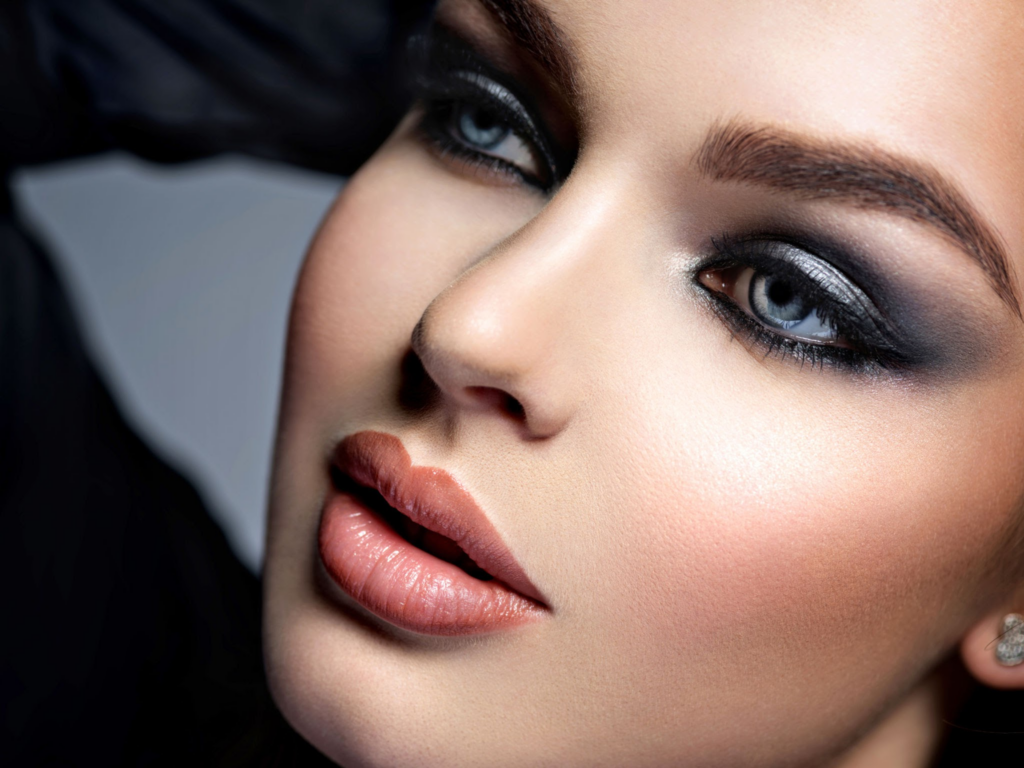
A close-up portrait of a woman with striking blue eyes, wearing dramatic smoky eye makeup, nude lipstick, and a black headscarf. The image focuses on her facial features, highlighting her makeup and expression.

Average Cost Range in France

So, how much does FFS cost in France? This is a tricky question with a not-so-simple answer. The cost of FFS in France can vary widely, ranging from €7,000 to €15,000. This range is influenced by several factors.

Factors Affecting the Cost

  • The Surgeon’s Experience and Reputation: Just like a master chef charges more for their gourmet dishes, a highly skilled and experienced surgeon with a strong reputation will command a higher price.
  • The Type of Clinic: Private clinics often have higher costs compared to public hospitals, because they offer a more personalized experience and might have additional amenities.
  • The Scope of the Surgery: Are we talking about a single procedure, like a rhinoplasty (nose reshaping) or a more comprehensive surgery that involves several procedures like brow lift, cheek augmentation, and chin contouring? The more procedures, the higher the cost.
  • The Type of Anesthesia: General anesthesia is typically more expensive than local anesthesia.
  • Hospital Costs: These can vary depending on the hospital and the length of your stay.
  • Medications and Other Medical Supplies: These are additional costs that can add up.

Post-Surgery Care Costs

FFS isn’t a “one and done” procedure. There are ongoing costs associated with recovery and follow-up care.

  • Follow-up Appointments: These are essential to monitor your progress and ensure everything is healing properly.
  • Medications: You might need medications for pain management, infection prevention, or to aid in the healing process.
  • Physical Therapy: This might be necessary to improve facial muscle function after certain procedures.
  • Travel Costs: If you’re traveling to France for the surgery, you’ll need to budget for flights, accommodation, and transportation.

Health Insurance Coverage

In France, health insurance, or “assurance maladie,” is a universal system. However, this insurance generally doesn’t cover cosmetic procedures, which FFS falls under. There are private health insurance policies that might offer some coverage, but it’s important to check with your specific insurer.

Payment Options

There are financing options available for FFS, including medical loans and payment plans. These can help spread out the cost over time, making it more manageable.

Cost Comparison with European Union Countries and Turkey

To give you a broader perspective, let’s look at the cost of FFS in other European countries and in Turkey:

CountryAverage Cost (EUR)Notes
France7,000 – 15,000This range can vary based on the scope of the procedures and the surgeon’s experience.
Germany6,000 – 12,000In Germany, health insurance typically does not cover aesthetic surgeries.
Italy5,000 – 10,000Similar to Germany, health insurance in Italy generally doesn’t cover FFS.
Spain4,000 – 8,000In Spain, health insurance typically doesn’t cover aesthetic surgeries.
United Kingdom6,000 – 14,000In the UK, health insurance generally doesn’t cover aesthetic surgeries.
Turkey3,000 – 6,000Turkey can be a more affordable option compared to many European countries.

As you can see, FFS prices can vary significantly between countries. This is partly due to differences in the cost of living, the healthcare system, and the level of competition in the aesthetic surgery industry.

Conclusion and Important Tips

FFS is a significant investment, both financially and emotionally. Before you decide to proceed, it’s crucial to:

  • Do your research: Explore different surgeons, clinics, and financing options.
  • Consult with multiple surgeons: Get a second opinion and make sure you are comfortable with your chosen surgeon.
  • Understand the risks and complications: FFS is a major surgery with potential complications. Ask your surgeon about these risks and how they are managed.
  • Be realistic about your expectations: FFS can achieve a more feminine appearance, but it cannot create a perfect look.
  • Consider the long-term costs: Remember to factor in the costs of follow-up appointments, medications, and potential complications.
  • Look at the bigger picture: The costs of FFS are just one piece of the puzzle. Consider the potential benefits, such as improved self-esteem and a better sense of well-being, when making your decision.

Remember, the cost of FFS is just one part of the journey. Your journey towards a more authentic self includes understanding the costs involved, making informed choices, and ultimately, embracing the person you truly are.

Visit Dr.MFO Instagram profile to see real patient transformations! Get a glimpse of the incredible results achieved through facial feminization surgery and other procedures. The profile showcases before-and-after photos that highlight Dr. MFO’s expertise and artistic vision in creating natural-looking, beautiful outcomes.

Ready to take the next step in your journey? Schedule a free consultation with Dr. MFO today. During the consultation, you can discuss your goals, ask any questions you may have, and learn more about how Dr. MFO can help you achieve your desired look. Don’t hesitate to take advantage of this free opportunity to explore your options and see if Dr. MFO is the right fit for you.

Does FFS Fix Hooded Eyes? Find Out Now!

A close-up image of a person's eye with detailed makeup, featuring a smoky eyeshadow look, long eyelashes, and a touch of glitter on the eyelid.

Hooded Eyes: An Aesthetic Concern

Ever looked in the mirror and felt like your eyes were hiding behind a curtain of skin? That’s the effect of hooded eyes, a common concern for many people, especially as we age. Hooded eyes happen when the upper eyelid skin droops down, covering part or all of the crease above the eye. It can make you look tired, even when you’re not, and sometimes it can even affect your vision.

Now, you might be thinking, “Why does this happen?” Well, several factors contribute to hooded eyes, including genetics, aging, and even weight fluctuations. As we age, our skin naturally loses its elasticity, and the muscles supporting the eyelids weaken. This leads to that “droopy” look that can make you feel self-conscious.

While hooded eyes aren’t a medical issue, they can definitely impact your self-confidence and make you feel like you’re not quite looking your best. If you’re looking for ways to address this, don’t worry – there are solutions!

FFS: Facial Feminization Surgery

You might have heard about FFS, which stands for Facial Feminization Surgery. It’s a term that encompasses a variety of surgical procedures designed to make a person’s facial features appear more feminine. But does it address hooded eyes?

Think of FFS as a toolbox for refining facial features. While it often focuses on areas like the brow bone, chin, and jawline, it can sometimes include procedures that address the eyelids, which could play a role in addressing hooded eyes.

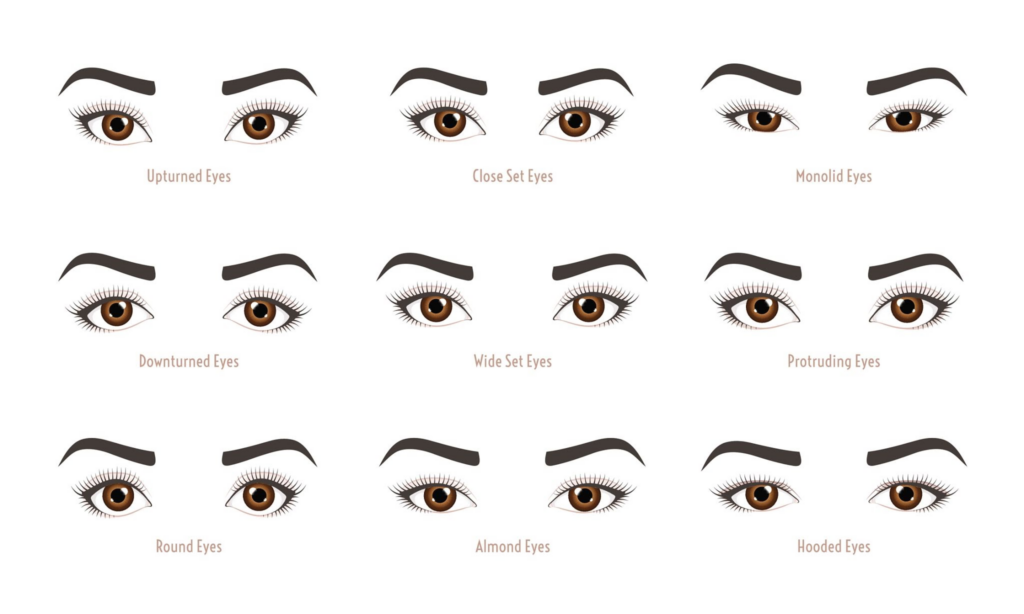
A diagram showing various eye shapes including Upturned Eyes, Close Set Eyes, Monolid Eyes, Downturned Eyes, Wide Set Eyes, Protruding Eyes, Round Eyes, Almond Eyes, and Hooded Eyes.

FFS and Hooded Eyes

It’s important to be clear: FFS isn’t a direct solution for hooded eyes. It’s not a “fix” in the sense that it specifically targets and eliminates the drooping skin. However, FFS can play a role in reducing the appearance of hooded eyes by addressing the underlying bone structure that contributes to them.

Here’s how:

  • Brow Bone Shaping: During FFS, some surgeons might reshape the brow bone to create a more feminine and less prominent contour. This change in bone structure can indirectly impact the way the eyelid skin drapes, making the eyes appear more open and less hooded.
  • Forehead Contouring: Reshaping the forehead can also influence the overall appearance of the eyes. By creating a smoother transition between the brow bone and forehead, it can subtly improve the way the eyelid sits, potentially reducing the hooded effect.

Remember, though, the impact of FFS on hooded eyes is often indirect. It’s not a guaranteed solution, and the results vary depending on individual anatomy and the specific procedures performed.

Comparing FFS to Other Procedures

If hooded eyes are your main concern, there are other surgical options that directly address the drooping eyelid skin. One of the most common is blepharoplasty, sometimes called an eyelid lift. This procedure involves removing excess skin and fat from the upper eyelid, directly addressing the hooded appearance.

While FFS might play a role in indirectly improving hooded eyes, it’s not the primary approach. If you’re specifically focusing on this issue, it’s essential to talk to a qualified plastic surgeon who specializes in blepharoplasty to determine the best course of action for you.

Risks and Benefits of FFS

Like any surgical procedure, FFS comes with both risks and benefits. It’s vital to understand both sides of the equation before making any decisions.

Benefits:

  • Improved Appearance: FFS can enhance facial features, making you feel more confident about your appearance.
  • Reduced Gender Dysphoria: For individuals seeking gender-affirming care, FFS can contribute to a more congruent sense of self.

Risks:

  • Complications: Like any surgery, there’s a chance of complications, such as infection, bleeding, and scarring.
  • Recovery: Recovery can be time-consuming, and you might experience swelling, bruising, and discomfort.
  • Cost: FFS is a significant investment, and the cost can vary depending on the specific procedures involved.

Tips for Making the Right Decision

If you’re considering FFS to address hooded eyes, here are some essential tips:

  • Consult with Multiple Surgeons: Talk to several board-certified plastic surgeons who specialize in FFS.
  • Get a Thorough Evaluation: Ask your surgeon to perform a comprehensive assessment of your face and determine the most appropriate procedures for you.
  • Understand the Risks: Don’t shy away from asking about potential complications.
  • Explore All Options: Consider blepharoplasty and other eyelid procedures that might be a better fit for your specific needs.
  • Be Realistic About Expectations: FFS can make a difference, but it’s not a magic wand. It’s crucial to have realistic expectations about the results.

Conclusion: Does FFS Fix Hooded Eyes?

So, to answer the question, “Does FFS fix hooded eyes?” – it’s not a simple yes or no. While FFS can indirectly improve the appearance of hooded eyes by reshaping the brow bone and forehead, it’s not a direct solution for eyelid drooping. If your primary concern is hooded eyes, you might want to explore blepharoplasty or other eyelid procedures tailored specifically to address this issue.

Remember, the best course of action is to consult with a qualified plastic surgeon who can provide personalized advice and help you make an informed decision about the best path forward for your individual needs.

Visit Dr.MFO Instagram profile to see real patient transformations! Get a glimpse of the incredible results achieved through facial feminization surgery and other procedures. The profile showcases before-and-after photos that highlight Dr. MFO’s expertise and artistic vision in creating natural-looking, beautiful outcomes.

Ready to take the next step in your journey? Schedule a free consultation with Dr. MFO today. During the consultation, you can discuss your goals, ask any questions you may have, and learn more about how Dr. MFO can help you achieve your desired look. Don’t hesitate to take advantage of this free opportunity to explore your options and see if Dr. MFO is the right fit for you.

Can I get FFS & Breast Augmentation? Discover the Possibilities

A close-up portrait of a young person with their eyes closed, showcasing smooth skin and long eyelashes. The background is soft and blurred, focusing attention on the serene expression of the face.

So, you’re considering Facial Feminization Surgery (FFS) and breast augmentation, and you’re wondering if you can tackle both at the same time. It’s a common question, and the answer is: it depends!

Let’s dive into the world of FFS and breast augmentation, explore the potential benefits and challenges of doing both simultaneously, and help you make an informed decision.

Understanding the Procedures:

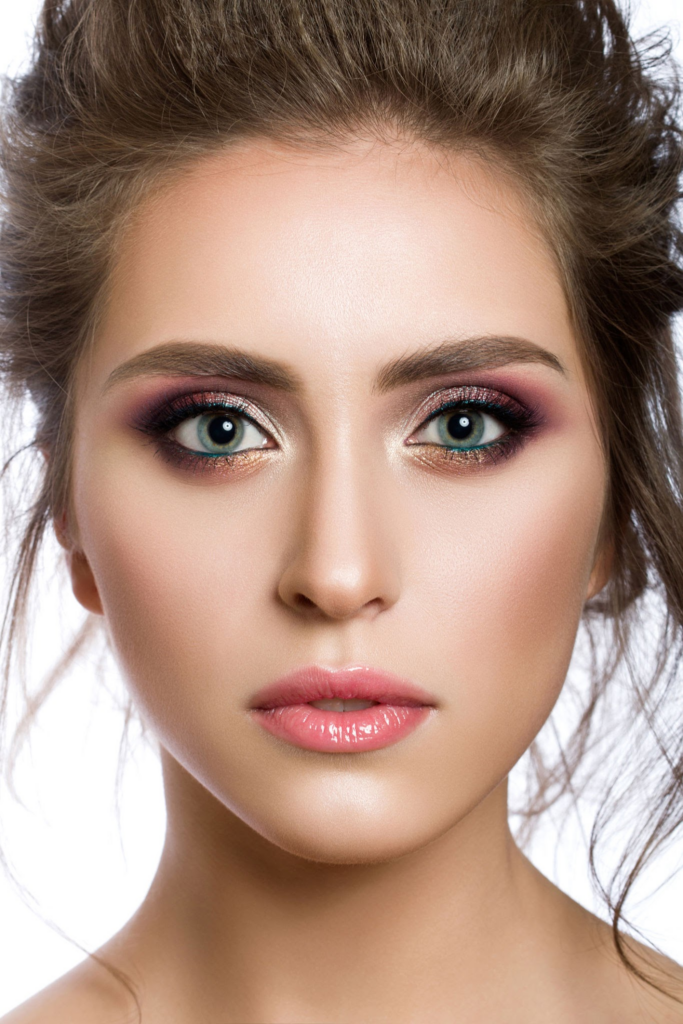
A close-up portrait of a woman with glamorous makeup. She has green eyes accentuated with shimmering gold and purple eyeshadow, and her lips are painted with a glossy pink lipstick. Her hair is styled in an elegant updo with loose strands framing her face.

Facial Feminization Surgery (FFS):

FFS is a complex set of procedures that can address various facial features, making them appear more feminine. These procedures can include:

  • Forehead contouring: Reshaping the forehead to create a softer, more feminine curve.
  • Rhinoplasty: Reshaping the nose to create a more delicate, feminine profile.
  • Chin reduction: Reducing the size of the chin to create a more balanced, feminine jawline.

Remember, FFS is a significant undertaking, and each procedure requires careful planning and execution.

A woman wearing a white bra, adjusting the strap with her hands. The image focuses on her upper body, showing her shoulders and chest area. The background is plain and white.

Breast Augmentation:

Breast augmentation, as the name suggests, aims to enhance the size and shape of the breasts. This procedure typically involves inserting implants, but other techniques exist. There are many different implant types, each with its own characteristics. The best option for you will depend on your specific goals and anatomy.

Feasibility of Simultaneous Procedures:

Medical Considerations:

Combining FFS and breast augmentation can offer advantages. For example, you might enjoy a shorter overall recovery time, and it can make your transition process smoother and more efficient. However, there are also potential risks and complications associated with any surgery, and having two major procedures at once can increase these risks.

It’s absolutely crucial to have a thorough medical evaluation before making any decisions. Your doctor will assess your overall health, any pre-existing conditions, and any medications you’re taking. They will also consider your individual goals and expectations.

Surgical Considerations:

Coordinating two major surgeries like FFS and breast augmentation requires meticulous planning. It’s important to find a surgeon who is experienced in both procedures and has a proven track record of success.

The surgical team must be well-coordinated, including the anesthesiologists. There are also practical considerations like recovery and post-operative care. You’ll need to be able to dedicate enough time to healing properly after surgery.

Factors Affecting the Decision:

Individual Health and Medical History:

Your medical history is a major factor in deciding whether to combine FFS and breast augmentation. Pre-existing conditions, current medications, and your overall health can impact the feasibility and safety of the procedures. It’s essential to be completely transparent with your doctor about your medical history.

Personal Goals and Expectations:

It’s crucial to have a clear understanding of your individual goals for both FFS and breast augmentation. What are you hoping to achieve with each procedure? Are your expectations realistic? It’s a good idea to look at photos of people who have had similar procedures to get a better idea of potential outcomes.

Financial Considerations:

Let’s be honest, surgery is expensive! Combining FFS and breast augmentation will likely increase your overall costs. You’ll need to factor in the surgery fees, anesthesia, post-operative care, and any potential complications.

Conclusion:

So, can you get FFS and breast augmentation at the same time? The answer is not a simple yes or no. It’s a very personal decision that requires careful consideration of your individual health, medical history, goals, and financial situation.

The most important step is to have an open and honest conversation with a qualified surgeon who specializes in both FFS and breast augmentation. They can provide you with the best advice based on your unique circumstances.

Remember, your journey is yours. Take your time, gather information, and make the decision that feels right for you.

Mehmet Fatih Okyay, MD, FEBOPRAS in Türkiye.

Why You Should Work with Dr. MFO for Plastic Surgery in Turkey

When it comes to Facial Feminization Surgery (FFS) and other plastic surgery procedures, you want the best, and that’s exactly what you get with Dr. Mehmet Fatih Okyay. Dr. MFO, as he’s affectionately known, is a leading plastic surgeon in Turkey, renowned for his exceptional skills and commitment to delivering transformative results. But what truly sets Dr. MFO apart is his dedication to achieving excellence in Facial Feminization Surgery, a complex and nuanced field that requires not only technical expertise but also a deep understanding of the delicate balance of facial features.

Dr. MFO’s journey to becoming a leading expert in Facial Feminization Surgery began early in his career. He holds a distinguished academic record, including ranking 8th in his term in the Turkish Medical Specialization Examination. He completed a Plastic, Reconstructive, and Aesthetic Surgery residency at the world-renowned Istanbul University, Cerrahpaşa Faculty of Medicine. This rigorous training laid the foundation for his exceptional surgical skills and his unwavering commitment to patient care.

His dedication to excellence was further recognized when he was awarded the prestigious Fellow of the European Board of Plastic, Reconstructive and Aesthetic Surgeons (FEBOPRAS) award in 2018. This prestigious award, bestowed by the European Association of Medical Specialists, is a testament to his expertise and the high quality of his practice. The same year, he also received the Fellow of the Turkish Board of Plastic, Reconstructive and Aesthetic Surgeons (Turkish Board) award from the Turkish Plastic, Reconstructive and Aesthetic Surgery Association. These accolades are a testament to Dr. MFO’s unwavering commitment to delivering superior care and achieving exceptional results for his patients.

Dr. MFO’s passion for Facial Feminization Surgery is evident in his commitment to staying at the forefront of this evolving field. He is intensely interested in this area of facial aesthetics and is committed to providing his patients with the most effective and innovative techniques available. He has a deep understanding of the unique challenges and goals of individuals undergoing Facial Feminization Surgery, whether transitioning from female-to-male or male-to-female.

Dr. MFO’s expertise is not limited to Facial Feminization Surgery. He also excels in other areas of plastic surgery, including facelifts, rhinoplasty, body shaping, breast augmentation, and more. With over 10 years of experience, Dr. MFO has the knowledge and expertise to deliver tailored solutions to meet each patient’s individual needs and goals.

Beyond his technical skills, Dr. MFO is known for his warm and empathetic approach. He takes the time to truly listen to his patients, understand their concerns, and answer their questions thoroughly. He creates a safe and supportive environment where patients can feel confident and empowered throughout their journey.

If you’re seeking a plastic surgeon who is dedicated to excellence, passionate about Facial Feminization Surgery, and committed to delivering exceptional results, Dr. MFO is the perfect choice. With his extensive experience, impressive credentials, and genuine care for his patients, you can trust him to help you achieve your desired outcome and achieve the transformation you’ve always dreamed of.

Awards

  • Fellow of European Board of Plastic, Reconstructive & Aesthetic Surgery, April 2018
  • Fellow of Turkish Board of Plastic, Reconstructive & Aesthetic Surgery, April 2018

Languages

  • Academic degree English
  • Fluent Spanish
  • Intermediate French

Visit Dr.MFO Instagram profile to see real patient transformations! Get a glimpse of the incredible results achieved through facial feminization surgery and other procedures. The profile showcases before-and-after photos that highlight Dr. MFO’s expertise and artistic vision in creating natural-looking, beautiful outcomes.

Ready to take the next step in your journey? Schedule a free consultation with Dr. MFO today. During the consultation, you can discuss your goals, ask any questions you may have, and learn more about how Dr. MFO can help you achieve your desired look. Don’t hesitate to take advantage of this free opportunity to explore your options and see if Dr. MFO is the right fit for you.

The V-Shaped Jaw: What It Is & Why It Matters

A woman with her hands gently touching her face, showcasing smooth and healthy skin.

Ever noticed how a strong jawline can make someone seem more confident, even powerful? We’re drawn to certain facial features, and they can influence how we perceive someone’s attractiveness and even personality.

In recent years, the V-shaped jaw has become a hot topic, especially in some cultures. It’s a feature often associated with a chiseled, sharp look, a bit like a superhero’s jawline. But what exactly is a V-shaped jaw, and why is it getting so much attention?

In this article, we’ll explore the anatomy of this intriguing jaw shape, its cultural significance, and how it relates to beauty standards. We’ll even touch on how the V-shaped jaw sometimes intersects with gender roles, and why embracing diverse beauty standards is so important. So, buckle up and get ready to dive into the fascinating world of the V-shaped jaw!

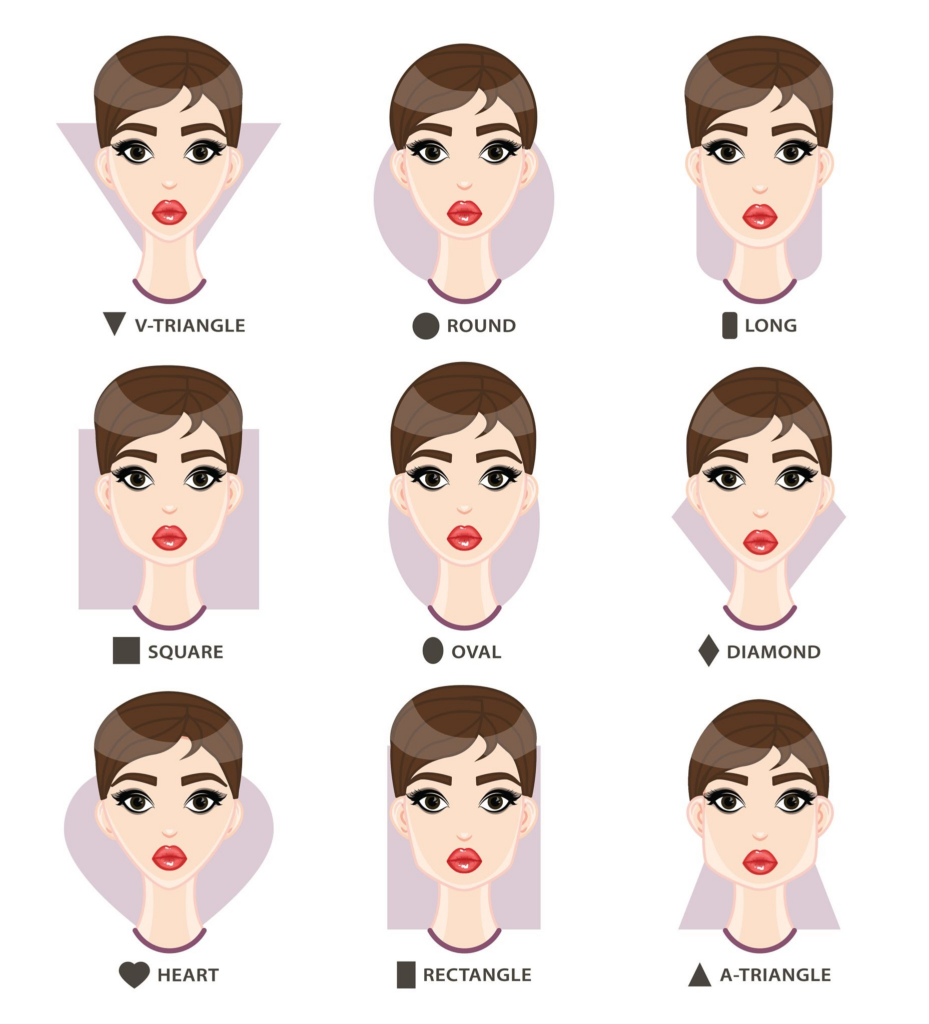
An illustration showing different face shapes for women, including V-triangle, round, long, square, oval, diamond, heart, rectangle, and A-triangle. Each shape is labeled with a corresponding symbol and name.

Anatomy of a V-Shaped Jaw: Defining the Lines

Imagine a triangle pointing down, that’s the basic shape of a V-shaped jaw. It’s formed by the interplay of the mandible (your lower jawbone), the angle of the jaw, and the chin. Let’s break it down:

  • Mandible: This is the foundation of the V-shaped jaw. It’s the strong bone that holds your lower teeth and forms the base of your jawline.
  • Angle of the Jaw: This is the area where your jawbone turns inward, right under your ears. In a V-shaped jaw, this angle is more pronounced, creating a sharp, almost angular shape.
  • Chin: A prominent chin, sticking out slightly, contributes to the overall V-shape. It’s like the point of the triangle, adding definition to the jawline.

Think of it like a sculptor chiseling away at a block of marble, creating a sharp, defined jawline. A V-shaped jaw is all about the angles: a more defined angle of the jaw, a prominent chin, and a narrowing jawline.

A woman with smooth, clear skin touching her face, posing against a blue background

The V-Shaped Jaw: A Global Perspective

Across cultures, people have varying perceptions of beauty and attractiveness. The V-shaped jaw is no exception. Let’s explore how different cultures view this intriguing feature:

  • East Asian Cultures: The V-shaped jaw is often considered a sign of masculinity, strength, and attractiveness. Think about those classic movie stars with chiseled jawlines—it’s that kind of aesthetic! In some East Asian countries, the V-shaped jaw is so valued that people might even undergo cosmetic procedures, like jaw reduction surgery, to achieve that look.
  • Western Cultures: In the West, the ideal jawline is often thought to be a bit more rounded. But, there’s been a growing trend towards the V-shaped jaw, influenced by media and social trends. Think about the rise of K-Pop, and how it’s influenced fashion and beauty ideals globally.

We are influenced by what we see, and media plays a huge role in shaping our perceptions of beauty. Social media, magazines, and movies often present a certain “ideal” look, and the V-shaped jaw is becoming increasingly popular, even in Western cultures.

V-Shaped Jaws & Gender Roles: A Delicate Balance

Here’s where things get a bit more nuanced. While the V-shaped jaw is sometimes associated with masculinity, it’s important to remember that beauty standards are fluid and can be influenced by cultural trends.

Associating attractiveness with specific physical features can lead to harmful stereotypes about gender roles. It’s a bit like saying that only people with a certain jaw shape can be strong or powerful—that simply isn’t true.

We need to celebrate individuality and diverse beauty standards. Remember, beauty comes in all shapes and sizes, and a “perfect” jawline doesn’t define someone’s worth or character. Focusing on inward qualities like kindness, intelligence, and strength is far more important than a specific jaw shape.

Mehmet Fatih Okyay, MD, FEBOPRAS in Türkiye.

Why You Should Work with Dr. MFO for Plastic Surgery in Turkey

Choosing the right surgeon for your plastic surgery journey is crucial. You want someone skilled, experienced, and passionate about delivering exceptional results. Dr. Mehmet Fatih Okyay (Dr. MFO), a prominent figure in the Turkish plastic surgery landscape, embodies all these qualities and more.

Dr. MFO’s dedication to excellence is evident in his impressive credentials and the remarkable success he has achieved in Facial Feminization Surgery (FFS) and other transformative procedures. Let’s dive into what makes him a top choice for your plastic surgery needs.

A Foundation of Excellence:

  • Ranked 8th in his term in the Turkish Medical Specialization Examination: This speaks volumes about Dr. MFO’s academic brilliance and commitment to achieving top-tier results.
  • Completed his residency at Istanbul University, Cerrahpaşa Faculty of Medicine: A world-renowned institution known for its high standards in medical education and surgical training.
  • Awarded the Fellow of the European Board of Plastic, Reconstructive and Aesthetic Surgeons (FEBOPRAS): This prestigious award, given by the European Association of Medical Specialists, underscores Dr. MFO’s exceptional skills and expertise in plastic surgery.
  • Awarded the Fellow of the Turkish Board of Plastic, Reconstructive and Aesthetic Surgeons (Turkish Board): Another testament to his expertise, this recognition by the Turkish Plastic, Reconstructive and Aesthetic Surgery Association further cements his standing as a leading plastic surgeon.

A Passion for Transformative Surgery:

Dr. MFO is deeply passionate about helping patients achieve their desired physical transformations. His particular interest lies in Facial Feminization Surgery, a complex procedure that requires meticulous precision and an artistic eye. He has a proven track record of successfully executing FFS for both female-to-male and male-to-female transitions, delivering beautiful and natural-looking results.

Dr. MFO’s expertise extends beyond Facial Feminization Surgery to a wide range of procedures, including:

  • Facelifts
  • Nose Aesthetics
  • Tummy Tucks
  • Liposuction
  • Body Shaping
  • Breast Aesthetic Surgeries

A Dedicated and Compassionate Approach:

Beyond his technical prowess, Dr. MFO is known for his compassionate and patient-centric approach. He understands that each patient has unique needs and goals. He takes the time to listen to his patients, thoroughly explain procedures, and answer all their questions. This personalized approach ensures that every patient feels comfortable and confident throughout their journey.

Dr. MFO embodies the spirit of excellence in plastic surgery. He combines his exceptional skills, advanced training, and genuine passion to help individuals achieve their aesthetic goals. If you’re seeking a highly skilled and dedicated plastic surgeon in Turkey, Dr. MFO is the ideal choice.

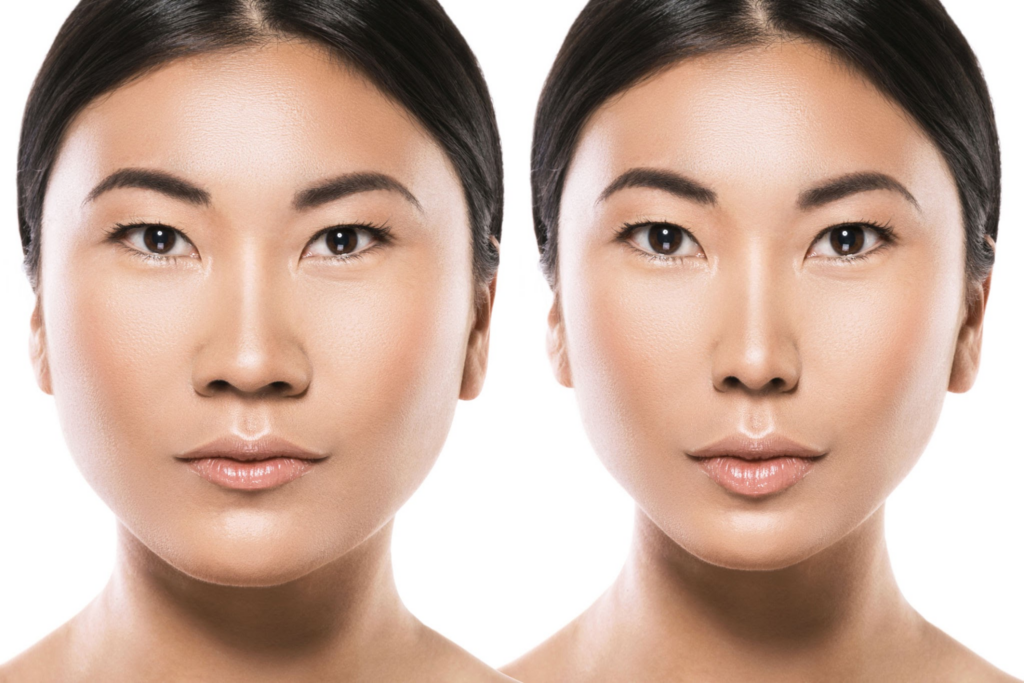
A before-and-after comparison image showcasing the effects of facial enhancement surgery on an Asian woman. The left side shows the original face with a more natural appearance, while the right side displays the post-surgery face with noticeable changes in facial features, such as a higher nose bridge and more defined cheekbones.

Conclusion: Embracing Beauty Beyond the V-Shaped Jaw

The V-shaped jaw is a fascinating feature that has captured the imagination of people around the world. It’s a symbol of strength, masculinity, and even attractiveness in some cultures.

But it’s important to remember that beauty is subjective and diverse. There is no one “ideal” jaw shape or any other physical feature that defines attractiveness. Let’s celebrate our individual differences and embrace the beauty that comes in all forms.

After all, who wouldn’t rather be known for their kindness, intelligence, and humor than just their jawline?

Visit Dr.MFO Instagram profile to see real patient transformations! Get a glimpse of the incredible results achieved through facial feminization surgery and other procedures. The profile showcases before-and-after photos that highlight Dr. MFO’s expertise and artistic vision in creating natural-looking, beautiful outcomes.

Ready to take the next step in your journey? Schedule a free consultation with Dr. MFO today. During the consultation, you can discuss your goals, ask any questions you may have, and learn more about how Dr. MFO can help you achieve your desired look. Don’t hesitate to take advantage of this free opportunity to explore your options and see if Dr. MFO is the right fit for you.

How Old to Get Facial Feminization Surgery?

A woman with her hands gently touching her face, showcasing smooth skin and a serene expression, against a neutral background.

Facial feminization surgery (FFS) is becoming increasingly popular, with more and more people seeking to align their physical appearance with their gender identity. But the question often arises: how old is too old, or too young, to undergo FFS? There’s no simple answer. The decision to pursue FFS is deeply personal, and it’s essential to weigh numerous factors to make the most informed choice.

This guide will explore the factors that influence the ideal age for FFS, helping you understand the benefits and potential risks of both waiting and pursuing it sooner. It’s crucial to remember that there’s no one-size-fits-all answer. The best age for you depends on your unique circumstances, goals, and personal readiness.

Factors Influencing Age for FFS

Personal Readiness

Before considering FFS, it’s crucial to prioritize your mental health. Having a stable mental state, a strong sense of self-acceptance, and realistic expectations about the procedure are essential for a positive experience. Therapy can be incredibly beneficial in exploring your gender identity, processing any anxieties or concerns, and preparing yourself for the emotional journey of FFS.

A clear understanding of your gender identity is paramount. FFS can be a powerful tool in affirming your gender and enhancing your overall well-being, but it should align with your authentic self. If you’re still exploring your gender identity or have doubts, it might be helpful to wait and gain a clearer sense of who you are.

Having a supportive social network and family can make a significant difference in your FFS journey. Their encouragement and understanding can provide you with the emotional resilience to navigate the challenges and celebrate the successes. However, it’s important to acknowledge that not everyone may be as supportive as you’d like. Having a strong support system outside of your immediate family can be invaluable.

Can you talk after FFS?

Physical Maturity

Your facial bones continue to develop until late adolescence or early adulthood. This is a crucial factor to consider for optimal results. If you choose to undergo FFS before your bones are fully mature, it’s possible you might require additional procedures later to address any changes in your facial structure.

Younger skin tends to be more elastic and adaptable, which can contribute to a smoother healing process and better integration of the changes from FFS. However, this doesn’t mean that older individuals can’t achieve excellent results. A skilled surgeon will consider your individual characteristics and create a plan that maximizes your potential for a positive outcome.

Any underlying health conditions should be addressed before considering FFS. Pre-existing conditions can potentially impact the surgery, recovery process, or long-term results. Openly discuss your health history with your surgeon to ensure they have a complete understanding of your individual needs and risks.

Financial Considerations

FFS is a significant financial investment. It’s important to factor in the costs of surgery, anesthesia, consultations, post-operative care, and potential revisions. Financial stability plays a vital role in enabling you to pursue FFS without undue stress or burden.

Exploring financing options like loans or insurance coverage can make FFS more accessible. However, it’s crucial to research and understand the terms of any financing agreement to avoid unnecessary financial strain.

Legal Considerations

The age of consent for medical procedures varies from region to region. It’s essential to familiarize yourself with the laws in your area and ensure you meet the required age for legally consenting to FFS.

In some cases, parental consent might be required for minors seeking FFS. This is an important step in ensuring that young individuals have adequate support and guidance throughout the process.

The Benefits of Waiting

Waiting can allow you to grow and develop a deeper sense of self-understanding. This increased awareness can lead to greater clarity about your personal needs and goals for FFS.

Waiting provides more time for financial planning and preparation. This can reduce the stress of financing FFS and ensure you can afford the best possible care without compromising on quality.

Taking time before surgery gives you the opportunity to thoroughly research FFS. Explore different surgeons, techniques, potential risks, and outcomes to make a well-informed decision that aligns with your individual aspirations.

Potential Risks of Delaying FFS

Waiting can prolong the transition process, potentially leading to increased dysphoria. It’s a delicate balance between making an informed choice and avoiding unnecessary delay, especially when you’re eager to align your appearance with your gender identity.

Delaying FFS might mean missing out on opportunities for social and professional advancement. Many transgender individuals find that FFS positively impacts their confidence and ability to express themselves authentically, which can be beneficial in various areas of their lives.

Consulting with Professionals

Surgeons

Consulting with experienced and qualified facial feminization surgeons is essential. Seek out surgeons who specialize in FFS and have a proven track record of positive outcomes. Be sure to schedule consultations with multiple surgeons to compare their approaches, expertise, and overall comfort levels.

Mental Health Professionals

Mental health professionals specializing in gender identity and transition can provide invaluable support and guidance. They can help you explore your emotions, address any anxieties, and navigate the complexities of FFS.

Support Groups

Connecting with other transgender individuals who have undergone FFS can provide valuable insights, encouragement, and a sense of community. Support groups offer a safe space to share experiences, ask questions, and learn from others who have been through a similar journey.

Mehmet Fatih Okyay, MD, FEBOPRAS in Türkiye.

Why You Should Work with Dr. MFO for Facial Feminization Surgery in Turkey

When it comes to Facial Feminization Surgery (FFS), choosing the right surgeon is paramount. You want someone with not just technical skill, but also a deep understanding of the complex nuances of facial aesthetics and the transformative journey that FFS represents. Dr. Mehmet Fatih Okyay (Dr. MFO), a leading plastic surgeon in Turkey, stands out as an exceptional choice for your FFS journey.

Dr. MFO’s commitment to excellence is evident from his impressive credentials. Ranked 8th in his term in the Turkish Medical Specialization Examination, he went on to complete a Plastic, Reconstructive, and Aesthetic Surgery residency at the world-renowned Istanbul University, Cerrahpaşa Faculty of Medicine. His dedication to furthering his expertise earned him the prestigious Fellow of the European Board of Plastic, Reconstructive and Aesthetic Surgeons (FEBOPRAS) award in 2018. This recognition by the European Association of Medical Specialists underscored Dr. MFO’s commitment to quality and excellence in his field. In the same year, he was also awarded the Fellow of the Turkish Board of Plastic, Reconstructive and Aesthetic Surgeons (Turkish Board) award by the Turkish Plastic, Reconstructive and Aesthetic Surgery Association.

Dr. MFO’s passion for plastic surgery, particularly Facial Feminization Surgery, is evident in his meticulous approach and dedication to achieving natural, harmonious results. He has extensive experience in both female-to-male and male-to-female transformation surgeries, with a special focus on Facial Feminization Surgery. Dr. MFO’s deep understanding of the subtle details that contribute to a feminine or masculine appearance allows him to create bespoke surgical plans that cater to each individual’s unique goals and aspirations.

His commitment to his patients is evident in his comprehensive approach to care. Beyond the technical aspects of surgery, Dr. MFO prioritizes building strong relationships with his patients, providing them with the support and guidance they need throughout their journey. He understands that FFS is more than just a surgical procedure; it’s a deeply personal transformation that requires empathy, understanding, and a commitment to patient satisfaction.

Dr. MFO’s dedication to providing exceptional care is also reflected in his commitment to ongoing education and research. He actively participates in scientific meetings and conferences, sharing his knowledge and expertise with other professionals in the field. This commitment to staying at the forefront of advancements in plastic surgery ensures that his patients benefit from the latest techniques and innovations.

If you’re seeking a skilled and compassionate plastic surgeon who prioritizes your well-being and your unique goals, Dr. MFO is an outstanding choice. His commitment to excellence, combined with his deep understanding of Facial Feminization Surgery, makes him an ideal partner in your journey towards a more authentic and fulfilling self.

Visit Dr.MFO Instagram profile to see real patient transformations! Get a glimpse of the incredible results achieved through facial feminization surgery and other procedures. The profile showcases before-and-after photos that highlight Dr. MFO’s expertise and artistic vision in creating natural-looking, beautiful outcomes.

Ready to take the next step in your journey? Schedule a free consultation with Dr. MFO today. During the consultation, you can discuss your goals, ask any questions you may have, and learn more about how Dr. MFO can help you achieve your desired look. Don’t hesitate to take advantage of this free opportunity to explore your options and see if Dr. MFO is the right fit for you.

Conclusion: How Old to Get Facial Feminization Surgery?

Ultimately, there’s no one-size-fits-all answer to the question of how old to get facial feminization surgery. The best time for you will depend on your individual circumstances, personal readiness, and goals. It’s crucial to consult with qualified professionals, including surgeons and mental health professionals, and to make an informed decision that prioritizes your well-being and aligns with your authentic self. Embrace the information, connect with others who have been through a similar journey, and trust your own intuition in making this significant decision about your body and your life.