What Makes A Man Feminine? Which Surgeries Should You Have And In What Order?

What makes a man feminine?

What Makes A Man Feminine? Do you feel unhappy with your masculine appearance and want to achieve a more feminine look? If so, you are not alone. Many men, especially transgender women, struggle with their gender expression and desire to have a more harmonious and attractive appearance. But how can you change your appearance? Is it possible to alter your physical features and characteristics? The answer is yes, thanks to gender affirming surgeries.

a boy with a painted face

What are Gender Affirming Surgeries?

Gender affirming surgeries (GAS) are a type of cosmetic surgery that aims to modify the physical features and characteristics of the body to create a more congruent appearance with one’s gender identity. GAS can include various procedures, such as facial feminization surgery (FFS), body feminization surgery (BFS), genital feminization surgery (GFS), breast augmentation, voice feminization surgery (VFS), and hair transplantation. GAS can also be combined with hormone therapy (HT) and psychological counseling to achieve a complete gender transition.

GAS is not only for transgender women who want to align their physical appearance with their gender identity, but also for cisgender men who want to explore their femininity and diversity. GAS can help men who have a naturally masculine or androgynous appearance, such as a large forehead, a prominent nose, a square jaw, a flat chest, a deep voice, or a receding hairline. GAS can also help men who have experienced changes in their appearance due to aging, illness, or injury.

What Makes A Man Feminine?

What Makes A Man Feminine?

There is no definitive answer to what makes a man feminine, as different people may have different preferences and opinions. However, some studies have suggested that the most common and desirable feminine features and characteristics are:

  • A small and smooth forehead, with a low and curved hairline, and a high and arched eyebrow.
  • A small and narrow nose, with a refined and upturned tip, and a concave and delicate bridge.
  • A full and plump cheek, with a prominent and defined cheekbone, and a soft and smooth contour.
  • A small and round chin, with a tapered and pointed shape, and a dimple or cleft.
  • A slim and soft jawline, with a rounded and oval shape, and a smooth and gentle angle.
  • A small and flat Adam’s apple, with a smooth and inconspicuous appearance, and a feminine and melodious voice.
  • A full and curved lip, with a lifted and curved upper lip, and a moist and glossy texture.
  • A small and perky ear, with a short and narrow shape, and a small and round earlobe.
  • A full and round breast, with a large and firm size, and a high and centered nipple.
  • A slim and curvy waist, with a narrow and cinched shape, and a feminine and graceful posture.
  • A full and round hip, with a wide and flared shape, and a feminine and seductive movement.
  • A long and slender leg, with a smooth and toned shape, and a feminine and elegant gait.

However, not all men are born with these feminine features and characteristics, and it can be difficult to acquire them through natural means, such as diet, exercise, makeup, or clothing. That is why many men opt for gender affirming surgeries to create or enhance their feminine appearance.

Which Surgeries Should You Have And In What Order?

If you are interested in having gender affirming surgeries, the first step is to consult with a qualified and experienced plastic surgeon who specializes in GAS. The plastic surgeon will evaluate your medical history, physical condition, and aesthetic goals. The plastic surgeon will also explain the risks, benefits, and costs of GAS. The plastic surgeon will then design a personalized surgical plan that suits your needs and expectations.

The second step is to decide which surgeries you want to have and in what order. There is no fixed or universal order for having gender affirming surgeries, as it depends on various factors, such as your personal preference, your budget, your availability, and your surgeon’s recommendation. However, some general guidelines and suggestions are:

  • Start with the surgeries that have the most impact on your appearance and well-being, such as facial feminization surgery, breast augmentation, or genital feminization surgery. These surgeries can help you to achieve a more feminine and congruent appearance, as well as to reduce your gender dysphoria and increase your gender congruence.
  • Continue with the surgeries that have the least impact on your appearance and well-being, such as voice feminization surgery, hair transplantation, or earlobe reduction. These surgeries can help you to enhance your femininity and beauty, as well as to improve your self-esteem and confidence.
  • Space out the surgeries that have a long recovery time or a high risk of complications, such as forehead contouring, rhinoplasty, or tracheal shave. These surgeries can require several weeks or months of healing and follow-up, as well as to pose some challenges and difficulties, such as bleeding, infection, scarring, or nerve damage.
  • Combine the surgeries that have a short recovery time or a low risk of complications, such as lip lift, cheek augmentation, or fat grafting. These surgeries can be performed in one session or in a few days, as well as to offer some advantages and benefits, such as minimal pain, quick recovery, or natural results.

The third step is to prepare for the surgeries. You may need to undergo some tests, such as blood work, chest X-ray, and electrocardiogram, to ensure that you are healthy and fit for the surgeries. You may also need to stop smoking, drinking, and taking certain medications, such as aspirin, ibuprofen, and blood thinners, for a few weeks before the surgeries. You may also need to arrange for someone to drive you home and take care of you after the surgeries.

The fourth step is to undergo the surgeries. Depending on the type and number of procedures you choose, the surgeries may take from one to six hours each. You will be given general anesthesia or local anesthesia with sedation, depending on your preference and the surgeon’s recommendation. The surgeon will make incisions in the appropriate locations and perform the procedures, such as shaving the bone, reshaping the cartilage, lifting the skin, inserting implants, injecting fat, or altering the vocal cords. The surgeon will then close the incisions with sutures, staples, or glue.

The fifth step is to recover from the surgeries. You will need to stay in the hospital or clinic for one or two nights, depending on the extent of the surgeries. You will be given painkillers, antibiotics, and anti-inflammatory drugs to ease the discomfort and prevent infection. You will also need to wear compression garments, drains, and bandages to support the healing process and reduce swelling and bruising. You will need to follow the post-operative instructions given by the surgeon, such as avoiding strenuous activities, lifting heavy objects, and sleeping on your back or side. You will also need to attend regular follow-up visits to monitor your progress and remove the sutures, staples, or drains.

The final step is to enjoy the results of the surgeries. You will be able to see some improvement in your appearance immediately after the surgeries, but the final results will take several months to appear, as the swelling and bruising subside and the tissues settle. You will need to maintain a healthy lifestyle, such as eating a balanced diet, exercising regularly, and avoiding smoking and drinking, to preserve the results of the surgeries. You will also need to protect your skin from sun exposure and use scar creams or silicone sheets to minimize the visibility of the scars.

Conclusion

Gender affirming surgeries are a type of cosmetic surgery that can help men to achieve a more feminine and attractive appearance. GAS can include various procedures, such as facial feminization surgery, body feminization surgery, genital feminization surgery, breast augmentation, voice feminization surgery, and hair transplantation. GAS can improve the quality of life and well-being of men who want to explore their femininity and diversity, as it can boost their self-esteem, confidence, happiness, and gender expression. GAS can create or enhance the feminine features and characteristics of the face and body, such as a small and smooth forehead, a small and narrow nose, a full and plump cheek, a small and round chin, a slim and soft jawline, a small and flat Adam’s apple, a full and curved lip, a small and perky ear, a full and round breast, a slim and curvy waist, a full and round hip, and a long and slender leg. GAS requires consultation, decision, preparation, surgery, recovery, and maintenance to achieve the best results.

DR.MFO
DR.MFO

Dr. MFO is a plastic surgeon and gender reassignment specialist located in Antalya, Turkey. Dr. MFO has years of experience and international certifications in female to male or male to female conversion surgeries. Dr. MFO uses modern technology and techniques to offer his patients the best results and the most affordable prices. Dr. MFO supports his patients psychologically and physically during the gender reassignment process and makes their dreams come true. To contact Dr. MFO, you can visit his website or make an appointment at his phone number.

Visit the Dr.MFO Instagram profile for examples of successful Surgeries. Contact for free consultation.

FAQ

What makes a man feminine?

There is no one answer to this question. Femininity is a social construct and can vary depending on culture, time period, and individual interpretation. Some people may associate femininity with certain physical characteristics, such as long hair or a high-pitched voice. Others may associate femininity with certain personality traits, such as empathy or sensitivity. Ultimately, what makes a man feminine is subjective and can vary from person to person.

Which surgeries should you have and in what order?

The decision to undergo gender-affirming surgery is a personal one and should be made in consultation with a qualified healthcare provider. The specific surgeries that a person may choose to undergo depend on their individual needs and goals. Some common surgeries for transgender women include breast augmentation, facial feminization surgery, and vaginoplasty. For transgender men, common surgeries include chest masculinization, hysterectomy, and phalloplasty. The order in which these surgeries are performed can vary depending on the individual’s needs and goals, as well as their overall health and well-being.

What is feminizing surgery?

Feminizing surgery, also known as gender-affirming surgery or gender-confirmation surgery, is a set of surgical procedures that help align a person’s physical appearance with their gender identity. These procedures can include breast augmentation, facial feminization surgery, and vaginoplasty, among others. The specific procedures that a person may choose to undergo depend on their individual needs and goals.

What is gender dysphoria?

Gender dysphoria is a medical condition in which a person experiences discomfort or distress because their gender identity differs from their sex assigned at birth. This condition can manifest in a variety of ways, including anxiety, depression, and social isolation. Gender-affirming treatments, such as hormone therapy and surgery, can help alleviate gender dysphoria and improve a person’s quality of life.

What is top surgery?

Top surgery is a type of gender-affirming surgery that involves altering the chest to create a more masculine or feminine appearance. For transgender men, top surgery typically involves a mastectomy, or removal of breast tissue. For transgender women, top surgery typically involves breast augmentation.

What is bottom surgery?

Bottom surgery is a type of gender-affirming surgery that involves altering the genital region to create a more masculine or feminine appearance. For transgender women, bottom surgery typically involves vaginoplasty, or the creation of a vagina, labia, and clitoris. For transgender men, bottom surgery typically involves phalloplasty, or the creation of a penis.

What is facial feminization surgery?

Facial feminization surgery is a type of gender-affirming surgery that involves altering the face to create a more feminine appearance. This can include procedures such as rhinoplasty, or nose reshaping, and brow lift surgery.

What is a tracheal shave?

A tracheal shave is a type of gender-affirming surgery that involves reducing the size of the Adam’s apple. This procedure can help create a more feminine appearance in transgender women.

What is voice feminization therapy?

Voice feminization therapy is a type of treatment that can help transgender women achieve a more feminine-sounding voice. This can involve exercises to strengthen the vocal cords, as well as speech therapy to help modify speech patterns.

What is gender confirmation surgery?

Gender confirmation surgery is another term for gender-affirming surgery. This type of surgery can help transgender people feel more comfortable in their bodies and improve their quality of life.

Does Estrogen Change Your Face? Why Should You Explore Facial Feminization Surgery?

How Does Estrogen Change Your Face?

Does Estrogen Change Your Face? Do you ever wonder how estrogen affects your face? Do you feel dissatisfied with your facial features and want to achieve a more feminine look? If so, you are not alone. Many women, especially transgender women, struggle with their facial appearance and desire to have a more harmonious and attractive face. But how can you change your face? Is it possible to alter your facial structure and expression? The answer is yes, thanks to facial feminization surgery.

Does Estrogen Change Your Face?

What is Facial Feminization Surgery?

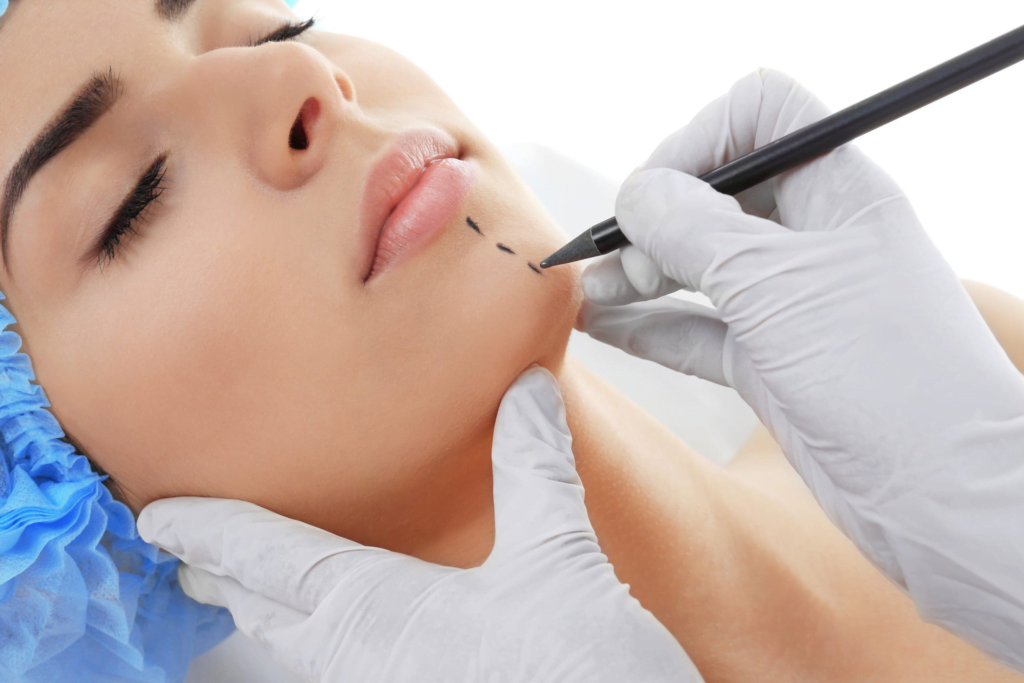
Facial feminization surgery (FFS) is a type of cosmetic surgery that aims to modify the shape and proportions of the face to create a more feminine appearance. FFS can include various procedures, such as forehead contouring, brow lift, hairline lowering, rhinoplasty, cheek augmentation, lip lift, chin reshaping, jaw reduction, tracheal shave, and earlobe reduction. FFS can also be combined with body feminization surgery (BFS) and genital feminization surgery (GFS) to achieve a complete gender transition.

FFS is not only for transgender women who want to align their physical appearance with their gender identity, but also for cisgender women who want to enhance their femininity and beauty. FFS can help women who have a naturally masculine or androgynous face, such as a prominent brow ridge, a wide nose, a square chin, a strong jawline, or a large Adam’s apple. FFS can also help women who have lost their facial youthfulness and softness due to aging, sun damage, or stress.

How Does Estrogen Change Your Face?

How Does Estrogen Change Your Face?

Estrogen is a hormone that plays a key role in the development and maintenance of female characteristics, such as breast growth, body fat distribution, and menstrual cycle. Estrogen also affects the face, as it influences the growth and shape of the facial bones, cartilage, muscles, fat, and skin. Estrogen can change your face in the following ways:

  • Estrogen can stimulate the growth of the frontal and parietal bones, which form the forehead and the top of the head. This can result in a rounder and smoother forehead, a higher and more arched eyebrow, and a lower and more feminine hairline.
  • Estrogen can inhibit the growth of the nasal bone and cartilage, which form the nose. This can result in a smaller and narrower nose, a more refined and upturned nasal tip, and a more concave and delicate nasal bridge.
  • Estrogen can increase the amount and distribution of subcutaneous fat, which lies under the skin. This can result in a fuller and plumper face, a more prominent and defined cheekbone, a more lifted and curved upper lip, and a more tapered and pointed chin.
  • Estrogen can reduce the size and strength of the masseter muscle, which is the main muscle of the jaw. This can result in a softer and slimmer jawline, a more rounded and oval face shape, and a more feminine facial expression.
  • Estrogen can improve the quality and texture of the skin, as it stimulates the production of collagen, elastin, and hyaluronic acid. This can result in a smoother and firmer skin, a more even and radiant complexion, and a reduced appearance of wrinkles and pores.

However, not all women experience the same degree and speed of facial changes due to estrogen, as it depends on various factors, such as the dose and duration of estrogen therapy, the age and genetics of the individual, and the presence of other hormones, such as testosterone. Some women may not see any noticeable facial changes due to estrogen, while others may see only subtle or partial facial changes due to estrogen. That is why many women opt for facial feminization surgery to enhance or complement the effects of estrogen on their face.

Why is Facial Feminization Surgery Important?

Facial feminization surgery is important because it can improve the quality of life and well-being of women who are unhappy with their facial appearance. Having a feminine face can boost your self-esteem, confidence, and happiness. It can also make you feel more comfortable and attractive in your own skin and in social situations. Having a feminine face can also improve your romantic and sexual relationships, as you can feel more desirable and compatible with your partner.

Facial feminization surgery can also have psychological and emotional benefits, especially for transgender women. Having a feminine face can reduce gender dysphoria, which is the distress and discomfort caused by the mismatch between one’s gender identity and assigned sex at birth. Having a feminine face can also increase gender congruence, which is the alignment and harmony between one’s gender identity and physical appearance. Having a feminine face can also help transgender women to pass as their preferred gender and avoid discrimination, harassment, and violence.

How to Get Facial Feminization Surgery?

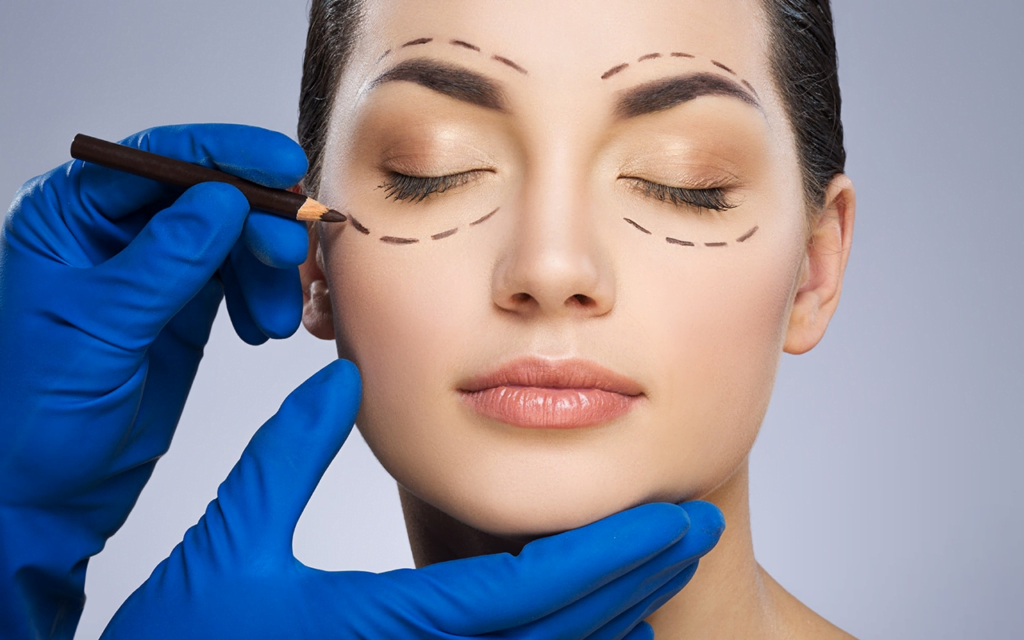
If you are interested in getting facial feminization surgery, the first step is to consult with a qualified and experienced plastic surgeon who specializes in FFS. The plastic surgeon will evaluate your medical history, physical condition, and aesthetic goals. The plastic surgeon will also explain the risks, benefits, and costs of FFS. The plastic surgeon will then design a personalized surgical plan that suits your needs and expectations.

The second step is to prepare for the surgery. You may need to undergo some tests, such as blood work, chest X-ray, and electrocardiogram, to ensure that you are healthy and fit for the surgery. You may also need to stop smoking, drinking, and taking certain medications, such as aspirin, ibuprofen, and blood thinners, for a few weeks before the surgery. You may also need to arrange for someone to drive you home and take care of you after the surgery.

The third step is to undergo the surgery. Depending on the type and number of procedures you choose, the surgery may take from two to eight hours. You will be given general anesthesia or local anesthesia with sedation, depending on your preference and the surgeon’s recommendation. The surgeon will make incisions in the appropriate locations and perform the procedures, such as shaving the bone, reshaping the cartilage, lifting the skin, inserting implants, or injecting fat. The surgeon will then close the incisions with sutures, staples, or glue.

The fourth step is to recover from the surgery. You will need to stay in the hospital or clinic for one or two nights, depending on the extent of the surgery. You will be given painkillers, antibiotics, and anti-inflammatory drugs to ease the discomfort and prevent infection. You will also need to wear compression garments, drains, and bandages to support the healing process and reduce swelling and bruising. You will need to follow the post-operative instructions given by the surgeon, such as avoiding strenuous activities, lifting heavy objects, and sleeping on your back or side. You will also need to attend regular follow-up visits to monitor your progress and remove the sutures, staples, or drains.

The final step is to enjoy the results of the surgery. You will be able to see some improvement in your facial appearance immediately after the surgery, but the final results will take several months to appear, as the swelling and bruising subside and the tissues settle. You will need to maintain a healthy lifestyle, such as eating a balanced diet, exercising regularly, and avoiding smoking and drinking, to preserve the results of the surgery. You will also need to protect your skin from sun exposure and use scar creams or silicone sheets to minimize the visibility of the scars.

Conclusion

Facial feminization surgery is a type of cosmetic surgery that can help women to achieve a more feminine and attractive facial appearance. FFS can include various procedures, such as forehead contouring, brow lift, hairline lowering, rhinoplasty, cheek augmentation, lip lift, chin reshaping, jaw reduction, tracheal shave, and earlobe reduction. FFS can improve the quality of life and well-being of women who are unhappy with their facial appearance, as it can boost their self-esteem, confidence, happiness, and gender identity. FFS can enhance or complement the effects of estrogen on the face, which can stimulate or inhibit the growth and shape of the facial bones, cartilage, muscles, fat, and skin. FFS requires consultation, preparation, surgery, recovery, and maintenance to achieve the best results.

Mehmet Fatih Okyay, MD, FEBOPRAS in Türkiye.

Choosing The Best Facial Feminization Surgeon

Dr. MFO is a plastic surgeon with an international reputation in the field of facial feminization surgery (FFS). He performs facial contouring, rhinoplasty, chin implant, hair transplantation and other aesthetic operations in his own clinic in Antalya. Dr. MFO offers his patients a quality and safe service at affordable prices. Antalya, a beautiful and historical city in Turkey, is an ideal place for both vacation and plastic surgery. By contacting Dr. MFO, you can get the face of your dreams.

Visit the Dr.MFO Instagram profile for examples of successful Surgeries. Contact for free consultation.

FAQ

Q: Is facial feminization surgery safe?

A: Facial feminization surgery is generally safe, as long as it is performed by a qualified and experienced plastic surgeon in a certified facility. However, like any surgery, FFS has some risks and complications, such as bleeding, infection, scarring, asymmetry, nerve damage, and dissatisfaction with the results. Therefore, it is important to discuss the risks and benefits of FFS with your plastic surgeon before deciding to undergo the surgery.

Q: How much does facial feminization surgery cost?

A: The cost of facial feminization surgery depends on various factors, such as the type and number of procedures, the surgeon’s fees, the anesthesia fees, the facility fees, the medication fees, and the geographic location. The cost of FFS can range from $5,000 to $50,000 or more, depending on the complexity and extent of the surgery. FFS is usually not covered by insurance, unless it is medically necessary, such as for transgender women who suffer from severe gender dysphoria. Therefore, it is advisable to consult with your insurance company and your plastic surgeon about the financing options and payment plans available for FFS.

Q: How long does it take to recover from facial feminization surgery?

A: The recovery time from facial feminization surgery varies depending on the type and number of procedures, the individual’s healing ability, and the post-operative care. The recovery time from FFS can range from one to six weeks or more, depending on the severity and extent of the surgery. During the recovery period, you will need to rest,

How Much Is Facial Feminization Surgery Uk?

ombre-haired woman taking selfie

How Much Is Facial Feminization Surgery Uk? If you are a transgender woman or a non-binary person who wants to achieve a more feminine appearance, you may have considered having facial feminization surgery (FFS). FFS is a type of cosmetic surgery that involves modifying the bones and soft tissues of the face to create a more feminine shape and contour. FFS can help you feel more comfortable and confident in your own skin, and improve your quality of life.

However, FFS is not a simple or cheap procedure. It requires careful planning, research, and preparation. You need to know what FFS involves, what the benefits and risks are, and how much it costs in the UK. In this blog post, we will answer some of the most common questions about FFS and provide you with some useful information and tips.

What does FFS involve?

FFS can involve a combination of different procedures, depending on your facial features and your desired outcome. Some of the most common procedures are:

  • Forehead contouring: This involves reducing the prominence of the brow ridge, smoothing the forehead, and lifting the eyebrows to create a more feminine and open look.
  • Hairline lowering: This involves advancing the hairline to reduce the size of the forehead and create a more feminine hairline shape.
  • Brow lift: This involves raising the eyebrows to create a more arched and expressive look.
  • Rhinoplasty: This involves reshaping the nose to make it smaller, narrower, and more refined.
  • Cheek augmentation: This involves enhancing the cheekbones to create a more prominent and feminine look.
  • Lip lift: This involves shortening the distance between the nose and the upper lip, and increasing the visibility of the upper teeth to create a more feminine and youthful look.
  • Chin reduction: This involves reducing the size and projection of the chin to create a more feminine and balanced look.
  • Jaw contouring: This involves shaving the jawbone to make it less angular and more rounded.
  • Adam’s apple reduction: This involves shaving the thyroid cartilage to reduce the prominence of the Adam’s apple.

FFS is usually performed under general anaesthesia and can take several hours, depending on the number and complexity of the procedures. You may need to stay in the hospital for one or two nights after the surgery, and then you will be able to go home.

Attractive XL Fashion Woman Model in Sleeveless Black Dress

What are the benefits of FFS?

FFS can have many benefits for transgender women and non-binary people, such as:

  • Improving your facial aesthetics: FFS can make your face look more feminine, attractive, and harmonious, and enhance your other facial features, such as your eyes, lips, and smile.
  • Boosting your self-esteem: FFS can help you feel more confident and comfortable in your own skin, and reduce your gender dysphoria and social anxiety.
  • Enhancing your social and professional life: FFS can help you express your true identity and personality, and improve your relationships and opportunities with others.
  • Improving your mental and physical health: FFS can help you cope with stress, depression, and suicidal thoughts, and prevent or treat some of the health problems associated with a misaligned bite, such as jaw pain, headaches, and difficulty chewing and speaking.

What are the risks of FFS?

As with any surgery, FFS has some risks and complications, such as:

  • Infection, bleeding, bruising, and swelling
  • Scarring, numbness, and nerve damage
  • Asymmetry, dissatisfaction, and revision surgery
  • Anaesthesia-related problems, such as nausea, vomiting, and allergic reactions

To minimize these risks, you need to choose a qualified and experienced surgeon who specializes in FFS, and follow their pre-operative and post-operative instructions carefully. You also need to have realistic expectations and be prepared for the recovery process, which can take several weeks or months.

How much does FFS cost in the UK?

The cost of FFS in the UK can vary depending on the type and number of procedures you need, the surgeon you choose, and the hospital you go to. According to some web search results12, the average price range for FFS in the UK is between £8,000 and £35,000. However, this may not include all the fees and expenses involved, such as consultation, anaesthesia, medication, aftercare, and travel. Therefore, you should always ask for a detailed quotation from your surgeon before you decide to have FFS in the UK.

How can you finance your FFS in the UK?

FFS is not covered by the NHS, unless you have a severe and exceptional case of gender dysphoria and you meet the strict criteria for funding. Therefore, you will have to pay for your FFS privately, either out of your own pocket or with the help of some financing options, such as:

  • Personal savings: This is the simplest and cheapest way to finance your FFS, but it may take a long time to save enough money, and you may have to sacrifice other expenses or goals.
  • Personal loan: This is a way to borrow money from a bank or a lender, and pay it back with interest over a fixed period of time. You will need to have a good credit score and a stable income to qualify for a personal loan, and you will have to pay extra fees and charges.
  • Medical loan: This is a type of personal loan that is specifically designed for medical expenses, such as cosmetic surgery. You may be able to get a lower interest rate, a longer repayment term, or a 0% interest period with a medical loan, but you will still need to meet the eligibility criteria and pay the fees and charges.
  • Medical insurance: This is a way to cover some or all of the costs of your medical treatment, depending on your policy and provider. You will need to pay a monthly or annual premium, and you may have to pay a deductible, a co-payment, or an excess. You will also need to check if your insurance covers FFS, as some policies may exclude or limit cosmetic surgery.

Why You Should Consider Having FFS in Turkey

If you are looking for a more affordable and high-quality option for FFS, you may want to consider having it in Turkey. Turkey is one of the leading destinations for cosmetic surgery in the world, attracting millions of medical tourists every year. Turkey offers many advantages for FFS patients, such as:

Lower Cost

The cost of FFS in Turkey is much lower than in the UK, thanks to the favourable exchange rate, lower taxes, and lower living expenses. You can save up to 70% on your FFS in Turkey compared to the UK, without compromising on the quality or safety of the surgery. For example, according to some web search results3 4, the average price range for FFS in Turkey is between £3,000 and £15,000, depending on the procedures and the clinic. This means you can have more procedures done within your budget, or you can use the money you save for other expenses, such as accommodation, transportation, or sightseeing.

Experienced Surgeons

Turkey has many experienced and qualified surgeons who specialize in FFS and have performed thousands of successful surgeries for transgender patients. They use the latest techniques and technologies to achieve natural and beautiful results that suit your facial features and gender identity. They also have international accreditations and memberships, such as the International Society of Aesthetic Plastic Surgery (ISAPS), the European Association of Plastic Surgeons (EURAPS), and the Turkish Society of Plastic, Reconstructive and Aesthetic Surgery (TPRECD). You can check their credentials, reviews, and before-and-after photos online or during your consultation.

Modern Facilities

Turkey has many modern and well-equipped facilities that provide FFS and other cosmetic surgeries. These facilities have state-of-the-art equipment, comfortable rooms, and friendly staff. They also follow strict hygiene and safety standards, and have international certifications, such as the Joint Commission International (JCI), the International Organization for Standardization (ISO), and the Turkish Medical Association (TTB). You can rest assured that you will receive the best care and service possible in these facilities.

Cultural Diversity

Turkey is a culturally diverse and tolerant country that welcomes people from different backgrounds, religions, and orientations. You will not face any discrimination or harassment for being transgender in Turkey, as the society is generally respectful and supportive of the LGBTQ+ community. You will also be able to enjoy the rich and vibrant culture of Turkey, which is a blend of European, Asian, and Middle Eastern influences. You can explore the historical and natural attractions, such as the Hagia Sophia, the Blue Mosque, the Grand Bazaar, the Cappadocia, and the Pamukkale. You can also taste the delicious and varied cuisine, which includes dishes such as kebabs, baklava, dolma, and kofte.

Mehmet Fatih Okyay, MD, FEBOPRAS in Türkiye.

Why You Should Choose Dr. MFO Clinic for Your FFS in Turkey

If you are looking for the best clinic for your FFS in Turkey, you should choose Dr. MFO Clinic, which is located in Antalya, the tourism capital of Turkey. Dr. MFO Clinic is a leading clinic that offers FFS and other cosmetic surgeries for transgender patients. Dr. MFO Clinic has many benefits for FFS patients, such as:

Expert Surgeon

Dr. MFO is the founder and chief surgeon of Dr. MFO Clinic. He is a board-certified plastic surgeon who has over 10 years of experience in FFS and other cosmetic surgeries. He is one of the pioneers and innovators of FFS in Turkey, and has developed his own techniques and methods to achieve the best results for his patients. He is also a member of ISAPS, EURAPS, and TPRECD, and has published many articles and books on FFS and transgender surgery. He is fluent in English, German, and Turkish, and can communicate with his patients easily and effectively.

Personalized Approach

Dr. MFO believes that every patient is unique and deserves a personalized approach for their FFS. He listens to his patients’ needs, expectations, and preferences, and designs a customized surgical plan for them. He also follows up with his patients regularly and provides them with comprehensive aftercare and support.

All-Inclusive Packages

Dr. MFO Clinic offers all-inclusive packages for FFS patients, which include everything from the surgery, the hospital stay, the medication, the aftercare, the transfers, and the accommodation. The packages are tailored to suit the patients’ budget and preferences, and there are no hidden or extra costs involved. The packages also include a VIP service, which means that the patients will have a dedicated assistant who will help them with everything from the airport to the clinic and back. The assistant will also act as a translator, a guide, and a friend for the patients during their stay in Turkey.

Satisfaction Guarantee

Dr. MFO Clinic guarantees the satisfaction of its FFS patients, and offers a lifetime warranty for the surgery. This means that if the patients are not happy with the results of the surgery, or if they experience any complications or problems, Dr. MFO Clinic will provide them with free revision surgery or treatment. Dr. MFO Clinic also has a high success rate and a low complication rate for FFS, and has many positive testimonials and reviews from its previous patients.

Why You Should Choose Dr. MFO Clinic for Your FFS in Turkey

Conclusion: How Much Is Facial Feminization Surgery Uk?

Facial feminization surgery is a life-changing procedure that can help you achieve your desired feminine appearance and boost your confidence and happiness. However, it can also be a costly and complex procedure that requires careful planning and research. If you are looking for a more affordable and high-quality option for FFS, you should consider having it in Turkey, which offers many advantages for FFS patients, such as lower cost, experienced surgeons, modern facilities, and cultural diversity. You should also choose Dr. MFO Clinic for your FFS in Turkey, which offers expert surgeon, personalized approach, all-inclusive packages, and satisfaction guarantee. To find out more about FFS and Dr. MFO Clinic, you can visit their website or contact them directly. They will be happy to answer your questions and help you with your FFS journey.

Visit the Dr.MFO Instagram profile for examples of successful Surgeries. Contact for free consultation.

Frequently Asked Questions

What is the average cost of facial feminization surgery in the UK?

The cost of facial feminization surgery (FFS) in the UK varies depending on the individual’s needs and goals. At the London Transgender Clinic, the cost of FFS ranges from £5,960 for eye feminization to £9,805 for forehead/brow contouring1. However, the exact price is determined after a consultation with a surgeon.

How does the cost of facial feminization surgery in the UK compare to other countries?

The cost of FFS in the UK is generally higher than in other countries. For example, the cost of FFS in Thailand can be as low as £3,0004. However, it is important to consider the quality of care, surgeon experience, and travel expenses when comparing costs.

What factors affect the cost of facial feminization surgery in the UK?

The cost of FFS in the UK is influenced by several factors, including the surgeon’s experience, the complexity of the procedure, the location of the clinic, and the type of anesthesia used. Additional costs may include hospital fees, medication, and follow-up appointments.

Are there any financing options available for facial feminization surgery in the UK?

Financing options are available for FFS in the UK, including payment plans and loans. The London Transgender Clinic offers financing options through their partner, Omni Capital1.

Does insurance cover the cost of facial feminization surgery in the UK?

Insurance coverage for FFS in the UK varies depending on the policy and provider. Some private insurance plans may cover FFS, but it is important to check with the provider for details.

What is the consultation fee for facial feminization surgery in the UK?

The consultation fee for FFS in the UK varies depending on the surgeon and clinic. At the London Transgender Clinic, the initial consultation fee is £3501.

How much does each procedure for facial feminization surgery cost in the UK?

The cost of each FFS procedure in the UK varies depending on the surgeon and clinic. At the London Transgender Clinic, prices range from £5,960 for eye feminization to £9,805 for forehead/brow contouring1.

Are there any additional costs associated with facial feminization surgery in the UK?

Additional costs associated with FFS in the UK may include hospital fees, medication, and follow-up appointments. It is important to discuss all potential costs with the surgeon during the consultation.

What is the range of prices for facial feminization surgery in the UK?

The range of prices for FFS in the UK varies depending on the surgeon and clinic. At the London Transgender Clinic, prices range from £5,960 for eye feminization to £9,805 for forehead/brow contouring1.

How can I find a reputable surgeon for facial feminization surgery in the UK?

To find a reputable surgeon for FFS in the UK, it is important to research the surgeon’s experience, credentials, and reviews. The British Association of Gender Identity Specialists (BAGIS) provides a list of qualified gender identity specialists in the UK2.

Is Wide Jaw Attractive? How Can You Look More Attractive With Jawline Surgery?

Is Wide Jaw Attractive How Can You Look More Attractive With Jawline Surgery

Is Wide Jaw Attractive? Do you have a wide jawline? Are you wondering if it’s attractive? In this blog post, we’ll discuss the beauty standards for jawlines and how jawline surgery can help you look more attractive.

How Jawline Surgery Can Enhance Your Beauty and Confidence

Have you ever wondered how some celebrities have such sharp and defined jawlines? Do you feel insecure about your own facial shape and wish you could have a more attractive profile? If so, you are not alone. Many people are unhappy with their jawline and seek ways to improve it. One of the most effective and permanent solutions is jawline surgery.

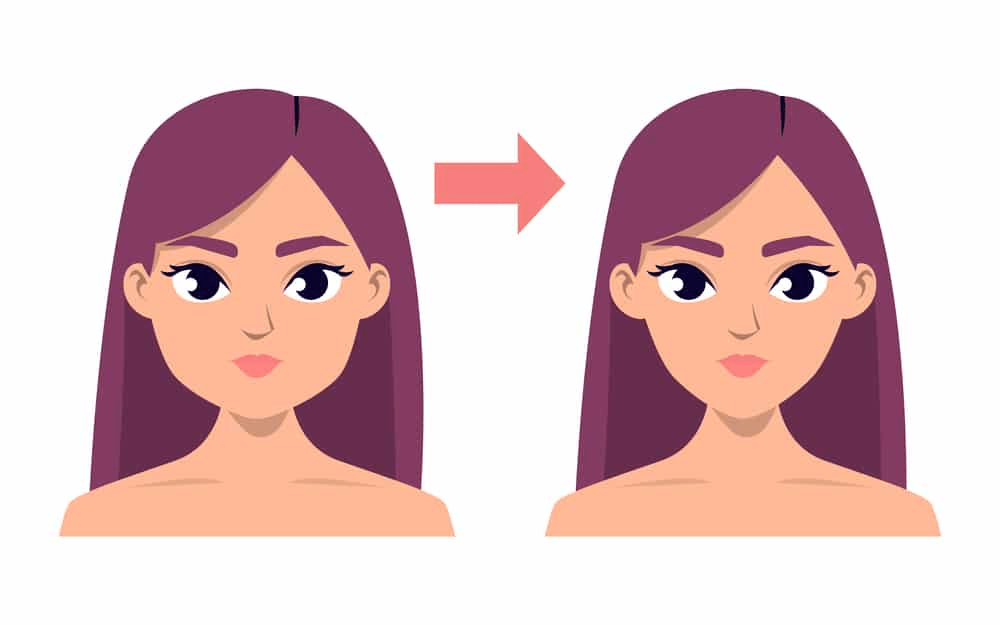
Jawline surgery, also known as orthognathic surgery, is a type of cosmetic surgery that involves reshaping the bones and soft tissues of the lower face to create a more balanced and harmonious appearance. Jawline surgery can correct various issues, such as:

  • A receding or protruding chin
  • A weak or prominent jaw
  • A crooked or asymmetrical bite
  • A long or short face
  • A narrow or wide jaw
  • A sagging or chubby jaw

By correcting these issues, jawline surgery can not only enhance your beauty, but also your confidence, health, and quality of life. Here are some of the benefits of jawline surgery:

Improve Your Facial Aesthetics

One of the main reasons why people choose jawline surgery is to improve their facial aesthetics. A well-defined jawline can make you look more attractive, youthful, and masculine or feminine, depending on your desired outcome. A good jawline can also accentuate your other facial features, such as your eyes, nose, lips, and cheekbones. Jawline surgery can help you achieve a more symmetrical, proportionate, and refined facial shape that suits your personality and style.

Boost Your Self-Esteem

Another benefit of jawline surgery is that it can boost your self-esteem. Many people who are unhappy with their jawline feel self-conscious and insecure about their appearance. They may avoid smiling, talking, or taking photos, and may suffer from low self-confidence and social anxiety. Jawline surgery can help you overcome these negative feelings and emotions by giving you a more attractive and confident look. You will be able to smile more, express yourself more, and enjoy life more.

Enhance Your Oral Health

Jawline surgery can also enhance your oral health. Some of the issues that jawline surgery can correct, such as a crooked or asymmetrical bite, can cause problems with your teeth, gums, and jaw joints. These problems can lead to tooth decay, gum disease, jaw pain, headaches, and difficulty chewing, speaking, and breathing. Jawline surgery can help you prevent or treat these problems by aligning your teeth and jaws properly. This can improve your oral function, comfort, and hygiene.

How to Prepare for Jawline Surgery

If you are interested in jawline surgery, you will need to consult with a qualified and experienced plastic surgeon who specializes in facial surgery. The surgeon will evaluate your facial structure, medical history, and aesthetic goals, and will design a customized surgical plan for you. The surgeon will also explain the risks, benefits, costs, and recovery process of jawline surgery, and will answer any questions you may have.

Jawline surgery is usually performed under general anesthesia and can take several hours, depending on the complexity of the procedure. The surgeon will make incisions inside or outside your mouth and will reshape your bones and soft tissues using various techniques, such as cutting, shaving, grafting, or implanting. The surgeon will then close the incisions with sutures and apply bandages and splints to support your healing.

What to Expect After Jawline Surgery

After jawline surgery, you will need to stay in the hospital for one or two nights, and then you will be able to go home. You will need to follow the post-operative instructions given by your surgeon, such as:

  • Taking painkillers and antibiotics as prescribed
  • Applying ice packs and elevating your head to reduce swelling and bruising
  • Eating a soft or liquid diet and avoiding hard or chewy foods
  • Cleaning your mouth and incisions gently and regularly
  • Avoiding smoking, alcohol, and strenuous activities
  • Visiting your surgeon for follow-up appointments and check-ups

The recovery time for jawline surgery varies from person to person, but it usually takes about six to eight weeks for the swelling and bruising to subside, and about six to twelve months for the final results to settle. You will be able to see some improvement in your jawline as soon as the swelling goes down, but you will need to be patient and wait for the full effect of the surgery to show.

Is Wide Jaw Attractive? How Can You Look More Attractive With Jawline Surgery?

Are You Ready for Jawline Surgery?

Jawline surgery is a major and life-changing procedure that can transform your appearance and confidence. However, it is not for everyone. You need to be in good physical and mental health, have realistic expectations, and be willing to commit to the surgery and the recovery process. You also need to find a reputable and skilled surgeon who can perform the surgery safely and effectively.

If you think jawline surgery is right for you, you should do your research, weigh the pros and cons, and consult with a professional. Jawline surgery can be a rewarding and satisfying experience that can help you achieve your dream look and feel more comfortable in your own skin.

Get Free Online Consultation

Mehmet Fatih Okyay, MD, FEBOPRAS in Türkiye.

Dr. MFO is a plastic surgery specialist in Turkey. He is also an expert in Jawline Surgery .
Dr. MFO’s clinic serves as an international health tourism center with over 10 years of experience and thousands of successful surgeries .
Jawline Surgery is a cosmetic surgical procedure that is performed to make your jawline more prominent. Dr. MFO adopts a safe and effective approach to Jawline Surgery .
Dr. MFO’s clinic offers Jawline Surgery services at affordable prices .

Get free preliminary consultation from Dr.MFO by filling out the form. Take the first step to achieve a more attractive appearance.

Visit the Dr.MFO Instagram profile for examples of successful Surgeries. Contact for free consultation.

Frequently Asked Questions

How does a wide jaw affect the facial proportions and harmony of men and women?

A wide jaw can create a more angular, masculine appearance in men and a more square, robust look in women. It can also affect the balance between the upper and lower face, making the chin appear smaller or the nose larger. However, a wide jaw can also enhance the overall facial structure, creating a more defined and sculpted look.

What are the advantages and disadvantages of having a wide jaw in terms of social perception, attractiveness, and health?

Advantages of a wide jaw include a more prominent and defined facial structure, which can be perceived as attractive and confident. Disadvantages may include a less feminine or youthful appearance, and potential health issues such as temporomandibular joint disorder (TMJ) or bruxism.

How can a wide jaw be enhanced or reduced by cosmetic procedures, such as jawline contouring, chin augmentation?

Jawline contouring can reduce the width of the jaw by reshaping the bone and soft tissue. Chin augmentation can also create a more balanced and proportional appearance by enhancing the chin and jawline. Other options include Botox injections to slim the jaw muscles or dermal fillers to add volume to other areas of the face.

What are the genetic and environmental factors that influence the development and shape of the jaw?

Genetic factors play a significant role in jaw development, including the size and shape of the jawbone and teeth. Environmental factors such as diet, oral habits, and trauma can also affect jaw growth and development.

How can a wide jaw be complemented or balanced by other facial features, such as the nose, eyes, lips, or hair?

Other facial features can help balance a wide jaw, such as a prominent nose or high cheekbones. Hairstyles that frame the face or draw attention to the eyes can also create a more harmonious appearance.

How does a wide jaw relate to the facial attractiveness standards and preferences of different cultures and regions?

Facial attractiveness standards vary across cultures and regions, but a wide jaw is often associated with masculinity and strength. In some cultures, a more angular or square jawline is considered more attractive, while in others, a softer, more rounded jawline is preferred.

How can a wide jaw be measured and classified by different methods, such as the gonial angle, the facial width-to-height ratio, or the jaw index?

The gonial angle measures the angle between the jawbone and the lower edge of the ear. The facial width-to-height ratio compares the width of the face to its height. The jaw index measures the width of the jaw relative to the length of the face.

How can a wide jaw be styled and accessorized by different types of clothing, jewelry, makeup, or beard?

Clothing and accessories can help balance a wide jaw, such as V-neck shirts or scarves that elongate the neck. Jewelry that draws attention to the face, such as earrings or necklaces, can also create a more harmonious appearance. Makeup techniques such as contouring can also help slim the jawline. Beards can also help balance a wide jaw by adding volume to the chin and jawline.

How does a wide jaw affect the function and performance of the jaw muscles, joints, and teeth?

A wide jaw can affect the function and performance of the jaw muscles, joints, and teeth, potentially leading to TMJ or bruxism. It can also affect speech and eating patterns, causing discomfort or difficulty.

How can a wide jaw be improved or maintained by different exercises, massages, or diets?

Exercises such as chewing gum or performing jaw stretches can help strengthen and tone the jaw muscles. Massages can also help relieve tension and improve circulation. A healthy diet rich in vitamins and minerals can support jaw health and development.

What is the minimum age for facial feminization surgery?

What is the minimum age for facial feminization surgery

The minimum age for facial feminization surgery (FFS) is a common question among transgender women and non-binary people who want to align their facial features with their gender identity. FFS is a type of cosmetic surgery that can change the shape and size of the forehead, nose, chin, jaw, and Adam’s apple, making them more feminine and less masculine. FFS can have a positive impact on the self-esteem and well-being of people who experience gender dysphoria, which is the distress caused by the mismatch between their assigned sex and their gender identity. However, FFS is also a major surgery that involves risks, costs, and recovery time. Therefore, it is important to know the minimum age for FFS and the factors that influence this decision. In this blog post, we will explain what the minimum age for FFS is, why it is set, and what you should consider before undergoing FFS.

What is the minimum age for Facial Feminization Surgery?

What is the minimum age for Facial Feminization Surgery?

According to most sources, the minimum age for FFS is 18 years old. However, some surgeons may recommend waiting until 21 years old for most patients. The reason for this age limit is to ensure that the patient has reached physical and psychological maturity before undergoing FFS. Physical maturity means that the facial bones and soft tissues have stopped growing and changing, which usually happens around the age of 18. Psychological maturity means that the patient has had enough time to explore and confirm their gender identity, which may take longer for some people. The age limit also ensures that the patient has the capacity to make informed decisions and consent for treatment, which is a legal and ethical requirement for any surgery.

Why is the minimum age for FFS important?

Why is the minimum age for FFS important?

The minimum age for FFS is important for several reasons. First, it protects the patient from undergoing a surgery that may not be necessary or beneficial for them. Some people may experience changes in their gender identity or expression over time, especially during adolescence and young adulthood. Therefore, undergoing FFS at a young age may result in regret or dissatisfaction with the outcome later in life. Second, it prevents the patient from having complications or poor results from the surgery. If the facial bones and soft tissues are still growing or changing, the surgery may not achieve the desired effect or may cause problems such as asymmetry, nerve damage, or infection. Third, it allows the patient to have other options for gender affirmation before resorting to surgery. Some people may find that hormone therapy, makeup, hair styling, or clothing can help them achieve a more feminine appearance without the need for surgery. These options may be safer, cheaper, and less invasive than FFS.

Why is the minimum age for FFS important?

What should you consider before undergoing FFS?

Before undergoing FFS, you should consider several factors, such as:

  • Your goals and expectations: You should have a clear and realistic idea of what you want to achieve with FFS and what the surgery can and cannot do for you. FFS can enhance your facial features and make them more feminine, but it cannot change your identity or personality. You should also be aware of the possible risks and complications of the surgery, such as infection, bleeding, scarring, asymmetry, nerve damage, or dissatisfaction with the results. You should discuss your goals and expectations with your surgeon and make sure you understand the procedure and the recovery process.
  • Your surgeon and clinic: You should choose a qualified and experienced surgeon who specializes in FFS and has a good reputation and track record. You should do your research and consult with different surgeons before making your decision. You should also ask to see their before and after photos and reviews from previous patients. You should also choose a reputable and accredited clinic that has the necessary facilities and equipment for the surgery. You should visit the clinic and check the hygiene, safety, and comfort standards.
  • Your health and lifestyle: Your overall health and lifestyle can also affect the outcome and recovery of FFS. If you have any medical conditions, such as diabetes, high blood pressure, or heart disease, you may have a higher risk of infection, bleeding, or poor wound healing. You should inform your surgeon about your medical history and any medications you are taking. You should also follow their pre- and post-operative instructions carefully and avoid anything that can impair your healing, such as smoking, drinking, or taking drugs. You should also eat a balanced and nutritious diet, drink plenty of water, and get enough rest and sleep.
  • Your support system and resources: FFS is a life-changing surgery that can have a significant impact on your emotional and social well-being. You may experience depression, anxiety, or loneliness after the surgery, especially if you face discrimination, rejection, or isolation from your family, friends, or society. You may also face financial difficulties, as FFS can be expensive and not covered by insurance in some countries. Therefore, you should have a strong support system and resources to help you cope with the surgery and its aftermath. You should have someone to accompany you to the hospital and stay with you for the first few days after the surgery. You should also have someone to provide you with emotional support and comfort, such as a therapist, a counselor, or a support group. You should also plan your budget and finances and look for ways to reduce the cost of the surgery, such as traveling to a cheaper country or applying for a grant or a loan.
What is the minimum age for facial feminization surgery?

Conclusion

FFS is a type of cosmetic surgery that can make the face more feminine by altering the shape and size of certain features. FFS can help transgender women and non-binary people who want to reduce their gender dysphoria and feel more comfortable with their appearance. However, FFS is also a major surgery that involves a minimum age limit and other factors that influence the decision to undergo it. The minimum age for FFS is 18 years old, but some surgeons may recommend waiting until 21 years old. The reason for this age limit is to ensure that the patient has reached physical and psychological maturity before undergoing FFS. Before undergoing FFS, the patient should consider their goals and expectations, their surgeon and clinic, their health and lifestyle, and their support system and resources. FFS can be a rewarding and transformative experience that can improve the quality of life and happiness of the patient.

Visit the Dr.MFO Instagram profile for examples of successful Surgeries. Contact for free consultation.

Frequently Asked Questions

What are the criteria and guidelines for facial feminization surgery eligibility and consent for minors?

Facial feminization surgery (FFS) eligibility typically involves a thorough assessment by a multidisciplinary team. Minors seeking FFS require parental or guardian consent, unless they are emancipated. The decision considers physical and psychological readiness, gender dysphoria, and overall health.

How does facial feminization surgery affect the growth and development of the facial bones and soft tissues in young patients?

FFS reshapes facial features, altering bone structure and soft tissues. Surgical techniques vary but can include forehead contouring, brow lifts, and tracheal shaves. While FFS can enhance feminine appearance, long-term effects on growth and development remain an area of study.

What are the benefits and risks of facial feminization surgery for adolescents and young adults with gender dysphoria or incongruence?

Benefits include improved gender affirmation, self-esteem, and mental well-being. Risks may include bleeding, infection, poor healing, implant migration, and anesthesia complications. Ethical considerations involve balancing benefits and risks while ensuring equitable access to care.

How does facial feminization surgery impact the psychological and social well-being of young transgender or non-binary individuals?

Studies suggest that FFS positively affects mental health, reducing gender dysphoria and improving psychosocial outcomes. However, long-term effects and individual variations require further research.

What are the ethical and legal issues and challenges involved in performing facial feminization surgery on minors?

Ethical considerations include informed consent, age-appropriate decision-making, and balancing autonomy with parental involvement. Legal aspects involve consent laws, insurance coverage, and ensuring equitable access to FFS.

How can parents, guardians, or caregivers support their children or dependents who want to undergo facial feminization surgery?

Supportive communication, understanding, and education are crucial. Parents can learn about FFS, attend counseling, and advocate for their child’s well-being. Emotional support during the decision-making process is essential.

What are the best practices and standards of care for facial feminization surgery for young patients in different countries and regions?

Standards of care, such as those by the World Professional Association for Transgender Health (WPATH), guide FFS. Multidisciplinary teams, individualized treatment plans, and tracking long-term outcomes are essential.

How can young patients prepare for facial feminization surgery, and what are the post-operative care and instructions they need to follow?

Preparation involves physical and psychological assessments, understanding the procedure, and planning recovery. Post-operative care includes wound care, pain management, and follow-up appointments.

How can young patients cope with the changes in their appearance and identity after facial feminization surgery, and what resources or services can they access?

Support networks, counseling, and peer groups can help navigate emotional adjustments. Connecting with transgender communities, accessing mental health services, and seeking professional guidance are valuable resources.

How can young patients finance their facial feminization surgery, and what are the insurance or funding options available for them?

Insurance coverage varies, but some plans cover FFS. Financial options include private payment, crowdfunding, and grants. Researching insurance policies and seeking financial assistance programs are essential steps.

How long does FFS take to heal?

How long does FFS take to heal

How long does FFS take to heal? FFS, or facial feminization surgery, is a type of cosmetic surgery that aims to make the face more feminine by altering the shape and size of certain features, such as the forehead, nose, chin, jaw, and Adam’s apple. FFS can help transgender women and non-binary people who want to reduce their gender dysphoria and feel more comfortable with their appearance. But how long does FFS take to heal, and what are the factors that affect the recovery process? In this blog post, we will answer these questions and provide some tips on how to prepare for and cope with FFS.

How long does FFS take to heal?

What to Expect After FFS

FFS is a major surgery that involves multiple procedures and incisions on the face and neck. Depending on the extent and complexity of the surgery, it can take anywhere from 4 to 8 hours to complete1. After the surgery, you will be moved to a recovery room where you will be monitored for any complications. You may have some swelling, bruising, pain, numbness, and bleeding on your face and neck. You may also have some bandages, drains, and stitches to help with the healing process. You will be given painkillers and antibiotics to prevent infection and reduce discomfort.

The first few days after FFS are usually the most difficult, as you will experience the most swelling and pain. You will need to rest and avoid any strenuous activities, such as bending, lifting, or exercising. You will also need to keep your head elevated and apply ice packs to reduce the swelling. You will have to follow a soft or liquid diet and avoid smoking, alcohol, and caffeine. You will have to visit your surgeon regularly for check-ups and to remove the bandages, drains, and stitches. You may also need to wear a compression garment or a facial mask to support the healing tissues and prevent fluid accumulation2.

The swelling and bruising will gradually subside over the next few weeks, but it may take several months for the final results to be visible. You will notice some changes in your facial appearance, such as a smoother forehead, a smaller nose, a more defined chin, a slimmer jaw, and a less prominent Adam’s apple. You may also feel some changes in your facial sensations, such as tingling, tightness, or numbness. These are normal and temporary, and they will improve over time as the nerves regenerate. However, some areas of your face may have permanent numbness or reduced sensation, such as the scalp, forehead, or chin3.

Factors That Affect the Healing Process

Factors That Affect the Healing Process

The healing process after FFS varies from person to person, depending on several factors, such as:

  • The type and number of procedures performed: FFS can involve different procedures, such as forehead contouring, brow lift, rhinoplasty, cheek augmentation, lip lift, chin reduction, jaw contouring, and tracheal shave. Each procedure has its own recovery time and potential complications. Generally, the more procedures you have, the longer and more difficult the healing process will be.
  • The skill and experience of the surgeon: FFS is a complex and delicate surgery that requires a high level of expertise and precision. Choosing a qualified and experienced surgeon who specializes in FFS can reduce the risk of complications and improve the outcome of the surgery. You should do your research and consult with different surgeons before making your decision. You should also ask to see their before and after photos and reviews from previous patients.
  • The health and lifestyle of the patient: Your overall health and lifestyle can also affect the healing process after FFS. If you have any medical conditions, such as diabetes, high blood pressure, or heart disease, you may have a higher risk of infection, bleeding, or poor wound healing. You should inform your surgeon about your medical history and any medications you are taking. You should also follow their pre- and post-operative instructions carefully and avoid anything that can impair your healing, such as smoking, drinking, or taking drugs.

Tips on How to Prepare for and Cope with FFS

FFS is a life-changing surgery that can have a positive impact on your self-esteem and well-being. However, it can also be a stressful and challenging experience that requires a lot of preparation and adjustment. Here are some tips on how to prepare for and cope with FFS:

  • Before the surgery, make sure you have a clear and realistic expectation of the outcome. FFS can enhance your facial features and make them more feminine, but it cannot change your identity or personality. You should also be aware of the possible risks and complications of the surgery, such as infection, bleeding, scarring, asymmetry, nerve damage, or dissatisfaction with the results. You should discuss your goals and concerns with your surgeon and make sure you understand the procedure and the recovery process.
  • Before the surgery, arrange for someone to accompany you to the hospital and stay with you for the first few days after the surgery. You will need someone to help you with your daily activities, such as dressing, eating, or taking your medications. You will also need someone to provide you with emotional support and comfort, as you may feel depressed, anxious, or lonely after the surgery. You can also join a support group or talk to a therapist if you need professional help.
  • After the surgery, be patient and gentle with yourself. The healing process after FFS can take a long time and involve a lot of ups and downs. You may feel frustrated, disappointed, or angry if you do not see the results you want right away or if you encounter any problems. You may also feel insecure, isolated, or misunderstood by others. You should remember that these feelings are normal and temporary, and they will fade away as you heal and adjust to your new appearance. You should also focus on the positive aspects of the surgery, such as how it can improve your confidence and happiness.
  • After the surgery, take good care of your health and well-being. You should follow your surgeon’s instructions and recommendations on how to care for your face and neck, such as cleaning, moisturizing, sun protection, and scar management. You should also eat a balanced and nutritious diet, drink plenty of water, and get enough rest and sleep. You should also avoid any activities that can harm your healing, such as smoking, drinking, or exercising. You should also resume your normal routine and hobbies gradually and cautiously, and avoid any stress or pressure.
Conclusion: How long does FFS take to heal?

Conclusion: How long does FFS take to heal?

FFS is a type of cosmetic surgery that can make the face more feminine by altering the shape and size of certain features. FFS can help transgender women and non-binary people who want to reduce their gender dysphoria and feel more comfortable with their appearance. However, FFS is also a major surgery that involves a long and difficult healing process. The recovery time and outcome of FFS depend on several factors, such as the type and number of procedures performed, the skill and experience of the surgeon, and the health and lifestyle of the patient. To prepare for and cope with FFS, you should have a clear and realistic expectation of the outcome, arrange for someone to support you, be patient and gentle with yourself, and take good care of your health and well-being. FFS can be a rewarding and transformative experience that can improve your quality of life and happiness.

Frequently Asked Questions

What are the main factors that affect the healing time after ffs surgery?

The healing time after ffs surgery varies depending on several factors, such as the type and extent of the procedures performed, the individual’s health and immune system, the surgeon’s skill and technique, and the post-operative care and instructions followed by the patient .

How can you reduce swelling and bruising after ffs surgery?

Swelling and bruising are common after ffs surgery and usually subside within a few weeks. To reduce them, you can follow these tips :

  • Keep your head elevated at all times, especially when sleeping.
  • Apply cold compresses or ice packs to the affected areas for 15 minutes several times a day.
  • Avoid salt, alcohol, caffeine, and spicy foods, as they can increase fluid retention and inflammation.
  • Drink plenty of water and fluids to flush out toxins and excess fluids.
  • Take anti-inflammatory medications as prescribed by your surgeon.
  • Avoid smoking and exposure to secondhand smoke, as they can impair blood circulation and delay healing.
  • Avoid strenuous activities, exercise, and bending or lifting heavy objects, as they can increase blood pressure and bleeding.

What are the possible complications and risks of ffs surgery and how can they affect the healing process?

Like any surgery, ffs surgery carries some risks and complications, such as infection, bleeding, hematoma, nerve damage, scarring, asymmetry, dissatisfaction with the results, and need for revision surgery . These complications can affect the healing process by causing pain, discomfort, swelling, bruising, delayed wound closure, poor scar formation, and loss of sensation or function. To prevent or minimize these complications, you should follow your surgeon’s pre-operative and post-operative instructions carefully, report any signs of infection or abnormal bleeding, and attend your follow-up appointments regularly .

How long do you have to wear a compression garment after ffs surgery and why is it important?

A compression garment is a tight-fitting elastic bandage or garment that is worn over the surgical site to reduce swelling, bruising, and bleeding after ffs surgery . It also helps to support and stabilize the tissues and bones that have been reshaped or repositioned during the surgery. You may have to wear a compression garment for several weeks or months after ffs surgery, depending on the type and extent of the procedures performed and your surgeon’s recommendations. You should follow your surgeon’s instructions on how to wear, remove, and clean the compression garment, and avoid removing it without your surgeon’s approval .

How long do you have to avoid strenuous activities, sun exposure, alcohol, smoking, and certain medications after ffs surgery?

You should avoid strenuous activities, exercise, and sports for at least six weeks after ffs surgery, as they can increase blood pressure, bleeding, swelling, and pain, and interfere with the healing process . You should also avoid sun exposure for at least six months after ffs surgery, as it can cause hyperpigmentation, sunburn, and skin damage, and affect the quality and appearance of your scars . You should avoid alcohol, smoking, and certain medications, such as aspirin, ibuprofen, and herbal supplements, for at least two weeks before and after ffs surgery, as they can thin the blood, increase the risk of bleeding and infection, and delay healing .

How long does it take to see the final results of ffs surgery and how can you cope with the changes in your appearance?

The final results of ffs surgery may take up to a year or more to become visible, as the swelling, bruising, and scarring gradually subside and the tissues and bones settle into their new positions . You may experience some changes in your appearance, such as a different facial shape, contour, and expression, and a different voice, hairline, and skin texture. These changes may affect your self-image, identity, and confidence, and may require some adjustment and adaptation. To cope with the changes in your appearance, you can :

  • Seek support from your family, friends, therapist, or support group, who can offer you emotional, psychological, and practical assistance.
  • Focus on the positive aspects of your surgery, such as the improved alignment between your gender identity and expression, and the increased comfort and confidence in your appearance.
  • Be patient and realistic with your expectations, and understand that the healing process takes time and may involve some fluctuations and setbacks.
  • Follow your surgeon’s instructions and advice, and maintain a healthy lifestyle, to ensure optimal healing and results.

How often do you need to follow up with your surgeon after ffs surgery and what tests or procedures do they perform?

You will need to follow up with your surgeon regularly after ffs surgery, to monitor your healing and progress, and to address any concerns or complications that may arise. The frequency and duration of your follow-up visits may vary depending on your surgeon’s protocol and your individual needs, but generally, you may have to see your surgeon at least once a week for the first month, then once a month for the next three months, then every three to six months for the first year, and then once a year thereafter . During your follow-up visits, your surgeon may perform some tests or procedures, such as :

  • Checking your vital signs, such as blood pressure, pulse, and temperature.
  • Examining your surgical site, such as the incisions, wounds, scars, swelling, bruising, and sensation.
  • Removing or changing your dressings, stitches, drains, or splints.
  • Taking photographs or measurements of your face, to document and compare your results.
  • Prescribing or adjusting your medications, such as antibiotics, painkillers, or anti-inflammatories.
  • Advising you on your post-operative care and instructions, such as how to clean, moisturize, and protect your face, how to wear and remove your compression garment, and when to resume your normal activities and routines.
  • Referring you to other specialists or services, such as speech therapy, hair transplantation, or laser treatment, if needed.

How can you take care of your scars after ffs surgery and what products or treatments can help them fade?

Scars are inevitable after ffs surgery, as they are the result of the body’s natural healing process. However, you can take some steps to minimize and improve the appearance of your scars, such as :

  • Following your surgeon’s instructions on how to clean, dress, and protect your scars, and avoiding picking, scratching, or rubbing them.
  • Applying topical products, such as silicone gel, cream, or sheets, vitamin E oil, or scar massage, to hydrate, soften, and flatten your scars.
  • Avoiding sun exposure, or using sunscreen, hats, or scarves, to protect your scars from UV rays, which can darken and thicken them.
  • Considering cosmetic treatments, such as laser therapy, microdermabrasion, chemical peels, or injections, to reduce the color, size, and texture of your scars.
  • Consulting your surgeon before using any products or treatments on your scars, and being aware of the potential side effects, costs, and results.

How can you manage pain and discomfort after ffs surgery and what medications or remedies can you use?

Pain and discomfort are normal after ffs surgery, and usually subside within a few days or weeks. To manage them, you can use the following methods :

  • Taking prescribed or over-the-counter painkillers, such as acetaminophen, ibuprofen, or naproxen, as directed by your surgeon, and avoiding medications that can increase bleeding, such as aspirin, warfarin, or heparin.
  • Applying cold compresses or ice packs to the affected areas, for 15 minutes several times a day, to reduce swelling, inflammation, and pain.
  • Using a humidifier, saline spray, or nasal drops, to moisten and clear your nasal passages, if you have had rhinoplasty or sinus surgery.
  • Eating soft, bland, and nutritious foods, and drinking plenty of fluids, to avoid irritation and dehydration, and to promote healing.
  • Sleeping with your head elevated, and avoiding lying on your face or sides, to prevent pressure and pain on your face.
  • Relaxing and resting, and avoiding stress, anxiety, and depression, which can worsen pain and delay healing.

How can you deal with the emotional and psychological aspects of ffs surgery and what support or resources can you seek?

Ffs surgery can have a significant impact on your emotional and psychological well-being, as it can involve changes in your appearance, identity, and relationships. You may experience a range of emotions, such as excitement, happiness, relief, satisfaction, gratitude, or pride, as well as anxiety, sadness, anger, frustration, disappointment, regret, or grief. These emotions are normal and expected, and usually resolve over time, as you adjust and adapt to your new face and life. However, if you feel overwhelmed, depressed, or suicidal, you should seek professional help immediately. To deal with the emotional and psychological aspects of ffs surgery, you can :

  • Prepare yourself mentally and emotionally before the surgery, by researching the procedure, setting realistic expectations, and discussing your goals and concerns with your surgeon and therapist.
  • Seek support from your family, friends, therapist, or support group, who can offer you emotional, psychological, and practical assistance, such as how to cope with the changes in your appearance, how to deal with discrimination or harassment, how to come out to your loved ones, or how to access legal or medical resources.
  • Celebrate your achievements and milestones, such as your surgery date, your recovery progress, your new look, or your new name or pronouns, and reward yourself with something that makes you happy, such as a gift, a trip, or a hobby.
  • Be kind and compassionate to yourself, and acknowledge your feelings, thoughts, and experiences, without judging or criticizing yourself. Remember that you are not alone, and that you are brave, beautiful, and worthy of love and respect.

Finding a Qualified FFS Surgeon: The Importance of Expertise and Experience

DR.MFO

Facial Feminization Surgery (FFS) is a life-changing procedure that can help transgender and non-binary individuals achieve their desired gender expression. However, it is crucial to choose a qualified and experienced FFS surgeon to ensure the best possible outcome.

The Importance of Expertise

FFS is a complex and specialized procedure that requires a high level of expertise in facial anatomy and surgery. A qualified FFS surgeon will have extensive training and experience in performing a wide range of facial feminization procedures, including:

How to Find a Qualified FFS Surgeon

There are several steps you can take to find a qualified FFS surgeon:

  1. Research and Read Reviews: Conduct thorough online research about potential surgeons. Read patient reviews and testimonials to get an idea of their experience, skill level, and bedside manner.
  2. Seek Recommendations: Ask other transgender and non-binary individuals for recommendations. They may be able to provide valuable insights into their experiences with different surgeons.
  3. Check Credentials and Affiliations: Ensure the surgeon is board-certified by the Turkish Board of Plastic, Reconstructive and Aesthetic Surgeons (Turkish Board) and the European Board of Plastic, Reconstructive and Aesthetic Surgeons (FEBOPRAS).
  4. Schedule Consultations: Schedule consultations with several surgeons to discuss your goals and expectations. This will allow you to assess their communication skills, understanding of your needs, and overall suitability.

Embark on Your Journey with Confidence

Choosing a qualified FFS surgeon is a crucial step in your journey towards achieving your desired gender expression. Dr. Mehmet Fatih Okyay and his team at Dr. MFO’s Clinic are committed to providing you with the highest quality care and helping you achieve your goals with confidence.

Schedule a Consultation Today

Contact Dr. MFO’s Clinic today to schedule a consultation with Dr. Mehmet Fatih Okyay. He will take the time to understand your goals and discuss your options in detail. Embark on your journey to facial feminization with confidence, knowing that you are in the hands of a highly experienced and qualified.

What to expect after Facial Feminization Surgery (FFS)

What to expect after FFS Surgery

Facial Feminization Surgery (FFS) is a series of surgical procedures that can be performed to reshape the face and its features to achieve a more feminine appearance. FFS can be a part of the gender affirmation process for transgender women or non-binary people who want to align their facial appearance with their gender identity. FFS can also be sought by cisgender women who want to enhance their femininity or correct some facial asymmetries.

What to expect on the day of surgery

On the day of your FFS surgery, you will arrive at the hospital or surgical center and be given general anesthesia. This will put you into a deep sleep so that you do not feel any pain during the surgery. The surgeon will then make incisions in the skin and muscle of your face to access the underlying bone and tissue. The surgeon will then perform the specific FFS procedures that you have discussed with them on your consultation.

What to expect after surgery

After surgery, you will be taken to a recovery room where you will be monitored by nurses. You will have bandages and dressings on your face to protect the incision sites and reduce swelling. You may also have a drain tube in place to remove excess blood and fluid from the surgical area.

FFS

Swelling and bruising

Swelling and bruising are common after FFS surgery. The swelling will be most pronounced in the first few days after surgery, but it will gradually improve over the next few weeks. The bruising may last for up to two weeks.

Pain

You may experience some pain after FFS surgery, but it is usually well-controlled with pain medication. Your surgeon will prescribe you pain medication to take home with you.

A young woman in a blue sweater stands against a blue background, touching her throat with a pained expression, suggesting discomfort or soreness.

Discomfort

You may also experience some discomfort after FFS surgery, such as tightness in your face, difficulty breathing through your nose, and difficulty chewing and swallowing. This discomfort is usually temporary and will improve over time.

Recovery time

The recovery time after FFS surgery varies depending on the type and extent of the procedures performed. However, most people are able to return to work or school within two to four weeks. It may take up to six months to see the final results of your FFS surgery.

Woman in a black shirt pointing to the left while holding an alarm clock.

Tips for recovery

Here are some tips for recovering from FFS surgery:

  • Get plenty of rest.
  • Eat a healthy diet.
  • Drink plenty of fluids.
  • Avoid strenuous activities.
  • Take your pain medication as prescribed by your surgeon.
  • Ice your face to reduce swelling.
  • Elevate your head when you sleep.
  • Keep your incision sites clean and dry.
  • Attend all of your follow-up appointments with your surgeon.

Conclusion

FFS surgery can be a transformative experience for people who are unhappy with the appearance of their face. However, it is important to be aware of the risks and challenges involved in surgery. Be sure to discuss your expectations with your surgeon and follow their instructions carefully to achieve the best results.

If you have any questions or concerns about Facial Feminization Surgery (FFS), be sure to contact us by filling the form on our Homepage. We will be happy to answer your questions and help you prepare for your procedure.

The Best Time and Season to Have Facial Feminization Surgery in Antalya

Facial Feminization Surgery

Facial feminization surgery (FFS) is a series of procedures that can reshape the face and its features to achieve a more feminine appearance. FFS can be a part of the gender affirmation process for transgender women or non-binary people who want to align their facial appearance with their gender identity. FFS can also be sought by cisgender women who want to enhance their femininity or correct some facial asymmetries.

If you are considering FFS, you might wonder when is the best time and season to have it done. There are many factors that can affect your decision, such as the weather, the recovery time, the cost, and the availability of the surgeon. In this blog post, we will explore these factors in detail and provide you with some tips on how to plan your FFS in Antalya, Turkey.

Why Antalya?

Antalya is a city located on the Mediterranean coast of Turkey. It is one of the most popular tourist destinations in the country, attracting millions of visitors every year with its beautiful beaches, historical sites, cultural events, and natural wonders. Antalya is also a hub for medical tourism, offering high-quality and affordable health care services to international patients.

One of the most renowned plastic surgeons in Antalya is Dr. Mehmet Fatih Okyay, MD, FEBOPRAS . He is a board-certified and experienced plastic surgeon who specializes in facial feminization surgery. He has performed hundreds of successful FFS procedures for patients from different countries and backgrounds. He is also a member of the European Board of Plastic Reconstructive and Aesthetic Surgery (EBOPRAS) and the Turkish Society of Plastic Reconstructive and Aesthetic Surgery (TPRECD).

Dr. Okyay offers a personalized and comprehensive approach to FFS, taking into account the individual needs and preferences of each patient. He uses advanced techniques and technologies to achieve natural-looking and harmonious results. He also provides post-operative care and follow-up to ensure optimal healing and satisfaction.

If you are looking for a skilled and trustworthy surgeon to perform your FFS in Antalya, you can contact Dr. Okyay through his website or his profile on RealSelf. You can also read his reviews from previous patients and see his before-and-after photos.

What are the benefits of having FFS in Antalya?

There are many benefits of having FFS in Antalya, such as:

  • Cost: FFS can be very expensive in some countries, especially in Europe and North America. However, in Antalya, you can save up to 70% on the cost of FFS compared to other destinations. The average price of FFS in Antalya ranges from $10,000 to $20,000, depending on the number and type of procedures involved. This price includes the surgeon’s fee, hospital fee, anesthesia fee, medication fee, and post-operative care fee. It does not include travel expenses, accommodation expenses, or additional tests or treatments that may be required.
  • Quality: Despite the lower cost, the quality of FFS in Antalya is not compromised. Antalya has modern and well-equipped hospitals that meet international standards of safety and hygiene. The medical staff are qualified and experienced in performing FFS and other plastic surgery procedures. The materials and implants used are of high quality and certified by reputable organizations.
  • Recovery: Having FFS in Antalya can also facilitate your recovery process. Antalya has a mild and sunny climate throughout the year, which can help you heal faster and avoid complications such as infections or swelling. Antalya also has a relaxing and enjoyable atmosphere, where you can rest and recuperate after your surgery. You can also take advantage of the many attractions and activities that Antalya offers, such as visiting historical sites, enjoying the beach, shopping at local markets, or indulging in Turkish cuisine.

When is the best time and season to have FFS in Antalya?

The best time and season to have FFS in Antalya depends on several factors, such as:

  • Weather: Antalya has a Mediterranean climate, with hot and dry summers and mild and rainy winters. The average temperature in Antalya ranges from 10°C (50°F) in January to 28°C (82°F) in July. The average rainfall in Antalya ranges from 210 mm (8.3 inches) in December to 4 mm (0.2 inches) in July. The best time to visit Antalya for FFS is from April to June or from September to November, when the weather is warm but not too hot, and the rainfall is low but not too dry. These months are also less crowded and more affordable than the peak season of July and August.
  • Recovery: The recovery time after FFS varies depending on the type and extent of the procedures performed. Generally, it takes about two weeks to heal from the initial swelling and bruising, and about six months to see the final results. During this period, you will need to follow the post-operative instructions given by your surgeon, such as taking medications, avoiding sun exposure, wearing compression garments, applying ice packs, sleeping with your head elevated, avoiding strenuous activities, and attending follow-up appointments. You will also need to take care of your scars and protect them from infection or irritation. The best time to have FFS in Antalya is when you have enough time off from work or school, and when you have a reliable support system to help you during your recovery.
  • Cost: The cost of FFS in Antalya may vary depending on the season and the demand. Generally, the cost is higher during the peak season of July and August, when Antalya receives more tourists and patients. The cost may also increase during holidays or festivals, such as New Year’s Eve, Ramadan, or Eid al-Fitr. The best time to have FFS in Antalya is when the cost is lower and more affordable, such as during the off-season of January to March or October to December.

Conclusion: Best Season For Facial Feminization Surgery in Antalya

In conclusion, having FFS in Antalya can be a great option for anyone who wants to achieve a more feminine facial appearance at a reasonable cost and with high quality. However, there are also some challenges and risks involved in traveling abroad for surgery, such as language barriers, cultural differences, or travel restrictions. Therefore, it is important to do your research and plan ahead before booking your FFS in Antalya. You should also consult with a qualified and experienced surgeon like Dr. Okyay, who can guide you through the process and provide you with the best results possible.

Visit the Dr.MFO Instagram profile for examples of successful Surgeries. Contact for free consultation.

FAQ

Here are some frequently asked questions about having FFS in Antalya:

  • Q: How can I contact Dr. Okyay?
  • A: You can contact Dr. Okyay through his website or his profile on RealSelf. You can also call him at +90 552 800 33 22 or email him at mfo@dr-mfo.com
  • Q: How can I book my FFS in Antalya?
  • A: You can book your FFS in Antalya by contacting Dr. Okyay directly or through his website or his profile on RealSelf. He will provide you with a personalized quote and a treatment plan based on your photos and medical history. He will also help you arrange your travel logistics, such as visa, flight tickets, accommodation, transportation, etc.
  • Q: How long do I need to stay in Antalya after my FFS?
  • A: You will need to stay in Antalya for at least two weeks after your FFS. During this time, you will have regular follow-up appointments with Dr. Okyay to monitor your healing and remove your stitches. You will also need to rest and avoid any strenuous activities that may affect your recovery.
  • Q: What are the risks or complications of FFS?
  • A: Like any other major surgery, FFS carries some risks or complications, such as bleeding, infection, damage to nearby structures, an imbalance in facial features, an adverse reaction to anesthesia, suture rupture, visible scarring, fluid accumulation, dissatisfaction with appearance, or facial nerve injury . However, these risks can be minimized by choosing a qualified and experienced surgeon like Dr. Okyay, following his pre-operative and post-operative instructions

The Top 5 Benefits of Facial Feminization Surgery in Antalya

Facial Feminization Surgery

Facial feminization surgery (FFS) is a set of surgical procedures that aim to modify the facial features to make them more feminine. FFS can be a life-changing experience for transgender women and non-binary people who want to align their appearance with their gender identity. FFS can also help cisgender women who want to enhance their femininity or correct some facial asymmetries.

If you are considering FFS, you might be wondering where to have it done. There are many factors to consider, such as the quality of the surgeons, the cost of the procedures, the safety of the facilities, and the availability of aftercare. In this blog post, we will show you why Antalya, a beautiful city in Turkey, is one of the best destinations for FFS in the world. Here are the top 5 benefits of having FFS in Antalya:

Mehmet Fatih Okyay, MD, FEBOPRAS in Türkiye.

1. You can have FFS with Dr. MFO, one of the most qualified and experienced plastic surgeons in Turkey.

Dr. Mehmet Fatih Okyay, also known as Dr. MFO, is a board-certified plastic surgeon who specializes in facial feminization surgery. He has performed over 1000 FFS procedures for patients from all over the world. He is also a Fellow of the European Board of Plastic Reconstructive and Aesthetic Surgery (FEBOPRAS), which means he has passed rigorous exams and met high standards of training and practice in Europe.

Dr. MFO is not only a skilled surgeon, but also a compassionate and attentive doctor who listens to his patients’ needs and expectations. He customizes each FFS procedure according to the individual facial anatomy and desired outcome of the patient. He uses advanced techniques and technologies to achieve natural-looking and harmonious results. He also provides comprehensive follow-up care and support for his patients after the surgery.

If you want to have FFS with Dr. MFO, you can contact him through his website or his social media accounts. He will be happy to answer your questions and provide you with a free online consultation.

ffs surgery

2. You can save money by having FFS in Antalya compared to other countries.

One of the main advantages of having FFS in Antalya is that you can save a lot of money compared to other countries. The cost of FFS varies depending on the type and number of procedures, but on average, you can expect to pay around $15,000-$20,000 for FFS in Antalya. This is much lower than the average cost of FFS in countries like the US ($40,000-$60,000), UK ($30,000-$50,000), or Germany ($25,000-$45,000).

The reason why FFS is cheaper in Antalya is not because of lower quality or standards, but because of lower living expenses and taxes in Turkey. The Turkish government also subsidizes health care and encourages medical tourism by offering incentives and discounts for foreign patients. Moreover, the Turkish lira is weaker than most major currencies, which means you can get more value for your money.

Facial Feminization Surgery in Antalya Turkey

3. You can enjoy a relaxing and comfortable recovery in Antalya.

Another benefit of having FFS in Antalya is that you can enjoy a relaxing and comfortable recovery in this beautiful city. Antalya is known as the “Pearl of the Mediterranean” for its stunning natural scenery, rich cultural heritage, and warm climate. It is one of the most popular tourist destinations in Turkey, attracting millions of visitors every year.

Antalya offers a variety of attractions and activities for you to enjoy during your recovery period. You can explore the historical sites and museums, such as Hadrian’s Gate, Aspendos Theatre, or Antalya Museum. You can relax on the sandy beaches or take a boat trip along the turquoise coast. You can indulge in the delicious Turkish cuisine or shop at the local markets and bazaars. You can also pamper yourself at one of the many spas or wellness centers in Antalya.

Antalya has a wide range of accommodation options for you to choose from, depending on your budget and preferences. You can stay at a luxury hotel or resort, a cozy guesthouse or apartment, or even a traditional Turkish house or villa. Dr. MFO can help you arrange your accommodation and transportation in Antalya according to your needs.

ffs surgery facial feminization body

4. You can benefit from the high-quality health care system and facilities in Antalya.

Turkey has one of the best health care systems and facilities in the world, especially when it comes to plastic surgery. Turkey ranks among the top 10 countries for medical tourism according to the International Healthcare Research Center (IHRC). Turkey also has the highest number of JCI-accredited hospitals in the world, which means they meet the highest standards of quality and safety.

Dr. MFO also has his own private clinic in Antalya, where he provides consultations and follow-up care for his patients. The clinic is located in a central and convenient location, close to the airport and the city center. The clinic is equipped with the latest technology and equipment, such as 3D imaging and simulation systems, laser devices, and radiofrequency machines. The clinic also has a friendly and professional staff, who will make you feel welcome and comfortable.

Facial Feminization Surgery in Antalya Turkey

5. You can have a smooth and hassle-free experience by having FFS in Antalya.

The last but not least benefit of having FFS in Antalya is that you can have a smooth and hassle-free experience from start to finish. Dr. MFO and his team will take care of everything for you, from the initial consultation to the final check-up. They will provide you with all the information and guidance you need before, during, and after your FFS procedure. They will also assist you with any paperwork or formalities you may need, such as visa applications, travel arrangements, or insurance claims.

Dr. MFO and his team speak fluent English, so you will not have any communication problems or misunderstandings. They will also respect your privacy and confidentiality at all times, and treat you with dignity and compassion. They will be available for you 24/7, in case you have any questions or concerns. They will also monitor your recovery progress and provide you with any medications or supplies you may need.

Dr. MFO and his team aim to make your FFS journey as easy and enjoyable as possible. They will do their best to exceed your expectations and ensure your satisfaction.

Conclusion: Best Facial Feminization Surgery in Antalya

Facial feminization surgery is a life-changing decision that can improve your self-esteem, confidence, and happiness. If you are looking for a place to have FFS, Antalya is one of the best options you can choose. Antalya offers many benefits for FFS patients, such as:

  • Having FFS with Dr. MFO, one of the most qualified and experienced plastic surgeons in Turkey.
  • Saving money by having FFS in Antalya compared to other countries.
  • Enjoying a relaxing and comfortable recovery in Antalya.
  • Benefiting from the high-quality health care system and facilities in Antalya.
  • Having a smooth and hassle-free experience by having FFS in Antalya.

If you are interested in having FFS in Antalya with Dr. MFO, do not hesitate to contact him today. He will be happy to help you achieve your facial feminization goals.

Visit the Dr.MFO Instagram profile for examples of successful Surgeries. Contact for free consultation.

FAQ

Here are some frequently asked questions about FFS in Antalya:

Q: How long do I need to stay in Antalya for FFS?

A: The length of your stay in Antalya depends on the type and number of procedures you have for FFS. In general, you will need to stay for at least 10 days after your surgery, so that Dr. MFO can remove your stitches and evaluate your healing process. You may also need to stay longer if you have any complications or need any revisions.

Q: How much pain or discomfort will I experience after FFS?

A: The level of pain or discomfort after FFS varies from person to person, depending on the extent of the surgery and the individual pain threshold. However, Dr. MFO will prescribe you painkillers and anti-inflammatory drugs to help you manage your pain and swelling after the surgery. He will also advise you on how to take care of your wounds and avoid infections or complications.

Q: When will I see the final results of my FFS?

A: The final results of your FFS may take several months to appear, as your face needs time to heal and settle into its new shape. You may also experience some bruising, swelling, numbness, or tightness in your face for the first few weeks or months after the surgery. However, these are normal and temporary side effects that will gradually subside as your face heals.