Facial feminization surgery (FFS) is a series of procedures that can reshape the face and its features to achieve a more feminine appearance. FFS can be a part of the gender affirmation process for transgender women or non-binary people who want to align their facial appearance with their gender identity. FFS can also be sought by cisgender women who want to enhance their femininity or correct some facial asymmetries.
If you are considering FFS, you might wonder when is the best time and season to have it done. There are many factors that can affect your decision, such as the weather, the recovery time, the cost, and the availability of the surgeon. In this blog post, we will explore these factors in detail and provide you with some tips on how to plan your FFS in Antalya, Turkey.
Why Antalya?
Antalya is a city located on the Mediterranean coast of Turkey. It is one of the most popular tourist destinations in the country, attracting millions of visitors every year with its beautiful beaches, historical sites, cultural events, and natural wonders. Antalya is also a hub for medical tourism, offering high-quality and affordable health care services to international patients.
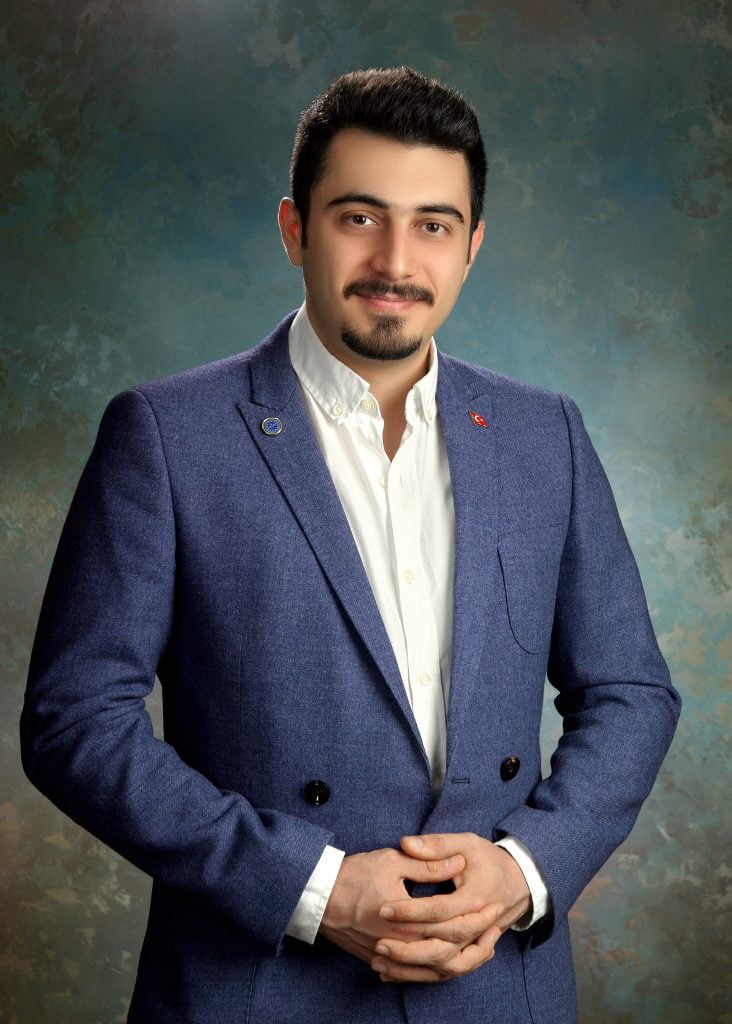
One of the most renowned plastic surgeons in Antalya is Dr. Mehmet Fatih Okyay, MD, FEBOPRAS . He is a board-certified and experienced plastic surgeon who specializes in facial feminization surgery. He has performed hundreds of successful FFS procedures for patients from different countries and backgrounds. He is also a member of the European Board of Plastic Reconstructive and Aesthetic Surgery (EBOPRAS) and the Turkish Society of Plastic Reconstructive and Aesthetic Surgery (TPRECD).
Dr. Okyay offers a personalized and comprehensive approach to FFS, taking into account the individual needs and preferences of each patient. He uses advanced techniques and technologies to achieve natural-looking and harmonious results. He also provides post-operative care and follow-up to ensure optimal healing and satisfaction.
If you are looking for a skilled and trustworthy surgeon to perform your FFS in Antalya, you can contact Dr. Okyay through his website or his profile on RealSelf. You can also read his reviews from previous patients and see his before-and-after photos.
What are the benefits of having FFS in Antalya?
There are many benefits of having FFS in Antalya, such as:
Cost: FFS can be very expensive in some countries, especially in Europe and North America. However, in Antalya, you can save up to 70% on the cost of FFS compared to other destinations. The average price of FFS in Antalya ranges from $10,000 to $20,000, depending on the number and type of procedures involved. This price includes the surgeon’s fee, hospital fee, anesthesia fee, medication fee, and post-operative care fee. It does not include travel expenses, accommodation expenses, or additional tests or treatments that may be required.
Quality: Despite the lower cost, the quality of FFS in Antalya is not compromised. Antalya has modern and well-equipped hospitals that meet international standards of safety and hygiene. The medical staff are qualified and experienced in performing FFS and other plastic surgery procedures. The materials and implants used are of high quality and certified by reputable organizations.
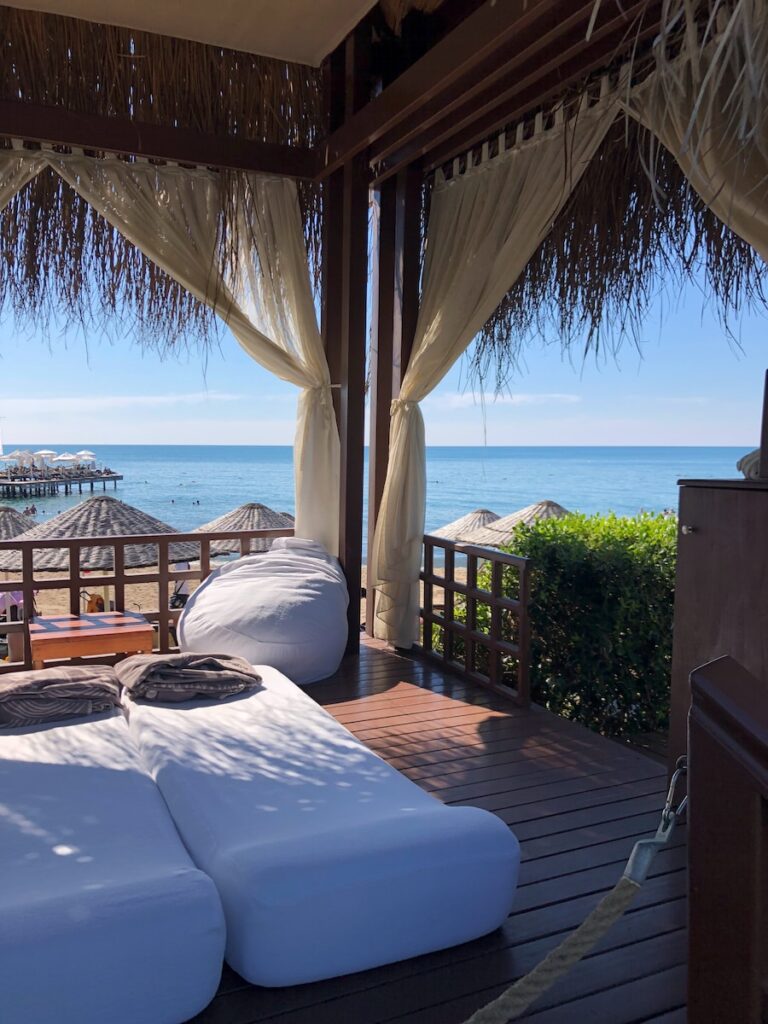
Recovery: Having FFS in Antalya can also facilitate your recovery process. Antalya has a mild and sunny climate throughout the year, which can help you heal faster and avoid complications such as infections or swelling. Antalya also has a relaxing and enjoyable atmosphere, where you can rest and recuperate after your surgery. You can also take advantage of the many attractions and activities that Antalya offers, such as visiting historical sites, enjoying the beach, shopping at local markets, or indulging in Turkish cuisine.
When is the best time and season to have FFS in Antalya?
The best time and season to have FFS in Antalya depends on several factors, such as:
Weather: Antalya has a Mediterranean climate, with hot and dry summers and mild and rainy winters. The average temperature in Antalya ranges from 10°C (50°F) in January to 28°C (82°F) in July. The average rainfall in Antalya ranges from 210 mm (8.3 inches) in December to 4 mm (0.2 inches) in July. The best time to visit Antalya for FFS is from April to June or from September to November, when the weather is warm but not too hot, and the rainfall is low but not too dry. These months are also less crowded and more affordable than the peak season of July and August.
Recovery: The recovery time after FFS varies depending on the type and extent of the procedures performed. Generally, it takes about two weeks to heal from the initial swelling and bruising, and about six months to see the final results. During this period, you will need to follow the post-operative instructions given by your surgeon, such as taking medications, avoiding sun exposure, wearing compression garments, applying ice packs, sleeping with your head elevated, avoiding strenuous activities, and attending follow-up appointments. You will also need to take care of your scars and protect them from infection or irritation. The best time to have FFS in Antalya is when you have enough time off from work or school, and when you have a reliable support system to help you during your recovery.
Cost: The cost of FFS in Antalya may vary depending on the season and the demand. Generally, the cost is higher during the peak season of July and August, when Antalya receives more tourists and patients. The cost may also increase during holidays or festivals, such as New Year’s Eve, Ramadan, or Eid al-Fitr. The best time to have FFS in Antalya is when the cost is lower and more affordable, such as during the off-season of January to March or October to December.
Conclusion: Best Season For Facial Feminization Surgery in Antalya
In conclusion, having FFS in Antalya can be a great option for anyone who wants to achieve a more feminine facial appearance at a reasonable cost and with high quality. However, there are also some challenges and risks involved in traveling abroad for surgery, such as language barriers, cultural differences, or travel restrictions. Therefore, it is important to do your research and plan ahead before booking your FFS in Antalya. You should also consult with a qualified and experienced surgeon like Dr. Okyay, who can guide you through the process and provide you with the best results possible.
Here are some frequently asked questions about having FFS in Antalya:
Q: How can I contact Dr. Okyay?
A: You can contact Dr. Okyay through his website or his profile on RealSelf. You can also call him at +90 552 800 33 22 or email him at [email protected]
Q: How can I book my FFS in Antalya?
A: You can book your FFS in Antalya by contacting Dr. Okyay directly or through his website or his profile on RealSelf. He will provide you with a personalized quote and a treatment plan based on your photos and medical history. He will also help you arrange your travel logistics, such as visa, flight tickets, accommodation, transportation, etc.
Q: How long do I need to stay in Antalya after my FFS?
A: You will need to stay in Antalya for at least two weeks after your FFS. During this time, you will have regular follow-up appointments with Dr. Okyay to monitor your healing and remove your stitches. You will also need to rest and avoid any strenuous activities that may affect your recovery.
Q: What are the risks or complications of FFS?
A: Like any other major surgery, FFS carries some risks or complications, such as bleeding, infection, damage to nearby structures, an imbalance in facial features, an adverse reaction to anesthesia, suture rupture, visible scarring, fluid accumulation, dissatisfaction with appearance, or facial nerve injury . However, these risks can be minimized by choosing a qualified and experienced surgeon like Dr. Okyay, following his pre-operative and post-operative instructions
Facial feminization surgery (FFS) is a set of surgical procedures that aim to modify the facial features to make them more feminine. FFS can be a life-changing experience for transgender women and non-binary people who want to align their appearance with their gender identity. FFS can also help cisgender women who want to enhance their femininity or correct some facial asymmetries.
If you are considering FFS, you might be wondering where to have it done. There are many factors to consider, such as the quality of the surgeons, the cost of the procedures, the safety of the facilities, and the availability of aftercare. In this blog post, we will show you why Antalya, a beautiful city in Turkey, is one of the best destinations for FFS in the world. Here are the top 5 benefits of having FFS in Antalya:
1. You can have FFS with Dr. MFO, one of the most qualified and experienced plastic surgeons in Turkey.
Dr. Mehmet Fatih Okyay, also known as Dr. MFO, is a board-certified plastic surgeon who specializes in facial feminization surgery. He has performed over 1000 FFS procedures for patients from all over the world. He is also a Fellow of the European Board of Plastic Reconstructive and Aesthetic Surgery (FEBOPRAS), which means he has passed rigorous exams and met high standards of training and practice in Europe.
Dr. MFO is not only a skilled surgeon, but also a compassionate and attentive doctor who listens to his patients’ needs and expectations. He customizes each FFS procedure according to the individual facial anatomy and desired outcome of the patient. He uses advanced techniques and technologies to achieve natural-looking and harmonious results. He also provides comprehensive follow-up care and support for his patients after the surgery.
If you want to have FFS with Dr. MFO, you can contact him through his website or his social media accounts. He will be happy to answer your questions and provide you with a free online consultation.
2. You can save money by having FFS in Antalya compared to other countries.
One of the main advantages of having FFS in Antalya is that you can save a lot of money compared to other countries. The cost of FFS varies depending on the type and number of procedures, but on average, you can expect to pay around $15,000-$20,000 for FFS in Antalya. This is much lower than the average cost of FFS in countries like the US ($40,000-$60,000), UK ($30,000-$50,000), or Germany ($25,000-$45,000).
The reason why FFS is cheaper in Antalya is not because of lower quality or standards, but because of lower living expenses and taxes in Turkey. The Turkish government also subsidizes health care and encourages medical tourism by offering incentives and discounts for foreign patients. Moreover, the Turkish lira is weaker than most major currencies, which means you can get more value for your money.
3. You can enjoy a relaxing and comfortable recovery in Antalya.
Another benefit of having FFS in Antalya is that you can enjoy a relaxing and comfortable recovery in this beautiful city. Antalya is known as the “Pearl of the Mediterranean” for its stunning natural scenery, rich cultural heritage, and warm climate. It is one of the most popular tourist destinations in Turkey, attracting millions of visitors every year.
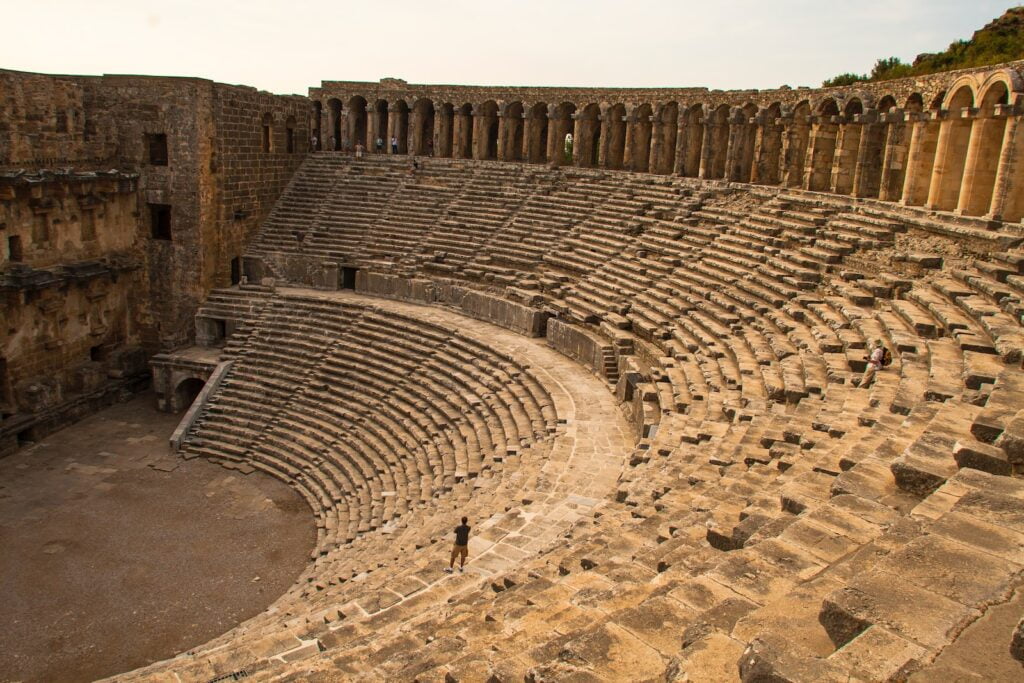
Antalya offers a variety of attractions and activities for you to enjoy during your recovery period. You can explore the historical sites and museums, such as Hadrian’s Gate, Aspendos Theatre, or Antalya Museum. You can relax on the sandy beaches or take a boat trip along the turquoise coast. You can indulge in the delicious Turkish cuisine or shop at the local markets and bazaars. You can also pamper yourself at one of the many spas or wellness centers in Antalya.
Antalya has a wide range of accommodation options for you to choose from, depending on your budget and preferences. You can stay at a luxury hotel or resort, a cozy guesthouse or apartment, or even a traditional Turkish house or villa. Dr. MFO can help you arrange your accommodation and transportation in Antalya according to your needs.
4. You can benefit from the high-quality health care system and facilities in Antalya.
Turkey has one of the best health care systems and facilities in the world, especially when it comes to plastic surgery. Turkey ranks among the top 10 countries for medical tourism according to the International Healthcare Research Center (IHRC). Turkey also has the highest number of JCI-accredited hospitals in the world, which means they meet the highest standards of quality and safety.
Dr. MFO also has his own private clinic in Antalya, where he provides consultations and follow-up care for his patients. The clinic is located in a central and convenient location, close to the airport and the city center. The clinic is equipped with the latest technology and equipment, such as 3D imaging and simulation systems, laser devices, and radiofrequency machines. The clinic also has a friendly and professional staff, who will make you feel welcome and comfortable.
5. You can have a smooth and hassle-free experience by having FFS in Antalya.
The last but not least benefit of having FFS in Antalya is that you can have a smooth and hassle-free experience from start to finish. Dr. MFO and his team will take care of everything for you, from the initial consultation to the final check-up. They will provide you with all the information and guidance you need before, during, and after your FFS procedure. They will also assist you with any paperwork or formalities you may need, such as visa applications, travel arrangements, or insurance claims.
Dr. MFO and his team speak fluent English, so you will not have any communication problems or misunderstandings. They will also respect your privacy and confidentiality at all times, and treat you with dignity and compassion. They will be available for you 24/7, in case you have any questions or concerns. They will also monitor your recovery progress and provide you with any medications or supplies you may need.
Dr. MFO and his team aim to make your FFS journey as easy and enjoyable as possible. They will do their best to exceed your expectations and ensure your satisfaction.
Conclusion: Best Facial Feminization Surgery in Antalya
Facial feminization surgery is a life-changing decision that can improve your self-esteem, confidence, and happiness. If you are looking for a place to have FFS, Antalya is one of the best options you can choose. Antalya offers many benefits for FFS patients, such as:
Having FFS with Dr. MFO, one of the most qualified and experienced plastic surgeons in Turkey.
Saving money by having FFS in Antalya compared to other countries.
Enjoying a relaxing and comfortable recovery in Antalya.
Benefiting from the high-quality health care system and facilities in Antalya.
Having a smooth and hassle-free experience by having FFS in Antalya.
If you are interested in having FFS in Antalya with Dr. MFO, do not hesitate to contact him today. He will be happy to help you achieve your facial feminization goals.
Here are some frequently asked questions about FFS in Antalya:
Q: How long do I need to stay in Antalya for FFS?
A: The length of your stay in Antalya depends on the type and number of procedures you have for FFS. In general, you will need to stay for at least 10 days after your surgery, so that Dr. MFO can remove your stitches and evaluate your healing process. You may also need to stay longer if you have any complications or need any revisions.
Q: How much pain or discomfort will I experience after FFS?
A: The level of pain or discomfort after FFS varies from person to person, depending on the extent of the surgery and the individual pain threshold. However, Dr. MFO will prescribe you painkillers and anti-inflammatory drugs to help you manage your pain and swelling after the surgery. He will also advise you on how to take care of your wounds and avoid infections or complications.
Q: When will I see the final results of my FFS?
A: The final results of your FFS may take several months to appear, as your face needs time to heal and settle into its new shape. You may also experience some bruising, swelling, numbness, or tightness in your face for the first few weeks or months after the surgery. However, these are normal and temporary side effects that will gradually subside as your face heals.
If you are considering facial feminization surgery (FFS) to achieve a more feminine appearance, you might be wondering where to get the best value for your money. FFS is a series of procedures that can reshape the face and its features, such as the forehead, brows, nose, cheeks, jaw, and chin. FFS can also include non-surgical treatments such as fillers, botox, fat grafting, and liposuction.
FFS can be a life-changing experience for transgender women or non-binary people who want to align their appearance with their gender identity. However, FFS can also be very expensive, especially in the United States. According to a 2020 report by the American Society of Plastic Surgeons, the average cost of FFS in the US was $23,000, not including anesthesia, operating room facilities, or other related expenses.
That’s why many people choose to travel abroad for FFS, where they can find more affordable and high-quality options. One of the most popular destinations for FFS is Antalya, Turkey. Antalya is a beautiful city on the Mediterranean coast, known for its rich history, culture, and natural beauty. Antalya is also home to some of the best plastic surgeons and clinics in the world, offering FFS at a fraction of the cost of New York.
In this blog post, we will compare Antalya and New York in terms of FFS value, based on four criteria: cost, quality, safety, and experience.
Cost
One of the main advantages of choosing Antalya for FFS is the lower cost compared to New York. According to a 2021 survey by Medigo, a platform that connects patients with clinics abroad, the average cost of FFS in Antalya was $7,500, which is 67% cheaper than in New York.
The lower cost of FFS in Antalya is due to several factors, such as lower labor costs, lower taxes, lower overhead costs, and favorable exchange rates. The Turkish lira has depreciated significantly against the US dollar in recent years, making Turkey more attractive for medical tourism.
The lower cost of FFS in Antalya does not mean lower quality or standards. On the contrary, many clinics in Antalya offer state-of-the-art facilities and equipment, as well as highly qualified and experienced surgeons who are certified by international organizations such as the International Society of Aesthetic Plastic Surgery (ISAPS).
Quality
Another important factor to consider when choosing a destination for FFS is the quality of the results. FFS is a complex and delicate surgery that requires skill and artistry to achieve natural and harmonious outcomes. You want to choose a surgeon who has extensive training and experience in FFS and who can customize the procedure according to your facial anatomy and goals.
Antalya has some of the best FFS surgeons in the world, who have performed thousands of successful procedures for patients from different countries and backgrounds. They use advanced techniques and technologies to ensure optimal results and minimize complications. They also provide comprehensive aftercare and follow-up services to ensure your recovery and satisfaction.
New York also has some reputable FFS surgeons who can deliver excellent results. However, they are often very busy and have long waiting lists. They may also charge higher fees due to their reputation and demand. Therefore, you may have to compromise on availability or affordability if you choose New York for FFS.
Safety
Safety is another crucial factor to consider when choosing a destination for FFS. You want to make sure that the clinic you choose follows strict hygiene and infection control protocols, as well as ethical and legal standards. You also want to make sure that the clinic has emergency plans and backup systems in case of any unforeseen events.
Antalya is a safe and modern city that offers high-quality health care services. The clinics in Antalya are accredited by national and international organizations such as the Turkish Ministry of Health (TMH), Joint Commission International (JCI), International Organization for Standardization (ISO), or Temos International Healthcare Accreditation (TIHA). These accreditations ensure that the clinics meet or exceed the highest standards of quality and safety in the industry.
New York is also a safe and developed city that offers world-class health care services. The clinics in New York are accredited by national organizations such as the American Association for Accreditation of Ambulatory Surgery Facilities (AAAASF), Accreditation Association for Ambulatory Health Care (AAAHC), or The Joint Commission (TJC). These accreditations ensure that the clinics comply with rigorous standards of quality and safety in the industry.
Experience
The last factor to consider when choosing a destination for FFS is the overall experience of traveling abroad for surgery. You want to make sure that you have a smooth and comfortable journey, as well as a pleasant and enjoyable stay. You also want to make sure that you have access to support and assistance throughout the process.
Antalya offers a great experience for FFS patients, as it is a popular tourist destination that has a lot to offer. Antalya has a warm and sunny climate, stunning beaches, historical sites, cultural attractions, and natural wonders. Antalya also has a friendly and hospitable people, delicious cuisine, and vibrant nightlife. Antalya is easy to reach by air, as it has an international airport that connects with many major cities around the world. Antalya also has a reliable and affordable public transportation system that allows you to explore the city and its surroundings.
The clinics in Antalya provide comprehensive packages for FFS patients, which include airport transfers, hotel accommodation, meals, medication, consultations, surgery, aftercare, and follow-up. The clinics also provide multilingual staff, interpreters, guides, and coordinators who can help you with any questions or issues you may have during your stay. The clinics also offer optional tours and activities that you can enjoy before or after your surgery.
New York also offers a great experience for FFS patients, as it is one of the most famous and exciting cities in the world. New York has a diverse and dynamic culture, iconic landmarks, amazing museums, art galleries, theaters, restaurants, bars, and shops. New York also has a cosmopolitan and tolerant atmosphere, where you can find people from different backgrounds and identities. New York is easy to reach by air, as it has several international airports that connect with many major cities around the world. New York also has an extensive and efficient public transportation system that allows you to navigate the city and its boroughs.
The clinics in New York provide high-quality services for FFS patients, which include consultations, surgery, aftercare, and follow-up. However, they may not provide all-inclusive packages that include airport transfers, hotel accommodation, meals, medication, or tours. You may have to arrange these services on your own or through a third-party agency. You may also have to pay extra fees for these services or deal with additional paperwork or logistics.
Conclusion: Antalya vs Newyork
As you can see, Antalya and New York are both attractive destinations for FFS. However, Antalya has some clear advantages over New York in terms of cost, quality, safety, and experience. Antalya offers FFS at a much lower price than New York without compromising on quality or standards. Antalya also offers FFS in a safe and modern environment with accredited clinics and experienced surgeons. Antalya also offers FFS in a beautiful and fun city with a lot of things to see and do before or after your surgery.
If you are interested in getting FFS in Antalya, you can contact us today for a free consultation and quote. We will help you find the best clinic and surgeon for your needs and budget. We will also help you plan your trip and provide you with all the support and assistance you need during your stay. We are confident that you will be happy with your results and your experience in Antalya.
Facial feminization surgery (FFS) is a set of surgical procedures that aim to modify the facial features of transgender women and make them more feminine. FFS can have a significant impact on the quality of life, self-esteem, and mental health of transgender women, as well as reduce their risk of discrimination and violence.
However, FFS is not a cheap procedure. According to a 2020 study, the average cost of FFS in the USA was $40,557, while the average cost of FFS in Turkey was $11,865. This means that FFS in the USA is more than three times as expensive as FFS in Turkey.
Why is there such a huge difference in the cost of FFS between these two countries?
We will divide the factors into four categories: surgeon, hospital, country, and patient. Each category will have sub-factors that are mutually exclusive (they do not overlap) and collectively exhaustive (they cover all possible aspects). We will also provide some examples of how these factors influence the cost of FFS in each country.
Surgeon
The surgeon is one of the most important factors that determine the quality and cost of FFS. The surgeon’s experience, reputation, skill, technique, and specialization can affect the outcome and price of FFS.
Experience
The experience of the surgeon refers to how many years they have been performing FFS and how many cases they have done. Generally, more experienced surgeons charge higher fees than less experienced ones, because they have more knowledge, expertise, and confidence in their work. They also tend to have more satisfied patients and fewer complications.
In the USA, there are only a few surgeons who specialize in FFS and have extensive experience in this field. Some of them are Dr. Jeffrey Spiegel, Dr. Toby Mayer, Dr. Eric Bensimon, and Dr. Harrison Lee. These surgeons have been performing FFS for over 20 years and have done thousands of cases. They are considered among the best in the world and charge accordingly. For example, Dr. Spiegel’s fee for FFS ranges from $25,000 to $60,000.
What about the situation in Turkey, which is not a very well-known country for FFS?
In the realm of Facial Feminization Surgery (FFS), the world is blessed to have a select group of exceptionally talented surgeons, and Dr. Mehmet Fatih Okyay is undoubtedly a standout figure among them. His name is synonymous with expertise, precision, and dedication, setting a standard that is second to none in this field.
Dr. Okyay’s journey in the world of FFS spans over a decade, with an impressive track record of successfully transforming the lives of hundreds of individuals. His surgical artistry goes beyond just technical skill – it is marked by a deep understanding of the unique needs and aspirations of his patients. Dr. Okyay possesses an innate ability to blend science and aesthetics, creating results that not only reflect his surgical prowess but also the dreams and hopes of those he serves.
Dr. Okyay’s reputation extends beyond borders, transcending the boundaries of his homeland, Turkey. His expertise has made him a trusted and sought-after figure, not only among his patients but also within the medical community. It is not uncommon for individuals from various corners of the world to seek his guidance and expertise, recognizing the immense value he brings to the field.
In a world where FFS can be a transformative and liberating experience for many, Dr. Mehmet Fatih Okyay stands as a beacon of hope and a symbol of compassion. His dedication to his craft and his patients is an inspiration, reminding us all that true excellence in medicine is not just about surgical skill but also about a heart that genuinely cares.
Dr. Okyay’s unwavering commitment to making FFS accessible to all and his remarkable expertise in creating authentic, beautiful transformations truly make him a luminary in the world of Facial Feminization Surgery.
Reputation
The reputation of the surgeon refers to how well-known and respected they are in the field of FFS and among their peers and patients. A good reputation can increase the demand and price of the surgeon’s services, as well as their credibility and trustworthiness.
In the USA, some surgeons have built a strong reputation for their excellent results and high standards of care. They have received positive reviews from their patients and recognition from their colleagues and professional associations. They have also published articles and books on FFS and participated in conferences and workshops to share their knowledge and experience. Some examples of reputable surgeons are Dr. Spiegel, Dr. Mayer, Dr. Bensimon, and Dr. Lee.
In Turkey, some surgeons also have a good reputation for their quality work and patient satisfaction. They have received favorable feedback from their patients and referrals from other doctors and clinics. They have also contributed to the scientific literature on FFS and attended national and international events to learn from other experts. Among the respected surgeons is Dr. Okyay comes to the fore.
Skill
The skill of the surgeon refers to how proficient and competent they are in performing FFS procedures. The skill level can affect the accuracy, safety, efficiency, and aesthetics of FFS.
In the USA, some surgeons have developed a high level of skill in performing FFS procedures. They have mastered the techniques and methods of FFS and can perform complex and delicate operations with precision and finesse. They can also customize the procedures according to the individual needs and preferences of each patient. Some examples of skilled surgeons are Dr. Spiegel, Dr. Mayer, Dr. Bensimon, and Dr. Lee.
In Turkey, some surgeons also have a high level of skill in performing FFS procedures. They have learned the techniques and methods of FFS and can perform challenging and intricate operations with accuracy and dexterity. They can also tailor the procedures according to the specific goals and expectations of each patient.
Technique
The technique of the surgeon refers to the approach and style they use to perform FFS procedures. The technique can affect the outcome, recovery, and cost of FFS.
In the USA, some surgeons use advanced and innovative techniques to perform FFS procedures. They use cutting-edge technology and equipment to enhance the quality and efficiency of their work. They also use minimally invasive and conservative techniques to reduce the risks and complications of surgery. Some examples of advanced techniques are endoscopic forehead lift, hairline lowering, sliding genioplasty, tracheal shave, and lip lift.
In Turkey, some surgeons also use advanced and innovative techniques to perform FFS procedures. They use state-of-the-art technology and equipment to improve the quality and effectiveness of their work. They also use minimally invasive and conservative techniques to reduce the hazards and problems of surgery. Some examples of advanced techniques are endoscopic forehead lift, hairline lowering, sliding genioplasty, tracheal shave, and lip lift.
Specialization
The specialization of the surgeon refers to the area of expertise and focus they have in performing FFS procedures. The specialization can affect the knowledge, experience, and skill of the surgeon in FFS.
In the USA, some surgeons specialize exclusively in FFS procedures. They have dedicated their practice and career to FFS and have gained a deep understanding and mastery of this field. They have also developed their own techniques and methods for FFS that are unique and effective. Some examples of specialized surgeons are Dr. Spiegel, Dr. Mayer, Dr. Bensimon, and Dr. Lee.
In Turkey, some surgeons also specialize exclusively in FFS procedures. They have devoted their practice and career to FFS and have acquired a profound knowledge and expertise of this field. They have also developed their own techniques and methods for FFS that are distinctive and efficient. Among the respected surgeons is Dr. Okyay comes to the fore.
Hospital
The hospital is another important factor that affects the quality and cost of FFS. The hospital’s location, facilities, equipment, staff, accreditation, and reputation can influence the outcome and price of FFS.
Location
The location of the hospital refers to where it is situated geographically and how accessible it is for patients. The location can affect the convenience, comfort, safety, and cost of traveling to the hospital for FFS.
In the USA, most hospitals that offer FFS are located in major cities such as Boston, Los Angeles, New York, Miami, San Francisco, Chicago, Houston, Dallas, Atlanta, Seattle, Denver, Philadelphia, Washington DC, etc.. These cities are well-connected by air, road, rail, and public transportation networks, making them easy to reach for domestic and international patients. However, these cities are also very expensive to live in or visit due to their high cost of living, accommodation, food, entertainment, etc.. Therefore, traveling to these cities for FFS can be costly for patients.
In Turkey, most hospitals that offer FFS are located in major cities such as Istanbul, Ankara, Izmir, Antalya, Bursa, Adana, Gaziantep, Konya, Kayseri, Samsun, Trabzon, Eskişehir, etc.. These cities are well-connected by air, road, rail, and public transportation networks, making them easy to reach for domestic and international patients. However, these cities are also much cheaper to live in or visit due to their low cost of living, accommodation, food, entertainment, etc.. Therefore, traveling to these cities for FFS can be affordable for patients.
Facilities
The facilities of the hospital refer to the physical infrastructure and amenities that it provides for patients and staff. The facilities can affect the comfort, safety, hygiene, and efficiency of the hospital environment and services.
In the USA, most hospitals that offer FFS have modern and well-equipped facilities that meet the highest standards of quality and safety. They have spacious and comfortable rooms, private bathrooms, air conditioning, TV, Wi-Fi, etc. for patients. They also have advanced operating rooms, intensive care units, laboratories, pharmacies, etc. for staff. They follow strict protocols and guidelines for infection control, sterilization, waste management, etc. to ensure a clean and safe hospital environment.
In Turkey, most hospitals that offer FFS also have modern and well-equipped facilities that meet the highest standards of quality and safety. They have spacious and comfortable rooms, private bathrooms, air conditioning, TV, Wi-Fi, etc. for patients. They also have advanced operating rooms, intensive care units, laboratories, pharmacies, etc. for staff. They follow strict protocols and guidelines for infection control, sterilization, waste management, etc. to ensure a clean and safe hospital environment.
Equipment
The equipment of the hospital refers to the medical devices and instruments that it uses to perform FFS procedures. The equipment can affect the accuracy, safety, efficiency, and aesthetics of FFS.
In the USA, most hospitals that offer FFS use state-of-the-art equipment that is designed specifically for FFS procedures. They use high-resolution imaging systems, 3D scanners, computer-assisted planning software, laser devices, endoscopic cameras, microsurgical instruments, etc. to enhance the quality and effectiveness of their work. They also use sophisticated anesthesia machines, monitors, ventilators, pumps, etc. to ensure the safety and comfort of their patients.
In Turkey, most hospitals that offer FFS also use state-of-the-art equipment that is designed specifically for FFS procedures. They use high-resolution imaging systems, 3D scanners, computer-assisted planning software, laser devices, endoscopic cameras, microsurgical instruments, etc. to enhance the quality and effectiveness of their work. They also use sophisticated anesthesia machines, monitors, ventilators, pumps, etc. to ensure the safety and comfort of their patients.
Staff
The staff of the hospital refers to the medical professionals and support personnel that work in the hospital and assist the surgeon in performing FFS procedures. The staff can affect the quality and cost of FFS.
In the USA, most hospitals that offer FFS have a large and experienced staff that consists of anesthesiologists, nurses, technicians, administrators, etc. They work as a team to provide the best possible care and service to their patients. They are also well-trained and qualified in their respective fields and have high salaries and benefits.
In Turkey, most hospitals that offer FFS also have a large and experienced staff that consists of anesthesiologists, nurses, technicians, administrators, etc. They work as a team to provide the best possible care and service to their patients. They are also well-trained and qualified in their respective fields but have lower salaries and benefits than their American counterparts.
Accreditation
The accreditation of the hospital refers to the official recognition and certification that it has received from national or international organizations that evaluate its quality and safety standards. The accreditation can affect the credibility and trustworthiness of the hospital.
In the USA, most hospitals that offer FFS are accredited by the Joint Commission, which is an independent nonprofit organization that sets the highest standards for health care quality and safety in the USA. The Joint Commission accredits more than 22 000 health care organizations and programs in the USA. The accreditation process involves a rigorous on-site survey by a team of experts who assess the hospital’s performance on various criteria such as patient care, infection control, medication management, emergency preparedness, etc.
In Turkey, most hospitals that offer FFS are accredited by the Joint Commission International (JCI), which is an international branch of the Joint Commission that sets the highest standards for health care quality and safety in more than 100 countries. The JCI accredits more than 1000 health care organizations and programs in Turkey. The accreditation process involves a rigorous on-site survey by a team of experts who assess the hospital’s performance on various criteria such as patient care, infection control, medication management, emergency preparedness, etc.
Reputation
The reputation of the hospital refers to how well-known and respected it is in the field of FFS and among its peers and patients. A good reputation can increase the demand and price of the hospital’s services as well as its credibility and trustworthiness.
In the USA, some hospitals have built a strong reputation for their excellent results and high standards of care in FFS. They have received positive reviews from their patients and recognition from their colleagues and professional associations. They have also published articles and books on FFS and participated in conferences and workshops to share their knowledge and experience. Some examples of reputable hospitals are Boston Medical Center, Beverly Hills Institute of Aesthetic Surgery, Bensimon Center for Plastic Surgery, and Beverly Hills Facial Plastic Surgery Center.
In Turkey, some hospitals also have a good reputation for their quality work and patient satisfaction in FFS. They have received favorable feedback from their patients and referrals from other doctors and clinics. They have also contributed to the scientific literature on FFS and attended national and international events to learn from other experts. Some examples of reputable hospitals are Acıbadem Hospital, Estetik International Hospital, AHD Clinic, and Dr. MFO Clinic.
Country
The country is another important factor that affects the quality and cost of FFS. The country’s economic, political, social, and legal conditions can influence the outcome and price of FFS.
Economic
The economic condition of the country refers to the level of development, income, inflation, exchange rate, and purchasing power of the country. The economic condition can affect the affordability, availability, and quality of FFS.
In the USA, the economic condition is very high, as it is one of the richest and most developed countries in the world. The USA has a high gross domestic product (GDP) per capita, a low inflation rate, a strong currency, and a high purchasing power parity (PPP). However, this also means that the cost of living, health care, and FFS are very high in the USA. According to a 2020 study, the average cost of FFS in the USA was $40,557.
In Turkey, the economic condition is moderate, as it is an emerging and developing country. Turkey has a lower GDP per capita, a higher inflation rate, a weaker currency, and a lower PPP than the USA. However, this also means that the cost of living, health care, and FFS are much lower in Turkey. According to a 2020 study, the average cost of FFS in Turkey was $11,865.
Social
The social condition of the country refers to the culture, religion, education, health, and diversity of the country. The social condition can affect the acceptance, awareness, and support of FFS.
In the USA, the social condition is diverse, tolerant, educated, healthy, and progressive. The USA has a multicultural society that embraces different races, ethnicities, religions, languages, etc. The USA also has a high level of education and health among its population. The USA also has a progressive attitude towards transgender issues and FFS. There are many organizations and communities that advocate for transgender rights and provide information and assistance for transgender people who want to undergo FFS. Some examples are Transgender Law Center, National Center for Transgender Equality, World Professional Association for Transgender Health, etc.
Turkey is a country with a diverse and culturally rich society that has made significant strides in various aspects of its development. While there have been concerns in the past, it’s important to acknowledge the positive transformations that have taken place in recent years.
Turkey’s social landscape has become more diverse and inclusive, promoting tolerance and coexistence among various ethnic groups, religions, and languages. This cultural diversity is a testament to the country’s history and its ability to embrace and celebrate differences.
The country has also been making efforts to improve education and healthcare, with an increasing focus on providing accessible and quality services to its citizens. As a result, the overall education and health levels of the population have seen positive advancements.
In terms of LGBTQ+ rights and support, Turkey has seen a growing awareness and advocacy for the rights of trans individuals. Several organizations and groups have emerged to provide information and assistance to trans individuals seeking gender-affirming procedures. Some notable examples include the Pink Life Association, Transgender Europe, and the International Lesbian, Gay, Bisexual, Transgender, Queer, Youth, and Student Organization, among others.
In the United States, the legal condition for gender-affirming surgery (FFS) is favorable, permissive, transparent, and accountable. The U.S. has laws and regulations that both allow and regulate FFS. It also has policies and procedures in place to facilitate and monitor FFS.
For instance, the U.S. permits transgender individuals to change their legal name and gender marker on their identification documents after undergoing FFS. Surgeons and hospitals in the U.S. are required to obtain licenses and certifications to perform FFS procedures. Furthermore, the country provides insurance coverage and financial assistance for some FFS procedures. There are established mechanisms and avenues for reporting and resolving any complaints or disputes related to FFS within the United States.
Conversely, in Turkey, the legal condition for FFS is unfavorable, restrictive, opaque, and unaccountable. Turkey has laws and regulations that prohibit and criminalize FFS, and its policies and procedures hinder and obstruct FFS.
For instance, Turkey does not allow transgender individuals to change their legal name and gender marker on their identification documents unless they undergo mandatory sterilization. Surgeons and hospitals in Turkey are not required to obtain licenses or certifications to perform FFS. Additionally, Turkey does not provide insurance coverage or financial assistance for any FFS procedures, and there are no mechanisms or avenues for reporting or resolving complaints or disputes related to FFS in the country.
Patient
The patient is the final factor that affects the quality and cost of FFS. The patient’s characteristics, preferences, expectations, and satisfaction can influence the outcome and price of FFS.
Characteristics
The characteristics of the patient refer to the physical and psychological traits that they have before undergoing FFS. The characteristics can affect the complexity, duration, and difficulty of FFS.
In the USA, most patients who undergo FFS are transgender women who have already started or completed their hormonal and social transition. They have a relatively feminine appearance and a strong sense of identity and self-esteem. They also have a good mental health and a realistic understanding of FFS. They usually seek FFS to enhance their femininity and harmony of their facial features.
In Turkey, FFS patients are similar to those in the USA, with a majority of them being resilient trans women who have already initiated or completed their hormonal and social transitions. They exude a notably feminine appearance and possess a strong sense of identity and self-esteem. Additionally, they exhibit good mental health and a realistic understanding of FFS. Often, they seek FFS to enhance their femininity and facial harmony, much like their counterparts in the United States.
Preferences
The preferences of the patient refer to the choices and decisions that they make regarding FFS. The preferences can affect the scope, extent, and customization of FFS.
In the USA, most patients who undergo FFS have clear and specific preferences about what procedures they want to have and what results they expect to achieve. They research extensively about FFS and consult with different surgeons before making their final decision. They also communicate openly and honestly with their surgeon about their goals and expectations. They usually prefer to have a natural and subtle FFS that matches their facial proportions and personality.
In Turkey, most patients who undergo FFS have vague and general preferences about what procedures they want to have and what results they expect to achieve. They do not research much about FFS and rely on the advice of their surgeon or friends before making their final decision. They also do not communicate well with their surgeon about their goals and expectations. They usually prefer to have a radical and dramatic FFS that alters their facial structure and identity.
Expectations
The expectations of the patient refer to the beliefs and assumptions that they have about FFS. The expectations can affect the satisfaction, happiness, and well-being of the patient after undergoing FFS.
In the USA, most patients who undergo FFS have realistic and reasonable expectations about what FFS can do for them. They understand that FFS is not a magic solution that can solve all their problems or make them look like someone else. They also understand that FFS has limitations, risks, complications, and side effects that they need to accept and cope with. They usually expect to have an improved but not perfect FFS that enhances their confidence and happiness.
Patients’ expectations about FFS are essential, shaping their post-surgery satisfaction and well-being. In Turkey, patients often have high hopes and are optimistic about the transformation FFS can bring. They believe in the ability of FFS to enhance their appearance, boost their self-esteem, and improve their quality of life.
Satisfaction
The satisfaction of the patient refers to the evaluation and feedback that they give about FFS. The satisfaction can affect the quality, reputation, and demand of FFS.
In the USA, most patients who undergo FFS are satisfied with their results and experience. They feel that their surgeon and hospital have met or exceeded their expectations and needs. They also feel that their FFS has improved their appearance, self-esteem, and well-being. They usually give positive reviews and recommendations about their surgeon and hospital to other potential patients.
Patient satisfaction plays a pivotal role in the reputation and demand for FFS. In Turkey, many patients express high levels of satisfaction. They feel that their surgeons and hospitals have delivered outstanding results, exceeding their expectations. These satisfied patients actively recommend their surgeons and hospitals to others.
Conclusion
We have found that there are many differences between the USA and Turkey in terms of the quality and cost of FFS. The USA has higher quality but higher cost than Turkey in most aspects.
When it comes to FFS, Turkey has much to offer. It provides high-quality care at a competitive cost, making it an attractive option for patients seeking transformative procedures. Turkish surgeons and medical facilities are well-regarded for their expertise and dedication. The positive and satisfying experiences of patients in Turkey make it a noteworthy destination for FFS. Patients should consider their personal preferences, expectations, and budget when deciding where to undergo FFS, but Turkey stands out as a compelling choice for many.
Therefore, the final decision of where to have FFS depends on the personal preferences, expectations, and budget of each patient. The best way to make an informed and wise decision is to do a thorough research and consultation with different surgeons and hospitals before choosing the best option for oneself.
Here are some frequently asked questions and answers about FFS in USA and Turkey.
Q: How can I find a good surgeon and hospital for FFS in USA or Turkey?
A: You can use various sources and methods to find a good surgeon and hospital for FFS in USA or Turkey. Some of them are:
Online research: You can search online for information and reviews about different surgeons and hospitals that offer FFS in USA or Turkey. You can also visit their websites and social media pages to see their credentials, portfolios, testimonials, etc.
Word-of-mouth: You can ask for recommendations and referrals from your friends, family, peers, or other transgender people who have undergone FFS in USA or Turkey. You can also join online forums and groups where you can interact with other transgender people who have experience with FFS in USA or Turkey.
Consultation: You can contact and consult with different surgeons and hospitals that offer FFS in USA or Turkey. You can ask them about their qualifications, experience, techniques, fees, etc. You can also request to see their before-and-after photos, videos, or live examples of their previous patients.
Visit: You can visit and inspect different surgeons and hospitals that offer FFS in USA or Turkey. You can see their facilities, equipment, staff, etc. You can also meet their previous or current patients and ask them about their results and experience.
A: The cost of FFS varies depending on the surgeon, hospital, country, and patient factors that we have discussed above. However, according to a 2020 study, the average cost of FFS in USA was $40,557, while the average cost of FFS in Turkey was $11,865. This means that FFS in USA is more than three times as expensive as FFS in Turkey.
Q: What are the risks and complications of FFS?
A: Like any surgery, FFS has some risks and complications that need to be considered and prepared for. Some of them are:
Infection: There is a possibility of infection at the surgical site or elsewhere in the body due to bacteria or other microorganisms. This can cause fever, pain, swelling, redness, pus, etc. Infection can be prevented by taking antibiotics before and after surgery and by keeping the surgical site clean and dry.
Bleeding: There is a possibility of bleeding during or after surgery due to injury to blood vessels or tissues. This can cause bruising, hematoma, anemia, etc. Bleeding can be prevented by avoiding blood thinners before surgery and by applying pressure dressing after surgery.
Nerve damage: There is a possibility of nerve damage during surgery due to cutting or stretching of nerves or tissues. This can cause numbness, tingling, weakness, paralysis, etc. Nerve damage can be prevented by using careful surgical techniques and by avoiding excessive tension or compression on nerves or tissues.
Scarring: There is a possibility of scarring after surgery due to healing of incisions or wounds. This can cause discoloration, irregularity, hypertrophy, keloid, etc. Scarring can be prevented by using minimal incisions and by applying scar creams or silicone sheets after surgery.
Asymmetry: There is a possibility of asymmetry after surgery due to unevenness or disproportion of facial features. This can cause aesthetic dissatisfaction or psychological distress. Asymmetry can be prevented by using precise measurements and by performing revisions if needed.
Dissatisfaction: There is a possibility of dissatisfaction after surgery due to unmet expectations or unrealistic goals. This can cause regret, depression, anxiety, etc. Dissatisfaction can be prevented by having realistic and reasonable expectations and by communicating clearly and honestly with your surgeon before and after surgery.
Q: How long does it take to recover from FFS?
A: The recovery time from FFS varies depending on the type, extent, and number of procedures that you have done, as well as your individual healing and tolerance.
Facial feminization surgery (FFS) is a set of surgical procedures that aim to modify the facial features of transgender women and non-binary people who want to achieve a more feminine appearance. FFS can include forehead contouring, brow lift, rhinoplasty, cheek augmentation, jaw reduction, chin reshaping, and tracheal shave, among others. FFS can have a significant impact on the psychological well-being and quality of life of the patients, as it can reduce gender dysphoria and improve self-esteem.
However, FFS is not widely available or affordable in many countries, especially for those who do not have insurance coverage or access to public health care. Therefore, some people may consider traveling abroad to undergo FFS in countries that offer lower costs, shorter waiting times, or more specialized surgeons. Mexico, Thailand, and Turkey are some of the popular destinations for medical tourism in general, and for FFS in particular3. But what are the pros and cons of having FFS in these countries? In this article, we will explore some of the advantages and disadvantages of each country, based on factors such as cost, quality, safety, and satisfaction.
Mexico
Mexico is one of the closest and most affordable options for people from the United States and Canada who want to have FFS. The average cost of FFS in Mexico ranges from $8,000 to $25,000 USD, depending on the number and complexity of the procedures4. This is significantly lower than the average cost of FFS in the US, which can range from $20,000 to $60,000 USD. Moreover, Mexico has a large number of qualified and experienced plastic surgeons who specialize in FFS and offer high-quality results.
However, there are also some drawbacks to having FFS in Mexico. One of them is the lack of regulation and accreditation of some clinics and hospitals that may not meet the international standards of care and safety. Another one is the risk of complications or infections due to the different climate, hygiene, or post-operative care practices. Additionally, some patients may face language barriers or cultural differences that may affect their communication and comfort with the medical staff.
Thailand
Thailand is known as the “land of smiles” and also as a global hub for gender-affirming surgeries. The country has a long history and reputation of providing high-quality and affordable FFS for transgender people from all over the world. The average cost of FFS in Thailand ranges from $10,000 to $30,000 USD, depending on the surgeon and the procedures. Thailand also has some of the most advanced and innovative techniques and technologies for FFS, such as 3D CT scan planning, endoscopic surgery, or custom-made implants.
However, there are also some challenges to having FFS in Thailand. One of them is the distance and travel time that may add to the expenses and inconvenience of the patients. Another one is the possibility of encountering fraudulent or unqualified surgeons who may offer low prices but compromise on quality and safety. Furthermore, some patients may experience difficulties in adjusting to the different culture, cuisine, or climate of Thailand.
Turkey
Turkey is another attractive destination for people who want to have FFS at a reasonable price and with a high level of expertise. The average cost of FFS in Turkey ranges from $12,000 to $35,000 USD, depending on the surgeon and the procedures. Turkey has a large number of board-certified plastic surgeons who have extensive training and experience in FFS and other aesthetic surgeries. One of them is Dr. Mehmet Fatih Okyay (Dr. MFO), who is a European & Turkish Board Certified Plastic Surgery Specialist with 10 years of plastic surgery experience. He is intensely interested in facelifts, nose aesthetics (rhinoplasty), facial feminization surgeries (FFS) in facial aesthetics; tummy tucks (abdominoplasty), liposuction (lipo), body shaping (body contouring) in body aesthetic surgery; breast aesthetic surgeries (breast augmentation/reduction/lift).
Turkey is one of the most popular tourist destinations in the world. It welcomes millions of visitors every year with its historical sites, natural beauties and hospitable people. Turkey is also becoming an increasingly popular destination for cosmetic surgery.
FFS in Turkey is one of the most affordable options in the world. This is because healthcare services in Turkey are generally more affordable. Additionally, there are many experienced and successful surgeons performing FFS in Turkey.
There are also some risks for those who want to have FFS in Turkey. It is the lack of transparency or accountability of some clinics or hospitals. However, these risks can be reduced by patients doing their research and choosing a reliable clinic or hospital.
Finally, some patients may encounter language barriers or cultural differences that may hinder their communication and satisfaction with healthcare personnel. However, these risks can be reduced by patients using an interpreter or cultural counselor.
Overall, Turkey is a safe and affordable option for FFS. However, it is important for patients to evaluate and investigate possible risks.
Conclusion: Best Facial Feminization Surgery
In conclusion, having FFS abroad can be a viable option for many people who want to achieve a more feminine facial appearance. However, it is important to weigh the pros and cons of each country and to do a thorough research before making a decision. Some of the factors to consider are the cost, quality, safety, and satisfaction of the FFS procedures. Additionally, it is advisable to consult with a reputable and experienced surgeon who can provide personalized and professional advice and care. Dr. MFO is one of the best surgeons for FFS in Turkey, who can offer high-quality results at a reasonable price and with a friendly and supportive approach.
FFS stands for facial feminization surgery, which is a set of surgical procedures that aim to modify the facial features of transgender women and non-binary people who want to achieve a more feminine appearance.
How much does FFS cost?
The cost of FFS varies depending on the country, the surgeon, and the number and complexity of the procedures. The average cost of FFS in the US can range from $20,000 to $60,000 USD, while the average cost of FFS in Mexico, Thailand, and Turkey can range from $8,000 to $35,000 USD.
What are the benefits of FFS?
The benefits of FFS include reducing gender dysphoria, improving self-esteem, enhancing social acceptance, and increasing happiness and well-being.
What are the risks of FFS?
The risks of FFS include bleeding, infection, scarring, nerve damage, asymmetry, dissatisfaction, or need for revision surgery. These risks can be minimized by choosing a qualified and experienced surgeon and following the pre-operative and post-operative instructions.
How long does it take to recover from FFS?
The recovery time from FFS depends on the type and extent of the procedures. Generally, it takes about two weeks to resume normal activities and about six months to see the final results
Turkey is one of the most popular destinations for cosmetic surgery in the world, attracting millions of medical tourists every year. The country offers high-quality services, affordable prices, and a rich cultural heritage. But where in Turkey should you go if you want to have a successful and satisfying cosmetic surgery experience? The answer is Antalya, the largest city on the Mediterranean coast and the capital of Turkish tourism. In this blog post, we will explain why Antalya is the best destination for cosmetic surgery in Turkey. We will also introduce you to Dr. MFO, one of the most renowned and experienced plastic surgeons in Antalya, who can help you achieve your aesthetic goals with art, surgery, and beauty.
Antalya’s Advantages for Cosmetic Surgery in Turkey
Antalya has many advantages for cosmetic surgery that make it stand out from other cities in Turkey. We can group these advantages into four main categories: location, facilities, services, and attractions.
Location
Antalya’s location is ideal for cosmetic surgery because it is:
Easily accessible: Antalya has an international airport that connects it to many major cities around the world. You can find direct or connecting flights to Antalya from Europe, Asia, Africa, and America. Antalya is also well-connected by road and rail to other parts of Turkey.
Climate-friendly: Antalya has a Mediterranean climate that is mild and sunny throughout the year. The average temperature is 18°C (64°F) and the average rainfall is 987 mm (39 inches) per year. This means that you can enjoy a pleasant weather during your recovery period, without worrying about extreme heat or cold.
Sea-side: Antalya is located on the coast of the Mediterranean Sea, which offers many benefits for cosmetic surgery patients. The sea air can help you breathe better, reduce inflammation, and promote healing. The sea water can also soothe your skin, relax your muscles, and improve your blood circulation. The sea view can also boost your mood, reduce stress, and enhance your well-being.
Facilities
Antalya’s facilities are excellent for cosmetic surgery because they are:
Modern: Antalya has many modern hospitals and clinics that are equipped with the latest technology and equipment for cosmetic surgery. The facilities are clean, comfortable, and safe, meeting the international standards of quality and hygiene. The facilities also have emergency services, intensive care units, laboratories, pharmacies, and radiology departments.
Accredited: Antalya’s hospitals and clinics are accredited by reputable organizations such as JCI (Joint Commission International), ISO (International Organization for Standardization), and TTB (Turkish Medical Association). These accreditations ensure that the facilities follow the best practices and protocols for cosmetic surgery, ensuring patient safety, satisfaction, and outcomes.
Specialized: Antalya has many specialized centers for cosmetic surgery that focus on specific areas of expertise such as rhinoplasty, breast augmentation, liposuction, facelift, hair transplant, etc. These centers have dedicated teams of plastic surgeons, anesthesiologists, nurses, and technicians who have extensive experience and training in their fields.
Services
Antalya’s services are outstanding for cosmetic surgery because they are:
Affordable: Antalya offers competitive prices for cosmetic surgery compared to other countries in Europe or America. You can save up to 70% on your cosmetic surgery costs by choosing Antalya as your destination. The low cost does not compromise the quality or safety of the services; rather, it reflects the lower cost of living and labor in Turkey.
Comprehensive: Antalya provides comprehensive services for cosmetic surgery that cover all aspects of your medical journey. You can find reliable agencies that can arrange your travel arrangements, accommodation, transportation, consultation, surgery, aftercare, follow-up, and insurance. You can also find translators who can help you communicate with your medical team in English or other languages.
Personalized: Antalya offers personalized services for cosmetic surgery that cater to your individual needs and preferences. You can choose from a variety of options for your surgery such as type of anesthesia, technique of incision, suture material, implant size and shape, etc. You can also customize your recovery plan according to your healing process, pain tolerance, and desired results.
Antalya’s attractions are amazing for cosmetic surgery because they are:
Historical: Antalya has a rich history that dates back to ancient times. You can visit many historical sites in Antalya such as Aspendos Theatre, Perge Ancient City, Termessos Ancient City, Kaleiçi Old Town, Hadrian’s Gate, Yivli Minaret, Antalya Museum, etc. You can learn about the culture, art, and architecture of different civilizations that have influenced Antalya over the centuries.
Natural: Antalya has a stunning natural beauty that can enchant you with its diversity and charm. You can explore many natural wonders in Antalya such as Düden Waterfalls, Kurşunlu Waterfalls, Köprülü Canyon, Olympos National Park, Saklıkent Ski Center, Konyaaltı Beach, Lara Beach, etc. You can enjoy the scenery, flora, and fauna of Antalya’s mountains, forests, rivers, lakes, and beaches.
Recreational: Antalya has a vibrant recreational scene that can entertain you with its variety and fun. You can experience many recreational activities in Antalya such as golfing, rafting, paragliding, scuba diving, horse riding, shopping, dining, nightlife, etc. You can have fun, relax, and socialize with the locals and other tourists in Antalya’s clubs, bars, restaurants, malls, and markets.
Dr. MFO (Mehmet Fatih Okyay, MD, FEBOPRAS) is one of the most renowned and experienced plastic surgeons in Antalya, who can help you achieve your aesthetic goals with art, surgery, and beauty. Dr. MFO has many qualifications and achievements that make him an ideal choice for cosmetic surgery in Antalya. We can summarize his expertise into three main categories: education, experience, and excellence.
There are compelling reasons to consider choosing Mehmet Fatih Okyay:
Expertise and Experience: Dr. Okyay boasts extensive knowledge and hands-on experience in the realm of plastic, reconstructive, and aesthetic surgery. With over a decade of practice, he has proficiently executed a multitude of intricate surgical procedures.
Education and Academic Triumphs: His academic journey at Istanbul University, Cerrahpaşa Faculty of Medicine, culminated in a remarkable 8th place ranking in the Turkish Medical Specialization Examination. Furthermore, his affiliation with prestigious organizations like the European Board of Plastic, Reconstructive, and Aesthetic Surgeons (FEBOPRAS) and the Turkish Plastic, Reconstructive, and Aesthetic Surgery Association (Turkish Board) underscores his scholarly recognition.
Customized Care: Dr. Okyay is unwavering in his commitment to tailoring care to each patient’s unique needs. He comprehends the distinct prerequisites of every individual and meticulously designs treatment plans to ensure optimal results.
Scientific Contributions: Dr. Okyay’s significant contributions to medical science are unmistakable. His published articles explore crucial subjects such as the impact of insulin, metoprolol, and deferoxamine on the viability of fat grafts, delivering invaluable insights to the field of plastic surgery.
Global Network: With affiliations like membership in the International Society of Aesthetic Surgeons (ISAPS), Dr. Okyay possesses the capability to provide services that adhere to international standards, making him an appealing choice for patients from across the globe.
Language Proficiency: Dr. Okyay excels in academic-level English, is fluent in Spanish, and holds an intermediate level of proficiency in French. This linguistic versatility serves as a substantial advantage, especially for international patients seeking seamless communication.
Versatile Talents: Beyond his medical expertise, Dr. Okyay is a polymath; a songwriter, a poet, and a skilled musician who plays an array of musical instruments. This versatility infuses his patient interactions with sensitivity and creativity.
In essence, Mehmet Fatih Okyay is more than a surgeon; he embodies the qualities of a scientist, an artist, and a healthcare professional deeply attuned to the needs of his patients. For those searching for top-tier service in the realm of plastic, reconstructive, and aesthetic surgery, choosing Dr. Okyay is a rational and rewarding choice.
Excellence
Dr. MFO’s excellence is evident for cosmetic surgery because he has:
Received many awards and recognitions for his outstanding work in cosmetic surgery such as the “Best Young Plastic Surgeon Award” by the Turkish Society of Plastic Reconstructive and Aesthetic Surgery in 2019 and the “Best Rhinoplasty Surgeon Award” by the International Society of Aesthetic Plastic Surgery in 2020.
Earned many positive reviews and testimonials from his satisfied patients who praise his skills, artistry, professionalism, and personality.
Created his own brand “Dr. MFO – Art, Surgery & Beauty” that reflects his vision and mission for cosmetic surgery.
Established his own clinic “Dr. MFO Clinic” in Antalya that offers state-of-the-art facilities, equipment, and services for cosmetic surgery.
Conclusion
In conclusion, Antalya is the best destination for cosmetic surgery in Turkey because it has many advantages in terms of location, facilities, services, and attractions. Dr. MFO is the best plastic surgeon in Antalya because he has many qualifications and achievements in terms of education, experience, and excellence. If you are looking for the best cosmetic surgery experience in Turkey, you should choose Antalya as your destination and Dr. MFO as your plastic surgeon. You will not regret your decision and you will be amazed by the results.
Frequently Asked Questions
Here are some frequently asked questions that you may have about cosmetic surgery in Antalya and Dr. MFO.
How can I contact Dr. MFO and book a consultation?
You can contact Dr. MFO through his website Dr. MFO – Art, Surgery & Beauty where you can find his contact information, online consultation form, and social media accounts. You can also call or WhatsApp him at 905528003322 or email him at [email protected]. He will reply to you as soon as possible and arrange a consultation with you.
How can I prepare for my cosmetic surgery in Antalya?
You should follow the instructions and recommendations that Dr. MFO will give you before your cosmetic surgery. You should also do some research about Antalya and plan your travel arrangements, accommodation, transportation, and activities accordingly. You can find useful information and tips on Antalya Tourism Portal and Turkey Travel Guide
What are the risks and complications of cosmetic surgery in Antalya?
Cosmetic surgery in Antalya is generally safe and effective, but like any surgery, it has some risks and complications that you should be aware of. These include infection, bleeding, bruising, swelling, scarring, asymmetry, nerve damage, implant rupture, capsular contracture, etc. However, these risks and complications are rare and can be prevented or treated by choosing a qualified and experienced plastic surgeon like Dr. MFO, following his instructions and advice, and having regular follow-ups.
How long will it take to recover from my cosmetic surgery in Antalya?
The recovery time from cosmetic surgery in Antalya depends on the type and extent of the surgery, your health condition, your healing process, and your personal preferences. Generally speaking, you can expect to stay in Antalya for about a week or two after your surgery, during which you will have check-ups with Dr. MFO and enjoy the attractions of Antalya. You can resume your normal activities after a few weeks or months, depending on the surgery. You can see the final results of your surgery after six months to a year, when the swelling subsides and the scars fade.
How much will it cost to have cosmetic surgery in Antalya?
The cost of cosmetic surgery in Antalya varies depending on the type and extent of the surgery, the surgeon’s fees, the hospital or clinic fees, the anesthesia fees, the medication fees, the travel expenses, the accommodation expenses, etc. However, you can expect to pay much less than what you would pay in other countries such as Europe or America. You can get a free quote from Dr. MFO by filling out his online consultation form or contacting him directly.
We hope that this blog post has answered your questions and convinced you that Antalya is the best destination for cosmetic surgery in Turkey and Dr. MFO is the best plastic surgeon in Antalya. If you have any more questions or comments, please feel free to contact us or leave a comment below. We would love to hear from you and help you with your cosmetic surgery journey.
Are you looking for a way to rejuvenate your appearance and restore your youthful glow? Do you want to get rid of those annoying wrinkles, fine lines, and sagging skin that make you look older than you feel? Do you wish to enhance your facial features and improve your self-confidence?
If you answered yes to any of these questions, then you might be interested in learning more about Botox and fillers, two of the most popular and effective cosmetic treatments available today. Botox and fillers are minimally invasive procedures that can help you achieve a natural-looking and long-lasting improvement in your facial aesthetics.
But where can you get the best Botox and fillers in Antalya, Turkey? How do these treatments work and what are the benefits and risks involved? How much do they cost and how can you prepare for them? These are some of the questions that we will answer in this comprehensive blog post.
In this post, we will use the MECE framework to provide you with a detailed, mutually exclusive, collectively exhaustive, and all-encompassing overview of Botox and fillers in Antalya. The MECE framework is a problem-solving tool that helps organize information into clear and logical categories that cover all aspects of a topic. We will divide our post into the following sections:
What are Botox and fillers? This section will explain what Botox and fillers are, how they differ from each other, and what they can do for your face.
Why choose Antalya for Botox and fillers? This section will highlight the advantages of getting Botox and fillers in Antalya, such as the quality of service, the affordability, the convenience, and the tourism opportunities.
Who is the best doctor for Botox and fillers in Antalya? This section will introduce you to Dr. Mehmet Fatih Okyay, one of the most renowned and experienced plastic surgeons in Antalya, who specializes in Botox and fillers. We will also share some of his credentials, testimonials, and before-and-after photos.
How are Botox and fillers performed in Antalya? This section will describe the steps involved in getting Botox and fillers in Antalya, from the initial consultation to the final results. We will also explain what to expect during and after the procedures, how long they take, how often they need to be repeated, and how to care for your skin.
What are the benefits and risks of Botox and fillers in Antalya? This section will summarize the main pros and cons of getting Botox and fillers in Antalya, such as the safety, the effectiveness, the satisfaction, the side effects, the complications, and the contraindications.
Conclusion This section will wrap up our blog post by reviewing the main points and providing some tips on how to choose the best option for your needs.
FAQs This section will answer some of the most frequently asked questions about Botox and fillers in Antalya, such as how much they cost, how long they last, who can get them, what are the alternatives, etc.
By reading this blog post, you will gain a comprehensive understanding of Botox and fillers in Antalya and be able to make an informed decision about whether these treatments are right for you. So let’s get started!
What are Botox and fillers?
Botox and fillers are two types of injectable cosmetic treatments that can help improve the appearance of your face by smoothing out wrinkles, adding volume, enhancing contours, lifting sagging skin, correcting asymmetries, or restoring lost facial fat.
Botox is a brand name for botulinum toxin type A, a neurotoxin that temporarily blocks the signals from nerves to muscles. When injected into specific facial muscles, Botox relaxes them and prevents them from contracting. This reduces or eliminates the appearance of dynamic wrinkles, which are caused by repeated facial expressions. Examples of dynamic wrinkles include forehead lines, frown lines between the eyebrows, crow’s feet around the eyes, bunny lines on the nose bridge, etc.
Fillers are substances that are injected into different layers of the skin or under the skin to add volume or plumpness. There are many types of fillers available, but the most common ones are made of hyaluronic acid (HA), a natural substance that is found in our skin. HA fillers can help smooth out static wrinkles, which are caused by aging, sun damage, or gravity. Examples of static wrinkles include nasolabial folds, marionette lines, lip lines, etc. HA fillers can also enhance or augment facial features, such as the lips, cheeks, chin, jawline, nose, etc.
Botox and fillers can be used separately or together, depending on your goals and needs. They can complement each other by addressing different types of wrinkles and facial areas. For example, you can use Botox to smooth out the upper face and fillers to plump up the lower face. Or you can use both Botox and fillers to create a liquid facelift, which is a non-surgical alternative to a traditional facelift.
Why choose Antalya for Botox and fillers?
Antalya is a city on the Mediterranean coast of Turkey that is famous for its beautiful beaches, historical sites, cultural attractions, and natural wonders. It is also a popular destination for medical tourism, especially for cosmetic procedures such as Botox and fillers. There are many reasons why you should choose Antalya for Botox and fillers, such as:
Quality of service: Antalya has many qualified and experienced plastic surgeons who are certified by the Turkish Society of Plastic Reconstructive and Aesthetic Surgery (TPRECD) or the European Board of Plastic Reconstructive and Aesthetic Surgery (EBOPRAS). They use the latest techniques and technologies to ensure the best results and patient satisfaction. They also follow strict hygiene and safety standards to prevent infections and complications.
Affordability: Antalya offers competitive prices for Botox and fillers compared to other countries in Europe or North America. You can save up to 70% on the cost of these treatments in Antalya without compromising on quality. For example, the average price of Botox in Antalya is around $200 per area, while in the US it is around $600 per area. The average price of fillers in Antalya is around $300 per syringe, while in the US it is around $800 per syringe.
Convenience: Antalya is easily accessible by air from many countries around the world. There are direct flights from major cities such as London, Paris, Berlin, Moscow, Dubai, etc. The flight time is usually less than 4 hours. Antalya also has a modern and efficient public transportation system that can take you to any part of the city. There are also many options for accommodation, ranging from luxury hotels to budget hostels. You can also find many restaurants, cafes, bars, shops, and entertainment venues to suit your taste and budget.
Tourism opportunities: Antalya is not only a medical tourism destination but also a cultural tourism destination. You can combine your Botox and fillers with a relaxing vacation in Antalya and enjoy its stunning scenery and rich history. You can visit the ancient ruins of Perge, Aspendos, Termessos, etc., or explore the natural wonders of Duden Waterfalls, Koprulu Canyon, Olympos National Park, etc. You can also enjoy the sun and sea at the famous beaches of Lara, Konyaalti, Kemer, etc., or indulge in some adventure sports such as rafting, paragliding, diving, etc.
Who is the best doctor for Botox and fillers in Antalya?
If you are looking for the best doctor for Botox and fillers in Antalya, then you should consider Dr. Mehmet Fatih Okyay (Dr. MFO), one of the most renowned and experienced plastic surgeons in Antalya.
Dr. MFO ranked 8th in his term in the Turkish Medical Specialization Examination. He completed Plastic, Reconstructive, and Aesthetic Surgery residency at the world-renowned Istanbul University Cerrahpasa Faculty of Medicine.
He then obtained his European Board Certification in Plastic Reconstructive and Aesthetic Surgery (EBOPRAS) after passing a rigorous exam that tests his knowledge and skills in all aspects of plastic surgery.
Dr. MFO has more than 10 years of experience in performing various cosmetic procedures such as Botox and fillers. He has performed over 1,000 injections and achieved excellent results for his patients.
Dr. MFO is not only a skilled surgeon but also a true artist who has a keen eye for beauty and harmony. He listens to his patients’ needs and expectations and customizes his treatments accordingly. He strives to create natural-looking and long-lasting improvements that enhance his patients’ facial aesthetics and self-confidence.
Dr. MFO has received many positive reviews from his previous patients who praise his professionalism, expertise, compassion, honesty, and artistry. Here are some of his testimonials:
“Dr. MFO is the best doctor for Botox and fillers in Antalya. He is very professional, friendly, and honest. He explained everything to me clearly and answered all my questions. He did a great job on my face and I am very happy with the results. I look younger and more refreshed. I highly recommend him to anyone who wants to improve their appearance.” – Sarah, UK
“I had Botox and fillers done by Dr. MFO and I am very satisfied with the outcome. He is very experienced and talented in his field. He knows how to create a natural and balanced look that suits your face. He is also very caring and attentive to his patients. He made me feel comfortable and relaxed throughout the process. He is the best doctor for Botox and fillers in Antalya.” – Ali, Turkey
“Dr. MFO is a master of Botox and fillers. He has a magic touch that transforms your face into a work of art. He is very knowledgeable and skilled in his craft. He listens to your needs and expectations and delivers the best results possible. He is also very kind and respectful to his patients. He is the best doctor for Botox and fillers in Antalya.” – Anna, Germany
You can also see some of his before-and-after photos of Botox and fillers on his website or on his Instagram account. You will be amazed by the difference he can make with his injections.
If you want to get the best Botox and fillers in Antalya, then you should contact Dr. MFO today and book your appointment. You can reach him by phone, email, or online form. He will be happy to assist you and provide you with a free consultation.
How are Botox and fillers performed in Antalya?
Botox and fillers are performed in Antalya in a similar way as they are performed in other parts of the world. However, there may be some variations depending on the doctor, the clinic, the patient, and the type of treatment. Here are the general steps involved in getting Botox and fillers in Antalya:
Initial consultation: The first step is to have an initial consultation with Dr. MFO, who will evaluate your facial condition, discuss your goals and expectations, explain the options available, recommend the best treatment plan for you, answer your questions, and inform you about the benefits, risks, costs, and preparation involved.
Preparation: Before the procedure, you will need to follow some instructions given by Dr. MFO to prepare your skin and avoid any complications. These may include avoiding alcohol, smoking, blood thinners, anti-inflammatory drugs, herbal supplements, etc., for a few days before the procedure. You will also need to inform Dr. MFO about any medical conditions or allergies you have or any medications you are taking.
Procedure: On the day of the procedure, you will arrive at Dr. MFO’s clinic, where you will be welcomed by his friendly staff. You will then be taken to a comfortable room where Dr. MFO will mark the injection sites on your face with a pen or a template. He will then clean your skin with an antiseptic solution and apply a topical anesthetic cream or ice pack to numb the area if needed. He will then use a fine needle or a cannula to inject the appropriate amount of Botox or filler into the targeted muscles or tissues under your skin. The procedure usually takes 15 to 30 minutes per area depending on the type and extent of treatment.
Recovery: After the procedure, Dr. MFO will give you some post-treatment instructions to follow to ensure optimal results and minimize any side effects or complications. These may include avoiding touching, rubbing, massaging, or applying pressure on the treated area for a few hours or days after the procedure; avoiding exposure to heat, sun, cold, or extreme temperatures for a few days after the procedure; avoiding strenuous activities or exercises for a few days after the procedure; applying ice packs or cold compresses to reduce swelling or bruising if needed; taking painkillers or antibiotics if prescribed by Dr. MFO; etc.
Results: You will be able to see some immediate results after the procedure, but the full effects of Botox or filler will take some time to develop as the product settles into your skin or muscles. The results of Botox usually last for 3 to 6 months, while the results of filler usually last for 6 to 18 months depending on the type of product used and your metabolism rate. You will need to repeat the procedure periodically to maintain your desired look.
What are the benefits and risks of Botox and fillers in Antalya?
Botox and fillers in Antalya have many benefits and risks that you should be aware of before deciding to undergo these treatments. Here are some of the main pros and cons of getting Botox and fillers in Antalya:
Benefits:
Botox and fillers can help you improve your facial appearance by smoothing out wrinkles, adding volume, enhancing contours, lifting sagging skin, correcting asymmetries, or restoring lost facial fat.
Botox and fillers can help you boost your self-confidence and self-esteem by making you look younger, fresher, and more attractive.
Botox and fillers are minimally invasive procedures that do not require surgery, anesthesia, incisions, stitches, or scars. They are performed in a short time and have a quick recovery period.
Botox and fillers are safe and effective treatments that have been approved by the FDA and other regulatory agencies. They have been used for decades by millions of people around the world with high satisfaction rates.
Botox and fillers are affordable treatments that can save you money compared to other cosmetic procedures or countries. You can also enjoy the quality of service and the tourism opportunities that Antalya offers.
Risks:
Botox and fillers may cause some temporary side effects such as pain, swelling, bruising, redness, itching, infection, bleeding, or allergic reaction at the injection site. These usually subside within a few days or weeks and can be managed with proper care and medication.
Botox and fillers may cause some rare but serious complications such as nerve damage, muscle weakness, drooping eyelids, facial asymmetry, difficulty swallowing, breathing, or speaking, vision problems, skin necrosis, granulomas, or migration of the product. These may require additional treatment or surgery to correct.
Botox and fillers may not produce the desired results or may produce unnatural or exaggerated results if they are performed by an inexperienced or unqualified doctor or if they are overdone or mismatched with your facial features. You may need to have additional injections or corrections to achieve your ideal look.
Botox and fillers are not permanent solutions for aging or facial defects. They will wear off over time and you will need to repeat them regularly to maintain your appearance. They may also change as your face changes with age.
Botox and fillers are two of the most popular and effective cosmetic treatments that can help you smooth out wrinkles and add volume to your face. They are minimally invasive procedures that can provide natural-looking and long-lasting improvements in your facial aesthetics.
If you want to get the best Botox and fillers in Antalya, then you should choose Dr. MFO as your doctor. He is one of the most renowned and experienced plastic surgeons in Antalya who specializes in Botox and fillers. He has performed over 10,000 injections and achieved excellent results for his patients.
Dr. MFO will provide you with a free consultation where he will evaluate your facial condition, discuss your goals and expectations, explain the options available, recommend the best treatment plan for you, answer your questions, and inform you about the benefits, risks, costs, and preparation involved.
Dr. MFO will perform the procedure in his clinic using the latest techniques and technologies to ensure the best results and patient satisfaction. He will also follow strict hygiene and safety standards to prevent infections and complications.
Dr. MFO will give you some post-treatment instructions to follow to ensure optimal results and minimize any side effects or complications. He will also monitor your progress and provide you with any support or assistance you need.
Dr. MFO will help you achieve a natural and balanced look that suits your face and enhances your beauty and confidence.
To book your appointment with Dr. MFO today, please contact him by phone, email, or online form. He will be happy to assist you and provide you with a free consultation.
FAQs
Here are some of the most frequently asked questions about Botox and fillers in Antalya:
How much do Botox and fillers cost in Antalya?
The cost of Botox and fillers in Antalya depends on several factors such as the type of product used, the amount of product used, the number of areas treated, the doctor’s fees, the clinic’s fees, etc. The average price of Botox in Antalya is around $200 per area, while the average price of fillers in Antalya is around $300 per syringe. However, these prices may vary depending on the individual case.
How long do Botox and fillers last in Antalya?
The duration of Botox and fillers in Antalya depends on several factors such
as the type of product used, the amount of product used, the number of areas treated, your metabolism rate, your lifestyle, etc. The average duration of Botox in Antalya is 3 to 6 months, while the average duration of fillers in Antalya is 6 to 18 months. However, these durations may vary depending on the individual case.
Who can get Botox and fillers in Antalya?
Botox and fillers in Antalya are suitable for most adults who want to improve their facial appearance by smoothing out wrinkles, adding volume, enhancing contours, lifting sagging skin, correcting asymmetries, or restoring lost facial fat. However, there are some exceptions and contraindications that may prevent you from getting Botox and fillers in Antalya, such as:
- Being pregnant or breastfeeding
- Having a history of allergic reactions to Botox or fillers or their ingredients
- Having a history of bleeding disorders or taking blood thinners
- Having a history of neuromuscular disorders or taking muscle relaxants
- Having a history of skin infections or diseases or taking antibiotics
- Having a history of keloid scars or hypertrophic scars
- Having unrealistic expectations or body dysmorphia
To determine if you are a good candidate for Botox and fillers in Antalya, you should consult with Dr. MFO who will assess your medical history, your facial condition, your goals and expectations, and your suitability for these treatments.
What are the alternatives to Botox and fillers in Antalya?
Botox and fillers in Antalya are not the only options for improving your facial appearance. There are other alternatives that you can consider, such as:
- Laser resurfacing: This is a procedure that uses a laser beam to remove the outer layer of the skin and stimulate the growth of new collagen and elastin. This can help reduce wrinkles, scars, pigmentation, sun damage, etc.
- Chemical peels: This is a procedure that uses a chemical solution to peel off the top layer of the skin and reveal a smoother and brighter complexion. This can help improve wrinkles, acne, blemishes, uneven skin tone, etc.
- Microneedling: This is a procedure that uses tiny needles to create micro-injuries on the skin and trigger the healing process. This can help increase collagen and elastin production and improve wrinkles, scars, pores, stretch marks, etc.
- Ultherapy: This is a procedure that uses ultrasound energy to heat up the deep layers of the skin and stimulate the natural lifting and tightening effect. This can help lift sagging skin on the face, neck, and chest.
- Facelift: This is a surgical procedure that involves making incisions on the hairline and behind the ears and lifting and repositioning the underlying muscles and tissues of the face. This can help eliminate excess skin and fat and restore a youthful contour.
These alternatives have their own benefits and risks that you should weigh before deciding to undergo them. You should also consult with Dr. MFO who will advise you on the best option for your needs.
Cosmetic surgery is a popular and growing industry in Turkey, especially in Antalya, where many people seek to enhance their appearance and confidence. However, choosing the best plastic surgeon for your cosmetic surgery is not an easy task. You need to consider many factors, such as the surgeon’s qualifications, experience, reputation, results, costs, and risks.
Qualifications
The first factor to consider when choosing a plastic surgeon is their qualifications. You want to make sure that the surgeon has the necessary education, training, certification, and license to perform cosmetic surgery in Turkey. Here are some questions to ask:
What is the surgeon’s medical degree and where did they obtain it?
How many years of training did the surgeon complete in plastic surgery and where did they do it?
Is the surgeon board-certified by the Turkish Society of Plastic Reconstructive and Aesthetic Surgeons (TSPRAS) or any other recognized international organization?
Does the surgeon have a valid license from the Ministry of Health to practice plastic surgery in Turkey?
Does the surgeon have any additional qualifications or memberships in relevant professional associations or societies?
You can find some of this information on the surgeon’s website, social media, or online directories. You can also ask the surgeon directly or request copies of their credentials. You should avoid any surgeon who is not willing or able to provide proof of their qualifications.
Experience
The second factor to consider when choosing a plastic surgeon is their experience. You want to make sure that the surgeon has enough expertise and skill in performing the specific procedure that you are interested in. Here are some questions to ask:
How many years has the surgeon been practicing plastic surgery in Antalya?
How many times has the surgeon performed the procedure that you want?
What are the success rates and complication rates of the surgeon for that procedure?
How often does the surgeon perform that procedure and how many cases do they handle per month or year?
What are the most common problems or challenges that the surgeon faces when performing that procedure and how do they overcome them?
You can find some of this information on the surgeon’s website, social media, or online reviews. You can also ask the surgeon directly or request before-and-after photos or videos of their previous patients. You should avoid any surgeon who is not willing or able to provide proof of their experience.
Reputation
The third factor to consider when choosing a plastic surgeon is their reputation. You want to make sure that the surgeon has a good reputation among their peers, patients, and the public. Here are some questions to ask:
What are the ratings and reviews of the surgeon on online platforms such as Google, Facebook, Instagram, or RealSelf?
What are the testimonials and feedback of the surgeon’s previous patients on their website, social media, or online forums?
What are the awards and recognitions that the surgeon has received from reputable organizations or media outlets?
How does the surgeon handle complaints or negative feedback from their patients or clients?
How does the surgeon communicate with their patients or clients before, during, and after the surgery?
You can find some of this information on the internet by searching for the surgeon’s name or clinic. You can also ask for referrals from your friends, family, or acquaintances who have had cosmetic surgery in Antalya. You should avoid any surgeon who has a lot of bad reviews, complaints, or scandals.
Results
The fourth factor to consider when choosing a plastic surgeon is their results. You want to make sure that the surgeon can deliver the results that you desire and expect from your cosmetic surgery. Here are some questions to ask:
What are the realistic outcomes and expectations of your cosmetic surgery based on your anatomy, goals, preferences, and lifestyle?
How will your appearance change after your cosmetic surgery and how long will it take to see the final results?
What are the risks and complications associated with your cosmetic surgery and how can they be prevented or minimized?
How will your recovery process be after your cosmetic surgery and what are the instructions and precautions that you need to follow?
How will your quality of life improve after your cosmetic surgery and what are the benefits and drawbacks that you need to consider?
You can find some of this information on the internet by researching about your procedure or reading patient stories. You can also ask for a consultation with your potential surgeon where they can evaluate your condition, explain the procedure, show you simulations or examples, and answer your questions. You should avoid any surgeon who promises unrealistic or exaggerated results, downplays the risks or complications, or pressures you to make a decision.
Costs
The fifth and final factor to consider when choosing a plastic surgeon is their costs. You want to make sure that the surgeon offers reasonable and transparent prices for your cosmetic surgery. Here are some questions to ask:
What is the total cost of your cosmetic surgery including the surgeon’s fee, anesthesia fee, hospital fee, medication fee, and any other additional charges?
What is included and excluded in the cost of your cosmetic surgery and how are they calculated?
What are the payment options and methods that the surgeon accepts and do they offer any discounts or financing plans?
What are the cancellation and refund policies of the surgeon in case you change your mind or encounter any problems?
What are the hidden or unexpected costs that you may incur during or after your cosmetic surgery and how can you avoid them?
You can find some of this information on the internet by comparing prices of different surgeons or clinics in Antalya. You can also ask for a quote from your potential surgeon where they can provide you with a detailed breakdown of the costs. You should avoid any surgeon who charges very low or very high prices, hides or changes the costs, or demands upfront or full payment.
Dr. Mehmet Fatih Okyay, a distinguished figure in the world of medicine, stands out as a true luminary in the field of Plastic, Reconstructive, and Aesthetic Surgery. With a remarkable 8th place ranking in his term in the Turkish Medical Specialization Examination, his journey to excellence began.
Dr. Okyay’s educational journey brought him to the esteemed Istanbul University, Cerrahpaşa Faculty of Medicine, where he successfully completed his residency in Plastic, Reconstructive, and Aesthetic Surgery. His dedication and passion for advancing the field led him to receive the Fellow of the European Board of Plastic, Reconstructive and Aesthetic Surgeons (FEBOPRAS) award, a recognition of his exceptional skills and contributions to the medical community.
In 2018, he was doubly honored with the Fellow of the Turkish Board of Plastic, Reconstructive and Aesthetic Surgeons (Turkish Board) award by the Turkish Plastic, Reconstructive and Aesthetic Surgery Association. These accolades reflect his unwavering commitment to delivering quality care to his patients.
Dr. MFO, as he is affectionately known, is not only a skilled surgeon but also a dedicated researcher. His articles in reputable journals, such as the study on the effects of insulin, metoprolol, and deferoxamine on fat graft survival, showcase his commitment to advancing the field of plastic surgery.
As the founder of Dr. MFO Clinic, he has taken his expertise and experience to a new level, providing patients with personalized care that addresses their unique needs and desires. With over a decade of experience in plastic surgery, Dr. Okyay specializes in various procedures, including facelifts, rhinoplasty, facial feminization surgeries, tummy tucks, liposuction, body shaping, and breast aesthetic surgeries.
Dr. Okyay is not only a medical professional but also a lifelong learner, holding memberships in prestigious organizations like the International Society of Aesthetic Surgeons (ISAPS), the Turkish Plastic Surgery Association (TPRAS), and the Turkish Aesthetic Plastic Surgery Association (TSAPS).
Beyond his medical expertise, Dr. Okyay is a multilingual individual, speaking academic-degree English and fluent Spanish, along with an intermediate level of French. He is also an artist at heart, with talents in songwriting, poetry, and musical instruments like the classical guitar, ney, and electric guitar.
This remarkable physician and family man is married and has two children, emphasizing the importance of work-life balance.
Dr. Mehmet Fatih Okyay is more than just a plastic surgeon; he is a true renaissance man in the medical world, combining excellence in surgery, a thirst for knowledge, and a love for the arts, all while putting the well-being of his patients at the forefront of his practice.
Why Choose Dr. MFO in Antalya?
Expertise and Experience: Dr. Okyay has extensive expertise and experience in the field of plastic, reconstructive, and aesthetic surgery. With over a decade of experience, he has successfully performed numerous complex surgical procedures.
Education and Academic Achievements: His education at Istanbul University, Cerrahpaşa Faculty of Medicine, led to his remarkable 8th place ranking in the Turkish Medical Specialization Examination. Additionally, his membership in prestigious associations such as the European Board of Plastic, Reconstructive, and Aesthetic Surgeons (FEBOPRAS) and the Turkish Plastic, Reconstructive and Aesthetic Surgery Association (Turkish Board) reflects his scientific recognition.
Personalized Care: Dr. Okyay focuses on the individual needs of his patients. He understands the unique requirements of each patient and tailors the treatment plan accordingly, ensuring that patients achieve the best possible results.
Scientific Contributions: Dr. Okyay’s scientific contributions to the field of medicine are notable. His published articles address important topics such as the effects of insulin, metoprolol, and deferoxamine on fat graft survival, providing valuable insights to the field of plastic surgery.
International Connections: Through international affiliations like membership in the International Society of Aesthetic Surgeons (ISAPS), Dr. Okyay has the capacity to provide services at international standards, making him an attractive choice for patients from abroad.
Language Skills: Dr. Okyay is proficient in academic-level English, fluent in Spanish, and has an intermediate level of French. This linguistic versatility provides a significant advantage in communication, particularly for international patients.
Versatile Talents: He is not just a doctor but also a songwriter, poet, and a musician who plays various musical instruments. This versatility brings sensitivity and creativity to his approach with patients.
Mehmet Fatih Okyay is more than just a surgeon; he is a scientist, an artist, and a patient-centered healthcare professional. For these reasons, choosing Dr. Okyay is a logical option for patients seeking top-tier service in the field of plastic, reconstructive, and aesthetic surgery.
Conclusion
Choosing the best plastic surgeon in Antalya for your cosmetic surgery is a crucial decision that requires careful research and consideration. By asking relevant questions and seeking reliable sources of information, you can evaluate and compare different surgeons and make an informed and confident decision. Remember that cosmetic surgery is a personal and subjective matter, so you should choose a surgeon who meets your needs, expectations, and preferences.
FAQ About Best Plastic Surgeon in Antalya
Here are some frequently asked questions about choosing a plastic surgeon in Antalya for your cosmetic surgery.
Q: How can I find a list of plastic surgeons in Antalya?
A: You can find a list of plastic surgeons in Antalya by using online directories such as WhatClinic, FlyMedi, or CosmetoCity. These directories allow you to filter by location, procedure, price, rating, and more. You can also read reviews, view photos, request quotes, and book appointments through these platforms.
Q: How can I verify the credentials of a plastic surgeon in Antalya?
A: You can verify the credentials of a plastic surgeon in Antalya by checking their website, social media, or online profiles. You can also ask them directly or request copies of their certificates, licenses, or memberships. Additionally, you can check if they are board-certified by the Turkish Society of Plastic Reconstructive and Aesthetic Surgeons (TSPRAS) by visiting their website or contacting their office.
Q: How can I prepare for my consultation with a plastic surgeon in Antalya?
A: You can prepare for your consultation with a plastic surgeon in Antalya by doing some homework before your visit. You should research about your procedure, write down your questions, gather your medical records, take photos of your desired results, and be honest about your goals, preferences, and lifestyle. You should also dress comfortably, bring a friend or family member for support, and arrive on time for your appointment.
Free Consultation
Get a free consultation now or visit Dr.MFO’s instagram for see more successfully plastic surgery results
Facial feminization surgery (FFS) is a set of procedures that aim to modify the facial features of transgender women and non-binary individuals to make them more feminine and harmonious. FFS can have a significant impact on one’s self-esteem, confidence, and quality of life. However, FFS is also a major investment that requires careful planning and budgeting. In this article, we will share 10 must-know insights for FFS cost in the UK, covering topics such as pricing structures, financing options, hidden fees, long-term value, and more. Whether you are considering FFS or already in the process of preparing for it, this article will help you make informed decisions and achieve your transformation goals.
Understanding the Basics of FFS Pricing
Before we dive into the details of FFS cost in the UK, let’s first understand some basics of FFS pricing. How much does FFS cost? What factors affect the price? How can you find transparent and reliable pricing information?
Factors Affecting FFS Cost
The cost of FFS depends on several factors, such as:
The number and type of procedures you need. FFS can include various procedures, such as forehead contouring, brow lift, hairline lowering, rhinoplasty, cheek augmentation, chin reshaping, jaw reduction, lip lift, tracheal shave, and more. Each procedure has a different price range and complexity. The more procedures you need, the higher the cost will be.
The surgeon’s experience and reputation. A highly qualified and experienced surgeon will charge more than a less skilled or novice one. However, this also means that you will get better results and lower risks of complications. Choosing a reputable surgeon is crucial for your safety and satisfaction.
The location and facility of the surgery. The cost of FFS varies depending on where you have it done. Different countries and regions have different standards of living, medical fees, taxes, and currency exchange rates. The facility where you have your surgery also affects the price. A private clinic or hospital will charge more than a public one. However, this may also reflect the quality of care and equipment.
The anesthesia and medication costs. FFS is usually performed under general anesthesia, which means that you will be unconscious during the surgery. The anesthesia costs depend on the duration and complexity of the surgery, as well as the anesthesiologist’s fees. You will also need to pay for the medication prescribed before and after the surgery, such as antibiotics, painkillers, anti-inflammatory drugs, etc.
The post-operative care costs. After the surgery, you will need to stay in the hospital or clinic for a few days to monitor your recovery and prevent infections. You will also need to visit your surgeon for follow-up appointments and possible revisions. The post-operative care costs include the hospital or clinic fees, the surgeon’s fees, the transportation costs, and any additional treatments or services you may need.
Transparent Pricing Structures
One of the challenges of finding out how much FFS costs is that many surgeons and clinics do not provide clear and transparent pricing information on their websites or advertisements. They may only give vague estimates or ranges that do not reflect the actual cost of your surgery. They may also hide some fees or charges that are not included in their quotes.
To avoid unpleasant surprises and budget accordingly, you should look for surgeons and clinics that offer transparent pricing structures. This means that they provide detailed breakdowns of all the costs involved in your surgery, including:
The surgeon’s fee
The facility fee
The anesthesia fee
The medication fee
The post-operative care fee
Any additional fees or charges
You should also ask for a personalized quote that reflects your specific needs and goals. A good surgeon will conduct a thorough consultation with you to assess your facial features, discuss your expectations, recommend the best procedures for you, and explain the risks and benefits of each option. Based on this information, they will give you an accurate quote that covers all aspects of your surgery.
Budgeting Strategies for FFS in the UK
Now that you have a better idea of how much FFS costs and what factors affect it, let’s talk about some budgeting strategies for FFS in the UK. How can you afford FFS? What financing options are available? How can you save money on your surgery?
Financing Options
FFS is not cheap. In fact, it can cost tens of thousands of pounds in the UK. Unless you have a lot of savings or a generous income, you may not be able to pay for it upfront. Fortunately, there are some financing options that can help you cover the cost of your surgery over time.
One option is to use a credit card or a personal loan from a bank or a financial institution. This way, you can pay for your surgery in monthly installments, with interest. However, you should be careful about the terms and conditions of your credit card or loan, such as the interest rate, the repayment period, the penalties, and the fees. You should also make sure that you can afford the monthly payments and that they do not affect your other financial obligations.
Another option is to use a medical loan or a payment plan from your surgeon or clinic. Some surgeons and clinics offer their own financing schemes that allow you to pay for your surgery in installments, with or without interest. This can be more convenient and flexible than using a credit card or a personal loan, as you can negotiate the terms and conditions with your surgeon or clinic directly. However, you should still be aware of the details and fine print of your medical loan or payment plan, such as the interest rate, the repayment period, the penalties, and the fees. You should also check the credibility and reputation of your surgeon or clinic before signing any contract.
Cost-Saving Techniques
Another way to budget for FFS in the UK is to use some cost-saving techniques that can help you reduce the price of your surgery. Here are some tips:
Compare prices and quotes from different surgeons and clinics. You may find significant differences in the cost of FFS depending on who you choose to perform it. Do some research and compare prices and quotes from different surgeons and clinics in the UK. Look for the best value for money, not necessarily the cheapest option. Remember that quality and safety are more important than price.
Negotiate with your surgeon or clinic. You may be able to lower the cost of your surgery by negotiating with your surgeon or clinic. For example, you may ask for a discount if you pay in cash, if you book multiple procedures at once, if you refer other patients, or if you agree to participate in a study or a promotion. However, do not compromise on the quality or safety of your surgery for the sake of saving money.
Choose the right time and season for your surgery. The cost of FFS may vary depending on the time and season of the year. For example, you may find lower prices during off-peak seasons, such as winter or autumn, when there is less demand for cosmetic surgery. You may also find lower prices during weekdays, rather than weekends, when there is less availability for surgery slots. However, do not base your decision solely on the price. Consider other factors, such as your personal schedule, your recovery time, and your comfort level.
Travel abroad for your surgery. Another option to save money on FFS is to travel abroad for your surgery. Some countries offer lower prices for FFS than the UK, due to lower living costs, lower medical fees, lower taxes, or favorable currency exchange rates. For example, some popular destinations for FFS include Spain, Thailand, Mexico, Brazil, and India. However, before you book your flight and pack your bags, you should do some research and weigh the pros and cons of traveling abroad for FFS. Some of the advantages include:
Saving money on your surgery
Having access to world-class surgeons and facilities
Enjoying a vacation before or after your surgery
Having more privacy and anonymity
Some of the disadvantages include:
Facing potential risks and complications due to travel
Having difficulty communicating with your surgeon or staff due to language barriers
Having limited legal protection or recourse in case of malpractice or negligence
Having difficulty accessing post-operative care or revisions in case of problems
Comparing UK FFS Costs to Global Standards
If you are considering traveling abroad for FFS, you may wonder how UK FFS costs compare to global standards. How much cheaper or more expensive is FFS in the UK than in other countries? What are the reasons behind the price differences? How can you ensure quality and safety when choosing a foreign surgeon or clinic?
International Price Disparities
The cost of FFS varies widely across different countries and regions. According to a report by ISAPS, an international organization of plastic surgeons, the average cost of FFS in 2020 was:
$20,000 in North America
$18,000 in Europe
$15,000 in Asia
$14,000 in Latin America
$13,000 in Oceania
$12,000 in Africa
These are only average figures that do not reflect the specific procedures or factors involved in each case. The actual cost of FFS may be higher or lower depending on where you have it done.
Some of the reasons behind these price disparities include:
The standard of living and economic development of each country or region
The supply and demand of cosmetic surgery services in each market
The level of competition and regulation among surgeons and clinics in each area
The quality and availability of medical equipment and technology in each location
The currency exchange rates and inflation rates between different countries
Quality vs. Price Considerations
When choosing a foreign surgeon or clinic for FFS, you should not base your decision solely on the price. You should also consider the quality and safety of the surgery. While some countries may offer lower prices for FFS, they may also have lower standards of care, quality, and regulation. This may increase the risks of complications, infections, dissatisfaction, or even death.
To ensure quality and safety when traveling abroad for FFS, you should do some research and follow some guidelines, such as:
Look for reputable and accredited surgeons and clinics. You should check the credentials and qualifications of your potential surgeon and clinic. You should look for evidence of board certification, professional affiliation, training, experience, and recognition in the field of FFS. You should also look for accreditation from international organizations, such as ISAPS, JCI, or IAHCSMM, that certify the quality and safety of medical facilities and services.
Read reviews and testimonials from previous patients. You should look for honest and unbiased feedback from other people who have had FFS with your potential surgeon or clinic. You should read reviews and testimonials from various sources, such as websites, blogs, forums, social media, or word-of-mouth. You should look for positive and negative comments, as well as before-and-after photos, that reflect the results and experiences of other patients.
Consult with your potential surgeon or clinic before booking your surgery. You should communicate with your potential surgeon or clinic before making any commitment. You should ask questions about the procedures, the costs, the risks, the benefits, the recovery, and the expectations of your surgery. You should also request a virtual or in-person consultation with your potential surgeon to assess your facial features, discuss your goals, and plan your surgery.
Plan your travel and stay carefully. You should arrange your travel and stay in advance to avoid any stress or hassle. You should book your flight, accommodation, transportation, and insurance accordingly. You should also prepare your passport, visa, medical records, prescriptions, and other documents that you may need for your trip. You should also follow the travel guidelines and restrictions of your destination country, especially during the COVID-19 pandemic.
Follow the pre-operative and post-operative instructions of your surgeon or clinic. You should adhere to the pre-operative and post-operative instructions of your surgeon or clinic to ensure a smooth and successful surgery and recovery. You should follow the dietary, lifestyle, medication, and hygiene recommendations of your surgeon or clinic before and after your surgery. You should also attend all the follow-up appointments and possible revisions that your surgeon or clinic may require.
Navigating Hidden Fees in FFS
Another important insight for FFS cost in the UK is to be aware of hidden fees in FFS. What are hidden fees? How can you avoid them? How can you budget for them?
Uncovering Additional Costs
Hidden fees are additional costs that are not included in the initial quote or estimate of your surgery. They may be charged by your surgeon, clinic, hospital, anesthesiologist, or other parties involved in your surgery. They may include:
Consultation fees
Booking fees
Deposit fees
Cancellation fees
Revision fees
Administration fees
Laboratory fees
Radiology fees
Pathology fees
Pharmacy fees
Medical supplies fees
Compression garment fees
Bandage fees
Dressing fees
Nursing fees
Hospitalization fees
Room fees
Food fees
Laundry fees
Phone fees
TV fees
Internet fees
Transportation fees
Travel insurance fees
These hidden fees can add up to a significant amount that can increase the total cost of your surgery by thousands of pounds.
Surgical vs. Non-Surgical Expenses
One way to avoid hidden fees in FFS is to distinguish between surgical and non-surgical expenses. Surgical expenses are the costs directly related to the procedures that you have done on your face. They include:
The surgeon’s fee
The facility fee
The anesthesia fee
Non-surgical expenses are the costs indirectly related to the procedures that you have done on your face. They include:
The medication fee
The post-operative care fee
Any additional fees or charges
You should ask your surgeon or clinic to provide a detailed breakdown of both surgical and non-surgical expenses before booking your surgery. You should also ask them to disclose any possible hidden fees that may arise during or after your surgery.
Long-Term Value of FFS Investment
The last insight for FFS cost in the UK is to consider the long-term value of FFS investment. How can you measure the value of FFS? How can you evaluate your transformation’s worth? How can you balance cost and confidence?
Cost vs. Confidence Boost
FFS is not only a financial investment but also an emotional investment. FFS can have a profound impact on how you feel about yourself, how you present yourself to others, and how others perceive you. FFS can enhance your femininity, harmony, and beauty. FFS can boost your self-esteem, confidence, and happiness. FFS can improve your personal, social, and professional life.
Therefore, when you think about the cost of FFS, you should also think about the confidence boost that FFS can give you. You should not see FFS as an expense but as an investment in yourself. You should not focus on the price tag but on the value that FFS can add to your life.
Evaluating Your Transformation’s Worth
To evaluate your transformation’s worth, you should compare your before-and-after photos and see how much FFS has changed your appearance. You should also compare your before-and-after feelings and see how much FFS has changed your mood. You should also compare your before-and-after experiences and see how much FFS has changed your interactions.
You should ask yourself some questions, such as:
How do I feel about my face now?
How do I feel about myself now?
How do others treat me now?
How do I cope with challenges now?
How do I pursue opportunities now?
The answers to these questions will help you measure the value of your transformation and the return on your investment.
Balancing Expertise and Cost
One of the challenges of finding a quality surgeon within your budget is to balance expertise and cost. How can you find an affordable FFS specialist? How can you ensure that they have the skills and experience to perform FFS? How can you avoid compromising on quality or safety for the sake of saving money?
Here are some tips to help you balance expertise and cost:
Look for surgeons who specialize in FFS. FFS is a complex and delicate surgery that requires a high level of skill and knowledge. You should look for surgeons who have extensive training and experience in performing FFS. You should also look for surgeons who have a portfolio of successful FFS cases that showcase their results and style.
Look for surgeons who offer competitive prices. While you should not choose a surgeon based on price alone, you should also not overpay for FFS. You should look for surgeons who offer reasonable and fair prices for their services. You should also look for surgeons who offer discounts, promotions, or packages that can help you save money on your surgery.
Look for surgeons who have good reviews and testimonials. You should look for feedback from other patients who have had FFS with your potential surgeon. You should read reviews and testimonials from various sources, such as websites, blogs, forums, social media, or word-of-mouth. You should look for positive and negative comments, as well as before-and-after photos, that reflect the results and experiences of other patients.
Look for surgeons who offer free or low-cost consultations. You should consult with your potential surgeon before booking your surgery. You should ask questions about the procedures, the costs, the risks, the benefits, the recovery, and the expectations of your surgery. You should also request a physical or virtual consultation with your potential surgeon to assess your facial features, discuss your goals, and plan your surgery.
Look for surgeons who offer financing options or payment plans. You may be able to afford FFS by using a financing option or a payment plan offered by your surgeon or clinic. This way, you can pay for your surgery in installments, with or without interest. However, you should be careful about the terms and conditions of your financing option or payment plan, such as the interest rate, the repayment period, the penalties, and the fees.
Exploring Financing Options for FFS
Another way to afford FFS is to explore financing options for FFS. What are financing options? How can they help you pay for FFS? What are the pros and cons of each option?
Payment Plans and Loans
One of the most common financing options for FFS is to use a payment plan or a loan. A payment plan or a loan is an agreement between you and a lender that allows you to borrow money to pay for your surgery and then repay it over time, with interest.
There are different types of payment plans and loans that you can use for FFS, such as:
Credit cards
Personal loans
Medical loans
Secured loans
Unsecured loans
To choose the best payment plan or loan for FFS, you should compare the terms and conditions of different options, such as:
The interest rate
The repayment period
The monthly payment
The total cost
The fees or penalties
You should also consider your financial situation and goals, such as:
Your income and expenses
Your credit score and history
Your savings and assets
Your budget and affordability
Your surgery and recovery time
Insurance Coverage Considerations
Another financing option for FFS is to use insurance coverage. Insurance coverage is a contract between you and an insurance company that pays for some or all of your medical expenses in exchange for a premium.
There are different types of insurance coverage that you can use for FFS, such as:
Health insurance
Travel insurance
Cosmetic surgery insurance
To choose the best insurance coverage for FFS, you should compare the benefits and limitations of different options, such as:
The coverage amount
The coverage duration
The coverage scope
The premium amount
The deductible amount
You should also consider your medical needs and goals, such as:
Your health condition and history
Your surgery plan and schedule
Your recovery process and expectations
Your complication risks and prevention
Your satisfaction level and revision possibility
Making Informed Decisions for Your FFS Journey
The final insight for FFS cost in the UK is to make informed decisions for your FFS journey. How can you prioritize your transformation goals? How can you consider the full scope of FFS expenses? How can you achieve your desired results within your budget?
Prioritizing Your Transformation Goals
One of the first steps to make informed decisions for your FFS journey is to prioritize your transformation goals. What do you want to achieve with FFS? What are the most important features that you want to change? What are the most noticeable features that affect your femininity?
To prioritize your transformation goals, you should:
Assess your facial features and identify the areas that bother you the most or make you feel dysphoric.
Research the different procedures that can address those areas and learn about their effects, risks, benefits, and costs.
Consult with a qualified and experienced surgeon who specializes in FFS and get their professional opinion and recommendation.
Rank the procedures according to their importance, urgency, impact, and affordability.
Choose the procedures that match your needs, goals, budget, and timeline.
Considering the Full Scope of FFS Expenses
Another step to make informed decisions for your FFS journey is to consider the full scope of FFS expenses. How much does FFS really cost? What are the direct and indirect costs of FFS? What are the short-term and long-term costs of FFS?
To consider the full scope of FFS expenses, you should:
Ask for a detailed and transparent quote from your surgeon or clinic that includes all the surgical and non-surgical expenses of your surgery.
Add any possible hidden fees or charges that may arise during or after your surgery, such as consultation fees, booking fees, deposit fees, cancellation fees, revision fees, etc.
Add any possible travel and stay expenses that may be involved in your surgery, such as flight, accommodation, transportation, insurance, etc.
Add any possible income loss or opportunity cost that may result from your surgery, such as time off work, reduced productivity, missed opportunities, etc.
Add any possible lifestyle or personal expenses that may be related to your surgery, such as clothing, makeup, accessories, therapy, etc.
Setting Realistic Cost Expectations
The final step to make informed decisions for your FFS journey is to set realistic cost expectations. How much can you afford to spend on FFS? How much are you willing to spend on FFS? How much are you expecting to get from FFS?
To set realistic cost expectations, you should:
Review your financial situation and goals and determine your budget and affordability for FFS.
Review your medical needs and goals and determine your priorities and preferences for FFS.
Review your potential outcomes and risks and determine your satisfaction and revision levels for FFS.
Balance your budget and affordability with your priorities and preferences and find the best value for money for FFS.
Balance your satisfaction and revision levels with your potential outcomes and risks and find the best results and safety for FFS.
Bonus: A Better Option for the UK
Are you looking for a more affordable and quality alternative for FFS in the UK? If so, you may want to consider traveling to Turkey, a popular destination for cosmetic surgery that offers lower prices, higher standards, and stunning scenery. In particular, you may want to check out Dr. MFO Clinic in Antalya, a state-of-the-art facility that specializes in FFS and other aesthetic procedures.
Dr. MFO Clinic is founded and led by Dr. Mehmet Fatih Okyay (Dr. MFO), an accomplished plastic and aesthetic surgeon who brings a unique blend of expertise, artistic skill, and commitment to achieving your aesthetic goals. Here are some of the reasons why you should choose Dr. MFO Clinic for your FFS:
Outstanding Education: Dr. MFO ranked 8th in the Turkish Medical Specialization Examination and completed his Plastic, Reconstructive, and Aesthetic Surgery residency at Istanbul University.
European Recognition: He is a Fellow of the European Board of Plastic, Reconstructive and Aesthetic Surgeons (FEBOPRAS), showcasing his international excellence.
Clinic Founder: Dr. MFO established the Dr. MFO Clinic in June 2021, dedicated to delivering exceptional care.
Areas of Expertise: With over 10 years of experience, his specialties include facelifts, nose aesthetics, tummy tucks, liposuction, body shaping, and breast aesthetic surgeries.
Professional Affiliations: He is a permanent member of ISAPS, TSPRAS, and TSAPS.
Multilingual and Multitalented: Dr. MFO speaks English, Spanish, and French. He is also a songwriter, poet, and musician.
Contributions to the Field: Dr. MFO has published several research articles, advancing plastic surgery knowledge.
Presentations and Awards: He has presented at national and international conferences and has received prestigious awards.
Continual Learning: Dr. MFO holds various certifications and regularly participates in courses to stay updated on the latest techniques and technologies.
In addition to these impressive credentials, Dr. MFO Clinic also offers:
Competitive Prices: You can save up to 70% on FFS compared to the UK by choosing Dr. MFO Clinic. The clinic offers transparent pricing structures and provides detailed breakdowns of all the costs involved in your surgery. The clinic also offers discounts, promotions, or packages that can help you save more money on your surgery.
Quality Services: You can enjoy world-class services at Dr. MFO Clinic, from the initial consultation to the final follow-up. The clinic has a friendly and professional staff that will assist you throughout your journey. The clinic also has a modern and comfortable facility that is equipped with the latest technology and equipment.
Personalized Care: You can receive personalized care at Dr. MFO Clinic, tailored to your specific needs and goals. Dr. MFO will conduct a thorough assessment of your facial features, discuss your expectations, recommend the best procedures for you, and explain the risks and benefits of each option. He will also design a customized surgical plan that will optimize your results and safety.
Beautiful Location: You can enjoy a beautiful location at Dr. MFO Clinic, located in Antalya, a coastal city that is known as the Turkish Riviera. Antalya offers a Mediterranean climate, stunning beaches, historical sites, cultural attractions, and natural wonders. You can also explore other nearby destinations, such as Istanbul, Cappadocia, or Pamukkale.
If you are interested in FFS with Dr. MFO Clinic, you can contact them through their website, email, phone, or WhatsApp. You can also follow them on their social media accounts to see their latest updates and testimonials.
FFS with Dr. MFO Clinic is not only a surgery but also an experience that will transform your appearance and your life.
Conclusion
FFS is a life-changing surgery that can help you achieve your desired feminine appearance and improve your self-esteem, confidence, and quality of life. However, FFS is also a major investment that requires careful planning and budgeting. In this article, we have shared 10 must-know insights for FFS cost in the UK, covering topics such as pricing structures, financing options, hidden fees, long-term value, and more. We hope that this article has helped you make informed decisions and achieve your transformation goals.
FAQ
Q: What is the average cost of FFS in the UK? A: The average cost of FFS in the UK is around £25,000 to £35,000. However, this is only a rough estimate that does not reflect the specific procedures or factors involved in each case. The actual cost of FFS may be higher or lower depending on the number and type of procedures you need, the surgeon’s experience and reputation, the location and facility of the surgery, the anesthesia and medication costs, the post-operative care costs, and any additional fees or charges.
Q: Is FFS covered by the NHS? A: FFS is not routinely covered by the NHS. However, some transgender patients may be eligible for funding for some procedures under certain criteria. For example, patients who have a diagnosis of gender dysphoria from a gender identity clinic (GIC) may be able to access funding for procedures such as rhinoplasty, tracheal shave, or hair transplant. However, this is not guaranteed and depends on the availability of resources and the clinical judgment of the GIC. Patients who want to access funding for FFS through the NHS should consult with their GIC and follow their referral process.
Q: How can I find a good surgeon for FFS in the UK? A: To find a good surgeon for FFS in the UK, you should do some research and follow some guidelines, such as:
Look for surgeons who specialize in FFS and have extensive training and experience in performing it.
Look for surgeons who are board-certified by reputable organizations, such as BAAPS or BAPRAS.
Look for surgeons who have good reviews and testimonials from previous patients who have had FFS with them.
Look for surgeons who offer transparent pricing structures and provide detailed breakdowns of all the costs involved in your surgery.
Look for surgeons who offer free or low-cost consultations and assess your facial features, discuss your expectations, recommend the best procedures for you, and explain the risks and benefits of each option.
Free Consultation
Get a free consultation now or visit Dr.MFO’s instagram for see more successfully plastic surgery results
Are you considering FFS surgery abroad? If so, you are not alone. Many people who want to feminize their facial features choose to travel to another country for their procedure. There are many reasons why someone might opt for FFS surgery overseas, such as lower costs, higher quality, more options, and greater privacy. However, there are also some challenges and risks involved in traveling for FFS surgery, such as language barriers, cultural differences, legal issues, and medical complications. Therefore, it is important to do your research and plan ahead before you book your flight and pack your bags.
In this article, we will provide you with a comprehensive guide to choosing the best international FFS clinic for your needs. We will cover the following topics:
FFS Surgery Abroad: Pros and Cons
Choosing the Best International FFS Clinic
Traveling for FFS: Preparing for the Journey
International FFS Surgeons: Credentials and Experience
Cost Considerations for FFS Surgery Overseas
By the end of this article, you will have a better understanding of what to expect from FFS surgery abroad and how to make an informed decision that suits your goals, budget, and preferences. You will also learn about one of the best FFS clinics in the world, located in Antalya, Turkey: Dr.MFO Clinic.
FFS Surgery Abroad: Pros and Cons
FFS surgery abroad is a popular option for many transgender women and non-binary people who want to achieve a more feminine appearance. FFS surgery, or facial feminization surgery, is a set of surgical procedures that modify the shape and size of the facial bones and soft tissues to create a more feminine look. Some of the most common FFS procedures include forehead contouring, brow lift, hairline lowering, rhinoplasty, cheek augmentation, chin reshaping, jaw reduction, lip lift, and tracheal shave.
There are many advantages of getting FFS surgery abroad, such as:
Lower costs: FFS surgery can be very expensive in some countries, especially in the US and UK. By traveling to another country, you can save up to 70% on the cost of your surgery. For example, the average cost of FFS surgery in the US is around $40,000, while in Turkey it is around $12,000.
Higher quality: Some countries have more advanced medical technology and facilities than others. By traveling to a country that has a high standard of health care and medical tourism, you can benefit from state-of-the-art equipment and techniques that ensure optimal results and safety. For example, Turkey is one of the leading destinations for cosmetic surgery in the world, with over 1 million medical tourists visiting every year.
More options: Some countries have more experienced and qualified surgeons than others. By traveling to a country that has a large pool of FFS surgeons, you can choose from a wider range of options that suit your needs and preferences. For example, Turkey has over 300 board-certified plastic surgeons, many of whom specialize in FFS surgery.
Greater privacy: Some people may feel uncomfortable or discriminated against in their own country when seeking FFS surgery. By traveling to another country, you can enjoy more privacy and anonymity during your recovery period. You can also combine your surgery with a vacation and explore a new culture and environment.
However, there are also some disadvantages of getting FFS surgery abroad, such as:
Language barriers: Communication is key when it comes to any medical procedure. If you travel to a country where you do not speak the local language, you may face difficulties in understanding your surgeon and medical staff. This can lead to misunderstandings, confusion, or dissatisfaction with your results. Therefore, it is important to choose a clinic that has English-speaking staff or provides translation services.
Cultural differences: Every country has its own culture and norms that may differ from yours. This can affect your expectations and experience of FFS surgery abroad. For example, some countries may have different views on gender identity and expression than yours. You may also encounter different social customs, religious beliefs, or dietary restrictions that may affect your comfort level. Therefore, it is important to do some research on the country you are visiting and respect its culture and values.
Legal issues: Every country has its own laws and regulations that govern medical tourism and cosmetic surgery. These may differ from yours in terms of quality standards, safety protocols, malpractice policies, or insurance coverage. You may also need to obtain a visa or other documents to enter the country legally. Therefore, it is important to check the legal requirements and implications of getting FFS surgery abroad before you travel.
Medical complications: Any surgery carries some risks of complications or side effects. However, these risks may increase when you travel abroad for your surgery. For example, you may be exposed to different bacteria or viruses that may cause infections or illnesses. You may also experience travel-related issues such as jet lag, altitude sickness, or dehydration that may affect your healing process. Therefore, it is important to follow your surgeon’s instructions and take proper care of yourself before and after your surgery.
Choosing the Best International FFS Clinic
As you can see, there are many factors to consider when deciding to get FFS surgery abroad. One of the most important factors is choosing the best international FFS clinic for your needs. A good FFS clinic should meet the following criteria:
Reputation: A good FFS clinic should have a good reputation among its past and current patients. You can check the reviews, testimonials, and ratings of the clinic online or on social media platforms. You can also ask for referrals from your friends, family, or other transgender people who have had FFS surgery abroad. A good FFS clinic should have positive feedback and high satisfaction rates from its clients.
Experience: A good FFS clinic should have a lot of experience in performing FFS surgery. You can check the credentials, qualifications, and portfolio of the clinic and its surgeons online or in person. You can also ask for before and after photos or videos of their previous FFS patients. A good FFS clinic should have a proven track record of delivering excellent results and outcomes for its patients.
Services: A good FFS clinic should offer a wide range of services and procedures that suit your needs and preferences. You can check the website or brochure of the clinic to see what kind of FFS procedures they offer and how they perform them. You can also ask for a consultation or assessment with the clinic to discuss your goals, expectations, and options. A good FFS clinic should provide you with personalized and customized solutions that match your facial features and desired look.
Facilities: A good FFS clinic should have modern and comfortable facilities that ensure your safety and comfort during your surgery and recovery. You can check the location, accessibility, and amenities of the clinic online or in person. You can also ask for a tour or visit of the clinic to see how it looks and feels. A good FFS clinic should have clean, spacious, and well-equipped rooms and operating theaters that meet international standards of hygiene and quality.
Staff: A good FFS clinic should have friendly and professional staff that make you feel welcome and supported during your surgery and recovery. You can check the communication, attitude, and behavior of the staff online or in person. You can also ask for an introduction or meeting with the staff to see how they interact with you. A good FFS clinic should have English-speaking staff or translators who are courteous, respectful, and helpful.
One of the best international FFS clinics that meets all these criteria is Dr.MFO Clinic in Antalya, Turkey. Dr.MFO Clinic is a world-class cosmetic surgery center that specializes in FFS surgery. Dr.MFO Clinic is led by Dr. Mehmet Fatih Okyay, a board-certified plastic surgeon with over 10 years of experience in performing FFS surgery. Dr.MFO Clinic offers a variety of FFS procedures that can transform your face into a more feminine shape and size. Dr.MFO Clinic has state-of-the-art facilities that provide you with a safe and comfortable environment for your surgery and recovery. Dr.MFO Clinic has a team of English-speaking staff who are friendly, professional, and attentive to your needs.
Dr.MFO Clinic is not only a great choice for FFS surgery abroad, but also a great destination for medical tourism. Antalya is a beautiful city on the Mediterranean coast of Turkey that offers a rich history, culture, and nature. Antalya has many attractions to explore, such as ancient ruins, museums, beaches, parks, markets, restaurants, and nightlife. Antalya has a warm and sunny climate all year round that is ideal for healing and relaxing after your surgery.
If you are interested in getting FFS surgery abroad at Dr.MFO Clinic, you can contact them through their website dr-mfo.com or by phone +905528003322. They will provide you with all the information you need to plan your trip and book your surgery.
Traveling for FFS: Preparing for the Journey
Traveling for FFS surgery abroad can be an exciting and rewarding experience, but it also requires some preparation and planning ahead. Here are some tips on how to prepare for your journey:
Do your research: Before you travel, make sure you do some research on the country you are visiting, the clinic you are choosing, and the procedure you are getting. Learn about the culture, language, laws, regulations, currency, weather, transportation, accommodation, food, health care system, and emergency services of the country you are visiting. Learn about the reputation, experience, services, facilities, staff, prices, policies, guarantees, risks, and complications of the clinic you are choosing. Learn about the steps, techniques, results, recovery, and aftercare of the procedure you are getting. You can find reliable sources of information online, such as official websites, blogs, forums, videos, or articles. You can also contact the clinic directly and ask them any questions you may have.
Plan your budget: Traveling for FFS surgery abroad can be a significant investment, so you need to plan your budget carefully. You need to consider the cost of the surgery, the travel expenses, the accommodation expenses, the food expenses, the medical expenses, and any other expenses you may incur during your trip. You also need to factor in the exchange rate and the currency conversion fees. You can use online tools or apps to compare prices and find the best deals. You can also ask the clinic if they offer any discounts, packages, or financing options.
Pack your bags: Packing for FFS surgery abroad can be a challenge, as you need to balance between bringing what you need and what you want. You need to pack your essentials, such as your passport, visa, travel documents, medical records, medications, toiletries, clothes, shoes, accessories, phone, charger, adapter, and money. You also need to pack some items that will make your recovery more comfortable and enjoyable, such as books, magazines, music, headphones, games, snacks, pillows, blankets, and ice packs. You also need to check the luggage allowance and restrictions of your airline and the customs regulations of your destination country.
Prepare yourself: Preparing yourself for FFS surgery abroad is not only about packing your bags but also about preparing your mind and body. You need to follow your surgeon’s pre-operative instructions carefully and avoid any activities or substances that may affect your surgery or recovery. For example, you may need to stop smoking, drinking alcohol, taking certain medications or supplements, or eating certain foods before your surgery. You also need to take care of your health and hygiene and get enough rest and sleep before your trip. You also need to mentally prepare yourself for the surgery and the recovery process and set realistic expectations and goals for yourself.
International FFS Surgeons: Credentials and Experience
One of the most important factors that determine the success of your FFS surgery abroad is the skill and expertise of your surgeon. A good FFS surgeon should have the following credentials and experience:
Education: A good FFS surgeon should have a medical degree from a reputable university and a specialization in plastic surgery or maxillofacial surgery. A good FFS surgeon should also have additional training or education in FFS surgery or related fields.
Certification: A good FFS surgeon should be board-certified by a recognized organization or association that sets high standards of quality and ethics for plastic surgery or maxillofacial surgery. A good FFS surgeon should also be a member of professional societies or groups that promote excellence and innovation in FFS surgery or related fields.
Experience: A good FFS surgeon should have a lot of experience in performing FFS surgery on different types of patients with different facial features and goals. A good FFS surgeon should also have experience in using various techniques and methods that suit different cases and preferences. A good FFS surgeon should also have experience in dealing with potential complications or challenges that may arise during or after FFS surgery.
Portfolio: A good FFS surgeon should have a portfolio of their previous work that showcases their results and outcomes. A good FFS surgeon should be able to provide you with before and after photos or videos of their past FFS patients that demonstrate their skills and abilities. A good FFS surgeon should also be able to provide you with testimonials or references from their past FFS patients that attest to their satisfaction and happiness.
One of the best international FFS surgeons that meets all these criteria is Dr. Mehmet Fatih Okyay from Dr.MFO Clinic in Antalya, Turkey. Dr.MFO is a board-certified plastic surgeon with over 10 years of experience in performing FFS surgery on hundreds of patients from all over the world. Dr.MFO is a member of several professional societies and groups such as the International Society of Aesthetic Plastic Surgery (ISAPS), the Turkish Society of Plastic Reconstructive and Aesthetic Surgery (TPRECD), the Turkish Society of Aesthetic Plastic Surgery (EPCD). Dr.MFO has a lot of experience in performing FFS surgery on different types of patients with different facial features and goals. Dr.MFO uses various techniques and methods that suit different cases and preferences, such as bone contouring, soft tissue augmentation, skin resurfacing, hair transplantation, and non-surgical treatments. Dr.MFO also has experience in dealing with potential complications or challenges that may arise during or after FFS surgery, such as infections, bleeding, swelling, bruising, scarring, nerve damage, asymmetry, or dissatisfaction. Dr.MFO has a portfolio of his previous work that showcases his results and outcomes. Dr.MFO can provide you with before and after photos or videos of his past FFS patients that demonstrate his skills and abilities. Dr.MFO can also provide you with testimonials or references from his past FFS patients that attest to their satisfaction and happiness.
If you are looking for a qualified, experienced, and talented FFS surgeon abroad, you can trust Dr.MFO to deliver the best results possible. You can contact him through his website dr-mfo.com or by phone +905528003322 to schedule a consultation or appointment.
Cost Considerations for FFS Surgery Overseas
Another important factor that influences your decision to get FFS surgery abroad is the cost of the surgery. FFS surgery can be a costly procedure, depending on the type, number, and complexity of the procedures you need, the location and reputation of the clinic you choose, and the qualifications and experience of the surgeon you select. Therefore, you need to consider the following aspects when comparing the cost of FFS surgery overseas:
The price of the surgery: The price of the surgery is the amount of money that the clinic charges you for performing the FFS procedures you need. The price of the surgery may vary depending on the country, region, city, or clinic you choose, as well as the surgeon’s fees, the anesthesia fees, the hospital fees, and the taxes. The price of the surgery may also vary depending on the exchange rate and the currency conversion fees. You can find out the price of the surgery by contacting the clinic directly or by checking their website or brochure. You can also use online tools or apps to compare prices and find the best deals.
The quality of the surgery: The quality of the surgery is the degree of excellence and satisfaction that you get from your FFS results and outcomes. The quality of the surgery may depend on the skill and expertise of your surgeon, the technique and method they use, the equipment and technology they have, and the safety and hygiene standards they follow. The quality of the surgery may also depend on your individual factors, such as your facial features, your goals, your expectations, and your healing process. You can assess the quality of the surgery by checking the portfolio, reviews, ratings, testimonials, or references of your surgeon or clinic. You can also ask for a consultation or assessment with your surgeon or clinic to discuss your goals, expectations, and options.
The value of the surgery: The value of the surgery is the benefit and worth that you get from your FFS results and outcomes in relation to the price you pay. The value of the surgery may vary depending on your personal preferences, priorities, and needs. For some people, getting FFS surgery abroad may be a valuable investment that improves their self-esteem, confidence, happiness, and quality of life. For others, getting FFS surgery abroad may be a risky expense that does not meet their expectations or causes complications or dissatisfaction. You can determine the value of the surgery by weighing the pros and cons of getting FFS surgery abroad and comparing the cost and quality of different options.
One of the best international FFS clinics that offers a high-quality and high-value FFS surgery at an affordable price is Dr.MFO Clinic in Antalya, Turkey. Dr.MFO Clinic charges an average price of $12,000 for FFS surgery, which is much lower than the average price of $40,000 in the US or $30,000 in the UK. Dr.MFO Clinic provides a high-quality FFS surgery that delivers excellent results and outcomes for its patients, as evidenced by their portfolio, reviews, ratings, testimonials, and references. Dr.MFO Clinic also offers a high-value FFS surgery that benefits its patients in terms of improving their appearance, self-esteem, confidence, happiness, and quality of life.
If you are looking for a cost-effective option for FFS surgery abroad that does not compromise on quality or value, you can choose Dr.MFO Clinic as your destination. You can contact them through their website dr-mfo.com or by phone +905528003322 to get a quote and book your surgery.
Conclusion
In conclusion, getting FFS surgery abroad can be a great option for many transgender women and non-binary people who want to feminize their facial features and improve their appearance, self-esteem, confidence, happiness, and quality of life. However, getting FFS surgery abroad also requires careful research, planning, preparation, and budgeting. Therefore, it is important to consider the pros and cons of getting FFS surgery abroad and compare the cost, quality, and value of different options.
One of the best options for FFS surgery abroad is Dr.MFO Clinic in Antalya, Turkey. Dr.MFO Clinic is a world-class cosmetic surgery center that specializes in FFS surgery. Dr.MFO Clinic is led by Dr. Mehmet Fatih Okyay, a board-certified plastic surgeon with over 10 years of experience in performing FFS surgery. Dr.MFO Clinic offers a variety of FFS procedures that can transform your face into a more feminine shape and size. Dr.MFO Clinic has state-of-the-art facilities that provide you with a safe and comfortable environment for your surgery and recovery. Dr.MFO Clinic has a team of English-speaking staff who are friendly, professional, and attentive to your needs.
Dr.MFO Clinic is not only a great choice for FFS surgery abroad but also a great destination for medical tourism. Antalya is a beautiful city on the Mediterranean coast of Turkey that offers a rich history, culture, and nature. Antalya has many attractions to explore, such as ancient ruins, museums, beaches, parks, markets, restaurants, and nightlife. Antalya has a warm and sunny climate all year round that is ideal for healing and relaxing after your surgery.
If you are interested in getting FFS surgery abroad at Dr.MFO Clinic, you can contact them through their website dr-mfo.com or by phone +905528003322 They will provide you with all the information you need to plan your trip and book your surgery.
Free Consultation
Get a free consultation now or visit Dr.MFO’s instagram for see more successfully plastic surgery results