Jaw Contouring & Mandible Reshaping in FFS: Ultimate Guide

A close-up photograph of a woman's face, focusing on her lips, chin, and neck. The image is taken in low lighting, with the background in darkness, creating a dramatic effect. The woman has long, wavy hair and is wearing a black lace top. The lighting highlights her facial features, giving the image a moody and artistic tone.

Facial Feminization Surgery (FFS) is a life-changing journey for many transgender women and non-binary individuals seeking to align their outward appearance with their gender identity. Among the most impactful procedures in FFS, jaw contouring and mandible reshaping play a pivotal role in softening traditionally masculine facial features. These procedures can dramatically enhance facial harmony, creating a more feminine and balanced aesthetic.

However, the decision to undergo jaw or mandible surgery is not one to be taken lightly. It requires a deep understanding of the surgical techniques, recovery process, and potential risks. This guide is designed to be your comprehensive resource, answering every question you may have about jaw contouring and mandible reshaping in FFS. Whether you’re just beginning to explore your options or are ready to take the next step, this guide will equip you with the knowledge to make informed decisions.

By the end of this article, you will:

  • Understand the role of jaw contouring and mandible reshaping in achieving a feminine facial structure.
  • Learn about the different surgical techniques and which may be best suited for your unique anatomy.
  • Gain insights into the recovery process and how to optimize healing.
  • Discover real patient experiences and before-and-after transformations.
  • Find answers to the most frequently asked questions about these procedures.

A close-up portrait of a woman with smooth skin, wearing gold earrings, and subtle makeup, against a dark background.

Why Jaw Contouring and Mandible Reshaping Are Critical in FFS

The jaw and mandible (lower jawbone) are among the most sexually dimorphic features of the face. Men typically have a squarer, broader jawline with a more pronounced chin, while women tend to have a softer, more tapered jawline and a delicate chin. For transgender women, these masculine features can be a significant source of gender dysphoria, making jaw contouring and mandible reshaping some of the most sought-after procedures in FFS.

The Science Behind Feminine Jawlines

Research in facial aesthetics has identified several key differences between masculine and feminine jawlines:

FeatureMasculine TraitsFeminine Traits
Jaw AngleSharp, defined (90° or greater)Soft, rounded (less than 90°)
Jaw WidthBroad, wideNarrow, tapered
Chin ShapeSquare, prominentOval, delicate
Mandible ProjectionForward, strongSubtle, recessed

Psychological and Emotional Impact

Beyond the physical changes, jaw contouring and mandible reshaping can have a profound psychological impact. Many patients report:

  • Reduced gender dysphoria, particularly when looking in the mirror or at photos.
  • Increased confidence in social and professional settings.
  • A greater sense of alignment between their inner identity and outward appearance.

For a deeper dive into how FFS transforms facial features, explore our guide on Feminizing Facial Features: All About FFS Procedures.

Surgical Techniques: How Jaw Contouring and Mandible Reshaping Are Performed

Jaw contouring and mandible reshaping are highly customized procedures, tailored to each patient’s unique facial structure and goals. Below, we outline the most common techniques used in FFS.

1. Mandibular Angle Reduction (Jaw Shaving)

Mandibular angle reduction, often referred to as jaw shaving, is one of the most common procedures in FFS. It involves:

  • Shaving down the bony angles of the jaw to create a softer, more tapered appearance.
  • Using surgical burrs or osteotomes to carefully reshape the bone.
  • Preserving the masseter muscle and surrounding soft tissue for natural results.

Best for: Patients with a wide or square jawline who want a more feminine, V-shaped jaw.

2. Mandibular Osteotomy (Jaw Repositioning)

For patients with a protruding or overly large mandible, a mandibular osteotomy may be recommended. This procedure involves:

  • Cutting the jawbone and repositioning it to reduce projection.
  • Using titanium plates and screws to secure the bone in its new position.
  • Potentially combining with genioplasty (chin surgery) for comprehensive results.

Best for: Patients with significant jaw projection or an overly large chin.

3. Genioplasty (Chin Reshaping)

Genioplasty focuses specifically on the chin and can be performed in conjunction with jaw contouring. The procedure may include:

  • Reducing chin height or width for a more delicate appearance.
  • Advancing or recessing the chin to improve facial balance.
  • Softening the chin’s edges to eliminate a “masculine” square shape.

Best for: Patients with a prominent or square chin that detracts from a feminine aesthetic.

4. Masseter Muscle Reduction (Non-Surgical Option)

For patients who prefer a non-surgical approach or have a less pronounced jawline, masseter muscle reduction using Botox or surgical reduction may be an option. This technique:

  • Reduces the size of the masseter muscle, which contributes to jaw width.
  • Creates a softer, more tapered jawline over time.
  • Is often used as a complement to surgical jaw contouring.

Best for: Patients with mild jaw widening due to muscle hypertrophy rather than bone structure.

Comparing Surgical Techniques: Which Is Right for You?

TechniqueBest ForRecovery TimePermanence
Mandibular Angle ReductionWide or square jawlines4-6 weeksPermanent
Mandibular OsteotomyProtruding or large mandible6-8 weeksPermanent
GenioplastyProminent or square chin4-6 weeksPermanent
Masseter ReductionMild jaw widening (muscle-based)2-4 weeks (Botox) / 4-6 weeks (surgical)Temporary (Botox) / Permanent (surgical)

For more insights into FFS techniques, visit our detailed guide on Changing Face Shape with Surgery: FFS Options.

Recovery Process: What to Expect After Jaw Contouring and Mandible Reshaping

Recovery is a critical phase of your FFS journey. Understanding what to expect can help you prepare mentally and physically for the healing process. Below, we outline the timeline, tips, and potential challenges you may encounter.

Recovery Timeline

PhaseDurationWhat to Expect
Immediate Post-Op (Days 1-3)1-3 daysSwelling and bruising begin to appear. Pain is managed with prescribed medications. Diet is restricted to liquids and soft foods.
Early Recovery (Week 1-2)1-2 weeksSwelling peaks around Day 3-5, then begins to subside. Bruising may spread before fading. Stitches or dissolvable sutures are removed (if applicable).
Intermediate Recovery (Week 3-6)3-6 weeksMost swelling resolves, but subtle changes continue. You may return to work and light activities. Follow-up appointments to monitor healing.
Long-Term Recovery (Months 3-6)3-6 monthsFinal results become apparent as swelling fully subsides. Bone healing completes, and sensation returns to normal. Full return to strenuous activities and exercise.

Tips for a Smooth Recovery

  • Follow your surgeon’s post-op instructions meticulously, including medication schedules and wound care.
  • Keep your head elevated while sleeping to reduce swelling.
  • Avoid strenuous activities for at least 4-6 weeks to prevent complications.
  • Stay hydrated and maintain a soft-food diet to support healing.
  • Attend all follow-up appointments to ensure proper healing and address any concerns.

Potential Risks and Complications

While jaw contouring and mandible reshaping are generally safe, all surgeries carry some risks. These may include:

  • Infection (rare, but treatable with antibiotics).
  • Nerve damage (temporary or permanent numbness).
  • Asymmetry (correctable with revision surgery if necessary).
  • Slow healing (more common in smokers or patients with underlying health conditions).

For a detailed guide on recovery, visit our FFS Recovery Tips page.

Patient Stories: Real Transformations and Experiences

Hearing from real patients who have undergone jaw contouring and mandible reshaping can provide invaluable insights and inspiration. Below, we share a few anonymous patient stories to illustrate the transformative power of these procedures.

Patient A: Overcoming Gender Dysphoria with Jaw Contouring

“Before FFS, my jawline was a constant source of dysphoria. Every time I looked in the mirror, I felt like my face didn’t match who I was inside. After consulting with my surgeon, we decided on mandibular angle reduction and genioplasty. The recovery was challenging, but seeing my face transform over the months was worth every moment. For the first time, I feel like I can truly see myself.”

Patient B: A Subtle but Life-Changing Transformation

“I was nervous about changing my jaw because I didn’t want to look ‘overdone.’ My surgeon recommended a conservative approach with jaw shaving and a slight chin reduction. The results were subtle but profound—I still look like myself, just a more feminine version. My confidence has skyrocketed, and I no longer avoid photos or social situations.”

Patient C: Combining Jaw Contouring with Other FFS Procedures

“I opted for a full FFS, including jaw contouring, forehead reconstruction, and a rhinoplasty. The jaw surgery was the most intimidating part for me, but my surgeon explained every step, and the recovery was smoother than I expected. Now, when I look in the mirror, I see the woman I’ve always known I was. It’s been a journey, but I wouldn’t change a thing.”

For more patient stories and before-and-after photos, explore our Facial Feminization Surgery Techniques page.

Frequently Asked Questions About Jaw Contouring and Mandible Reshaping

1. How painful is jaw contouring surgery?

Pain levels vary by patient, but most describe the discomfort as moderate and manageable with prescribed pain medications. The first few days are typically the most uncomfortable, with significant improvement by the end of the first week.

2. Will I have visible scars after jaw contouring?

Most jaw contouring procedures are performed intraorally (inside the mouth), so there are no visible external scars. In rare cases where external incisions are necessary, scars are typically well-hidden and fade over time.

3. How long does it take to see final results?

While you’ll notice changes immediately, final results may take 3-6 months to fully manifest as swelling subsides and tissues settle. Patience is key!

4. Can jaw contouring be combined with other FFS procedures?

Yes! Many patients combine jaw contouring with procedures like forehead reconstruction, rhinoplasty, or tracheal shave for a comprehensive transformation. Your surgeon will help you design a customized surgical plan.

5. Is jaw contouring permanent?

Yes, the results of jaw contouring and mandible reshaping are permanent. Once the bone is reshaped, it does not grow back. However, aging and weight fluctuations can subtly alter your appearance over time.

6. What is the cost of jaw contouring in FFS?

The cost varies depending on the complexity of the procedure, the surgeon’s expertise, and geographic location. On average, jaw contouring ranges from $5,000 to $15,000. It’s important to consult with your surgeon for a personalized quote.

7. Are there non-surgical alternatives to jaw contouring?

For patients seeking non-surgical options, Botox in the masseter muscle can create a slimmer jawline by reducing muscle size. However, this is a temporary solution and may not be as effective for those with significant bone structure concerns.

8. How do I choose the right surgeon for jaw contouring?

Choosing the right surgeon is critical for achieving natural, feminine results. Look for a board-certified specialist with extensive experience in FFS and jaw contouring. Review before-and-after photos, read patient testimonials, and schedule consultations to discuss your goals.

Conclusion: Your Journey to a Feminine Jawline

Key Takeaways

  • Jaw contouring and mandible reshaping are among the most impactful procedures in FFS, softening masculine features and creating a harmonious, feminine facial structure.
  • Techniques range from jaw shaving to mandibular osteotomy and genioplasty, each tailored to your unique anatomy and goals.
  • Recovery requires patience and diligence, with most patients returning to normal activities within 4-6 weeks.
  • Real patient experiences highlight the life-changing benefits of these procedures, from reduced dysphoria to increased confidence.

Next Steps

If you’re ready to take the next step in your FFS journey, we recommend:

  1. Schedule a consultation with a qualified FFS surgeon to discuss your goals and options.
  2. Review before-and-after photos to visualize potential results.
  3. Prepare for recovery by arranging time off work and gathering supplies.
  4. Connect with support communities to hear from others who have undergone similar procedures.

For more information on FFS and jaw contouring, explore our Facial Feminization Surgery Techniques page or contact us to schedule your consultation.

Visit Dr.MFO Instagram profile to see real patient transformations! Get a glimpse of the incredible results achieved through facial feminization surgery and other procedures. The profile showcases before-and-after photos that highlight Dr. MFO’s expertise and artistic vision in creating natural-looking, beautiful outcomes.

Ready to take the next step in your journey? Schedule a free consultation with Dr. MFO ( Best Facial Feminization Surgeon for You) today. During the consultation, you can discuss your goals, ask any questions you may have, and learn more about how Dr. MFO can help you achieve your desired look. Don’t hesitate to take advantage of this free opportunity to explore your options and see if Dr. MFO is the right fit for you.

Lip Lift & Augmentation in FFS for Transgender Women: Ultimate Guide

A close-up portrait of a person wearing a black lace hood, focusing on their lips with dark lipstick against a dark background.

Achieving a feminine, balanced, and harmonious facial appearance is a key goal for many transgender women undergoing Facial Feminization Surgery (FFS). Among the most transformative procedures are lip lift and lip augmentation, which enhance the lips’ shape, volume, and position to align with traditionally feminine aesthetics. This comprehensive guide explores everything you need to know about these procedures, from their benefits and techniques to recovery and expected outcomes.

A woman smiling while holding a colorful rainbow umbrella, wearing a floral dress, against a dark background.

Introduction: Why Lip Procedures Matter in FFS

For transgender women, the lips play a pivotal role in facial femininity. Naturally, cisgender women tend to have fuller, more pronounced lips with a defined Cupid’s bow and a slightly upturned appearance. In contrast, masculine lips are often thinner, flatter, and positioned lower on the face. Lip lift and lip augmentation procedures address these differences by:

  • Increasing lip volume for a plumper, more youthful look.
  • Elevating the lip position to shorten the philtrum (the space between the nose and upper lip).
  • Enhancing the Cupid’s bow for a more defined and feminine shape.
  • Balancing facial proportions to harmonize with other FFS procedures like cheek augmentation or rhinoplasty.

Whether you’re considering these procedures as part of a full FFS journey or as standalone enhancements, understanding their nuances is critical to achieving your desired results.

Close-up of lips with a natural pink lipstick applied, highlighting the texture and smooth finish.

The Science Behind Lip Feminization: Anatomy and Aesthetics

The lips are a central feature of facial expression and attractiveness. Feminine lips are characterized by:

  • Volume: Fuller lips, particularly in the central and lower regions.
  • Shape: A pronounced Cupid’s bow and a slight pout.
  • Position: A shorter philtrum (typically 10-12 mm in women vs. 12-15 mm in men).
  • Ratio: The upper lip is slightly thinner than the lower lip, with a 1:1.6 ratio considered ideal.

In contrast, masculine lips tend to be:

  • Thinner and flatter.
  • Positioned lower on the face with a longer philtrum.
  • Less defined in shape, with a flatter Cupid’s bow.

Lip lift and lip augmentation procedures are designed to reverse these masculine traits, creating a softer, more feminine appearance.

Key Differences: Lip Lift vs. Lip Augmentation

ProcedurePrimary GoalTechniqueRecovery TimeLongevity
Lip LiftShorten the philtrum and elevate the upper lipRemoval of a small strip of skin under the nose1-2 weeksPermanent
Lip AugmentationIncrease lip volume and enhance shapeFillers (temporary) or fat grafting (permanent)2-5 days (fillers), 1-2 weeks (fat grafting)6-12 months (fillers), Permanent (fat grafting)
Close-up photograph of a person's lips, showcasing smooth skin and a natural pink hue. The lighting highlights the texture and subtle details of the lips, with a soft focus on the skin below the mouth.

Lip Lift: Elevating Feminine Beauty

A lip lift is a surgical procedure designed to shorten the philtrum and elevate the upper lip, creating a more youthful and feminine appearance. It is particularly beneficial for transgender women with a longer philtrum or a flat upper lip.

How the Procedure Works

The lip lift involves the following steps:

  1. Consultation: Your surgeon will assess your facial anatomy and discuss your goals to determine the optimal incision placement.
  2. Anesthesia: Local anesthesia is administered to ensure comfort during the procedure.
  3. Incision: A small, discreet incision is made under the nose, following the natural contour of the nostrils.
  4. Skin Removal: A strip of skin is removed to shorten the philtrum and elevate the upper lip.
  5. Suturing: The incision is closed with fine sutures, minimizing visible scarring.

Benefits of a Lip Lift

  • Permanent Results: Unlike fillers, a lip lift provides lifelong enhancement.
  • Natural-Looking Elevation: The procedure creates a subtle yet noticeable lift, enhancing the Cupid’s bow and upper lip definition.
  • Youthful Appearance: Shortening the philtrum can reverse signs of aging and create a more balanced facial profile.
  • Minimal Scarring: The incision is strategically placed to hide within the natural contours of the nose.

Recovery and Aftercare

Recovery from a lip lift typically takes 1-2 weeks. Here’s what to expect:

  • First 48 Hours: Swelling and bruising are common. Cold compresses can help reduce discomfort.
  • Week 1: Sutures are removed, and most swelling subsides. Avoid strenuous activities.
  • Week 2: Residual swelling diminishes, and the final results become more apparent.
  • Long-Term: Scars fade over time and are typically concealed by the natural shadow of the nose.

Potential Risks and Considerations

While a lip lift is generally safe, potential risks include:

  • Infection (rare with proper aftercare).
  • Asymmetry or uneven healing.
  • Visible scarring (minimized with skilled surgical techniques).
  • Temporary numbness or altered sensation.

Choosing a board-certified FFS specialist with experience in transgender procedures is essential to minimize risks and achieve optimal results.

Lip Augmentation: Adding Volume and Definition

Lip augmentation enhances lip volume and shape, creating a fuller, more feminine pout. This procedure is ideal for transgender women seeking to achieve softer, more youthful lips without surgery.

Types of Lip Augmentation

There are two primary methods for lip augmentation:

  1. Dermal Fillers: Temporary injectable fillers like hyaluronic acid (e.g., Juvederm, Restylane) add volume and definition. Results last 6-12 months.
  2. Fat Grafting: A permanent solution where fat is harvested from another area of the body (e.g., thighs or abdomen) and injected into the lips. Results are long-lasting but may require touch-ups.

Benefits of Lip Augmentation

  • Customizable Volume: Fillers allow for precise adjustments to achieve your desired lip shape.
  • Non-Surgical: Minimal downtime and immediate results.
  • Natural Feel: Modern fillers mimic the lips’ natural texture, avoiding an “overdone” look.
  • Reversible: Hyaluronic acid fillers can be dissolved if needed.

The Procedure: What to Expect

For dermal fillers:

  1. Consultation: Your provider will assess your lip anatomy and discuss your goals.
  2. Preparation: A topical numbing cream is applied to minimize discomfort.
  3. Injection: Fillers are strategically injected to enhance volume and shape.
  4. Recovery: Minimal downtime; swelling and bruising typically resolve within 2-5 days.

For fat grafting:

  1. Fat Harvesting: Liposuction is performed to collect fat from a donor site.
  2. Processing: The fat is purified and prepared for injection.
  3. Injection: Fat is injected into the lips to achieve the desired volume.
  4. Recovery: Swelling and bruising may last 1-2 weeks.

Recovery and Aftercare

Recovery from lip augmentation is generally quick, but proper aftercare is essential:

  • Avoid touching or pressing your lips for 24-48 hours.
  • Use ice packs to reduce swelling.
  • Avoid strenuous exercise and excessive heat (e.g., saunas) for 48 hours.
  • Stay hydrated and avoid alcohol and blood-thinning medications.

Potential Risks and Considerations

While lip augmentation is safe, potential risks include:

  • Swelling or bruising (temporary).
  • Asymmetry or lumpiness (correctable with follow-up treatments).
  • Allergic reactions (rare with FDA-approved fillers).
  • Infection (minimized with proper aftercare).

Combining Lip Lift and Augmentation for Optimal Results

For many transgender women, combining a lip lift with lip augmentation yields the most dramatic and harmonious results. This dual approach addresses both the position and volume of the lips, creating a balanced and feminine appearance.

Why Combine Both Procedures?

  • Enhanced Feminization: A lip lift elevates the upper lip, while augmentation adds volume, creating a fuller, more defined pout.
  • Natural Harmony: The procedures complement each other, ensuring the lips look proportionate to the rest of the face.
  • Long-Lasting Results: A lip lift is permanent, while augmentation can be maintained with periodic touch-ups.

What to Expect During Recovery

If performed simultaneously, recovery typically follows the timeline of the more invasive procedure (the lip lift). Expect:

  • Week 1: Swelling and bruising peak and begin to subside.
  • Week 2: Most swelling resolves, and sutures (if applicable) are removed.
  • Month 1: Final results become apparent as residual swelling fades.

Choosing the Right Surgeon for Your FFS Journey

Selecting a qualified and experienced FFS specialist is critical to achieving safe and satisfying results. Here’s what to look for:

  • Board Certification: Ensure your surgeon is certified by a recognized board (e.g., American Board of Plastic Surgery).
  • Transgender-Specific Experience: Choose a provider with extensive experience in FFS for transgender women.
  • Before-and-After Portfolio: Review real patient results to assess the surgeon’s aesthetic style.
  • Patient Testimonials: Read reviews and testimonials from previous patients.
  • Consultation Process: A thorough consultation should include a discussion of your goals, a physical examination, and a personalized treatment plan.

For more information on FFS procedures, explore our resources on Feminizing Facial Features and Lip Lift and Augmentation.

Conclusion: Empowering Your Feminine Transformation

Lip lift and lip augmentation are powerful tools in the FFS toolkit, helping transgender women achieve a softer, more feminine appearance. By understanding the procedures, their benefits, and what to expect during recovery, you can make an informed decision that aligns with your goals.

Key Takeaways

  • Lip Lift: Permanently elevates the upper lip and shortens the philtrum for a youthful, feminine look.
  • Lip Augmentation: Adds volume and definition, with options for temporary fillers or permanent fat grafting.
  • Combining Procedures: Offers the most comprehensive enhancement for balanced, natural-looking results.
  • Surgeon Selection: Prioritize experience, certification, and a patient-centered approach.

Next Steps

If you’re ready to explore lip feminization as part of your FFS journey, schedule a consultation with a trusted FFS specialist. For further reading, visit our pages on Facial Aesthetics and Lip Augmentation.

Frequently Asked Questions (FAQs)

What is the ideal lip shape for a feminine appearance?

A feminine lip shape typically includes:

  • A defined Cupid’s bow (the double curve of the upper lip).
  • A slightly fuller lower lip compared to the upper lip.
  • A shorter philtrum (10-12 mm).
  • A subtle pout with natural volume.

How painful is a lip lift or lip augmentation?

Discomfort levels vary:

  • Lip Lift: Performed under local anesthesia; mild discomfort during recovery, manageable with pain medication.
  • Lip Augmentation (Fillers): Minimal discomfort, often described as a slight pinch. Numbing cream is applied beforehand.
  • Fat Grafting: Mild to moderate discomfort during fat harvesting and injection, managed with anesthesia.

Can I combine a lip lift with other FFS procedures?

Yes! Many transgender women opt to combine a lip lift with:

How long do the results of lip augmentation last?

Longevity depends on the method:

  • Dermal Fillers: 6-12 months, depending on the type of filler used.
  • Fat Grafting: Permanent, though some fat may be reabsorbed over time.

What is the cost of lip lift and augmentation?

Costs vary based on location, surgeon expertise, and the specific procedures performed:

  • Lip Lift: $3,000 – $6,000.
  • Lip Augmentation (Fillers): $500 – $2,000 per syringe.
  • Fat Grafting: $2,500 – $5,000 (includes liposuction and fat processing).

Are there non-surgical alternatives to a lip lift?

While no non-surgical procedure can replicate the permanent results of a lip lift, some alternatives include:

  • Botox Lip Flip: A temporary solution where Botox is injected into the upper lip to create a slight lift. Results last 2-3 months.
  • Dermal Fillers: Strategically placed fillers can create the illusion of a lift by adding volume to the upper lip.

How do I prepare for a lip lift or augmentation?

Preparation tips:

  • Avoid blood-thinning medications (e.g., aspirin, ibuprofen) for 1 week prior.
  • Stay hydrated and maintain a healthy diet.
  • Arrange for a friend or family member to drive you home post-procedure.
  • Follow your surgeon’s specific pre-operative instructions.

What are the signs of a poorly performed lip lift?

Red flags include:

  • Visible or raised scarring.
  • Asymmetry or uneven lip elevation.
  • Overly shortened philtrum, creating an unnatural appearance.
  • Persistent numbness or altered sensation.

Choosing a skilled FFS surgeon minimizes these risks and ensures natural-looking results.

Visit Dr.MFO Instagram profile to see real patient transformations! Get a glimpse of the incredible results achieved through facial feminization surgery and other procedures. The profile showcases before-and-after photos that highlight Dr. MFO’s expertise and artistic vision in creating natural-looking, beautiful outcomes.

Ready to take the next step in your journey? Schedule a free consultation with Dr. MFO ( Best Facial Feminization Surgeon for You) today. During the consultation, you can discuss your goals, ask any questions you may have, and learn more about how Dr. MFO can help you achieve your desired look. Don’t hesitate to take advantage of this free opportunity to explore your options and see if Dr. MFO is the right fit for you.

Trichophytic Hairline Incision Recovery: Timeline & Expert Tips

A close-up portrait of a woman with dark hair styled in a bun, looking to the side. She has prominent eyebrows and long eyelashes, with a neutral expression on her face.

Undergoing a trichophytic hairline incision is a significant step toward achieving your aesthetic goals, whether for hairline feminization, masculinization, or hair transplant procedures. However, the recovery process can often feel overwhelming, especially if you’re unsure what to expect. This comprehensive guide will walk you through every stage of the recovery process, from immediate post-operative care to long-term healing, ensuring you’re fully prepared for a smooth and successful recovery.

In this article, you’ll discover:

  • The step-by-step recovery timeline after a trichophytic hairline incision.
  • What symptoms and changes are normal during each phase of healing.
  • Expert tips to accelerate recovery and minimize discomfort.
  • How to identify potential complications and when to seek medical advice.
  • Long-term care strategies to maintain optimal results.
A woman with curly hair looking concerned or upset, wearing a white top, against a plain white background.

Understanding the Trichophytic Hairline Incision Technique

The trichophytic closure technique is a specialized method used in hairline procedures to create a natural-looking hairline while minimizing visible scarring. Unlike traditional incisions, this technique involves:

  • Beveled cuts along the hairline to allow hair to grow through the scar, camouflaging it.
  • Precise suturing to ensure the wound edges align perfectly.
  • Enhanced healing due to reduced tension on the incision site.

This technique is commonly used in procedures like hairline feminization, hair transplants, and forehead reduction surgeries.

A young man with short, styled hair looking directly at the camera with a serious expression, wearing a dark coat, against a dark background with white, abstract lines.

The Recovery Timeline: What Happens When

Recovery from a trichophytic hairline incision is a gradual process. Below is a detailed timeline of what to expect during each phase:

PhaseDurationWhat to ExpectCare Tips
Immediate Post-Op (Days 1-3)1-3 daysSwelling, bruising, and mild discomfort. Presence of a compression bandage or dressing. Possible numbness or tingling around the incision site.Keep the head elevated to reduce swelling. Take prescribed pain medications as directed. Avoid touching or scratching the incision site.
Early Recovery (Days 4-7)4-7 daysReduction in swelling and bruising. Dressings may be removed, and stitches may dissolve or be removed. Mild itching as healing begins.Follow your surgeon’s instructions for wound care. Avoid strenuous activities or heavy lifting. Keep the incision site clean and dry.
Intermediate Recovery (Weeks 2-4)2-4 weeksSignificant reduction in swelling and bruising. Incision site begins to fade. Possible scabbing or flaking as new skin forms.Use recommended scar treatments (e.g., silicone gel). Avoid direct sunlight on the incision site. Resume light activities gradually.
Long-Term Recovery (Months 2-6)2-6 monthsIncision site continues to fade and blend with surrounding skin. Hair may begin to grow through the scar, camouflaging it. Full sensation returns to the area.Continue scar management as advised. Follow up with your surgeon for progress checks. Maintain a healthy lifestyle to support healing.

Managing Symptoms and Accelerating Recovery

While recovery is a natural process, there are steps you can take to manage symptoms and promote faster healing:

Swelling and Bruising

Swelling and bruising are common after a trichophytic hairline incision. To minimize these symptoms:

  • Apply cold compresses (not directly on the incision) for the first 48 hours.
  • Sleep with your head elevated at a 30-45 degree angle.
  • Avoid bending or lifting heavy objects.

Pain and Discomfort

Mild to moderate discomfort is normal during the first few days. Your surgeon may prescribe pain medications or recommend over-the-counter options like acetaminophen. Avoid aspirin or ibuprofen, as they can increase bleeding risk.

Itching and Scabbing

As the incision heals, itching and scabbing may occur. Avoid scratching the area, as this can disrupt healing and increase scarring. Instead, use a gentle moisturizer or scar gel as recommended by your surgeon.

Scar Management

The trichophytic technique is designed to minimize visible scarring, but proper care is essential for optimal results. Consider the following:

  • Use silicone-based scar gels or sheets to reduce scar visibility.
  • Avoid sun exposure, which can darken the scar. Use SPF 30+ sunscreen once the incision is fully healed.
  • Massage the scar gently (after approval from your surgeon) to improve flexibility and appearance.

Potential Complications and When to Seek Help

While complications are rare, it’s essential to be aware of potential issues and seek medical advice if necessary. Contact your surgeon if you experience:

  • Excessive bleeding that doesn’t stop with gentle pressure.
  • Signs of infection, such as increased pain, redness, warmth, or pus at the incision site.
  • Severe swelling or bruising that worsens over time.
  • Fever or chills, which may indicate an infection.
  • Unusual discharge or foul odor from the incision.

Early intervention can prevent complications from worsening, so don’t hesitate to reach out to your healthcare provider if something doesn’t feel right.

Long-Term Care and Maintenance

Once your incision has fully healed, maintaining your results is crucial. Here are some long-term care tips:

Hair Care

If your procedure involved hair transplantation or hairline adjustments, follow your surgeon’s advice for hair care. This may include:

  • Using gentle shampoos and conditioners.
  • Avoiding tight hairstyles that pull on the hairline.
  • Following a healthy diet to support hair growth.

Sun Protection

Protecting your incision site from the sun is essential to prevent hyperpigmentation and scarring. Always apply a broad-spectrum sunscreen with SPF 30 or higher when exposed to sunlight.

Follow-Up Appointments

Attend all scheduled follow-up appointments with your surgeon. These visits allow your surgeon to monitor your progress, address any concerns, and provide personalized advice for long-term care.

A before-and-after comparison image of a woman with a focus on her facial features, likely showcasing a medical or cosmetic procedure. The image is divided into two halves, with the left side showing her before the procedure and the right side showing her after the procedure. The woman has dark hair tied back in a bun and is wearing a light blue top.

Conclusion: Key Takeaways and Next Steps

Important Insights

  • The trichophytic hairline incision technique is designed to minimize scarring and promote natural-looking results.
  • Recovery involves four key phases: immediate post-op, early recovery, intermediate recovery, and long-term healing.
  • Proper care, including managing swelling, pain, and scarring, is essential for a smooth recovery.
  • Monitor for potential complications and seek medical advice if needed.

Next Steps

If you’re preparing for a trichophytic hairline incision or are in the recovery phase, consider the following steps:

  • Follow your surgeon’s post-operative instructions carefully.
  • Prepare your home for recovery by stocking up on supplies like cold compresses, pain medications, and scar gels.
  • Stay hydrated and maintain a balanced diet to support healing.
  • Schedule follow-up appointments to ensure optimal results.

Frequently Asked Questions (FAQs)

How long does it take for the incision to fully heal?

The incision typically heals within 2-4 weeks, but full maturation of the scar and hair growth through the incision can take 3-6 months.

Can I wash my hair after the procedure?

You can usually wash your hair 48-72 hours after the procedure, but follow your surgeon’s specific instructions to avoid disrupting the incision site.

Will the scar be visible?

The trichophytic technique is designed to minimize scarring. With proper care, the scar should be barely noticeable and camouflaged by hair growth.

When can I return to work or normal activities?

Most patients can return to work within 1-2 weeks, depending on the nature of their job. Avoid strenuous activities for at least 4-6 weeks.

Is the trichophytic technique suitable for all hairline procedures?

While highly effective, the trichophytic technique is best suited for procedures involving hairline adjustments, such as hair transplants or feminization surgeries. Consult with your surgeon to determine if it’s right for you.

What should I avoid during recovery?

Avoid the following to ensure a smooth recovery:

  • Smoking and alcohol, which can impair healing.
  • Strenuous exercise or heavy lifting.
  • Direct sun exposure on the incision site.
  • Scratching or picking at scabs.

Can I use makeup to cover the incision?

Once the incision has fully healed (typically after 2-3 weeks), you can use makeup to conceal any residual redness or scarring. Consult your surgeon for recommendations on safe products.

How can I prepare for my trichophytic hairline incision procedure?

Preparation is key to a successful procedure and recovery. Check out our guide on how to prepare for a hair transplant for expert tips.

Visit Dr.MFO Instagram profile to see real patient transformations! Get a glimpse of the incredible results achieved through facial feminization surgery and other procedures. The profile showcases before-and-after photos that highlight Dr. MFO’s expertise and artistic vision in creating natural-looking, beautiful outcomes.

Ready to take the next step in your journey? Schedule a free consultation with Dr. MFO ( Best Facial Feminization Surgeon for You) today. During the consultation, you can discuss your goals, ask any questions you may have, and learn more about how Dr. MFO can help you achieve your desired look. Don’t hesitate to take advantage of this free opportunity to explore your options and see if Dr. MFO is the right fit for you.
Hairline Advancement Surgery Cost: Factors & Pricing

A close-up image of a woman looking downward, with smooth hair and clear skin, wearing a black top against a neutral background.

If you’re considering hairline advancement surgery, one of the most important factors to understand is the cost associated with the procedure. The price can vary significantly based on multiple factors, including the surgeon’s expertise, geographic location, and the complexity of the surgery. This comprehensive guide provides a detailed breakdown of the average cost of hairline advancement surgery, the factors that influence pricing, and financing options to help you make an informed decision.

By the end of this guide, you’ll have a clear understanding of:

  • The average cost of hairline advancement surgery.
  • Key factors that influence the price.
  • Financing options and insurance considerations.
  • How to choose a qualified surgeon while balancing cost and quality.
A side profile portrait of a woman with dark hair pulled back, wearing a black top, with a neutral expression, against a plain light background.

Average Cost of Hairline Advancement Surgery

1. Cost Breakdown by Technique

Forehead Reduction Surgery

Forehead reduction surgery, also known as hairline advancement surgery, involves lowering the hairline by removing a strip of forehead skin. The average cost for this procedure ranges from $5,000 to $15,000.

Factors Influencing Cost

  • Surgeon’s Experience: Highly experienced surgeons may charge more for their expertise.
  • Geographic Location: Costs vary based on the region or country where the surgery is performed.
  • Facility Fees: Hospital or surgical center fees can add to the overall cost.
  • Anesthesia Fees: The cost of anesthesia and the anesthesiologist’s services.

Scalp Advancement with Hair Transplant

In some cases, hairline advancement may be combined with hair transplant techniques, such as Follicular Unit Transplantation (FUT) or Follicular Unit Extraction (FUE), to enhance density and natural appearance. The cost for combined procedures typically ranges from $10,000 to $25,000.

Factors Influencing Cost

  • Type of Hair Transplant: FUT and FUE have different cost structures.
  • Number of Grafts: The more grafts required, the higher the cost.
  • Surgeon’s Specialization: Surgeons with expertise in both hairline advancement and hair transplantation may charge a premium.

2. Geographic Influence on Cost

Cost by Region

The cost of hairline advancement surgery varies significantly based on geographic location. Below is a general cost breakdown by region:

RegionAverage Cost RangeFactors Influencing Cost
United States$7,000 – $20,000High demand, experienced surgeons, advanced facilities
Europe$6,000 – $18,000Varies by country, includes travel and accommodation costs
Asia$4,000 – $12,000Lower cost of living, popular medical tourism destinations
Latin America$3,000 – $10,000Affordable options, experienced surgeons in major cities

Medical Tourism Considerations

Many individuals consider traveling abroad for hairline advancement surgery to take advantage of lower costs. However, it’s essential to consider:

  • Quality and Safety Standards: Ensure the facility and surgeon meet international standards.
  • Travel and Accommodation Costs: Factor in flights, hotels, and post-operative care.
  • Follow-Up Care: Plan for potential complications and the need for local follow-up care.
A woman in a black bra and underwear standing next to a medical bed in a clinical setting, possibly preparing for a medical procedure.

Factors Influencing the Cost of Hairline Advancement Surgery

1. Surgeon’s Experience and Reputation

The experience and reputation of the surgeon play a significant role in determining the cost. Surgeons with extensive experience and a proven track record of successful outcomes typically charge higher fees. However, their expertise often translates to better results and fewer complications.

2. Complexity of the Procedure

The complexity of the hairline advancement procedure can influence the cost. Factors that increase complexity include:

  • Extensive forehead reduction requirements.
  • Combining hairline advancement with hair transplantation.
  • Previous surgeries that require revision or correction.

3. Facility and Anesthesia Fees

The cost of the surgical facility and anesthesia contributes to the overall price. High-end facilities with state-of-the-art equipment and experienced anesthesiologists may charge more but provide a higher standard of care and safety.

4. Pre- and Post-Operative Care

Pre-operative consultations, post-operative follow-ups, and any necessary medications or treatments can add to the total cost. Ensure that your surgeon provides a detailed breakdown of all associated fees.

Financing Options and Insurance Coverage

1. Payment Plans and Medical Loans

Payment Plans

Many surgeons and clinics offer payment plans to help manage the cost of hairline advancement surgery. These plans often allow you to:

  • Spread the cost over several months or years.
  • Pay in installments with little to no interest.
  • Customize the payment schedule to fit your budget.

Medical Loans

Medical loans are another financing option, providing funds specifically for healthcare expenses. Popular medical loan providers include:

  • CareCredit
  • Alphaeon Credit
  • Prosper Healthcare Lending

2. Insurance Coverage

Does Insurance Cover Hairline Advancement Surgery?

Hairline advancement surgery is typically considered a cosmetic procedure and is not covered by insurance. However, there may be exceptions if the surgery is deemed medically necessary, such as:

  • Correcting a congenital deformity.
  • Repairing trauma or injury to the forehead.
  • Addressing significant psychological distress documented by a mental health professional.

How to Check for Insurance Coverage

If you believe your procedure may qualify for insurance coverage, follow these steps:

  1. Consult with your surgeon to obtain a detailed explanation of the medical necessity.
  2. Request a letter of medical necessity from your healthcare provider.
  3. Submit a pre-authorization request to your insurance company.

3. Crowdfunding and Personal Savings

Crowdfunding

Crowdfunding platforms, such as GoFundMe or Fundly, allow individuals to raise funds for medical procedures. To maximize success:

  • Share your story and the importance of the surgery.
  • Promote your campaign on social media and within your community.
  • Provide updates on your progress to keep donors engaged.

Personal Savings

Using personal savings is another common way to finance hairline advancement surgery. Consider the following tips:

  • Set a budget and savings goal.
  • Explore high-yield savings accounts to grow your funds.
  • Cut non-essential expenses to accelerate your savings.

Comparison: Cost of Hairline Advancement vs. Other Hair Restoration Procedures

ProcedureAverage CostFactors Influencing CostFinancing Options
Hairline Advancement Surgery$5,000 – $15,000Surgeon’s experience, geographic location, facility feesPayment plans, medical loans, crowdfunding, personal savings
Hair Transplant (FUT/FUE)$4,000 – $20,000Number of grafts, type of transplant, surgeon’s expertisePayment plans, medical loans, personal savings
Scalp Micropigmentation$1,500 – $5,000Extensiveness of treatment, artist’s experiencePayment plans, personal savings

For more information on hair restoration procedures, visit our forehead reduction surgery page.

Conclusion

Key Takeaways

  • The average cost of hairline advancement surgery ranges from $5,000 to $15,000, depending on the technique, surgeon’s experience, and geographic location.
  • Factors influencing cost include the surgeon’s expertise, complexity of the procedure, facility fees, and pre- and post-operative care.
  • Financing options such as payment plans, medical loans, crowdfunding, and personal savings can help make the procedure more affordable.
  • While insurance typically does not cover hairline advancement surgery, exceptions may apply if the procedure is deemed medically necessary.

Next Steps

If you’re considering hairline advancement surgery, schedule a consultation with a board-certified surgeon to discuss your goals, evaluate costs, and explore financing options. For more information on related procedures, visit our resources on forehead reduction surgery for men and facial reconstruction surgery.

Frequently Asked Questions (FAQs)

1. What is the average cost of hairline advancement surgery?

The average cost ranges from $5,000 to $15,000, depending on the technique used, the surgeon’s experience, and the geographic location of the procedure.

2. Does insurance cover hairline advancement surgery?

Hairline advancement surgery is typically considered cosmetic and not covered by insurance. However, exceptions may apply if the procedure is medically necessary, such as correcting a congenital deformity or trauma.

3. What factors influence the cost of hairline advancement surgery?

Factors that influence cost include the surgeon’s expertise, geographic location, facility fees, anesthesia fees, and the complexity of the procedure.

4. Are there financing options available for hairline advancement surgery?

Yes, financing options include payment plans offered by surgeons, medical loans, crowdfunding, and personal savings.

5. How can I reduce the cost of hairline advancement surgery?

Consider traveling to regions with lower costs, choosing experienced but affordable surgeons, and exploring financing options like payment plans or medical loans.

6. Is hairline advancement surgery worth the cost?

The value of hairline advancement surgery depends on your personal goals and the impact it has on your confidence and quality of life. Consult with a qualified surgeon to discuss your expectations and potential outcomes.

7. Can I combine hairline advancement surgery with other procedures?

Yes, hairline advancement can be combined with hair transplantation or other facial procedures to achieve comprehensive results. Discuss your options with your surgeon.

8. What should I consider when choosing a surgeon for hairline advancement surgery?

Look for a board-certified surgeon with extensive experience in hairline advancement and hair restoration. Review before-and-after photos, read patient testimonials, and schedule consultations to discuss your goals and expectations.

Visit Dr.MFO Instagram profile to see real patient transformations! Get a glimpse of the incredible results achieved through facial feminization surgery and other procedures. The profile showcases before-and-after photos that highlight Dr. MFO’s expertise and artistic vision in creating natural-looking, beautiful outcomes.

Ready to take the next step in your journey? Schedule a free consultation with Dr. MFO ( Best Facial Feminization Surgeon for You) today. During the consultation, you can discuss your goals, ask any questions you may have, and learn more about how Dr. MFO can help you achieve your desired look. Don’t hesitate to take advantage of this free opportunity to explore your options and see if Dr. MFO is the right fit for you.

Coronal Incision Procedure: Complete Step-by-Step Guide

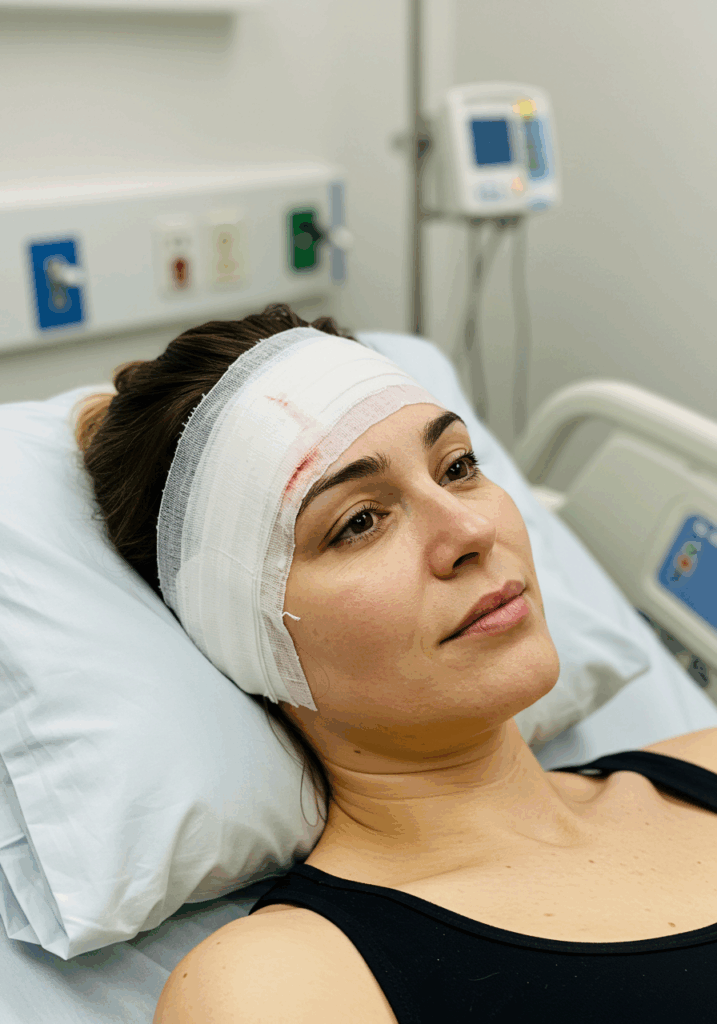
A person with a head injury wrapped in white bandages, looking directly at the camera with a serious expression.

If you’re exploring coronal incision procedures, whether for medical or cosmetic reasons, understanding the key steps involved is essential for ensuring a successful outcome. This surgical technique is commonly used in procedures such as forehead reduction, brow lifts, and craniofacial surgeries. It offers access to the forehead and scalp while minimizing visible scarring.

This comprehensive guide provides a detailed, step-by-step breakdown of the coronal incision procedure, including pre-operative preparations, surgical techniques, and post-operative care. By the end, you’ll have a thorough understanding of the process, best practices, and what to expect at each stage.

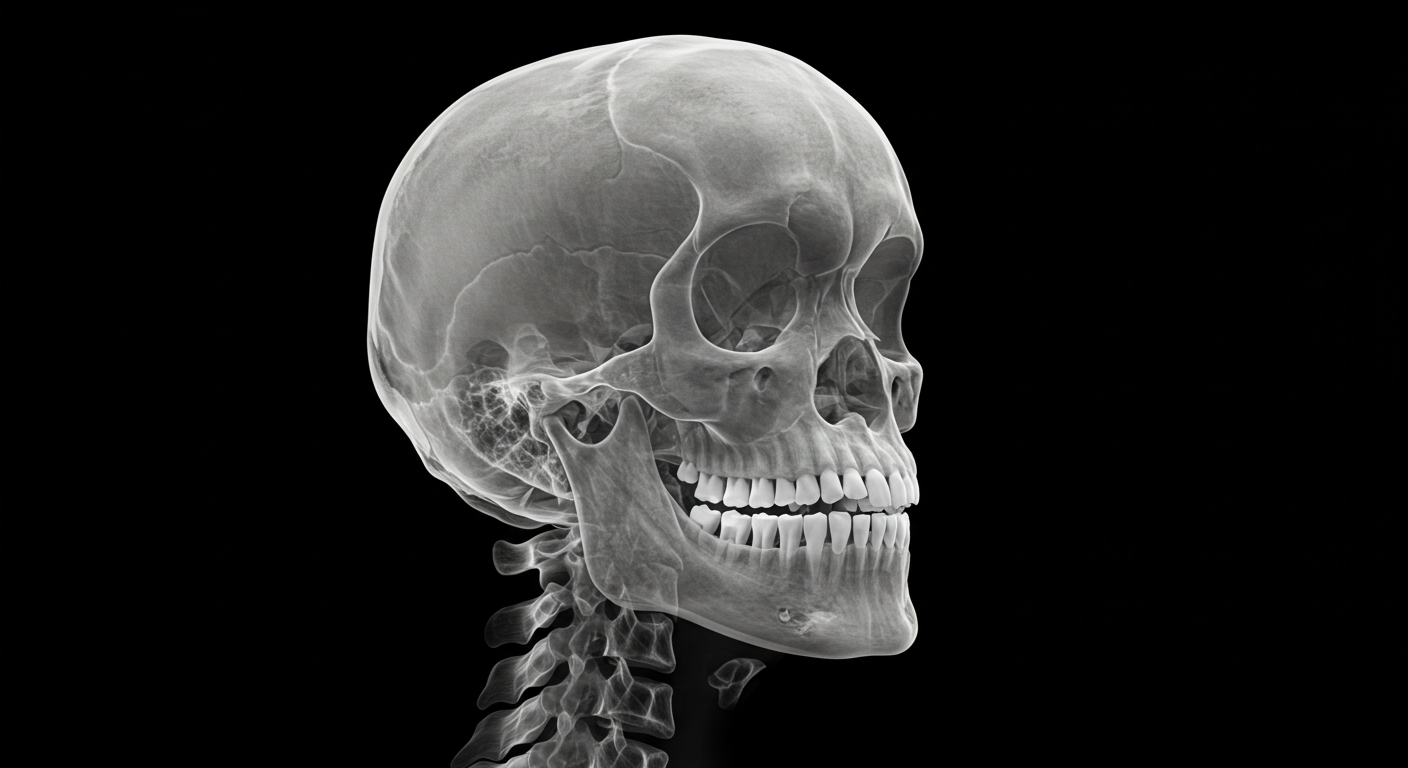
An X-ray image of a human skull in profile view, showing detailed bone structure of the cranium, jaw, and upper cervical spine against a dark background.

Pre-Operative Steps: Preparing for a Coronal Incision Procedure

1. Patient Consultation and Assessment

Purpose of the Consultation

The initial consultation is a critical step where the surgeon will:

  • Evaluate the patient’s medical history and current health status.
  • Discuss the patient’s goals and expectations for the procedure.
  • Examine the patient’s forehead, scalp, and hairline to determine the best approach.
  • Explain the potential risks, benefits, and alternatives to the coronal incision procedure.

What to Expect During the Consultation

During the consultation, the surgeon may:

  • Take photographs of the patient’s forehead and hairline for pre-operative planning.
  • Use 3D imaging technology to simulate potential results.
  • Recommend additional tests, such as blood work or imaging, to assess the patient’s suitability for surgery.

2. Pre-Operative Instructions and Preparations

Medical Evaluations

Before surgery, the patient may need to undergo:

  • Blood tests to assess overall health and check for any underlying conditions.
  • EKG or other cardiac evaluations if the patient has a history of heart conditions.
  • Consultations with other specialists if the patient has underlying medical conditions.

Lifestyle Adjustments

The surgeon will provide specific instructions to prepare for surgery, such as:

  • Avoiding smoking and alcohol for at least 2 weeks before and after surgery.
  • Stopping certain medications, such as blood thinners or NSAIDs, that can increase bleeding risk.
  • Arranging for a friend or family member to drive the patient home after the procedure.
A woman lying in a hospital bed with a bandage on her head, looking upwards.

The Coronal Incision Procedure: Step-by-Step

1. Anesthesia Administration

Types of Anesthesia Used

The coronal incision procedure is typically performed under general anesthesia, ensuring the patient is completely asleep and pain-free. In some cases, local anesthesia with sedation may be used for minor adjustments.

What to Expect

  • An anesthesiologist will monitor the patient’s vital signs throughout the procedure.
  • The patient will be intubated to assist with breathing during general anesthesia.
  • The anesthesia team will discuss potential risks and side effects with the patient beforehand.

2. Incision Placement and Technique

Incision Placement

The coronal incision is typically made along the hairline, extending from ear to ear. This placement allows the surgeon to:

  • Access the forehead and scalp while minimizing visible scarring.
  • Preserve hair follicles to ensure natural hair growth post-surgery.
  • Adjust the incision based on the patient’s hairline and facial anatomy.

Surgical Technique

The surgeon will:

  1. Mark the incision line along the hairline using a surgical marker.
  2. Administer local anesthesia with epinephrine to minimize bleeding.
  3. Make a precise incision along the marked line, ensuring minimal trauma to hair follicles.

3. Exposure and Procedure Execution

Exposing the Surgical Area

Once the incision is made, the surgeon will:

  • Carefully lift the scalp to expose the underlying forehead and bone structure.
  • Use retractors to hold the scalp in place, providing a clear view of the surgical area.
  • Minimize tension on the scalp to reduce the risk of complications.

Performing the Primary Procedure

Depending on the goals of the surgery, the surgeon may perform:

  • Forehead Reduction: Removing excess forehead skin to lower the hairline.
  • Brow Lift: Adjusting the position of the eyebrows for a more youthful appearance.
  • Craniofacial Surgery: Addressing structural issues or deformities in the forehead or skull.

4. Closure and Post-Operative Care

Closing the Incision

After completing the primary procedure, the surgeon will:

  1. Carefully reposition the scalp and align the incision edges.
  2. Use sutures or staples to close the incision, ensuring minimal tension on the scalp.
  3. Apply dressings or bandages to protect the incision site and promote healing.

Post-Operative Instructions

Before the patient is discharged, the surgical team will ensure:

  • The patient has clear instructions for post-operative care, including wound care and medication management.
  • The patient knows how to manage pain, swelling, and potential complications.
  • A follow-up appointment is scheduled to monitor healing progress.

Post-Operative Recovery: What to Expect

1. Immediate Recovery (First 48 Hours)

Common Symptoms

After surgery, patients can expect:

  • Pain and Discomfort: Managed with prescribed pain medications.
  • Swelling and Bruising: Most pronounced around the forehead and eyes.
  • Drainage: Patients may have drains in place to remove excess fluid.

Recovery Tips

  • Keep the head elevated to reduce swelling.
  • Follow the surgeon’s instructions for wound care and medication.
  • Avoid touching or disturbing the incision site.

2. Early Recovery (Weeks 1-4)

What to Expect

  • Reduced Swelling: Swelling will begin to subside, and bruising will fade.
  • Stitches Removal: Stitches or staples are typically removed within 7-10 days.
  • Gradual Return to Activities: Light activities can be resumed, but avoid strenuous exercise.

Recovery Tips

  • Attend follow-up appointments to monitor healing progress.
  • Avoid smoking and alcohol, as they can impair healing.
  • Use cold compresses to further reduce swelling.

3. Long-Term Recovery (3-12 Months)

What to Expect

  • Final Results: The full results of the surgery will become apparent as residual swelling subsides.
  • Scar Maturation: Scars will continue to fade and flatten over time.
  • Full Activity Resumption: Patients can gradually return to all normal activities, including intense exercise.

Recovery Tips

  • Continue to follow up with the surgeon as recommended.
  • Use sunscreen to protect scars from UV damage.
  • Be patient, as final results may take up to a year to fully manifest.

Comparison: Coronal Incision vs. Other Surgical Techniques

ProcedureIncision TechniqueRecovery TimeScarringBest For
Coronal IncisionIncision along the hairline3-12 months for full recoveryMinimal, hidden within the hairlineForehead reduction, brow lifts, craniofacial surgery
Endoscopic Brow LiftSmall incisions within the scalp2-4 weeks for initial recoveryMinimal, hidden within the hairMild to moderate brow ptosis
Direct Brow LiftIncision above the eyebrows1-2 weeks for initial recoveryVisible, along the eyebrowSevere brow ptosis in older patients

For more information on related procedures, visit our forehead reduction surgery page.

Woman wearing a black lace bra posing confidently against a dark background.

Conclusion

Key Takeaways

  • The coronal incision procedure involves pre-operative preparations, precise incision techniques, and careful post-operative care to ensure optimal results.
  • Understanding each step helps patients prepare mentally and physically for the surgery and ensures a smoother recovery process.
  • Recovery typically spans 3 to 12 months, with the most significant improvements seen within the first few weeks.
  • Choosing a qualified and experienced surgeon is crucial for achieving optimal results and minimizing complications.

Next Steps

If you’re considering a coronal incision procedure, schedule a consultation with a board-certified surgeon to discuss your goals and the procedure in detail. For more information on related procedures, explore our resources on forehead reduction surgery for men and facial reconstruction surgery.

Frequently Asked Questions (FAQs)

1. What is a coronal incision procedure?

A coronal incision procedure involves making an incision along the hairline to access the forehead and scalp. It is commonly used in forehead reduction, brow lifts, and craniofacial surgeries.

2. How long does the coronal incision procedure take?

The procedure typically takes 2 to 5 hours, depending on the complexity of the case and the techniques used.

3. Is the coronal incision procedure painful?

Pain levels vary, but most patients report mild to moderate discomfort that can be managed with prescribed pain medications. Pain typically subsides within a few days to weeks.

4. What type of anesthesia is used for a coronal incision procedure?

A coronal incision procedure is usually performed under general anesthesia, ensuring the patient is completely asleep and pain-free during the procedure.

5. How soon can I return to work after a coronal incision procedure?

Most patients can return to work within 2-4 weeks, depending on the nature of their job and their individual healing progress.

6. What are the risks and complications of a coronal incision procedure?

Potential risks include infection, nerve damage, hematoma, poor wound healing, and scarring. Choosing an experienced surgeon and following post-operative care instructions can minimize these risks.

7. Can a coronal incision procedure be combined with other surgeries?

Yes, a coronal incision procedure is often combined with other facial procedures, such as brow lifts or hair transplants, to achieve comprehensive results.

8. How do I prepare for a coronal incision procedure?

Preparation includes undergoing medical evaluations, avoiding smoking and alcohol, stopping certain medications, and arranging for post-operative care and transportation.

Visit Dr.MFO Instagram profile to see real patient transformations! Get a glimpse of the incredible results achieved through facial feminization surgery and other procedures. The profile showcases before-and-after photos that highlight Dr. MFO’s expertise and artistic vision in creating natural-looking, beautiful outcomes.

Ready to take the next step in your journey? Schedule a free consultation with Dr. MFO ( Best Facial Feminization Surgeon for You) today. During the consultation, you can discuss your goals, ask any questions you may have, and learn more about how Dr. MFO can help you achieve your desired look. Don’t hesitate to take advantage of this free opportunity to explore your options and see if Dr. MFO is the right fit for you.

Cheek Augmentation in FFS: Techniques, Risks & Recovery Guide

A close-up portrait of a young woman with smooth skin, wearing a black tank top, posing confidently against a plain white background.

Cheek augmentation is a cornerstone of Facial Feminization Surgery (FFS), transforming masculine facial contours into softer, more feminine features. For transgender women and non-binary individuals, this procedure is not just about aesthetics—it’s about aligning physical appearance with gender identity. However, choosing the right technique can be overwhelming. Should you opt for implants, fat grafting, or fillers? What are the risks, recovery times, and long-term results?

In this comprehensive 3,000-word guide, we dive deep into every aspect of cheek augmentation in FFS, from surgical methods to recovery tips, ensuring you make an informed decision. Whether you’re researching for yourself or supporting a loved one, this guide is your definitive resource.

A close-up portrait of a young woman with smooth skin, wearing a black lace top, against a dark background.

Understanding Cheek Augmentation in Facial Feminization Surgery

Why Cheek Augmentation Matters in FFS

Cheek augmentation plays a pivotal role in FFS because:

  • Facial Balance: It softens angular, masculine jawlines and creates a heart-shaped face, a hallmark of femininity.
  • Youthful Appearance: Fuller cheeks are associated with youth and vitality, counteracting the effects of aging.
  • Emotional Expression: Enhanced cheekbones can make the face appear more expressive and approachable.

The Science Behind Feminine Cheek Contours

Research shows that feminine faces typically feature:

  • Higher, more pronounced cheekbones.
  • A smoother transition from the cheeks to the lower face.
  • Less prominent jawlines and chin structures.

Cheek augmentation in FFS aims to replicate these traits through surgical or non-surgical methods. For more on facial feminization principles, explore our guide on choosing the best FFS surgeon.

A close-up portrait of a person wearing a white face covering with visible eyes, highlighting a sense of mystery and intensity.

Cheek Augmentation Techniques: A Comparative Analysis

There are three primary techniques for cheek augmentation in FFS. Each has its advantages, risks, and ideal candidates. Below is a detailed comparison:

TechniqueDescriptionProsConsRecovery TimeLongevity
Cheek ImplantsSolid silicone or porous polyethylene implants are surgically placed over the cheekbones.Permanent results. Highly customizable shapes and sizes. Natural feel and appearance.Surgical procedure with inherent risks. Longer recovery time. Potential for implant shifting.2-4 weeksPermanent
Fat GraftingFat is harvested from another part of the body (e.g., thighs or abdomen) and injected into the cheeks.Natural look and feel. Dual benefit of liposuction. Minimal risk of rejection.Results may vary based on fat absorption. Multiple sessions may be required. Less predictable than implants.1-2 weeksLong-lasting (5-10 years)
Dermal FillersHyaluronic acid or other fillers are injected into the cheeks for temporary augmentation.Non-surgical, minimal downtime. Immediate results. Reversible if unsatisfied.Temporary results (6-18 months). Requires maintenance sessions. Less dramatic than surgical options.1-3 days6-18 months

Which Technique Is Right for You?

Choosing the right technique depends on your goals, budget, and tolerance for downtime. Here’s a quick decision guide:

  • For permanent, dramatic results: Cheek implants.
  • For a natural look with body contouring benefits: Fat grafting.
  • For a non-surgical, low-commitment option: Dermal fillers.

For a deeper dive into combining procedures, read our article on combining rhinoplasty and cheek augmentation in FFS.

The Cheek Augmentation Procedure: Step-by-Step

Pre-Surgical Consultation

Your journey begins with a consultation with a board-certified FFS surgeon. During this visit:

  • Your surgeon will assess your facial structure and discuss your goals.
  • 3D imaging or simulations may be used to preview potential results.
  • You’ll discuss technique options, risks, and recovery expectations.

Day of Surgery

On the day of the procedure:

  1. Anesthesia: General anesthesia is typically used for implants and fat grafting. Local anesthesia may suffice for fillers.
  2. Incision Placement:
    • Implants: Incisions are usually made inside the mouth (intraoral) or under the lower eyelids.
    • Fat Grafting: Fat is harvested via liposuction, then injected into the cheeks.
    • Fillers: Injected directly into the cheeks with a fine needle.
  3. Procedure Duration:
    • Implants: 1-2 hours.
    • Fat Grafting: 2-3 hours (including liposuction).
    • Fillers: 30-60 minutes.

Post-Surgical Care

Recovery varies by technique but generally includes:

  • Swelling and Bruising: Expect 1-2 weeks of noticeable swelling, especially with implants and fat grafting.
  • Pain Management: Prescription or over-the-counter pain relievers may be recommended.
  • Follow-Up Visits: Your surgeon will monitor healing and results.

For more recovery tips, check out our guide on FFS recovery.

Risks and Complications of Cheek Augmentation in FFS

While cheek augmentation is generally safe, it’s important to be aware of potential risks:

RiskCheek ImplantsFat GraftingDermal Fillers
InfectionRare, but possible. Antibiotics are typically prescribed.Low risk due to autologous fat.Very low risk.
AsymmetryPossible if implants shift.Possible if fat is absorbed unevenly.Minimal, as fillers can be adjusted.
ScarringMinimal, as incisions are hidden.Minimal, as incisions are small.None.
Overcorrection/UndercorrectionPossible, but adjustable with revision surgery.Possible, but can be corrected with additional sessions.Easily reversible with hyaluronidase.
Nerve DamageRare, but possible (temporary or permanent).Very rare.Very rare.

Mitigating Risks

To minimize complications:

  • Choose a board-certified FFS surgeon with extensive experience in transgender facial surgery.
  • Follow all pre- and post-operative instructions carefully.
  • Attend all follow-up appointments to monitor healing.

Learn more about managing risks in our article on combining FFS procedures.

Conclusion: Your Path to Feminine Facial Harmony

Key Takeaways

  • Cheek augmentation is a powerful tool in FFS, capable of transforming masculine facial features into softer, more feminine contours.
  • Three primary techniques—implants, fat grafting, and fillers—offer unique benefits and trade-offs.
  • Recovery and risks vary by technique, but choosing an experienced surgeon minimizes complications.
  • Consultation and 3D imaging are critical for achieving your desired results.

Next Steps

Ready to take the next step? Here’s what to do:

  1. Research Surgeons: Look for board-certified FFS specialists with experience in transgender facial surgery. Our guide on finding the best FFS surgeon can help.
  2. Schedule Consultations: Discuss your goals and explore technique options with potential surgeons.
  3. Prepare for Recovery: Plan for downtime and follow your surgeon’s post-operative instructions.

Frequently Asked Questions About Cheek Augmentation in FFS

1. How painful is cheek augmentation in FFS?

Pain levels vary by technique:

  • Implants: Moderate discomfort for the first few days, managed with pain medication.
  • Fat Grafting: Mild to moderate discomfort, primarily from liposuction sites.
  • Fillers: Minimal discomfort, often described as a pinch.

2. Can cheek augmentation be combined with other FFS procedures?

Yes! Cheek augmentation is often combined with:

  • Rhinoplasty (nose reshaping).
  • Jaw contouring.
  • Forehead feminization.

Combining procedures can reduce overall recovery time and costs. Learn more about combining rhinoplasty and cheek augmentation.

3. How long does it take to see final results?

Final results depend on the technique:

  • Implants: 3-6 months, as swelling subsides.
  • Fat Grafting: 3-6 months, as fat settles and integrates.
  • Fillers: Immediate, but may require touch-ups.

4. Are there non-surgical alternatives to cheek augmentation?

Yes! Dermal fillers are a popular non-surgical option. They provide temporary augmentation with minimal downtime. However, results typically last 6-18 months and require maintenance.

5. How do I choose the best surgeon for cheek augmentation in FFS?

Choosing the right surgeon is critical. Look for:

  • Board certification in plastic or facial surgery.
  • Extensive experience in FFS and transgender facial surgery.
  • Before-and-after photos of previous patients.
  • Positive patient testimonials and reviews.

For more tips, read our guide on finding the best FFS surgeon.

6. What is the cost of cheek augmentation in FFS?

Costs vary by technique and geographic location:

  • Implants: $5,000–$10,000.
  • Fat Grafting: $3,000–$8,000 (includes liposuction).
  • Fillers: $600–$2,000 per session.

7. Can cheek augmentation be reversed?

Reversibility depends on the technique:

  • Implants: Reversible with surgical removal.
  • Fat Grafting: Partially reversible, but some fat may remain.
  • Fillers: Fully reversible with hyaluronidase injections.

8. What are the signs of a botched cheek augmentation?

Signs of a poorly performed cheek augmentation include:

  • Asymmetry or uneven contours.
  • Overly prominent or unnatural-looking cheekbones.
  • Visible scarring or lumps.
  • Chronic pain or nerve damage.

If you suspect a botched procedure, consult a revision specialist immediately.

Visit Dr.MFO Instagram profile to see real patient transformations! Get a glimpse of the incredible results achieved through facial feminization surgery and other procedures. The profile showcases before-and-after photos that highlight Dr. MFO’s expertise and artistic vision in creating natural-looking, beautiful outcomes.

Ready to take the next step in your journey? Schedule a free consultation with Dr. MFO ( Best Facial Feminization Surgeon for You) today. During the consultation, you can discuss your goals, ask any questions you may have, and learn more about how Dr. MFO can help you achieve your desired look. Don’t hesitate to take advantage of this free opportunity to explore your options and see if Dr. MFO is the right fit for you.

Complete Guide to FFS Surgery for Transgender Individuals | Dr. MFO

A vibrant image of a woman wearing a blue swimsuit against a bright pink and orange gradient background, exuding confidence and style.

For transgender individuals, Facial Feminization Surgery (FFS) is not just a medical procedure—it’s a life-changing step toward aligning physical appearance with gender identity. Whether you’re exploring the possibility of FFS or preparing for surgery, this comprehensive guide will equip you with everything you need to know: from understanding the procedures to managing expectations and recovery.

FFS encompasses a range of surgical techniques designed to soften traditionally masculine facial features, creating a more feminine appearance. This guide will walk you through the key procedures, risks, costs, and recovery processes, ensuring you make informed decisions about your transformation journey.

A smiling woman holding a colorful rainbow umbrella against a dark background.

Understanding FFS: What It Is and Who It’s For

What Is Facial Feminization Surgery (FFS)?

Facial Feminization Surgery (FFS) refers to a set of reconstructive surgical procedures intended to alter typically masculine facial features to achieve a more feminine appearance. It is a critical component of gender-affirming care for many transgender women and non-binary individuals.

Who Is a Candidate for FFS?

FFS is ideal for transgender women and non-binary individuals who seek to:

  • Align their facial features with their gender identity.
  • Reduce gender dysphoria related to facial appearance.
  • Enhance their overall quality of life and self-confidence.

Common Goals of FFS

FFS aims to:

  • Soften angular or prominent features.
  • Create a more oval or heart-shaped face.
  • Enhance facial symmetry and balance.
  • Achieve a natural, feminine appearance.
A woman in black lingerie posing confidently with her hand on her hip against a dark background.

Key FFS Procedures: What to Expect

FFS is highly customizable, and procedures are tailored to each individual’s unique facial structure and goals. Below are some of the most common FFS procedures:

1. Forehead Contouring

Forehead contouring involves reshaping the forehead to reduce the appearance of a prominent brow ridge, which is often associated with masculine features. This procedure may include:

  • Type I Forehead Contouring: Shaving down the brow bone.
  • Type III Forehead Contouring: More extensive reshaping, including the frontal sinus.

2. Rhinoplasty (Nose Reshaping)

Rhinoplasty for FFS focuses on creating a smaller, more refined nose that complements a feminine facial structure. This may involve:

  • Reducing the nasal bridge.
  • Refining the nasal tip.
  • Narrowing the nostrils.

3. Jaw Contouring

Jaw contouring reduces the width and prominence of the jawline, creating a softer, more feminine appearance. Techniques include:

  • Mandibular angle reduction.
  • Chin reshaping.

4. Cheek Augmentation

Cheek augmentation enhances the midface to create a more youthful and feminine contour. This can be achieved through:

5. Lip Lift and Augmentation

A lip lift shortens the distance between the nose and upper lip, while augmentation adds volume to create fuller, more feminine lips. This may involve:

  • Lip lift surgery.
  • Dermal fillers or fat grafting.

6. Adam’s Apple Reduction (Tracheal Shave)

This procedure reduces the prominence of the Adam’s apple, a typically masculine feature, to create a smoother neck contour.

7. Hairline Lowering

Hairline lowering, or forehead reduction, lowers the hairline to create a more feminine forehead shape and reduce the appearance of a receding hairline.

ProcedureGoalRecovery Time
Forehead ContouringReduce brow ridge prominence2-4 weeks
RhinoplastyRefine nasal structure1-2 weeks
Jaw ContouringSoften jawline2-3 weeks
Cheek AugmentationEnhance midface volume1-2 weeks
Lip Lift/AugmentationCreate fuller lips1 week
Adam’s Apple ReductionSmooth neck contour1-2 weeks
Hairline LoweringReduce forehead height2-3 weeks

Potential Risks and Complications of FFS

While FFS is generally safe, like any surgical procedure, it carries potential risks. It’s essential to discuss these with your surgeon and understand how they apply to your specific case.

Common Risks

  • Infection: Post-surgical infections are rare but possible. Antibiotics are typically prescribed to minimize this risk.
  • Scarring: Most incisions are placed in inconspicuous areas, but some scarring may occur.
  • Nerve Damage: Temporary or permanent nerve damage may affect sensation or muscle movement in the face.
  • Asymmetry: While surgeons aim for symmetry, minor asymmetries can occur.
  • Hematoma or Seroma: Fluid or blood collection under the skin may require drainage.

Procedure-Specific Risks

  • Forehead Contouring: Risk of frontal sinus complications or changes in forehead sensation.
  • Rhinoplasty: Breathing difficulties or dissatisfaction with aesthetic results.
  • Jaw Contouring: Temporary or permanent weakness in jaw muscles.
  • Cheek Augmentation: Implant displacement or uneven results.

To minimize risks, choose a board-certified surgeon with extensive experience in FFS procedures.

Cost of FFS and Financing Options

The cost of FFS varies widely depending on the procedures performed, the surgeon’s expertise, and geographic location. Below is a general cost range for common FFS procedures:

ProcedureCost Range (USD)
Forehead Contouring$5,000 – $15,000
Rhinoplasty$6,000 – $12,000
Jaw Contouring$7,000 – $15,000
Cheek Augmentation$4,000 – $10,000
Lip Lift/Augmentation$2,000 – $6,000
Adam’s Apple Reduction$3,000 – $7,000
Hairline Lowering$5,000 – $10,000

Financing Options

FFS is a significant investment, but several financing options can make it more accessible:

  • Insurance Coverage: Some insurance plans cover FFS as part of gender-affirming care. Check with your provider for details.
  • Payment Plans: Many surgeons offer flexible payment plans to spread the cost over time.
  • Medical Loans: Specialized medical loans, such as those from CareCredit, can help finance your procedure.
  • Crowdfunding: Platforms like GoFundMe allow you to raise funds from your community.

Recovery and Aftercare: What to Expect Post-Surgery

Recovery from FFS varies depending on the procedures performed. However, most individuals can expect the following general timeline:

Immediate Post-Operative Period (First Week)

  • Swelling and bruising are common and typically peak within the first 48-72 hours.
  • Pain medication and cold compresses can help manage discomfort.
  • Follow your surgeon’s instructions for wound care and activity restrictions.

First Month

  • Most swelling and bruising will subside within 2-3 weeks.
  • Stitches or sutures are typically removed within 7-10 days.
  • Avoid strenuous activities and follow a soft-food diet if jaw surgery was performed.

Long-Term Recovery (3-6 Months)

  • Final results become more apparent as residual swelling resolves.
  • Continue to follow up with your surgeon for post-operative evaluations.
  • Maintain a healthy lifestyle to support healing and optimize results.

For more details on recovery, visit our MTF Facial Feminization Surgery page.

Choosing the Right Surgeon for Your FFS Journey

Selecting a qualified and experienced surgeon is critical to achieving safe and satisfying results. Here’s what to look for:

Key Considerations

  • Board Certification: Ensure your surgeon is board-certified in plastic or facial surgery.
  • Experience with FFS: Choose a surgeon who specializes in FFS and has a proven track record of successful outcomes.
  • Before-and-After Photos: Review the surgeon’s portfolio to assess their aesthetic style and results.
  • Patient Testimonials: Read reviews and testimonials from previous patients to gauge satisfaction levels.
  • Consultation Process: A thorough consultation should include a discussion of your goals, a physical examination, and a personalized treatment plan.

For more insights on choosing the right surgeon, explore our Facial Feminization and Transgender Facial Surgery guide.

A woman posing confidently in a nightclub setting with vibrant blue and red lighting.

Conclusion: Your Journey to a Feminine Facial Appearance

Key Takeaways

  • FFS is a highly customizable set of procedures designed to create a more feminine facial appearance.
  • Common procedures include forehead contouring, rhinoplasty, jaw contouring, cheek augmentation, lip lift, Adam’s apple reduction, and hairline lowering.
  • Understanding the risks, costs, and recovery process is essential for making informed decisions.
  • Choosing an experienced, board-certified surgeon is critical to achieving safe and satisfying results.

Next Steps

  • Schedule a consultation with a qualified FFS surgeon to discuss your goals and options.
  • Explore financing options to make your transformation journey feasible.
  • Prepare for recovery by arranging time off work and gathering necessary supplies.
  • Connect with support groups or communities for transgender individuals undergoing FFS to share experiences and advice.

Frequently Asked Questions About FFS

What Is the Recovery Time for FFS?

Recovery time varies depending on the procedures performed. Most individuals return to normal activities within 2-4 weeks, but full recovery may take up to 6 months.

Does Insurance Cover FFS?

Some insurance plans cover FFS as part of gender-affirming care. Check with your provider to determine your coverage options.

Are the Results of FFS Permanent?

Yes, the results of FFS are generally permanent. However, aging and lifestyle factors can affect long-term outcomes.

What Are the Risks of FFS?

Potential risks include infection, scarring, nerve damage, and asymmetry. Choosing an experienced surgeon minimizes these risks.

How Much Does FFS Cost?

The cost of FFS varies widely, ranging from $20,000 to $50,000 or more, depending on the procedures performed and the surgeon’s expertise.

Can FFS Be Combined with Other Surgeries?

Yes, FFS can be combined with other gender-affirming surgeries, such as breast augmentation or body contouring, depending on your health and surgeon’s recommendations.

How Do I Prepare for FFS?

Preparation involves consulting with your surgeon, arranging time off work, and following pre-operative instructions, such as avoiding certain medications and maintaining a healthy lifestyle.

What Should I Expect During the Consultation?

During the consultation, your surgeon will discuss your goals, evaluate your facial structure, and create a personalized treatment plan. They will also explain the procedures, risks, and recovery process in detail.

Visit Dr.MFO Instagram profile to see real patient transformations! Get a glimpse of the incredible results achieved through facial feminization surgery and other procedures. The profile showcases before-and-after photos that highlight Dr. MFO’s expertise and artistic vision in creating natural-looking, beautiful outcomes.

Ready to take the next step in your journey? Schedule a free consultation with Dr. MFO ( Best Facial Feminization Surgeon for You) today. During the consultation, you can discuss your goals, ask any questions you may have, and learn more about how Dr. MFO can help you achieve your desired look. Don’t hesitate to take advantage of this free opportunity to explore your options and see if Dr. MFO is the right fit for you.

Best Countries for Affordable FFS Surgery for Transgender Women

A smiling individual with vibrant red hair standing in front of a colorful rainbow flag, symbolizing LGBTQ+ pride and diversity.

Are you a transgender woman seeking affordable, high-quality Facial Feminization Surgery (FFS)? The journey to aligning your outer appearance with your gender identity is deeply personal—and finding the right country for your surgery is a critical step. With costs varying dramatically worldwide, selecting a destination that balances affordability, expertise, and safety can feel overwhelming.

In this guide, we’ll explore the best countries for affordable FFS surgery, breaking down costs, surgeon qualifications, recovery support, and travel logistics. Whether you’re prioritizing budget, quality, or convenience, this resource will empower you to make an informed decision.

A person wearing a white headband and a robe, standing in a medical setting with various medical equipment visible in the background.

Why Choose FFS Surgery Abroad?

FFS surgery abroad offers a unique combination of cost savings, world-class expertise, and discreet recovery options. Here’s why thousands of transgender women opt for international destinations:

  • Cost Efficiency: Countries like Thailand, Mexico, and Turkey offer FFS at a fraction of the price in the U.S. or Europe, without compromising quality.
  • Expert Surgeons: Many international clinics specialize in transgender surgeries, with surgeons who have trained globally and performed thousands of procedures.
  • Privacy and Comfort: Recovering abroad can provide a supportive environment away from societal pressures.
  • Comprehensive Care: Top destinations offer all-inclusive packages covering surgery, accommodation, and post-op care.

According to a 2023 study by the International Journal of Transgender Health, over 60% of transgender women who underwent FFS abroad reported higher satisfaction rates due to personalized care and affordability.

A person with short, vibrant orange hair and bold pink eyeshadow draped in a rainbow flag, standing against a solid blue background.

Top 5 Countries for Affordable FFS Surgery

We’ve analyzed cost, surgeon expertise, patient reviews, and recovery support to curate this list of the best countries for FFS surgery:

CountryAverage Cost (USD)Top ClinicsRecovery SupportTravel Convenience
Thailand$8,000 – $15,000Yanhee Hospital, Kamol Cosmetic Hospital5-star recovery hotels, 24/7 nursingHigh (direct flights, visa-free for many)
Mexico$7,000 – $12,000Transformations Mexico, Cosmetic Surgery MexicoPrivate recovery houses, bilingual staffHigh (proximity to U.S./Canada)
Turkey$6,500 – $14,000Dr MFO ClinicLuxury recovery suites, translation servicesModerate (easy flights from Europe)
South Korea$12,000 – $20,000Banobagi Clinic, ID HospitalHigh-tech recovery centers, cultural sensitivityModerate (long-haul flights)
Brazil$9,000 – $16,000Hospital Israelita Albert Einstein, Clínica AldeiaDedicated LGBTQ+ recovery facilitiesModerate (visa requirements vary)

For a deeper dive into costs, check out our Transgender FFS Costs Country by Country guide.

Thailand: The Gold Standard for Affordable FFS

Thailand is renowned for its high-quality, low-cost FFS procedures, with Bangkok and Phuket as top destinations. Clinics like Yanhee Hospital and Kamol Cosmetic Hospital are globally recognized for their expertise in transgender surgeries.

  • Pros: English-speaking staff, luxury recovery options, and a welcoming LGBTQ+ community.
  • Cons: Long flight for patients from the Americas.

Mexico: Proximity and Affordability

Mexico is a top choice for North American patients due to its proximity and competitive pricing. Cities like Guadalajara and Monterrey host clinics specializing in FFS, such as Transformations Mexico.

  • Pros: No language barrier, easy travel, and all-inclusive packages.
  • Cons: Limited luxury recovery options compared to Thailand.

Turkey: The Rising Star for FFS

Turkey has emerged as a leader in affordable, high-quality FFS, with Istanbul as the hub. Clinics like Dr MFO Clinic offer cutting-edge techniques at a fraction of European prices.

  • Pros: European standards, luxury recovery suites, and cultural sensitivity.
  • Cons: Visa requirements for some nationalities.

South Korea: Premium Quality at Mid-Range Costs

South Korea is synonymous with innovative cosmetic surgery. While slightly pricier than other destinations, clinics like Banobagi and ID Hospital deliver unparalleled results.

  • Pros: Advanced technology, meticulous surgeons, and high patient satisfaction.
  • Cons: Higher costs and longer travel times.

Brazil: A Hub for Transgender Healthcare

Brazil is a pioneer in LGBTQ+ healthcare, with São Paulo and Rio de Janeiro offering world-class FFS. Clinics like Hospital Israelita Albert Einstein are leaders in transgender surgeries.

  • Pros: Strong LGBTQ+ community, experienced surgeons, and affordable costs.
  • Cons: Visa requirements and language barriers for non-Portuguese speakers.

How to Choose the Right FFS Surgeon

Selecting a qualified surgeon is the most critical step in your FFS journey. Here’s what to look for:

  • Board Certification: Ensure your surgeon is certified by reputable organizations like the International Society of Aesthetic Plastic Surgery (ISAPS).
  • Experience with Transgender Patients: Ask for before-and-after photos of transgender FFS procedures.
  • Patient Reviews: Look for testimonials from transgender women who’ve undergone FFS with the surgeon.
  • Consultation Process: A thorough consultation (in-person or virtual) is essential for personalized planning.

For more tips, read our guide on Finding a Qualified FFS Surgeon.

Red Flags to Avoid

Steer clear of surgeons or clinics that:

  • Lack transparency about pricing or procedures.
  • Do not provide before-and-after photos of transgender patients.
  • Have negative reviews regarding patient safety or outcomes.
  • Pressure you into making quick decisions.

Understanding the FFS Recovery Process

Recovery is a crucial phase of your FFS journey. Here’s what to expect:

Immediate Post-Op (First 2 Weeks)

  • Swelling and Bruising: Common but manageable with prescribed medications.
  • Rest and Hydration: Essential for healing; avoid strenuous activities.
  • Follow-Up Visits: Your surgeon will monitor your progress and remove stitches if necessary.

Weeks 3-6: Visible Improvements

  • Swelling Subsides: Your new facial contours will start to emerge.
  • Gradual Return to Activities: Light exercises and social outings can resume.
  • Scar Care: Use recommended ointments to minimize scarring.

Long-Term Recovery (6+ Months)

  • Final Results: It can take up to a year for swelling to fully resolve and final results to appear.
  • Emotional Support: Many patients benefit from therapy or support groups during this period.

For a detailed recovery timeline, visit our FFS Recovery Guide.

Frequently Asked Questions (FAQs)

What is the success rate of FFS surgery?

The success rate of FFS surgery is u003cstrongu003eover 90%u003c/strongu003e when performed by experienced surgeons. Factors like surgeon expertise, patient health, and post-op care significantly influence outcomes. For more details, read our u003ca href=u0022https://www.dr-mfo.com/your-essential-guide-ffs-frequently-asked-questions-about-ffs-surgeryu0022 target=u0022_blanku0022 rel=u0022noreferrer noopeneru0022u003eFFS FAQ Guideu003c/au003e.

How long does it take to recover from FFS?

Most patients return to normal activities within u003cstrongu003e4-6 weeksu003c/strongu003e, but full recovery can take u003cstrongu003e6-12 monthsu003c/strongu003e as swelling subsides and tissues settle. Learn more about the u003ca href=u0022https://www.dr-mfo.com/how-long-does-ffs-surgery-takeu0022 target=u0022_blanku0022 rel=u0022noreferrer noopeneru0022u003erecovery processu003c/au003e.

Is FFS surgery safe?

FFS is generally safe when performed by a u003cstrongu003eboard-certified, experienced surgeonu003c/strongu003e in an accredited facility. Risks like infection or poor healing are rare but can be minimized by following pre- and post-op instructions. For more on safety, visit our u003ca href=u0022https://www.dr-mfo.com/proactive-approach-to-ffs-surgery-minimizing-risks-and-complicationsu0022 target=u0022_blanku0022 rel=u0022noreferrer noopeneru0022u003eFFS Safety Guideu003c/au003e.

Can I combine FFS with other procedures?

Yes! Many patients combine FFS with procedures like u003cstrongu003ebreast augmentation, tracheal shave, or hair transplantsu003c/strongu003e for a more comprehensive transformation. Discuss your goals with your surgeon to create a personalized plan.

How do I prepare for FFS surgery?

Preparation includes:u003cbru003eMedical evaluations (blood tests, EKG).u003cbru003eStopping smoking and avoiding certain medications.u003cbru003eArranging post-op care and travel logistics.u003cbru003eYour clinic will provide a detailed pre-op checklist.

Will insurance cover FFS surgery?

Coverage varies by country and insurance provider. Some plans cover FFS as part of gender-affirming care, while others do not. Check with your provider and explore financing options if needed.

What are the risks of FFS surgery?

While rare, risks include:u003cbru003eInfection or poor wound healing.u003cbru003eNerve damage (usually temporary).u003cbru003eUnsatisfactory aesthetic results.u003cbru003eChoosing a qualified surgeon minimizes these risks. For more, read our u003ca href=u0022https://www.dr-mfo.com/facing-your-fears-understanding-common-anxieties-about-ffs-surgeryu0022 target=u0022_blanku0022 rel=u0022noreferrer noopeneru0022u003eGuide to FFS Risksu003c/au003e.

How do I choose between countries for FFS?

Consider your priorities:u003cbru003eu003cstrongu003eBudget:u003c/strongu003e Thailand, Mexico, or Turkey offer the best value.u003cbru003eu003cstrongu003eQuality:u003c/strongu003e South Korea and Brazil are leaders in innovation.u003cbru003eu003cstrongu003eTravel Convenience:u003c/strongu003e Mexico is ideal for North Americans; Thailand for Europeans/Australians.u003cbru003eu003cstrongu003eRecovery Support:u003c/strongu003e Look for destinations with LGBTQ+-friendly recovery facilities.

A woman with visible post-surgical dressings on her face and head, wearing a black bra and underwear, sitting on the edge of a hospital bed in a medical room with an IV stand nearby, suggesting a post-operative recovery setting.

Conclusion: Your Journey to Confidence

Key Takeaways

  • Affordability Meets Quality: Countries like Thailand, Mexico, and Turkey offer world-class FFS at a fraction of Western costs.
  • Surgeon Selection is Critical: Prioritize board-certified surgeons with transgender FFS experience.
  • Recovery Matters: Choose destinations with robust post-op care and LGBTQ+ support.
  • Plan Ahead: Budget for travel, accommodation, and recovery time to ensure a smooth experience.

Next Steps

Ready to take the next step? Here’s your action plan:

  1. Research Clinics: Compare the top clinics in your preferred country using our Comprehensive Guide.
  2. Consult Surgeons: Schedule virtual consultations with 2-3 surgeons to discuss your goals.
  3. Plan Your Trip: Book flights, accommodation, and recovery support in advance.
  4. Join Communities: Connect with transgender women who’ve had FFS abroad for firsthand insights.

Your transformation journey starts now. With the right preparation and support, you’ll achieve the affirming, beautiful results you deserve.

Visit Dr.MFO Instagram profile to see real patient transformations! Get a glimpse of the incredible results achieved through facial feminization surgery and other procedures. The profile showcases before-and-after photos that highlight Dr. MFO’s expertise and artistic vision in creating natural-looking, beautiful outcomes.

Ready to take the next step in your journey? Schedule a free consultation with Dr. MFO ( Best Facial Feminization Surgeon for You) today. During the consultation, you can discuss your goals, ask any questions you may have, and learn more about how Dr. MFO can help you achieve your desired look. Don’t hesitate to take advantage of this free opportunity to explore your options and see if Dr. MFO is the right fit for you.

FFS Surgery Cost Breakdown: Full Guide for Transgender Patients

A close-up portrait of a woman with blonde hair and striking makeup, including dark eyeshadow and bold eyeliner, wearing large hoop earrings, set against a dark background with a geometric pattern.

Facial Feminization Surgery (FFS) is a life-changing procedure for many transgender women, helping align their outward appearance with their gender identity. However, the cost of FFS can be a significant barrier. This guide provides a comprehensive cost breakdown of FFS surgery, ensuring you know exactly what to expect financially. Whether you’re just starting your research or are ready to take the next step, this article will equip you with the knowledge to make informed decisions.

A woman with blonde hair wearing a turquoise dress and turquoise earrings, smiling at the camera with a colorful background.

Understanding FFS Surgery: What Is It and Why Is It Important?

Facial Feminization Surgery (FFS) is a set of surgical procedures designed to soften and feminize the facial features of transgender women. The goal is to create a more traditionally feminine appearance, which can significantly improve self-esteem and quality of life.

Common Procedures in FFS

  • Forehead Contouring: Reduces the brow ridge and reshapes the forehead.
  • Rhinoplasty: Reshapes the nose to appear more delicate and feminine.
  • Jaw Contouring: Softens the jawline and reduces the appearance of a square jaw.
  • Cheek Augmentation: Enhances the cheekbones for a more defined and feminine look.
  • Lip Lift: Increases the visibility of the upper lip and creates a more youthful appearance.
  • Tracheal Shave: Reduces the appearance of the Adam’s apple.

Each of these procedures can be performed individually or in combination, depending on the patient’s goals and needs. For more details on the procedures themselves, visit our FFS Surgery page.

Surgical instruments and syringes arranged on a blue medical cloth

The Cost of FFS Surgery: A Detailed Breakdown

The cost of FFS surgery varies widely based on several factors, including the surgeon’s experience, geographic location, and the specific procedures performed. Below is a detailed cost breakdown for each common FFS procedure:

ProcedureAverage Cost (USD)Cost Range (USD)
Forehead Contouring$5,000$3,000 – $8,000
Rhinoplasty$6,500$4,000 – $10,000
Jaw Contouring$7,000$5,000 – $10,000
Cheek Augmentation$4,500$3,000 – $7,000
Lip Lift$2,500$1,500 – $4,000
Tracheal Shave$2,000$1,500 – $3,500

Note: These costs are approximate and can vary based on the surgeon’s expertise, facility fees, anesthesia, and other factors. For a more personalized estimate, consult with a qualified surgeon.

Total Cost of FFS Surgery

If you opt for a full FFS procedure that includes multiple surgeries, the total cost can range from $20,000 to $50,000 or more. This range accounts for the combination of procedures, surgeon fees, hospital costs, and post-operative care.

Cost by Country

The cost of FFS surgery also varies significantly by country. Below is a comparison of average costs in different regions:

CountryAverage Cost (USD)Notes
United States$30,000 – $50,000High demand, experienced surgeons
United Kingdom$20,000 – $40,000Varies by clinic and surgeon
Thailand$10,000 – $25,000Popular for medical tourism
South Korea$15,000 – $35,000Advanced techniques, high demand
Mexico$8,000 – $20,000Affordable but varies by clinic quality
A professional editorial description of the image featuring a detailed analysis of technical and aesthetic elements: **Camera and Optics:** The image appears to be captured using a high-end lens, likely an 85mm prime lens, known for its flattering compression and sharpness, ideal for portrait and fashion photography. The level of detail and clarity suggests a hyperrealistic quality, potentially shot in 8K resolution. The depth of field is shallow, creating a soft bokeh effect that isolates the subject from the background while maintaining crisp focus on the subject’s anatomy and attire. **Lighting Design:** The lighting design employs a hard-light technique, characterized by its sharp and defined shadows. The light source seems to originate from a side angle, creating a dramatic and sculptural effect on the subject’s body. This technique accentuates the contours of the torso, arms, and legs, emphasizing muscle definition and the natural curves of the body. The shadows cast under the collarbone, along the waist, and beneath the arms add depth and dimensionality to the image. **Anatomy and Identity:** The subject is female, exuding confidence and poise. Her posture is assertive, with one hand resting on her hip and the other lightly touching her abdomen, drawing attention to her toned physique. The waist appears 'snatched,' highlighting a narrow and well-defined midsection. The curvature of her hips and the definition of her abdominal muscles are prominently showcased, contributing to a balanced and aesthetically pleasing silhouette. **Texture and Skin:** The skin exhibits a subtle luminescence, likely enhanced by a light sheen of moisture or body oil, which reflects the hard light source. This creates a soft glow on the skin, emphasizing its smoothness and texture. The interplay of light and shadow on the skin’s surface adds to the hyperrealistic quality, making the skin appear almost tactile. There are no visible ter damlaları (sweat droplets), but the overall effect suggests a healthy and radiant complexmet. **Attire and Accessories:** The subject is wearing a black lace bra and matching high-waisted underwear set. The fabric appears to be a delicate lace material, possibly layered over a satin or silk base, offering a blend of elegance and sensuality. The lace pattern is intricate, adding a layer of sophistication to the attire. There are no visible metal accessories or hardware on the attire, keeping the focus purely on the texture and design of the lace. **Composition and Background:** The composition is centered on the subject, with her positioned slightly off-center to create a dynamic and engaging frame. The background is a smooth, gradient gray, which complements the noir and luxurious atmosphere of the image. The simplicity of the background ensures that the subject remains the focal point, while the gradient adds a touch of depth and sophistication. The overall mood is one of elegance and allure, with a hint of mystery conveyed through the use of shadows and lighting.

Factors Influencing the Cost of FFS Surgery

Several factors can influence the overall cost of FFS surgery. Understanding these factors can help you budget more effectively and make informed decisions.

1. Surgeon’s Experience and Reputation

Highly experienced surgeons with a strong reputation in the field of FFS typically charge more for their services. However, their expertise often translates to better results and fewer complications, making it a worthwhile investment.

2. Geographic Location

The cost of living and demand for FFS surgery in a particular region can significantly impact the price. For example, surgeries performed in major cities like New York or Los Angeles tend to be more expensive than those in smaller towns or countries with lower costs of living.

3. Facility Fees

Facility fees cover the cost of using the surgical center or hospital where the procedure is performed. These fees can vary widely depending on the location and the level of care provided.

4. Anesthesia Fees

Anesthesia is a critical component of FFS surgery, and the fees for the anesthesiologist can add several thousand dollars to the total cost.

5. Type and Number of Procedures

The more procedures you include in your FFS plan, the higher the total cost will be. For example, opting for a full FFS package that includes forehead contouring, rhinoplasty, jaw contouring, and cheek augmentation will be significantly more expensive than choosing just one or two procedures.

6. Pre- and Post-Operative Care

Pre-operative consultations, lab tests, medications, and post-operative follow-up visits are all essential parts of the FFS process. These costs can add up, so it’s important to factor them into your budget.

Financing and Insurance Options for FFS Surgery

Given the high cost of FFS surgery, many patients explore financing and insurance options to make the procedure more affordable. Here’s what you need to know:

1. Insurance Coverage

Some health insurance plans cover FFS surgery as part of gender-affirming care. However, coverage varies widely by provider and policy. It’s essential to check with your insurance company to understand what is covered and what documentation (such as letters of support from mental health professionals) may be required.

2. Payment Plans and Medical Loans

Many surgeons and clinics offer payment plans that allow you to pay for the procedure in installments. Additionally, medical loans from financial institutions can help cover the cost of surgery. Be sure to compare interest rates and terms before committing to a loan.

3. Crowdfunding

Platforms like GoFundMe and Trans Lifeline’s microgrants program can help transgender individuals raise funds for FFS surgery. Crowdfunding can be an effective way to cover some or all of the costs, especially if you have a strong support network.

4. Savings and Budgeting

If you have the time, saving up for FFS surgery is a viable option. Creating a dedicated savings plan and cutting back on non-essential expenses can help you reach your financial goal faster.

Mehmet Fatih Okyay, MD, FEBOPRAS in Türkiye. FFS Surgeon.

Choosing the Right Surgeon for Your FFS Journey

Selecting the right surgeon is one of the most critical decisions you’ll make during your FFS journey. Here’s what to consider:

1. Experience and Specialization

Look for a surgeon who specializes in FFS and has extensive experience working with transgender patients. Review before-and-after photos of their previous work to assess their skill and aesthetic style.

2. Patient Reviews and Testimonials

Reading reviews and testimonials from past patients can provide valuable insights into the surgeon’s bedside manner, professionalism, and the quality of their results.

3. Consultation Process

A thorough consultation process is a sign of a good surgeon. During the consultation, the surgeon should listen to your goals, explain the procedures in detail, and provide a realistic assessment of what can be achieved.

4. Cost Transparency

A reputable surgeon will provide a clear and detailed breakdown of all costs involved, including surgeon fees, facility fees, anesthesia, and post-operative care. Avoid surgeons who are vague about pricing or pressure you into making quick decisions.

Two people holding a trans pride flag in a park

Conclusion

Key Takeaways

  • FFS surgery costs vary widely, with individual procedures ranging from $1,500 to $10,000 and full FFS packages costing $20,000 to $50,000 or more.
  • Factors like surgeon experience, geographic location, and the number of procedures significantly impact the total cost.
  • Financing options, including insurance, payment plans, crowdfunding, and savings, can help make FFS more affordable.
  • Choosing the right surgeon is crucial for achieving the best results and ensuring a positive experience.

Next Steps

If you’re ready to take the next step in your FFS journey, we recommend:

  • Scheduling consultations with qualified FFS surgeons to discuss your goals and get personalized cost estimates.
  • Exploring financing options to determine the best way to fund your surgery.
  • Connecting with support groups or online communities for transgender individuals who have undergone FFS to gain insights and advice.

Frequently Asked Questions (FAQs)

1. How much does FFS surgery cost on average?

The average cost of FFS surgery ranges from $20,000 to $50,000, depending on the procedures included and the surgeon’s fees. Individual procedures can cost between $1,500 and $10,000 each.

2. Does insurance cover FFS surgery?

Some insurance plans cover FFS surgery as part of gender-affirming care, but coverage varies widely. Check with your provider to understand your policy’s specifics and any required documentation.

3. What is the most expensive FFS procedure?

Jaw contouring and rhinoplasty are among the most expensive FFS procedures, with costs ranging from $5,000 to $10,000 each.

4. Are there financing options for FFS surgery?

Yes, many clinics offer payment plans, and medical loans are available through financial institutions. Crowdfunding and savings are also popular options for financing FFS surgery.

5. How do I choose the right FFS surgeon?

Look for a surgeon with extensive experience in FFS and a strong portfolio of before-and-after photos. Patient reviews, transparent pricing, and a thorough consultation process are also important factors to consider.

6. What is the recovery time for FFS surgery?

Recovery time varies depending on the procedures performed. Most patients can return to work and normal activities within 2 to 4 weeks, but full recovery may take several months.

7. Can FFS surgery be combined with other gender-affirming procedures?

Yes, many patients combine FFS with other procedures like breast augmentation or vocal feminization surgery. However, combining procedures may increase the total cost and recovery time.

8. What are the risks of FFS surgery?

As with any surgery, FFS carries risks such as infection, scarring, and anesthesia complications. Choosing an experienced surgeon and following pre- and post-operative care instructions can minimize these risks.

Visit Dr.MFO Instagram profile to see real patient transformations! Get a glimpse of the incredible results achieved through facial feminization surgery and other procedures. The profile showcases before-and-after photos that highlight Dr. MFO’s expertise and artistic vision in creating natural-looking, beautiful outcomes.

Ready to take the next step in your journey? Schedule a free consultation with Dr. MFO ( Best Facial Feminization Surgeon for You) today. During the consultation, you can discuss your goals, ask any questions you may have, and learn more about how Dr. MFO can help you achieve your desired look. Don’t hesitate to take advantage of this free opportunity to explore your options and see if Dr. MFO is the right fit for you.

Recovery After Facial Asymmetry Surgery: Timeline & Expert Tips

A person with their face wrapped in white bandages, with only their eyes and nose visible.

Undergoing facial asymmetry surgery is a life-changing decision that can restore balance and harmony to your facial features. However, the journey doesn’t end with the surgery itself. The recovery process is a critical phase that determines the success of your procedure and the quality of your results. Whether you’re considering surgery or have already scheduled your procedure, understanding the recovery timeline, post-operative care, and potential challenges is essential for a smooth and successful healing journey.

In this comprehensive guide, we’ll walk you through every stage of the facial asymmetry surgery recovery process, from the immediate post-operative period to long-term healing. You’ll learn:

  • The detailed recovery timeline, including what to expect in the first 48 hours, first week, first month, and beyond.
  • Practical tips to accelerate healing and minimize discomfort.
  • How to manage swelling, bruising, and pain effectively.
  • The dos and don’ts during recovery to avoid complications.
  • When you can resume daily activities, work, and exercise.
  • How to optimize your results for long-term satisfaction.

By the end of this guide, you’ll feel empowered and prepared to navigate your recovery with confidence. Let’s dive in!

A young woman with bandages on her face, likely recovering from a medical procedure or injury.

Understanding Facial Asymmetry Surgery: A Brief Overview

Facial asymmetry surgery is a specialized procedure designed to correct imbalances in facial features, which may result from congenital conditions, trauma, or previous surgeries. The goal is to create a more symmetrical and aesthetically pleasing appearance. Common techniques include:

For more details on how facial asymmetry is addressed in procedures like Facial Feminization Surgery (FFS), you can explore our article on Facial Asymmetry and FFS Surgery.

The recovery process varies depending on the specific procedures performed, but most patients can expect a structured timeline with distinct phases. Let’s break it down.

A woman with long wavy hair standing in a dimly lit nightclub with blue and red lighting.

The Facial Asymmetry Surgery Recovery Timeline

The recovery process is divided into several phases, each with its own milestones and challenges. Below is a detailed breakdown of what to expect:

PhaseDurationWhat to ExpectKey Tips
Immediate Post-Op (First 48 Hours)0-2 daysSwelling and bruising begin to appear. Discomfort or pain, managed with prescribed medications. Dressings or bandages may be applied. Limited mobility; rest is critical.Follow your surgeon’s instructions for pain management. Keep your head elevated to reduce swelling. Avoid touching or pressing on the surgical area.
First Week3-7 daysPeak swelling and bruising. Possible numbness or tingling. Stitches or drains may be removed. Gradual improvement in mobility.Apply cold compresses to reduce swelling. Stay hydrated and eat soft, nutritious foods. Avoid strenuous activities.
First Month2-4 weeksSwelling and bruising subside significantly. Initial results become visible. Possible return to light activities. Follow-up appointments with your surgeon.Continue avoiding heavy lifting or intense exercise. Use recommended skincare products to aid healing. Protect your skin from sun exposure.
Long-Term Recovery (3-6 Months)3-6 monthsFinal results become apparent. Residual swelling resolves. Full sensation returns to treated areas. Confidence in your new appearance grows.Follow a healthy lifestyle to maintain results. Attend all scheduled follow-up appointments. Consider non-surgical enhancements if needed.

Managing Swelling, Bruising, and Pain: A Practical Guide

Swelling, bruising, and pain are inevitable parts of the recovery process, but they can be managed effectively with the right strategies. Here’s how:

1. Swelling

Swelling is your body’s natural response to surgery and typically peaks within the first 48-72 hours. To minimize swelling:

  • Elevate your head: Sleep with your head elevated at a 30-45 degree angle for the first week.
  • Apply cold compresses: Use ice packs wrapped in a cloth for 15-20 minutes every hour during the first 48 hours.
  • Stay hydrated: Drink plenty of water to flush out toxins and reduce fluid retention.
  • Avoid salt: Reduce sodium intake to prevent water retention.

2. Bruising

Bruising is common and may take 1-2 weeks to fade. To speed up the process:

  • Use arnica cream: Apply arnica-based creams or gels to reduce bruising.
  • Eat pineapple: Bromelain, an enzyme in pineapple, can help reduce bruising.
  • Avoid blood thinners: Steer clear of aspirin, ibuprofen, and certain supplements that can worsen bruising.

3. Pain Management

Pain levels vary depending on the extent of the surgery. Your surgeon will prescribe pain medications, but you can also:

  • Take medications as directed: Follow your surgeon’s instructions for pain relief.
  • Use relaxation techniques: Deep breathing or meditation can help manage discomfort.
  • Avoid smoking and alcohol: Both can interfere with healing and increase pain.

Dos and Don’ts During Recovery: A Checklist for Success

Your actions during recovery play a significant role in the quality of your results. Follow this checklist to ensure a smooth healing process:

Dos:

  • Follow your surgeon’s instructions: Adhere to all post-operative care guidelines provided by your surgeon.
  • Attend follow-up appointments: These are crucial for monitoring your progress and addressing any concerns.
  • Eat a balanced diet: Focus on nutrient-rich foods like fruits, vegetables, lean proteins, and whole grains to support healing.
  • Stay hydrated: Drink at least 8 glasses of water daily to aid recovery.
  • Get plenty of rest: Sleep and relaxation are essential for healing.
  • Use recommended skincare products: Your surgeon may suggest specific creams or ointments to promote healing.
  • Wear compression garments if advised: These can help reduce swelling and support healing.

Don’ts:

  • Avoid smoking and alcohol: Both can impair healing and increase the risk of complications.
  • Skip medications: Take all prescribed medications as directed.
  • Avoid strenuous activities: Refrain from heavy lifting, intense exercise, or bending over for at least 4-6 weeks.
  • Don’t touch or pick at stitches: This can lead to infections or scarring.
  • Avoid sun exposure: Protect your skin from UV rays, which can darken scars.
  • Don’t rush your recovery: Give your body the time it needs to heal properly.

Resuming Daily Activities: When Can You Return to Normal?

One of the most common questions patients have is, “When can I return to my normal routine?” The answer depends on the type of surgery and your individual healing process. Here’s a general guideline:

ActivityTimeframeNotes
Returning to Work1-2 weeksIf your job is sedentary, you may return sooner. For physically demanding jobs, wait at least 4-6 weeks.
Driving1-2 weeksAvoid driving while taking pain medications or if you experience dizziness.
Light Exercise3-4 weeksStart with gentle activities like walking. Avoid anything that raises your heart rate significantly.
Heavy Exercise6-8 weeksWait until your surgeon gives you clearance to resume intense workouts.
Social Events2-4 weeksYou may feel comfortable attending events once swelling and bruising have subsided.
Traveling2-4 weeksAvoid long flights or trips that could disrupt your recovery.

Always consult your surgeon before resuming any activity, especially if it involves physical exertion or exposure to potential risks.

Potential Risks and Complications: What to Watch For

While facial asymmetry surgery is generally safe, all surgical procedures carry some risks. Being aware of potential complications can help you recognize them early and seek prompt treatment. Common risks include:

  • Infection: Signs include increased pain, redness, swelling, or fever. Contact your surgeon immediately if you suspect an infection.
  • Hematoma: A collection of blood under the skin that may require drainage.
  • Nerve damage: Temporary or permanent numbness or weakness in facial muscles.
  • Scarring: While scars are inevitable, they typically fade over time. Follow your surgeon’s advice on scar management.
  • Asymmetry: In rare cases, additional procedures may be needed to achieve desired symmetry.
  • Slow healing: Some patients may experience delayed healing due to underlying health conditions or lifestyle factors.

For a deeper dive into the risks and complications associated with facial surgeries like FFS, check out our detailed guide on Risks & Complications of MTF Facial Surgery.

If you experience any unusual symptoms, such as severe pain, excessive bleeding, or signs of infection, contact your surgeon immediately.

Tips for Faster Recovery: Expert Recommendations

A smooth and speedy recovery requires a proactive approach. Here are expert-recommended tips to help you heal faster and achieve the best possible results:

  • Follow a nutrient-rich diet: Focus on foods high in vitamins A, C, and E, as well as zinc and protein, to support tissue repair.
  • Stay hydrated: Proper hydration aids in detoxification and reduces swelling.
  • Get quality sleep: Aim for 7-9 hours of sleep per night to allow your body to heal.
  • Use prescribed medications: Take all medications as directed, including antibiotics and pain relievers.
  • Practice gentle skincare: Cleanse your face gently with mild, fragrance-free products.
  • Avoid smoking and alcohol: Both can delay healing and increase the risk of complications.
  • Wear compression garments: If recommended, these can help reduce swelling and support healing.
  • Attend follow-up appointments: Regular check-ins with your surgeon ensure that your recovery is on track.
  • Stay positive: Recovery can be challenging, but maintaining a positive mindset can make a significant difference.

Long-Term Care: Maintaining Your Results

Your recovery doesn’t end once you’ve healed physically. Long-term care is essential to maintain your results and ensure lasting satisfaction. Here’s how:

  • Protect your skin: Use sunscreen daily to prevent sun damage and premature aging.
  • Follow a skincare routine: Use products recommended by your surgeon to keep your skin healthy and vibrant.
  • Stay hydrated and eat well: A balanced diet and proper hydration support overall health and skin quality.
  • Avoid smoking and excessive alcohol: Both can negatively impact your skin and overall health.
  • Consider non-surgical enhancements: Treatments like Botox, fillers, or laser therapy can complement your surgical results.
  • Stay in touch with your surgeon: Regular check-ins can help address any concerns and ensure your results remain optimal.
A close-up portrait of a woman with dark hair and dramatic makeup, standing in front of a black background with a crisscross pattern of metal bars.

Conclusion: Your Journey to a Symmetrical and Confident You

Key Takeaways

  • The recovery process after facial asymmetry surgery is structured into phases, each with its own milestones and challenges.
  • Swelling, bruising, and pain are normal but can be managed effectively with the right strategies.
  • Following the dos and don’ts of recovery is crucial for achieving optimal results.
  • Resuming daily activities should be done gradually and under your surgeon’s guidance.
  • Long-term care is essential for maintaining your results and ensuring lasting satisfaction.

Next Steps

Now that you’re equipped with a comprehensive understanding of the recovery process, it’s time to take action:

  • Consult your surgeon: Discuss any questions or concerns you have about your recovery plan.
  • Prepare your recovery space: Set up a comfortable area at home with all the essentials you’ll need.
  • Follow your post-operative instructions: Adhere to your surgeon’s guidelines for the best possible outcome.
  • Stay patient and positive: Recovery is a journey, and every day brings you closer to your desired results.

Remember, your commitment to the recovery process is just as important as the surgery itself. By following the guidelines in this guide, you’ll be well on your way to achieving the symmetrical, confident appearance you’ve always desired.

Frequently Asked Questions (FAQs)

How long does it take to see the final results of facial asymmetry surgery?

While you’ll notice improvements within the first few weeks, it can take 3-6 months for swelling to fully subside and for the final results to become apparent. Patience is key!

Is facial asymmetry surgery painful?

Pain levels vary depending on the extent of the surgery and your pain tolerance. Most patients report mild to moderate discomfort, which is manageable with prescribed medications. The pain typically subsides within the first week.

Can I wear makeup after facial asymmetry surgery?

You should avoid wearing makeup for at least 1-2 weeks post-surgery to allow your skin to heal properly. Once your surgeon gives you the green light, opt for non-comedogenic, mineral-based makeup.

Will there be visible scars after facial asymmetry surgery?

Scarring is inevitable with any surgery, but skilled surgeons place incisions in discreet locations (e.g., inside the mouth or along natural creases) to minimize visibility. Scars typically fade significantly over time and can be further reduced with scar management techniques.

How can I speed up my recovery after facial asymmetry surgery?

To accelerate your recovery, focus on:

  • Following your surgeon’s post-operative instructions.
  • Eating a nutrient-rich diet and staying hydrated.
  • Getting plenty of rest and avoiding strenuous activities.
  • Using cold compresses and arnica cream to reduce swelling and bruising.
  • Attending all follow-up appointments.

When can I return to work after facial asymmetry surgery?

The timeline for returning to work depends on the nature of your job and the extent of your surgery. Most patients can return to sedentary jobs within 1-2 weeks and physically demanding jobs within 4-6 weeks. Always consult your surgeon before resuming work.

Are there any long-term side effects of facial asymmetry surgery?

While most patients experience a smooth recovery, some may encounter long-term side effects such as:

  • Mild numbness or tingling, which usually resolves over time.
  • Minor asymmetry, which can often be corrected with revision surgery if necessary.
  • Scarring, which typically fades but may require treatment for optimal appearance.

Your surgeon will discuss these risks with you during your consultation and provide guidance on minimizing them.

Can facial asymmetry return after surgery?

In most cases, the results of facial asymmetry surgery are permanent. However, factors such as aging, trauma, or significant weight fluctuations can affect your facial symmetry over time. Maintaining a healthy lifestyle and following your surgeon’s long-term care recommendations can help preserve your results.

Visit Dr.MFO Instagram profile to see real patient transformations! Get a glimpse of the incredible results achieved through facial feminization surgery and other procedures. The profile showcases before-and-after photos that highlight Dr. MFO’s expertise and artistic vision in creating natural-looking, beautiful outcomes.

Ready to take the next step in your journey? Schedule a free consultation with Dr. MFO ( Best Facial Feminization Surgeon for You) today. During the consultation, you can discuss your goals, ask any questions you may have, and learn more about how Dr. MFO can help you achieve your desired look. Don’t hesitate to take advantage of this free opportunity to explore your options and see if Dr. MFO is the right fit for you.