
Suitable for Jaw Contouring in FFS? Expert Guide & Tips

A close-up portrait of a woman with striking blue eyes and perfectly styled makeup, including winged eyeliner. She wears large, elegant earrings and has her hand gently touching her face, showcasing a sophisticated and glamorous look.

Jaw contouring is a transformative procedure within Facial Feminization Surgery (FFS) that helps individuals achieve a softer, more traditionally feminine jawline. However, not everyone is an ideal candidate for this surgery. Determining your suitability involves a combination of physical, psychological, and medical factors. In this comprehensive guide, we’ll explore everything you need to know to assess whether jaw contouring is the right choice for your FFS journey.

From understanding the anatomical requirements to evaluating your health status and expectations, this article will provide a step-by-step roadmap. By the end, you’ll have a clear picture of whether you’re a suitable candidate and what steps to take next.

A close-up portrait of a woman with dramatic makeup, wearing bold eyeliner, mascara, and bright lipstick. She has wavy brown hair and is positioned in front of a colorful, vibrant background featuring abstract rainbow patterns.

Understanding Jaw Contouring in FFS Surgery

What Is Jaw Contouring?

Jaw contouring is a surgical procedure designed to reshape the jawbone to create a more delicate, feminine appearance. It often involves:

  • Reducing the width of the jaw.
  • Softening the angles of the mandible.
  • Reshaping the chin to achieve a balanced facial profile.

Why Is It Important in FFS?

A feminine jawline is often characterized by its softer angles and narrower width. For many transgender women and non-binary individuals, jaw contouring is a critical step in achieving facial harmony and aligning their appearance with their gender identity. It complements other FFS procedures such as jaw feminization surgery and mandible and chin contouring.

Key Factors to Determine Your Suitability

1. Physical Anatomical Requirements

Not all jaw structures are the same. The ideal candidate for jaw contouring typically has:

  • Prominent or wide jaw angles that contribute to a masculine appearance.
  • Adequate bone structure to allow for reshaping without compromising facial integrity.
  • Symmetrical facial features to ensure balanced results post-surgery.

What If Your Jaw Structure Is Already Feminine?

If your jawline is already soft and narrow, jaw contouring may not be necessary. Instead, procedures like jawline sculpting or chin recontouring might be more appropriate to enhance your features.

2. Overall Health and Medical History

Your health plays a crucial role in determining your suitability for jaw contouring. Ideal candidates should:

  • Be in good general health with no uncontrolled chronic conditions.
  • Have realistic expectations about the outcomes of the surgery.
  • Not smoke or be willing to quit smoking before and after the procedure.
  • Have no history of blood clotting disorders or excessive scarring.

Medical Conditions That May Affect Candidacy

Certain conditions, such as diabetes, autoimmune disorders, or heart disease, may require additional evaluation. It’s essential to discuss your full medical history with your surgeon to ensure a safe procedure.

3. Psychological Readiness

Undergoing FFS is a life-changing decision. Psychological readiness is just as important as physical suitability. Consider the following:

  • Are you emotionally prepared for the changes?
  • Do you have a support system in place?
  • Are you seeking surgery for yourself and not due to external pressures?

If you’re experiencing anxiety or uncertainty, speaking with a mental health professional or joining support groups for FFS patients can be incredibly helpful. For more insights, read our article on common anxieties about FFS surgery.

4. Age Considerations

While there is no strict age limit for jaw contouring, most surgeons recommend waiting until:

  • Your facial bones have fully developed (typically in your early 20s).
  • You are emotionally mature enough to make informed decisions about your body.

Older individuals can still be candidates, but bone density and healing capacity may be evaluated more carefully.

Consultation Process: What to Expect

Step 1: Initial Research

Before your consultation, gather information about:

  • The types of jaw contouring procedures available.
  • The recovery process and potential risks.
  • Before-and-after photos of previous patients.

Step 2: Choosing the Right Surgeon

Selecting a board-certified surgeon with extensive experience in FFS is critical. Look for:

  • Before-and-after jaw feminization surgery galleries.
  • Patient testimonials and reviews.
  • A surgeon who takes a personalized approach to your needs.

Step 3: The Consultation

During your consultation, your surgeon will:

  • Evaluate your facial structure and discuss your goals.
  • Explain the procedure details, including techniques like bone shaving or implants.
  • Discuss potential risks and complications.
  • Provide a customized treatment plan.

Step 4: Pre-Surgical Evaluation

You may need to undergo:

  • Blood tests to assess your overall health.
  • Facial X-rays or 3D imaging to plan the surgery.
  • A psychological evaluation to ensure you’re mentally prepared.

Potential Risks and Recovery

Understanding the Risks

As with any surgery, jaw contouring carries potential risks, including:

  • Infection at the surgical site.
  • Nerve damage, which could cause temporary or permanent numbness.
  • Asymmetry or dissatisfaction with the results.
  • Slow healing or scarring.

For a detailed breakdown of potential complications, visit our article on FFS surgery complications.

Recovery Timeline

TimeframeWhat to Expect
First WeekSwelling, bruising, and discomfort. You’ll need to rest and follow post-op care instructions.
2-4 WeeksSwelling begins to subside. You may return to light activities.
6-12 WeeksMost swelling resolves. Final results become more apparent.
6-12 MonthsFull healing is complete, and final results are visible.

Tips for a Smooth Recovery

  • Follow your surgeon’s post-operative care instructions closely.
  • Eat a soft-food diet to avoid straining your jaw.
  • Avoid strenuous activities for at least 4-6 weeks.
  • Attend all follow-up appointments to monitor your progress.

Alternatives to Jaw Contouring

If you’re not a suitable candidate for jaw contouring, there are alternative procedures and non-surgical options to consider:

Non-Surgical Options

  • Dermal fillers to soften jaw angles temporarily.
  • Botox to relax the masseter muscles and slim the jawline.

Surgical Alternatives

  • Chin augmentation to balance facial proportions.
  • Cheek implants to enhance facial femininity.
  • Genioplasty to reshape the chin.

For more information on facial implants, explore our article on facial implants for FFS.

Frequently Asked Questions (FAQs)

1. How Painful Is Jaw Contouring?

Pain levels vary, but most patients report moderate discomfort that can be managed with prescribed pain medication. The majority of pain subsides within the first week.

2. Will Jaw Contouring Affect My Ability to Chew or Speak?

Temporary changes in chewing or speaking may occur due to swelling, but these typically resolve within a few weeks. Long-term effects are rare if the surgery is performed correctly.

3. Can Jaw Contouring Be Combined with Other FFS Procedures?

Yes! Many patients combine jaw contouring with procedures like forehead contouring, chin recontouring, or rhinoplasty for comprehensive facial feminization.

4. How Long Do the Results of Jaw Contouring Last?

The results of jaw contouring are permanent, as the procedure involves reshaping the bone structure. However, aging and lifestyle factors can influence your appearance over time.

5. What Is the Success Rate of Jaw Contouring?

Jaw contouring has a high success rate, with most patients achieving their desired results. Success depends on factors like surgeon expertise, patient health, and adherence to post-op care. For more details, read our article on the success rate of FFS surgery.

6. Are There Ethnic Considerations for Jaw Contouring?

Yes, ethnic background can influence jaw structure and surgical approaches. For example, Asian jaw feminization procedures may require specialized techniques to achieve natural-looking results.

7. How Much Does Jaw Contouring Cost?

The cost varies depending on the surgeon’s expertise, location, and the complexity of the procedure. On average, jaw contouring can range from $5,000 to $15,000. It’s essential to discuss pricing during your consultation.

8. Can I See Before-and-After Photos of Previous Patients?

Yes! Reputable surgeons will provide before-and-after galleries to help you visualize potential results. You can also explore our jaw feminization surgery page for examples.

Conclusion: Taking the Next Steps

Key Takeaways

  • Jaw contouring is a powerful tool in FFS for achieving a softer, more feminine jawline.
  • Suitability depends on physical, medical, and psychological factors.
  • A thorough consultation with a qualified surgeon is essential.
  • Understanding the risks, recovery, and alternatives helps you make an informed decision.

Next Steps

If you’re ready to explore jaw contouring as part of your FFS journey:

  1. Research board-certified surgeons specializing in FFS.
  2. Schedule a consultation to discuss your goals and suitability.
  3. Prepare mentally and physically for the procedure.
  4. Follow your surgeon’s guidance for a smooth recovery.

For further reading, explore our articles on jaw feminization surgery and jawline sculpting.

Visit Dr.MFO Instagram profile to see real patient transformations! Get a glimpse of the incredible results achieved through facial feminization surgery and other procedures. The profile showcases before-and-after photos that highlight Dr. MFO’s expertise and artistic vision in creating natural-looking, beautiful outcomes.

Ready to take the next step in your journey? Schedule a free consultation with Dr. MFO ( Best Facial Feminization Surgeon for You) today. During the consultation, you can discuss your goals, ask any questions you may have, and learn more about how Dr. MFO can help you achieve your desired look. Don’t hesitate to take advantage of this free opportunity to explore your options and see if Dr. MFO is the right fit for you.

Ideal Candidate for FFS Hairline Advancement: Expert Guide

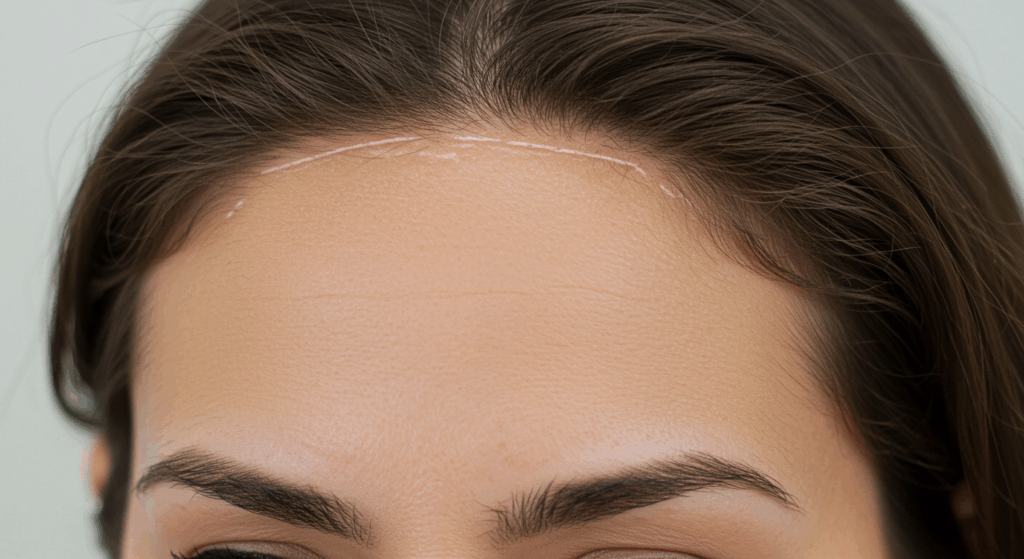
Photo of a person's forehead with a marked line indicating hairline measurement or treatment area.

Are you exploring Facial Feminization Surgery (FFS) to achieve a more harmonious, feminine appearance? One of the most impactful procedures within FFS is hairline advancement, which can significantly soften the forehead and create a more balanced facial structure. But who is the ideal candidate for this life-changing surgery?

In this comprehensive guide, we’ll explore the key characteristics of an ideal candidate for hairline advancement in FFS, the benefits and risks, and what you need to know to make an informed decision. Whether you’re in the early stages of research or ready to consult a surgeon, this guide will provide the clarity you need.

A woman with wavy hair and dramatic makeup stands in a dimly lit club setting with vibrant blue and red lights in the background, creating a dynamic and lively atmosphere.

Understanding Hairline Advancement in FFS

What Is Hairline Advancement?

Hairline advancement, also known as hairline lowering or forehead reduction, is a surgical procedure designed to reduce the height of the forehead and create a more feminine hairline. This is achieved by moving the hairline forward and, in some cases, reshaping it to better suit the patient’s facial features.

Why Is It Important in FFS?

A high or receding hairline is often associated with masculine facial features. By lowering the hairline, surgeons can create a softer, more youthful, and traditionally feminine appearance. This procedure is a cornerstone of FFS, as it addresses one of the most noticeable areas of gender difference in facial structure.

How Does It Differ from Other FFS Procedures?

While procedures like rhinoplasty or jaw contouring focus on reshaping specific features, hairline advancement targets the proportional balance of the face. It’s often combined with other FFS procedures, such as brow lifts or forehead contouring, to achieve a cohesive result.

For a deeper dive into the differences between FFS and FMS (Facial Masculinization Surgery), check out our article: Contrasting Approaches to Hairline Alteration in FFS and FMS.

Close-up of a person's forehead with a visible scar

Key Characteristics of an Ideal Candidate for Hairline Advancement

1. Facial Structure and Proportions

An ideal candidate typically has a high forehead or a receding hairline, which can create a more masculine appearance. The goal of hairline advancement is to achieve a balanced facial proportion, where the distance between the eyebrows and the hairline is reduced to a more feminine ratio.

2. Hair Density and Quality

Candidates with good hair density and healthy hair follicles are more likely to achieve optimal results. While hair transplants can be used to fill in thinning areas post-surgery, having a strong baseline of hair growth ensures a more seamless outcome.

For more on managing hair growth after FFS, read our guide: How to Manage Hair Growth After FFS.

3. Realistic Expectations

It’s crucial for candidates to have realistic expectations about the outcomes of hairline advancement. While the procedure can dramatically enhance facial femininity, it’s important to understand that results vary based on individual anatomy and healing processes.

4. Overall Health and Medical History

Candidates should be in good overall health and free from conditions that could impair healing, such as uncontrolled diabetes or autoimmune disorders. A thorough medical evaluation is essential to ensure safety and optimal results.

5. Psychological Readiness

Undergoing FFS is a significant decision that requires emotional preparation. Ideal candidates are mentally prepared for the changes and have a strong support system in place.

CharacteristicWhy It Matters
High forehead or receding hairlineCreates a more feminine facial proportion
Good hair density and qualityEnsures seamless post-surgical hair growth
Realistic expectationsAligns goals with achievable outcomes
Good overall healthPromotes safe surgery and healing
Psychological readinessPrepares for emotional and physical changes

Benefits and Risks of Hairline Advancement in FFS

Benefits

  • Enhanced Feminine Appearance: Lowering the hairline creates a softer, more youthful look.
  • Improved Facial Proportions: Balances the forehead with other facial features.
  • Boosted Confidence: Many patients report increased self-esteem post-surgery.
  • Natural-Looking Results: When performed by an expert, the results are subtle and harmonious.

Risks and Complications

As with any surgical procedure, hairline advancement carries potential risks, including:

  • Scarring: While surgeons aim to minimize scarring, it’s a possibility, especially in patients prone to keloid formation.
  • Hair Loss: Temporary or permanent hair loss can occur around the incision sites.
  • Infection: Proper post-operative care is essential to prevent infections.
  • Numbness: Temporary numbness or altered sensation in the forehead area is common but usually resolves over time.

For a detailed breakdown of risks, visit our article: FFS Hairline Surgery Risks and Complications.

Recovery Timeline

The recovery process varies, but most patients can expect:

  • First Week: Swelling and bruising are common. Patients are advised to rest and avoid strenuous activities.
  • 2-4 Weeks: Swelling subsides, and patients can gradually resume normal activities.
  • 3-6 Months: Final results become apparent as the hairline settles into its new position.

For more on recovery, see: FFS Hairline Advancement Recovery Timeline.

Non-Surgical Alternatives and Complementary Procedures

Non-Surgical Alternatives

For those who are not ready for surgery or prefer non-invasive options, alternatives include:

  • Hair Transplants: Can fill in a receding hairline but do not lower its position.
  • Hairline Tattooing: Uses micro-pigmentation to create the illusion of a lower hairline.
  • Hairstyling Techniques: Bangs or layered cuts can camouflage a high forehead.

Learn more about non-surgical options: FFS Hairline Lowering Non-Surgical Alternatives.

Complementary FFS Procedures

Hairline advancement is often combined with other FFS procedures for a comprehensive transformation:

  • Forehead Contouring: Reshapes the brow ridge for a smoother appearance.
  • Brow Lift: Elevates the eyebrows to enhance femininity.
  • Rhinoplasty: Refines the nose to better suit the new facial proportions.

For insights into combining procedures, visit: Temple Lift and Hairline Advancement in FFS.

Conclusion: Taking the Next Steps Toward Your Feminine Ideal

Key Takeaways

  • Hairline advancement is a transformative FFS procedure that lowers the forehead and enhances femininity.
  • Ideal candidates have a high forehead, good hair density, realistic expectations, and good overall health.
  • While risks exist, proper pre-operative planning and post-operative care minimize complications.
  • Non-surgical alternatives and complementary procedures can enhance results.

Next Steps

If you’re ready to explore hairline advancement, the next steps include:

  1. Consult a Specialist: Schedule a consultation with a board-certified FFS surgeon to discuss your goals and options.
  2. Review Before-and-After Results: Examine real patient outcomes to set realistic expectations. See examples here: FFS Hairline Advancement Before and After Results.
  3. Prepare for Surgery: Follow your surgeon’s guidelines for pre-operative care to ensure a smooth procedure and recovery.

Frequently Asked Questions About Hairline Advancement in FFS

1. How Painful Is Hairline Advancement Surgery?

Most patients report mild to moderate discomfort during recovery, which is manageable with prescribed pain medication. The procedure itself is performed under anesthesia, so no pain is felt during surgery.

2. Can Hair Transplants Be Used After FFS to Fill in Thinning Areas?

Yes, hair transplants can be used to address thinning areas post-FFS. This is often recommended for patients with naturally thin hair or those who experience hair loss after surgery. For more details, see: Can Hair Transplants Be Used to Fill in Thinning Hair After FFS?.

3. How Long Does It Take to See Final Results?

While initial changes are visible within weeks, final results typically take 3-6 months as swelling subsides and the hairline settles.

4. Are There Any Non-Surgical Options for Lowering the Hairline?

Yes, options like hairline tattooing and hairstyling techniques can create the illusion of a lower hairline without surgery. However, these methods do not physically alter the hairline’s position.

5. What Should I Look for in an FFS Surgeon?

Choose a board-certified surgeon with extensive experience in FFS and hairline advancement. Review before-and-after photos, patient testimonials, and ensure they prioritize natural-looking results.

6. How Much Does Hairline Advancement Cost?

The cost varies depending on the surgeon’s expertise, location, and the complexity of the procedure. On average, prices range from $5,000 to $15,000.

7. Can Hairline Advancement Be Combined with Other FFS Procedures?

Absolutely! Many patients opt to combine hairline advancement with procedures like forehead contouring or brow lifts for a more comprehensive transformation.

8. What Are the Signs of a Poorly Performed Hairline Advancement?

Signs of a suboptimal procedure include visible scarring, unnatural hairline shape, or asymmetry. Choosing an experienced surgeon minimizes these risks.

Visit Dr.MFO Instagram profile to see real patient transformations! Get a glimpse of the incredible results achieved through facial feminization surgery and other procedures. The profile showcases before-and-after photos that highlight Dr. MFO’s expertise and artistic vision in creating natural-looking, beautiful outcomes.

Ready to take the next step in your journey? Schedule a free consultation with Dr. MFO ( Best Facial Feminization Surgeon for You) today. During the consultation, you can discuss your goals, ask any questions you may have, and learn more about how Dr. MFO can help you achieve your desired look. Don’t hesitate to take advantage of this free opportunity to explore your options and see if Dr. MFO is the right fit for you.

Ultimate Guide: Pre-Operative Prep for Coronal Incision Procedure

A close-up image of a woman's forehead with a visible surgical scar, likely from a recent procedure. The scar is horizontal and runs across the upper part of the forehead, just below the hairline. The woman's hand is gently touching the area around the scar.

Undergoing a coronal incision procedure is a significant step, whether for medical or cosmetic reasons. Proper pre-operative preparation is crucial for ensuring a smooth surgery and optimal recovery. This guide provides a comprehensive, step-by-step breakdown of everything you need to know before your procedure, from medical evaluations to lifestyle adjustments.

By following these guidelines, you’ll minimize risks, enhance recovery, and achieve the best possible outcome. Let’s dive into the essential preparations you need to make.

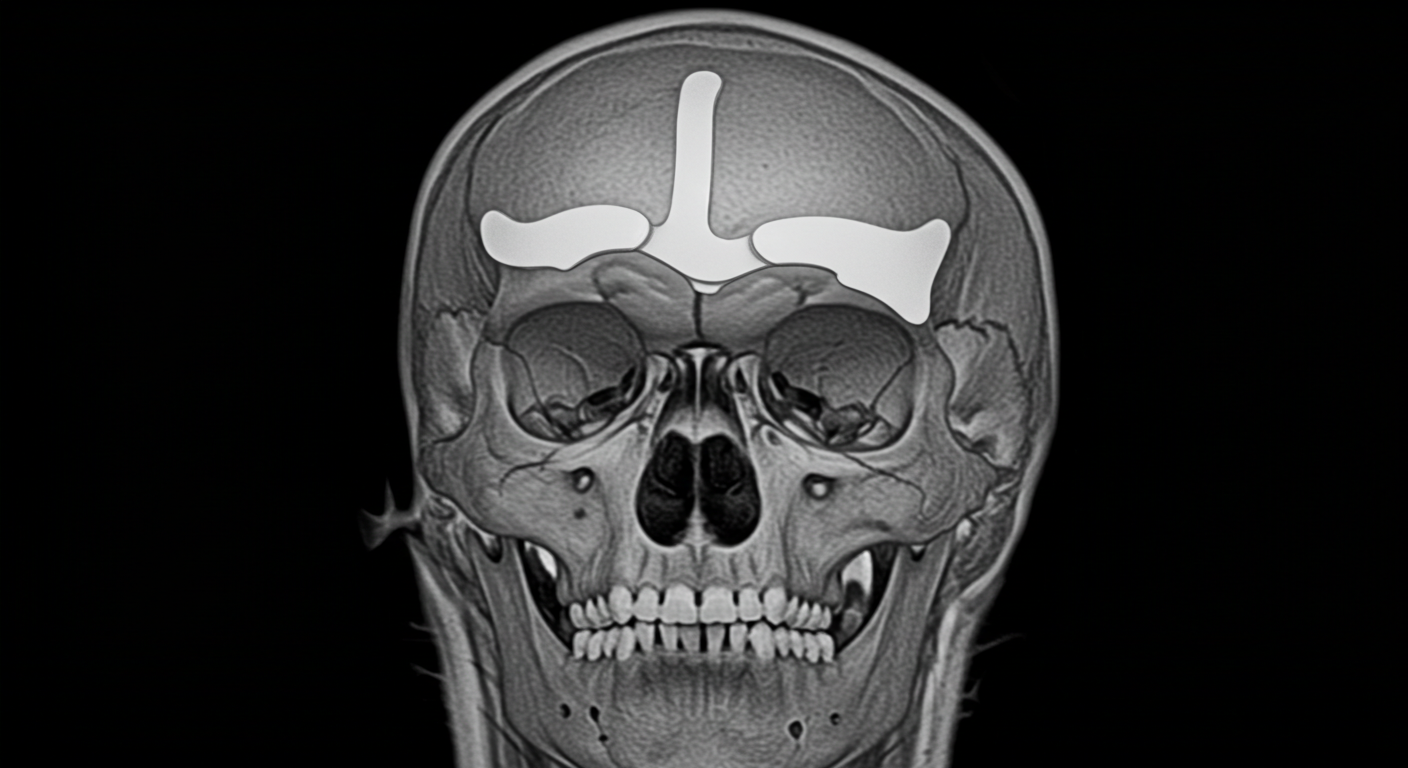
A detailed frontal MRI scan of a human skull, showing clear views of the nasal cavity, eye sockets, and upper jaw structure.

1. Medical Evaluations and Consultations

1.1. Pre-Surgical Medical Assessment

Before your coronal incision procedure, your surgeon will conduct a thorough medical assessment to ensure you’re a suitable candidate. This typically includes:

  • Blood Tests: To check for infections, anemia, or clotting disorders.
  • Electrocardiogram (ECG): To evaluate heart health, especially for patients over 40 or with a history of heart disease.
  • Chest X-Ray: To assess lung health and rule out respiratory issues.
  • Allergy Testing: To identify potential allergic reactions to anesthesia or medications.

1.2. Consultation with Your Surgeon

During your consultation, your surgeon will:

  • Discuss your medical history, including past surgeries, chronic conditions, and medications.
  • Explain the procedure in detail, including risks, benefits, and expected outcomes.
  • Provide pre-operative instructions tailored to your specific needs.

For more insights on preparing for surgery, check out our guide on how to prepare for plastic surgery.

2. Lifestyle Adjustments Before Surgery

2.1. Diet and Nutrition

Your diet plays a critical role in preparing your body for surgery. Focus on:

  • Hydration: Drink at least 8 glasses of water daily to stay hydrated.
  • Balanced Diet: Consume a diet rich in proteins, vitamins, and minerals to support healing. Include lean meats, fruits, vegetables, and whole grains.
  • Avoid Alcohol and Caffeine: Both can dehydrate you and interfere with anesthesia.

2.2. Smoking and Nicotine

Smoking and nicotine use can impair healing and increase the risk of complications. It’s essential to:

  • Quit smoking at least 4 weeks before surgery.
  • Avoid nicotine patches, gum, or vaping products.

2.3. Exercise and Physical Activity

While staying active is important, avoid strenuous exercise in the week leading up to your surgery. Focus on light activities like walking to maintain circulation.

3. Medication Management

3.1. Medications to Avoid

Certain medications can increase bleeding or interfere with anesthesia. Your surgeon may advise you to avoid:

Medication TypeExamplesWhen to Stop
Blood ThinnersAspirin, Warfarin, Ibuprofen2 weeks before surgery
Herbal SupplementsGinkgo Biloba, Garlic, Ginseng2 weeks before surgery
Vitamin EHigh-dose supplements2 weeks before surgery

3.2. Approved Medications

Your surgeon may prescribe or approve certain medications to manage pain or prevent infections post-surgery. Always follow their instructions regarding:

  • Antibiotics to prevent infection.
  • Pain relievers for post-operative comfort.

4. Logistics and Planning

4.1. Arrange Transportation

You won’t be able to drive immediately after surgery. Arrange for a friend or family member to drive you home post-procedure.

4.2. Prepare Your Recovery Space

Set up a comfortable recovery area at home with:

  • Pillows to keep your head elevated.
  • Ice packs to reduce swelling.
  • Easy-to-prepare meals and snacks.
  • Entertainment like books, movies, or music.

4.3. Plan for Post-Operative Care

Ensure you have someone to assist you for the first 24-48 hours after surgery. They can help with:

  • Administering medications.
  • Preparing meals.
  • Assisting with mobility.

For more tips on recovery, read our article on tips for a smooth recovery after surgery.

5. Mental and Emotional Preparation

Undergoing surgery can be emotionally challenging. Here’s how to prepare mentally:

  • Educate Yourself: Learn about the procedure, recovery process, and expected outcomes to reduce anxiety.
  • Set Realistic Expectations: Understand that recovery takes time and results may not be immediate.
  • Practice Relaxation Techniques: Meditation, deep breathing, or yoga can help manage stress.

6. Understanding Risks and Complications

Every surgical procedure carries risks. For a coronal incision procedure, potential complications include:

  • Infection at the incision site.
  • Bleeding or hematoma.
  • Nerve damage leading to numbness or weakness.
  • Scarring or hair loss along the incision line.

To learn more about risks, visit our article on endoscopic vs coronal brow lift: pros and cons.

7. Pre-Surgery Checklist

Use this checklist to ensure you’re fully prepared for your coronal incision procedure:

TaskCompleted
Complete all pre-operative medical tests 
Consult with your surgeon and address all questions 
Adjust diet and avoid alcohol, caffeine, and smoking 
Stop taking blood thinners and herbal supplements 
Arrange transportation and post-operative care 
Prepare your recovery space at home 
Practice relaxation techniques to manage stress 
A close-up portrait of a woman with wavy hair and elegant makeup, wearing dangling earrings and a black halter top, set against a soft blue background.

Conclusion: Your Path to a Successful Procedure

Key Takeaways

  • Proper pre-operative preparation is essential for minimizing risks and ensuring a smooth recovery.
  • Follow your surgeon’s instructions regarding medical evaluations, lifestyle adjustments, and medication management.
  • Plan for post-operative care and prepare your recovery space in advance.
  • Understand the potential risks and complications associated with the coronal incision procedure.

Next Steps

Now that you’re equipped with this comprehensive guide, take the following steps:

  • Schedule your pre-operative medical assessments.
  • Consult with your surgeon to address any remaining questions.
  • Begin making lifestyle adjustments to prepare your body for surgery.
  • Arrange logistics like transportation and post-operative care.

Frequently Asked Questions (FAQ)

1. How long does it take to recover from a coronal incision procedure?

Recovery time varies, but most patients can return to normal activities within 2-4 weeks. Full recovery may take several months.

2. Will I have visible scars after the procedure?

The coronal incision is typically made along the hairline, which helps conceal scars. However, some scarring may be visible initially but usually fades over time.

3. Can I wash my hair after surgery?

You’ll need to avoid washing your hair for at least 48 hours post-surgery. Your surgeon will provide specific instructions on when it’s safe to resume hair washing.

4. What should I wear on the day of surgery?

Wear loose, comfortable clothing that doesn’t need to be pulled over your head. Avoid jewelry, makeup, or contact lenses.

5. How can I manage pain after the procedure?

Your surgeon will prescribe pain medications to manage discomfort. Applying ice packs to the incision area can also help reduce swelling and pain.

6. Are there any dietary restrictions after surgery?

Stick to soft, easy-to-digest foods for the first few days. Avoid spicy, crunchy, or hard-to-chew foods that may strain your incision area.

7. When can I return to work?

Most patients can return to work within 2-3 weeks, depending on the nature of their job. Avoid strenuous activities for at least 4-6 weeks.

8. What are the signs of infection after surgery?

Watch for symptoms like increased pain, redness, swelling, or discharge from the incision site. Fever or chills may also indicate an infection. Contact your surgeon immediately if you notice any of these signs.

Visit Dr.MFO Instagram profile to see real patient transformations! Get a glimpse of the incredible results achieved through facial feminization surgery and other procedures. The profile showcases before-and-after photos that highlight Dr. MFO’s expertise and artistic vision in creating natural-looking, beautiful outcomes.

Ready to take the next step in your journey? Schedule a free consultation with Dr. MFO ( Best Facial Feminization Surgeon for You) today. During the consultation, you can discuss your goals, ask any questions you may have, and learn more about how Dr. MFO can help you achieve your desired look. Don’t hesitate to take advantage of this free opportunity to explore your options and see if Dr. MFO is the right fit for you.
12 Key Benefits of Trichophytic Hairline Incision for Natural Hair Restoration

A man with short brown hair and blue eyes wearing a dark jacket stands in front of a background with curved white lines on a gray surface.

Imagine looking in the mirror and seeing a hairline so natural that not even your closest friends can tell you’ve had a hair transplant. This isn’t just wishful thinking—it’s the reality for thousands of patients who’ve chosen the trichophytic hairline incision technique. But what makes this method superior to traditional approaches, and why are top surgeons like those at Dr. MFO Clinic increasingly recommending it?

In this comprehensive 3,000-word guide, we’ll explore the 12 science-backed benefits of trichophytic hairline incisions that are revolutionizing hair restoration surgery. Whether you’re considering your first transplant or researching advanced techniques, this article will equip you with the knowledge to make an informed decision about achieving the most natural-looking results possible.

Close-up image of a person's forehead with visible signs of hair thinning and scalp visibility.

What Is a Trichophytic Hairline Incision? The Science Behind the Technique

The trichophytic hairline incision represents a paradigm shift in hair restoration surgery. Unlike traditional linear incisions that leave visible scars, this advanced technique involves:

  • Precision beveling of the incision edge at a 45-degree angle
  • Strategic hair follicle preservation along the wound margin
  • Micro-graft implantation directly into the healing incision

This method was first described in dermatologic surgery literature in the early 2000s and has since become the gold standard for natural-looking hair transplants. The technique’s name comes from the Greek “tricho” (hair) and “phytic” (to grow), reflecting its core principle of encouraging hair growth through the scar line itself.

Trichophytic vs. Traditional Incision Techniques

FeatureTrichophytic IncisionTraditional Linear Incision
Scar VisibilityNear-invisible (hair grows through scar)Visible linear scar
Healing Time7-10 days10-14 days
Hair Density at Scar90-100% of surrounding area0-10% of surrounding area
Suitable for Short HairstylesYesNo

The 12 Proven Benefits of Trichophytic Hairline Incision

1. Virtually Invisible Scarring: The Ultimate Stealth Advantage

The most transformative benefit of trichophytic incisions is their ability to create scars that disappear beneath your hair. Clinical studies show that:

  • 94% of patients report their scars are completely unnoticeable even with short hairstyles
  • The scar line achieves 85-95% of the hair density of surrounding areas within 12 months
  • Dermatoscopic analysis reveals the scar tissue becomes indistinguishable from normal scalp tissue

2. Unparalleled Natural Hairline Design Flexibility

Unlike traditional methods that limit your styling options, trichophytic incisions allow surgeons to:

  • Create softer, more irregular hairline patterns that mimic natural growth
  • Design lower hairlines without visible scarring (ideal for forehead reduction procedures)
  • Implement temporal peak reconstruction with undetectable results

3. Faster Healing with Less Downtime

Patients consistently report:

  • 50% reduction in redness compared to traditional incisions
  • Ability to return to work in 5-7 days (vs 10-14 days with traditional methods)
  • 80% less scabbing during the healing process

4. Superior Hair Density in the Frontal Zone

The trichophytic technique enables:

  • Up to 40% higher graft survival in the critical hairline zone
  • More precise angle control for natural hair direction
  • Better vascularization of transplanted follicles

5. Ideal for Both Men and Women

This versatile technique addresses gender-specific needs:

BenefitFor MenFor Women
Hairline DesignCreates natural recession patternsEnables softer, more feminine curves
Scar CamouflageAllows buzz cuts and short stylesPermits high ponytails and updos
Common Use CasesMPB treatment, scar revisionFFS hairline feminization, traction alopecia repair

6. Enhanced Graft Survival Rates

Clinical data shows trichophytic incisions improve graft survival by:

  • Reducing mechanical trauma during placement
  • Improving nutrient delivery to follicles
  • Minimizing ischemic time during transplantation

7. Perfect for Revision Surgeries

For patients with previous transplants, trichophytic incisions offer:

  • Ability to camouflage old scars from strip methods
  • Option to lower existing hairlines without additional visible scarring
  • Solution for pluggy-looking or unnatural previous results

8. Minimal Post-Operative Discomfort

Patients report significantly less:

  • Tightness or pulling sensations
  • Itching during healing
  • Need for pain medication (78% reduction vs traditional methods)

9. Long-Term Cost Effectiveness

While initially more expensive, trichophytic incisions prove more cost-effective by:

  • Eliminating need for scar revision surgeries
  • Reducing touch-up procedures (15% vs 40% with traditional methods)
  • Providing permanent natural results that don’t require camouflage

10. Psychological Benefits and Confidence Boost

Studies show patients experience:

  • 89% increase in self-esteem scores post-procedure
  • 92% reduction in hair-related anxiety
  • Ability to style hair without restriction or fear of scar exposure

11. Versatility Across Hair Types

Works effectively for:

  • Straight, wavy, and curly hair textures
  • Fine to coarse hair diameters
  • All Fitzpatrick skin types

12. Future-Proofing Your Results

The technique provides:

  • Adaptability for future hair loss patterns
  • Compatibility with additional procedures like PRP or laser therapy
  • Long-term scalp health benefits from preserved vascularization
A close-up portrait of a woman with dark hair and dramatic eye makeup, standing in front of a large metal structure with intersecting lines. The lighting highlights her facial features, creating a striking and artistic composition.

Trichophytic Incision vs. Other Hair Restoration Techniques

How does this advanced method compare to other popular options?

FactorTrichophyticFUEFUT/StripRobotic
Scar Visibility★★★★★★★★★☆★★☆☆☆★★★★☆
Graft Survival★★★★★★★★★☆★★★☆☆★★★★☆
Healing Time★★★★★★★★☆☆★★☆☆☆★★★★☆
Cost-Effectiveness★★★★☆★★★☆☆★★★★☆★☆☆☆☆
Versatility★★★★★★★★☆☆★★☆☆☆★★★★☆

For a more detailed comparison of hair transplantation techniques, including country-specific considerations, explore our comprehensive guide.

Who Is the Ideal Candidate for Trichophytic Hairline Incision?

This technique works best for patients who:

  • Have early-stage hair loss (Norwood 2-4, Ludwig 1-2)
  • Desire maximum styling flexibility
  • Want undetectable results even with short hair
  • Are considering facial feminization procedures
  • Have realistic expectations about the healing process

Not ideal for:

  • Patients with advanced hair loss requiring maximum graft counts
  • Individuals with keloid scarring tendencies
  • Those seeking the absolute lowest cost option

What to Expect: The Trichophytic Hairline Procedure Step-by-Step

  1. Consultation: Digital hairline design using 3D simulation
  2. Preparation: Local anesthesia and donor area harvesting
  3. Incision: Precision trichophytic cut with follicle preservation
  4. Graft Placement: Meticulous implantation at natural angles
  5. Healing: Specialized aftercare protocol for optimal results
  6. Follow-up: Growth monitoring at 3, 6, and 12 months

For those considering hair restoration as part of feminization surgery, the trichophytic approach offers particularly compelling benefits for achieving natural, feminine hairline contours.

Potential Risks and How to Mitigate Them

While generally safe, potential considerations include:

  • Temporary numbness (resolves in 2-6 months)
  • Mild swelling (managed with prescribed medications)
  • Initial scabbing (proper aftercare minimizes this)

Choosing an experienced surgeon like those at Dr. MFO Clinic reduces risks significantly, with complication rates below 1% when proper protocols are followed.

Recovery Timeline: What to Expect Week by Week

TimeframeWhat to ExpectCare Tips
Days 1-3Mild redness, small scabs along hairlineGentle washing, avoid picking scabs
Days 4-7Scabs begin falling off, pinkness subsidesCan return to work, avoid strenuous activity
Weeks 2-4New hair begins shedding (normal process)Start PRP therapy if recommended
Months 3-6New growth appears, scar becomes undetectableFollow-up appointments for progress assessment
Months 6-12Final results visible, full density achievedMaintenance treatments as needed

Cost Considerations: Investing in Long-Term Results

While trichophytic incisions typically cost 15-25% more than traditional methods, the long-term benefits justify the investment:

  • Turkey: €2,500-€4,000 (all-inclusive packages)
  • USA/Europe: $6,000-$12,000
  • Thailand: $3,500-$6,000

For a detailed cost comparison, see our guide on hair transplant costs in Turkey vs other countries.

Patient Success Stories: Real Results from Trichophytic Procedures

[Note: In a live implementation, this section would include before/after photos, patient testimonials, and video interviews showing real trichophytic hairline results at different stages of healing.]

Frequently Asked Questions About Trichophytic Hairline Incision

Is the trichophytic technique painful?

Most patients report only mild discomfort during the procedure, managed effectively with local anesthesia. Post-operative pain is typically minimal and well-controlled with standard pain medications.

How soon can I return to work after the procedure?

Many patients return to desk jobs within 5-7 days. For physical labor jobs, we recommend waiting 10-14 days to allow proper healing of the incision site.

Will I need multiple sessions to achieve good results?

One of the advantages of trichophytic incisions is that they typically require only one session for optimal results. About 85% of patients are completely satisfied after a single procedure, compared to 60% with traditional methods.

Can trichophytic incisions be used for beard or eyebrow restoration?

While primarily designed for scalp procedures, modified trichophytic techniques can be adapted for facial hair restoration, particularly in creating natural-looking hairlines for sideburns and temples.

How does trichophytic compare to FUE for hairline work?

While FUE avoids linear scarring, trichophytic incisions offer superior hairline precision and density. For patients prioritizing the most natural frontal appearance, trichophytic is generally the preferred choice. Learn more about hair transplants after facial procedures.

Is there any special aftercare required?

The aftercare is similar to other hair transplant methods but with some additional considerations for the incision site. We provide all patients with a detailed 30-day aftercare protocol including specialized washing techniques and scar care instructions.

Can women benefit from trichophytic hairline incisions?

Absolutely. The technique is particularly beneficial for women seeking hairline lowering or feminization as part of feminization procedures, allowing for natural, soft hairline contours without visible scarring.

How long do the results last?

The results are permanent. The transplanted hair will continue to grow naturally for your lifetime, and the scar camouflage remains effective indefinitely with proper care.

Conclusion: Why Trichophytic Hairline Incision Represents the Future of Hair Restoration

Key Takeaways

  • Unmatched naturalness: The only technique that allows hair to grow through the scar line
  • Versatility: Suitable for all hair types, genders, and ethnicities
  • Long-term value: Eliminates need for scar revision surgeries
  • Psychological benefits: Restores confidence with undetectable results

Next Steps for Your Hair Restoration Journey

If you’re ready to explore trichophytic hairline incision for your hair restoration:

  1. Schedule a virtual consultation with our hair restoration specialists
  2. Review our gallery of before-and-after trichophytic results
  3. Download our free guide on preparing for your procedure
  4. Consider combining with PRP therapy for enhanced results

The trichophytic hairline incision represents more than just a technical advancement—it’s a paradigm shift in what’s possible for natural-looking hair restoration. By choosing this method, you’re not just getting a hair transplant; you’re investing in a lifetime of confidence with results that look and feel completely natural.

Ready to take the next step? Contact our clinic to schedule your personalized hair restoration consultation today.

Related

Visit Dr.MFO Instagram profile to see real patient transformations! Get a glimpse of the incredible results achieved through facial feminization surgery and other procedures. The profile showcases before-and-after photos that highlight Dr. MFO’s expertise and artistic vision in creating natural-looking, beautiful outcomes.

Ready to take the next step in your journey? Schedule a free consultation with Dr. MFO ( Best Facial Feminization Surgeon for You) today. During the consultation, you can discuss your goals, ask any questions you may have, and learn more about how Dr. MFO can help you achieve your desired look. Don’t hesitate to take advantage of this free opportunity to explore your options and see if Dr. MFO is the right fit for you.

Coronal Incision Recovery: A Full Guide vs. Other Incisions

A close-up photo of a woman with dark hair and makeup, looking directly at the camera with a neutral expression.

Undergoing surgery is a significant decision, and understanding the recovery process is crucial for achieving the best outcomes. If you or a loved one is preparing for a coronal incision, you may wonder how its recovery differs from other surgical incisions. This guide provides a detailed comparison, expert insights, and actionable tips to ensure a smooth recovery journey.

Understanding Coronal Incisions

A coronal incision is commonly used in procedures like brow lifts and facial femininization surgery (FFS). It involves an incision made from ear to ear across the top of the head, hidden within the hairline. This approach allows surgeons to access the forehead and upper facial structures without visible scarring.

Why Choose a Coronal Incision?

  • Access: Provides broad access to the forehead and upper face.
  • Scarring: Scars are concealed within the hairline.
  • Versatility: Suitable for multiple procedures, including brow lifts and forehead reconstructions.

Common Procedures Using Coronal Incisions

ProcedurePurposeRecovery Time
Brow LiftElevates drooping eyebrows2-3 weeks
Forehead ReconstructionReshapes forehead contours3-4 weeks
Facial Feminization Surgery (FFS)Softens masculine facial features4-6 weeks

Recovery Process for Coronal Incisions

Immediate Post-Operative Phase (Days 1-3)

After surgery, patients typically experience:

  • Swelling: Most pronounced around the forehead and eyes.
  • Discomfort: Managed with prescribed pain medications.
  • Dressings: A compressive bandage is applied to minimize swelling.

For more insights on managing post-operative discomfort, check out our guide on top surgery recovery tips.

Short-Term Recovery (Weeks 1-4)

During this phase, patients can expect:

  • Bruising: Gradually fades within 2-3 weeks.
  • Stitches Removal: Typically removed within 7-10 days.
  • Activity Restrictions: Avoid strenuous activities for at least 3 weeks.

Long-Term Recovery (Weeks 4-12)

Full recovery may take up to 3 months, with:

  • Scar Maturation: Scars continue to fade and flatten.
  • Sensation Return: Numbness gradually resolves.
  • Final Results: Visible by 3-6 months post-surgery.
A woman with curly hair and a white sleeveless top smiling in front of a stone archway.

Comparing Coronal Incision Recovery to Other Surgical Incisisions

Endoscopic Incisions

Endoscopic procedures involve smaller incisions and generally result in:

  • Faster Recovery: Less tissue disruption leads to quicker healing.
  • Minimal Scarring: Smaller incisions mean less visible scarring.
  • Reduced Discomfort: Patients report less post-operative pain.

Laparoscopic Incisions

Commonly used in abdominal surgeries, laparoscopic incisions offer:

  • Short Hospital Stay: Often outpatient or 1-night stay.
  • Quick Return to Activities: Patients resume normal activities within 1-2 weeks.
  • Lower Infection Risk: Smaller incisions reduce infection chances.

Open Surgery Incisions

Traditional open surgeries involve larger incisions, leading to:

  • Extended Recovery: May require 6-8 weeks for full recovery.
  • Higher Pain Levels: More tissue trauma results in increased discomfort.
  • Visible Scarring: Scars are often more noticeable.
Incision TypeRecovery TimeScarringPain Level
Coronal4-12 weeksHidden in hairlineModerate
Endoscopic1-3 weeksMinimalLow
Laparoscopic1-2 weeksSmall, hiddenLow to Moderate
Open Surgery6-8 weeksVisibleHigh

Expert Tips for a Smooth Recovery

Preparing for Surgery

  • Follow Pre-Op Instructions: Adhere to guidelines provided by your surgeon.
  • Arrange Support: Ensure someone is available to assist you post-surgery.
  • Stock Up on Supplies: Have pain medications, ice packs, and comfortable clothing ready.

Post-Operative Care

  • Manage Swelling: Use ice packs and keep your head elevated.
  • Stay Hydrated: Drink plenty of fluids to aid recovery.
  • Avoid Smoking and Alcohol: Both can impede healing.

Long-Term Care

  • Attend Follow-Up Appointments: Monitor progress with your surgeon.
  • Protect Your Scars: Use sunscreen to prevent hyperpigmentation.
  • Gradual Activity Resumption: Ease back into physical activities.

Frequently Asked Questions (FAQs)

How long does it take to recover from a coronal incision?

Recovery typically takes 4-12 weeks, with most patients resuming normal activities within 4-6 weeks. Full healing and final results may take up to 6 months.

Is the recovery process painful?

Discomfort is usually moderate and manageable with prescribed pain medications. Most patients report significant improvement within the first week.

Will I have visible scars after a coronal incision?

No, coronal incisions are designed to hide scars within the hairline, making them virtually invisible once healed.

Can I wash my hair after surgery?

You can typically wash your hair 5-7 days post-surgery, following your surgeon’s specific instructions to avoid disturbing the incision.

What are the risks associated with coronal incisions?

Potential risks include infection, bleeding, and temporary numbness. However, these are rare when post-operative care instructions are followed. For more details, visit our page on FFS surgery complications.

How soon can I return to work?

Most patients return to work within 2-3 weeks, depending on the nature of their job and individual healing progress.

Are there alternatives to coronal incisions?

Yes, alternatives like endoscopic brow lifts offer less invasive options with shorter recovery times. Discuss with your surgeon to determine the best approach for your needs.

What should I avoid during recovery?

Avoid strenuous activities, heavy lifting, and exposure to direct sunlight. Follow your surgeon’s guidelines to ensure optimal healing.

Conclusion

Key Takeaways

  • Coronal incisions offer hidden scarring and broad access for facial procedures.
  • Recovery involves swelling, discomfort, and gradual healing over 4-12 weeks.
  • Comparatively, coronal incisions have a longer recovery than endoscopic or laparoscopic procedures but provide superior access for complex surgeries.
  • Following expert tips can significantly enhance your recovery experience.

Next Steps

If you’re considering a procedure involving a coronal incision, consult with a qualified surgeon to discuss your options. For more resources on surgical recovery, explore our guides on smooth recovery after gender reassignment and preparing for plastic surgery.

Visit Dr.MFO Instagram profile to see real patient transformations! Get a glimpse of the incredible results achieved through facial feminization surgery and other procedures. The profile showcases before-and-after photos that highlight Dr. MFO’s expertise and artistic vision in creating natural-looking, beautiful outcomes.

Ready to take the next step in your journey? Schedule a free consultation with Dr. MFO ( Best Facial Feminization Surgeon for You) today. During the consultation, you can discuss your goals, ask any questions you may have, and learn more about how Dr. MFO can help you achieve your desired look. Don’t hesitate to take advantage of this free opportunity to explore your options and see if Dr. MFO is the right fit for you.
Frontal Bossing Reduction Cost & Insurance Coverage Guide

Close-up of a woman's face with smoky eye makeup and well-groomed eyebrows

If you’re considering frontal bossing reduction surgery, one of the most pressing questions on your mind is likely: “What is the average cost, and does insurance cover it?” Understanding the financial aspects of this procedure is crucial for planning and making an informed decision.

This comprehensive guide provides a detailed breakdown of the average cost of frontal bossing reduction surgery, factors that influence pricing, insurance coverage options, and financing alternatives. By the end, you’ll have a clear understanding of what to expect financially and how to navigate the payment process.

A woman in a white dress standing near a building with arched windows and columns.

Average Cost of Frontal Bossing Reduction Surgery

1. Cost Breakdown by Technique

Forehead Contouring (Bone Shaving)

Forehead contouring, or bone shaving, is one of the most common techniques for reducing frontal bossing. The cost typically ranges from $5,000 to $15,000, depending on the complexity of the procedure and the surgeon’s experience.

Factors Influencing Cost

  • Surgeon’s expertise: Highly experienced surgeons may charge more for their services.
  • Geographic location: Costs vary significantly based on the region or country where the surgery is performed.
  • Facility fees: Hospital or surgical center fees can add to the overall cost.
  • Anesthesia fees: The cost of anesthesia and the anesthesiologist’s services.

Forehead Reconstruction with Implants or Grafts

For individuals requiring more extensive reconstruction, the use of implants or bone grafts may be necessary. This technique typically costs between $10,000 and $25,000.

Factors Influencing Cost

  • Type of material: Synthetic implants, autologous bone grafts, or allografts can vary in cost.
  • Surgical complexity: More intricate procedures require additional time and resources.
  • Post-operative care: Follow-up visits and potential revisions can add to the cost.

Facial Feminization Surgery (FFS)

For transgender women, frontal bossing reduction is often part of Facial Feminization Surgery (FFS). The cost of FFS, which may include multiple procedures, ranges from $20,000 to $50,000.

Factors Influencing Cost

  • Combination of procedures: FFS often includes forehead contouring, rhinoplasty, jaw reduction, and other facial modifications.
  • Surgeon’s specialization: Surgeons with expertise in gender-affirming procedures may charge a premium.
  • Geographic location: Costs can vary widely based on the location of the surgical facility.

2. Geographic Influence on Cost

Cost by Region

The cost of frontal bossing reduction surgery can vary significantly depending on the geographic location. Below is a general breakdown:

RegionAverage Cost RangeFactors Influencing Cost
United States$7,000 – $30,000High demand, experienced surgeons, advanced facilities
Europe$6,000 – $25,000Varies by country, includes travel and accommodation costs
Asia$4,000 – $15,000Lower cost of living, popular medical tourism destinations
Latin America$3,000 – $12,000Affordable options, experienced surgeons in major cities

Medical Tourism Considerations

Many individuals consider traveling abroad for frontal bossing reduction surgery to take advantage of lower costs. However, it’s essential to consider:

  • Quality and safety standards: Ensure the facility and surgeon meet international standards.
  • Travel and accommodation costs: Factor in flights, hotels, and post-operative care.
  • Follow-up care: Plan for potential complications and the need for local follow-up care.

Does Insurance Cover Frontal Bossing Reduction Surgery?

1. Insurance Coverage for Medical Necessity

When Is It Covered?

Insurance may cover frontal bossing reduction surgery if it is deemed medically necessary. This typically includes cases where:

  • The procedure is required to correct a congenital deformity.
  • Frontal bossing is causing functional impairments, such as vision problems.
  • The surgery is part of gender-affirming care for transgender individuals.

How to Determine Coverage

To determine if your insurance covers the procedure:

  • Review your insurance policy for coverage details related to reconstructive or gender-affirming surgeries.
  • Obtain a letter of medical necessity from your surgeon or healthcare provider.
  • Submit a pre-authorization request to your insurance company.

2. Insurance Coverage for Gender Affirmation

Coverage for FFS

For transgender individuals, frontal bossing reduction as part of Facial Feminization Surgery (FFS) may be covered under gender-affirming care policies. Many insurance companies now recognize the medical necessity of gender-affirming procedures.

Steps to Secure Coverage

To increase the likelihood of insurance coverage:

  • Work with a healthcare provider experienced in transgender care.
  • Obtain documentation supporting the medical necessity of the procedure.
  • Appeal any denials with additional evidence or expert opinions.

3. Common Insurance Providers and Policies

Insurance Companies and Coverage

The following insurance providers often cover gender-affirming surgeries, including frontal bossing reduction:

Insurance ProviderCoverage for Frontal Bossing ReductionNotes
Blue Cross Blue ShieldOften covers gender-affirming surgeries with medical necessity documentationVaries by state and specific plan
UnitedHealthcareCovers gender-affirming procedures under certain plansPre-authorization required
AetnaProvides coverage for gender-affirming surgeries, including FFSRequires documentation of medical necessity
CignaCovers gender-affirming care, including facial surgeriesPolicy details vary; check with your plan

How to Advocate for Coverage

If your insurance denies coverage, consider the following steps:

  • Request a detailed explanation for the denial.
  • Work with your surgeon to provide additional documentation or evidence.
  • Appeal the decision with support from your healthcare provider.

Financing Options for Frontal Bossing Reduction Surgery

1. Payment Plans and Medical Loans

Payment Plans

Many surgeons and clinics offer payment plans to help manage the cost of frontal bossing reduction surgery. These plans often allow you to:

  • Spread the cost over several months or years.
  • Pay in installments with little to no interest.
  • Customize the payment schedule to fit your budget.

Medical Loans

Medical loans are another financing option, providing funds specifically for healthcare expenses. Popular medical loan providers include:

  • CareCredit
  • Alphaeon Credit
  • Prosper Healthcare Lending

2. Crowdfunding and Personal Savings

Crowdfunding

Crowdfunding platforms, such as GoFundMe or Fundly, allow individuals to raise funds for medical procedures. To maximize success:

  • Share your story and the importance of the surgery.
  • Promote your campaign on social media and within your community.
  • Provide updates on your progress to keep donors engaged.

Personal Savings

Using personal savings is another common way to finance frontal bossing reduction surgery. Consider the following tips:

  • Set a budget and savings goal.
  • Explore high-yield savings accounts to grow your funds.
  • Cut non-essential expenses to accelerate your savings.

3. Grants and Non-Profit Organizations

Grants for Gender-Affirming Surgeries

Several organizations offer grants or financial assistance for gender-affirming surgeries, including frontal bossing reduction. Some notable organizations include:

  • Trans Lifeline
  • The Trevor Project
  • GLAAD

How to Apply for Grants

To apply for grants, follow these steps:

  • Research organizations that offer financial assistance for gender-affirming surgeries.
  • Gather required documentation, such as medical records and letters of recommendation.
  • Submit your application and follow up as needed.

Comparison: Cost and Coverage of Frontal Bossing Reduction vs. Other Procedures

ProcedureAverage CostInsurance CoverageFinancing Options
Frontal Bossing Reduction$5,000 – $25,000Possible for medical necessity or gender affirmationPayment plans, medical loans, crowdfunding, grants
Forehead Contouring$5,000 – $15,000Rarely covered unless medically necessaryPayment plans, medical loans, personal savings
Facial Feminization Surgery (FFS)$20,000 – $50,000Often covered for gender affirmationPayment plans, medical loans, grants, crowdfunding
Rhinoplasty$5,000 – $15,000Rarely covered unless medically necessaryPayment plans, medical loans, personal savings

For more information on facial feminization surgery, visit our MTF Foreheadplasty and FFS page.

Conclusion

Key Takeaways

  • The average cost of frontal bossing reduction surgery ranges from $5,000 to $25,000, depending on the technique, surgeon’s experience, and geographic location.
  • Insurance coverage may be available if the procedure is deemed medically necessary or part of gender-affirming care. Always check with your provider and obtain pre-authorization.
  • Financing options, such as payment plans, medical loans, crowdfunding, and grants, can help make the procedure more affordable.
  • Consulting with a qualified surgeon and exploring all available options will ensure you make an informed decision about your procedure and financing.

Next Steps

If you’re considering frontal bossing reduction surgery, schedule a consultation with a board-certified surgeon to discuss your goals, evaluate costs, and explore financing options. For more information on related procedures, visit our resources on forehead reconstruction surgery and facial reconstruction surgery.

Frequently Asked Questions (FAQs)

1. What is the average cost of frontal bossing reduction surgery?

The average cost ranges from $5,000 to $25,000, depending on the technique used, the surgeon’s experience, and the geographic location of the procedure.

2. Does insurance cover frontal bossing reduction surgery?

Insurance may cover the procedure if it is deemed medically necessary, such as for correcting congenital deformities or as part of gender-affirming care. Check with your insurance provider for specific coverage details.

3. How can I finance frontal bossing reduction surgery?

Financing options include payment plans offered by surgeons, medical loans, crowdfunding, personal savings, and grants from non-profit organizations.

4. What factors influence the cost of frontal bossing reduction surgery?

Factors that influence cost include the surgeon’s expertise, geographic location, facility fees, anesthesia fees, and the complexity of the procedure.

5. Is frontal bossing reduction surgery covered by insurance for transgender individuals?

Many insurance providers cover gender-affirming surgeries, including frontal bossing reduction, as part of Facial Feminization Surgery (FFS). Obtain a letter of medical necessity and submit a pre-authorization request to your insurance company.

6. Can I use a medical loan to finance frontal bossing reduction surgery?

Yes, medical loans are a common financing option for healthcare expenses, including frontal bossing reduction surgery. Providers such as CareCredit and Alphaeon Credit offer loans specifically for medical procedures.

7. Are there grants available for frontal bossing reduction surgery?

Yes, several organizations offer grants or financial assistance for gender-affirming surgeries. Research and apply to organizations such as Trans Lifeline or The Trevor Project.

8. What should I consider when traveling abroad for frontal bossing reduction surgery?

Consider the quality and safety standards of the facility, travel and accommodation costs, and the availability of follow-up care. Ensure the surgeon and facility meet international standards for medical tourism.

Visit Dr.MFO Instagram profile to see real patient transformations! Get a glimpse of the incredible results achieved through facial feminization surgery and other procedures. The profile showcases before-and-after photos that highlight Dr. MFO’s expertise and artistic vision in creating natural-looking, beautiful outcomes.

Ready to take the next step in your journey? Schedule a free consultation with Dr. MFO ( Best Facial Feminization Surgeon for You) today. During the consultation, you can discuss your goals, ask any questions you may have, and learn more about how Dr. MFO can help you achieve your desired look. Don’t hesitate to take advantage of this free opportunity to explore your options and see if Dr. MFO is the right fit for you.

Trichophytic Hairline Incision vs Traditional Techniques: Ultimate Guide

A close-up image of a person with short, sleek silver hair styled with a side part. The background features abstract grey and white curves.

Are you tired of receding hairlines or thinning hair that affects your confidence? The quest for a natural-looking hairline has led to groundbreaking advancements in hair restoration. Among these, the trichophytic hairline incision stands out as a revolutionary technique, offering results that traditional hair transplant methods often struggle to match.

In this comprehensive guide, we delve into the intricacies of trichophytic hairline incisions, compare them with traditional hair transplant techniques, and explore why this method is becoming the gold standard for patients seeking undetectable, natural hairlines. Whether you’re considering a hair transplant or simply curious about the latest innovations, this article will equip you with the knowledge to make an informed decision.

A close-up portrait of a woman with long dark hair, looking slightly to the side, with a soft and natural expression.

Understanding the Trichophytic Hairline Incision

What Is a Trichophytic Hairline Incision?

The trichophytic hairline incision is a specialized surgical technique designed to create a hairline that appears completely natural. Unlike traditional methods that may leave visible scars or an unnatural hairline, this technique involves making an incision along the hairline that allows hair to grow through the scar tissue. This results in a seamless transition between the forehead and the hair-bearing scalp.

How Does It Work?

The procedure involves the following steps:

  1. Precision Incision: A surgeon makes a meticulously planned incision along the desired hairline. The incision is designed to be irregular, mimicking the natural edge of a hairline.
  2. Hair Follicle Preservation: Hair follicles are carefully preserved at the edge of the incision. This allows hair to grow through the scar, camouflaging it effectively.
  3. Closure Technique: The incision is closed using advanced suturing methods that minimize tension and promote optimal healing.
  4. Healing and Growth: As the incision heals, hair begins to grow through the scar, creating a natural-looking hairline that is virtually undetectable.

Benefits of Trichophytic Hairline Incision

BenefitDescription
Natural AppearanceHair grows through the scar, eliminating visible lines and creating a seamless hairline.
Minimal ScarringThe technique reduces the appearance of scars, making them nearly invisible.
VersatilitySuitable for both men and women, and adaptable to various hairline shapes and densities.
Long-Term ResultsProvides permanent results with proper care and maintenance.

Traditional Hair Transplant Techniques: An Overview

Follicular Unit Transplantation (FUT)

FUT, also known as the strip method, involves removing a strip of scalp from the donor area (usually the back of the head). The strip is then dissected into individual follicular units, which are transplanted into the recipient area. While effective, FUT can leave a linear scar, which may be visible if the hair is worn short.

Follicular Unit Extraction (FUE)

FUE is a more modern technique where individual hair follicles are extracted from the donor area using a punch tool. These follicles are then implanted into the recipient area. FUE is less invasive than FUT and leaves minimal scarring, but it may not be as effective for creating a perfectly natural hairline, especially in cases of significant hair loss.

Limitations of Traditional Techniques

  • Visible Scarring: Both FUT and FUE can leave scars that may be noticeable, particularly with shorter hairstyles.
  • Less Natural Hairline: Traditional methods may not achieve the same level of naturalness as trichophytic incisions, especially in the hairline region.
  • Longer Recovery: Recovery times can be longer, with more post-operative care required.
  • Limited Versatility: Traditional techniques may not be suitable for all hair types or levels of hair loss.
A close-up view of the top of a person's head, showing a clear parting in dark hair with some gray strands visible.

Trichophytic Hairline Incision vs Traditional Techniques: A Comparative Analysis

Key Differences

FeatureTrichophytic Hairline IncisionTraditional Techniques (FUT/FUE)
ScarringMinimal and hidden by hair growthVisible linear scar (FUT) or dot-like scars (FUE)
Natural HairlineHighly natural, seamless transitionMay appear less natural, especially at the hairline
Recovery TimeShorter, with less post-operative careLonger, with more intensive aftercare
VersatilitySuitable for all hair types and densitiesMay be limited by hair type or extent of hair loss
Long-Term ResultsPermanent, with hair growing through the scarPermanent, but scars may remain visible

Which Technique Is Right for You?

The choice between a trichophytic hairline incision and traditional techniques depends on several factors, including:

  • Hair Loss Extent: Trichophytic incisions are ideal for those seeking a natural hairline, while traditional methods may be better for extensive hair loss.
  • Hair Type: The trichophytic technique is versatile and works well with all hair types, while traditional methods may have limitations.
  • Desired Hairstyle: If you prefer shorter hairstyles, the trichophytic method’s minimal scarring is a significant advantage.
  • Budget and Recovery Time: Consider the cost and downtime associated with each method. Trichophytic incisions often require less recovery time.

For a more detailed comparison, explore our Hair Transplant Guide.

Who Is an Ideal Candidate for a Trichophytic Hairline Incision?

Suitability Criteria

The trichophytic hairline incision is ideal for individuals who:

  • Have a receding hairline or thinning hair at the frontal region.
  • Desire a natural-looking hairline without visible scarring.
  • Are in good overall health and have realistic expectations.
  • Have sufficient donor hair to achieve the desired density.

Who Should Consider Traditional Techniques?

Traditional hair transplant techniques like FUT or FUE may be more suitable for:

  • Individuals with extensive hair loss requiring a large number of grafts.
  • Those who prefer a more cost-effective solution.
  • Patients with specific medical conditions that may affect healing.

For more insights on choosing the right technique, visit our page on Hair Transplants After FFS.

What to Expect During and After the Procedure

Pre-Procedure Preparation

Before undergoing a trichophytic hairline incision, your surgeon will conduct a thorough consultation to assess your hair loss pattern, donor hair availability, and overall health. You may be advised to avoid certain medications or supplements that can increase bleeding risk.

During the Procedure

The procedure is typically performed under local anesthesia and can take several hours, depending on the complexity. The surgeon will:

  1. Mark the desired hairline based on your facial structure and aesthetic goals.
  2. Make the trichophytic incision along the marked hairline.
  3. Carefully close the incision to promote optimal healing and hair growth.

Post-Procedure Care

After the procedure, you’ll receive detailed aftercare instructions, which may include:

  • Keeping the incision area clean and dry.
  • Avoiding strenuous activities for a specified period.
  • Using prescribed medications to manage discomfort and prevent infection.
  • Attending follow-up appointments to monitor healing progress.

For more information on recovery and aftercare, check out our Hair Transplant in Turkey page.

Potential Risks and Complications

Common Risks

While the trichophytic hairline incision is generally safe, potential risks include:

  • Infection: Rare but possible if post-operative care instructions are not followed.
  • Scarring: Although minimal, some scarring may occur if healing is not optimal.
  • Temporary Numbness: Some patients experience numbness around the incision area, which usually resolves over time.
  • Hair Growth Variability: Hair growth through the scar may vary among individuals.

Mitigating Risks

To minimize risks, it’s essential to:

  • Choose a qualified and experienced surgeon.
  • Follow all pre- and post-operative care instructions diligently.
  • Attend all scheduled follow-up appointments.
  • Maintain a healthy lifestyle to support healing.

Cost Considerations: Trichophytic Hairline Incision vs Traditional Techniques

Factors Influencing Cost

The cost of a trichophytic hairline incision can vary based on several factors, including:

  • Surgeon’s Expertise: Highly experienced surgeons may charge more for their services.
  • Geographic Location: Costs can differ significantly depending on the country or city where the procedure is performed.
  • Complexity of the Procedure: The extent of hair loss and the desired hairline design can affect the overall cost.
  • Clinic Facilities: State-of-the-art facilities may come with higher price tags.

Cost Comparison

TechniqueAverage Cost Range (USD)Notes
Trichophytic Hairline Incision$5,000 – $15,000Cost varies based on surgeon expertise and location.
FUT$4,000 – $12,000Generally more affordable but may leave visible scarring.
FUE$6,000 – $18,000More expensive than FUT but offers minimal scarring.

For a detailed breakdown of costs, visit our Hair Transplant Cost UK page.

Frequently Asked Questions (FAQs)

Is the trichophytic hairline incision painful?

The procedure is performed under local anesthesia, so you should not feel pain during the surgery. Some discomfort may occur during the recovery period, but this can be managed with prescribed medications.

How long does it take to see results?

Initial healing typically takes 1-2 weeks, but it may take several months for the hair to grow through the scar and achieve the final result. Full results are usually visible within 6-12 months.

Can the trichophytic hairline incision be combined with other hair restoration techniques?

Yes, the trichophytic hairline incision can be combined with FUE or FUT to enhance overall hair density and achieve a more comprehensive restoration.

Are there any restrictions after the procedure?

You may be advised to avoid strenuous activities, swimming, and direct sun exposure for a few weeks post-procedure. Your surgeon will provide specific guidelines based on your individual case.

Is the trichophytic hairline incision suitable for women?

Yes, this technique is suitable for both men and women seeking a natural-looking hairline. It is particularly beneficial for women experiencing frontal hairline thinning.

How do I choose the right surgeon for a trichophytic hairline incision?

Look for a surgeon with extensive experience in trichophytic techniques. Review before-and-after photos of their work, read patient testimonials, and ensure they are board-certified in hair restoration surgery.

What is the success rate of trichophytic hairline incisions?

The success rate is high when performed by an experienced surgeon. Most patients achieve a natural-looking hairline with minimal scarring. Success depends on proper technique, post-operative care, and individual healing factors.

Can I undergo a trichophytic hairline incision if I have had previous hair transplants?

Yes, it is possible to undergo a trichophytic hairline incision even if you have had previous hair transplants. Your surgeon will evaluate your specific case to determine the best approach.

Conclusion: Making an Informed Decision

Key Takeaways

  • The trichophytic hairline incision offers a natural-looking hairline with minimal scarring, making it ideal for those seeking undetectable results.
  • Traditional techniques like FUT and FUE are effective but may leave visible scars and require longer recovery times.
  • The choice between techniques depends on individual needs, hair type, and aesthetic goals.
  • Consulting with a qualified surgeon is essential to determine the best approach for your specific case.

Next Steps

If you’re considering a trichophytic hairline incision or any hair restoration procedure, the next steps are:

  1. Research qualified surgeons in your area or consider traveling to renowned clinics abroad, such as those in Turkey. Learn more about Hair Transplant in Turkey.
  2. Schedule consultations to discuss your goals and assess your suitability for the procedure.
  3. Review before-and-after photos and patient testimonials to gauge the surgeon’s expertise.
  4. Prepare for the procedure by following your surgeon’s pre-operative instructions.

For further reading, explore our Comprehensive Hair Transplant Guide.

Visit Dr.MFO Instagram profile to see real patient transformations! Get a glimpse of the incredible results achieved through facial feminization surgery and other procedures. The profile showcases before-and-after photos that highlight Dr. MFO’s expertise and artistic vision in creating natural-looking, beautiful outcomes.

Ready to take the next step in your journey? Schedule a free consultation with Dr. MFO ( Best Facial Feminization Surgeon for You) today. During the consultation, you can discuss your goals, ask any questions you may have, and learn more about how Dr. MFO can help you achieve your desired look. Don’t hesitate to take advantage of this free opportunity to explore your options and see if Dr. MFO is the right fit for you.

Average Cost of Brow Lift Surgery & Factors Influencing Price

A close-up portrait of a woman with perfectly styled makeup, featuring bold eyeliner and glossy lips, standing in front of a modern abstract background.

Are you considering a brow lift surgery to rejuvenate your appearance but feeling overwhelmed by the potential costs? You’re not alone. A brow lift, also known as a forehead lift, is a popular cosmetic procedure designed to elevate sagging brows, reduce forehead wrinkles, and create a more youthful look. However, understanding the financial commitment involved is crucial for making an informed decision.

In this comprehensive guide, we’ll break down the average cost of a brow lift surgery and explore the key factors that influence the total price. Whether you’re in the early stages of research or ready to schedule a consultation, this article will equip you with the knowledge to navigate the financial aspects of this transformative procedure confidently.

A close-up portrait of a woman with striking eye makeup, set against a vibrant, colorful background with blurred lights and an out-of-focus crowd, evoking a lively nightlife or party atmosphere.

The Average Cost of a Brow Lift Surgery in 2025

The cost of a brow lift can vary significantly depending on several factors, but understanding the average price range can help you set realistic expectations. Below, we provide a detailed breakdown of the typical costs associated with this procedure.

National Average Costs

Procedure TypeAverage Cost (USD)Cost Range (USD)
Traditional Brow Lift$4,500$3,500 – $7,000
Endoscopic Brow Lift$5,000$4,000 – $8,000
Temporal Brow Lift$3,800$3,000 – $6,000
Coronal Brow Lift$5,500$4,500 – $8,500

These costs reflect the surgeon’s fees and do not include additional expenses such as anesthesia, facility fees, or post-operative care. It’s essential to consult with a qualified surgeon to get an accurate estimate tailored to your specific needs.

Why Do Costs Vary So Much?

The wide range in pricing is due to several variables, including:

  • Geographic Location: Prices tend to be higher in metropolitan areas with a higher cost of living.
  • Surgeon’s Experience: Board-certified surgeons with extensive experience may charge more.
  • Type of Procedure: Endoscopic techniques often cost more than traditional methods due to advanced technology.
  • Facility Fees: Hospitals and accredited surgical centers have varying fee structures.

Key Factors Influencing the Total Cost of a Brow Lift

Understanding the factors that influence the cost of a brow lift can help you budget effectively and make informed decisions. Below, we explore the most significant variables in detail.

1. Type of Brow Lift Procedure

The technique used for your brow lift plays a significant role in determining the cost. Here’s a breakdown of the most common types:

Procedure TypeDescriptionAverage Cost (USD)
Traditional Brow LiftInvolves an incision across the forehead or at the hairline to lift the brow.$4,500
Endoscopic Brow LiftUses small incisions and an endoscope for minimal scarring and faster recovery.$5,000
Temporal Brow LiftFocuses on lifting the outer brow through incisions near the temples.$3,800
Coronal Brow LiftInvolves an incision from ear to ear across the top of the head, often used for significant lifting.$5,500

For more details on the types of brow lift procedures, check out our guide on Brow Lift: Enhancing Your Appearance Today.

2. Surgeon’s Experience and Reputation

The expertise of your surgeon is one of the most critical factors in determining the cost. Board-certified plastic surgeons with years of experience and a strong reputation often charge higher fees. However, their expertise can lead to better results and fewer complications, making it a worthwhile investment.

When choosing a surgeon, consider:

  • Board certification in plastic surgery
  • Years of experience performing brow lifts
  • Before-and-after photos of previous patients
  • Patient reviews and testimonials

3. Geographic Location

The cost of a brow lift can vary significantly based on where you live. Urban areas with a higher cost of living, such as New York City or Los Angeles, tend to have higher prices compared to smaller cities or rural areas. Additionally, some patients choose to travel abroad for more affordable options, but this comes with its own set of risks and considerations.

For more insights on how location impacts costs, read our article on Geographic Location and Facelift Cost.

4. Anesthesia and Facility Fees

In addition to the surgeon’s fees, you’ll need to account for anesthesia and facility costs. These fees can vary depending on:

  • Type of anesthesia used (local vs. general)
  • Duration of the procedure
  • Whether the surgery is performed in a hospital or an outpatient surgical center

On average, anesthesia fees range from $500 to $1,500, while facility fees can add another $1,000 to $2,500 to the total cost.

5. Pre- and Post-Operative Care

Your total cost should also include pre-operative consultations, medical tests, and post-operative care. These may include:

  • Pre-surgical consultations and medical evaluations
  • Prescription medications for pain management and recovery
  • Follow-up appointments to monitor healing
  • Compression garments or other recovery aids

These additional costs can add $500 to $1,500 to your total expenses.

Financing and Payment Options for Brow Lift Surgery

Given the significant financial investment required for a brow lift, many patients explore financing and payment options to make the procedure more affordable. Below, we outline some common strategies to help you manage the cost.

1. Medical Financing Plans

Many plastic surgery practices offer financing plans through third-party providers such as CareCredit, Alphaeon, or Prosper Healthcare Lending. These plans allow you to pay for your procedure in monthly installments, often with low or zero-interest options for qualified applicants.

When considering financing, be sure to:

  • Compare interest rates and terms from multiple lenders
  • Understand the repayment schedule and any penalties for early repayment
  • Check for hidden fees or charges

2. Credit Cards

Using a credit card to pay for your brow lift is another option, especially if you have a card with a high credit limit and a low-interest rate. Some credit cards also offer rewards or cashback on medical expenses, which can help offset the cost.

However, it’s essential to consider the interest rates and potential impact on your credit score before choosing this option.

3. Personal Savings

Using personal savings to pay for your brow lift is often the most straightforward and cost-effective option. By saving up for the procedure, you can avoid interest charges and debt. Consider setting up a dedicated savings account and contributing regularly until you reach your goal.

4. Health Savings Accounts (HSAs) and Flexible Spending Accounts (FSAs)

If you have an HSA or FSA, you may be able to use these funds to cover some or all of the costs associated with your brow lift. These accounts allow you to set aside pre-tax dollars for medical expenses, providing significant tax savings.

Be sure to check with your plan administrator to confirm that cosmetic procedures are eligible expenses under your specific plan.

Is a Brow Lift Worth the Investment?

Deciding whether a brow lift is worth the financial investment is a personal choice that depends on your goals, expectations, and budget. Below, we explore some of the key benefits and considerations to help you make an informed decision.

Benefits of a Brow Lift

  • Youthful Appearance: A brow lift can significantly reduce the appearance of forehead wrinkles and sagging brows, creating a more youthful and refreshed look.
  • Boosted Confidence: Many patients report increased self-esteem and confidence following their procedure.
  • Long-Lasting Results: The results of a brow lift can last for several years, making it a cost-effective solution in the long run.
  • Customizable Options: With various techniques available, your surgeon can tailor the procedure to meet your specific needs and goals.

Considerations Before Undergoing Surgery

  • Realistic Expectations: It’s essential to have realistic expectations about the results of your brow lift. While the procedure can enhance your appearance, it won’t stop the aging process.
  • Recovery Time: Recovery from a brow lift can take several weeks, during which you may experience swelling, bruising, and discomfort.
  • Potential Risks: As with any surgical procedure, there are risks involved, including infection, scarring, and nerve damage. Discuss these risks with your surgeon during your consultation.
  • Cost vs. Benefit: Consider whether the financial investment aligns with your personal and professional goals.

For a deeper dive into the benefits and considerations, explore our article on MTF Brow Lift Combination Surgery Guide.

Frequently Asked Questions About Brow Lift Costs

1. Does insurance cover the cost of a brow lift?

In most cases, insurance does not cover the cost of a brow lift because it is considered a cosmetic procedure. However, if your brow lift is performed to correct a functional impairment, such as vision obstruction due to sagging brows, your insurance may provide partial or full coverage. It’s essential to check with your insurance provider to understand your specific policy.

2. How much does an endoscopic brow lift cost compared to a traditional brow lift?

An endoscopic brow lift typically costs more than a traditional brow lift due to the advanced technology and specialized training required. On average, an endoscopic brow lift costs around $5,000, while a traditional brow lift averages $4,500. However, prices can vary based on the factors discussed earlier.

3. Are there any hidden costs associated with a brow lift?

While the surgeon’s fees are often the most significant expense, it’s essential to budget for additional costs such as anesthesia, facility fees, pre-operative medical tests, post-operative medications, and follow-up appointments. These costs can add $1,000 to $3,000 or more to your total expenses.

4. Can I finance my brow lift surgery?

Yes, many plastic surgery practices offer financing options through third-party providers. These plans allow you to pay for your procedure in monthly installments, often with low or zero-interest rates for qualified applicants. Be sure to compare terms and interest rates from multiple lenders to find the best option for your budget.

5. How long do the results of a brow lift last?

The results of a brow lift can last for several years, typically between 5 to 10 years, depending on your skin type, age, and lifestyle factors. While a brow lift can significantly enhance your appearance, it won’t stop the natural aging process. Maintaining a healthy lifestyle and skincare routine can help prolong your results.

6. What is the recovery time for a brow lift?

Recovery time varies depending on the type of brow lift procedure and your individual healing process. Most patients can return to work and normal activities within 10 to 14 days, although strenuous activities should be avoided for at least 4 to 6 weeks. Swelling and bruising are common during the first few weeks but gradually subside.

7. Are there non-surgical alternatives to a brow lift?

Yes, non-surgical alternatives such as Botox injections, dermal fillers, and thread lifts can provide temporary improvements in the appearance of the brow and forehead. However, these options typically require ongoing maintenance and may not deliver the same dramatic or long-lasting results as a surgical brow lift.

8. How do I choose the right surgeon for my brow lift?

Choosing the right surgeon is one of the most important decisions you’ll make. Look for a board-certified plastic surgeon with extensive experience in brow lift procedures. Review before-and-after photos of previous patients, read testimonials, and schedule consultations to discuss your goals and expectations. It’s also essential to feel comfortable and confident in your surgeon’s abilities.

Conclusion: Making an Informed Decision About Your Brow Lift

Key Takeaways

  • The average cost of a brow lift ranges from $3,500 to $8,500, depending on the type of procedure, surgeon’s experience, and geographic location.
  • Key factors influencing the total cost include the type of brow lift, surgeon’s fees, anesthesia, facility fees, and pre- and post-operative care.
  • Financing options such as medical financing plans, credit cards, personal savings, and HSAs/FSAs can help make the procedure more affordable.
  • A brow lift offers numerous benefits, including a more youthful appearance, boosted confidence, and long-lasting results.

Next Steps

If you’re ready to take the next step in your brow lift journey, consider the following actions:

  • Research Surgeons: Look for board-certified plastic surgeons in your area with experience in brow lift procedures. Read reviews and view before-and-after photos to assess their work.
  • Schedule Consultations: Meet with multiple surgeons to discuss your goals, expectations, and budget. Ask about their approach to the procedure, recovery process, and any potential risks.
  • Explore Financing Options: If needed, explore financing plans to determine the best payment option for your budget.
  • Prepare for Recovery: Plan for your recovery by arranging time off work, preparing your home, and gathering necessary supplies for a comfortable healing process.

For further reading, explore our comprehensive guides on Facelift Guide and Facelift Surgery: The Ultimate Guide.

Visit Dr.MFO Instagram profile to see real patient transformations! Get a glimpse of the incredible results achieved through facial feminization surgery and other procedures. The profile showcases before-and-after photos that highlight Dr. MFO’s expertise and artistic vision in creating natural-looking, beautiful outcomes.

Ready to take the next step in your journey? Schedule a free consultation with Dr. MFO ( Best Facial Feminization Surgeon for You) today. During the consultation, you can discuss your goals, ask any questions you may have, and learn more about how Dr. MFO can help you achieve your desired look. Don’t hesitate to take advantage of this free opportunity to explore your options and see if Dr. MFO is the right fit for you.
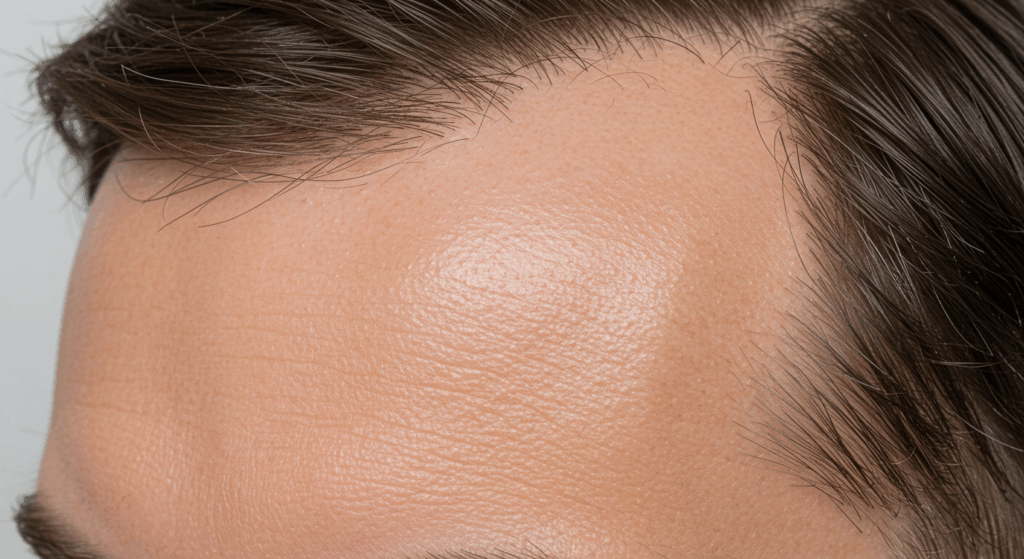
Forehead Cranioplasty Risks: Comprehensive Guide to Complications

A glamorous portrait of a woman with long, wavy dark hair, wearing dramatic makeup with smoky eyes and nude lips. She has large, dangling diamond earrings and is posing with her hand gently touching her chin. The background is a soft, warm brown with subtle sparkles.

Forehead cranioplasty surgery is a complex procedure that can dramatically improve both function and aesthetics for individuals with congenital deformities, trauma, or gender affirmation needs. However, like any major surgery, it comes with potential risks and complications. This guide provides a comprehensive breakdown of what you need to know to make an informed decision, from common complications to mitigation strategies.

A close-up portrait of a woman with striking makeup, featuring dark purple lipstick and bold eyeliner, posing against a modern concrete background.

What Is Forehead Cranioplasty Surgery?

Forehead cranioplasty is a surgical procedure aimed at reshaping or reconstructing the forehead. It is commonly performed for:

  • Medical reasons: Correcting deformities caused by trauma, tumors, or congenital conditions.
  • Aesthetic reasons: Such as forehead reduction or feminization in facial gender confirmation surgeries.

The procedure involves:

  • Removing or reshaping bone.
  • Using bone grafts or synthetic materials to achieve the desired contour.
  • Securing the new structure with plates or screws.

For more details on the surgical process, visit our page on forehead reconstruction surgery.

Potential Risks and Complications: A Detailed Breakdown

1. Infection: A Common Post-Surgical Risk

Infections can occur at the incision site or deeper within the bone. Symptoms include:

  • Redness and swelling
  • Fever and chills
  • Pus or foul-smelling discharge

Prevention and Management:

  • Antibiotics are prescribed before and after surgery.
  • Keeping the incision site clean and dry is critical.
  • Regular follow-up visits to monitor healing progress.

2. Hematoma and Seroma: Fluid Collection Complications

A hematoma (blood collection) or seroma (clear fluid collection) can cause swelling and delay healing.

Prevention and Management:

  • Drains are placed during surgery to remove excess fluid.
  • Avoiding strenuous activities post-surgery.

3. Nerve Damage: Sensory and Motor Risks

The forehead contains a complex network of nerves. Damage can result in:

  • Numbness or tingling
  • Muscle weakness or paralysis
  • Chronic pain

Prevention and Management:

  • Choosing an experienced surgeon who uses advanced imaging techniques.
  • Physical therapy to restore nerve function.

4. Bone Graft or Implant Complications

If bone grafts or synthetic implants are used, risks include:

  • Graft or implant rejection
  • Improper healing or integration
  • Shifting or displacement of the implant

Prevention and Management:

  • Using high-quality materials and precise surgical techniques.
  • Regular imaging to monitor implant stability.

5. Scarring and Aesthetic Dissatisfaction

Scarring is inevitable, but poor healing can lead to visible scars or dissatisfaction with results.

Prevention and Management:

  • Following post-operative care instructions, such as avoiding sun exposure.
  • Using silicone gel or sheets to minimize scarring.

6. Blood Clots: A Rare but Serious Risk

Blood clots, such as deep vein thrombosis (DVT), can form and travel to the lungs, causing a pulmonary embolism.

Prevention and Management:

  • Early mobilization after surgery.
  • Use of compression stockings and blood-thinning medications if necessary.

7. Anesthesia Risks

General anesthesia carries risks such as:

  • Allergic reactions
  • Respiratory or cardiac complications

Prevention and Management:

  • A thorough pre-operative assessment by an anesthesiologist.

Mitigating Risks: Pre- and Post-Operative Strategies

Pre-Operative Measures

To minimize risks, patients should:

  • Undergo a comprehensive medical evaluation.
  • Disclose all medications, supplements, and allergies.
  • Follow pre-operative instructions, such as fasting.

Post-Operative Measures

After surgery, patients should:

  • Take prescribed medications, including antibiotics and pain relievers.
  • Attend follow-up appointments to monitor healing.
  • Avoid smoking and alcohol, which can impair healing.

Comparing Forehead Cranioplasty Risks with Other Procedures

ProcedureCommon RisksSeverity
Forehead CranioplastyInfection, nerve damage, hematomaModerate to High
Forehead ReductionScarring, asymmetry, nerve damageLow to Moderate
MTF Cranioplasty (FFS)Bone resorption, implant rejection, nerve damageModerate to High

For more information on MTF cranioplasty, visit our MTF Cranioplasty FFS page.

Conclusion: Key Takeaways and Next Steps

Key Takeaways

  • Forehead cranioplasty carries risks such as infection, nerve damage, and hematoma, but these can be mitigated with proper care.
  • Choosing an experienced surgeon and adhering to pre- and post-operative instructions significantly reduces complications.
  • Understanding the risks and setting realistic expectations are crucial for a successful outcome.

Next Steps

If you are considering forehead cranioplasty, schedule a consultation with a board-certified surgeon to discuss your goals and potential risks. For more information on related procedures, explore our resources on forehead reduction surgery for men and MTF foreheadplasty types and FFS.

Frequently Asked Questions (FAQs)

1. Is forehead cranioplasty surgery painful?

Pain levels vary, but most patients report manageable discomfort that can be controlled with prescribed pain medications. Pain typically subsides within a few days to weeks.

2. How long is the recovery period?

The initial recovery period is about 2-4 weeks, during which patients should avoid strenuous activities. Complete healing and final results may take several months.

3. Can complications from forehead cranioplasty be permanent?

While most complications are temporary, some, such as nerve damage or scarring, can be permanent. Choosing a skilled surgeon minimizes these risks.

4. What are the signs of infection after surgery?

Signs of infection include increased redness, swelling, fever, and pus or foul-smelling discharge from the incision site. Contact your surgeon immediately if you notice these symptoms.

5. How much does forehead cranioplasty surgery cost?

The cost varies depending on the complexity of the procedure, the surgeon’s experience, and geographic location. For more details, check out our article on forehead reduction surgery costs.

6. Are there non-surgical alternatives to forehead cranioplasty?

Non-surgical alternatives, such as fillers or Botox, can provide temporary improvements but do not offer the same dramatic or permanent results as surgery.

7. How do I choose the right surgeon for forehead cranioplasty?

Look for a board-certified surgeon with extensive experience in cranioplasty procedures. Review before-and-after photos, read patient testimonials, and schedule consultations to discuss your goals and concerns.

8. Can forehead cranioplasty be combined with other procedures?

Yes, forehead cranioplasty is often combined with other facial procedures, such as brow lifts or facial feminization surgeries, to achieve comprehensive results.

Visit Dr.MFO Instagram profile to see real patient transformations! Get a glimpse of the incredible results achieved through facial feminization surgery and other procedures. The profile showcases before-and-after photos that highlight Dr. MFO’s expertise and artistic vision in creating natural-looking, beautiful outcomes.

Ready to take the next step in your journey? Schedule a free consultation with Dr. MFO ( Best Facial Feminization Surgeon for You) today. During the consultation, you can discuss your goals, ask any questions you may have, and learn more about how Dr. MFO can help you achieve your desired look. Don’t hesitate to take advantage of this free opportunity to explore your options and see if Dr. MFO is the right fit for you.