Ideal Candidate for Frontal Bossing Reduction Surgery Guide

A close-up portrait of a person with their head wrapped in white bandages, looking directly at the camera with a neutral expression. The background is dark, emphasizing the person's face and the texture of the bandages.

If you’re exploring frontal bossing reduction surgery, you likely have questions about whether you’re an ideal candidate for the procedure. Understanding who benefits most from this surgery—and what evaluations are required—can help you make an informed decision and set realistic expectations for your results.

This comprehensive guide covers:

  • The characteristics of an ideal candidate for frontal bossing reduction.
  • The pre-operative evaluations required to ensure safety and success.
  • How to prepare for your consultation and what to discuss with your surgeon.

A smiling woman holding a colorful umbrella with a rainbow pattern, standing against a dark background.

Who Is an Ideal Candidate for Frontal Bossing Reduction Surgery?

1. Individuals with Prominent Frontal Bossing

What Is Frontal Bossing?

Frontal bossing refers to the forward protrusion of the frontal bone, creating a prominent or bulging forehead. This condition can be due to:

  • Genetic factors that influence bone structure.
  • Medical conditions such as acromegaly or other growth disorders.
  • Gender affirmation needs for individuals seeking a more feminine or masculine facial appearance.

Why Consider Surgery?

Individuals with prominent frontal bossing may seek surgery to:

  • Achieve a more balanced and harmonious facial appearance.
  • Improve self-confidence and psychological well-being.
  • Align facial features with their gender identity.

2. Individuals in Good Overall Health

Why Health Matters

Being in good overall health is crucial for a safe surgery and smooth recovery. Ideal candidates should:

  • Have no uncontrolled chronic conditions, such as diabetes or heart disease.
  • Be at a stable weight, as significant weight fluctuations can affect results.
  • Not smoke or be willing to quit smoking before and after surgery, as smoking impairs healing.

Medical Conditions to Consider

Certain medical conditions may increase the risks associated with surgery. Discuss any of the following with your surgeon:

  • Autoimmune disorders that may affect healing.
  • Blood clotting disorders or use of blood-thinning medications.
  • History of poor wound healing or keloid scarring.

3. Individuals with Realistic Expectations

The Importance of Realistic Goals

Having realistic expectations is key to satisfaction with your surgical results. Ideal candidates understand that:

  • The goal of surgery is improvement, not perfection.
  • Final results may take up to a year to fully manifest as swelling subsides.
  • Scarring is inevitable, but proper care can minimize its visibility.

How to Set Realistic Expectations

To ensure you have realistic expectations, your surgeon will:

  • Show you before-and-after photos of previous patients with similar concerns.
  • Discuss the limitations and potential outcomes of the procedure.
  • Provide a clear plan for achieving your desired results.

4. Individuals Seeking Gender Affirmation

Frontal Bossing Reduction in Gender Affirmation

For transgender women, frontal bossing reduction is often part of facial feminization surgery (FFS). This procedure helps to:

  • Soften masculine facial features.
  • Create a more feminine forehead contour.
  • Align facial appearance with gender identity.

Considerations for Gender Affirmation Candidates

If you’re seeking frontal bossing reduction as part of gender affirmation, consider the following:

  • Discuss your goals with a surgeon experienced in FFS procedures.
  • Understand that this surgery is often combined with other procedures, such as brow lifts or hairline adjustments.
  • Ensure you have a support system in place for your emotional and physical recovery.

Pre-Operative Evaluations: What to Expect

1. Medical History and Physical Examination

Medical History Review

Your surgeon will review your medical history to identify any conditions or medications that may affect your surgery or recovery. Be prepared to discuss:

  • Current and past medical conditions.
  • Allergies to medications or anesthesia.
  • Previous surgeries and their outcomes.

Physical Examination

A thorough physical examination will assess:

  • The structure and prominence of your frontal bone.
  • The quality and elasticity of your skin.
  • Any asymmetries or irregularities in your facial structure.

2. Psychological Evaluation

Why a Psychological Evaluation?

A psychological evaluation ensures that you are mentally prepared for surgery and have realistic expectations. This evaluation may include:

  • Discussing your motivations and goals for surgery.
  • Assessing your understanding of the procedure and its potential outcomes.
  • Evaluating your emotional readiness and support system.

What to Expect

You may be asked to:

  • Complete a questionnaire about your mental health and expectations.
  • Speak with a mental health professional if recommended by your surgeon.
  • Discuss any history of body dysmorphia or anxiety related to your appearance.

3. Imaging and Diagnostic Tests

Types of Imaging

Your surgeon may recommend imaging tests to plan your surgery precisely. Common imaging techniques include:

  • 3D CT Scans: Provide detailed images of your bone structure for surgical planning.
  • X-Rays: Assess the thickness and contour of your frontal bone.
  • 3D Photography: Helps visualize potential results and plan incisions.

Purpose of Imaging

Imaging allows your surgeon to:

  • Determine the best surgical approach for your unique anatomy.
  • Identify any underlying issues that may affect the procedure.
  • Create a customized surgical plan to achieve your desired results.

4. Laboratory Tests

Common Laboratory Tests

Your surgeon may order laboratory tests to ensure you are medically fit for surgery. These tests may include:

  • Complete Blood Count (CBC): Assesses your overall health and checks for anemia or infection.
  • Coagulation Tests: Evaluate your blood’s ability to clot properly.
  • Metabolic Panel: Checks kidney and liver function, as well as electrolyte levels.

Purpose of Laboratory Tests

Laboratory tests help to:

  • Identify any underlying health issues that may increase surgical risks.
  • Ensure your body is prepared for anesthesia and surgery.
  • Provide a baseline for post-operative comparisons.

Comparison: Ideal Candidates for Frontal Bossing Reduction vs. Other Procedures

ProcedureIdeal CandidateKey Evaluations
Frontal Bossing ReductionIndividuals with prominent frontal bossing, in good health, with realistic expectationsMedical history, imaging, psychological evaluation, laboratory tests
Forehead ContouringIndividuals seeking subtle aesthetic improvements, with good skin elasticityPhysical examination, imaging, medical history review
Facial Feminization Surgery (FFS)Transgender women seeking gender affirmation, in good health, with strong support systemsPsychological evaluation, imaging, hormone therapy assessment
RhinoplastyIndividuals seeking nasal reshaping, with realistic expectations and good overall healthPhysical examination, imaging, breathing assessment

For more information on facial feminization surgery, visit our MTF Foreheadplasty and FFS page.

Conclusion

Key Takeaways

  • An ideal candidate for frontal bossing reduction surgery is someone with prominent frontal bossing, in good overall health, and with realistic expectations for the outcome.
  • Pre-operative evaluations, including medical history reviews, psychological assessments, imaging, and laboratory tests, are essential for ensuring a safe and successful procedure.
  • Understanding the goals and limitations of the surgery helps set realistic expectations and improves satisfaction with the results.
  • Consulting with a qualified and experienced surgeon is crucial for determining your candidacy and planning your procedure.

Next Steps

If you’re considering frontal bossing reduction surgery, schedule a consultation with a board-certified surgeon to discuss your goals and evaluate your candidacy. For more information on related procedures, explore our resources on forehead reconstruction surgery and facial reconstruction surgery.

Frequently Asked Questions (FAQs)

1. Who is the best candidate for frontal bossing reduction surgery?

The best candidates are individuals with prominent frontal bossing who are in good overall health, have realistic expectations, and are seeking the procedure for aesthetic or gender affirmation reasons.

2. What medical conditions might disqualify me from frontal bossing reduction surgery?

Conditions such as uncontrolled diabetes, heart disease, blood clotting disorders, or autoimmune diseases may increase surgical risks. Your surgeon will evaluate your medical history to determine your candidacy.

3. How do I know if my expectations for frontal bossing reduction are realistic?

Your surgeon will discuss your goals and show you before-and-after photos of previous patients with similar concerns. This helps ensure your expectations align with what can realistically be achieved.

4. What evaluations are required before frontal bossing reduction surgery?

Required evaluations typically include a medical history review, physical examination, psychological evaluation, imaging tests (such as 3D CT scans), and laboratory tests (such as blood work).

5. Can I undergo frontal bossing reduction if I smoke?

Smoking impairs healing and increases the risk of complications. Your surgeon will likely require you to quit smoking for a period before and after surgery to ensure optimal results.

6. Is frontal bossing reduction surgery covered by insurance?

Insurance coverage varies depending on the reason for surgery. If the procedure is deemed medically necessary (e.g., for gender affirmation or correcting a congenital deformity), it may be covered. Check with your insurance provider for details.

7. How do I prepare for my consultation for frontal bossing reduction?

Prepare for your consultation by gathering your medical records, listing any medications or supplements you take, and writing down your goals and questions for the surgeon. Bring photos of forehead contours you admire to help communicate your expectations.

8. What should I discuss with my surgeon during the consultation?

During your consultation, discuss your goals, medical history, any concerns or questions, and the potential risks and benefits of the procedure. Ask to see before-and-after photos of previous patients and inquire about the surgeon’s experience with frontal bossing reduction.

Visit Dr.MFO Instagram profile to see real patient transformations! Get a glimpse of the incredible results achieved through facial feminization surgery and other procedures. The profile showcases before-and-after photos that highlight Dr. MFO’s expertise and artistic vision in creating natural-looking, beautiful outcomes.

Ready to take the next step in your journey? Schedule a free consultation with Dr. MFO ( Best Facial Feminization Surgeon for You) today. During the consultation, you can discuss your goals, ask any questions you may have, and learn more about how Dr. MFO can help you achieve your desired look. Don’t hesitate to take advantage of this free opportunity to explore your options and see if Dr. MFO is the right fit for you.

Hairline Advancement Surgery: Process, Results & Cost Guide

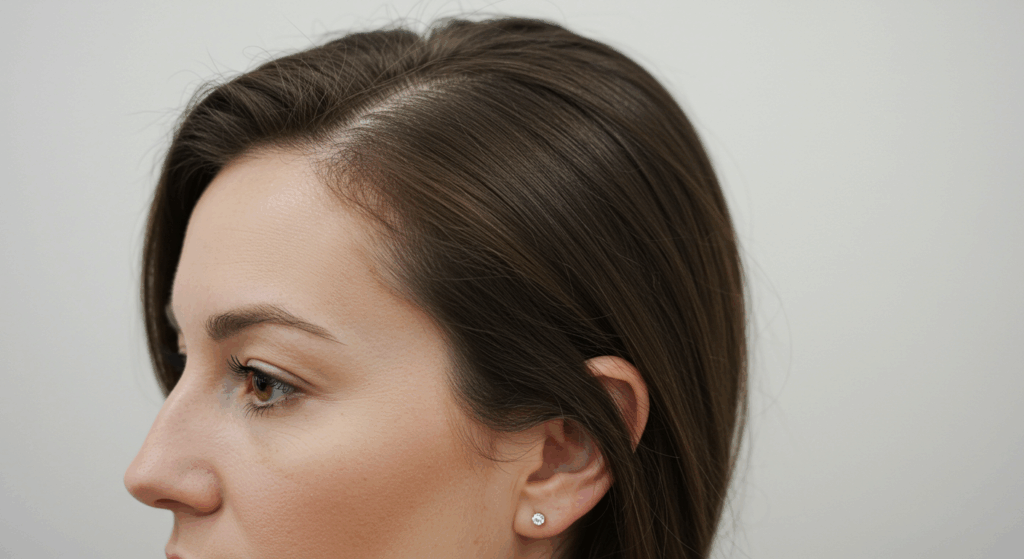
Close-up view of a person's forehead with visible hairline and smooth skin texture.

Are you self-conscious about a high or receding hairline? Hairline advancement surgery, also known as hairline lowering or forehead reduction surgery, is a transformative procedure designed to create a more balanced and youthful facial appearance. This comprehensive guide will walk you through how the surgery works, what to expect in terms of results, and everything in between.

Whether you’re exploring this option for aesthetic reasons or as part of gender-affirming facial feminization, understanding the process is crucial. Let’s dive into the details of this life-changing procedure.

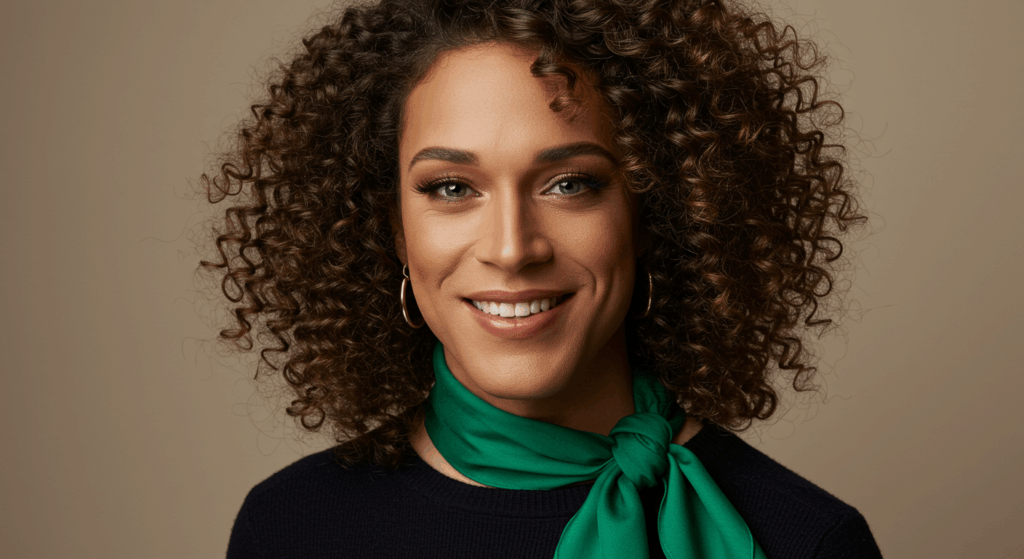
Portrait of a woman with curly hair smiling at the camera, wearing a green scarf and gold hoop earrings, against a neutral background.

Understanding Hairline Advancement Surgery

What Is Hairline Advancement Surgery?

Hairline advancement surgery is a cosmetic procedure aimed at lowering the hairline to reduce the appearance of a large forehead. It is often sought by individuals who feel their forehead is disproportionately large compared to other facial features or those undergoing facial feminization surgery (FFS).

Who Are the Best Candidates?

The best candidates for hairline advancement surgery are individuals who:

  • Have a high or receding hairline
  • Feel their forehead is too large for their facial proportions
  • Are in good overall health
  • Have realistic expectations about the results
  • Are non-smokers or willing to quit smoking before and after surgery

For more details on ideal candidates, visit our page on forehead contouring ideal candidates.

How Does It Differ from Hair Transplants?

While both procedures aim to improve the appearance of the hairline, they are fundamentally different:

Hairline Advancement SurgeryHair Transplant
Involves surgically lowering the hairline by removing a strip of forehead skin.Involves transplanting hair follicles from a donor area to the hairline.
Provides immediate results in terms of hairline position.Results take time as transplanted hair needs to grow.
Ideal for individuals with sufficient scalp laxity.Suitable for individuals with sufficient donor hair.

The Hairline Advancement Surgery Process

Pre-Surgical Consultation

Before the surgery, you’ll have a detailed consultation with your surgeon. This includes:

  • Discussing your goals and expectations
  • Evaluating your scalp laxity and hairline position
  • Reviewing your medical history and any medications you’re taking
  • Taking photographs for surgical planning

Step-by-Step Surgical Procedure

The surgery typically follows these steps:

  1. Anesthesia: You’ll be placed under general anesthesia or intravenous sedation to ensure comfort.
  2. Incision: The surgeon makes an incision along the hairline, carefully following the natural curve to minimize visible scarring.
  3. Forehead Skin Removal: A strip of forehead skin is removed, and the hairline is advanced to the desired position.
  4. Closure: The incision is meticulously closed with sutures, ensuring minimal scarring.

Recovery and Aftercare

Recovery from hairline advancement surgery involves:

  • Immediate Post-Op: You may experience swelling, bruising, and discomfort, which can be managed with prescribed medications.
  • First Week: Keep your head elevated and avoid strenuous activities. Follow your surgeon’s instructions for wound care.
  • Follow-Up Visits: Regular check-ups to monitor healing and remove sutures if necessary.
  • Long-Term Care: Avoid direct sun exposure and follow a healthy lifestyle to maintain results.

For more information on recovery, check out our guide on hairline lowering.

Expected Results and Benefits

Immediate and Long-Term Results

After hairline advancement surgery, you can expect:

  • Immediate Improvement: A lower hairline and reduced forehead size are visible right after surgery.
  • Enhanced Facial Balance: A more harmonious facial appearance with improved proportions.
  • Boosted Confidence: Many patients report increased self-esteem and satisfaction with their appearance.

Before and After Transformations

While individual results vary, most patients experience a significant transformation. For example:

Before SurgeryAfter Surgery
High hairline with a large foreheadLowered hairline with balanced facial proportions
Receding hairline causing an aged appearanceYouthful hairline enhancing overall facial aesthetics

For a visual representation, explore our before and after gallery.

Potential Risks and Complications

As with any surgery, hairline advancement comes with potential risks, including:

  • Scarring (though usually hidden within the hairline)
  • Infection or poor wound healing
  • Numbness or altered sensation in the scalp
  • Hair loss along the incision line

Choosing a skilled and experienced surgeon minimizes these risks. Discuss any concerns during your consultation.

Cost of Hairline Advancement Surgery

Factors Influencing Cost

The cost of hairline advancement surgery varies based on several factors:

  • Surgeon’s experience and reputation
  • Geographic location of the clinic
  • Complexity of the procedure
  • Anesthesia and facility fees

Average Cost Ranges

On average, the cost can range from:

  • United Kingdom: £5,000 to £10,000
  • Turkey: $3,000 to $6,000

For a detailed breakdown, visit our page on hairline lowering surgery costs.

Three women enjoying drinks and laughing together at an outdoor gathering

Conclusion: Is Hairline Advancement Right for You?

Key Takeaways

  • Hairline advancement surgery is a highly effective procedure for lowering the hairline and improving facial balance.
  • The surgery involves removing a strip of forehead skin and advancing the hairline to a more youthful position.
  • Recovery is manageable with proper aftercare, and results are immediate and long-lasting.
  • Choosing a qualified surgeon is crucial for minimizing risks and achieving optimal results.

Next Steps

If you’re considering hairline advancement surgery, the next steps are:

  1. Schedule a consultation with a board-certified surgeon.
  2. Discuss your goals and expectations in detail.
  3. Follow pre- and post-operative instructions carefully.
  4. Prepare for recovery and enjoy your transformed appearance.

Frequently Asked Questions (FAQs)

How long does it take to recover from hairline advancement surgery?

Most patients return to normal activities within 1-2 weeks, but full recovery can take up to 6 weeks. Follow your surgeon’s aftercare instructions for the best results.

Will there be visible scarring after the surgery?

Scarring is typically minimal and hidden within the hairline. Skilled surgeons use techniques to ensure scars are as discreet as possible.

Is hairline advancement surgery painful?

Discomfort is usually mild to moderate and can be managed with prescribed pain medications. Most patients report that the procedure is less painful than expected.

Can hairline advancement surgery be combined with other procedures?

Yes, it is often combined with procedures like forehead contouring or brow lifts for comprehensive facial rejuvenation.

How do I choose the right surgeon for hairline advancement?

Look for a board-certified surgeon with extensive experience in hairline advancement and facial feminization procedures. Review before-and-after photos and patient testimonials.

What is the difference between hairline advancement and hairline feminization?

Hairline advancement focuses on lowering the hairline, while hairline feminization aims to create a more feminine hairline shape. Both can be part of facial feminization surgery (FFS).

Are the results of hairline advancement permanent?

Yes, the results are permanent. However, natural aging processes may continue to affect your appearance over time.

What are the alternatives to hairline advancement surgery?

Alternatives include hair transplants, non-surgical hair systems, and makeup techniques. However, these options may not provide the same level of permanence or natural results.

Visit Dr.MFO Instagram profile to see real patient transformations! Get a glimpse of the incredible results achieved through facial feminization surgery and other procedures. The profile showcases before-and-after photos that highlight Dr. MFO’s expertise and artistic vision in creating natural-looking, beautiful outcomes.

Ready to take the next step in your journey? Schedule a free consultation with Dr. MFO ( Best Facial Feminization Surgeon for You) today. During the consultation, you can discuss your goals, ask any questions you may have, and learn more about how Dr. MFO can help you achieve your desired look. Don’t hesitate to take advantage of this free opportunity to explore your options and see if Dr. MFO is the right fit for you.
FFS vs Jaw Contouring: 7 Key Differences You Must Know

A woman wearing a white headband and a towel wrapped around her shoulders, standing in a medical setting with hospital equipment visible in the background.

Are you exploring ways to achieve a softer, more feminine jawline but feeling overwhelmed by the options? You’re not alone. The choice between Facial Feminization Surgery (FFS) and traditional jaw contouring can feel like navigating a maze without a map. Both procedures promise transformative results, but their approaches, outcomes, and suitability vary dramatically.

This comprehensive guide cuts through the confusion by breaking down the 7 key differences between FFS and traditional jaw contouring. Whether you’re a transgender woman seeking facial harmony, a cisgender woman aiming for a more delicate jawline, or simply curious about your options, this article will empower you to make an informed decision.

A woman with long dark hair wearing a white headband and a white medical gown stands in a hospital room with medical equipment in the background.

Purpose and Goals: Why Choose FFS or Jaw Contouring?

FFS: A Holistic Approach to Feminization

Facial Feminization Surgery (FFS) is a collection of procedures designed to harmonize facial features with a traditionally feminine aesthetic. It goes beyond the jawline, often addressing the forehead, nose, cheekbones, and chin to create a balanced, cohesive look. The primary goal of FFS is to:

  • Reduce masculine facial traits such as a prominent brow ridge, square jaw, or large Adam’s apple.
  • Enhance feminine features like higher cheekbones, a softer jawline, and a more delicate chin.
  • Improve overall facial symmetry for a natural, harmonious appearance.

FFS is most commonly sought by transgender women but is also chosen by cisgender women and non-binary individuals who desire a more traditionally feminine facial structure. For a deeper dive into FFS procedures, check out our guide on FFS jawline reduction techniques.

Traditional Jaw Contouring: Targeted Refinement

Traditional jaw contouring, on the other hand, is a focused procedure aimed at reshaping the jawline. It doesn’t address other facial features but instead zeroes in on:

  • Reducing jaw width for a narrower, more oval face shape.
  • Softening a square or angular jawline to create a gentler, more youthful appearance.
  • Correcting asymmetry or disproportion in the lower face.

This procedure is popular among both men and women who want to refine their jawline without altering other facial features. It’s often combined with chin augmentation or reduction for balanced results. Learn more about jaw feminization in our article on jaw feminization surgery.

AspectFFSTraditional Jaw Contouring
Primary GoalHolistic facial feminizationTargeted jawline refinement
ScopeMultiple facial features (forehead, nose, jaw, chin, etc.)Jawline only
Ideal ForTransgender women, cisgender women, and non-binary individuals seeking overall facial feminizationMen and women looking to refine their jawline without altering other features

Techniques and Procedures: How Are They Performed?

FFS Techniques: Bone and Soft Tissue Modifications

FFS is a highly customized procedure that combines bone and soft tissue modifications to achieve feminization. Common techniques include:

Bone Modifications

  • Mandible (Jaw) Contouring: The jawbone is reshaped to reduce width and create a softer, more tapered look. This often involves maxilla contouring to adjust the upper jaw.
  • Chin Reduction/Reshaping: The chin is reduced in size or reshaped to appear more delicate and proportionate.
  • Forehead Reconstruction: The brow ridge is reduced, and the forehead is reshaped to appear smoother and more rounded.

Soft Tissue Modifications

  • Fat Grafting: Fat is transferred from other areas of the body to enhance cheekbones or lips for a fuller, more feminine look.
  • Lip Lift: The upper lip is shortened to create a more youthful and feminine pout.
  • Neck Lift: Excess skin and fat are removed to create a slimmer, more elegant neckline.

FFS is typically performed under general anesthesia and requires a highly skilled surgeon with experience in both bone and soft tissue procedures. The surgery can take anywhere from 4 to 8 hours, depending on the number of procedures performed.

Traditional Jaw Contouring Techniques

Traditional jaw contouring focuses solely on the jawline and is generally less invasive than FFS. The two primary techniques are:

Surgical Jaw Contouring

  • Mandible Osteotomy: The jawbone is cut and reshaped to reduce width or correct asymmetry. This is a permanent solution but requires a longer recovery period.
  • Genioplasty: The chin is repositioned or reshaped to improve balance with the jawline. This can be combined with jaw contouring for a harmonious result.

Non-Surgical Jaw Contouring

  • Dermal Fillers: Temporary fillers are injected to create the illusion of a softer jawline. This is ideal for those who want to test the look before committing to surgery.
  • Botox: Injected into the masseter muscles to slim the jawline over time. This is a non-permanent solution that requires maintenance.
  • Thread Lift: Dissolvable threads are inserted to lift and tighten the jawline for a more defined appearance.

Traditional jaw contouring is typically performed under local anesthesia with sedation or general anesthesia, depending on the complexity of the procedure. Recovery time is shorter than FFS, with most patients returning to normal activities within 1-2 weeks.

AspectFFSTraditional Jaw Contouring
Bone ModificationsMandible contouring, chin reduction, forehead reconstructionMandible osteotomy, genioplasty
Soft Tissue ModificationsFat grafting, lip lift, neck liftDermal fillers, Botox, thread lift
AnesthesiaGeneral anesthesiaLocal with sedation or general anesthesia
Recovery Time2-4 weeks (longer for complex procedures)1-2 weeks

Results and Longevity: What to Expect Long-Term

FFS Results: Permanent and Transformative

The results of FFS are permanent and can be life-changing for individuals seeking facial feminization. However, the final outcome depends on several factors:

  • Surgeon’s expertise: Choosing a board-certified surgeon with experience in FFS is critical for natural-looking results.
  • Individual anatomy: Bone structure, skin elasticity, and healing ability all play a role in the final outcome.
  • Procedure combination: Combining bone and soft tissue procedures often yields the most harmonious results.

Patients typically see immediate improvements after surgery, but final results may take up to 6-12 months as swelling subsides and tissues settle. For inspiration, explore our gallery of FFS transformation options.

Traditional Jaw Contouring Results: Varies by Technique

The longevity of traditional jaw contouring results depends on the technique used:

Surgical Results

Surgical procedures like mandible osteotomy and genioplasty offer permanent results. Once the bones are reshaped, the changes are irreversible. However, aging and weight fluctuations can subtly alter the jawline over time.

Non-Surgical Results

Non-surgical options provide temporary improvements:

  • Dermal fillers: Last 6-18 months, depending on the type of filler used.
  • Botox: Requires touch-ups every 3-6 months to maintain results.
  • Thread lift: Results last 1-2 years as the threads dissolve and stimulate collagen production.

While non-surgical options are less invasive, they require ongoing maintenance to sustain the desired look. Surgical jaw contouring is ideal for those seeking a one-time, permanent solution.

AspectFFSTraditional Jaw Contouring
PermanencePermanentPermanent (surgical) or temporary (non-surgical)
Time to See Final Results6-12 months1-2 weeks (surgical), immediate (non-surgical)
Maintenance RequiredNoneNone (surgical) or regular touch-ups (non-surgical)

Cost and Accessibility: What’s the Investment?

FFS Cost: A Significant but Life-Changing Investment

FFS is a highly customized procedure, and its cost reflects the complexity and expertise required. On average, FFS ranges from $20,000 to $50,000, depending on the number of procedures performed and the surgeon’s experience. Here’s a breakdown of potential costs:

  • Forehead reconstruction: $5,000 – $10,000
  • Jaw contouring: $8,000 – $15,000
  • Chin reduction: $5,000 – $10,000
  • Fat grafting: $3,000 – $8,000
  • Neck lift: $5,000 – $10,000

While the cost of FFS is substantial, many patients consider it a worthwhile investment in their confidence and quality of life. Financing options, such as payment plans or medical loans, are often available to make the procedure more accessible.

Traditional Jaw Contouring Cost: More Affordable but Varies by Technique

The cost of traditional jaw contouring varies widely depending on the technique used:

Surgical Jaw Contouring

Surgical procedures typically cost between $5,000 and $15,000, depending on the complexity of the case and the surgeon’s fees. This includes:

  • Mandible osteotomy: $6,000 – $12,000
  • Genioplasty: $4,000 – $8,000

Non-Surgical Jaw Contouring

Non-surgical options are significantly more affordable but require ongoing maintenance:

  • Dermal fillers: $500 – $2,000 per session
  • Botox: $300 – $800 per session
  • Thread lift: $1,500 – $4,000 per session

While non-surgical options are less expensive upfront, the cost can add up over time due to the need for regular touch-ups. Surgical jaw contouring is a larger initial investment but offers permanent results.

AspectFFSTraditional Jaw Contouring
Average Cost$20,000 – $50,000$500 – $15,000
Cost FactorsNumber of procedures, surgeon’s experience, geographic locationTechnique used, surgeon’s experience, geographic location
Financing OptionsPayment plans, medical loans, insurance (in some cases)Payment plans, medical loans

Conclusion: Which Procedure Is Right for You?

Key Takeaways

  • FFS is ideal for individuals seeking a holistic transformation of their facial features, particularly transgender women or those with multiple masculine traits they wish to soften.
  • Traditional jaw contouring is best for those who want to refine their jawline only, without altering other facial features.
  • FFS offers permanent results but requires a significant investment of time and money, while jaw contouring ranges from temporary (non-surgical) to permanent (surgical) solutions.
  • Cost varies dramatically, with FFS being the more expensive option due to its complexity and customization.

Next Steps

If you’re still unsure which procedure is right for you, consider the following steps:

  1. Consult a specialist: Schedule consultations with board-certified surgeons who specialize in FFS or jaw contouring. Ask to see before-and-after photos of their work.
  2. Define your goals: Write down what you hope to achieve—whether it’s a softer jawline, a more feminine forehead, or overall facial harmony.
  3. Explore financing options: If cost is a concern, research payment plans, medical loans, or insurance coverage (if applicable).
  4. Start with non-surgical options: If you’re hesitant about surgery, try non-surgical jaw contouring with fillers or Botox to preview potential results.

Ready to take the next step? Learn more about FFS procedures or explore jaw contouring options today!

Frequently Asked Questions

Is FFS only for transgender women?

No, FFS is not exclusively for transgender women. While it is most commonly sought by trans women, cisgender women and non-binary individuals also opt for FFS to achieve a more traditionally feminine appearance. The procedures can be tailored to meet the unique goals of each patient, regardless of gender identity.

Can jaw contouring be combined with other procedures?

Yes! Jaw contouring is often combined with other procedures to achieve a balanced, harmonious result. Common pairings include:

  • Chin augmentation or reduction to improve facial proportion.
  • Cheek augmentation to enhance midface volume and create a softer look.
  • Neck lift to refine the jawline and eliminate a “double chin.”
  • Rhinoplasty to reshape the nose for better facial balance.

How painful is FFS recovery?

The recovery process for FFS varies depending on the procedures performed, but most patients report moderate discomfort rather than severe pain. Here’s what to expect:

  • First 48 hours: The most discomfort occurs immediately after surgery, but this is typically managed with prescription pain medication.
  • Week 1-2: Swelling and bruising peak during this time, but pain usually subsides significantly. Over-the-counter pain relievers are often sufficient.
  • Week 3-4: Most patients return to normal activities, though some swelling may persist for several months.

Your surgeon will provide detailed post-operative care instructions to minimize discomfort and promote healing.

Are there non-surgical alternatives to FFS?

While FFS is the most comprehensive solution for facial feminization, there are non-surgical alternatives that can provide subtle improvements:

  • Dermal fillers: Can enhance cheekbones, lips, and chin for a more feminine appearance.
  • Botox: Can slim the jawline by relaxing the masseter muscles and soften a “gummy” smile.
  • Thread lift: Can lift and tighten the skin for a more youthful, defined jawline.
  • Hairline lowering: Non-surgical options like scalp micropigmentation can create the illusion of a lower hairline, which is often associated with femininity.

However, non-surgical options cannot achieve the same dramatic, permanent results as FFS, particularly for bone structure modifications.

Will insurance cover FFS or jaw contouring?

Insurance coverage for FFS and jaw contouring varies widely depending on your provider, policy, and the reason for surgery. Here’s what you need to know:

  • FFS: Some insurance plans cover FFS for transgender individuals as part of gender-affirming care. However, coverage often requires a letter of medical necessity from a qualified healthcare provider. Check with your insurance company for specific requirements.
  • Jaw Contouring: Insurance typically does not cover jaw contouring if it is performed for cosmetic reasons. However, if the procedure is medically necessary (e.g., to correct a congenital defect or injury), partial or full coverage may be possible.

It’s always best to consult with your insurance provider and surgeon to understand your coverage options fully.

What are the risks of FFS and jaw contouring?

As with any surgical procedure, FFS and jaw contouring carry potential risks. However, choosing a board-certified, experienced surgeon significantly reduces these risks. Common complications include:

FFS Risks

  • Infection: Rare but possible, particularly if post-operative care instructions are not followed.
  • Nerve damage: Temporary or permanent numbness or weakness in facial muscles.
  • Asymmetry: Uneven results due to swelling or surgical technique.
  • Scarring: Most incisions are hidden within the hairline or natural facial creases, but visible scarring is possible.
  • Dissatisfaction with results: Managing expectations and choosing a skilled surgeon is key to achieving your desired outcome.

Jaw Contouring Risks

  • Nerve injury: Temporary or permanent numbness in the lower lip or chin.
  • Jaw misalignment: Rare but possible, particularly if the procedure involves cutting or repositioning the jawbone.
  • Infection: Proper post-operative care minimizes this risk.
  • Swelling and bruising: Typically resolves within a few weeks but can persist for months in some cases.

Your surgeon will discuss these risks in detail during your consultation and provide guidance on how to minimize them.

How do I choose the right surgeon for FFS or jaw contouring?

Choosing the right surgeon is the most critical step in ensuring a safe procedure and satisfactory results. Here’s what to look for:

  • Board certification: Ensure your surgeon is certified by a recognized board, such as the American Board of Plastic Surgery or the American Board of Facial Plastic and Reconstructive Surgery.
  • Experience with FFS or jaw contouring: Ask how many procedures the surgeon has performed and request to see before-and-after photos of their work.
  • Patient testimonials: Read reviews and testimonials from previous patients to gauge satisfaction levels.
  • Personal connection: Choose a surgeon who listens to your goals, answers your questions thoroughly, and makes you feel comfortable.
  • Transgender-specific experience: If you’re seeking FFS as part of your gender transition, look for a surgeon who has experience working with transgender patients and understands their unique needs.

Don’t hesitate to schedule consultations with multiple surgeons to compare their approaches and find the best fit for you.

What is the recovery timeline for FFS and jaw contouring?

The recovery timeline varies depending on the procedures performed, but here’s a general overview:

FFS Recovery Timeline

  • Week 1: Rest and recovery at home. Swelling and bruising are significant, and you may experience discomfort.
  • Week 2-3: Swelling begins to subside, and you may feel comfortable resuming light activities. Stitches are typically removed during this time.
  • Week 4-6: Most patients return to work and normal activities, though some swelling may persist.
  • Month 3-6: Final results become apparent as swelling fully subsides and tissues settle.

Jaw Contouring Recovery Timeline

  • Surgical Jaw Contouring:
    • Week 1: Rest and recovery. Swelling and bruising peak during this time.
    • Week 2-3: Swelling subsides, and most patients return to normal activities.
    • Month 1-3: Final results become visible as residual swelling resolves.
  • Non-Surgical Jaw Contouring:
    • Dermal fillers/Botox: Minimal downtime; results are immediate or appear within a few days.
    • Thread lift: Mild swelling or bruising may occur but typically resolves within a week.

Visit Dr.MFO Instagram profile to see real patient transformations! Get a glimpse of the incredible results achieved through facial feminization surgery and other procedures. The profile showcases before-and-after photos that highlight Dr. MFO’s expertise and artistic vision in creating natural-looking, beautiful outcomes.

Ready to take the next step in your journey? Schedule a free consultation with Dr. MFO ( Best Facial Feminization Surgeon for You) today. During the consultation, you can discuss your goals, ask any questions you may have, and learn more about how Dr. MFO can help you achieve your desired look. Don’t hesitate to take advantage of this free opportunity to explore your options and see if Dr. MFO is the right fit for you.

Surgical Brow Lift Risks & Complications: Ultimate Guide 2025

A close-up portrait of a woman with dark wavy hair, natural makeup, and a subtle smile, looking directly at the camera.

A surgical brow lift can rejuvenate your appearance, but understanding the potential risks and complications is crucial for making an informed decision. Whether you’re considering this procedure for cosmetic or reconstructive reasons, being aware of the challenges ensures you’re fully prepared for the journey ahead.

This guide dives deep into every aspect of brow lift risks, from common side effects to rare complications, and provides actionable insights to minimize them. By the end, you’ll have a comprehensive understanding of what to expect and how to navigate your brow lift journey safely.

What Is a Surgical Brow Lift and Why Is It Performed?

A surgical brow lift, or forehead lift, is a cosmetic procedure designed to elevate the brows, reduce forehead wrinkles, and create a more youthful appearance. It is often sought by individuals experiencing:

  • Sagging brows due to aging or genetics
  • Deep horizontal lines across the forehead
  • Frown lines between the eyebrows
  • Asymmetry in the brow area

While the procedure is generally safe, it is not without risks. Understanding these risks is the first step toward a successful outcome. For more details on the benefits of a brow lift, check out our article on Brow Lift: Enhancing Your Appearance Today.

Close-up of a woman's face focusing on her eyebrows and eyes, highlighting well-groomed eyebrows and eye makeup.

Common Risks and Side Effects of a Surgical Brow Lift

Every surgical procedure carries some level of risk. For a brow lift, the most common side effects include:

Risk/ComplicationDescriptionPrevalence
Swelling and BruisingTemporary swelling and bruising around the eyes and forehead are common and typically subside within 2 weeks.Very Common
NumbnessTemporary numbness or altered sensation in the forehead and scalp, usually resolving within a few months.Common
ScarringMinimal scarring is usually hidden within the hairline or natural creases of the face.Common
Pain and DiscomfortMild to moderate pain, manageable with prescribed medications.Common

These side effects are typically temporary and resolve as the body heals. However, proper post-operative care is essential to minimize discomfort and promote healing. For recovery tips, visit our guide on Brow Lift Recovery Tips.

Potential Complications and How to Mitigate Them

While rare, some complications can arise from a surgical brow lift. These include:

1. Infection

Infections are uncommon but can occur. Symptoms include increased pain, redness, swelling, and fever. To minimize this risk:

  • Follow all pre- and post-operative care instructions.
  • Take prescribed antibiotics as directed.
  • Avoid touching the incision sites with unwashed hands.

2. Hematoma

A hematoma is a collection of blood outside the blood vessels, which can cause swelling and discomfort. It may require drainage if severe.

3. Nerve Damage

In rare cases, nerves controlling facial muscles may be affected, leading to temporary or permanent weakness. Choosing an experienced surgeon significantly reduces this risk.

4. Asymmetry

Uneven brow positioning can occur due to improper healing or surgical technique. Revision surgery may be necessary in severe cases.

5. Hair Loss

Temporary hair loss around the incision sites is possible but usually resolves within a few months.

6. Skin Necrosis

In rare instances, the skin around the incision may not heal properly, leading to tissue death. This is more common in smokers and individuals with poor circulation.

For a detailed comparison of surgical techniques, read our article on Endoscopic vs Coronal Brow Lift: Pros and Cons.

How to Choose a Qualified Surgeon to Minimize Risks

Selecting a board-certified, experienced plastic surgeon is the most critical step in minimizing risks. Here’s what to look for:

  • Board Certification: Ensure your surgeon is certified by a recognized board, such as the American Board of Plastic Surgery.
  • Experience: Choose a surgeon with extensive experience in brow lift procedures.
  • Before-and-After Photos: Review their portfolio to assess their skill and consistency.
  • Patient Reviews: Read testimonials and reviews from previous patients.
  • Consultation Process: A thorough consultation should include a detailed discussion of risks, benefits, and alternatives.

For more tips on choosing the right surgeon, visit our guide on How to Choose a Qualified Plastic Surgeon for Brow Lift.

Non-Surgical Alternatives to Consider

If the risks of a surgical brow lift seem daunting, non-surgical alternatives may be worth exploring. These include:

  • Botox Injections: Temporarily relaxes muscles to smooth wrinkles and lift brows.
  • Dermal Fillers: Adds volume to the brow area for a subtle lift.
  • Thread Lift: Uses dissolvable threads to lift and tighten the skin.
  • Ultherapy: Uses ultrasound energy to stimulate collagen production and tighten the skin.

Each alternative has its own set of benefits and limitations. Consult with a qualified professional to determine the best option for your needs.

Conclusion: Key Takeaways and Next Steps

Key Takeaways

  • A surgical brow lift can significantly enhance your appearance but carries potential risks and complications.
  • Common side effects like swelling and bruising are temporary and manageable with proper care.
  • Rare complications, such as infection or nerve damage, can be minimized by choosing an experienced surgeon.
  • Non-surgical alternatives are available for those who prefer less invasive options.

Next Steps

If you’re ready to explore a brow lift, schedule a consultation with a board-certified plastic surgeon. During your consultation, discuss your goals, concerns, and any questions you have about the procedure. For more information, visit our Brow Lift Guide.

Frequently Asked Questions (FAQs)

Is a surgical brow lift painful?

Most patients experience mild to moderate discomfort, which can be managed with prescribed pain medications. The majority of discomfort subsides within a few days.

How long does it take to recover from a brow lift?

Initial recovery takes about 1-2 weeks, with full recovery typically achieved within 4-6 weeks. Follow your surgeon’s post-operative instructions for the best results.

Can a brow lift be combined with other procedures?

Yes, a brow lift is often combined with procedures like blepharoplasty (eyelid surgery) or facelifts for a more comprehensive rejuvenation. For more details, visit our Combination Surgery Guide.

What are the signs of a complication after a brow lift?

Signs of complications include severe pain, excessive swelling, redness, fever, or unusual discharge from the incision sites. Contact your surgeon immediately if you experience any of these symptoms.

Are the results of a brow lift permanent?

While a brow lift provides long-lasting results, the natural aging process will continue. Most patients enjoy their results for 10 years or more.

Who is an ideal candidate for a brow lift?

Ideal candidates are individuals in good overall health with realistic expectations. They should be non-smokers or willing to quit smoking before and after the procedure.

What should I avoid after a brow lift?

Avoid strenuous activities, heavy lifting, and smoking for at least 2-4 weeks post-surgery. Follow your surgeon’s specific instructions for optimal healing.

How much does a surgical brow lift cost?

The cost varies depending on the surgeon’s experience, geographic location, and the complexity of the procedure. On average, it ranges from $3,000 to $7,000.

Visit Dr.MFO Instagram profile to see real patient transformations! Get a glimpse of the incredible results achieved through facial feminization surgery and other procedures. The profile showcases before-and-after photos that highlight Dr. MFO’s expertise and artistic vision in creating natural-looking, beautiful outcomes.

Ready to take the next step in your journey? Schedule a free consultation with Dr. MFO ( Best Facial Feminization Surgeon for You) today. During the consultation, you can discuss your goals, ask any questions you may have, and learn more about how Dr. MFO can help you achieve your desired look. Don’t hesitate to take advantage of this free opportunity to explore your options and see if Dr. MFO is the right fit for you.

FFS vs Jaw Contouring: Key Differences & Which Is Right for You?

A woman's face with highlighted areas around the jawline and neck, indicating potential treatment zones for cosmetic procedures.

Are you exploring ways to achieve a softer, more feminine facial appearance but feeling overwhelmed by the options? You’re not alone. The journey to facial harmony often involves critical decisions, especially when choosing between Facial Feminization Surgery (FFS) and traditional jaw contouring procedures.

While both procedures aim to refine the jawline, they serve fundamentally different purposes, techniques, and outcomes. FFS is a specialized field focused on creating feminine facial features, while traditional jaw contouring is often pursued for aesthetic balance or correction of structural issues. But what sets them apart? Which one aligns with your goals?

In this comprehensive guide, we’ll dissect the key differences between FFS and traditional jaw contouring, covering:

  • Purpose and goals of each procedure
  • Surgical techniques and approaches
  • Recovery, risks, and long-term results
  • Cost comparisons and insurance considerations
  • How to choose the right procedure for your needs

By the end, you’ll have a crystal-clear understanding of which option is best suited for your unique journey. Let’s dive in.

A woman with straight dark hair and makeup, looking directly at the camera with a neutral expression, showcasing defined facial features and contouring.

The Purpose: Why FFS and Traditional Jaw Contouring Exist

Before comparing techniques or results, it’s essential to grasp the why behind each procedure. The goals of FFS and traditional jaw contouring differ significantly, shaping everything from surgical planning to patient expectations.

Facial Feminization Surgery (FFS): A Gender-Affirming Transformation

FFS is a gender-affirming procedure designed to soften traditionally masculine facial features and create a more feminine appearance. It’s most commonly sought by transgender women and non-binary individuals but is also chosen by cisgender women who desire more delicate facial proportions.

The jawline is a critical focus in FFS because:

  • Masculine jaws tend to be broader, squarer, and more angular, with a prominent chin and wider mandible.
  • Feminine jaws are typically narrower, smoother, and more tapered, with a softer chin and less pronounced angles.

FFS jaw procedures aim to:

  • Reduce jaw width and angle sharpness
  • Create a smoother, more oval or heart-shaped facial contour
  • Harmonize the jaw with other feminized features (e.g., nose, forehead, lips)

For a deeper dive into FFS procedures, explore our guide on FFS jawline reduction techniques.

A person wearing a light-colored tank top, standing in front of a dark background, with soft lighting creating shadows on the wall.

Traditional Jaw Contouring: Aesthetic and Functional Refinement

Traditional jaw contouring, on the other hand, is primarily an aesthetic or corrective procedure. It’s chosen by individuals of all genders to:

  • Improve facial symmetry
  • Correct congenital or trauma-related jaw deformities
  • Enhance the balance between the upper and lower face
  • Create a more defined or chiseled jawline (often for a “masculine” ideal)

Unlike FFS, traditional jaw contouring doesn’t follow gender-specific guidelines. Instead, it focuses on:

  • Patient’s facial anatomy and proportions
  • Personal aesthetic goals (e.g., a stronger jawline for men, a softer one for women)
  • Functional improvements (e.g., correcting bite alignment)

Learn more about traditional jaw contouring in our detailed jaw contouring guide.

Key Takeaway: Goals Dictate the Approach

The primary difference lies in the intent:

  • FFS is about feminization—softening angles, reducing width, and creating harmony with other feminine features.
  • Traditional jaw contouring is about balance and correction—whether for aesthetics, symmetry, or function.

Surgical Techniques: How FFS and Traditional Jaw Contouring Differ

The techniques used in FFS and traditional jaw contouring vary significantly due to their distinct goals. Below, we break down the surgical approaches, including bone and soft tissue modifications.

FFS Jaw Procedures: Precision Feminization

FFS jaw procedures are highly specialized and often involve a combination of bone and soft tissue modifications. The most common techniques include:

  1. Mandibular Angle Reduction
    • Reduces the width and prominence of the jaw angles.
    • Often involves shaving or resecting the angular regions of the mandible.
    • Goal: Create a softer, more tapered jawline.
  2. Mandibular Body Contouring
    • Narrows the lower jaw (mandible) to reduce width and create a more feminine shape.
    • May involve osteotomies (bone cuts) or burring (sanding) of the bone.
  3. Genioplasty (Chin Reduction or Reshaping)
    • Reduces chin height, width, or projection.
    • Often combined with jaw contouring for a balanced lower face.
  4. Soft Tissue Adjustments
    • Fat grafting or liposuction to enhance facial contours.
    • Muscle adjustments (e.g., masseter muscle reduction) to slim the jaw.

For a detailed comparison of bone vs. soft tissue modifications in FFS, visit our FFS bone vs. soft tissue guide.

Traditional Jaw Contouring: Versatile Refinement

Traditional jaw contouring techniques are more varied and depend on the patient’s goals. Common procedures include:

  1. Jaw Reduction (Mandibular Angle Ostectomy)
    • Reduces the width of the jaw angles for a slimmer appearance.
    • Popular in East Asian countries for creating a V-line jaw.
  2. Jaw Augmentation (Mandibular Implants or Fillers)
    • Enhances jaw definition for a stronger, more chiseled look.
    • Commonly used in male patients or those seeking a more angular jawline.
  3. Chin Augmentation (Genioplasty or Implants)
    • Increases chin projection or width for better facial balance.
    • Often combined with jaw augmentation for a harmonious lower face.
  4. Orthognathic Surgery
    • Corrects jaw misalignment for functional and aesthetic improvements.
    • Often covered by insurance if medically necessary.

For more on how FFS compares to traditional jaw procedures, check out our guide on changing face shape with surgery.

Technique Comparison Table

ProcedureFFS Jaw ContouringTraditional Jaw Contouring
Primary GoalFeminize facial featuresAesthetic balance or functional correction
Bone ModificationsMandibular angle reduction, body contouring, genioplastyJaw reduction, augmentation, orthognathic surgery
Soft Tissue AdjustmentsFat grafting, masseter muscle reductionFillers, liposuction (less common)
Gender-Specific?Yes (feminine ideals)No (customized to patient goals)
Recovery Time4-6 weeks (bone work)2-4 weeks (varies by procedure)

Recovery, Risks, and Long-Term Results: What to Expect

Recovery and risks vary between FFS and traditional jaw contouring due to the complexity of the procedures. Below, we outline what patients can expect post-surgery.

FFS Jaw Surgery: Recovery and Risks

FFS jaw procedures often involve extensive bone work, leading to a longer recovery period. Here’s what to expect:

  • Immediate Post-Op (First Week):
    • Swelling, bruising, and discomfort (managed with pain medication).
    • Liquid diet required due to jaw immobility.
    • Compression garments may be used to reduce swelling.
  • First Month:
    • Gradual reduction in swelling; soft foods introduced.
    • Avoid strenuous activities and follow post-op care instructions.
  • Long-Term (3-6 Months):
    • Final results become visible as swelling subsides.
    • Possible numbness or tightness, which typically resolves over time.

Potential Risks:

  • Nerve damage (temporary or permanent numbness)
  • Asymmetry or over-correction
  • Infection or poor wound healing
  • Need for revision surgery

For a comprehensive overview of FFS risks, visit our FFS complications guide.

Traditional Jaw Contouring: Recovery and Risks

Recovery for traditional jaw contouring depends on the procedure’s complexity. Here’s a general timeline:

  • Jaw Reduction/Augmentation:
    • 1-2 weeks of significant swelling and bruising.
    • Soft diet for 2-4 weeks; gradual return to normal activities.
  • Orthognathic Surgery:
    • Longer recovery (6-8 weeks) due to bone healing.
    • Possible jaw wiring or elastic bands for stabilization.
  • Non-Surgical Options (Fillers):
    • Minimal downtime (1-3 days).
    • Results last 1-2 years; repeat treatments needed.

Potential Risks:

  • Infection or adverse reactions to fillers
  • Asymmetry or dissatisfaction with results
  • Nerve injury (rare but possible with surgical procedures)
  • Need for revision (especially with implants or fillers)

Long-Term Results: FFS vs. Traditional Jaw Contouring

The longevity of results depends on the procedure type:

  • FFS Jaw Surgery:
    • Permanent results (bone modifications).
    • Soft tissue adjustments may require touch-ups over time.
  • Traditional Jaw Contouring:
    • Surgical procedures (e.g., jaw reduction, implants) offer permanent results.
    • Non-surgical options (e.g., fillers) require maintenance every 1-2 years.

Cost and Insurance: Financial Considerations

Cost is a significant factor when choosing between FFS and traditional jaw contouring. Below, we break down the financial aspects of each procedure.

FFS Jaw Surgery Costs

FFS is a highly specialized field, and costs reflect the complexity of the procedures. Typical price ranges include:

  • Mandibular Angle Reduction: $8,000 – $15,000
  • Mandibular Body Contouring: $10,000 – $20,000
  • Genioplasty (Chin Reduction/Reshaping): $6,000 – $12,000
  • Full FFS (Multiple Procedures): $20,000 – $50,000+

Insurance Coverage:

FFS is occasionally covered by insurance if deemed medically necessary for gender dysphoria treatment. However, coverage varies widely by provider and region. Patients should:

  • Consult their insurance provider for pre-authorization.
  • Work with a surgeon experienced in insurance advocacy.
  • Prepare for potential out-of-pocket expenses.

Traditional Jaw Contouring Costs

Costs for traditional jaw contouring vary based on the procedure type and complexity:

  • Jaw Reduction Surgery: $5,000 – $12,000
  • Jaw Augmentation (Implants): $6,000 – $15,000
  • Orthognathic Surgery: $20,000 – $40,000 (often partially covered by insurance if medically necessary)
  • Non-Surgical Options (Fillers): $1,000 – $3,000 per treatment

Insurance Coverage:

Traditional jaw contouring may be covered by insurance if it addresses functional issues (e.g., bite misalignment). Cosmetic procedures, however, are typically not covered. Patients should:

  • Verify coverage with their insurance provider.
  • Explore financing options if paying out-of-pocket.

Cost Comparison Table

ProcedureFFS Jaw ContouringTraditional Jaw Contouring
Average Cost$8,000 – $50,000+$1,000 – $40,000
Insurance CoveragePossible for gender dysphoria (varies)Possible for functional issues (e.g., orthognathic surgery)
Financing OptionsPayment plans, medical loansPayment plans, medical loans
Long-Term ValuePermanent (bone work)Permanent (surgical) or temporary (fillers)

Conclusion: Choosing the Right Procedure for Your Goals

Key Takeaways

After exploring the differences between FFS and traditional jaw contouring, here are the most critical insights:

  • Purpose: FFS is gender-affirming and focuses on feminization, while traditional jaw contouring is about aesthetic balance or functional correction.
  • Techniques: FFS involves precise bone and soft tissue modifications to create feminine features, whereas traditional contouring offers versatile options for all genders.
  • Recovery: FFS typically requires a longer recovery due to extensive bone work, while traditional procedures vary widely in downtime.
  • Cost: FFS is generally more expensive due to its complexity, but insurance may cover part of the cost for gender dysphoria treatment.

Next Steps

If you’re still unsure which procedure aligns with your goals, consider the following:

  1. Consult a Specialist: Schedule consultations with surgeons experienced in both FFS and traditional jaw contouring. Ask to see before-and-after photos of patients with similar goals.
  2. Clarify Your Goals: Are you seeking feminization, aesthetic refinement, or functional correction? Your primary objective will guide your choice.
  3. Evaluate Your Budget: Determine what you can afford and explore financing or insurance options if needed.
  4. Research Thoroughly: Read patient testimonials, watch procedure videos, and educate yourself on the risks and benefits.

For further reading, explore our guide on feminizing facial features with FFS or our maxilla contouring overview.

Frequently Asked Questions (FAQs)

Is FFS only for transgender women?

No, FFS is primarily sought by transgender women, but it’s also chosen by cisgender women who desire more feminine facial features or wish to soften masculine traits.

Can traditional jaw contouring achieve the same results as FFS?

No. While traditional jaw contouring can slim or augment the jaw, it doesn’t follow the same gender-specific guidelines as FFS. FFS is tailored to create feminine proportions, while traditional contouring focuses on balance or correction.

How painful is FFS jaw surgery?

Pain levels vary by patient, but most describe the discomfort as manageable with prescribed pain medication. The first week is typically the most challenging, with gradual improvement over the following weeks.

Are there non-surgical alternatives to FFS?

Non-surgical options like fillers, Botox (for masseter muscle reduction), or fat dissolution injections can provide temporary improvements. However, they cannot replicate the permanent, structural changes achieved with FFS.

How do I find a qualified FFS surgeon?

Look for surgeons who:

  • Specialize in FFS and have extensive before-and-after portfolios.
  • Are board-certified in facial plastic surgery or oral and maxillofacial surgery.
  • Have experience working with transgender and non-binary patients.
  • Offer virtual or in-person consultations to discuss your goals.

Can I combine FFS with other facial procedures?

Yes! Many patients combine FFS jaw procedures with other feminizing surgeries, such as:

What is the best age to undergo FFS?

There’s no “best” age, but most surgeons recommend waiting until facial bone growth is complete (typically late teens to early 20s). Many patients undergo FFS in their 20s or 30s, but it’s never too late if you’re in good health.

Will FFS make me look unnaturally feminine?

A skilled FFS surgeon will create natural, harmonious results tailored to your facial structure. The goal is to enhance your features while maintaining your unique identity—not to create an “overdone” look.

Visit Dr.MFO Instagram profile to see real patient transformations! Get a glimpse of the incredible results achieved through facial feminization surgery and other procedures. The profile showcases before-and-after photos that highlight Dr. MFO’s expertise and artistic vision in creating natural-looking, beautiful outcomes.

Ready to take the next step in your journey? Schedule a free consultation with Dr. MFO ( Best Facial Feminization Surgeon for You) today. During the consultation, you can discuss your goals, ask any questions you may have, and learn more about how Dr. MFO can help you achieve your desired look. Don’t hesitate to take advantage of this free opportunity to explore your options and see if Dr. MFO is the right fit for you.

Jaw Contouring in FFS: The Ultimate Guide to Feminization

A close-up portrait of a woman with striking green eyes, bold eyebrows, and glossy nude lips. She has dark hair styled in a sleek bob and wears a small pearl earring. The background features a vibrant pink color with blurred rainbow and unicorn elements.

Facial Feminization Surgery (FFS) is a life-changing journey for transgender women and non-binary individuals seeking to align their outward appearance with their gender identity. Among the most impactful procedures in FFS is jaw contouring, a surgical technique designed to soften angular, masculine jawlines and create a more traditionally feminine facial structure.

But how exactly does jaw contouring improve facial harmony and feminization? This comprehensive guide explores the science, artistry, and transformative potential of jaw contouring in FFS, offering insights into its role in achieving a balanced, naturally feminine appearance.

The Science Behind Jaw Contouring: Why It Matters in FFS

Understanding Facial Masculinization and Feminization

Facial structure is heavily influenced by hormonal and skeletal differences between genders. Testosterone typically results in:

  • A broader, squarer jawline
  • A more pronounced chin
  • Thicker bone density in the lower face

In contrast, estrogen promotes softer, rounder facial features. Jaw contouring in FFS aims to reverse these masculine traits by:

  • Reducing jaw width
  • Softening the jaw angles
  • Creating a more oval or heart-shaped facial silhouette

The Role of Jaw Contouring in Facial Harmony

Facial harmony is achieved when all features—forehead, cheeks, nose, lips, and jaw—work together in proportion. A well-contoured jaw:

  • Balances the lower third of the face with the midface and forehead
  • Enhances the visibility of cheekbones
  • Creates a smoother transition from the chin to the neck

Studies in facial aesthetics show that a jawline with a 120-130 degree angle is perceived as more feminine, while angles exceeding 130 degrees are often associated with masculinity. Jaw contouring surgically adjusts this angle to achieve a softer, more traditionally feminine appearance.

A professional editorial description of the image featuring a close-up portrait of a person with meticulous attention to technical and aesthetic details: **Camera and Optics:** The image appears to be captured using a high-resolution camera, likely in 8K or higher, delivering hyperrealistic detail. The lens choice seems to be a macro lens, possibly an 85mm or 100mm, which is ideal for capturing fine facial details without distortion. The shallow depth of field isolates the subject’s face, emphasizing texture and clarity while creating a soft bokeh effect in the background. **Lighting Design:** The lighting design employs a hard-light technique, creating sharp and defined shadows that enhance facial contours. The light source seems to originate from a side angle, possibly a 45-degree angle, which adds a dramatic effect by casting shadows that accentuate the cheekbones, brow bones, and jawline. This technique highlights the subject’s bone structure and adds a sculpted, almost three-dimensional quality to the face. **Anatomy and Identity:** The subject is female, captured in a neutral and poised stance that exudes confidence. The facial features are symmetrically balanced, with high cheekbones and a well-defined jawline. The eyebrows are meticulously groomed, and the eyeliner is sharply winged, adding to the overall elegance. The lips are full and accentuated with a natural-toned gloss, enhancing the sensual yet sophisticated aesthetic. **Texture and Skin:** The skin texture is immaculately detailed, showcasing a smooth and flawless complexion. There is a subtle luminescence, likely due to the strategic placement of light, which gives the skin a radiant and slightly dewy appearance. The image captures micro-details such as fine hairs on the skin and the natural moisture on the lips, contributing to a lifelike and hyperrealistic portrayal. **Clothing and Accessories:** The subject is not adorned with any visible clothing or accessories in this close-up shot. The focus is solely on the facial features and skin texture, eliminating any distractions from external elements. **Composition and Background:** The composition is tightly framed, centering on the subject’s face to draw full attention to her features. The background is minimalistic and blurred, likely achieved through a wide aperture setting, which ensures the subject remains the focal point. The overall atmosphere of the image is luxurious and refined, with a noir-inspired contrast between light and shadow that adds depth and sophistication.

Jaw Contouring Techniques: What Are Your Options?

Jaw contouring is not a one-size-fits-all procedure. Depending on your unique facial structure and feminization goals, your surgeon may recommend one or more of the following techniques:

TechniqueDescriptionBest ForRecovery Time
Mandibular Angle ReductionReduces the width and prominence of the jaw angles by shaving or reshaping the bone.Individuals with a wide or square jawline.2-4 weeks
Sliding GenioplastyRepositions the chin forward or backward to improve balance and projection.Those with a recessed or overly prominent chin.3-6 weeks
Jawline Slimming with LiposuctionRemoves excess fat from the jawline to create a slimmer appearance.Patients with a full or rounded jawline due to fat deposits.1-2 weeks
Masseter Muscle ReductionReduces the size of the masseter muscle to slim the lower face.Individuals with a broad lower face due to muscle hypertrophy.2-3 weeks

Choosing the Right Technique for You

Your surgeon will evaluate your facial structure, skin elasticity, and feminization goals to recommend the best approach. For example:

  • If your jaw is wide due to bone structure, mandibular angle reduction may be ideal.
  • If your chin is too prominent or recessed, sliding genioplasty can create better balance.
  • If your jawline appears full due to fat, liposuction may be sufficient.

For more details on FFS procedures, visit our Facial Feminization Surgery page.

How Jaw Contouring Enhances Feminization: Real Results

Before and After: The Visual Impact

Jaw contouring can dramatically transform the lower face, creating:

  • A softer, more oval facial shape
  • A reduction in the appearance of a “square” jaw
  • Enhanced visibility of cheekbones and lips
  • A more youthful, feminine neckline

Patients often report that jaw contouring helps them:

  • Feel more confident in their appearance
  • Pass more easily in social and professional settings
  • Achieve a more harmonious facial profile

Psychological and Emotional Benefits

Beyond the physical changes, jaw contouring can have profound psychological effects. Many patients experience:

  • Reduced gender dysphoria
  • Improved self-esteem and body image
  • A stronger sense of alignment with their gender identity

For a deeper dive into the emotional journey of FFS, explore our MTF Facial Feminization Surgery guide.

A confident woman with bold makeup stands in the foreground at a pride parade, with colorful rainbow flags waving in the background.

Recovery, Risks, and Considerations: What to Expect

Recovery Timeline

Recovery from jaw contouring varies depending on the technique used, but most patients can expect:

  • First Week: Swelling, bruising, and discomfort. A liquid or soft-food diet is recommended.
  • Weeks 2-4: Gradual reduction in swelling. Most patients return to work within 2-3 weeks.
  • Months 2-6: Final results become visible as swelling subsides.

Potential Risks and Complications

While jaw contouring is generally safe, potential risks include:

  • Nerve damage (temporary or permanent)
  • Asymmetry or over-correction
  • Infection or poor wound healing
  • Unsatisfactory aesthetic results

Choosing an experienced, board-certified surgeon minimizes these risks. Learn more about Facial Feminization and Transgender Facial Surgery to make an informed decision.

Who Is an Ideal Candidate?

Jaw contouring is ideal for individuals who:

  • Have a strong, angular, or square jawline
  • Are in good overall health
  • Have realistic expectations about the results
  • Are committed to following post-operative care instructions

Cost of Jaw Contouring in FFS: What to Budget

The cost of jaw contouring varies based on the technique, surgeon expertise, and geographic location. On average:

  • Mandibular Angle Reduction: $5,000 – $10,000
  • Sliding Genioplasty: $6,000 – $12,000
  • Jawline Liposuction: $3,000 – $7,000
  • Masseter Muscle Reduction: $4,000 – $8,000

Many clinics offer financing options or payment plans to make the procedure more accessible. For a detailed breakdown of costs, visit our Facial Feminization Surgery and Facial Implants page.

A young woman with long brown hair standing by a window, wearing a white blouse and jeans, looking directly at the camera.

Conclusion: Is Jaw Contouring Right for You?

Key Takeaways

  • Jaw contouring is a powerful tool in FFS for creating a softer, more feminine facial shape.
  • The procedure enhances facial harmony by balancing the lower face with the midface and forehead.
  • Techniques like mandibular angle reduction, sliding genioplasty, and liposuction offer customized solutions.
  • Recovery is manageable, with most patients returning to normal activities within 2-4 weeks.

Next Steps

If you’re considering jaw contouring as part of your FFS journey, the next steps are:

  1. Consult with a board-certified FFS specialist to discuss your goals.
  2. Review before-and-after photos of previous patients.
  3. Ask about financing and payment options.
  4. Prepare for recovery by arranging time off work and gathering supplies.

Ready to take the next step? Contact us today to schedule your consultation.

Frequently Asked Questions About Jaw Contouring in FFS

How painful is jaw contouring surgery?

Most patients experience moderate discomfort, which is manageable with prescribed pain medication. The first few days are typically the most uncomfortable, with gradual improvement over the following weeks.

Will jaw contouring make my face look unnatural?

When performed by an experienced surgeon, jaw contouring enhances your natural features without creating an unnatural appearance. The goal is to achieve a balanced, feminine look that complements your overall facial structure.

Can jaw contouring be combined with other FFS procedures?

Yes! Jaw contouring is often combined with procedures like chin reduction, cheek augmentation, or forehead contouring for comprehensive feminization.

How long do the results of jaw contouring last?

The results of jaw contouring are permanent, as the procedure involves reshaping bone or removing fat/muscle tissue. However, aging and lifestyle factors can affect the long-term appearance of your jawline.

Is jaw contouring covered by insurance?

Insurance coverage for jaw contouring varies by provider and policy. Some insurance plans cover FFS procedures as medically necessary for treating gender dysphoria. Check with your insurance company for details.

What is the best age to get jaw contouring?

There is no “best” age for jaw contouring, but most surgeons recommend waiting until facial bone growth is complete, typically in the early 20s. However, the procedure can be performed at any age for qualified candidates.

Visit Dr.MFO Instagram profile to see real patient transformations! Get a glimpse of the incredible results achieved through facial feminization surgery and other procedures. The profile showcases before-and-after photos that highlight Dr. MFO’s expertise and artistic vision in creating natural-looking, beautiful outcomes.

Ready to take the next step in your journey? Schedule a free consultation with Dr. MFO ( Best Facial Feminization Surgeon for You) today. During the consultation, you can discuss your goals, ask any questions you may have, and learn more about how Dr. MFO can help you achieve your desired look. Don’t hesitate to take advantage of this free opportunity to explore your options and see if Dr. MFO is the right fit for you.

Facial Asymmetry Correction 2025 Guide

Profile view of a young woman before and after a cosmetic procedure, showcasing changes in facial symmetry and jawline contouring.

Facial asymmetry is a common concern that affects millions worldwide, often leading to self-consciousness and a desire for corrective solutions. Whether caused by genetics, trauma, or developmental factors, facial asymmetry can impact both aesthetics and function. Fortunately, modern surgical procedures offer transformative solutions to restore balance and harmony to your face.

In this comprehensive guide, we explore the most effective surgical procedures to correct facial asymmetry, their benefits, risks, and what to expect during recovery. If you’re seeking a permanent solution to achieve facial symmetry, this guide is your ultimate resource.

Understanding Facial Asymmetry: Causes and Types

Facial asymmetry can manifest in various ways, from subtle differences in facial features to more pronounced imbalances. Understanding the root causes and types of asymmetry is crucial for determining the most suitable surgical approach.

Common Causes of Facial Asymmetry

  • Genetics: Inherited traits often result in uneven facial features, such as a crooked nose, asymmetrical jawline, or uneven eyes.
  • Trauma or Injury: Accidents or physical trauma can cause bone fractures or soft tissue damage, leading to asymmetry.
  • Developmental Conditions: Conditions like torticollis or hemifacial microsomia can affect facial growth and symmetry.
  • Aging: As we age, skin elasticity and muscle tone diminish, sometimes resulting in sagging or uneven features.

Types of Facial Asymmetry

TypeDescriptionCommon Surgical Solutions
Skeletal AsymmetryInvolves the bones of the face, such as the jaw, chin, or cheekbones.Orthognathic surgery, genioplasty, cheek augmentation
Soft Tissue AsymmetryInvolves muscles, fat, or skin, often affecting facial volume or contour.Fat grafting, facelift, liposuction
Mixed AsymmetryA combination of skeletal and soft tissue asymmetry.Combination of skeletal and soft tissue procedures
A close-up portrait of a woman's face, focusing on her eyes, eyebrows, and nose. The image highlights her facial features with a natural, slightly illuminated skin tone. The background is plain and neutral, allowing the focus to remain on her face.

The Most Effective Surgical Procedures for Correcting Facial Asymmetry

Correcting facial asymmetry often requires a tailored approach, combining one or more surgical procedures to achieve optimal results. Below, we outline the most effective surgical options available today.

1. Orthognathic Surgery

Orthognathic surgery, also known as jaw surgery, is a highly effective procedure for correcting skeletal asymmetry. It involves repositioning the upper jaw (maxilla), lower jaw (mandible), or both to improve alignment and balance.

What Does It Involve?

  • Pre-surgical orthodontic treatment to align teeth.
  • Surgical repositioning of the jawbones.
  • Fixation with plates and screws to stabilize the new position.

Benefits

  • Improves facial symmetry and bite alignment.
  • Enhances breathing and chewing function.
  • Long-lasting results.

Recovery

Recovery typically takes 6-12 weeks, with initial swelling subsiding within the first few weeks. Patients can expect to return to normal activities within 4-6 weeks.

2. Genioplasty (Chin Surgery)

Genioplasty is a surgical procedure designed to reshape or reposition the chin. It is particularly effective for correcting asymmetries in the lower face, such as a receding or protruding chin.

What Does It Involve?

  • Incision inside the mouth or under the chin.
  • Reshaping or repositioning the chin bone.
  • Fixation with plates or screws.

Benefits

  • Enhances facial balance and profile.
  • Improves jawline definition.
  • Can be combined with other procedures for comprehensive results.

Recovery

Most patients recover within 2-4 weeks, with full results visible after swelling subsides, usually within 3 months.

3. Cheek Augmentation

Cheek augmentation is ideal for correcting asymmetries in the midface, such as flat or uneven cheekbones. It involves the use of implants or fat grafting to enhance volume and contour.

What Does It Involve?

  • Incision inside the mouth or under the lower eyelids.
  • Placement of cheek implants or fat transfer.
  • Suturing and recovery monitoring.

Benefits

  • Restores facial volume and symmetry.
  • Enhances cheekbone definition.
  • Natural-looking results.

Recovery

Recovery time varies, with most patients resuming normal activities within 1-2 weeks. Full results are typically visible after 3-6 months.

4. Rhinoplasty (Nose Surgery)

Rhinoplasty is a versatile procedure that can correct nasal asymmetry, improve breathing, and enhance overall facial harmony. It is often combined with other procedures for comprehensive facial balancing.

What Does It Involve?

  • Incision inside the nostrils or across the columella.
  • Reshaping of bone and cartilage.
  • Suturing and splint application.

Benefits

  • Improves nasal symmetry and function.
  • Enhances facial balance.
  • Customizable to individual needs.

Recovery

Initial recovery takes 1-2 weeks, with full results visible after 1 year as swelling gradually subsides.

5. Facial Fat Grafting

Facial fat grafting is a minimally invasive procedure that uses the patient’s own fat to restore volume and correct asymmetries in the face. It is ideal for addressing soft tissue irregularities.

What Does It Involve?

  • Liposuction to harvest fat from donor areas (e.g., abdomen, thighs).
  • Purification and preparation of fat cells.
  • Injection of fat into targeted facial areas.

Benefits

  • Natural-looking volume restoration.
  • Minimal risk of rejection or allergy.
  • Dual benefit of contouring donor and recipient areas.

Recovery

Recovery is relatively quick, with most patients resuming normal activities within a week. Full results are visible after 3-6 months.

Mehmet Fatih Okyay, MD, FEBOPRAS in Türkiye. FFS Surgeon.

Choosing the Right Surgeon for Facial Asymmetry Correction

Selecting a skilled and experienced surgeon is critical for achieving optimal results in facial asymmetry correction. Here are key factors to consider:

Credentials and Experience

  • Board certification in plastic or maxillofacial surgery.
  • Extensive experience in facial asymmetry procedures.
  • Before-and-after portfolio showcasing successful outcomes.

Patient Reviews and Testimonials

Reading reviews and testimonials from previous patients can provide valuable insights into a surgeon’s expertise and patient satisfaction levels. Look for consistent positive feedback and real-life results.

Consultation Process

A thorough consultation should include a detailed assessment of your facial structure, discussion of your goals, and a personalized treatment plan. The surgeon should explain the procedures, risks, and expected outcomes clearly.

For more information on choosing the right surgeon, visit our guide on Facial Asymmetry and FFS Surgery.

Recovery and Aftercare: What to Expect

Recovery is a crucial phase of the facial asymmetry correction journey. Proper aftercare ensures optimal healing and long-lasting results. Here’s what to expect:

Immediate Post-Operative Care

  • Follow your surgeon’s instructions for wound care and medication.
  • Apply cold compresses to reduce swelling and bruising.
  • Avoid strenuous activities and follow dietary restrictions.

Long-Term Recovery

  • Attend follow-up appointments to monitor progress.
  • Protect your skin from sun exposure to prevent pigmentation.
  • Maintain a healthy lifestyle to support healing.

Potential Risks and Complications

While facial asymmetry correction procedures are generally safe, potential risks include infection, scarring, and asymmetry recurrence. Choosing an experienced surgeon minimizes these risks.

Frequently Asked Questions (FAQs)

1. What is the best age to undergo facial asymmetry correction surgery?

The ideal age for facial asymmetry correction is typically after the face has fully developed, usually in the late teens or early twenties. However, adults of any age can benefit from these procedures.

2. Can non-surgical treatments correct facial asymmetry?

Non-surgical treatments like dermal fillers or Botox can provide temporary improvements for mild asymmetry. However, surgical procedures offer permanent and more dramatic results.

3. How long do the results of facial asymmetry correction last?

Surgical results are generally permanent, although aging and lifestyle factors can influence long-term outcomes. Maintaining a healthy lifestyle can help preserve results.

4. Is facial asymmetry correction painful?

Most procedures are performed under anesthesia, ensuring minimal discomfort during surgery. Post-operative pain is typically managed with prescribed medications.

5. Can facial asymmetry correction improve my confidence?

Yes! Many patients report significant improvements in self-esteem and confidence following facial asymmetry correction. Achieving facial harmony can positively impact both personal and professional aspects of life.

Conclusion

Key Takeaways

  • Facial asymmetry can be effectively corrected with surgical procedures like orthognathic surgery, genioplasty, cheek augmentation, rhinoplasty, and fat grafting.
  • Choosing the right surgeon is crucial for achieving optimal results and minimizing risks.
  • Recovery and aftercare play a vital role in ensuring long-lasting outcomes.

Next Steps

If you’re ready to transform your appearance and correct facial asymmetry, the first step is to schedule a consultation with a qualified surgeon. Explore your options, discuss your goals, and embark on your journey to a more symmetrical and confident you!

For further reading, check out our detailed guide on Facial Asymmetry and FFS Surgery.

Visit Dr.MFO Instagram profile to see real patient transformations! Get a glimpse of the incredible results achieved through facial feminization surgery and other procedures. The profile showcases before-and-after photos that highlight Dr. MFO’s expertise and artistic vision in creating natural-looking, beautiful outcomes.

Ready to take the next step in your journey? Schedule a free consultation with Dr. MFO ( Best Facial Feminization Surgeon for You) today. During the consultation, you can discuss your goals, ask any questions you may have, and learn more about how Dr. MFO can help you achieve your desired look. Don’t hesitate to take advantage of this free opportunity to explore your options and see if Dr. MFO is the right fit for you.

FFS Hairline Advancement: Risks, Recovery & What to Expect

A close-up side profile of a woman with smooth skin, showing the area from the forehead to the tip of the nose, emphasizing the eyebrow and eyelashes.

For many transgender women and non-binary individuals, facial feminization surgery (FFS) is a pivotal step in aligning physical appearance with gender identity. Among the most transformative procedures is hairline advancement, which reshapes the forehead and hairline to create a softer, more traditionally feminine look. However, like any surgical procedure, it comes with risks, recovery challenges, and critical considerations.

This guide is your comprehensive resource for understanding the risks, recovery timelines, and everything in between for FFS hairline advancement. Whether you’re in the research phase or preparing for surgery, we’ve got you covered.

A close-up photo of a woman's face, focusing on her hairline and ear. The woman has dark hair pulled back, revealing her forehead and a small earring in her ear.

What Is FFS Hairline Advancement?

Hairline advancement, also known as forehead reduction or hairline feminization surgery, is a procedure designed to:

  • Lower the hairline to reduce forehead height.
  • Reshape the hairline to create a more rounded, feminine frame for the face.
  • Remove masculine brow bossing (prominent brow ridge).

This procedure is often combined with brow lifts or scalp advancement to achieve optimal results. For a deeper dive into the artistic approaches to hairline alteration, check out our article on Contrasting Approaches to Hairline Alteration in FFS and FMS.

The Risks of FFS Hairline Advancement: What You Need to Know

While hairline advancement can deliver life-changing results, it’s essential to understand the potential risks and complications:

Common Risks

RiskDescriptionLikelihood
ScarringVisible scars along the hairline or forehead. Skilled surgeons minimize this risk with precise incision placement.Low to Moderate
NumbnessTemporary or permanent numbness in the forehead or scalp due to nerve damage.Moderate
Hair LossTemporary shedding or thinning around the incision site. Rarely, permanent hair loss may occur.Low
InfectionPost-surgical infections are rare but require immediate medical attention if they occur.Low
AsymmetryUneven hairline or forehead shape due to healing or surgical technique.Low

Rare but Serious Complications

  • Hematoma: A collection of blood under the skin that may require drainage.
  • Skin Necrosis: Rare but severe complication where tissue dies due to poor blood supply.
  • Unsatisfactory Results: Results may not meet expectations, requiring revision surgery.

For more insights on potential complications, explore our detailed guide on FFS Surgery Complications.

Recovery Timeline: What to Expect After Surgery

Recovery from hairline advancement is a gradual process that varies by individual. Below is a week-by-week breakdown of what to expect:

Week 1: Immediate Post-Op Phase

  • Days 1-3: Swelling, bruising, and discomfort are common. Pain medication and cold compresses help manage symptoms.
  • Days 4-7: Stitches or staples may be removed. Swelling begins to subside, but bruising may persist.

Weeks 2-4: Early Recovery

  • Swelling and bruising significantly decrease.
  • Numbness or tingling may persist as nerves heal.
  • Light activities can be resumed, but strenuous exercise should be avoided.

Weeks 5-12: Intermediate Recovery

  • Most swelling resolves, and the hairline begins to settle into its final position.
  • Hair may start to regrow around the incision site.
  • Follow-up appointments to monitor healing and address any concerns.

Months 3-6: Long-Term Healing

  • Final results become apparent as swelling fully subsides.
  • Scars continue to fade and mature.
  • Full sensation typically returns, though some numbness may persist.
TimeframeWhat to ExpectTips for Recovery
Week 1Swelling, bruising, discomfortRest, cold compresses, prescribed pain medication
Weeks 2-4Decreased swelling, possible numbnessAvoid strenuous activities, keep incisions clean
Weeks 5-12Hairline settles, hair regrowth beginsFollow-up appointments, gentle hair care
Months 3-6Final results, scars fadePatience, scar care routines

For more tips on managing recovery, read our guide on Managing Hair Growth After FFS.

A confident woman with brown hair and makeup stands in the foreground, looking directly at the camera with a serious expression. Behind her, a crowd of people wave rainbow flags during a pride parade in a city street.

Preparing for FFS Hairline Advancement: A Step-by-Step Guide

Proper preparation is key to a smooth surgery and recovery. Here’s how to get ready:

Before Surgery

  • Consultation: Discuss your goals, medical history, and expectations with your surgeon. Ask questions like those outlined in our Key FFS Hairline Lowering Questions.
  • Medical Evaluation: Complete any required blood tests or health screenings.
  • Medication Adjustments: Avoid blood thinners and certain supplements as advised by your surgeon.
  • Lifestyle Changes: Quit smoking and limit alcohol to promote healing.

Day of Surgery

  • Arrange for a friend or family member to drive you home.
  • Wear loose, comfortable clothing.
  • Follow pre-op instructions, such as fasting.

Post-Op Essentials

  • Stock up on supplies like gauze, cold packs, and prescribed medications.
  • Set up a comfortable recovery space with pillows, entertainment, and easy access to essentials.

Frequently Asked Questions (FAQs)

Is hairline advancement painful?

Discomfort is typically manageable with prescribed pain medication. Most patients report mild to moderate pain that subsides within a week.

Will I have visible scars?

Skilled surgeons place incisions along the hairline to minimize visibility. Scars typically fade significantly over time and can be concealed with hair styling.

How soon can I return to work?

Most patients return to work within 1-2 weeks, depending on the nature of their job and healing progress.

Can I combine hairline advancement with other FFS procedures?

Yes! Many patients opt to combine hairline advancement with procedures like brow lifts, rhinoplasty, or jaw contouring for comprehensive facial feminization.

What if I’m unhappy with the results?

Revision surgery is an option if results don’t meet expectations. Open communication with your surgeon is key to achieving your desired outcome.

How do I care for my hair after surgery?

Follow your surgeon’s instructions for washing and styling your hair. Avoid heat styling tools and harsh chemicals until cleared by your surgeon. For more tips, check out our guide on Managing Hair Growth After FFS.

Are there non-surgical alternatives?

Non-surgical options like hair transplants or fillers may offer temporary improvements but typically don’t deliver the same dramatic results as surgery.

What questions should I ask my surgeon?

Prepare a list of questions, such as those in our Key FFS Hairline Lowering Questions guide, to ensure you’re fully informed.

Conclusion: Your Path to Confidence

Key Takeaways

  • FFS hairline advancement is a powerful tool for achieving a more feminine appearance.
  • Understanding the risks and recovery process is essential for a successful outcome.
  • Proper preparation and post-op care can significantly enhance your results.
  • Open communication with your surgeon ensures your expectations are aligned with reality.

Next Steps

  • Schedule a consultation with a qualified FFS surgeon to discuss your goals.
  • Review our FFS Surgery FAQs for more insights.
  • Prepare for surgery by following the guidelines outlined in this guide.

Visit Dr.MFO Instagram profile to see real patient transformations! Get a glimpse of the incredible results achieved through facial feminization surgery and other procedures. The profile showcases before-and-after photos that highlight Dr. MFO’s expertise and artistic vision in creating natural-looking, beautiful outcomes.

Ready to take the next step in your journey? Schedule a free consultation with Dr. MFO ( Best Facial Feminization Surgeon for You) today. During the consultation, you can discuss your goals, ask any questions you may have, and learn more about how Dr. MFO can help you achieve your desired look. Don’t hesitate to take advantage of this free opportunity to explore your options and see if Dr. MFO is the right fit for you.

Forehead Cranioplasty Materials: Types, Selection & Guide

A close-up image of a woman's forehead with a faint horizontal scar across it, likely from a surgical procedure.

If you’re considering forehead cranioplasty, one of the most critical decisions you and your surgeon will make is selecting the right material. The choice of material impacts not only the aesthetic outcome but also the longevity, safety, and overall success of the procedure. This comprehensive guide explores the types of materials commonly used in forehead cranioplasty, how they are chosen for each patient, and what you need to know to make an informed decision.

By the end of this guide, you’ll understand:

  • The different types of materials used in forehead cranioplasty.
  • How surgeons select the best material for each patient.
  • The pros and cons of each material option.
  • What to discuss with your surgeon to ensure the best outcome.
A close-up portrait of a woman with dark hair and green eyes, wearing pearl earrings and a light-colored top, posing confidently with her hand resting on her head.

Understanding Forehead Cranioplasty and Its Goals

What Is Forehead Cranioplasty?

Forehead cranioplasty is a surgical procedure aimed at reshaping or reconstructing the forehead. It is commonly performed for:

  • Medical reasons: Correcting congenital deformities, trauma-related injuries, or defects following tumor removal.
  • Aesthetic reasons: Such as forehead reduction or feminization in facial gender confirmation surgeries.

For more details on the procedure, visit our forehead reconstruction surgery page.

Why Material Selection Matters

The material used in forehead cranioplasty plays a pivotal role in:

  • Aesthetic outcomes: The material should blend seamlessly with the natural contours of the face.
  • Durability and longevity: The material must withstand the test of time without degrading or shifting.
  • Safety and biocompatibility: The material should be compatible with the body to minimize the risk of rejection or infection.
X-ray image of a human skull, showing detailed bone structure, including the cranium, orbital cavities, nasal cavity, and upper jaw. The image is in blue and white tones, with a dark background for contrast.

Common Materials Used in Forehead Cranioplasty

1. Autologous Bone Grafts

What Are Autologous Bone Grafts?

Autologous bone grafts involve using bone harvested from the patient’s own body, typically from the skull, ribs, or pelvis. This type of graft is considered the gold standard due to its high biocompatibility and low risk of rejection.

Pros and Cons

ProsCons
High biocompatibility and low risk of rejection.Requires additional surgery to harvest bone.
Natural integration with the body.Limited availability depending on the patient’s bone quality.
Long-term durability.Potential for donor site pain or complications.

Best For

Autologous bone grafts are ideal for patients who:

  • Have sufficient bone quality and quantity for harvesting.
  • Prefer a natural, long-term solution with minimal risk of rejection.

2. Synthetic Materials

What Are Synthetic Materials?

Synthetic materials, such as polyether ether ketone (PEEK), polymethyl methacrylate (PMMA), and titanium mesh, are commonly used in cranioplasty. These materials are designed to mimic the properties of natural bone while offering durability and ease of use.

Pros and Cons

ProsCons
No need for additional surgery to harvest bone.Potential risk of infection or rejection.
Customizable to fit the patient’s anatomy.May not integrate as naturally as autologous bone.
Durable and long-lasting.Higher cost compared to some natural options.

Best For

Synthetic materials are ideal for patients who:

  • Do not have sufficient bone for harvesting.
  • Prefer a customizable and durable solution.

3. Allografts

What Are Allografts?

Allografts involve using bone tissue donated from another human, which is processed and sterilized for safety. This option provides a balance between natural integration and the convenience of not requiring bone harvesting from the patient.

Pros and Cons

ProsCons
No need for additional surgery to harvest bone.Potential risk of rejection or infection.
Good biocompatibility.Limited availability and higher cost.
Natural integration with the body.Requires thorough screening and processing.

Best For

Allografts are ideal for patients who:

  • Do not have sufficient bone for autologous grafts.
  • Prefer a natural option without synthetic materials.

4. Xenografts

What Are Xenografts?

Xenografts involve using bone tissue from another species, typically bovine (cow) or porcine (pig) sources. This material is processed to remove organic components, leaving a mineral scaffold that can integrate with the patient’s bone.

Pros and Cons

ProsCons
No need for additional surgery to harvest bone.Potential risk of rejection or allergic reaction.
Readily available and cost-effective.May not integrate as naturally as autologous bone.
Good biocompatibility when processed properly.Ethical or religious concerns for some patients.

Best For

Xenografts are ideal for patients who:

  • Do not have sufficient bone for autologous grafts.
  • Are comfortable with the use of animal-derived materials.

How Surgeons Choose the Right Material for Each Patient

Factors Influencing Material Selection

Surgeons consider several factors when selecting the best material for forehead cranioplasty:

  • Patient’s anatomy and bone quality: The availability and quality of the patient’s bone for autologous grafts.
  • Surgical goals: Whether the procedure is for medical reconstruction or aesthetic enhancement.
  • Patient’s health and medical history: Conditions that may affect healing or increase the risk of complications.
  • Patient’s preferences: Personal preferences regarding natural vs. synthetic materials.

Pre-Surgical Consultation and Planning

During the pre-surgical consultation, your surgeon will:

  • Evaluate your medical history and current health status.
  • Discuss your goals and expectations for the procedure.
  • Explain the pros and cons of each material option.
  • Recommend the best material based on your unique needs.

Customization and Fit

Modern advancements allow for customization of materials to ensure a perfect fit:

  • 3D Imaging and Printing: Synthetic materials can be custom-designed using 3D imaging to match the patient’s anatomy.
  • Intraoperative Adjustments: Surgeons can make real-time adjustments during surgery to ensure the best fit and aesthetic outcome.

Comparison of Materials Used in Forehead Cranioplasty

Material TypeProsConsBest For
Autologous Bone GraftsHigh biocompatibility, natural integration, long-term durabilityRequires additional surgery, limited availability, donor site painPatients with sufficient bone quality, preferring natural solutions
Synthetic Materials (PEEK, PMMA, Titanium)No additional surgery, customizable, durablePotential risk of infection, higher cost, less natural integrationPatients without sufficient bone, preferring customizable solutions
AllograftsNo additional surgery, good biocompatibility, natural integrationPotential risk of rejection, limited availability, higher costPatients without sufficient bone, preferring natural options
XenograftsNo additional surgery, readily available, cost-effectivePotential risk of rejection, ethical concerns, less natural integrationPatients comfortable with animal-derived materials

Conclusion

Key Takeaways

  • The choice of material in forehead cranioplasty impacts the aesthetic outcome, durability, and safety of the procedure.
  • Common materials include autologous bone grafts, synthetic materials, allografts, and xenografts, each with unique pros and cons.
  • Surgeons select materials based on the patient’s anatomy, surgical goals, health, and preferences.
  • Modern advancements, such as 3D imaging and customization, enhance the fit and success of the procedure.

Next Steps

If you’re considering forehead cranioplasty, schedule a consultation with a board-certified surgeon to discuss your goals and the best material options for your needs. For more information on related procedures, explore our resources on forehead reduction surgery for men and facial reconstruction surgery.

Frequently Asked Questions (FAQs)

1. What is the best material for forehead cranioplasty?

The best material depends on your unique needs, bone quality, and surgical goals. Autologous bone grafts are often considered the gold standard, but synthetic materials and allografts are excellent alternatives for patients who cannot use their own bone.

2. Are synthetic materials safe for forehead cranioplasty?

Yes, synthetic materials like PEEK, PMMA, and titanium are designed to be biocompatible and safe for use in cranioplasty. However, they carry a slight risk of infection or rejection, which your surgeon will discuss with you.

3. How long does it take to recover from forehead cranioplasty?

Recovery varies depending on the material used and the extent of the surgery. Most patients can return to normal activities within 4-6 weeks, but full recovery may take up to 12 months.

4. Can I choose the material for my forehead cranioplasty?

Yes, your surgeon will discuss the available options with you and recommend the best material based on your anatomy, health, and goals. Ultimately, the decision is a collaborative process between you and your surgeon.

5. What are the risks of using allografts or xenografts?

The primary risks include rejection, infection, and less natural integration compared to autologous bone. However, these risks are minimized through thorough screening, processing, and surgical techniques.

6. How do I know if I’m a good candidate for autologous bone grafts?

Your surgeon will evaluate your bone quality and quantity during the consultation. If you have sufficient bone for harvesting and are in good health, you may be an ideal candidate for autologous bone grafts.

7. Are there any ethical concerns with using xenografts?

Some patients may have ethical or religious concerns about using animal-derived materials. It’s important to discuss these concerns with your surgeon, who can provide alternatives if needed.

8. How do synthetic materials compare to natural bone grafts?

Synthetic materials offer the advantage of customization and eliminate the need for additional surgery to harvest bone. However, they may not integrate as naturally as autologous bone and carry a slightly higher risk of infection or rejection.

Visit Dr.MFO Instagram profile to see real patient transformations! Get a glimpse of the incredible results achieved through facial feminization surgery and other procedures. The profile showcases before-and-after photos that highlight Dr. MFO’s expertise and artistic vision in creating natural-looking, beautiful outcomes.

Ready to take the next step in your journey? Schedule a free consultation with Dr. MFO ( Best Facial Feminization Surgeon for You) today. During the consultation, you can discuss your goals, ask any questions you may have, and learn more about how Dr. MFO can help you achieve your desired look. Don’t hesitate to take advantage of this free opportunity to explore your options and see if Dr. MFO is the right fit for you.

Forehead Lift Recovery: Timeline, Tips & What to Expect

A woman with long brown hair, bold eyebrows, and glamorous makeup, posing confidently with her hand resting on her chin against a vibrant Pride Day backdrop featuring colorful confetti and rainbow elements.

Undergoing a forehead lift surgery is a significant decision, whether for cosmetic enhancement or functional improvement. One of the most pressing questions patients have is: “How long does the recovery process take after a forehead lift surgery, and what can I expect during this period?

This comprehensive guide is designed to provide you with a detailed recovery timeline, practical tips for a smoother healing process, and insights into what to expect at each stage. As a board-certified expert in facial surgeries, I’ve helped hundreds of patients achieve optimal results with minimal downtime. Let’s dive into the specifics to ensure you’re fully prepared for your recovery journey.

A close-up portrait of a woman with dark hair, wearing smoky eye makeup, and standing in front of a modern architectural background.

Understanding Forehead Lift Surgery: A Brief Overview

A forehead lift, also known as a brow lift, is a surgical procedure aimed at rejuvenating the upper face. It addresses concerns such as:

  • Drooping eyebrows
  • Forehead wrinkles and furrows
  • Frown lines between the eyebrows

The procedure can be performed using different techniques, including:

  • Endoscopic forehead lift: Minimally invasive, using small incisions and an endoscope.
  • Coronal forehead lift: Involves an incision across the top of the head, typically hidden within the hairline.
  • Hairline forehead lift: Ideal for patients with a high hairline, as the incision is made along the hairline.

For more details on the surgical techniques, you can explore our guide on Brow Lift vs. Forehead Reconstruction in FFS.

The Forehead Lift Recovery Timeline: What to Expect Week by Week

Recovery from a forehead lift surgery is a gradual process. Below is a week-by-week breakdown of what you can expect:

WeekWhat to ExpectTips for a Smooth Recovery
Week 1Swelling and bruising around the forehead and eyes. Mild to moderate discomfort, managed with prescribed pain medication. Possible numbness or tingling in the scalp.Keep your head elevated while resting to reduce swelling. Apply cold compresses gently to the affected areas. Avoid strenuous activities and heavy lifting.
Week 2Swelling and bruising begin to subside. Stitches or staples are typically removed by the end of this week. You may start to feel more comfortable and can resume light activities.Follow your surgeon’s instructions for wound care. Avoid direct sunlight and wear a hat when outdoors. Continue to avoid heavy exercise or activities that raise blood pressure.
Week 3-4Most swelling and bruising have resolved. You can gradually return to normal activities, including work. Some residual numbness may persist but will improve over time.Use sunscreen to protect healing skin from UV damage. Massage the forehead gently to improve circulation and reduce stiffness. Follow up with your surgeon for a progress check.
Month 2-3Final results become more apparent as residual swelling subsides. Full sensation in the scalp returns. You can resume all normal activities, including vigorous exercise.Maintain a healthy skincare routine to preserve results. Stay hydrated and eat a balanced diet to support healing. Schedule a final follow-up with your surgeon to assess results.

Managing Discomfort and Potential Complications

While forehead lift surgery is generally safe, it’s important to be aware of potential complications and how to manage them:

Potential ComplicationSymptomsManagement
InfectionIncreased pain, redness, or swelling Fever or chills Pus or foul odor from the incision siteContact your surgeon immediately if you suspect an infection. Follow prescribed antibiotic treatment if necessary.
HematomaSudden swelling or bruising Pain or pressure in the foreheadSeek medical attention promptly. Drainage may be required to relieve pressure.
ScarringVisible or raised scars along the incision lineUse silicone gel or sheets to minimize scarring. Follow your surgeon’s advice on scar management techniques.
Nerve DamageNumbness or weakness in the forehead or scalp Difficulty raising eyebrowsMost nerve issues resolve on their own within a few months. Physical therapy or nerve stimulation may be recommended in rare cases.

For more information on potential complications, refer to our article on FFS Surgery Complications.

Tips for a Smooth and Speedy Recovery

To ensure a smooth recovery, follow these expert-recommended tips:

  • Follow Post-Operative Instructions: Adhere to your surgeon’s guidelines for wound care, medication, and activity restrictions.
  • Stay Hydrated and Eat Nutritiously: Proper hydration and a balanced diet rich in vitamins and minerals support healing.
  • Avoid Smoking and Alcohol: Both can impair healing and increase the risk of complications.
  • Use Cold Compresses: Apply cold compresses to reduce swelling during the first 48 hours.
  • Keep Your Head Elevated: Sleep with your head elevated to minimize swelling.
  • Wear Loose Clothing: Avoid tight clothing or accessories that may irritate the incision sites.
  • Attend Follow-Up Appointments: Regular check-ups with your surgeon ensure that your recovery is on track.
A close-up portrait of an Asian woman with flawless makeup, featuring dramatic eyeliner and nude lipstick, posing confidently against a textured background.

Conclusion: Your Path to a Successful Recovery

Key Takeaways

  • Recovery Timeline: Most patients resume normal activities within 2-3 weeks, with full recovery taking up to 3 months.
  • Managing Discomfort: Follow your surgeon’s instructions for pain management and wound care to minimize complications.
  • Long-Term Results: Final results become apparent as swelling subsides, revealing a more youthful and refreshed appearance.

Next Steps

If you’re considering a forehead lift or have recently undergone the procedure, schedule a consultation with a board-certified surgeon to discuss your recovery plan. For more insights into facial surgeries, explore our resources on forehead reconstruction and forehead reduction.

Frequently Asked Questions (FAQs)

How long does it take to recover from a forehead lift surgery?

Most patients return to normal activities within 2-3 weeks, but full recovery can take up to 3 months as residual swelling subsides and final results become apparent.

What can I expect during the first week after surgery?

During the first week, you can expect swelling, bruising, and mild discomfort, which can be managed with prescribed pain medication. Keeping your head elevated and applying cold compresses can help reduce swelling.

When can I return to work after a forehead lift?

Most patients can return to work within 10-14 days, depending on the nature of their job and their individual healing progress.

Are there any risks or complications associated with forehead lift surgery?

While complications are rare, they can include infection, hematoma, scarring, and nerve damage. Following your surgeon’s post-operative instructions can minimize these risks.

How can I minimize scarring after a forehead lift?

To minimize scarring, use silicone gel or sheets as recommended by your surgeon. Additionally, avoid direct sunlight and follow a proper skincare routine to support healing.

Will I have visible scars after a forehead lift?

Scars are typically hidden within the hairline or natural creases of the forehead. Over time, they fade and become less noticeable.

Can I wear makeup after a forehead lift?

You can usually resume wearing makeup after 1-2 weeks, once your incisions have healed sufficiently. Consult your surgeon for personalized advice.

What should I avoid during the recovery period?

During recovery, avoid strenuous activities, heavy lifting, smoking, alcohol, and direct sunlight. These can impede healing and increase the risk of complications.

Visit Dr.MFO Instagram profile to see real patient transformations! Get a glimpse of the incredible results achieved through facial feminization surgery and other procedures. The profile showcases before-and-after photos that highlight Dr. MFO’s expertise and artistic vision in creating natural-looking, beautiful outcomes.

Ready to take the next step in your journey? Schedule a free consultation with Dr. MFO ( Best Facial Feminization Surgeon for You) today. During the consultation, you can discuss your goals, ask any questions you may have, and learn more about how Dr. MFO can help you achieve your desired look. Don’t hesitate to take advantage of this free opportunity to explore your options and see if Dr. MFO is the right fit for you.