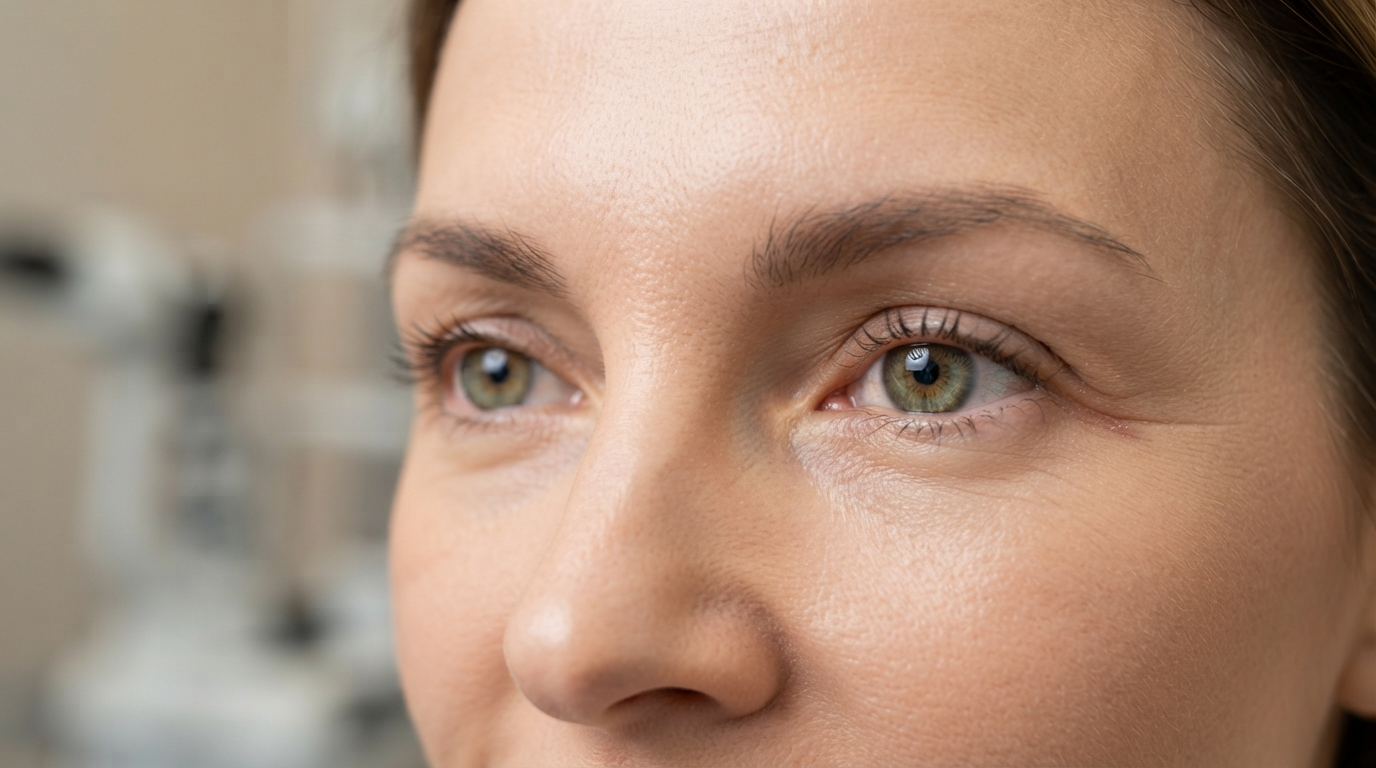

In the dynamic world of aesthetic enhancements, a particular look has captivated attention: the “fox eye.” This sought-after aesthetic, characterized by an uplifted, almond-shaped eye contour, has become a hallmark of modern beauty. It promises a refreshed, more alert, and subtly exotic appearance, moving beyond traditional anti-aging to embrace a refined facial harmony. This guide delves into the definitive aspects of the surgical fox eye lift, medically known as canthoplasty, exploring its intricate techniques, the journey of recovery, and the transformative results it offers.
The allure of the fox eye is not merely a fleeting trend. It represents a significant shift in aesthetic preferences, where individuals seek enhancements that are both impactful and natural-looking. Social media platforms and celebrity endorsements have amplified its popularity, showcasing how a subtle alteration to the eye’s outer corner can profoundly influence overall facial expression. This procedure is about more than just looking younger; it’s about achieving a specific, sculpted elegance that complements one’s natural features.
Understanding the surgical fox eye lift requires a comprehensive look at its underlying principles. Unlike non-surgical alternatives that offer temporary effects, the surgical approach provides a lasting solution by physically modifying the structures around the eye. This involves a meticulous process of lifting and repositioning the lateral canthus, the outer junction where the upper and lower eyelids meet. The goal is to create a distinct upward slant, mimicking the graceful, elongated eyes often associated with a “fox-like” gaze.
The journey to achieving the fox eye look begins with a thorough understanding of the surgical techniques involved. This isn’t a one-size-fits-all procedure; rather, it’s a tailored approach that considers individual facial anatomy, skin elasticity, and desired outcomes. Surgeons employ various methods, often combining different techniques to achieve the most harmonious and long-lasting results. From precise incisions to the careful manipulation of tendons and tissues, each step is crucial in sculpting the desired eye shape.
Beyond the surgical table, the recovery process plays a vital role in the final outcome. Patients must navigate a period of healing, managing swelling, bruising, and discomfort while adhering to specific aftercare instructions. The commitment to post-operative care is as important as the surgery itself, ensuring that the newly sculpted features settle beautifully and maintain their enhanced appearance. This guide will illuminate what to expect during recovery, offering insights into the timeline and essential care tips.
Ultimately, the results of a surgical fox eye lift can be profoundly rewarding. Patients often report a significant boost in confidence, enjoying an appearance that feels more aligned with their aesthetic aspirations. The procedure delivers a more open, almond-shaped eye contour, a lifted outer corner, and a smoother transition from the brow to the temple. By exploring the nuances of this procedure, individuals can make informed decisions, ensuring they choose a path that leads to safe, beautiful, and satisfying results.

Table of Contents
Unpacking the Surgical Fox Eye Lift: Canthoplasty Explained
The surgical fox eye lift, often referred to as canthoplasty or lateral canthopexy, is a specialized cosmetic procedure. Its primary objective is to create an uplifted, almond-shaped eye appearance by modifying the outer corners of the eyes (lateral canthi) (Dr. Sofer, n.d.). This technique aims to provide a more elongated and upward-slanted eye shape, contributing to a refreshed and youthful look (Europe Surgery, 2025).
At its core, canthoplasty involves a precise manipulation of the lateral canthal tendon. This tendon is a crucial structure that supports the outer corner of the eyelid. By adjusting its position, surgeons can effectively alter the eye’s contour. The procedure is distinct from non-surgical methods, offering a permanent solution for those seeking a lasting change to their eye shape (Florida Center for Cosmetic Surgery, 2025).
The Core Principles of Canthoplasty
Canthoplasty focuses on the lateral canthus, the point where the upper and lower eyelids meet at the outer edge of the eye. During the procedure, small, discreet incisions are typically made near these outer corners. The surgeon then carefully lifts and secures the lateral canthal tendon to a higher position on the orbital rim, which is the bone surrounding the eye socket (Dr. Sofer, n.d.). This repositioning creates the characteristic upward slant.
In some cases, a small amount of lower eyelid tissue may also be removed to enhance the desired effect and ensure a smooth, natural contour. The precision involved in this step is paramount to avoid an unnatural or overly dramatic appearance. The goal is always to achieve a balanced and harmonious result that complements the patient’s overall facial features (Europe Surgery, 2025).
Distinguishing Fox Eye from Cat Eye Surgery
While often used interchangeably, “fox eye” and “cat eye” surgeries have distinct aesthetic goals. Fox eye surgery aims for a subtle upward tilt at the outer corners, creating a refined almond shape. It primarily focuses on modifying the lateral canthus and is generally considered less invasive (Dr. Sofer, n.d.). The result is a more natural-looking enhancement.
In contrast, cat eye surgery typically involves a more dramatic upward sweep, often including additional modifications to the upper eyelid. This can result in a more distinctly feline appearance, which may be more noticeable as a surgical enhancement. The choice between these two depends on the patient’s desired level of transformation and their comfort with a more pronounced change (Dr. Sofer, n.d.).
Surgical Techniques: Precision and Customization
Achieving the fox eye aesthetic surgically involves a range of techniques, often customized to each patient’s unique facial anatomy and desired outcome. Surgeons prioritize precision and balance to ensure results are both effective and natural-looking. The primary surgical methods include lateral canthopexy, temporal lifts, and sometimes a combination with other periorbital procedures (Florida Center for Cosmetic Surgery, 2025).
Lateral Canthopexy and Temporal Lift
Lateral canthopexy is a key component of the surgical fox eye lift. This procedure involves lifting and anchoring the outer corner of the eye and the surrounding tissues. The surgeon makes discreet incisions, often hidden within the hairline or natural skin creases, to access the lateral canthal tendon. This tendon is then carefully repositioned and secured to a higher point on the orbital rim (Dr. Sofer, n.d.). This action creates the desired upward slant and elongation of the eye.
A temporal lift, also known as a lateral brow lift, often complements canthopexy. This technique subtly raises the outer portion of the eyebrow and the temple area. By lifting these regions, the surgeon can further enhance the open, youthful appearance of the eyes and create a smoother transition from the brow to the temple (Europe Surgery, 2025). This combined approach ensures a comprehensive rejuvenation of the upper face.
Combination Approaches for Comprehensive Rejuvenation
For some patients, a combination of procedures may be recommended to achieve optimal results. This can include integrating the fox eye lift with upper blepharoplasty (eyelid surgery) to remove excess skin and fat from the upper eyelids, reducing puffiness and sagging (Dr. Smiley, 2024). A brow lift can also be performed to address significant brow drooping, further opening up the eye area.
These combined approaches are particularly beneficial for individuals with significant skin laxity, hooded eyes, or other functional issues that may impair vision or contribute to an aged appearance. By addressing multiple concerns simultaneously, surgeons can ensure structural support and long-term quality of the result, leading to a more harmonious and youthful overall facial aesthetic (Europe Surgery, 2025).
Non-Surgical Alternatives: A Brief Overview
For those hesitant about surgical intervention, several non-surgical alternatives can create a similar, albeit temporary and less dramatic, fox eye effect. Thread lifts, for instance, use biodegradable sutures placed under the skin to create a subtle lift around the eyes. These threads dissolve over time, with results typically lasting 6-12 months (Florida Center for Cosmetic Surgery, 2025).
Botox injections can also be strategically placed to create a slight lift at the corners of the eyes, relaxing muscles that pull the brow downwards. While these methods offer less risk and downtime, they require maintenance treatments and provide more subtle outcomes compared to surgical procedures (Dr. Sofer, n.d.). They can be a good option for younger patients with minimal sagging or those wishing to “preview” potential surgical results.

Who is the Ideal Candidate for a Surgical Fox Eye Lift?
Identifying the ideal candidate for a surgical fox eye lift is crucial for ensuring successful outcomes and patient satisfaction. This procedure is not universally suitable, and a thorough evaluation by a qualified surgeon is essential. Generally, good candidates share specific characteristics related to their eye anatomy, overall health, and aesthetic goals (Dr. Sofer, n.d.).
Key Characteristics of Suitable Candidates
Individuals who benefit most from a surgical fox eye lift often present with naturally downturned eyes, giving them a tired or sad appearance. The procedure can effectively lift these outer corners, creating a more alert and symmetrical look. Patients experiencing sagging or heaviness around the outer brow and upper lid are also excellent candidates, as the lift can open up the eye area and reduce hooding (Florida Center for Cosmetic Surgery, 2025).
Furthermore, those with round eyes seeking a more almond-shaped contour can achieve significant improvement. Age-related lateral canthal sagging, which contributes to a droopy eye appearance, can be effectively corrected with this surgery. Candidates should also be in good overall health, without uncontrolled medical conditions that could complicate surgery or recovery (Europe Surgery, 2025).
Importance of Realistic Expectations and Health Considerations
Having realistic expectations is paramount for any cosmetic procedure, especially a fox eye lift. Patients should understand that the goal is to enhance natural structure and create a refined, elevated appearance, not to drastically alter their fundamental facial identity. A skilled surgeon will discuss achievable outcomes during the consultation, often using before-and-after photographs to illustrate potential results (Dr. Sofer, n.d.).
Certain health factors also play a significant role in determining candidacy. Non-smokers or individuals willing to quit before and after surgery are preferred, as smoking can severely impair healing and increase complication risks. Surgeons will also assess conditions such as dry eye, glaucoma, thyroid disease, high blood pressure, or diabetes, as these can influence surgical planning and recovery (Europe Surgery, 2025). A comprehensive medical history review ensures patient safety and optimizes the chances of a successful outcome.
The Surgical Journey: From Consultation to Recovery
Embarking on a surgical fox eye lift journey involves several key stages, each designed to ensure patient safety, optimal results, and a smooth recovery. From the initial consultation to the post-operative care, understanding each step can help alleviate anxiety and set realistic expectations for the entire process (Dr. Sofer, n.d.).
The Pre-Surgical Consultation: Laying the Foundation
The journey begins with a comprehensive consultation with a board-certified plastic surgeon specializing in oculoplastic procedures. During this vital appointment, the surgeon will meticulously evaluate your facial anatomy, paying close attention to your current eye shape, brow height, eyelid structure, and skin elasticity. Your aesthetic goals will be thoroughly discussed, allowing the surgeon to understand your desired outcome (Europe Surgery, 2025).
The surgeon will explain the fox eye lift procedure in detail, outlining the specific techniques that will be used and what you can expect. Photographs will be taken for before-and-after comparisons, and your complete medical history will be reviewed to ensure you are a suitable candidate. It is common for surgeons to advise patients to stop taking certain medications, such as aspirin or non-steroidal anti-inflammatory drugs, several weeks before surgery to minimize bleeding risks (Dr. Sofer, n.d.).
The Surgical Procedure: Precision in Action
On the day of the procedure, the fox eye lift is typically performed under local anesthesia with sedation, ensuring your comfort throughout. Small, precise incisions are made at the outer corners of the eyes, often strategically placed to be discreetly hidden within natural skin creases or the hairline. The lateral canthal tendon is then carefully identified, modified, and secured to a higher position on the orbital rim (Dr. Sofer, n.d.).
If a temporal lift is also being performed, the outer brow and temple area will be subtly raised. The incisions are then meticulously closed with fine sutures. The entire surgical procedure usually takes approximately 1 to 2 hours, depending on the complexity of the case and whether additional procedures are performed concurrently (Dr. Smiley, 2024).
The Recovery Process: Healing and Transformation
Recovery from a surgical fox eye lift varies among individuals, but a general timeline can be expected. In the immediate 24-48 hours post-operation, patients will experience swelling, bruising, and mild discomfort around the eye and brow area. Applying cold compresses and keeping the head elevated are crucial steps to alleviate these symptoms (Dr. Sofer, n.d.).
Within the first week, most of the swelling and bruising will begin to subside, although some tenderness may linger. Sutures are typically removed around 5-7 days after surgery. During this early healing phase, it is essential to avoid strenuous activities that could strain the incisions. By the end of the second week, much of the initial swelling will have resolved, and patients may start to see the initial results of their operation (Dr. Smiley, 2024).
Most patients can return to light activities and work within 7-10 days, though this depends on individual healing rates and the physical demands of their occupation. Full refinement of the results appears over 3-6 months as tissues settle and any residual swelling completely resolves. Adherence to post-operative care guidelines, including using prescribed ointments, refraining from touching or pulling at the eyelids, and avoiding sun exposure, is vital for a smooth recovery and optimal long-term outcomes (Florida Center for Cosmetic Surgery, 2025).
Achieving Lasting Beauty: Results and Long-Term Impact
The ultimate goal of a surgical fox eye lift is to deliver lasting aesthetic improvements that enhance facial harmony and boost self-confidence. The results, while varying slightly based on individual factors and surgical techniques, consistently aim for a more open, youthful, and elegantly contoured eye appearance. Understanding the expected outcomes and long-term considerations is key for patients considering this transformative procedure (Dr. Smiley, 2024).
Expected Aesthetic Outcomes
Patients undergoing a surgical fox eye lift can anticipate several distinct aesthetic improvements. The most prominent result is a more open and almond-shaped eye contour, with the outer corners subtly lifted. This creates a refreshed and alert appearance, often described as a “slept well” look, without appearing overly done or unnatural (Florida Center for Cosmetic Surgery, 2025).
Another significant outcome is a smoother and more refined transition from the brow to the temple. By addressing any sagging or heaviness in these areas, the procedure contributes to an overall sculpted improvement that enhances facial balance. The subtle elevation of the lateral brow and outer eye creates a graceful upward sweep, contributing to a more youthful and harmonious facial aesthetic (Europe Surgery, 2025).
Longevity of Results and Natural Aging
One of the primary advantages of a surgical fox eye lift, particularly techniques like lateral canthopexy and temporal lifts, is the permanence of its results. Unlike temporary non-surgical options, surgical modifications to the underlying structures of the eye area are designed to be long-lasting. This means patients can enjoy their enhanced eye shape for many years (Florida Center for Cosmetic Surgery, 2025).
However, it is important to acknowledge that natural aging processes will continue over time. While the surgical lift provides a significant and enduring correction, the skin and tissues around the eyes will still be subject to the effects of gravity, sun exposure, and collagen loss as years pass. This means that while the core structural changes remain, some softening of the effects may occur over a very long period (Dr. Smiley, 2024).
Potential Risks and Considerations
As with any surgical procedure, the fox eye lift carries potential risks and considerations that prospective patients should be aware of. Common temporary side effects include swelling, bruising, mild discomfort, dry or watery eyes, temporary blurred vision, and sensitivity to light. These typically resolve during the initial recovery period (Dr. Sofer, n.d.).
More serious, though rare, complications can include infection at the incision sites, noticeable scarring, asymmetry between the eyes, changes in eyelid position (either too high or too low), difficulty closing the eyes completely, or temporary/permanent vision changes. Dissatisfaction with the aesthetic results is also a possibility if expectations are not aligned with achievable outcomes (Dr. Sofer, n.d.). Choosing a board-certified plastic surgeon with extensive experience in oculoplastic procedures significantly minimizes these risks and increases the likelihood of a successful and satisfying result.

Conclusion: Embracing the Elegance of the Fox Eye
The surgical fox eye lift stands as a sophisticated and highly effective procedure for those seeking to redefine their eye aesthetic. It offers a permanent solution to achieve the coveted uplifted, almond-shaped eye contour that has become synonymous with modern elegance and a refreshed appearance. This deep dive into canthoplasty techniques, recovery protocols, and expected results underscores its potential to deliver transformative and lasting beauty.
The journey, from the initial consultation to the final unveiling of results, is a testament to the precision and artistry involved in oculoplastic surgery. By carefully manipulating the lateral canthal tendon and often combining this with a temporal lift, skilled surgeons can create a harmonious balance that enhances natural features without appearing artificial. The emphasis on discreet incisions and tailored approaches ensures that each patient’s unique facial structure is respected, leading to outcomes that are both striking and subtly integrated.
While the allure of the fox eye is undeniable, driven by cultural trends and celebrity influence, its true value lies in its ability to address individual concerns such as downturned eyes, sagging eyelids, or a desire for a more alert and youthful gaze. The procedure empowers individuals to align their external presentation with their internal sense of self, fostering a renewed sense of confidence and well-being. It is a testament to how targeted aesthetic interventions can profoundly impact one’s self-perception and interaction with the world.
Prospective patients must approach this decision with thorough research and realistic expectations. The importance of selecting a board-certified plastic surgeon with specialized expertise in fox eye procedures cannot be overstated. Such a professional will not only possess the technical skill required but also the artistic vision to create results that are both safe and aesthetically pleasing. They will guide you through the intricacies of the procedure, discuss potential risks, and ensure a comprehensive understanding of the recovery process.
Ultimately, the surgical fox eye lift is more than just a cosmetic enhancement; it is an investment in self-image and confidence. It offers a pathway to a refined, open-eyed look that can subtly yet significantly rejuvenate the entire face. For those who have carefully considered their options and are prepared for the journey, the elegance and lasting impact of the fox eye await, promising a brighter, more confident reflection in the mirror.
Frequently Asked Questions
What is a surgical fox eye lift?
A surgical fox eye lift, also known as canthoplasty or lateral canthopexy, is a cosmetic procedure designed to create an uplifted, almond-shaped eye appearance by modifying the outer corners of the eyes (lateral canthi).
How is a surgical fox eye lift performed?
The procedure typically involves making small incisions near the outer corners of the eyes. The lateral canthal tendon is then lifted and secured to a higher position on the orbital rim, creating an upward slant. It may also include a temporal lift to raise the outer brow.
What is the recovery time for a surgical fox eye lift?
Initial recovery involves swelling and bruising for 7-10 days, with sutures typically removed around day 5-7. Most patients can return to light activities within 1-2 weeks, and full results develop over 3-6 months as tissues settle.
Are the results of a surgical fox eye lift permanent?
Yes, surgical fox eye lifts are designed to produce permanent results by modifying the underlying structures of the eye area. However, natural aging processes will continue over time, which may lead to some softening of the effects over many years.
What are the potential risks of a surgical fox eye lift?
Potential risks include temporary swelling, bruising, and discomfort. More serious, though rare, complications can involve infection, noticeable scarring, asymmetry, changes in eyelid position, difficulty closing eyes, or dissatisfaction with aesthetic results.
How does a surgical fox eye lift differ from a cat eye lift?
A surgical fox eye lift aims for a subtle upward tilt and almond shape, primarily focusing on the lateral canthus for a natural look. A cat eye lift typically involves a more dramatic upward sweep and may include additional upper eyelid modification, resulting in a more pronounced, feline appearance.
Bibliography
- Dr. Sofer. (n.d.). What Is Fox Eye Surgery? (Canthoplasty). Retrieved from https://drsofer.com/what-is-fox-eye-surgery/
- Dr. Smiley. (2024, October 30). The Viral Fox Eye Lift Surgery: Procedure, Recovery, & Results. Retrieved from https://dr-smiley.com/what-is-the-viral-fox-eye-lift-surgery-procedure-recovery-results/
- Europe Surgery. (2025, October 24). What Is a Fox Eye Lift? Retrieved from https://europesurgery.co.uk/blog/what-is-a-fox-eye-lift/
- Florida Center for Cosmetic Surgery. (2025, June 26). Fox-Eye Lift: What It Is and Why It’s on the Rise. Retrieved from https://www.floridacentercosmetic.com/learn/fox-eye-lift-what-it-is-and-why-its-on-the-rise/