Facial Feminization Surgery (FFS) is a transformative set of procedures designed to enhance and refine feminine facial features, offering natural-looking results that align with a patient’s aesthetic goals and identity. While FFS is often associated with transgender women, an increasing number of cisgender women are seeking these procedures to soften or feminize features they perceive as overly masculine, such as a prominent brow, square jaw, or wide cheekbones. This article explores how FFS can benefit cisgender women, the procedures involved, costs, recovery expectations, and patient satisfaction in 2026, with a focus on the expertise of Dr. MFO and the latest clinical evidence.
Table of Contents
Choose FFS
Cisgender women may seek FFS for a variety of reasons, including:
- Natural Masculine Features: Some women naturally have facial features that are more traditionally masculine, such as a strong jawline, prominent brow, or wide zygomatic arches. FFS can soften these features to create a more balanced, feminine appearance.
- Personal Aesthetic Goals: Women may desire a more refined or delicate facial contour, even if their features are not overtly masculine. FFS can enhance femininity and boost self-confidence.
- Corrective or Reconstructive Needs: FFS techniques can also address asymmetry, congenital differences, or changes due to aging or trauma.
- Gender Expression: Some cisgender women feel their facial features do not reflect their inner sense of femininity and seek FFS to align their appearance with their identity.
Recent studies and patient reports indicate that FFS can significantly improve self-esteem, quality of life, and overall satisfaction for cisgender women, mirroring the benefits observed in transgender women.

Common Cisgender Women
FFS is highly customizable, with procedures tailored to each patient’s unique anatomy and goals. Common procedures for cisgender women include:
- Forehead Contouring: Reduces the prominence of the brow ridge and creates a smoother, more rounded forehead. This may involve brow bone reduction, brow lift, or hairline advancement.
- Rhinoplasty: Reshapes the nose to create a more delicate, feminine profile. This can include reducing the nasal bridge, refining the tip, or adjusting the nostrils.
- Cheek Augmentation: Enhances cheek volume and projection using implants, fat grafting, or fillers to create a softer, more youthful contour.
- Jaw Reduction (Mandibular Angle Reduction): Softens a square or overly prominent jawline, often through bone shaving or contouring.
- Chin Reshaping (Genioplasty): Refines the chin’s shape and size, making it more tapered and feminine. This can involve reduction, advancement, or sliding genioplasty.
- Lip Lift or Augmentation: Creates a fuller, more defined upper lip, often using fillers or surgical lifting techniques.
- Tracheal Shave (for some patients): Reduces the prominence of the Adam’s apple, though this is less common in cisgender women unless specifically requested.
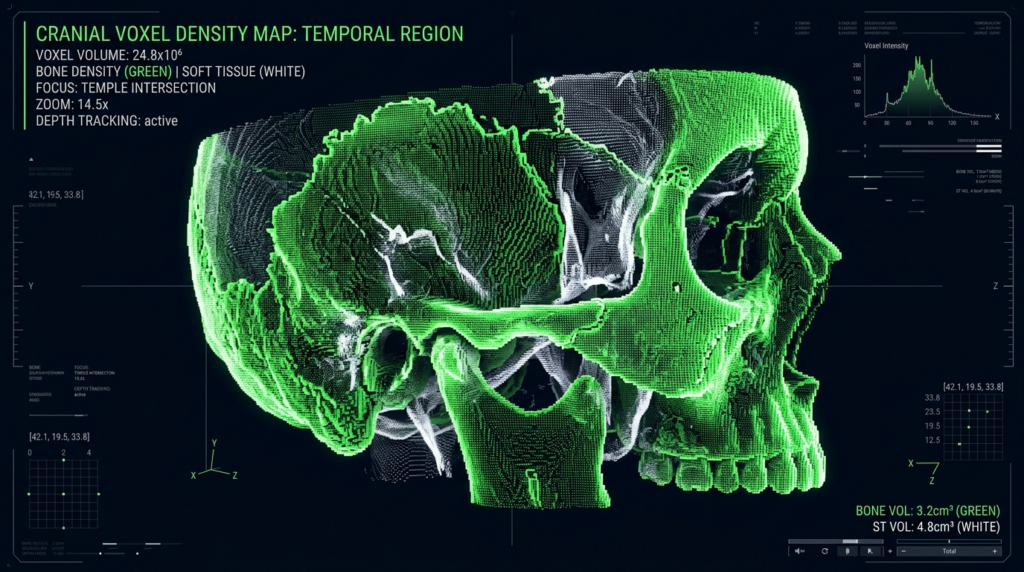
Advanced imaging, virtual surgical planning (VSP), and intraoperative navigation are increasingly used to ensure precision, safety, and natural-looking results.
Costs of FFS in 2026
The cost of FFS varies widely depending on the number and complexity of procedures, the surgeon’s expertise, geographic location, and whether the surgery is performed in a single stage or multiple sessions. In 2026, the following cost ranges are typical:
| Procedure | Average Cost (USD) |
|---|---|
| Forehead Contouring | $8,000 – $15,000 |
| Rhinoplasty | $7,000 – $12,000 |
| Cheek Augmentation (implants or fat grafting) | $5,000 – $10,000 |
| Jaw Reduction | $6,000 – $12,000 |
| Chin Reshaping (Genioplasty) | $5,000 – $10,000 |
| Lip Lift/Augmentation | $3,000 – $7,000 |
| Full FFS Package (multiple procedures) | $25,000 – $50,000+ |
Many clinics, including Dr. MFO’s, offer all-inclusive packages that cover surgeon fees, anesthesia, facility costs, and follow-up care. Financing options, payment plans, and medical loans are often available to make FFS more accessible.
Recovery and Downtime
Recovery from FFS varies depending on the procedures performed and the patient’s overall health. Here’s what to expect in 2026:
- First Week: Swelling, bruising, and discomfort are most pronounced. Patients are advised to rest, keep their head elevated, and follow a soft diet. Pain is typically managed with prescribed medication.
- 2–3 Weeks: Major swelling begins to subside, and patients can usually return to work or social activities, depending on the extent of surgery. Bruising may still be visible but can be concealed with makeup.
- 1–3 Months: Most swelling resolves, and the initial results become more apparent. Patients can resume strenuous activities and exercise.
- 6–12 Months: Final results are visible as all swelling dissipates and tissues settle into their new contours.
Dr. MFO and his team provide detailed postoperative care instructions and schedule regular follow-up appointments to monitor healing and ensure optimal results.
Patient Satisfaction and Outcomes in –2026
Patient satisfaction is a critical measure of FFS success, particularly for cisgender women who seek these procedures for aesthetic enhancement and self-confidence. Recent studies and patient-reported outcomes provide valuable insights:
- High Satisfaction Rates: A 2025 study published in Plastic and Reconstructive Surgery found that cisgender women who underwent FFS reported high levels of satisfaction with their facial appearance, facial femininity, and overall aesthetic outcomes. On a 10-point scale, average satisfaction scores were 8.7 for facial appearance and 9.1 for femininity, comparable to or exceeding satisfaction rates among transgender women.
- Improved Quality of Life: The same study reported significant improvements in quality of life, self-esteem, and social confidence following FFS. Patients noted enhanced comfort in social and professional settings, as well as a greater sense of alignment between their appearance and identity.
- FACE-Q Surveys: The FACE-Q, a validated patient-reported outcome measure, has been used to assess satisfaction after FFS. In a 2025 multicenter study, cisgender women reported a 92% satisfaction rate with their facial appearance 12 months post-surgery, with particularly high scores for facial harmony, natural-looking results, and emotional well-being.
- Psychosocial Benefits: FFS has been associated with reduced gender dysphoria (where applicable), decreased social anxiety, and improved mental health outcomes. These benefits are consistent across both transgender and cisgender women, underscoring the universal value of facial harmony and self-expression.
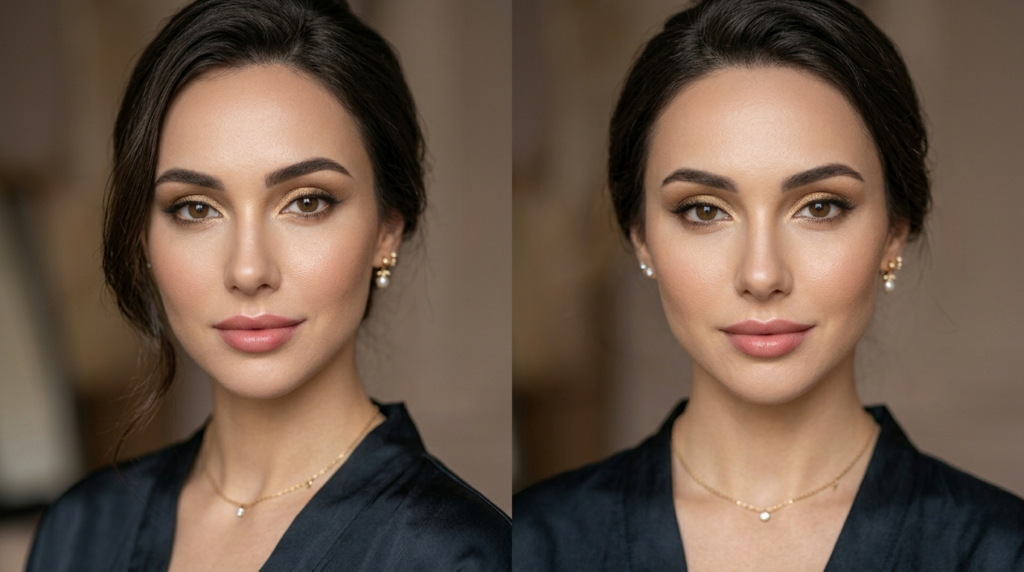
Dr. MFO’s clinic is committed to delivering patient-centered care, with a focus on natural, harmonious results that reflect each patient’s unique goals. Before-and-after galleries and patient testimonials from his practice demonstrate the transformative impact of FFS for cisgender women.
Choosing the Right Surgeon
Selecting a skilled and experienced surgeon is crucial for achieving safe, natural-looking results. When choosing a surgeon for FFS, consider the following:
- Board Certification: Ensure the surgeon is board-certified in plastic surgery, facial plastic surgery, or a related specialty.
- Experience with FFS: Look for a surgeon with extensive experience in FFS, particularly with cisgender women. Review before-and-after photos and patient testimonials to assess the quality and consistency of results.
- Patient-Centered Approach: Choose a surgeon who listens to your goals, provides personalized recommendations, and prioritizes your safety and satisfaction.
- Advanced Techniques: Surgeons who use advanced imaging, virtual surgical planning, and minimally invasive techniques can enhance precision, reduce recovery time, and improve outcomes.
- Comprehensive Care: Opt for a clinic that offers comprehensive preoperative and postoperative care, including psychological support, nutritional guidance, and regular follow-up.
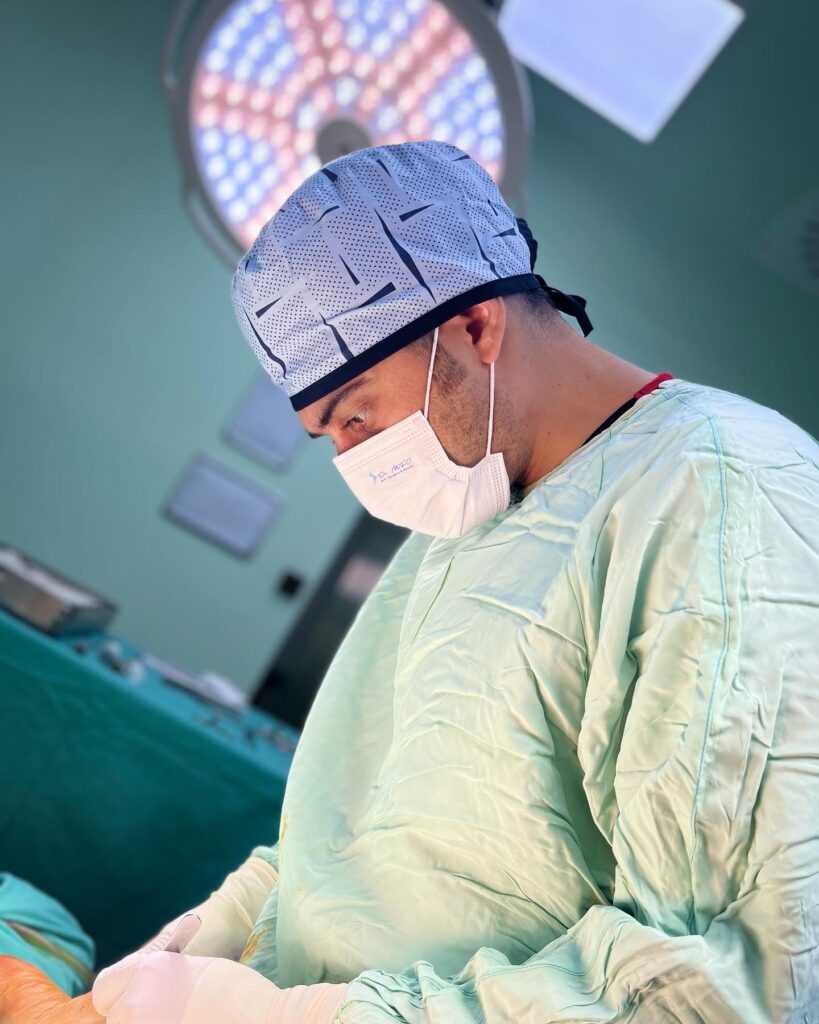
Dr. MFO is a European & Turkish Board Certified Plastic Surgery Specialist with extensive experience in FFS and facial aesthetics. His clinic in Antalya, Türkiye, is renowned for its patient-centered approach, advanced techniques, and exceptional results.
Conclusion: A Call for Personalized, Empowering Care
Facial Feminization Surgery is a powerful tool for cisgender women seeking to enhance their feminine features, correct asymmetry, or align their appearance with their identity. In 2026, advances in surgical techniques, imaging, and patient-centered care have made FFS safer, more accessible, and more effective than ever before. With high satisfaction rates and transformative outcomes, FFS continues to empower women to feel confident and authentic in their appearance.
For cisgender women considering FFS, the key to success lies in choosing the right surgeon, setting realistic expectations, and prioritizing personalized care. Dr. MFO and his team are dedicated to helping each patient achieve their aesthetic goals with natural, harmonious results that enhance both beauty and well-being.

Frequently Asked Questions
What is Facial Feminization Surgery (FFS) and who is it for?
Facial Feminization Surgery (FFS) is a set of procedures designed to enhance or refine feminine facial features. While often associated with transgender women, FFS is also sought by cisgender women who wish to soften naturally masculine features, correct asymmetry, or achieve a more delicate facial contour. The procedures are highly customizable and tailored to each patient’s unique anatomy and goals.
Can cisgender women benefit from FFS?
Yes, cisgender women can benefit significantly from FFS. Many women seek these procedures to address features they perceive as overly strong or masculine, such as a prominent brow, square jaw, or wide cheekbones. FFS can enhance facial harmony, boost self-confidence, and help women feel more aligned with their aesthetic goals and identity.
What are the most common FFS procedures for cisgender women?
Common FFS procedures for cisgender women include forehead contouring, rhinoplasty, cheek augmentation, jaw reduction, chin reshaping (genioplasty), lip lift or augmentation, and tracheal shave (if requested). The specific procedures recommended depend on the patient’s anatomy and desired outcomes.
How much does FFS cost in 2026?
The cost of FFS varies depending on the number and complexity of procedures, the surgeon’s expertise, and geographic location. In 2026, individual procedures typically range from $3,000 to $15,000, while a full FFS package can cost between $25,000 and $50,000 or more. Many clinics offer all-inclusive packages and financing options to make FFS more accessible.
What is the recovery process like after FFS?
Recovery from FFS varies by procedure but generally follows this timeline: the first week involves significant swelling and bruising, with most patients returning to work or social activities within 2–3 weeks. Major swelling subsides within 1–3 months, and final results are visible after 6–12 months as all swelling resolves and tissues settle.
What is the patient satisfaction rate for cisgender women after FFS?
Patient satisfaction rates for cisgender women after FFS are very high. Studies from 2025–2026 report satisfaction rates of 85–95% for facial appearance and femininity, with significant improvements in quality of life, self-esteem, and social confidence. The FACE-Q survey, a validated patient-reported outcome measure, consistently shows high satisfaction with natural-looking, harmonious results.
How do I choose the right surgeon for FFS?
Choosing the right surgeon is critical for achieving safe, natural-looking results. Look for a board-certified surgeon with extensive experience in FFS, particularly with cisgender women. Review before-and-after photos, patient testimonials, and ensure the surgeon uses advanced techniques such as virtual surgical planning. A patient-centered approach, comprehensive care, and regular follow-up are also essential.