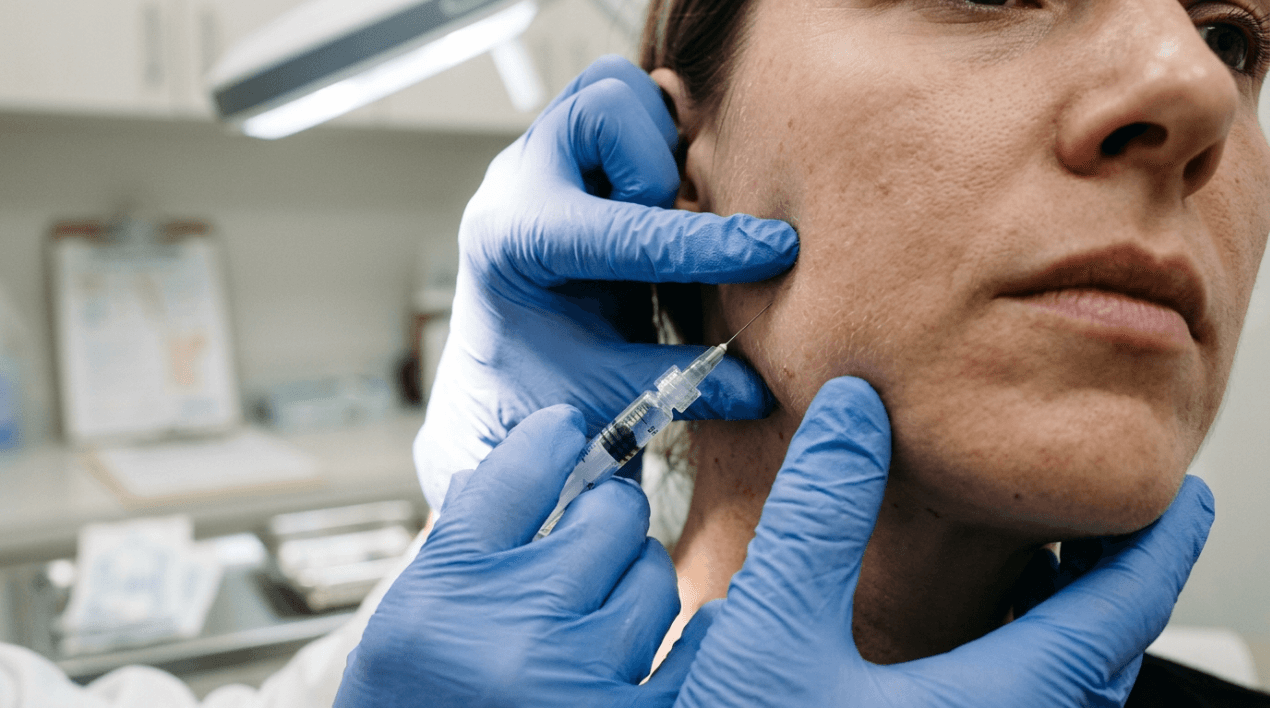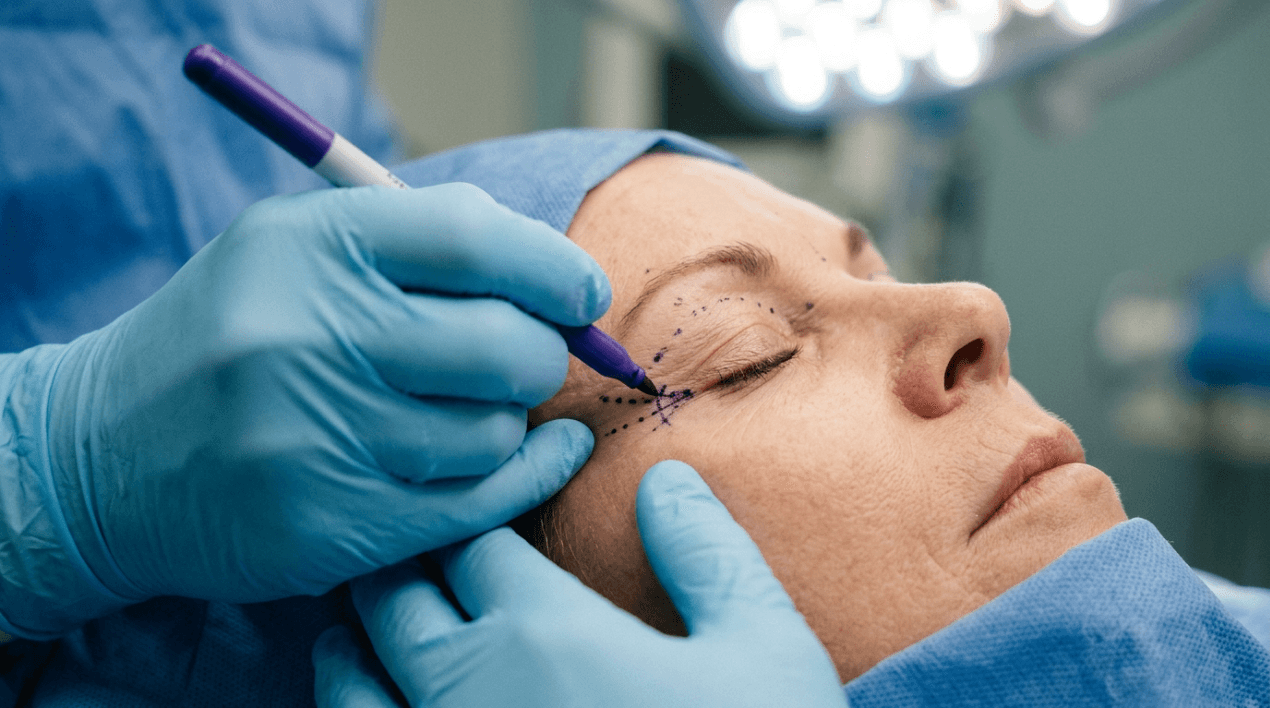

At 52, Sarah stared into the mirror, tracing the lines around her eyes and the sagging skin along her jawline. She had spent decades living her truth, but the reflection looking back felt like a stranger—one shaped by time, testosterone, and the relentless pull of gravity. “I finally feel like myself,” she thought, “but I don’t look like the woman I am inside.” For older trans women like Sarah, the journey toward alignment isn’t just about gender affirmation; it’s about reclaiming the face that aging and male puberty stole. Facial Feminization Surgery (FFS) isn’t a luxury—it’s a lifeline, a way to erase the disconnect between how they feel and how the world sees them. But here’s the truth no one tells you: aging changes the rules of FFS. The procedures that work for a 25-year-old won’t deliver the same results for a woman over 50. Wrinkles, volume loss, and facial sagging demand a different approach—one that blends the art of feminization with the science of rejuvenation. This guide isn’t just about looking more feminine; it’s about looking younger, healthier, and more vibrant than you have in decades.
Table of Contents
Why Aging Makes FFS Different for Older Trans Women

Aging isn’t just about wrinkles. It’s a full-scale restructuring of the face. For trans women who transition later in life, this presents a unique challenge: the facial features masculinized by testosterone—stronger brow bones, a squarer jawline, a more prominent Adam’s apple—are now overlaid with the hallmarks of aging. Collagen production drops by 1% per year after 30, leading to thinner skin, hollowed cheeks, and a loss of elasticity. Meanwhile, fat redistributes, migrating downward to create jowls and a heavier neck. The result? A face that may feel masculine and old—two layers of dysphoria that standard FFS protocols often fail to address.
But here’s the counterintuitive truth: aging can actually make feminization easier in some ways. As Dr. Mehmet Fatih Okyay, a leading FFS surgeon in Turkey, explains, “The natural softening of bone density in older patients can make procedures like brow contouring or jaw reduction less invasive. The key is understanding how to work with the aging process, not against it.” For example, while a younger patient might need aggressive bone shaving to soften a square jaw, an older woman’s jawline may already be softened by age—requiring a combination of fat grafting and a facelift to restore definition. The goal isn’t just to feminize; it’s to rejuvenate, turning back the clock on both gender and time.
The 5 FFS Procedures That Erase a Decade (or More) for Women Over 50
Not all FFS procedures are created equal—especially when aging is in the picture. Some surgeries, like hairline advancement, become less critical as hairlines naturally recede with age. Others, like fat grafting or facelifts, rise to the top of the priority list. Below are the five most transformative FFS procedures for older trans women, ranked by their ability to combat aging while enhancing femininity. Each is designed to address the unique challenges of an older face, from volume loss to sagging skin.
1. Facelift (Rhytidectomy): The Ultimate Anti-Aging Powerhouse
A facelift isn’t just for cisgender women. For older trans women, it’s the cornerstone of a youthful, feminine appearance. Unlike traditional FFS, which focuses on bone structure, a facelift targets the skin and underlying tissues that sag with age. “Most patients don’t realize how much their jowls or neck laxity detract from their femininity,” says Dr. Okyay. “A well-executed facelift doesn’t just tighten skin—it restores the jawline’s sharpness, eliminates the ‘turkey neck,’ and lifts the midface to create a more heart-shaped contour.”
But not all facelifts are equal. For older trans women, Dr. Okyay recommends a deep-plane facelift, which repositions the deeper layers of facial tissue for more natural, long-lasting results. Unlike a traditional facelift, which only tightens the skin, a deep-plane lift addresses the underlying muscles and fat, creating a lift that looks organic—not pulled or windswept. Recovery takes about 2–3 weeks, but the results can last a decade or more. For women who’ve spent years feeling invisible, it’s a game-changer.
2. Fat Grafting: Restoring the Fullness of Youth
Volume loss is one of the most visible signs of aging—and one of the most feminizing. A youthful face is a full face, with plump cheeks, defined temples, and a smooth under-eye area. But as we age, fat pads in the face shrink and descend, creating hollows under the eyes, sunken cheeks, and a gaunt appearance. For trans women, this can exacerbate masculine features, like a more angular midface. Fat grafting, also known as fat transfer, reverses this process by harvesting fat from areas like the abdomen or thighs and injecting it into the face.
“Fat grafting is like a natural filler,” explains Dr. Okyay. “But unlike synthetic fillers, which can look overdone or migrate over time, fat integrates into the facial tissues, providing long-lasting volume.” The procedure is particularly effective for older trans women because it addresses two issues at once: feminizing the face by enhancing cheekbones and softening angles, while also restoring the fullness of youth. Recovery is minimal—most patients return to normal activities within a week—and the results can last for years. For women who’ve spent decades with a face that feels “hollow,” it’s a revelation.
3. Brow Lift: Lifting the Veil of Aging
The brows are one of the most gendered features of the face. A masculine brow sits lower, creating a heavier, more pronounced ridge, while a feminine brow is higher and more arched. For older trans women, aging compounds this issue: as the forehead skin sags, the brows descend, creating a tired, angry, or even masculine appearance. A brow lift, also known as a forehead lift, corrects this by elevating the brows and smoothing forehead wrinkles. But for older patients, the procedure goes beyond feminization—it’s a critical anti-aging tool.
Dr. Okyay prefers an endoscopic brow lift for older trans women. Unlike traditional brow lifts, which require large incisions, an endoscopic lift uses small, discreet incisions hidden in the hairline. A tiny camera and surgical instruments are inserted to lift the brow tissues and secure them in a higher position. “The endoscopic approach minimizes scarring and reduces recovery time,” says Dr. Okyay. “For older patients, it’s less invasive and more precise.” The results? A brighter, more open-eyed appearance that takes years off the face. Combined with other FFS procedures, a brow lift can transform a tired, masculine brow into one that’s soft, arched, and undeniably feminine.
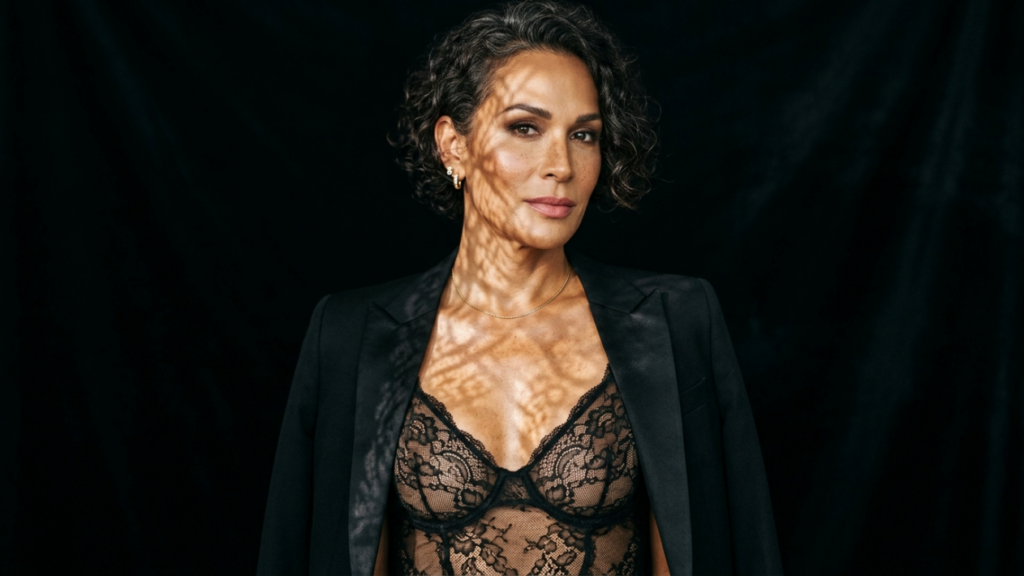
4. Neck Lift: Erasing the Signs of Time
The neck is often the first place aging becomes visible—and one of the hardest to hide. For older trans women, a “turkey neck” or loose skin under the chin can detract from an otherwise feminine appearance. A neck lift, or platysmaplasty, tightens the muscles and skin of the neck to create a smoother, more defined contour. “Many patients focus on the face and forget about the neck,” says Dr. Okyay. “But a youthful neck is just as important for a harmonious, feminine look.”
For older trans women, a neck lift is often combined with a facelift for comprehensive rejuvenation. The procedure involves making small incisions under the chin and behind the ears to tighten the platysma muscle and remove excess skin. The result is a smoother, more defined jawline and neck—one that complements the feminized features of the face. Recovery takes about 1–2 weeks, and the results can last for years. For women who’ve spent years hiding their necks with scarves or high collars, it’s a liberating change.
5. Chin Reduction or Augmentation: Balancing the Face
The chin is a defining feature of facial harmony—and one that often becomes more prominent with age. For trans women, a strong, square chin can read as masculine, while a weak or recessed chin can make the face appear unbalanced. The solution? Either reduction or augmentation, depending on the patient’s anatomy. “The chin is like the anchor of the face,” explains Dr. Okyay. “For older patients, we often need to address both the bone structure and the soft tissue to achieve a natural, feminine contour.”
For women with a prominent chin, reduction involves shaving down the bone to create a softer, more tapered appearance. For those with a weak chin, augmentation—using either an implant or fat grafting—adds projection and definition. The choice depends on the patient’s goals and existing anatomy. “The key is balance,” says Dr. Okyay. “A feminine chin should complement the lips, cheeks, and jawline, not overpower them.” Recovery is minimal, and the results are permanent. For older trans women, it’s often the final piece of the puzzle, completing the transformation from a masculine to a feminine profile.
The Recovery Process: What Older Patients Need to Know
Recovery from FFS is often the biggest concern for older patients—and for good reason. Healing takes longer as we age, and the risk of complications, like infection or poor wound healing, increases. But here’s the good news: with the right preparation and aftercare, older patients can recover just as successfully as younger ones. The key is tailoring the recovery process to the unique needs of an aging body. Below, we break down what to expect at every stage, from the first 24 hours to the final results.
The First 48 Hours: Managing Pain and Swelling
The first two days after surgery are the most challenging. Swelling, bruising, and discomfort are at their peak, and patients may feel overwhelmed. For older patients, managing pain and swelling is critical—not just for comfort, but for preventing complications. Dr. Okyay’s team provides a detailed aftercare plan, which includes:
- Cold Compresses: Applying ice packs to the face for 15 minutes every hour helps reduce swelling and numb discomfort. For older patients, this is especially important, as swelling can take longer to subside.
- Elevated Sleeping: Keeping the head elevated at a 45-degree angle—even while sleeping—prevents fluid from pooling in the face. This is crucial for older patients, whose circulation may not be as robust as it once was.
- Pain Management: While FFS is not typically painful, discomfort can be managed with prescribed medications. Older patients are advised to avoid NSAIDs (like ibuprofen), which can increase the risk of bleeding, and instead use acetaminophen as directed.
- Hydration and Nutrition: Staying hydrated and eating soft, nutrient-rich foods (like soups, smoothies, and mashed vegetables) supports healing. Older patients may need to focus on protein-rich foods to aid tissue repair.
“The first 48 hours are about managing expectations,” says Dr. Okyay. “It’s normal to feel swollen and bruised, but these symptoms will improve rapidly. The key is following the aftercare plan closely.”
Weeks 1–2: The Healing Begins
By the end of the first week, most patients see a dramatic reduction in swelling and bruising. Stitches are typically removed 7–10 days post-surgery, and patients can begin to see the initial results of their procedures. However, for older patients, healing may progress more slowly. “The body’s ability to regenerate tissue decreases with age,” explains Dr. Okyay. “But that doesn’t mean the results will be any less transformative—it just means patience is key.”
During this phase, patients should focus on:
- Gentle Activity: Light walking is encouraged to promote circulation, but strenuous exercise should be avoided for at least 4–6 weeks. Older patients may need to extend this timeline based on their energy levels.
- Skincare: Keeping the incisions clean and moisturized is critical for preventing infection and minimizing scarring. Dr. Okyay recommends using a gentle, fragrance-free cleanser and applying silicone gel or sheets to incision sites once they’ve fully closed.
- Avoiding Strain: Bending over, lifting heavy objects, or straining during bowel movements can increase swelling and delay healing. Older patients are advised to take stool softeners to prevent constipation, which can cause straining.
“This is the phase where patients start to feel like themselves again,” says Dr. Okyay. “The initial discomfort fades, and the excitement of seeing the results begins to build.”
Weeks 3–6: Seeing the Transformation
By the third week, most of the swelling has subsided, and the final results begin to emerge. For older patients, this phase can be particularly rewarding, as the combination of feminization and rejuvenation becomes visible. “The face starts to look softer, more lifted, and more harmonious,” says Dr. Okyay. “It’s the moment when patients realize the surgery wasn’t just about changing their appearance—it was about reclaiming their confidence.”
During this phase, patients can gradually return to their normal routines, with a few caveats:
- Sun Protection: UV exposure can worsen scarring and cause pigmentation changes. Patients should wear a broad-spectrum sunscreen (SPF 30 or higher) whenever they’re outdoors, even on cloudy days.
- Scar Massage: Gently massaging the incision sites with a moisturizer or silicone gel can improve scar appearance. Older patients may need to continue scar massage for several months to achieve the best results.
- Follow-Up Appointments: Regular check-ins with Dr. Okyay’s team ensure that healing is progressing as expected. For older patients, these appointments are an opportunity to address any concerns, like lingering swelling or asymmetry.
“The third to sixth week is when the magic happens,” says Dr. Okyay. “Patients start to see the face they’ve always imagined—and it’s worth every moment of the journey.”
Months 3–6: The Final Results
While most of the swelling resolves within the first six weeks, the final results of FFS can take up to six months to fully manifest. For older patients, this timeline may be slightly longer, as the body’s healing processes slow with age. However, the wait is worth it. “By the six-month mark, the face has settled into its new shape,” explains Dr. Okyay. “The skin has tightened, the contours have refined, and the results look completely natural.”
During this phase, patients should focus on:
- Maintaining a Healthy Lifestyle: Eating a balanced diet, staying hydrated, and avoiding smoking and excessive alcohol consumption support long-term results. Older patients may also benefit from collagen-boosting foods, like bone broth and leafy greens.
- Skincare Routine: A consistent skincare routine, including gentle exfoliation and moisturization, helps maintain the skin’s elasticity and glow. Dr. Okyay recommends products with hyaluronic acid and retinol to support skin renewal.
- Emotional Well-Being: The psychological impact of FFS cannot be overstated. Many patients experience a boost in confidence and self-esteem, but it’s also normal to feel a range of emotions as they adjust to their new appearance. Dr. Okyay’s team provides resources for emotional support, including access to therapists who specialize in gender-affirming care.
“The final results are more than just physical,” says Dr. Okyay. “They’re about feeling like the woman you’ve always been—inside and out.”

Before-and-After: Real Stories of Transformation
Numbers and procedures can only tell part of the story. The real impact of FFS for older trans women is best understood through the experiences of those who’ve undergone the journey. Below, we share the stories of three patients who chose Dr. MFO Clinic for their transformation. Their before-and-after photos speak volumes—but their words reveal the emotional depth of their experiences.
Case Study 1: Linda’s Journey to a Softer, Younger Face
Linda, 58, had lived as a woman for over a decade before deciding to pursue FFS. “I was happy with my life,” she says, “but I still felt like my face didn’t match who I was. Every time I looked in the mirror, I saw the man I used to be—and the wrinkles of a woman who’d lived a hard life.” Linda’s primary concerns were her strong brow bone, square jawline, and sagging neck. She also wanted to address the volume loss in her cheeks, which made her look gaunt.
Dr. Okyay recommended a combination of procedures: brow contouring, a deep-plane facelift, fat grafting to the cheeks, and a neck lift. “I wanted to look like a woman my age—not 20 years older,” Linda says. “Dr. Okyay understood that.” The results were transformative. Her brow is now soft and arched, her jawline is defined but feminine, and her neck is smooth and taut. “I look like the woman I’ve always been,” she says. “But now, I also look like the woman I feel like.”
Case Study 2: Maria’s Fight Against Time
Maria, 65, had spent years researching FFS but was hesitant to take the plunge. “I was afraid it wouldn’t work for someone my age,” she admits. “I thought I was too old to change.” Her concerns were valid: her face showed deep wrinkles, hollowed cheeks, and a heavy, masculine jawline. But after a consultation with Dr. Okyay, she realized that age wasn’t a barrier—it was an opportunity. “He showed me photos of other patients my age,” she says. “I couldn’t believe the results. It was like seeing a glimpse of my future self.”
Maria underwent a facelift, fat grafting, brow lift, and chin reduction. The combination of procedures addressed both her aging concerns and her masculine features. “The recovery was tough,” she says, “but every day, I saw a little more of myself emerge.” Six months post-surgery, Maria’s results are nothing short of miraculous. Her wrinkles are softened, her cheeks are full and lifted, and her jawline is delicate and feminine. “I don’t just look younger,” she says. “I look alive. Like I’ve been given a second chance.”
Case Study 3: Elena’s Story of Self-Discovery
Elena, 54, had transitioned in her 40s but struggled with the lingering masculine features of her face. “I passed as a woman,” she says, “but I never felt beautiful. I felt like I was hiding in plain sight.” Her primary concerns were her prominent brow bone, strong chin, and the deep lines around her mouth. She also wanted to address the sagging skin under her eyes, which made her look perpetually tired.
Dr. Okyay recommended brow contouring, a mini facelift, fat grafting, and a chin reduction. “I didn’t want to change who I was,” Elena says. “I just wanted to look like the best version of myself.” The results exceeded her expectations. Her brow is now soft and feminine, her chin is balanced, and her under-eye area is smooth and youthful. “I don’t just pass as a woman now,” she says. “I feel seen. Like I’m finally visible in a way I never was before.”
Why Turkey—and Dr. MFO Clinic—Is the Best Choice for Older Trans Women
Choosing where to undergo FFS is one of the most important decisions a patient will make. For older trans women, the stakes are even higher: the surgeon must not only understand the nuances of feminization but also the complexities of aging. Turkey has emerged as a global leader in FFS, offering world-class care at a fraction of the cost of Western countries. And at the forefront of this movement is Dr. MFO Clinic, where expertise, affordability, and compassionate care converge.
Expertise That Understands Aging
Dr. Mehmet Fatih Okyay isn’t just a surgeon—he’s an artist who understands the interplay between gender and aging. With over 15 years of experience in facial feminization, he has performed thousands of procedures, including hundreds on patients over 50. “Aging changes the anatomy of the face,” he explains. “The bones soften, the skin thins, and the fat redistributes. A surgeon who doesn’t account for these changes can’t deliver natural, harmonious results.”
Dr. Okyay’s approach is rooted in this understanding. He uses advanced techniques, like 3D imaging and virtual surgical planning, to tailor each procedure to the patient’s unique anatomy. “For older patients, precision is everything,” he says. “We’re not just feminizing the face—we’re rejuvenating it, ensuring that the results look natural and age-appropriate.”
Affordability Without Compromise
One of the biggest barriers to FFS is cost. In the U.S. or UK, a full suite of procedures can cost upwards of $50,000—an impossible sum for many patients. In Turkey, the same procedures cost a fraction of that, without sacrificing quality. At Dr. MFO Clinic, a comprehensive FFS package—including a facelift, fat grafting, brow lift, and chin reduction—starts at just $15,000. “We believe that every woman deserves to live as her authentic self,” says Dr. Okyay. “Cost should never be a barrier to that.”
The savings extend beyond the surgery itself. Turkey’s lower cost of living means that patients can enjoy a comfortable recovery in a private, luxurious facility—without the exorbitant fees of Western clinics. Dr. MFO Clinic also offers all-inclusive packages that cover accommodation, transportation, and post-operative care, making the process as seamless as possible.
A Compassionate, Patient-Centered Approach
For older trans women, the decision to undergo FFS is often emotional. Many have spent decades hiding their true selves, and the prospect of surgery can feel overwhelming. At Dr. MFO Clinic, the focus is on compassionate, patient-centered care. From the initial consultation to the final follow-up, Dr. Okyay and his team prioritize the patient’s comfort, safety, and well-being.
“We don’t just see our patients as surgical cases,” says Dr. Okyay. “We see them as individuals with unique stories, fears, and dreams. Our goal is to make the process as smooth and empowering as possible.” The clinic’s team includes multilingual staff, ensuring that language barriers never stand in the way of care. They also provide emotional support, connecting patients with therapists and support groups to help them navigate the psychological aspects of their journey.
A Destination Worth Traveling For
Turkey isn’t just a medical destination—it’s a place of beauty, culture, and warmth. Patients who travel to Dr. MFO Clinic for FFS can combine their surgery with a rejuvenating vacation in Antalya, a coastal city known for its stunning beaches, historic sites, and vibrant culture. “Recovery doesn’t have to be a time of isolation,” says Dr. Okyay. “It can be a time of healing, reflection, and even joy.”
The clinic’s all-inclusive packages make this easy. Patients stay in luxurious, private accommodations just minutes from the clinic, with access to 24/7 medical support. They can also explore Antalya’s attractions, from the ancient ruins of Perge to the turquoise waters of the Mediterranean. “It’s a chance to heal in paradise,” says Dr. Okyay. “And to return home not just transformed, but renewed.”
The Consultation Process: What to Expect
For older trans women considering FFS, the consultation is the first step toward transformation. It’s an opportunity to discuss goals, ask questions, and build trust with the surgeon. At Dr. MFO Clinic, the consultation process is designed to be thorough, transparent, and empowering. Here’s what patients can expect:
Step 1: Virtual Consultation
The journey begins with a virtual consultation, where patients can connect with Dr. Okyay from the comfort of their own home. During this 30–60 minute session, patients share their goals, concerns, and medical history. Dr. Okyay reviews photos of the patient’s face and discusses the procedures that would best achieve their desired results. “The virtual consultation is about understanding the patient’s vision,” he says. “It’s the first step in creating a customized surgical plan.”
For older patients, the virtual consultation is also an opportunity to discuss aging-related concerns, like volume loss, wrinkles, or sagging skin. Dr. Okyay takes these factors into account when recommending procedures, ensuring that the surgical plan addresses both feminization and rejuvenation.
Step 2: In-Person Consultation and 3D Imaging
Once the patient arrives in Antalya, they meet with Dr. Okyay in person for a comprehensive consultation. This includes a physical examination of the face, as well as 3D imaging to simulate the potential results of surgery. “3D imaging is a game-changer,” says Dr. Okyay. “It allows patients to see a preview of their results, which helps manage expectations and build confidence.”
The in-person consultation is also an opportunity to discuss the surgical plan in detail. Dr. Okyay walks patients through each procedure, explaining the techniques, risks, and recovery process. “Transparency is key,” he says. “Patients should feel fully informed and empowered to make the best decision for themselves.”
Step 3: Customizing the Surgical Plan
No two faces are alike—and neither are two surgical plans. Dr. Okyay customizes each procedure to the patient’s unique anatomy, goals, and concerns. For older trans women, this often means combining feminization procedures with anti-aging techniques. For example, a patient seeking brow contouring may also benefit from a brow lift to address sagging skin, or a patient undergoing jaw reduction may also need fat grafting to restore volume to the cheeks.
“The goal is harmony,” says Dr. Okyay. “We want the face to look balanced, natural, and age-appropriate. For older patients, that means addressing both gender and aging.”
Step 4: Preparing for Surgery
Once the surgical plan is finalized, Dr. Okyay’s team provides a detailed pre-operative guide. This includes instructions on medications to avoid, dietary recommendations, and tips for preparing the skin for surgery. For older patients, preparation is especially important. “The better prepared you are, the smoother your recovery will be,” says Dr. Okyay. “We want our patients to feel confident and ready for their transformation.”
The clinic also provides emotional support during this phase. Many patients feel a mix of excitement and anxiety before surgery, and Dr. Okyay’s team is there to listen, answer questions, and provide reassurance. “This is a big step,” says Dr. Okyay. “We’re here to support our patients every step of the way.”
Conclusion: It’s Never Too Late to Look—and Feel—Like Yourself
Aging is inevitable, but feeling invisible doesn’t have to be. For older trans women, Facial Feminization Surgery isn’t just about changing how the world sees them—it’s about reclaiming the face they’ve always deserved. It’s about erasing the years of dysphoria, the decades of hiding, and the weight of a reflection that never felt like their own. And with the right surgeon, the right procedures, and the right approach, it’s a transformation that’s within reach.
At Dr. MFO Clinic, we’ve seen firsthand how FFS can change lives. We’ve watched women in their 50s, 60s, and beyond step into their power, their confidence, and their beauty. We’ve seen them smile at their reflections for the first time in years—and we’ve seen the world smile back. Because when you look like the woman you are inside, something magical happens: you stop being invisible. You start being seen.
If you’re an older trans woman considering FFS, know this: it’s not too late. Your journey doesn’t have an expiration date, and neither does your right to live as your authentic self. The face you’ve dreamed of is possible—and we’re here to help you achieve it. Your transformation starts with a single step. Take it.
For more information or to schedule a consultation, visit Dr. MFO Clinic or contact us directly at +90 552 800 33 22. Your future self is waiting.
Frequently Asked Questions
Is FFS safe for women over 50?
Yes, FFS is safe for women over 50, provided they are in good overall health and have no underlying medical conditions that could complicate surgery or recovery. Dr. MFO Clinic conducts thorough pre-operative assessments, including blood tests and cardiovascular evaluations, to ensure patient safety. Older patients may experience a slightly longer recovery time, but with proper care, the results can be just as transformative as those for younger patients.
How does aging affect the results of FFS?
Aging changes the facial anatomy, including bone density, skin elasticity, and fat distribution. For older trans women, this means that FFS procedures must be tailored to address both feminization and rejuvenation. For example, a facelift may be combined with fat grafting to restore volume, or a brow lift may be added to address sagging skin. Dr. Okyay uses advanced techniques like 3D imaging to customize procedures for older patients, ensuring natural, age-appropriate results.
What is the recovery time for older patients undergoing FFS?
Recovery time varies depending on the procedures performed, but older patients can generally expect a slightly longer healing process than younger patients. Most swelling and bruising subside within 2–3 weeks, but final results may take 3–6 months to fully manifest. Dr. MFO Clinic provides detailed aftercare instructions and 24/7 support to ensure a smooth recovery. Older patients are advised to follow a gentle skincare routine, avoid strenuous activity, and attend regular follow-up appointments.
Can FFS address wrinkles and volume loss in older trans women?
Absolutely. FFS isn’t just about feminizing the face—it’s also about rejuvenating it. Procedures like fat grafting, facelifts, and brow lifts are specifically designed to address wrinkles, volume loss, and sagging skin. For example, fat grafting restores fullness to hollowed cheeks, while a facelift tightens loose skin and smooths deep wrinkles. Dr. Okyay often combines these procedures with traditional FFS techniques to deliver comprehensive, natural-looking results.
How much does FFS cost for older trans women in Turkey?
The cost of FFS in Turkey is significantly lower than in Western countries, without compromising on quality. At Dr. MFO Clinic, a comprehensive FFS package—including procedures like a facelift, fat grafting, brow lift, and chin reduction—starts at $15,000. This includes the surgery, anesthesia, hospital stay, and post-operative care. All-inclusive packages are also available, covering accommodation, transportation, and additional support services, making the process seamless and stress-free.
What makes Dr. MFO Clinic the best choice for older trans women?
Dr. MFO Clinic specializes in FFS for older trans women, offering a unique blend of expertise, affordability, and compassionate care. Dr. Mehmet Fatih Okyay has over 15 years of experience in facial feminization and understands the nuances of aging. The clinic uses advanced techniques like 3D imaging and virtual surgical planning to customize procedures for each patient. Additionally, Turkey’s lower cost of living allows Dr. MFO Clinic to offer world-class care at a fraction of the price of Western clinics.
How can I prepare for FFS as an older patient?
Preparation is key to a smooth surgery and recovery. Older patients should focus on maintaining a healthy lifestyle, including eating a balanced diet, staying hydrated, and avoiding smoking and excessive alcohol consumption. Dr. MFO Clinic provides a detailed pre-operative guide, which includes instructions on medications to avoid, dietary recommendations, and skincare tips. Emotional preparation is also important—many patients find it helpful to connect with others who’ve undergone FFS or to speak with a therapist before surgery.