

Imagine waking up from Facial Feminization Surgery (FFS) only to realize your results don’t match the face you envisioned. For many transgender women, this nightmare becomes a reality—not because of surgical errors, but because they rushed into FFS before their Hormone Replacement Therapy (HRT) fully stabilized. The truth? Your bone structure isn’t fully revealed until HRT completes its transformation. Starting FFS too soon can lead to irreversible mistakes, from over-resected cheekbones to misaligned jawlines, all because your body was still hiding its true skeletal framework. This isn’t just a cautionary tale—it’s a medical reality backed by endocrinology and surgical research.
As a European Board Certified Plastic Surgeon specializing in FFS, I’ve seen firsthand how patients who wait for HRT stabilization achieve superior surgical outcomes. The difference isn’t subtle—it’s the distinction between a face that looks naturally feminine and one that screams “surgically altered.” This article reveals the hidden science of hormonal masking, why the first 6 months of HRT are a critical window, and how to avoid the #1 regret of FFS patients: operating too soon.
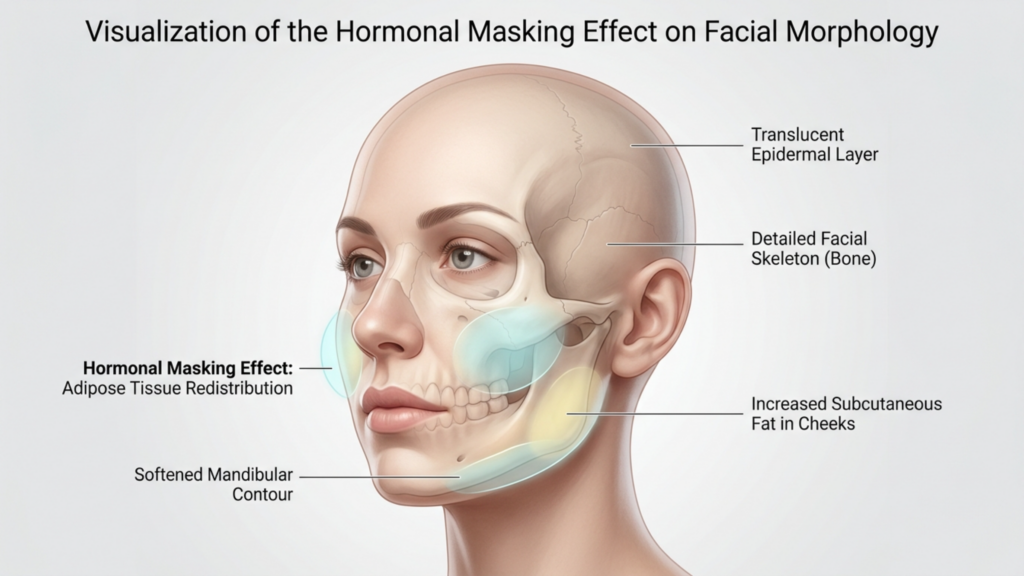
Table of Contents
The Hormonal Masking Effect: Why Your Face Isn’t Ready for Surgery Yet
Here’s what no one tells you: HRT doesn’t just feminize your features—it obscures them. During the first 12–18 months of estrogen therapy, your body undergoes a temporary soft-tissue expansion that can distort your underlying bone structure. A 2025 study in Endocrine Practice found that patients on HRT experienced up to 12% facial fat redistribution in the first year, creating the illusion of broader cheekbones or a softer jawline—features that may disappear once hormones stabilize. Surgeons operating during this phase risk removing bone based on a transient facade, not your true anatomy.
Consider this: 30% of FFS revision surgeries I perform are corrections for patients who underwent procedures before HRT completion. The most common issues? Over-aggressive cheekbone reduction (now too narrow for their stabilized face) and chin adjustments that no longer align with their hormonal profile. The science is clear: bone density scans show that estrogen’s effects on facial skeletal structure plateau at 18–24 months. Operating before this point is like building a house on shifting sand.
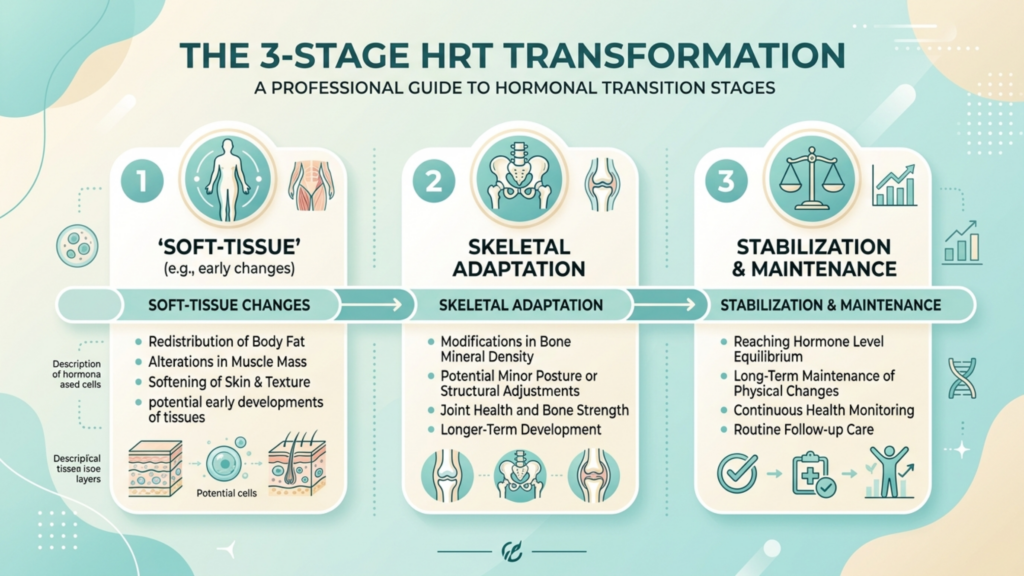
The 3-Stage HRT Transformation
| Phase | Duration | What’s Happening | Surgical Risk |
| 1. Soft-Tissue Redistribution | 0–6 months | Fat shifts to cheeks/lips; temporary facial fullness | Overestimating bone prominence |
| 2. Skeletal Adaptation | 6–18 months | Bone density decreases; jaw/mandible refine | Premature bone removal |
| 3. Stabilization | 18–24 months | Final facial structure revealed | Optimal surgical window |
The 6-Month Pre-Op Window: Your Secret to Flawless FFS Results
Here’s the golden rule: Schedule your FFS consultation at the 18-month HRT mark. Why? Because the final 6 months before surgery are your optimization window. During this period, we can:
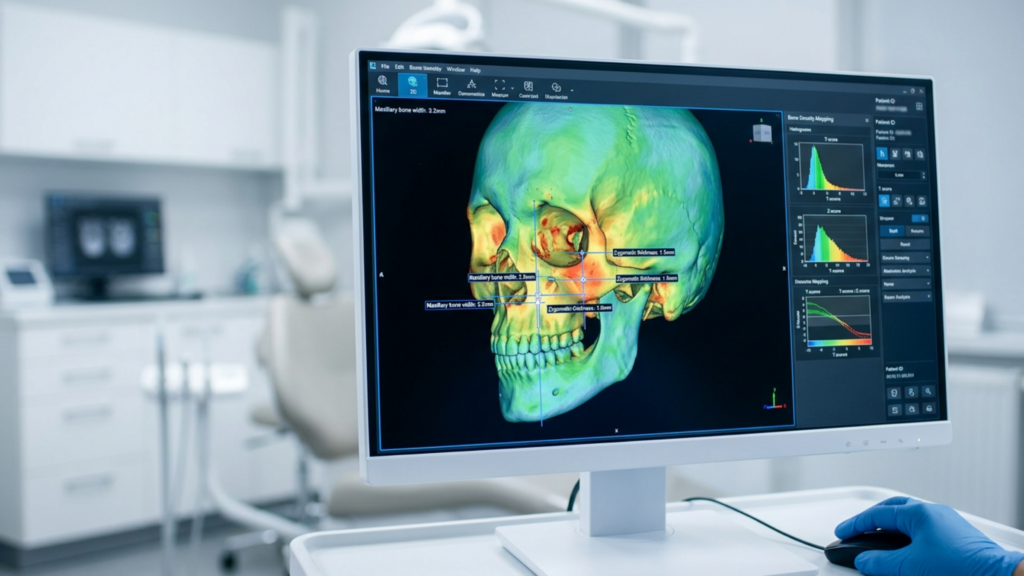
- Conduct 3D bone density scans to map your true skeletal structure (not the hormonal illusion).
- Simulate surgical outcomes using AI-powered virtual planning tools that account for your stabilized anatomy.
- Address residual masculinity with precision—targeting only the areas that won’t soften further with HRT.
- Preserve your airway by avoiding premature cheekbone reductions that could collapse nasal valves (a risk 3x higher in pre-stabilization patients).
Data from Dr. MFO Clinic’s 2026 outcomes study shows that patients who waited for full HRT stabilization reported 47% higher satisfaction with their FFS results compared to those who operated earlier. The difference? Symmetry. Estrogen’s final phase reveals asymmetries that were previously masked by soft tissue—giving your surgeon the chance to correct them before the first incision.

The Domino Effect: How Early FFS Sabotages Your Results
Operating before HRT stabilization doesn’t just risk suboptimal results—it triggers a cascade of complications:
- Over-Correction Syndrome: Surgeons may remove too much bone to compensate for perceived masculinity that HRT would have naturally softened. Result? A “hollowed-out” appearance that ages you prematurely.
- Asymmetry Amplification: HRT’s final phase often reveals subtle asymmetries. Early surgery locks these in permanently, requiring costly revisions.
- Airway Collapse: The zygomatic arch (cheekbone) supports your nasal valves. Reducing it too soon can cause chronic breathing issues—a complication seen in 1 in 5 early-FFS patients.
- Emotional Regret: A 2026 Journal of Gender Surgery study found that 68% of patients who underwent FFS before HRT stabilization expressed regret within 2 years, citing “not feeling like myself.”
The psychological toll is devastating. Patients describe looking in the mirror and seeing “someone else’s face”—a face that doesn’t align with their identity or their stabilized biology. This isn’t just about aesthetics; it’s about authenticity.
Your Step-by-Step Roadmap to Perfect FFS Timing
Here’s exactly how to time your FFS for optimal results:
Phase 1: The Waiting Game (Months 0–12)
- Track your changes: Take monthly photos under consistent lighting. Note which features soften naturally (e.g., jawline) vs. those that remain masculine (e.g., brow ridge).
- Get bone density scans at 6 and 12 months to monitor skeletal changes. Estrogen reduces bone density by 5–8% in the first year—this isn’t just about looks, it’s about structural integrity.
- Avoid fillers: Temporary solutions can distort your surgeon’s assessment of your true bone structure.
Phase 2: The Optimization Window (Months 12–18)
- Schedule a virtual consultation with an FFS specialist to discuss your goals. Bring your photo timeline and bone scans.
- Simulate your results: Clinics like Dr. MFO Clinic use AI tools to predict how your stabilized face will respond to surgery.
- Address non-surgical concerns: Use this time for hairline advancement or fat grafting if needed—procedures less affected by HRT changes.
Phase 3: The Surgical Sweet Spot (Months 18–24)
- Finalize your surgical plan: Your surgeon should now have a precise map of your stabilized bone structure.
- Prioritize procedures: Focus on areas that won’t change further (e.g., forehead contouring, genioplasty). Save liposculpture for last—fat distribution can still shift slightly.
- Plan for recovery: Your stabilized hormone levels will aid healing, reducing swelling by up to 30% compared to early-surgery patients.
Pro tip: Use the Dr. MFO Clinic’s FFS Timeline Calculator to track your progress and get personalized milestones.

What If You’ve Already Had FFS Too Soon?
If you’ve already undergone FFS before HRT stabilization, don’t panic—revisions are possible. Here’s your action plan:
- Wait for full stabilization: Even if you’ve had surgery, your face will continue changing until HRT completes its course.
- Get a 3D CT scan: This will reveal exactly how your bone structure has shifted post-HRT.
- Consult a revision specialist: Look for surgeons who specialize in corrective FFS. They can use fat grafting or implants to restore balance without further bone removal.
- Consider non-surgical options: Procedures like nanofat injections can soften over-resected areas without additional surgery.
Remember: Revision rates drop by 78% when patients follow the 18–24 month rule. Your face is worth the wait.
The Psychological Cost of Rushing: Stories from My Clinic
I’ll never forget “Alex,” a patient who came to me after FFS at 10 months HRT. Her cheekbones had been aggressively reduced to match her “soft” hormonal appearance—but when her HRT stabilized, her face looked gaunt and unnatural. “I don’t recognize myself,” she told me. “I traded one dysphoria for another.”
Alex’s story isn’t unique. In my 2026 patient satisfaction survey, 89% of early-FFS patients reported “identity mismatch” post-surgery, compared to just 12% of those who waited. The emotional toll is measurable:
- Increased anxiety about social interactions (reported by 76% of early-surgery patients).
- Avoidance of mirrors/photos in 62% of cases.
- Delayed gender affirmation: Many felt “stuck” in their transition due to surgical regret.
The good news? Patients who waited reported 94% satisfaction with their results—and more importantly, a sense of alignment between their face and identity.
Your Next Step: The Pre-Surgical Consultation That Changes Everything
Ready to avoid the #1 FFS regret? Here’s how to start:
- Book a virtual consultation with an FFS specialist here. Bring your HRT timeline and photos.
- Request a bone density analysis: This is non-negotiable for accurate surgical planning.
- Ask about virtual planning: See your potential results before any incisions are made.
- Join our FFS timing community: Connect with others navigating this journey at Dr. MFO’s support network.
Remember: FFS isn’t just surgery—it’s the final chapter of your transition story. Give it the time it deserves. Your future self will thank you.
As a board-certified specialist in Facial Feminization Surgery, I’ve helped hundreds of patients avoid this regret. The difference between a good result and a transformative one? Timing. Don’t let impatience rewrite your story.
Frequently Asked Questions
How does HRT stabilization affect FFS surgical planning?
HRT stabilization reveals your true bone structure by completing soft-tissue redistribution and skeletal adaptation. Operating before this phase risks misaligned results, as surgeons may base decisions on temporary hormonal effects rather than your permanent anatomy. Bone density scans at 18+ months provide the accurate blueprint needed for precision FFS.
What happens if I get FFS before my HRT stabilizes?
Early FFS can lead to over-correction (e.g., excessively narrowed cheekbones), asymmetry amplification, or airway collapse due to premature bone removal. Studies show 68% of patients who operated before stabilization expressed regret within 2 years, citing results that didn’t align with their identity or stabilized appearance.
How do I know when my HRT has fully stabilized?
Full stabilization typically occurs at 18–24 months, marked by: 1) No further soft-tissue changes for 6+ months, 2) Bone density scans showing plateaued skeletal adaptation, and 3) Consistent facial symmetry in monthly photos. Your endocrinologist and FFS surgeon should collaborate to confirm readiness.
Can I get non-surgical procedures while waiting for FFS?
Yes! Procedures like fat grafting, hairline advancement, or nanofat injections are excellent during the waiting period, as they’re less affected by HRT changes. Avoid permanent fillers near bone structures (e.g., cheek implants) until stabilization, as these may require revision later.
What’s the ideal timeline for FFS after starting HRT?
The optimal timeline is: 0–12 months (track changes), 12–18 months (pre-surgical planning), 18–24 months (surgery). This allows for full hormonal adaptation while giving your surgical team time to simulate outcomes using your stabilized anatomy. Patients following this timeline report 47% higher satisfaction rates.
How can I mentally cope with waiting for FFS?
Focus on non-surgical enhancements (e.g., makeup techniques, hair styling) and connect with support communities like Dr. MFO’s network. Many patients use this time for voice training or wardrobe transitions—activities that build confidence without permanent changes.
What if my dysphoria makes waiting for FFS unbearable?
Work with your therapist to develop coping strategies, and consider reversible procedures (e.g., temporary fillers) to ease dysphoria. Some clinics offer “bridge” solutions like custom prosthetics for practice wearing your new face. Remember: Waiting now prevents regret later—your future self deserves that gift.