If you’re considering frontal bossing reduction surgery, one of the most pressing questions on your mind is likely: “What is the average cost, and does insurance cover it?” Understanding the financial aspects of this procedure is crucial for planning and making an informed decision.
This comprehensive guide provides a detailed breakdown of the average cost of frontal bossing reduction surgery, factors that influence pricing, insurance coverage options, and financing alternatives. By the end, you’ll have a clear understanding of what to expect financially and how to navigate the payment process.
Average Cost of Frontal Bossing Reduction Surgery
1. Cost Breakdown by Technique
Forehead Contouring (Bone Shaving)
Forehead contouring, or bone shaving, is one of the most common techniques for reducing frontal bossing. The cost typically ranges from $5,000 to $15,000, depending on the complexity of the procedure and the surgeon’s experience.
Factors Influencing Cost
Surgeon’s expertise: Highly experienced surgeons may charge more for their services.
Geographic location: Costs vary significantly based on the region or country where the surgery is performed.
Facility fees: Hospital or surgical center fees can add to the overall cost.
Anesthesia fees: The cost of anesthesia and the anesthesiologist’s services.
Forehead Reconstruction with Implants or Grafts
For individuals requiring more extensive reconstruction, the use of implants or bone grafts may be necessary. This technique typically costs between $10,000 and $25,000.
Factors Influencing Cost
Type of material: Synthetic implants, autologous bone grafts, or allografts can vary in cost.
Surgical complexity: More intricate procedures require additional time and resources.
Post-operative care: Follow-up visits and potential revisions can add to the cost.
Facial Feminization Surgery (FFS)
For transgender women, frontal bossing reduction is often part of Facial Feminization Surgery (FFS). The cost of FFS, which may include multiple procedures, ranges from $20,000 to $50,000.
Factors Influencing Cost
Combination of procedures: FFS often includes forehead contouring, rhinoplasty, jaw reduction, and other facial modifications.
Surgeon’s specialization: Surgeons with expertise in gender-affirming procedures may charge a premium.
Geographic location: Costs can vary widely based on the location of the surgical facility.
2. Geographic Influence on Cost
Cost by Region
The cost of frontal bossing reduction surgery can vary significantly depending on the geographic location. Below is a general breakdown:
Region
Average Cost Range
Factors Influencing Cost
United States
$7,000 – $30,000
High demand, experienced surgeons, advanced facilities
Europe
$6,000 – $25,000
Varies by country, includes travel and accommodation costs
Affordable options, experienced surgeons in major cities
Medical Tourism Considerations
Many individuals consider traveling abroad for frontal bossing reduction surgery to take advantage of lower costs. However, it’s essential to consider:
Quality and safety standards: Ensure the facility and surgeon meet international standards.
Travel and accommodation costs: Factor in flights, hotels, and post-operative care.
Follow-up care: Plan for potential complications and the need for local follow-up care.
Does Insurance Cover Frontal Bossing Reduction Surgery?
1. Insurance Coverage for Medical Necessity
When Is It Covered?
Insurance may cover frontal bossing reduction surgery if it is deemed medically necessary. This typically includes cases where:
The procedure is required to correct a congenital deformity.
Frontal bossing is causing functional impairments, such as vision problems.
The surgery is part of gender-affirming care for transgender individuals.
How to Determine Coverage
To determine if your insurance covers the procedure:
Review your insurance policy for coverage details related to reconstructive or gender-affirming surgeries.
Obtain a letter of medical necessity from your surgeon or healthcare provider.
Submit a pre-authorization request to your insurance company.
2. Insurance Coverage for Gender Affirmation
Coverage for FFS
For transgender individuals, frontal bossing reduction as part of Facial Feminization Surgery (FFS) may be covered under gender-affirming care policies. Many insurance companies now recognize the medical necessity of gender-affirming procedures.
Steps to Secure Coverage
To increase the likelihood of insurance coverage:
Work with a healthcare provider experienced in transgender care.
Obtain documentation supporting the medical necessity of the procedure.
Appeal any denials with additional evidence or expert opinions.
3. Common Insurance Providers and Policies
Insurance Companies and Coverage
The following insurance providers often cover gender-affirming surgeries, including frontal bossing reduction:
Insurance Provider
Coverage for Frontal Bossing Reduction
Notes
Blue Cross Blue Shield
Often covers gender-affirming surgeries with medical necessity documentation
Varies by state and specific plan
UnitedHealthcare
Covers gender-affirming procedures under certain plans
Pre-authorization required
Aetna
Provides coverage for gender-affirming surgeries, including FFS
Requires documentation of medical necessity
Cigna
Covers gender-affirming care, including facial surgeries
Policy details vary; check with your plan
How to Advocate for Coverage
If your insurance denies coverage, consider the following steps:
Request a detailed explanation for the denial.
Work with your surgeon to provide additional documentation or evidence.
Appeal the decision with support from your healthcare provider.
Financing Options for Frontal Bossing Reduction Surgery
1. Payment Plans and Medical Loans
Payment Plans
Many surgeons and clinics offer payment plans to help manage the cost of frontal bossing reduction surgery. These plans often allow you to:
Spread the cost over several months or years.
Pay in installments with little to no interest.
Customize the payment schedule to fit your budget.
Medical Loans
Medical loans are another financing option, providing funds specifically for healthcare expenses. Popular medical loan providers include:
CareCredit
Alphaeon Credit
Prosper Healthcare Lending
2. Crowdfunding and Personal Savings
Crowdfunding
Crowdfunding platforms, such as GoFundMe or Fundly, allow individuals to raise funds for medical procedures. To maximize success:
Share your story and the importance of the surgery.
Promote your campaign on social media and within your community.
Provide updates on your progress to keep donors engaged.
Personal Savings
Using personal savings is another common way to finance frontal bossing reduction surgery. Consider the following tips:
Set a budget and savings goal.
Explore high-yield savings accounts to grow your funds.
Cut non-essential expenses to accelerate your savings.
3. Grants and Non-Profit Organizations
Grants for Gender-Affirming Surgeries
Several organizations offer grants or financial assistance for gender-affirming surgeries, including frontal bossing reduction. Some notable organizations include:
Trans Lifeline
The Trevor Project
GLAAD
How to Apply for Grants
To apply for grants, follow these steps:
Research organizations that offer financial assistance for gender-affirming surgeries.
Gather required documentation, such as medical records and letters of recommendation.
Submit your application and follow up as needed.
Comparison: Cost and Coverage of Frontal Bossing Reduction vs. Other Procedures
Procedure
Average Cost
Insurance Coverage
Financing Options
Frontal Bossing Reduction
$5,000 – $25,000
Possible for medical necessity or gender affirmation
Payment plans, medical loans, crowdfunding, grants
Forehead Contouring
$5,000 – $15,000
Rarely covered unless medically necessary
Payment plans, medical loans, personal savings
Facial Feminization Surgery (FFS)
$20,000 – $50,000
Often covered for gender affirmation
Payment plans, medical loans, grants, crowdfunding
The average cost of frontal bossing reduction surgery ranges from $5,000 to $25,000, depending on the technique, surgeon’s experience, and geographic location.
Insurance coverage may be available if the procedure is deemed medically necessary or part of gender-affirming care. Always check with your provider and obtain pre-authorization.
Financing options, such as payment plans, medical loans, crowdfunding, and grants, can help make the procedure more affordable.
Consulting with a qualified surgeon and exploring all available options will ensure you make an informed decision about your procedure and financing.
Next Steps
If you’re considering frontal bossing reduction surgery, schedule a consultation with a board-certified surgeon to discuss your goals, evaluate costs, and explore financing options. For more information on related procedures, visit our resources on forehead reconstruction surgery and facial reconstruction surgery.
Frequently Asked Questions (FAQs)
1. What is the average cost of frontal bossing reduction surgery?
The average cost ranges from $5,000 to $25,000, depending on the technique used, the surgeon’s experience, and the geographic location of the procedure.
2. Does insurance cover frontal bossing reduction surgery?
Insurance may cover the procedure if it is deemed medically necessary, such as for correcting congenital deformities or as part of gender-affirming care. Check with your insurance provider for specific coverage details.
3. How can I finance frontal bossing reduction surgery?
Financing options include payment plans offered by surgeons, medical loans, crowdfunding, personal savings, and grants from non-profit organizations.
4. What factors influence the cost of frontal bossing reduction surgery?
Factors that influence cost include the surgeon’s expertise, geographic location, facility fees, anesthesia fees, and the complexity of the procedure.
5. Is frontal bossing reduction surgery covered by insurance for transgender individuals?
Many insurance providers cover gender-affirming surgeries, including frontal bossing reduction, as part of Facial Feminization Surgery (FFS). Obtain a letter of medical necessity and submit a pre-authorization request to your insurance company.
6. Can I use a medical loan to finance frontal bossing reduction surgery?
Yes, medical loans are a common financing option for healthcare expenses, including frontal bossing reduction surgery. Providers such as CareCredit and Alphaeon Credit offer loans specifically for medical procedures.
7. Are there grants available for frontal bossing reduction surgery?
Yes, several organizations offer grants or financial assistance for gender-affirming surgeries. Research and apply to organizations such as Trans Lifeline or The Trevor Project.
8. What should I consider when traveling abroad for frontal bossing reduction surgery?
Consider the quality and safety standards of the facility, travel and accommodation costs, and the availability of follow-up care. Ensure the surgeon and facility meet international standards for medical tourism.
Visit Dr.MFO Instagram profile to see real patient transformations! Get a glimpse of the incredible results achieved through facial feminization surgery and other procedures. The profile showcases before-and-after photos that highlight Dr. MFO’s expertise and artistic vision in creating natural-looking, beautiful outcomes.
Ready to take the next step in your journey? Schedule a free consultation with Dr. MFO ( Best Facial Feminization Surgeon for You) today. During the consultation, you can discuss your goals, ask any questions you may have, and learn more about how Dr. MFO can help you achieve your desired look. Don’t hesitate to take advantage of this free opportunity to explore your options and see if Dr. MFO is the right fit for you.
Are you tired of receding hairlines or thinning hair that affects your confidence? The quest for a natural-looking hairline has led to groundbreaking advancements in hair restoration. Among these, the trichophytic hairline incision stands out as a revolutionary technique, offering results that traditional hair transplant methods often struggle to match.
In this comprehensive guide, we delve into the intricacies of trichophytic hairline incisions, compare them with traditional hair transplant techniques, and explore why this method is becoming the gold standard for patients seeking undetectable, natural hairlines. Whether you’re considering a hair transplant or simply curious about the latest innovations, this article will equip you with the knowledge to make an informed decision.
Understanding the Trichophytic Hairline Incision
What Is a Trichophytic Hairline Incision?
The trichophytic hairline incision is a specialized surgical technique designed to create a hairline that appears completely natural. Unlike traditional methods that may leave visible scars or an unnatural hairline, this technique involves making an incision along the hairline that allows hair to grow through the scar tissue. This results in a seamless transition between the forehead and the hair-bearing scalp.
How Does It Work?
The procedure involves the following steps:
Precision Incision: A surgeon makes a meticulously planned incision along the desired hairline. The incision is designed to be irregular, mimicking the natural edge of a hairline.
Hair Follicle Preservation: Hair follicles are carefully preserved at the edge of the incision. This allows hair to grow through the scar, camouflaging it effectively.
Closure Technique: The incision is closed using advanced suturing methods that minimize tension and promote optimal healing.
Healing and Growth: As the incision heals, hair begins to grow through the scar, creating a natural-looking hairline that is virtually undetectable.
Benefits of Trichophytic Hairline Incision
Benefit
Description
Natural Appearance
Hair grows through the scar, eliminating visible lines and creating a seamless hairline.
Minimal Scarring
The technique reduces the appearance of scars, making them nearly invisible.
Versatility
Suitable for both men and women, and adaptable to various hairline shapes and densities.
Long-Term Results
Provides permanent results with proper care and maintenance.
Traditional Hair Transplant Techniques: An Overview
Follicular Unit Transplantation (FUT)
FUT, also known as the strip method, involves removing a strip of scalp from the donor area (usually the back of the head). The strip is then dissected into individual follicular units, which are transplanted into the recipient area. While effective, FUT can leave a linear scar, which may be visible if the hair is worn short.
Follicular Unit Extraction (FUE)
FUE is a more modern technique where individual hair follicles are extracted from the donor area using a punch tool. These follicles are then implanted into the recipient area. FUE is less invasive than FUT and leaves minimal scarring, but it may not be as effective for creating a perfectly natural hairline, especially in cases of significant hair loss.
Limitations of Traditional Techniques
Visible Scarring: Both FUT and FUE can leave scars that may be noticeable, particularly with shorter hairstyles.
Less Natural Hairline: Traditional methods may not achieve the same level of naturalness as trichophytic incisions, especially in the hairline region.
Longer Recovery: Recovery times can be longer, with more post-operative care required.
Limited Versatility: Traditional techniques may not be suitable for all hair types or levels of hair loss.
Trichophytic Hairline Incision vs Traditional Techniques: A Comparative Analysis
Key Differences
Feature
Trichophytic Hairline Incision
Traditional Techniques (FUT/FUE)
Scarring
Minimal and hidden by hair growth
Visible linear scar (FUT) or dot-like scars (FUE)
Natural Hairline
Highly natural, seamless transition
May appear less natural, especially at the hairline
Recovery Time
Shorter, with less post-operative care
Longer, with more intensive aftercare
Versatility
Suitable for all hair types and densities
May be limited by hair type or extent of hair loss
Long-Term Results
Permanent, with hair growing through the scar
Permanent, but scars may remain visible
Which Technique Is Right for You?
The choice between a trichophytic hairline incision and traditional techniques depends on several factors, including:
Hair Loss Extent: Trichophytic incisions are ideal for those seeking a natural hairline, while traditional methods may be better for extensive hair loss.
Hair Type: The trichophytic technique is versatile and works well with all hair types, while traditional methods may have limitations.
Desired Hairstyle: If you prefer shorter hairstyles, the trichophytic method’s minimal scarring is a significant advantage.
Budget and Recovery Time: Consider the cost and downtime associated with each method. Trichophytic incisions often require less recovery time.
Before undergoing a trichophytic hairline incision, your surgeon will conduct a thorough consultation to assess your hair loss pattern, donor hair availability, and overall health. You may be advised to avoid certain medications or supplements that can increase bleeding risk.
During the Procedure
The procedure is typically performed under local anesthesia and can take several hours, depending on the complexity. The surgeon will:
Mark the desired hairline based on your facial structure and aesthetic goals.
Make the trichophytic incision along the marked hairline.
Carefully close the incision to promote optimal healing and hair growth.
Post-Procedure Care
After the procedure, you’ll receive detailed aftercare instructions, which may include:
Keeping the incision area clean and dry.
Avoiding strenuous activities for a specified period.
Using prescribed medications to manage discomfort and prevent infection.
Attending follow-up appointments to monitor healing progress.
The procedure is performed under local anesthesia, so you should not feel pain during the surgery. Some discomfort may occur during the recovery period, but this can be managed with prescribed medications.
How long does it take to see results?
Initial healing typically takes 1-2 weeks, but it may take several months for the hair to grow through the scar and achieve the final result. Full results are usually visible within 6-12 months.
Can the trichophytic hairline incision be combined with other hair restoration techniques?
Yes, the trichophytic hairline incision can be combined with FUE or FUT to enhance overall hair density and achieve a more comprehensive restoration.
Are there any restrictions after the procedure?
You may be advised to avoid strenuous activities, swimming, and direct sun exposure for a few weeks post-procedure. Your surgeon will provide specific guidelines based on your individual case.
Is the trichophytic hairline incision suitable for women?
Yes, this technique is suitable for both men and women seeking a natural-looking hairline. It is particularly beneficial for women experiencing frontal hairline thinning.
How do I choose the right surgeon for a trichophytic hairline incision?
Look for a surgeon with extensive experience in trichophytic techniques. Review before-and-after photos of their work, read patient testimonials, and ensure they are board-certified in hair restoration surgery.
What is the success rate of trichophytic hairline incisions?
The success rate is high when performed by an experienced surgeon. Most patients achieve a natural-looking hairline with minimal scarring. Success depends on proper technique, post-operative care, and individual healing factors.
Can I undergo a trichophytic hairline incision if I have had previous hair transplants?
Yes, it is possible to undergo a trichophytic hairline incision even if you have had previous hair transplants. Your surgeon will evaluate your specific case to determine the best approach.
Conclusion: Making an Informed Decision
Key Takeaways
The trichophytic hairline incision offers a natural-looking hairline with minimal scarring, making it ideal for those seeking undetectable results.
Traditional techniques like FUT and FUE are effective but may leave visible scars and require longer recovery times.
The choice between techniques depends on individual needs, hair type, and aesthetic goals.
Consulting with a qualified surgeon is essential to determine the best approach for your specific case.
Next Steps
If you’re considering a trichophytic hairline incision or any hair restoration procedure, the next steps are:
Research qualified surgeons in your area or consider traveling to renowned clinics abroad, such as those in Turkey. Learn more about Hair Transplant in Turkey.
Schedule consultations to discuss your goals and assess your suitability for the procedure.
Review before-and-after photos and patient testimonials to gauge the surgeon’s expertise.
Prepare for the procedure by following your surgeon’s pre-operative instructions.
Visit Dr.MFO Instagram profile to see real patient transformations! Get a glimpse of the incredible results achieved through facial feminization surgery and other procedures. The profile showcases before-and-after photos that highlight Dr. MFO’s expertise and artistic vision in creating natural-looking, beautiful outcomes.
Ready to take the next step in your journey? Schedule a free consultation with Dr. MFO ( Best Facial Feminization Surgeon for You) today. During the consultation, you can discuss your goals, ask any questions you may have, and learn more about how Dr. MFO can help you achieve your desired look. Don’t hesitate to take advantage of this free opportunity to explore your options and see if Dr. MFO is the right fit for you.

Are you considering a brow lift surgery to rejuvenate your appearance but feeling overwhelmed by the potential costs? You’re not alone. A brow lift, also known as a forehead lift, is a popular cosmetic procedure designed to elevate sagging brows, reduce forehead wrinkles, and create a more youthful look. However, understanding the financial commitment involved is crucial for making an informed decision.
In this comprehensive guide, we’ll break down the average cost of a brow lift surgery and explore the key factors that influence the total price. Whether you’re in the early stages of research or ready to schedule a consultation, this article will equip you with the knowledge to navigate the financial aspects of this transformative procedure confidently.
The Average Cost of a Brow Lift Surgery in 2025
The cost of a brow lift can vary significantly depending on several factors, but understanding the average price range can help you set realistic expectations. Below, we provide a detailed breakdown of the typical costs associated with this procedure.
National Average Costs
Procedure Type
Average Cost (USD)
Cost Range (USD)
Traditional Brow Lift
$4,500
$3,500 – $7,000
Endoscopic Brow Lift
$5,000
$4,000 – $8,000
Temporal Brow Lift
$3,800
$3,000 – $6,000
Coronal Brow Lift
$5,500
$4,500 – $8,500
These costs reflect the surgeon’s fees and do not include additional expenses such as anesthesia, facility fees, or post-operative care. It’s essential to consult with a qualified surgeon to get an accurate estimate tailored to your specific needs.
Why Do Costs Vary So Much?
The wide range in pricing is due to several variables, including:
Geographic Location: Prices tend to be higher in metropolitan areas with a higher cost of living.
Surgeon’s Experience: Board-certified surgeons with extensive experience may charge more.
Type of Procedure: Endoscopic techniques often cost more than traditional methods due to advanced technology.
Facility Fees: Hospitals and accredited surgical centers have varying fee structures.
Key Factors Influencing the Total Cost of a Brow Lift
Understanding the factors that influence the cost of a brow lift can help you budget effectively and make informed decisions. Below, we explore the most significant variables in detail.
1. Type of Brow Lift Procedure
The technique used for your brow lift plays a significant role in determining the cost. Here’s a breakdown of the most common types:
Procedure Type
Description
Average Cost (USD)
Traditional Brow Lift
Involves an incision across the forehead or at the hairline to lift the brow.
$4,500
Endoscopic Brow Lift
Uses small incisions and an endoscope for minimal scarring and faster recovery.
$5,000
Temporal Brow Lift
Focuses on lifting the outer brow through incisions near the temples.
$3,800
Coronal Brow Lift
Involves an incision from ear to ear across the top of the head, often used for significant lifting.
The expertise of your surgeon is one of the most critical factors in determining the cost. Board-certified plastic surgeons with years of experience and a strong reputation often charge higher fees. However, their expertise can lead to better results and fewer complications, making it a worthwhile investment.
When choosing a surgeon, consider:
Board certification in plastic surgery
Years of experience performing brow lifts
Before-and-after photos of previous patients
Patient reviews and testimonials
3. Geographic Location
The cost of a brow lift can vary significantly based on where you live. Urban areas with a higher cost of living, such as New York City or Los Angeles, tend to have higher prices compared to smaller cities or rural areas. Additionally, some patients choose to travel abroad for more affordable options, but this comes with its own set of risks and considerations.
In addition to the surgeon’s fees, you’ll need to account for anesthesia and facility costs. These fees can vary depending on:
Type of anesthesia used (local vs. general)
Duration of the procedure
Whether the surgery is performed in a hospital or an outpatient surgical center
On average, anesthesia fees range from $500 to $1,500, while facility fees can add another $1,000 to $2,500 to the total cost.
5. Pre- and Post-Operative Care
Your total cost should also include pre-operative consultations, medical tests, and post-operative care. These may include:
Pre-surgical consultations and medical evaluations
Prescription medications for pain management and recovery
Follow-up appointments to monitor healing
Compression garments or other recovery aids
These additional costs can add $500 to $1,500 to your total expenses.
Financing and Payment Options for Brow Lift Surgery
Given the significant financial investment required for a brow lift, many patients explore financing and payment options to make the procedure more affordable. Below, we outline some common strategies to help you manage the cost.
1. Medical Financing Plans
Many plastic surgery practices offer financing plans through third-party providers such as CareCredit, Alphaeon, or Prosper Healthcare Lending. These plans allow you to pay for your procedure in monthly installments, often with low or zero-interest options for qualified applicants.
When considering financing, be sure to:
Compare interest rates and terms from multiple lenders
Understand the repayment schedule and any penalties for early repayment
Check for hidden fees or charges
2. Credit Cards
Using a credit card to pay for your brow lift is another option, especially if you have a card with a high credit limit and a low-interest rate. Some credit cards also offer rewards or cashback on medical expenses, which can help offset the cost.
However, it’s essential to consider the interest rates and potential impact on your credit score before choosing this option.
3. Personal Savings
Using personal savings to pay for your brow lift is often the most straightforward and cost-effective option. By saving up for the procedure, you can avoid interest charges and debt. Consider setting up a dedicated savings account and contributing regularly until you reach your goal.
4. Health Savings Accounts (HSAs) and Flexible Spending Accounts (FSAs)
If you have an HSA or FSA, you may be able to use these funds to cover some or all of the costs associated with your brow lift. These accounts allow you to set aside pre-tax dollars for medical expenses, providing significant tax savings.
Be sure to check with your plan administrator to confirm that cosmetic procedures are eligible expenses under your specific plan.
Is a Brow Lift Worth the Investment?
Deciding whether a brow lift is worth the financial investment is a personal choice that depends on your goals, expectations, and budget. Below, we explore some of the key benefits and considerations to help you make an informed decision.
Benefits of a Brow Lift
Youthful Appearance: A brow lift can significantly reduce the appearance of forehead wrinkles and sagging brows, creating a more youthful and refreshed look.
Boosted Confidence: Many patients report increased self-esteem and confidence following their procedure.
Long-Lasting Results: The results of a brow lift can last for several years, making it a cost-effective solution in the long run.
Customizable Options: With various techniques available, your surgeon can tailor the procedure to meet your specific needs and goals.
Considerations Before Undergoing Surgery
Realistic Expectations: It’s essential to have realistic expectations about the results of your brow lift. While the procedure can enhance your appearance, it won’t stop the aging process.
Recovery Time: Recovery from a brow lift can take several weeks, during which you may experience swelling, bruising, and discomfort.
Potential Risks: As with any surgical procedure, there are risks involved, including infection, scarring, and nerve damage. Discuss these risks with your surgeon during your consultation.
Cost vs. Benefit: Consider whether the financial investment aligns with your personal and professional goals.
In most cases, insurance does not cover the cost of a brow lift because it is considered a cosmetic procedure. However, if your brow lift is performed to correct a functional impairment, such as vision obstruction due to sagging brows, your insurance may provide partial or full coverage. It’s essential to check with your insurance provider to understand your specific policy.
2. How much does an endoscopic brow lift cost compared to a traditional brow lift?
An endoscopic brow lift typically costs more than a traditional brow lift due to the advanced technology and specialized training required. On average, an endoscopic brow lift costs around $5,000, while a traditional brow lift averages $4,500. However, prices can vary based on the factors discussed earlier.
3. Are there any hidden costs associated with a brow lift?
While the surgeon’s fees are often the most significant expense, it’s essential to budget for additional costs such as anesthesia, facility fees, pre-operative medical tests, post-operative medications, and follow-up appointments. These costs can add $1,000 to $3,000 or more to your total expenses.
4. Can I finance my brow lift surgery?
Yes, many plastic surgery practices offer financing options through third-party providers. These plans allow you to pay for your procedure in monthly installments, often with low or zero-interest rates for qualified applicants. Be sure to compare terms and interest rates from multiple lenders to find the best option for your budget.
5. How long do the results of a brow lift last?
The results of a brow lift can last for several years, typically between 5 to 10 years, depending on your skin type, age, and lifestyle factors. While a brow lift can significantly enhance your appearance, it won’t stop the natural aging process. Maintaining a healthy lifestyle and skincare routine can help prolong your results.
6. What is the recovery time for a brow lift?
Recovery time varies depending on the type of brow lift procedure and your individual healing process. Most patients can return to work and normal activities within 10 to 14 days, although strenuous activities should be avoided for at least 4 to 6 weeks. Swelling and bruising are common during the first few weeks but gradually subside.
7. Are there non-surgical alternatives to a brow lift?
Yes, non-surgical alternatives such as Botox injections, dermal fillers, and thread lifts can provide temporary improvements in the appearance of the brow and forehead. However, these options typically require ongoing maintenance and may not deliver the same dramatic or long-lasting results as a surgical brow lift.
8. How do I choose the right surgeon for my brow lift?
Choosing the right surgeon is one of the most important decisions you’ll make. Look for a board-certified plastic surgeon with extensive experience in brow lift procedures. Review before-and-after photos of previous patients, read testimonials, and schedule consultations to discuss your goals and expectations. It’s also essential to feel comfortable and confident in your surgeon’s abilities.
Conclusion: Making an Informed Decision About Your Brow Lift
Key Takeaways
The average cost of a brow lift ranges from $3,500 to $8,500, depending on the type of procedure, surgeon’s experience, and geographic location.
Key factors influencing the total cost include the type of brow lift, surgeon’s fees, anesthesia, facility fees, and pre- and post-operative care.
Financing options such as medical financing plans, credit cards, personal savings, and HSAs/FSAs can help make the procedure more affordable.
A brow lift offers numerous benefits, including a more youthful appearance, boosted confidence, and long-lasting results.
Next Steps
If you’re ready to take the next step in your brow lift journey, consider the following actions:
Research Surgeons: Look for board-certified plastic surgeons in your area with experience in brow lift procedures. Read reviews and view before-and-after photos to assess their work.
Schedule Consultations: Meet with multiple surgeons to discuss your goals, expectations, and budget. Ask about their approach to the procedure, recovery process, and any potential risks.
Explore Financing Options: If needed, explore financing plans to determine the best payment option for your budget.
Prepare for Recovery: Plan for your recovery by arranging time off work, preparing your home, and gathering necessary supplies for a comfortable healing process.
Visit Dr.MFO Instagram profile to see real patient transformations! Get a glimpse of the incredible results achieved through facial feminization surgery and other procedures. The profile showcases before-and-after photos that highlight Dr. MFO’s expertise and artistic vision in creating natural-looking, beautiful outcomes.
Ready to take the next step in your journey? Schedule a free consultation with Dr. MFO ( Best Facial Feminization Surgeon for You) today. During the consultation, you can discuss your goals, ask any questions you may have, and learn more about how Dr. MFO can help you achieve your desired look. Don’t hesitate to take advantage of this free opportunity to explore your options and see if Dr. MFO is the right fit for you.
Forehead cranioplasty surgery is a complex procedure that can dramatically improve both function and aesthetics for individuals with congenital deformities, trauma, or gender affirmation needs. However, like any major surgery, it comes with potential risks and complications. This guide provides a comprehensive breakdown of what you need to know to make an informed decision, from common complications to mitigation strategies.
What Is Forehead Cranioplasty Surgery?
Forehead cranioplasty is a surgical procedure aimed at reshaping or reconstructing the forehead. It is commonly performed for:
Medical reasons: Correcting deformities caused by trauma, tumors, or congenital conditions.
Aesthetic reasons: Such as forehead reduction or feminization in facial gender confirmation surgeries.
The procedure involves:
Removing or reshaping bone.
Using bone grafts or synthetic materials to achieve the desired contour.
Forehead cranioplasty carries risks such as infection, nerve damage, and hematoma, but these can be mitigated with proper care.
Choosing an experienced surgeon and adhering to pre- and post-operative instructions significantly reduces complications.
Understanding the risks and setting realistic expectations are crucial for a successful outcome.
Next Steps
If you are considering forehead cranioplasty, schedule a consultation with a board-certified surgeon to discuss your goals and potential risks. For more information on related procedures, explore our resources on forehead reduction surgery for men and MTF foreheadplasty types and FFS.
Frequently Asked Questions (FAQs)
1. Is forehead cranioplasty surgery painful?
Pain levels vary, but most patients report manageable discomfort that can be controlled with prescribed pain medications. Pain typically subsides within a few days to weeks.
2. How long is the recovery period?
The initial recovery period is about 2-4 weeks, during which patients should avoid strenuous activities. Complete healing and final results may take several months.
3. Can complications from forehead cranioplasty be permanent?
While most complications are temporary, some, such as nerve damage or scarring, can be permanent. Choosing a skilled surgeon minimizes these risks.
4. What are the signs of infection after surgery?
Signs of infection include increased redness, swelling, fever, and pus or foul-smelling discharge from the incision site. Contact your surgeon immediately if you notice these symptoms.
5. How much does forehead cranioplasty surgery cost?
The cost varies depending on the complexity of the procedure, the surgeon’s experience, and geographic location. For more details, check out our article on forehead reduction surgery costs.
6. Are there non-surgical alternatives to forehead cranioplasty?
Non-surgical alternatives, such as fillers or Botox, can provide temporary improvements but do not offer the same dramatic or permanent results as surgery.
7. How do I choose the right surgeon for forehead cranioplasty?
Look for a board-certified surgeon with extensive experience in cranioplasty procedures. Review before-and-after photos, read patient testimonials, and schedule consultations to discuss your goals and concerns.
8. Can forehead cranioplasty be combined with other procedures?
Yes, forehead cranioplasty is often combined with other facial procedures, such as brow lifts or facial feminization surgeries, to achieve comprehensive results.
Visit Dr.MFO Instagram profile to see real patient transformations! Get a glimpse of the incredible results achieved through facial feminization surgery and other procedures. The profile showcases before-and-after photos that highlight Dr. MFO’s expertise and artistic vision in creating natural-looking, beautiful outcomes.
Ready to take the next step in your journey? Schedule a free consultation with Dr. MFO ( Best Facial Feminization Surgeon for You) today. During the consultation, you can discuss your goals, ask any questions you may have, and learn more about how Dr. MFO can help you achieve your desired look. Don’t hesitate to take advantage of this free opportunity to explore your options and see if Dr. MFO is the right fit for you.
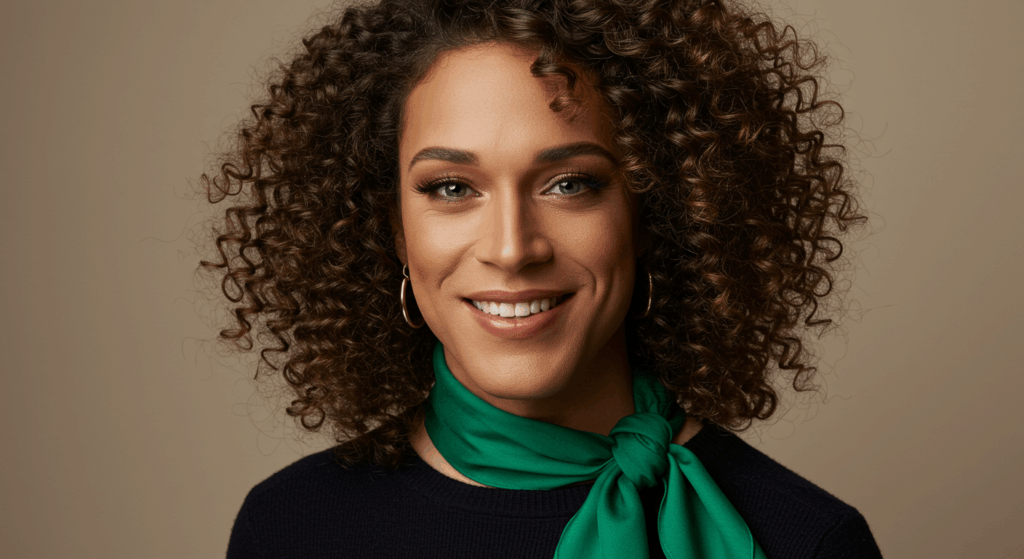
For many individuals, the journey of self-discovery and gender affirmation involves aligning their physical appearance with their authentic inner identity. Facial Feminization Surgery (FFS) stands as a profound and transformative set of procedures at the heart of this alignment. More than just cosmetic enhancements, FFS is a crucial step for transgender women and gender-diverse individuals seeking to alleviate gender dysphoria and present themselves in a way that truly reflects who they are. This comprehensive guide will delve deep into the world of FFS, exploring its core principles, the diverse range of procedures available, and practical considerations for those embarking on this path, with a particular focus on the vibrant and inclusive landscape of San Francisco. Discover how FFS can empower you to reveal your authentic self, fostering a profound sense of congruence and well-being.
Foundations of Facial Feminization Surgery
To fully appreciate the impact of FFS, it’s essential to understand its fundamental definitions, the individuals it serves, and its overarching goal of fostering inner and outer harmony.
What is Facial Feminization Surgery (FFS)?
Facial Feminization Surgery (FFS) is a specialized surgical field designed to modify facial features to create a more feminine appearance. Unlike traditional cosmetic surgery, which often aims to defy aging or enhance existing features without a gender-affirming intent, FFS specifically addresses facial characteristics typically associated with masculine anatomy and subtly reshapes them to align with feminine aesthetics. This involves a range of procedures that can alter bone structure, soft tissues, and contours of the face to reduce masculine markers and enhance feminine ones. The primary objective is not to create a generic “feminine” face, but rather to help individuals achieve a facial appearance that feels authentic to their gender identity, reducing social misgendering and promoting internal congruence.
Who Can Benefit from FFS?
The primary demographic for FFS comprises transgender women seeking to align their facial features with their affirmed gender. However, FFS can also benefit other gender-diverse individuals who desire to feminize their facial appearance to alleviate gender dysphoria or simply to feel more comfortable and confident in their own skin. The psychological motivations for pursuing FFS are profound. For many, it’s about mitigating the deep distress and discomfort associated with gender dysphoria, where one’s outward appearance does not match their internal sense of self. Achieving facial congruence can significantly enhance self-esteem, improve mental well-being, and enable individuals to navigate the world with greater confidence and authenticity.
The Holistic Goal of FFS: Aligning Inner and Outer Self
Beyond the visible aesthetic changes, the deeper purpose of FFS is inherently holistic. It’s about bridging the gap between an individual’s internal identity and their external presentation. When one’s face reflects their true gender, it can lead to a profound sense of internal congruence and peace. This alignment is critical for emotional and psychological health, allowing individuals to feel truly seen and affirmed. FFS procedures contribute to alleviating internal dissonance, fostering a sense of completeness, and empowering individuals to live more authentically. It’s not merely about looking feminine; it’s about feeling feminine and having that feeling reciprocated by one’s own reflection and how one is perceived by the world.
Comprehensive Overview of FFS Procedures
FFS encompasses a variety of surgical techniques, each targeting specific facial regions to achieve a harmonious and feminized appearance. These procedures can be performed individually or, more commonly, as a comprehensive set to achieve optimal results. Here’s a detailed look at the common FFS procedures:
Forehead and Brow Contouring
The forehead and brow area play a significant role in gender perception. Masculine foreheads often feature a prominent brow bone (bossing) and a flatter, more receding hairline. FFS addresses these features through:
Forehead Reduction (Type 1 and Type 3 Cranioplasty): Type 1 involves burring down the brow bone if the frontal sinus is shallow. Type 3, more common for significant bossing, involves removing and reshaping the bone of the frontal sinus, then reattaching it in a more feminine position.
Brow Bossing Reduction: Directly reduces the prominence of the bone above the eyes.
Hairline Advancement: Moves the hairline forward to reduce the height of the forehead, creating a smaller, more rounded forehead.
Brow Lift: Raises the eyebrows to an arched, feminine position, opening up the eyes.
These procedures work together to create a smoother, more rounded forehead and a softer, more open appearance around the upper face.
Eye Area Feminization
The eyes are often considered the windows to the soul, and their shape and surrounding features contribute significantly to perceived gender. FFS procedures in this area aim for a softer, more open, and less angular look:
Eyelid Surgery (Blepharoplasty): Addresses excess skin or fat around the eyelids. Upper blepharoplasty can remove hooding, while lower blepharoplasty can reduce puffiness, creating a brighter, more youthful appearance.
Canthoplasty (or Canthopexy): Reshapes the outer corner of the eye to give it a slightly upward tilt, contributing to a more almond-shaped and traditionally feminine eye.
Orbital Rim Contouring: Reduces the bony prominence around the eyes, softening the orbital area.
Nose Reshaping (Rhinoplasty)
Rhinoplasty in FFS is tailored to create a nose that harmonizes with a feminized face. Masculine noses are often larger, wider, and have a more prominent bridge and tip. FFS rhinoplasty typically focuses on:
Reducing overall size: Making the nose appear smaller and more delicate.
Refining the bridge: Smoothing any dorsal hump and creating a gentler slope.
Lifting and refining the tip: Making the tip more refined and slightly upturned.
Narrowing the nostrils: Reducing the width of the nasal base.
The goal is a nose that is proportionate to the feminized facial features, often appearing narrower and less angular.
Cheek Augmentation
Feminine faces typically feature fuller, more rounded cheeks, creating a soft curve from the cheekbones down to the jawline. Cheek augmentation in FFS enhances this mid-face fullness through:
Implants: Silicone implants can be precisely placed to augment the cheekbones and mid-face, providing permanent volume.
Fat Grafting (Fat Transfer): Autologous fat (fat taken from the patient’s own body via liposuction) is purified and injected into the cheeks to add natural-looking volume. This method offers the benefit of being a natural material and can improve skin quality.
Both methods aim to create a more youthful, rounded, and feminine contour to the mid-face.
Lip Augmentation and Perioral Procedures
Fuller, more defined lips are a key feminine characteristic. FFS procedures for the lips and perioral (around the mouth) area include:
Lip Lift (Subnasal Lip Lift): Reduces the distance between the base of the nose and the upper lip, increasing the visible pink part of the upper lip and creating a more youthful and feminine appearance.
Lip Fillers: Injectable dermal fillers (e.g., hyaluronic acid) temporarily add volume and shape to the lips, creating a fuller pout.
Corner Lip Lift: Elevates the corners of the mouth, addressing a downturned appearance and creating a more pleasant and youthful expression.
These procedures contribute to a more luscious, defined, and youthful appearance around the mouth.
Jaw and Chin Contouring
The lower face plays a crucial role in gender recognition. Masculine jaws tend to be wider and more angular, while feminine jaws are typically narrower and more rounded or V-shaped. Chin contouring also contributes to this overall shape:
Jaw Reduction (Gonionectomy): Involves reshaping or reducing the angle of the jawbone to create a softer, more tapered lower face. This can include shaving down the bone or, in some cases, resecting a portion of the angle.
Chin Reshaping (Genioplasty): Modifies the shape and projection of the chin. This can involve reducing a prominent chin, augmenting a recessive chin, or reshaping it to be more pointed or rounded, contributing to an overall V-shaped or oval facial profile. This is often performed in conjunction with jaw reduction for a harmonious result.
These procedures collectively soften the lower face and help create a more traditionally feminine facial silhouette.
Tracheal Shave (Adam’s Apple Reduction)
The Adam’s apple, or laryngeal prominence, is a prominent masculine feature. A tracheal shave, also known as chondrolaryngoplasty, is a straightforward procedure to reduce its prominence. The surgeon carefully shaves down the thyroid cartilage to create a smoother contour in the neck, significantly contributing to the feminization of the neck profile and overall appearance. This procedure is often highly impactful for individuals seeking comprehensive facial feminization.
Choosing Your Path: FFS Considerations in San Francisco
San Francisco, known for its progressive values and world-class medical facilities, offers an excellent environment for individuals seeking FFS. Navigating the process requires careful consideration of various practical aspects, from surgeon selection to financial planning and leveraging local support systems.
Selecting a Qualified FFS Surgeon in San Francisco
The choice of your FFS surgeon is perhaps the most critical decision in your journey. Here are crucial criteria to consider when selecting an FFS surgeon in San Francisco:
Board Certification: Ensure the surgeon is board-certified in plastic surgery, oral and maxillofacial surgery, or otolaryngology (ENT), with significant experience in facial reconstructive and aesthetic surgery.
Specialization in FFS: Look for surgeons who specifically specialize in FFS and have a deep understanding of facial gender affirmation, rather than just general cosmetic surgery.
Extensive Experience with Transgender Patients: A surgeon with a proven track record of successful FFS outcomes for transgender individuals will understand the unique anatomical considerations and emotional nuances involved.
Review Patient Testimonials and Before/After Photos: Examine their portfolio to assess the quality and consistency of their results and read feedback from previous patients.
Personalized Approach: The surgeon should listen attentively to your goals, provide realistic expectations, and develop a customized surgical plan.
Checklist for Initial Consultations:
Are you board-certified in relevant specialties?
How many FFS procedures do you perform annually?
Can I see extensive before/after photos, particularly of patients with similar facial structures to mine?
What is your philosophy on FFS – is it a holistic approach?
What are the potential risks and recovery timelines for the procedures I’m considering?
What is the total cost, and what does it include? Do you work with insurance?
What kind of post-operative support and follow-up care do you provide?
Leading FFS Clinics and Resources in the Bay Area
The San Francisco Bay Area is home to several reputable clinics and medical centers known for their comprehensive FFS programs. While specific clinic names are beyond the scope of this general guide, you can identify leading institutions by researching major medical university centers and large private practices that specifically advertise gender-affirming surgical services. When exploring options, prioritize clinics that:
Have a multidisciplinary team (surgeons, anesthesiologists, nurses, mental health professionals).
Provide a supportive, affirming, and inclusive environment for transgender and gender-diverse patients.
Offer comprehensive pre-operative and post-operative care.
Are transparent about costs and insurance navigation.
Online forums and local LGBTQ+ community centers are excellent resources for recommendations and peer reviews.
The Consultation Process: What to Expect
The initial consultation is a crucial step to determine if FFS is right for you and to plan your personalized surgical journey. During this meeting, you should expect:
Detailed Assessment: The surgeon will thoroughly evaluate your facial anatomy, often using 3D imaging to analyze bone structure and soft tissues.
Discussion of Goals: This is your opportunity to articulate your desired outcomes and discuss what aspects of your face you wish to feminize. Be open and honest about your expectations.
Surgical Planning: The surgeon will outline the recommended procedures, explain the techniques involved, and discuss the potential results. They should also inform you about the risks, benefits, and recovery period for each procedure.
Review of Medical History: You will provide a comprehensive medical history to ensure you are a suitable candidate for surgery.
Photography and Imaging: Standardized photographs will be taken for planning and documentation purposes, and 3D imaging may be used to visualize potential outcomes.
Emphasize open communication throughout this process. Don’t hesitate to ask questions, voice concerns, and seek clarification on any aspect of the proposed plan.
Financial Considerations and Insurance Coverage in California
The cost of FFS can vary significantly depending on the number and complexity of procedures performed. While a substantial investment, many individuals find the psychological and emotional benefits to be invaluable. In California, the landscape for insurance coverage for gender-affirming care, including FFS, is relatively progressive. Key points to consider:
Typical Costs: FFS can range from tens of thousands of dollars to over a hundred thousand, depending on the extent of the surgery.
Insurance Mandates: California has laws (like SB 1052) that generally require health plans to cover medically necessary gender-affirming care, including FFS for gender dysphoria.
Requirements: Most insurance companies will require a diagnosis of gender dysphoria, letters of support from mental health professionals, and often a period of hormone therapy before FFS coverage is approved.
Navigating Claims: This can be complex. Work closely with your surgeon’s office, as many have dedicated staff to assist with pre-authorizations and insurance claims. Be prepared for potential appeals if initial claims are denied.
Thorough research into your specific insurance plan and direct communication with your provider are essential steps.
Local Support Networks and Community Resources in San Francisco
San Francisco boasts a robust and vibrant LGBTQ+ community, offering invaluable support networks for individuals undergoing gender affirmation. These resources can provide emotional, practical, and informational support throughout your FFS journey:
Community Centers: Organizations like the San Francisco LGBT Center offer a wide range of services, including support groups, legal aid, and referrals.
Peer Support Groups: Connecting with others who have undergone or are considering FFS can provide a sense of community, shared experience, and practical advice.
Therapists and Mental Health Professionals: Seek out therapists specializing in gender identity and gender affirmation, who can provide crucial psychological support before, during, and after surgery.
Online Forums and Social Media Groups: San Francisco-specific groups can offer localized advice on surgeons, clinics, and recovery tips.
Leveraging these local resources can significantly enhance your overall experience and provide a crucial safety net during a transformative period.
Embracing Authenticity: The Impact of FFS on Self-Realization
The journey through Facial Feminization Surgery extends far beyond the operating room. It is a profound process of self-realization, enabling individuals to embody their authentic selves more fully and navigate the world with renewed confidence and inner peace.
Psychological and Emotional Transformation
The psychological and emotional benefits of FFS are often the most profound and deeply felt. For many, achieving facial congruence is a monumental step in alleviating gender dysphoria. When one’s reflection finally mirrors their inner identity, it can lead to a significant reduction in distress, anxiety, and depression. This newfound alignment fosters a powerful boost in self-confidence and self-esteem, allowing individuals to feel more comfortable and authentic in their daily lives. The internal sense of peace that comes with this transformation is invaluable, paving the way for greater emotional well-being and a deeper connection to one’s true self.
Social Affirmation and Navigating Interactions
FFS can dramatically improve social affirmation. When facial features align with a feminine presentation, it often leads to a significant reduction in misgendering and an increase in being correctly perceived and affirmed by others. This positive shift in social interactions can reduce social anxiety, make daily encounters less stressful, and allow individuals to engage more freely and authentically with the world around them. It’s about moving through life feeling seen and respected for who you truly are, rather than constantly battling misperceptions based on incongruent facial features.
The Journey of Healing and Self-Discovery Post-Surgery
The recovery period following FFS is not solely a physical process; it is also a vital phase of emotional healing and continued self-discovery. As swelling subsides and the new facial contours emerge, individuals often experience a powerful sense of integration and realization. This period allows for reflection on the profound transformation and the assimilation of one’s affirmed identity. It can be a time of intense emotion, from joy and relief to adjustment and acceptance. Engaging in self-care, maintaining connections with support networks, and working with mental health professionals can significantly aid this journey of integrating the new self.
Beyond Aesthetics: FFS as a Tool for Empowerment
Ultimately, FFS transcends the realm of purely cosmetic surgery. It serves as a vital tool for empowerment, enabling individuals to live more authentically and fully as their true selves. It’s about reclaiming one’s narrative, fostering a profound sense of embodiment, and achieving an outer presentation that aligns seamlessly with an inner truth. This alignment empowers individuals to pursue their passions, build stronger relationships, and engage with the world with an unshakeable sense of self-worth and genuine presence. FFS is a testament to the human spirit’s resilience and its quest for authenticity.
Conclusion
Facial Feminization Surgery represents a deeply personal and transformative journey for individuals seeking gender affirmation and self-discovery. It is a sophisticated set of procedures designed to harmonize one’s inner identity with their outward appearance, offering profound psychological and emotional benefits that extend far beyond aesthetics. From intricate bone contouring to delicate soft tissue refinements, FFS provides a pathway to congruence and authenticity. For those considering this path in San Francisco, the city offers a supportive environment with expert surgeons, comprehensive clinics, and robust community resources to guide you every step of the way. Embracing FFS is not just about changing how you look; it’s about revealing your true self to the world, fostering a life lived with greater confidence, peace, and authenticity.
Key Takeaways:
FFS is More Than Cosmetic: It’s a critical gender-affirming surgery aimed at alleviating gender dysphoria and aligning inner identity with outer appearance.
Comprehensive Procedures: FFS involves a wide range of specialized procedures targeting different facial regions, each contributing to a more feminine aesthetic.
San Francisco Resources: The Bay Area offers a supportive environment with qualified surgeons, clinics, and community networks to assist individuals on their FFS journey.
Profound Impact on Well-being: Beyond physical changes, FFS leads to significant psychological, emotional, and social benefits, fostering self-realization and empowerment.
FAQ
How long is the typical recovery period for FFS procedures?
The recovery period for FFS varies depending on the number and invasiveness of the procedures performed. Generally, initial swelling and bruising subside significantly within 2-4 weeks. However, complete healing and the final results can take several months to a year, especially for bone work. Most patients can return to light activities within a few days to a week and resume normal routines within 2-6 weeks. Pain is typically manageable with prescribed medication.
Is FFS covered by insurance in California?
Yes, in many cases, FFS is covered by insurance in California. California state laws generally mandate that health plans cover medically necessary gender-affirming care, which includes FFS for individuals diagnosed with gender dysphoria. Coverage typically requires letters of support from mental health professionals and sometimes a period of hormone therapy. It’s crucial to verify your specific plan’s details and work with your surgeon’s office for pre-authorization and claims processing, as navigating insurance can be complex.
What are the potential risks and complications of FFS?
Like any surgical procedure, FFS carries potential risks and complications, though they are generally rare with experienced surgeons. These can include infection, excessive bleeding, adverse reaction to anesthesia, temporary or permanent numbness/nerve damage, asymmetry, scarring, and dissatisfaction with aesthetic results. Choosing a highly skilled and experienced FFS surgeon and diligently following all pre- and post-operative instructions significantly minimizes these risks.
How do I find the best FFS surgeon for my specific needs in San Francisco?
To find the best FFS surgeon in San Francisco for your needs, focus on board certification (plastic surgery, oral/maxillofacial, ENT with FFS specialization), extensive experience with transgender patients, a strong portfolio of before/after photos, and positive patient testimonials. Schedule consultations with several surgeons to discuss your specific goals, assess their approach, and ensure good communication and comfort. Inquire about their multidisciplinary team and post-operative care.
Can FFS truly help with gender dysphoria?
Yes, FFS can profoundly help alleviate gender dysphoria for many individuals. Gender dysphoria is the distress experienced when one’s gender identity does not align with their assigned sex at birth. For transgender women, facial features are often a significant source of this distress. By reshaping these features to align with a feminine appearance, FFS helps bridge the gap between inner identity and outer presentation, leading to a significant reduction in dysphoria, improved self-esteem, and a greater sense of authenticity and well-being.
What is the ideal age to undergo FFS?
There isn’t a single “ideal” age for FFS, as it varies by individual readiness and physical development. Most surgeons prefer patients to be at least 18 years old to ensure full skeletal maturity. Beyond that, the best age is when an individual feels emotionally and psychologically ready for the significant changes and recovery process. It’s a deeply personal decision, and a thorough consultation with a qualified surgeon and mental health professional is crucial regardless of age.
Visit Dr.MFO Instagram profile to see real patient transformations! Get a glimpse of the incredible results achieved through facial feminization surgery and other procedures. The profile showcases before-and-after photos that highlight Dr. MFO’s expertise and artistic vision in creating natural-looking, beautiful outcomes.
Ready to take the next step in your journey? Schedule a free consultation with Dr. MFO ( Best Facial Feminization Surgeon for You) today. During the consultation, you can discuss your goals, ask any questions you may have, and learn more about how Dr. MFO can help you achieve your desired look. Don’t hesitate to take advantage of this free opportunity to explore your options and see if Dr. MFO is the right fit for you.

For many individuals, the journey towards a more authentic self involves aligning their physical appearance with their gender identity. Facial feminization procedures play a pivotal role in this transformation, with jawline feminization being a particularly impactful area. The jawline significantly contributes to the overall facial structure, and its contour can profoundly influence perceptions of masculinity or femininity.
This comprehensive guide delves into the intricate world of jawline feminization, offering a detailed comparison between surgical and non-surgical approaches. We will explore the aesthetic goals, the specific procedures involved, their respective benefits and risks, and crucial considerations to help you determine the best path forward. Our aim is to provide you with a MECE-compliant (Mutually Exclusive, Collectively Exhaustive) understanding, ensuring you have all the necessary information to make an informed decision about your feminization journey.
Understanding Jawline Feminization: Goals and Aesthetic Considerations
Before exploring the different methods, it’s essential to grasp what constitutes a feminine jawline and the underlying motivations for seeking its alteration. This foundational knowledge will illuminate the aesthetic objectives of these procedures.
Defining a Feminine Jawline
The human jawline exhibits distinct characteristics that are typically associated with different genders. A conventionally feminine jawline is often characterized by several key features:
Softer Angles: Unlike the sharper, more angular lines often seen in masculine jawlines, a feminine jawline tends to have gentler curves and less pronounced angles, particularly at the gonial angle (the angle of the jaw).
Narrower Width: The overall width of the lower face, especially across the jaw, is generally narrower in feminine profiles. This creates a more delicate and oval or heart-shaped facial appearance.
Less Prominent Chin: While a well-defined chin is desirable, a feminine chin typically appears less broad and less prominent than a masculine one. It often contributes to a V-shape or softer contour of the lower face.
Smooth Transition: There is a smooth, continuous line from the ear down to the chin, without significant bulges or squareness.
Reduced Masseter Muscles: The masseter muscles (chewing muscles) can be quite developed in some individuals, leading to a wider, squarer lower face. A feminine jawline often involves less bulk in this area.
Achieving these characteristics through feminization procedures can significantly soften the overall facial appearance, creating a harmonious balance with other facial features.
Why Seek Jawline Feminization?
The decision to pursue jawline feminization is deeply personal and driven by a variety of motivations, often with profound psychological and social impacts:
Gender Affirmation: For transgender women and non-binary individuals, jawline feminization is a crucial step in aligning their external appearance with their internal gender identity. It can significantly reduce gender dysphoria and enhance feelings of authenticity and self-acceptance.
Enhanced Self-Confidence: Many individuals report a significant boost in self-esteem and confidence after undergoing facial feminization procedures. Feeling comfortable and confident in one’s own skin can positively impact all aspects of life.
Improved Social Interaction: A more feminine facial appearance can lead to more accurate gender recognition and reduce misgendering, fostering more positive and affirming social interactions.
Aesthetic Harmony: Beyond gender affirmation, some individuals seek jawline feminization purely for aesthetic reasons, desiring a softer, more conventionally feminine facial contour to enhance their overall beauty.
Psychological Well-being: The emotional relief and psychological benefits derived from successfully transitioning and aligning one’s physical self with one’s identity are immense, contributing to overall mental well-being.
Understanding these motivations is key to appreciating the transformative power of jawline feminization.
Surgical Approaches to Jawline Feminization
Surgical jawline feminization offers permanent and dramatic changes, making it a preferred option for those seeking significant reshaping. These procedures are typically performed by highly specialized craniofacial or plastic surgeons.
Common Surgical Procedures for Jawline Feminization
Surgical techniques for jawline feminization primarily involve bone reduction and reshaping. The most common procedures include:
Mandible Contouring (Jaw Angle Reduction): This is a cornerstone of surgical jawline feminization. It involves reshaping the bone at the angles of the lower jaw (mandible) to reduce their prominence and create a smoother, more curved line. The surgeon meticulously shaves or removes bone to achieve the desired softer, narrower appearance. This procedure often addresses the squareness of the jaw.
Genioplasty (Chin Reduction/Reshaping): The chin plays a crucial role in the overall jawline aesthetic. Genioplasty involves reshaping or reducing the size of the chin bone to make it less prominent, narrower, or to refine its shape. This can be done by shaving bone from the outer surface of the chin or by making an incision in the bone and repositioning a segment. Sometimes, a “T-osteotomy” is performed to narrow a broad chin.
Masseter Muscle Reduction (Surgical): While often addressed non-surgically with Botox, surgical masseter reduction can be performed in conjunction with bone contouring. This involves surgically excising a portion of the masseter muscle to reduce the width of the lower face, especially for individuals with hypertrophied (enlarged) masseter muscles.
V-Line Surgery: This term often refers to a combination of mandible contouring and genioplasty, specifically aimed at creating a sharp, V-shaped lower face. It is a more aggressive approach designed to significantly narrow and refine the entire lower jaw.
These procedures are often performed under general anesthesia and may require a hospital stay. The specific combination of procedures will depend on the individual’s existing anatomy and desired outcome.
Benefits of Surgical Jawline Feminization
Surgical approaches offer distinct advantages that make them highly desirable for many individuals:
Permanent Results: One of the most significant benefits is the permanence of the results. Once the bone is reshaped, the changes are lifelong, eliminating the need for ongoing treatments.
Significant Reshaping Capabilities: Surgical methods allow for dramatic and precise changes to the underlying bone structure, which cannot be achieved with non-surgical techniques. This makes them ideal for individuals seeking a substantial alteration to their jawline.
Comprehensive Feminization: Surgical jawline feminization can address multiple aspects of a masculine jawline simultaneously, leading to a more comprehensive and harmonized feminization of the lower face.
Predictable Outcomes: In the hands of an experienced surgeon, the outcomes of surgical procedures are generally predictable, allowing for precise planning and execution based on 3D imaging and anatomical considerations.
Psychological Impact: For many, the permanent and significant changes achieved through surgery provide immense psychological relief and contribute profoundly to gender affirmation and self-acceptance.
These benefits highlight why surgery remains the gold standard for many seeking definitive jawline feminization.
Risks and Considerations of Surgical Options
Despite their benefits, surgical procedures come with inherent risks, significant recovery periods, and financial commitments that must be carefully considered:
Surgical Risks: Like any major surgery, jawline feminization carries risks such as infection, excessive bleeding, adverse reactions to anesthesia, nerve damage (leading to temporary or permanent numbness or weakness), asymmetry, and dissatisfaction with aesthetic outcomes.
Recovery Time: The recovery period for surgical jawline feminization can be extensive. Initial swelling and bruising can last for several weeks to months, and full recovery, where final results are visible, may take 6 to 12 months. Patients typically need to take time off work or school and follow strict post-operative care instructions.
Pain and Discomfort: Patients will experience pain and discomfort in the initial weeks post-surgery, managed with pain medication. Swelling and numbness are also common.
Scarring: While surgeons strive to place incisions discreetly (often inside the mouth), there is always a potential for some visible scarring, though typically minimal.
Cost: Surgical jawline feminization is a significant financial investment. Costs vary widely depending on the surgeon’s fees, anesthesia fees, facility costs, and the extent of the procedures performed. It may or may not be covered by insurance, depending on the specific policy and medical necessity.
Irreversibility: The permanent nature of surgical changes means that any dissatisfaction with the outcome can be difficult or impossible to reverse fully.
Anesthesia Risks: General anesthesia carries its own set of risks, which should be discussed thoroughly with the anesthesiologist.
A thorough consultation with a qualified surgeon is crucial to understand these risks in detail and determine suitability for surgery.
Non-Surgical Options for Jawline Feminization
For individuals seeking less invasive solutions, non-surgical options offer temporary results with minimal downtime. These procedures are ideal for subtle refinements or for those who wish to avoid surgery.
Minimally Invasive Procedures for Jawline Contouring
Non-surgical jawline feminization primarily focuses on altering the soft tissues around the jaw or reducing muscle bulk:
Dermal Fillers: Hyaluronic acid fillers can be strategically injected along the jawline to create a smoother, more rounded contour, or to add volume to areas like the chin to reduce perceived squareness. They can also be used to soften sharp angles or create a more continuous line from the ear to the chin.
Botox for Masseter Reduction: Botulinum Toxin (Botox) is widely used to reduce the size of enlarged masseter muscles. When injected into these chewing muscles, Botox causes them to atrophy over time, leading to a visible slimming of the lower face and a less square jawline. This is a highly effective method for individuals whose jawline width is primarily due to muscle hypertrophy.
Fat-Dissolving Injections (e.g., Kybella): For individuals with submental fat (double chin) or excess fat deposits along the jawline, deoxycholic acid injections can dissolve fat cells, helping to define the jawline and create a cleaner, more feminine contour. While not directly reshaping the bone, reducing fat can significantly improve jawline definition.
Radiofrequency (RF) and Ultrasound Therapies: Technologies like Ultherapy or Thermage use focused ultrasound or radiofrequency energy to tighten skin and stimulate collagen production. While not directly altering bone or muscle, these treatments can provide a subtle lifting and tightening effect, contributing to a more refined jawline appearance, particularly when skin laxity is a concern.
These procedures are typically performed in an outpatient setting with little to no downtime.
Benefits of Non-Surgical Jawline Feminization
Non-surgical methods offer several compelling advantages:
Minimally Invasive: These procedures involve injections or topical treatments, avoiding surgical incisions and general anesthesia. This means less pain, bruising, and swelling compared to surgery.
Minimal Downtime: Most non-surgical treatments allow patients to return to their normal activities almost immediately, making them suitable for those with busy schedules.
Lower Initial Cost: The upfront cost of a single non-surgical session is significantly lower than surgical procedures, making them more accessible for some individuals.
Reversibility/Adjustability: Dermal fillers are often reversible with an enzyme called hyaluronidase if the patient is dissatisfied with the results. Botox results naturally fade over time, offering a degree of adjustability and allowing individuals to experiment with their desired look.
Subtle, Natural-Looking Results: Non-surgical options are excellent for achieving subtle refinements and enhancing natural features without dramatic changes, which can be preferred by some.
Reduced Risks: While not risk-free, the potential complications are generally less severe and less frequent compared to surgical risks.
These benefits make non-surgical options an attractive entry point for jawline feminization or for those seeking minor enhancements.
Risks and Limitations of Non-Surgical Options
While less invasive, non-surgical methods have their own set of risks and limitations:
Temporary Results: The most significant limitation is the temporary nature of the results. Dermal fillers typically last 6-18 months, Botox 3-6 months, and fat-dissolving injections may require multiple sessions. This necessitates ongoing maintenance treatments to preserve the results, leading to cumulative long-term costs.
Limited Scope of Change: Non-surgical methods cannot alter bone structure. They are effective for soft tissue contouring, muscle reduction, and fat removal, but they cannot achieve the dramatic, permanent reshaping possible with surgery.
Potential Side Effects: Common side effects include temporary swelling, bruising, redness, and tenderness at the injection sites. More serious but rare complications can include infection, allergic reactions, lumps or nodules (with fillers), or vascular occlusion (a very rare but serious complication where filler blocks a blood vessel, potentially leading to tissue death).
Cumulative Cost: While initial costs are lower, the need for repeated treatments means that the long-term financial outlay for maintaining non-surgical results can eventually exceed that of a one-time surgical procedure.
Expertise Dependent: The success and safety of non-surgical procedures heavily rely on the injector’s skill and experience. Incorrect placement of fillers or Botox can lead to asymmetry, unnatural results, or complications.
Not Suitable for All: Individuals with significant skeletal masculine features may find non-surgical options insufficient to achieve their desired level of feminization.
Understanding these limitations is crucial for managing expectations and choosing the appropriate treatment path.
Deciding Between Surgical and Non-Surgical Jawline Feminization
The choice between surgical and non-surgical jawline feminization depends on individual goals, desired permanence, budget, and willingness for downtime. This section helps navigate that decision-making process.
Comparing Outcomes: Permanence vs. Flexibility
The fundamental difference between surgical and non-surgical approaches lies in the longevity and nature of their results. This table provides a comparative analysis:
Feature
Surgical Jawline Feminization
Non-Surgical Jawline Feminization
Permanence of Results
Permanent (bone reshaping is irreversible)
Temporary (requires ongoing maintenance)
Scope of Change
Dramatic, significant bone and muscle alteration
Subtle, soft tissue and muscle reduction/enhancement
Flexibility/Reversibility
Irreversible (though revision surgery is possible)
Partially reversible (fillers) or naturally fades (Botox)
Downtime
Significant (weeks to months for full recovery)
Minimal to none (hours to days for minor side effects)
Ideal Candidate
Seeking major, permanent structural changes; willing to undergo surgery and recovery
Seeking subtle refinements; prefer non-invasive options; willing for repeat treatments
Pain Level
Moderate to high initially, managed with medication
Mild discomfort, often managed with topical anesthetics
This comparison highlights that if permanent and significant structural change is the goal, surgery is the clear choice. If subtlety, minimal downtime, and the flexibility to adjust are priorities, non-surgical options are more suitable.
Financial Considerations: Long-Term vs. Short-Term Costs
The cost of jawline feminization is a significant factor. It’s important to consider both the upfront investment and the long-term financial implications:
Surgical Costs: Surgical procedures typically involve a higher initial outlay, encompassing surgeon’s fees, anesthesia fees, facility costs, pre-operative tests, and post-operative care. Prices can range from tens of thousands of dollars, varying significantly based on the complexity of the procedures and the surgeon’s reputation and location. However, this is largely a one-time cost for permanent results.
Non-Surgical Costs: Non-surgical treatments have a lower per-session cost, making them seem more affordable initially. However, because they are temporary, patients must factor in the recurring cost of maintenance treatments. Over several years, the cumulative cost of repeated injections (fillers, Botox) can potentially exceed the cost of a one-time surgical procedure.
When budgeting, it’s crucial to project costs over a 5-10 year period to gain a realistic understanding of the financial commitment for each option.
Lifestyle and Recovery Expectations
Your lifestyle and ability to take time off are critical considerations:
Surgical Recovery: Surgical jawline feminization requires a substantial recovery period. Patients will experience swelling, bruising, and discomfort, necessitating several weeks off work or daily activities. Strenuous activities must be avoided for several months. Dietary restrictions (soft foods) may also be necessary. This level of downtime requires careful planning and support.
Non-Surgical Recovery: Most non-surgical procedures involve minimal to no downtime. Patients can usually resume normal activities immediately or within a day. Some temporary bruising or swelling might occur, but it is typically mild and resolves quickly. This makes non-surgical options attractive for those who cannot afford extensive time off.
Assess your personal and professional commitments to determine which recovery timeline aligns with your lifestyle.
Consulting with a Specialist: The Importance of Expert Guidance
Regardless of whether you lean towards surgical or non-surgical options, consulting with a qualified and experienced specialist is paramount. An expert consultation offers several benefits:
Personalized Assessment: A specialist can assess your unique facial anatomy, discuss your aesthetic goals, and determine the most appropriate and safest treatment plan for you. They can identify if your jawline features are predominantly bone, muscle, or fat-related, guiding the choice of procedure.
Realistic Expectations: A good specialist will provide realistic expectations regarding potential outcomes, recovery, and risks for both surgical and non-surgical approaches.
Safety and Expertise: Choosing a board-certified plastic surgeon or a dermatologist/injector with extensive experience in facial feminization ensures that you receive care from a highly skilled professional, minimizing risks and maximizing the chances of a successful outcome.
Comprehensive Planning: For surgical options, a specialist can use advanced imaging techniques (e.g., 3D CT scans) to plan bone reduction precisely. For non-surgical, they can develop a long-term treatment strategy.
Addressing Concerns: This is your opportunity to ask all questions, voice concerns, and feel fully informed and comfortable with your chosen path.
Do not underestimate the value of multiple consultations to find a specialist who understands your vision and with whom you feel a strong rapport.
Conclusion
The journey to jawline feminization offers a spectrum of choices, from the definitive transformations of surgical procedures to the subtle refinements of non-surgical interventions. Each path presents its unique set of benefits, risks, and considerations, making the decision a deeply personal one tailored to individual needs and aspirations.
Surgical jawline feminization provides permanent and dramatic reshaping of the bone structure, ideal for those seeking significant and lasting change. However, it requires a substantial commitment to recovery and comes with higher upfront costs and surgical risks. Conversely, non-surgical options offer minimal invasiveness, little downtime, and lower initial costs, making them excellent for subtle enhancements or temporary adjustments, though they necessitate ongoing maintenance and cannot achieve skeletal alteration.
Ultimately, the “best path” is the one that aligns most closely with your personal aesthetic goals, financial capacity, lifestyle, and willingness to manage recovery or ongoing treatments. The importance of thorough research, self-reflection, and most critically, expert consultation cannot be overstated. By engaging with a qualified specialist, you can navigate these complex choices with confidence, ensuring a safe and satisfying outcome that brings you closer to your authentic self.
Key Takeaways
Surgical vs. Non-Surgical: Surgical methods offer permanent, dramatic bone reshaping; non-surgical options provide temporary, subtle soft tissue contouring.
Considerations: Evaluate permanence, cost (initial vs. long-term), recovery time, and desired level of change when deciding.
Expert Consultation is Crucial: Always seek advice from a board-certified specialist to ensure personalized assessment, realistic expectations, and safe, effective treatment.
Personalized Journey: The ideal choice is unique to each individual’s goals, budget, and lifestyle.
FAQ
How long do non-surgical jawline feminization results last?
The longevity of non-surgical jawline feminization results varies depending on the specific treatment. Dermal fillers typically last between 6 to 18 months, with some newer formulations lasting even longer. Botox injections for masseter reduction usually last 3 to 6 months. Fat-dissolving injections provide permanent fat reduction in treated areas, but the overall contour can still be influenced by weight changes or the natural aging process. Regular maintenance treatments are necessary to sustain the results for most non-surgical options.
Is jawline shaving a painful procedure?
Jawline shaving (mandible contouring), being a surgical procedure, is performed under general anesthesia, so you will not experience any pain during the operation itself. Post-operatively, patients will experience pain and discomfort, which is typically managed with prescribed pain medication. Swelling, bruising, and numbness are also common during the initial recovery period. The discomfort gradually subsides over several weeks as the healing progresses.
What is the typical recovery time after surgical jawline feminization?
The typical recovery time after surgical jawline feminization can be extensive. Initial significant swelling and bruising usually subside within 2 to 4 weeks, during which most patients take time off from work or school. However, residual swelling can persist for several months, sometimes up to 6 to 12 months, before the final results become fully apparent. Strenuous activities should be avoided for at least 6-8 weeks, and a soft diet may be recommended for some time.
Can dermal fillers make my jawline look more masculine?
When used incorrectly or excessively, dermal fillers could potentially create a squarer or more angular appearance that might be perceived as masculine. However, in the hands of an experienced and skilled injector specializing in facial feminization, dermal fillers are strategically placed to soften angles, create a smoother curve, and enhance a more feminine V-shape or oval contour, thereby avoiding a masculine outcome. It is crucial to choose an injector with a deep understanding of feminine facial aesthetics.
What factors should I consider when choosing a facial feminization specialist?
When choosing a facial feminization specialist, several critical factors should be considered:
Board Certification: Ensure the surgeon is board-certified in plastic surgery, craniofacial surgery, or a related specialty.
Experience in FFS: Look for a specialist with extensive experience specifically in facial feminization surgery (FFS) or feminizing aesthetic procedures, as this requires a unique understanding of gender-affirming aesthetics.
Before-and-After Photos: Review their portfolio of previous work to assess their aesthetic style and the quality of their results, paying attention to jawline feminization outcomes.
Patient Testimonials: Read reviews and testimonials from other patients, especially those who have undergone similar procedures.
Communication and Rapport: Choose a specialist with whom you feel comfortable communicating openly and who understands your goals and concerns.
Facility Accreditation: Ensure the surgical facility is accredited and meets high safety standards.
Are there any age restrictions for jawline feminization procedures?
For surgical jawline feminization, it is generally recommended to wait until the jaw and facial bones have fully matured, which is typically around 18 years of age. For non-surgical procedures like Botox or fillers, there isn’t a strict lower age limit, but practitioners usually require patients to be at least 18 years old or have parental consent for minors. The decision also depends on the individual’s overall health, psychological readiness, and the specific recommendations of the consulting specialist.
Visit Dr.MFO Instagram profile to see real patient transformations! Get a glimpse of the incredible results achieved through facial feminization surgery and other procedures. The profile showcases before-and-after photos that highlight Dr. MFO’s expertise and artistic vision in creating natural-looking, beautiful outcomes.
Ready to take the next step in your journey? Schedule a free consultation with Dr. MFO ( Best Facial Feminization Surgeon for You) today. During the consultation, you can discuss your goals, ask any questions you may have, and learn more about how Dr. MFO can help you achieve your desired look. Don’t hesitate to take advantage of this free opportunity to explore your options and see if Dr. MFO is the right fit for you.
Facial Feminization Surgery (FFS) represents a pivotal step for many transgender individuals on their journey toward gender affirmation. It is a highly specialized set of procedures designed to soften masculine facial features and create a more conventionally feminine appearance. While the immediate post-operative changes are often dramatic and profoundly impactful, understanding the long-term outcomes of these combined procedures is crucial for anyone considering or undergoing FFS. This comprehensive guide will delve into the enduring aesthetic, functional, and psychological transformations that unfold over months and years, offering insights into what patients can realistically expect regarding their long-term results and overall quality of life.
Understanding Combined Facial Feminization Surgery
Combined FFS procedures involve performing multiple facial feminization surgeries in a single operative session. This approach is often chosen to achieve a more cohesive and comprehensive feminization of the face, addressing various features that contribute to a masculine appearance. The strategic rationale behind performing multiple procedures together lies in optimizing recovery, minimizing the number of anesthesias, and achieving a harmonious overall result. Understanding this comprehensive approach, along with the immediate post-operative phase, is foundational to appreciating the long-term journey.
Defining Comprehensive FFS
When we talk about “combined” or “comprehensive” FFS, we refer to a tailored suite of surgical interventions that simultaneously modify several areas of the face. These procedures often target areas commonly associated with sex differences in facial morphology. Typical combinations might include forehead reduction and contouring (including hairline advancement and brow lift), rhinoplasty (nose feminization), jaw and chin reshaping (reduction and genioplasty), and tracheal shave (Adam’s apple reduction).
The strategic goal of this multi-procedure approach is to create a holistic feminization effect, ensuring that all facial features align harmoniously with the patient’s gender identity. By addressing multiple areas at once, surgeons can achieve a more balanced and natural-looking outcome, often surpassing the results achievable from isolated procedures. The benefits extend beyond aesthetics, influencing how individuals are perceived and how they perceive themselves, setting the stage for profound psychological shifts.
The Immediate Post-Operative Journey
The period immediately following combined FFS is characterized by significant swelling, bruising, and discomfort. Patients can expect varying degrees of pain, which is typically managed with prescribed medication. Swelling is universal and can be quite pronounced in the first few days and weeks, often obscuring the initial surgical results. Bruising, particularly around the eyes and jaw, is also common but gradually fades. Early care instructions are paramount during this phase, focusing on managing swelling (e.g., cold compresses, head elevation), wound care, and adhering to activity restrictions to promote optimal healing.
Patients are usually advised to avoid strenuous activities, heavy lifting, and any pressure on the surgical sites. Early recovery benchmarks include the reduction of acute pain, gradual decrease in swelling, and the ability to resume light daily activities within the first few weeks. While the initial appearance might be far from the final result, these early weeks are crucial for laying the groundwork for the long-term aesthetic and functional evolution of the face.
Long-Term Aesthetic and Functional Outcomes
The journey of FFS does not conclude after the initial healing phase; rather, it enters a prolonged period of refinement and maturation. Over months and even years, the facial tissues continue to settle, bone structures adapt, and scars become less noticeable. Simultaneously, functional aspects such as speech and sensation undergo changes, often requiring adaptation and patience. Understanding these long-term evolutions, as well as being aware of potential late-stage complications, is essential for a complete picture of life after combined FFS.
Enduring Facial Contours and Soft Tissue Dynamics
While the initial swelling begins to subside within weeks, the full resolution of soft tissue swelling can take many months, sometimes even up to a year or longer, particularly in areas like the jaw and chin. As this swelling fully resolves, the underlying bone structure modifications become increasingly apparent, and facial contours continue to refine. The long-term stability of bone structure remodeling is generally excellent; once the bone is recontoured and healed, these changes are permanent and will not revert. However, natural aging processes will continue, albeit on a feminized foundation.
Scar maturation is another critical long-term process. Initially, scars may appear red and raised, but over 12-18 months, they typically fade, flatten, and soften, becoming less visible. Strategic incision placement (e.g., within the hairline or natural creases) further aids in camouflaging scars over the years. Patients often find that by the one-year mark, their true facial feminization results are largely evident, with only subtle refinements continuing thereafter. Visual examples or a timeline, often provided by surgeons, can help patients understand this gradual but significant evolution.
Functional Adaptations and Sensory Recovery
Combined FFS can involve procedures that temporarily affect facial function and sensation. For instance, jaw and chin work might initially impact speech patterns and mastication. Patients may notice temporary changes in their voice or articulation, particularly if procedures like a tracheal shave or extensive oral surgery were performed. However, most individuals adapt, and speech typically recovers fully with time as swelling diminishes and tissues heal. Nerve regeneration is a slower process. Procedures involving the forehead, jaw, and chin can cause temporary numbness or altered sensation due to nerve manipulation.
This can manifest as tingling, pins and needles, or complete numbness. Sensory recovery is gradual, often taking several months to a year, and in some cases, longer, with full sensation not always returning to pre-surgical levels. Patients learn to adapt to any lingering sensory changes. Long-term considerations also include airway function and breathing dynamics, especially after septorhinoplasty or procedures affecting the nasal passages. While temporary congestion is common, long-term breathing difficulties are rare but should be discussed with the surgeon if they persist, ensuring optimal functional outcomes alongside aesthetic ones.
Managing Potential Late Complications
While the vast majority of FFS procedures are successful, it’s important to acknowledge the possibility of late-stage complications. These are typically not life-threatening but can impact the aesthetic outcome or patient satisfaction. Examples include unforeseen asymmetries that become apparent after swelling has resolved, persistent localized swelling (lymphedema), or prolonged or permanent numbness in certain areas. Sometimes, minor contour irregularities, or slight depressions, may also become visible.
Strategies for managing these issues vary. Non-surgical interventions, such as steroid injections, massage, or specific scar treatments, can often address persistent swelling or scar concerns. For more significant asymmetries or contour irregularities, minor revision surgeries might be considered. These are typically less invasive than the initial procedures and aim to refine and optimize the results. Open communication with the surgical team is crucial if any concerns arise in the long term, as early identification and management can often lead to better outcomes and continued patient satisfaction. Patients should be prepared for the possibility of minor touch-ups or refinements as part of their long-term FFS journey.
Psychological Well-being and Life Quality Evolution
Beyond the profound physical changes, combined FFS exerts an equally significant, if not more profound, impact on a patient’s psychological well-being and overall quality of life. The surgery often serves as a powerful catalyst for enhanced gender congruence, leading to a significant reduction in gender dysphoria. These internal shifts ripple outward, transforming self-perception, confidence, and how individuals navigate their social world. Understanding this evolution is key to appreciating the holistic benefits of FFS.
Enhanced Gender Affirmation and Self-Perception
One of the most widely reported and deeply impactful long-term outcomes of FFS is the enhanced sense of gender congruence and authenticity it provides. By aligning external appearance with internal identity, FFS significantly contributes to a stronger sense of self. This manifests as a profound improvement in self-perception, leading to increased confidence and a more positive body image. Patients often report feeling “seen” as their affirmed gender for the first time, which dramatically reduces the internal conflict associated with gender dysphoria.
This newfound congruence influences daily life, making social interactions less fraught with anxiety about misgendering. Individuals often experience a greater ease in presenting as their affirmed gender in public spaces, professional settings, and personal relationships, leading to a more integrated and authentic self. The mirror becomes a source of affirmation rather than a trigger for distress, profoundly impacting daily emotional states.
Reduction in Gender Dysphoria and Mental Health Improvements
The alleviation of gender dysphoria is a primary driver for many seeking FFS, and its long-term reduction is a consistently observed benefit. By feminizing facial features, FFS directly addresses a significant source of distress for transgender individuals. This reduction in dysphoria often correlates with broader positive effects on mental health, including decreased symptoms of anxiety and depression. Patients frequently report feeling more comfortable in their own skin, leading to a greater sense of peace and overall emotional well-being.
However, it’s important to acknowledge that surgery, while transformative, is not a panacea for all psychological challenges. New psychological adjustments may arise post-surgery, such as navigating newfound visibility, altered social dynamics, or managing unrealistic expectations. Coping strategies often involve continued therapy, support groups, and engaging in self-care practices. A strong support system and professional psychological guidance can be invaluable in navigating these long-term emotional and mental landscapes, ensuring sustainable improvements in mental health.
Overall Patient Satisfaction and Life Course Trajectories
Long-term patient satisfaction with combined FFS is remarkably high, often cited in studies assessing patient-reported outcomes. Factors contributing to this high satisfaction include the degree of aesthetic feminization achieved, the functional recovery, and, critically, the profound psychological benefits related to gender affirmation. Measuring long-term quality of life improvements often involves assessing changes in social functioning, psychological well-being, body image satisfaction, and overall life enjoyment.
Studies consistently demonstrate that FFS can positively influence a patient’s overall life trajectory, fostering greater personal growth and a stronger sense of identity consolidation. Many individuals report feeling more empowered to pursue educational, professional, and personal goals, experiencing increased opportunities and reduced barriers related to their gender presentation. The surgery, for many, is not just about changing appearance but about facilitating a more authentic and fulfilling life. Referencing patient-reported outcomes and academic studies underscores the robust evidence base supporting these transformative long-term impacts.
Navigating Long-Term Care and Future Considerations
The journey after combined FFS extends beyond the initial recovery, encompassing ongoing medical care and potentially future aesthetic considerations. Long-term follow-up ensures the sustained health and efficacy of the surgical outcomes, while understanding the potential for revision procedures and the role of complementary non-surgical treatments empowers patients to maintain and enhance their results for years to come.
Importance of Continued Medical Follow-up
Even after the initial post-operative appointments conclude, continued medical follow-up is important for patients who have undergone combined FFS. Regular check-ins with the surgical team, even if less frequent, can help monitor the long-term healing process, address any subtle changes that might occur, and provide an opportunity to discuss any lingering concerns.
These appointments also contribute to long-term health and well-being after FFS by ensuring that any unforeseen issues, such as late-onset swelling or sensory changes, are promptly identified and managed. Beyond the surgical team, continued engagement with other healthcare providers, including mental health professionals and endocrinologists (if on hormone therapy), remains crucial for holistic well-being. This integrated approach ensures that both the physical and psychological aspects of gender affirmation are supported throughout the patient’s life, optimizing the long-term benefits of the surgery.
Understanding Potential Revision Procedures
It is a reality that some patients may desire or require revision surgeries after combined FFS. This is not uncommon and does not necessarily indicate a problem with the initial surgery. Common reasons for secondary interventions include minor asymmetries that become more apparent as swelling resolves, the desire for further refinement of certain features, or addressing a small residual contour that wasn’t fully corrected.
For example, a patient might desire a slightly more refined nasal tip, or a minor touch-up to the jawline. The typical timing for revision procedures is usually at least one year after the initial surgery, to allow for complete healing and the full resolution of swelling, ensuring that any perceived asymmetry or area for refinement is truly settled. Strategic planning for potential future enhancements involves thorough consultation with the surgeon, clear communication of goals, and a realistic understanding of what can be achieved, ensuring that any subsequent procedures contribute positively to the overall feminization and patient satisfaction.
Complementary Non-Surgical Treatments
To help maintain and even enhance the results of FFS over the long term, many patients explore complementary non-surgical treatments. These modalities can address aspects of facial aging or skin quality that FFS does not directly target. Dermatological care is foundational, focusing on skin health, collagen stimulation, and addressing sun damage. Treatments like chemical peels, laser resurfacing, and microneedling can improve skin texture, tone, and overall radiance.
Injectables play a significant role: dermal fillers can be used to restore lost volume in areas like the cheeks or temples, further feminizing the face and counteracting age-related fat loss. Botox (botulinum toxin) can relax muscles to reduce dynamic wrinkles, particularly in the forehead and around the eyes, complementing the forehead reduction achieved during FFS. Other aesthetic modalities, such as radiofrequency or ultrasound therapies, can help with skin tightening and overall facial rejuvenation. These non-surgical interventions offer a valuable pathway to sustain the youthful, feminine contours achieved with FFS, ensuring lasting satisfaction with one’s appearance.
Conclusion
The long-term results of combined Facial Feminization Surgery represent a profound and enduring transformation, extending far beyond the immediate aesthetic changes. This comprehensive guide has explored the intricate journey of soft tissue settling, bone remodeling, and scar maturation that culminates in enduring facial contours. We’ve also delved into the functional adaptations and sensory recovery that define the long-term physical experience.
Crucially, the discussion highlighted the immense psychological benefits, including enhanced gender affirmation, significant reduction in gender dysphoria, and marked improvements in overall mental well-being and quality of life. Understanding the importance of continued medical follow-up, the potential for revision procedures, and the role of complementary non-surgical treatments empowers patients to navigate their post-FFS journey with confidence. Ultimately, combined FFS offers a pathway to a more authentic self, fostering a deeper sense of congruence and enabling individuals to live more fulfilling lives in alignment with their true gender identity.
FAQ
How long does it take to see the final results of combined FFS?
While significant changes are visible within the first few weeks as initial swelling subsides, the true and final results of combined FFS typically become apparent over a longer period. Most of the major swelling resolves within the first 3-6 months. However, subtle residual swelling can persist, especially in areas like the jaw and chin, taking up to 12 to 18 months, or even longer for complete resolution and for soft tissues to fully settle. Bone remodeling is permanent once healed, but scar maturation also contributes to the final aesthetic, which can take a full year or more. Patience is key, as the face continues to refine and reach its ultimate feminized state over this extended timeline.
Will my facial features continue to change significantly years after FFS?
The feminizing effects achieved through FFS are considered permanent. The bone recontouring, such as forehead reduction or jaw reshaping, will remain stable over your lifetime. While your core feminized features will endure, it’s important to understand that your face will continue to age naturally, just like anyone else’s. This means you may experience age-related changes such as skin laxity, volume loss, or the development of wrinkles. However, these natural aging processes will occur on a foundation that is already feminized, meaning the overall feminine appearance will be maintained. Many patients opt for non-surgical aesthetic treatments over time to address these age-related changes and maintain their rejuvenated look.
How often do patients require revision surgery after combined FFS?
While the goal of FFS is to achieve optimal results in a single comprehensive procedure, revision surgeries are not uncommon and can be a normal part of the process for some patients. The exact percentage varies depending on the surgeon and the specific procedures performed, but generally, a small to moderate percentage of patients may desire or require a minor touch-up or refinement. These revisions are typically aimed at addressing subtle asymmetries, minor contour irregularities, or further enhancing a specific feature to achieve desired perfection. They are usually less extensive than the initial surgery and are often performed after 12-18 months to ensure all initial swelling has resolved and the tissues have fully settled.
What are the most common long-term psychological benefits reported by FFS patients?
The long-term psychological benefits reported by FFS patients are profound and often life-changing. The most commonly cited benefits include a significant reduction in gender dysphoria, as the external appearance aligns more closely with internal identity. This leads to greatly improved self-esteem, enhanced confidence, and a more positive body image. Patients often report feeling a stronger sense of authenticity and a newfound comfort in their own skin. Many also experience reduced anxiety and depression, increased ease in social interactions, and a greater sense of overall well-being and happiness. The surgery empowers individuals to live more authentically and integrate more fully into society as their affirmed gender.
Is it necessary to have lifelong follow-up appointments after FFS?
Lifelong, regular, dedicated follow-up appointments with your FFS surgical team are typically not necessary in the same way they are for the immediate post-operative period. However, it is always advisable to have a final check-in with your surgeon after your results have fully settled (usually around 1-2 years) to ensure everything has healed optimally. Beyond that, general health monitoring with your primary care provider is crucial, as is continued care with any other specialists (e.g., endocrinologist if on hormones).
If any new concerns related to your FFS arise years down the line, or if you are considering revision or complementary treatments, then re-consulting with your FFS surgeon or a qualified aesthetic specialist would be recommended. It’s more about informed self-management and seeking care as needed rather than mandated lifelong appointments.
Can the effects of FFS diminish over time?
The core feminizing changes achieved by FFS, particularly those involving bone reshaping, are permanent and will not diminish. The structural alterations to the forehead, jaw, chin, and nose are long-lasting. However, the natural aging process will continue, just as it would for any individual. This means that over many years, you might experience age-related changes such as skin laxity, volume loss in the soft tissues, or the development of wrinkles.
These changes are part of normal aging and are distinct from the FFS results themselves. Many patients choose to undergo non-surgical maintenance treatments, like dermal fillers or Botox, or even minor surgical refreshes years later, to address these age-related changes and maintain a youthful, feminine appearance, complementing their permanent FFS results.
Visit Dr.MFO Instagram profile to see real patient transformations! Get a glimpse of the incredible results achieved through facial feminization surgery and other procedures. The profile showcases before-and-after photos that highlight Dr. MFO’s expertise and artistic vision in creating natural-looking, beautiful outcomes.
Ready to take the next step in your journey? Schedule a free consultation with Dr. MFO ( Best Facial Feminization Surgeon for You) today. During the consultation, you can discuss your goals, ask any questions you may have, and learn more about how Dr. MFO can help you achieve your desired look. Don’t hesitate to take advantage of this free opportunity to explore your options and see if Dr. MFO is the right fit for you.
Facial Feminization Surgery (FFS) is a transformative set of procedures designed to soften masculine facial features and enhance feminine characteristics. For many transgender women, non-binary individuals, and gender non-conforming people, FFS is a crucial step in aligning their external appearance with their internal identity. While the life-changing impact of FFS is widely acknowledged, understanding its total cost in Canada can be a complex endeavor. Beyond the primary surgical fees, numerous other factors contribute to the final financial investment, making it challenging to get a clear picture without detailed research. This comprehensive guide aims to demystify the financial landscape of FFS in Canada, breaking down every influencing factor to help you plan effectively and confidently embark on your journey.
Surgical Procedure Specifics: The Core Investment
At the heart of the total FFS cost lies the specific surgical procedures chosen. The type, number, and complexity of these procedures are the most significant drivers of the overall price, forming the foundational investment in your transformation.
Types of FFS Procedures Performed
FFS is not a single surgery but rather a collection of highly specialized procedures, each targeting different facial areas. The cost will vary significantly depending on which of these components you undergo. For instance, a forehead reduction and orbital contouring (brow bone reduction, hairline advancement) might be one of the more involved and costly procedures due to the intricate bone work and scalp repositioning. Rhinoplasty (nose feminization) can range in price based on the extent of reshaping required, from subtle dorsal hump removal to more comprehensive tip refinement and nostril reduction. Other common procedures include:
Jaw Contouring (Gonion Shave): Reshaping the jawbone to create a softer, less angular appearance.
Chin Contouring (Genioplasty): Reducing or reshaping the chin for a more delicate profile. This can involve bone reduction or augmentation.
Tracheal Shave (Adam’s Apple Reduction): Reducing the prominence of the laryngeal cartilage in the neck.
Lip Lift: Shortening the space between the nose and the upper lip, increasing the visible pink part of the lip.
Cheek Implants or Fat Grafting: Adding volume to the cheeks for a more feminine contour.
Hairline Advancement: Moving the hairline forward to reduce the forehead height and create a more rounded hairline.
Brow Lift: Lifting the eyebrows to create a more open and feminine eye area.
Each of these procedures carries its own associated cost, reflecting the surgeon’s time, the complexity of the work, and the resources required. A patient opting for a forehead reduction and tracheal shave will naturally incur a different cost than someone undergoing a full suite of procedures including jaw, chin, nose, and lip feminization. It is crucial to have a detailed consultation to understand the specific procedures recommended for your desired outcome and their individual pricing.
Number of Procedures Combined
While each procedure has a standalone cost, combining multiple FFS procedures into a single surgical session can often lead to efficiency savings. Surgeons and surgical facilities typically offer a reduced rate per procedure when several are performed concurrently. This is because certain fixed costs, such as anesthesia time setup, operating room preparation, and initial recovery room charges, are incurred once, regardless of the number of procedures.
If you were to have a forehead reduction in one surgery and then return months later for a jaw and chin contouring, you would pay those fixed costs twice. By bundling procedures, you optimize the use of surgical time and resources, leading to a lower overall investment compared to undergoing each procedure separately. However, it’s important to note that combining too many complex procedures can also increase surgical risk and recovery time, so a balanced approach is key, always discussed with your surgeon.
Complexity and Duration of Surgical Work
The intricacy and estimated length of surgical time required for each procedure significantly contribute to the overall price. Procedures involving extensive bone reshaping, such as a Type 3 forehead reduction (which involves cutting and resetting the frontal bone), or complex rhinoplasty cases requiring cartilage grafts and significant structural changes, will naturally command higher fees. These procedures demand a greater level of surgical skill, precision, and longer operating room time. Similarly, revision surgeries, which can be more challenging due to altered anatomy from previous procedures, may also incur higher costs.
The surgeon’s fee directly correlates with the anticipated time and effort dedicated to achieving the desired aesthetic outcome, reflecting their expertise in handling intricate anatomical variations and executing delicate surgical maneuvers. A longer, more complex surgery necessitates more time for the surgical team, anesthesiologist, and use of the facility, all of which are factored into the final cost.
Professional Expertise and Service Fees
Beyond the raw cost of the surgical procedures, a substantial portion of the total FFS investment covers the professional expertise and service fees of the highly skilled medical team. These fees directly reflect the surgeon’s experience, the anesthesiologist’s critical role, and the support provided by other medical professionals, all of whom are vital to a safe and successful outcome.
Surgeon’s Experience and Reputation
One of the most significant determinants of FFS cost is the surgeon’s experience and reputation. Highly experienced and reputable FFS surgeons, particularly those who have dedicated a substantial portion of their practice to gender-affirming facial surgeries, typically command higher fees. This is due to several factors: their specialized skill set, years of focused practice, proven track record of excellent results, and often, high demand for their services.
A surgeon with hundreds or even thousands of successful FFS procedures under their belt brings an unparalleled level of expertise, nuanced understanding of facial anatomy and gender aesthetics, and the ability to handle complex cases or potential complications with greater proficiency. Patients often prioritize a surgeon’s experience, recognizing that while the fee may be higher, the investment in a highly skilled specialist can lead to superior aesthetic outcomes and reduced risks. Their reputation is often built on word-of-mouth referrals, patient testimonials, and a consistent portfolio of work, all of which contribute to their pricing structure.
The Impact of Surgeon’s Specialization
A surgeon’s specific focus on FFS or gender-affirming surgeries can significantly influence their pricing. While many plastic surgeons perform facial procedures, those who have specialized training and primarily focus on FFS are considered experts in this niche field. This specialization means they have a deeper understanding of the unique goals of FFS, the subtle differences between masculine and feminine facial structures, and the specific techniques required to achieve natural and harmonious feminization.
Their clinics and teams are often tailored to support FFS patients specifically, providing a more comprehensive and empathetic experience. Surgeons who are true specialists in FFS have often refined their techniques over many years, leading to more predictable and aesthetically pleasing results. This focused expertise is a valuable asset and is often reflected in their fees, as they offer a level of dedicated artistry and technical mastery that general plastic surgeons may not possess for this specific set of procedures.
Anesthesiologist’s Fees
The anesthesiologist plays a crucial role in ensuring your safety and comfort throughout the FFS surgery. Their fees are a significant component of the total cost and are primarily influenced by the duration of the surgery and the complexity of the patient’s health profile. Longer surgeries naturally require more of the anesthesiologist’s time and more anesthetic agents, leading to higher costs.
Furthermore, if a patient has pre-existing medical conditions (e.g., cardiac issues, respiratory problems, or takes specific medications), the anesthesiologist may need to employ more complex monitoring or specialized techniques, which can also affect their fees. These highly trained medical professionals are responsible for administering anesthesia, continuously monitoring vital signs, managing pain, and responding to any unforeseen medical events during the procedure. Their expertise is non-negotiable for a safe surgical experience, and their fees reflect their critical responsibility and specialized training.
Fees for Other Medical Professionals
A successful FFS procedure is a team effort. In addition to the surgeon and anesthesiologist, fees are also allocated to other essential medical professionals who contribute to your care. This includes surgical nurses who assist in the operating room, prepare instruments, and monitor your initial recovery; surgical assistants who support the surgeon during the procedure; and recovery room nurses who oversee your immediate post-operative phase. These professionals ensure the smooth execution of the surgery, maintain sterile conditions, and provide critical patient care before, during, and immediately after the operation. Their collective expertise and support are integral to both the safety and success of your FFS journey, and their contributions are factored into the overall cost structure.
Operational and Clinical Facility Charges
The environment in which your FFS surgery takes place significantly impacts the total cost. These charges cover the use of the surgical facility, including the operating room, specialized equipment, and the necessary infrastructure to ensure a sterile and safe surgical environment, as well as pre and post-operative care within the facility.
Surgical Center Fees
Surgical center fees cover the extensive overhead associated with operating a licensed and accredited surgical facility. These charges include the cost of the operating room itself, which is equipped with specialized surgical instruments, advanced monitoring systems, lighting, and ventilation systems. They also encompass the use of recovery areas where patients are monitored immediately after surgery, and general facility overhead such as sterilization services, utilities, medical waste disposal, and administrative staff. These fees are often calculated per hour or per procedure and are essential for maintaining a safe, sterile, and fully equipped environment for complex surgeries like FFS. The quality and accreditation of the surgical center are paramount for patient safety, and these standards are reflected in the facility fees.
Private Clinic vs. Hospital Costs
The choice between a private, stand-alone surgical clinic and a hospital setting can impact facility costs. Private clinics often specialize in elective cosmetic procedures and may offer a more streamlined, personalized experience with potentially lower overhead costs compared to large, multi-specialty hospitals. They are typically optimized for outpatient surgeries and can sometimes offer more competitive pricing for facility use.
Hospitals, on the other hand, offer a broader range of services, including intensive care units and comprehensive emergency facilities, which might be necessary for patients with significant pre-existing health conditions or for extremely complex, long-duration surgeries. While hospitals may provide an added layer of security for certain cases, their broader infrastructure and higher operational costs can sometimes translate to higher facility fees for elective procedures. It’s important to discuss with your surgeon which setting is most appropriate for your specific FFS plan and health status.
Pre-Operative Assessments and Consultations
Before any FFS surgery, a series of pre-operative assessments and consultations are mandatory to ensure patient safety and optimize surgical planning. These typically include the initial consultation(s) with the surgeon, where your goals are discussed, a surgical plan is formulated, and expectations are set.
Many FFS journeys also involve a psychological evaluation to confirm gender dysphoria and assess readiness for surgery, a requirement for many surgical teams. Medical clearances from your family doctor or specialists (e.g., cardiologist, endocrinologist) are also often needed to ensure you are medically fit for general anesthesia and surgery. These consultations and assessments involve professional fees for the time and expertise of the various practitioners involved, adding to the total pre-surgical cost. While some initial consultation fees might be deducted from the total surgical cost if you proceed, others are separate charges.
Diagnostic Testing Fees
To ensure patient safety and proper surgical planning, various diagnostic tests may be required before FFS. These can include routine blood work (e.g., complete blood count, coagulation profile, blood type), imaging studies such as CT scans of the face to analyze bone structure and soft tissues in detail, and sometimes an ECG (electrocardiogram) to assess heart function. These tests provide critical information to the surgical team about your overall health and specific anatomical considerations. The fees for these diagnostic tests are usually separate from the surgical package and can be billed directly by the laboratory or imaging clinic. While seemingly minor individually, these can accumulate, especially if multiple types of tests are needed or repeated.
Post-Operative Care and Follow-up Appointments
The journey doesn’t end when the surgery is complete. Comprehensive post-operative care is crucial for optimal healing, managing discomfort, and ensuring the best possible aesthetic outcome. This includes the immediate recovery period in the surgical facility, subsequent follow-up appointments with your surgeon and their nursing team for dressing changes, suture removal, monitoring healing progress, and addressing any concerns.
Some clinics may include a certain number of follow-up visits in their overall surgical fee, while others might charge for subsequent appointments beyond a specified initial period. It’s important to clarify what post-operative care is included and for how long. Additionally, physical therapy or specialized lymphatic massage might be recommended for swelling reduction and healing, incurring further costs. These post-operative care expenses are vital for a successful recovery and should be factored into your financial planning.
Understanding Ancillary and Unforeseen Expenses
While surgical and facility fees form the bulk of FFS costs, many ancillary and potentially unforeseen expenses can significantly inflate the total investment. Overlooking these can lead to unexpected financial strain.
Geographic Location within Canada
FFS costs can vary significantly between different provinces or major cities in Canada. This variation is influenced by factors such as the cost of living, regional demand for FFS, the concentration of highly specialized surgeons, and local operational overheads for clinics. For instance, major metropolitan centers like Toronto, Vancouver, or Montreal, which have a higher density of experienced FFS surgeons and state-of-the-art private surgical facilities, might have higher overall costs compared to smaller cities or less populated provinces. However, these larger centers also often provide more options and a greater depth of specialized expertise.
It’s not uncommon for patients to travel across provinces to access a specific surgeon whose work aligns with their aesthetic goals, necessitating consideration of travel and accommodation costs in addition to the base surgical fees. While precise comparative data is fluid, general trends suggest that costs can be notably higher in provinces with higher operating costs and demand.
Prescription Medications and Supplies
After FFS, you will require various prescription medications and medical supplies to manage pain, prevent infection, and aid healing. These typically include:
Pain Medication: Opioids or strong NSAIDs for managing post-operative discomfort.
Antibiotics: To prevent surgical site infections.
Anti-nausea Medication: To manage potential nausea from anesthesia or pain medication.
Swelling Reduction Medication: Sometimes corticosteroids are prescribed.
Topical Ointments or Creams: For scar care.
Specialized Dressings or Bandages: For wound care.
Cold Packs: For swelling management.
The cost of these medications and supplies can vary based on your provincial drug plan coverage (if any), your private insurance, and the specific pharmacy. While individual items might not seem expensive, collectively they add to the out-of-pocket expenses. It’s advisable to get an estimated list of post-operative prescriptions from your surgeon’s office before surgery to budget for these necessities.
Potential Revisions or Complications
While FFS surgeons strive for perfection, like any complex surgical procedure, there is always a possibility of needing revision surgeries or managing complications. These unforeseen events can significantly add to the total cost. Complications, though rare, can include infections, hematoma (blood collection), nerve damage, unfavorable scarring, or issues with aesthetic outcome that may require further intervention. If a revision surgery is deemed necessary (e.g., for minor asymmetry or to refine a result), the cost can vary widely depending on the complexity of the revision.
Some surgeons may offer revisions at a reduced fee or without a surgeon’s fee if the complication is directly related to their work within a certain timeframe, but facility and anesthesia fees will almost always apply. It is absolutely crucial to have an open and frank discussion with your surgeon about their policy regarding revisions and the potential costs associated with complications before committing to surgery. Understanding this aspect of the financial commitment is paramount for comprehensive planning.
Travel and Accommodation Expenses
For many individuals, particularly those living outside major urban centers or in regions without specialized FFS surgeons, travel and accommodation expenses become a significant part of the total cost. This includes:
Flights or Long-Distance Travel: For inter-provincial or long-distance travel to the surgical location.
Local Transportation: Taxis, ride-shares, or public transport to and from the clinic, airport, and accommodation.
Accommodation: Hotel stays or short-term rentals for the duration of your pre-operative appointments, surgery, and immediate post-operative recovery. This period can range from several days to a few weeks, depending on the extent of your surgery and your surgeon’s recommendations for local monitoring.
Food and Sundries: Daily living expenses while away from home.
Support Person Costs: If you bring a friend or family member for support, their travel and accommodation costs will also need to be factored in.
These expenses can quickly accumulate, especially for longer stays or if multiple trips are required. Researching and booking these arrangements well in advance can sometimes help secure better rates, but they should always be a core component of your FFS budget.
Conclusion
Understanding the total cost of Facial Feminization Surgery in Canada is undoubtedly a multi-faceted endeavor. It extends far beyond the quoted surgical fee, encompassing a complex interplay of procedural specifics, professional expertise, facility charges, and numerous ancillary and potential unforeseen expenses. From the intricate details of each surgical step and the surgeon’s profound experience to the essential role of the anesthesiologist and the operational costs of the surgical facility, every element contributes to the final financial investment. Additionally, geographic variations within Canada, the necessity of post-operative medications, the possibility of revisions, and the practicalities of travel and accommodation all add layers to the overall budget.
Ultimately, financial planning for FFS requires a holistic approach and meticulous attention to detail. It’s not just about saving for the initial surgical quote but anticipating the full spectrum of costs involved. Choosing a surgeon and team should never be solely based on price; instead, prioritize expertise, safety, and a comprehensive understanding of all potential expenses. A thorough consultation with your prospective surgical team, where all these financial aspects are openly discussed, is the most crucial step. By being fully informed and prepared for all potential costs, you can embark on your FFS journey with greater confidence and peace of mind, focusing on the transformative results and your personal well-being.
Key Takeaways
The primary cost drivers are the specific FFS procedures, their number, and complexity.
Surgeon’s experience, specialization, and the entire medical team’s fees significantly impact the price.
Facility charges vary based on the surgical setting (private clinic vs. hospital) and include pre/post-operative care.
Don’t overlook ancillary costs like medications, travel, accommodation, and the potential for revisions or complications.
FAQ
Does provincial health insurance cover any FFS costs in Canada?
In most Canadian provinces, provincial health insurance plans (like OHIP in Ontario, MSP in BC, or RAMQ in Quebec) generally do not cover the costs of Facial Feminization Surgery as it is predominantly considered an elective cosmetic procedure. While some provinces might cover very limited aspects, such as a medically necessary tracheal shave if it impacts breathing or voice, comprehensive FFS procedures are almost universally considered non-insured services. This means patients are typically responsible for the full out-of-pocket cost. It is crucial to verify the specific policies of your provincial health plan and to understand that any coverage would be exceptionally rare and limited to very specific, medically indicated circumstances, not for aesthetic feminization.
Can I get financing options for FFS in Canada?
Yes, many private surgical clinics that offer FFS in Canada understand the significant financial investment involved and provide or recommend financing options. Common avenues include:
Medical Loans: Specialized financial institutions or banks offer loans specifically for medical and cosmetic procedures. These typically have structured repayment plans and interest rates.
Payment Plans through Clinics: Some clinics may offer in-house payment plans, allowing patients to pay a portion upfront and the remainder in installments, often without interest for a short period.
Personal Loans or Lines of Credit: Patients may also opt for general personal loans or utilize existing lines of credit from their banks.
Credit Cards: While convenient, using credit cards for such a large expense can incur high interest rates if not paid off quickly.
It’s advisable to discuss financing options directly with the clinic’s financial coordinator during your consultation, as they can provide information on available partnerships or plans that suit your financial situation.
How much does a typical FFS consultation cost?
The cost of a typical FFS consultation in Canada can vary, but generally ranges from $100 to $500. Some highly sought-after surgeons or clinics may charge more. This fee usually covers the surgeon’s time to review your medical history, discuss your aesthetic goals, perform a preliminary physical examination, and outline potential surgical plans. Some clinics may deduct the consultation fee from the total surgical cost if you decide to proceed with the surgery, effectively making the consultation “free” in the long run. It’s always best to inquire about the exact consultation fee and their policy regarding its application towards surgery when booking your initial appointment.
Are there different pricing tiers for FFS surgeons?
Yes, there are absolutely different pricing tiers for FFS surgeons in Canada. These tiers are primarily based on several factors:
Experience and Reputation: Highly experienced and world-renowned FFS surgeons with a long track record of excellent results and a specialized focus on FFS will typically be at the higher end of the pricing spectrum due to demand and proven expertise.
Geographic Location: Surgeons practicing in major metropolitan areas with higher overheads may have higher fees.
Scope of Practice: A surgeon who performs FFS exclusively or as a very significant part of their practice may charge differently than a general plastic surgeon who offers FFS among many other procedures.
Inclusion of Services: Some surgeons may have a more “all-inclusive” fee that covers more follow-up care or specific post-operative items, while others itemize every service.
It’s essential to research surgeons thoroughly, review their before-and-after portfolios, and understand what is included in their quoted fees rather than choosing solely based on price.
What is the average total cost for FFS in Canada?
Providing an exact average total cost for FFS in Canada is challenging due to the highly individualized nature of the procedures and the many variables discussed. However, to give a realistic estimate, the total cost for comprehensive FFS (including surgeon’s fees, anesthesia, facility fees, and typical ancillary costs) can range broadly from $20,000 to $80,000 CAD or more.
A single, less complex procedure (e.g., tracheal shave only, or isolated chin reduction) might be at the lower end of this spectrum.
A combination of 3-5 common FFS procedures (e.g., forehead, nose, jaw, chin) would typically fall in the mid to higher range.
Extensive full-face feminization involving multiple complex bone work procedures could easily exceed $60,000-$80,000 CAD.
Important Note: This is a very broad estimate. Your individual quote will depend entirely on the specific procedures recommended for you, the surgeon you choose, the facility, and other personal factors. The only way to get an accurate cost is through a personalized consultation with a qualified FFS surgeon. Always ensure your quote is comprehensive and details all potential costs.
Visit Dr.MFO Instagram profile to see real patient transformations! Get a glimpse of the incredible results achieved through facial feminization surgery and other procedures. The profile showcases before-and-after photos that highlight Dr. MFO’s expertise and artistic vision in creating natural-looking, beautiful outcomes.
Ready to take the next step in your journey? Schedule a free consultation with Dr. MFO ( Best Facial Feminization Surgeon for You) today. During the consultation, you can discuss your goals, ask any questions you may have, and learn more about how Dr. MFO can help you achieve your desired look. Don’t hesitate to take advantage of this free opportunity to explore your options and see if Dr. MFO is the right fit for you.
Facial Feminization Surgery (FFS) is a set of specialized surgical procedures aimed at creating a more typically feminine appearance of the face. While historically associated with transgender women, FFS is increasingly chosen by cisgender women for deeply personal and diverse reasons. This comprehensive guide explores the multifaceted motivations behind a cisgender woman’s decision to undergo FFS, from addressing inherent facial features and age-related changes to enhancing psychological well-being and fulfilling reconstructive needs. We emphasize that FFS is a highly personal journey, driven by valid desires to align external presentation with internal self-perception and femininity.
Addressing Inherently Masculinizing Facial Features
The vast spectrum of human facial features means that some cisgender women naturally possess traits traditionally associated with male secondary sexual characteristics. These features, though part of natural variation, can be a significant source of dissatisfaction for individuals who feel they detract from their desired feminine aesthetic. FFS offers a pathway to modify these inherent traits, allowing for an outward appearance that better reflects their internal gender identity and personal sense of beauty, without erasing their unique identity.
Genetic and Developmental Predispositions
Genetic and developmental factors play a crucial role in shaping our facial bone structure. For some cisgender women, this can result in features like a more prominent brow bone (supraorbital rim), a wider or squarer jawline, a larger or more angular chin, or a less refined nasal bridge. These are inherited traits, not medical conditions, but they can cause aesthetic concerns for women who perceive them as incongruent with their feminine presentation. FFS techniques such as forehead recontouring, jaw reduction, genioplasty (chin reshaping), and rhinoplasty are designed to address these specific bone and cartilage structures. By softening angles, reducing prominence, and creating smoother contours, FFS helps harmonize these features with the rest of the face, enhancing overall femininity.
The Spectrum of Facial Dimorphism in Cisgender Individuals
Facial dimorphism, the subtle differences in facial features between biological sexes, exists on a wide continuum. It’s important to acknowledge the natural variation within cisgender female populations; not every cisgender woman conforms to a singular ‘feminine’ facial ideal. Some may simply have a facial structure that falls towards the more masculine end of the cisgender female spectrum.
For these individuals, considering FFS is not about correcting a medical anomaly but addressing a personal aesthetic preference and a desire for greater alignment between their internal identity and external appearance. Their self-perception is the driving force, seeking greater congruence to feel more comfortable and confident, and to express their femininity authentically through their facial features. This underscores the personal autonomy and validity of each cisgender woman’s decision to explore FFS.
Navigating Hormonal and Age-Related Facial Changes
The human face is constantly influenced by internal and external factors, including hormonal fluctuations, endocrine conditions, and the natural aging process. For cisgender women, these factors can subtly or significantly alter facial features, sometimes leading to a perception of masculinization or a loss of desired femininity. Consequently, FFS is increasingly considered by cisgender women seeking to restore, enhance, or refine their facial aesthetics to achieve a more feminine and youthful appearance that aligns with their desired self-image.
Impact of Endocrine Conditions on Facial Features
Endocrine conditions, involving hormonal imbalances, can notably influence facial morphology in cisgender women. Polycystic Ovary Syndrome (PCOS), for instance, often features elevated androgen levels, which can lead to hirsutism (excessive facial hair) and acne. Furthermore, prolonged exposure to higher androgen levels can subtly contribute to a more angular jawline or a less rounded facial contour. Similarly, other hormonal imbalances can also affect facial features. For women experiencing these aesthetic impacts, FFS can be a crucial part of a holistic approach, helping to mitigate features that cause distress and achieve a facial appearance more congruent with their inner femininity, restoring a sense of harmony and confidence.
Age-Related Alterations in Facial Bone and Soft Tissues
The natural aging process brings predictable changes to both facial bone and soft tissues in cisgender women, altering perceived femininity. Bone resorption, particularly around the eyes, midface, and jawline, can lead to a less rounded, more flattened, or exposed bone appearance. Concurrently, facial fat pads diminish and shift, causing volume loss in areas like temples and cheeks, and accumulation in others, like jowls. Skin loses elasticity and collagen, contributing to sagging and wrinkles.
These collective changes can make a woman’s face appear harsher, more tired, or less typically feminine. While traditional facelifts target skin laxity, FFS techniques, such as targeted bone contouring (e.g., brow lift with bone shaving, jawline reshaping), address foundational skeletal changes, providing a more comprehensive and truly feminizing rejuvenation that complements other anti-aging interventions.
Specific Facial Changes Post-Menopause
Menopause signifies a dramatic decline in estrogen levels, leading to distinct facial changes in cisgender women. Estrogen is vital for bone density, skin elasticity, and fat distribution. Post-menopause, accelerated bone resorption in the jaw and orbital areas can result in a more recessed chin or angular lower face. Loss of fat pads in cheeks and temples, coupled with decreased collagen and elastin, leads to greater skin laxity, deeper wrinkles, and prominent jowls.
These shifts can contribute to a more ‘masculinized’ appearance over time or a loss of youthful feminine contours. FFS can powerfully counteract these effects. Procedures like jawline contouring, chin refinement, forehead reshaping, and fat grafting restore volume and soften features, providing a harmonious and revitalized feminine aesthetic that aligns with the woman’s self-image, beyond the impacts of hormonal aging.
Enhancing Psychological Well-being and Self-Perception
Beyond physical transformation, a compelling motivation for cisgender women considering Facial Feminization Surgery is its profound potential to enhance psychological well-being and self-perception. When external features feel incongruent with internal self-image, it can lead to significant emotional distress. In this context, FFS transcends mere cosmetic enhancement; it becomes a transformative journey towards aligning external appearance with internal identity, fostering greater self-acceptance, and empowering the individual to live more authentically and confidently.
Resolving Facial Dysphoria or Dissatisfaction
Cisgender individuals can experience a deep form of facial dysphoria or profound dissatisfaction with specific facial features. For a cisgender woman, this might manifest as persistent distress that features like a prominent brow, strong jaw, or angular chin do not align with her internal sense of femininity or desired self-image.
This isn’t vanity, but a deep-seated incongruence causing significant psychological distress, anxiety, and self-consciousness. Living with features perceived as “wrong” or “too masculine” can erode self-esteem. FFS offers a powerful solution by modifying these specific features, alleviating internal conflict, and fostering a profound sense of relief, congruence, and harmony. The external change facilitates an internal shift, aligning perceived appearance with authentic feminine identity, thereby resolving the dysphoria and promoting a healthier self-perception.
Impact on Social and Professional Interactions
Facial features significantly, albeit often subconsciously, influence social and professional interactions. For cisgender women with facial features leaning towards masculine traits, even subtly, this can lead to misgendering, incorrect assumptions about personality, or a feeling of being less approachable or feminine. While these perceptions might be unconscious, they can accumulate, fostering a sense of being misunderstood. In professional settings, such subtle biases could unfairly influence perceptions of warmth or competence.
FFS can lead to a more overtly feminine facial presentation, positively influencing these interactions. People may react more favorably, perceive the individual as more approachable, or align perceptions more readily with the woman’s internal gender identity. This shift significantly boosts confidence, enabling more free and authentic engagement in social and professional environments, removing an internal barrier that might have subconsciously affected self-presentation.
The Transformative Journey Towards Self-Acceptance and Empowerment
For a cisgender woman, undergoing Facial Feminization Surgery often marks the culmination of a deeply personal and transformative journey, characterized by introspection, self-discovery, and commitment to personal authenticity. This journey is not solely about physical alteration; it’s about achieving a profound sense of self-acceptance and empowerment. When her external appearance finally aligns with her internal feminine identity, the psychological benefits are immense, including alleviating self-consciousness, reducing social anxiety, and fostering newfound confidence.
The ability to see a reflection that truly resonates with her inner self is profoundly liberating. This transformation extends beyond the superficial, empowering her to fully embrace her identity, engage more authentically with the world, and live a life unburdened by the dissonance between how she feels and how she appears. FFS, in this light, becomes a tool for self-actualization, allowing cisgender women to reclaim their narrative and step into a more confident, congruent, and empowered version of themselves.
Considering FFS for Corrective and Reconstructive Needs
While frequently discussed for aesthetic enhancement, Facial Feminization Surgery also serves crucial corrective and reconstructive purposes for cisgender women. Life circumstances, prior medical interventions, or congenital conditions can result in facial features perceived as less feminine, asymmetrical, or disfigured. In these cases, FFS techniques are employed not only to feminize but also to restore function, symmetry, and a sense of normalcy, while simultaneously enhancing the aesthetic feminine qualities of the face. This aspect highlights FFS’s versatility and its critical role in helping cisgender women recover from various challenges and achieve facial harmony that supports their overall well-being.
Post-Traumatic Injury and Reconstruction
Severe facial trauma, from accidents, assaults, or other events, can leave profound physical and psychological scars. For cisgender women, such injuries can disrupt facial integrity and profoundly alter perceived feminine features, leading to disfigurement, asymmetry, and a loss of self-identity. In these complex cases, Facial Feminization Surgery plays a crucial reconstructive role. Beyond merely restoring anatomical structure, FFS techniques meticulously rebuild and recontour damaged areas with an explicit focus on enhancing or restoring feminine facial aesthetics.
This may involve intricate bone grafting and reshaping for fractured orbital rims or jaws, soft tissue rearrangement for scarring and volume loss, or delicate nasal adjustments to restore a feminine profile. The goal is twofold: to restore functionality and symmetry, and simultaneously to ensure reconstructed features align with the woman’s sense of femininity, helping her regain physical appearance, emotional well-being, and confidence after trauma.
Revision of Prior Facial Surgical Outcomes
Cisgender women sometimes seek Facial Feminization Surgery as a revision procedure after prior facial surgeries have yielded unintended or unsatisfactory outcomes. This can occur if a previous cosmetic or reconstructive procedure, such as rhinoplasty or jaw surgery, inadvertently resulted in features perceived as more masculinizing than desired (e.g., a nose with a too-wide bridge, or a more squared-off lower face from jaw surgery).
Alternatively, a woman might have undergone a procedure with a general aesthetic goal but later realized a deeper desire for more specifically feminized features that the initial surgery did not achieve. In these scenarios, FFS techniques are precisely utilized to soften harsh angles, refine contours, reduce prominent structures, and enhance features to create a more harmonious and definitively feminine appearance. This often requires highly specialized expertise to correct previous work and achieve the desired feminizing result, providing the patient with the aesthetic outcome and psychological comfort they initially sought.
Addressing Congenital Facial Anomalies
Congenital facial anomalies, or birth defects affecting facial structure development, present significant challenges for cisgender women. Conditions like certain craniofacial syndromes, cleft lip and palate, or micrognathia (undersized jaw) impact not only function but also aesthetic harmony and feminine characteristics. While initial corrective surgeries prioritize functions like breathing and eating, the aesthetic outcomes regarding perceived femininity may not be fully addressed. For cisgender women with these conditions, FFS offers specialized reconstructive solutions beyond basic correction.
It involves a meticulous approach to reshape bone and soft tissues, refine contours, and create a more balanced and feminized appearance. This might include jaw and chin surgeries for underdeveloped structures, nasal reshaping, or forehead contouring for unusual bone prominence. The aim is to integrate corrective measures with feminizing principles, allowing women with congenital anomalies to achieve a facial aesthetic that enhances self-perception, boosts confidence, and aligns more closely with their desired feminine identity, improving both physical form and emotional well-being.
Conclusion
The decision for a cisgender woman to consider Facial Feminization Surgery is a deeply personal and often profound one, driven by a complex interplay of aesthetic, psychological, and sometimes reconstructive motivations. As this comprehensive guide has explored, these reasons are incredibly diverse and universally valid. From addressing inherent facial features that may inadvertently lean towards a more masculine presentation, to navigating the subtle yet impactful changes brought about by hormonal shifts and the natural aging process, FFS offers solutions that extend far beyond conventional cosmetic enhancements.
It serves as a powerful tool for enhancing psychological well-being, resolving facial dysphoria, and fostering a deeper sense of self-acceptance and authenticity. Furthermore, FFS plays a critical role in corrective and reconstructive contexts, helping women restore harmony and femininity after trauma, rectify outcomes from prior surgeries, or address congenital anomalies. Ultimately, for every cisgender woman who pursues FFS, the motivation is to achieve an external appearance that harmonizes with her internal identity, allowing her to live more comfortably, confidently, and authentically in her own skin. This choice underscores the evolving understanding of FFS as a versatile and empowering set of procedures that cater to a wide spectrum of individual needs and desires, affirming the validity of each woman’s unique journey.
Key Takeaways
FFS for cisgender women is driven by diverse and valid personal motivations, not solely by gender identity concerns.
Reasons range from addressing naturally occurring masculine-leaning features and age-related changes to improving psychological well-being and correcting facial anomalies.
The surgery aims to align a woman’s external appearance with her internal feminine identity, leading to enhanced self-esteem and confidence.
FFS offers both aesthetic refinement and crucial reconstructive solutions, demonstrating its broad applicability.
FAQ
Can cisgender women have naturally prominent brow bones?
Yes, absolutely. It is quite common for cisgender women to naturally possess a more prominent brow bone (supraorbital rim) due to genetics and individual skeletal development. While a flatter, less prominent brow is often considered a feminine facial characteristic, natural variation means some cisgender women will have brow bones that are more angular or project further forward. For those who feel this feature detracts from their desired feminine aesthetic, forehead contouring (a key FFS procedure) can effectively reduce its prominence and create a smoother, softer forehead curve, harmonizing with other facial features.
How do hormonal imbalances like PCOS affect facial features in women?
Hormonal imbalances, particularly those involving elevated androgens (male hormones) such as in Polycystic Ovary Syndrome (PCOS), can indeed affect facial features in cisgender women. These effects may include hirsutism (excessive facial hair), acne, and subtle changes in facial fat distribution or bone structure. While not as pronounced as in male puberty, chronic androgen excess can contribute to a slightly more angular jawline or a less soft facial contour. FFS can help mitigate these aesthetic concerns by reshaping bone and soft tissue to restore a more feminine appearance, complementing medical management of the hormonal condition and enhancing self-perception.
Is FFS only for transgender individuals?
No, FFS is definitely not only for transgender individuals. While it is a cornerstone procedure for many transgender women seeking to align their facial features with their gender identity, there is a growing recognition and demand for FFS among cisgender women. Cisgender women pursue FFS for a variety of valid reasons, including correcting inherited facial traits, addressing age-related changes, enhancing psychological well-being, or for reconstructive purposes following trauma or prior surgeries. The techniques used in FFS are applicable to anyone desiring more feminine facial features, regardless of their gender identity or background.
What is facial dysphoria in a cisgender context?
In a cisgender context, facial dysphoria or deep facial dissatisfaction refers to a profound and persistent feeling of distress, unease, or incongruence experienced by an individual because they perceive certain features of their face as not aligning with their internal sense of self or desired feminine identity. It’s more than simple dissatisfaction; it involves a significant psychological burden where features are felt to be “wrong” or “too masculine” for their own sense of womanhood, despite being cisgender. This can lead to anxiety, self-consciousness, and avoidance, and FFS can be a powerful intervention to resolve this internal conflict, leading to greater peace of mind.
Can FFS help with age-related changes to facial features?
Absolutely. FFS techniques are highly effective in addressing age-related changes in facial features for cisgender women, often providing a more comprehensive rejuvenation than traditional anti-aging surgeries alone. As we age, bone structure can resorb, and soft tissues descend, sometimes leading to a more skeletal or angular appearance that can be perceived as less feminine. FFS procedures such as forehead contouring, jawline reshaping, chin refinement, and targeted fat grafting can restore lost volume, soften harsh lines, and lift sagging tissues, directly counteracting the masculinizing or aging effects and restoring a more youthful and feminine facial harmony that aligns with the individual’s desires.
What are the psychological benefits of FFS for a cisgender woman?
The psychological benefits of FFS for a cisgender woman can be profound and far-reaching. These include a significant boost in self-esteem and confidence, a reduction in social anxiety and self-consciousness, and an enhanced sense of internal congruence—where her external appearance finally aligns with her internal feminine identity. Many women report feeling more comfortable and authentic in their own skin, experiencing greater empowerment in social and professional interactions, and a general improvement in overall psychological well-being as they overcome long-standing dissatisfaction with their facial features, leading to a more fulfilling life.
What types of facial features are typically addressed in FFS for cisgender women?
For cisgender women, FFS typically addresses facial features that contribute to a more masculine appearance or detract from a desired feminine aesthetic. Common areas include the forehead (reducing brow bone prominence, reshaping the hairline), the nose (refining width, tip, and bridge), the jaw (reducing width and angularity), the chin (reducing size or reshaping for a softer contour), and sometimes the Adam’s apple (tracheal shave). Procedures often include a combination of bone reshaping and soft tissue work to achieve a harmonized, softer, and more feminine facial profile that enhances natural beauty and aligns with personal aesthetic goals.
Is FFS a common procedure for cisgender women?
While FFS has historically been associated with transgender individuals, its popularity among cisgender women is steadily increasing, though it may not yet be as “common” as procedures like rhinoplasty or breast augmentation. There’s a growing awareness among both patients and surgeons about the versatility of FFS techniques to address diverse aesthetic concerns for cisgender women. As more women learn about these specialized procedures and their potential to resolve specific dissatisfactions, it is becoming a more recognized and considered option within the broader field of facial cosmetic and reconstructive surgery, reflecting evolving understanding and acceptance.
Visit Dr.MFO Instagram profile to see real patient transformations! Get a glimpse of the incredible results achieved through facial feminization surgery and other procedures. The profile showcases before-and-after photos that highlight Dr. MFO’s expertise and artistic vision in creating natural-looking, beautiful outcomes.
Ready to take the next step in your journey? Schedule a free consultation with Dr. MFO ( Best Facial Feminization Surgeon for You) today. During the consultation, you can discuss your goals, ask any questions you may have, and learn more about how Dr. MFO can help you achieve your desired look. Don’t hesitate to take advantage of this free opportunity to explore your options and see if Dr. MFO is the right fit for you.

Facial Feminization Surgery (FFS) represents a pivotal step in the journey of many transgender women and gender non-conforming individuals seeking to align their outer appearance with their inner identity. While FFS encompasses a range of individual procedures, there’s a growing trend towards combining multiple surgical interventions into a single session. This comprehensive approach offers the potential for a more profound and harmonious transformation, addressing multiple facial features simultaneously to achieve a cohesive feminine aesthetic.
This article aims to serve as a comprehensive guide to understanding common combined FFS procedures. We will delve into the strategic reasons behind opting for such extensive surgeries, explore the most frequently combined procedures categorized by facial region, outline the significant benefits and crucial considerations, and navigate the recovery journey that follows. Our goal is to provide a clear and insightful resource for anyone considering or undergoing this transformative process, helping them make informed decisions on their path to self-actualization.
Understanding Facial Feminization Surgery (FFS) and Combined Procedures
What is Facial Feminization Surgery (FFS)?
Facial Feminization Surgery (FFS) is a set of reconstructive surgical procedures designed to alter typically masculine facial features to be more in line with feminine ideals. The underlying principle of FFS is to reduce prominent bone structures and reshape soft tissues that contribute to a more masculine appearance, while enhancing features commonly associated with femininity. These procedures are highly individualized, as each person’s facial anatomy and aesthetic goals are unique.
Typically, individuals who undergo FFS are transgender women or gender non-conforming individuals seeking to alleviate gender dysphoria and improve their quality of life by achieving a facial appearance that better reflects their gender identity. FFS is not about creating a “perfect” face, but rather about bringing facial features into a more harmonious and feminized balance, often resulting in a significant improvement in self-perception and how one is perceived by society.
The Rationale Behind Combining FFS Procedures
The decision to combine multiple FFS procedures into a single surgical session is driven by several strategic advantages, primarily aimed at achieving the most aesthetically pleasing and efficient outcome. One of the foremost benefits is the ability to achieve more harmonious and balanced results. The face is a complex interplay of features, and altering one without considering its relationship to others can sometimes lead to an unbalanced appearance. By performing multiple procedures concurrently, surgeons can meticulously sculpt and refine various areas of the face to ensure they complement each other, resulting in a naturally feminized and cohesive look.
Another significant advantage is the reduction in overall recovery time. Undergoing separate surgeries for each facial area would necessitate multiple rounds of anesthesia, separate healing periods, and extended time away from daily life. Combining procedures condenses the surgical experience and allows for a single, albeit more intensive, recovery period. This can be less disruptive to a patient’s personal and professional life. Furthermore, there can be potential cost efficiencies associated with combined procedures. While the upfront cost might be higher, it often eliminates the need for multiple facility fees, anesthesia costs, and other expenses associated with separate surgical visits, leading to overall savings in the long run.
The Role of Comprehensive Consultation in Planning Combined Procedures
A thorough and comprehensive consultation process is the cornerstone of successful combined FFS procedures. This crucial initial phase involves extensive collaboration between the patient and the surgical team. It is during this time that the surgeon assesses the patient’s unique facial anatomy, discusses their specific aesthetic goals, and provides realistic expectations about what can be achieved through surgery. The consultation typically includes a detailed examination of the facial bones, soft tissues, and skin quality. Advanced imaging techniques, such as 3D CT scans, are often utilized to provide a precise understanding of the underlying bone structure, allowing the surgeon to develop a highly customized surgical plan.
During the consultation, the surgeon will explain the various FFS procedures, their potential outcomes, risks, and the recovery process. Patients are encouraged to articulate their desires, share photos for inspiration, and ask any questions they may have. This collaborative dialogue is essential for determining the optimal combination of procedures that will best address the patient’s concerns and align with their vision of a feminized face. The surgeon’s expertise in facial aesthetics and their understanding of gender-affirming surgery are paramount in guiding this discussion and formulating a safe and effective surgical strategy tailored to the individual.
Common Combinations of FFS Procedures by Facial Region
To provide a structured understanding of common combined FFS procedures, we can categorize them by facial region. This MECE (Mutually Exclusive, Collectively Exhaustive) framework helps to illustrate how different areas of the face are often addressed together for optimal feminization.
Upper Face Combinations
The upper third of the face, encompassing the forehead, eyebrows, and hairline, plays a crucial role in gender perception. Masculine foreheads often present with a prominent brow bossing (a bony ridge above the eyes) and a lower, straighter hairline. Feminizing the upper face typically involves reducing these features.
Forehead Contouring (Forehead Reduction/Brow Bossing Reduction) & Brow Lift: This is arguably one of the most impactful combined procedures. Forehead contouring involves reshaping the bone of the forehead to reduce the brow bossing and create a smoother, more convex feminine curve. Simultaneously performing a brow lift (either endoscopic or open) elevates the eyebrows to a higher, more arched position, which is characteristic of feminine brows. This combination significantly softens the upper face, opens up the eyes, and creates a more delicate appearance.
Forehead Contouring & Hairline Advancement: For individuals with a high or receding hairline, hairline advancement surgery can bring the hairline forward, reducing the distance between the eyebrows and the hairline. When combined with forehead contouring, this dual approach not only feminizes the forehead shape but also frames the face more aesthetically, creating a softer and more proportionate upper facial appearance.
Forehead Contouring & Orbital Rim Shaving: The bony ridges around the eyes (orbital rims) can be more prominent in masculine faces. Shaving these rims in conjunction with forehead contouring further refines the eye area, creating a smoother transition from the forehead to the temples and a more open, feminine eye shape.
Mid-Face Combinations
The mid-face, including the nose, cheeks, and upper jaw, contributes significantly to overall facial harmony and gender perception. Masculine features in this region might include a larger nose, flatter cheeks, or a less defined mid-facial contour.
Rhinoplasty & Cheek Augmentation: Rhinoplasty (nose reshaping) is a frequently sought FFS procedure, aiming to create a smaller, more refined, and often slightly upturned nose with a narrower bridge and tip, consistent with feminine nasal aesthetics. When combined with cheek augmentation (using implants or fat grafting), this pairing can create a more heart-shaped or oval face, enhancing the projection of the cheekbones and adding a youthful fullness to the mid-face. This synergy between the nose and cheeks helps to balance the central facial features.
Rhinoplasty & Lip Lift: A lip lift shortens the distance between the base of the nose and the upper lip (philtrum), allowing more of the upper teeth to show and creating a fuller, more youthful upper lip. Performing this alongside rhinoplasty can enhance the overall feminization of the central face, as both procedures contribute to a softer, more delicate, and proportionally balanced appearance around the mouth and nose area.
Cheek Augmentation & Submalar Implants: While cheek augmentation focuses on the malar (cheekbone) area, submalar implants address the hollows beneath the cheekbones. Combining these can create a more continuous and fuller contour in the mid-face, addressing generalized volume loss and contributing to a softer, more feminine facial shape, particularly in individuals with a gaunt appearance.
Lower Face and Neck Combinations
The lower face and neck region, encompassing the jawline, chin, and Adam’s apple, often displays the most distinct masculine features. Feminizing these areas involves reducing bone size and reshaping to create softer angles and a smoother contour.
Jaw Contouring (Jaw Reduction) & Chin Re-shaping (Genioplasty): This is a powerful combination for lower face feminization. Jaw contouring reduces the width and angularity of the jawline, creating a softer, more tapered line from the ears to the chin. Chin re-shaping (genioplasty) can involve reducing the height or width of the chin, or advancing it to create a more pointed or rounded shape, depending on the individual’s goals. Together, these procedures create a more delicate and V-shaped lower face, significantly altering the perceived gender of the face.
Jaw Contouring & Tracheal Shave (Adam’s Apple Reduction): While jaw contouring addresses the bony structure of the lower face, a tracheal shave reduces the prominence of the Adam’s apple, a very visible masculine feature in the neck. Combining these procedures offers a comprehensive feminization of the lower face and neck, ensuring that both the facial bone structure and the neck contour align with feminine aesthetics.
Chin Re-shaping & Lip Contouring (V-Y Lip Advancement): Beyond chin bone work, some patients opt to combine chin re-shaping with lip contouring, such as V-Y lip advancement, which everts and enhances the volume of the lips. This creates a more sensual and feminine mouth area that harmonizes with the newly shaped chin.
Full Facial Harmonization Packages
For individuals seeking the most comprehensive transformation, full facial harmonization packages involve combining procedures across multiple facial regions. These extensive surgeries are designed to create a completely cohesive and harmonized feminine face, addressing all areas that contribute to a masculine appearance. Such packages might include a combination of forehead contouring, rhinoplasty, jaw reduction, and chin re-shaping, along with potentially other soft tissue procedures like a lip lift or fat grafting. The benefit of such an extensive approach is the ability to achieve a synergistic effect, where each procedure enhances the results of the others, leading to a profound and integrated feminization. These packages require meticulous planning, a highly experienced surgical team, and a significant commitment to recovery, but they offer the most dramatic and comprehensive aesthetic outcomes.
Benefits and Considerations of Undergoing Combined FFS Procedures
The decision to undergo combined FFS procedures is a significant one, offering both distinct advantages and crucial considerations that prospective patients must thoroughly understand.
Advantages of Combined FFS
More Cohesive Aesthetic Results: This is perhaps the most compelling advantage. By addressing multiple facial features simultaneously, the surgical team can ensure that each alteration harmonizes with the others. The face is viewed as a whole, allowing for a balanced and naturally feminized outcome that single procedures might not achieve. This holistic approach prevents an “unbalanced” look where one feminized feature contrasts sharply with an unaddressed masculine one.
Reduced Overall Downtime: As previously mentioned, combining procedures means a single surgical event and a single, albeit more intensive, recovery period. This significantly reduces the total time off work or other responsibilities compared to undergoing multiple separate surgeries, each with its own recovery phase.
Potential Efficiency and Cost Savings: While the immediate cost of a combined surgery may seem higher, it often proves more efficient in the long run. Patients avoid multiple anesthesia fees, operating room charges, pre-operative appointments, and post-operative follow-ups that would be required for separate procedures. This can lead to overall cost savings and a more streamlined patient experience.
Single Anesthesia Exposure: Undergoing one longer surgery means a single exposure to general anesthesia, which can be preferable to multiple shorter exposures from separate procedures, reducing cumulative risks associated with anesthesia.
Integrated Healing Process: With multiple areas healing concurrently, the body adapts to the new facial contours in a more integrated manner. Swelling and bruising, while potentially more widespread initially, resolve over a single period, allowing patients to see their comprehensive results unfold together.
Important Considerations for Combined FFS
Increased Complexity and Surgical Time: Combined FFS procedures are inherently more complex and typically involve longer surgical times compared to single procedures. This necessitates a highly skilled and experienced surgical team, including the surgeon, anesthesiologist, and nursing staff, who are accustomed to extensive and intricate facial surgeries.
Potential for Increased Risks: While FFS is generally safe, any surgical procedure carries risks. With combined procedures, the cumulative risk of complications such as infection, bleeding, nerve damage, or adverse reactions to anesthesia can be slightly higher due to the extended surgical duration and the manipulation of multiple anatomical areas. However, these risks are meticulously managed by experienced surgeons.
Extended Initial Recovery Period: While overall downtime is reduced, the immediate post-operative period for combined FFS can be more intense than for a single procedure. Patients may experience more swelling, bruising, discomfort, and a longer initial period of restricted activity due to the extent of the surgical work.
Higher Upfront Cost: Despite potential long-term efficiencies, the initial cost of a combined FFS package is significantly higher than that of a single procedure, making financial planning a critical consideration.
Impact on General Health: Patients undergoing combined FFS must be in excellent general health to withstand a longer surgical procedure and ensure optimal healing. Pre-operative medical evaluations are crucial to assess fitness for surgery.
Emotional and Psychological Preparedness: The transformation from combined FFS can be profound. Patients must be emotionally and psychologically prepared for the changes, the recovery journey, and the potential emotional fluctuations that can accompany such significant surgery.
The Recovery Journey After Combined FFS
Understanding the recovery journey is crucial for anyone considering combined FFS. While challenging, proper preparation and adherence to post-operative instructions can significantly optimize the healing process and enhance results.
Immediate Post-Operative Care and Expectations
The period immediately following combined FFS is the most intensive phase of recovery. Patients typically wake up with bandages, drains (in some cases), and a degree of swelling and bruising. Common immediate side effects include:
Swelling and Bruising: This is universal and can be quite pronounced, especially in the first few days to a week. It often peaks around day 2-3 and then gradually subsides. Cold compresses are often recommended to help manage this.
Discomfort and Pain: Patients will experience discomfort, but this is usually manageable with prescribed pain medication. It’s important to take medication as directed to stay comfortable.
Numbness: Temporary numbness in various parts of the face, scalp, and chin is common due to nerve manipulation. Sensation typically returns gradually over weeks or months, though some areas might have altered sensation long-term.
Difficulty with Eating and Speaking: Swelling and changes to the jaw/chin can make it challenging to chew and speak initially. A soft diet is usually recommended for the first few weeks.
Rest and Elevation: Patients are advised to rest extensively and keep their head elevated, even while sleeping, to minimize swelling.
Hygiene and Wound Care: Specific instructions will be provided for incision care, showering, and keeping the surgical sites clean to prevent infection.
Limited Activity: Strenuous activities, heavy lifting, and bending over are strictly prohibited for several weeks to prevent complications.
Hospital stay typically ranges from one to several nights, depending on the extent of the procedures and individual recovery progress. The surgical team will monitor vital signs and provide initial care before discharge.
Long-Term Healing and Results Progression
The journey to full recovery and seeing the final results of combined FFS is a gradual process that unfolds over weeks and months.
Weeks 1-3: Significant reduction in bruising and initial swelling. Patients can often resume light daily activities, but visible swelling will still be present. Sutures are typically removed during this period.
Months 1-3: A substantial amount of swelling will dissipate, and the general contours of the new facial features will become more apparent. Numbness may begin to resolve, and sensation gradually returns. Patients can usually resume most non-strenuous activities.
Months 3-6: Residual swelling continues to subside, especially in the deeper tissues. The soft tissues begin to settle, and the final shape of the bones becomes more defined.
Months 6-12 (and beyond): Full aesthetic recovery can take up to a year, or even longer for complete resolution of all swelling, particularly in areas like the forehead and chin. The skin and soft tissues will fully settle, revealing the ultimate results.
Beyond the physical healing, it’s important to acknowledge the emotional aspects of recovery. Patients may experience a range of emotions, from excitement and relief to moments of anxiety or “post-op blues.” It’s vital to have a strong support system and to communicate openly with the surgical team about any concerns. Seeing the gradual emergence of a face that aligns more closely with one’s identity can be profoundly affirming, but patience and self-compassion throughout the healing process are key.
Essential Recovery Tips for Combined FFS Patients
Optimizing the recovery experience after combined FFS requires diligent adherence to post-operative instructions and a proactive approach to self-care:
Follow Your Surgeon’s Instructions Meticulously: This is the most critical tip. Your surgeon’s guidelines for medication, wound care, activity restrictions, and follow-up appointments are tailored to your specific procedures and essential for a safe recovery.
Prioritize Rest: Allow your body ample time to heal. Avoid overexertion, especially in the initial weeks.
Manage Swelling: Keep your head elevated, even while sleeping, and apply cold compresses as directed. Avoid salty foods, which can exacerbate swelling.
Stay Hydrated and Eat a Nutritious Diet: Proper hydration and a diet rich in vitamins and protein support the healing process. Stick to soft foods initially if chewing is difficult.
Avoid Smoking and Alcohol: These can severely impair healing and increase the risk of complications. Abstain from them for the recommended period before and after surgery.
Protect Your Incisions: Keep incisions clean and dry. Avoid direct sun exposure to prevent hyperpigmentation and ensure optimal scar healing. Your surgeon may recommend scar creams or massages once incisions are fully closed.
Be Patient: Healing is a marathon, not a sprint. Swelling can fluctuate, and the final results will take time to emerge. Trust the process.
Seek Emotional Support: Connect with friends, family, or support groups. It’s normal to feel a range of emotions during recovery.
Attend All Follow-Up Appointments: These appointments are vital for monitoring your healing progress and addressing any concerns.
Conclusion
Combined Facial Feminization Surgery procedures represent a powerful and increasingly popular approach for individuals seeking comprehensive facial feminization. By strategically addressing multiple features across the upper, mid, and lower face, these surgeries offer the potential for profoundly harmonious and cohesive aesthetic transformations. While the journey involves careful planning, a significant commitment to recovery, and an understanding of the inherent complexities, the benefits of achieving a facial appearance that aligns with one’s authentic self can be life-changing.
The decision to undergo combined FFS should always be made in close consultation with a highly experienced and board-certified FFS surgeon. A thorough understanding of the procedures, the meticulous recovery process, and realistic expectations are paramount to ensuring a safe, successful, and ultimately, deeply affirming outcome. For many, combined FFS is not just a surgical endeavor but a pivotal step towards greater self-acceptance and a more authentic existence.
Key Takeaways
Harmonious Results: Combining FFS procedures allows for a cohesive and balanced feminization of the entire face, leading to more natural and aesthetically pleasing outcomes than single procedures alone.
Efficiency in Recovery: While the initial recovery can be more intense, opting for combined procedures often reduces overall downtime and the total number of surgical exposures compared to undergoing separate surgeries.
Strategic Planning is Crucial: A comprehensive consultation with an experienced FFS surgeon is vital to determine the optimal combination of procedures tailored to individual goals and anatomy, ensuring patient safety and satisfaction.
Patience is Key: The full results of combined FFS emerge gradually over several months to a year as swelling resolves and tissues settle. A supportive recovery plan and realistic expectations are essential for a positive experience.
FAQ
How long does a combined FFS procedure typically take?
The duration of a combined FFS procedure varies significantly depending on the number and complexity of the procedures being performed. Generally, these surgeries can range from 4 to 12 hours or even longer. For instance, a combination involving forehead contouring, rhinoplasty, and a tracheal shave might take 6-8 hours, while a full facial harmonization package could extend beyond 10 hours. Your surgeon will provide a more precise estimate during your consultation based on your individualized surgical plan.
What is the average recovery time for combined FFS?
The recovery for combined FFS can be divided into acute and aesthetic recovery. Acute recovery, where much of the initial swelling and bruising subsides and patients can resume light activities, typically takes 2 to 4 weeks. During this period, pain and discomfort are managed, and visible signs of surgery lessen. However, full aesthetic recovery, where all residual swelling has resolved and the final results are visible, can take anywhere from 6 months to 1 year, or even longer for some individuals and certain procedures (like forehead or chin work). Patience is crucial during this extended healing phase.
Are combined FFS procedures riskier than single procedures?
While any surgery carries inherent risks, combined FFS procedures, due to their longer duration and greater scope, do carry a slightly increased cumulative risk compared to single, shorter procedures. These risks include those associated with extended anesthesia (e.g., blood clots, respiratory issues), increased blood loss, and a higher chance of infection or nerve damage. However, experienced FFS surgeons take extensive precautions to mitigate these risks. They will thoroughly assess your health, monitor you closely during surgery, and employ advanced techniques to ensure your safety. The benefits of a single recovery period and harmonious results often outweigh the marginally increased risks for many patients.
Can I choose which procedures to combine, or does the surgeon decide?
The process of choosing which procedures to combine is a highly collaborative one between the patient and the FFS surgeon. While you will express your aesthetic goals and preferences, the surgeon’s role is to provide expert guidance based on their deep understanding of facial anatomy, surgical techniques, and what will yield the most harmonious and effective feminization for your unique features. They will conduct a thorough examination, often using 3D imaging, to recommend procedures that are surgically feasible and align with your desired outcome. Ultimately, the final surgical plan is a joint decision, ensuring that both your vision and the surgeon’s expertise are integrated.
How much does combined FFS typically cost?
The cost of combined FFS varies widely and is influenced by several factors: the specific combination of procedures chosen, the surgeon’s fees (which reflect their experience and reputation), anesthesia fees, operating room facility fees, and pre- and post-operative care. Geographics also play a role, with costs potentially higher in major metropolitan areas. While providing an exact figure is difficult, combined FFS can range from $30,000 to $80,000 or more. It’s essential to have a detailed discussion about costs and potential financing options during your consultation. Some insurance plans may cover a portion of FFS, so it’s advisable to inquire about coverage.
Visit Dr.MFO Instagram profile to see real patient transformations! Get a glimpse of the incredible results achieved through facial feminization surgery and other procedures. The profile showcases before-and-after photos that highlight Dr. MFO’s expertise and artistic vision in creating natural-looking, beautiful outcomes.
Ready to take the next step in your journey? Schedule a free consultation with Dr. MFO ( Best Facial Feminization Surgeon for You) today. During the consultation, you can discuss your goals, ask any questions you may have, and learn more about how Dr. MFO can help you achieve your desired look. Don’t hesitate to take advantage of this free opportunity to explore your options and see if Dr. MFO is the right fit for you.