The Limits of FFS: Understanding Eye Shape Changes and Influencing Factors

A close-up image of a person's face with detailed eye makeup, featuring shimmering gold and brown tones, thick eyeliner, and long eyelashes.

For individuals seeking facial feminization surgery (FFS), the desire for a softer, more feminine appearance often extends to every feature of the face, including the eyes. The eyes are often considered the windows to the soul, and their shape, position, and surrounding structures play a pivotal role in overall facial aesthetics and gender perception. It’s natural, therefore, for patients to inquire about how FFS might influence their eye shape. However, the exact extent to which FFS can alter the fundamental shape of the eyes is a nuanced topic, often misunderstood.

This comprehensive guide will delve deep into how FFS procedures can subtly or significantly influence the appearance of the eye area, clarifying what is truly achievable and, more importantly, what the inherent limitations are. We will explore the mechanisms by which procedures like forehead contouring and brow lifts impact the periorbital region, distinguish between bone and soft tissue changes, and highlight the critical factors that determine the achievable extent of eye shape modification. Our aim is to provide you with a realistic, evidence-based understanding, empowering you to set appropriate expectations and engage in informed discussions with your surgical team.

A smiling woman standing in front of a grand building with arched windows, captured in warm evening light.

How Facial Feminization Surgery Procedures Affect Eye Appearance

While FFS doesn’t directly operate on the eyeball itself, several core procedures can indirectly or directly influence the perception and subtle shape of the eye area by altering the surrounding bony and soft tissue structures. Understanding these mechanisms is key to appreciating the transformative potential of FFS in the periorbital region.

Forehead Contouring and Brow Bone Reduction

One of the most impactful FFS procedures on the eye area is forehead contouring, particularly brow bone reduction (Type 3 cranioplasty). In many masculine facial structures, the brow ridge is prominent and projects forward, casting a shadow over the upper eyelids and making the eyes appear deeper-set or smaller. By precisely reducing this frontal bossing, surgeons can achieve several feminizing effects:

  • Increased Eye Exposure: Reducing the brow ridge allows more light to fall on the eyes, making them appear larger, brighter, and more open. This often creates the illusion of more visible upper eyelids.
  • Softened Orbit: A flatter, more rounded forehead transitions more smoothly into the orbital area, creating a less heavy and more delicate appearance around the eyes.
  • Improved Brow Position: While not a direct brow lift, reducing the underlying bone support can sometimes allow the brow to settle into a slightly higher or more arched position, further opening the eye area.

The subtle yet profound impact of brow bone reduction on eye aesthetics cannot be overstated. It’s often the foundational step in feminizing the upper face and, by extension, enhancing the overall appearance of the eyes.

Brow Lift Techniques

Brow lifts, though sometimes considered complementary to FFS, are often integral to achieving optimal feminization of the upper face. These procedures specifically aim to raise and reshape the eyebrows, which in turn significantly alters the shape of the eye opening and addresses concerns like hooding or a perpetually tired appearance. Different techniques include:

  • Coronal Brow Lift: Involves an incision behind the hairline to lift the entire forehead and brows. This can significantly open the eye area.
  • Endoscopic Brow Lift: Uses small incisions and an endoscope to achieve a similar lift with less invasive techniques, resulting in less scarring.
  • Hairline Brow Lift: Incision along the hairline, allowing direct lifting of the brow and often used to simultaneously address forehead height.
  • Direct Brow Lift: Incision directly above the brow, used for specific, localized brow lifting.

By repositioning the eyebrows, these techniques can reduce excess skin above the eyes (hooding), reveal more of the upper eyelid, and create a more arched, feminine brow shape. This, in turn, contributes to a more open, alert, and feminized eye appearance, even without directly touching the eyelids themselves.

Orbital Rim Contouring

Beyond the brow bone, the bony structure encircling the entire eye — the orbital rim — also plays a role in eye appearance. While more subtle than brow bone reduction, contouring of the lateral (outer) and inferior (lower) orbital rims can contribute to a softer, more feminine look. For instance:

  • Lateral Orbital Rim Reduction: Reducing the prominence of the outer orbital rim can make the eyes appear less deeply set and the temples less hollow.
  • Inferior Orbital Rim Smoothing: In some cases, minor smoothing of the lower orbital rim can improve the transition to the cheek, indirectly influencing the appearance of the lower eyelid.

These procedures focus on very precise, millimeter-level adjustments to the bone, aiming to soften angles and create more harmonious contours around the eyes, subtly reshaping the orbital opening and enhancing the overall periorbital aesthetic.

Upper Blepharoplasty (Complementary Procedure)

Upper blepharoplasty, while not strictly an FFS procedure, is frequently performed concurrently with FFS, especially for patients who have significant excess skin or fat on their upper eyelids (often referred to as ‘hooded eyes’). This procedure directly addresses the soft tissue of the eyelid:

  • Removal of Excess Skin and Fat: The surgeon meticulously removes redundant skin and, if necessary, small pockets of fat from the upper eyelid.
  • Improved Eyelid Crease: This often results in a more defined eyelid crease and a more open eye appearance.
  • Revealing More of the Eye: By eliminating drooping skin, blepharoplasty reveals more of the iris and sclera, making the eyes appear larger and more alert.

When combined with bony changes from FFS, upper blepharoplasty can significantly enhance the feminization of the eye area, tackling both skeletal and soft tissue contributions to the overall appearance.

A professional headshot of a woman with dark hair and makeup, looking directly at the camera with a neutral expression.

Fundamental Limitations of FFS in Directly Changing Eye Shape

While the procedures discussed above can profoundly impact the *appearance* of the eyes and the surrounding structures, it’s crucial to understand the fundamental limitations of FFS in directly altering the actual shape of the eyeball itself or the deep orbital anatomy. FFS primarily focuses on bone, and there are inherent biological boundaries to what can be achieved.

Fixed Position and Size of the Eyeball

Perhaps the most critical limitation is that FFS cannot change the eyeball itself. The size, shape, and inherent position of your eyeball within the socket are genetically determined and fixed. FFS procedures do not manipulate the ocular globe. Therefore, expectations that FFS can make your actual eyeballs larger or smaller, or change their fundamental spherical shape, are unrealistic.

Unalterable Deep Orbital Anatomy

The eye socket (orbit) is a complex bony structure that houses and protects the eyeball. While FFS can contour the outer edges (orbital rims) and the brow bone, the deep, fundamental structure and depth of the eye socket are largely beyond the scope of FFS. Surgeons can’t significantly expand or shrink the entire orbital cavity, nor can they drastically reposition the eyeball within it. The integrity of the orbit is crucial for eye function and protection, and radical alterations would carry significant risks to vision and ocular health.

Primary Focus on Bony Structures in FFS

FFS, by its very definition, is “facial feminization surgery,” implying a significant focus on modifying the skeletal framework of the face. While soft tissue can be repositioned or tightened over these altered bones, FFS does not primarily target soft tissues like the eyelids, tear ducts, conjunctiva, or the muscles that control eye movement. Procedures that directly address these soft tissues, like certain types of blepharoplasty or canthoplasty, are distinct from the core bony FFS procedures and have their own specific indications and limitations.

Limits of Soft Tissue Repositioning for Eye Shape

While a brow lift can reposition the brow and surrounding soft tissue to open the eye area, and blepharoplasty can remove excess eyelid skin, these procedures do not fundamentally change the *shape* of the eye opening itself in a dramatic way. They primarily address laxity, hooding, or the position of the brow relative to the eye. For instance, if someone desires a significantly different eye “slant” or a complete change in the almond shape of their eye, soft tissue repositioning alone, or in conjunction with FFS, has significant limits. The inherent elasticity and amount of available soft tissue dictate the degree of change possible.

Genetic and Ethnic Predispositions

Fundamental eye characteristics, such as the presence of epicanthal folds, the thickness of eyelid skin, the natural set of the eyes (prominent or deep-set), and the overall shape of the palpebral fissure (the opening between the eyelids), are largely determined by genetics and ethnic background. While FFS can make significant improvements to the surrounding bone structure and soft tissue drape, it cannot override these deep-seated genetic predispositions to fundamentally change the inherent characteristics of your eyes. For example, FFS cannot transform a naturally rounded eye into a significantly more almond-shaped eye if the underlying anatomy doesn’t permit it.

A close-up portrait of a woman with dramatic makeup, featuring bold eyebrows, long lashes, and nude lipstick. She is wearing large hoop earrings and is positioned in a clinical setting with medical equipment visible in the background.

Key Factors Determining the Achievable Extent of Eye Shape Change

Given the inherent limitations, what then determines how much the *appearance* of the eyes can actually be feminized and refined through FFS and complementary procedures? Several critical factors come into play, influencing the scope and success of periorbital aesthetic changes.

Original Orbital Bone Structure and Depth

The pre-existing dimensions and contours of your orbital bones are the primary determinant of your starting point and the ultimate potential for change. Individuals with a very prominent brow ridge or deeply set eyes due to their inherent bone structure will likely experience more noticeable ‘opening’ of the eye area from brow bone reduction. Conversely, those with a naturally softer brow and less projection may see more subtle changes from bone work alone. The depth of the orbital socket also dictates how much the eye can appear to ‘come forward’ or ‘recede’ based on surrounding bone work.

Natural Eye Prominence or Recession

Whether your eyes are naturally more prominent (exophthalmos) or recessed (enophthalmos) significantly influences surgical outcomes. For prominent eyes, feminizing the surrounding bone can create a more balanced look. For recessed eyes, reducing a heavy brow can help bring the eyes ‘forward’ visually. Extreme cases of prominence or recession may require specialized orbital surgery beyond the scope of typical FFS to achieve significant changes, and even then, such changes are complex and carry higher risks.

Skin Quality and Eyelid Laxity

The quality, elasticity, and thickness of the skin around your eyes, particularly the eyelids, play a crucial role. Patients with significant eyelid laxity (loose skin) or excess fat pockets will benefit more from complementary procedures like blepharoplasty. Good skin elasticity allows for better redraping of tissues after bony alterations, contributing to a smoother, more natural-looking result. Poor skin quality or significant sun damage might limit the optimal outcome of soft tissue tightening.

Importance of a Highly Experienced FFS Surgeon

The periorbital area is incredibly delicate and complex. Achieving subtle, effective, and natural-looking feminization around the eyes requires exceptional surgical skill, an intricate understanding of facial anatomy, and an artistic eye. A highly experienced FFS surgeon will know precisely how much bone to remove or reshape, how to perform brow lifts to achieve a natural arch, and when to recommend complementary soft tissue procedures. Their expertise in blending these techniques is paramount to a harmonious overall result.

Customized Surgical Plan and Approach

There is no one-size-fits-all approach to FFS, especially concerning the eyes. A skilled surgeon will conduct a thorough pre-operative analysis, often using 3D imaging, to assess your unique anatomy and discuss your specific goals. They will then tailor a surgical plan that optimally combines procedures (e.g., forehead contouring, brow lift, blepharoplasty) to achieve the best possible enhancement of your periorbital aesthetics within realistic boundaries. This individualized approach is critical for maximizing positive outcomes.

Understanding Surgical Boundaries

It is vital for patients to have a clear, realistic understanding of what FFS can and cannot do for eye shape. Surgeons should educate patients thoroughly about the distinction between altering the *appearance* of the eye area (by changing surrounding bone and soft tissue) and fundamentally changing the *eyeball* or deep orbital structure. Unrealistic expectations can lead to dissatisfaction, even when a technically excellent surgical result has been achieved.

Communication with the Surgical Team

Open and honest communication with your surgical team before surgery is indispensable. Share your aesthetic goals for your eyes clearly, and listen attentively to your surgeon’s assessment of what is achievable. Ask questions, seek clarification, and ensure that your expectations align with what the surgeon can realistically deliver. This collaborative approach ensures that both you and your surgical team are working towards the same, achievable vision.

A close-up portrait of a woman with sleek black hair, wearing large gold hoop earrings and nude lipstick. She is lightly touching her face with her hand, with a blurred outdoor setting in the background, featuring modern architecture and greenery.

Optimizing Periorbital Aesthetics Within FFS Boundaries

Given the nuanced nature of eye shape changes in FFS, the most effective approach is to focus on optimizing the overall periorbital aesthetics within the inherent surgical boundaries. This involves comprehensive planning and integrating various strategies to achieve the most harmonious and feminized eye area possible.

Integrating Eye Area Considerations into Overall FFS Strategy

The eyes do not exist in isolation; they are integral to the entire face. For optimal feminization, changes to the eye area must be planned in harmony with other FFS goals, such as jawline reduction, chin reshaping, or rhinoplasty. A holistic approach ensures that the feminized eyes complement and enhance the feminized nose, forehead, and lower face, creating a cohesive and naturally feminine appearance. The goal is not just to change the eyes but to make them fit beautifully within a newly feminized facial frame.

Comprehensive Pre-Surgical Imaging and Analysis

Advanced imaging technologies, such as 3D CT scans and photographic morphing tools, are invaluable in the planning phase. These tools allow surgeons to precisely analyze your existing bone structure, identify areas for reduction or augmentation, and even simulate potential post-surgical results. Patients can use these tools to visualize how forehead contouring or a brow lift might alter their eye appearance, fostering a clearer understanding of potential outcomes and aiding in shared decision-making.

Complementary Procedures for Soft Tissue Refinement

While FFS primarily targets bone, achieving comprehensive periorbital feminization often necessitates complementary procedures that address soft tissues. These are usually performed by the FFS surgeon or sometimes in collaboration with an oculoplastic surgeon:

  • Upper and Lower Blepharoplasty: As discussed, these procedures remove excess skin and fat from the eyelids, significantly opening the eyes and reducing signs of aging or heaviness.
  • Canthoplasty (Lateral Canthopexy/Canthoplasty): These procedures can subtly alter the outer corner of the eye (lateral canthus) to adjust its position or tighten the lower eyelid. This can be used to slightly raise a downward-sloping canthus or to address lower eyelid laxity, which can indirectly contribute to a more feminized or alert eye shape.
  • Fat Grafting or Fillers: Strategic placement of fat grafts or dermal fillers around the eyes can address hollowness in the tear troughs or temples, adding volume and smoothing contours, which can rejuvenate and soften the eye area.

These soft tissue procedures, when integrated thoughtfully with bony FFS, can significantly enhance the overall outcome around the eyes, providing a more refined and youthful appearance.

Non-Surgical Aesthetic Considerations

Beyond surgery, patients can further optimize their periorbital aesthetics through non-surgical means once healing is complete. These can include:

  • Makeup: Strategic application of eyeliner, eyeshadow, and mascara can create illusions of different eye shapes, sizes, and depths, enhancing the feminized surgical results.
  • Brow Styling: Professional eyebrow shaping, waxing, threading, or microblading can refine the arch and thickness of the brows, further framing the eyes in a feminine way and complementing the brow lift results.
  • Skincare: Consistent use of appropriate skincare products can maintain skin quality around the eyes, reducing puffiness or dark circles and contributing to a brighter, more refreshed look.

These non-surgical methods empower individuals to fine-tune their appearance and maximize the aesthetic benefits achieved through surgery.

A close-up portrait of a woman with dark hair, wearing makeup including eyeliner and lipstick, smiling slightly with a modern architectural background featuring a white structure with unique curved designs.

Conclusion

The journey of facial feminization surgery offers profound transformations, and the eye area is undoubtedly a critical component of achieving a harmonized, feminine aesthetic. While FFS procedures like forehead contouring, brow lifts, and orbital rim contouring can dramatically impact the *appearance* of the eyes by altering the surrounding bony framework and soft tissue drape, it is crucial to recognize their fundamental limitations. FFS cannot change the size or position of the eyeball itself, nor can it override deep genetic predispositions that determine inherent eye shape.

The achievable extent of eye shape change is a complex interplay of your original anatomy, the skill of your surgeon, and realistic expectations. By understanding these nuances, engaging in open communication with your surgical team, and embracing a holistic approach that may include complementary soft tissue procedures and non-surgical refinements, you can optimize your periorbital aesthetics and achieve a truly feminized and beautiful outcome.

Key Takeaways

  • FFS procedures (forehead contouring, brow lifts, orbital rim contouring) primarily affect the *appearance* of the eyes by altering surrounding bone and soft tissue, making them appear larger, more open, or more defined.
  • FFS cannot change the fundamental size, shape, or position of the eyeball itself, nor can it drastically alter deep orbital anatomy or override genetic eye characteristics.
  • Achievable eye changes depend heavily on original bone structure, skin quality, and the highly specialized expertise of your FFS surgeon.
  • Optimal periorbital feminization often involves integrating FFS with complementary procedures like blepharoplasty and may be enhanced by non-surgical aesthetic considerations.
  • Realistic expectations and clear communication with your surgical team are paramount for satisfaction with your results.

FAQ

Can FFS change my eye color or the actual size of my eyeballs?

No, FFS cannot change your eye color or the actual size of your eyeballs. Your eye color is determined by the amount of melanin in the iris, and the size of your eyeballs is genetically fixed. FFS procedures focus on altering the bony and soft tissue structures surrounding the eyes, not the eyes themselves.

How much can FFS alter the “slant” or “tilt” of my eyes?

FFS procedures, particularly brow lifts and subtle lateral canthoplasty (a complementary procedure), can influence the “slant” or “tilt” of the eyes, but usually to a subtle degree. For instance, a brow lift can elevate the tail of the brow, which can give the *illusion* of a slight upward tilt to the outer corner of the eye. Lateral canthoplasty can also make very minor adjustments to the outer corner. However, dramatic changes to the inherent slant of the eye are generally not achievable or advisable with FFS and related procedures due to anatomical limitations and potential risks to eye function.

Is it possible to completely eliminate epicanthal folds with FFS?

FFS primarily targets bone and some overlying soft tissue. While certain soft tissue procedures (like epicanthoplasty) exist to reduce epicanthal folds (the skin fold of the upper eyelid covering the inner corner of the eye), they are not core FFS procedures and carry their own risks and considerations. FFS alone, through changes to the brow bone, may subtly reduce the *prominence* of the fold in some individuals by opening the eye area, but it cannot guarantee complete elimination, especially if the folds are a significant genetic characteristic.

What are realistic expectations for eye shape changes from forehead feminization?

Realistic expectations for eye shape changes from forehead feminization (brow bone reduction) include a more open and brighter eye appearance, with the eyes appearing larger due to the removal of shadowing from a prominent brow ridge. You can expect a softening of the upper orbital rim, which can make the eyes look less deep-set and more exposed. It does not change the actual shape of your eyeball but rather the perception of its size and the surrounding frame.

Are there non-surgical options to further feminize the eye area after FFS?

Yes, absolutely. After FFS, non-surgical options can further enhance and feminize the eye area. These include:

  • Dermal Fillers: To address tear trough hollows or volume loss around the temples.
  • Botox/Dysport: To soften wrinkles around the eyes (crow’s feet) or fine-tune brow position.
  • Professional Brow Styling: Shaping, waxing, threading, or microblading can refine your eyebrow arch and thickness to complement your new facial contours.
  • Strategic Makeup: Using makeup techniques (e.g., eyeliner, eyeshadow, mascara) to create illusions of desired eye shape or size.

These options can refine and optimize the aesthetic outcome achieved through surgery.

Visit Dr.MFO Instagram profile to see real patient transformations! Get a glimpse of the incredible results achieved through facial feminization surgery and other procedures. The profile showcases before-and-after photos that highlight Dr. MFO’s expertise and artistic vision in creating natural-looking, beautiful outcomes.

Ready to take the next step in your journey? Schedule a free consultation with Dr. MFO ( Best Facial Feminization Surgeon for You) today. During the consultation, you can discuss your goals, ask any questions you may have, and learn more about how Dr. MFO can help you achieve your desired look. Don’t hesitate to take advantage of this free opportunity to explore your options and see if Dr. MFO is the right fit for you.

Exploring Global Destinations for FFS: Korea, Thailand, Turkey, and Their Benefits

A woman with long dark hair wearing a white off-the-shoulder dress and dangling earrings, smiling softly, standing outdoors with a modern architectural structure in the background.

In the evolving landscape of gender affirmation, Facial Feminization Surgery (FFS) stands as a pivotal procedure for many transgender women and non-binary individuals seeking to align their outward appearance with their authentic gender identity. As awareness and acceptance grow, so too does the demand for highly specialized FFS procedures. Increasingly, individuals are looking beyond their national borders, venturing into the world of medical tourism to find the best care. This global quest has spotlighted a few key destinations that have emerged as leaders in FFS: South Korea, Thailand, and Turkey. These countries offer a unique blend of surgical expertise, advanced medical infrastructure, competitive pricing, and comprehensive patient care, making them incredibly attractive options. This article will delve deep into why these particular locations have become favored hubs for FFS, exploring the specific advantages and profound benefits they offer to those embarking on this life-changing journey. We will examine the nuances of their medical environments, the caliber of their surgeons, the cost-effectiveness of their services, and the holistic support systems available, providing a comprehensive guide for anyone considering FFS abroad.

A close-up portrait of a woman with long dark hair, looking directly at the camera. She is wearing makeup, including eyeliner and lip gloss. The background appears to be a clinical setting with medical equipment visible.

What is Facial Feminization Surgery (FFS) and Why Travel for It?

Facial Feminization Surgery (FFS) is a collection of surgical procedures designed to alter masculine facial features into more typically feminine ones. It is a crucial component of gender affirmation for many transgender women and non-binary individuals, aiming to alleviate gender dysphoria and enhance self-confidence by creating a harmonious and congruent facial appearance. The primary goal is to soften strong, angular features often associated with male faces—such as a prominent brow bone, a large nose, a square jaw, or a heavy Adam’s apple—and reshape them to achieve a more delicate, rounded, and conventionally feminine aesthetic. This transformation is not merely cosmetic; it profoundly impacts an individual’s sense of self and how they are perceived by the world, often leading to significant psychological and social benefits.

Defining Facial Feminization Surgery

FFS encompasses a wide range of procedures tailored to the individual’s specific needs and desired outcomes. Common procedures include, but are not limited to:

  • Forehead Contouring/Reduction: Reshaping the brow bone, often involving burring or setback techniques to reduce prominence and create a smoother, more feminine forehead curve.
  • Hairline Advancement: Moving the hairline forward to reduce the size of the forehead and create a more rounded, feminine hairline.
  • Rhinoplasty: Reshaping the nose to achieve a smaller, more refined, and feminine profile.
  • Cheek Augmentation: Enhancing cheekbones, often with implants or fat grafting, to create a fuller, more youthful appearance.
  • Lip Lift: Shortening the space between the nose and the upper lip to create a fuller upper lip and reveal more of the upper teeth.
  • Chin and Jaw Contouring/Reduction: Reshaping a square or prominent chin and jawline to create a softer, more oval, or V-shaped facial contour.
  • Tracheal Shave (Adam’s Apple Reduction): Reducing the prominence of the laryngeal cartilage to create a smoother neck profile.

These procedures, often performed in combination, work synergistically to create a cohesive and feminized facial appearance.

The Growing Trend of Medical Tourism for FFS

The decision to travel internationally for FFS, a phenomenon known as medical tourism, is driven by a confluence of compelling factors. One of the most significant motivators is cost. In many Western countries, FFS can be prohibitively expensive, often not fully covered by insurance, making international options with their more competitive pricing incredibly appealing. Beyond cost, access to specialized expertise plays a crucial role. Some countries have become global leaders in aesthetic and gender-affirming surgeries, boasting highly experienced surgeons who perform FFS frequently and are at the forefront of innovative techniques. This concentration of specialized knowledge is a major draw. Furthermore, privacy and discretion are often sought after by individuals undergoing such personal and transformative procedures; traveling abroad can offer a more anonymous and comfortable recovery environment, away from familiar social circles. Reduced waiting times are another benefit, as many international clinics can schedule surgeries much sooner than their domestic counterparts, allowing patients to expedite their transition journey. This trend of medical tourism for FFS is rapidly shaping the global medical landscape, fostering an environment where advanced surgical techniques and patient-centric care are becoming more globally accessible, democratizing access to these life-altering procedures for a wider population.

Leading International Hubs for FFS: Korea, Thailand, and Turkey

South Korea, Thailand, and Turkey have distinguished themselves as premier destinations for Facial Feminization Surgery, each offering unique advantages that attract a global clientele. Their emergence as FFS hubs is not accidental but a result of strategic investments in healthcare, cultural inclinations towards aesthetic perfection, and a commitment to high-quality patient care. While they share the common goal of providing excellent FFS outcomes, their individual strengths cater to diverse patient needs and preferences. Understanding what sets each country apart is crucial for prospective patients planning their FFS journey abroad. From South Korea’s meticulous surgical precision to Thailand’s comprehensive patient experience and Turkey’s blend of quality and affordability, these nations offer compelling reasons for their prominence in the field of gender-affirming surgery.

A woman in a white dress standing in front of a building with statues in the background.

South Korea: A Pioneer in Aesthetic Surgery

South Korea has long held an unparalleled reputation as a global epicenter for aesthetic and cosmetic surgery, a reputation that extends seamlessly to Facial Feminization Surgery. The country’s medical landscape is characterized by its cutting-edge technological integration, with clinics often equipped with the latest surgical tools and imaging technologies, ensuring precision and optimal outcomes. South Korean surgeons are renowned for their meticulous attention to detail, artistic sensibility, and extensive experience, often specializing in specific facial regions, leading to highly refined results. This deep specialization is fostered by a cultural context that places a high value on aesthetic perfection, driving continuous innovation and skill development within the medical community. The rigorous training and high volume of procedures performed contribute to their exceptional expertise. While the cost of FFS in South Korea can be higher than in some other Asian countries, it often remains significantly more affordable than in North America or Western Europe, especially when considering the advanced techniques and the unparalleled level of surgical artistry. For example, a full FFS package in Korea might range from $30,000 to $60,000, which, while substantial, often includes a broader suite of procedures and a higher degree of specialization than similarly priced options elsewhere.

A woman with dark hair and gold hoop earrings smiling slightly, standing outdoors with a blurred background of a modern building.

Thailand: Accessible Care and Comprehensive Services

Thailand has carved out a niche as an exceptionally appealing FFS destination, primarily due to its combination of world-class medical facilities, an unparalleled patient experience, and remarkable affordability. The country’s private hospitals and clinics are often luxurious, resembling five-star resorts more than medical institutions, offering an environment conducive to comfortable recovery. Thai medical professionals are celebrated for their compassionate approach and hospitality, making international patients feel welcome and well-cared for. A significant draw is the availability of integrated medical tourism packages that often include not only the FFS procedures but also pre-operative consultations, post-operative care, accommodation, airport transfers, and even leisure activities, streamlining the entire journey for patients. This comprehensive approach minimizes stress and allows patients to focus solely on their recovery. Crucially, FFS procedures in Thailand typically come at a significantly lower cost compared to Western nations, often representing a value proposition that is hard to match. For instance, a comprehensive FFS in Thailand could range from $15,000 to $35,000, making it an incredibly accessible option for many, without compromising on the quality of care or the expertise of the surgeons, many of whom are internationally recognized for their skill in gender-affirming surgeries.

A close-up portrait of a young woman with long brown hair and a warm smile. She is wearing subtle makeup with brown eyeshadow and a gold earring. The background is blurred, focusing attention on her face.

Turkey: Emerging Excellence and Value

Turkey has rapidly gained prominence in the field of cosmetic and transgender surgery, including Facial Feminization Surgery, establishing itself as a formidable contender among leading medical tourism destinations. Its strategic geographical location, bridging Europe and Asia, makes it easily accessible for patients from a wide range of countries. One of Turkey’s most compelling advantages is its highly competitive pricing for FFS procedures, which often presents an outstanding value without sacrificing the quality of care. The Turkish medical system boasts modern hospitals and clinics equipped with advanced technology, and a growing number of surgeons are specializing in FFS, many of whom have received international training. Patients can expect high-quality medical attention, personalized treatment plans, and robust patient support systems, including dedicated international patient departments that assist with everything from initial inquiries to post-operative follow-up. The cost efficiency of FFS in Turkey is particularly appealing; a full FFS procedure here might cost between $10,000 and $25,000, making it one of the most budget-friendly options while still delivering excellent surgical outcomes and a supportive recovery environment. This combination of strategic location, affordability, and quality care positions Turkey as an increasingly attractive option for individuals seeking FFS.

Geographical Overview of FFS Destinations [Note: Consider adding a world map or a simple infographic visually indicating these locations]

The strategic placement and accessibility of South Korea, Thailand, and Turkey significantly contribute to their popularity among international patients seeking FFS. South Korea, located in East Asia, is a prime destination for patients from other Asian countries, North America, and increasingly, Europe, drawn by its reputation for cutting-edge aesthetic procedures. Its well-developed infrastructure and extensive flight connections make it relatively easy to reach. Thailand, situated in Southeast Asia, serves as a central hub for patients from Australia, New Zealand, and various Asian and European nations, benefiting from its well-established tourism industry and numerous international airports. Its tropical climate and welcoming culture also add to its appeal for a more relaxed recovery. Turkey, positioned at the crossroads of Europe and Asia, is exceptionally accessible for patients from both continents, as well as the Middle East and North Africa. Its numerous direct flights from major global cities facilitate convenient travel. The ease of access, combined with the specific medical advantages of each region, collectively enhances their attractiveness as global FFS destinations. [Note to writer: Consider inserting a world map or a simple infographic here, visually indicating the locations of South Korea, Thailand, and Turkey, and perhaps showing common flight paths or patient origins to enhance reader understanding of their geographical significance.]

The Compelling Benefits of International FFS

Undergoing Facial Feminization Surgery abroad offers a multitude of compelling advantages that extend far beyond simply undergoing a medical procedure. These benefits can significantly enhance the overall FFS journey, making it a more accessible, personalized, and comfortable experience. From substantial financial savings to unparalleled access to highly specialized medical expertise and the invaluable gift of privacy, the international FFS landscape provides unique opportunities for individuals seeking profound transformation. These benefits collectively contribute to a holistic approach to gender affirmation, addressing not just the surgical aspects but also the emotional, logistical, and financial considerations that are paramount for patients.

Cost-Effectiveness and Affordability

One of the most significant driving factors for seeking FFS abroad is the remarkable cost-effectiveness and affordability compared to domestic options, particularly in countries like the United States, Canada, and Western Europe. The cost differential can be staggering, often allowing patients to undergo comprehensive FFS procedures, sometimes including multiple surgeries, for a fraction of what a single procedure might cost at home. This affordability is typically due to lower overheads for clinics, more competitive healthcare markets, and differing economic structures in these international destinations. This means that individuals who might otherwise be unable to afford FFS in their home country can achieve their gender affirmation goals without accumulating crippling debt. The savings can be reallocated to cover travel expenses, extended recovery stays, or other aspects of their transition, making the entire journey financially viable. [Note to writer: Insert a detailed comparison table here of average FFS costs across various global destinations (e.g., US, UK, Canada vs. Korea, Thailand, Turkey) to illustrate this point effectively, providing estimated ranges for common procedures.]

Access to Specialized Surgeons and Techniques

Traveling abroad for FFS provides unparalleled access to a highly concentrated pool of specialized surgeons who have dedicated their careers to facial feminization. In some countries, FFS is a niche but highly developed field, leading to surgeons with vast experience and mastery over complex techniques that might not be as widespread in one’s home country. These experts often perform FFS procedures on a daily basis, allowing them to refine their skills, innovate new approaches, and achieve consistently exceptional results. They are often at the forefront of surgical advancements, utilizing state-of-the-art technology and customized approaches to achieve optimal aesthetic and functional outcomes. Seeking out these highly specialized professionals ensures that patients receive care from individuals who truly understand the nuances of facial feminization, leading to more predictable, natural-looking, and satisfying results. This access to specialized knowledge and refined techniques is a powerful motivator for many considering international FFS.

Privacy and Discretion

The aspect of increased privacy and discretion that international FFS offers is a significant benefit for many patients. Undergoing such a personal and transformative surgery away from one’s home environment can provide a profound sense of anonymity and freedom from scrutiny. For individuals who prefer to keep their surgical journey private, or who wish to recover without the immediate pressures of work or social obligations, traveling abroad offers an ideal solution. This allows for a more comfortable and private recovery environment, where patients can focus entirely on healing without feeling observed or having to explain their journey to acquaintances. Furthermore, some international destinations, particularly those with a thriving medical tourism industry, may exhibit greater cultural acceptance or simply have a more professional and discreet approach to sensitive medical procedures, fostering an environment where patients feel supported without judgment. This space for private healing can significantly contribute to a more positive overall experience and psychological well-being during a critical period of transformation.

Shorter Wait Times and Expedited Treatment

Another compelling advantage of opting for international FFS is the often significantly shorter waiting times for procedures. In many Western countries, the demand for FFS far outstrips the supply of qualified surgeons and available operating room slots, leading to extensive waiting lists that can stretch for months or even years. This delay can be emotionally taxing for individuals eager to progress in their gender affirmation journey. International clinics, particularly those specializing in medical tourism, are often structured to accommodate a higher volume of patients more efficiently. They may have more dedicated surgical teams, flexible scheduling, and a greater capacity to accept new patients, allowing for expedited treatment timelines. This means that individuals can often schedule their FFS procedures within weeks or a few months of their initial consultation, dramatically reducing the emotional burden of waiting and allowing them to proceed with their life-altering surgery much more quickly. This immediate access to care is a major draw for patients prioritizing a swift and timely transition.

Comprehensive Recovery and Post-Operative Care

International FFS clinics, especially those catering to medical tourists, frequently offer comprehensive recovery and post-operative care packages designed to ensure a comfortable and effective healing period abroad. These all-inclusive packages often extend beyond the surgical procedure itself to encompass a range of amenities and support services. Patients might find that their package includes:

  • Accommodation: Stays in comfortable hotels or dedicated recovery centers, often with medical staff on-site.
  • Nursing Support: Dedicated nursing care to assist with wound care, medication management, and general well-being during the crucial initial recovery phase.
  • Transportation: Airport transfers and transport to and from clinic appointments.
  • Meal Plans: Sometimes tailored dietary options to aid recovery.
  • Follow-up Appointments: Scheduled post-operative check-ups with the surgeon.
  • Language Support: Translators or multilingual staff to ensure clear communication.

These comprehensive services reduce the logistical burden on patients, allowing them to focus entirely on their recovery without having to worry about daily practicalities. This structured and supportive environment is crucial for optimal healing and ensures that patients feel well-cared for during their entire stay abroad, fostering a more relaxed and effective recovery process.

Opportunity for a Private Recovery Journey

Building on the aspect of privacy, undergoing FFS in a foreign country provides a unique opportunity for a truly private and undisturbed recovery journey, which offers significant psychological and practical benefits. Removing oneself from the familiar environment of home allows patients to heal away from the scrutiny of family, friends, or colleagues who may not fully understand or be supportive of their journey. This distance creates a mental and physical space where individuals can process their transformation in solitude, without external pressures or the need to immediately present their new self. It allows for a deeper introspection and acceptance of the changes, contributing positively to the patient’s overall well-being and healing process. Without the demands of daily life or social expectations, patients can dedicate their energy solely to rest, recuperation, and gentle self-care. This undisturbed recovery period fosters a sense of peace and allows for a more profound integration of their new facial features, preparing them to re-enter their home environment feeling confident and affirmed in their identity.

Planning Your FFS Journey: Practical Considerations for Overseas Surgery

Embarking on an FFS journey abroad requires meticulous planning and thorough preparation to ensure a safe, successful, and stress-free experience. While the benefits of international FFS are compelling, navigating a medical procedure in a foreign country comes with its own set of practical considerations. From selecting the right medical team to managing travel logistics and understanding the recovery process away from home, each step demands careful attention. This section provides a practical guide, offering essential advice for individuals contemplating overseas FFS, helping them to anticipate challenges and prepare effectively for this significant life event. Proper research, clear communication, and realistic expectations are paramount to mitigating potential issues and ensuring a positive outcome for your transformative journey.

Researching and Selecting a Clinic/Surgeon

The cornerstone of a successful FFS journey abroad is the thorough research and careful selection of the right clinic and surgeon. This process requires diligence and attention to detail. Begin by identifying clinics that specialize exclusively in FFS or have a strong, proven track record in gender-affirming surgeries. Crucially, verify the accreditations and certifications of both the clinic and the individual surgeons; look for international accreditations such as Joint Commission International (JCI) if applicable, or local equivalents that signify high standards of patient care and safety. Patient testimonials and reviews from diverse sources, including online forums and social media groups, can offer invaluable insights into others’ experiences. Pay close attention to before/after galleries, assessing the consistency and quality of results, and looking for outcomes that align with your aesthetic goals. Schedule virtual consultations with multiple surgeons to discuss your specific needs, assess their communication style, and ensure they understand your vision for feminization. Don’t hesitate to ask about their experience level, the number of FFS procedures they perform annually, and their specific techniques for each procedure you are considering. This comprehensive research will empower you to make an informed decision and select a reputable and skilled medical team.

Pre-Operative Preparations

Once you have selected your FFS clinic and surgeon abroad, a series of crucial pre-operative preparations are necessary to ensure a smooth journey. This typically begins with initial consultations, often conducted virtually, where you will discuss your medical history, current health status, and aesthetic goals. You will be required to obtain comprehensive medical clearances from your local healthcare providers, including blood tests, cardiac evaluations, and any other necessary screenings to confirm you are fit for surgery. These documents will then be sent to your overseas medical team for review. Concurrently, meticulous travel logistics must be arranged. This includes securing your passport and any necessary visas well in advance, booking flights that allow for comfortable travel both to and from your destination, and arranging suitable accommodation for your entire stay, including the initial post-operative recovery period. Consider hotels or recovery residences that offer amenities conducive to healing, such as room service and quiet environments. It is imperative to have all these elements meticulously planned and confirmed before your departure to avoid any last-minute stress or complications.

Post-Operative Recovery and Follow-up

Understanding what to expect during the post-operative recovery period when undergoing FFS abroad is vital for a smooth healing process. The immediate recovery phase typically involves significant swelling and bruising, which gradually subsides over several weeks. Your medical team will provide detailed instructions on wound care, medication management (pain relief, antibiotics), and activity restrictions. It is crucial to maintain clear and consistent communication with your overseas medical team during your recovery. Many clinics utilize apps, video calls, or dedicated patient coordinators to facilitate daily check-ins and address any concerns. Be prepared for regular post-operative appointments at the clinic for dressing changes, suture removal, and progress assessments. When planning your return home, ensure you have sufficient time for initial healing abroad before flying. Upon returning home, it is essential to have a plan for local support. This might involve a trusted friend or family member who can assist with daily tasks, and ideally, a local healthcare provider who can offer general medical support if needed, even if they are not specifically an FFS specialist. Remember that full healing and the final results can take several months to a year, so patience and adherence to all aftercare instructions are paramount.

Potential Challenges and How to Mitigate Them

While undergoing FFS abroad offers numerous benefits, it’s prudent to anticipate and strategize for potential challenges. One common concern is language barriers; while many international clinics have English-speaking staff or translators, miscommunications can still occur. To mitigate this, consider learning a few basic phrases, using translation apps, and ensuring all crucial information is provided in writing. Managing realistic expectations is also key. While FFS can achieve remarkable transformations, it’s important to understand the anatomical limitations and the typical outcomes for your specific procedures. Reviewing extensive before/after photos and having frank discussions with your surgeon during consultations can help align expectations. Unforeseen complications, though rare, can arise with any surgery. It’s vital to discuss with your clinic their protocols for handling complications, including emergency care and extended stays. Ensure you have adequate travel insurance that covers medical emergencies and potential re-operations. Finally, consider the emotional challenges of recovering in a foreign environment away from your usual support system. Maintaining contact with loved ones, utilizing virtual support groups, and bringing comfort items can help alleviate feelings of isolation. Proactively addressing these potential hurdles will contribute to a more positive and secure FFS journey abroad.

A woman in a white dress walking through a modern courtyard with sculptures and greenery.

Conclusion

In summary, the journey of Facial Feminization Surgery is a deeply personal and transformative one, and the global landscape of medical tourism offers exciting and viable pathways for individuals seeking this life-altering procedure. Destinations such as South Korea, Thailand, and Turkey have emerged as leading international hubs, each presenting a compelling combination of specialized surgical expertise, advanced medical infrastructure, comprehensive patient care, and significant cost advantages. Opting for FFS abroad can unlock numerous benefits, including substantial cost savings, unparalleled access to highly skilled and experienced surgeons, enhanced privacy for recovery, and often shorter waiting times for procedures. While the allure of these advantages is strong, the importance of thorough research and meticulous preparation cannot be overstated. From selecting a reputable clinic and surgeon to managing travel logistics and understanding the nuances of post-operative care in a foreign country, careful planning is paramount for a safe, successful, and deeply satisfying FFS journey. By empowering oneself with knowledge and preparing diligently, individuals can confidently navigate the international FFS landscape and achieve their desired gender affirmation goals.

Key Takeaways

  • South Korea, Thailand, and Turkey are premier FFS destinations offering specialized surgeons, advanced facilities, and competitive pricing.
  • International FFS provides significant benefits including cost savings, access to top experts, increased privacy, and shorter wait times.
  • Thorough research of clinics and surgeons, meticulous pre-operative planning, and understanding post-operative care are crucial for success abroad.
  • Anticipate and plan for potential challenges like language barriers and managing expectations to ensure a smooth FFS journey.

FAQ

Is FFS covered by insurance if I travel internationally?

Typically, international FFS procedures are not directly covered by domestic health insurance plans. While some insurance providers may cover a portion of gender-affirming care domestically, cross-border treatment often falls outside their standard coverage. Patients are usually responsible for the full cost of the surgery, travel, and accommodation. It’s crucial to consult directly with your insurance provider to understand any specific exclusions or limited international benefits they might offer, though comprehensive coverage is rare.

How do I choose the best FFS surgeon in Korea, Thailand, or Turkey?

To choose the best FFS surgeon, prioritize those specializing in FFS with extensive experience. Look for board certifications, international accreditations of their clinic (e.g., JCI), and review a large portfolio of before-and-after photos, paying attention to results that align with your aesthetic goals. Read patient testimonials and independent reviews. Schedule virtual consultations with multiple surgeons to assess their communication, expertise, and how well they understand your specific needs and desired outcomes. Don’t hesitate to ask detailed questions about their techniques and safety protocols.

What is the average recovery time for FFS performed abroad?

The immediate recovery period for FFS, involving significant swelling and bruising, typically lasts about 2-4 weeks. Patients are generally advised to stay in the country of surgery for at least 1-3 weeks for initial post-operative checks and early healing. Full resolution of swelling and the final aesthetic outcome can take much longer, often 6-12 months, and sometimes even up to 18 months, as tissues continue to settle and refine. Individual recovery times vary based on the extent of the procedures performed and personal healing rates.

Are there any specific risks associated with undergoing FFS in these countries?

Beyond general surgical risks, specific risks for FFS abroad include potential language barriers, which can complicate communication with your medical team. Differences in medical standards or follow-up care protocols compared to your home country might exist, though reputable clinics adhere to high international standards. Logistical challenges with travel and accommodation, or difficulty managing complications once you return home without immediate local medical support, are also considerations. Mitigate these by choosing accredited clinics, ensuring clear communication, and having a comprehensive post-operative plan.

How can I ensure proper communication with my medical team overseas?

To ensure proper communication, choose a clinic with a dedicated international patient department and staff who are fluent in your language or provide professional medical translators. Utilize virtual communication tools like video calls, email, and secure messaging apps for pre-operative consultations and post-operative check-ins. Ask for all instructions and critical information in writing. Prepare a list of questions before each interaction and clarify anything you don’t understand. Having a trusted friend or family member with you, if possible, can also aid in communication and support.

Visit Dr.MFO Instagram profile to see real patient transformations! Get a glimpse of the incredible results achieved through facial feminization surgery and other procedures. The profile showcases before-and-after photos that highlight Dr. MFO’s expertise and artistic vision in creating natural-looking, beautiful outcomes.

Ready to take the next step in your journey? Schedule a free consultation with Dr. MFO ( Best Facial Feminization Surgeon for You) today. During the consultation, you can discuss your goals, ask any questions you may have, and learn more about how Dr. MFO can help you achieve your desired look. Don’t hesitate to take advantage of this free opportunity to explore your options and see if Dr. MFO is the right fit for you.

Will I need revision surgery after combined FFS procedures?

A close-up profile view of a woman with smooth skin, defined eyebrows, long eyelashes, and a piercing near her nose, set against a clinical background with medical equipment visible.

Embarking on the journey of Facial Feminization Surgery (FFS) is a deeply personal and transformative step for many transgender women and non-binary individuals. It’s a path filled with hope, anticipation, and the dream of aligning one’s outward appearance with their inner identity. FFS procedures aim to soften and feminize facial features, often leading to profound improvements in self-perception and confidence. However, as with any complex surgical endeavor, questions and uncertainties can arise.

One of the most common concerns for individuals considering or having undergone FFS, especially combined procedures, is the potential need for revision surgery. Will the initial results be permanent? What if something isn’t quite right? This comprehensive guide will delve into the nuances of FFS revision surgery, exploring the factors that might lead to it, common revision procedures, and crucial steps you can take to minimize the likelihood of needing one. We’ll provide clarity and peace of mind, empowering you with the knowledge to navigate your FFS journey with informed confidence.

A close-up photo of a person wearing medical scrubs and a surgical cap, looking directly at the camera with a slight smile. The person has a nose ring and is in a medical setting with equipment visible in the background.

Understanding Facial Feminization Surgery (FFS) and Its Goals

To fully grasp the topic of FFS revision, it’s essential to first understand the scope and objectives of Facial Feminization Surgery itself. FFS is not a single procedure but a collection of surgical techniques designed to alter facial characteristics commonly associated with masculinity to those typically associated with femininity.

What is Facial Feminization Surgery (FFS)?

Facial Feminization Surgery (FFS) encompasses a range of highly specialized craniofacial and soft tissue procedures aimed at reshaping and recontouring the face to achieve a more feminine appearance. The goal is to address features that are perceived as masculine – such as prominent brow bones, larger noses, or square jaws – and subtly transform them to align with feminine aesthetic ideals. This is achieved by altering the underlying bone structure as well as the soft tissues of the face. The ultimate objective is not to erase a person’s unique features, but rather to harmonize them into a more feminine and congruent overall facial presentation that reflects the individual’s authentic self, contributing significantly to gender affirmation and psychological well-being.

Common Combined FFS Procedures

Most individuals undergoing FFS opt for a combination of procedures during a single surgical session to achieve a comprehensive and balanced outcome. This approach allows for a more cohesive transformation and often reduces overall recovery time compared to undergoing multiple separate surgeries. Common combined FFS procedures often include:

  • Forehead Contouring (Type III Cranioplasty) and Brow Lift: This is often considered one of the most impactful FFS procedures. It involves reshaping the frontal bone to reduce brow bossing, making the forehead smoother and rounder. A brow lift is frequently performed concurrently to raise the eyebrows, opening up the eyes and creating a more feminine arch.
  • Rhinoplasty (Nose Reshaping): Feminine noses tend to be smaller, with a more delicate bridge, refined tip, and often a slight upward rotation. FFS rhinoplasty aims to achieve these characteristics, harmonizing the nose with the newly feminized forehead and other facial features.
  • Jaw and Chin Contouring (Genioplasty and Mandibular Angle Reduction): Masculine jaws are often wide and angular, while feminine jaws tend to be softer and more tapered. This involves reshaping the chin to make it less prominent or more rounded, and reducing the width of the jaw angles to create a softer, more oval facial outline.
  • Tracheal Shave (Adam’s Apple Reduction): This procedure reduces the prominence of the laryngeal cartilage (Adam’s apple) in the neck, which is a significant secondary sex characteristic.
  • Lip Lift and Lip Augmentation: A lip lift shortens the distance between the nose and the upper lip, revealing more of the upper teeth and creating a fuller, more youthful, and feminine appearance of the lips. Lip augmentation can be performed with fillers or fat grafting for added volume.
  • Hairline Advancement: This procedure moves the hairline forward to reduce the size of the forehead and create a more rounded, feminine hairline shape.

The specific combination of procedures is always tailored to the individual’s unique facial anatomy, aesthetic goals, and the surgeon’s recommendations, ensuring a personalized and effective approach to feminization.

Factors Influencing the Likelihood of FFS Revision Surgery

While the goal of initial FFS is to achieve optimal results, the reality is that a small percentage of patients may require revision surgery. This is not necessarily an indication of a failed initial surgery, but rather a complex interplay of various factors. Understanding these elements can help set realistic expectations and inform your journey.

Surgical Factors

The surgeon’s expertise and the technical aspects of the initial procedure play a critical role in the outcome and the potential need for revision.

  • Surgeon Experience and Specialization: FFS is a highly specialized field. Surgeons who frequently perform these complex procedures possess a deeper understanding of facial anatomy, aesthetic principles, and potential complications. An inexperienced surgeon may lack the precision and foresight required for optimal results, increasing the likelihood of asymmetries, inadequate reductions, or over-correction. Choosing a board-certified plastic surgeon with extensive experience specifically in FFS is paramount.
  • Surgical Technique: Different surgeons may employ varying techniques for the same procedure. Some techniques are more predictable and stable, while others might carry higher risks of irregularities or need for touch-ups. For instance, in forehead contouring, the choice between burring and cutting/repositioning techniques can influence bone regrowth or contour irregularities.
  • Pre-operative Planning and Imaging: Comprehensive 3D imaging and meticulous surgical planning are crucial. This allows the surgeon to accurately assess the underlying bone structure, soft tissue thickness, and plan precise bone reductions or augmentations. Insufficient or inaccurate planning can lead to unsatisfactory results that necessitate revision, such as an under-reduced brow bone or an imbalanced chin projection.
  • Intraoperative Precision: Even with excellent planning, the execution of the surgery requires immense precision. Minor deviations during bone work or soft tissue manipulation can result in subtle asymmetries or contour irregularities that become apparent during the healing process and may warrant a revision.

Patient Physiological Factors and Post-Op Care

Your body’s unique healing capabilities and your adherence to post-operative instructions significantly influence the final outcome.

  • Individual Healing Process: Every individual heals differently. Factors like collagen production, blood supply, and inflammatory responses can vary widely. Some patients may experience unexpected swelling, prolonged bruising, or atypical scar tissue formation (e.g., keloids or hypertrophic scars) that can affect the final aesthetic result. Bone remodeling, especially after procedures like forehead contouring or jaw reduction, also varies from person to person and can influence the long-term shape.
  • Genetics: Genetic predispositions can influence healing, skin elasticity, and even the final settling of soft tissues over the reshaped bone. While not controllable, understanding your genetic tendencies can help manage expectations.
  • Adherence to Post-Operative Care Instructions: Diligent adherence to your surgeon’s post-operative instructions is critical for optimal healing and minimizing complications. This includes managing swelling, avoiding strenuous activities, proper wound care, and attending follow-up appointments. Neglecting these instructions can lead to complications such as infection, hematoma, seroma, or poor wound healing, all of which can compromise the initial results and potentially necessitate corrective surgery. For example, excessive strain or trauma to the surgical site during the crucial early healing phase can alter the delicate changes made.
  • Pre-existing Conditions: Certain medical conditions or habits (like smoking, which impairs healing) can also negatively impact surgical outcomes and increase the risk of complications or less-than-ideal results that may require revision.

Aesthetic Goals and Expectation Alignment

The subjective nature of aesthetics and the evolution of personal identity can sometimes lead to a desire for revision.

  • Evolving Aesthetic Goals: A patient’s aesthetic preferences can evolve over time. What felt like the perfect outcome immediately after surgery might, years later, seem less aligned with a refined sense of self or a changing understanding of femininity. This isn’t a surgical “failure” but a natural progression of personal identity and aesthetic discernment. For example, an individual might initially desire a very subtle change but later wish for a more pronounced feminization in certain areas.
  • Initial Misalignment of Expectations: Sometimes, a patient’s initial expectations may not have been fully realistic or perfectly aligned with what was surgically achievable. This can be due to a lack of complete understanding of the surgical limitations, or a communication gap between patient and surgeon regarding desired outcomes. While the surgeon should strive for clear communication, the patient also plays a role in articulating their goals. If the vision wasn’t fully shared or understood pre-operatively, the post-operative result, though technically sound, might not meet the patient’s internal ideal, leading to a desire for revision.
  • Dysmorphia or Body Image Issues: For some individuals, pre-existing body dysmorphia or significant body image challenges can make it difficult to perceive the surgical results objectively. Even excellent outcomes might be viewed critically, prompting a desire for further alterations that may not be surgically advisable or necessary.

Unforeseen Complications

Though rare, certain complications can necessitate revision surgery.

  • Infection: While uncommon, a post-operative infection can disrupt healing, compromise tissue integrity, and affect the aesthetic outcome, potentially requiring surgical intervention to address the infection and correct any resultant deformities.
  • Hematoma or Seroma: These are collections of blood or fluid under the skin, respectively. While minor ones often resolve on their own or with aspiration, larger or persistent collections can lead to contour irregularities, pressure on tissues, or even tissue necrosis, necessitating surgical drainage and potential revision to restore smooth contours.
  • Nerve Damage: Though rare, temporary or permanent nerve damage can occur, leading to numbness, altered sensation, or even motor weakness. While not always correctable with revision surgery, severe cases might prompt exploratory surgery or procedures to address secondary issues caused by the nerve damage.
  • Asymmetry: Despite the surgeon’s best efforts, subtle asymmetries can sometimes occur due to variations in individual healing, pre-existing facial asymmetries (which are common in all individuals), or even minor surgical discrepancies. If these asymmetries are pronounced or bothersome, revision may be considered.
  • Bone Resorption or Irregularities: After bone work, particularly in forehead or jaw contouring, there can sometimes be unexpected bone resorption or the development of minor irregularities as the bone heals and remodels. These can create visible depressions or bumps that may warrant a touch-up.
  • Implant Displacement (if used): In cases where implants are used (e.g., for chin augmentation), there’s a rare possibility of displacement, which would require surgical repositioning or removal.

It’s crucial to remember that the vast majority of FFS procedures are successful and do not require revision. However, being aware of these influencing factors allows for a more prepared and informed approach to your FFS journey.

A woman in a leopard-print dress standing in front of a modern, well-lit house with landscaped grounds.

Common Types of FFS Revision Procedures

When revision surgery becomes a consideration, the specific procedures involved will depend on the area needing correction and the nature of the issue. These revisions are often more delicate than the initial surgery, requiring precise adjustments to existing structures.

Forehead and Brow Bone Revision

The forehead and brow bone are central to facial feminization, and revisions in this area often focus on refining contours or addressing specific concerns.

  • Under-reduction of Brow Bone: If the initial brow bone reduction was insufficient, leaving a noticeable prominence, a revision can involve further burring or reshaping of the bone to achieve a smoother, more feminized contour. This is one of the more common reasons for revision in this area.
  • Irregularities or Depressions: Sometimes, minor bumps or depressions can develop on the forehead after healing, especially with Type III cranioplasty. Revision can involve further burring to smooth out these irregularities or, in rare cases, fat grafting or bone cement to fill depressions.
  • Hairline Irregularities or Recessions: If the hairline advancement wasn’t optimal, leaving an irregular shape or insufficient reduction of the forehead height, a revision can adjust the hairline to create a more natural and rounded feminine frame. This might involve further advancement or grafting for density.
  • Brow Asymmetry: While often a soft tissue issue, if brow asymmetry persists or is linked to underlying bone structure, revision may involve targeted bone work or a more refined brow lift.

Rhinoplasty Revision

Nose reshaping is one of the most common cosmetic procedures overall, and revision rhinoplasty is also relatively frequent, given the complexity of the nose and the subtle nature of its changes.

  • Persistent Dorsal Hump or Width: If the nose bridge remains too prominent or wide after initial FFS rhinoplasty, revision can involve further bone and cartilage reduction to create a smoother, more delicate profile.
  • Tip Irregularities: The nasal tip can be particularly challenging. Revision may address a tip that is still too bulbous, asymmetrical, or lacks projection, often involving cartilage grafting or precise suturing.
  • Breathing Issues (Functional Revision): Less commonly, FFS rhinoplasty can sometimes lead to or exacerbate breathing difficulties. Revision might then focus on improving airflow by addressing septal deviations or internal nasal valve collapse.
  • Asymmetry: Subtle asymmetries of the nose are common in all individuals, but if a noticeable asymmetry develops or persists after surgery, revision can aim to improve symmetry of the nostrils, bridge, or tip.
  • Over-reduction (“Scooping”): Rarely, a nose can be over-reduced, leading to an overly scooped or “pinched” appearance. This is a more complex revision, often requiring cartilage grafts to rebuild structure.

Jaw and Chin Contouring Revision

These revisions typically address residual angularity, asymmetry, or insufficient feminization of the lower face.

  • Insufficient Jaw Angle Reduction: If the jaw angles remain too prominent or wide, a revision can involve further osteotomy (bone removal) to achieve a softer, more tapered jawline.
  • Chin Asymmetry or Undercorrection: Revision for the chin can involve further bone reshaping to correct asymmetry, increase or decrease projection, or refine its shape (e.g., making it more rounded or pointed as desired) if the initial genioplasty was insufficient or resulted in irregularities.
  • Palpable Irregularities: Sometimes, small bone irregularities or steps can be felt along the resected jawline or chin. Revision involves burring or smoothing these areas to create a seamless contour.

Tracheal Shave Revision

While often a straightforward procedure, revisions for tracheal shave can occur for specific reasons.

  • Residual Prominence: The most common reason for revision is persistent or re-emerging prominence of the Adam’s apple. This can occur if insufficient cartilage was removed initially or due to individual healing and scar tissue formation. A revision involves further reduction of the thyroid cartilage.
  • Irregularities: Rarely, an uneven contour might be visible or palpable, requiring minor revision to smooth the remaining cartilage.

Soft Tissue Revisions (e.g., Lip Lift, Fillers)

Soft tissue procedures are less invasive but can still sometimes benefit from revision or touch-ups.

  • Lip Lift Revision: If the initial lip lift did not achieve the desired amount of upper lip eversion, or if there’s a scar concern, a minor revision can be performed. This might involve removing a small additional strip of skin or scar revision.
  • Volume Adjustments (Fillers/Fat Grafting): These are often considered “touch-ups” rather than full revisions. If initial fat grafting for volume (e.g., in cheeks or temples) was uneven or insufficient, additional fat grafting or synthetic fillers can be used to refine contours and add volume. Similarly, if lip augmentation needs further enhancement, fillers are often the preferred method.
  • Facial Fat Grafting Irregularities: While fat grafting is generally safe, sometimes the grafted fat can settle unevenly or develop small lumps. Revision might involve massage, micro-liposuction of over-grafted areas, or additional grafting to correct depressions.

It’s important to note that many minor “revisions” of soft tissues can often be addressed with non-surgical methods like fillers or laser treatments, depending on the issue.

Minimizing the Risk of FFS Revision and What to Expect

While the possibility of revision exists, there are significant steps you can take to minimize its likelihood and ensure the best possible outcome from your initial FFS. Moreover, knowing what to expect if a revision does become necessary can help you feel more prepared.

Thorough Surgeon Selection and Consultation

This is arguably the single most important factor in reducing the risk of revision.

  • Research and Verify Credentials: Choose a board-certified plastic surgeon or maxillofacial surgeon with extensive, proven experience specifically in Facial Feminization Surgery. Look for surgeons who specialize in FFS rather than those who perform it occasionally. Verify their credentials through official medical boards.
  • Review Before-and-After Photos: Examine a wide range of before-and-after photos of their FFS patients, paying attention to cases similar to your starting anatomy and desired results. Look for consistent, natural-looking feminization across their portfolio. Note if they have photos that show results from several years out, demonstrating long-term stability.
  • Seek Multiple Consultations: Don’t settle for the first surgeon you meet. Consult with several highly recommended FFS surgeons. This allows you to compare their approaches, assess their communication style, and find a surgeon whose aesthetic vision aligns with yours.
  • Ask Detailed Questions: During consultations, inquire about their specific techniques for each procedure, their complication rates, and their approach to potential revisions. Ask about their pre-operative planning process, including the use of 3D imaging or virtual surgical planning. Don’t hesitate to ask about their experience with patients who have similar facial features to yours.
  • Patient Testimonials and Reviews: Read testimonials and reviews from other FFS patients. While not the sole deciding factor, they can provide insights into patient satisfaction, communication, and post-operative care.

Realistic Expectations and Open Communication

Managing your expectations and fostering clear dialogue with your surgeon are essential for satisfaction.

  • Understand Surgical Limitations: While FFS can achieve remarkable transformations, it’s important to understand that there are anatomical limitations. Your surgeon should clearly explain what is realistically achievable based on your unique bone structure and soft tissues. Avoid surgeons who promise perfection or outcomes that seem too good to be true.
  • Communicate Your Goals Clearly: Be as articulate and honest as possible about your aesthetic goals. Bring photos of faces you admire (not to copy, but to illustrate desired features like a rounded forehead or a softer jawline). Listen carefully to your surgeon’s assessment of what is achievable and how your vision aligns with their surgical plan.
  • Discuss Potential Outcomes: Have an open discussion about the range of possible outcomes, including the possibility of needing a minor touch-up or revision. A good surgeon will be transparent about this and explain their protocol for revisions.
  • Patience is Key: Understand that the final results of FFS are not immediately apparent. Swelling can persist for months, and bone remodeling takes time. Embrace the healing process and trust your surgeon’s timeline for assessing final results.

Diligent Post-Operative Care

Your commitment to recovery significantly impacts the final outcome.

  • Follow All Instructions: Strictly adhere to all post-operative instructions provided by your surgical team. This includes medication schedules, wound care, swelling management (e.g., using cold compresses, sleeping with your head elevated), and activity restrictions.
  • Attend Follow-Up Appointments: Do not miss any scheduled follow-up appointments. These visits are crucial for your surgeon to monitor your healing, address any concerns, and detect potential issues early.
  • Maintain a Healthy Lifestyle: A healthy diet, adequate hydration, and avoidance of smoking or excessive alcohol intake will support your body’s healing capabilities.
  • Protect Surgical Sites: Be extremely careful to protect your face from any trauma or undue pressure during the initial healing period.

Timeline and Process for Considering Revision

If, after ample healing time, you have concerns about your results, here’s what to expect.

  • Patience with Healing: Most surgeons will advise waiting a minimum of 6-12 months, and often up to 18 months, before considering revision surgery. This is because swelling can take a very long time to fully resolve, and soft tissues continue to settle and drape over the underlying bone structure for many months. What might seem like an irregularity at 3 months could resolve completely by 9 months.
  • Open Communication with Your Surgeon: If you have concerns, schedule a follow-up consultation with your original surgeon. Clearly articulate what specifically you are dissatisfied with. A reputable surgeon will listen to your concerns, re-evaluate your results, and discuss options.
  • Photographic Documentation: Your surgeon will likely use clinical photographs to objectively assess your progress and any areas of concern.
  • Discussion of Options: Based on the assessment, your surgeon will discuss whether a revision is warranted, what the specific goals of the revision would be, and the associated risks and recovery. Sometimes, non-surgical options (like fillers) might be suggested for minor touch-ups.
  • Understanding Costs: In some cases, if the revision is due to a surgical complication or a result significantly different from what was mutually agreed upon, your original surgeon may cover part or all of the surgical fee for the revision. However, this varies by practice and the specific circumstances. Be sure to clarify this policy upfront during your initial consultations. If the revision is due to evolving aesthetic desires or patient dissatisfaction not directly related to a surgical error, you may be responsible for the full cost.

Approaching FFS with thorough preparation and a clear understanding of the process – including the possibility of revision – will empower you to make informed decisions and achieve the most satisfying outcome on your feminization journey.

Conclusion

The journey through Facial Feminization Surgery is a testament to resilience, hope, and the pursuit of authenticity. While the prospect of revision surgery can initially be daunting, it’s important to frame it within the broader context of complex aesthetic procedures. For the vast majority of individuals, initial FFS procedures yield highly satisfying results, profoundly impacting their quality of life and sense of self.

However, recognizing that the human body’s healing process is unique, and surgical outcomes can be influenced by a myriad of factors – from the surgeon’s technique to individual physiology and evolving aesthetic desires – helps to set realistic expectations. Revision surgery, when necessary, is typically aimed at refining and perfecting results, ensuring that the final outcome truly aligns with an individual’s vision of themselves. By prioritizing meticulous surgeon selection, maintaining open and honest communication, and committing to diligent post-operative care, you can significantly mitigate the risk of needing revision. Ultimately, the goal is a harmonious and authentic reflection, a journey well worth embarking on with careful planning and informed decision-making.

Key Takeaways

  • While most FFS procedures are successful, a small percentage may require revision due to factors like individual healing, subtle asymmetries, or evolving aesthetic goals.
  • Choosing a highly experienced and specialized FFS surgeon with a strong portfolio and excellent communication is the single most critical step to minimize the risk of revision.
  • Realistic expectations, clear communication with your surgeon about your aesthetic goals, and diligent adherence to post-operative care instructions are vital for optimal results and preventing complications.
  • If revision is considered, wait a minimum of 6-18 months for full healing and discuss your concerns openly with your original surgeon to determine the best course of action.

FAQ

How common is revision surgery after combined FFS procedures?

While precise statistics vary between surgeons and studies, revision surgery after combined FFS procedures is generally considered uncommon for significant corrections. Most estimates suggest that a small percentage of patients, perhaps around 5-15%, may require some form of revision. These revisions are often minor touch-ups aimed at refining subtle asymmetries or addressing specific areas that could benefit from further contouring rather than complete re-dos of major procedures. The need for revision is significantly influenced by the surgeon’s expertise and the patient’s adherence to post-operative care. A highly experienced FFS surgeon will have lower revision rates.

How long after my initial FFS can I have revision surgery?

The typical waiting period before considering FFS revision surgery is generally 6 to 18 months, with many surgeons recommending a full 12 months. This extended waiting time is crucial because it allows for the complete resolution of swelling, which can persist for many months, and for soft tissues to fully settle over the newly contoured bone. What might appear as an asymmetry or an irregularity in the early months post-op can often resolve completely as the healing process progresses. Rushing into a revision before complete healing can lead to further complications or suboptimal results, as the tissues are still fragile and undergoing significant changes.

Is FFS revision surgery covered by insurance?

Whether FFS revision surgery is covered by insurance depends on several factors, primarily the reason for the revision and your specific insurance policy. If the revision is deemed medically necessary to correct a complication from the initial surgery (e.g., severe asymmetry affecting function, nerve impingement, or significant aesthetic deformity that impacts psychological well-being) and your initial FFS was covered as medically necessary, there’s a higher chance of coverage.

However, if the revision is purely for aesthetic refinement or due to evolving aesthetic desires that were not part of the original medically necessitated plan, it is less likely to be covered and would typically be considered an out-of-pocket expense. It’s crucial to contact your insurance provider directly and obtain pre-authorization for any potential revision, clarifying the scope of coverage.

Is the recovery from FFS revision surgery similar to the initial procedure?

The recovery from FFS revision surgery can vary significantly depending on the extent and complexity of the revision. For minor touch-ups (e.g., small bone burring, minor soft tissue adjustments), the recovery is generally shorter and less intense than the initial comprehensive FFS. You might experience less swelling, bruising, and discomfort. However, if the revision involves significant bone work or addresses deeper structures, the recovery can be similar in duration and intensity to the initial procedure, though often with less overall systemic impact since it’s focused on a smaller area. Your surgeon will provide specific post-operative instructions tailored to your revision, which should be followed diligently.

How do I know if I need a revision or if I just need more time to heal?

Distinguishing between the need for revision and ongoing healing requires patience and close communication with your surgeon. As mentioned, significant swelling can persist for many months, obscuring the final results. Initial concerns about asymmetry or contour irregularities often resolve naturally as swelling subsides and tissues settle.

If, after 6 to 18 months (the specific timeline will be advised by your surgeon), you still have persistent concerns, then it’s appropriate to schedule a formal re-evaluation with your surgeon. They will be able to objectively assess your results, compare them to your pre-operative state and initial surgical plan, and determine if a revision is truly warranted or if further healing time is simply needed. Trust your surgeon’s expertise in this assessment, but also clearly articulate your specific areas of dissatisfaction.

Visit Dr.MFO Instagram profile to see real patient transformations! Get a glimpse of the incredible results achieved through facial feminization surgery and other procedures. The profile showcases before-and-after photos that highlight Dr. MFO’s expertise and artistic vision in creating natural-looking, beautiful outcomes.

Ready to take the next step in your journey? Schedule a free consultation with Dr. MFO ( Best Facial Feminization Surgeon for You) today. During the consultation, you can discuss your goals, ask any questions you may have, and learn more about how Dr. MFO can help you achieve your desired look. Don’t hesitate to take advantage of this free opportunity to explore your options and see if Dr. MFO is the right fit for you.

Combining Rhinoplasty and Cheek Augmentation in Transgender FFS: Risks and Mitigation

A woman with long brown hair and diamond earrings smiling in front of a stone building.

Facial Feminization Surgery (FFS) is a transformative journey for many transgender individuals, aiming to harmonize facial features with their gender identity. While FFS encompasses a range of procedures, combining rhinoplasty (nose reshaping) and cheek augmentation often yields profoundly synergistic feminization results. This powerful combination, however, introduces a unique set of complexities and potential risks that warrant a thorough understanding. This comprehensive guide will delve into the intricacies of integrating these two critical FFS procedures, illuminate the potential complications, and, most importantly, provide actionable strategies for minimizing risks and optimizing surgical outcomes. Our goal is to empower both patients and medical professionals with the knowledge necessary to navigate this specialized area of FFS with confidence and achieve the desired aesthetic goals safely and effectively.

A woman with blonde hair smiling in front of an architectural background.

Understanding the Integration of Rhinoplasty and Cheek Augmentation in FFS

What is Facial Feminization Surgery (FFS)?

Facial Feminization Surgery (FFS) is a collection of surgical procedures designed to alter facial features to appear more feminine. These procedures address skeletal and soft tissue structures that typically differ between male and female faces. The primary goal of FFS is not to erase a person’s original features but to modify them to create a softer, more traditionally feminine appearance, thereby alleviating gender dysphoria and improving self-perception and social integration. FFS is highly individualized, with a personalized surgical plan crafted based on each patient’s unique facial anatomy and aesthetic goals. Common FFS procedures can include forehead contouring, jaw and chin recontouring, tracheal shave, lip lift, and, critically, rhinoplasty and cheek augmentation.

Rhinoplasty in FFS: Goals and Techniques

Rhinoplasty, or nose reshaping surgery, plays a pivotal role in FFS because the nose is a central feature that significantly influences overall facial harmony and gender perception. In the context of feminization, the goals of rhinoplasty typically involve reducing the size of a prominent nose, refining the nasal tip, smoothing out a dorsal hump, and narrowing the nasal bridge. Techniques used include open rhinoplasty (where an incision is made across the columella) and closed rhinoplasty (incisions made inside the nostrils). Cartilage grafting, bone reshaping, and tissue removal are common methods employed to achieve a smaller, more delicate, and aesthetically pleasing nasal contour that aligns with feminine facial ideals. The aim is always to create a nose that is proportionate to the rest of the feminized face, avoiding an “operated” look.

Cheek Augmentation in FFS: Methods and Outcomes

Cheek augmentation in FFS aims to create fuller, more prominent cheekbones, which are characteristic of a feminine face. Higher, more rounded cheeks can soften the mid-face, improve facial contours, and create a more youthful and feminine appearance, often complementing a feminized nose and jawline. The most common methods for cheek augmentation include the use of solid silicone implants or fat grafting. Silicone implants are surgically placed over the cheekbones, offering a permanent and predictable result. Fat grafting involves harvesting a patient’s own fat from another body area (e.g., abdomen or thighs), processing it, and then injecting it into the cheeks. Fat grafting offers a more natural feel and can improve skin quality but may require multiple sessions as some of the fat cells may not survive. Both methods contribute to a more heart-shaped or oval face, which is typically considered feminine.

The Synergy: Why Combine These Procedures?

The decision to combine rhinoplasty and cheek augmentation in FFS is driven by their profound synergistic effect on facial feminization. A prominent, masculine nose can dominate the face, while a lack of cheekbone definition can make the mid-face appear flat or elongated. By addressing both simultaneously, surgeons can achieve a more harmonious and balanced feminization. For instance, feminizing the nose by making it smaller and more refined enhances the perception of higher, fuller cheekbones. Conversely, augmenting the cheeks adds volume to the mid-face, which can make a feminized nose appear even more delicate and proportionate. This integrated approach ensures that the changes are not isolated but contribute to a cohesive and globally feminine facial aesthetic, leading to more natural and satisfying overall results. The combined effect is often greater than the sum of its individual parts, providing a more complete transformation of the central facial features.

A portrait of a woman under an arch at sunset. A woman with long hair wearing diamond earrings and a nose ring, posing in a modern architectural setting with arches at sunset.

Comprehensive Overview of Potential Complications and Risks

General Surgical Risks Associated with FFS

As with any major surgical intervention, FFS carries inherent general surgical risks. These risks are not unique to FFS but are applicable to any procedure requiring anesthesia and surgical incisions. Common general risks include infection, which can range from minor localized infections to more severe systemic infections requiring antibiotic treatment or further intervention. Bleeding, both during and after surgery, can lead to hematoma formation, which may necessitate drainage. Anesthesia risks, though rare with modern techniques, can include adverse reactions to medications, respiratory issues, or, in very rare cases, cardiac events. Other general risks include seroma formation (fluid accumulation), poor wound healing, scarring, and adverse reactions to pain medication. Patients are thoroughly screened pre-operatively to identify and mitigate these general risks, and surgeons employ strict sterile techniques to minimize complications.

Specific Risks of Rhinoplasty in FFS

Rhinoplasty, while generally safe in experienced hands, comes with its own set of specific risks within the context of FFS. One common concern is breathing issues, which can arise if the nasal passages are inadvertently narrowed during surgery, leading to nasal obstruction. Asymmetry is another potential complication, where the left and right sides of the nose may not be perfectly symmetrical, requiring revision surgery. Unsatisfactory aesthetic outcome is also a risk, where the patient’s vision for their nose may not fully align with the surgical result, or the surgeon may not achieve the desired feminization. This underscores the importance of clear communication and realistic expectations. Other specific risks include numbness in the nasal area, persistent swelling, discoloration, and, in rare cases, septal perforation (a hole in the nasal septum).

Specific Risks of Cheek Augmentation in FFS

Cheek augmentation, whether via implants or fat grafting, also has specific risks. For implants, the primary concerns include implant displacement or malposition, where the implant shifts from its intended location, potentially leading to asymmetry or an unnatural appearance. This may require further surgery to reposition or remove the implant. Infection around the implant is another risk, which might necessitate implant removal. Nerve damage, though rare, can occur during implant placement, potentially leading to numbness or weakness in parts of the face. With fat grafting, the main risks include unpredictable fat absorption (meaning not all grafted fat may survive, leading to uneven or insufficient augmentation), lumpiness, or cyst formation. Both methods carry the risk of asymmetry or an unsatisfactory aesthetic outcome if the augmentation is not precisely balanced or does not meet the patient’s expectations. Ensuring precise placement and careful technique is crucial to mitigate these risks.

Unique Complications of Combined Rhinoplasty and Cheek Augmentation

Performing rhinoplasty and cheek augmentation simultaneously introduces unique complications that are either exacerbated or exclusively arise from their combined nature. The most prominent of these is extended swelling and prolonged bruising. Operating on two central facial areas simultaneously increases the overall tissue trauma, leading to more significant and longer-lasting swelling and bruising compared to performing each procedure separately. This can prolong the initial recovery period and delay the visualization of final results. Another concern is increased anesthesia time; combining procedures means the patient is under general anesthesia for a longer duration, which slightly elevates the inherent risks associated with anesthesia, though modern anesthetic practices make this generally safe. The cumulative effect of healing in both areas can also place a greater strain on the body’s recovery systems. Furthermore, the aesthetic outcome relies on the harmonious interaction of two major facial changes, making the planning phase even more critical to avoid imbalances. Careful surgical sequencing and meticulous attention to detail are paramount to manage these combined challenges effectively.

Strategies for Minimizing Risks and Optimizing Surgical Outcomes

The Paramount Importance of Surgeon Selection

The single most critical factor in minimizing risks and optimizing outcomes for combined rhinoplasty and cheek augmentation in FFS is the selection of your surgeon. It is paramount to choose a highly experienced, board-certified surgeon who specializes specifically in Facial Feminization Surgery. An FFS specialist possesses a deep understanding of the unique anatomical differences and aesthetic goals pertinent to transgender individuals. Look for a surgeon with extensive experience in both rhinoplasty and cheek augmentation within the FFS context, evidenced by a robust portfolio of before-and-after photos of similar cases. Board certification ensures a rigorous standard of training and ethical practice. Moreover, a good surgeon will prioritize patient safety, transparently discuss all potential risks, and ensure realistic expectations are set. Their expertise is invaluable in navigating the complexities of combined procedures and achieving harmonious feminization.

Rigorous Pre-operative Planning and Patient Assessment

Thorough pre-operative planning and patient assessment are indispensable for successful and safe combined FFS procedures. This begins with a comprehensive health evaluation to ensure the patient is physically fit for surgery, including blood tests, cardiac assessment, and a review of existing medical conditions and medications. Psychological assessment is equally crucial to ensure the patient has realistic expectations, a stable mental state, and a clear understanding of the surgical process and recovery. Detailed 3D imaging and computer-assisted planning are often utilized to visualize potential outcomes and refine the surgical approach, allowing both the surgeon and patient to agree upon the aesthetic goals. This meticulous planning helps anticipate potential challenges, minimize surprises, and tailor the procedure precisely to the individual’s anatomy and desired results, significantly contributing to safety and satisfaction.

Advanced Intra-operative Techniques for Enhanced Safety

During the surgery itself, surgeons employ advanced intra-operative techniques to enhance safety and precision. This includes meticulous surgical planning informed by pre-operative imaging, precise execution using specialized instruments, and careful hemostasis (control of bleeding) to minimize blood loss and reduce post-operative bruising and swelling. Anesthesia protocols are tailored for FFS, often involving experienced anesthesiologists who are familiar with longer procedures and potential challenges. Some surgeons may use intraoperative imaging, such as C-arm fluoroscopy for bone work, to ensure precise anatomical changes. The use of specialized surgical instruments designed for delicate facial work also contributes to safer and more predictable outcomes. Furthermore, employing techniques that minimize tissue trauma, carefully preserving nerves and blood vessels, and ensuring sterile conditions throughout the procedure are all vital components of advanced intra-operative safety protocols that reduce the likelihood of complications.

Diligent Post-operative Care and Recovery Protocols

Optimal post-operative care is as crucial as the surgery itself for minimizing risks and ensuring a smooth recovery. Patients receive detailed instructions on wound care, medication management (pain relievers, antibiotics), and activity restrictions. Swelling and bruising are common, and managing them effectively through cold compresses, head elevation, and prescribed anti-inflammatory medications is key. Regular follow-up appointments with the surgeon are essential to monitor healing progress, address any concerns, and detect potential complications early. Patients are advised to avoid strenuous activities, protect their surgical sites from trauma, and maintain good hygiene. Adherence to these diligent post-operative care protocols significantly reduces the risk of infection, promotes proper healing, and contributes to the best possible aesthetic and functional outcomes, allowing the body to recover effectively from the combined procedures.

The Patient’s Journey: From Consultation to Long-Term Recovery

Initial Consultation and Decision-Making

The patient’s journey for combined rhinoplasty and cheek augmentation in FFS typically begins with extensive research and an initial consultation. This is a critical step where individuals meet with potential surgeons to discuss their aesthetic goals, understand the proposed procedures, and assess the surgeon’s expertise and approach. During the consultation, the surgeon will evaluate the patient’s facial anatomy, discuss realistic outcomes, explain the risks and benefits, and provide a detailed surgical plan. It’s an opportunity for patients to ask all their questions, review before-and-after photos, and determine if the surgeon’s philosophy aligns with their vision. This phase is crucial for informed decision-making, ensuring that the patient feels comfortable and confident with their chosen medical team and the proposed surgical path.

Preparing Mentally and Physically for Combined Surgery

Once the decision to proceed is made, thorough mental and physical preparation becomes paramount. Physically, this involves following pre-operative instructions, which often include stopping certain medications or supplements, avoiding smoking and alcohol, and optimizing overall health through good nutrition and hydration. Mentally, preparing for a dual surgery involves understanding that the recovery will be more extensive than a single procedure. Patients should arrange for post-operative support, prepare a comfortable recovery space, and mentally prepare for swelling, bruising, and a period of limited activity. Managing expectations about the immediate post-operative appearance and understanding that final results take time to emerge are vital for a positive psychological experience during recovery. Open communication with the surgical team about any anxieties is also encouraged.

Navigating the Combined Recovery Period

The recovery period following combined rhinoplasty and cheek augmentation can be more challenging and prolonged than for individual procedures. Patients can expect significant swelling and bruising, particularly around the eyes, nose, and cheeks, which will gradually subside over several weeks to months. Pain is typically managed with prescribed medication. Nasal splints or casts may be in place for rhinoplasty, and patients will need to be careful with their face to avoid disturbing the newly augmented areas. Activity restrictions are strict in the initial weeks, including avoiding strenuous exercise, bending over, or any activities that could increase blood pressure to the face. Soft diets may be recommended, especially if intraoral incisions were made for cheek augmentation. Patience is key, as the full aesthetic results will only become apparent as swelling completely resolves over many months.

Maintaining Aesthetic Goals and Long-Term Care

Achieving and maintaining the aesthetic goals from combined FFS procedures requires ongoing long-term care and adherence to post-operative guidelines. While the immediate recovery focuses on healing, the long-term phase involves protecting the results. Patients should follow their surgeon’s advice on sun protection, skincare, and avoiding facial trauma. Regular follow-up appointments, often yearly, allow the surgeon to monitor the long-term stability of the results and address any concerns. For fat grafting, some touch-up procedures might be considered years down the line if fat reabsorption occurs. Understanding that the face continues to age, albeit from a feminized baseline, is also important. The goal is to ensure the enhanced feminine features integrate naturally with the aging process, providing lasting satisfaction and harmony.

A woman with brown hair smiling, standing in front of a modern white building with a glass window.

Conclusion

Combining rhinoplasty and cheek augmentation in Facial Feminization Surgery offers a powerful pathway to achieving significant and harmonious feminization of the central face. While the synergistic aesthetic benefits are compelling, it is crucial to approach these combined procedures with a comprehensive understanding of the associated risks and a commitment to meticulous planning and diligent post-operative care. The journey from initial consultation to long-term recovery demands patience, adherence to medical advice, and, most importantly, the selection of a highly specialized and experienced FFS surgeon. By prioritizing safety, engaging in thorough preparation, and committing to the recovery process, transgender individuals can confidently pursue these transformative procedures, leading to results that not only enhance their external appearance but also profoundly improve their internal sense of self and well-being.

Key Takeaways

  • Combining rhinoplasty and cheek augmentation offers synergistic feminization, creating a more harmonious and balanced facial aesthetic.
  • While effective, combined procedures carry increased risks such as extended swelling, prolonged bruising, and longer anesthesia times.
  • Surgeon selection is paramount: choose a board-certified FFS specialist with extensive experience in both procedures.
  • Rigorous pre-operative planning, advanced intra-operative techniques, and diligent post-operative care are essential for minimizing risks and optimizing outcomes.

FAQ

How long is the typical recovery period for combined rhinoplasty and cheek augmentation?

The initial recovery period, characterized by significant swelling and bruising, typically lasts 2-4 weeks. However, residual swelling can persist for several months, with the final results becoming apparent at 6 months to a year or even longer. Patients usually feel comfortable returning to light activities and social engagements within 3-4 weeks, but strenuous exercise should be avoided for at least 6-8 weeks.

Are there non-surgical alternatives for achieving similar results to cheek augmentation in FFS?

While non-surgical options cannot achieve the same permanent and dramatic results as surgical cheek augmentation, dermal fillers (like hyaluronic acid fillers) can temporarily enhance cheek volume and contour. These typically last 6-18 months and require repeat treatments. They can be a good option for those seeking a less invasive approach or wanting to “try out” a fuller cheek look before committing to surgery.

What is the best way to choose a qualified surgeon for these combined procedures?

The best way is to prioritize board certification in plastic surgery or facial plastic surgery, coupled with extensive specialization and experience in Facial Feminization Surgery (FFS). Look for a surgeon with a strong portfolio of before-and-after photos specifically showing combined rhinoplasty and cheek augmentation for FFS patients, excellent patient reviews, and a commitment to personalized care and transparent risk discussion. Consultations with multiple surgeons are often beneficial.

How can I minimize bruising and swelling after combined FFS procedures?

To minimize bruising and swelling:

  • Elevate your head, especially while sleeping, for at least the first few weeks.
  • Apply cold compresses to the affected areas as directed by your surgeon (usually for the first 48-72 hours).
  • Follow all post-operative medication instructions, including anti-inflammatories if prescribed.
  • Avoid strenuous activity, heavy lifting, and bending over.
  • Maintain a healthy, low-sodium diet and stay well-hydrated.
  • Avoid smoking and alcohol.

What are the signs of infection to watch for after facial feminization surgery?

Signs of infection include increased redness, warmth, tenderness, or pain around the surgical sites; persistent or worsening swelling; pus or foul-smelling discharge from incisions; fever; and chills. If you experience any of these symptoms, contact your surgeon immediately, as early intervention with antibiotics is crucial to prevent more serious complications.

Visit Dr.MFO Instagram profile to see real patient transformations! Get a glimpse of the incredible results achieved through facial feminization surgery and other procedures. The profile showcases before-and-after photos that highlight Dr. MFO’s expertise and artistic vision in creating natural-looking, beautiful outcomes.

Ready to take the next step in your journey? Schedule a free consultation with Dr. MFO ( Best Facial Feminization Surgeon for You) today. During the consultation, you can discuss your goals, ask any questions you may have, and learn more about how Dr. MFO can help you achieve your desired look. Don’t hesitate to take advantage of this free opportunity to explore your options and see if Dr. MFO is the right fit for you.

What is the average cost of Facial Feminization Surgery (FFS) in the USA?

A smiling woman with long brown hair standing outdoors in front of a house with an American flag in the background.

Facial Feminization Surgery (FFS) is a transformative set of procedures designed to soften masculine facial features into more feminine ones, helping transgender women and non-binary individuals align their outward appearance with their gender identity. For many, FFS is not merely cosmetic; it is a vital step towards alleviating gender dysphoria and improving overall psychological well-being. However, embarking on this life-changing journey requires a thorough understanding of its financial implications, especially in the United States, where healthcare costs can vary significantly. This comprehensive guide aims to dissect the various components of FFS costs, explore factors influencing these expenses, and provide insights into financial planning, empowering you to make informed decisions about your transition.

Dissecting the Cost of FFS: Key Components

Understanding the total cost of Facial Feminization Surgery involves recognizing the multiple individual components that contribute to the final bill. Each element plays a crucial role in ensuring a safe, effective, and successful surgical outcome.

Surgeon’s Professional Fees

The surgeon’s fee typically constitutes the largest portion of the total FFS cost. This fee compensates the primary surgeon for their expertise, skill, and time spent on the procedure. It covers a range of services, including the initial consultations (though sometimes billed separately), the actual surgical performance, and often, a portion of the immediate post-operative follow-ups. Highly experienced surgeons, especially those recognized globally for their specialization in FFS, often command higher fees due to their proven track record, advanced techniques, and demand. These fees reflect years of specialized training, continuous education, and the intricate artistry required to achieve nuanced and natural-looking feminization results. The complexity and number of procedures performed will directly influence this fee; a surgeon performing multiple extensive procedures will naturally charge more than for a single, less complex one.

Anesthesia and Anesthesiologist Charges

Anesthesia is a critical component of any major surgery, ensuring patient comfort and safety throughout the procedure. The costs associated with anesthesia cover the anesthesiologist’s professional fee, the administration of anesthetic agents, and the monitoring equipment used during surgery. Anesthesiologists are highly specialized medical doctors responsible for keeping you safe and stable while you are unconscious. Their fees are typically calculated based on the duration of the surgery – longer procedures require more time from the anesthesiologist and more anesthetic agents, thus increasing this cost. Furthermore, the type of anesthesia used (e.g., general anesthesia vs. sedation) and the complexity of patient monitoring can also influence the overall charges. It’s imperative that FFS is performed under the care of a board-certified anesthesiologist for maximum safety, reflecting a significant, but necessary, part of the overall cost.

Surgical Facility and Operating Room Costs

The surgical facility and operating room (OR) costs encompass the expenses related to using the surgical suite where your FFS procedures will be performed. These costs cover a multitude of overheads, including the rental of the operating room itself, the use of specialized surgical equipment, sterilization of instruments, and the salaries of the support staff (nurses, surgical technicians, administrative personnel) present during your surgery. The type of facility—whether it’s an accredited outpatient surgical center or a hospital—can significantly impact these costs. Hospitals generally have higher overheads due to their comprehensive services, emergency capabilities, and larger staff, which can translate to higher OR fees. The duration of the surgery directly correlates with this cost; the longer you are in the operating room, the higher the facility charge will be.

Pre-Operative Consultations and Post-Operative Care

While often overlooked in initial estimates, pre-operative consultations and post-operative care are integral to a successful FFS journey and contribute to the overall cost. Pre-operative consultations involve initial meetings with the surgeon to discuss goals, assess suitability, review medical history, and plan the surgical approach. Some clinics include these initial consultations in the surgeon’s overall fee, while others charge a separate fee for each visit. Post-operative care is equally crucial, encompassing follow-up appointments to monitor healing, remove sutures, manage any complications, and assess results. This also includes any necessary medications (pain relievers, antibiotics), compression garments, or special wound care supplies. While immediate post-op visits are usually included in the surgeon’s fee, extensive or prolonged follow-ups, or the need for specific therapies like lymphatic massage, might incur additional charges. Comprehensive care ensures optimal recovery and long-term results, making these seemingly “extra” costs essential investments.

A young woman with short hair smiles in front of a building with columns and an American flag in the background.

Primary Factors Driving FFS Cost Variability

The cost of Facial Feminization Surgery is not uniform; it can fluctuate significantly based on several influential factors. Understanding these variables is key to comprehending the wide range of quoted prices you might encounter.

Geographic Location Within the USA

Just as with real estate or the general cost of living, medical procedure costs, including FFS, vary considerably based on geographic location within the United States. Major metropolitan areas and coastal cities, such as New York City, Los Angeles, San Francisco, and Miami, typically have higher operating costs for medical practices, including higher rent, staff salaries, and medical supply expenses. This increased overhead is often passed on to the patient in the form of higher surgical fees. Conversely, FFS procedures in less densely populated regions or cities with lower living costs may be more affordable. It’s not uncommon for patients to travel across states to find a surgeon whose fees align better with their budget, even when factoring in travel and accommodation expenses.

Surgeon’s Experience, Reputation, and Sub-Specialization

The surgeon performing your FFS is arguably the most critical factor influencing both the outcome of your surgery and its cost. Highly experienced surgeons with an excellent reputation and a sub-specialization in FFS are in high demand and can command premium fees. These surgeons often have extensive portfolios of successful FFS cases, utilize advanced techniques, and may be pioneers in specific FFS procedures. Their fees reflect their unparalleled skill, artistry, and the lower risk of complications or the need for revision surgeries due to their precision. Choosing a surgeon based solely on cost can be risky; investing in a highly reputable and experienced FFS specialist often leads to more satisfying and lasting results, potentially saving money and emotional distress in the long run by avoiding the need for costly revisions.

Scope and Complexity of Procedures Performed

The total cost of FFS is directly proportional to the scope and complexity of the procedures you undergo. Facial Feminization Surgery is not a single operation but rather a suite of procedures tailored to an individual’s specific needs and desired outcomes. A patient undergoing only a tracheal shave and a lip lift will have a significantly lower cost than someone requiring brow bone reduction, hairline advancement, rhinoplasty, jaw contouring, chin re-shaping, and possibly cheek augmentation. Each additional procedure adds to the surgeon’s time, anesthesia duration, facility usage, and the number of medical supplies needed. Furthermore, the inherent complexity of certain procedures (e.g., complex orbital rim contouring vs. a simple lip lift) also drives up costs due to the specialized skills and increased surgical time required.

Potential for Revision Surgeries

While an initial FFS aims for a definitive outcome, the potential for revision surgeries is a crucial financial consideration. Revision surgeries are sometimes necessary to refine results, address asymmetries, or correct unforeseen complications. While a highly skilled surgeon minimizes this risk, no surgery is without it. The cost of revisions can vary widely; some surgeons may offer reduced fees or waive surgeon’s fees for revisions within a certain timeframe if the need for revision is directly related to the original surgery’s outcome. However, facility and anesthesia fees will almost always apply. Budgeting for this contingency, or at least being aware of its possibility, is vital. Choosing an experienced surgeon who offers comprehensive post-operative care and has a robust policy on revisions can save significant financial burden and stress should a touch-up be required.

A young woman with brown hair smiling in a modern interior space with a staircase in the background.

Average FFS Cost Ranges Across the United States

Providing exact FFS costs is challenging due to the highly individualized nature of the surgery and the varying factors discussed. However, understanding typical average cost ranges can help set realistic financial expectations.

Typical Price Spectrum for Comprehensive FFS

A “comprehensive FFS” typically refers to a combination of several major procedures aimed at achieving significant feminization. This might include procedures like forehead contouring (brow bone reduction and hairline advancement), rhinoplasty, and jaw/chin contouring. In the United States, the average cost for a comprehensive FFS package can range widely, often starting from $30,000 and extending upwards of $70,000, and in some cases, even surpassing $100,000 for the most extensive cases involving multiple complex procedures performed by world-renowned surgeons in high-cost areas. This range includes surgeon’s fees, anesthesia, and facility costs, but may not cover all indirect expenses. It’s crucial to obtain a detailed, itemized quote from your chosen surgeon to understand what is included in their “comprehensive” package.

Cost Breakdown by Specific FFS Procedure Types

Understanding the costs of individual procedures can help if you’re considering a phased approach or only need specific areas addressed. The following table provides estimated average cost ranges for common FFS procedures in the USA. These are estimates and can vary significantly based on the factors mentioned previously (surgeon, location, complexity).

FFS ProcedureEstimated Average Cost Range (USD)Description
Forehead Contouring (Brow Bone Reduction Type 3, Hairline Advancement)$10,000 – $30,000+Reshaping the brow bone, reducing its prominence, and often moving the hairline forward.
Rhinoplasty (Nose Feminization)$7,000 – $15,000+Reshaping the nose to create a more delicate and feminine appearance.
Chin Contouring (Genioplasty)$6,000 – $12,000+Reshaping or reducing the chin bone for a softer profile.
Jaw Contouring (Mandible Reduction)$8,000 – $18,000+Reducing the size and angle of the jawbone for a less angular, more oval shape.
Tracheal Shave (Adam’s Apple Reduction)$3,000 – $8,000+Reducing the prominence of the thyroid cartilage (Adam’s apple).
Lip Lift$3,000 – $7,000+Shortening the space between the nose and upper lip, increasing red lip show.
Cheek Augmentation (Implants or Fat Grafting)$5,000 – $10,000+Adding volume to the cheeks for a fuller, more feminine contour.
Orbital Rim Contouring(Often included in Forehead) $5,000 – $15,000+ (if standalone/complex)Reshaping the bone around the eyes to reduce prominence.
Hairline Lowering/Advancement (standalone)$5,000 – $10,000+Surgically moving the hairline forward to reduce forehead height.
Multiple Procedure Combinations (e.g., Forehead, Rhinoplasty, Chin/Jaw)$30,000 – $70,000+Packages involving 3 or more major FFS procedures.

Understanding the Nuances of Quoted Averages

It is critical to approach quoted average costs with a clear understanding that they are estimates, not fixed prices. The actual cost you will incur can vary substantially based on a multitude of individual factors. Firstly, the specific combination of procedures required for your unique facial structure and desired outcomes will heavily influence the total. No two FFS journeys are identical. Secondly, the surgeon’s fee, which is often the most significant variable, depends on their reputation, demand, and geographical location, as discussed. Third, anesthesia time and surgical facility fees are directly correlated with the length and complexity of your particular surgical plan. These averages also typically do not include pre-operative medical clearances, travel expenses, accommodation for out-of-town patients, or post-operative medications and recovery supplies. Always request a detailed, itemized quote tailored to your specific surgical plan, ensuring clarity on what is and isn’t included, to avoid unexpected financial surprises.

Financial Planning and Payment Options for FFS

Navigating the financial aspect of FFS can be daunting, but with proper planning, it becomes more manageable. Several options exist to help cover the costs, from insurance to financing.

Navigating Insurance Coverage for FFS

Insurance coverage for FFS in the USA is a complex and evolving landscape. While some progressive insurance policies and states mandate coverage for gender-affirming care, including FFS, many still do not or have strict criteria. Coverage typically depends on the specific insurance plan, the state you reside in, and whether the procedures are deemed “medically necessary” to treat gender dysphoria, rather than purely cosmetic. You will likely need extensive documentation from mental health professionals affirming your diagnosis of gender dysphoria and a letter of support for FFS. Even with coverage, there may be high deductibles, co-pays, and out-of-pocket maximums. It’s essential to contact your insurance provider directly, understand your policy’s specifics, and work closely with your surgeon’s office, as they often have dedicated staff to assist with insurance pre-authorizations and appeals. Be prepared for potential denials and the need for appeals; persistence is often key.

Financing Solutions and Medical Loans

For those without comprehensive insurance coverage or who face significant out-of-pocket expenses, various financing solutions and medical loans are available. Companies like CareCredit, Alphaeon Credit, or Prosper Healthcare Lending specialize in medical financing, offering installment plans with varying interest rates and repayment terms. These loans can cover the full cost of surgery or just the portion not covered by insurance. It’s crucial to research and compare different lenders, paying close attention to interest rates, application fees, and repayment schedules. A good credit score can significantly improve your chances of securing favorable terms. While these options provide immediate access to funds, they involve taking on debt, so careful budgeting and a clear repayment strategy are paramount.

Payment Plans and Installment Options

Many FFS surgeons and clinics understand the financial burden of these procedures and offer their own in-house payment plans or installment options. These plans allow patients to pay a portion of the total cost upfront (a down payment) and then make regular, interest-free or low-interest payments over a set period leading up to the surgery date. This can be a more accessible option than traditional loans for some, as it avoids external credit checks and typically has more flexible terms. However, clinics usually require the full balance to be paid before the surgery can proceed. Inquire with your chosen clinic about their specific payment plan offerings, minimum down payments, and the duration over which payments can be spread. This can be an excellent way to self-finance without accumulating high-interest debt.

Identifying and Budgeting for Indirect FFS Expenses

Beyond the direct surgical fees, several indirect expenses can add significantly to the overall cost of FFS. These often include:

  • Travel and Accommodation: If you are traveling to a surgeon in another city or state, factor in flights, hotels, and local transportation. Many patients need to stay for 1-2 weeks post-surgery for initial recovery and follow-up appointments.
  • Pre-Operative Medical Clearances: Blood tests, EKG, and other medical evaluations required by your surgeon or anesthesiologist may not be covered by the surgical fee and might need to be billed through your primary health insurance.
  • Medications: Prescriptions for pain management, antibiotics, and anti-nausea medications post-surgery.
  • Post-Operative Supplies: Compression garments, special pillows, wound care supplies, and gentle cleansers.
  • Lost Wages: Account for time off work for surgery and recovery. This can be a significant hidden cost.
  • Food and Caregiver Support: Expenses for easy-to-eat foods during recovery and potential costs for a caregiver if you need assistance during the initial recovery period.
  • Psychological Support: Continued therapy or counseling before and after surgery can be invaluable for mental well-being but may incur additional costs.

Creating a comprehensive budget that includes all these potential indirect expenses will provide a more realistic picture of the total financial commitment required for your FFS journey.

Conclusion

Embarking on the journey of Facial Feminization Surgery is a profoundly personal and often life-affirming decision. While the prospect of achieving a more authentic self is incredibly motivating, understanding and planning for the associated costs in the USA is a critical step. From the moment you begin researching surgeons to your final post-operative check-up, numerous factors contribute to the overall financial outlay. The surgeon’s expertise, the scope of procedures, geographic location, and the intricacies of insurance coverage all play significant roles in determining the final cost. By diligently researching, obtaining detailed quotes, exploring financial aid options, and meticulously budgeting for both direct and indirect expenses, you can approach your FFS journey with greater confidence and less financial stress. Remember, investing in your well-being and alignment with your true self is an invaluable endeavor, and with careful financial foresight, this transformative experience can become a reality.

Key Takeaways

  • FFS costs in the USA are highly variable, ranging from $30,000 to over $100,000 for comprehensive packages, influenced by surgeon, location, and procedure complexity.
  • The total cost comprises surgeon’s fees, anesthesia, facility charges, and pre/post-operative care; always ask for an itemized quote.
  • While insurance coverage for FFS is increasing, it remains complex and often requires medical necessity documentation; be prepared for potential appeals.
  • Explore diverse financial avenues such as medical loans, in-house payment plans, and personal savings to manage the significant investment.
  • Budget for indirect expenses like travel, accommodation, medications, and lost wages, as these can add substantially to the total cost.

FAQ

How much does FFS cost with insurance coverage?

The cost of FFS with insurance coverage varies widely and is highly dependent on your specific insurance plan, its coverage for gender-affirming care, your deductible, co-insurance, and out-of-pocket maximum. If your plan covers FFS and deems it medically necessary, you would typically be responsible for your deductible (the amount you pay before insurance starts to cover costs) and co-insurance (a percentage of the cost after the deductible is met) up to your out-of-pocket maximum. For instance, if your comprehensive FFS costs $50,000, and you have a $5,000 deductible and 20% co-insurance with a $10,000 out-of-pocket maximum, you would first pay $5,000. Then, for the remaining $45,000, you’d pay 20% ($9,000), but since this would exceed your $10,000 out-of-pocket maximum ($5,000 deductible + $9,000 co-insurance = $14,000), your maximum personal payment would be $10,000. So, your out-of-pocket cost would be $10,000, with insurance covering the remaining $40,000. However, many plans have exclusions or very strict criteria, potentially leaving you responsible for the full amount. Always verify your specific benefits directly with your insurer and get pre-authorization before surgery.

Are there less expensive FFS options or surgeons in the USA?

Yes, less expensive FFS options and surgeons exist in the USA, but “less expensive” should not be equated with “lower quality.” Cost variations are often due to geographic location, the surgeon’s overhead, and their specific fee structure rather than a direct reflection of skill. Surgeons in areas with a lower cost of living may have lower fees. Additionally, some surgeons might specialize in a limited set of FFS procedures, making their overall quoted costs lower than those offering a full suite of complex surgeries. Some clinics may offer more competitive pricing for packages or specific combinations. Researching newer FFS surgeons who are building their practice, or exploring practices in less prominent medical hubs, might reveal more affordable options. However, it’s paramount to prioritize surgeon qualifications, experience, and patient outcomes over cost alone. Thoroughly vet any surgeon, review their before-and-after photos, and read patient testimonials, regardless of their price point.

What is the typical down payment required for FFS?

The typical down payment required for FFS can vary significantly among clinics and surgeons, but it commonly ranges from 10% to 50% of the total surgical fee. Some clinics might require a non-refundable deposit to secure your surgery date, while others may require a larger percentage upfront, especially if you are opting for an in-house payment plan that spreads the remaining balance over several months leading up to the surgery. For example, if your total FFS cost is $40,000, a 25% down payment would be $10,000. This down payment secures your surgical slot, allows the clinic to cover initial administrative costs, and demonstrates your commitment. It’s essential to clarify the exact down payment amount and whether it is refundable or transferable if plans change, directly with your chosen surgeon’s office during your consultation.

How long does it take to recover financially after FFS?

The financial recovery period after FFS can vary significantly depending on individual circumstances, including your total out-of-pocket cost, income, savings, and financial habits. If you had substantial insurance coverage, your financial recovery might be relatively quick, perhaps a few months to pay off co-pays or deductibles. If you financed a significant portion of the surgery through loans, your recovery period would align with the loan repayment term, which can range from 12 months to 5 years or even longer. For those who paid largely out-of-pocket or depleted savings, replenishing those funds can take several months to a few years, depending on your income and savings rate. Factoring in potential lost wages during recovery (typically 2-4 weeks off work) also extends the financial recovery. Creating a clear post-FFS budget, focusing on debt repayment (if applicable), and rebuilding savings are key steps to expedite financial recovery.

Can I get FFS covered by Medicaid or Medicare in the USA?

Coverage for FFS under Medicaid and Medicare in the USA is a developing area, but it is increasingly becoming a possibility, though with specific limitations and state-by-state variations.

Medicaid: Medicaid coverage for gender-affirming care, including FFS, varies significantly by state. A growing number of states have policies that explicitly cover medically necessary gender-affirming surgeries for Medicaid beneficiaries. These policies typically require a diagnosis of gender dysphoria and letters of support from mental health professionals, similar to private insurance. However, even in states with coverage, the specific procedures covered may vary, and there can be limitations or prior authorization requirements. It is crucial to check the specific Medicaid policies in your state.

Medicare: Medicare, the federal health insurance program for people 65 or older and certain younger people with disabilities, may also cover FFS procedures if they are deemed medically necessary for the treatment of gender dysphoria. Medicare’s coverage depends on national and local coverage determinations (NCDs and LCDs). While Medicare historically had more restrictive policies, recent shifts indicate a greater willingness to cover gender-affirming surgeries. As with Medicaid and private insurance, documentation of medical necessity is paramount.

In both cases, you will need to find providers (surgeons, anesthesiologists, facilities) that accept Medicaid or Medicare, which can sometimes be challenging, especially for highly specialized procedures like FFS. Always confirm coverage with your specific plan and the provider’s office well in advance.

Visit Dr.MFO Instagram profile to see real patient transformations! Get a glimpse of the incredible results achieved through facial feminization surgery and other procedures. The profile showcases before-and-after photos that highlight Dr. MFO’s expertise and artistic vision in creating natural-looking, beautiful outcomes.

Ready to take the next step in your journey? Schedule a free consultation with Dr. MFO ( Best Facial Feminization Surgeon for You) today. During the consultation, you can discuss your goals, ask any questions you may have, and learn more about how Dr. MFO can help you achieve your desired look. Don’t hesitate to take advantage of this free opportunity to explore your options and see if Dr. MFO is the right fit for you.
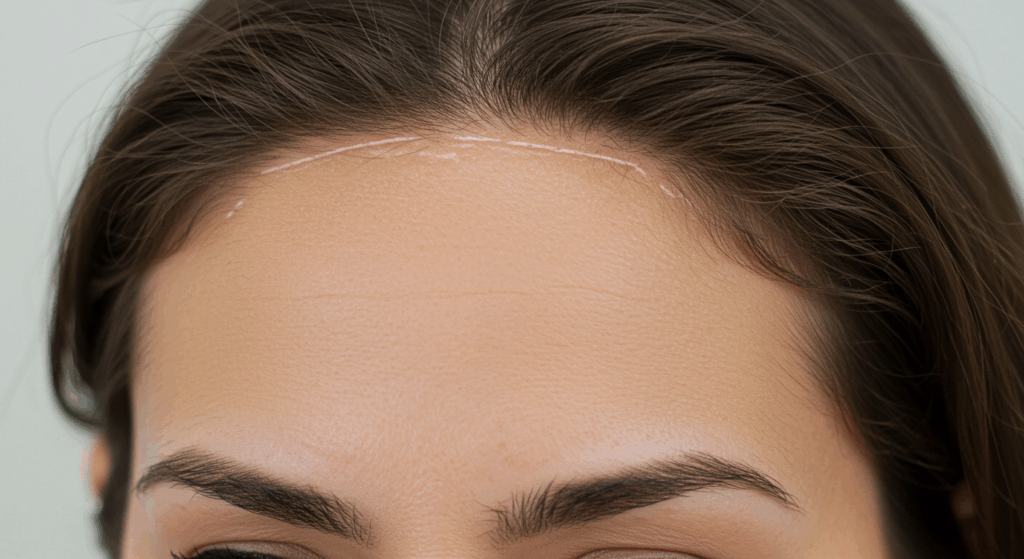
What are the common surgical procedures involved in Facial Feminization Surgery?

A portrait of a smiling woman with dark hair in a modern modern room. She is wearing a glamorous white gown and elegant diamond earrings. The background features a sofa and a mirror

Facial Feminization Surgery (FFS) is a collection of surgical procedures designed to alter facial features to appear more feminine. For many transgender women and non-binary individuals, FFS is a crucial step in aligning their external appearance with their internal gender identity, significantly impacting their quality of life, self-perception, and how they are perceived by others. This comprehensive guide will delve into the various common procedures involved in FFS, categorized by facial region, providing a detailed understanding of each, and outlining the journey from initial consultation to recovery.

A woman in a black dress standing in a luxurious hotel lobby.

Upper Face Procedures: Forehead, Brows, and Eyes

The upper third of the face plays a significant role in gender perception. Masculine foreheads often feature a prominent brow bone (supraorbital ridge) and a receding hairline, while feminine foreheads tend to be smoother, rounder, and have a lower hairline. FFS procedures in this area aim to soften and feminize these features.

Forehead Contouring (Type III Cranioplasty)

Forehead contouring, particularly Type III cranioplasty, is one of the most impactful FFS procedures. The brow bone, or supraorbital ridge, is typically more pronounced in cisgender males. Type III cranioplasty involves opening the frontal sinus cavity, reducing the bone, and often using bone cement or other materials to reshape the forehead into a smoother, more convex, and rounded contour. This procedure effectively reduces the prominence of the brow bone, creating a softer transition from the forehead to the nose and eyes. The goal is to eliminate any noticeable bossing and create a gentle curve that is characteristic of feminine foreheads. This surgery is highly effective in creating a significant feminizing effect, as the forehead is a central and often overlooked area contributing to gendered facial perceptions.

Brow Lift and Eye Area Feminization

Alongside forehead contouring, a brow lift is often performed to further feminize the eye area. In masculine faces, the eyebrows tend to sit lower and flatter, often directly above or slightly below the brow bone. In contrast, feminine eyebrows are typically higher, arched, and positioned above the orbital rim. A brow lift repositions the eyebrows to a higher, more arched, and more feminine position. This can be achieved through various techniques, including coronal, endoscopic, or direct brow lifts, depending on the individual’s needs and hairline. By lifting the brows, the eyes appear more open and youthful, contributing to an overall softer and more feminine expression. This procedure also complements forehead reshaping by enhancing the aesthetic impact of the newly contoured forehead.

Hairline Lowering (Scalp Advancement)

A receding or high hairline is a common masculine trait, whereas a lower, rounded hairline is characteristic of feminine faces. Hairline lowering, also known as scalp advancement, is a procedure designed to bring the hairline forward, effectively reducing the height of the forehead. During this procedure, an incision is made along the hairline, and the scalp is carefully advanced forward and secured in its new, lower position. This not only shortens the forehead but also helps to create a more oval and aesthetically pleasing facial frame. For individuals with significant hair loss or a very high hairline, hairline lowering may be combined with hair transplantation to achieve optimal density and shape, ensuring a natural-looking and feminized hairline that frames the face harmoniously.

A woman with dark hair pulled back, looking to the side with a subtle smile, wearing makeup including eyeshadow, eyeliner, and lip gloss, in an elegantly decorated room with warm lighting.

Midface Procedures: Nose and Cheeks

The midface, encompassing the nose and cheeks, also plays a crucial role in gender perception. Masculine noses tend to be larger, with a more pronounced bridge and tip, while feminine noses are generally smaller, more delicate, and have a subtle upturn. Similarly, masculine faces often have flatter cheeks, while feminine faces typically feature fuller, rounder cheek contours.

Feminizing Rhinoplasty

Feminizing rhinoplasty is a specialized nose reshaping surgery that aims to create a more delicate and feminine nasal appearance. This procedure differs significantly from traditional rhinoplasty in its specific aesthetic goals for feminization. Key aspects of feminizing rhinoplasty include reducing the overall size of the nose, narrowing the bridge, refining and often slightly lifting the tip, and reducing the nostril size. The goal is to create a nose that is in harmony with the newly feminized forehead and other facial features, avoiding an overly “done” or artificial look. Surgeons pay close attention to the angles and proportions of the nose relative to the rest of the face to achieve a balanced and naturally feminine profile. This can involve bone and cartilage reshaping, and in some cases, grafting to achieve the desired contour and projection.

Cheek Augmentation

Fuller, more rounded cheeks are a hallmark of feminine facial aesthetics, contributing to a softer and more youthful appearance. Cheek augmentation aims to enhance the volume and contour of the cheekbones. There are primarily two methods for cheek augmentation: implants and fat grafting. Cheek implants, typically made of silicone, are surgically placed over the cheekbones to add projection and fullness. This method offers a predictable and permanent result. Alternatively, fat grafting (also known as fat transfer) involves harvesting fat from another part of the patient’s body (e.g., abdomen or thighs) via liposuction, processing it, and then injecting it into the cheeks. Fat grafting offers a natural solution, as it uses the patient’s own tissue, and can also improve skin quality due to the presence of stem cells in the fat. The choice between implants and fat grafting depends on the desired degree of augmentation, the patient’s existing facial structure, and personal preferences, with fat grafting often preferred for more subtle, natural enhancements and implants for more significant structural changes.

A side profile of a woman with dark hair in a dimly lit room.

Lower Face Procedures: Jaw, Chin, and Neck

The lower face, including the jaw, chin, and neck, contributes significantly to overall facial gender perception. Masculine jawlines are typically square, wide, and angular, with a prominent chin. Feminine jawlines, in contrast, are generally softer, narrower, and more V-shaped, with a smaller, more rounded chin. The presence of an Adam’s apple is also a distinctly masculine feature.

Jaw Contouring (Mandible Reduction)

Jaw contouring, or mandible reduction, is a procedure designed to reshape the jawline from a broad, square, or angular appearance to a narrower, softer, and more feminine V-shape. This is achieved by carefully shaving or removing bone from the angles of the mandible (lower jaw) and sometimes along the body of the jaw. The surgeon works to reduce the prominence of the jaw angles and create a smoother, more elegant curve from the ear to the chin. The goal is to reduce the width and angularity of the lower face, resulting in a more delicate and feminized jawline that complements the other feminized facial features. The extent of reduction is tailored to each individual’s anatomy and aesthetic goals, ensuring a balanced and natural outcome.

Chin Recontouring (Genioplasty)

Chin recontouring, or genioplasty, focuses on reshaping and resizing the chin to achieve softer, more feminine contours. Masculine chins are often wider, longer, and more prominent, whereas feminine chins are typically shorter, narrower, and more pointed or rounded. Depending on the individual’s needs, genioplasty can involve reducing the chin’s projection, shortening its length, narrowing its width, or advancing it if it is recessed. This is typically achieved by making an incision inside the mouth (intraoral approach) to access the chin bone. The bone can then be reshaped by shaving, or a segment of the bone can be removed or repositioned and secured with small plates and screws. This procedure is crucial for achieving overall facial harmony, as the chin plays a central role in defining the lower facial profile and balancing the nose and jawline.

Tracheal Shave (Adam’s Apple Reduction)

The Adam’s apple, or laryngeal prominence, is a visible protrusion in the neck formed by the thyroid cartilage, which is typically much more prominent in cisgender males due to the size of their larynx. A tracheal shave, or Adam’s apple reduction, is a relatively straightforward procedure designed to reduce the prominence of this cartilage, thereby feminizing the neck contour. During the surgery, a small incision is made horizontally in a natural skin crease of the neck (to minimize visible scarring), and the excess cartilage is carefully shaved down. The goal is to create a smooth neck profile without impacting vocal cords or voice quality. This procedure is often a significant source of dysphoria for many transgender women, and its reduction can greatly enhance a sense of congruence with their gender identity.

The Journey of Facial Feminization Surgery: Before, During, and After

Undergoing Facial Feminization Surgery is a significant journey that involves careful planning, emotional preparation, and diligent post-operative care. Understanding each phase can help patients feel more prepared and confident about their transformation.

Initial Consultation and Planning

The FFS journey begins with a thorough initial consultation with a qualified and experienced FFS surgeon. This crucial step involves a comprehensive patient assessment, including a detailed medical history, physical examination, and often 3D imaging or photography. During this consultation, the surgeon will discuss the patient’s aesthetic goals, explain the various procedures, and provide realistic expectations regarding potential outcomes. A personalized surgical plan is then developed, tailored to the individual’s unique facial anatomy and desired feminization goals. It’s an opportunity for the patient to ask questions, understand the surgical process, and build rapport with their medical team. Some surgeons may also recommend psychological evaluation to ensure the patient is mentally prepared for the changes and implications of FFS.

Understanding Potential Risks and Complications

As with any surgical procedure, FFS carries potential risks and complications. While serious complications are rare, it is essential for patients to be fully informed. Common risks include swelling, bruising, temporary numbness or altered sensation, infection, and adverse reactions to anesthesia. More specific risks depend on the individual procedures performed, such as nerve damage (though often temporary), asymmetry, unsatisfactory aesthetic results requiring revision surgery, or issues with implant shifting (for cheek implants). The surgeon will thoroughly discuss these risks during the consultation, ensuring the patient makes an informed decision. Choosing a highly experienced and board-certified FFS surgeon significantly minimizes these risks.

An Overview of the Surgical Process

On the day of surgery, patients will typically arrive at the surgical facility or hospital, undergo final preparations, and meet with the surgical team and anesthesiologist. FFS procedures are usually performed under general anesthesia, meaning the patient will be completely asleep during the surgery. The duration of the surgery varies significantly depending on the number and complexity of the procedures being performed, ranging from a few hours for isolated procedures to 8-12 hours or more for comprehensive FFS. After the surgery, the patient will be monitored in a recovery room before being moved to a hospital room or discharged, depending on the extent of the surgery and recovery protocols.

Post-Operative Care and Recovery Timeline

Post-operative care is critical for a successful recovery and optimal results. Patients will receive detailed instructions regarding wound care, medication management (for pain, swelling, and infection prevention), activity restrictions, and follow-up appointments. Swelling and bruising are common and will be most prominent in the first week or two, gradually subsiding over several weeks to months. Numbness in various facial areas is also common and typically resolves over several months as nerves heal.

  • First Week: Significant swelling and bruising, discomfort managed with medication, strict activity restrictions, soft diet.
  • 2-4 Weeks: Swelling begins to decrease, some bruising may persist, return to light activities, continued adherence to care instructions.
  • 1-3 Months: Most significant swelling resolves, some residual subtle swelling may remain, gradual return to normal activities and exercise.
  • 6-12 Months: Final results become more apparent as all swelling dissipates and tissues settle. Numbness often continues to improve.
  • 1-2 Years: Full and final results are typically visible, with complete nerve regeneration and tissue settling.

Patients are advised to maintain a healthy lifestyle, avoid strenuous activities as directed, and attend all follow-up appointments to monitor healing and address any concerns.

Importance of Psychological Support

The FFS journey is not just physical; it is also profoundly emotional and psychological. The changes to one’s face can be significant, leading to a period of adjustment, both for the individual and their social circle. Psychological support, whether through therapy, support groups, or trusted friends and family, is invaluable throughout this process. It helps patients navigate potential body image changes, manage expectations, cope with recovery challenges, and integrate their new appearance with their identity. Mental well-being is paramount for a holistic and satisfying FFS experience.

Conclusion

Facial Feminization Surgery is a transformative set of procedures that addresses specific facial features to align them with a more feminine aesthetic. From reshaping the forehead and refining the nose to contouring the jaw and chin, each procedure plays a vital role in achieving comprehensive facial feminization. The journey involves meticulous planning, understanding potential risks, diligent post-operative care, and robust psychological support. For many, FFS is not merely cosmetic surgery but a deeply affirming step towards living authentically and comfortably in their own skin, significantly enhancing their quality of life and self-confidence.

Key Takeaways

  • FFS encompasses various procedures targeting the upper, mid, and lower face to achieve a more feminine appearance.
  • Key procedures include forehead contouring, feminizing rhinoplasty, jaw/chin recontouring, and tracheal shave.
  • The journey requires thorough consultation, understanding risks, comprehensive post-operative care, and significant psychological support.
  • FFS is a highly individualized process, with results tailored to each patient’s unique anatomy and aesthetic goals.

FAQ

How long does Facial Feminization Surgery take to perform?

The total duration of Facial Feminization Surgery varies significantly depending on the number and complexity of procedures being performed. A single, isolated procedure might take 2-4 hours, while a comprehensive FFS combining multiple procedures (e.g., forehead, nose, jaw, chin) can range from 8 to 12 hours or even longer. Surgeons often combine procedures into one session to minimize the number of anesthetic exposures and recovery periods, though very extensive cases might be split into multiple stages.

What is the typical recovery period after FFS?

The initial recovery period, characterized by significant swelling, bruising, and discomfort, typically lasts 2-4 weeks. Most patients can return to light, non-strenuous activities within 2-3 weeks, but considerable swelling can persist for 3-6 months. Final results, where all swelling has completely resolved and tissues have settled, may not be fully apparent for 12 to 18 months, or even up to 2 years for complete nerve sensation return and bone remodeling stabilization. Adherence to post-operative instructions is crucial for optimal healing and results.

Are the results of FFS permanent?

Yes, the results of bone and cartilage reshaping procedures in FFS, such as forehead contouring, jaw reduction, and chin recontouring, are considered permanent. While the bone structure is permanently altered, the face will continue to age naturally over time. Soft tissue procedures, like fat grafting or brow lifts, may have results that are long-lasting but can be subject to the natural aging process and gravity over many years, potentially requiring minor touch-ups decades later. However, the core feminizing changes to the skeletal structure are permanent.

How much does Facial Feminization Surgery cost?

The cost of Facial Feminization Surgery varies widely based on several factors, including the number and complexity of the procedures, the surgeon’s fees, anesthesia fees, facility fees, pre-operative tests, and post-operative care. In the United States, a comprehensive FFS can range from $25,000 to over $100,000. It’s essential to get a detailed quote from your chosen surgeon, as costs can vary significantly by geographic location and the surgeon’s expertise.

Is FFS covered by insurance?

Insurance coverage for FFS is evolving but varies significantly by provider, policy, and region. Some insurance companies and states have mandates or policies that require coverage for gender-affirming care, including FFS, when deemed medically necessary. However, many policies still consider FFS to be cosmetic and may deny coverage. It is crucial to thoroughly research your specific insurance policy, understand its transgender health coverage, and work with your surgeon’s office, which often has experience navigating insurance pre-authorization processes. Documentation of medical necessity, including letters from mental health professionals, is often required.

How do I choose the right FFS surgeon?

Choosing the right FFS surgeon is one of the most critical decisions in your journey. Look for a board-certified plastic surgeon or maxillofacial surgeon with extensive experience specifically in Facial Feminization Surgery. Key factors to consider include:

  • Experience: How many FFS procedures have they performed?
  • Specialization: Do they specialize in FFS, or is it a small part of their practice?
  • Before-and-After Photos: Review a substantial portfolio of their FFS results.
  • Patient Testimonials: Read reviews and seek out patient experiences.
  • Consultation: A thorough consultation where your goals are heard and risks are clearly explained.
  • Team: Assess the support staff and their experience with FFS patients.
  • Location and Facility: Ensure the surgical facility is accredited and safe.

It’s often recommended to consult with multiple surgeons to find one whose aesthetic vision aligns with yours and with whom you feel comfortable and confident.

Visit Dr.MFO Instagram profile to see real patient transformations! Get a glimpse of the incredible results achieved through facial feminization surgery and other procedures. The profile showcases before-and-after photos that highlight Dr. MFO’s expertise and artistic vision in creating natural-looking, beautiful outcomes.

Ready to take the next step in your journey? Schedule a free consultation with Dr. MFO ( Best Facial Feminization Surgeon for You) today. During the consultation, you can discuss your goals, ask any questions you may have, and learn more about how Dr. MFO can help you achieve your desired look. Don’t hesitate to take advantage of this free opportunity to explore your options and see if Dr. MFO is the right fit for you.

Long-Term Results of Jaw & Chin Contouring: Maintenance & Aesthetics

A woman in a white dress smiling in front of a marble wall with a blurred background.

In the pursuit of facial harmony and aesthetic balance, mandible and chin contouring procedures have become increasingly popular. These sophisticated surgical interventions offer transformative results, sculpting the lower face to achieve desired proportions, often enhancing self-confidence and overall facial appeal. However, the decision to undergo such procedures is not merely about the immediate post-operative outcome; it extends to understanding the long-term implications, how the changes evolve over time, and the crucial maintenance strategies required to preserve these results for decades to come. This comprehensive guide delves into the enduring impact of mandible and chin contouring, exploring everything from bone remodeling and soft tissue adaptation to aesthetic longevity and practical tips for sustained satisfaction. For individuals considering or having already undergone these procedures, a thorough grasp of the long-term journey is paramount, ensuring informed decisions and realistic expectations.

A close-up portrait of a woman with flawless skin and defined eyebrows, smiling warmly. She has long eyelashes, a nose ring, and wears large gold hoop earrings. The background is softly lit, giving the image a professional and polished appearance.

Understanding Mandible and Chin Contouring Procedures

Before exploring the long-term effects, it’s essential to understand the foundational aspects of mandible and chin contouring. These procedures are highly individualized, tailored to meet specific aesthetic goals, whether it’s reducing a prominent jawline or enhancing a receding chin. Both involve meticulous surgical techniques aimed at reshaping the underlying bone structure, which in turn influences the overlying soft tissues and overall facial contour.

What is Mandible Contouring?

Mandible contouring, often referred to as jawline reduction or reshaping surgery, targets the lower jawbone (mandible) to create a more refined, narrower, or softer jawline. This procedure is particularly sought after by individuals who perceive their jawline as too broad, square, or masculine, aiming for a more V-shaped or oval facial silhouette. The surgical techniques typically involve bone shaving (corticotomy) or ostectomy (bone removal) of specific parts of the mandible, often focusing on the gonial angle (the angle of the jaw) and the outer cortex of the jawbone. In some cases, muscle reduction (masseter muscle reduction, often through Botox injections or surgical excision) may also be performed to further slim the lower face. The goal is to achieve a balanced and harmonious jawline that complements the patient’s other facial features, contributing to an overall softer and more elegant appearance.

What is Chin Contouring (Mentoplasty)?

Chin contouring, or mentoplasty, focuses on reshaping the chin to improve its projection, size, and overall balance with the rest of the face. This can involve either augmentation (making the chin more prominent) or reduction (making the chin less prominent). Chin augmentation is commonly achieved using an implant, typically made of silicone, which is placed over the existing chin bone to increase its projection. Alternatively, a genioplasty, which involves cutting and repositioning the chin bone itself, can also be performed for more significant adjustments in projection, length, or width. For chin reduction, a portion of the chin bone is carefully removed or reshaped. The objective of mentoplasty is to create a chin that is in optimal proportion to the nose, lips, and forehead, thereby enhancing facial symmetry and improving the profile. A well-proportioned chin can dramatically alter the perception of the entire lower face, providing a stronger or softer appearance as desired.

Immediate Post-Operative Changes and Recovery

The immediate post-operative phase for both mandible and chin contouring involves a period of significant swelling, bruising, and discomfort. Patients can expect their face to appear noticeably swollen, particularly in the lower jaw and chin areas. A compression garment is often recommended to help reduce swelling and provide support to the newly contoured areas. Pain management is crucial during this initial recovery period, with prescribed medications helping to alleviate discomfort. The typical recovery timeline sees the most significant swelling subside within the first few weeks, though residual swelling can persist for several months. Numbness in the treated areas is also common due to nerve manipulation during surgery, which usually resolves over time, though it can sometimes be long-lasting. Patients are advised to follow a soft diet, avoid strenuous activities, and adhere strictly to their surgeon’s post-operative instructions to facilitate proper healing and minimize complications. It’s important to understand that the final results will not be immediately apparent, as the tissues need time to settle and conform to the new bone structure.

Long-Term Effects on Facial Structure

The true measure of successful mandible and chin contouring lies in its lasting impact on facial structure. These procedures fundamentally alter the underlying bone, and understanding how these changes endure and interact with the body’s natural processes over many years is crucial for both patients and practitioners. The body is dynamic, and even static bone structures undergo continuous processes of remodeling and adaptation.

Bone Remodeling and Stability Over Time

Following bone contouring, the body initiates a complex process of bone remodeling. This is a natural physiological process where old bone tissue is continuously replaced by new bone tissue. In the context of mandible and chin contouring, the surgically altered bone surfaces will undergo this remodeling to adapt to their new shape and load-bearing requirements. Initially, there’s a period of healing and consolidation where the bone integrates and strengthens. Over years, the bone structure generally remains stable, maintaining the surgically created contours. However, subtle remodeling can continue, influenced by factors such as masticatory forces (chewing), general bone health, and even gravitational pull. For procedures involving implants, the stability relies on the integration of the implant with the surrounding tissues. While significant changes to the bone structure are rare after the initial healing, minor adaptive remodeling can occur, which typically does not compromise the overall aesthetic result but rather refines the bone’s adaptation to its new form.

Impact on Soft Tissues and Skin Elasticity

The relationship between the newly contoured bone and the overlying soft tissues (muscles, fat, skin) is critical for the long-term aesthetic outcome. Immediately after surgery, the soft tissues need to redrape and conform to the altered bone structure. Skin elasticity plays a significant role in this process; younger skin with good elasticity tends to redrape more smoothly and effectively, minimizing skin laxity. Over the long term, the soft tissues generally settle and maintain their position relative to the new bone contour. However, natural aging processes, such as collagen and elastin degradation, will inevitably affect skin elasticity over time, leading to sagging and volume loss. These age-related changes can affect the appearance of the contoured areas, potentially leading to a less defined jawline or chin as the skin loses its firmness. While the bone structure remains largely stable, the overlying soft tissues may show signs of aging, necessitating adjunctive treatments to maintain optimal aesthetic results.

Influence on Dental Occlusion and Jaw Function

One of the most critical long-term considerations for mandible and chin contouring, particularly jawline surgery, is its potential influence on dental occlusion (how the upper and lower teeth come together) and overall jaw function. Meticulous pre-operative planning, including detailed radiographic analysis and sometimes orthodontic evaluation, is essential to minimize these risks. While modern surgical techniques are designed to preserve jaw function and occlusion, any significant alteration to the jawbone carries a theoretical risk. In the vast majority of cases performed by experienced surgeons, the impact on dental occlusion and jaw function is minimal or non-existent, and any temporary changes usually resolve as swelling subsides and tissues heal. However, in rare instances or with less precise surgical approaches, long-term issues such as malocclusion, temporomandibular joint (TMJ) dysfunction, or changes in biting efficiency could theoretically arise. Patients should be diligently monitored for such complications post-operatively and report any persistent discomfort or functional changes. The goal is always to achieve aesthetic improvements without compromising vital physiological functions.

Potential for Age-Related Changes in Contoured Areas

Even after surgical contouring, the face continues to age, and the contoured areas are not immune to these natural processes. The effects of aging, such as gravitational descent of soft tissues, loss of facial fat volume, and continued bone remodeling (albeit slow), will eventually influence the appearance of the jawline and chin. For example, a sharp jawline achieved through contouring might soften over decades as the jowls form due to skin laxity. A well-projected chin might appear less prominent as the neck and submental area sag. The rate and extent of these age-related changes vary significantly among individuals, influenced by genetics, lifestyle, sun exposure, and overall health. It’s crucial for patients to understand that while contouring provides a long-lasting structural change, it does not halt the aging process. Managing expectations regarding how the contoured areas will look at 10, 20, or even 30 years post-surgery is a vital aspect of comprehensive patient counseling.

A smiling woman in a white satin dress stands in a modern living room with large windows, a beige sofa, and contemporary decor including a unique white sculpture and green plants.

Long-Term Effects on Facial Aesthetics

Beyond the structural changes, the enduring aesthetic outcomes of mandible and chin contouring are what truly matter to patients. How these refined features integrate with the rest of the face and evolve over time determines long-term satisfaction and the perceived success of the procedures. The face is a dynamic canvas, and the aesthetic harmony achieved initially must be robust enough to withstand the tests of time and natural physiological changes.

Evolving Facial Harmony and Proportions

The primary goal of facial contouring is to achieve enhanced facial harmony and balanced proportions. Initially, the post-operative results might appear somewhat exaggerated due to swelling, but as healing progresses, the face settles into its new, desired contours. Over the long term, typically several months to a year, the soft tissues fully adapt, and the final aesthetic outcome becomes evident. For many patients, the enhanced harmony and refined proportions are stable and provide lasting satisfaction. However, as other facial features subtly change with age—forehead lines deepening, eyes showing signs of aging, or cheeks losing volume—the initial harmony established by the jaw and chin contouring might subtly evolve. The success lies in creating a foundational structural change that continues to look natural and proportionate even as the rest of the face undergoes its own aging journey. Good contouring aims for timeless results, not just momentary perfection.

Impact on Facial Symmetry and Balance

Facial symmetry is a key determinant of perceived attractiveness, and mandible and chin contouring can significantly improve it, especially in cases of pre-existing asymmetry. When performed meticulously, these procedures can create a more symmetrical and balanced lower face. In the long run, the surgically corrected symmetry generally holds well because the underlying bone structure is stable. However, complete bilateral symmetry is rarely achieved in nature, and minor asymmetries can naturally develop or become more noticeable with age as soft tissues sag unevenly or facial expressions create different lines. The long-term impact on symmetry is largely positive, providing a more balanced appearance than before the surgery. Patients should understand that perfect symmetry is an ideal, and the goal is to achieve an aesthetically pleasing balance that withstands the test of time, adapting gracefully to subtle age-related changes that affect symmetry in everyone.

Addressing Potential Aesthetic Shifts Over Decades

While the structural changes from mandible and chin contouring are permanent, the aesthetic perception of these changes can subtly shift over decades. This is primarily due to the ongoing aging process impacting the overlying soft tissues. For instance, skin laxity can lead to jowls obscuring a previously sharp jawline, or fat redistribution can alter the fullness around the chin. Patients might find that while their bone structure remains contoured, the overall youthful appearance of their lower face might diminish due to these soft tissue changes. It’s essential to address these potential shifts proactively. This might involve considering non-surgical maintenance treatments or, in some cases, revision procedures that focus on the soft tissues rather than the bone. Open communication with one’s surgeon about these long-term expectations and the possibility of evolving aesthetic needs is crucial for sustained satisfaction. The goal is to continuously ensure that the contoured areas remain in harmony with the overall facial aesthetic as one ages.

Patient Satisfaction and Psychological Impact Over Time

The psychological impact and long-term satisfaction of patients undergoing mandible and chin contouring are profound. For many, achieving their desired facial contour leads to significant improvements in self-esteem, confidence, and social interactions. This positive psychological impact often endures for many years, as patients continue to appreciate their refined features. Studies and anecdotal evidence suggest high levels of patient satisfaction with these procedures over the long term, provided that initial expectations were realistic and the surgical outcomes were successful. Even as subtle age-related changes occur, the fundamental improvement in facial structure often continues to be a source of satisfaction. However, satisfaction can be influenced by how well patients cope with the aging process in general and their willingness to consider maintenance strategies. A positive long-term outlook is often linked to a comprehensive understanding that surgical results are an enhancement, not an eternal shield against the natural progression of time.

Strategies for Maintaining Results and Addressing Changes

Achieving a beautifully contoured jawline and chin is a significant step, but preserving those results and gracefully addressing the inevitable changes brought by time requires proactive strategies. Maintenance isn’t just about avoiding deterioration; it’s about optimizing the longevity of your investment and ensuring your aesthetic satisfaction endures.

Post-Operative Care and Lifestyle Recommendations

Long-term post-operative care extends beyond the initial recovery period. A healthy lifestyle is paramount for maintaining surgical results. This includes maintaining a stable weight, as significant fluctuations can alter facial fat distribution and potentially obscure or disproportionately highlight contoured features. A balanced diet rich in antioxidants and vitamins supports skin health and elasticity. Regular hydration is crucial for skin turgor. Protecting your skin from sun damage through diligent use of sunscreen helps prevent premature aging, which can compromise the clarity of your jawline. Avoiding smoking is essential, as it severely impairs collagen production and accelerates skin aging. While direct impact on the bone is minimal after full healing, protecting your jaw from trauma (e.g., in sports) is always wise. Adhering to these lifestyle recommendations contributes significantly to the longevity and aesthetic quality of your contoured features.

Non-Surgical Adjunctive Treatments for Longevity

As the years pass, soft tissue changes due to aging may begin to affect the appearance of your contoured jawline and chin, even if the bone structure remains stable. Fortunately, a range of non-surgical adjunctive treatments can complement and extend the longevity of your contouring results. These treatments primarily target skin laxity, volume loss, and muscle hyperactivity. Dermal fillers can be strategically used to restore lost volume in the cheeks or temples, which in turn can lift and support the lower face, indirectly enhancing the jawline. Neuromodulators like Botox can relax hyperactive masseter muscles if they become bulky over time, or address neck bands (platysmal bands) that can pull down the jawline. Skin tightening technologies, such as radiofrequency (RF) or ultrasound (Ultherapy), can stimulate collagen production, improving skin firmness and tightening mild skin laxity around the jawline and neck. Regular skin care routines with active ingredients like retinoids and peptides also play a supportive role. These treatments offer a less invasive way to refresh and maintain the refined contours without requiring further surgery.

Considering Revision Procedures (When and Why)

While mandible and chin contouring procedures offer permanent structural changes, there are instances where a revision procedure might be considered years after the initial surgery. This is typically not due to a failure of the initial bone contouring but rather to address evolving aesthetic needs or subtle age-related changes that cannot be adequately managed with non-surgical methods. Reasons for revision might include:

  • Significant Soft Tissue Sagging: If skin laxity in the neck and jowls becomes pronounced, obscuring the contoured jawline, a facelift or neck lift might be considered to redrape the tissues over the existing bone structure.
  • Suboptimal Initial Results: In rare cases, minor asymmetries or under-correction/over-correction from the initial surgery might become more apparent over time, warranting a touch-up.
  • Patient’s Evolving Aesthetic Goals: A patient’s perception of ideal facial aesthetics might change over decades, leading them to desire further refinement.

Revision procedures are complex and require careful evaluation by an experienced surgeon. They are not a sign of failure but rather a testament to the dynamic nature of facial aging and personal aesthetic evolution.

The Role of Aging in Contoured Areas (Managing Expectations)

A realistic understanding of the aging process is perhaps the most crucial aspect of long-term satisfaction with mandible and chin contouring. Patients must comprehend that while the bone structure is permanently altered, the overlying skin and soft tissues will continue to age. This means that even a perfectly contoured jawline or chin will eventually be affected by gravity, collagen loss, and fat redistribution. The goal of contouring is to establish a strong, beautiful foundation. As years pass, this foundation will continue to provide a more youthful and defined appearance than if no surgery had been performed, even if some signs of aging appear. Managing expectations involves recognizing that maintaining optimal results may require a multi-faceted approach, combining a healthy lifestyle with occasional non-surgical enhancements. It’s about aging gracefully with enhanced features, rather than expecting an eternal youthful state. Open, honest discussions with your surgeon about this lifelong journey are invaluable.

A professional woman with dark hair and natural makeup, wearing a black turtleneck, smiling warmly in a well-lit modern office setting.

Conclusion

Mandible and chin contouring procedures represent a significant investment in facial aesthetics, offering profound and lasting changes to the lower face. While the immediate post-operative transformation is often dramatic, the true success and patient satisfaction hinge upon understanding the long-term effects and committing to appropriate maintenance strategies. These procedures permanently alter the underlying bone structure, which generally remains stable over decades, but the overlying soft tissues and skin are subject to the natural processes of aging. By embracing proactive post-operative care, considering adjunctive non-surgical treatments, and maintaining realistic expectations about the aging process, individuals can enjoy the benefits of their refined facial contours for a lifetime. The journey with facial contouring is continuous, evolving with you as you age, promising sustained harmony and confidence.

Key Takeaways

  • Mandible and chin contouring provide permanent structural changes to the bone, offering lasting improvements in facial harmony and balance.
  • While bone structure is stable, overlying soft tissues and skin will continue to age, necessitating long-term care and potential adjunctive treatments.
  • Maintaining a healthy lifestyle, stable weight, and protecting skin from sun damage are crucial for preserving results.
  • Non-surgical treatments (e.g., fillers, skin tightening) can effectively complement surgical outcomes and address age-related soft tissue changes.
  • Realistic expectations about aging and the potential need for revision procedures over decades are vital for sustained patient satisfaction.

FAQ

How long do the results of jawline contouring typically last?

The bone reshaping achieved through jawline contouring is permanent. Once the bone has healed and remodeled, its new shape is stable. Therefore, the structural results of jawline contouring are considered lifelong. However, the overall aesthetic appearance can be influenced over time by factors such as aging of the overlying skin and soft tissues (e.g., sagging, fat redistribution), and significant weight fluctuations. While the bone remains contoured, maintenance efforts are often focused on addressing these soft tissue changes to preserve the clarity and definition of the jawline.

Can chin contouring reverse signs of aging in the lower face?

Chin contouring, particularly augmentation, can certainly have an anti-aging effect on the lower face, especially by improving profile balance and providing better support for the soft tissues. A receding chin can make the neck appear less defined and exacerbate the appearance of jowls. By enhancing chin projection, mentoplasty can create a more taut and youthful neck-jawline angle, indirectly reducing the appearance of sagging. However, it does not directly reverse all signs of aging like deep wrinkles or significant skin laxity. It enhances the foundational structure, making other age-related changes potentially less noticeable or allowing subsequent anti-aging treatments to be more effective.

What are the risks of long-term complications from mandible and chin surgery?

Long-term complications from mandible and chin contouring surgery are rare but can include persistent numbness (paresthesia) in the lower lip or chin due to nerve injury, chronic pain, infection (very rare long-term), implant displacement (for chin implants, though often identifiable early), and dissatisfaction with aesthetic outcomes. There’s also a theoretical risk of subtle bone resorption around implants or minor changes in dental occlusion, though these are typically minimized with precise surgical technique. Adherence to post-operative care and regular follow-up appointments significantly reduces these risks.

Is it possible for facial bone to regrow after contouring?

No, it is generally not possible for facial bone to regrow after reduction contouring procedures like those used in mandible or chin reshaping. The surgical techniques involve permanently removing or reshaping bone tissue. While bone undergoes constant remodeling (old bone replaced by new), this is a microscopic process that maintains the existing structure, not a mechanism for significant regrowth of removed portions. In the case of augmentation, such as with chin implants, the implant itself provides the permanent new volume. In rare instances, excessive callus formation during healing could theoretically alter the contour, but this is distinct from true regrowth of removed bone and is usually preventable with proper surgical technique and post-operative management.

How often should follow-up appointments be scheduled after facial contouring surgery?

Initially, follow-up appointments are frequent, typically within the first few days, then weeks, and a few months post-surgery to monitor healing and swelling. For long-term follow-up, an annual check-up with your surgeon or a plastic surgeon who understands your procedure is often recommended, especially for the first few years. These appointments allow the surgeon to assess the stability of the results, monitor any age-related changes, and discuss potential adjunctive treatments. Beyond the initial few years, follow-ups may become less frequent, perhaps every 2-3 years, or as needed if new concerns arise or if you are considering further aesthetic enhancements.

What role does weight fluctuation play in the appearance of contoured facial features?

Weight fluctuation can significantly impact the long-term appearance of contoured facial features, primarily due to changes in facial fat distribution. While the underlying bone structure from contouring remains stable, substantial weight gain can lead to increased fat deposits in the jowls, neck, and submental area, potentially obscuring a previously defined jawline and chin. Conversely, significant weight loss can cause the facial skin to appear more lax and reveal more of the underlying bone, which can be desirable for some but may lead to a gaunt appearance in others if not managed. Maintaining a stable, healthy weight is crucial for preserving the optimal aesthetic results of mandible and chin contouring and ensuring that the contoured features remain prominent and proportionate.

Visit Dr.MFO Instagram profile to see real patient transformations! Get a glimpse of the incredible results achieved through facial feminization surgery and other procedures. The profile showcases before-and-after photos that highlight Dr. MFO’s expertise and artistic vision in creating natural-looking, beautiful outcomes.

Ready to take the next step in your journey? Schedule a free consultation with Dr. MFO ( Best Facial Feminization Surgeon for You) today. During the consultation, you can discuss your goals, ask any questions you may have, and learn more about how Dr. MFO can help you achieve your desired look. Don’t hesitate to take advantage of this free opportunity to explore your options and see if Dr. MFO is the right fit for you.
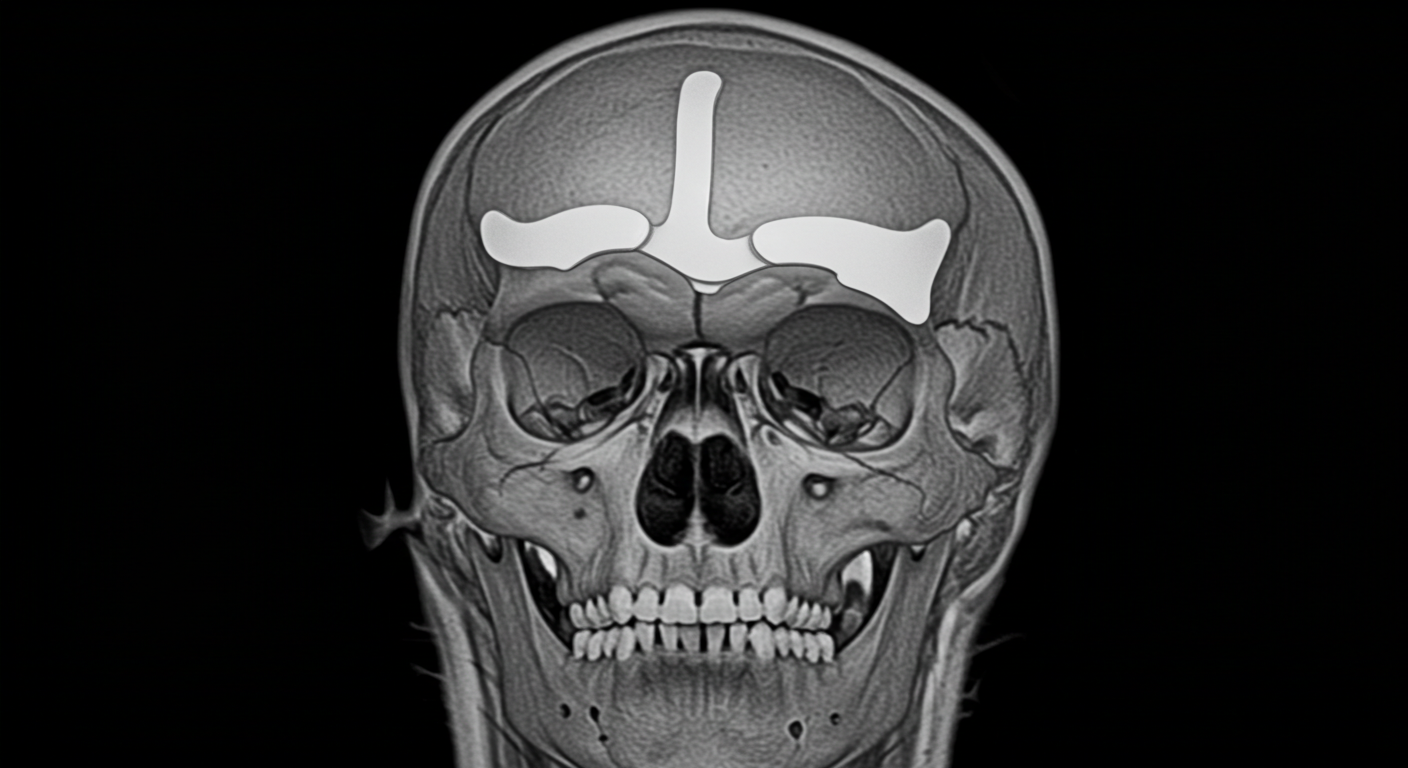
Forehead Contouring: Ideal Candidates for Feminization Surgery

A close-up photo of a woman with brown hair and green eyes.

The human face is a symphony of features, each contributing to our unique identity and the way we are perceived by the world. Among these features, the forehead plays a surprisingly significant role in defining perceived gender. For many individuals, a prominent brow bone or a sloping forehead can contribute to a more masculine appearance, even when other facial features are considered softer. This discrepancy can lead to profound discomfort and dysphoria, especially for those seeking to align their outward appearance with their internal gender identity.

Forehead contouring, a specialized surgical procedure, offers a transformative solution for individuals who desire a more feminine forehead shape. But who exactly are the ideal candidates for such a procedure? This comprehensive guide aims to illuminate the path for those considering forehead contouring, delving into the medical, psychological, and procedural aspects to help you understand if you qualify. We will explore the characteristics of ideal candidates, including transgender women, non-binary individuals, and even cisgender women, alongside crucial considerations for a successful outcome. By the end of this article, you will have a clear understanding of who is best suited for this life-changing procedure.

A close-up portrait of a young woman with red hair and freckles, smiling gently. The background is softly blurred with out-of-focus pink flowers, creating a serene and natural setting.

Understanding Forehead Contouring for Feminization

To truly appreciate who the ideal candidates are, it’s essential to first grasp what forehead contouring entails, particularly when its primary goal is feminization. This procedure is far more than just shaving down bone; it’s a meticulous art that reshapes the upper third of the face to create softer, more harmonious contours.

What is Forehead Contouring?

Forehead contouring, in the context of feminization, is a surgical procedure designed to reduce the prominence of the brow bone, reshape the forehead slope, and sometimes adjust the hairline to create a softer, more rounded, and typically more feminine appearance. The primary purpose is to address skeletal differences that contribute to a masculine facial structure, specifically in the frontal bone area.

The techniques involved can vary depending on the individual’s anatomy and the desired outcome. The most common approach involves reducing the supraorbital rim (the brow bone) and reshaping the forehead. This often requires careful consideration of the frontal sinus. If the brow bone is simply shaved down and the frontal sinus is hollow, this may not be sufficient.

In many cases, especially for significant brow bossing, a procedure called “forehead setback” or “Type 3 cranioplasty” is performed. This involves removing the outer table of the frontal bone, reshaping it, and then reattaching it in a more recessed position. For smaller brow bosses, a “Type 1” burring technique might be sufficient, where the bone is simply shaved down. The goal is always to create a smooth, convex forehead that transitions seamlessly into the hairline, without any noticeable indentations or protrusions.

The Role of Forehead Shape in Facial Femininity

The forehead plays a pivotal role in how we perceive facial femininity and masculinity. Generally, masculine foreheads tend to be flatter and more angled, with a prominent brow ridge (supraorbital rim) that can create a “heavy” or “hooded” appearance above the eyes. This often results in a horizontal indentation just above the brow, known as the “forehead break,” which is less common in feminine foreheads. Masculine foreheads also often present with a less vertical slope, sometimes even leaning backward from the brow.

In contrast, feminine foreheads are typically characterized by a smoother, more convex (rounded) shape. The brow ridge is less pronounced, leading to a softer transition from the forehead to the nose. The overall slope of a feminine forehead is often more vertical, sometimes even slightly protuberant in the upper part, creating a gentle curve.

These subtle differences in contour contribute significantly to the perception of gender. A masculine forehead can make the eyes appear deeper set and the face more angular, while a feminine forehead opens up the eyes and contributes to an overall softer, more approachable facial expression. By altering these specific aspects of the forehead, contouring surgery aims to bring the entire upper face into a more harmonious and gender-affirming alignment.

A close-up comparison of a person's forehead and eyebrows, showing two different states of the skin. The top row displays a clearer and smoother skin texture, while the bottom row shows signs of aging or skin issues with visible lines and uneven texture.

Key Characteristics of Ideal Candidates

Identifying the ideal candidate for forehead contouring for feminization involves a holistic assessment of an individual’s gender identity, anatomical features, and overall health. While the procedure is primarily sought by certain groups, general health and lifestyle factors apply to all surgical candidates.

Individuals Seeking Gender-Affirming Care

A significant proportion of ideal candidates for forehead feminization are transgender women and non-binary individuals assigned male at birth who experience gender dysphoria related to their facial features. For these individuals, facial feminization surgery (FFS), of which forehead contouring is often a cornerstone, is a crucial step in aligning their physical appearance with their authentic gender identity. The desire to reduce masculine features and enhance feminine ones is deeply personal and driven by a profound need for congruence between inner self and outer presentation.

Transgender women, in particular, often present with skeletal structures developed under the influence of testosterone, which typically include a more prominent brow bone and a flatter or more sloped forehead. Correcting these features can dramatically reduce gender dysphoria, improve self-esteem, and facilitate a smoother social transition. Non-binary individuals who desire a more feminine or androgynous appearance that de-emphasizes masculine features also fall into this category. For these candidates, the psychological and emotional benefits of the surgery are paramount, making them highly motivated and often excellent candidates.

Cisgender Women with Masculine Forehead Features

While often associated with gender-affirming care, forehead contouring is not exclusively for transgender individuals. Cisgender women (women who identify with the gender they were assigned at birth) can also be ideal candidates for this procedure. Some cisgender women naturally possess a more prominent brow bone or a less convex forehead shape due to genetic predisposition, rather than hormonal influences.

These features, while not indicative of gender dysphoria, can lead to a perceived masculinity that might not align with their desired feminine aesthetic. They may feel their face looks “heavy,” “stern,” or “too strong” and seek to soften these features to achieve a more harmonious and traditionally feminine appearance. For these individuals, the motivation is purely aesthetic, aimed at enhancing their self-perception and confidence without involving gender identity concerns. Their candidacy is assessed based on similar anatomical considerations and the desire for aesthetic refinement.

General Health and Lifestyle Factors

Beyond gender identity and specific anatomical concerns, all candidates for forehead contouring must meet general health and lifestyle criteria to ensure a safe and successful surgical outcome. Ideal candidates are:

  • In Good General Health: Candidates should be free from serious chronic medical conditions (e.g., uncontrolled diabetes, severe heart disease, autoimmune disorders) that could complicate surgery or recovery. A thorough medical evaluation, including blood tests and possibly an EKG, is standard.
  • Non-Smokers: Smoking significantly impairs healing and increases the risk of complications such as infection, poor wound healing, and skin necrosis. Surgeons typically require candidates to stop smoking several weeks or months before surgery and remain abstinent throughout the recovery period.
  • Maintain a Stable Weight: Significant fluctuations in weight can affect facial appearance and surgical outcomes. Candidates should be at a stable, healthy weight.
  • Emotionally and Psychologically Stable: As with any elective cosmetic surgery, candidates should have a realistic understanding of the procedure’s limitations and potential outcomes. They should be free from untreated severe mental health conditions that could impair their ability to make informed decisions or cope with the recovery process. Psychological readiness is crucial.
  • Commitment to Pre- and Post-Operative Care: Ideal candidates are committed to following all pre-operative instructions (e.g., medication adjustments, dietary restrictions) and adhering strictly to post-operative care guidelines, including wound care, activity restrictions, and follow-up appointments.

Factors Influencing Candidacy and Considerations

While the desire for a more feminine forehead is a strong motivator, several medical, anatomical, and psychological factors significantly influence a person’s suitability for forehead contouring. Understanding these considerations is vital for both the patient and the surgeon in determining if the procedure is appropriate and what realistic outcomes can be expected.

Medical Exclusions and Contraindications

Certain medical conditions or circumstances can either preclude a person from undergoing forehead contouring or necessitate significant precautions. These exclusions are in place to ensure patient safety and optimize surgical outcomes:

  • Uncontrolled Chronic Diseases: Conditions such as severe, uncontrolled diabetes, significant cardiovascular disease, severe lung disease, or kidney failure can increase the risks associated with general anesthesia and surgery, potentially leading to poor healing, infection, or life-threatening complications.
  • Bleeding Disorders: Individuals with diagnosed bleeding disorders or those on blood-thinning medications (anticoagulants) may be at higher risk for excessive bleeding during and after surgery. These issues must be carefully managed or medications adjusted under strict medical supervision.
  • Active Infections: Any active infection, particularly in the facial area or scalp, must be resolved before surgery to prevent its spread and reduce the risk of surgical site infection.
  • Immunocompromised States: Patients with compromised immune systems (e.g., due to HIV/AIDS, chemotherapy, or certain autoimmune diseases) may have a higher risk of infection and delayed healing.
  • Poor Bone Health: Conditions that affect bone density or quality, such as severe osteoporosis or certain metabolic bone diseases, could impact the integrity of the frontal bone and the ability to perform the desired bone reshaping safely.
  • Prior Radiation to the Head/Neck: Previous radiation therapy to the head or neck area can compromise tissue health and vascularity, making surgical healing more challenging and increasing complication risks.
  • Allergies to Anesthesia: A history of severe adverse reactions to anesthesia or its components is a contraindication.

Anatomical Limitations

While forehead contouring is highly customizable, individual anatomical variations can present limitations or influence the surgical approach and the degree of achievable feminization:

  • Frontal Sinus Size and Configuration: The size and location of the frontal sinus (the air-filled cavity behind the brow bone) are critical. In cases of a very large or unusually shaped sinus, a Type 3 setback procedure (where the outer wall of the sinus is removed, reshaped, and reattached) might be the only effective method to achieve significant brow reduction. If the sinus is very small or absent, a simpler burring (Type 1) technique might suffice. The thickness of the frontal bone itself also plays a role.
  • Skull Thickness and Bone Quality: The overall thickness and density of the skull bone can influence how much the brow bone can be reduced safely without compromising structural integrity. Very thin bone might limit the extent of reduction achievable through burring alone.
  • Hairline Position: The natural position of the hairline can impact the overall aesthetic outcome. If the hairline is significantly recessed or high, it might necessitate a hairline advancement procedure in conjunction with forehead contouring to create a more proportional and feminine upper face. Sometimes, the incision for forehead contouring is placed at the hairline, making its position crucial.
  • Overall Facial Proportions: While forehead contouring addresses the upper face, its outcome is best appreciated in the context of overall facial balance. Surgeons will consider how changes to the forehead will harmonize with other features like the eyes, nose, and jawline. In some cases, concurrent procedures might be recommended for optimal results.

Psychological Preparedness and Expectations

The psychological aspect of candidacy is as crucial as the physical. Ideal candidates for forehead contouring possess a healthy mindset and realistic expectations:

  • Realistic Expectations: Patients must understand that while forehead contouring can achieve significant and transformative results, it is not a magic wand. It will feminize the forehead, but it cannot change the entirety of one’s face or solve all personal problems. The goal is improvement and harmonization, not perfection or complete transformation into another person.
  • Clear Understanding of Risks and Recovery: Candidates should be fully informed about the potential risks, complications, and the recovery process, including swelling, bruising, numbness, and downtime. A willingness to accept these aspects is essential.
  • Stable Mental Health: Individuals with untreated severe body dysmorphic disorder (BDD) or other significant mental health conditions that distort their self-perception may not be suitable candidates until these conditions are managed. A good surgeon will often recommend a psychological evaluation to ensure the patient is making an informed decision for the right reasons.
  • Intrinsic Motivation: The desire for surgery should stem from an intrinsic, personal need for gender affirmation or aesthetic improvement, not from external pressure from others.
  • Patience: Recovery is a process, and final results may not be apparent for several months as swelling subsides and tissues heal. Patience throughout this period is vital.

The Journey of an Ideal Candidate: From Consultation to Recovery

The decision to undergo forehead contouring is a significant one, and the journey from initial interest to full recovery involves several distinct stages. Understanding this process can help ideal candidates prepare themselves mentally and physically for what lies ahead.

Initial Consultation and Assessment

The journey begins with a thorough consultation with a qualified and experienced surgeon, ideally one specializing in facial feminization or craniofacial surgery. During this initial meeting, the surgeon will:

  • Discuss Goals and Expectations: The surgeon will listen attentively to the patient’s motivations, concerns, and desired outcomes. This is a crucial step for establishing realistic expectations.
  • Perform a Detailed Medical History: This includes questions about past surgeries, medical conditions, medications (including supplements and herbal remedies), allergies, and lifestyle habits (e.g., smoking, alcohol use).
  • Conduct a Physical Examination: The surgeon will meticulously examine the patient’s facial anatomy, particularly focusing on the forehead, brow bones, hairline, and overall facial proportions.
  • Order Imaging Studies: Often, a CT scan of the skull is necessary. This provides detailed 3D images of the bone structure, including the frontal sinus size and morphology, which is critical for planning the precise surgical approach.
  • Explain the Procedure: The surgeon will describe the proposed surgical techniques (e.g., burring, setback), the incision placement, potential risks, benefits, and expected recovery.
  • Show Before-and-After Photos: Reviewing results from previous patients can provide a visual understanding of what is realistically achievable.
  • Discuss Costs and Logistics: Financial aspects, insurance considerations (if applicable), and scheduling will also be covered.

This consultation is a two-way street; it’s an opportunity for the patient to ask all their questions and feel comfortable with their chosen surgeon.

Pre-Operative Preparations

Once the decision to proceed is made, several preparatory steps are necessary to ensure the safest and most effective surgery:

  • Medical Clearances: The patient will undergo various medical tests (blood work, EKG, etc.) and obtain clearance from their primary care physician or specialists, especially if they have pre-existing medical conditions.
  • Medication Review: The surgeon will provide instructions on which medications to stop before surgery (e.g., blood thinners, certain anti-inflammatory drugs, herbal supplements that can increase bleeding risk) and which to continue.
  • Smoking Cessation: If the patient smokes, they will be required to stop several weeks or months before surgery to minimize complications.
  • Arranging Support: Patients should arrange for a trusted friend or family member to drive them home after surgery and assist them during the initial recovery period.
  • Setting Up a Recovery Space: Preparing a comfortable recovery area at home, with easy access to necessary items, pain medication, and soft foods, is advisable.
  • Hair and Skin Preparation: Specific instructions for washing hair or using antiseptic cleansers before surgery may be given to reduce infection risk.

The Surgical Procedure

Forehead contouring is typically performed under general anesthesia and can take several hours, depending on the complexity. While specific details vary by individual anatomy and surgeon’s technique, the general steps include:

  • Incision: An incision is typically made either within the hairline (coronal incision) or at the hairline (hairline advancement incision). The choice depends on factors like the patient’s existing hairline and the extent of work needed.
  • Tissue Dissection: The skin and soft tissues of the forehead are carefully lifted to expose the underlying frontal bone and brow ridge.
  • Bone Reshaping: The surgeon then reshapes the bone. For minor prominence, a burring tool may be used to shave down the bone (Type 1). For more significant brow bossing, particularly when the frontal sinus is involved, the outer wall of the frontal sinus may be carefully removed, reshaped, and then reattached in a more recessed position using tiny titanium screws or plates (Type 3). This is done to achieve the desired convex, feminine contour.
  • Smoothing and Contouring: The entire forehead is meticulously smoothed to ensure a natural and aesthetically pleasing transition.
  • Closure: Once the desired shape is achieved, the soft tissues are redraped, and the incision is carefully closed with sutures or staples. Drains may be placed temporarily to prevent fluid accumulation.

The exact technique chosen is highly individualized and determined by the surgeon based on the pre-operative CT scan and examination.

Post-Operative Care and Recovery

Recovery is a critical phase and requires patience and diligent adherence to post-operative instructions. While individual recovery times vary, a general timeline can be expected:

  • Immediately Post-Op (First Few Days):
    • Patients will experience swelling, bruising, and discomfort in the forehead and surrounding areas. Pain medication will be prescribed.
    • A compression garment or bandage may be applied.
    • Numbness in the forehead and scalp is common due to nerve disruption, and this can persist for weeks to months, sometimes longer.
    • Drains, if placed, are usually removed within a day or two.
    • Head elevation is crucial to minimize swelling.
  • First 1-2 Weeks:
    • Significant swelling and bruising will be visible, peaking around 2-3 days post-op and gradually subsiding.
    • Stitches or staples are typically removed around 7-14 days.
    • Most patients can return to light, non-strenuous activities after 1-2 weeks, though swelling will still be present.
    • Avoid strenuous exercise, heavy lifting, and activities that increase blood pressure to the head.
    • Hair washing will need to be done carefully according to surgeon’s instructions.
  • 1-3 Months:
    • Most visible swelling will have subsided, revealing a clearer outline of the new forehead shape. However, residual swelling can persist.
    • Numbness may gradually improve, but areas of scalp numbness can linger.
    • Normal activities can be resumed, but contact sports or activities with risk of head trauma should still be avoided.
    • The final contour will become more apparent as healing progresses.
  • 6-12 Months (and beyond):
    • Full resolution of swelling can take up to a year or even longer.
    • Nerve regeneration and sensation return continue gradually.
    • Scars will mature and fade over time.
    • The final, stable result of the forehead contouring will be evident.

Throughout recovery, regular follow-up appointments with the surgeon are essential to monitor healing and address any concerns.

Conclusion

Forehead contouring is a powerful and transformative procedure for individuals seeking to achieve a more feminine appearance, primarily by reshaping the upper third of the face. It offers profound benefits for those experiencing gender dysphoria related to masculine facial features, as well as cisgender women who desire aesthetic refinement of their forehead. Identifying the ideal candidate involves a careful evaluation of anatomical considerations, general health, and crucially, psychological preparedness and realistic expectations.

The journey from initial consultation through recovery demands patience and adherence to medical advice, but for many, the outcome is a significant enhancement in self-confidence, a reduction in dysphoria, and a greater sense of congruence between their inner identity and outer presentation. Understanding who qualifies, what the procedure entails, and what the recovery process demands is the first essential step towards making an informed decision about this life-changing surgery.

Key Takeaways

  • Ideal candidates include transgender women and non-binary individuals seeking gender affirmation, as well as cisgender women desiring aesthetic softening of prominent brow features.
  • Good general health, stable mental well-being, and realistic expectations are paramount for all candidates.
  • Anatomical factors, especially frontal sinus size and bone quality, critically influence the surgical approach and achievable results.
  • The journey involves comprehensive consultation, meticulous pre-operative preparation, the surgical procedure itself, and a dedicated, often lengthy, recovery period.

FAQ

How long does forehead contouring surgery typically take?

The duration of forehead contouring surgery varies depending on the complexity of the case and the specific techniques employed. Generally, the procedure can take anywhere from 2 to 4 hours. Cases requiring more extensive bone reshaping, such as a full frontal sinus setback (Type 3 cranioplasty), tend to be on the longer side, while simpler burring procedures (Type 1) might be shorter. The surgeon’s experience and the individual patient’s anatomy are also contributing factors.

What are the potential risks and complications of forehead contouring?

As with any surgical procedure, forehead contouring carries potential risks and complications, although they are generally rare. These can include:

  • Bleeding: Hematoma formation (a collection of blood under the skin).
  • Infection: Though sterile techniques are used, infection is a possibility.
  • Numbness: Temporary or, less commonly, permanent numbness in the forehead and scalp due to nerve disruption.
  • Hair loss: Temporary or permanent hair loss around the incision site (alopecia).
  • Swelling and Bruising: Expected but can be extensive.
  • Asymmetry: Slight irregularities or asymmetry in the forehead contour.
  • Nerve Damage: Rare, but can affect facial movement (e.g., brow lift paralysis) if specific nerves are impacted.
  • Poor Scarring: Although efforts are made to hide incisions, keloid or hypertrophic scars can occur.
  • Anesthesia Risks: Reactions to anesthesia, though rare, are always a possibility.
  • Revision Surgery: In some cases, a second procedure might be needed to refine results.

A thorough discussion of these risks will be part of the consultation process.

How long is the recovery period after forehead feminization surgery?

The initial recovery period, where significant swelling and bruising are most noticeable and activity is restricted, typically lasts about 1 to 2 weeks. Most patients can return to light, non-strenuous work or daily activities after this time. However, complete recovery, including the resolution of all swelling and the return of sensation, can take much longer. Visible swelling typically subsides significantly within 1-3 months, but subtle swelling can persist for 6 to 12 months, or even longer. Numbness in the scalp can also take many months to resolve, sometimes permanently in small areas. Full and final results are usually assessed after a year.

Will forehead contouring leave noticeable scars?

Surgeons specializing in forehead contouring and facial feminization are highly skilled in placing incisions in discreet locations to minimize visible scarring. The most common incision sites are:

  • Coronal Incision: Made within the hair-bearing scalp, several centimeters behind the hairline. This incision is well-hidden by hair, but it may slightly raise the hairline.
  • Hairline Incision (Hairline Advancement): Placed directly at the junction of the forehead and the hairline. This allows for both forehead contouring and the simultaneous advancement of the hairline forward, which can create a more feminine forehead height. While the scar is at the hairline, it typically heals well and becomes inconspicuous over time, often resembling a fine line.

Initially, scars will be red and raised, but they typically fade to a thin, white line over several months to a year. Hair regrowth across the scar can also help conceal it.

Is forehead contouring covered by insurance?

Insurance coverage for forehead contouring varies widely depending on the individual’s insurance plan, the specific provider, and the reason for the surgery.

  • Gender-Affirming Care: For transgender individuals, forehead contouring (as part of facial feminization surgery) is increasingly recognized as medically necessary for treating gender dysphoria. Many insurance plans, especially in certain states or with specific employers, now provide at least partial coverage. However, plans often require prior authorization, a letter of medical necessity from a mental health professional, and sometimes specific criteria to be met (e.g., a certain period of hormone therapy).
  • Aesthetic Reasons (Cisgender Women): If the surgery is purely for aesthetic reasons for cisgender women, it is highly unlikely to be covered by insurance and will be considered an out-of-pocket expense.

It is crucial for potential candidates to thoroughly research their insurance policy and work closely with their surgeon’s office, who often have dedicated staff to assist with insurance claims and pre-authorization processes.

How much does forehead contouring typically cost?

The cost of forehead contouring can vary significantly based on several factors, including:

  • Surgeon’s Fees: The experience and reputation of the surgeon.
  • Anesthesia Fees: Costs for the anesthesiologist and anesthesia supplies.
  • Facility Fees: Charges for the use of the surgical operating room.
  • Pre- and Post-Operative Care: Costs for consultations, follow-up appointments, and necessary medical tests (e.g., CT scan).
  • Geographic Location: Costs can vary by region or city.
  • Complexity of the Procedure: More extensive procedures (e.g., Type 3 setback) will cost more than simpler ones (e.g., Type 1 burring).

On average, the total cost for forehead contouring can range from approximately $8,000 to $25,000 USD or more. This is a general estimate, and a precise quote will only be available after a personal consultation and detailed surgical plan are developed. It’s important to understand what is included in the quoted price (e.g., all fees, or just the surgeon’s fee).

What is the ideal age for forehead contouring?

There isn’t a single “ideal” age for forehead contouring, but rather an appropriate age range. Most surgeons prefer to perform forehead contouring after facial bone growth is complete, which typically occurs in the late teens to early twenties. For transgender individuals, this often means after puberty has fully progressed and hormone therapy (if applicable) has had sufficient time to exert its effects on soft tissue. For cisgender women, the surgery can be performed at any adult age, provided they are in good health and have realistic expectations. The most important factor is the individual’s physical maturity and overall health status, rather than a specific chronological age.

Can forehead contouring be combined with other facial feminization surgeries?

Yes, forehead contouring is very commonly combined with other facial feminization surgeries (FFS) as part of a comprehensive approach to achieving overall facial harmony and feminization. In fact, it is often considered one of the foundational procedures in FFS, as changes to the forehead significantly impact the upper third of the face and set the stage for other modifications. Common procedures combined with forehead contouring include:

  • Hairline Advancement: Often done simultaneously with forehead contouring when an incision is made at the hairline.
  • Brow Lift: To raise the eyebrows and open up the eye area.
  • Rhinoplasty (Nose Reshaping): To create a more feminine nasal profile.
  • Cheek Augmentation: To enhance mid-facial volume.
  • Lip Lift/Augmentation: To feminize the mouth area.
  • Jaw and Chin Contouring: To reduce masculine angles and create softer jawlines.

Combining procedures can reduce overall recovery time and anesthesia exposure compared to undergoing multiple separate surgeries. A skilled FFS surgeon will develop a personalized surgical plan that addresses all desired areas of feminization to achieve the most balanced and natural-looking results.

Visit Dr.MFO Instagram profile to see real patient transformations! Get a glimpse of the incredible results achieved through facial feminization surgery and other procedures. The profile showcases before-and-after photos that highlight Dr. MFO’s expertise and artistic vision in creating natural-looking, beautiful outcomes.

Ready to take the next step in your journey? Schedule a free consultation with Dr. MFO ( Best Facial Feminization Surgeon for You) today. During the consultation, you can discuss your goals, ask any questions you may have, and learn more about how Dr. MFO can help you achieve your desired look. Don’t hesitate to take advantage of this free opportunity to explore your options and see if Dr. MFO is the right fit for you.

Types of Blepharoplasty: Upper, Lower, & Double Eyelid Surgery for a Feminine Gaze

A close-up photograph of a woman's eyes with a dramatic contrast between light and shadow, highlighting the texture of her skin and eyelashes.

In the quest for a refreshed and revitalized appearance, many individuals turn to cosmetic procedures that can subtly, yet significantly, enhance their natural features. Among these, blepharoplasty, commonly known as eyelid surgery, stands out as a highly effective solution for rejuvenating the eye area. More than just addressing the visible signs of aging, blepharoplasty offers a remarkable opportunity to sculpt the eyes in a way that aligns with specific aesthetic ideals, including the pursuit of a “feminine gaze.” This comprehensive guide will delve into the intricacies of blepharoplasty, exploring its various forms, detailing the surgical approaches, and illuminating how these procedures can be tailored to achieve a softer, more open, and distinctly feminine eye aesthetic.

From correcting drooping upper lids to alleviating under-eye bags, blepharoplasty encompasses a range of techniques designed to address diverse concerns. We will unpack the nuances of upper eyelid blepharoplasty, lower eyelid blepharoplasty, and the specialized double eyelid surgery often sought within Asian aesthetics. Understanding the distinctions between these procedures, and how they contribute to a harmonious facial balance, is crucial for anyone considering this transformative journey. Join us as we uncover how the precise artistry of blepharoplasty can help you achieve not just a younger look, but specifically, that coveted feminine gaze.

What is Blepharoplasty? An Overview of Eyelid Surgery

Definition and Purpose of Eyelid Surgery

Blepharoplasty is a surgical procedure designed to correct imperfections, defects, and disfigurations of the eyelids, as well as to aesthetically modify the eye region of the face. It primarily involves the removal of excess skin, fat, and muscle from the upper and/or lower eyelids. While often sought for cosmetic reasons, such as reducing the appearance of aging, improving the overall facial aesthetic, or correcting a tired or sad expression, blepharoplasty also serves significant functional purposes. For instance, excess skin on the upper eyelid can sometimes hang over the eyelashes, obstructing peripheral vision. In such cases, blepharoplasty can vastly improve a person’s field of vision, making daily activities like driving or reading much easier.

The goals of blepharoplasty are multifaceted: to restore a more youthful and alert appearance to the eyes, to reduce puffiness and bags under the eyes, to smooth out wrinkles and fine lines, and to address functional impairments caused by sagging tissue. It’s a precise procedure that requires a deep understanding of the delicate anatomy of the eyelids to ensure natural-looking and aesthetically pleasing results. The surgeon meticulously plans incisions to be hidden within the natural folds of the eyelid, minimizing visible scarring and promoting seamless integration with the surrounding facial features. Whether the primary motivation is cosmetic enhancement or functional improvement, blepharoplasty offers a powerful solution for those looking to rejuvenate their eye area.

Ideal Candidates for Eyelid Surgery

Identifying the ideal candidate for blepharoplasty is a crucial step in ensuring successful outcomes and patient satisfaction. Generally, suitable candidates are individuals who are bothered by the appearance of their eyelids due to signs of aging, genetic predisposition, or other factors. They typically exhibit characteristics such as sagging or drooping upper eyelids, which may create a tired, older, or even angry appearance, and in some cases, can impair vision. Another common concern is the presence of puffiness, bags, or dark circles under the eyes, often caused by protruding fat pads or excess skin in the lower eyelid area. Fine lines and wrinkles around the eyes, though often addressed by other procedures, can also be improved by blepharoplasty when associated with excess skin.

Beyond specific eyelid concerns, ideal candidates should be in good general health, free from serious eye conditions that could complicate surgery or recovery, and non-smokers or willing to quit smoking prior to the procedure, as smoking can impede healing. Crucially, candidates must possess realistic expectations about the outcomes of the surgery. Blepharoplasty can significantly enhance the eye area, but it cannot stop the aging process entirely or create a completely different look. A thorough consultation with a board-certified plastic or oculoplastic surgeon is paramount. During this consultation, the surgeon will assess the patient’s medical history, examine their eyelid anatomy, discuss their aesthetic goals, and determine the most appropriate surgical approach, ensuring the patient is well-informed and emotionally prepared for the procedure.

Exploring the Different Types of Blepharoplasty Procedures

Upper Eyelid Blepharoplasty: Correcting Drooping Lids

Upper eyelid blepharoplasty is a specialized surgical procedure primarily focused on rejuvenating the appearance of the upper eyelids. This surgery addresses common concerns such as hooded eyes, which occur when excess skin folds down from the brow bone and obscures the natural eyelid crease, and ptosis (drooping eyelids) where the eyelid margin itself droops over the pupil. The main objective of an upper eyelid lift is to remove superfluous skin, fat, and sometimes a small amount of muscle that contribute to a heavy, tired, or aged look. Beyond aesthetic enhancement, this procedure is vital for individuals whose vision is obstructed by severely drooping upper eyelids, restoring a clearer and broader field of vision. It aims to create a more open, alert, and youthful appearance, often revealing the natural eyelid crease that may have been hidden.

Procedure Details and Benefits of Upper Eyelid Surgery

The upper blepharoplasty procedure typically begins with the surgeon meticulously marking the precise areas of skin and fat to be removed, ensuring symmetry and alignment with the patient’s natural eyelid contours. The incision is strategically placed within the natural crease of the upper eyelid, making the resulting scar virtually invisible once healed. After the incision is made, the surgeon carefully removes excess skin, trims redundant muscle, and excises or repositions bulging fat pads. The remaining skin is then meticulously re-draped and the incision is closed with fine sutures, which are usually removed within a week. The procedure can often be performed under local anesthesia with sedation, making it an outpatient surgery.

The benefits of upper eyelid surgery are both aesthetic and functional. Aesthetically, patients experience a more refreshed and youthful appearance around the eyes, with a more defined eyelid crease and a reduction in the “hooded” look. The eyes appear more open and vibrant, contributing to an overall refreshed facial expression. Functionally, for those whose vision was impaired, the removal of excess skin significantly improves the peripheral and often central visual fields, enhancing daily activities and quality of life. The results are typically long-lasting, often providing a renewed sense of confidence and well-being. (Imagine a simple line drawing here showing the incision line hidden in the natural crease.)

What Upper Blepharoplasty Specifically Addresses

Upper blepharoplasty specifically targets and effectively resolves several common concerns that affect the upper eyelid area. The primary issue it addresses is saggy or excess skin, which accumulates over time due to aging, gravity, and loss of skin elasticity. This excess skin can create a heavy, tired, or aged appearance, often referred to as “hooded eyes,” where the skin hangs over the eyelid crease and sometimes even the lash line. Secondly, the procedure is highly effective in removing or repositioning fatty deposits that can cause puffiness or a bulging appearance in the upper eyelids. These fat pads, though natural, can become more prominent with age, contributing to a less defined eye contour.

Beyond aesthetic improvements, upper blepharoplasty is a crucial solution for cases of impaired vision. When the upper eyelid skin sags significantly, it can physically obstruct the superior and peripheral visual fields, making tasks like reading, driving, or even looking up difficult and uncomfortable. By carefully excising this obstructing skin, the surgery can restore and significantly improve the patient’s field of vision. Additionally, while not its primary focus, removing excess skin can also subtly improve the appearance of fine lines and wrinkles in the upper eyelid area, leading to a smoother, more rejuvenated look. The procedure aims to redefine the natural eyelid crease, making the eyes appear more alert, open, and youthful.

Lower Eyelid Blepharoplasty: Addressing Under-Eye Bags and Wrinkles

Lower eyelid blepharoplasty is a specialized surgical procedure designed to rejuvenate the area beneath the eyes, effectively addressing concerns such as under-eye bags, puffiness, dark circles, and wrinkles. Unlike the upper eyelid procedure which often focuses on removing excess skin, lower blepharoplasty frequently targets the fatty pockets that protrude under the eyes, creating a tired or hollowed appearance. The procedure aims to smooth the contour from the lower eyelid to the cheek, reducing shadows and creating a more rested and youthful look. It is a highly nuanced surgery, as the skin and fat in this region are very delicate, and the goal is to achieve a natural enhancement without altering the patient’s inherent eye shape.

Procedure Details and Benefits of Lower Eyelid Surgery

Lower eyelid blepharoplasty employs various techniques, tailored to the individual patient’s needs. The two primary surgical approaches are transconjunctival and transcutaneous. The transconjunctival approach is preferred when the primary concern is protruding fat bags without significant excess skin. The incision is made inside the lower eyelid, leaving no visible external scar. Through this internal incision, the surgeon can remove or, more commonly, reposition the fat pads to fill hollows and create a smoother transition from the eyelid to the cheek. This technique is often combined with laser resurfacing or chemical peels to address fine lines and skin laxity externally.

The transcutaneous approach involves an incision made just below the lash line on the outside of the lower eyelid. This method allows for the removal of both excess skin and fat, and is typically chosen when there is moderate to significant skin laxity in addition to fat bulging. Through this external incision, the surgeon can meticulously trim redundant skin, remove or redistribute fat, and tighten underlying muscles if necessary. The fine incision line usually heals very well and becomes inconspicuous over time. The benefits of lower eyelid surgery include a significantly more refreshed and youthful appearance, a reduction in the prominence of under-eye bags, improved skin texture, and a more harmonious transition between the lower eyelid and cheek. (Imagine a simple line drawing here showing the incision line just below the lashes for the transcutaneous approach, and a dotted line inside the lid for the transconjunctival approach.)

What Lower Blepharoplasty Corrects

Lower blepharoplasty is specifically designed to correct a range of aesthetic issues that often plague the under-eye area, contributing to a tired or aged appearance. Its primary targets include: Puffiness and under-eye bags: These are typically caused by the protrusion of fat pads beneath the lower eyelids, which can become more prominent with age or due to genetic factors. The surgery can remove or, more often, reposition these fat pads to create a smoother contour. Dark circles (when caused by shadowing from bags): While not directly addressing pigmentation, by smoothing out the bulging fat, lower blepharoplasty can significantly reduce the shadows that contribute to the appearance of dark circles, making the under-eye area look brighter and more uniform. Festoon or Malar Bags: These are more prominent, often crescent-shaped bags that appear on the cheekbone area, just below the lower eyelid. While challenging, lower blepharoplasty techniques can often improve their appearance. Fine lines and wrinkles: When excess skin contributes to the formation of fine lines and wrinkles under the eyes, the transcutaneous approach can trim this redundant skin, leading to a smoother, more youthful texture. However, for deeper wrinkles, complementary treatments like laser resurfacing might be recommended. The procedure ultimately aims to create a refreshed, rested, and more youthful lower eyelid-cheek junction, eliminating the tell-tale signs of fatigue and aging.

Double Eyelid Surgery (Asian Blepharoplasty): Creating a Defined Crease

Double eyelid surgery, formally known as Asian blepharoplasty, is a specialized cosmetic procedure primarily sought by individuals of East Asian descent to create or enhance an upper eyelid crease. Unlike Western eyelids, which typically have a natural fold (a “double eyelid”), a significant portion of the East Asian population possesses a “monolid,” meaning the eyelid lacks a visible crease or has a very low, indistinct one. The presence or absence of this crease is largely determined by the anatomy of the levator palpebrae superioris muscle and the distribution of fat and connective tissue in the eyelid. Double eyelid surgery aims to create a natural-looking crease that opens up the eye, makes it appear larger and more expressive, and often achieves a more “Westernized” or simply a more defined and aesthetically pleasing eye shape within Asian beauty standards. It’s a procedure that requires a nuanced understanding of unique Asian eyelid anatomy to achieve harmonious and culturally sensitive results.

Procedure Details and Cultural Context of Double Eyelid Surgery

Double eyelid surgery employs two main techniques: the incisional method and the non-incisional (suture) method. The incisional method involves a precise incision along the planned crease line. Through this incision, the surgeon can remove excess skin, muscle, and fat, and then meticulously create permanent adhesions between the skin and the deeper levator muscle, forming a stable and defined crease. This method offers permanent results, allows for greater customization, and can address more complex eyelid anatomies. The non-incisional (suture) method, also known as buried suture or non-cutting method, is less invasive. It involves placing multiple small sutures through the eyelid skin and underlying levator muscle to create temporary or semi-permanent adhesions, thus forming a crease without a visible external incision. This technique is suitable for individuals with thinner eyelids and minimal excess skin or fat.

Culturally, double eyelid surgery holds significant importance in many East Asian societies. It’s often pursued not necessarily to “Westernize” but to achieve a more alert, open, and balanced appearance that aligns with contemporary beauty ideals. A distinct double eyelid crease is frequently associated with youthfulness, expressiveness, and an aesthetically pleasing eye shape. The procedure can also address functional concerns, such as eyelashes rubbing against the eye due to the absence of a crease. Understanding the patient’s individual aesthetic goals and cultural background is crucial for surgeons performing this procedure, ensuring results that are both beautiful and respectful of their heritage.

Goals of Double Eyelid Surgery

The primary goals of double eyelid surgery extend beyond simply creating a crease; they encompass a range of aesthetic enhancements that contribute to a more harmonious and expressive eye appearance. One of the foremost objectives is to achieve a more defined and natural-looking crease in the upper eyelid. This crease can be designed to be parallel, tapered, or a combination, depending on the patient’s preferences and facial features, ensuring a bespoke result. By creating this fold, the eyes often appear wider, larger, and more open, contributing to an overall more alert and youthful look. This effect can significantly reduce the appearance of “sleepy” or small eyes, which are common concerns for individuals with monolids.

Another key goal is improved symmetry between the eyes. Many individuals may have asymmetrical eyelid creases (one double eyelid, one monolid, or different crease heights), and the surgery can standardize these, leading to a more balanced facial aesthetic. Furthermore, by creating a crease, eyelashes are often more visible and can appear to “lift” away from the eye, preventing irritation and allowing for easier application of makeup. The procedure can also address excess skin and fat, contributing to a lighter, less puffy upper eyelid. Ultimately, double eyelid surgery aims to enhance the inherent beauty of the eyes, making them a more prominent and attractive focal point of the face while maintaining cultural sensitivity and achieving a natural, harmonious outcome.

Key Surgical Approaches: A Comparative Look

Understanding the different surgical approaches used in blepharoplasty is key to appreciating how each procedure is tailored to specific patient needs and anatomical considerations. While each type of blepharoplasty (upper, lower, double eyelid) has its unique goals, the underlying surgical techniques can be broadly categorized, offering distinct advantages and considerations.

Incisional vs. Non-Incisional Approaches (Primarily for Double Eyelid Surgery)

  • Incisional Method (Full Incision, Partial Incision): This is the more traditional and permanent approach, particularly prevalent in double eyelid surgery and all upper/lower blepharoplasty procedures that involve significant skin or fat removal. It involves making a continuous or segmented incision along the planned crease line (for double eyelid) or within the natural eyelid folds.
    • Pros: Allows for precise removal of excess skin, fat, and muscle; creates a very stable and permanent crease; can correct more complex issues like significant skin laxity or fat bulging; offers greater customization of crease shape and height.
    • Cons: Longer recovery time; more swelling and bruising; visible scar during initial healing (though it typically fades very well); generally more invasive.
  • Non-Incisional Method (Suture Method, Buried Suture Method): Primarily used for double eyelid surgery, this technique involves creating small punctures and threading sutures through the eyelid to create internal adhesions that form a crease, without removing skin or fat.
    • Pros: No visible external incision or scar; faster recovery time; less swelling and bruising; can be reversed (though rarely done).
    • Cons: Not permanent for all patients (crease can loosen over time); not suitable for patients with significant excess skin, fat, or muscle; less customization of crease shape; may not hold for thicker eyelids.

Transconjunctival vs. Transcutaneous Approaches (Primarily for Lower Eyelid Surgery)

  • Transconjunctival Approach: This internal approach for lower blepharoplasty involves an incision made inside the lower eyelid, meaning there are no external visible scars.
    • Pros: No visible external scar; ideal for patients primarily concerned with fat bags without significant excess skin; lower risk of lower eyelid retraction (pulling down).
    • Cons: Cannot remove excess skin; may require complementary external treatments (like laser) for skin laxity; more limited in addressing muscle laxity.
  • Transcutaneous Approach: This external approach for lower blepharoplasty involves an incision made just below the lower lash line.
    • Pros: Allows for the removal of both excess skin and fat; can address muscle laxity and reposition tissues more comprehensively; effective for moderate to significant skin laxity.
    • Cons: External incision (though usually very well-hidden and heals inconspicuously); slightly higher risk of eyelid retraction if not performed meticulously; potentially longer recovery time compared to transconjunctival.

The choice of surgical approach is determined by a multitude of factors, including the patient’s specific concerns, the amount of excess skin and fat, the elasticity of the skin, their overall health, and the surgeon’s expertise and preferred techniques. A thorough consultation is essential to select the most appropriate and effective method for achieving the desired aesthetic and functional outcomes.

A woman with long, dark hair smiling, wearing green eye makeup and a colorful patterned top, standing in front of a background with various green plants.

Sculpting a Feminine Gaze: Procedure Suitability and Aesthetic Goals

Defining the “Feminine Gaze” in Eyelid Aesthetics

The concept of a “feminine gaze” in the context of eyelid aesthetics refers to a set of visual characteristics that are widely perceived as contributing to a soft, open, elegant, and often youthful eye appearance. While beauty standards vary globally, certain attributes are frequently associated with a feminine eye shape. This isn’t about creating an artificial or exaggerated look, but rather enhancing natural features to bring forth an inherent grace and allure. It’s about achieving harmony and balance that projects an inviting and gentle expression, rather than a harsh or tired one. Understanding these key characteristics is fundamental for both patients and surgeons aiming for specific aesthetic outcomes through blepharoplasty.

Key Characteristics of a Feminine Eye

Several key features contribute to the perception of a “feminine eye” in aesthetic contexts:

  • Openness and Brightness: A feminine gaze often implies eyes that appear open, bright, and alert, rather than hooded, heavy, or droopy. This allows for more of the iris and pupil to be visible, enhancing expressiveness.
  • Subtle Almond Shape: While not universally applicable, a gentle upward slant at the outer corner of the eye, contributing to a soft almond shape, is frequently associated with femininity and youthfulness.
  • Defined but Soft Eyelid Crease: For those with a double eyelid, a well-defined yet natural and soft crease that is proportionate to the eye size is considered feminine. For monolids, creating a subtle, aesthetically pleasing double eyelid crease can open up the eye.
  • Absence of Puffiness and Bags: Smooth, unblemished under-eye areas free from prominent bags, puffiness, or dark shadows are crucial for a refreshed and feminine look. These issues often convey tiredness or age.
  • Harmony with Brow Position: The eyebrows play a significant role. A gently arched brow, sitting at an appropriate height above the orbital rim, complements a feminine eye, avoiding overly low or overly high positions that can masculinize or feminize inappropriately.
  • Smooth Skin Texture: The skin around the eyes should appear relatively smooth, with minimal deep lines or crow’s feet, contributing to a youthful and delicate appearance.
  • Visible Eyelashes: When the eyelid skin does not obscure the eyelashes, they become more prominent, enhancing the softness and allure of the eyes.

Achieving these characteristics often involves addressing excess skin, fat, and muscle that detract from this ideal, allowing the natural beauty of the eyes to shine through.

Close-up image of a person's eyes with makeup, featuring prominent eyebrows, eyeliner, and mascara, highlighting the detailed eye area.

How Upper Blepharoplasty Contributes to a Feminine Look

Upper blepharoplasty plays a pivotal role in achieving a more feminine eye appearance by directly addressing the common issue of drooping or hooded upper eyelids. When excess skin or fat weighs down the upper eyelid, it can create a heavy, tired, or even stern expression, obscuring the natural beauty and openness of the eyes. By carefully removing this redundant tissue, upper blepharoplasty can dramatically open up the eye area, revealing more of the iris and pupil, and creating a brighter, more alert gaze. This removal effectively lifts the natural eyelid crease, which may have been hidden, leading to a more defined and aesthetically pleasing contour. The rejuvenated upper eyelid no longer casts shadows or creates a downward-pulling effect, allowing the eyes to appear larger and more inviting.

Furthermore, by subtly lifting the eyelid and removing the hooding, the procedure can contribute to a softer, more approachable expression. The eyes, unburdened by excess skin, can convey emotions more clearly and appear less fatigued. This transformation aligns perfectly with the characteristics of a feminine gaze, emphasizing openness, light, and a refreshed vitality. The procedure doesn’t just make the patient look younger; it specifically refines the shape and presentation of the upper eye, allowing for a more graceful and delicate appearance that is widely associated with femininity.

Lower Blepharoplasty’s Role in Feminine Eye Rejuvenation

Lower blepharoplasty is indispensable in sculpting a feminine gaze by specifically targeting the under-eye area, which is highly prone to showing signs of aging and fatigue. The presence of prominent under-eye bags, puffiness, and deep wrinkles can create a perpetually tired, sad, or aged appearance, detracting significantly from a fresh and feminine look. By precisely removing or, more often, repositioning the bulging fat pads and excising excess skin in the lower eyelids, lower blepharoplasty achieves a remarkably smoother and more seamless transition from the lower eyelid to the cheek. This creates a uniform surface, eliminating the shadows and contours that contribute to dark circles and an exhausted expression.

The result is a significantly more refreshed, rested, and youthful lower eye area. When the under-eye region is smooth and unblemished, the eyes themselves appear brighter and more vibrant. This transformation contributes directly to a feminine gaze by removing elements that convey age or fatigue, allowing the eyes to exude a soft, open, and inviting quality. The reduction in puffiness and lines softens the overall expression, making the face appear more approachable and delicate. Thus, lower blepharoplasty doesn’t just rejuvenate; it actively refines the lower eye aesthetic to harmonize with a youthful and feminine ideal.

Double Eyelid Surgery and its Impact on Feminine Eye Appearance

Double eyelid surgery, or Asian blepharoplasty, plays a profound role in enhancing feminine eye appearance, particularly within East Asian aesthetics, by creating or refining an upper eyelid crease. For individuals with a monolid, the absence of a distinct crease can sometimes lead to eyes that appear smaller, less expressive, or even “sleepy.” By surgically creating a well-defined double eyelid, the procedure immediately opens up the eye, making it appear larger, more alert, and significantly more expressive. This newly formed crease allows more of the iris and pupil to be visible, enhancing the sparkle and depth of the eyes, which are key components of an attractive and feminine gaze.

The impact goes beyond just size; the presence of a natural-looking crease often softens the overall eye shape, leading to a more delicate and elegant contour. It can also help to elevate the eyelashes, preventing them from pointing downwards or brushing against the eye, which not only improves comfort but also enhances the natural curl and visibility of the lashes, further contributing to a feminine allure. The ability to customize the height and type of crease (e.g., tapered or parallel) allows surgeons to create results that are harmonious with the individual’s facial features and cultural aesthetic preferences, leading to a balanced and naturally beautiful outcome that deeply resonates with the characteristics of a sophisticated and feminine gaze.

Holistic Considerations for a Harmonious Feminine Outcome

Achieving a truly harmonious and natural “feminine gaze” through blepharoplasty extends beyond the eyelids themselves; it necessitates a holistic approach that considers the entire periorbital region and its relationship with the rest of the face. The eyes are part of a larger facial canvas, and their aesthetic must integrate seamlessly with other features to create a balanced and pleasing outcome. For instance, the position and shape of the eyebrows are critical. An overly low or heavy brow can negate the benefits of an upper blepharoplasty, while a well-positioned, gently arched brow can significantly enhance the openness and feminine contour of the eye area. Sometimes, a brow lift may be considered concurrently or as a complementary procedure to optimize results.

Similarly, the mid-face volume and contour also play a vital role. Hollowing in the tear troughs or cheeks can make the eyes appear sunken or tired, even after a successful blepharoplasty. In such cases, dermal fillers or fat grafting to these areas can create a smoother, more youthful transition from the lower eyelid to the cheek, further enhancing the feminine softness. Skin quality, including tone, texture, and the presence of fine lines or pigmentation, also influences the overall impression of the eyes. Complementary treatments such as laser resurfacing, chemical peels, or neuromodulators (like Botox) can refine skin texture and address dynamic wrinkles (e.g., crow’s feet), contributing to a more polished and complete rejuvenation. A comprehensive consultation with an experienced surgeon who considers these broader facial dynamics is essential. They will evaluate how the eyelids interact with the brows, cheeks, and overall facial structure to formulate a personalized treatment plan that ensures a harmonious, natural, and authentically feminine outcome, avoiding an isolated or unbalanced appearance.

A close-up portrait of a woman with striking blue eyes, wearing large gold hoop earrings and a floral-patterned top. The background is dark, emphasizing her facial features and the intricate details of her outfit.

Making an Informed Decision: Consultation, Recovery, and Expectations

The Importance of a Qualified Surgeon Consultation

The decision to undergo blepharoplasty is significant, and the cornerstone of a successful outcome lies in the choice of your surgeon and the quality of your initial consultation. It is absolutely critical to consult with a board-certified and highly experienced oculoplastic or plastic surgeon. These specialists possess a profound understanding of the intricate anatomy of the eyelids and surrounding facial structures, as well as the delicate balance required to achieve both aesthetic enhancement and functional improvement. Their expertise ensures that the procedure is performed with precision, minimizing risks and maximizing the chances of natural-looking, beautiful results. During the consultation, a qualified surgeon will not only assess your physical condition but also listen attentively to your aesthetic goals, provide realistic expectations, and transparently discuss all aspects of the surgery, from planning to recovery. This initial meeting is your opportunity to gauge their experience, feel comfortable with their approach, and ensure they are the right fit for your transformative journey.

What to Discuss During Your Consultation

A comprehensive consultation is paramount for successful blepharoplasty. Be prepared to discuss your complete medical history, including any pre-existing medical conditions (e.g., dry eyes, glaucoma, thyroid issues), previous surgeries (especially around the eyes or face), and all medications you are currently taking, including prescription drugs, over-the-counter medications, herbal supplements, and vitamins. Clearly articulate your aesthetic goals: what specific concerns do you have about your eyelids? What kind of look are you hoping to achieve? Bring photos, if helpful, to illustrate your desired outcome. Ask about the specific surgical techniques the surgeon recommends for your case and why. Inquire about the potential risks and complications associated with blepharoplasty, as well as the expected recovery timeline. Discuss the costs involved, including surgeon’s fees, anesthesia fees, and facility costs. Finally, ask to see before-and-after photos of their previous patients, particularly those with similar concerns or desired outcomes. A thorough and open dialogue ensures you are well-informed and confident in your decision.

Understanding the Recovery Process for Eyelid Surgery

Understanding the recovery process is vital for managing expectations and ensuring optimal healing after blepharoplasty. Immediately after surgery, you can expect some swelling, bruising, and mild discomfort around the eyes. Cold compresses are highly recommended for the first 48 hours to minimize swelling and bruising. You might experience some temporary blurry vision, light sensitivity, or dry eyes. Pain is usually mild and can be managed with over-the-counter pain relievers. It’s crucial to keep your head elevated, especially when sleeping, and avoid strenuous activities, heavy lifting, and bending over for at least one to two weeks. Stitches are typically removed within 5 to 7 days. Most visible bruising and significant swelling usually subside within 2 to 4 weeks. However, subtle swelling can persist for several months, gradually improving. It is advised to avoid wearing eye makeup for at least two weeks to prevent infection. Full healing and final results can take several months to a year as tissues settle and scars mature. Following your surgeon’s specific post-operative care instructions meticulously is essential for a smooth recovery and excellent results.

Potential Risks and Complications of Blepharoplasty

While blepharoplasty is generally considered safe when performed by a qualified surgeon, like any surgical procedure, it carries potential risks and complications. Common, usually temporary side effects include dry eyes, temporary blurred vision, light sensitivity, swelling, bruising, and discomfort. More serious but rare complications can include infection, excessive bleeding, adverse reaction to anesthesia, persistent numbness or tingling, asymmetry in eyelid appearance, difficulty closing the eyes, temporary or permanent changes in vision (extremely rare), and in very rare cases, vision loss. Another rare complication is ectropion (the outward turning of the lower eyelid) or entropion (the inward turning of the eyelid), which may require corrective surgery. While scarring is inevitable, incisions are typically hidden within natural creases and tend to fade significantly over time, becoming nearly imperceptible. Discussing all potential risks thoroughly with your surgeon during the consultation is crucial to ensure you make an informed decision and understand what to expect.

Realistic Expectations for Surgical Results

Having realistic expectations is fundamental to patient satisfaction following blepharoplasty. While the procedure can deliver transformative results, it is important to understand that it enhances and rejuvenates, rather than perfects or completely alters your natural appearance. Blepharoplasty can significantly reduce signs of aging, such as hooded eyelids, under-eye bags, and excess skin, leading to a more refreshed, alert, and youthful look. However, it cannot eliminate all fine lines, alter the shape of your entire eye (beyond creating or refining an eyelid crease), or stop the natural aging process. The results are long-lasting, but your eyes will continue to age naturally over time. It’s also vital to understand that complete healing takes time, and the final results may not be fully apparent for several months as all swelling subsides and tissues settle. An experienced surgeon will provide a clear understanding of what can realistically be achieved, ensuring your expectations align with the surgical possibilities for a highly satisfying outcome.

High-resolution portrait of a woman with striking blue eyes, accentuated by dramatic makeup and highlighted cheekbones, set against a dark background.

Conclusion

Blepharoplasty procedures offer a sophisticated and effective pathway to not only rejuvenate the eyes but also to sculpt them towards a desired aesthetic, specifically the nuanced and appealing “feminine gaze.” We’ve explored the distinct purposes and techniques of upper, lower, and double eyelid surgeries, each designed to address specific concerns from drooping lids and under-eye bags to creating a defined eyelid crease. Understanding how these procedures remove excess skin, fat, and muscle can significantly open up the eye area, soften expressions, and restore a youthful vitality, all contributing to that coveted feminine appearance. The journey towards achieving these aesthetic goals is deeply personal and requires careful consideration of individual anatomy, desires, and realistic expectations. The intricate dance between surgical precision and artistic vision makes blepharoplasty a truly transformative procedure for many.

Ultimately, the cornerstone of a successful and satisfying blepharoplasty experience lies in making an informed decision, guided by expert professional advice. The importance of consulting with a board-certified and experienced surgeon cannot be overstated. Their expertise ensures that the chosen approach is not only safe and effective but also tailored to achieve a harmonious and natural outcome that aligns with your vision of a refreshed and feminine gaze. By understanding the types of procedures, their potential, and the recovery process, you are empowered to embark on this journey with confidence, ready to unveil eyes that reflect both youthfulness and a captivating feminine allure.

Key Takeaways

  • Blepharoplasty rejuvenates eyes by removing excess skin, fat, or muscle.
  • Upper, lower, and double eyelid surgeries address specific concerns (drooping, bags, crease creation).
  • Procedures can sculpt a “feminine gaze” by promoting openness, a subtle almond shape, and smoothness.
  • A holistic approach considering brows and mid-face enhances harmonious outcomes.
  • Consultation with a qualified surgeon and realistic expectations are crucial for success.

FAQ

How long does blepharoplasty surgery typically last?

The duration of blepharoplasty varies depending on the type and complexity. Upper eyelid surgery typically takes 45 minutes to an hour. Lower eyelid surgery can take 1 to 1.5 hours. If both upper and lower eyelids are addressed simultaneously, the procedure may last 2 to 3 hours.

Is blepharoplasty a painful procedure?

During the surgery, local anesthesia and often sedation are used, so you will not feel pain. Post-operatively, most patients report mild discomfort, tightness, or soreness rather than severe pain, which can usually be managed effectively with over-the-counter pain relievers or prescribed medication for a few days.

What is the recovery time for different types of eyelid surgery?

For upper eyelid surgery, most visible bruising and swelling subside within 1 to 2 weeks. For lower eyelid surgery, it might take 2 to 4 weeks for major bruising and swelling to resolve. Double eyelid surgery often falls within this 2-4 week range for initial recovery. Complete healing and final results can take several months as subtle swelling dissipates.

Can blepharoplasty correct hooded eyes?

Yes, upper blepharoplasty is highly effective at correcting hooded eyes. This condition, caused by excess skin on the upper eyelid, is precisely what the procedure aims to address by removing the redundant skin to create a more open and alert eye appearance.

What are the risks associated with double eyelid surgery?

Risks include temporary swelling and bruising, infection, asymmetry, scarring (especially with incisional methods, though often minimal), dry eyes, and in rare cases, an unnatural crease or difficulty closing the eyes. Choosing an experienced surgeon minimizes these risks.

How much does blepharoplasty usually cost?

The cost of blepharoplasty varies widely based on geographic location, the surgeon’s experience, the type of procedure (upper, lower, or both), anesthesia fees, and facility costs. It can range from $3,000 to $8,000 or more per eyelid area. It’s essential to get a detailed quote during your consultation.

How soon can I wear makeup after blepharoplasty?

It’s generally recommended to wait at least two weeks before applying eye makeup, especially mascara and eyeliner directly on the lash line, to prevent infection and irritation. Your surgeon will provide specific post-operative instructions.

What is the ideal age for eyelid surgery?

There is no strict “ideal age” for eyelid surgery. While most patients are in their 30s or older when signs of aging become prominent, some younger individuals may seek blepharoplasty for genetic reasons (e.g., congenital under-eye bags or the desire for a double eyelid crease). The decision depends on individual concerns and overall health.

Visit Dr.MFO Instagram profile to see real patient transformations! Get a glimpse of the incredible results achieved through facial feminization surgery and other procedures. The profile showcases before-and-after photos that highlight Dr. MFO’s expertise and artistic vision in creating natural-looking, beautiful outcomes.

Ready to take the next step in your journey? Schedule a free consultation with Dr. MFO ( Best Facial Feminization Surgeon for You) today. During the consultation, you can discuss your goals, ask any questions you may have, and learn more about how Dr. MFO can help you achieve your desired look. Don’t hesitate to take advantage of this free opportunity to explore your options and see if Dr. MFO is the right fit for you.

What makes these 7 FFS options ‘critical’ for individuals seeking gender affirmation in San Francisco?

A close-up portrait of a smiling person with short dark hair, fair skin, and prominent eyelashes, wearing a dark blue shirt against a black background.

Facial Feminization Surgery (FFS) represents a profound and life-altering journey for many transgender individuals seeking to align their outward appearance with their internal gender identity. It’s not merely a set of cosmetic procedures; it’s a critical component of gender affirmation, addressing deep-seated dysphoria and enhancing overall well-being. San Francisco, a beacon of LGBTQ+ inclusivity and medical innovation, stands as a pivotal hub for those pursuing FFS.

This comprehensive guide will delve into the 7 critical FFS options that are most impactful for achieving a feminized facial appearance, exploring their significance, techniques, and how they collectively contribute to facial harmony. We will also navigate the unique considerations of undergoing FFS in the vibrant San Francisco Bay Area, offering insights into finding expert surgeons, accessing local resources, and understanding the city’s supportive environment.

A woman in a red dress standing in front of a modern glass building with a reflective surface.

Understanding the “Critical” Impact of FFS for Gender Affirmation

The term “critical” in the context of FFS options is not used lightly. These procedures are deemed critical because their impact extends far beyond aesthetics, addressing fundamental psychological, social, and even safety concerns for individuals seeking gender affirmation. Facial congruence—the alignment of one’s facial features with their true gender identity—is paramount for mental well-being and mitigating the pervasive challenges of misgendering. When facial features are perceived as incongruent with one’s gender, it can lead to significant distress, anxiety, and a profound sense of not being seen for who they truly are. FFS aims to alleviate this burden by creating a harmonious and affirming facial presentation.

The Psychological Imperative of Facial Congruence

For many transgender individuals, gender dysphoria is a persistent and often debilitating experience, manifesting as a profound discomfort with the incongruence between their assigned gender and their experienced gender. While hormone therapy can bring about significant changes, facial features often retain characteristics associated with assigned gender at birth, which can be a constant source of dysphoria.

FFS directly addresses this by surgically altering bone and soft tissue structures of the face to create a more feminine appearance. This process is deeply psychologically impactful. Achieving facial congruence can lead to a dramatic improvement in self-perception, reducing dysphoria and fostering a stronger sense of self. It allows individuals to see their true self reflected in the mirror, which is a powerful affirmation of their identity and can significantly improve mental health outcomes, including reduced depression and anxiety.

Social Affirmation and Safety Benefits

Beyond internal psychological benefits, FFS plays a crucial role in social affirmation and safety. In daily interactions, facial features are often the primary cues through which others perceive and categorize an individual’s gender. For transgender women, residual masculine facial features can lead to frequent misgendering, where they are incorrectly identified as male. This persistent misgendering can be incredibly invalidating, emotionally draining, and, at times, even unsafe, leading to harassment or discrimination.

FFS contributes significantly to reducing instances of misgendering, allowing individuals to navigate public spaces with greater confidence and ease. When one’s facial appearance aligns with their gender identity, it facilitates more authentic social interactions, enhances self-esteem, and can dramatically improve quality of life by fostering a sense of belonging and acceptance within society. This social affirmation is not merely about comfort; it’s about creating a safer and more authentic existence.

A close-up portrait of a woman with striking blue eyes, light brown hair, and wearing large hoop earrings.

The 7 Critical FFS Options: A Detailed Overview

Achieving a feminized facial appearance often involves a combination of procedures, each targeting specific areas of the face that typically exhibit sexually dimorphic characteristics. The following 7 critical FFS options are widely recognized for their significant impact in transforming a masculine face into a feminine one, working synergistically to create overall facial harmony and balance.

Forehead Contouring and Brow Bone Reduction

The forehead and brow bone are often among the most prominent indicators of gender. A masculine forehead typically features a more pronounced brow ridge (supraorbital rim) and a flatter, sometimes sloped, forehead. Feminine foreheads tend to be smoother, rounder, and lack a prominent brow ridge. Forehead contouring, often involving brow bone reduction, is a foundational FFS procedure. The goal is to reduce the prominence of the brow bone and reshape the forehead to create a softer, more convex profile.

Surgical techniques vary depending on the degree of reduction needed, but commonly involve osteotomies (bone cutting) and bone shaving. Type III forehead reconstruction, which involves removing and reshaping the forehead bone, is often used for significant brow bone prominence, while less invasive shaving might suffice for minor cases. This procedure often includes a hairline advancement to reduce a high or receding hairline, further contributing to a feminized appearance. This single procedure can dramatically alter the upper third of the face, softening the gaze and opening up the eyes, making it a critical first step for many.

Rhinoplasty (Nose Reshaping)

Rhinoplasty, or nose reshaping, in the context of FFS, focuses on feminizing the nasal structure. Masculine noses often present with a wider bridge, a more prominent dorsal hump, and a broader tip. Feminine noses typically have a narrower bridge, a smoother profile, and a more refined, slightly upturned tip. The goal of FFS rhinoplasty is to create a nose that is proportionate to the newly feminized face, integrating seamlessly with other facial features.

Surgeons use various customizable approaches, including reducing the dorsal hump, refining the nasal tip (making it smaller and more delicate), and narrowing the nostrils. The procedure can be performed using open or closed techniques, depending on the complexity. A skilled FFS surgeon will ensure that the new nasal shape complements the overall facial aesthetics, enhancing facial symmetry and creating a harmonious flow from the forehead to the lips.

Cheek Augmentation

The mid-face, particularly the cheeks, plays a significant role in conveying gender. Masculine faces often have flatter cheeks, while feminine faces typically exhibit more fullness and a gentle curve in the mid-facial area, contributing to a heart-shaped or oval facial structure. Cheek augmentation aims to enhance this mid-facial fullness, creating more defined cheekbones and a softer contour. There are primarily two common options for cheek augmentation: implants and fat grafting.

Cheek implants, typically made of silicone, are surgically placed over the cheekbones to provide permanent volume and definition. Fat grafting, on the other hand, involves harvesting fat from another part of the patient’s body (e.g., abdomen, thighs) and injecting it into the cheeks. Fat grafting offers a more natural feel and appearance, and its results are typically long-lasting, though some reabsorption can occur. This procedure can significantly improve the facial convexity and youthful appearance, adding a crucial feminine characteristic.

Lip Lift and Lip Augmentation

Feminine lips are often fuller, with a shorter philtrum (the vertical groove between the base of the nose and the upper lip) and a more defined Cupid’s bow. Masculine lips tend to be thinner, with a longer philtrum, making the upper lip appear elongated and flat. Lip lift and lip augmentation procedures are designed to create more voluptuous and youthful feminine lips. A lip lift, specifically an upper lip lift, involves removing a small strip of skin from just under the nose, which shortens the philtrum and subtly “lifts” the upper lip, revealing more of the red vermilion and often slightly everting it.

This creates a more defined and aesthetically pleasing upper lip. Lip augmentation, which can be performed using injectable fillers (hyaluronic acid) or fat grafting, adds volume to both the upper and lower lips, making them fuller and more prominent. These two procedures are frequently combined to achieve optimal results, transforming thin or elongated lips into soft, full, and sensuous feminine features that significantly enhance overall facial femininity.

Jaw Contouring and Angle Reduction

A strong, square jawline with prominent angles is often considered a masculine trait. In contrast, a feminine jawline is typically softer, narrower, and more gently curved, tapering towards the chin. Jaw contouring and angle reduction procedures are performed to achieve this softer, more oval or heart-shaped lower face. This involves surgically reducing the size and prominence of the jawbone, particularly at the angles of the mandible.

The techniques primarily involve bone shaving, where a specialized burr or saw is used to reshape the bone. In some cases, if the masseter muscles (chewing muscles) are particularly hypertrophied (enlarged) and contribute to the wide jaw appearance, a portion of these muscles may also be reduced, often through Botox injections pre-surgery or surgical reduction, to further refine the contour. This procedure significantly reduces the angularity of the lower face, creating a more delicate and feminine silhouette that harmonizes with the upper and mid-face changes.

Chin Recontouring (Genioplasty)

The chin is another key area that contributes significantly to perceived gender. Masculine chins are often wider, squarer, and more projecting, while feminine chins tend to be narrower, more pointed or rounded, and have a softer projection. Chin recontouring, also known as genioplasty, aims to reshape the chin to achieve a more feminine form that balances with the new jawline and overall facial aesthetics. This can involve reducing the chin’s width, shortening its vertical height, or altering its projection (either advancing or reducing it).

The procedure typically involves making an incision inside the mouth to access the chin bone, which is then reshaped using osteotomies (bone cuts) and bone shaving. The bone segments are then repositioned and secured with small plates and screws. Advancements in genioplasty allow for precise and customizable changes, ensuring the chin complements the newly feminized lower face, contributing to a harmonious and balanced facial profile. It is often performed in conjunction with jaw contouring for comprehensive lower face feminization.

Tracheal Shave (Adam’s Apple Reduction)

While not strictly a “facial” feature in the traditional sense, the Adam’s apple (laryngeal prominence) is a highly visible secondary sex characteristic often associated with masculinity. For many transgender women, its presence can be a significant source of dysphoria and lead to misgendering. A tracheal shave, or Adam’s apple reduction, is a procedure designed to reduce the prominence of the thyroid cartilage, creating a smoother neck contour.

The goal is to carefully shave down the cartilage without compromising the vocal cords, which lie just behind it. While generally safe, important considerations include preserving vocal function, as aggressive removal can potentially affect voice quality. Surgeons meticulously identify and avoid the vocal cords during the procedure. This surgery, though separate from the bone work of FFS, is frequently sought by individuals undergoing facial feminization as it significantly contributes to a more feminine appearance of the neck and throat area, completing the overall feminization of the head and neck region.

Interconnectedness of FFS Procedures

It is crucial to understand that these 7 critical FFS procedures are not isolated treatments but are deeply interconnected and complement each other to achieve overall facial harmony and balance. A skilled FFS surgeon approaches the face holistically, recognizing that altering one feature will impact the perception of others. For instance, reducing the brow bone prominence (forehead contouring) can make the eyes appear larger and more open, which then informs the ideal shape and size for rhinoplasty.

Similarly, jaw and chin contouring are often performed together to create a seamless, elegant lower facial line. Cheek augmentation can soften the mid-face and provide better balance to a reshaped nose and chin. The goal is never to simply perform seven distinct operations, but rather to sculpt the face into a cohesive, aesthetically pleasing, and unequivocally feminine form where each feature enhances the others. The expertise of a surgeon lies not just in performing individual techniques but in their ability to visualize and execute a plan that creates integrated, natural-looking results, ensuring all changes work in concert to achieve the patient’s feminization goals and alleviate dysphoria.

Navigating FFS in San Francisco: Unique Considerations

San Francisco stands out as a premier destination for individuals seeking FFS, offering a unique blend of highly specialized medical expertise, extensive local resources, and a deeply inclusive environment. These factors collectively contribute to a supportive and affirming journey for transgender individuals pursuing facial feminization.

Accessing Expert FFS Surgeons and Clinics in the Bay Area

The San Francisco Bay Area is home to some of the world’s most experienced and renowned FFS surgeons and specialized clinics. This concentration of expertise means patients have access to cutting-edge techniques, state-of-the-art facilities, and surgeons who have dedicated their careers to gender-affirming care. When seeking an FFS surgeon in the Bay Area, thorough research is paramount. Key factors to consider include board certification (preferably in Plastic Surgery or Maxillofacial Surgery with extensive experience in FFS), the surgeon’s specific training and specialization in FFS, and their portfolio of results.

Prospective patients should look for surgeons who offer comprehensive consultations, providing detailed explanations of procedures, realistic outcome expectations, and personalized treatment plans. Reviews from previous patients and testimonials can also provide valuable insights into a surgeon’s approach and patient care. Engaging in multiple consultations can help ensure a good surgeon-patient fit, which is crucial for such a personal and significant journey.

Local Resources and Support Networks

Beyond medical facilities, San Francisco offers a robust ecosystem of local resources and support networks specifically tailored for the transgender community, including those undergoing FFS. Community organizations like the Transgender District, Trans Thrive, or Lyon-Martin Community Health Services provide invaluable support, from peer groups and educational workshops to legal aid and mental health services.

These networks can offer guidance on navigating the complexities of insurance coverage for FFS, help connect patients with therapists specializing in gender identity, and provide a safe space for sharing experiences and receiving emotional support. Many local clinics also have dedicated patient navigators who assist with scheduling, insurance pre-authorizations, and post-operative care coordination. Leveraging these local resources can significantly ease the logistical and emotional burdens associated with undergoing FFS, fostering a sense of community and reducing feelings of isolation.

The Inclusive Environment of San Francisco

San Francisco’s deeply ingrained ethos of inclusivity and progressive policies creates an exceptionally affirming environment for transgender individuals. The city has a long history of pioneering LGBTQ+ rights, including strong legal protections against discrimination based on gender identity. This translates into a general societal acceptance and understanding that can make the FFS journey feel safer and more supported. From healthcare providers to public spaces, there is a greater likelihood of encountering affirming attitudes and practices.

This inclusive atmosphere can significantly reduce the stress associated with transitioning publicly, allowing individuals to focus on their healing and self-discovery. Being in a city where one feels seen, respected, and legally protected can profoundly impact mental well-being throughout the FFS process and beyond, fostering a sense of liberation and authenticity.

Beyond Surgery: Holistic Support and Preparation for FFS

While the surgical procedures themselves are central to FFS, the journey extends far beyond the operating room. Comprehensive holistic support and meticulous preparation are vital for successful outcomes, encompassing psychological readiness, post-operative care, and financial planning. A well-rounded approach ensures not only physical recovery but also mental and emotional well-being throughout the entire process.

Pre-Surgical Preparation and Mental Health Support

The preparation phase for FFS is as crucial as the surgery itself. This includes a thorough medical evaluation to ensure physical readiness for surgery, but equally important is the psychological preparation. Many individuals undergo psychological assessments to confirm gender dysphoria and assess their mental readiness for such a transformative procedure. Building a strong support system of friends, family, or community members is invaluable.

This network can provide emotional encouragement, assist with logistics, and offer practical help during recovery. Engaging with therapists who specialize in gender identity and FFS can help individuals process their emotions, manage expectations, and develop coping strategies for the journey ahead. Some clinics in the Bay Area offer pre-operative classes or workshops that cover what to expect, how to prepare, and tips for optimal recovery, empowering patients with knowledge and confidence.

Post-Operative Care and Recovery in the Bay Area

Recovery from FFS is a significant process that requires patience and diligent adherence to post-operative instructions. Immediately after surgery, patients can expect swelling, bruising, and discomfort, which are typically managed with pain medication. The Bay Area’s specialized FFS clinics often provide comprehensive post-operative care protocols, including detailed instructions on wound care, managing swelling (e.g., with compression garments or cold compresses), and dietary considerations.

The initial recovery period, where swelling is most prominent, typically lasts a few weeks, but complete resolution of swelling and final results can take several months to a year. Access to follow-up appointments, nursing support, and emergency contact information is crucial. Many patients also find it beneficial to have a dedicated caregiver during the initial recovery phase. Being in the Bay Area can be advantageous due to the availability of specialized post-operative care facilities, physical therapists, and mental health professionals who understand the unique needs of FFS patients, facilitating a smoother and more comfortable healing process.

Financial Planning and Accessibility

The cost of FFS can be substantial, making financial planning a critical aspect of the journey. In San Francisco and California, there have been significant strides in insurance coverage for gender-affirming care. Many private insurance plans and Medi-Cal (California’s Medicaid program) now cover FFS procedures, though coverage can vary widely depending on the specific plan and medical necessity criteria. Patients should thoroughly investigate their insurance policy, understand deductibles, co-pays, and pre-authorization requirements.

Beyond insurance, various funding options exist, including personal savings, medical loans, crowdfunding platforms, and specific grants or financial aid programs from organizations dedicated to supporting transgender individuals. Some clinics offer payment plans. It’s important to have a clear understanding of all potential costs, including surgeon’s fees, anesthesia fees, facility fees, and post-operative medications. Seeking guidance from financial counselors or patient navigators at FFS clinics in San Francisco can be incredibly helpful in navigating the financial complexities and maximizing accessibility to these life-changing procedures.

Conclusion

The journey of Facial Feminization Surgery in San Francisco is a transformative and deeply personal one, offering a profound pathway to gender affirmation and authentic self-expression. By understanding the 7 critical FFS options—forehead contouring, rhinoplasty, cheek augmentation, lip lift/augmentation, jaw contouring, chin recontouring, and tracheal shave—individuals can gain clarity on the comprehensive surgical approaches available.

These procedures, when performed by expert surgeons who adopt a holistic approach, work in concert to achieve not just cosmetic changes, but profound psychological and social benefits, alleviating dysphoria and fostering a congruent facial identity. San Francisco’s unique blend of medical expertise, extensive support networks, and inclusive environment provides an unparalleled setting for this journey, offering a framework of support that extends far beyond the surgical suite to encompass holistic preparation, recovery, and financial navigation. FFS is more than surgery; it is an investment in self, well-being, and the liberation of living authentically.

Key Takeaways

  • FFS is critical for gender affirmation, addressing dysphoria and enhancing psychological and social well-being by creating facial congruence.
  • The 7 critical FFS options (forehead, nose, cheeks, lips, jaw, chin, tracheal shave) work synergistically for harmonious, feminized results.
  • San Francisco offers unique advantages, including access to expert surgeons, robust local support networks, and a highly inclusive environment.
  • Holistic preparation for FFS includes vital psychological support, diligent post-operative care, and careful financial planning, often supported by insurance.

FAQ

How long is the typical recovery period for FFS?

The initial recovery period for FFS, where significant swelling and bruising are most apparent, typically lasts about 2 to 4 weeks. However, complete resolution of swelling and the settling of final results can take much longer, often ranging from 6 months to a full year, or even longer for subtle changes. Patience and adherence to post-operative instructions are key during this extended healing phase.

Are all 7 FFS options always necessary for every individual?

No, not all 7 FFS options are necessary for every individual. The specific procedures required are highly personalized, depending on an individual’s unique facial anatomy, aesthetic goals, and the degree of feminization desired. A comprehensive consultation with an FFS surgeon will determine which combination of procedures will yield the most effective and harmonious results for each patient.

How can I find a reputable FFS surgeon in San Francisco?

Finding a reputable FFS surgeon in San Francisco involves thorough research. Look for board-certified plastic or maxillofacial surgeons with extensive experience specifically in FFS. Review their before-and-after portfolios, read patient testimonials, and schedule multiple consultations to assess their approach, communication style, and overall fit for your needs. Online communities and local support groups can also provide recommendations.

What is the average cost of FFS in San Francisco, and is it covered by insurance?

The average cost of FFS in San Francisco can vary significantly, ranging from $20,000 to over $80,000, depending on the number and complexity of procedures. Many private insurance plans and California’s Medi-Cal now offer coverage for FFS as gender-affirming care, though specific coverage, deductibles, and pre-authorization requirements vary by plan. It’s crucial to verify your individual policy details.

What emotional support is available for individuals undergoing FFS?

Emotional support for individuals undergoing FFS is widely available in San Francisco. This includes therapists specializing in gender identity, support groups within transgender community organizations (e.g., Transgender District, Trans Thrive), and patient navigators at FFS clinics. These resources help individuals process emotions, manage expectations, and connect with peers who understand their journey.

Can FFS truly alleviate gender dysphoria?

Yes, for many transgender individuals, FFS can significantly alleviate gender dysphoria by aligning their facial appearance with their internal gender identity. By creating facial congruence, FFS can reduce feelings of discomfort and distress related to facial features, leading to improved mental well-being, enhanced self-perception, and a greater sense of authenticity and confidence.

What are the potential risks associated with FFS procedures?

Like any surgery, FFS procedures carry potential risks, including but not limited to infection, bleeding, adverse reactions to anesthesia, nerve damage (leading to temporary or permanent numbness or weakness), asymmetry, unsatisfactory cosmetic results, and prolonged swelling. Choosing an experienced, board-certified FFS surgeon can help minimize these risks and ensure proper management of any complications.

Visit Dr.MFO Instagram profile to see real patient transformations! Get a glimpse of the incredible results achieved through facial feminization surgery and other procedures. The profile showcases before-and-after photos that highlight Dr. MFO’s expertise and artistic vision in creating natural-looking, beautiful outcomes.

Ready to take the next step in your journey? Schedule a free consultation with Dr. MFO ( Best Facial Feminization Surgeon for You) today. During the consultation, you can discuss your goals, ask any questions you may have, and learn more about how Dr. MFO can help you achieve your desired look. Don’t hesitate to take advantage of this free opportunity to explore your options and see if Dr. MFO is the right fit for you.