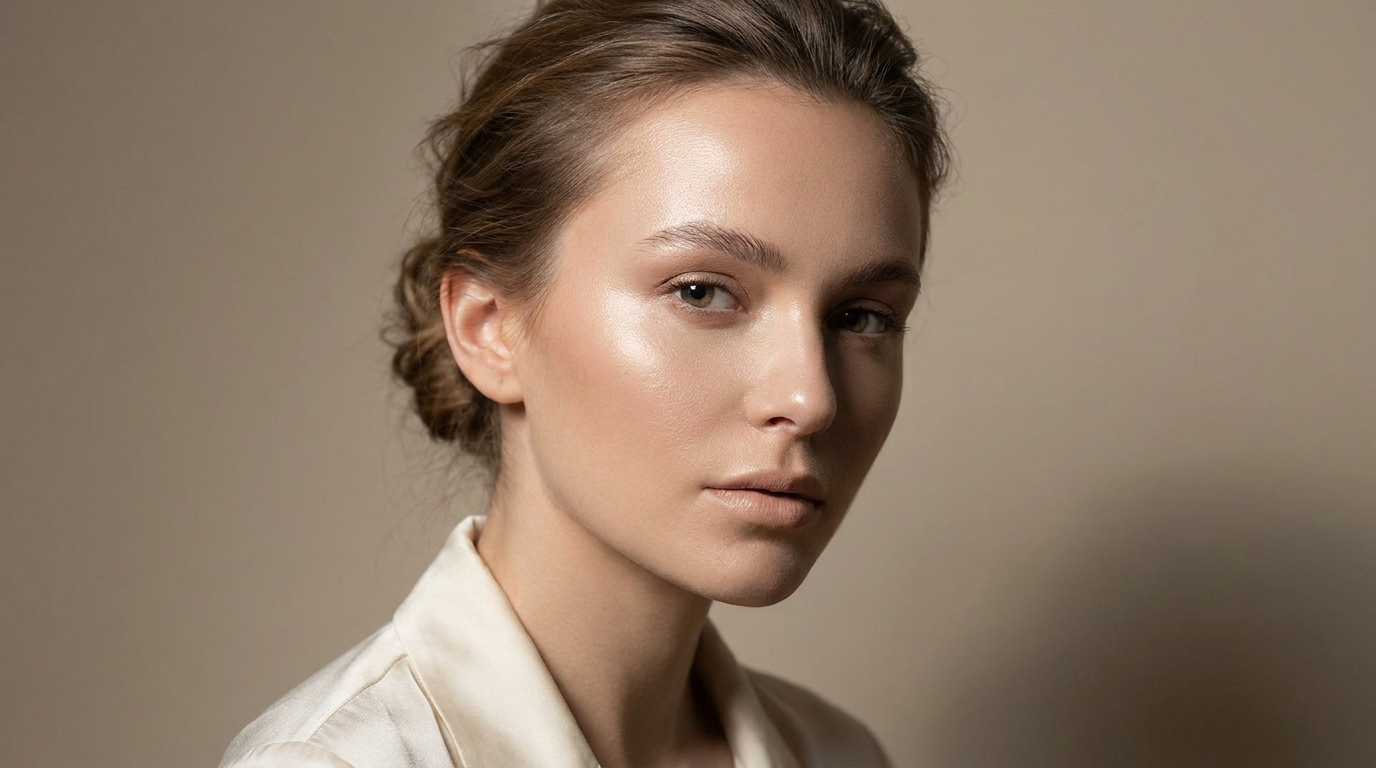
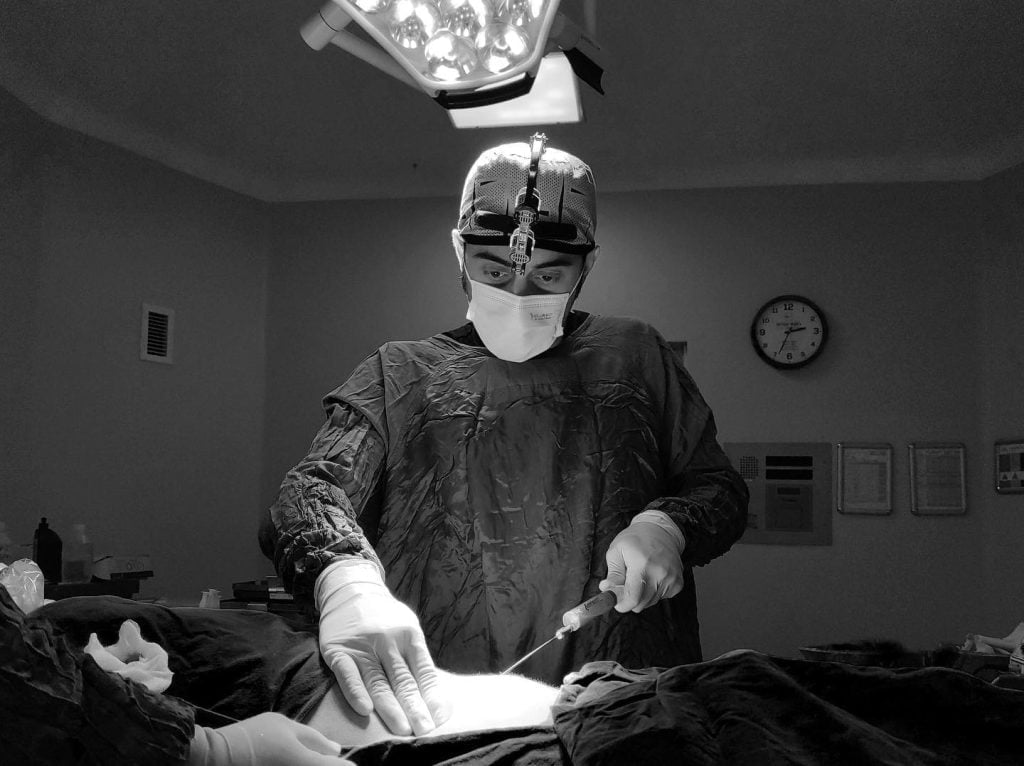
Facial Feminization Surgery (FFS) can be a transformative journey for transgender women and non-binary individuals seeking to align their outward appearance with their inner identity. Today, we have the privilege of interviewing Dr. Mehmet Fatih Okyay, also known as Dr. MFO, a renowned plastic surgeon in Turkey with extensive experience in FFS. Dr. MFO is known for his delicate touch, natural-looking results, and commitment to empowering his patients through personalized care. Let’s delve into the world of FFS and explore why Dr. MFO and Turkey might be the perfect fit for your unique journey.
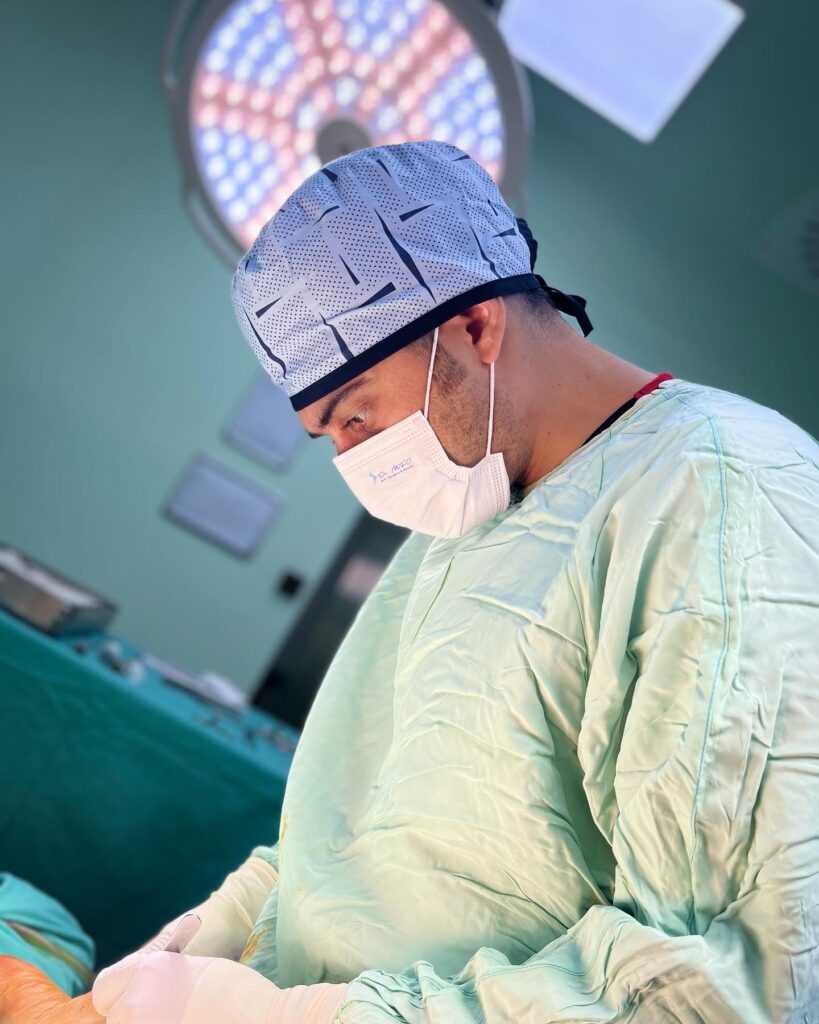
Q: Dr. MFO, for someone considering FFS, what are some key factors to consider before making a decision?
Dr. MFO: The decision to undergo FFS is deeply personal and should be carefully considered. It’s crucial to have realistic expectations, understand the potential risks and recovery process, and most importantly, feel emotionally and mentally prepared for the journey. Consulting with a qualified and experienced FFS surgeon like myself, who can answer your questions, address your concerns, and create a personalized treatment plan, is vital.
Q: What are some of the common procedures included in FFS, and how do you approach achieving natural-looking results?
Dr. MFO: Common procedures include brow contouring, hairline lowering, rhinoplasty, jawline recontouring, chin reduction, lip sculpting, and tracheal shave. Each procedure is meticulously tailored to the patient’s individual anatomy and desired outcome. I prioritize harmony and balance, ensuring the results blend seamlessly with natural facial features, enhancing feminine characteristics without appearing artificial.
Q: What sets your approach to FFS apart from other surgeons?
Dr. MFO: My philosophy revolves around understanding each patient’s unique story and aspirations. I combine my surgical expertise with artistic vision to create a treatment plan that reflects their true essence. Additionally, I believe in continuous learning and stay updated on the latest advancements in FFS techniques, ensuring I offer my patients the most effective and innovative solutions.
Q: Why have you chosen to specialize in FFS, and what drives your passion for this field?
Dr. MFO: Witnessing the transformative power of FFS and the positive impact it has on patients’ lives is incredibly rewarding. It’s an honor to be part of their journey toward self-discovery and empowerment. Seeing them gain confidence, embrace their authentic selves, and radiate happiness fuels my passion to constantly refine my skills and offer the best possible care.
Now, let’s explore the appeal of Turkey, particularly Antalya, for FFS:
Q: Why is Turkey becoming a popular destination for FFS?
Dr. MFO: Turkey offers a unique combination of factors: highly skilled and experienced surgeons like myself, advanced medical facilities, competitive pricing compared to other countries, and beautiful tourist destinations like Antalya for a comfortable recovery experience. Additionally, Turkey welcomes diversity and has a growing understanding of the specific needs of transgender individuals.
Q: What advantages does Antalya offer for FFS patients?
Dr. MFO: Antalya provides a tranquil environment for recovery, with stunning beaches, vibrant culture, and excellent healthcare facilities. Patients can choose from all-inclusive packages that include accommodation, transportation, and post-operative care, ensuring a stress-free experience. Additionally, Antalya boasts experienced medical translators who can facilitate communication and ensure cultural sensitivity.
Q: Dr. MFO, what specific procedures within FFS can address individual concerns, like a prominent brow bone or a wider jawline?
Dr. MFO: Addressing individual concerns is crucial. Brow contouring with bone shaving or implants can soften a prominent brow, while jawline recontouring through various techniques like jaw reduction surgery or genioplasty can refine a wider jawline. Each procedure is meticulously tailored to your unique anatomy and desired outcome.
Q: Can you explain the recovery process after FFS, and what support do you offer your patients?
Dr. MFO: Recovery varies depending on the procedures performed. I provide detailed instructions and closely monitor progress throughout the healing journey. Our team offers comprehensive post-operative care, including pain management, wound care, and emotional support. Additionally, all-inclusive packages in Antalya often include post-operative consultations and support to ensure a smooth recovery in a comfortable setting.
Vacation Before Transformation:
Q: Can I combine a vacation in Antalya with my FFS journey?
Dr. MFO: Absolutely! Antalya’s pleasant climate and tourist attractions make it ideal for a pre-surgery vacation. This allows you to acclimate to the environment, relax, and prepare for your transformation with peace of mind. Remember, scheduling consultations and surgery during the tourist season offers more flexibility for enjoying Antalya’s beauty afterwards.
Advantages of FFS in Antalya with All-Inclusive Packages:
Q: What are the specific benefits of considering an all-inclusive package for FFS in Antalya?
Dr. MFO: All-inclusive packages offer peace of mind and convenience. They typically cover accommodation, transportation, surgery costs, post-operative care, and sometimes even cultural excursions. This eliminates the stress of managing logistics and allows you to focus solely on your recovery and well-being in a beautiful and supportive environment.
Q: Are there language and cultural barriers I should be aware of?
Dr. MFO: Many clinics in Antalya, including mine, have experienced medical translators who ensure clear communication throughout your journey. We prioritize cultural sensitivity and respect for your individual needs. You’ll find a welcoming and supportive environment in Antalya, regardless of your background.
Q: What message would you like to convey to someone considering FFS in Turkey?
Dr. MFO: Remember, this is a deeply personal journey, and you deserve to feel supported and empowered throughout the process. Choose a surgeon who understands your needs, prioritizes your safety and well-being, and shares your vision for your authentic self. Explore the possibilities Turkey offers, and remember, finding the right surgeon and location is key to a successful and transformative FFS experience.
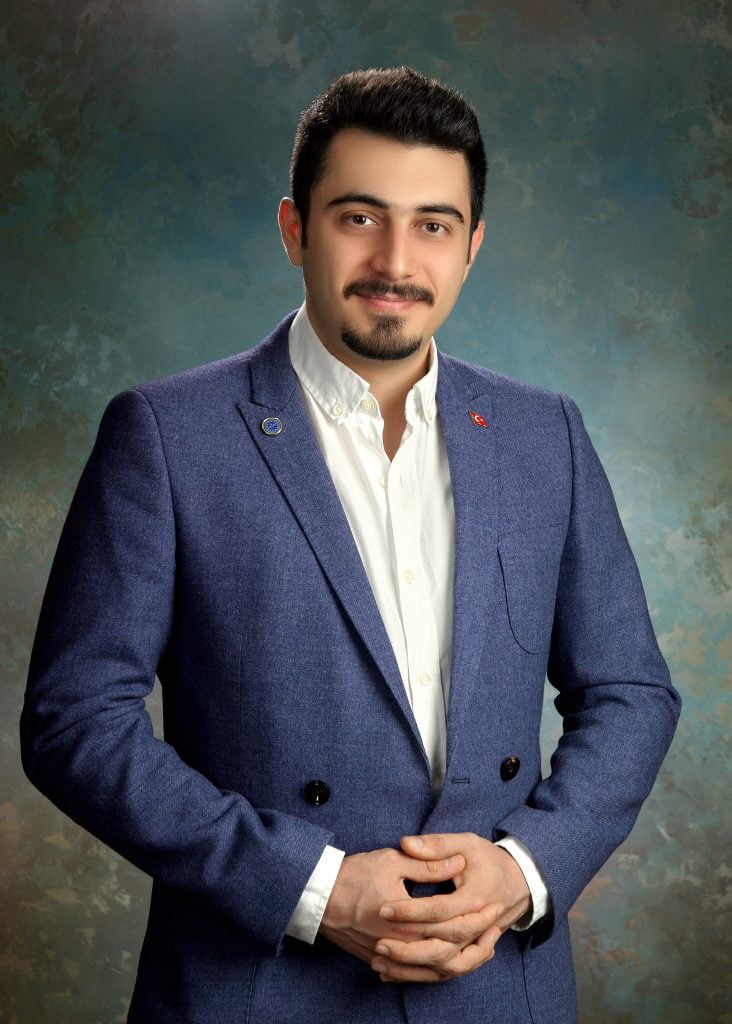
FFS with Dr. MFO
This interview with Dr. MFO sheds light on the intricacies of FFS and the unique advantages offered by Turkey and Antalya. If you’re considering this life-changing journey, remember that thorough research, open communication with your surgeon, and choosing a facility that prioritizes your individual needs are paramount. Take the first step towards your true reflection. Schedule a consultation with Dr. MFO today and begin your journey towards self-discovery and empowerment.
Visit the Dr.MFO Instagram profile for examples of successful Surgeries. Contact for free consultation.