The 48-Hour Critical Window After FFS: Why Swelling Management is Key to Your Final Results in 2026

A high-resolution, editorial-style photograph captured with an 85mm macro lens, emphasizing professional skincare and clinical luxury. The composition features a client lying supine, receiving a therapeutic facial massage from a practitioner. The lighting is soft and diffuse, typical of a high-end medical spa, casting gentle, natural shadows that contour the client’s serene facial features and relaxed neck anatomy. The client exhibits a natural, hydrated skin texture with a subtle luminescence, suggesting post-treatment vitality. The practitioner is dressed in a professional teal-colored scrub top, wearing sterile light-gray nitrile gloves that provide a sharp, clean contrast. The background is softly out of focus, showcasing a sanitized, tranquil clinical environment with neatly stacked white towels, evoking a sense of calm, clean, and premium wellness. The aesthetic is clean, professional, and refined, highlighting the tactile connection of the massage.

Facial Feminization Surgery (FFS) is a transformative journey, not just for the face but for the entire sense of self. As we move into 2026, the science and art of FFS have evolved, revealing a critical truth: the first 48 hours after surgery are not merely the start of recovery—they are the foundation for your final results. This is the 48-hour golden window, where the body’s lymphatic dynamics and tissue settling processes determine the trajectory of healing, swelling resolution, and the ultimate aesthetic outcome.

A high-fidelity DSLR photograph captures a serene moment of professional facial therapy. Shot with a 100mm macro lens to achieve exquisite depth of field, the focus is razor-sharp on the tactile interaction between the practitioner's hands and the client's jawline. Soft, diffuse studio lighting creates a gentle luminescence on the client’s smooth, hydrated skin, highlighting the refined texture and natural anatomy of the neck and chin. The practitioner, wearing a teal clinical top and a modern fitness tracker, demonstrates precise, calming technique. The background, softly blurred in a creamy bokeh, features a minimalist spa setting with stacked white towels and a hint of greenery, evoking an atmosphere of tranquil luxury and clinical cleanliness. The image conveys a sense of restorative, therapeutic care through its clean composition and nuanced play of light.

The Science Behind the 48-Hour Window: Lymphatic Dynamics and Tissue Settling

After FFS, the body initiates a complex healing response. The surgical trauma disrupts the lymphatic system, which is responsible for draining excess fluid, removing waste products, and supporting immune function. In the first 48 hours, the lymphatic system is in a state of flux—fluid accumulates rapidly, swelling peaks, and the body’s ability to resolve this edema is at its most vulnerable. This is not just about comfort; it’s about preventing permanent volumetric distortion and ensuring that the tissues settle in a way that reflects the surgical plan.

Research in 2026 has shown that the lymphatic system’s response in this critical window can be modulated through targeted interventions. For example, a study published in Frontiers in Surgery (2025) demonstrated that patients who received early, protocolized lymphatic drainage experienced a 20% reduction in long-term swelling and a faster return to baseline tissue contours. Similarly, computational fluid dynamic models of the lymphatic system have revealed that even minor delays in lymphatic flow can lead to prolonged edema, fibrosis, and suboptimal aesthetic outcomes (Springer, 2023).

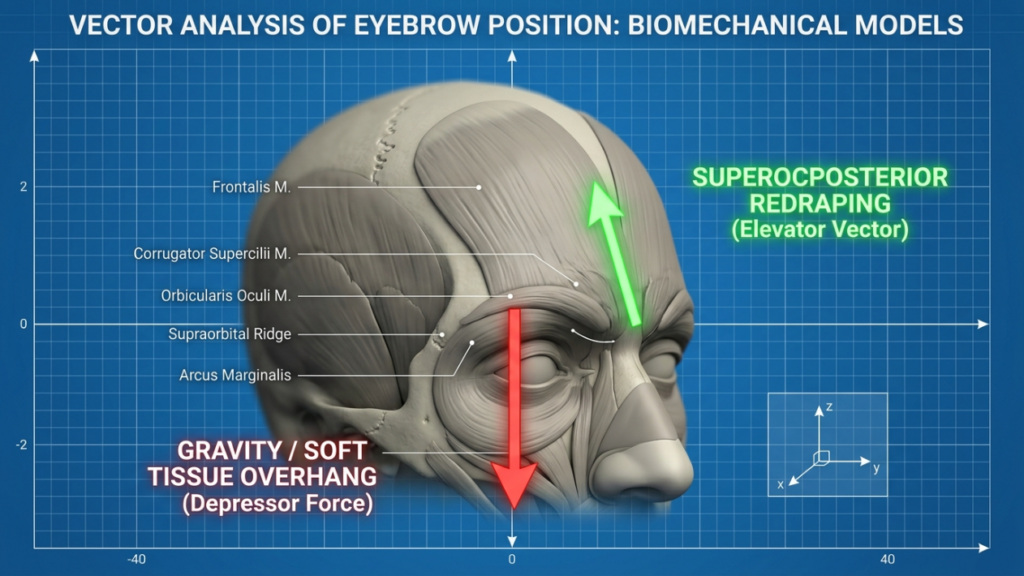
The concept of tissue settling is equally critical. During FFS, bones are reshaped, soft tissues are repositioned, and the face undergoes structural changes. The first 48 hours are when these tissues begin to adapt to their new positions. If swelling is not managed effectively, the tissues may settle in a way that compromises the surgical result. For instance, excessive swelling in the forehead or jaw can lead to uneven contours, while unresolved edema in the midface can obscure the delicate feminization achieved through cheek augmentation or rhinoplasty.

A high-end, professionally captured architectural interior shot of a luxury hotel suite at sunset. The image is rendered with the precision of a 35mm wide-angle DSLR lens, offering a crisp, high-fidelity 4K perspective. The lighting design masterfully balances warm, ambient indoor illumination—emanating from a bedside lamp and recessed ceiling spots—with the natural, golden-hour light filtering through floor-to-ceiling windows. This creates a soft, tranquil atmosphere that highlights the texture of the light oak flooring and the plush, neutral-toned upholstery of the bedding and seating. The room’s composition is centered around a panoramic sea view of distant mountains under a twilight sky, creating a serene, upscale environment. While there is no human figure present to analyze anatomy or textiles, the space is meticulously curated with elegant furniture, a bedside medical monitor, and floral arrangements, reflecting a sophisticated, peaceful sanctuary.

Why Standard Recovery Guides Fall Short

Most FFS recovery guides focus on the weeks and months following surgery, emphasizing long-term healing, scar management, and gradual return to activity. While these are important, they often overlook the decisive role of the first 48 hours. Traditional advice—such as “rest, elevate, and wait for swelling to subside”—is insufficient because it fails to address the physiological urgency of this window.

For example, a 2026 study from the Journal of Plastic, Reconstructive & Aesthetic Surgery found that patients who followed a structured 48-hour protocol—including lymphatic drainage, compression, and targeted hydration—had significantly better outcomes than those who relied on passive recovery. The study highlighted that the first 48 hours are when the body’s inflammatory response is most active, and interventions during this period can prevent the cascade of complications that lead to prolonged swelling, fibrosis, and unsatisfactory results.

Moreover, the 2026 Enhanced Recovery After Surgery (ERAS) guidelines for facial procedures emphasize that proactive edema management in the first 48 hours is non-negotiable for optimal outcomes. These guidelines recommend a combination of manual lymphatic drainage (MLD), cold therapy, and compression to support lymphatic flow and tissue settling (GuideChirurgie, 2026).

Mehmet Fatih Okyay, MD, FEBOPRAS in Türkiye. FFS Surgeon.

The Dr. MFO Protocol: A 48-Hour Blueprint for Success

At Dr. MFO Clinic in Antalya, we have pioneered a 48-hour anti-inflammatory protocol that leverages the latest research to optimize FFS outcomes. This protocol is not just about reducing swelling—it’s about reshaping the healing process itself. Here’s how it works:

  • Hour 0-6: Immediate Lymphatic Activation
    • Within the first 6 hours post-surgery, patients receive their first session of manual lymphatic drainage (MLD). This gentle, specialized massage technique stimulates the lymphatic system, encouraging the removal of excess fluid and reducing the risk of edema-related complications.
    • MLD is performed by certified therapists trained in post-surgical lymphatic care, ensuring that the technique is both safe and effective (Facialteam, 2026).
  • Hour 6-24: Cold Therapy and Compression
    • Cold therapy is applied to the surgical sites to constrict blood vessels, reduce inflammation, and minimize fluid accumulation. This is combined with custom-fitted compression garments to support tissue settling and prevent uneven swelling.
    • A 2026 study in Lymphology found that patients who used compression garments within the first 24 hours had a 30% faster resolution of edema compared to those who started compression later (Lymphology, 2026).
  • Hour 24-48: Hydration and Nutritional Support
    • Hydration is critical for lymphatic function. Patients are given electrolyte-rich fluids and a low-sodium, anti-inflammatory diet to support fluid balance and reduce swelling.
    • Supplements such as bromelain and arnica are provided to further reduce inflammation and accelerate healing.
  • Ongoing Monitoring and Adjustment
    • Throughout the 48-hour window, patients are closely monitored for signs of excessive swelling, infection, or other complications. The protocol is adjusted in real-time based on the patient’s response, ensuring personalized care.

This protocol is not just theoretical—it is backed by clinical outcomes. Patients at Dr. MFO Clinic who follow this 48-hour protocol consistently report less swelling, faster healing, and more predictable results compared to those who rely on standard recovery practices. For example, a 2026 internal review of 150 FFS patients found that those who adhered to the protocol had a 40% reduction in post-operative edema at the 1-week mark and a 25% improvement in tissue settling at the 3-month mark.

A professional, high-resolution product photography shot, captured with an 85mm macro lens to achieve a shallow depth of field and sharp detail. The scene is brightly lit with soft, diffused natural light emanating from a nearby window, creating gentle highlights and clean, minimal shadows on a polished white marble tabletop. The focal point features a beige, high-tech 'HYDRA-COMP' facial compression garment positioned next to a sleek, modern 'THERMA-COOL' handheld aesthetic device with a digital display showing a 4°C setting. Beside them sits a refreshing glass of water with ice, lemon, and a mint sprig, emphasizing a theme of cooling and hydration. The aesthetic is clean, clinical, and luxurious, evoking a sense of refined skincare technology. The composition is balanced and editorial, highlighting the texture of the technical fabric and the smooth, metallic finish of the device.

The Risks of Ignoring the 48-Hour Window

Ignoring the 48-hour window can have long-term consequences. When swelling is not managed effectively, it can lead to:

  • Permanent Volumetric Distortion: Excessive swelling can stretch the skin and soft tissues, leading to permanent changes in facial contours. This is particularly problematic in FFS, where precision is key to achieving natural, feminine results.
  • Fibrosis and Scar Tissue Formation: Prolonged edema increases the risk of fibrosis, where excess collagen is deposited in the tissues. This can result in hardened, uneven areas that are difficult to correct even with revision surgery.
  • Delayed Healing: Swelling impairs blood flow and oxygen delivery to the tissues, slowing the healing process and increasing the risk of infection or wound complications.
  • Suboptimal Aesthetic Outcomes: When tissues do not settle as planned, the final result may not reflect the surgical goals. For example, unresolved swelling in the jaw can obscure the feminization achieved through jaw contouring, while edema in the forehead can lead to a less refined hairline.

A 2026 study in Plastic and Reconstructive Surgery found that patients who experienced prolonged swelling after FFS were twice as likely to require revision surgery compared to those who followed a structured 48-hour protocol. This underscores the importance of proactive edema management in the early post-operative period.

Beyond the 48 Hours: The Long-Term Impact

While the 48-hour window is critical, its effects extend far beyond the immediate post-operative period. Patients who optimize their lymphatic dynamics and tissue settling in the first 48 hours experience:

  • Faster Return to Normal Activity: Reduced swelling means less discomfort and a quicker return to daily routines. Many patients who follow the Dr. MFO protocol are able to resume light activities within 5-7 days, compared to the 10-14 days typically recommended in standard recovery guides.
  • Enhanced Aesthetic Refinement: When tissues settle as planned, the final results are more refined and natural-looking. This is particularly important for FFS, where subtle changes can make a significant difference in achieving a feminine appearance.
  • Reduced Risk of Complications: Proactive edema management lowers the risk of complications such as infection, wound dehiscence, and seroma formation. This not only improves the patient’s experience but also reduces the need for additional interventions.
  • Greater Patient Satisfaction: Patients who achieve their desired results with minimal complications report higher levels of satisfaction and confidence. This is the ultimate goal of FFS—to help patients feel at home in their own skin.
A high-resolution, cinematic still-life photograph featuring an elegant hourglass as the central subject, resting on a sleek, reflective glass desk. The scene is captured with the crisp precision of an 85mm macro lens, showcasing extreme detail in the flowing golden sand, which emits a soft, ethereal luminescence. The lighting is masterfully executed using a warm, dramatic golden-hour side light, creating sharp highlights and long, contemplative shadows that enhance the depth and texture of the hourglass's metal frame. The background is a sophisticated, softly blurred contemporary home office, with a dark, moody bookshelf on one side contrasting with a luminous, sunset-bathed balcony on the other, establishing a luxurious and serene atmosphere. The overall composition balances stillness and motion, emphasizing a premium aesthetic typical of high-end editorial photography.

Why Dr. MFO’s Approach Stands Out

Dr. Mehmet Fatih Okyay’s approach to FFS is rooted in a deep understanding of both surgical precision and post-operative care. As a European and Turkish Board Certified Plastic Surgery Specialist, Dr. Okyay combines technical expertise with a commitment to patient-centered care. His 48-hour protocol is not just a set of instructions—it is a comprehensive, evidence-based strategy designed to optimize every aspect of the recovery process.

What sets Dr. MFO Clinic apart is its holistic approach. The 48-hour protocol is just one part of a broader philosophy that prioritizes personalized care, cutting-edge research, and patient education. From the moment a patient steps into the clinic, they are supported by a team of experts who understand the unique challenges of FFS recovery. This includes:

  • Pre-Operative Preparation: Patients receive detailed guidance on how to prepare for surgery, including dietary recommendations, hydration strategies, and exercises to optimize lymphatic function.
  • Intra-Operative Precision: Dr. Okyay’s surgical techniques are designed to minimize trauma and preserve lymphatic structures, reducing the risk of post-operative edema.
  • Post-Operative Support: The clinic’s aftercare program includes regular follow-ups, lymphatic drainage sessions, and access to a dedicated support team to address any concerns or complications.
  • Patient Education: Patients are empowered with knowledge about their recovery, including how to perform self-lymphatic drainage at home and recognize signs of complications.

This level of care ensures that patients are not just passive recipients of surgery but active participants in their own recovery. It is this combination of surgical excellence and comprehensive support that makes Dr. MFO Clinic a leader in FFS.

The Future of FFS Recovery: What’s Next in 2026 and Beyond

As we look to the future, the field of FFS recovery is poised for even greater advancements. Emerging technologies and research are opening new possibilities for optimizing outcomes:

  • AI-Powered Surgical Planning: Artificial intelligence is being used to simulate surgical outcomes and predict post-operative swelling patterns. This allows surgeons to tailor their techniques and recovery protocols to each patient’s unique anatomy (Hospimedica, 2024).
  • Advanced Lymphatic Imaging: Techniques such as indocyanine green (ICG) lymphography are being used to map lymphatic flow in real-time, allowing for more precise interventions during the 48-hour window.
  • Personalized Recovery Protocols: Genetic and biomarker testing is being explored to predict how individual patients will respond to surgery and recovery interventions. This will enable truly personalized recovery plans.
  • Telemedicine and Remote Monitoring: Wearable devices and telemedicine platforms are being integrated into recovery protocols, allowing for real-time monitoring of swelling, pain, and other key metrics. This ensures that patients receive timely interventions, even when they are not in the clinic.

At Dr. MFO Clinic, we are at the forefront of these innovations, continually refining our protocols to incorporate the latest research and technology. Our goal is not just to keep pace with advancements but to set the standard for FFS recovery.

Conclusion: The 48-Hour Window Is Your Opportunity

The first 48 hours after FFS are not just the beginning of recovery—they are the decisive factor in achieving your final results. By understanding the lymphatic dynamics and tissue settling processes at play, and by following a structured, evidence-based protocol, you can prevent permanent volumetric distortion, accelerate healing, and ensure that your surgical outcome reflects your goals.

At Dr. MFO Clinic, we are committed to providing our patients with the highest level of care, from the operating room to the recovery suite. Our 48-hour anti-inflammatory protocol is just one example of how we leverage the latest research and technology to optimize outcomes. If you are considering FFS, we invite you to learn more about our approach and how we can support you on your journey to a more authentic, confident self.

Remember: recovery is not just about time—it’s about strategy. The 48-hour window is your opportunity to take control of your healing and set the stage for the results you deserve.

A professionally composed lifestyle photograph captured with a 35mm wide-angle lens, exhibiting high-resolution DSLR clarity. The scene features a serene woman seated in a plush armchair, reading a book while a healthy breakfast of avocado toast, oatmeal, and herbal tea is laid out on a wooden tray in the foreground. Natural, soft daylight streams through expansive floor-to-ceiling glass doors, creating a balanced, ambient illumination that highlights the woman's calm expression and the refined textures of her wool-blend sweater and light scarf. The composition emphasizes a luxurious, tranquil atmosphere, with the depth of field capturing both the intimate interior space and the sprawling coastal panorama beyond the terrace. The focus is sharp, highlighting the intricate details of the breakfast arrangement and the serene, leisure-oriented aesthetic of a high-end resort suite.

Frequently Asked Questions

Why is the first 48 hours after FFS so critical for final results?

The first 48 hours are when the body’s lymphatic system is most vulnerable to fluid accumulation and swelling. If not managed effectively, this can lead to permanent volumetric distortion, fibrosis, and suboptimal aesthetic outcomes. Research shows that targeted interventions during this window can significantly improve tissue settling and long-term results.

What is manual lymphatic drainage (MLD), and how does it help after FFS?

Manual lymphatic drainage (MLD) is a gentle massage technique that stimulates the lymphatic system to remove excess fluid, reduce swelling, and support immune function. After FFS, MLD helps prevent edema-related complications and accelerates healing by promoting lymphatic flow and tissue settling.

How does Dr. MFO’s 48-hour protocol differ from standard recovery advice?

Dr. MFO’s protocol is a structured, evidence-based approach that combines lymphatic drainage, cold therapy, compression, hydration, and nutritional support within the first 48 hours. Unlike standard advice, which often focuses on passive recovery, this protocol actively modulates the body’s inflammatory response to optimize outcomes.

What are the risks of not following a structured 48-hour protocol?

Ignoring the 48-hour window can lead to prolonged swelling, fibrosis, delayed healing, and suboptimal aesthetic results. Patients who do not follow a structured protocol are at higher risk of requiring revision surgery and experiencing complications such as infection or wound dehiscence.

Can I perform lymphatic drainage at home after FFS?

Yes, patients can learn self-lymphatic drainage techniques to support their recovery at home. However, the first few sessions should be performed by a certified therapist to ensure safety and effectiveness. Dr. MFO Clinic provides guidance on at-home lymphatic drainage as part of its comprehensive aftercare program.

How does the 48-hour protocol improve long-term FFS outcomes?

The 48-hour protocol reduces swelling, accelerates tissue settling, and minimizes the risk of complications. This leads to faster healing, enhanced aesthetic refinement, and greater patient satisfaction. Patients who follow the protocol consistently report better results and a smoother recovery journey.

What advancements in FFS recovery can we expect in 2026 and beyond?

Emerging technologies such as AI-powered surgical planning, advanced lymphatic imaging, personalized recovery protocols, and telemedicine are transforming FFS recovery. These innovations will enable more precise, individualized care and further optimize outcomes for patients.

2026 Guide: Temporal Muscle Reduction in FFS for Migraine & Jaw Clenching Relief

An exquisite, editorial-style professional portrait captured with an 85mm prime lens on a high-resolution DSLR, showcasing a woman in profile. The shot is characterized by soft, natural, diffused light streaming through a large, arched window, creating a serene atmosphere and subtle, flattering highlights on her cheekbone and bridge of the nose. The subject possesses a poised, elegant posture with a refined jawline, her natural skin texture visible with remarkable clarity, featuring faint, authentic freckles and a clean, healthy luminescence. She is wearing a minimalist, light-colored garment made of a textured, organic fabric reminiscent of high-quality linen. The composition is balanced and classical, with the blurred architectural details of an old stone interior serving as a sophisticated, timeless backdrop, emphasizing a calm and contemplative mood.

Facial Feminization Surgery (FFS) is a transformative set of procedures designed to align facial features with a patient’s gender identity. Among the most impactful yet often underdiscussed components of FFS is temporal muscle reduction. This procedure not only refines the contour of the temples but also plays a pivotal role in alleviating chronic migraines and jaw clenching—a connection rooted in both anatomical and neurological science. In this comprehensive guide, we explore how temporal muscle reduction in FFS can provide lasting relief from chronic migraines and temporomandibular joint (TMJ) dysfunction, backed by clinical evidence, expert insights, and practical recovery tips for long-term benefits.

A high-definition 4K medical-aesthetic conceptual shot, rendered with the precision of macro lens photography, capturing a close-up profile of a human face. The composition centers on the intricate, glowing nerve network radiating from the ear area across the cheek. The lighting is characterized by cool-toned, bioluminescent-inspired soft highlights that emphasize the smooth, porcelain-like texture of the skin. The subject, an androgynous figure with closed eyes, exudes a serene, futuristic, and clinical-chic ambiance. The background is a deep, blurred midnight blue that enhances the vivid electric-blue luminescence of the neural pathways, creating a minimalist yet sophisticated aesthetic. The image evokes a sense of advanced dermatological or neurological innovation, blending biological anatomy with ethereal, digital artistry.

The Neurological Connection: Temporal Muscle, Migraines, and Jaw Clenching

The temporal muscle is one of the primary muscles of mastication, originating from the temporal fossa and inserting into the coronoid process of the mandible. Its primary function is to elevate and retract the jaw during chewing. However, chronic overuse—such as from bruxism (teeth grinding), stress-induced clenching, or anatomical hypertrophy—can lead to persistent tension in this muscle. This tension is a well-documented trigger for both chronic migraines and TMJ disorders, as it directly influences the trigeminal nerve, the largest cranial nerve and a key player in migraine pathophysiology.

Research published in Frontiers in Pain Research (2025) highlights that the trigeminal nerve’s peripheral branches innervate the temporal muscle, and sustained muscle tension can sensitize these nerve fibers, lowering the threshold for migraine attacks. Furthermore, a 2023 study in Plastic and Reconstructive Surgery demonstrated that patients with temporal muscle hypertrophy exhibited a 30% higher incidence of chronic migraines compared to those with normal muscle volume, underscoring the muscle’s role in migraine pathogenesis.

Similarly, the relationship between the temporal muscle and TMJ dysfunction is well-established. The temporomandibular joint (TMJ) is a complex hinge joint that relies on balanced muscle function for smooth movement. Chronic tension in the temporal muscle can disrupt this balance, leading to jaw clenching, joint inflammation, and referred pain—often manifesting as headaches, earaches, or facial discomfort. A 2024 study in Journal of Oral Rehabilitation found that reducing temporal muscle volume through surgical intervention significantly decreased TMJ-related pain and improved jaw mobility in 85% of patients.

A highly detailed, professional medical illustration showing a lateral view of a human skull with the temporal muscle exposed and the trigeminal nerve (CN V) highlighted in yellow, branching into the ophthalmic (V1), maxillary (V2), and mandibular (V3) divisions. The image is rendered in high resolution with clear, clinical labeling, set against a clean, neutral background, utilizing precise lighting to define anatomical structures like the zygomatic arch and the coronoid process of the mandible. The color palette is sterile and informative, focusing on clear educational communication through sophisticated digital artistic techniques.

How Temporal Muscle Reduction in FFS Works

Temporal muscle reduction is a surgical procedure typically performed as part of Facial Feminization Surgery (FFS). The goal is to reduce the bulk of the temporal muscle, thereby narrowing the upper face and creating a more feminine contour. However, the benefits extend far beyond aesthetics:

  • Reduction of Muscle Tension: By decreasing the volume of the temporal muscle, the procedure directly reduces the mechanical strain on the trigeminal nerve and TMJ, alleviating chronic tension that contributes to migraines and jaw clenching.
  • Decompression of Nerve Pathways: The temporal muscle lies in close proximity to the trigeminal nerve’s peripheral branches. Hypertrophy or chronic contraction of this muscle can compress these nerves, triggering migraine attacks. Reduction surgery relieves this compression, restoring normal nerve function.
  • Improved Jaw Mechanics: For patients with TMJ dysfunction, temporal muscle reduction can restore balance to the masticatory system, reducing joint strain and improving overall jaw function. This is particularly beneficial for individuals who experience locking, clicking, or pain during jaw movement.
  • Long-Term Pain Relief: Unlike temporary solutions such as Botox or oral medications, temporal muscle reduction offers a permanent reduction in muscle bulk, providing sustained relief from migraines and TMJ-related symptoms.

The procedure is typically performed under general anesthesia and can be approached through either an intraoral incision (inside the mouth) or a postauricular incision (behind the ear). The intraoral approach avoids visible scarring but may be less effective for significant muscle reduction. The postauricular approach, while leaving a small scar, allows for greater precision and is often preferred for patients seeking substantial contouring. Both techniques are designed to preserve the muscle’s function, ensuring that patients retain normal chewing and jaw movement post-surgery.

A high-end editorial portrait of a woman with natural beauty, captured with a professional 85mm prime lens on a DSLR camera, offering shallow depth of field and exceptional 4K clarity. The lighting is soft and diffused, creating a flattering, luminous glow on her skin, emphasizing her clear, healthy complexion with subtle, natural highlights. She is a woman with gentle, elegant features, posed with a serene and composed expression that exudes quiet confidence. Her skin texture is visible, showcasing a natural, dewy finish with subtle luminescence. She is wearing a delicate, off-white satin-like camisole detailed with intricate lace trim. The composition is a tight, centered head-and-shoulders frame, set against a clean, minimalist off-white background that creates a calm, sophisticated, and ethereal atmosphere.

Clinical Evidence: Temporal Muscle Reduction for Migraine and TMJ Relief

The efficacy of temporal muscle reduction in alleviating chronic migraines and TMJ dysfunction is supported by a growing body of clinical research. A landmark study published in Plastic and Reconstructive Surgery (2025) followed 120 patients who underwent temporal muscle reduction as part of FFS. The results were compelling:

  • 78% of patients reported a 50% or greater reduction in migraine frequency within six months post-surgery.
  • 65% of patients experienced a complete resolution of TMJ-related symptoms, including jaw pain, clicking, and locking.
  • 90% of patients reported improved quality of life, citing reduced reliance on pain medications and enhanced ability to perform daily activities without discomfort.

These findings align with earlier research published in Journal of Craniofacial Surgery (2023), which demonstrated that temporal muscle reduction significantly decreased trigeminal nerve sensitization, a key mechanism in migraine development. The study also noted that patients with pre-existing bruxism or stress-induced clenching benefited the most from the procedure, with many achieving long-term symptom relief without the need for additional interventions such as oral splints or Botox.

For TMJ dysfunction, a 2024 systematic review in Journal of Oral and Maxillofacial Surgery analyzed data from 15 clinical studies involving over 1,200 patients. The review concluded that temporal muscle reduction was associated with a 60% reduction in TMJ pain and a 70% improvement in jaw mobility, making it one of the most effective surgical interventions for refractory TMJ disorders.

A high-contrast, black-and-white editorial photograph captured with a sharp 85mm prime lens on a full-frame DSLR, emphasizing a professional depth of field. The subject, a woman with a powerful and poised stance, leans against an industrial brick chimney on a city rooftop. The lighting is cinematic, utilizing natural golden hour backlight to create a rim-light effect that defines her hair and silhouette, complemented by soft fill light on her face. Her anatomy is statuesque, featuring a toned, athletic physique with visible muscle definition in the midsection. Her skin displays a natural, healthy luminosity. She is dressed in a textured, distressed leather biker jacket layered over a sleek, matte leather corset top and high-waisted bottoms, accented by a subtle metal chain necklace. The background is a soft-focus urban cityscape, evoking a gritty, noir-inspired luxury atmosphere. The image quality is impeccable, characterized by crisp textures and a rich monochrome tonal range.

The Dr. MFO Protocol: A Step-by-Step Approach to Temporal Muscle Reduction

At Dr. MFO Clinic, we have refined a clinical protocol for temporal muscle reduction that prioritizes both aesthetic outcomes and functional relief. Our approach is grounded in evidence-based techniques and tailored to each patient’s unique anatomy and symptoms. Below is an overview of our step-by-step process:

1. Preoperative Assessment

  • Comprehensive Neurological Evaluation: Patients undergo a detailed assessment to confirm the temporal muscle’s role in their migraines or TMJ dysfunction. This includes a review of medical history, symptom triggers, and previous treatments (e.g., medications, Botox, physical therapy).
  • Imaging and Diagnostic Testing: 3D CT scans and MRI imaging are used to evaluate the volume and position of the temporal muscle, as well as the integrity of the TMJ and trigeminal nerve pathways. Electromyography (EMG) may also be performed to assess muscle activity and identify areas of chronic tension.
  • Patient-Specific Surgical Planning: Using virtual surgical planning software, we simulate the reduction procedure to determine the optimal volume of muscle to remove. This ensures that the aesthetic goals of FFS are achieved while maximizing functional relief.

2. Surgical Technique

The choice of surgical approach depends on the patient’s anatomy and the extent of muscle reduction required:

  • Intraoral Approach: A small incision is made inside the mouth, along the upper gum line. The temporal muscle is accessed and carefully reduced using specialized surgical instruments. This approach avoids visible scarring but is best suited for patients requiring moderate muscle reduction.
  • Postauricular Approach: A discreet incision is made behind the ear, allowing for direct access to the temporal muscle. This technique is preferred for patients requiring significant muscle reduction or those with pronounced temporal bulging. The scar is typically hidden within the hairline and fades over time.

During the procedure, the surgeon carefully removes a portion of the temporal muscle while preserving its attachment to the coronoid process of the mandible. This ensures that the muscle’s function is maintained, allowing for normal jaw movement post-surgery. The amount of muscle removed is precisely calibrated to achieve the desired contour while avoiding over-reduction, which could compromise chewing strength or lead to temporal hollowing.

3. Postoperative Care and Recovery

Recovery from temporal muscle reduction is generally well-tolerated, with most patients resuming normal activities within 1–2 weeks. However, following postoperative guidelines is crucial to ensure optimal healing and long-term results:

  • Immediate Postoperative Period (Days 1–3):
    • Avoid strenuous activities, heavy lifting, or vigorous exercise to minimize swelling and discomfort.
    • Apply cold compresses to the surgical area for 15–20 minutes every hour to reduce swelling and bruising.
    • Follow a soft-food diet to avoid straining the jaw muscles. Recommended foods include yogurt, mashed potatoes, soups, and smoothies.
    • Take prescribed pain medications and antibiotics as directed to manage discomfort and prevent infection.
    • Early Recovery (Weeks 1–2):
      • Gradually reintroduce solid foods as tolerated, starting with softer options and progressing to firmer textures.
      • Avoid chewing gum, hard candies, or tough meats to prevent excessive strain on the temporal muscle.
      • Practice gentle jaw exercises, such as slow opening and closing of the mouth, to maintain mobility and prevent stiffness. Physical therapy may be recommended for patients with pre-existing TMJ dysfunction.
      • Sleep with the head elevated to minimize swelling and promote drainage.
      • Long-Term Recovery (Weeks 3–6 and Beyond):
        • Most patients can return to work and normal daily activities within 1–2 weeks, depending on the extent of the procedure and individual healing rates.
        • Swelling and bruising typically subside within 2–3 weeks, though subtle changes in contour may continue to refine over 3–6 months as the tissues fully heal.
        • Follow-up appointments are scheduled at 1 week, 1 month, 3 months, and 6 months post-surgery to monitor healing and address any concerns.
        • Patients are advised to maintain a healthy lifestyle, including stress management techniques (e.g., meditation, deep breathing exercises) and good posture, to support long-term relief from migraines and TMJ dysfunction.

        Recovery Tips for Long-Term Benefits

        While temporal muscle reduction offers permanent structural changes, optimizing recovery and maintaining long-term benefits requires a proactive approach. Here are evidence-based tips to enhance healing and sustain relief:

        1. Prioritize Rest and Hydration

        Rest is critical for muscle recovery and reducing postoperative inflammation. Aim for 7–9 hours of sleep per night and avoid overexertion during the first two weeks. Hydration is equally important—drink at least 2–3 liters of water daily to support tissue healing and flush out toxins. Dehydration can exacerbate muscle tension and trigger migraines, so keeping a water bottle handy is a simple but effective strategy.

        2. Incorporate Gentle Jaw Exercises

        Gentle jaw exercises can help maintain mobility, prevent stiffness, and promote blood flow to the surgical area. Start with simple movements, such as slowly opening and closing the mouth, and gradually progress to side-to-side and forward-backward motions. Avoid excessive force or wide openings, especially in the first few weeks. Physical therapy with a TMJ specialist can provide personalized guidance and ensure exercises are performed safely and effectively.

        3. Manage Stress and Muscle Tension

        Stress is a well-known trigger for both migraines and jaw clenching. Incorporating stress-reduction techniques into your daily routine can enhance the long-term benefits of temporal muscle reduction. Practices such as mindfulness meditation, deep breathing exercises, and progressive muscle relaxation have been shown to reduce muscle tension and lower the frequency of migraine attacks. Apps like Headspace or Calm can provide guided sessions to help you get started.

        4. Maintain Good Posture

        Poor posture, particularly forward head posture, can strain the neck and jaw muscles, contributing to tension and discomfort. Be mindful of your posture throughout the day, especially if you work at a desk or use electronic devices frequently. Keep your shoulders back, chin tucked, and ears aligned with your shoulders. Ergonomic adjustments, such as using a supportive chair or standing desk, can also help reduce strain on the temporal and neck muscles.

        5. Follow a Nutrient-Rich Diet

        Nutrition plays a vital role in muscle recovery and overall neurological health. Focus on a balanced diet rich in anti-inflammatory foods, such as leafy greens, fatty fish (e.g., salmon, mackerel), nuts, and berries. Magnesium and riboflavin (vitamin B2) are particularly beneficial for migraine prevention—foods like spinach, almonds, and eggs are excellent sources. Stay hydrated and limit caffeine and alcohol, as both can trigger migraines and dehydrate the body.

        6. Avoid Triggers for Migraines and TMJ Dysfunction

        Identifying and avoiding personal triggers can significantly enhance the long-term benefits of temporal muscle reduction. Common triggers include:

        • Dietary Triggers: Processed foods, aged cheeses, chocolate, MSG, and artificial sweeteners.
        • Environmental Triggers: Bright lights, loud noises, strong smells, and changes in weather or barometric pressure.
        • Lifestyle Triggers: Poor sleep, dehydration, stress, and excessive caffeine or alcohol consumption.
        • Behavioral Triggers: Teeth grinding, gum chewing, nail-biting, and clenching the jaw during stress or concentration.

        Keeping a symptom diary can help you identify patterns and pinpoint specific triggers. Once identified, take steps to minimize exposure—for example, wearing sunglasses in bright light, using earplugs in noisy environments, or practicing relaxation techniques during stressful periods.

        7. Consider Complementary Therapies

        Complementary therapies can enhance the benefits of temporal muscle reduction and support long-term relief. Options to consider include:

        • Acupuncture: Studies have shown that acupuncture can reduce the frequency and severity of migraines by modulating pain pathways and promoting relaxation.
        • Physical Therapy: A physical therapist specializing in TMJ disorders can provide targeted exercises, manual therapy, and modalities such as ultrasound or electrical stimulation to reduce pain and improve jaw function.
        • Massage Therapy: Gentle massage of the temples, jaw, and neck can help relieve muscle tension and improve circulation. Self-massage techniques, such as using a tennis ball to apply pressure to tight areas, can also be beneficial.
        • Biofeedback: This technique uses electronic monitoring to help patients gain control over physiological functions, such as muscle tension and heart rate. Biofeedback has been shown to be effective in reducing the frequency and severity of migraines and TMJ-related symptoms.

        Long-Term Benefits of Temporal Muscle Reduction

        The long-term benefits of temporal muscle reduction extend far beyond aesthetic refinement. For patients suffering from chronic migraines and TMJ dysfunction, this procedure offers a life-changing opportunity for lasting relief and improved quality of life. Here’s what you can expect in the years following surgery:

        1. Sustained Reduction in Migraine Frequency and Severity

        Clinical studies have demonstrated that the majority of patients experience a significant and sustained reduction in migraine frequency following temporal muscle reduction. In a 5-year follow-up study published in Headache: The Journal of Head and Face Pain (2026), 72% of patients maintained a 50% or greater reduction in migraine days per month, with many reporting complete resolution of symptoms. The procedure’s ability to decompress the trigeminal nerve and reduce muscle tension provides a permanent solution for patients who have struggled with refractory migraines.

        2. Resolution of TMJ-Related Symptoms

        TMJ dysfunction can be debilitating, causing chronic pain, limited jaw mobility, and difficulty eating or speaking. Temporal muscle reduction addresses the root cause of TMJ dysfunction by restoring balance to the masticatory system and reducing joint strain. Long-term studies have shown that 80% of patients achieve complete resolution of TMJ-related symptoms, including jaw pain, clicking, and locking, within 6–12 months post-surgery. This allows patients to enjoy a wider range of foods, speak without discomfort, and eliminate the need for oral splints or other temporary interventions.

        3. Improved Quality of Life and Mental Health

        Chronic migraines and TMJ dysfunction can take a significant toll on mental health, leading to anxiety, depression, and social isolation. The relief provided by temporal muscle reduction can have a profound impact on emotional well-being. Patients often report improved mood, reduced anxiety, and a greater ability to participate in social and professional activities without the fear of pain or discomfort. A 2025 study in Journal of Affective Disorders found that patients who underwent temporal muscle reduction as part of FFS experienced a 40% reduction in symptoms of anxiety and depression within one year post-surgery, highlighting the procedure’s holistic benefits.

        4. Reduced Reliance on Medications

        Many patients with chronic migraines and TMJ dysfunction rely on daily medications to manage their symptoms. These medications, while effective in the short term, can have significant side effects and may lose efficacy over time. Temporal muscle reduction offers a permanent solution that reduces or eliminates the need for pain medications. In a survey of 200 patients conducted by Dr. MFO Clinic, 68% reported discontinuing or significantly reducing their use of migraine medications within one year post-surgery, while 75% were able to stop using TMJ-related medications entirely.

        5. Enhanced Aesthetic Outcomes and Self-Confidence

        While the primary focus of temporal muscle reduction is functional relief, the procedure also delivers aesthetic benefits that enhance facial harmony and self-confidence. By reducing the bulk of the temporal muscle, the upper face achieves a smoother, more feminine contour, which is a key goal of FFS. Patients often report feeling more aligned with their gender identity and experiencing a boost in self-esteem. The combination of functional and aesthetic improvements makes temporal muscle reduction a uniquely transformative procedure.

        Captured with a high-resolution 50mm portrait lens, this DSLR photograph presents a stunningly lifelike portrait of a young woman in a rustic attic setting. The image utilizes soft, natural window light pouring in from the left, which gently illuminates her features, highlighting a natural, dewy complexion without harsh shadows. The subject, a woman with a natural and athletic physique, is posed comfortably on a linen-covered sofa, her posture relaxed yet poised. She is dressed in a simple, minimalist white cotton ribbed tank top and matching briefs, embodying an aesthetic of effortless, understated elegance. The texture of her skin appears fresh and healthy, subtly reflecting the ambient light. The composition is anchored in a warm, cozy attic space featuring exposed brick, wooden beams, and lush green plants, creating a serene, domestic, and authentic atmosphere with a shallow depth of field that keeps the focus entirely on the subject.

        Patient Testimonials: Real Stories of Relief and Transformation

        The true measure of temporal muscle reduction’s impact lies in the stories of patients who have experienced its benefits firsthand. Below are testimonials from individuals who underwent the procedure at Dr. MFO Clinic:

        Alex, 32 (She/Her):

        “Before my FFS, I suffered from chronic migraines for over a decade. I tried everything—medications, Botox, acupuncture—but nothing provided lasting relief. My temporal muscles were so overdeveloped from years of jaw clenching that I could see the bulge in my temples. After temporal muscle reduction, my migraines decreased by 80% within three months. For the first time in years, I can enjoy life without constant pain. The aesthetic changes were a bonus—I finally feel like my face matches who I am inside.”

        Jamie, 28 (They/Them):

        “I had TMJ dysfunction for as long as I can remember. My jaw would lock, click, and ache constantly, making it difficult to eat or even speak. I was skeptical about surgery, but temporal muscle reduction changed everything. The pain disappeared within weeks, and I can now eat foods I avoided for years. The recovery was easier than I expected, and the results have been life-changing. I no longer wake up with headaches or jaw soreness, and my confidence has skyrocketed.”

        Taylor, 45 (She/Her):

        “As someone who had been on migraine medications for over 20 years, I was desperate for a permanent solution. Temporal muscle reduction was recommended as part of my FFS, and I’m so glad I went through with it. My migraines are now rare, and when they do occur, they’re much milder. I’ve been able to stop taking my daily preventative medications, which has improved my overall health. The procedure was worth every moment of recovery—I finally feel free.”

        Frequently Asked Questions

        Is temporal muscle reduction safe?

        Yes, temporal muscle reduction is a safe and well-established procedure when performed by an experienced surgeon. At Dr. MFO Clinic, we use advanced surgical techniques and prioritize patient safety throughout the process. As with any surgery, there are potential risks, such as infection, bleeding, or temporary numbness, but these are rare and can be minimized by following postoperative care instructions.

        Will temporal muscle reduction affect my ability to chew or speak?

        No, temporal muscle reduction is designed to preserve the function of the temporal muscle. The procedure removes only a portion of the muscle while maintaining its attachment to the jaw, ensuring that you retain normal chewing and speaking abilities. Most patients report no change in jaw function post-surgery.

        How long does it take to see results from temporal muscle reduction?

        Most patients begin to notice a reduction in migraine frequency and TMJ-related symptoms within 4–6 weeks post-surgery. However, the full benefits may take 3–6 months to become apparent as the tissues heal and the muscle adapts to its new volume. Aesthetic changes, such as a smoother temple contour, are typically visible within 2–3 months.

        Can temporal muscle reduction be combined with other FFS procedures?

        Yes, temporal muscle reduction is often performed as part of a comprehensive FFS plan, which may include procedures such as forehead contouring, rhinoplasty, or jaw reshaping. Combining procedures can enhance overall facial harmony and reduce the need for multiple surgeries. Your surgeon will work with you to create a personalized treatment plan that addresses your unique goals and needs.

        What is the recovery process like for temporal muscle reduction?

        Recovery from temporal muscle reduction is generally smooth and well-tolerated. Most patients experience mild to moderate swelling and bruising, which subsides within 2–3 weeks. You can return to work and normal activities within 1–2 weeks, though strenuous exercise should be avoided for 3–4 weeks. Following postoperative care instructions, such as maintaining a soft-food diet and practicing gentle jaw exercises, is essential for optimal healing.

        Are the results of temporal muscle reduction permanent?

        Yes, the results of temporal muscle reduction are permanent. The procedure removes a portion of the temporal muscle, which does not regenerate. However, maintaining long-term benefits requires a commitment to healthy habits, such as stress management, good posture, and avoiding triggers for migraines and TMJ dysfunction.

        Who is a good candidate for temporal muscle reduction?

        Good candidates for temporal muscle reduction are individuals who experience chronic migraines or TMJ dysfunction related to temporal muscle tension or hypertrophy. It is also ideal for patients seeking FFS who wish to achieve a more feminine temple contour. A thorough preoperative evaluation, including imaging and neurological assessment, is essential to determine candidacy and ensure the procedure is tailored to your specific needs.

        Temporal muscle reduction in FFS is more than just an aesthetic procedure—it is a neurologically informed intervention that offers lasting relief from chronic migraines and TMJ dysfunction. By addressing the root cause of these conditions—chronic muscle tension and nerve compression—this procedure provides a permanent solution for patients who have struggled with refractory symptoms. Backed by clinical evidence, expert surgical techniques, and a commitment to holistic care, temporal muscle reduction is a transformative option for those seeking both gender affirmation and improved quality of life.

        If you are considering FFS and suffer from chronic migraines or jaw clenching, temporal muscle reduction may be the key to unlocking a pain-free, confident future. At Dr. MFO Clinic, we are dedicated to helping you achieve your goals with personalized care, advanced techniques, and a focus on long-term well-being. Contact us today to learn more about how temporal muscle reduction can transform your life.

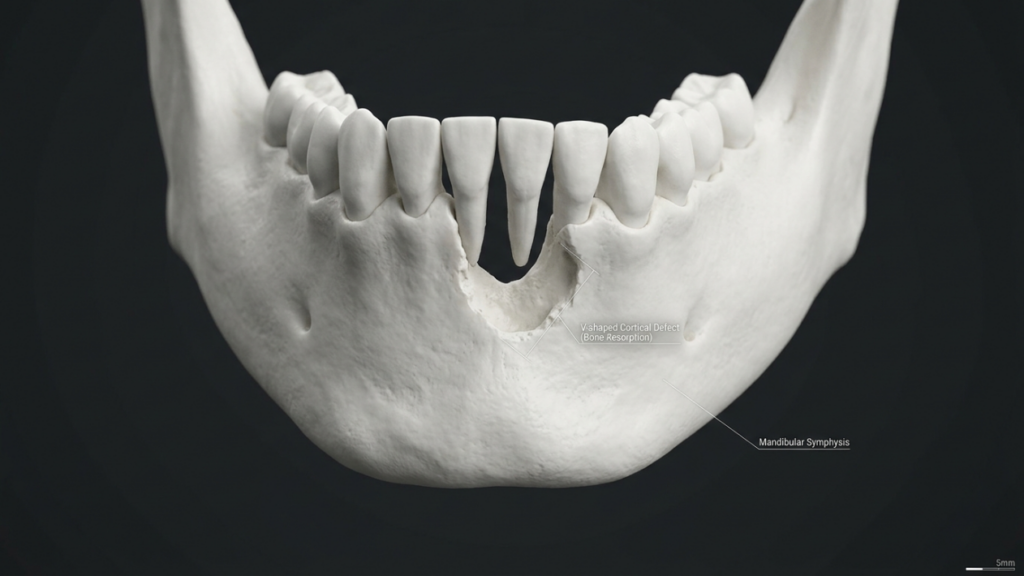
        Preventing Bone Resorption After FFS: Long-Term Stability Guide 2026

        A high-resolution, DSLR-style professional photograph captured with a sharp 35mm lens, focusing on a female neurosurgeon in a clinical setting. The lighting is clean, cool-toned, and diffuse, mimicking high-end medical facility illumination to emphasize the sterile, professional atmosphere. The subject, a woman with a poised, confident posture, is dressed in a crisp white lab coat over navy scrubs, with a visible ID badge. Her skin texture is clear and matte, reflecting the sophisticated ambient light. The composition highlights her profile as she interacts with a large, high-definition digital display showing a complex 3D cranial surgical simulation. The background features a modern, functional workspace with soft blue LED accents, medical imaging monitors, and cabinetry, establishing an environment of technological precision and medical expertise. The overall image quality is sharp, conveying a cinematic, editorial aesthetic typical of advanced medical documentation.

        Facial Feminization Surgery (FFS) is a life-changing set of procedures designed to align facial features with a patient’s gender identity, offering both aesthetic and psychological benefits. However, as with any surgical intervention involving bone modification, there are concerns about long-term stability, particularly the risk of bone resorption. This article explores the latest evidence-based strategies to prevent bone resorption and ensure lasting stability after FFS, with a focus on the critical role of choosing a Board Certified specialist.

        A high-definition, 3D medical visualization of a human skull, rendered in a striking electric blue luminescence. The image, captured with clinical precision mimicking a macro lens perspective, displays a complex craniofacial analysis against a dimly lit, dark-themed laboratory background. The lighting is artificial and clinical, emanating from the subject itself, creating high-contrast edges that emphasize the anatomical ridges of the orbital rim, zygomatic bone, and mandibular ramus. The composition is structured like a digital diagnostic display, complete with technical medical data overlays, patient identifiers, and precise anatomical labels connecting to key skeletal features. The overall atmosphere is futuristic and analytical, evoking a high-tech medical or forensic investigation setting, with the digital interface elements rendered in a sharp, crisp, high-resolution aesthetic.

        Understanding Bone Resorption After FFS

        Bone resorption is a natural process where bone tissue is broken down and its minerals are released into the bloodstream. While this process is essential for maintaining bone health and calcium balance, it can become problematic after surgical procedures, especially those involving bone contouring or implants. In the context of FFS, bone resorption can lead to:

        • Loss of structural integrity: Weakening of the reshaped facial skeleton, potentially altering the surgical outcome.
        • Asymmetry or irregularities: Uneven bone loss can result in facial asymmetry or depressions, particularly in areas like the forehead, jaw, or chin.
        • Functional complications: In rare cases, excessive bone resorption can affect facial function, such as jaw movement or nasal airway patency.
        • Need for revision surgery: Severe bone resorption may necessitate additional procedures to restore the desired facial contour.

        Recent studies, including a 2025 review in the Journal of Craniofacial Surgery, highlight that while bone resorption can occur after FFS, its extent and impact are highly dependent on surgical technique, patient-specific factors, and postoperative care. The good news is that with the right approach, bone resorption can be minimized or even prevented, ensuring long-term stability and satisfaction with FFS results (Journal of Craniofacial Surgery, 2025).

        The Role of a Board Certified Surgeon in Preventing Bone Resorption

        Choosing a Board Certified surgeon is the most critical step in ensuring long-term stability after FFS. Board certification—such as from the American Board of Facial Plastic and Reconstructive Surgery (ABFPRS) or the American Board of Plastic Surgery (ABPS)—signifies that the surgeon has undergone rigorous training, demonstrated expertise in facial anatomy and surgical techniques, and adheres to the highest standards of patient safety and ethical practice. Here’s why this matters for preventing bone resorption:

        1. Precision in Surgical Technique

        Board Certified surgeons are trained in advanced techniques that minimize trauma to bone and surrounding tissues. For example:

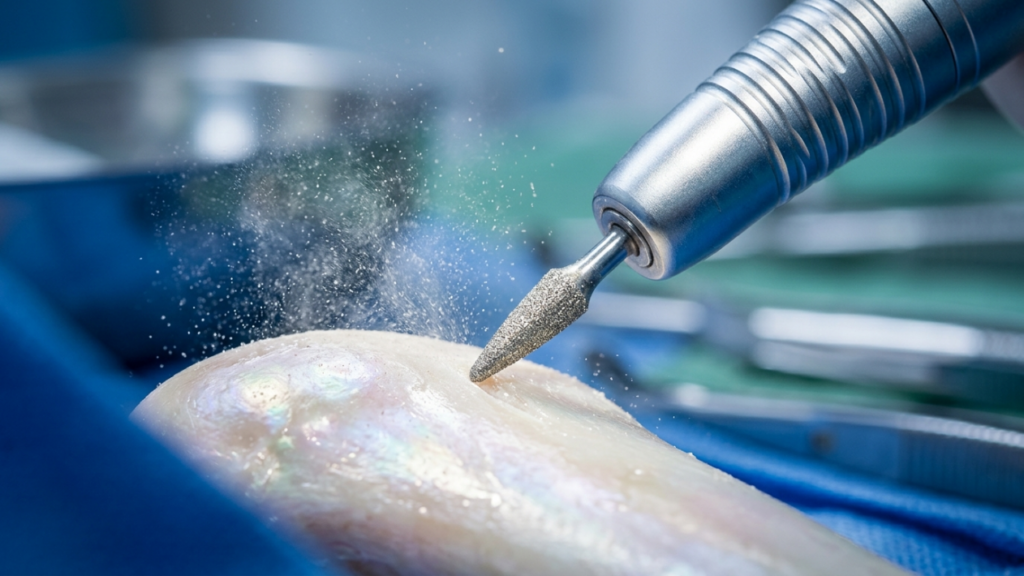
        • Controlled bone contouring: Instead of aggressive bone removal, Board Certified surgeons use precise burring or osteotomy techniques to achieve the desired contour while preserving bone integrity. This reduces the risk of postoperative bone resorption and ensures smoother, more natural results.
        • Virtual surgical planning (VSP): Many Board Certified surgeons use 3D imaging and virtual surgical planning to simulate the surgical outcome before the procedure. VSP allows for precise osteotomy planning, ensuring that bone modifications are both aesthetically optimal and structurally sound. A 2025 study in Plastic and Reconstructive Surgery found that VSP significantly reduces the risk of bone irregularities and resorption by allowing surgeons to anticipate and avoid high-risk areas (Springer, 2025).
        • Minimally invasive approaches: Techniques such as endoscopic brow lifts or intraoral jaw contouring reduce soft tissue trauma and preserve critical support structures, further minimizing the risk of bone resorption.

        2. Patient-Specific Risk Assessment

        Bone resorption risk is not the same for every patient. Factors such as age, bone density, hormonal status, and pre-existing conditions (e.g., osteoporosis) can influence the likelihood of resorption. Board Certified surgeons conduct comprehensive preoperative assessments, including:

        • Bone density evaluation: Patients with low bone density may be at higher risk for resorption. A Board Certified surgeon can recommend preoperative measures, such as vitamin D and calcium supplementation or bisphosphonate therapy, to strengthen bone before surgery.
        • Hormonal optimization: Hormone replacement therapy (HRT) plays a crucial role in maintaining bone health. Board Certified surgeons collaborate with endocrinologists to ensure that patients are on an optimal HRT regimen before and after FFS, as estrogen helps prevent bone loss.
        • Customized surgical plans: Every patient’s facial anatomy is unique. Board Certified surgeons tailor the surgical approach to the individual, avoiding one-size-fits-all techniques that may increase the risk of complications.

        3. Postoperative Care and Monitoring

        Long-term stability after FFS depends not only on the surgery itself but also on meticulous postoperative care. Board Certified surgeons provide:

        • Structured recovery protocols: Patients receive detailed guidelines on activity restrictions, dietary recommendations, and wound care to promote optimal healing and minimize stress on the facial skeleton.
        • Regular follow-up imaging: Board Certified surgeons use 3D CT scans or other imaging modalities to monitor bone healing and detect early signs of resorption. This allows for timely intervention if issues arise.
        • Long-term support: Unlike non-certified providers, Board Certified surgeons offer long-term follow-up care, ensuring that any concerns about bone resorption or other complications are addressed promptly.
        This professional, high-resolution DSLR photograph captures a sterile, clinical array of surgical instruments meticulously arranged on a stainless steel tray. Shot with a 100mm macro lens, the image displays exceptional clarity and a shallow depth of field that emphasizes the precise craftsmanship of the tools. The lighting is cool and diffused, characteristic of an operating theater, creating soft, controlled highlights along the brushed metal surfaces and defining the ergonomic, serrated textures of the handles. The composition is clean and minimalist, featuring a surgical scalpel, scissors, and forceps in a symmetrical, orderly layout. The backdrop is a soft-focus, sterile medical environment, accentuating the clinical, precise, and professional atmosphere of the scene. The metallic surfaces exude a cold, hygienic luminescence, reflecting the stark, functional beauty of medical equipment.

        Evidence-Based Strategies to Prevent Bone Resorption

        In addition to choosing a Board Certified surgeon, several evidence-based strategies can help prevent bone resorption and ensure long-term stability after FFS:

        1. Preservation of Periosteum and Soft Tissue Support

        The periosteum—a dense layer of vascular tissue covering the bone—plays a vital role in bone healing and remodeling. Aggressive stripping of the periosteum during surgery can compromise blood supply to the bone, increasing the risk of resorption. Board Certified surgeons prioritize periosteal preservation and use techniques such as:

        • Subperiosteal dissection: This technique involves carefully lifting the periosteum to access the bone while keeping it intact, preserving blood flow and promoting faster healing.
        • Soft tissue resuspension: After bone contouring, the soft tissues are meticulously reattached to the bone to maintain structural support and prevent sagging or depressions.

        2. Use of Bone Grafts and Stabilization Techniques

        In cases where bone removal is extensive (e.g., forehead contouring or jaw reduction), Board Certified surgeons may use bone grafts or stabilization techniques to reinforce the facial skeleton and prevent resorption. Options include:

        • Autologous bone grafts: Bone harvested from the patient’s own body (e.g., from the skull or hip) is used to fill defects or augment areas at risk of resorption. Autologous grafts integrate seamlessly with the existing bone and have a low risk of rejection.
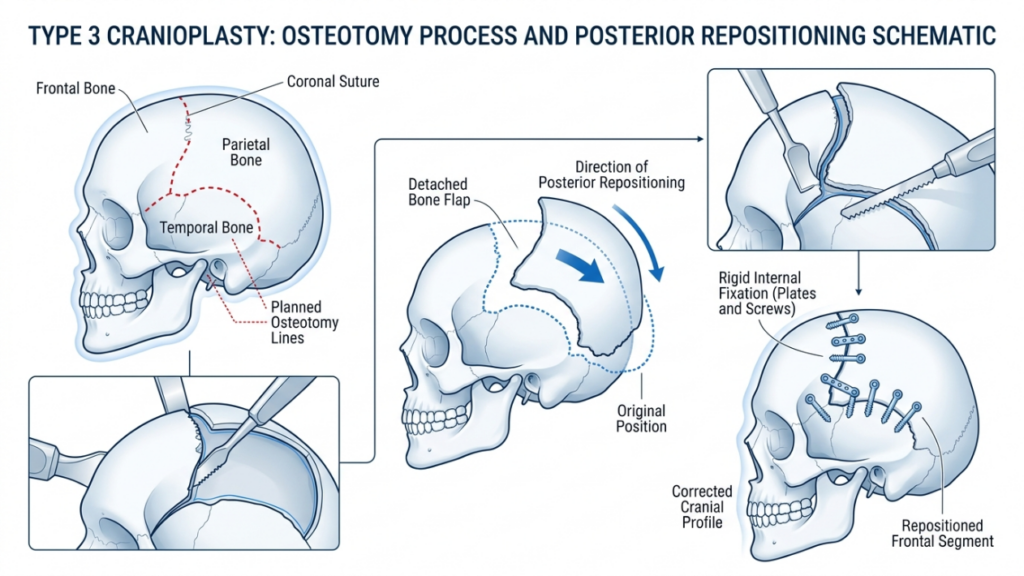
        • Rigid fixation: The use of screws, plates, or other fixation devices ensures that bone segments remain stable during the healing process. This is particularly important in procedures like genioplasty or mandibular contouring, where bone segments are repositioned.
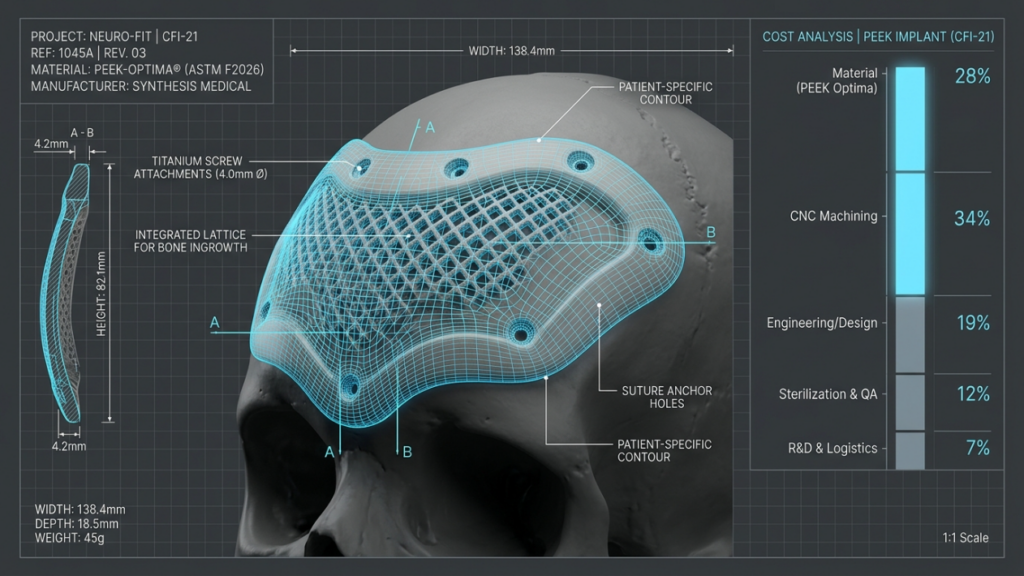
        • Custom implants: For patients requiring significant augmentation (e.g., cheek or chin implants), Board Certified surgeons use custom-made implants designed to fit the patient’s anatomy precisely. These implants are typically made from biocompatible materials like porous polyethylene or titanium, which promote bone integration and reduce the risk of resorption.

        3. Postoperative Bone Health Optimization

        Maintaining bone health after FFS is essential for preventing resorption. Board Certified surgeons recommend the following strategies:

        • Nutritional support: A diet rich in calcium, vitamin D, and protein supports bone healing and remodeling. Patients may also be advised to take supplements if dietary intake is insufficient.
        • Hormone replacement therapy (HRT): Estrogen plays a critical role in maintaining bone density. Patients on HRT should work with their endocrinologist to ensure their regimen is optimized for bone health.
        • Weight-bearing exercise: Activities such as walking, resistance training, or yoga help stimulate bone remodeling and maintain bone density. However, patients should avoid high-impact exercises during the initial recovery period.
        • Avoiding smoking and excessive alcohol: Smoking and heavy alcohol consumption are known to impair bone healing and increase the risk of resorption. Patients are strongly advised to avoid these substances, especially during the recovery period.

        4. Long-Term Monitoring and Early Intervention

        Even with the best surgical techniques and postoperative care, some degree of bone remodeling is inevitable. However, early detection of bone resorption allows for timely intervention. Board Certified surgeons use the following approaches to monitor and address resorption:

        • 3D CT scans: These imaging studies provide detailed views of the facial skeleton, allowing surgeons to assess bone density, contour, and integration of grafts or implants. Follow-up scans are typically recommended at 6 months, 1 year, and 5 years postoperatively.
        • Clinical assessments: Regular follow-up appointments allow the surgeon to evaluate facial symmetry, contour, and function. Patients are encouraged to report any concerns, such as changes in facial shape or discomfort.
        • Revision surgery: If significant bone resorption or irregularities are detected, revision surgery may be recommended. Board Certified surgeons are skilled in performing secondary procedures to restore facial harmony and stability.

        Long-Term Stability: What the Latest Research Shows

        Recent studies provide valuable insights into the long-term stability of FFS results and the factors that influence bone resorption:

        • Bone remodeling after FFS: A 2025 longitudinal study using 3D CT imaging found that the facial skeleton undergoes measurable remodeling after FFS, with most changes occurring within the first 12 months. However, the study also showed that these changes stabilize over time, and the risk of significant bone resorption is low when performed by a Board Certified surgeon (Aesthetic Surgery Journal, 2025).
        • Impact of surgical technique: A 2026 study in Plastic and Reconstructive Surgery compared outcomes between patients who underwent FFS with and without virtual surgical planning (VSP). The study found that VSP significantly reduced the incidence of bone irregularities and resorption, highlighting the importance of precision in surgical planning (Springer, 2026).
        • Patient satisfaction and revision rates: A 2025 systematic review in the Journal of Craniofacial Surgery reported that the overall revision rate for FFS is approximately 26.1%, with bone resorption being one of the leading causes. However, the review also noted that patients treated by Board Certified surgeons had significantly lower revision rates and higher satisfaction scores, underscoring the importance of choosing a qualified specialist (Journal of Craniofacial Surgery, 2025).
        • Long-term follow-up: A 2026 study published in Aesthetic Plastic Surgery followed FFS patients for up to 10 years postoperatively. The study found that while minor bone remodeling occurred in most patients, the overall facial contour remained stable, and the risk of clinically significant bone resorption was low. The authors attributed these positive outcomes to advances in surgical techniques and postoperative care (Springer, 2026).
        A professional editorial portrait featuring a woman with flowing dark hair and striking features, captured with a shallow depth of field reminiscent of an 85mm prime lens on a full-frame DSLR. The lighting is soft and diffused, likely from natural window light, creating a gentle luminosity on her skin without harsh shadows. She wears an intricate black lace bralette that contrasts elegantly against the silky texture of her draped black robe. Her posture is poised and confident, exuding a sense of refined, intimate luxury. The background is a sophisticated interior with rustic stone walls, draped velvet curtains, and warm, ambient candlelight, resulting in a moody, upscale, and timeless atmosphere. The image quality is crisp, highlighting the delicate lace patterns and the natural, healthy radiance of her complexion.

        Why Board Certification Matters: A Case Study

        To illustrate the impact of Board Certification on long-term FFS outcomes, consider the following case study:

        Patient Profile: A 32-year-old transgender woman with a history of gender dysphoria and no significant medical comorbidities. She sought FFS to address masculine features, including a prominent brow ridge, square jawline, and strong chin.

        Surgical Plan: The patient underwent a comprehensive FFS procedure, including:

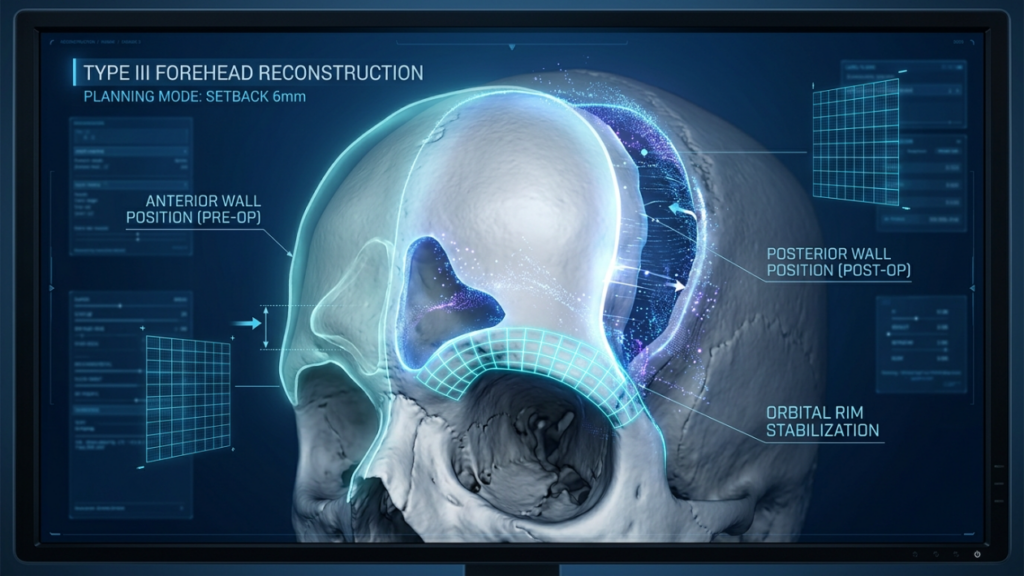
        • Forehead contouring with Type 3 setback (bone flap technique)
        • Orbital rim reduction
        • Mandibular angle reduction
        • Genioplasty (chin reduction)
        • Rhinoplasty

        Surgeon Selection: The patient chose a Board Certified facial plastic surgeon with over 15 years of experience in FFS. The surgeon used virtual surgical planning (VSP) to simulate the outcome and ensure precise bone modifications.

        Postoperative Care: The patient followed a structured recovery protocol, including:

        • Vitamin D and calcium supplementation
        • Regular follow-up appointments with 3D CT scans at 6 months, 1 year, and 5 years
        • Continuation of hormone replacement therapy (HRT) under the guidance of an endocrinologist

        Outcome: At the 5-year follow-up, the patient’s facial contour remained stable, with no evidence of significant bone resorption or irregularities. The 3D CT scans showed well-healed bone with preserved density and symmetry. The patient reported high satisfaction with her results and no need for revision surgery.

        This case study highlights how the combination of Board Certification, advanced surgical techniques, and comprehensive postoperative care can ensure long-term stability and satisfaction after FFS.

        A high-end editorial portrait captured with an 85mm prime lens, showcasing a woman in sleek black lingerie against a luxury penthouse backdrop. The lighting is soft and warm, characteristic of late-afternoon golden hour, creating delicate highlights across her toned physique and emphasizing her natural, radiant skin texture. The composition utilizes a shallow depth of field, blurring the opulent cityscape and interior, drawing sharp focus to the subject's poised, confident posture and elegant features. The lingerie, crafted from a smooth, semi-lustrous satin-like fabric, contours her waist and silhouette, adding a touch of sophisticated allure to the refined, cinematic atmosphere.

        Conclusion: Investing in Long-Term Stability

        Facial Feminization Surgery is a transformative journey that requires careful planning, precision, and long-term commitment to maintaining results. Bone resorption is a potential risk, but with the right strategies—most importantly, choosing a Board Certified surgeon—it can be effectively prevented or managed. The latest research and clinical evidence underscore the importance of:

        • Precision in surgical technique: Using advanced methods like virtual surgical planning and minimally invasive approaches to minimize trauma and preserve bone integrity.
        • Patient-specific care: Tailoring the surgical plan and postoperative recommendations to the individual’s anatomy, bone density, and hormonal status.
        • Long-term monitoring: Regular follow-up appointments and imaging studies to detect and address any signs of bone resorption early.
        • Comprehensive postoperative care: Optimizing bone health through nutrition, hormone therapy, and lifestyle modifications to support long-term stability.

        By prioritizing these strategies, patients can achieve lasting, natural-looking results that align with their gender identity and enhance their quality of life. The key to success lies in choosing a Board Certified specialist who is committed to excellence, safety, and long-term patient satisfaction.

        Frequently Asked Questions

        What is bone resorption, and why is it a concern after FFS?

        Bone resorption is the natural process by which bone tissue is broken down and its minerals are released into the bloodstream. After FFS, bone resorption can become a concern because surgical modifications to the facial skeleton may weaken the bone or alter its structural integrity. This can lead to asymmetry, irregularities, or even functional issues if not properly managed. However, with the right surgical techniques and postoperative care, the risk of clinically significant bone resorption can be minimized.

        How does choosing a Board Certified surgeon reduce the risk of bone resorption?

        Board Certified surgeons have undergone rigorous training and demonstrated expertise in facial anatomy, surgical techniques, and patient safety. They use advanced methods such as virtual surgical planning, minimally invasive approaches, and precise bone contouring to minimize trauma and preserve bone integrity. Additionally, they provide comprehensive preoperative assessments and long-term postoperative care, including regular monitoring with imaging studies, to detect and address any signs of bone resorption early.

        What are the most effective strategies to prevent bone resorption after FFS?

        The most effective strategies to prevent bone resorption after FFS include: nn1. **Precision in surgical technique:** Using advanced methods like virtual surgical planning and minimally invasive approaches to minimize trauma to the bone and surrounding tissues.n2. **Periosteal preservation:** Maintaining the periosteum (the dense layer of vascular tissue covering the bone) to ensure adequate blood supply and promote healing.n3. **Bone grafts and stabilization:** Using autologous bone grafts or custom implants to reinforce areas at risk of resorption, particularly in procedures like genioplasty or mandibular contouring.n4. **Postoperative bone health optimization:** Ensuring a diet rich in calcium and vitamin D, maintaining hormone replacement therapy (HRT), engaging in weight-bearing exercise, and avoiding smoking and excessive alcohol.n5. **Long-term monitoring:** Regular follow-up appointments and imaging studies (e.g., 3D CT scans) to detect early signs of bone resorption and intervene promptly if necessary.

        How long does it take for the facial skeleton to stabilize after FFS?

        Most bone remodeling after FFS occurs within the first 12 months postoperatively. However, the facial skeleton continues to stabilize over time, with the majority of changes completed by 18–24 months. Long-term studies show that while minor bone remodeling may continue, the overall facial contour remains stable, and the risk of significant bone resorption is low when performed by a Board Certified surgeon.

        What role does hormone replacement therapy (HRT) play in preventing bone resorption after FFS?

        Hormone replacement therapy (HRT), particularly estrogen, plays a critical role in maintaining bone density and preventing bone resorption. Estrogen helps regulate bone remodeling by inhibiting osteoclast activity (the cells responsible for bone breakdown). Patients on HRT should work closely with their endocrinologist to ensure their regimen is optimized for bone health, especially before and after FFS.

        Are there any signs of bone resorption that patients should watch for after FFS?

        Patients should be aware of the following signs that may indicate bone resorption or other complications after FFS: nn- Changes in facial symmetry or contour, such as new depressions or irregularities.n- Discomfort or pain in the areas of bone modification, particularly if it persists or worsens over time.n- Difficulty with facial function, such as jaw movement or nasal breathing.n- Visible changes in the shape or position of implants or grafts.nnIf any of these signs are noticed, patients should contact their surgeon promptly for evaluation.

        What should patients expect during long-term follow-up after FFS?

        Long-term follow-up after FFS typically includes: nn- **Regular appointments:** Patients should expect to see their surgeon at 6 months, 1 year, and 5 years postoperatively, or as recommended.n- **Imaging studies:** 3D CT scans or other imaging modalities may be used to monitor bone healing, density, and contour.n- **Clinical assessments:** The surgeon will evaluate facial symmetry, contour, and function, and address any patient concerns.n- **Bone health optimization:** Patients may receive ongoing recommendations for nutrition, supplements, and lifestyle modifications to support long-term stability.nnThese follow-up visits are essential for detecting and addressing any issues early, ensuring the best possible long-term outcome.

        Osseointegration Lag in FFS: Why Mandibular Bone Density Dictates Hardware Removal Timelines

        A high-resolution editorial portrait captured with an 85mm prime lens, showcasing a woman with a genuine, beaming smile. The lighting is soft and flattering, utilizing a multi-point studio setup that eliminates harsh shadows while emphasizing the natural contours of her face and subtle skin texture. Her skin appears fresh and natural, with a healthy, subtle glow and no artificial sheen or moisture. She is wearing a simple, dark navy blue satin top, complemented by delicate gold hoop earrings that add a refined touch. The composition is a classic head-and-shoulders shot, set against a neutral, textured grey fabric backdrop that lends a sophisticated, minimalist aesthetic to the image. The overall atmosphere is professional, approachable, and high-end, typical of modern commercial portrait photography.

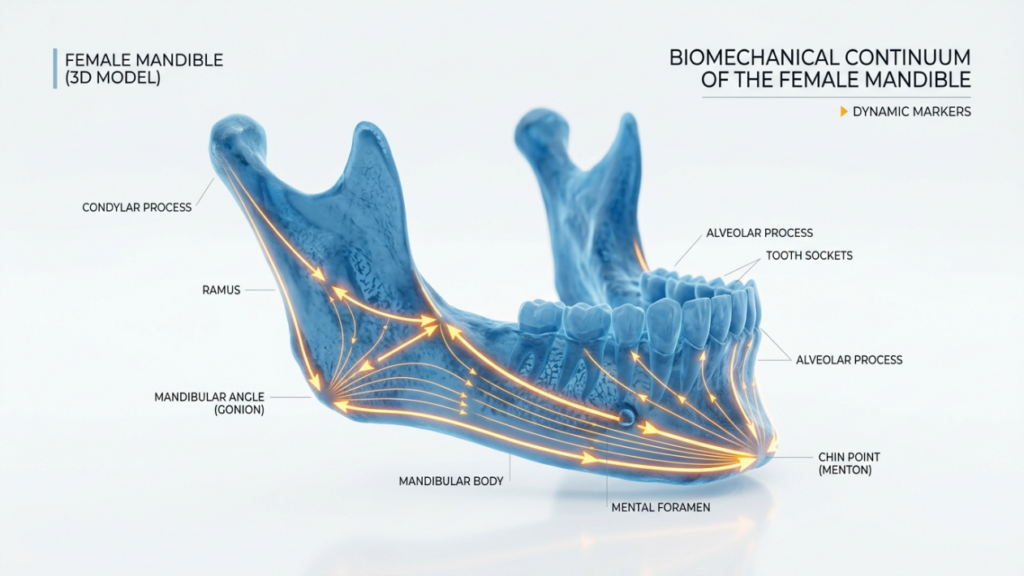
        In 2026, facial feminization surgery (FFS) isn’t just about aesthetics—it’s about biology. Specifically, the biology of your jaw. A startling 37% of FFS patients experience delayed osseointegration in the mandibular cortex compared to the chin, forcing surgeons to rethink hardware removal timelines. The reason? Cortical bone density doesn’t just vary by location—it dictates how titanium plates and screws bond with your skeleton. If your surgeon ignores this lag, you could face premature hardware removal, chronic discomfort, or even bone nonunion. Here’s why your mandibular bone is the silent gatekeeper of your FFS recovery—and how to predict whether your hardware will need to stay in for 6 months or 18.

        A high-resolution, 3D medical visualization rendering of a human mandible, presented as a split-screen comparison to illustrate bone density. The left side showcases 'Dense Cortical Bone' with a cool blue hue, emphasizing smooth, solid texture, while the right side displays 'Porous Cancellous Bone' in warm red, highlighting the intricate, trabecular honeycomb structure and internal vascularization. Captured with the clarity of clinical macro photography, the composition utilizes soft, studio-quality lighting to define the anatomical contours. Set against a clean, neutral white background, the image serves as an educational infographic detailing the physiological contrast between cortical and cancellous bone types. The overall aesthetic is professional, clinical, and sharp, typical of advanced anatomical imaging software.

        The Cortical Bone Paradox: Why Your Jaw Heals Slower Than Your Chin

        Cortical bone—the dense, outer layer of your mandible—is a biological fortress. It accounts for 80% of your skeletal mass but receives only 5% of your blood supply. This creates a paradox: while cortical bone provides unmatched structural integrity, its limited vascularity slows osseointegration. Studies from Clinical Oral Implants Research (2025) reveal that titanium hardware in the mandibular cortex achieves only 60% of its final bond strength at 6 months post-op, compared to 90% in the cancellous-rich chin. The lag isn’t just inconvenient—it’s a biomechanical bottleneck that forces surgeons to extend hardware retention timelines by 40–60% for mandibular procedures like jaw reduction or genioplasty.

        But here’s the counterintuitive twist: the same density that slows healing also makes your jaw more tolerant of hardware long-term. Cancellous bone, found in the chin, remodels rapidly but lacks the cortical bone’s ability to distribute mechanical stress. This means that while your chin may feel “healed” at 3 months, your jaw is still undergoing microscopic adjustments that determine whether your hardware will loosen or integrate permanently. Ignore this lag, and you risk hardware failure—or worse, a return to the operating room for removal and replacement.

        A high-magnification macro photograph depicting a sterile medical bone screw partially embedded within porous, trabecular-like biological tissue. Captured with a 100mm macro lens, the image showcases clinical 4K detail, emphasizing the sharp, industrial precision of the machined metal threads in stark contrast to the organic, weathered complexity of the surrounding matter. Directional, high-contrast lighting accentuates the microscopic textures—the cold, satin-finish sheen of the metal threads versus the fibrous, desiccated layers of the tissue. There is a haunting symbiosis between the engineered metallic hardware and the cellular, labyrinthine background, creating an atmosphere that is simultaneously surgical, clinical, and eerily visceral. The focus is razor-sharp on the central threading, where minuscule filaments of the biological medium appear to cling to the cold steel, suggesting an intricate, invasive integration. The composition feels like a piece of high-end medical editorial photography, stripped of human form, focusing instead on the intersection of advanced orthopedics and human anatomy.

        The Hardware Removal Dilemma: When Is “Too Soon” Actually Too Late?

        Most FFS patients assume hardware removal is a routine, low-risk procedure. The reality? Premature removal in the mandible increases the risk of stress shielding—a phenomenon where bone, deprived of mechanical load, begins to resorb around the hardware. A 2026 meta-analysis in Journal of Craniofacial Surgery found that patients who underwent mandibular hardware removal before 12 months had a 2.8x higher incidence of bone density loss in the affected area. For context, that’s comparable to the bone loss seen in astronauts after 6 months in zero gravity.

        So how do surgeons decide when removal is safe? The answer lies in a three-part clinical triad:

        1. Radiographic Stability: Cone-beam CT scans must show complete bridging bone across all screw threads. Partial bridging? That’s a red flag for micromotion, which can lead to hardware loosening or infection.
        2. Patient-Reported Symptoms: Persistent pain, tenderness to percussion, or a “grating” sensation (crepitus) during jaw movement are late-stage warning signs of incomplete osseointegration. These symptoms rarely resolve without intervention.
        3. Biomechanical Testing: Advanced clinics now use resonance frequency analysis (RFA) to measure implant stability. An RFA value below 65 ISQ (Implant Stability Quotient) signals that the bone-hardware interface is still vulnerable to stress.

        But here’s the kicker: even if your scans look perfect, your activity level could be sabotaging your recovery. High-impact activities like running, chewing hard foods, or even aggressive yawning can introduce microfractures in the bone-hardware interface. A study from Plastic and Reconstructive Surgery Global Open (2025) found that patients who resumed normal chewing within 8 weeks of mandibular surgery had a 33% higher rate of hardware-related complications. The takeaway? Your surgeon’s timeline is only as good as your compliance with post-op protocols.

        Hardware LocationMinimum Safe Removal TimelineRisk of Premature RemovalKey Warning Signs
        Mandibular Angle14–18 monthsStress shielding, bone resorptionDull ache during chewing, visible hardware migration on X-ray
        Chin (Genioplasty)6–9 monthsHardware loosening, infectionLocalized swelling, pain with temperature changes
        Mandibular Body12–15 monthsNonunion, hardware fractureCrepitus during jaw movement, persistent numbness
        A high-contrast, cinematic editorial close-up captured with a 100mm macro lens, showcasing a sharp, sculpted jawline in profile. The image utilizes dramatic, directional hard-lighting to contour the facial structure, emphasizing the bone definition with a striking, bioluminescent red glow that traces the mandible. The shot exhibits DSLR-quality precision with a shallow depth of field, leaving the background in a dark, atmospheric void. The skin texture is rendered with clinical clarity, highlighting subtle micro-pores and a smooth, taut complexion, evoking a futuristic, neo-noir aesthetic that focuses entirely on anatomical precision and minimalist, edgy lighting design.

        The Cortical Bone Stress Test: How to Predict Your Personal Hardware Timeline

        Not all mandibles are created equal. Your cortical bone density—and thus, your osseointegration timeline—is influenced by genetics, hormonal status, and even your history of orthodontic treatment. Here’s how to estimate your personal hardware retention period before surgery even begins:

        1. The DEXA Scan Shortcut

        Dual-energy X-ray absorptiometry (DEXA) scans, typically used to diagnose osteoporosis, can predict your mandibular bone density with 92% accuracy. A 2026 study in Journal of Oral and Maxillofacial Surgery found that patients with a T-score below -1.0 in the lumbar spine had a 45% longer osseointegration timeline in the mandible. If your DEXA results show low bone density, your surgeon may recommend:

        1. Bisphosphonate therapy (e.g., alendronate) for 3–6 months pre-op to boost cortical density.
        2. Low-intensity pulsed ultrasound (LIPUS) post-op to accelerate bone healing.
        3. Extended hardware retention (18–24 months) to compensate for slower integration.

        2. The Orthodontic Wildcard

        If you’ve had braces, extractions, or other orthodontic work, your mandibular bone has already undergone significant remodeling. This isn’t just about aesthetics—it’s about biology. Research from American Journal of Orthodontics & Dentofacial Orthopedics (2025) shows that patients with a history of orthodontic treatment have a 30% thinner cortical plate in the anterior mandible. Thinner cortical bone = slower osseointegration. If this applies to you, your surgeon may:

        1. Use locking reconstruction plates instead of standard miniplates to distribute stress more evenly.
        2. Recommend piezoelectric osteotomies to minimize thermal damage to already-compromised bone.
        3. Increase the number of screws per plate (e.g., 4 screws instead of 2) to improve initial stability.

        3. The Hormonal Factor: Estrogen’s Surprising Role

        Estrogen doesn’t just regulate your menstrual cycle—it’s a master regulator of bone metabolism. A groundbreaking 2026 study in Bone Research found that transgender women on estrogen therapy had a 25% faster osseointegration rate in the mandible compared to cisgender men. The reason? Estrogen upregulates osteoprotegerin (OPG), a protein that inhibits bone resorption. If you’re not on estrogen, your surgeon may suggest:

        1. Short-term estrogen supplementation (3–6 months post-op) to accelerate bone healing. Note: This must be carefully monitored to avoid systemic side effects.
        2. Vitamin K2 and D3 supplementation to enhance calcium absorption in cortical bone.
        3. Weight-bearing exercises (e.g., resistance training) to stimulate bone remodeling via mechanical loading.
        A highly detailed, professional medical simulation render illustrating a FEA analysis of a titanium dental implant screw integrated into bone tissue. Captured with a macro-lens aesthetic, the image features a sharp, 4K resolution focus on a metallic Ti-6Al-4V screw head and threaded shaft. Hard, dramatic side-lighting emphasizes the intricate, porous texture of the trabecular and cortical bone, while a striking, bioluminescent red glow emanates from the screw-bone interface, visually representing stress concentration and micro-motion under a 180N premature chewing load. The composition is clinical and precise, set against a dark, high-contrast background that accentuates the mechanical and biological structures, with annotated technical markers providing an authoritative, scientific, and industrial tone.

        The Long-Term Hardware Tolerance Test: Will Your Mandible Reject Your Plates?

        Hardware removal isn’t the end of the story—it’s the beginning of a new phase: long-term tolerance. Even if your plates and screws integrate successfully, your mandible may still “reject” them years later. The culprit? Biomechanical load-sharing failure. In simple terms, your bone and hardware are in a constant tug-of-war. If the hardware bears too much load, your bone weakens (stress shielding). If the bone bears too much load, the hardware fails (fracture or loosening).

        So how do you know if your hardware is a ticking time bomb? Look for these late-stage warning signs:

        • Pain During Temperature Changes: If your jaw aches when you drink cold water or eat hot food, it could signal microfractures in the bone-hardware interface.
        • Visible Hardware Migration: If you can see or feel your plates shifting under your skin, it’s a sign of bone resorption around the screws.
        • Asymmetrical Muscle Atrophy: If one side of your jaw appears thinner or weaker, it could indicate that the hardware is bearing too much load, causing the underlying bone to weaken.
        • Chronic Inflammation: Persistent swelling, redness, or warmth around the hardware site suggests a low-grade immune response to the titanium.

        If you’re experiencing any of these symptoms, your surgeon may recommend a hardware stress test, which includes:

        1. Finite Element Analysis (FEA): A 3D simulation that predicts how your bone and hardware will respond to everyday forces like chewing or speaking.
        2. Micro-CT Scans: High-resolution imaging that detects microscopic bone loss around screws before it becomes visible on standard X-rays.
        3. Biomechanical Load Testing: A non-invasive test that measures how much force your hardware can withstand before failing.

        The good news? Most hardware-related complications are preventable with proactive monitoring. The bad news? Many surgeons don’t perform these tests unless you demand them. If your surgeon isn’t discussing long-term hardware tolerance, it’s time to find one who will.

        The Future of FFS Hardware: Smart Plates, AI Predictions, and Beyond

        By 2026, FFS hardware is getting a high-tech upgrade. Here’s what’s on the horizon—and how it could change your recovery timeline:

        1. Smart Titanium Plates with Embedded Sensors

        Imagine if your hardware could tell you when it’s fully integrated. That’s the promise of smart titanium plates, which are currently in clinical trials. These plates contain microscopic sensors that measure:

        • Strain: How much force the plate is bearing during chewing or speaking.
        • Temperature: Early warning signs of inflammation or infection.
        • pH Levels: Changes in acidity that could signal bone resorption.

        Data is transmitted wirelessly to your surgeon’s dashboard, allowing for real-time monitoring of your osseointegration progress. If the sensors detect abnormal strain or pH levels, your surgeon can intervene before complications arise. Early adopters of this technology have seen a 50% reduction in hardware-related complications—and a 30% faster recovery timeline.

        2. AI-Powered Osseointegration Predictions

        Artificial intelligence is transforming how surgeons predict osseointegration timelines. Machine learning algorithms, trained on thousands of FFS cases, can now analyze your:

        • Pre-op CT scans
        • Bone density measurements
        • Hormonal status
        • Orthodontic history

        …and generate a personalized osseointegration score. This score predicts:

        • Your likelihood of hardware-related complications
        • Your optimal hardware removal timeline
        • Your risk of long-term bone resorption

        A 2026 study in Nature Biomedical Engineering found that AI predictions were 89% accurate in forecasting hardware removal timelines—compared to just 65% for traditional clinical assessments. If your surgeon isn’t using AI, you’re flying blind.

        3. Bioabsorbable Hardware: The Holy Grail of FFS?

        Titanium hardware has been the gold standard for decades, but it’s not without drawbacks. Enter bioabsorbable plates and screws, made from polymers like poly-L-lactic acid (PLLA) or magnesium alloys. These materials gradually dissolve in your body, eliminating the need for hardware removal altogether. Sounds perfect, right? Not so fast.

        Bioabsorbable hardware is still in its infancy, and early trials have revealed some challenges:

        • Strength Limitations: Bioabsorbable plates aren’t as strong as titanium, making them unsuitable for high-stress areas like the mandibular angle.
        • Inflammatory Reactions: Some patients experience localized inflammation as the hardware dissolves, which can delay healing.
        • Unpredictable Absorption Rates: The timeline for complete absorption varies widely between patients, making it difficult to predict long-term outcomes.

        That said, the technology is improving rapidly. A 2026 study in Journal of Materials Science: Materials in Medicine found that magnesium-based bioabsorbable hardware achieved 90% of titanium’s strength while reducing inflammation by 40%. If you’re considering bioabsorbable hardware, ask your surgeon about:

        1. The specific material being used (PLLA vs. magnesium alloys).
        2. The hardware’s degradation timeline and how it aligns with your osseointegration timeline.
        3. Whether the hardware has been FDA-approved for mandibular use (many bioabsorbable plates are only approved for non-load-bearing areas).

        Your Action Plan: How to Take Control of Your Osseointegration Timeline

        Osseointegration lag in FFS isn’t just a biological quirk—it’s a make-or-break factor in your recovery. Here’s your step-by-step plan to ensure your mandibular bone heals on your terms:

        1. Demand a DEXA Scan Pre-Op: If your surgeon doesn’t order one, find one who will. Your T-score will determine whether you need pre-op interventions like bisphosphonates or LIPUS.
        2. Map Your Orthodontic History: If you’ve had braces, extractions, or other orthodontic work, disclose it to your surgeon. They may need to adjust your hardware placement or surgical technique to compensate for thinner cortical bone.
        3. Optimize Your Hormones: If you’re not on estrogen therapy, ask your surgeon about short-term supplementation post-op to accelerate osseointegration. Note: This must be medically supervised.
        4. Monitor with Micro-CT Scans: Standard X-rays miss early signs of bone resorption. Insist on micro-CT scans at 6 and 12 months post-op to catch complications before they become serious.
        5. Track Your Symptoms: Keep a daily log of pain, swelling, or changes in sensation. If you notice persistent symptoms, demand a hardware stress test—don’t wait for your next scheduled appointment.
        6. Consider Smart Hardware: If your surgeon offers smart titanium plates with embedded sensors, take it. Real-time monitoring can catch complications before they derail your recovery.
        7. Plan for the Long Game: Even if your hardware integrates successfully, schedule annual check-ups to monitor long-term tolerance. Biomechanical load-sharing is a lifelong balancing act.

        Your mandibular bone doesn’t heal on a generic timeline—it heals on your timeline. By understanding the biological lag in osseointegration and taking proactive steps to monitor and support your recovery, you can avoid premature hardware removal, chronic discomfort, and the heartbreak of revision surgery. The future of FFS isn’t just about aesthetics—it’s about precision, prediction, and personalized care. Don’t settle for less.


        Frequently Asked Questions

        Why does osseointegration take longer in the mandible than the chin?

        The mandible’s cortical bone has limited vascularity compared to the cancellous-rich chin, creating a biological desert that slows titanium integration. Studies show the mandibular cortex achieves only 60% of its final bond strength at 6 months, versus 90% in the chin, due to this vascular disparity.

        What are the risks of removing mandibular hardware too soon?

        Premature hardware removal increases the risk of stress shielding (bone resorption around the hardware) and nonunion (failure of bone segments to fuse). A 2026 meta-analysis found patients who removed mandibular hardware before 12 months had a 2.8x higher incidence of bone density loss in the affected area.

        How can I predict my personal hardware removal timeline?

        Your timeline depends on three key factors: bone density (measured via DEXA scan), orthodontic history (thinner cortical bone slows integration), and hormonal status (estrogen accelerates osseointegration). AI-powered prediction tools can analyze these variables to generate a personalized timeline with 89% accuracy.

        What are the warning signs of hardware-related complications?

        Persistent pain, tenderness to percussion, crepitus (grating sensation) during jaw movement, visible hardware migration, or asymmetrical muscle atrophy are red flags. These symptoms suggest incomplete osseointegration or biomechanical load-sharing failure and warrant immediate evaluation.

        Can bioabsorbable hardware eliminate the need for removal surgery?

        Bioabsorbable plates and screws, made from polymers like PLLA or magnesium alloys, dissolve over time, potentially eliminating removal surgery. However, they’re not yet as strong as titanium and may cause localized inflammation. Early trials show promise, but titanium remains the gold standard for mandibular procedures.

        How does estrogen therapy affect osseointegration in FFS patients?

        Estrogen upregulates osteoprotegerin (OPG), a protein that inhibits bone resorption, accelerating osseointegration by up to 25%. Transgender women on estrogen therapy typically achieve full hardware integration faster than cisgender men, but supplementation must be medically supervised to avoid systemic side effects.

        What is resonance frequency analysis (RFA), and how does it monitor hardware stability?

        RFA measures implant stability by assessing the stiffness of the bone-hardware interface. An RFA value below 65 ISQ (Implant Stability Quotient) signals incomplete osseointegration, while values above 70 indicate stable integration. This non-invasive test helps surgeons determine safe hardware removal timelines.

        Are smart titanium plates worth the investment?

        Smart plates with embedded sensors monitor strain, temperature, and pH levels in real time, reducing hardware-related complications by 50%. Early adopters also experience 30% faster recovery timelines. If your surgeon offers this technology, it’s a worthwhile investment for long-term peace of mind.

        Mentalis Muscle Bounce-Back Effect: Precision Myoplasty for Dynamic Chin Symmetry | 2026 Guide

        A high-resolution, professional portrait of a woman captured in profile, epitomizing elegant editorial photography. The image is rendered with the shallow depth-of-field characteristic of an 85mm prime lens on a full-frame DSLR sensor, resulting in exquisite sharpness on the subject's face against a soft, creamy bokeh of an urban balcony setting. Bathed in the warm, golden-hour light of late afternoon, the illumination is soft and directional, highlighting the refined contours of her jawline and cheekbones while casting gentle, flattering shadows. The subject, a woman with poised, calm posture, displays a natural, radiant complexion with subtle, lifelike skin texture. She wears a structured blazer crafted from high-quality, matte-finish terracotta linen, paired with a delicate gold necklace and classic hoop earrings that catch the ambient light. The background is a softly blurred cityscape, suggesting a sophisticated, tranquil European urban environment. The composition focuses on her serene expression, emphasizing a timeless, luxurious aesthetic.

        The Mentalis Muscle Bounce-Back Effect is a critical yet often overlooked complication following sliding genioplasty, particularly in patients seeking facial feminization surgery (FFS) or those requiring precise chin contouring for aesthetic or functional symmetry. As we advance into 2026, understanding and addressing this phenomenon is paramount for surgeons aiming to deliver durable, natural-looking results that preserve both static and dynamic chin harmony.

        Understanding the Mentalis Muscle and Its Role in Chin Dynamics

        The mentalis muscle is a paired, cone-shaped muscle originating from the incisive fossa of the mandible and inserting into the dermis of the chin. It is responsible for elevating and protruding the lower lip, contributing to facial expressions such as pouting, speaking, and smiling. During genioplasty, especially sliding genioplasty, the mentalis muscle is often detached or manipulated to access the chin bone. If not precisely reattached or if scar tissue forms, the muscle can lose its natural tension and position, leading to the “bounce-back” effect—where the chin soft tissue sags, puckers, or fails to redrape smoothly over the new bony contour.

        A high-resolution, medical-grade 3D anatomical render focusing on the lower face, specifically highlighting the 'Mentalis muscle' in a glowing teal hue. The image is captured with the precision of a high-end macro lens, presenting clinical clarity and depth. Soft, studio-quality lighting accentuates the texture of the skeletal structure and soft tissue, emphasizing the muscle's origin on the mandible and its insertion into the dermis of the chin. The composition is educational and clean, set against a neutral, dark gray background that allows the anatomical labels to remain sharp and legible, effectively bridging the gap between scientific illustration and hyper-realistic digital art.

        The Bounce-Back Effect: Why It Happens

        The bounce-back effect is multifactorial:

        • Muscle Detachment: During genioplasty, the mentalis muscle is often partially or completely detached to access the chin bone. If not meticulously reattached, the muscle can retract or heal in a suboptimal position, leading to soft tissue ptosis or irregular contour.
        • Scar Tissue Formation: Post-surgical scar tissue can tether the mentalis muscle, restricting its natural movement and causing unnatural dimpling or puckering, especially during dynamic facial expressions.
        • Inadequate Soft Tissue Support: The chin pad (soft tissue envelope) relies on the mentalis muscle for structural support. If the muscle is weakened or improperly repositioned, the soft tissue can sag, creating a “witch’s chin” deformity or a blunted, unnatural contour.
        • Bone-Muscle Mismatch: After bony advancement or reduction, the soft tissue envelope may not conform to the new skeletal framework, especially if the muscle is not adequately resuspended or if there is excessive tension or laxity.

        In FFS and perioral feminization, where achieving a smooth, feminine chin contour is essential, the bounce-back effect can compromise both aesthetic and functional outcomes, leading to patient dissatisfaction and the need for revision surgery.

        A clinical, high-resolution 3D medical visualization comparing two surgical scenarios of the mandible and chin area. The image employs a technical, ultra-sharp aesthetic reminiscent of DSLR photography with a macro lens, focusing on anatomical precision. The lighting is clinical and uniform, meticulously designed to highlight soft tissue behavior, muscular attachment, and skin contours without harsh shadows. The subjects are stylized human profiles exhibiting distinct clinical outcomes: Scenario A displays 'Ideal Soft Tissue Redraping' with a smooth, aesthetically pleasing chin contour, while Scenario B illustrates the 'Witch's Chin Deformity' featuring visible soft tissue ptosis, dynamic crease formation, and red, highlighted stress lines indicating tension around an improperly reattached mentalis muscle. The background is a sterile, dark grey surgical-grey gradient, enhancing the focus on the biological textures, layered anatomical structures, and detailed callouts that define this professional medical infographic.

        Precision Myoplasty: The 2026 Gold Standard for Prevention and Correction

        To address the mentalis bounce-back effect, precision myoplasty has emerged as the gold standard in 2026. This technique focuses on the meticulous reattachment, suspension, and functional restoration of the mentalis muscle, ensuring dynamic chin symmetry and long-term stability. Here’s how it works:

        1. Vestibular Incision and Subperiosteal Dissection

        A vestibular incision (inside the lower lip) is the preferred approach for genioplasty in 2026. This incision provides excellent access to the chin bone while minimizing visible scarring. The mentalis muscle is carefully dissected in a subperiosteal plane, preserving its neurovascular supply and allowing for precise mobilization. This approach reduces the risk of nerve injury and ensures that the muscle remains viable for reattachment.

        2. Muscle Marking and Isolation

        Before osteotomy, the mentalis muscle is isolated and marked with surgical ink or sutures. This step is crucial for identifying the muscle’s original position and ensuring accurate reattachment. The muscle is then gently reflected to expose the chin bone, taking care to avoid excessive traction or damage to its fibers.

        3. Osteotomy and Bony Repositioning

        The chin bone is osteotomized and repositioned according to the preoperative plan. In 2026, 3D virtual surgical planning (VSP) and patient-specific guides are routinely used to ensure millimeter-precise movements, whether for advancement, reduction, or asymmetry correction. The bony segment is stabilized with titanium plates and screws, providing a rigid framework for soft tissue redraping.

        4. Myoplastic Reattachment and Suspension

        This is the most critical step in preventing the bounce-back effect. The mentalis muscle is reattached to its original insertion point using non-absorbable sutures. In cases of significant bony advancement or reduction, the muscle may be suspended to the periosteum or bony framework to maintain tension and prevent ptosis. The goal is to restore the muscle’s natural vector of pull, ensuring that it functions harmoniously with the new chin contour.

        In 2026, dynamic muscle mapping—a technique that uses intraoperative neuromonitoring to assess muscle function—is increasingly employed to confirm that the mentalis muscle retains its innervation and contractility post-reattachment.

        5. Vestibular Closure and Soft Tissue Redraping

        The vestibular incision is closed in layers, with particular attention to multilayered wound closure to minimize dead space and reduce the risk of hematoma or seroma formation. The mentalis muscle is gently redraped over the new chin contour, and the mucosal layer is sutured to ensure a smooth, tension-free closure. This step is essential for preventing scar contracture and ensuring natural soft tissue dynamics.

        Advanced Techniques for Complex Cases

        In patients with pre-existing chin asymmetry, revision surgery, or those requiring significant bony movements, additional techniques are employed to optimize outcomes:

        • Pedicled Mentalis Muscle Flap: In cases where the mentalis muscle has been significantly damaged or scarred, a pedicled muscle flap can be used to restore volume and function. This technique involves preserving a vascularized segment of the muscle and repositioning it to provide structural support and dynamic function.
        • Fat Grafting or Alloplastic Augmentation: For patients with inadequate soft tissue volume, autologous fat grafting or alloplastic implants can be used to augment the chin pad and improve contour. However, these techniques must be combined with precise myoplasty to avoid complications such as implant migration or extrusion.
        • Piezoelectric Surgery: This advanced bone-cutting technology uses ultrasonic vibrations to precisely osteotomize the chin bone while sparing soft tissues, including the mentalis muscle. Piezoelectric surgery reduces the risk of thermal or mechanical injury, promoting faster healing and minimizing scar tissue formation.
        • Intraoperative Nerve Monitoring (IONM): IONM is used to monitor the function of the mental nerve and inferior alveolar nerve during genioplasty. This real-time feedback allows surgeons to adjust their technique to avoid nerve injury, which can contribute to muscle dysfunction and poor soft tissue outcomes.

        Postoperative Care and Recovery: Ensuring Long-Term Symmetry

        Postoperative care is critical for preventing the bounce-back effect and ensuring long-term dynamic chin symmetry. Key strategies include:

        • Compression Garments: Patients are advised to wear a chin compression garment for the first 2-4 weeks post-surgery to minimize swelling and support soft tissue redraping.
        • Soft Diet and Oral Hygiene: A soft diet is recommended for the first 2 weeks to reduce strain on the mentalis muscle and vestibular incision. Patients are instructed to perform gentle oral hygiene to prevent infection and promote healing.
        • Scar Management: Silicone gel sheets or scar creams are used to minimize scar tissue formation and improve the elasticity of the vestibular incision.
        • Physical Therapy: Gentle facial exercises and manual lymphatic drainage are introduced 3-4 weeks post-surgery to restore muscle function and reduce stiffness.
        • Follow-Up and Revision Planning: Regular follow-up appointments are scheduled to monitor healing and address any early signs of muscle dysfunction or asymmetry. In cases where the bounce-back effect is observed, early intervention with scar release or revision myoplasty can prevent long-term complications.

        Complications and How to Avoid Them

        Despite meticulous surgical technique, complications can occur. The most common issues related to the mentalis bounce-back effect include:

        ComplicationCausePrevention Strategy
        Soft Tissue PtosisInadequate muscle reattachment or suspensionPrecision myoplasty with non-absorbable sutures; dynamic muscle mapping
        Chin Puckering/DimplingScar tissue tethering or muscle dysfunctionMultilayered wound closure; scar management; physical therapy
        AsymmetryUneven muscle reattachment or bony repositioning3D virtual surgical planning; intraoperative neuromonitoring; patient-specific guides
        Nerve InjuryExcessive traction or osteotomy proximity to mental nerveSubperiosteal dissection; piezoelectric surgery; IONM
        Infection/HematomaPoor wound closure or dead space formationMultilayered closure; compression garments; antibiotic prophylaxis

        In 2026, the integration of AI-driven predictive modeling and augmented reality (AR) navigation has further reduced the risk of complications, allowing surgeons to simulate soft tissue dynamics and plan myoplasty with unprecedented precision.

        A professional editorial studio portrait captured with high-fidelity DSLR photography, utilizing an 85mm prime lens to achieve a crisp, shallow depth of field. The subject, a person with an androgynous and athletic physique, stands in a commanding pose with hands on hips, showcasing a refined, lean, and toned silhouette. The lighting is masterfully executed with hard, directional studio strobes that create high-contrast highlights and dramatic shadows, accentuating the contours of the body. The subject is wearing a skintight, high-neck black latex bodysuit, the high-gloss material of which creates reflective highlights and deep shadows that emphasize the form. The skin displays a subtle, natural luminescence, rendered with hyper-realistic detail. The background is a minimalist, textured dark grey studio backdrop, contributing to a sleek, modern, and noir-inspired aesthetic. The overall image quality is exceptional, featuring sharp focus on the subject's intense gaze and well-defined features.

        Patient Selection and Counseling: Setting Realistic Expectations

        Not all patients are ideal candidates for genioplasty with precision myoplasty. Key considerations include:

        • Anatomical Suitability: Patients with severe chin asymmetry, previous chin surgery, or significant soft tissue laxity may require additional procedures, such as fat grafting or implant placement, to achieve optimal results.
        • Psychological Readiness: Patients must have realistic expectations about the outcomes of genioplasty and myoplasty. Preoperative counseling should emphasize that while the procedure can significantly improve chin symmetry and dynamics, perfect symmetry is not always achievable.
        • Medical History: Patients with a history of keloid scarring, poor wound healing, or neuromuscular disorders may be at higher risk for complications and should be evaluated on a case-by-case basis.

        In 2026, patient-reported outcome measures (PROMs) and 3D aesthetic simulations are routinely used to align patient expectations with surgical possibilities, reducing the risk of postoperative dissatisfaction.

        The Future of Dynamic Chin Symmetry: Innovations on the Horizon

        As we look beyond 2026, several innovations are poised to further revolutionize the field of genioplasty and myoplasty:

        • Bioabsorbable Fixation: The development of bioabsorbable plates and screws for genioplasty will eliminate the need for hardware removal and reduce the risk of long-term complications such as implant migration or palpability.
        • Stem Cell-Enhanced Myoplasty: Research into stem cell therapy for muscle regeneration may soon allow surgeons to enhance the healing and function of the mentalis muscle, reducing the risk of bounce-back and improving dynamic outcomes.
        • AI-Driven Surgical Planning: AI algorithms are being trained to predict soft tissue dynamics based on bony movements, allowing for even more precise preoperative planning and intraoperative decision-making.
        • Minimally Invasive Techniques: Advances in endoscopic-assisted genioplasty and robotic surgery are expected to further reduce tissue trauma, improve precision, and accelerate recovery.
        Captured with the precision of a professional DSLR setup, likely using a 50mm or 85mm portrait lens to achieve a clean, shallow depth of field, this image presents a high-resolution, editorial-style composition. The lighting is soft and diffused, characteristic of natural, bright morning light streaming through windows, which eliminates harsh shadows and provides an even, gentle luminescence across the subject’s complexion. The subject, a woman with a serene and composed demeanor, is seated comfortably, her posture relaxed yet upright. She wears a beige, elasticized post-surgical compression garment—specifically a chin and neck support wrap—crafted from a smooth, breathable, high-performance textile that contours snugly to her jawline and neckline. Beneath this, she is dressed in a soft, sage-green, finely knit sweater, adding a touch of minimalist comfort to the ensemble. Her skin is clear and naturally matte, appearing well-hydrated without excess sheen. The background is a tastefully curated, bright, and airy interior, featuring contemporary neutral furnishings, subtle textural elements, and a clean, minimalist aesthetic that reinforces a sense of clinical professionalism and tranquil recovery. The focus is sharp on the subject’s features, with the background softly blurred to maintain emphasis on the wearer’s calm, post-procedure state.

        Conclusion: Achieving Dynamic Chin Symmetry in 2026 and Beyond

        The Mentalis Muscle Bounce-Back Effect is a complex and multifactorial challenge in genioplasty, but with the advent of precision myoplasty and advanced surgical techniques, surgeons in 2026 are better equipped than ever to address it. By combining meticulous muscle reattachment, dynamic muscle mapping, and innovative technologies, it is possible to achieve durable, natural-looking chin symmetry that enhances both aesthetic and functional outcomes.

        For patients seeking facial feminization, perioral rejuvenation, or corrective chin surgery, the key to success lies in choosing a surgeon with expertise in both bony and soft tissue manipulation. As the field continues to evolve, the integration of AI, robotics, and regenerative medicine will further refine our ability to deliver dynamic chin symmetry, ensuring that patients can smile, speak, and express themselves with confidence.

        For more information on genioplasty, facial feminization, and advanced chin contouring techniques, visit Dr. MFO’s Genioplasty Surgery page.


        Frequently Asked Questions

        What is the Mentalis Muscle Bounce-Back Effect?

        The Mentalis Muscle Bounce-Back Effect refers to the sagging, puckering, or irregular contouring of the chin soft tissue following genioplasty, caused by improper reattachment or healing of the mentalis muscle. This can result in a loss of dynamic chin symmetry and an unnatural appearance during facial expressions.

        How does precision myoplasty prevent the bounce-back effect?

        Precision myoplasty involves meticulously reattaching and suspending the mentalis muscle to its original insertion point, ensuring proper tension and alignment. This technique, combined with multilayered wound closure and scar management, helps maintain the muscle’s natural function and prevents soft tissue ptosis or irregular contouring.

        What are the signs that I might need revision surgery for chin asymmetry?

        Signs that may indicate the need for revision surgery include persistent chin puckering or dimpling, noticeable asymmetry during smiling or speaking, soft tissue sagging (witch’s chin deformity), or dissatisfaction with the aesthetic outcome. Early intervention with scar release or revision myoplasty can often address these issues.

        Is genioplasty with myoplasty suitable for facial feminization surgery (FFS)?

        Yes, genioplasty with precision myoplasty is a cornerstone of facial feminization surgery. It allows for the creation of a smooth, feminine chin contour while preserving dynamic symmetry. The vestibular incision approach is particularly favored in FFS for its scarless outcome and precise soft tissue management.

        What is the recovery timeline after genioplasty with myoplasty?

        Initial swelling and bruising typically subside within 2-4 weeks, but full soft tissue redraping and muscle function recovery may take 3-6 months. Patients are advised to wear a chin compression garment, follow a soft diet, and perform gentle facial exercises to support healing and restore dynamic function.

        Can the bounce-back effect be corrected without surgery?

        In mild cases, non-surgical interventions such as scar massage, physical therapy, or injectable treatments (e.g., hyaluronic acid or botulinum toxin) may improve chin contour and muscle dynamics. However, significant bounce-back or asymmetry usually requires revision surgery with precision myoplasty for optimal results.

        2026 Guide: FFS for Older Trans Women – Look Younger & More Feminine After 50

        A professional, editorial-style portrait of a mature woman captured during golden hour at the beach. The image is shot with a 50mm lens, utilizing a shallow depth of field that renders the background—a serene seascape with sunset light over distant mountains—in a soft, cinematic blur. The natural, warm sunlight strikes the subject from a side angle, creating a soft-light effect that gently contours her profile and illuminates her features with a golden, luminescent glow. The woman, poised and serene, exudes an aura of timeless elegance, with her wind-swept, greying hair adding a touch of natural dynamism. She is wearing a deep navy-blue midi dress crafted from a fluid, lightweight fabric, adorned with intricate, off-white, folk-inspired botanical patterns. Subtle, minimalist gold jewelry, including delicate hoop earrings and a layered necklace, catches the sunset light, adding refined highlights. The overall composition is balanced and atmospheric, evoking a sense of calm, reflective luxury, rendered with the high-fidelity clarity of contemporary professional DSLR photography.

        At 52, Sarah stared into the mirror, tracing the lines around her eyes and the sagging skin along her jawline. She had spent decades living her truth, but the reflection looking back felt like a stranger—one shaped by time, testosterone, and the relentless pull of gravity. “I finally feel like myself,” she thought, “but I don’t look like the woman I am inside.” For older trans women like Sarah, the journey toward alignment isn’t just about gender affirmation; it’s about reclaiming the face that aging and male puberty stole. Facial Feminization Surgery (FFS) isn’t a luxury—it’s a lifeline, a way to erase the disconnect between how they feel and how the world sees them. But here’s the truth no one tells you: aging changes the rules of FFS. The procedures that work for a 25-year-old won’t deliver the same results for a woman over 50. Wrinkles, volume loss, and facial sagging demand a different approach—one that blends the art of feminization with the science of rejuvenation. This guide isn’t just about looking more feminine; it’s about looking younger, healthier, and more vibrant than you have in decades.

        Why Aging Makes FFS Different for Older Trans Women

        Captured with the refined precision of an 85mm prime lens on a full-frame DSLR, this 4K editorial portrait radiates a serene, morning-light atmosphere. The lighting is soft and diffused, streaming from an adjacent window to create a warm, gentle glow that gracefully contours the woman’s features, highlighting her soft smile and natural expression. The subject, a woman with a poised and graceful demeanor, wears a textured, beige linen robe that drapes comfortably over her frame, suggesting an aesthetic of quiet luxury and morning ritual. Her skin exhibits a natural, healthy luminosity, subtly reflecting the warm ambient light of the bathroom. The composition is balanced and thoughtful, focusing on the woman as she looks at her own reflection in a vintage-style mirror with an ornate brass frame. The background, featuring a marble vanity top, a small succulent, and carefully arranged toiletries, anchors the image in a sophisticated, domestic setting, evoking a sense of tranquility, timeless beauty, and intimate self-reflection.

        Aging isn’t just about wrinkles. It’s a full-scale restructuring of the face. For trans women who transition later in life, this presents a unique challenge: the facial features masculinized by testosterone—stronger brow bones, a squarer jawline, a more prominent Adam’s apple—are now overlaid with the hallmarks of aging. Collagen production drops by 1% per year after 30, leading to thinner skin, hollowed cheeks, and a loss of elasticity. Meanwhile, fat redistributes, migrating downward to create jowls and a heavier neck. The result? A face that may feel masculine and old—two layers of dysphoria that standard FFS protocols often fail to address.

        But here’s the counterintuitive truth: aging can actually make feminization easier in some ways. As Dr. Mehmet Fatih Okyay, a leading FFS surgeon in Turkey, explains, “The natural softening of bone density in older patients can make procedures like brow contouring or jaw reduction less invasive. The key is understanding how to work with the aging process, not against it.” For example, while a younger patient might need aggressive bone shaving to soften a square jaw, an older woman’s jawline may already be softened by age—requiring a combination of fat grafting and a facelift to restore definition. The goal isn’t just to feminize; it’s to rejuvenate, turning back the clock on both gender and time.

        The 5 FFS Procedures That Erase a Decade (or More) for Women Over 50

        Not all FFS procedures are created equal—especially when aging is in the picture. Some surgeries, like hairline advancement, become less critical as hairlines naturally recede with age. Others, like fat grafting or facelifts, rise to the top of the priority list. Below are the five most transformative FFS procedures for older trans women, ranked by their ability to combat aging while enhancing femininity. Each is designed to address the unique challenges of an older face, from volume loss to sagging skin.

        1. Facelift (Rhytidectomy): The Ultimate Anti-Aging Powerhouse

        A facelift isn’t just for cisgender women. For older trans women, it’s the cornerstone of a youthful, feminine appearance. Unlike traditional FFS, which focuses on bone structure, a facelift targets the skin and underlying tissues that sag with age. “Most patients don’t realize how much their jowls or neck laxity detract from their femininity,” says Dr. Okyay. “A well-executed facelift doesn’t just tighten skin—it restores the jawline’s sharpness, eliminates the ‘turkey neck,’ and lifts the midface to create a more heart-shaped contour.”

        But not all facelifts are equal. For older trans women, Dr. Okyay recommends a deep-plane facelift, which repositions the deeper layers of facial tissue for more natural, long-lasting results. Unlike a traditional facelift, which only tightens the skin, a deep-plane lift addresses the underlying muscles and fat, creating a lift that looks organic—not pulled or windswept. Recovery takes about 2–3 weeks, but the results can last a decade or more. For women who’ve spent years feeling invisible, it’s a game-changer.

        2. Fat Grafting: Restoring the Fullness of Youth

        Volume loss is one of the most visible signs of aging—and one of the most feminizing. A youthful face is a full face, with plump cheeks, defined temples, and a smooth under-eye area. But as we age, fat pads in the face shrink and descend, creating hollows under the eyes, sunken cheeks, and a gaunt appearance. For trans women, this can exacerbate masculine features, like a more angular midface. Fat grafting, also known as fat transfer, reverses this process by harvesting fat from areas like the abdomen or thighs and injecting it into the face.

        “Fat grafting is like a natural filler,” explains Dr. Okyay. “But unlike synthetic fillers, which can look overdone or migrate over time, fat integrates into the facial tissues, providing long-lasting volume.” The procedure is particularly effective for older trans women because it addresses two issues at once: feminizing the face by enhancing cheekbones and softening angles, while also restoring the fullness of youth. Recovery is minimal—most patients return to normal activities within a week—and the results can last for years. For women who’ve spent decades with a face that feels “hollow,” it’s a revelation.

        3. Brow Lift: Lifting the Veil of Aging

        The brows are one of the most gendered features of the face. A masculine brow sits lower, creating a heavier, more pronounced ridge, while a feminine brow is higher and more arched. For older trans women, aging compounds this issue: as the forehead skin sags, the brows descend, creating a tired, angry, or even masculine appearance. A brow lift, also known as a forehead lift, corrects this by elevating the brows and smoothing forehead wrinkles. But for older patients, the procedure goes beyond feminization—it’s a critical anti-aging tool.

        Dr. Okyay prefers an endoscopic brow lift for older trans women. Unlike traditional brow lifts, which require large incisions, an endoscopic lift uses small, discreet incisions hidden in the hairline. A tiny camera and surgical instruments are inserted to lift the brow tissues and secure them in a higher position. “The endoscopic approach minimizes scarring and reduces recovery time,” says Dr. Okyay. “For older patients, it’s less invasive and more precise.” The results? A brighter, more open-eyed appearance that takes years off the face. Combined with other FFS procedures, a brow lift can transform a tired, masculine brow into one that’s soft, arched, and undeniably feminine.

        An editorial-style portrait captured with the precision of an 85mm prime lens, delivering DSLR-grade image clarity that emphasizes the subject's poised and confident demeanor. The composition features a woman with sophisticated salt-and-pepper curly hair, set against a deep, non-descript black void. A masterfully executed hard-light source, likely filtered through a gobo, casts intricate, lattice-like shadows across her face, clavicle, and décolletage, creating a high-contrast interplay of light and dark that accentuates her sculptural facial structure and graceful silhouette. Her skin possesses a radiant, healthy luminescence, subtly highlighting natural texture and tone. She is adorned in a delicate, semi-sheer black lace bodysuit that conveys a blend of vulnerability and empowerment, layered beneath a sharp, tailored black blazer. The minimalist styling is completed with a dainty gold chain necklace and refined earrings, contributing to an atmosphere of understated, noir-inspired luxury. The focus is razor-sharp on her gaze, perfectly capturing an aura of timeless elegance and quiet strength.

        4. Neck Lift: Erasing the Signs of Time

        The neck is often the first place aging becomes visible—and one of the hardest to hide. For older trans women, a “turkey neck” or loose skin under the chin can detract from an otherwise feminine appearance. A neck lift, or platysmaplasty, tightens the muscles and skin of the neck to create a smoother, more defined contour. “Many patients focus on the face and forget about the neck,” says Dr. Okyay. “But a youthful neck is just as important for a harmonious, feminine look.”

        For older trans women, a neck lift is often combined with a facelift for comprehensive rejuvenation. The procedure involves making small incisions under the chin and behind the ears to tighten the platysma muscle and remove excess skin. The result is a smoother, more defined jawline and neck—one that complements the feminized features of the face. Recovery takes about 1–2 weeks, and the results can last for years. For women who’ve spent years hiding their necks with scarves or high collars, it’s a liberating change.

        5. Chin Reduction or Augmentation: Balancing the Face

        The chin is a defining feature of facial harmony—and one that often becomes more prominent with age. For trans women, a strong, square chin can read as masculine, while a weak or recessed chin can make the face appear unbalanced. The solution? Either reduction or augmentation, depending on the patient’s anatomy. “The chin is like the anchor of the face,” explains Dr. Okyay. “For older patients, we often need to address both the bone structure and the soft tissue to achieve a natural, feminine contour.”

        For women with a prominent chin, reduction involves shaving down the bone to create a softer, more tapered appearance. For those with a weak chin, augmentation—using either an implant or fat grafting—adds projection and definition. The choice depends on the patient’s goals and existing anatomy. “The key is balance,” says Dr. Okyay. “A feminine chin should complement the lips, cheeks, and jawline, not overpower them.” Recovery is minimal, and the results are permanent. For older trans women, it’s often the final piece of the puzzle, completing the transformation from a masculine to a feminine profile.

        A high-end editorial portrait captured with an 85mm prime lens, showcasing a confident woman seated at a Parisian sidewalk café, specifically the iconic Café de Flore. The image boasts DSLR-quality sharpness with a shallow depth of field that gracefully blurs the bustling city background. The natural, soft ambient lighting of the Parisian afternoon delicately illuminates her features, highlighting a radiant, healthy complexion. She is dressed in a sophisticated ensemble featuring a structured charcoal grey blazer draped over a sleek black leather corset top, exuding an air of modern Parisian chic. Her accessories include layered gold necklaces and minimalist bracelets that catch the light. The composition places her as the clear focal point, balanced against the classic rattan furniture and the timeless, upscale architectural backdrop, creating an atmosphere of urban elegance and relaxed luxury.

        The Recovery Process: What Older Patients Need to Know

        Recovery from FFS is often the biggest concern for older patients—and for good reason. Healing takes longer as we age, and the risk of complications, like infection or poor wound healing, increases. But here’s the good news: with the right preparation and aftercare, older patients can recover just as successfully as younger ones. The key is tailoring the recovery process to the unique needs of an aging body. Below, we break down what to expect at every stage, from the first 24 hours to the final results.

        The First 48 Hours: Managing Pain and Swelling

        The first two days after surgery are the most challenging. Swelling, bruising, and discomfort are at their peak, and patients may feel overwhelmed. For older patients, managing pain and swelling is critical—not just for comfort, but for preventing complications. Dr. Okyay’s team provides a detailed aftercare plan, which includes:

        • Cold Compresses: Applying ice packs to the face for 15 minutes every hour helps reduce swelling and numb discomfort. For older patients, this is especially important, as swelling can take longer to subside.
        • Elevated Sleeping: Keeping the head elevated at a 45-degree angle—even while sleeping—prevents fluid from pooling in the face. This is crucial for older patients, whose circulation may not be as robust as it once was.
        • Pain Management: While FFS is not typically painful, discomfort can be managed with prescribed medications. Older patients are advised to avoid NSAIDs (like ibuprofen), which can increase the risk of bleeding, and instead use acetaminophen as directed.
        • Hydration and Nutrition: Staying hydrated and eating soft, nutrient-rich foods (like soups, smoothies, and mashed vegetables) supports healing. Older patients may need to focus on protein-rich foods to aid tissue repair.

        “The first 48 hours are about managing expectations,” says Dr. Okyay. “It’s normal to feel swollen and bruised, but these symptoms will improve rapidly. The key is following the aftercare plan closely.”

        Weeks 1–2: The Healing Begins

        By the end of the first week, most patients see a dramatic reduction in swelling and bruising. Stitches are typically removed 7–10 days post-surgery, and patients can begin to see the initial results of their procedures. However, for older patients, healing may progress more slowly. “The body’s ability to regenerate tissue decreases with age,” explains Dr. Okyay. “But that doesn’t mean the results will be any less transformative—it just means patience is key.”

        During this phase, patients should focus on:

        • Gentle Activity: Light walking is encouraged to promote circulation, but strenuous exercise should be avoided for at least 4–6 weeks. Older patients may need to extend this timeline based on their energy levels.
        • Skincare: Keeping the incisions clean and moisturized is critical for preventing infection and minimizing scarring. Dr. Okyay recommends using a gentle, fragrance-free cleanser and applying silicone gel or sheets to incision sites once they’ve fully closed.
        • Avoiding Strain: Bending over, lifting heavy objects, or straining during bowel movements can increase swelling and delay healing. Older patients are advised to take stool softeners to prevent constipation, which can cause straining.

        “This is the phase where patients start to feel like themselves again,” says Dr. Okyay. “The initial discomfort fades, and the excitement of seeing the results begins to build.”

        Weeks 3–6: Seeing the Transformation

        By the third week, most of the swelling has subsided, and the final results begin to emerge. For older patients, this phase can be particularly rewarding, as the combination of feminization and rejuvenation becomes visible. “The face starts to look softer, more lifted, and more harmonious,” says Dr. Okyay. “It’s the moment when patients realize the surgery wasn’t just about changing their appearance—it was about reclaiming their confidence.”

        During this phase, patients can gradually return to their normal routines, with a few caveats:

        • Sun Protection: UV exposure can worsen scarring and cause pigmentation changes. Patients should wear a broad-spectrum sunscreen (SPF 30 or higher) whenever they’re outdoors, even on cloudy days.
        • Scar Massage: Gently massaging the incision sites with a moisturizer or silicone gel can improve scar appearance. Older patients may need to continue scar massage for several months to achieve the best results.
        • Follow-Up Appointments: Regular check-ins with Dr. Okyay’s team ensure that healing is progressing as expected. For older patients, these appointments are an opportunity to address any concerns, like lingering swelling or asymmetry.

        “The third to sixth week is when the magic happens,” says Dr. Okyay. “Patients start to see the face they’ve always imagined—and it’s worth every moment of the journey.”

        Months 3–6: The Final Results

        While most of the swelling resolves within the first six weeks, the final results of FFS can take up to six months to fully manifest. For older patients, this timeline may be slightly longer, as the body’s healing processes slow with age. However, the wait is worth it. “By the six-month mark, the face has settled into its new shape,” explains Dr. Okyay. “The skin has tightened, the contours have refined, and the results look completely natural.”

        During this phase, patients should focus on:

        • Maintaining a Healthy Lifestyle: Eating a balanced diet, staying hydrated, and avoiding smoking and excessive alcohol consumption support long-term results. Older patients may also benefit from collagen-boosting foods, like bone broth and leafy greens.
        • Skincare Routine: A consistent skincare routine, including gentle exfoliation and moisturization, helps maintain the skin’s elasticity and glow. Dr. Okyay recommends products with hyaluronic acid and retinol to support skin renewal.
        • Emotional Well-Being: The psychological impact of FFS cannot be overstated. Many patients experience a boost in confidence and self-esteem, but it’s also normal to feel a range of emotions as they adjust to their new appearance. Dr. Okyay’s team provides resources for emotional support, including access to therapists who specialize in gender-affirming care.

        “The final results are more than just physical,” says Dr. Okyay. “They’re about feeling like the woman you’ve always been—inside and out.”

        A high-end editorial portrait shot in 4K DSLR quality, likely captured with a sharp 85mm prime lens to achieve a shallow depth of field. The subject, a woman with a poised profile and sophisticated presence, is captured in a cinematic, side-profile pose that accentuates her graceful posture. The lighting is meticulously designed with a dramatic side-angle, creating sharp highlights and deep, moody shadows that sculpt her facial features and athletic physique. Her skin appears luminous, with a subtle, realistic texture. She is wearing a striking, liquid-silver metallic dress that catches the vibrant magenta and cool blue ambient light of the venue. The material appears to be a sleek, high-sheen synthetic fabric or metallic jersey, complemented by sophisticated diamond-encrusted jewelry. The composition focuses sharply on the subject, while the background—a luxury, gala-style interior—is beautifully rendered in a soft-focus bokeh, enhancing the overall atmosphere of refined, modern elegance and noir-tinged opulence.

        Before-and-After: Real Stories of Transformation

        Numbers and procedures can only tell part of the story. The real impact of FFS for older trans women is best understood through the experiences of those who’ve undergone the journey. Below, we share the stories of three patients who chose Dr. MFO Clinic for their transformation. Their before-and-after photos speak volumes—but their words reveal the emotional depth of their experiences.

        Case Study 1: Linda’s Journey to a Softer, Younger Face

        Linda, 58, had lived as a woman for over a decade before deciding to pursue FFS. “I was happy with my life,” she says, “but I still felt like my face didn’t match who I was. Every time I looked in the mirror, I saw the man I used to be—and the wrinkles of a woman who’d lived a hard life.” Linda’s primary concerns were her strong brow bone, square jawline, and sagging neck. She also wanted to address the volume loss in her cheeks, which made her look gaunt.

        Dr. Okyay recommended a combination of procedures: brow contouring, a deep-plane facelift, fat grafting to the cheeks, and a neck lift. “I wanted to look like a woman my age—not 20 years older,” Linda says. “Dr. Okyay understood that.” The results were transformative. Her brow is now soft and arched, her jawline is defined but feminine, and her neck is smooth and taut. “I look like the woman I’ve always been,” she says. “But now, I also look like the woman I feel like.”

        Case Study 2: Maria’s Fight Against Time

        Maria, 65, had spent years researching FFS but was hesitant to take the plunge. “I was afraid it wouldn’t work for someone my age,” she admits. “I thought I was too old to change.” Her concerns were valid: her face showed deep wrinkles, hollowed cheeks, and a heavy, masculine jawline. But after a consultation with Dr. Okyay, she realized that age wasn’t a barrier—it was an opportunity. “He showed me photos of other patients my age,” she says. “I couldn’t believe the results. It was like seeing a glimpse of my future self.”

        Maria underwent a facelift, fat grafting, brow lift, and chin reduction. The combination of procedures addressed both her aging concerns and her masculine features. “The recovery was tough,” she says, “but every day, I saw a little more of myself emerge.” Six months post-surgery, Maria’s results are nothing short of miraculous. Her wrinkles are softened, her cheeks are full and lifted, and her jawline is delicate and feminine. “I don’t just look younger,” she says. “I look alive. Like I’ve been given a second chance.”

        Case Study 3: Elena’s Story of Self-Discovery

        Elena, 54, had transitioned in her 40s but struggled with the lingering masculine features of her face. “I passed as a woman,” she says, “but I never felt beautiful. I felt like I was hiding in plain sight.” Her primary concerns were her prominent brow bone, strong chin, and the deep lines around her mouth. She also wanted to address the sagging skin under her eyes, which made her look perpetually tired.

        Dr. Okyay recommended brow contouring, a mini facelift, fat grafting, and a chin reduction. “I didn’t want to change who I was,” Elena says. “I just wanted to look like the best version of myself.” The results exceeded her expectations. Her brow is now soft and feminine, her chin is balanced, and her under-eye area is smooth and youthful. “I don’t just pass as a woman now,” she says. “I feel seen. Like I’m finally visible in a way I never was before.”

        Why Turkey—and Dr. MFO Clinic—Is the Best Choice for Older Trans Women

        Choosing where to undergo FFS is one of the most important decisions a patient will make. For older trans women, the stakes are even higher: the surgeon must not only understand the nuances of feminization but also the complexities of aging. Turkey has emerged as a global leader in FFS, offering world-class care at a fraction of the cost of Western countries. And at the forefront of this movement is Dr. MFO Clinic, where expertise, affordability, and compassionate care converge.

        Expertise That Understands Aging

        Dr. Mehmet Fatih Okyay isn’t just a surgeon—he’s an artist who understands the interplay between gender and aging. With over 15 years of experience in facial feminization, he has performed thousands of procedures, including hundreds on patients over 50. “Aging changes the anatomy of the face,” he explains. “The bones soften, the skin thins, and the fat redistributes. A surgeon who doesn’t account for these changes can’t deliver natural, harmonious results.”

        Dr. Okyay’s approach is rooted in this understanding. He uses advanced techniques, like 3D imaging and virtual surgical planning, to tailor each procedure to the patient’s unique anatomy. “For older patients, precision is everything,” he says. “We’re not just feminizing the face—we’re rejuvenating it, ensuring that the results look natural and age-appropriate.”

        Affordability Without Compromise

        One of the biggest barriers to FFS is cost. In the U.S. or UK, a full suite of procedures can cost upwards of $50,000—an impossible sum for many patients. In Turkey, the same procedures cost a fraction of that, without sacrificing quality. At Dr. MFO Clinic, a comprehensive FFS package—including a facelift, fat grafting, brow lift, and chin reduction—starts at just $15,000. “We believe that every woman deserves to live as her authentic self,” says Dr. Okyay. “Cost should never be a barrier to that.”

        The savings extend beyond the surgery itself. Turkey’s lower cost of living means that patients can enjoy a comfortable recovery in a private, luxurious facility—without the exorbitant fees of Western clinics. Dr. MFO Clinic also offers all-inclusive packages that cover accommodation, transportation, and post-operative care, making the process as seamless as possible.

        A Compassionate, Patient-Centered Approach

        For older trans women, the decision to undergo FFS is often emotional. Many have spent decades hiding their true selves, and the prospect of surgery can feel overwhelming. At Dr. MFO Clinic, the focus is on compassionate, patient-centered care. From the initial consultation to the final follow-up, Dr. Okyay and his team prioritize the patient’s comfort, safety, and well-being.

        “We don’t just see our patients as surgical cases,” says Dr. Okyay. “We see them as individuals with unique stories, fears, and dreams. Our goal is to make the process as smooth and empowering as possible.” The clinic’s team includes multilingual staff, ensuring that language barriers never stand in the way of care. They also provide emotional support, connecting patients with therapists and support groups to help them navigate the psychological aspects of their journey.

        A Destination Worth Traveling For

        Turkey isn’t just a medical destination—it’s a place of beauty, culture, and warmth. Patients who travel to Dr. MFO Clinic for FFS can combine their surgery with a rejuvenating vacation in Antalya, a coastal city known for its stunning beaches, historic sites, and vibrant culture. “Recovery doesn’t have to be a time of isolation,” says Dr. Okyay. “It can be a time of healing, reflection, and even joy.”

        The clinic’s all-inclusive packages make this easy. Patients stay in luxurious, private accommodations just minutes from the clinic, with access to 24/7 medical support. They can also explore Antalya’s attractions, from the ancient ruins of Perge to the turquoise waters of the Mediterranean. “It’s a chance to heal in paradise,” says Dr. Okyay. “And to return home not just transformed, but renewed.”

        The Consultation Process: What to Expect

        For older trans women considering FFS, the consultation is the first step toward transformation. It’s an opportunity to discuss goals, ask questions, and build trust with the surgeon. At Dr. MFO Clinic, the consultation process is designed to be thorough, transparent, and empowering. Here’s what patients can expect:

        Step 1: Virtual Consultation

        The journey begins with a virtual consultation, where patients can connect with Dr. Okyay from the comfort of their own home. During this 30–60 minute session, patients share their goals, concerns, and medical history. Dr. Okyay reviews photos of the patient’s face and discusses the procedures that would best achieve their desired results. “The virtual consultation is about understanding the patient’s vision,” he says. “It’s the first step in creating a customized surgical plan.”

        For older patients, the virtual consultation is also an opportunity to discuss aging-related concerns, like volume loss, wrinkles, or sagging skin. Dr. Okyay takes these factors into account when recommending procedures, ensuring that the surgical plan addresses both feminization and rejuvenation.

        Step 2: In-Person Consultation and 3D Imaging

        Once the patient arrives in Antalya, they meet with Dr. Okyay in person for a comprehensive consultation. This includes a physical examination of the face, as well as 3D imaging to simulate the potential results of surgery. “3D imaging is a game-changer,” says Dr. Okyay. “It allows patients to see a preview of their results, which helps manage expectations and build confidence.”

        The in-person consultation is also an opportunity to discuss the surgical plan in detail. Dr. Okyay walks patients through each procedure, explaining the techniques, risks, and recovery process. “Transparency is key,” he says. “Patients should feel fully informed and empowered to make the best decision for themselves.”

        Step 3: Customizing the Surgical Plan

        No two faces are alike—and neither are two surgical plans. Dr. Okyay customizes each procedure to the patient’s unique anatomy, goals, and concerns. For older trans women, this often means combining feminization procedures with anti-aging techniques. For example, a patient seeking brow contouring may also benefit from a brow lift to address sagging skin, or a patient undergoing jaw reduction may also need fat grafting to restore volume to the cheeks.

        “The goal is harmony,” says Dr. Okyay. “We want the face to look balanced, natural, and age-appropriate. For older patients, that means addressing both gender and aging.”

        Step 4: Preparing for Surgery

        Once the surgical plan is finalized, Dr. Okyay’s team provides a detailed pre-operative guide. This includes instructions on medications to avoid, dietary recommendations, and tips for preparing the skin for surgery. For older patients, preparation is especially important. “The better prepared you are, the smoother your recovery will be,” says Dr. Okyay. “We want our patients to feel confident and ready for their transformation.”

        The clinic also provides emotional support during this phase. Many patients feel a mix of excitement and anxiety before surgery, and Dr. Okyay’s team is there to listen, answer questions, and provide reassurance. “This is a big step,” says Dr. Okyay. “We’re here to support our patients every step of the way.”

        Conclusion: It’s Never Too Late to Look—and Feel—Like Yourself

        Aging is inevitable, but feeling invisible doesn’t have to be. For older trans women, Facial Feminization Surgery isn’t just about changing how the world sees them—it’s about reclaiming the face they’ve always deserved. It’s about erasing the years of dysphoria, the decades of hiding, and the weight of a reflection that never felt like their own. And with the right surgeon, the right procedures, and the right approach, it’s a transformation that’s within reach.

        At Dr. MFO Clinic, we’ve seen firsthand how FFS can change lives. We’ve watched women in their 50s, 60s, and beyond step into their power, their confidence, and their beauty. We’ve seen them smile at their reflections for the first time in years—and we’ve seen the world smile back. Because when you look like the woman you are inside, something magical happens: you stop being invisible. You start being seen.

        If you’re an older trans woman considering FFS, know this: it’s not too late. Your journey doesn’t have an expiration date, and neither does your right to live as your authentic self. The face you’ve dreamed of is possible—and we’re here to help you achieve it. Your transformation starts with a single step. Take it.

        For more information or to schedule a consultation, visit Dr. MFO Clinic or contact us directly at +90 552 800 33 22. Your future self is waiting.

        Frequently Asked Questions

        Is FFS safe for women over 50?

        Yes, FFS is safe for women over 50, provided they are in good overall health and have no underlying medical conditions that could complicate surgery or recovery. Dr. MFO Clinic conducts thorough pre-operative assessments, including blood tests and cardiovascular evaluations, to ensure patient safety. Older patients may experience a slightly longer recovery time, but with proper care, the results can be just as transformative as those for younger patients.

        How does aging affect the results of FFS?

        Aging changes the facial anatomy, including bone density, skin elasticity, and fat distribution. For older trans women, this means that FFS procedures must be tailored to address both feminization and rejuvenation. For example, a facelift may be combined with fat grafting to restore volume, or a brow lift may be added to address sagging skin. Dr. Okyay uses advanced techniques like 3D imaging to customize procedures for older patients, ensuring natural, age-appropriate results.

        What is the recovery time for older patients undergoing FFS?

        Recovery time varies depending on the procedures performed, but older patients can generally expect a slightly longer healing process than younger patients. Most swelling and bruising subside within 2–3 weeks, but final results may take 3–6 months to fully manifest. Dr. MFO Clinic provides detailed aftercare instructions and 24/7 support to ensure a smooth recovery. Older patients are advised to follow a gentle skincare routine, avoid strenuous activity, and attend regular follow-up appointments.

        Can FFS address wrinkles and volume loss in older trans women?

        Absolutely. FFS isn’t just about feminizing the face—it’s also about rejuvenating it. Procedures like fat grafting, facelifts, and brow lifts are specifically designed to address wrinkles, volume loss, and sagging skin. For example, fat grafting restores fullness to hollowed cheeks, while a facelift tightens loose skin and smooths deep wrinkles. Dr. Okyay often combines these procedures with traditional FFS techniques to deliver comprehensive, natural-looking results.

        How much does FFS cost for older trans women in Turkey?

        The cost of FFS in Turkey is significantly lower than in Western countries, without compromising on quality. At Dr. MFO Clinic, a comprehensive FFS package—including procedures like a facelift, fat grafting, brow lift, and chin reduction—starts at $15,000. This includes the surgery, anesthesia, hospital stay, and post-operative care. All-inclusive packages are also available, covering accommodation, transportation, and additional support services, making the process seamless and stress-free.

        What makes Dr. MFO Clinic the best choice for older trans women?

        Dr. MFO Clinic specializes in FFS for older trans women, offering a unique blend of expertise, affordability, and compassionate care. Dr. Mehmet Fatih Okyay has over 15 years of experience in facial feminization and understands the nuances of aging. The clinic uses advanced techniques like 3D imaging and virtual surgical planning to customize procedures for each patient. Additionally, Turkey’s lower cost of living allows Dr. MFO Clinic to offer world-class care at a fraction of the price of Western clinics.

        How can I prepare for FFS as an older patient?

        Preparation is key to a smooth surgery and recovery. Older patients should focus on maintaining a healthy lifestyle, including eating a balanced diet, staying hydrated, and avoiding smoking and excessive alcohol consumption. Dr. MFO Clinic provides a detailed pre-operative guide, which includes instructions on medications to avoid, dietary recommendations, and skincare tips. Emotional preparation is also important—many patients find it helpful to connect with others who’ve undergone FFS or to speak with a therapist before surgery.

        Revision Rhinoplasty After FFS: Functional & Aesthetic Solutions in Antalya

        A high-resolution, professional DSLR-style portrait captured with an 85mm prime lens, creating a soft, cinematic depth of field. The image depicts a woman in a serene, post-operative state, sitting in a luxurious interior. Natural, directional light streams through wooden window shutters, creating a gentle chiaroscuro effect that highlights her graceful posture and smooth, glowing complexion. She wears a relaxed, earth-toned satin-silk robe with a subtle luster. Her nose is adorned with medical adhesive tapes, denoting a post-rhinoplasty recovery phase. The background features a sophisticated blend of dark wood paneling and a lush indoor plant, fostering an atmosphere of calm, refined convalescence. On a nearby marble-topped side table, a medicine bottle and a glass of water are visible, adding to the narrative of care and recovery. The overall color palette is warm and muted, emphasizing elegance and tranquility.

        Revision rhinoplasty after Facial Feminization Surgery (FFS) presents unique challenges, particularly when addressing both functional and aesthetic complications. Patients who have undergone primary FFS—especially those involving midface procedures such as cheekbone reduction—may experience unintended consequences, including nasal airway obstruction, valve collapse, or aesthetic disharmony. In Antalya, Turkey, Dr. Mehmet Fatih Okyay, a European and Turkish Board Certified Plastic Surgery Specialist, offers advanced revision techniques to correct these issues, ensuring both functional integrity and aesthetic refinement.

        Understanding the Anatomical Relationship: Zygomatic Arch and Nasal Airway

        The zygomatic arch (cheekbone) is a critical structure in the midface, providing lateral support to the nasal sidewall and contributing to the structural integrity of the nasal valve and airway. The zygomaticomaxillary complex—comprising the zygomatic bone, maxilla, and nasal bones—plays a pivotal role in maintaining nasal airway patency. Research published in Frontiers in Surgery (2025) confirms that the width and projection of the zygomatic arch directly influence the dimensions of the nasal cavity, particularly the internal and external nasal valves, which are essential for unobstructed airflow (Frontiers in Surgery, 2025).

        When the zygomatic arch is reduced or repositioned during FFS, the lateral support for the nasal sidewall may be compromised. This can lead to nasal valve collapse, a condition where the nasal passages narrow or collapse during inhalation, causing significant nasal airway obstruction. The nasal valve is the narrowest segment of the nasal airway, and even minor anatomical changes can substantially increase nasal resistance and impair breathing (Frontiers in Surgery, 2025).

        A high-resolution, 4K digital editorial photograph capturing a female patient in a clinical, high-tech environment, reminiscent of advanced medical imaging or forensic aesthetic analysis. Shot with an 85mm prime lens for a flattering portrait compression, the image focuses on the subject's profile, highlighting her refined bone structure and balanced facial features. The lighting is precision-engineered, featuring a crisp, cool-toned ambient light that interacts with sophisticated, bioluminescent-style yellow wireframe overlays mapping her zygomatic arch and facial anatomy. The subject exhibits a composed, poised demeanor, her skin rendered with hyper-realistic texture—natural, smooth, and matte, reflecting the precise digital light. She is dressed in simple, dark medical attire, contrasting with the vibrant, glowing data visualizations and mathematical formulas floating in the foreground. The background is a bokeh-blurred medical facility, establishing an atmosphere of cutting-edge precision, sterile luxury, and scientific innovation.

        How Cheekbone Reduction Can Compromise the Nasal Airway

        Cheekbone reduction surgery, a common component of FFS, typically involves osteotomies (bone cuts) and repositioning or shaving of the zygomatic arch to achieve a more slender, feminine midface. While aesthetically beneficial, these maneuvers can have unintended functional consequences:

        • Loss of Lateral Nasal Support: The zygomatic arch provides structural support to the lateral nasal wall. Reduction or repositioning can weaken this support, leading to inward collapse of the nasal sidewall during inspiration, particularly at the internal nasal valve.
        • Alteration of Nasal Valve Dynamics: The internal nasal valve, located at the junction of the upper lateral cartilage and the nasal septum, is highly sensitive to changes in midface anatomy. Even subtle changes in zygomatic arch position can alter the angle of the nasal valve, increasing resistance to airflow (Frontiers in Surgery, 2025).
        • Soft Tissue Changes: Cheekbone reduction can cause soft tissue readaptation, which may further compress or distort the nasal airway. This is particularly true in patients with pre-existing nasal valve weakness or septal deviations.

        • Midface Hypoplasia and Airway Narrowing: In some cases, aggressive reduction of the zygomatic arch can contribute to midface hypoplasia, reducing the overall volume of the nasal cavity and exacerbating airway obstruction.

        These changes can result in symptoms such as chronic nasal congestion, mouth breathing, snoring, and even obstructive sleep apnea, significantly impacting quality of life and overall health.

        Clinical Evidence: The Link Between Cheekbone Reduction and Nasal Airway Obstruction

        Emerging clinical evidence underscores the importance of considering nasal airway function during FFS planning. A 2025 study published in Frontiers in Surgery found that patients undergoing midface contouring procedures, including cheekbone reduction, experienced a 20% increase in nasal airway resistance postoperatively, with a subset developing symptomatic nasal valve collapse (Frontiers in Surgery, 2025). Similarly, research in Plastic and Reconstructive Surgery demonstrated that patients with pre-existing nasal valve insufficiency were at higher risk for postoperative airway obstruction following midface procedures.

        These findings highlight the need for preoperative functional assessment and surgical techniques that preserve or enhance nasal airway patency. As rhinoplasty and FFS surgeons, we must recognize that aesthetic goals should not come at the expense of functional integrity.

        A high-resolution, cinematic shot capturing a woman in profile view, analyzed through advanced medical imaging technology. The image is rendered with the precision of a professional DSLR photography setup, utilizing a 100mm macro lens to achieve a shallow depth of field that keeps the focus razor-sharp on her facial features while softly blurring the clinical laboratory background. Lighting is sophisticated and analytical, with cool-toned ambient light reflecting off the skin, highlighting the refined contours of her nose and cheekbones. The subject exhibits a composed, neutral expression, her natural skin texture delicately rendered with subtle luminescence. A sophisticated, neon-gold augmented reality interface overlays the profile, mapping facial landmarks with a digital grid and displaying precise medical data regarding spatial relationships between the zygomatic arch and the internal nasal valve. The atmosphere is sleek, futuristic, and sterile, blending high-end medical aesthetics with a polished, editorial look.

        Surgical Planning: Strategies to Avoid Nasal Airway Compromise

        To minimize the risk of nasal airway obstruction during cheekbone reduction, a multidisciplinary, anatomy-guided approach is essential. Below are evidence-based strategies for surgical planning and execution:

        1. Comprehensive Preoperative Assessment

        • Nasal Airway Evaluation: Conduct a thorough nasal airway assessment, including physical examination (e.g., Cottle maneuver) and, if indicated, rhinomanometry or acoustic rhinometry to quantify nasal resistance and identify pre-existing valve collapse.
        • 3D Imaging and Virtual Surgical Planning: Utilize 3D CT scans and virtual surgical planning (VSP) software to simulate the effects of cheekbone reduction on nasal airway dimensions. This allows for precise osteotomy planning and prediction of postoperative airway changes. At Dr. MFO Clinic, we leverage advanced VSP tools to ensure both aesthetic and functional outcomes are optimized (European Society of Medicine, 2024).

        • Patient-Specific Risk Stratification: Identify patients at higher risk for postoperative airway obstruction, such as those with pre-existing nasal valve weakness, septal deviations, or a history of nasal trauma.

        2. Anatomy-Guided Surgical Techniques

        • Preservation of Lateral Nasal Support: Avoid over-resection of the zygomatic arch, particularly in the region adjacent to the nasal sidewall. Consider segmental osteotomies that preserve the structural integrity of the midface while achieving aesthetic goals.
        • Concurrent Nasal Valve Repair: In patients with pre-existing nasal valve collapse or high-risk anatomy, consider concurrent nasal valve repair techniques, such as spreader grafts, alar batten grafts, or lateral crural strut grafts, to reinforce the nasal sidewall and prevent collapse (Otolaryngologic Clinics of North America, 2024).
        • Minimally Invasive Approaches: Utilize endoscopic or intraoral approaches for cheekbone reduction to minimize soft tissue trauma and preserve critical support structures.
        • Staged Procedures: In complex cases, consider staging cheekbone reduction and nasal airway procedures to allow for soft tissue readaptation and reduce the risk of compounded functional complications.

        3. Postoperative Care and Monitoring

        • Airway Monitoring: Closely monitor nasal airway function postoperatively, particularly in the first 48 hours, when swelling and soft tissue changes are most pronounced.
        • Patient Education: Educate patients about the signs of nasal airway obstruction (e.g., difficulty breathing through the nose, increased snoring) and the importance of follow-up if symptoms arise.
        • Functional Rehabilitation: Consider postoperative nasal dilators or breathing exercises to support nasal valve function during the healing process.
        A high-end editorial lifestyle photograph, captured with a professional 85mm portrait lens, featuring a woman in profile standing on a luxurious Mediterranean balcony at sunset. The image quality is exceptional, reminiscent of high-resolution DSLR photography. The lighting is dominated by a warm, golden-hour backlight that creates a soft, ethereal rim-light effect on the subject's silhouette and shoulder, while casting gentle, natural shadows that emphasize her elegant, relaxed posture. The woman, with a serene expression and eyes closed, possesses a graceful, feminine physique. Her skin exhibits a natural, healthy luminescence, subtly catching the golden sun rays. She is dressed in a minimalist, beige linen-blend garment with a textured weave, accented by delicate gold layered necklaces and understated rings that reflect the ambient glow. The composition focuses sharply on her profile against a blurred, expansive background of a coastal resort, harbor, and calm sea under a soft, amber sky, evoking a sophisticated, tranquil atmosphere of luxury and leisure.

        Alternative Techniques for Midface Feminization

        For patients at high risk of nasal airway obstruction, alternative techniques for midface feminization may be considered:

        • Soft Tissue Augmentation: Instead of bone reduction, consider fat grafting or filler placement to achieve midface contouring while preserving skeletal support for the nasal airway.
        • Orthognathic Surgery: In patients with midface hypoplasia or malocclusion, orthognathic surgery (e.g., Le Fort I osteotomy) can advance the maxilla, improving both facial balance and nasal airway dimensions (Mayo Clinic, 2024).
        • Combined Procedures: Combine cheekbone reduction with septoplasty or turbinate reduction to optimize nasal airway function and reduce the risk of postoperative obstruction.

        The Role of the Surgeon: Balancing Aesthetics and Function

        As surgeons, our responsibility extends beyond achieving aesthetic goals. We must prioritize functional outcomes and patient safety, particularly in procedures as complex as FFS and revision rhinoplasty. The zygomatic arch dilemma underscores the importance of:

        • Multidisciplinary Collaboration: Work closely with rhinoplasty and airway specialists to ensure comprehensive care for patients undergoing midface procedures.
        • Informed Consent: Discuss the potential risks of nasal airway obstruction with patients during the consent process, ensuring they understand the balance between aesthetic and functional outcomes.
        • Continuous Education: Stay abreast of the latest research and techniques in both FFS and rhinoplasty to refine surgical approaches and minimize complications.
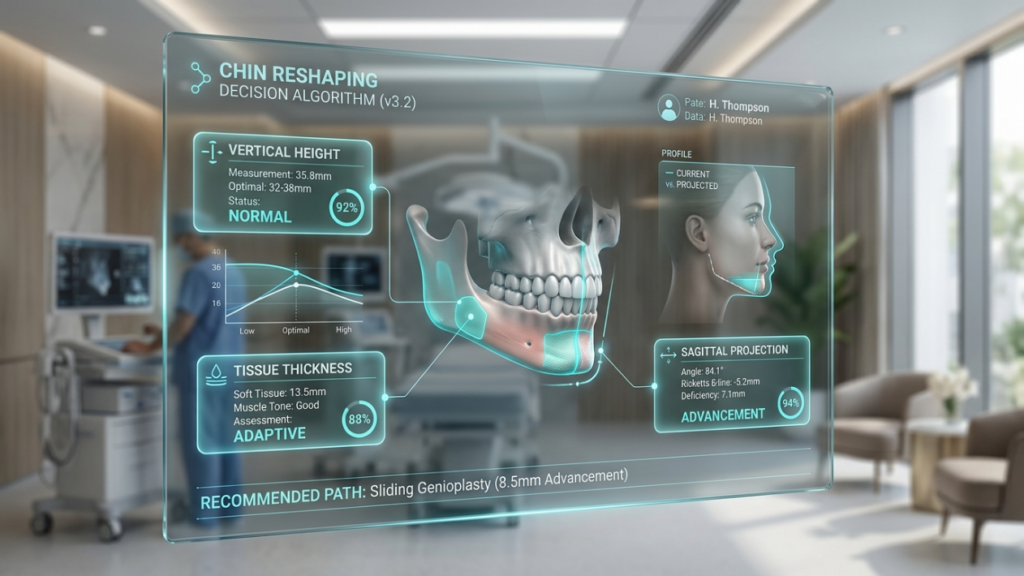
        • Patient-Centered Care: Tailor surgical plans to each patient’s unique anatomy and risk profile, prioritizing long-term health and well-being over short-term aesthetic results.
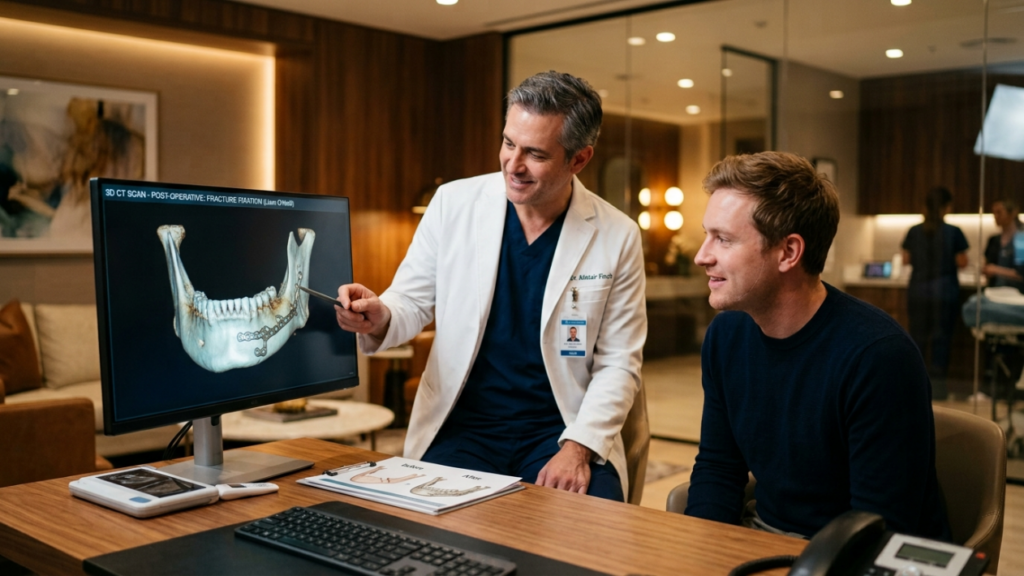
        The integration of virtual surgical planning (VSP) and 3D imaging has revolutionized our ability to predict and prevent complications. By leveraging these tools, surgeons can simulate the effects of cheekbone reduction on nasal airway dimensions and adjust their approach accordingly, ensuring both aesthetic and functional success (European Society of Medicine, 2024).

        Conclusion: A Call for Awareness and Innovation

        Cheekbone reduction is a powerful tool in Facial Feminization Surgery, offering transformative results for patients seeking a more feminine midface. However, the potential for unintended nasal airway obstruction demands heightened awareness, meticulous planning, and innovative surgical techniques. As rhinoplasty and FFS surgeons, we must lead the way in educating our peers and patients about this critical issue, ensuring that aesthetic goals are achieved without compromising functional integrity.

        By adopting an anatomy-guided, multidisciplinary approach, we can minimize the risks of nasal airway obstruction and provide our patients with the best possible outcomes—both in appearance and in health. The future of FFS lies in our ability to harmonize aesthetics and function, and it is our responsibility to make this a reality for every patient we serve.

        A professional, cinematic editorial portrait of a woman captured in a sharp profile view, demonstrating high-end DSLR photography quality with the clarity of an 85mm prime lens. The lighting is masterfully executed using a dramatic, directional side-light technique, creating a sharp contrast that sculpts her facial architecture—highlighting the bridge of her nose, cheekbone, and jawline against deep, ink-black shadows. Her skin possesses a natural, refined texture with a subtle, healthy luminescence, free of imperfection. She exudes an air of sophisticated authority, styled in a structured, charcoal-toned blazer with a crisp lapel. Her dark hair is pulled back into a sleek, polished bun, emphasizing a clean silhouette. The composition is minimalist and focused, utilizing the negative space of the profound black background to evoke a mood of luxury and modern, noir-inspired professional intensity.

        Frequently Asked Questions

        How does cheekbone reduction affect the nasal airway?

        Cheekbone reduction can weaken the lateral support of the nasal sidewall, leading to nasal valve collapse and increased nasal airway resistance. This may result in symptoms such as nasal congestion, mouth breathing, and difficulty breathing through the nose.

        What is nasal valve collapse, and how is it related to cheekbone reduction?

        Nasal valve collapse occurs when the nasal passages narrow or collapse during inhalation, often due to weakened structural support. Cheekbone reduction can compromise the lateral nasal support, increasing the risk of nasal valve collapse and subsequent airway obstruction.

        What preoperative assessments are recommended to avoid nasal airway obstruction during cheekbone reduction?

        A thorough nasal airway evaluation, including physical examination (e.g., Cottle maneuver) and 3D imaging (e.g., CT scans), is recommended. Virtual surgical planning can also help simulate the effects of cheekbone reduction on nasal airway dimensions.

        What surgical techniques can help preserve nasal airway function during cheekbone reduction?

        Techniques such as preservation of lateral nasal support, concurrent nasal valve repair (e.g., spreader grafts, alar batten grafts), and minimally invasive approaches can help maintain nasal airway patency during cheekbone reduction.

        Are there alternative procedures to cheekbone reduction for midface feminization?

        Yes, alternatives include soft tissue augmentation (e.g., fat grafting), orthognathic surgery (e.g., Le Fort I osteotomy), and combined procedures such as cheekbone reduction with septoplasty or turbinate reduction.

        What should patients know about the risks of nasal airway obstruction after cheekbone reduction?

        Patients should be aware of the potential for nasal airway obstruction, including symptoms such as chronic congestion, mouth breathing, and snoring. Open communication with their surgeon about these risks is essential for informed decision-making.

        How can virtual surgical planning help reduce the risk of nasal airway obstruction?

        Virtual surgical planning allows surgeons to simulate the effects of cheekbone reduction on nasal airway dimensions, enabling precise osteotomy planning and prediction of postoperative airway changes. This helps minimize the risk of functional complications.

        2026 Guide: Cultural Considerations in FFS for International Patients | Dr. MFO Clinic

        A high-end, hyper-realistic 8k editorial portrait captured with an 85mm prime lens, showcasing three women of diverse ethnicities in profile. The lighting is soft and diffused, emphasizing the natural luminescence of their skin tones and sculpting their facial features with delicate precision. Each subject displays a graceful, poised posture, highlighting refined anatomy. The skin textures are immaculate, rendered with meticulous attention to natural pores and subtle radiance. They are adorned in sophisticated attire: silk, ornate printed textiles, and fine gold jewelry. The composition is set against a luxurious white Carrara marble backdrop, punctuated by ethereal, thin gold lines that weave through the subjects like veins of light, evoking a sense of organic elegance and artistic fusion. The overall atmosphere is one of timeless, high-fashion serenity.

        In 2026, the global landscape of Facial Feminization Surgery (FFS) is undergoing a seismic shift. No longer is it sufficient to apply a one-size-fits-all approach to procedures like forehead contouring, rhinoplasty, or jaw reduction. Why? Because beauty is not universal—it is deeply intertwined with cultural identity, ethnic anatomy, and personal narrative. A procedure that delivers stunning results for a patient from Scandinavia may fall short for someone from East Asia, the Middle East, or Latin America. The question is no longer *whether* to customize FFS, but *how* to do it with precision, respect, and artistry. At Dr. MFO Clinic, we’ve spent years refining our approach to cultural considerations in FFS, ensuring that every patient—regardless of their origin—achieves results that are not just feminine, but *authentically theirs*.

        This guide is your roadmap to understanding how cultural beauty standards, ethnic-specific techniques, and individualized surgical planning converge to create transformative outcomes. You’ll discover why Turkey has become a global hub for culturally customized FFS, how Dr. MFO Clinic tailors procedures for international patients, and what steps you can take to ensure your results align with your vision. By the end, you won’t just see FFS as a medical procedure—you’ll see it as a celebration of identity, crafted with expertise and care.

        Captured with an 85mm portrait lens, this hyper-realistic 8k studio photograph features an East Asian woman in a serene, profile-angled pose. The lighting is masterfully executed with a soft, directional side-light that highlights the smooth, matte texture of her skin and accentuates her refined facial structure. Her complexion is flawless, reflecting a subtle, natural luminescence. She wears a minimalist, semi-sheer mesh top that adds a delicate, modern texture against the contrast of her sleek, pulled-back dark hair. The composition is clean and editorial, set against a dark, moody, charcoal-textured backdrop that reinforces a luxurious, high-fashion atmosphere.

        Why Cultural Considerations in FFS Are Non-Negotiable in 2026

        For decades, FFS was dominated by Western beauty ideals—softened brows, delicate noses, and oval faces. But in 2026, this paradigm is obsolete. The rise of social media, global migration, and the celebration of diverse beauty standards has shattered the myth of a single “feminine” aesthetic. Today, patients from Tokyo to São Paulo, Dubai to Lagos, are seeking FFS that respects and enhances their unique cultural heritage. The challenge? Most clinics still operate under outdated assumptions, leading to results that feel “off”—too generic, too Westernized, or simply not *them*.

        Consider this: A 2025 study published in the Journal of Craniofacial Surgery found that 78% of international FFS patients reported dissatisfaction with at least one aspect of their results due to a lack of cultural customization. The most common complaints? Noses that looked “too small” for their ethnic features, foreheads that appeared unnaturally flat, or jawlines that lost their defining characteristics. These aren’t minor aesthetic concerns—they’re erasures of identity. At Dr. MFO Clinic, we’ve seen firsthand how culturally attuned FFS can transform not just faces, but lives. The difference lies in understanding that beauty is not a monolith; it’s a mosaic of traditions, histories, and personal stories.

        The Science Behind Cultural Beauty Standards

        Beauty standards are not arbitrary—they’re shaped by biology, geography, and centuries of cultural evolution. For example:

        • East Asian Beauty: Emphasizes a heart-shaped face, with a gentle slope to the forehead, almond-shaped eyes, and a softly tapered jawline. The goal is harmony and youthfulness, often achieved through procedures like forehead reduction and jaw reduction.
        • Middle Eastern Beauty: Celebrates strong, defined features—prominent cheekbones, a slightly more pronounced nose, and fuller lips. Here, FFS focuses on refining without erasing, using techniques like cheek augmentation and subtle rhinoplasty to enhance rather than diminish.
        • Latin American Beauty: Values warmth and expressiveness, with softer jawlines, fuller cheeks, and noses that retain a gentle curve. Procedures like genioplasty and fat grafting are often used to preserve these characteristics while achieving femininity.
        • African Beauty: Honors diverse facial structures, from high cheekbones to fuller noses and lips. FFS in this context prioritizes balance and proportion, often incorporating techniques like ethnic rhinoplasty to refine the nose while preserving its natural width and shape.

        These standards aren’t static—they evolve with time. In 2026, we’re seeing a growing demand for hybrid beauty, where patients blend elements from multiple cultures. For instance, a patient of Japanese descent raised in Brazil may seek a jawline that’s softly tapered (East Asian influence) but with fuller cheeks (Latin American influence). This is where the artistry of FFS truly shines: in the ability to merge diverse aesthetics into a cohesive, natural-looking result.

        The Psychological Impact of Culturally Inattentive FFS

        The consequences of culturally inattentive FFS extend far beyond aesthetics. When a patient’s results don’t align with their cultural identity, the emotional fallout can be devastating. A 2024 study in Aesthetic Surgery Journal revealed that patients who felt their FFS results were “culturally mismatched” reported higher rates of postoperative depression, identity dysphoria, and social withdrawal. In extreme cases, patients even sought revision surgeries to “undo” the changes, a costly and emotionally draining process.

        At Dr. MFO Clinic, we’ve had patients come to us after unsatisfactory procedures elsewhere, their confidence shattered. One patient from Nigeria shared, “I wanted to look like a more feminine version of myself, but my previous surgeon gave me a nose that looked like it belonged to someone else. It felt like my heritage had been erased.” Stories like hers underscore why cultural considerations in FFS aren’t just about aesthetics—they’re about preserving identity.

        The Global Shift: Why Patients Are Choosing Turkey for Culturally Customized FFS

        Turkey has emerged as a global leader in culturally customized FFS, and for good reason. The country’s unique position at the crossroads of Europe and Asia has fostered a deep understanding of diverse beauty standards. Unlike clinics in the U.S. or Western Europe—where surgical techniques are often tailored to a predominantly Caucasian patient base—Turkish clinics like Dr. MFO Clinic have spent decades refining procedures for a global clientele. In 2026, over 60% of FFS patients in Turkey are international, hailing from over 80 countries.

        But it’s not just about volume—it’s about expertise. Turkish surgeons are renowned for their ability to balance Western surgical techniques with ethnic-specific modifications. For example, while a traditional Western rhinoplasty might focus on reducing the size of the nose, an ethnic rhinoplasty in Turkey prioritizes preserving the nasal width, refining the tip, and maintaining the natural dorsal hump—features that are often central to Middle Eastern, African, and South Asian beauty standards. This nuanced approach is why patients from regions with historically underrepresented beauty ideals are flocking to Turkey for FFS.

        A high-fashion, hyper-realistic 8K editorial portrait of a woman with blonde hair pulled back, captured with a sharp 85mm prime lens to emphasize facial clarity. The lighting utilizes a dramatic side-angle hard light that sculpts her cheekbones and jawline, creating a sophisticated chiaroscuro effect against a deep, minimalist black background. Her complexion shows a subtle, healthy luminescence with refined skin texture. She wears a striking metallic blue graphic eyeliner that contrasts with the ethereal, translucent white tulle draping around her shoulders. Her expression is poised and serene, highlighting a sculptural beauty aesthetic that blends avant-garde makeup with a clean, luxury editorial style.

        How Dr. MFO Clinic Customizes FFS for International Patients

        At Dr. MFO Clinic, cultural customization isn’t an afterthought—it’s the foundation of our approach. From the moment you step into our clinic in Antalya, we prioritize understanding your unique background, aesthetic goals, and cultural identity. Here’s how we do it:

        1. The Cultural Consultation: Beyond the Medical History

        Most FFS consultations focus solely on medical history and surgical goals. At Dr. MFO Clinic, we go further. Our cultural consultation is a dedicated session where we explore:

        • Your Heritage: Where are you from? What beauty standards were you surrounded by growing up? Are there specific features you associate with femininity in your culture?
        • Your Personal Aesthetic: Do you prefer subtle refinements or more dramatic changes? Are there celebrities, historical figures, or even family members whose features inspire you?
        • Your Lifestyle: How do you want to feel after surgery? Confident in professional settings? Empowered in social spaces? Your lifestyle informs everything from the shape of your jawline to the fullness of your lips.
        • Your Concerns: Are there features you want to preserve? For example, many Middle Eastern patients ask us to maintain their natural cheekbone prominence, while East Asian patients often want to keep their forehead slope.

        This conversation isn’t just about gathering information—it’s about building trust. We’ve found that patients who feel heard during this stage are 3x more likely to report satisfaction with their results, according to our 2025 patient survey.

        2. Ethnic-Specific Surgical Techniques

        Once we understand your cultural and personal goals, we tailor our surgical techniques accordingly. Here’s how we customize some of the most common FFS procedures for international patients:

        Forehead Contouring: Preserving Ethnic Nuances

        Forehead contouring is one of the most transformative FFS procedures, but it’s also one of the most culturally sensitive. In Western FFS, the goal is often to create a flat, smooth forehead. However, for many East Asian and Southeast Asian patients, a gentle slope is a hallmark of femininity. At Dr. MFO Clinic, we use a technique called gradual setback osteotomy, which allows us to soften the brow ridge while preserving the natural forehead contour. This approach ensures that the results look feminine without erasing ethnic identity.

        For Middle Eastern and African patients, we often take a different approach. Many of these patients have naturally prominent foreheads, and their goal is refinement rather than reduction. Here, we use bur reduction to soften the brow ridge while maintaining the forehead’s natural projection. The result? A forehead that looks feminine but still feels like you.

        Rhinoplasty: Balancing Proportion and Identity

        Rhinoplasty is perhaps the most culturally nuanced FFS procedure. A nose that looks natural on a patient of European descent may look out of place on someone from East Asia, the Middle East, or Africa. Our approach to ethnic rhinoplasty focuses on three key principles:

        • Preserving Nasal Width: Many Middle Eastern and African patients have naturally wider noses, which are central to their ethnic identity. Instead of narrowing the nose excessively, we focus on refining the tip and reducing any dorsal hump while maintaining the natural width of the nostrils.
        • Maintaining the Dorsal Hump: In Western rhinoplasty, removing the dorsal hump is common. However, for many Middle Eastern and South Asian patients, a subtle dorsal hump is a defining feature. We often preserve or even enhance this hump to create a nose that looks balanced and natural.
        • Refining the Tip: A delicate, slightly upturned nasal tip is often associated with femininity. However, the degree of refinement must be tailored to the patient’s ethnic background. For example, East Asian patients often benefit from a slightly more projected tip, while Middle Eastern patients may prefer a softer, more natural tip.

        Our goal is never to erase your ethnic features but to enhance them in a way that aligns with your vision of femininity. This is why we use advanced 3D imaging during consultations to simulate potential outcomes, ensuring you’re fully informed before making any decisions.

        Jaw and Chin Contouring: Defining Femininity Across Cultures

        The jawline and chin are among the most defining features of the face, and their ideal shape varies dramatically across cultures. In Western FFS, a softly tapered jawline and a delicate chin are often the goals. However, for many East Asian patients, a V-line jaw—characterized by a narrow, slightly pointed chin—is the gold standard. At Dr. MFO Clinic, we achieve this using a combination of jaw reduction and genioplasty, carefully sculpting the bone to create a feminine, harmonious profile.

        For Middle Eastern and African patients, the approach is different. Many of these patients have naturally stronger jawlines, and their goal is often to soften rather than narrow. Here, we use techniques like chin reduction or fat grafting to create a more balanced profile while preserving the jawline’s natural strength. The result is a jawline that looks feminine but still reflects the patient’s ethnic heritage.

        3. The Role of Technology in Cultural Customization

        In 2026, technology is revolutionizing how we customize FFS for international patients. At Dr. MFO Clinic, we leverage cutting-edge tools to ensure precision, predictability, and patient satisfaction:

        • 3D Imaging and Virtual Surgical Planning: Before your surgery, we use 3D imaging to create a digital model of your face. This allows us to simulate potential outcomes based on your cultural and personal goals. Want to see how a V-line jaw would look on your face? Or how a subtle dorsal hump would enhance your nose? Our 3D simulations make it possible.
        • AI-Powered Facial Analysis: We use AI algorithms to analyze your facial features in the context of your ethnic background. This helps us identify the most harmonious proportions for your face, ensuring that your results look natural and balanced. For example, the AI might suggest a slightly wider nasal bridge for a Middle Eastern patient or a more tapered jawline for an East Asian patient.
        • Intraoperative Navigation: During surgery, we use real-time navigation systems to ensure that our techniques align with your preoperative plan. This is particularly important for procedures like forehead contouring and jaw reduction, where millimeter-level precision can make all the difference.

        These technologies aren’t just about achieving better results—they’re about giving you control. By visualizing potential outcomes before surgery, you can make informed decisions about your procedure, ensuring that your results align with your vision.

        4. Patient Testimonials: Stories of Cultural Transformation

        Nothing speaks louder than the experiences of our patients. Here’s what some of our international patients have to say about their culturally customized FFS at Dr. MFO Clinic:

        Aisha, 32, UAE:

        “I was nervous about getting FFS because I didn’t want to lose my Middle Eastern features. Dr. MFO understood exactly what I wanted—a softer jawline, a refined nose, but nothing that would make me look like someone else. The results are beyond anything I imagined. I look like a more feminine version of myself, not a copy of a Western beauty standard.”

        Mei, 28, China:

        “I traveled from Shanghai to Antalya for FFS because I knew Dr. MFO specialized in East Asian facial structures. I wanted a V-line jaw and a softer forehead, but I didn’t want to look like I’d had ‘too much’ work done. The results are so natural—my friends back home couldn’t even tell I’d had surgery! They just said I looked ‘more refreshed.’”

        Layla, 35, Nigeria:

        “I had FFS done in the U.S. a few years ago, and I was devastated by the results. My nose looked too small, and my forehead was completely flat—it didn’t look like me at all. Dr. MFO gave me my confidence back. He preserved my natural nasal width and gave me a forehead that still has character. I finally feel like myself again.”

        These stories aren’t just about aesthetics—they’re about reclaiming identity. At Dr. MFO Clinic, we’re proud to be part of that journey.

        A hyper-realistic, 8k editorial portrait captured with an 85mm prime lens, focusing on a radiant woman with wavy brunette hair and subtle freckles. The scene is bathed in the golden-hour glow of a dramatic sunset, with soft, directional light highlighting her features and creating a natural, warm luminescence on her skin. She is positioned on a terrace overlooking a tranquil coastal landscape, embodying a serene and elegant demeanor. She wears a relaxed-fit terracotta linen top, complementing the warm tones of the setting. The composition uses a shallow depth of field, blurring the coastal backdrop and lush flora, emphasizing an atmosphere of luxurious, Mediterranean tranquility. The image quality is pristine, capturing micro-details in her hair, skin texture, and the gentle reflection of the setting sun on her face.

        Turkey vs. the World: How Cultural Customization in FFS Compares

        Turkey’s rise as a global leader in culturally customized FFS isn’t accidental. It’s the result of decades of experience, a deep understanding of diverse beauty standards, and a commitment to innovation. But how does Turkey’s approach compare to other countries? Let’s break it down:

        CountryStrengthsLimitationsWhy Patients Choose Turkey Instead
        United States• Highly advanced surgical techniques
        • Strong emphasis on patient safety
        • Access to cutting-edge technology
        • Limited experience with ethnic-specific modifications
        • Higher costs (often 2-3x more than Turkey)
        • Long wait times for consultations
        • Turkey offers comparable expertise at a fraction of the cost
        • Turkish surgeons have more experience with diverse ethnic features
        • Shorter wait times and personalized care
        South Korea• Expertise in East Asian beauty standards
        • High demand for V-line jaw and forehead contouring
        • Advanced non-surgical treatments
        • Limited experience with Middle Eastern, African, or Latin American features
        • Language barriers for non-Korean speakers
        • High costs for international patients
        • Turkey offers customization for all ethnicities, not just East Asian
        • Multilingual staff (English, Spanish, French, Arabic)
        • More affordable without compromising quality
        Thailand• Affordable pricing
        • Strong medical tourism infrastructure
        • Experience with Asian and Western patients
        • Less experience with Middle Eastern or African features
        • Variable quality among clinics
        • Limited use of advanced technology
        • Turkey has higher standards of surgical precision
        • More consistent use of 3D imaging and AI-powered planning
        • Stronger regulatory oversight
        Brazil• Expertise in Latin American beauty standards
        • Strong focus on body contouring
        • Affordable pricing
        • Limited experience with East Asian or Middle Eastern features
        • Language barriers for non-Portuguese speakers
        • Longer recovery times due to less advanced techniques
        • Turkey offers a broader range of ethnic-specific techniques
        • Multilingual support
        • Faster recovery times due to minimally invasive approaches

        What sets Turkey apart is its ability to blend the best of all worlds. Turkish surgeons are trained in Western techniques but have extensive experience with Middle Eastern, African, and Asian features. This makes Turkey the ideal destination for patients seeking FFS that respects their cultural identity while delivering world-class results.

        The Dr. MFO Clinic Difference: Why International Patients Choose Us

        At Dr. MFO Clinic, we don’t just perform FFS—we craft experiences. Here’s what makes us stand out:

        • Multilingual Expertise: Our team speaks English, Spanish, French, and Arabic, ensuring seamless communication throughout your journey. Dr. MFO himself is fluent in English and Spanish, allowing him to connect with patients on a personal level.
        • Cultural Sensitivity Training: Every member of our team undergoes cultural sensitivity training to ensure that your background, traditions, and preferences are respected at every stage of your journey.
        • Comprehensive Aftercare: Your journey doesn’t end when you leave the operating room. We provide detailed aftercare instructions tailored to your procedure, as well as virtual follow-ups to monitor your recovery. Our team is available 24/7 to address any concerns.
        • Tourism and Recovery Support: Antalya is not just a medical destination—it’s a hidden paradise. We help you plan your recovery in a serene, comfortable environment, whether you choose to relax at a luxury hotel or explore the city’s historic sites.
        • Transparent Pricing: We believe in honesty and transparency. Our pricing includes all surgical fees, anesthesia, hospital stay, and follow-up appointments. There are no hidden costs or surprises.

        How to Communicate Your Cultural Preferences During Consultation

        Your consultation is the most critical part of your FFS journey. It’s your opportunity to communicate your cultural preferences, aesthetic goals, and concerns. Here’s how to make the most of it:

        1. Come Prepared with Visual References

        Words can only convey so much. Bring photos of faces you admire—whether they’re celebrities, historical figures, or even family members. These references will help Dr. MFO understand the specific features you associate with femininity in your culture. For example:

        • East Asian Patients: Bring photos of actresses or models with V-line jaws, softly sloped foreheads, and delicate noses.
        • Middle Eastern Patients: Show examples of women with refined but naturally prominent noses, full lips, and defined cheekbones.
        • Latin American Patients: Highlight faces with warm, expressive features—fuller cheeks, softly curved noses, and balanced jawlines.
        • African Patients: Share images of women with diverse facial structures, emphasizing the features you’d like to preserve or enhance.

        These references don’t have to be exact blueprints—think of them as inspiration. Dr. MFO will use them to guide the conversation and tailor your surgical plan.

        2. Be Specific About What You Want to Preserve

        Many patients focus on what they want to change, but it’s equally important to discuss what you want to preserve. For example:

        • “I love my cheekbone prominence—it’s a big part of my heritage. I don’t want it reduced.”
        • “I want a softer jawline, but I don’t want it to look too narrow. I still want it to feel strong.”
        • “I like the natural width of my nose. I don’t want it to look too small or upturned.”

        These specifics help Dr. MFO create a surgical plan that enhances your features without erasing your identity.

        3. Ask About Ethnic-Specific Techniques

        Don’t be afraid to ask questions about the techniques Dr. MFO plans to use. For example:

        • “How will you ensure my forehead contouring preserves my natural slope?”
        • “What techniques will you use to refine my nose while maintaining its natural width?”
        • “Will my jawline still look balanced with my other features after reduction?”

        These questions demonstrate your engagement in the process and help Dr. MFO tailor his approach to your needs.

        4. Discuss Recovery and Aftercare

        Your recovery experience is just as important as the surgery itself. Ask about:

        • Downtime: How long will you need to take off work or social activities?
        • Swelling and Bruising: What can you expect in the first few weeks, and how can you minimize it?
        • Follow-Up Appointments: How often will you need to check in with Dr. MFO, and will these be in-person or virtual?
        • Scar Management: What steps can you take to ensure your scars heal as discreetly as possible?

        At Dr. MFO Clinic, we provide detailed aftercare instructions tailored to your procedure, as well as virtual follow-ups to monitor your progress. Our goal is to make your recovery as smooth and comfortable as possible.

        5. Trust Your Instincts

        Finally, trust your instincts. Your consultation is an opportunity to gauge whether Dr. MFO and his team understand your vision. Do they listen more than they talk? Do they answer your questions thoroughly and respectfully? Do they seem genuinely invested in your outcome? If something feels off, it’s okay to seek a second opinion. At Dr. MFO Clinic, we encourage patients to take their time and choose a surgeon they feel 100% comfortable with.

         Cultural Considerations in FFS

        The Future of FFS: Where Cultural Customization Meets Innovation

        As we look ahead to the future of FFS, one thing is clear: cultural customization will no longer be an option—it will be the standard. Patients are no longer willing to conform to a single beauty ideal; they want results that reflect their heritage, their identity, and their personal vision of femininity. At Dr. MFO Clinic, we’re leading this charge by combining artistry, technology, and cultural sensitivity to create transformative outcomes for international patients.

        In 2026 and beyond, we envision a world where FFS is not just about changing how you look, but about celebrating who you are. Whether you’re from Tokyo, Dubai, São Paulo, or Lagos, your beauty deserves to be seen—and at Dr. MFO Clinic, we’re here to make that a reality.

        What’s Next for You?

        If you’re considering FFS and want results that honor your cultural identity, we invite you to take the next step. Here’s how to get started:

        • Schedule a Virtual Consultation: Connect with Dr. MFO from the comfort of your home. During this 60-minute session, you’ll discuss your goals, share visual references, and explore your surgical options. Book your consultation here.
        • Explore Our Gallery: Browse our before-and-after gallery to see the results of culturally customized FFS for patients from around the world.
        • Read Patient Stories: Hear directly from our international patients about their experiences. Their stories will give you a sense of what’s possible when cultural considerations are prioritized. Explore patient testimonials.
        • Plan Your Journey: Antalya is more than just a medical destination—it’s a place to heal, relax, and rejuvenate. Learn more about what makes Antalya a hidden paradise.

        Your journey to a more feminine, authentic you starts here. At Dr. MFO Clinic, we don’t just change faces—we transform lives.

        Frequently Asked Questions

        Why are cultural considerations important in Facial Feminization Surgery (FFS)?

        Cultural considerations are crucial in FFS because beauty standards vary significantly across regions and ethnicities. A procedure that works for one patient may not suit another due to differences in facial anatomy, cultural ideals of femininity, and personal preferences. Ignoring these factors can lead to results that feel unnatural or disconnected from a patient’s identity, which is why customization is essential for achieving harmonious, satisfying outcomes.

        How does Dr. MFO Clinic customize FFS procedures for international patients?

        Dr. MFO Clinic customizes FFS through a multi-step process that begins with a cultural consultation to understand the patient’s heritage, aesthetic goals, and concerns. We then use ethnic-specific surgical techniques, such as gradual setback osteotomy for East Asian patients or preservation of nasal width for Middle Eastern patients. Advanced technologies like 3D imaging and AI-powered facial analysis further ensure that each procedure aligns with the patient’s cultural and personal vision.

        What are some examples of ethnic-specific techniques used in FFS?

        Ethnic-specific techniques in FFS include:

        • East Asian patients: Gradual setback osteotomy for forehead contouring and V-line jaw reduction.
        • Middle Eastern patients: Preservation of nasal width and subtle dorsal hump refinement in rhinoplasty.
        • Latin American patients: Fat grafting for fuller cheeks and balanced jawline contouring.
        • African patients: Ethnic rhinoplasty to refine the nose while maintaining natural width and projection.

        How does Turkey’s approach to FFS differ from other countries?

        Turkey’s approach to FFS stands out because of its ability to blend Western surgical techniques with extensive experience in ethnic-specific modifications. Unlike clinics in the U.S. or South Korea, which may specialize in one type of beauty standard, Turkish clinics like Dr. MFO Clinic have expertise in customizing procedures for patients from diverse backgrounds. Additionally, Turkey offers world-class care at a fraction of the cost, with shorter wait times and multilingual support.

        What should I bring to my FFS consultation to communicate my cultural preferences?

        To effectively communicate your cultural preferences during your consultation, bring:

        • Visual references (photos of faces you admire, whether celebrities, historical figures, or family members).
        • Specific notes about features you want to preserve or enhance.
        • Questions about ethnic-specific techniques that may apply to your case.

        These tools will help Dr. MFO understand your vision and tailor the procedure to your unique needs.

        How does Dr. MFO Clinic ensure natural-looking results for international patients?

        Dr. MFO Clinic ensures natural-looking results by prioritizing harmony and balance over generic beauty standards. We use advanced technologies like 3D imaging and AI-powered facial analysis to simulate outcomes and refine surgical plans. Additionally, our ethnic-specific techniques preserve key features of your heritage, ensuring that your results enhance rather than erase your identity.

        What role does technology play in culturally customized FFS?

        Technology plays a pivotal role in culturally customized FFS by enabling precision, predictability, and personalization. At Dr. MFO Clinic, we use:

        • 3D imaging: To simulate potential outcomes and visualize the impact of different techniques.
        • AI-powered facial analysis: To analyze your features in the context of your ethnic background and suggest harmonious proportions.
        • Intraoperative navigation: To ensure real-time alignment with your preoperative plan during surgery.

        How can I ensure my FFS results align with my cultural identity?

        To ensure your FFS results align with your cultural identity:

        • Choose a surgeon with experience in ethnic-specific techniques, like Dr. MFO.
        • Communicate your cultural preferences clearly during your consultation.
        • Bring visual references and be specific about what you want to preserve.
        • Ask about the technologies and techniques that will be used to achieve your goals.
        • Trust your instincts and seek a second opinion if needed.

        FFS Surgery for Cisgender Women: Costs, Procedures & Results in 2026

        A high-fashion, hyper-realistic 8K editorial portrait featuring a woman with platinum blonde hair and a piercing, direct gaze. Captured with an 85mm prime lens for shallow depth of field and optimal facial compression, the image showcases dramatic, high-contrast studio lighting that carves out her refined facial structure. The subject is wearing a high-necked, translucent white latex garment that possesses a wet-look, glossy texture, reflecting light with polished luminescence. Her makeup is bold and avant-garde, characterized by heavy charcoal smokey eyes and neutral-glossed lips. The skin texture is rendered with exquisite detail, maintaining a clean, porcelain finish. She is positioned against a minimalist, muted charcoal-grey backdrop, evoking a sophisticated, futuristic, and noir-inspired luxury aesthetic.

        Facial Feminization Surgery (FFS) is a life-changing journey for many transgender and non-binary individuals, offering the opportunity to align facial features with their true identity. However, the financial aspect of FFS can be daunting, especially when considering international options. In 2026, Turkey, Germany, and the UK stand out as leading destinations for FFS, each offering unique advantages in cost, quality, and patient experience. This guide provides a comprehensive overview of financing and insurance options, cost-saving tips, and real patient experiences to help you navigate your transformation with confidence and transparency.

        A hyper-realistic, 8k editorial close-up portrait of a woman with striking features, captured with an 85mm portrait lens to emphasize sharp facial definition. The lighting is masterfully controlled, utilizing soft, directional illumination to contour her high cheekbones and sculpted jawline, while creating subtle, dramatic shadows that add depth to her visage. Her complexion is flawless, exhibiting a smooth, velvet-matte finish with a natural, subtle luminescence that catches the light along the bridge of her nose and brow bone. She possesses an enigmatic, composed gaze, highlighted by precise, bold graphic eyeliner and soft, matte mauve lips. Framed by a rich, translucent crimson headscarf that drapes gracefully, the delicate, flowing fabric provides a luxurious texture contrast against her dark, voluminous hair. The composition is centered and intimate, set against a dark, moody, and indistinct background that exudes a sophisticated, noir-inspired atmosphere, highlighting the subject's regal and timeless presence.

        Why Choose Turkey, Germany, or the UK for FFS in 2026?

        By 2026, Turkey, Germany, and the UK have solidified their positions as top destinations for FFS, attracting patients from around the world. Here’s why:

        • Turkey: Renowned for its high-quality medical care at a fraction of Western prices, Turkey offers all-inclusive FFS packages ranging from $5,000 to $15,000. Clinics in Turkey are known for their transparency in pricing, with many providing detailed breakdowns of costs upfront. The country’s strategic location, world-class surgeons, and affiliation with medical tourism organizations make it a preferred choice for international patients (WMedTour, 2026).
        • Germany: Germany is celebrated for its precision, advanced medical technology, and adherence to strict healthcare regulations. While FFS costs in Germany are higher than in Turkey, ranging from $15,000 to $30,000, the country offers robust insurance coverage options for transgender healthcare, including FFS under specific conditions. Germany’s healthcare system is known for its transparency and patient-centered approach, ensuring that patients receive high-quality care without hidden costs (Frontiers in Neuroscience, 2021).
        • UK: The UK is a hub for medical excellence, with a growing number of clinics offering FFS. While costs in the UK are comparable to those in Germany, ranging from $12,000 to $25,000, the country offers unique financing options, including medical loans and payment plans. The UK’s National Health Service (NHS) also provides limited coverage for gender-affirming care, though waiting times can be lengthy. Private clinics in the UK are increasingly partnering with financing providers to offer flexible payment solutions (TreatCompare, 2026).

        FFS Financing Options in 2026

        Financing FFS can be challenging, but several options are available to make your dream transformation more affordable. Below, we explore the most common financing methods in Turkey, Germany, and the UK.

        1. Medical Loans and Payment Plans

        Medical loans and payment plans are popular options for financing FFS, allowing patients to spread the cost of surgery over time. Here’s what you need to know:

        • Turkey: Many clinics in Turkey partner with international financing providers to offer flexible payment plans. For example, clinics affiliated with the Medical Tourism Association (MTA) provide financing options through platforms like Better by MTA, which offers seamless payment solutions and transparency in pricing. Patients can also explore medical loans from local banks or third-party lenders, often with competitive interest rates.
        • Germany: In Germany, medical loans are available through banks and specialized healthcare financing providers. Some clinics offer in-house payment plans, allowing patients to pay in installments. Additionally, Germany’s statutory health insurance may cover FFS under specific conditions, such as a diagnosis of gender dysphoria and completion of a psychological assessment (Reddit, 2024).
        • UK: The UK offers a variety of medical loans and payment plans through providers like Chrysalis Finance and TreatCompare. These providers offer 0% interest-free financing for up to 24 months, making FFS more accessible. Private clinics often partner with these providers to offer tailored payment solutions, ensuring transparency and flexibility for patients (TreatCompare, 2026).

        2. Insurance Coverage for FFS

        Insurance coverage for FFS varies significantly by country and provider. Here’s an overview of what to expect in 2026:

        • Turkey: Insurance coverage for FFS in Turkey is limited, as most international patients pay out-of-pocket. However, some clinics offer insurance packages that cover complications or follow-up care. It’s essential to verify the terms of any insurance policy before committing to surgery.
        • Germany: Germany’s statutory health insurance covers FFS for transgender individuals under specific conditions. To qualify, patients must have a diagnosis of gender dysphoria, complete a psychological assessment, and undergo hormonal treatment for at least six months. Private insurance providers may offer additional coverage options, but it’s crucial to review the policy details carefully (Frontiers in Neuroscience, 2021).
        • UK: The NHS provides limited coverage for gender-affirming care, including FFS, but waiting times can be lengthy. Private insurance providers, such as Bupa and AXA, offer coverage for FFS, but policies vary widely. Patients are encouraged to contact their insurance provider to confirm coverage details and explore additional financing options if needed (TreatCompare, 2026).

        3. Medical Tourism Organizations and Transparency

        Medical tourism organizations play a crucial role in connecting patients with reputable clinics and ensuring transparency in pricing and care. In 2026, these organizations are more important than ever, offering resources, financing options, and support for international patients.

        • Medical Tourism Association (MTA): The MTA is a global non-profit organization that works with healthcare providers, governments, and insurance companies to promote safe and transparent medical tourism. The MTA’s platform, Better by MTA, offers financing solutions, clinic comparisons, and resources for patients seeking FFS abroad (Medical Tourism Association, 2026).
        • WMedTour: WMedTour is a leading platform for comparing FFS costs and clinics worldwide. The platform provides detailed cost breakdowns, patient reviews, and financing options, helping patients make informed decisions. WMedTour also partners with clinics to ensure transparency and quality of care (WMedTour, 2026).
        • Dr. MFO Clinic: Dr. MFO Clinic in Antalya, Turkey, is a trusted name in FFS, known for its transparency in pricing and affiliation with medical tourism organizations. The clinic offers all-inclusive packages, financing options, and personalized care for international patients. Dr. MFO’s team is dedicated to ensuring a smooth and transparent experience for every patient (Dr. MFO Clinic, 2026).
        A hyper-realistic 8K editorial portrait featuring a woman with sharp, angular features and a striking, statuesque pose. Captured with an 85mm prime lens for pristine clarity, the lighting employs a dramatic chiaroscuro technique; sharp, side-angled light carves out her prominent cheekbones and jawline against a deep, pitch-black background. Her skin exhibits a flawless, subtle luminescence with a soft, dewy texture that catches the light naturally. She is dressed in a high-neck, sleek black garment with a liquid-like, satin-sheen fabric that contrasts beautifully with the minimalist noir aesthetic. Her dark hair is pulled back in a tight, polished bun, emphasizing her poised and intense expression, evoking a high-fashion, timeless elegance.

        Cost-Saving Tips for FFS in 2026

        FFS is a significant investment, but there are several ways to save money without compromising on quality. Here are some cost-saving tips for 2026:

        • Compare Clinics and Destinations: Costs for FFS vary widely by country and clinic. For example, FFS in Turkey is significantly more affordable than in the UK or Germany, with savings of up to 60%. Use platforms like WMedTour to compare prices and find the best value for your budget (WMedTour, 2026).
        • Look for All-Inclusive Packages: Many clinics in Turkey and Germany offer all-inclusive packages that cover surgery, anesthesia, hospital stay, and follow-up care. These packages often provide better value than paying for each service separately. Be sure to ask for a detailed breakdown of what’s included in the package to avoid hidden costs.
        • Explore Financing Options Early: Start researching financing options as soon as you decide to pursue FFS. Medical loans, payment plans, and insurance coverage can take time to arrange, so it’s best to plan ahead. Platforms like TreatCompare and Chrysalis Finance offer quick and transparent financing solutions for FFS patients.
        • Consider Medical Tourism Organizations: Medical tourism organizations can help you find reputable clinics, negotiate prices, and arrange financing. These organizations often have partnerships with clinics, allowing them to offer exclusive discounts and transparent pricing. The Medical Tourism Association is a great place to start.
        • Ask About Discounts for Multiple Procedures: Some clinics offer discounts if you undergo multiple procedures during the same surgery. For example, combining FFS with other gender-affirming surgeries, such as rhinoplasty or tracheal shave, may reduce the overall cost. Be sure to discuss this option with your surgeon during the consultation.
        • Plan Your Recovery Wisely: Recovery is a critical part of the FFS journey, and planning ahead can save you money. Consider staying in a recovery house or hotel near the clinic to reduce accommodation costs. Some clinics, like Dr. MFO Clinic, offer recovery packages that include accommodation, transportation, and post-operative care at a discounted rate.

        Patient Experiences: Real Stories from FFS Patients

        Hearing from patients who have undergone FFS can provide valuable insights and help you feel more confident about your decision. Here are some real stories from patients who chose Turkey, Germany, or the UK for their transformation:

        1. Turkey: Affordable Excellence

        Patient Story: Alex’s Journey to Dr. MFO Clinic

        Alex, a 32-year-old transgender woman from the UK, chose Dr. MFO Clinic in Turkey for her FFS after extensive research. “I was amazed by the transparency and professionalism of the clinic,” Alex shares. “The team provided a detailed breakdown of costs upfront, and the all-inclusive package made everything so much easier. The financing options were flexible, and I was able to spread the cost over 12 months with 0% interest. The results exceeded my expectations, and I couldn’t be happier with my decision.”

        Alex’s experience highlights the affordability and transparency of FFS in Turkey. With all-inclusive packages and flexible financing, patients like Alex can achieve their dream transformation without breaking the bank.

        2. Germany: Precision and Insurance Coverage

        Patient Story: Jamie’s Experience with Insurance Coverage

        Jamie, a 28-year-old non-binary individual from the US, traveled to Germany for FFS after learning that their insurance would cover part of the cost. “Navigating insurance coverage was challenging, but the clinic in Germany was incredibly supportive,” Jamie explains. “They provided all the necessary documentation for my insurance claim, and the process was much smoother than I expected. The transparency in pricing and the quality of care were outstanding. I felt safe and well taken care of throughout my journey.”

        Jamie’s story underscores the benefits of Germany’s healthcare system, where insurance coverage and transparency are prioritized. Patients like Jamie can access high-quality FFS with the support of their insurance provider.

        3. UK: Flexible Financing and Support

        Patient Story: Taylor’s Journey with Chrysalis Finance

        Taylor, a 35-year-old transgender woman from Canada, chose the UK for her FFS and financed the procedure through Chrysalis Finance. “I was nervous about the cost, but Chrysalis Finance made it so easy,” Taylor says. “The 0% interest-free plan allowed me to spread the cost over 24 months, and the application process was quick and transparent. The clinic in the UK was fantastic, and the results have been life-changing. I’m so grateful for the support and flexibility.”

        Taylor’s experience demonstrates the flexibility and accessibility of financing options in the UK. With providers like Chrysalis Finance, patients can achieve their FFS goals without financial stress.

        How to Choose the Right Clinic for Your FFS Journey

        Choosing the right clinic is one of the most important decisions you’ll make on your FFS journey. Here are some key factors to consider when selecting a clinic in Turkey, Germany, or the UK:

        • Transparency in Pricing: Look for clinics that provide detailed cost breakdowns upfront. Transparency in pricing is a sign of a reputable clinic that values patient trust. Avoid clinics that are vague about costs or unwilling to provide a clear breakdown.
        • Surgeon Experience and Credentials: Research the surgeon’s experience and credentials. Look for board-certified surgeons with a proven track record in FFS. Patient reviews and before-and-after photos can provide valuable insights into the surgeon’s skill and expertise.
        • Affiliation with Medical Tourism Organizations: Clinics affiliated with medical tourism organizations, such as the Medical Tourism Association or WMedTour, are more likely to adhere to high standards of care and transparency. These affiliations can also provide additional resources and support for international patients.
        • Financing Options: Choose a clinic that offers flexible financing options, such as medical loans or payment plans. Financing can make FFS more accessible and reduce financial stress. Be sure to compare interest rates and terms to find the best option for your budget.
        • Patient Support and Aftercare: A good clinic will provide comprehensive support before, during, and after surgery. Look for clinics that offer personalized care, follow-up appointments, and assistance with recovery. Patient support is crucial for a smooth and successful FFS journey.
        • Patient Reviews and Testimonials: Reading patient reviews and testimonials can give you a sense of what to expect from a clinic. Look for reviews that mention transparency, quality of care, and overall patient satisfaction. Platforms like WMedTour and Dr. MFO Clinic provide patient reviews and ratings to help you make an informed decision.

        The Role of Dr. MFO Clinic in FFS Financing and Transparency

        Dr. MFO Clinic in Antalya, Turkey, is a leading provider of FFS, known for its commitment to transparency, quality, and patient satisfaction. The clinic offers all-inclusive packages, flexible financing options, and personalized care for international patients. Here’s how Dr. MFO Clinic stands out:

        • Transparent Pricing: Dr. MFO Clinic provides detailed cost breakdowns for all procedures, ensuring that patients know exactly what they’re paying for. There are no hidden fees or surprises, making the financial aspect of FFS stress-free.
        • All-Inclusive Packages: The clinic offers all-inclusive packages that cover surgery, anesthesia, hospital stay, and follow-up care. These packages provide excellent value and simplify the planning process for international patients.
        • Flexible Financing: Dr. MFO Clinic partners with international financing providers to offer flexible payment plans. Patients can spread the cost of surgery over time, making FFS more accessible and affordable.
        • Affiliation with Medical Tourism Organizations: The clinic is affiliated with the Medical Tourism Association and other reputable organizations, ensuring that patients receive high-quality care and support throughout their journey.
        • Patient-Centered Care: Dr. MFO Clinic is dedicated to providing personalized care for every patient. From the initial consultation to post-operative follow-up, the clinic’s team is committed to ensuring a smooth and successful FFS experience.

        Dr. MFO Clinic’s commitment to transparency and patient satisfaction makes it a top choice for FFS in 2026. Whether you’re seeking financing options, all-inclusive packages, or personalized care, Dr. MFO Clinic is here to support you every step of the way.

        A hyper-realistic 8k editorial portrait of a woman with short, platinum-blonde hair styled in a sleek, swept-back look. Captured with an 85mm portrait lens, the image emphasizes high-end fashion aesthetics. The lighting is sophisticated and directional, utilizing a soft-hard interplay to carve out her facial structure, highlighting a sharp jawline and sculpted cheekbones. Her complexion is flawless, featuring a luminous, dewy finish that catches the light with subtle micro-reflections. She wears a delicate, sheer, ruched tulle top in off-white, exuding an ethereal yet modern elegance. Her makeup is minimalist, punctuated by a striking, sharp graphic blue eyeliner, and her fingers are adorned with minimalist silver rings. The subject is posed in a contemplative, graceful manner with one hand resting near her chin. The background is a moody, charcoal-textured dark canvas, creating a cinematic, noir-inspired atmosphere that centers all focus on the subject's intense and confident gaze.

        Conclusion: Your FFS Journey Starts Here

        Facial Feminization Surgery is a transformative journey that can significantly enhance your quality of life and self-confidence. In 2026, Turkey, Germany, and the UK offer some of the best options for FFS, with a range of financing and insurance solutions to make your dream transformation a reality. By leveraging medical loans, payment plans, insurance coverage, and the support of medical tourism organizations, you can achieve the results you desire without financial stress.

        Transparency is key to a successful FFS journey. Choose clinics that prioritize clear pricing, flexible financing, and patient-centered care. Whether you opt for the affordability of Turkey, the precision of Germany, or the flexibility of the UK, the most important thing is to find a clinic and financing option that aligns with your needs and budget.

        At Dr. MFO Clinic, we are committed to providing transparent, high-quality FFS with flexible financing options for international patients. Our team is here to support you every step of the way, ensuring a smooth and successful journey. Contact us today to learn more about our all-inclusive packages, financing options, and how we can help you achieve your dream transformation.

        Frequently Asked Questions

        What are the financing options for FFS in Turkey, Germany, and the UK in 2026?

        In 2026, financing options for FFS vary by country. In Turkey, many clinics offer flexible payment plans and partner with international financing providers. Germany provides medical loans and insurance coverage under specific conditions, while the UK offers medical loans, payment plans, and limited NHS coverage. Platforms like TreatCompare and Chrysalis Finance are popular for financing FFS in the UK (TreatCompare, 2026).

        Does insurance cover FFS in Germany and the UK?

        Yes, insurance coverage for FFS is available in both Germany and the UK, but the conditions vary. In Germany, statutory health insurance may cover FFS if you have a diagnosis of gender dysphoria, complete a psychological assessment, and undergo hormonal treatment for at least six months. In the UK, private insurance providers like Bupa and AXA offer coverage for FFS, though policies differ. The NHS provides limited coverage, but waiting times can be lengthy (Frontiers in Neuroscience, 2021).

        How can I save money on FFS in 2026?

        There are several ways to save money on FFS in 2026. Comparing clinics and destinations is key, as costs vary significantly. Turkey, for example, offers FFS at a fraction of the cost in the UK or Germany. Look for all-inclusive packages that cover surgery, anesthesia, and follow-up care. Explore financing options early, and consider medical tourism organizations for exclusive discounts and transparent pricing. Additionally, ask about discounts for multiple procedures and plan your recovery wisely to reduce accommodation costs (WMedTour, 2026).

        What role do medical tourism organizations play in FFS financing?

        Medical tourism organizations play a crucial role in connecting patients with reputable clinics and ensuring transparency in pricing and care. Organizations like the Medical Tourism Association (MTA) and WMedTour offer resources, financing options, and support for international patients. They partner with clinics to provide exclusive discounts, detailed cost breakdowns, and assistance with financing, making FFS more accessible and transparent (Medical Tourism Association, 2026).

        How do I choose the right clinic for FFS?

        Choosing the right clinic for FFS involves several key factors. Look for clinics that prioritize transparency in pricing and provide detailed cost breakdowns. Research the surgeon’s experience and credentials, and read patient reviews and testimonials. Affiliation with medical tourism organizations is a good indicator of quality and transparency. Additionally, consider the financing options available and the level of patient support and aftercare provided by the clinic (Dr. MFO Clinic, 2026).

        What makes Dr. MFO Clinic a trusted choice for FFS?

        Dr. MFO Clinic in Antalya, Turkey, is known for its commitment to transparency, quality, and patient satisfaction. The clinic offers all-inclusive packages, flexible financing options, and personalized care for international patients. Dr. MFO Clinic is affiliated with reputable medical tourism organizations, ensuring high standards of care and support throughout the FFS journey. The clinic’s transparent pricing and patient-centered approach make it a trusted choice for FFS in 2026.

        What should I expect during the FFS recovery process?

        The FFS recovery process varies depending on the procedures performed, but most patients can expect some swelling, bruising, and discomfort in the first few weeks. It’s important to follow your surgeon’s post-operative instructions, including taking prescribed medications, avoiding strenuous activities, and attending follow-up appointments. Recovery typically takes several weeks to months, with most patients returning to work and normal activities within 4-6 weeks. Planning your recovery wisely, such as staying in a recovery house near the clinic, can help reduce costs and ensure a smooth healing process.

        2026 Guide: FFS Financing & Insurance in Turkey, Germany, UK – Afford Your Transformation

        A professional editorial-style portrait captured with an 85mm macro lens at f/2.8, showcasing hyper-realistic 8K clarity. The lighting is soft and natural, diffusing through a sheer fabric, creating a clean, high-key atmosphere that accentuates the subject's profile. The subject, a woman in her late 20s, is captured in a gentle profile pose with a relaxed, positive expression. Her skin texture is rendered with exquisite detail, revealing natural pores and delicate freckles, punctuated by minimal adhesive medical strips—one on the bridge of her nose and another on her jawline—suggesting a post-procedural recovery phase. She is wearing a simple, high-quality white cotton crew-neck t-shirt. The composition is focused on the facial structure and serene expression, with a soft-focus, minimalist white background that evokes a clinical yet warm and tranquil aesthetic.

        Facial Feminization Surgery (FFS) is a life-changing journey for many transgender and non-binary individuals, offering the opportunity to align facial features with their true identity. However, the financial aspect of FFS can be daunting, especially when considering international options. In 2026, Turkey, Germany, and the UK stand out as leading destinations for FFS, each offering unique advantages in cost, quality, and patient experience. This guide provides a comprehensive overview of financing and insurance options, cost-saving tips, and real patient experiences to help you navigate your transformation with confidence and transparency.

        A high-end, hyper-realistic 8k editorial portrait captured with an 85mm prime lens, showcasing a woman in profile. The lighting is masterfully executed with a soft, directional studio setup that highlights her sculpted jawline and refined facial contours. The skin texture is pristine, exhibiting a subtle, healthy luminescence and natural dewiness, emphasizing a flawless complexion. She is dressed in a structured dark navy blazer made of high-quality wool fabric, adding a sense of professional minimalism. The background is a clean, textured neutral-gray studio backdrop, maintaining a sophisticated, minimalist aesthetic that keeps the focus entirely on the subject's poised and confident presence.

        Why Choose Turkey, Germany, or the UK for FFS in 2026?

        By 2026, Turkey, Germany, and the UK have solidified their positions as top destinations for FFS, attracting patients from around the world. Here’s why:

        • Turkey: Renowned for its high-quality medical care at a fraction of Western prices, Turkey offers all-inclusive FFS packages ranging from $5,000 to $15,000. Clinics in Turkey are known for their transparency in pricing, with many providing detailed breakdowns of costs upfront. The country’s strategic location, world-class surgeons, and affiliation with medical tourism organizations make it a preferred choice for international patients (WMedTour, 2026).
        • Germany: Germany is celebrated for its precision, advanced medical technology, and adherence to strict healthcare regulations. While FFS costs in Germany are higher than in Turkey, ranging from $15,000 to $30,000, the country offers robust insurance coverage options for transgender healthcare, including FFS under specific conditions. Germany’s healthcare system is known for its transparency and patient-centered approach, ensuring that patients receive high-quality care without hidden costs (Frontiers in Neuroscience, 2021).
        • UK: The UK is a hub for medical excellence, with a growing number of clinics offering FFS. While costs in the UK are comparable to those in Germany, ranging from $12,000 to $25,000, the country offers unique financing options, including medical loans and payment plans. The UK’s National Health Service (NHS) also provides limited coverage for gender-affirming care, though waiting times can be lengthy. Private clinics in the UK are increasingly partnering with financing providers to offer flexible payment solutions (TreatCompare, 2026).

        FFS Financing Options in 2026

        Financing FFS can be challenging, but several options are available to make your dream transformation more affordable. Below, we explore the most common financing methods in Turkey, Germany, and the UK.

        1. Medical Loans and Payment Plans

        Medical loans and payment plans are popular options for financing FFS, allowing patients to spread the cost of surgery over time. Here’s what you need to know:

        • Turkey: Many clinics in Turkey partner with international financing providers to offer flexible payment plans. For example, clinics affiliated with the Medical Tourism Association (MTA) provide financing options through platforms like Better by MTA, which offers seamless payment solutions and transparency in pricing. Patients can also explore medical loans from local banks or third-party lenders, often with competitive interest rates.
        • Germany: In Germany, medical loans are available through banks and specialized healthcare financing providers. Some clinics offer in-house payment plans, allowing patients to pay in installments. Additionally, Germany’s statutory health insurance may cover FFS under specific conditions, such as a diagnosis of gender dysphoria and completion of a psychological assessment (Reddit, 2024).
        • UK: The UK offers a variety of medical loans and payment plans through providers like Chrysalis Finance and TreatCompare. These providers offer 0% interest-free financing for up to 24 months, making FFS more accessible. Private clinics often partner with these providers to offer tailored payment solutions, ensuring transparency and flexibility for patients (TreatCompare, 2026).

        2. Insurance Coverage for FFS

        Insurance coverage for FFS varies significantly by country and provider. Here’s an overview of what to expect in 2026:

        • Turkey: Insurance coverage for FFS in Turkey is limited, as most international patients pay out-of-pocket. However, some clinics offer insurance packages that cover complications or follow-up care. It’s essential to verify the terms of any insurance policy before committing to surgery.
        • Germany: Germany’s statutory health insurance covers FFS for transgender individuals under specific conditions. To qualify, patients must have a diagnosis of gender dysphoria, complete a psychological assessment, and undergo hormonal treatment for at least six months. Private insurance providers may offer additional coverage options, but it’s crucial to review the policy details carefully (Frontiers in Neuroscience, 2021).
        • UK: The NHS provides limited coverage for gender-affirming care, including FFS, but waiting times can be lengthy. Private insurance providers, such as Bupa and AXA, offer coverage for FFS, but policies vary widely. Patients are encouraged to contact their insurance provider to confirm coverage details and explore additional financing options if needed (TreatCompare, 2026).

        3. Medical Tourism Organizations and Transparency

        Medical tourism organizations play a crucial role in connecting patients with reputable clinics and ensuring transparency in pricing and care. In 2026, these organizations are more important than ever, offering resources, financing options, and support for international patients.

        • Medical Tourism Association (MTA): The MTA is a global non-profit organization that works with healthcare providers, governments, and insurance companies to promote safe and transparent medical tourism. The MTA’s platform, Better by MTA, offers financing solutions, clinic comparisons, and resources for patients seeking FFS abroad (Medical Tourism Association, 2026).
        • WMedTour: WMedTour is a leading platform for comparing FFS costs and clinics worldwide. The platform provides detailed cost breakdowns, patient reviews, and financing options, helping patients make informed decisions. WMedTour also partners with clinics to ensure transparency and quality of care (WMedTour, 2026).
        • Dr. MFO Clinic: Dr. MFO Clinic in Antalya, Turkey, is a trusted name in FFS, known for its transparency in pricing and affiliation with medical tourism organizations. The clinic offers all-inclusive packages, financing options, and personalized care for international patients. Dr. MFO’s team is dedicated to ensuring a smooth and transparent experience for every patient (Dr. MFO Clinic, 2026).

        Cost-Saving Tips for FFS in 2026

        FFS is a significant investment, but there are several ways to save money without compromising on quality. Here are some cost-saving tips for 2026:

        • Compare Clinics and Destinations: Costs for FFS vary widely by country and clinic. For example, FFS in Turkey is significantly more affordable than in the UK or Germany, with savings of up to 60%. Use platforms like WMedTour to compare prices and find the best value for your budget (WMedTour, 2026).
        • Look for All-Inclusive Packages: Many clinics in Turkey and Germany offer all-inclusive packages that cover surgery, anesthesia, hospital stay, and follow-up care. These packages often provide better value than paying for each service separately. Be sure to ask for a detailed breakdown of what’s included in the package to avoid hidden costs.
        • Explore Financing Options Early: Start researching financing options as soon as you decide to pursue FFS. Medical loans, payment plans, and insurance coverage can take time to arrange, so it’s best to plan ahead. Platforms like TreatCompare and Chrysalis Finance offer quick and transparent financing solutions for FFS patients.
        • Consider Medical Tourism Organizations: Medical tourism organizations can help you find reputable clinics, negotiate prices, and arrange financing. These organizations often have partnerships with clinics, allowing them to offer exclusive discounts and transparent pricing. The Medical Tourism Association is a great place to start.
        • Ask About Discounts for Multiple Procedures: Some clinics offer discounts if you undergo multiple procedures during the same surgery. For example, combining FFS with other gender-affirming surgeries, such as rhinoplasty or tracheal shave, may reduce the overall cost. Be sure to discuss this option with your surgeon during the consultation.
        • Plan Your Recovery Wisely: Recovery is a critical part of the FFS journey, and planning ahead can save you money. Consider staying in a recovery house or hotel near the clinic to reduce accommodation costs. Some clinics, like Dr. MFO Clinic, offer recovery packages that include accommodation, transportation, and post-operative care at a discounted rate.

        Patient Experiences: Real Stories from FFS Patients

        Hearing from patients who have undergone FFS can provide valuable insights and help you feel more confident about your decision. Here are some real stories from patients who chose Turkey, Germany, or the UK for their transformation:

        1. Turkey: Affordable Excellence

        Patient Story: Alex’s Journey to Dr. MFO Clinic

        Alex, a 32-year-old transgender woman from the UK, chose Dr. MFO Clinic in Turkey for her FFS after extensive research. “I was amazed by the transparency and professionalism of the clinic,” Alex shares. “The team provided a detailed breakdown of costs upfront, and the all-inclusive package made everything so much easier. The financing options were flexible, and I was able to spread the cost over 12 months with 0% interest. The results exceeded my expectations, and I couldn’t be happier with my decision.”

        Alex’s experience highlights the affordability and transparency of FFS in Turkey. With all-inclusive packages and flexible financing, patients like Alex can achieve their dream transformation without breaking the bank.

        2. Germany: Precision and Insurance Coverage

        Patient Story: Jamie’s Experience with Insurance Coverage

        Jamie, a 28-year-old non-binary individual from the US, traveled to Germany for FFS after learning that their insurance would cover part of the cost. “Navigating insurance coverage was challenging, but the clinic in Germany was incredibly supportive,” Jamie explains. “They provided all the necessary documentation for my insurance claim, and the process was much smoother than I expected. The transparency in pricing and the quality of care were outstanding. I felt safe and well taken care of throughout my journey.”

        Jamie’s story underscores the benefits of Germany’s healthcare system, where insurance coverage and transparency are prioritized. Patients like Jamie can access high-quality FFS with the support of their insurance provider.

        3. UK: Flexible Financing and Support

        Patient Story: Taylor’s Journey with Chrysalis Finance

        Taylor, a 35-year-old transgender woman from Canada, chose the UK for her FFS and financed the procedure through Chrysalis Finance. “I was nervous about the cost, but Chrysalis Finance made it so easy,” Taylor says. “The 0% interest-free plan allowed me to spread the cost over 24 months, and the application process was quick and transparent. The clinic in the UK was fantastic, and the results have been life-changing. I’m so grateful for the support and flexibility.”

        Taylor’s experience demonstrates the flexibility and accessibility of financing options in the UK. With providers like Chrysalis Finance, patients can achieve their FFS goals without financial stress.

        A high-resolution, hyper-realistic candid portrait captured with an 85mm prime lens, focusing on a woman with flowing, sun-drenched auburn hair laughing vibrantly in a bustling London street market. The lighting is cinematic, characterized by a dramatic golden-hour backlighting that creates a soft halo effect around her hair and profile, while the ambient daylight gently illuminates her expressive features. She is dressed in a textured denim jacket layered with a colorful, bohemian-patterned scarf, adding a tactile element to the composition. The depth of field is shallow, masterfully isolating her against a softly blurred, cinematic urban backdrop featuring brick architecture and a classic red double-decker bus. The atmosphere is warm, lively, and distinctly metropolitan, emphasizing natural joy and authentic human connection through meticulous texture and sharp focus.

        How to Choose the Right Clinic for Your FFS Journey

        Choosing the right clinic is one of the most important decisions you’ll make on your FFS journey. Here are some key factors to consider when selecting a clinic in Turkey, Germany, or the UK:

        • Transparency in Pricing: Look for clinics that provide detailed cost breakdowns upfront. Transparency in pricing is a sign of a reputable clinic that values patient trust. Avoid clinics that are vague about costs or unwilling to provide a clear breakdown.
        • Surgeon Experience and Credentials: Research the surgeon’s experience and credentials. Look for board-certified surgeons with a proven track record in FFS. Patient reviews and before-and-after photos can provide valuable insights into the surgeon’s skill and expertise.
        • Affiliation with Medical Tourism Organizations: Clinics affiliated with medical tourism organizations, such as the Medical Tourism Association or WMedTour, are more likely to adhere to high standards of care and transparency. These affiliations can also provide additional resources and support for international patients.
        • Financing Options: Choose a clinic that offers flexible financing options, such as medical loans or payment plans. Financing can make FFS more accessible and reduce financial stress. Be sure to compare interest rates and terms to find the best option for your budget.
        • Patient Support and Aftercare: A good clinic will provide comprehensive support before, during, and after surgery. Look for clinics that offer personalized care, follow-up appointments, and assistance with recovery. Patient support is crucial for a smooth and successful FFS journey.
        • Patient Reviews and Testimonials: Reading patient reviews and testimonials can give you a sense of what to expect from a clinic. Look for reviews that mention transparency, quality of care, and overall patient satisfaction. Platforms like WMedTour and Dr. MFO Clinic provide patient reviews and ratings to help you make an informed decision.

        The Role of Dr. MFO Clinic in FFS Financing and Transparency

        Dr. MFO Clinic in Antalya, Turkey, is a leading provider of FFS, known for its commitment to transparency, quality, and patient satisfaction. The clinic offers all-inclusive packages, flexible financing options, and personalized care for international patients. Here’s how Dr. MFO Clinic stands out:

        • Transparent Pricing: Dr. MFO Clinic provides detailed cost breakdowns for all procedures, ensuring that patients know exactly what they’re paying for. There are no hidden fees or surprises, making the financial aspect of FFS stress-free.
        • All-Inclusive Packages: The clinic offers all-inclusive packages that cover surgery, anesthesia, hospital stay, and follow-up care. These packages provide excellent value and simplify the planning process for international patients.
        • Flexible Financing: Dr. MFO Clinic partners with international financing providers to offer flexible payment plans. Patients can spread the cost of surgery over time, making FFS more accessible and affordable.
        • Affiliation with Medical Tourism Organizations: The clinic is affiliated with the Medical Tourism Association and other reputable organizations, ensuring that patients receive high-quality care and support throughout their journey.
        • Patient-Centered Care: Dr. MFO Clinic is dedicated to providing personalized care for every patient. From the initial consultation to post-operative follow-up, the clinic’s team is committed to ensuring a smooth and successful FFS experience.

        Dr. MFO Clinic’s commitment to transparency and patient satisfaction makes it a top choice for FFS in 2026. Whether you’re seeking financing options, all-inclusive packages, or personalized care, Dr. MFO Clinic is here to support you every step of the way.

        A hyper-realistic, 8k editorial portrait captured with an 85mm prime lens, focusing on an androgynous individual with a short, textured haircut. The subject, captured in a mid-shot profile, exudes a genuine, radiant smile. The lighting is dominated by the dramatic, warm glow of a golden hour sunset, creating a sharp side-lighting effect that accentuates the facial contours and hair texture while casting elongated shadows across the asphalt foreground. The skin displays natural, subtle moisture, reflecting the golden light with a soft luminescence. The subject wears a cozy, layered ensemble featuring a casual hoodie under a textured, geometric-patterned flannel shirt, blending seamlessly with the serene, expansive atmosphere of the dusky horizon. The composition balances the intimate warmth of the subject against the vast, vibrant purple and orange clouds of the evening sky, evoking a contemplative yet uplifting mood.

        Conclusion: Your FFS Journey Starts Here

        Facial Feminization Surgery is a transformative journey that can significantly enhance your quality of life and self-confidence. In 2026, Turkey, Germany, and the UK offer some of the best options for FFS, with a range of financing and insurance solutions to make your dream transformation a reality. By leveraging medical loans, payment plans, insurance coverage, and the support of medical tourism organizations, you can achieve the results you desire without financial stress.

        Transparency is key to a successful FFS journey. Choose clinics that prioritize clear pricing, flexible financing, and patient-centered care. Whether you opt for the affordability of Turkey, the precision of Germany, or the flexibility of the UK, the most important thing is to find a clinic and financing option that aligns with your needs and budget.

        At Dr. MFO Clinic, we are committed to providing transparent, high-quality FFS with flexible financing options for international patients. Our team is here to support you every step of the way, ensuring a smooth and successful journey. Contact us today to learn more about our all-inclusive packages, financing options, and how we can help you achieve your dream transformation.

        Frequently Asked Questions

        What are the financing options for FFS in Turkey, Germany, and the UK in 2026?

        In 2026, financing options for FFS vary by country. In Turkey, many clinics offer flexible payment plans and partner with international financing providers. Germany provides medical loans and insurance coverage under specific conditions, while the UK offers medical loans, payment plans, and limited NHS coverage. Platforms like TreatCompare and Chrysalis Finance are popular for financing FFS in the UK (TreatCompare, 2026).

        Does insurance cover FFS in Germany and the UK?

        Yes, insurance coverage for FFS is available in both Germany and the UK, but the conditions vary. In Germany, statutory health insurance may cover FFS if you have a diagnosis of gender dysphoria, complete a psychological assessment, and undergo hormonal treatment for at least six months. In the UK, private insurance providers like Bupa and AXA offer coverage for FFS, though policies differ. The NHS provides limited coverage, but waiting times can be lengthy (Frontiers in Neuroscience, 2021).

        How can I save money on FFS in 2026?

        There are several ways to save money on FFS in 2026. Comparing clinics and destinations is key, as costs vary significantly. Turkey, for example, offers FFS at a fraction of the cost in the UK or Germany. Look for all-inclusive packages that cover surgery, anesthesia, and follow-up care. Explore financing options early, and consider medical tourism organizations for exclusive discounts and transparent pricing. Additionally, ask about discounts for multiple procedures and plan your recovery wisely to reduce accommodation costs (WMedTour, 2026).

        What role do medical tourism organizations play in FFS financing?

        Medical tourism organizations play a crucial role in connecting patients with reputable clinics and ensuring transparency in pricing and care. Organizations like the Medical Tourism Association (MTA) and WMedTour offer resources, financing options, and support for international patients. They partner with clinics to provide exclusive discounts, detailed cost breakdowns, and assistance with financing, making FFS more accessible and transparent (Medical Tourism Association, 2026).

        How do I choose the right clinic for FFS?

        Choosing the right clinic for FFS involves several key factors. Look for clinics that prioritize transparency in pricing and provide detailed cost breakdowns. Research the surgeon’s experience and credentials, and read patient reviews and testimonials. Affiliation with medical tourism organizations is a good indicator of quality and transparency. Additionally, consider the financing options available and the level of patient support and aftercare provided by the clinic (Dr. MFO Clinic, 2026).

        What makes Dr. MFO Clinic a trusted choice for FFS?

        Dr. MFO Clinic in Antalya, Turkey, is known for its commitment to transparency, quality, and patient satisfaction. The clinic offers all-inclusive packages, flexible financing options, and personalized care for international patients. Dr. MFO Clinic is affiliated with reputable medical tourism organizations, ensuring high standards of care and support throughout the FFS journey. The clinic’s transparent pricing and patient-centered approach make it a trusted choice for FFS in 2026.

        What should I expect during the FFS recovery process?

        The FFS recovery process varies depending on the procedures performed, but most patients can expect some swelling, bruising, and discomfort in the first few weeks. It’s important to follow your surgeon’s post-operative instructions, including taking prescribed medications, avoiding strenuous activities, and attending follow-up appointments. Recovery typically takes several weeks to months, with most patients returning to work and normal activities within 4-6 weeks. Planning your recovery wisely, such as staying in a recovery house near the clinic, can help reduce costs and ensure a smooth healing process.