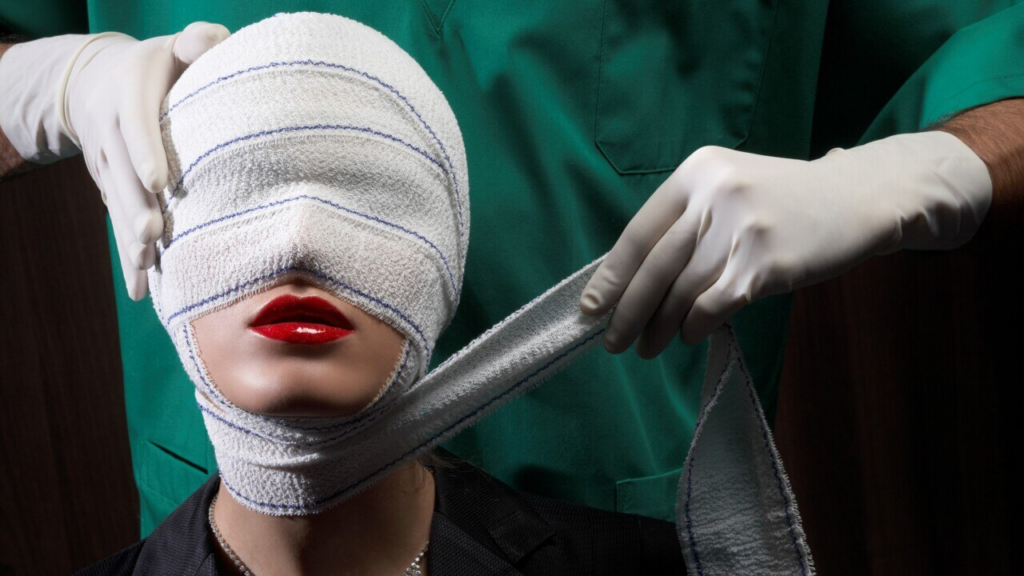
How much does full feminization cost?

Conclusion: How long does FFS take to heal?

How much does full feminization cost? Ever wondered how much it takes to bring your authentic feminine essence to the forefront? The path towards full feminization is deeply personal, and its financial costs can vary greatly. But before embarking on this transformative journey, wouldn’t it be empowering to have a clearer understanding of the potential expenses involved?

This guide delves into the diverse factors that influence the cost of full feminization, equipping you with the knowledge to make informed decisions. From exploring various procedures and their price ranges to navigating insurance coverage and financing options, we’ll shed light on the financial landscape of this transformative experience.

So, buckle up and join us as we embark on this informative exploration. Remember, the cost is just one piece of the puzzle; your unique goals and aspirations are what truly guide your journey towards full feminine expression.

What are the different types of full feminization procedures available?

The path towards full feminization encompasses a diverse range of procedures, each catering to individual needs and desired outcomes. Delving into these options empowers you to make informed choices that align with your unique vision.

Facial Feminization: This category refines facial features to achieve a more traditionally feminine appearance. Popular procedures include:

  • Forehead Reduction & Hairline Advancement: Reduces forehead height and lowers the hairline for a softer, more balanced look.
  • Rhinoplasty: Reshapes the nose to create a more delicate and feminine profile.
  • Cheek Augmentation: Adds volume to the cheeks for a fuller, rounder appearance.
  • Jaw Contouring: Sculpts the jawline, creating a softer, more tapered shape.
  • Lip Augmentation: Enhances the fullness and shape of the lips.

Body Feminization: This addresses body characteristics to achieve a more feminine physique. Common options include:

  • Breast Augmentation: Increases breast size and creates a more feminine silhouette.
  • Liposuction: Removes unwanted fat deposits from areas like the abdomen, thighs, and flanks.
  • Genital Reconstruction Surgery: Creates a vulva and vagina for individuals seeking gender alignment.
  • Buttock Augmentation: Adds volume and shape to the buttocks for a more curvaceous figure.

Voice Feminization: This involves techniques to modify the voice pitch and resonance for a more feminine sound. Options include:

  • Speech Therapy: Teaches vocal exercises and techniques to achieve a higher pitch and softer tone.
  • Voice Feminization Surgery: Modifies the vocal cords for a permanent change in voice pitch.

Non-Surgical Feminization: This utilizes non-invasive methods to achieve a more feminine appearance. Examples include:

  • Laser Hair Removal: Permanently removes unwanted facial and body hair.
  • Dermal Fillers: Add volume and definition to lips, cheeks, and other facial features.
  • Electrolysis: Permanently destroys hair follicles for targeted hair removal.
  • Makeup & Styling: Utilize cosmetics and clothing to enhance feminine features and expression.

Remember, full feminization is a deeply personal journey. This information serves as a starting point for exploration, and consulting with qualified healthcare professionals is crucial for personalized guidance and safe procedures.

facial feminization surgery

What are the typical inclusions and exclusions in a full feminization package?

Understanding what’s included and excluded in a full feminization package is crucial for making informed choices and managing financial expectations. Remember, these packages can vary greatly depending on the provider, surgeon, and your individual needs.

Typical Inclusions:

  • Pre-operative consultations and assessments: These involve meetings with surgeons, therapists, and other specialists to discuss your goals, medical history, and suitability for procedures.
  • Certain surgical procedures: Some packages may include specific surgical procedures like breast augmentation, liposuction, or facial feminization surgery. However, the specific procedures and their extent will depend on the package details and your individual needs.
  • Hospital fees: These cover costs associated with hospital stay, operating room usage, and anesthesia during surgery.
  • Basic post-operative care: This may include pain medication, wound dressings, and follow-up appointments for a limited period.

Typical Exclusions:

  • Travel and accommodation: Unless explicitly mentioned, travel and accommodation costs are typically not included.
  • Additional surgical procedures: Procedures beyond those specified in the package, like genital reconstruction surgery or voice feminization surgery, often come with separate fees.
  • Advanced post-operative care: Extended follow-up appointments, physical therapy, specialized medications, and other post-surgical support may require additional costs.
  • Non-surgical treatments: Laser hair removal, electrolysis, fillers, and other non-surgical feminization methods usually require separate fees.
  • Hormone therapy: Costs associated with hormone therapy, medications, and consultations with endocrinologists are often excluded.

Crucial Considerations:

  • Customization: Most reputable providers offer customizable packages, allowing you to tailor inclusions based on your needs and budget.
  • Transparency: Request detailed breakdowns of included and excluded costs, ensuring clarity and avoiding hidden expenses.
  • Individualization: Remember, full feminization is a highly personalized journey. Consult qualified professionals to create a plan that aligns with your unique goals and financial reality.

By understanding these inclusions and exclusions, you can navigate the world of full feminization packages with informed decision-making, empowering you to embark on your transformative journey with confidence.

full feminization surgery


Conclusion: Unveiling Your Truth, The Final Step in Your Full Feminization Journey

The path towards full feminization is multifaceted, encompassing a spectrum of procedures, considerations, and financial landscapes. This guide has equipped you with the knowledge to navigate these complexities, from exploring diverse procedures to understanding package inclusions and exclusions.

Remember, the true essence of full feminization lies not just in the procedures, but in your unique journey of self-discovery and expression. Embrace the information provided, but don’t let it limit your exploration. Consult qualified professionals, delve deeper into specific procedures that resonate with you, and empower yourself to make informed decisions that align with your individual goals and aspirations.

This is just the beginning. So, embark on your journey with clarity, confidence, and the unwavering belief that your authentic self deserves to shine brightly. Remember, every step towards full feminization is a step closer to embracing your truth, and the power to unlock that truth lies within you.

Visit the Dr.MFO Instagram profile for examples of successful Surgeries. Contact for free consultation.

Is facial feminization safe?

woman in white and black shirt. facial feminization surgery

Is facial feminization safe? Have you ever envisioned a reflection that truly embodies your inner self? For transgender individuals, facial feminization surgery (FFS) can be a transformative journey towards achieving that harmony. But amidst the excitement, whispers of “safe?” might linger. Let’s delve into the world of facial feminization surgery, unraveling its safety aspects and empowering you with informed decisions.

Throughout this exploration, remember, you’re not alone. This journey is yours, paved with questions, and we’re here to guide you with accurate, up-to-date information. So, take a deep breath, and let’s begin!

Lip Augmentation: Everything You Need to Know About Enhancing Your Smile

What are the Most Common Risks and Complications Associated with Facial Feminization Surgery (FFS)?

Embarking on any surgical journey requires careful consideration, and facial feminization surgery is no exception. While it can be a transformative experience, it’s crucial to understand the potential risks and complications involved. Here’s a breakdown of the most common ones:

General Surgical Risks:

  • Bleeding and Infection: Like any surgery, facial feminization surgery carries the risk of bleeding and infection, especially during or after the procedure. Your surgeon will take precautions to minimize these risks, but they remain possibilities.
  • Anesthesia Complications: Reactions to anesthesia, though rare, can occur. Open communication with your anesthesiologist beforehand is key to ensuring a safe and comfortable experience.
  • Scarring: While most facial feminization surgery incisions are strategically placed for minimal visibility, scarring is a natural part of the healing process. Proper scar care can significantly improve the final appearance.

Specific Facial Feminization Surgery Risks:

  • Facial Nerve Injury: Certain procedures, like forehead reconstruction or jawline shaving, carry a small risk of nerve damage, which can lead to temporary or permanent numbness or weakness in the affected area.
  • Implant Migration or Rejection: Implants used in procedures like chin augmentation or cheek augmentation can sometimes migrate or be rejected by the body. This may necessitate revision surgery.
  • Asymmetry: Achieving facial symmetry is a primary goal of facial feminization surgery, but slight variations can occur due to individual healing patterns or anatomical differences. Revision surgery might be needed in some cases.
  • Prolonged Swelling and Bruising: Swelling and bruising are expected after facial feminization surgery, but prolonged or excessive occurrences might indicate complications like infection or hematoma (blood collection).

Additional Points to Consider:

  • Individual Risk Factors: Underlying health conditions, smoking, and certain medications can increase the risk of complications. Discuss your individual health profile with your surgeon during consultations.
  • Surgeon Expertise: Choosing a board-certified plastic surgeon with extensive experience in facial feminization surgery is crucial for minimizing risks and achieving optimal results.
  • Realistic Expectations: It’s important to understand that facial feminization surgery is not a magic wand and may not completely match your idealized image. Open communication with your surgeon about realistic expectations is crucial for satisfaction.

Remember, this information is not intended to replace a consultation with a qualified healthcare professional. If you’re considering facial feminization surgery, schedule a comprehensive consultation with a board-certified plastic surgeon to discuss your specific concerns and receive personalized guidance.

A woman receiving a dermal filler injection from a medical professional.

Minimizing Risks: Building a Safe Path for your Facial Feminization Journey

Understanding the potential risks associated with facial feminization surgery (FFS) is crucial, but knowledge empowers action. Here are steps you can take to minimize those risks and navigate your facial feminization surgery journey with greater confidence:

Preparation is Key:

  • Thorough Research: Immerse yourself in information about facial feminization surgery, procedures, recovery processes, and potential complications. Understanding what to expect empowers informed decision-making.
  • Open Communication: Discuss your medical history, expectations, and concerns in detail with your chosen surgeon. Honesty and transparency are vital for creating a personalized plan that minimizes risks for your unique case.
  • Optimize Your Health: Address any underlying health conditions that could increase surgical risks. Quit smoking well in advance and maintain a healthy lifestyle to support optimal healing.
  • Realistic Expectations: Remember, FFS aims to enhance your natural features, not create a completely new face. Discuss realistic goals with your surgeon to avoid potential disappointment and unnecessary revision procedures.

Choosing the Right Surgeon:

  • Board Certification: Ensure your surgeon is board-certified by a reputable organization specializing in plastic surgery.
  • Extensive FFS Experience: Seek a surgeon with proven expertise and a portfolio showcasing successful FFS outcomes.
  • Transparency and Communication: Choose a surgeon who readily answers your questions, addresses your concerns, and prioritizes informed consent.
  • Facility Accreditation: Opt for a surgical facility accredited by a recognized organization, ensuring adherence to stringent safety standards.

Post-Operative Care:

  • Diligent Recovery: Stringently follow your surgeon’s post-operative instructions, including medication adherence, wound care, and activity restrictions. This minimizes infection risks and promotes optimal healing.
  • Open Communication: Don’t hesitate to contact your surgeon with any concerns or unexpected changes during your recovery. Early intervention can prevent complications.
  • Patient Advocacy: Be your own advocate. Listen to your body, prioritize your well-being, and actively participate in your recovery process.

Remember, minimizing risks in FFS is a collaborative effort. By actively preparing, choosing the right surgeon, and diligently following post-operative care, you can empower yourself on a journey towards a safe and successful facial feminization experience.

Conclusion

As you embark on your facial feminization (FFS) journey, remember, it’s not just about transforming your features; it’s about empowering yourself with knowledge and making informed choices. While potential risks exist, understanding them and taking proactive steps can significantly minimize them.

This informational guide aimed to equip you with the knowledge to navigate your facial feminization surgery path confidently. Remember, thorough research, open communication with your surgeon, realistic expectations, and meticulous post-operative care are your allies in achieving a safe and successful outcome.

But remember, this journey doesn’t end here. The world of facial feminization surgery is expansive, filled with personal experiences and valuable insights. Engage with online communities, connect with support groups, and seek further information from qualified professionals. Empower yourself, embrace your journey, and let your reflection truly become a testament to your inner self.

Visit the Dr.MFO Instagram profile for examples of successful Surgeries. Contact for free consultation.

How Painful is Facial Feminization Surgery? Unveiling the Discomfort Behind the Transformation

ffs facial feminization surgery procedures

Imagine waking up to a reflection that finally aligns with your authentic self. Facial feminization surgery (FFS) offers this transformative possibility for transgender and non-binary individuals, sculpting features to match their inner identity. But amidst the excitement, a crucial question lingers: how painful is facial feminization surgery?

Fear of discomfort shouldn’t cloud the potential for joy. Let’s delve into the truth about facial feminization surgery (FFS) pain, exploring its intensity, variation, and effective management. We’ll navigate through common concerns, unveil personalized experiences, and empower you to make informed decisions about your journey. So, buckle up, and prepare to unveil the reality behind the question that holds many on the path to self-discovery.

What can I eat after FFS?

How Long Does the Pain Typically Last After Facial Feminization Surgery?

Understanding the duration of pain after facial feminization surgery (FFS) is crucial for setting realistic expectations and ensuring a smooth recovery. While every individual heals differently, here’s a breakdown of what you can expect:

The Initial Phase:

  • Days 1-3: This is often the most uncomfortable period. Swelling and tightness peak, potentially causing moderate pain managed with prescribed pain medication.
  • Days 4-7: Discomfort gradually subsides. Most patients transition to over-the-counter pain relievers like ibuprofen or acetaminophen.
  • Days 8-14: Pain becomes infrequent and manageable, primarily arising during dressing changes or facial movements.

Beyond the First Two Weeks:

  • Weeks 3-6: Residual sensitivity might linger, but pain is minimal and infrequent. Focus shifts to managing swelling and scar healing.
  • Months 3-6: Healing continues, and any remaining discomfort is usually transient and mild.

Remember:

  • Pain perception is subjective, and individual experiences vary. Some might feel minimal discomfort throughout, while others require pain medication longer.
  • The type and extent of facial feminization surgery (FFS) procedures influence pain levels. More complex surgeries involving bone work or extensive tissue manipulation might lead to a slightly longer pain duration.
  • Open communication with your surgeon is key. Discuss your pain tolerance and concerns beforehand, and don’t hesitate to ask for pain management adjustments if needed.

Additional Factors:

  • Overall health: Pre-existing conditions or chronic pain can influence post-surgical discomfort.
  • Pain management adherence: Taking prescribed medications as directed is crucial for effective pain control.
  • Rest and recovery: Prioritizing rest and following your surgeon’s instructions promotes optimal healing and minimizes discomfort.

While initial pain is a natural part of the facial feminization surgery (FFS) recovery process, it’s temporary and manageable. By understanding the typical timeline and seeking support from your healthcare team, you can navigate this phase with confidence and focus on embracing your authentic self.


Open Communication is Key: Discussing Pain Tolerance Before Facial Feminization Surgery

Facial feminization surgery (FFS) offers a life-changing journey, but navigating potential discomfort is crucial for informed decision-making. Understanding your pain tolerance and openly discussing it with your surgeon is essential for a smooth and personalized recovery.

Why Discussing Pain Tolerance Matters:

  • Tailored pain management: Your surgeon can adjust medication types, dosages, and administration schedules based on your individual pain sensitivity.
  • Realistic expectations: Knowing what to expect helps you mentally prepare for the recovery process and avoid unnecessary anxiety.
  • Open communication builds trust: Discussing your concerns fosters a supportive patient-surgeon relationship, leading to better care and outcomes.

What to Share with Your Surgeon:

  • Past experiences: Describe your sensitivity to pain during previous surgeries, injuries, or medical procedures.
  • Pain management preferences: Discuss any medications you’ve found effective or prefer to avoid.
  • Threshold for discomfort: Explain your tolerance for different pain levels and how you typically manage them.
  • Specific concerns: Raise any anxieties you have about pain during or after facial feminization surgery (FFS), particularly regarding specific procedures.

Beyond the Initial Conversation:

  • Be honest and upfront: Don’t hesitate to express your pain if it becomes unmanageable during or after surgery.
  • Communicate changes: Inform your surgeon if your pain tolerance shifts or if medications aren’t providing adequate relief.
  • Ask questions: Never feel embarrassed to clarify pain management options or address any concerns you have.

Remember:

  • Every individual experiences pain differently. There’s no “right” or “wrong” level of tolerance.
  • Your surgeon is there to support you. Open communication helps them create a personalized pain management plan for your unique needs.
  • By discussing your pain tolerance openly and honestly, you empower yourself to navigate the facial feminization surgery (FFS) recovery with confidence and comfort.

So, don’t shy away from this crucial conversation. Remember, effective pain management is an integral part of a successful and positive FFS experience.

Conclusion

In conclusion, embarking on a facial feminization surgery (FFS) journey requires careful consideration, and understanding potential discomfort is vital. While initial pain is a natural part of the healing process, it’s temporary and manageable with effective communication and a personalized plan.

Remember, you’re not alone in this. Openly discussing your pain tolerance with your surgeon empowers them to tailor pain management strategies to your unique needs, ensuring a smoother recovery and minimizing discomfort. Embrace honest communication, prioritize self-care, and trust the expertise of your healthcare team.

So, take a deep breath, ask all your questions, and approach your facial feminization surgery (FFS) journey with confidence. With the right support and realistic expectations, you can navigate any discomfort and focus on the transformative joy that awaits. Remember, the potential rewards of facial feminization surgery far outweigh any temporary hurdles. Are you ready to unlock your authentic self and begin your transformation?

Visit the Dr.MFO Instagram profile for examples of successful Surgeries. Contact for free consultation.

Discover the Secrets: What Cat Eye Surgery Really Does!

A plastic surgeon in blue gloves examining a woman's face, focusing on the forehead and temple area.

Have you ever wondered what cat eye surgery is and what it does? If you are looking for a way to enhance your eye shape and achieve a more exotic and youthful look, you might have heard of this cosmetic procedure. But what exactly is cat eye surgery and how does it work? Is it safe and effective? What are the benefits and risks? How does it compare to other eye surgeries? In this article, we will answer all these questions and more. We will reveal the secrets of cat eye surgery and help you decide if it is right for you.

What is Cat Eye Surgery and What Does it Do?

Cat eye surgery, also known as lateral canthoplasty, is a type of eyelid surgery that aims to create a more almond-shaped eye by extending the outer corners of the eyes. This gives the eyes a more slanted and lifted appearance, similar to that of a cat. Cat eye surgery can also correct droopy or sagging eyelids, reduce wrinkles and crow’s feet, and improve the symmetry and balance of the eyes.

Cat eye surgery is usually performed under local anesthesia and sedation. The surgeon makes a small incision at the outer corner of the eye and removes a small wedge of skin and muscle. Then, the surgeon repositions the remaining skin and muscle and sutures the incision. The procedure takes about an hour and can be done on both upper and lower eyelids.

What Cat Eye Surgery Really Does

Is Cat Eye Surgery Safe and Effective?

Cat eye surgery is generally considered a safe and effective procedure, as long as it is done by a qualified and experienced surgeon. However, like any surgery, it has some potential risks and complications. These include:

  • Infection
  • Bleeding
  • Scarring
  • Dry eyes
  • Eye irritation
  • Asymmetry
  • Overcorrection
  • Undercorrection
  • Change in vision
  • Nerve damage
  • Allergic reaction

To minimize these risks, it is important to follow the surgeon’s instructions before and after the surgery, such as avoiding smoking, alcohol, blood thinners, and certain medications. It is also advisable to choose a reputable clinic and surgeon, and to have realistic expectations about the outcome.

What Cat Eye Surgery Really Does

What is the Difference Between Cat Eye and Fox Eye Surgery?

Cat eye surgery and fox eye surgery are both types of eyelid surgery that aim to create a more almond-shaped eye. However, they have some differences in terms of technique and effect. Fox eye surgery, also known as brow lift or temporal lift, is a procedure that lifts the eyebrows and the outer corners of the eyes, creating a more arched and elongated eye shape. Fox eye surgery can also reduce forehead wrinkles and sagging skin. Fox eye surgery is usually done under general anesthesia and involves making incisions along the hairline and behind the ears. The surgeon then lifts and tightens the skin and muscles of the forehead and temples, and sutures the incisions. The procedure takes about two hours and can be combined with other facial surgeries, such as facelift or eyelid surgery.

Cat eye surgery and fox eye surgery can both achieve a similar effect of enhancing the eye shape and giving a more exotic and youthful look. However, they have some pros and cons that should be considered before choosing one over the other. Some of these are:

  • Cat eye surgery is less invasive and has a shorter recovery time than fox eye surgery. Cat eye surgery can be done under local anesthesia and sedation, while fox eye surgery requires general anesthesia. Cat eye surgery also has smaller and less visible scars than fox eye surgery.
  • Fox eye surgery can address more issues than cat eye surgery. Fox eye surgery can not only lift the eyes, but also the eyebrows and the forehead, creating a more harmonious and balanced facial expression. Fox eye surgery can also correct more severe cases of droopy or sagging eyelids, while cat eye surgery is more suitable for mild to moderate cases.
  • Cat eye surgery is more customizable and reversible than fox eye surgery. Cat eye surgery can be adjusted according to the patient’s preference and eye shape, while fox eye surgery has a more standardized and uniform effect. Cat eye surgery can also be reversed or modified if the patient is not satisfied with the result, while fox eye surgery is more difficult and risky to undo or change.

How Long Does Cat Eye Surgery Last?

Cat eye surgery is a permanent procedure, meaning that the results will not change over time. However, this does not mean that the eyes will not age or change due to other factors, such as genetics, lifestyle, or environmental factors. Therefore, it is possible that the eyes may lose some of their shape or elasticity over time, and that the patient may need additional procedures or treatments to maintain or enhance the results. Some of these include:

  • Botox injections: Botox is a neurotoxin that temporarily paralyzes the muscles that cause wrinkles and fine lines. Botox can be used to smooth out the crow’s feet and the forehead lines, and to lift the eyebrows and the eyes. Botox injections last about three to six months and need to be repeated regularly to maintain the effect.
  • Fillers injections: Fillers are substances that are injected into the skin to add volume and plumpness. Fillers can be used to fill in the hollows and dark circles under the eyes, and to enhance the cheekbones and the temples. Fillers can also lift and support the skin and muscles around the eyes, creating a more youthful and refreshed look. Fillers last about six to 18 months and need to be repeated periodically to maintain the effect.
  • Laser resurfacing: Laser resurfacing is a procedure that uses a beam of light to remove the outer layer of the skin and stimulate the growth of new collagen and elastin. Laser resurfacing can improve the texture, tone, and elasticity of the skin, and reduce the appearance of scars, pigmentation, and sun damage. Laser resurfacing can also tighten and smooth the skin around the eyes, enhancing the results of cat eye surgery. Laser resurfacing can be done once or several times, depending on the condition and the desired outcome.

Is Cat Eye Surgery Painful?

Cat eye surgery is not a painful procedure, as it is done under local anesthesia and sedation. The patient may feel some pressure or tugging during the surgery, but not pain. After the surgery, the patient may experience some discomfort, swelling, bruising, and itching around the eyes, but these are normal and temporary side effects that can be managed with painkillers, ice packs, and eye drops. The patient may also have some difficulty opening and closing the eyes, and may have some sensitivity to light and blurred vision, but these will improve gradually as the eyes heal. The patient should avoid rubbing or touching the eyes, and should follow the surgeon’s instructions on how to clean and care for the eyes. The patient should also avoid wearing makeup, contact lenses, and sunglasses until the eyes are fully healed.

Is Cat Eye Surgery Reversible?

Cat eye surgery is a reversible procedure, meaning that it can be undone or modified if the patient is not happy with the result or wants to change the eye shape. However, reversing or altering cat eye surgery is not a simple or risk-free process, and it should only be done by a qualified and experienced surgeon. Reversing or altering cat eye surgery involves making another incision at the outer corner of the eye and restoring the original position and shape of the skin and muscle. This may result in additional scarring, infection, bleeding, or asymmetry. It may also affect the function and appearance of the eyes, such as causing dry eyes, eye irritation, or change in vision. Therefore, it is important to think carefully before deciding to undergo cat eye surgery, and to choose a reputable surgeon and clinic that can provide satisfactory results.

What to Expect After Cat Eye Surgery?

After cat eye surgery, the patient can expect to see some immediate improvement in the eye shape and appearance, but the final result will take some time to show, as the eyes need to heal and settle. The patient can also expect to experience some side effects and recovery process, such as:

  • Side effects: The patient may have some swelling, bruising, redness, and itching around the eyes, which will subside within a week or two. The patient may also have some difficulty opening and closing the eyes, and may have some sensitivity to light and blurred vision, which will improve gradually as the eyes heal. The patient may also have some numbness or tightness in the eye area, which will fade over time. The patient should avoid rubbing or touching the eyes, and should follow the surgeon’s instructions on how to clean and care for the eyes. The patient should also avoid wearing makeup, contact lenses, and sunglasses until the eyes are fully healed.
  • Recovery: The patient can usually go home on the same day of the surgery, but should have someone to drive and accompany them. The patient should rest and avoid any strenuous activities, such as exercise, lifting, or bending, for at least a week. The patient should also avoid any exposure to heat, sun, or dust, and should wear protective eyewear when going outside. The patient should keep the head elevated and use ice packs to reduce the swelling and inflammation. The patient should also take painkillers, antibiotics, and eye drops as prescribed by the surgeon. 
  • Follow-up: The patient will need to visit the surgeon for regular check-ups and to remove the stitches, which are usually done within a week. The patient should also report any signs of infection, bleeding, or abnormal healing to the surgeon. The patient should also follow the surgeon’s advice on how to prevent or minimize scarring, such as using silicone gel or cream, massage, or laser therapy. The patient should also avoid smoking, alcohol, and sun exposure, as these can impair the healing process and affect the result.
  • Result: The patient can expect to see some improvement in the eye shape and appearance immediately after the surgery, but the final result will take some time to show, as the eyes need to heal and settle. The patient may notice some changes in the eye shape and size, as well as the eyelid position and movement, as the swelling and bruising subside. The patient may also notice some improvement in the eye function and vision, such as less dryness, irritation, or strain. The patient should be patient and wait for at least three to six months to see the full effect of the surgery. The patient should also keep in mind that the result may vary depending on the individual anatomy, preference, and expectation.
What Cat Eye Surgery Really Does

Conclusion

Cat eye surgery is a cosmetic procedure that can create a more almond-shaped eye by extending the outer corners of the eyes. Cat eye surgery can also correct droopy or sagging eyelids, reduce wrinkles and crow’s feet, and improve the symmetry and balance of the eyes. Cat eye surgery can give the eyes a more slanted and lifted appearance, similar to that of a cat, and can enhance the overall facial attractiveness and youthfulness. Cat eye surgery is generally a safe and effective procedure, but it has some potential risks and complications, and it requires some preparation, recovery, and follow-up. Cat eye surgery can also be reversed or modified if the patient is not satisfied with the result or wants to change the eye shape. Cat eye surgery can be compared to other eye surgeries, such as fox eye surgery, which has some similarities and differences in terms of technique and effect.

We hope this article has helped you understand what cat eye surgery really does and what to expect from it. If you are interested in cat eye surgery or have any questions or concerns, we recommend you to consult with a qualified and experienced surgeon who can assess your condition and suitability, and provide you with the best advice and treatment. We also encourage you to do your own research and to look at some before and after photos and reviews of cat eye surgery to get a better idea of the possible outcome and satisfaction. Remember, cat eye surgery is a personal decision that should be made based on your own goals and expectations, and not on anyone else’s opinion or pressure.

Thank you for reading this article and we hope you have found it informative and engaging. If you have any comments or feedback, please feel free to share them with us. We would love to hear from you and to learn from your experience and perspective. Have a great day and stay tuned for more articles on beauty and health topics. 

Visit the Dr.MFO Instagram profile for examples of successful Surgeries. Contact for free consultation.

Why are almond eyes most attractive?

Why are almond eyes most attractive?

Almond eyes are a type of eye shape that is characterized by a slightly upturned outer corner and a narrow width. Almond eyes are often considered to be the most attractive and desirable eye shape, as they can enhance the beauty and expressiveness of the face. In this article, we will explore the reasons why almond eyes are so appealing, and how you can achieve this eye shape with almond eye surgery.

The benefits of almond eyes

Almond eyes have many advantages that make them attractive and appealing. Some of these benefits are:

  • Almond eyes can make you look more youthful and energetic. Almond eyes can create an illusion of a lifted and open eye area, which can reduce the appearance of aging signs such as sagging eyelids, wrinkles, and dark circles. Almond eyes can also make you look more alert and lively, as they can reflect more light and show more of the iris color.
  • Almond eyes can suit any face shape and ethnicity. Almond eyes are a versatile and universal eye shape that can complement any facial features and skin tone. Almond eyes can balance the proportions of the face and create a harmonious and symmetrical look. Almond eyes can also enhance the diversity and uniqueness of your appearance, as they can reflect your cultural and genetic background.
  • Almond eyes can express a range of emotions and moods. Almond eyes are very expressive and communicative, as they can convey a variety of feelings and sentiments. Almond eyes can show happiness, sadness, anger, surprise, curiosity, and more, depending on the movement of the eyelids, eyebrows, and facial muscles. Almond eyes can also create a captivating and mysterious look, as they can draw attention and curiosity from others.
A person wearing blue medical gloves gently touching a woman's forehead and temple, suggesting a medical or cosmetic examination.

How to achieve almond eyes with almond eye surgery

If you are unhappy with the appearance of your eyes, or if you want to improve your eye shape, you may consider almond eye surgery. Almond eye surgery is a cosmetic procedure that can reshape the eye area and create a more almond-like eye shape. Almond eye surgery can involve different techniques and methods, depending on your goals and preferences. Some of the common types of almond eye surgery are:

  • Canthoplasty: This is a surgical procedure that can lift and tighten the lower eyelid, creating a more upturned and almond-like eye shape. Canthoplasty can also correct droopy or sagging lower eyelids, and improve the function and appearance of the eye.
  • Canthopexy: This is a less invasive procedure that can elevate and support the outer corner of the eye, creating a more almond-like eye shape. Canthopexy can also prevent or reverse the aging effects of the eye area, and improve the eye health and comfort.
  • Epicanthoplasty: This is a surgical procedure that can remove or reduce the epicanthal fold, which is a skin fold that covers the inner corner of the eye. Epicanthoplasty can create a more almond-like eye shape, as well as enlarge and widen the eye area. Epicanthoplasty can also correct the appearance of narrow or slanted eyes, and enhance the facial harmony and balance.

Why choose Turkey for almond eye surgery?

If you are interested in almond eye surgery, you may wonder where to have this procedure done. One of the best destinations for almond eye surgery is Turkey, as it offers many benefits and advantages for medical tourists. Some of the reasons why you should choose Turkey for almond eye surgery are:

  • Turkey has high-quality and affordable health care. Turkey has a well-developed and modern health care system, with many accredited and reputable hospitals and clinics that offer almond eye surgery. Turkey also has many qualified and experienced surgeons and specialists who can perform almond eye surgery with high standards and safety. Moreover, Turkey has very competitive and reasonable prices for almond eye surgery, as it can cost up to 70% less than in other countries.
  • Turkey has a rich and diverse culture and history. Turkey is a fascinating and beautiful country, with a lot of attractions and activities to enjoy. Turkey has a rich and diverse culture and history, with influences from different civilizations and regions. Turkey has many historical and natural wonders, such as Istanbul, Cappadocia, Ephesus, Pamukkale, and more. Turkey also has a vibrant and lively lifestyle, with delicious cuisine, colorful markets, and friendly people.
  • Turkey has a convenient and accessible location. Turkey is located in a strategic and central position, connecting Europe, Asia, and Africa. Turkey has a convenient and accessible location, as it is easy to reach from many countries and regions. Turkey has many international airports and flights, as well as a well-developed and efficient transportation system. Turkey also has a favorable and mild climate, with four distinct seasons and pleasant weather.
A close-up image of a person's face, focusing on the left eye and eyebrow area. The person has marked lines drawn above the eyebrow, possibly indicating a procedure related to eyebrow shaping or cosmetic surgery. The eye is closed, and the person appears to have makeup on, including eyeshadow and lipstick.

Conclusion

Almond eyes are a type of eye shape that is widely regarded as the most attractive and desirable eye shape, as they can enhance the beauty and expressiveness of the face. Almond eyes have many benefits, such as making you look more youthful and energetic, suiting any face shape and ethnicity, and expressing a range of emotions and moods. If you want to achieve almond eyes, you can consider almond eye surgery, which is a cosmetic procedure that can reshape the eye area and create a more almond-like eye shape. Almond eye surgery can involve different techniques and methods, such as canthoplasty, canthopexy, and epicanthoplasty. If you choose to have almond eye surgery in Turkey, you can enjoy high-quality and affordable health care, as well as a rich and diverse culture and history, and a convenient and accessible location. We hope this article has given you some useful information and insights on why almond eyes are most attractive, and how you can achieve this eye shape with almond eye surgery. If you have any questions or comments, please feel free to share them with us. We would love to hear from you and help you with your eye shape goals. Thank you for reading and have a wonderful day!

Visit the Dr.MFO Instagram profile for examples of successful Surgeries. Contact for free consultation.
Facial Feminization Surgery: A Comparison of Different Techniques and Results

Facial Feminization Surgery: A Comparison of Different Techniques and Results

Facial feminization surgery (FFS) is a set of surgical procedures that aim to modify the facial features of transgender women and non-binary people to make them more feminine and aligned with their gender identity. FFS can have a significant impact on the quality of life, self-esteem, and social acceptance of these individuals. However, not all FFS techniques are the same, and the results may vary depending on the surgeon, the patient, and the type of procedure. In this article, we will compare some of the most common FFS techniques and their results, as well as provide some tips on how to choose the best FFS surgeon and surgery package abroad.

Facial Feminization Surgery: A Comparison of Different Techniques and Results

What is FFS and why is it important?

FFS is a term that encompasses a range of surgical procedures that alter the shape and size of the forehead, brow, nose, chin, jaw, cheekbones, lips, and other facial features. The goal of FFS is to reduce the masculine appearance of the face and create a more feminine and harmonious facial expression. FFS can also correct some facial asymmetries and improve the facial balance and proportion.

FFS is important for many transgender women and non-binary people who experience gender dysphoria, which is the distress and discomfort caused by the mismatch between their gender identity and their assigned sex at birth. Gender dysphoria can affect the mental health, well-being, and social functioning of these individuals, and may lead to depression, anxiety, isolation, and suicidal thoughts. FFS can help alleviate gender dysphoria by making the face more congruent with the gender identity, and thus enhancing the self-confidence, happiness, and social integration of these individuals.

What are the different FFS techniques and how do they differ?

There are many different FFS techniques, and each one has its own advantages and disadvantages. Some of the most common FFS techniques are:

  • Forehead contouring: This technique involves reshaping the forehead bone to reduce the prominence of the brow ridge and create a smoother and more feminine forehead. This may also involve lifting the eyebrows, lowering the hairline, and reducing the size of the frontal sinus. Forehead contouring can have a dramatic effect on the overall femininity of the face, as the forehead is one of the most noticeable and gender-defining facial features.
  • Rhinoplasty: This technique involves reshaping the nose to make it more feminine and proportional to the rest of the face. This may include reducing the size of the nose, narrowing the bridge, refining the tip, and correcting any deviations or asymmetries. Rhinoplasty can improve the facial harmony and balance, as well as the breathing function of the nose.
  • Chin and jaw contouring: This technique involves reshaping the chin and jaw bone to make them more feminine and less angular. This may include reducing the width and height of the chin, creating a more pointed or rounded shape, and smoothing the jawline. Chin and jaw contouring can enhance the facial profile and create a more delicate and elegant appearance.
  • Cheek augmentation: This technique involves enhancing the volume and projection of the cheekbones to create a more feminine and youthful face. This may be done by using implants, fat grafting, or fillers. Cheek augmentation can add definition and contour to the face, as well as highlight the eyes and lips.
  • Lip augmentation: This technique involves increasing the size and fullness of the lips to make them more feminine and attractive. This may be done by using implants, fat grafting, or fillers. Lip augmentation can improve the facial expression and smile, as well as balance the lower third of the face.
  • Tracheal shave: This technique involves reducing the size of the Adam’s apple, which is a prominent and masculine feature of the neck. This may be done by shaving off some of the thyroid cartilage, which forms the front part of the larynx. Tracheal shave can make the neck more feminine and slender, as well as reduce the voice pitch.

These are some of the most common FFS techniques, but there are many others that can be performed depending on the individual needs and preferences of the patient. Some of these include:

  • Eyelid surgery: This technique involves modifying the shape and position of the eyelids to make them more feminine and open. This may include removing excess skin, fat, or muscle, lifting the upper eyelid, or creating a double eyelid fold. Eyelid surgery can improve the appearance and function of the eyes, as well as make them more expressive and attractive.
  • Ear surgery: This technique involves modifying the shape and size of the ears to make them more feminine and symmetrical. This may include reducing the size of the earlobe, pinning back the ears, or correcting any deformities or injuries. Ear surgery can improve the facial harmony and balance, as well as the hearing function of the ears.
  • Hair transplant: This technique involves restoring the hairline and filling in any bald spots or thinning areas of the scalp to create a more feminine and youthful hair. This may be done by using follicular unit extraction (FUE) or follicular unit transplantation (FUT), which are methods of harvesting and implanting hair follicles from one part of the body to another. Hair transplant can improve the self-image and confidence of the patient, as well as protect the scalp from sun damage and skin cancer.
Facial Feminization Surgery: A Comparison of Different Techniques and Results

What are the results of FFS and how to measure them?

The results of FFS can vary depending on the type and extent of the procedures, the skill and experience of the surgeon, the anatomy and physiology of the patient, and the post-operative care and recovery. However, some of the general outcomes and benefits of FFS are:

  • Improved facial femininity and harmony: FFS can make the face more feminine and harmonious by reducing the masculine features and enhancing the feminine ones. This can create a more natural and authentic facial expression that matches the gender identity of the patient.
  • Reduced gender dysphoria and improved mental health: FFS can reduce the gender dysphoria and improve the mental health of the patient by making the face more congruent with the gender identity. This can alleviate the distress and discomfort caused by the facial incongruence, and thus enhance the self-esteem, happiness, and social acceptance of the patient.
  • Increased safety and comfort in public spaces: FFS can increase the safety and comfort of the patient in public spaces by making the face more feminine and less likely to be misgendered or discriminated against. This can reduce the risk of harassment, violence, or hate crimes, and thus improve the quality of life and well-being of the patient.

The results of FFS can be measured by using different methods and criteria, such as:

  • Patient-reported outcome measures (PROMs): These are questionnaires or surveys that assess the patient’s satisfaction, expectations, and quality of life before and after FFS. Some of the most commonly used PROMs for FFS are the Facial Feminization Surgery Outcomes Evaluation (FFSOE), the Transgender Quality of Life Instrument (TQL), and the World Health Organization Quality of Life (WHOQOL) scale.
  • Objective outcome measures: These are measurements or tests that evaluate the physical changes and improvements of the face after FFS. Some of the most commonly used objective outcome measures for FFS are the Facial Feminization Surgery Scoring System (FFSSS), the Facial Feminization Surgery Index (FFSI), and the Facial Feminization Surgery Visual Analogue Scale (FFSVAS).
  • Photographic outcome measures: These are images or videos that compare the appearance of the face before and after FFS. These can be taken from different angles and perspectives, and can be analyzed by using software or algorithms that measure the facial dimensions, proportions, and angles.

How to choose the best FFS surgeon and surgery package abroad?

Choosing the best FFS surgeon and surgery package abroad can be a challenging and daunting task, as there are many factors and options to consider. However, some of the tips and recommendations that can help you make the best decision are:

  • Do your research: Before choosing an FFS surgeon or surgery package abroad, it is important to do your research and gather as much information as possible about the surgeon, the clinic, the country, and the procedure. You can use online platforms, forums, blogs, reviews, testimonials, and social media to find out more about the reputation, credentials, experience, and results of the FFS surgeon and clinic. You can also use online tools, guides, maps, and travel agencies to find out more about the destination, the culture, the language, the visa, the currency, and the transportation of the country where you want to have your FFS.
  • Compare different options: After doing your research, it is advisable to compare different options and weigh the pros and cons of each one. You can use online calculators, charts, tables, and graphs to compare the prices, quality, safety, and convenience of different FFS surgeons and surgery packages abroad. You can also use online galleries, portfolios, videos, and before-and-after photos to compare the results and outcomes of different FFS techniques and procedures.
  • Consult with the FFS surgeon: Before booking your FFS surgery package abroad, it is recommended to consult with the FFS surgeon and discuss your goals, expectations, and concerns. You can use online platforms, apps, or phone calls to communicate with the FFS surgeon and ask any questions or doubts you may have about the FFS process. You can also use online tools, such as facial morphing software or virtual reality, to visualize how your face will look like after FFS. During the consultation, the FFS surgeon will evaluate your facial anatomy, medical history, and psychological state, and will suggest the best FFS techniques and procedures for you. The FFS surgeon will also explain the risks, benefits, and alternatives of FFS, and will provide you with a detailed treatment plan and cost estimate.
  • Prepare for the FFS surgery: After choosing your FFS surgeon and surgery package abroad, you will need to prepare for the FFS surgery and the travel. You will need to follow the pre-operative instructions given by the FFS surgeon, such as stopping smoking, avoiding alcohol, drugs, and certain medications, and undergoing some tests and exams. You will also need to arrange your travel documents, such as passport, visa, and insurance, and your travel itinerary, such as flights, accommodation, and transportation. You will need to pack your essentials, such as clothes, toiletries, medications, and documents, and make sure you have enough money and resources for your trip. You will also need to inform your family, friends, and employer about your FFS surgery and travel, and arrange for someone to accompany you or support you during your journey.
  • Undergo the FFS surgery: Once you arrive at your destination, you will meet your FFS surgeon and clinic staff, and they will welcome you and guide you through the FFS surgery process. You will undergo some final checks and preparations, such as signing the consent forms, taking some photos, and receiving the anesthesia. You will then undergo the FFS surgery, which may take several hours depending on the type and number of procedures. You will be transferred to a recovery room, where you will be monitored and cared for by the medical team. You will stay at the clinic or hospital for a few days, depending on your recovery and the FFS surgeon’s recommendations. You will receive some post-operative instructions, such as taking medications, dressing the wounds, and avoiding certain activities. You will also receive some follow-up appointments, where the FFS surgeon will check your healing and results, and remove any stitches or drains.
  • Recover from the FFS surgery: After the FFS surgery, you will need to recover and heal from the physical and emotional changes. You will need to follow the post-operative instructions given by the FFS surgeon, such as resting, hydrating, eating well, and avoiding sun exposure, smoking, alcohol, and strenuous exercise. You will also need to take care of your wounds, such as cleaning, moisturizing, and massaging them, and applying ice packs or compresses to reduce the swelling and bruising. You will also need to cope with the pain, discomfort, and possible complications, such as bleeding, infection, or nerve damage, and contact your FFS surgeon or clinic if you experience any signs of trouble. You will also need to adjust to your new appearance, which may take some time and patience, and seek professional or peer support if you feel depressed, anxious, or dissatisfied with your results.

Conclusion: Facial Feminization Surgery Techniques

FFS is a life-changing and rewarding experience for many transgender women and non-binary people who want to make their face more feminine and congruent with their gender identity. However, FFS is not a one-size-fits-all solution, and there are many different FFS techniques and results that can suit different needs and preferences. Therefore, it is important to do your research, compare different options, consult with the FFS surgeon, and prepare for the FFS surgery and recovery. If you are looking for the best FFS surgeon and surgery package abroad, you may want to consider Antalya, Turkey, as your destination. Antalya is a beautiful and popular city that offers high-quality, affordable, and safe FFS services, as well as a rich and diverse culture, history, and nature. Antalya is also home to some of the most experienced and reputable FFS surgeons and clinics, such as Dr. Mehmet Fatih Okyay, who have performed thousands of successful FFS surgeries and have received many positive reviews and testimonials from their patients. If you are interested in having your FFS in Antalya, Turkey, you can contact us and we will help you find the best FFS surgeon and surgery package for you. We hope you enjoyed this article and learned something new about FFS. If you have any questions, comments, or feedback, please feel free to leave them below. We would love to hear from you and help you with your FFS journey. Thank you for reading and have a wonderful day!

Visit the Dr.MFO Instagram profile for examples of successful Surgeries. Contact for free consultation.

Blepharoplasty: Everything You Need to Know About Eyelid Surgery

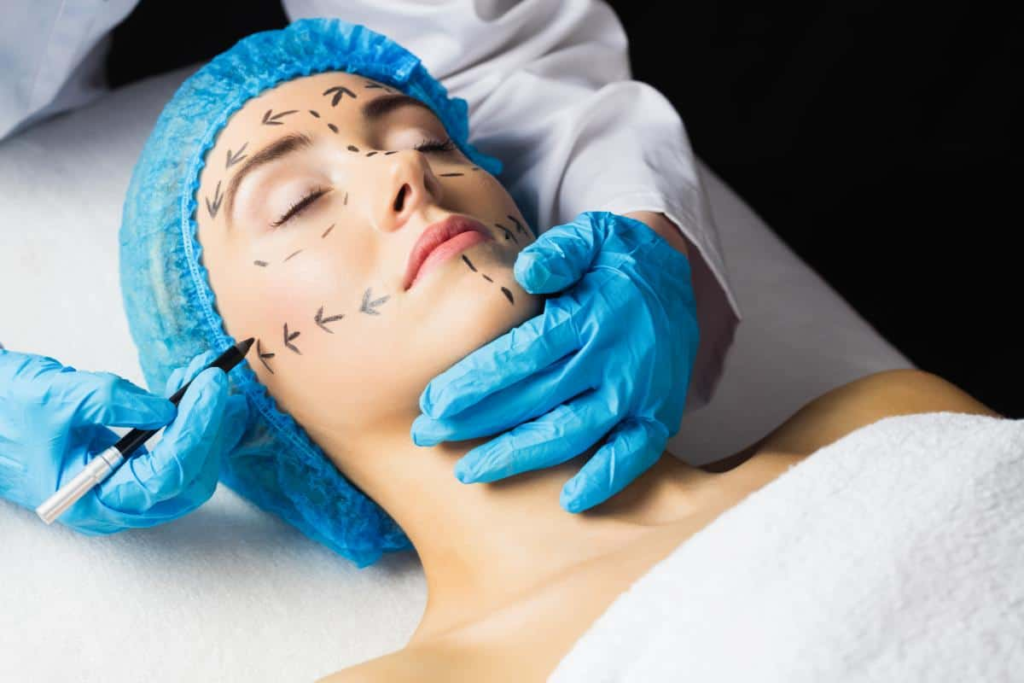
Photo of a woman's face with pre-surgery markings around the eyes

Blepharoplasty, also known as eyelid surgery, is a cosmetic procedure that aims to improve the appearance and function of the eyelids. It can correct droopy, saggy, or puffy eyelids, as well as remove excess skin, fat, or muscle from the upper or lower eyelids. Blepharoplasty can also help with vision problems caused by excess eyelid tissue blocking the eyes.

If you are considering blepharoplasty, you may have many questions and concerns about the procedure, such as:

  • What are the benefits and risks of blepharoplasty?
  • How much does blepharoplasty cost and where can I get it done?
  • How should I prepare for blepharoplasty and what is the recovery process like?
  • What are the alternatives to blepharoplasty and how do they compare?

In this article, we will answer these questions and more, to help you make an informed decision about blepharoplasty. We will also share some tips and insights from real patients who have undergone blepharoplasty, as well as some before and after photos to show you the possible results.

Blepharoplasty: Everything You Need to Know About Eyelid Surgery

Benefits and Risks of Blepharoplasty

Blepharoplasty can have many benefits for your appearance, self-esteem, and quality of life. Some of the benefits of blepharoplasty are:

  • It can make you look younger, more alert, and more refreshed by reducing the signs of aging and fatigue around your eyes.
  • It can enhance your natural eye shape and size by removing excess skin and fat that may obscure or distort your eyes.
  • It can improve your vision by lifting droopy eyelids that may interfere with your sight or cause irritation or dryness.
  • It can boost your confidence and satisfaction with your appearance by correcting any asymmetry or deformity of your eyelids.

However, like any surgery, blepharoplasty also has some risks and complications that you should be aware of. Some of the risks of blepharoplasty are:

  • Bleeding, infection, or scarring at the incision sites or around the eyes.
  • Dryness, irritation, or sensitivity of the eyes or eyelids.
  • Difficulty closing or opening the eyes, or changes in the position or shape of the eyelids.
  • Temporary or permanent vision loss or changes, such as blurred or double vision.
  • Unsatisfactory results, such as overcorrection, undercorrection, or asymmetry of the eyelids.

To minimize the risks of blepharoplasty, you should choose a qualified and experienced surgeon who can perform the procedure safely and effectively. You should also follow the preoperative and postoperative instructions given by your surgeon, and report any problems or concerns to your surgeon as soon as possible.

Before and after comparison of a woman's eyes showing the reduction of under-eye bags and wrinkles, likely from a cosmetic procedure or skincare treatment.

Cost and Location of Blepharoplasty

The cost of blepharoplasty can vary depending on several factors, such as:

  • The type and extent of blepharoplasty you need, whether it is upper, lower, or both eyelids, and whether it involves skin, fat, or muscle removal or repositioning.
  • The surgeon’s fees, which may depend on their qualifications, experience, and reputation.
  • The facility fees, which may depend on the type and location of the facility where the surgery is performed, such as a hospital, clinic, or office.
  • The anesthesia fees, which may depend on the type and amount of anesthesia used, such as general, local, or sedation.
  • The additional costs, such as preoperative and postoperative tests, medications, supplies, and follow-up visits.

According to the American Society of Plastic Surgeons, the average cost of blepharoplasty in the United States was $3,282 in 2020. However, this does not include the other fees mentioned above, so the total cost may be higher.

The cost of blepharoplasty may also vary depending on the location where you get it done. Different countries may have different prices, standards, and regulations for blepharoplasty. Some of the popular countries where people travel for blepharoplasty are:

CountryAverage Cost of Blepharoplasty
Turkey$1,500 – $3,000
Mexico$2,000 – $4,000
Thailand$2,500 – $5,000
South Korea$3,000 – $6,000
United Kingdom$4,000 – $8,000
United States$4,500 – $9,000

As you can see, Turkey is one of the most affordable and attractive options for blepharoplasty. But what makes Turkey so special? Let’s find out in the next section.

A close-up image of a man's face with a surgical pen marking lines under his eye, indicating preparation for a cosmetic procedure.

Why Choose Antalya in Turkey for Blepharoplasty

Turkey is a country that combines the best of both worlds: a rich and diverse culture, history, and nature, and a modern and advanced medical sector. Turkey has become a leading destination for medical tourism, especially for cosmetic surgery, thanks to its high-quality services, low prices, and easy accessibility.

Antalya is a city in Turkey that is famous for its stunning beaches, historical sites, and natural wonders. Antalya is also a hub for medical tourism, as it hosts many accredited and reputable hospitals, clinics, and surgeons that offer a wide range of cosmetic procedures, including blepharoplasty.

Some of the reasons why you should choose Antalya in Turkey for blepharoplasty are:

  • You can save up to 70% on the cost of blepharoplasty compared to other countries, without compromising on the quality or safety of the procedure.
  • You can enjoy a relaxing and comfortable stay in Antalya, as it offers many options for accommodation, transportation, and entertainment, catering to different budgets and preferences.
  • You can combine your blepharoplasty with a vacation in Antalya, as it offers many attractions and activities for you to explore and enjoy, such as the old town of Kaleiçi, the Düden Waterfalls, the Antalya Museum, and the Konyaaltı Beach.
  • You can benefit from the expertise and experience of the surgeons in Antalya, who are trained and certified in Turkey and abroad, and who use the latest techniques and technologies for blepharoplasty.
  • You can receive personalized and comprehensive care in Antalya, as the medical staff are friendly, professional, and fluent in English, and who will guide you through every step of the process, from consultation to recovery.

If you are interested in getting blepharoplasty in Antalya, you can contact us for more information and assistance. We can help you find the best surgeon and facility for your needs, and arrange everything for your trip, such as visa, flight, hotel, and transfer.

Photo of a woman's face with pre-surgery markings around the eyes

Alternatives to Blepharoplasty

Blepharoplasty is not the only option for improving the appearance and function of your eyelids. There are some alternatives to blepharoplasty that you may want to consider, depending on your goals, expectations, and suitability. Some of the alternatives to blepharoplasty are:

  • Botox: Botox is a nonsurgical treatment that involves injecting a neurotoxin into the muscles around the eyes, to temporarily relax them and reduce the appearance of wrinkles and fine lines. Botox can also lift the eyebrows and the corners of the eyes, creating a more youthful and refreshed look. Botox is quick, easy, and relatively painless, but it only lasts for about 3 to 6 months, and it does not address excess skin or fat on the eyelids.
  • Fillers: Fillers are another nonsurgical treatment that involves injecting a gel-like substance into the areas around the eyes, to add volume and smoothness to the skin. Fillers can also fill in the hollows and dark circles under the eyes, creating a more plump and radiant look. Fillers are also fast, simple, and minimally invasive, but they only last for about 6 to 18 months, and they do not remove excess skin or fat on the eyelids.
  • Laser resurfacing: Laser resurfacing is a minimally invasive treatment that involves using a laser device to deliver pulses of light to the skin around the eyes, to stimulate collagen production and improve the texture and tone of the skin. Laser resurfacing can also tighten the skin and reduce the appearance of scars, pigmentation, and sun damage. Laser resurfacing is more effective and longer-lasting than Botox or fillers, but it requires more downtime and aftercare, and it does not address excess skin or fat on the eyelids.

As you can see, none of these alternatives can achieve the same results as blepharoplasty, as they do not remove excess skin or fat on the eyelids. However, they can be used as complementary or supplementary treatments to blepharoplasty, to enhance or maintain the outcome. You should consult your surgeon to find out which option is best for you.

Conclusion

Blepharoplasty is a cosmetic procedure that can improve the appearance and function of your eyelids, by removing excess skin, fat, or muscle from the upper or lower eyelids. Blepharoplasty can make you look younger, more alert, and more refreshed, as well as improve your vision and confidence. However, blepharoplasty also has some risks and complications, such as bleeding, infection, scarring, dryness, irritation, or vision changes. Therefore, you should choose a qualified and experienced surgeon who can perform the procedure safely and effectively, and follow the preoperative and postoperative instructions carefully.

One of the best places to get blepharoplasty is Antalya in Turkey, where you can enjoy high-quality services, low prices, and easy accessibility. Antalya is also a beautiful and vibrant city, where you can combine your blepharoplasty with a vacation, and explore its many attractions and activities. Antalya has many accredited and reputable hospitals, clinics, and surgeons that offer blepharoplasty, and that can provide you with personalized and comprehensive care.

If you are interested in getting blepharoplasty in Antalya, you can contact us for more information and assistance. We can help you find the best surgeon and facility for your needs, and arrange everything for your trip, such as visa, flight, hotel, and transfer. We can also help you with any questions or concerns you may have before, during, or after your blepharoplasty.

We hope this article has been helpful and informative for you, and that you have learned everything you need to know about blepharoplasty. If you have any feedback or suggestions, please let us know in the comments section below. Thank you for reading and have a great day!

Visit the Dr.MFO Instagram profile for examples of successful Surgeries. Contact for free consultation.

Jaw Contouring: A Guide to Enhance Your Facial Features

A woman receiving a cosmetic injection in her jawline from a medical professional wearing blue gloves

Jaw contouring, also known as jaw reduction or jaw shaving, is a cosmetic surgery that aims to reshape the lower part of the face by altering the shape and size of the jawbone. This procedure can help people who are unhappy with their jawline, whether it is too wide, too square, too angular, or too prominent. Jaw contouring can also improve the balance and harmony of the facial features, as well as the overall appearance and confidence of the person.

In this article, we will talk about what jaw contouring is, how it is done, what are the benefits and risks, how much it costs, and why Turkey is a great destination for this surgery. We will also share some tips on how to prepare for and recover from jaw contouring, as well as some before and after photos of real patients who have undergone this procedure.

A woman receiving a cosmetic injection in her jawline from a medical professional wearing blue gloves

What is Jaw Contouring and How is it Done?

Jaw contouring is a surgical procedure that involves making small incisions inside the mouth and removing or shaving off excess bone from the lower jaw. The surgeon may also use a burr or a laser to smooth out the edges of the bone and create a more rounded or oval shape. The incisions are then closed with dissolvable stitches and the patient is given antibiotics and painkillers to prevent infection and reduce discomfort.

The surgery usually takes about one to two hours and is performed under general anesthesia. The patient may need to stay in the hospital for one or two nights, depending on the extent of the surgery and the recovery process. The patient may also need to wear a compression garment or a bandage around the lower face for a few days to minimize swelling and bruising.

What are the Benefits and Risks of Jaw Contouring?

Jaw contouring can have many benefits for people who are unhappy with their jawline or want to enhance their facial features. Some of the benefits are:

  • It can create a more feminine or masculine appearance, depending on the desired outcome.
  • It can improve the proportion and symmetry of the face, especially when combined with other procedures such as chin augmentation, cheek implants, or rhinoplasty.
  • It can reduce the appearance of a double chin or a sagging neck, as well as the signs of aging.
  • It can boost the self-esteem and confidence of the person, as well as their social and professional opportunities.

However, like any surgery, jaw contouring also has some risks and complications that should be considered before deciding to undergo this procedure. Some of the risks are:

  • Infection, bleeding, or nerve damage, which may cause numbness, tingling, or weakness in the lower lip or chin.
  • Asymmetry, irregularity, or dissatisfaction with the results, which may require revision surgery or additional treatments.
  • Scarring, swelling, or bruising, which may take several weeks or months to subside.
  • Difficulty in chewing, speaking, or smiling, which may be temporary or permanent.
  • Allergic reaction to the anesthesia, medication, or materials used during the surgery.

Therefore, it is important to choose a qualified and experienced surgeon who can perform the surgery safely and effectively, as well as to follow the pre-operative and post-operative instructions carefully to ensure a smooth and successful recovery.

A side profile of a woman with smooth skin, looking up slightly with her hand gently touching her neck.

How Much Does Jaw Contouring Cost and Where Can You Get It Done?

The cost of jaw contouring can vary depending on several factors, such as the location, the surgeon, the technique, the extent of the surgery, and the additional procedures that may be performed along with it. The average cost of jaw contouring in the United States is around $6,000, while in the United Kingdom it is around £4,000. However, these prices do not include the hospital fees, the anesthesia fees, the medication fees, or the travel expenses.

If you are looking for a more affordable option, you may want to consider traveling to another country where the cost of living and the medical expenses are lower, but the quality of care and the results are comparable or even better. One of the most popular destinations for jaw contouring is Turkey, where you can get this surgery done for as low as $2,000, including the hospital fees, the anesthesia fees, the medication fees, and the travel expenses.

Turkey is not only a budget-friendly option, but also a high-quality and reliable one. Turkey has many accredited and reputable hospitals and clinics that offer jaw contouring and other cosmetic surgeries, as well as highly skilled and experienced surgeons who are trained and certified in Europe or the United States. Turkey also has a rich and diverse culture, history, and nature that you can explore and enjoy during your stay.

Why Choose Antalya in Turkey for Jaw Contouring?

Antalya is one of the most beautiful and popular cities in Turkey, located on the Mediterranean coast. It is known for its stunning beaches, historical sites, and natural wonders, as well as its modern and cosmopolitan lifestyle. Antalya is also a hub for medical tourism, as it has many world-class hospitals and clinics that offer jaw contouring and other cosmetic surgeries at affordable prices and with excellent results.

Some of the reasons why you should choose Antalya in Turkey for jaw contouring are:

  • You can save up to 70% on the cost of the surgery, compared to other countries such as the United States or the United Kingdom.
  • You can benefit from the latest technology and equipment, as well as the highest standards of hygiene and safety, in the hospitals and clinics in Antalya.
  • You can find qualified and experienced surgeons who speak fluent English and who can understand your needs and expectations, as well as provide you with personalized and professional care.
  • You can recover in a comfortable and relaxing environment, as well as enjoy the warm and sunny weather, the delicious and healthy cuisine, and the friendly and hospitable people in Antalya.
  • You can combine your surgery with a vacation, as Antalya has many attractions and activities that you can visit and do, such as the ancient city of Perge, the Duden Waterfalls, the Antalya Aquarium, the Konyaalti Beach, and the Kaleici Old Town.

How to Prepare for and Recover from Jaw Contouring?

Before undergoing jaw contouring, you should consult your doctor and your surgeon and discuss your medical history, your goals, your expectations, and your concerns. You should also follow the pre-operative instructions that your surgeon will give you, such as:

  • Stop smoking and drinking alcohol at least two weeks before the surgery, as they can interfere with the healing process and increase the risk of complications.
  • Avoid taking any blood-thinning medications or supplements, such as aspirin, ibuprofen, or vitamin E, at least one week before the surgery, as they can cause excessive bleeding and bruising.
  • Eat a balanced and nutritious diet, drink plenty of water, and get enough rest and sleep, as they can boost your immune system and your recovery.
  • Arrange for someone to drive you to and from the hospital, as well as to stay with you for the first 24 hours after the surgery, as you may feel groggy and dizzy from the anesthesia and the painkillers.

After the surgery, you should follow the post-operative instructions that your surgeon will give you, such as:

  • Take the prescribed antibiotics and painkillers as directed, to prevent infection and reduce discomfort.
  • Apply ice packs or cold compresses to the lower face, to minimize swelling and bruising.
  • Keep your head elevated and avoid lying flat, to reduce pressure and bleeding.
  • Rinse your mouth with salt water or antiseptic mouthwash, to keep the incisions clean and prevent infection.
  • Eat soft and liquid foods, such as soup, yogurt, pudding, or smoothies, and avoid hard, crunchy, or spicy foods, as they can irritate the incisions and the gums.
  • Drink plenty of water, but avoid using a straw, as it can create suction and dislodge the stitches.
  • Brush your teeth gently, but avoid touching the incisions or the stitches, as they can cause bleeding or infection.
  • Avoid smoking and drinking alcohol, as they can delay the healing process and increase the risk of complications.
  • Avoid strenuous activities, such as exercise, sports, or lifting heavy objects, as they can cause swelling, bleeding, or pain.
  • Avoid sun exposure, as it can cause hyperpigmentation or scarring on the skin.

The recovery time from jaw contouring may vary from person to person, depending on the extent of the surgery and the individual healing process. Generally, it may take about two to four weeks for the swelling and bruising to subside, and about six to twelve months for the final results to be visible. During this time, you should follow up with your surgeon regularly and monitor your progress and your healing.

A before-and-after comparison showing the effects of a cosmetic procedure on a woman's chin and jawline, highlighting the reduction of a double chin.

Conclusion

Jaw contouring is a cosmetic surgery that can change the shape and size of the lower jaw and enhance the facial features. It can help people who are unhappy with their jawline or want to improve their appearance and confidence. Jaw contouring can be done safely and effectively in Turkey, where the cost is much lower than in other countries, but the quality and the results are comparable or even better. Antalya is one of the best cities in Turkey to get jaw contouring, as it has many reputable hospitals and clinics, as well as many attractions and activities to enjoy during the stay.

If you are interested in jaw contouring or want to learn more about this procedure, you can contact us and we will be happy to assist you. We can provide you with a free consultation, a personalized quote, and a comprehensive package that includes the surgery, the accommodation, the transportation, and the aftercare. We can also help you with any questions or concerns that you may have before, during, or after the surgery.

We hope that this article has given you some useful information and insights on jaw contouring. Thank you for reading and we hope to hear from you soon.

Visit the Dr.MFO Instagram profile for examples of successful Surgeries. Contact for free consultation.

Lip Augmentation: Everything You Need to Know About Enhancing Your Smile

Lip Augmentation: Everything You Need to Know About Enhancing Your Smile

Lip augmentation is a cosmetic procedure that aims to improve the appearance of the lips by increasing their fullness, shape, and symmetry. Lip augmentation can be done with various methods, such as injections, implants, fat transfer, or surgery. In this article, we will discuss the benefits, risks, costs, and alternatives of lip augmentation, as well as why Turkey is a great destination for this procedure.

Lip Augmentation: Everything You Need to Know About Enhancing Your Smile

What are the Benefits of Lip Augmentation?

Lip augmentation can offer several benefits for people who are unhappy with their natural lips or who want to restore their youthful look. Some of the benefits are:

  • Improved self-confidence: Having fuller and more defined lips can boost your self-esteem and make you feel more attractive and confident.
  • Enhanced facial harmony: Lip augmentation can balance your facial features and create a more harmonious and proportionate look.
  • Reduced signs of aging: As we age, our lips tend to lose volume and elasticity, resulting in wrinkles, sagging, and thinning. Lip augmentation can restore the plumpness and smoothness of your lips and make you look younger and fresher.
  • Customized results: Lip augmentation can be tailored to your preferences and goals. You can choose the size, shape, and contour of your lips, as well as the type and amount of filler or implant that suits you best.
Lip Augmentation: Everything You Need to Know About Enhancing Your Smile

What are the Risks of Lip Augmentation?

Lip augmentation is generally a safe and effective procedure, but like any other cosmetic intervention, it carries some risks and potential complications. Some of the risks are:

  • Infection: There is a possibility of infection at the injection or incision site, which can cause pain, swelling, redness, and fever. To prevent infection, you should follow the post-operative instructions of your doctor and take antibiotics if prescribed.
  • Allergic reaction: Some people may have an allergic reaction to the filler or implant material, which can cause itching, rash, hives, or difficulty breathing. To avoid this, you should inform your doctor of any allergies or medical conditions that you have before the procedure.
  • Asymmetry: Sometimes, the lips may not heal evenly or the filler or implant may shift or migrate, resulting in asymmetrical or unnatural-looking lips. To correct this, you may need additional injections or surgery.
  • Nerve damage: In rare cases, the needle or scalpel may damage the nerves that control the movement and sensation of the lips, causing numbness, tingling, or paralysis. This may be temporary or permanent, depending on the severity of the injury.

How Much Does Lip Augmentation Cost?

The cost of lip augmentation varies depending on the type and extent of the procedure, the experience and reputation of the doctor, and the location and facility of the clinic. According to the American Society of Plastic Surgeons, the average cost of lip augmentation with injectable fillers in the United States was $682 in 2020, while the average cost of lip implants was $2,225. However, these figures do not include anesthesia, operating room, and other fees, which can significantly increase the total cost.

If you are looking for a more affordable option, you may want to consider traveling to Turkey for your lip augmentation. Turkey is one of the leading countries in the world for medical tourism, offering high-quality and low-cost cosmetic procedures. According to the International Society of Aesthetic Plastic Surgery, Turkey ranked sixth in the world for the number of cosmetic surgeries performed in 2019, with more than 1 million procedures.

Here is a table that compares the average cost of lip augmentation in Turkey and some other popular countries:

CountryAverage Cost of Lip Augmentation with Fillers (USD)Average Cost of Lip Augmentation with Implants (USD)
Turkey$300$1,000
USA$682$2,225
UK$600$2,500
Brazil$400$1,500
Mexico$350$1,200
Thailand$300$1,000

As you can see, Turkey offers the lowest prices for both types of lip augmentation, making it a more attractive alternative for the surgery in question.

Why Choose Antalya in Turkey for Lip Augmentation?

Antalya is a city on the Mediterranean coast of Turkey, known for its beautiful beaches, historical sites, and cultural attractions. Antalya is also a popular destination for medical tourism, especially for cosmetic procedures. Here are some reasons why you should choose Antalya for your lip augmentation:

  • Experienced and qualified doctors: Antalya has many reputable and certified plastic surgeons who have extensive training and experience in lip augmentation. They use the latest techniques and technologies to ensure the best results and patient satisfaction.
  • Accredited and modern clinics: Antalya has many accredited and modern clinics that offer lip augmentation. They have state-of-the-art equipment and facilities, as well as strict hygiene and safety standards. They also provide comprehensive and personalized care for their patients, including consultation, examination, surgery, and aftercare.
  • Affordable and transparent prices: Antalya offers affordable and transparent prices for lip augmentation, with no hidden or extra fees. You can save up to 70% compared to the prices in the United States or the United Kingdom. You can also get free quotes and compare prices from different clinics before making your decision.
  • Attractive and convenient location: Antalya is an attractive and convenient location for your lip augmentation. You can enjoy the sunny and warm weather, the stunning scenery, and the rich culture and history of the city. You can also easily access the city by plane, bus, or car, as it has an international airport and a well-developed transportation network.
Lip Augmentation: Everything You Need to Know About Enhancing Your Smile

Conclusion

Lip augmentation is a cosmetic procedure that can improve the appearance of your lips by making them fuller, more defined, and more symmetrical. Lip augmentation can offer several benefits, such as improved self-confidence, enhanced facial harmony, reduced signs of aging, and customized results. However, lip augmentation also carries some risks, such as infection, allergic reaction, asymmetry, and nerve damage. Therefore, you should consult your doctor before undergoing any cosmetic procedure and follow their instructions carefully.

If you are looking for a more affordable and quality option for your lip augmentation, you may want to consider traveling to Turkey, especially to Antalya. Turkey is a leading country in the world for medical tourism, offering high-quality and low-cost cosmetic procedures. Antalya is a popular destination for medical tourism, as it has experienced and qualified doctors, accredited and modern clinics, affordable and transparent prices, and attractive and convenient location.

We hope that this article has provided you with useful and relevant information about lip augmentation. If you have any questions or comments, please feel free to contact us. We would love to hear from you and help you achieve your desired smile.

Visit the Dr.MFO Instagram profile for examples of successful Surgeries. Contact for free consultation.
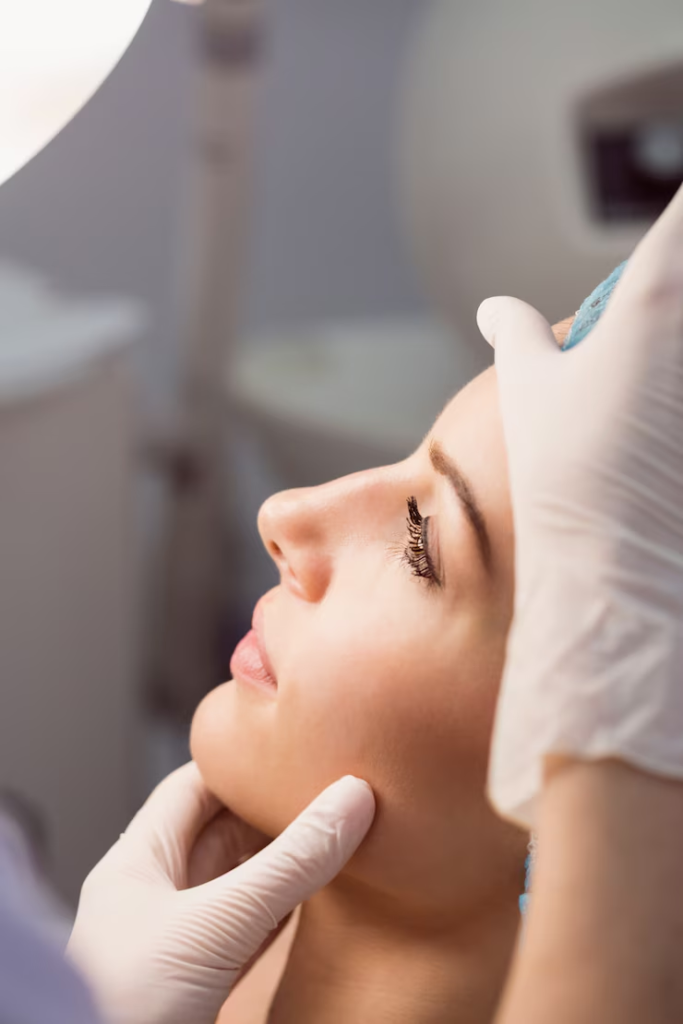
How Much Does Facial Feminization Surgery Cost? A Comprehensive Guide

facial feminization surgery

Facial feminization surgery (FFS) is a set of surgical procedures that aim to modify the facial features of transgender women and non-binary people to make them more feminine and aligned with their gender identity. FFS can include various operations, such as forehead contouring, brow lift, rhinoplasty, chin reduction, jaw shaving, lip augmentation, cheek implants, tracheal shave, and more.

FFS can have a significant impact on the quality of life, self-esteem, and mental health of transgender and non-binary individuals who experience gender dysphoria or discomfort with their facial appearance. However, FFS is also a complex and expensive procedure that requires careful planning, research, and consultation with qualified surgeons.

In this article, we will provide you with a comprehensive guide on the average cost of facial feminization surgery, the factors that affect the price, the price comparison of different countries, and the benefits of choosing Turkey as your destination for FFS. We will also answer some frequently asked questions about FFS and share some tips on how to prepare for your surgery and recovery.

What Factors Affect the Cost of Facial Feminization Surgery?

The average cost of facial feminization surgery can vary widely depending on several factors, such as:

  • The number and type of procedures: FFS can involve multiple procedures that target different areas of the face, such as the forehead, nose, chin, jaw, lips, cheeks, and neck. Each procedure has its own cost, complexity, and recovery time. The more procedures you need, the higher the overall cost of FFS will be.
  • The surgeon’s experience and reputation: FFS is a highly specialized and delicate surgery that requires a skilled and experienced surgeon who can achieve natural and harmonious results. The surgeon’s fees can reflect their level of expertise, training, certification, and reputation in the field of FFS. You should always choose a surgeon who has a proven track record of successful FFS cases and who can show you before and after photos of their previous patients.
  • The location and facility: The cost of FFS can also vary depending on the country, city, and clinic where you have your surgery. Different countries have different standards of living, medical regulations, and currency exchange rates that can affect the price of FFS. Additionally, the quality and safety of the facility, the equipment, the staff, and the anesthesia can also influence the cost of FFS. You should always choose a reputable and accredited clinic that can provide you with high-quality care and comfort.
  • The travel and accommodation expenses: If you decide to have your FFS abroad, you will also need to consider the additional costs of travel and accommodation. Depending on the distance and duration of your trip, you may need to pay for flights, visas, transfers, hotels, meals, and other expenses. You should also factor in the cost of post-operative care, such as follow-up visits, medications, dressings, and possible complications.

How Much Does Facial Feminization Surgery Cost in Different Countries?

The average cost of facial feminization surgery can vary significantly from country to country, depending on the factors mentioned above. Here is a table that shows the approximate price range of FFS in some popular countries where this surgery is performed:

CountryPrice Range (USD)
USA$20,000 – $60,000
UK$15,000 – $40,000
Spain$10,000 – $30,000
Thailand$8,000 – $25,000
Brazil$7,000 – $20,000
Turkey$5,000 – $15,000

As you can see, Turkey offers the lowest price range for FFS among these countries, making it a more attractive and affordable option for many patients. However, the cost of FFS is not the only factor that you should consider when choosing your destination. You should also look at the quality, safety, and results of the surgery, as well as the overall experience and satisfaction of the patients.

Cosmetic Surgery in Antalya

Why Choose Antalya in Turkey for Facial Feminization Surgery?

Turkey is one of the leading countries in the world for medical tourism, especially for cosmetic and plastic surgery. According to a report by the Turkish Healthcare Travel Council, Turkey hosted more than 1.1 million medical tourists in 2019, generating over $1.5 billion in revenue. Among the most popular procedures that attract foreign patients to Turkey are hair transplantation, rhinoplasty, liposuction, breast augmentation, and facial feminization surgery.

Antalya is a city on the Mediterranean coast of Turkey that is famous for its natural beauty, historical sites, and cultural diversity. Antalya is also a hub for medical tourism, offering high-quality and affordable healthcare services to both domestic and international patients. Antalya has many advantages for patients who are looking for facial feminization surgery, such as:

  • Experienced and qualified surgeons: Antalya has some of the best FFS surgeons in Turkey, who have extensive training, certification, and experience in performing FFS procedures. They use the latest techniques and technologies to achieve natural and feminine results that match the patient’s expectations and goals. They also provide personalized and comprehensive care to each patient, from the initial consultation to the final follow-up.
  • Accredited and modern clinics: Antalya has many accredited and modern clinics that specialize in FFS and other cosmetic and plastic surgeries. These clinics have state-of-the-art equipment, facilities, and staff that ensure the safety, comfort, and satisfaction of the patients. They also offer package deals that include the cost of the surgery, the anesthesia, the hospital stay, the post-operative care, and the transfers.
  • Affordable and competitive prices: Antalya offers some of the most affordable and competitive prices for FFS in the world, without compromising the quality and results of the surgery. The average cost of facial feminization surgery in Antalya ranges from $5,000 to $15,000, depending on the number and type of procedures. This is much lower than the average cost of FFS in other countries, such as the USA, the UK, Spain, Thailand, or Brazil. Moreover, Antalya has a low cost of living, which means that the patients can save money on travel and accommodation expenses as well.
  • Attractive and enjoyable destination: Antalya is not only a great place for FFS, but also a great place for tourism and leisure. Antalya has a warm and sunny climate, beautiful beaches, stunning scenery, rich history, and vibrant culture. Antalya offers many attractions and activities for the patients and their companions, such as visiting the ancient ruins of Perge, Aspendos, and Termessos, exploring the old town of Kaleiçi, enjoying the waterfalls of Düden and Kursunlu, relaxing in the thermal spas of Pamukkale, shopping in the local markets and bazaars, and tasting the delicious Turkish cuisine.
Brazilian butt lift in Antalya

Frequently Asked Questions About Facial Feminization Surgery

Here are some of the most common questions that patients have about facial feminization surgery:

  • Who is a good candidate for FFS? A good candidate for FFS is someone who is over 18 years old, who has a stable and realistic expectation of the outcome, who is in good physical and mental health, who does not smoke or drink excessively, and who has completed or is undergoing hormone replacement therapy (HRT) for at least one year. HRT can help soften the facial features and enhance the results of FFS, but it is not a requirement for FFS.
  • How long does FFS take? The duration of FFS depends on the number and type of procedures that are performed. FFS can take anywhere from two to eight hours, or even longer in some cases. The patients usually stay in the hospital for one or two nights after the surgery, and then they can return to their hotel or apartment. The patients need to stay in Antalya for at least 10 to 14 days after the surgery, so that they can have their stitches removed and their healing monitored by the surgeon.
  • What are the risks and complications of FFS? FFS is a safe and effective surgery, but like any surgery, it has some potential risks and complications, such as bleeding, infection, swelling, bruising, numbness, scarring, asymmetry, nerve damage, bone resorption, implant rejection, and dissatisfaction with the results. These risks and complications are rare and can be minimized by choosing a qualified and experienced surgeon, following the pre-operative and post-operative instructions, and reporting any problems or concerns to the surgeon as soon as possible.
  • How long does it take to recover from FFS? The recovery time from FFS varies from patient to patient, depending on the extent and complexity of the surgery, the patient’s age, health, and lifestyle, and the patient’s adherence to the surgeon’s recommendations. In general, the patients can resume their normal activities within two to four weeks after the surgery, but they should avoid strenuous exercise, sun exposure, smoking, alcohol, and makeup for at least six weeks. The swelling and bruising will subside gradually over the first few months, and the final results will be visible after six to 12 months.

How to Prepare for Your Facial Feminization Surgery and Recovery?

If you are planning to have your FFS in Antalya, here are some tips on how to prepare for your surgery and recovery:

  • Do your research: Before you book your FFS in Antalya, you should do your research on the surgeon, the clinic, the procedure, and the destination. You should look for reviews, testimonials, and before and after photos of previous patients who had FFS in Antalya. You should also compare the prices, quality, and results of FFS in different countries and clinics. You should contact the clinic and the surgeon and ask them any questions or concerns that you have about FFS. You should also check the visa requirements, the travel restrictions, and the Covid-19 protocols for traveling to Turkey.
  • Plan your trip: Once you have decided to have your FFS in Antalya, you should plan your trip accordingly. You should book your flights, your accommodation, and your transfers in advance. You should also arrange your post-operative care, such as follow-up visits, medications, dressings, and possible complications. You should pack your essentials, such as your passport, your medical records, your prescriptions, your toiletries, your comfortable clothes, your sunglasses, your hat, and your scarf. You should also prepare some entertainment, such as books, music, movies, or games, to keep you occupied during your recovery.
  • Follow the pre-operative instructions: Before your FFS, you should follow the pre-operative instructions given by your surgeon. You should stop smoking, drinking alcohol, and taking any blood-thinning medications, such as aspirin, ibuprofen, or herbal supplements, at least two weeks before the surgery. You should also avoid any facial treatments, such as waxing, threading, or peeling, at least one week before the surgery. You should eat a healthy and balanced diet, drink plenty of water, and get enough sleep. You should also wash your face and hair with a mild soap and shampoo the night before the surgery. You should not eat or drink anything after midnight on the day of the surgery.
  • Take care of yourself after the surgery: After your FFS, you should take care of yourself and follow the post-operative instructions given by your surgeon. You should rest and elevate your head for the first few days to reduce the swelling and bruising. You should apply ice packs and cold compresses to your face as directed by your surgeon. You should avoid touching, rubbing, or scratching your face and incisions. You should clean your face and incisions gently with a damp cloth and apply the prescribed ointments and creams. You should take the prescribed painkillers and antibiotics as instructed by your surgeon. You should also avoid any strenuous activities, sun exposure, smoking, alcohol, and makeup for at least six weeks. You should attend your follow-up visits and report any problems or concerns to your surgeon as soon as possible.

  • Be patient and positive: FFS is a major surgery that can have a dramatic effect on your appearance and your identity. It can also be a challenging and emotional process that requires patience and positivity. You should not expect to see the final results of your FFS immediately, as it can take several months for the swelling and bruising to subside and the scars to fade. You should also be prepared for some possible changes in your perception of yourself and your relationships with others. You should seek support from your friends, family, therapist, or support group if you feel anxious, depressed, or isolated after your FFS. You should also celebrate your achievements and milestones, and appreciate the journey that you have taken to become your true self.
  • Follow a healthy lifestyle: FFS is not only a physical transformation, but also a lifestyle change. You should follow a healthy lifestyle after your FFS to maintain and enhance the results of your surgery. You should eat a nutritious and balanced diet, drink plenty of water, and avoid junk food, caffeine, and sugar. You should also exercise regularly, but avoid any activities that can put pressure or strain on your face, such as lifting weights, running, or swimming. You should also protect your skin from the sun, use moisturizer and sunscreen, and avoid smoking and alcohol. You should also practice good hygiene and dental care, and avoid any infections or inflammations that can affect your face.
What is the minimum age for facial feminization surgery?

Conclusion

Facial feminization surgery is a life-changing procedure that can help transgender and non-binary individuals achieve a more feminine and harmonious facial appearance that matches their gender identity. FFS can also improve the quality of life, self-esteem, and mental health of these individuals, who may suffer from gender dysphoria or discomfort with their facial features.

However, FFS is also a complex and expensive procedure that requires careful planning, research, and consultation with qualified surgeons. The average cost of facial feminization surgery can vary widely depending on the number and type of procedures, the surgeon’s experience and reputation, the location and facility, and the travel and accommodation expenses. The cost of FFS can also be influenced by the currency exchange rates, the medical regulations, and the Covid-19 protocols of different countries.

Among the popular countries where FFS is performed, Turkey offers the lowest price range for FFS, without compromising the quality and results of the surgery. Turkey is also one of the leading countries in the world for medical tourism, especially for cosmetic and plastic surgery. Antalya is a city on the Mediterranean coast of Turkey that is famous for its natural beauty, historical sites, and cultural diversity. Antalya is also a hub for medical tourism, offering high-quality and affordable healthcare services to both domestic and international patients. Antalya has many advantages for patients who are looking for FFS, such as experienced and qualified surgeons, accredited and modern clinics, affordable and competitive prices, and attractive and enjoyable destination.

If you are planning to have your FFS in Antalya, you should prepare yourself for your surgery and recovery by following the tips and advice that we have provided in this article. You should do your research, plan your trip, follow the pre-operative and post-operative instructions, take care of yourself after the surgery, be patient and positive, and follow a healthy lifestyle. By doing so, you can ensure a smooth and successful FFS experience that can help you achieve your desired facial appearance and identity.

We hope that this article has been helpful and informative for you. If you have any questions or comments, please feel free to contact us. We would love to hear from you and assist you with your FFS journey.

Visit the Dr.MFO Instagram profile for examples of successful Surgeries. Contact for free consultation.